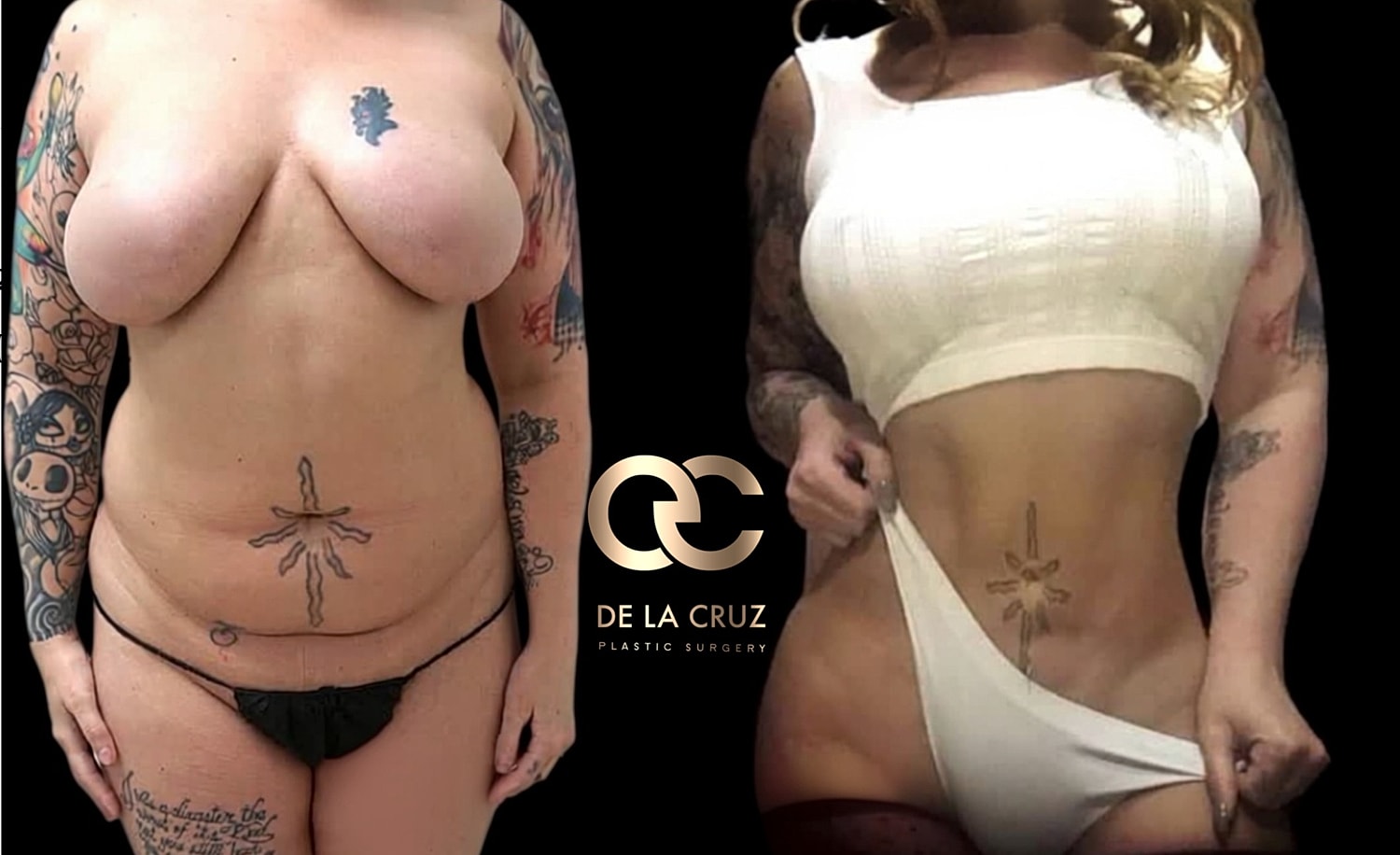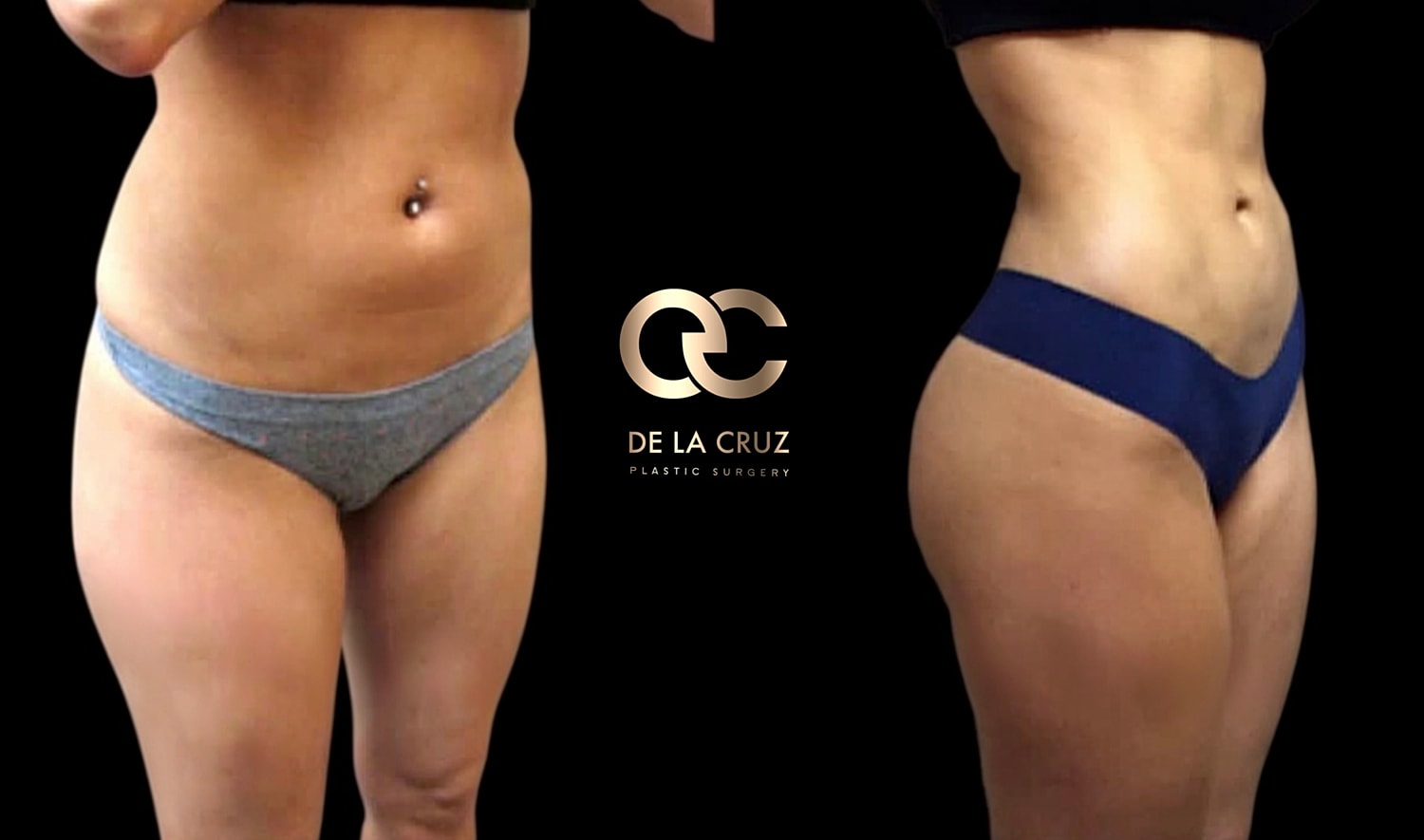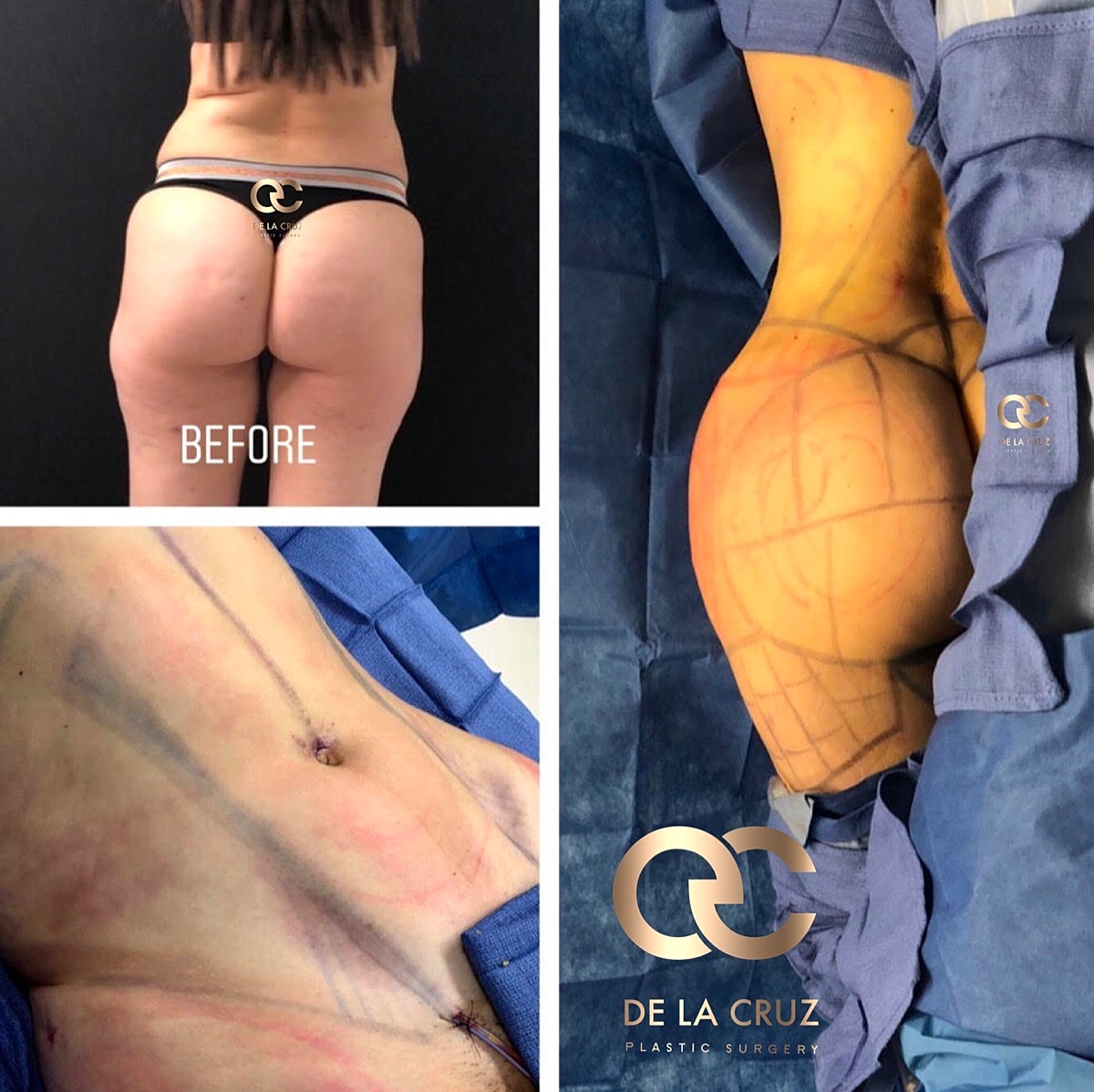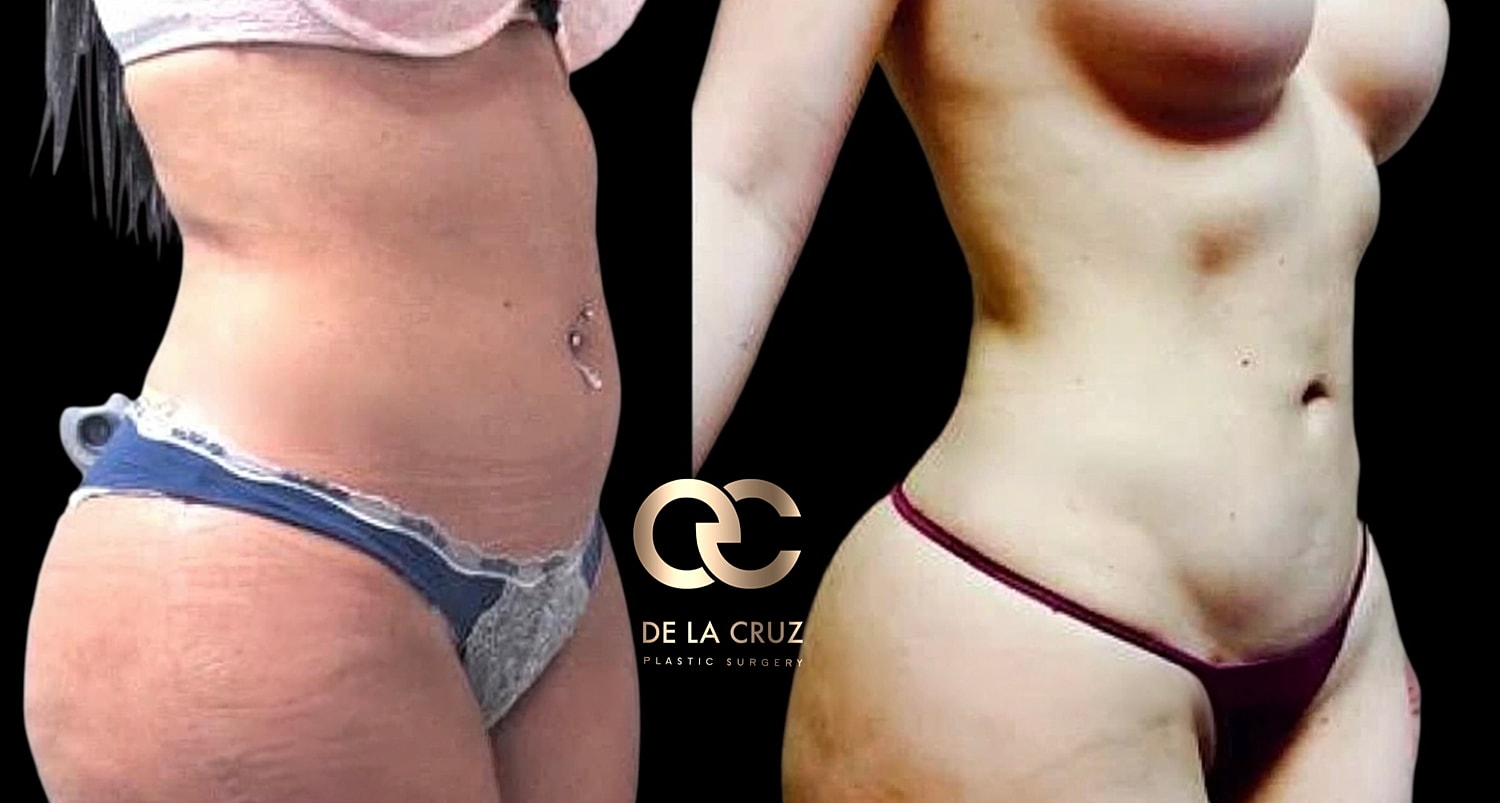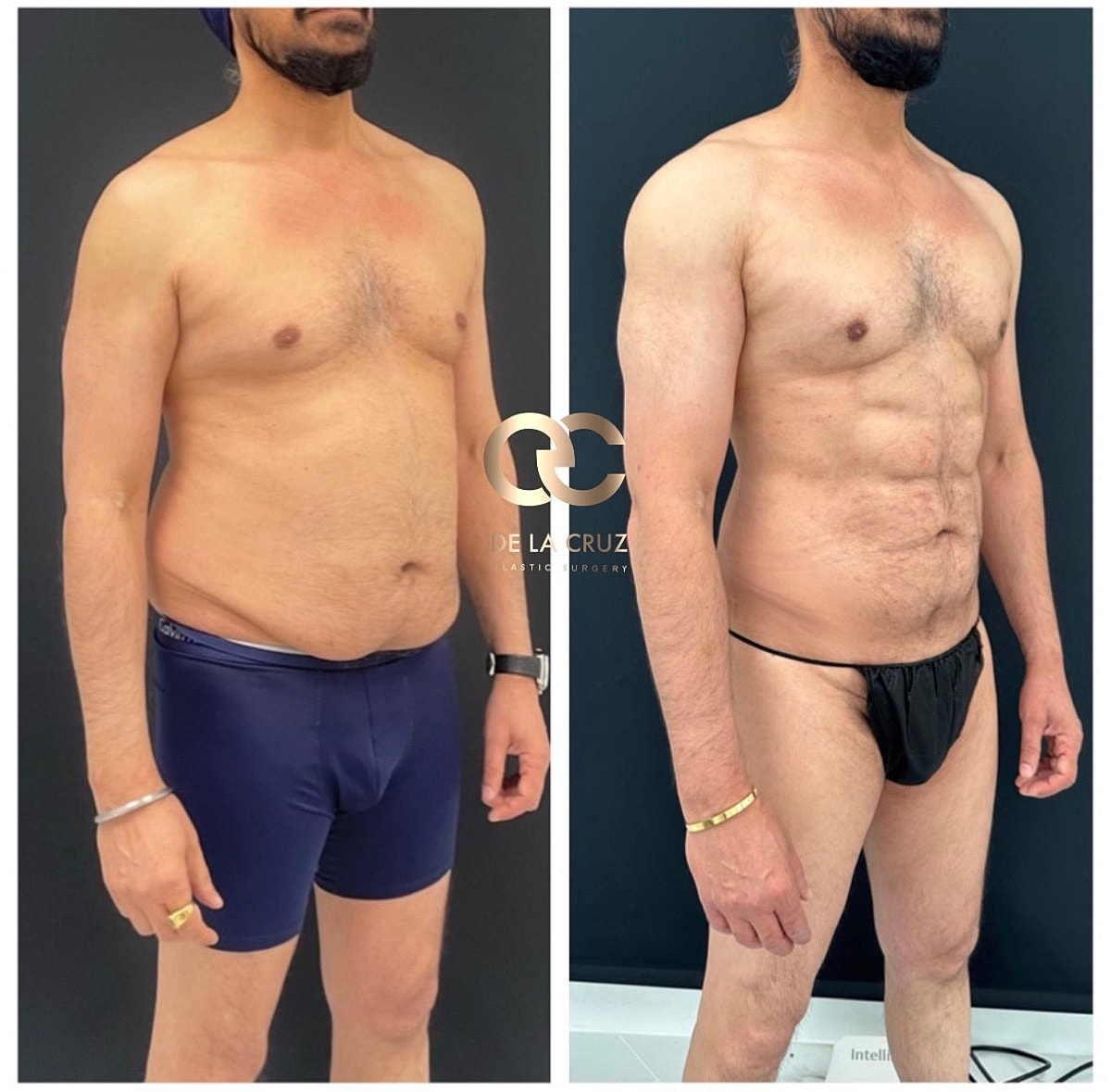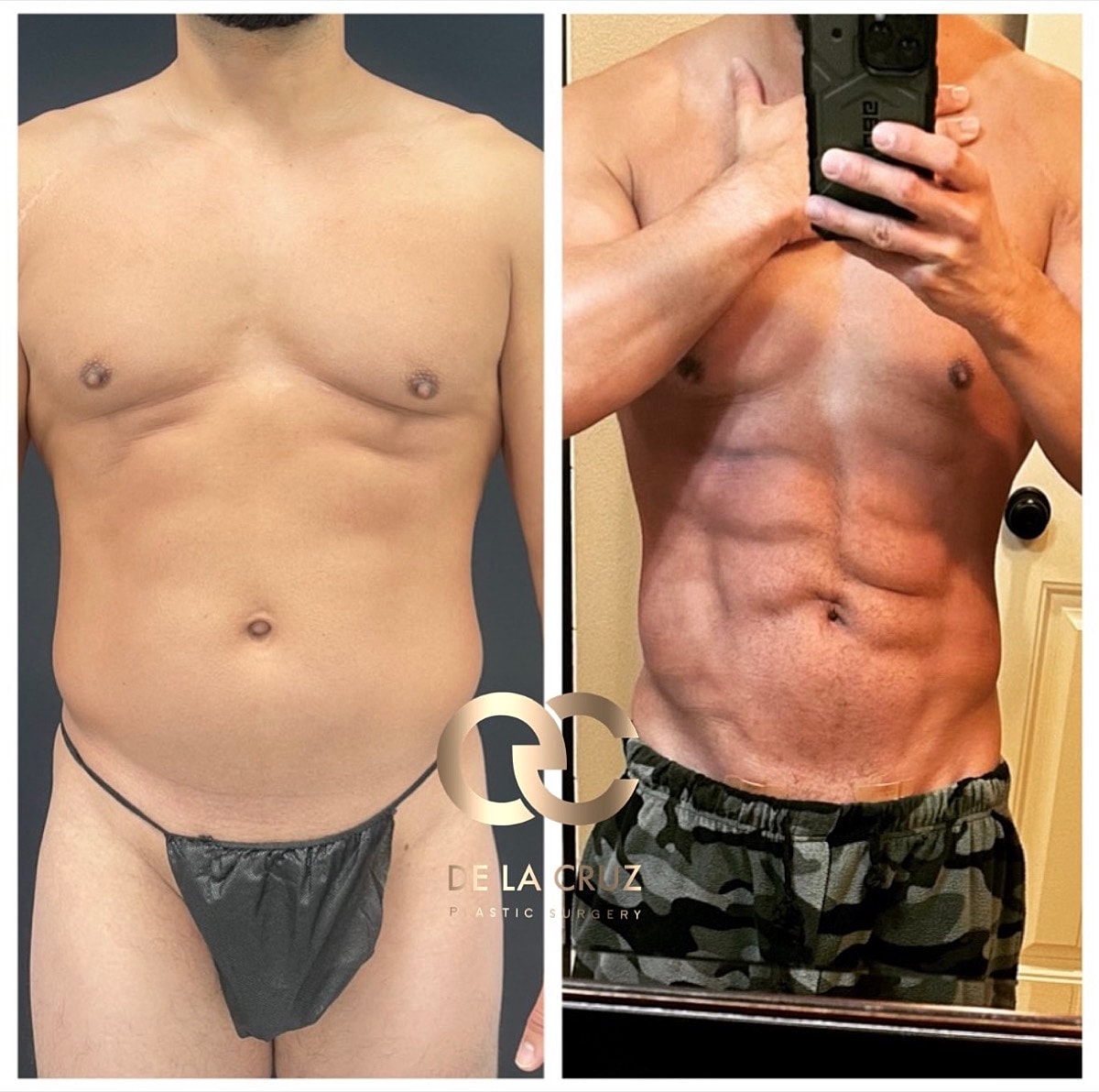
Fibroseptal Network (FSN) and Skin Retraction After Liposuction: The Science Behind Tightening
Medically Reviewed and written by Dr. Emmanuel De La Cruz, MD Double Board-Certified Plastic Surgeon | Houston, TX
Medically Reviewed and written by Dr. Emmanuel De La Cruz, MD Double Board-Certified Plastic Surgeon | Houston, TX
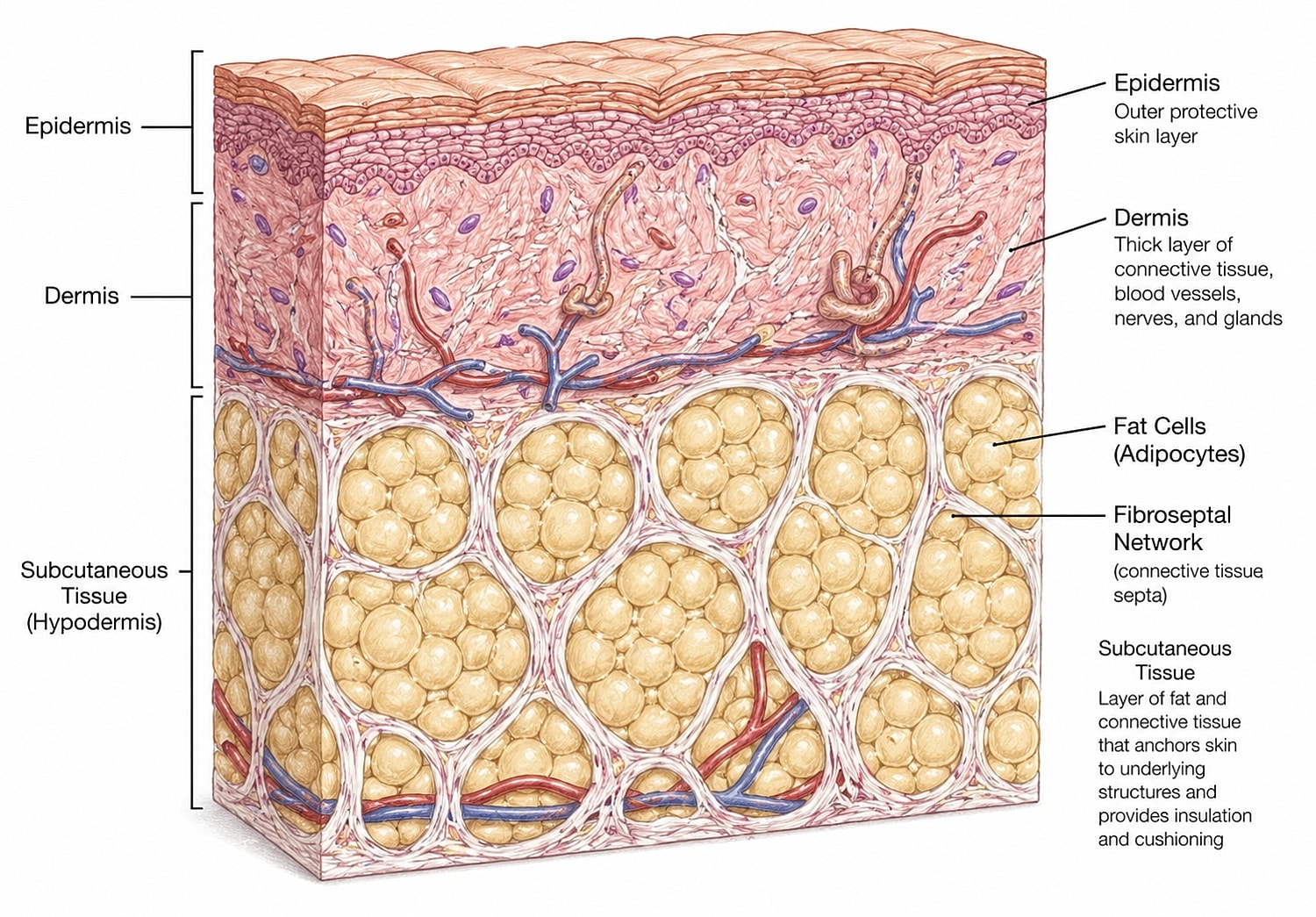
The Fibroseptal Network (FSN) is a three-dimensional lattice of connective tissue that connects the skin to deeper structures such as fascia and muscle. It functions as the internal support system of the skin, maintaining contour, tension, and structural integrity.
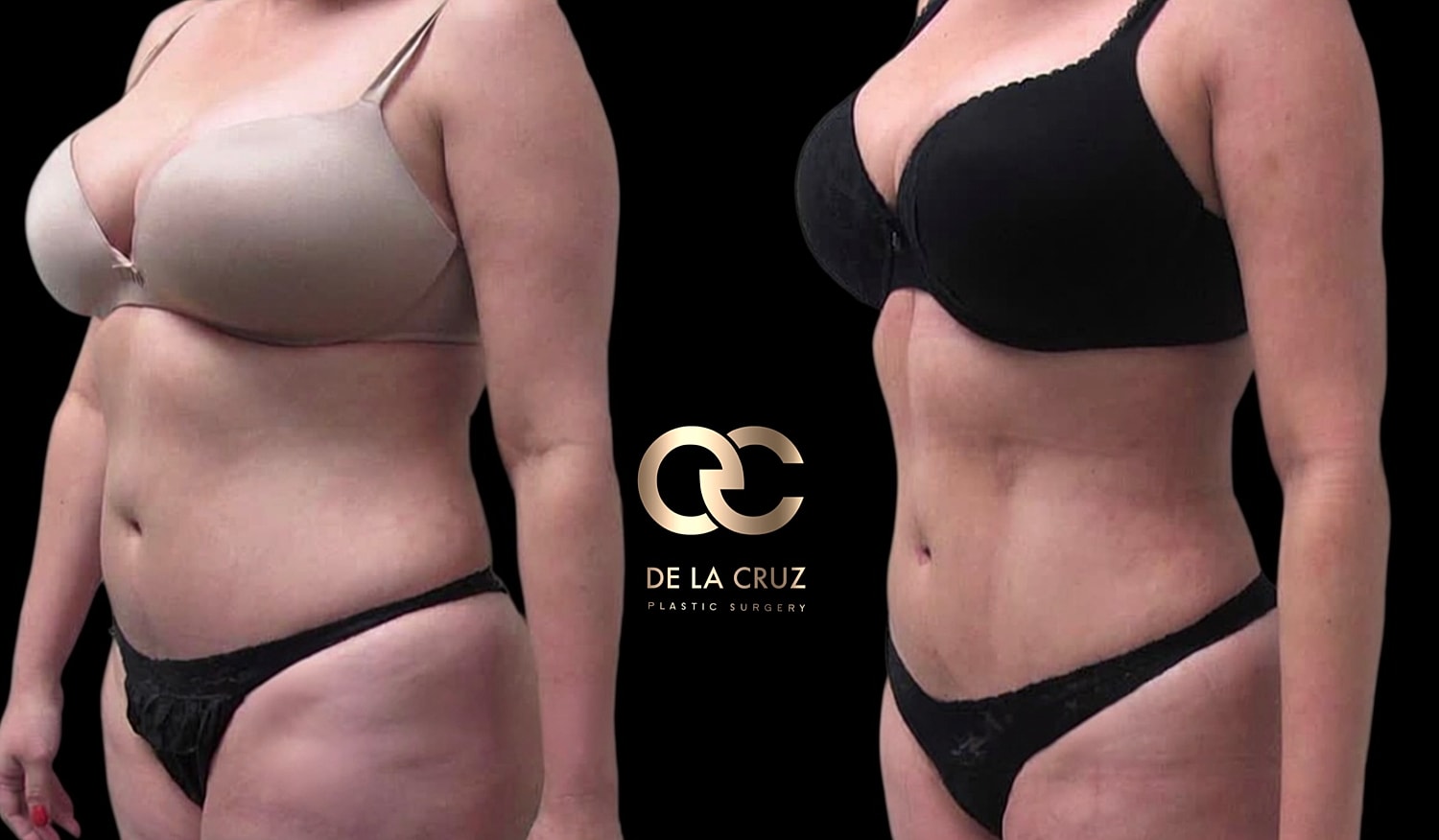
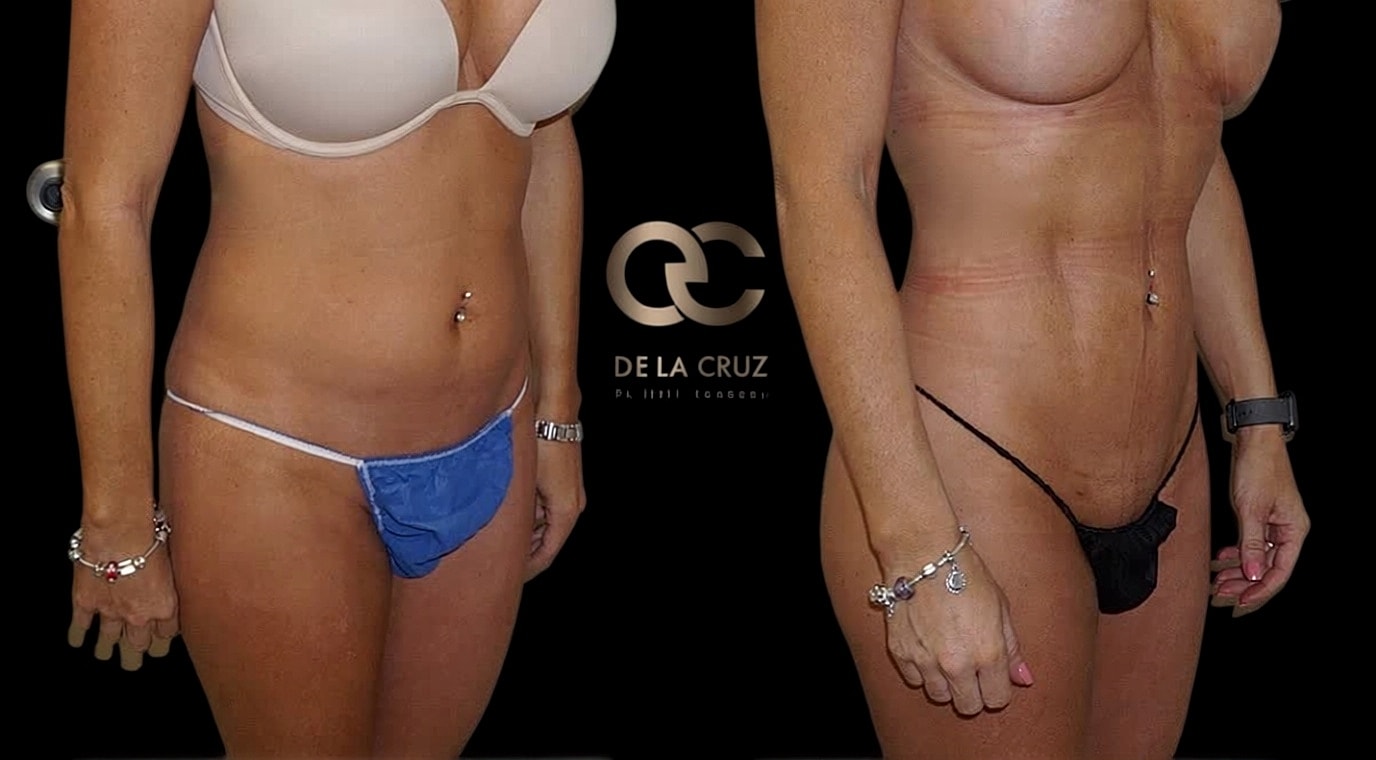
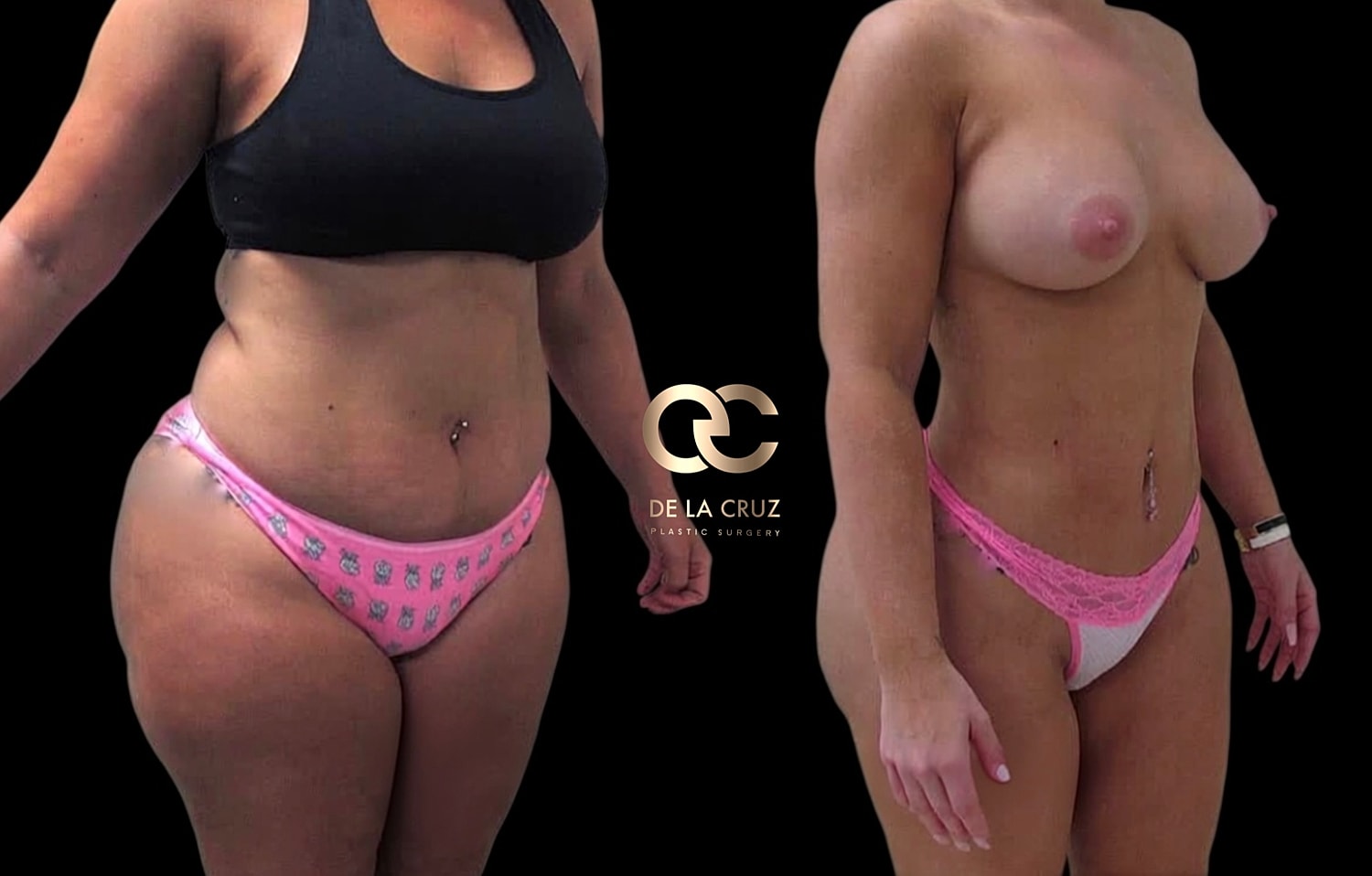
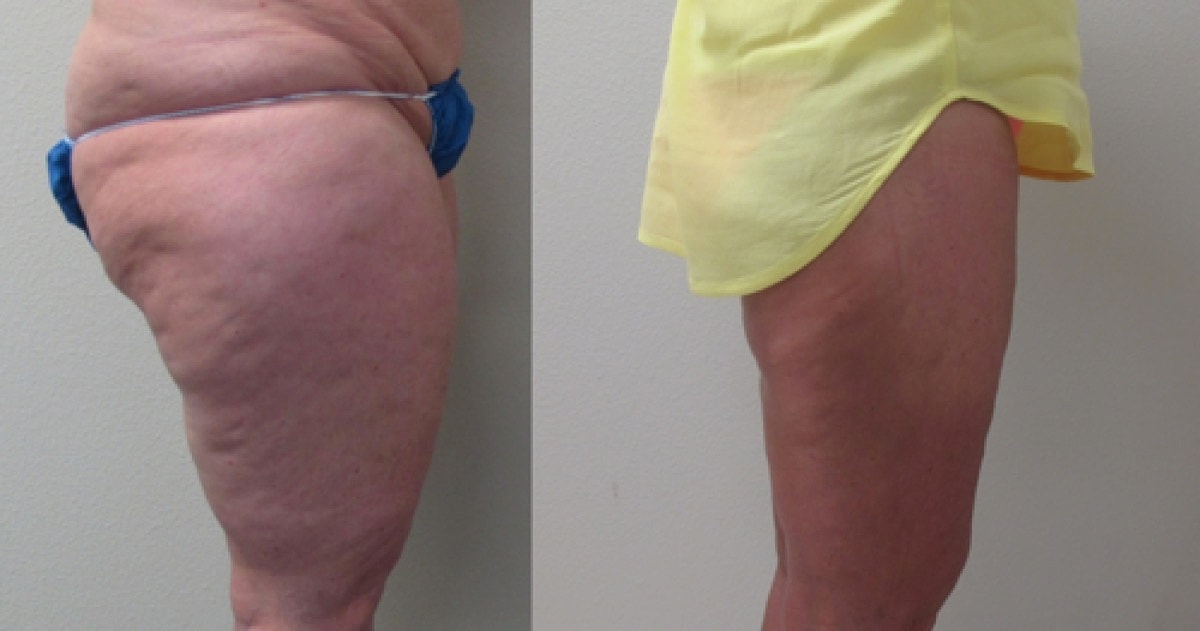
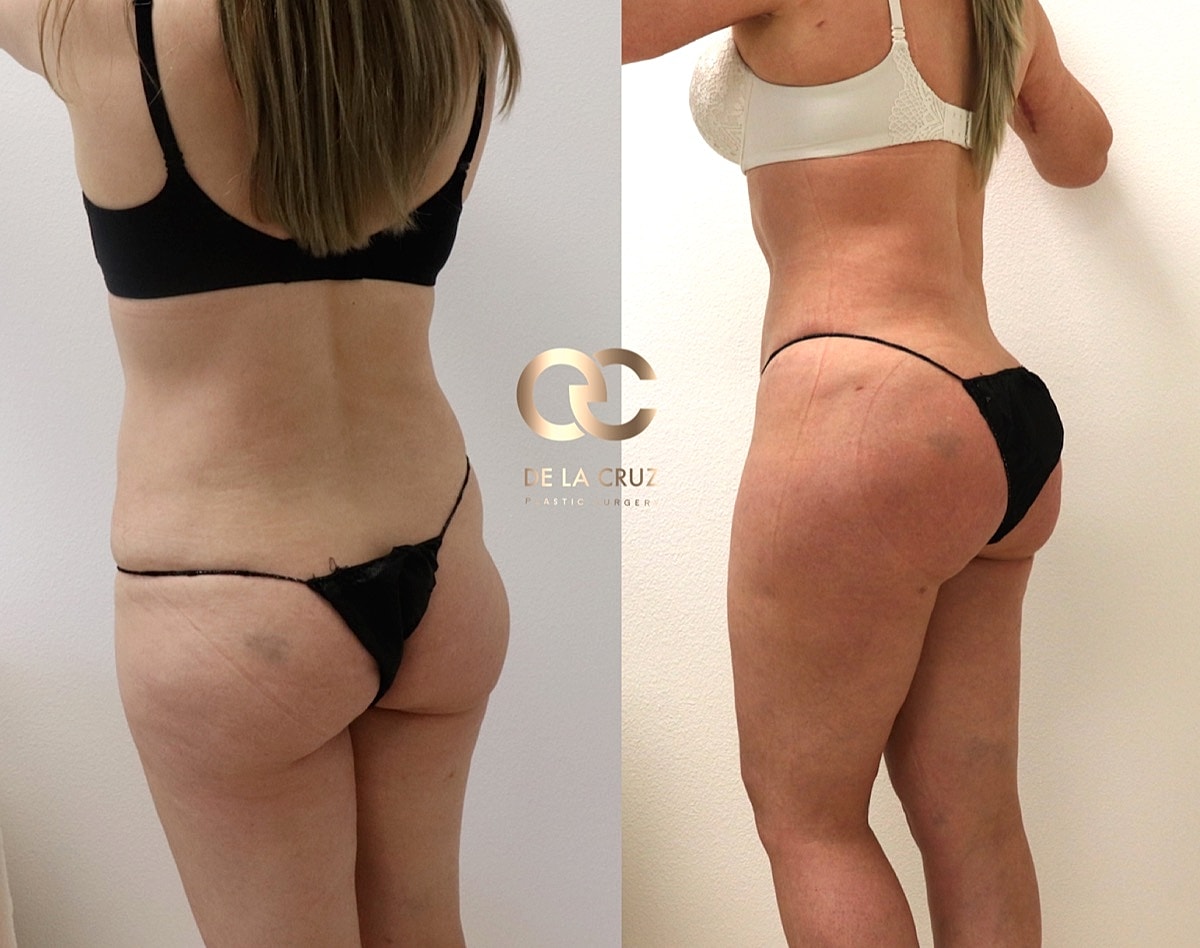
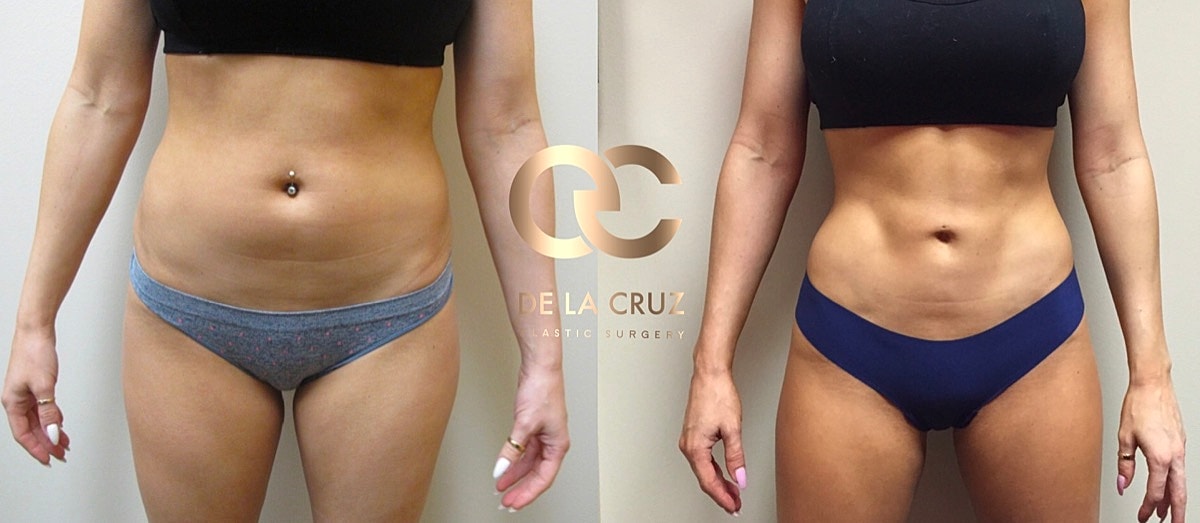
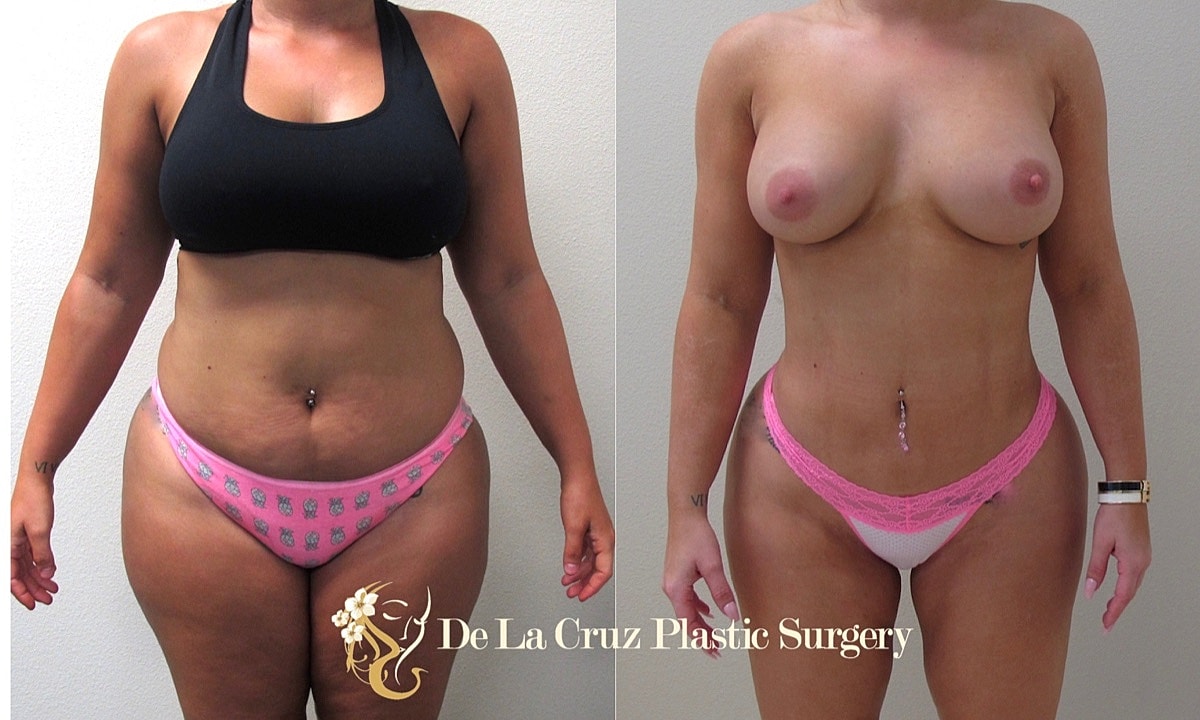
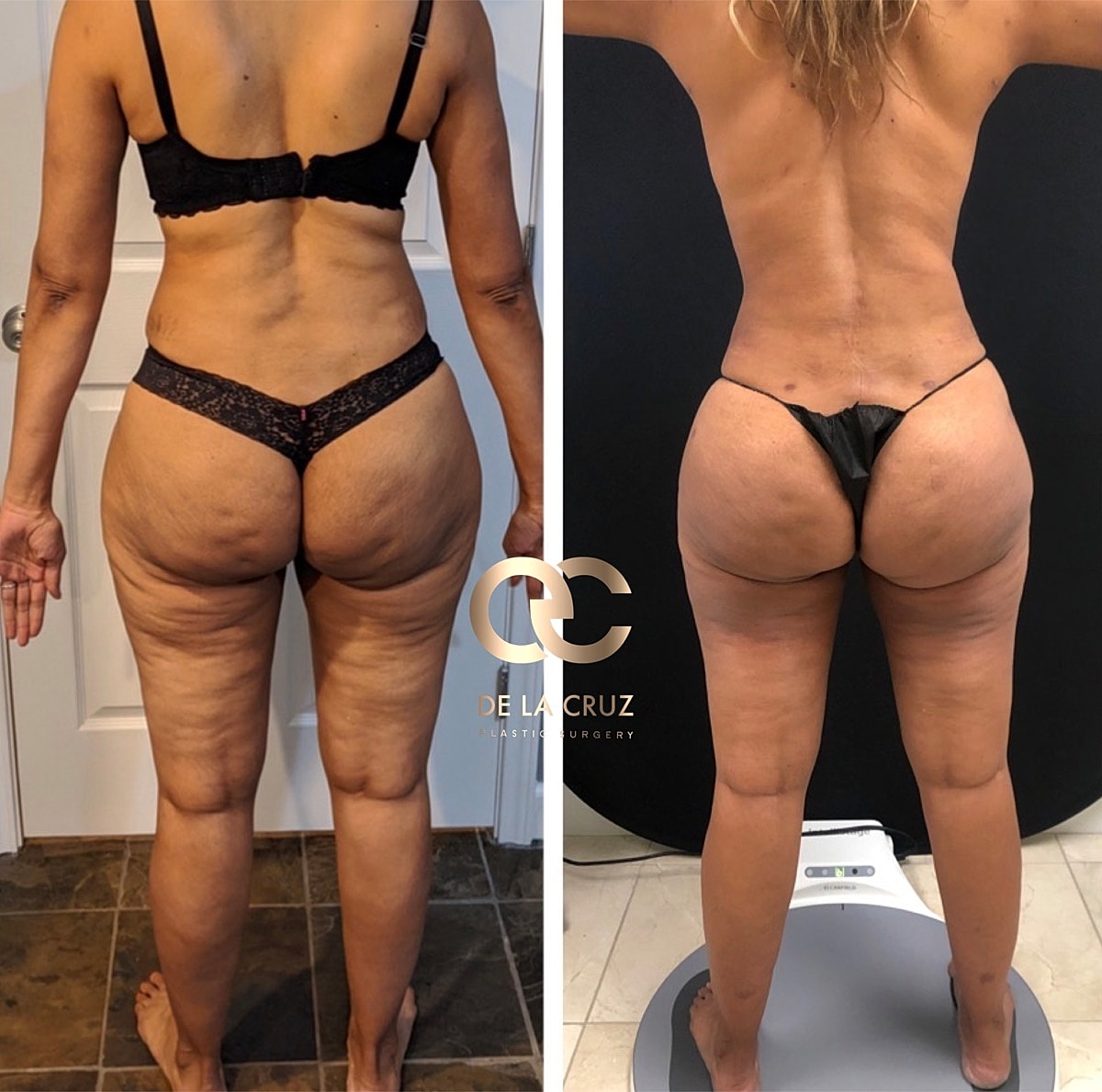
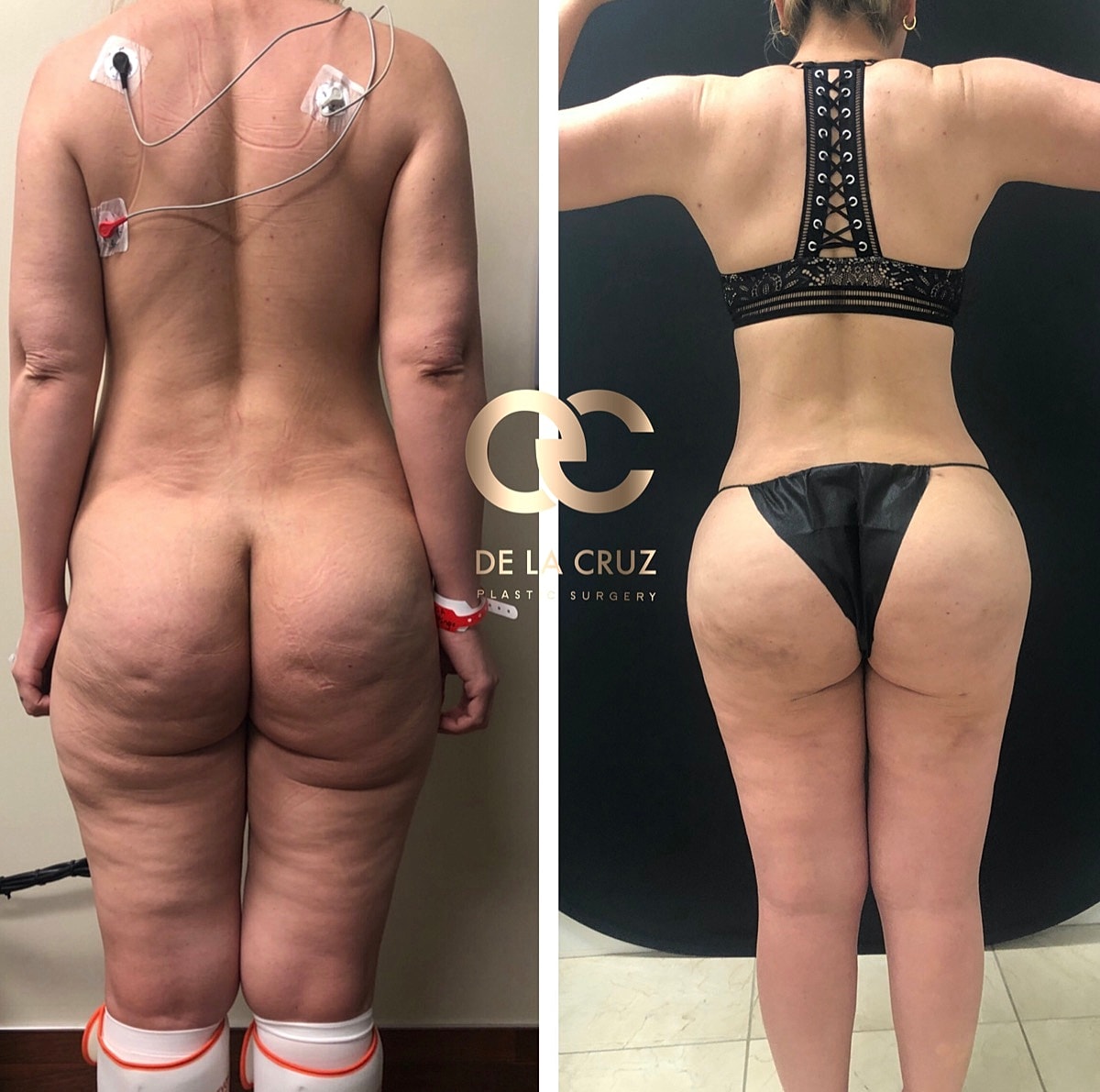
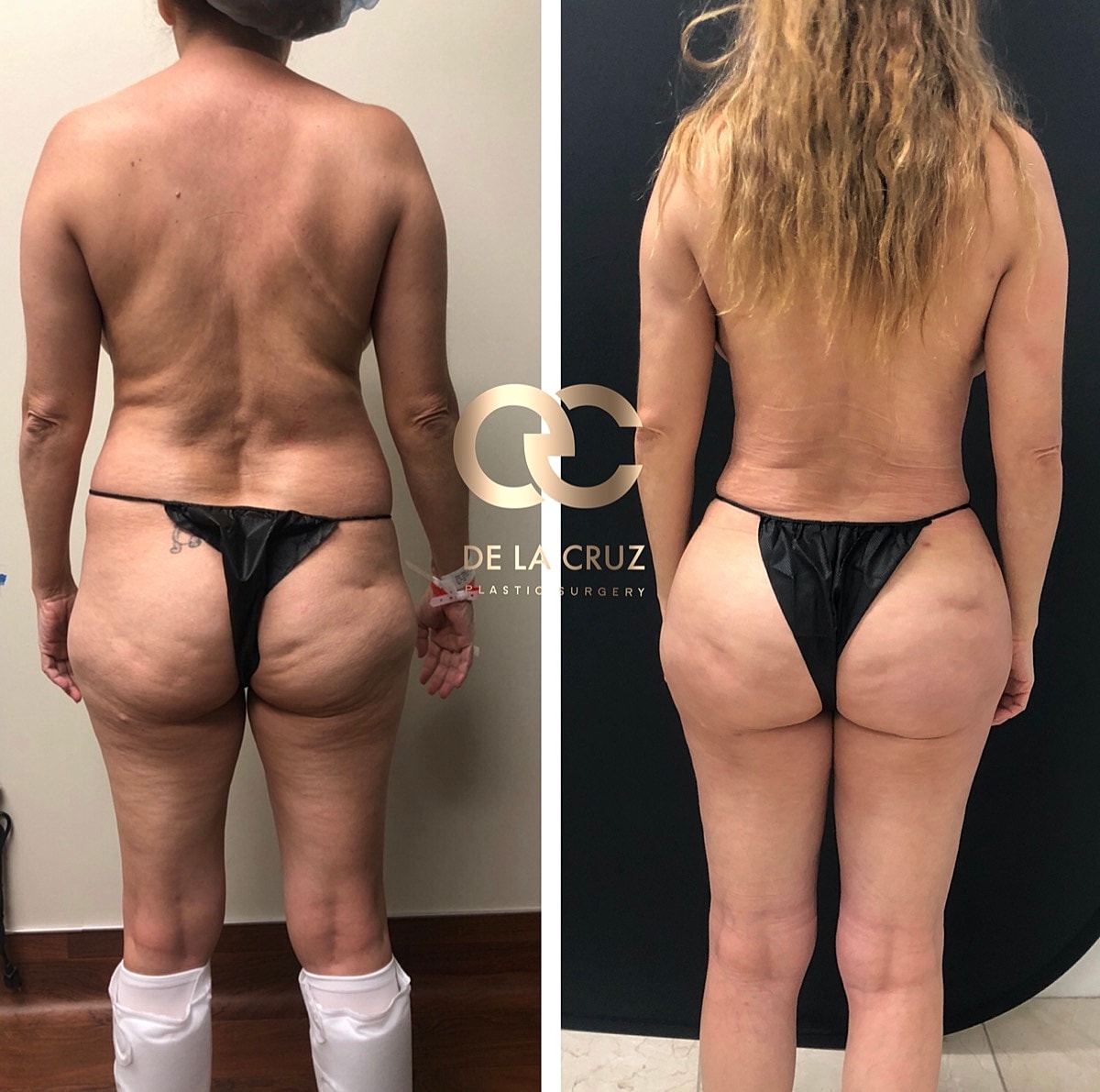
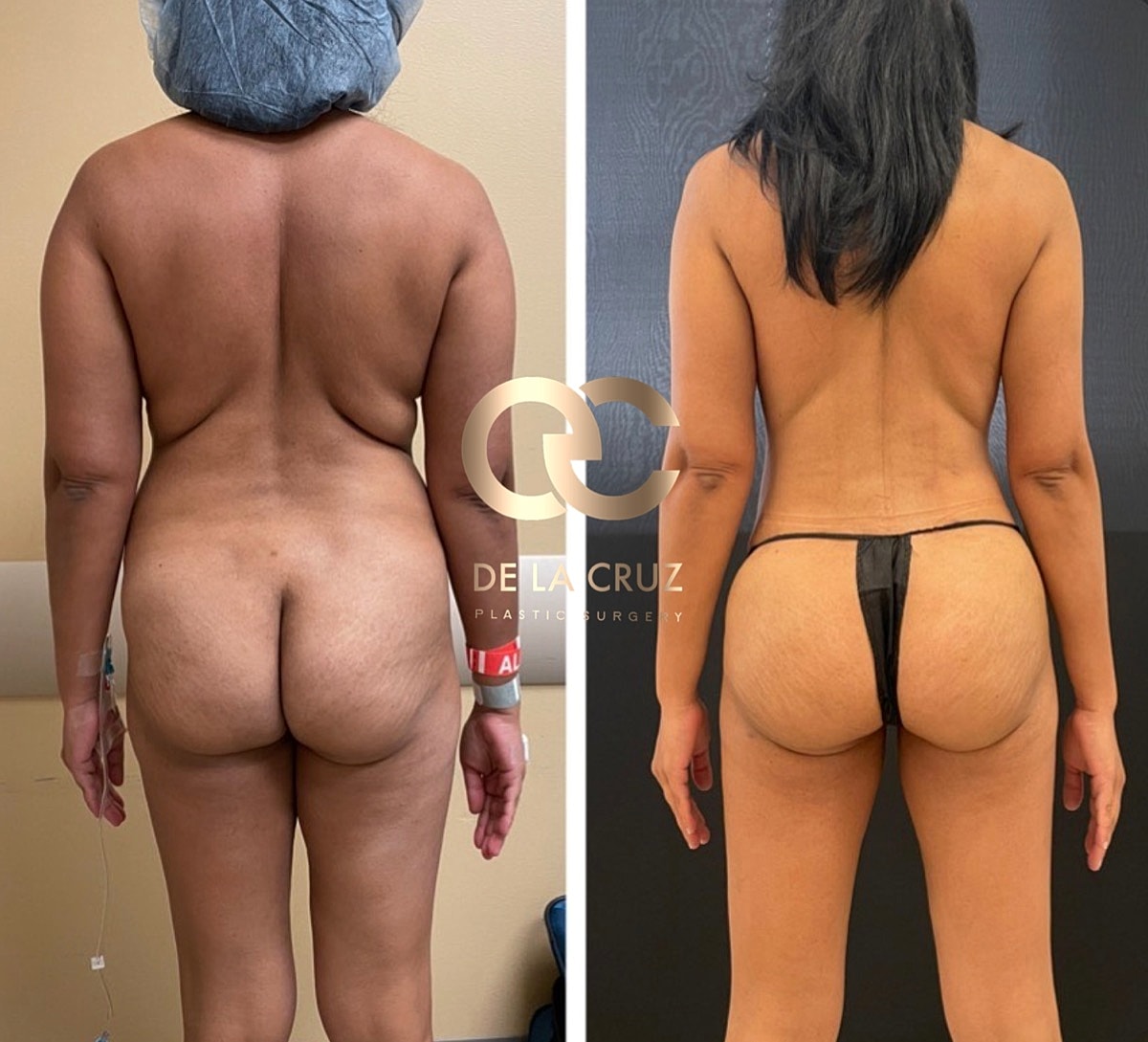
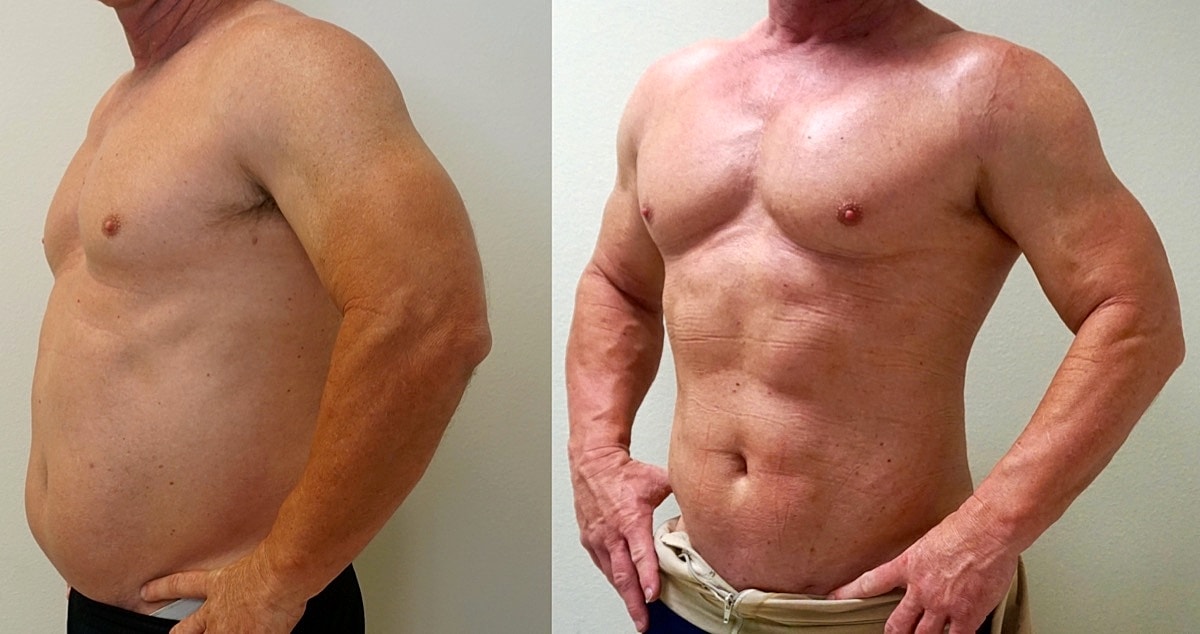
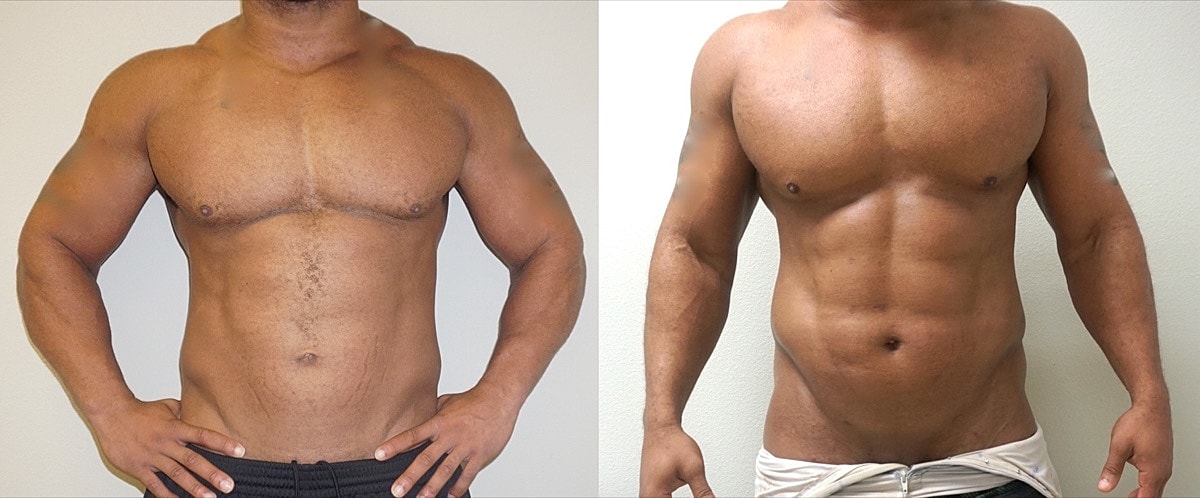
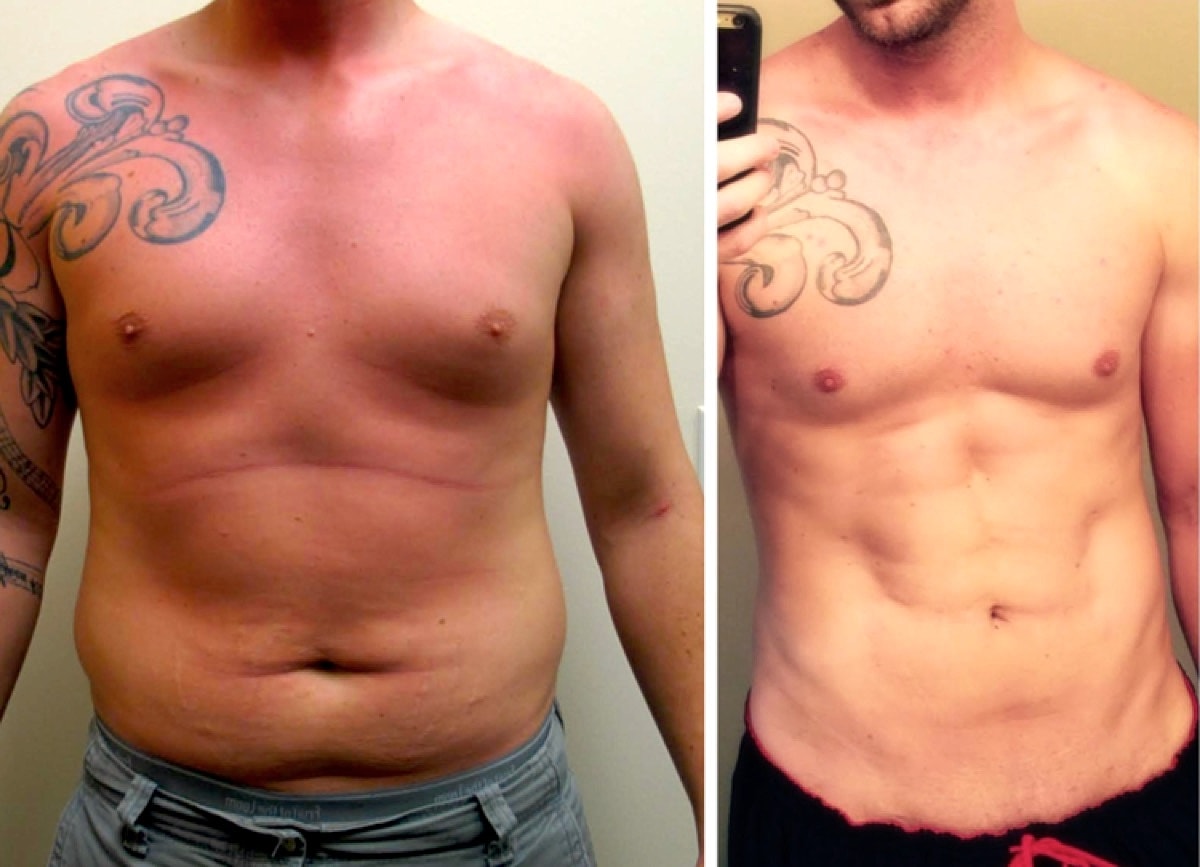
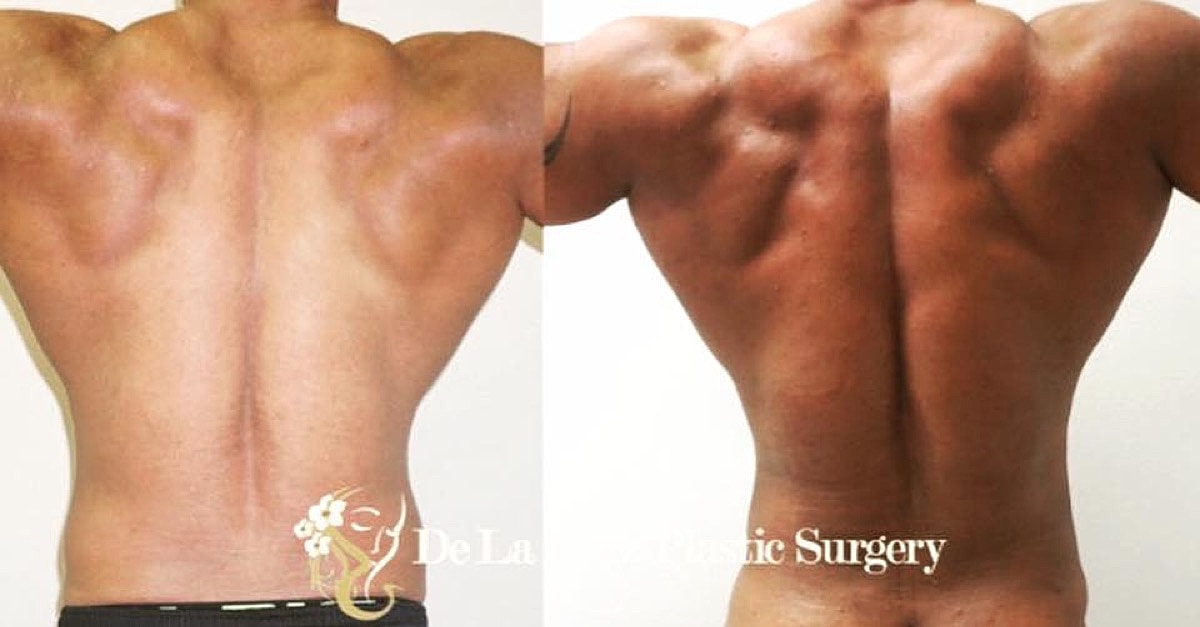
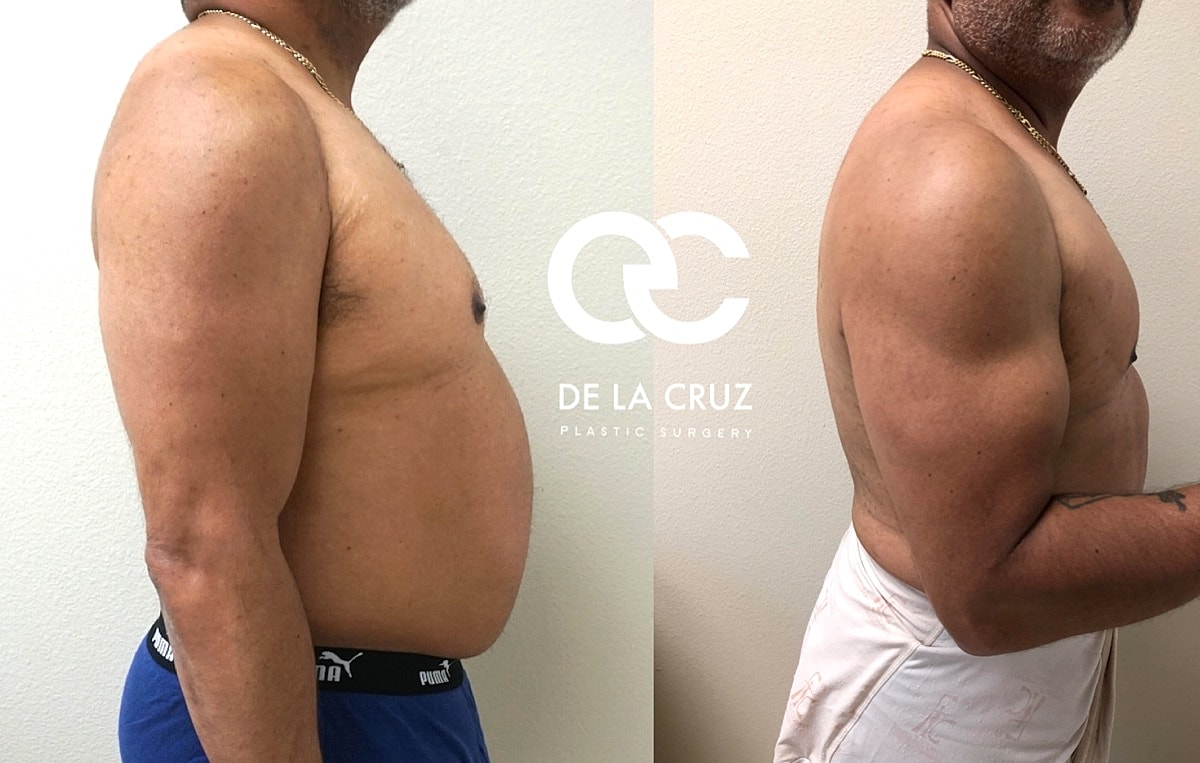
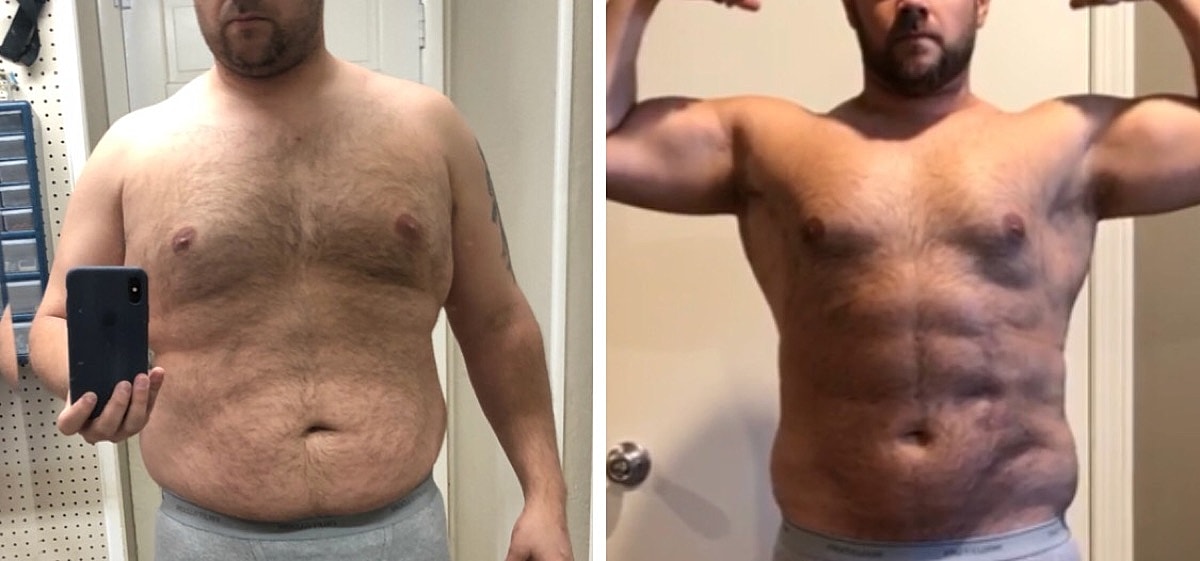
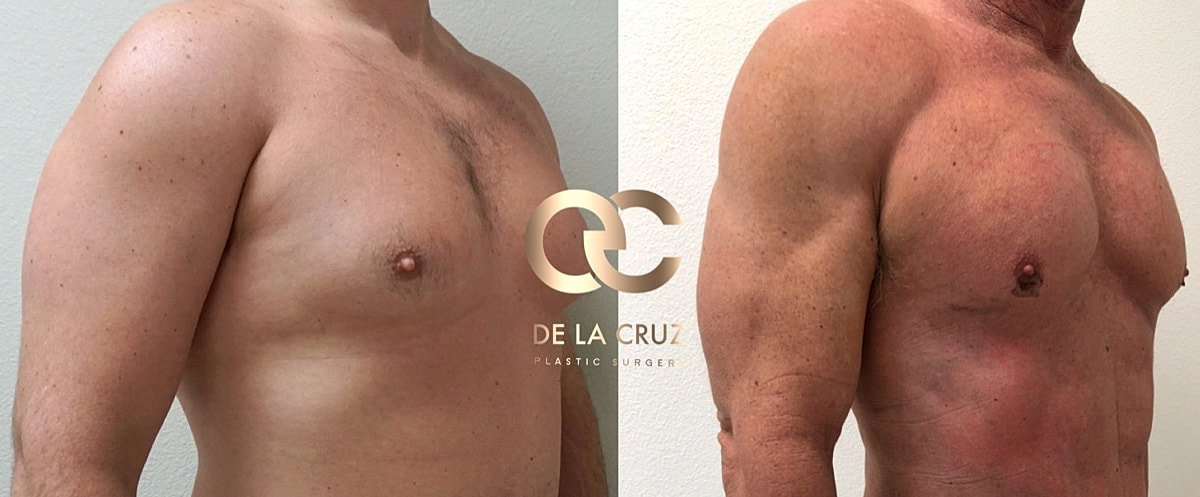
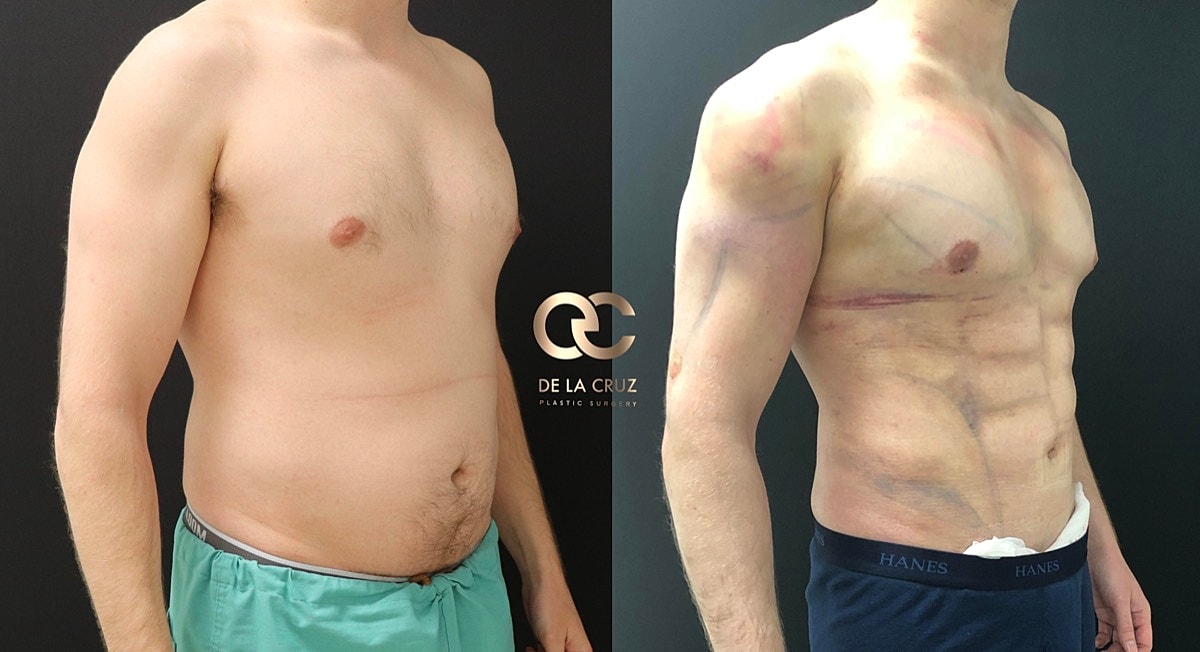
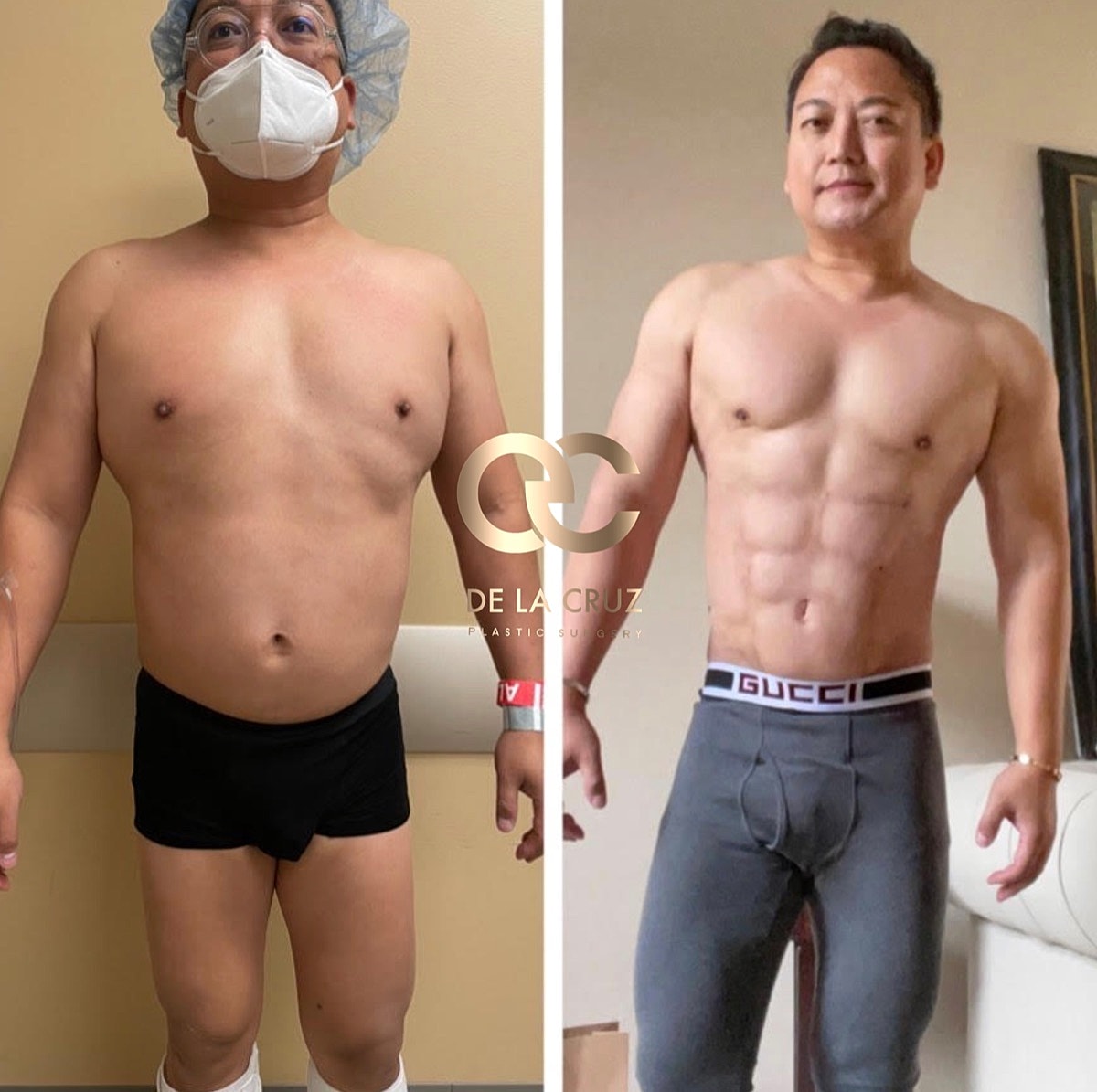
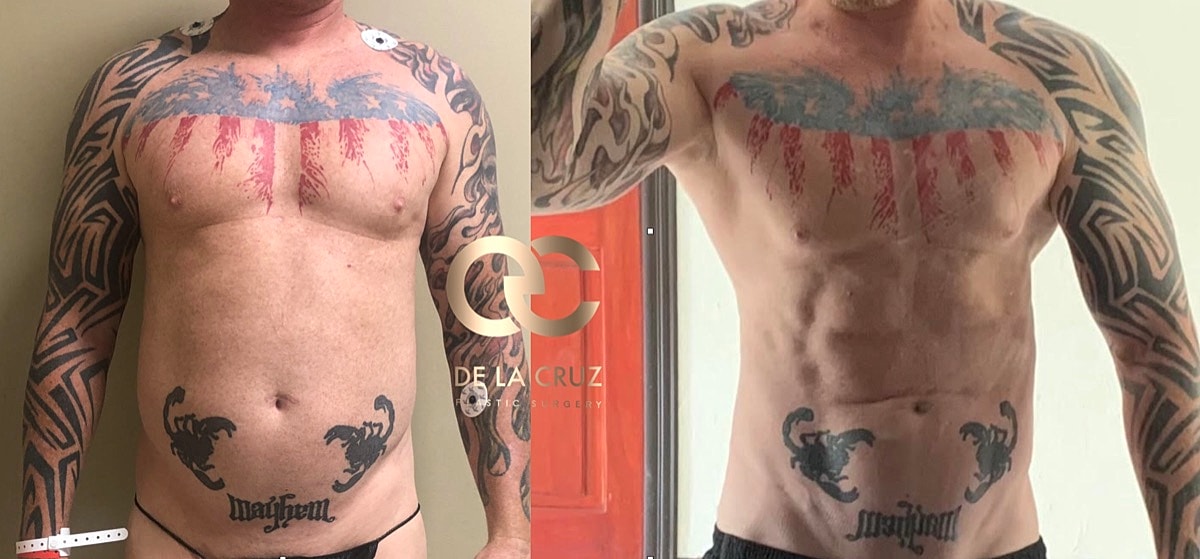
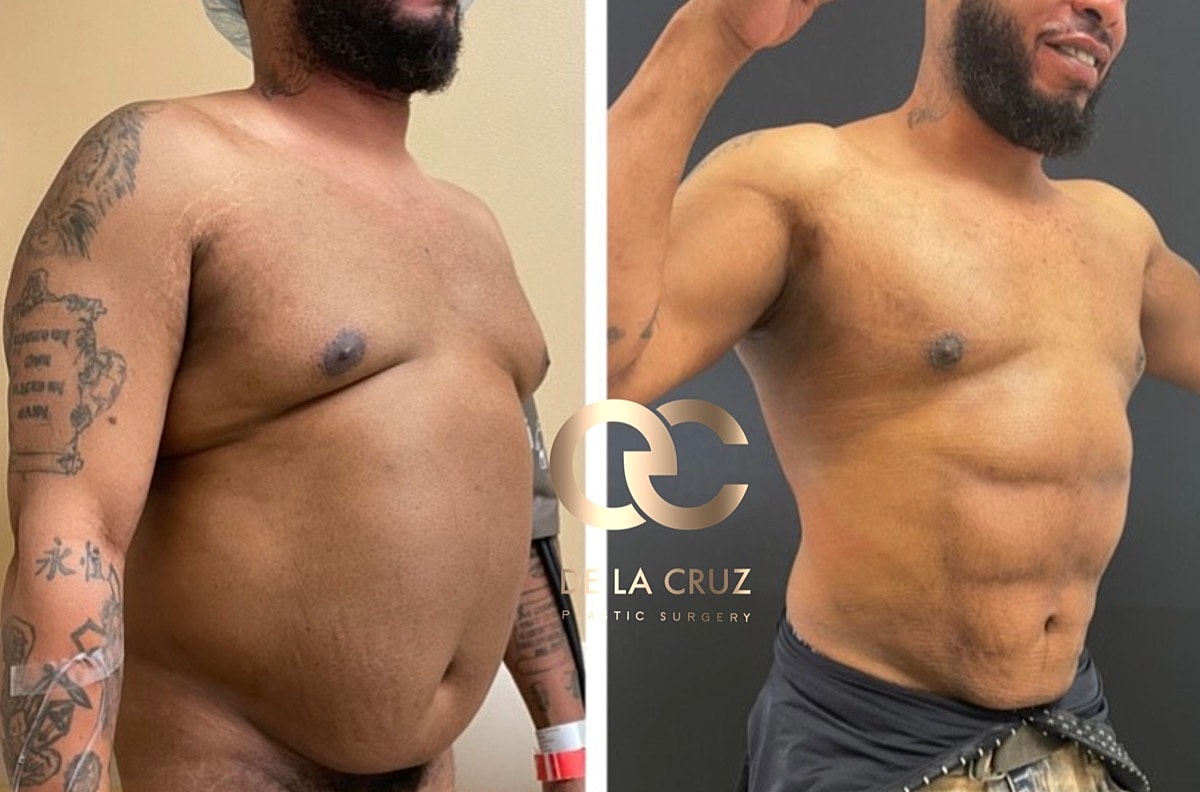
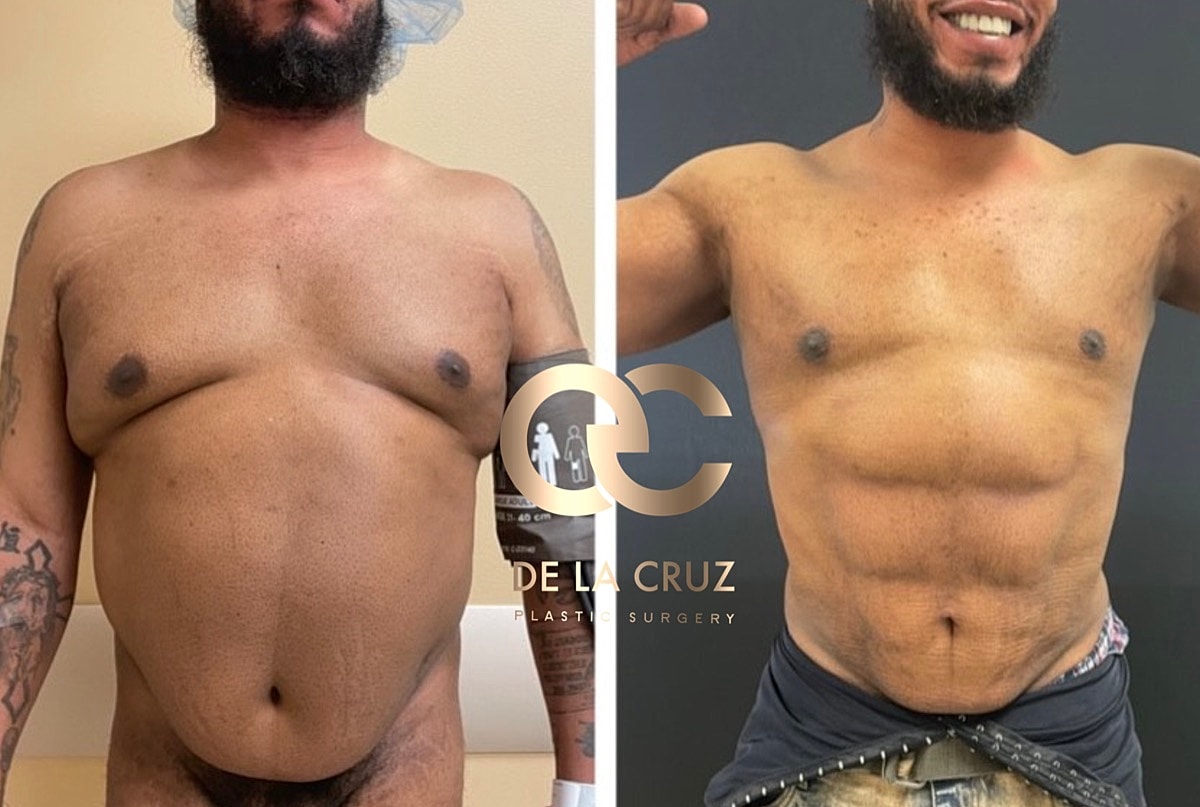
During liposuction, fat is selectively removed from between these fibrous bands while preserving the network itself. This preservation is critical—because the FSN is the primary mechanism responsible for skin retraction after liposuction, not the skin alone.
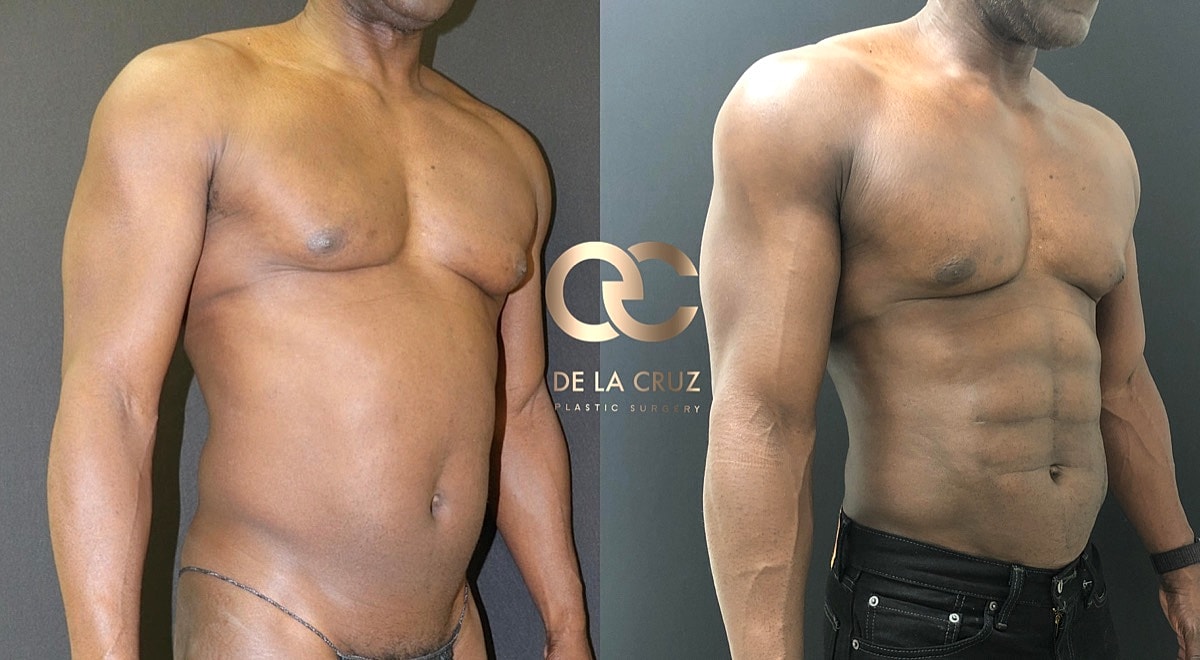
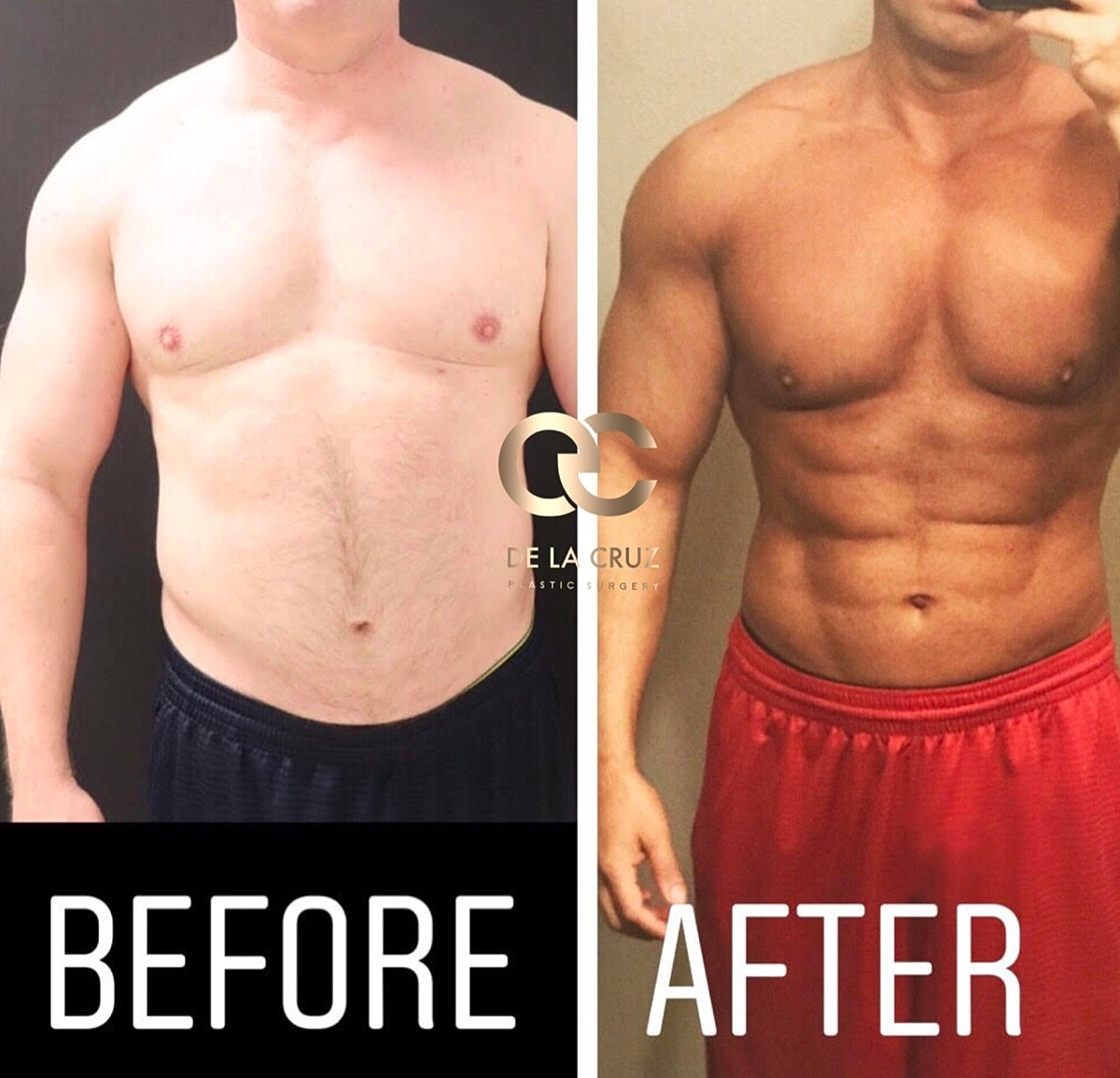
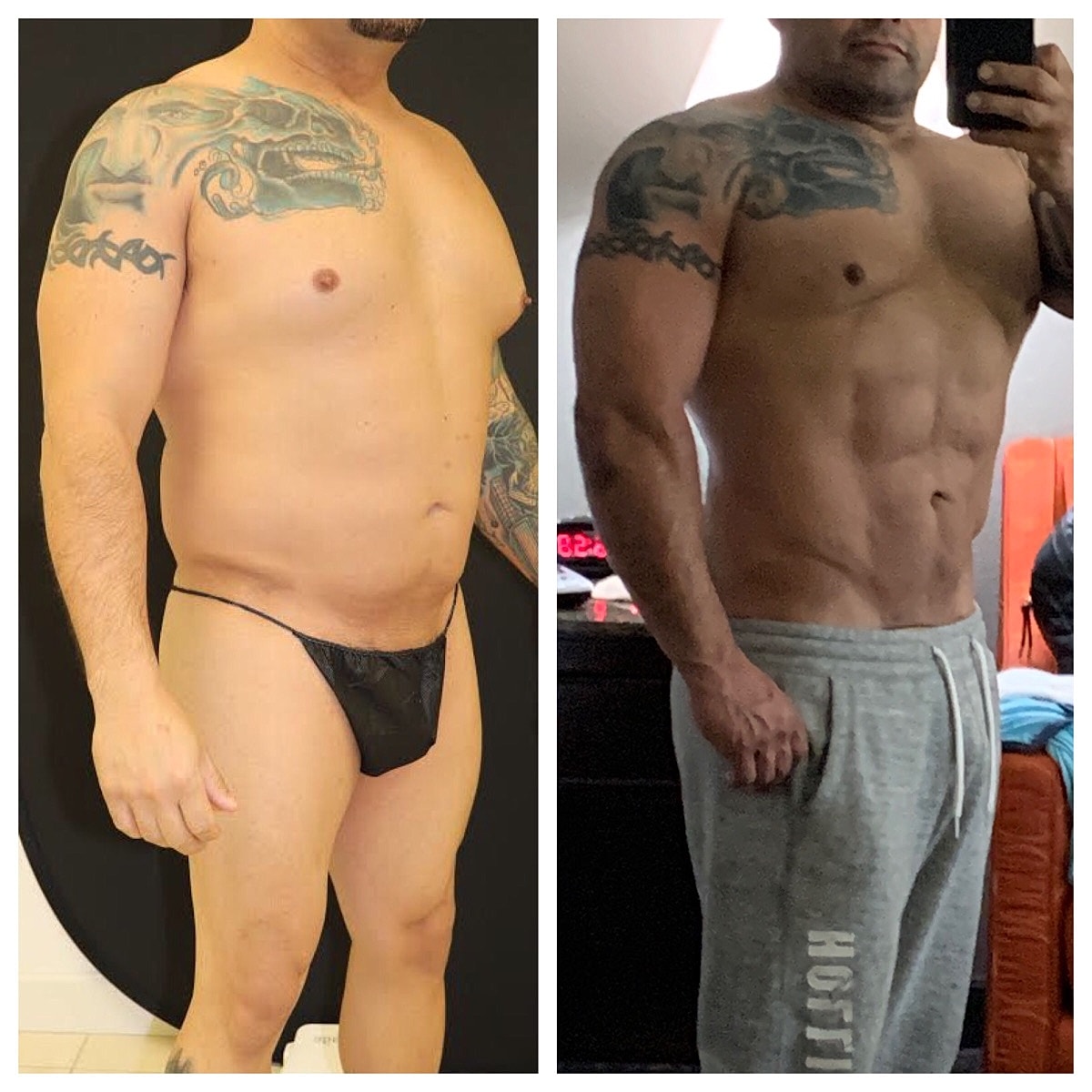
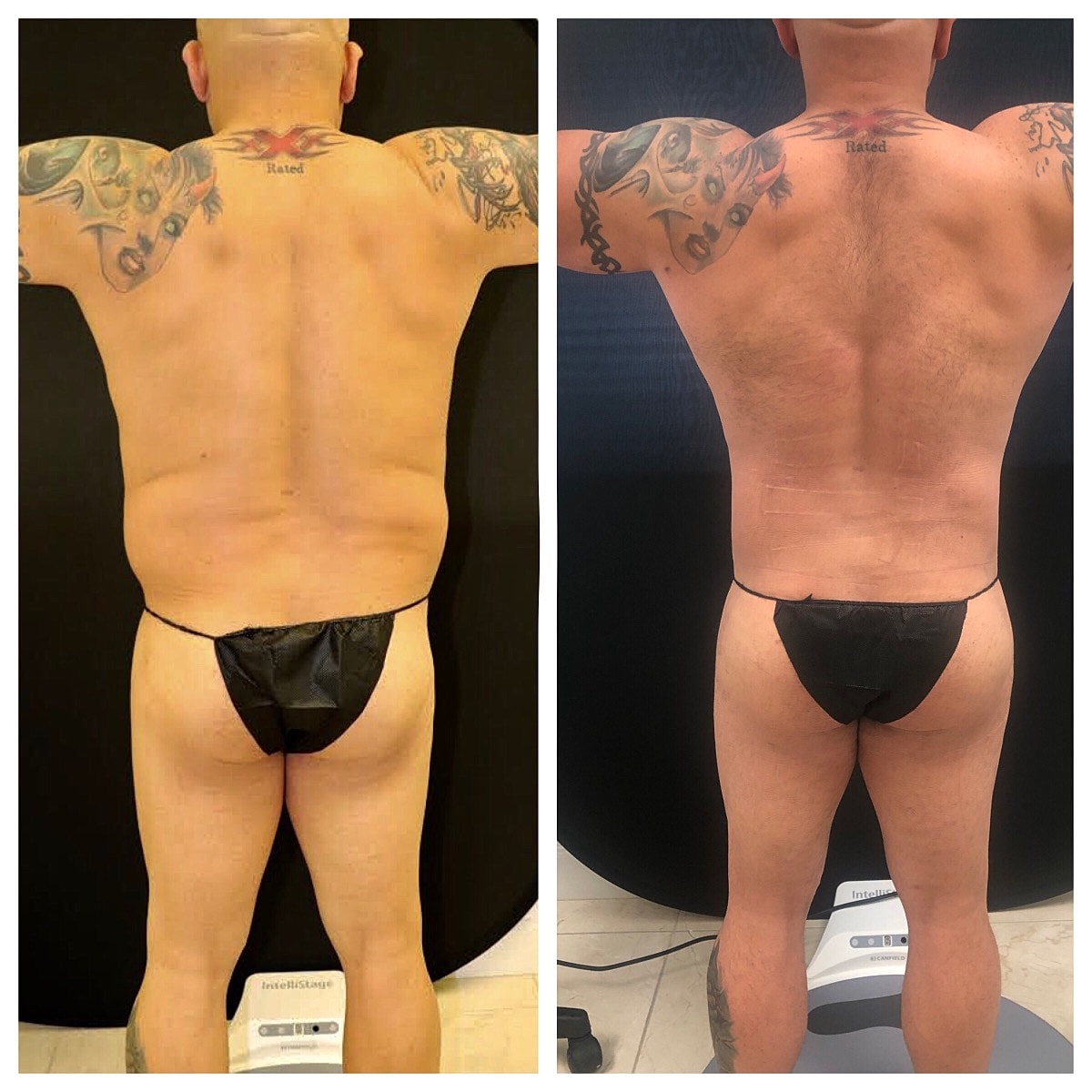
This article is part of our comprehensive liposuction resource library. For a complete overview, visit our Liposuction in Houston page, explore the Ultimate Guide to Liposuction, and review real patient outcomes in our Before and After Liposuction Results Guide.
1 of 65
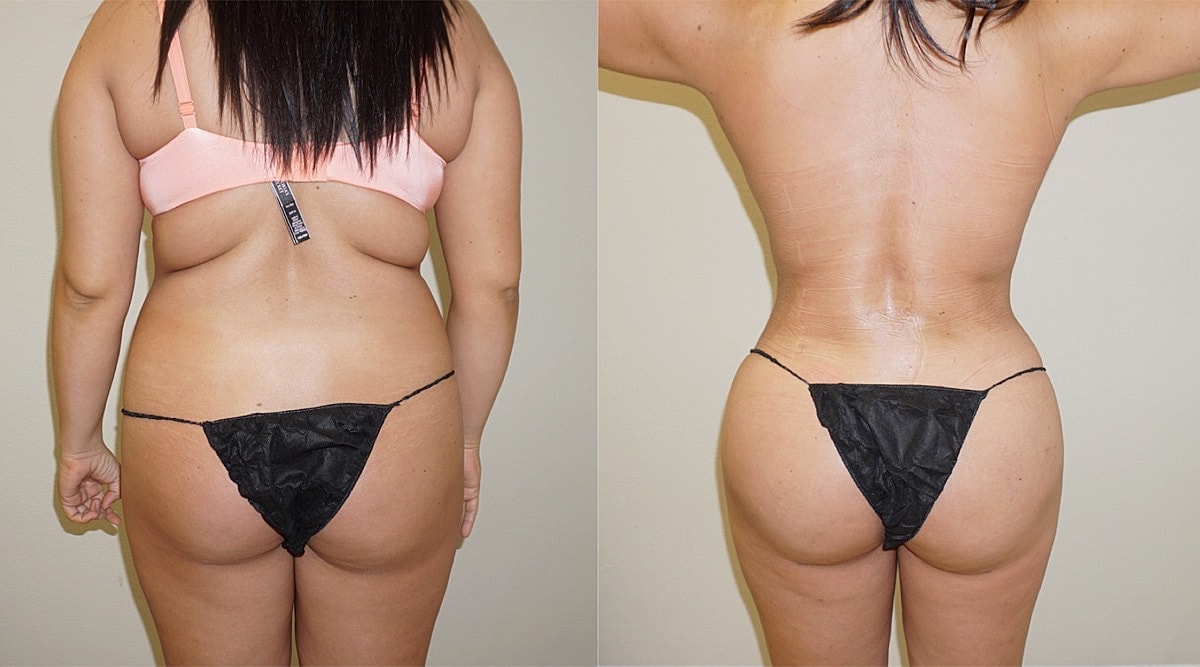
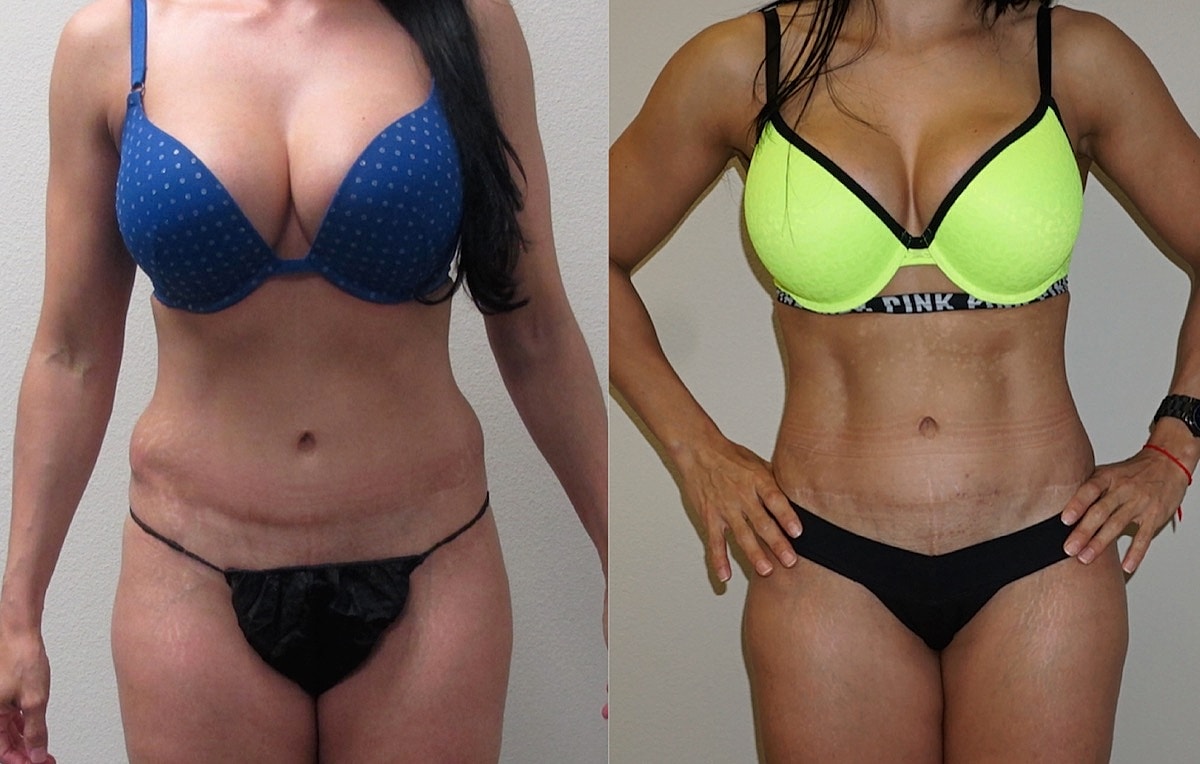
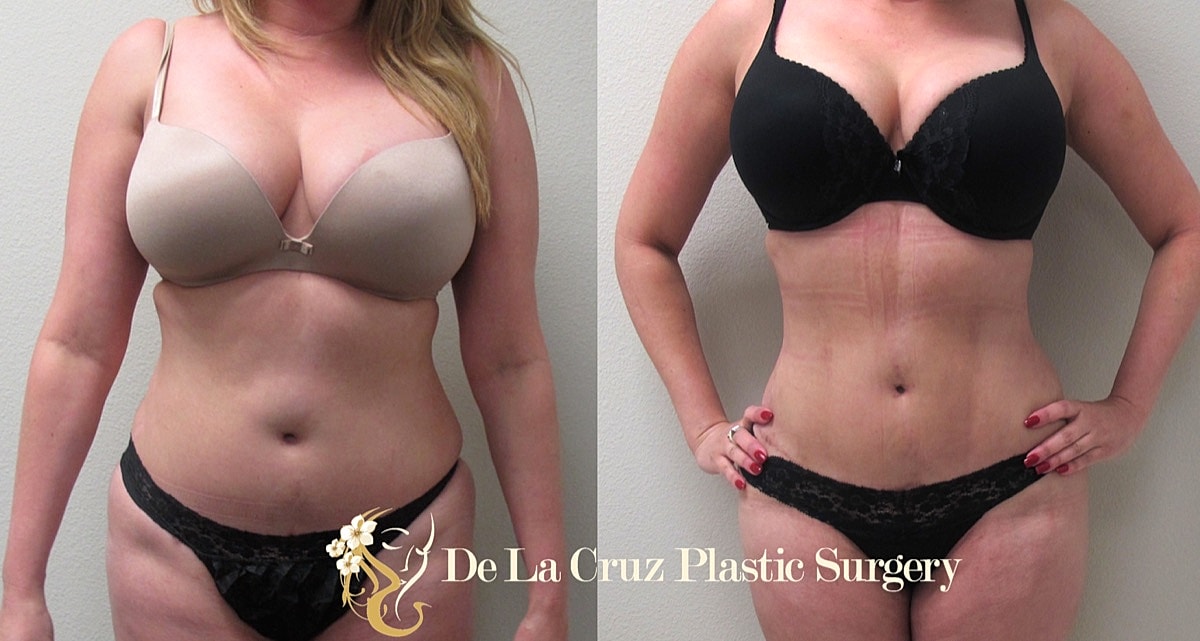
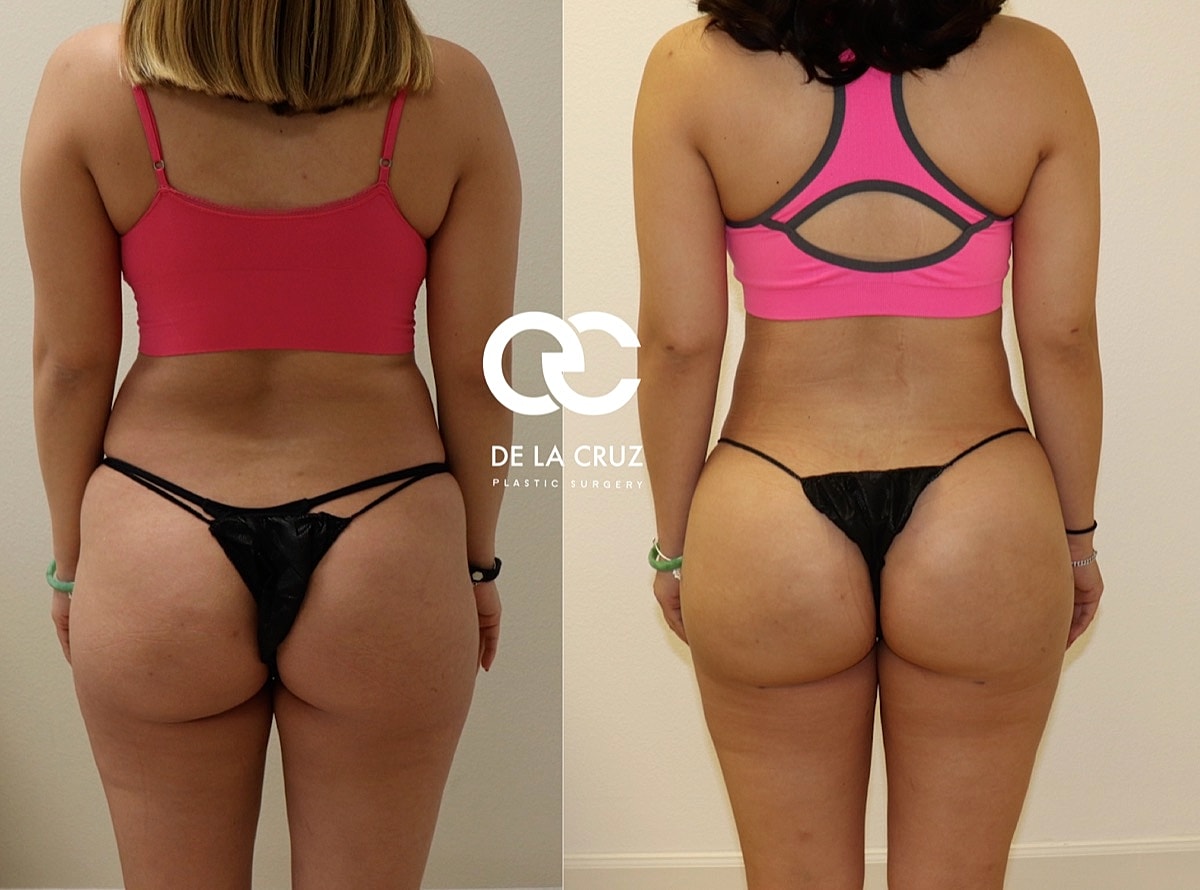
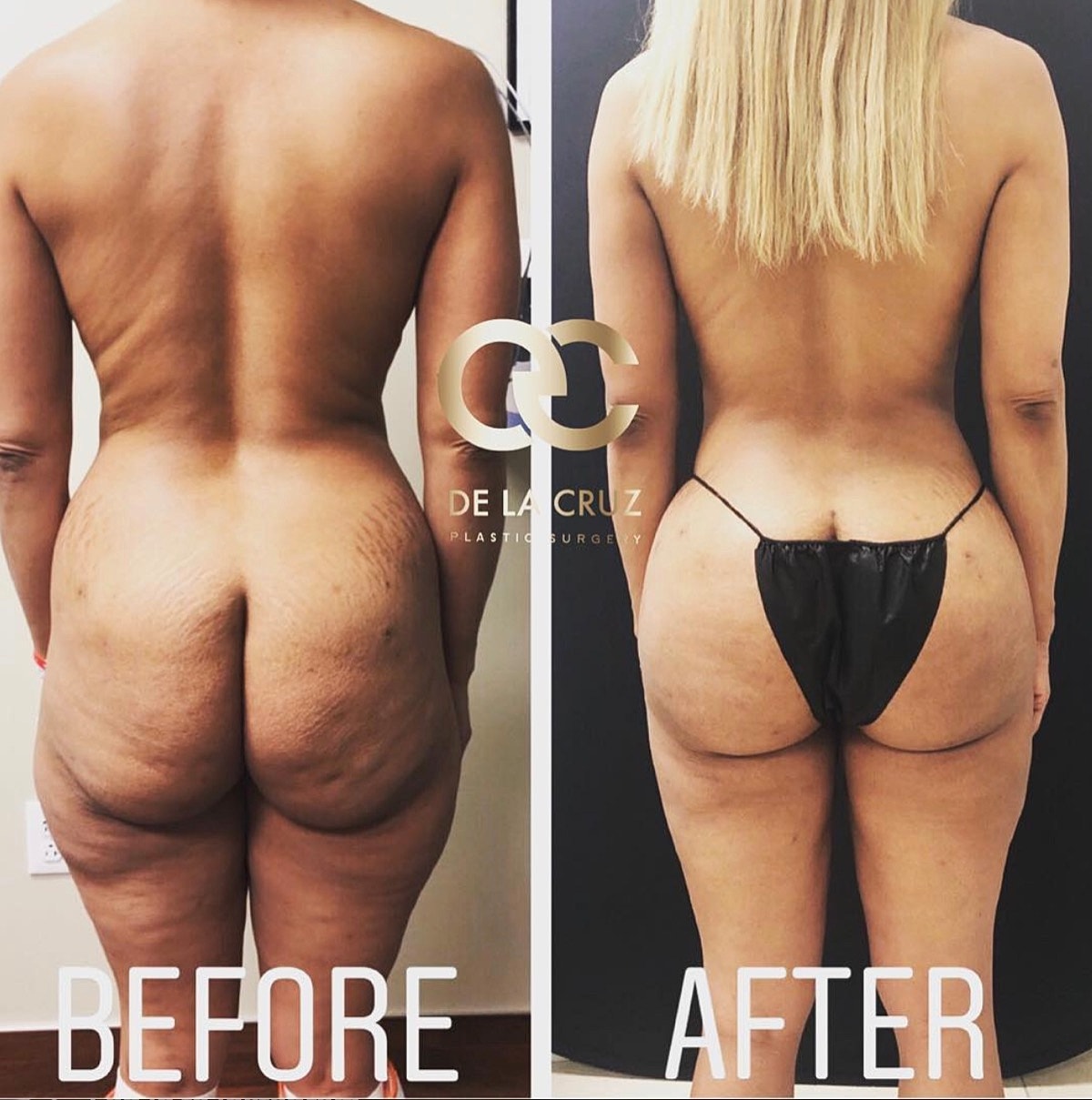
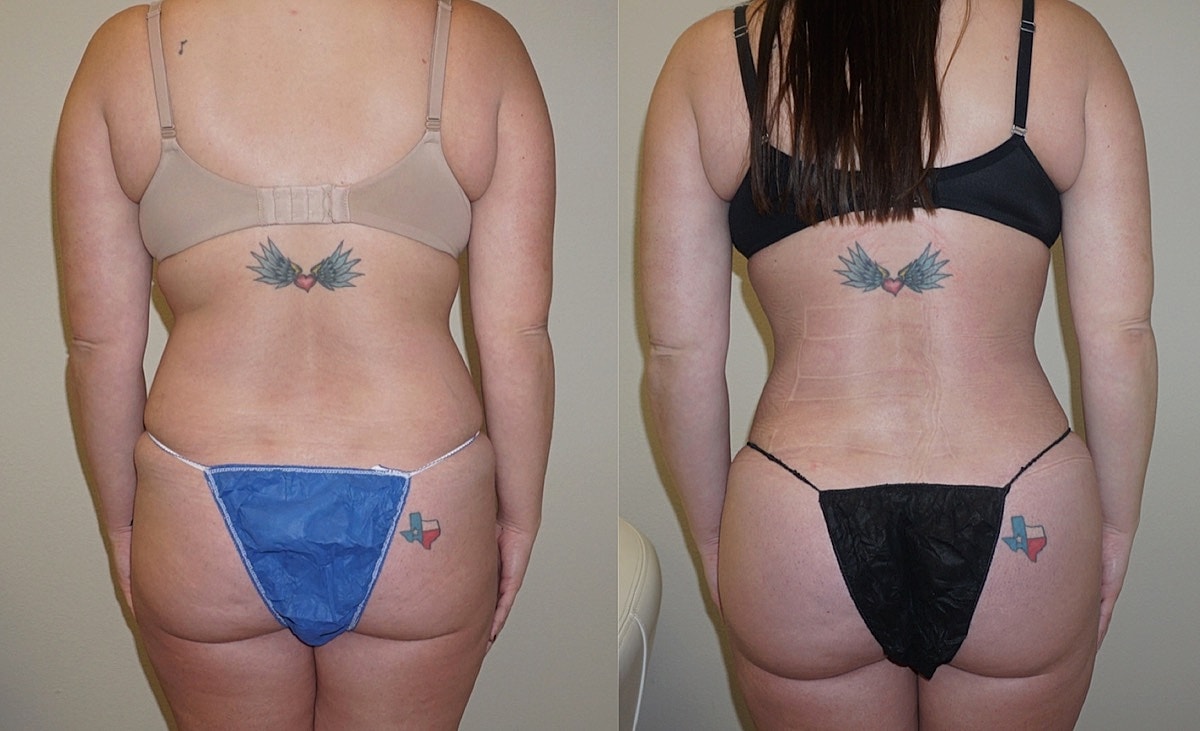
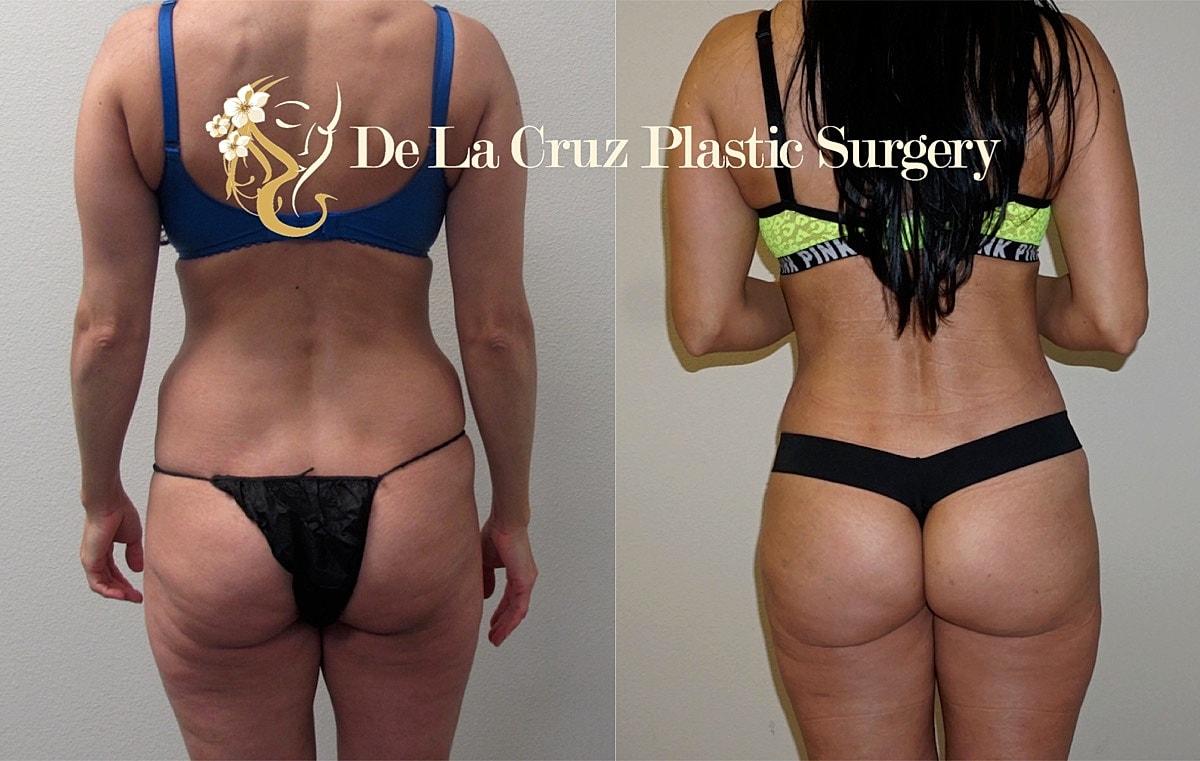
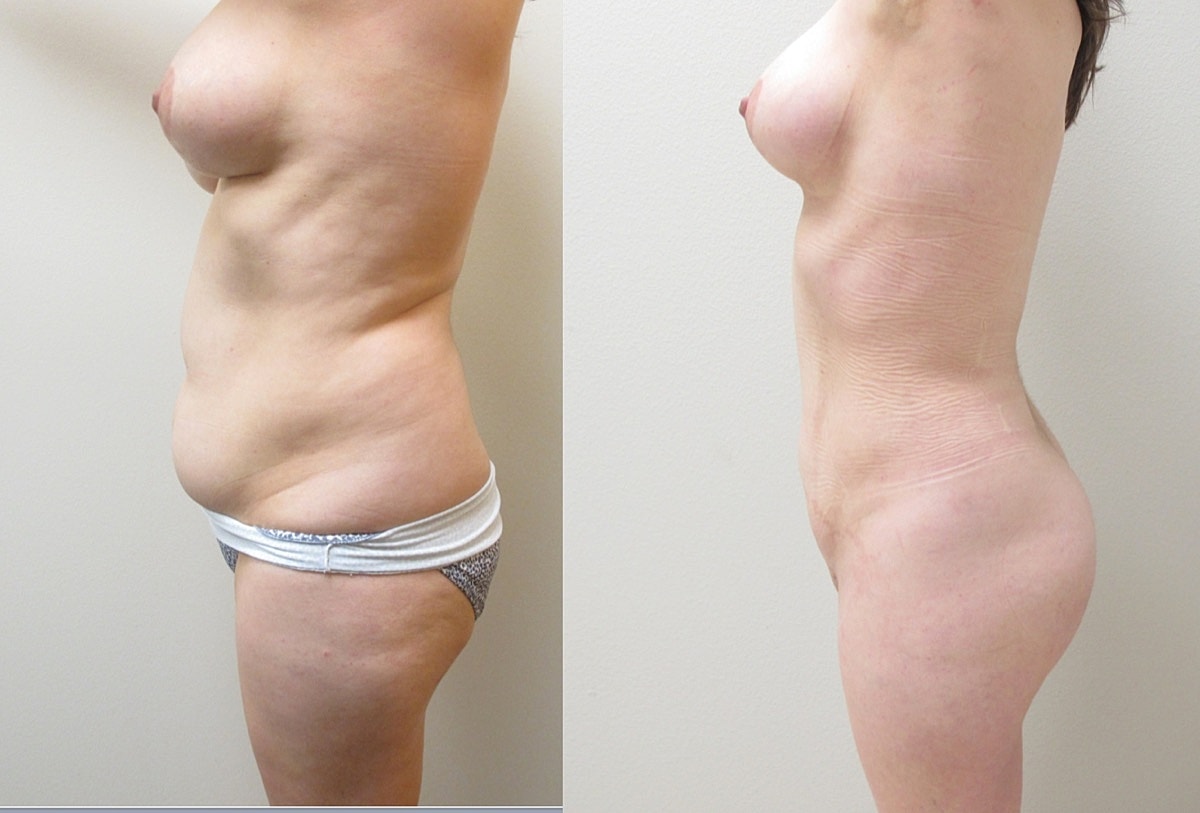
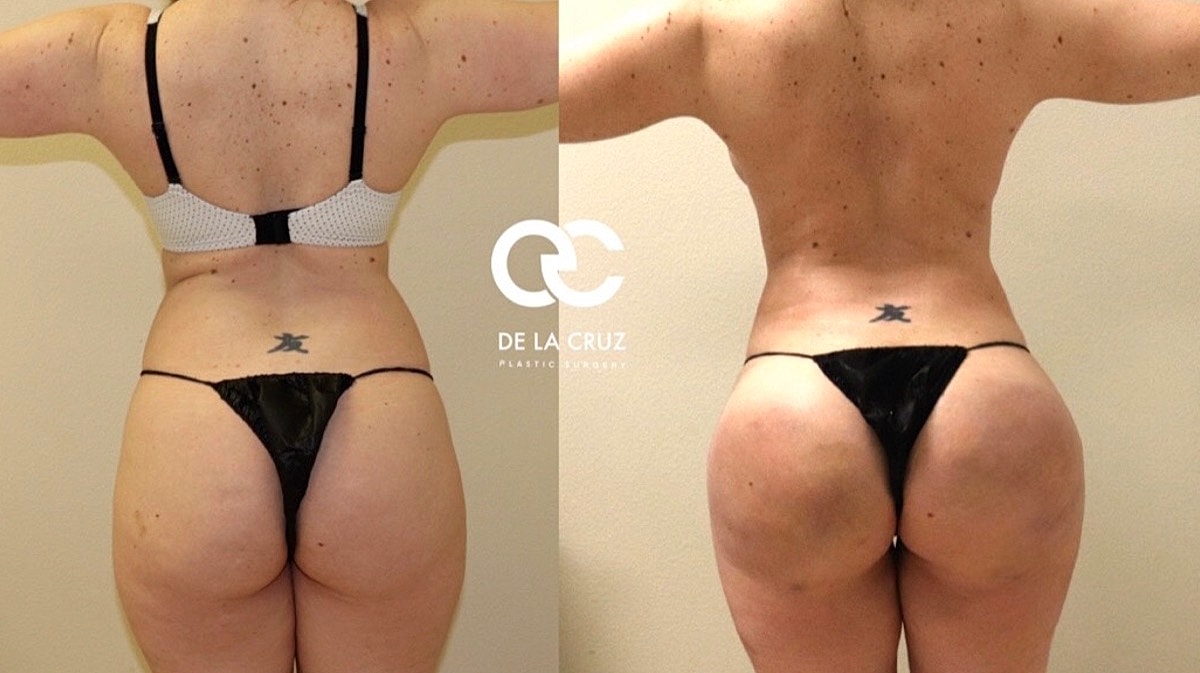
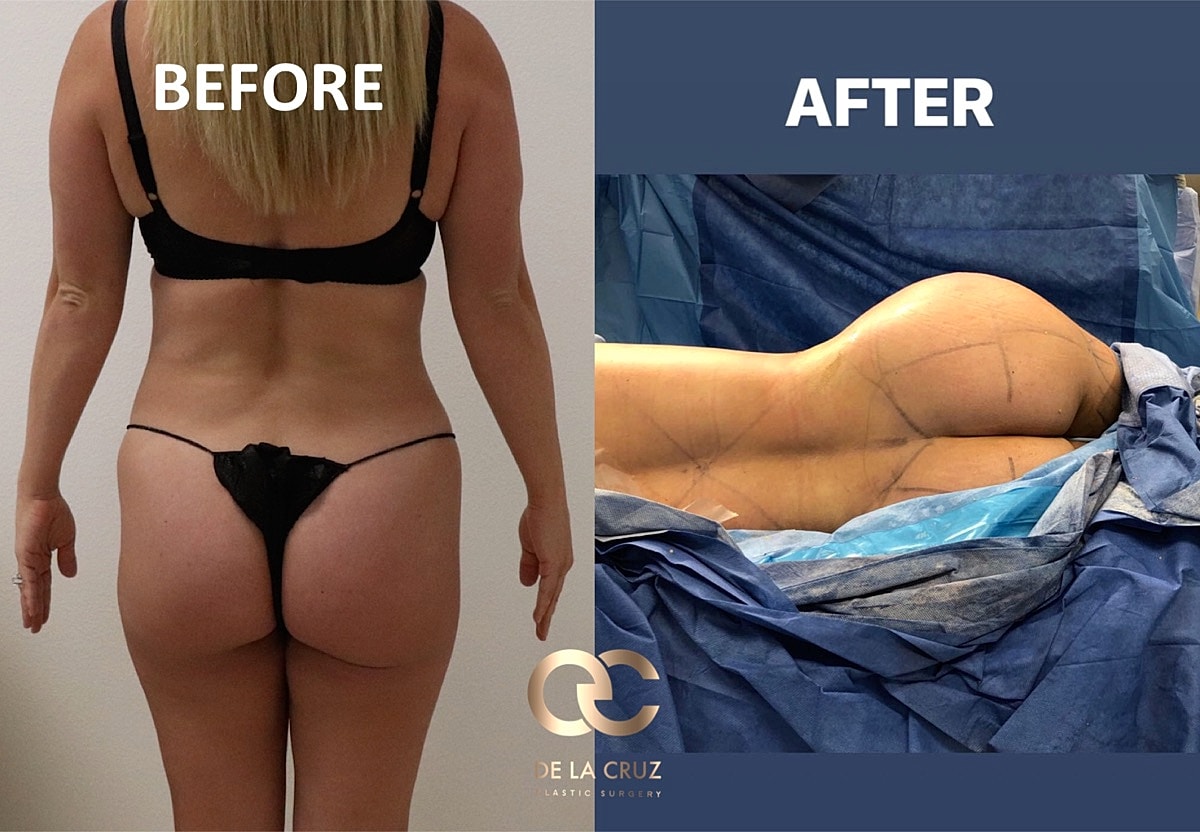
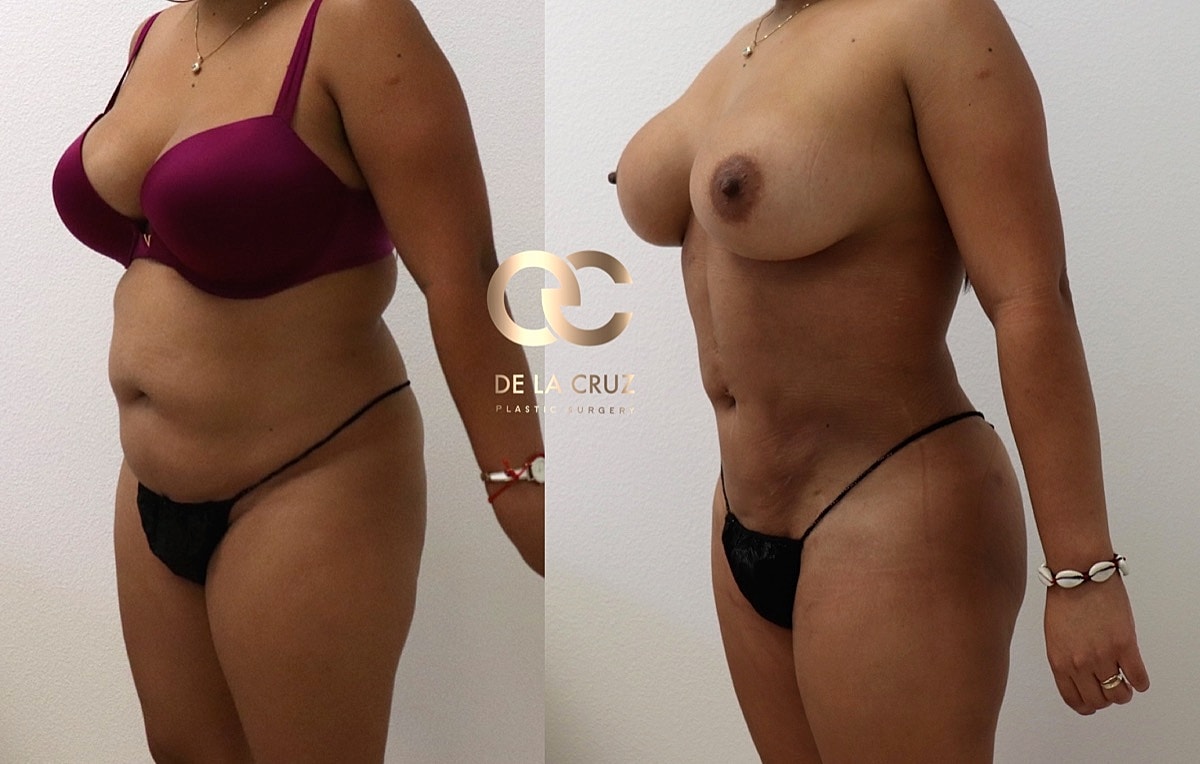
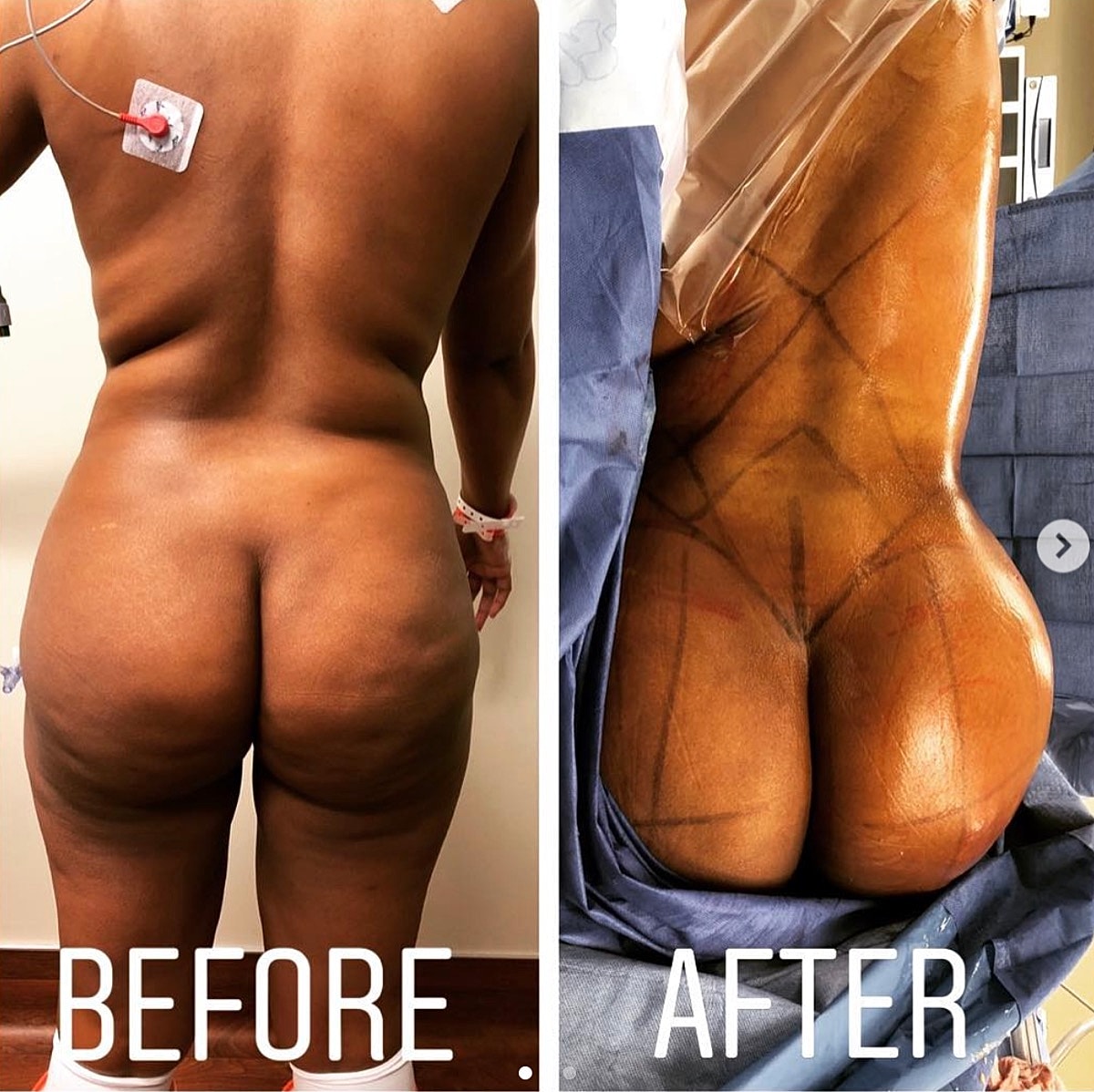
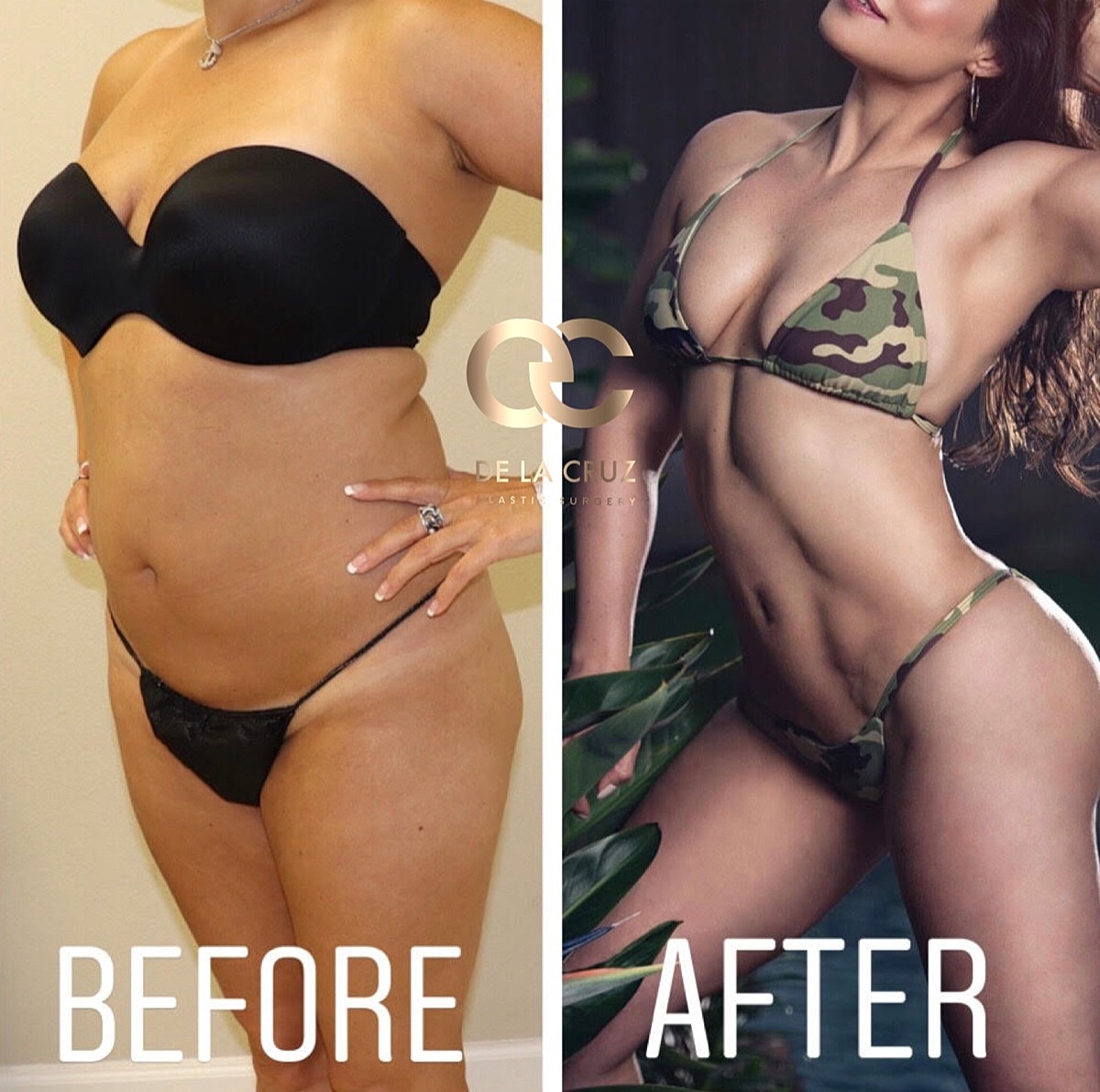
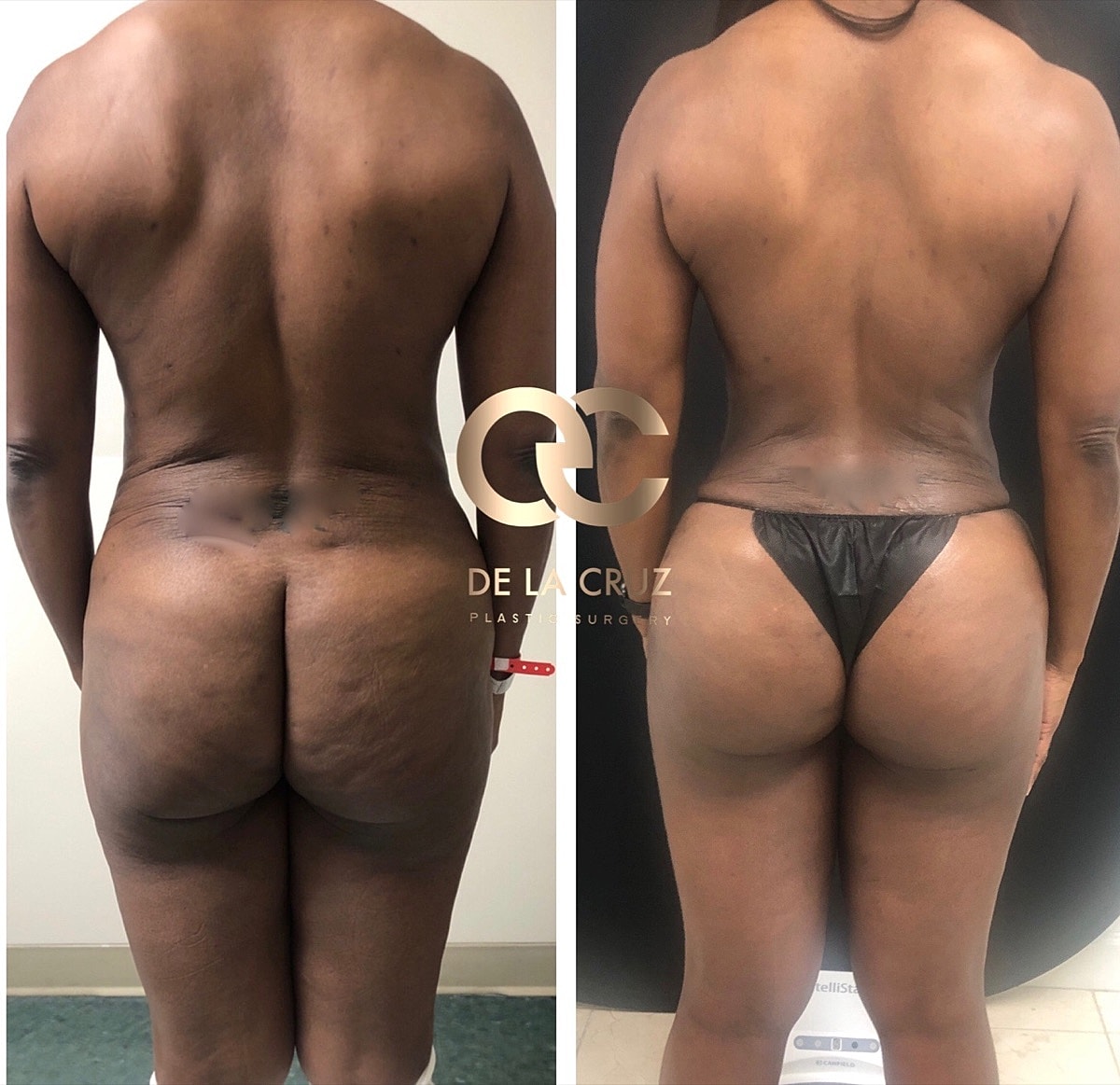
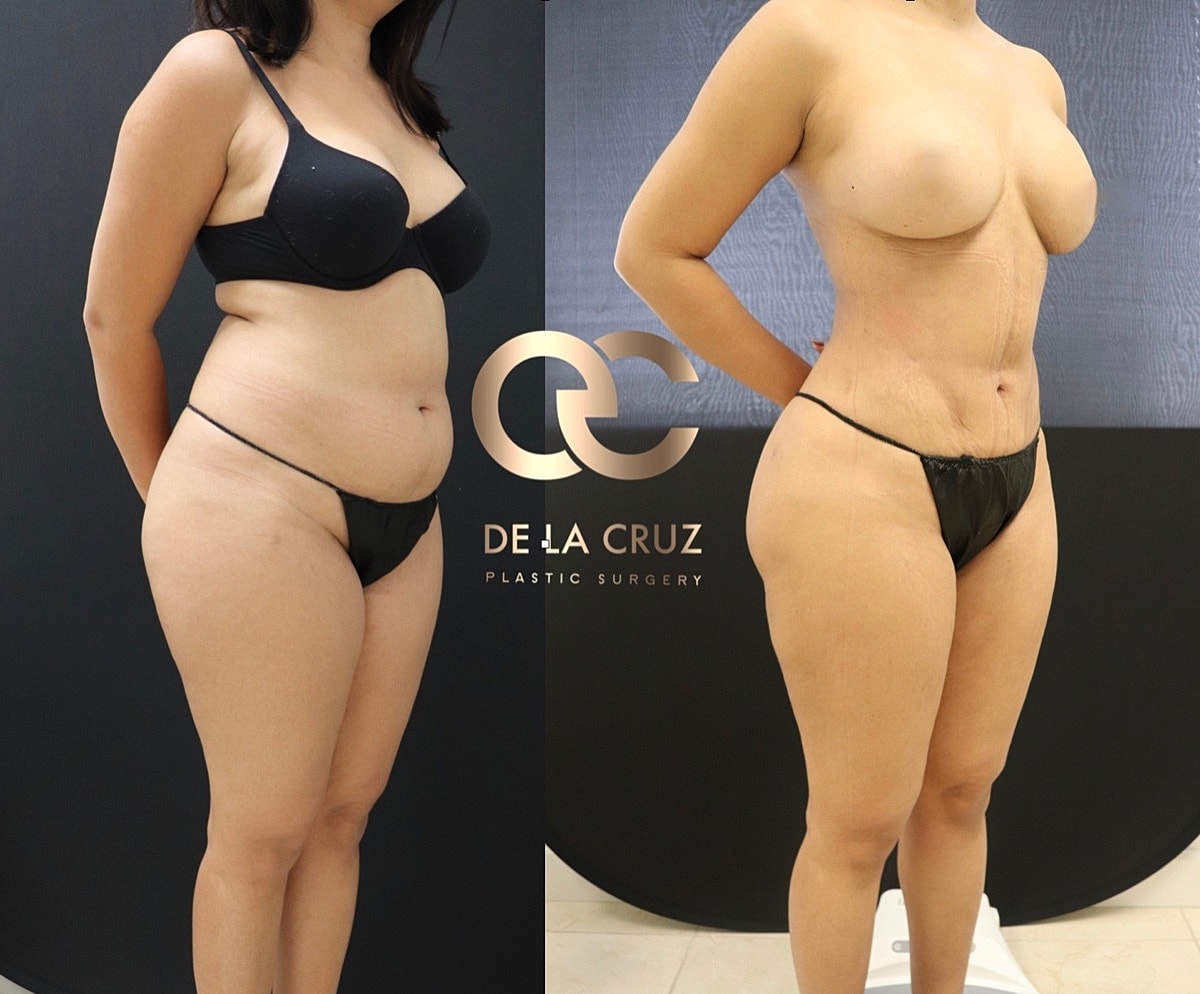
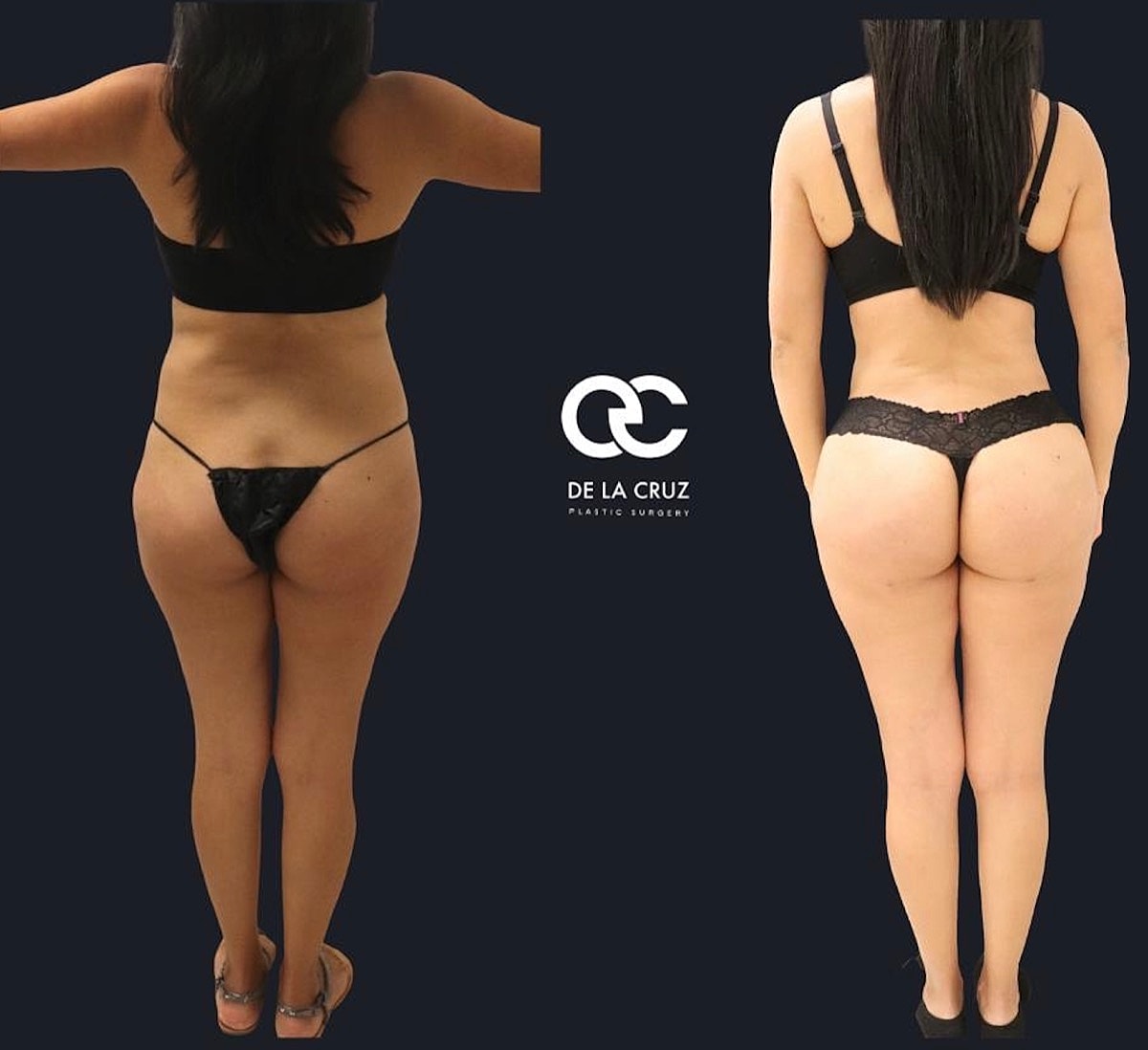
Skin tightening after liposuction is not passive—it is an active, biologically driven process governed by the fibroseptal network.
After fat removal, two forces interact:
1. FSN Contraction (Primary Tightening Force)
2. Competing External Forces
👉 Your final result depends on which force dominates.
This concept is essential to understanding outcomes discussed in Liposuction Skin Tightening and Liposuction After GLP-1 Weight Loss
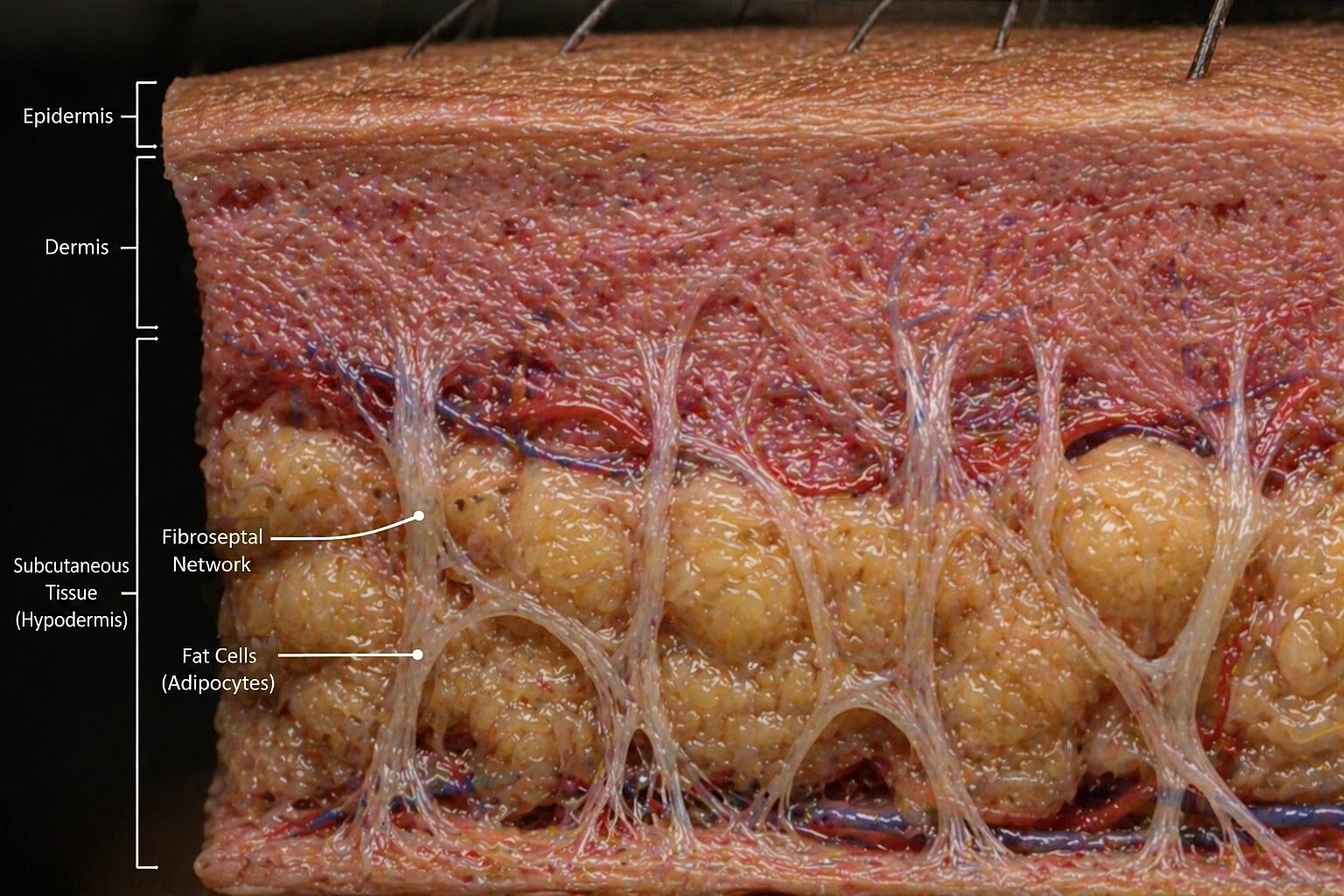
In advanced techniques such as high-definition liposuction, the goal is not simply fat removal—it is precise sculpting while preserving and stimulating the FSN.
This allows:
This philosophy is central to modern VASER liposuction and distinguishes high-level surgical outcomes from basic fat removal procedures.
Not all patients experience the same degree of skin tightening. FSN response varies based on intrinsic and external factors.
Strong FSN Response
👉 Excellent retraction and contour
Moderate FSN Response
👉 Initial tightening followed by gradual softening
Weak FSN Response
👉 Limited retraction; may require additional treatment
Patients with larger fat removal volumes should also review Large Volume Liposuction: How Much Fat Can Be Removed? to understand how volume impacts skin behavior.

Modern liposuction incorporates energy-based technologies to enhance the contraction of the fibroseptal network and improve skin tightening.
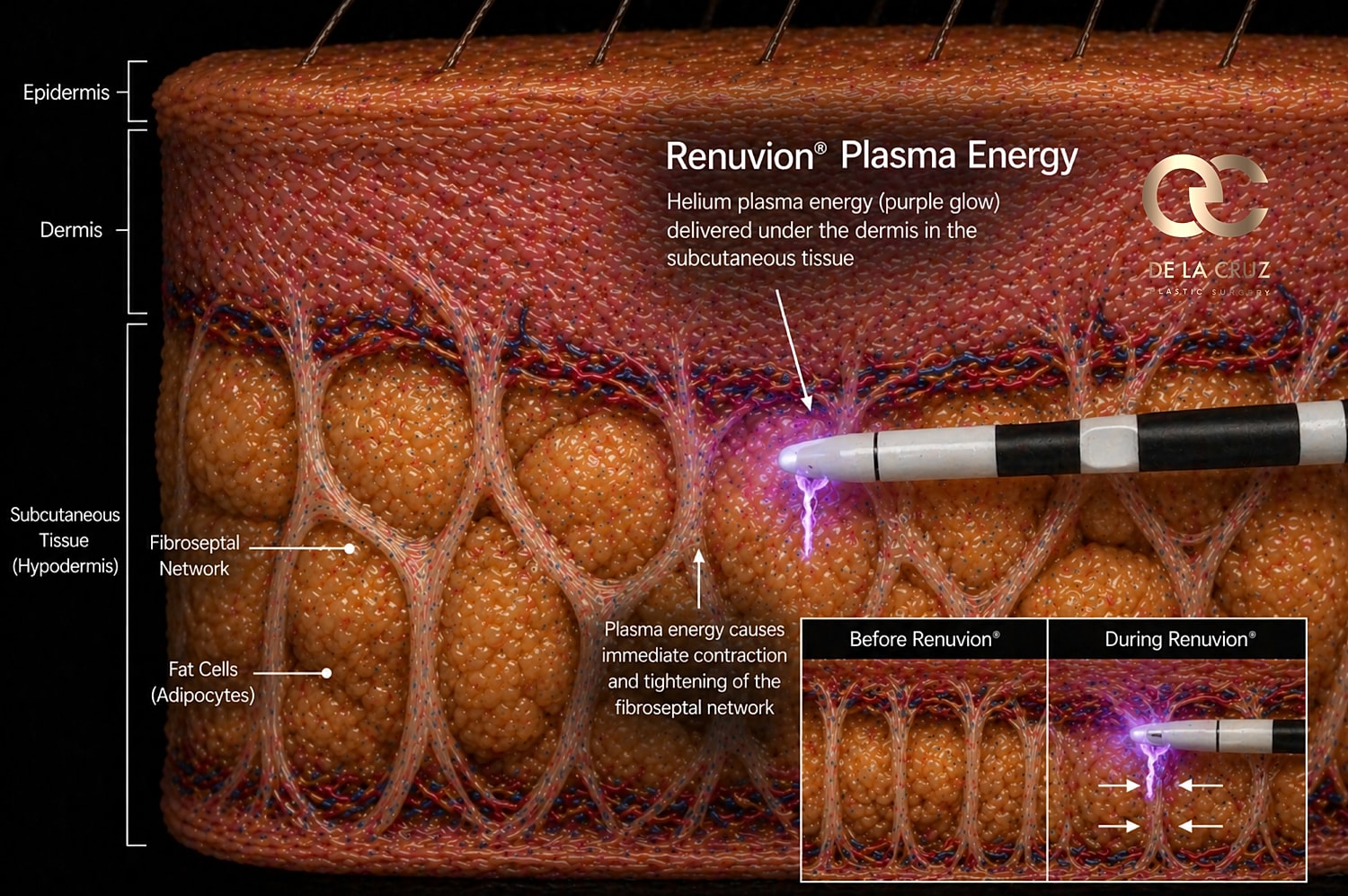
Renuvion delivers helium plasma combined with radiofrequency energy to create rapid subdermal heating and contraction.
Effect on FSN:
👉 Learn more about this technology in Renuvion Skin Tightening, and Fibroseptal Network & Fibrosis after Liposuction.
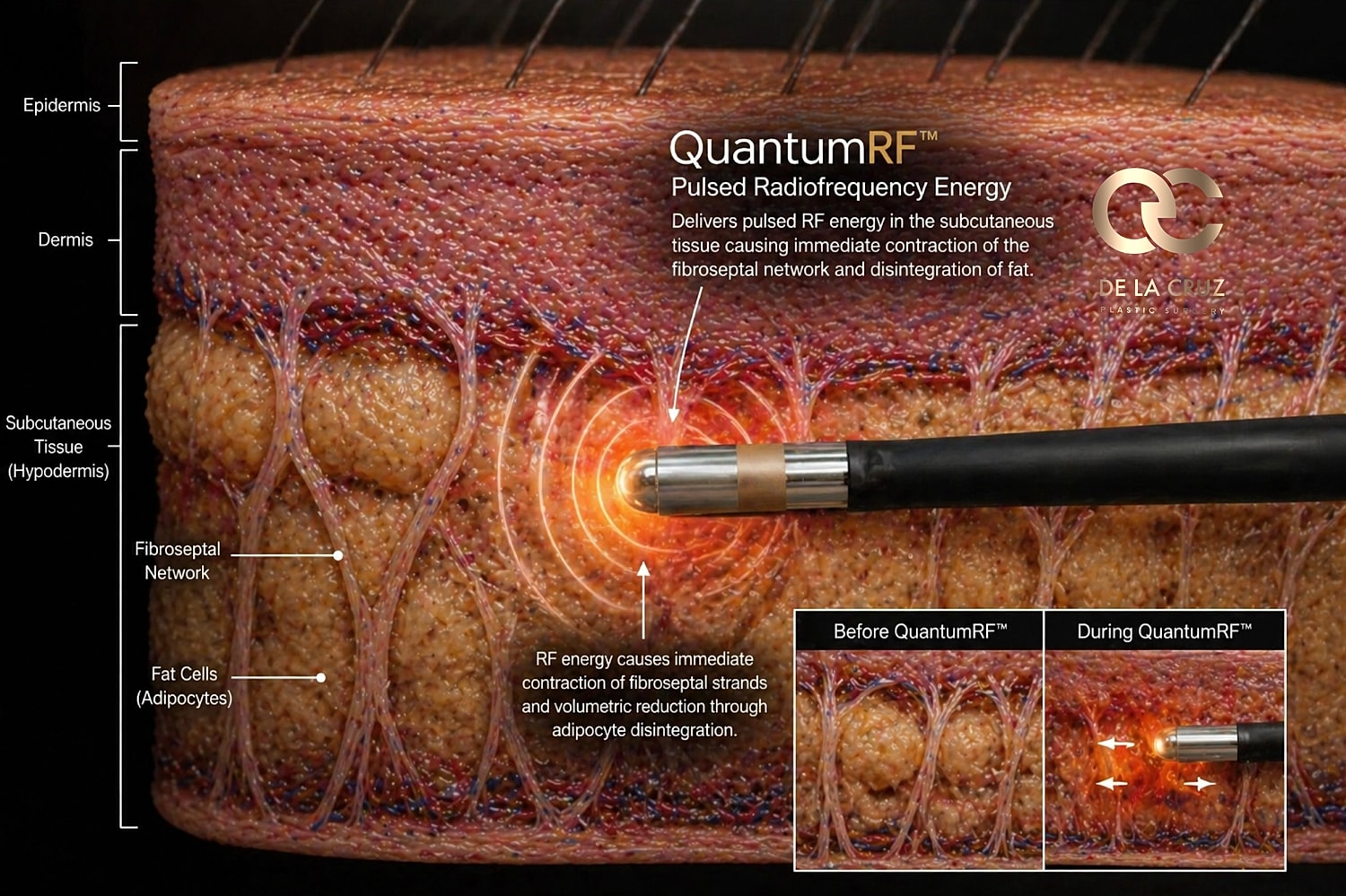
Quantum RF uses targeted radiofrequency energy to stimulate deeper tissue remodeling.
Effect on FSN:
👉 This is often combined with technologies such as Morpheus8 for comprehensive tissue remodeling.
While skin elasticity contributes to outcomes, the fibroseptal network is the dominant structural factor in post-liposuction contour.
👉 This explains why patients with “average” skin quality can still achieve excellent outcomes when the FSN is preserved and stimulated.
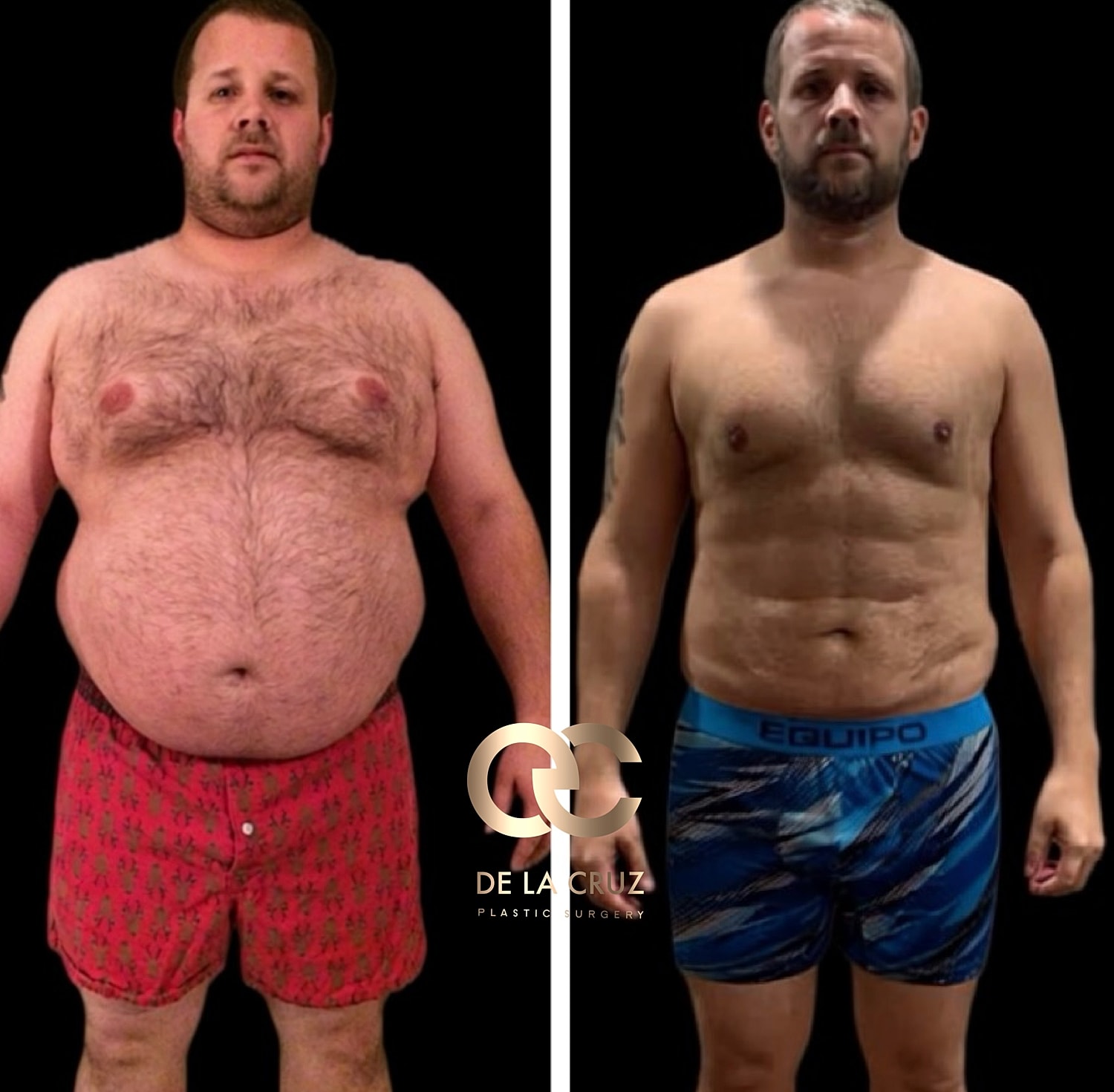
Patients using GLP-1 medications introduce a competing physiological dynamic:
👉 This interaction is discussed in depth in Liposuction After GLP-1 Weight Loss.
Clinical observation shows:
The degree of FSN preservation depends heavily on surgical technique.
Advanced approaches such as:
…allow for:
👉 Poor technique can disrupt the FSN, leading to complications discussed in Lumps and Fibrosis After Liposuction and Uneven Liposuction Results.
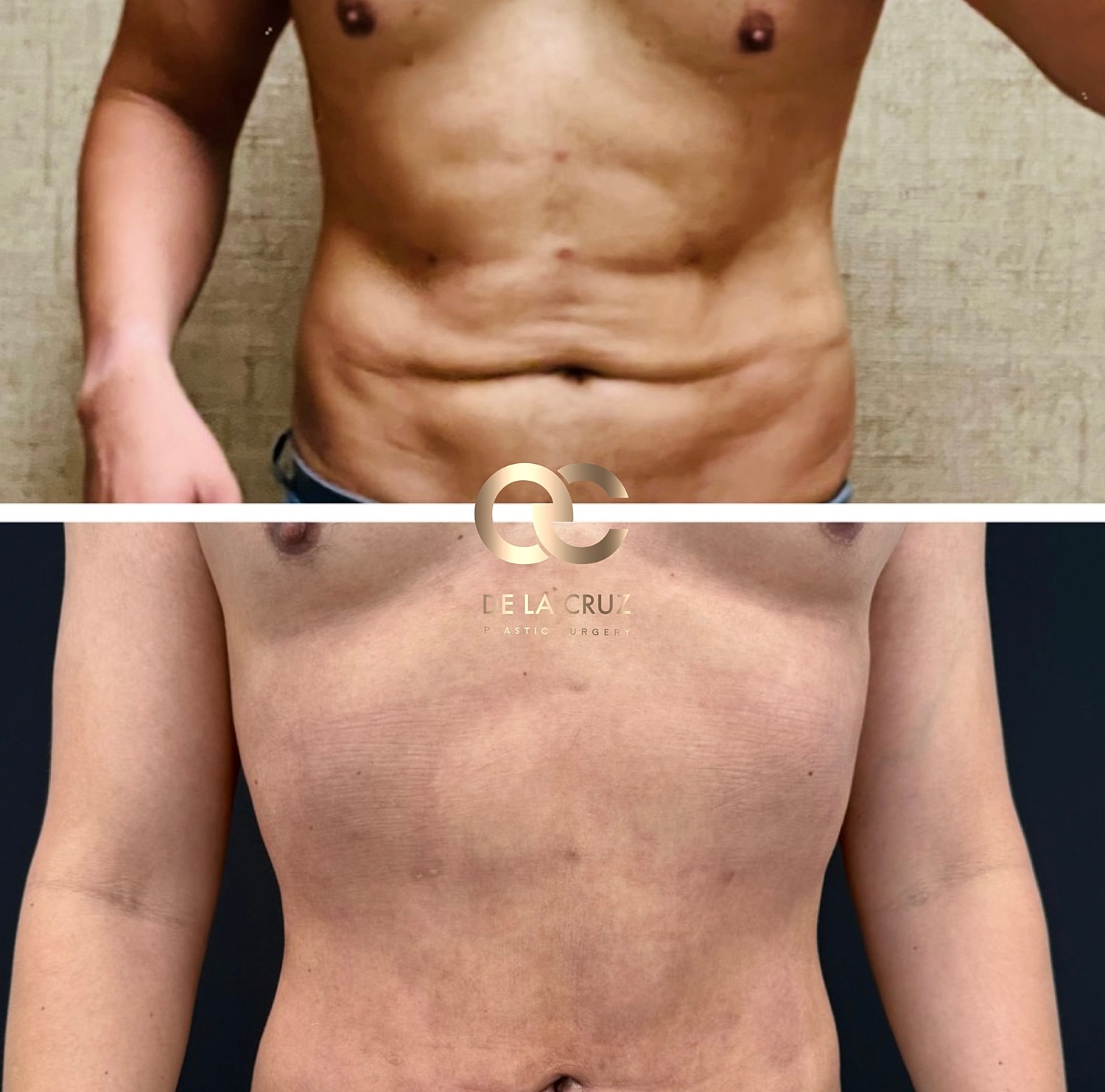
In cases of significant skin laxity, FSN contraction alone may not provide adequate tightening.
Additional options include:
👉 Learn more in Loose Skin After Liposuction.
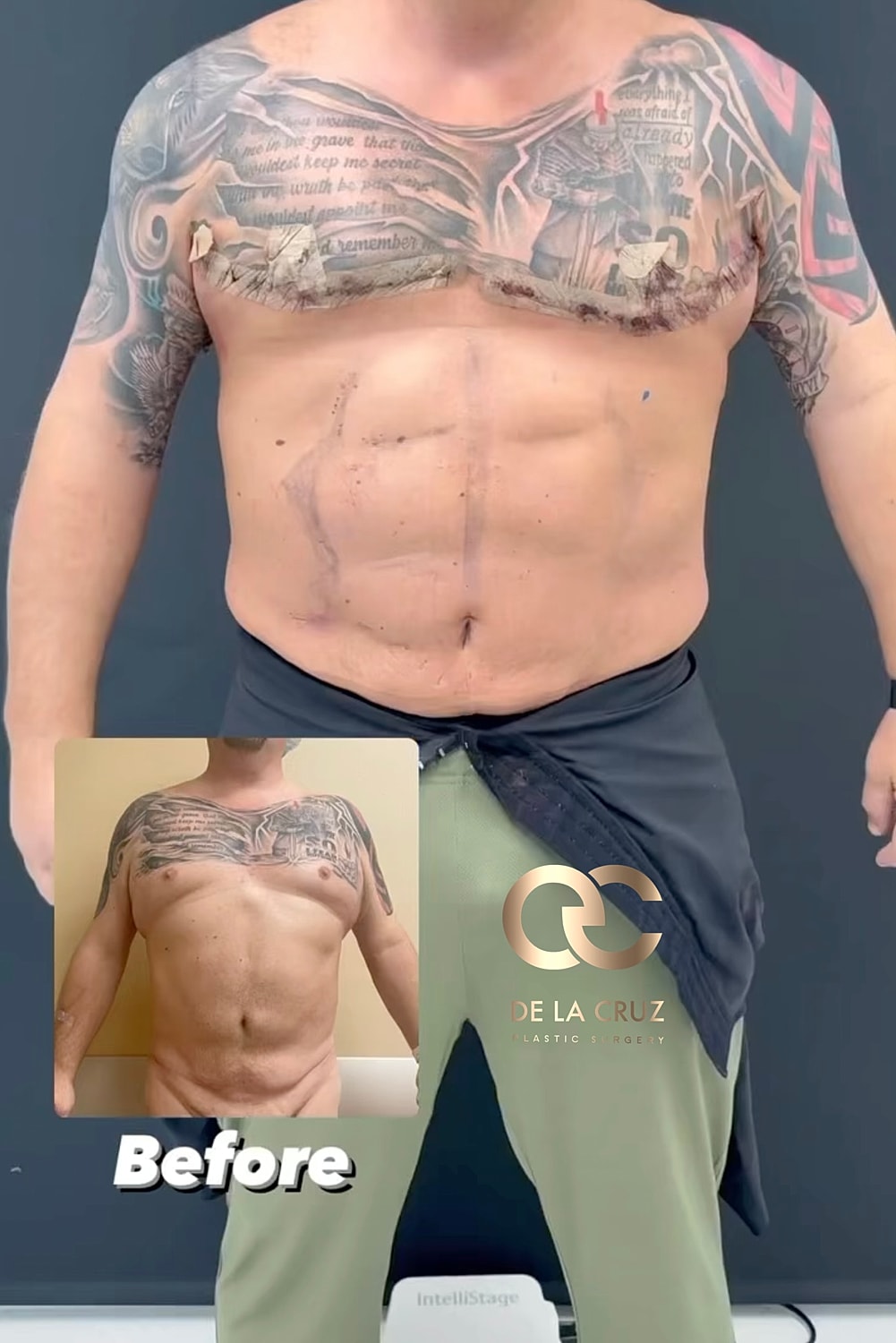
Modern body contouring is evolving toward an FSN-centered surgical philosophy:
This approach transforms liposuction from simple fat removal into precision anatomical sculpting.
For a complete, structured overview of techniques, recovery, and outcomes, visit the 👉 Ultimate Guide to Liposuction
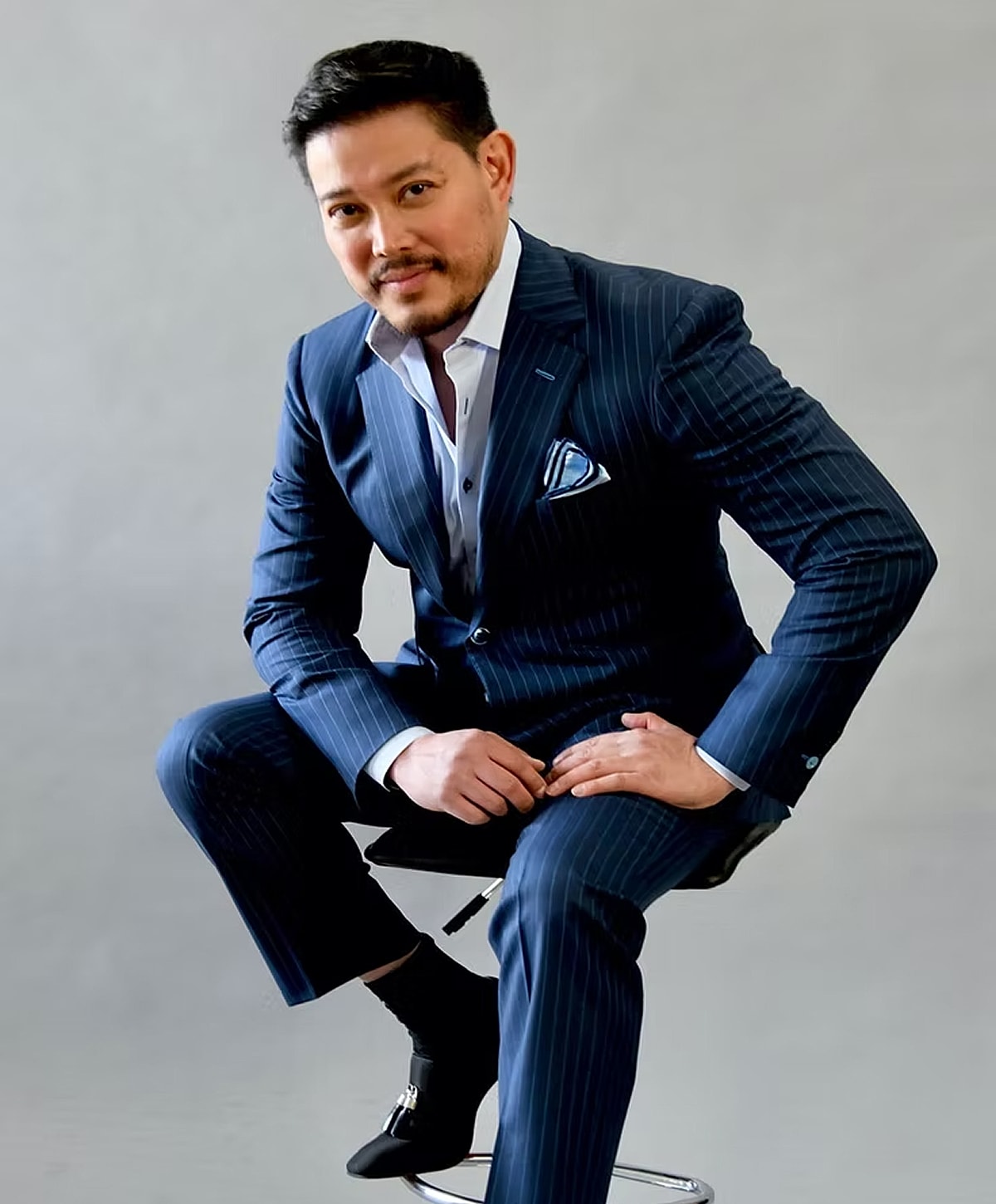
Dr. De La Cruz is widely recognized for combining the highest standards of surgical excellence with a distinctive artistic perspective, placing him among a select group of plastic surgeons who operate at an elite level.
Key factors that distinguish his practice include:
• Double Board Certification at the Highest Level of Surgical Training Dr. De La Cruz is double board-certified by the American Board of Plastic Surgery and the American Board of Surgery, reflecting extensive surgical training and adherence to the highest standards of patient care. He is also an active member of the American Society of Plastic Surgeons (ASPS), further underscoring his commitment to excellence, safety, and ongoing advancement in the field of plastic surgery.
• International Recognition for Surgical Excellence Dr. Emmanuel De La Cruz has received international distinction in advanced body contouring, including the prestigious Grand Master Total Definer Award for Best High-Definition Liposuction Results. This honor was personally awarded by Alfredo Hoyos, the global pioneer of high-definition liposculpture. From a competitive international field, only six surgeons were selected as finalists worldwide, and Dr. De La Cruz was chosen as producing the finest results—reflecting exceptional precision, judgment, and technical mastery.
• International Lecturer and Thought Leader in Aesthetic Surgery Dr. De La Cruz has been invited to lecture at major scientific meetings worldwide, including the American Society of Plastic Surgeons (ASPS), the Total Definer Meeting in Cartagena Colombia, the InMode Symposium in Miami and Beverly Hills, and AestheticStanbul in Istanbul, where he was invited by renowned plastic surgeon Foad Nahai. His work focuses on advanced techniques and the correction of complex contour irregularities.
• Published Author in Peer-Reviewed Surgical Literature He has contributed to the advancement of plastic surgery through publications such as “Lipoplasty in the Overweight Patient” in Clinics in Plastic Surgery, demonstrating a commitment to evidence-based practice and surgical safety.
• Expertise in Advanced Surgical Technologies and Techniques Dr. De La Cruz specializes in modern surgical approaches that emphasize precision, control, and refined outcomes, integrating advanced technologies with meticulous technique.
• A Unique Foundation in Art and Surgical Design Plastic surgery at the highest level requires more than technical skill—it demands an understanding of form, proportion, and balance. Dr. De La Cruz was classically trained in sculpture under world-renowned French sculptor Philippe Faraut, bringing a level of artistic insight that informs every procedure and contributes to natural, harmonious results.
• Advanced Experience in Complex and Revision Cases In addition to primary procedures, Dr. De La Cruz frequently treats patients with prior surgical irregularities or challenging anatomy—cases that require a higher level of surgical judgment and expertise.
• Uncompromising Commitment to Patient Safety Patient safety is central to every aspect of care. His approach emphasizes careful patient selection, evidence-based techniques, and structured postoperative monitoring to optimize outcomes and minimize risk.
• Personalized, Patient-Centered Surgical Planning Each procedure is tailored to the individual. Dr. De La Cruz develops customized surgical plans designed to achieve balanced, refined, and long-lasting results.
• Surgery Performed in an Accredited, High-Standard Facility All procedures are performed in a state-licensed, AAAASF-accredited surgical facility, supported by a board-certified anesthesiologist and an experienced perioperative team—ensuring the highest standards of safety and care.
The FSN is a connective tissue framework that supports the skin and enables contraction after fat removal during liposuction.
No. Skin tightening depends on FSN integrity, skin quality, and factors such as weight stability.
Yes. Renuvion enhances contraction of fibrous septa and improves skin tightening outcomes.
They serve complementary roles—Renuvion provides immediate contraction, while Quantum RF promotes deeper remodeling and long-term tightening.
Mild to moderate laxity can improve significantly, but severe excess skin may require surgical removal.
Yes. Renuvion improve skin retraction but the retraction is limited. Quantum RF has shown superior skin retraction as compared to Renuvion.
About the Author
Dr. Emmanuel De La Cruz, MD is a double-board-certified plastic surgeon in Houston, Texas, certified by both the American Board of Plastic Surgery and the American Board of Surgery. He specializes in advanced liposuction and body contouring procedures, including high-definition liposculpture, Brazilian Butt Lift (BBL), revision liposuction, and treatment of lipedema.
Dr. De La Cruz is internationally recognized for his expertise in high-definition liposuction and contour sculpting techniques, which play a critical role in achieving balanced, natural-looking results in procedures such as liposuction and Brazilian Butt Lift surgery. His work focuses on precise body contour sculpting to enhance overall body proportions.
He has lectured internationally on liposuction techniques, fat grafting, and contour irregularity correction, presenting at major scientific meetings including the American Society of Plastic Surgeons (ASPS), the Total Definer Meeting in Bogotá, Colombia, the InMode Symposium in Miami and Beverly Hills, and AestheticStanbul in Istanbul, Turkey, where he was invited to lecture by renowned plastic surgeon Dr. Foad Nahai.
Dr. De La Cruz has also contributed to the scientific literature on liposuction and body contouring. He is the author of “Lipoplasty in the Overweight Patient”, published in the peer-reviewed journal Clinics in Plastic Surgery.
Through his clinical work, research, and international lectures, Dr. De La Cruz focuses on advancing safe, precise, and refined techniques in liposuction, BBL surgery, and modern body contouring.