Is Liposuction Painful? A Surgeon’s Guide to Recovery and Comfort
Written by Dr. Emmanuel De La Cruz, MD Double Board-Certified Plastic Surgeon | Houston, Texas
Written by Dr. Emmanuel De La Cruz, MD Double Board-Certified Plastic Surgeon | Houston, Texas
Is Liposuction Painful?
Direct Answer
Liposuction is not painful during the procedure because anesthesia is used. After surgery, most patients experience soreness, tightness, and mild to moderate discomfort, similar to an intense workout rather than sharp pain.
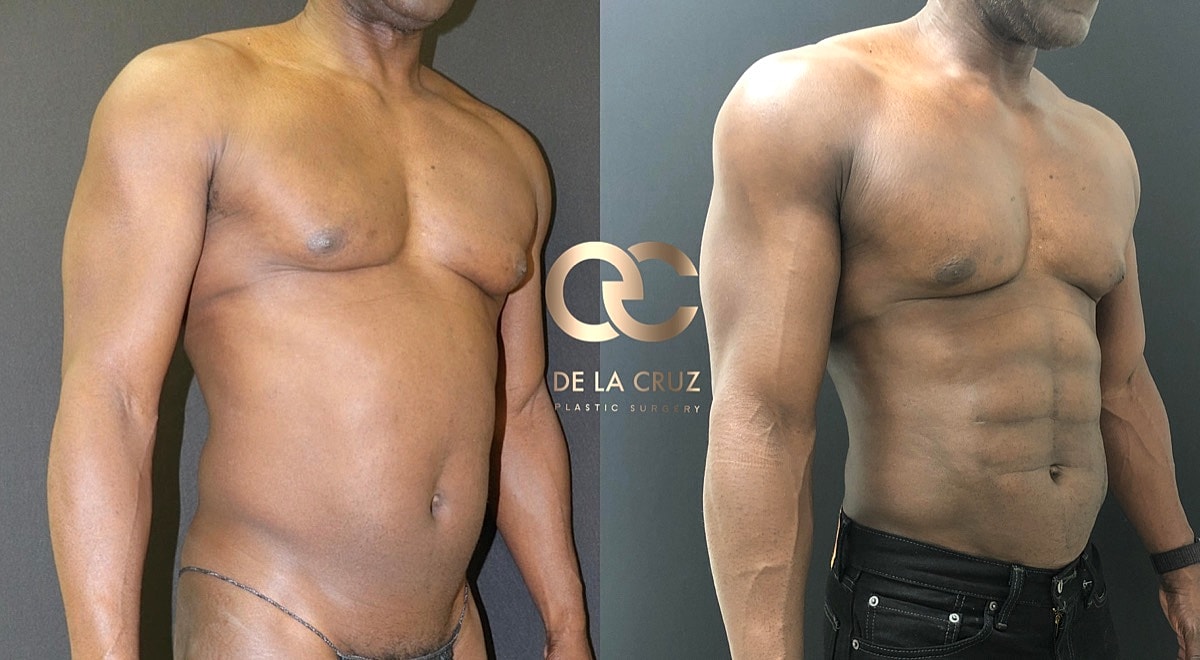
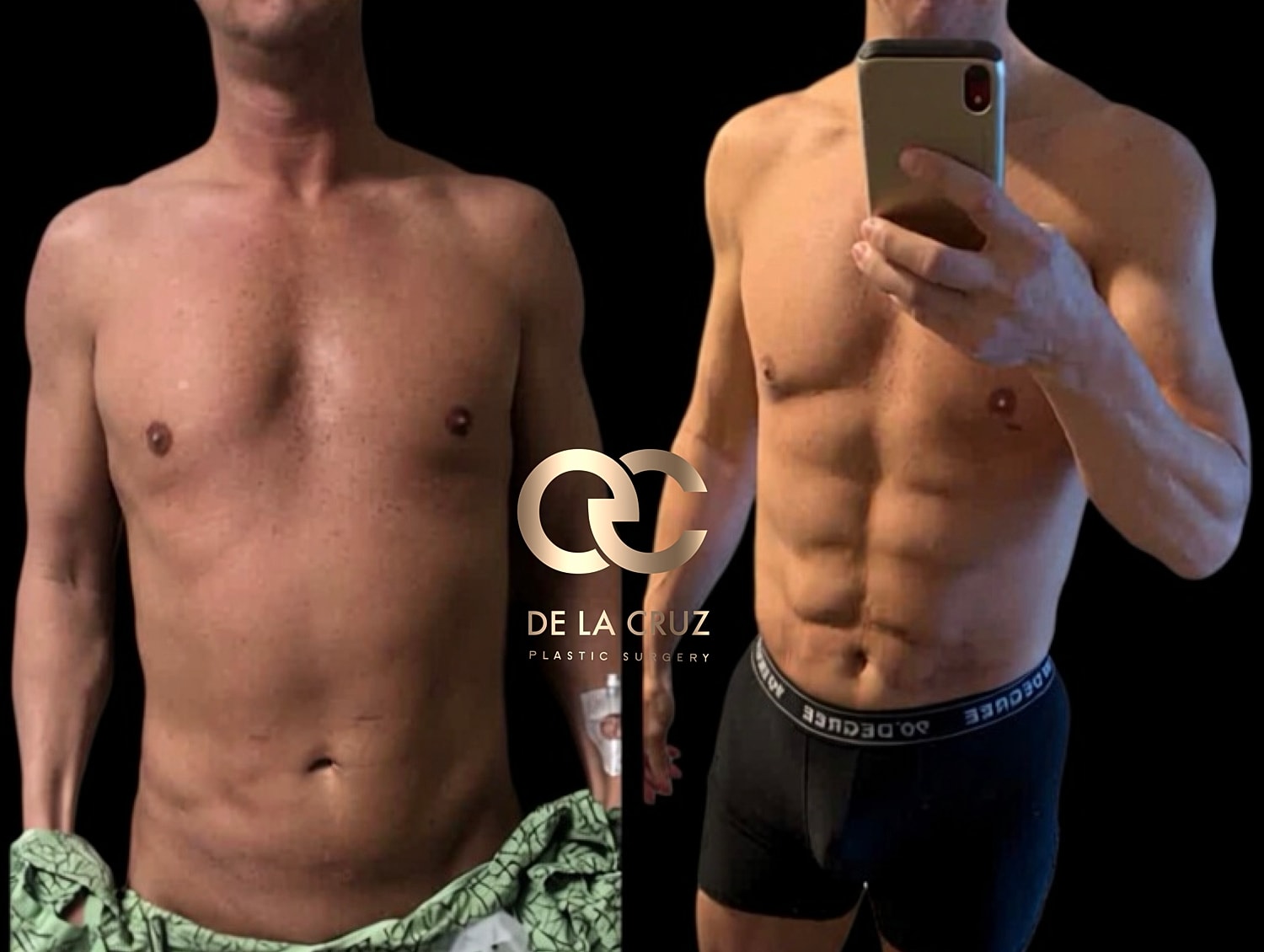
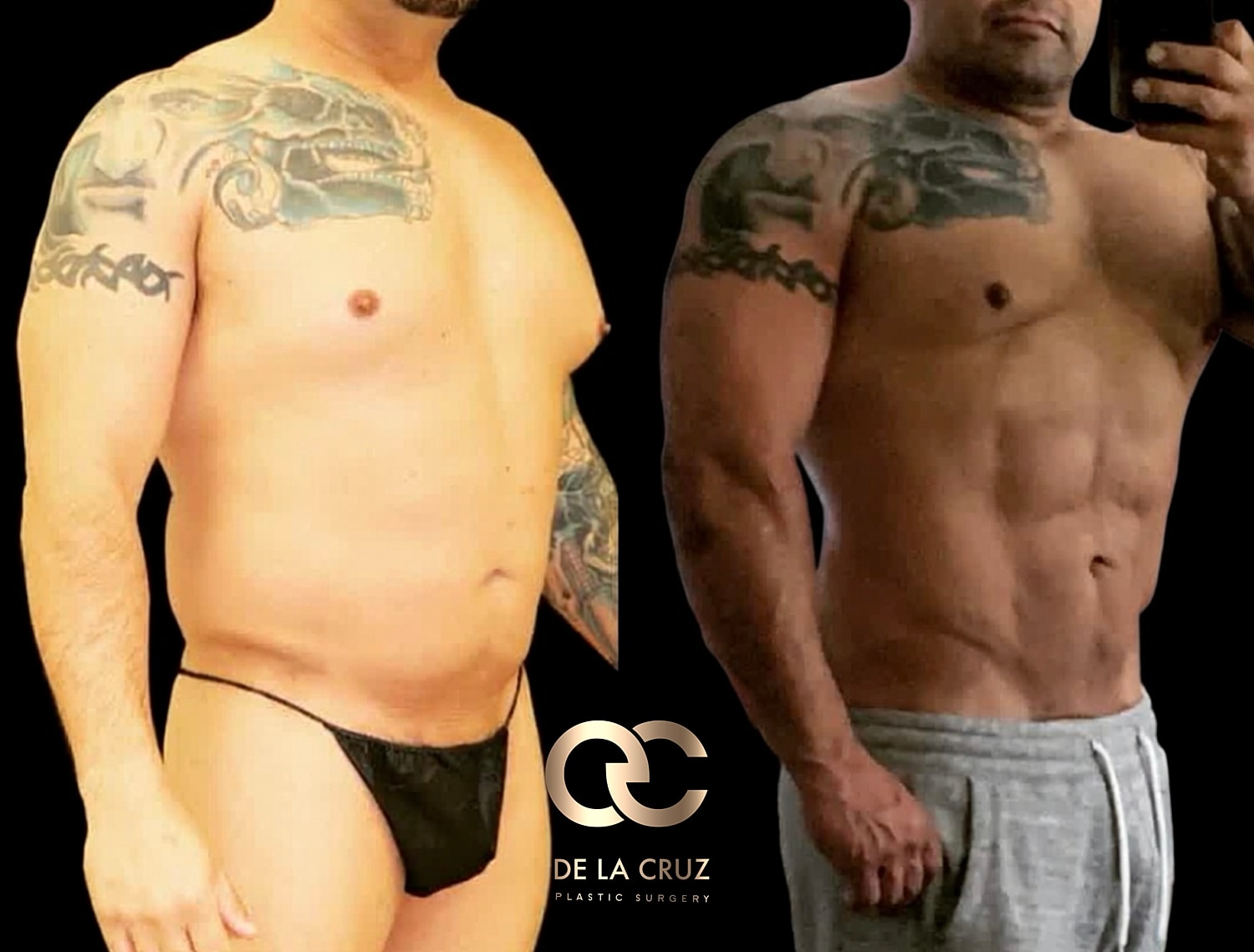
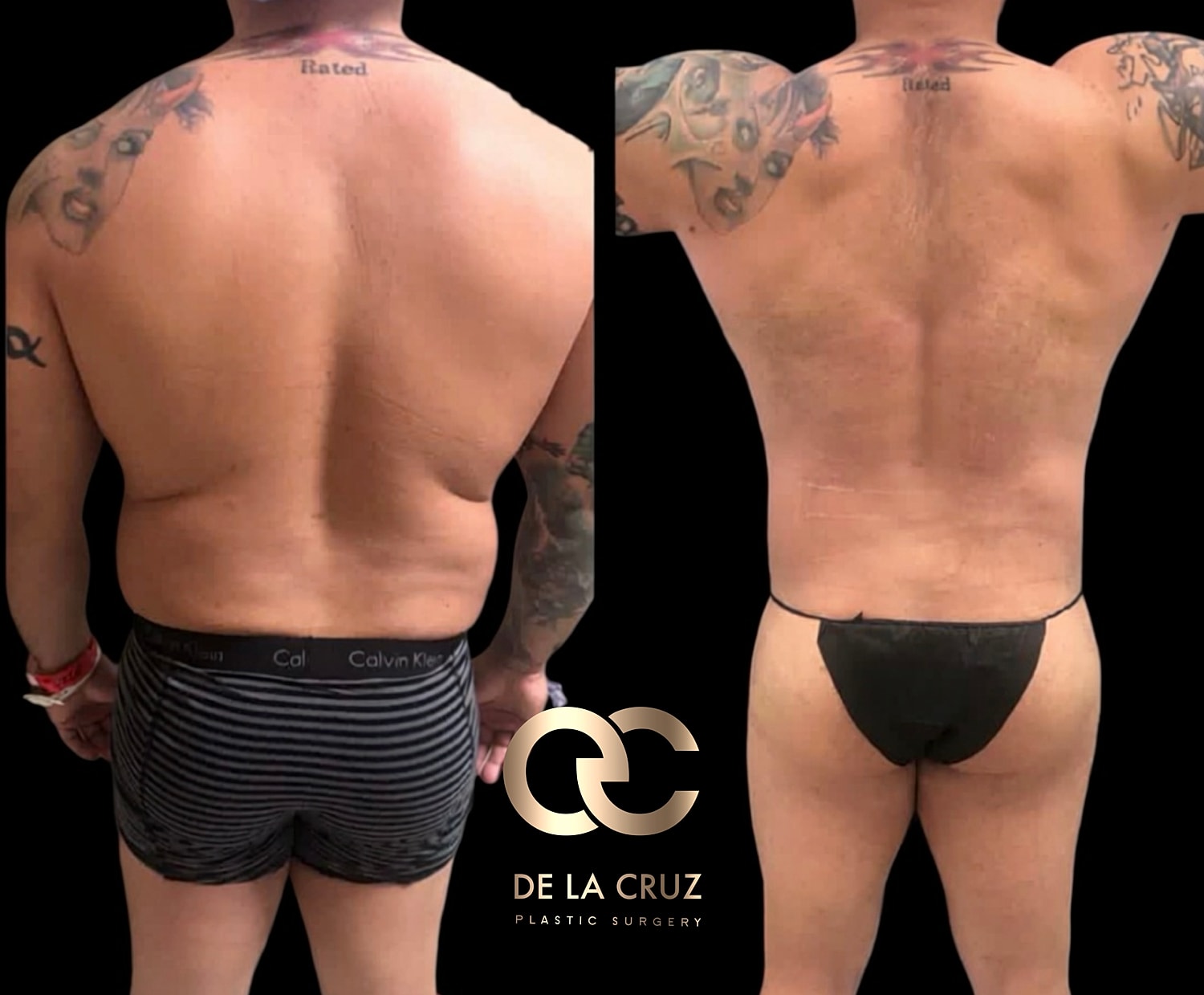
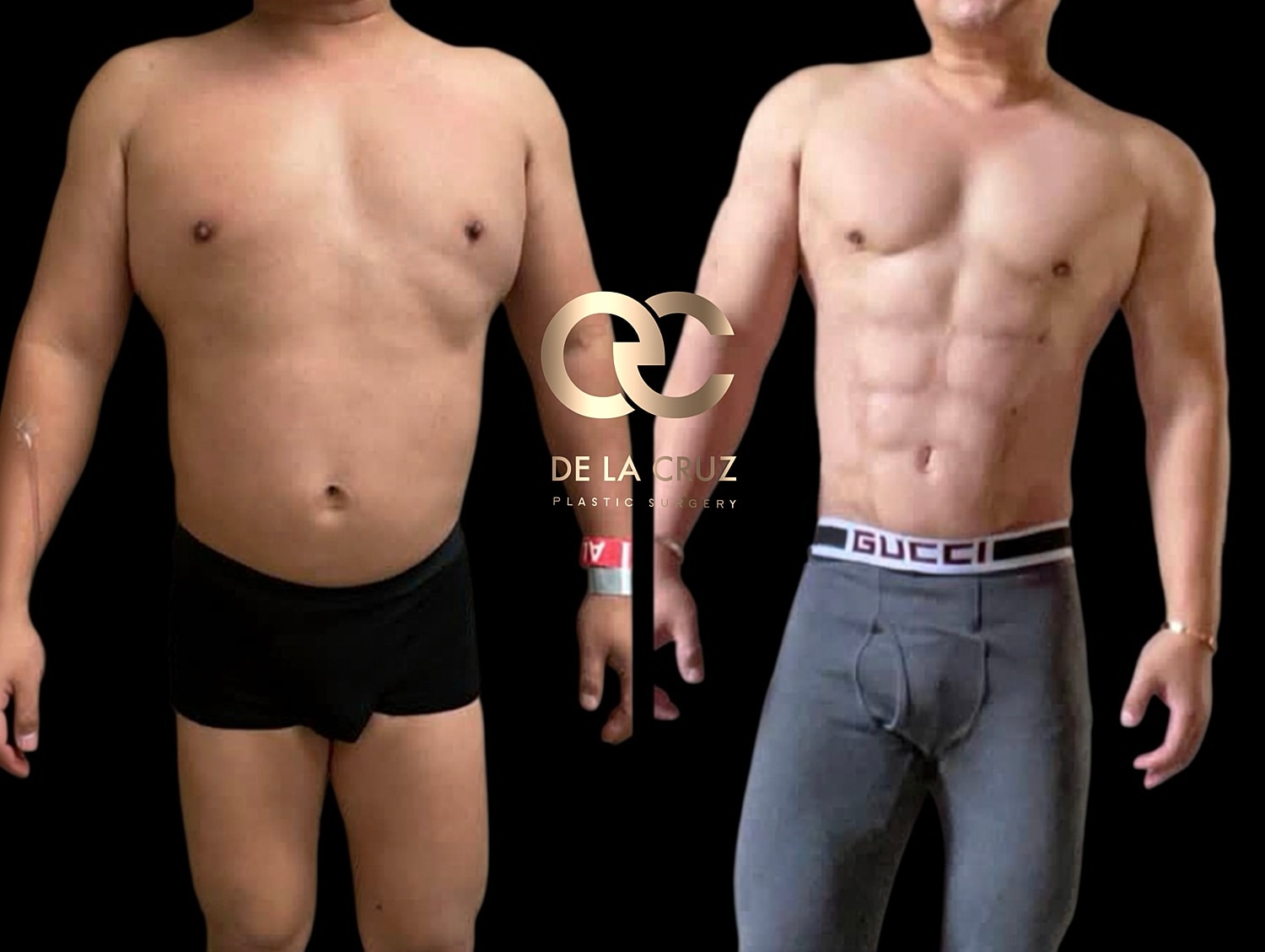
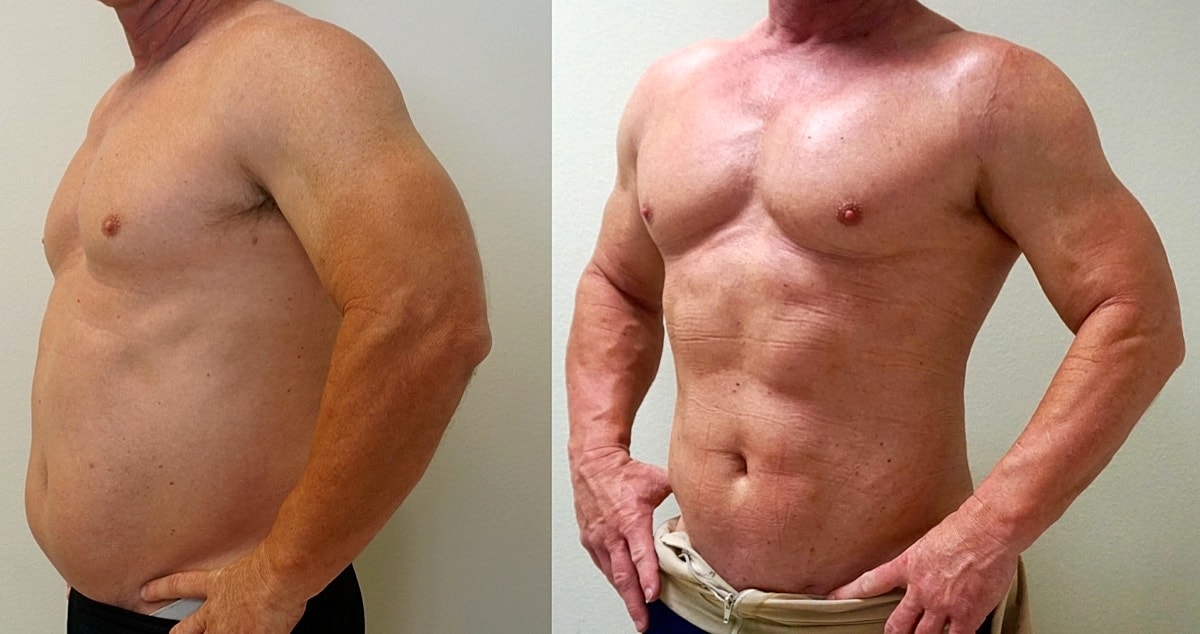
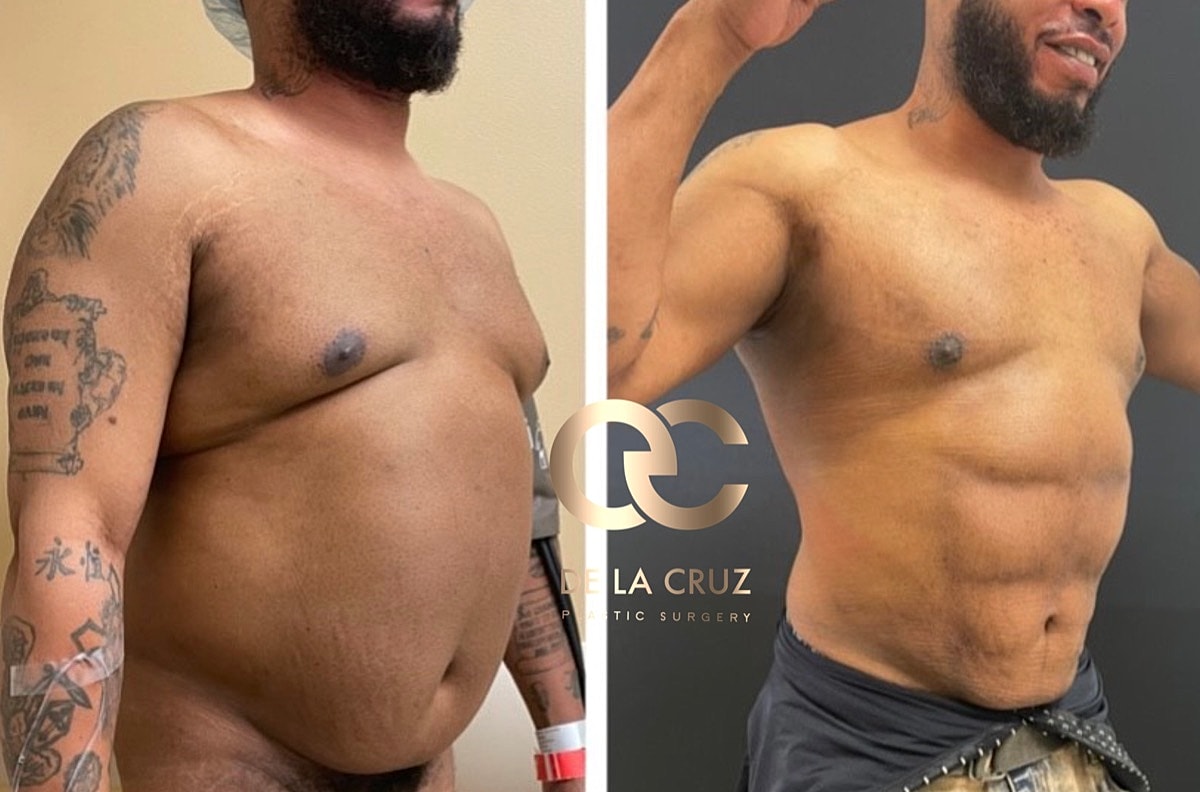
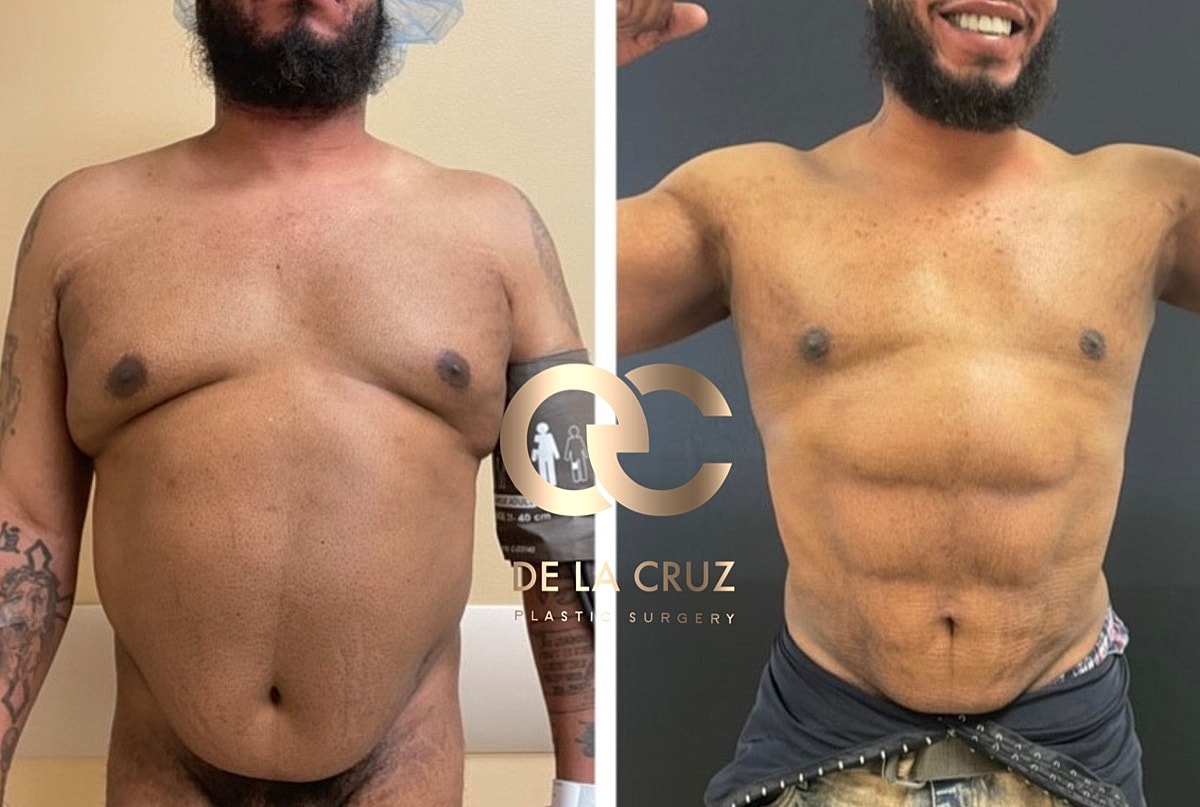
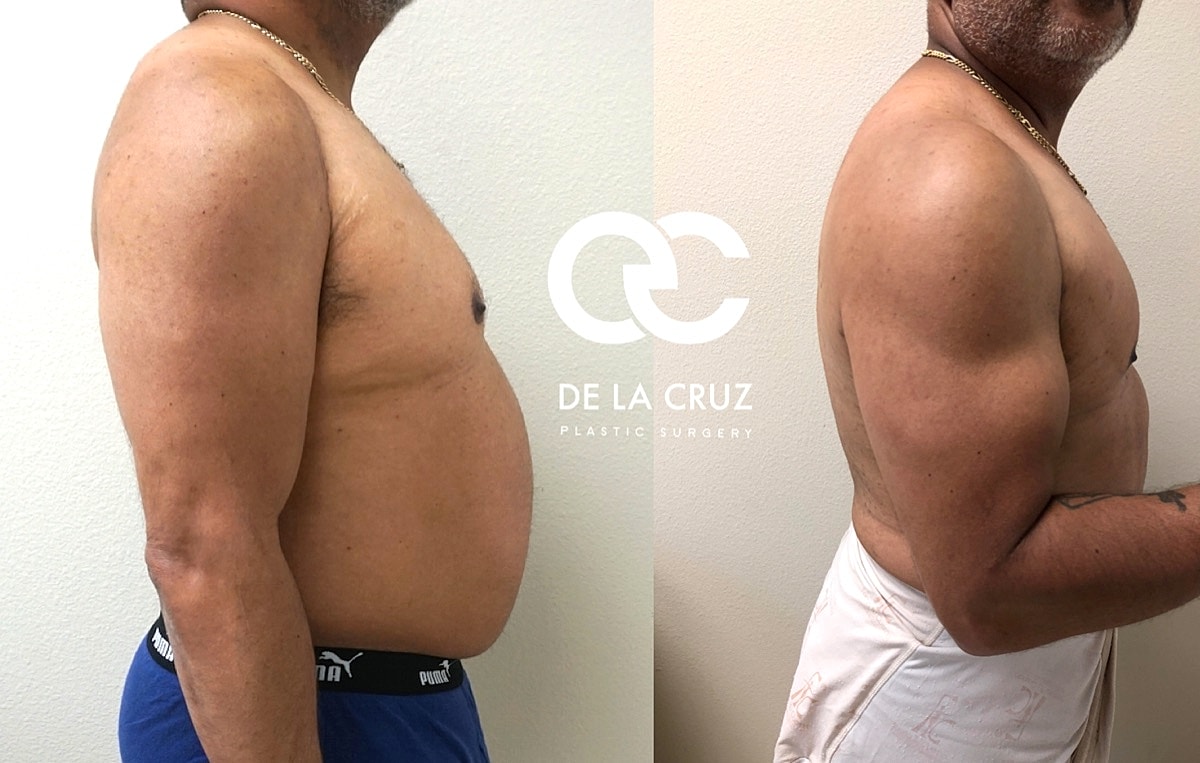
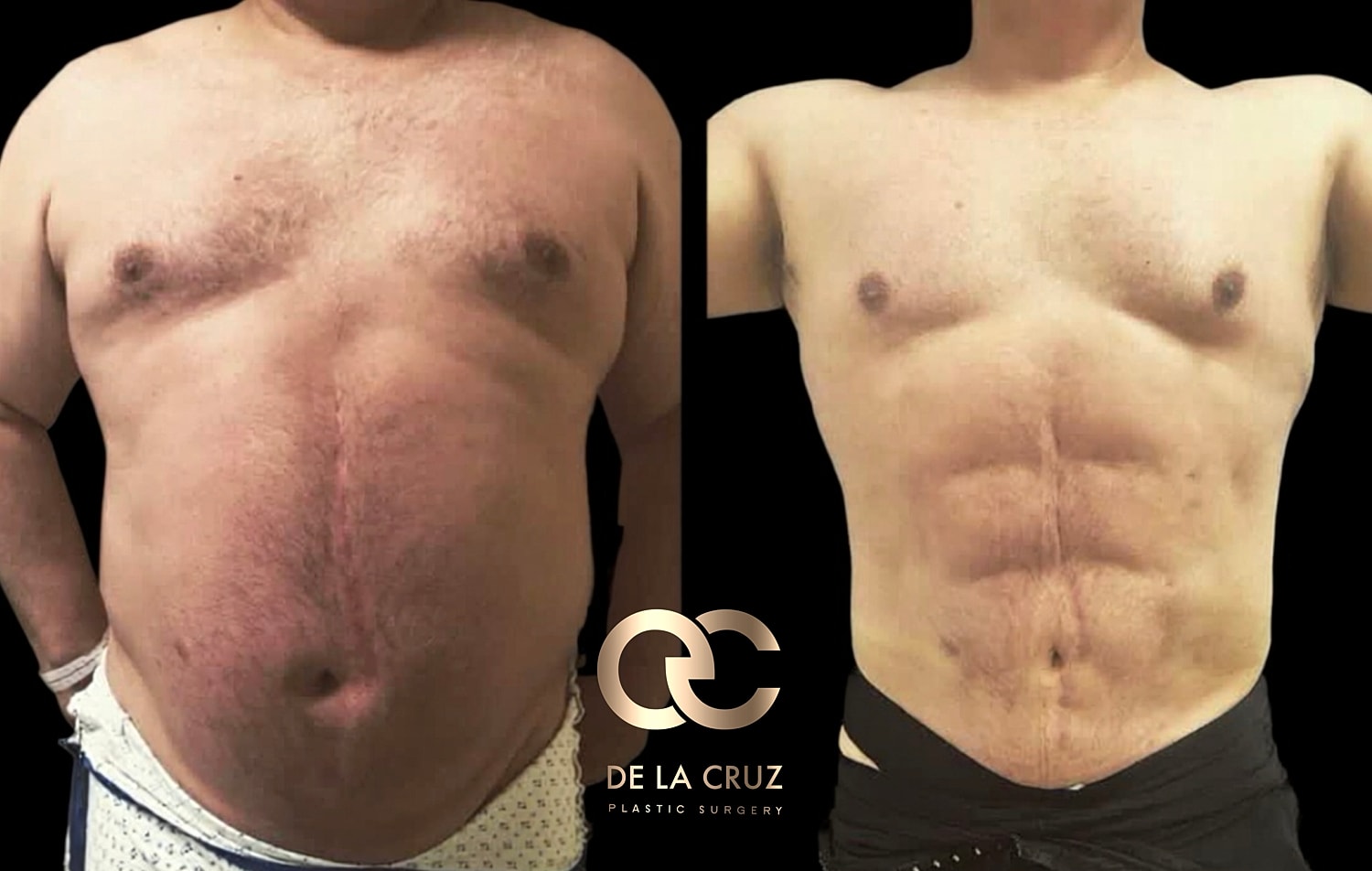
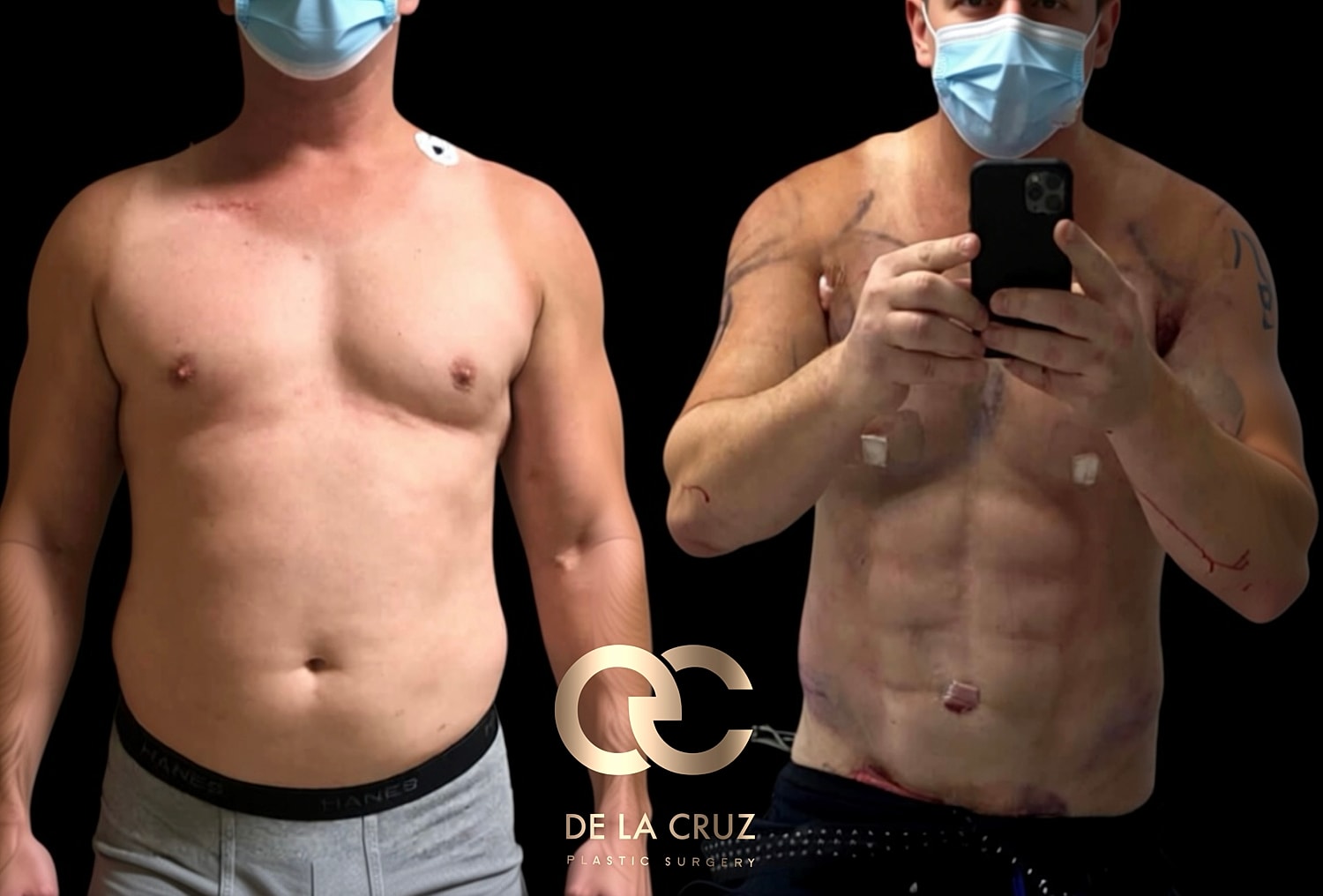
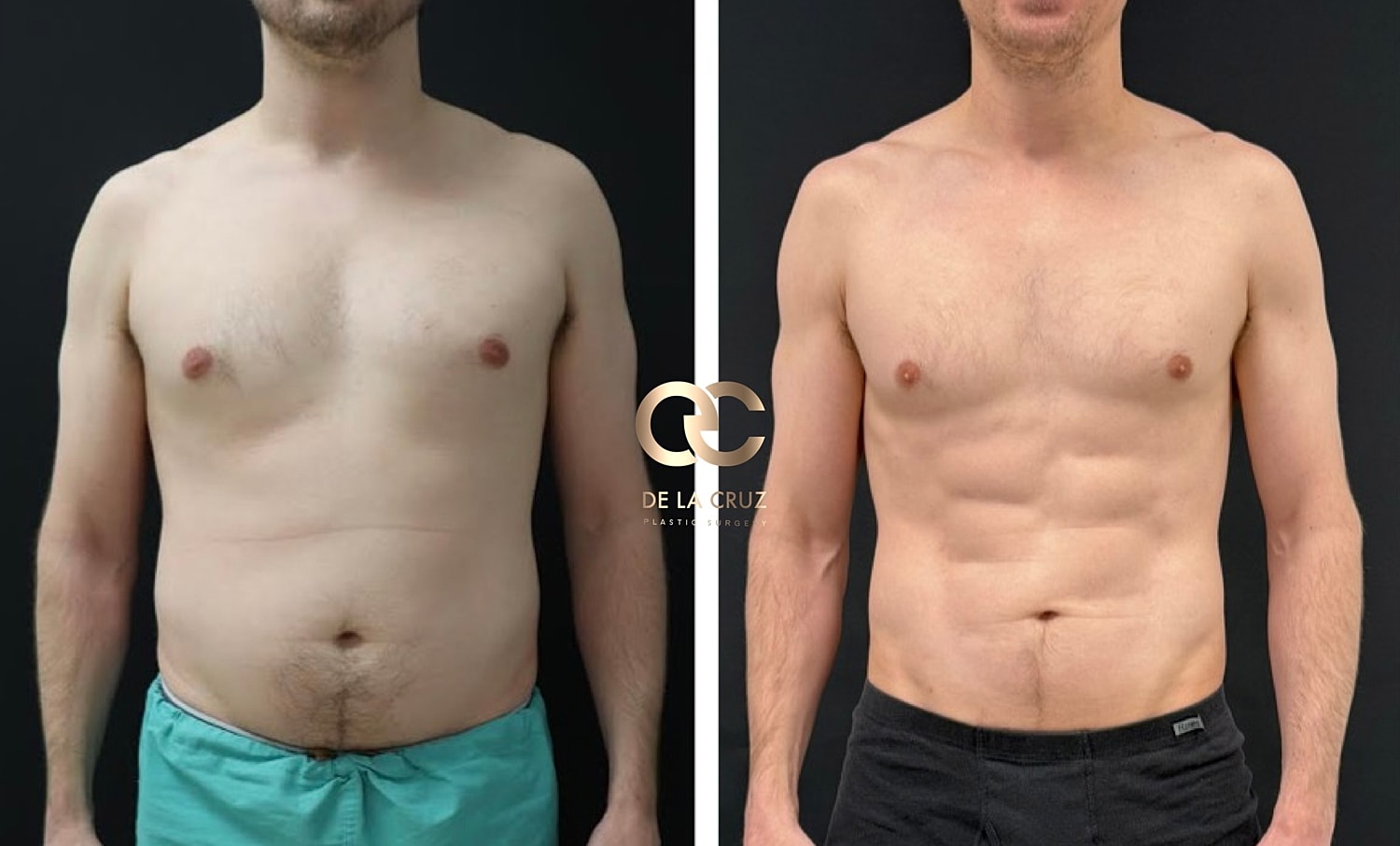
This article is part of our comprehensive liposuction resource library. For a complete overview, visit our Liposuction in Houston page, explore the Ultimate Guide to Liposuction, and review real patient outcomes in our Before and After Liposuction Results Guide.
1 of 25
Recovery from liposuction is commonly described as:
Pain is typically most noticeable during the first few days, then improves steadily over the first 1–2 weeks.
Most patients are surprised that: 👉 discomfort is manageable and temporary, not severe or prolonged.
During liposuction, patients are under:
This means: 👉 You do not feel pain during the procedure
First 72 Hours
Week 1–2
Weeks 3–6

Pain levels vary depending on:
Advanced techniques such as VASER and power-assisted liposuction can: 👉 reduce trauma and improve recovery comfort

Clinical evidence consistently demonstrates that liposuction is a well-tolerated procedure with relatively low postoperative pain—often far less than patients expect.
In a study of 303 patients undergoing ultrasound-assisted liposuction, nearly half of all patients (48.2%) required no pain medication at all on the day of surgery. Among those who did require treatment, the majority were effectively managed with simple oral medications, such as acetaminophen or tramadol.
Pain levels declined rapidly after surgery:
Only 4.3% of patients required stronger opioid medications, indicating that severe pain is uncommon following liposuction.
Notably, the study found no significant difference in postoperative pain between local and general anesthesia, reinforcing that discomfort is typically mild, predictable, and manageable regardless of anesthetic approach.
Key Clinical Insights
Liposuction is often perceived as painful, but clinical data—and real-world experience—tell a different story.
For most patients, recovery is characterized by:
When performed with advanced techniques and proper postoperative care, liposuction is associated with a comfortable, controlled recovery and a low need for strong pain medication.
A structured pain control plan includes:
When properly managed: 👉 most patients describe recovery as uncomfortable, but very tolerable

Compared to other surgeries:
Walking: within 24 hours
Light activity: 1–2 weeks
Exercise: gradual return after 2–4 weeks (longer if combined procedures)

Liposuction is not a painful procedure during surgery, and postoperative discomfort is typically moderate, temporary, and well-controlled.
The most important factor is not pain—it is: 👉 choosing an experienced surgeon who minimizes trauma and optimizes recovery

r. De La Cruz is actively involved in the advancement of modern liposuction techniques and has lectured internationally on liposuction and body contouring, including the correction of contour irregularities and complex revision cases. He has presented at major scientific meetings such as:
• American Society of Plastic Surgeons (ASPS) • Total Definer Meeting in Bogotá, Colombia • InMode Symposium in Miami and Beverly Hills
In addition to his clinical work, Dr. De La Cruz has contributed to the scientific literature on liposuction, including research on lipoplasty in overweight patients.
His approach to body contouring is guided by several key principles:
• Meticulous contour sculpting to achieve smooth, natural body proportions
• Use of advanced technologies such as VASER liposuction for precise fat removal
• Integration of modern skin tightening technologies such as Quantum RF when appropriate
• Expertise in treating complex cases including revision liposuction and contour irregularities
• Individualized surgical planning tailored to each patient’s anatomy and goals
By combining advanced surgical techniques with modern technology, Dr. De La Cruz provides a comprehensive approach to body contouring that prioritizes patient safety, precision, and natural-looking results.
Patients seeking liposuction in Houston often choose Dr. De La Cruz for his experience in advanced body contouring procedures and his commitment to achieving refined, balanced aesthetic outcomes.

Citation
Manassa EH, Hellmich S, Ronert M, Hofheinz H, Olbrisch RR. Pain management after lipoplasty: a study of 303 cases. Plastic and Reconstructive Surgery. 2005;115(6):1715–1721. doi:10.1097/01.prs.0000161453.43037.fa.
No. Liposuction is performed under anesthesia, so you do not feel pain during the procedure.
Most patients describe the sensation as soreness, tightness, or bruising, similar to an intense workout. Discomfort is typically mild to moderate and improves over the first 1–2 weeks.
Pain is most noticeable in the first few days, improves significantly within 1–2 weeks, and continues to decrease as swelling resolves over several weeks.
No. Liposuction is generally less painful than a tummy tuck and has a shorter, more comfortable recovery.
The abdomen, flanks, back, and inner thighs may feel more sensitive due to swelling and tissue healing, but this is temporary.
Pain is managed with:
Not necessarily. When performed with advanced techniques and proper care, high-definition liposuction has a similar recovery profile to traditional liposuction.
Most patients require prescription pain medication for a few days, then transition to over-the-counter medications.
The feeling of tightness and swelling is often more noticeable than pain itself and improves as healing progresses.
About the Author
Dr. Emmanuel De La Cruz, MD is a double-board-certified plastic surgeon in Houston, Texas, certified by both the American Board of Plastic Surgery and the American Board of Surgery. He specializes in advanced liposuction and body contouring procedures, including high-definition liposculpture, Brazilian Butt Lift (BBL), revision liposuction, and treatment of lipedema.
Dr. De La Cruz is internationally recognized for his expertise in high-definition liposuction and contour sculpting techniques, which play a critical role in achieving balanced, natural-looking results in procedures such as liposuction and Brazilian Butt Lift surgery. His work focuses on precise body contour sculpting to enhance overall body proportions.
He has lectured internationally on liposuction techniques, fat grafting, and contour irregularity correction, presenting at major scientific meetings including the American Society of Plastic Surgeons (ASPS), the Total Definer Meeting in Cartagena, Colombia, the InMode Symposium in Miami and Beverly Hills, and AestheticStanbul in Istanbul, Turkey, where he was invited to lecture by renowned plastic surgeon Dr. Foad Nahai.
Dr. De La Cruz has also contributed to the scientific literature on liposuction and body contouring. He is the author of “Lipoplasty in the Overweight Patient”, published in the peer-reviewed journal Clinics in Plastic Surgery.
Through his clinical work, research, and international lectures, Dr. De La Cruz focuses on advancing safe, precise, and refined techniques in liposuction, BBL surgery, and modern body contouring.