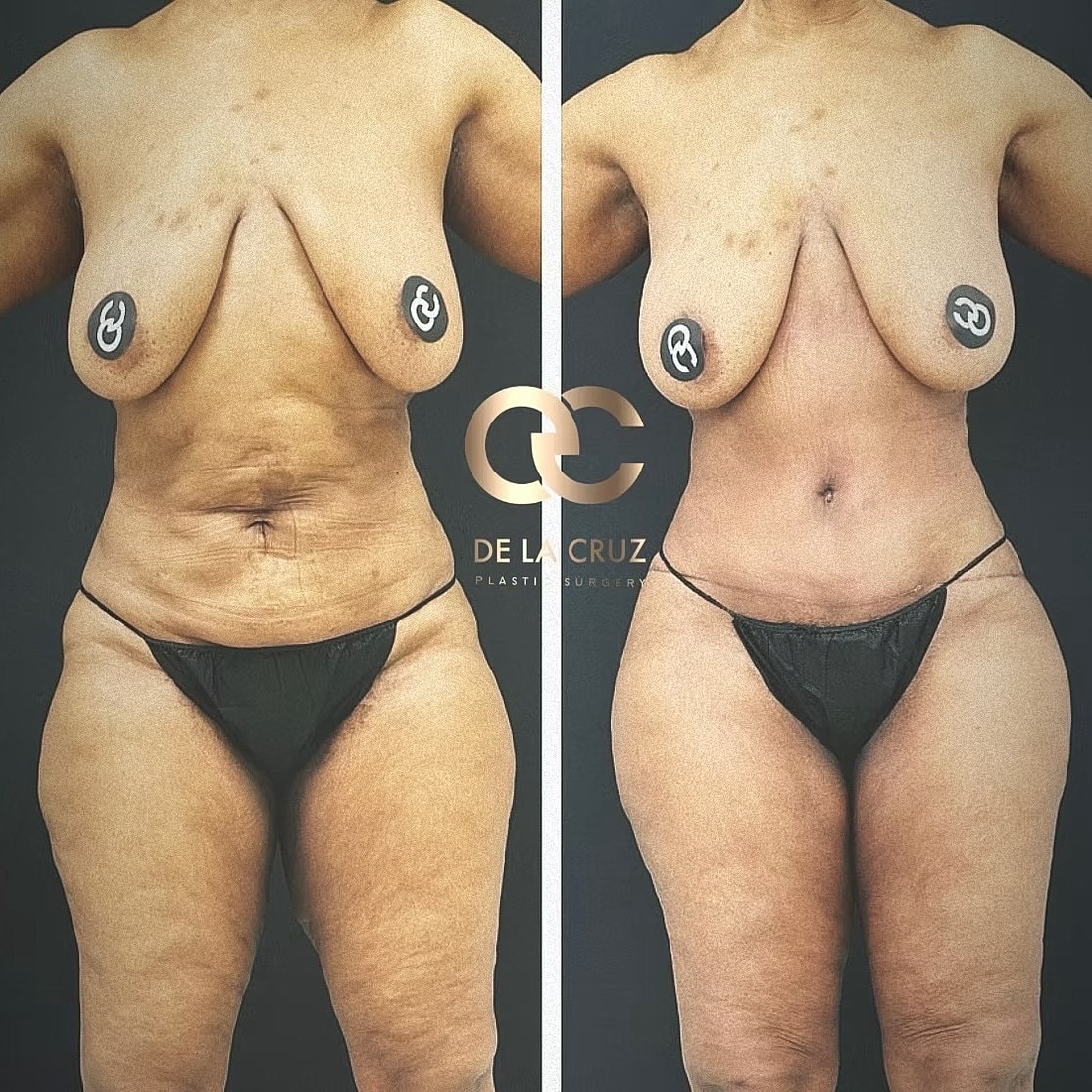
Lymphatic Massage After Liposuction: Protocol, Benefits & Recovery Guide (Houston)
Written by Dr. Emmanuel De La Cruz, MD Double Board-Certified Plastic Surgeon | Houston, Texas
Written by Dr. Emmanuel De La Cruz, MD Double Board-Certified Plastic Surgeon | Houston, Texas
Essential for Smoother Recovery and Superior Results
Lymphatic massage therapy is not an optional add-on after liposuction—it is a critical component of recovery that directly influences your final outcome. When performed early and consistently, it helps guide healing, reduce complications, and refine contour.
This article is part of our comprehensive liposuction resource library. For a complete overview, visit our Liposuction surgery page, explore the Ultimate Guide to Liposuction, and review real patient outcomes in our Before and After Liposuction Results Guide.
1 of 5
Lymphatic massage (manual lymphatic drainage) is a specialized, gentle technique designed to stimulate the lymphatic system—the body’s natural drainage network.
After liposuction in Houston, this system becomes temporarily overwhelmed due to fluid shifts, inflammation, and tissue disruption. Lymphatic massage helps restore flow and prevent fluid accumulation—working synergistically with techniques used in VASER Liposuction to optimize outcomes.
Your recovery protocol is structured to optimize outcomes and minimize complications:
This protocol is a core component of our post-operative recovery strategy, alongside compression, early ambulation, and proper aftercare outlined in our Liposuction Recovery Timeline.
After body contouring with liposuction, fluid naturally accumulates in treated areas. Lymphatic massage helps:
For a deeper understanding of fluid shifts and swelling, see our Liposuction Swelling Stages Guide.

A seroma is a collection of fluid under the skin that may require drainage. Early lymphatic therapy helps:
Learn more about this complication in our Seroma After Liposuction resource.
Think of your body after liposuction like wet cement.
If a group of children runs across wet cement, footprints form. But while the cement is still wet, those irregularities can be smoothed out. Once it hardens, they become permanent.
After liposuction:
This is especially important in advanced contouring procedures such as High-Definition Liposuction, where precision and smooth transitions define the final result.
Fibrosis presents as firmness, nodules, or uneven texture under the skin. Lymphatic massage:
If you are experiencing firmness or nodules, review our Lumps and Fibrosis After Liposuction guide for additional strategies.
Without proper post-operative lymphatic therapy, patients are at increased risk of:
These complications can compromise even the most technically precise results, including those achieved with 4D VASER High-Definition Liposuction.
Patients who follow a structured lymphatic massage protocol typically experience:
For additional guidance on optimizing your results, explore our page on Exercise After Liposuction to understand when and how to safely return to activity.
Liposuction is not just about what happens in the operating room—it’s about how your body heals afterward.
Lymphatic massage therapy plays a direct role in shaping your final result. Starting early, staying consistent, and completing the full protocol ensures that your outcome reflects the precision of your surgery.
If you are considering body contouring, learn more about your options on our Liposuction Houston service page or schedule a consultation to create a personalized recovery plan.
About the Medical Reviewer Dr. Emmanuel De La Cruz is a double board-certified plastic surgeon specializing in advanced facial rejuvenation and body contouring procedures. 👉 [Learn more about Dr. Emmanuel De La Cruz]

Lymphatic massage should begin the day after surgery. Early initiation is critical because your tissues are still soft and adaptable, allowing fluid to be mobilized and contours to be guided during the most important phase of healing.
A minimum of 10 consecutive daily sessions is recommended. Additional sessions may be needed depending on swelling, fibrosis, or the extent of your procedure—especially after advanced contouring such as High-Definition Liposuction.
Lymphatic massage serves several critical functions:
It is a key component of achieving optimal results outlined in your liposuction recovery plan.
Yes. By promoting continuous fluid movement and preventing fluid accumulation, lymphatic massage significantly reduces the risk of seroma formation, one of the most common post-liposuction complications.
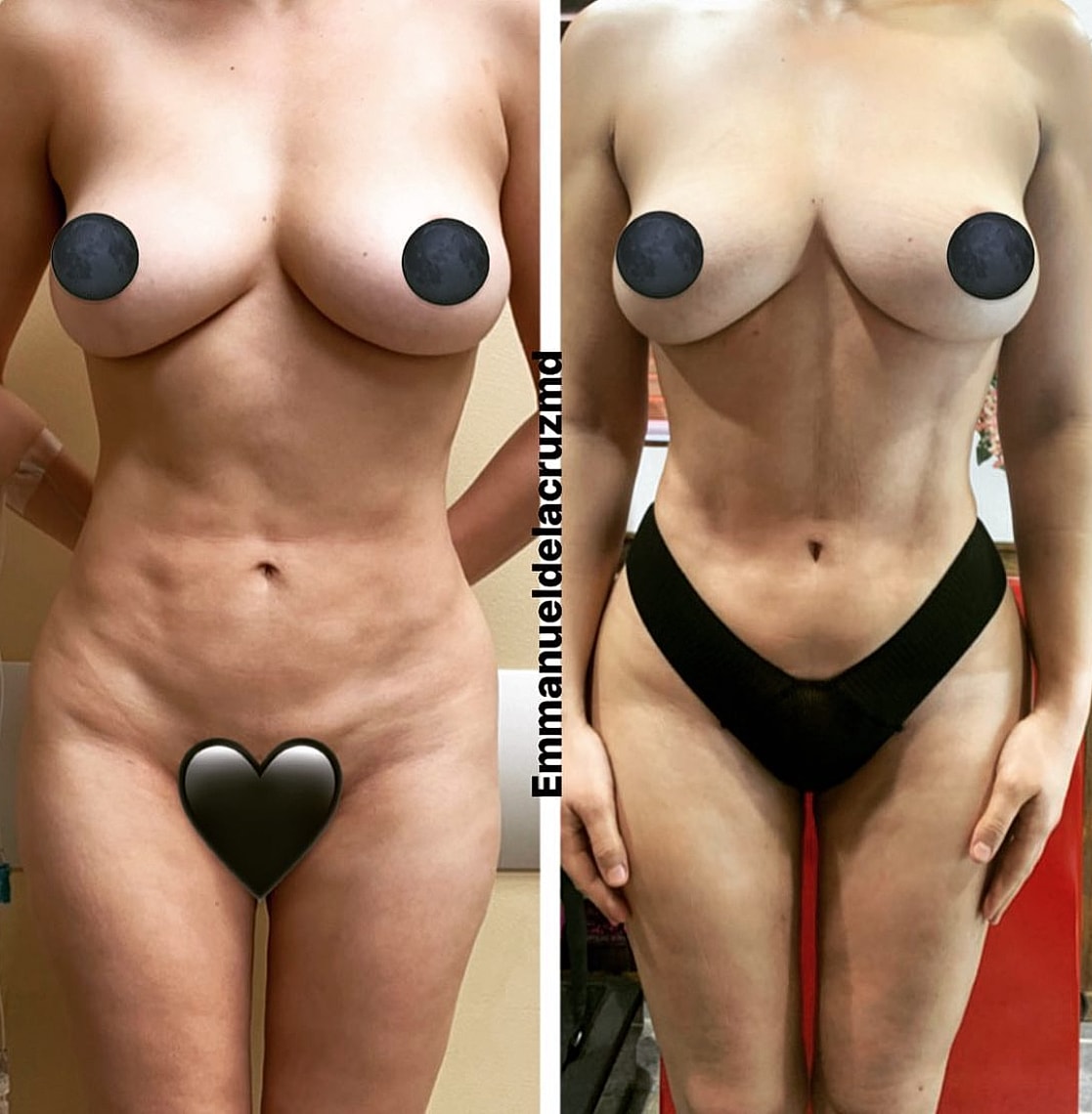
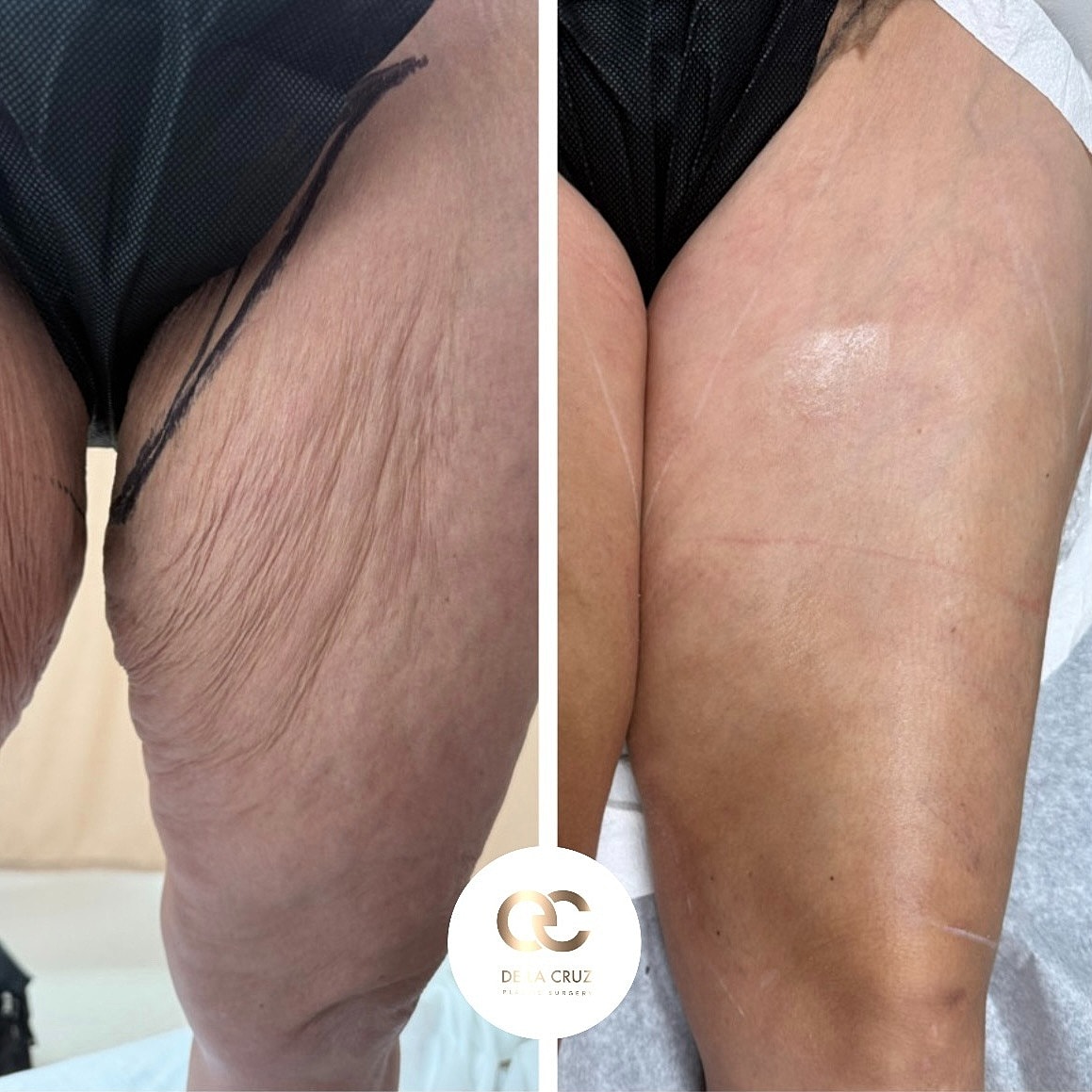
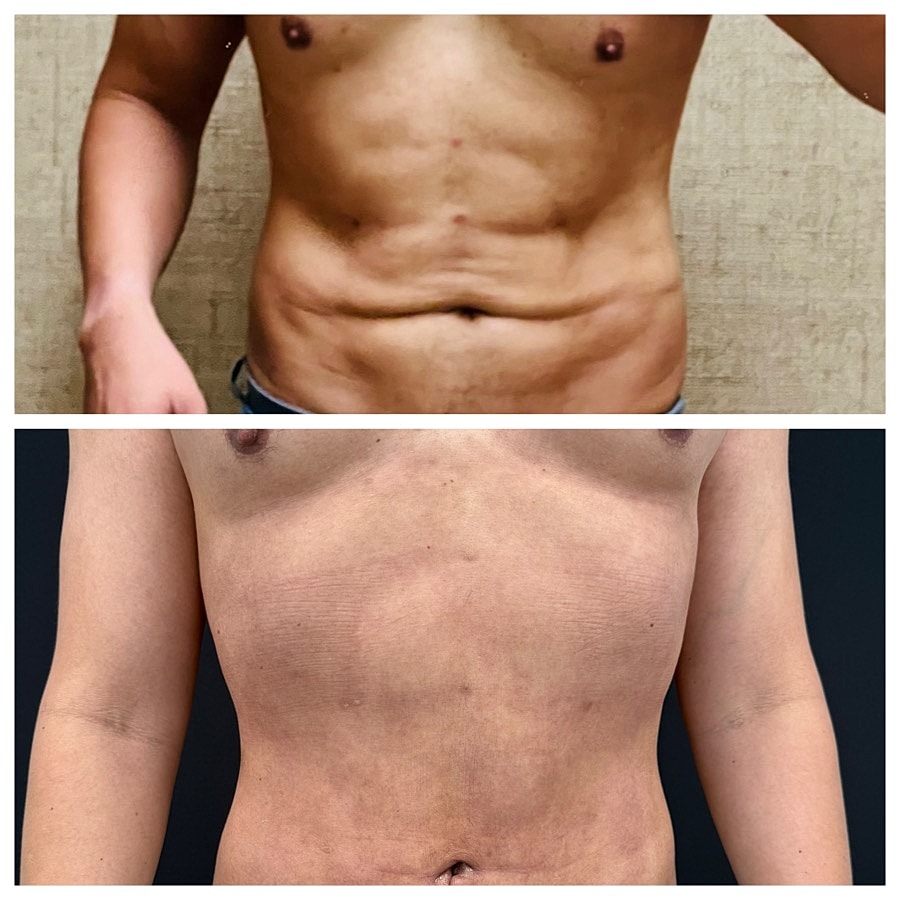
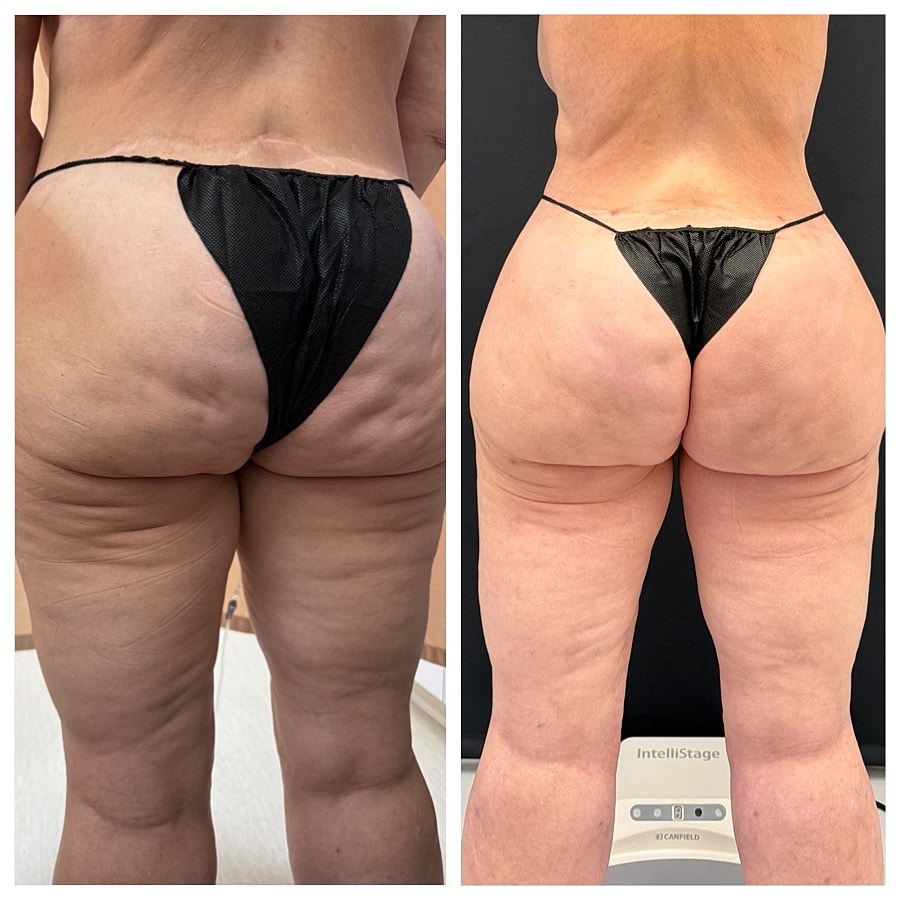
Absolutely. Lymphatic massage helps refine contours while tissues are still malleable, reducing irregularities and improving smoothness. This is especially important for achieving high-level results after procedures like VASER Liposuction.
Delaying or skipping lymphatic massage increases the risk of:
Once tissues begin to scar and harden, these issues become significantly more difficult to correct.
Yes. Lymphatic massage may cause pain during the first phases of the lymphatic massge therapy. It is not a deep tissue massage. Most patients describe it as light pressure with a focus on fluid movement rather than force.
Yes. Early and consistent lymphatic massage helps minimize and break up early scar tissue formation, reducing the likelihood of long-term firmness or irregular texture.
While every patient benefits, it is especially important for:
In these cases, it plays a direct role in protecting and enhancing your surgical results.
Many patients notice:
Final results continue to improve over time as swelling resolves and tissues mature.
While some basic techniques can be taught, professional lymphatic massage therapy is strongly recommended during the early recovery period to ensure proper technique and optimal results.
Lymphatic massage works alongside:
For a complete overview, refer to your liposuction recovery timeline and post-operative instructions to ensure every aspect of healing is optimized.
About the Author
Dr. Emmanuel De La Cruz, MD is a double-board-certified plastic surgeon in Houston, Texas, certified by both the American Board of Plastic Surgery and the American Board of Surgery. He specializes in advanced liposuction and body contouring procedures, including high-definition liposculpture, Brazilian Butt Lift (BBL), revision liposuction, and treatment of lipedema.
Dr. De La Cruz is internationally recognized for his expertise in high-definition liposuction and contour sculpting techniques, which play a critical role in achieving balanced, natural-looking results in procedures such as liposuction and Brazilian Butt Lift surgery. His work focuses on precise body contour sculpting to enhance overall body proportions.
He has lectured internationally on liposuction techniques, fat grafting, and contour irregularity correction, presenting at major scientific meetings including the American Society of Plastic Surgeons (ASPS), the Total Definer Meeting in Bogotá, Colombia, the InMode Symposium in Miami and Beverly Hills, and AestheticStanbul in Istanbul, Turkey, where he was invited to lecture by renowned plastic surgeon Dr. Foad Nahai.
Dr. De La Cruz has also contributed to the scientific literature on liposuction and body contouring. He is the author of “Lipoplasty in the Overweight Patient”, published in the peer-reviewed journal Clinics in Plastic Surgery.
Through his clinical work, research, and international lectures, Dr. De La Cruz focuses on advancing safe, precise, and refined techniques in liposuction, BBL surgery, and modern body contouring.