Total Body Lift vs Large-Volume Liposuction: Risks, Bleeding & Recovery
Written by Dr. Emmanuel De La Cruz, MD Double Board-Certified Plastic Surgeon | Houston, Texas
Written by Dr. Emmanuel De La Cruz, MD Double Board-Certified Plastic Surgeon | Houston, Texas
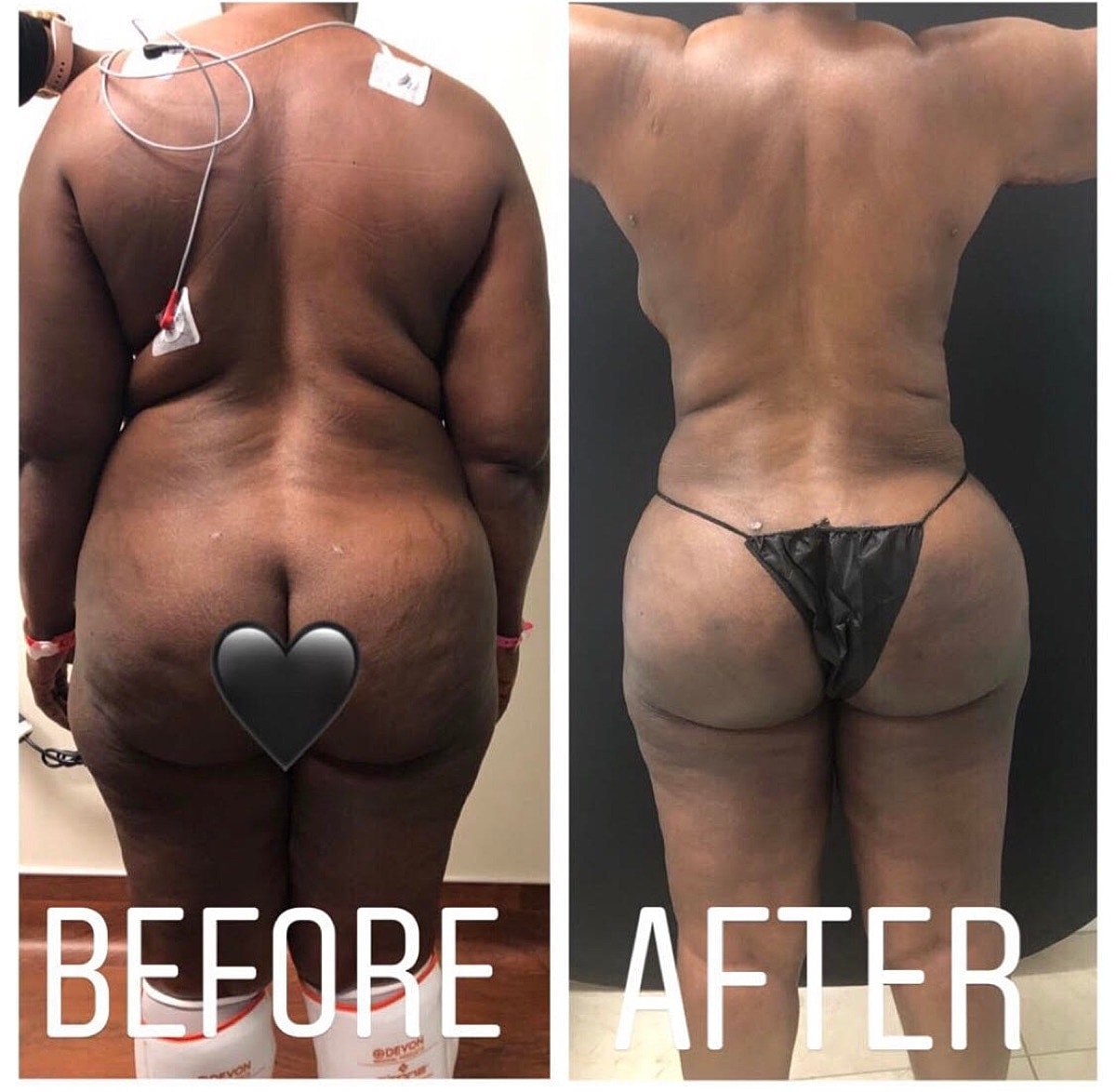
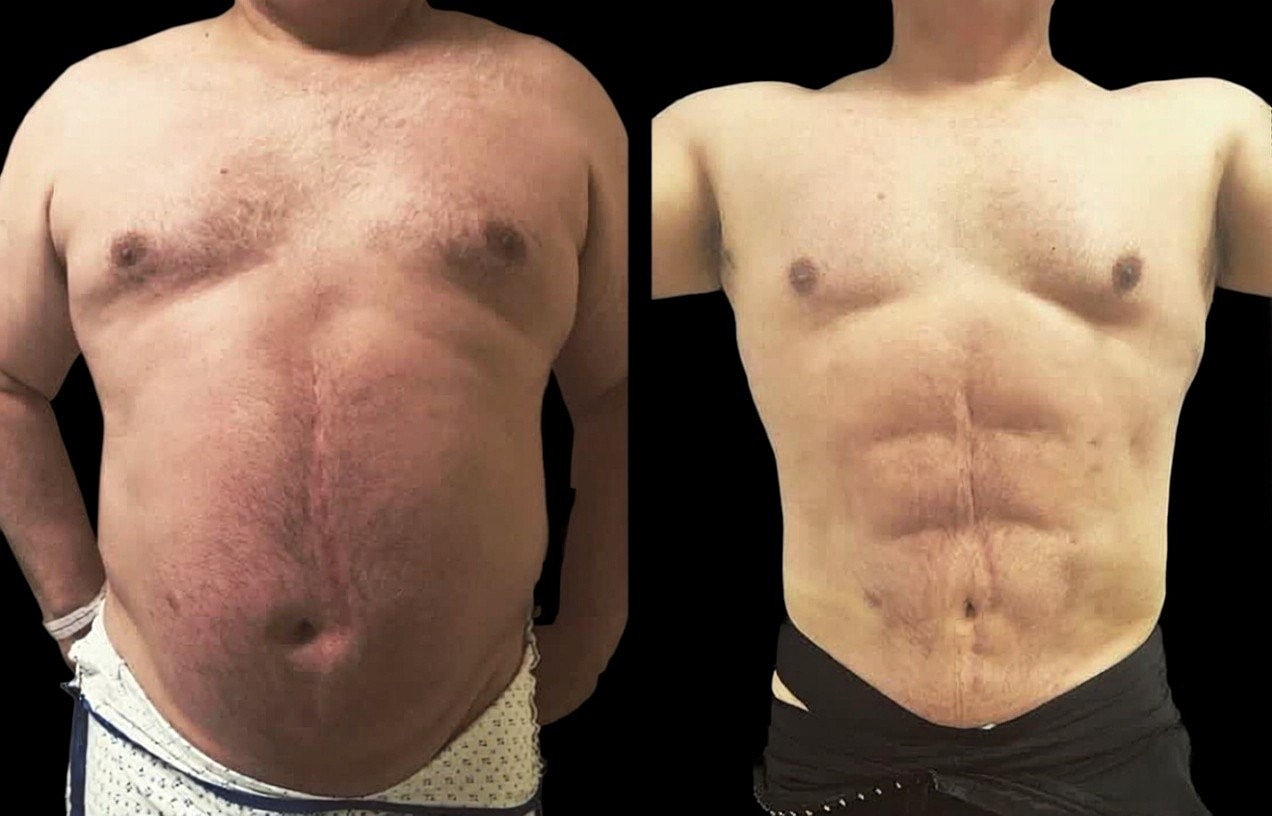
Patients seeking dramatic body contouring improvements after weight loss or changes in body shape are often faced with two very different surgical approaches: a total body lift or large-volume liposuction. While both procedures can improve contour and proportion, they differ significantly in surgical technique, physiologic stress, complication profile, and recovery.
A total body lift is generally considered a more invasive and higher-risk operation than large-volume liposuction because it involves extensive skin excision, large wound closures under tension, circumferential incisions, greater blood loss, and a substantially larger surgical wound burden. In contrast, large-volume liposuction primarily removes fat through small incisions and typically preserves more of the skin’s vascular and lymphatic network.
Understanding these differences is important when evaluating safety, recovery, and surgical planning.
This article is part of our comprehensive liposuction resource library. For a complete overview, visit our Liposuction in Houston page, explore the Ultimate Guide to Liposuction, and review real patient outcomes in our Before and After Liposuction Results Guide.
1 of 6
A total body lift is an extensive excisional body contouring procedure commonly performed after massive weight loss. It may include:
The procedure removes large amounts of excess skin and soft tissue while tightening and repositioning the remaining tissues.
Patients who undergo total body lift surgery often have:
Understanding how to choose a liposuction surgeon begins with recognizing the best liposuction surgeon criteria, including proven results and true liposuction expertise in creating balanced, natural contours
Large-volume liposuction focuses primarily on removing excess adipose tissue rather than removing large amounts of skin. Modern techniques may include:
Unlike excisional surgery, liposuction uses small access incisions and generally avoids long circumferential surgical wounds.
In selected patients with reasonable skin elasticity and fibroseptal network integrity, advanced liposuction technologies may improve contour while reducing the need for extensive excisional surgery.
Related:
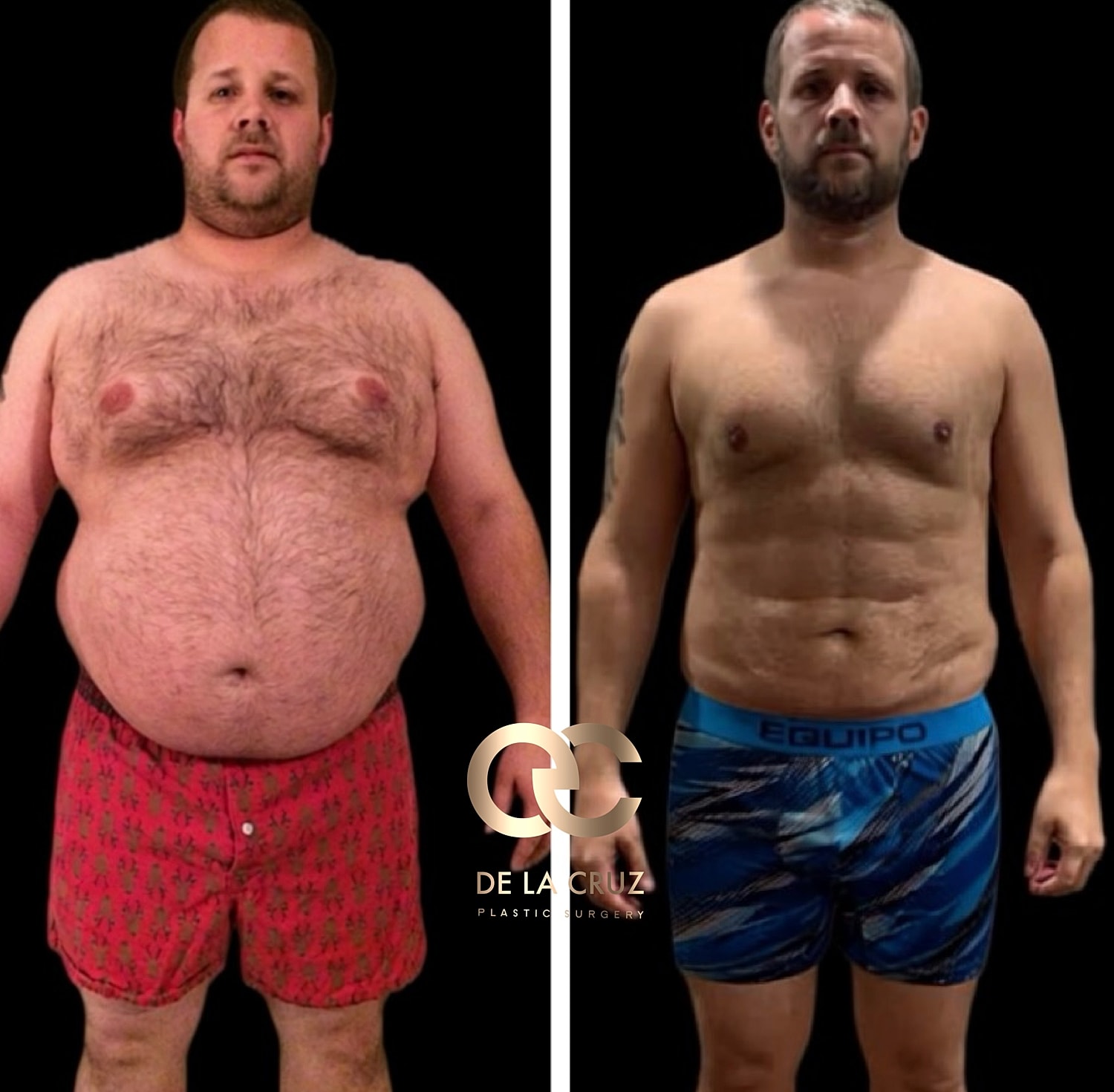
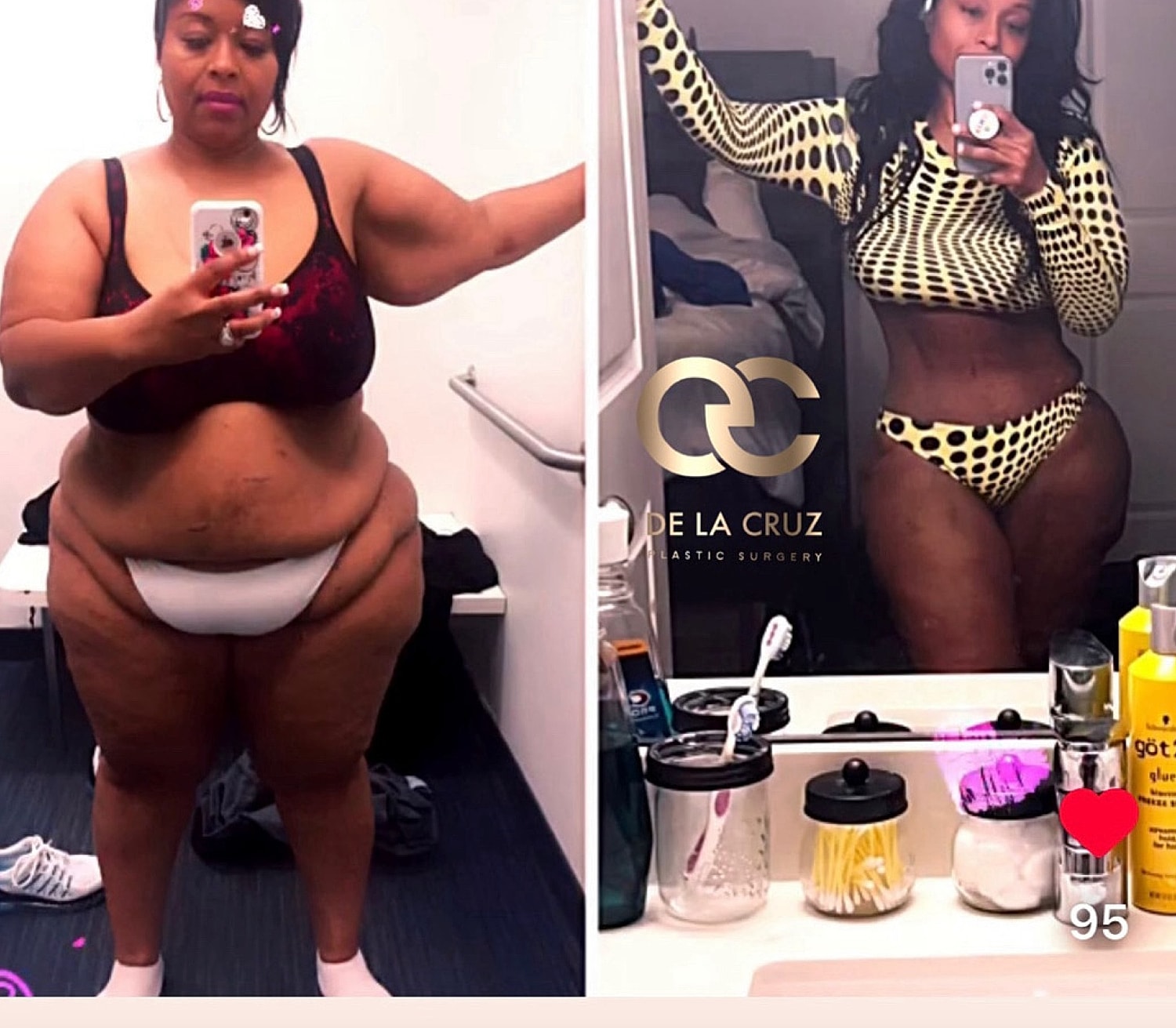
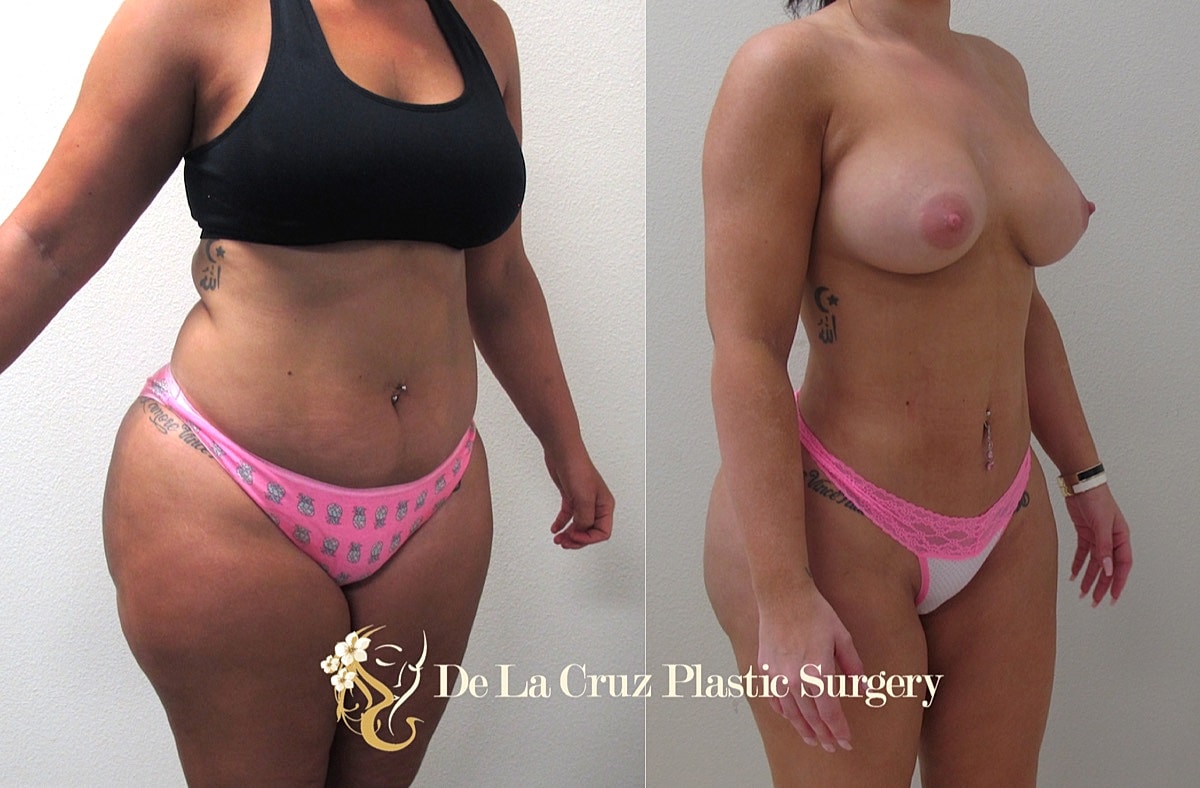
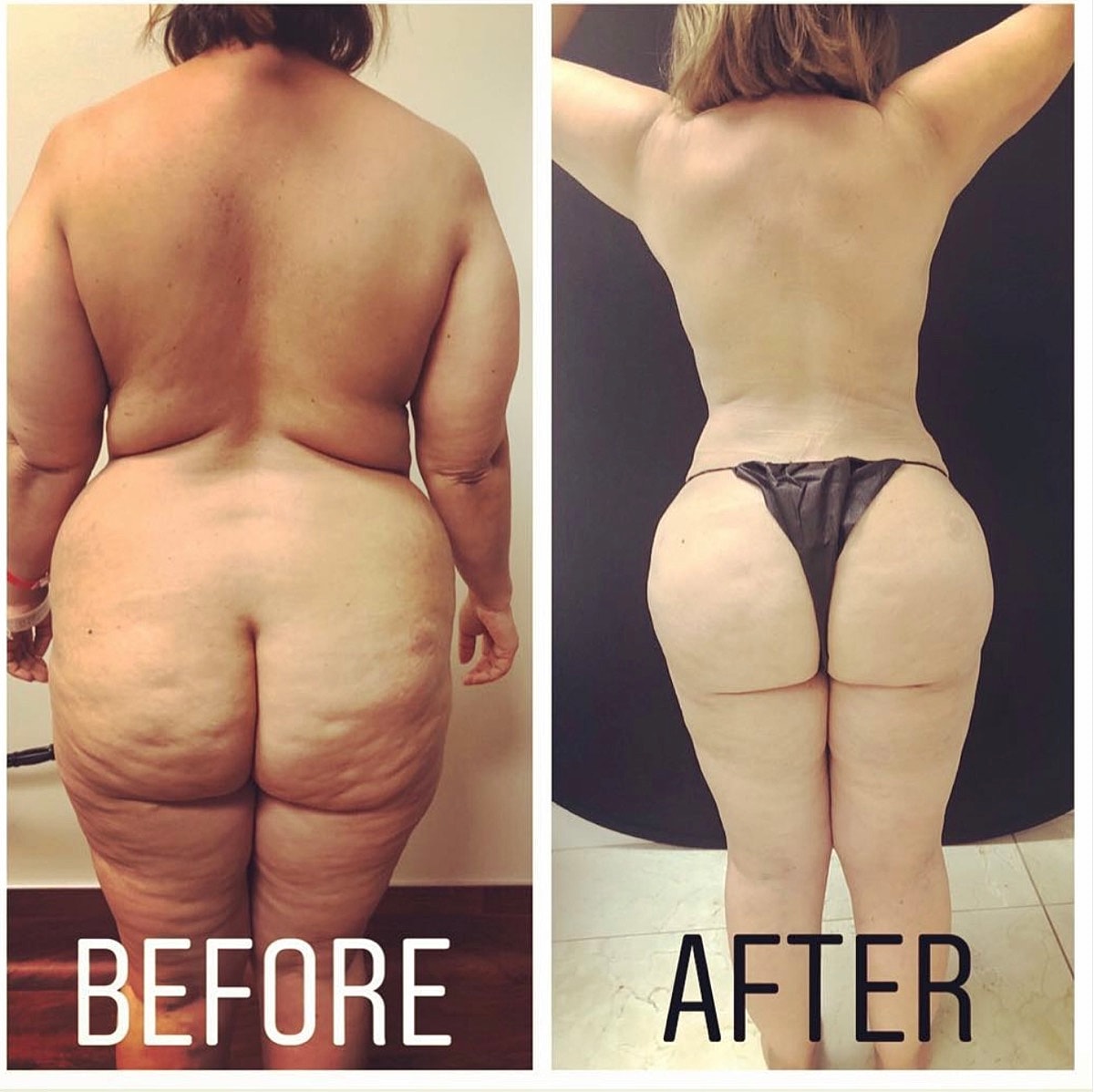
Patients considering more extensive fat removal can review large volume liposuction before and after results to better understand the potential for dramatic contour improvement.
In general, total body lift surgery carries a higher overall complication burden than large-volume liposuction due to:
The physiologic stress associated with circumferential excisional surgery is often substantially greater than liposuction alone.

One of the most serious risks associated with total body lift surgery is significant blood loss.
Total body lift procedures involve:
These factors increase the likelihood of:
Hemorrhagic shock occurs when blood loss becomes severe enough to compromise organ perfusion and cardiovascular stability. Although uncommon in experienced surgical settings, the risk is significantly higher in large excisional body contouring procedures than in isolated liposuction procedures.
Patients with:
may face even greater risk.
Large-volume liposuction also carries bleeding risk, particularly when:
However, modern tumescent liposuction techniques substantially reduce blood loss through:
Advanced technologies such as VASER may also allow more selective fat removal while preserving important vascular and connective tissue structures.
While bleeding remains a serious consideration in all major body contouring surgery, the overall hemorrhagic risk profile is generally lower in liposuction compared with circumferential excisional body lift procedures.
Related:

Why Wounds Separate More Frequently After Excisional Surgery
Wound dehiscence refers to partial or complete separation of a surgical incision after closure.
Total body lift procedures carry a significantly higher risk of wound breakdown because:
The risk is amplified in:
Areas of highest tension — such as the lower abdomen, flank junctions, and posterior waistline — are particularly vulnerable.
In contrast, liposuction involves only small access incisions that typically heal with far lower rates of major wound separation.
Why Total Body Lift Procedures Carry Greater Infection Burden
Infection risk generally increases with:
Total body lift procedures create large surgical wound surfaces and extensive soft tissue manipulation, which can increase the risk of:
Patients undergoing massive weight loss reconstruction may also have:
These factors may further increase infection risk.
Large-volume liposuction can also develop infection, though severe infection is generally less common when compared with extensive circumferential excisional surgery.
Recovery after total body lift surgery is typically:
Patients may experience:
The presence of long circumferential incisions can significantly impact:
By comparison, recovery after large-volume liposuction is often faster, particularly when skin excision is avoided.
However, recovery depends heavily on:
Not every patient is a candidate for avoiding excisional surgery.
Patients with:
may still require a body lift procedure to achieve meaningful contour improvement.
Conversely, some patients may benefit from advanced liposuction technologies combined with:
to reduce the need for extensive excisional surgery.
The safest procedure is often the one best matched to the patient’s anatomy, tissue quality, medical condition, and long-term goals.
Body contouring surgery should never focus solely on removing the maximum amount of tissue possible. Surgical safety depends on:
Patients should seek surgeons experienced in:
About the Medical Reviewer Dr. Emmanuel De La Cruz is a double board-certified plastic surgeon specializing in advanced facial rejuvenation and body contouring procedures. 👉 [Learn more about Dr. Emmanuel De La Cruz]
Patients from Houston, across the United States, and internationally seek out Dr. Emmanuel De La Cruz for his advanced surgical expertise, refined aesthetic judgment, and consistently exceptional outcomes. His reputation extends beyond a single procedure—reflecting a comprehensive approach to plastic surgery grounded in precision, innovation, and artistry.
This level of demand is not incidental. It is the result of rigorous training, technical mastery, and a commitment to delivering results that are both natural and enduring.
Dr. De La Cruz is widely recognized for combining the highest standards of surgical excellence with a distinctive artistic perspective, placing him among a select group of plastic surgeons who operate at an elite level.
Key factors that distinguish his practice include:
• Double Board Certification at the Highest Level of Surgical Training Dr. Emmanuel De La Cruz is double board-certified by the American Board of Plastic Surgery and the American Board of Surgery—an achievement that reflects rigorous surgical training, extensive operative experience, and adherence to the highest standards of patient safety and surgical excellence. He is also an active member of the American Society of Plastic Surgeons (ASPS), demonstrating an ongoing commitment to innovation, ethics, education, and evidence-based patient care.
• International Recognition for Surgical Excellence Dr. De La Cruz has earned international distinction in advanced body contouring and high-definition liposuction, including the prestigious Grand Master Total Definer Award for Best High-Definition Liposuction Results. The honor was personally awarded by Alfredo Hoyos, the global pioneer of high-definition liposculpture. From an elite international field, only six surgeons worldwide were selected as finalists, and Dr. De La Cruz was recognized as producing the finest overall results—reflecting exceptional technical mastery, aesthetic judgment, and surgical precision.
• Invited International Lecturer and National Faculty Speaker Dr. De La Cruz has been invited to lecture and participate as faculty at some of the most respected scientific meetings in aesthetic surgery worldwide. His presentations have included the American Society of Plastic Surgeons (ASPS), the Total Definer Meeting in Cartagena, Colombia, the InMode Symposia in Miami and Beverly Hills, and AestheticStanbul in Istanbul, where he was invited by renowned plastic surgeon Foad Nahai.
Most recently, Dr. De La Cruz was invited to lecture at the 2026 The Aesthetic Meeting 2026 in Boston, Massachusetts, where he served as an expert panelist and faculty discussant in the General Session on high-definition liposuction and advanced body contouring. Speaking in a General Session at a national plastic surgery meeting represents a high level of professional recognition, as these sessions are reserved for topics and speakers considered most impactful to the specialty.
• Published Author in Peer-Reviewed Surgical Literature Dr. De La Cruz has contributed to the advancement of plastic surgery through peer-reviewed scientific publications, including “Lipoplasty in the Overweight Patient” published in Clinics in Plastic Surgery. His academic work reflects a strong commitment to evidence-based surgery, patient safety, surgical innovation, and long-term outcomes in body contouring.
• Expertise in Advanced Surgical Technologies and High-Definition Body Contouring Dr. De La Cruz specializes in modern body contouring techniques designed to optimize precision, skin contraction, contour definition, and long-term aesthetic durability. His approach integrates advanced technologies—including VASER ultrasound-assisted liposuction, Renuvion, Quantum RF, Morpheus8, and power-assisted liposuction—with meticulous surgical technique and an advanced understanding of soft tissue anatomy.
• A Unique Foundation in Art and Surgical Design Exceptional plastic surgery requires more than technical skill—it requires artistic vision, proportion, and three-dimensional anatomical understanding. Dr. De La Cruz was classically trained in sculpture under internationally renowned French sculptor Philippe Faraut. This rare artistic background informs his surgical philosophy and contributes to refined, natural, and harmonious results.
• Advanced Experience in Complex and Revision Cases In addition to primary cosmetic procedures, Dr. De La Cruz frequently treats patients with prior surgical irregularities, contour deformities, scar tissue, fibrosis, and challenging anatomy requiring advanced revision surgery. He is nationally recognized for expertise in high-definition liposuction, large-volume liposuction, lipedema surgery, revision liposuction, and advanced energy-assisted body contouring techniques.
• Uncompromising Commitment to Patient Safety Patient safety remains central to every aspect of care. Dr. De La Cruz emphasizes careful patient selection, evidence-based surgical protocols, advanced perioperative planning, thrombosis prevention strategies, and structured postoperative monitoring to optimize outcomes while minimizing complications.
• Personalized, Patient-Centered Surgical Planning Every procedure is customized to the individual patient. Dr. De La Cruz develops highly personalized surgical plans tailored to each patient’s anatomy, goals, proportions, tissue characteristics, and long-term aesthetic balance—creating refined, natural-looking, and durable results.
• Surgery Performed in an Accredited, High-Standard Facility Procedures are performed in a state-licensed, AAAASF-accredited surgical facility supported by board-certified anesthesia providers and an experienced perioperative team. This environment ensures the highest standards of safety, sterility, monitoring, and patient-centered surgical care.
In general, a total body lift is considered a higher-risk procedure than large-volume liposuction because it involves extensive skin excision, longer incisions, larger wound surfaces, greater blood loss, and increased physiologic stress on the body. Total body lift surgery also carries higher risks of wound healing complications, infection, and prolonged recovery.
A total body lift involves circumferential tissue excision and large areas of surgical undermining, which can increase blood loss during and after surgery. The extensive dissection required in body lift procedures exposes more blood vessels and soft tissue surfaces compared with liposuction alone.
Although uncommon, severe blood loss during or after a total body lift can potentially lead to hemorrhagic shock, a serious condition where blood loss compromises blood pressure and organ perfusion. This risk is higher in prolonged excisional body contouring procedures, especially in patients with anemia, nutritional deficiencies, hypertension, or massive weight loss history.
Yes. Large-volume liposuction can still involve significant fluid shifts and blood loss, particularly when large amounts of fat are removed. However, modern tumescent techniques help reduce bleeding by causing vasoconstriction and hydrodissection. In many cases, blood loss is lower than with extensive excisional body lift surgery. Blood loss is greater if traditional liposuction is performed as opposed to VASER liposuction.
Wound dehiscence refers to partial or complete separation of a surgical incision after closure. Total body lift procedures have higher rates of wound dehiscence because of long incision lines, increased tissue tension, swelling, and compromised tissue quality in some massive weight loss patients.
Total body lift surgery creates larger wounds, more tissue trauma, and greater dead space compared with liposuction alone. Longer surgeries and prolonged drain usage may also increase the risk of postoperative infection, cellulitis, abscess formation, or delayed wound healing.
Yes. Recovery after total body lift surgery is generally longer and more difficult than recovery after large-volume liposuction. Patients may experience greater pain, mobility limitations, drain management, fatigue, and longer restrictions on physical activity.
In some patients, advanced liposuction combined with skin tightening technologies may reduce the need for extensive excisional surgery. However, patients with severe skin laxity or massive weight loss often still require skin excision to achieve optimal contour correction.
Patients with the highest complication risk may include:
Careful patient selection and surgical planning are critical to improving safety.
Risk reduction strategies may include:
Not necessarily. Every procedure carries risk, and safety depends on factors such as patient health, surgical volume, operative time, surgeon experience, and postoperative care. In some patients, staged surgery or combined approaches may provide the safest overall outcome.
Reference:
De La Cruz E. Lipoplasty in the Overweight Patient. Clinics in Plastic Surgery. 2024 Jan;51(1):29-43. doi:10.1016/j.cps.2023.06.010. Epub 2023 Aug 8. PMID: 37945074.
About the Author
Dr. Emmanuel De La Cruz, MD is a double-board-certified plastic surgeon in Houston, Texas, certified by both the American Board of Plastic Surgery and the American Board of Surgery. He specializes in advanced liposuction and body contouring procedures, including high-definition liposculpture, Brazilian Butt Lift (BBL), revision liposuction, and treatment of lipedema.
Dr. De La Cruz is internationally recognized for his expertise in high-definition liposuction and contour sculpting techniques, which play a critical role in achieving balanced, natural-looking results in procedures such as liposuction and Brazilian Butt Lift surgery. His work focuses on precise body contour sculpting to enhance overall body proportions.
He has lectured internationally on liposuction techniques, fat grafting, and contour irregularity correction, presenting at major scientific meetings including the American Society of Plastic Surgeons (ASPS), the Total Definer Meeting in Cartagena, Colombia, the InMode Symposium in Miami and Beverly Hills, and AestheticStanbul in Istanbul, Turkey, where he was invited to lecture by renowned plastic surgeon Dr. Foad Nahai.
Dr. De La Cruz has also contributed to the scientific literature on liposuction and body contouring. He is the author of “Lipoplasty in the Overweight Patient”, published in the peer-reviewed journal Clinics in Plastic Surgery.
Through his clinical work, research, and international lectures, Dr. De La Cruz focuses on advancing safe, precise, and refined techniques in liposuction, BBL surgery, and modern body contouring.