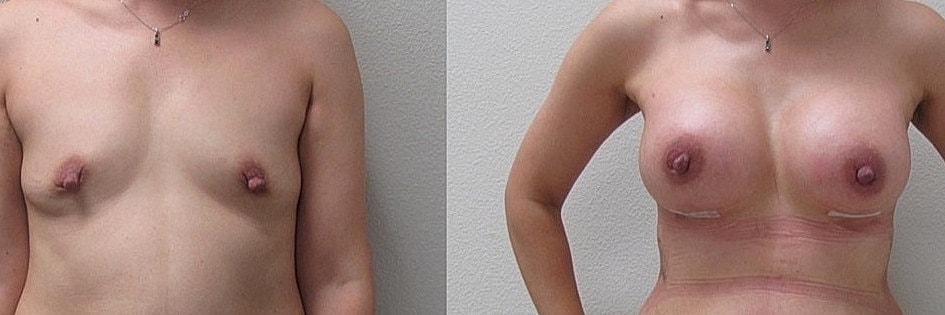
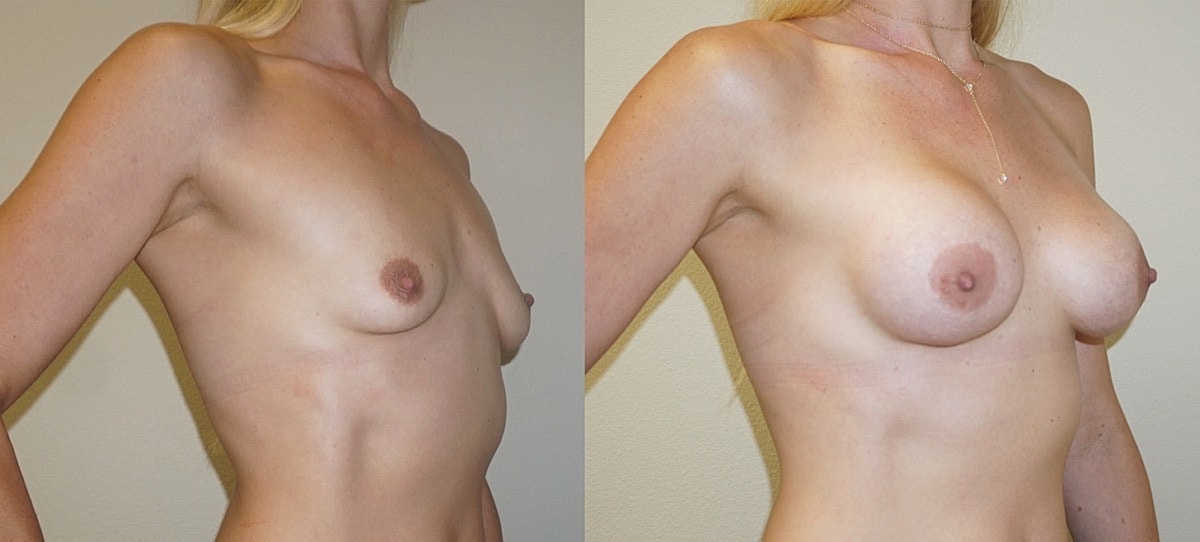
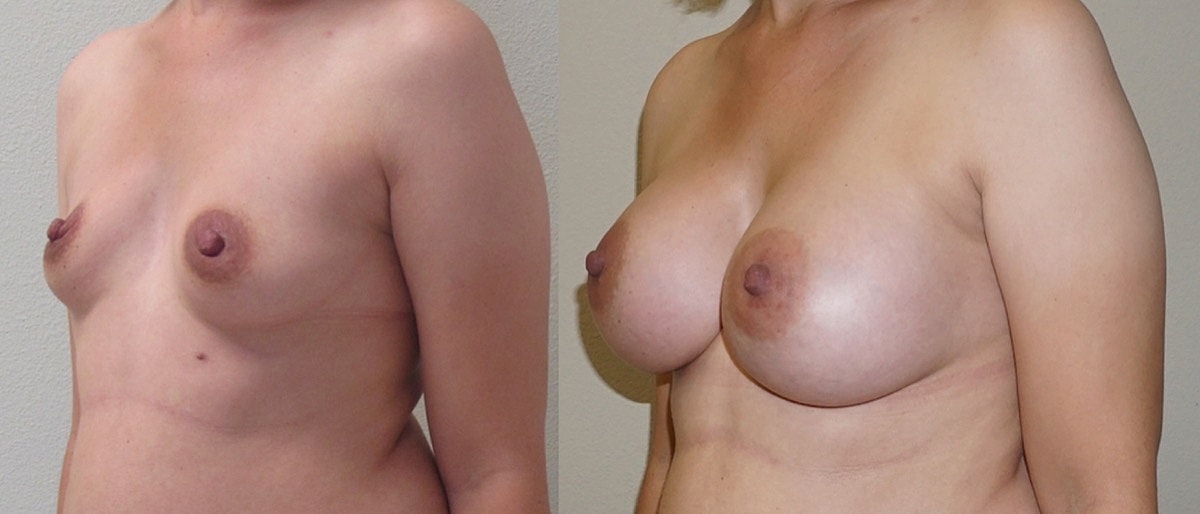
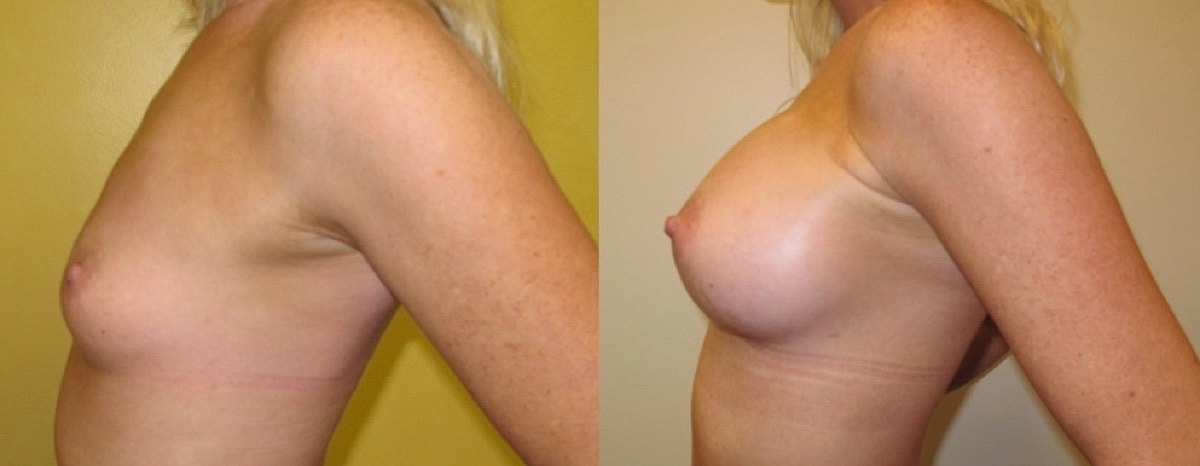
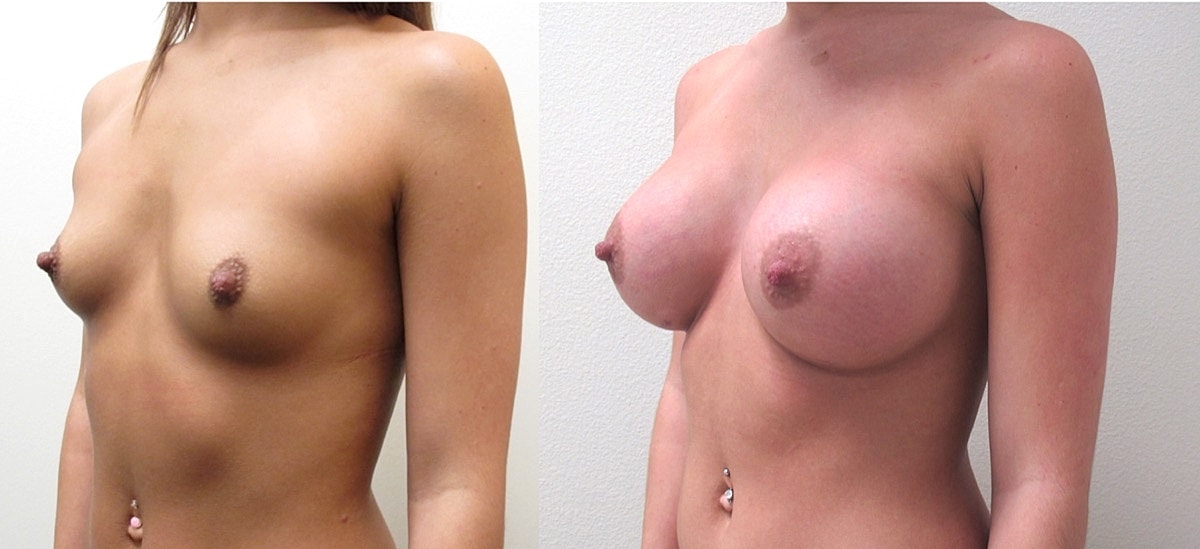
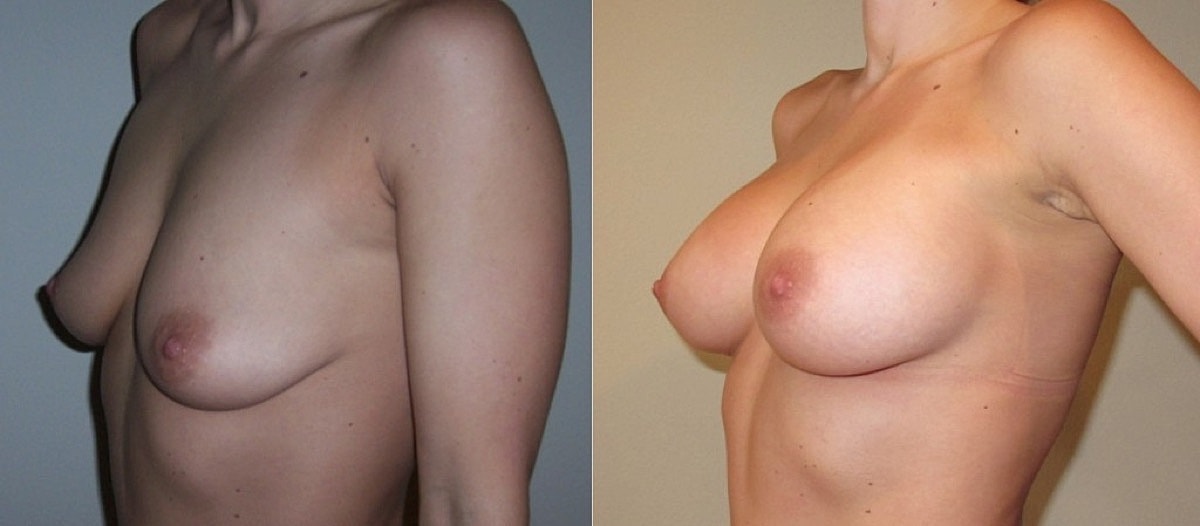
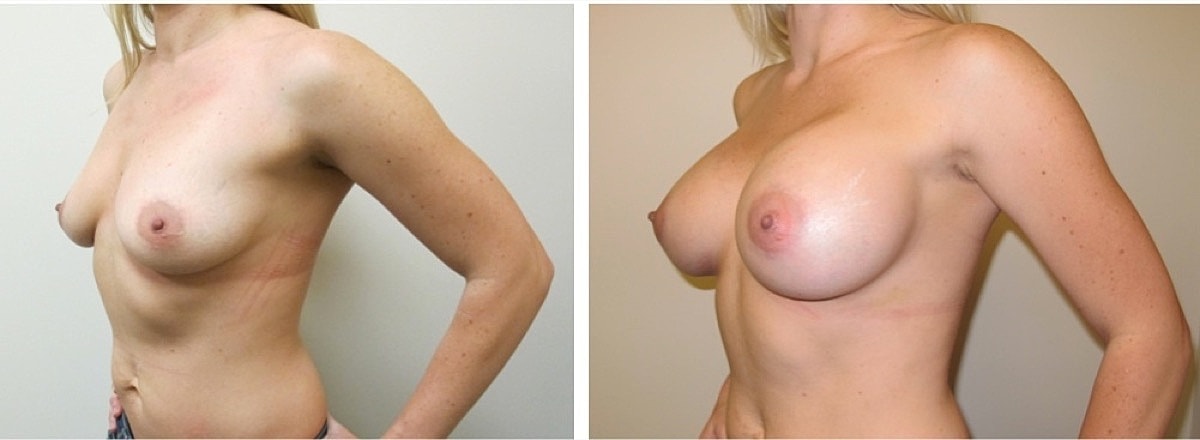
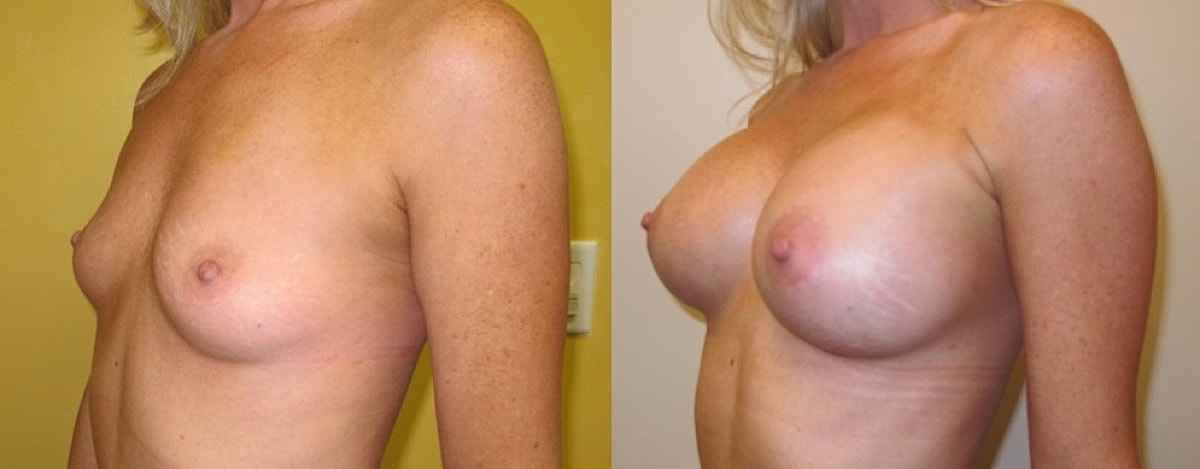
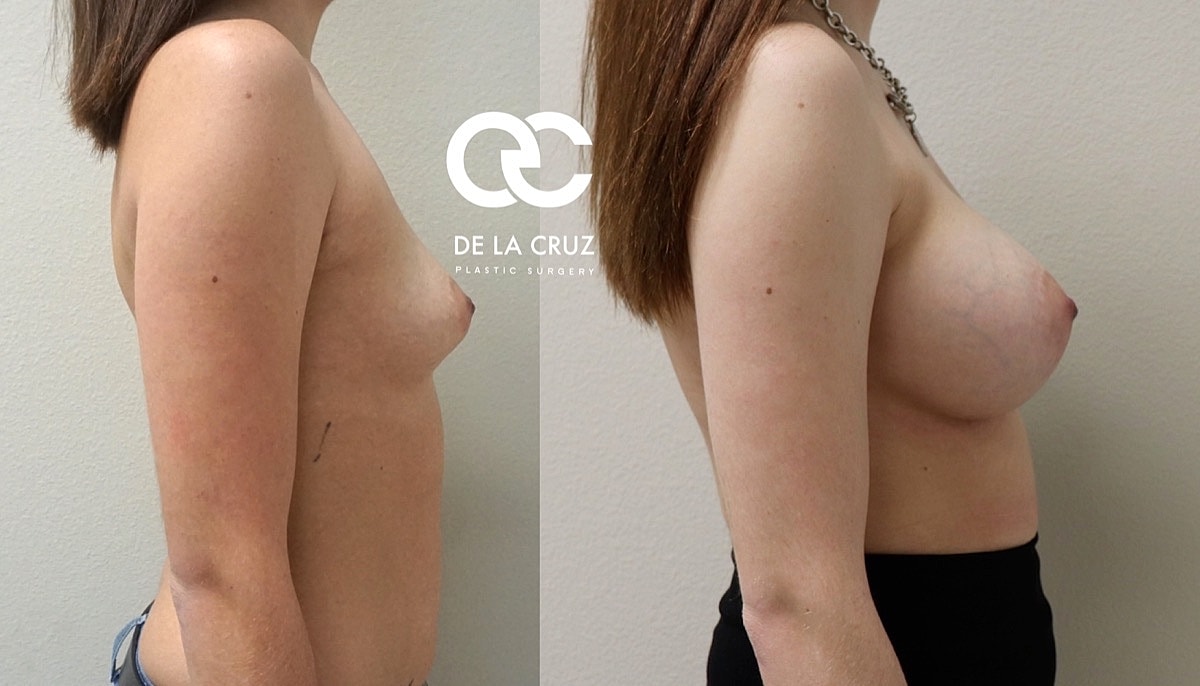
Fat Transfer Breast Augmentation Houston, TX

Some women want a clear increase in size and projection. Others want a softer change that feels more like refinement than replacement. Our Houston fat transfer breast augmentation offers a surgical option that uses your own body fat to improve breast volume, soften contour, and create a more natural transition through the chest.
This approach can appeal to patients who want breast enhancement without implants, especially when there is unwanted fat in areas like the abdomen, flanks, back, or thighs. The procedure combines fat removal with breast shaping, so the result is not limited to the breasts alone. The donor areas can look leaner while the breasts gain fuller, smoother volume.
1 of 13
Fat transfer breast augmentation is a surgical form of breast augmentation that removes fat from one part of the body, processes it, and injects it into the breasts to increase fullness and enhance breast shape without using breast implants.
It is often described as natural breast augmentation because the added volume comes from your own tissue. During the fat transfer process, healthy fat is harvested from donor areas, refined into purified fat, and placed carefully into the breasts in small amounts. That placement matters. So does the quality of the fat.
At a Glance | Details |
|---|---|
| Best For | Modest increase in breast volume, soft contour improvement, mild asymmetry |
| Procedure Type | Surgical fat grafting with liposuction |
| Anesthesia | Usually performed as an outpatient procedure under anesthesia |
| Downtime | Swelling and bruising can last a few weeks |
| Pain Level | Moderate soreness, often more noticeable in donor sites |
| Treatment Length | Depends on how much fat is removed and transferred |
| When Results Appear | Early fullness is visible right away, with final results developing over time |
| How Long Results Last | Long-lasting for the fat cells that establish blood supply |
| Cost Note | Pricing depends on donor areas, transfer volume, operative time, and complexity |

For the right patient, fat transfer breast augmentation offers something implants cannot: volume created from living tissue taken from your own body. The change is usually softer in look and feel. That matters to women who want natural breast enhancement, subtle upper-pole fullness, or improved proportion without an implant shell.
This surgery can slim areas with excess fat while at the same time improving the shape of the breasts. In that sense, fat transfer procedures can combine body contouring with breast surgery in a way that feels efficient and elegantly balanced.
Patients often consider breast fat transfer when they want:
Fat transfer can improve several volume and contour concerns in the breast area, especially when the goal is refinement rather than dramatic enlargement.
It is commonly used to address:
This is a procedure for contour, softness, and proportion. It can increase breast volume. It can improve breast shape. It can make the chest look more complete in clothing and less sharp or empty at the upper pole.

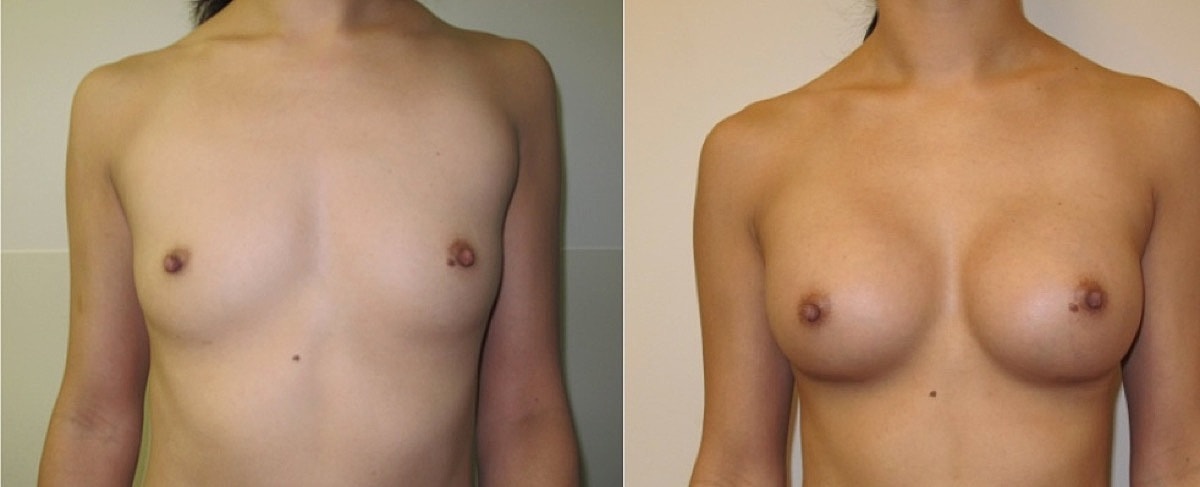
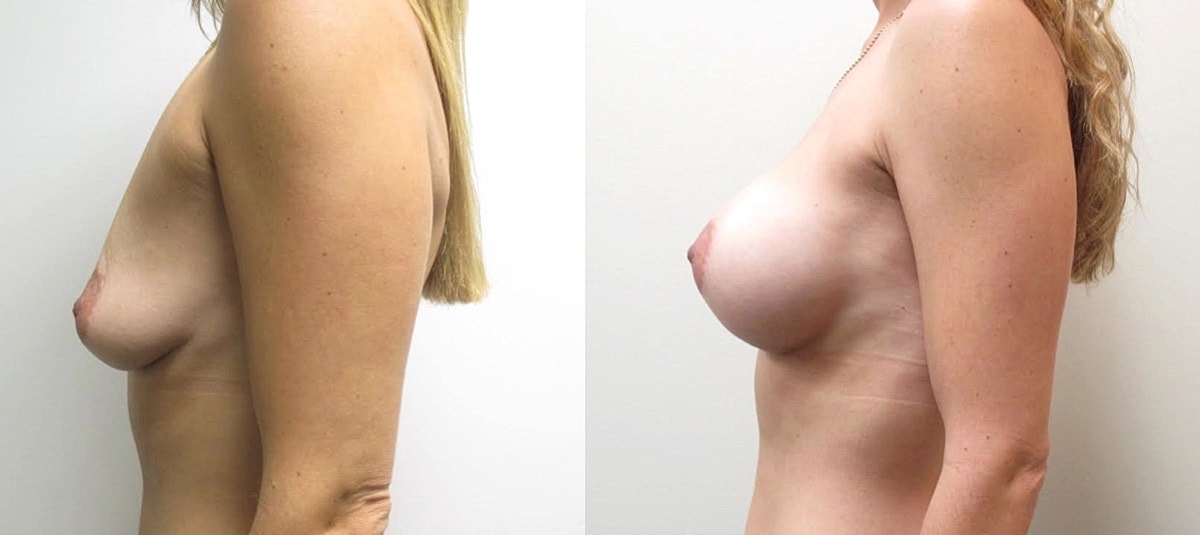
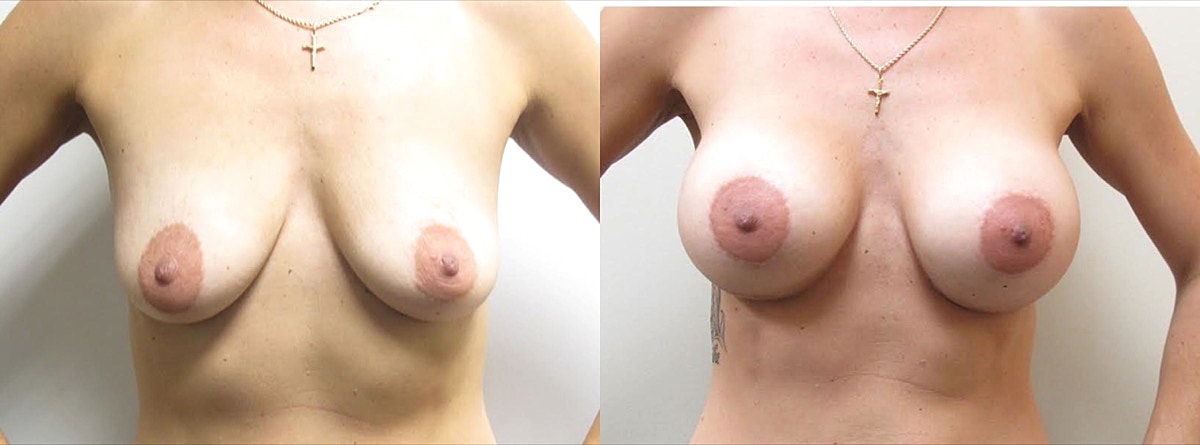
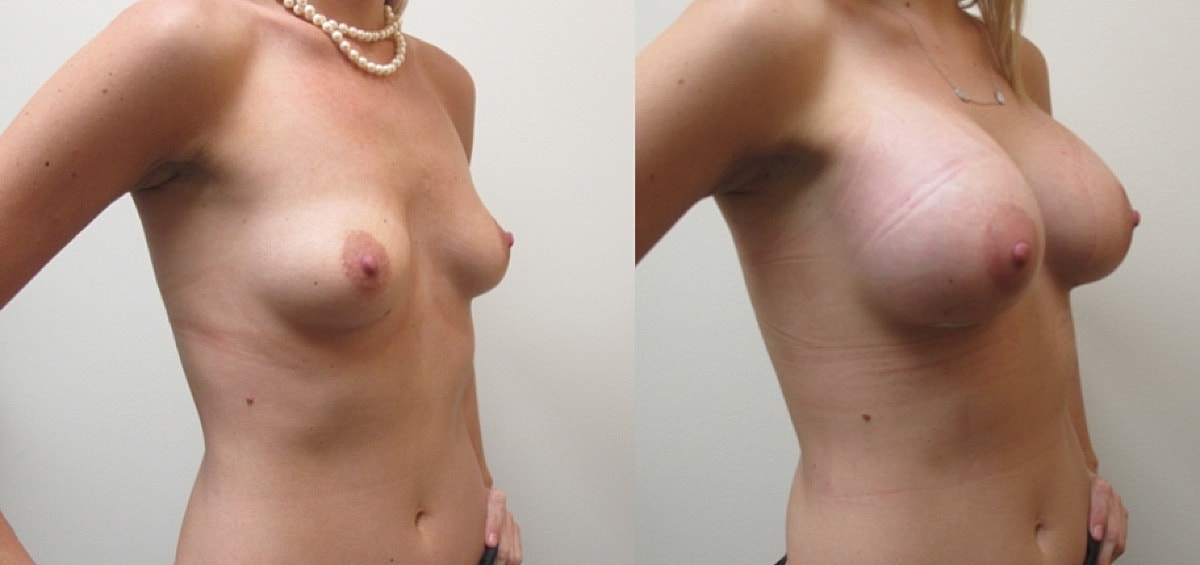
This is one of the most important questions in consultation. Fat transfer breast augmentation in Houston can increase breast size, but it has limits. The amount of change depends on how much usable donor fat is available, how much can be placed safely, and how much of the transferred fat remains long-term.
The result is usually best for women seeking a modest increase in cup size and a more natural transition through the breast rather than very round, highly projected fullness. Patients who want a large jump in volume may be better served by breast implants, while patients who want softer shaping often prefer fat transfer.
There is no exact conversion between harvested fat and bra size. Every chest starts with different breast tissue, skin quality, and dimensions. Some patients have enough room and enough fat for a meaningful increase. Others do not. Precision matters here. So does restraint.
A good candidate usually wants a modest increase in breast volume, has enough available body fat, and understands that some of the injected fat will resorb during healing. Strong candidates also tend to be near a stable weight, in good general health, and committed to a healthy lifestyle during recovery.
Both procedures can create fuller breasts. They do it in very different ways.
With fat transfer breast augmentation Houston patients use their own tissue. Breast implants use a silicone or saline device placed within the breast or beneath the muscle. One is not automatically better than the other. The better choice depends on the amount of volume wanted, tissue characteristics, and how the patient wants the breast to feel and sit on the frame.
Comparison Point | Fat Transfer | Breast Implants |
|---|---|---|
| Material | Own fat cells | Silicone or saline implant |
| Size Increase | Usually modest | Moderate to significant |
| Feel | Soft, tissue-like | Depends on implant type and placement |
| Donor Fat Needed | Yes | No |
| Shape Control | More subtle | More precise volume and projection control |
| Body Contouring Benefit | Yes | No |
| Implant-Related Risks | No implant shell | May include capsular contracture or implant rupture |
| Best For | Patients seeking natural breast enhancement | Patients seeking more projection or larger size change |
Some women are clear candidates for implants. Others are excellent candidates for fat transfer breast augmentation. Some need a breast lift with one of the two. The right plan depends on the tissue, not the trend.
Yes. Fat transfer can be combined with other procedures when volume, skin, and breast position all need attention.
A breast lift repositions the breast and addresses excess skin. Fat transfer can add softness and upper-breast fullness when the shape still feels underpowered after lifting alone.
Some patients benefit from a combined approach. The implant creates the base volume and projection. Injected fat can refine contour, soften transitions, and improve coverage in select areas.
For some women, fat transfer breast surgery can help restore contour after implant removal. The degree of improvement depends on tissue quality, skin behavior, and available donor fat.
The fat comes from areas where there is enough tissue to collect safely and shape attractively. Common donor sites include:
This part of the surgery is more than a simple collection. Fat harvesting and fat removal influence the final silhouette. A well-chosen donor area can improve waistline definition, reduce fullness through the back or thighs, and make the breast result feel more harmonious with the rest of the body.
The fat transfer breast augmentation process has three core phases: fat harvesting, processing, and re-injection.
The goal is not simply to move fat from one place to another. It is to move the right fat, treat it gently, and place it in a way that allows the maximum number of cells to live.
The surgery itself is typically performed under anesthesia, often as an outpatient procedure. In some settings, elements of care may involve local anesthesia, but full fat transfer breast augmentation usually requires a deeper anesthetic plan because liposuction and graft placement take time.
After surgery, the breasts often feel swollen, full, and tender. The donor sites usually feel more bruised and sore. Many patients are surprised by that. The liposuction areas often demand more attention during the first several days than the breasts themselves.
Pain medication is used to manage discomfort. Most patients describe tightness, pressure, soreness, and bruising rather than sharp pain. The first week is the hardest. Then it eases.
Recovery involves swelling, bruising, donor-site compression, and temporary limits on movement. The breasts need time to settle. The donor sites need time to recover from liposuction. The healing process is not complicated for most patients, but it does require discipline.
Most patients can expect visible swelling and bruising for at least the first several days. For many, social comfort improves around 10 to 14 days. Some feel ready sooner in loose clothing. Others need more time.
There are temporary restrictions on lifting, chest pressure, and strenuous exercise. The donor sites may feel tight, stiff, and bruised. The breasts should not be compressed unnecessarily during the early healing phase.
The first week is the most noticeable. Week two is usually easier. By the end of the first month, much of the external swelling has improved, though internal healing continues beyond that point.
A healthy lifestyle helps support the transferred cells. Stable nutrition, hydration, nicotine avoidance, following garment instructions, and respecting movement limits all matter. A sudden drop in weight during recovery does not help. Neither does impatience.
There is early fullness right away, but that first look includes swelling. Some of the transferred fat will not remain. The shape settles gradually as swelling decreases and the surviving cells establish a blood supply.
Timeline | What to Expect |
|---|---|
| First 1–2 Weeks | Swelling, bruising, early fullness |
| First Month | Less tightness, shape starts to settle |
| 2–3 Months | Better sense of retained volume |
| Several Months | More stable contour and final results |
There is always an in-between phase. Patients look fuller at first. Then the result refines. That is normal.
The fat cells that survive the transfer can remain long-term. Once those cells establish a blood supply, they behave like fat elsewhere in the body.
That means weight changes matter. If you gain weight, the breasts may gain fullness. If you lose weight, they may shrink. This is one reason a stable weight matters before and after surgery. It gives the result a better chance to stay consistent.
Some resorption is expected. The body absorbs a portion of the transferred cells during healing. That is part of the biology of fat grafting.
If a patient wants more volume than one round can reliably achieve, repeat procedures may be considered. Trying to overfill the breasts in one session is not the answer. Grafted fat needs a blood supply. Without that, the chance that the fat survives goes down.
In some cases, areas of firmness, oil cysts, or fat necrosis can develop. Careful technique reduces that risk. So does good candidacy.
Scars are usually limited to the small entry points used for liposuction and graft placement. These tiny incisions are far smaller than the incisions used in many implant or lifting procedures, though they still require proper care.
The visibility of scars depends on skin tone, healing tendencies, sun exposure, and location. Most patients find that visible scars are minimal once healing matures.
Fat transfer breast augmentation requires judgment at every step. The donor sites have to be chosen well. The fat harvesting has to be efficient but gentle. The purified fat has to be placed under control. The breast has to look fuller without looking forced.
Dr. Emmanuel De La Cruz is a board-certified plastic surgeon in Houston who performs advanced body contouring and breast surgery with a strong emphasis on proportion, precision, and elegant shape. For a procedure that combines liposuction with breast shaping, that experience matters. The quality of the result depends on more than adding volume. It depends on knowing where the volume belongs, how much tissue can be transferred responsibly, and when a different approach would serve the patient better.

If you are considering fat transfer breast augmentation in Houston, schedule a consultation with Dr. Emmanuel De La Cruz to discuss your goals, donor-fat availability, expected recovery time, and the kind of result that makes sense for your frame.
Cost depends on how much fat needs to be harvested, which donor sites are treated, how much grafting is performed, operative time, and whether the procedure is combined with a breast lift or another surgery.
Most patients see a modest increase in breast size. The goal is usually softer fullness and improved breast shape, not dramatic enlargement.
A portion of the transferred fat survives long-term once the blood supply develops, and a portion is absorbed during healing. That balance varies from patient to patient.
Yes. Because the added volume comes from your own tissue, the breasts usually feel soft and natural once swelling improves.
No. Fat transfer adds volume. It does not remove excess skin or reposition the breast. Patients with sagging often need a breast lift.
Some patients do. Repeat procedures may be useful when the desired volume exceeds what can be achieved safely in one operation.
It can create benign changes on imaging, which is why prior fat transfer procedures should always be disclosed before screening.
Yes. In selected cases, breast implants create the primary volume, and fat transfer refines contour.