Lumps After BBL: Fat Necrosis vs Normal Healing Explained
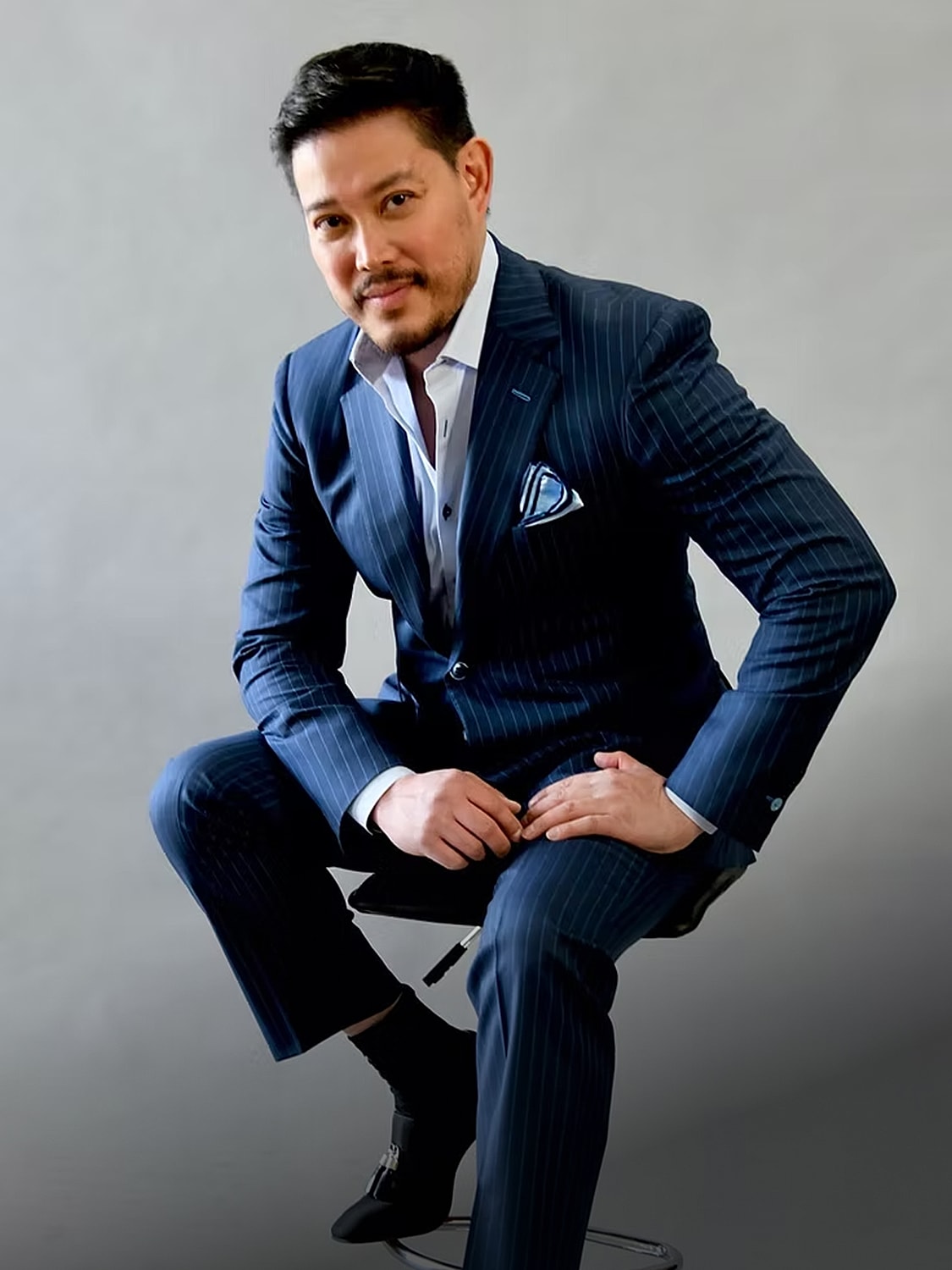
Written by Dr. Emmanuel De La Cruz, MD Double Board-Certified Plastic Surgeon | Houston, Texas
Written by Dr. Emmanuel De La Cruz, MD Double Board-Certified Plastic Surgeon | Houston, Texas
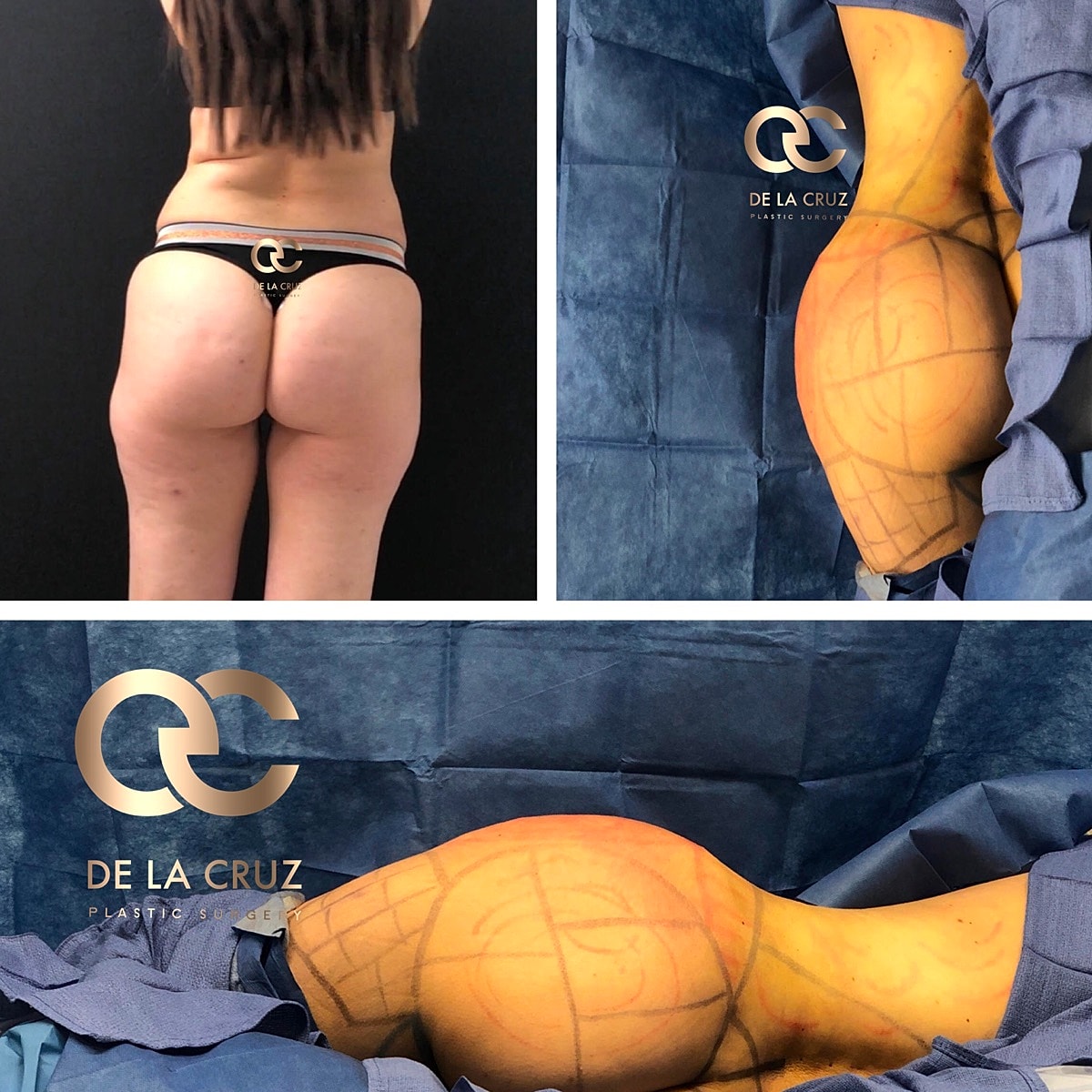
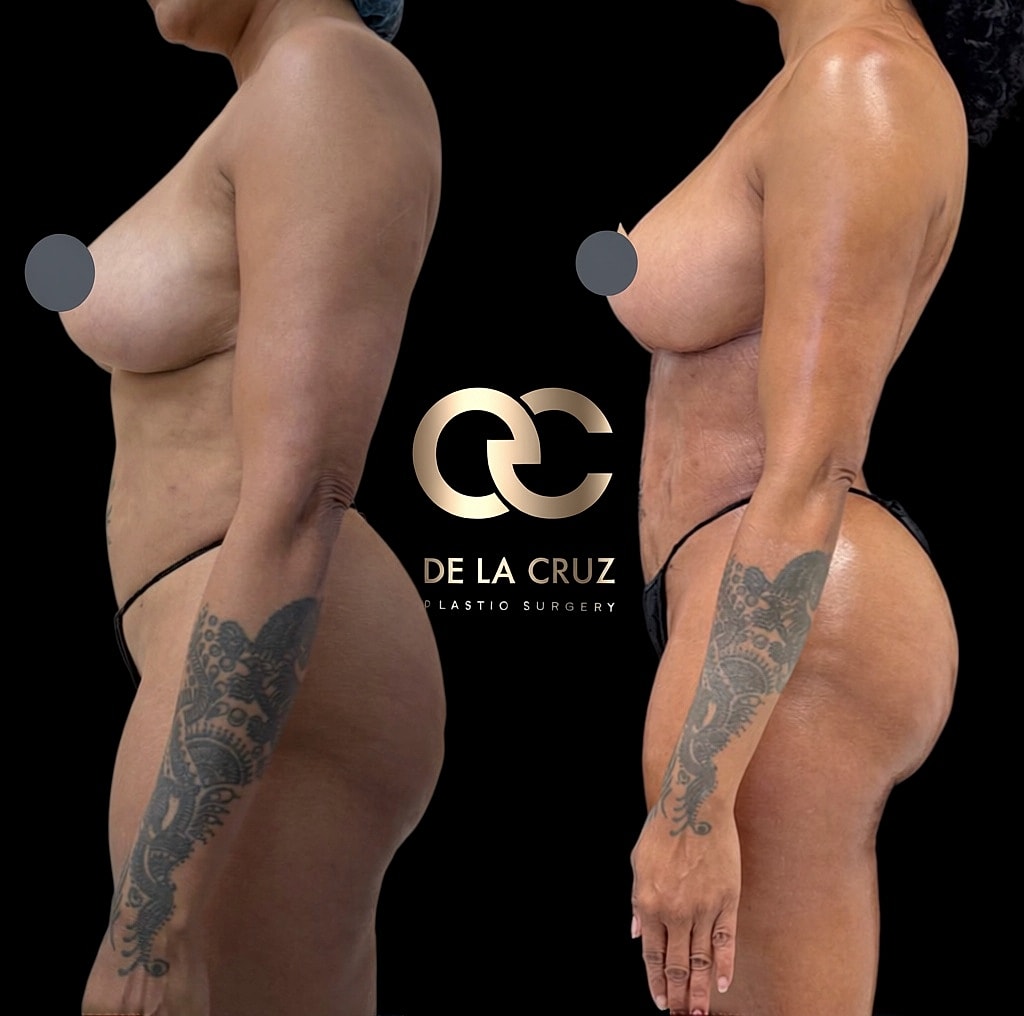
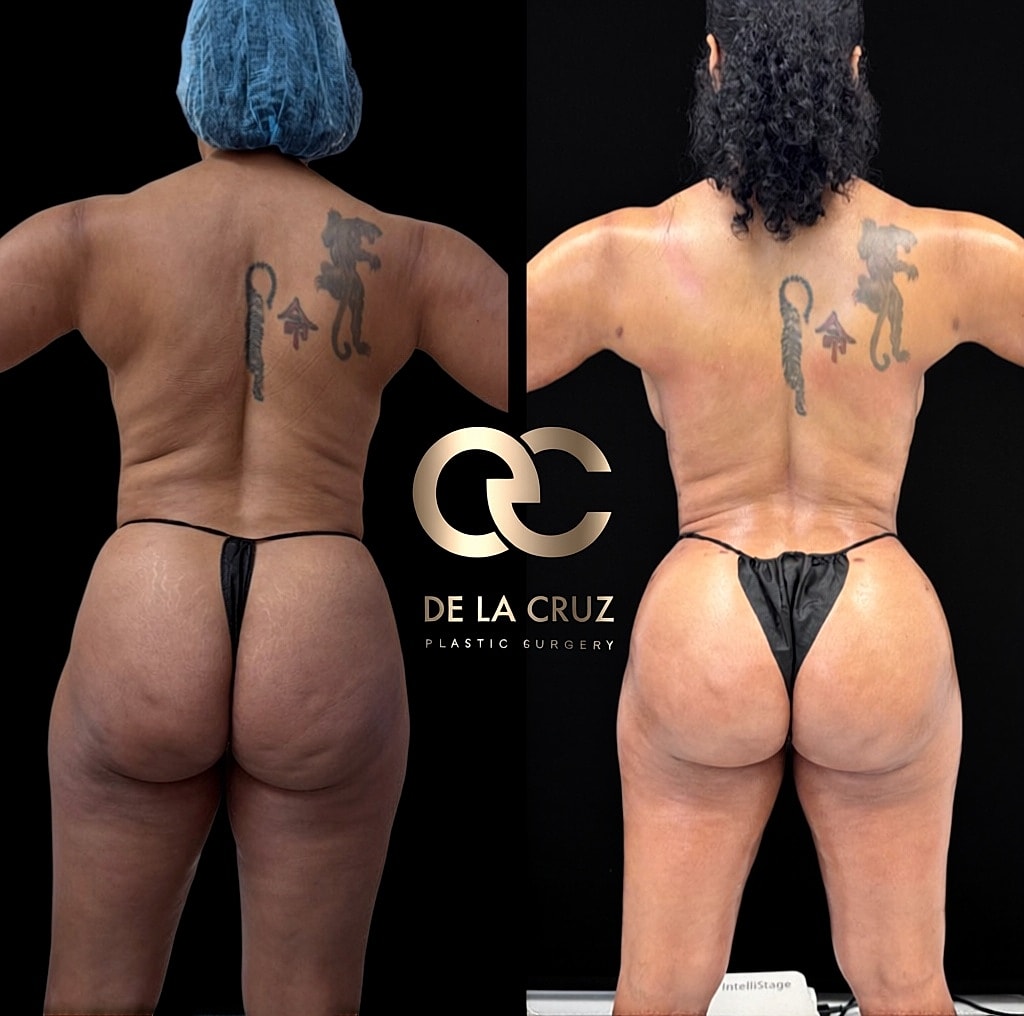
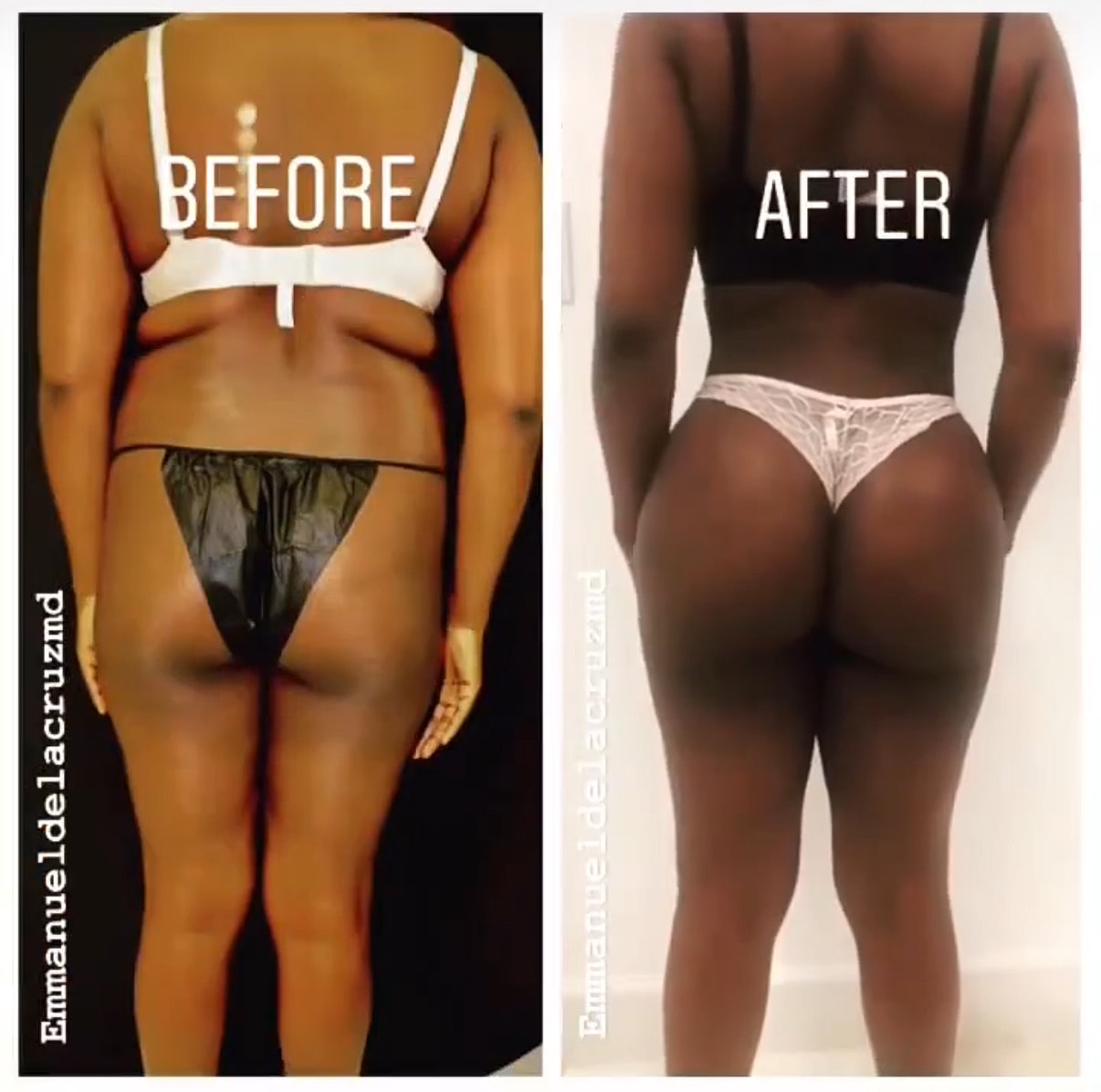
Fat necrosis refers to areas where transferred fat cells do not survive after a Brazilian Butt Lift (BBL). During a BBL, fat is first harvested through liposuction, then carefully processed and reinjected to enhance the buttock contour. When some of these fat cells do not establish a blood supply, they may be replaced with firm, scar-like tissue that can feel like small lumps.
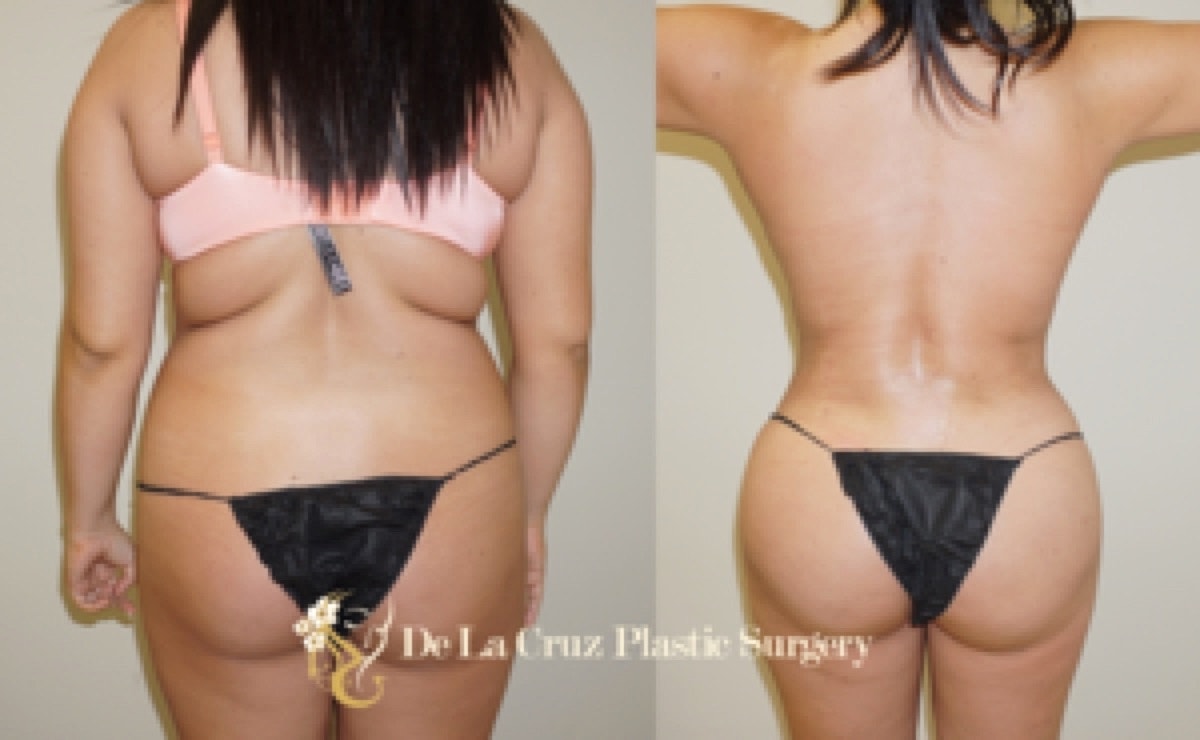
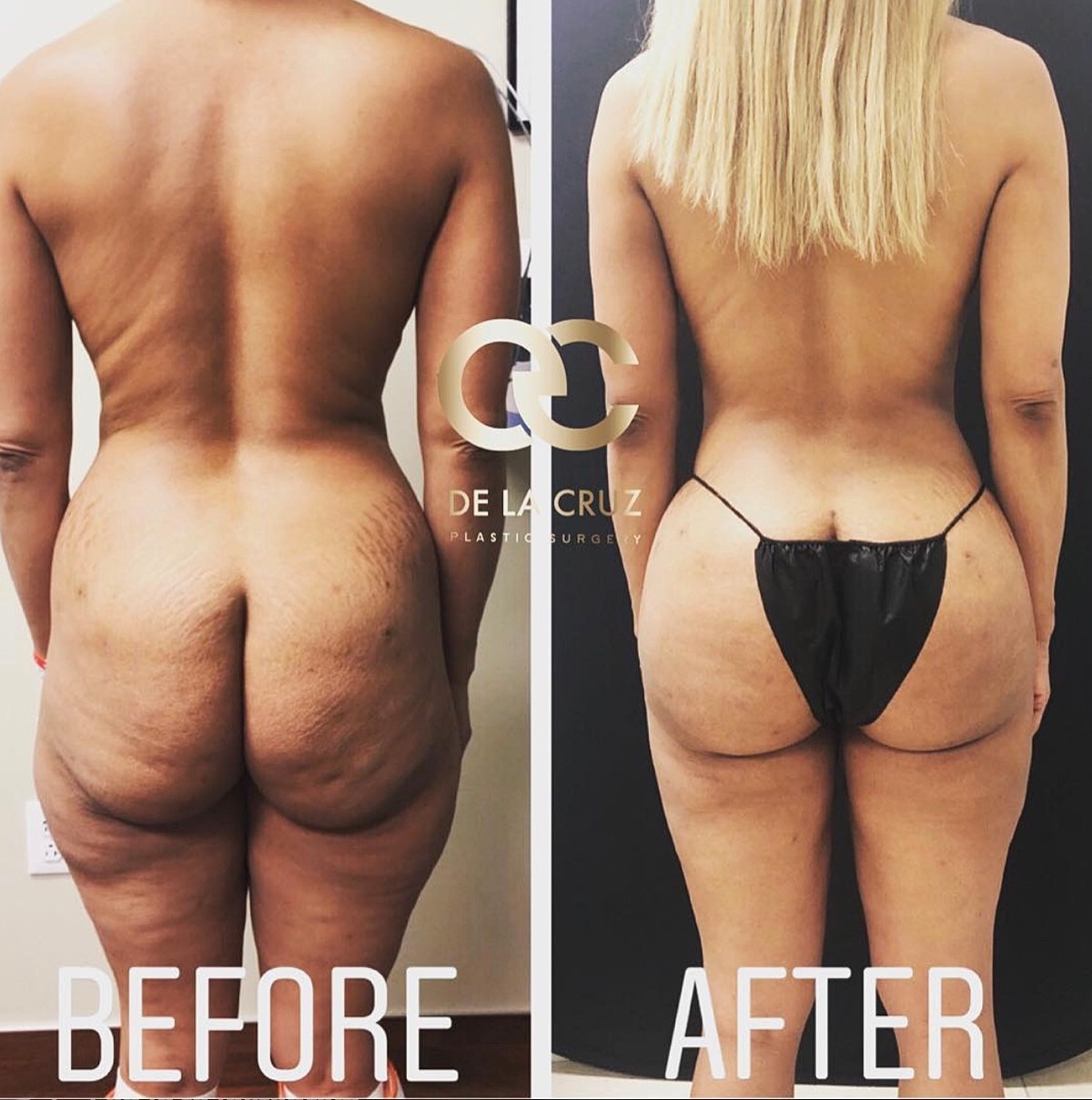
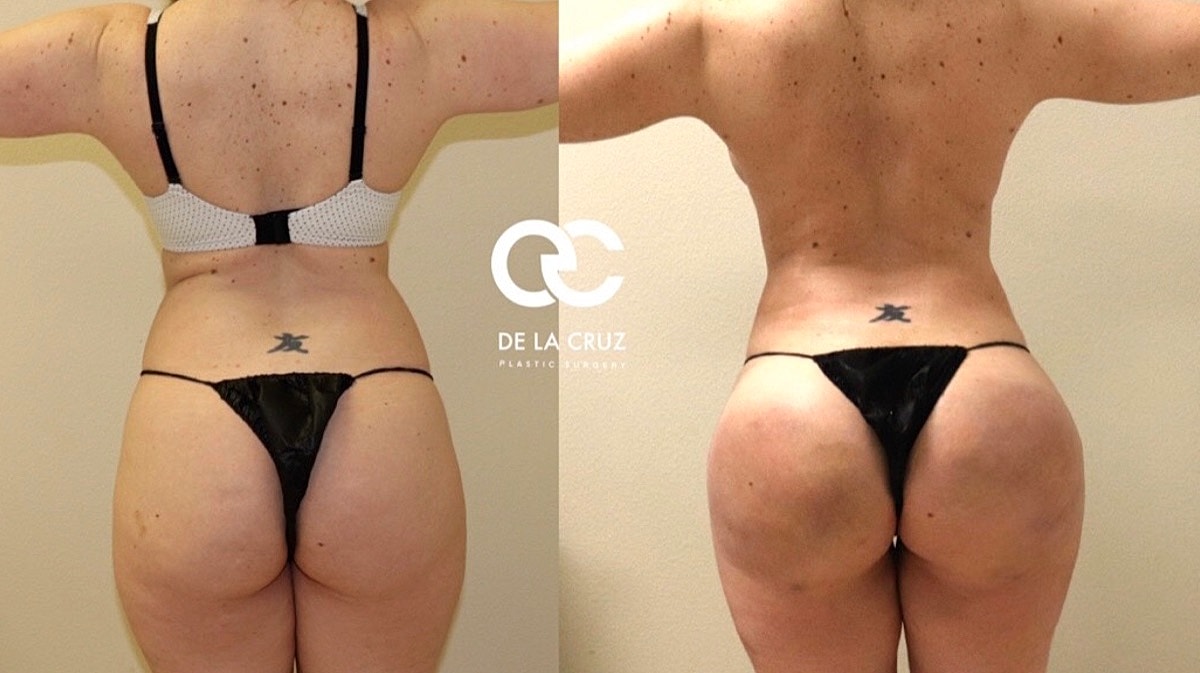
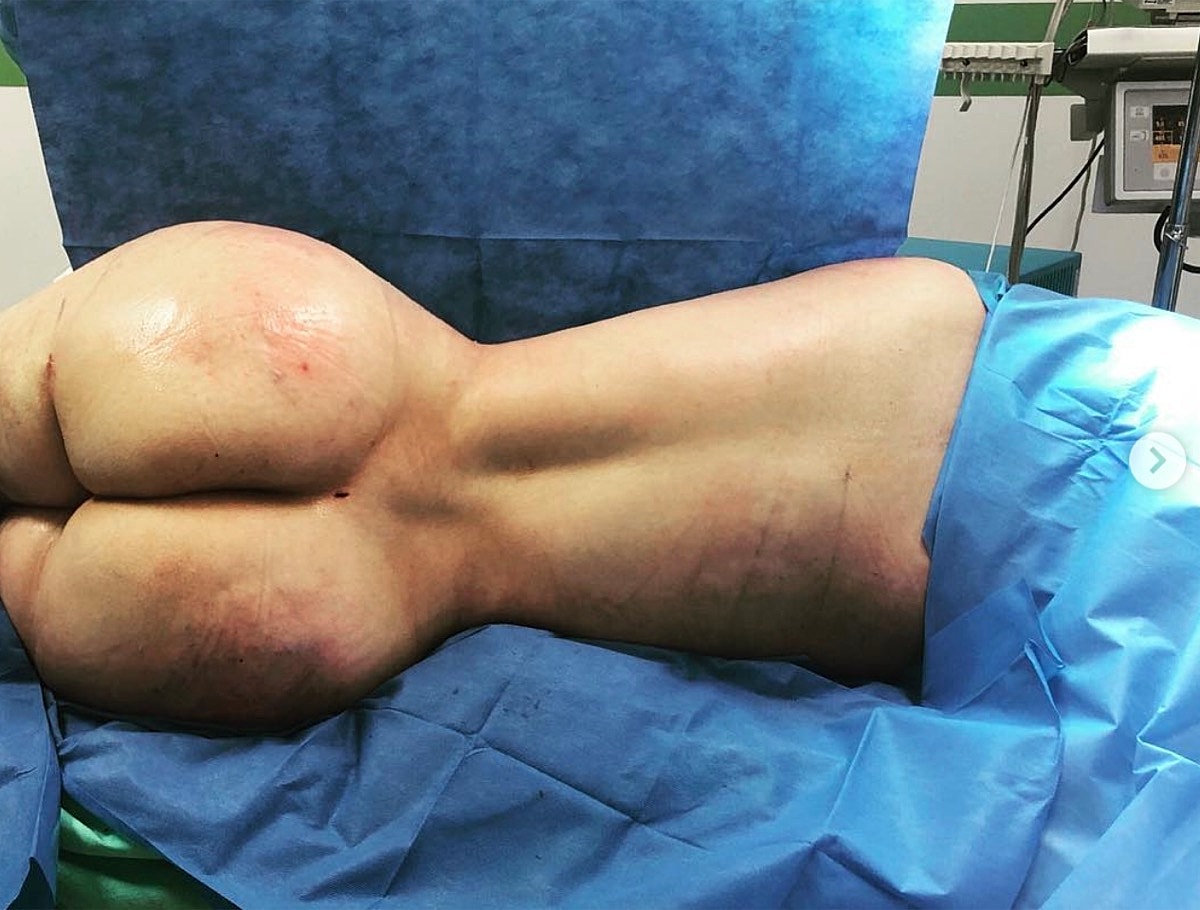
It’s important to understand that not all firmness after BBL is fat necrosis. In fact, some degree of firmness is a normal part of healing and tissue remodeling following both liposuction and fat transfer procedures.
1 of 23
Fat survival depends on blood supply. After fat is transferred:
Several factors influence this process, including:
👉 Because the fat used in a BBL is obtained through liposuction, both procedures are closely linked—the quality of fat harvesting and handling directly impacts fat survival and final results.
During recovery, patients may notice:
👉 These changes are often part of normal healing after liposuction and BBL, as swelling resolves and the tissues—including the fibroseptal network—undergo remodeling.
✅ Normal Healing Findings
👉 These findings are commonly seen after liposuction with fat transfer (BBL) and typically improve as the body adapts to the new contour.
⚠️ Findings That Need Evaluation
👉 These may represent fat necrosis or other complications and should be evaluated by a surgeon experienced in both liposuction and BBL techniques.
1. Ischemia (Initial insult)
👉 Oxygen diffusion fails → adipocyte death
2. Adipocyte Death
3. Lipid Breakdown
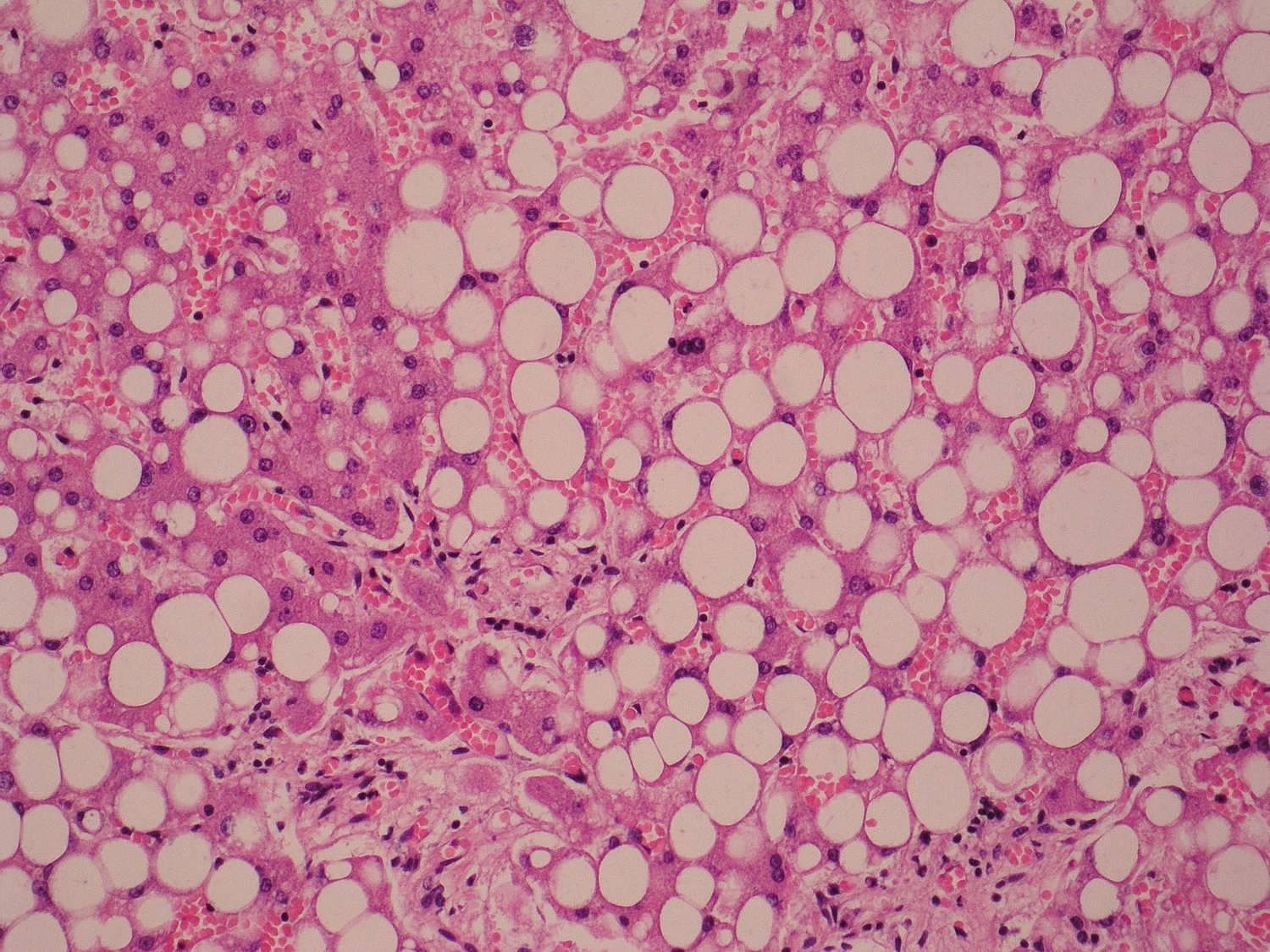
👉 This is a hallmark of fat necrosis
4. Inflammatory Response
5. Fibrosis and Encapsulation
6. Calcification (Late stage)
Classic findings:
🔍 Key MRI Features
1. T1-weighted imaging
2. T2 / STIR sequences
3. Post-contrast (T1 + gadolinium)
Treatment depends on severity:
Mild Cases
Moderate Cases
Severe Cases
👉 Most cases improve without surgery, especially when managed early.

Prevention begins with surgical technique, precision, and respect for tissue physiology.
Because a BBL combines liposuction (fat harvesting) with fat transfer (volume enhancement), both steps must be performed meticulously to optimize fat survival and minimize complications.
Key principles include:
👉 When performed correctly, these principles help maximize fat survival, reduce the risk of fat necrosis, and enhance contour, symmetry, and long-term results.
About the Medical Reviewer Dr. Emmanuel De La Cruz is a double board-certified plastic surgeon specializing in advanced facial rejuvenation and body contouring procedures. 👉 [Learn more about Dr. Emmanuel De La Cruz]
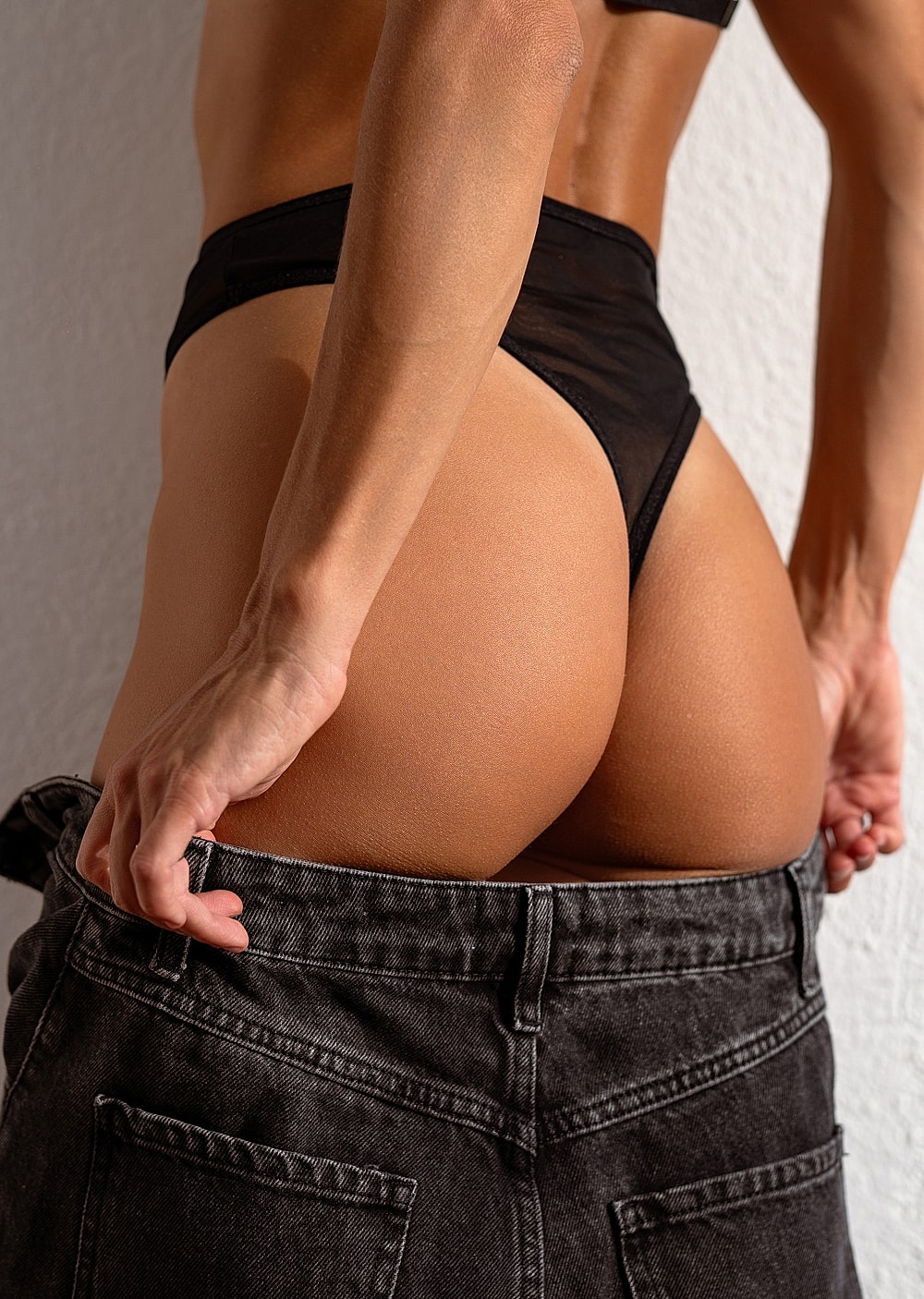
👉 This timeline reflects the natural healing process following both liposuction and BBL, where swelling resolves and tissues remodel.
🔗 Explore Related Topics
Key factors that distinguish his practice include:
• Double Board Certification at the Highest Level of Surgical Training Dr. De La Cruz is double board-certified by the American Board of Plastic Surgery and the American Board of Surgery, reflecting extensive surgical training and adherence to the highest standards of patient care. He is also an active member of the American Society of Plastic Surgeons (ASPS), further underscoring his commitment to excellence, safety, and ongoing advancement in the field of plastic surgery.
• International Recognition for Surgical Excellence Dr. Emmanuel De La Cruz has received international distinction in advanced body contouring, including the prestigious Grand Master Total Definer Award for Best High-Definition Liposuction Results. This honor was personally awarded by Alfredo Hoyos, the global pioneer of high-definition liposculpture. From a competitive international field, only six surgeons were selected as finalists worldwide, and Dr. De La Cruz was chosen as producing the finest results—reflecting exceptional precision, judgment, and technical mastery.
• International Lecturer and Thought Leader in Aesthetic Surgery Dr. De La Cruz has been invited to lecture at major scientific meetings worldwide, including the American Society of Plastic Surgeons (ASPS), the Total Definer Meeting in Cartagena Colombia, the InMode Symposium in Miami and Beverly Hills, and AestheticStanbul in Istanbul, where he was invited by renowned plastic surgeon Foad Nahai. His work focuses on advanced techniques and the correction of complex contour irregularities.
• Published Author in Peer-Reviewed Surgical Literature He has contributed to the advancement of plastic surgery through publications such as “Lipoplasty in the Overweight Patient” in Clinics in Plastic Surgery, demonstrating a commitment to evidence-based practice and surgical safety.
• Expertise in Advanced Surgical Technologies and Techniques Dr. De La Cruz specializes in modern surgical approaches that emphasize precision, control, and refined outcomes, integrating advanced technologies with meticulous technique.
• A Unique Foundation in Art and Surgical Design Plastic surgery at the highest level requires more than technical skill—it demands an understanding of form, proportion, and balance. Dr. De La Cruz was classically trained in sculpture under world-renowned French sculptor Philippe Faraut, bringing a level of artistic insight that informs every procedure and contributes to natural, harmonious results.
• Advanced Experience in Complex and Revision Cases In addition to primary procedures, Dr. De La Cruz frequently treats patients with prior surgical irregularities or challenging anatomy—cases that require a higher level of surgical judgment and expertise.
• Uncompromising Commitment to Patient Safety Patient safety is central to every aspect of care. His approach emphasizes careful patient selection, evidence-based techniques, and structured postoperative monitoring to optimize outcomes and minimize risk.
• Personalized, Patient-Centered Surgical Planning Each procedure is tailored to the individual. Dr. De La Cruz develops customized surgical plans designed to achieve balanced, refined, and long-lasting results.
• Surgery Performed in an Accredited, High-Standard Facility All procedures are performed in a state-licensed, AAAASF-accredited surgical facility, supported by a board-certified anesthesiologist and an experienced perioperative team—ensuring the highest standards of safety and care.
Yes. Small lumps or areas of firmness are common after a Brazilian Butt Lift (BBL), especially in the first few weeks. These are usually related to swelling, temporary inflammation, or early tissue remodeling, and often improve over time.
Lumps after BBL can be caused by:
👉 Most lumps are part of normal healing, but some may require evaluation.
Normal lumps:
Concerning lumps:
👉 If a lump worsens or does not improve, it should be evaluated.
Most lumps improve within 4 to 12 weeks as swelling decreases and tissues soften. Some areas may take 3–6 months to fully resolve as the body continues to remodel.
Not always. Many lumps are due to normal swelling or fibrosis, not fat necrosis. Fat necrosis tends to feel firmer and more defined and may persist longer.
Treatment depends on the cause and severity:
Yes. Lymphatic massage can help reduce swelling and improve circulation, which may soften lumps and speed recovery. However, massage should be performed according to your surgeon’s recommendations.
Yes. Because a BBL involves liposuction to harvest fat, some lumps may originate from the liposuction areas due to swelling or fibrosis, not just the buttocks.
Risk can be reduced with:
You should contact your surgeon if you notice:
About the Author
Dr. Emmanuel De La Cruz, MD is a double-board-certified plastic surgeon in Houston, Texas, certified by both the American Board of Plastic Surgery and the American Board of Surgery. He specializes in advanced liposuction and body contouring procedures, including high-definition liposculpture, Brazilian Butt Lift (BBL), revision liposuction, and treatment of lipedema.
Dr. De La Cruz is internationally recognized for his expertise in high-definition liposuction and contour sculpting techniques, which play a critical role in achieving balanced, natural-looking results in procedures such as liposuction and Brazilian Butt Lift surgery. His work focuses on precise body contour sculpting to enhance overall body proportions.
He has lectured internationally on liposuction techniques, fat grafting, and contour irregularity correction, presenting at major scientific meetings including the American Society of Plastic Surgeons (ASPS), the Total Definer Meeting in Bogotá, Colombia, the InMode Symposium in Miami and Beverly Hills, and AestheticStanbul in Istanbul, Turkey, where he was invited to lecture by renowned plastic surgeon Dr. Foad Nahai.
Dr. De La Cruz has also contributed to the scientific literature on liposuction and body contouring. He is the author of “Lipoplasty in the Overweight Patient”, published in the peer-reviewed journal Clinics in Plastic Surgery.
Through his clinical work, research, and international lectures, Dr. De La Cruz focuses on advancing safe, precise, and refined techniques in liposuction, BBL surgery, and modern body contouring.