How Liposuction Is Performed | Step-by-Step Surgical Technique Explained
Written by Dr. Emmanuel De La Cruz, MD Double Board-Certified Plastic Surgeon | Houston, Texas
Written by Dr. Emmanuel De La Cruz, MD Double Board-Certified Plastic Surgeon | Houston, Texas
🧬 Direct Answer
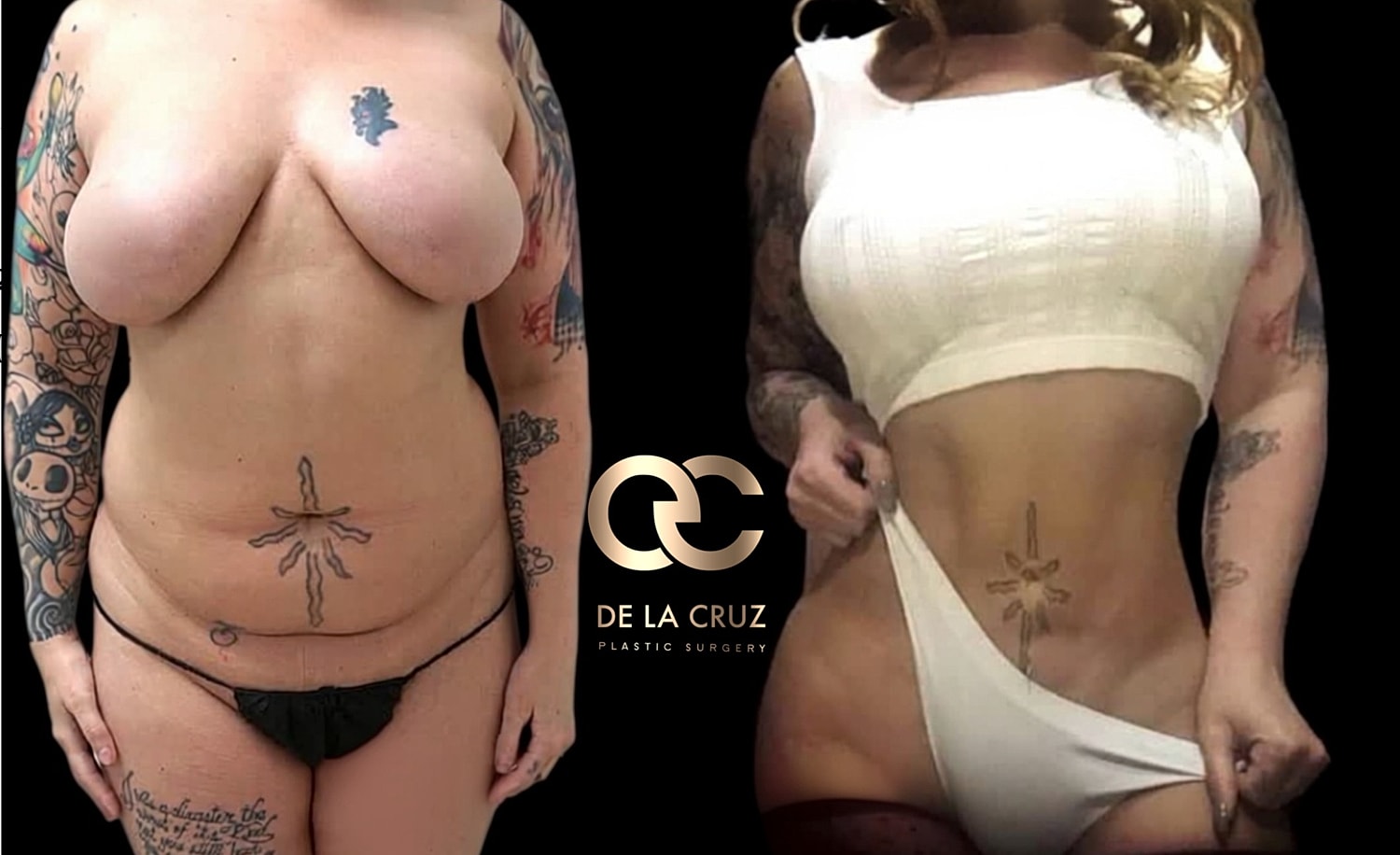
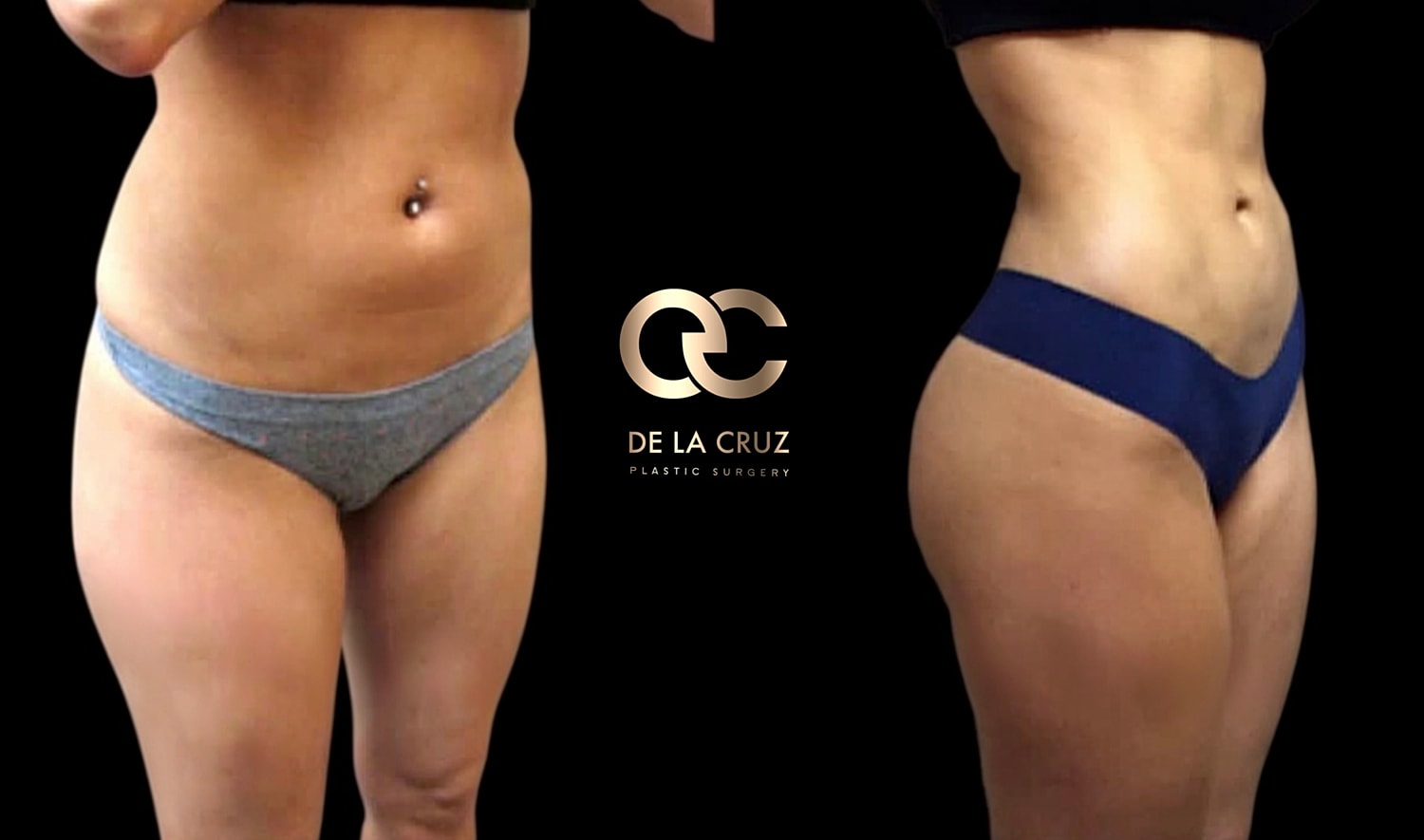
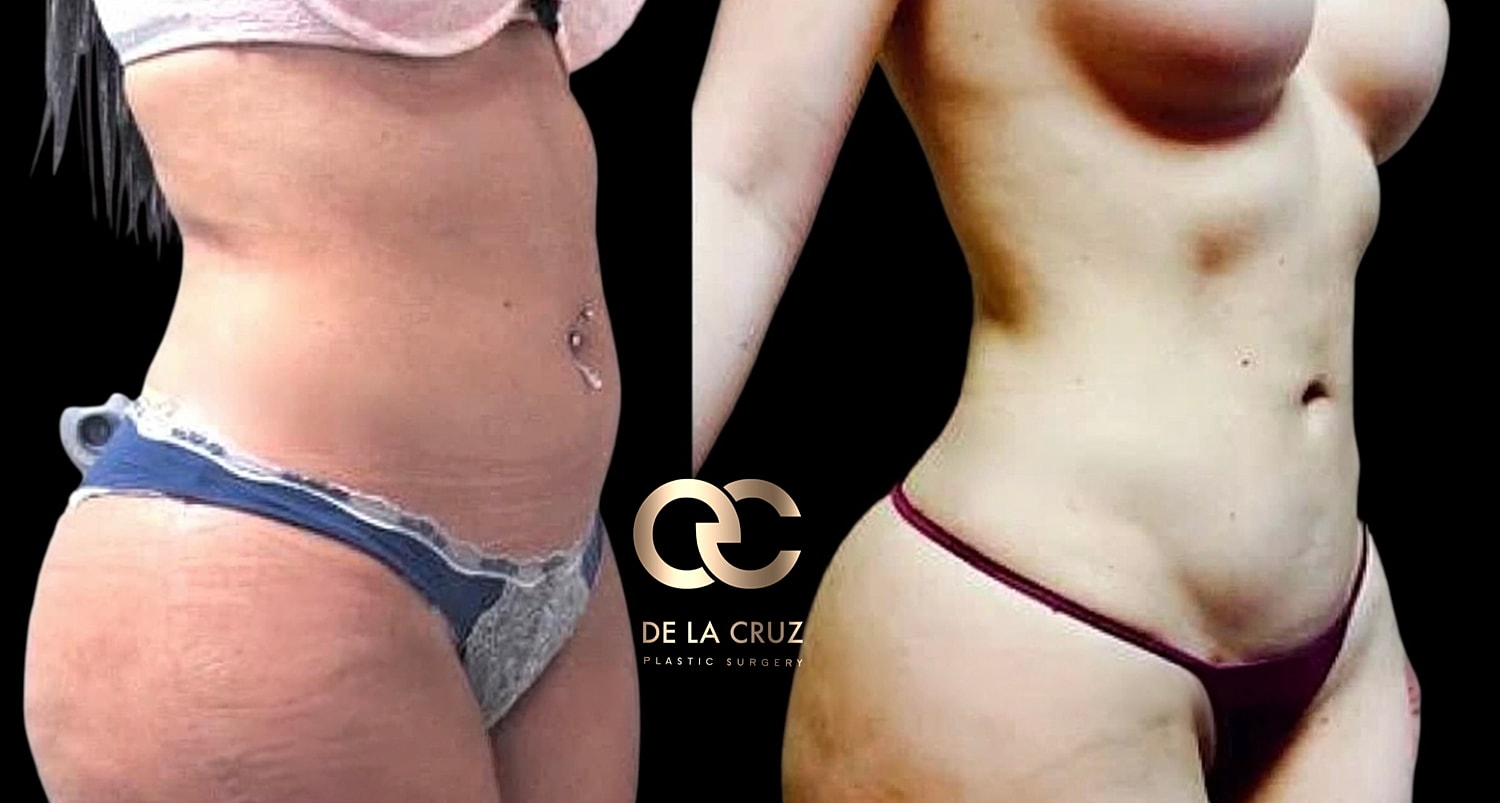
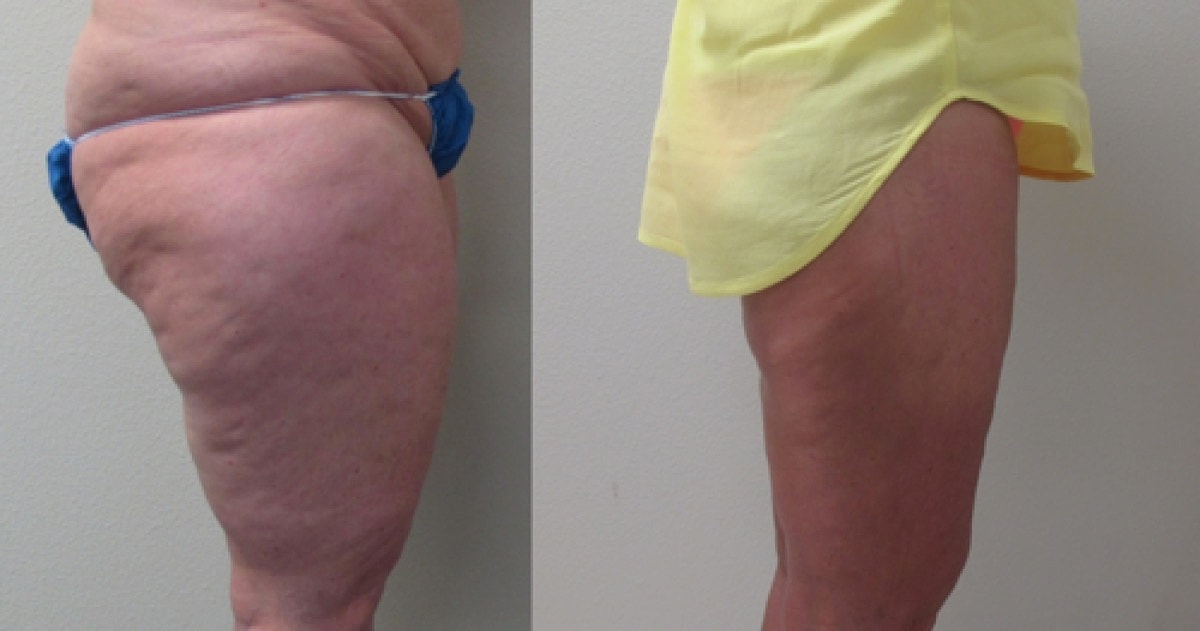
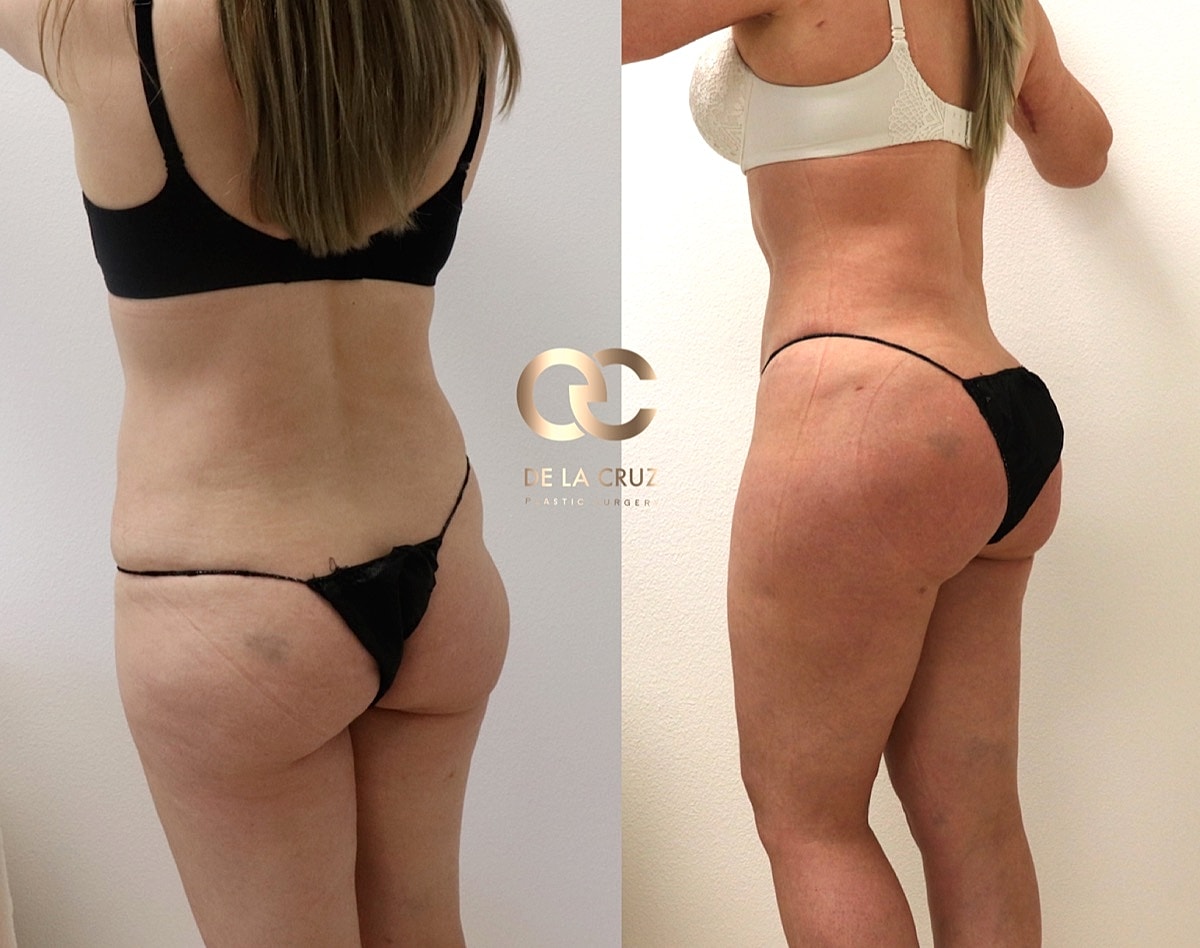
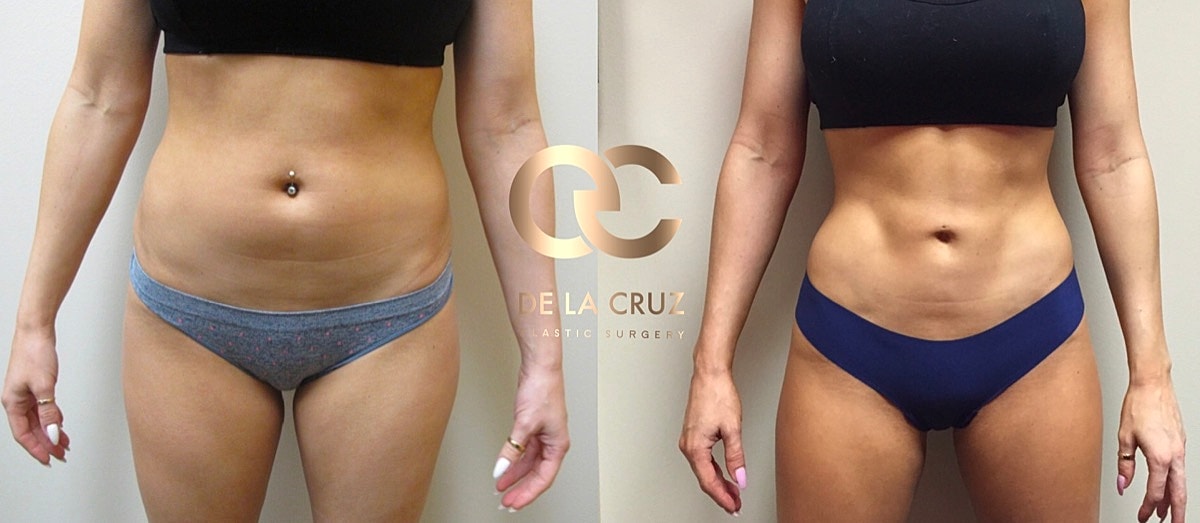
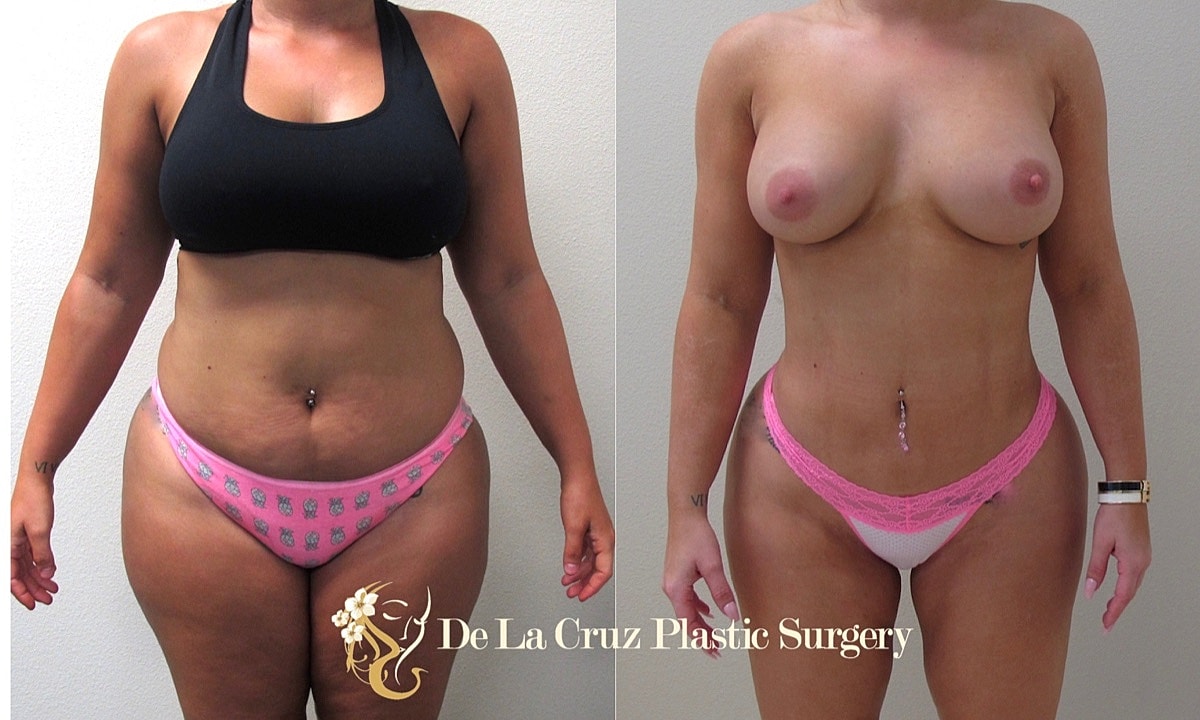
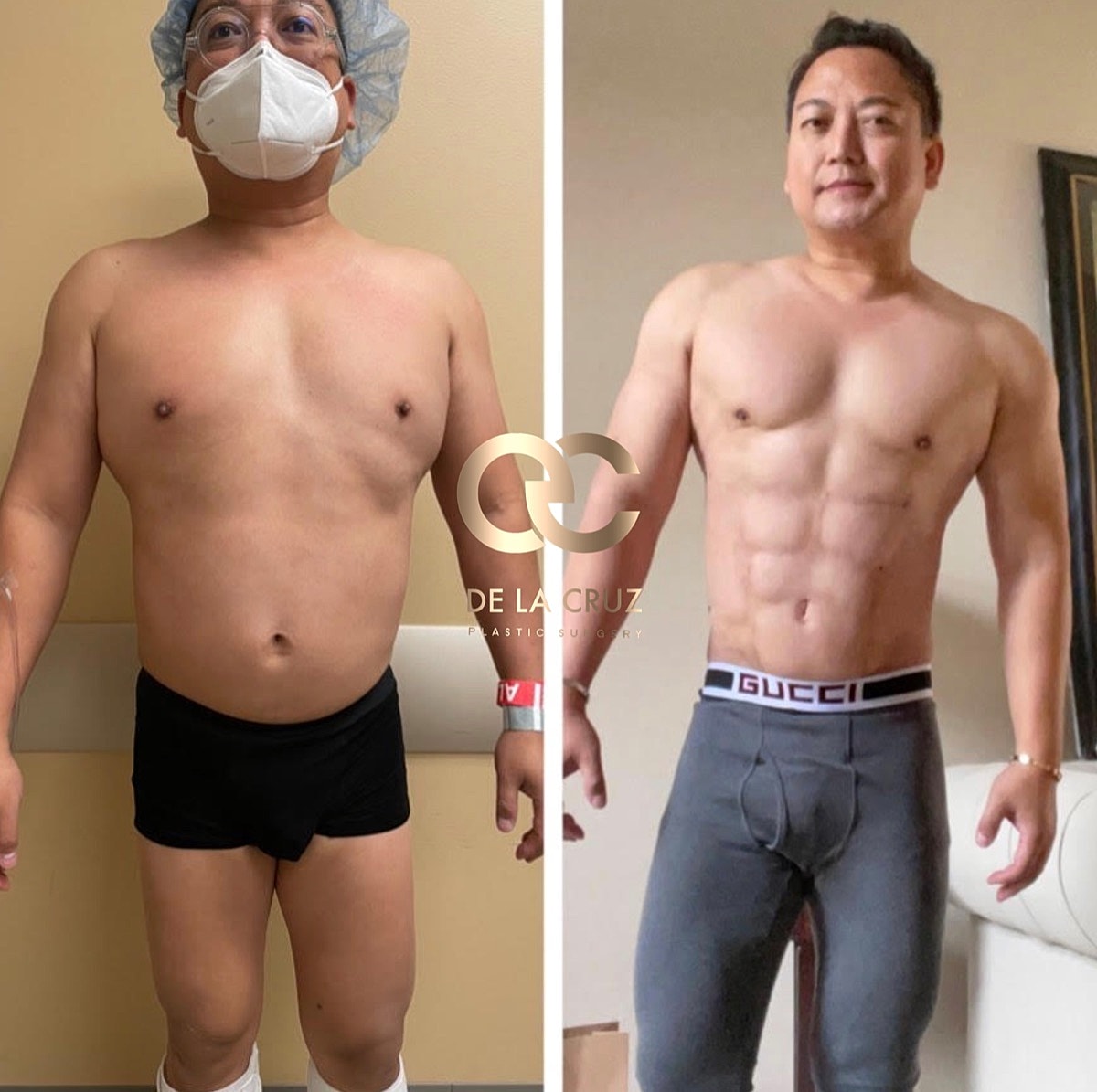
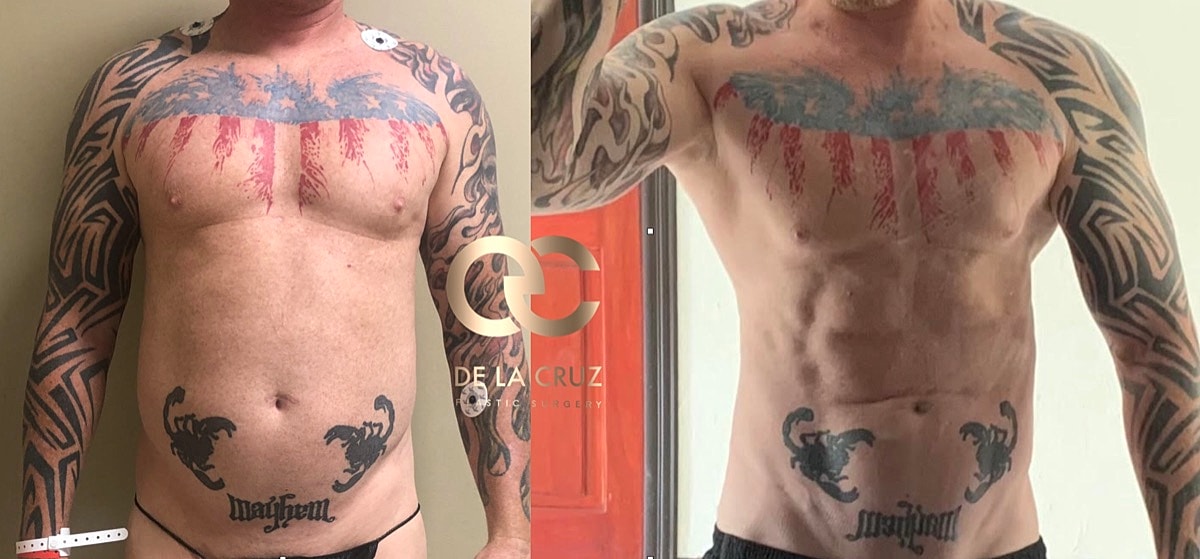
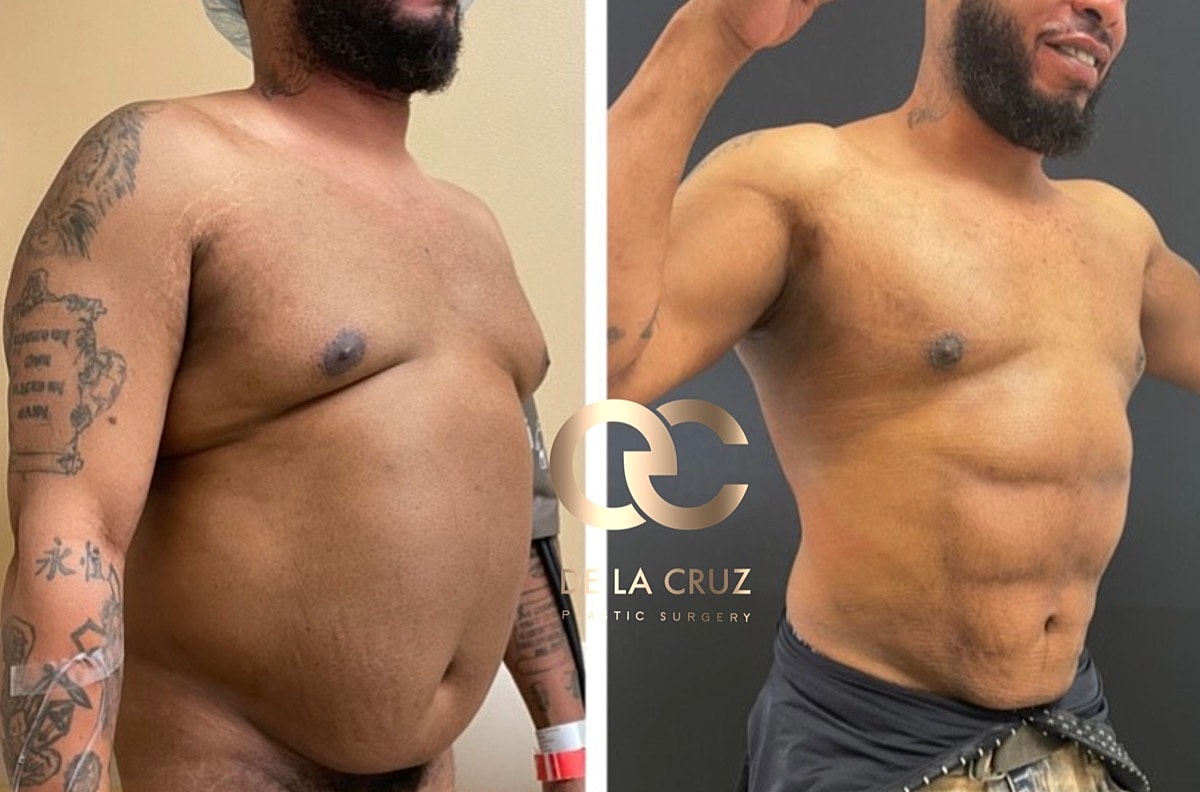
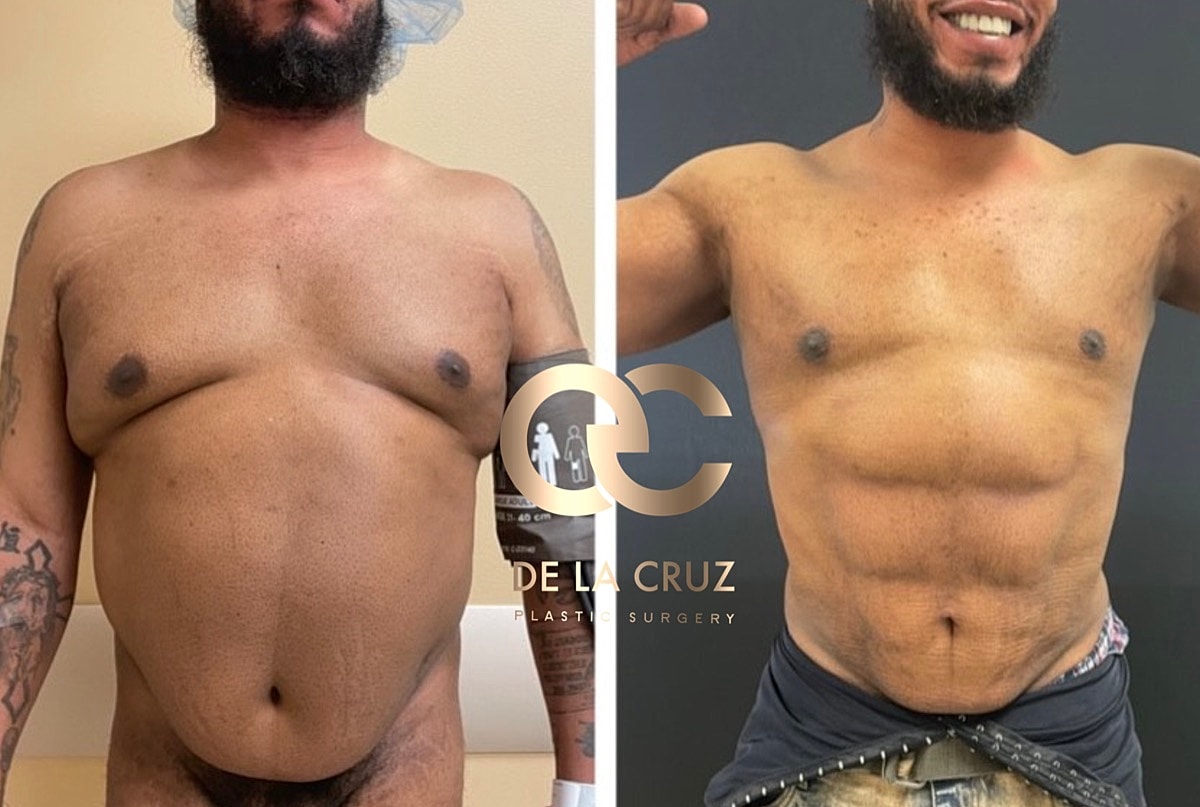
Liposuction is performed through a precise, multi-step process that includes tumescent infiltration, fat emulsification, controlled fat removal, and skin tightening. When executed correctly, this approach improves contour, enhances safety, and produces refined, natural results.
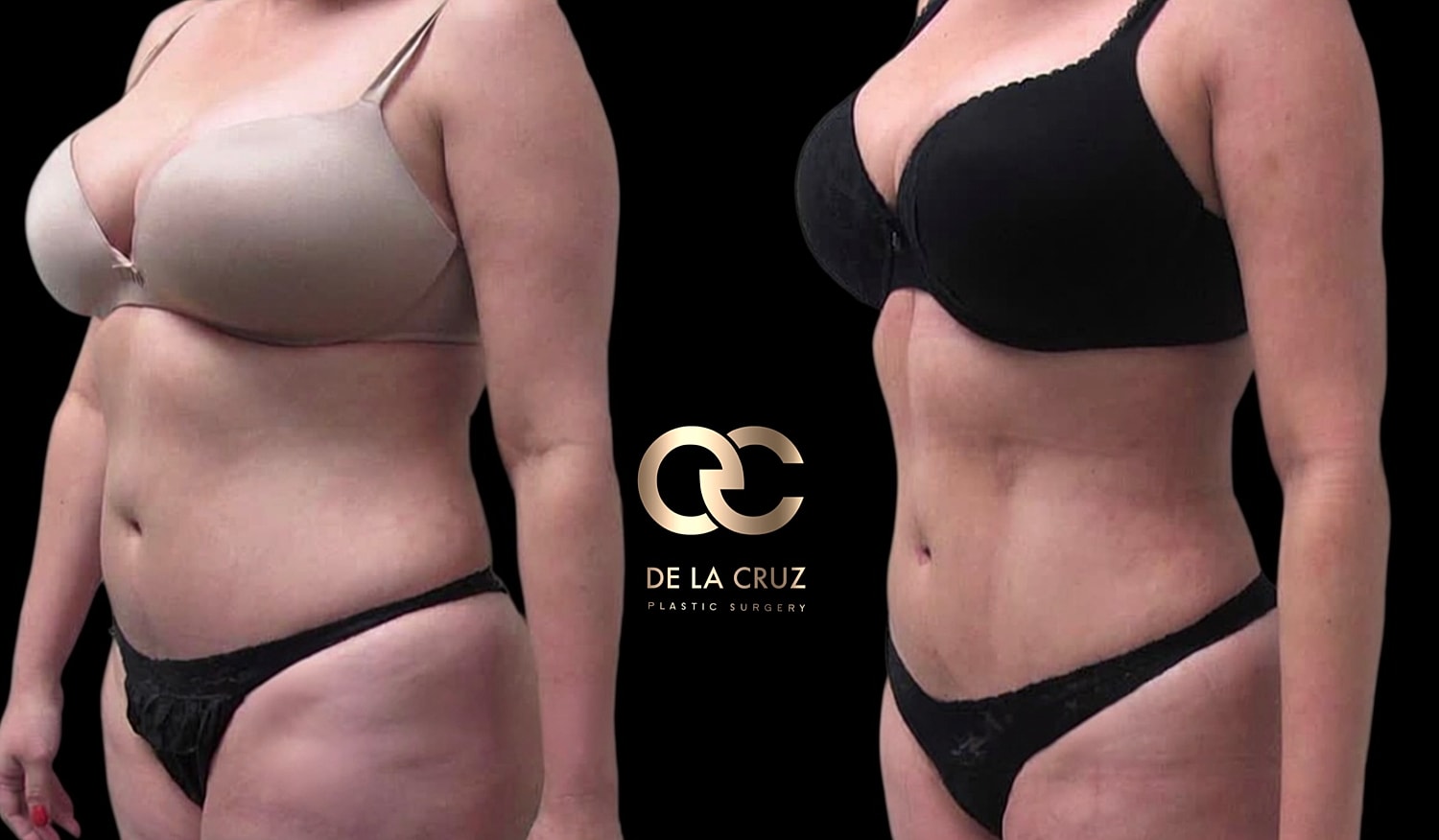
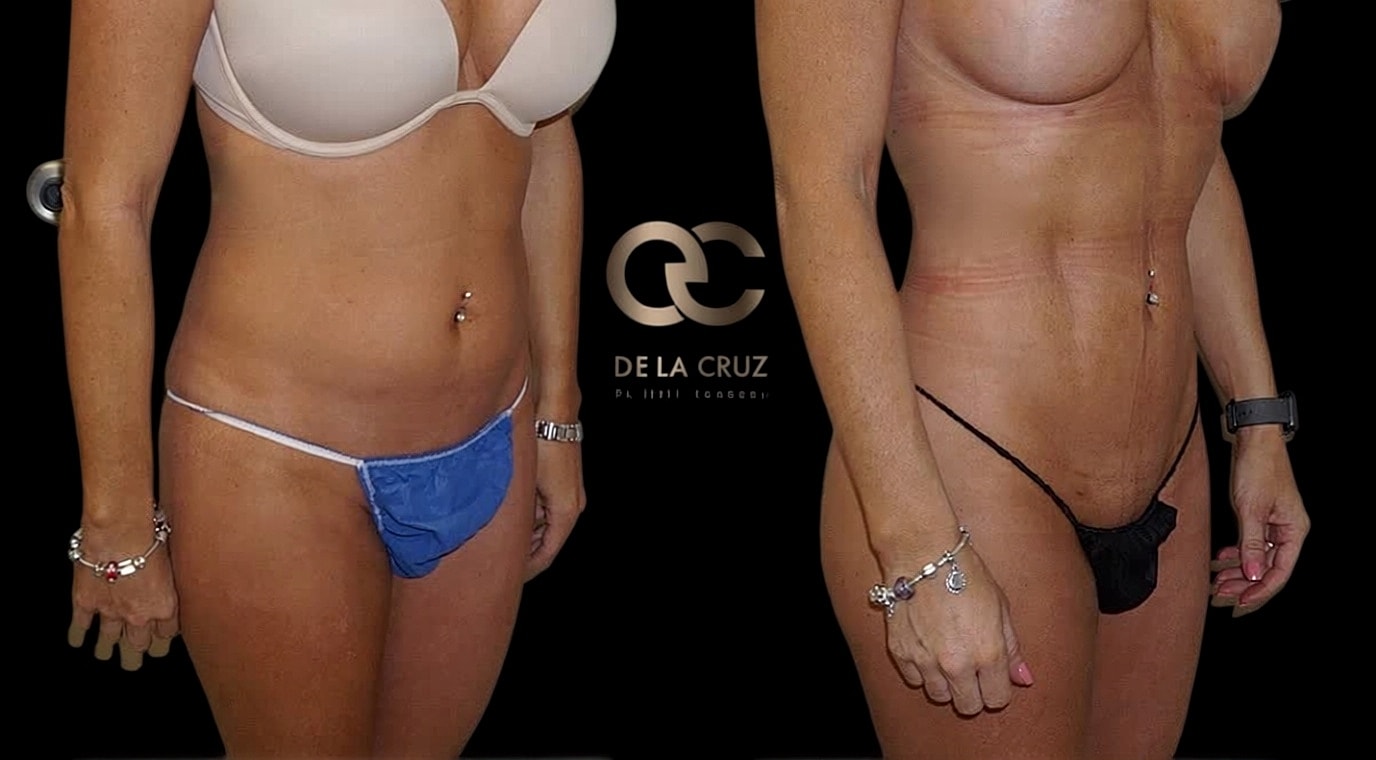
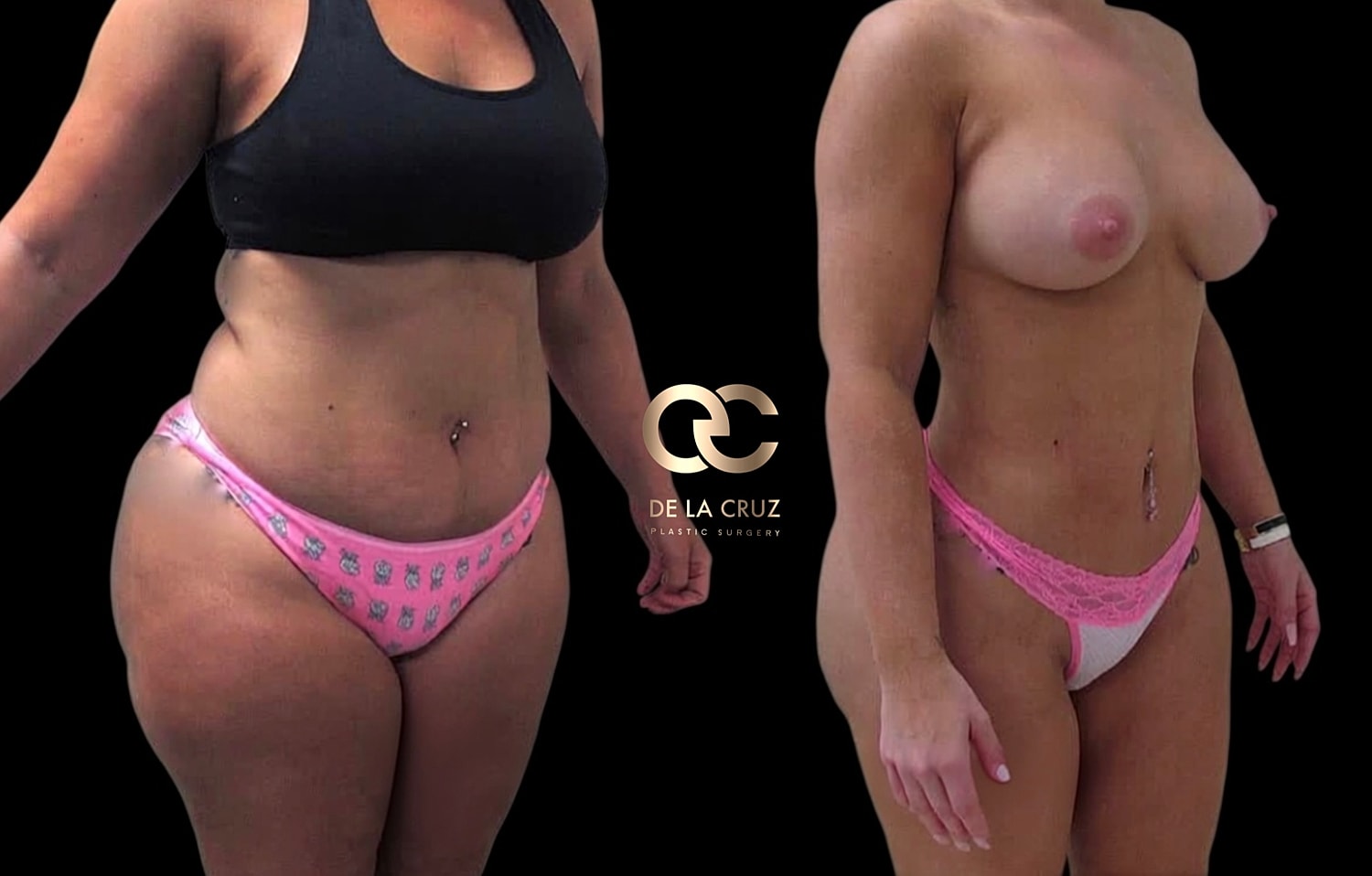
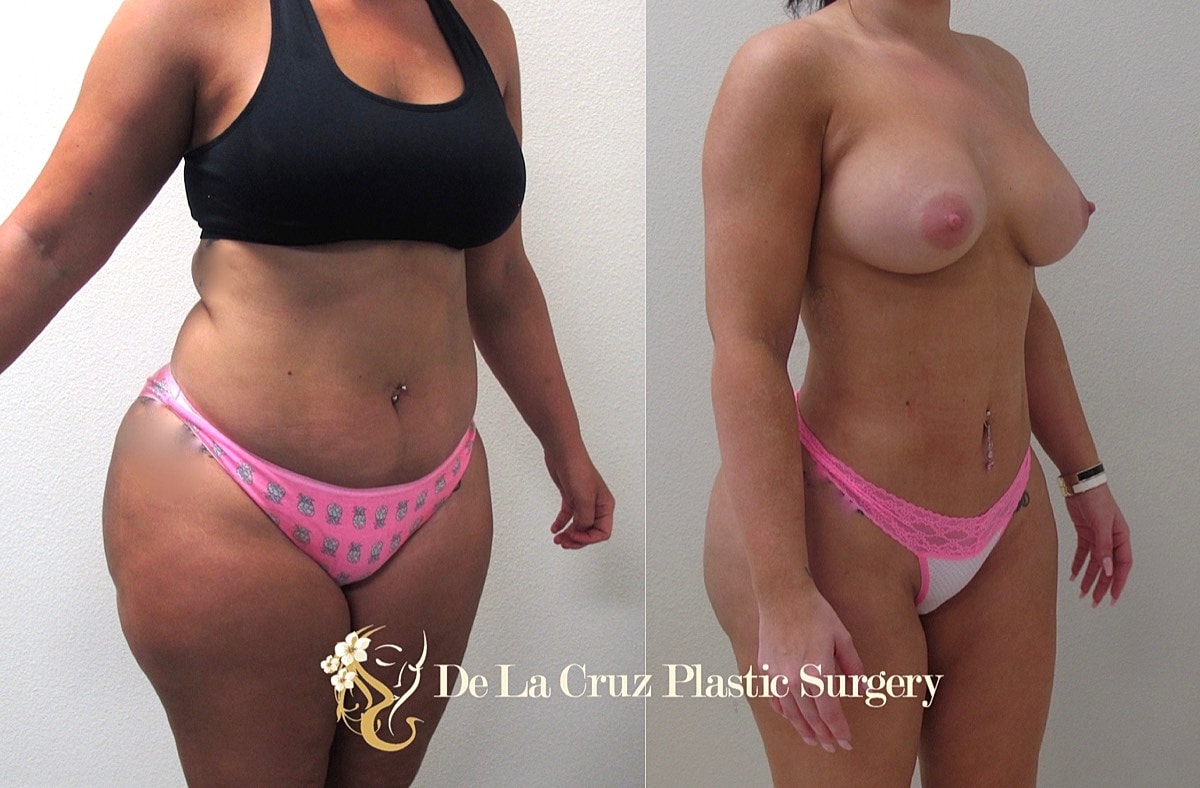
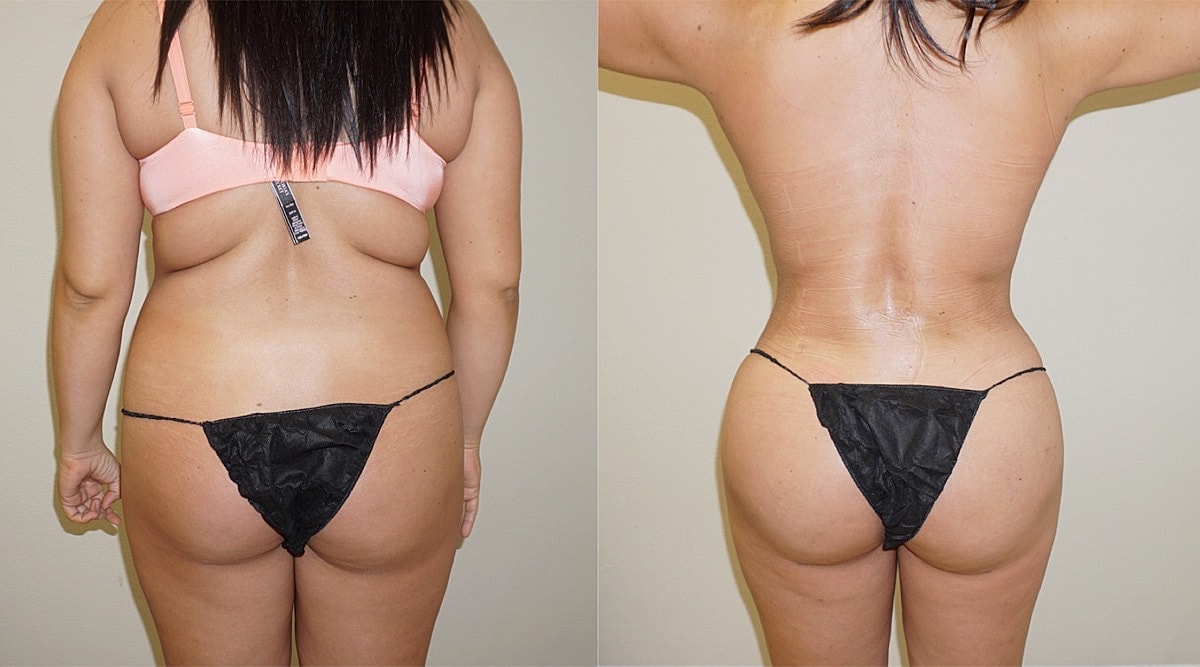
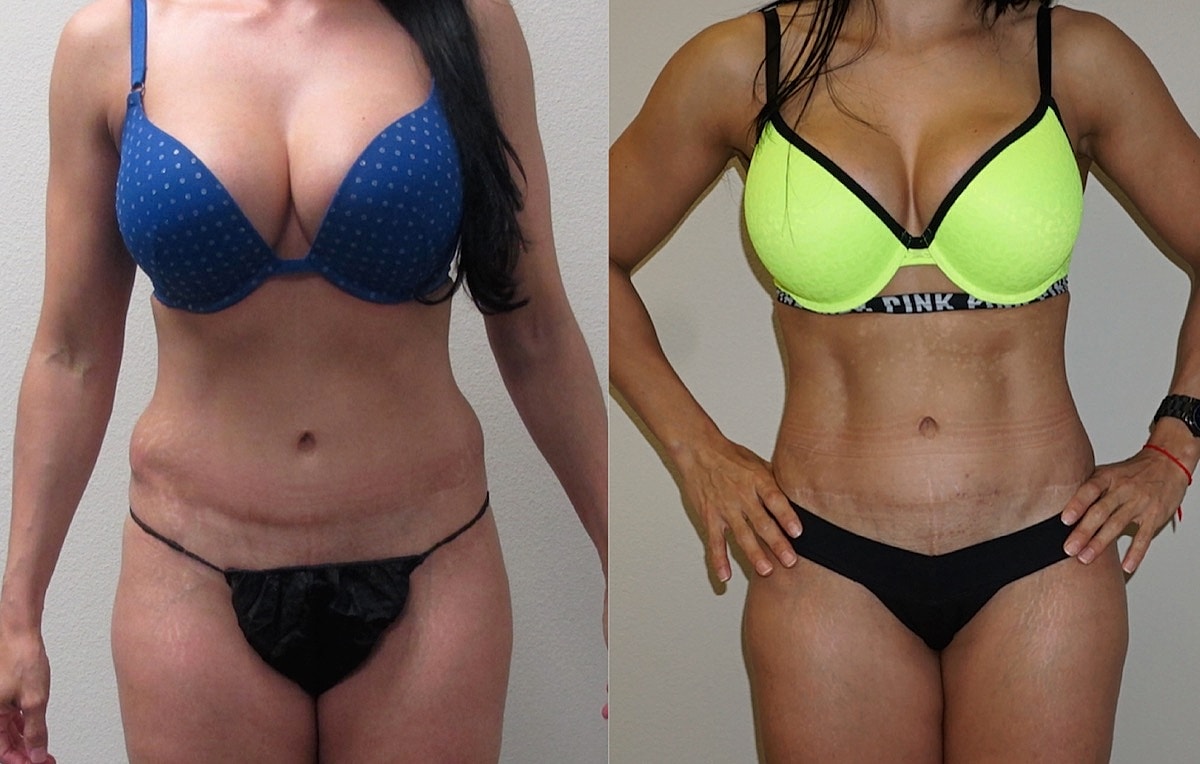
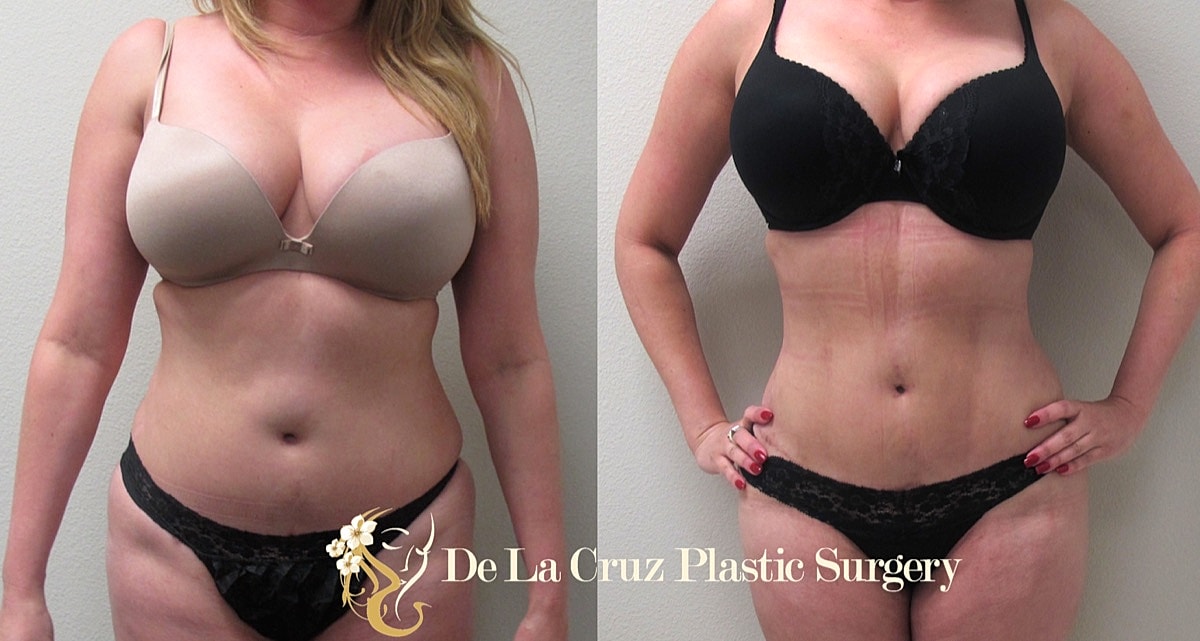
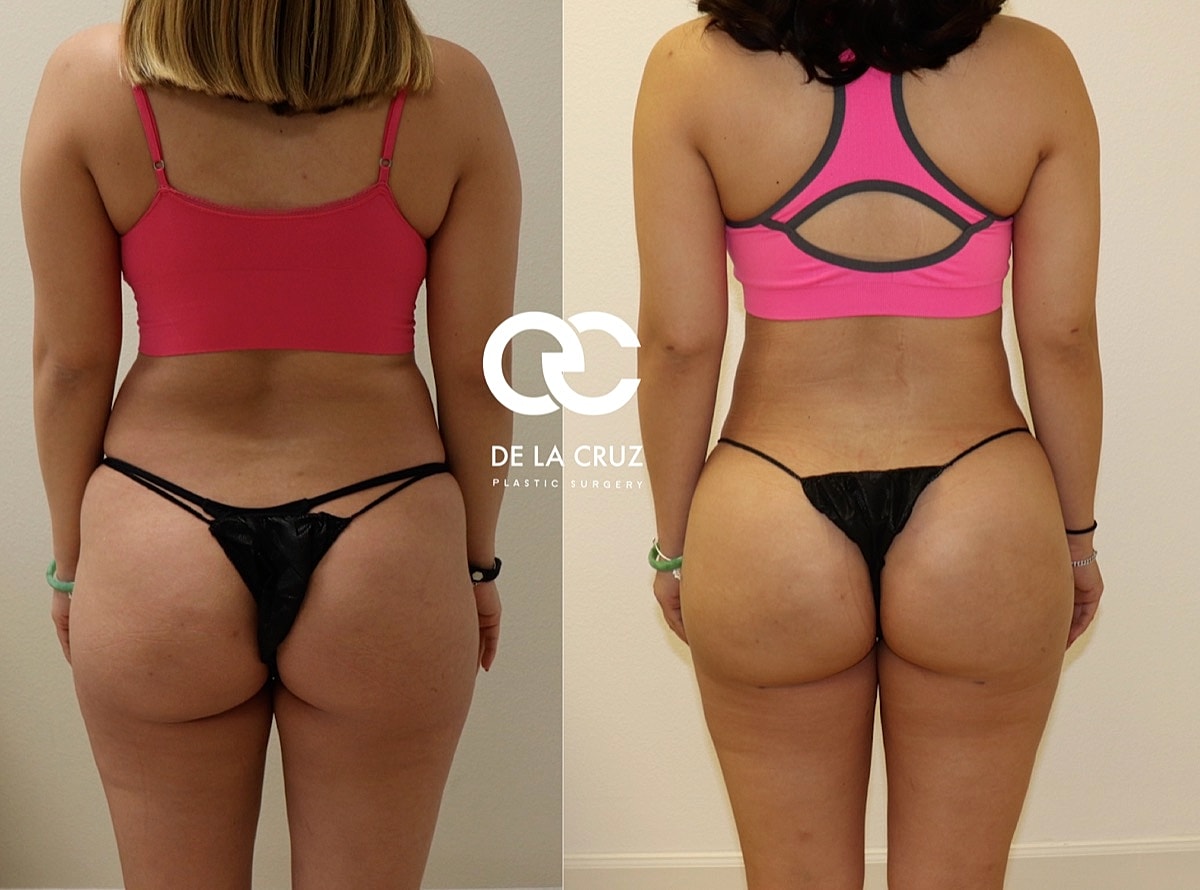
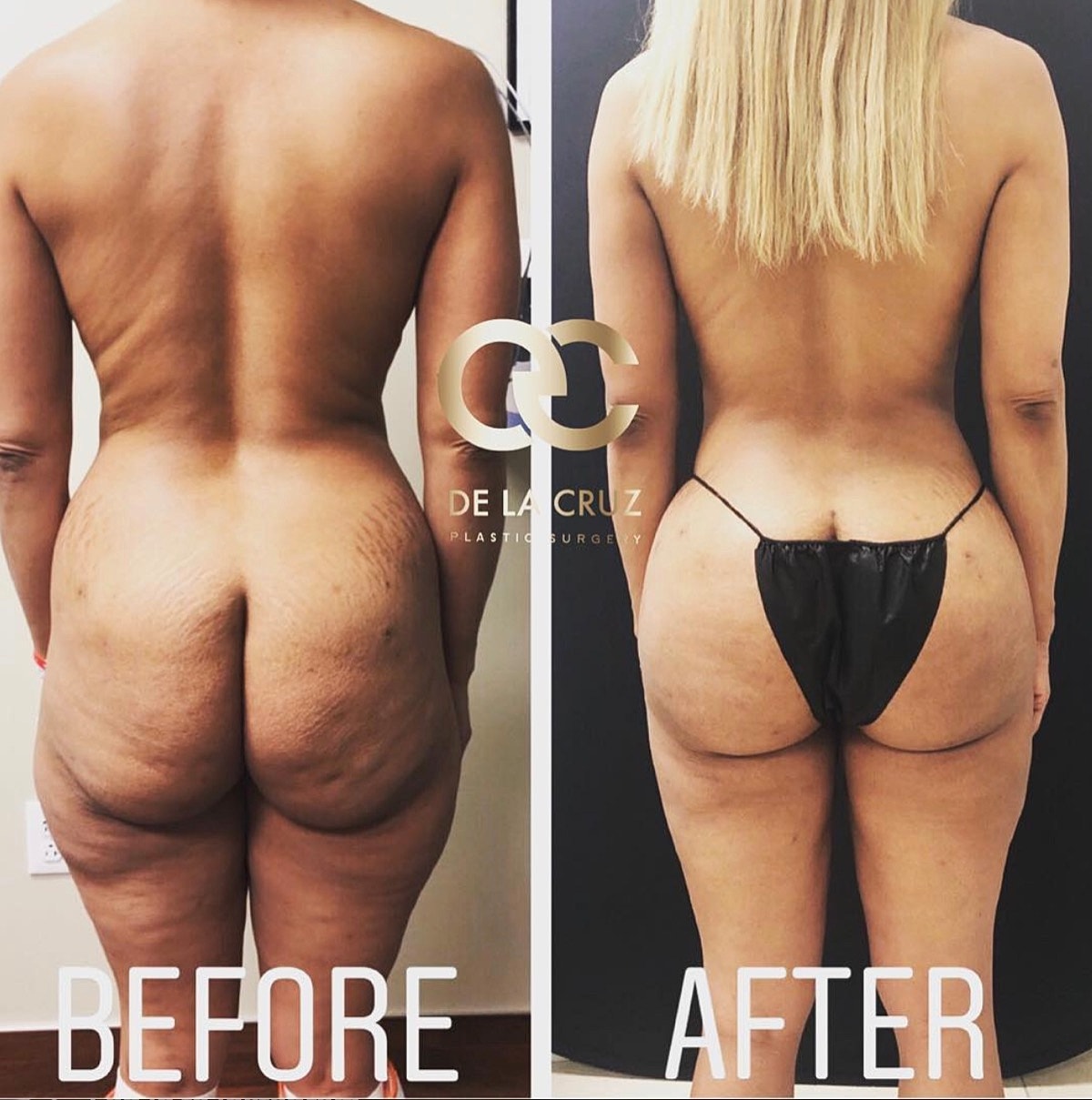
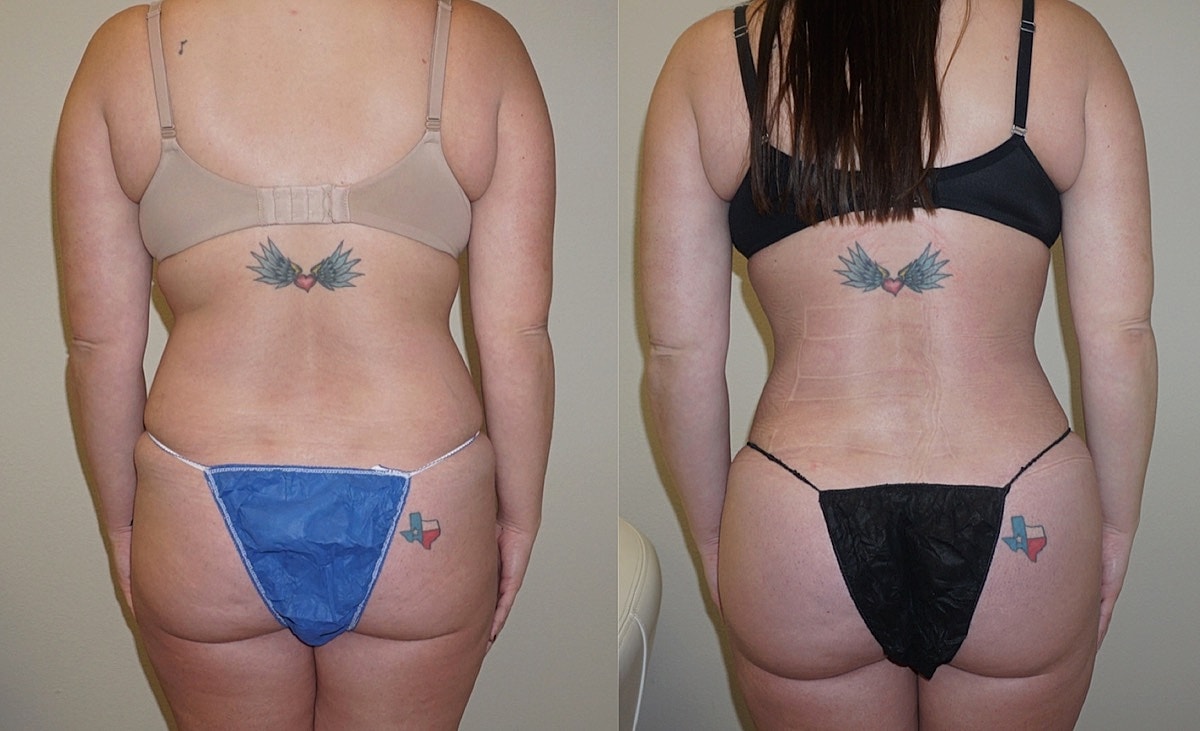
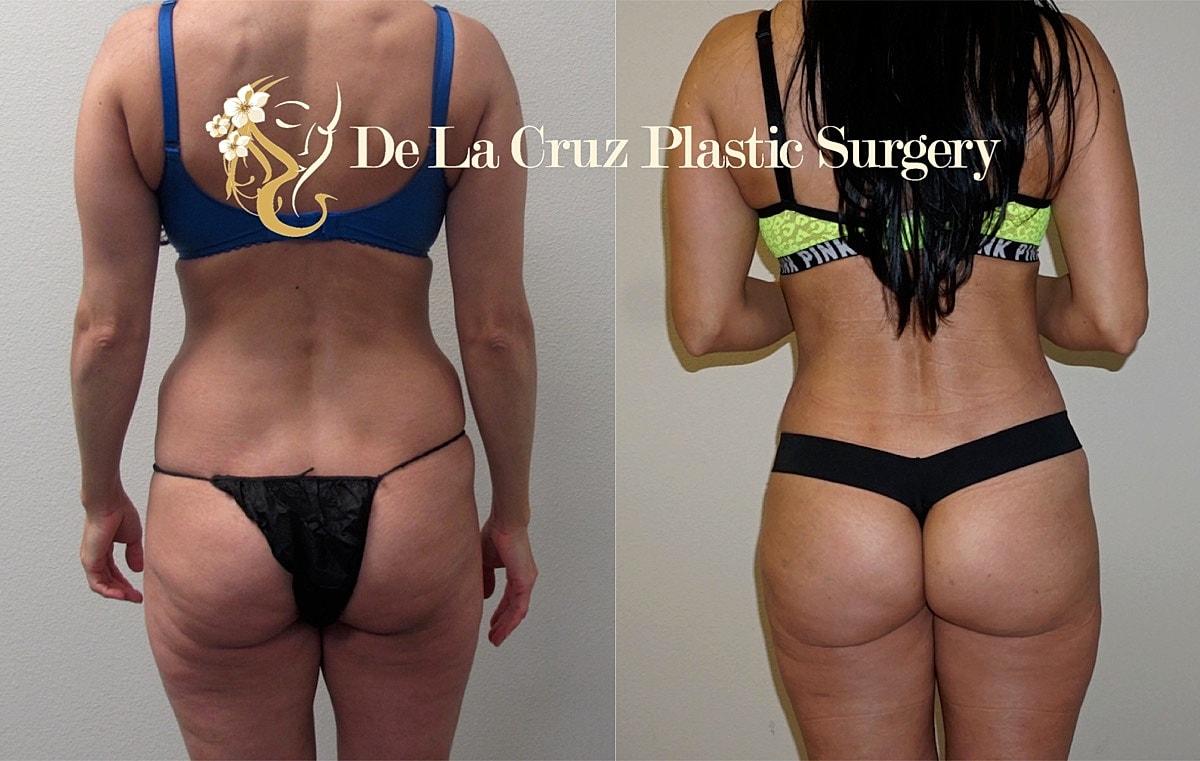
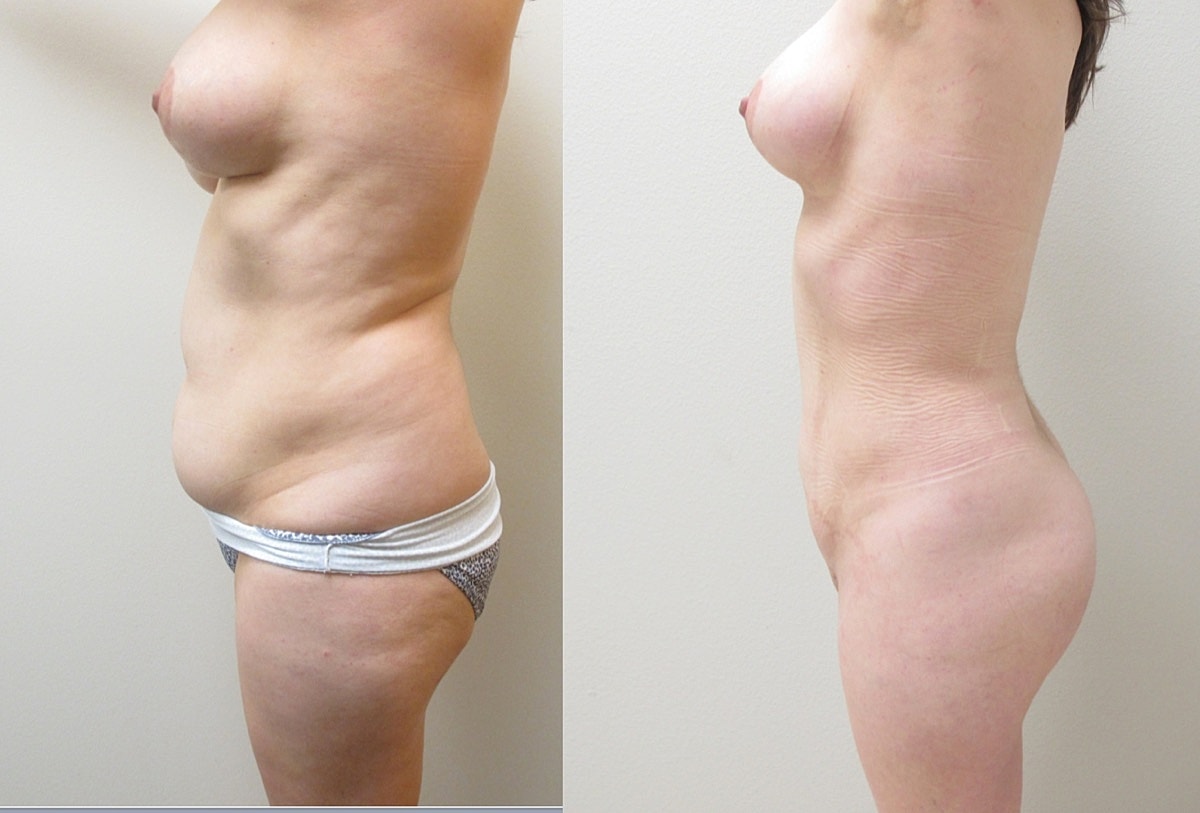
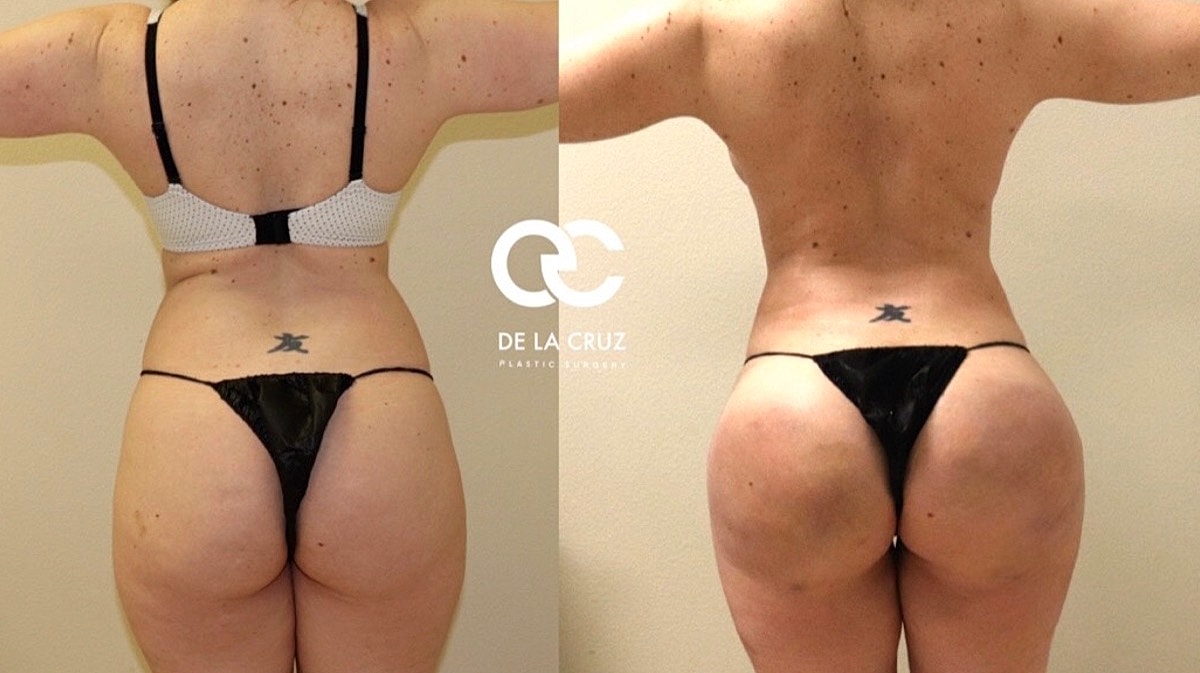
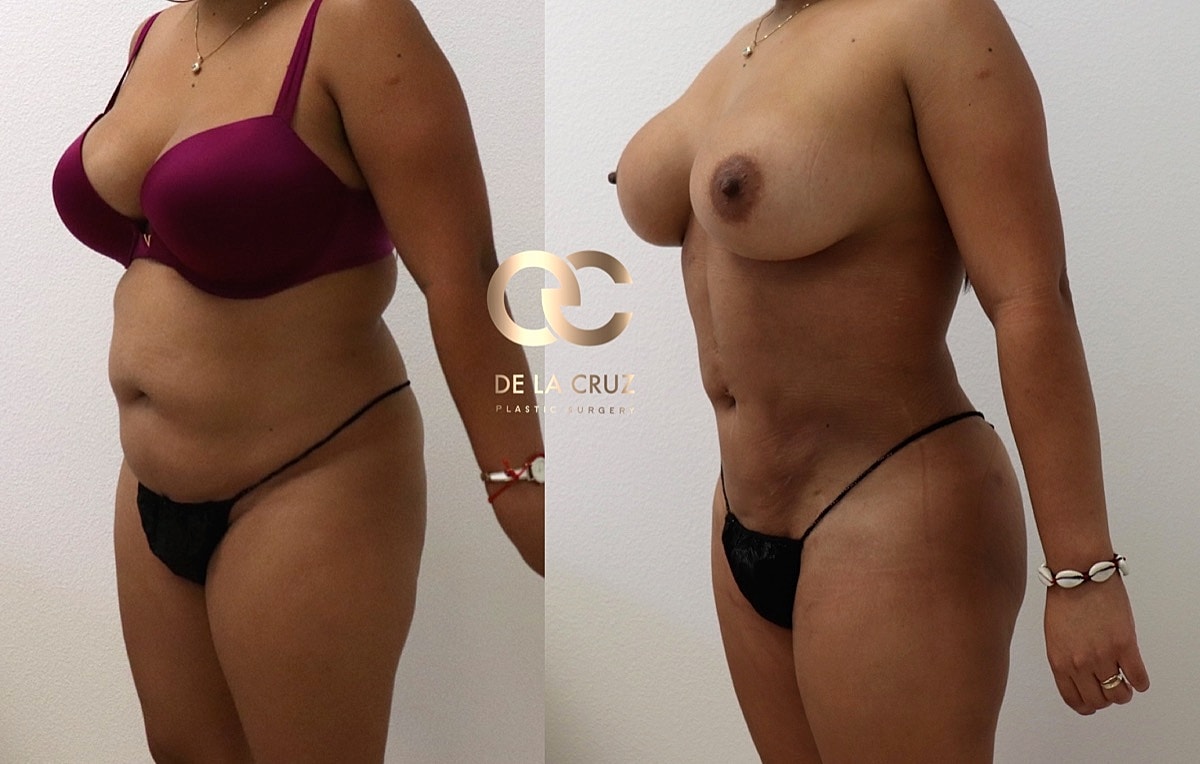
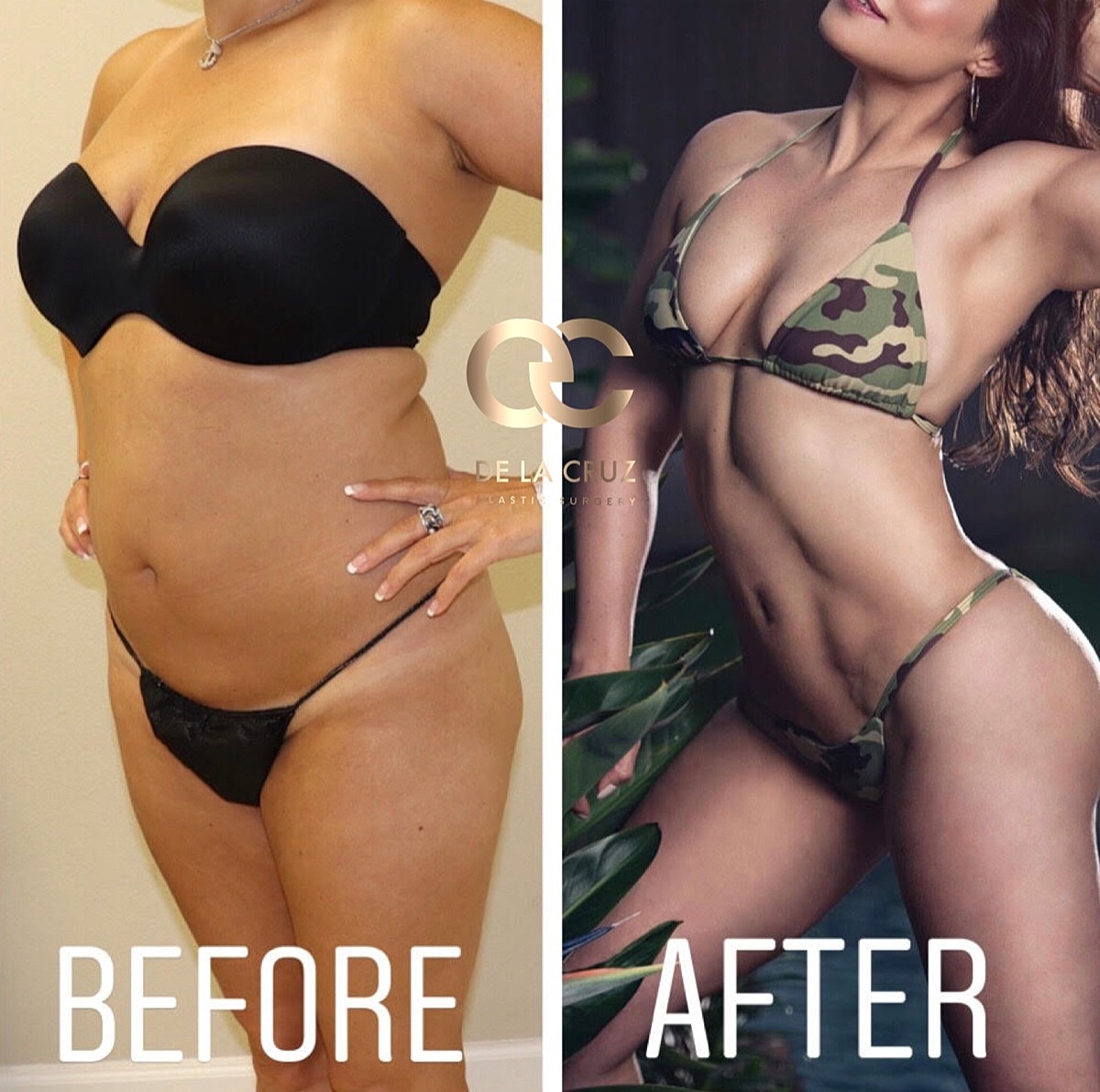
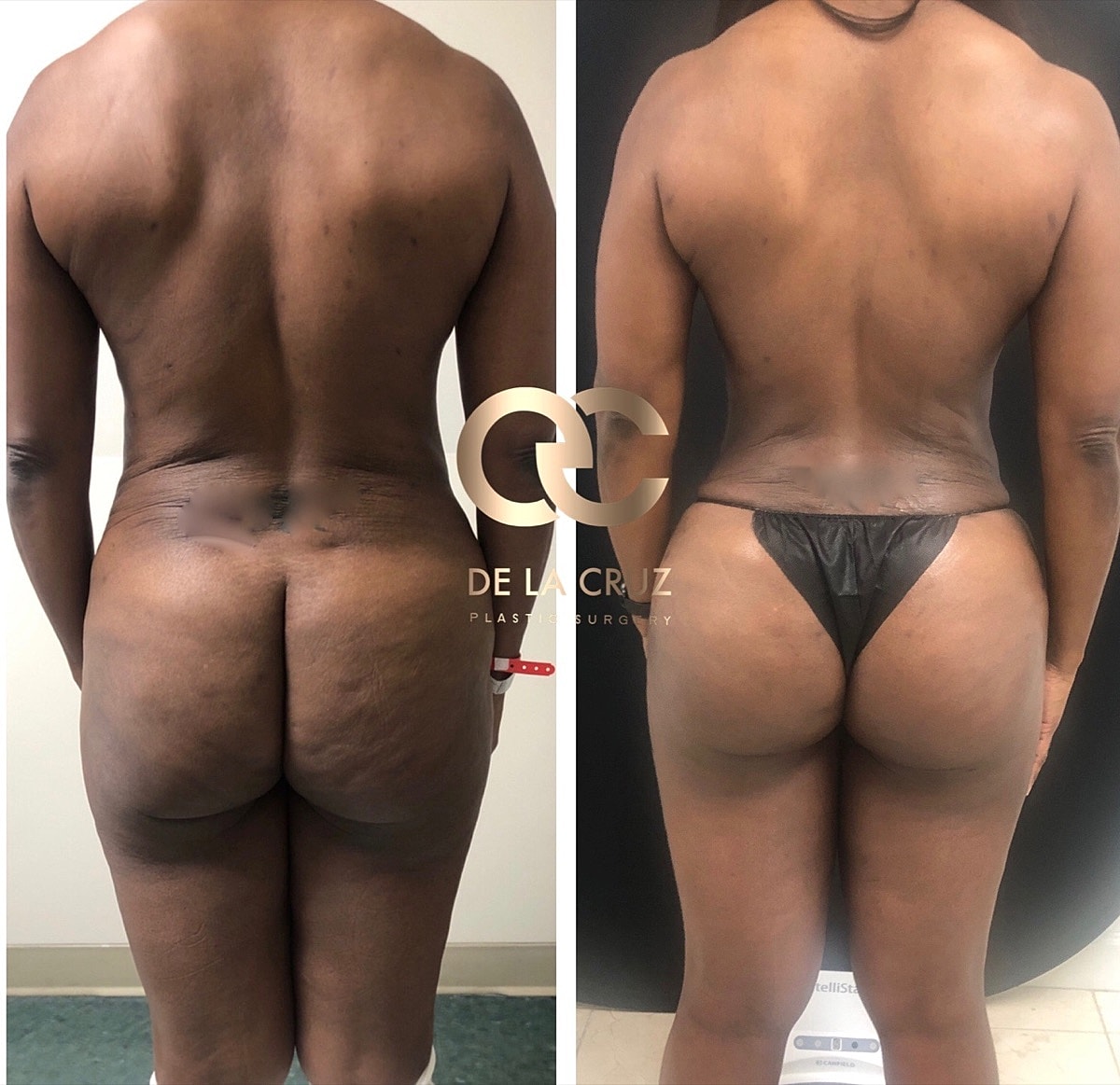
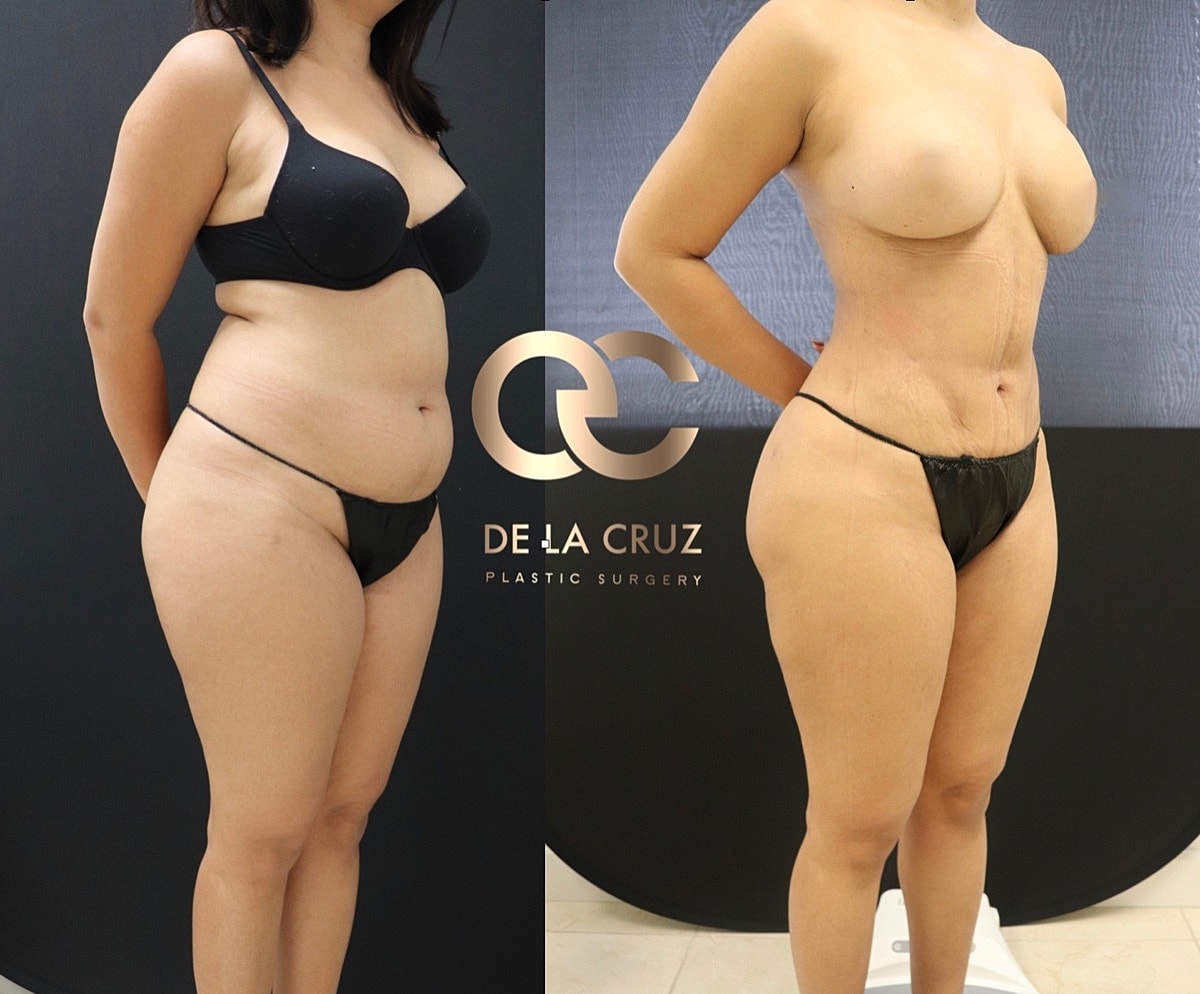
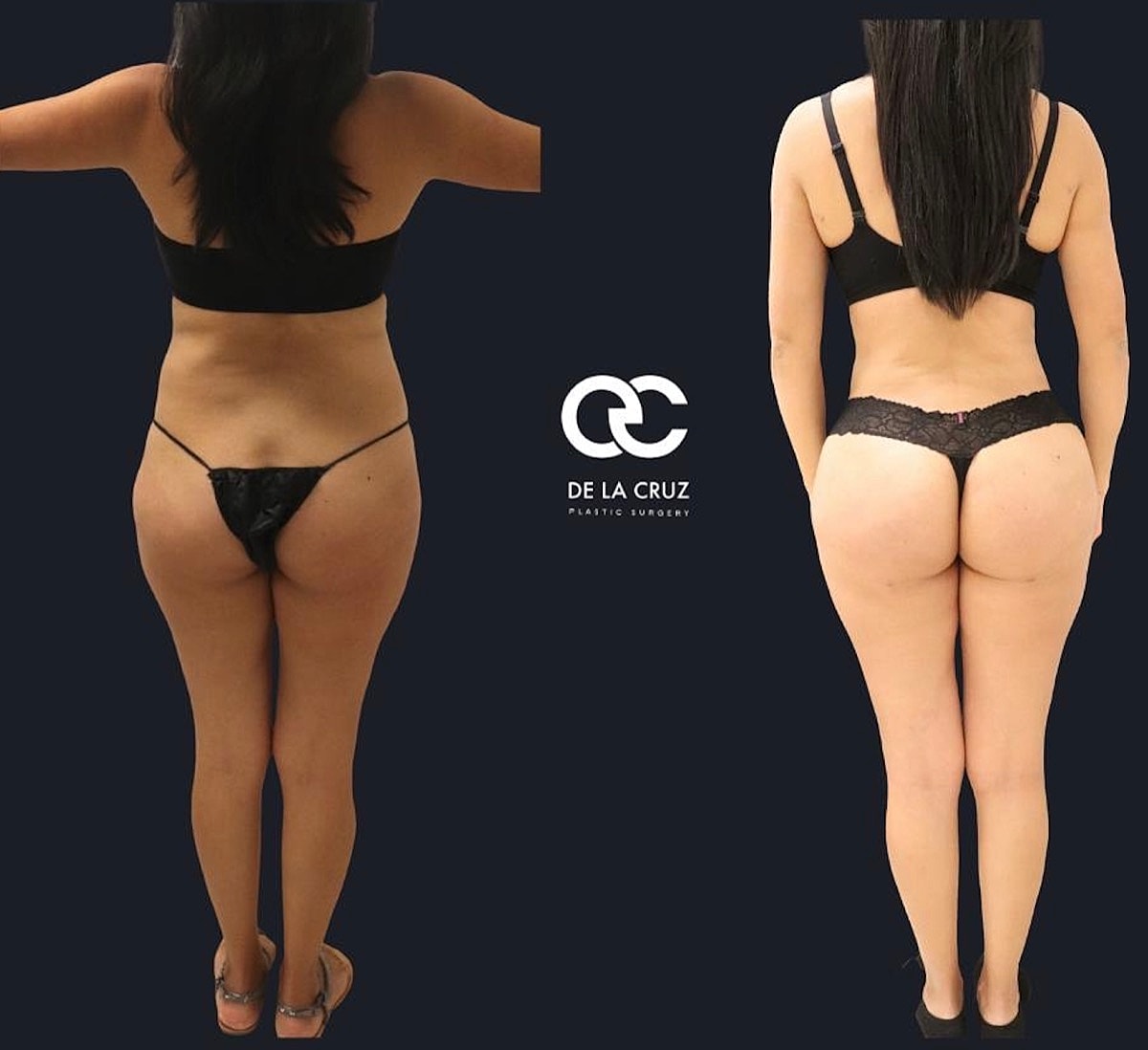
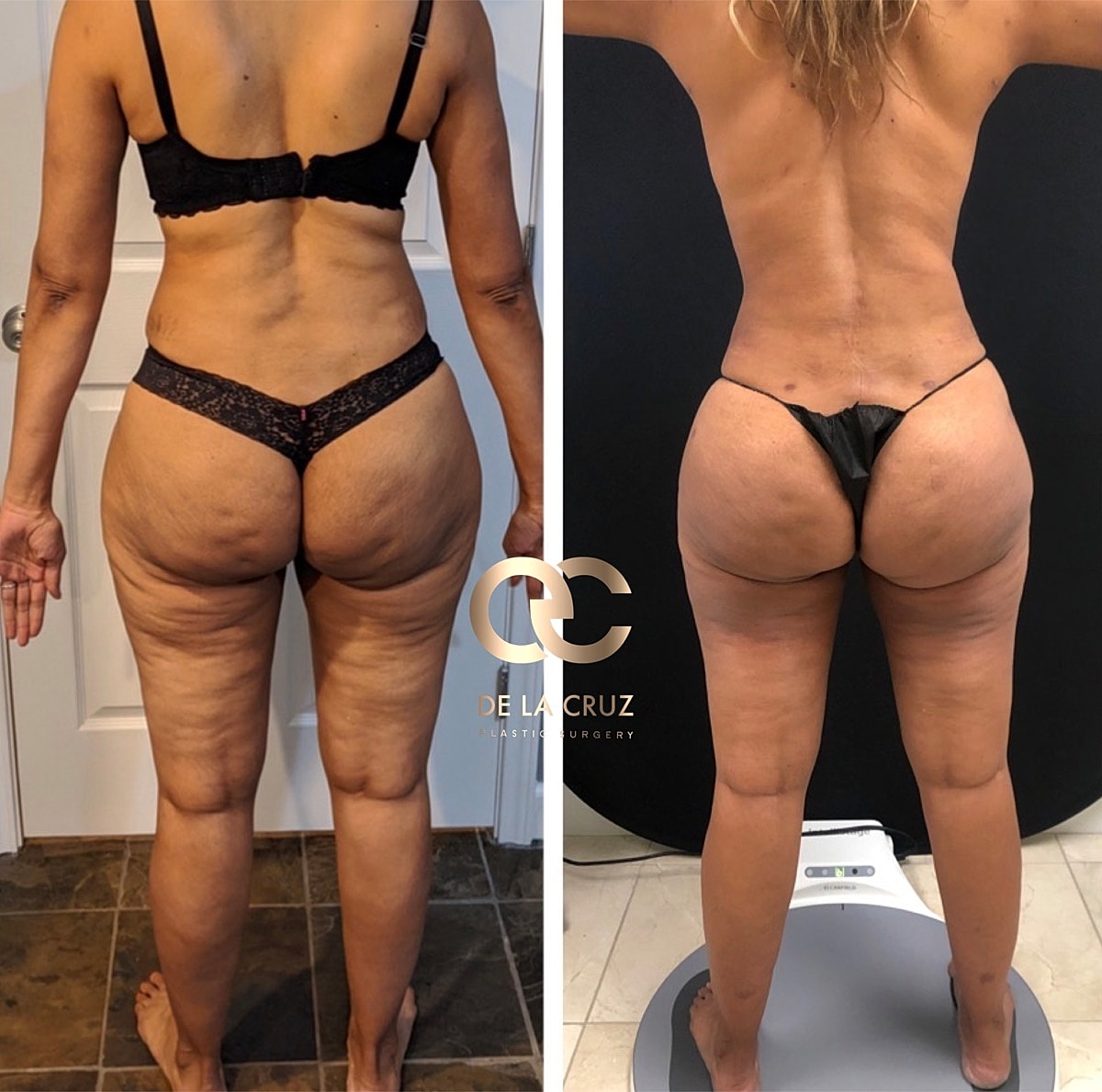
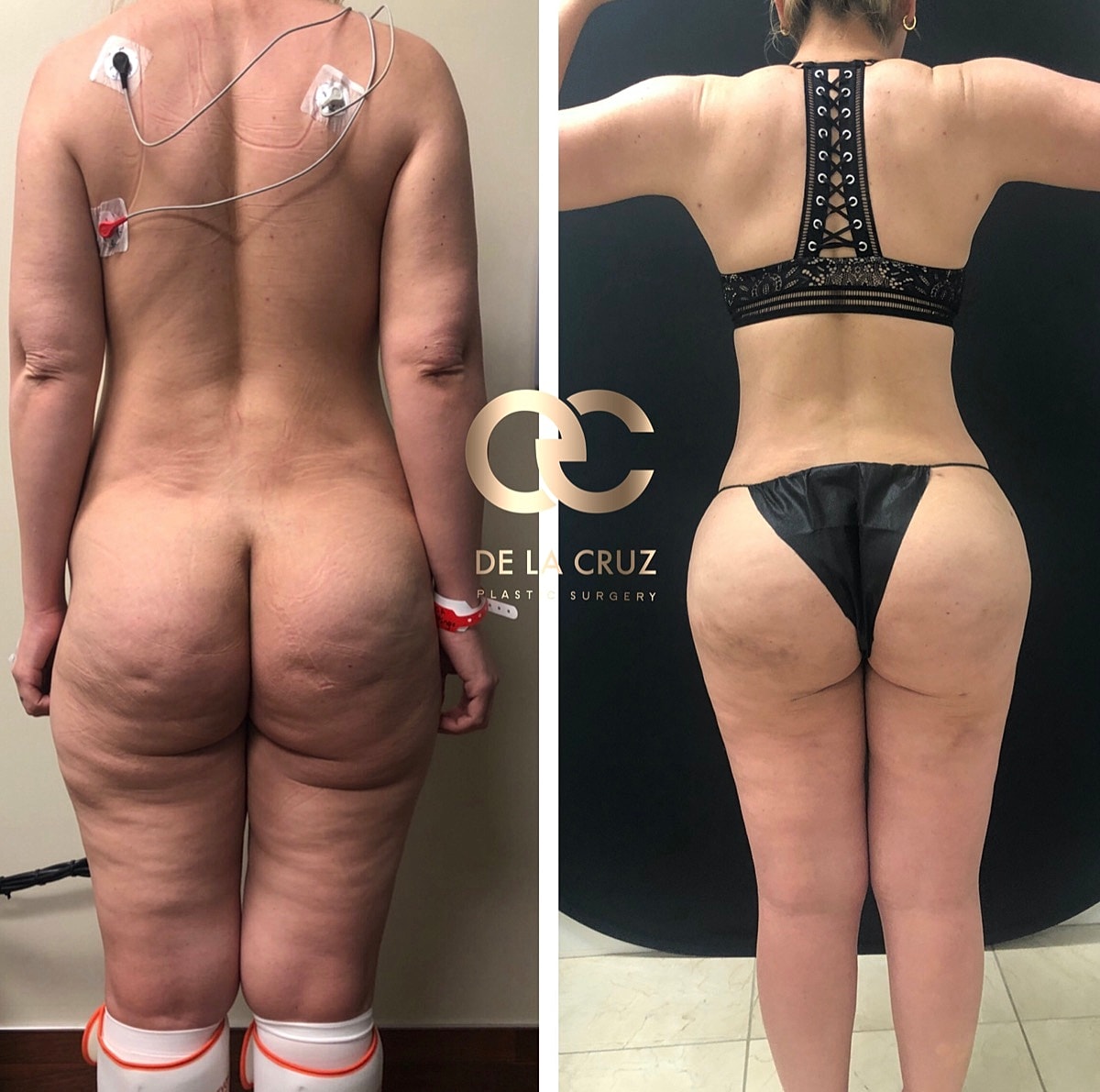
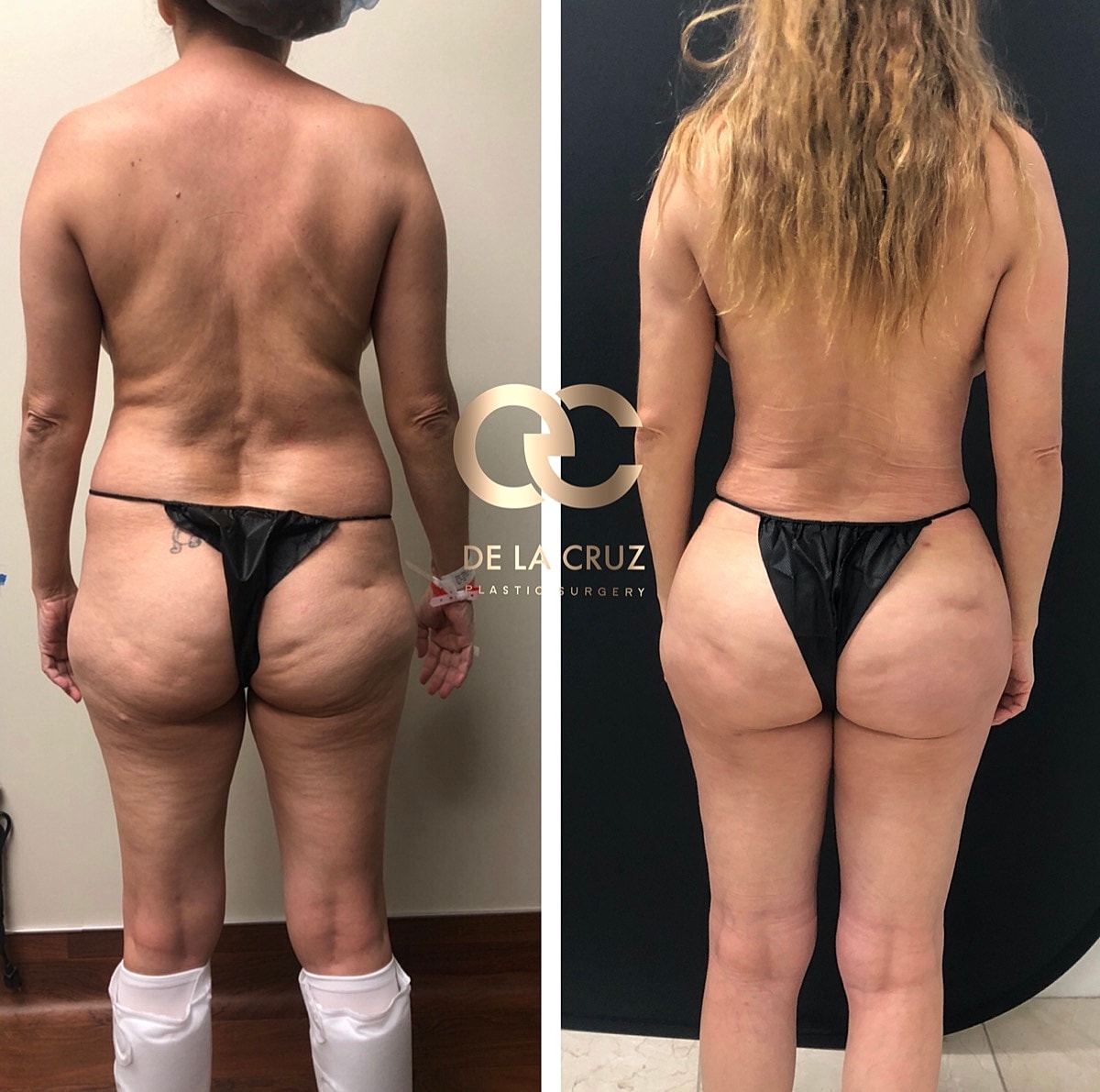
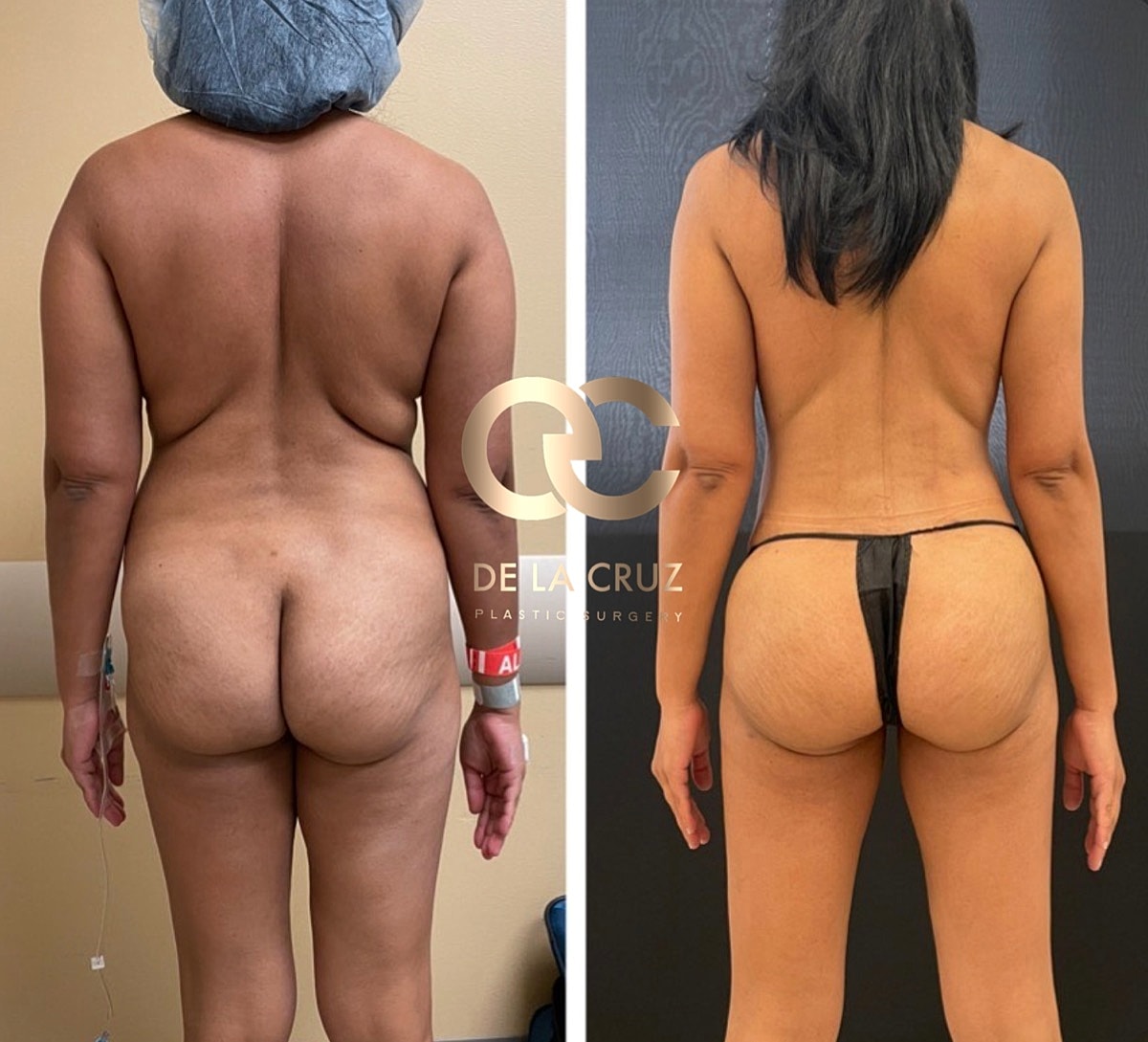
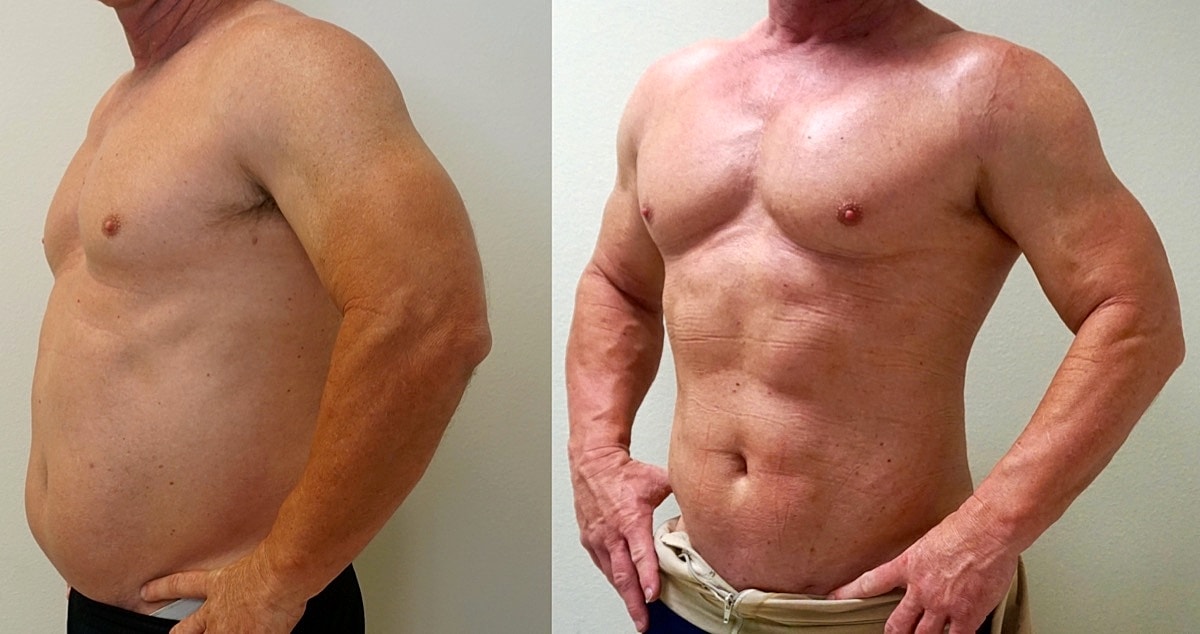
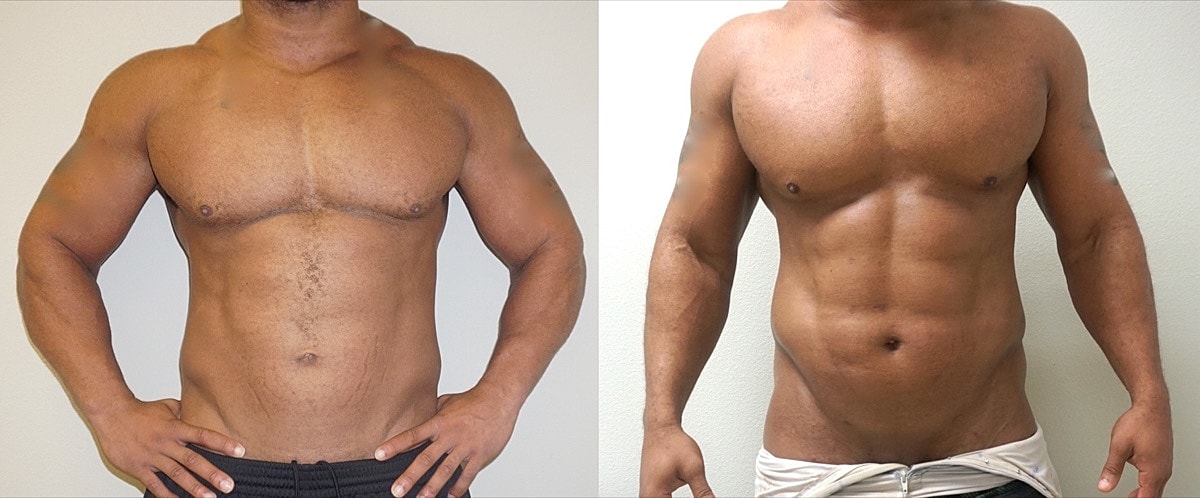
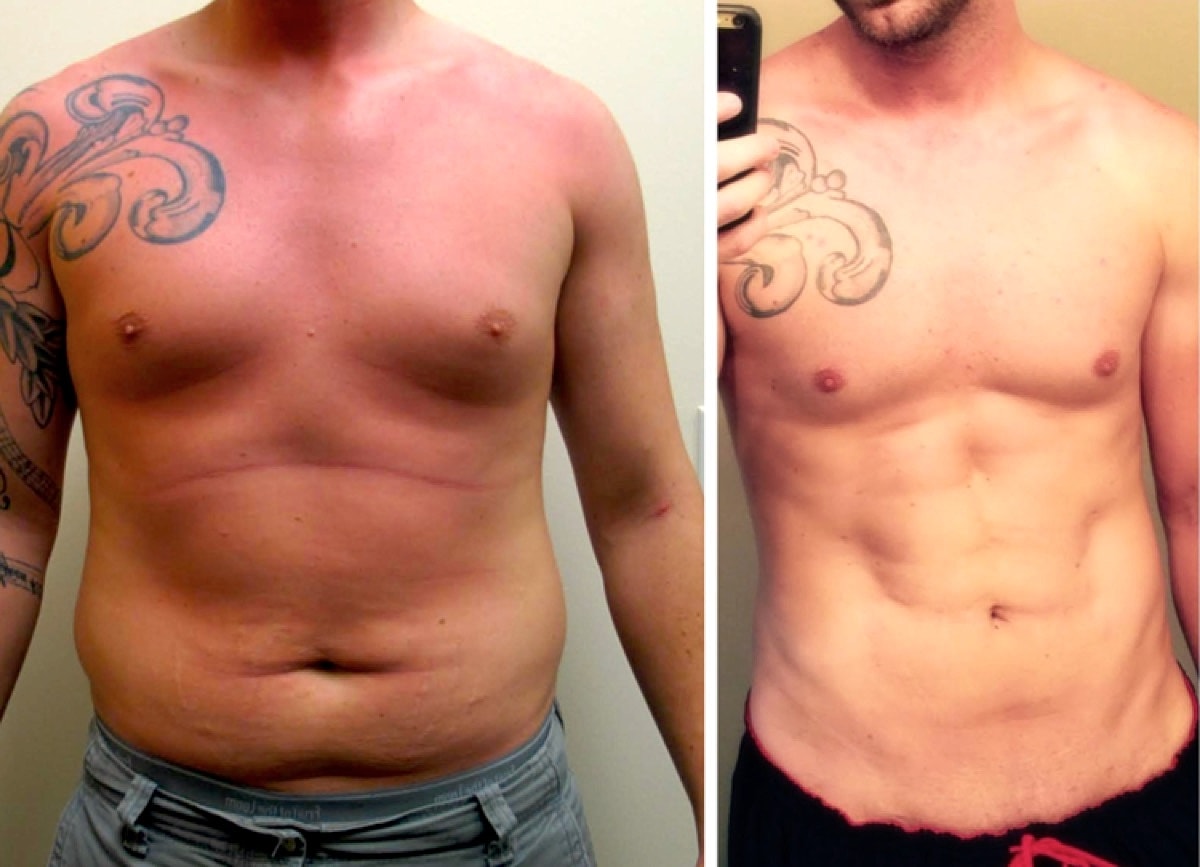
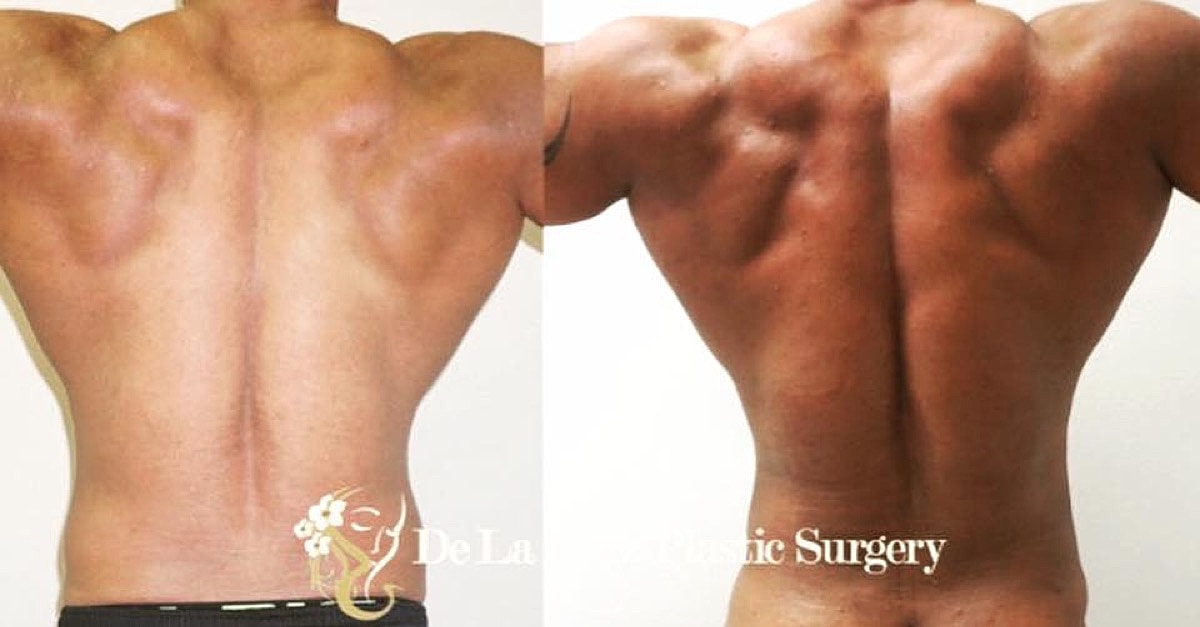
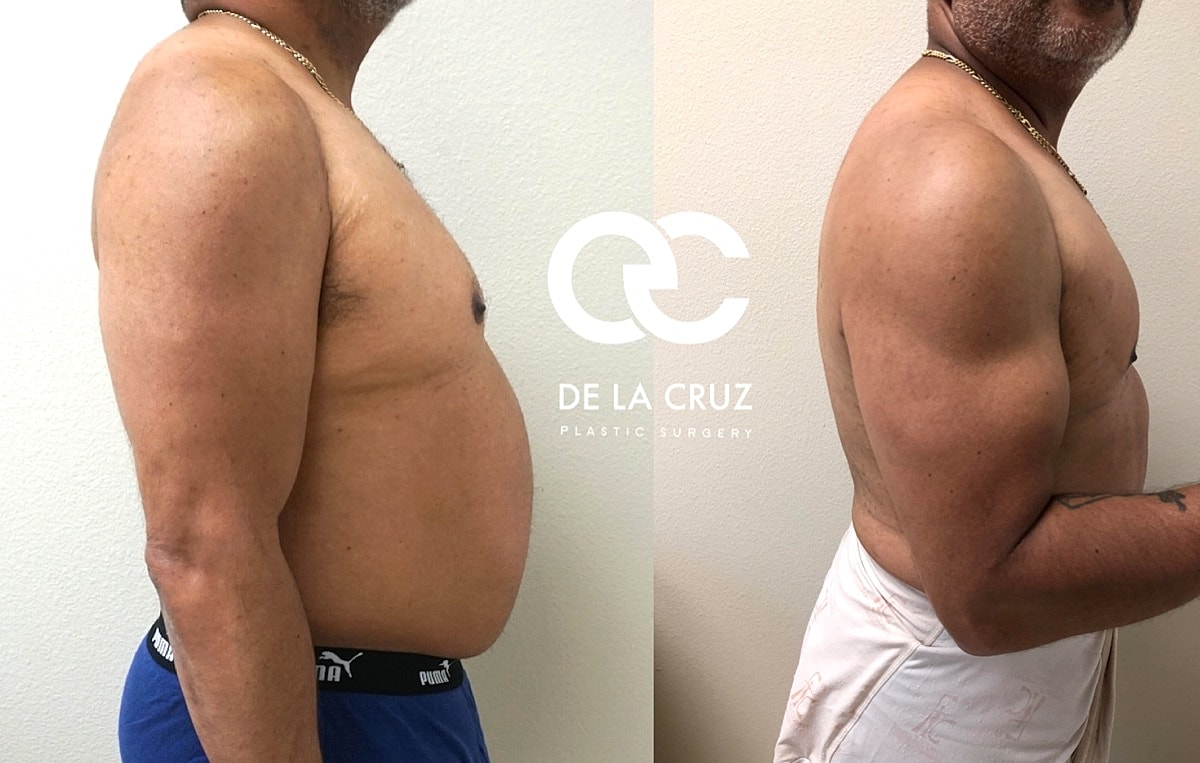
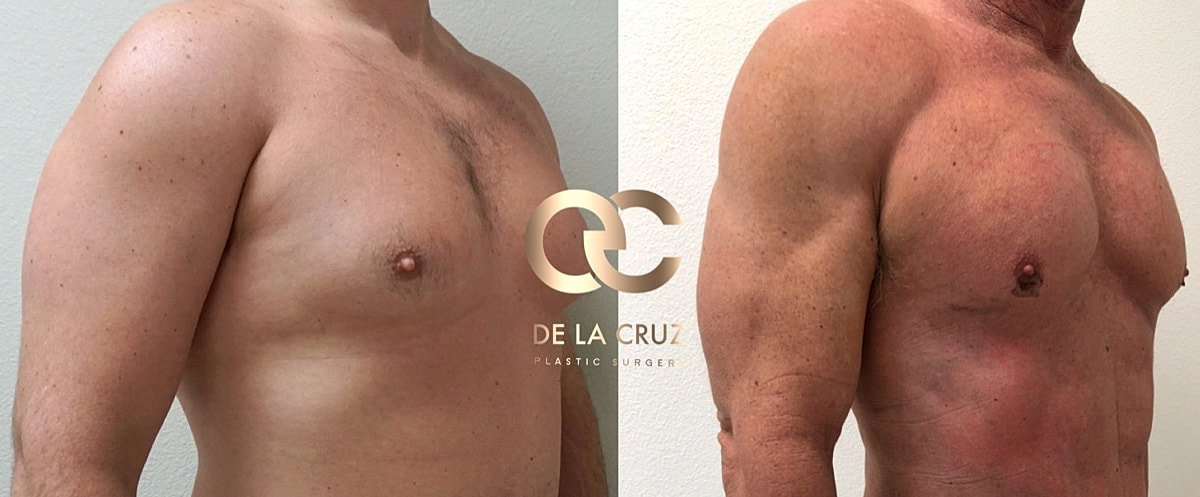
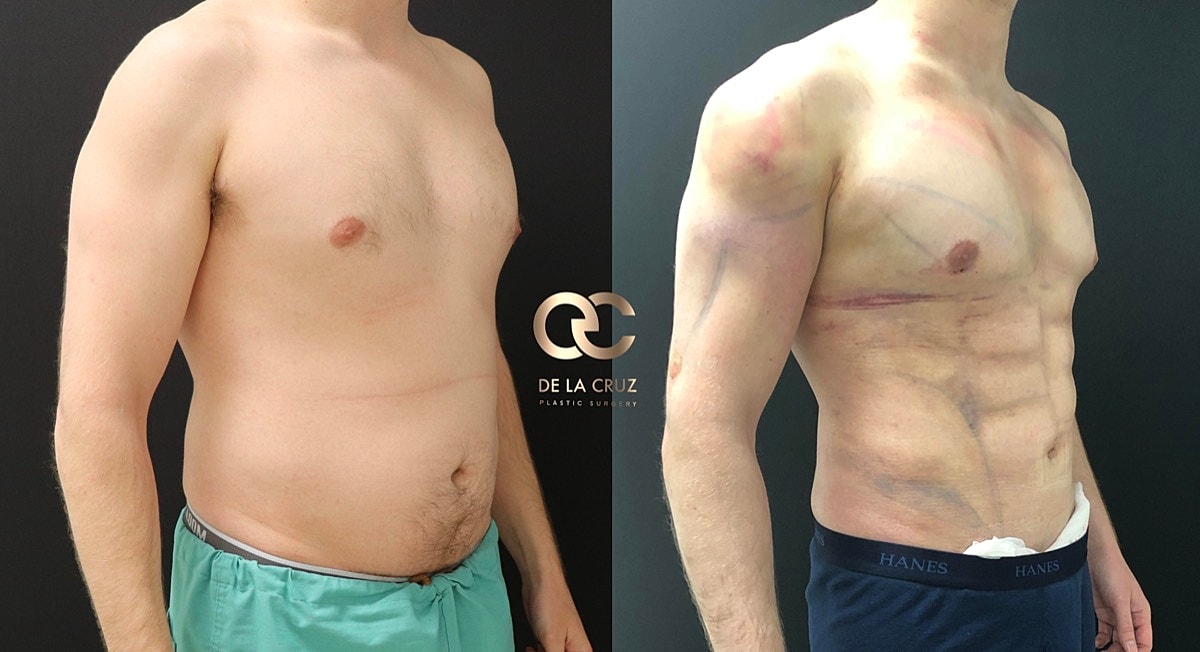
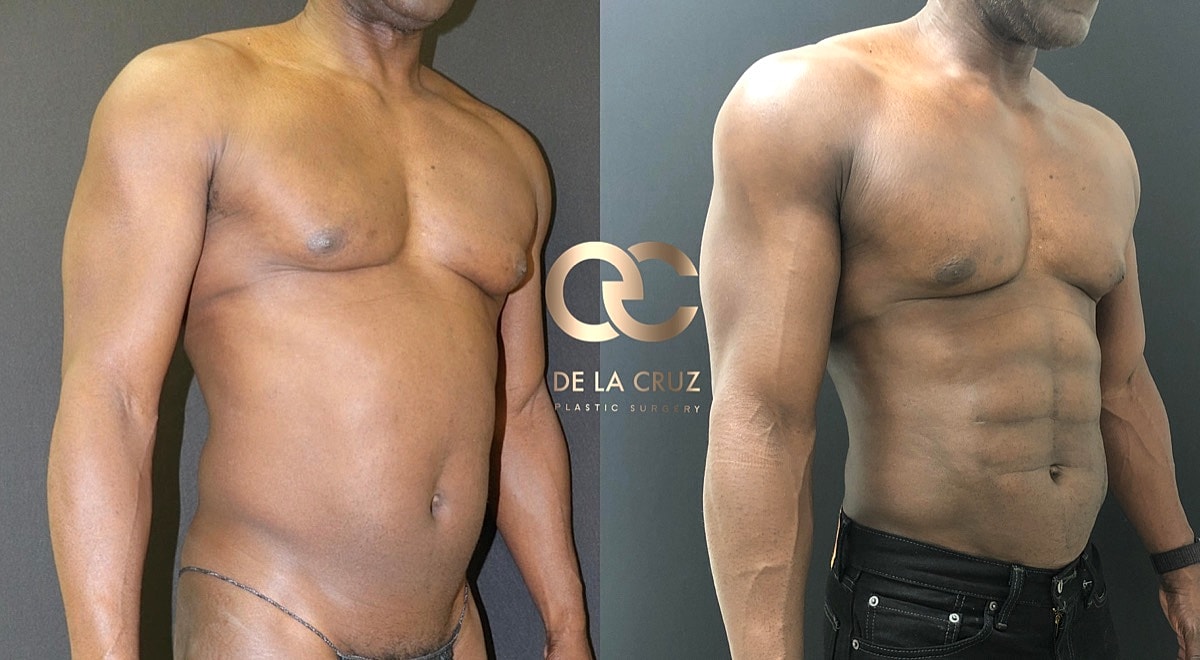
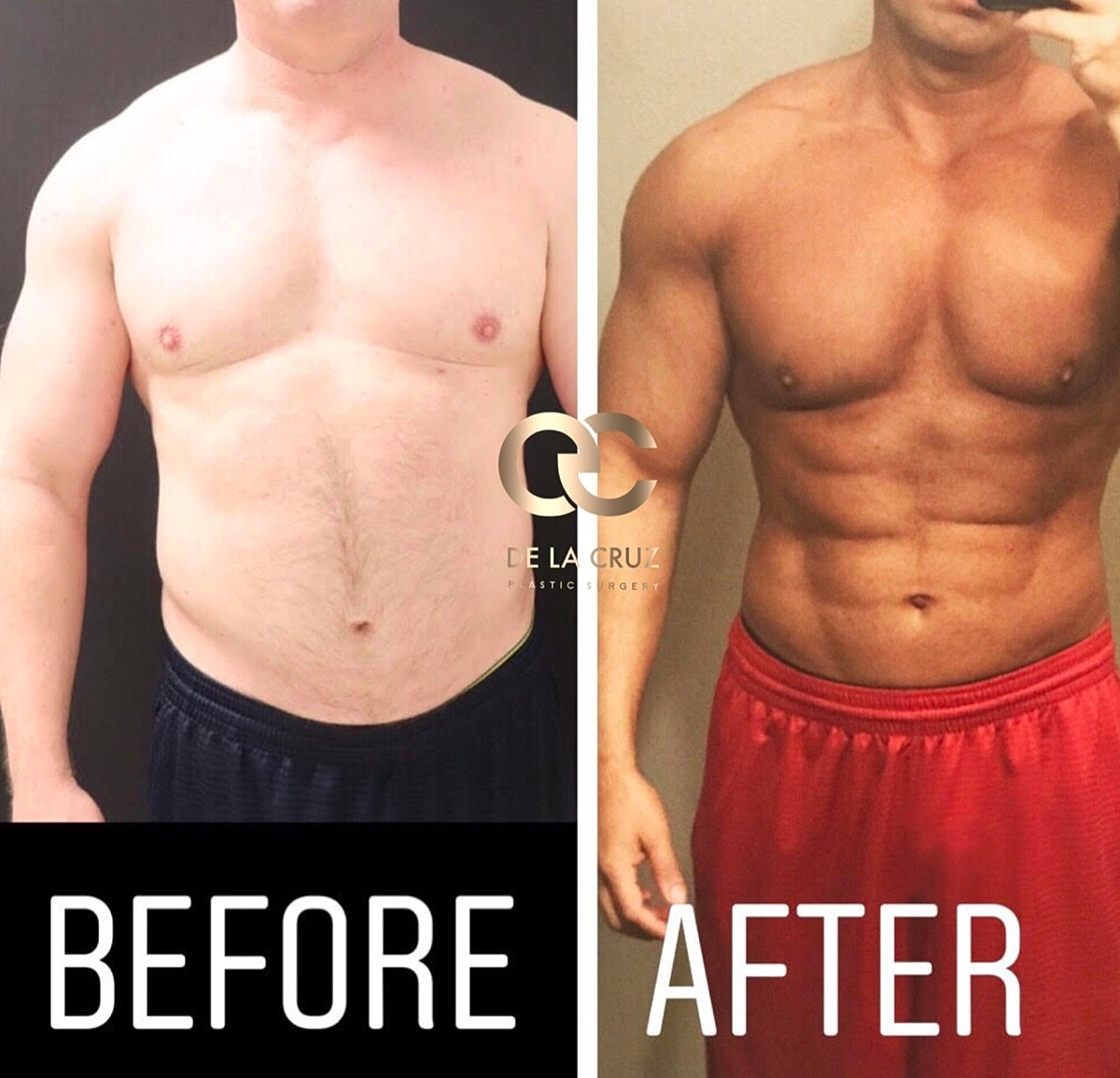
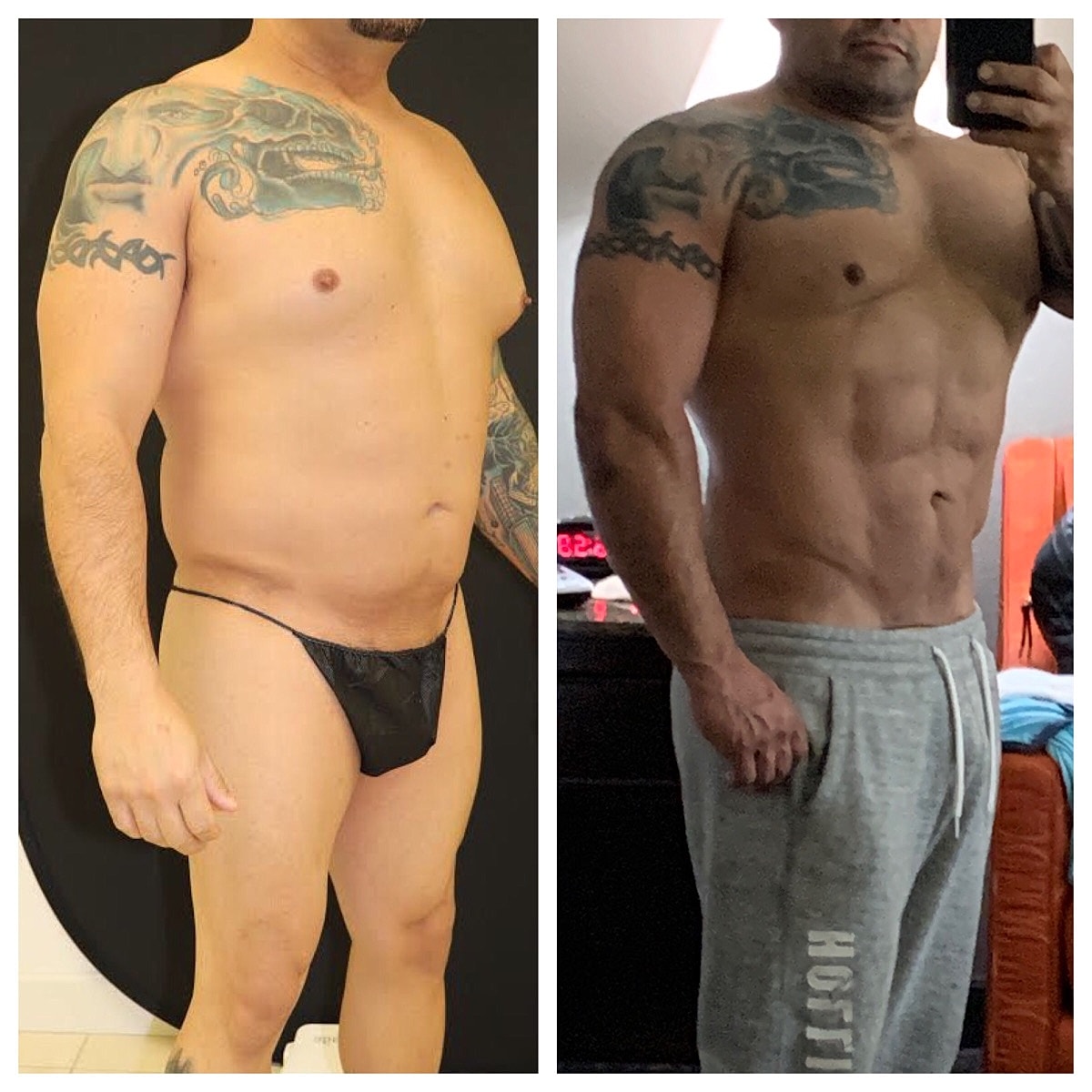
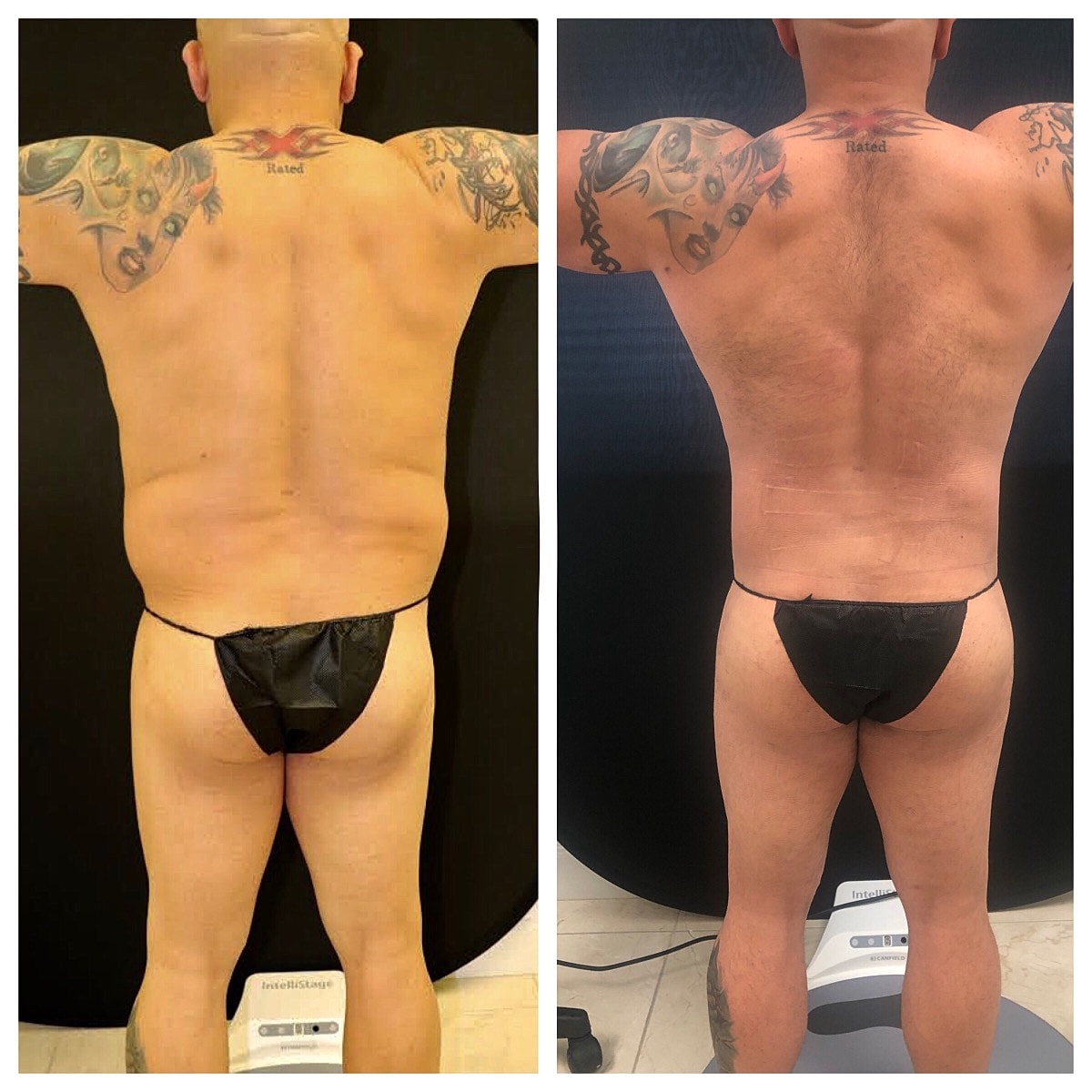
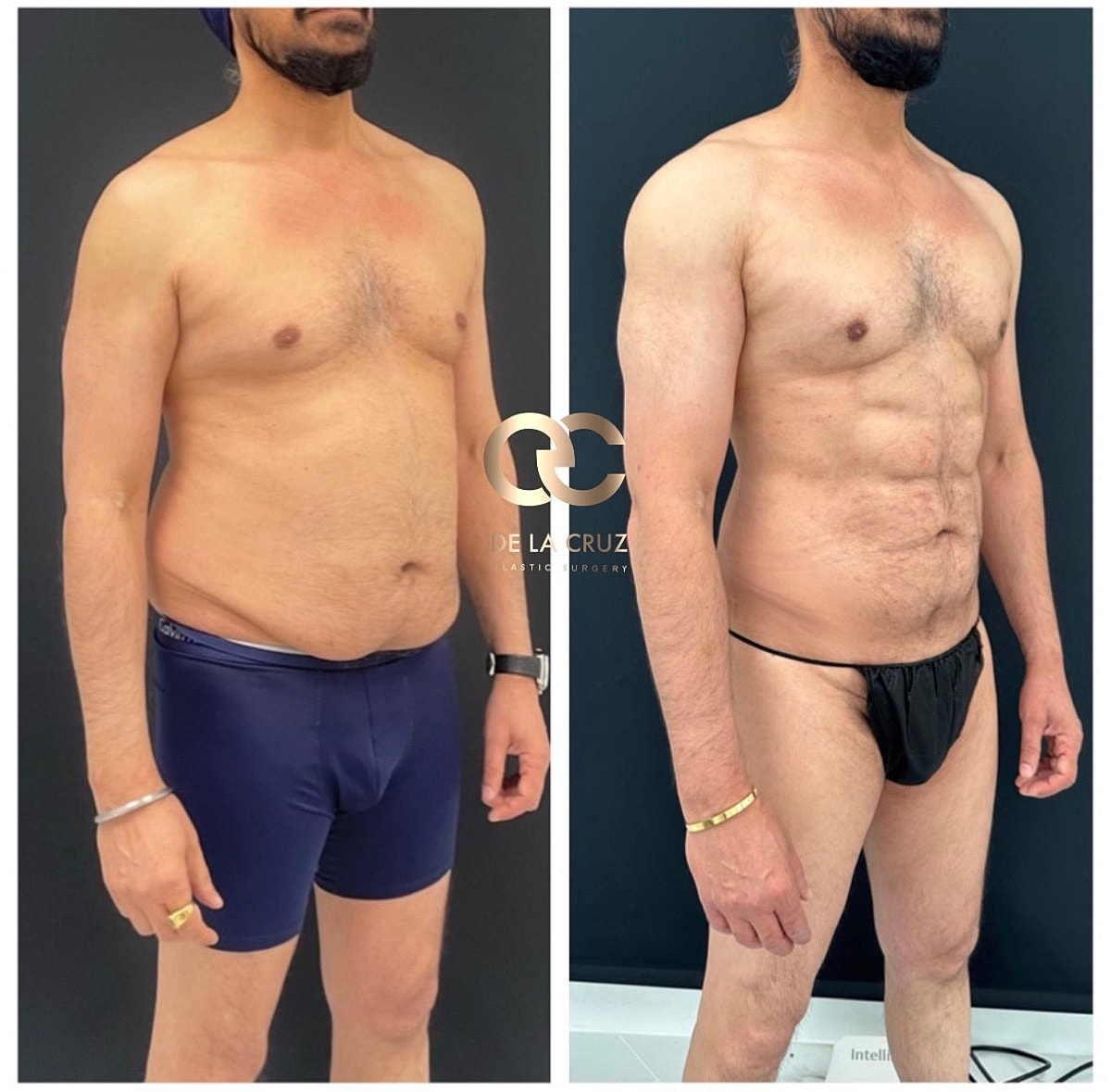
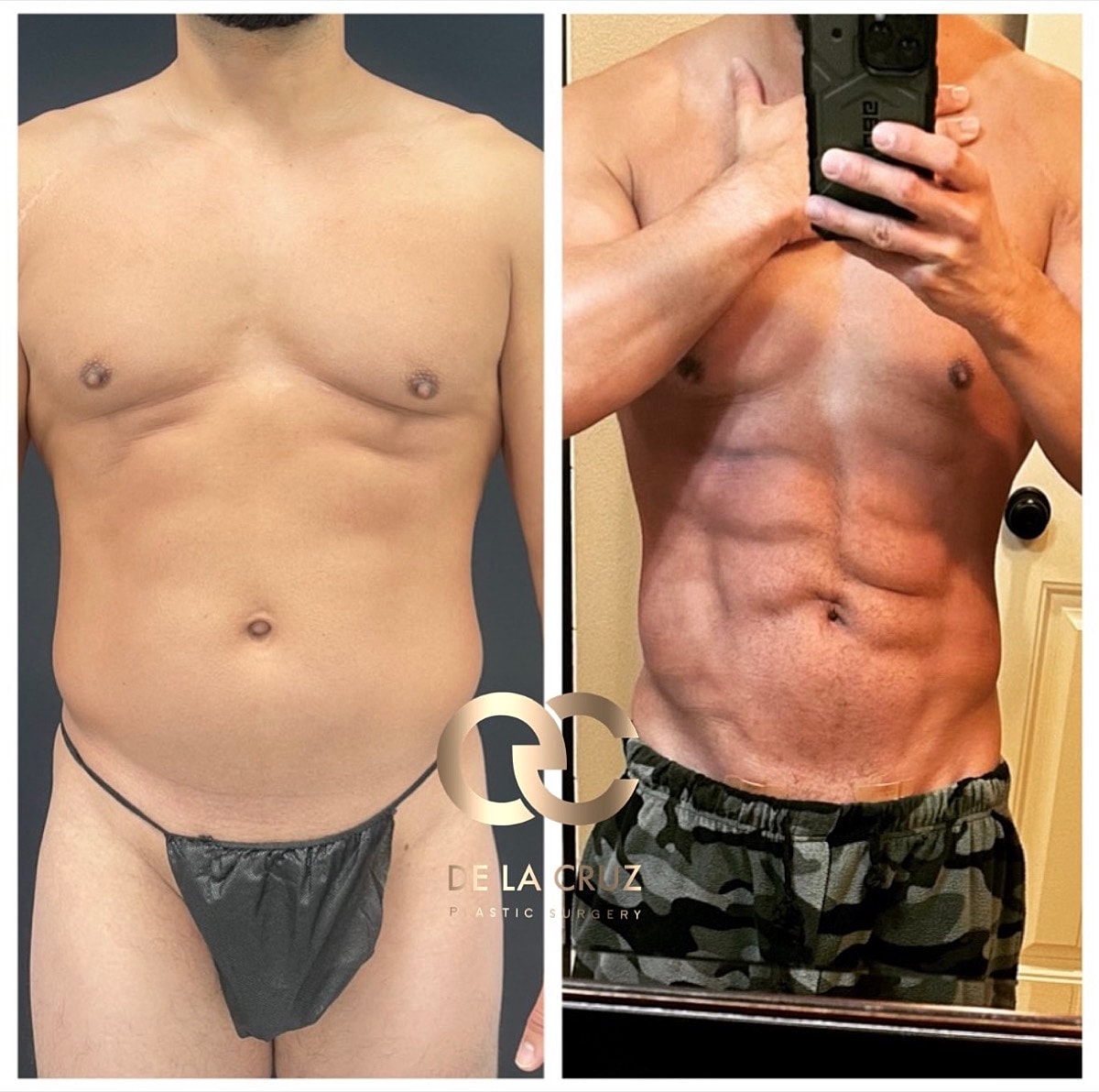
This article is part of our comprehensive liposuction resource library. For a complete overview, visit our Liposuction in Houston page, explore the Ultimate Guide to Liposuction, and review real patient outcomes in our Before and After Liposuction Results Guide.
1 of 65
At an advanced level, liposuction is not simply fat removal—it is precision body sculpting guided by anatomy, proportion, and surgical judgment. Patients considering surgery can also explore options for liposuction in Houston to understand how technique influences outcomes.
The procedure begins with infiltration of tumescent fluid, which provides anesthesia, reduces bleeding, and prepares the tissue for fat removal.
The solution contains:
Although maximum lidocaine dosing has been described up to 55 mg/kg, in our practice we maintain a more conservative approach, typically below 35 mg/kg, to reduce the risk of toxicity.
👉 This step is critical for both safety and comfort. Patients often ask about discomfort during and after surgery—our guide on is liposuction painful explains what to expect and how pain is managed.
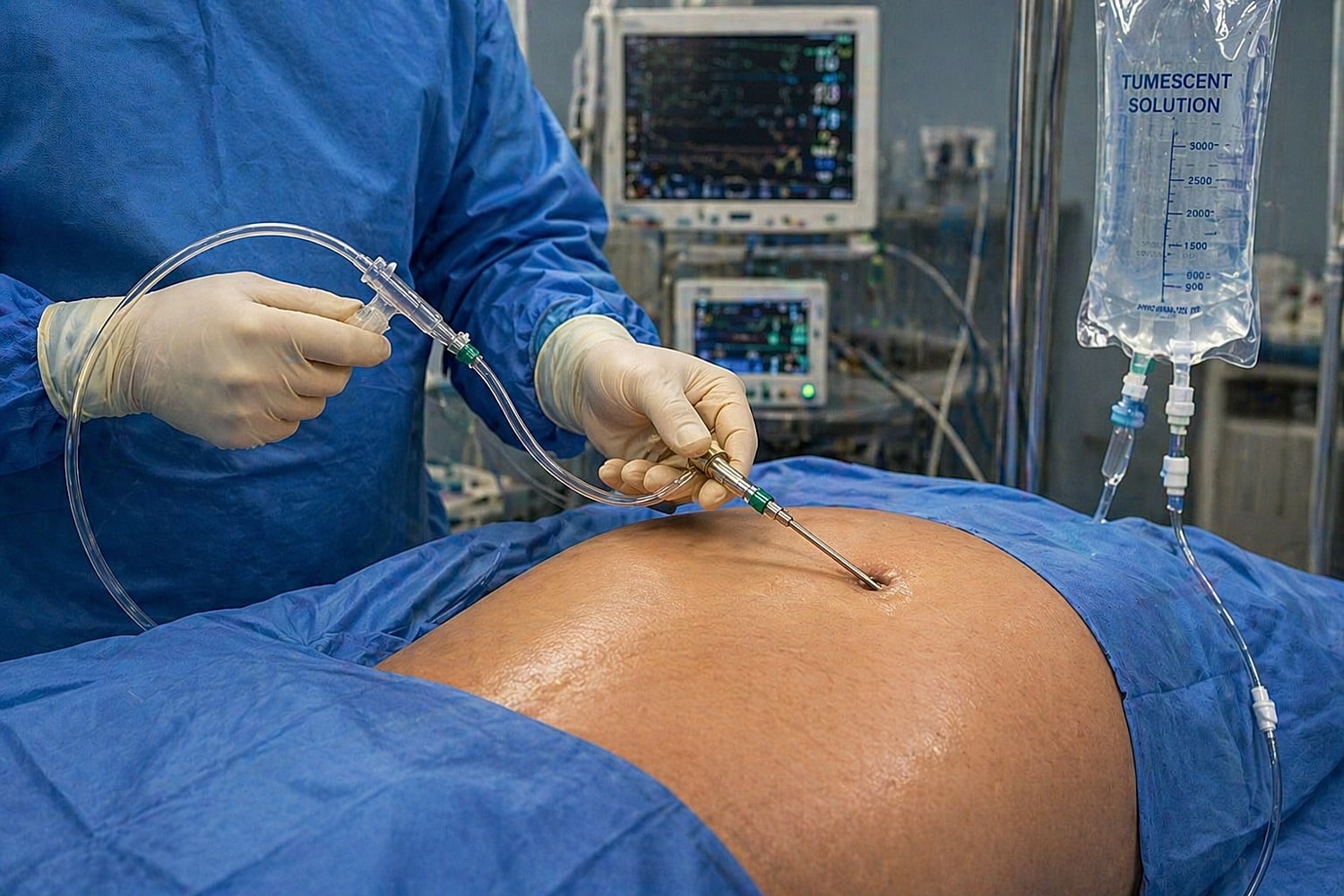
After infiltration, fat is selectively emulsified using a VASER ultrasound probe.
We typically use:
This allows for:
👉 Advanced techniques such as VASER contribute to smoother results and recovery. To better understand how outcomes evolve, see the liposuction recovery timeline and what to expect after surgery.
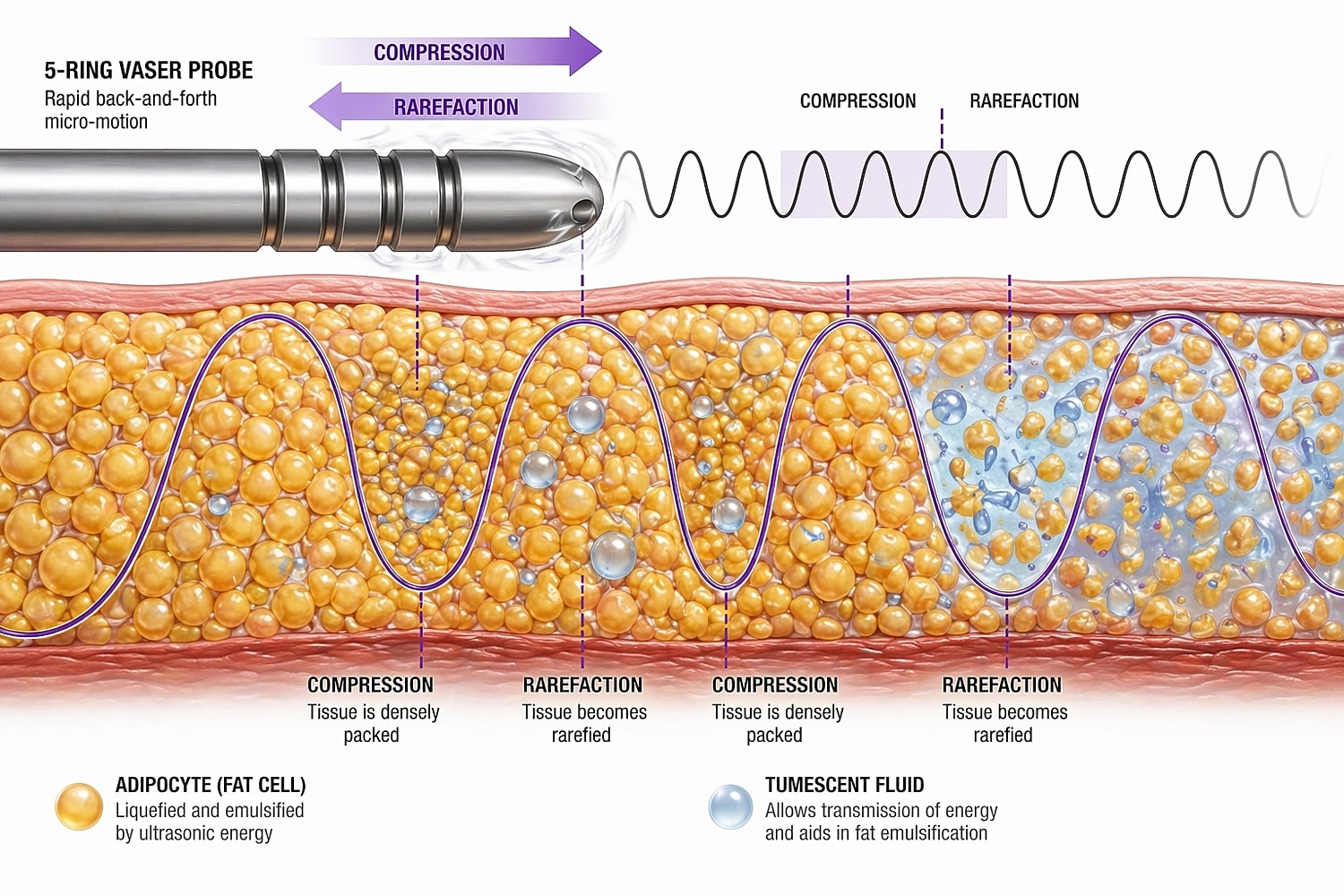
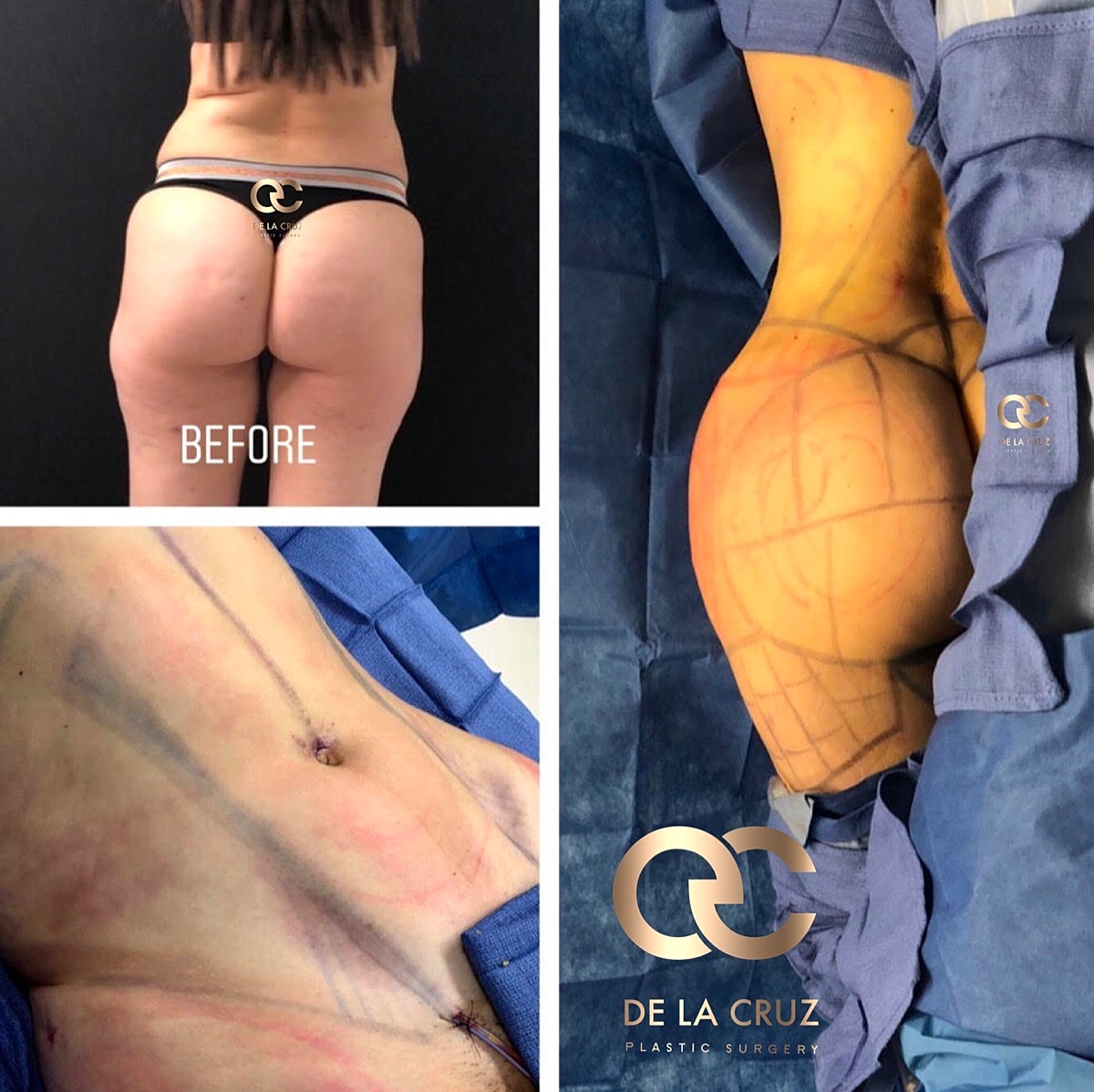
Once emulsified, fat is removed using controlled suction with specialized cannulas.
We tailor the approach by area:
👉 Precision at this stage is what determines whether results look natural or uneven. Patients often ask about limits and safety—our article on how much fat can be removed with liposuction explains this in detail.

After fat removal, we address skin laxity using advanced energy-based technologies:
Renuvion (Helium-Based Radiofrequency)
Quantum RF (Pulsed Radiofrequency)
When using Renuvion, we actively evacuate residual helium gas to reduce the risk of:
👉 Skin quality plays a major role in final results. For patients concerned about laxity, our guide on skin tightening after liposuction explains available options and when excisional surgery may be needed.
Not all liposuction is the same.
Outcomes depend on:
👉 Liposuction is a contouring procedure—not a weight-loss solution. For patients considering alternatives such as medications, read liposuction vs weight loss in the Ozempic era to understand the difference.
If you are exploring liposuction in more detail, you may also find these resources helpful:
About the Medical Reviewer Dr. Emmanuel De La Cruz is a double board-certified plastic surgeon specializing in advanced facial rejuvenation and body contouring procedures. 👉 [Learn more about Dr. Emmanuel De La Cruz]
Patients seeking liposuction in Houston often choose Dr. Emmanuel De La Cruz, a double-board-certified plastic surgeon certified by both the American Board of Plastic Surgery and the American Board of Surgery.
Dr. De La Cruz is internationally recognized for his work in advanced body contouring and high-definition liposuction and has received the Grand Master Total Definer Award for Best High-Definition Liposuction Results, presented by Dr. Alfredo Hoyos, the pioneer of high-definition liposculpture.
He has lectured internationally on liposuction techniques and contour irregularity correction at major meetings including:
• American Society of Plastic Surgeons (ASPS) • Total Definer Meeting in Bogotá • InMode Symposium in Miami and Beverly Hills • AestheticStanbul in Istanbul, invited by Dr. Foad Nahai
Dr. De La Cruz is also the author of “Lipoplasty in the Overweight Patient,” published in the peer-reviewed journal Clinics in Plastic Surgery.
At De La Cruz Plastic Surgery in Houston, liposuction is not simply about removing fat—it is about sculpting the body with precision, artistry, and scientific expertise.
About the Medical Reviewer Dr. Emmanuel De La Cruz is a double board-certified plastic surgeon specializing in advanced facial rejuvenation and body contouring procedures. 👉 [Learn more about Dr. Emmanuel De La Cruz]
Liposuction is performed in multiple stages: tumescent fluid infiltration, fat emulsification (often with VASER ultrasound), controlled fat removal using specialized cannulas, and skin tightening with energy-based devices. Each step is designed to improve precision, safety, and overall contour.
Tumescent fluid is a solution containing lidocaine, epinephrine, and sometimes sodium bicarbonate. It provides anesthesia, reduces bleeding, and prepares the fat for smoother removal.
While higher doses have been described in the literature, many surgeons use a more conservative approach. In our practice, we typically stay below 35 mg/kg to reduce the risk of lidocaine toxicity.
VASER liposuction uses ultrasound energy to emulsify fat before removal. This allows for more precise fat extraction, improved fat viability, and reduced trauma to surrounding tissues.
Cannula size directly affects precision. Smaller cannulas (such as 3.0 mm or 3.7 mm) are used in areas like the abdomen, arms, and thighs to reduce the risk of contour irregularities, while larger or powered systems may be used in thicker areas like the back.
Power-assisted liposuction uses a vibrating cannula (such as MicroAire) to improve efficiency and consistency during fat removal, particularly in fibrous or thicker areas.
Skin tightening can be achieved using energy-based devices such as Renuvion (helium-based radiofrequency) or Quantum RF. These technologies promote tissue contraction and collagen remodeling.
Yes, the fat cells removed during liposuction are permanently eliminated. However, maintaining results depends on lifestyle and weight stability.
No. Liposuction is designed for body contouring and refinement, not for significant weight loss. It is most effective in patients who are near their target weight.
When performed by an experienced, board-certified plastic surgeon using proper technique and safety protocols, liposuction is generally safe. Safety depends on patient selection, surgical technique, and adherence to established guidelines.
About the Author
Dr. Emmanuel De La Cruz, MD is a double-board-certified plastic surgeon in Houston, Texas, certified by both the American Board of Plastic Surgery and the American Board of Surgery. He specializes in advanced liposuction and body contouring procedures, including high-definition liposculpture, Brazilian Butt Lift (BBL), revision liposuction, and treatment of lipedema.
Dr. De La Cruz is internationally recognized for his expertise in high-definition liposuction and precision contour sculpting, techniques that are essential for achieving balanced, natural-appearing body proportions in procedures such as liposuction and Brazilian Butt Lift surgery. His surgical approach focuses on refined body contouring and meticulous fat sculpting to enhance overall body harmony.
He has lectured internationally on liposuction techniques, fat grafting, and contour irregularity correction, presenting at major scientific meetings including:
• American Society of Plastic Surgeons (ASPS)
• Total Definer Meeting in Catagena, Colombia
• InMode Symposium in Miami and Beverly Hills
• AestheticStanbul in Istanbul, Turkey, where he was invited to lecture by renowned plastic surgeon Dr. Foad Nahai
Dr. De La Cruz has also contributed to the scientific literature on liposuction and body contouring. He is the author of “Lipoplasty in the Overweight Patient,” published in the peer-reviewed journal Clinics in Plastic Surgery.
Through his clinical work, research, and international lectures, Dr. De La Cruz remains committed to advancing safe, precise, and refined techniques in liposuction, Brazilian Butt Lift surgery, and modern body contouring.