How We Reduce Bleeding in Liposuction | Advanced Safety Techniques
Medically reviewed and written by Dr. Emmanuel De La Cruz, MD
Medically reviewed and written by Dr. Emmanuel De La Cruz, MD

Bleeding control is a critical component of safe, high-quality liposuction. Modern techniques have significantly reduced blood loss compared to earlier methods, allowing for more predictable results, faster recovery, and improved patient safety.
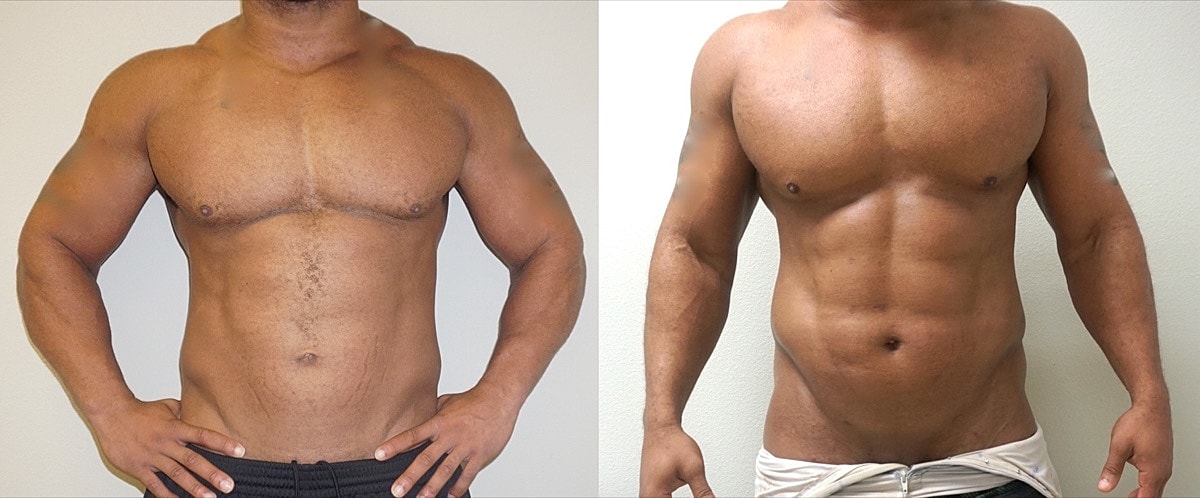
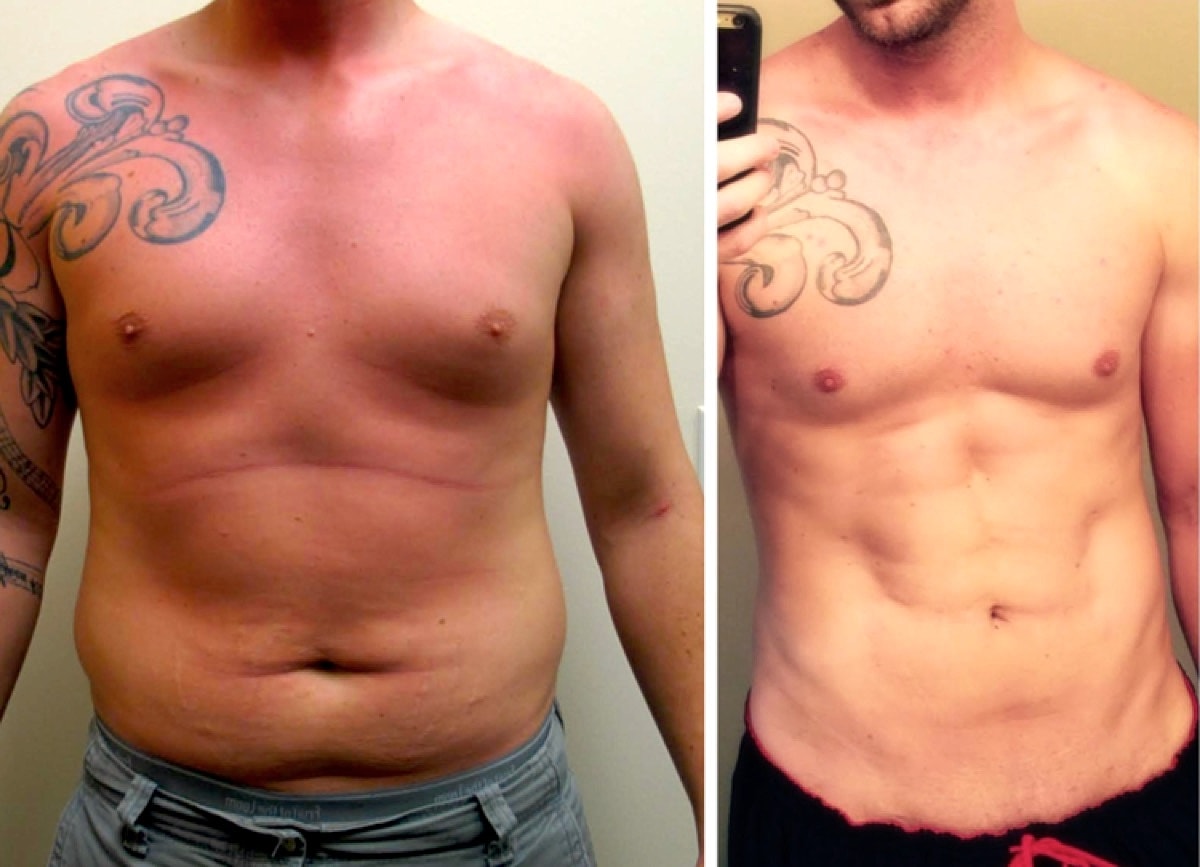
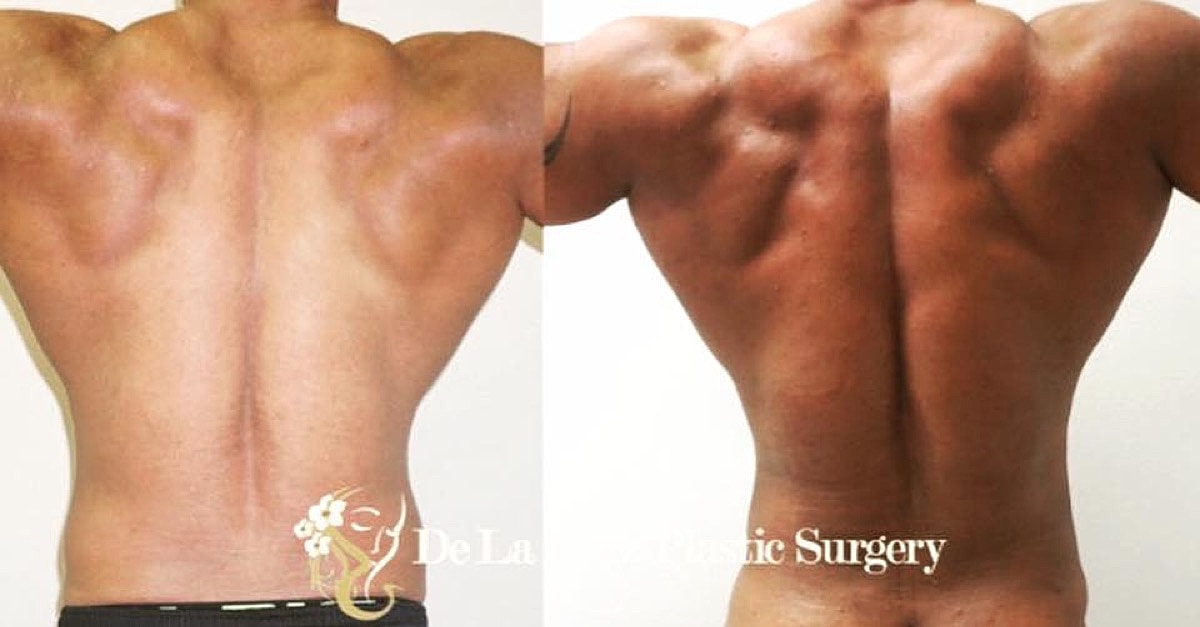
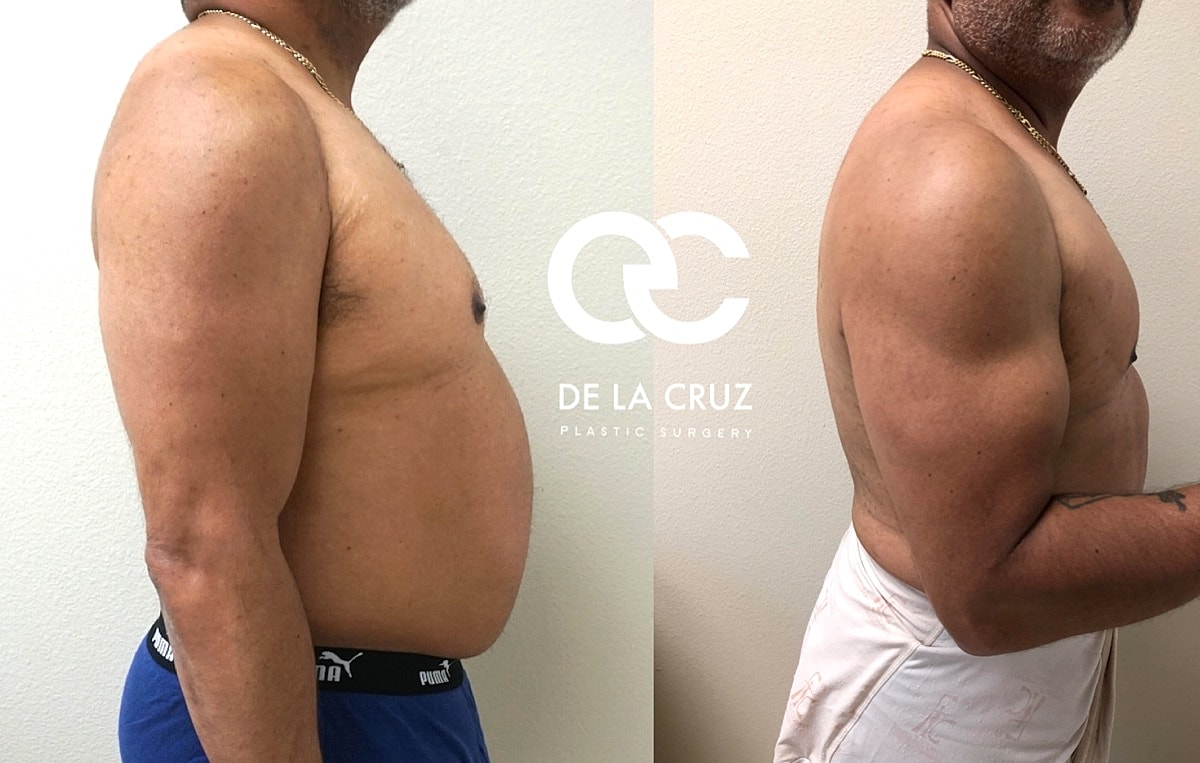
At De La Cruz Plastic Surgery, liposuction in Houston is performed using a systematic, multi-layered approach to hemostasis—combining technology, pharmacology, and surgical technique.
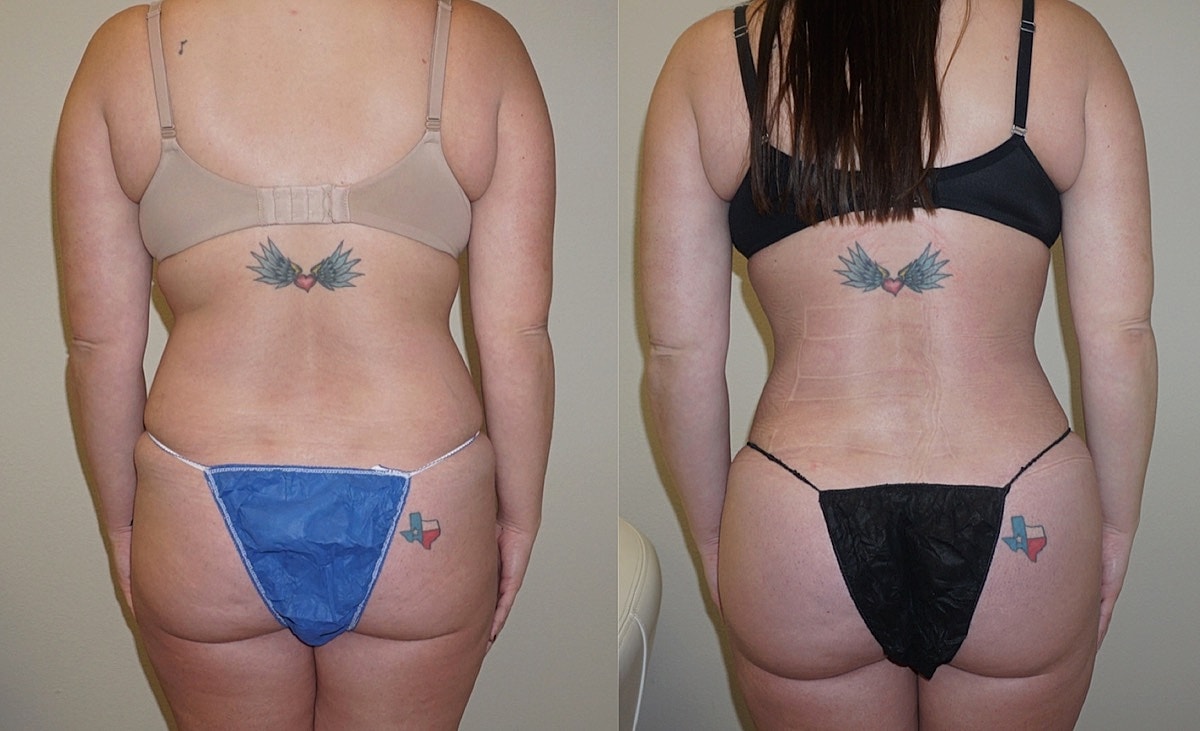
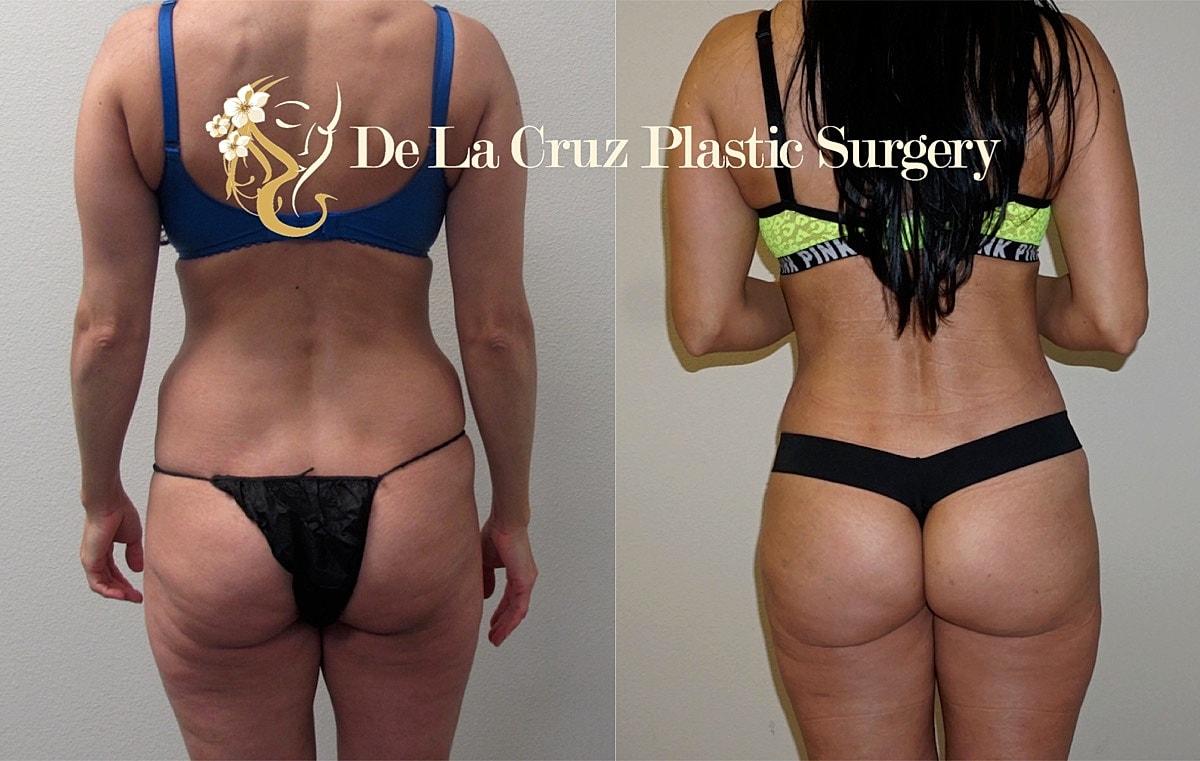
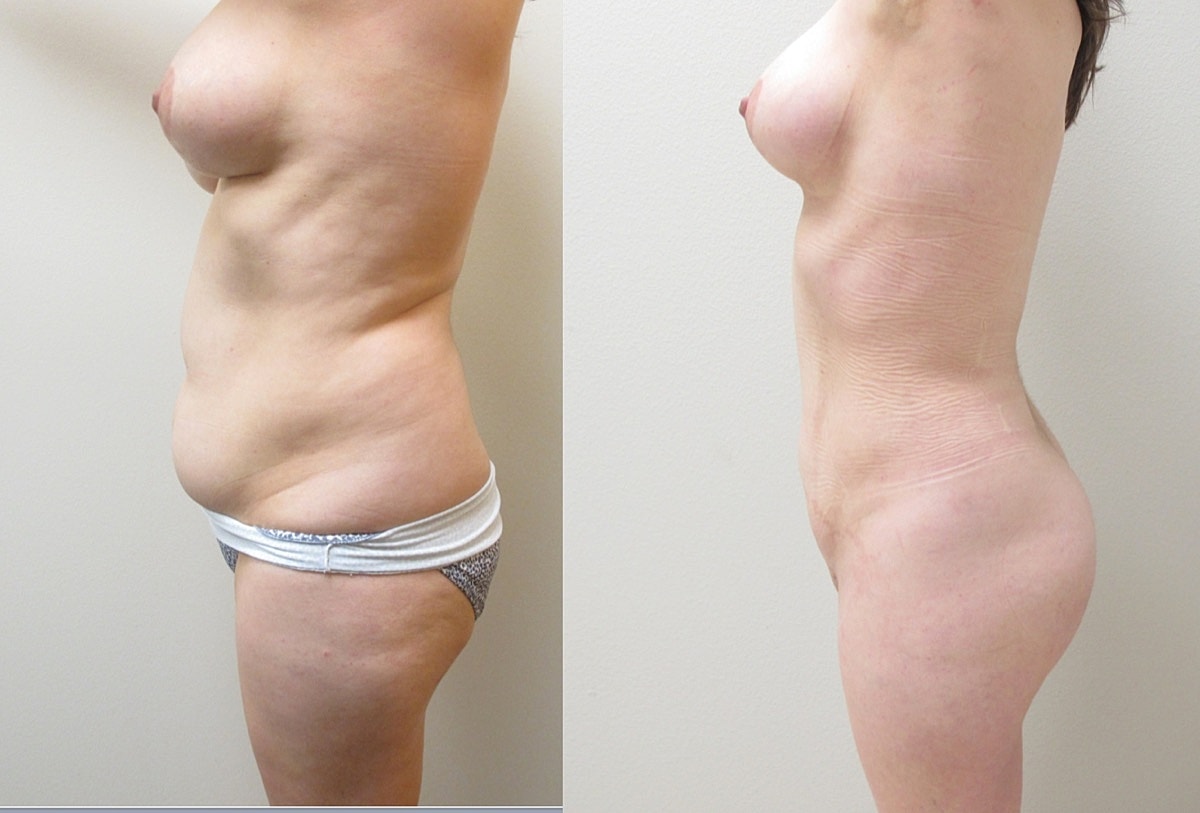
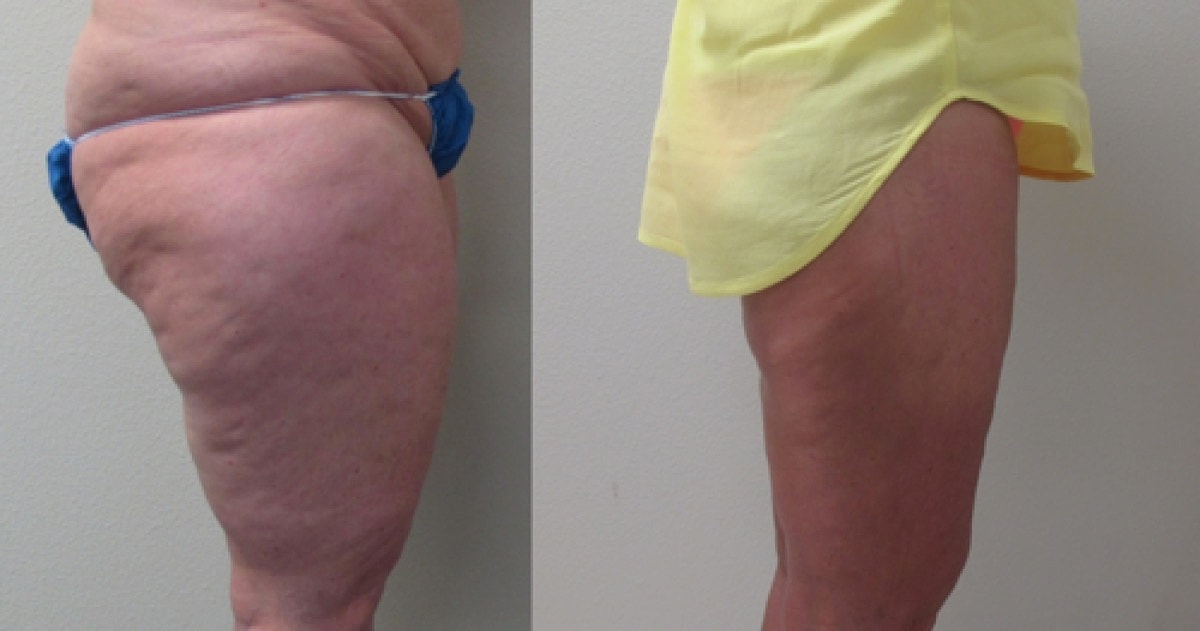
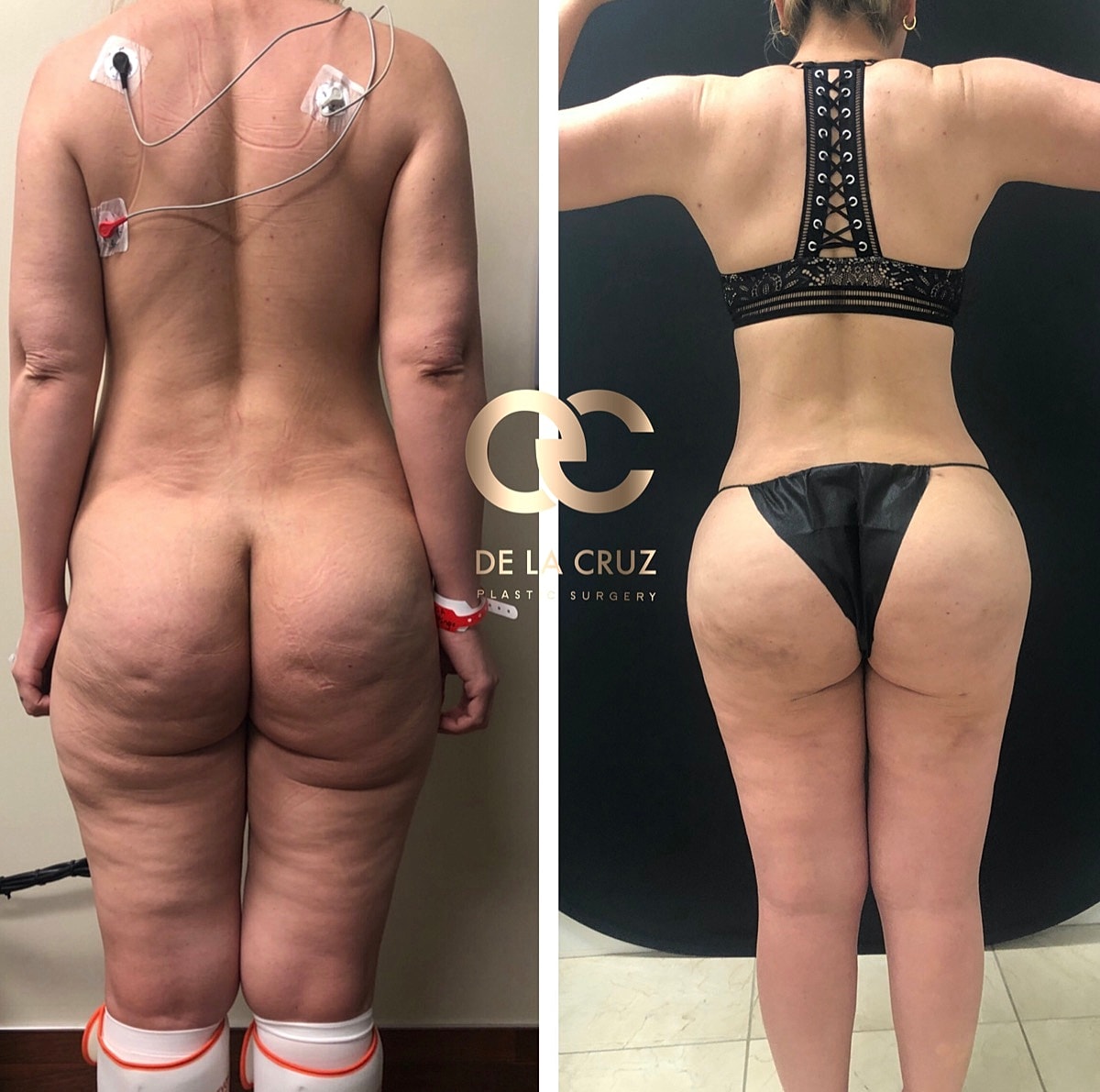
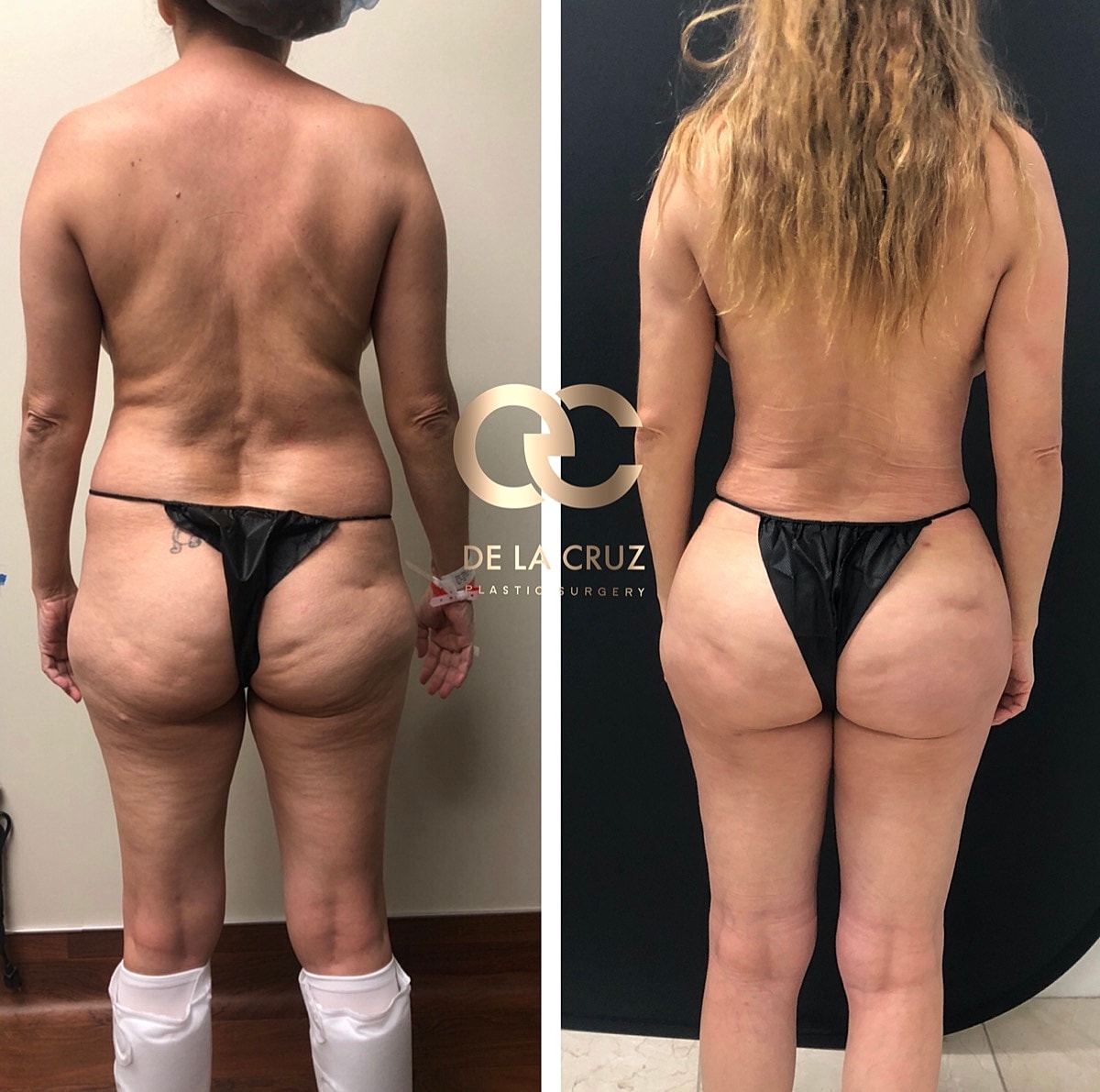
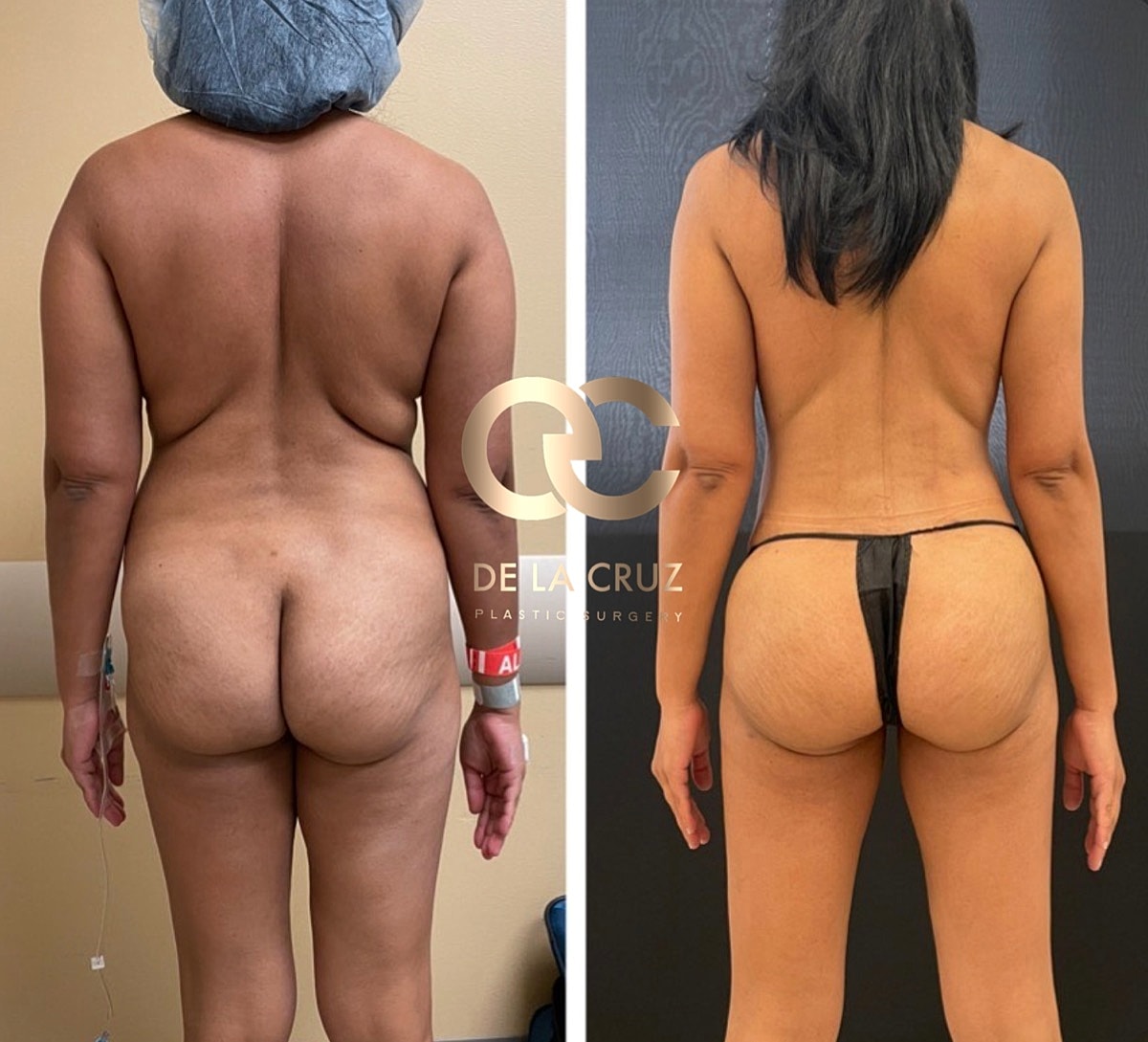
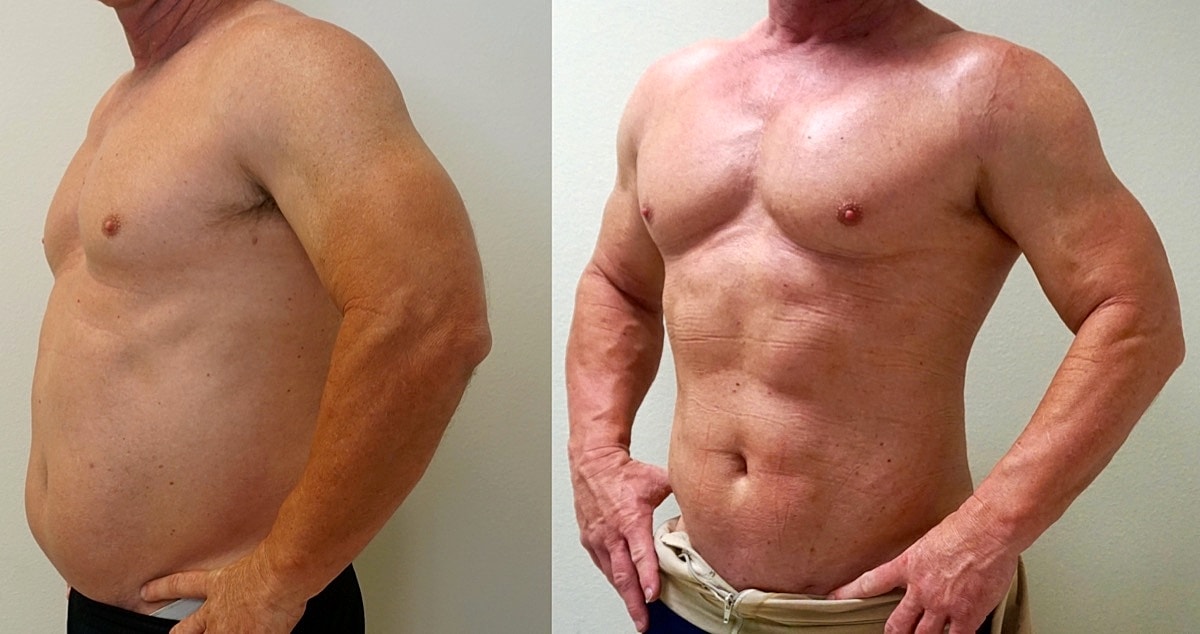
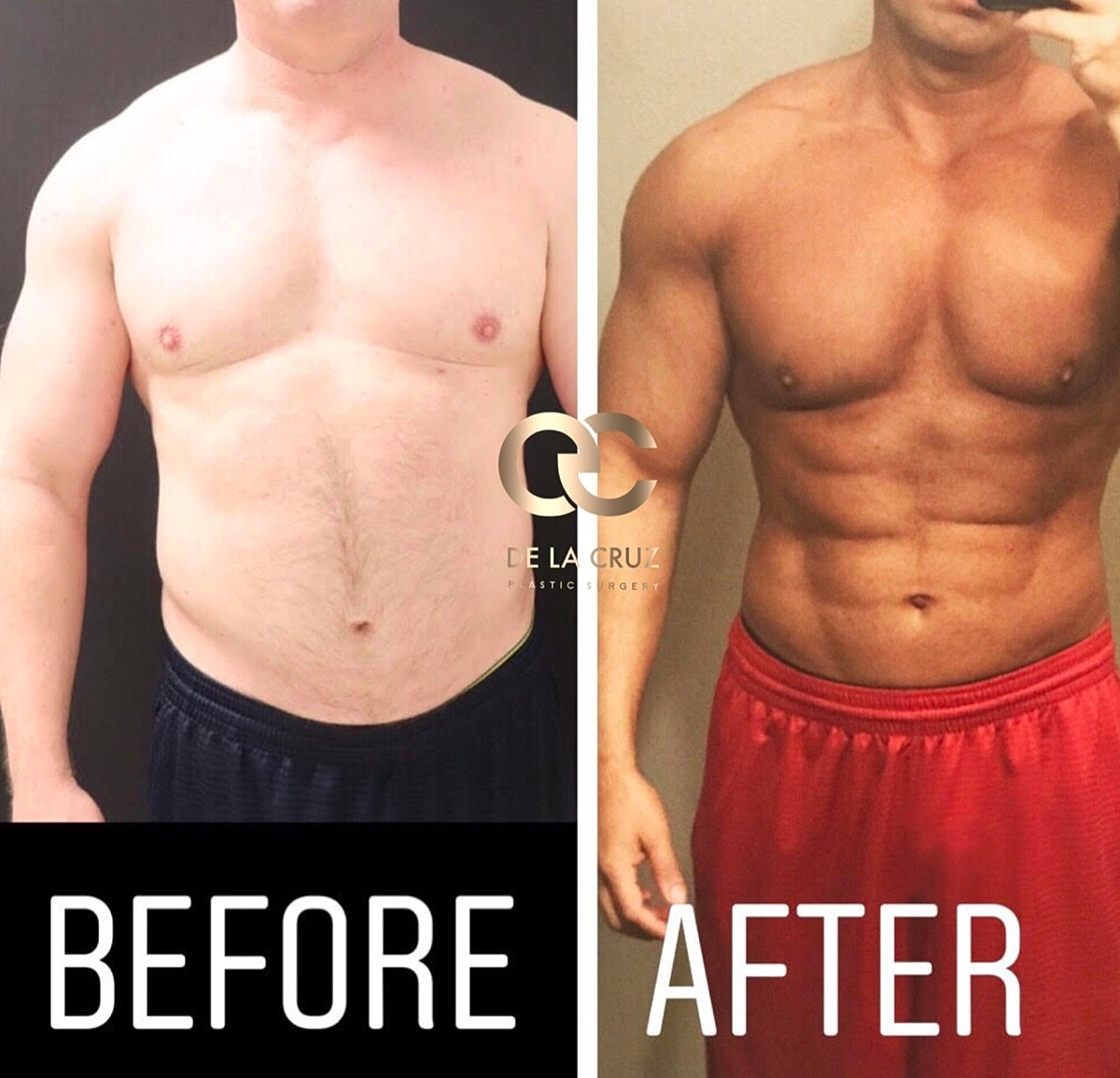
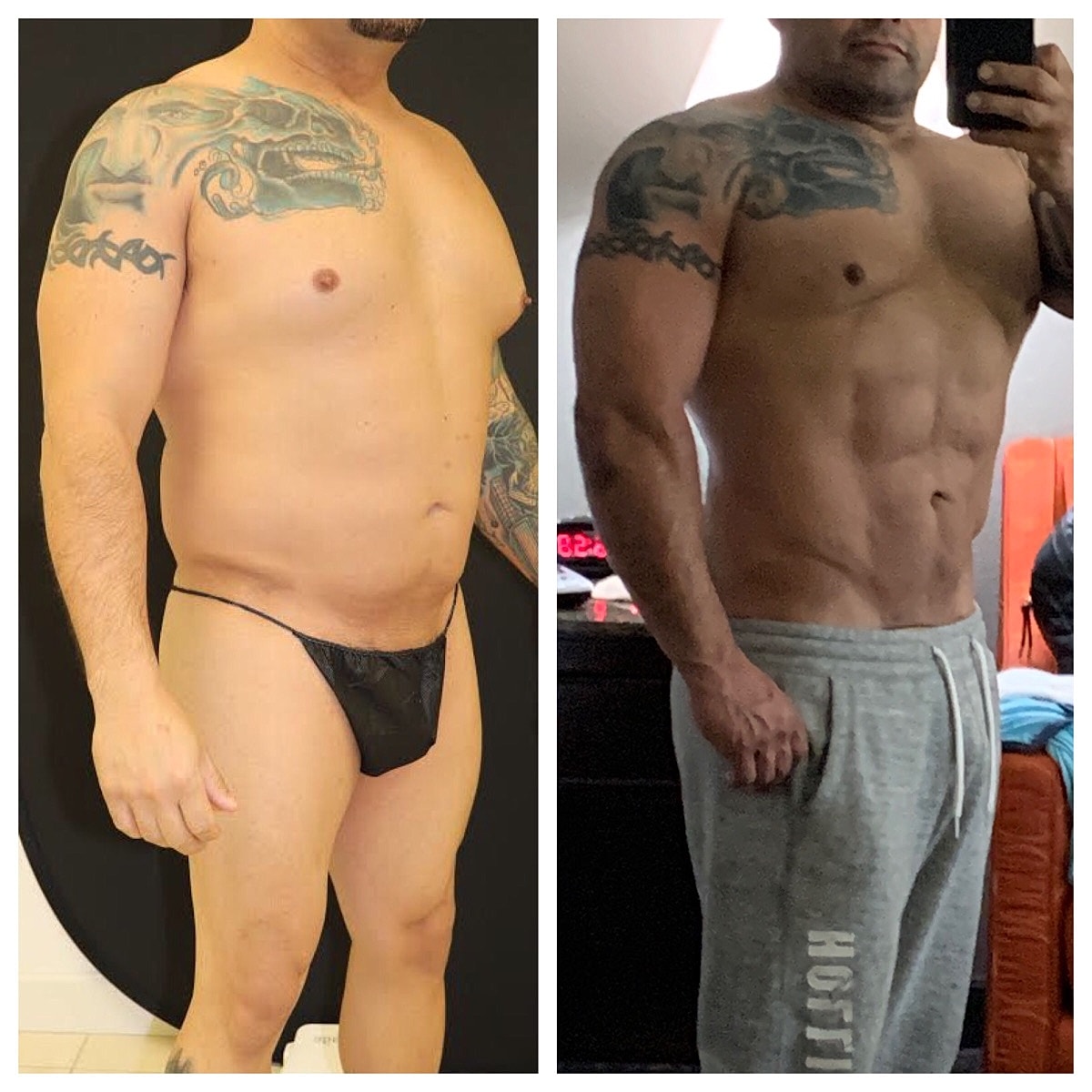
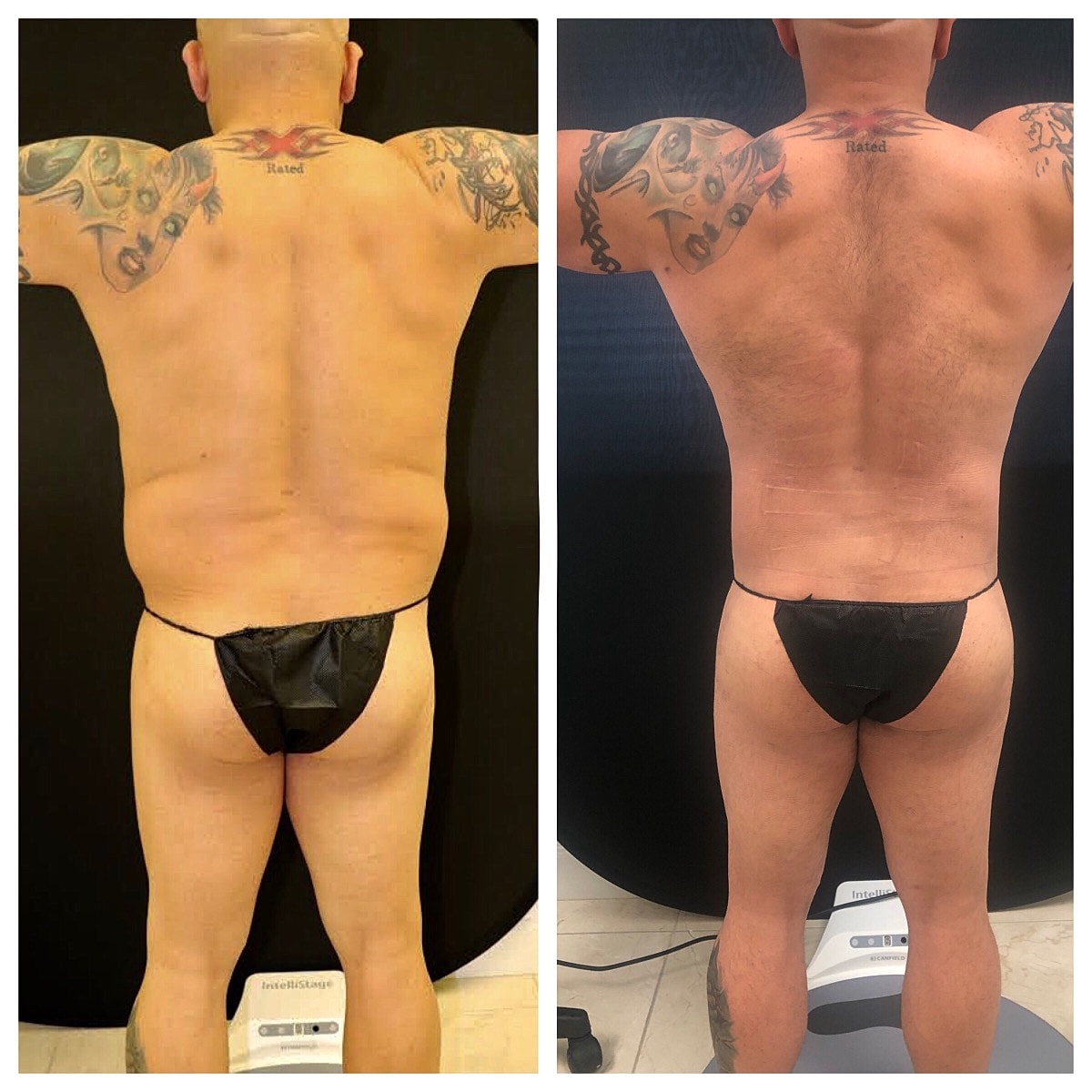
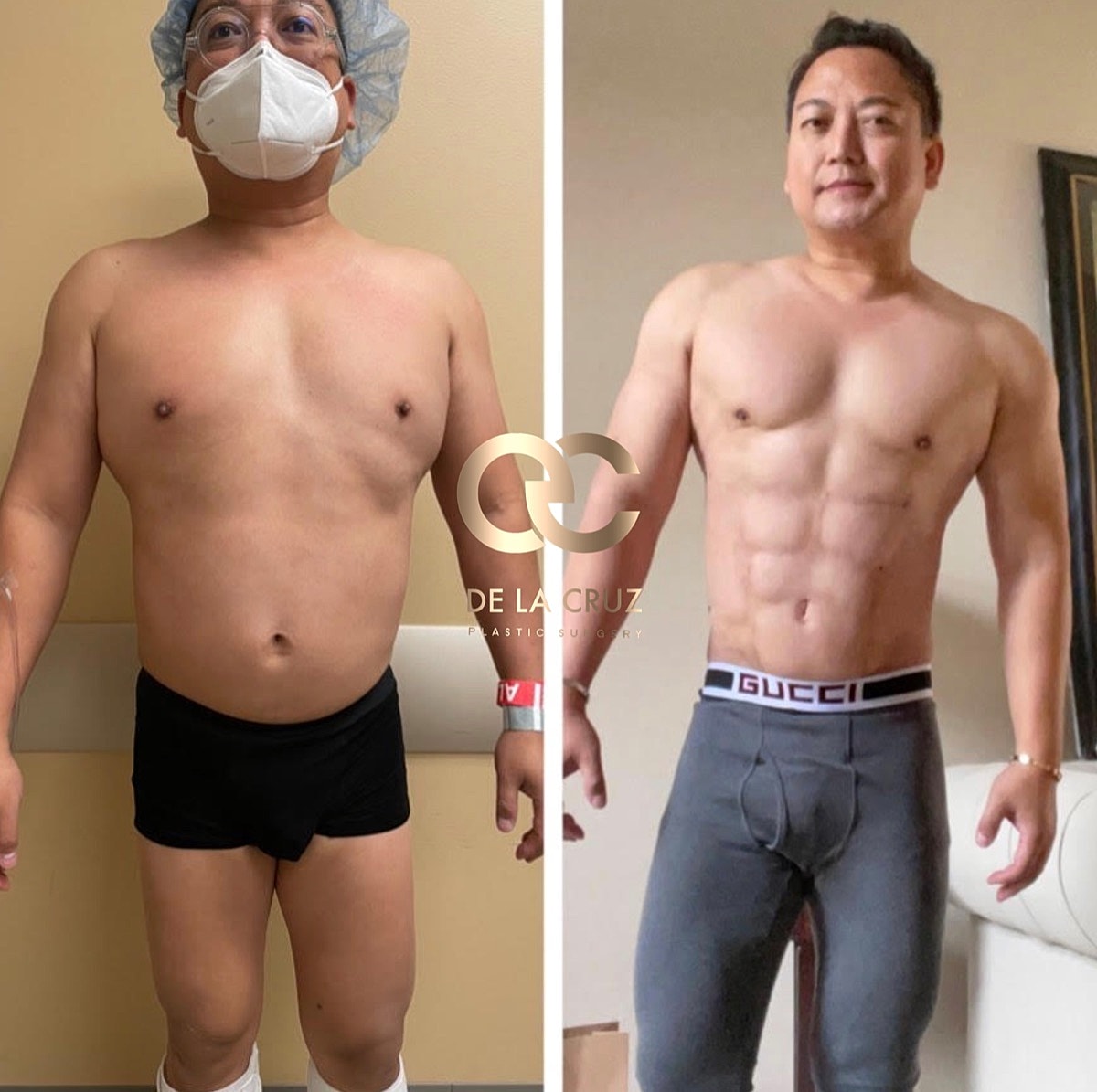
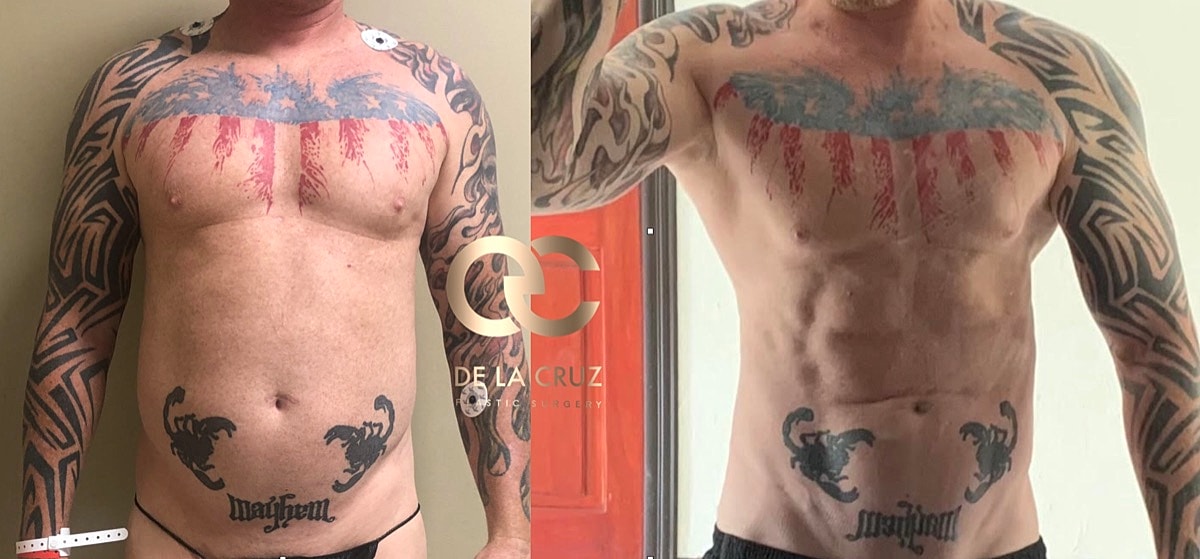
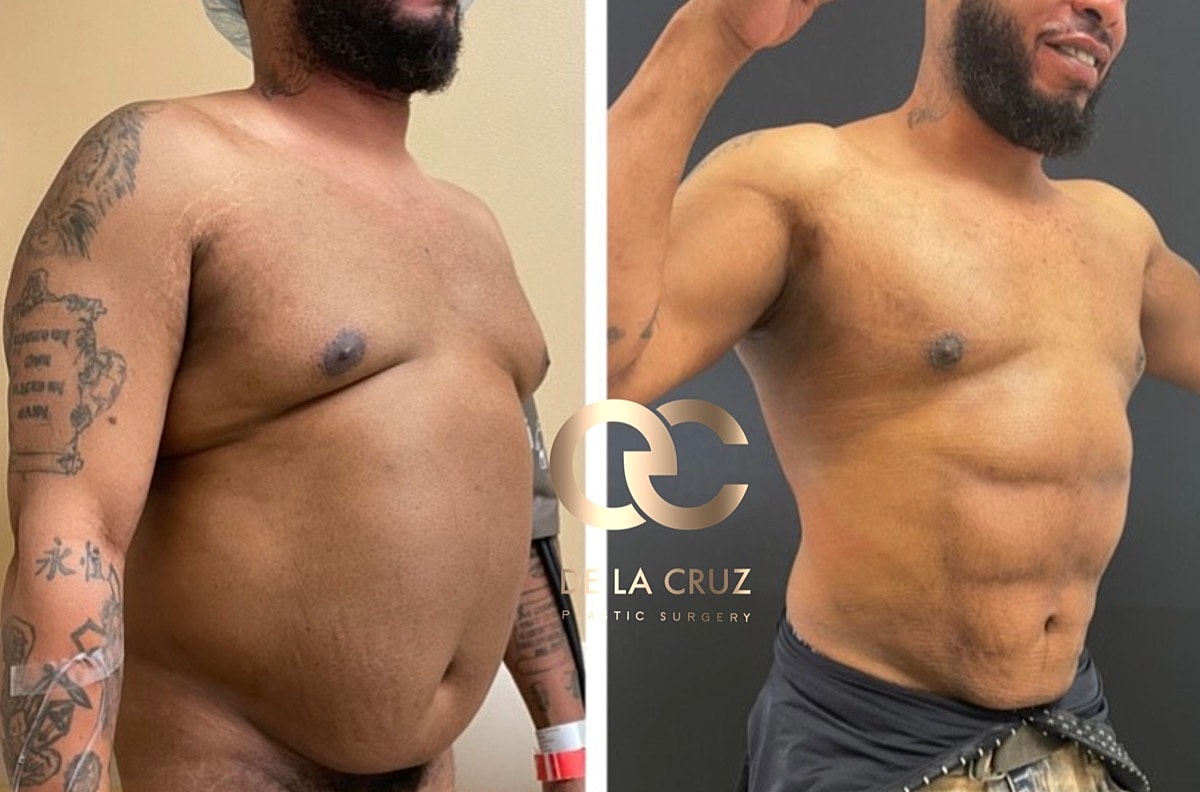
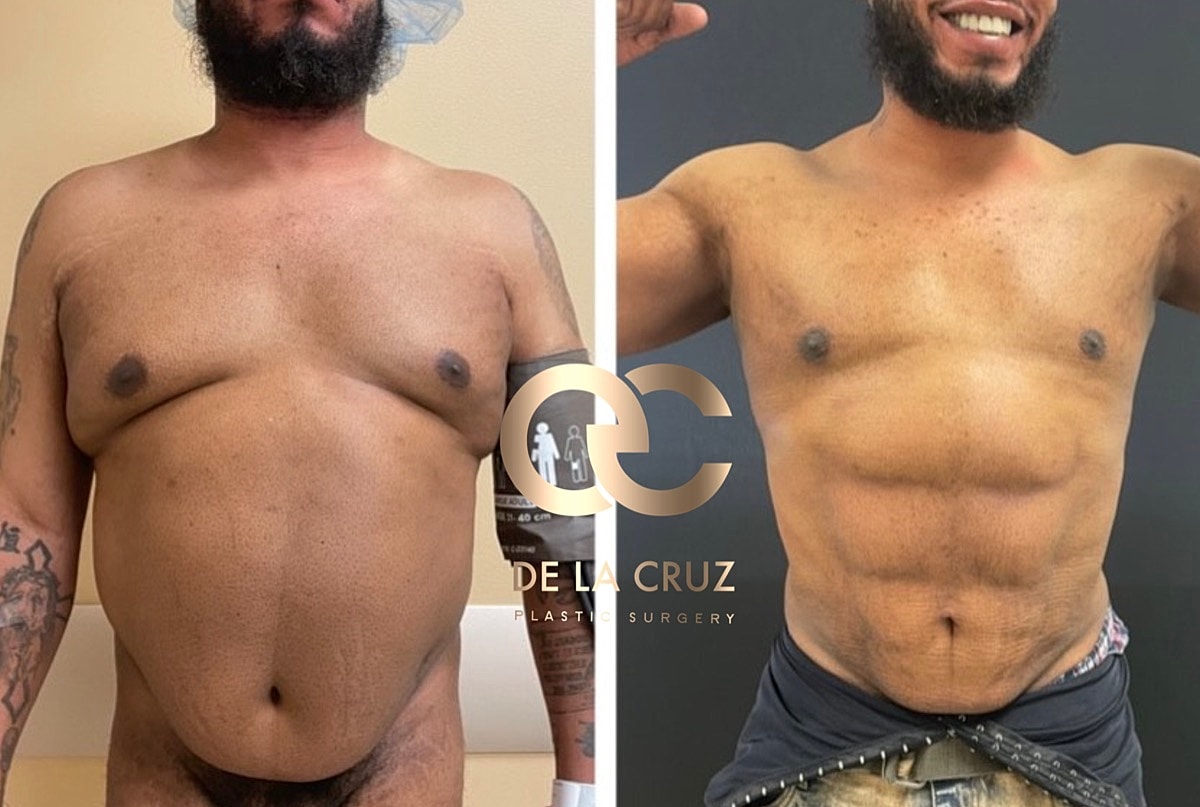
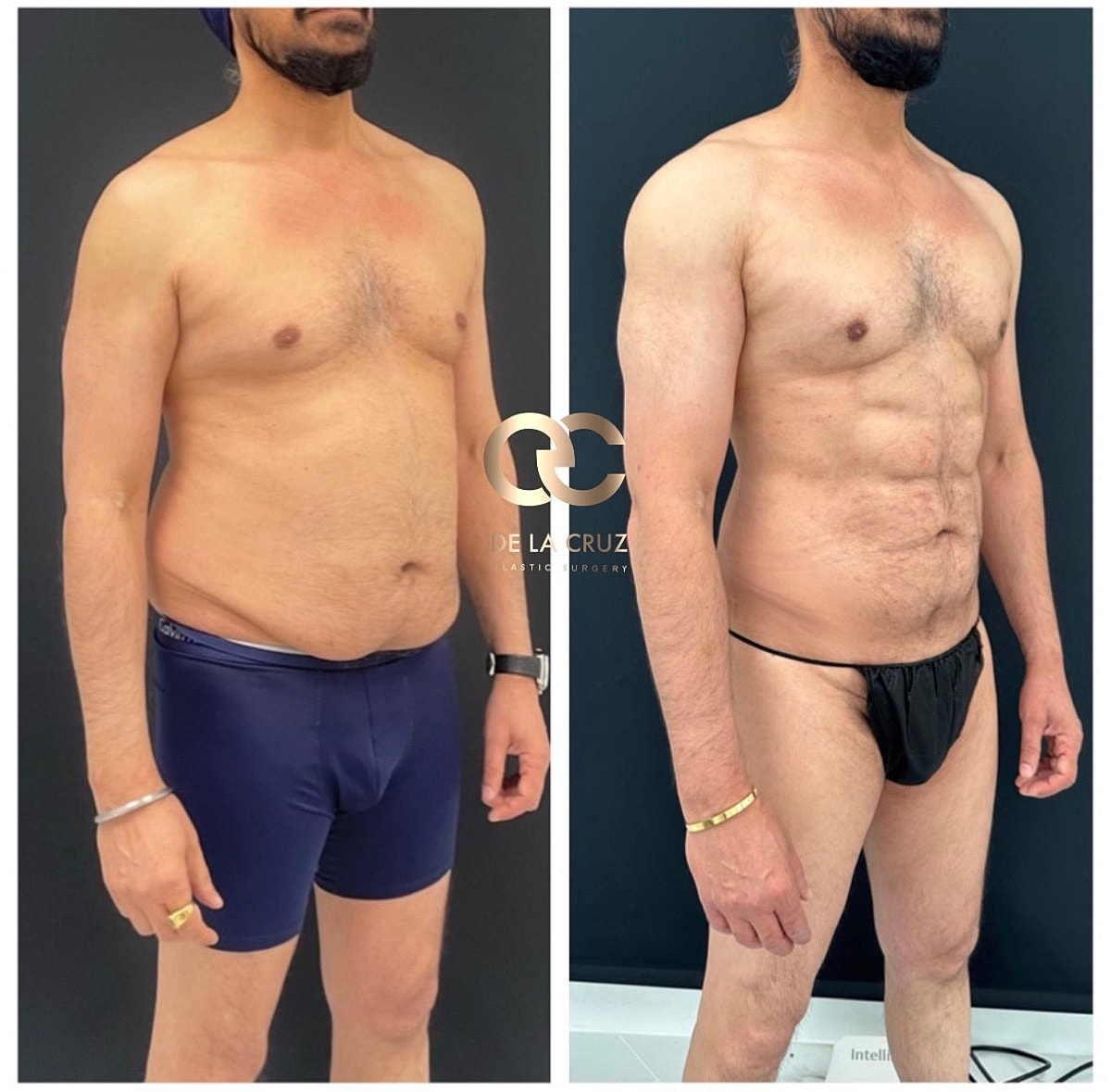
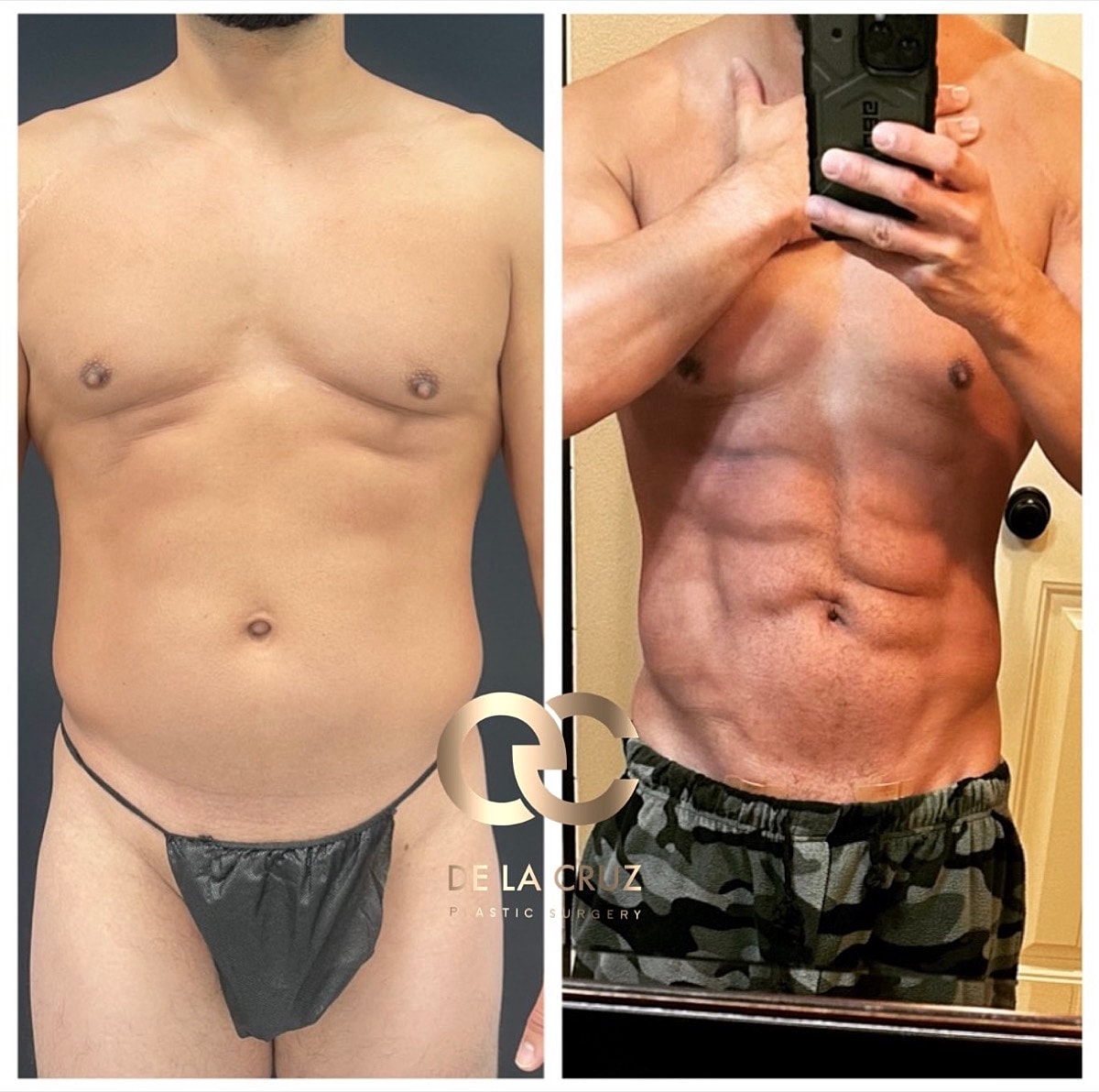
This article is part of our comprehensive liposuction resource library. For a complete overview, visit our Liposuction in Houston page, explore the Ultimate Guide to Liposuction, and review real patient outcomes in our Before and After Liposuction Results Guide.

1 of 65

Although liposuction in Houston is generally safe, uncontrolled bleeding can increase the risk of:
Reducing intraoperative bleeding improves visualization, precision, and overall outcomes.
The most important advancement in liposuction safety is the tumescent technique, which involves infiltrating a solution containing:
This technique alone dramatically reduces bleeding by shrinking blood vessels before fat removal begins.
We incorporate tranexamic acid (TXA) as part of our protocol to further minimize bleeding.
This adds an additional layer of pharmacologic control beyond the tumescent solution.
We utilize VASER technology, which uses ultrasound energy to emulsify fat before removal.
Benefits include:
This results in less bleeding and improved precision.
Bleeding control is not just about technology—it depends heavily on surgical execution.
Key principles include:
This level of discipline allows for efficient fat removal while preserving surrounding structures.
Maintaining physiologic stability is essential during liposuction:
Proper management helps reduce complications and supports hemostatic balance.
After surgery, patients are placed in compression garments, which:
Compression is a key component of maintaining results and preventing complications such as hematoma or seroma.
In cases involving larger volumes of fat removal, additional precautions are taken:
This ensures that safety is maintained even in more advanced procedures.

Modern liposuction is significantly safer than in the past due to advancements in:
At De La Cruz Plastic Surgery, bleeding control is not dependent on a single method—it is the result of a comprehensive, layered approach designed to optimize safety and outcomes.
Double Board-Certified Plastic Surgeon Dr. Emmanuel De La Cruz is double board-certified and specializes in advanced body contouring procedures with a focus on safety, precision, and natural-looking results.
Expertise in Advanced Liposuction Techniques Dr. De La Cruz utilizes modern technologies such as ultrasound-assisted liposuction (VASER) and power-assisted liposuction to improve precision and achieve smoother, more refined body contours.
Artistic Approach to Body Sculpting Liposuction is not simply fat removal. Dr. De La Cruz approaches each procedure as a form of body sculpting, carefully shaping the body to enhance natural proportions and definition.
Personalized Surgical Planning Every patient undergoes a comprehensive consultation and individualized treatment plan tailored to their anatomy, skin quality, and aesthetic goals.
Safety-Focused Surgical Care Procedures are performed in an accredited surgical facility with experienced anesthesia providers and strict safety protocols to prioritize patient safety at every stage.
Experience with Complex and Revision Cases Dr. De La Cruz frequently treats patients requiring revision liposuction or correction of contour irregularities from prior procedures.
Commitment to Surgical Innovation and Education Through ongoing training and participation in national and international meetings in aesthetic surgery, Dr. De La Cruz remains engaged with the latest advancements in body contouring techniques.
Learn More About Liposuction
Patients researching liposuction and body contouring often want to understand the full process, including the procedure itself, recovery, potential complications, and treatment options for concerns such as loose skin, lumps or fibrosis, and skin laxity after liposuction. You can learn more by exploring our detailed guides on liposuction, liposuction recovery, liposuction safety, liposuction cost, loose skin after liposuction, swelling after liposuction, lumps and fibrosis after liposuction, and skin tightening after liposuction.

Dr. Emmanuel De La Cruz is a double board-certified plastic surgeon in Houston, Texas, specializing in high-definition liposuction and advanced body contouring. His approach integrates surgical precision, advanced technology, and comprehensive safety protocols to deliver consistent, natural results.
With modern techniques, blood loss is typically minimal and well-controlled.
Some bruising is expected, but our protocols are designed to reduce its severity and duration.
TXA is a medication that helps stabilize blood clots and reduce bleeding. It is commonly used in surgery to minimize blood loss and decrease bruising.
TXA is widely used in surgery and, when used appropriately, has a strong safety profile.
In most cases, blood loss is very limited, often a small fraction of the total aspirate. The majority of the removed volume consists of fat and fluid rather than blood.
The tumescent technique involves injecting a solution containing epinephrine, which constricts blood vessels. This significantly reduces bleeding before fat removal even begins.
Yes. VASER technology selectively targets fat while minimizing trauma to surrounding tissues, which helps reduce disruption of blood vessels and decrease bleeding.
Compression garments help reduce bleeding and fluid accumulation after surgery by applying consistent pressure, which supports healing and minimizes swelling.
Larger volume procedures may carry an increased risk, but with proper technique, monitoring, and safety protocols, bleeding can still be effectively controlled.
In modern liposuction, the need for blood transfusion is extremely rare due to effective bleeding control techniques.
Patients should:
This helps reduce the risk of bleeding complications.
Yes. Advances in technique, technology, and safety protocols have made modern liposuction significantly safer, with much lower risks of bleeding and complications.
About the Author
Dr. Emmanuel De La Cruz, MD is a double-board-certified plastic surgeon in Houston, Texas, certified by both the American Board of Plastic Surgery and the American Board of Surgery. He specializes in advanced liposuction and body contouring procedures, including high-definition liposculpture, Brazilian Butt Lift (BBL), revision liposuction, and treatment of lipedema.
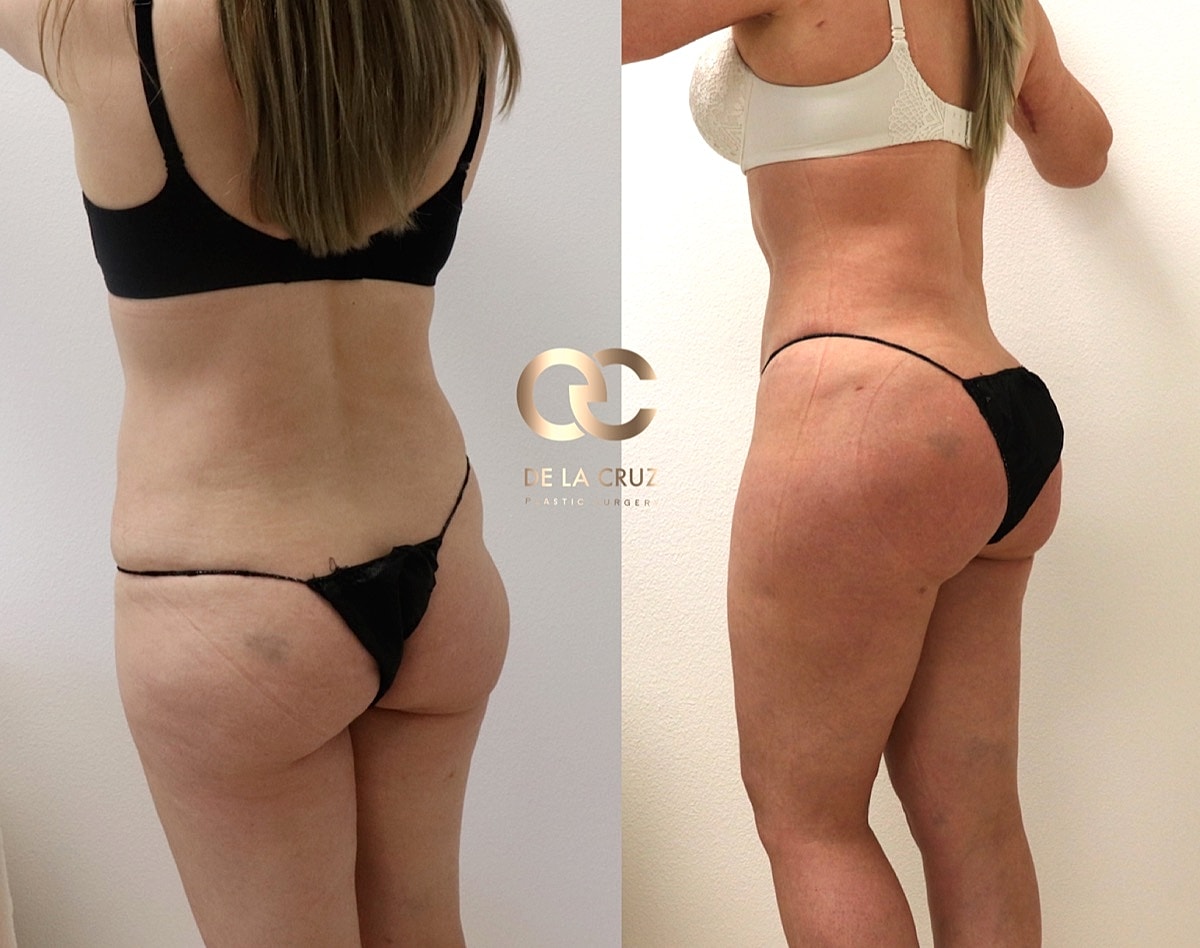
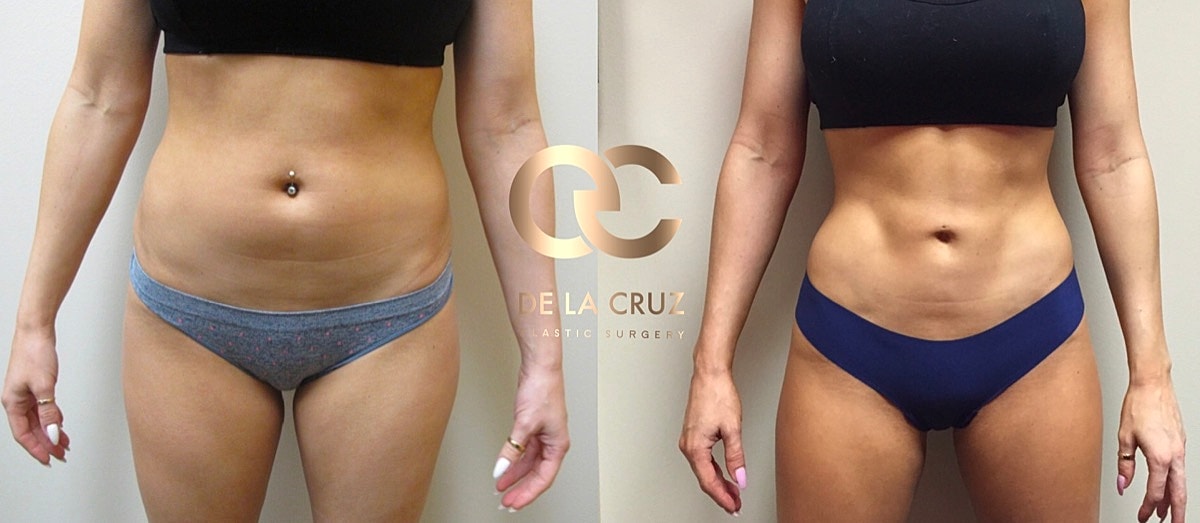
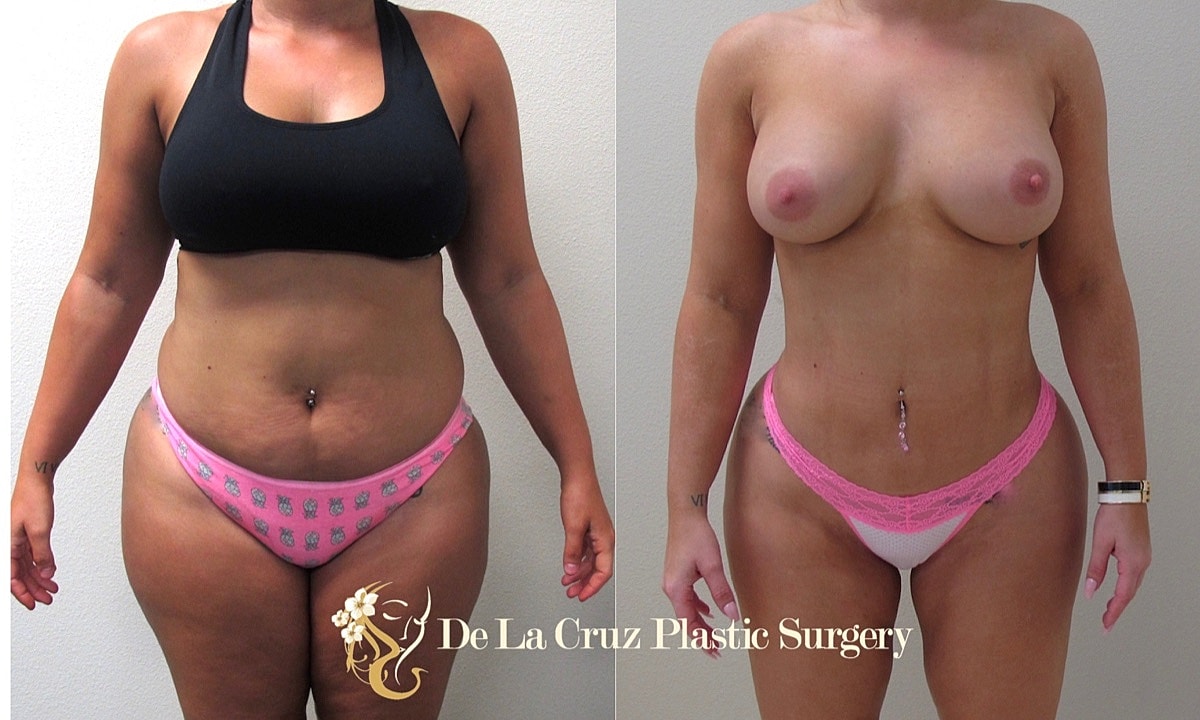
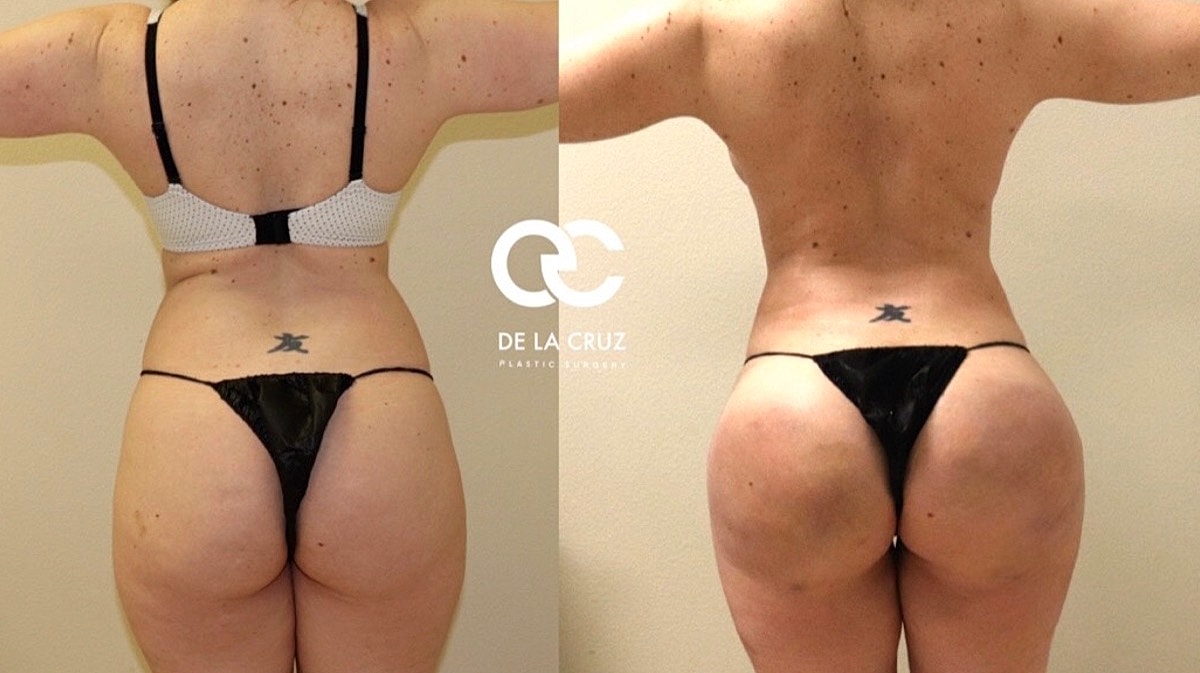
Dr. De La Cruz is internationally recognized for his expertise in high-definition liposuction and contour sculpting techniques, which play a critical role in achieving balanced, natural-looking results in procedures such as liposuction and Brazilian Butt Lift surgery. His work focuses on precise body contour sculpting to enhance overall body proportions.
He has lectured internationally on liposuction techniques, fat grafting, and contour irregularity correction, presenting at major scientific meetings including the American Society of Plastic Surgeons (ASPS), the Total Definer Meeting in Bogotá, Colombia, the InMode Symposium in Miami and Beverly Hills, and AestheticStanbul in Istanbul, Turkey, where he was invited to lecture by renowned plastic surgeon Dr. Foad Nahai.
Dr. De La Cruz has also contributed to the scientific literature on liposuction and body contouring. He is the author of “Lipoplasty in the Overweight Patient”, published in the peer-reviewed journal Clinics in Plastic Surgery.
Through his clinical work, research, and international lectures, Dr. De La Cruz focuses on advancing safe, precise, and refined techniques in liposuction, BBL surgery, and modern body contouring.