The Evolution of Liposuction: From Traditional Fat Removal to High-Definition Body Sculpting
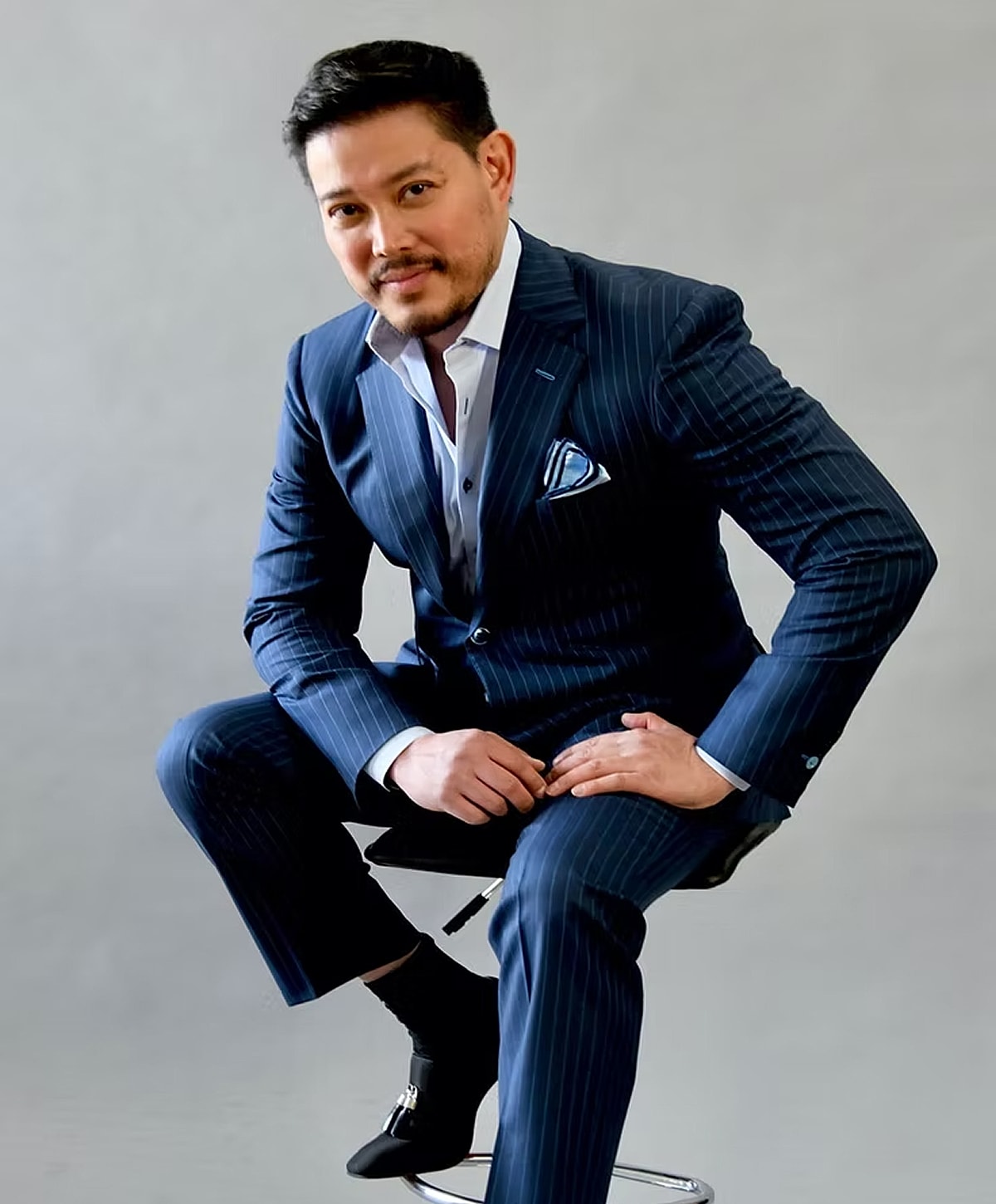
Medically Reviewed and written by Dr. Emmanuel De La Cruz, MD Double Board-Certified Plastic Surgeon | Houston, TX
Medically Reviewed and written by Dr. Emmanuel De La Cruz, MD Double Board-Certified Plastic Surgeon | Houston, TX
Liposuction has undergone a remarkable transformation over the past several decades. What began as a relatively crude method for removing unwanted fat has evolved into one of the most sophisticated body contouring procedures available today.
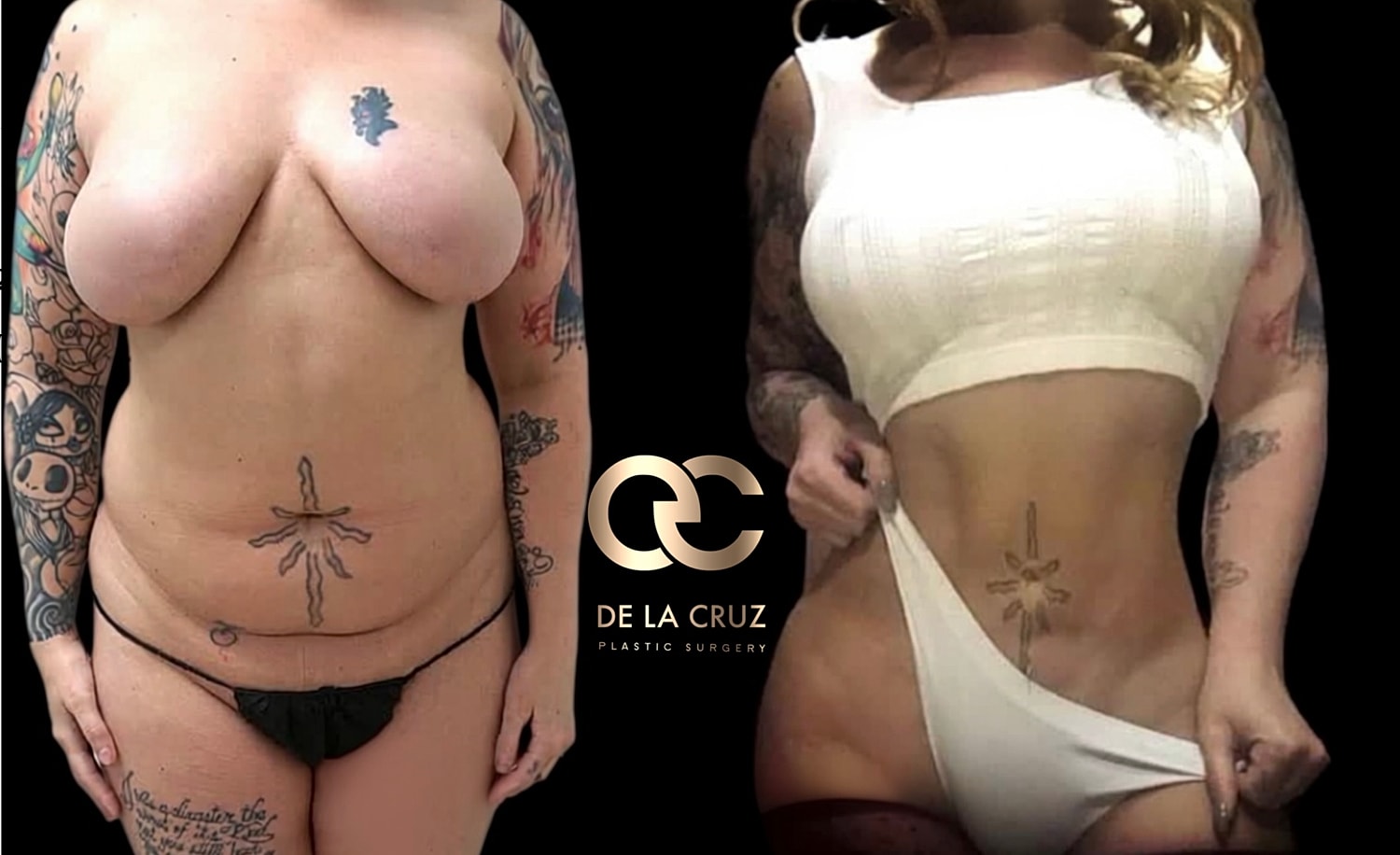
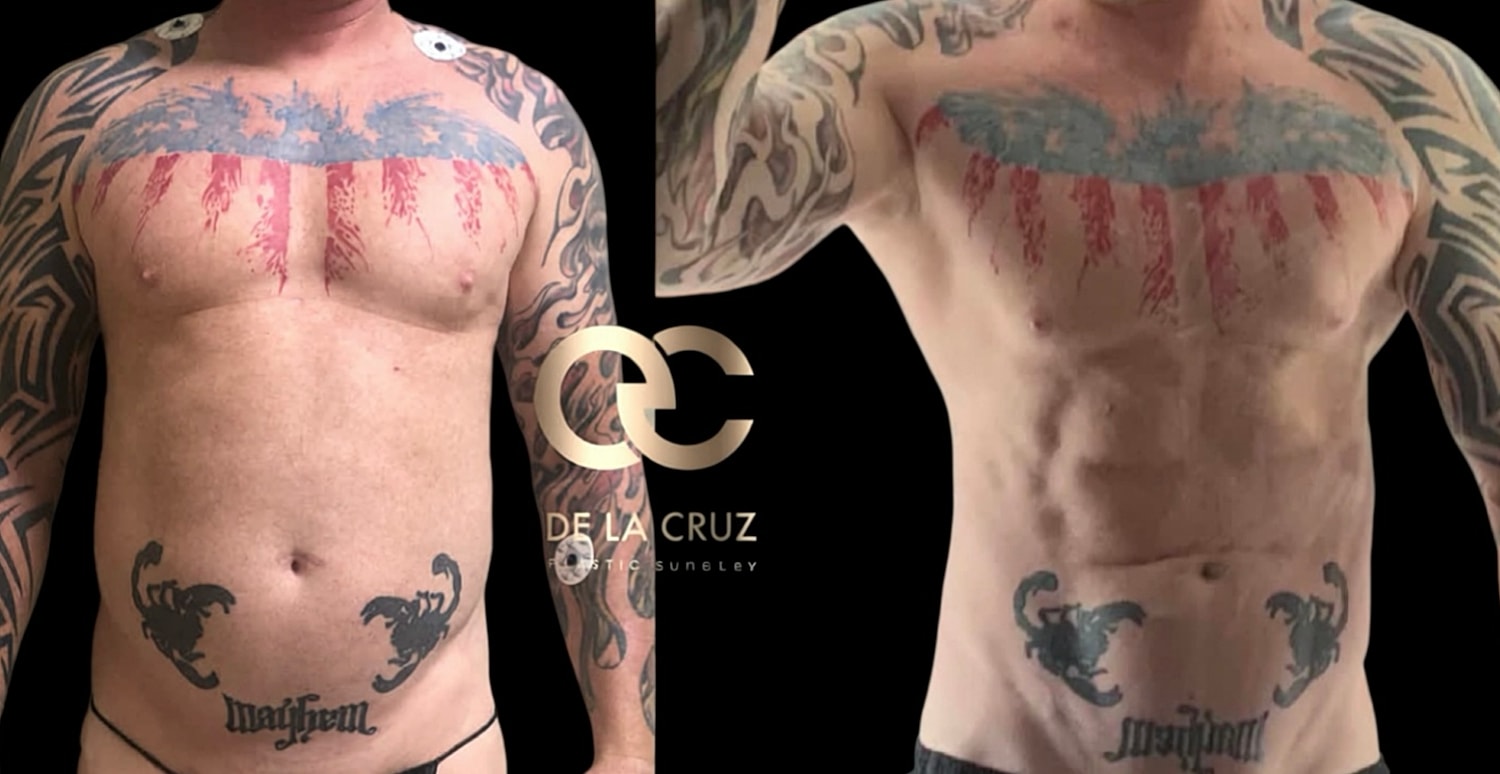
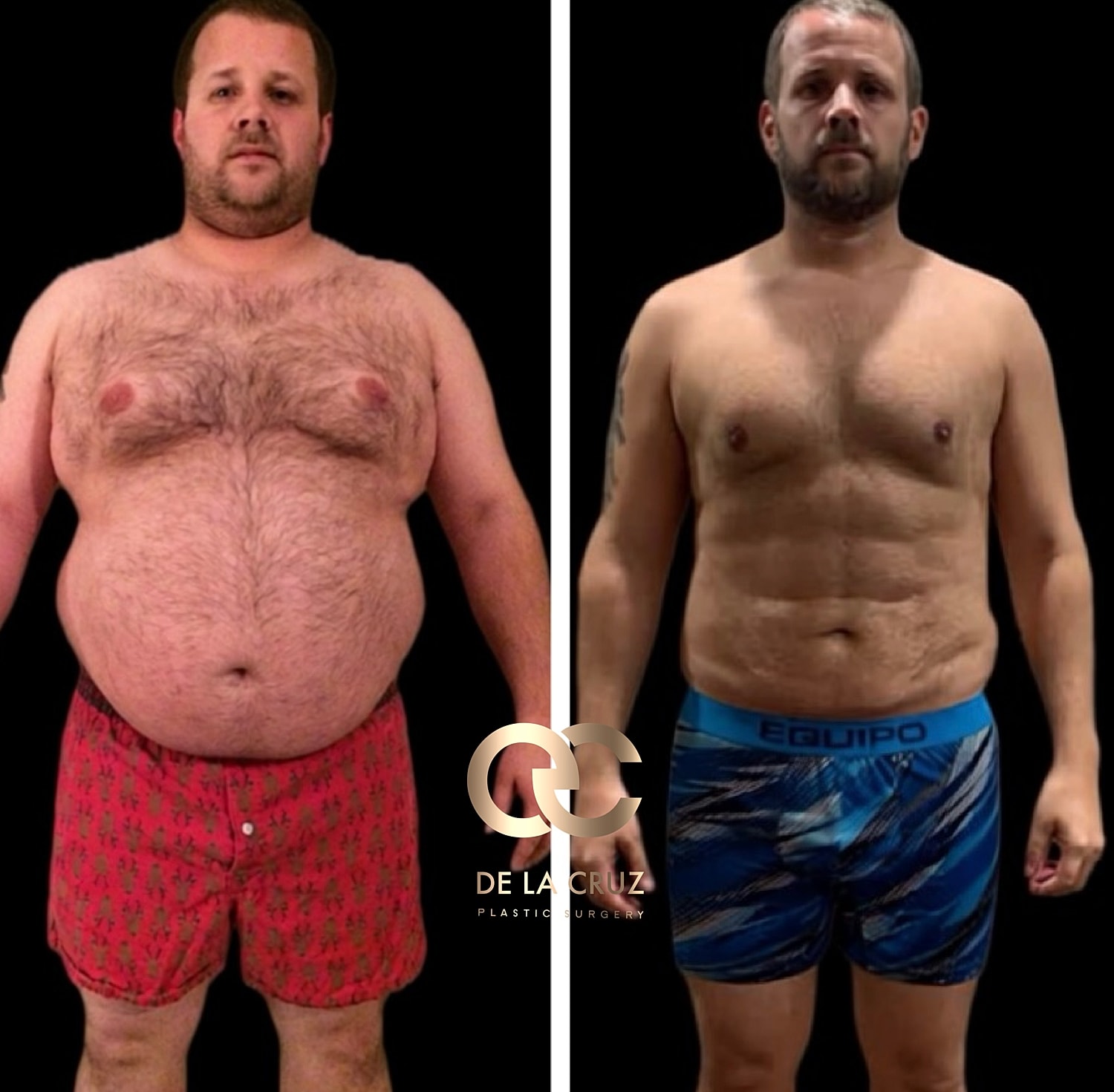
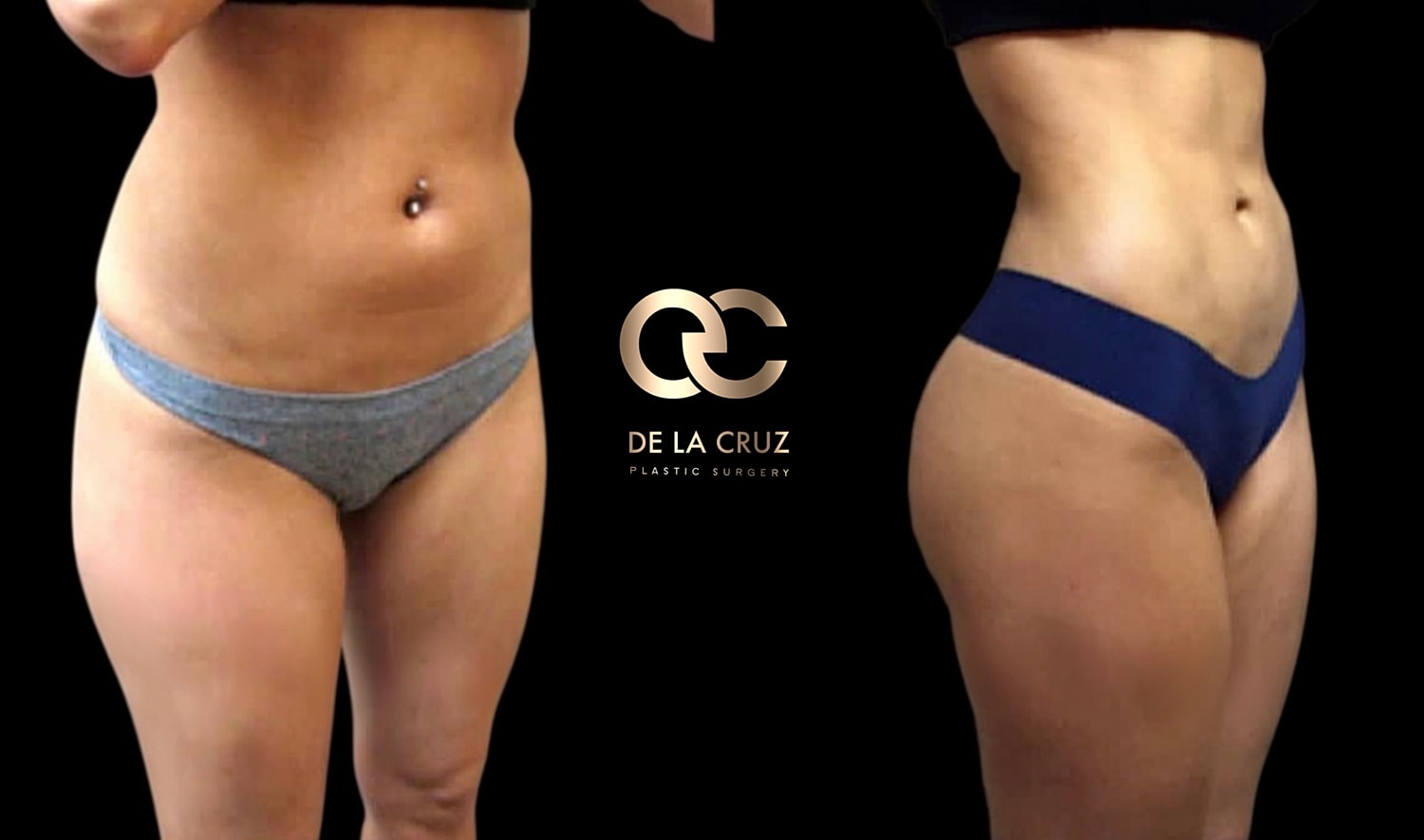
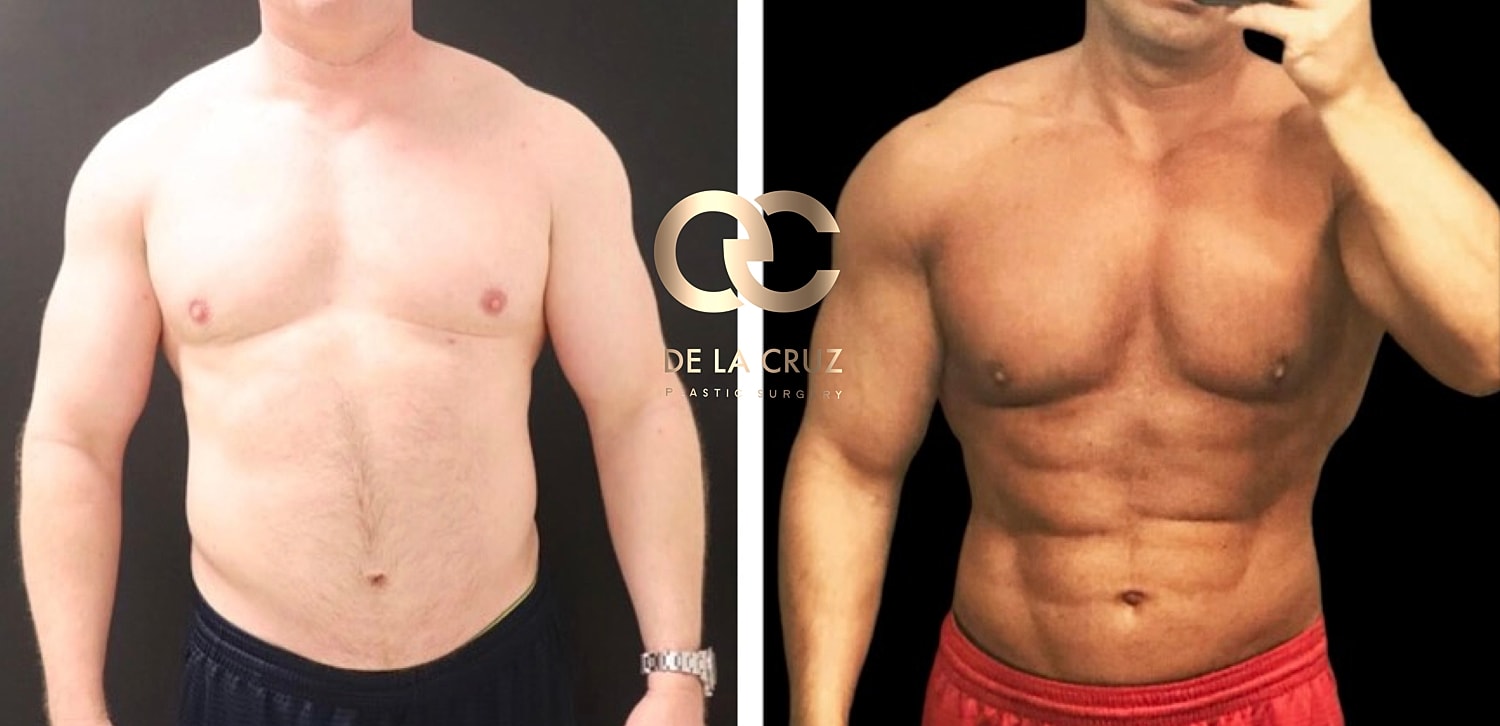
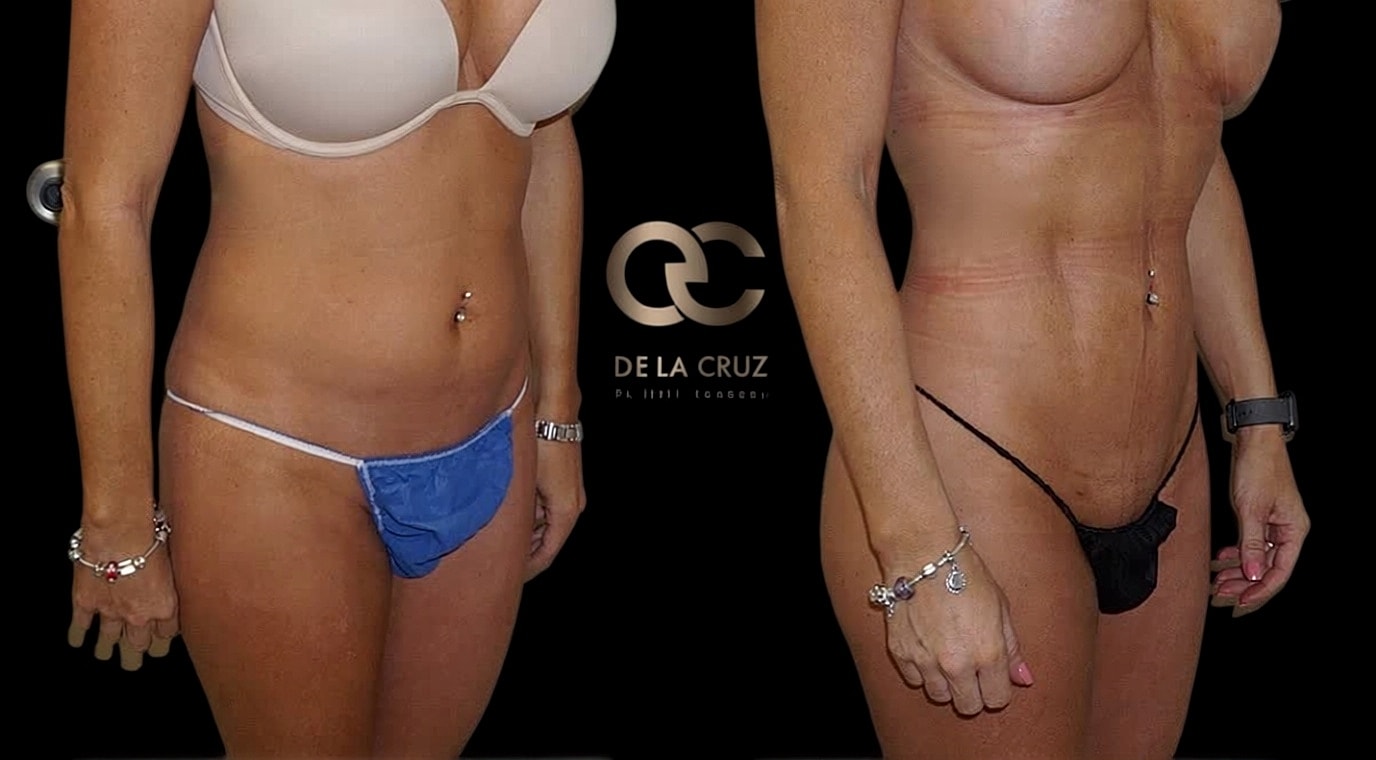
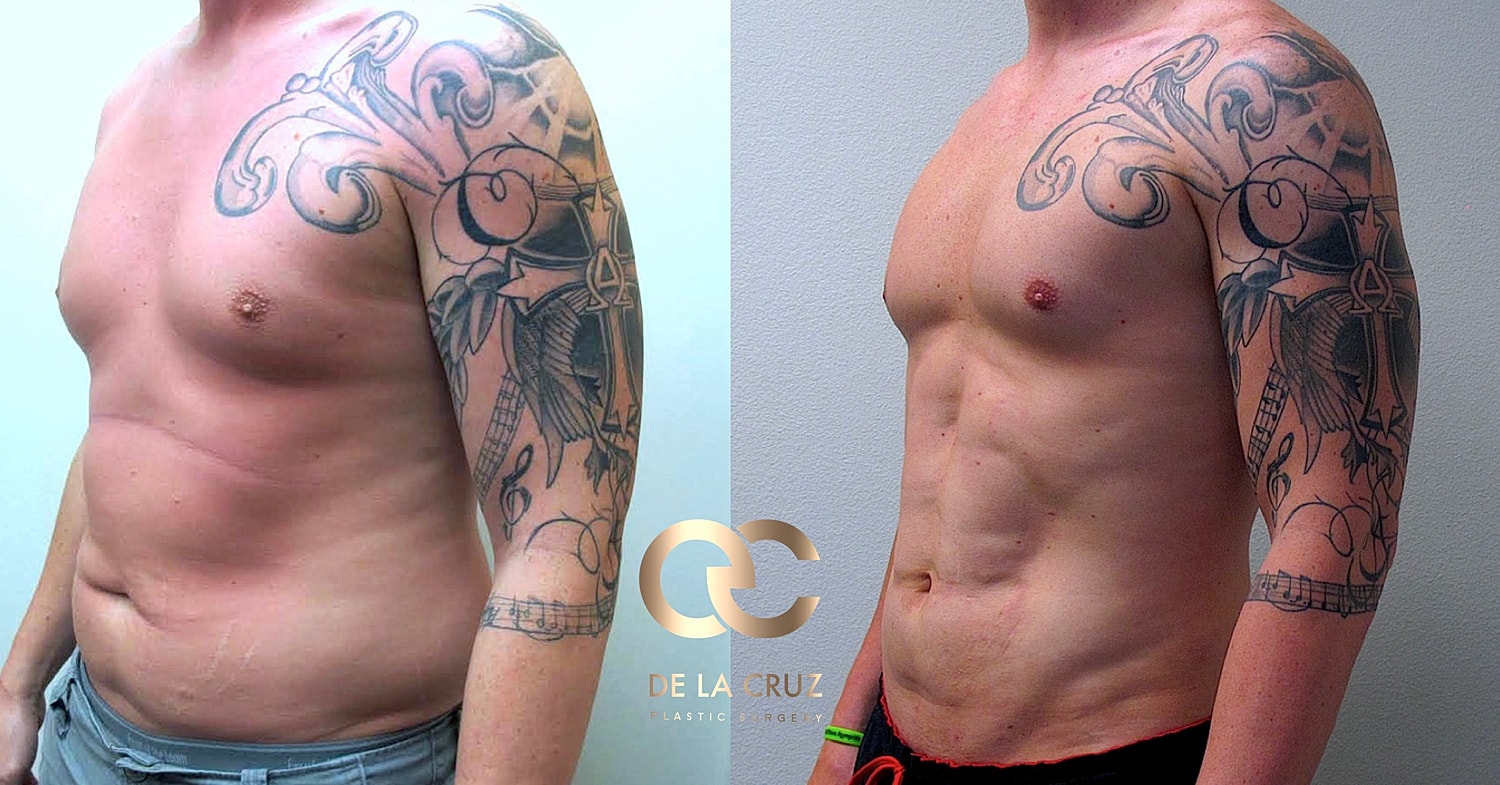
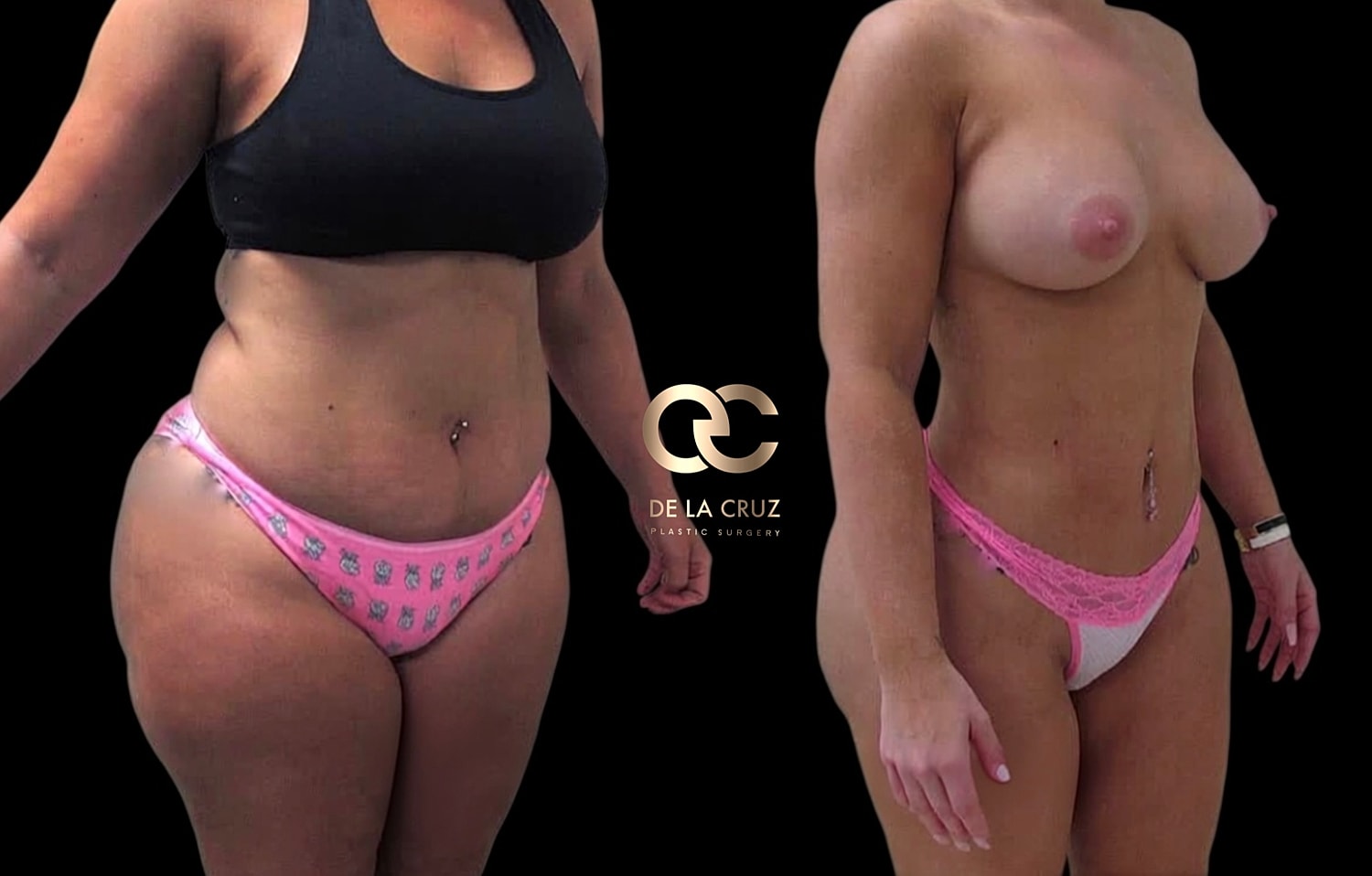
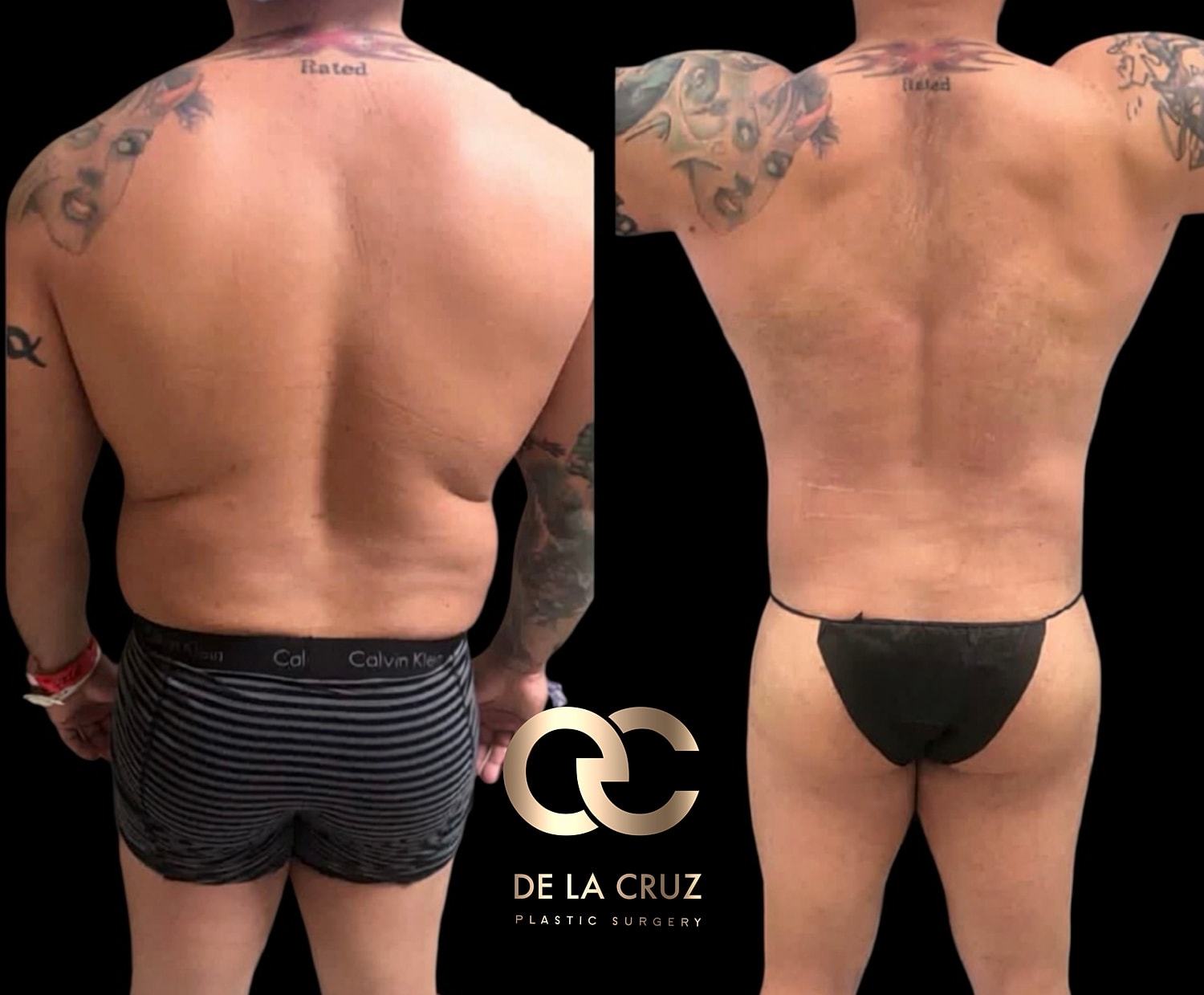
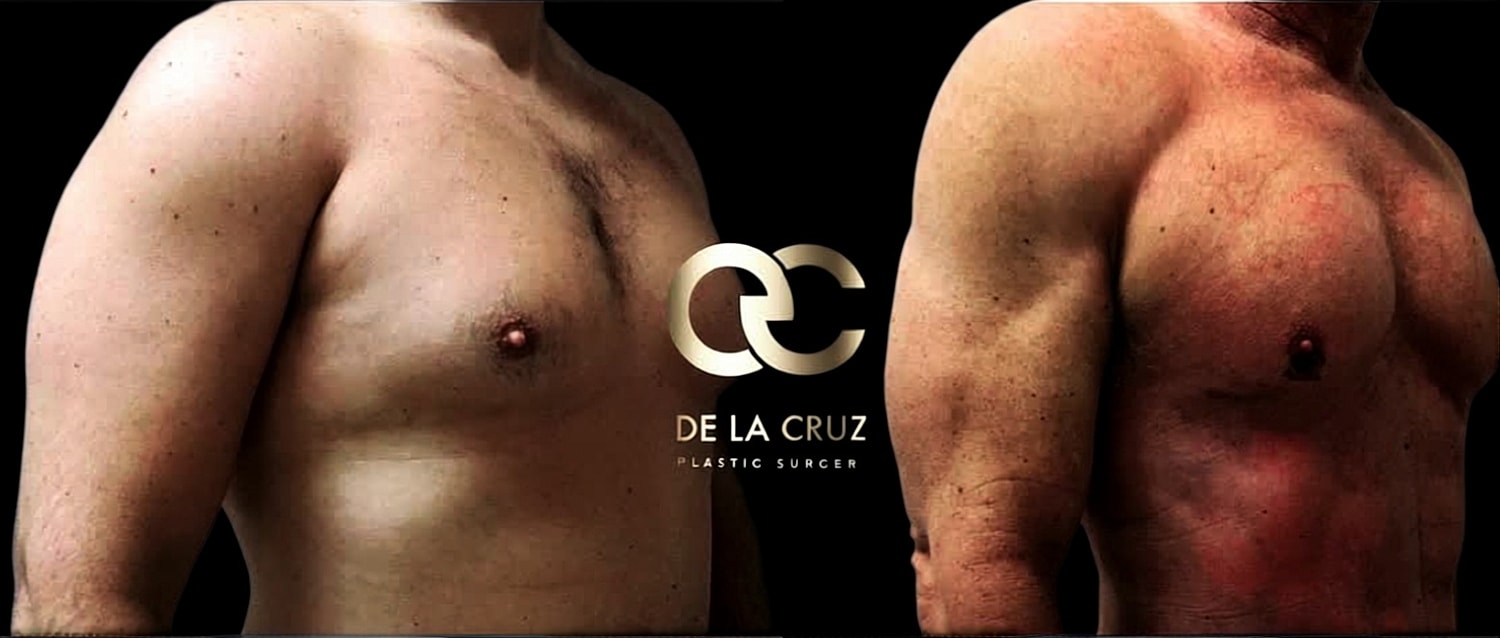
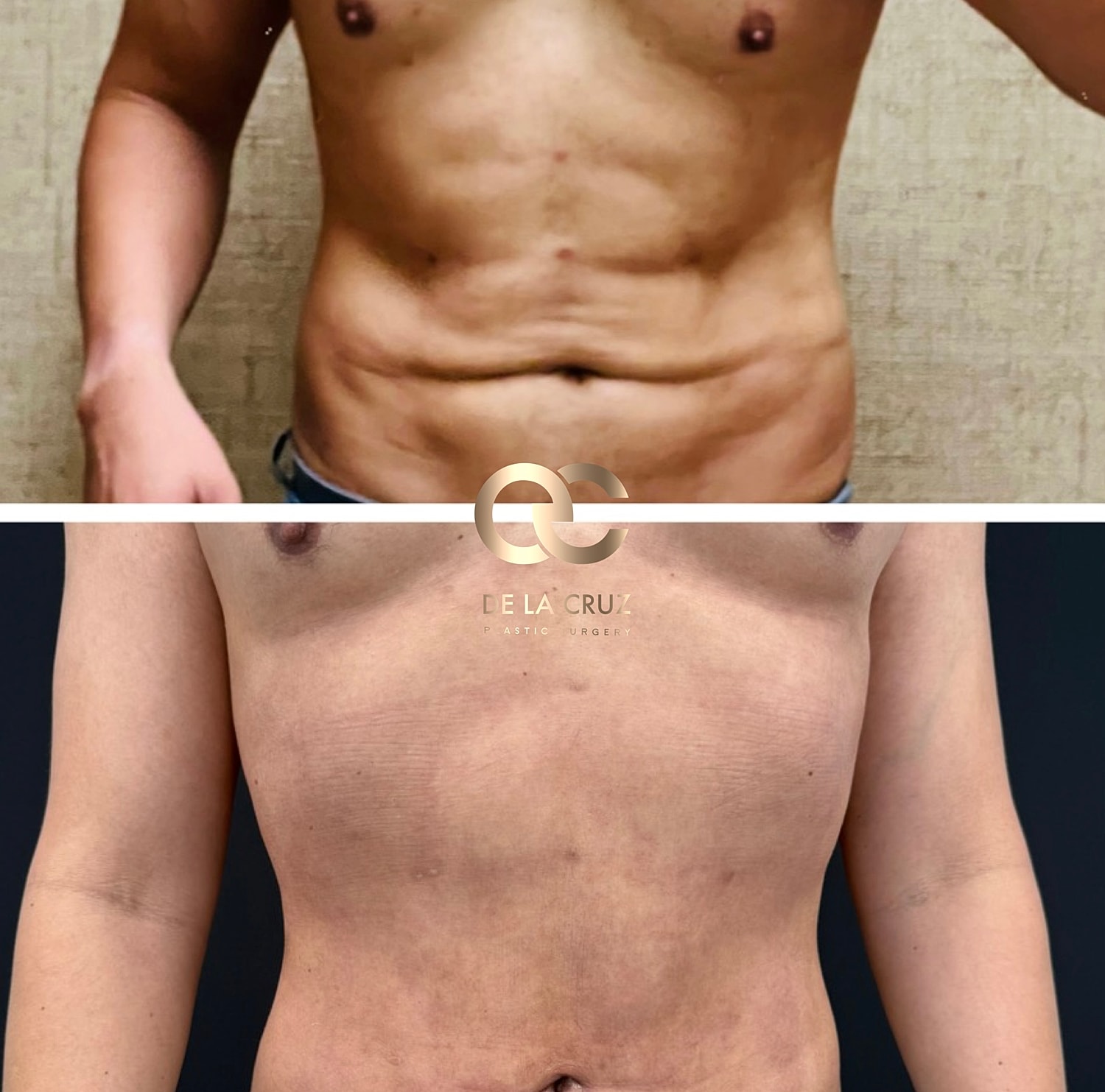
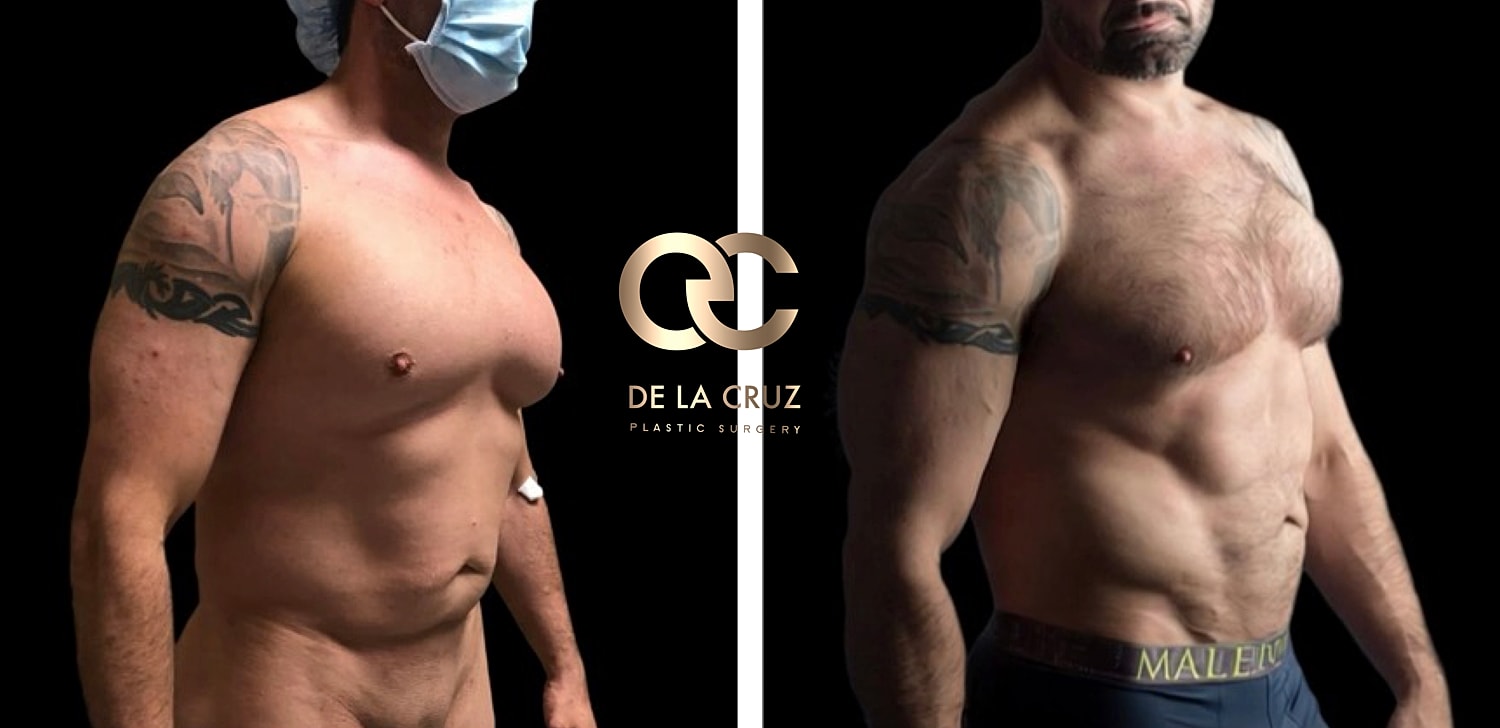
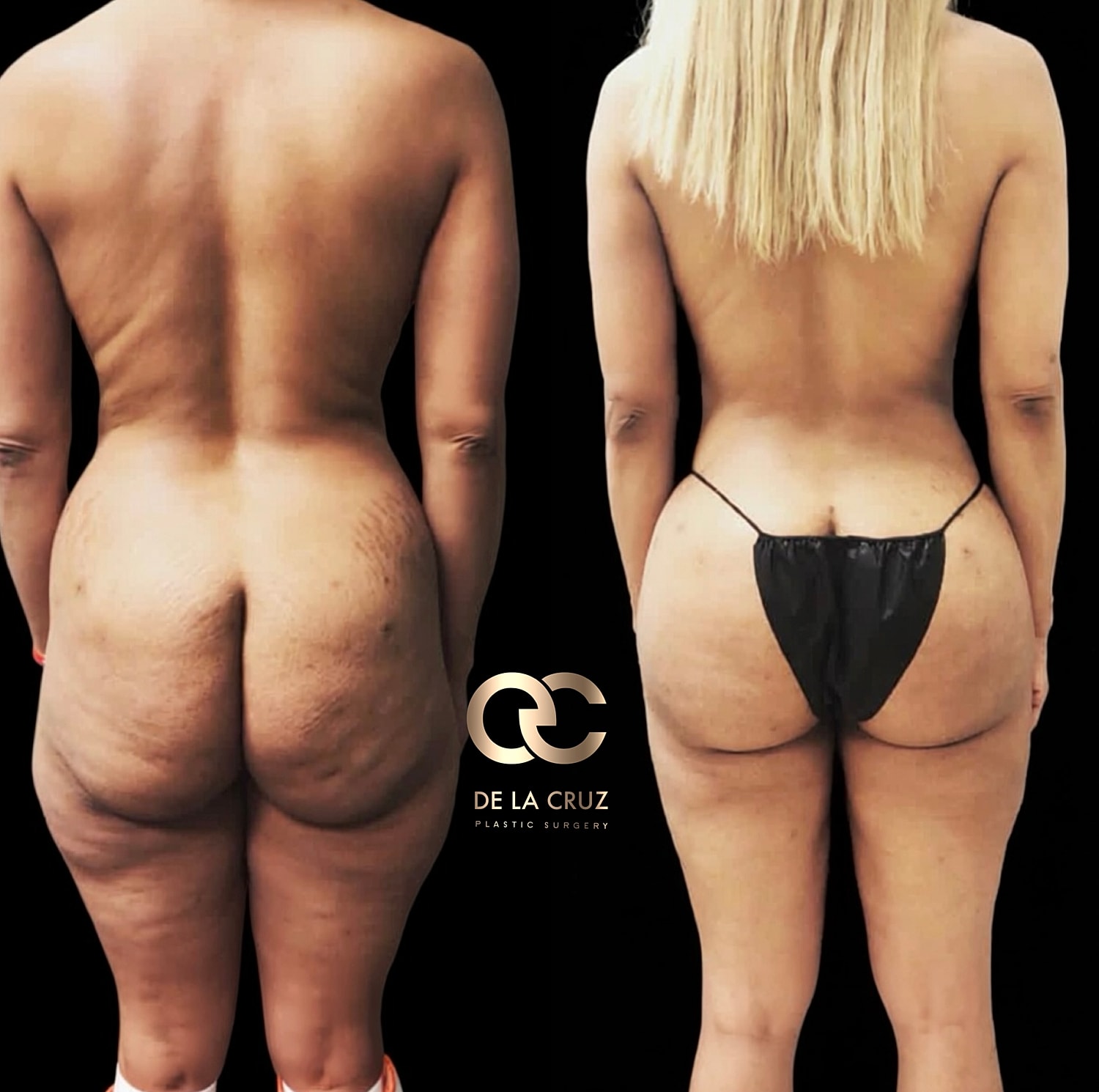
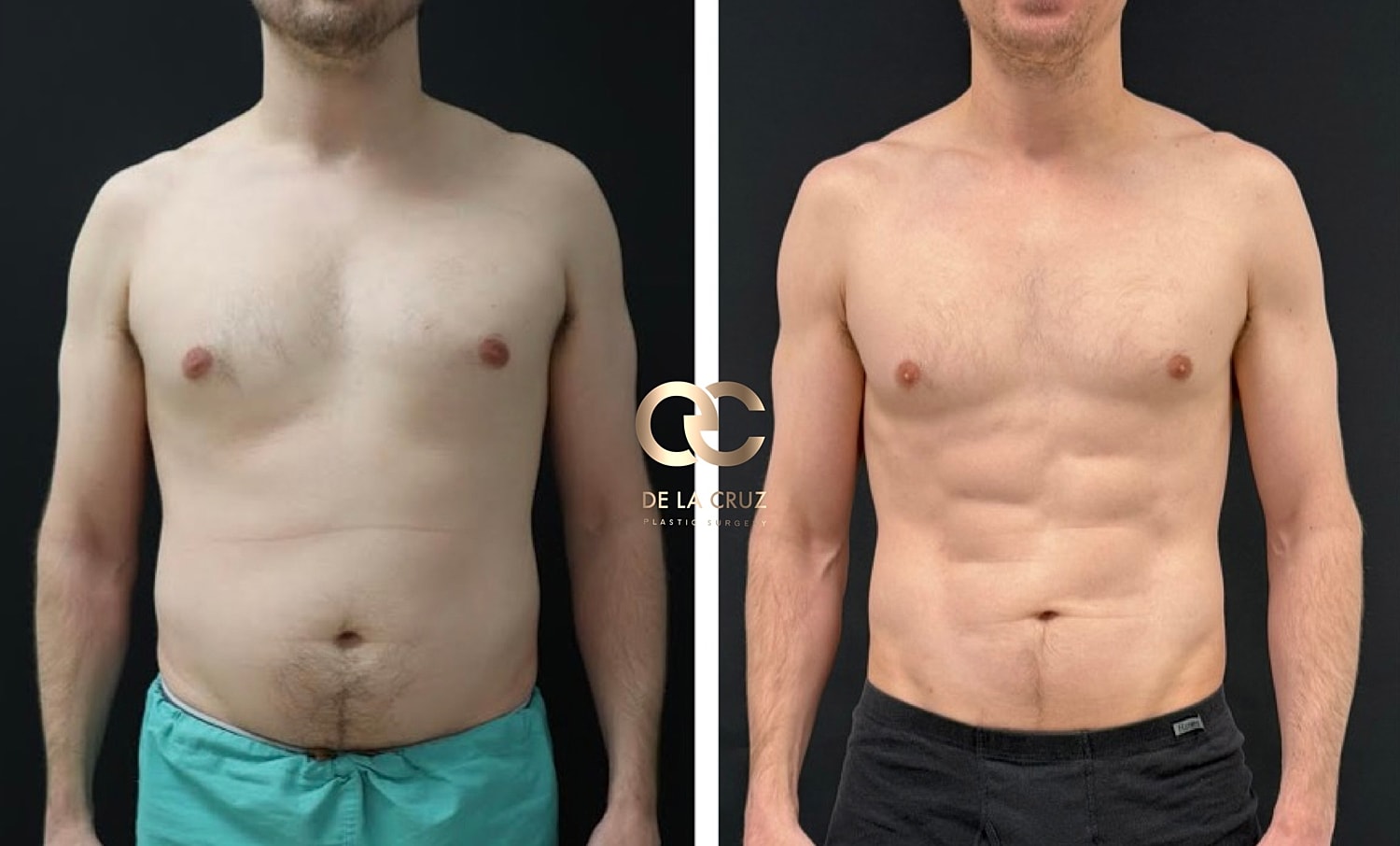
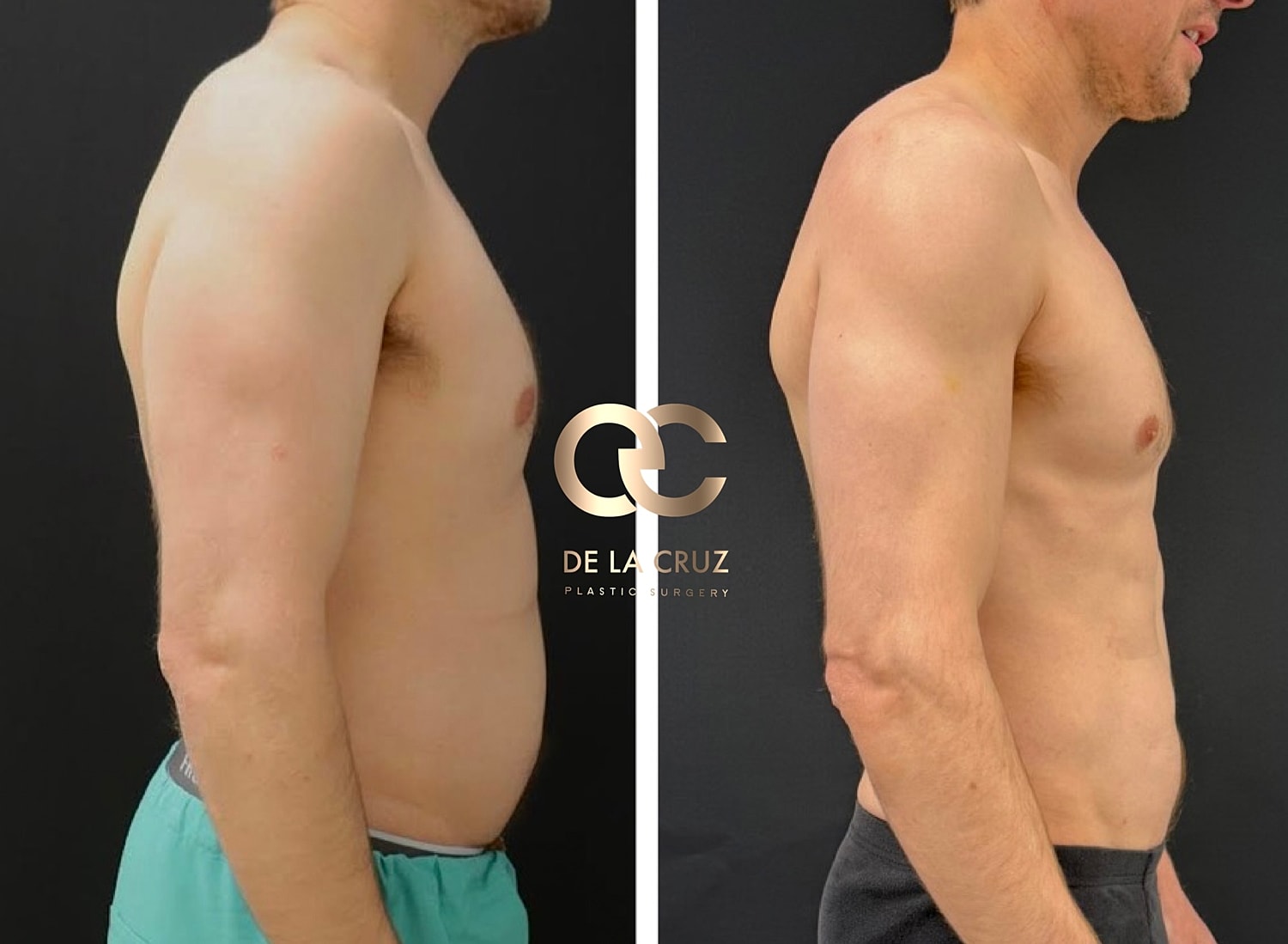
Modern liposuction is no longer simply about making patients smaller—it's about creating proportion, enhancing muscle definition, preserving natural anatomy, and achieving artistic body sculpting.
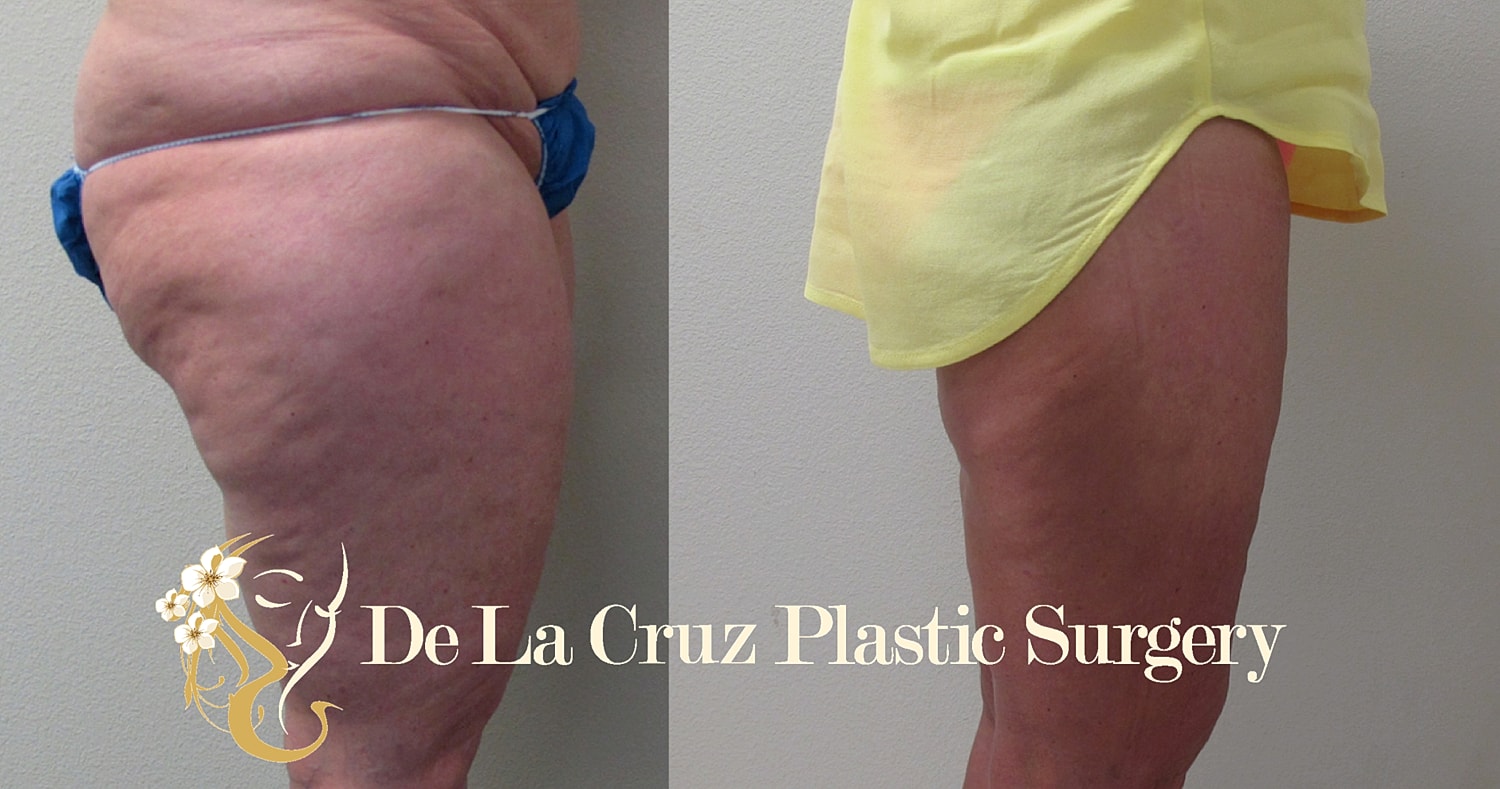
At De La Cruz Plastic Surgery, we specialize in advanced body contouring techniques, including 4D VASER Liposuction, Power-Assisted Liposuction (PAL), Renuvion® skin tightening, and fat grafting to deliver natural-looking, athletic results.
This article is part of our comprehensive liposuction resource library. For a complete overview, visit our Liposuction in Houston page, explore the Ultimate Guide to Liposuction, and review real patient outcomes in our Before and After Liposuction Results Guide.
1 of 16
The modern era of liposuction began in the mid-1970s when Italian surgeons Arpad and Giorgio Fischer introduced the concept of removing fat through small incisions using blunt cannulas attached to suction. Shortly thereafter, French plastic surgeons Yves-Gérard Illouz and Pierre Fournier refined the technique by using smaller cannulas and expanding treatment beyond the thighs to multiple areas of the body. Illouz later introduced the "wet technique," which involved injecting fluid into fatty tissue before fat removal to reduce bleeding and tissue trauma.
These innovations established the foundation of modern suction-assisted liposuction and demonstrated that body contouring could be performed more safely and predictably than earlier techniques.
Suggested Internal Link
One of the greatest advances in liposuction occurred during the late 1980s with the introduction of the tumescent technique by dermatologist Dr. Jeffrey Klein.
Before this innovation, blood loss during liposuction was a major limitation. The tumescent technique uses a dilute solution containing saline, lidocaine, epinephrine, and sodium bicarbonate that is infused into the treatment area before fat removal. This solution causes the tissues to become firm—or "tumescent"—making fat easier to remove while dramatically reducing bleeding, bruising, and postoperative discomfort.
Today, virtually every modern liposuction procedure incorporates some form of tumescent infiltration because of its proven safety and effectiveness.
Instead of removing fat directly, surgeons first infiltrated the treatment area with a dilute solution containing:
This provided several major benefits:
Today, nearly every modern liposuction procedure incorporates some variation of the tumescent technique because it dramatically improves surgical safety.
Suggested Internal Link
For many years, traditional suction-assisted liposuction remained the gold standard.
Using a cannula connected to vacuum suction, surgeons manually removed fat deposits from areas such as:
While effective for reducing fat volume, traditional liposuction had limitations.
It was primarily designed for debulking fat, not creating muscle definition or advanced body sculpting.
There are several disadvantages with regards to traditional suction-assisted liposuction

Another important advancement was the introduction of Power-Assisted Liposuction (PAL) in the late 1990s.
Rather than relying entirely on manual movement, PAL uses a rapidly oscillating cannula that gently separates fat from surrounding tissues. This technology allows surgeons to remove fat more efficiently, particularly in areas with dense or fibrous fat, while reducing surgeon fatigue and improving precision.
Today, PAL is commonly combined with other technologies to optimize body contouring outcomes.
Advantages include:
PAL has become a standard component of many modern liposuction procedures, particularly in large-volume body contouring.
The next major breakthrough came in 1992 when Italian surgeon Michele Zocchi introduced ultrasound-assisted liposuction. Instead of relying solely on mechanical suction, ultrasonic energy selectively emulsified fat cells before they were removed.
This approach offered several advantages:
Early ultrasound systems had limitations, including higher rates of thermal injury and seroma formation. However, continued refinements led to the development of VASER® Liposuction, which delivers pulsed ultrasonic energy through specially designed probes that selectively target fat while minimizing injury to surrounding tissues
Traditional liposuction was designed primarily to reduce unwanted fat. Modern liposuction, however, focuses on creating balanced body proportions while preserving natural contours.
Today's body contouring procedures often combine several complementary technologies to maximize results. At De La Cruz Plastic Surgery, this philosophy includes:
By integrating these technologies, surgeons can remove fat more precisely while improving skin retraction and overall contour.
This concept is essential to understanding outcomes discussed in Liposuction Skin Tightening and Liposuction After GLP-1 Weight Loss
VASER® Liposuction represents one of the most significant advances in modern body contouring.
Unlike traditional liposuction, VASER uses ultrasound energy to selectively loosen fat cells while preserving many of the surrounding structures, including blood vessels and connective tissue. This precision allows surgeons to remove fat more uniformly and perform more detailed contouring.
Potential advantages include:
For patients seeking athletic definition, VASER technology has become a cornerstone of high-definition liposuction.
One of the most exciting developments in body contouring is the use of multiple energy-assisted technologies during a single procedure. This approach, described as Synchronous Energy-Assisted Lipoplasty (SEAL), combines VASER®, Power-Assisted Liposuction, and Renuvion® to improve efficiency and enhance soft tissue contraction. Early clinical experience suggests that these combined technologies may provide superior contouring and skin retraction compared with traditional techniques alone, although careful patient selection and meticulous surgical technique remain essential.
👉 Learn more about this technology in Renuvion Skin Tightening, and Fibroseptal Network & Fibrosis after Liposuction.
While advances in technology have improved outcomes, improvements in patient safety have been equally important. Modern liposuction protocols emphasize evidence-based measures such as careful fluid management, prevention of hypothermia, deep vein thrombosis (DVT) prophylaxis, perioperative antibiotics, and postoperative monitoring. These protocols have helped reduce complications and have made large-volume liposuction a safer option when performed by experienced, board-certified plastic surgeons in accredited surgical facilities.
Perhaps the greatest evolution in liposuction has been patient safety.
Modern evidence-based protocols include:
These protocols have helped reduce complications while making advanced body contouring safer than ever before.
Liposuction continues to evolve through improvements in imaging, surgical planning, energy-assisted devices, fat grafting techniques, and postoperative recovery.
While technology has become increasingly sophisticated, one principle remains unchanged: the surgeon's judgment, experience, and artistic vision are the most important determinants of an excellent result.
Modern liposuction is not about removing the maximum amount of fat. It is about restoring balance, creating natural proportions, and helping patients achieve results that complement their individual anatomy.
Dr. De La Cruz is widely recognized for combining the highest standards of surgical excellence with a distinctive artistic perspective, placing him among a select group of plastic surgeons who operate at an elite level.
Key factors that distinguish his practice include:
• Double Board Certification at the Highest Level of Surgical Training Dr. De La Cruz is double board-certified by the American Board of Plastic Surgery and the American Board of Surgery, reflecting extensive surgical training and adherence to the highest standards of patient care. He is also an active member of the American Society of Plastic Surgeons (ASPS), further underscoring his commitment to excellence, safety, and ongoing advancement in the field of plastic surgery.
• International Recognition for Surgical Excellence Dr. Emmanuel De La Cruz has received international distinction in advanced body contouring, including the prestigious Grand Master Total Definer Award for Best High-Definition Liposuction Results. This honor was personally awarded by Alfredo Hoyos, the global pioneer of high-definition liposculpture. From a competitive international field, only six surgeons were selected as finalists worldwide, and Dr. De La Cruz was chosen as producing the finest results—reflecting exceptional precision, judgment, and technical mastery.
• International Lecturer and Thought Leader in Aesthetic Surgery Dr. De La Cruz has been invited to lecture at major scientific meetings worldwide, including the American Society of Plastic Surgeons (ASPS), the Total Definer Meeting in Cartagena Colombia, the InMode Symposium in Miami and Beverly Hills, and AestheticStanbul in Istanbul, where he was invited by renowned plastic surgeon Foad Nahai. His work focuses on advanced techniques and the correction of complex contour irregularities.
• Published Author in Peer-Reviewed Surgical Literature He has contributed to the advancement of plastic surgery through publications such as “Lipoplasty in the Overweight Patient” in Clinics in Plastic Surgery, demonstrating a commitment to evidence-based practice and surgical safety.
• Expertise in Advanced Surgical Technologies and Techniques Dr. De La Cruz specializes in modern surgical approaches that emphasize precision, control, and refined outcomes, integrating advanced technologies with meticulous technique.
• A Unique Foundation in Art and Surgical Design Plastic surgery at the highest level requires more than technical skill—it demands an understanding of form, proportion, and balance. Dr. De La Cruz was classically trained in sculpture under world-renowned French sculptor Philippe Faraut, bringing a level of artistic insight that informs every procedure and contributes to natural, harmonious results.
• Advanced Experience in Complex and Revision Cases In addition to primary procedures, Dr. De La Cruz frequently treats patients with prior surgical irregularities or challenging anatomy—cases that require a higher level of surgical judgment and expertise.
• Uncompromising Commitment to Patient Safety Patient safety is central to every aspect of care. His approach emphasizes careful patient selection, evidence-based techniques, and structured postoperative monitoring to optimize outcomes and minimize risk.
• Personalized, Patient-Centered Surgical Planning Each procedure is tailored to the individual. Dr. De La Cruz develops customized surgical plans designed to achieve balanced, refined, and long-lasting results.
• Surgery Performed in an Accredited, High-Standard Facility All procedures are performed in a state-licensed, AAAASF-accredited surgical facility, supported by a board-certified anesthesiologist and an experienced perioperative team—ensuring the highest standards of safety and care.
Modern liposuction was introduced in the mid-1970s when Italian surgeons Arpad and Giorgio Fischer developed suction-assisted fat removal using blunt cannulas. French plastic surgeons Yves-Gérard Illouz and Pierre Fournier later refined the technique by introducing smaller cannulas and the "wet technique," making the procedure safer and more predictable
Liposuction has evolved from a basic fat removal procedure into an advanced body contouring operation. Modern techniques incorporate technologies such as tumescent anesthesia, VASER® ultrasound, power-assisted liposuction (PAL), and, in selected patients, Renuvion® to improve precision, reduce blood loss, and enhance contouring.
The tumescent technique involves injecting a dilute solution of saline, lidocaine, epinephrine, and sodium bicarbonate into the fatty tissue before liposuction. This solution minimizes bleeding, improves patient comfort, and allows fat to be removed more safely and efficiently.
VASER® liposuction is an ultrasound-assisted technique that selectively loosens fat cells before they are removed. Compared with traditional liposuction, it may improve precision, facilitate treatment of fibrous areas, and enhance body sculpting while preserving surrounding tissues.
Power-Assisted Liposuction (PAL) uses a rapidly vibrating cannula that helps separate fat from surrounding tissues. This technology improves efficiency, reduces surgeon fatigue, and allows for more precise fat removal, particularly in larger or more fibrous treatment areas.
Yes. Modern liposuction benefits from decades of advancements in surgical techniques, anesthesia, fluid management, blood loss reduction, and evidence-based safety protocols. When performed by an experienced, board-certified plastic surgeon in an accredited surgical facility, liposuction has an excellent safety profile.
Liposuction primarily removes fat and has only a limited effect on skin tightening. Patients with mild to moderate skin laxity may benefit from adjunctive technologies such as Renuvion®, while those with significant excess skin may require an excisional procedure such as a tummy tuck or body lift.
High-definition liposuction is an advanced body contouring technique that emphasizes the natural anatomy of the muscles rather than simply removing fat. By strategically sculpting superficial and deep fat layers, surgeons can create a more athletic and defined appearance.
The American Society of Plastic Surgeons defines large-volume liposuction as removing more than 5,000 cc (5 liters) of total aspirate during a single procedure. Because these procedures involve greater fluid shifts, they require meticulous surgical planning, careful fluid management, and appropriate postoperative monitoring.
Yes. In selected patients, liposuction may be combined with energy-based skin tightening technologies such as Renuvion® to improve soft tissue contraction. The appropriate treatment depends on your skin quality, anatomy, and aesthetic goals.
Depending on the patient's needs, modern body contouring may incorporate:
These technologies are selected based on the patient's anatomy and surgical goals.
No. Liposuction is a body contouring procedure designed to remove localized fat deposits that have not responded to diet and exercise. It is not intended to treat obesity or serve as a substitute for healthy lifestyle habits.
No. Liposuction is a body contouring procedure designed to remove localized fat deposits that have not responded to diet and exercise. It is not intended to treat obesity or serve as a substitute for healthy lifestyle habits.
About the Author
Dr. Emmanuel De La Cruz, MD is a double-board-certified plastic surgeon in Houston, Texas, certified by both the American Board of Plastic Surgery and the American Board of Surgery. He specializes in advanced liposuction and body contouring procedures, including high-definition liposculpture, Brazilian Butt Lift (BBL), revision liposuction, and treatment of lipedema.
Dr. De La Cruz is internationally recognized for his expertise in high-definition liposuction and contour sculpting techniques, which play a critical role in achieving balanced, natural-looking results in procedures such as liposuction and Brazilian Butt Lift surgery. His work focuses on precise body contour sculpting to enhance overall body proportions.
He has lectured internationally on liposuction techniques, fat grafting, and contour irregularity correction, presenting at major scientific meetings including the American Society of Plastic Surgeons (ASPS), the Total Definer Meeting in Bogotá, Colombia, the InMode Symposium in Miami and Beverly Hills, and AestheticStanbul in Istanbul, Turkey, where he was invited to lecture by renowned plastic surgeon Dr. Foad Nahai.
Dr. De La Cruz has also contributed to the scientific literature on liposuction and body contouring. He is the author of “Lipoplasty in the Overweight Patient”, published in the peer-reviewed journal Clinics in Plastic Surgery.
Through his clinical work, research, and international lectures, Dr. De La Cruz focuses on advancing safe, precise, and refined techniques in liposuction, BBL surgery, and modern body contouring.