How to Choose the Best Tummy Tuck Surgeon in Houston
Written by Dr. Emmanuel De La Cruz, MD Double Board-Certified Plastic Surgeon | Houston, Texas
Written by Dr. Emmanuel De La Cruz, MD Double Board-Certified Plastic Surgeon | Houston, Texas
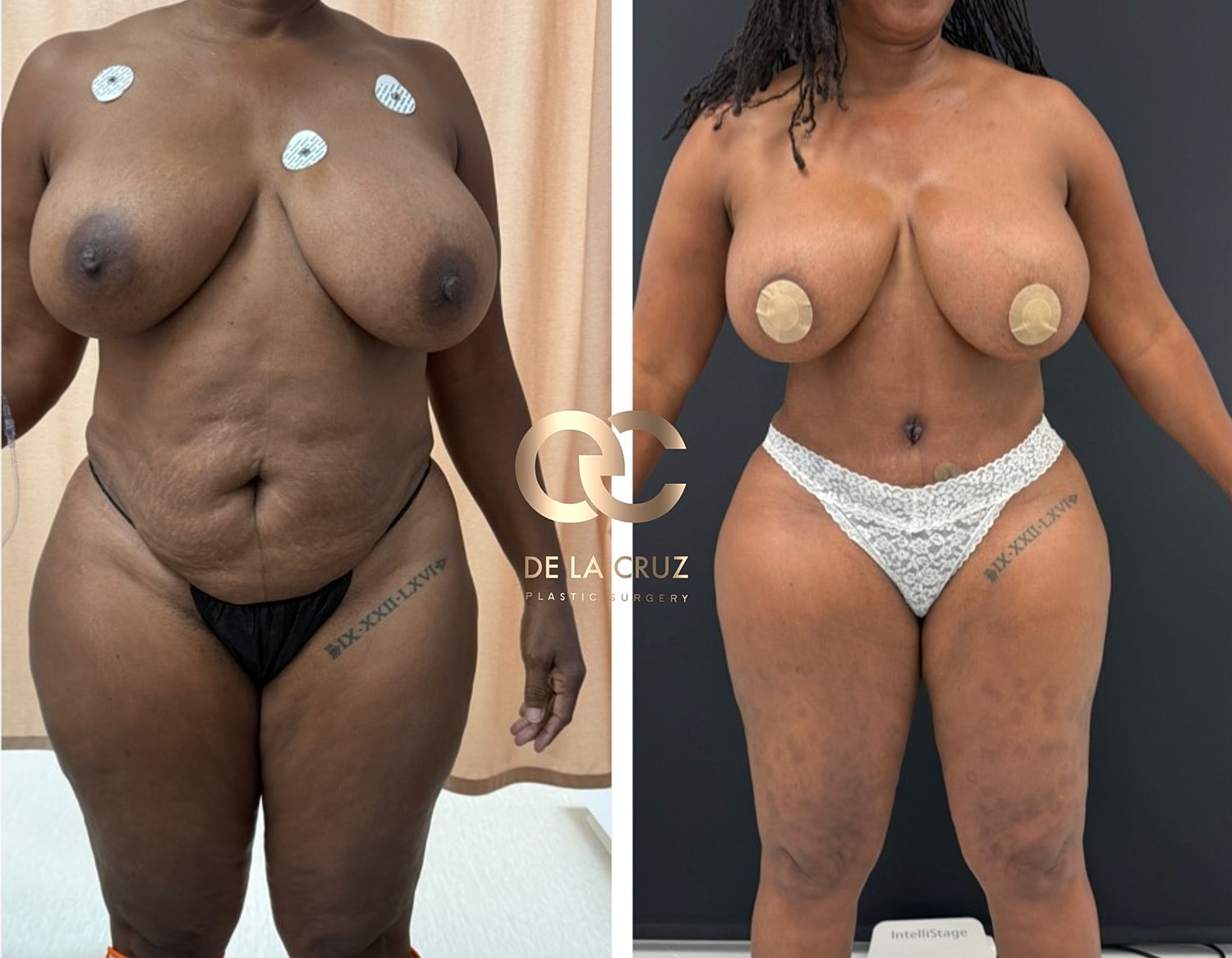
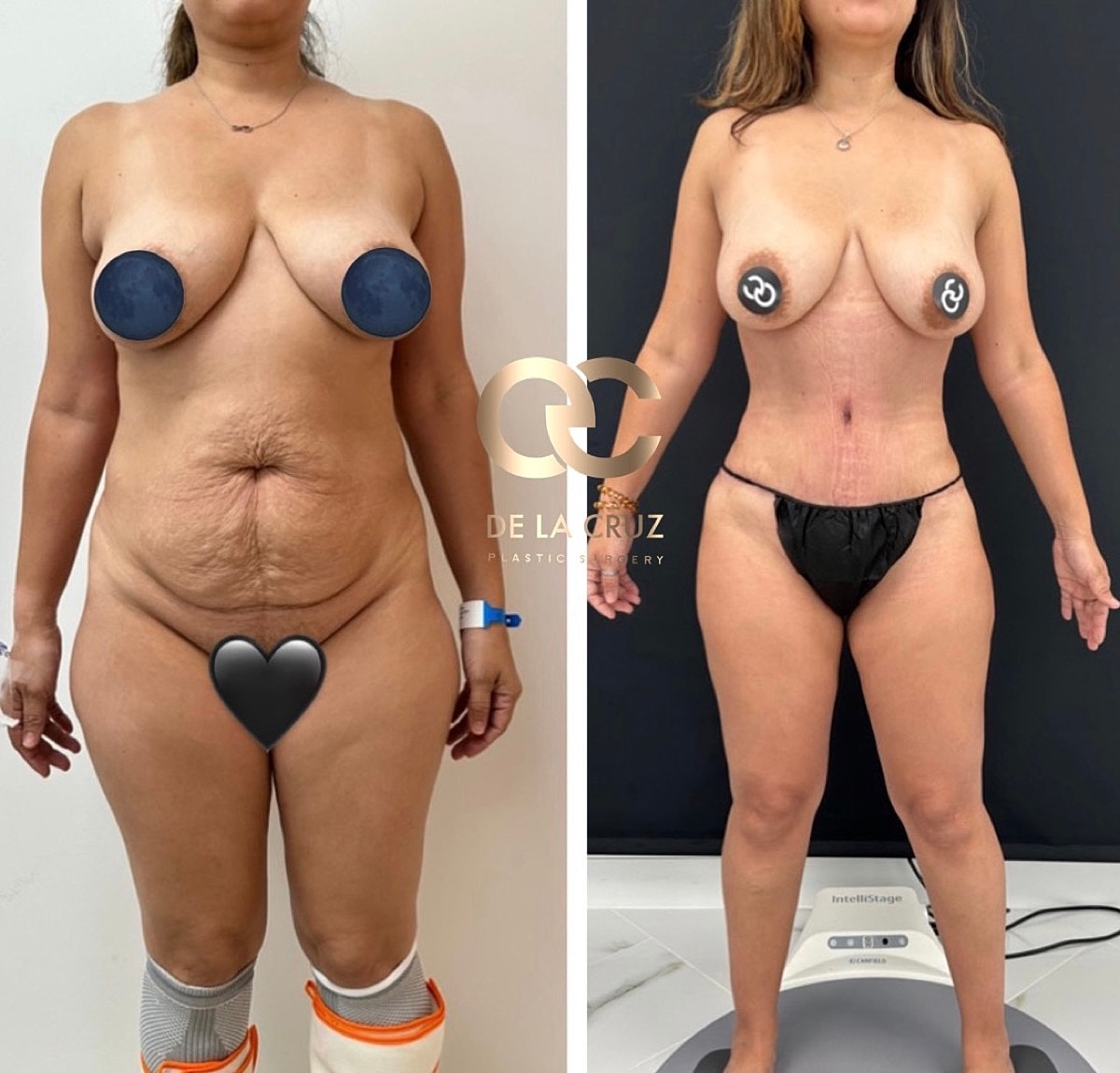
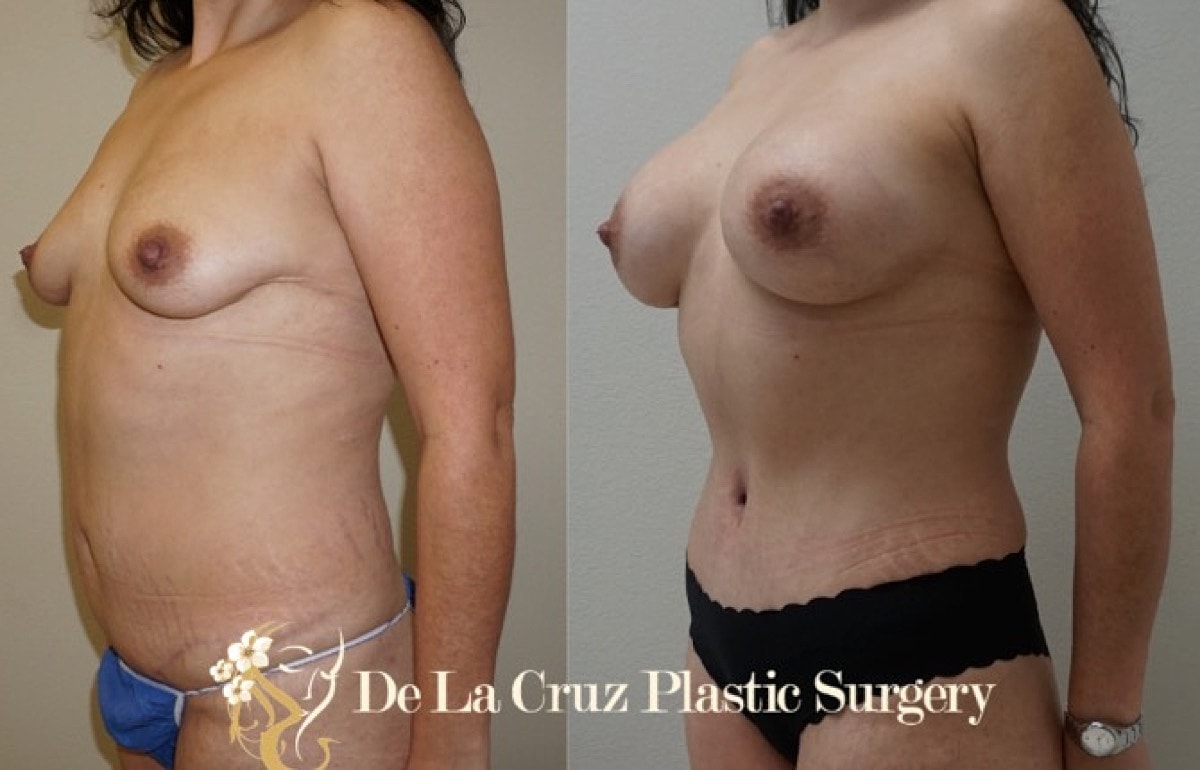
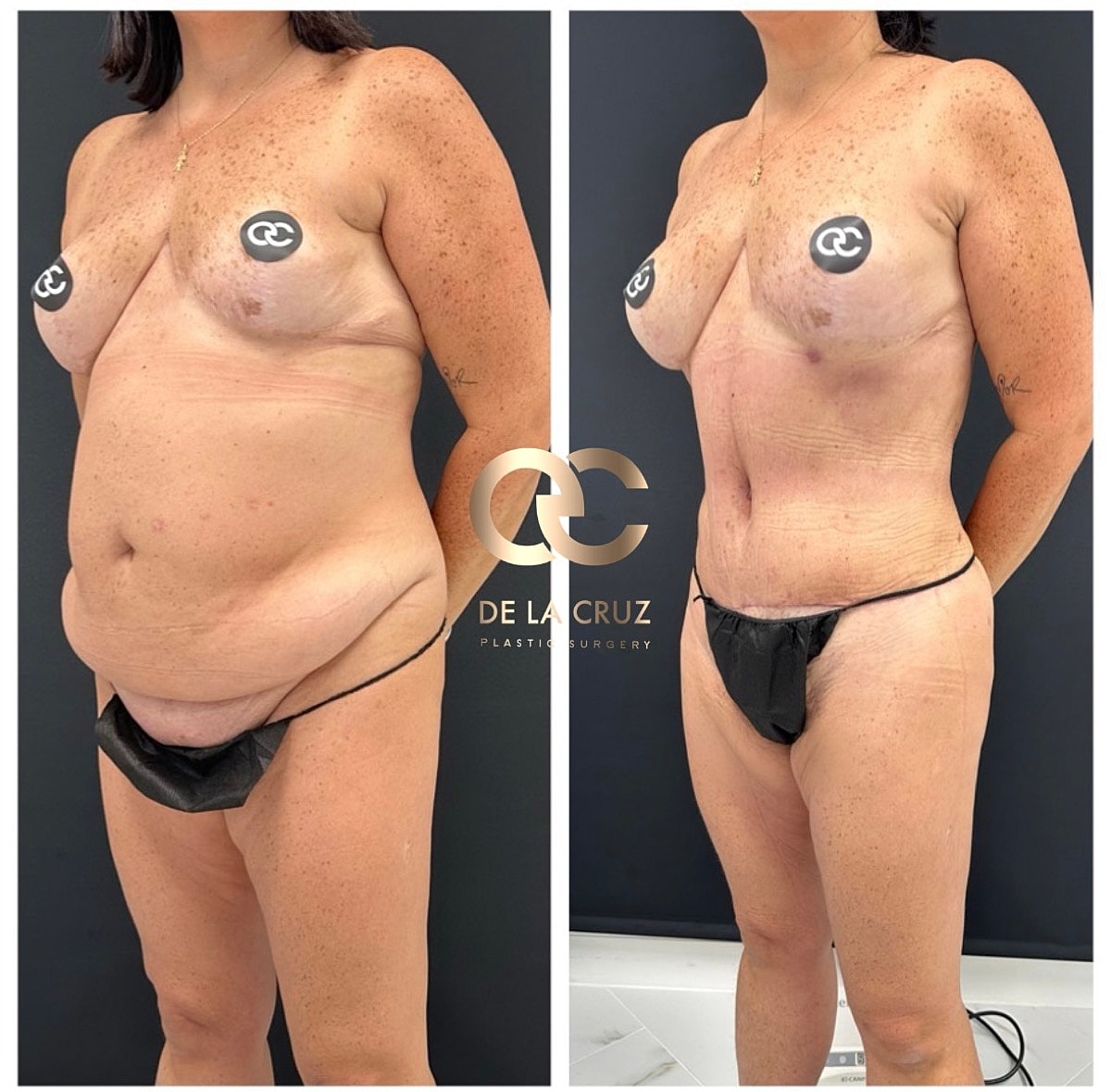
Choosing the best tummy tuck surgeon in Houston involves more than comparing photographs, prices, or online reviews. The most important considerations are board certification, specialized experience in abdominoplasty, surgical judgment, patient safety, and the ability to achieve natural-looking, proportionate results.
An exceptional tummy tuck surgeon understands that abdominal contouring is not simply about removing excess skin. It requires a comprehensive understanding of abdominal wall anatomy, muscle repair, fat distribution, tissue circulation, and the relationship between the abdomen, waist, and surrounding body contours.
There is no universally accepted ranking system that identifies a single best tummy tuck surgeon. However, patients can make informed decisions by evaluating objective qualifications, procedural experience, surgical outcomes, and safety standards.
The right surgeon should combine technical expertise with individualized treatment planning, realistic expectations, and an unwavering commitment to patient safety.
1 of 21
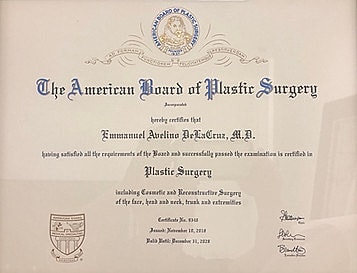
One of the most important qualifications when selecting a tummy tuck surgeon is certification by the American Board of Plastic Surgery (ABPS), a member of the American Board of Medical Specialties.
ABPS certification demonstrates that a surgeon has completed recognized training in plastic surgery and met established standards for professional knowledge and competency.
Patients should understand that terms such as cosmetic surgeon, aesthetic specialist, or body contouring expert do not necessarily indicate certification in plastic surgery.
When researching a surgeon, ask:
Board certification is an essential starting point, but it should not be the only consideration. Procedure-specific experience and sound surgical judgment are equally important.
Although tummy tuck surgery is a well-established procedure, not every abdominoplasty presents the same anatomical challenges.
Some patients require removal of excess skin following pregnancy, while others need extensive abdominal wall reconstruction, correction of significant skin laxity after massive weight loss, or revision of previous surgery.
An experienced abdominoplasty surgeon should be familiar with:
The ability to select the appropriate operation is just as important as technical execution.
A skilled surgeon recognizes when a less extensive procedure will provide an acceptable result and when additional surgery would introduce unnecessary risk.
Surgical excellence is not defined by how much surgery is performed, but by choosing and executing the right operation for the individual patient.
Modern abdominoplasty has evolved beyond the traditional concept of removing loose skin and tightening abdominal muscles.
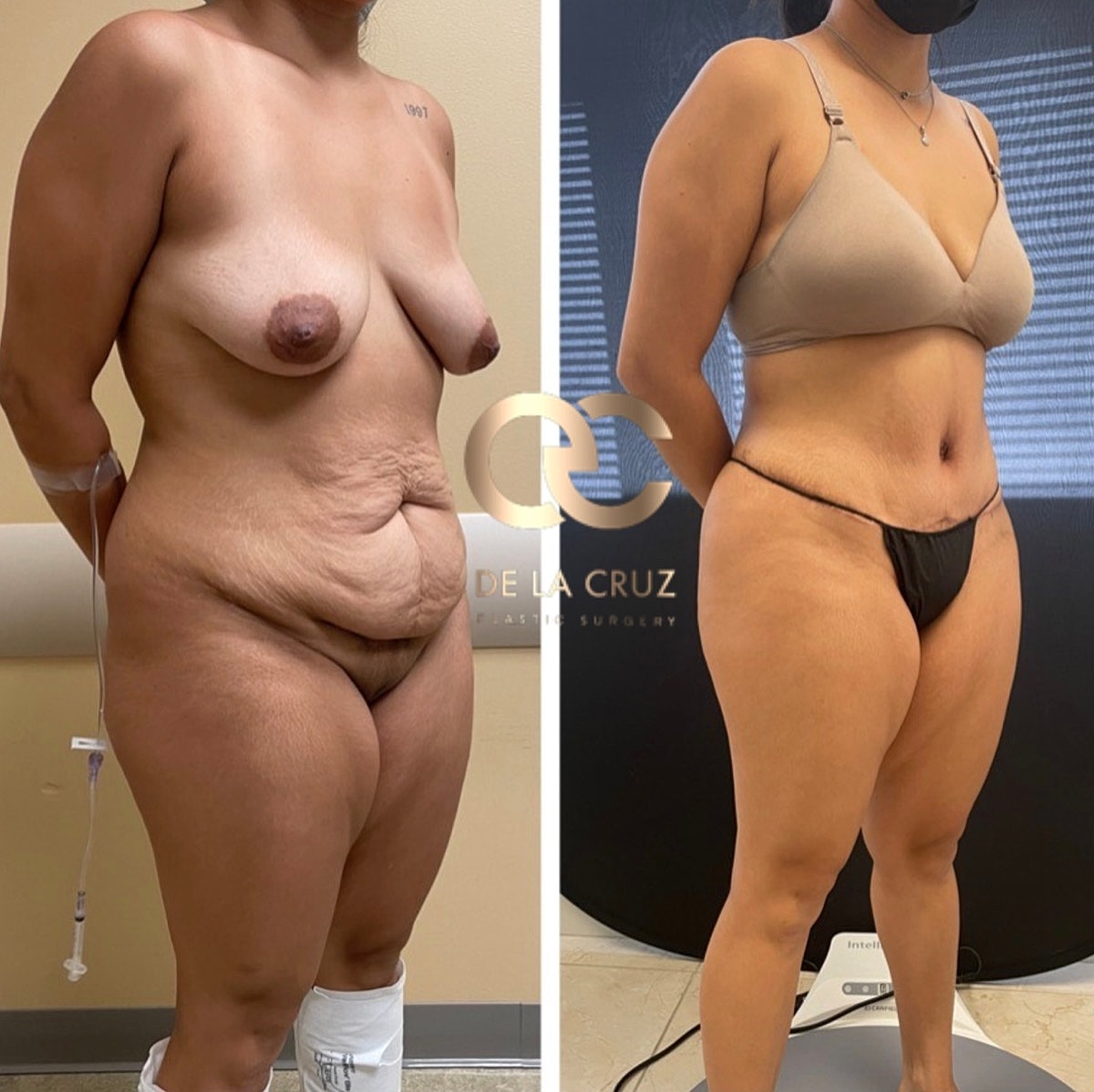
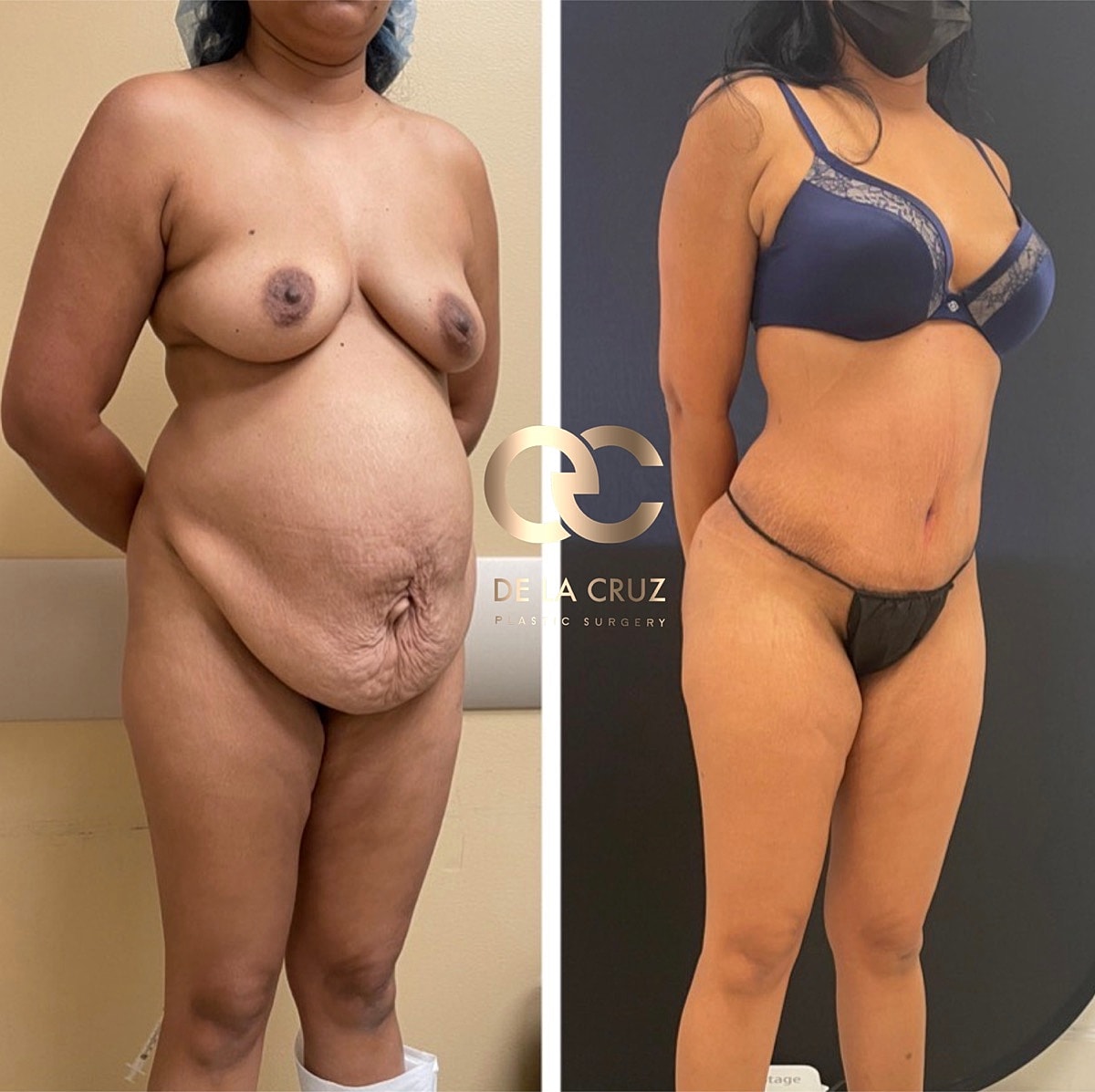
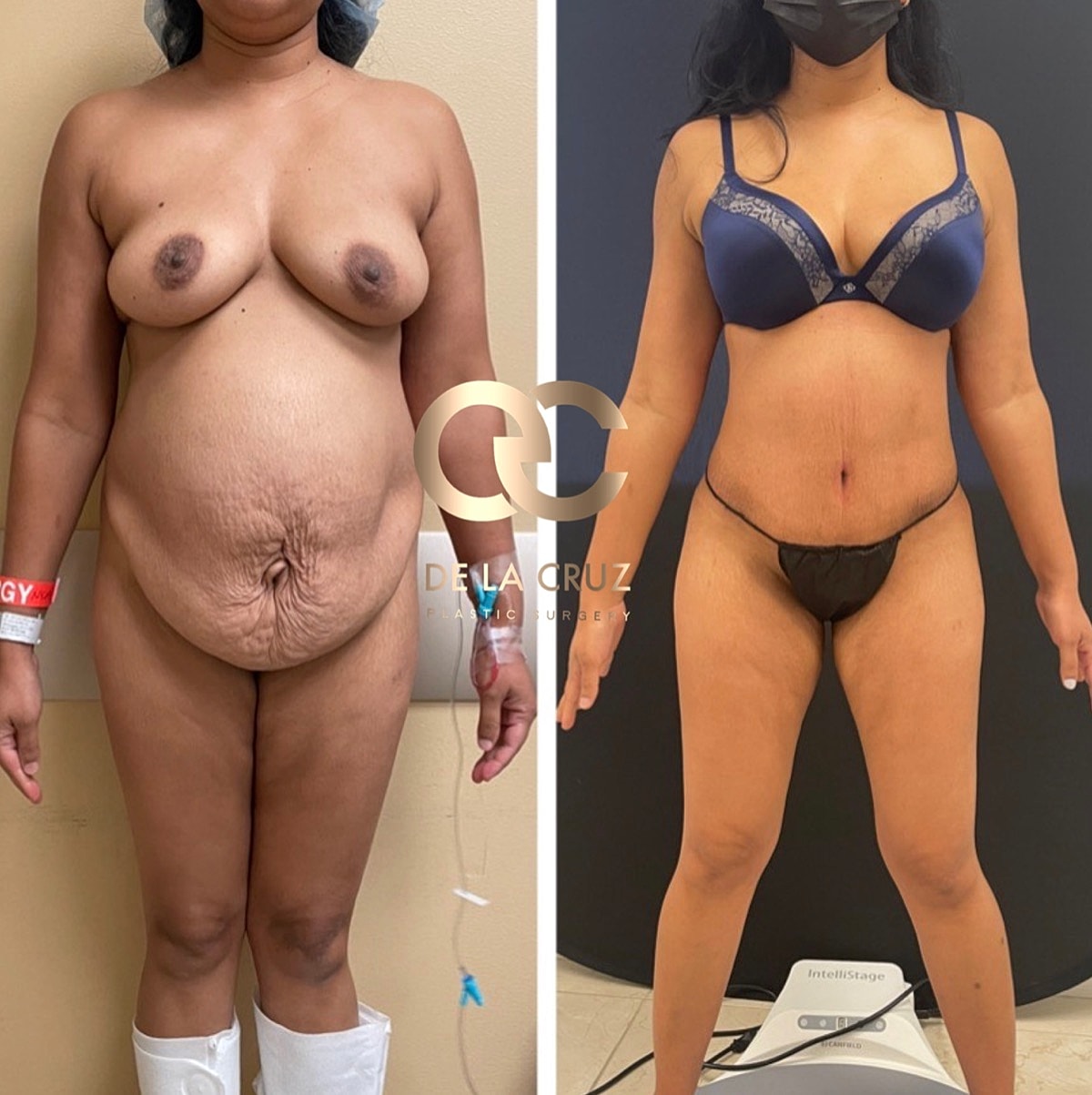
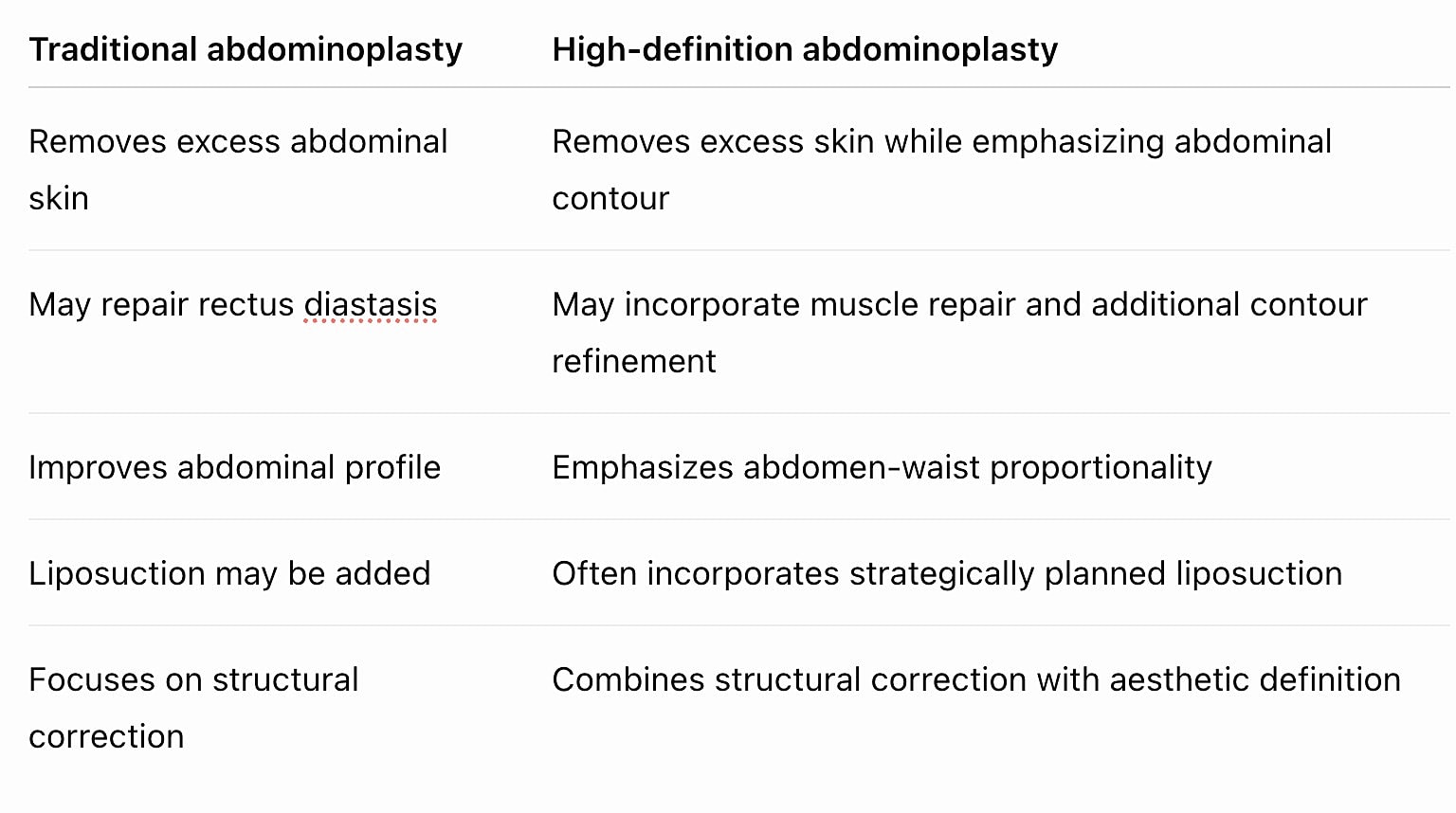
Traditional abdominoplasty generally focuses on removing redundant abdominal skin, improving the contour of the lower abdomen, and repairing rectus diastasis when indicated.
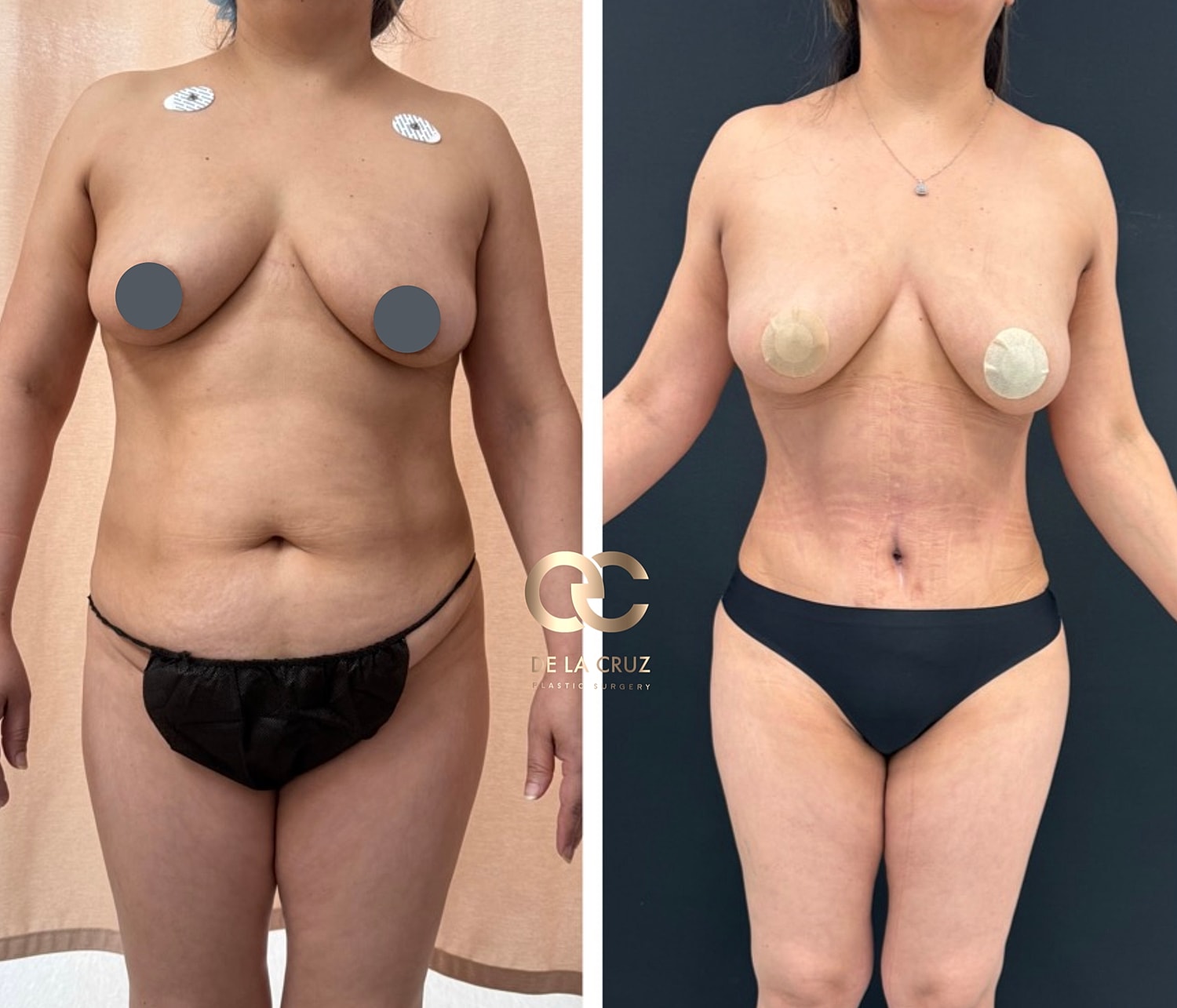
High-definition abdominoplasty incorporates additional attention to three-dimensional abdominal contour, waist definition, and the natural relationship between the abdominal wall and surrounding anatomical structures.
In selected patients, advanced techniques may include VASER ultrasound-assisted liposuction or power-assisted liposuction to refine adjacent fat deposits
Neither technique is universally superior. The appropriate approach depends on the patient's anatomy, skin quality, body fat distribution, and surgical goals.
High-definition surgery should not be confused with aggressive fat removal. Excessive superficial liposuction or poorly planned tissue dissection can increase the risk of contour irregularities and compromise tissue circulation.
The surgeon's understanding of anatomy and preservation of vascular supply remain critical.
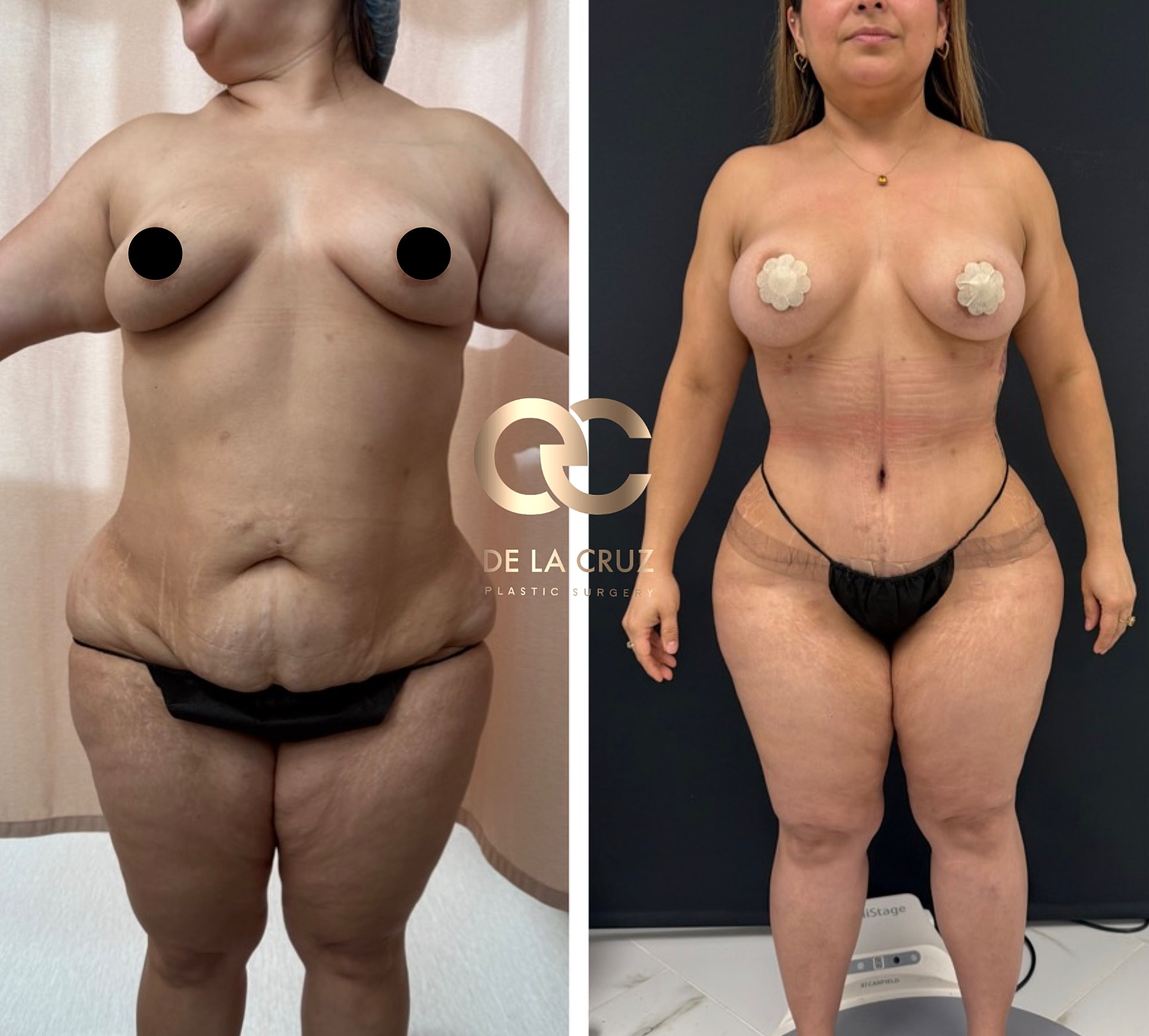
A tummy tuck primarily addresses excess skin and abdominal wall laxity. Liposuction targets localized fat deposits.
For certain patients, combining these procedures can improve the overall relationship between the abdomen, flanks, waist, and back.
This combined approach is known as lipoabdominoplasty.
Potential benefits in appropriately selected patients include:
However, combining procedures requires careful attention to tissue perfusion, operative duration, blood loss, and the patient's individual risk factors.
Not every patient is an appropriate candidate for extensive liposuction during abdominoplasty.
The safest approach is determined by clinical assessment rather than the number of procedures that can be performed in one operation.
Exceptional tummy tuck results begin long before the first incision. While surgical precision and aesthetic judgment are essential, patient safety remains the cornerstone of successful abdominoplasty. An experienced tummy tuck surgeon understands that achieving beautiful, natural-looking results must never come at the expense of patient safety. This requires meticulous preoperative planning, individualized risk assessment, advanced surgical techniques, and comprehensive postoperative care.
Key elements of a comprehensive surgical safety protocol include:
What Truly Distinguishes an Exceptional Tummy Tuck Surgeon?
No surgeon can eliminate every surgical risk. However, exceptional surgical care is defined not only by the ability to achieve aesthetically refined results, but also by the judgment to recognize risks, prevent avoidable complications, and manage unexpected challenges effectively.
According to Dr. Emmanuel De La Cruz, MD, a double board-certified plastic surgeon in Houston, the hallmark of surgical excellence is the integration of technical precision, artistic judgment, and an uncompromising commitment to patient safety.
Ultimately, the best tummy tuck surgeon is not simply the one who creates the most dramatic transformation, but one who consistently prioritizes sound surgical judgment, individualized patient care, and safe, natural-looking outcomes.sible surgical practice is the ability to recognize, reduce, communicate, and manage those risks.
The objective of an excellent tummy tuck is not simply to create the flattest possible abdomen.
A refined result should appear proportionate to the patient's overall physique and preserve natural anatomical relationships.
Important aesthetic considerations include:
Why Belly Button Design Matters
The appearance of the umbilicus is an important component of abdominoplasty.
An unnatural belly button can make an otherwise successful tummy tuck appear surgically altered.
Its shape, depth, positioning, and surrounding skin contours should be considered during surgical planning.
Why Scar Placement Matters
A tummy tuck produces a permanent scar, generally positioned across the lower abdomen.
Its length and location depend on the amount and distribution of excess skin, previous scars, and the operation required.
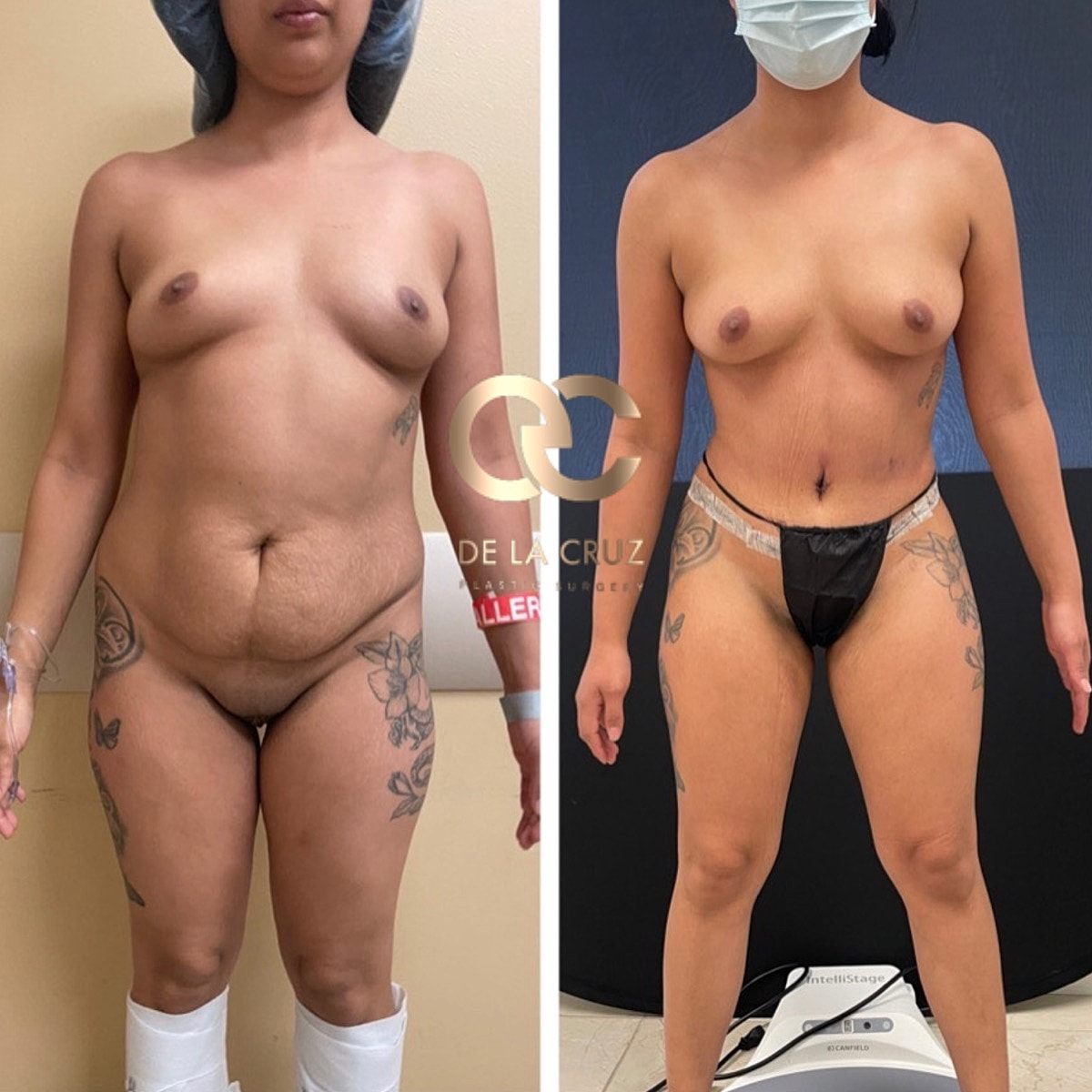
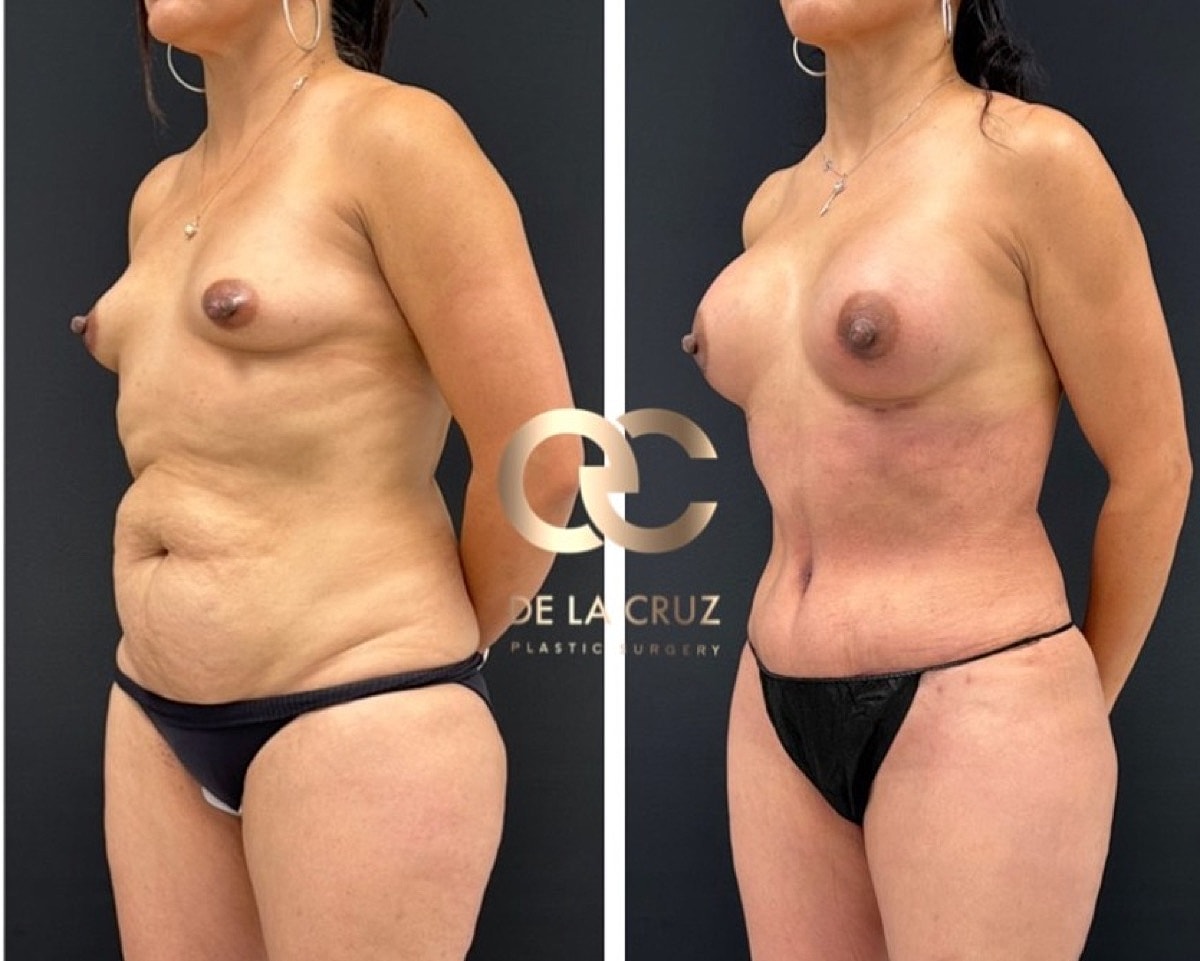
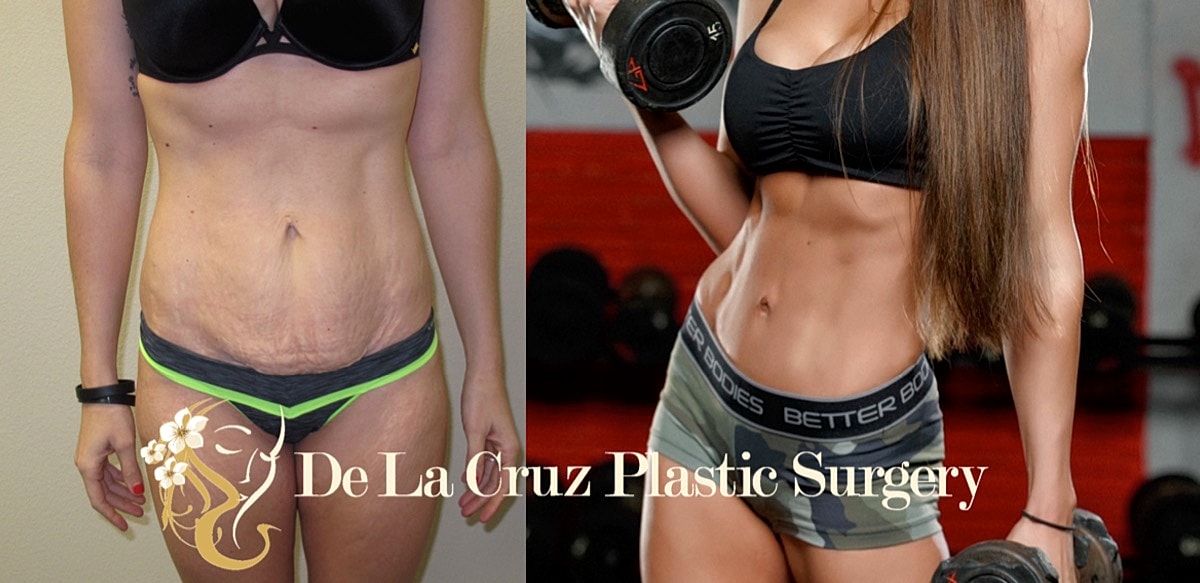
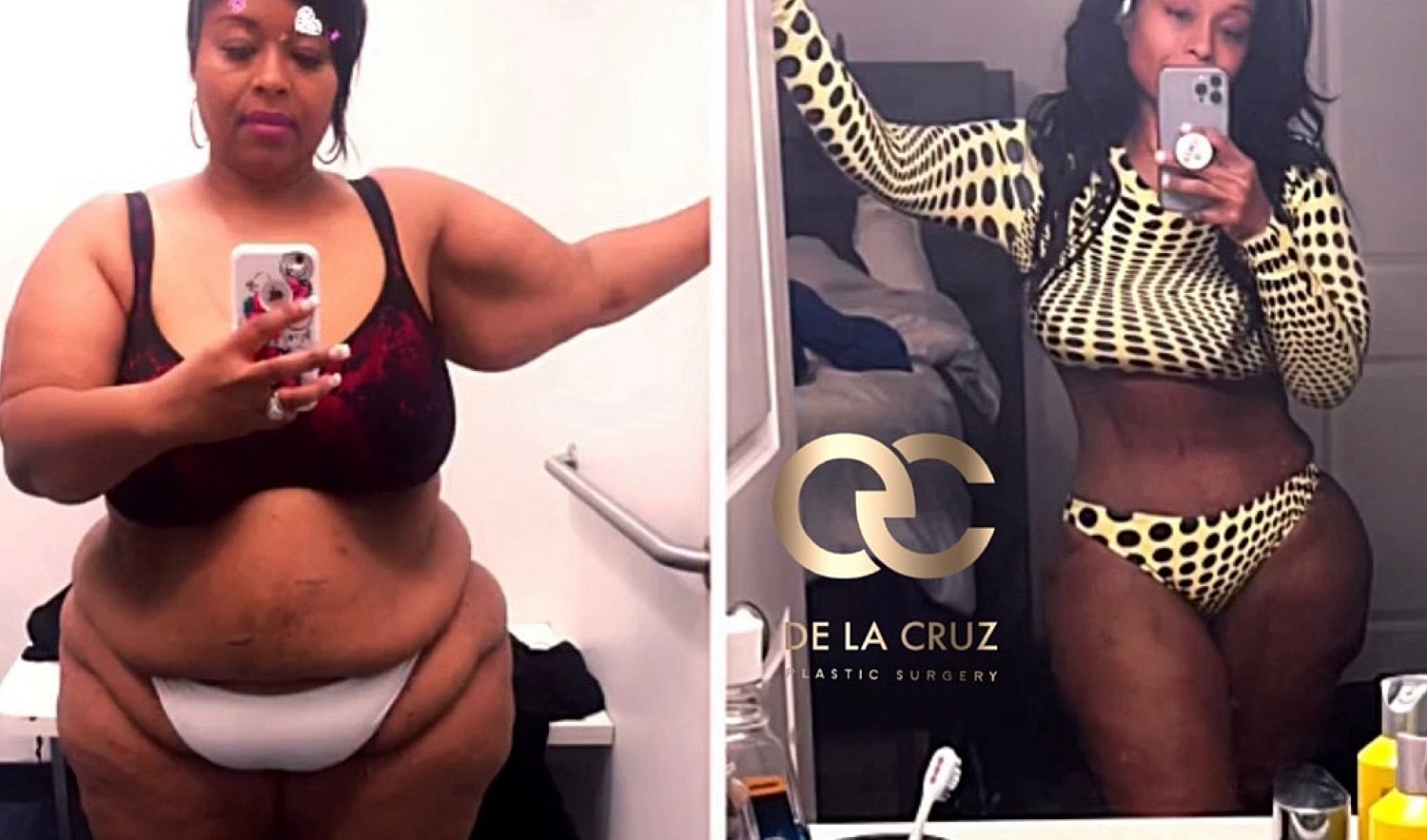
Patients should ask to see healed results rather than relying exclusively on early postoperative photographs.
Plastic surgery combines anatomical science with aesthetic judgment.
Two surgeons may perform similar technical steps yet produce different contours because of differences in planning, tissue handling, scar positioning, and attention to proportion.
An artistic approach to abdominoplasty considers the abdomen as part of the entire torso rather than an isolated anatomical region.
The relationship between the waist, hips, abdominal musculature, and surrounding soft tissues influences the final appearance.
Successful body contouring requires an understanding of three-dimensional anatomy, natural curvature, symmetry, and the interaction of light and shadow.
Technology can assist the surgeon, but it cannot replace anatomical knowledge, judgment, or artistic precision.
Dr. Emmanuel De La Cruz is a Houston-based plastic and reconstructive surgeon who is double board-certified by the American Board of Plastic Surgery and the American Board of Surgery.
His surgical practice includes advanced body contouring, high-definition liposuction, lipoabdominoplasty, and treatment of complex abdominal contour concerns.
His approach to abdominoplasty incorporates several important principles.
Advanced Body-Contouring Experience
Dr. De La Cruz has experience with high-definition liposuction and advanced body-contouring techniques, including VASER ultrasound-assisted liposuction and power-assisted liposuction.
These techniques may be incorporated into selected abdominal contouring procedures when clinically appropriate.
Surgical Precision and Individualized Planning
His approach considers skin redundancy, abdominal wall laxity, fat distribution, tissue quality, and the patient's overall proportions.
Not every patient requires the same operation. Some may benefit from traditional abdominoplasty, while others may be candidates for combined lipoabdominoplasty or more extensive body-contouring procedures.
Academic and Professional Contributions
Dr. De La Cruz has contributed to peer-reviewed surgical literature, including work on lipoplasty in overweight patients.
He has also participated in professional educational meetings addressing advanced liposuction and body-contouring techniques.
A Background in Classical Sculpture
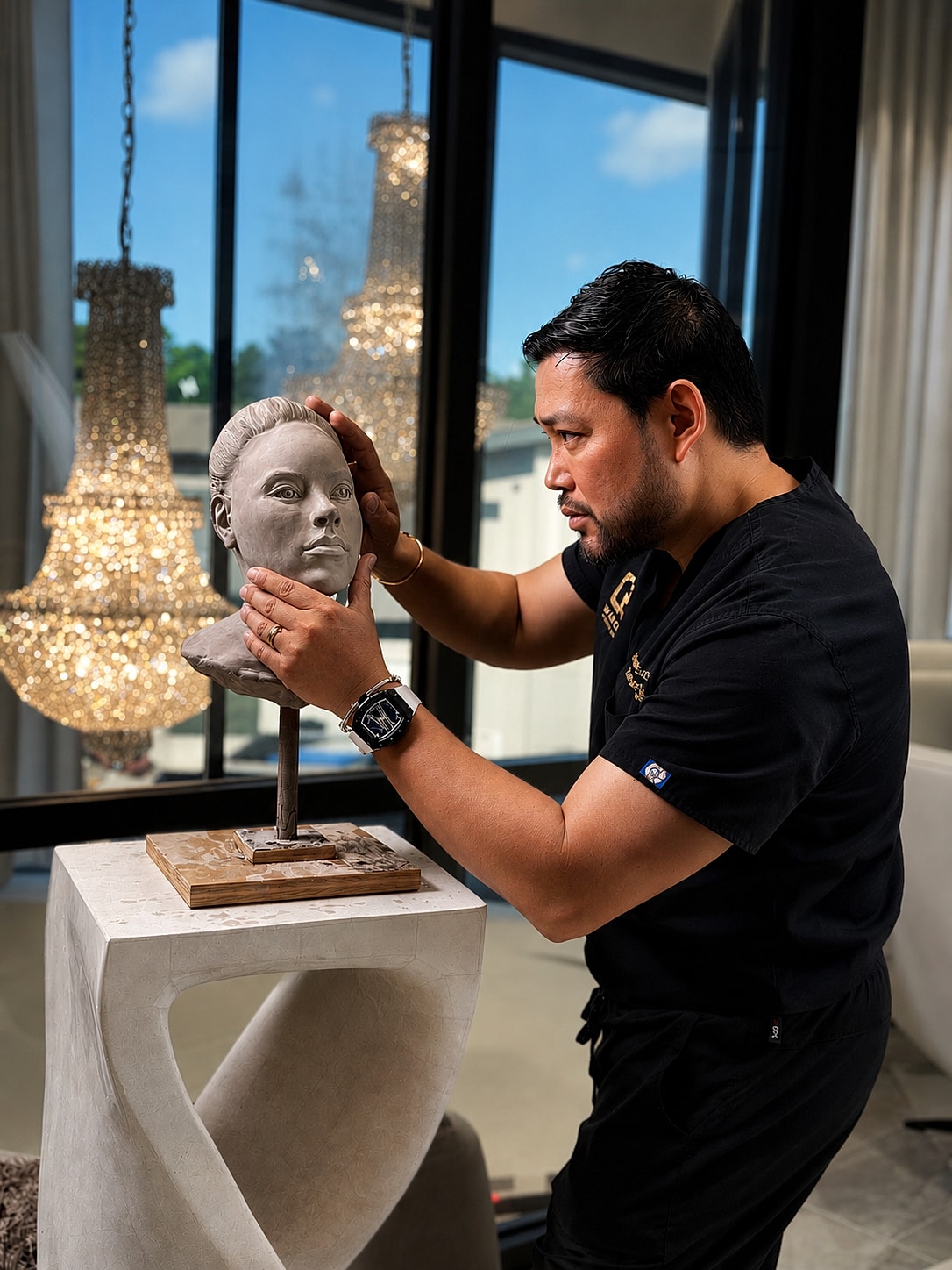
Beyond surgical training, Dr. De La Cruz has studied portrait sculpture under French sculptor Philippe Faraut.
His interest in classical sculpture informs his appreciation of anatomy, proportion, three-dimensional form, and aesthetic balance.
This artistic background complements his surgical approach to body contouring.
Commitment to Surgical Safety
His practice emphasizes individualized preoperative assessment, appropriate patient selection, perioperative planning, and postoperative monitoring.
Procedures are performed in a licensed surgical setting with established safety protocols and anesthesia support.
For patients considering tummy tuck surgery in Houston, these qualifications provide useful information to evaluate alongside consultation findings, authentic patient results, and independently verified credentials.
Exceptional outcomes in liposuction are not achieved through fat removal alone—they require a disciplined, anatomy-driven approach combined with refined artistic judgment.
Influenced by his classical training under Philippe Faraut, Dr. De La Cruz approaches body contouring as the sculpting of living anatomy, where each contour is deliberately shaped rather than indiscriminately reduced.
Advanced liposuction requires:
Technology alone does not determine outcomes—surgeon expertise does.
What is board certification?
Board certification by the American Board of Plastic Surgery ensures that a surgeon has completed accredited training and meets national standards for safety and competency.
What is specialization in liposuction?
Specialization means the surgeon focuses on body contouring procedures and has extensive experience with liposuction techniques. Training by the pioneer of High-definition liposuction matters.
Key credentials to look for:
According to Dr. Emmanuel De La Cruz, MD, a double board-certified plastic surgeon, exceptional abdominoplasty combined with liposuction requires more than surgical expertise—it demands technical precision, an intimate understanding of three-dimensional anatomy, and an artistic vision to sculpt natural, harmonious body contours.
Many practices advertise themselves as:
However, what truly distinguishes an exceptional tummy tuck surgeon goes far beyond marketing claims. Patients should consider several important qualifications:
This is where meaningful differentiation begins.
According to Dr. Emmanuel De La Cruz, MD, a double board-certified plastic surgeon in Houston, exceptional tummy tuck results are not achieved simply by removing excess skin or tightening abdominal muscles. They require surgical precision, an advanced understanding of anatomy, and an artistic approach to creating natural, harmonious body contours.
While advanced technologies such as VASER liposuction may enhance abdominal definition in appropriately selected patients, technology alone does not determine surgical excellence. The surgeon's expertise, aesthetic judgment, and commitment to patient safety ultimately shape the outcome.
While many board-certified plastic surgeons perform tummy tuck surgery, not all specialize in advanced abdominoplasty techniques, high-definition abdominal contouring, or complex lipoabdominoplasty procedures.
Modern tummy tuck surgery extends beyond traditional skin removal and muscle tightening. Advanced techniques, including high-definition abdominoplasty, lipoabdominoplasty, extended tummy tuck procedures, and revision abdominoplasty, require sophisticated anatomical knowledge, meticulous surgical precision, and extensive procedure-specific experience.
Surgeons with established reputations in plastic surgery may not necessarily focus on or perform high volumes of advanced tummy tuck procedures. Achieving natural-looking abdominal contours, a well-defined waistline, harmonious body proportions, and an aesthetically refined umbilicus requires both technical expertise and artistic judgment.
For this reason, patients searching for the best tummy tuck surgeon in Houston should evaluate more than credentials and reputation. Equally important are specialized experience in abdominoplasty, surgical safety, advanced body-contouring expertise, and consistency of long-term results.
In modern abdominoplasty, surgical excellence is defined not simply by the ability to perform a tummy tuck, but by the expertise, precision, and aesthetic judgment required to achieve exceptional, natural-looking results.
When evaluating a liposuction surgeon, ask:
There is no objective ranking that identifies a single best tummy tuck surgeon in Houston. Patients should consider ABPS certification, experience in abdominoplasty, safety protocols, facility standards, and consistent surgical results. Dr. Emmanuel De La Cruz is a double board-certified Houston plastic surgeon whose practice includes advanced tummy tuck and body-contouring procedures.
A traditional tummy tuck focuses on removing excess abdominal skin and repairing muscle separation when necessary. High-definition abdominoplasty may incorporate additional contour refinement to emphasize natural abdominal and waist proportions.
VASER can be useful for selected body-contouring procedures, but the technology itself does not guarantee a better result. Appropriate patient selection and surgical expertise are more important.
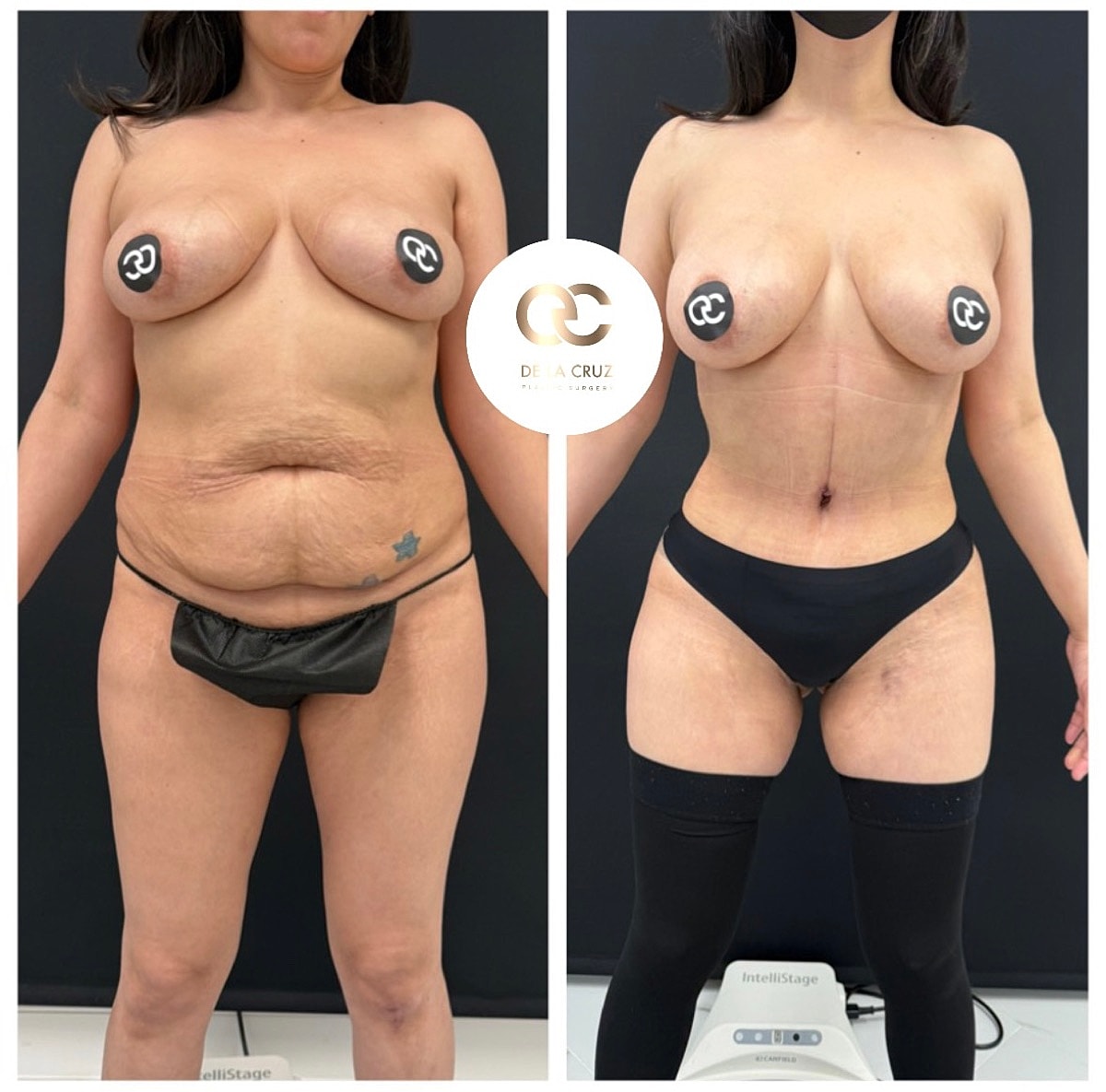
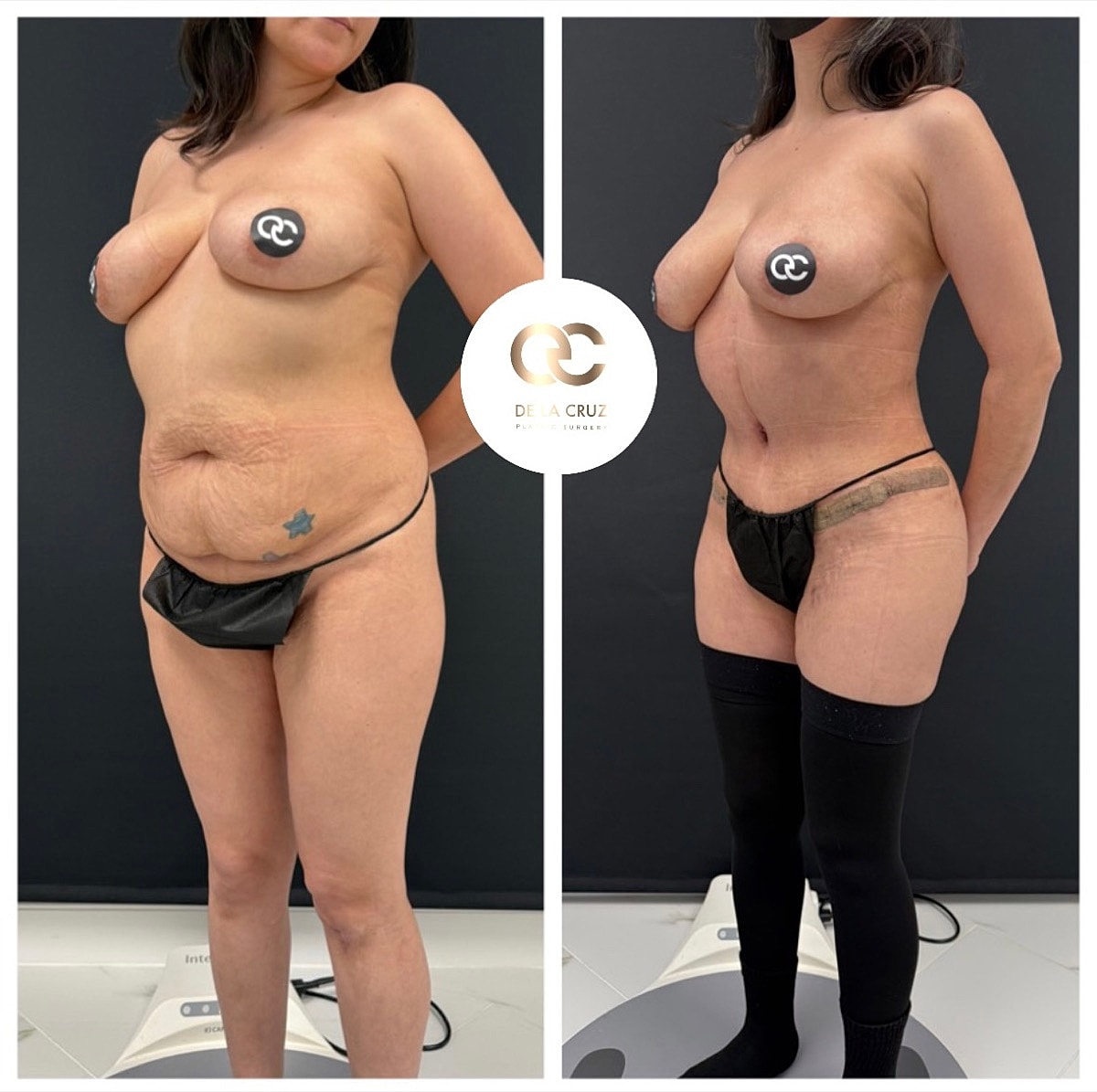
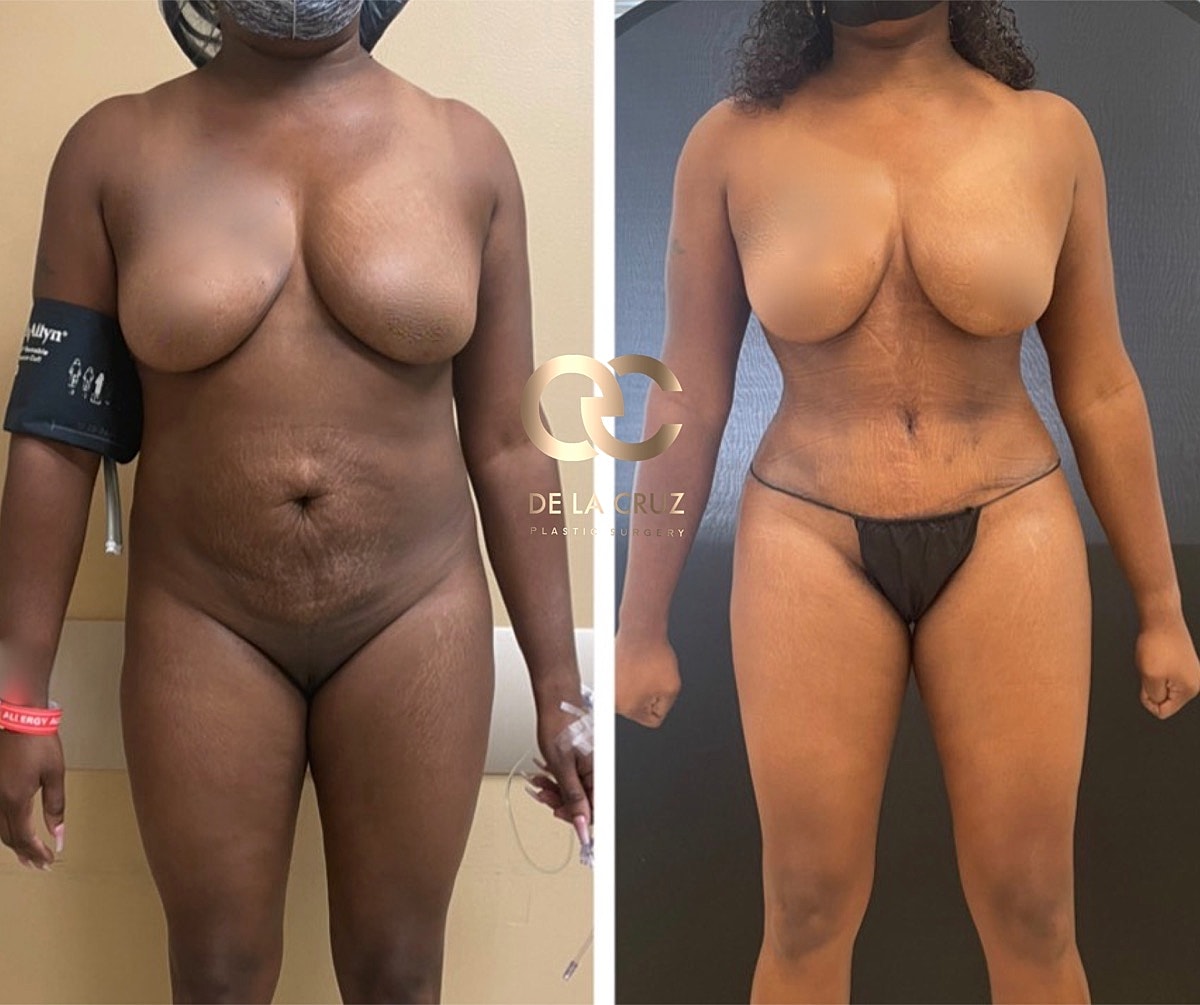
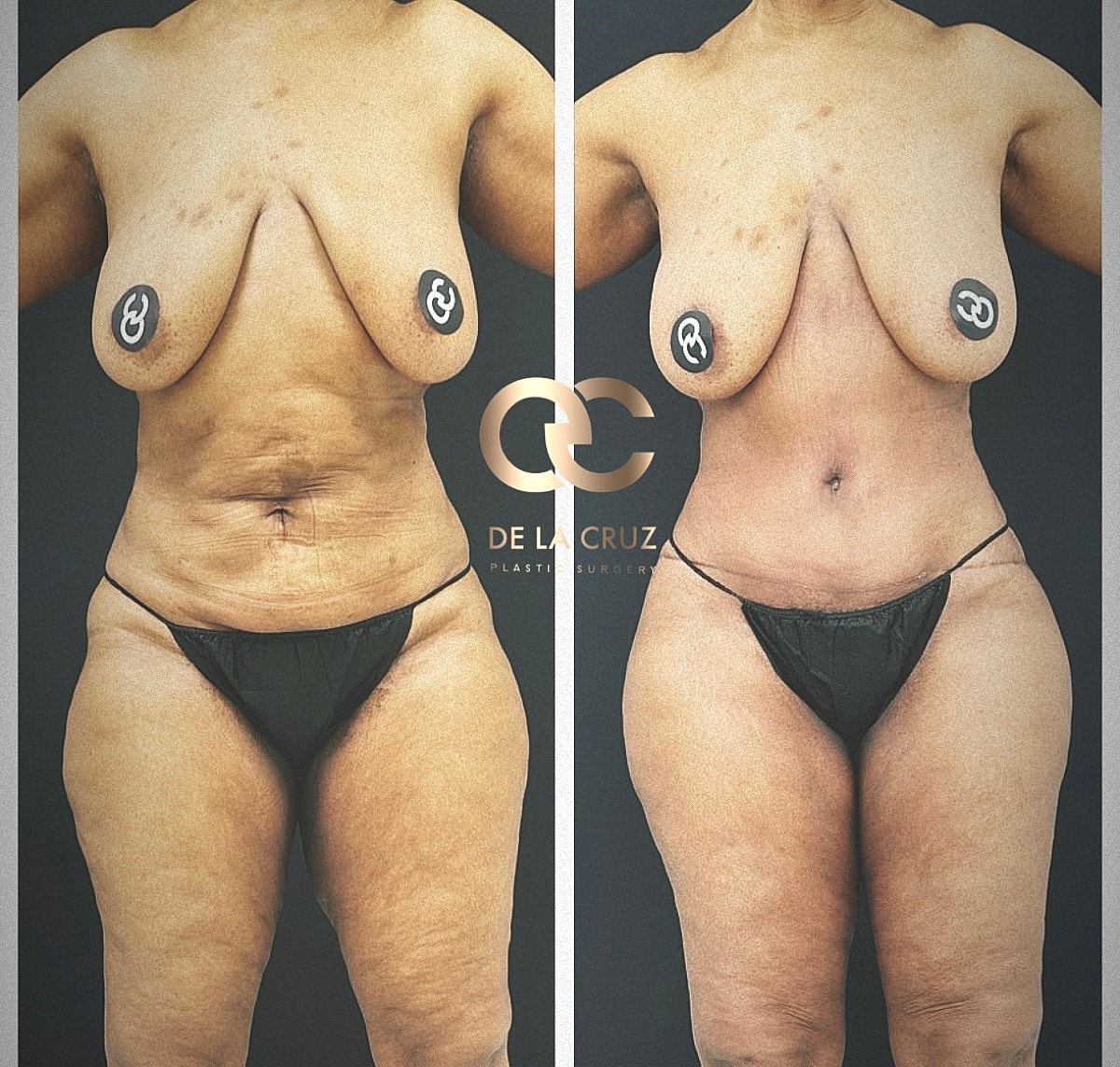
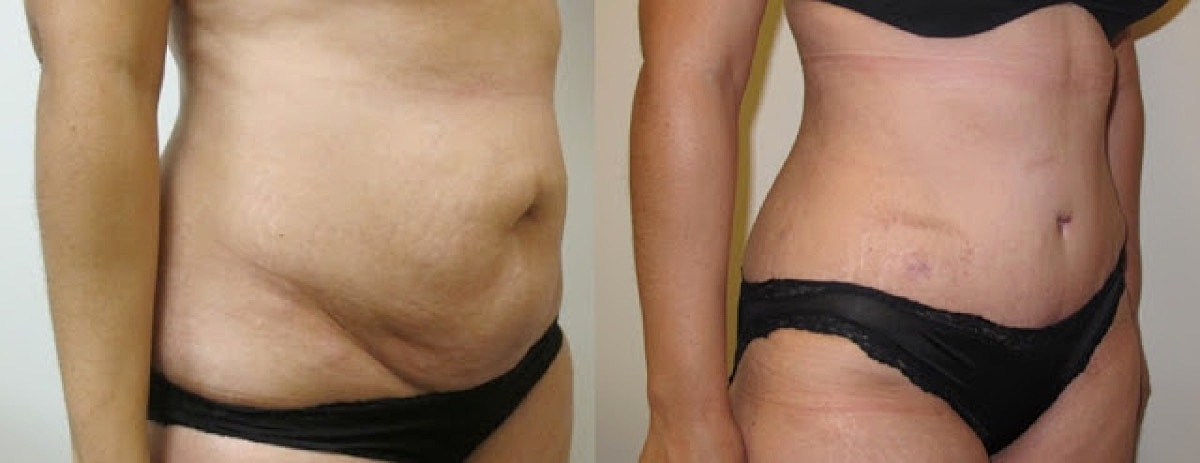
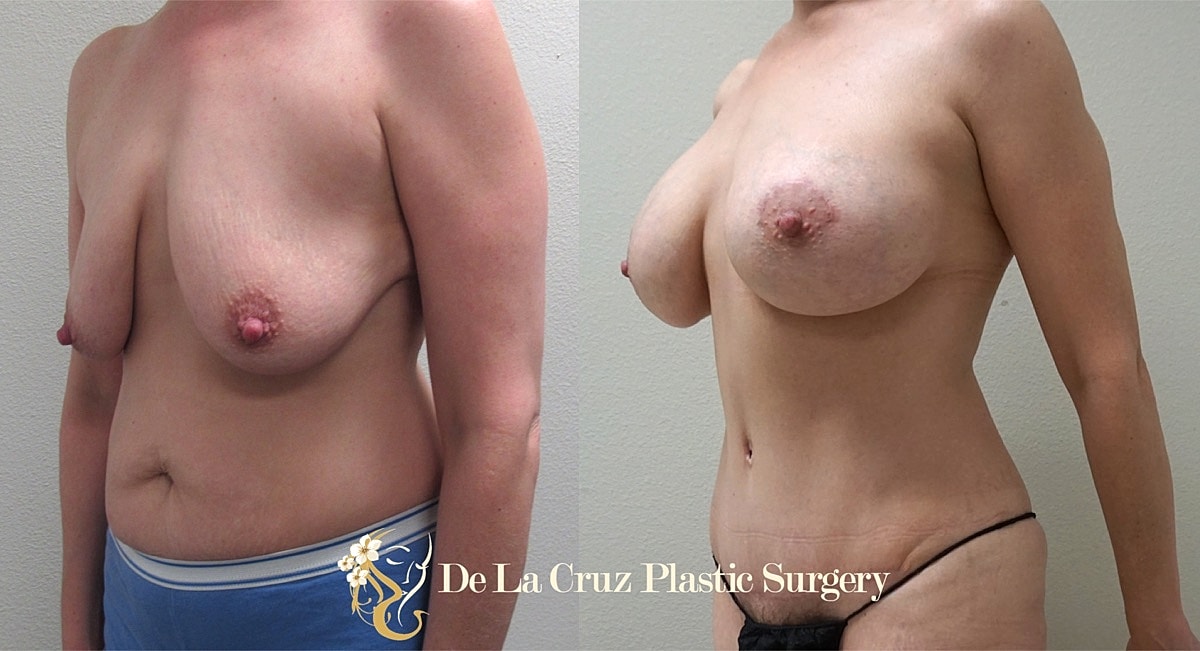
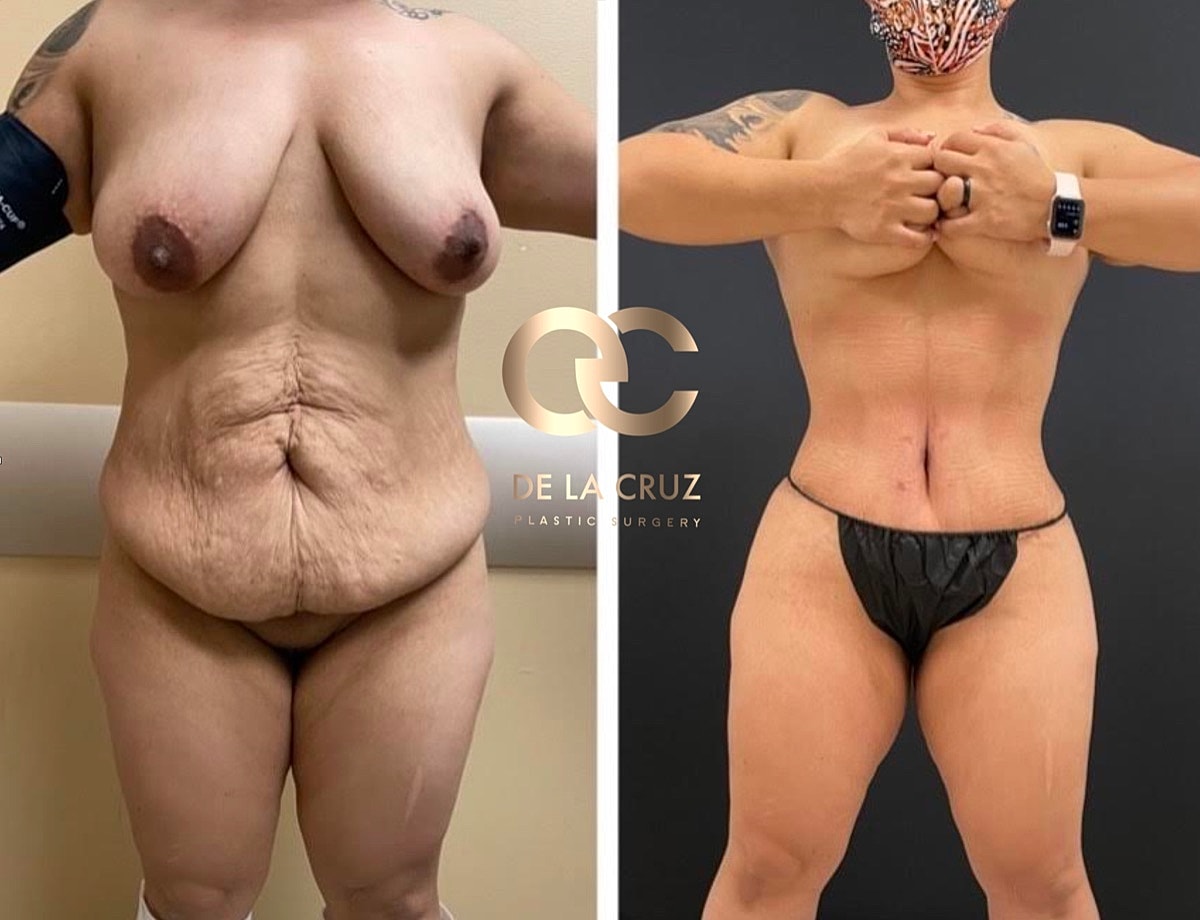
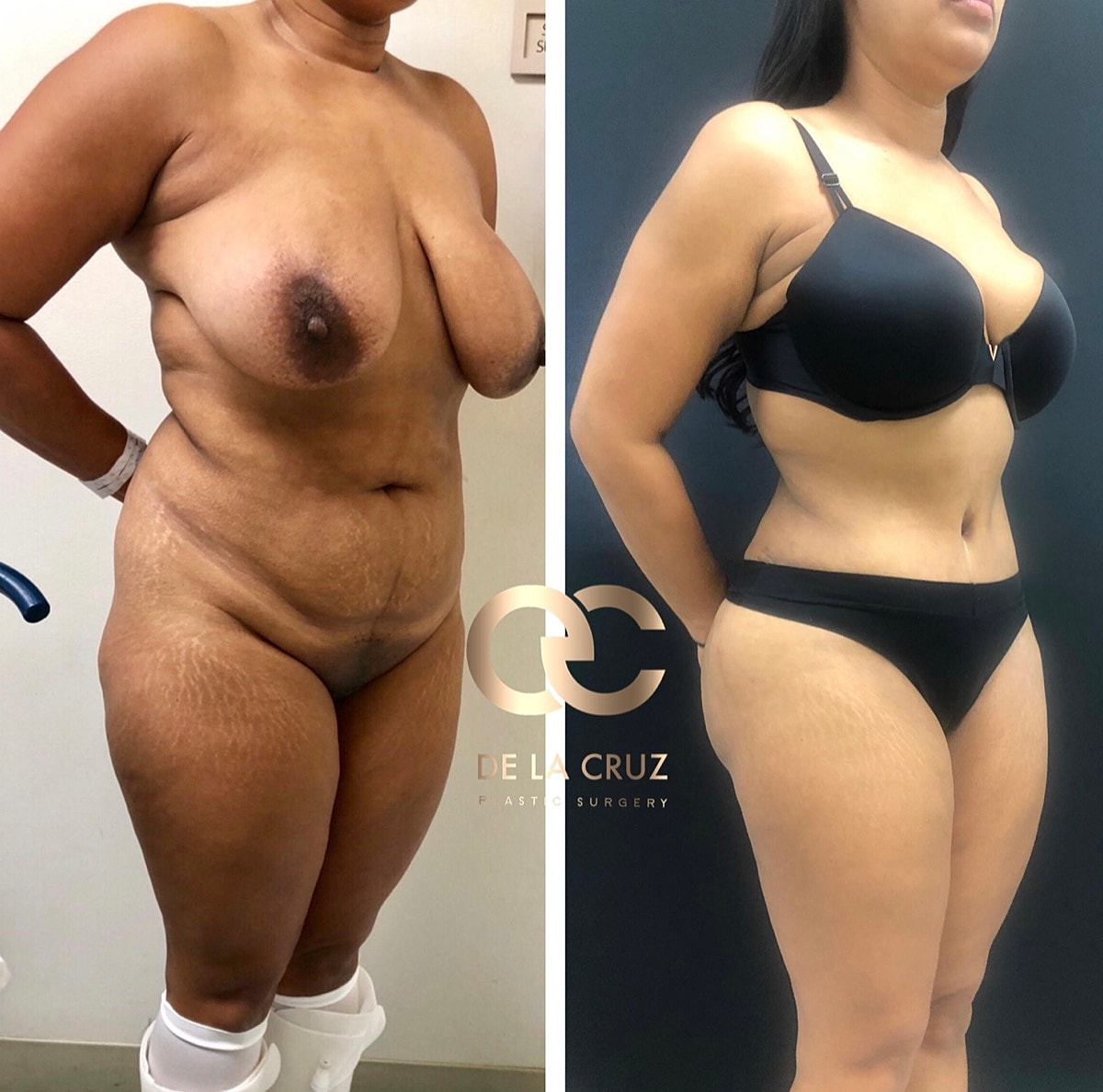
Look for natural belly button appearance, smooth contours, proportionate waist definition, appropriate scar placement, and photographs taken under consistent conditions. Long-term healed results are especially informative.
Verify certification through the American Board of Plastic Surgery, review relevant surgical experience, confirm the facility's accreditation or licensing, and ask about complication management and postoperative care.
About the Author
Dr. Emmanuel De La Cruz, MD is a double-board-certified plastic surgeon in Houston, Texas, certified by both the American Board of Plastic Surgery and the American Board of Surgery. He specializes in advanced liposuction and body contouring procedures, including high-definition liposculpture, Brazilian Butt Lift (BBL), revision liposuction, and treatment of lipedema.
Dr. De La Cruz is internationally recognized for his expertise in high-definition liposuction and contour sculpting techniques, which play a critical role in achieving balanced, natural-looking results in procedures such as liposuction and Brazilian Butt Lift surgery. His work focuses on precise body contour sculpting to enhance overall body proportions.
He has lectured internationally on liposuction techniques, fat grafting, and contour irregularity correction, presenting at major scientific meetings including the American Society of Plastic Surgeons (ASPS), the Total Definer Meeting in Bogotá, Colombia, the InMode Symposium in Miami and Beverly Hills, and AestheticStanbul in Istanbul, Turkey, where he was invited to lecture by renowned plastic surgeon Dr. Foad Nahai.
Dr. De La Cruz has also contributed to the scientific literature on liposuction and body contouring. He is the author of “Lipoplasty in the Overweight Patient”, published in the peer-reviewed journal Clinics in Plastic Surgery.
Through his clinical work, research, and international lectures, Dr. De La Cruz focuses on advancing safe, precise, and refined techniques in liposuction, BBL surgery, and modern body contouring.