Why High-Definition Liposuction Requires Advanced Training | Risks, Skill & Results
Written by Dr. Emmanuel De La Cruz, MD Double Board-Certified Plastic Surgeon | Houston, Texas
Written by Dr. Emmanuel De La Cruz, MD Double Board-Certified Plastic Surgeon | Houston, Texas
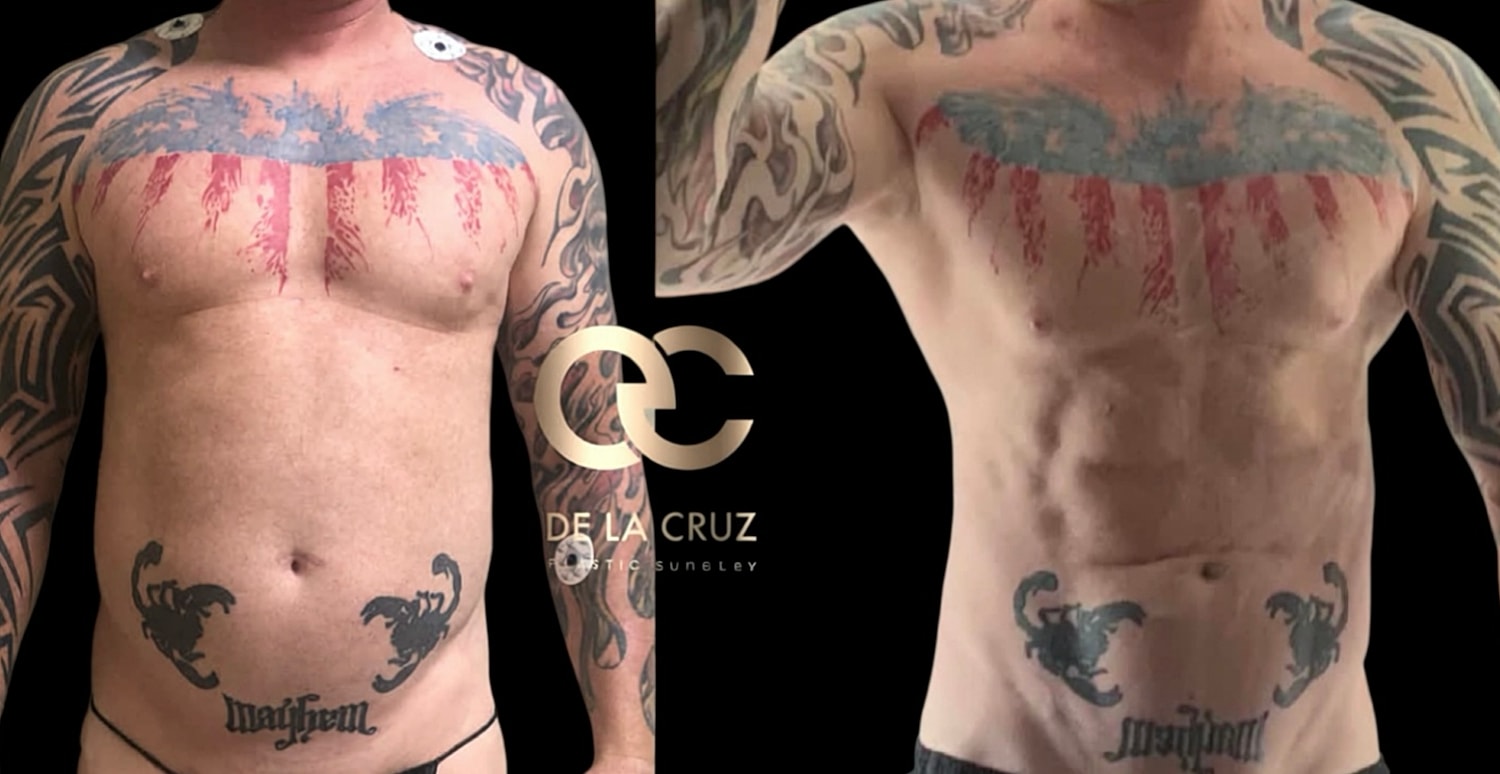
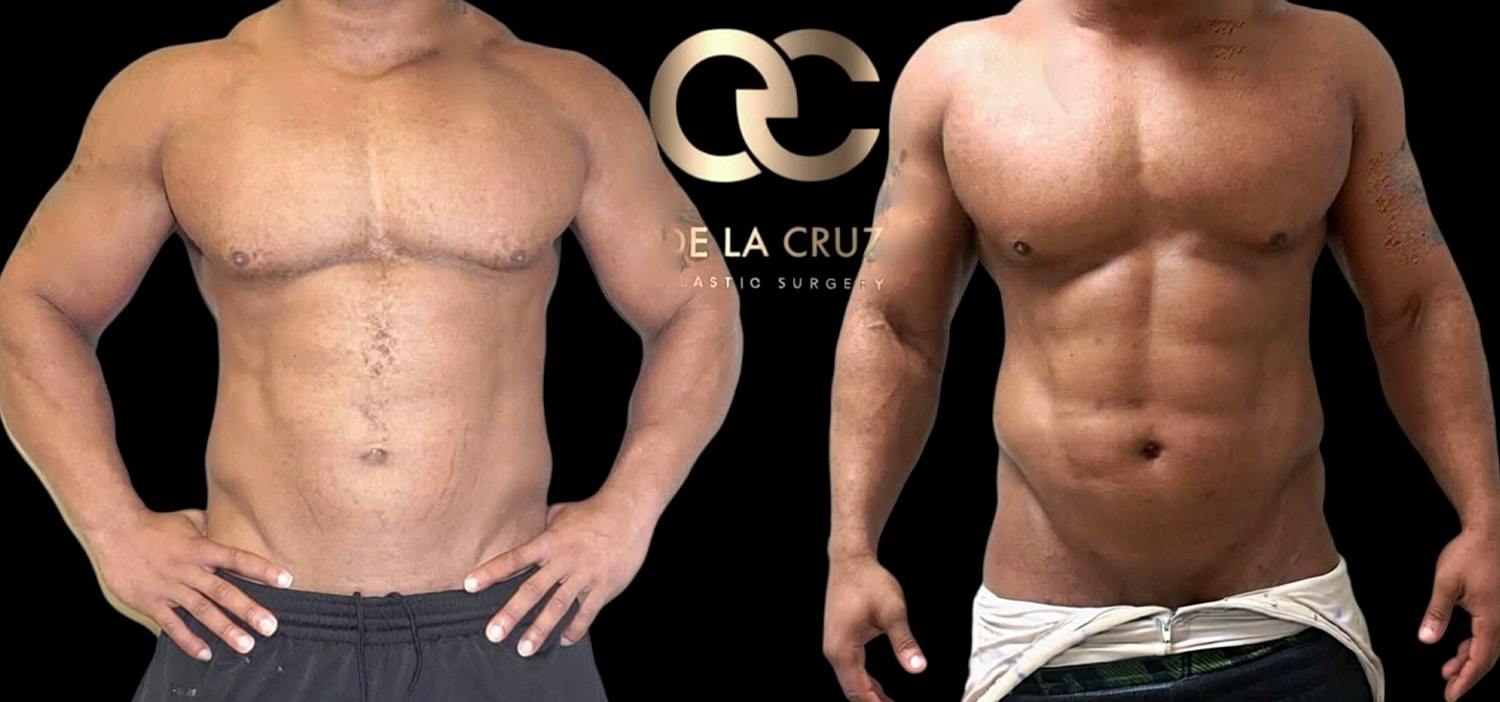
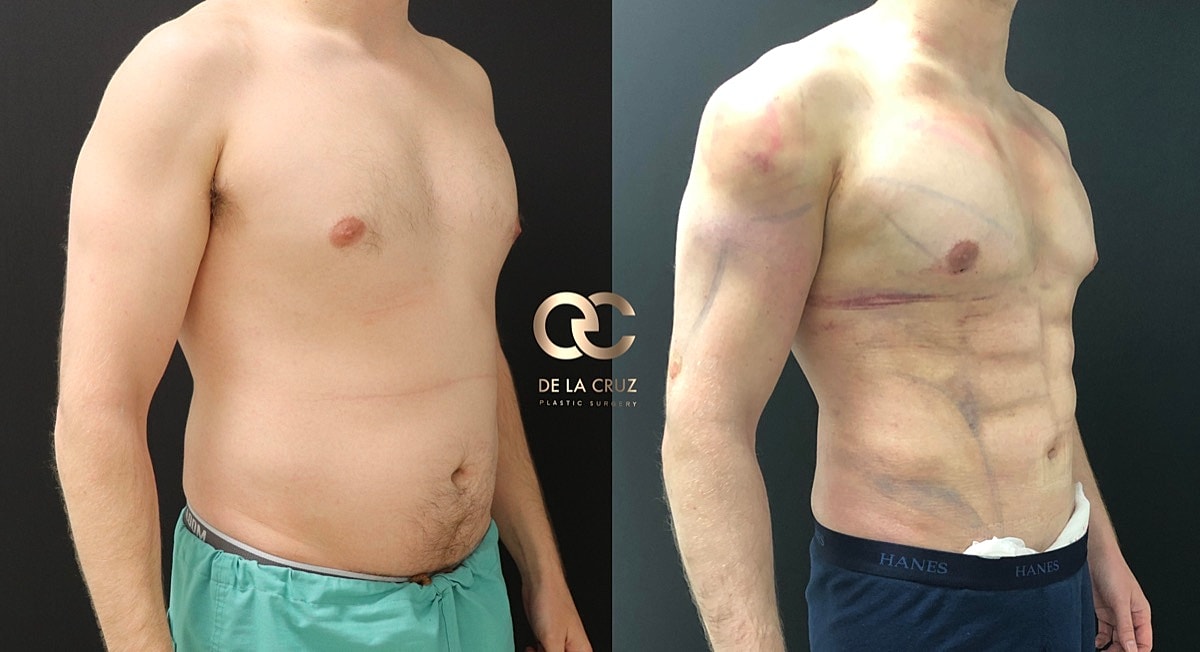
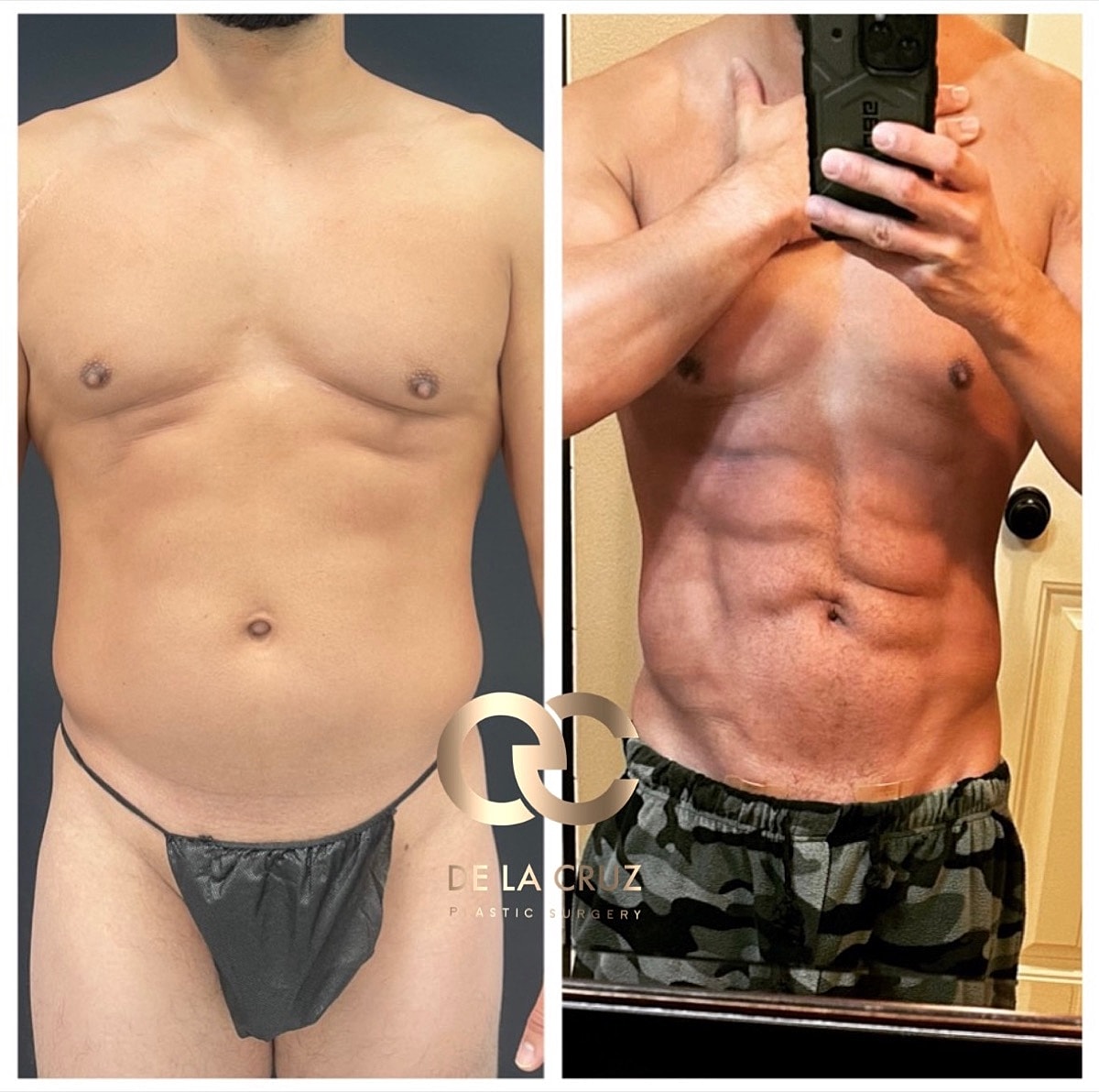
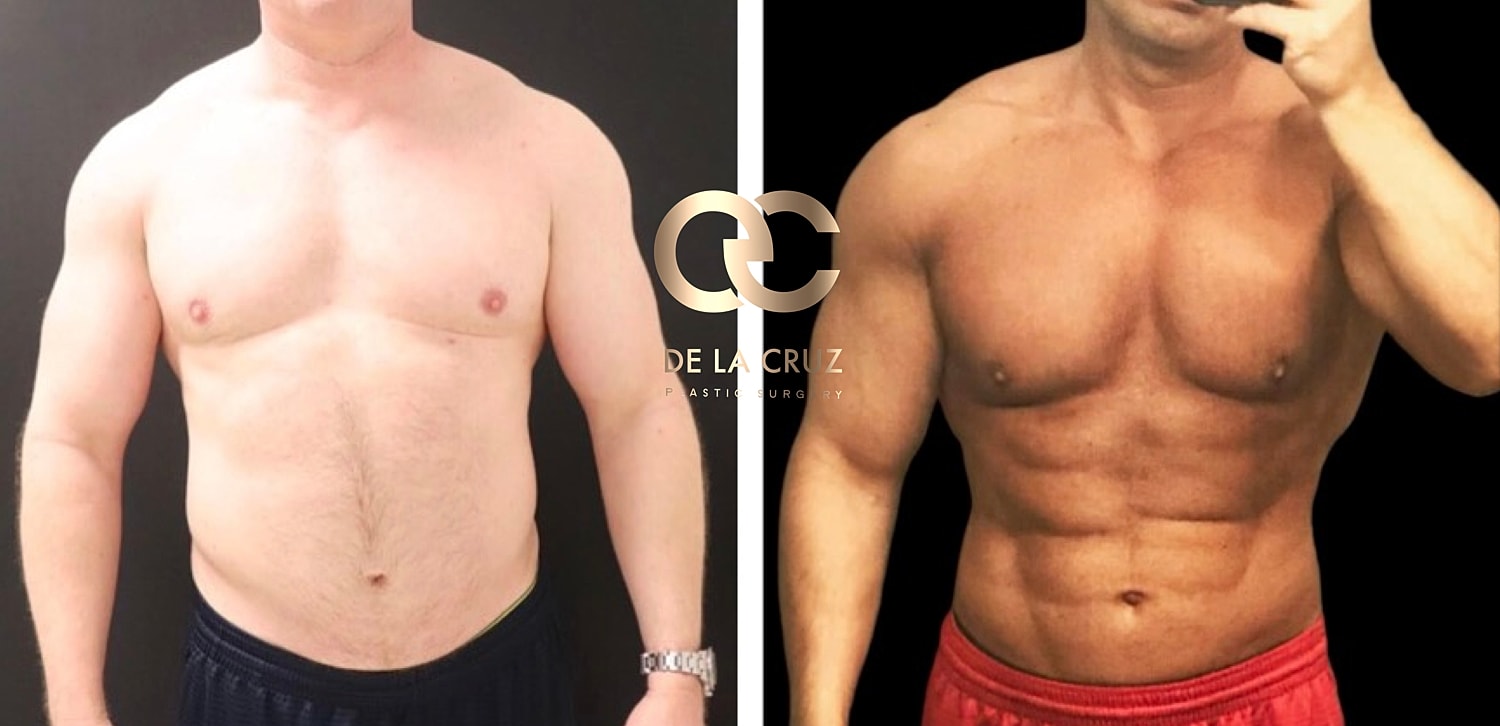
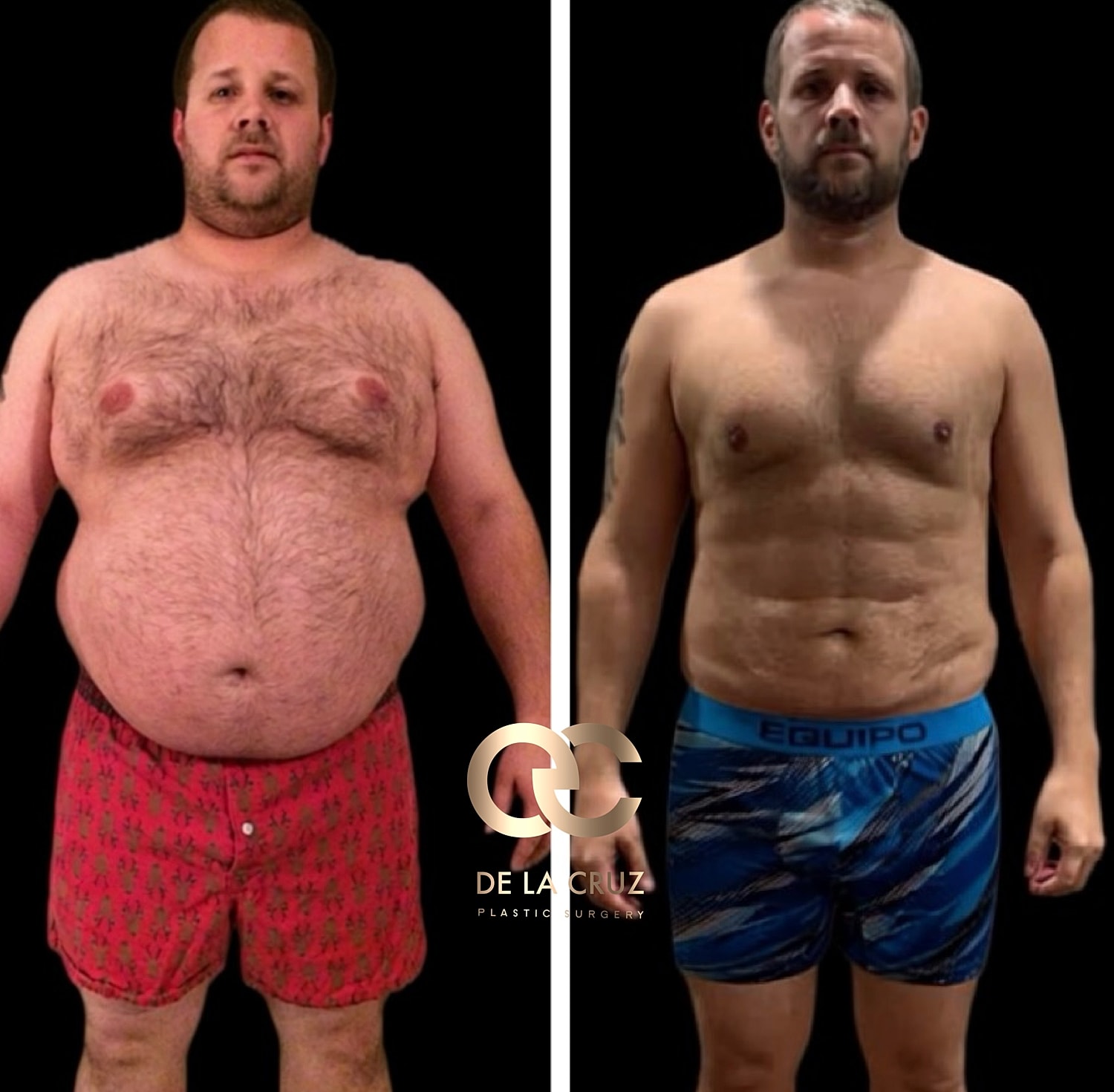
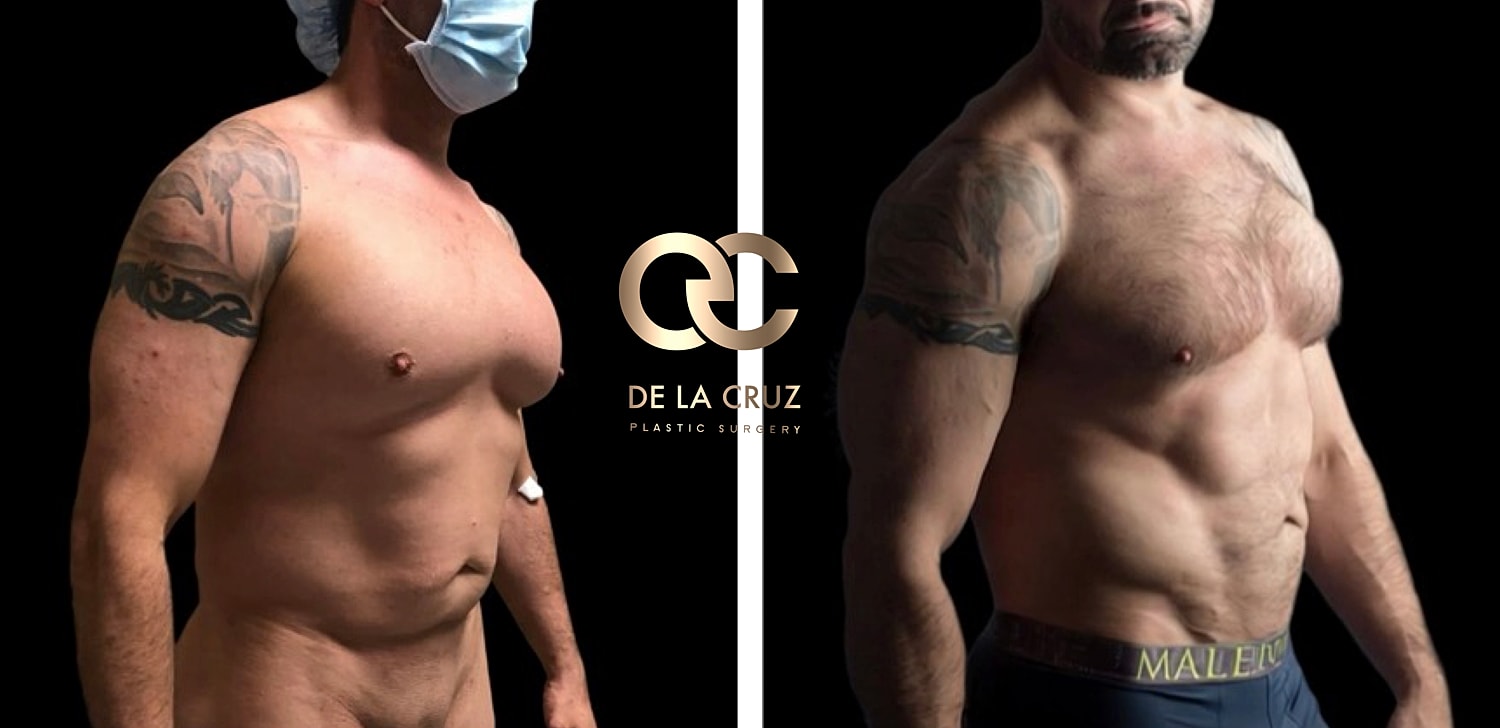
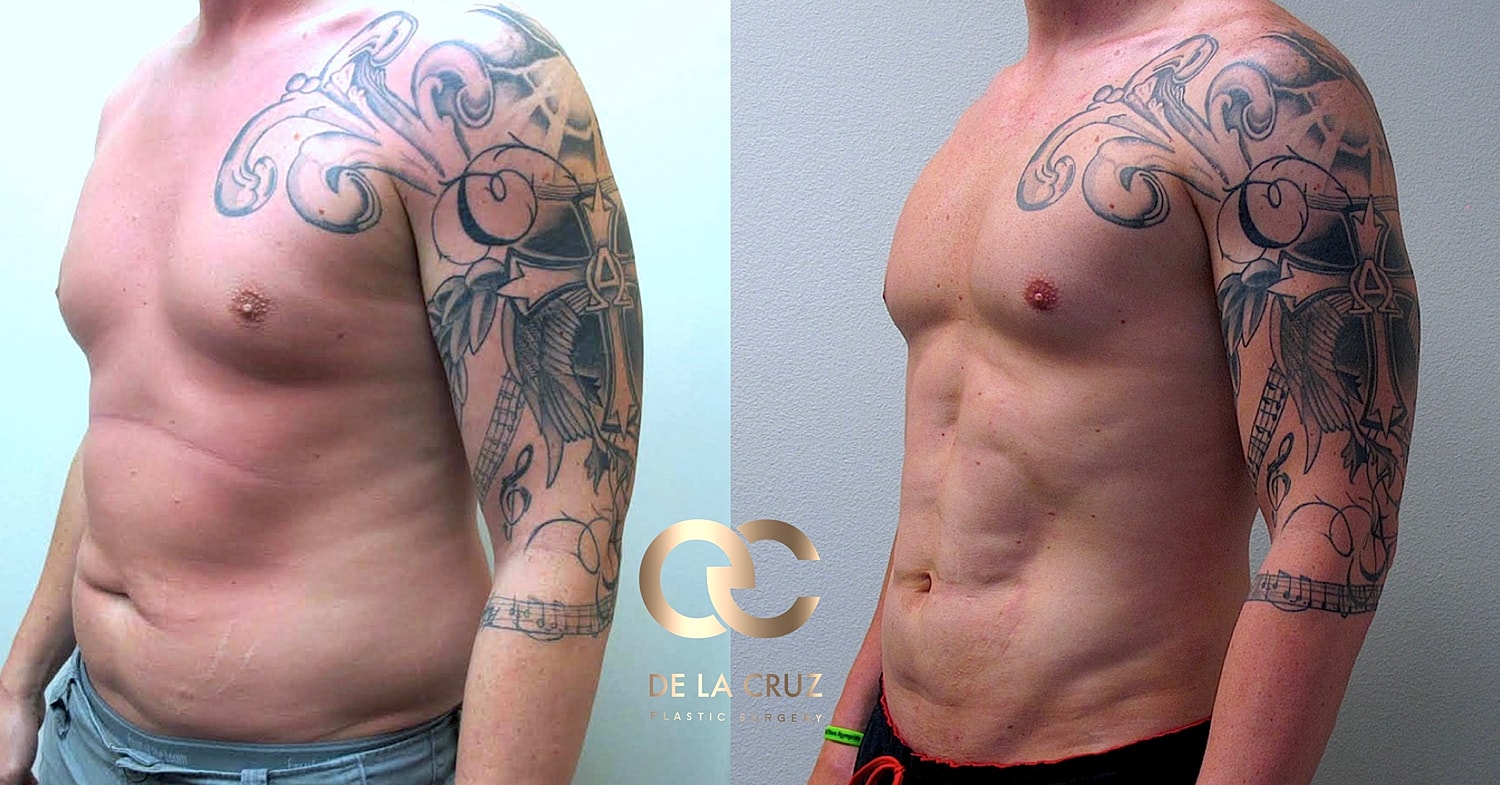
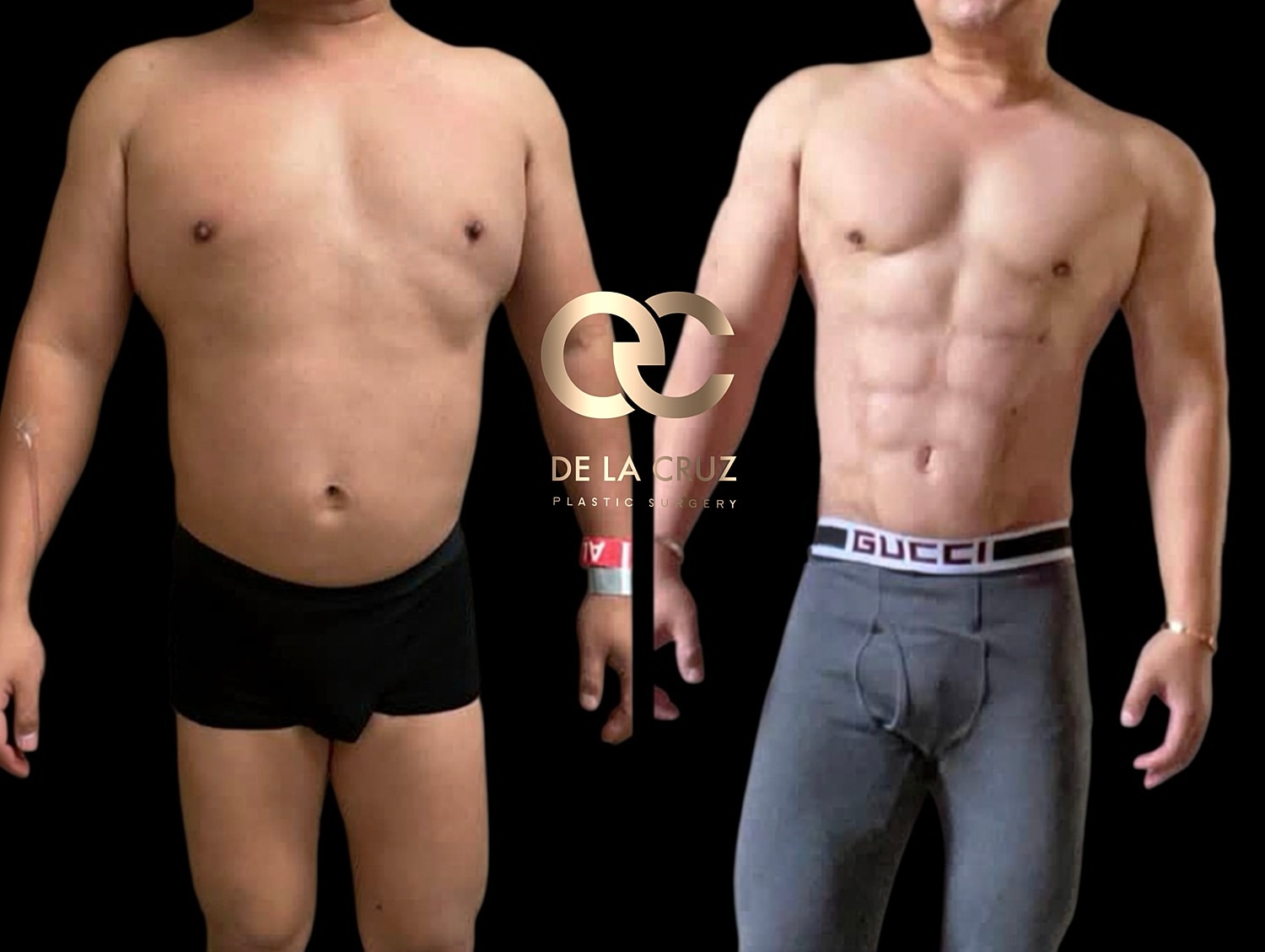
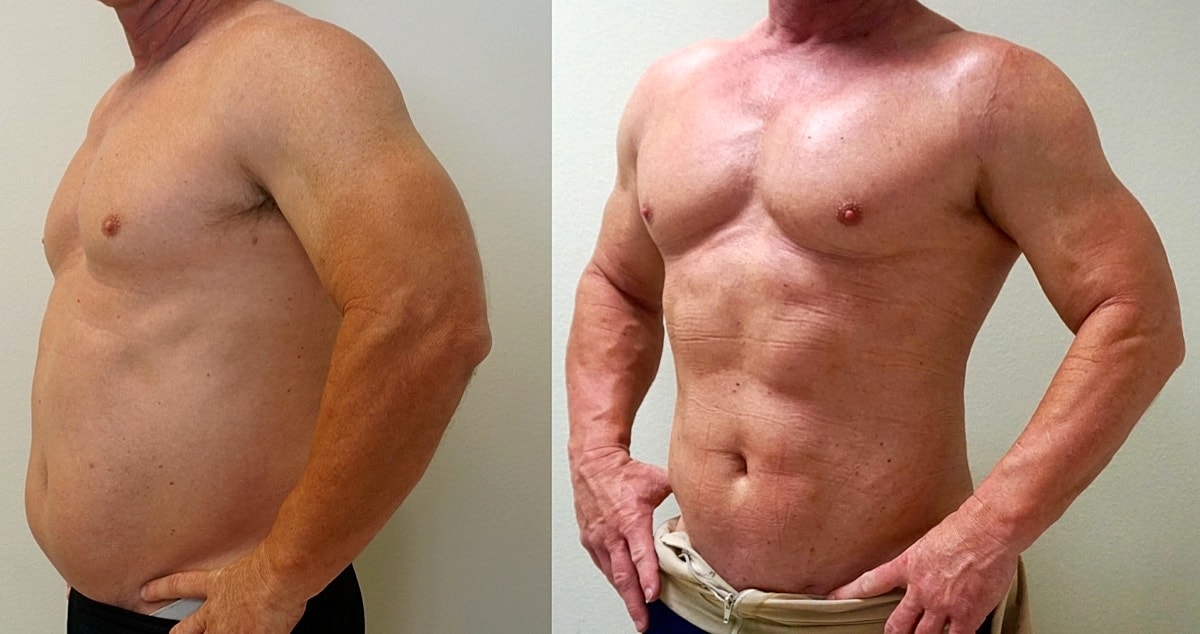
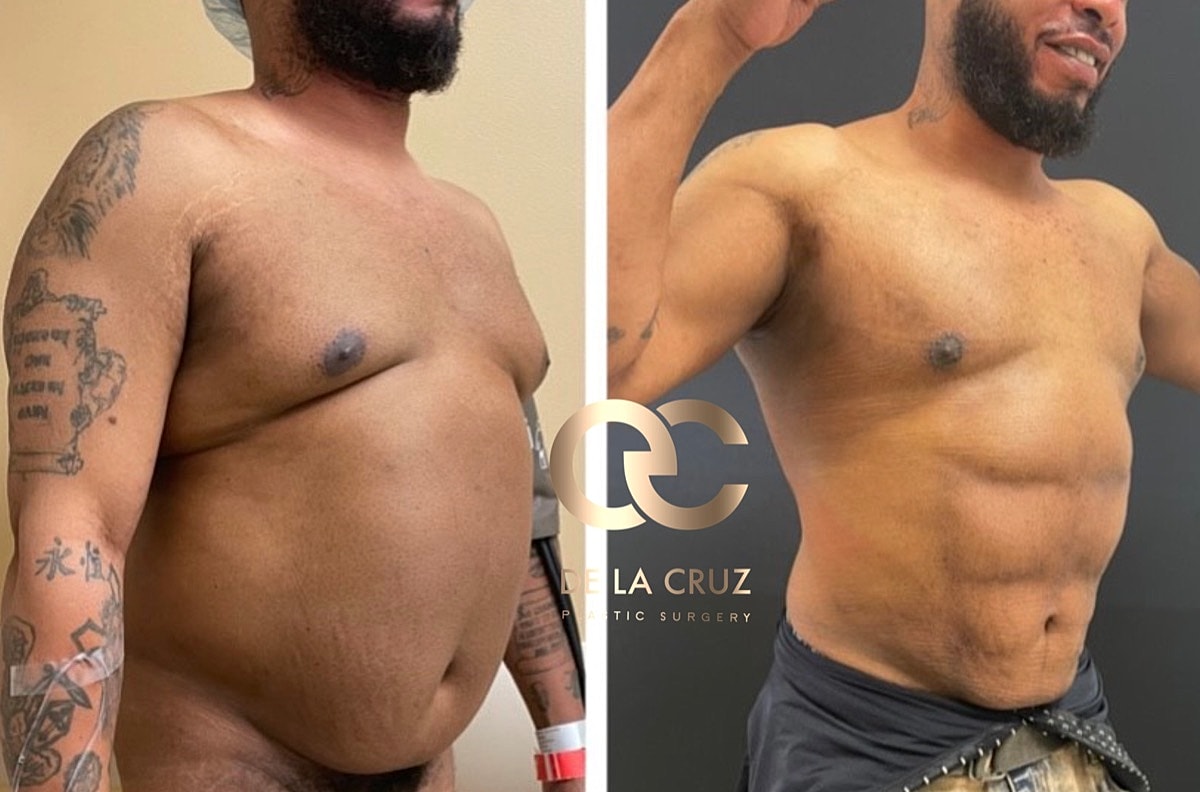
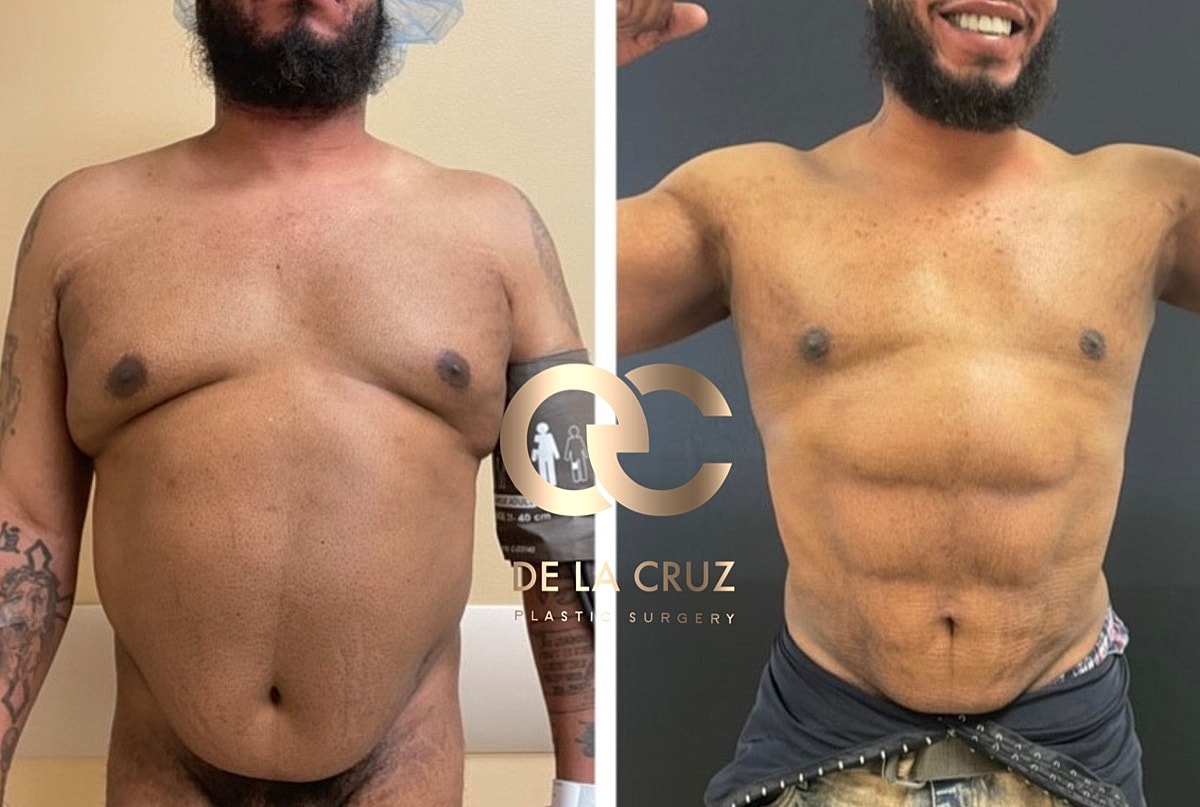
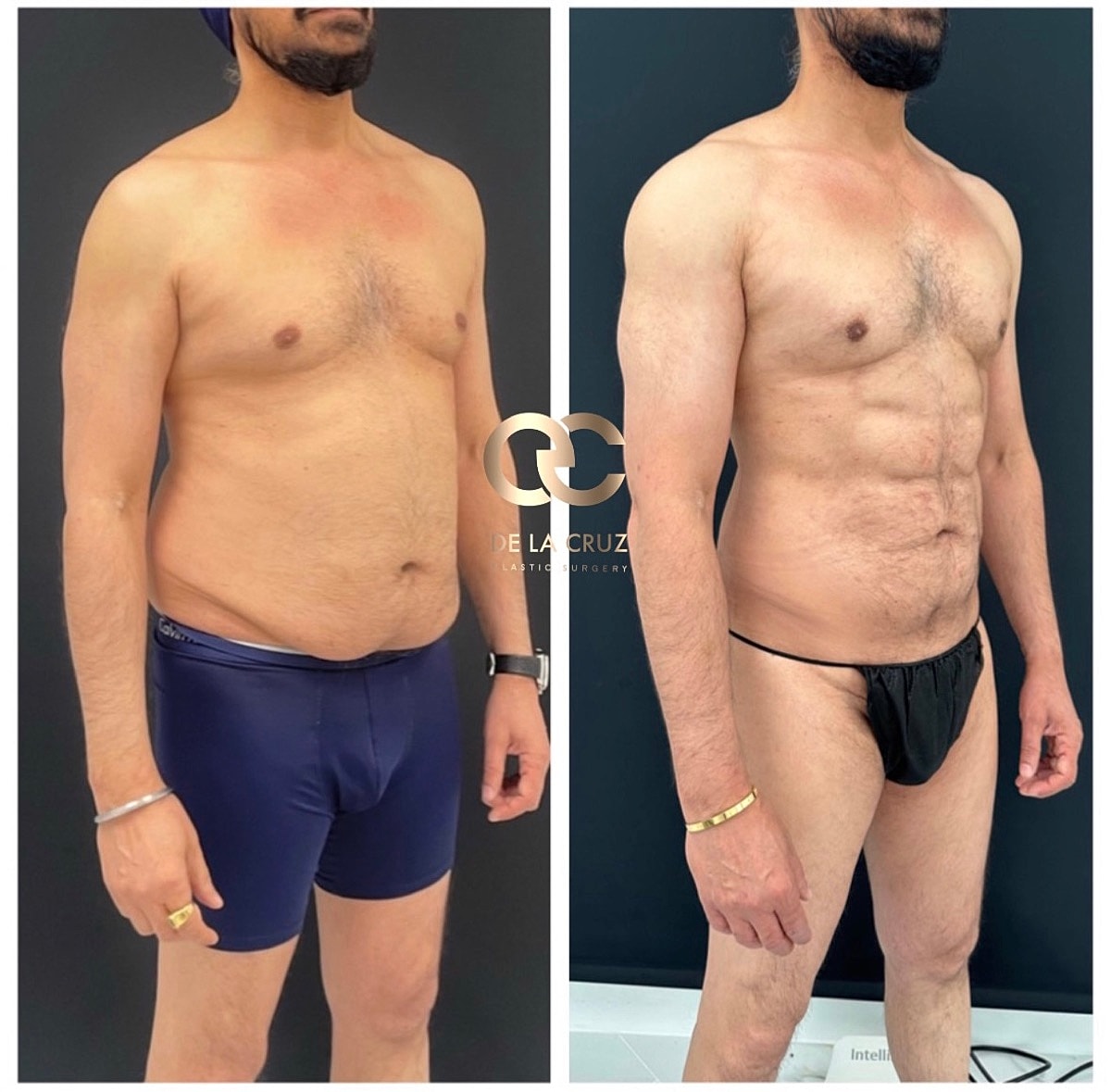
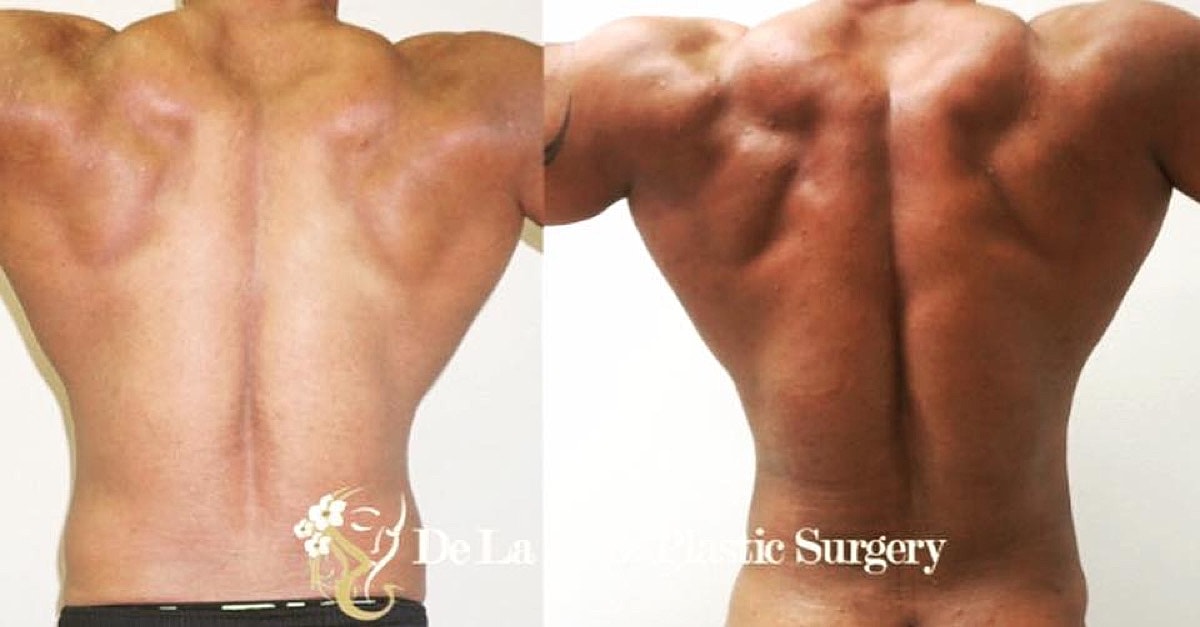
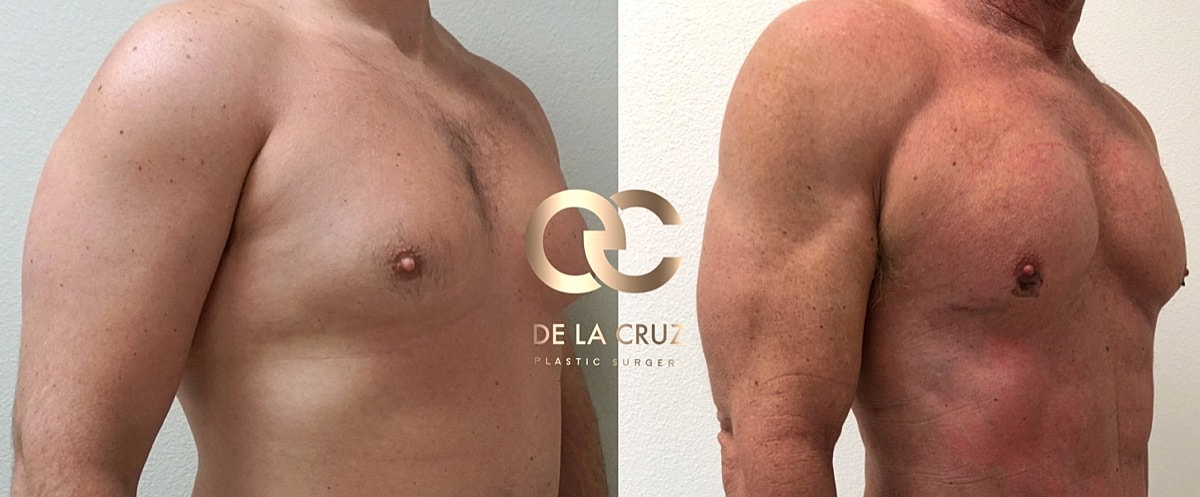
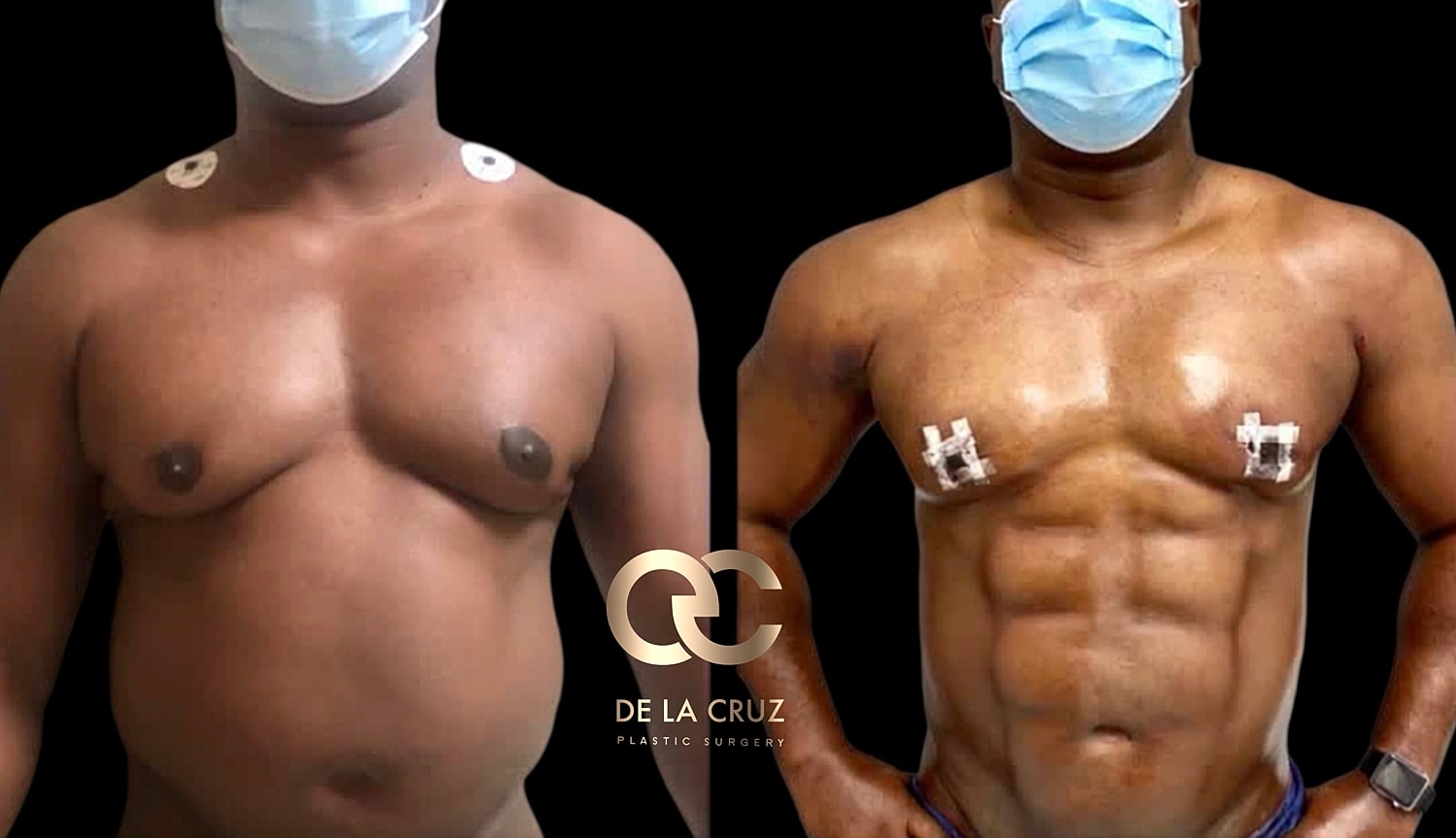
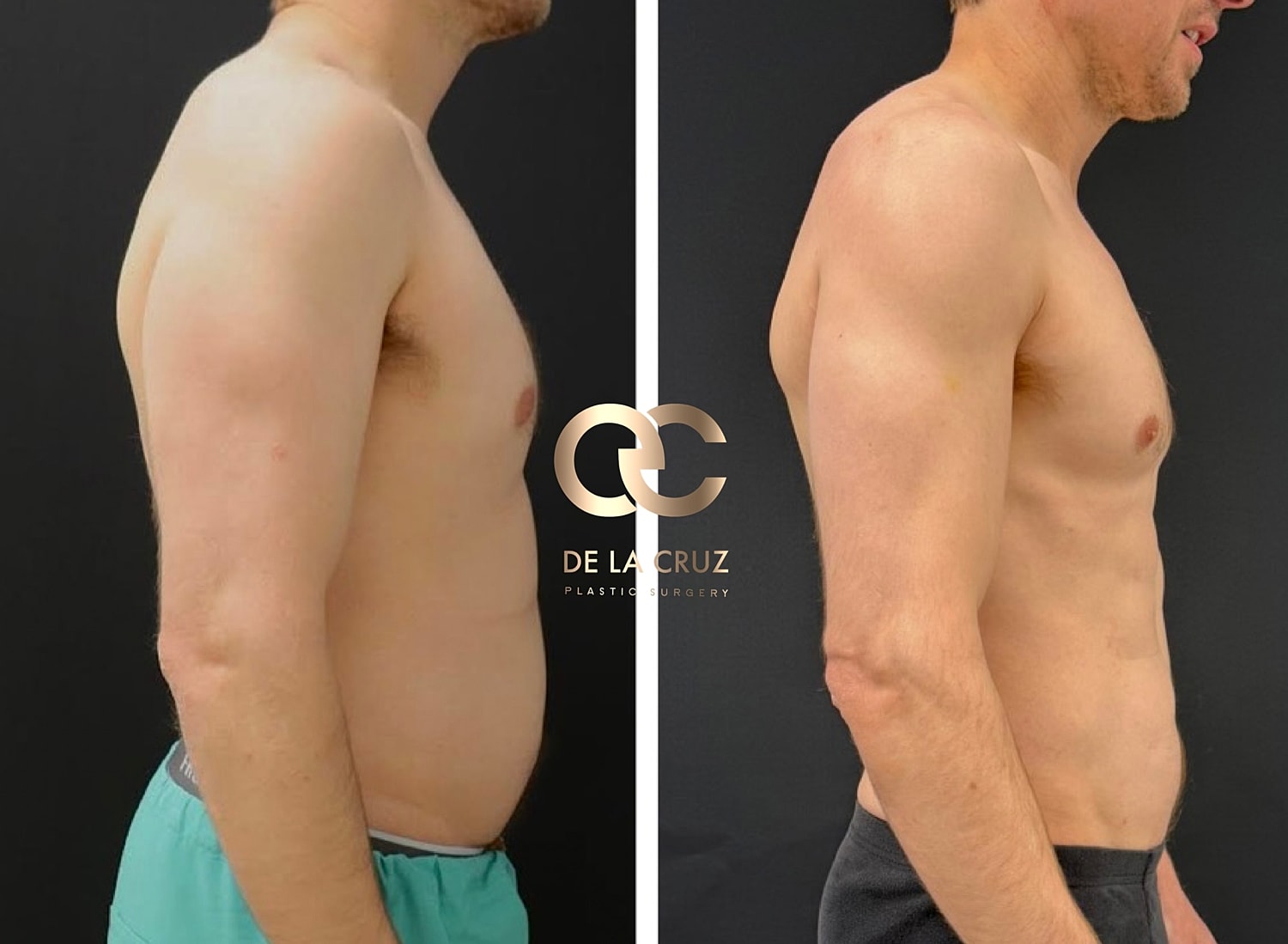
High-definition liposuction is an advanced form of liposuction and body contouring that requires specialized training, anatomical precision, and artistic judgment. Unlike traditional liposuction, it involves three-dimensional sculpting of muscular anatomy, where small technical errors can significantly affect outcomes. Surgeons who lack formal training in high-definition techniques face a higher risk of contour irregularities and suboptimal results.
This article is part of our comprehensive liposuction resource library. For a complete overview, visit our Liposuction in Houston page, explore the Ultimate Guide to Liposuction, and review real patient outcomes in our Before and After Liposuction Results Guide.
1 of 25
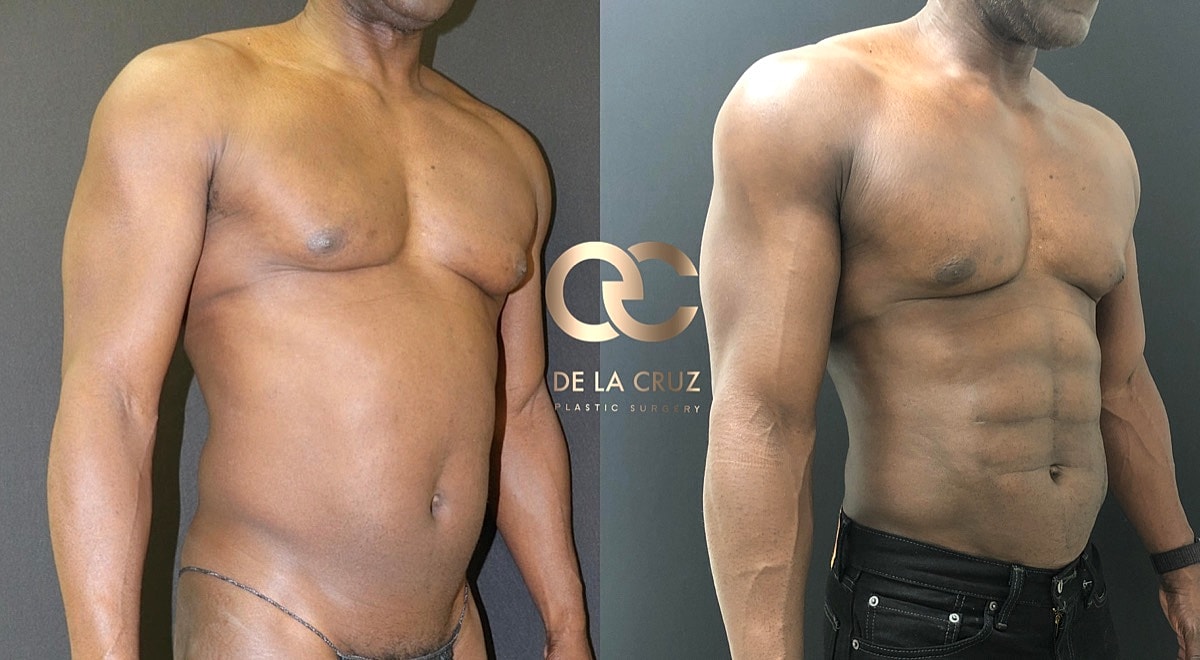
Traditional liposuction is fundamentally a volume-reduction procedure. High-definition liposuction is a structural and anatomical sculpting procedure.
The objective is not simply to remove fat, but to:
👉 This level of refinement requires a deep understanding of anatomy and technique that extends far beyond standard liposuction.
High-definition liposuction requires direct, hands-on training in advanced techniques—most notably those developed and taught through programs such as the Total Definer methodology pioneered by Dr. Alfredo Hoyos.
This training focuses on:
👉 These skills are not typically acquired during standard surgical training. They must be learned, practiced, and refined under expert guidance.
High-definition liposuction is performed at a more superficial and detailed level, making it less forgiving than traditional techniques.
Without proper training, the risk of complications increases, including:
👉 These outcomes are often difficult to correct and may require revision liposuction.
Learn more about these challenges in:

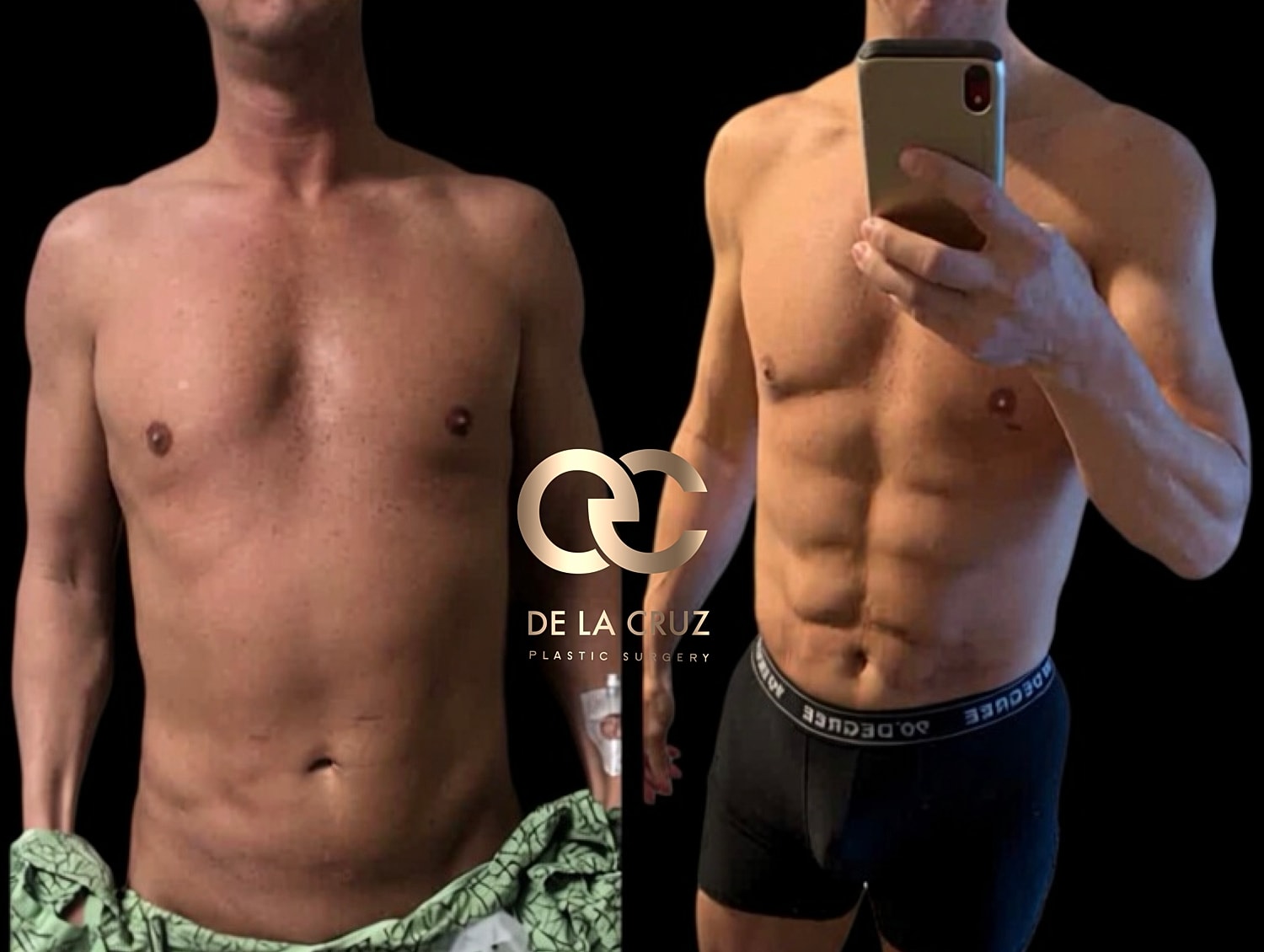
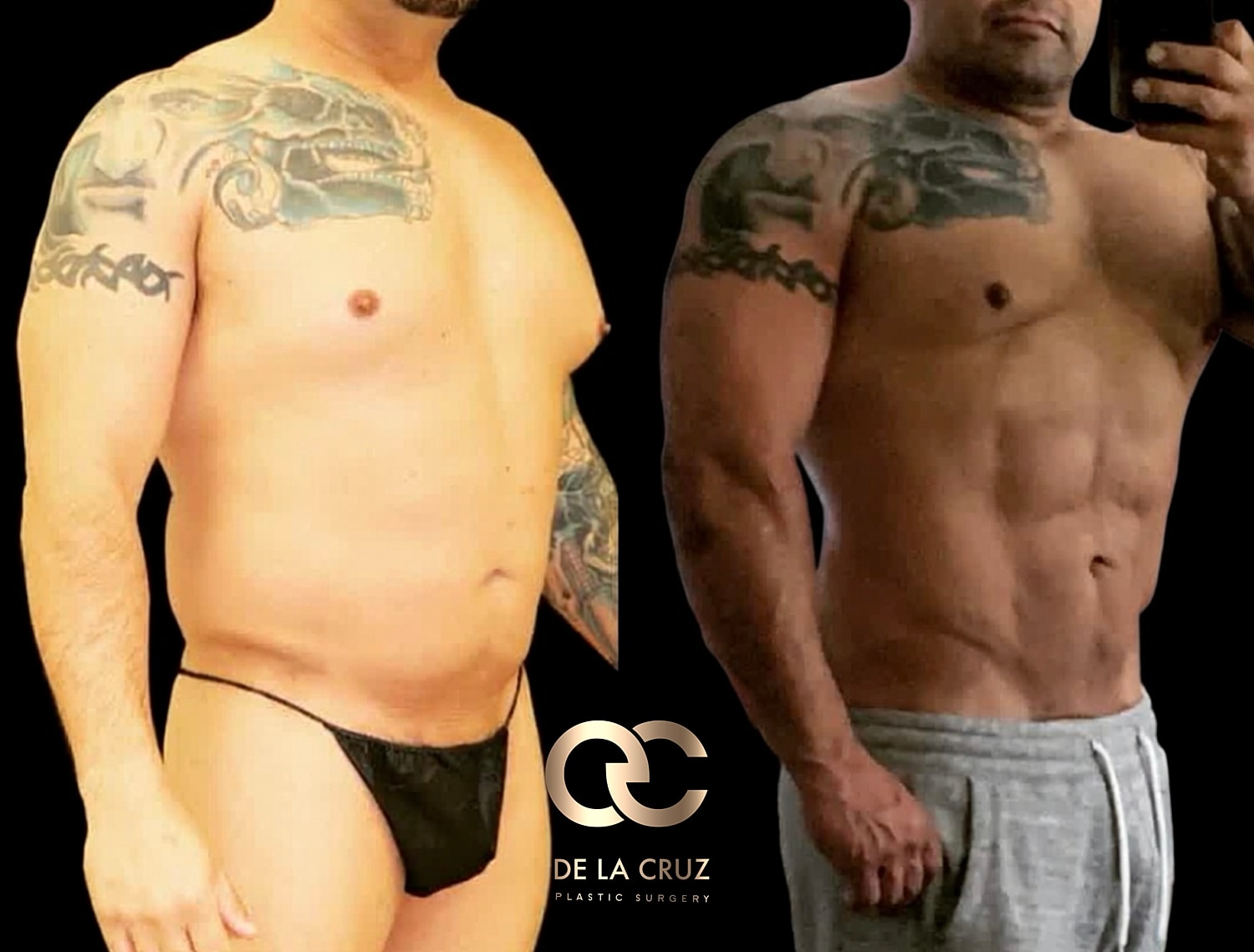
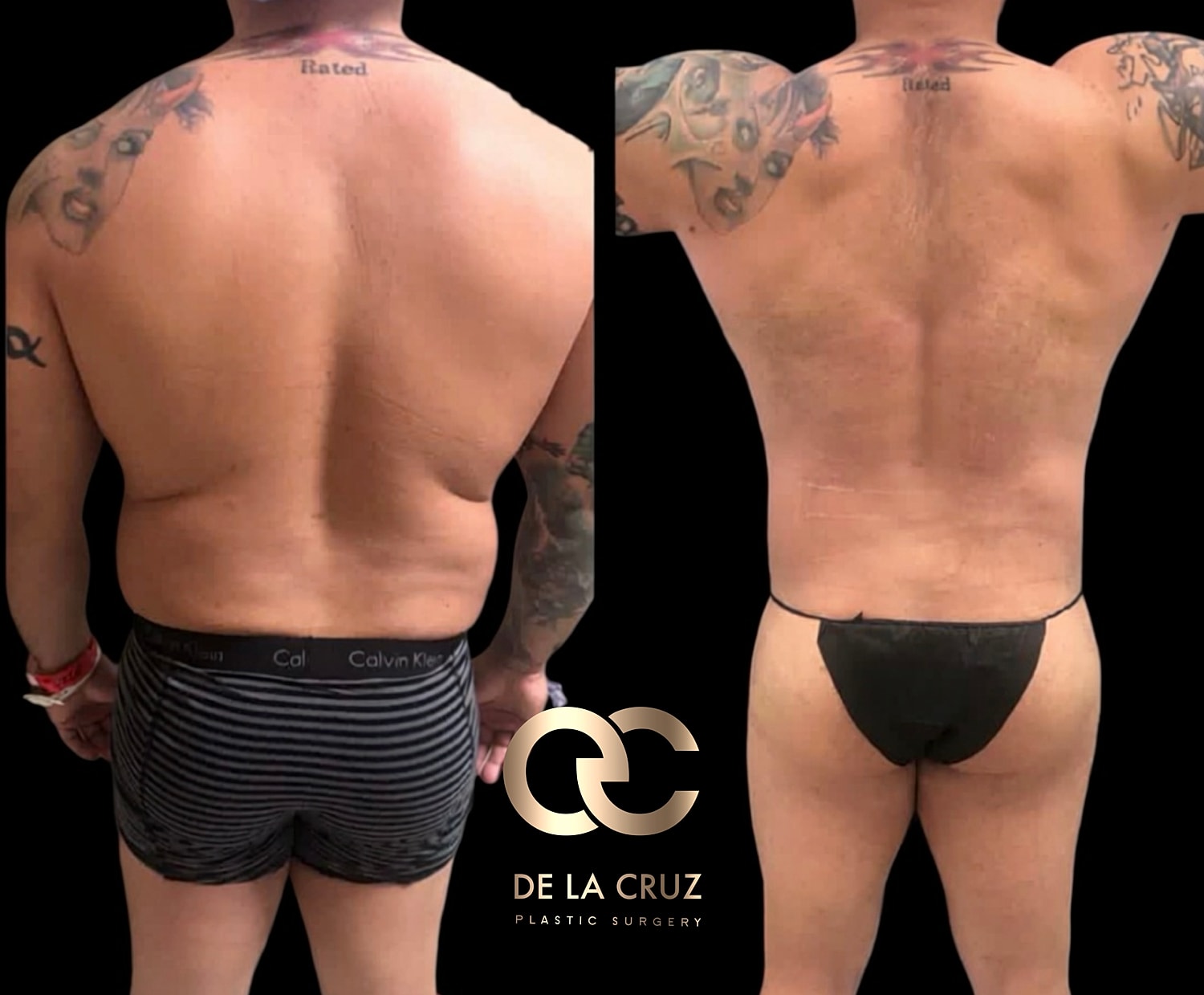
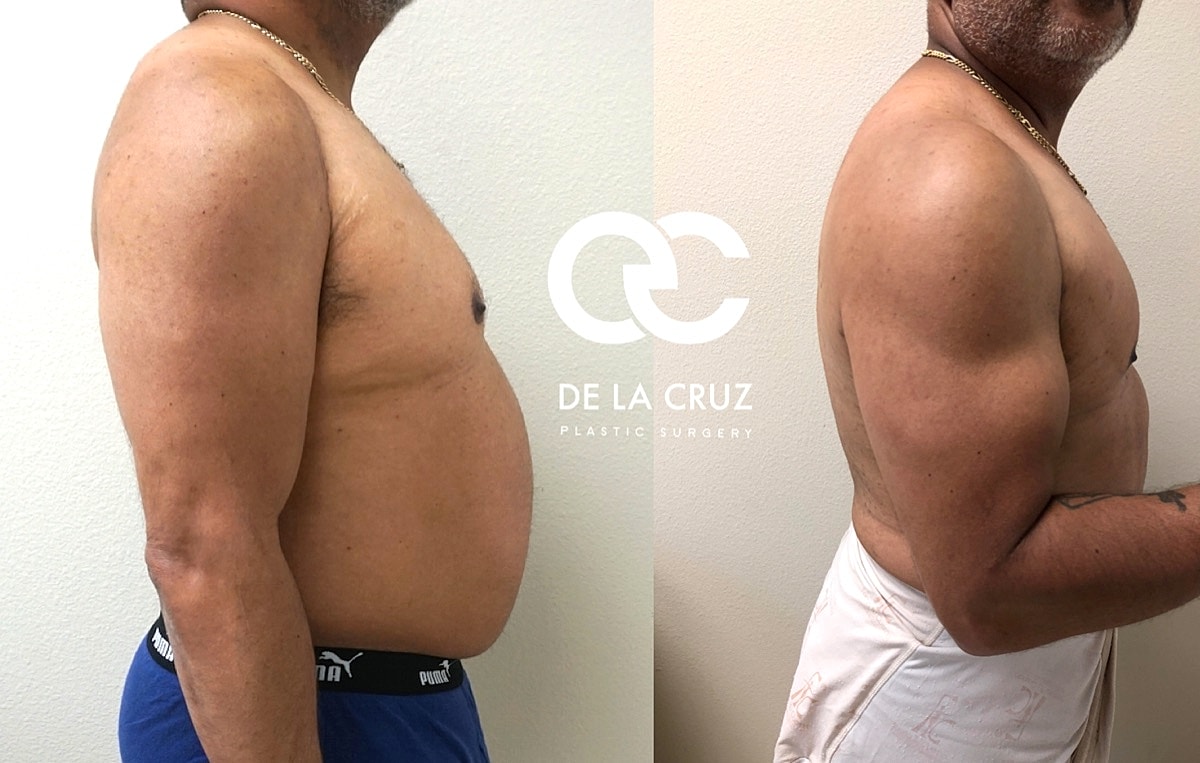
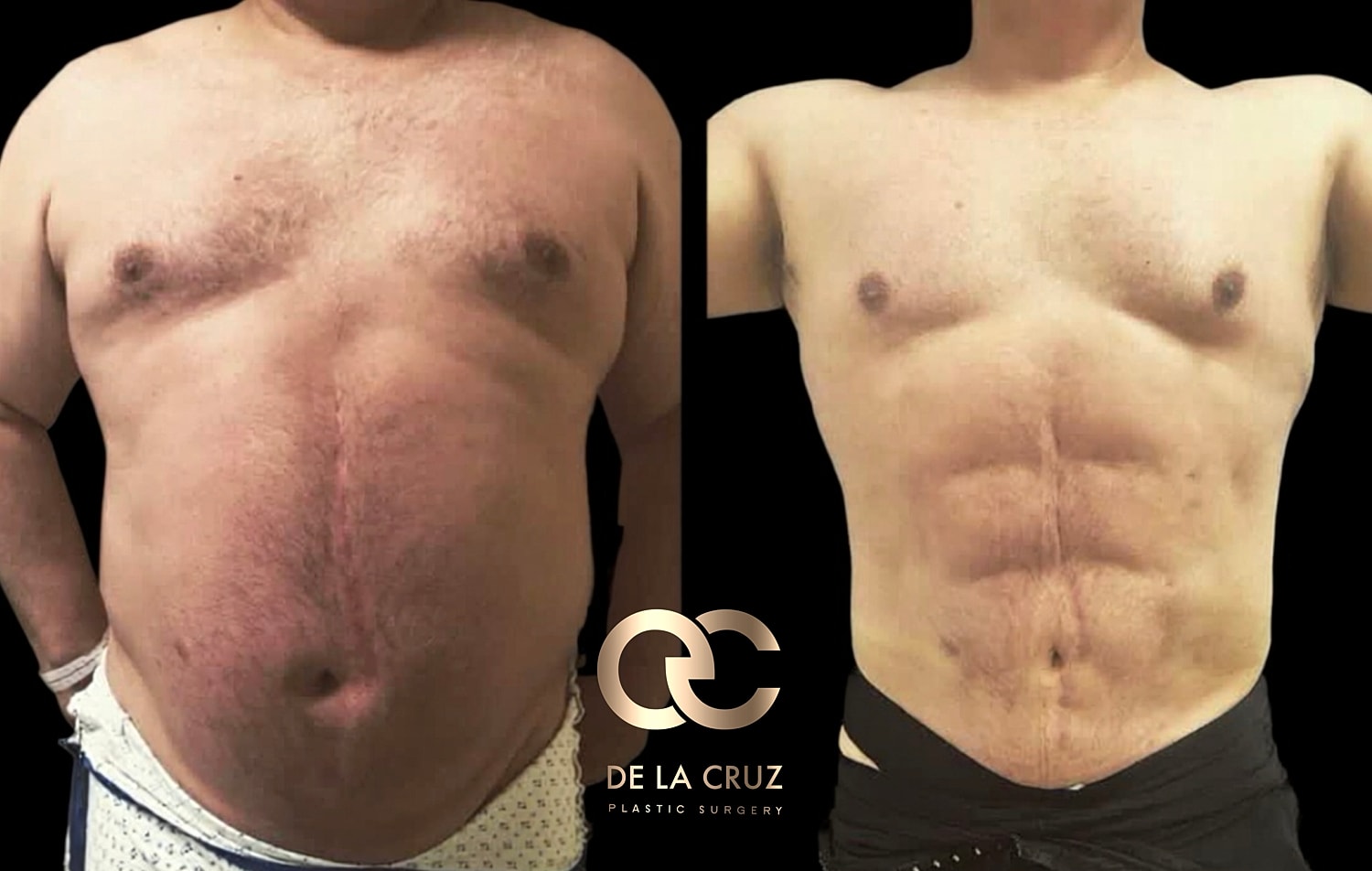
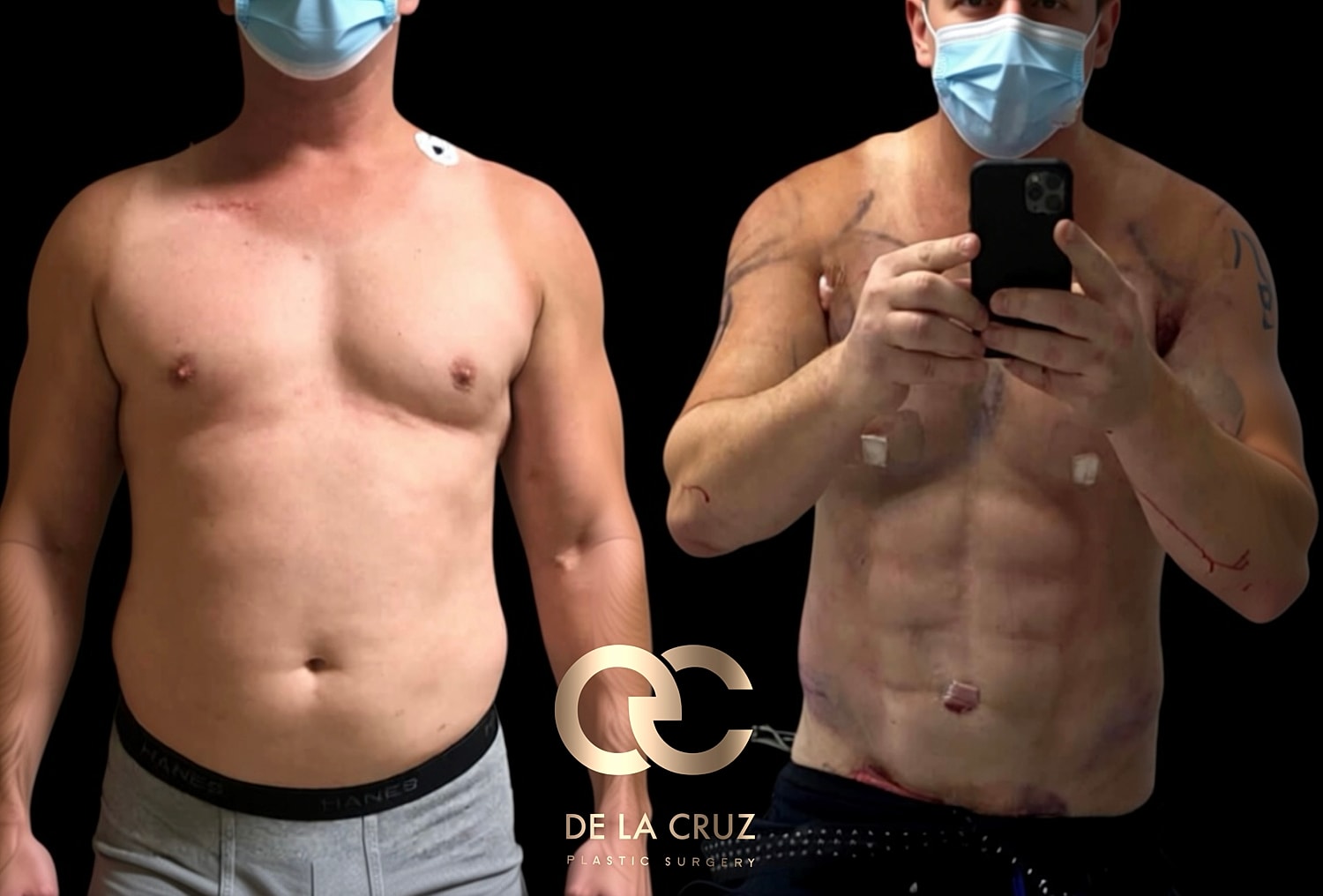
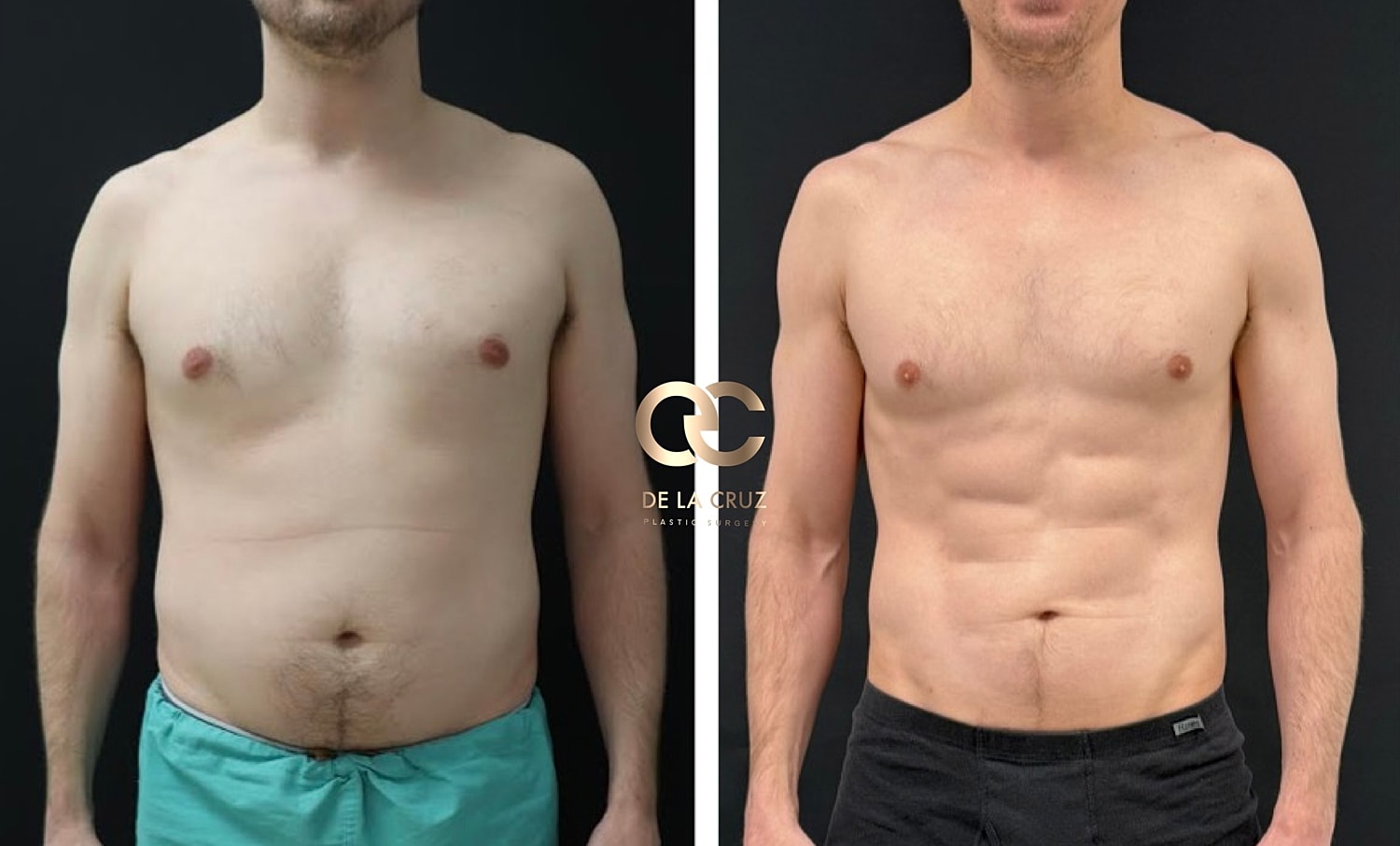
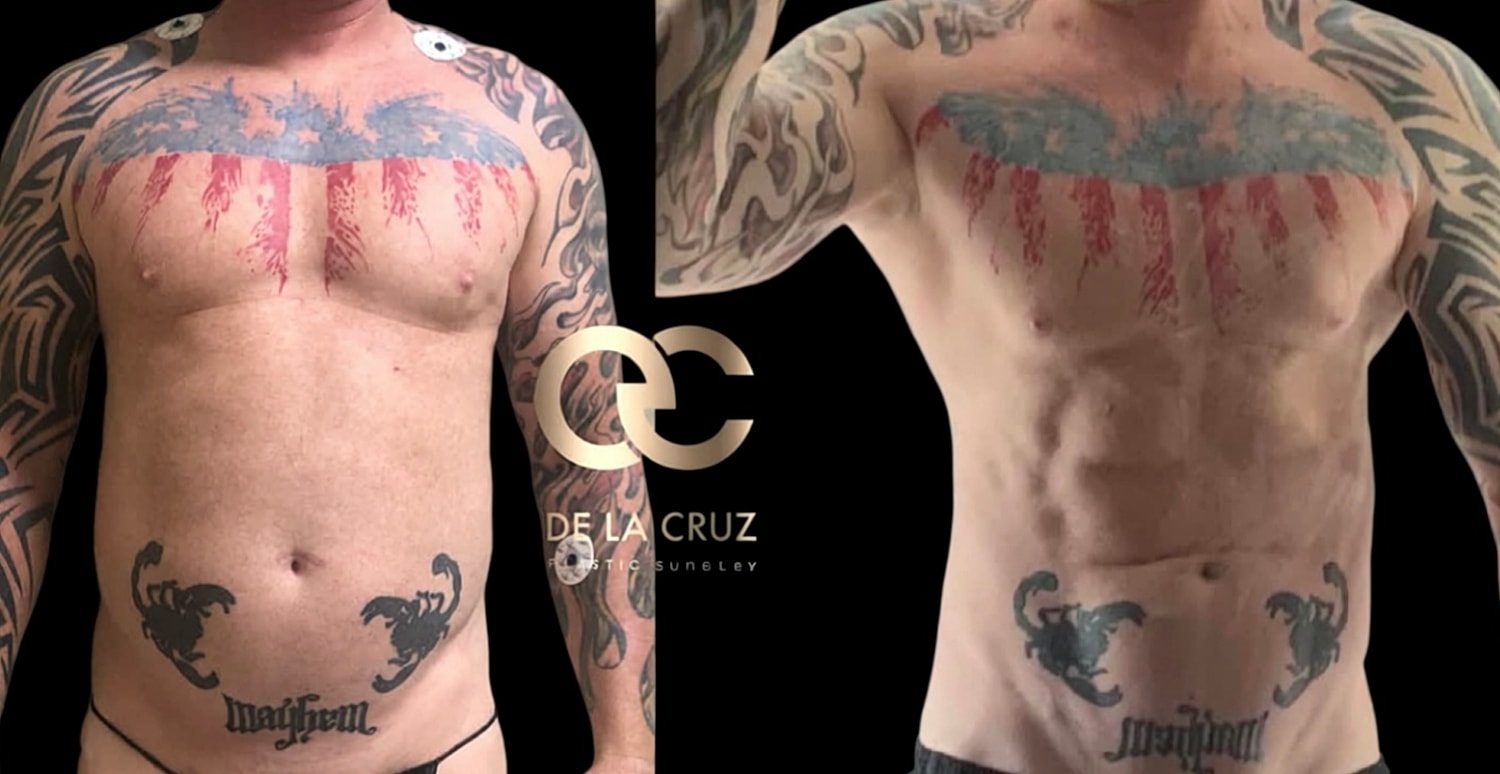
High-definition liposuction in men represents a higher level of surgical complexity and precision.
Unlike women—where outcomes emphasize smoothness and proportion—male results require:
👉 The margin for error is significantly smaller, and imperfections are more visible.
As a result, the learning curve is steeper, and fewer surgeons are able to consistently achieve high-level results in male patients.
Explore this further in our High-Definition Liposuction for Men section and Before and After Liposuction Results Guide.
Although the number of surgeons trained in high-definition liposuction has grown significantly, true expertise remains limited.
Today:
This is due to:
👉 Training introduces the technique. Experience and repetition lead to mast
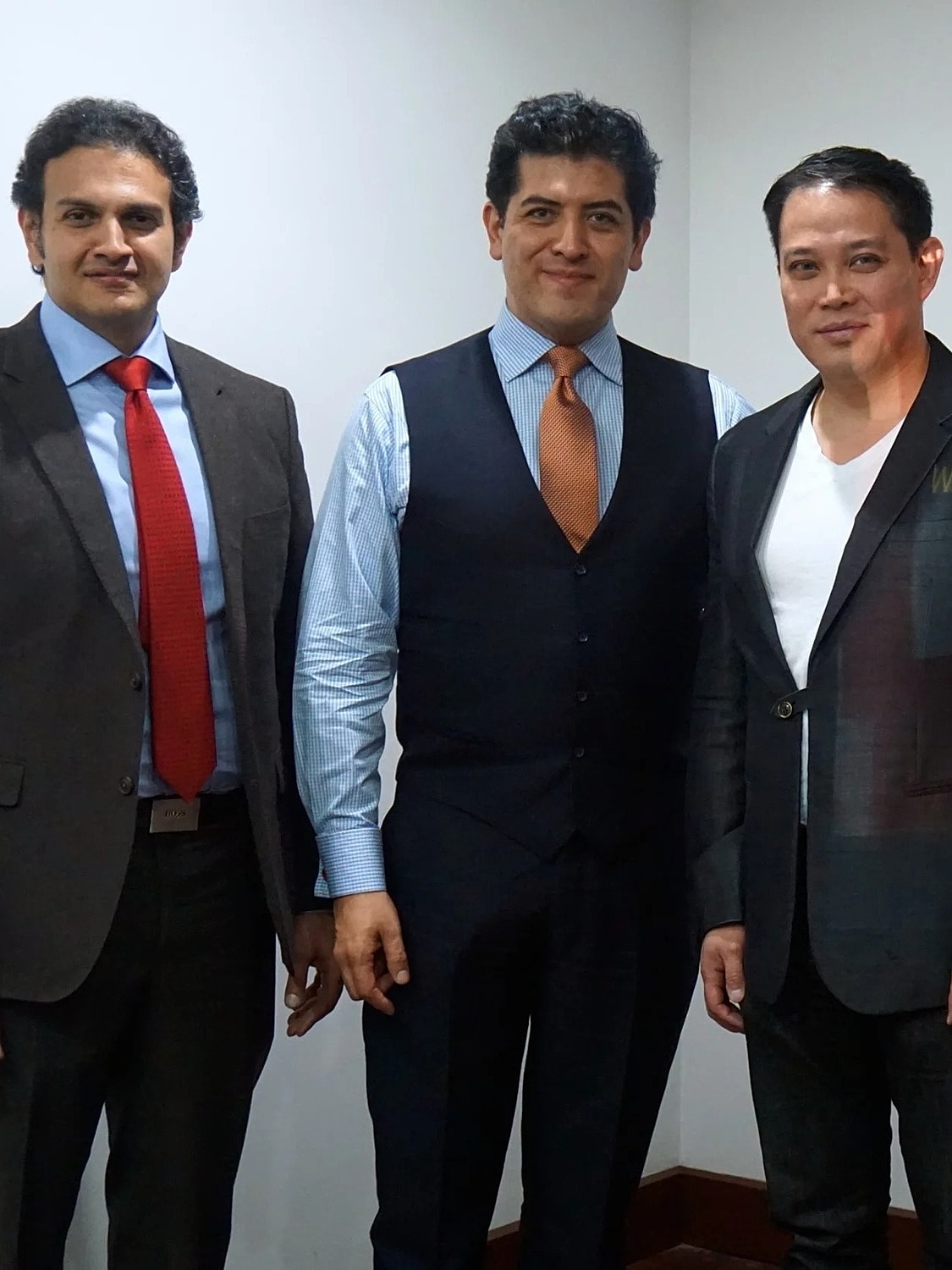
Dr. Emmanuel De La Cruz was among the early group of surgeons in the United States trained in high-definition liposuction, having learned the technique through advanced programs associated with Dr. Alfredo Hoyos, the pioneer of HD liposculpture. He later contributed to teaching these techniques alongside Dr. Hoyos at international forums, including Total Definer and TDABS meetings.
Dr. De La Cruz continues to lecture both nationally and internationally, including at major meetings such as the American Society of Plastic Surgeons (ASPS) and The Aesthetic Meeting, where he presents his evolving, systems-based approach to body contouring.
He was awarded the Grand Master Total Definer Award for Best High-Definition Liposuction Results by Dr. Alfredo Hoyos—one of the highest recognitions in this field. Only six plastic surgeons worldwide were nominated, and Dr. De La Cruz was the only surgeon from the United States selected among the nominees and ultimately the recipient of the award.
This early and sustained exposure, combined with international recognition, has enabled:
In high-definition liposuction, the timing of training and cumulative experience are critical determinants of outcome quality, influencing not only technical execution but also the ability to deliver consistent, natural, and durable results.
While advanced technologies—such as VASER, Renuvion, and other energy-based devices—play an important role, they are adjuncts, not substitutes for surgical expertise.
Successful outcomes depend on:
👉 Technology enhances results—but only when applied with the appropriate training and experience.
For more on tissue behavior and skin tightening, see:
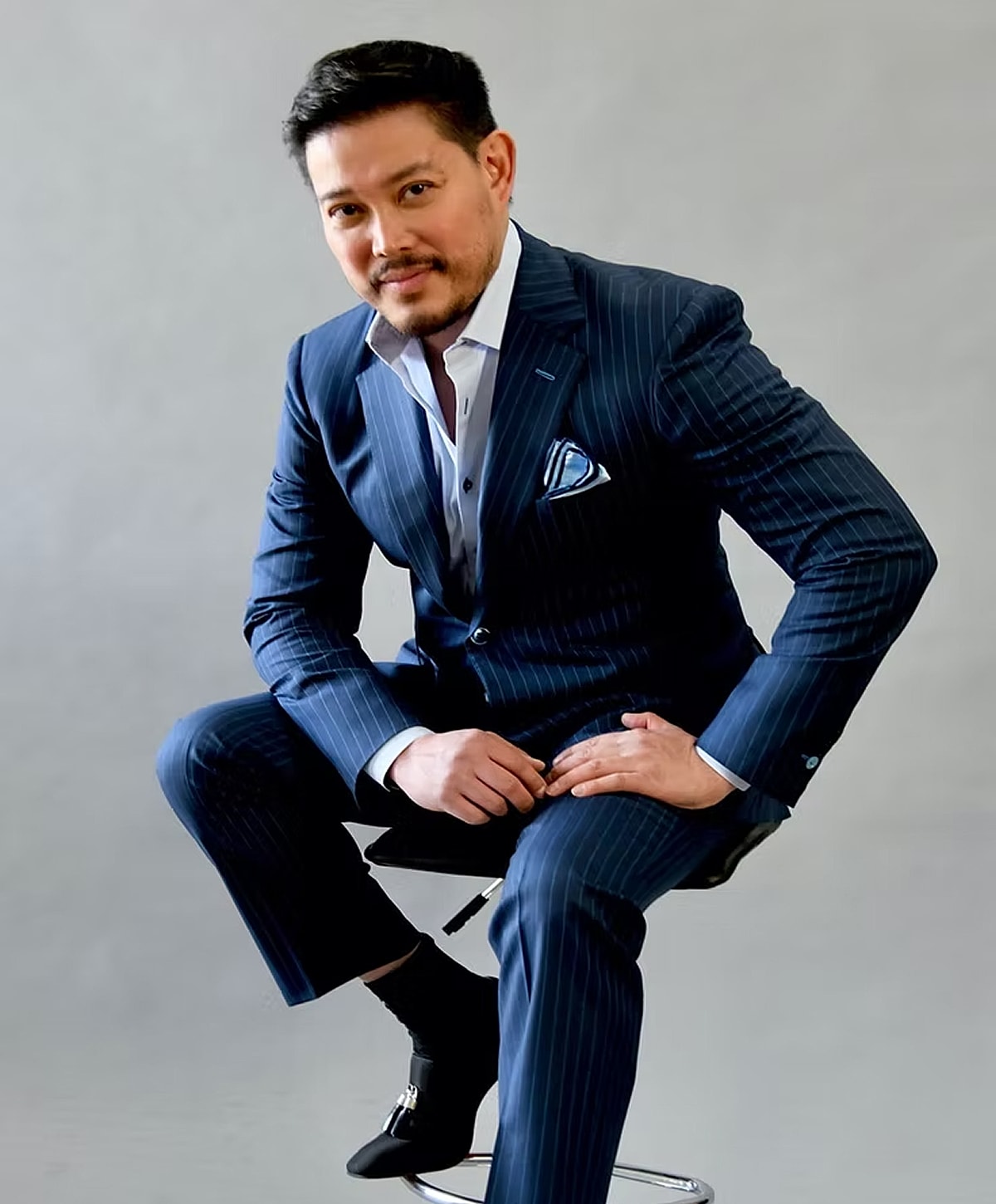
About the Medical Reviewer Dr. Emmanuel De La Cruz is a double board-certified plastic surgeon specializing in advanced facial rejuvenation and body contouring procedures. 👉 [Learn more about Dr. Emmanuel De La Cruz]
High-definition liposuction is one of the most technically demanding procedures in aesthetic surgery.
👉 It requires formal training, experience, and precision 👉 The learning curve is significantly higher—especially in male patients 👉 Outcomes depend on the surgeon’s ability to integrate science, technology, and artistry
Key factors that distinguish his practice include:
• Double Board Certification at the Highest Level of Surgical Training Dr. De La Cruz is double board-certified by the American Board of Plastic Surgery and the American Board of Surgery, reflecting extensive surgical training and adherence to the highest standards of patient care. He is also an active member of the American Society of Plastic Surgeons (ASPS), further underscoring his commitment to excellence, safety, and ongoing advancement in the field of plastic surgery.
• International Recognition for Surgical Excellence Dr. Emmanuel De La Cruz has received international distinction in advanced body contouring, including the prestigious Grand Master Total Definer Award for Best High-Definition Liposuction Results. This honor was personally awarded by Alfredo Hoyos, the global pioneer of high-definition liposculpture. From a competitive international field, only six surgeons were selected as finalists worldwide, and Dr. De La Cruz was chosen as producing the finest results—reflecting exceptional precision, judgment, and technical mastery.
• International Lecturer and Thought Leader in Aesthetic Surgery Dr. De La Cruz has been invited to lecture at major scientific meetings worldwide, including the American Society of Plastic Surgeons (ASPS), the Total Definer Meeting in Cartagena Colombia, the InMode Symposium in Miami and Beverly Hills, and AestheticStanbul in Istanbul, where he was invited by renowned plastic surgeon Foad Nahai. His work focuses on advanced techniques and the correction of complex contour irregularities.
• Published Author in Peer-Reviewed Surgical Literature He has contributed to the advancement of plastic surgery through publications such as “Lipoplasty in the Overweight Patient” in Clinics in Plastic Surgery, demonstrating a commitment to evidence-based practice and surgical safety.
• Expertise in Advanced Surgical Technologies and Techniques Dr. De La Cruz specializes in modern surgical approaches that emphasize precision, control, and refined outcomes, integrating advanced technologies with meticulous technique.
• A Unique Foundation in Art and Surgical Design Plastic surgery at the highest level requires more than technical skill—it demands an understanding of form, proportion, and balance. Dr. De La Cruz was classically trained in sculpture under world-renowned French sculptor Philippe Faraut, bringing a level of artistic insight that informs every procedure and contributes to natural, harmonious results.
• Advanced Experience in Complex and Revision Cases In addition to primary procedures, Dr. De La Cruz frequently treats patients with prior surgical irregularities or challenging anatomy—cases that require a higher level of surgical judgment and expertise.
• Uncompromising Commitment to Patient Safety Patient safety is central to every aspect of care. His approach emphasizes careful patient selection, evidence-based techniques, and structured postoperative monitoring to optimize outcomes and minimize risk.
• Personalized, Patient-Centered Surgical Planning Each procedure is tailored to the individual. Dr. De La Cruz develops customized surgical plans designed to achieve balanced, refined, and long-lasting results.
• Surgery Performed in an Accredited, High-Standard Facility All procedures are performed in a state-licensed, AAAASF-accredited surgical facility, supported by a board-certified anesthesiologist and an experienced perioperative team—ensuring the highest standards of safety and care.
Yes. Traditional liposuction focuses on removing fat to reduce volume, while high-definition liposuction is designed to sculpt the underlying anatomy, enhancing features such as the abdominal six-pack, obliques, and muscle definition. This requires greater precision and a deeper understanding of anatomy.
High-definition liposuction involves three-dimensional contouring at a more superficial level, where precision is critical. Surgeons must be trained to identify anatomical landmarks, control fat removal layers, and create natural transitions. Without formal training, the risk of irregularities and unnatural results increases significantly.
Not necessarily. While board certification ensures a high level of general surgical training, high-definition liposuction requires additional, specialized training beyond standard plastic surgery education. Expertise depends on both training and experience with this specific technique.
Inadequate training can lead to:
These complications may require revision liposuction to correct.
Male high-definition liposuction requires sharper, more defined muscular contours, such as the six-pack, obliques, and serratus anterior. There is less margin for error, and even minor irregularities are more visible. As a result, the procedure has a steeper learning curve and requires greater technical precision.
While many surgeons have been exposed to high-definition techniques, only a limited number consistently perform advanced high-definition liposuction, particularly in male patients. Mastery requires extensive experience, repetition, and refinement over time.
Technology such as VASER and energy-based skin tightening devices can enhance results, but they do not replace surgical expertise. Outcomes depend primarily on the surgeon’s training, judgment, and ability to apply these tools appropriately.
Patients should look for:
👉 You can review real outcomes in our before and after liposuction results guide.
When performed by a properly trained and experienced surgeon, high-definition liposuction is safe. However, because it is more technically demanding, choosing the right surgeon is critical to minimizing risk and achieving optimal results.
The most important factor is the surgeon’s training and experience in high-definition techniques. While technology and patient factors play a role, the outcome ultimately depends on the surgeon’s ability to combine precision, anatomical knowledge, and artistic judgment.
About the Author
Dr. Emmanuel De La Cruz, MD is a double-board-certified plastic surgeon in Houston, Texas, certified by both the American Board of Plastic Surgery and the American Board of Surgery. He specializes in advanced liposuction and body contouring procedures, including high-definition liposculpture, Brazilian Butt Lift (BBL), revision liposuction, and treatment of lipedema.
Dr. De La Cruz is internationally recognized for his expertise in high-definition liposuction and contour sculpting techniques, which play a critical role in achieving balanced, natural-looking results in procedures such as liposuction and Brazilian Butt Lift surgery. His work focuses on precise body contour sculpting to enhance overall body proportions.
He has lectured internationally on liposuction techniques, fat grafting, and contour irregularity correction, presenting at major scientific meetings including the American Society of Plastic Surgeons (ASPS), the Total Definer Meeting in Bogotá, Colombia, the InMode Symposium in Miami and Beverly Hills, and AestheticStanbul in Istanbul, Turkey, where he was invited to lecture by renowned plastic surgeon Dr. Foad Nahai.
Dr. De La Cruz has also contributed to the scientific literature on liposuction and body contouring. He is the author of “Lipoplasty in the Overweight Patient”, published in the peer-reviewed journal Clinics in Plastic Surgery.
Through his clinical work, research, and international lectures, Dr. De La Cruz focuses on advancing safe, precise, and refined techniques in liposuction, BBL surgery, and modern body contouring.