The Science of Fat Grafting: Why Some Fat Cells Survive After a Brazilian Butt Lift | Houston Plastic Surgeon
Written by Dr. Emmanuel De La Cruz, MD Double Board-Certified Plastic Surgeon | Houston, Texas
Written by Dr. Emmanuel De La Cruz, MD Double Board-Certified Plastic Surgeon | Houston, Texas
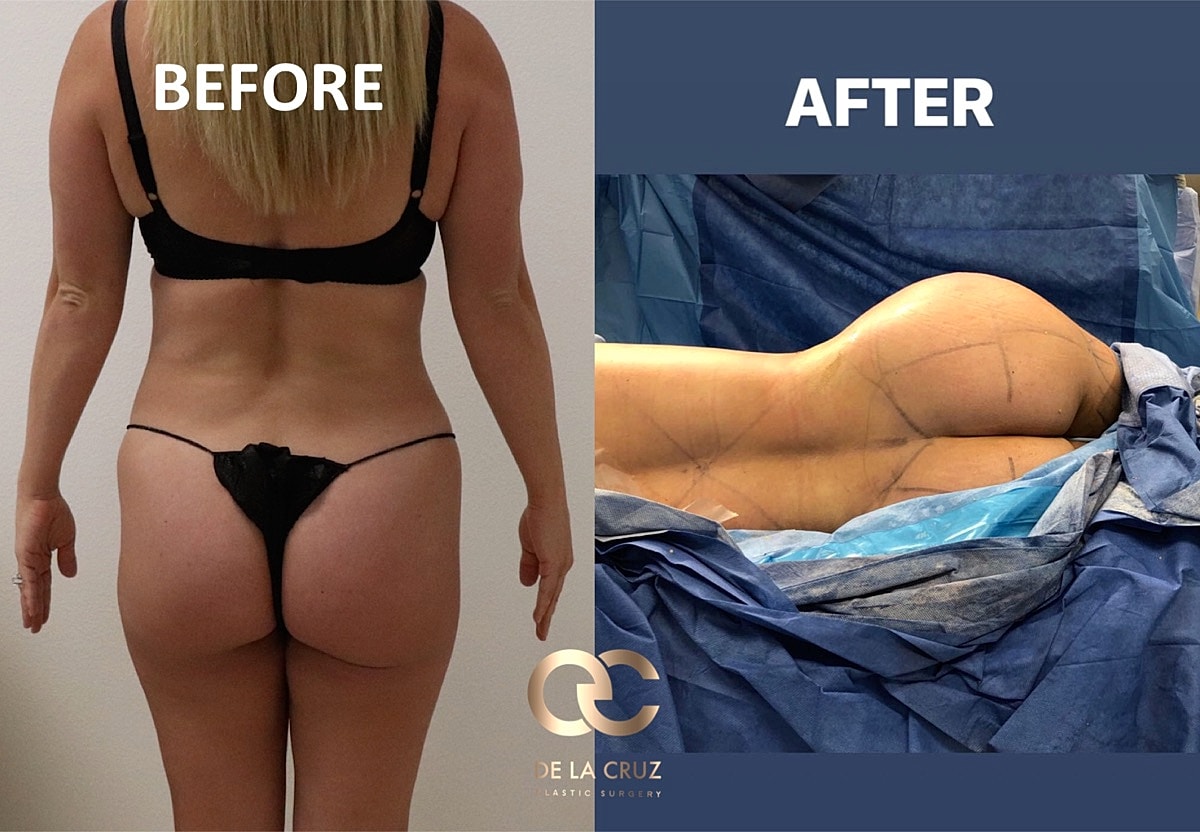
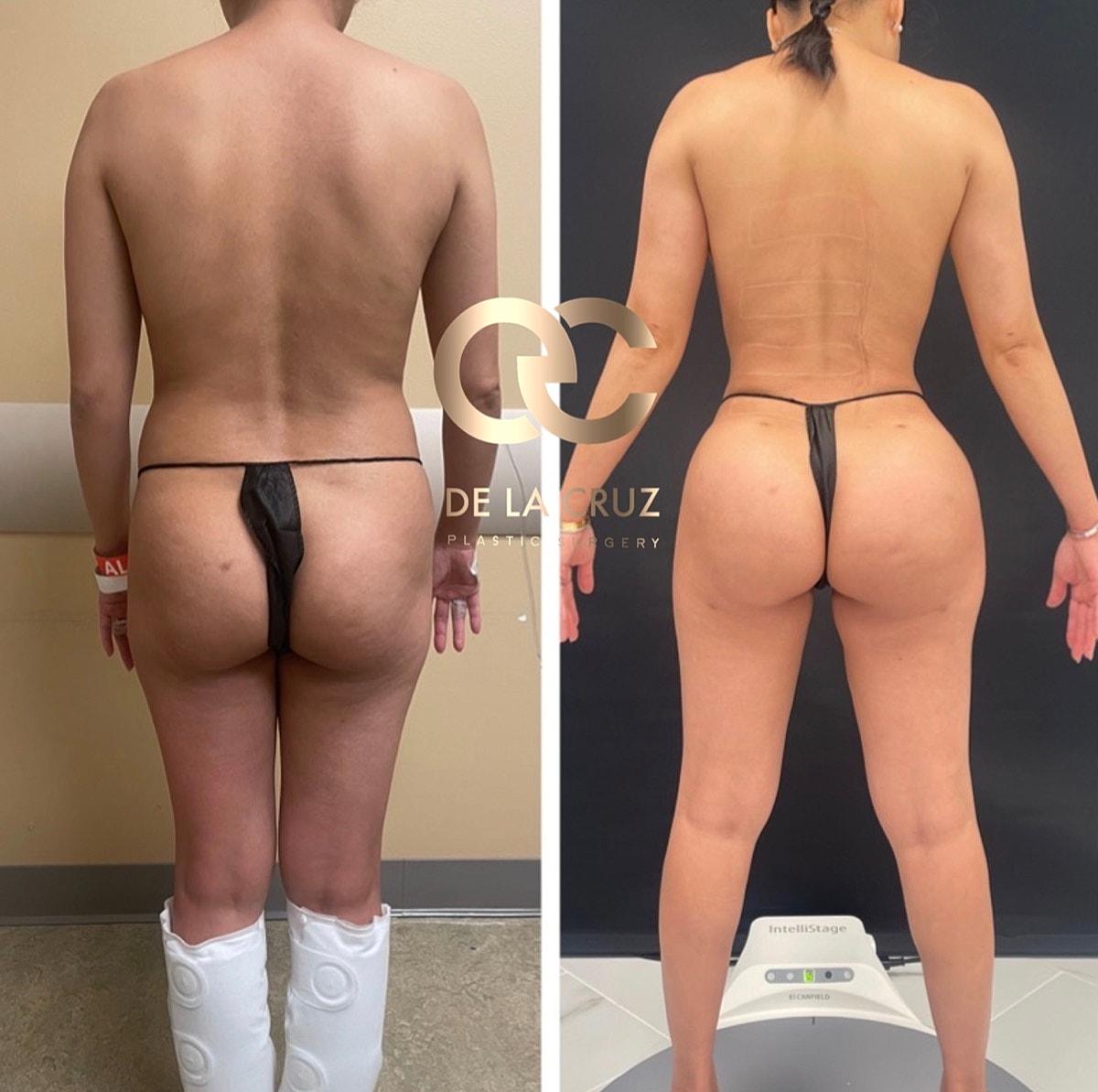
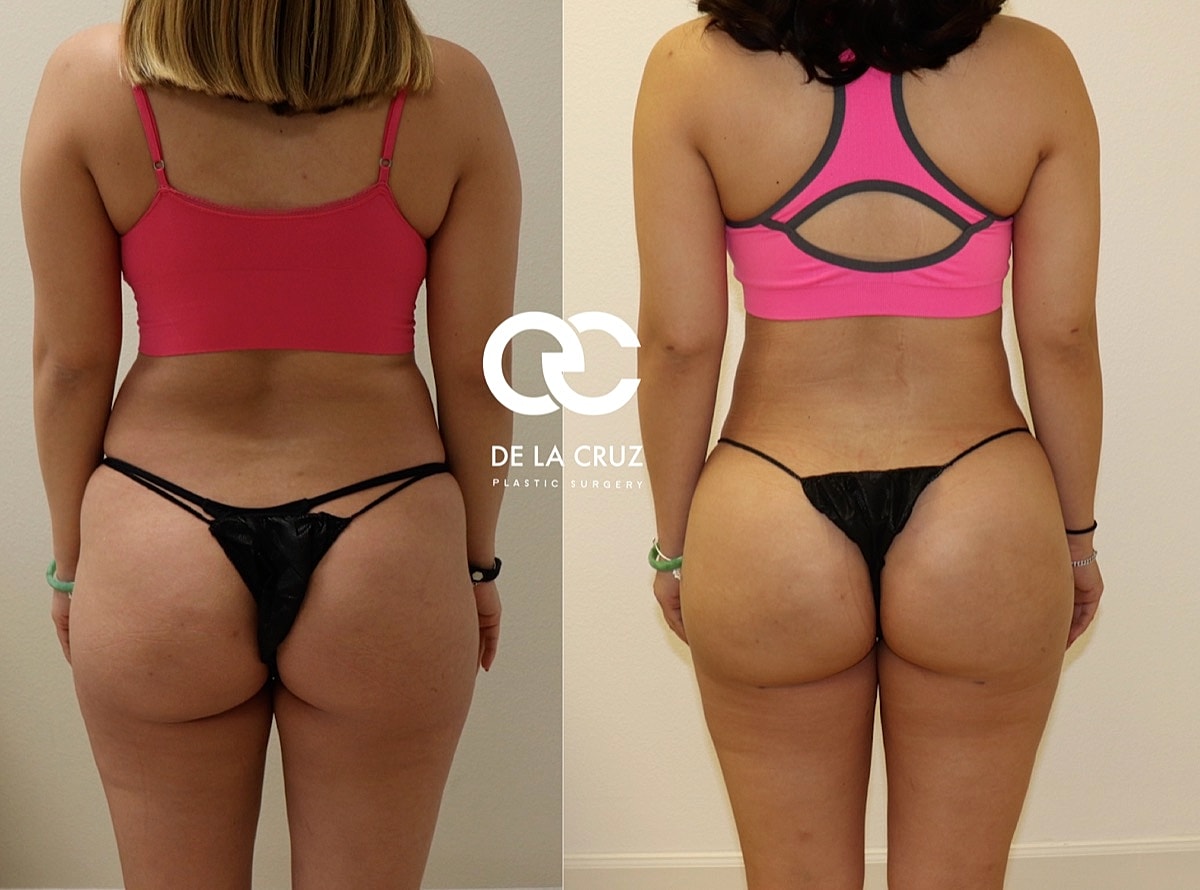
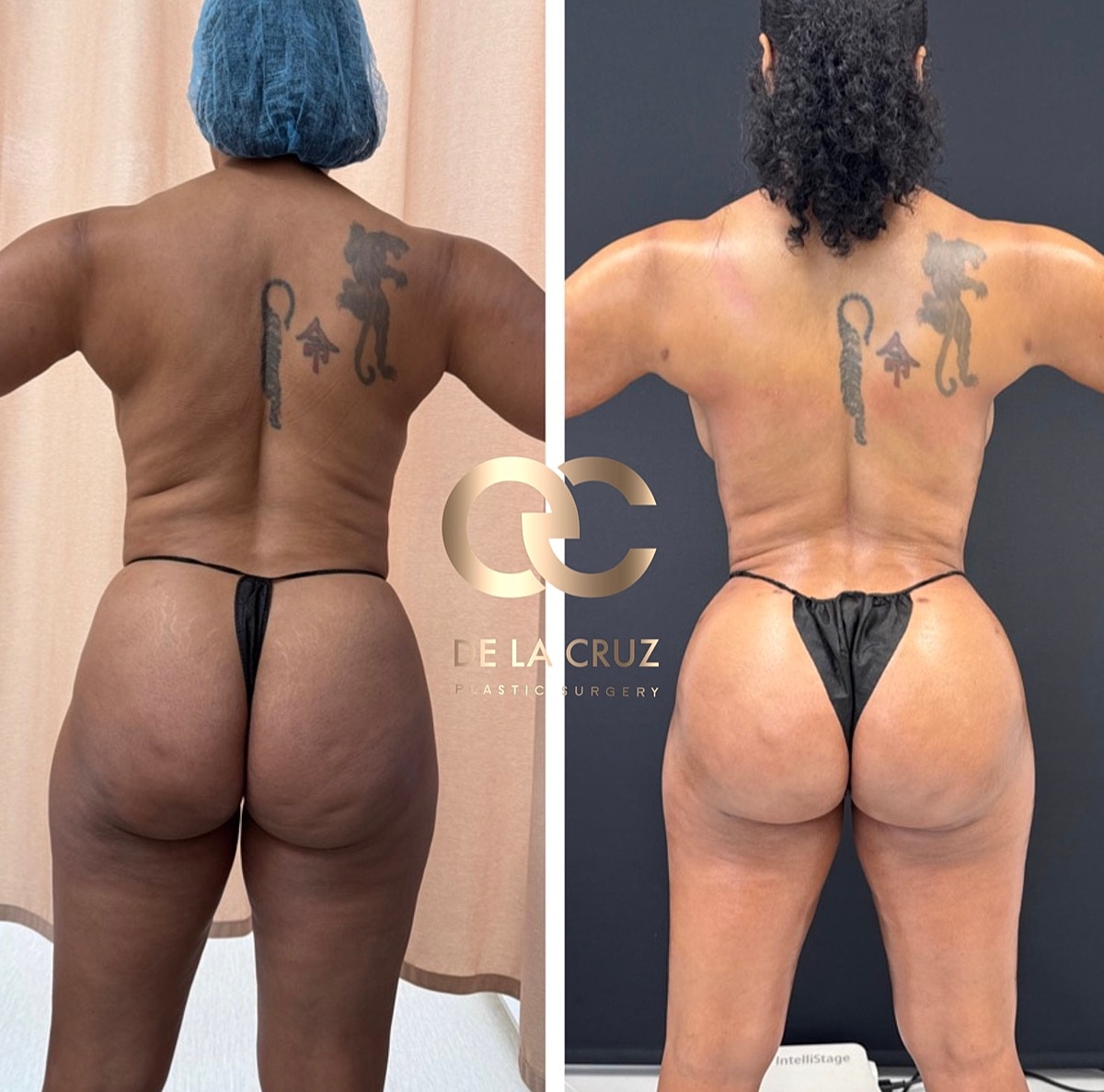
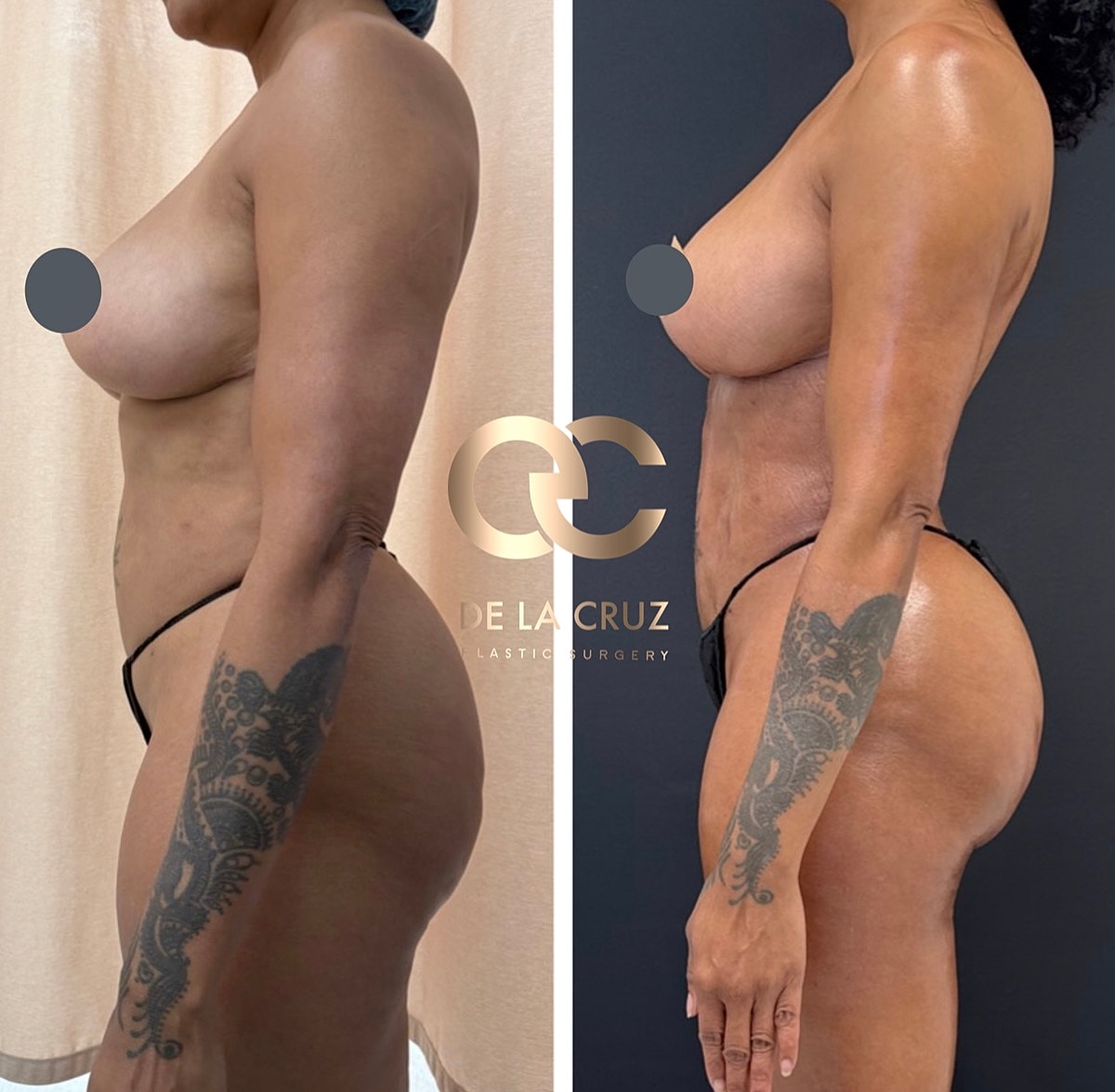
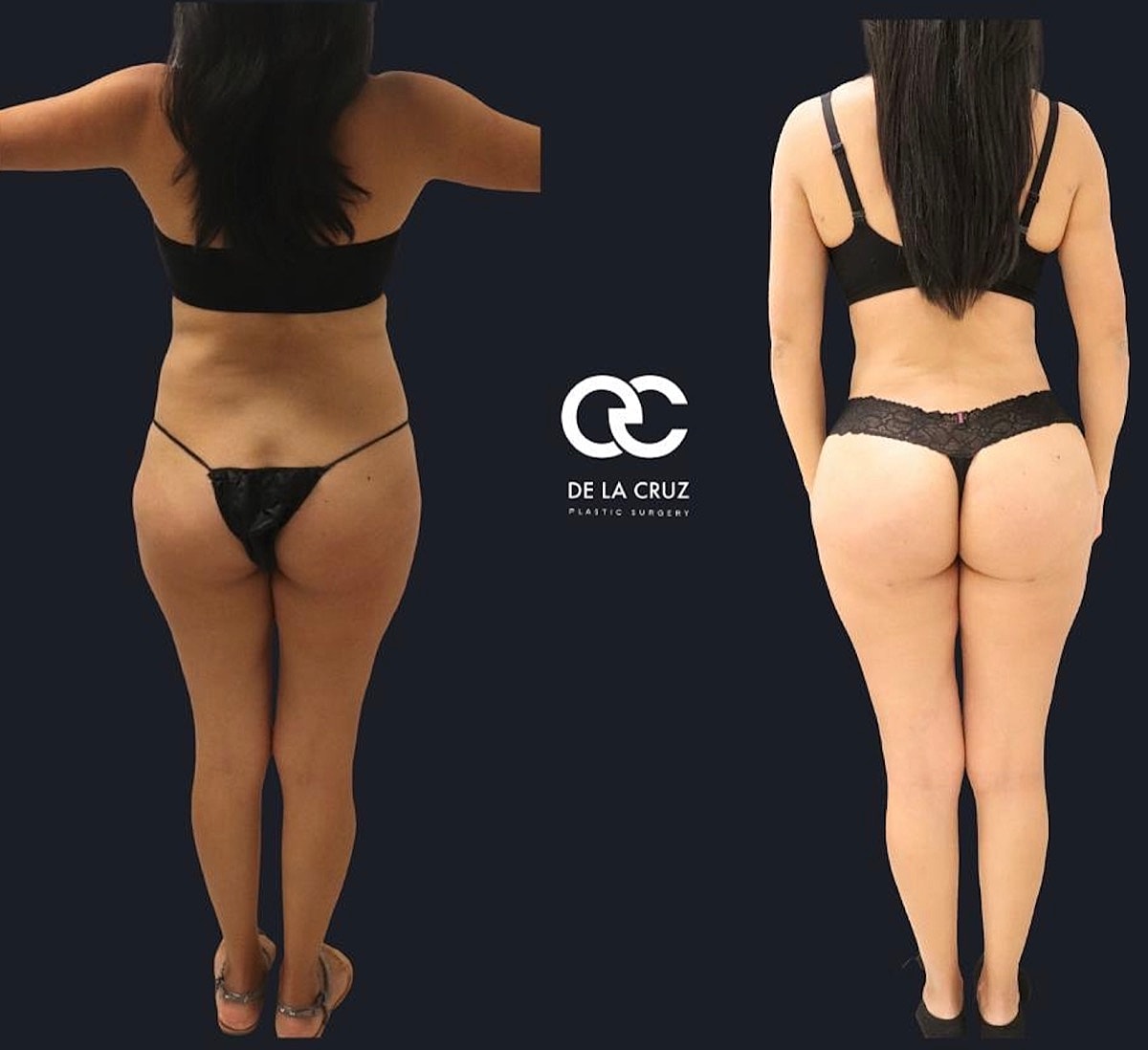
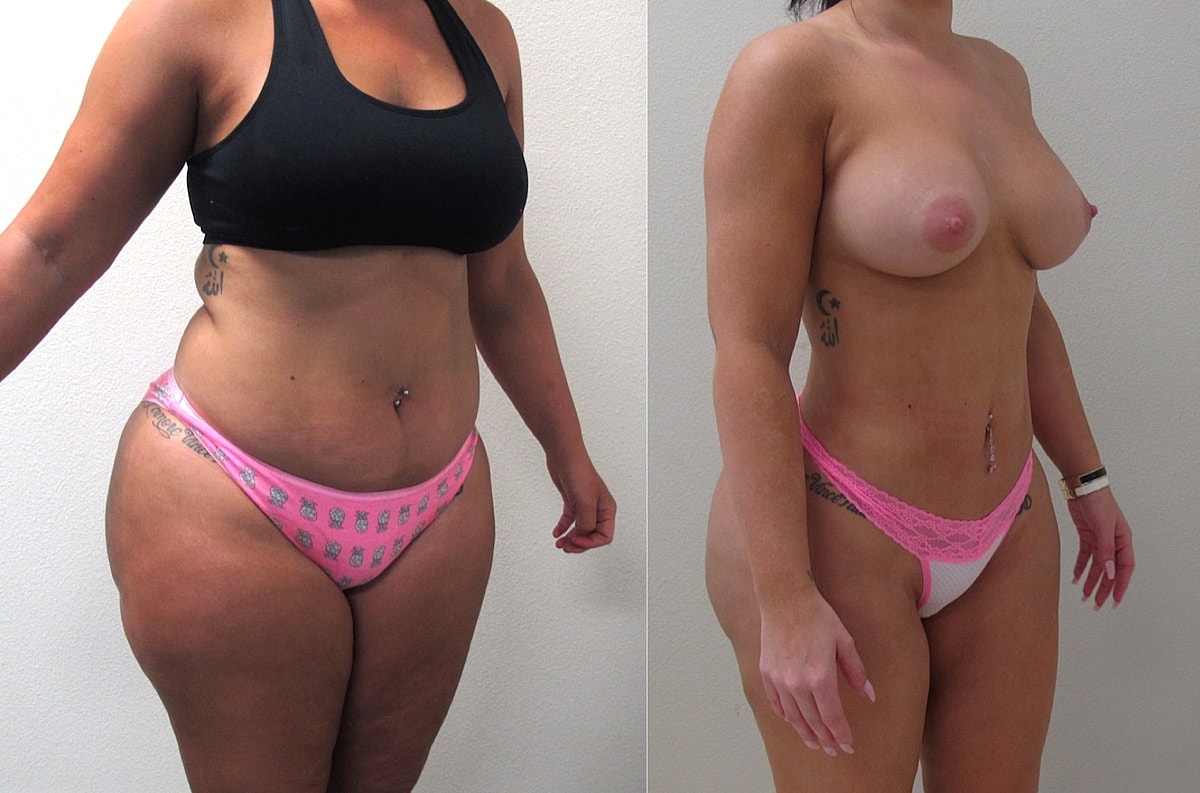
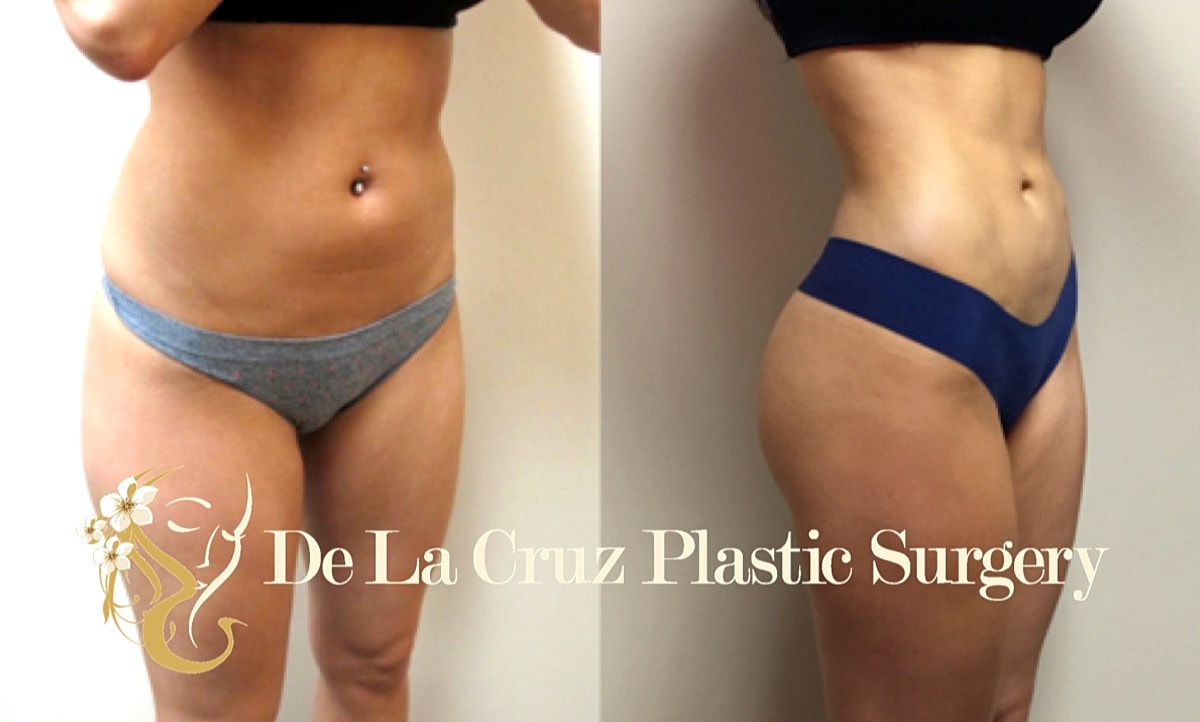
A Brazilian Butt Lift (BBL) is much more than simply transferring fat from one part of the body to another. While patients often focus on the amount of fat injected, plastic surgeons know that long-term success depends on something far more complex: whether the transplanted fat cells remain alive.
Modern fat grafting is rooted in cell biology, vascular physiology, biomechanics, and microsurgical principles. Every step—from harvesting and processing to injection technique and recipient-site preparation—affects whether transferred adipocytes establish a new blood supply or are gradually resorbed by the body.
Understanding the science behind fat graft survival helps explain why two patients receiving similar volumes of fat may experience very different long-term outcomes.
At De La Cruz Plastic Surgery in Houston, careful postoperative instructions and follow-up care help support healing and optimize results after BBL surgery. Start with the Ultimate Guide to BBL and Liposuction Houston.
1 of 23
Unlike dermal fillers or implants, autologous fat transfer involves transplanting living tissue.
Each fat graft contains:
The goal is not simply to move fat from one location to another but to preserve the viability of these cells until they become integrated into their new environment.
The first few days after fat transfer determine whether grafted fat survives.
Immediately after injection, transplanted adipocytes have no direct blood supply. Instead, they rely on diffusion of oxygen and nutrients from surrounding tissues, a process known as plasmatic imbibition.
During this period:
If the graft is too large or placed too densely, diffusion becomes insufficient and central adipocytes undergo necrosis.
This is why modern BBL techniques emphasize small aliquots of fat rather than large bolus injections.

For long-term survival, transplanted fat must develop new blood vessels.
This process, known as neovascularization, begins within days after surgery.
New capillaries grow from surrounding tissues into the transplanted fat.
Successful angiogenesis depends upon:
Once new capillary networks develop, surviving adipocytes become permanent living tissue.

One of the most misunderstood aspects of fat grafting is the concept of recipient-site capacity.
Each tissue compartment can accept only a finite volume of transplanted fat while maintaining adequate oxygen diffusion.
When surgeons inject beyond that capacity:
Rather than asking, "How much fat can be injected?" experienced surgeons ask:
"How much fat can this tissue safely support?"
This principle often determines long-term outcomes more than the absolute volume transferred.
Mature adipocytes are surprisingly fragile.
Their thin plasma membrane is susceptible to injury from:
Damaged adipocytes release intracellular lipid, contributing to inflammation and increasing the likelihood of oil cyst formation.
Modern fat grafting techniques aim to minimize mechanical injury throughout the harvesting and transfer process.
Fat harvesting begins long before the graft reaches the buttocks.
The goal is to obtain viable adipocytes while minimizing trauma.
Variables that influence cell survival include:
Cannula Design
Larger multiport cannulas generally reduce shear forces compared with smaller cannulas.
Rounded, blunt-tip cannulas also minimize tissue trauma.
Suction Pressure
Excessively high negative pressure may rupture adipocytes.
Many surgeons therefore use lower suction pressures or syringe aspiration during portions of the harvest to preserve cell integrity.
Tumescent Infiltration
Proper infiltration provides:
This creates a more favorable environment for harvesting viable fat.
Harvested fat contains more than adipocytes.
It also includes:
Processing removes unwanted components while preserving viable cells.
Common techniques include:
Decantation
Allows gravity to separate fluid from fat.
Filtration
Uses specialized systems to remove contaminants while preserving adipose tissue.
Gentle Washing
Removes blood and inflammatory mediators that may impair graft survival.
The ideal processing method continues to be studied, with no universal consensus favoring one technique over all others.
Modern fat grafting favors placement of numerous small parcels rather than large deposits.
This microdroplet technique increases the surface area exposed to surrounding vascularized tissue.
Advantages include:
Each pass deposits only a small amount of fat while the cannula is withdrawn, creating multiple layers of tiny grafts.
This technique is widely regarded as one of the most important advances in fat grafting.
Fat tissue contains a rich population of adipose-derived stem cells (ADSCs).
These cells may contribute to:
Research continues to investigate whether enriching grafts with additional stromal vascular fraction or isolated stem cells improves clinical outcomes. While early studies are promising, routine cell-assisted lipotransfer has not yet become the standard of care due to regulatory considerations and variable evidence.
Even with meticulous technique, not every transferred adipocyte survives.
Common causes include:
Some resorption is therefore expected and represents a normal aspect of the healing process.
Although every patient is different, studies consistently show that long-term retention is influenced by:
No single factor determines success; rather, lasting results depend on optimizing every step of the procedure.
Research continues to refine the science of fat transplantation.
Areas of active investigation include:
As these technologies evolve, they may further improve graft predictability and longevity.
Despite advances in technology, fat grafting remains highly technique-dependent.
The surgeon must balance:
A successful BBL is not determined solely by the amount of fat transferred but by how effectively living tissue is preserved throughout every stage of the operation.
Patients seeking liposuction in Houston often choose Dr. Emmanuel De La Cruz, a double-board-certified plastic surgeon certified by both the American Board of Plastic Surgery and the American Board of Surgery. He specializes in advanced body contouring and precision liposuction techniques designed to create refined, natural-appearing results.
Dr. De La Cruz is internationally recognized for his work in high-definition liposuction and contour sculpting. He has received the Grand Master Total Definer Award for Best High-Definition Liposuction Results, presented by Dr. Alfredo Hoyos, the pioneer of high-definition liposculpture.
He has also lectured internationally on liposuction and contour correction techniques, presenting at major scientific meetings including the American Society of Plastic Surgeons (ASPS), the Total Definer Meeting in Bogotá, the InMode Symposium in Miami and Beverly Hills, and AestheticStanbul in Istanbul, where he was invited by renowned plastic surgeon Dr. Foad Nahai.
Dr. De La Cruz has contributed to the scientific literature as the author of “Lipoplasty in the Overweight Patient,” published in the peer-reviewed journal Clinics in Plastic Surgery.
Through his combination of advanced surgical training, international teaching experience, and meticulous contour sculpting, Dr. De La Cruz focuses on delivering safe, precise, and natural-looking liposuction results.
About the Medical Reviewer Dr. Emmanuel De La Cruz is a double board-certified plastic surgeon specializing in advanced facial rejuvenation and body contouring procedures. 👉 [Learn more about Dr. Emmanuel De La Cruz]

On average, 60–80% of the transferred fat may survive long term, although this varies from patient to patient. Fat survival depends on factors such as surgical technique, blood supply to the recipient tissue, postoperative healing, smoking status, weight stability, and overall health. Some degree of fat resorption is expected as part of the normal healing process.
Fat cells survive when they quickly establish a new blood supply after transplantation. During the first several days after surgery, grafted fat relies on oxygen and nutrients diffusing from nearby tissues. Cells that receive adequate nourishment develop permanent circulation through neovascularization, while those that do not may be naturally absorbed by the body.
Not necessarily. Every patient has a recipient-site capacity, meaning there is a limit to how much fat the surrounding tissues can support. Injecting excessive amounts into a confined area may reduce oxygen delivery, increase fat necrosis, and decrease long-term fat survival.
The microdroplet technique involves placing many tiny parcels of fat throughout multiple tissue layers rather than injecting large collections of fat. This increases the surface area exposed to healthy tissue, allowing better oxygen diffusion and faster development of new blood vessels, which may improve graft survival and create smoother contours.
Gentle harvesting techniques help preserve the integrity of adipocytes (fat cells). Surgeons carefully select cannulas, suction pressure, and harvesting methods to minimize trauma during liposuction. Less damage to fat cells generally provides healthier tissue for transfer.
Yes. Smoking decreases blood flow and oxygen delivery, both of which are essential for newly transplanted fat cells. Nicotine can significantly reduce fat survival and increase the risk of complications. Most board-certified plastic surgeons recommend stopping all nicotine products well before and after surgery.
Yes. Transferred fat behaves like fat elsewhere in your body. Significant weight loss after surgery can reduce the size of the grafted fat cells, leading to decreased buttock volume. Maintaining a stable weight helps preserve long-term results.
VASER-assisted liposuction is designed to emulsify fat while facilitating its removal. When performed appropriately, it may allow for efficient fat harvesting with less mechanical trauma than some traditional techniques. However, long-term graft survival depends on multiple factors, including harvesting, processing, injection technique, recipient-site vascularity, and postoperative healing.
No. Some of the transferred fat is naturally reabsorbed during healing. The fat cells that successfully establish a blood supply generally become living tissue and may provide long-lasting volume, provided your body weight remains relatively stable.
Early nourishment occurs through plasmatic imbibition during the first 48 to 72 hours after surgery. New blood vessels begin developing within several days, and vascular integration continues over the following weeks. Most fat survival is determined during this early healing period.
About the Author
Dr. Emmanuel De La Cruz, MD is a double-board-certified plastic surgeon in Houston, Texas, certified by both the American Board of Plastic Surgery and the American Board of Surgery. He specializes in advanced liposuction and body contouring procedures, including high-definition liposculpture, Brazilian Butt Lift (BBL), revision liposuction, and treatment of lipedema.
Dr. De La Cruz is internationally recognized for his expertise in high-definition liposuction and contour sculpting techniques, which play a critical role in achieving balanced, natural-looking results in procedures such as liposuction and Brazilian Butt Lift surgery. His work focuses on precise body contour sculpting to enhance overall body proportions.
He has lectured internationally on liposuction techniques, fat grafting, and contour irregularity correction, presenting at major scientific meetings including the American Society of Plastic Surgeons (ASPS), the Total Definer Meeting in Bogotá, Colombia, the InMode Symposium in Miami and Beverly Hills, and AestheticStanbul in Istanbul, Turkey, where he was invited to lecture by renowned plastic surgeon Dr. Foad Nahai.
Dr. De La Cruz has also contributed to the scientific literature on liposuction and body contouring. He is the author of “Lipoplasty in the Overweight Patient”, published in the peer-reviewed journal Clinics in Plastic Surgery.
Through his clinical work, research, and international lectures, Dr. De La Cruz focuses on advancing safe, precise, and refined techniques in liposuction, BBL surgery, and modern body contouring.