DVT Prevention After Liposuction: What Patients Need to Know
Written by Dr. Emmanuel De La Cruz, MD Double Board-Certified Plastic Surgeon | Houston, Texas
Written by Dr. Emmanuel De La Cruz, MD Double Board-Certified Plastic Surgeon | Houston, Texas
Deep vein thrombosis (DVT) is a condition where a blood clot forms in the deep veins, typically in the legs. In rare cases, this clot can travel to the lungs and cause a pulmonary embolism (PE), which can be life-threatening.
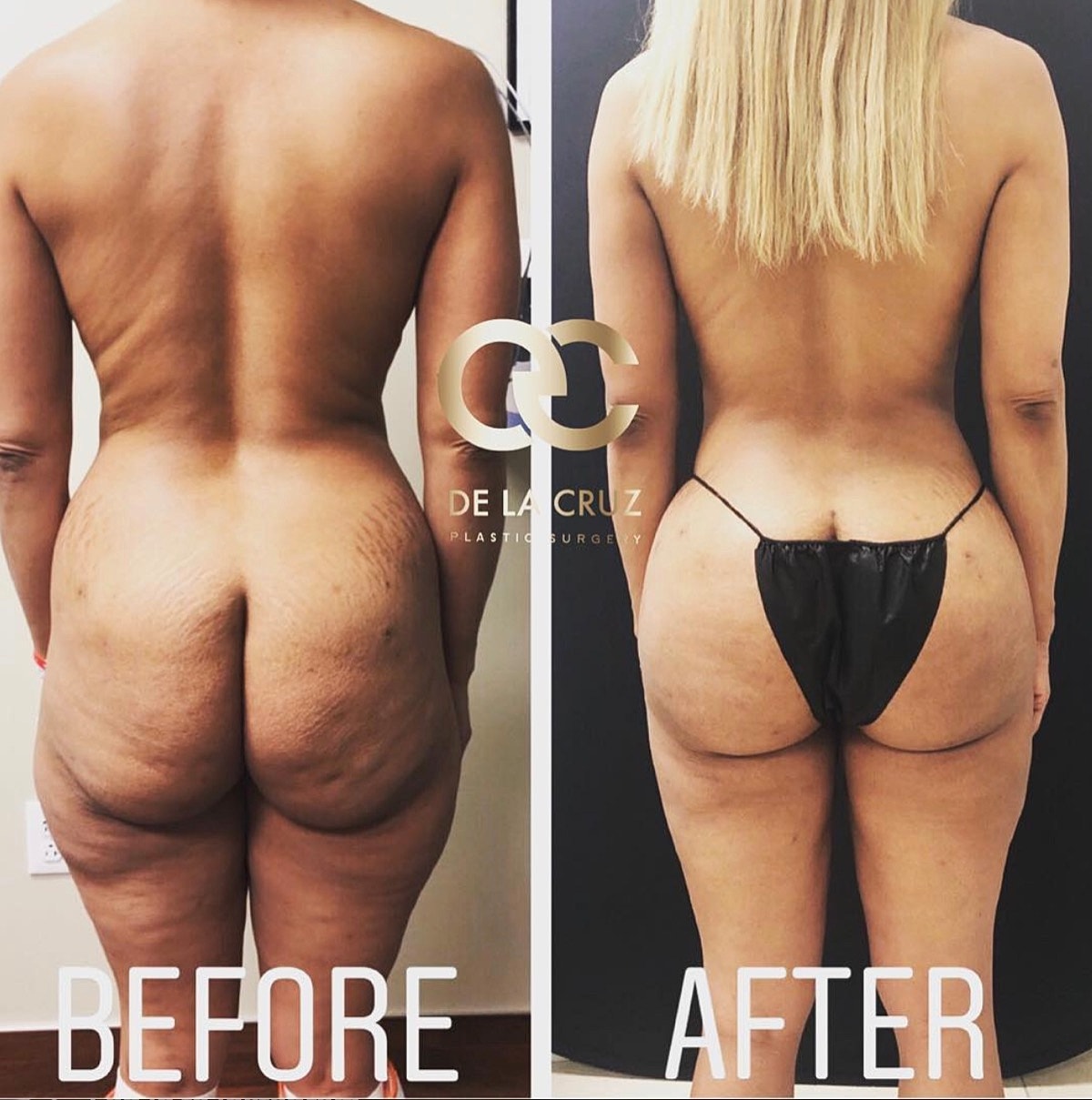
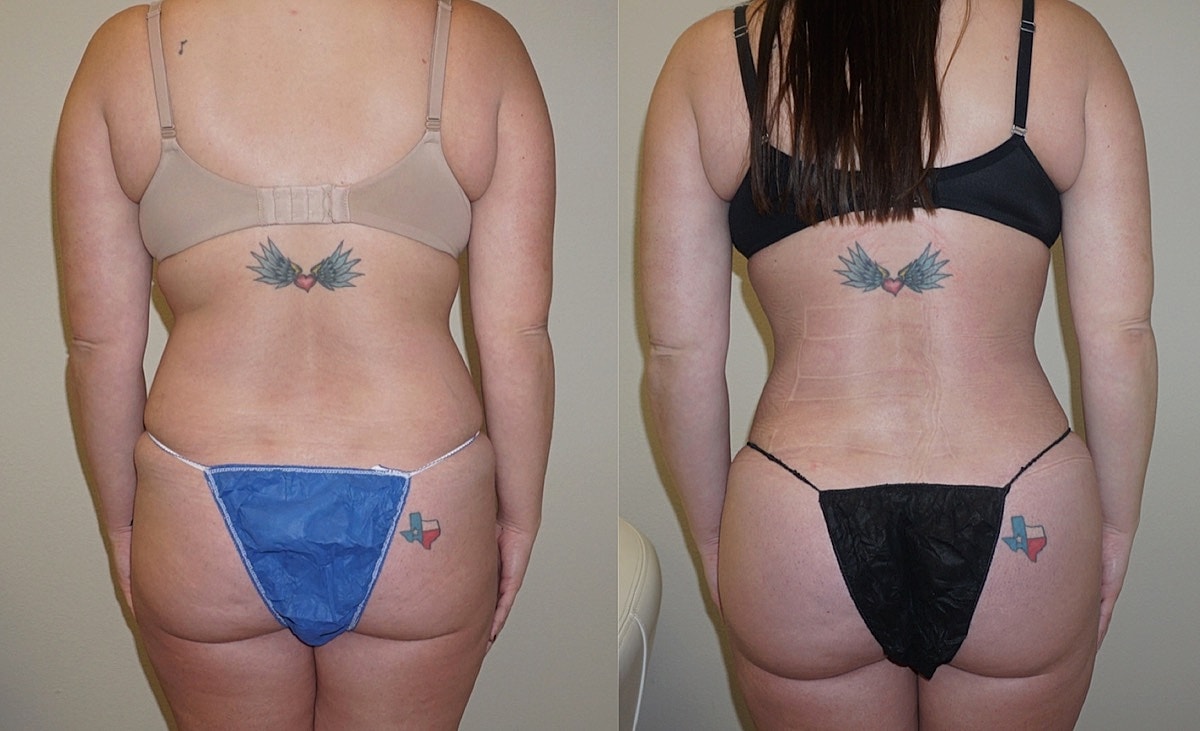
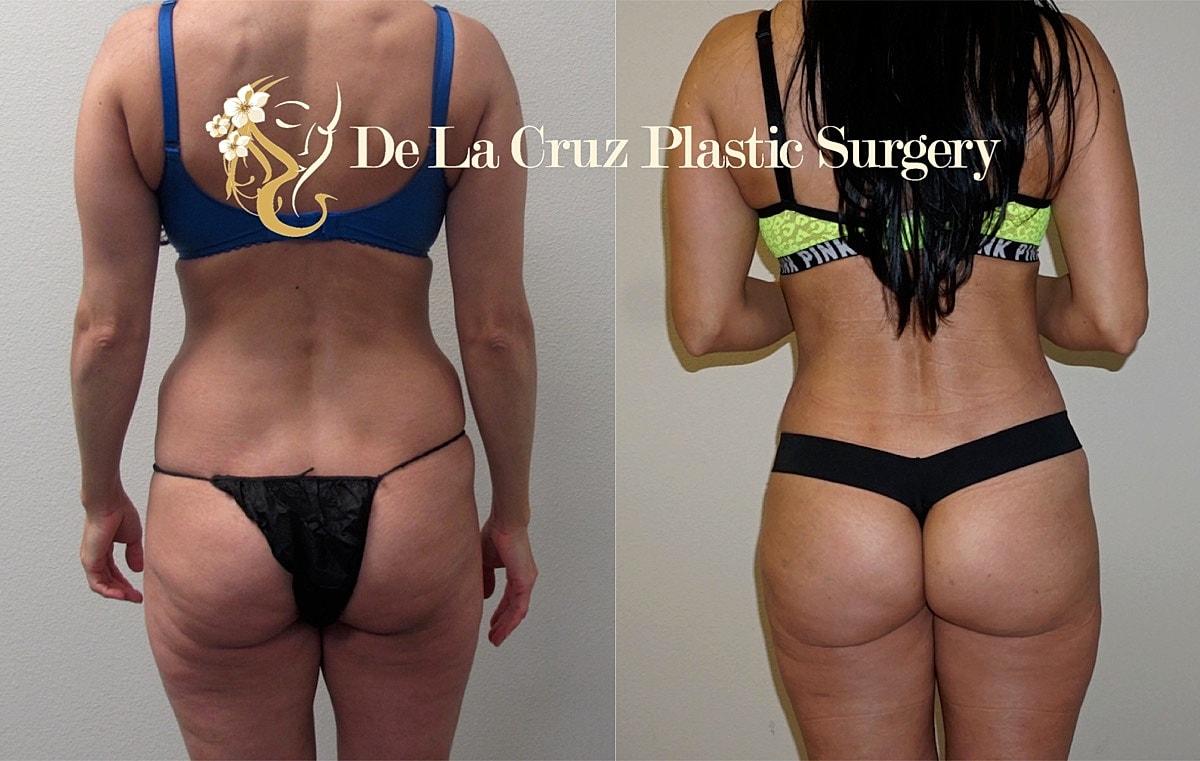
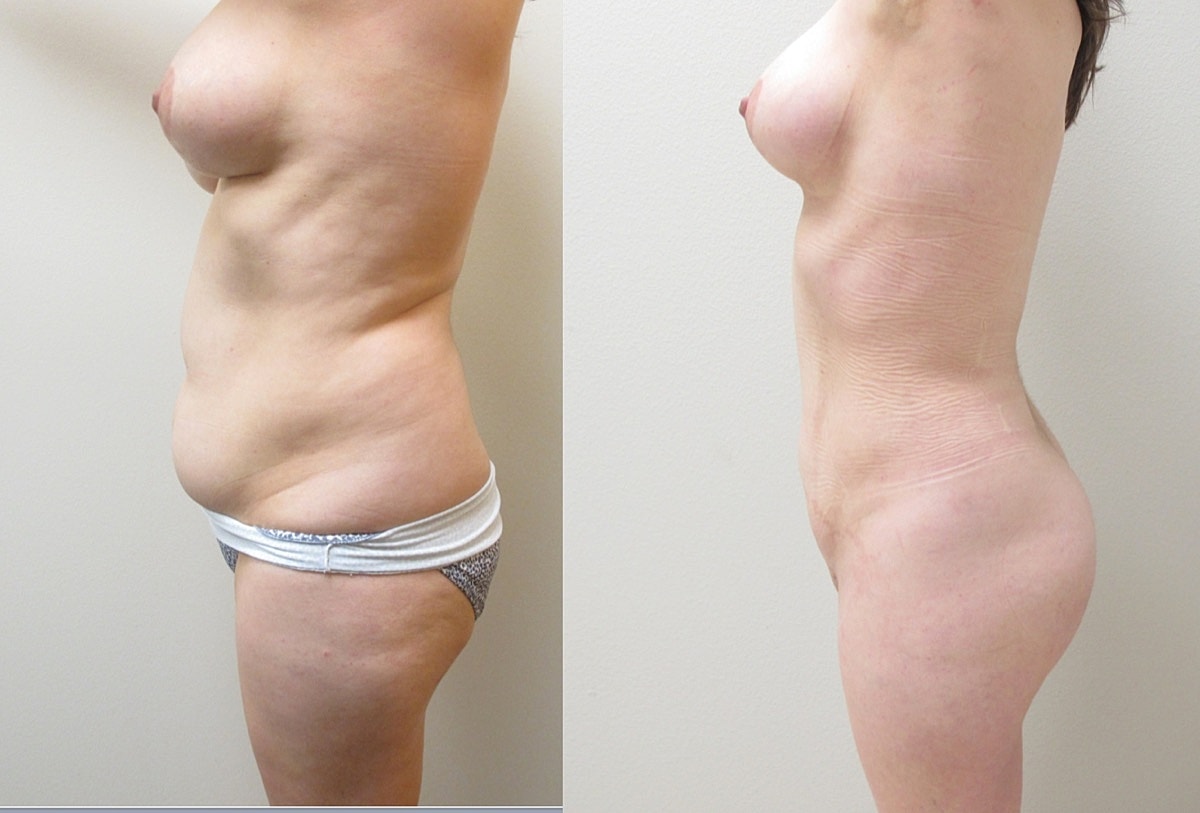
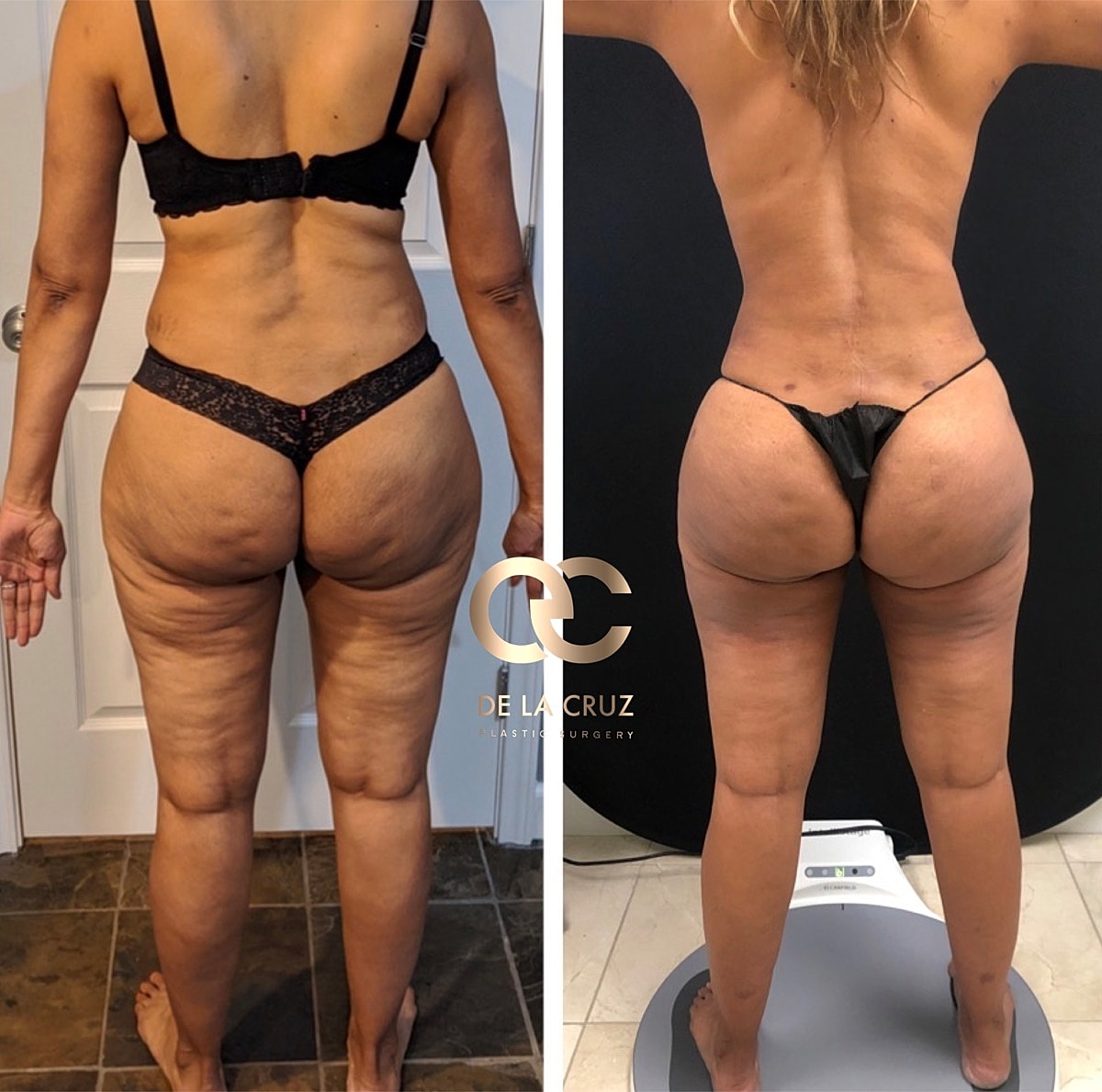
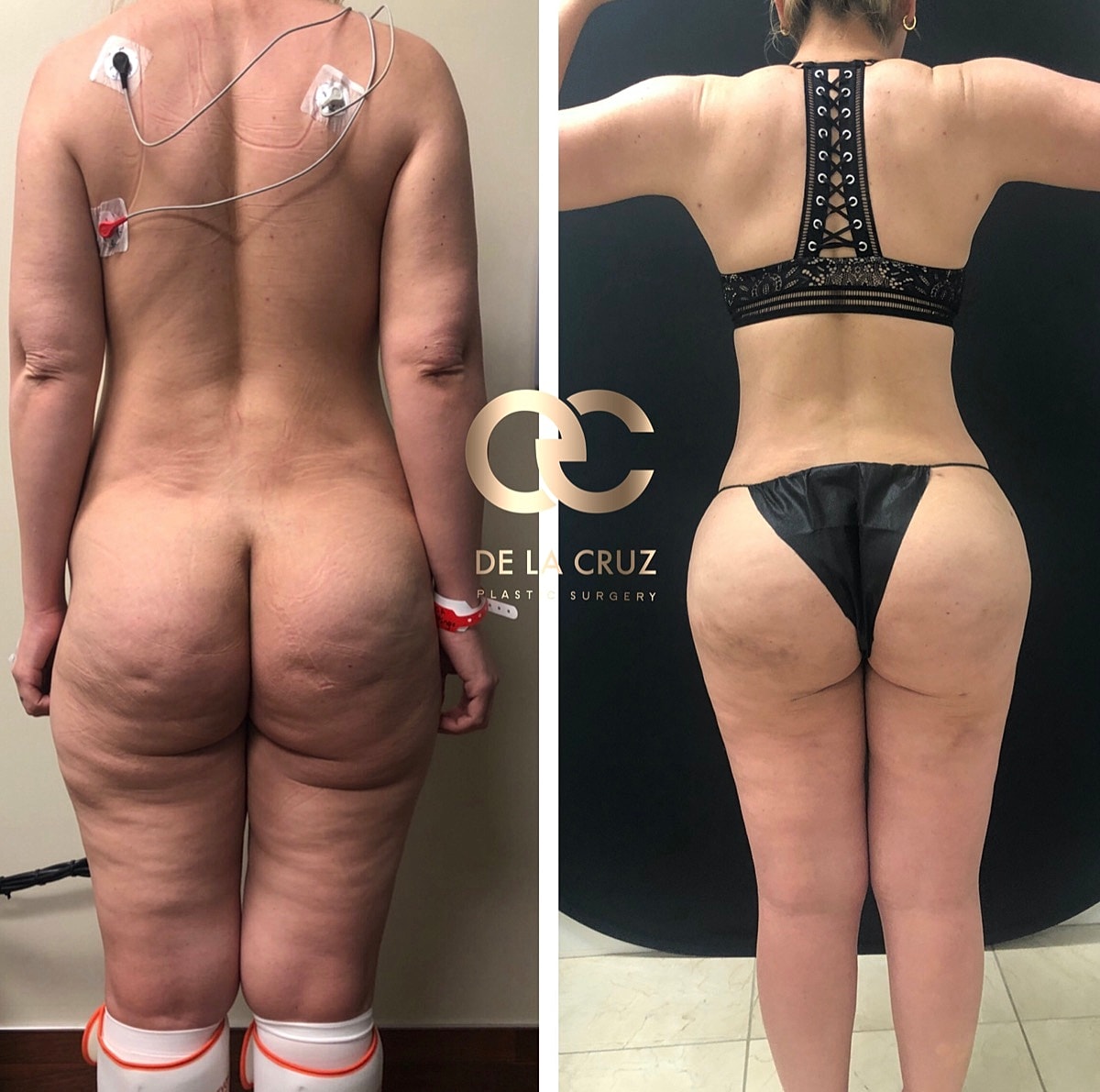
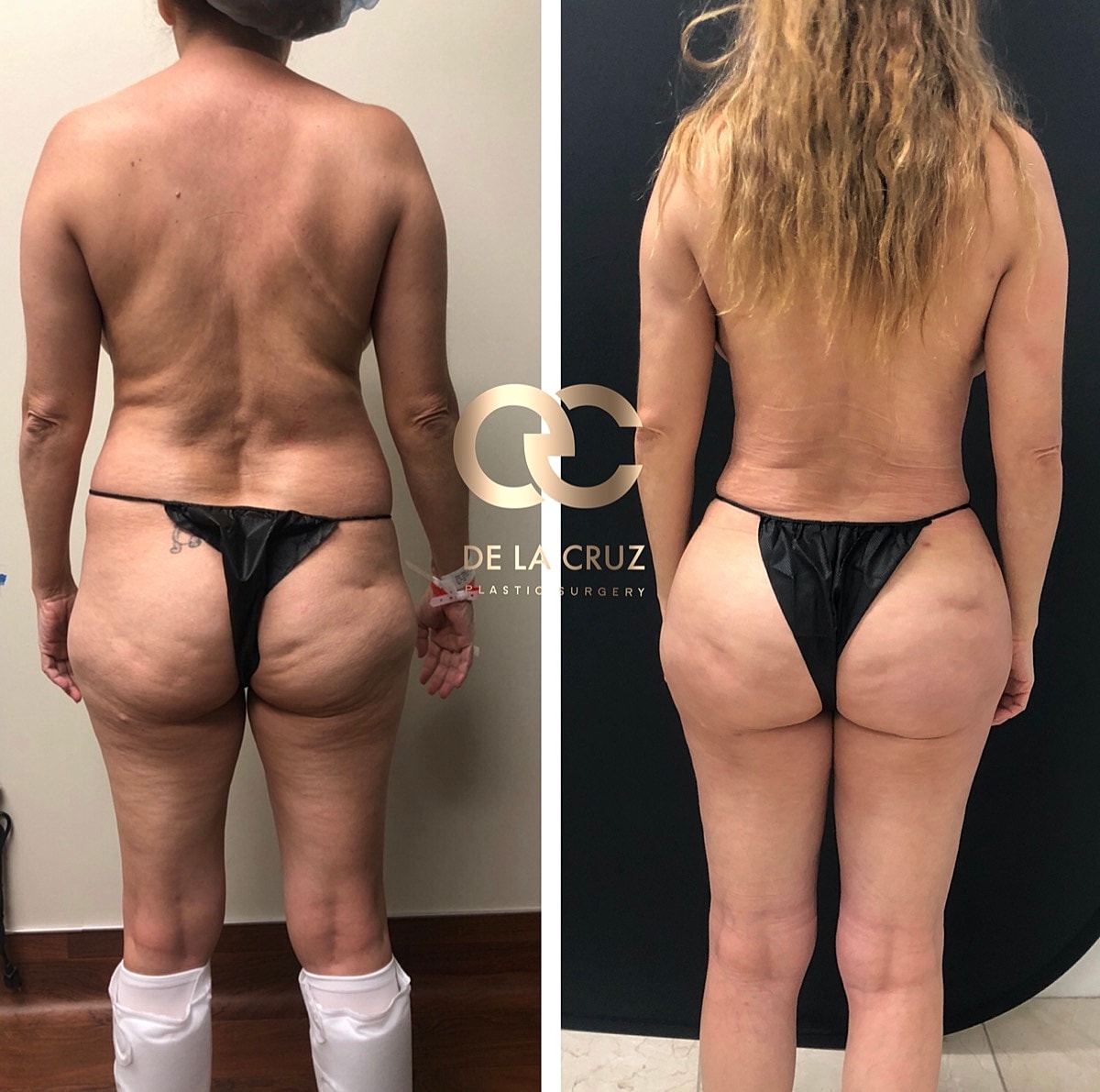
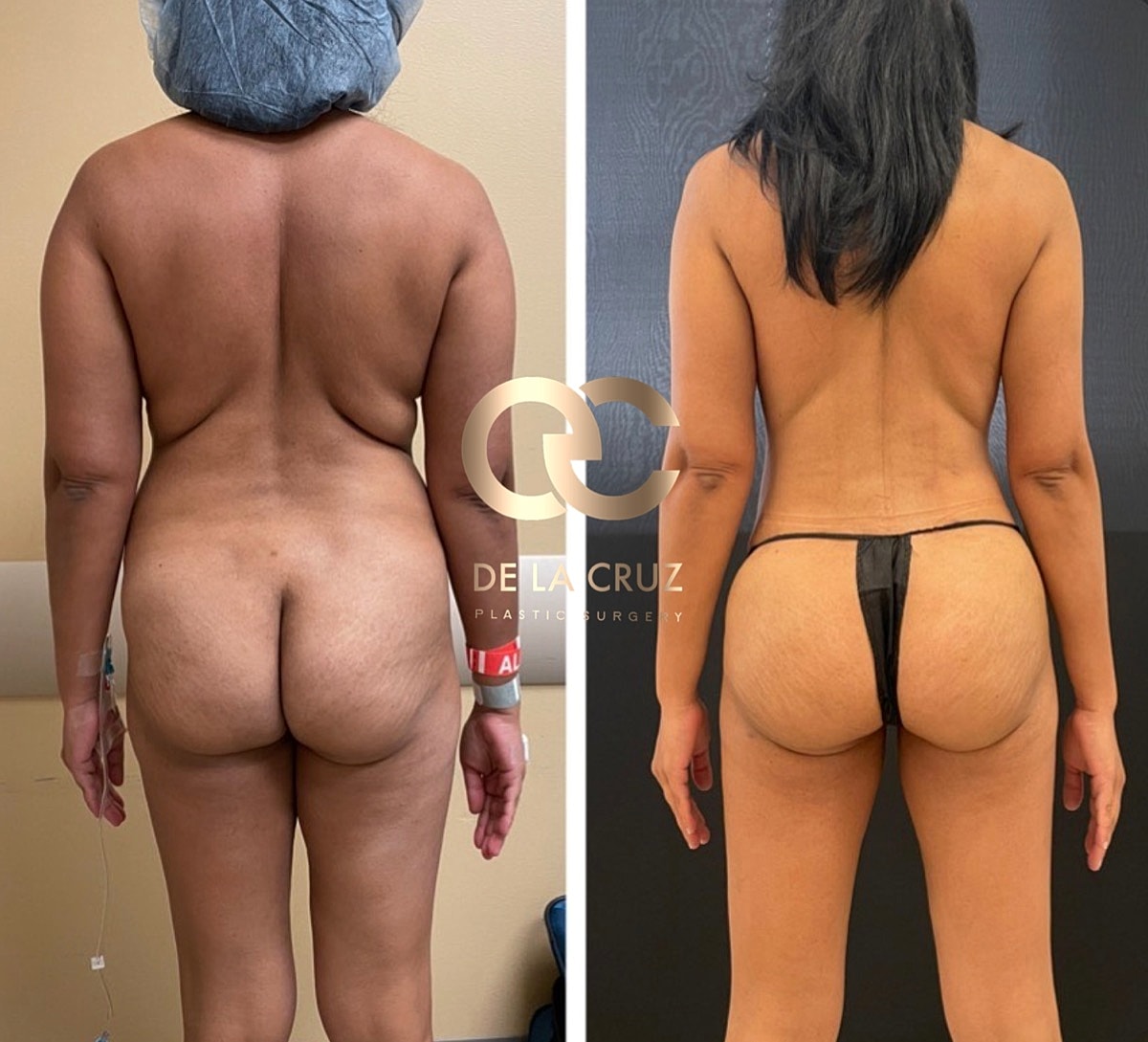
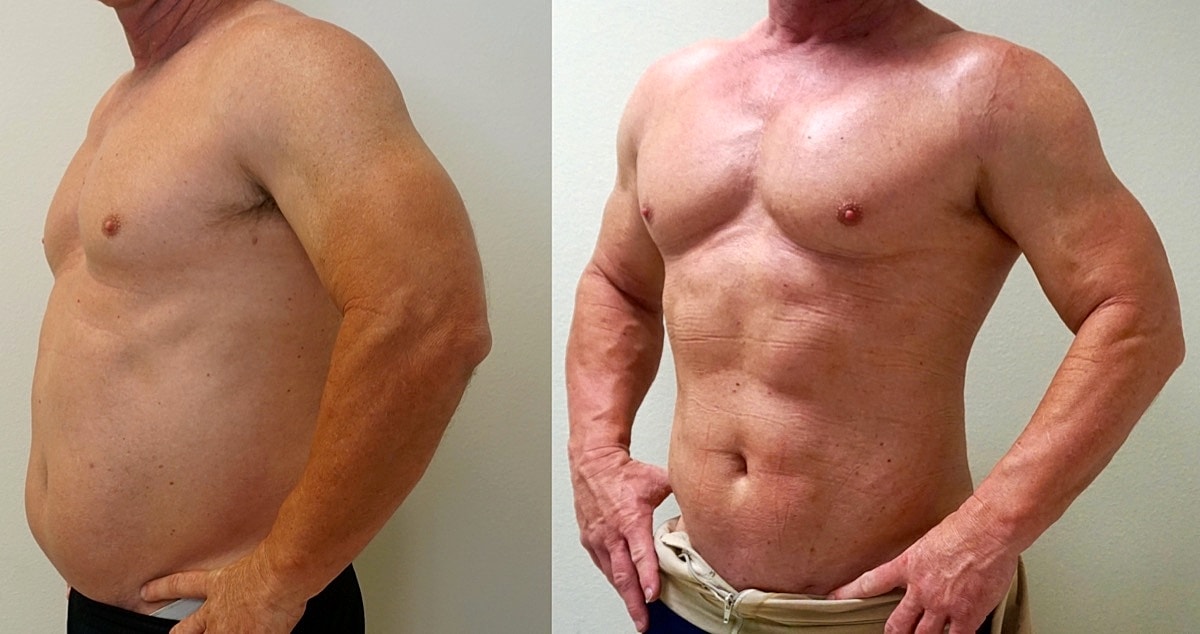
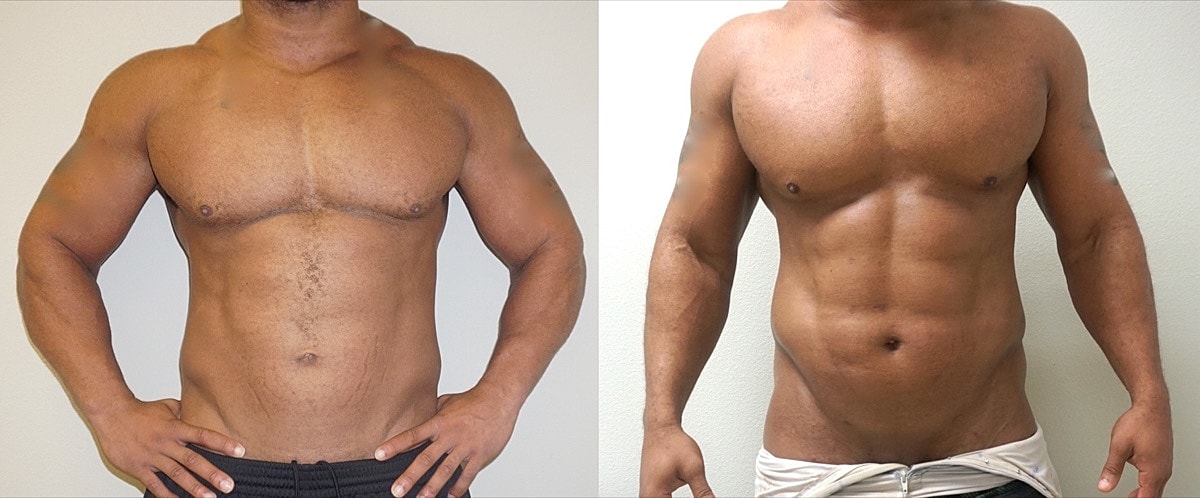
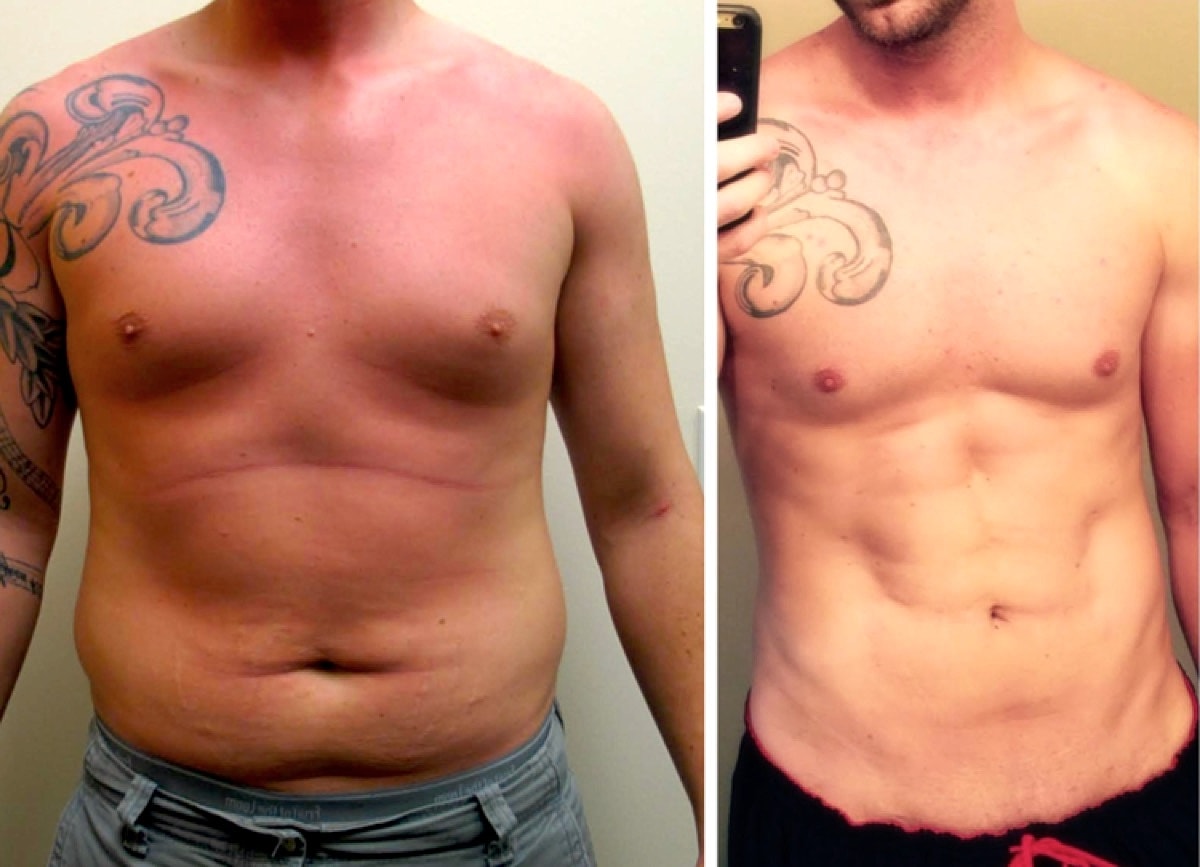
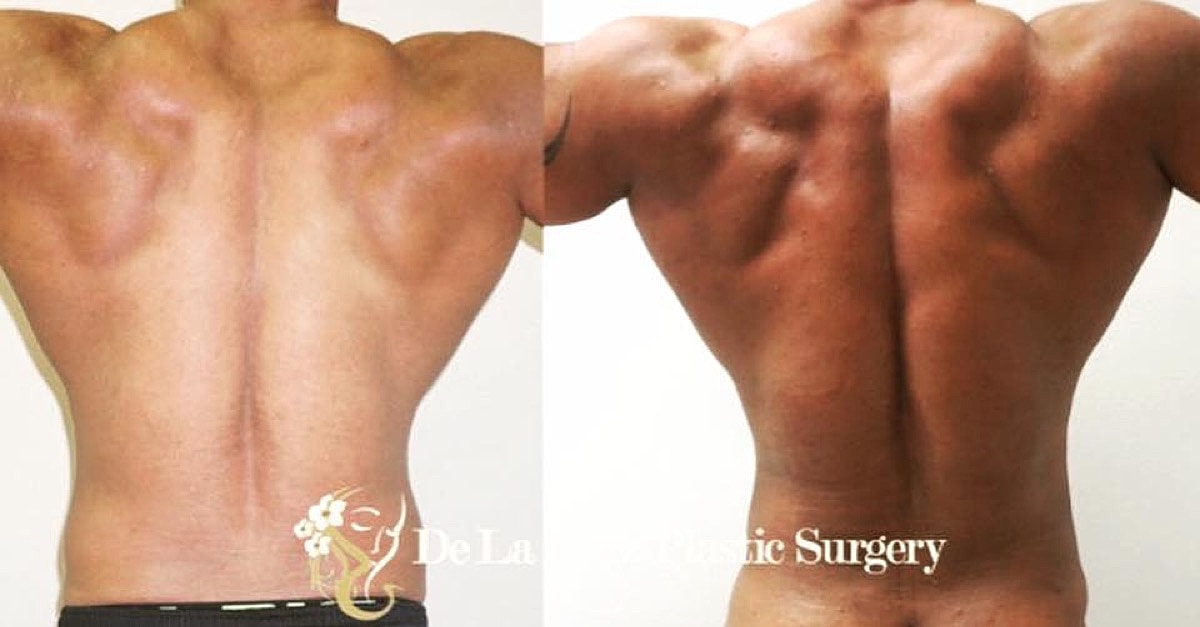
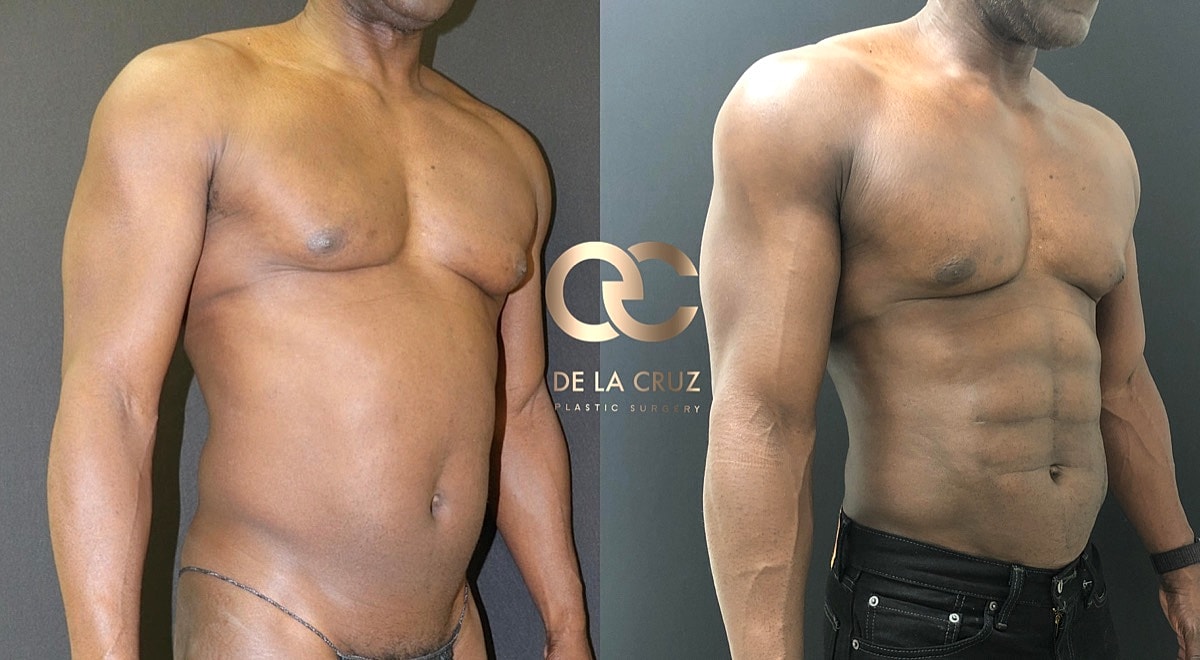
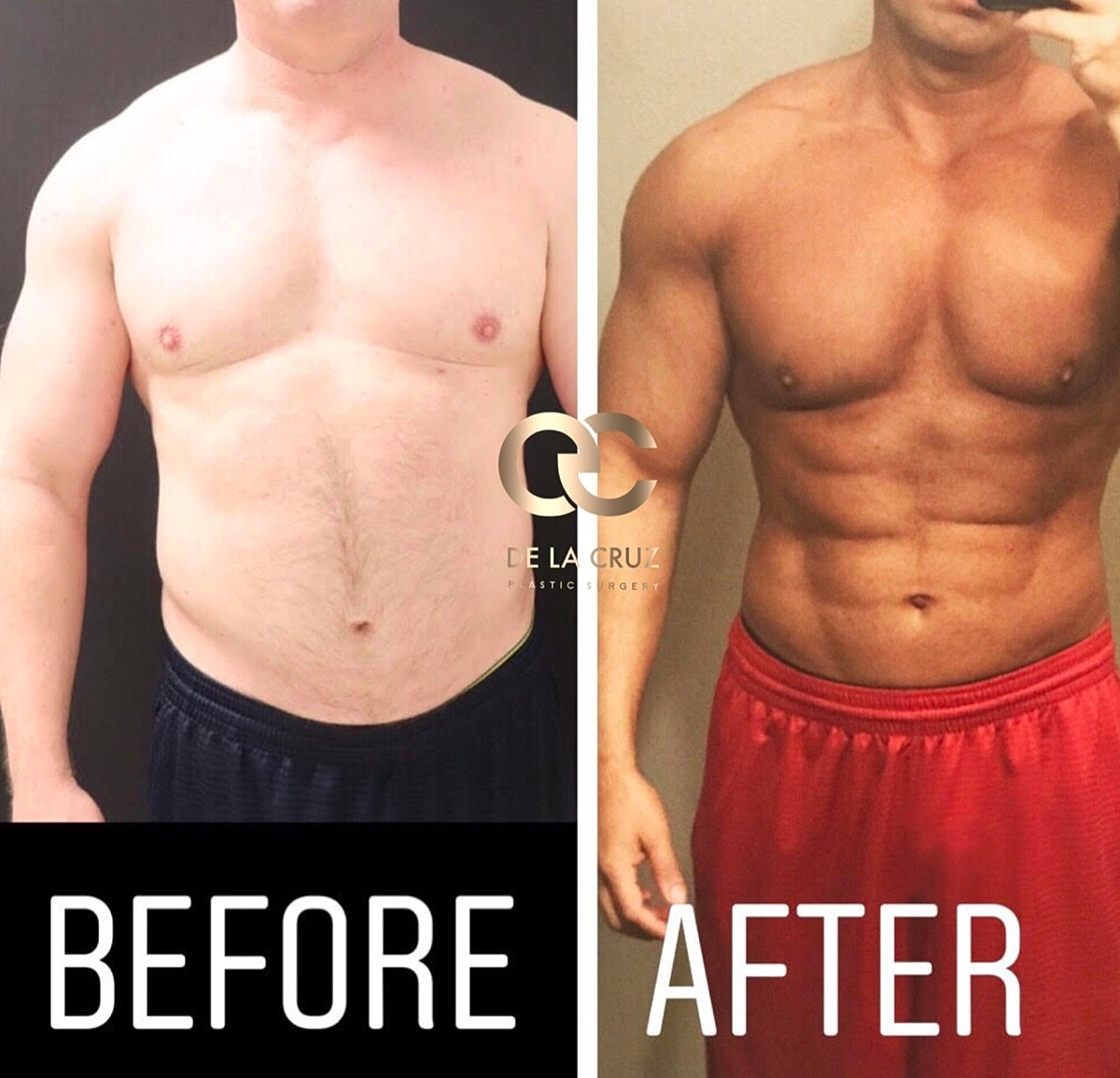
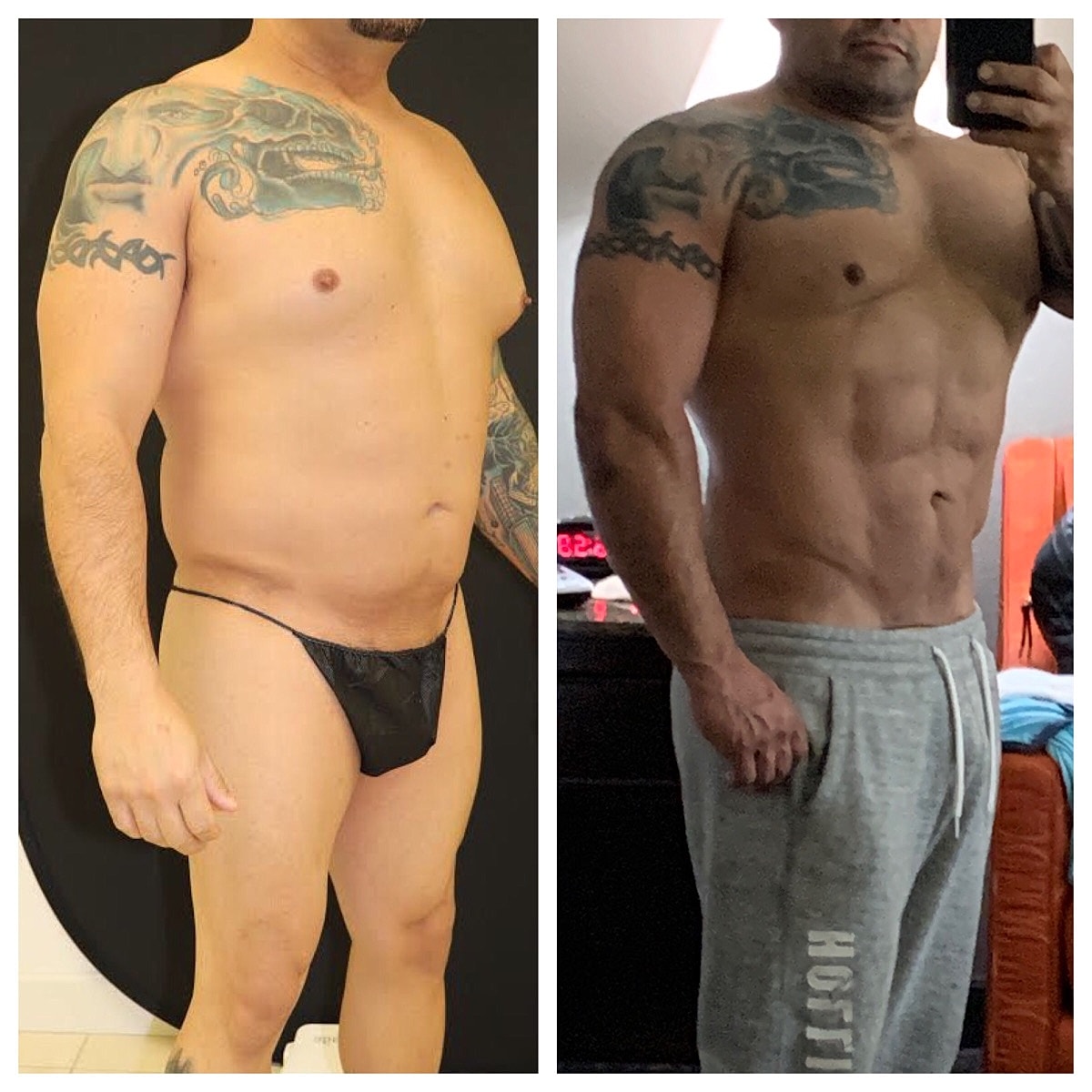
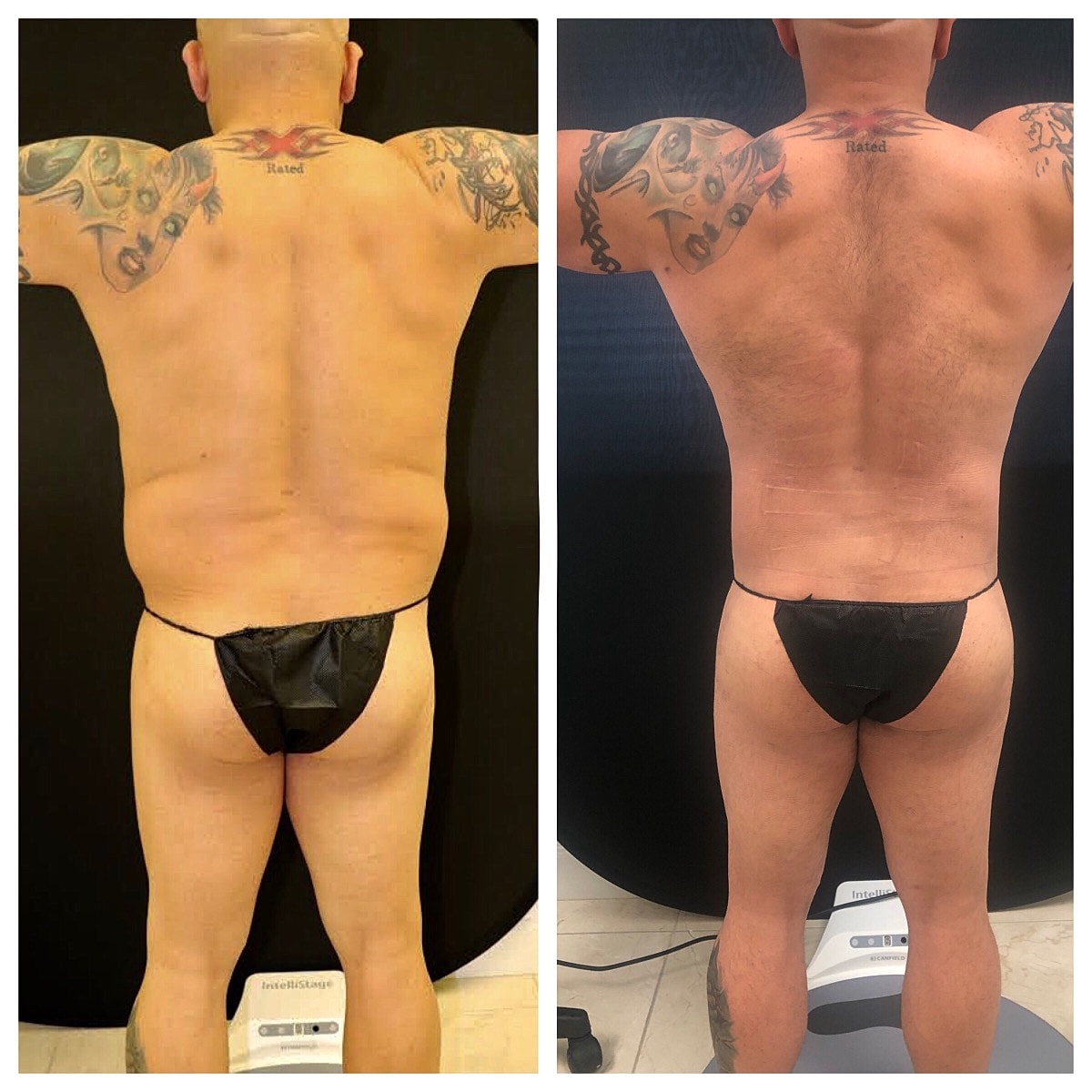
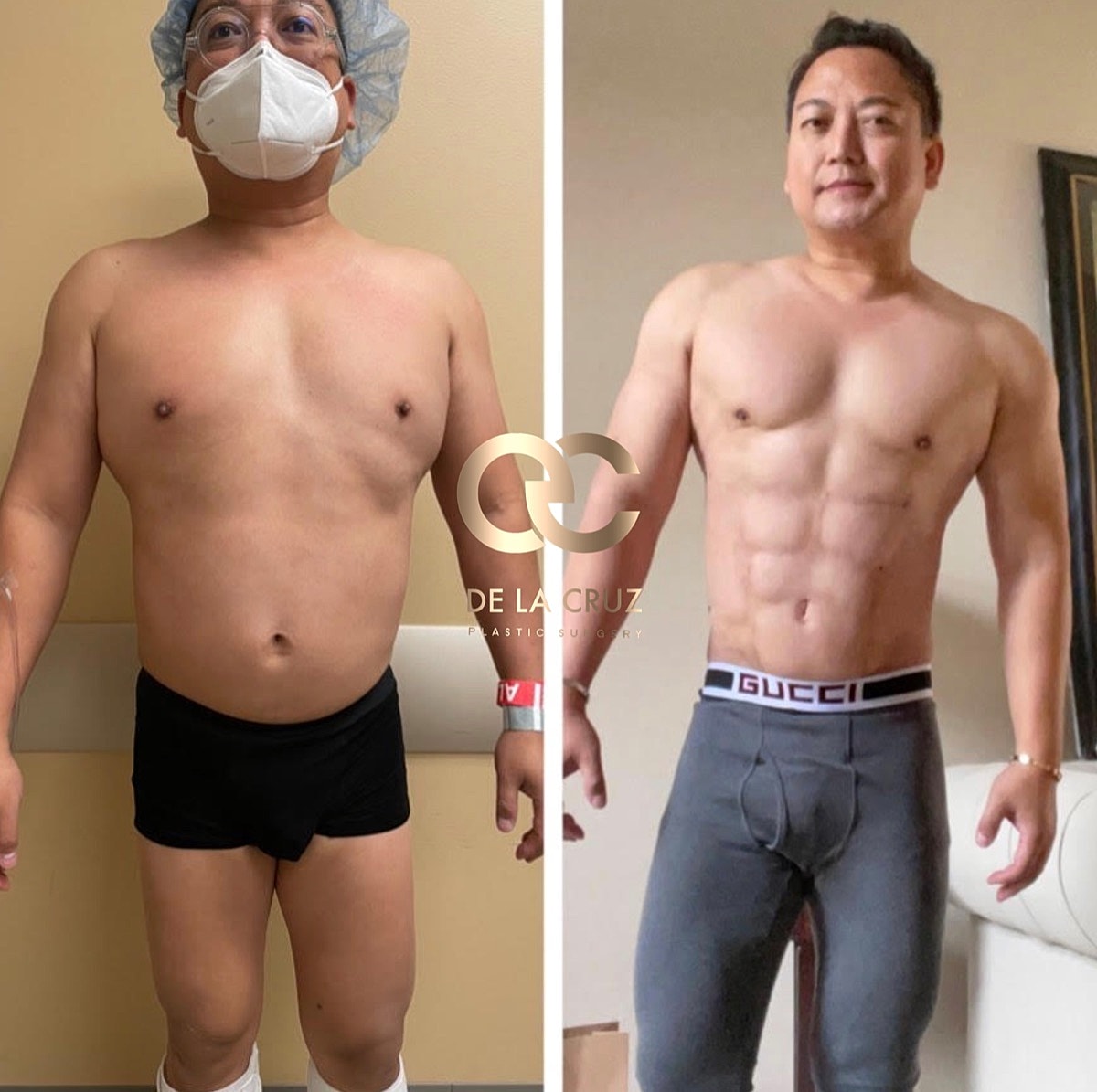
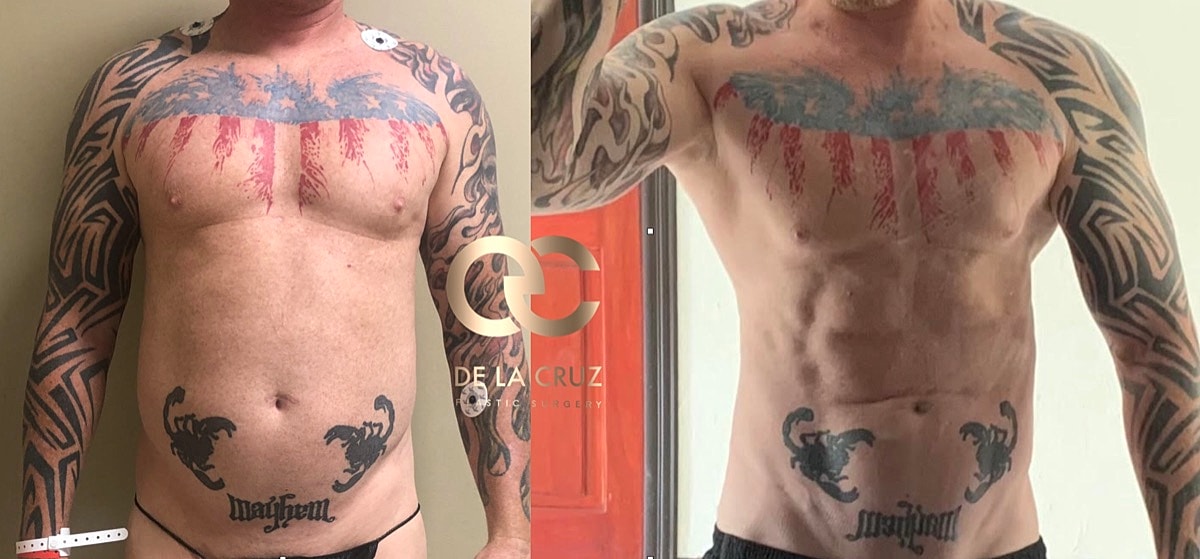
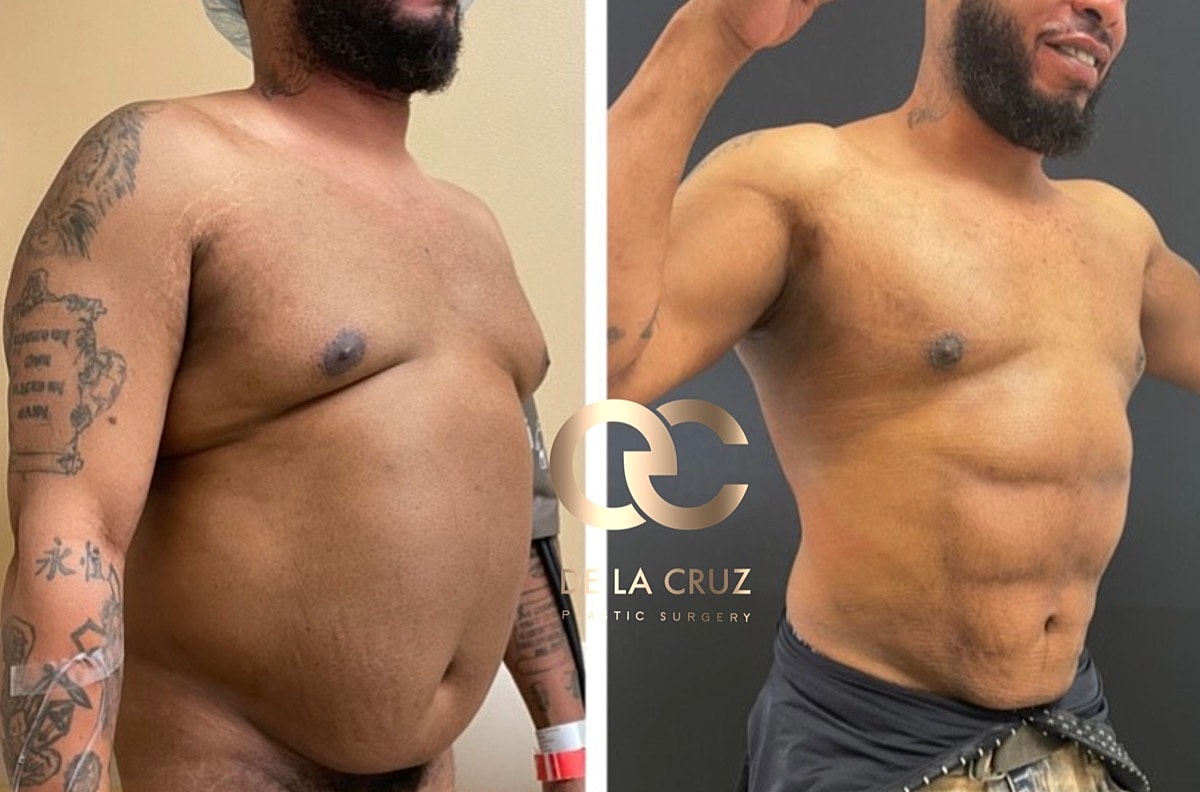
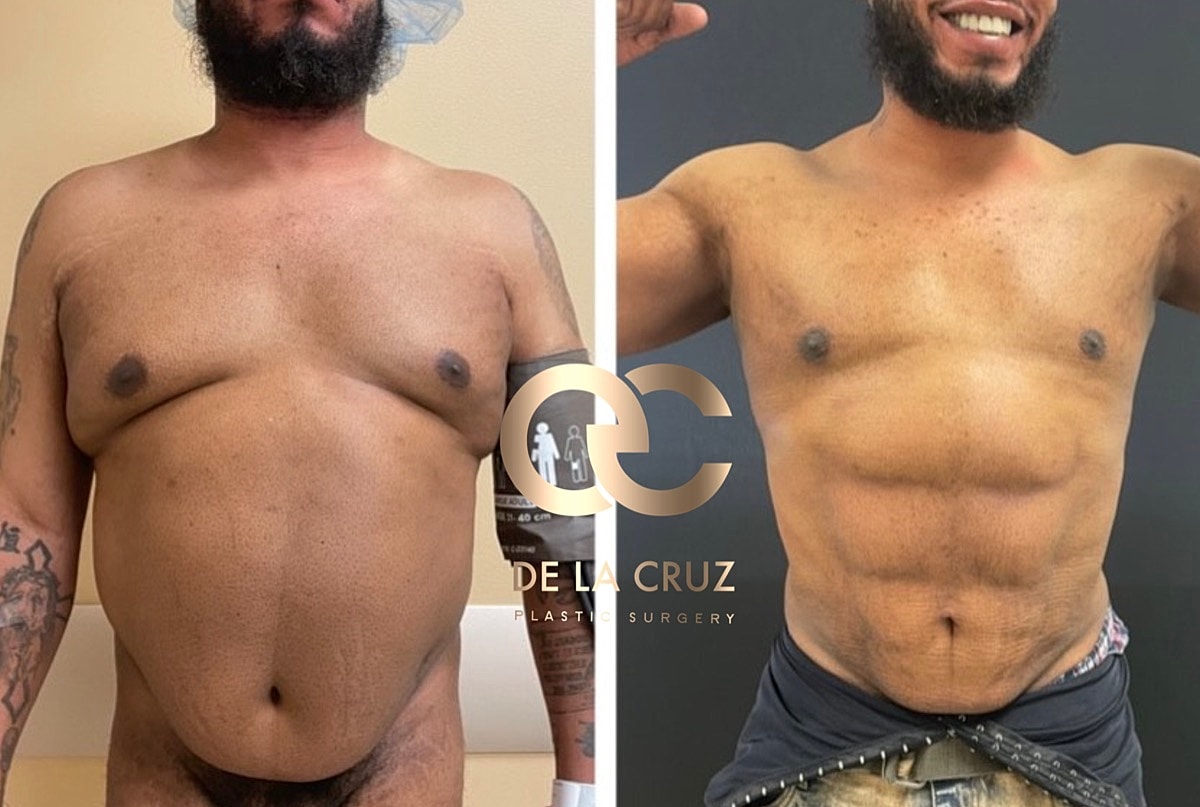
While liposuction is one of the most commonly performed body contouring procedures, safety remains the foundation of every successful outcome. If you are considering liposuction in Houston, understanding how complications are prevented is just as important as understanding results. Check out our Ultimate Guide to Liposuction for more information about this body contouring procedure and review real patient outcomes in our Before and After Liposuction Results Guide.
1 of 65
DVT risk after surgery is multifactorial and includes:
In procedures like high-definition liposuction, where precision sculpting may require longer operative times, proactive prevention becomes even more critical.
Every patient undergoing liposuction surgery is evaluated using the Caprini score, a validated system for assessing clot risk.
👉 This determines:
This risk-stratified approach ensures that prevention is personalized—not generalized.
To maintain blood flow during surgery:
This is a standard part of modern liposuction procedures and begins even before the first incision.

For appropriate patients undergoing body contouring with liposuction:
This significantly reduces clot formation risk in moderate- to high-risk patients.
One of the most important—and often underestimated—factors:
👉 Even short walks can dramatically lower risk
After liposuction in Houston, patients wear:
These help:
For patients undergoing large-volume liposuction:
👉 This ensures early detection of complications and optimized recovery
With structured protocols in place:
👉 This underscores a key principle:
Safety is not luck—it is protocol-driven.
References:
De La Cruz, E. (2024) Lipoplasty in the overweight patient. Clinics in Plastic Surgery, 51(1), pp. 29–43. doi:10.1016/j.cps.2023.06.01
If you are planning liposuction surgery in Houston, you also play an important role in preventing complications:
About the Medical Reviewer Dr. Emmanuel De La Cruz is a double board-certified plastic surgeon specializing in advanced facial rejuvenation and body contouring procedures. 👉 [Learn more about Dr. Emmanuel De La Cruz]

Choosing the right surgeon is one of the most important decisions when considering liposuction surgery. Achieving refined, natural-looking body contour results requires advanced surgical expertise, meticulous technique, and an artistic understanding of body proportions.
Patients seeking liposuction in Houston often choose Dr. Emmanuel De La Cruz for his recognized expertise in advanced body contouring and precision fat sculpting.
Key reasons patients trust Dr. De La Cruz include:
• Double-Board-Certified Plastic Surgeon – Certified by both the American Board of Plastic Surgery and the American Board of Surgery, reflecting extensive surgical training and adherence to the highest standards of patient care.
• Internationally Recognized for High-Definition Liposuction – Dr. De La Cruz has received international recognition for his work in advanced body contouring, including the Grand Master Total Definer Award for Best High-Definition Liposuction Results, presented by Dr. Alfredo Hoyos, the pioneer of high-definition liposculpture.
• International Lecturer on Advanced Liposuction Techniques – Dr. De La Cruz has lectured internationally on liposuction techniques and contour irregularity correction, presenting at major scientific meetings including the American Society of Plastic Surgeons (ASPS), the Total Definer Meeting in Bogotá, Colombia, the InMode Symposium in Miami and Beverly Hills, and AestheticStanbul in Istanbul, Turkey, where he was invited to lecture by renowned plastic surgeon Dr. Foad Nahai.
• Published Author on Liposuction Techniques – Dr. De La Cruz has contributed to the scientific literature on liposuction, including his work on “Lipoplasty in the Overweight Patient” published in the peer-reviewed journal Clinics in Plastic Surgery. His work reflects a commitment to advancing knowledge and improving safety in body contouring surgery.
• Expert in Advanced Liposuction Technologies – Specializes in modern techniques such as VASER ultrasound-assisted liposuction, power-assisted liposuction, and high-definition contour sculpting, which allow for precise fat removal and refined body shaping.
• Meticulous Body Contour Sculpting – Liposuction requires both surgical precision and artistic judgment. Dr. De La Cruz focuses on creating smooth contour transitions, balanced proportions, and natural-appearing results.
• Experience with Complex and Revision Liposuction – In addition to primary liposuction procedures, Dr. De La Cruz frequently treats patients with liposuction irregularities or contour deformities, procedures that require advanced surgical judgment and technical expertise.
• Commitment to Patient Safety – Patient safety is a central priority. Dr. De La Cruz emphasizes careful patient selection, evidence-based surgical techniques, and structured postoperative monitoring to minimize complications.
• Individualized Surgical Planning – Every patient’s anatomy and goals are unique. Dr. De La Cruz develops personalized treatment plans designed to achieve refined, natural-looking body contour results.
Deep vein thrombosis (DVT) is a blood clot that forms in the deep veins, usually in the legs. After liposuction, preventing DVT is critical because a clot can travel to the lungs (pulmonary embolism), which can be life-threatening.
DVT is rare when proper safety protocols are followed. In well-managed surgical settings with risk assessment and prevention strategies, the incidence is very low, especially when performed by a board-certified plastic surgeon.
Patients with the following may have increased risk:
Risk is evaluated using the Caprini score, a validated system that helps determine your likelihood of developing a clot. This allows for a personalized prevention plan rather than a one-size-fits-all approach.
SCDs are sleeves placed on your legs during surgery that gently inflate and deflate to promote blood flow. They are a standard part of liposuction safety protocols and help prevent clot formation during the procedure.
Not all patients need blood thinners. However, for moderate- to high-risk patients, medications such as:
may be prescribed to reduce the risk of DVT.
You should begin light walking as soon as possible, often the same day or the day after surgery. Early movement is one of the most effective ways to prevent DVT.
Yes—compression garments:
While their primary role is contour and recovery, they also contribute to venous blood flow, which helps reduce clot risk.
For large-volume liposuction, patients are often observed for 23 hours to monitor:
This added level of care enhances overall safety, including DVT prevention.
Contact your surgeon immediately if you experience:
Long-distance travel (especially flights) should be avoided early after surgery because prolonged sitting increases DVT risk. If travel is necessary:
Always follow your surgeon’s specific recommendations.
The most important actions are:
👉 Prevention is a partnership between surgical protocol and patient compliance.
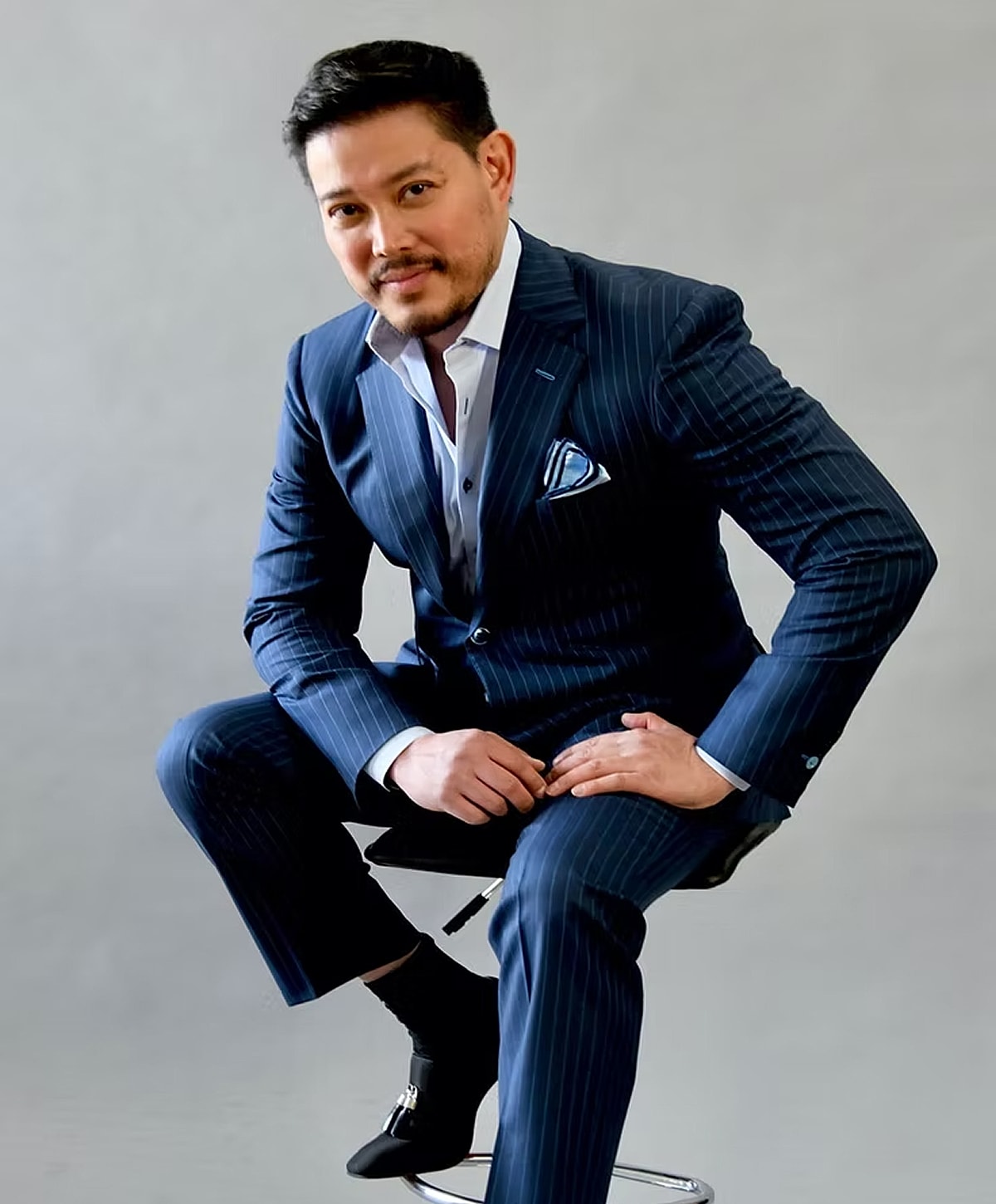
About the Author
Dr. Emmanuel De La Cruz, MD is a double-board-certified plastic surgeon in Houston, Texas, certified by both the American Board of Plastic Surgery and the American Board of Surgery. He specializes in advanced liposuction and body contouring procedures, including high-definition liposculpture, Brazilian Butt Lift (BBL), revision liposuction, and treatment of lipedema.
Dr. De La Cruz is internationally recognized for his expertise in high-definition liposuction and contour sculpting techniques, which play a critical role in achieving balanced, natural-looking results in procedures such as liposuction and Brazilian Butt Lift surgery. His work focuses on precise body contour sculpting to enhance overall body proportions.
He has lectured internationally on liposuction techniques, fat grafting, and contour irregularity correction, presenting at major scientific meetings including the American Society of Plastic Surgeons (ASPS), the Total Definer Meeting in Bogotá, Colombia, the InMode Symposium in Miami and Beverly Hills, and AestheticStanbul in Istanbul, Turkey, where he was invited to lecture by renowned plastic surgeon Dr. Foad Nahai.
Dr. De La Cruz has also contributed to the scientific literature on liposuction and body contouring. He is the author of “Lipoplasty in the Overweight Patient”, published in the peer-reviewed journal Clinics in Plastic Surgery.
Through his clinical work, research, and international lectures, Dr. De La Cruz focuses on advancing safe, precise, and refined techniques in liposuction, BBL surgery, and modern body contouring.