Ultimate Guide to Liposuction
Written by Dr. Emmanuel De La Cruz, MD Double Board-Certified Plastic Surgeon | Houston, Texas
Written by Dr. Emmanuel De La Cruz, MD Double Board-Certified Plastic Surgeon | Houston, Texas
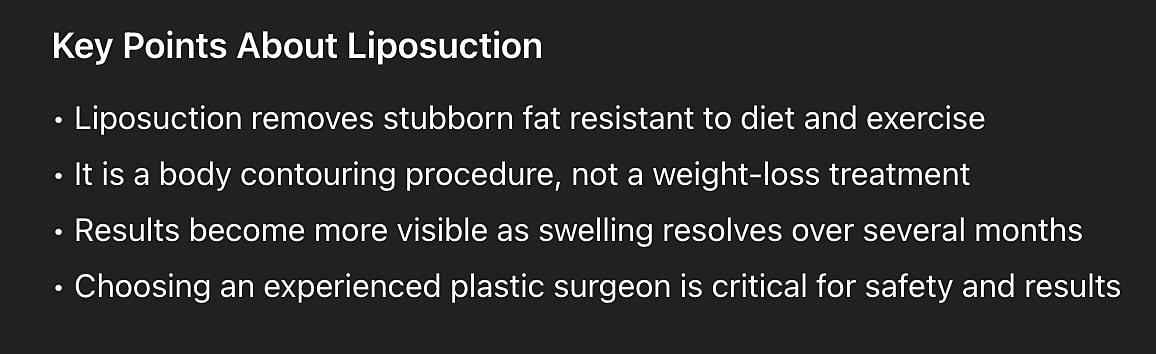
Liposuction is one of the most commonly performed cosmetic surgical procedures in the United States. It is designed to remove localized pockets of fat that do not respond to diet and exercise and improve overall body contour. When performed by an experienced plastic surgeon, liposuction can help create more refined, balanced, and natural-looking proportions.
At De La Cruz Plastic Surgery in Houston, liposuction is approached as both a technical and artistic procedure using the De La Cruz Precision Body Sculpting Technique™. Successful liposuction is not simply about removing fat. It is about carefully sculpting the body, preserving smooth transitions, and creating harmonious contour improvements while prioritizing patient safety.
This article is part of our comprehensive liposuction resource library. For a complete overview, visit our Liposuction in Houston page, explore the Ultimate Guide to Liposuction, and review real patient outcomes in our Before and After Liposuction Results Guide.
1 of 16
Liposuction is a surgical body contouring procedure that removes unwanted fat through small incisions using specialized cannulas and suction technology. It is not a weight-loss procedure. Instead, it is designed to target stubborn fat deposits that remain despite healthy lifestyle efforts.
Common areas treated with liposuction include:
• abdomen
• waist and flanks
• back and bra roll
• hips
• thighs
• arms
• chin and neck
Liposuction may be performed alone or in combination with other body contouring procedures, depending on the patient’s goals. Learn more on how liposuction is performed.
Liposuction Houston is one of the most commonly performed cosmetic surgical procedures worldwide. According to data from the American Society of Plastic Surgeons, more than 347,000 liposuction procedures are performed annually in the United States, making it the most popular cosmetic surgery procedure. Globally, more than 2.2 million liposuction procedures are performed each year, reflecting the continued demand for body contouring procedures that improve shape and proportions.
Millions of procedures are performed worldwide
Liposuction is also the most common cosmetic surgical procedure globally.
• More than 2.2 million liposuction procedures are performed worldwide each year.
Liposuction accounts for a large portion of plastic surgery
Worldwide, liposuction represents roughly:
• 15–20% of all cosmetic surgical procedures performed globally.
This demonstrates how central liposuction is to modern body contouring surgery.
Liposuction Patient Demographics
Common age groups undergoing liposuction:
• 40–54 years old represent the largest group of patients.
However, liposuction is performed across a wide age range depending on patient health and anatomy.
Interesting Trend Statistics
Rise in male liposuction
Liposuction among men continues to increase.
• Over 21,000 men underwent liposuction in the U.S. in 2024.
Male body contouring is one of the fastest-growing areas in aesthetic surgery.
Most liposuction patients are women
The majority of patients undergoing liposuction are women.
• Approximately 85% of aesthetic procedures worldwide are performed on women. • Historically, women account for around 85–90% of liposuction procedures.
However, the number of men undergoing liposuction continues to increase.
Liposuction remains the top body contouring procedure
Among body contouring procedures:
• Liposuction: 347,782 procedures • Tummy tuck: 170,110 procedures • Brazilian Butt Lift: 29,383 procedures
This makes liposuction the most commonly performed body contouring surgery.
Demand for body contouring continues to grow
Body contouring surgery has increased significantly in the past decade.
• Over 5.1 million body contouring procedures were performed globally in 2023.
This reflects growing interest in procedures such as:
• liposuction • tummy tuck • BBL • thigh lift • arm lift
Liposuction can:
• remove localized fat deposits
• improve body contour and shape
• enhance body proportions
• help define the waistline and surrounding contours
Liposuction cannot:
• serve as a treatment for obesity
• replace healthy diet and exercise
• remove significant loose skin
• completely eliminate cellulite
• guarantee perfect symmetry
Patients who understand these limitations tend to have more realistic expectations and greater satisfaction with their results.
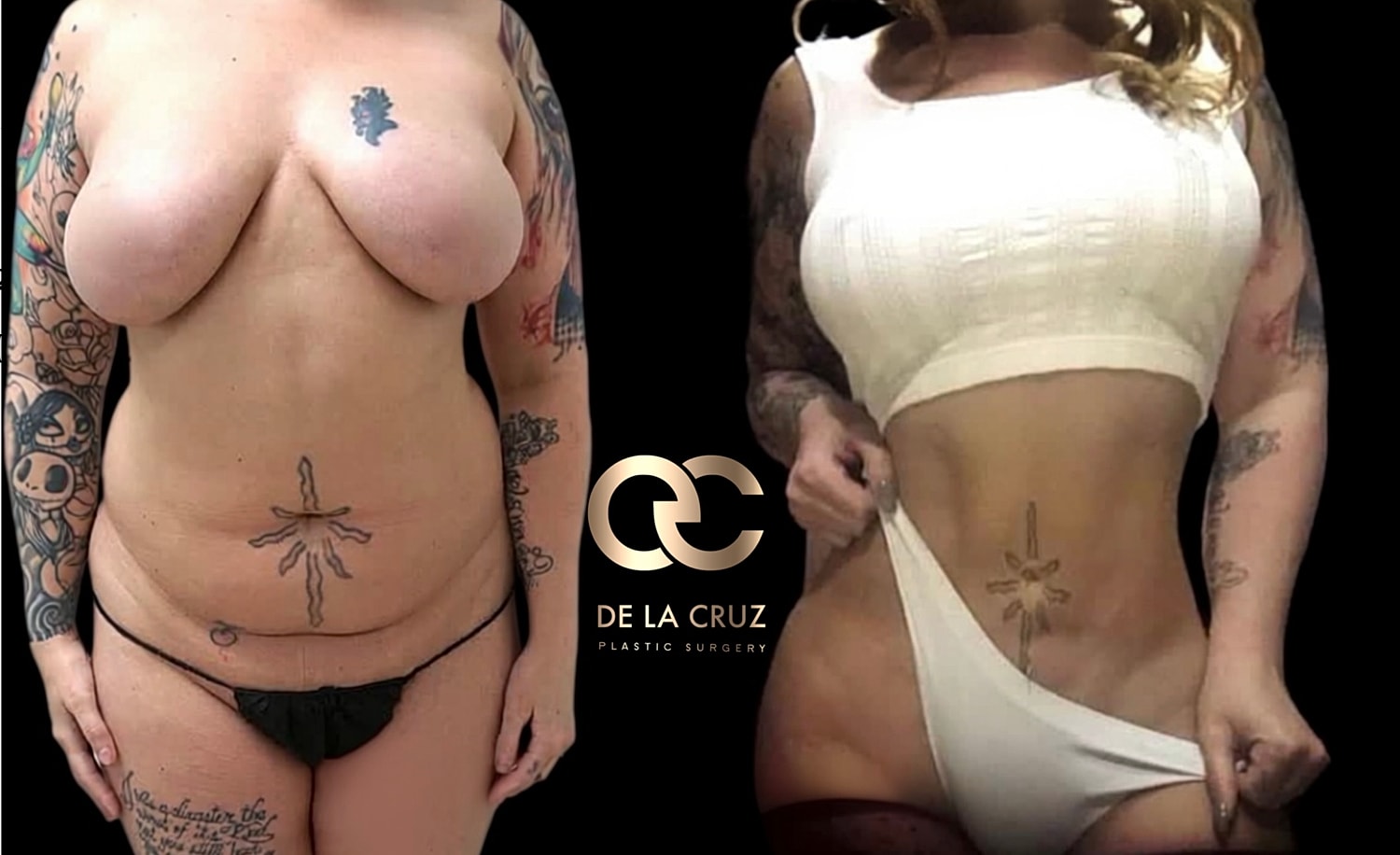
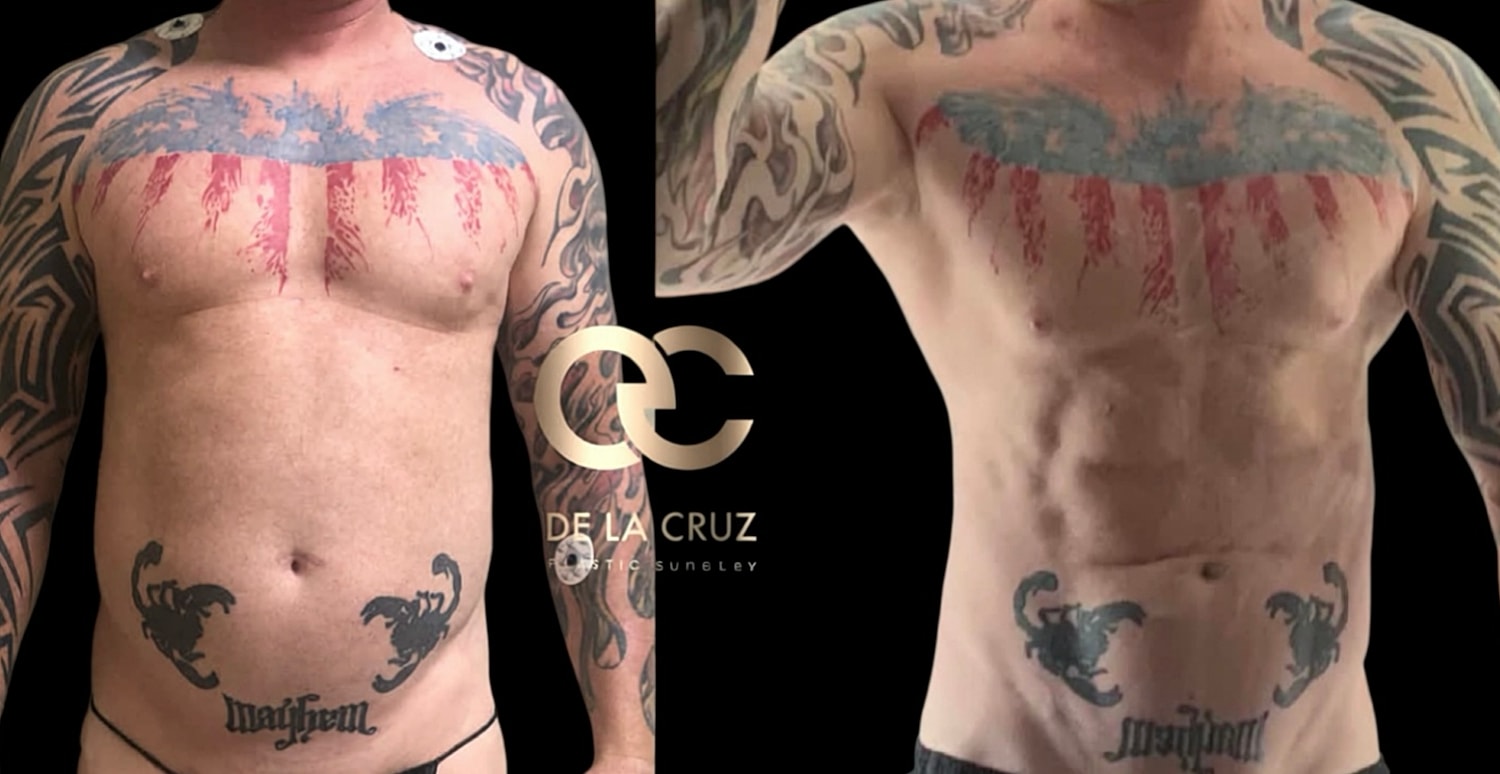
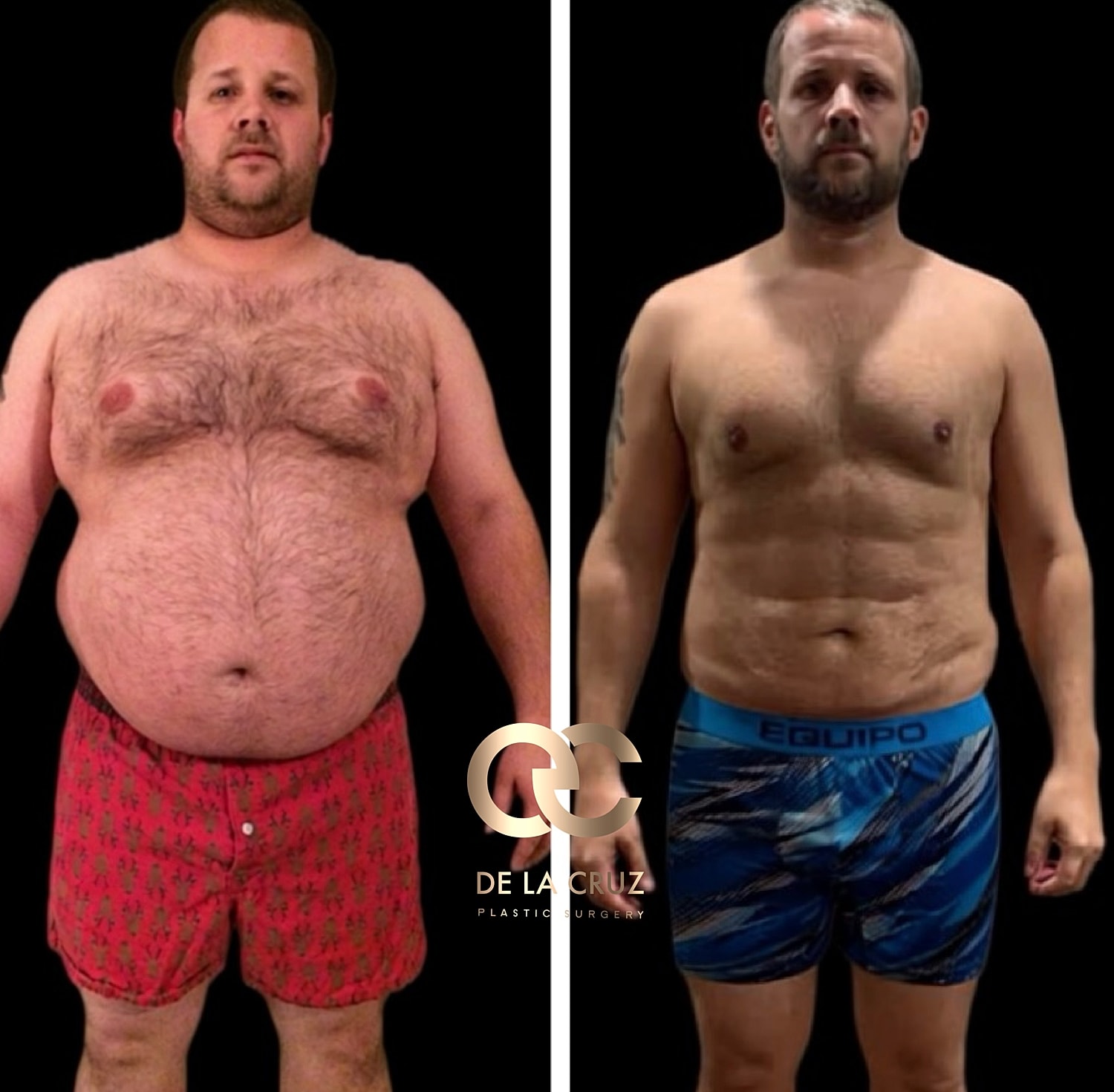
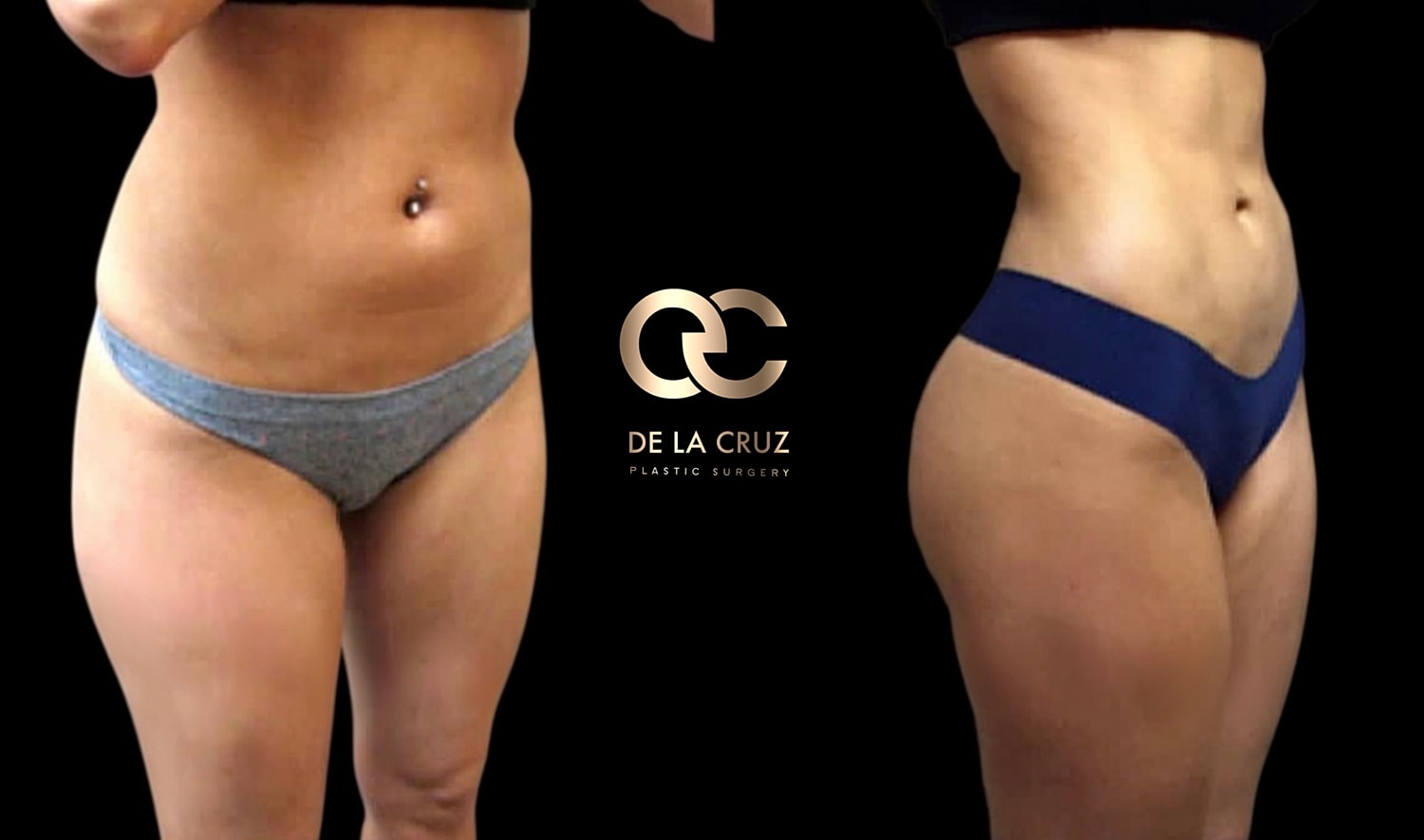
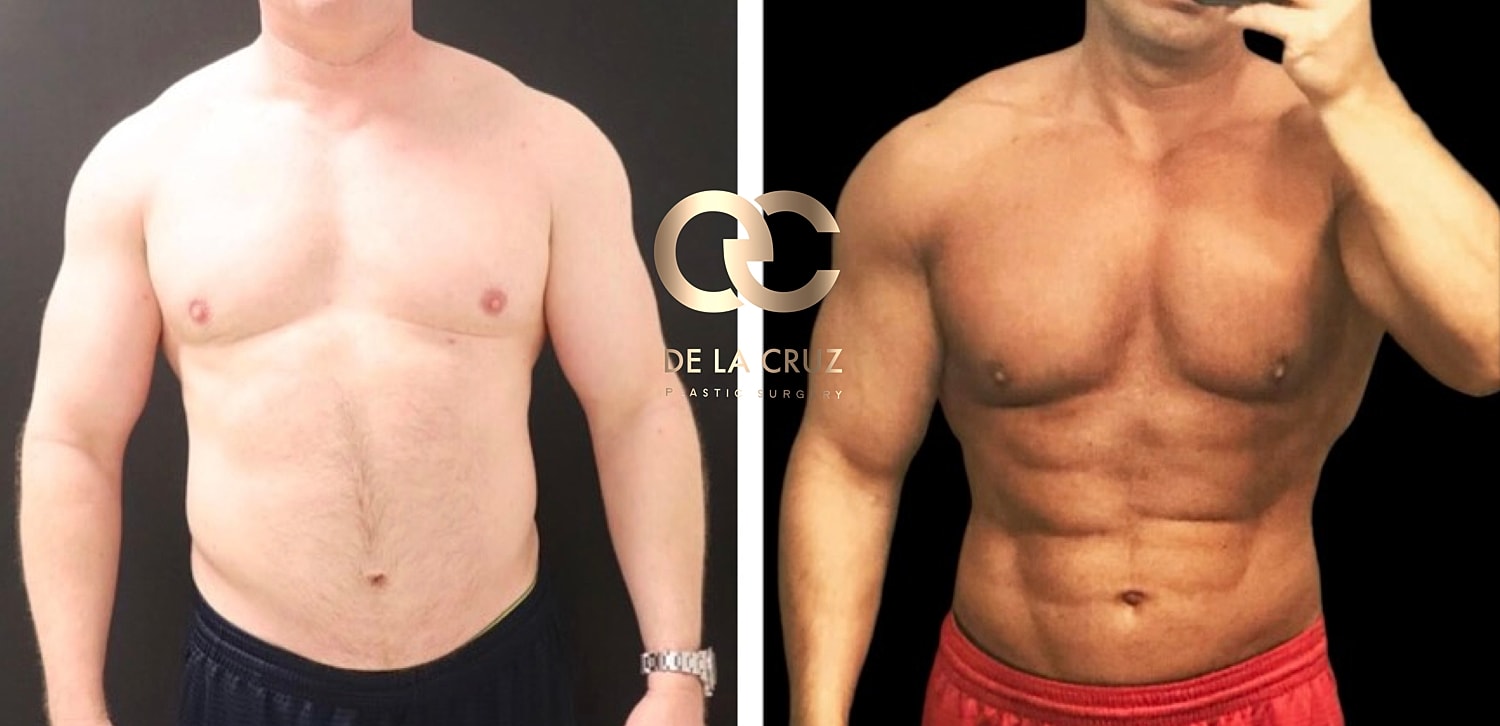
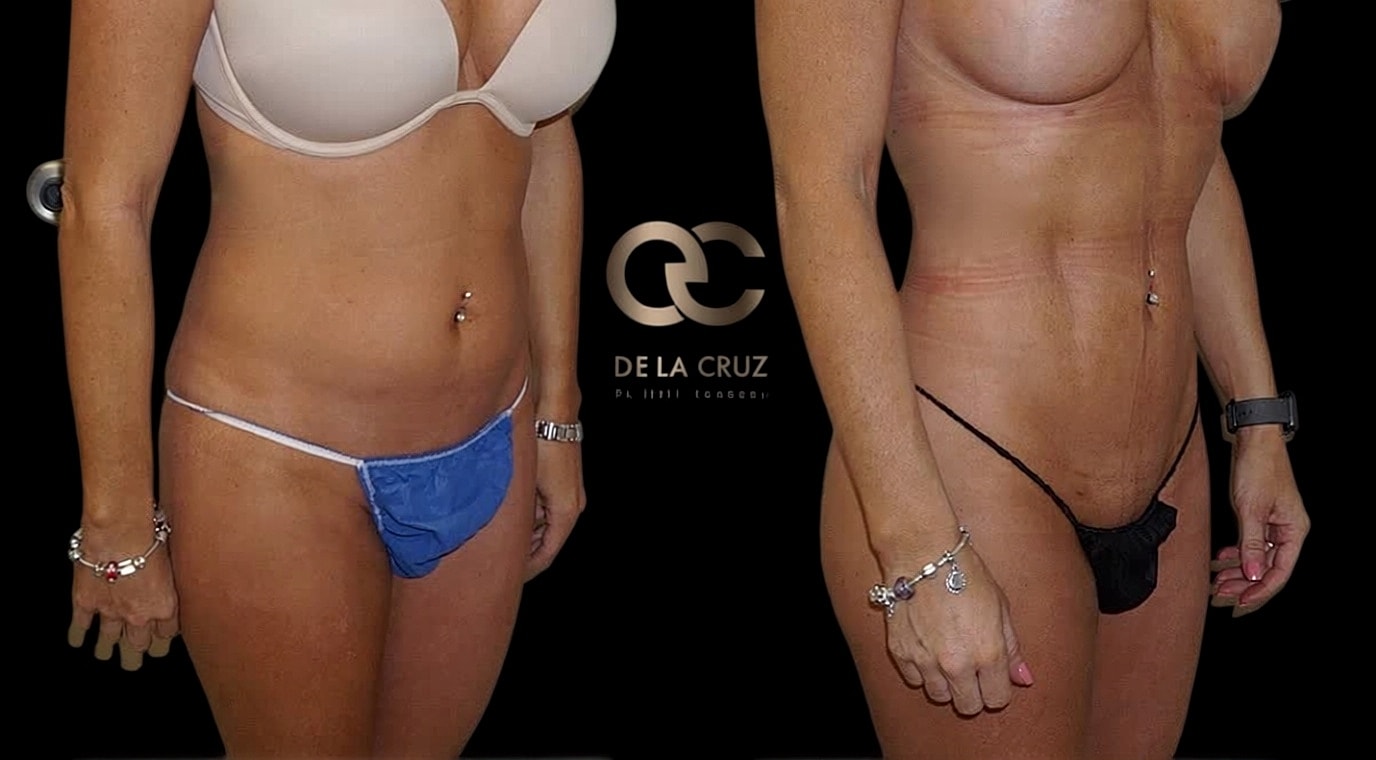
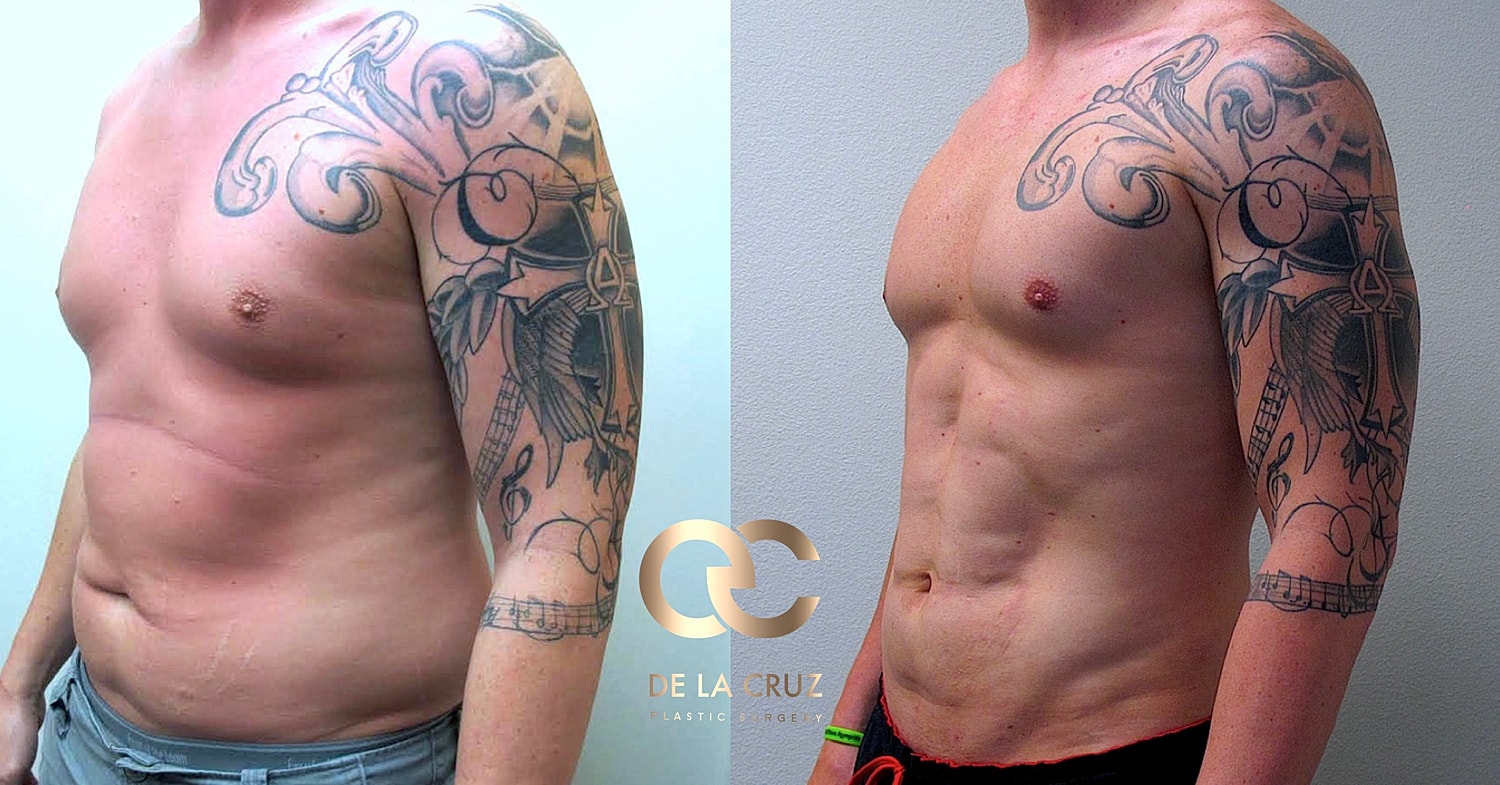
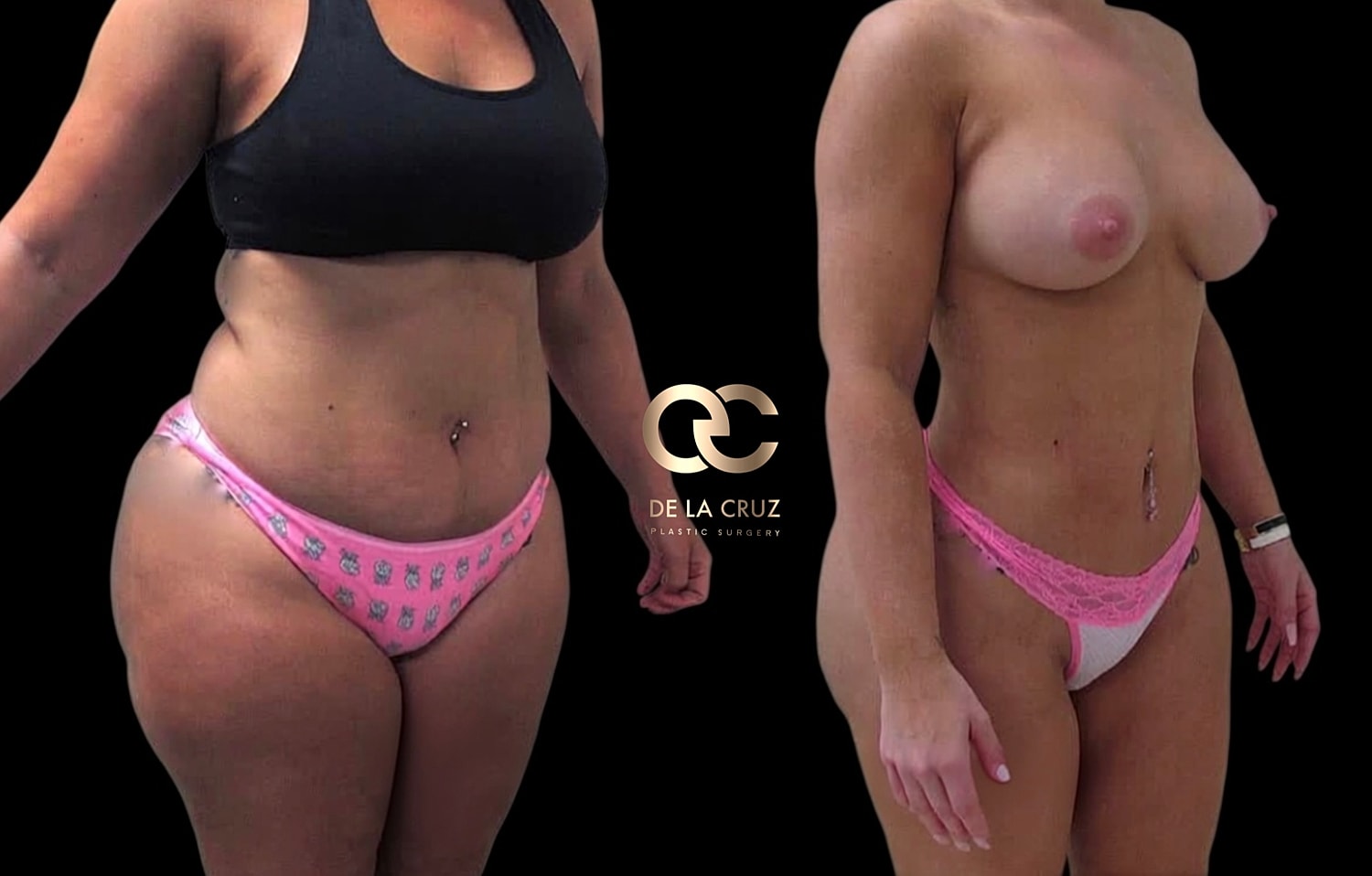
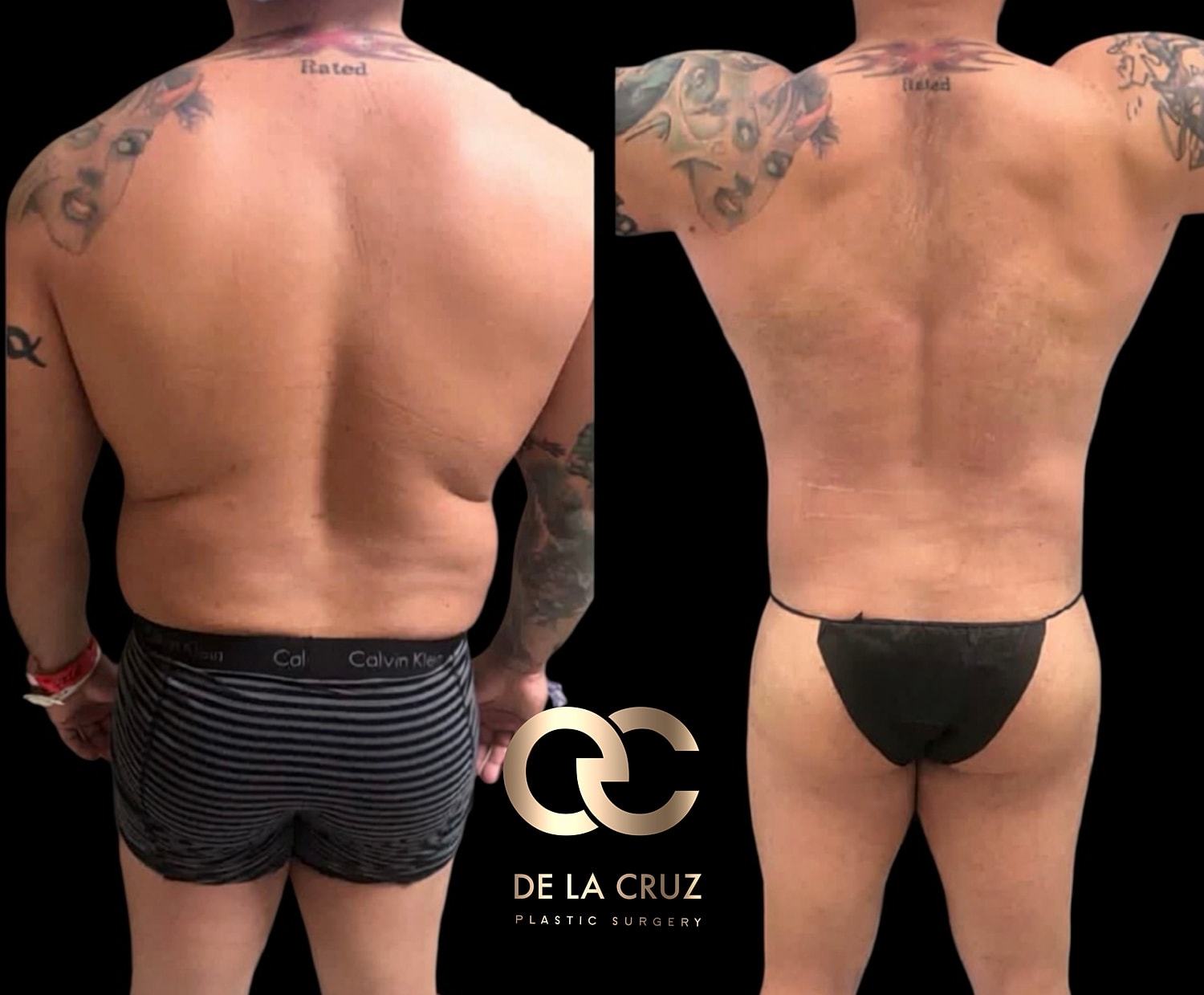
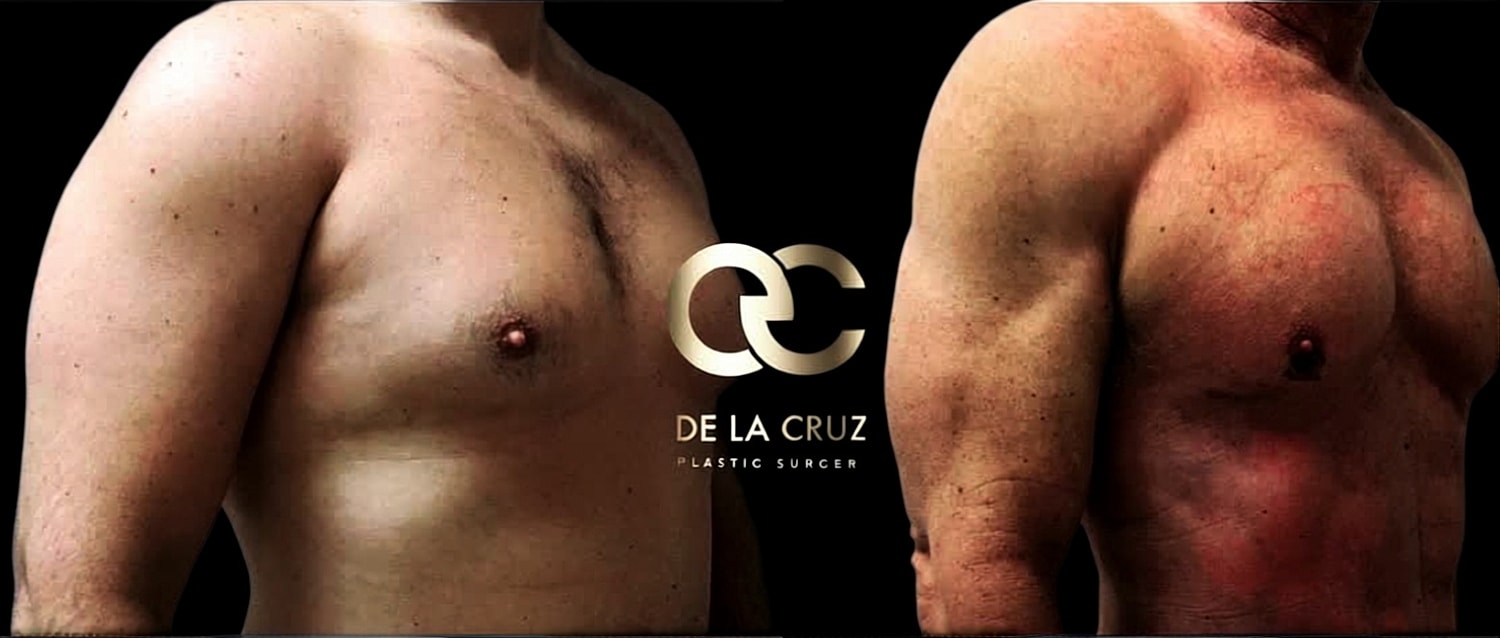
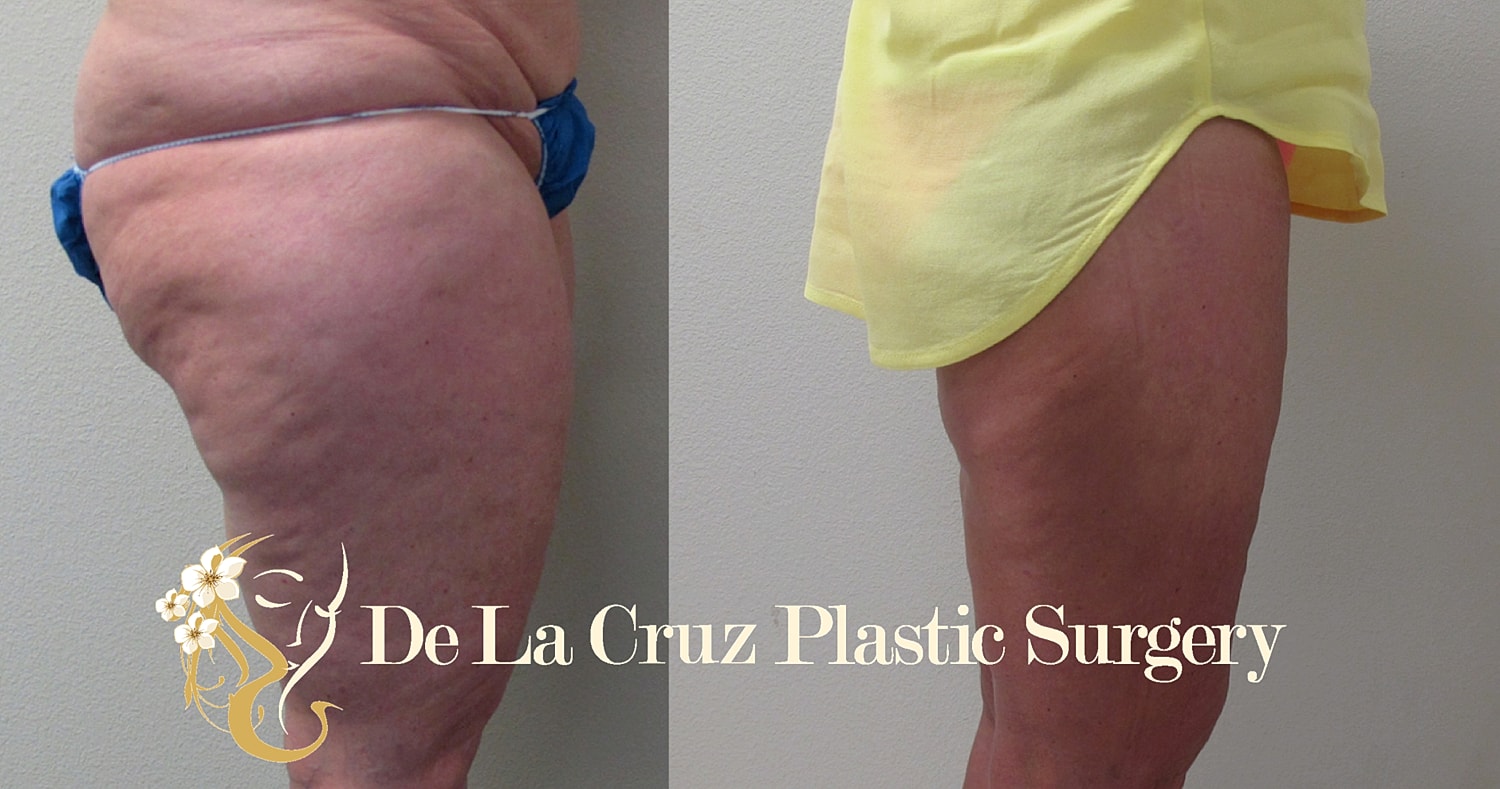
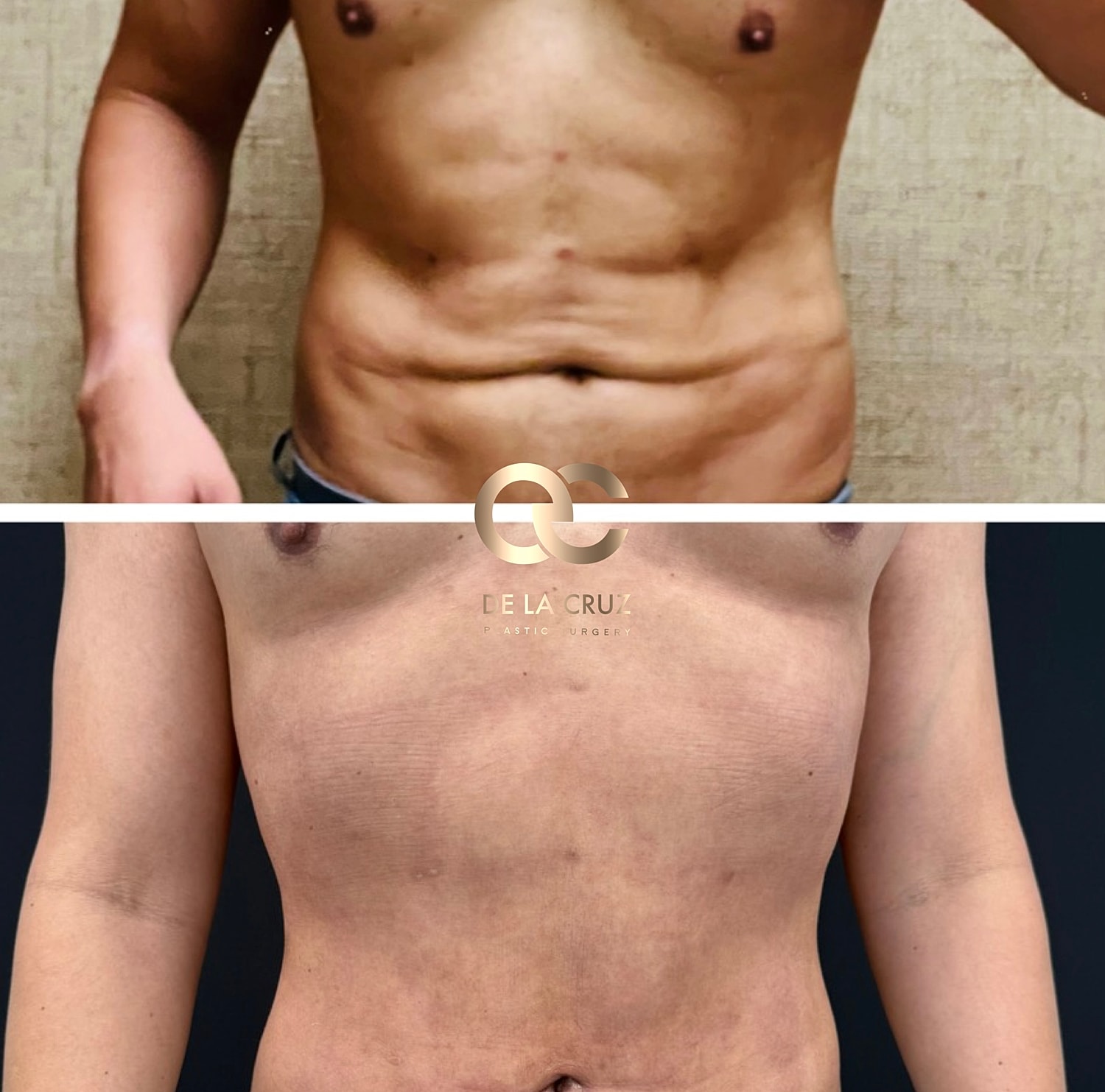
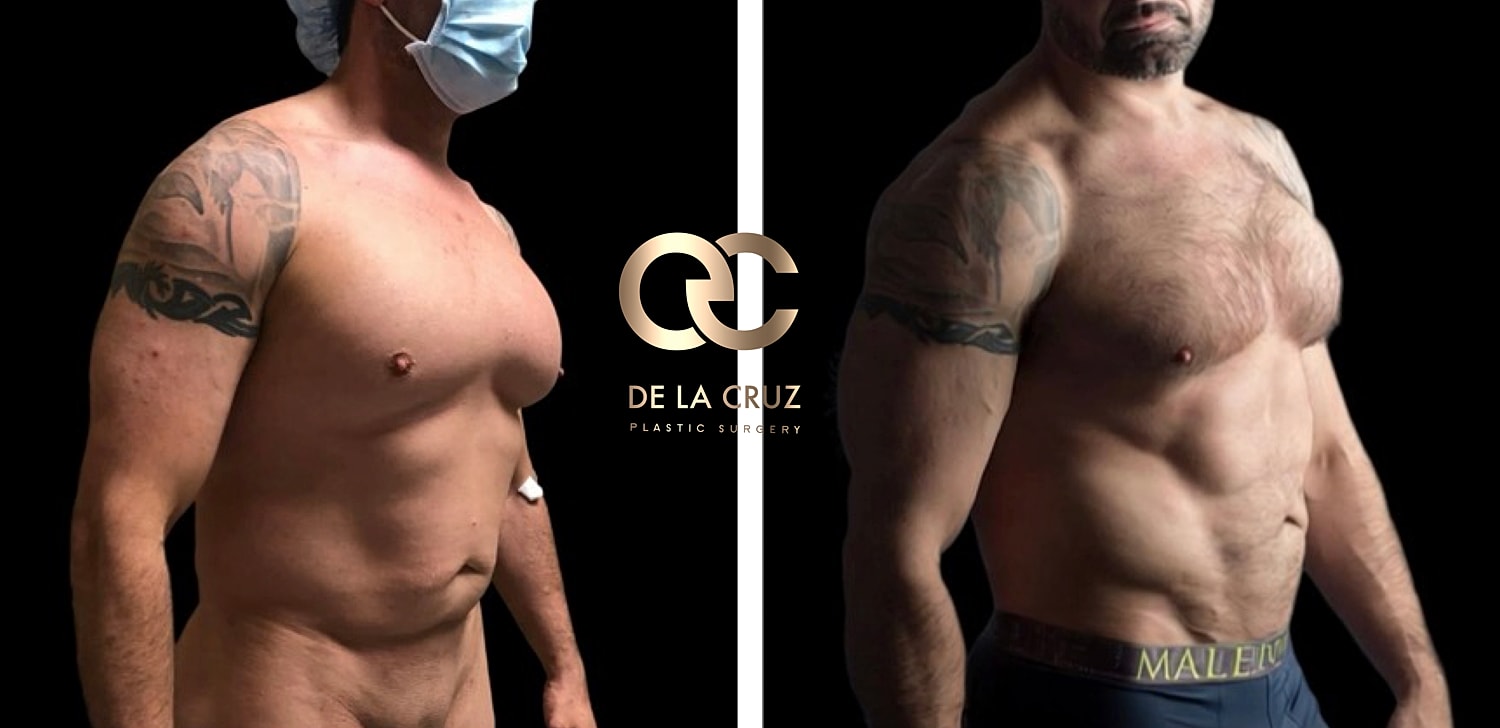
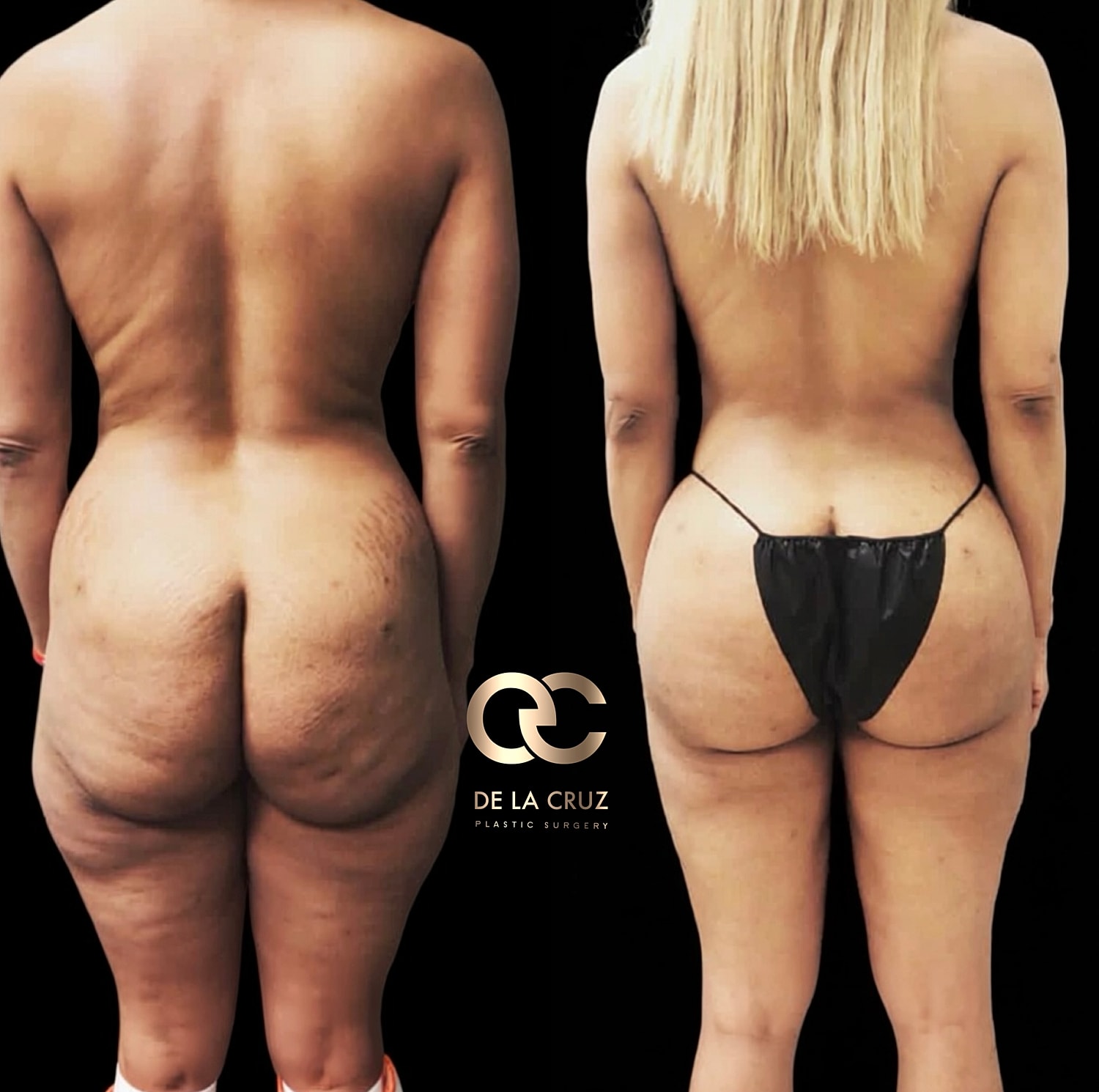
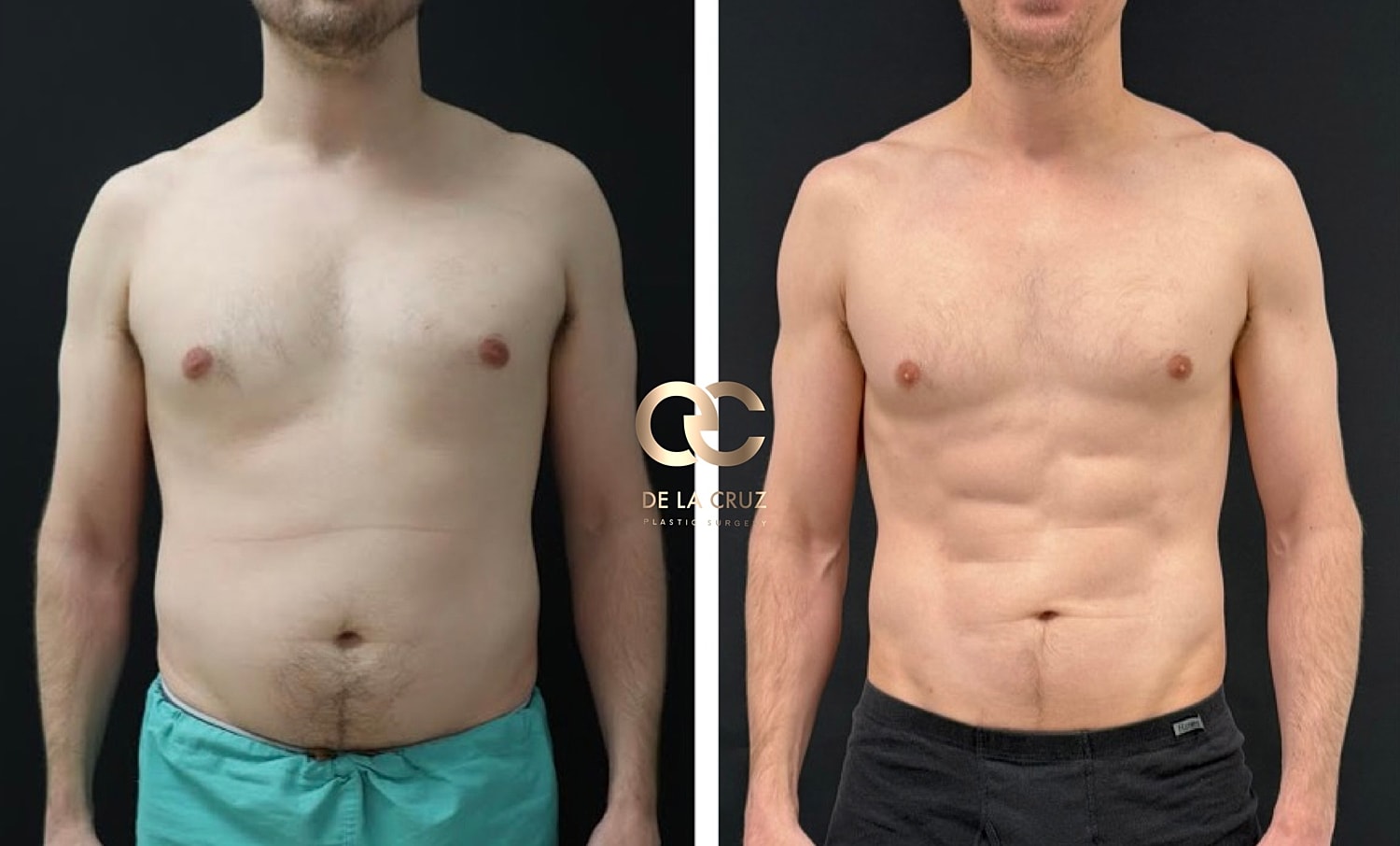
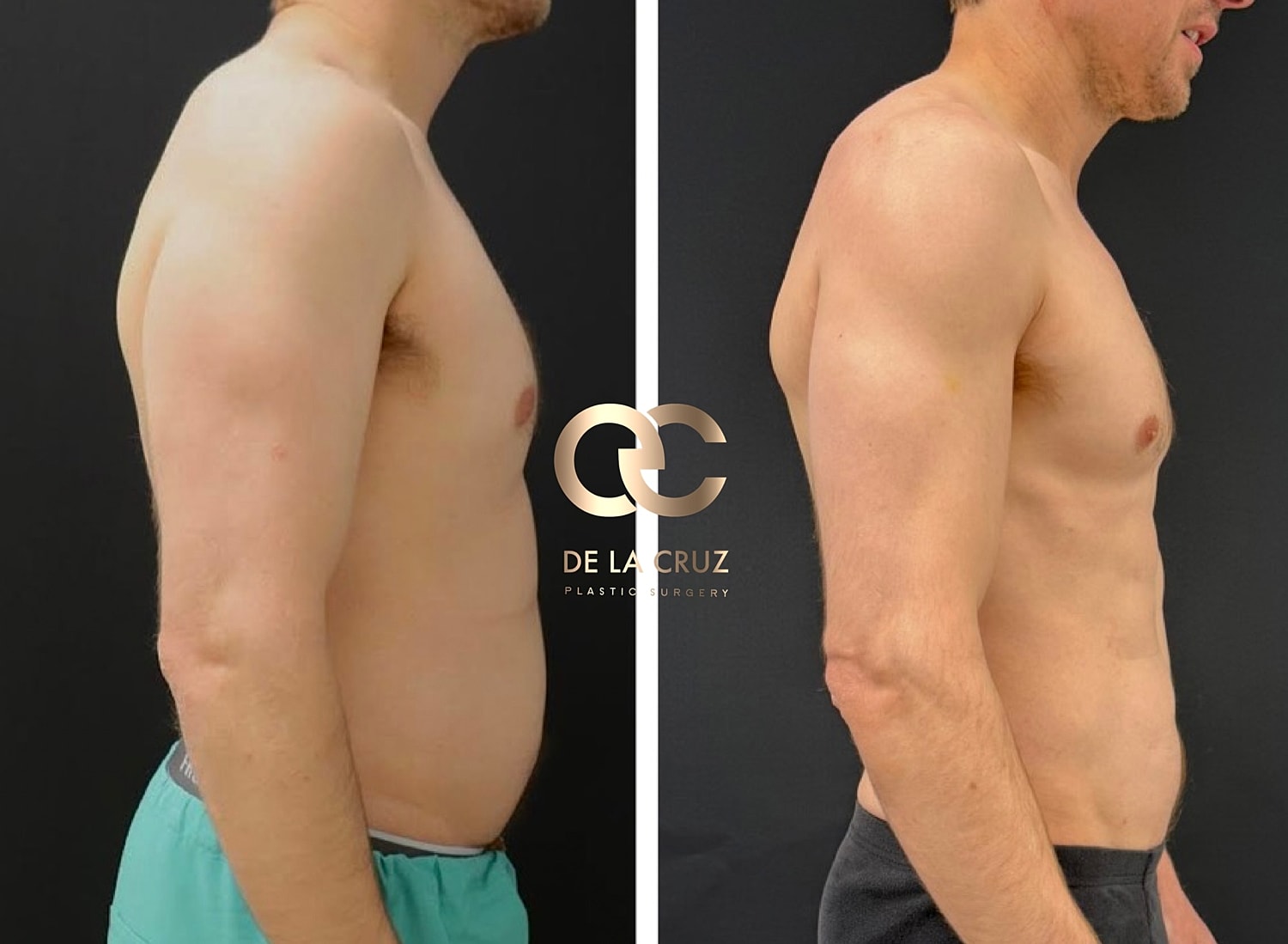
See outcome in our Liposuction Results Before & After page.

Want to see what’s truly possible? Explore our comprehensive gallery of liposuction results, featuring real patients and a wide range of body types and treatment areas.
👉 View detailed before and after liposuction photos to better understand how contour, definition, and proportion can be improved with a precision-based approach.
Good candidates for liposuction are typically patients who:
• have localized fat deposits resistant to diet and exercise
• are in generally good overall health
• maintain a relatively stable body weight
• have good skin elasticity
• have realistic expectations about surgery and recovery
Patients with significant loose skin or major weight fluctuations may require other procedures, such as skin excision or tummy tuck surgery, depending on their anatomy.
Learn More about: Who Is a Good Candidate for Liposuction

Liposuction can be customized to a patient’s anatomy and goals.
Abdomen and Waist
Often treated to improve abdominal contour and reduce fullness in the flanks or love handles.
Back and Bra Roll
Can improve upper and lower back contour and create smoother transitions around the waistline.
Thighs and Hips
May reduce fullness in the inner or outer thighs and improve lower body proportions.
Arms
Can reduce excess fullness in the upper arms and improve arm contour.
Chin and Neck
May improve jawline definition and reduce submental fullness.
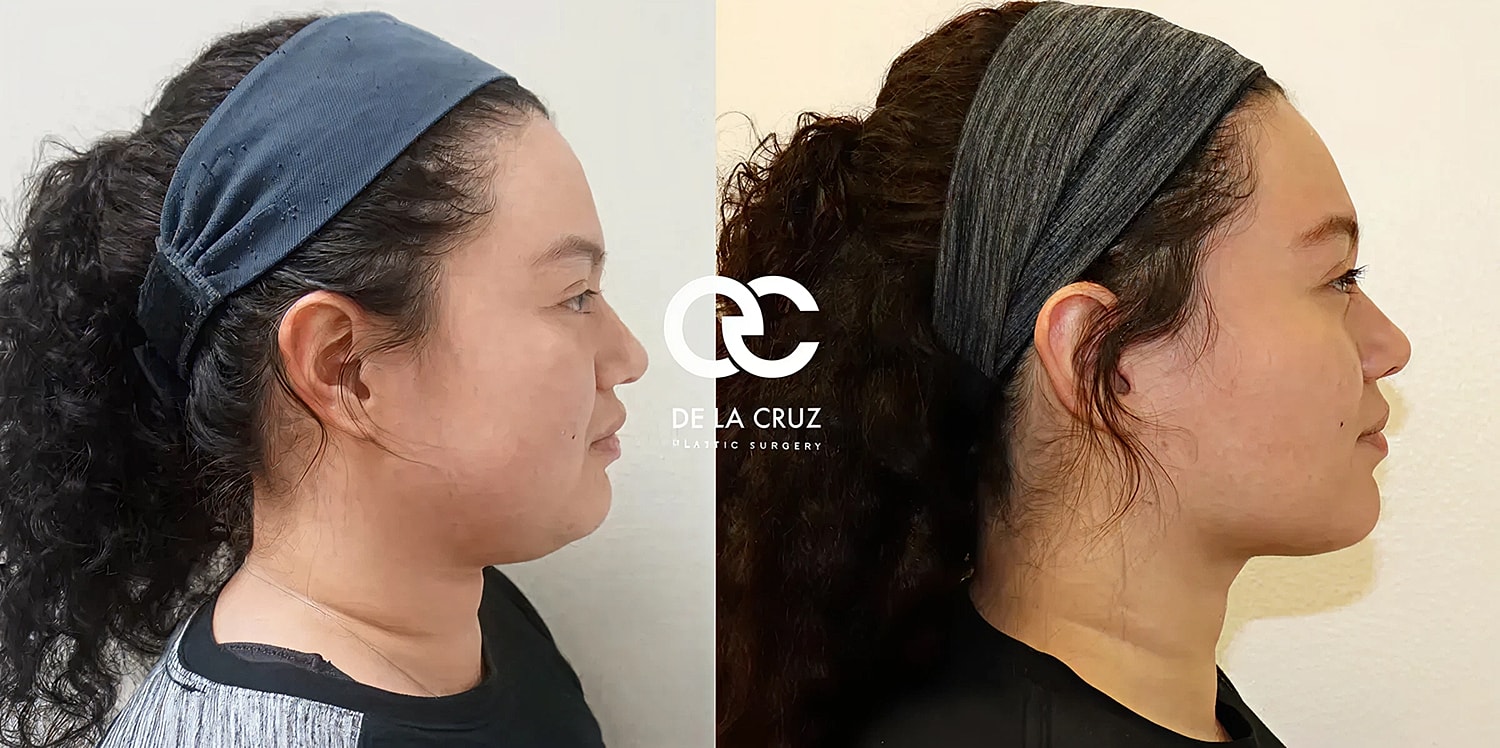
Liposuction techniques have evolved significantly over time. Modern approaches to liposuction surgery include technologies designed to improve precision and contour sculpting.
Traditional Liposuction
Traditional suction-assisted liposuction removes fat through small cannulas connected to suction.
Power-Assisted Liposuction (PAL)
Power-assisted liposuction uses a vibrating cannula that helps facilitate fat removal and allows surgeons to sculpt body contours efficiently.
VASER Ultrasound-Assisted Liposuction
VASER liposuction uses ultrasound energy to emulsify fat before removal, allowing for more precise contouring.
Modern liposuction includes advanced techniques such as high-definition liposuction enhances natural muscular definition and body proportions.
Learn more about modern liposuction technologies and how they influence surgical results.
The amount of fat that can be removed depends on several factors:
• patient anatomy
• treatment areas
• overall health
• surgical safety considerations
• fluid management and postoperative monitoring
Large-volume liposuction is generally defined as removing more than five liters of aspirate.
When larger volumes are removed, additional monitoring and safety protocols may be recommended.
Rather than focusing on removing the maximum amount of fat, the goal of liposuction is to achieve balanced contour improvement while maintaining patient safety.
Explore how much fat can safely be removed during liposuction and what factors influence surgical planning.
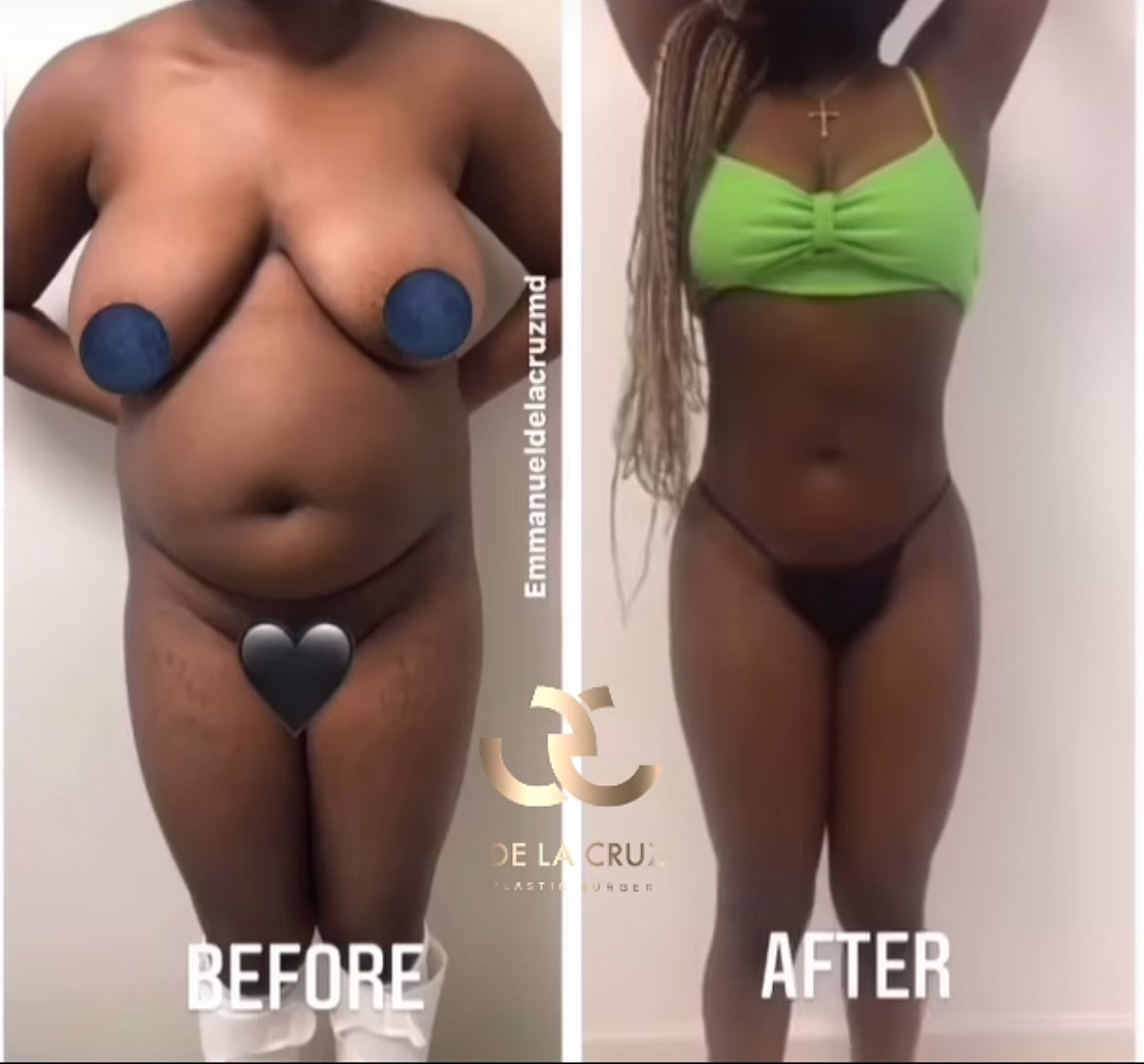
Recovery varies depending on the treatment areas and volume of fat removed.
Most patients experience:
• swelling • bruising • soreness • temporary firmness in treated areas • gradual improvement in body contour
Compression garments are commonly used after surgery to help reduce swelling and support tissue healing.
While early improvements may be visible within weeks, final contour definition often continues to improve over three to six months.
Read the full guide to liposuction recovery to better understand the healing process.
Returning to exercise after liposuction should be gradual and guided by healing. For men undergoing liposuction without fat transfer, light resistance training may begin at 2 weeks, focusing on high-repetition (10–15 reps), low-weight exercises with controlled progression. Emphasis is placed on the deltoids, chest, arms, core, and lower extremities to enhance overall proportion. Cardio is avoided in the early phase to minimize swelling.
For patients undergoing fat transfer procedures such as a BBL, exercise is typically delayed until 8 weeks to protect fat survival. Early activity can compromise graft retention and affect long-term results.
A structured, disciplined return to training supports healing, optimizes contour, and enhances final outcomes. For a more detailed breakdown of timelines and workout recommendations, visit our Exercise After Liposuction guide.

Swelling is a normal part of healing after liposuction.
Typical progression may include:
• First week: swelling and bruising are most noticeable
• Weeks 2–4: swelling begins to improve
• 1–3 months: significant swelling resolves
• 3–6 months: final contour becomes more visible
Early swelling may temporarily mask the final result, but contour typically improves as tissues heal.
Discover the stages of liposuction swelling and what patients can expect during recovery.
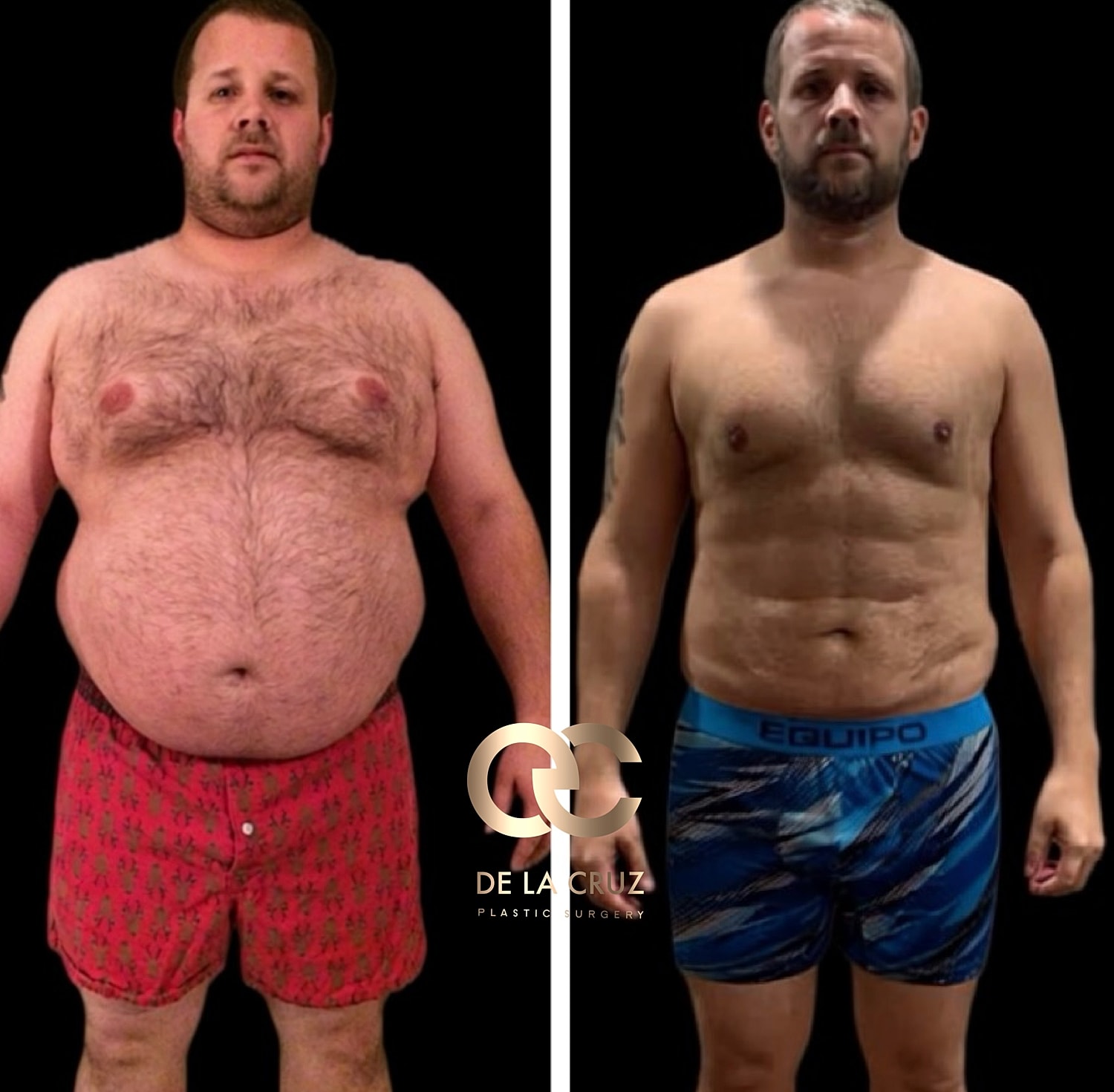
Liposuction results are defined by improved shape, proportion, and definition—not weight loss. Modern Liposuction enhances natural anatomy by removing localized fat while preserving smooth, balanced contours.
What Changes After Liposuction
👉 The most important change is shape—not the number on the scale.
What Determines Your Results
Timeline
👉 For more details, see Liposuction Results: Before and After Guide and Fibroseptal Network and Skin Retraction After Liposuction.
As with any surgical procedure, liposuction carries potential risks, including:
• bleeding • infection • seroma • hematoma • contour irregularities • changes in sensation • delayed healing • anesthesia-related complications
More extensive procedures or large-volume liposuction may require additional monitoring.
Careful patient selection and surgical planning help reduce the likelihood of complications.
Understand the potential risks and complications associated with liposuction surgery.
Liposuction Safety Statistics
While generally considered safe, liposuction—like any surgery—carries risks.
One study found that among rare fatal complications:
• Pulmonary embolism accounts for about 23% of deaths related to liposuction complications.
This highlights the importance of:
• proper patient selection • DVT prophylaxis • experienced surgical teams

Some patients may develop:
• uneven contour • firmness in treated areas • lumps or nodules • scar tissue or fibrosis
These changes may occur due to healing variations or aggressive fat removal.
In some cases, revision surgery or specialized treatments may be considered.
Learn more about uneven liposuction results and how contour irregularities may be corrected.
Liposuction removes fat but does not directly remove excess skin.
Skin retraction depends on:
• age
• skin elasticity
• genetics
• amount of fat removed
• previous pregnancies or weight fluctuations
Patients with mild skin laxity may experience natural tightening, while others may benefit from additional treatments.
Explore treatment options for loose skin after liposuction.
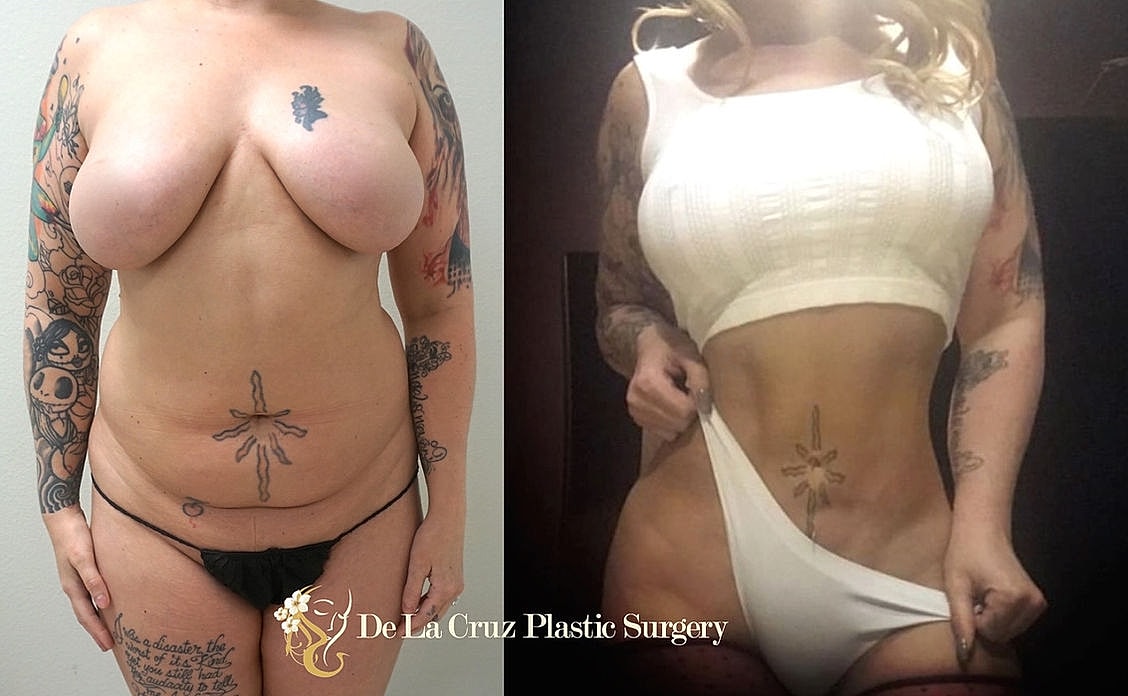
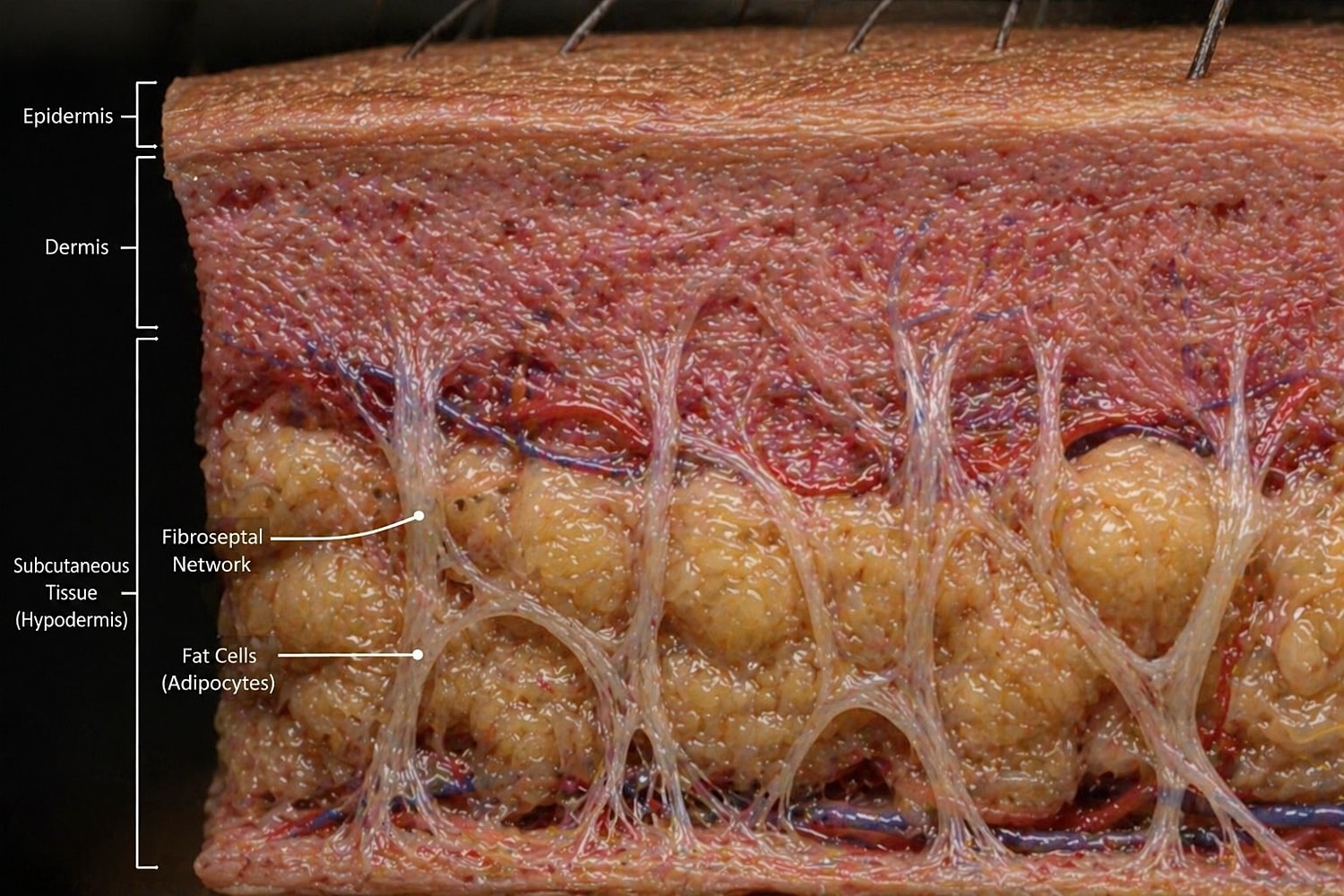
One of the most important—and often misunderstood—factors in liposuction results is the Fibroseptal Network (FSN).
The FSN is a three-dimensional framework of connective tissue that anchors the skin to deeper structures. During Liposuction, fat is removed from between these fibrous bands while the network itself is preserved. This allows the FSN to contract and pull the skin inward, creating natural tightening after surgery.
This is why liposuction is not simply fat removal—it is structural contouring guided by anatomy.
After fat removal, two forces interact:
👉 The final result depends on which force dominates.
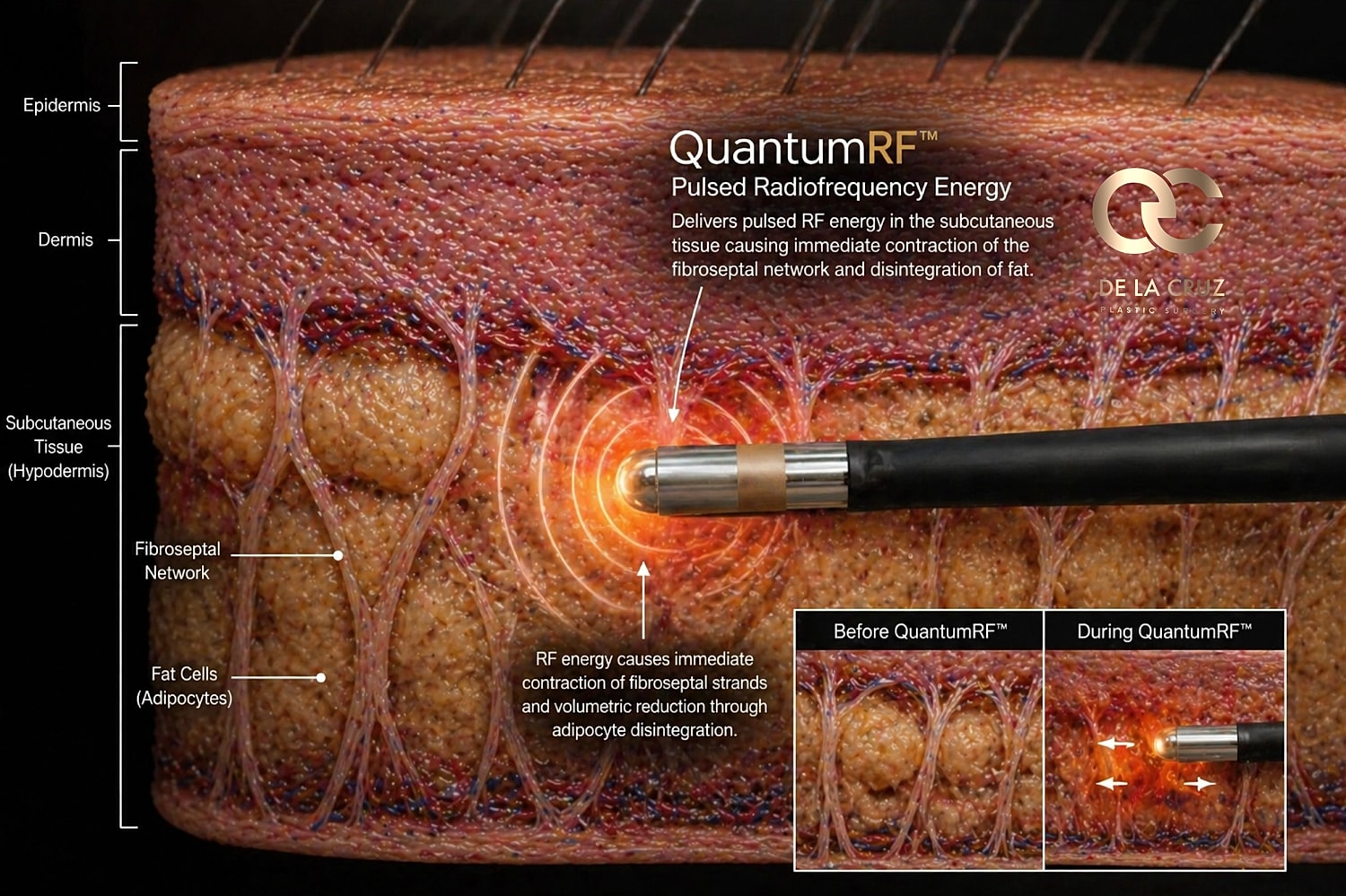
Modern techniques enhance this process. Technologies such as Renuvion (J-Plasma) and Quantum RF apply controlled energy beneath the skin to stimulate contraction of the fibroseptal network and improve skin retraction, especially in patients with mild to moderate laxity.
Understanding the FSN explains why some patients achieve excellent tightening—even without excisional surgery—while others with significant laxity may require additional procedures.
For a deeper explanation of how this works, read: 👉 Fibroseptal Network and Skin Retraction After Liposuction (resource page)
Skin tightening after Houston liposuction is primarily driven by contraction of the fibroseptal network (FSN). However, in many patients—particularly those with mild to moderate skin laxity—this natural contraction can be enhanced with advanced energy-based technologies.
These technologies work by delivering controlled heat beneath the skin, which leads to:
As a result, they can significantly improve contour and reduce the risk of residual skin laxity after Liposuction.
1) RENUVION (J-Plasma)
Renuvion combines helium plasma with radiofrequency energy to create rapid, controlled subdermal heating.
Clinical effects:
👉 Particularly effective for mild to moderate laxity in areas such as the abdomen, arms, and neck
2) QUANTUM RF (Radiofrequency Skin Tightening)
Quantum RF delivers targeted radiofrequency energy into deeper tissue layers, promoting gradual tissue remodeling.
Clinical effects:
👉 Ideal for patients with moderate laxity or reduced skin quality.
3) Other Energy-Based Technologies
Additional technologies—such as RF microneedling (e.g., Morpheus8) and other subdermal RF systems—may also be used in combination with liposuction to enhance skin tightening.
These treatments:
Learn more about skin tightening technologies used after liposuction.
Patient safety is one of the most important aspects of liposuction surgery.
Key safety considerations include:
• careful patient selection • thorough medical evaluation • thoughtful surgical planning • appropriate surgical facilities • fluid management • postoperative monitoring
At De La Cruz Plastic Surgery, safety is emphasized throughout every stage of care.
Learn more about liposuction safety and how surgeons minimize complications.

DVT (deep vein thrombosis) prevention is a critical part of safe liposuction, especially in longer or large-volume procedures. During surgery and early recovery, blood flow can slow due to immobility and anesthesia—making proactive prevention essential.
Modern liposuction procedures use a layered approach:
When these protocols are followed, blood clots are rare, reinforcing that safety in liposuction is not incidental—it is system-based and deliberate.
Medications such as Ozempic and Wegovy have changed how patients lose weight—but they have also increased the frequency of skin laxity and tissue deflation.
After GLP-1 weight loss, the goal is no longer just fat removal. It becomes a balance between:
👉 In many cases, liposuction alone is not sufficient and must be carefully timed and combined with skin tightening or excisional procedures.
For a deeper understanding, explore:
These resources will help you determine when liposuction works—and when additional procedures are necessary for optimal results.
The cost of liposuction varies depending on several factors:
• number of areas treated
• amount of fat removed
• surgical technology used
• surgeon experience
• anesthesia and facility fees
Because each surgical plan is individualized, exact pricing is best determined during consultation.
Read the full guide to liposuction cost and what influences surgical pricing.
Some patients compare liposuction with non-surgical fat reduction treatments.
Liposuction generally provides:
• more direct fat removal
• more noticeable contour improvement
• the ability to sculpt multiple areas
Non-surgical treatments may be appropriate for small fat deposits but do not replace surgical body contouring for larger areas.
Explore the differences between liposuction and non-surgical fat reduction treatments.

Liposuction is both a technical and artistic procedure. Successful results require:
• precise fat removal
• smooth contour transitions
• balanced proportions
• careful judgment regarding fat removal
• strong safety protocols
Choosing an experienced plastic surgeon plays a major role in both safety and final results.
Schedule your consultation for liposuction in Houston with Dr. De La Cruz by emailing us at [email protected]
Academic Perspective on Liposuction Safety Dr. De La Cruz has also contributed to the academic literature on liposuction safety and body contouring, including published work on thromboembolism prevention in large-volume liposuction and lipoplasty in overweight patients.
Patients seeking liposuction in Houston often choose Dr. Emmanuel De La Cruz, a double-board-certified plastic surgeon certified by both the American Board of Plastic Surgery and the American Board of Surgery.
Dr. De La Cruz is internationally recognized for his work in advanced body contouring and high-definition liposuction and has received the Grand Master Total Definer Award for Best High-Definition Liposuction Results, presented by Dr. Alfredo Hoyos, the pioneer of high-definition liposculpture.
He has lectured internationally on liposuction techniques and contour irregularity correction at major meetings including:
• American Society of Plastic Surgeons (ASPS) • Total Definer Meeting in Bogotá • InMode Symposium in Miami and Beverly Hills • AestheticStanbul in Istanbul, invited by Dr. Foad Nahai
Dr. De La Cruz is also the author of “Lipoplasty in the Overweight Patient,” published in the peer-reviewed journal Clinics in Plastic Surgery.
At De La Cruz Plastic Surgery in Houston, liposuction is not simply about removing fat—it is about sculpting the body with precision, artistry, and scientific expertise.
About the Medical Reviewer Dr. Emmanuel De La Cruz is a double board-certified plastic surgeon specializing in advanced facial rejuvenation and body contouring procedures. 👉 [Learn more about Dr. Emmanuel De La Cruz]

Liposuction is used to remove localized fat deposits that do not respond to diet and exercise. It is a body contouring procedure designed to improve body shape and proportions rather than a treatment for obesity or significant weight loss.
The amount of fat that can be removed depends on the patient’s anatomy, treatment areas, and safety considerations. Large-volume liposuction is generally defined as removing more than five liters of aspirate, and additional monitoring may be recommended in these cases.
No. Liposuction is not intended for weight loss. It is designed to remove stubborn fat pockets and improve body contour in patients who are already near their ideal weight.
Common areas treated with liposuction include:
• abdomen • flanks (love handles) • back • thighs • hips • arms • chin and neck
Multiple areas may be treated during the same procedure depending on the surgical plan.
Most patients can return to light daily activities within several days. Swelling and bruising gradually improve over several weeks, while final contour results typically become more visible between three and six months.
Swelling is normal after liposuction and gradually improves over time. Significant swelling usually improves within several weeks, although mild swelling may persist for a few months as the tissues continue to heal.
Liposuction removes fat but does not directly remove excess skin. Skin tightening depends on factors such as skin elasticity, age, and the amount of fat removed. In some cases, additional treatments may be recommended.
Liposuction can be safe when performed by a qualified plastic surgeon using proper surgical techniques and patient safety protocols. Careful patient selection, experienced surgical judgment, and postoperative monitoring are important parts of minimizing risks.
Possible risks may include infection, bleeding, seroma, contour irregularities, swelling, changes in sensation, and anesthesia-related complications. A thorough consultation helps patients understand these risks before surgery.
Good candidates typically:
• have localized fat deposits resistant to diet and exercise • maintain stable body weight • are in good overall health • have realistic expectations about results
Patients with significant loose skin or major weight fluctuations may require other procedures.
Fat cells removed during liposuction are permanently removed. However, remaining fat cells can still enlarge if a patient gains weight, so maintaining a stable lifestyle is important for long-term results.
Patients usually notice contour changes immediately after surgery, but swelling can temporarily obscure the final appearance. Results typically become clearer as swelling improves over several months.
The cost of liposuction varies depending on several factors, including:
• the number of areas being treated • the amount of fat being removed • the complexity of the procedure • the technology or surgical techniques used • surgeon experience • anesthesia and surgical facility fees
Because every patient’s anatomy and goals are different, the exact cost of liposuction is best determined during a consultation with a qualified plastic surgeon. During this visit, the surgeon can evaluate the treatment areas and develop a personalized surgical plan.
Liposuction is performed under anesthesia, so patients typically do not feel pain during the procedure itself.
After surgery, it is common to experience temporary soreness, swelling, and bruising in the treated areas. Many patients describe the sensation as similar to muscle soreness after intense exercise. These symptoms gradually improve as the body heals.
Most patients find that discomfort is manageable with prescribed medications, compression garments, and proper postoperative care.
Liposuction is designed to remove localized fat deposits and improve body contour, but it is not specifically intended to treat cellulite.
Cellulite is caused by fibrous connective bands beneath the skin that create a dimpled appearance. Because liposuction primarily removes fat, it does not directly release these fibrous bands.
In some cases, cellulite may appear slightly improved after fat reduction, but liposuction is generally not considered a primary treatment for cellulite. Other procedures may be more appropriate depending on the severity and underlying cause.
About the Author
Dr. Emmanuel De La Cruz, MD is a double-board-certified plastic surgeon in Houston, Texas, certified by both the American Board of Plastic Surgery and the American Board of Surgery. He specializes in advanced liposuction and body contouring procedures, including high-definition liposculpture, Brazilian Butt Lift (BBL), revision liposuction, and treatment of lipedema.
Dr. De La Cruz is internationally recognized for his expertise in high-definition liposuction and precision contour sculpting, techniques that are essential for achieving balanced, natural-appearing body proportions in procedures such as liposuction and Brazilian Butt Lift surgery. His surgical approach focuses on refined body contouring and meticulous fat sculpting to enhance overall body harmony.
He has lectured internationally on liposuction techniques, fat grafting, and contour irregularity correction, presenting at major scientific meetings including:
• American Society of Plastic Surgeons (ASPS)
• Total Definer Meeting in Catagena, Colombia
• InMode Symposium in Miami and Beverly Hills
• AestheticStanbul in Istanbul, Turkey, where he was invited to lecture by renowned plastic surgeon Dr. Foad Nahai
Dr. De La Cruz has also contributed to the scientific literature on liposuction and body contouring. He is the author of “Lipoplasty in the Overweight Patient,” published in the peer-reviewed journal Clinics in Plastic Surgery.
Through his clinical work, research, and international lectures, Dr. De La Cruz remains committed to advancing safe, precise, and refined techniques in liposuction, Brazilian Butt Lift surgery, and modern body contouring.
Selected References