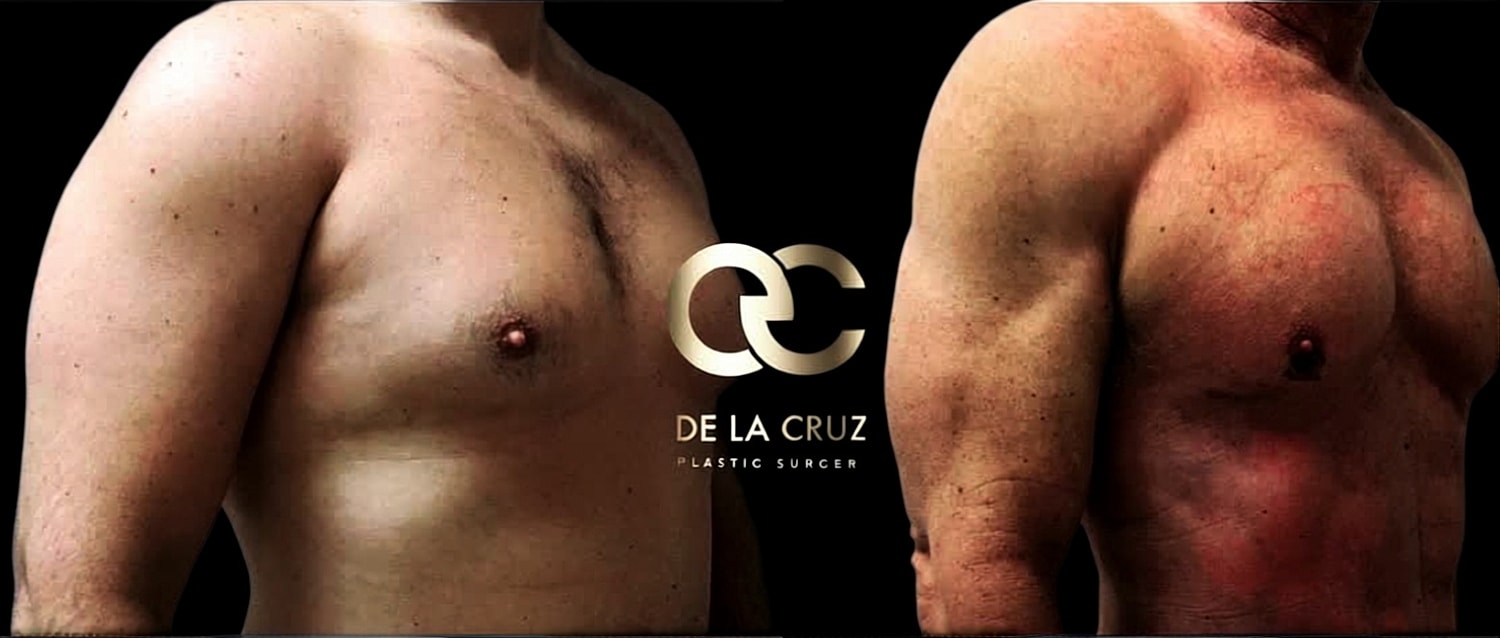
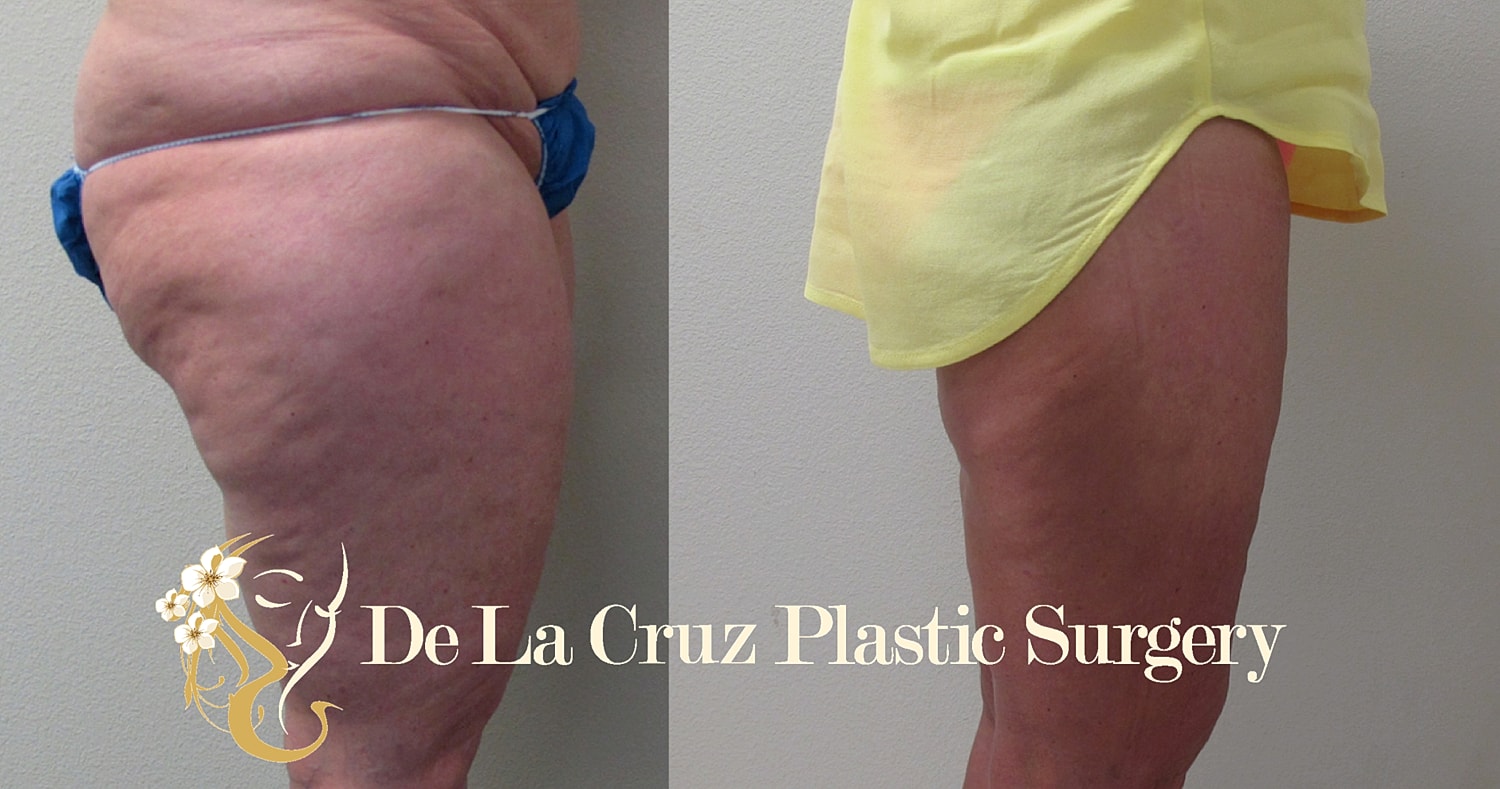
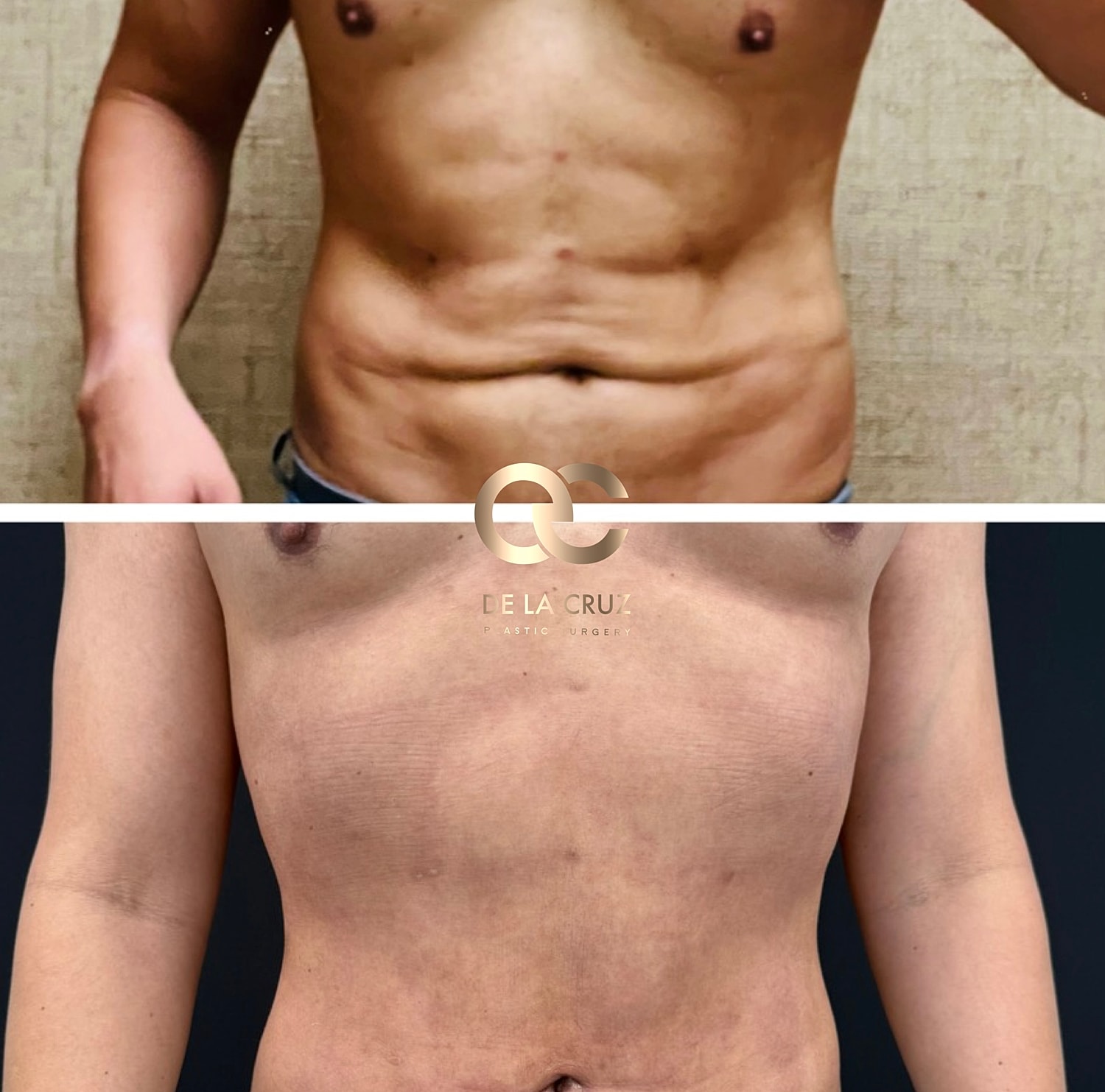
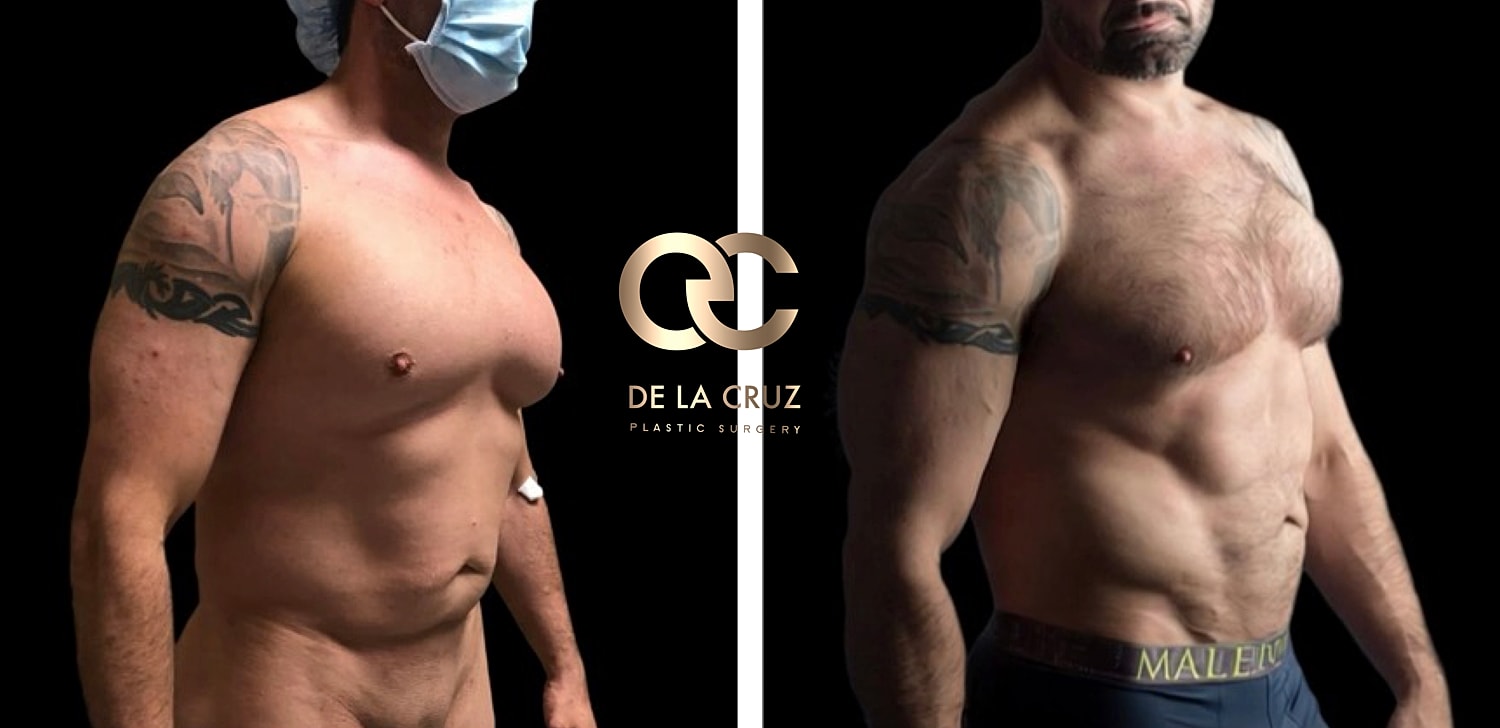
Lipo 360 in Houston
High-Definition Liposuction 360
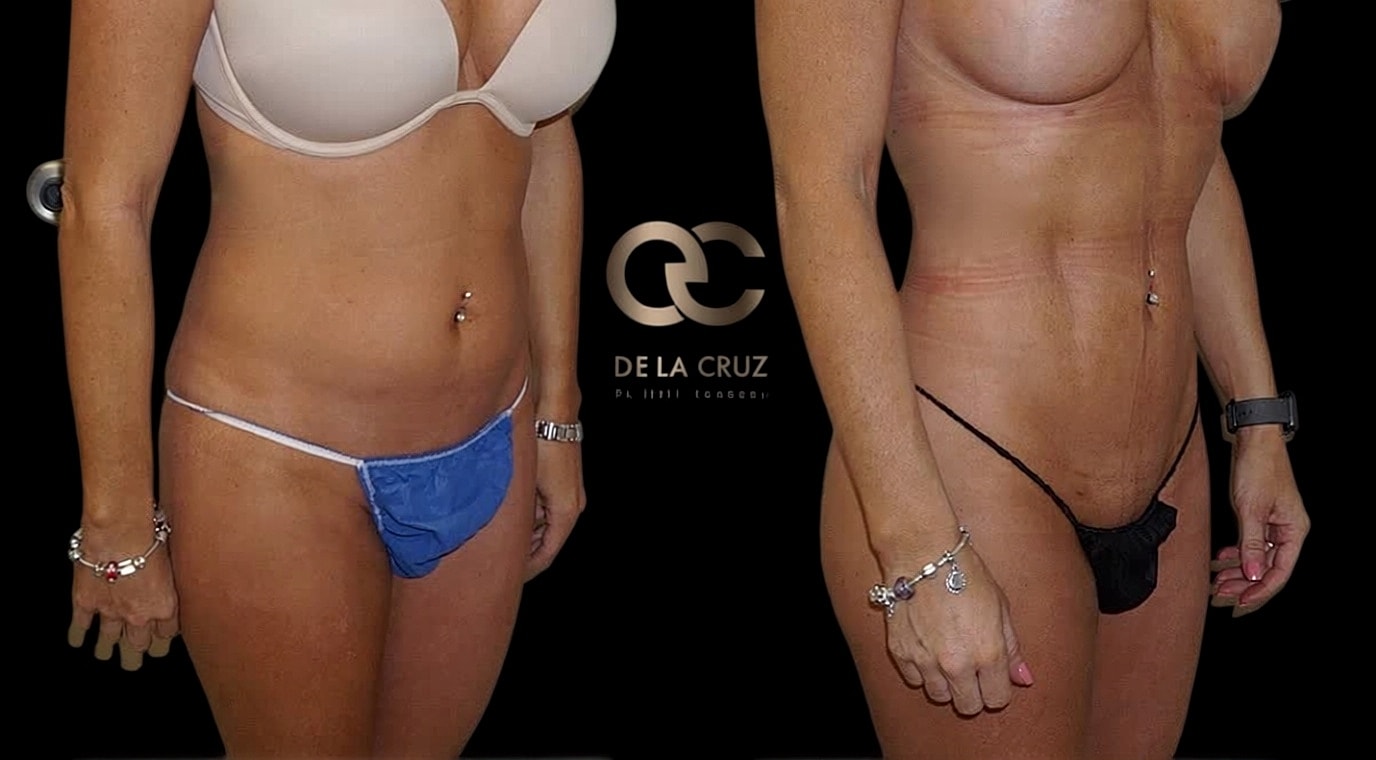
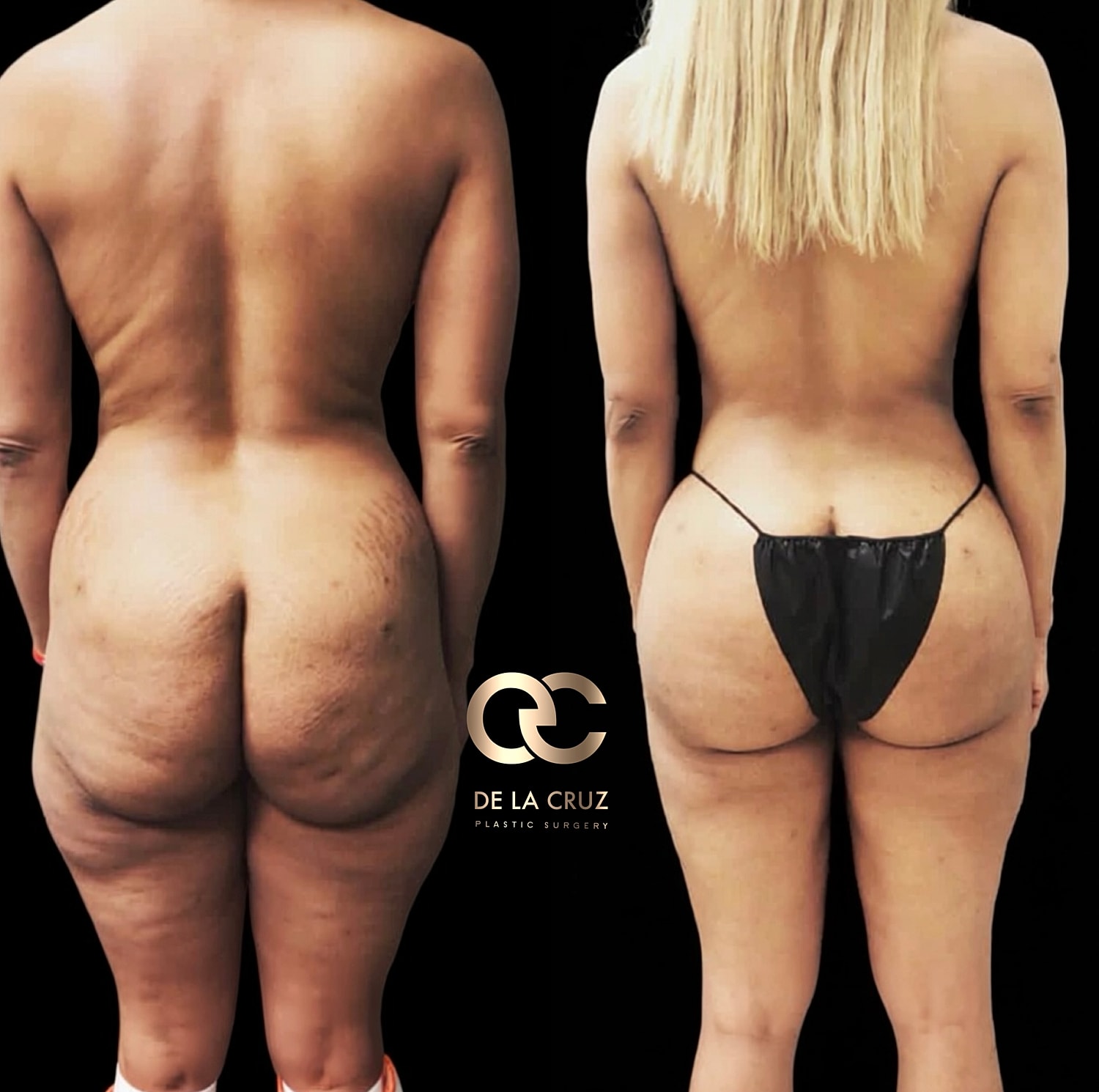
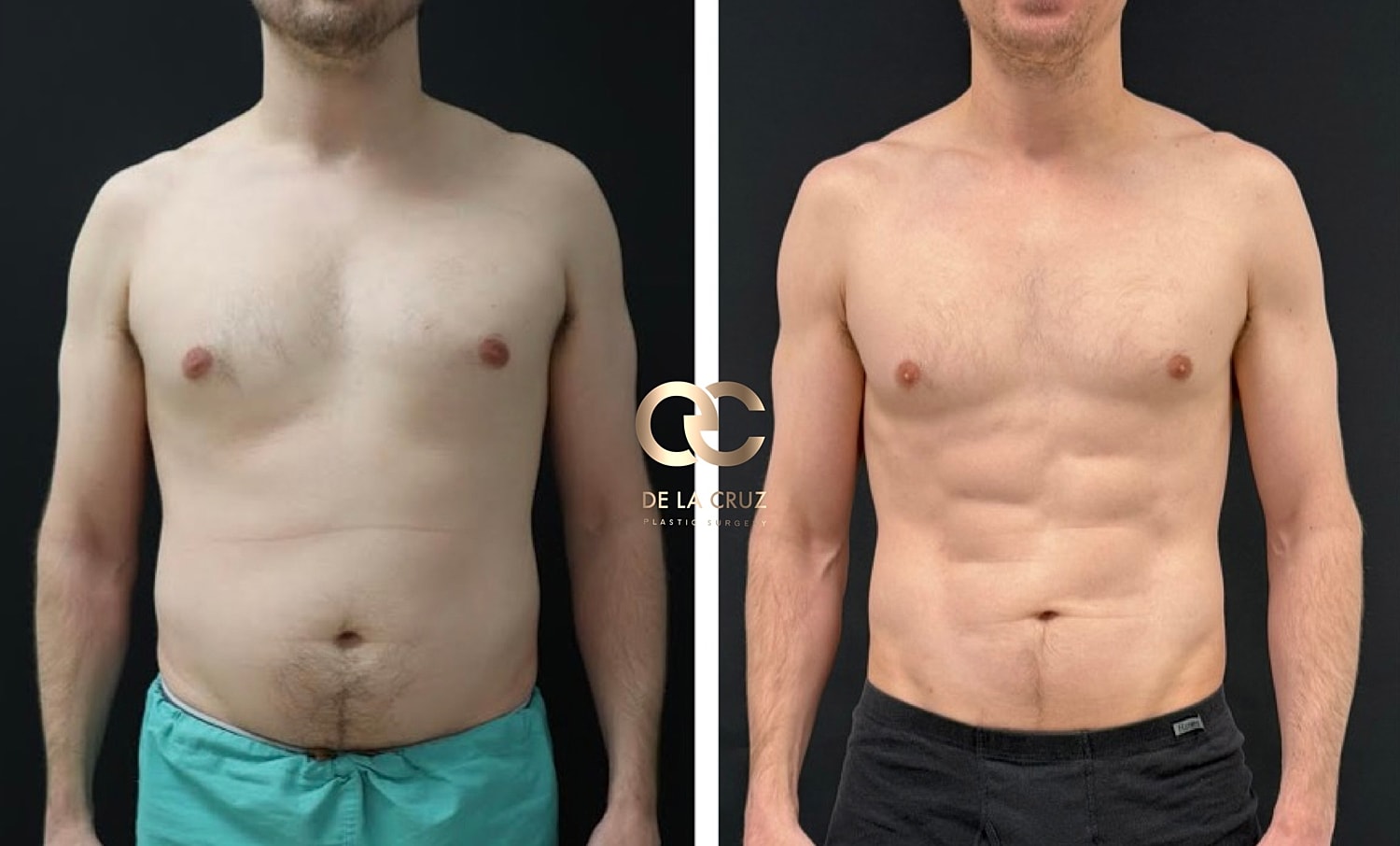
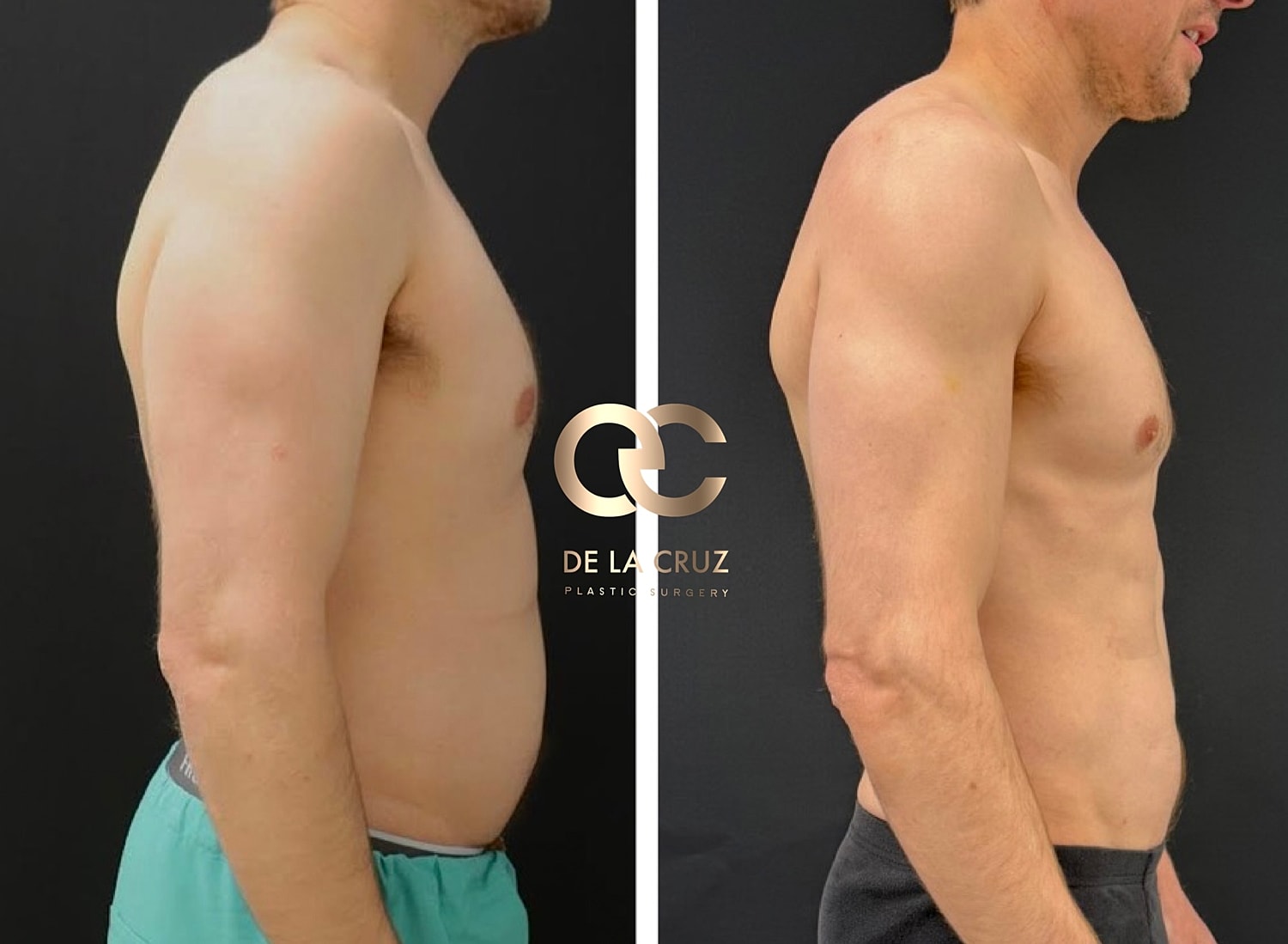
Lipo 360 is a comprehensive liposuction technique that contours the entire midsection—including the abdomen, flanks, and lower back—for a balanced, 360-degree result.


Lipo 360 is a comprehensive liposuction technique that contours the entire midsection—including the abdomen, flanks, and lower back—for a balanced, 360-degree result.
What is Lipo 360?
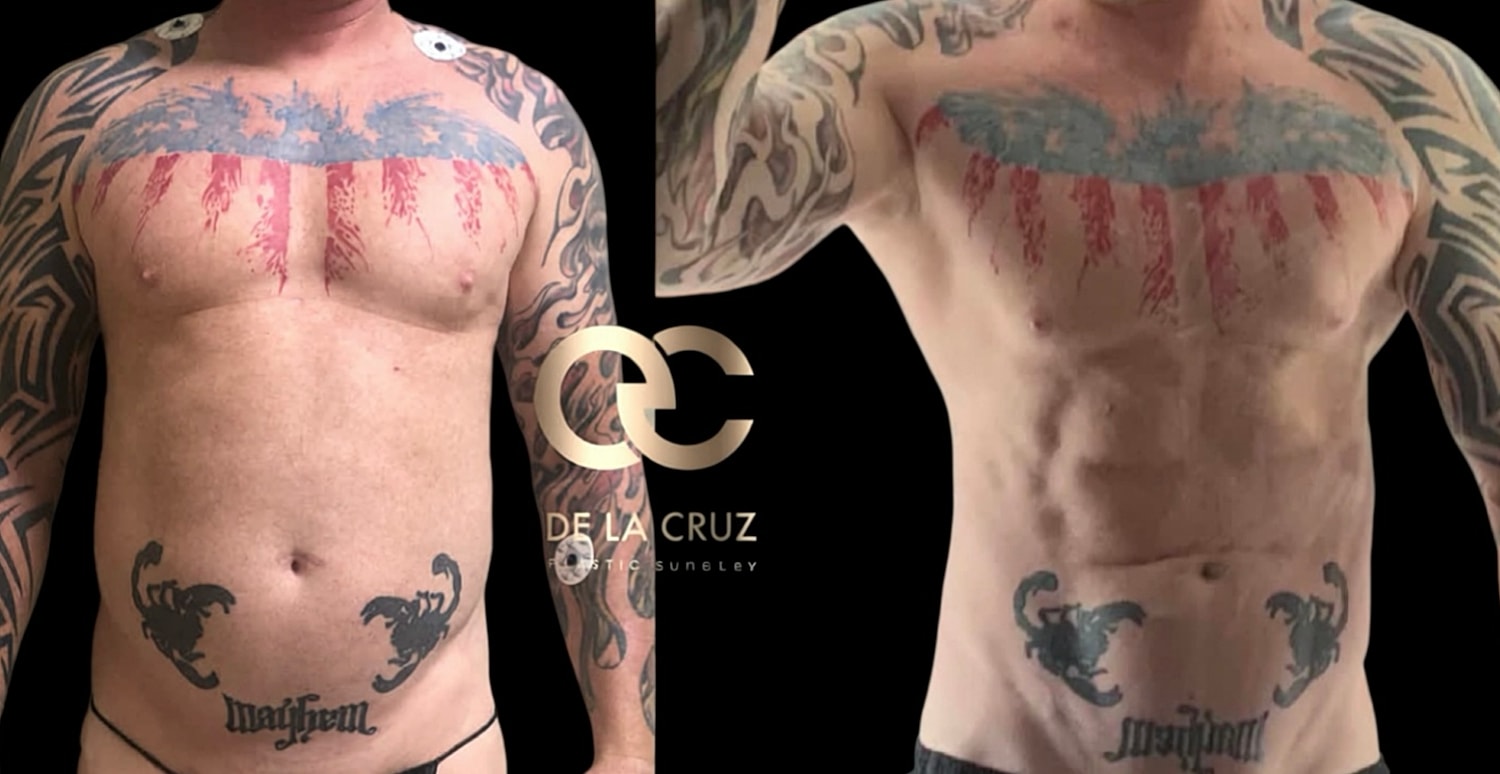
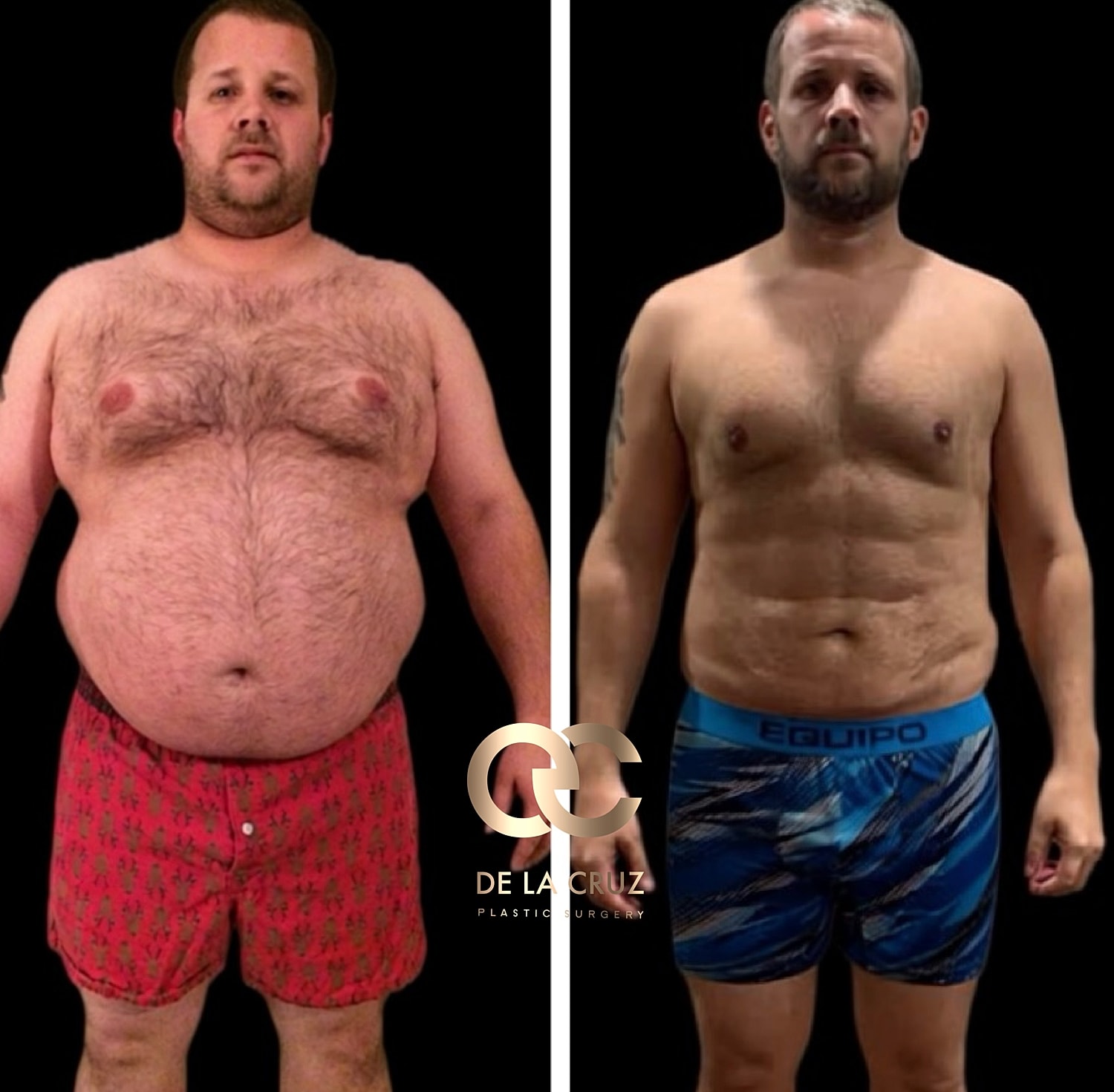
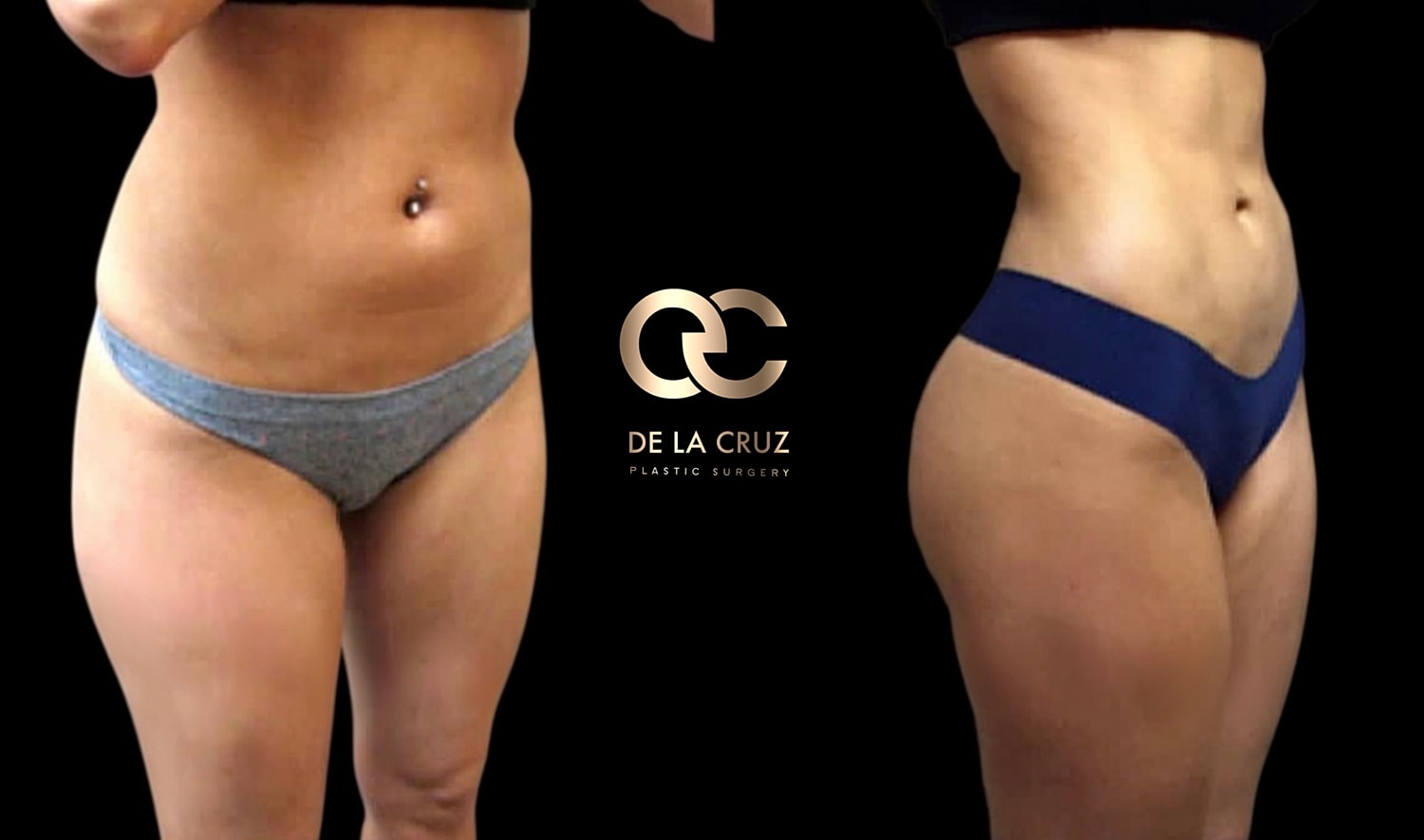
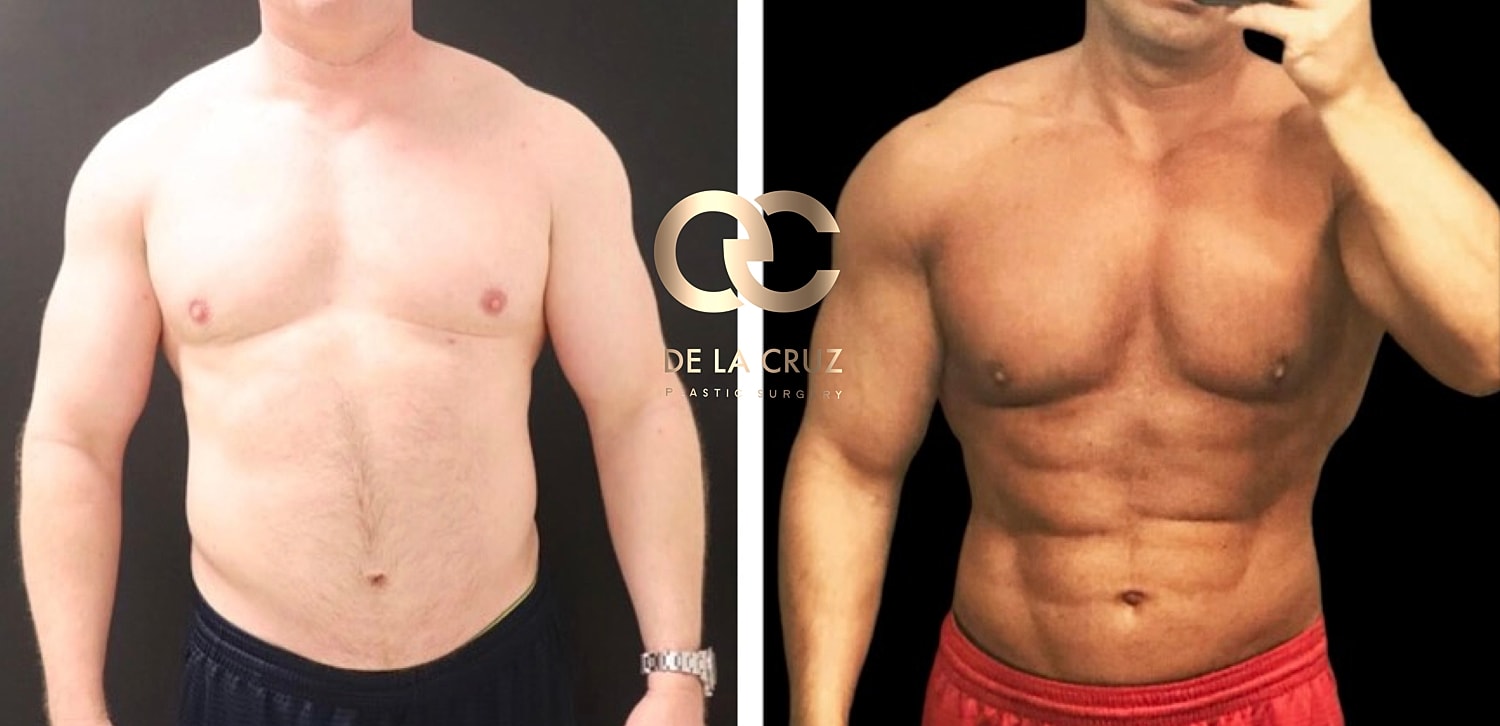
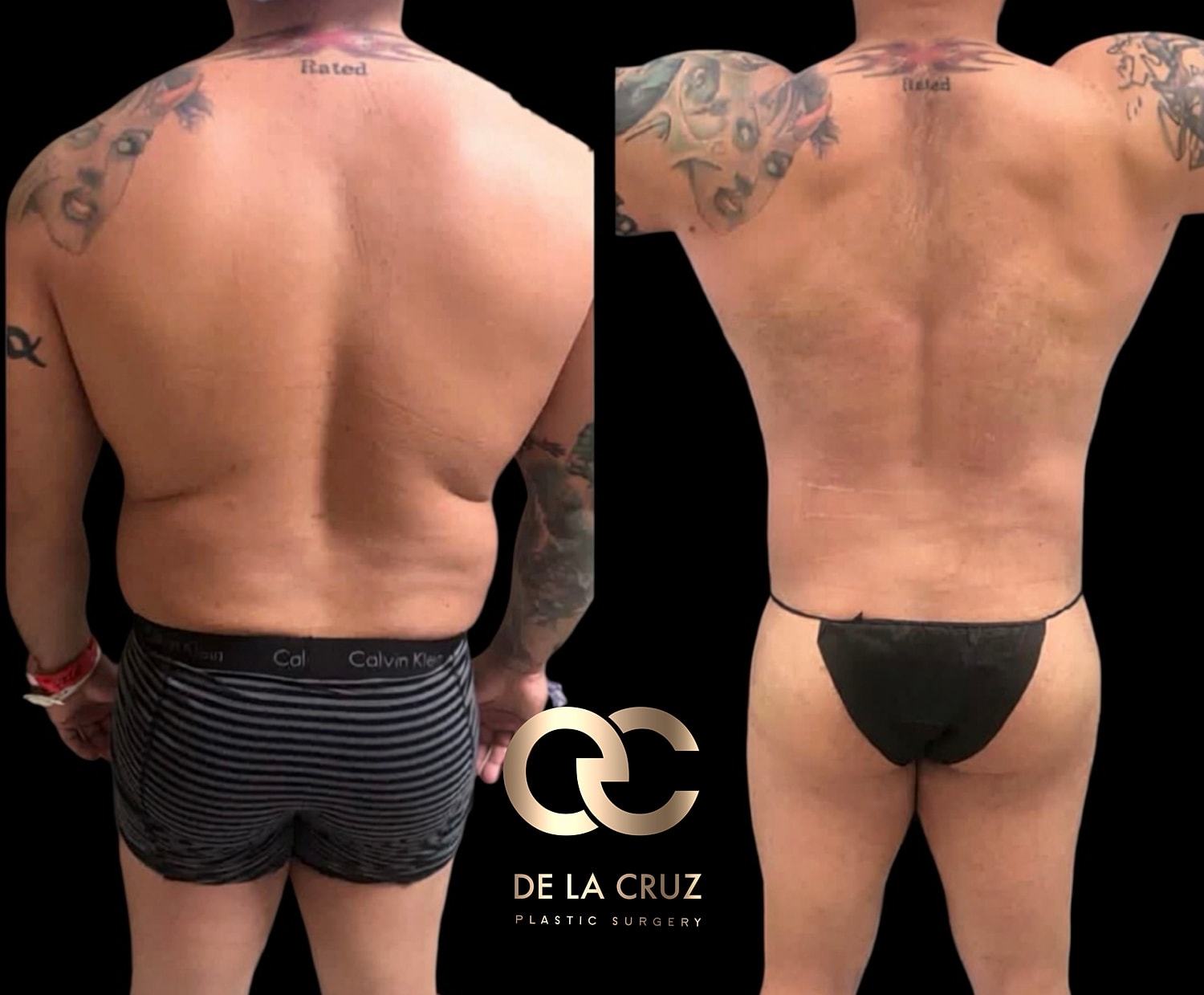
Lipo 360 is a comprehensive liposuction procedure that sculpts the entire midsection—including the abdomen, flanks, and lower back—to create a balanced, 360-degree contour. At De La Cruz Plastic Surgery, this is elevated using high-definition VASER liposuction to produce refined, natural, and athletic results.
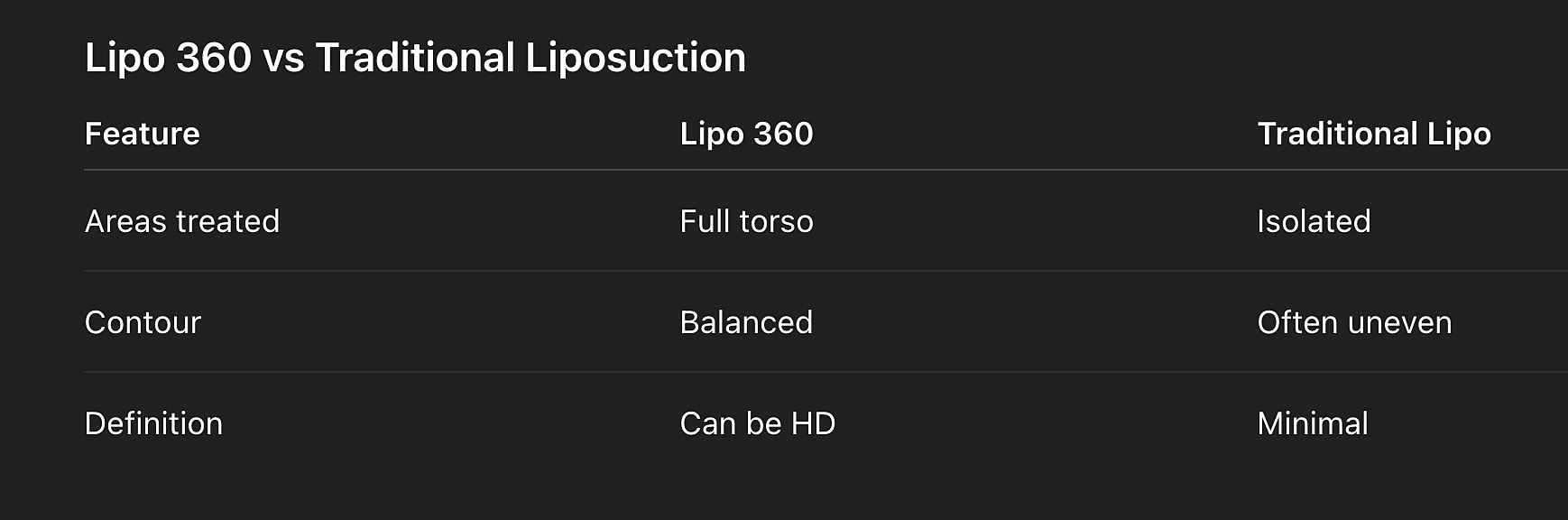
Unlike traditional liposuction, which treats isolated areas, Lipo 360 focuses on circumferential contouring, ensuring that the body appears natural and proportional from every angle—front, side, and back.
At De La Cruz Plastic Surgery, Lipo 360 in Houston is performed using advanced VASER Liposuction and refined with high-definition sculpting techniques to enhance anatomical definition and contour precision.
Dr. Emmanuel De La Cruz is a double board-certified plastic surgeon specializing in high-definition liposuction 360 in Houston, combining advanced technology with refined technique to deliver consistent, natural results.
For patients who want a deeper understanding of techniques, candidacy, and outcomes, we recommend starting with our comprehensive Ultimate Guide to Liposuction, which explains the procedure in detail from consultation through recovery.
Removes localized fat deposits to refine body contour and enhance natural definition. In select cases, larger-volume liposuction may be performed to achieve more comprehensive contouring.
Lipo 360 is performed using established safety protocols, including DVT risk assessment and careful fluid management. Most patients do not require overnight stay. For large-volume liposuction, overnight monitoring may be recommended.
Utilizes advanced technologies including VASER ultrasound-assisted liposuction, power-assisted liposuction (MicroAire), and energy-based skin tightening to improve precision, reduce tissue trauma, and enhance contour.
Most patients return to light activities and work within 5–10 days. Compression garments are required during early recovery, with gradual return to full activity over 4–6 weeks.
Early contour improvement is visible within 8 weeks as swelling decreases. Final results continue to refine over 3–6 months as tissues remodel and soften.
1 of 16
Key reasons patients trust Dr. De La Cruz include:

In addition to his surgical training, Dr. De La Cruz is a portrait sculptor and painter, with a deep understanding of:
This artistic foundation directly influences his surgical approach, particularly in facial procedures and contouring, where precision and aesthetics must work together to create natural, refined results.
Dr. De La Cruz’s artistic foundation was shaped through classical training with world-renowned French sculptor Philippe Faraut, informing his precision in sculpting natural, harmonious results.


Lipo 360 is not just liposuction—it is comprehensive torso sculpting. When combined with high-definition techniques, it produces significantly more refined and natural results than traditional liposuction.
Most liposuction procedures remove fat. Lipo 360 reshapes the entire torso.
The difference lies in completeness and balance:
At a higher level, this approach allows for:
This is particularly important in advanced procedures such as High-Definition Liposuction, where subtle contour transitions define the final result.

High-definition Lipo 360 is not simply more aggressive fat removal—it is more precise and intentional sculpting. Lipo 360 is incomplete without high-definition sculpting
Key Differences:
Dr. De La Cruz’s background in classical sculpture directly informs this approach—each contour is refined with attention to proportion, symmetry, and anatomical flow.

VASER stands for Vibration Amplification of Sound Energy at Resonance. It is a 3rd-generation ultrasound-assisted liposuction device that delivers energy in pulsed waves through a specially designed probe. The Vaser instrument used during surgery liquefies the fat and allows the surgeon to target specific areas of the body.
The VASER device selectively delivers ultrasound energy to liquefy fat without damaging other tissues. Once the fat has been melted, it can be suctioned out of the body through very small 2.2 mm to 3.7 mm-sized cannulae without causing great trauma to the surrounding tissue structures. Thus, the incisions made are less than 5mm in size.
4D High-definition liposuction, also known as hi-definition liposuction, hi-definition liposculpture, or simply hi-def lipo, is a surgical procedure that uses suction to remove excess fat from target areas to create a slim, muscular, athletic appearance.
This procedure may involve transferring fat to different areas of the body, such as the chest muscles in men or the buttocks in women (Brazilian Butt Lift), to enhance one's features. Typically, the procedure may involve liposculpture of the arms, abdomen, flanks, back, and possibly thighs. This would be on an individual basis, as every patient is different.
Make sure your plastic surgeon is certified and trained to perform the 4D VASER High-Definition liposculpture.
Understanding the Difference: Coverage vs Precision
Our Houston Lipo 360 and high-definition liposuction are often used interchangeably—but they represent two very different concepts.
Understanding this distinction is critical when evaluating results.
Lipo 360 is designed to treat the entire midsection, including:
The goal is balanced, 360-degree fat reduction, ensuring that no area of the torso is left untreated.
However, Lipo 360 alone focuses primarily on volume reduction—not refinement.
High-definition liposuction is an advanced technique that focuses on how fat is removed and how the body is shaped afterward.
Using technologies such as VASER Liposuction, this approach allows for:
The result is a body that appears sculpted, athletic, and natural—not simply thinner.
The best results come from combining both approaches:
Without circumferential treatment, results may appear incomplete. Without high-definition technique, results may appear flat or lack definition.
The De La Cruz Approach for Liposuction in Houston
At De La Cruz Plastic Surgery, Lipo 360 is elevated using high-definition techniques to achieve:
👉 Lipo 360 removes fat. High-definition Lipo 360 sculpts the body.
With Lipo 360 Houston patients can expect the procedures to include:
By treating these areas together, Lipo 360 produces a more cohesive and natural result than isolated liposuction.
Ideal candidates are those who:
Patients seeking more advanced sculpting—particularly visible definition—may benefit from 4D High-Definition Liposuction.
Consistent, high-level results are not achieved through a single device—they are the result of a deliberate, layered surgical strategy that integrates advanced technology with precise execution at every stage.
1. Tumescent Infiltration A carefully calibrated solution is introduced to optimize the surgical field by reducing bleeding, facilitating fat extraction, and improving overall intraoperative safety.
2. VASER Ultrasound Emulsification Ultrasound energy selectively targets adipocytes, allowing for more efficient fat removal while minimizing trauma to surrounding structures such as nerves, vessels, and connective tissue.
3. Power-Assisted Liposuction (PAL) Mechanical-assisted extraction enhances precision, promotes uniform fat removal, and allows for greater surgeon control—particularly in high-definition contouring.
4. Layered Fat Extraction Fat is removed in controlled, anatomical planes to preserve structural integrity, avoid contour deformities, and create smooth, natural transitions between treated and untreated areas.
5. Targeted Skin Tightening & Fibroseptal Network Remodeling Energy-based technologies such as Renuvion (J-Plasma) and Quantum RF are used to contract soft tissue and remodel the fibroseptal network—the connective framework responsible for skin support. This step is critical for:
This multi-layered, methodical approach allows for consistent, reproducible, and high-level outcomes—delivering not just fat reduction, but refined, sculpted, and structurally supported results.
Lipo 360 is not a one-size-fits-all procedure. The approach differs significantly between men and women based on anatomy, fat distribution, and aesthetic goals.
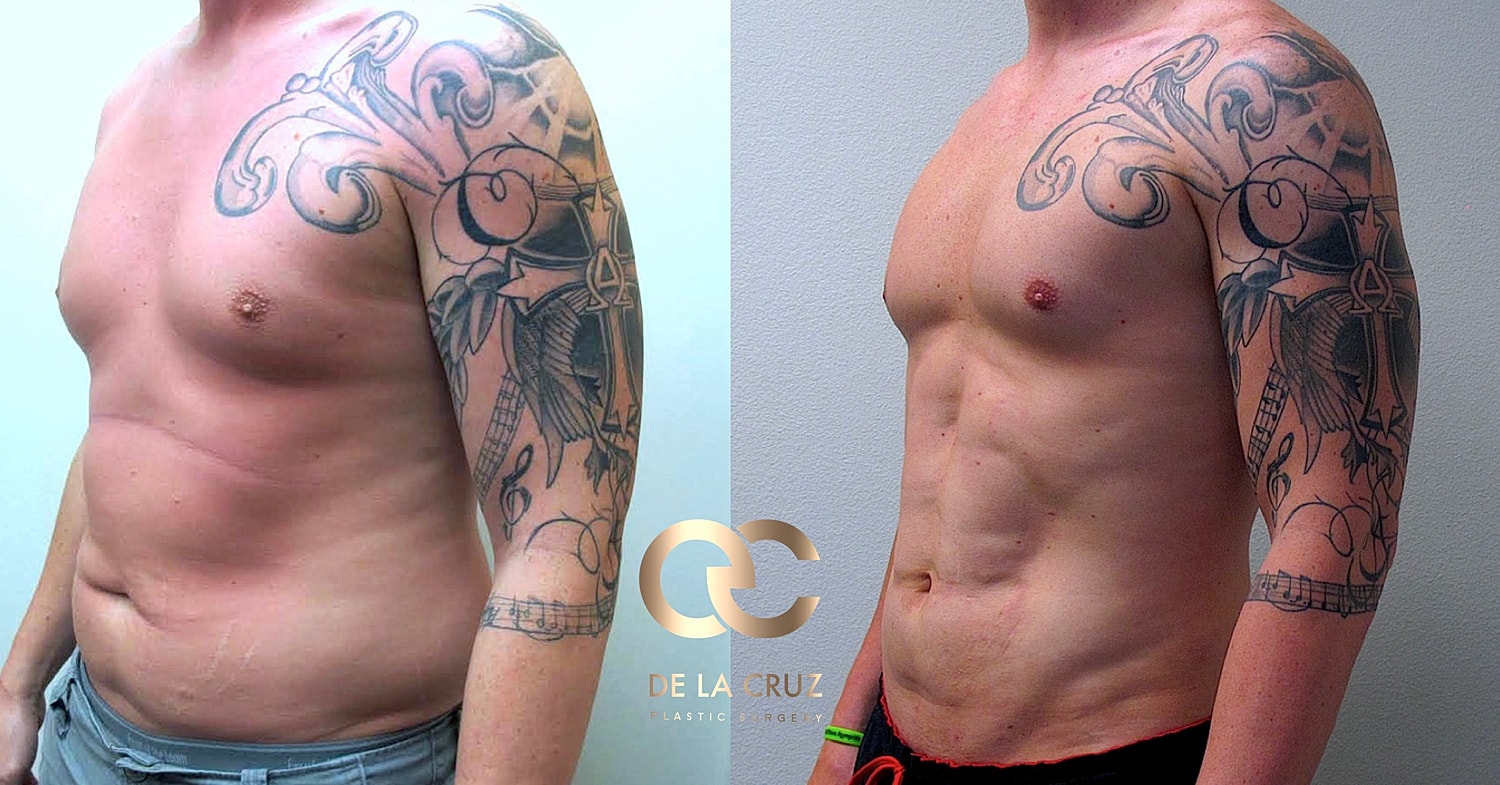
Male Lipo 360: Athletic Definition
For male patients, the goal is structure and definition:
This is where advanced liposuction techniques such as High-Definition Liposuction play a critical role.
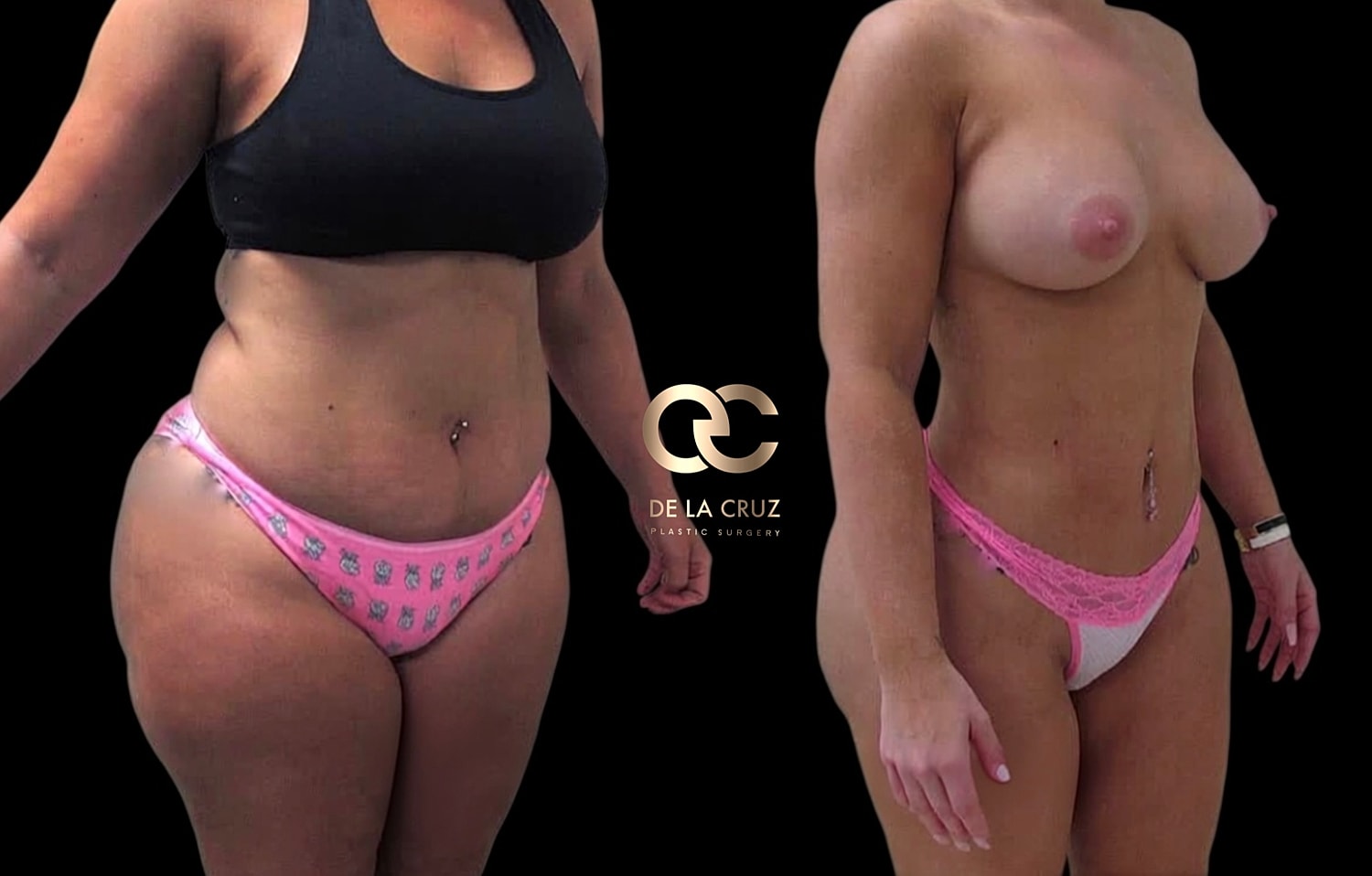
For female patients, the focus is shape and proportion:
The goal is a result that looks elegant, balanced, and natural in motion.
Why This Distinction Matters
Treating male and female patients the same can lead to:
A tailored approach ensures that the final outcome aligns with your anatomy and aesthetic goals.
For the right candidate, Lipo 360 can be one of the most effective procedures for improving overall body contour—because it treats the entire midsection, not just isolated areas.
Unlike traditional liposuction, which may leave untreated areas and uneven transitions, Lipo 360 provides a more complete, balanced result from every angle.
The Value of Treating the Entire Torso
Many patients initially consider treating only the abdomen. However, without addressing the flanks and lower back, the result can appear incomplete.
Lipo 360 improves:
👉 The result is not just a smaller waist—but a more refined and proportionate body shape.
For patients seeking meaningful improvement in body contour, Lipo 360 is often worth it—not because more fat is removed, but because the body is reshaped more completely.
👉 When combined with high-definition techniques, the result is not just reduction—but refinement, balance, and long-term aesthetic improvement.
Recovery is a critical determinant of your final outcome.
Early Recovery (First 1–2 Weeks)
Intermediate Phase (Weeks 3–6)
Long-Term Recovery (3–6+ Months)
Lymphatic massage is a non-negotiable component of recovery.
This helps:
Think of your body after liposuction like wet cement—early intervention allows irregularities to be corrected before they become permanent.
👉 Learn more: Lymphatic Massage After Liposuction
Lipo 360 is a surgical procedure and carries inherent risks, including:
At De La Cruz Plastic Surgery, safety protocols include:
How Much Does Lipo 360 Cost in Houston?
The cost of Lipo 360 in Houston varies depending on the extent of contouring and level of precision required.
Typical Price Range
👉 Learn more: Liposuction Cost Guide
What Determines the Cost?
Several factors influence pricing:
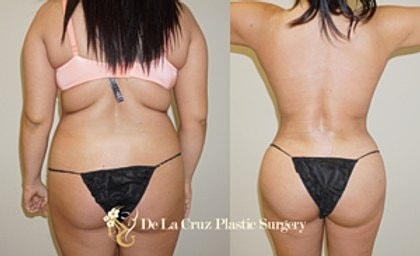
High-definition Lipo 360 is more than fat removal—it is precision body sculpting.
It requires:
👉 The difference is not just cost—it is the quality and longevity of the result.
Value vs Price
Choosing Lipo 360 based on the lowest price can lead to:
Investing in an experienced surgeon and advanced technique helps ensure:
Final results after Lipo 360 depend not only on how much fat is removed—but on how effectively the skin contracts and re-drapes over the newly contoured body.
Several key factors influence this process, including:
These elements determine how smoothly the skin adapts to the new contours and how refined the final result appears.
When skin laxity is present, adjunctive technologies such as Renuvion or Quantum RF can be incorporated to enhance tissue contraction.
These technologies help:
The goal is not simply fat removal—but achieving a tight, smooth, and naturally contoured result that complements the underlying sculpting performed during Lipo 360. These options are discussed in detail in our skin tightening after liposuction resource.

Lipo 360 is a comprehensive liposuction procedure that treats the entire midsection—abdomen, flanks, waist, and lower back—to create a balanced, 360-degree contour. It is designed to improve overall shape rather than focusing on a single area.
Traditional liposuction targets isolated areas. Lipo 360 treats the entire torso circumferentially, which results in smoother transitions and a more natural, proportionate appearance. When combined with High-Definition Liposuction, it can also enhance muscle definition.
Lipo 360 typically includes:
Some patients may also include additional contouring depending on their goals.
Ideal candidates are:
Patients seeking more sculpted, athletic results may benefit from VASER Liposuction techniques.
The amount of fat removed depends on:
Rather than focusing on volume alone, the goal is balanced contouring and proportion.
No. Lipo 360 removes fat but does not remove excess skin or tighten muscles. A tummy tuck is recommended if you have:
In some cases, both procedures may be combined for optimal results.
Most patients:
Swelling improves over time, with continued refinement over several months.
Yes. Lymphatic massage is strongly recommended:
It helps reduce swelling, improve contour, lower the risk of seroma, and decrease fibrosis.
The fat cells removed are permanent. However, maintaining results requires:
Weight gain can affect remaining fat cells and alter results.
Risks may include:
These risks are minimized with proper technique and post-operative care.
Cost varies depending on:
Advanced techniques such as high-definition liposuction are typically at the higher end of the pricing range.
For the right candidate, Lipo 360 can significantly improve body contour and waistline definition. Because it treats the entire midsection, it often produces more complete and balanced results compared to isolated liposuction.
Selected References