Liposuction After GLP-1 Weight Loss: Understanding Skin Retraction and the Fibroseptal Network
Written by Dr. Emmanuel De La Cruz, MD Double Board-Certified Plastic Surgeon | Houston, Texas
Written by Dr. Emmanuel De La Cruz, MD Double Board-Certified Plastic Surgeon | Houston, Texas
Direct Answer (Featured Snippet)
Skin tightening after Liposuction is driven by contraction of the fibroseptal network (FSN) and collagen remodeling. In patients using GLP-1 medications such as Ozempic, ongoing weight loss can reduce tissue volume and offset these tightening effects. The most predictable results occur when weight is stable prior to surgery.
Liposuction after GLP-1–associated weight loss is not a weight-loss procedure—it is a body contouring technique designed to refine shape after weight has stabilized. For a comprehensive overview of techniques, recovery, and expected outcomes, visit our Ultimate Guide to Liposuction.
This article is part of our comprehensive liposuction resource library. For a complete overview, visit our Liposuction in Houston page, explore the Ultimate Guide to Liposuction, and review real patient outcomes in our Before and After Liposuction Results Guide..
1 of 65
The rise of GLP-1 medications such as Ozempic and Wegovy has fundamentally changed how patients lose weight—but it has also revealed a critical aesthetic challenge: skin laxity.
Why Skin Laxity Happens After GLP-1 Weight Loss
GLP-1–induced weight loss is often:
As fat volume decreases, the skin envelope does not always retract to match the new contour. This leads to:
The result is not just “loose skin”—it is a structural imbalance between volume and skin envelope.
Skin contraction depends on:
With GLP-1 weight loss:
👉 This is why patients on GLP-1 medications frequently experience:
After GLP-1 weight loss, two opposing forces determine your final result:
Contraction
Deflation
👉 In many GLP-1 patients, deflation exceeds contraction
This is the fundamental reason why:
GLP-1–related skin laxity commonly affects:
👉 These are areas where skin quality—not fat—is the limiting factor
Rapid weight loss often outpaces the skin’s ability to contract, resulting in loose or deflated tissue. Our guide on skin tightening after liposuction explains when energy-based technologies can help improve skin quality.
The Role of the Fibroseptal Network (FSN)
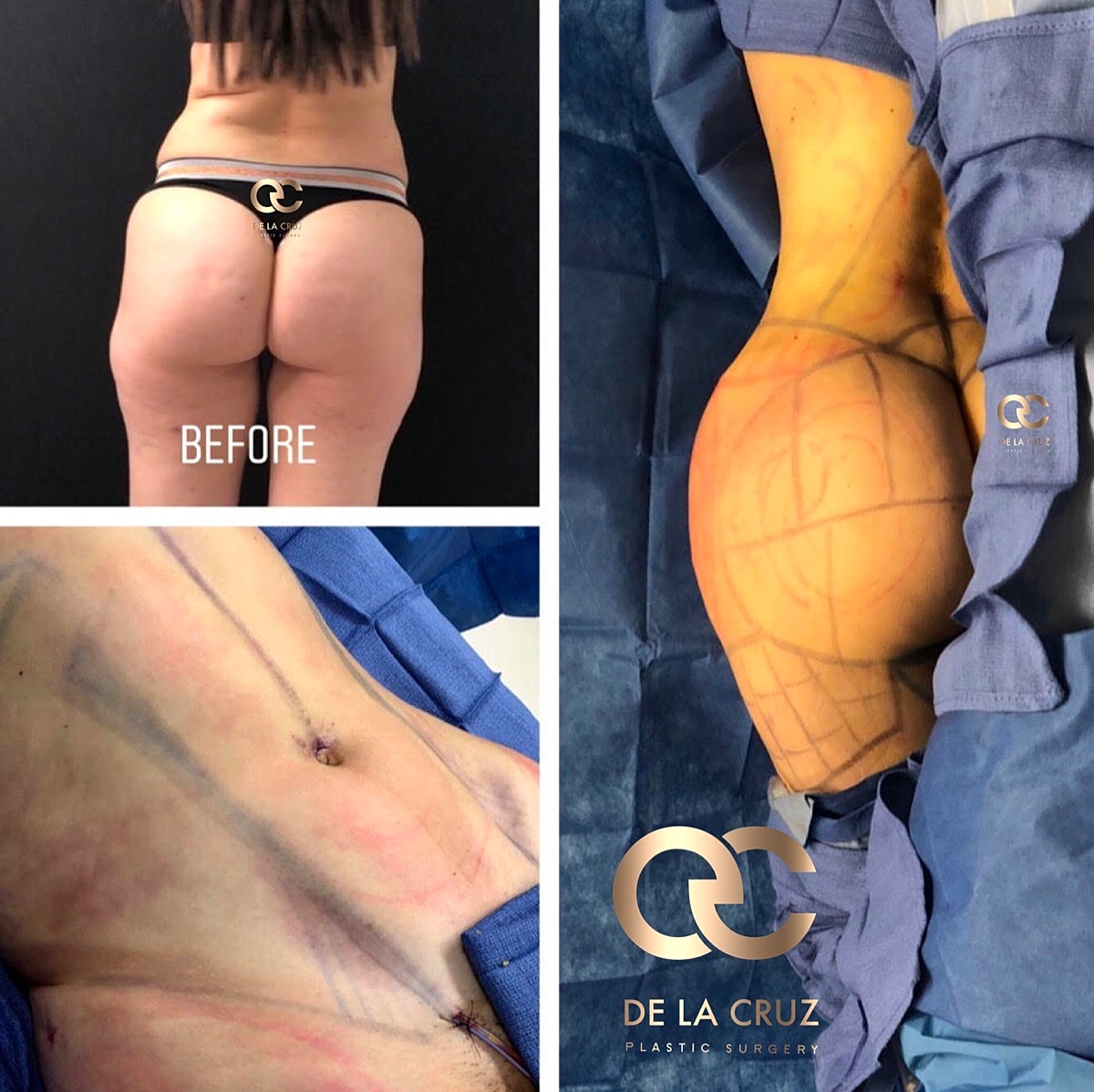
The FSN is the internal scaffold connecting skin to deeper tissues. During liposuction:
👉 This creates inward tension → visible skin retraction
Advanced approaches to Liposuction improve this effect:
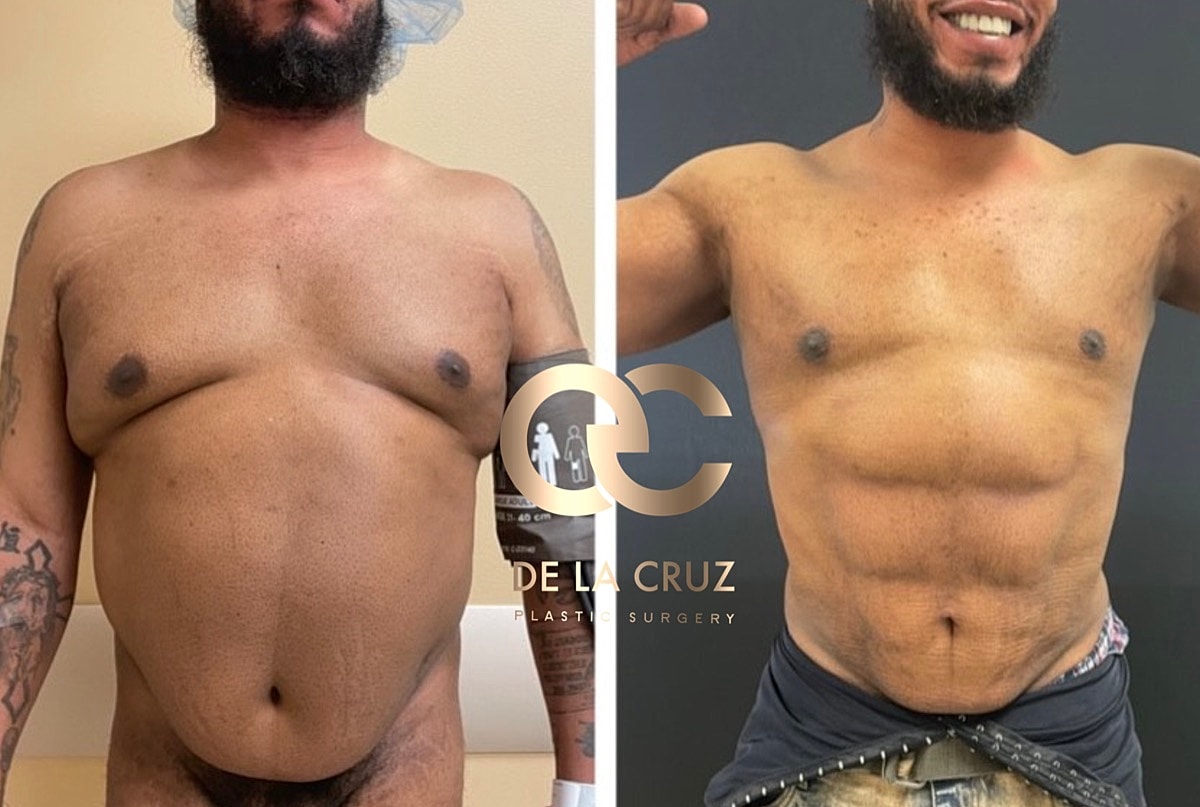
👉 Result: greater contraction, smoother transitions, better definition
👉See how weight loss affects liposuction results
Patients using GLP-1 medications (e.g., Ozempic) often present with:
1. Rapid volume loss
2. Reduced structural support
3. Ongoing change
👉 Even when FSN contraction occurs, the baseline continues to shift
GLP-1-related weight loss does not create a separate procedure category; it changes the tissue environment in which liposuction is performed.

After liposuction, two competing forces shape your final result:
Fibroseptal network (FSN) contraction — tightens, firms, and retracts the skin Continued weight loss — can deflate volume and contribute to skin laxity
👉 The outcome you see ultimately depends on which force predominates.

Performing body contouring while a patient is still actively losing weight often leads to:
👉 The most predictable results occur when:
Management of GLP-1–related skin laxity requires a tiered approach:
Mild Laxity
Moderate Laxity
Severe Laxity (Most Common After Significant GLP-1 Weight Loss)
👉 This is the only reliable way to remove excess skin and restore contour
In many cases, liposuction is combined with other procedures to address excess skin and improve overall contour. Understanding the difference between liposuction vs tummy tuck is essential when determining the most appropriate treatment plan.
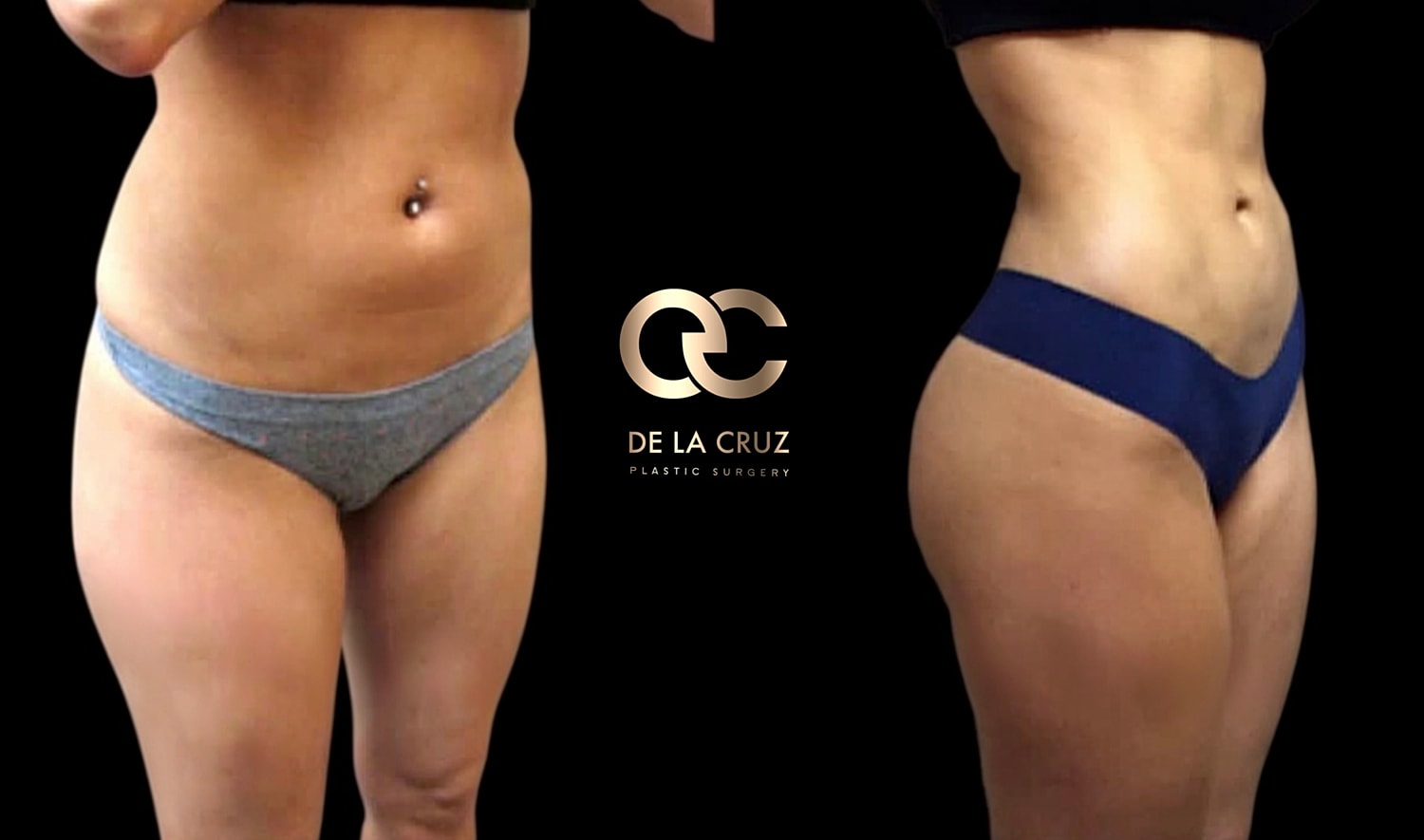
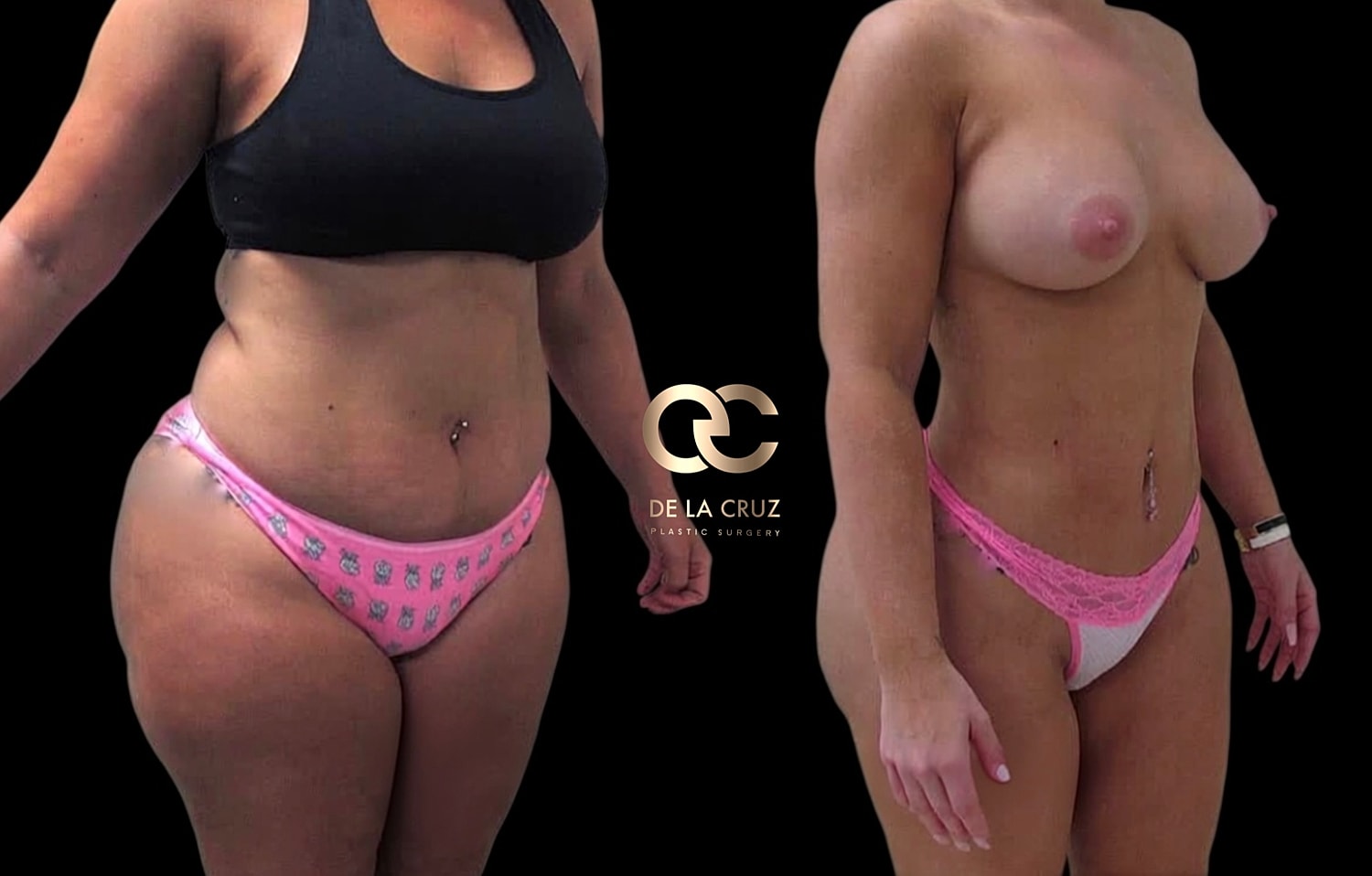
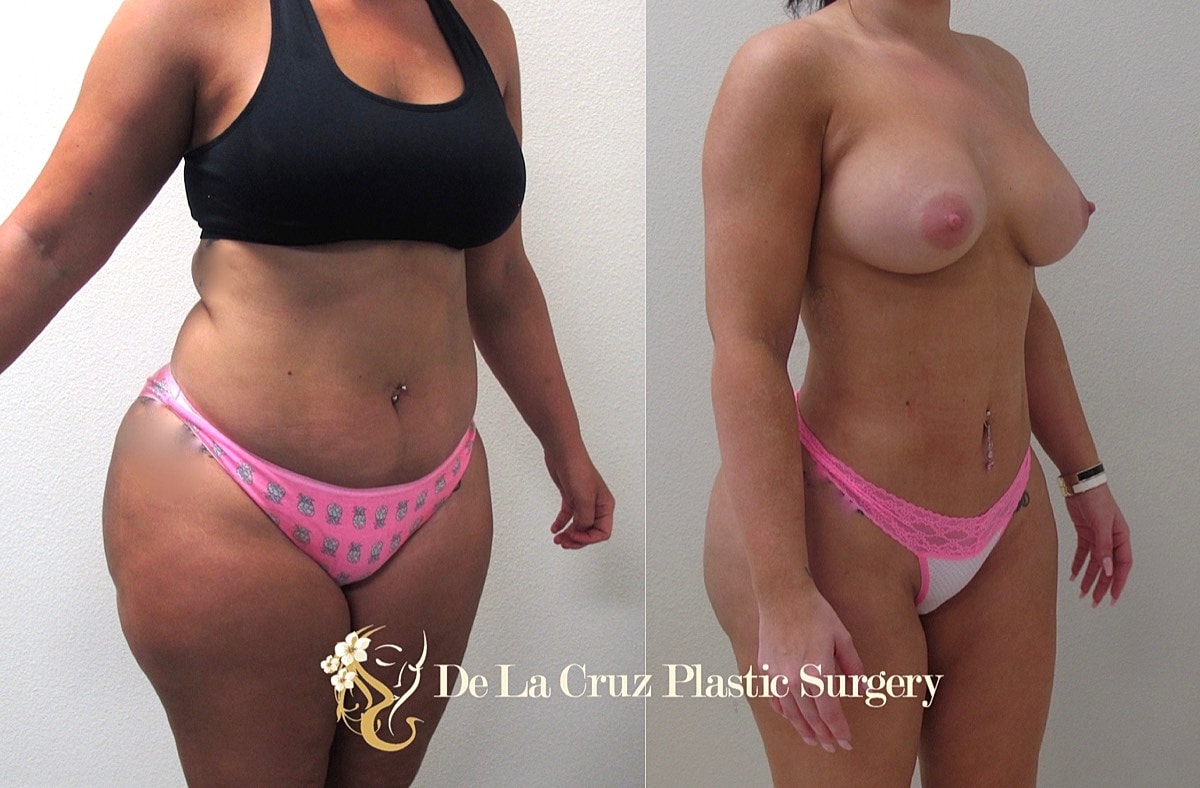
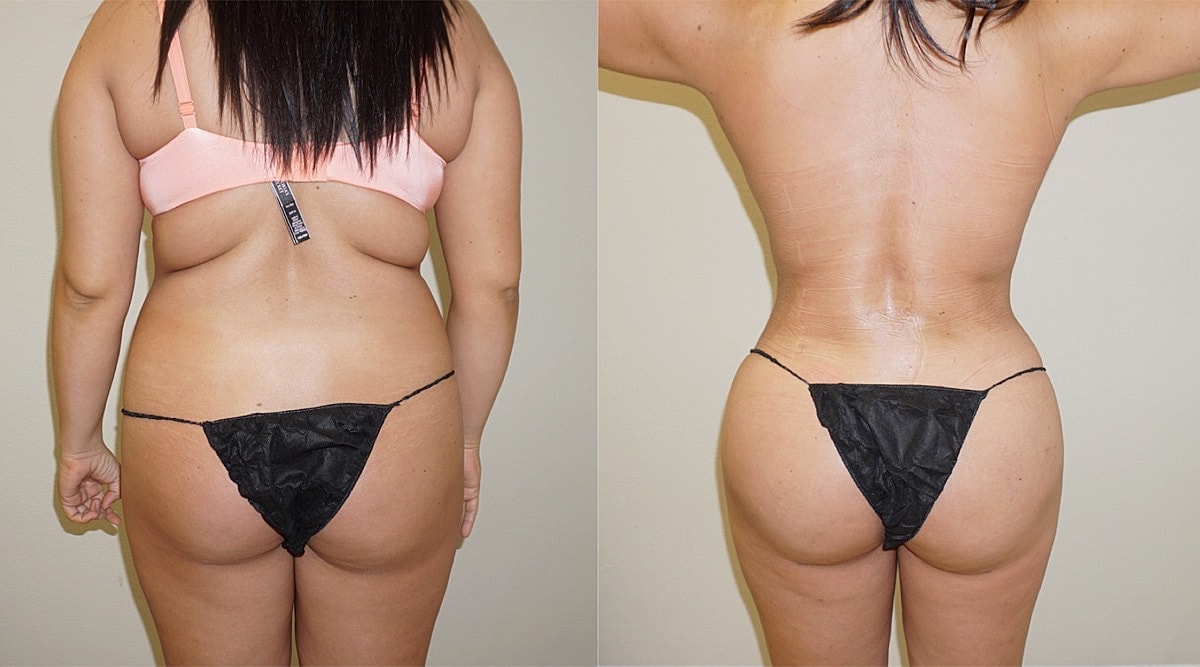
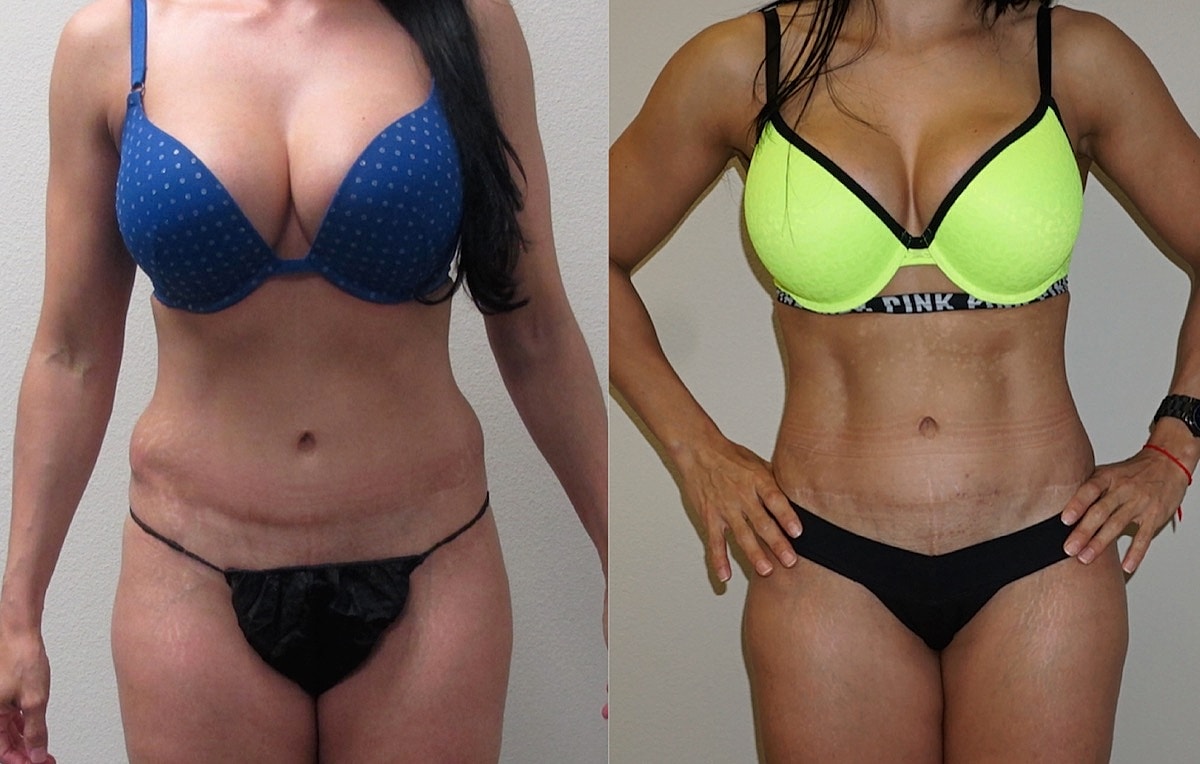
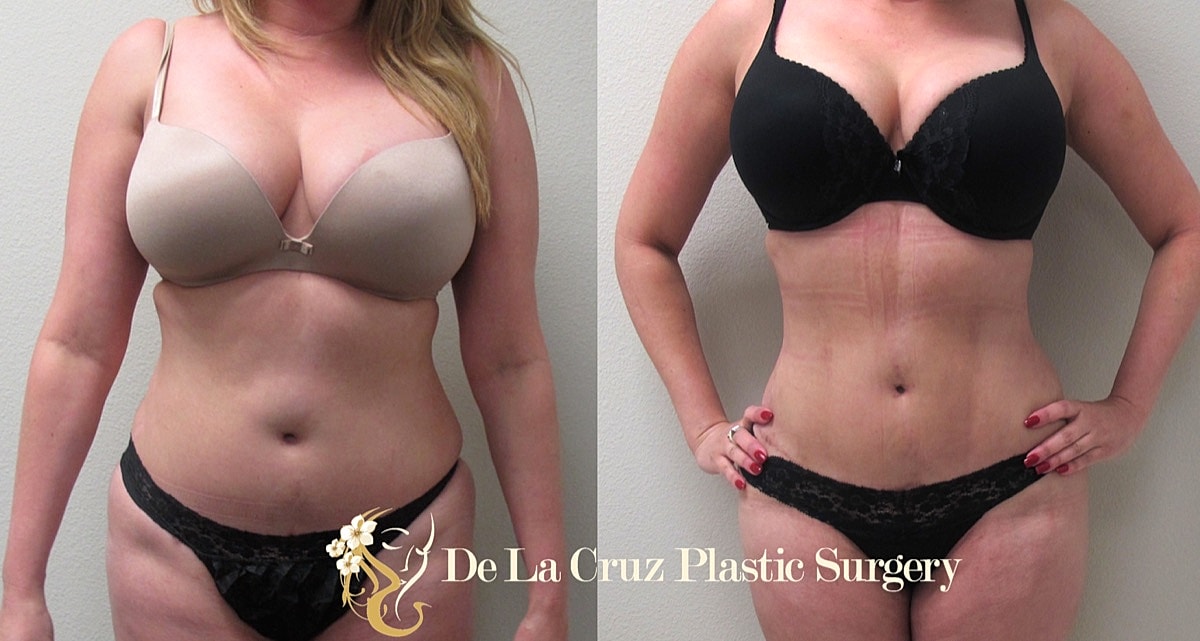
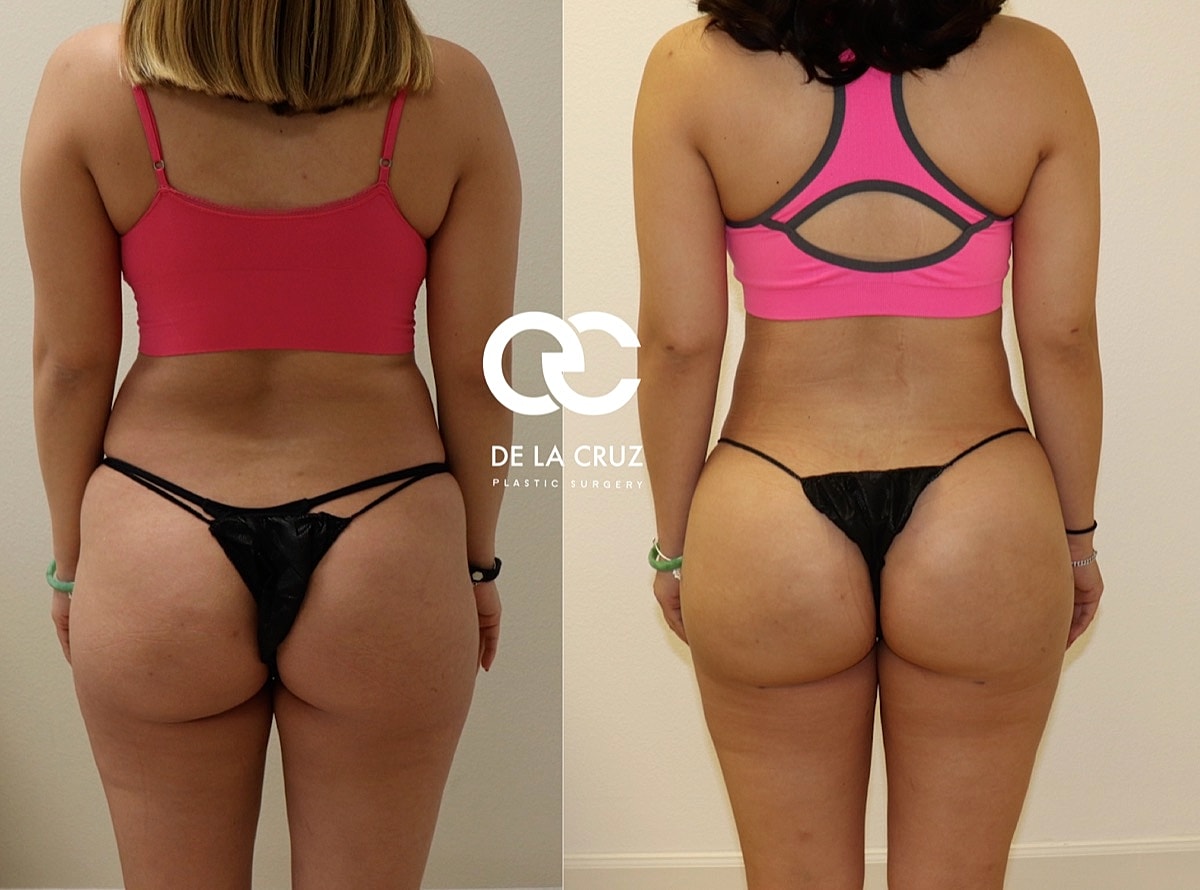
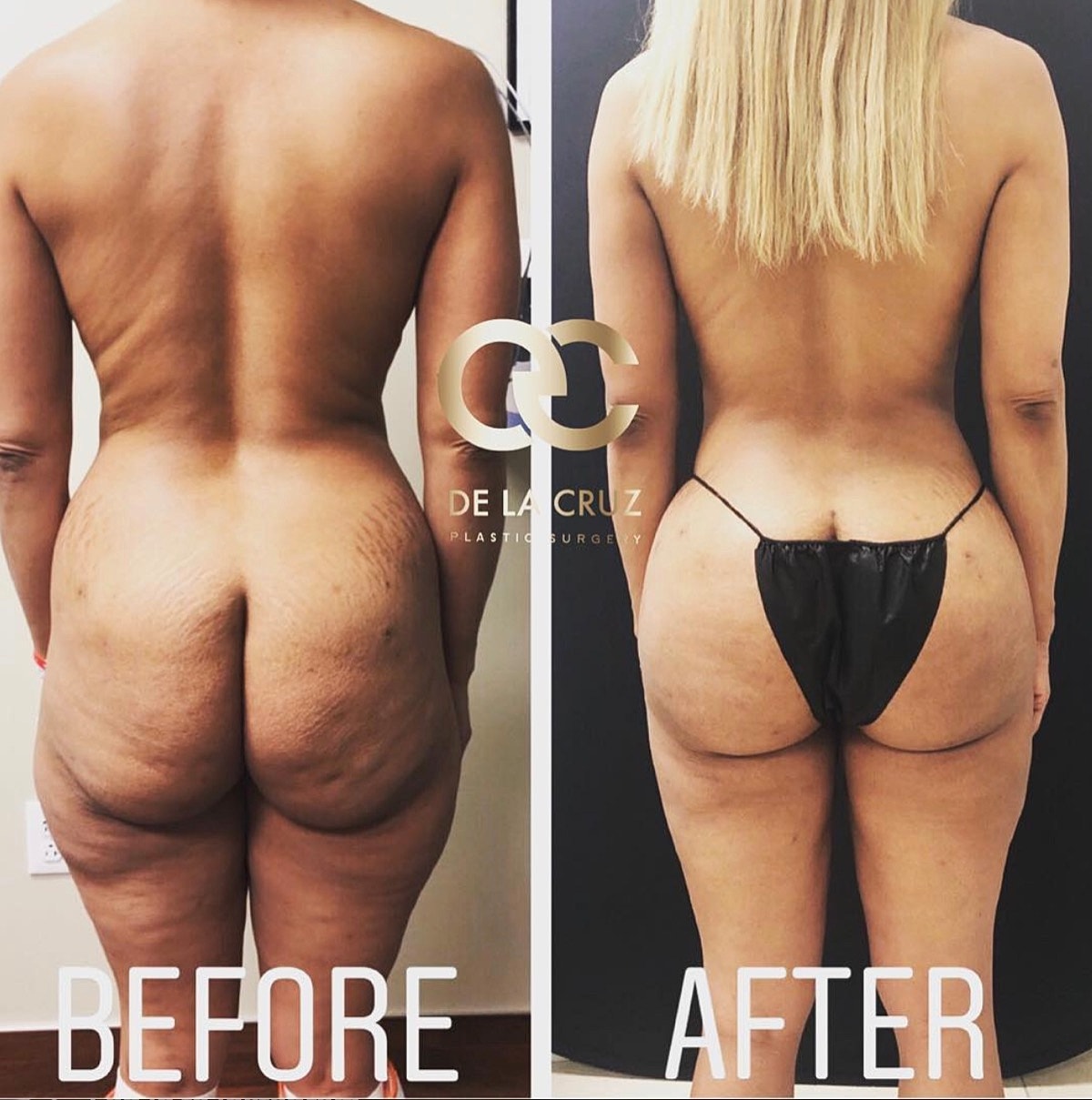
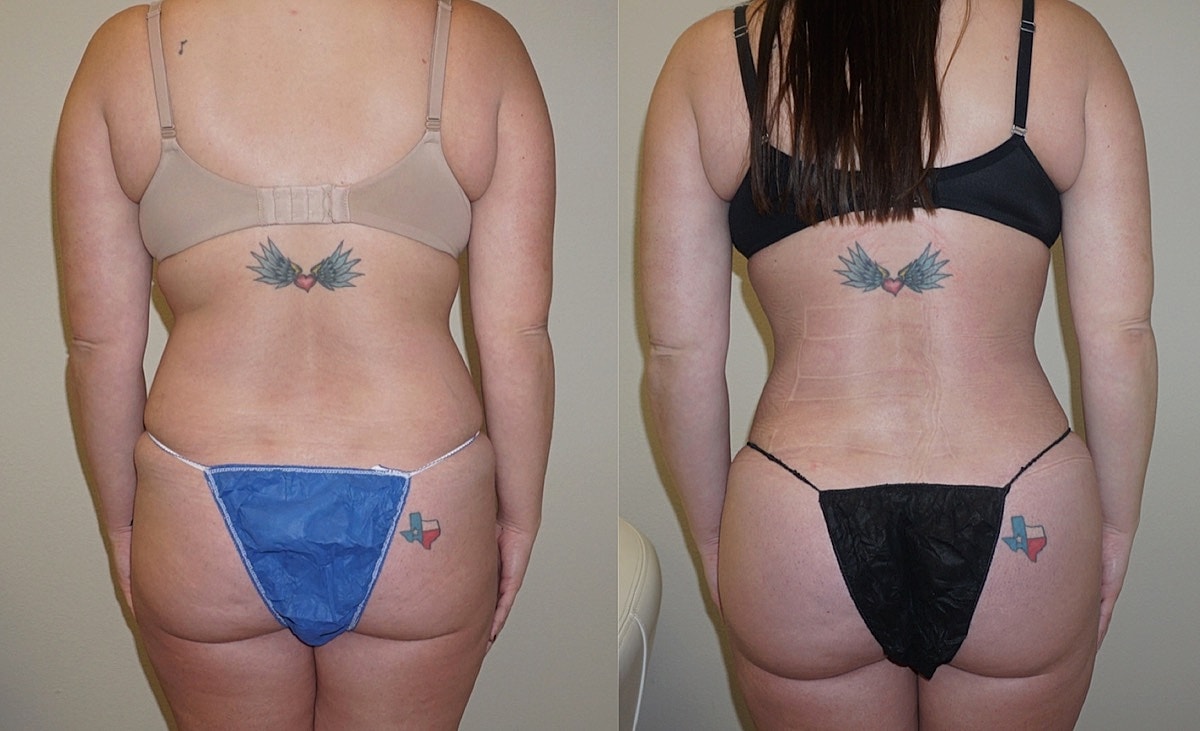
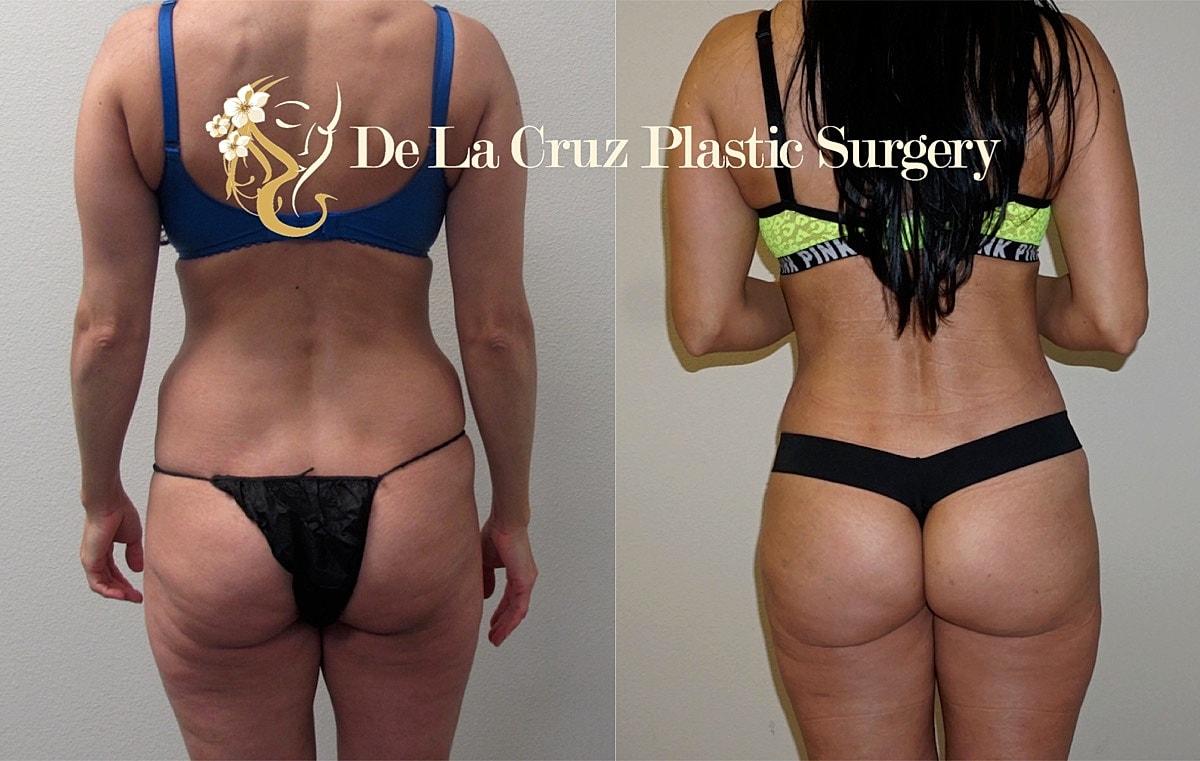
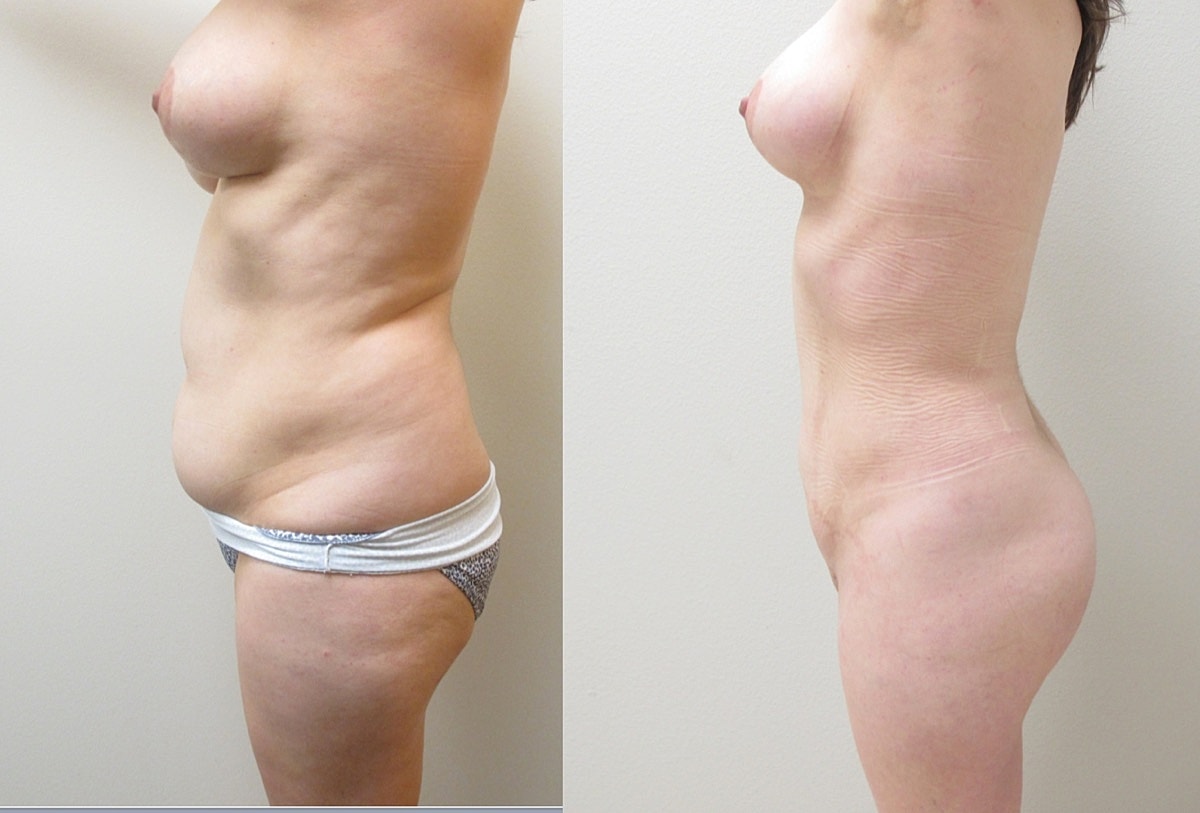
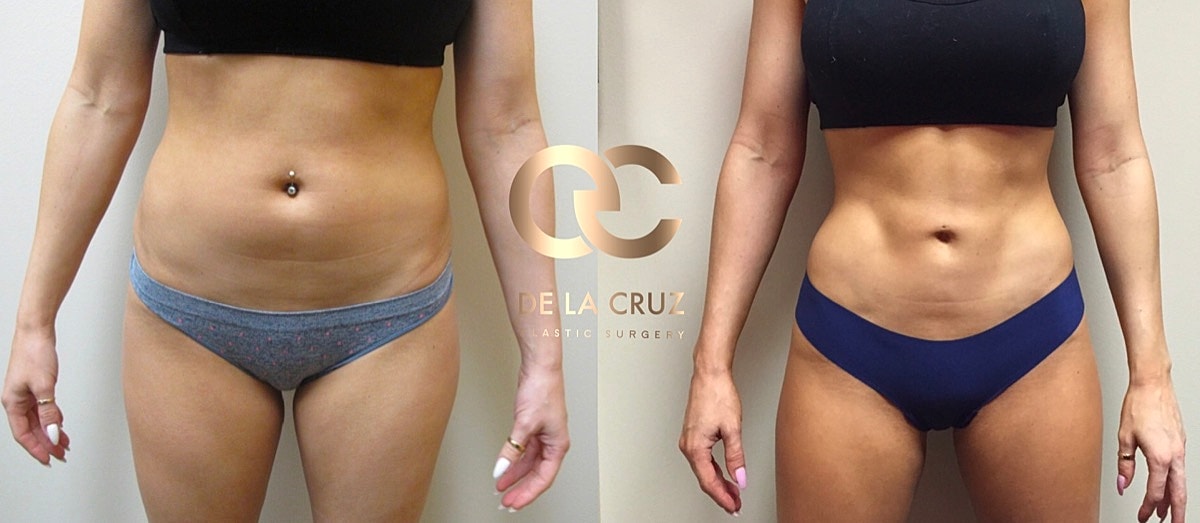
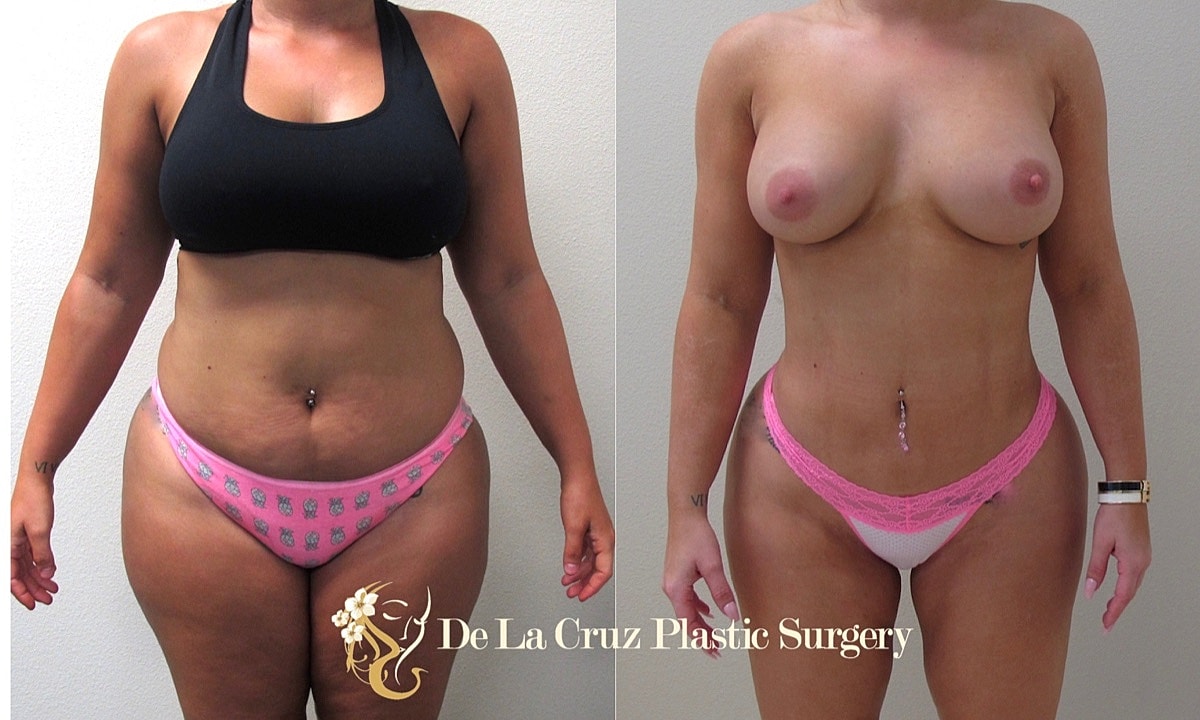
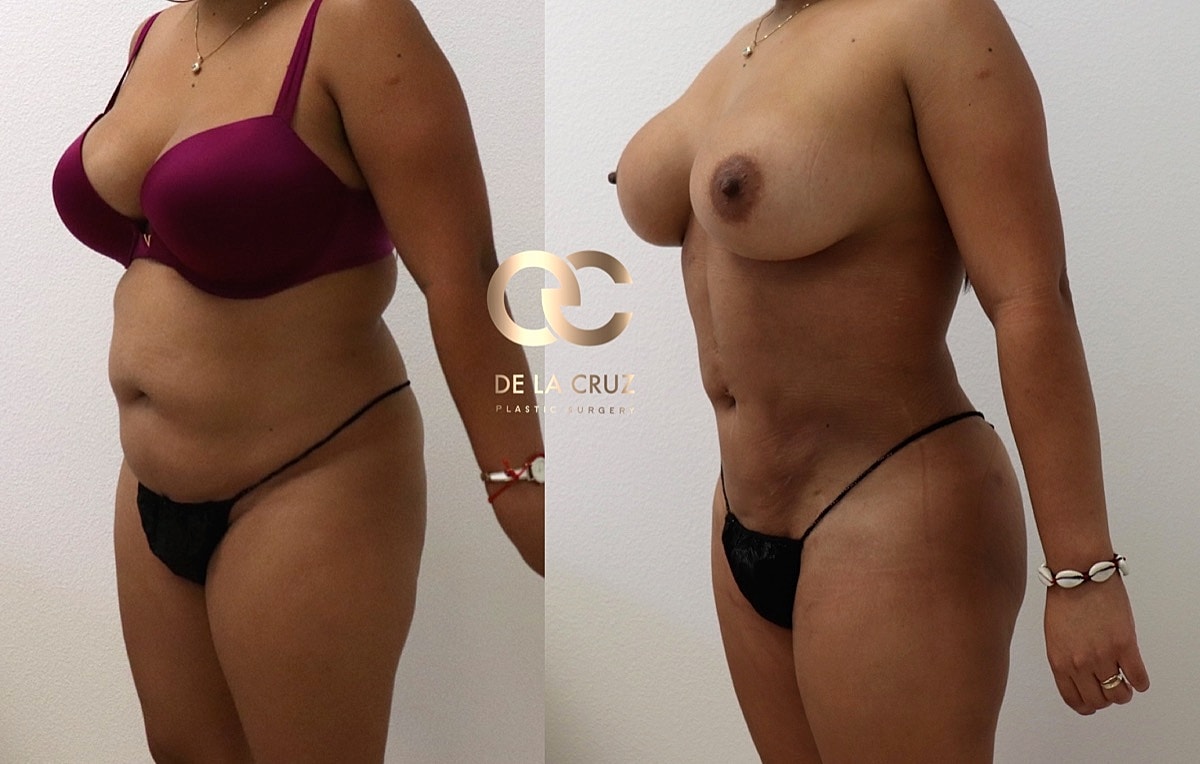
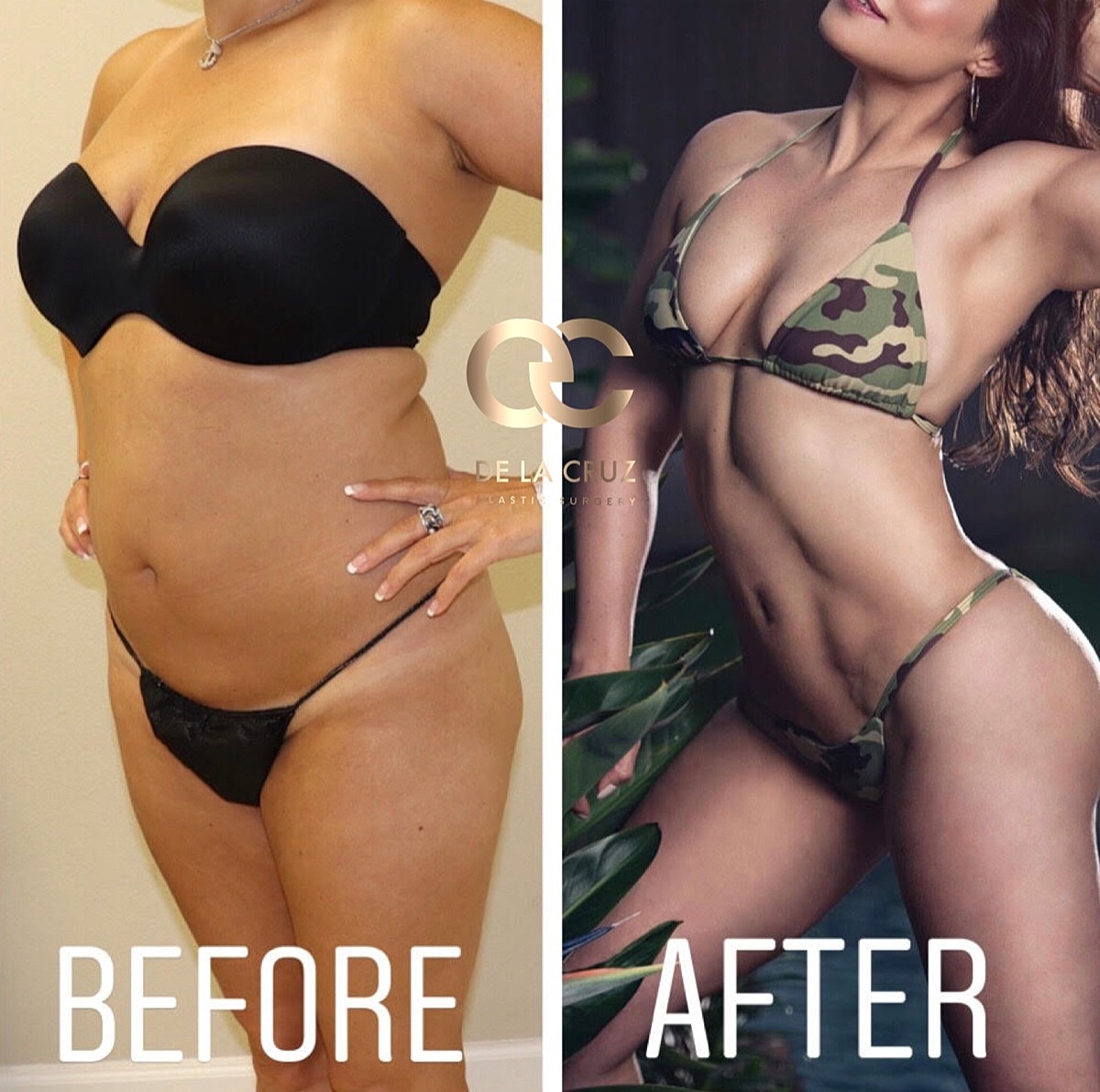
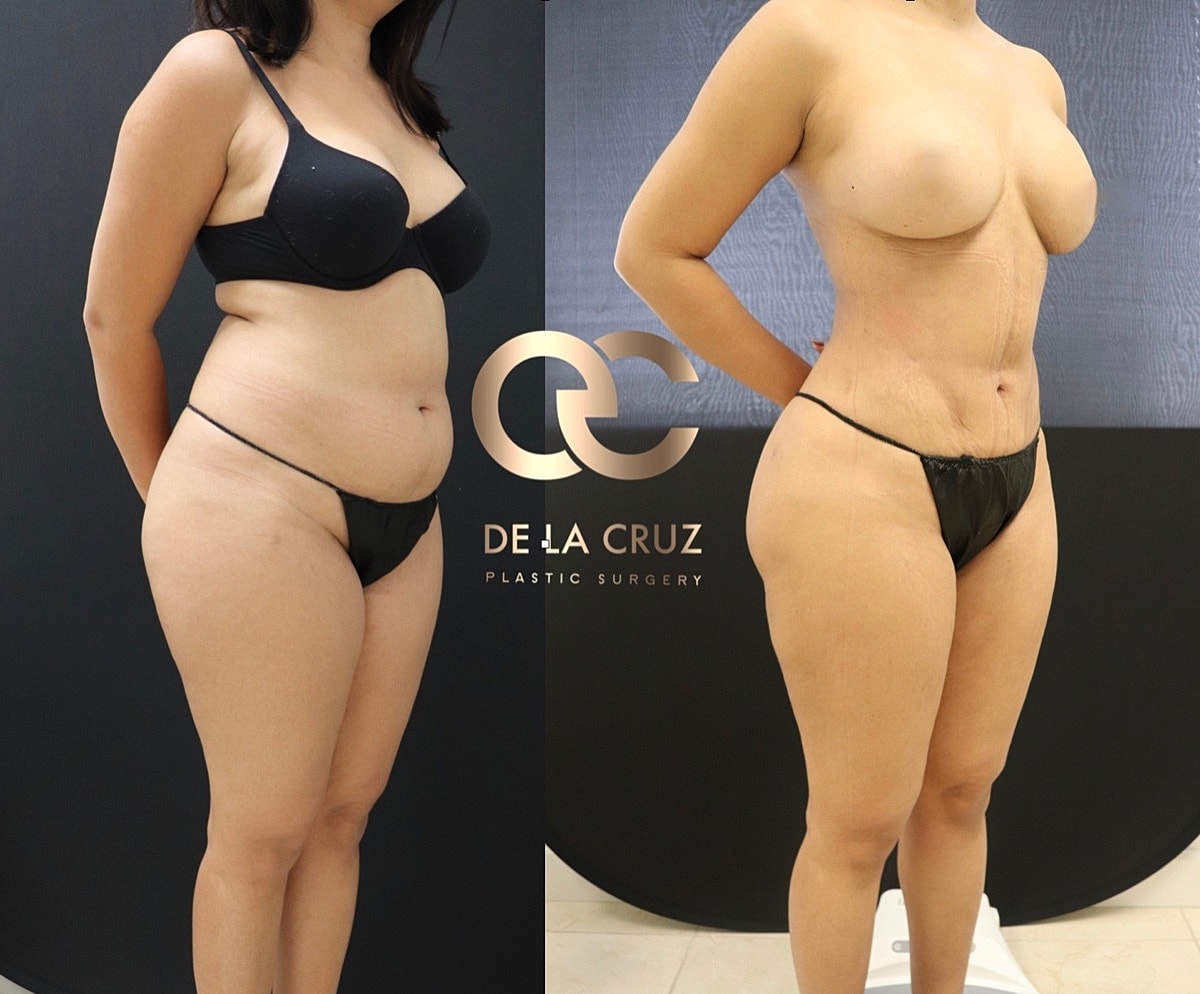
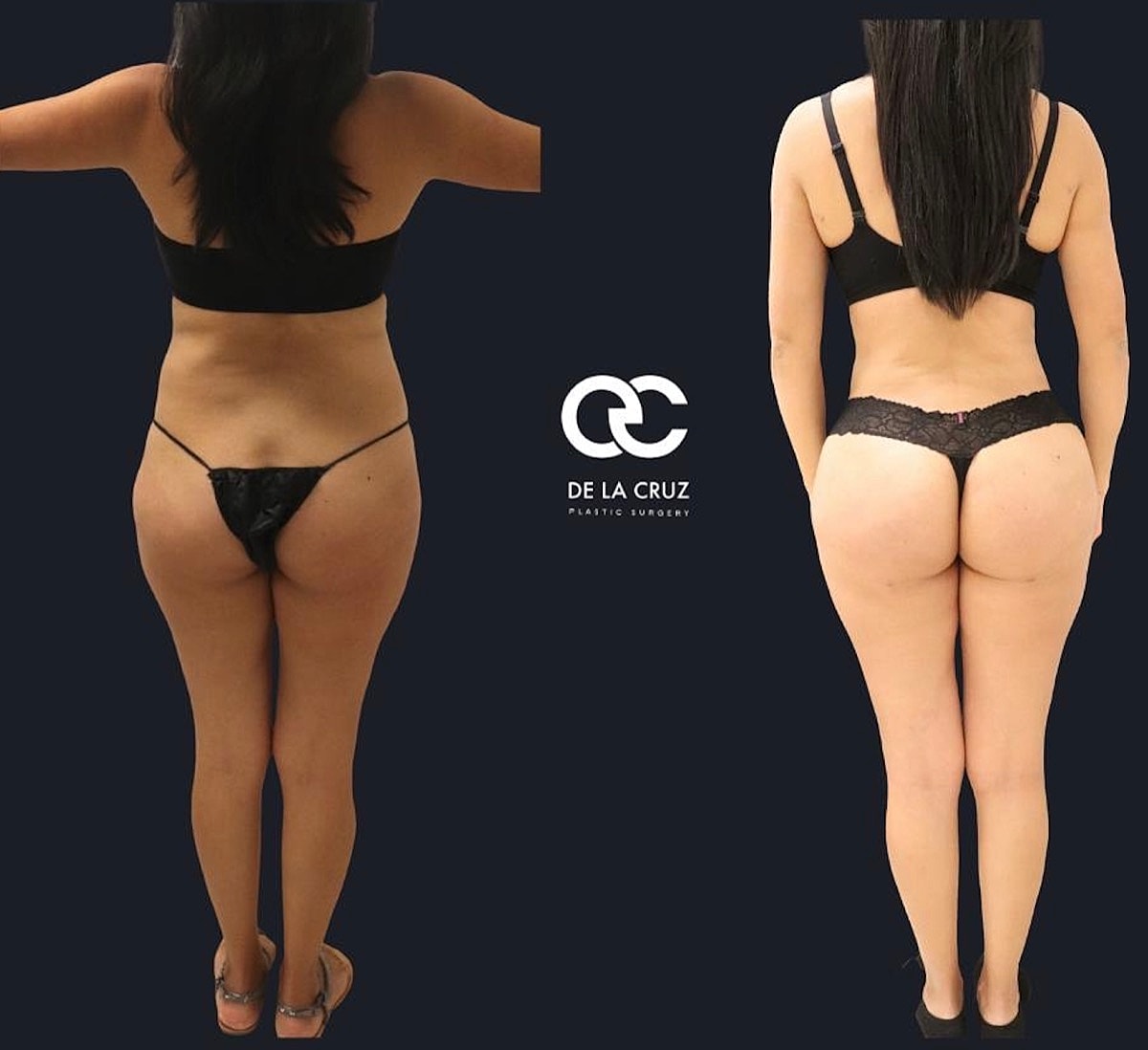
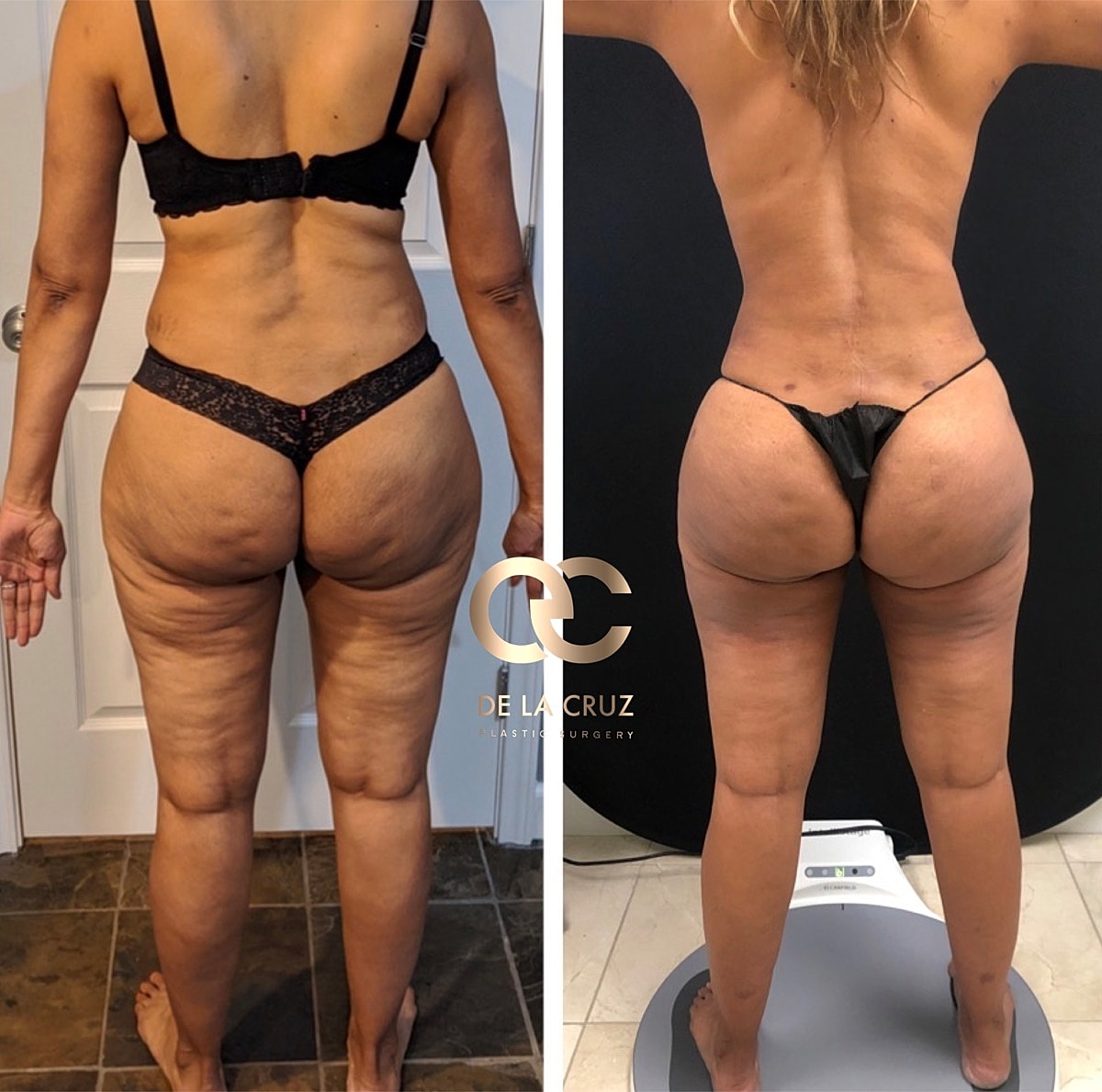
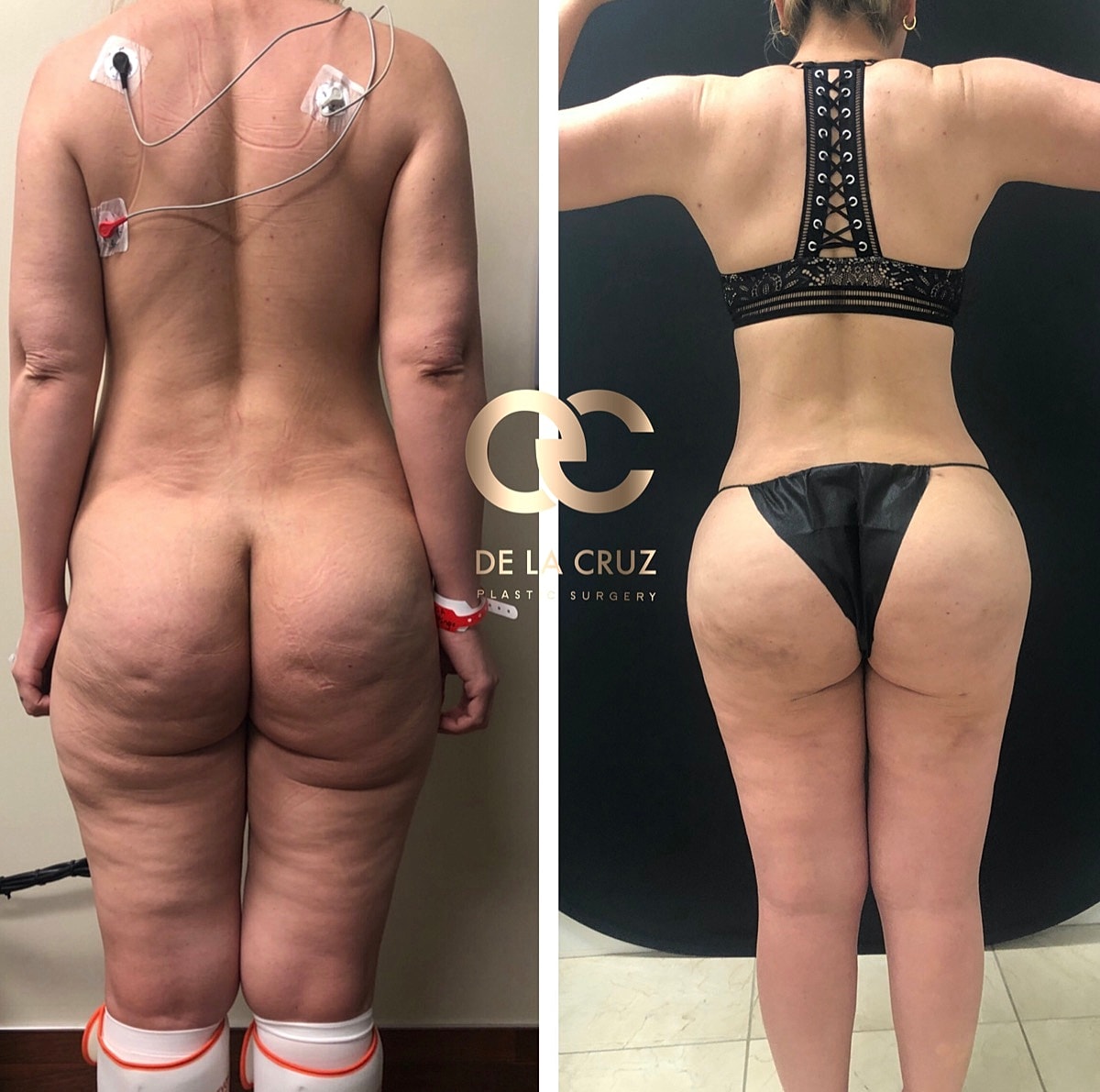
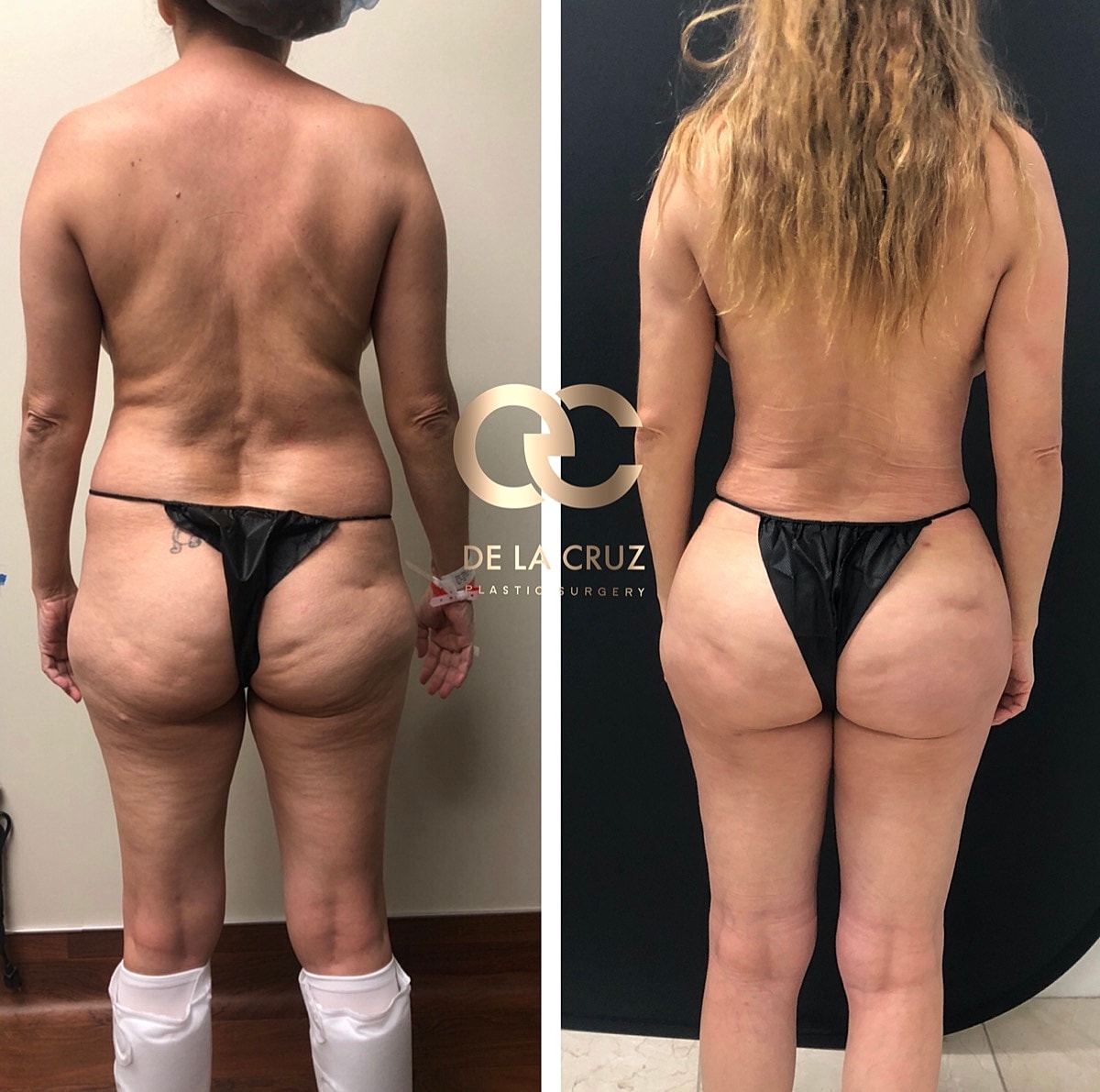
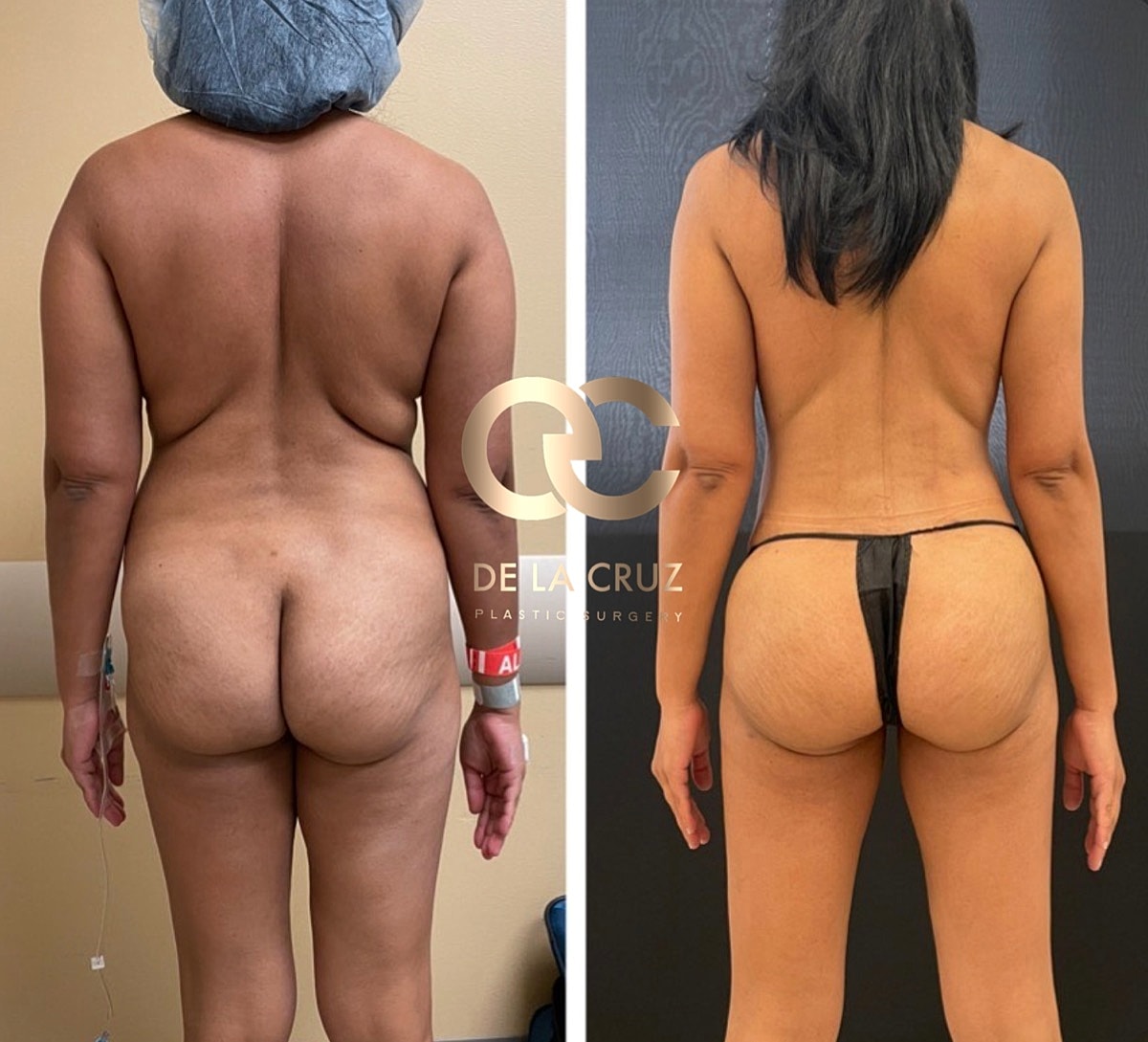
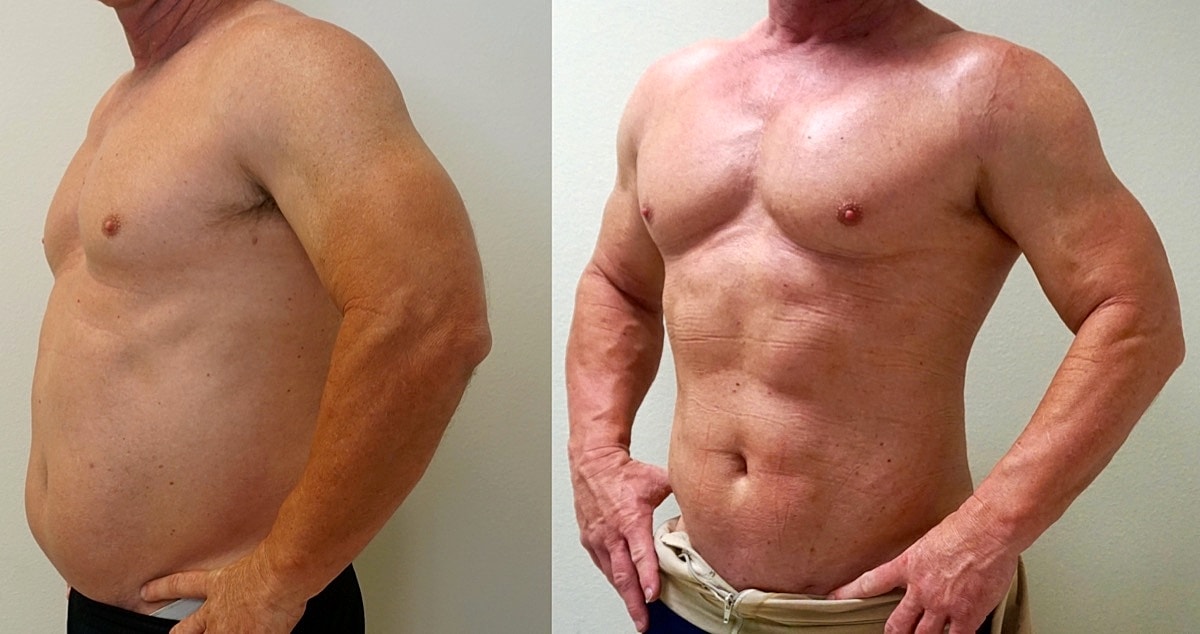
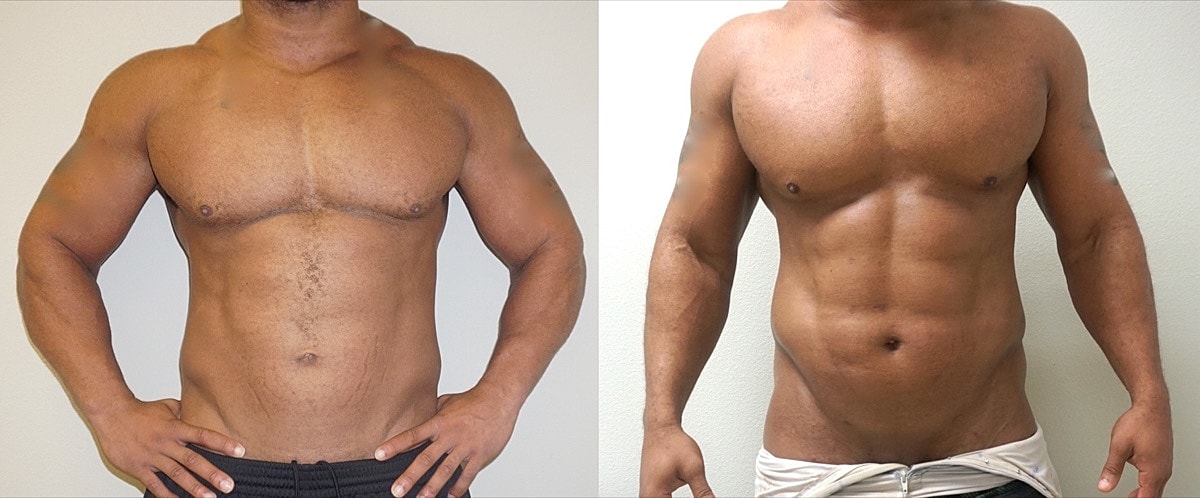
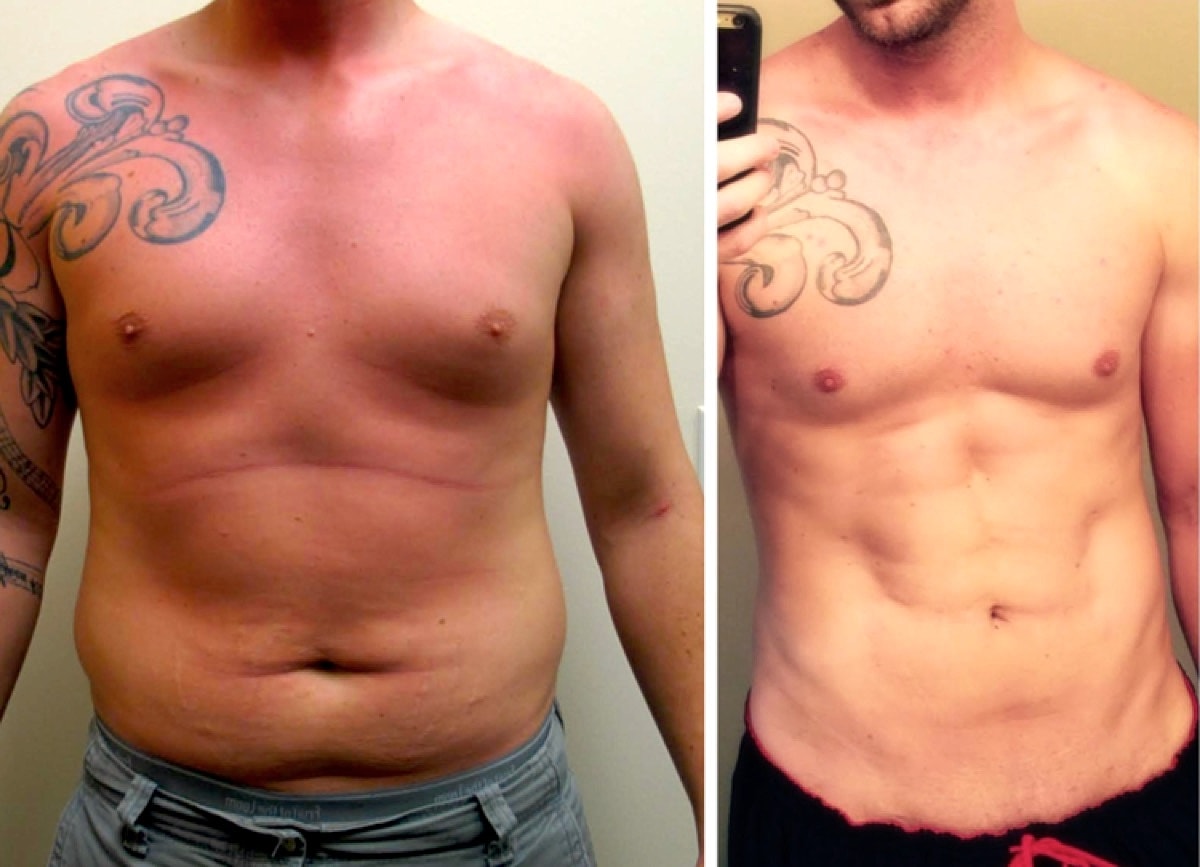
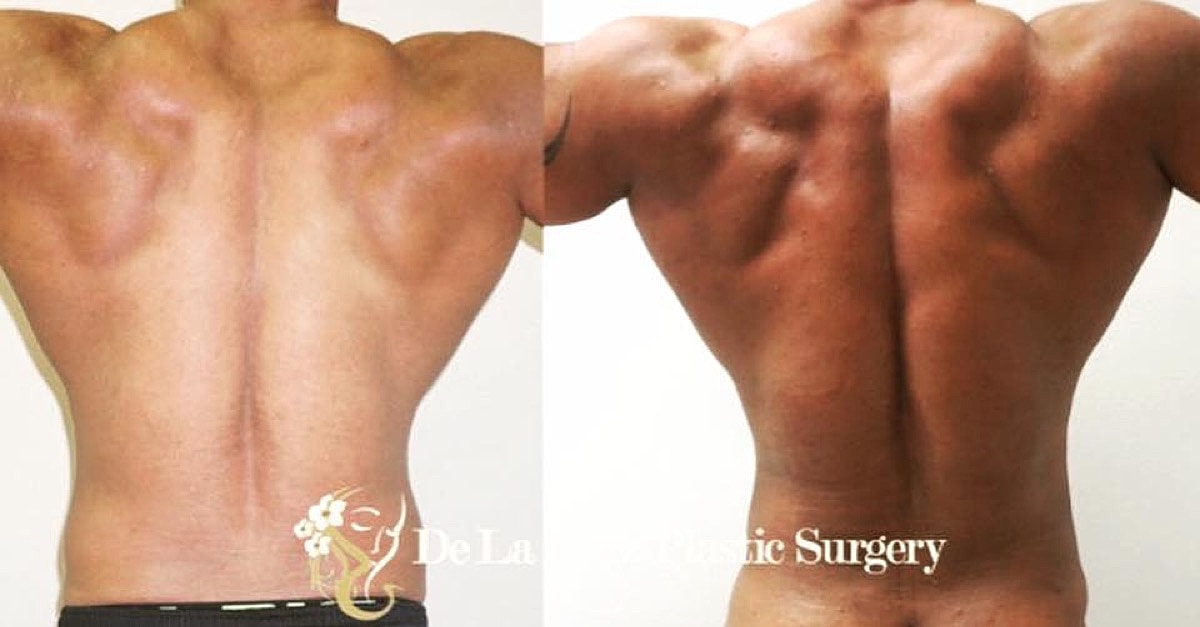
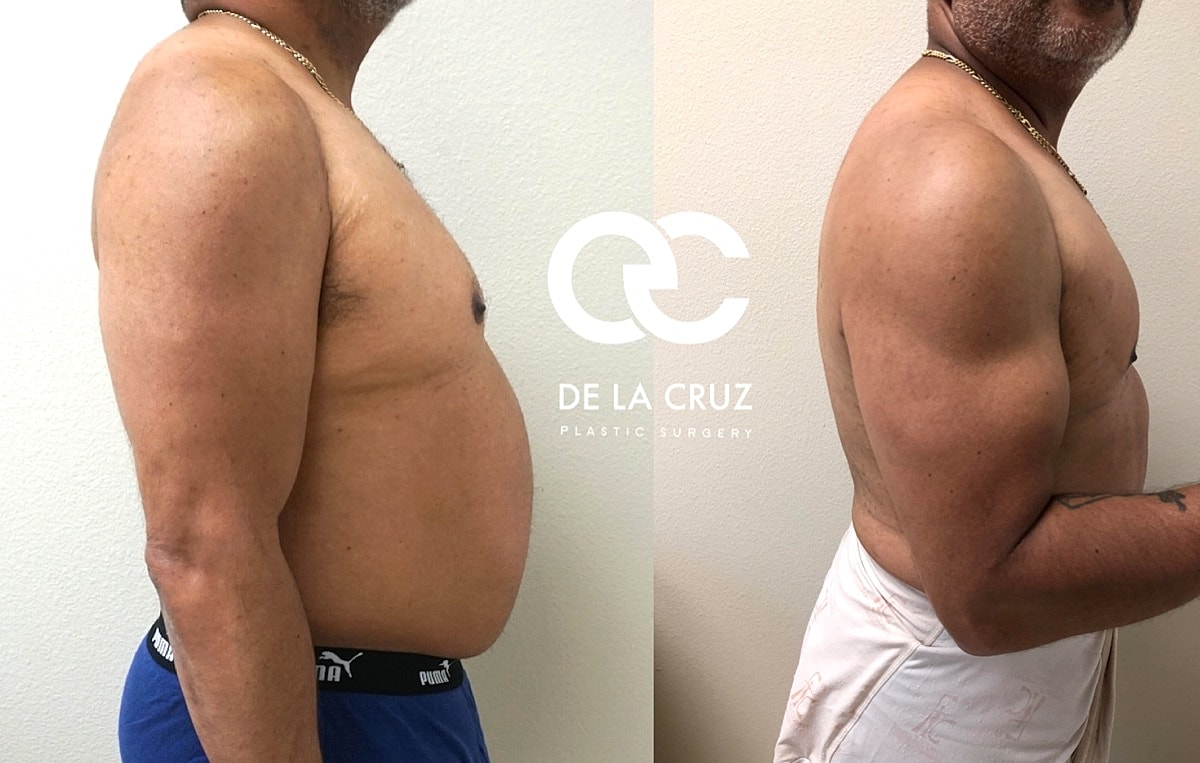
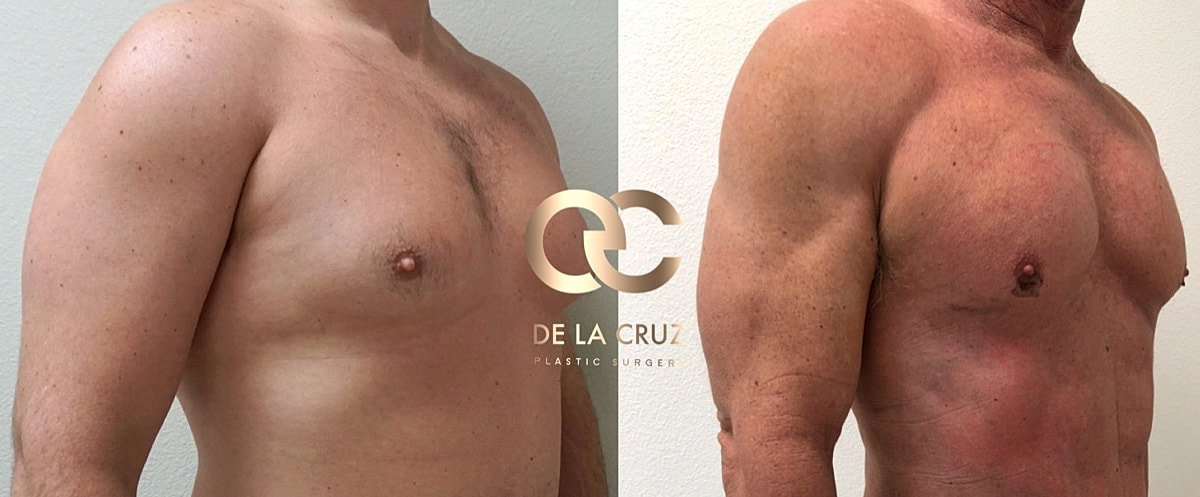
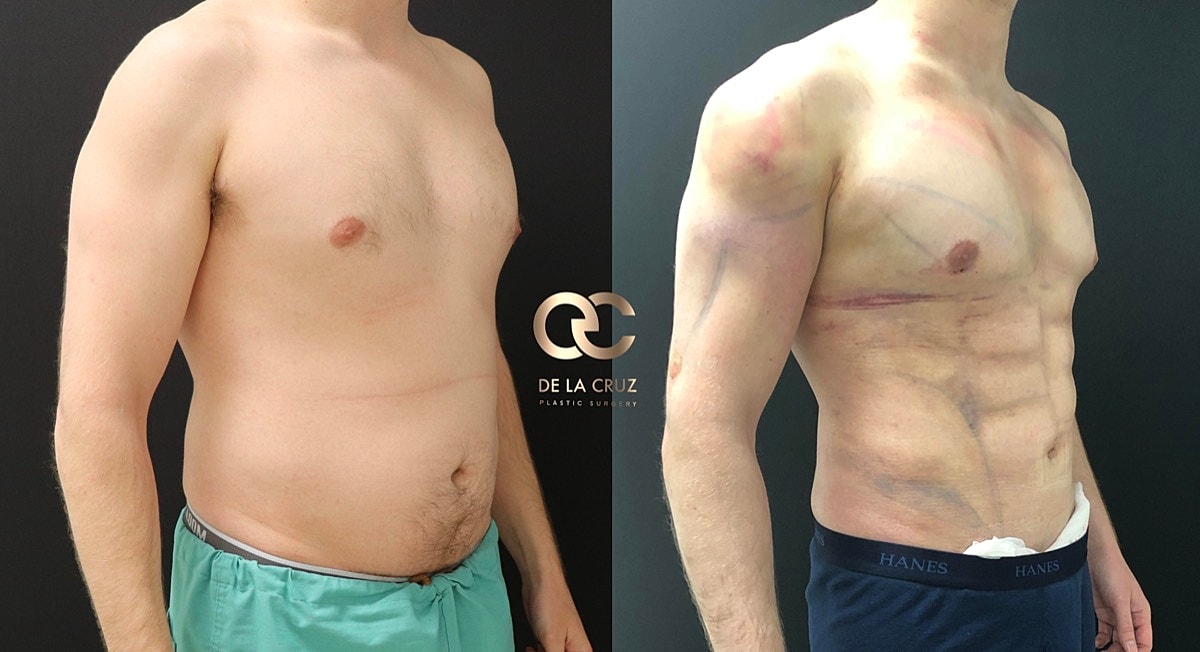
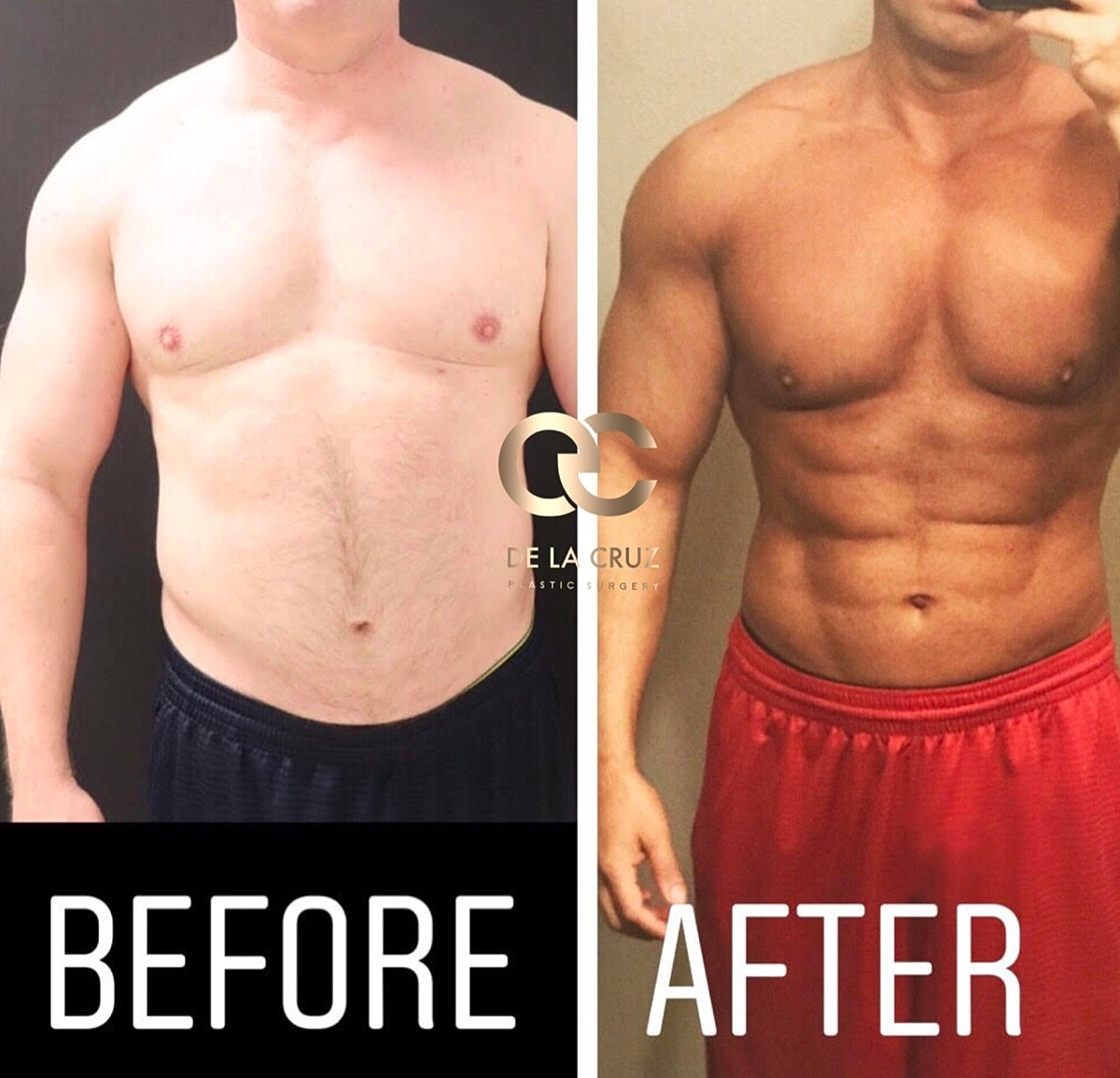
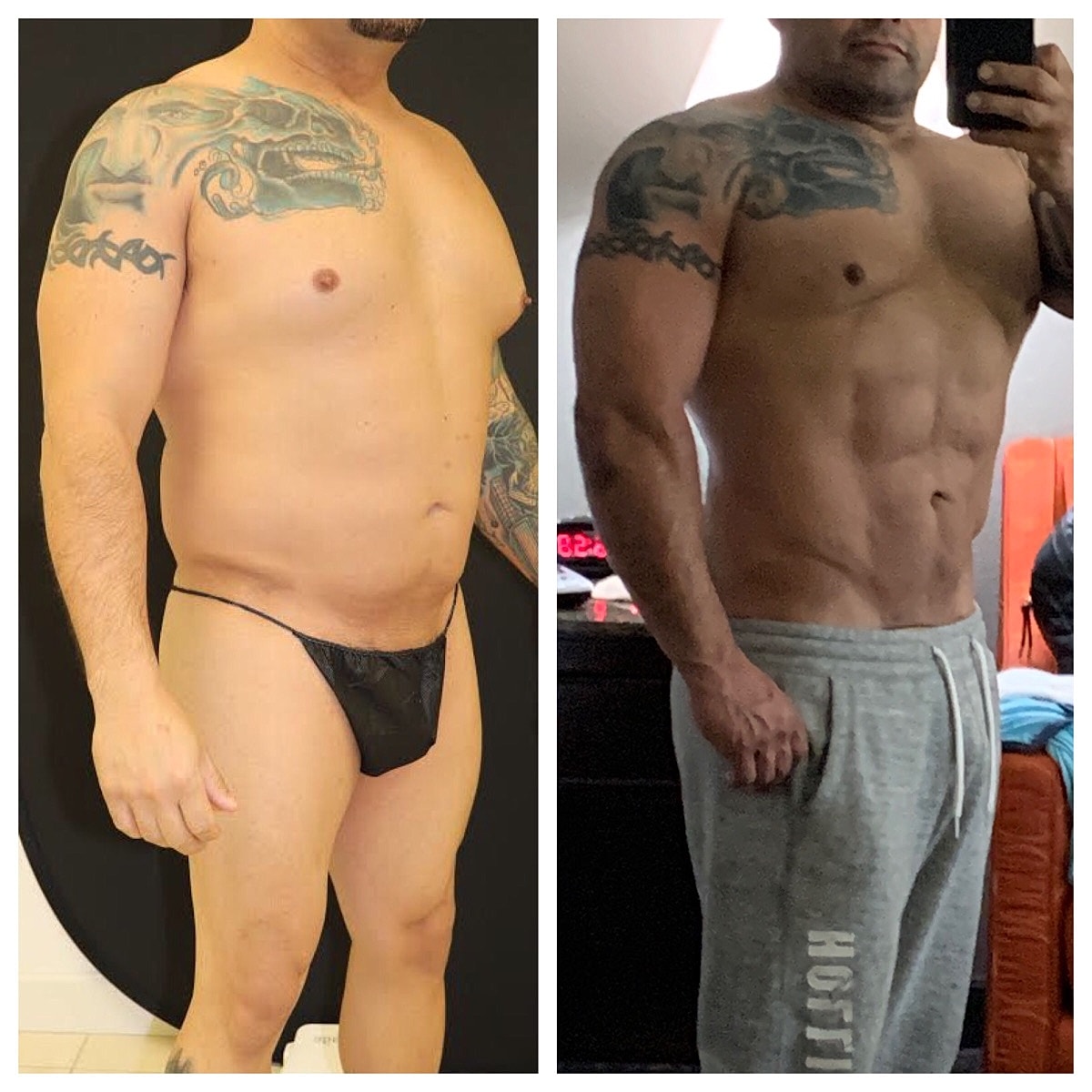
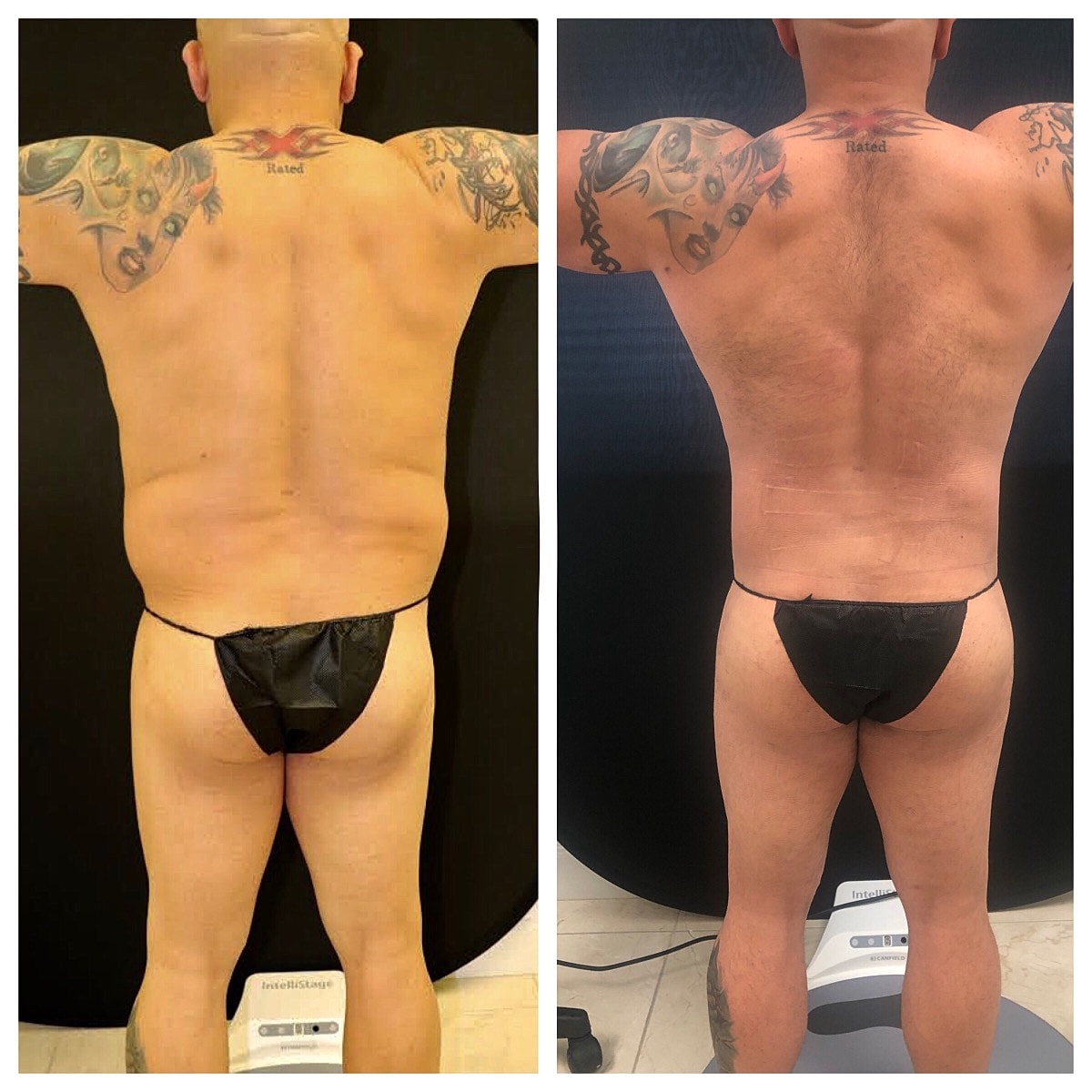
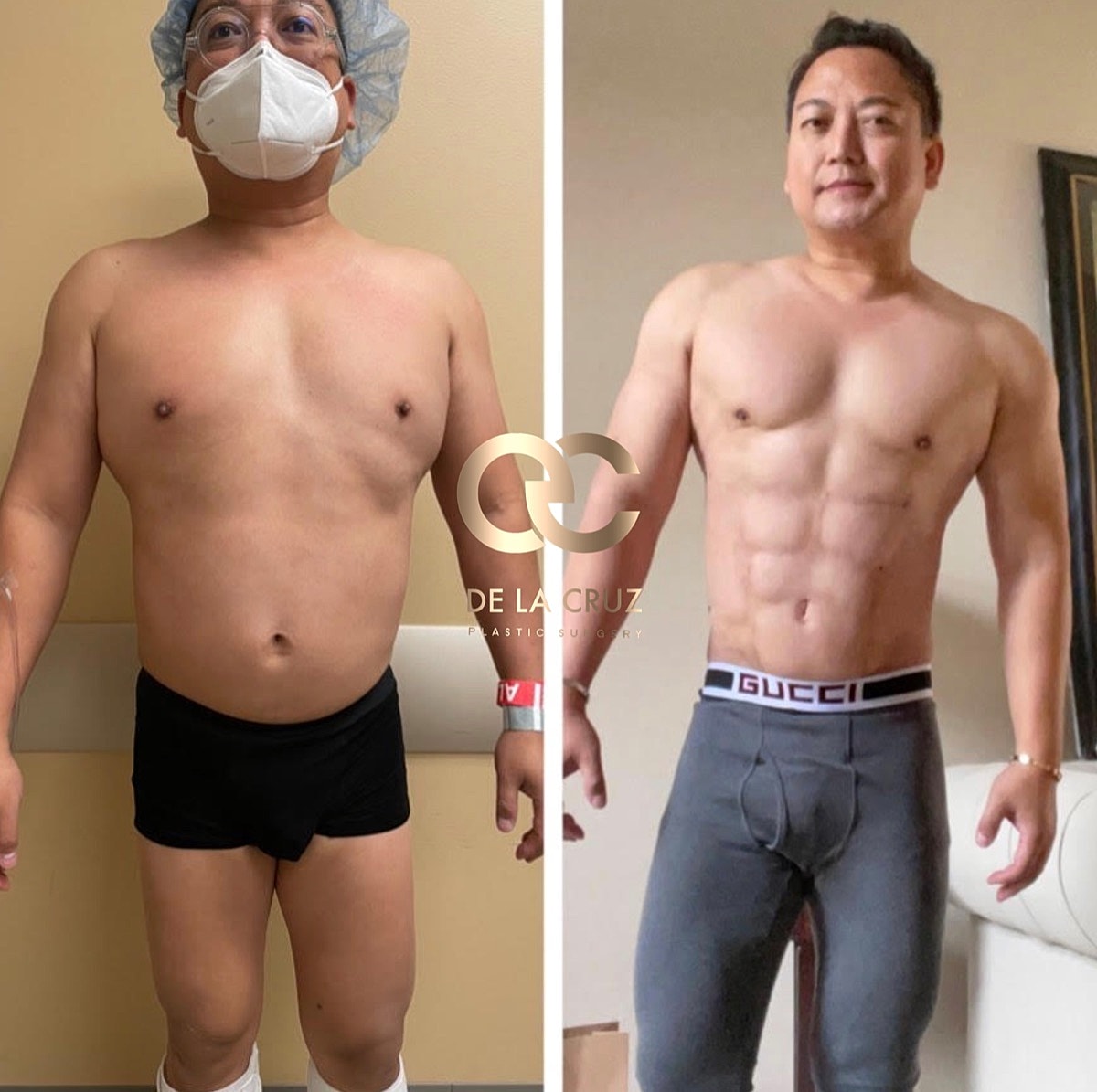
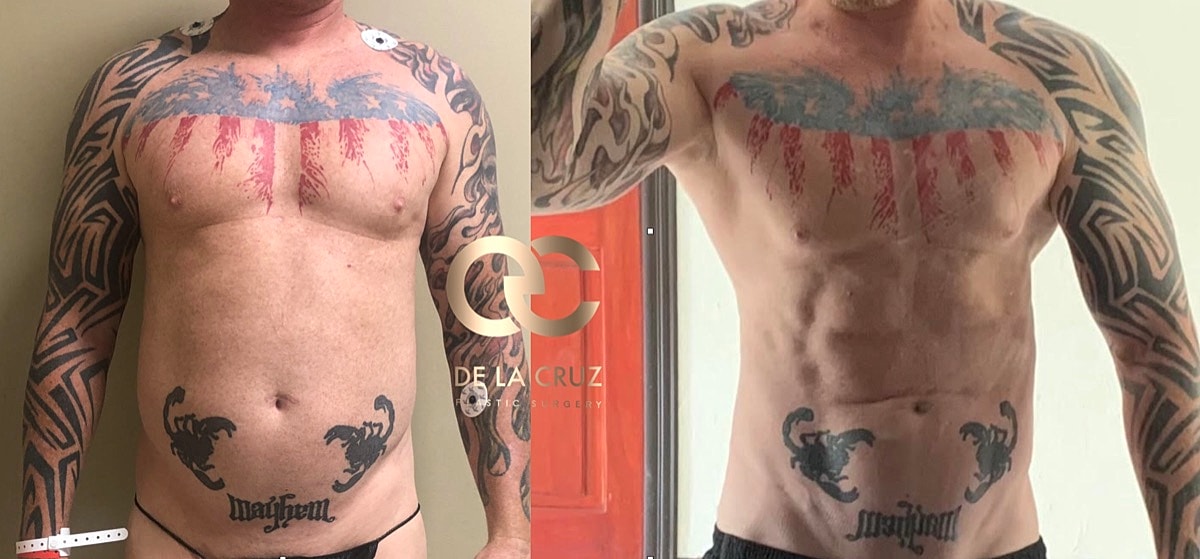
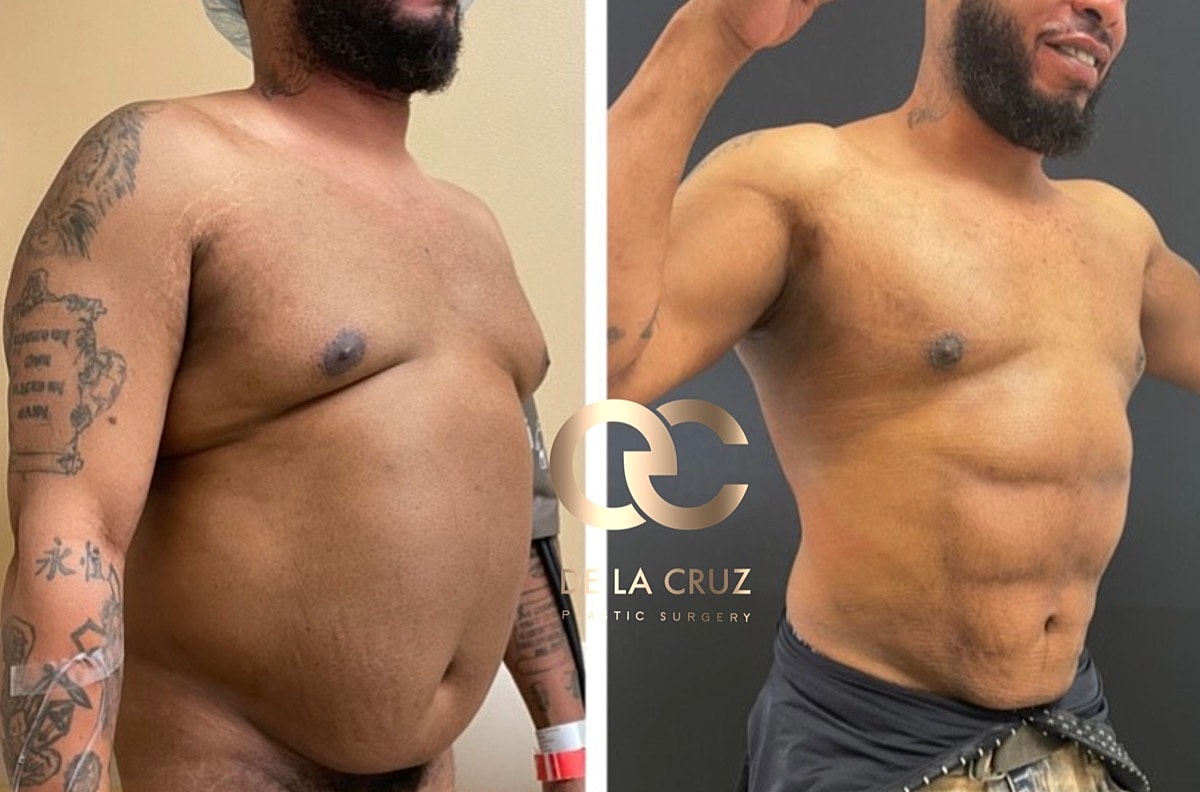
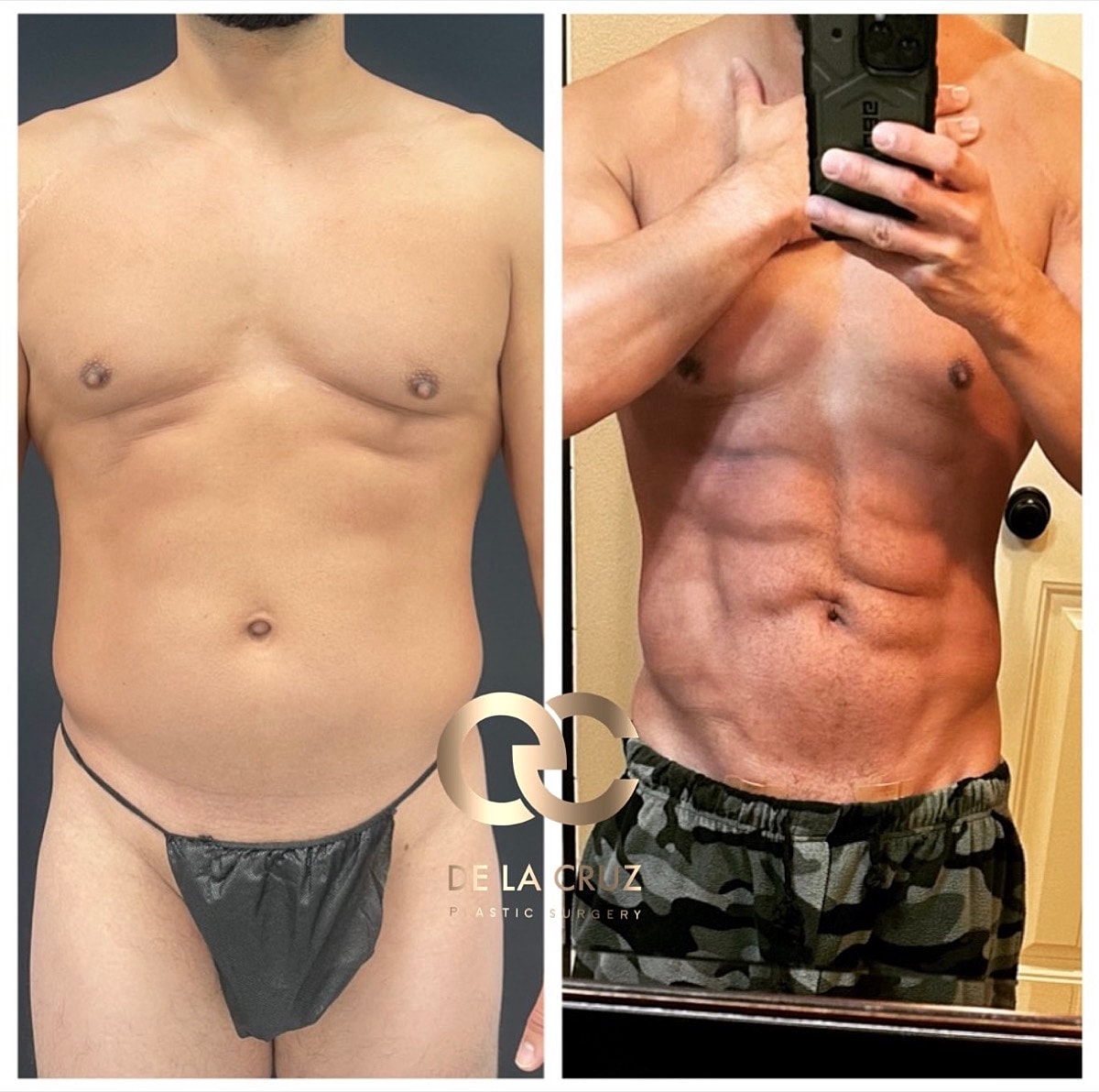
Best case: when weight is stable, skin quality is strong, and fibroseptal network (FSN) contraction is robust, the skin retracts well, creating a smooth, well-defined contour.
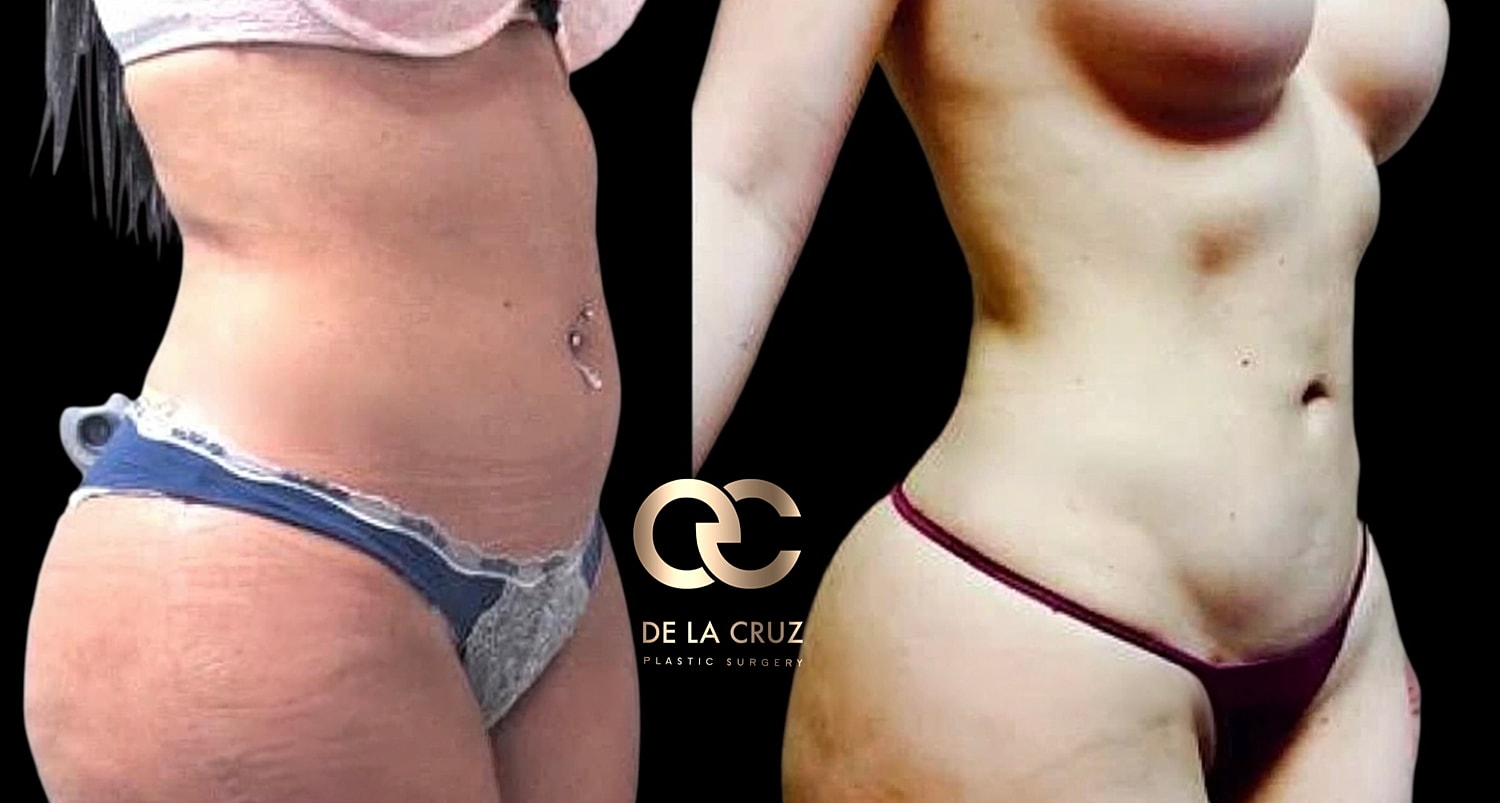
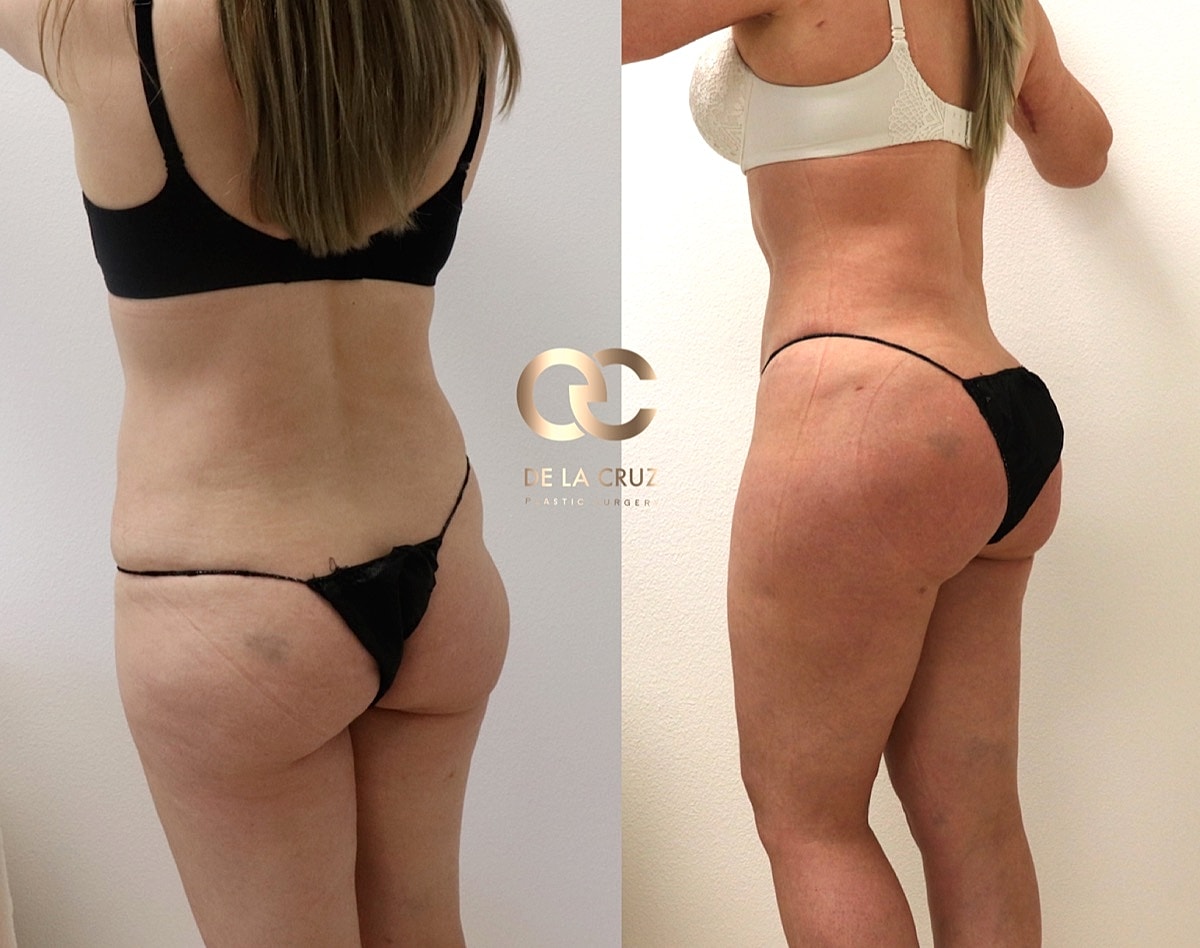
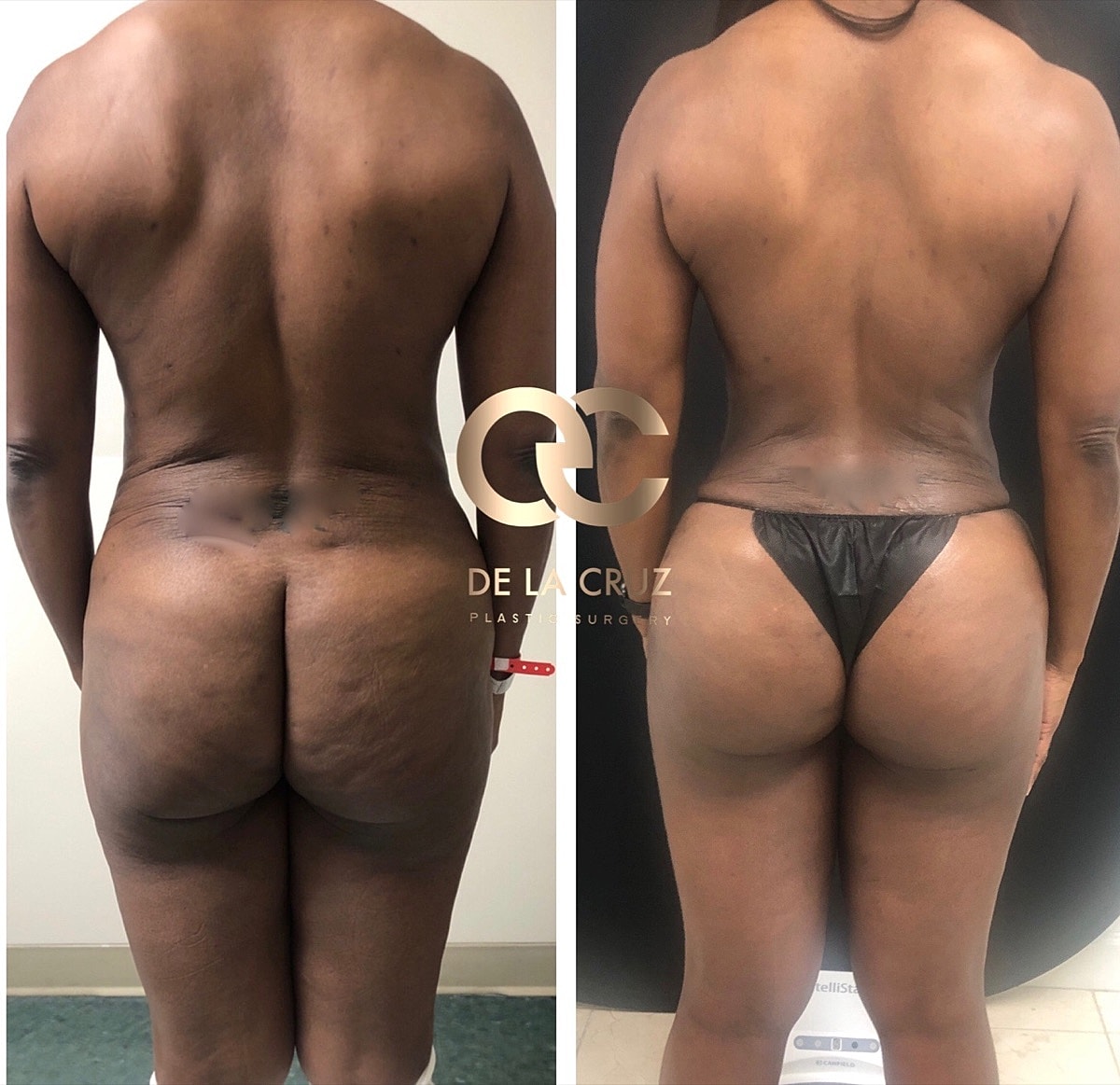
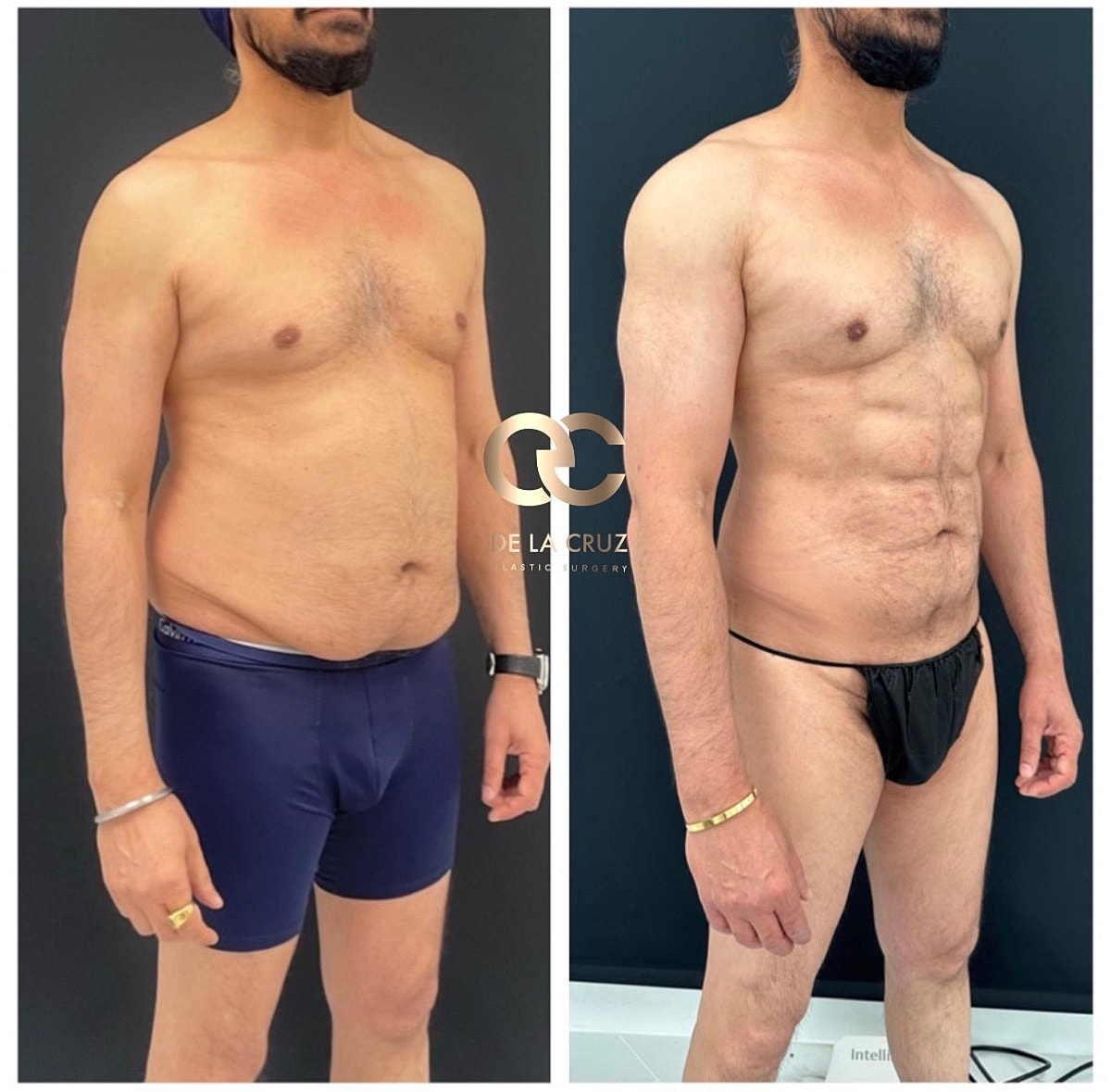
Mixed outcome: when FSN contraction occurs but weight loss continues—such as with GLP-1 medications—patients often see early tightening, followed by gradual softening or looseness over time.
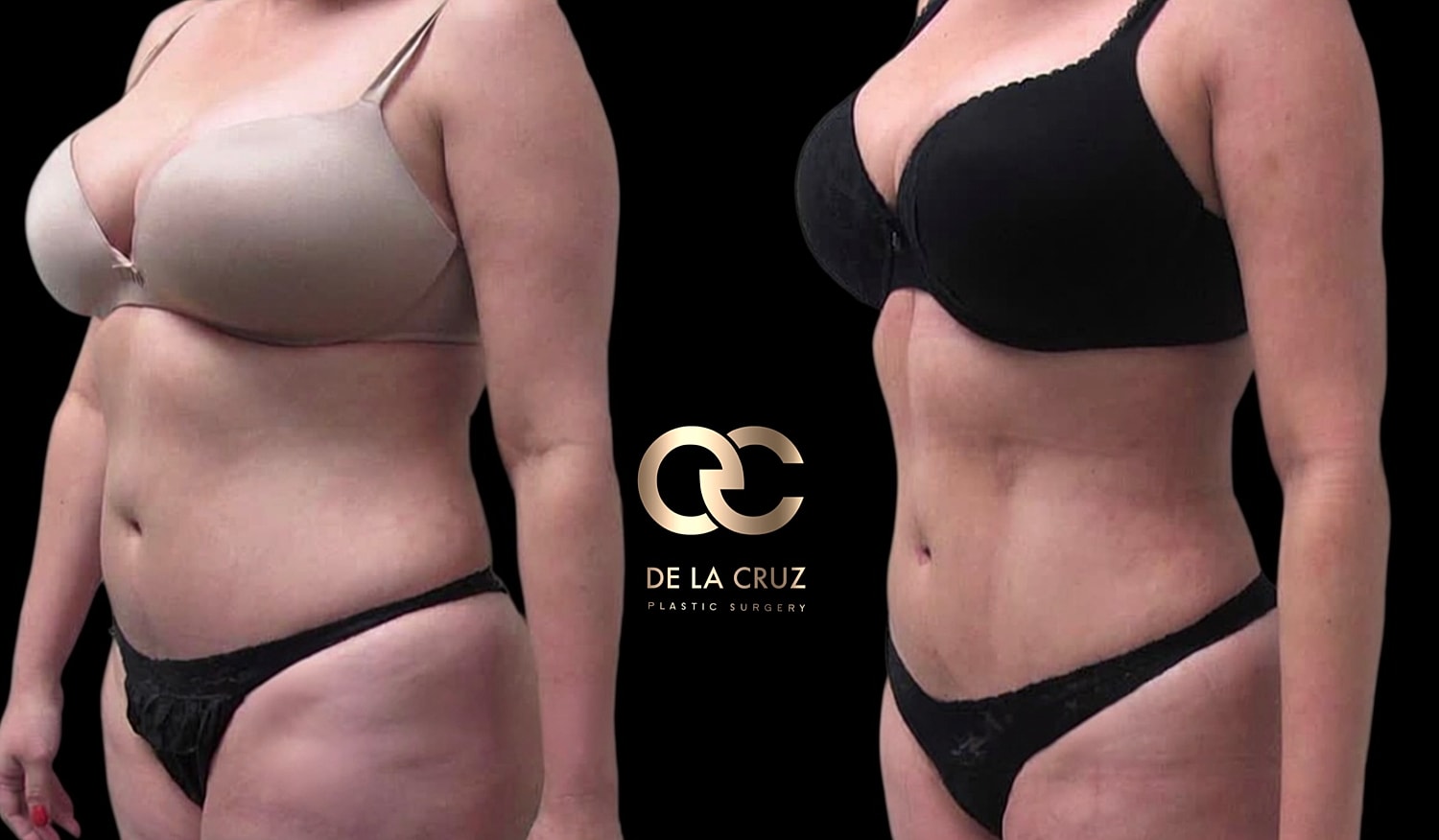
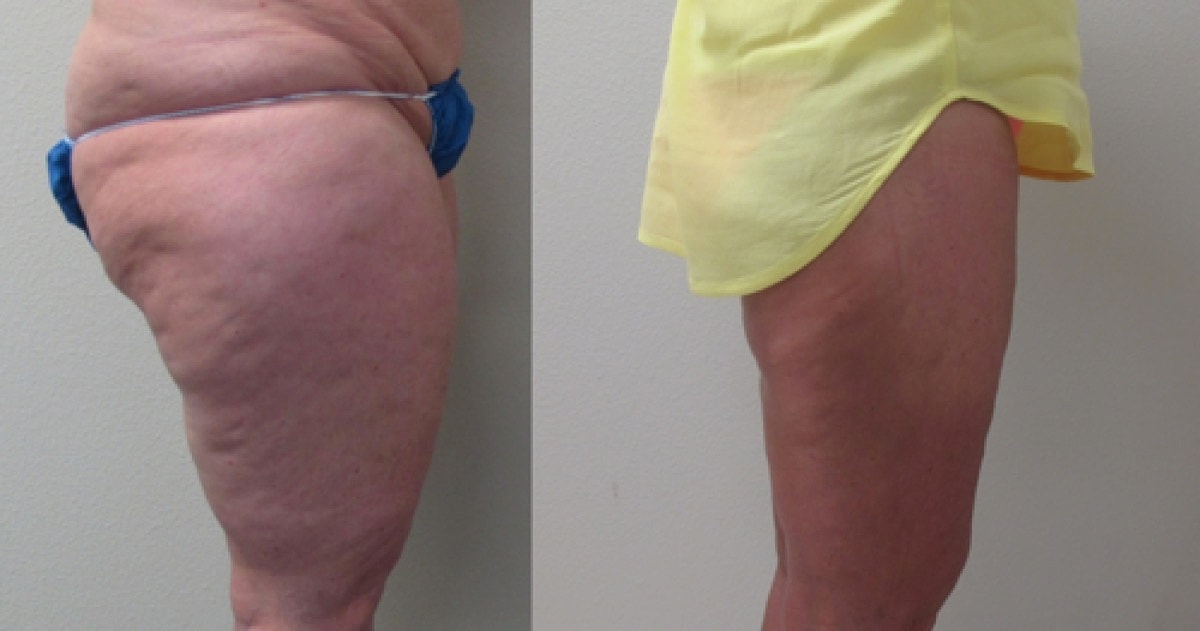
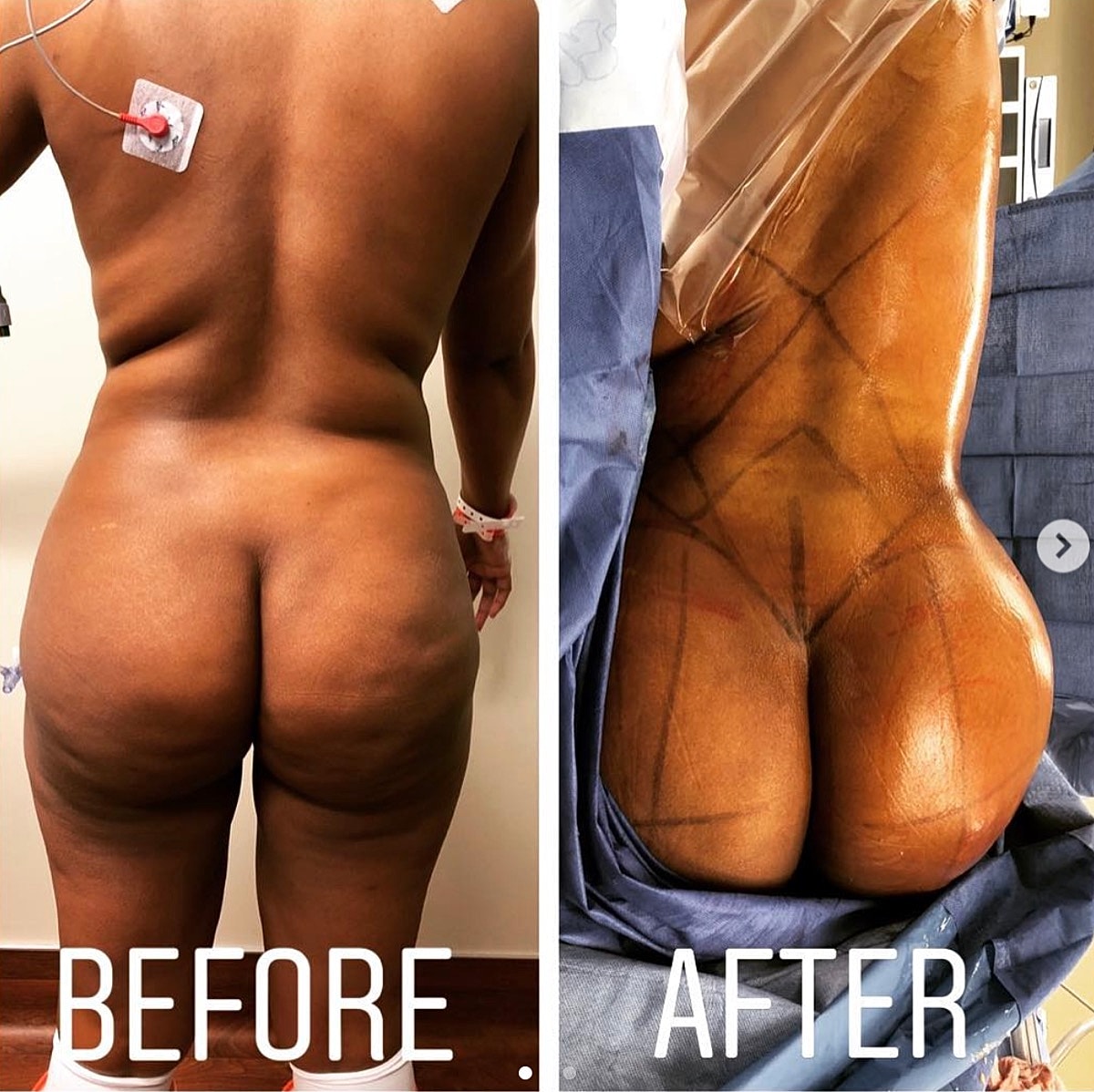
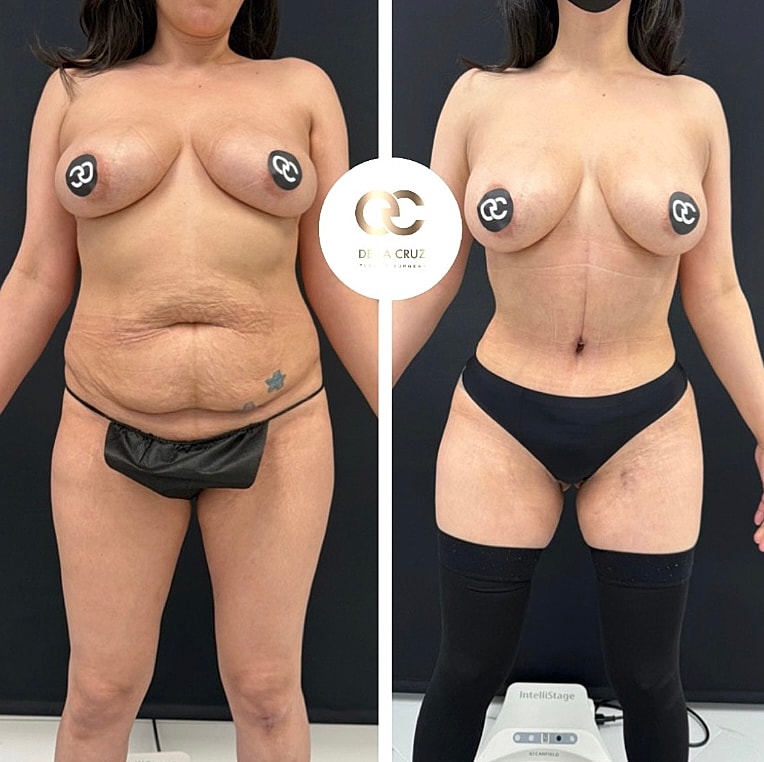
Challenging case: when skin quality is poor, weight loss persists, and structural support is limited, skin retraction is minimal, increasing the likelihood of visible laxity.

Standard (Most Predictable)
👉 Best overall outcomes
Timing is critical for optimal results. Patients should reach a stable weight before undergoing surgery to ensure predictable outcomes. You can also review the liposuction recovery timeline to understand how healing progresses after the procedure.
👉 Works when:

If there is:
👉 Liposuction alone may not be enough 👉 Excisional procedures may be required
Liposuction is not simply fat removal—it is controlled remodeling of the fibroseptal network. The best results occur when the underlying tissue is stable enough to respond predictably to that remodeling.
It is important to distinguish between weight loss and body contouring. Liposuction is designed to sculpt—not reduce overall body weight. For a deeper comparison, read liposuction vs weight loss in the Ozempic era.
Are you still actively losing weight?
Is additional weight loss expected?
Skin quality

Double Board-Certified Plastic Surgeon Dr. Emmanuel De La Cruz is double board-certified and specializes in advanced body contouring procedures with a focus on safety, precision, and natural-looking results.
Expertise in Advanced Liposuction Techniques Dr. De La Cruz utilizes modern technologies such as ultrasound-assisted liposuction (VASER) and power-assisted liposuction to improve precision and achieve smoother, more refined body contours.
Artistic Approach to Body Sculpting Liposuction is not simply fat removal. Dr. De La Cruz approaches each procedure as a form of body sculpting, carefully shaping the body to enhance natural proportions and definition.
Personalized Surgical Planning Every patient undergoes a comprehensive consultation and individualized treatment plan tailored to their anatomy, skin quality, and aesthetic goals.
Safety-Focused Surgical Care Procedures are performed in an accredited surgical facility with experienced anesthesia providers and strict safety protocols to prioritize patient safety at every stage.
Experience with Complex and Revision Cases Dr. De La Cruz frequently treats patients requiring revision liposuction or correction of contour irregularities from prior procedures.
Commitment to Surgical Innovation and Education Through ongoing training and participation in national and international meetings in aesthetic surgery, Dr. De La Cruz remains engaged with the latest advancements in body contouring techniques.

Yes, patients can undergo Liposuction while taking Ozempic, but timing matters. The most predictable results occur when weight loss has stabilized, as ongoing changes in body volume can affect contour and skin retraction.
Ozempic itself does not directly prevent skin tightening. However, the rapid or continued weight loss associated with GLP-1 medications can lead to reduced tissue support and ongoing deflation, which may limit how much the skin appears to retract after liposuction.
Skin tightening after Liposuction is driven by contraction of the fibroseptal network and collagen remodeling. These processes create internal tension that helps the skin conform to the new body contour.
The fibroseptal network is a connective tissue framework that links the skin to deeper structures. During liposuction, this network contracts and reorganizes, contributing to skin tightening and smoother contour transitions.
In most cases, yes. It is generally recommended to reach approximately 80–90% of your weight loss goal and maintain a stable weight for several months before undergoing Liposuction. This allows for more predictable and longer-lasting results.
Small, controlled weight loss may be acceptable in select patients. However, significant or ongoing weight loss after liposuction can lead to additional skin laxity or changes in contour, which may affect final results.
Not necessarily. Continued weight loss does not improve skin tightening. In fact, it may lead to further skin laxity due to reduced underlying volume, especially in patients with already stretched or weakened skin.
Patients with the best outcomes typically have:
These factors allow the skin to respond more effectively after Liposuction.
Yes. Advanced techniques used during Liposuction—such as ultrasound-assisted liposuction and radiofrequency-based devices—can enhance collagen contraction and improve skin retraction, especially in borderline cases.
If there is significant excess or deflated skin, liposuction alone may not provide adequate tightening. In these cases, excisional procedures (such as a tummy tuck or body lift) may be necessary to achieve optimal contour.
Initial contraction begins early, but results develop progressively:
This reflects ongoing collagen remodeling and fibroseptal contraction.
About the Author
Dr. Emmanuel De La Cruz, MD is a double-board-certified plastic surgeon in Houston, Texas, certified by both the American Board of Plastic Surgery and the American Board of Surgery. He specializes in advanced liposuction and body contouring procedures, including high-definition liposculpture, Brazilian Butt Lift (BBL), revision liposuction, and treatment of lipedema.
Dr. De La Cruz is internationally recognized for his expertise in high-definition liposuction and contour sculpting techniques, which play a critical role in achieving balanced, natural-looking results in procedures such as liposuction and Brazilian Butt Lift surgery. His work focuses on precise body contour sculpting to enhance overall body proportions.
He has lectured internationally on liposuction techniques, fat grafting, and contour irregularity correction, presenting at major scientific meetings including the American Society of Plastic Surgeons (ASPS), the Total Definer Meeting in Bogotá, Colombia, the InMode Symposium in Miami and Beverly Hills, and AestheticStanbul in Istanbul, Turkey, where he was invited to lecture by renowned plastic surgeon Dr. Foad Nahai.
Dr. De La Cruz has also contributed to the scientific literature on liposuction and body contouring. He is the author of “Lipoplasty in the Overweight Patient”, published in the peer-reviewed journal Clinics in Plastic Surgery.
Through his clinical work, research, and international lectures, Dr. De La Cruz focuses on advancing safe, precise, and refined techniques in liposuction, BBL surgery, and modern body contouring.