Liposuction vs Weight Loss in the Ozempic Era: What Patients Need to Know
Written by Dr. Emmanuel De La Cruz, MD Double Board-Certified Plastic Surgeon | Houston, Texas
Written by Dr. Emmanuel De La Cruz, MD Double Board-Certified Plastic Surgeon | Houston, Texas
Direct Answer
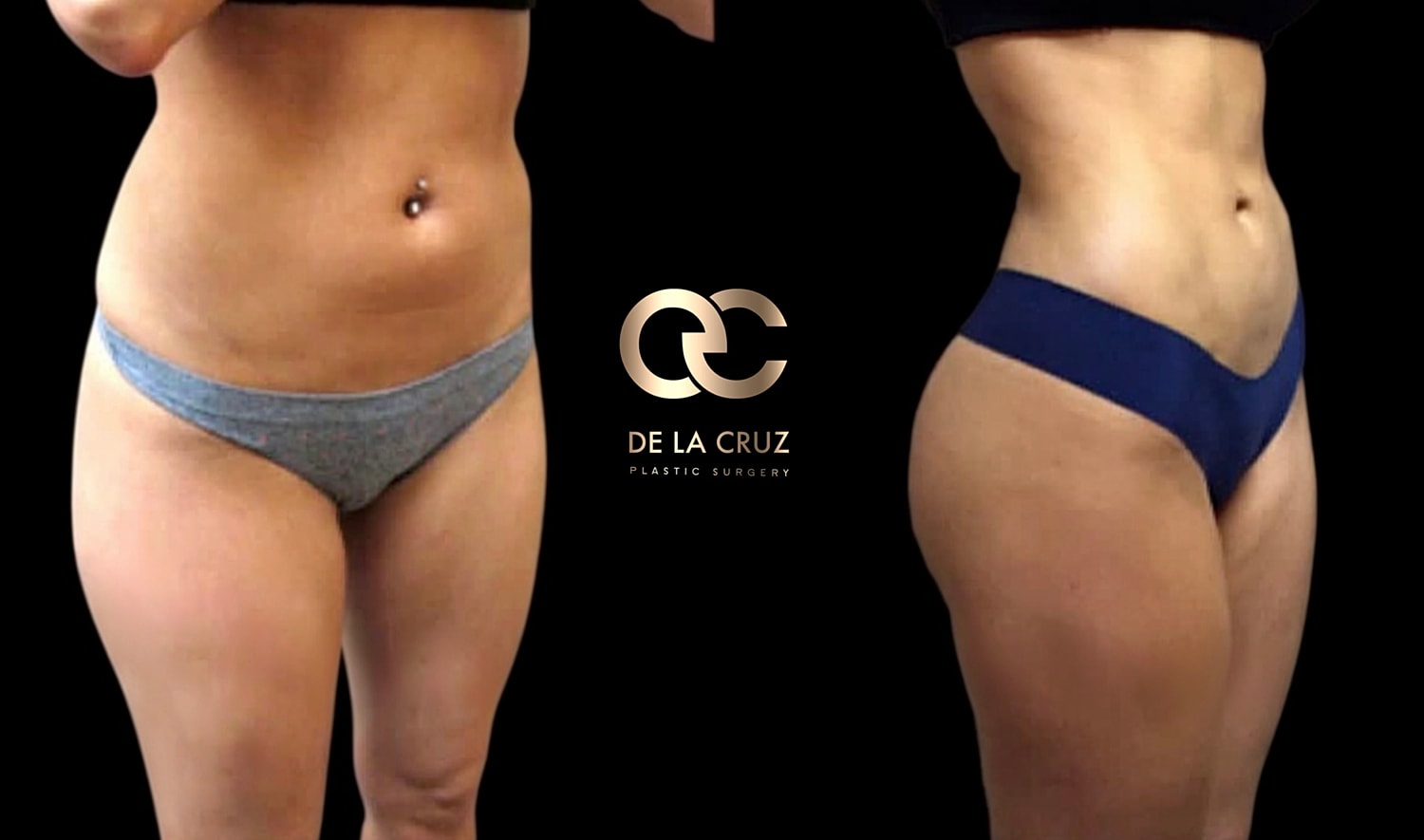
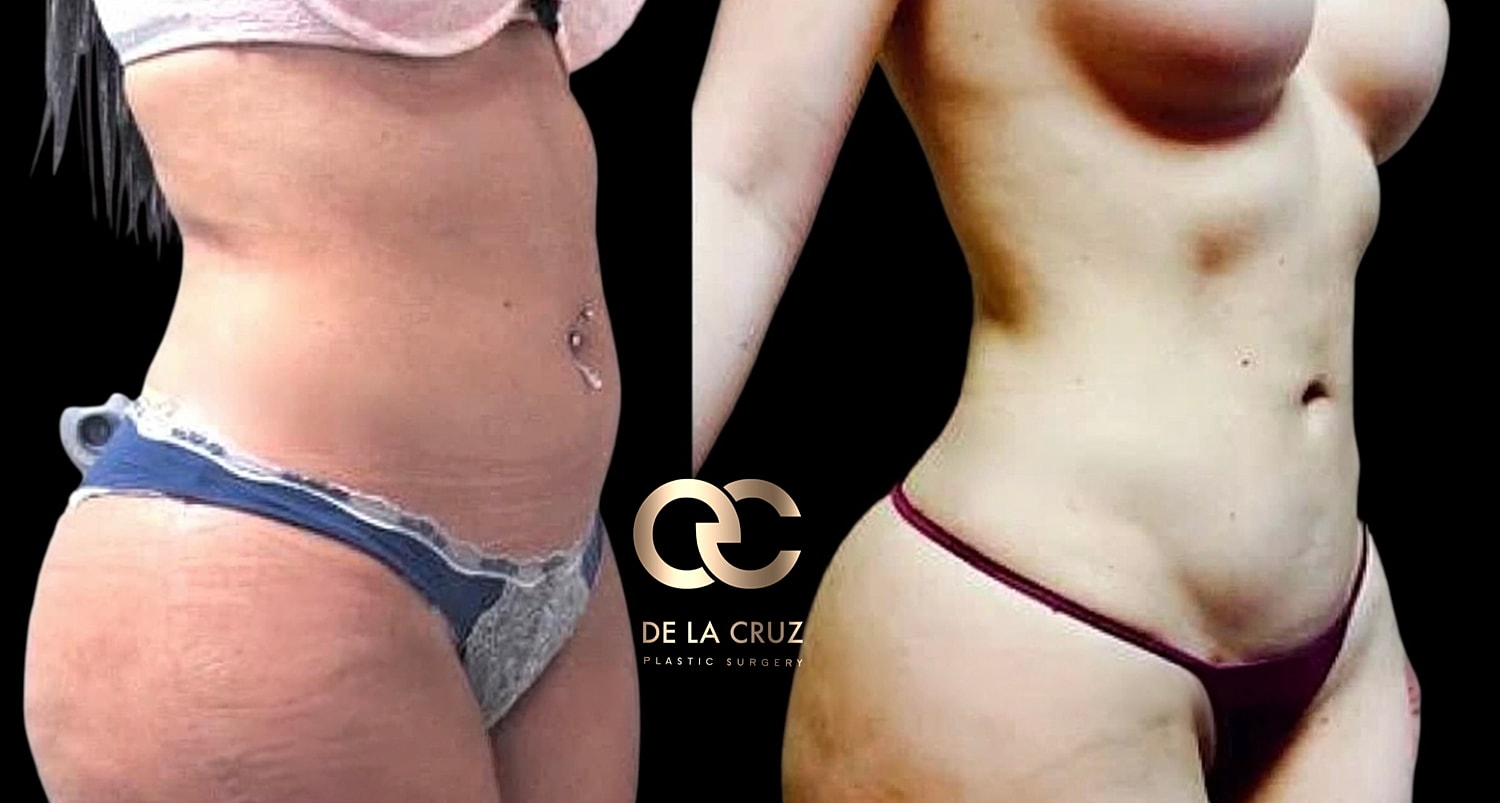
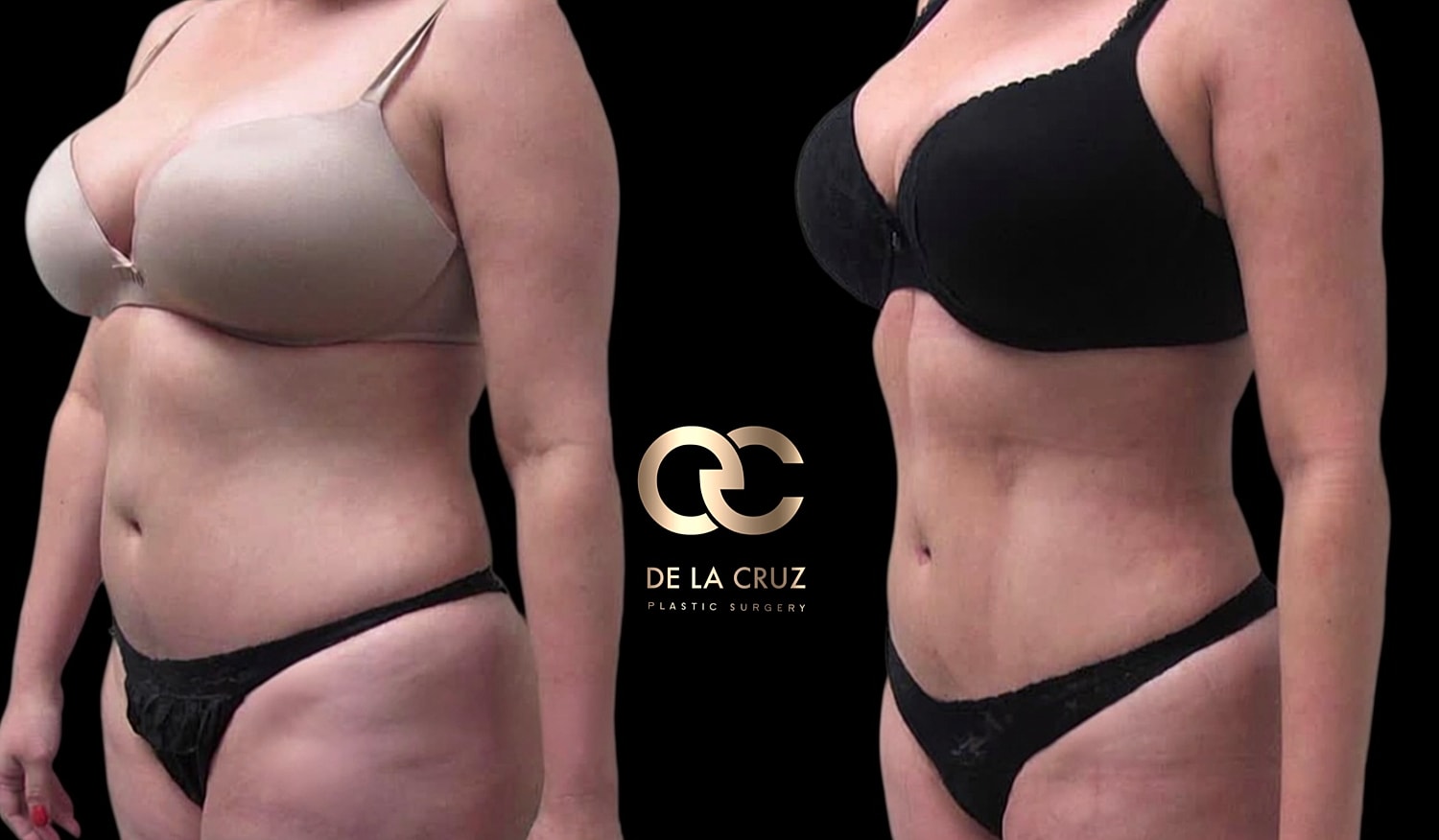
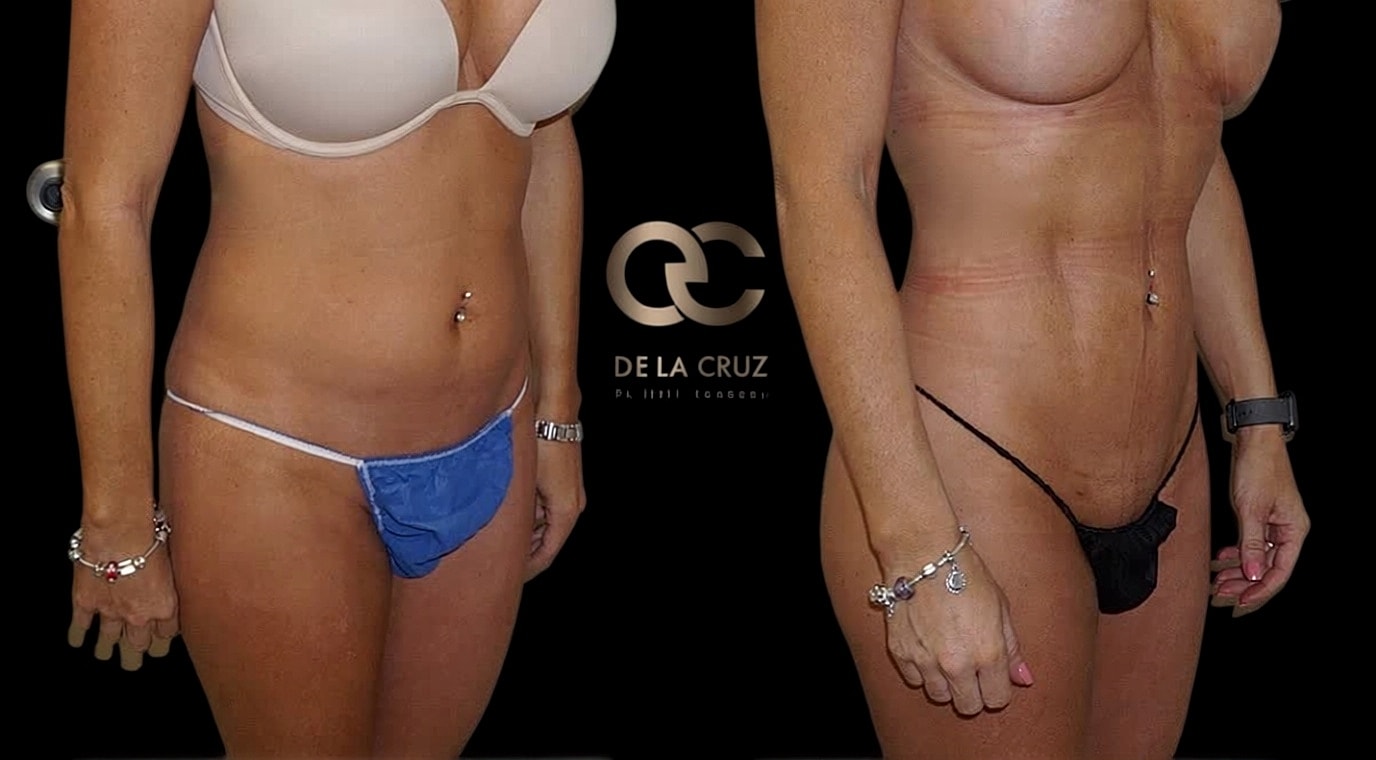
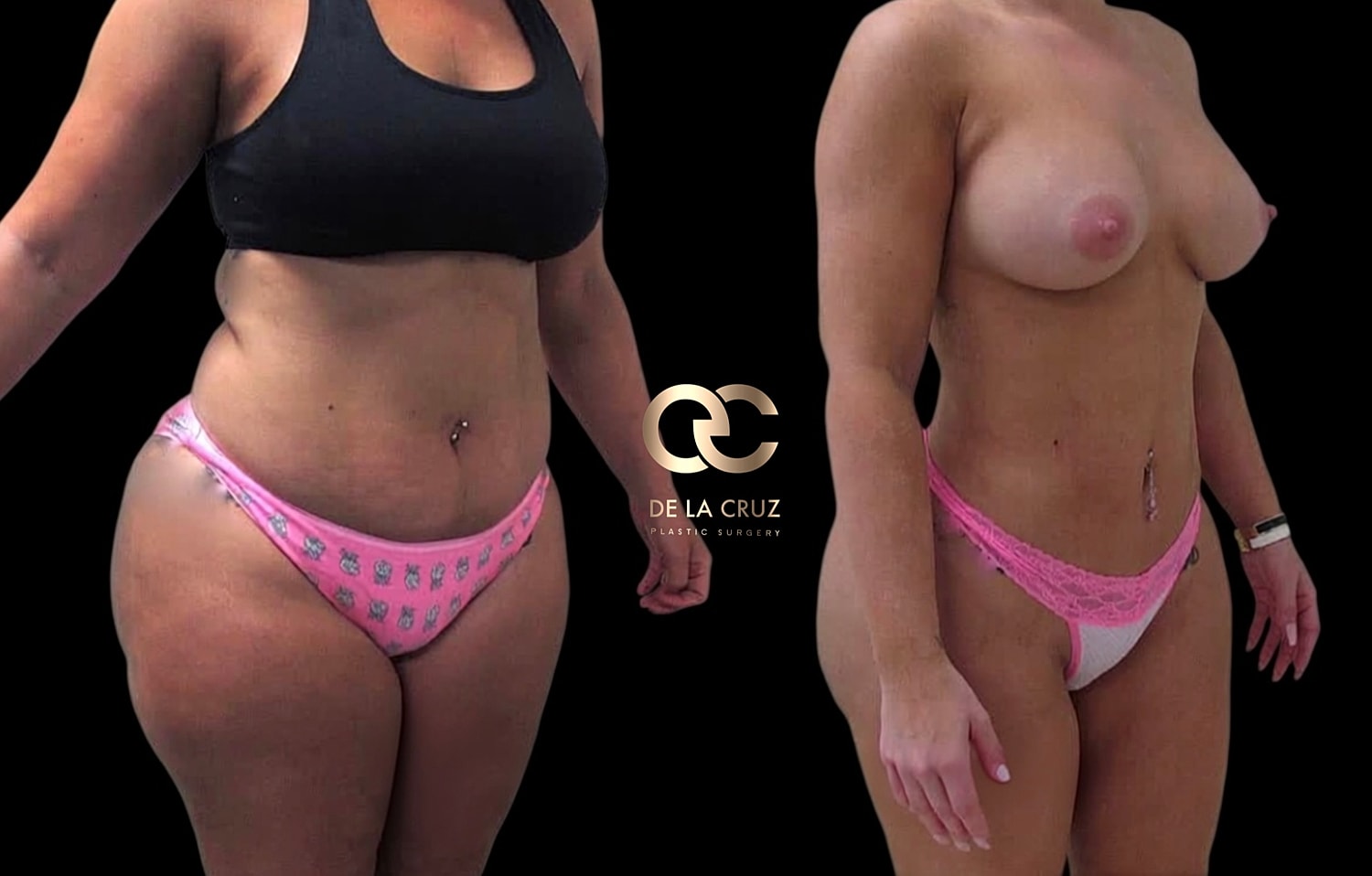
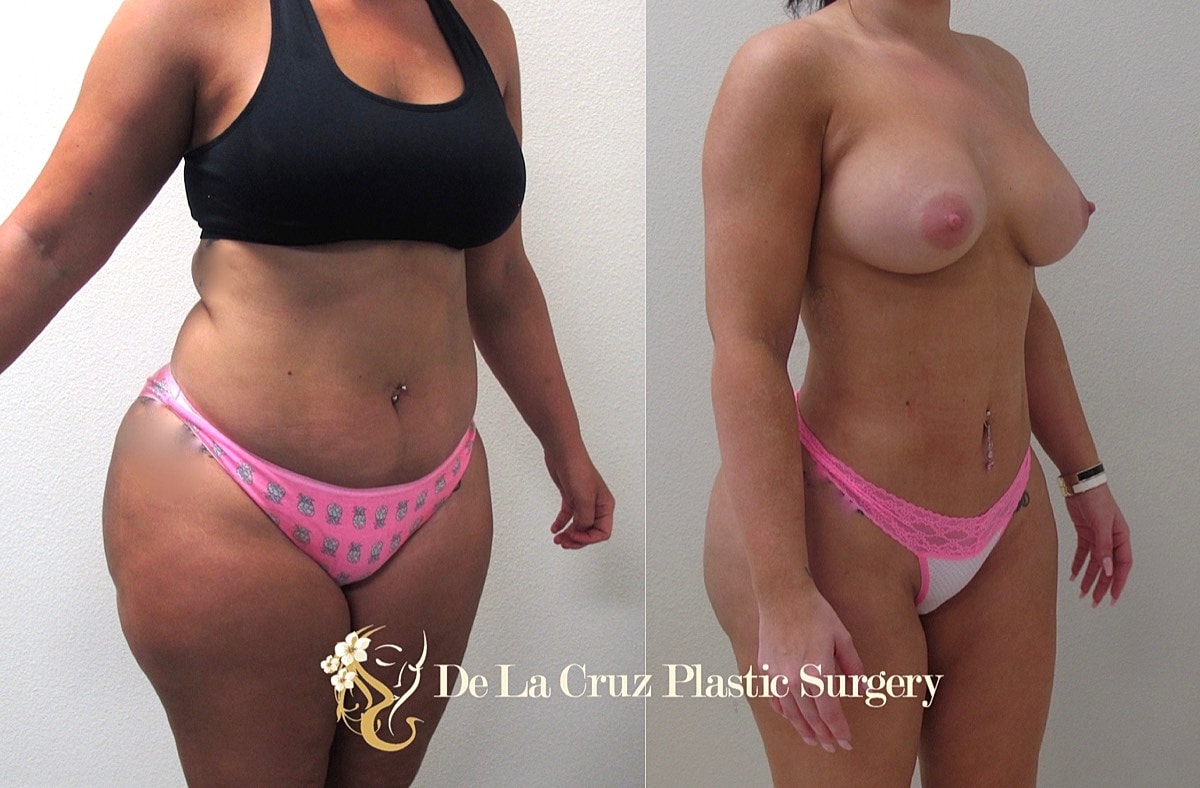
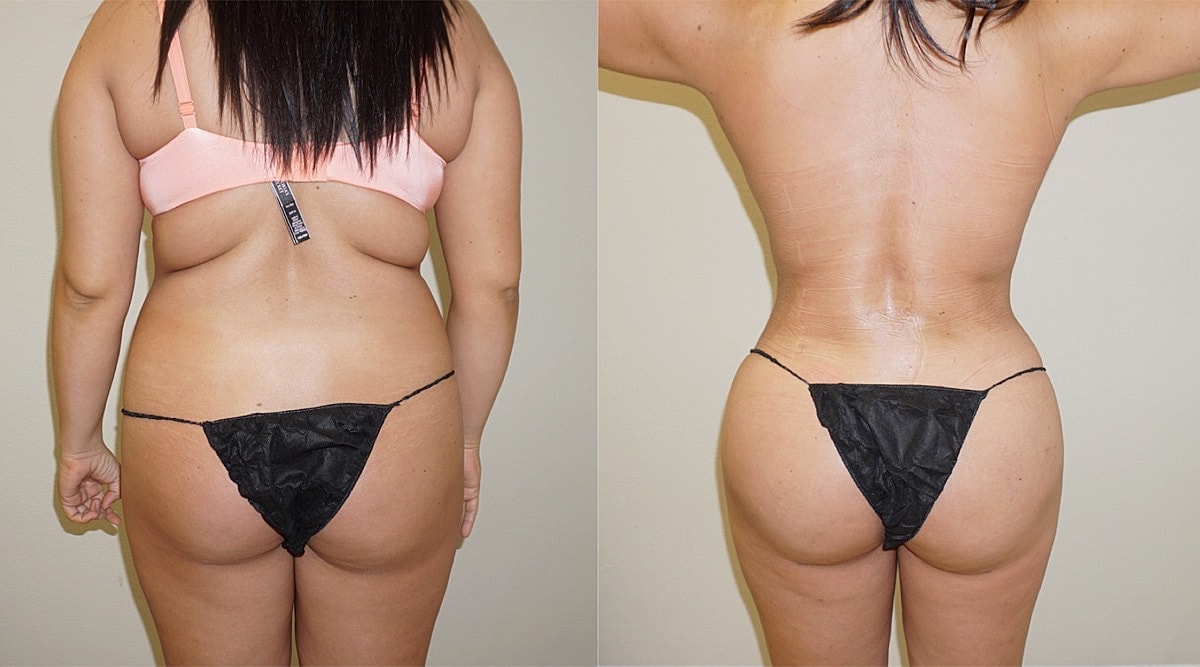
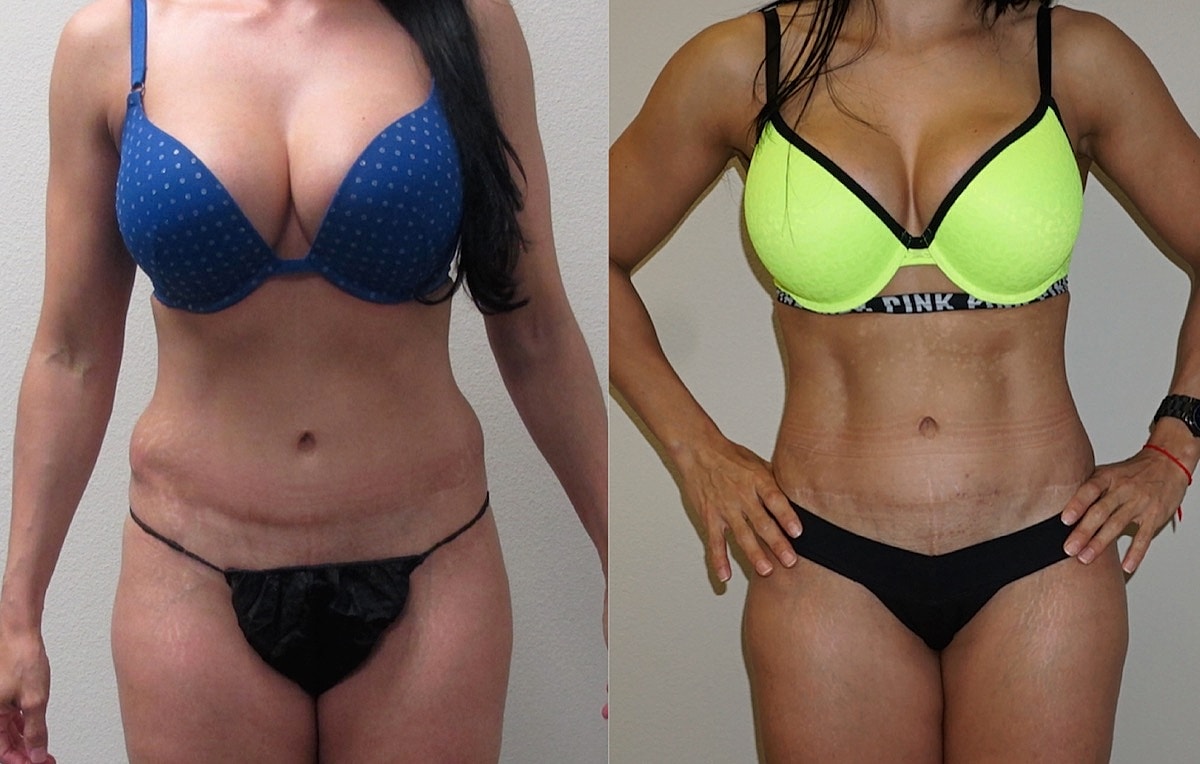
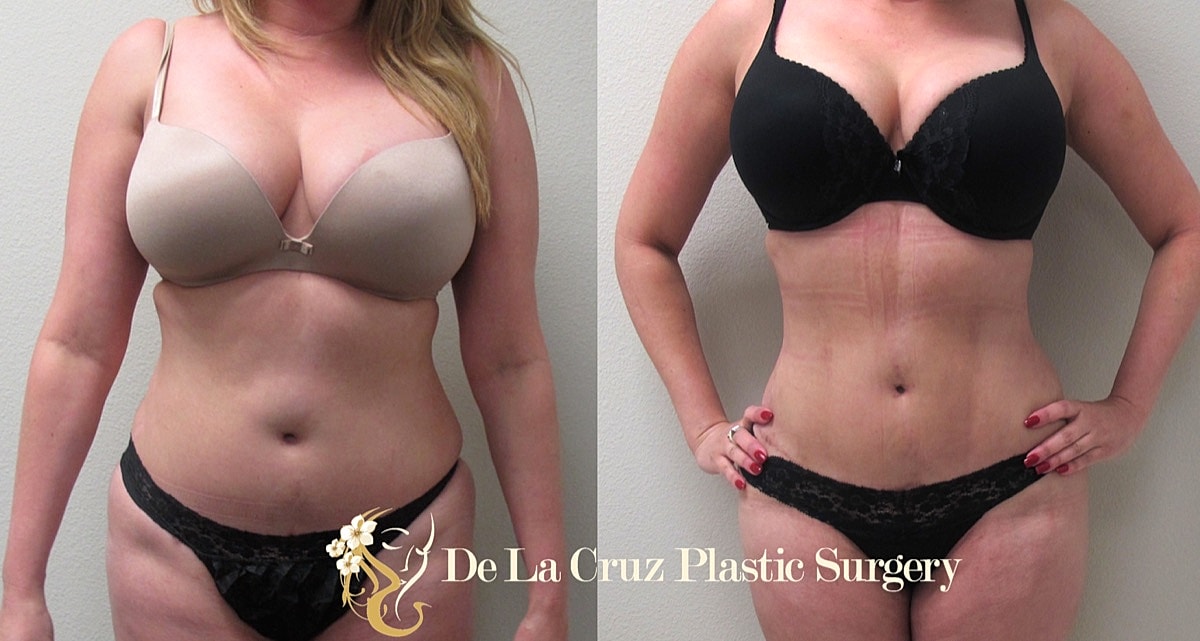
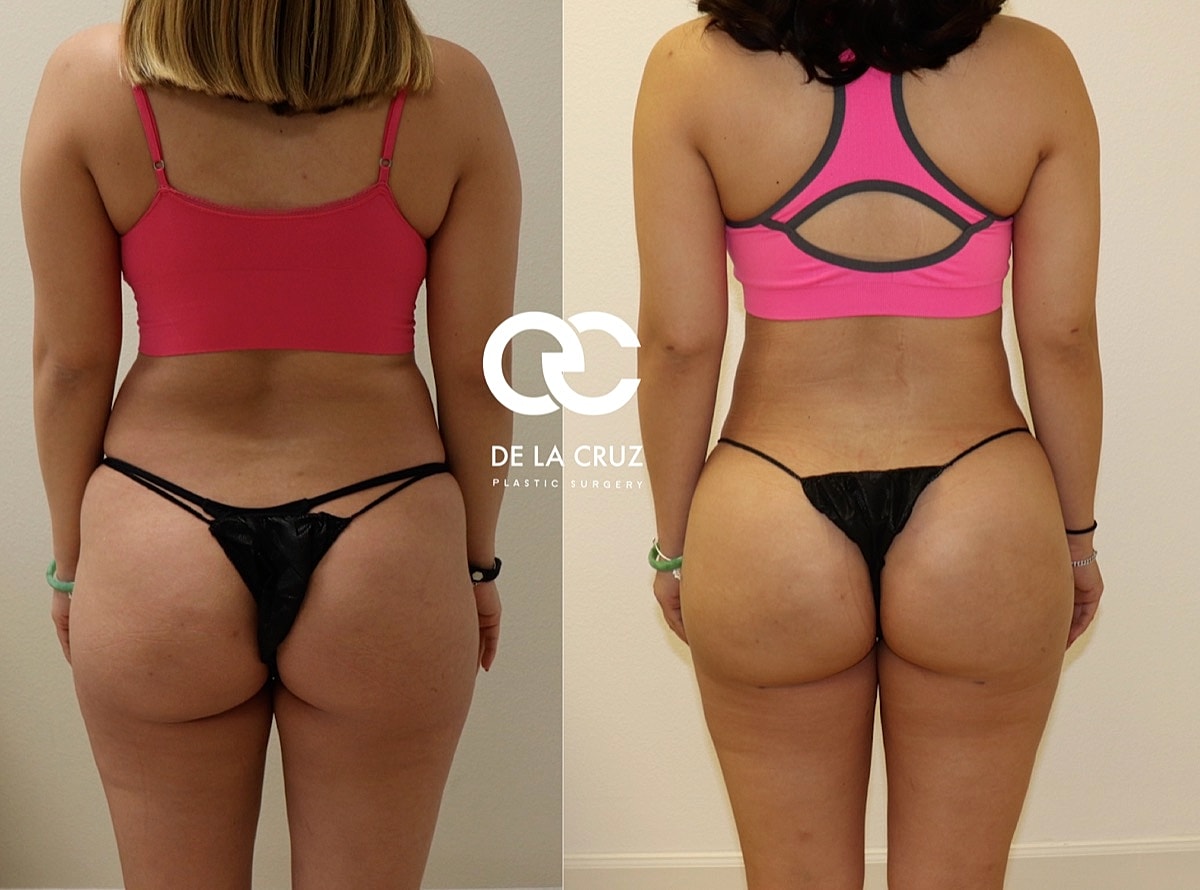
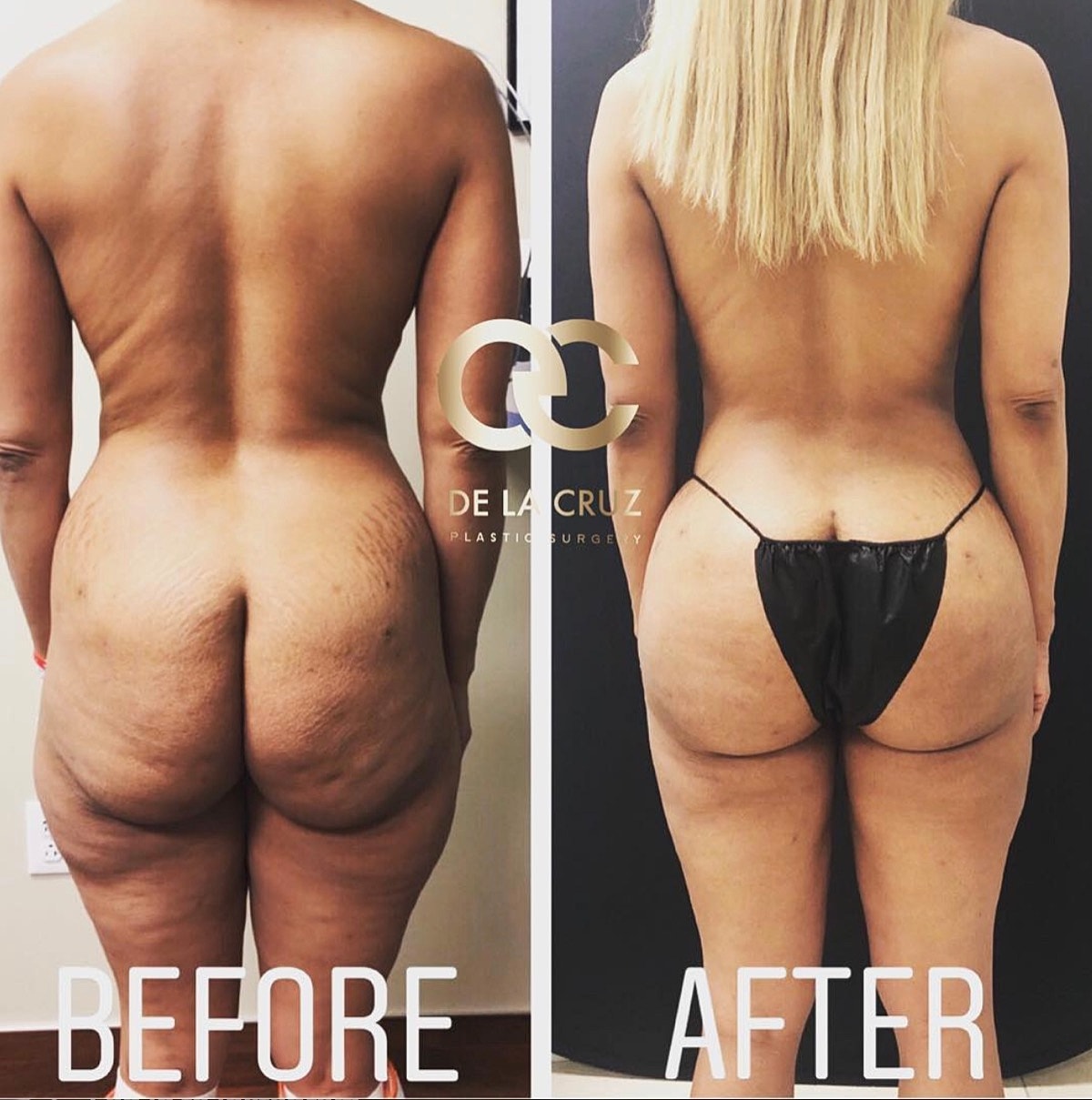
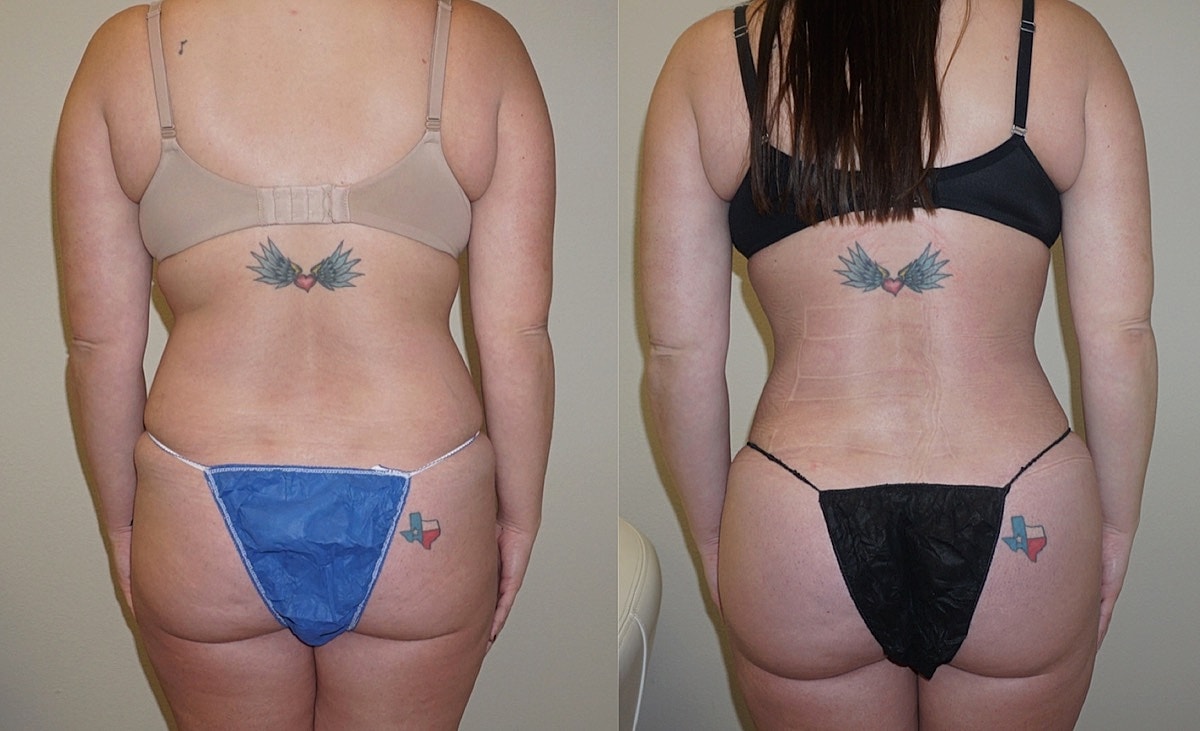
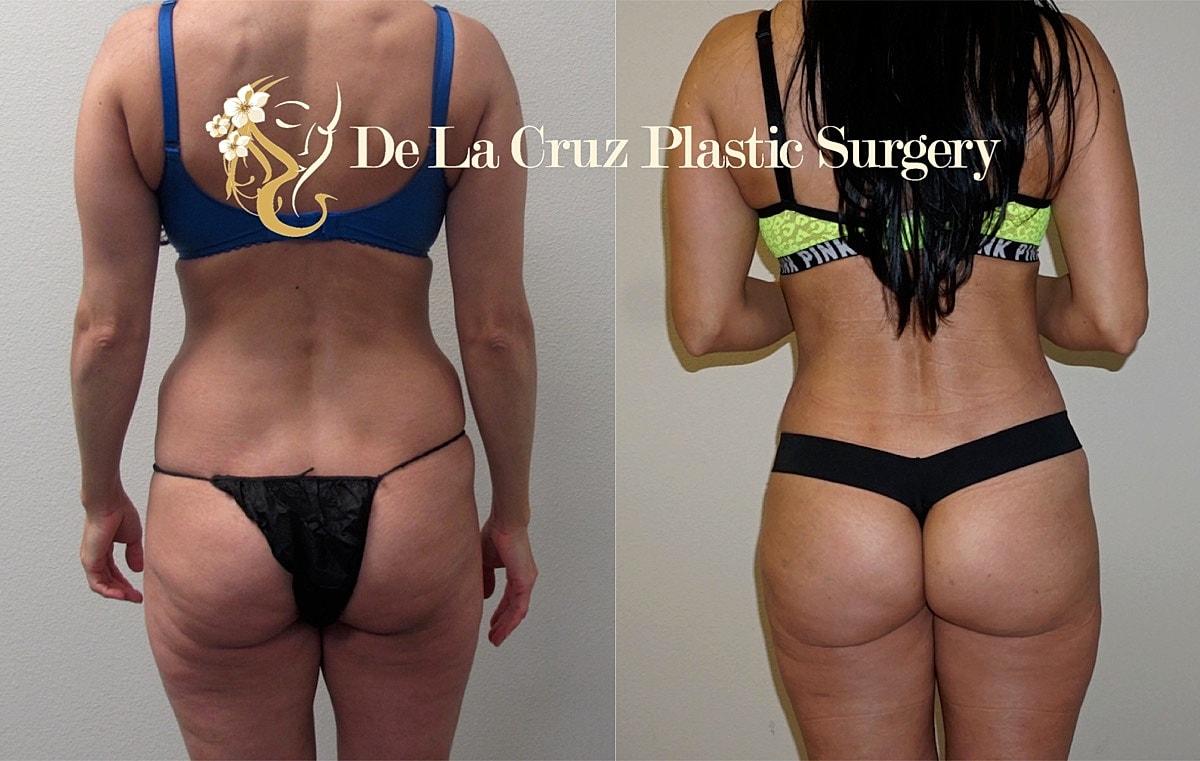
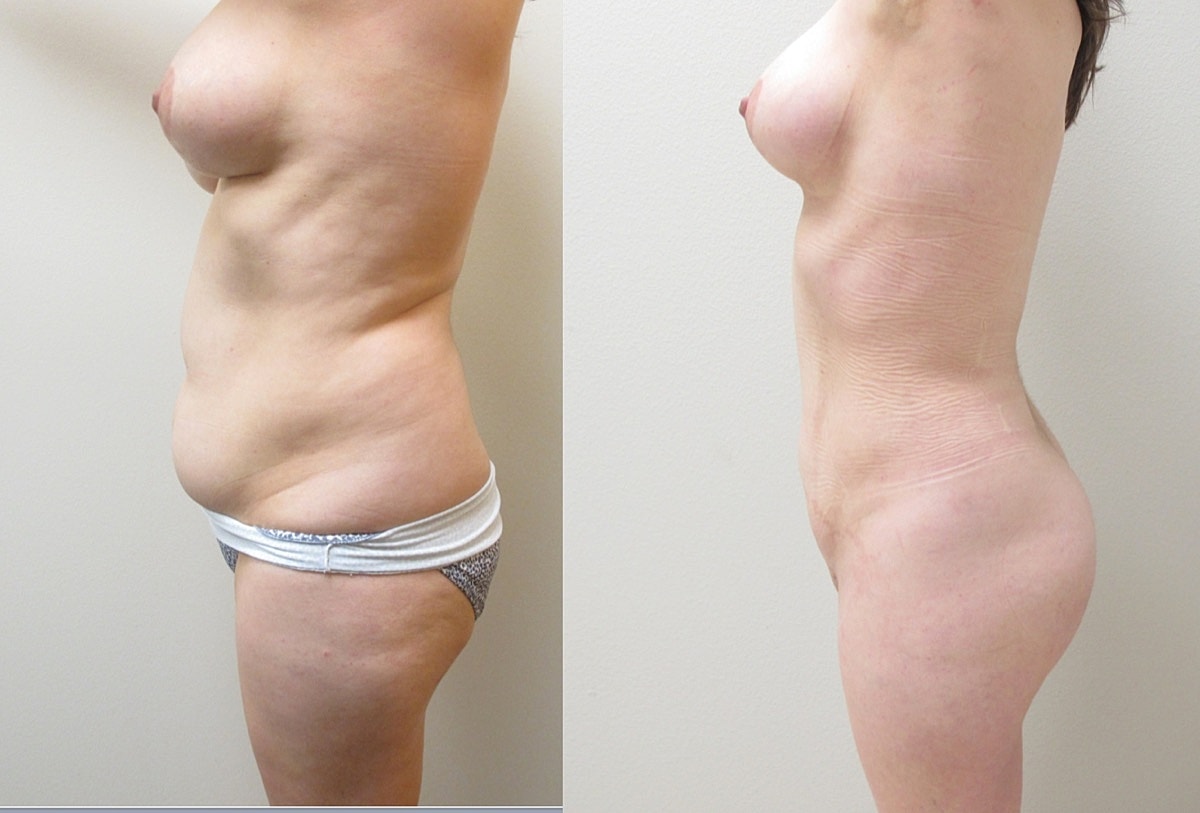
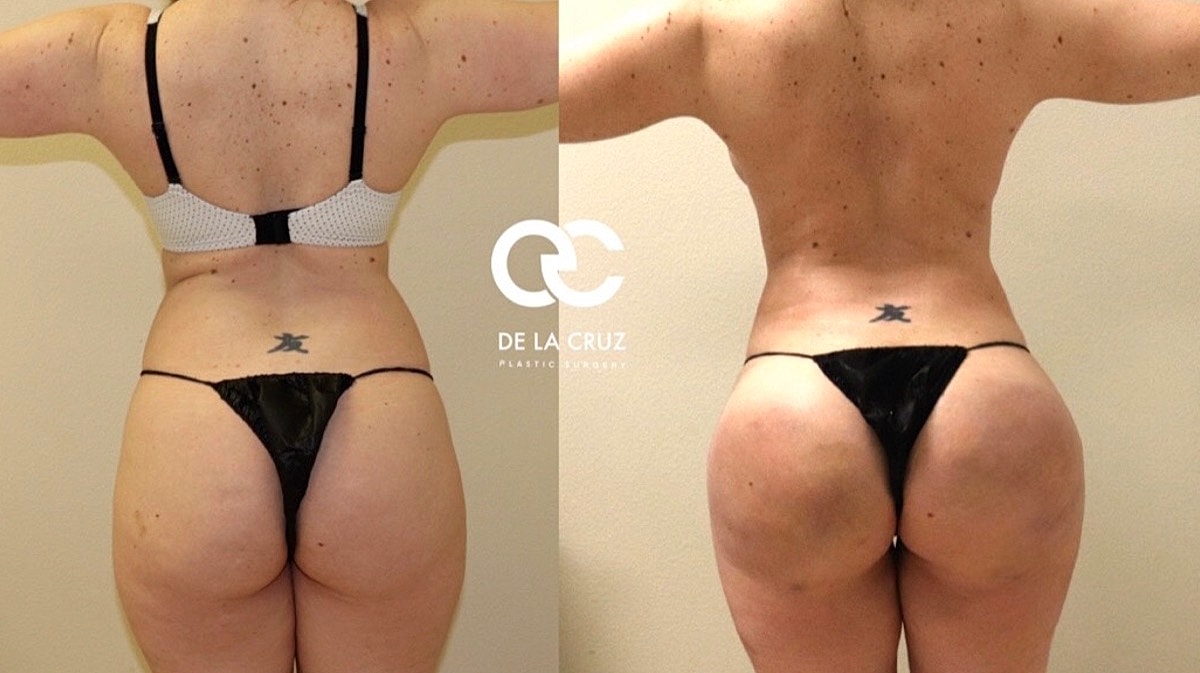
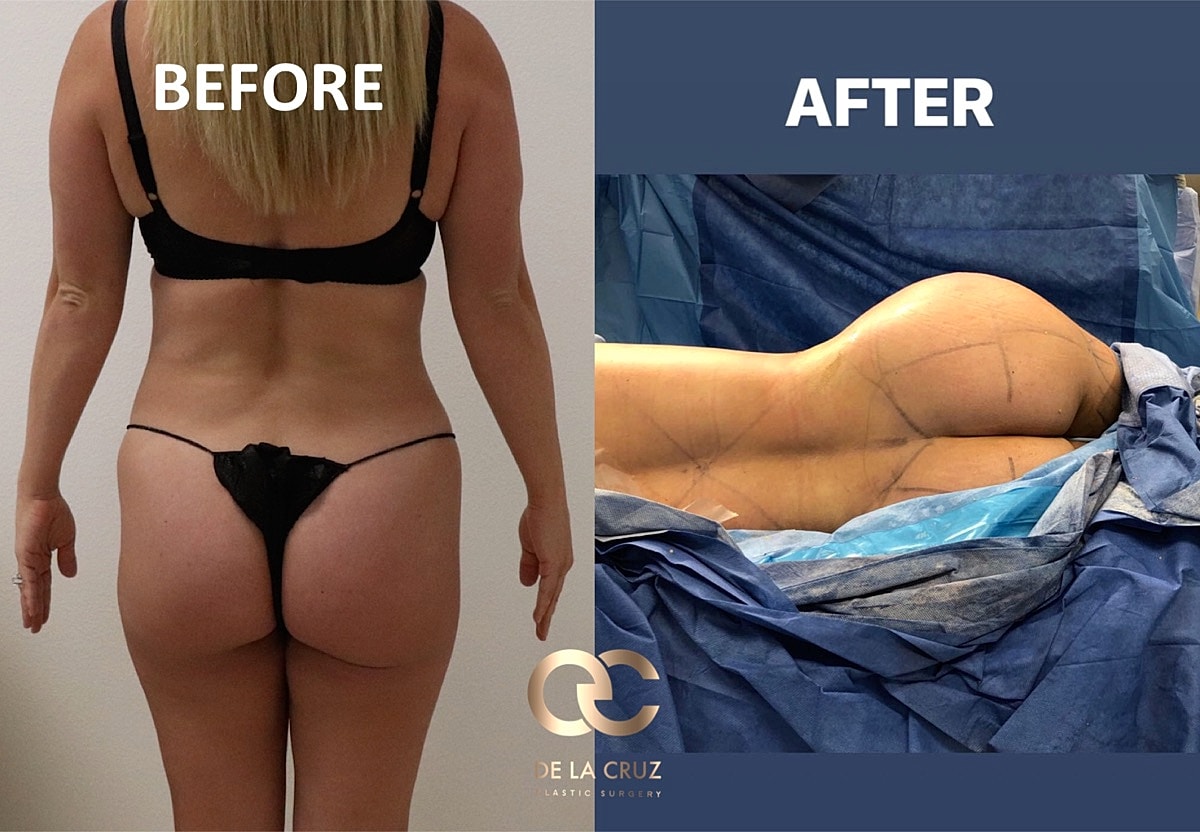
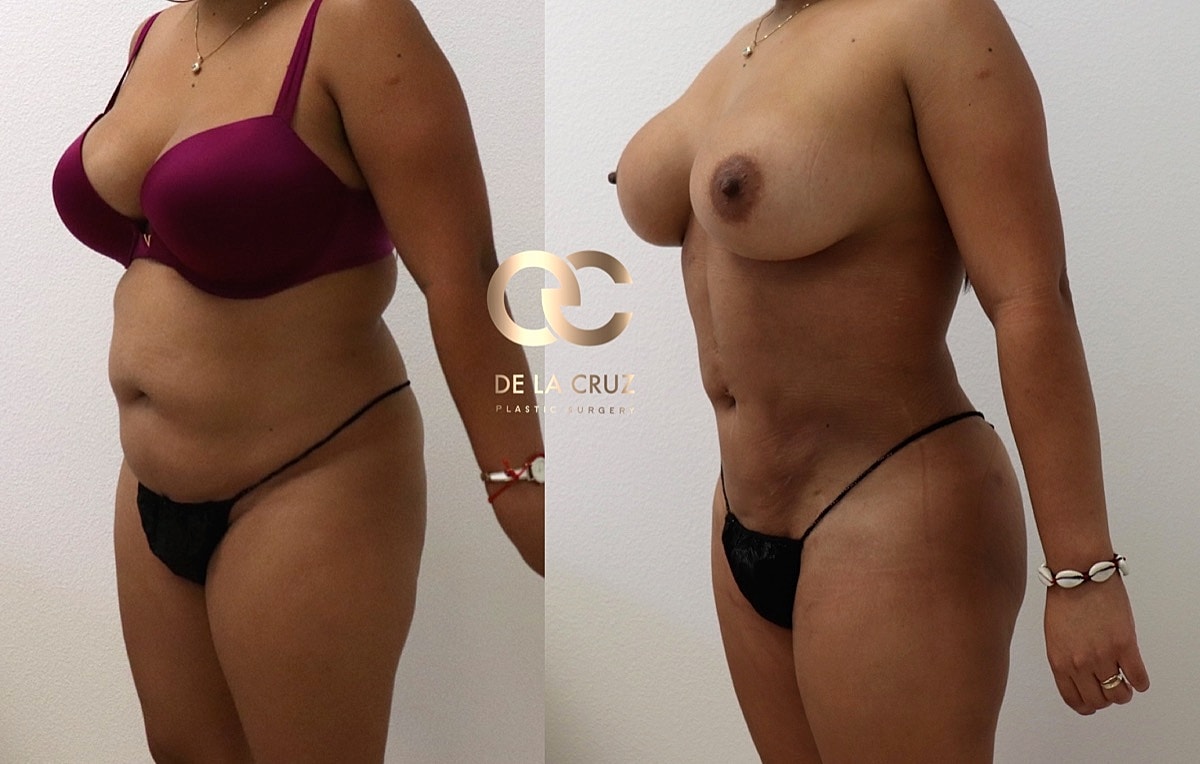
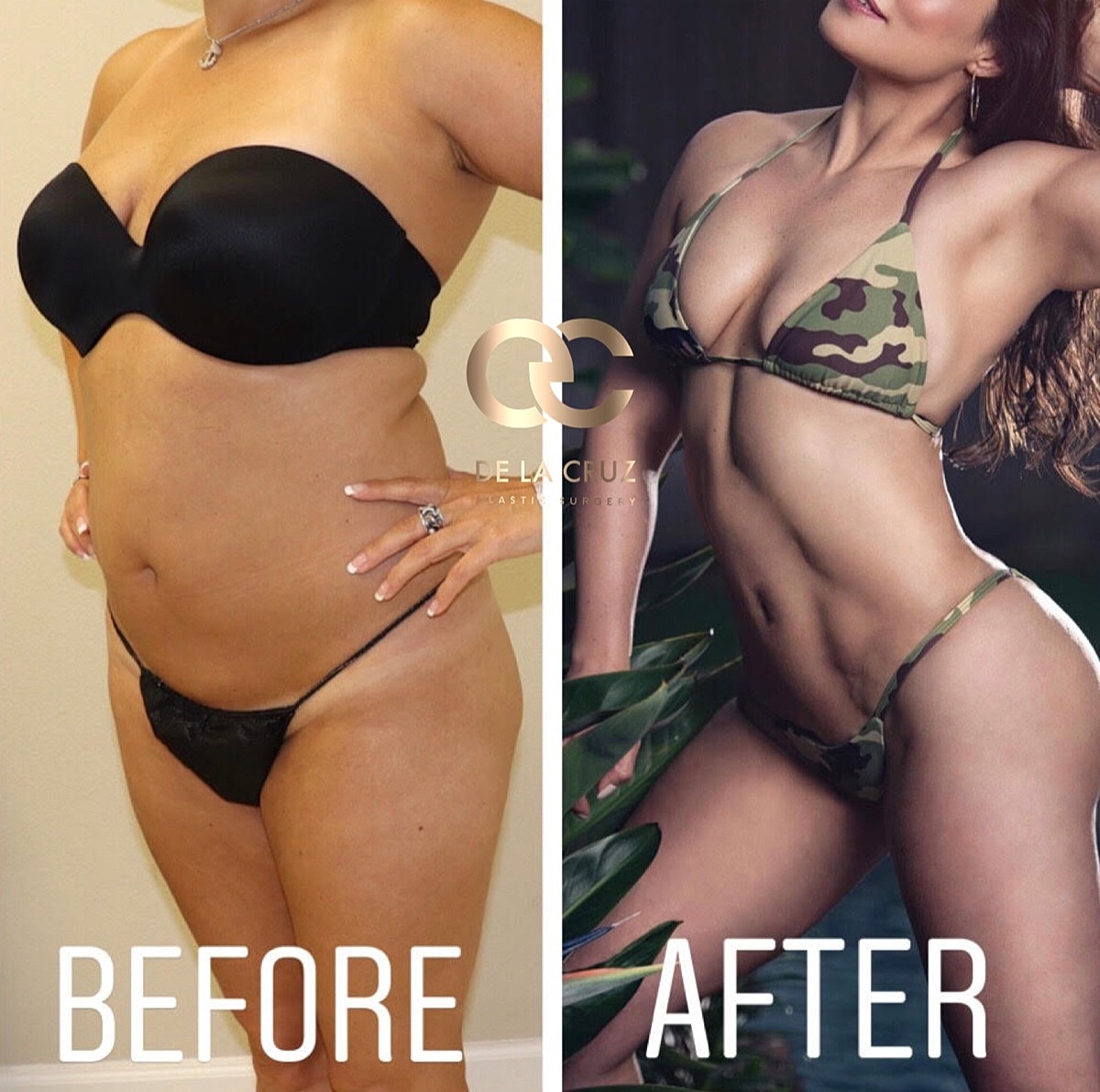
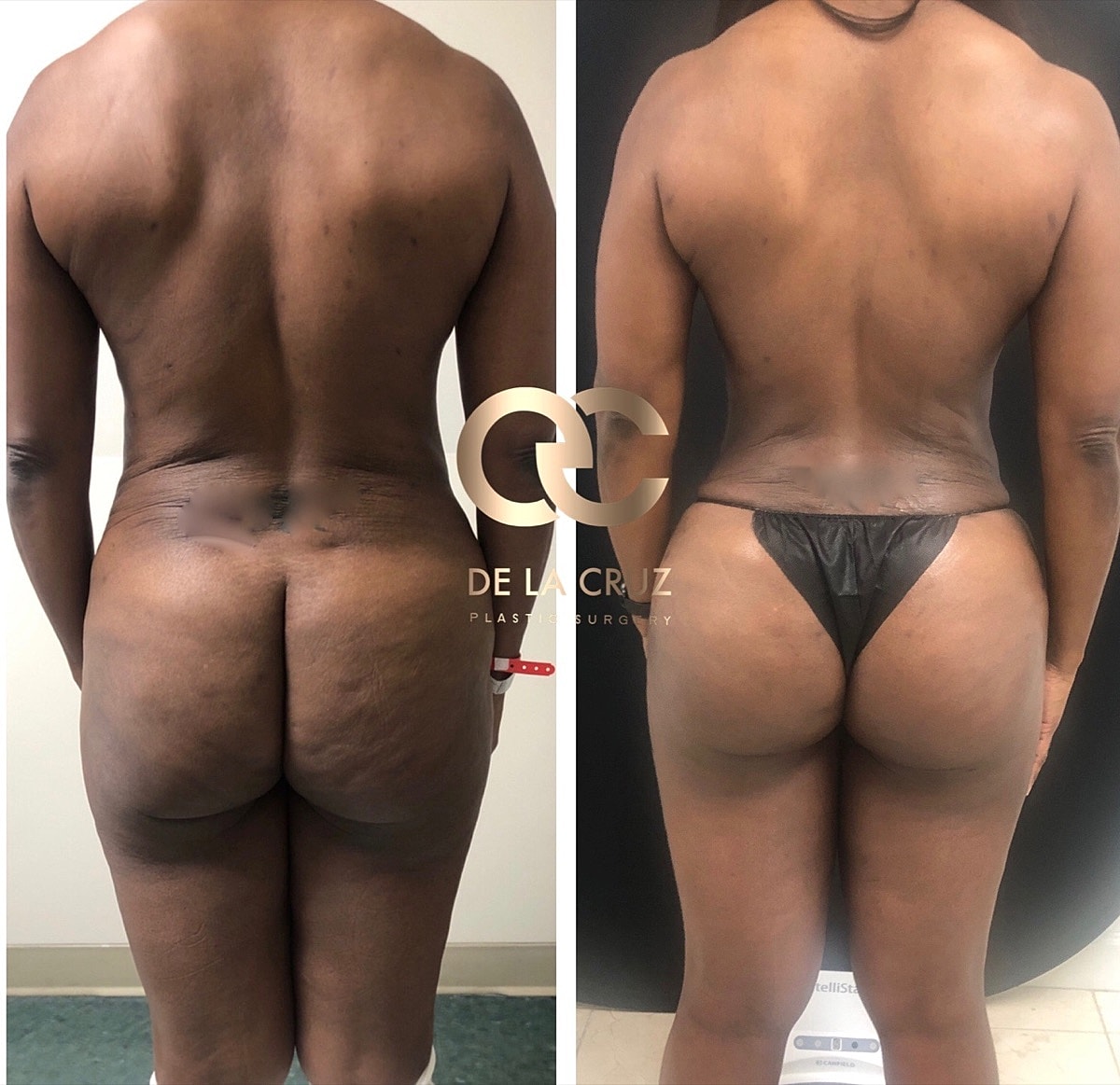
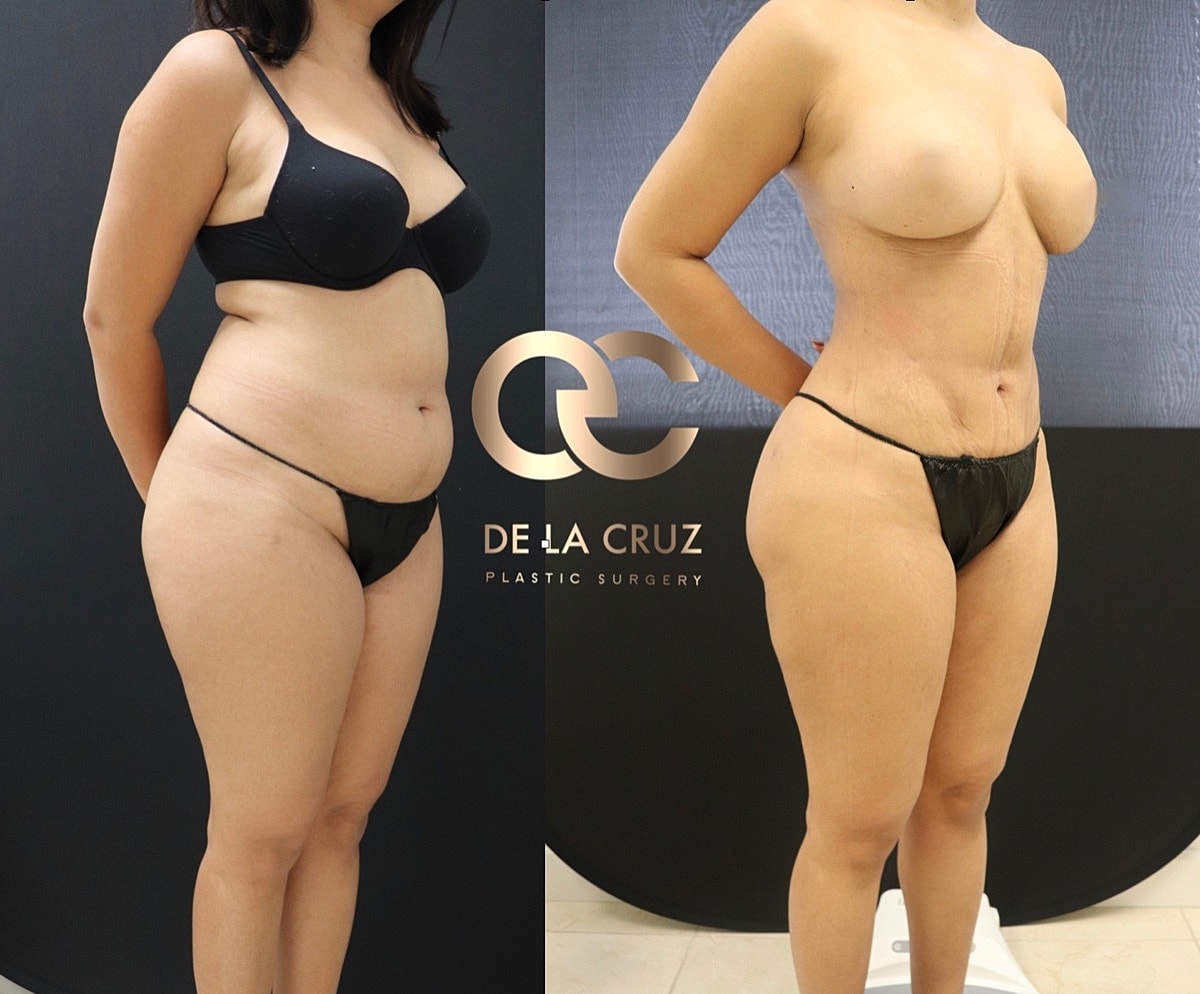
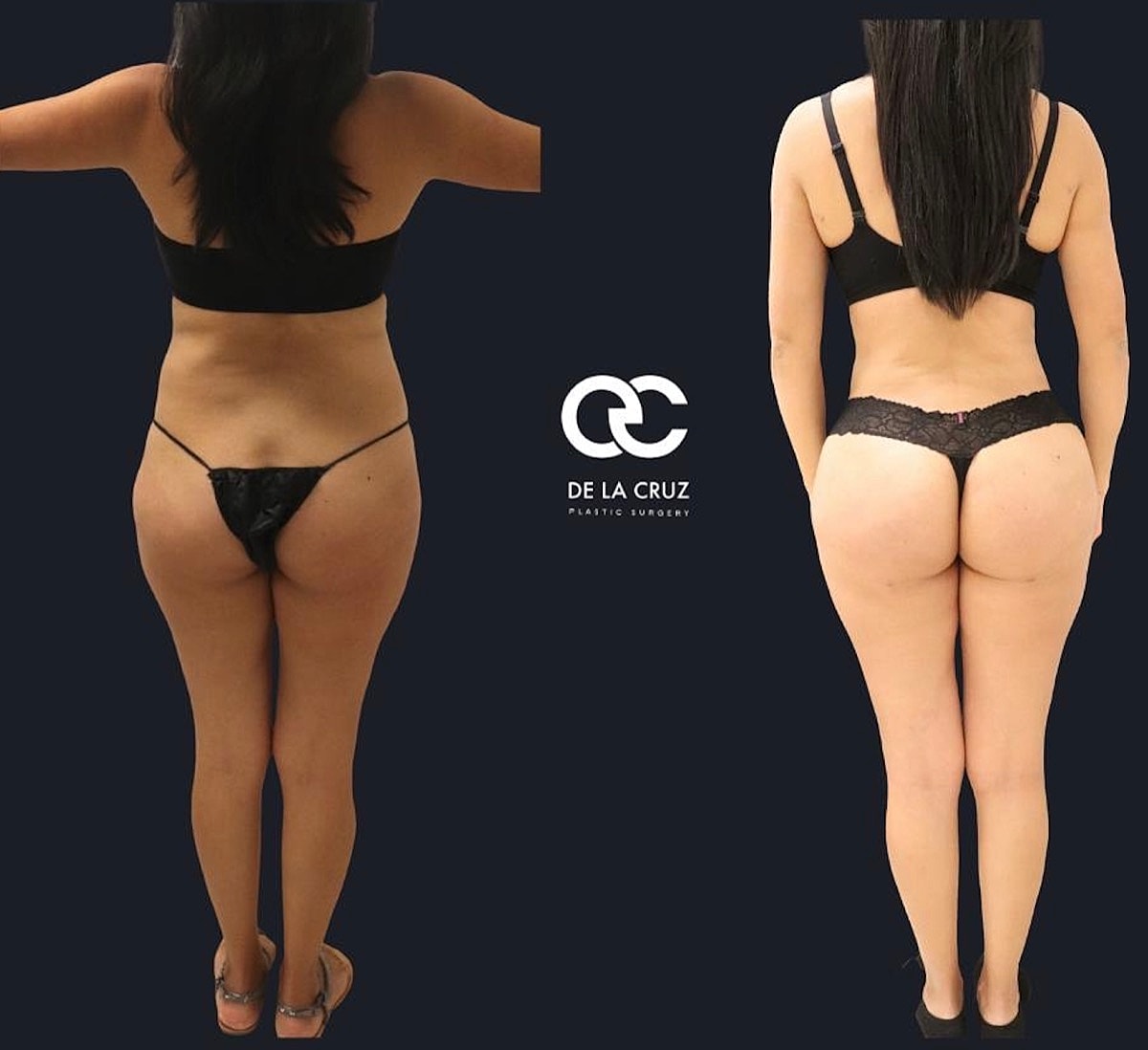
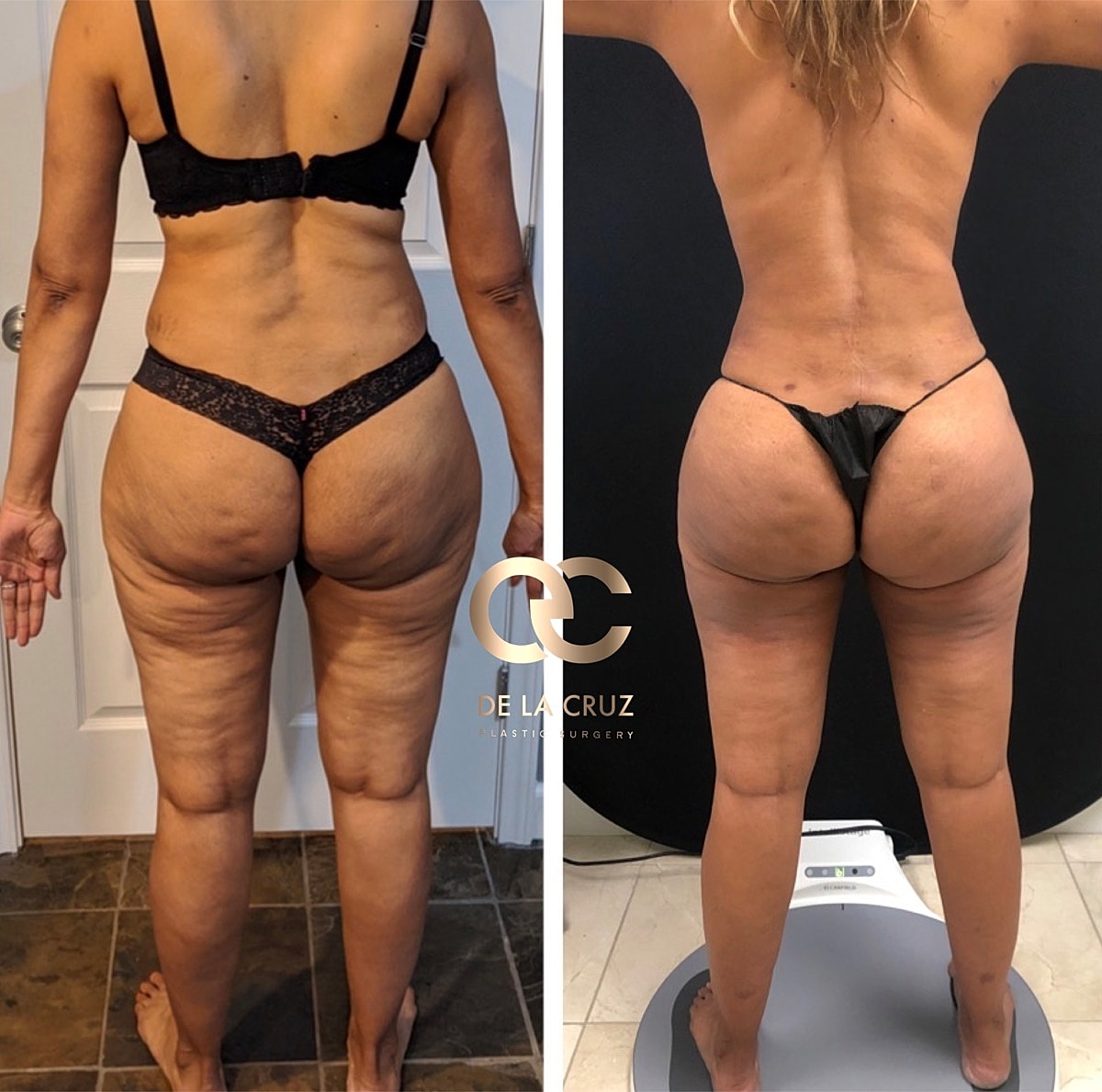
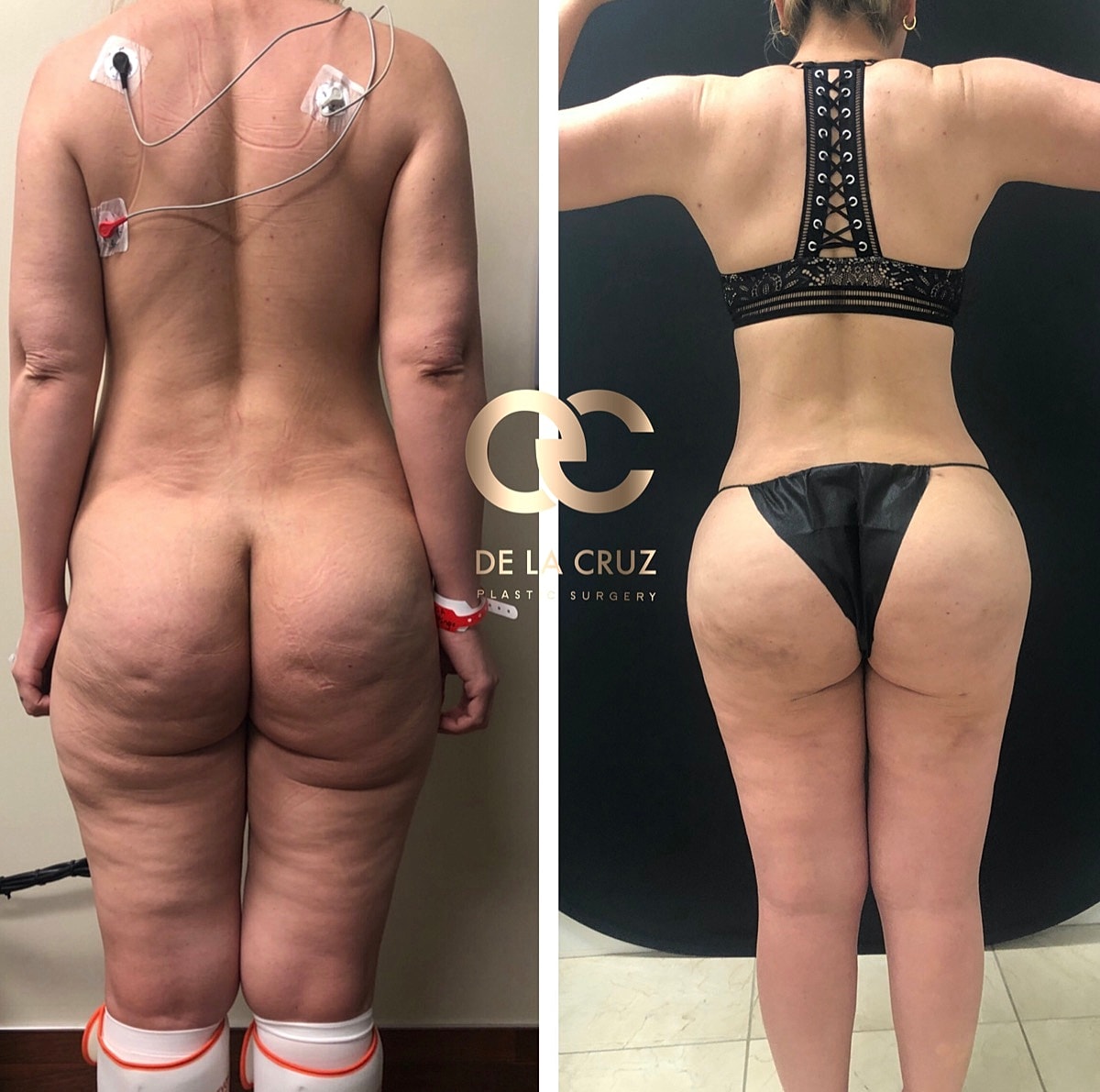
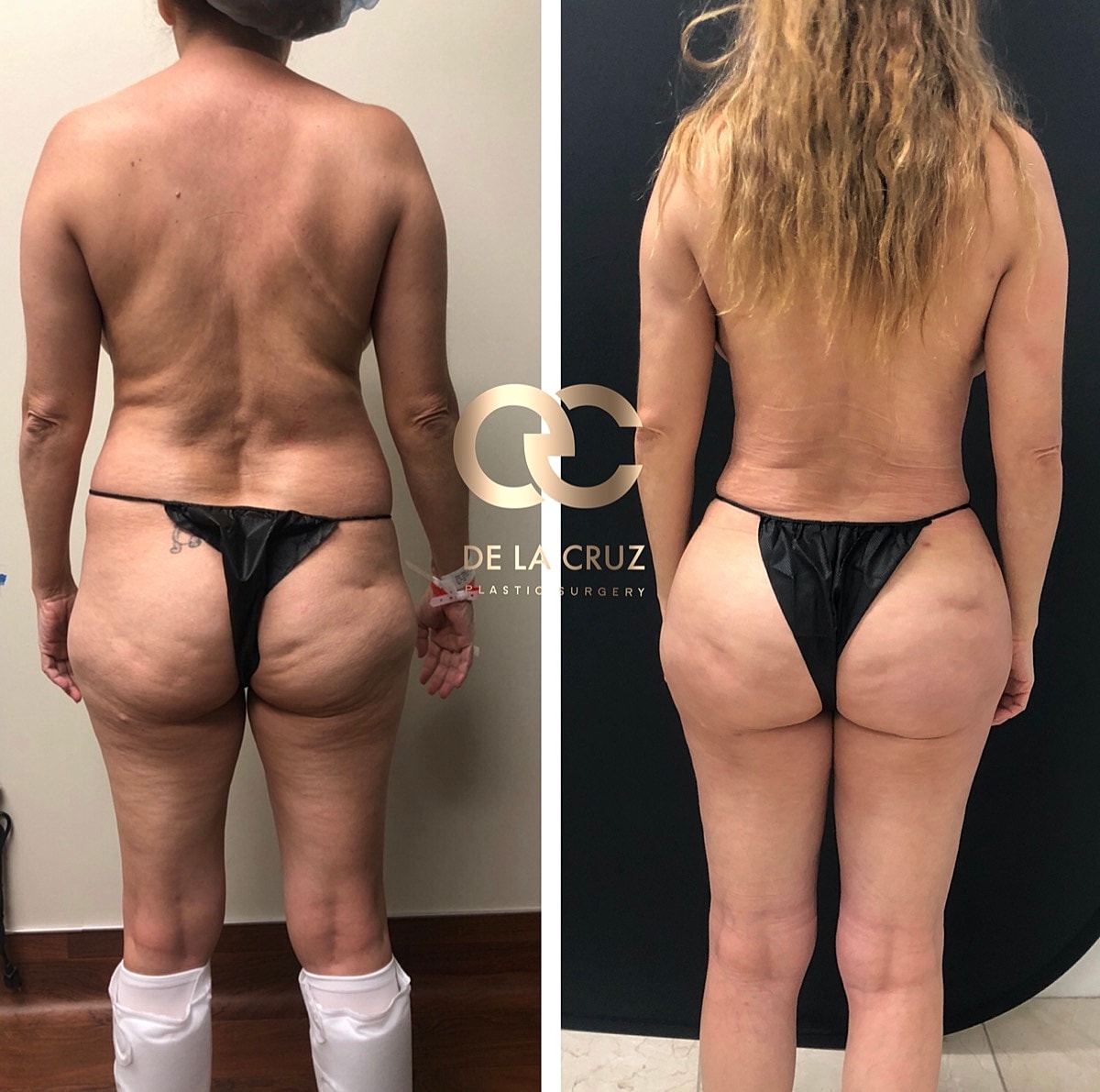
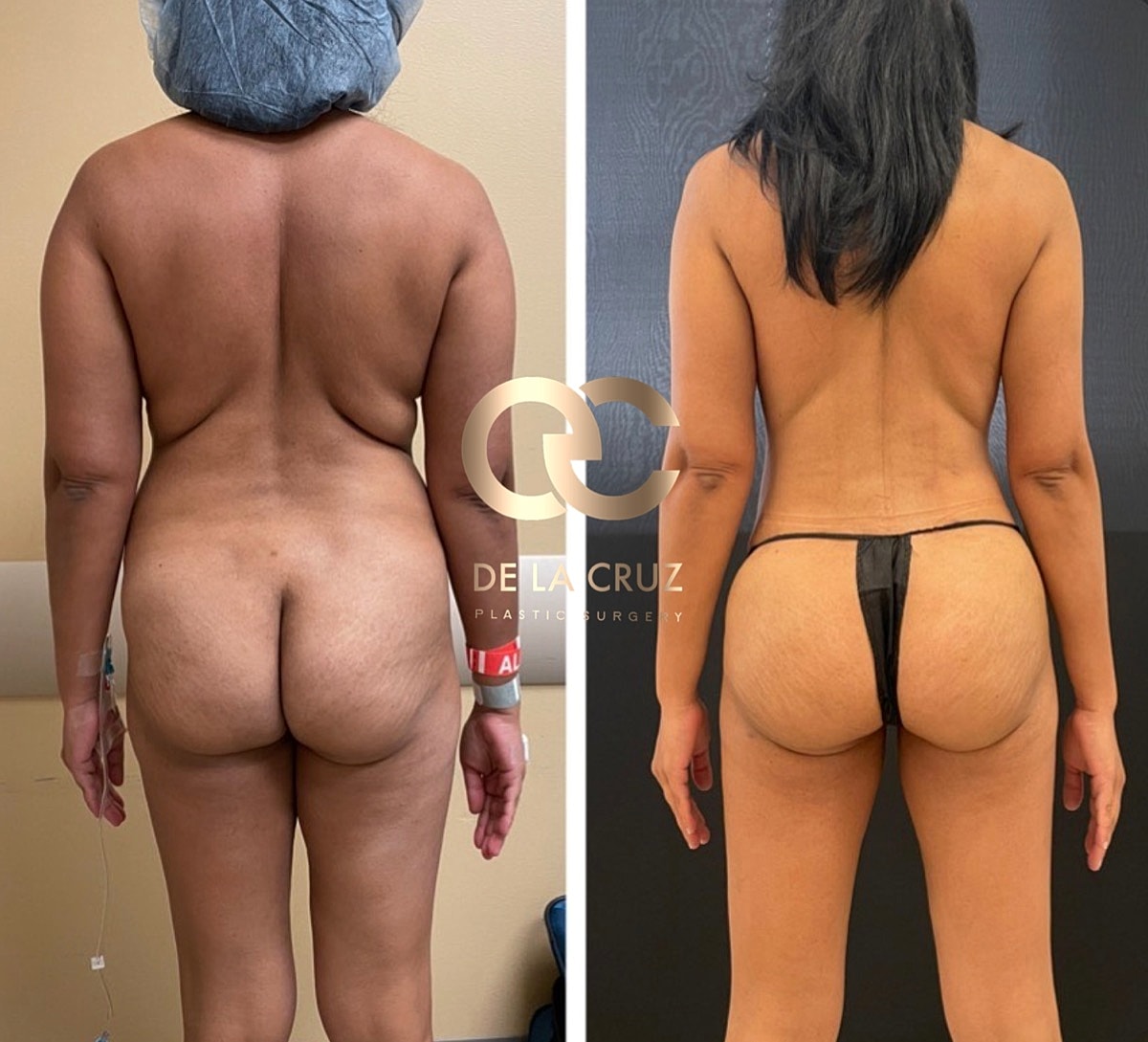
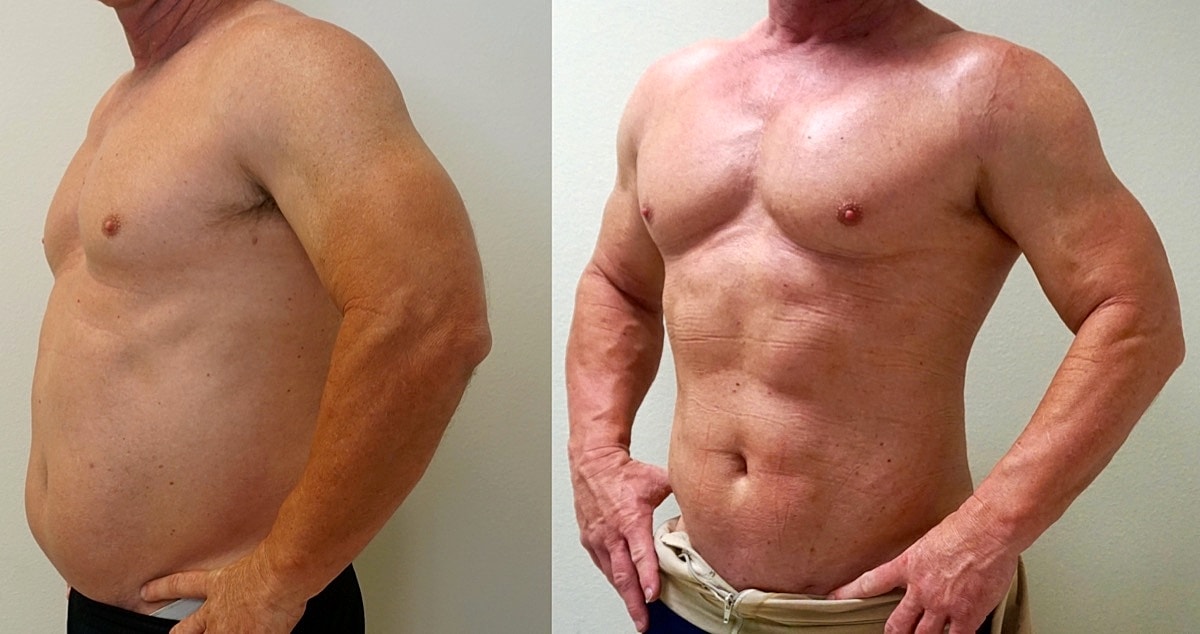
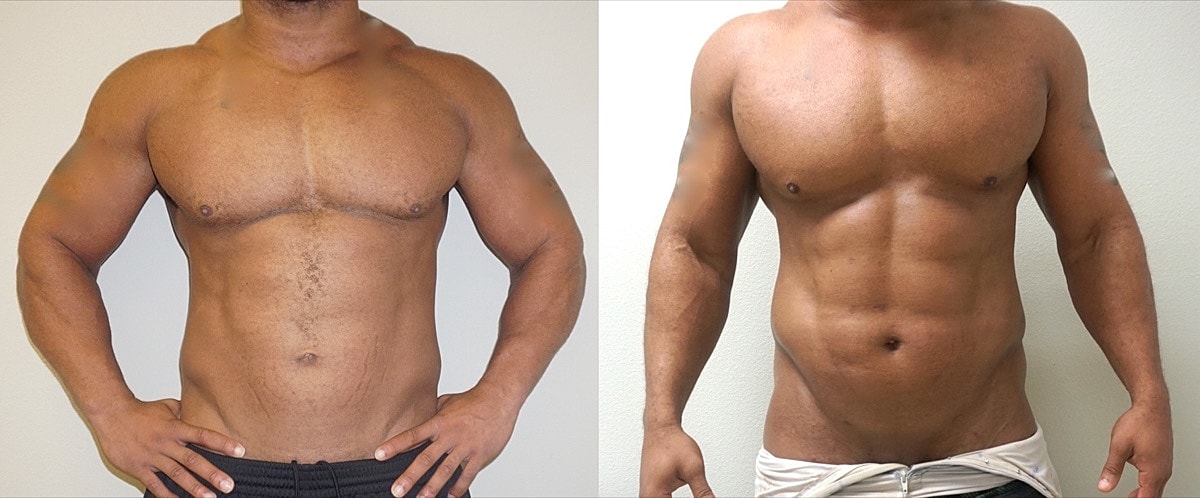
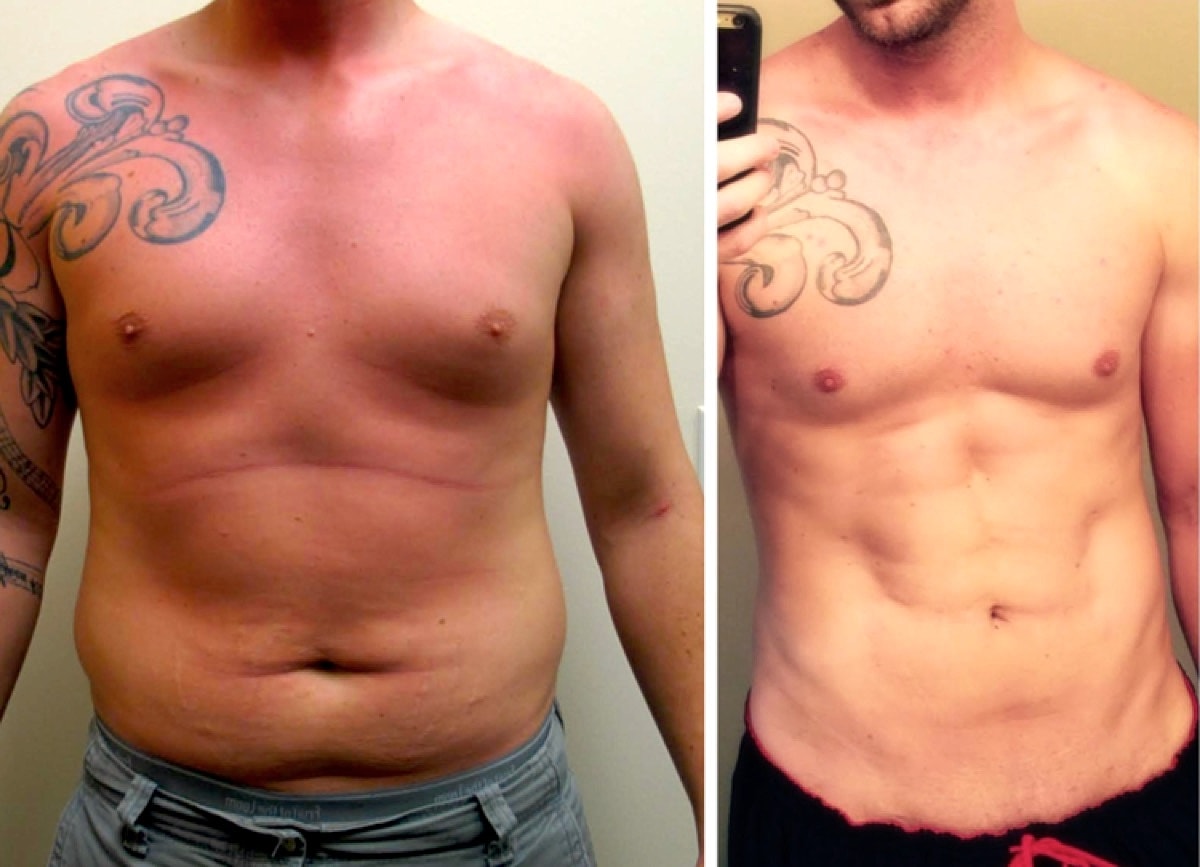
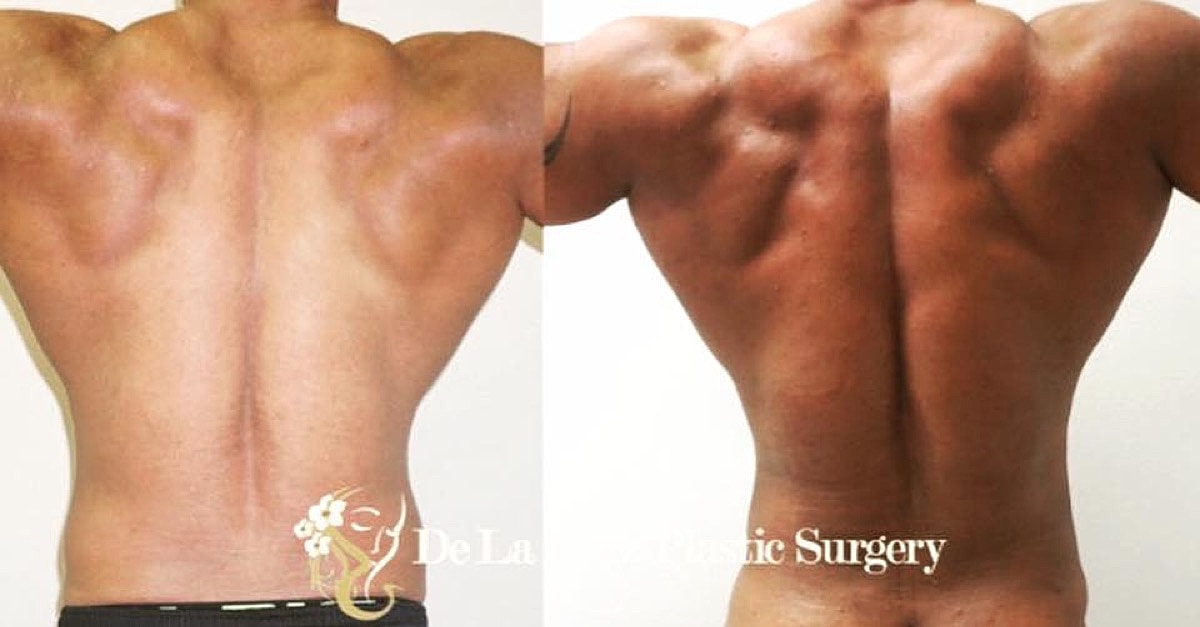
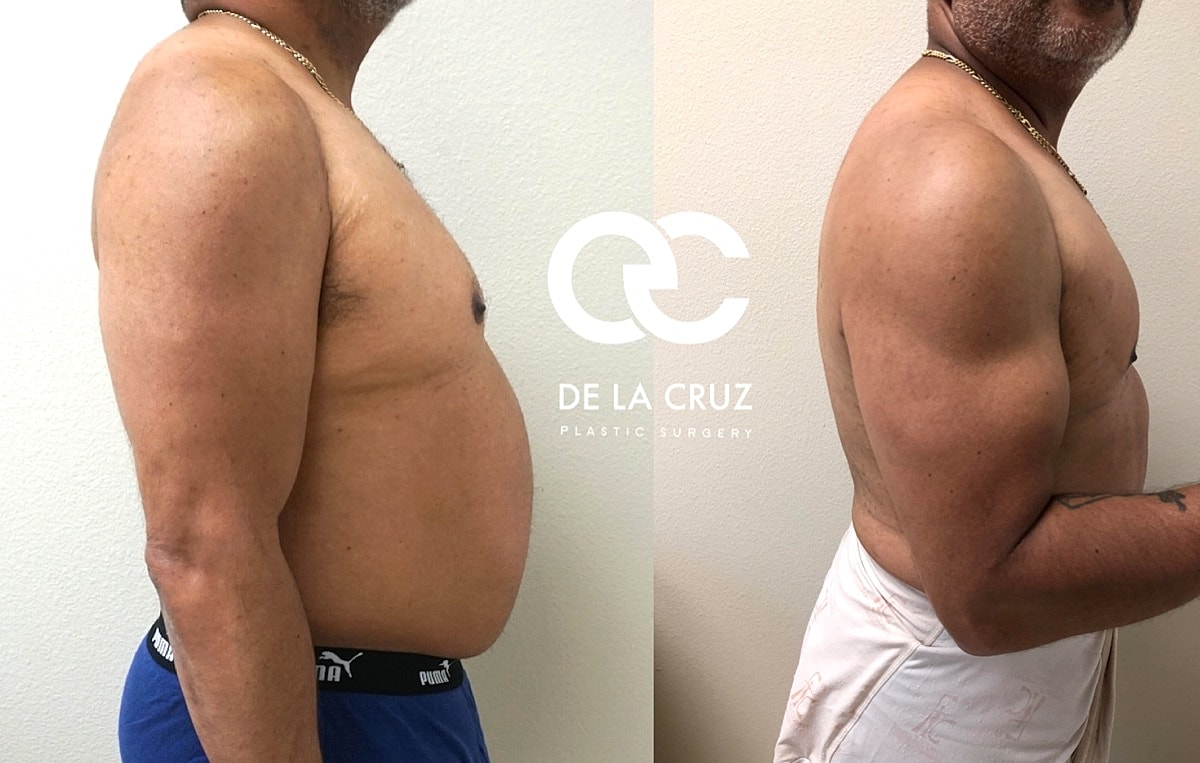
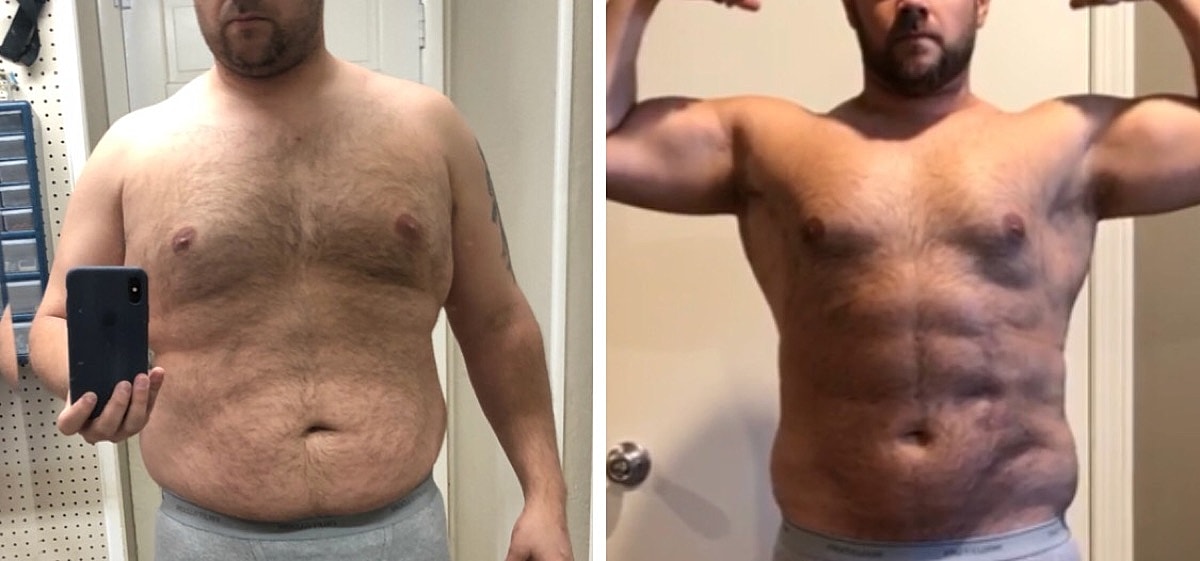
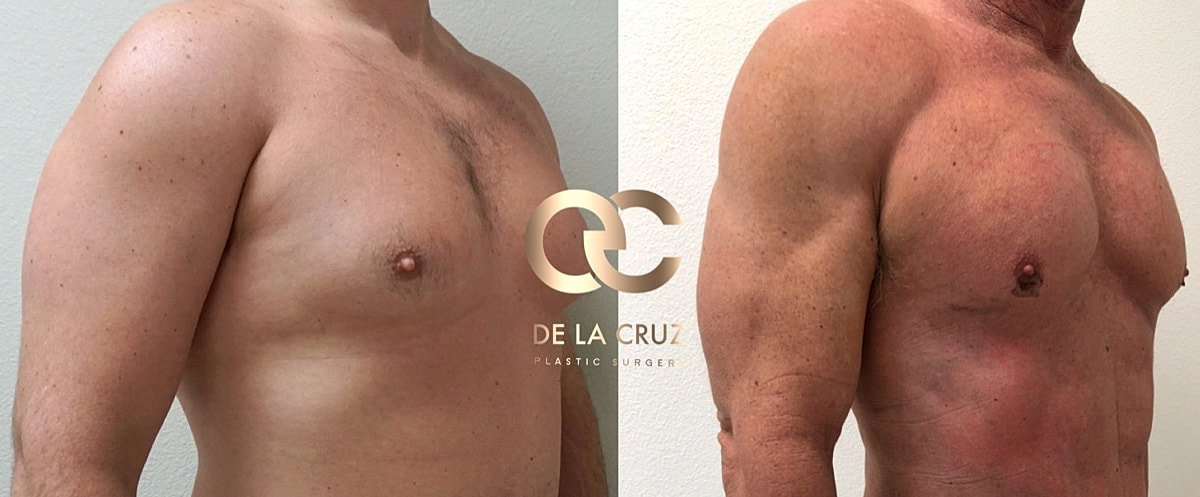
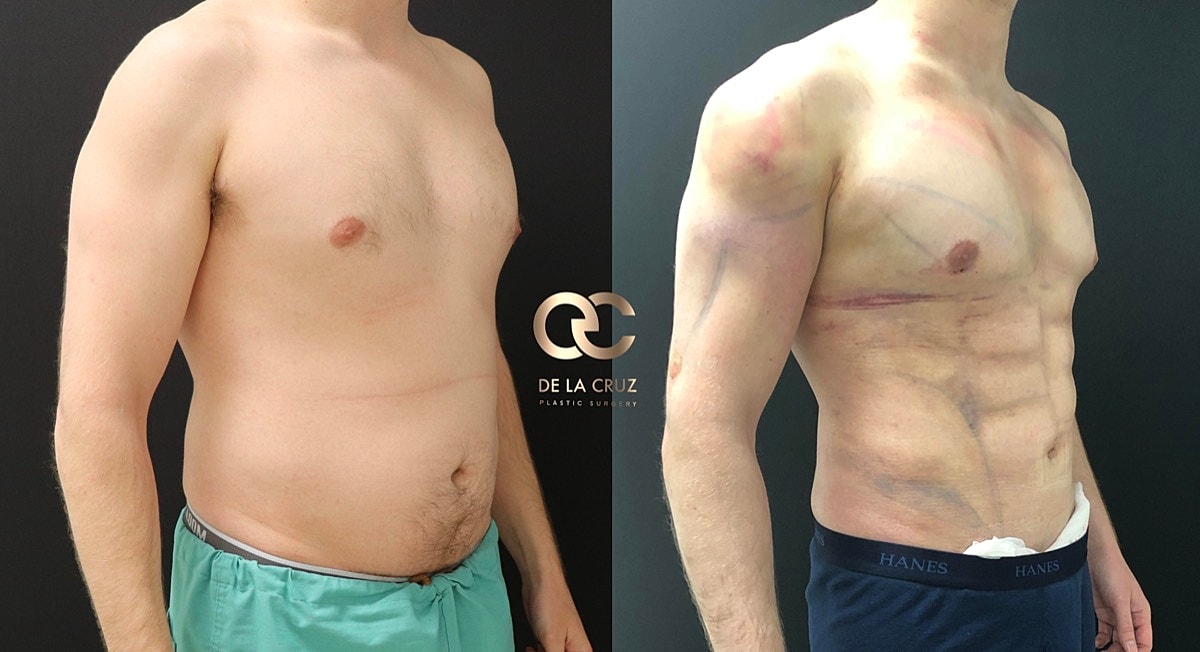
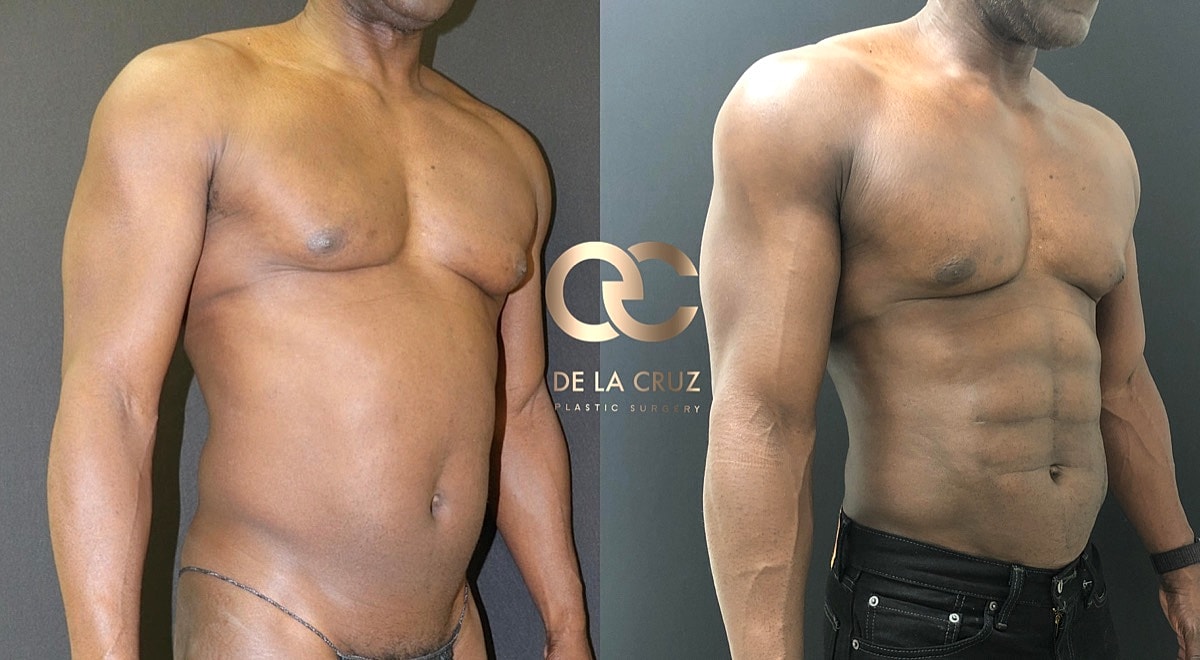
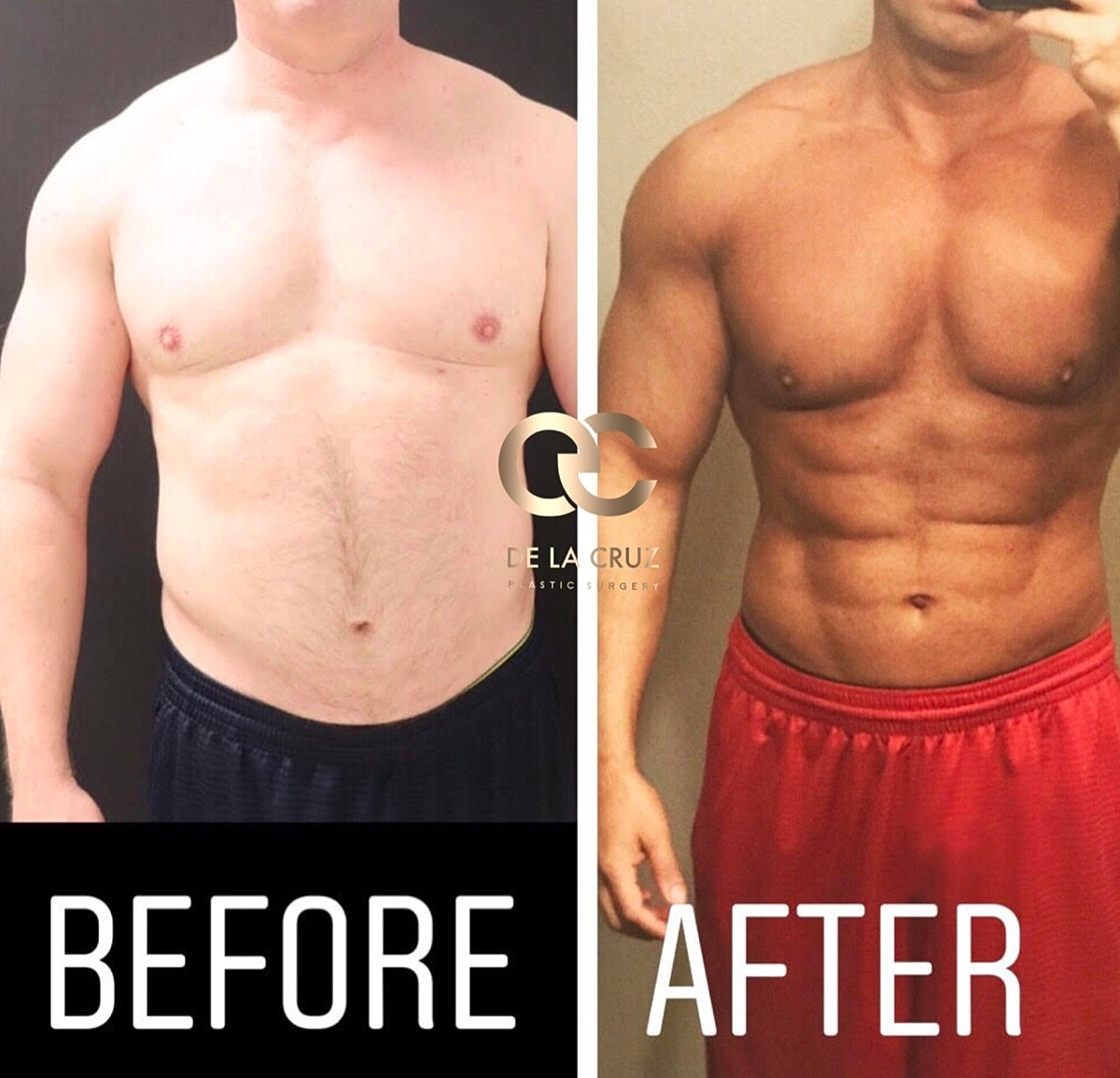
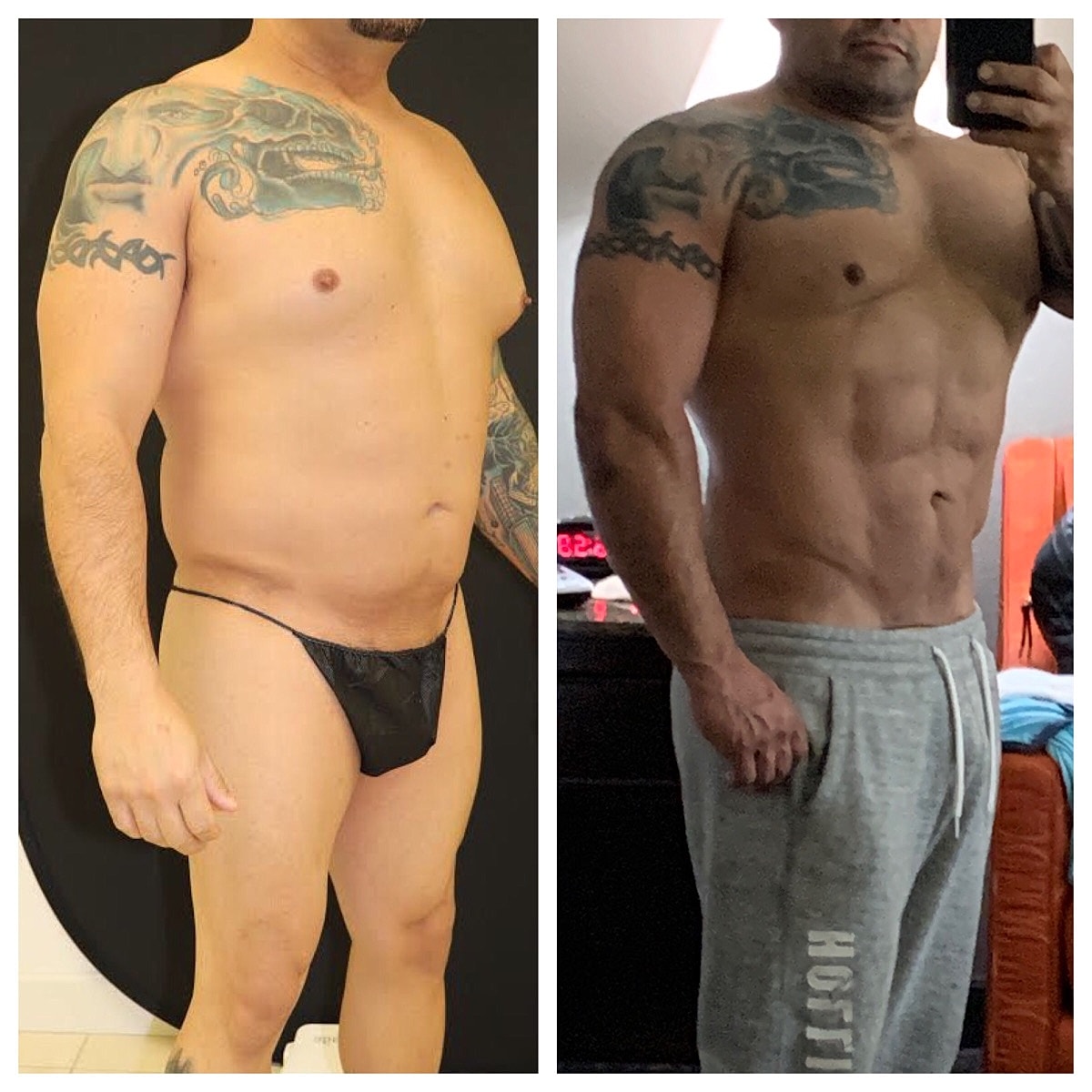
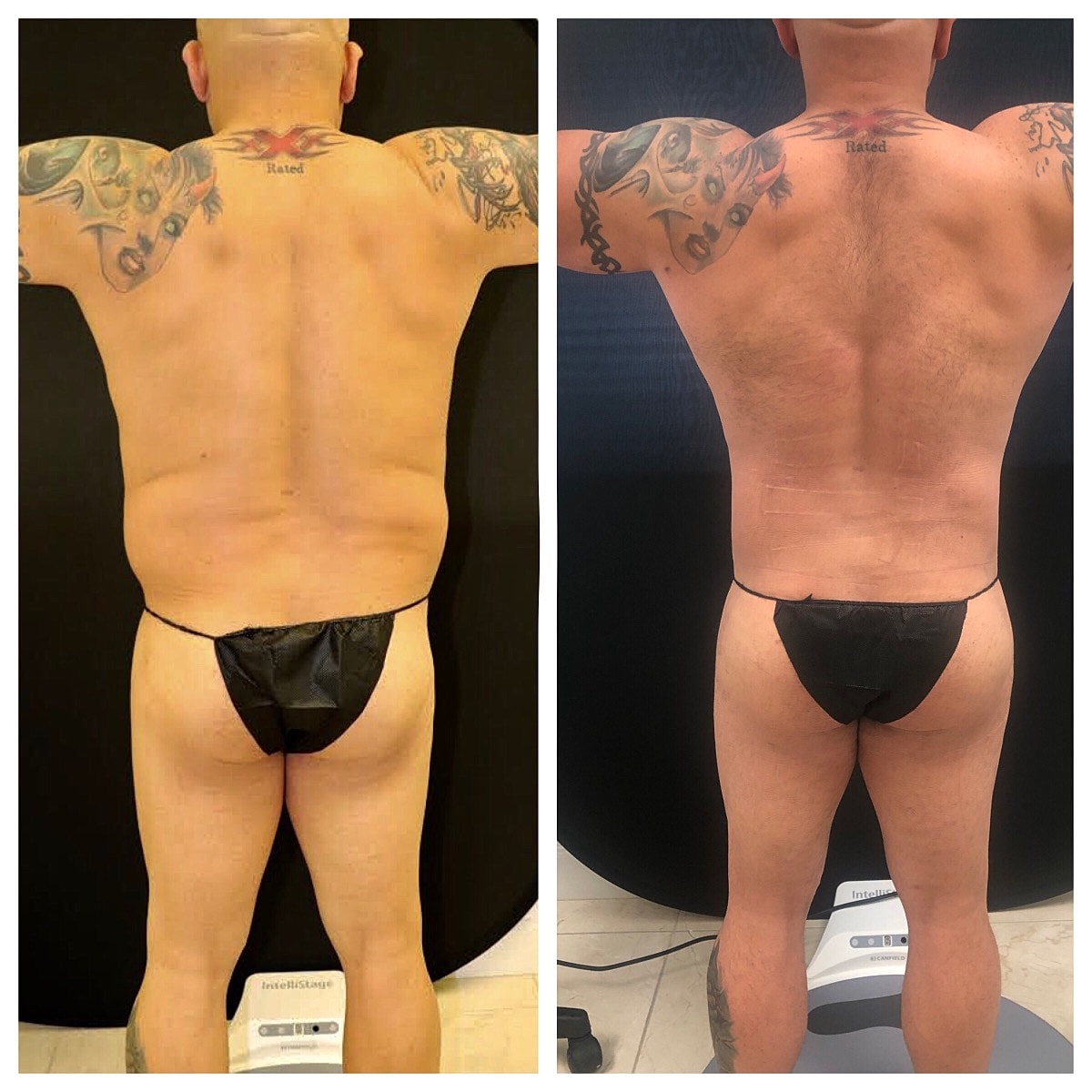
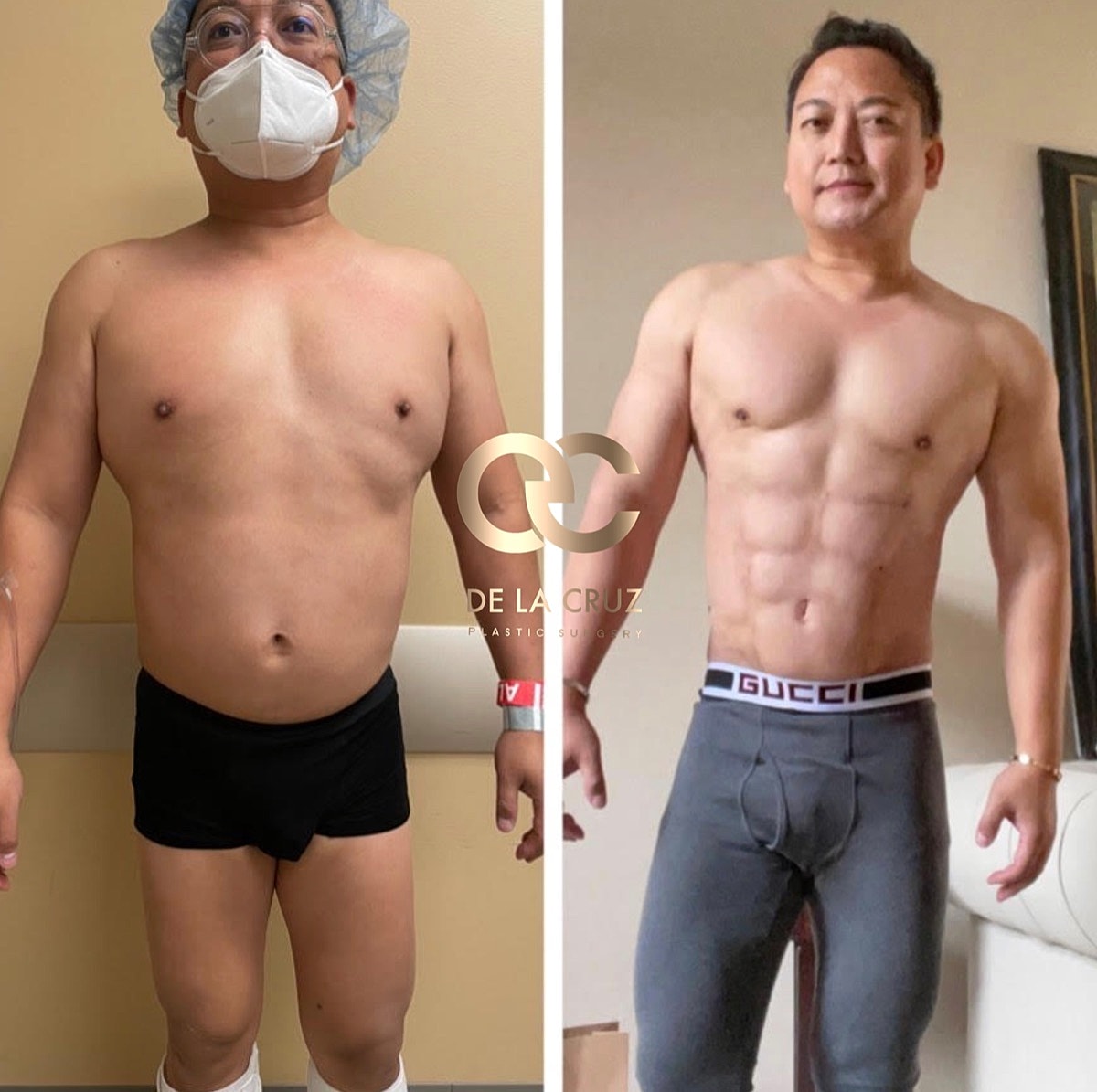
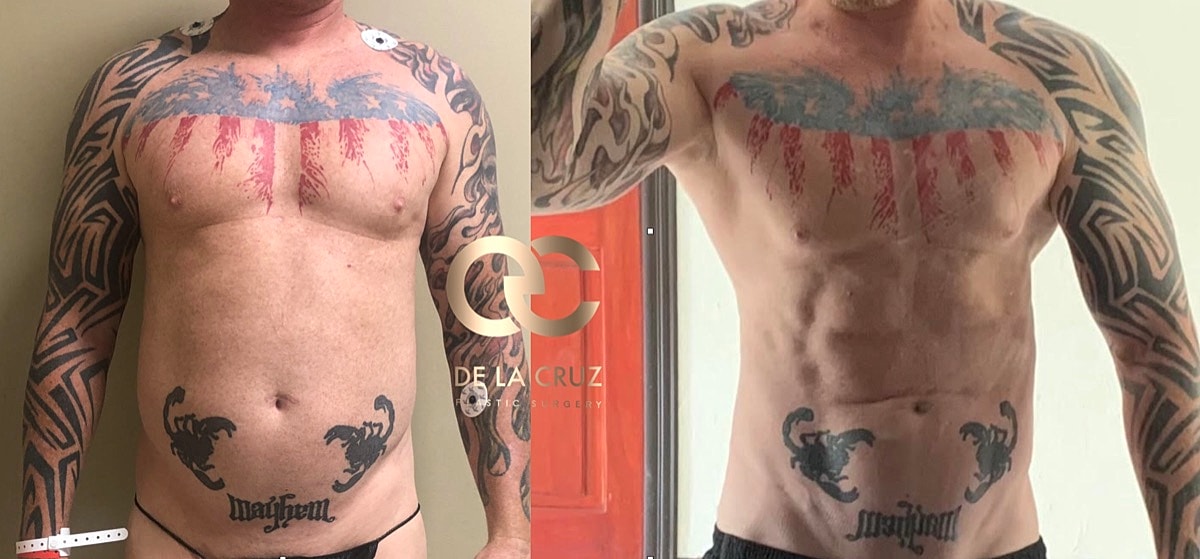
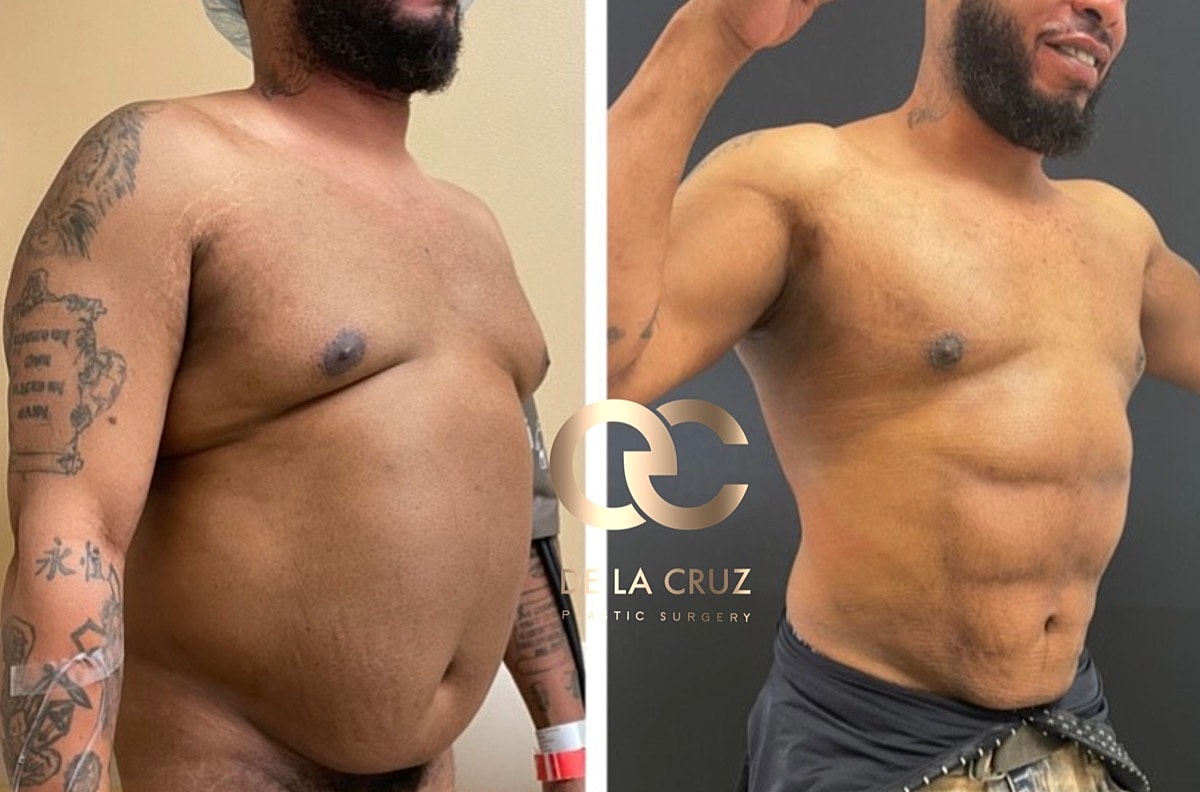
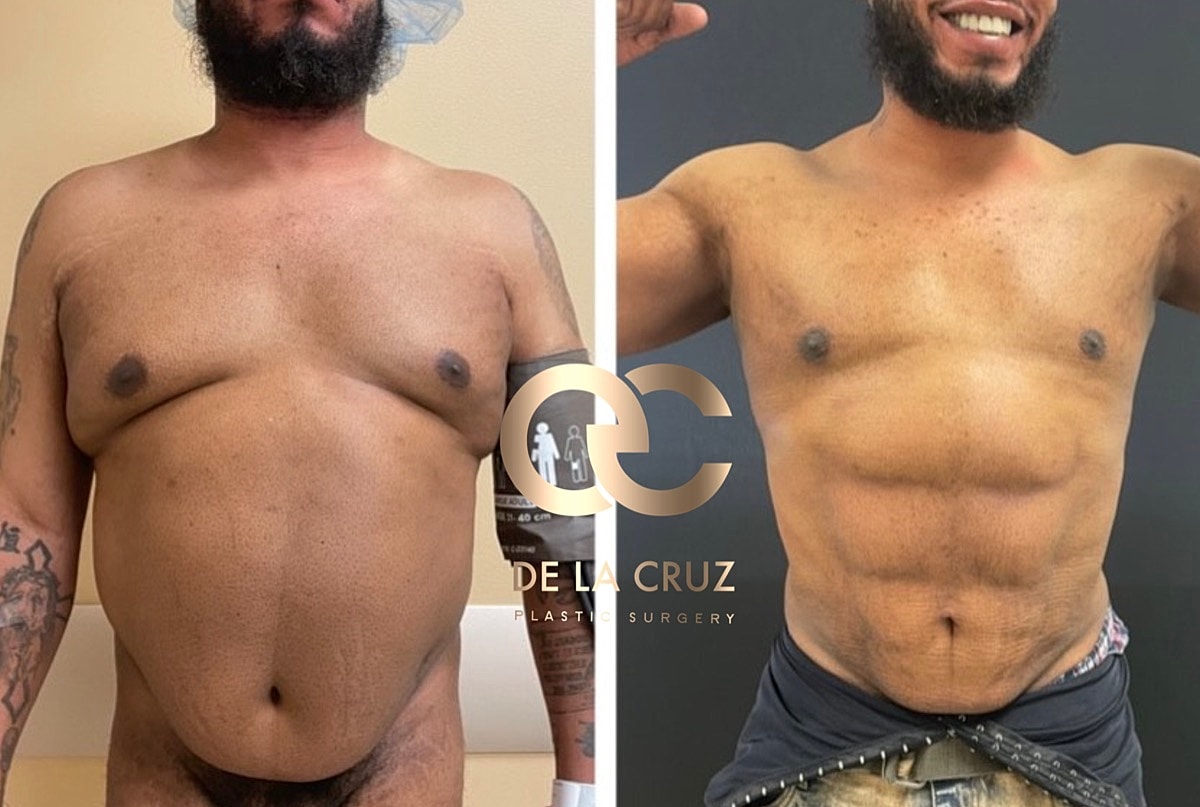
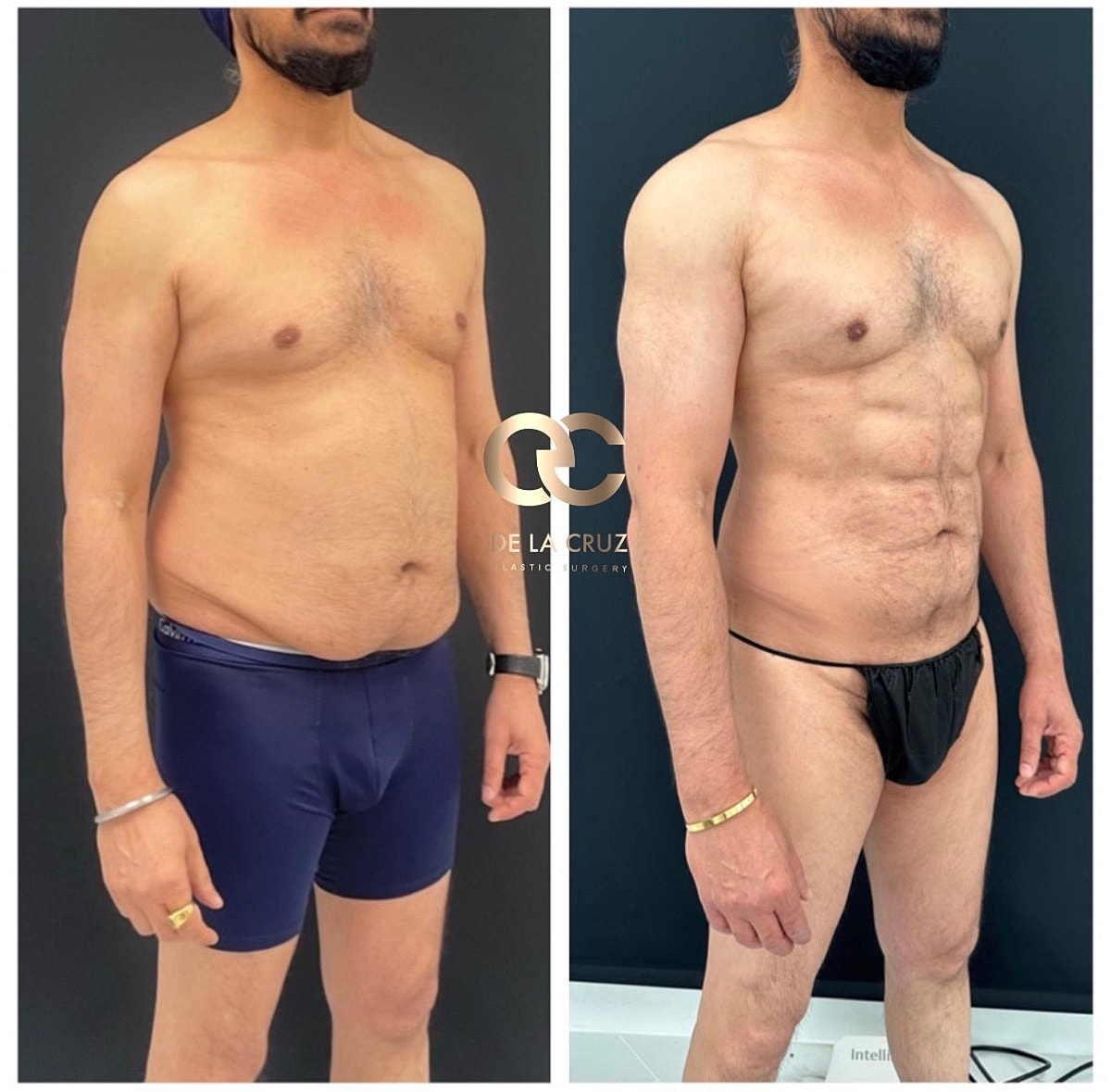
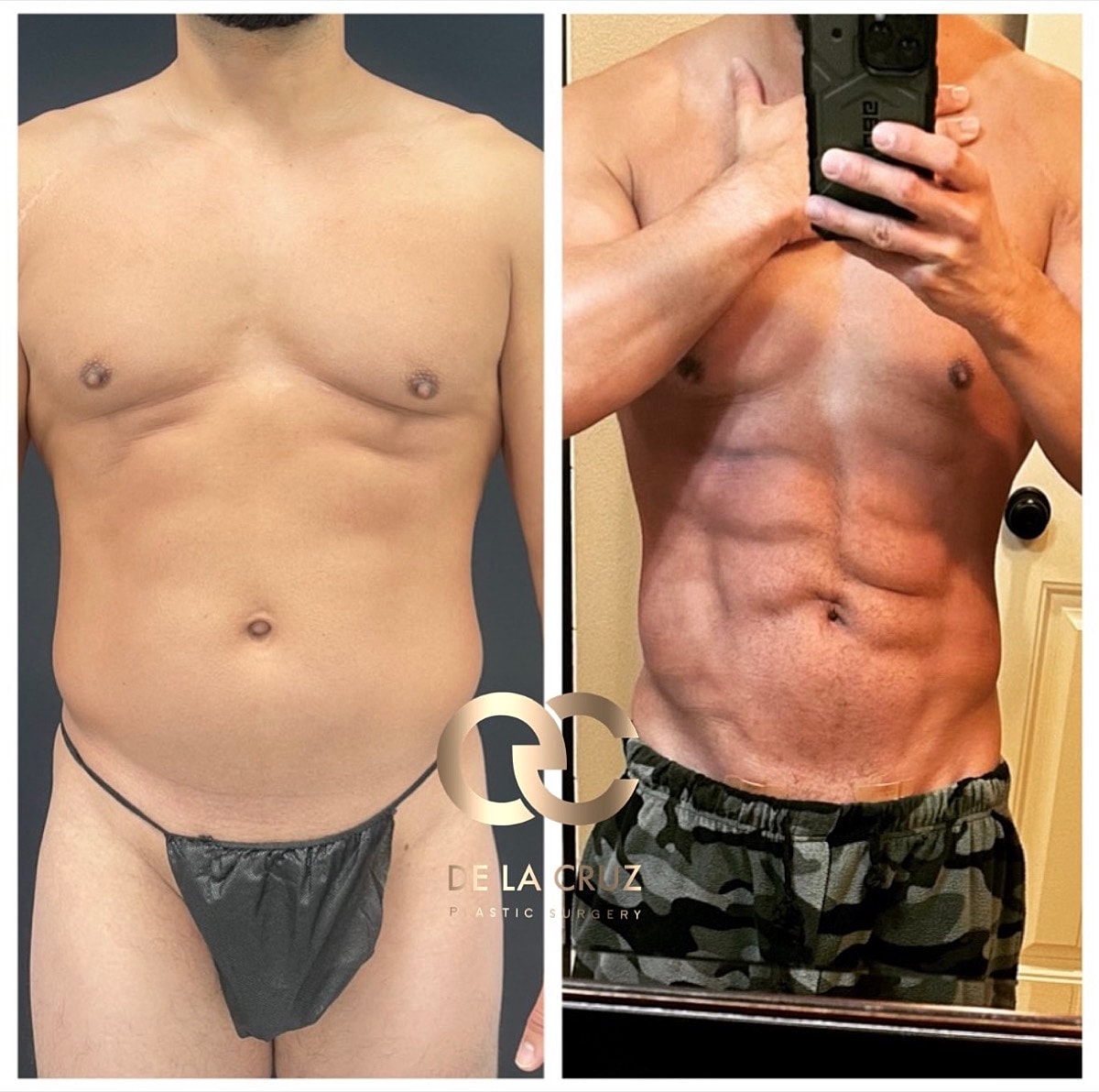
Liposuction is not a weight-loss procedure. It is a body contouring technique designed to refine shape, improve proportion, and enhance definition after weight has stabilized.
In contrast, medications such as GLP-1 agonists (e.g., semaglutide) and bariatric surgery are designed for significant weight reduction—but often come with esthetic trade-offs, including skin laxity and volume loss.
Liposuction is not a weight-loss procedure—it is a body contouring technique designed to refine shape and improve proportion. To better understand how liposuction works, including techniques, recovery, and expected results, visit our Ultimate Guide to Liposuction.
For patients considering surgical options, you can also learn more about liposuction in Houston and how advanced techniques are used to create natural, balanced results.
This article is part of our comprehensive liposuction resource library. For a complete overview, visit our Liposuction in Houston page, explore the Ultimate Guide to Liposuction, and review real patient outcomes in our Before and After Liposuction Results Guide.
1 of 65
The rise of GLP-1 medications has transformed how patients lose weight.
However, rapid and significant weight loss—whether from medications or bariatric surgery—often leads to:
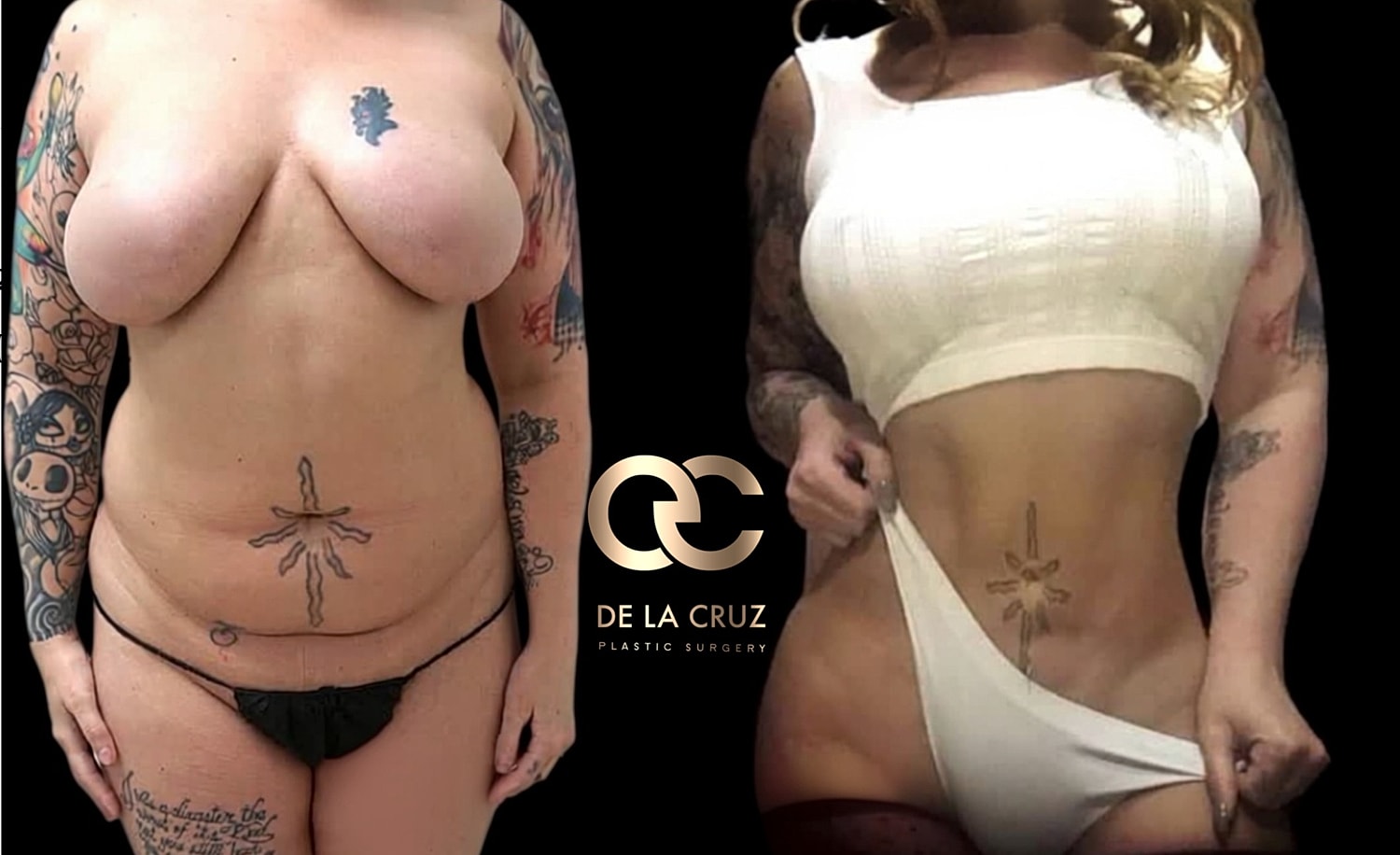
Clinical observations and emerging literature confirm that rapid weight loss frequently results in skin laxity and tissue deflation, creating new esthetic concerns that require treatment.
Liposuction is designed to:
It does not:
👉 In fact, performing liposuction before weight stabilization can compromise results.
Many patients ask how much fat can be safely removed in a single procedure. This is addressed in detail in our guide on how much fat can be removed with liposuction, which explains safety limits and patient selection.
We are now seeing a distinct trend:
Patients who have:
…but are left with:
This is not a failure of weight loss—it is a natural consequence of rapid fat reduction and limited skin retraction.

The skin does not always contract after weight loss, especially when:
As noted in recent clinical literature, GLP-1–induced weight loss can lead to:
When skin laxity develops after rapid weight loss, non-surgical and surgical options may be considered. Our resource on skin tightening after liposuction outlines available technologies and when they are most effective.
In cases of more significant skin excess, patients may require procedures beyond liposuction. Learn more about loose skin after liposuction and when excisional surgery becomes necessary.
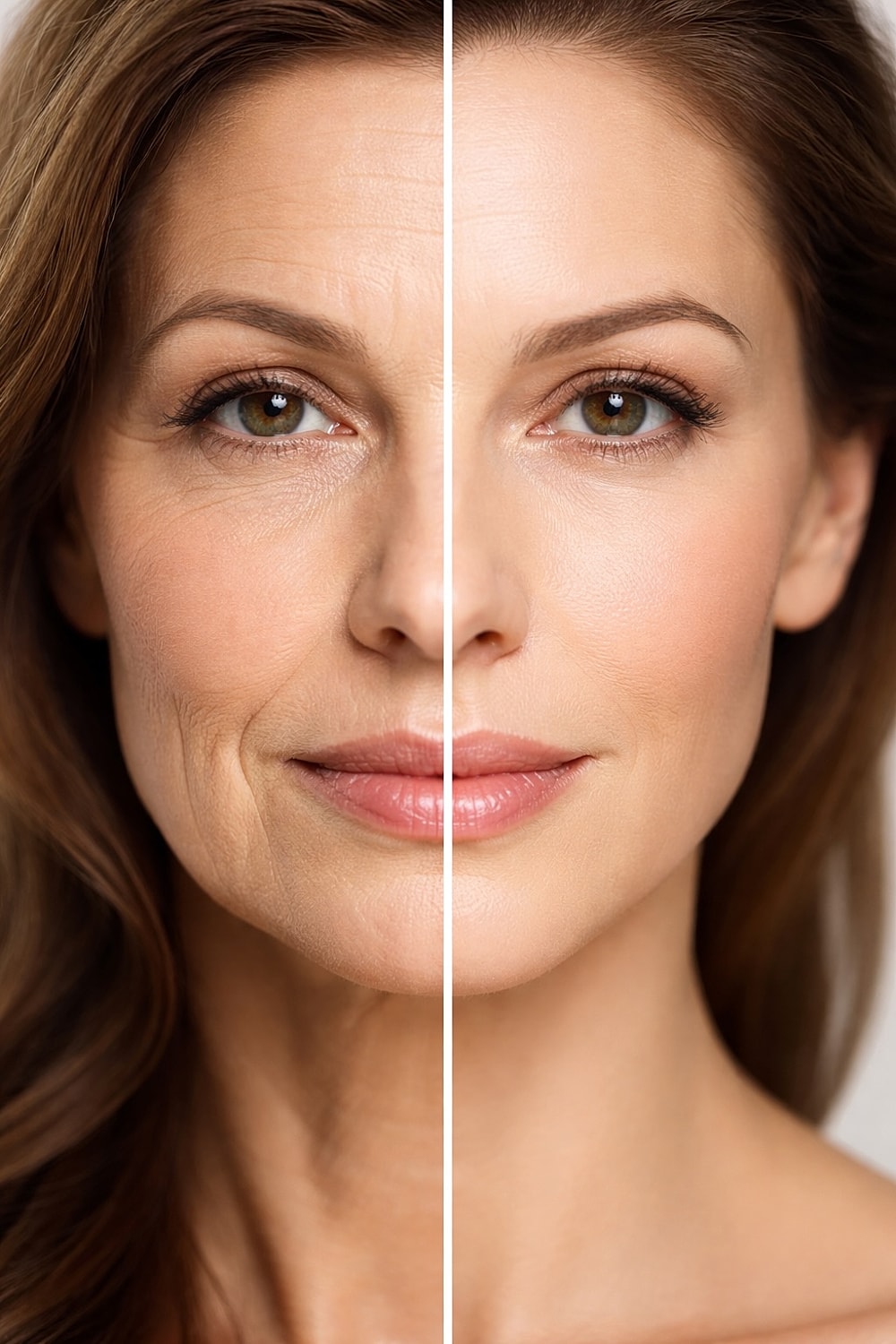
As a result, there is a growing demand for:
Excisional Body Contouring Procedures
Facial Rejuvenation
Adjunctive Contouring
👉 These procedures address what weight loss alone cannot: excess skin and structural contour.

In the Ozempic era, liposuction in Houston plays a supportive, precision role:
It is most effective when: 👉 used after weight loss—not instead of it
Many patients compare different approaches to body contouring. For example, understanding the difference between procedures such as liposuction vs tummy tuck can help determine the most appropriate treatment based on skin laxity and goals.
For optimal results:
This sequence ensures:
Learn more about Liposuction after GLP1 Weightloss.
For patients undergoing body transformation, timing is critical. Returning to activity safely is also important—our guide on exercise after liposuction explains when and how to resume workouts.
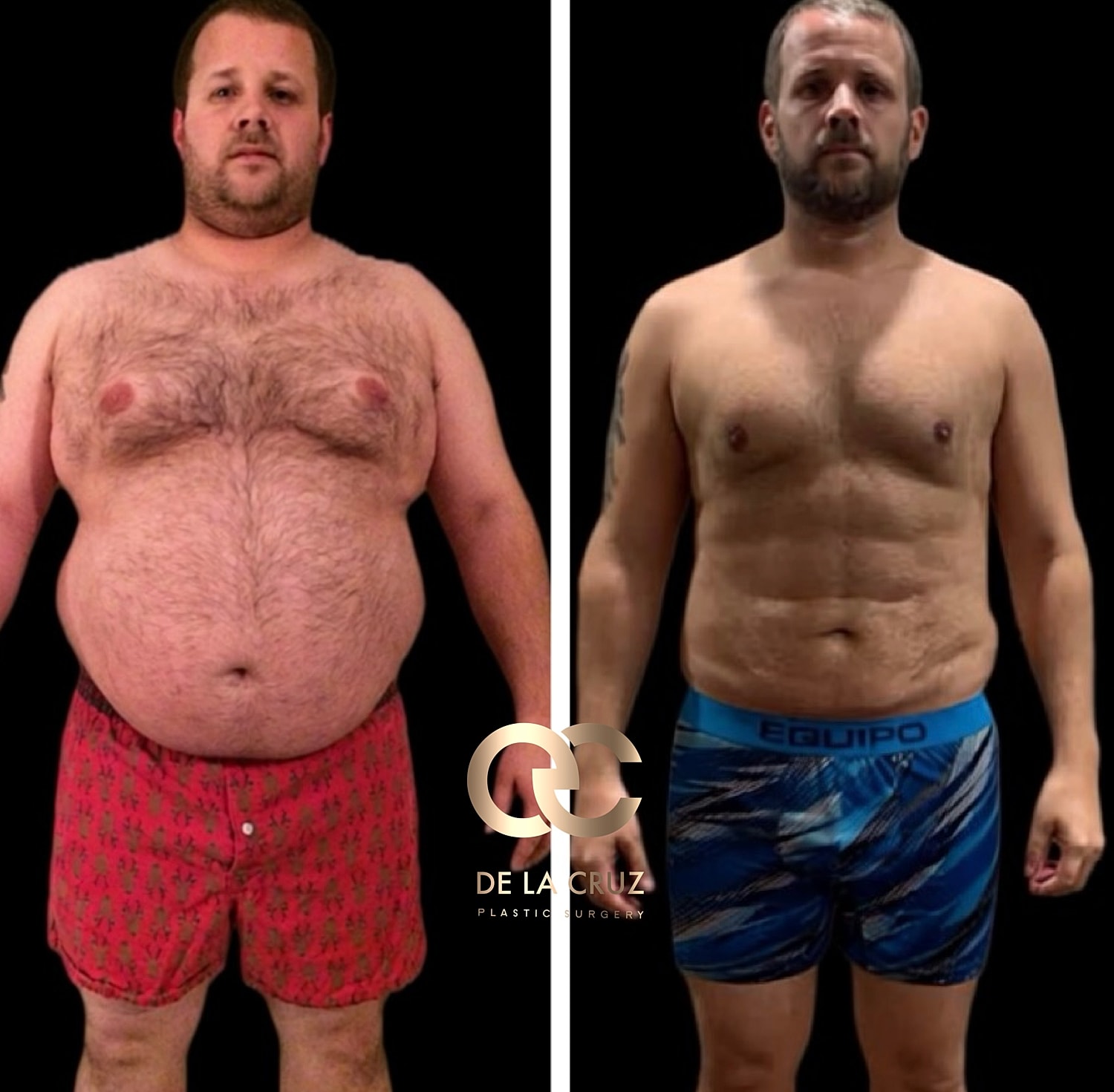
The Ozempic era has redefined weight loss—but it has also exposed its limitations. While patients can lose weight more effectively than ever, achieving a balanced, natural appearance often requires more than reduction alone.
True results depend on recognizing the difference between weight loss and body contouring.
👉 Liposuction is the refinement phase. 👉 It is not a substitute for weight loss—it is what completes it.
Double Board-Certified Plastic Surgeon Dr. Emmanuel De La Cruz is double board-certified and specializes in advanced body contouring procedures with a focus on safety, precision, and natural-looking results.
Expertise in Advanced Liposuction Techniques Dr. De La Cruz utilizes modern technologies such as ultrasound-assisted liposuction (VASER) and power-assisted liposuction to improve precision and achieve smoother, more refined body contours.
Artistic Approach to Body Sculpting Liposuction is not simply fat removal. Dr. De La Cruz approaches each procedure as a form of body sculpting, carefully shaping the body to enhance natural proportions and definition.
Personalized Surgical Planning Every patient undergoes a comprehensive consultation and individualized treatment plan tailored to their anatomy, skin quality, and aesthetic goals.
Safety-Focused Surgical Care Procedures are performed in an accredited surgical facility with experienced anesthesia providers and strict safety protocols to prioritize patient safety at every stage.
Experience with Complex and Revision Cases Dr. De La Cruz frequently treats patients requiring revision liposuction or correction of contour irregularities from prior procedures.
Commitment to Surgical Innovation and Education Through ongoing training and participation in national and international meetings in aesthetic surgery, Dr. De La Cruz remains engaged with the latest advancements in body contouring techniques.

No. Liposuction is not designed for weight loss. It is a body contouring procedure that removes localized fat to improve shape and proportion after weight has stabilized.
No. GLP-1 medications such as Ozempic are used for systemic weight reduction, while liposuction is used for refinement of body contour. They serve different purposes and are not interchangeable.
Rapid weight loss can lead to skin laxity, volume loss, and contour irregularities, especially in the abdomen, arms, thighs, and face.
After significant weight loss, the skin often does not fully retract. This can result in excess skin, which may require procedures such as:
No. Liposuction removes fat but does not remove excess skin. Patients with significant skin laxity typically require excisional procedures for optimal results.
No. Liposuction removes fat but does not remove excess skin. Patients with significant skin laxity typically require excisional procedures for optimal results.
Liposuction is best performed after weight has stabilized, allowing for more predictable contouring and longer-lasting results.
Yes. Liposuction is often combined with procedures such as tummy tuck, arm lift, or thigh lift to improve both contour and skin excess.
Rapid fat loss can lead to facial volume depletion, sometimes referred to as “Ozempic face,” resulting in a more hollow or aged appearance.
In many cases, yes. Patients who experience substantial weight loss may require a combination of procedures to address fat, skin, and volume changes.
Weight loss reduces overall body mass. Body contouring—such as liposuction or excisional surgery—refines shape, removes excess skin, and improves proportion.
About the Author
Dr. Emmanuel De La Cruz, MD is a double-board-certified plastic surgeon in Houston, Texas, certified by both the American Board of Plastic Surgery and the American Board of Surgery. He specializes in advanced liposuction and body contouring procedures, including high-definition liposculpture, Brazilian Butt Lift (BBL), revision liposuction, and treatment of lipedema.
Dr. De La Cruz is internationally recognized for his expertise in high-definition liposuction and contour sculpting techniques, which play a critical role in achieving balanced, natural-looking results in procedures such as liposuction and Brazilian Butt Lift surgery. His work focuses on precise body contour sculpting to enhance overall body proportions.
He has lectured internationally on liposuction techniques, fat grafting, and contour irregularity correction, presenting at major scientific meetings including the American Society of Plastic Surgeons (ASPS), the Total Definer Meeting in Bogotá, Colombia, the InMode Symposium in Miami and Beverly Hills, and AestheticStanbul in Istanbul, Turkey, where he was invited to lecture by renowned plastic surgeon Dr. Foad Nahai.
Dr. De La Cruz has also contributed to the scientific literature on liposuction and body contouring. He is the author of “Lipoplasty in the Overweight Patient”, published in the peer-reviewed journal Clinics in Plastic Surgery.
Through his clinical work, research, and international lectures, Dr. De La Cruz focuses on advancing safe, precise, and refined techniques in liposuction, BBL surgery, and modern body contouring.