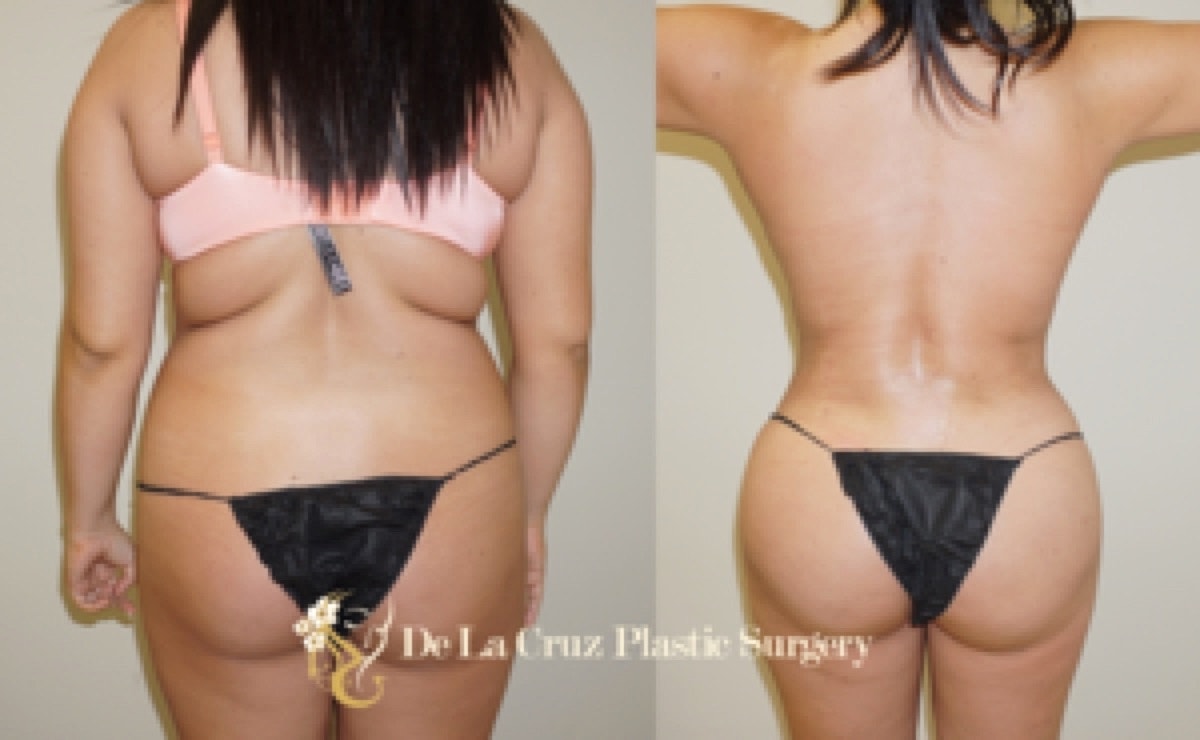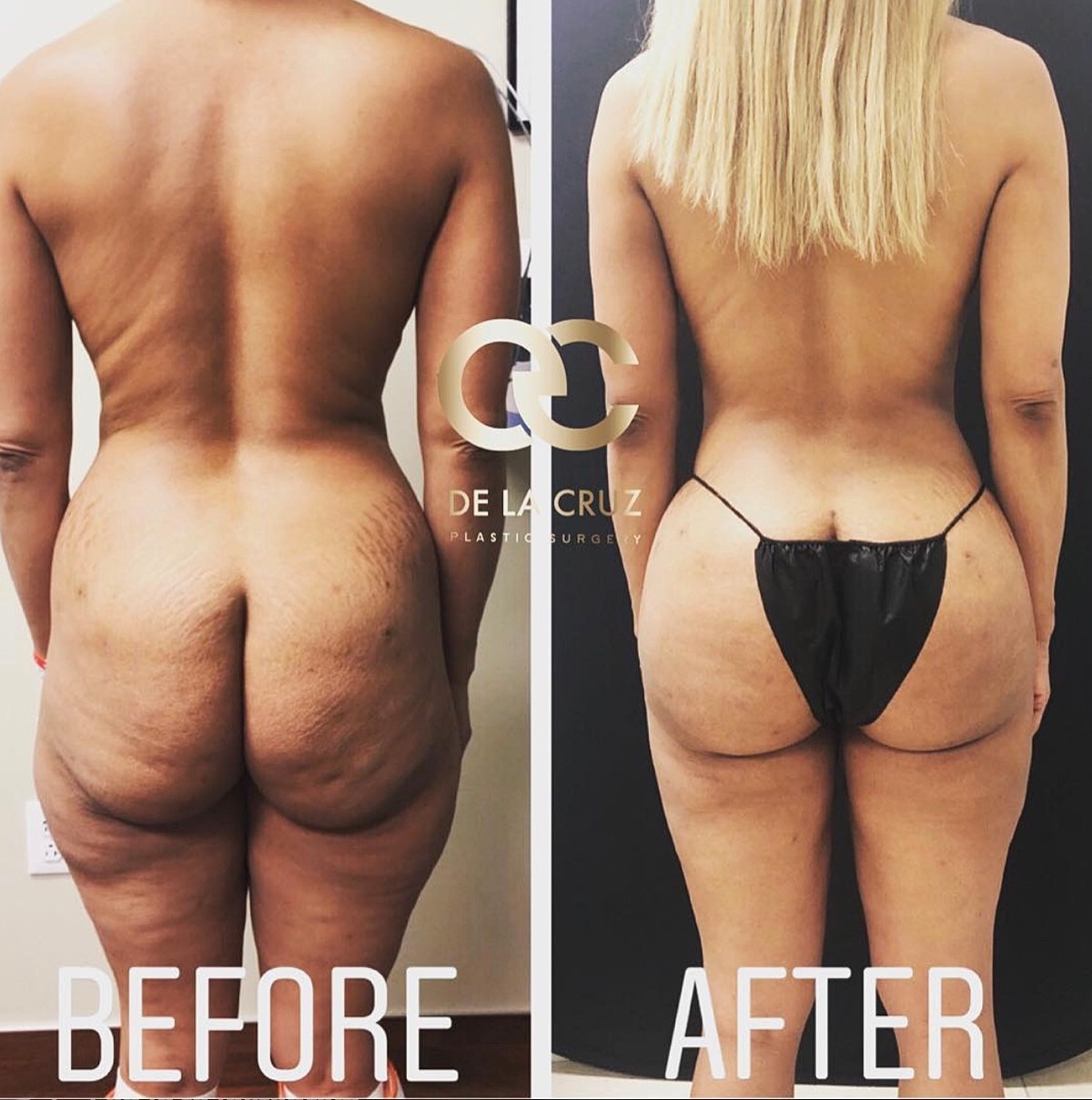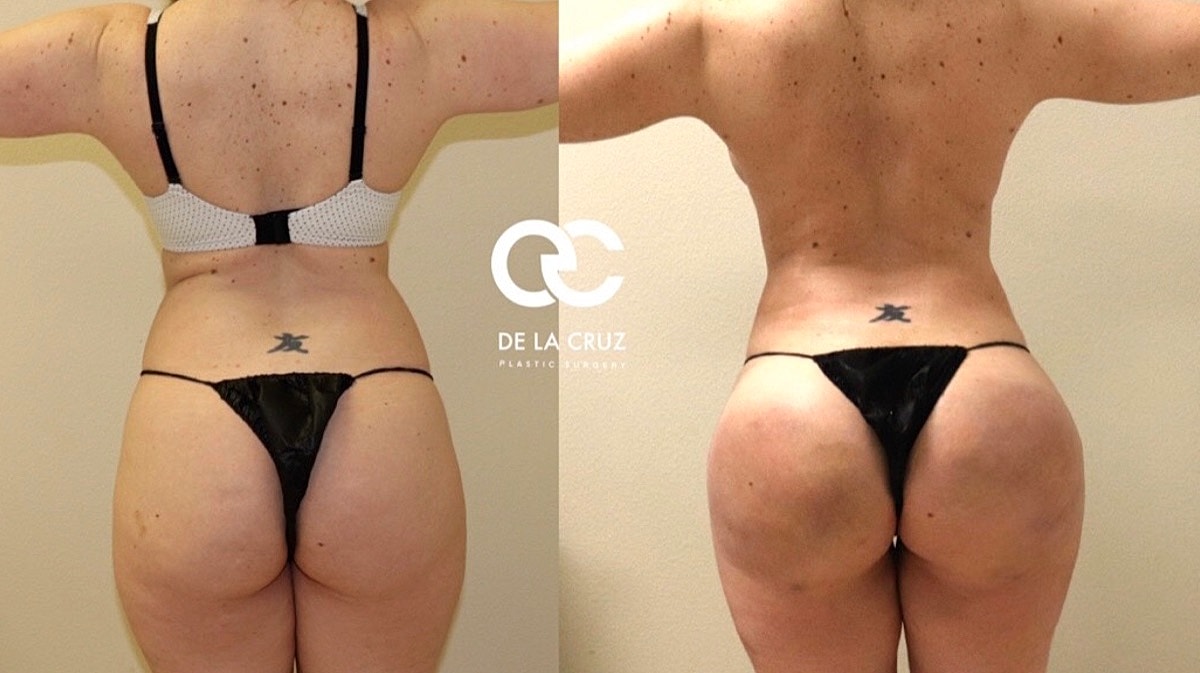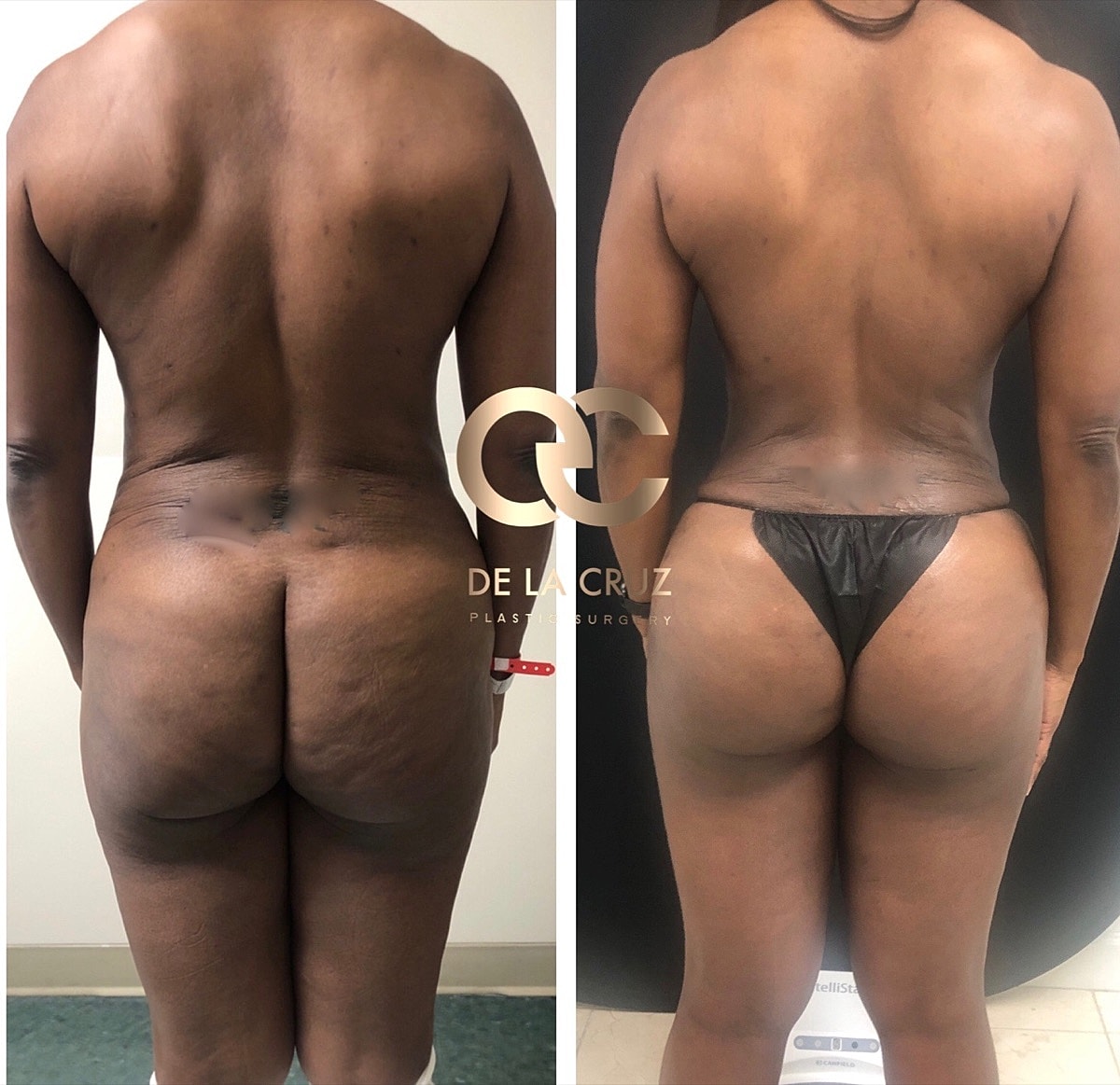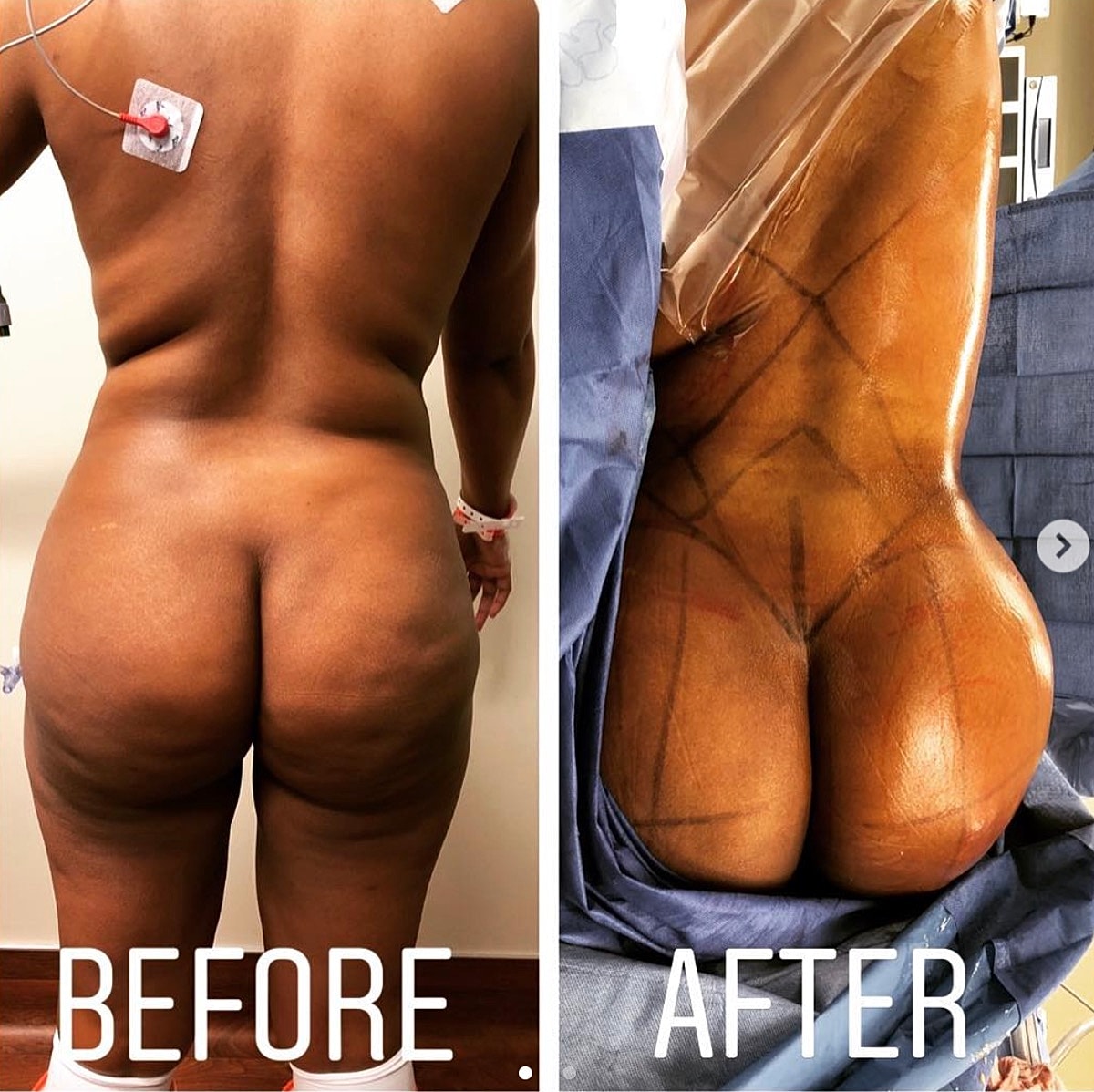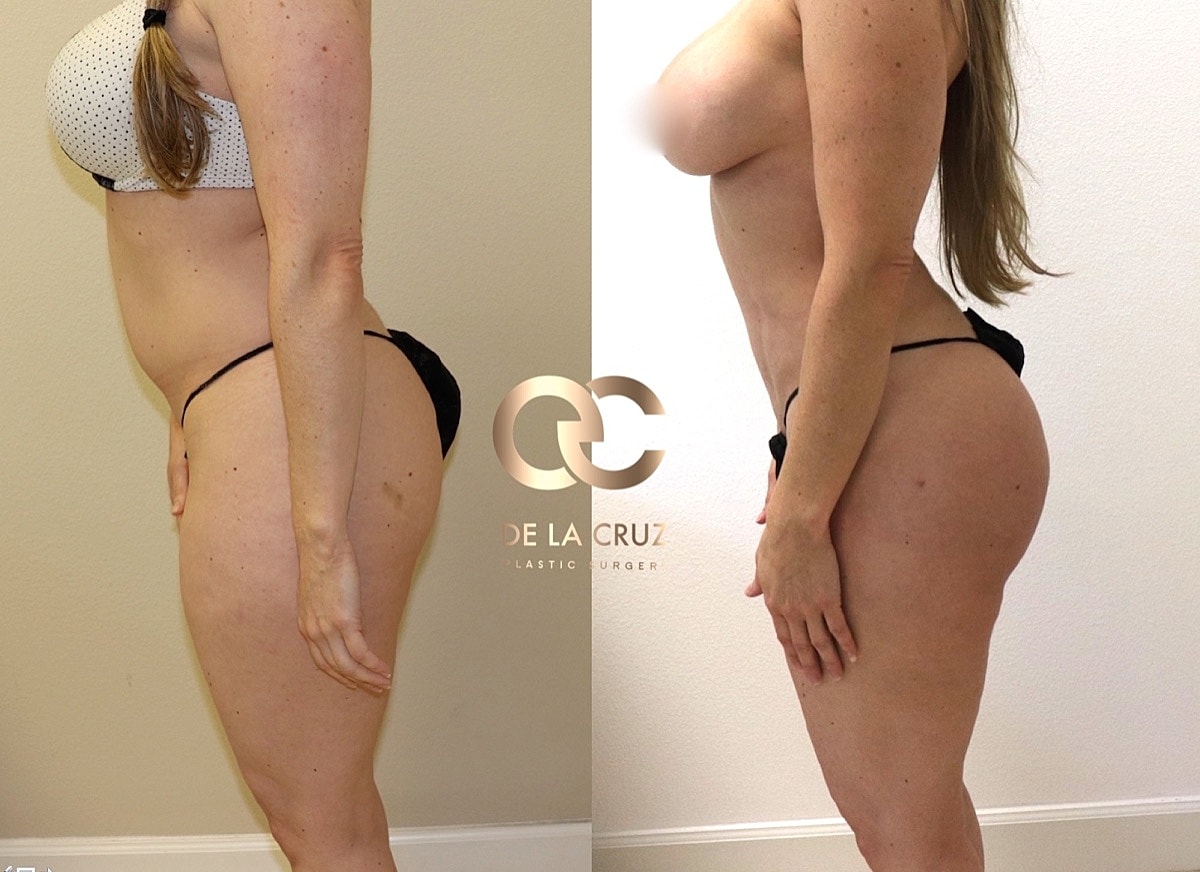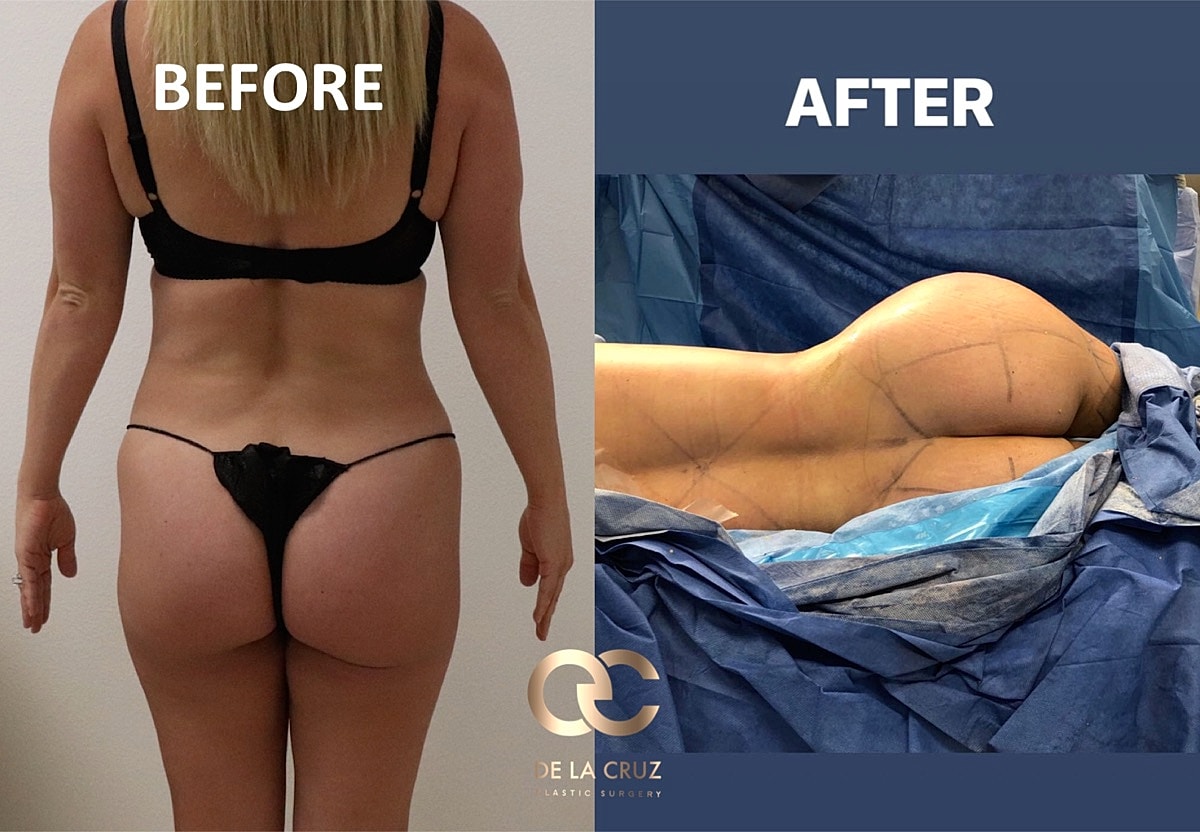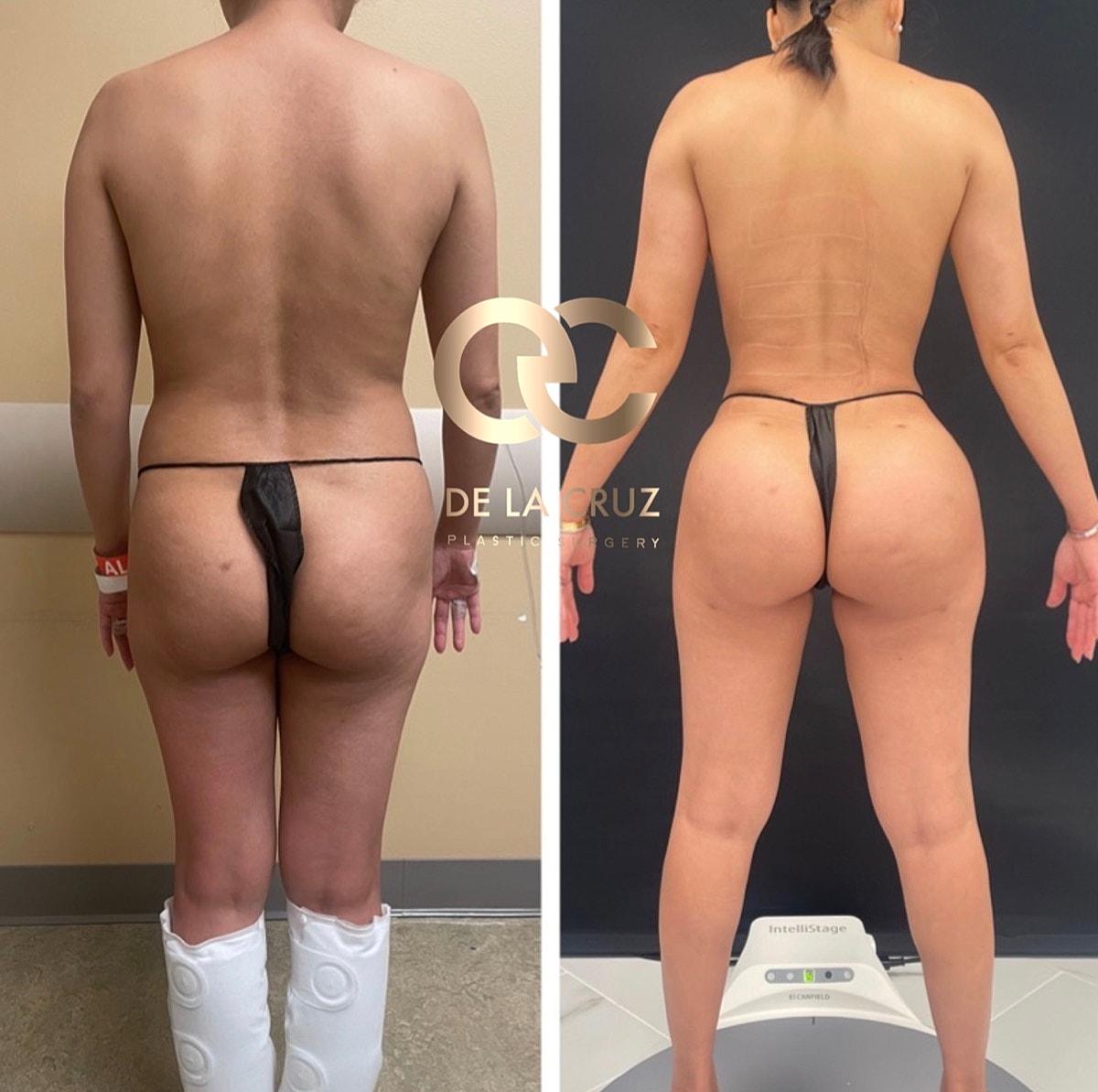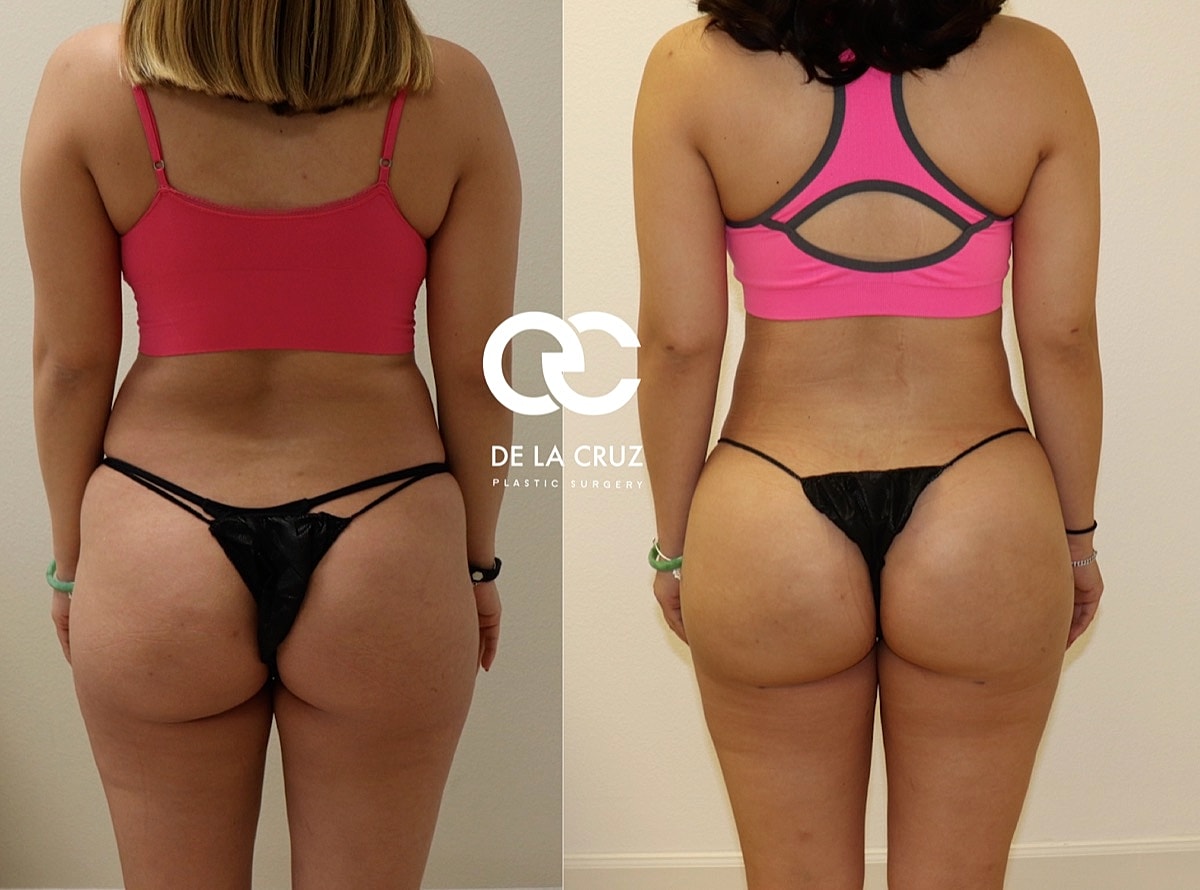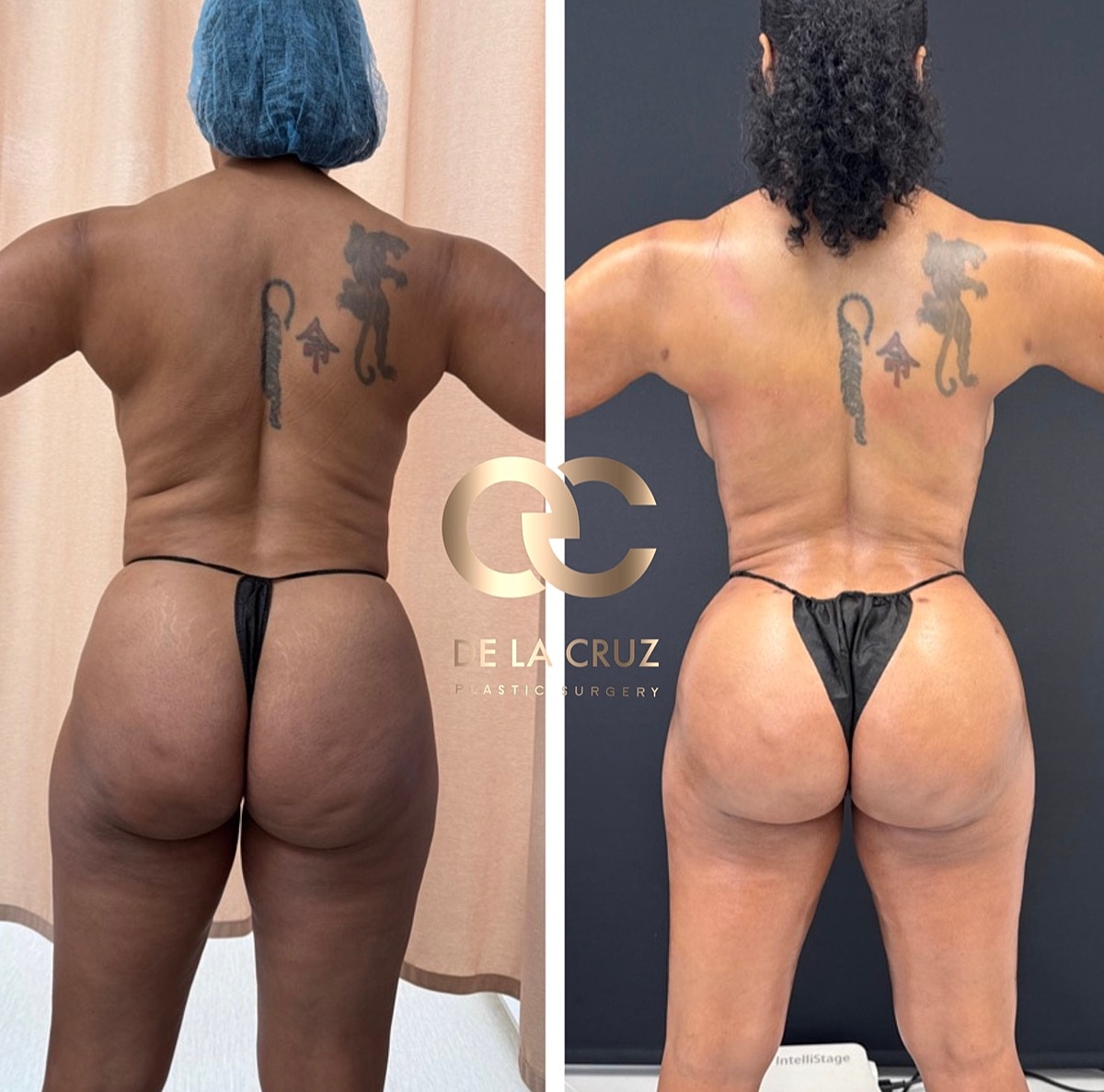
The Evolution of Brazilian Butt Lift (BBL): From Intramuscular Injection to Ultrasound-Guided Fat Transfer
Written by Dr. Emmanuel De La Cruz, MD Double Board-Certified Plastic Surgeon | Houston, Texas
Written by Dr. Emmanuel De La Cruz, MD Double Board-Certified Plastic Surgeon | Houston, Texas
Few cosmetic procedures have changed as dramatically over the past two decades as the Brazilian Butt Lift (BBL). Once viewed primarily as a method of increasing buttock volume using a patient's own fat, the procedure has evolved into one of the most extensively researched and carefully studied operations in aesthetic plastic surgery.
Today's Brazilian Butt Lift is fundamentally different from the techniques performed during its early years. Advances in anatomical knowledge, improvements in liposuction technology, better understanding of fat graft biology, landmark safety research, and the introduction of ultrasound-guided surgery have transformed how experienced plastic surgeons approach gluteal fat grafting.
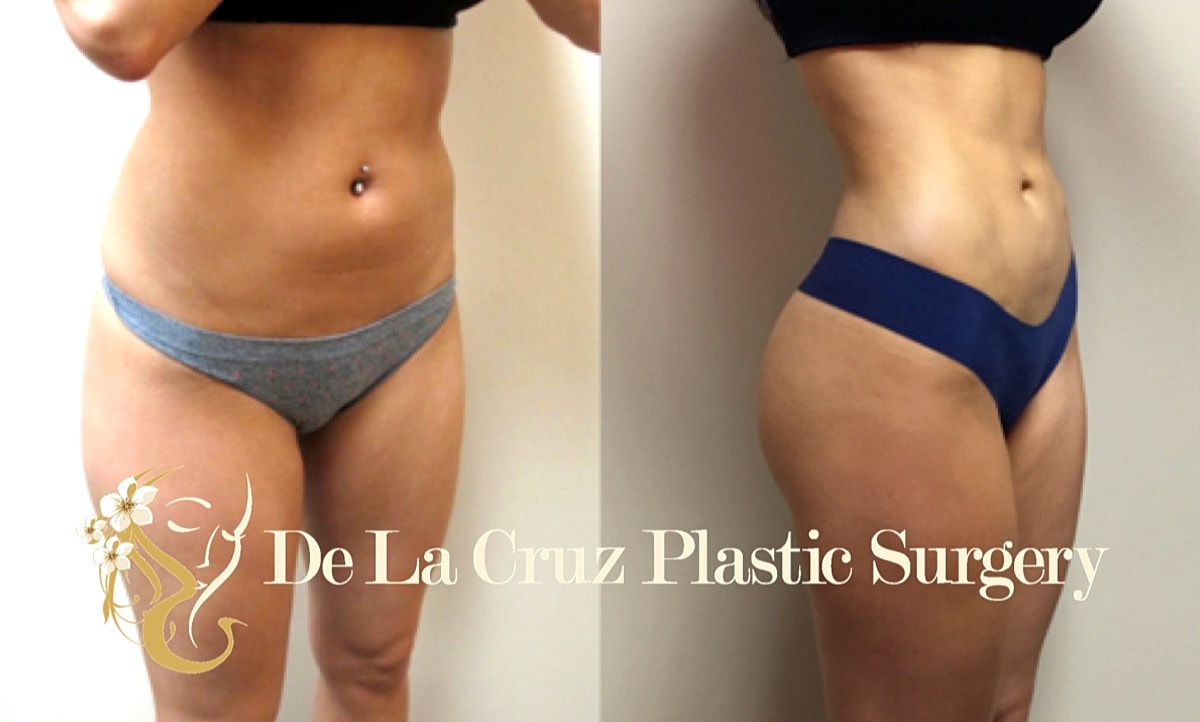
Rather than simply focusing on creating a larger buttock, modern BBL surgery emphasizes three-dimensional body contouring, individualized aesthetic planning, preservation of patient safety, and long-term natural-looking results.
Understanding this evolution helps patients appreciate why modern BBL surgery is safer, more refined, and far more scientific than ever before.
If you’re just starting your research, it’s important to first understand the full procedure, recovery, and safety considerations outlined in our Ultimate BBL Guide, as cost is directly tied to these factors.
At De La Cruz Plastic Surgery, pricing reflects a safety-first, high-definition liposuction approach designed to produce natural, long-lasting results.
1 of 23
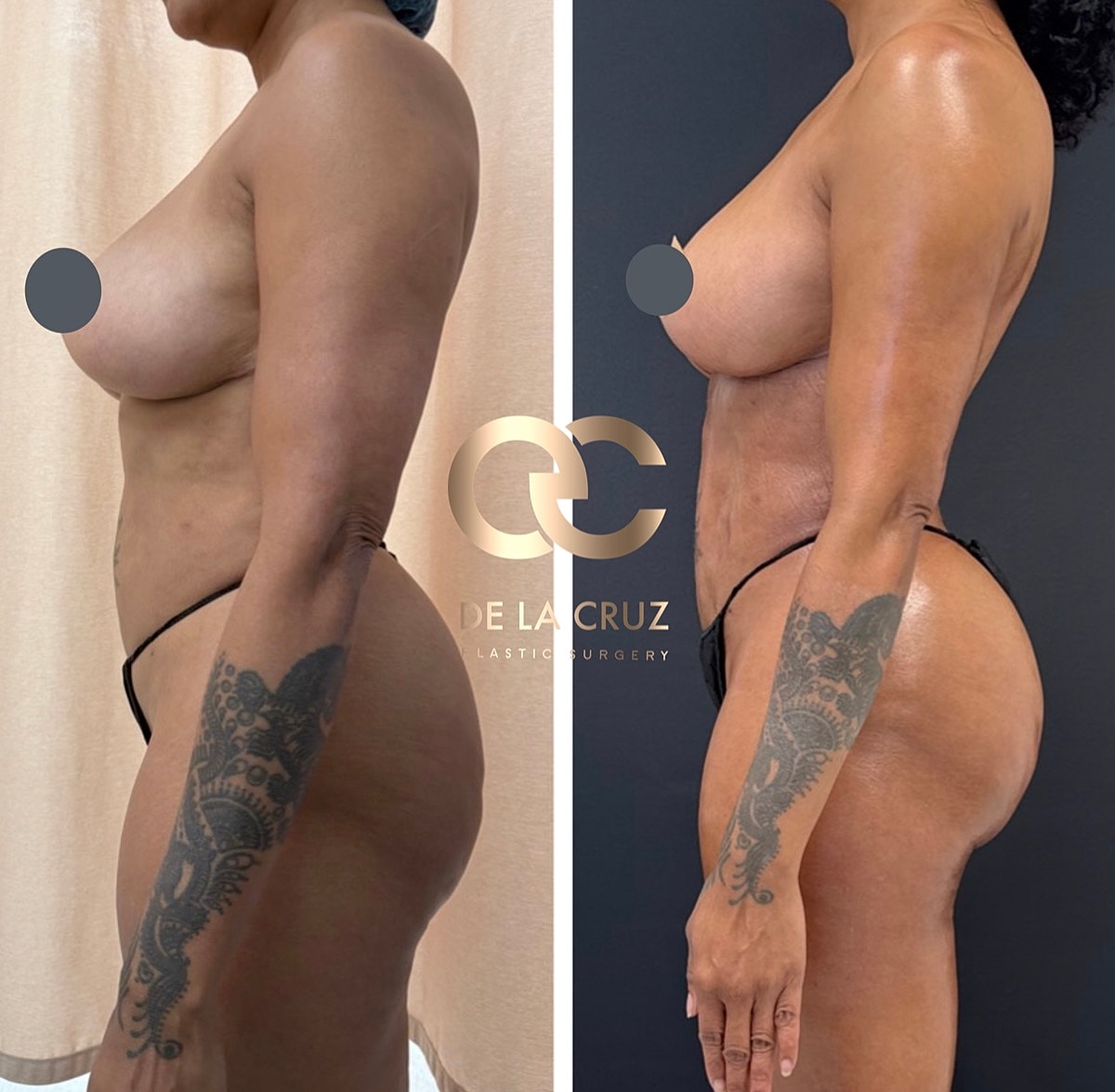
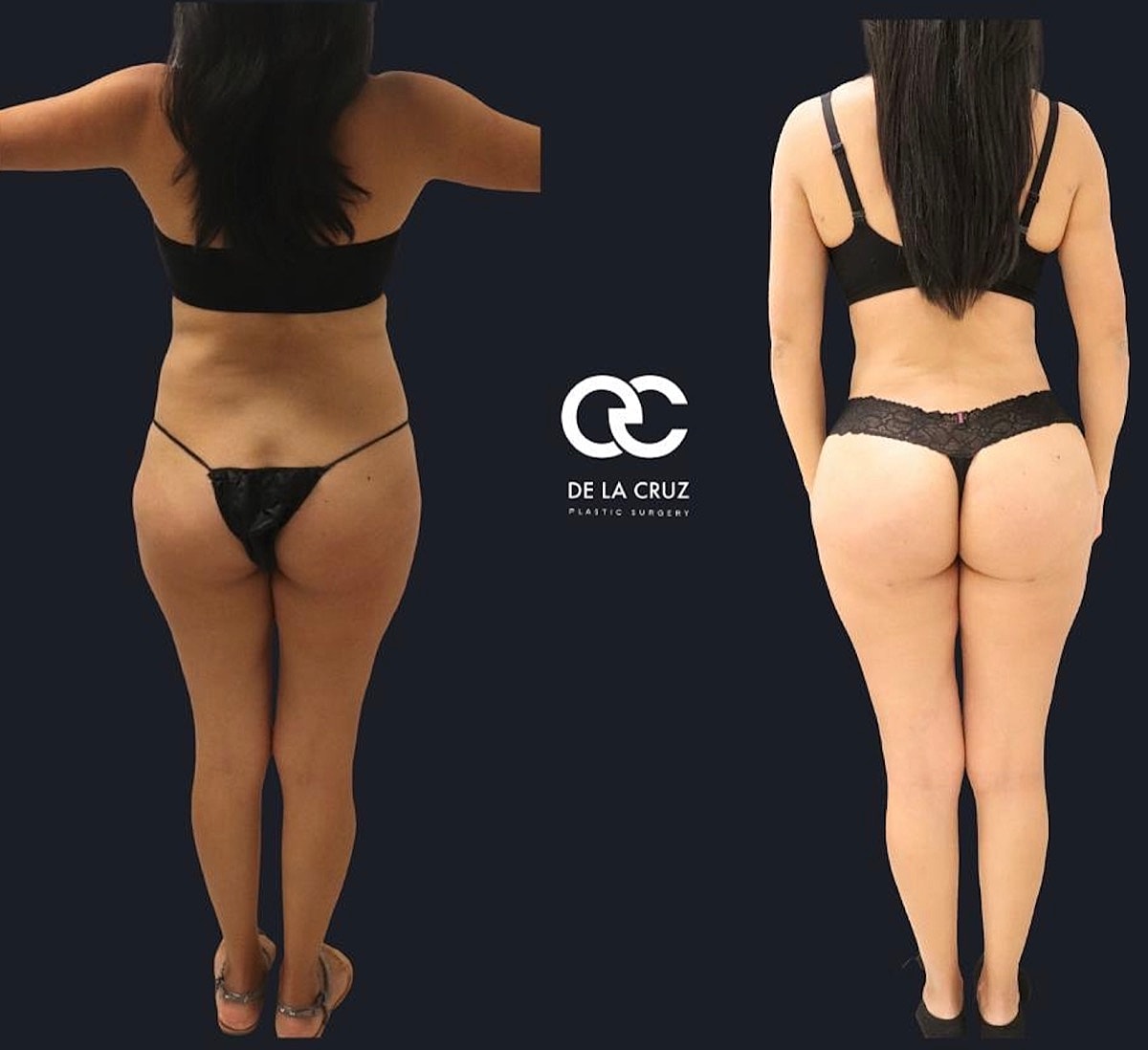
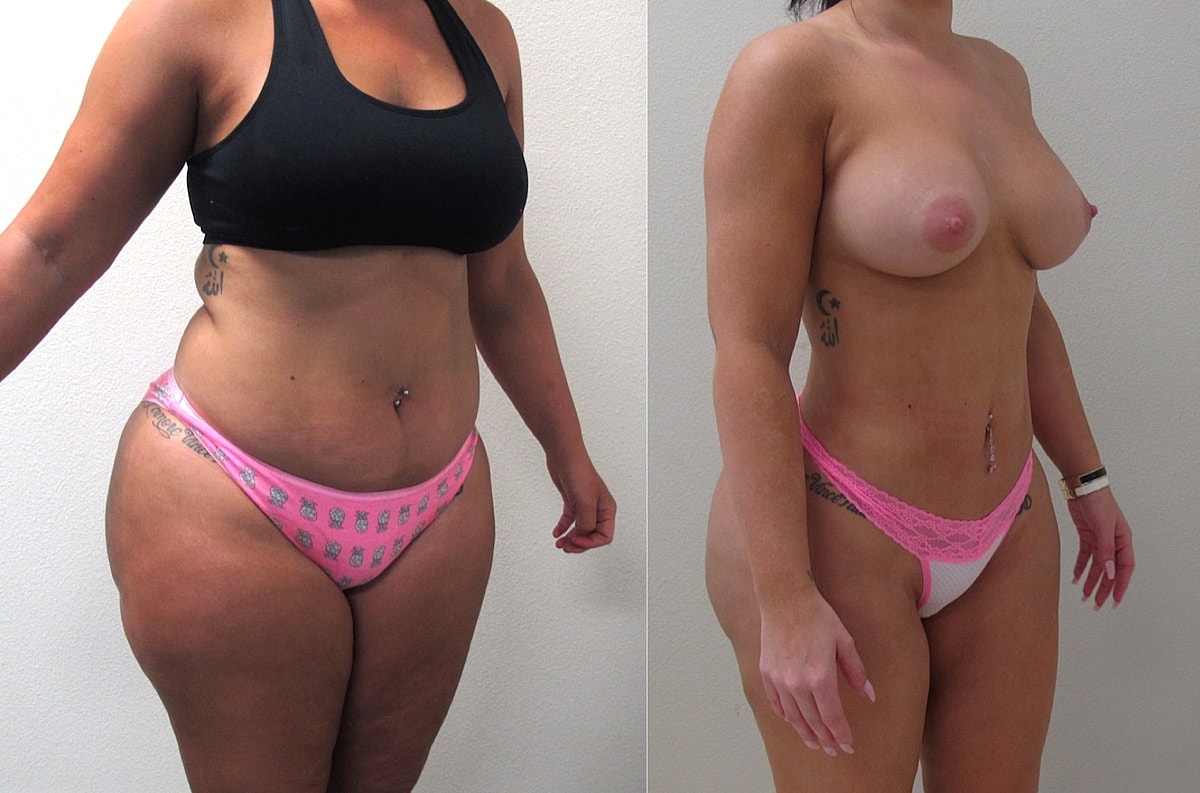
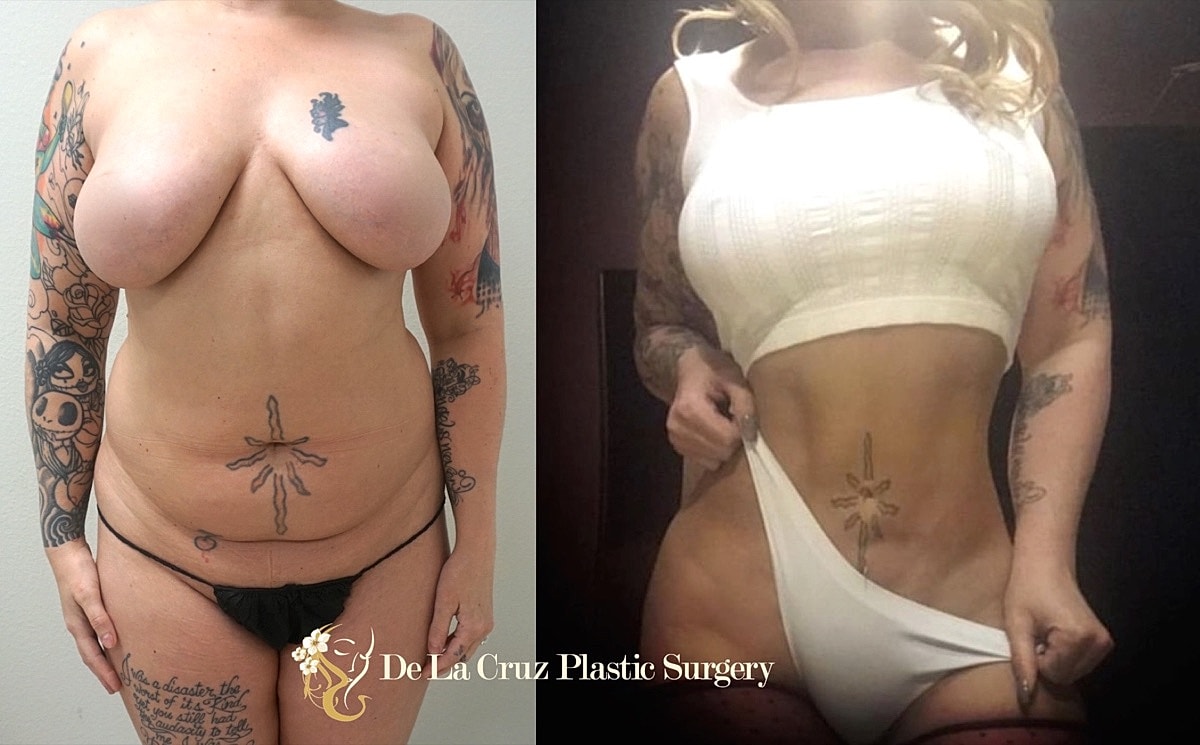
A Brazilian Butt Lift is a cosmetic procedure that enhances the shape, projection, and contour of the buttocks using a patient's own fat instead of implants.
The operation consists of three essential steps:
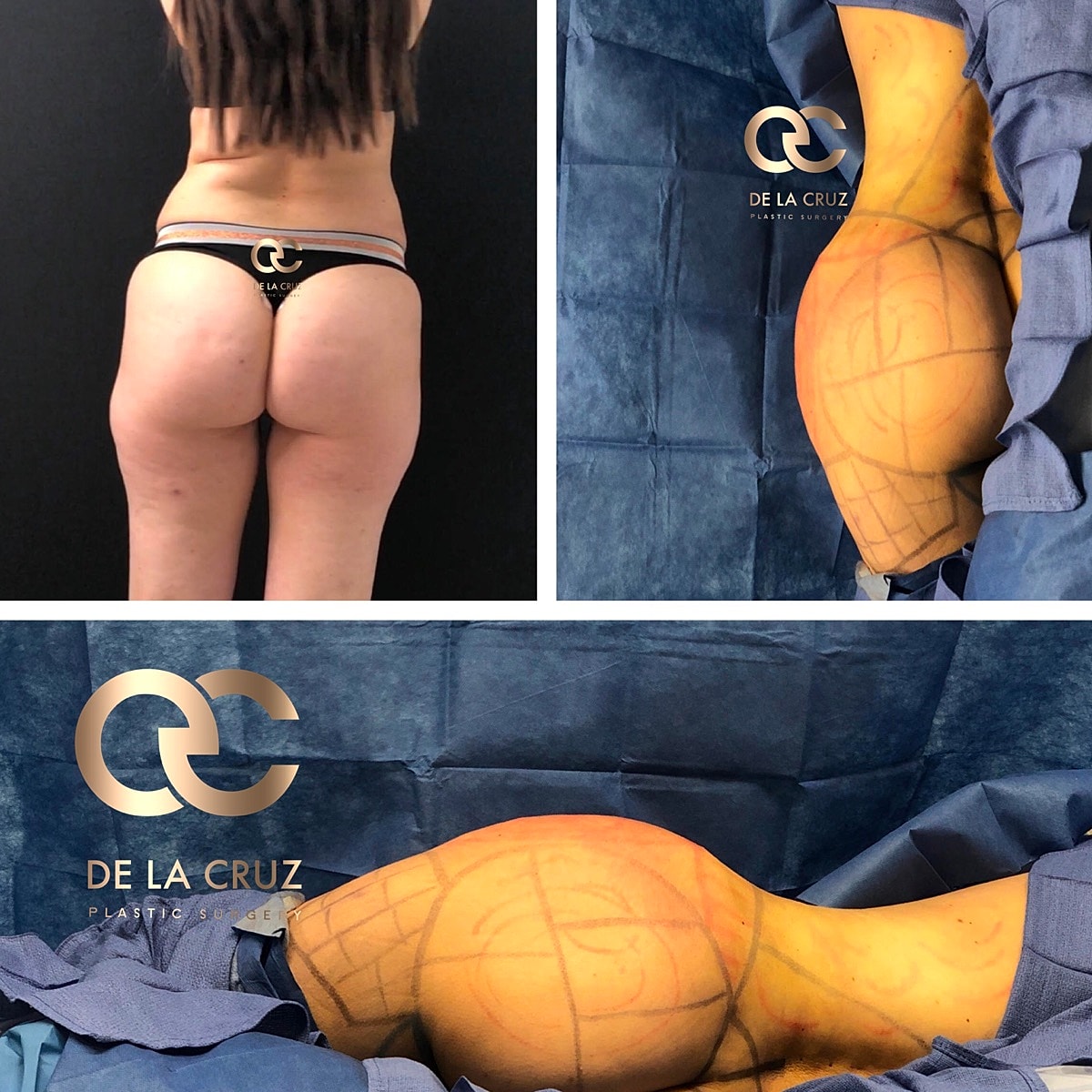
Unlike silicone implants, autologous fat transfer allows surgeons to reshape multiple areas of the body simultaneously. The abdomen, waist, flanks, back, thighs, and other donor sites are sculpted with liposuction before purified fat is strategically transferred into the buttocks.
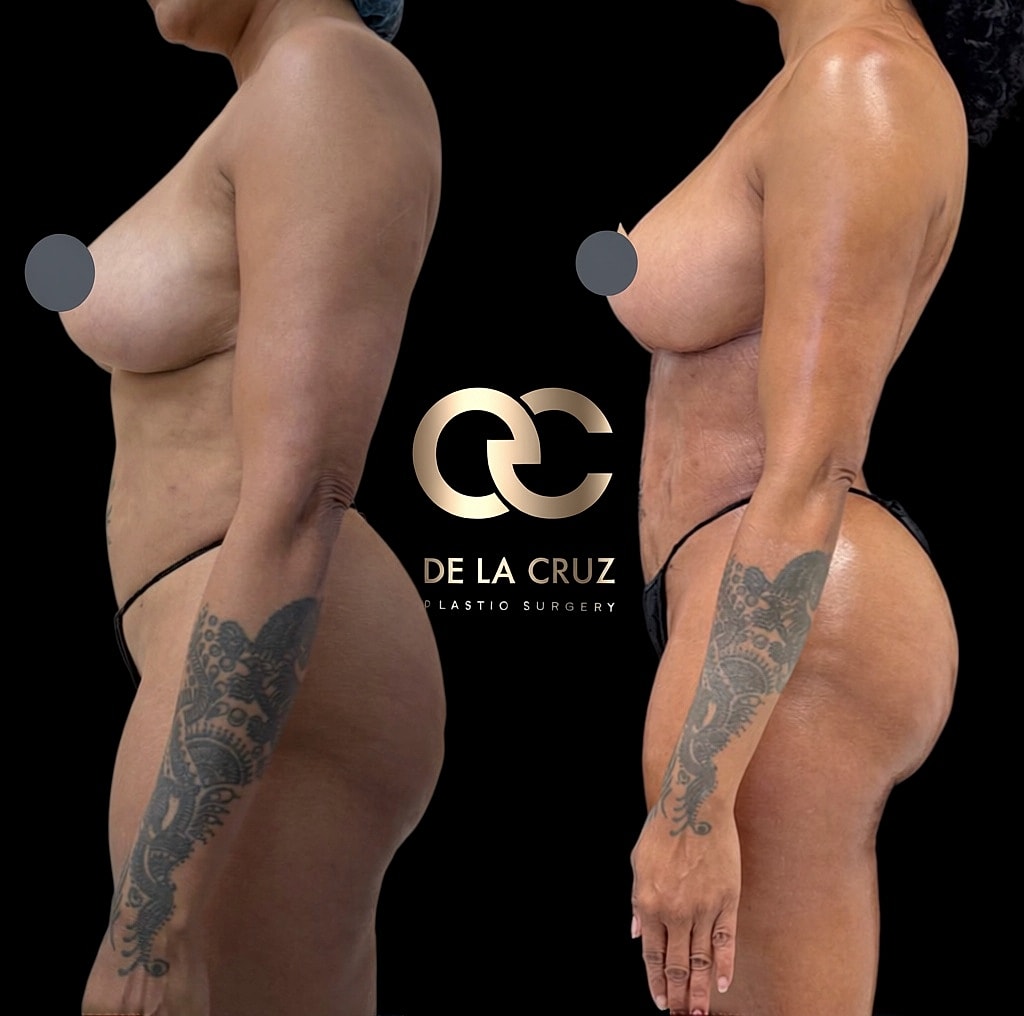
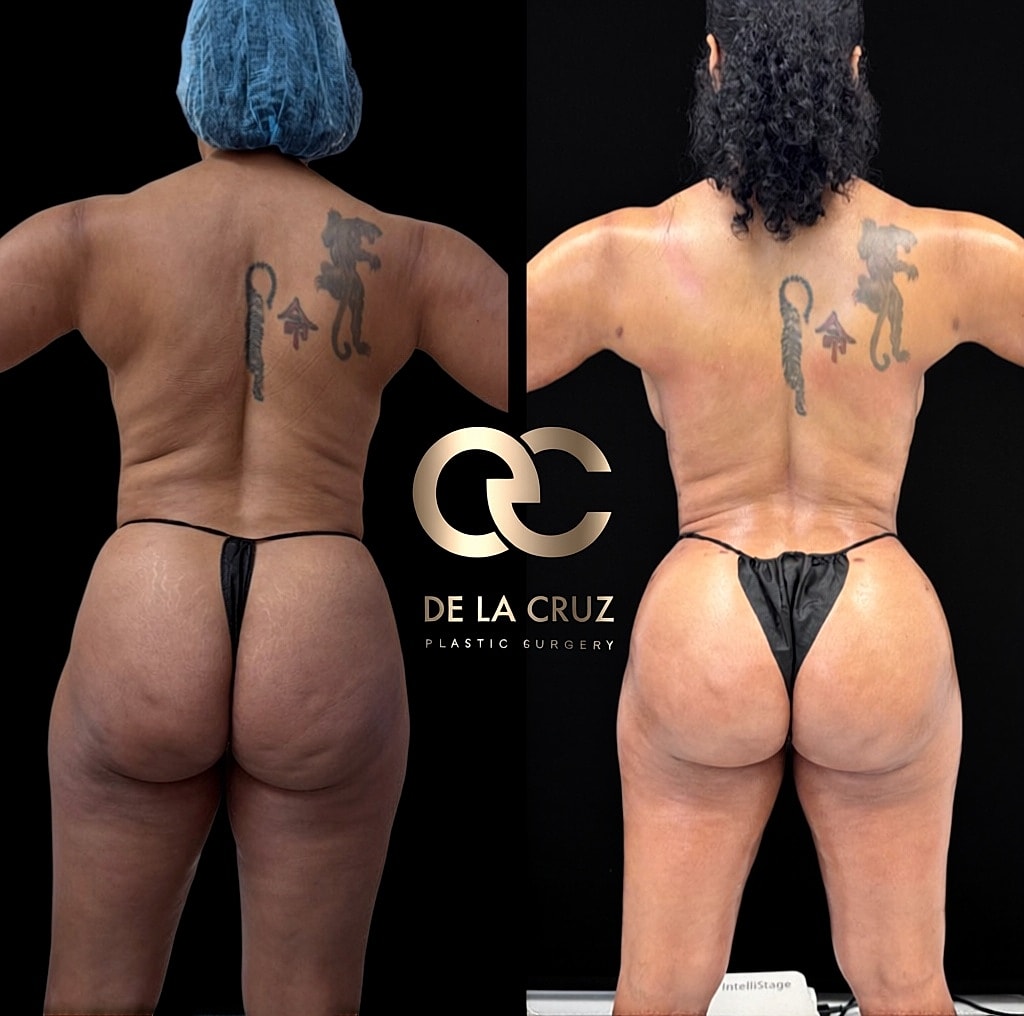
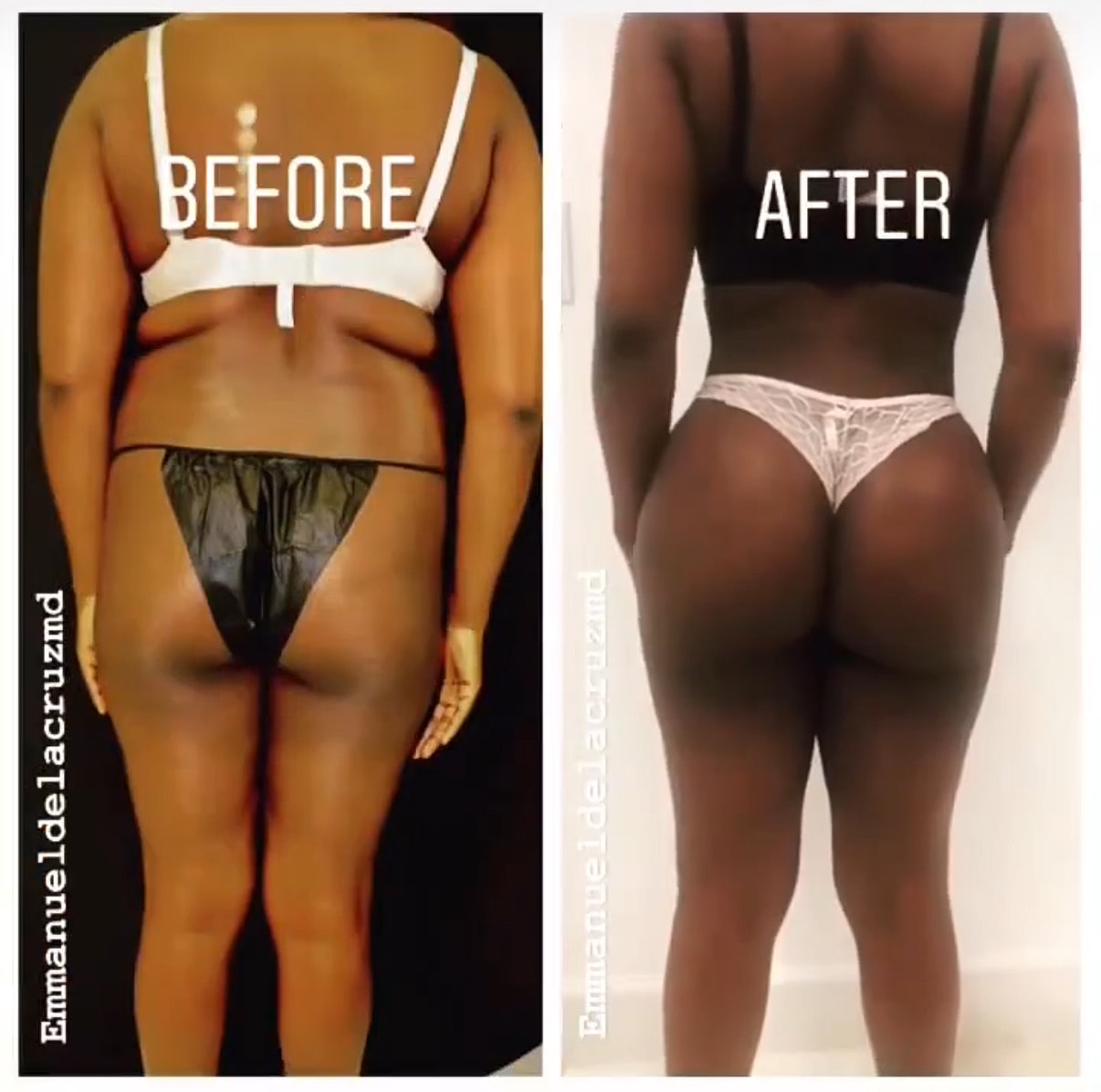
For this reason, many experienced plastic surgeons believe the liposuction component is just as important as the fat grafting itself. A beautifully contoured waist often creates a more dramatic improvement in body proportions than increasing buttock size alone.
Every surgical procedure evolves.
Hip replacement surgery is safer today than it was thirty years ago. Heart surgery continues to improve because of better technology and scientific research. Cosmetic surgery is no different.
The Brazilian Butt Lift has undergone one of the fastest evolutions in aesthetic surgery. Techniques that were considered standard twenty years ago have been modified or abandoned as surgeons gained a better understanding of anatomy, complications, and long-term outcomes.
This evolution has been driven by:
Understanding this history helps explain why modern BBL surgery looks different today than it did just a decade ago.
The story of the Brazilian Butt Lift begins long before the procedure itself existed.
The First Fat Grafting Procedures
The concept of transferring a patient's own tissue dates back to the late nineteenth century.
In 1893, German surgeon Gustav Neuber reported one of the earliest documented cases of autologous fat transplantation. He transferred small pieces of fat to correct facial soft tissue defects, recognizing that living fat could survive after transplantation if handled carefully.
Although primitive by today's standards, Neuber's work established a revolutionary concept:
The human body can successfully receive and nourish transplanted fat from another location within the same individual.
Over the following decades, surgeons experimented with fat transplantation for reconstructive procedures involving the face, hands, and other areas of the body.
Results, however, were inconsistent.
Large fat grafts frequently failed because transplanted tissue lacked an immediate blood supply.
Structural Fat Grafting
A major milestone occurred during the 1980s and 1990s with the work of plastic surgeon Dr. Sydney Coleman.
Coleman demonstrated that successful fat grafting required careful attention to several principles:
Instead of injecting large clumps of fat, Coleman advocated placing tiny parcels of fat throughout well-vascularized tissue.
This increased the likelihood that each fat cell would establish a new blood supply and survive permanently.
These principles became the scientific foundation of modern fat grafting—not only in the face but eventually throughout the body, including the buttocks.

Without liposuction, there would be no modern Brazilian Butt Lift.
Early Liposuction
The first generation of liposuction emerged during the 1970s.
Initially, large cannulas removed fat through relatively traumatic techniques. Blood loss was significant, recovery was longer, and the harvested fat was not ideal for transfer.
Over the following decades, liposuction advanced rapidly.
Innovations included:
Each advancement improved both patient safety and the quality of harvested fat.
The Tumescent Revolution
One of the most significant innovations was the development of the tumescent technique.
By infiltrating a solution containing saline, local anesthetic, and epinephrine into fatty tissue before liposuction, surgeons were able to:
This advancement dramatically improved the consistency of fat harvesting.
Modern Liposuction Technologies
Today's plastic surgeons have access to sophisticated technologies that were unavailable during the early years of BBL surgery.
Examples include:
These technologies allow surgeons to remove fat more efficiently while preserving surrounding connective tissue and maintaining viable fat cells suitable for grafting.
Modern liposuction also enables surgeons to create more refined body contours, making waist sculpting and overall body proportions central components of contemporary BBL surgery.

Before fat grafting became popular, surgeons relied primarily on silicone buttock implants.
Implants provided additional projection but presented several challenges.
Potential disadvantages included:
While implants remain appropriate for carefully selected individuals—particularly those with insufficient donor fat—many surgeons preferred the concept of using the patient's own tissue whenever possible.
Autologous fat offered several theoretical advantages:
These benefits helped drive the rapid adoption of fat transfer as the preferred method of buttock augmentation.
The procedure that would eventually become known worldwide as the Brazilian Butt Lift emerged through the collective efforts of plastic surgeons refining liposuction and fat grafting techniques over time.
Its popularity grew in South America before expanding internationally.
Unlike earlier methods that relied on implants, surgeons recognized that fat harvested during liposuction could be strategically redistributed to improve body proportions.
This represented a fundamental shift in aesthetic surgery.
Instead of simply enlarging one area, surgeons could:
The operation became a comprehensive body contouring procedure rather than isolated buttock augmentation.
As patient demand increased worldwide, so did innovation in surgical technique.
Unfortunately, rapid adoption also highlighted the need for greater scientific understanding of gluteal anatomy and fat graft safety.
During the early years of BBL surgery, surgeons often relied on experience rather than robust anatomical research.
Common characteristics of earlier techniques included:
Many patients achieved excellent cosmetic results, but reports of rare yet devastating complications prompted the plastic surgery community to investigate why these events occurred.
The answer would fundamentally change the procedure.
As the popularity of the Brazilian Butt Lift increased around the world, plastic surgeons began carefully analyzing reports of serious complications, including pulmonary fat embolism. Investigators recognized that understanding why these rare events occurred required much more than anecdotal experience—it required detailed anatomical research, cadaver studies, imaging, and collaboration among surgeons internationally.
This marked a turning point in the history of the BBL. Rather than relying solely on traditional operative techniques, the specialty embraced evidence-based investigation. Professional societies funded research, published safety recommendations, and encouraged widespread education to improve patient outcomes.
These efforts would eventually lead to one of the most significant changes in the evolution of the Brazilian Butt Lift: a greater emphasis on subcutaneous fat grafting and, more recently, the adoption of ultrasound guidance to confirm cannula position during surgery.
In the next section of this guide, we will explore the gluteal anatomy that reshaped surgical thinking, the landmark studies that influenced modern practice, and how contemporary safety principles continue to evolve.
Choosing the right surgeon for a Brazilian Butt Lift is critical—because a BBL is not just about volume, but total body sculpting.
Dr. Emmanuel De La Cruz combines advanced surgical technique, artistic precision, and internationally recognized expertise to deliver natural, balanced results.
🌟 Award-Winning Expertise
🎨 Artistic Precision
Classically trained sculptor—approaches the body in three dimensions to create natural, proportionate results.
🧪 Advanced Hi-Def Liposuction
Specialist in VASER 4D high-definition body sculpting, enhancing both fat removal and fat grafting precision.
🛡️ Safety-First Technique
Follows modern BBL safety protocols including subcutaneous-only fat injection and meticulous fat grafting techniques.
🌎 Nationally Sought-After Surgeon
Patients travel from across the United States for natural results, advanced techniques, and consistent outcomes.
👉 The difference: a refined, natural silhouette—not an overdone result
The cost of a BBL reflects far more than the procedure—it reflects expertise, safety, and long-term results.
The best outcomes come from:
Choosing the right surgeon and understanding the full process—not chasing the lowest price.

Learn More About Brazilian Butt Lift
Patients researching Brazilian Butt Lift surgery may also wish to explore other topics related to the procedure, recovery, and results.
You can learn more by reading:
• Brazilian Butt Lift Houston (BBL)
The Brazilian Butt Lift (BBL) evolved from advances in liposuction and autologous fat grafting. Early fat transfer techniques date back to the late 1800s, but modern BBL surgery became possible after improvements in liposuction, fat processing, and injection techniques during the late 20th century. Today, the procedure emphasizes patient safety, individualized body contouring, and evidence-based surgical techniques.
Like all surgical procedures, the Brazilian Butt Lift has evolved as plastic surgeons gained a better understanding of anatomy, fat graft biology, and patient safety. Research into gluteal vascular anatomy, clinical outcomes, and surgical technique has led to important refinements that have improved the procedure over the years.
One of the most significant advances has been the increased emphasis on careful fat placement within the subcutaneous tissue rather than deeper planes. In addition, many surgeons now use intraoperative ultrasound to visualize the cannula during fat grafting, helping confirm its location throughout the procedure.
Ultrasound allows the surgeon to visualize the tip of the fat grafting cannula in real time. This additional layer of visualization helps confirm the intended tissue plane during fat transfer and supports adherence to contemporary safety recommendations.
No. Although ultrasound is an important technological advancement, no surgical procedure is entirely without risk. Patient selection, surgical judgment, meticulous technique, and adherence to evidence-based safety practices remain essential components of successful BBL surgery.
The buttocks contain multiple layers of fat, fascia, muscle, nerves, and blood vessels. Understanding this anatomy helps surgeons plan fat placement while minimizing unnecessary tissue injury and optimizing contour. Advances in anatomical research have significantly influenced modern BBL techniques.
Autologous fat grafting is the process of removing fat from one area of the body through liposuction, processing the fat, and transferring it to another area. Because the patient's own tissue is used, there is no risk of implant rejection, and the procedure also provides body contouring benefits.
A Brazilian Butt Lift is more than buttock augmentation. Liposuction shapes the waist, flanks, abdomen, back, and other donor areas, creating better body proportions. In many patients, waist contouring contributes as much to the final appearance as the fat transferred to the buttocks.
Modern liposuction technologies allow surgeons to remove fat more efficiently while preserving viable fat cells for transfer. Improvements in cannula design, power-assisted systems, ultrasound-assisted liposuction, and radiofrequency-assisted body contouring have expanded the surgeon's ability to sculpt the body while preparing fat for grafting.
Butt implants use silicone prostheses to increase buttock projection, whereas a Brazilian Butt Lift uses the patient's own fat. Fat grafting allows simultaneous body contouring and generally creates a softer, more natural feel, although implants may still be appropriate for selected patients who lack adequate donor fat.
Modern aesthetic surgery focuses on overall body proportions rather than simply increasing buttock size. Sculpting the waist, lower back, flanks, and hips often enhances the waist-to-hip ratio, creating a more balanced and harmonious silhouette.
After fat is transferred, small blood vessels gradually grow into the transplanted tissue through a process called revascularization. Fat cells that successfully establish a new blood supply may become a long-lasting part of the treated area, while some transferred fat is naturally resorbed during healing.
Board-certified plastic surgeons complete extensive training in reconstructive and aesthetic surgery, including anatomy, patient safety, and surgical technique. Choosing a qualified surgeon is an important part of planning any cosmetic procedure.
About the Author
Dr. Emmanuel De La Cruz, MD is a double-board-certified plastic surgeon in Houston, Texas, certified by both the American Board of Plastic Surgery and the American Board of Surgery. He specializes in advanced liposuction and body contouring procedures, including high-definition liposculpture, Brazilian Butt Lift (BBL), revision liposuction, and treatment of lipedema.
Dr. De La Cruz is internationally recognized for his expertise in high-definition liposuction and contour sculpting techniques, which play a critical role in achieving balanced, natural-looking results in procedures such as liposuction and Brazilian Butt Lift surgery. His work focuses on precise body contour sculpting to enhance overall body proportions.
He has lectured internationally on liposuction techniques, fat grafting, and contour irregularity correction, presenting at major scientific meetings including the American Society of Plastic Surgeons (ASPS), the Total Definer Meeting in Bogotá, Colombia, the InMode Symposium in Miami and Beverly Hills, and AestheticStanbul in Istanbul, Turkey, where he was invited to lecture by renowned plastic surgeon Dr. Foad Nahai.
Dr. De La Cruz has also contributed to the scientific literature on liposuction and body contouring. He is the author of “Lipoplasty in the Overweight Patient”, published in the peer-reviewed journal Clinics in Plastic Surgery.
Through his clinical work, research, and international lectures, Dr. De La Cruz focuses on advancing safe, precise, and refined techniques in liposuction, BBL surgery, and modern body contouring.