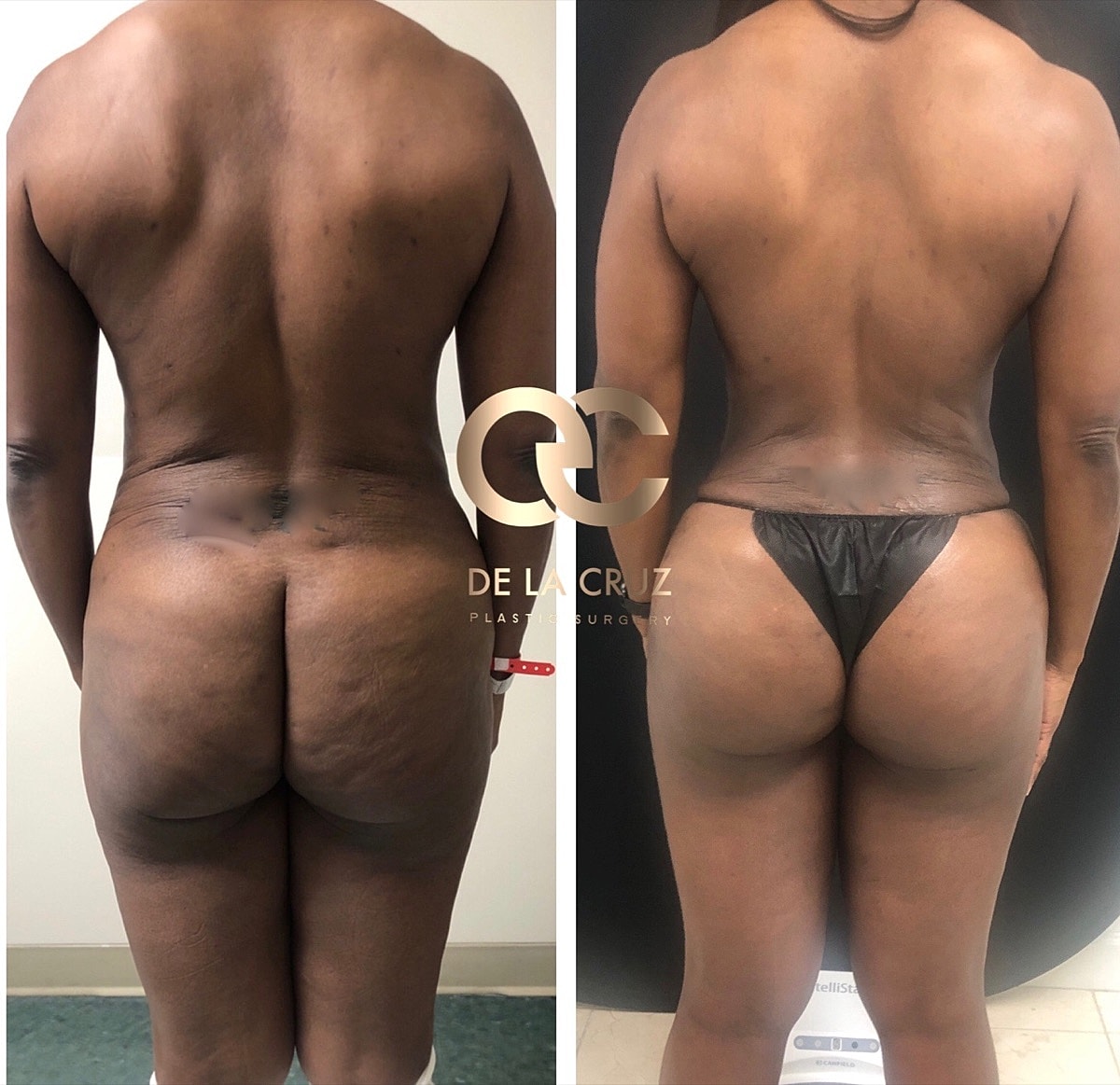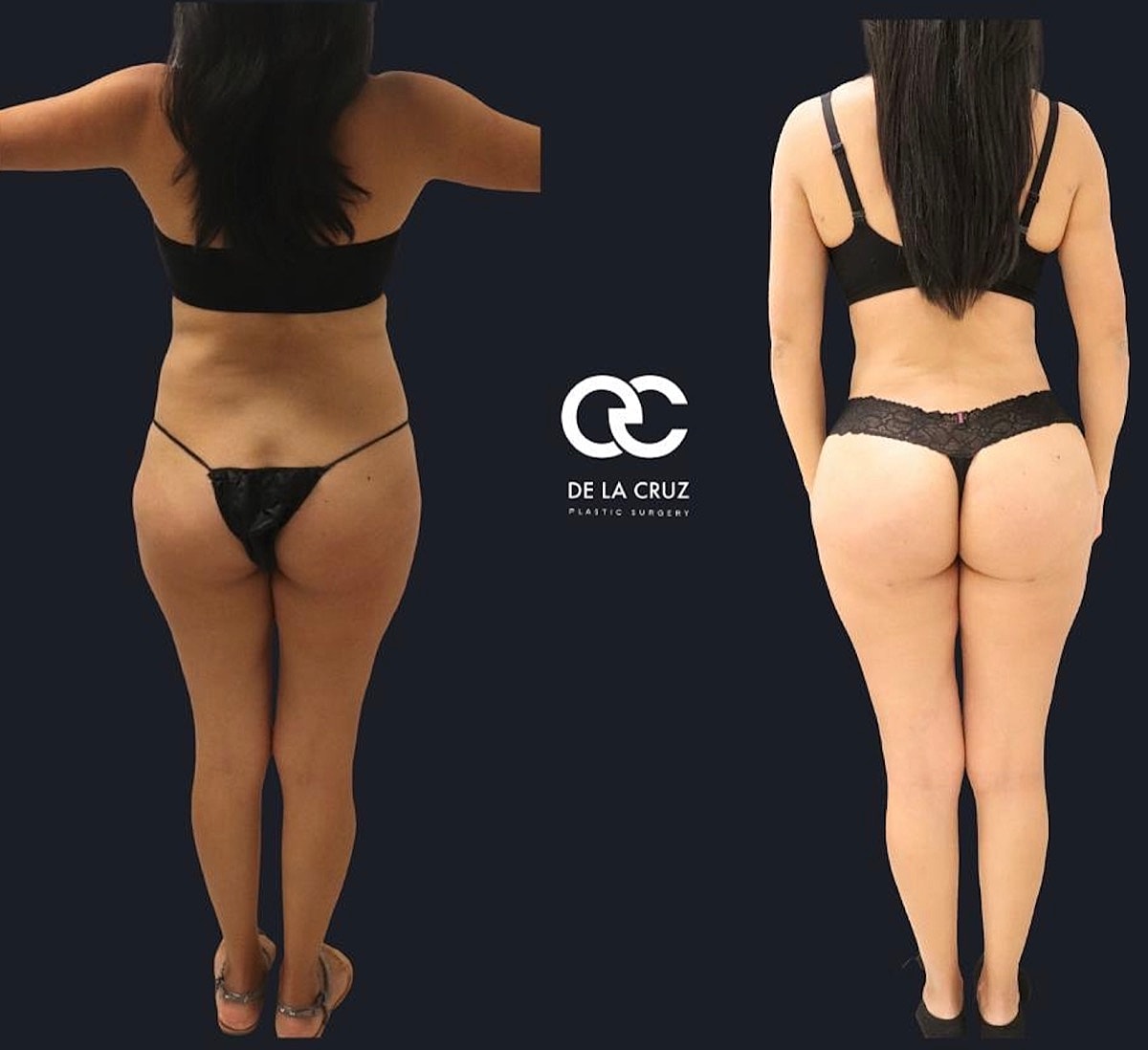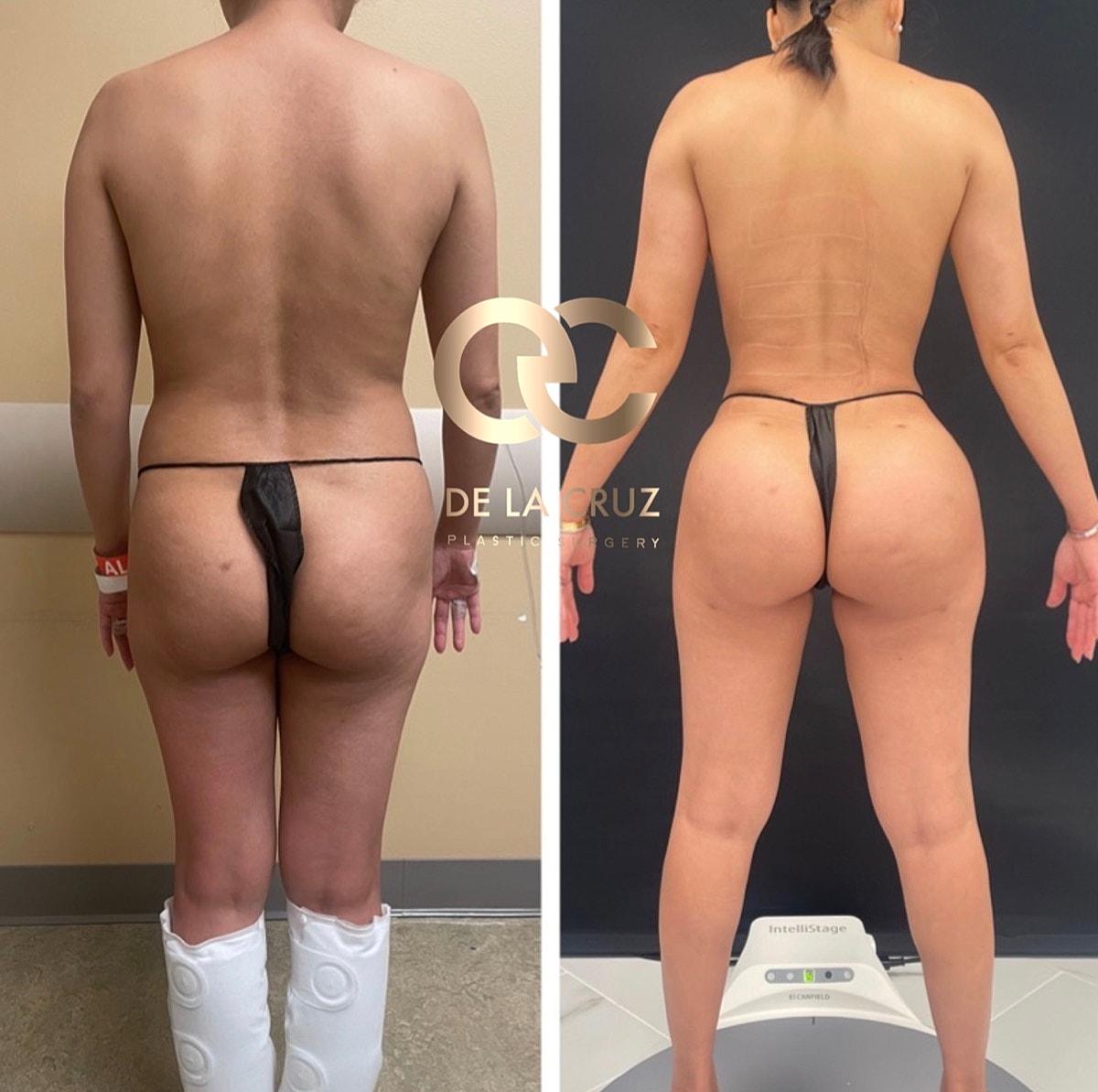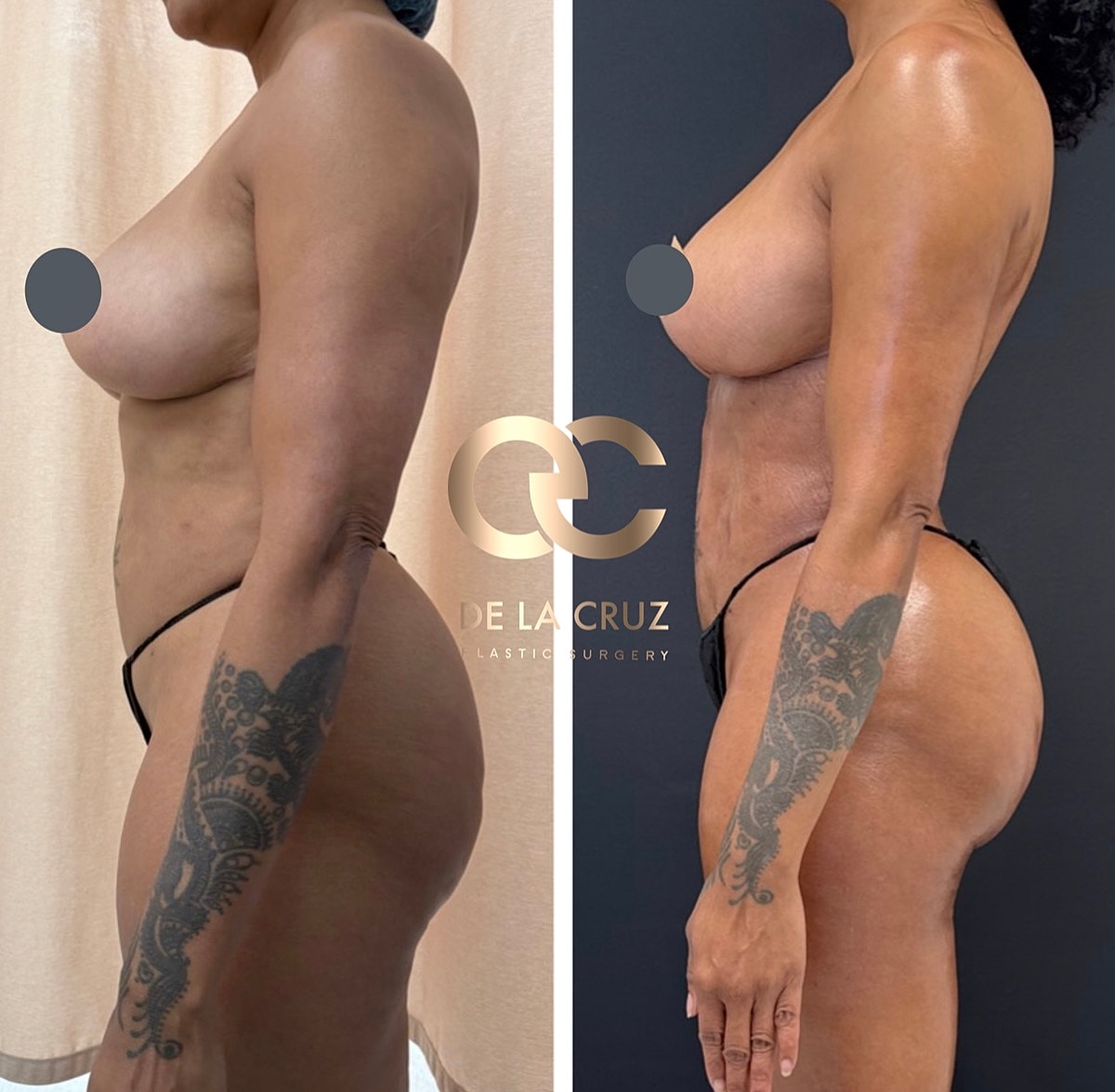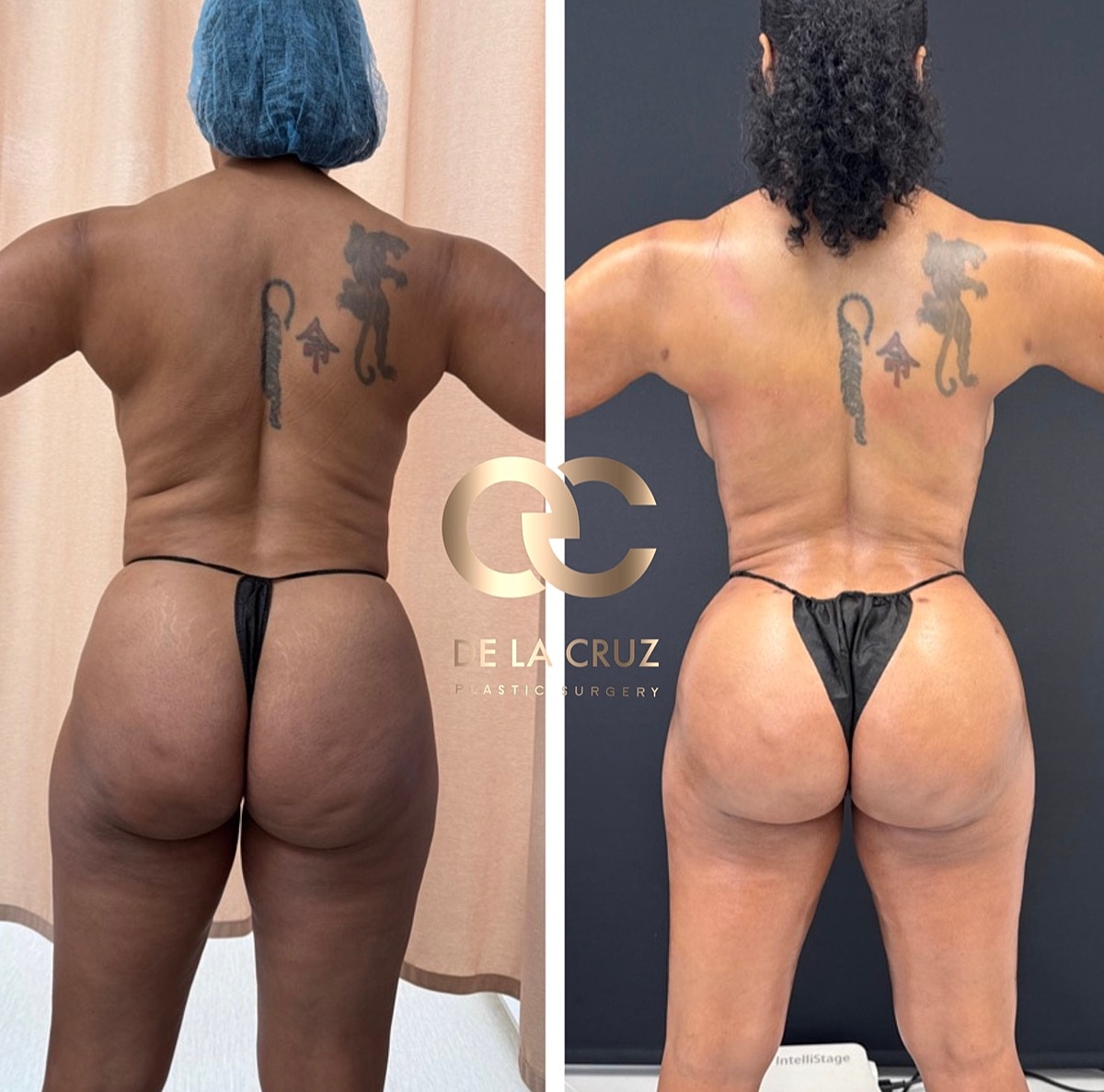
Revision BBL: How to Fix a Bad BBL (Complete Guide)
Written by Dr. Emmanuel De La Cruz, MD Double Board-Certified Plastic Surgeon | Houston, Texas
Written by Dr. Emmanuel De La Cruz, MD Double Board-Certified Plastic Surgeon | Houston, Texas
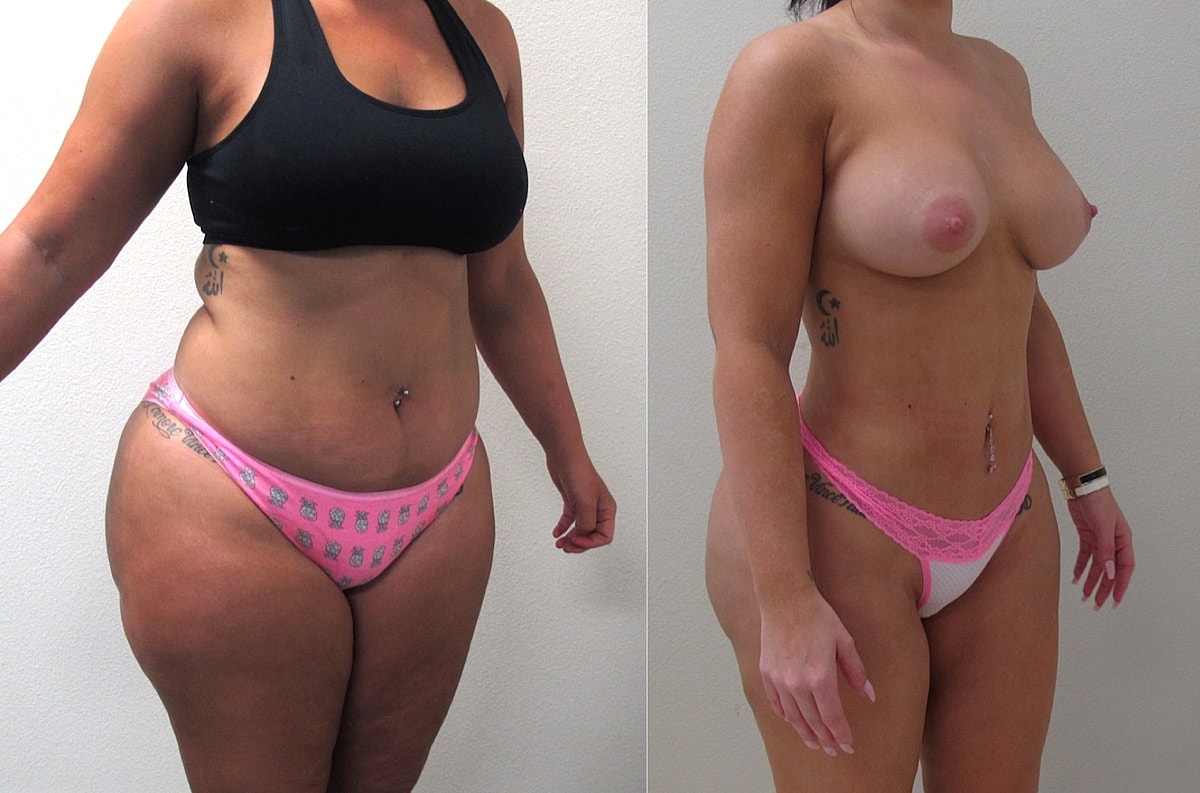
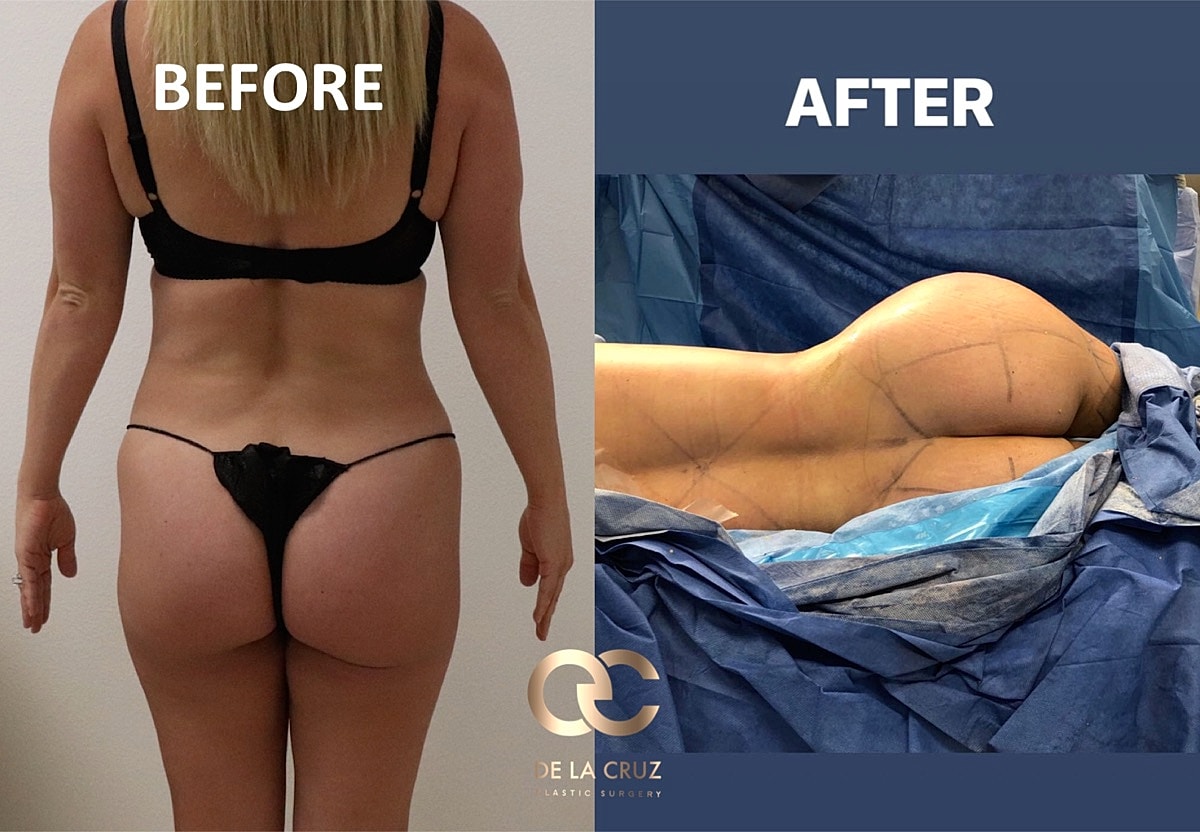
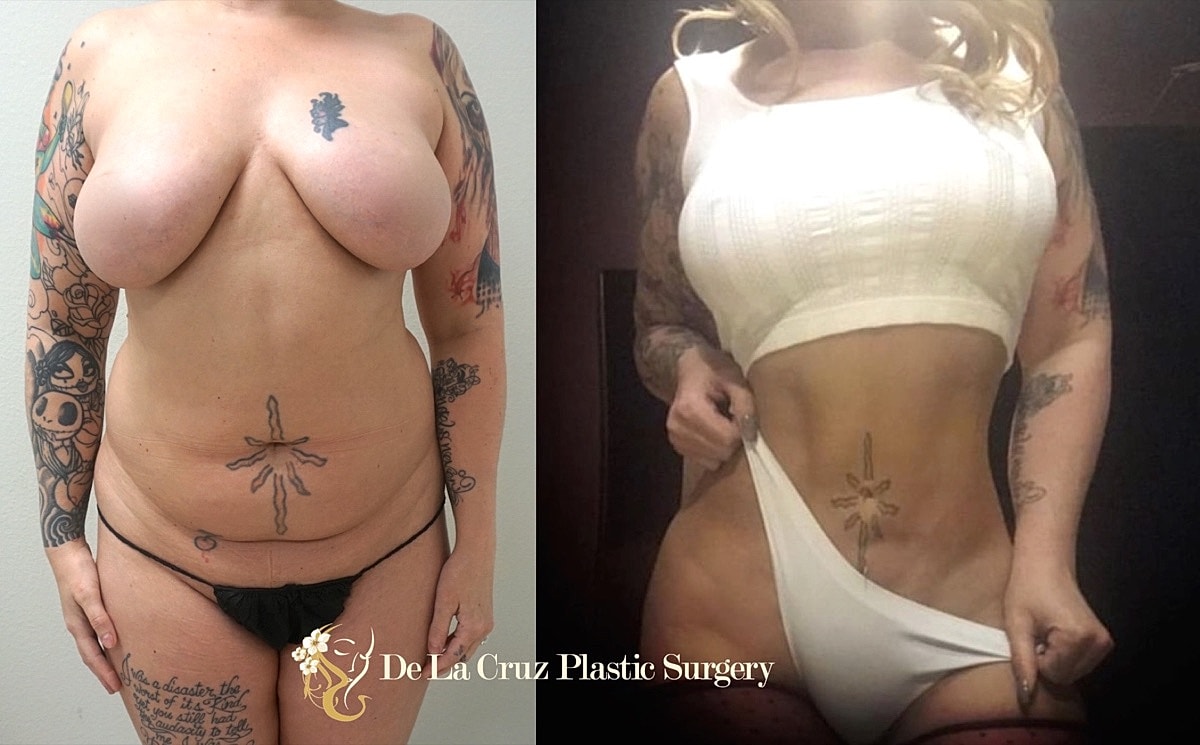
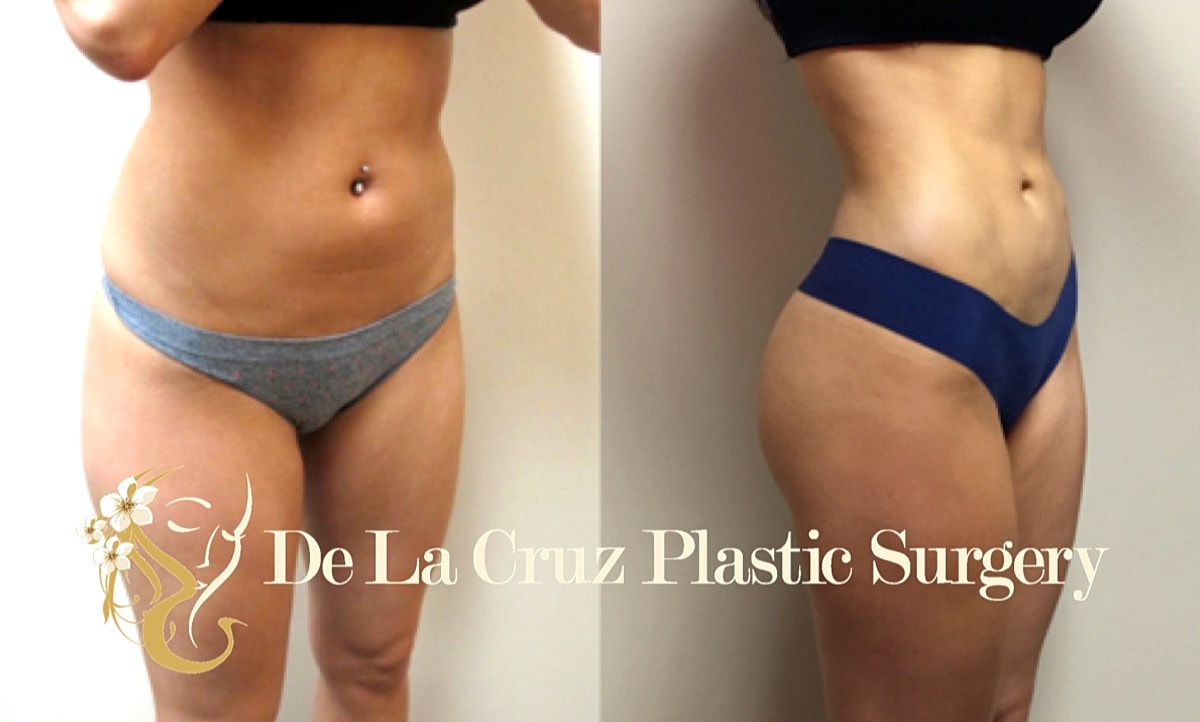
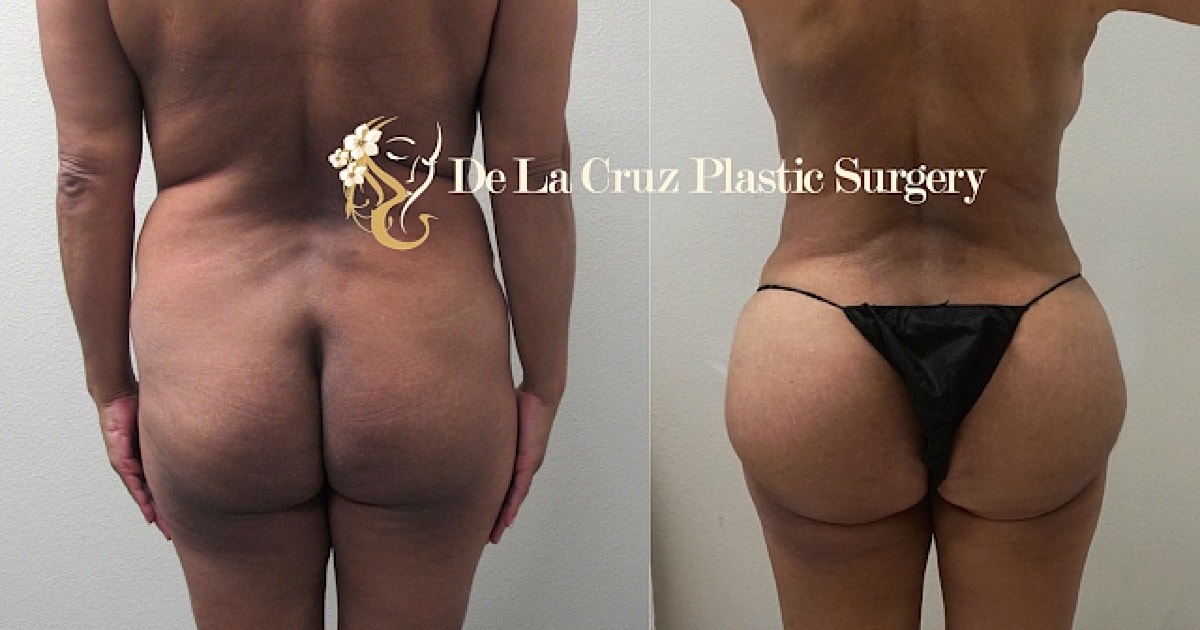
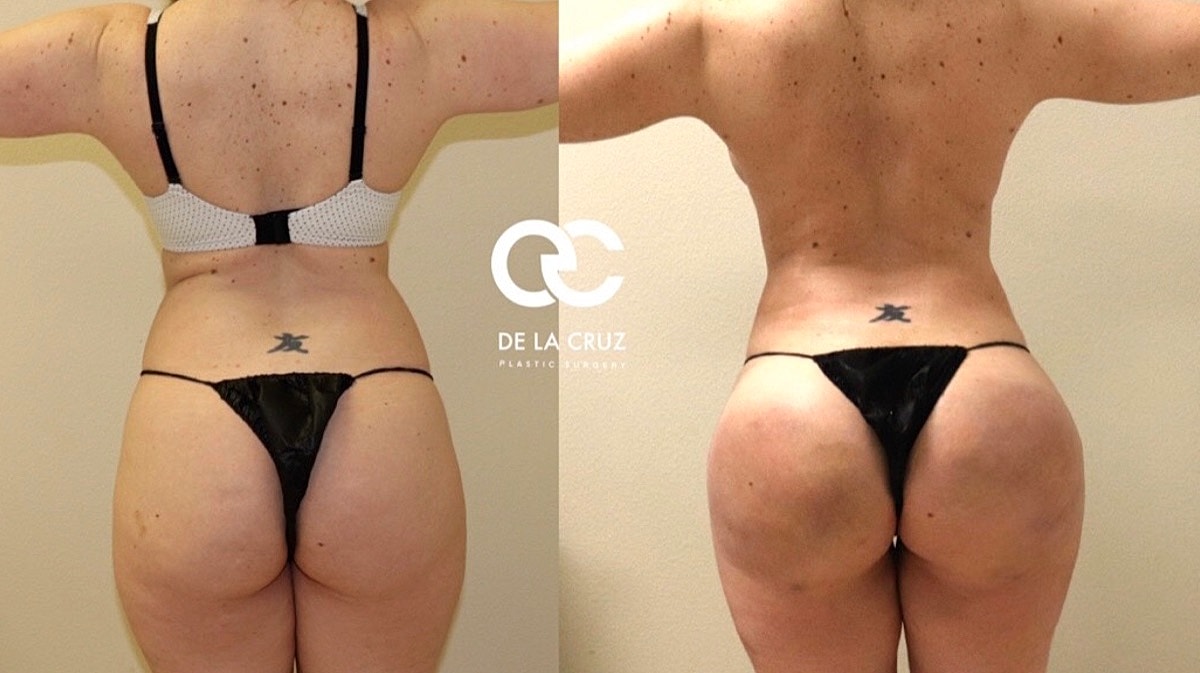
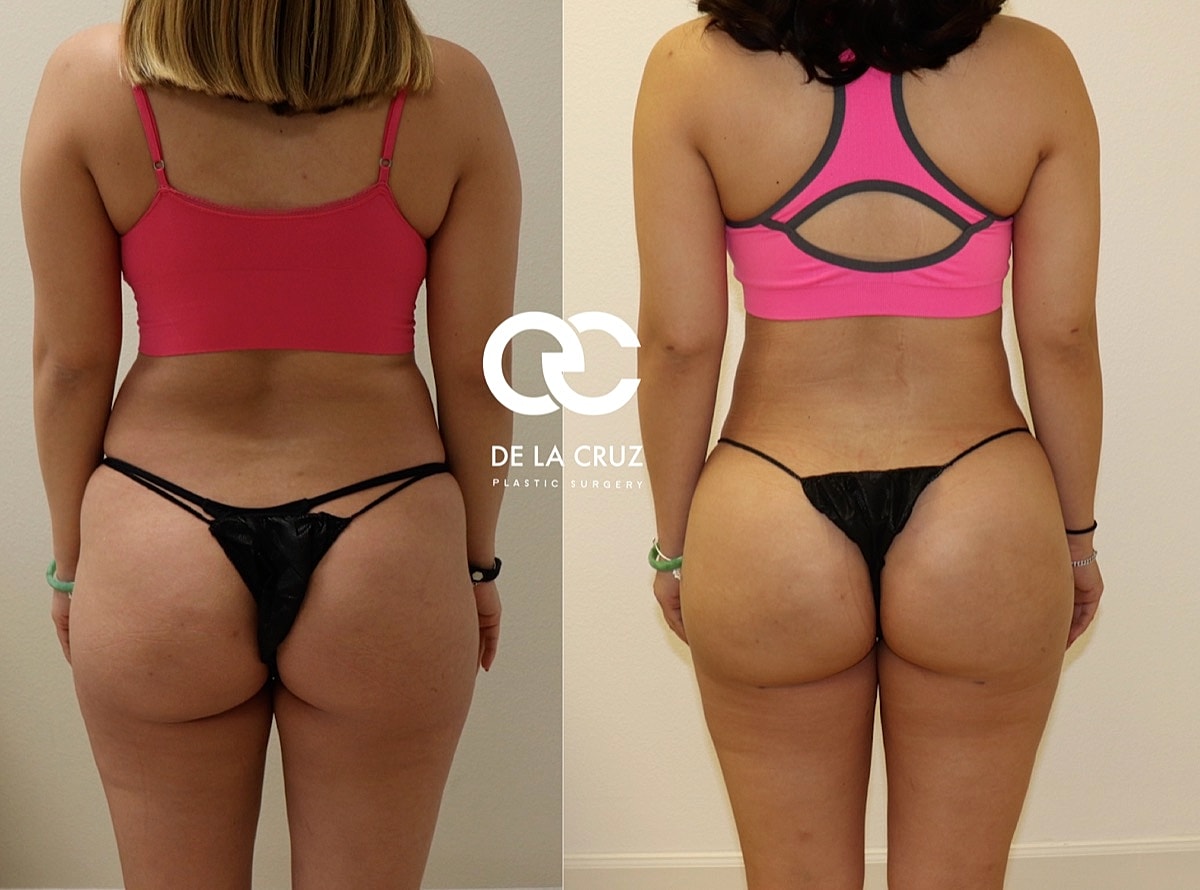
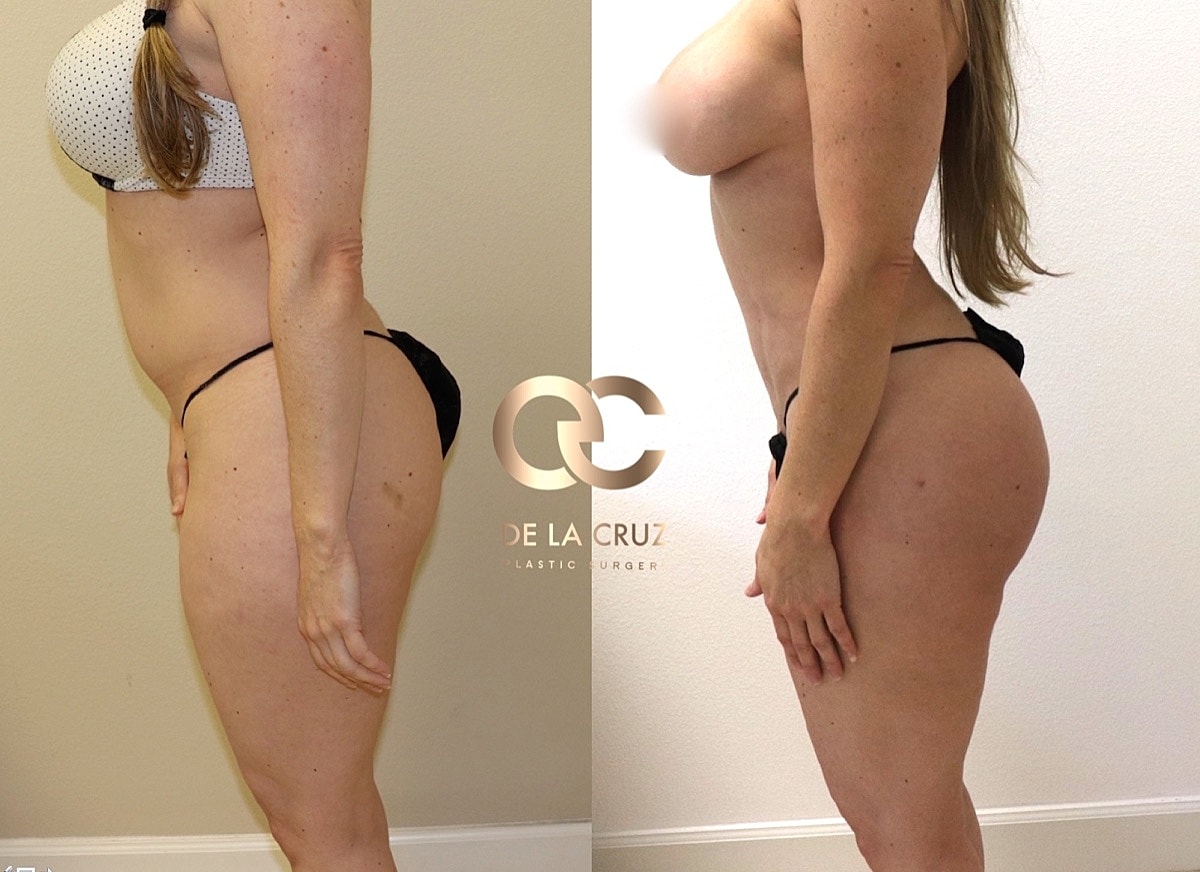
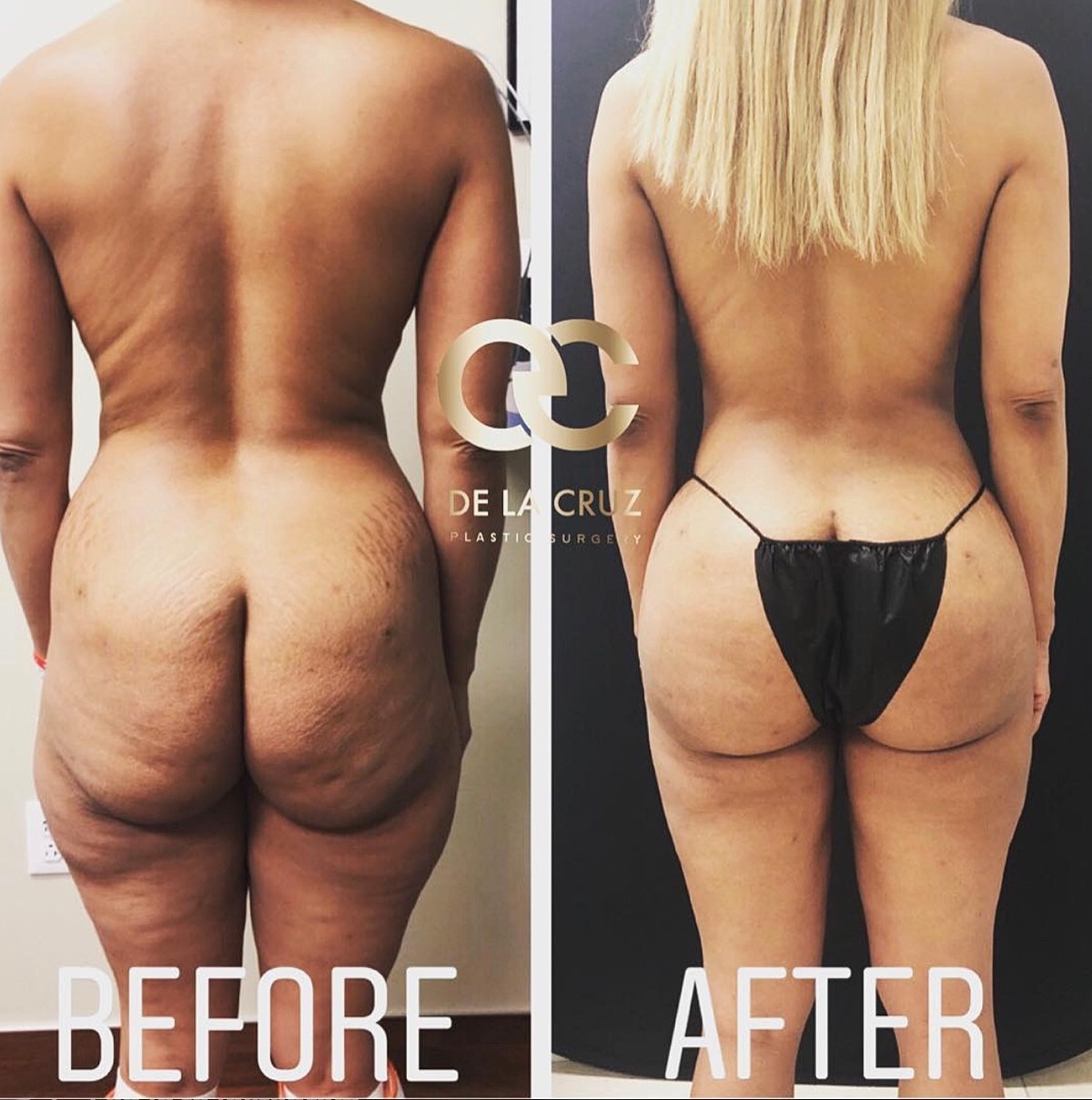
A Brazilian Butt Lift (BBL) can create dramatic, natural-looking results—but not every procedure achieves the desired outcome.
When results are uneven, overfilled, under-corrected, or complicated by irregularities, a Revision BBL may be necessary.
A revision BBL is a specialized procedure designed to correct, refine, or improve the results of a previous fat transfer. Unlike a primary BBL, revision surgery focuses on precision, balance, and restoring natural contour.
At De La Cruz Plastic Surgery, revision body contouring is approached with advanced techniques to safely restore proportion and symmetry.
For a full overview, see the Ultimate Guide to BBL Surgery.
1 of 24
A revision BBL is a secondary procedure that:
Unlike a first-time BBL, the goal is not just enhancement—but correction and optimization
👉 One of the most common reasons for revision
👉 Up to ~40% loss in some cases

👉 Often caused by poor fat handling or technique
👉 Increasing trend: BBL reduction/revision procedures
👉 BBL is a 3D contouring procedure, not just fat transfer
A revision BBL is highly customized and may include:
1. Liposuction Refinement
2. Fat Redistribution
3. Additional Fat Grafting
4. Skin Tightening (if needed)
👉 Advanced techniques often combine liposuction with energy-based devices for optimal contouring
Most patients must wait:
👉 At least 6 months after the initial surgery
This allows:
Recovery is similar to a primary BBL:
👉 Learn more: BBL Recovery Timeline
Revision surgery is more complex than primary BBL.
Potential risks include:
However:

Ideal candidates:
Revision surgery involves:
👉 This requires advanced surgical planning and precision
Patients travel nationally and internationally for complex revision cases.
Dr. De La Cruz is known for:

A revision BBL uses liposuction, fat redistribution, and additional fat grafting to correct contour and improve symmetry.
Most surgeons recommend waiting at least 6 months after your initial procedure.
Yes. Excess fat can be removed using liposuction to improve shape and proportion.
Yes. It is more complex due to scar tissue and altered anatomy.
Yes. One of the main goals of revision BBL is to correct asymmetry.
In some cases, multiple staged procedures may be needed for optimal results.
Yes. Lumps or firmness caused by fat necrosis or uneven fat placement can often be improved with targeted liposuction, fat redistribution, or smoothing techniques.
There is no strict limit, but each revision becomes more complex due to scar tissue. Most surgeons aim to achieve optimal results within 1–2 revision procedures when possible.
Yes. Revision BBL is typically more expensive due to increased complexity, longer operative time, and the need for advanced techniques.
Yes. Additional fat can be grafted to enhance projection and improve shape, provided there is enough donor fat available.
Yes. Liposuction can be used to reduce overfilled or disproportionate areas and restore a more natural contour.
Common causes include:
Yes. Scar tissue from previous surgery can limit fat grafting and make the procedure more technically challenging.
Fat survival can be less predictable in revision cases due to scar tissue and altered blood supply, requiring more precise technique.
Yes, although severe sagging may require additional procedures such as skin tightening or lifting techniques.
Some fat resorption is normal, but proper technique improves long-term fat survival.
Yes. Many revision cases benefit from combining fat grafting with technologies like RF skin tightening to improve contour.
Yes. One of the most important components is refining the waist and flanks to enhance the overall result.