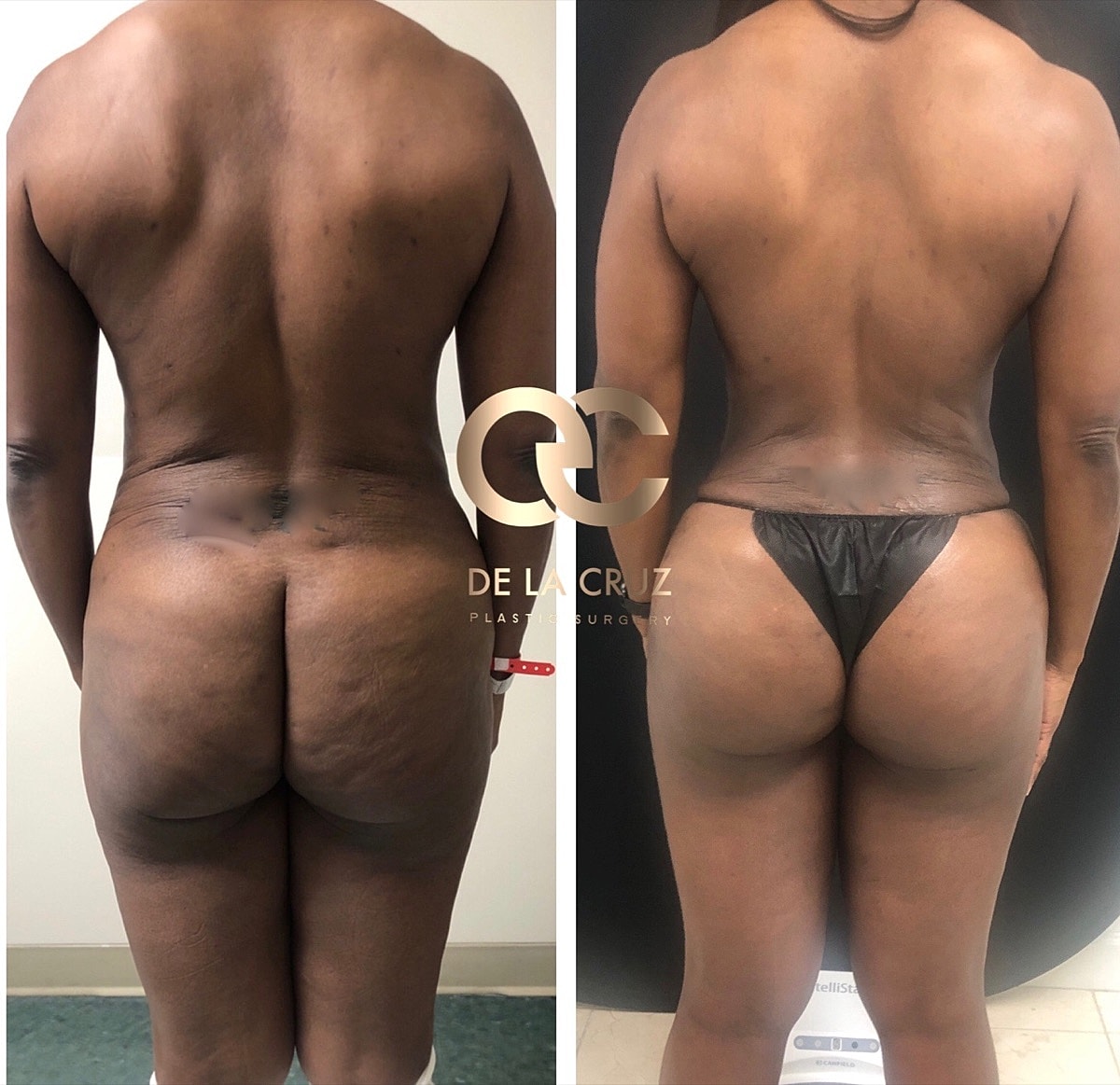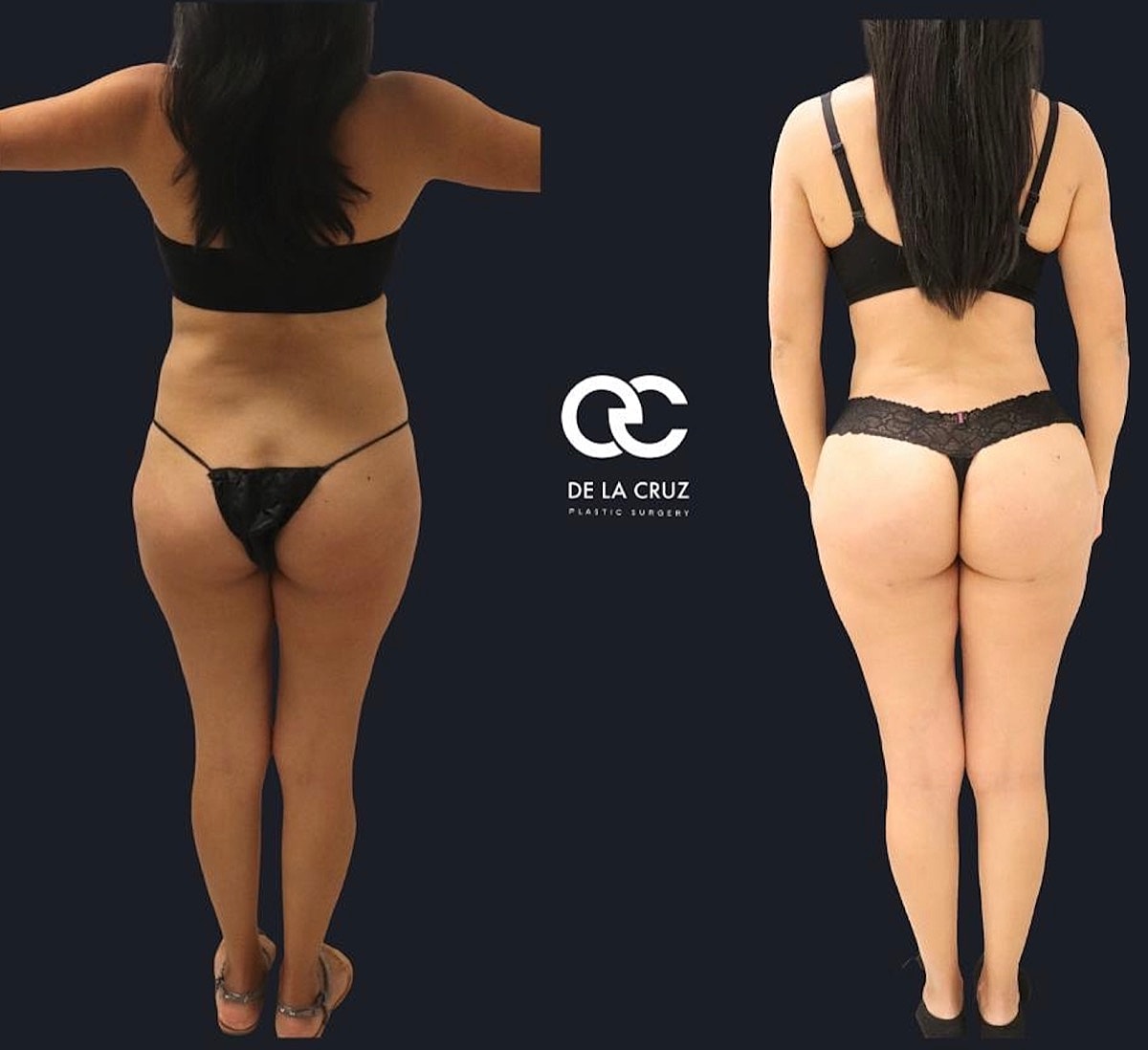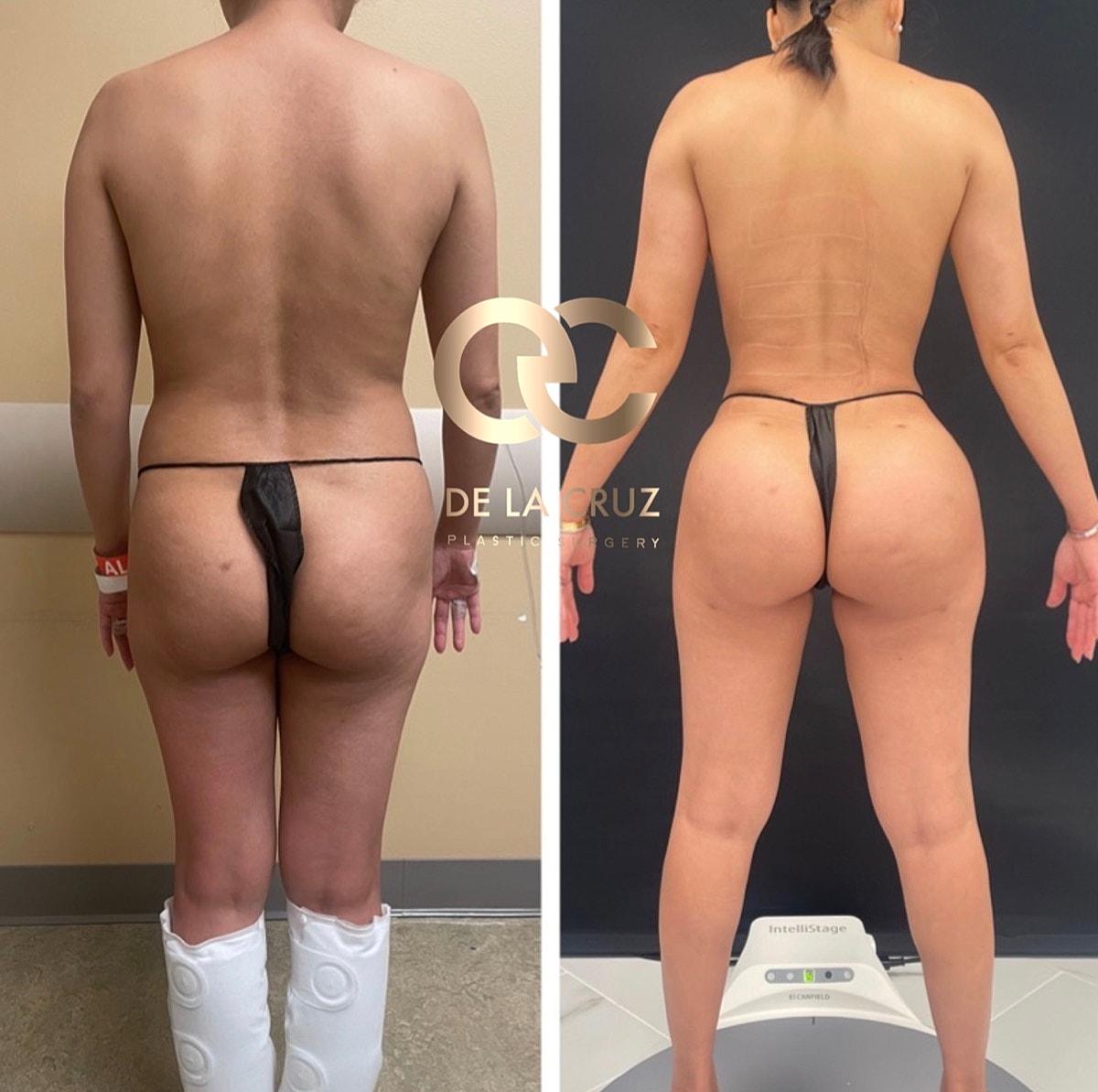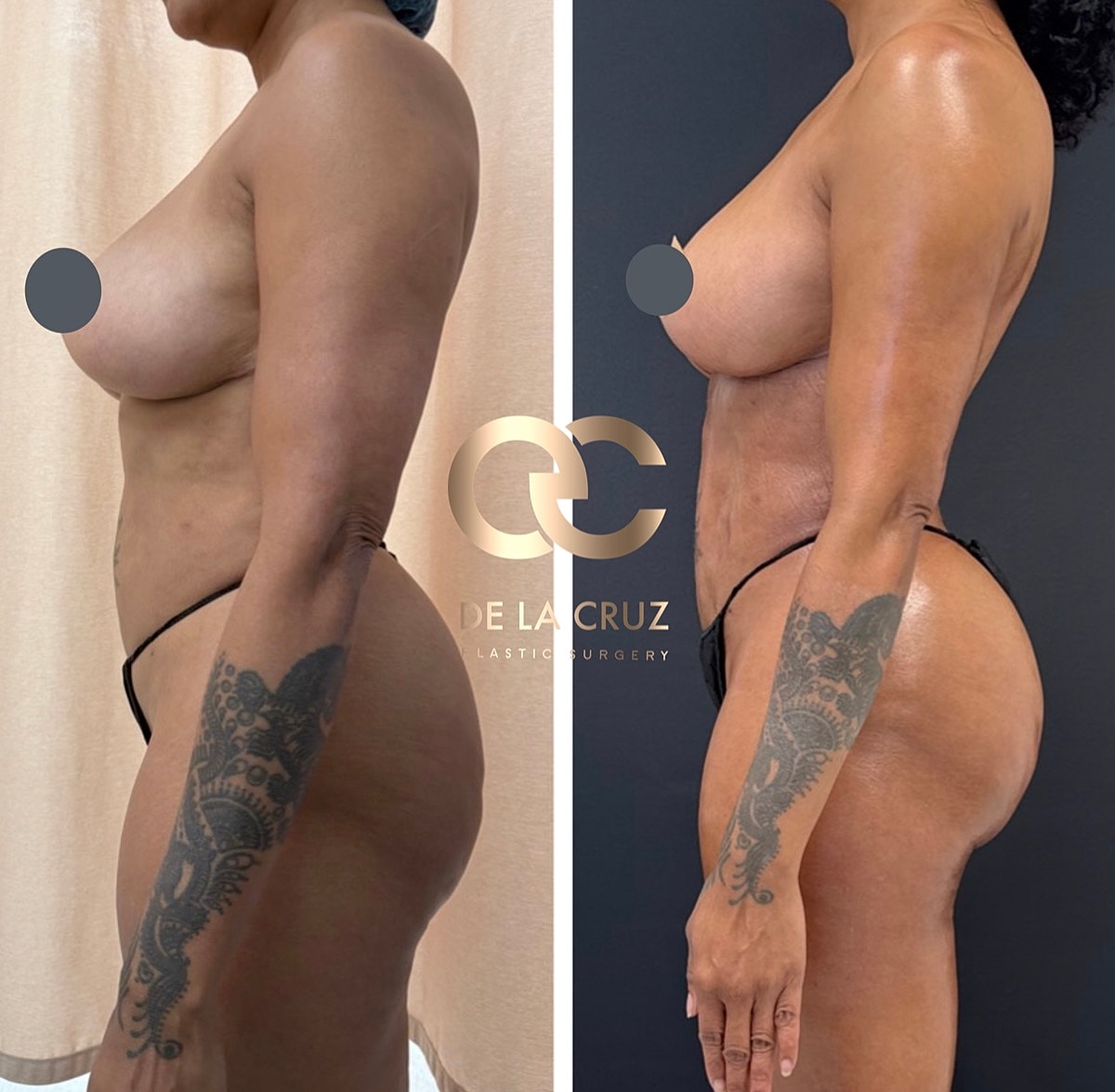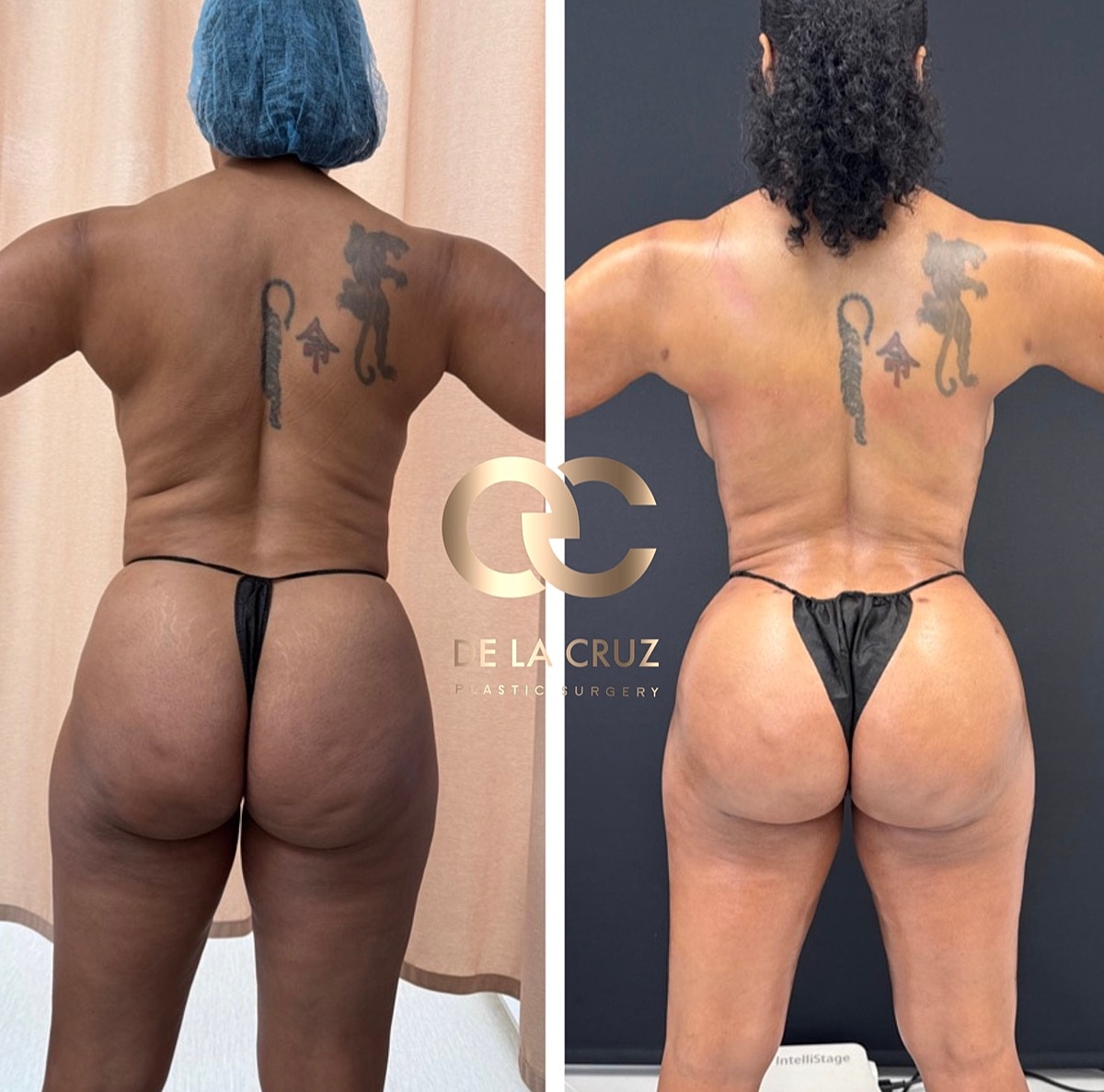
BBL (Fat Transfer) vs Buttock Implants: Which Is Better? When considering buttock augmentation, patients often ask:
Written by Dr. Emmanuel De La Cruz, MD Double Board-Certified Plastic Surgeon | Houston, Texas
Written by Dr. Emmanuel De La Cruz, MD Double Board-Certified Plastic Surgeon | Houston, Texas
When considering buttock augmentation, patients often ask:
👉 Should I get a Brazilian Butt Lift (BBL) or buttock implants?
Both procedures enhance the shape and volume of the buttocks—but they differ significantly in technique, safety profile, recovery, and long-term results.
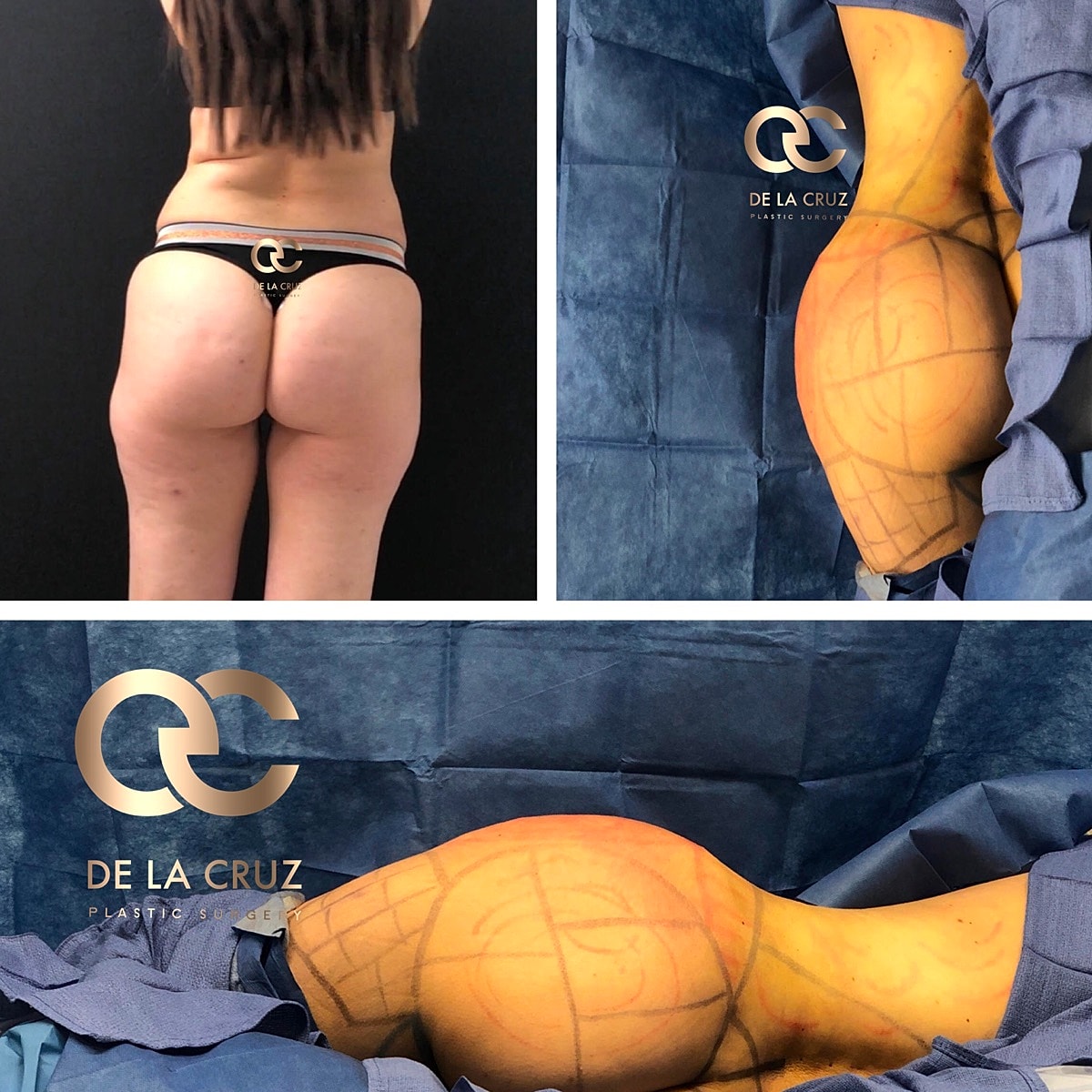
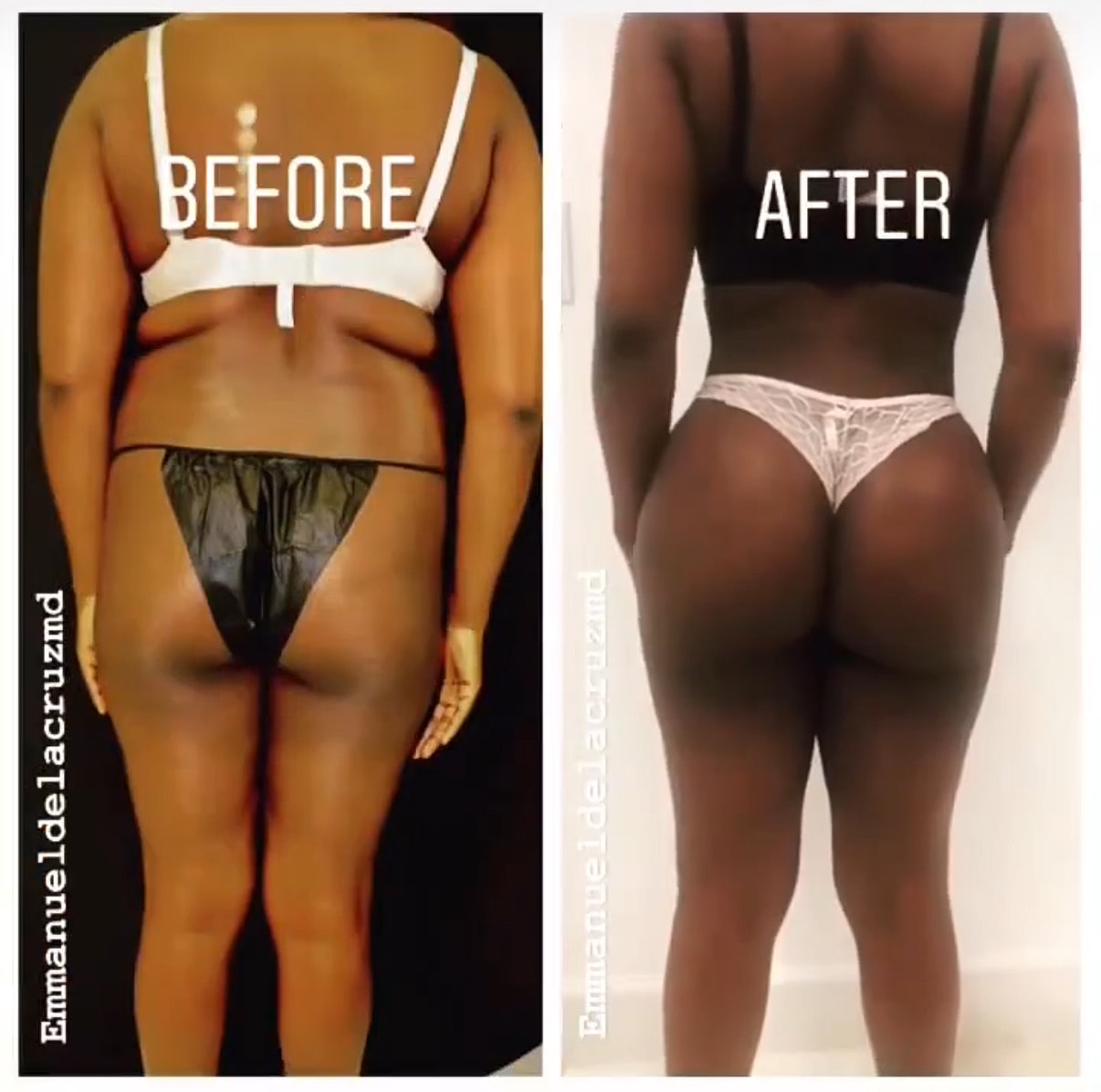
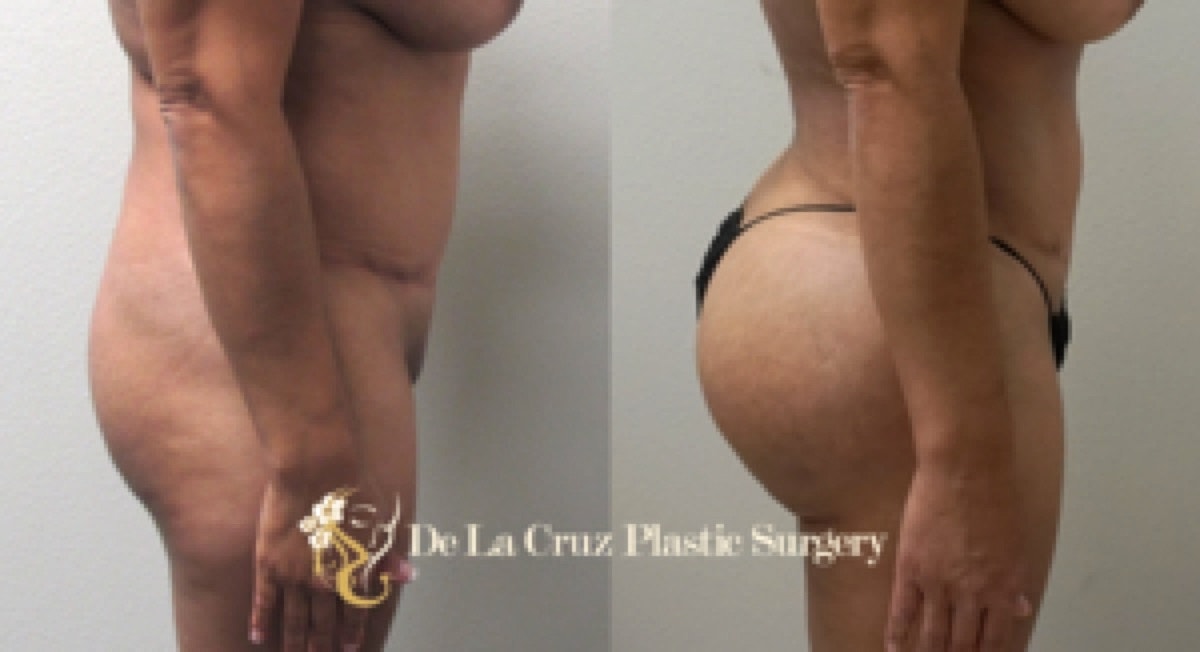
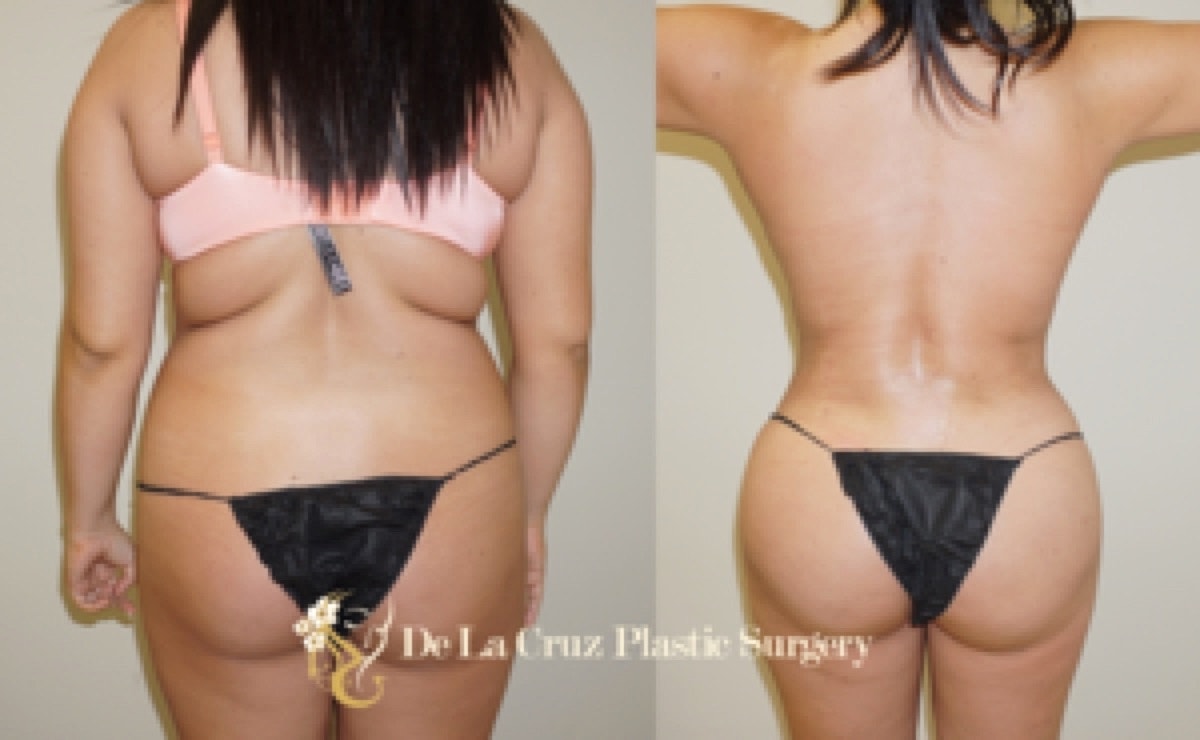
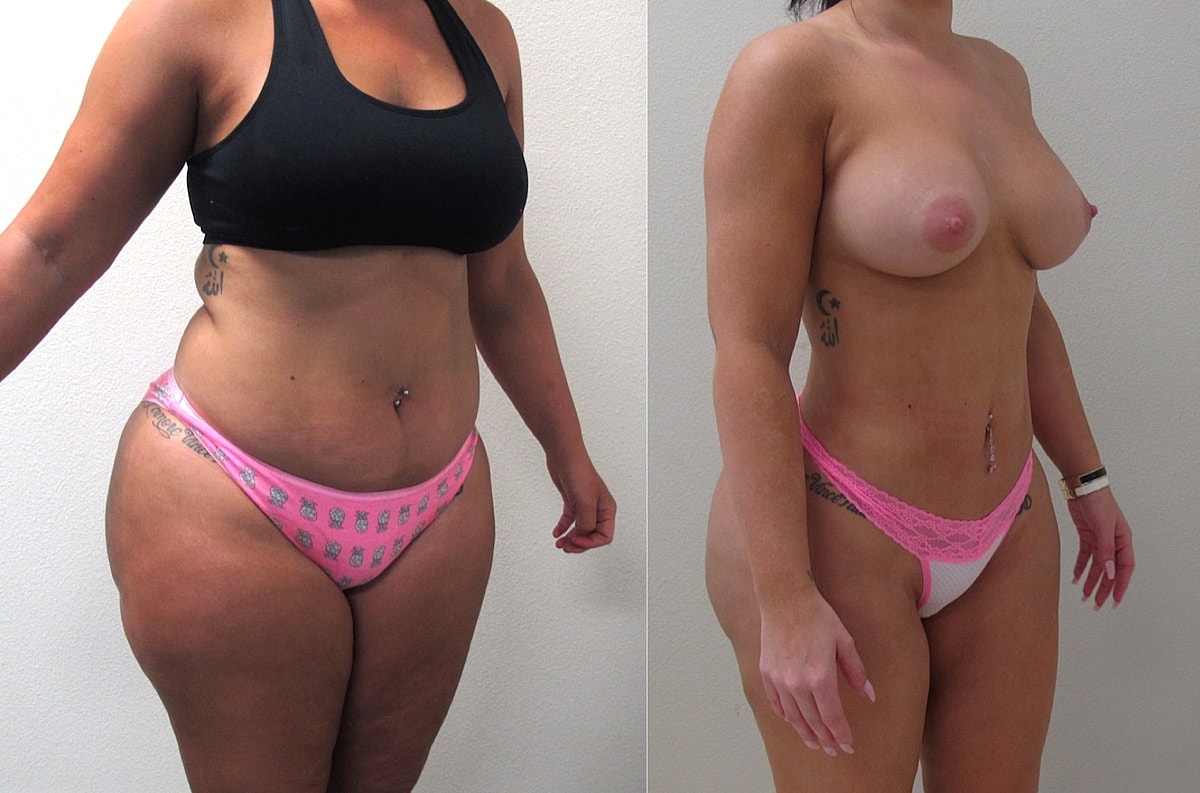
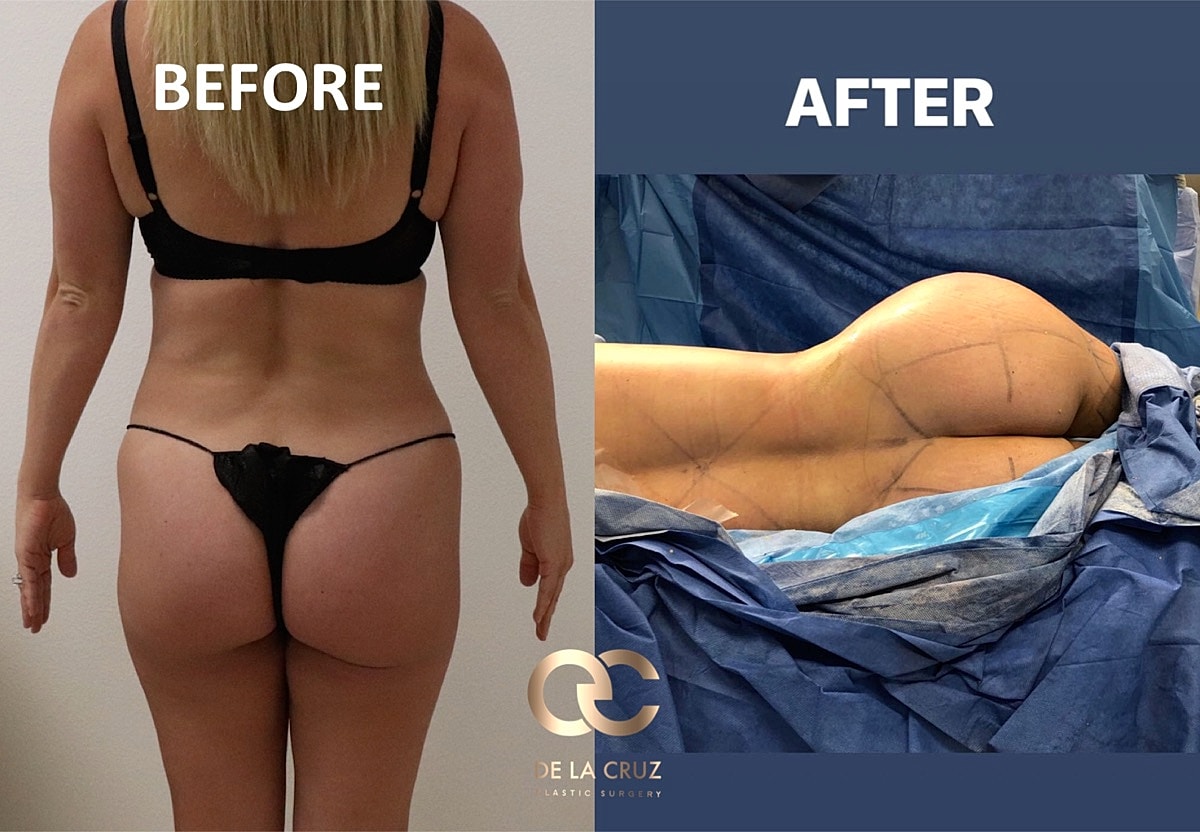
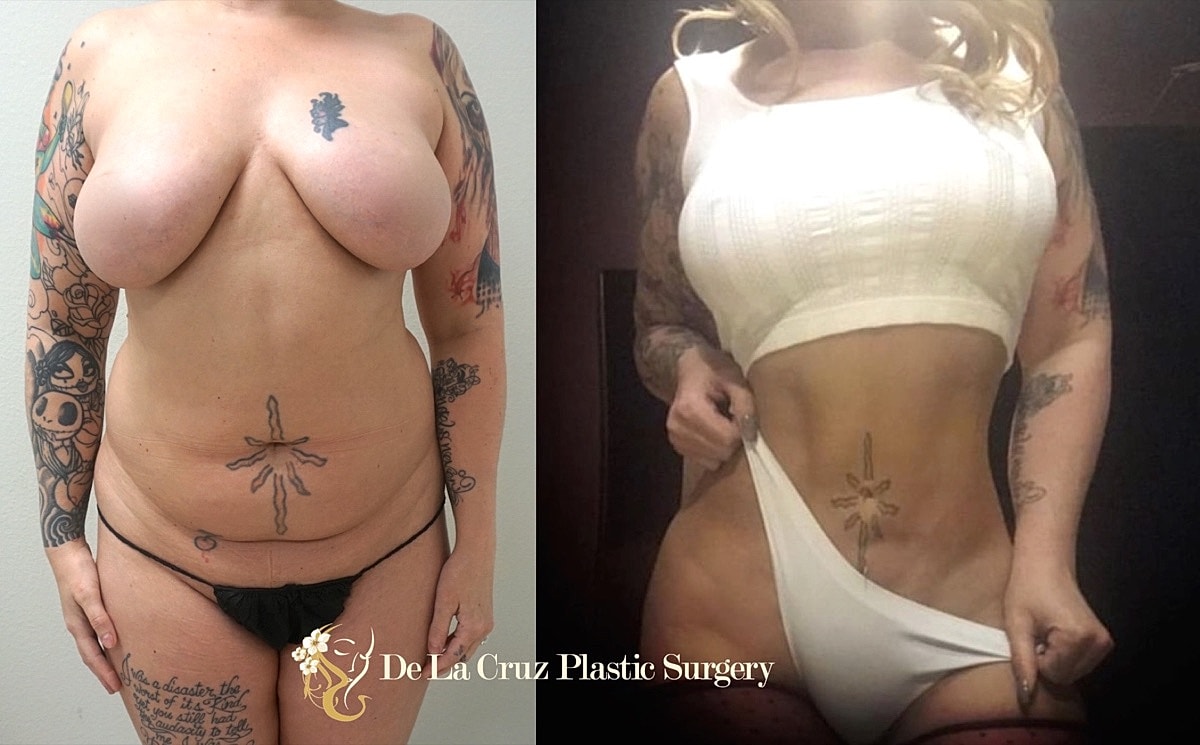
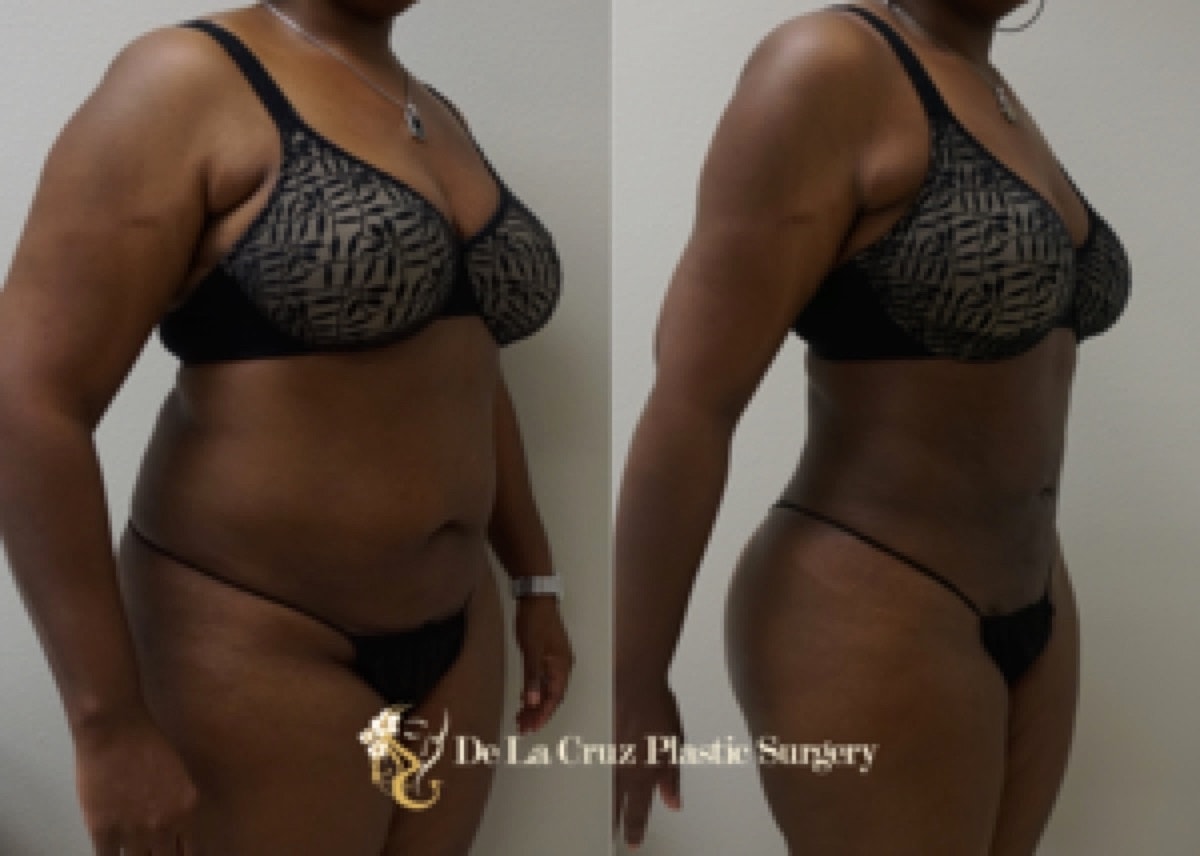
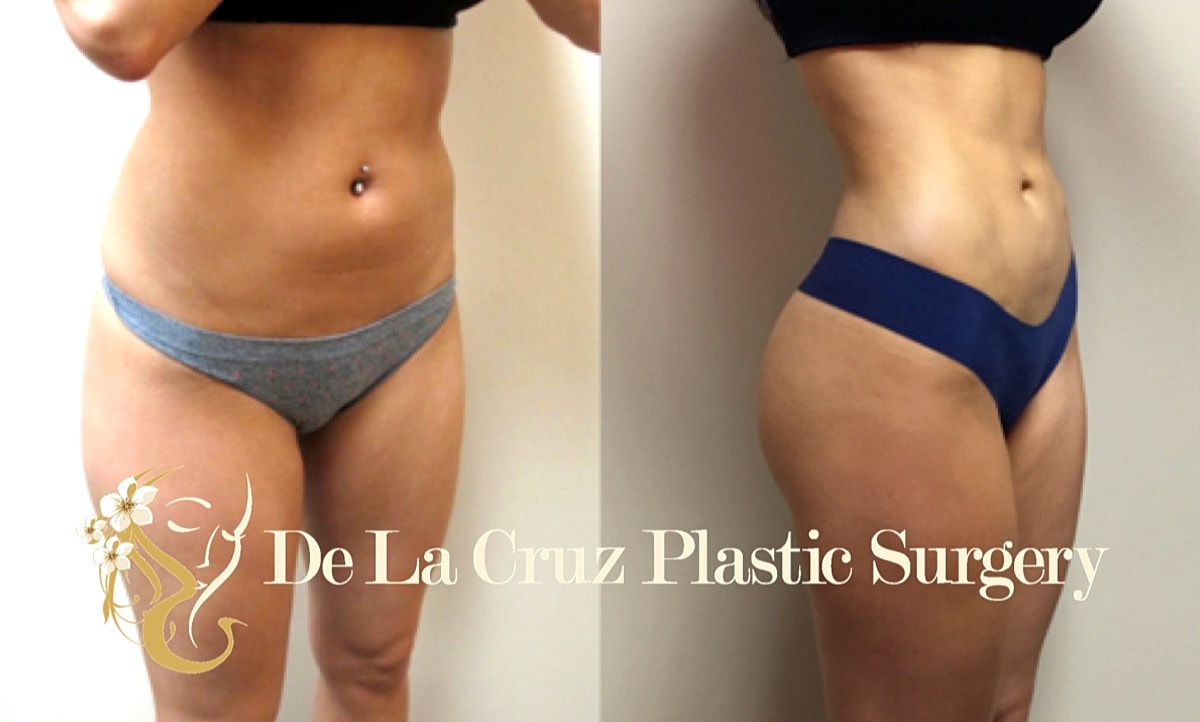
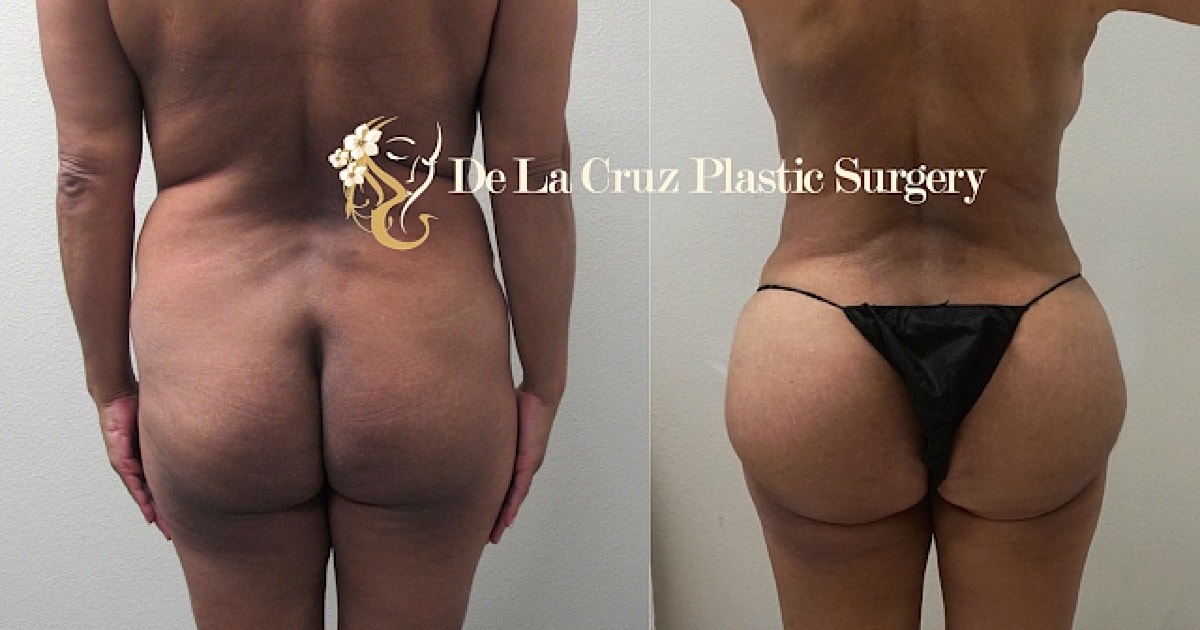
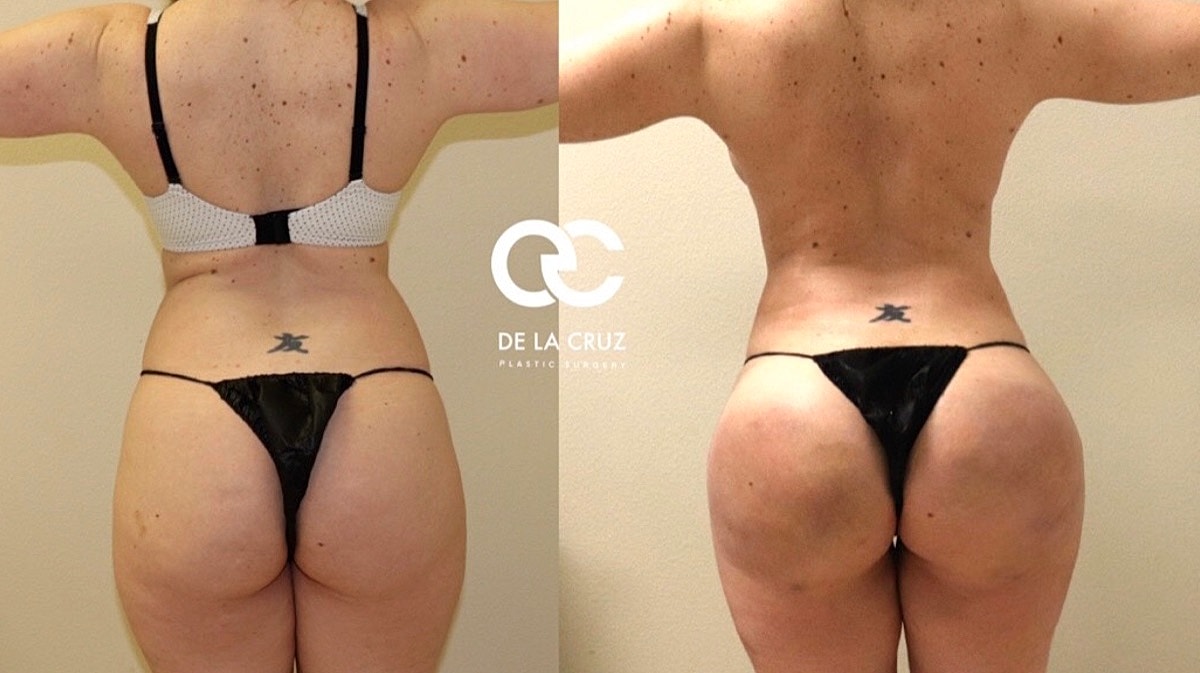
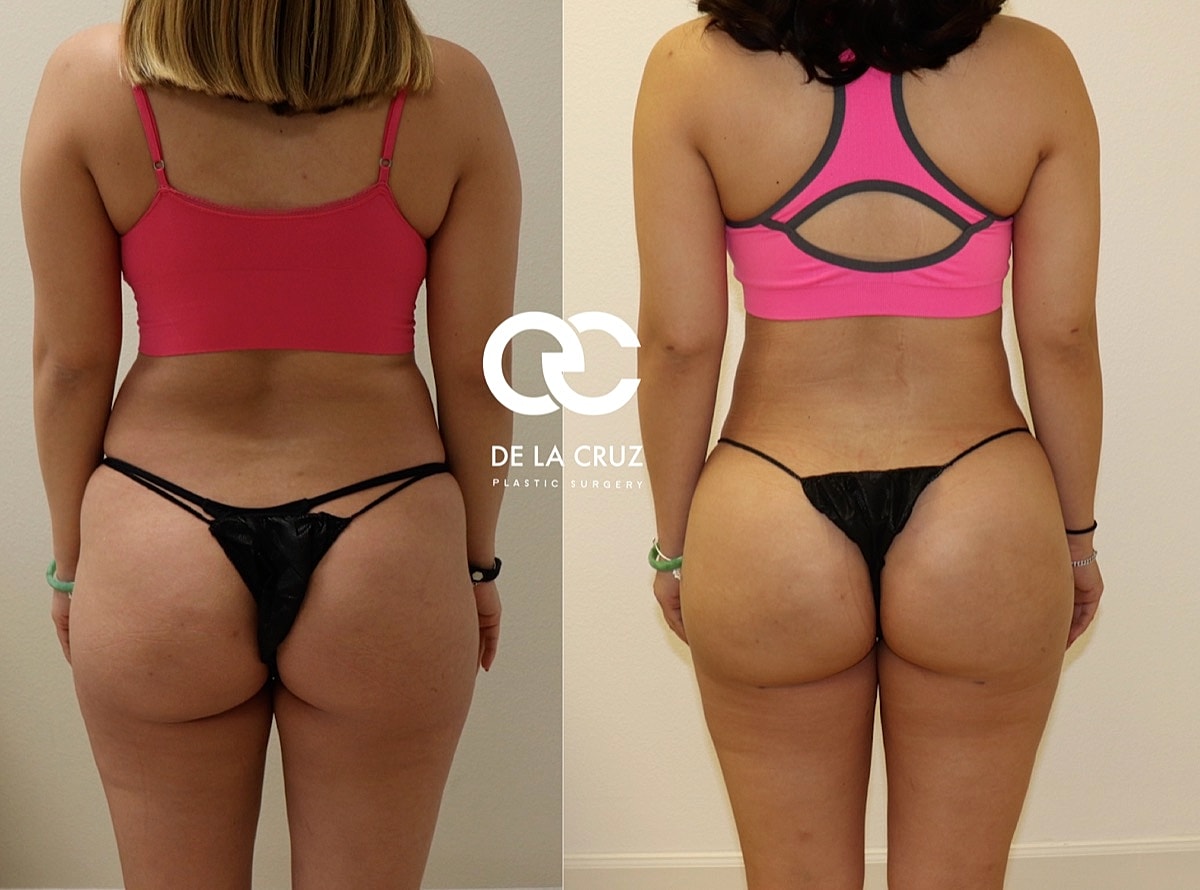
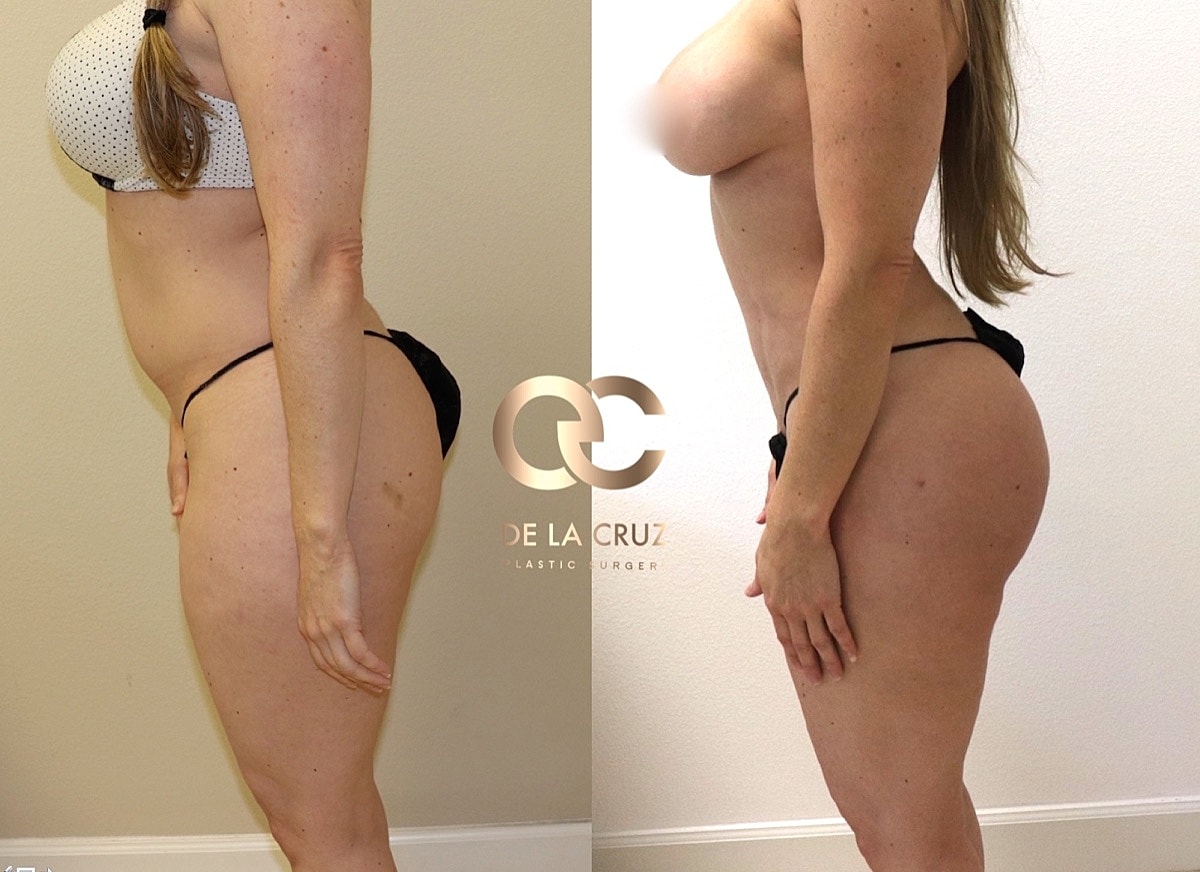
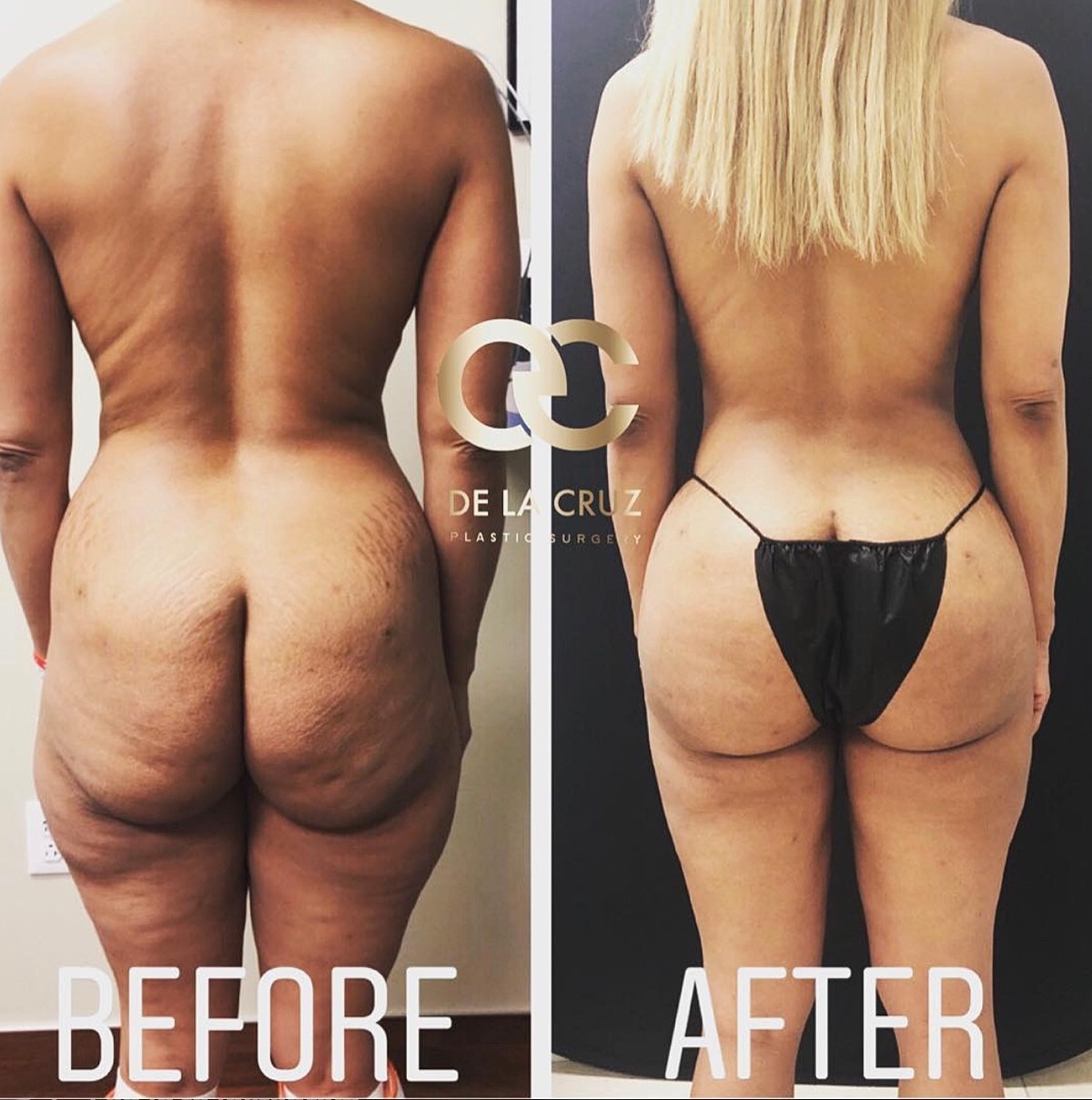
At De La Cruz Plastic Surgery, we specialize in advanced body contouring and primarily perform BBL in Houston with fat transfer due to its ability to deliver more natural and comprehensive results.
For a full overview, see our Ultimate Guide to BBL Surgery.
1 of 24
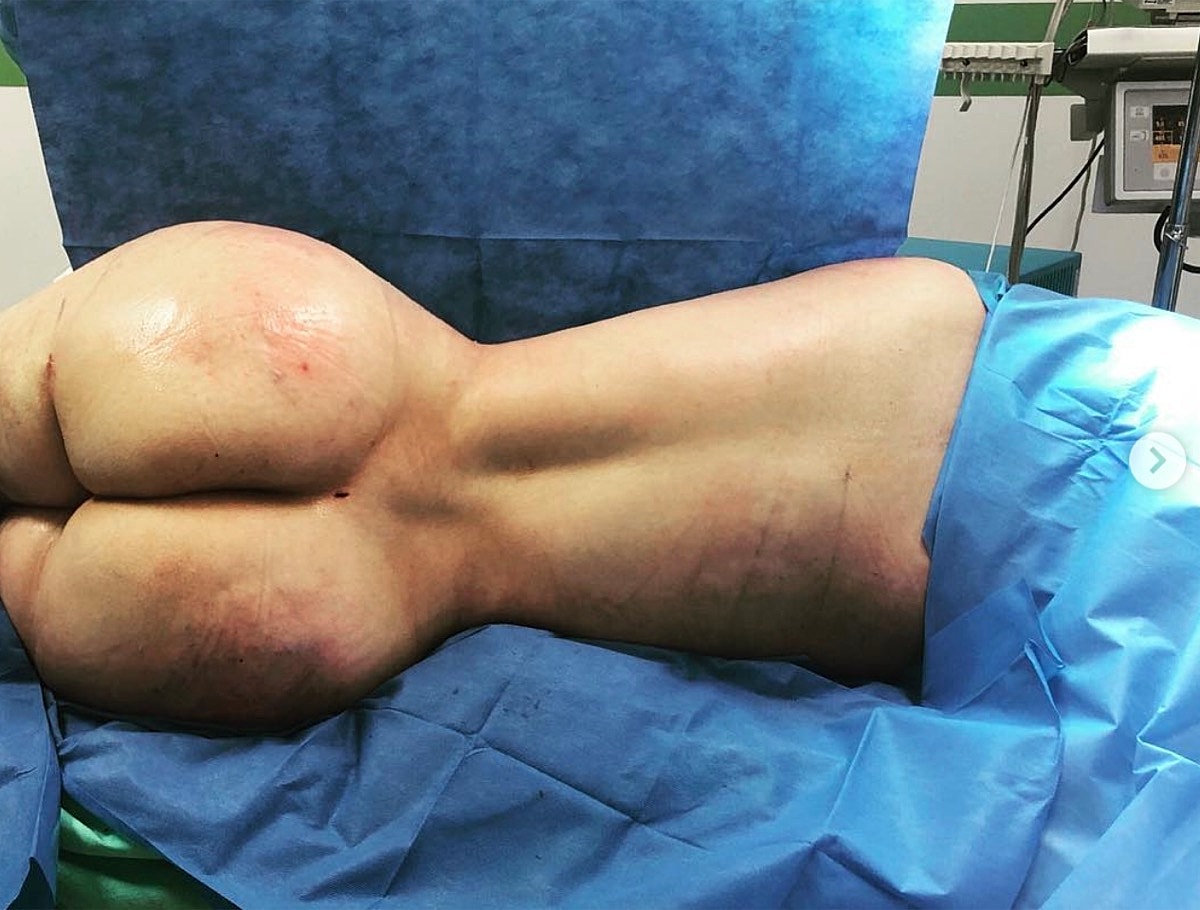
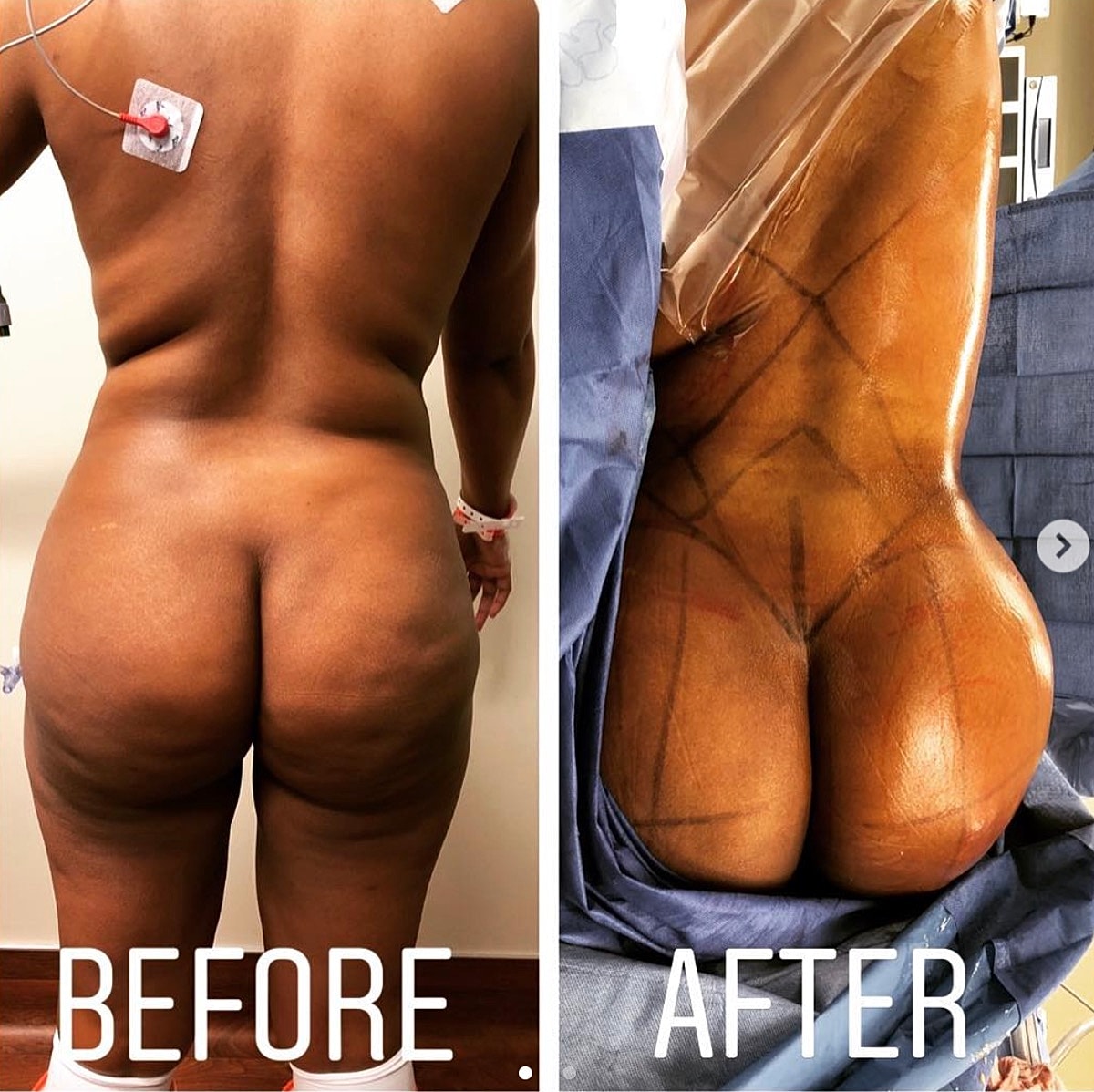
A Brazilian Butt Lift involves:
This allows:
According to large registry data, fat grafting procedures overall have low complication rates (~5%), with buttock fat grafting showing relatively low rates of complications such as seroma (~1.8%).
At our practice:
Buttock implants involve:
While implants provide volume, they do not contour surrounding areas like a BBL.
Studies show implant-based augmentation can have higher complication rates (~10.8%), with seroma being the most common complication.
1. NATURAL LOOK & FEEL
BBL (Fat Transfer):
Buttock Implants:
👉 Winner: BBL
2. SAFETY PROFILE
BBL (Fat Transfer):
Buttock Implants:
👉 Winner: BBL (with experienced surgeon)
3. BODY CONTOURING BENEFIT
BBL:
Implants:
👉 Winner: BBL
4. RECOVERY
BBL:
Implants:
👉 Learn more: BBL Recovery Timeline
5. LONGEVITY OF RESULTS
BBL:
Implants:
👉 Winner: BBL

Based on your attached data and literature:
👉 These risks are significantly higher compared to fat transfer in most modern practices.

While generally safer in experienced hands, BBL carries risks:
However:
For most patients:
👉 BBL (fat transfer) is the preferred option
Because it offers:
Implants are typically reserved for:
About the Medical Reviewer Dr. Emmanuel De La Cruz is a double board-certified plastic surgeon specializing in advanced facial rejuvenation and body contouring procedures. 👉 [Learn more about Dr. Emmanuel De La Cruz]
Patients travel from across the U.S. and internationally for advanced body contouring.
Dr. De La Cruz is known for:
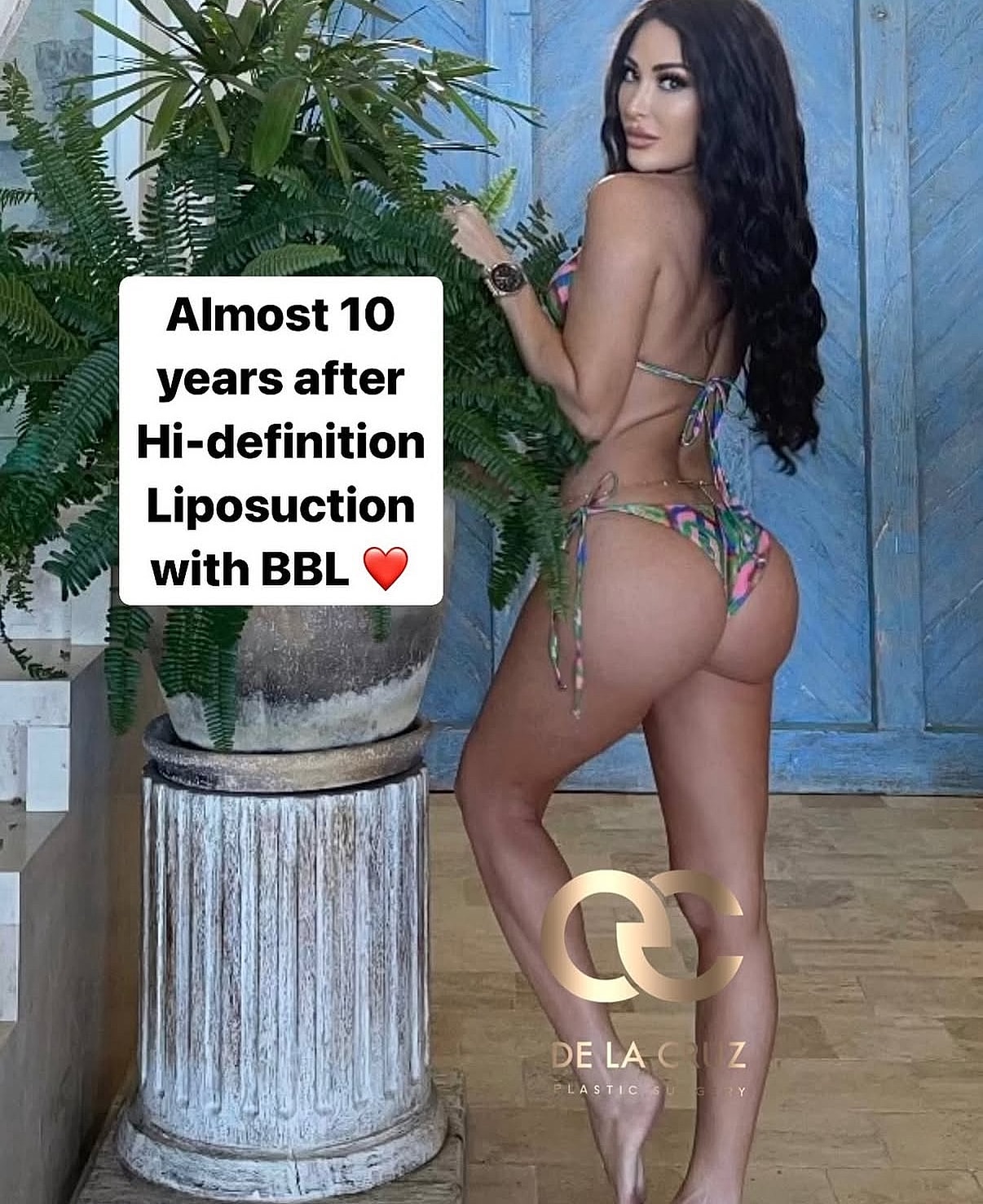
In experienced hands, BBL generally has a lower complication rate compared to buttock implants.
They can look less natural compared to fat transfer, especially in thinner patients.
Yes, implant removal and conversion to fat transfer is possible in many cases.
They may require replacement over time due to complications or aging.
A BBL can provide permanent results, while implants may need revision.
Yes. Some surgeons perform a hybrid approach using implants plus fat grafting to improve contour and soften the appearance of implants. However, this increases surgical complexity and may also increase complication risks.
BBL allows for full-body contouring, avoids foreign materials, and typically produces more natural-looking and feeling results compared to implants.
Implant infections often require removal of the implant, antibiotics, and delayed reconstruction. This is one of the most significant disadvantages compared to fat transfer.
Yes. Implant malposition or shifting can occur, especially if the pocket stretches or heals improperly. This may require revision surgery.
No. Once fat successfully integrates, it behaves like normal fat in your body. However, significant weight changes can affect results.
Typically, about 60–80% of transferred fat survives, depending on technique and patient factors.
BBL recovery is generally more comfortable, although both require limited sitting. Implant recovery can be more painful due to muscle dissection.
Yes. Buttock implants are typically more painful because they involve placement within or under the gluteal muscle.
They can feel firmer compared to natural fat, especially in thinner patients with less soft tissue coverage.
The fat that survives is permanent, but results can change with weight fluctuations and aging.
The most serious risk is fat embolism, which is technique-dependent and avoidable with proper surgical methods.
Implants can provide more projection in very thin patients, but may appear less natural compared to BBL results.
Yes. Fat transfer allows precise contouring of the hips and waist, making it more effective for correcting hip dips.
About the Author
Dr. Emmanuel De La Cruz, MD is a double-board-certified plastic surgeon in Houston, Texas, certified by both the American Board of Plastic Surgery and the American Board of Surgery. He specializes in advanced liposuction and body contouring procedures, including high-definition liposculpture, Brazilian Butt Lift (BBL), revision liposuction, and treatment of lipedema.
Dr. De La Cruz is internationally recognized for his expertise in high-definition liposuction and contour sculpting techniques, which play a critical role in achieving balanced, natural-looking results in procedures such as liposuction and Brazilian Butt Lift surgery. His work focuses on precise body contour sculpting to enhance overall body proportions.
He has lectured internationally on liposuction techniques, fat grafting, and contour irregularity correction, presenting at major scientific meetings including the American Society of Plastic Surgeons (ASPS), the Total Definer Meeting in Bogotá, Colombia, the InMode Symposium in Miami and Beverly Hills, and AestheticStanbul in Istanbul, Turkey, where he was invited to lecture by renowned plastic surgeon Dr. Foad Nahai.
Dr. De La Cruz has also contributed to the scientific literature on liposuction and body contouring. He is the author of “Lipoplasty in the Overweight Patient”, published in the peer-reviewed journal Clinics in Plastic Surgery.
Through his clinical work, research, and international lectures, Dr. De La Cruz focuses on advancing safe, precise, and refined techniques in liposuction, BBL surgery, and modern body contouring.