One of the most common questions patients ask after a Brazilian Butt Lift (BBL) is:
“When can I sit normally again?”
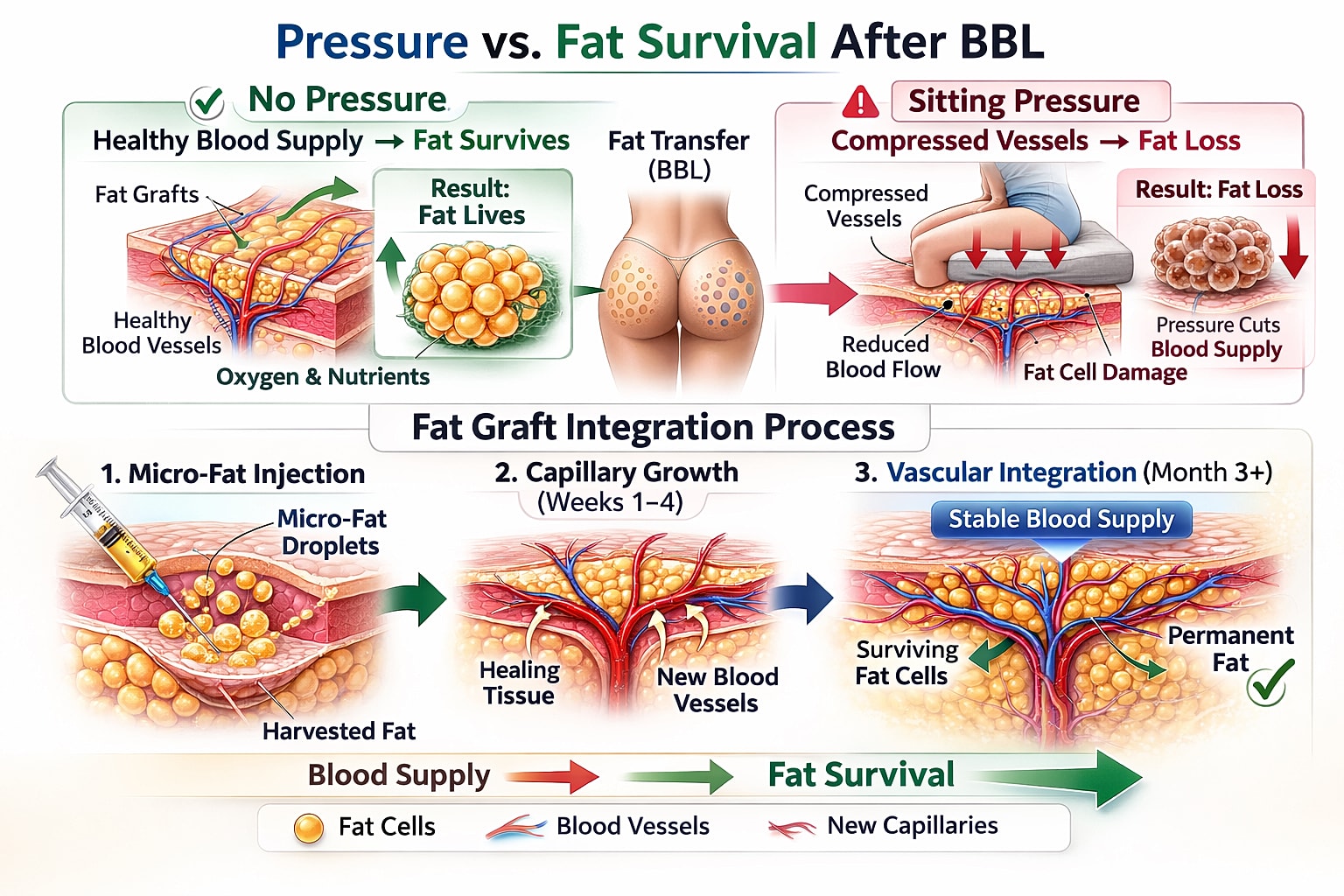
After BBL surgery, the newly transferred fat cells in the buttocks are delicate and require time to establish a healthy blood supply. Sitting too early can place pressure on these fat cells and may reduce fat survival.
Understanding when and how to sit safely after a BBL is one of the most important parts of recovery.
1 of 24
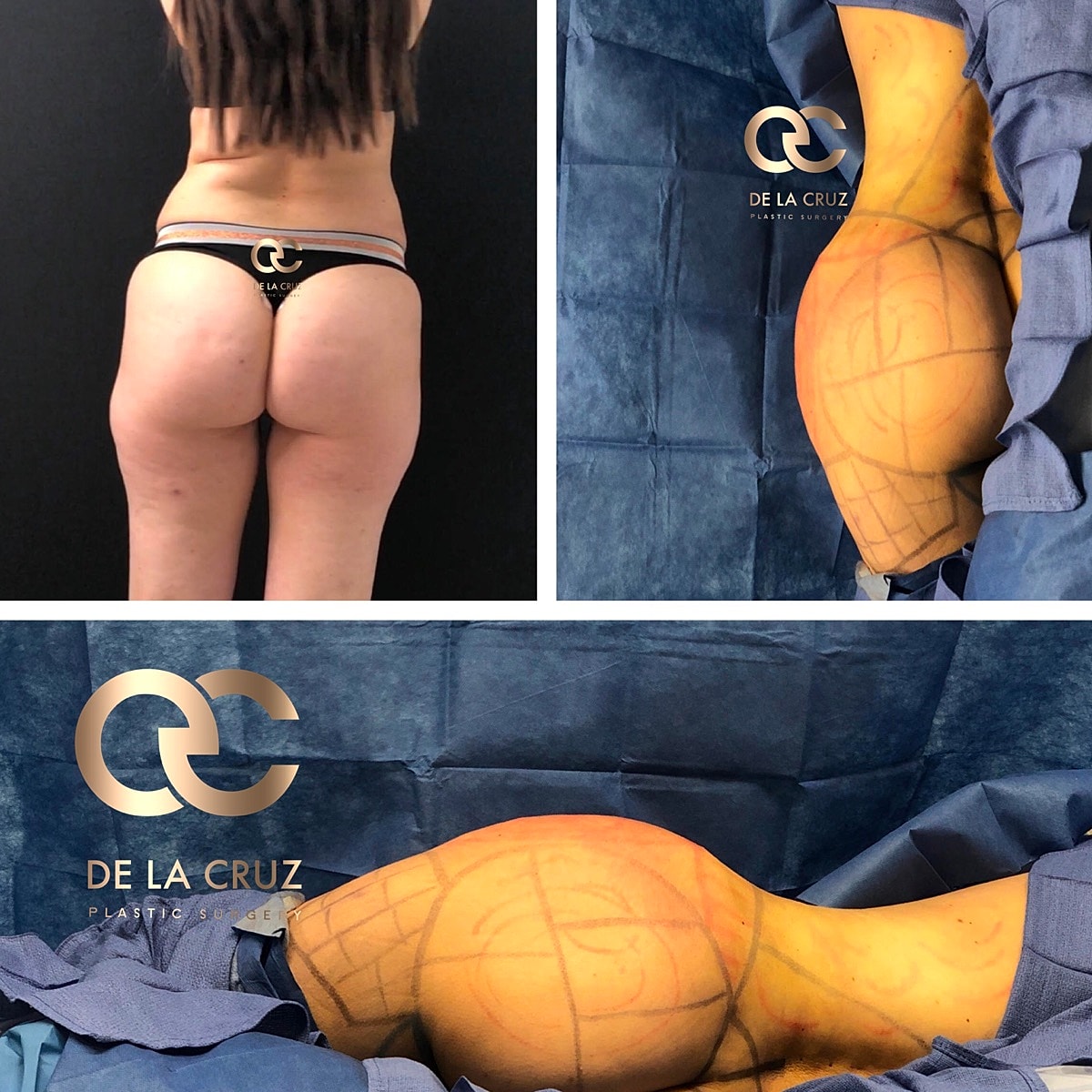
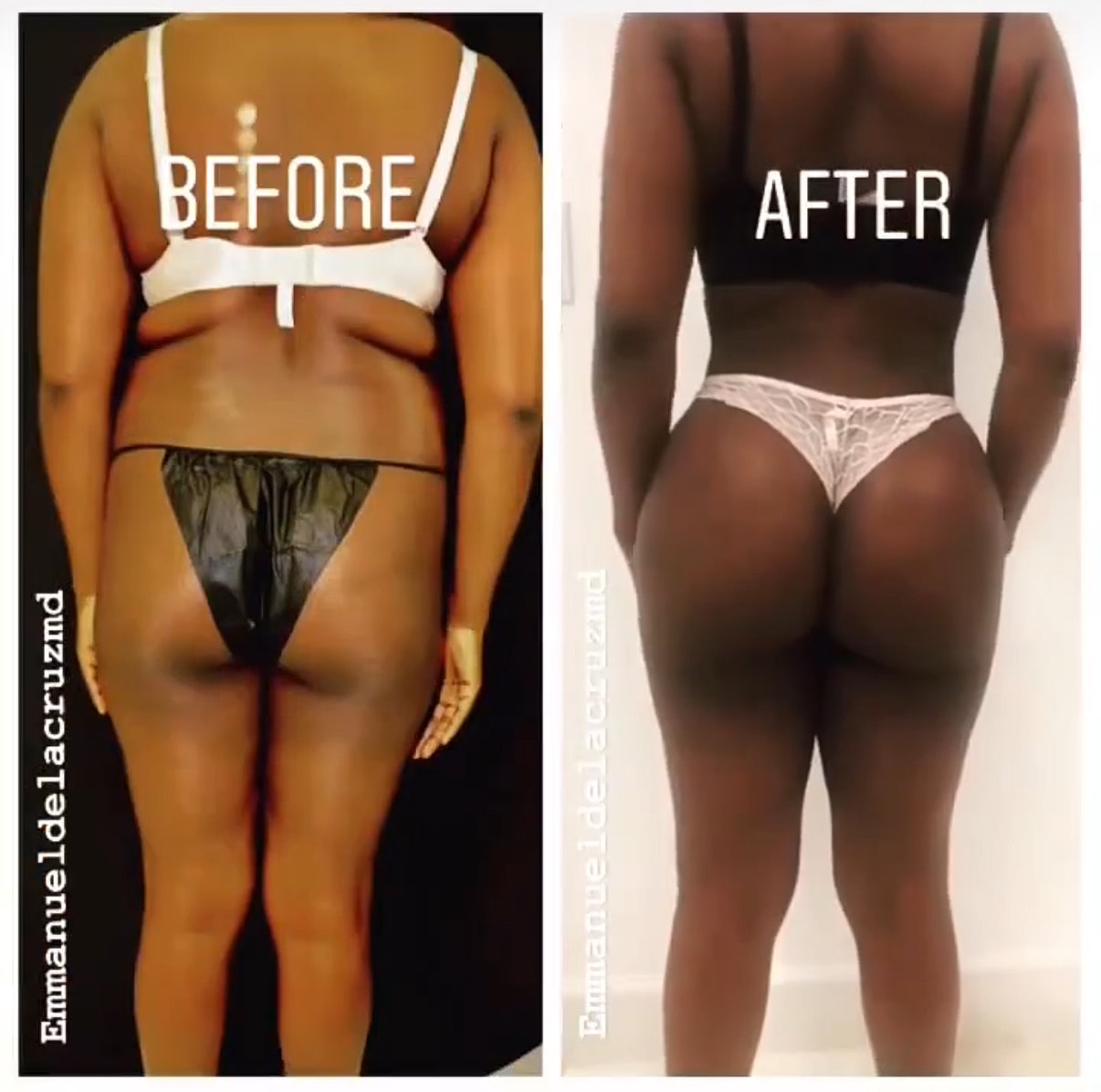
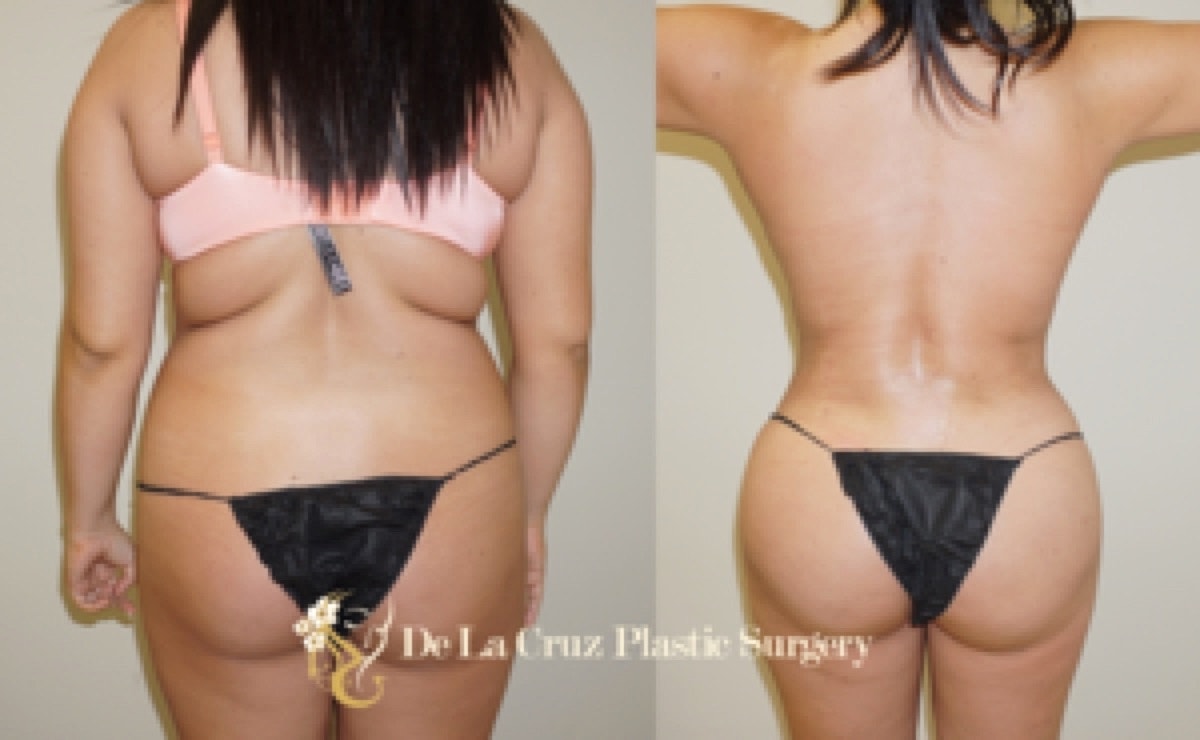
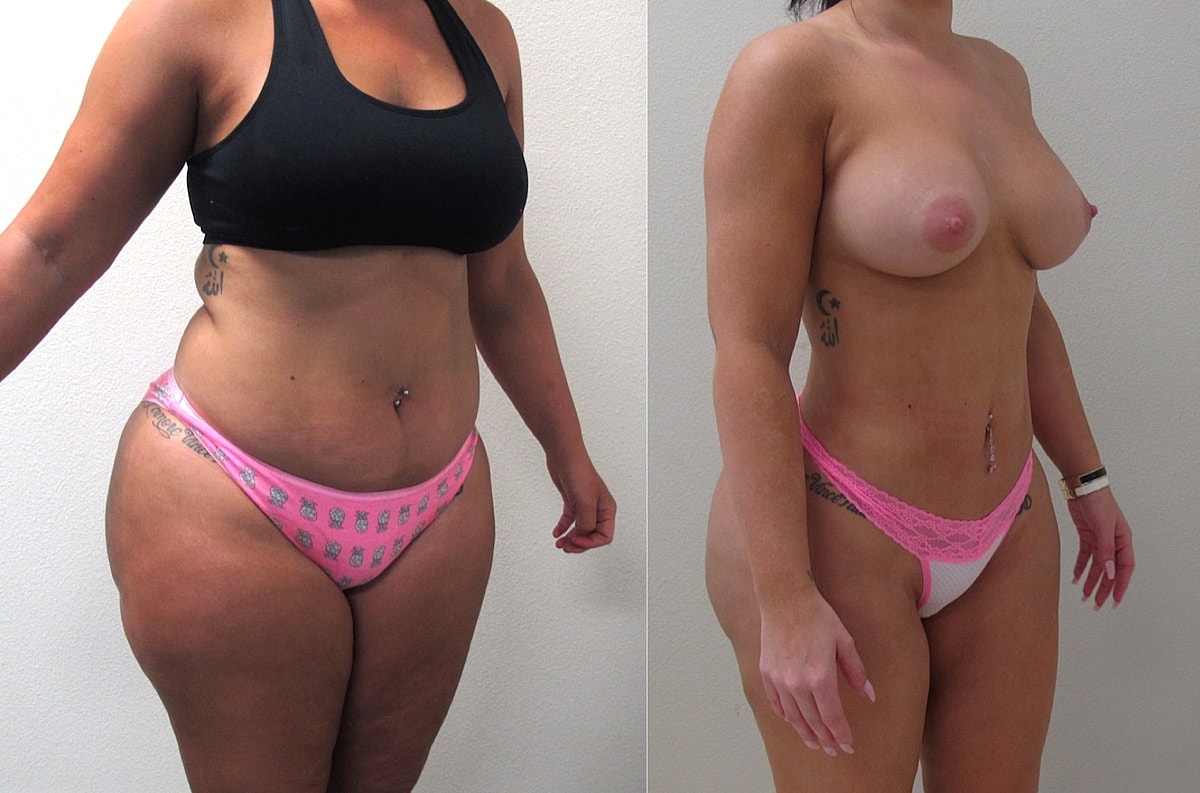
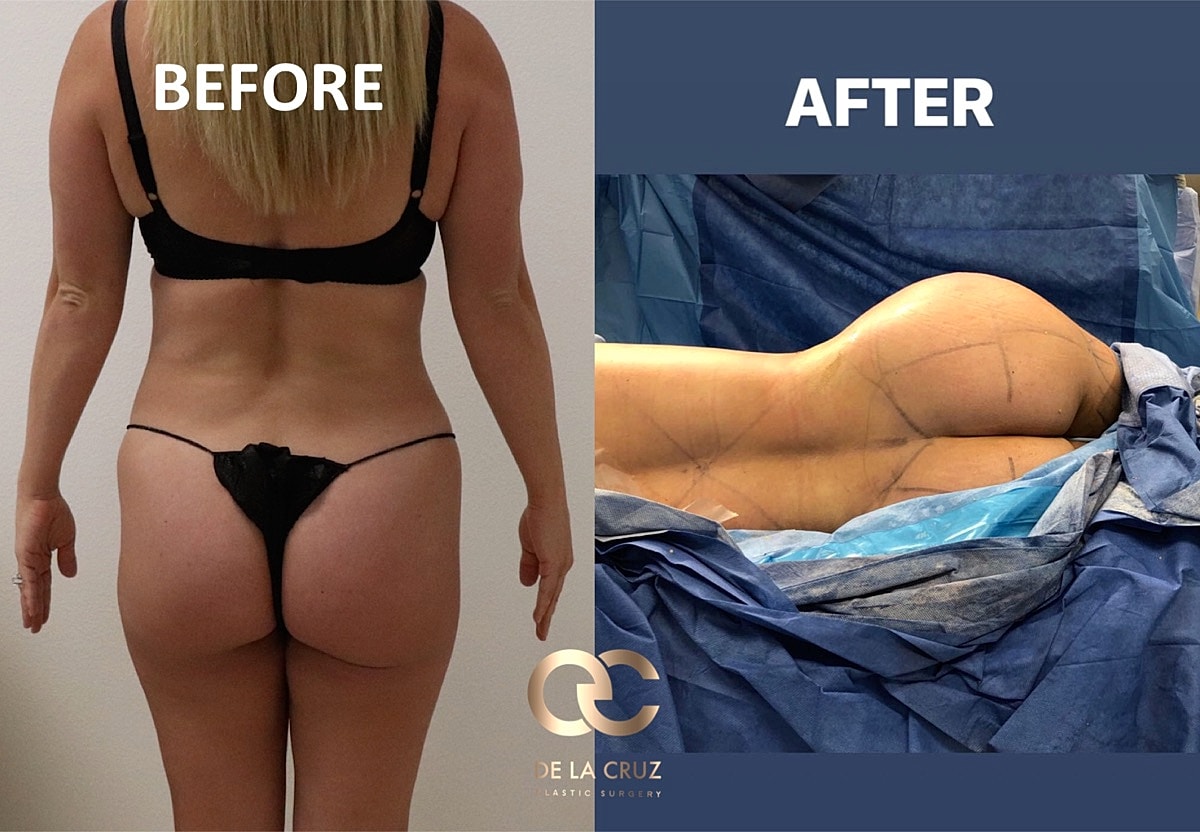
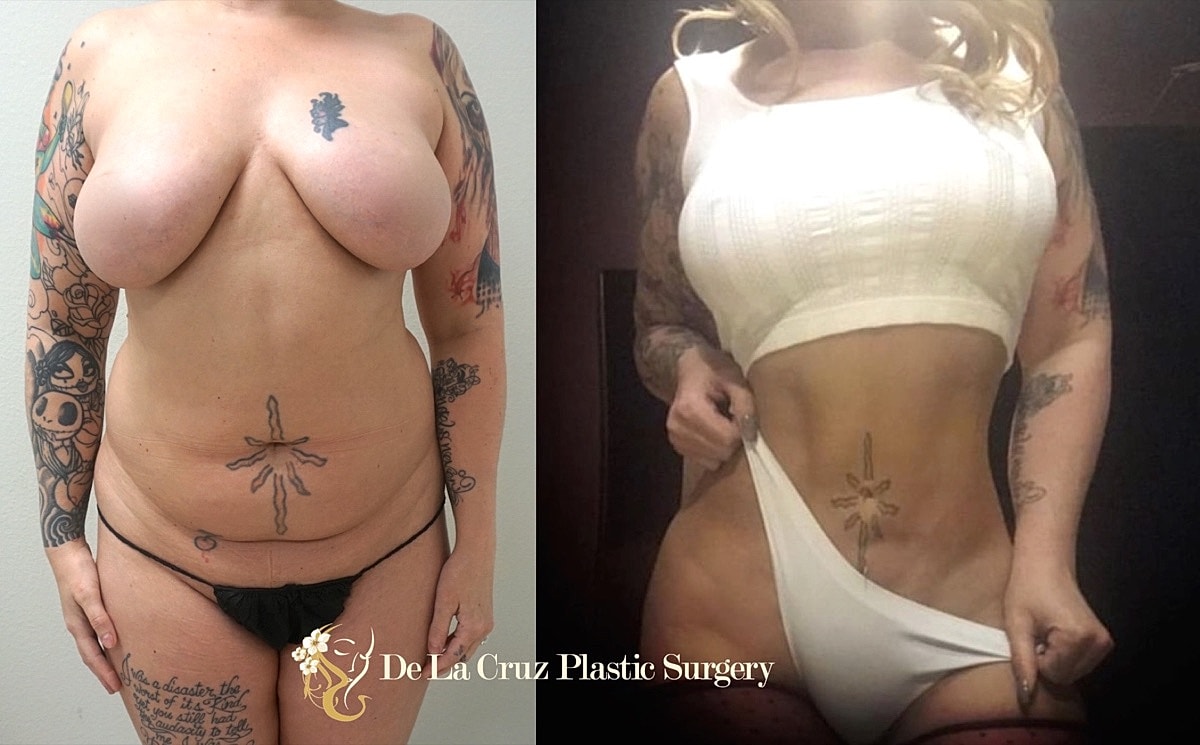
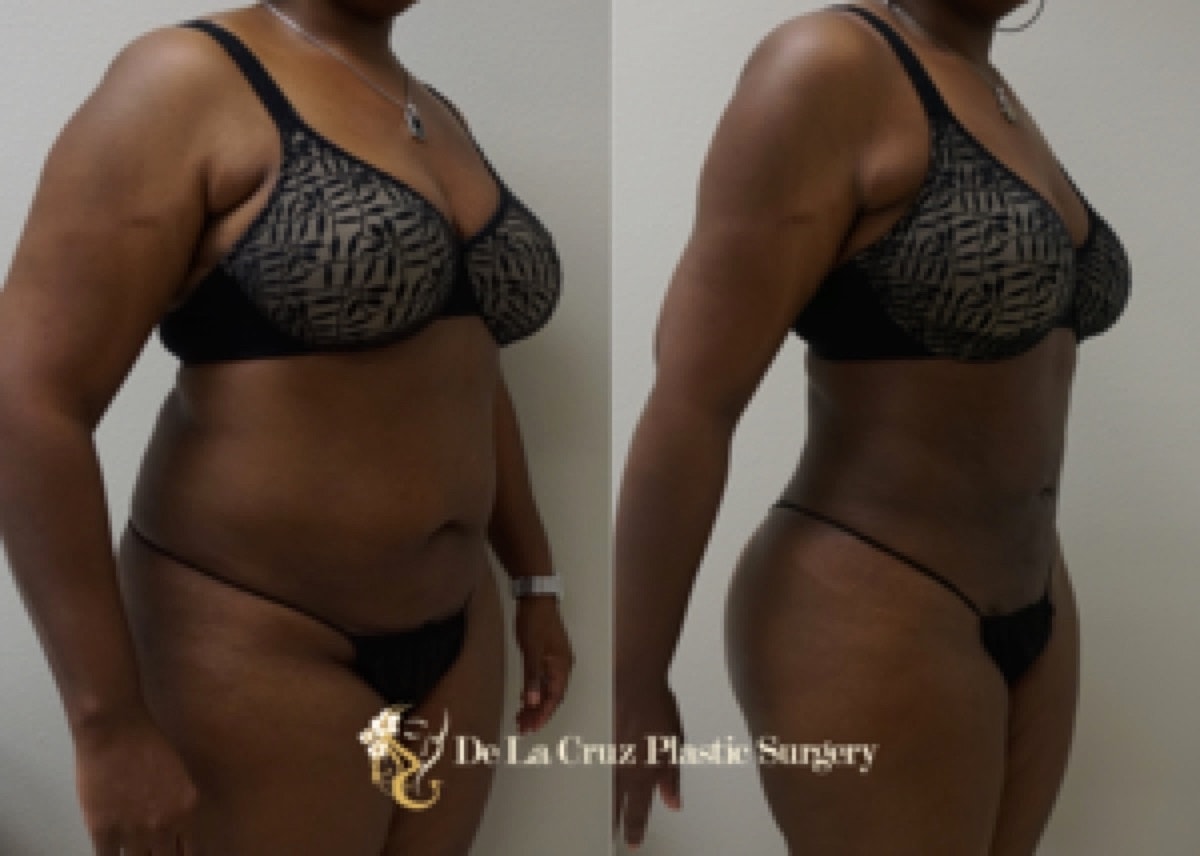
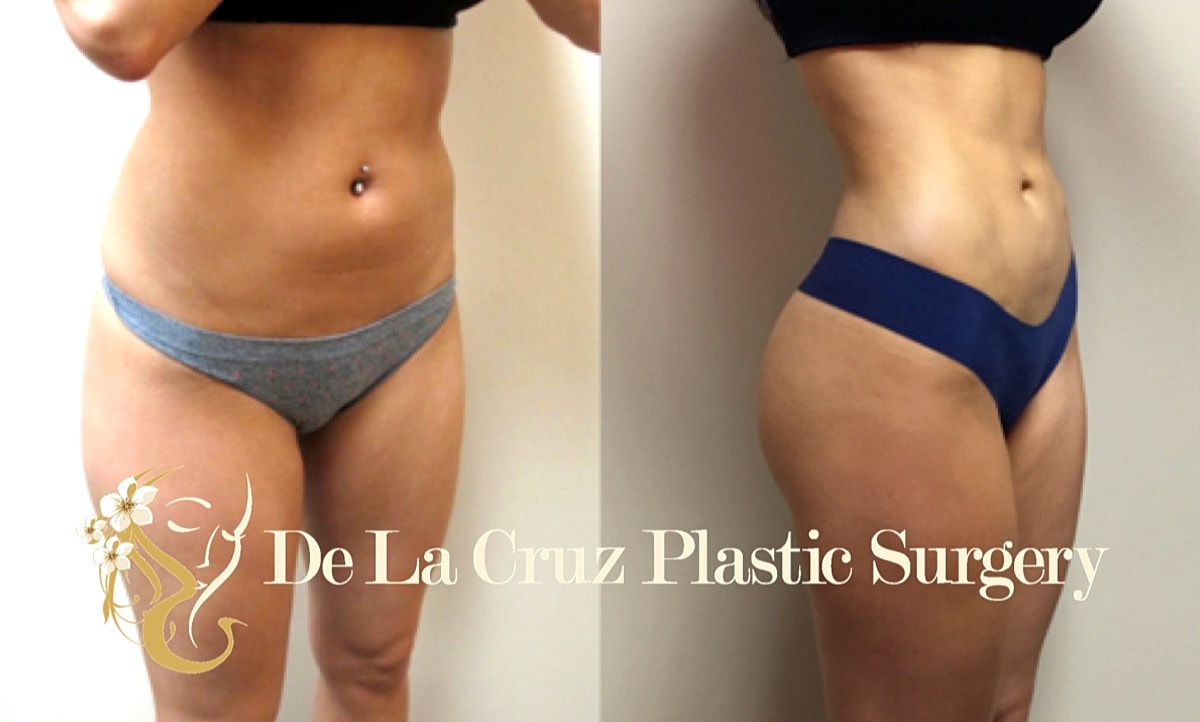
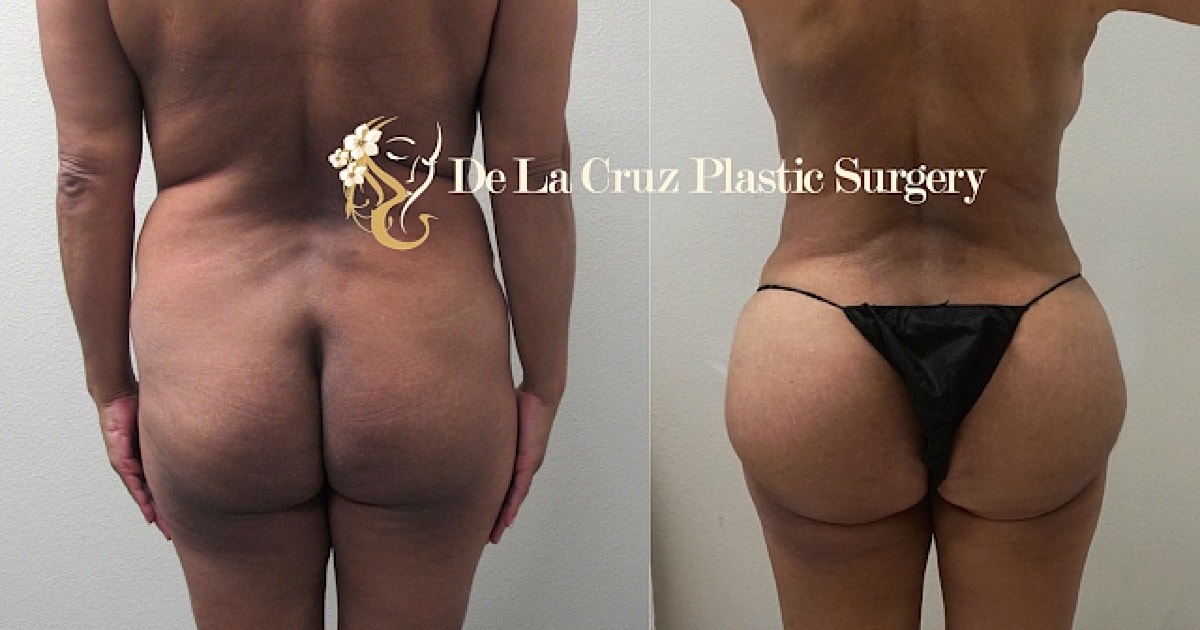
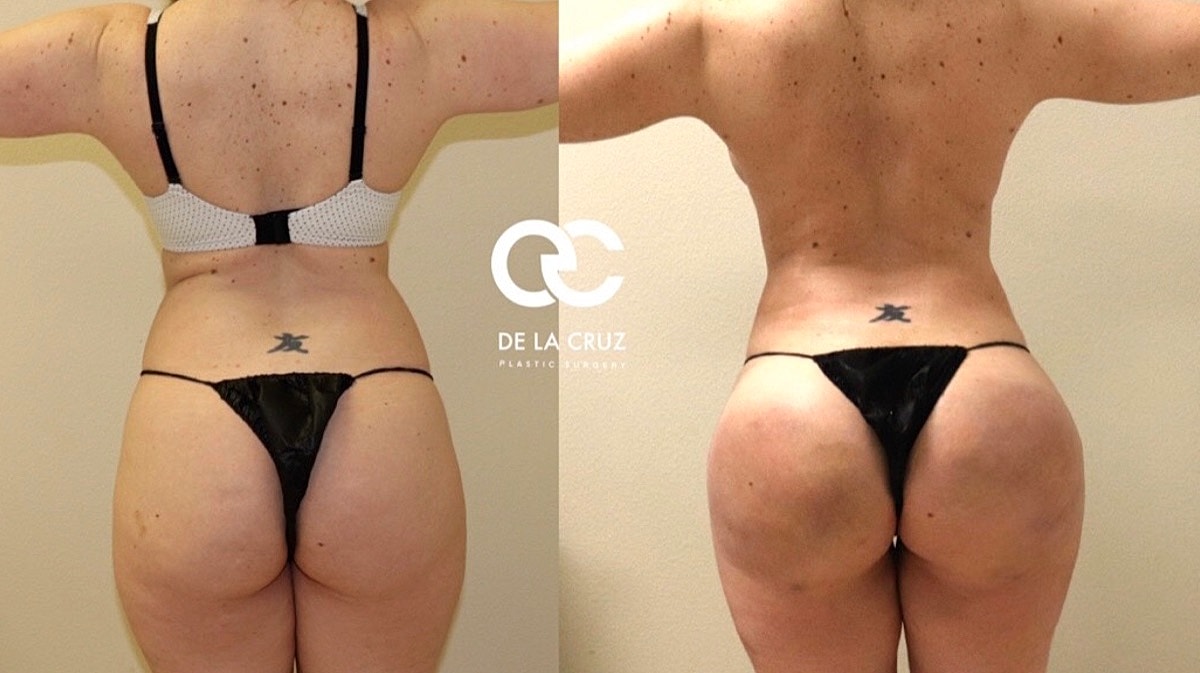
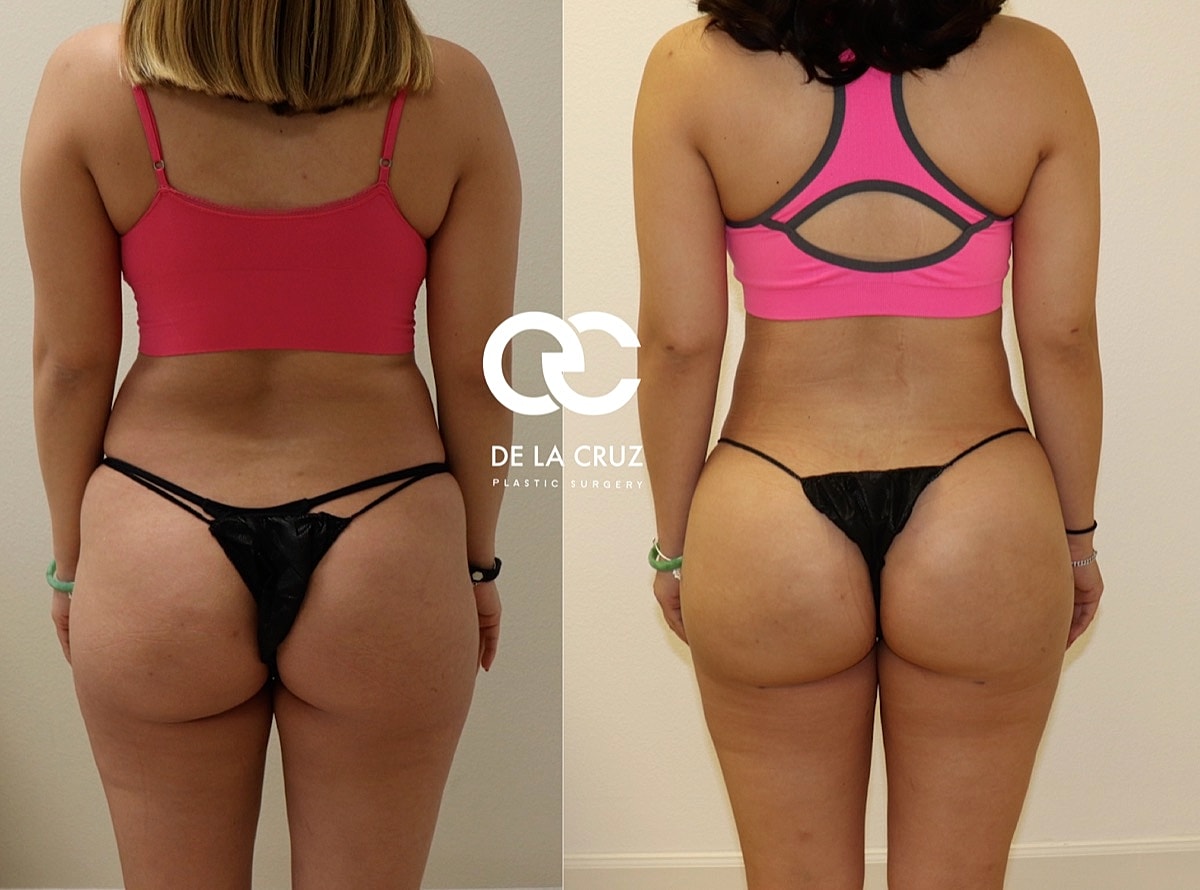
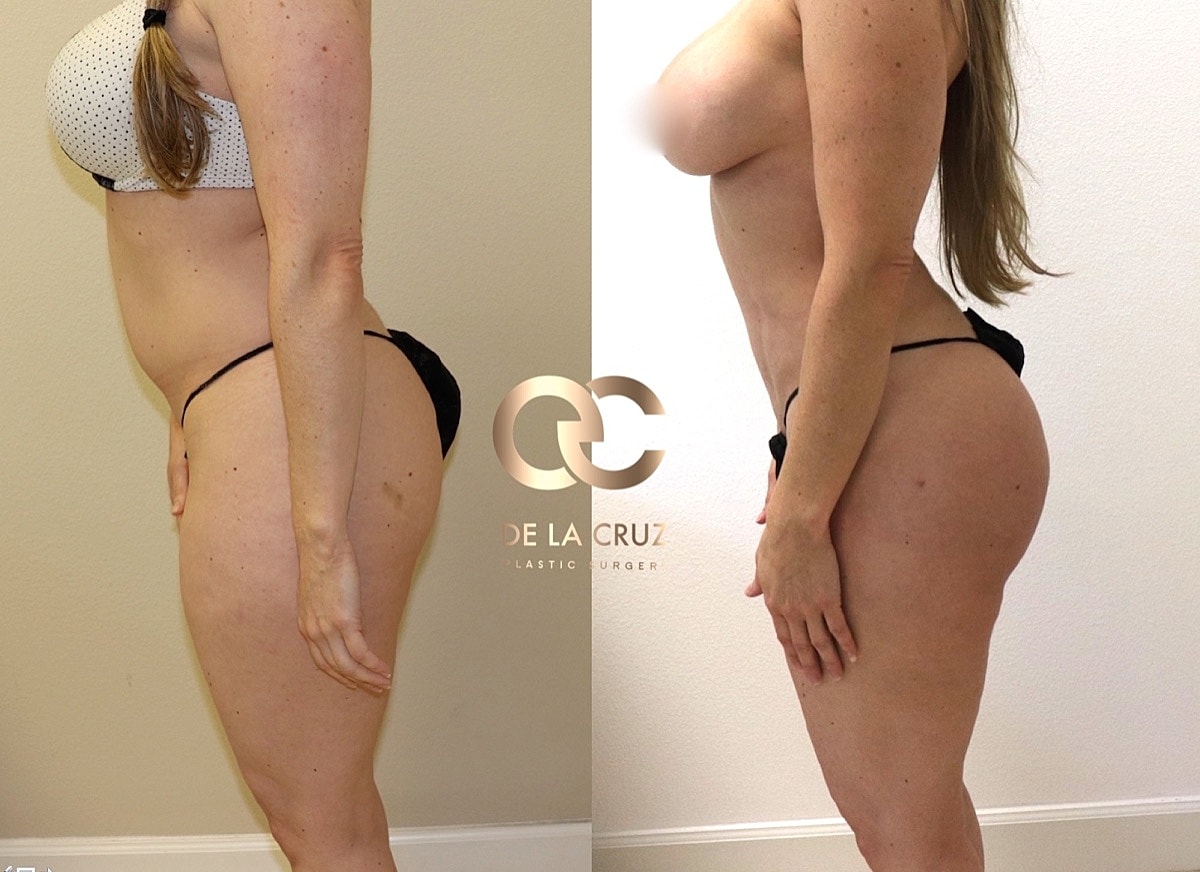
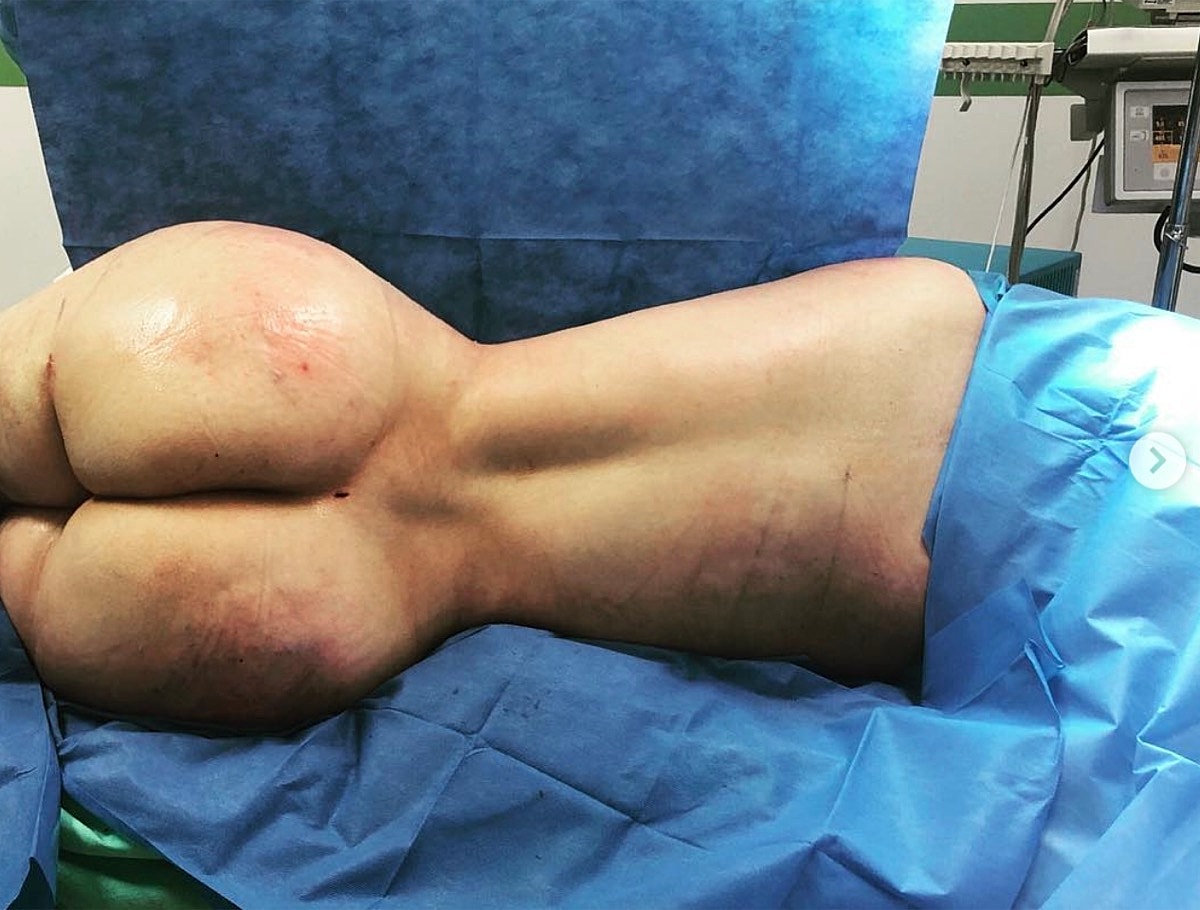
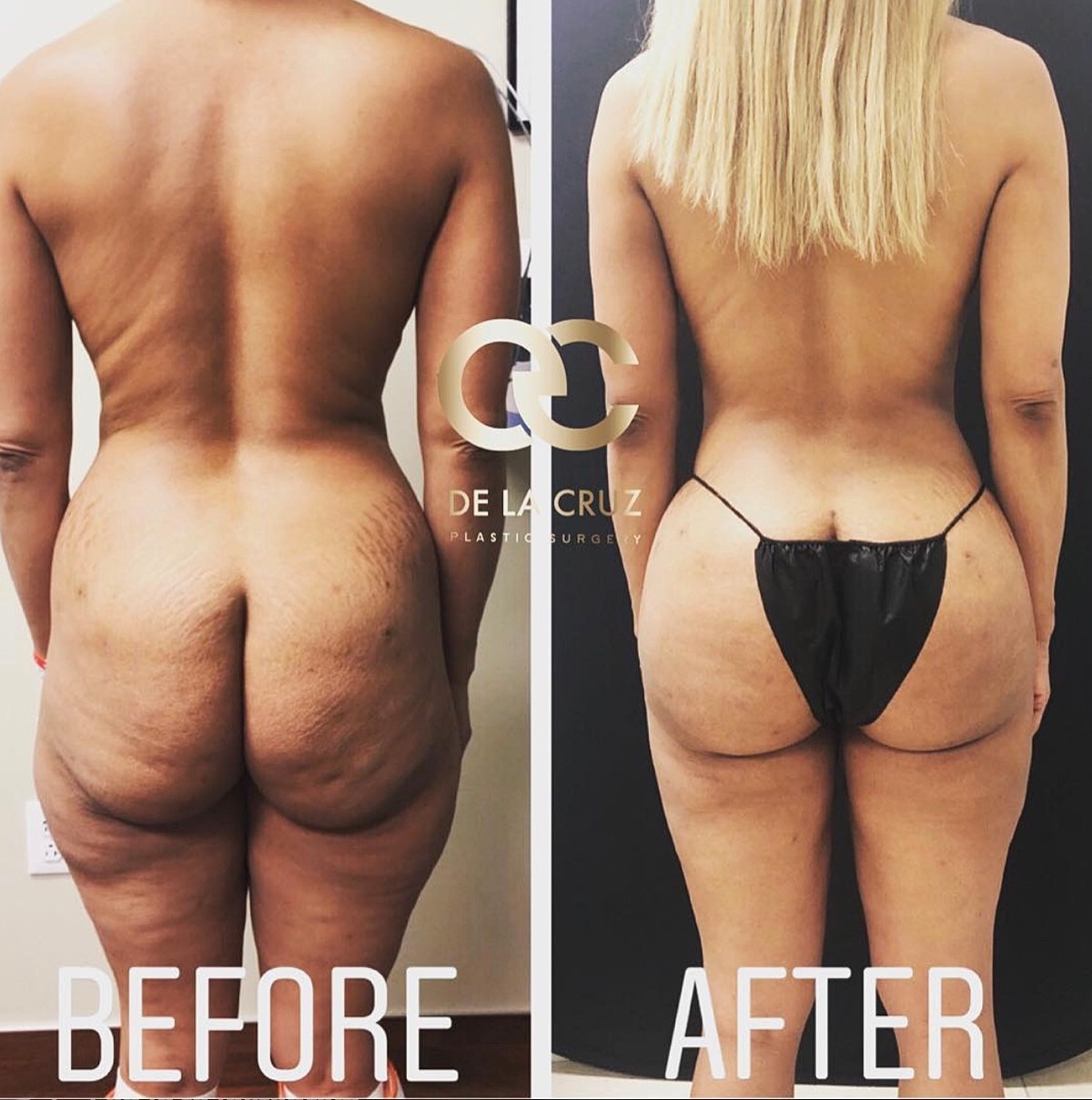
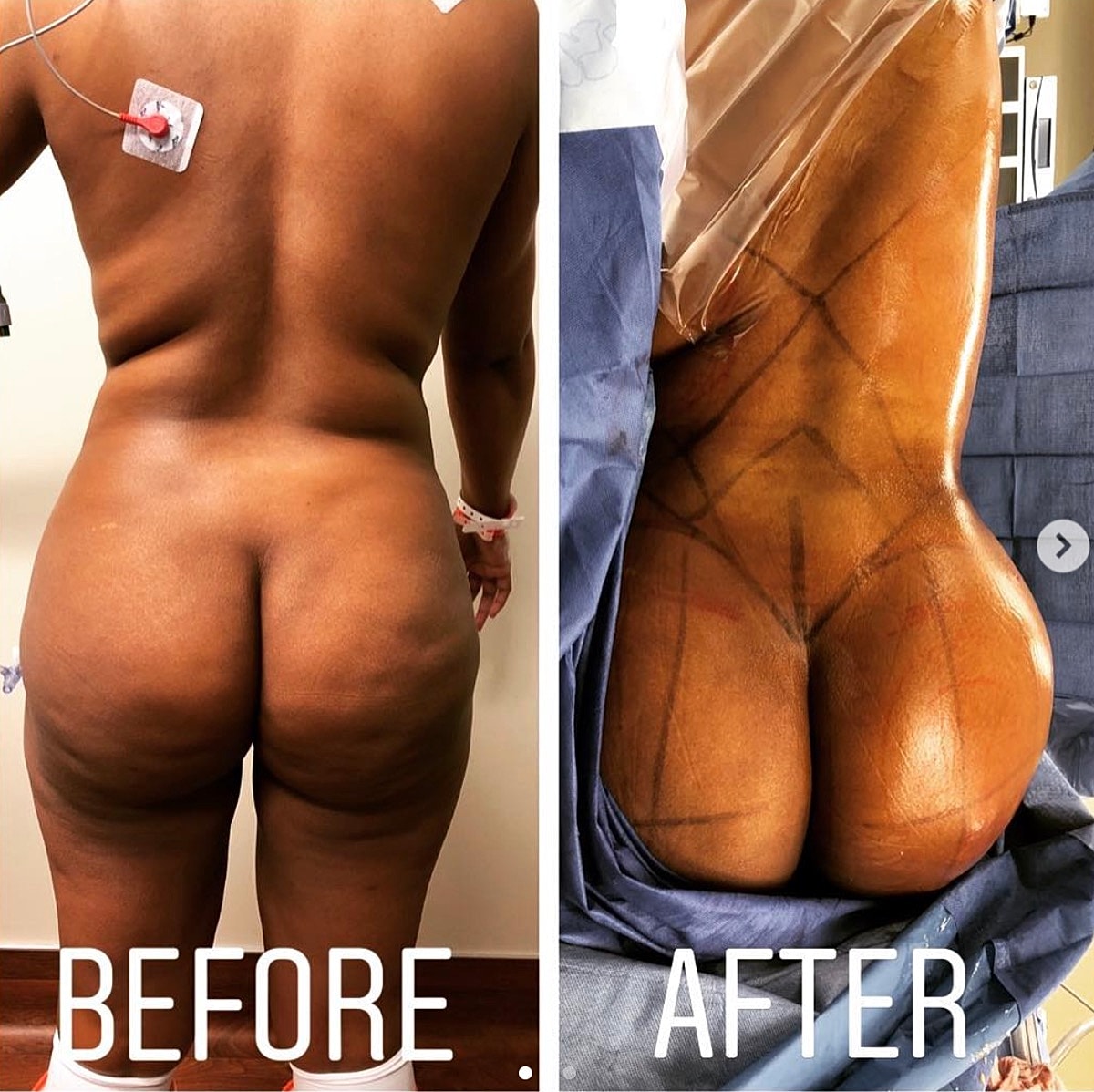
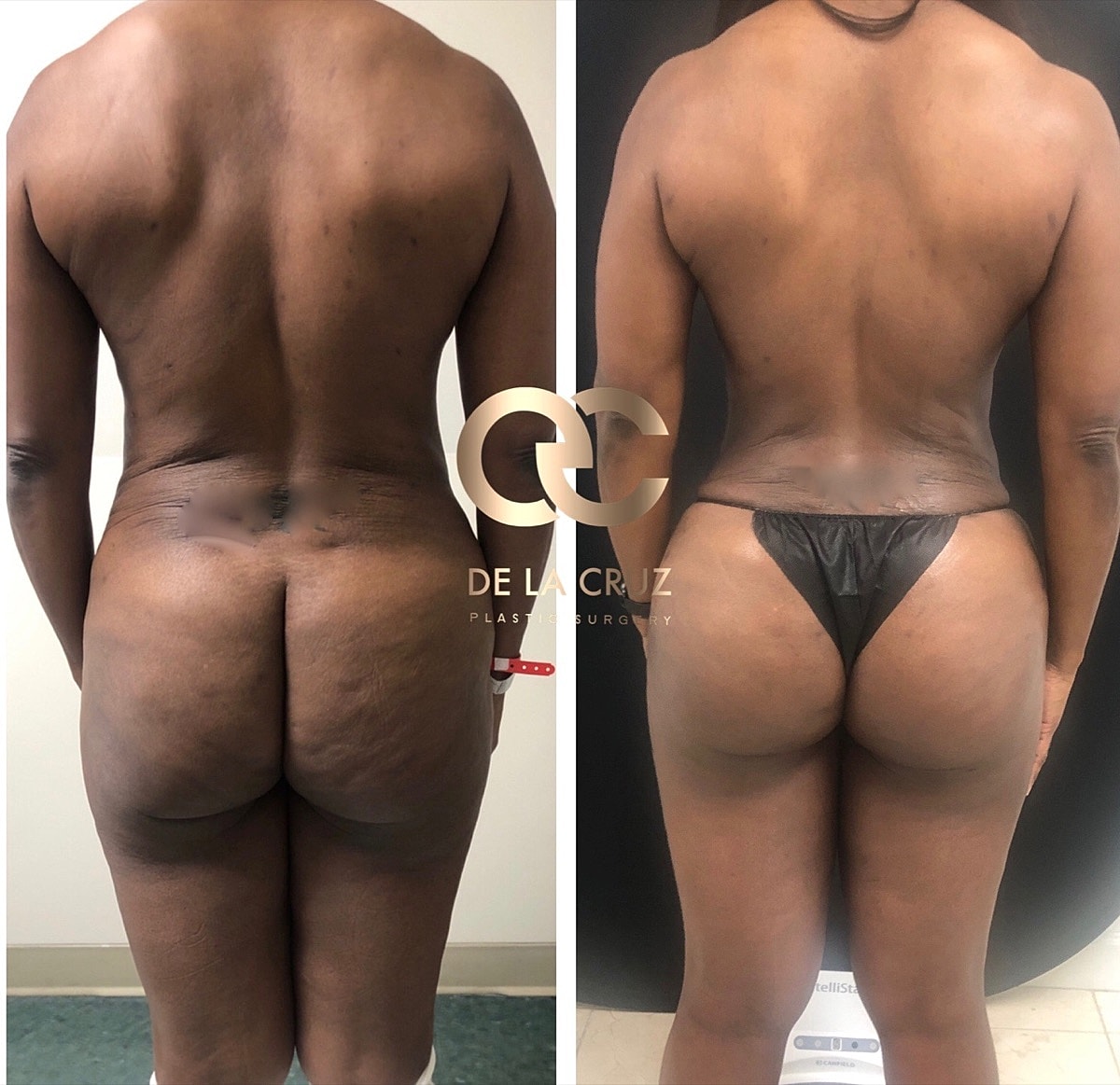
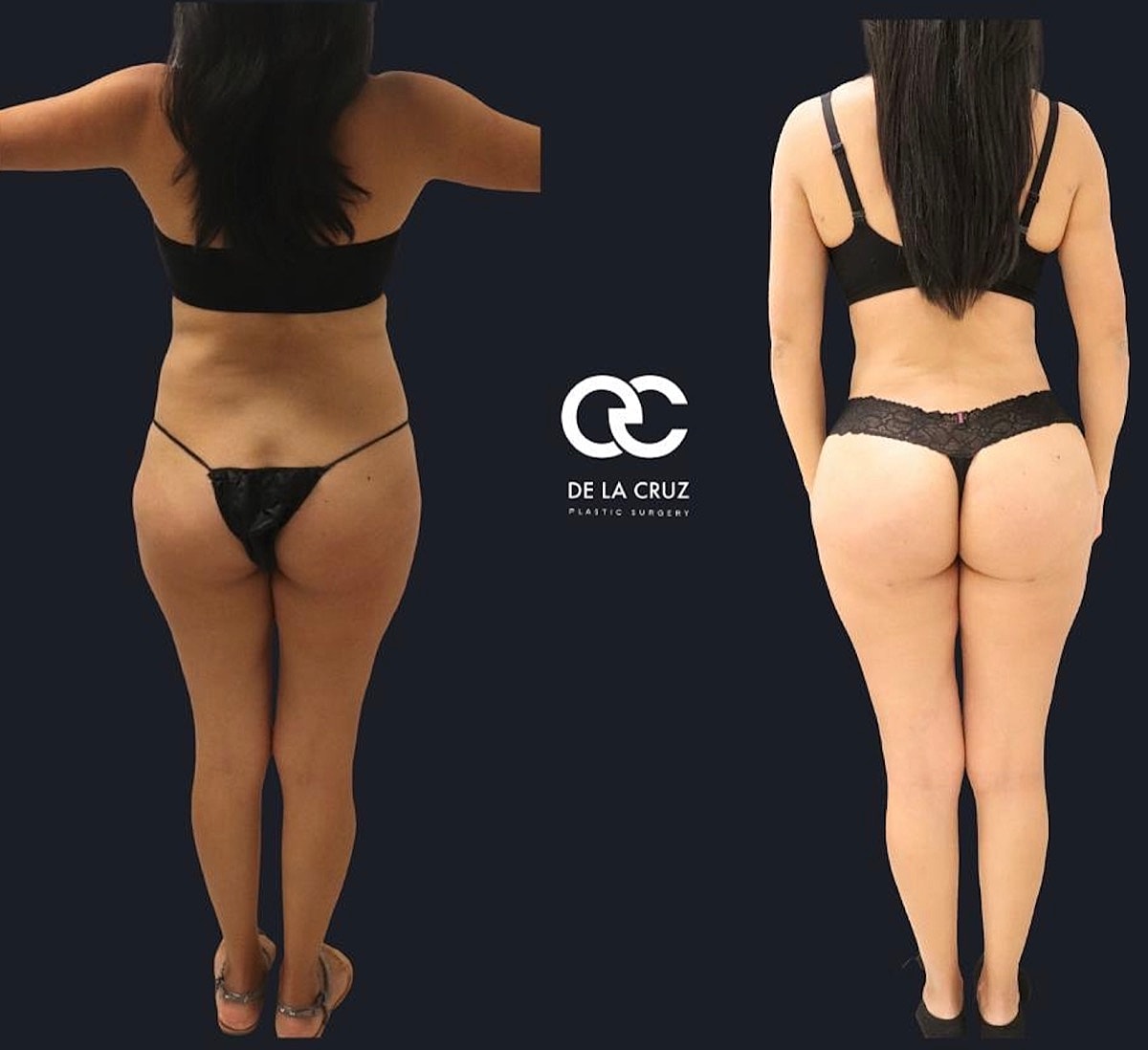
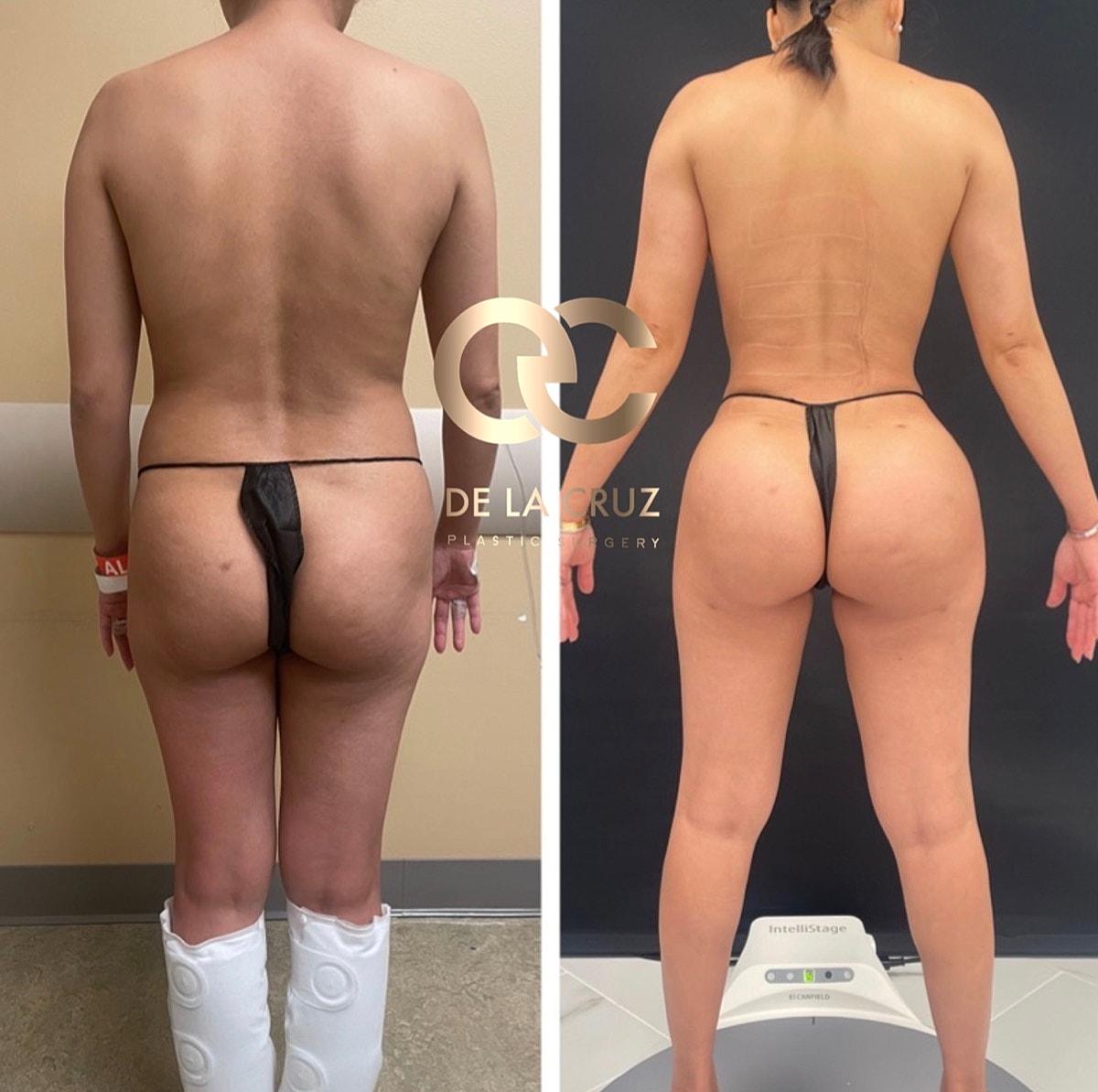
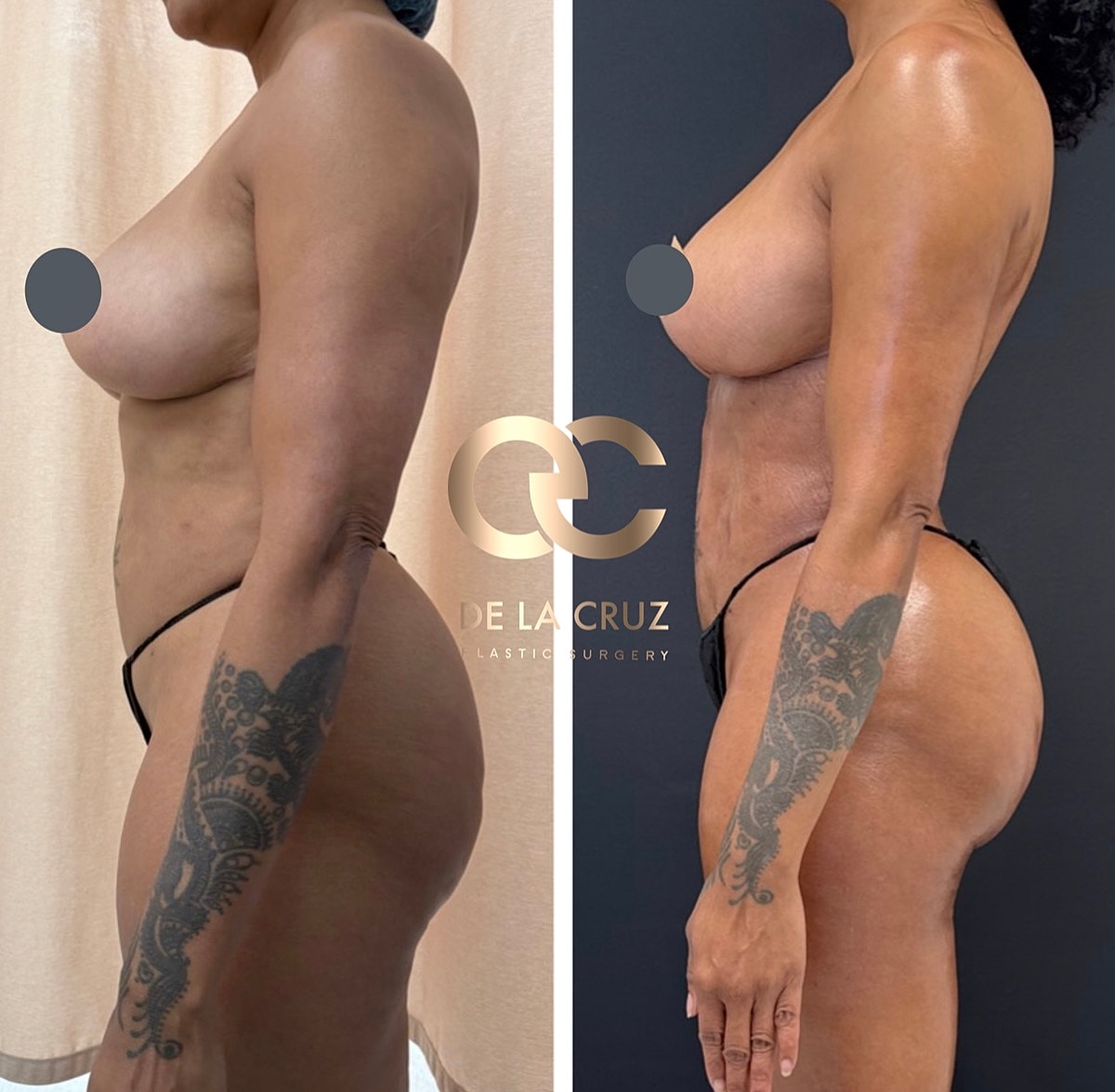
During a Brazilian Butt Lift in Houston, fat is removed through liposuction from areas such as the abdomen, flanks, or back and then carefully injected into the buttocks to create a fuller, more sculpted shape.
After fat grafting:
• The transferred fat cells must develop a new blood supply
• Oxygen and nutrients must reach the cells
• Pressure can compress tiny blood vessels supplying the fat
If excessive pressure is applied too early, some fat cells may not survive.
This is why surgeons strongly recommend limiting direct pressure on the buttocks during early recovery.
Most plastic surgeons recommend avoiding direct sitting on the buttocks for approximately 6–8 weeks after surgery.
Typical sitting timeline after BBL
First 2 weeks
• Avoid sitting directly on the buttocks• Use a BBL pillow when sitting is necessary• Limit sitting to short periods (10–15 minutes)
Weeks 2–4
• Continue using a BBL pillow• Gradually increase sitting time• Avoid long periods of pressure
Weeks 4–6
• Sitting becomes more comfortable• Continue limiting prolonged pressure
After 6–8 weeks
• Most patients can sit normally again• Fat cells have typically stabilized
Your surgeon will provide specific guidance based on your healing progress.

When sitting is unavoidable, proper positioning helps reduce pressure on the buttocks.
Use a BBL Pillow
A BBL pillow allows your thighs to support your weight while keeping pressure off the buttocks.
This device:
• Elevates the buttocks
• Transfers pressure to the thighs
• Protects newly grafted fat
Most surgeons recommend using a BBL pillow for at least 6 weeks. Dr. De La Cruz recommends at least 8 weeks (<12 weeks) to optimize the viability of the fat cells.
Lean Forward While Sitting
When sitting:
• Lean slightly forward• Keep weight on your thighs• Avoid leaning back into the buttocks
Limit Sitting Time
Even when using a pillow, try to:
• Limit sitting to 10–20 minutes at a time• Stand or walk frequently• Avoid long car rides during early recovery

Most patients should use a BBL pillow for about 6–8 weeks after surgery.
This helps maximize fat survival while allowing the grafted fat cells to integrate into the surrounding tissue.
Some surgeons recommend continued pillow use for longer periods when:
• Sitting for extended times
• Traveling long distances
• Returning to desk work
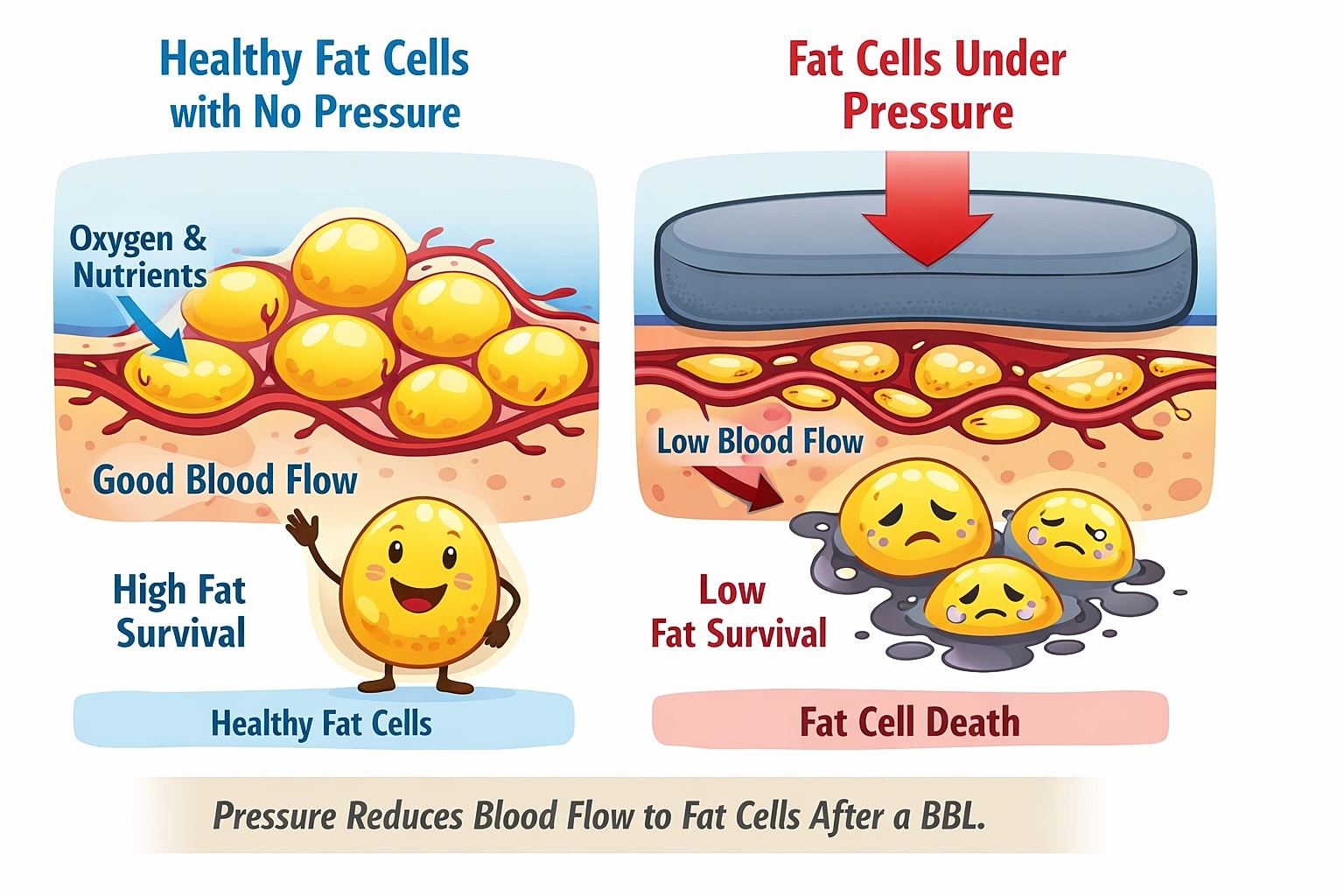
Fat cells behave like living tissue that has been transplanted.
After fat grafting:
• Fat cells rely on diffusion of oxygen and nutrients
• Tiny blood vessels begin forming around the grafted fat
• Compression can reduce circulation
An easy way to understand this is to think about pressure sores.
When tissue experiences prolonged pressure, blood flow decreases. Similarly, excessive pressure after BBL may reduce circulation to newly transferred fat.
By minimizing pressure during early healing, patients can maximize fat survival and maintain better long-term results.
Proper sleeping position after a Brazilian Butt Lift (BBL) is essential to protect the newly transferred fat cells. During the first several weeks after surgery, the fat grafts are establishing a blood supply. Pressure on the buttocks during sleep can reduce circulation to the fat cells and potentially affect fat survival.
For this reason, patients should avoid sleeping directly on their buttocks during early recovery.
Recommended Sleeping Positions After BBL
Patients are typically advised to use one of the following sleeping positions during the first 6–8 weeks after surgery.
1. Sleeping on Your Stomach (Prone Position)
The most common and safest sleeping position after a BBL is the prone position, or sleeping on your stomach.
Benefits of sleeping on your stomach include:
• Eliminates pressure on the buttocks• Allows newly transferred fat cells to heal undisturbed• Helps maximize long-term fat survival
Some patients find it helpful to place a small pillow under the chest or hips for comfort while sleeping in this position.
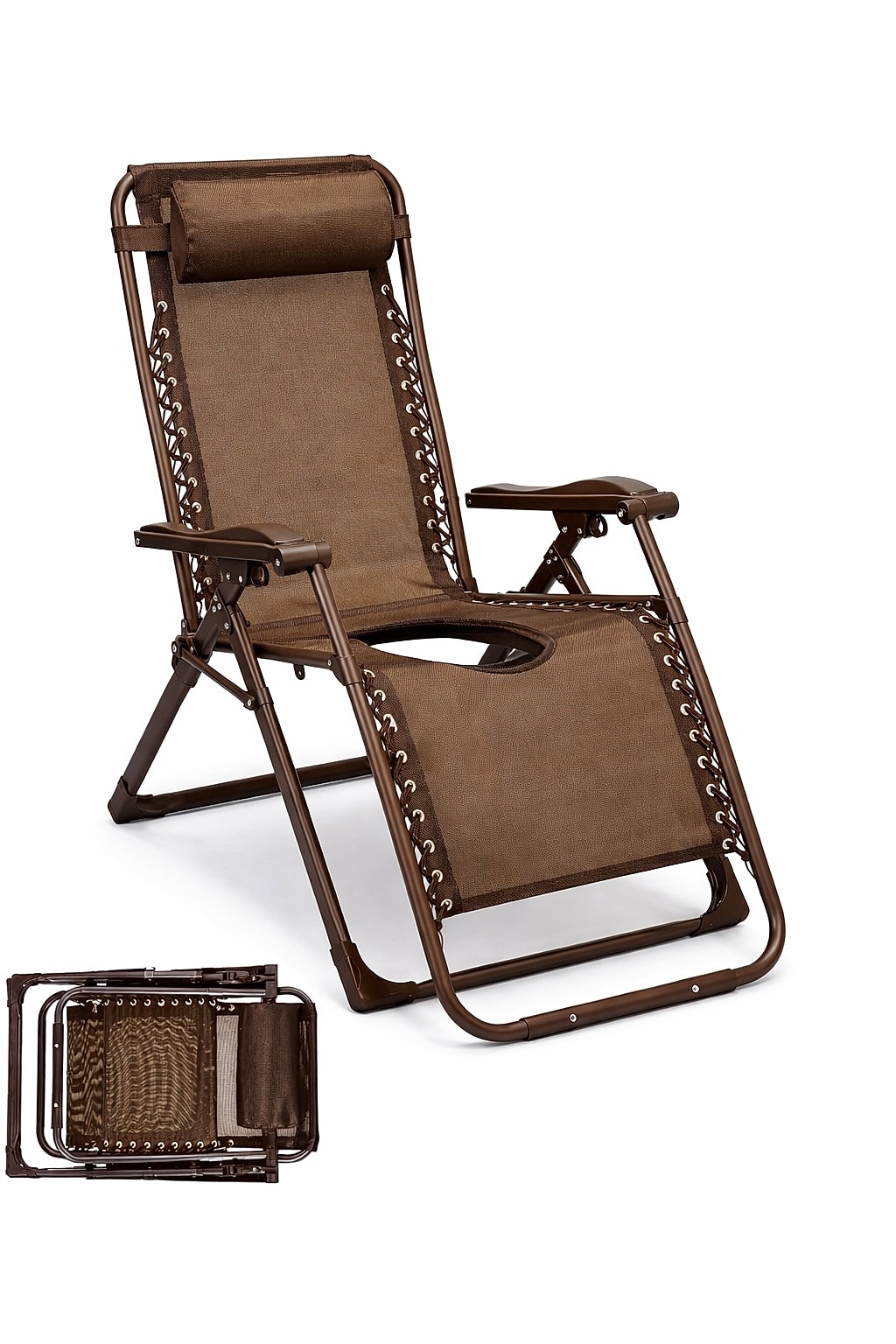
2. Sleeping on a BBL Lounge Chair
Some patients use a modified lounge chair with a cut-out opening in the seat area designed to accommodate the buttocks. These chairs allow the buttocks to remain suspended without pressure.
A BBL recovery lounge chair typically includes:
• Reclining backrest• Cushion support for the thighs and back• A large center opening so the buttocks are not compressed
This setup can be helpful for patients who have difficulty sleeping on their stomach.
3. Kneeling Sleeping Position
Another option some patients use during early recovery is a kneeling or modified kneeling position.
In this position:
• The patient kneels with the chest supported by pillows or a mattress• The buttocks remain elevated without direct pressure• Body weight is supported by the knees and upper torso
Although this position can feel unusual at first, it helps avoid pressure on the buttocks while resting or sleeping.
The timeline for returning to work depends on your job.
Desk jobs
• Often return after after 7 days (Dr. De La Cruz' patients typically go back to work after 1 week)
• Must use a BBL pillow
Physically demanding jobs
• May require 2 weeks or more
Driving involves sitting and pressure on the buttocks.
Most surgeons recommend:
• Avoid driving for at least 1 week if possible as long you are not taking narcotic pain medications
• Use a BBL pillow when driving
• Limit driving time during early recovery
Not all transferred fat survives after a Brazilian Butt Lift.
On average:
60–80% of the transferred fat survives long term.
Factors that influence fat survival include:
• Surgical technique
• Blood supply to the fat grafts
• Avoiding pressure during recovery
• Patient health and healing
Following postoperative instructions carefully helps maximize fat retention.

If you are considering a Brazilian Butt Lift in Houston, consultation with an experienced plastic surgeon is essential.
A successful BBL depends on both surgical technique and postoperative care.
At De La Cruz Plastic Surgery in Houston, Dr. Emmanuel De La Cruz uses advanced body-contouring techniques including:
• VASER liposuction for fat harvesting
• Precise fat purification and grafting
• Strategic fat placement for natural contour
Patients also receive detailed recovery guidance to protect fat survival and optimize long-term results.
Patients researching Brazilian butt lift surgery may also wish to learn more about related topics, including the procedure itself, recovery expectations, and cost considerations.
Explore our additional guides:
• Brazilian Butt Lift (BBL)
• Who is a Good Candidate for a BBL?
• BBL Cost Guide
• How Much Fat Is Needed for a BBL
• How Much Fat Survives after a BBL
These resources provide detailed information to help patients understand the full process of BBL surgery.
Medically reviewed by Dr. Emmanuel De La Cruz, MD, PLLC Double Board-Certified Plastic Surgeon
Yes, but you should avoid direct pressure on the buttocks. Use a BBL pillow and limit sitting time during early recovery.
Excess pressure may decrease circulation to the grafted fat cells, which can reduce fat survival and affect final results.
Most patients can sit normally after 6–8 weeks, once the fat grafts have stabilized. 8 Weeks is the optimal time to improve the viability of the fat cells transferred.
Yes, but you should:
• Use a BBL pillow• Take frequent standing breaks• Avoid prolonged sitting during early recovery
About the Author
Dr. Emmanuel De La Cruz, MD is a double-board-certified plastic surgeon in Houston, Texas, certified by both the American Board of Plastic Surgery and the American Board of Surgery. He specializes in advanced liposuction and body contouring procedures, including high-definition liposculpture, Brazilian Butt Lift (BBL), revision liposuction, and treatment of lipedema.
Dr. De La Cruz is internationally recognized for his expertise in high-definition liposuction and contour sculpting techniques, which play a critical role in achieving balanced, natural-looking results in procedures such as liposuction and Brazilian Butt Lift surgery. His work focuses on precise body contour sculpting to enhance overall body proportions.
He has lectured internationally on liposuction techniques, fat grafting, and contour irregularity correction, presenting at major scientific meetings including the American Society of Plastic Surgeons (ASPS), the Total Definer Meeting in Cartagena, Colombia, the InMode Symposium in Miami and Beverly Hills, and AestheticStanbul in Istanbul, Turkey, where he was invited to lecture by renowned plastic surgeon Dr. Foad Nahai.