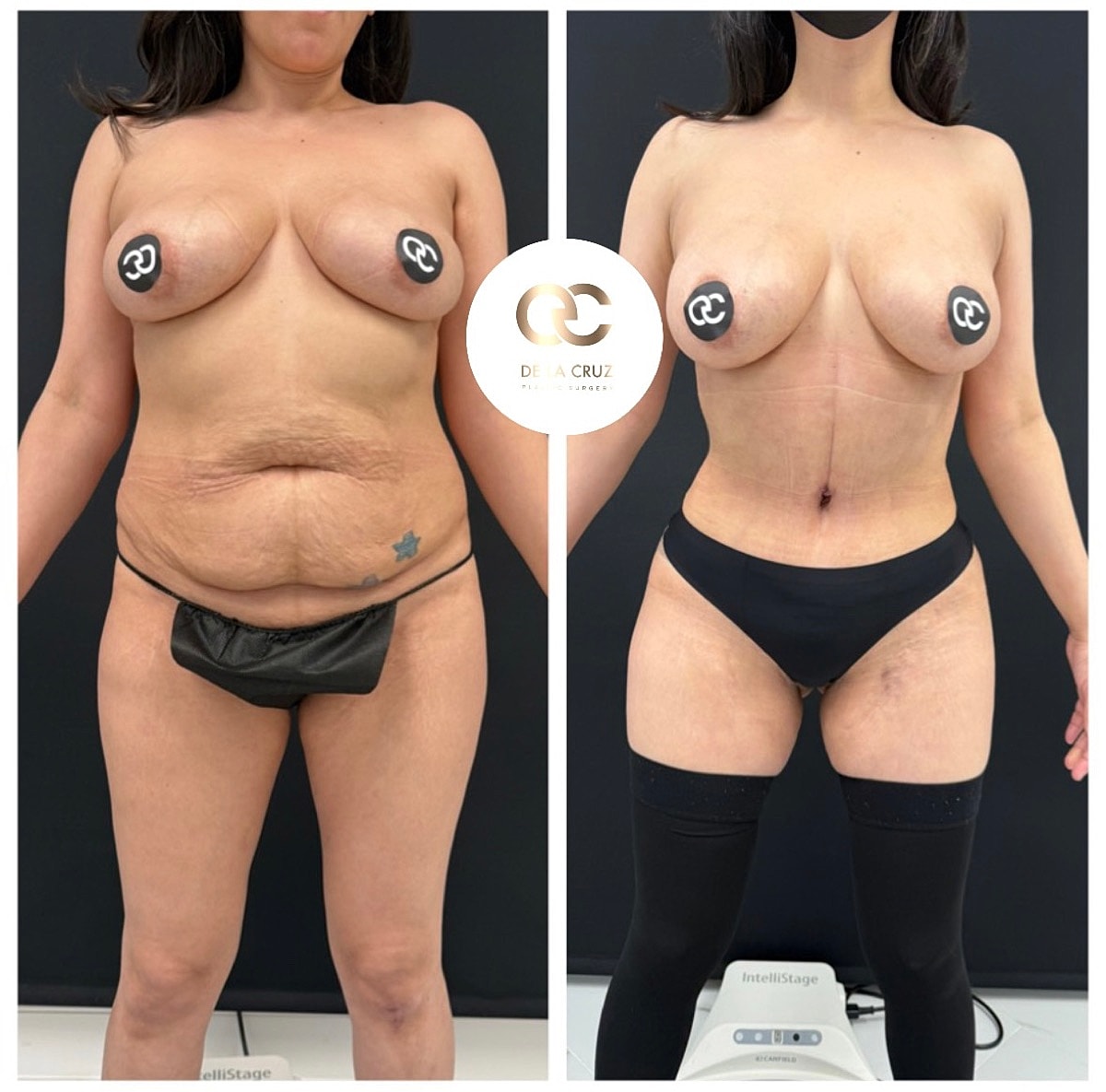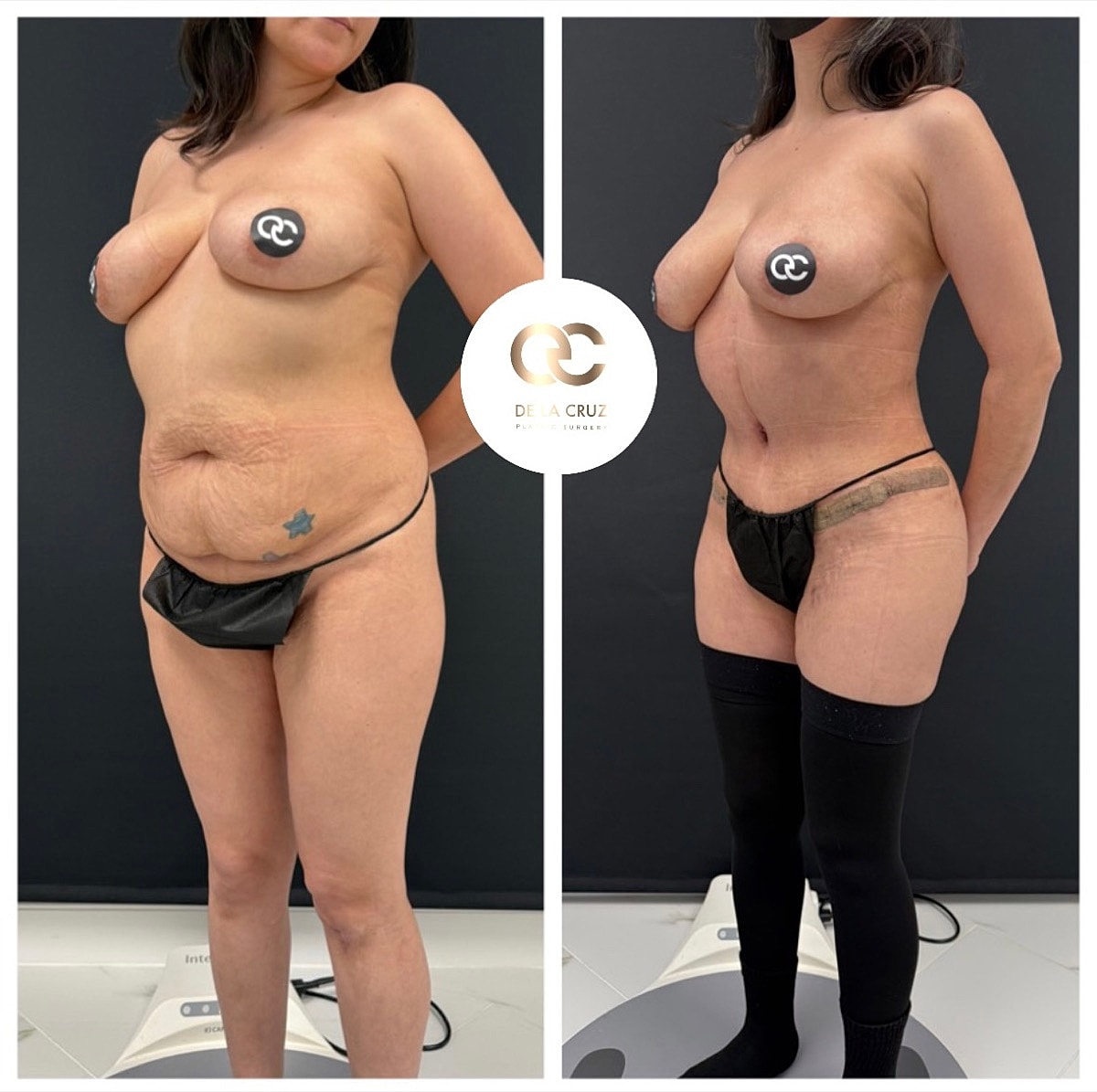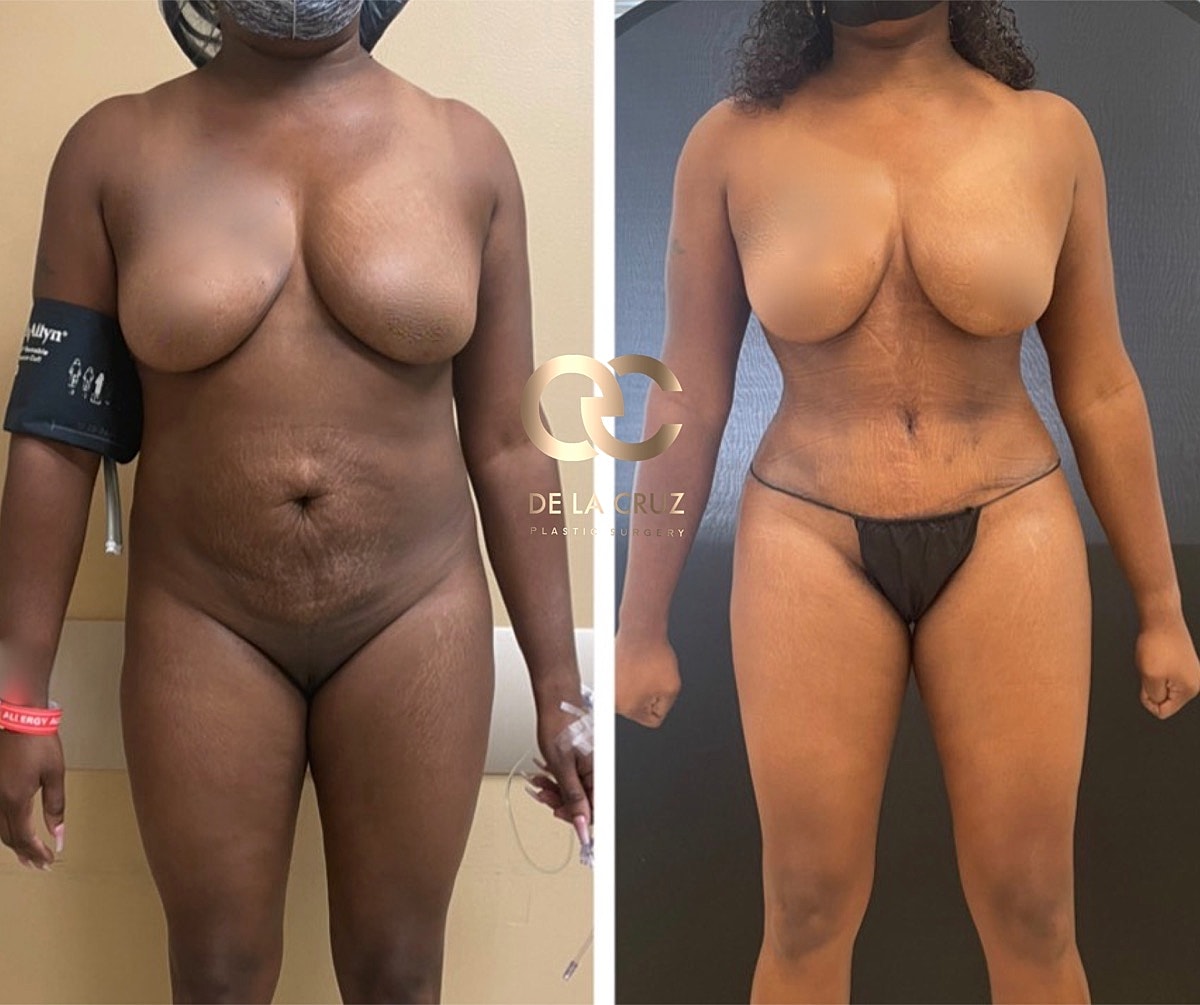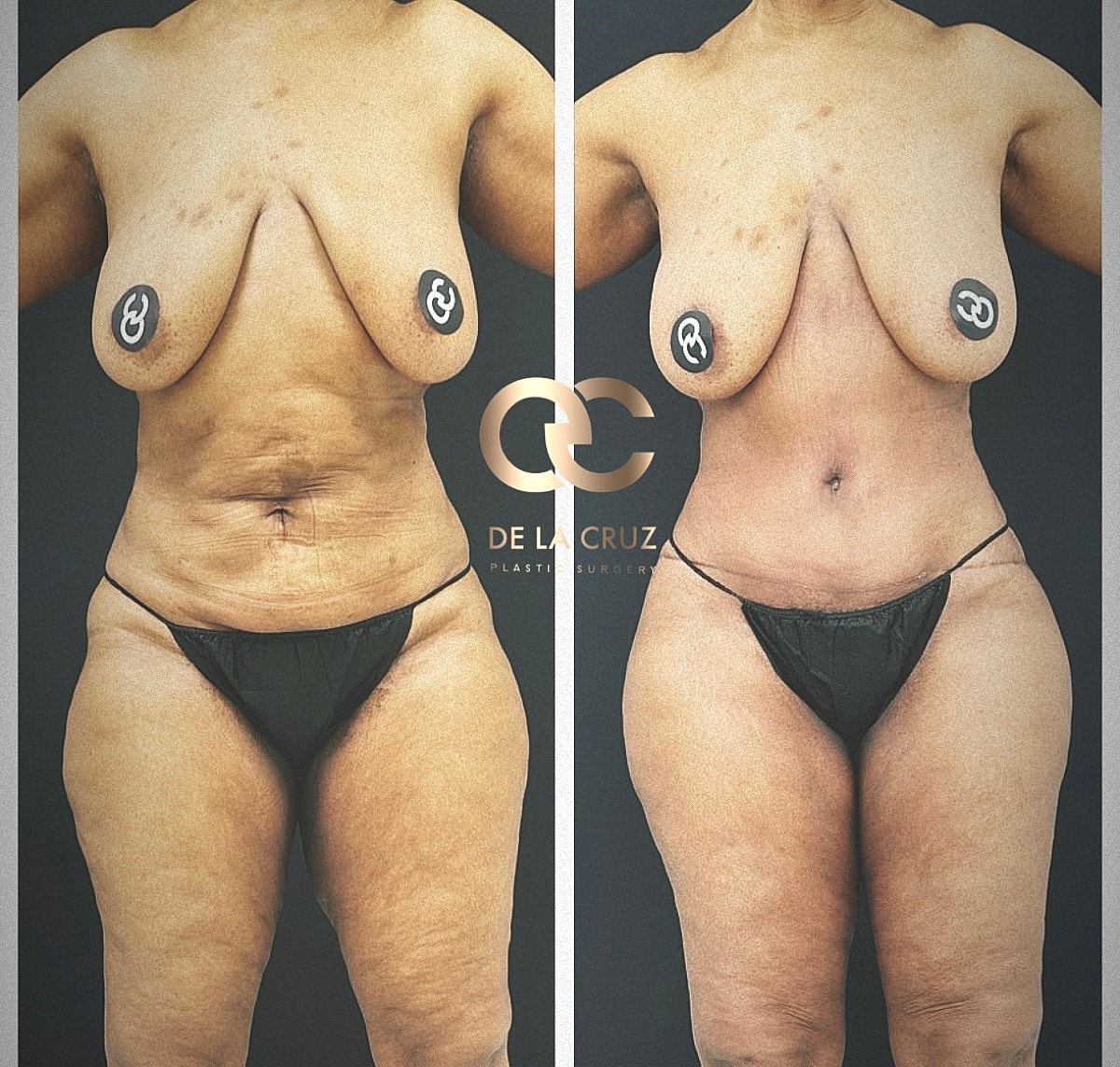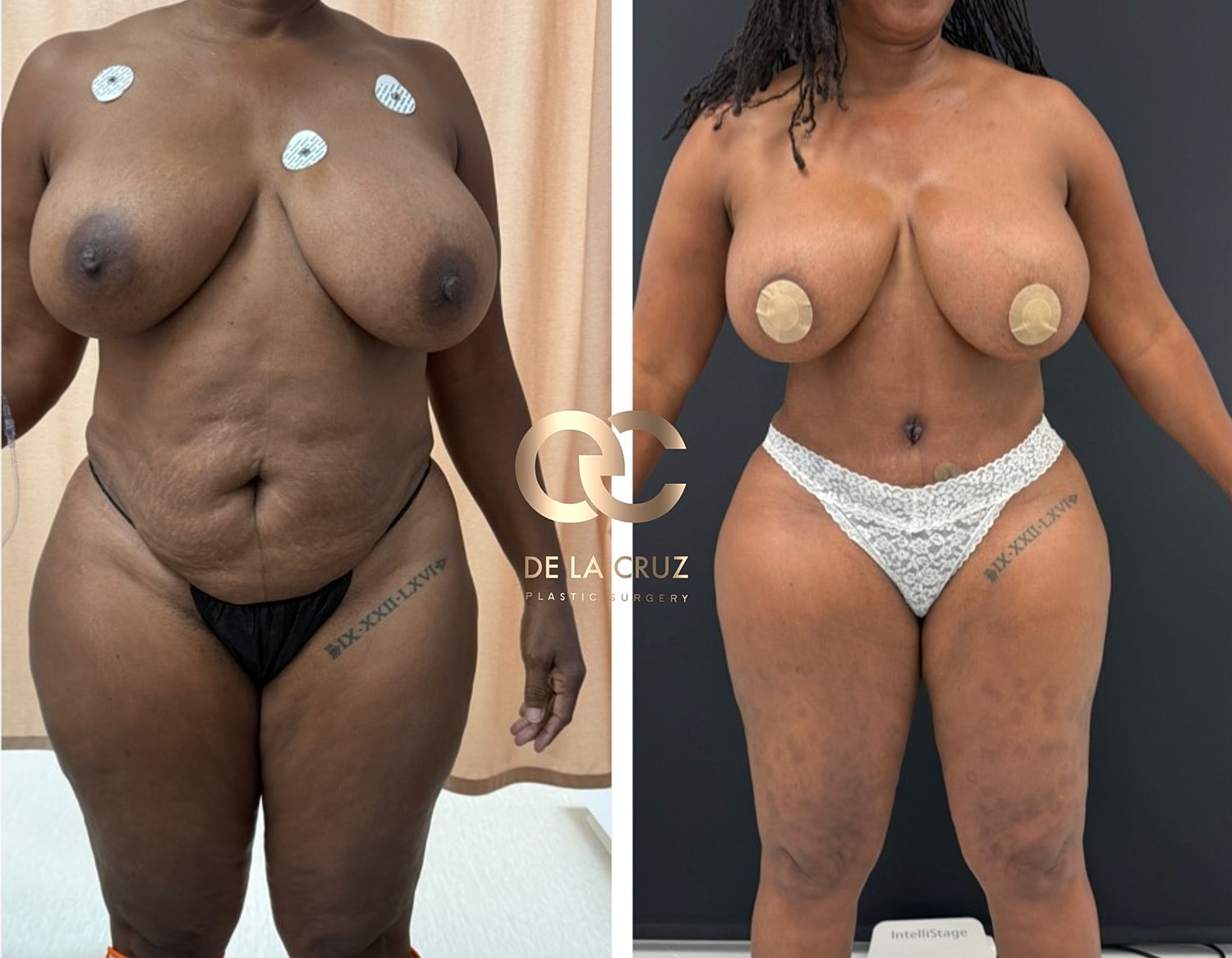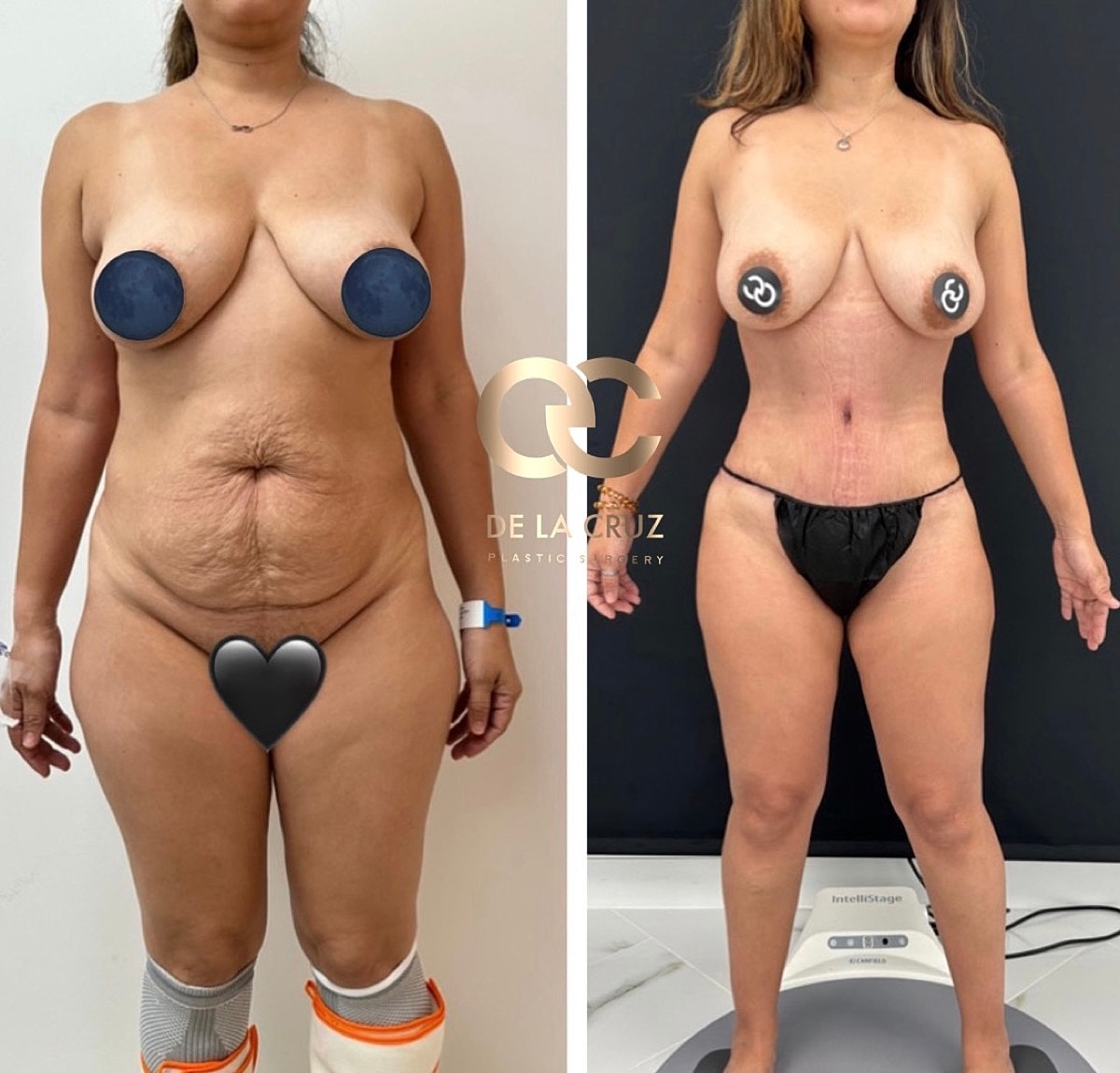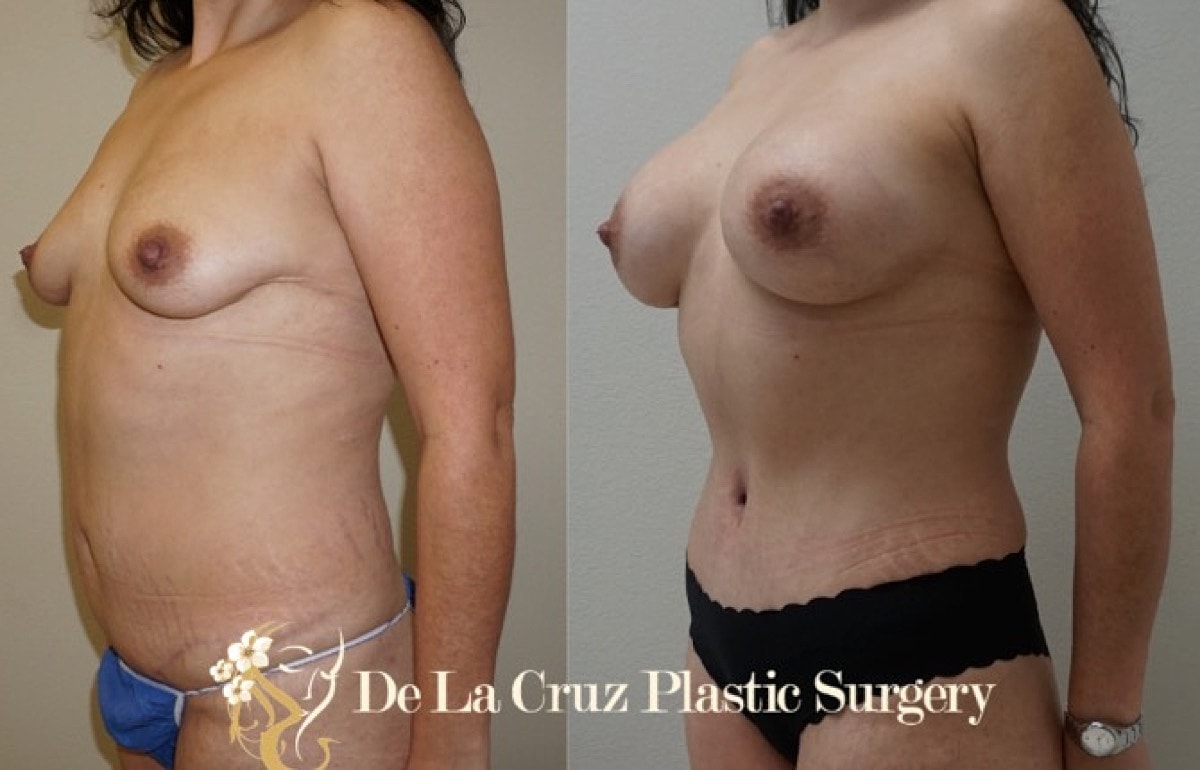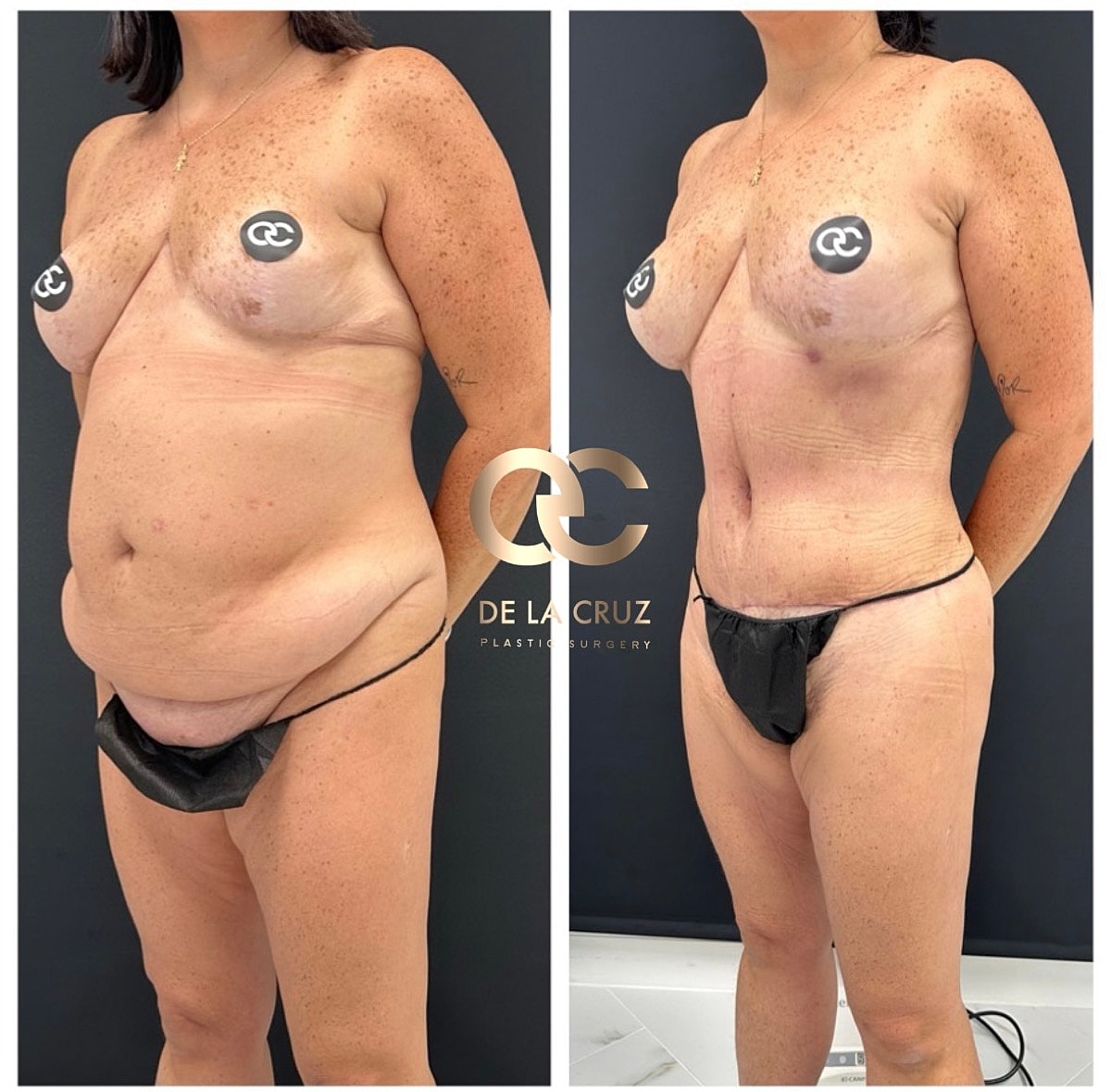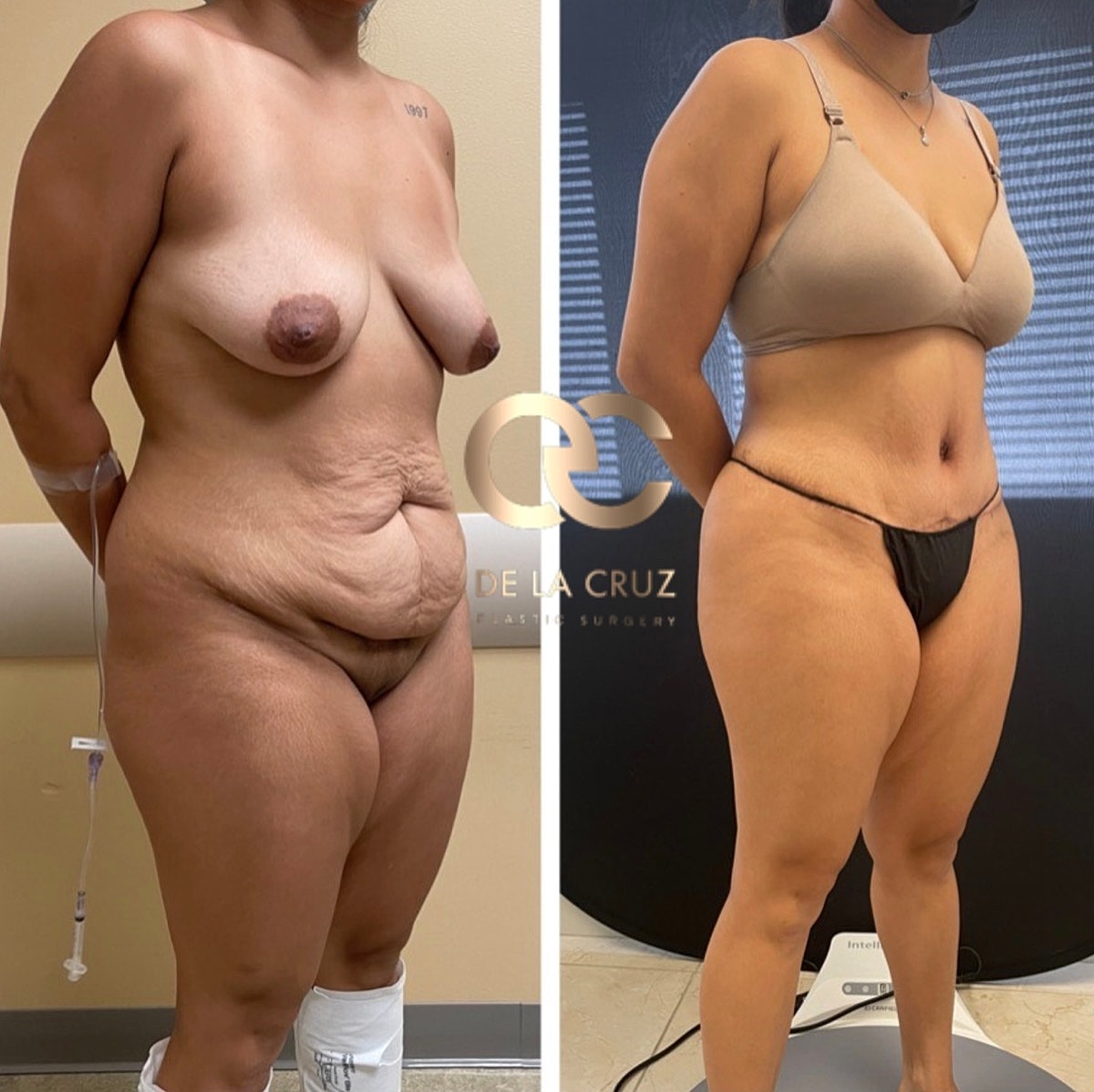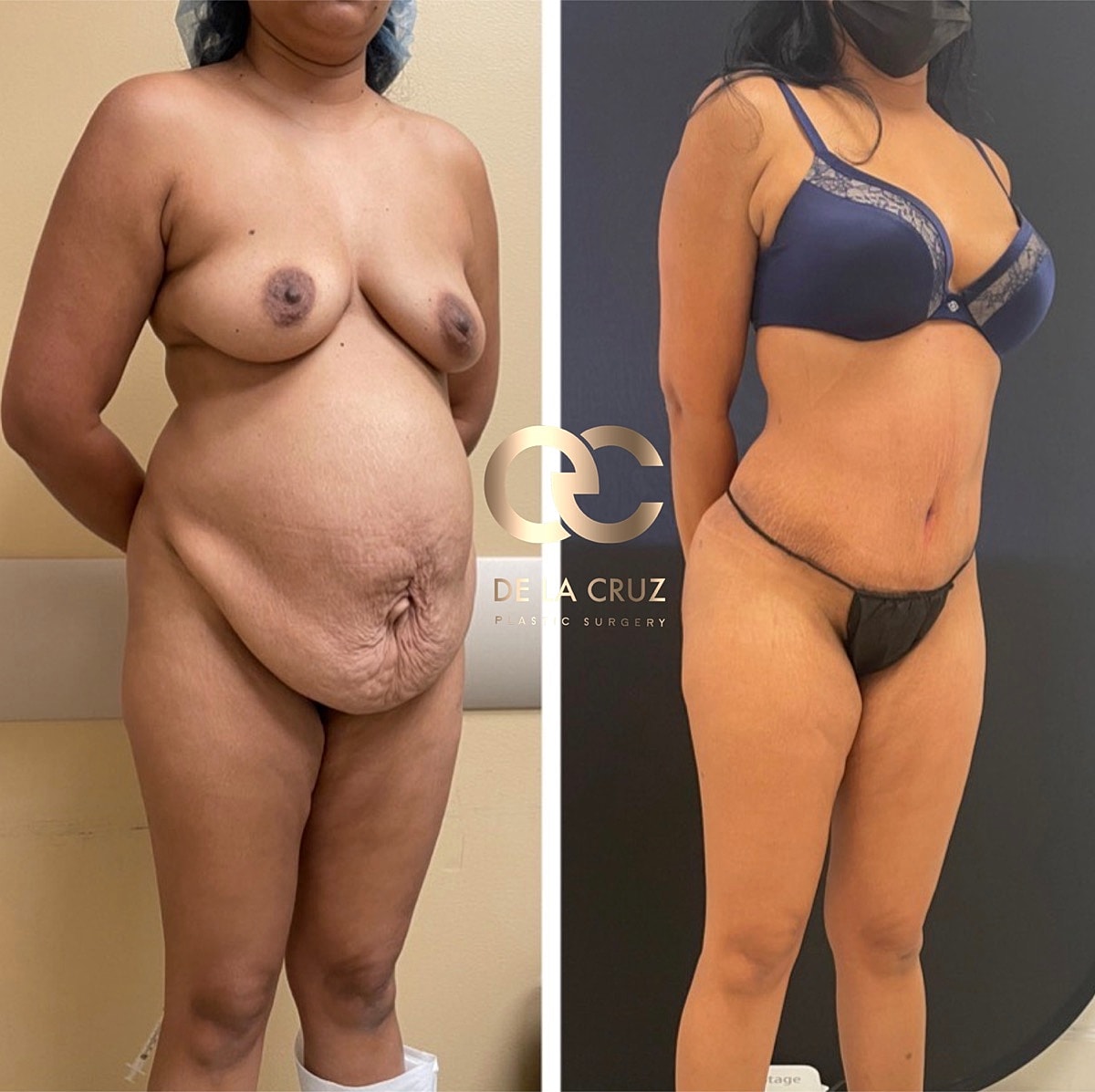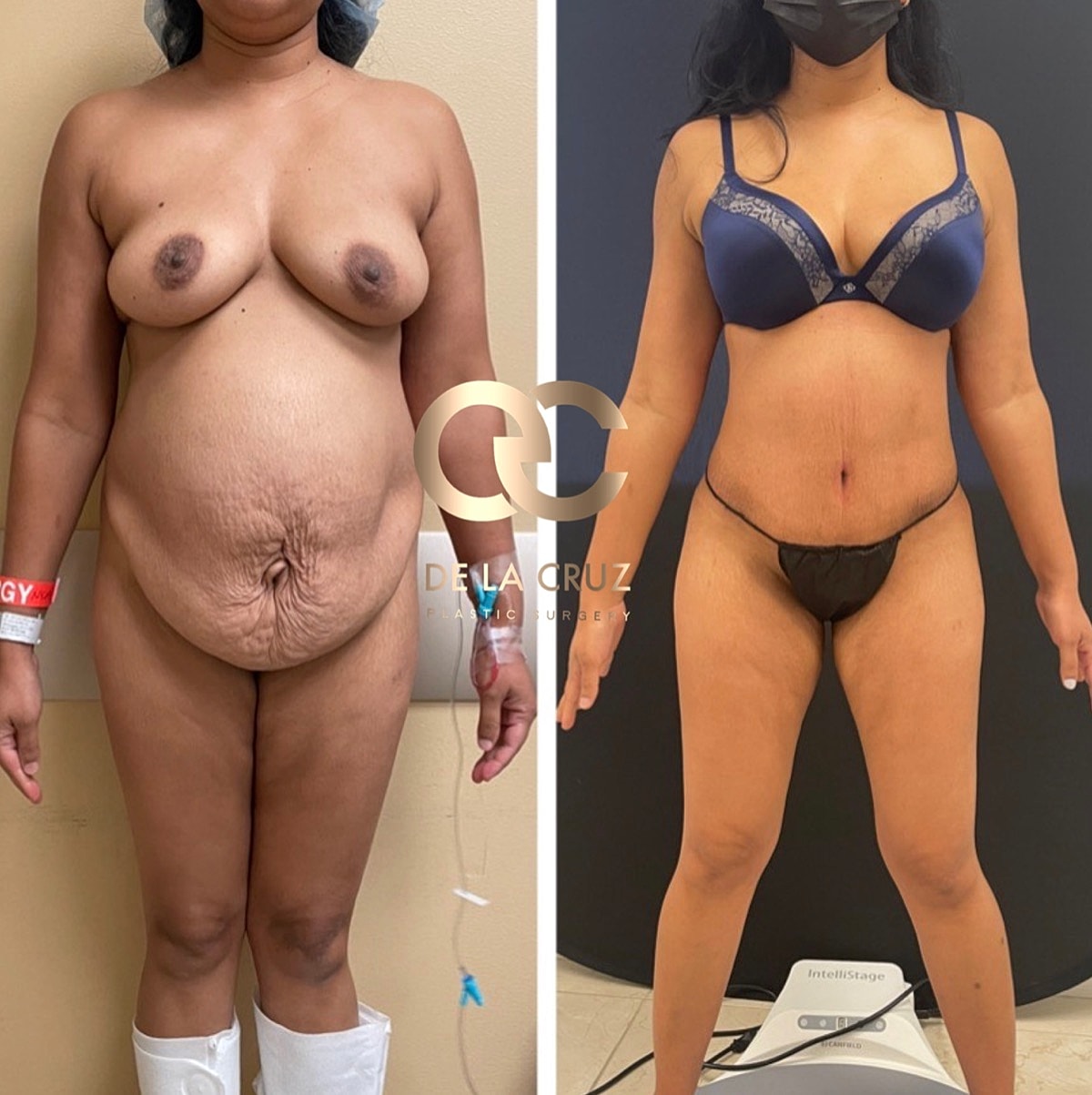
Ultimate Tummy Tuck Guide (Abdominoplasty)
Written by Dr. Emmanuel De La Cruz, MD Double Board-Certified Plastic Surgeon | Houston, Texas
Written by Dr. Emmanuel De La Cruz, MD Double Board-Certified Plastic Surgeon | Houston, Texas
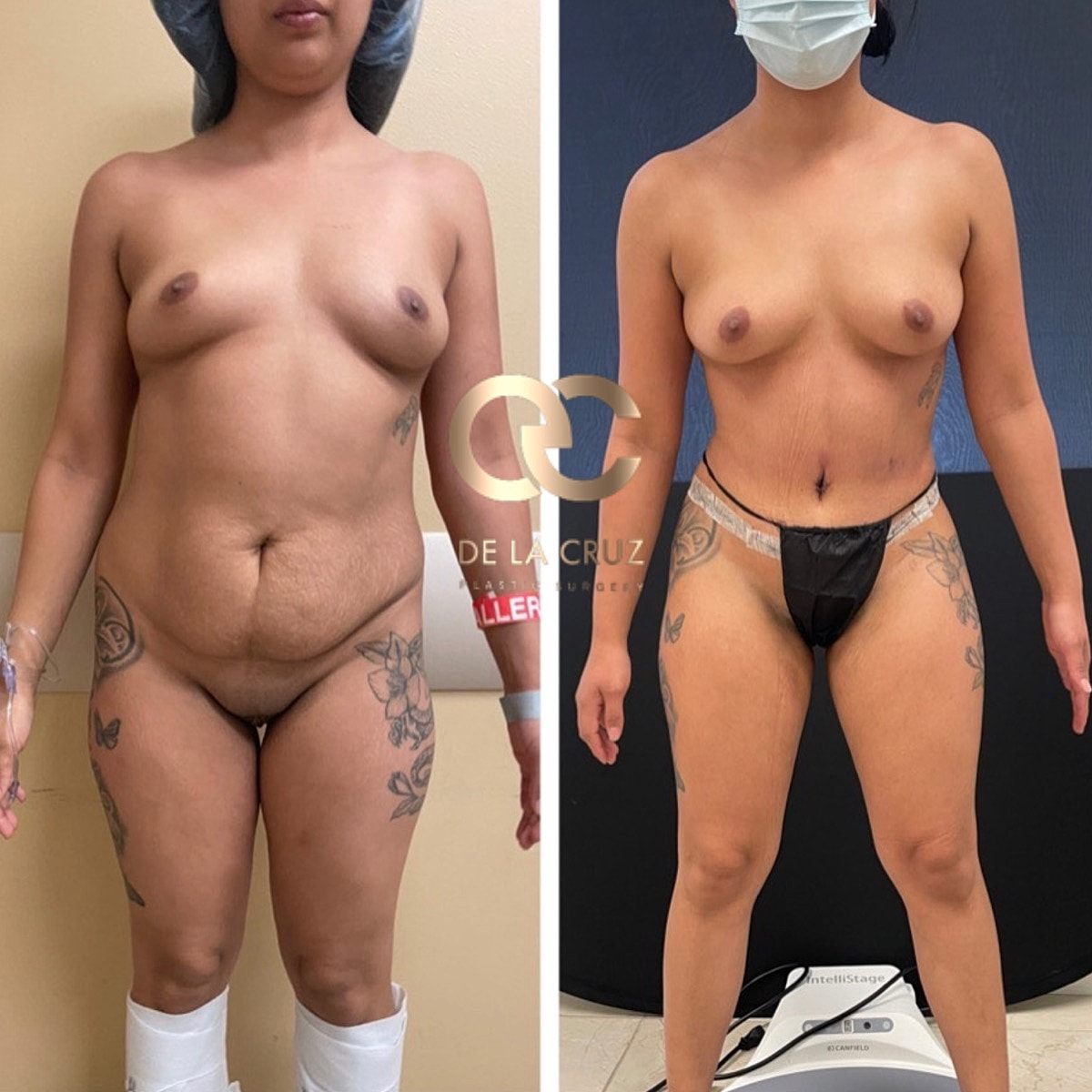
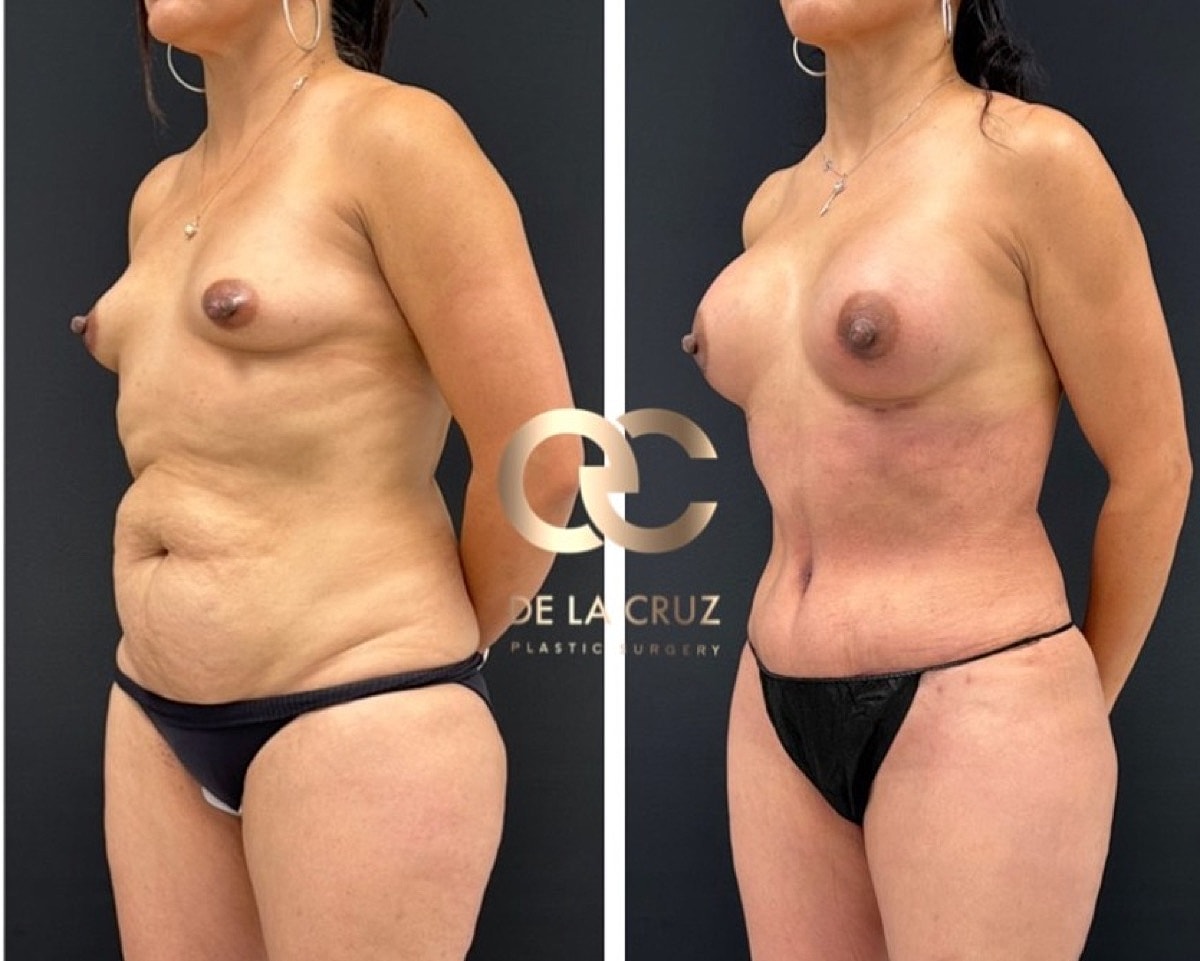
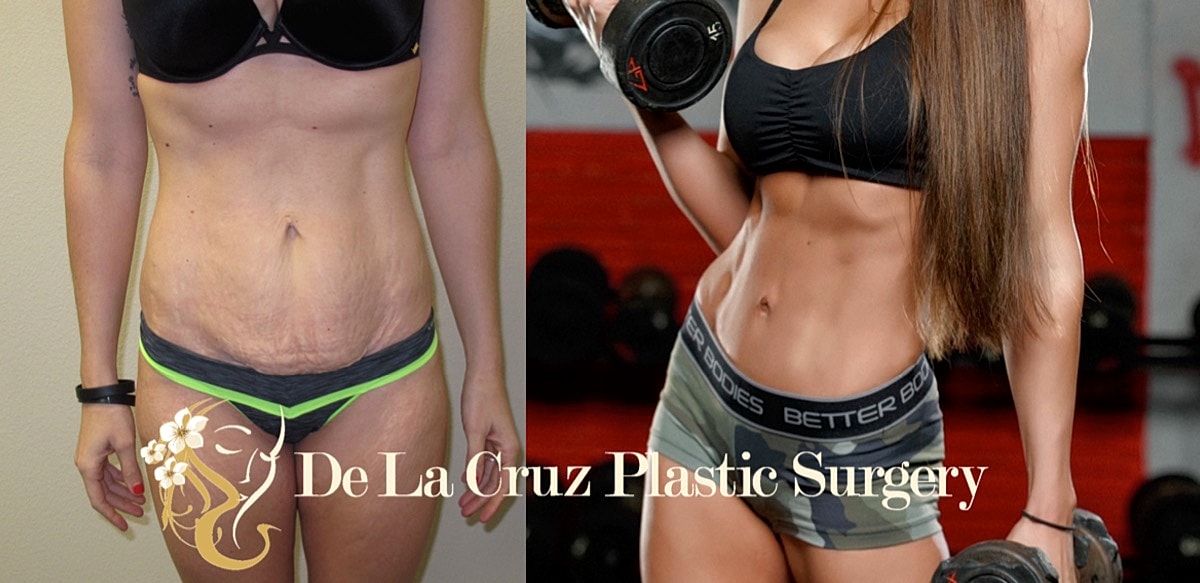
A tummy tuck—medically known as abdominoplasty—is one of the most transformative procedures in plastic surgery. But achieving exceptional results requires more than surgery alone—it requires understanding the procedure, recovery, risks, and long-term outcomes.
This comprehensive guide is designed to be your single authoritative resource on tummy tuck surgery. Whether you are researching candidacy, comparing procedures, or preparing for recovery, this page connects you to every critical topic.
At De La Cruz Plastic Surgery, patients receive a surgical and artistic approach to abdominal contouring—combining precision technique with a deep understanding of human anatomy.
1 of 19
A tummy tuck is a surgical procedure that:
👉 It is the only procedure that can simultaneously address:
For a deeper breakdown of surgical technique and anatomy, explore our complete guide to abdominoplasty.
Ideal candidates:
Patients often ask about eligibility, which we explain further in who is a good candidate for a tummy tuck and BMI requirements for tummy tuck, both of which are critical for safety and outcomes.
Not all tummy tucks are the same.
Understanding the differences is essential when choosing the right procedure, as explained in mini tummy tuck vs full tummy tuck.
Advanced variations such as drainless tummy tuck vs traditional tummy tuck also influence recovery and complication risk.

Patients frequently compare options before committing to surgery.
Tummy Tuck vs Liposuction
Liposuction removes fat—but does not remove skin or tighten muscles. Learn more in tummy tuck vs liposuction: which is better.
Mommy Makeover vs Tummy Tuck
A tummy tuck can be part of a larger transformation. See how procedures combine in mommy makeover vs tummy tuck.
Combining Liposuction with Tummy Tuck
For optimal contouring, many patients benefit from combining liposuction with tummy tuck (lipoabdominoplasty).
One of the most important components of a tummy tuck is muscle repair.
Diastasis recti:
This is addressed surgically, as explained in muscle repair in tummy tuck (diastasis recti explained).
Recovery is a structured process—not a single event.
Patients should understand:
For a full breakdown, see tummy tuck recovery timeline, which outlines week-by-week healing.
Swelling is a normal part of recovery and can persist for months.
Understanding progression helps reduce anxiety and improve compliance. Learn more in tummy tuck swelling stages.
Returning to activity too early can compromise results.
Patients should follow a staged progression, which we outline in:
Proper positioning is critical in early healing.
Patients are advised to maintain flexion to reduce tension on the incision. Learn proper techniques in sleeping position after tummy tuck

All surgery carries risk.
Potential complications include:
We discuss these in detail in:
Preventing complications is a key part of recovery, including strategies outlined in how to prevent blood clots after surgery.
Scars are an inevitable part of surgery—but can be optimized.
Learn how scars evolve over time in tummy tuck scar healing timeline.
Cost varies based on:
For a detailed breakdown, see tummy tuck cost in Houston.
Results are long-lasting—but not immune to lifestyle changes.
Patients often ask:
Explore:
Pregnancy can affect results.
While it does not “ruin” a tummy tuck, it can:
Learn more in can pregnancy ruin a tummy tuck.
Choosing the Best Tummy Tuck Surgeon
Your outcome depends heavily on surgeon selection.
Patients should evaluate:
Learn what to look for in best tummy tuck surgeon in Houston: how to choose.
Patients seeking abdominal contouring choose Emmanuel De La Cruz, MD for a combination of expertise, artistry, and safety.
Advanced Technique
Artistic Precision
Safety-First Approach
Patients travel nationally and internationally for: 👉 Natural results 👉 Advanced techniques 👉 Surgeon-led care

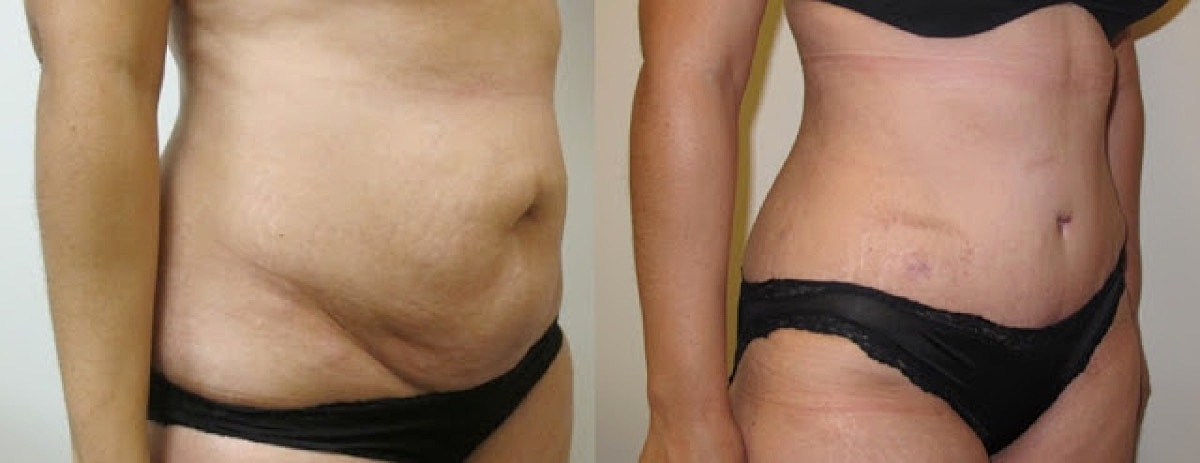
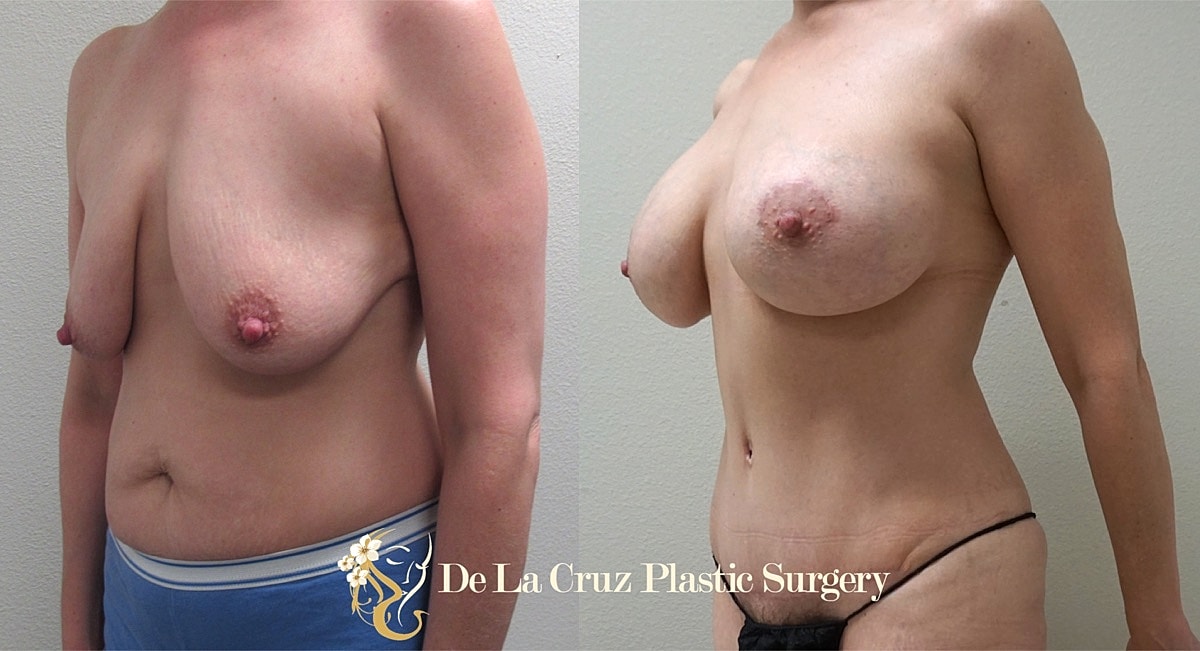
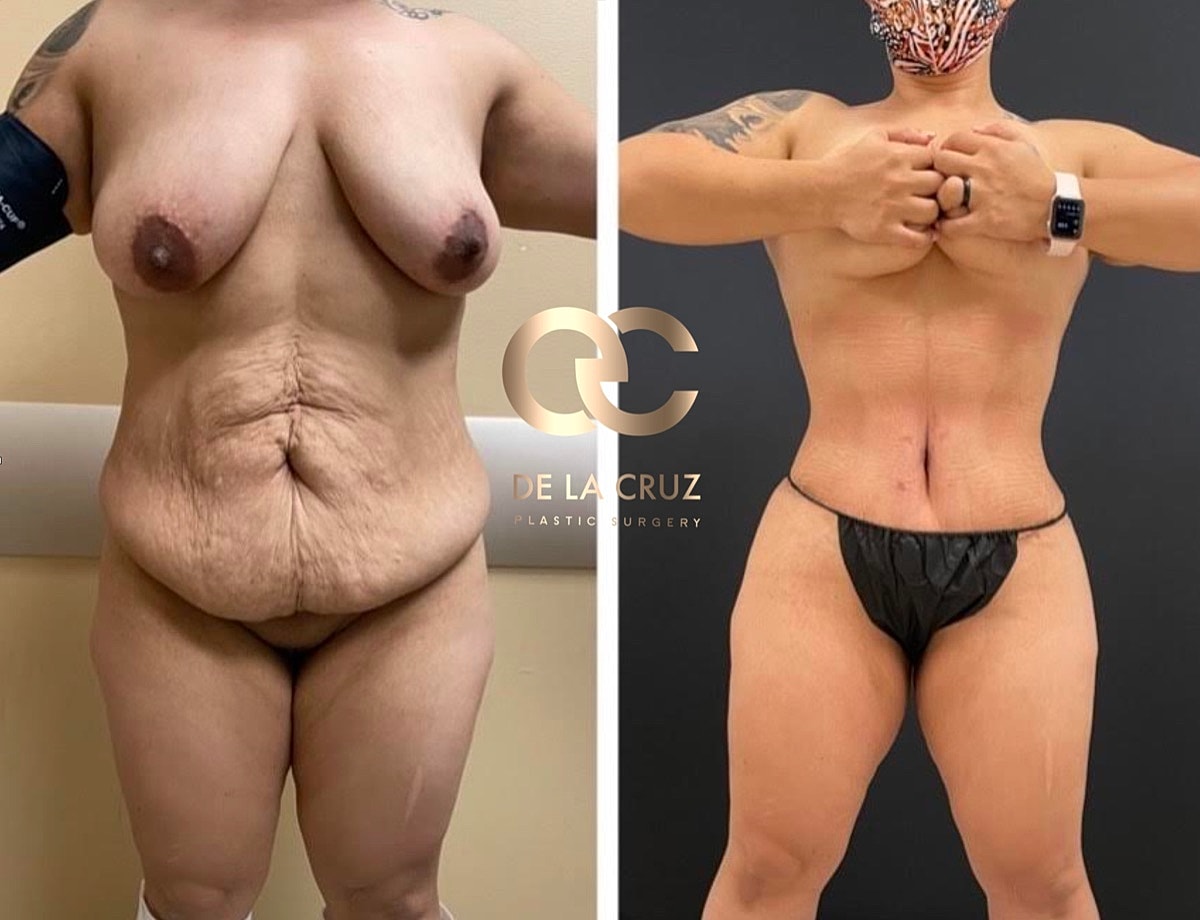
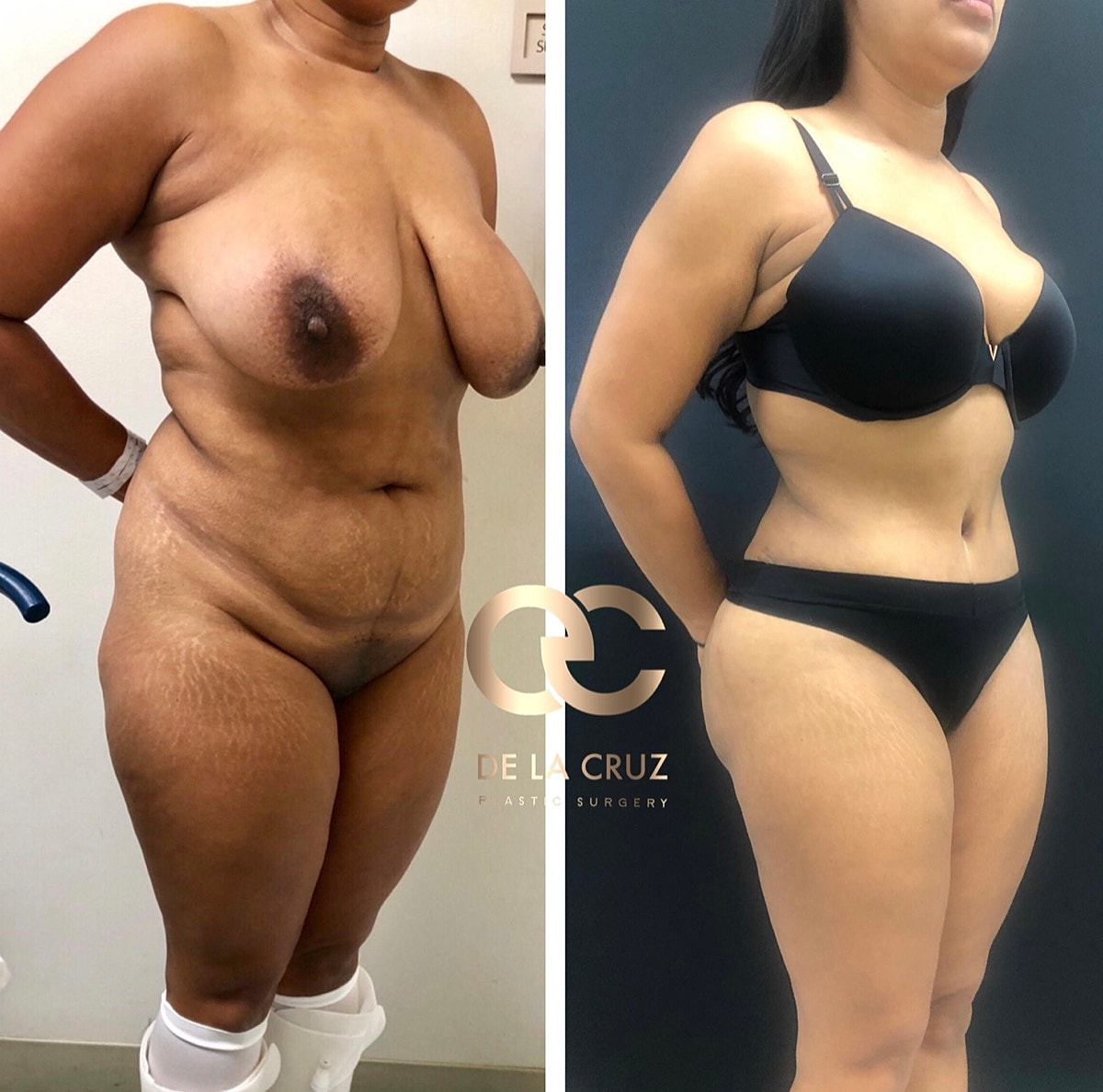
A tummy tuck is a surgical procedure that removes excess abdominal skin, tightens the abdominal muscles, and improves overall contour. It is commonly performed after pregnancy or significant weight loss.
Ideal candidates have loose skin, abdominal laxity, or muscle separation and are near their ideal weight. Candidacy depends on overall health, BMI, and surgical goals.
A mini tummy tuck addresses only the lower abdomen, while a full tummy tuck corrects both upper and lower abdominal laxity and includes muscle repair.
Initial recovery takes about 2–4 weeks, but full healing and return to normal activity can take several months depending on the extent of surgery.
Light walking is encouraged early, but structured exercise typically begins around 8–12 weeks, with full activity at 4–6 months.
The cost varies based on surgical complexity, combination procedures, and facility fees. Pricing typically ranges widely depending on the case.
A tummy tuck primarily removes skin and tightens muscles, but it is often combined with liposuction for optimal fat removal and contouring.
Lipoabdominoplasty is a combined procedure that includes liposuction and tummy tuck to address fat, skin, and muscle simultaneously for improved results.
Results are long-lasting if patients maintain a stable weight and healthy lifestyle. Significant weight changes can affect outcomes.
Yes. Pregnancy can stretch the abdominal muscles and skin, potentially altering the results of a previous tummy tuck.
Risks include swelling, seroma, infection, and wound healing issues. These risks are minimized with proper surgical technique and postoperative care.
Yes. A low abdominal scar is expected, but it is typically placed in a concealed location and improves over time.
Diastasis recti is a separation of the abdominal muscles, commonly after pregnancy. It is repaired during a tummy tuck by tightening the abdominal wall.
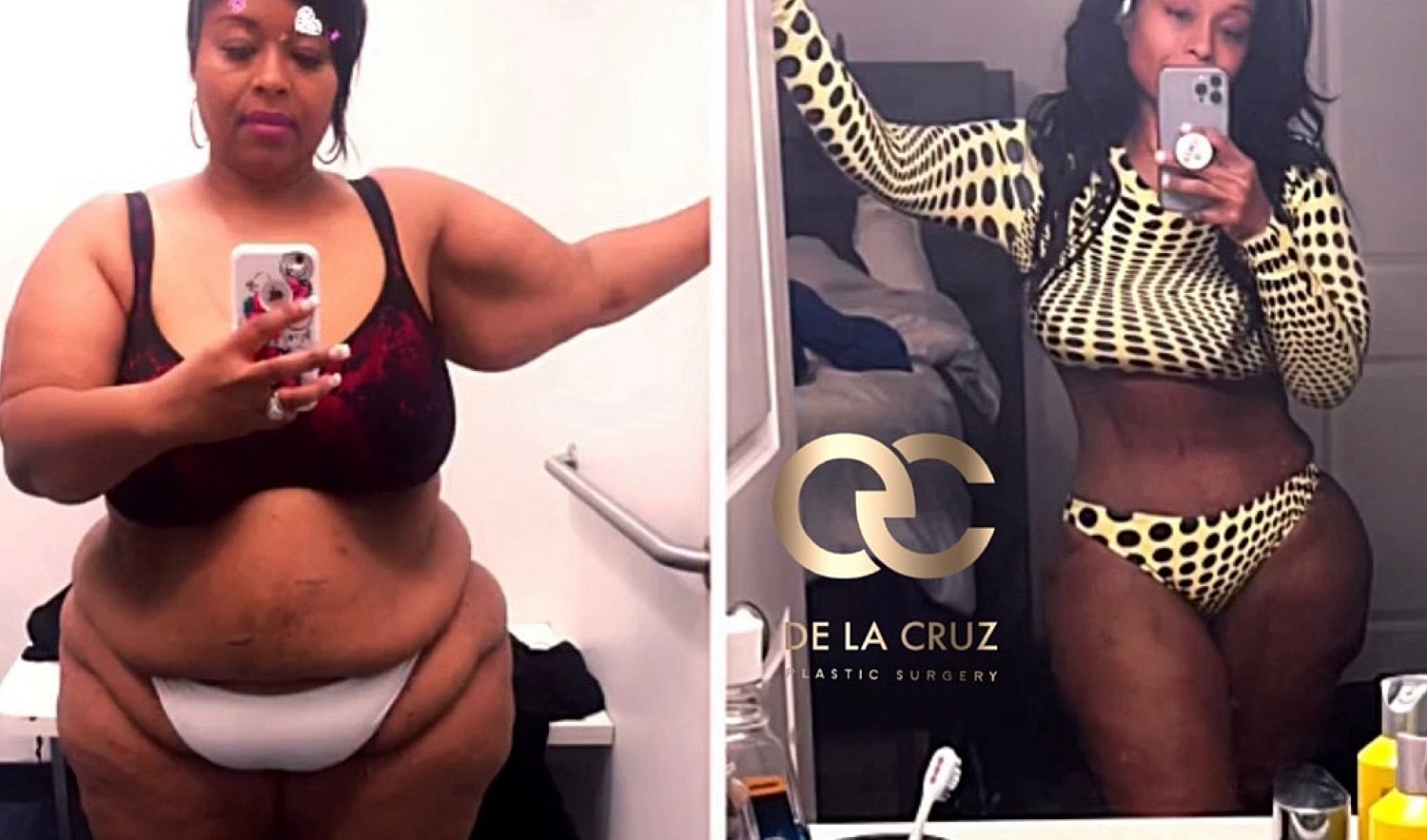
Yes. A tummy tuck is the most effective procedure for removing excess skin and restoring abdominal contour after weight loss.
A drainless tummy tuck uses advanced suturing techniques to reduce fluid buildup, potentially eliminating the need for surgical drains.
Most patients begin standing upright gradually within 1–2 weeks, depending on tension and healing.
Patients are advised to sleep in a slightly flexed position to reduce tension on the incision during early recovery.
Weight gain can affect results by stretching the skin and altering contour, although the improvements from surgery are not completely lost.
For patients with loose skin and muscle separation, a tummy tuck can provide significant functional and aesthetic improvements. Most patients say that it's the best investment they did for themselves.
About the Author
Dr. Emmanuel De La Cruz, MD is a double-board-certified plastic surgeon in Houston, Texas, certified by both the American Board of Plastic Surgery and the American Board of Surgery. He specializes in advanced liposuction and body contouring procedures, including high-definition liposculpture, Brazilian Butt Lift (BBL), revision liposuction, and treatment of lipedema.
Dr. De La Cruz is internationally recognized for his expertise in high-definition liposuction and contour sculpting techniques, which play a critical role in achieving balanced, natural-looking results in procedures such as liposuction and Brazilian Butt Lift surgery. His work focuses on precise body contour sculpting to enhance overall body proportions.
He has lectured internationally on liposuction techniques, fat grafting, and contour irregularity correction, presenting at major scientific meetings including the American Society of Plastic Surgeons (ASPS), the Total Definer Meeting in Bogotá, Colombia, the InMode Symposium in Miami and Beverly Hills, and AestheticStanbul in Istanbul, Turkey, where he was invited to lecture by renowned plastic surgeon Dr. Foad Nahai.
Dr. De La Cruz has also contributed to the scientific literature on liposuction and body contouring. He is the author of “Lipoplasty in the Overweight Patient”, published in the peer-reviewed journal Clinics in Plastic Surgery.
Through his clinical work, research, and international lectures, Dr. De La Cruz focuses on advancing safe, precise, and refined techniques in liposuction, BBL surgery, and modern body contouring.