Tummy Tuck Swelling Stages (Week-by-Week Timeline + Recovery Tips)
Written by Dr. Emmanuel De La Cruz, MD Double Board-Certified Plastic Surgeon | Houston, Texas
Written by Dr. Emmanuel De La Cruz, MD Double Board-Certified Plastic Surgeon | Houston, Texas
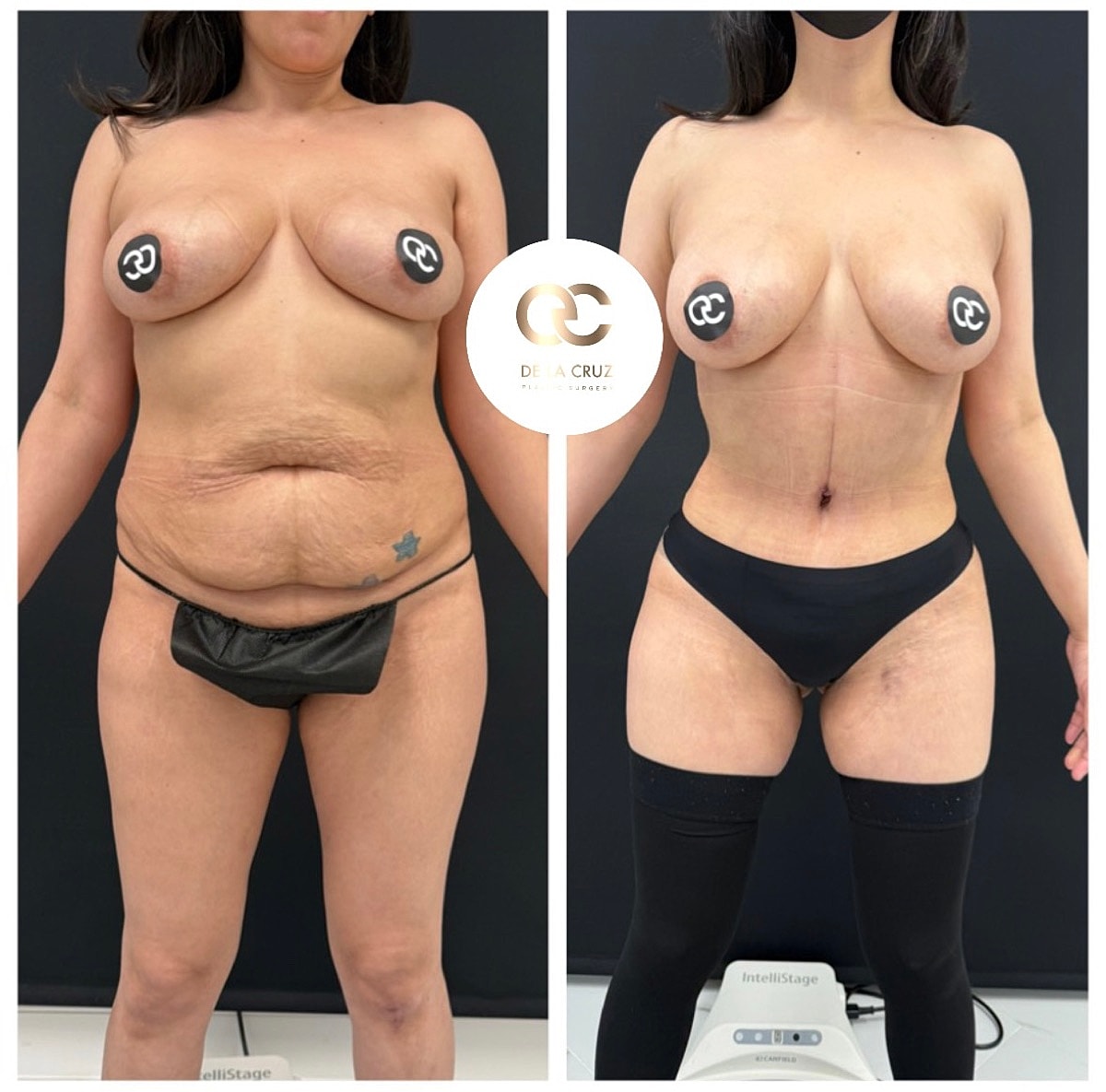
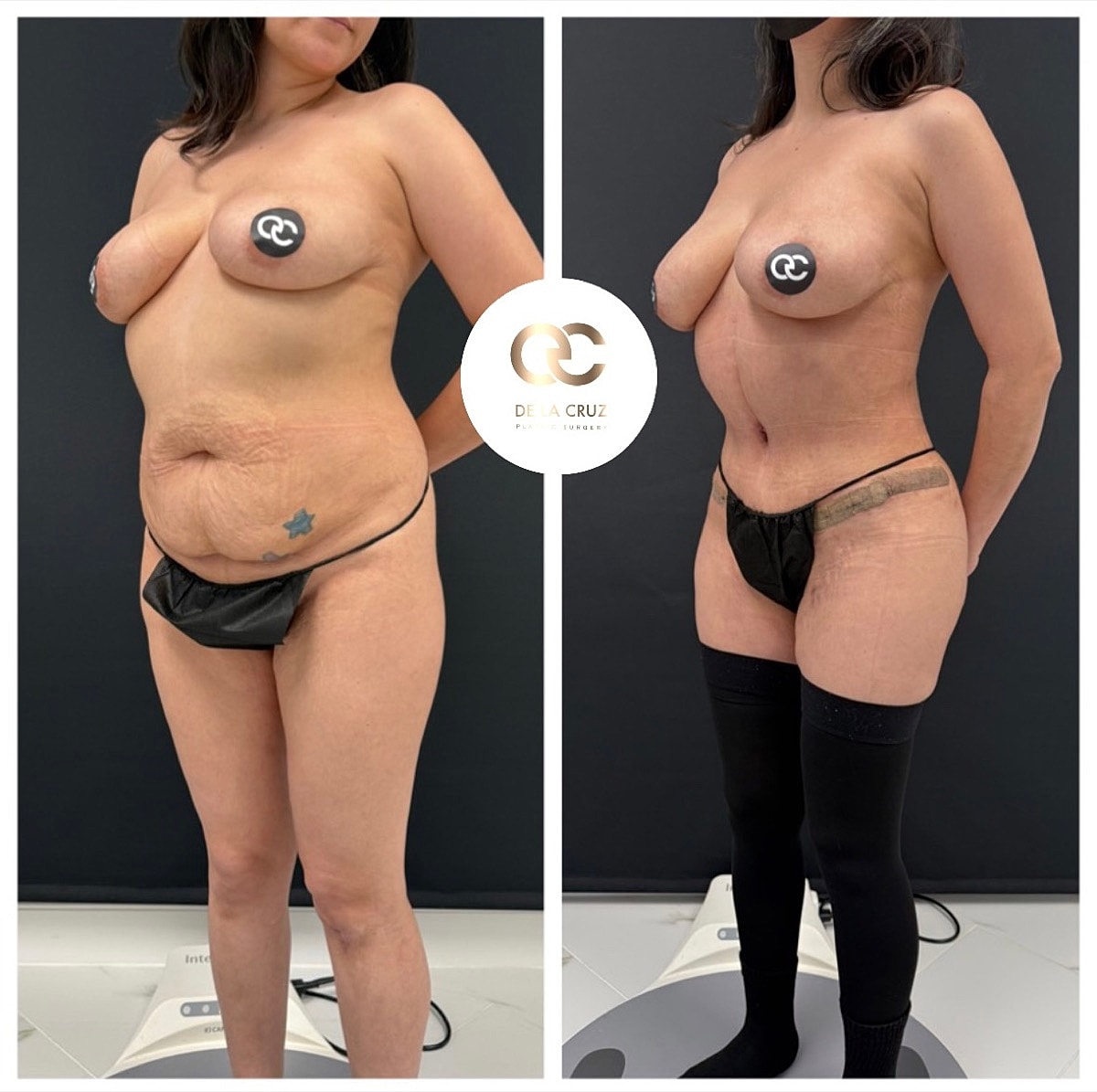
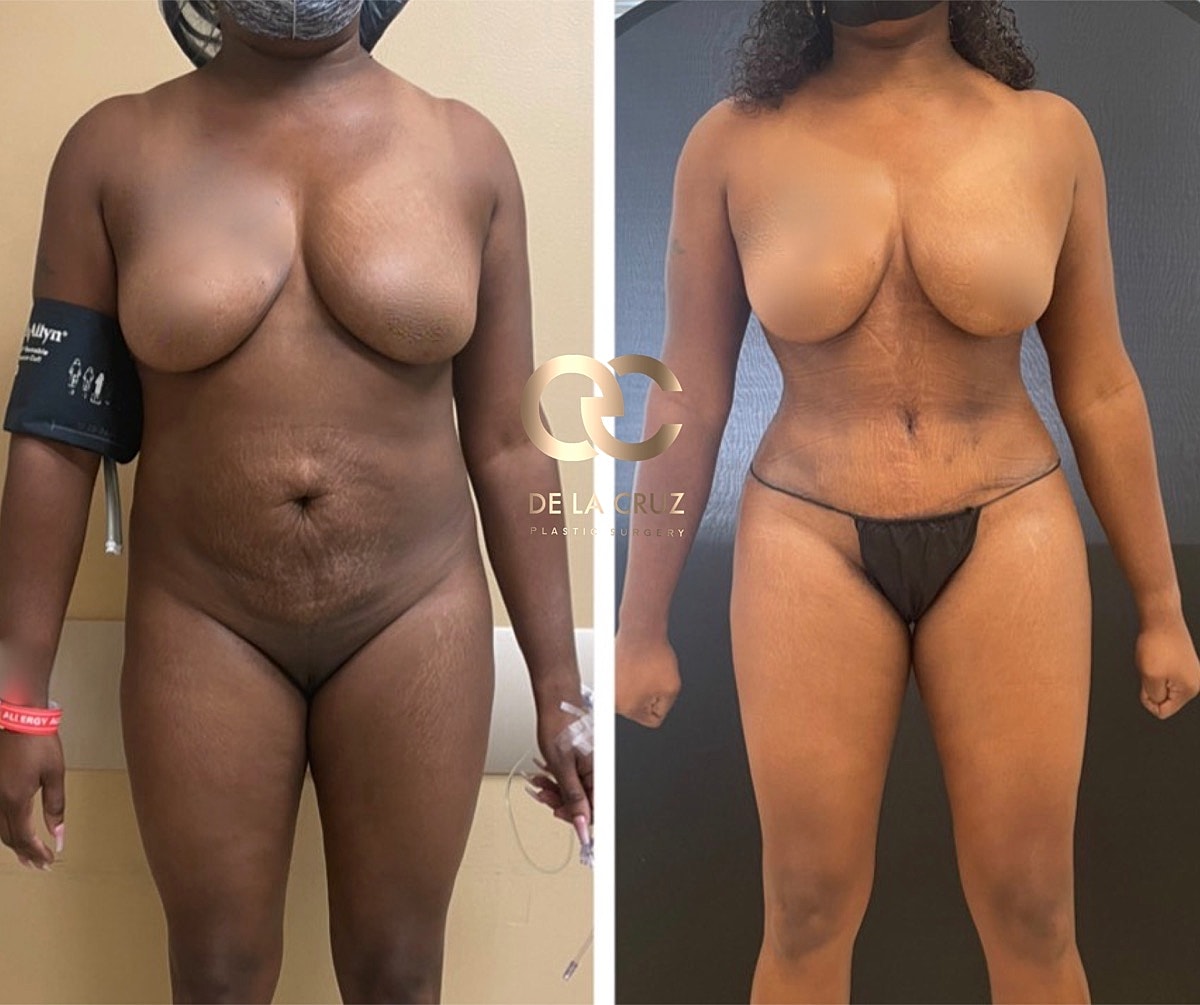
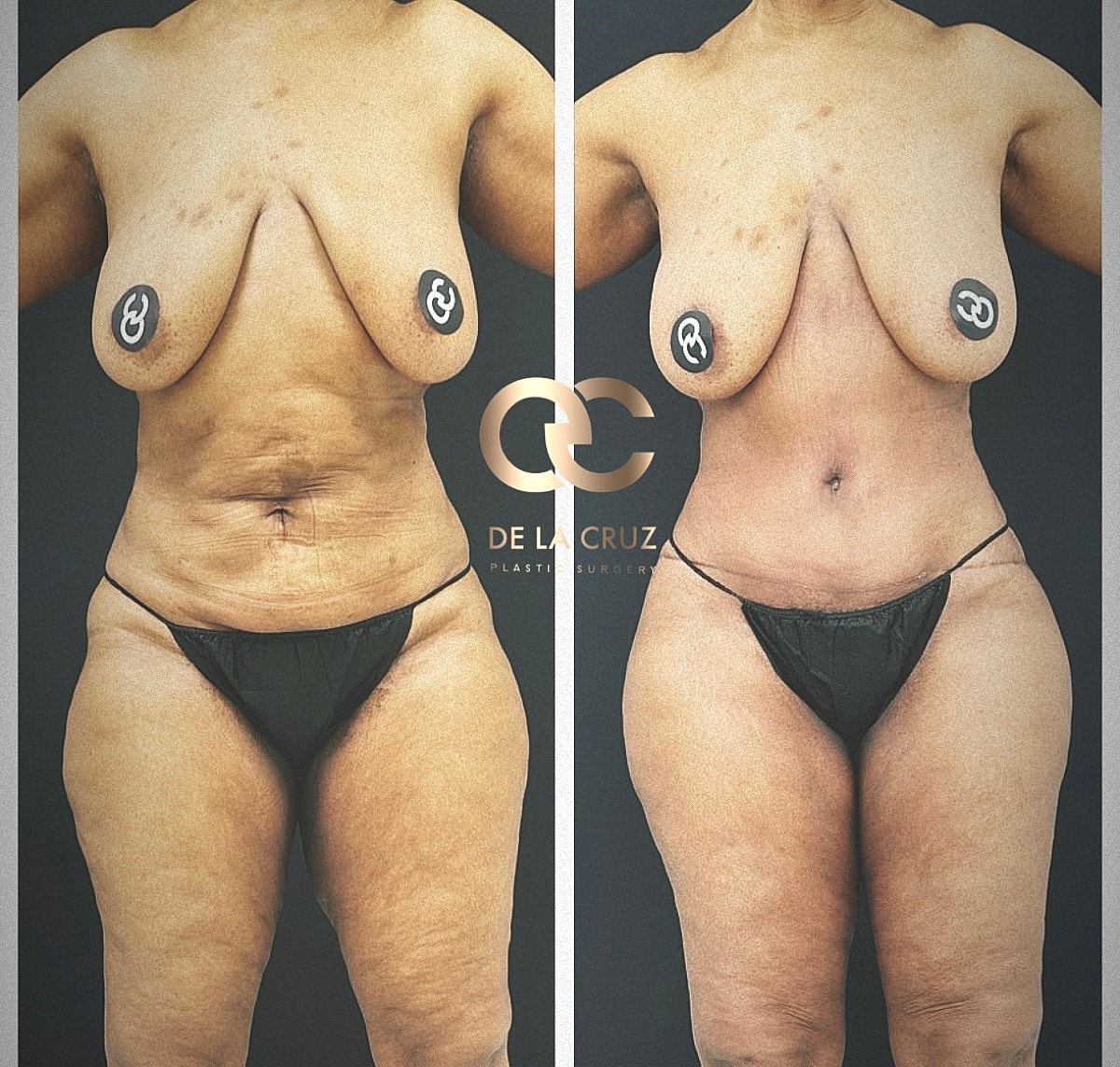
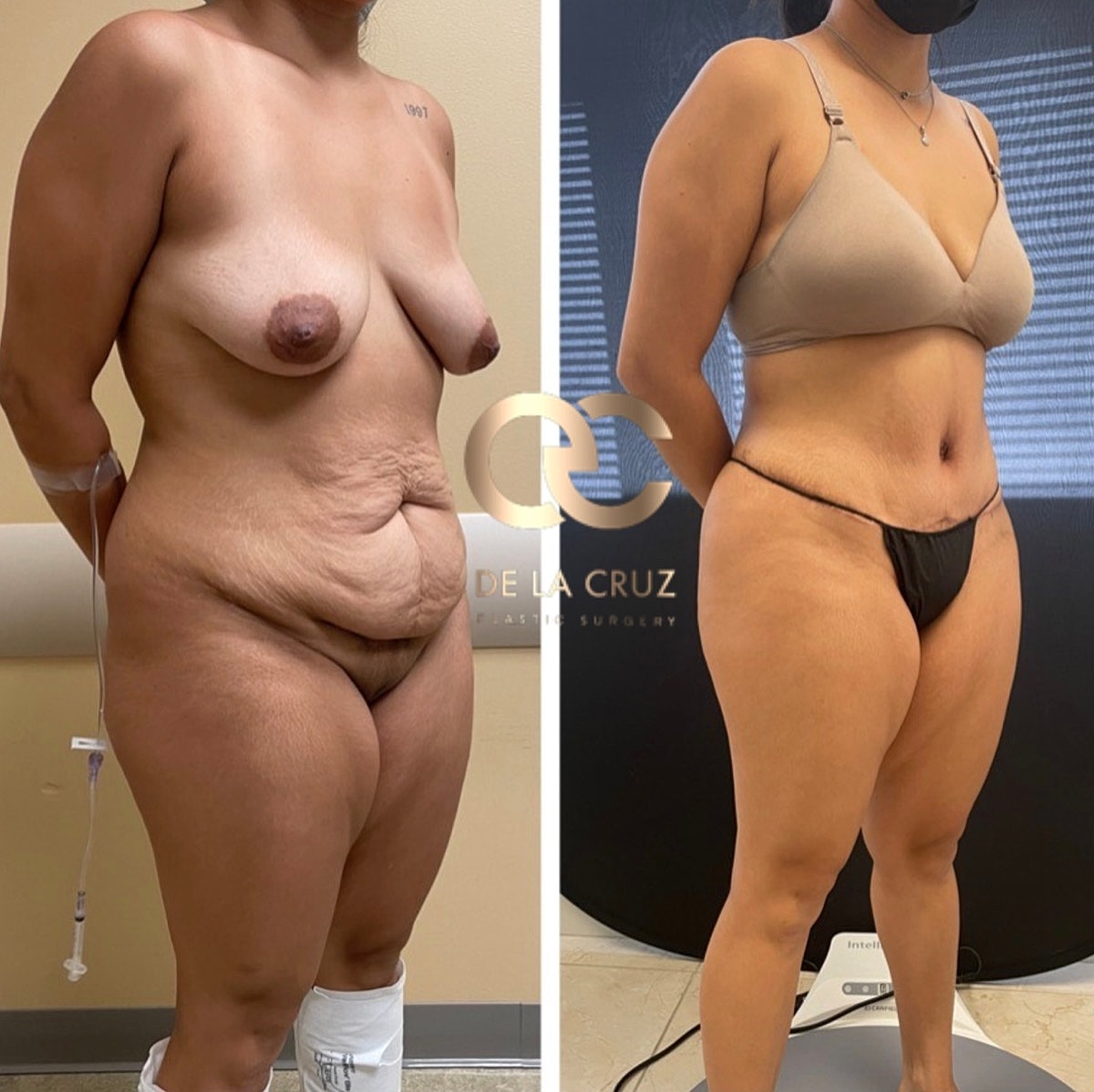
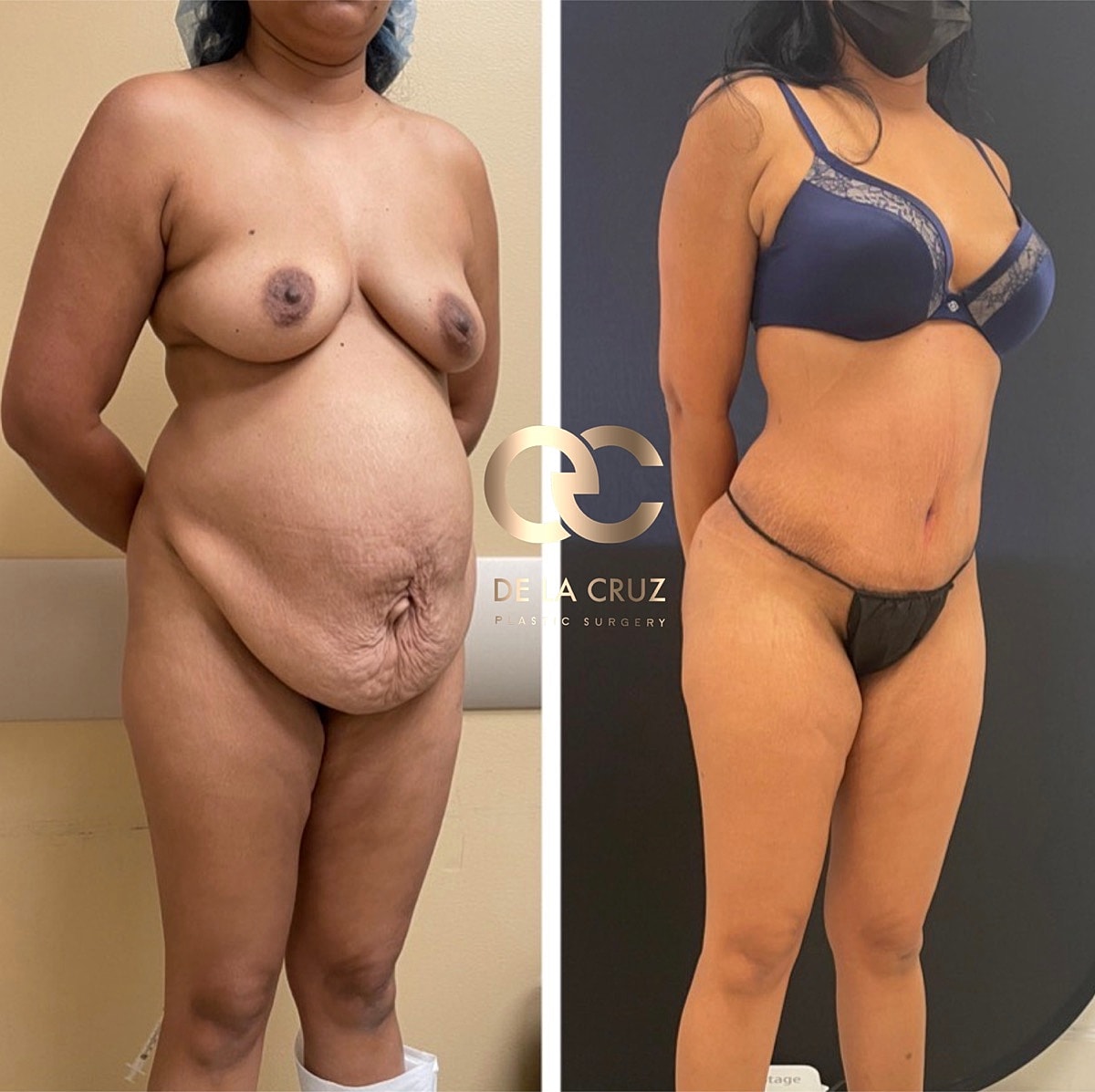
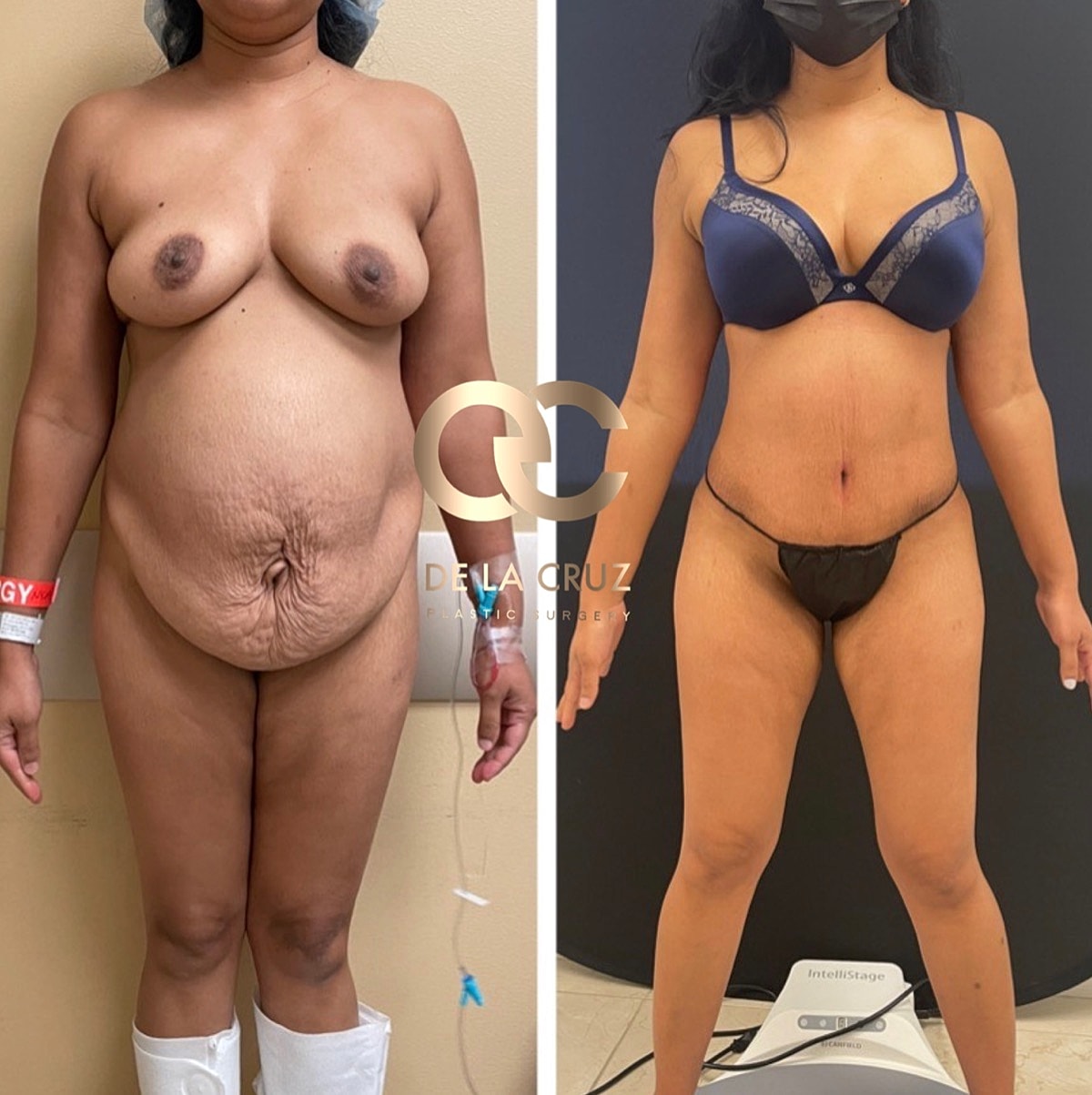
Swelling after a tummy tuck (abdominoplasty) is one of the most important—and often misunderstood—parts of recovery. While the transformation is immediate, your final result evolves as swelling resolves over time.
If you’re planning surgery, it’s critical to understand how swelling fits into your overall recovery. For a full overview of healing, timelines, and milestones, see our Tummy Tuck Recovery Timeline (Day-by-Day Guide).
For a complete overview of preparation, surgery, recovery, risks, and long-term results, read our Ultimate Guide to Tummy Tuck Surgery—the central resource in our tummy tuck cluster.
At De La Cruz Plastic Surgery, we educate patients extensively on every phase of recovery to optimize outcomes.
1 of 19
Swelling is a natural inflammatory response after surgery.
During a tummy tuck:
This leads to:
If you’re comparing procedures, swelling differs depending on surgical approach—learn more in Tummy Tuck vs Liposuction: Which Is Better?
What to expect:
Pro tip: Early swelling can look dramatic—this is temporary and expected.
If you’re evaluating technique differences that affect early swelling, read Mini Tummy Tuck vs Full Tummy Tuck.
What to expect:
Clinical insight: This is when many patients worry—but it is completely normal.
For expectations on overall results and longevity, see How Long Does a Tummy Tuck Last?

What to expect:
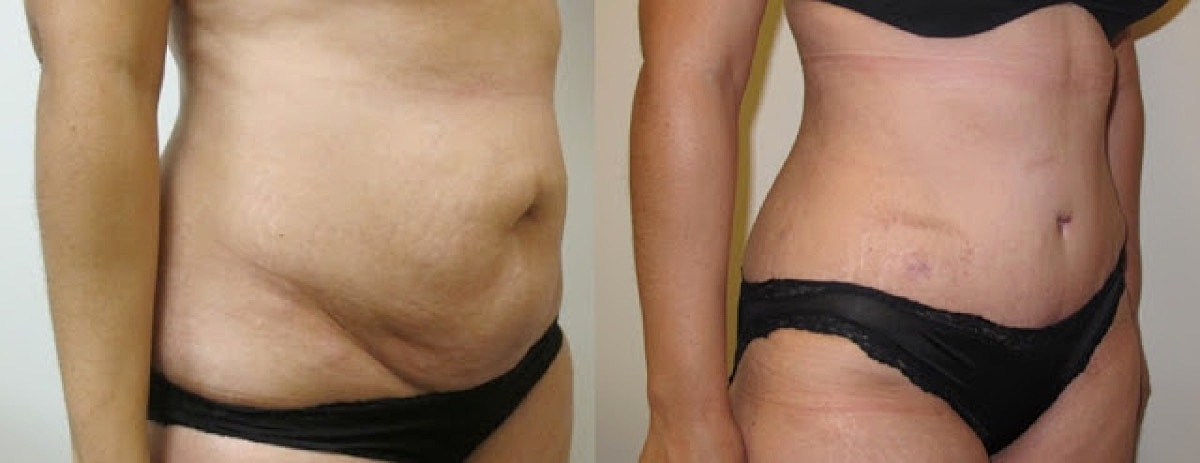
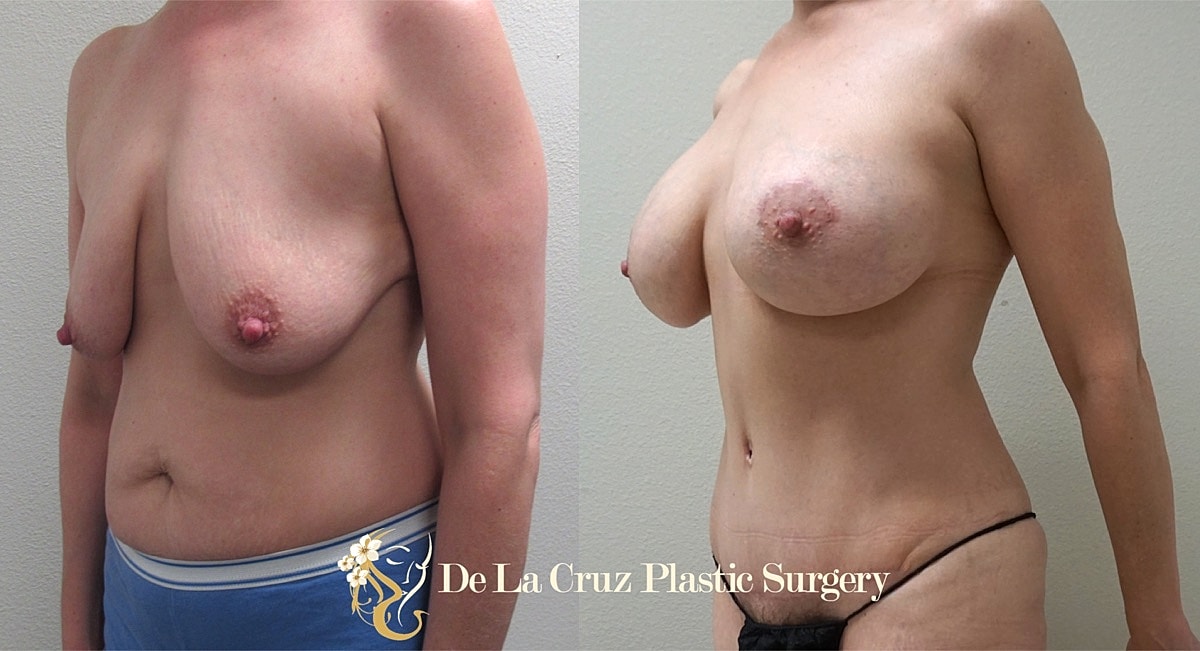
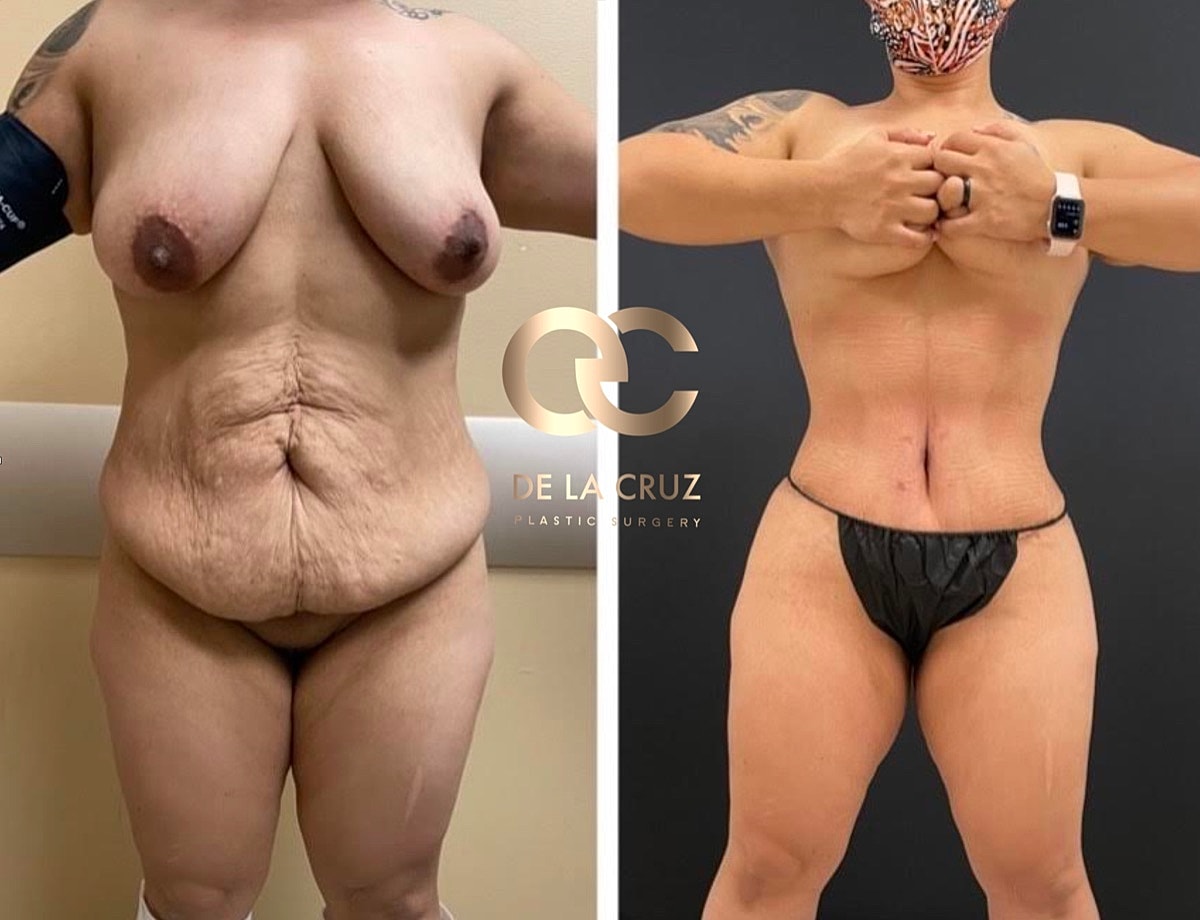
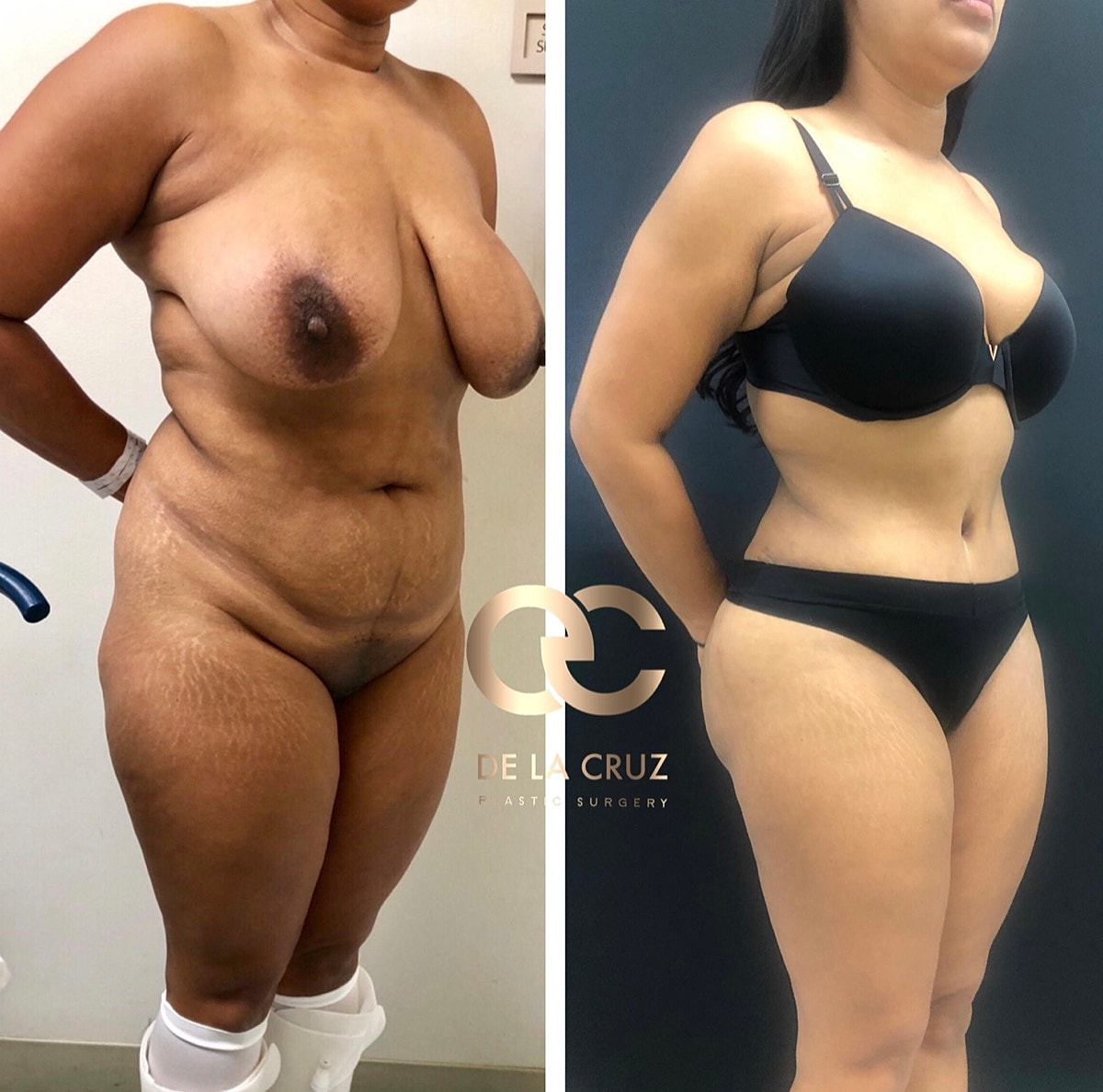
Key moment: Patients begin to see their transformation.
If loose skin is a concern after weight loss, explore Loose Skin After Weight Loss: Is a Tummy Tuck Necessary?
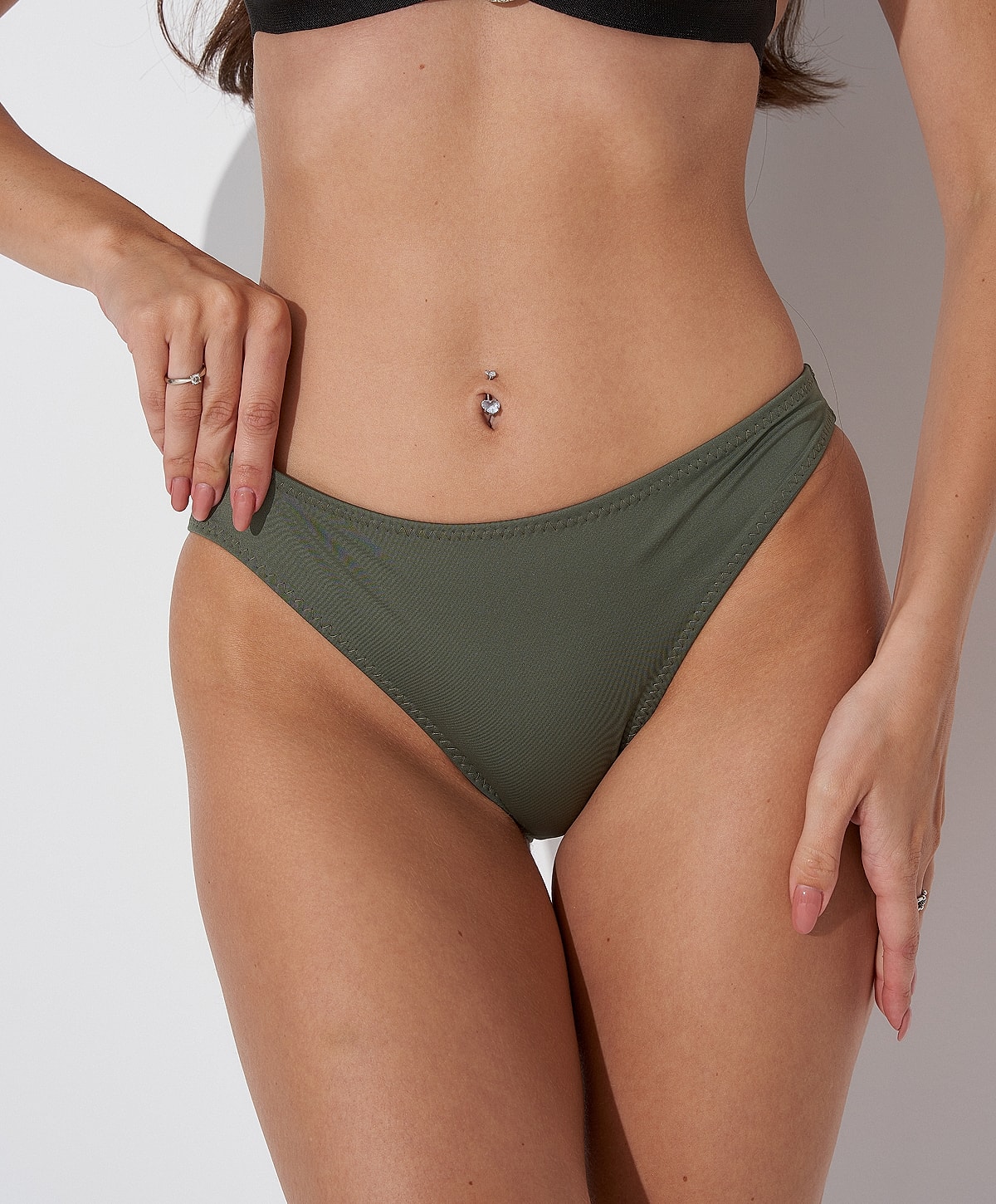
What to expect:
Clinical insight: About 70–80% of swelling is gone by this stage.
For cost considerations during planning, visit Tummy Tuck Cost in Houston: Complete Guide.
What to expect:
Important: Final results may take 6–12 months.
Swelling is most persistent in:
This is influenced by:
Many patients notice:
This is normal and related to:
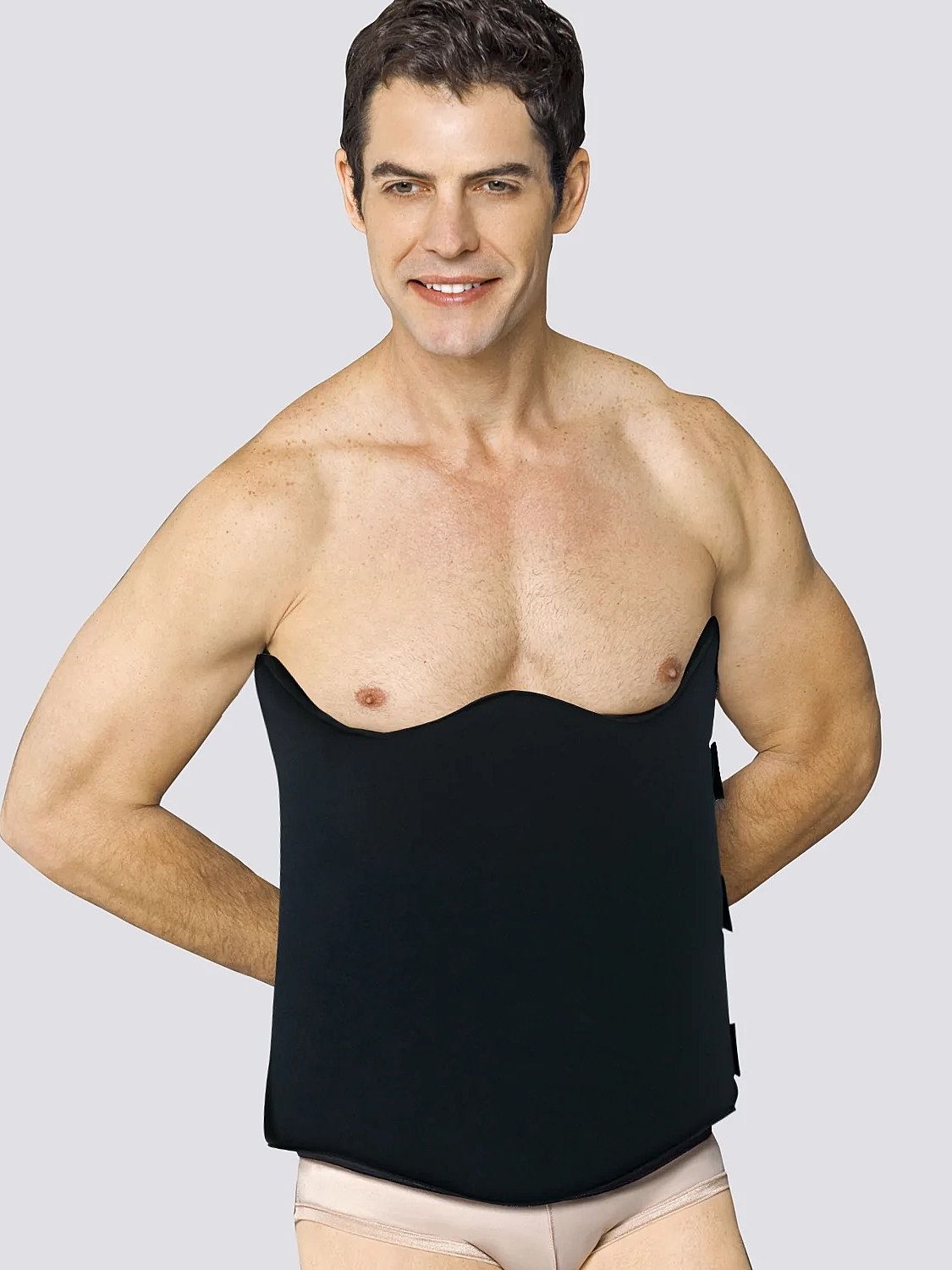
Foam Corset and Compression Garments
A structured compression protocol is one of the most critical components of recovery.
In many advanced protocols, foam boards or corsets are used in combination with garments to improve contour precision and prevent irregularities.
Early Ambulation (Walking)
Early mobilization is essential for both safety and recovery.
Short, frequent walks beginning the first few days after surgery are typically recommended.
Lymphatic Drainage Massage
Manual lymphatic drainage (MLD) can significantly accelerate resolution of swelling.
When performed properly—especially in the first 2–6 weeks—this can meaningfully enhance recovery.
Nutrition and Hydration
Postoperative nutrition plays a key role in inflammation control and healing.
Avoid processed foods, as they can contribute to prolonged swelling.
Activity Management (Avoid Overexertion)
While movement is important, excessive activity can be counterproductive.
Patients should follow a structured, gradual return to activity, guided by their surgeon.
Seek evaluation if you notice:
About the Medical Reviewer Dr. Emmanuel De La Cruz is a double board-certified plastic surgeon specializing in advanced facial rejuvenation and body contouring procedures. 👉 [Learn more about Dr. Emmanuel De La Cruz]
A successful tummy tuck is not just about removing skin—it requires advanced technique, surgical precision, and a strong focus on safety.
Dr. Emmanuel De La Cruz combines innovation, artistry, and a safety-first philosophy to deliver natural, athletic results.
High-Definition Tummy Tuck (Lipo 360 Integration)
Dr. De La Cruz combines tummy tuck surgery with high-definition liposuction (Lipo 360) to sculpt the entire torso—not just flatten the abdomen.
👉 The result is a more defined waistline and athletic contour, not a “flat but boxy” appearance.
Natural Belly Button (Umbilical Reconstruction Expert)
A natural-looking belly button is critical to a beautiful result.
Dr. De La Cruz:
👉 Scars are strategically hidden, creating a natural, youthful appearance.
Perforator-Preserving Abdominoplasty (Advanced Safety Technique)
Dr. De La Cruz developed a technique that preserves key blood vessels (perforators) during surgery.
This allows:
Safety-First Philosophy
Every procedure is designed to minimize risk and optimize healing, including:
Where Surgery Meets Art
With a background in sculpture, Dr. De La Cruz approaches tummy tuck surgery with an artistic eye—focusing on proportion, contour, and natural results.
Trusted by Patients Across Houston and Beyond
Patients travel from across Texas, the United States, and internationally for:

Swelling peaks around 2–3 weeks.
Temporary swelling can make the abdomen appear bloated early on.
Most swelling improves by 4–6 weeks, with continued refinement over months.
Yes, especially in early recovery.
It is the last area to heal due to lymphatic disruption.
Yes. Firmness or hardness in the abdomen is common during early healing and is often related to postoperative inflammation or early fibrosis, which typically softens over time.
Swelling often increases throughout the day due to gravity, activity, and fluid shifts, making the abdomen appear flatter in the morning and more swollen by evening.
Yes. Combining liposuction with a tummy tuck can increase swelling initially due to additional tissue manipulation, but it also enhances final contour and body definition.
Yes. While most swelling resolves within 2–3 months, subtle swelling can persist for up to 9 months or longer, particularly in the lower abdomen.
A seroma may present as a localized fluid collection, often felt as swelling or a fluid-filled pocket that may shift with movement. It should be evaluated by your surgeon.
We recommend to wear the foam corset garment for 2 months, and the highly compressive garment for 6 months.
Yes. High-sodium foods can increase fluid retention, while adequate hydration and a balanced diet support faster resolution of swelling.
Yes. A full tummy tuck generally results in more swelling due to a larger surgical area and muscle repair compared to a mini tummy tuck.
About the Author
Dr. Emmanuel De La Cruz, MD is a double-board-certified plastic surgeon in Houston, Texas, certified by both the American Board of Plastic Surgery and the American Board of Surgery. He specializes in advanced liposuction and body contouring procedures, including high-definition liposculpture, Brazilian Butt Lift (BBL), revision liposuction, and treatment of lipedema.
Dr. De La Cruz is internationally recognized for his expertise in high-definition liposuction and contour sculpting techniques, which play a critical role in achieving balanced, natural-looking results in procedures such as liposuction and Brazilian Butt Lift surgery. His work focuses on precise body contour sculpting to enhance overall body proportions.
He has lectured internationally on liposuction techniques, fat grafting, and contour irregularity correction, presenting at major scientific meetings including the American Society of Plastic Surgeons (ASPS), the Total Definer Meeting in Bogotá, Colombia, the InMode Symposium in Miami and Beverly Hills, and AestheticStanbul in Istanbul, Turkey, where he was invited to lecture by renowned plastic surgeon Dr. Foad Nahai.
Dr. De La Cruz has also contributed to the scientific literature on liposuction and body contouring. He is the author of “Lipoplasty in the Overweight Patient”, published in the peer-reviewed journal Clinics in Plastic Surgery.
Through his clinical work, research, and international lectures, Dr. De La Cruz focuses on advancing safe, precise, and refined techniques in liposuction, BBL surgery, and modern body contouring.