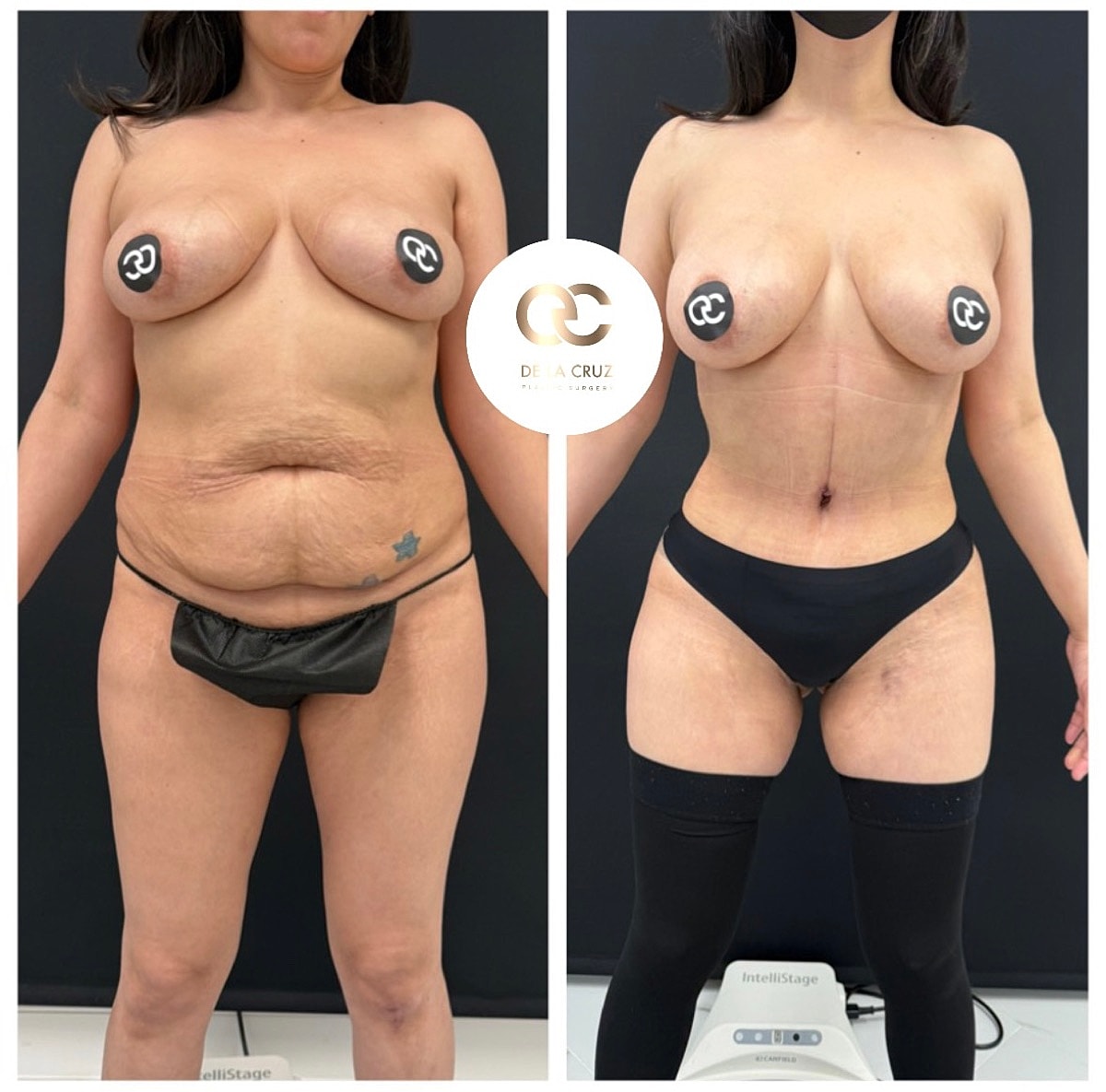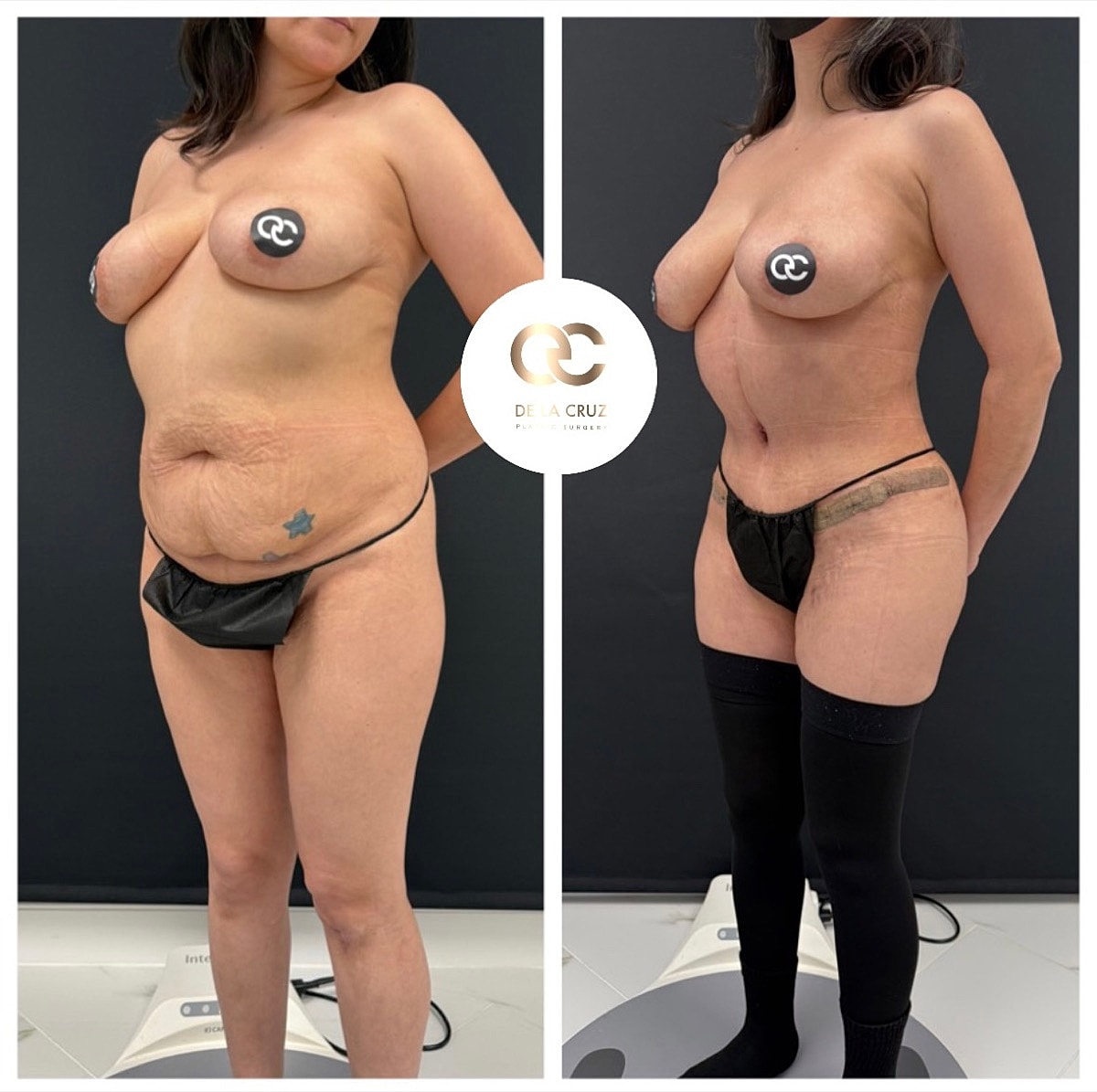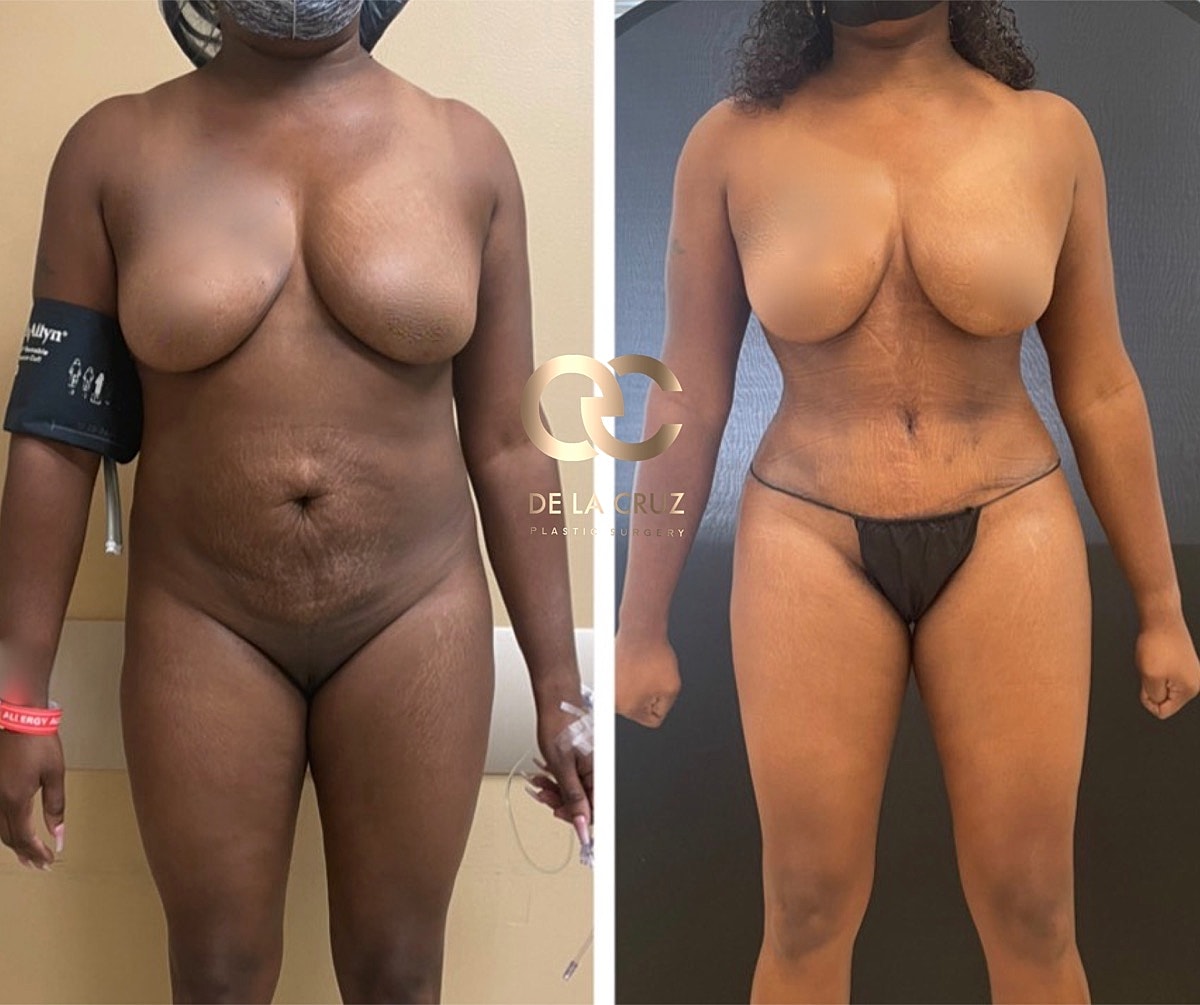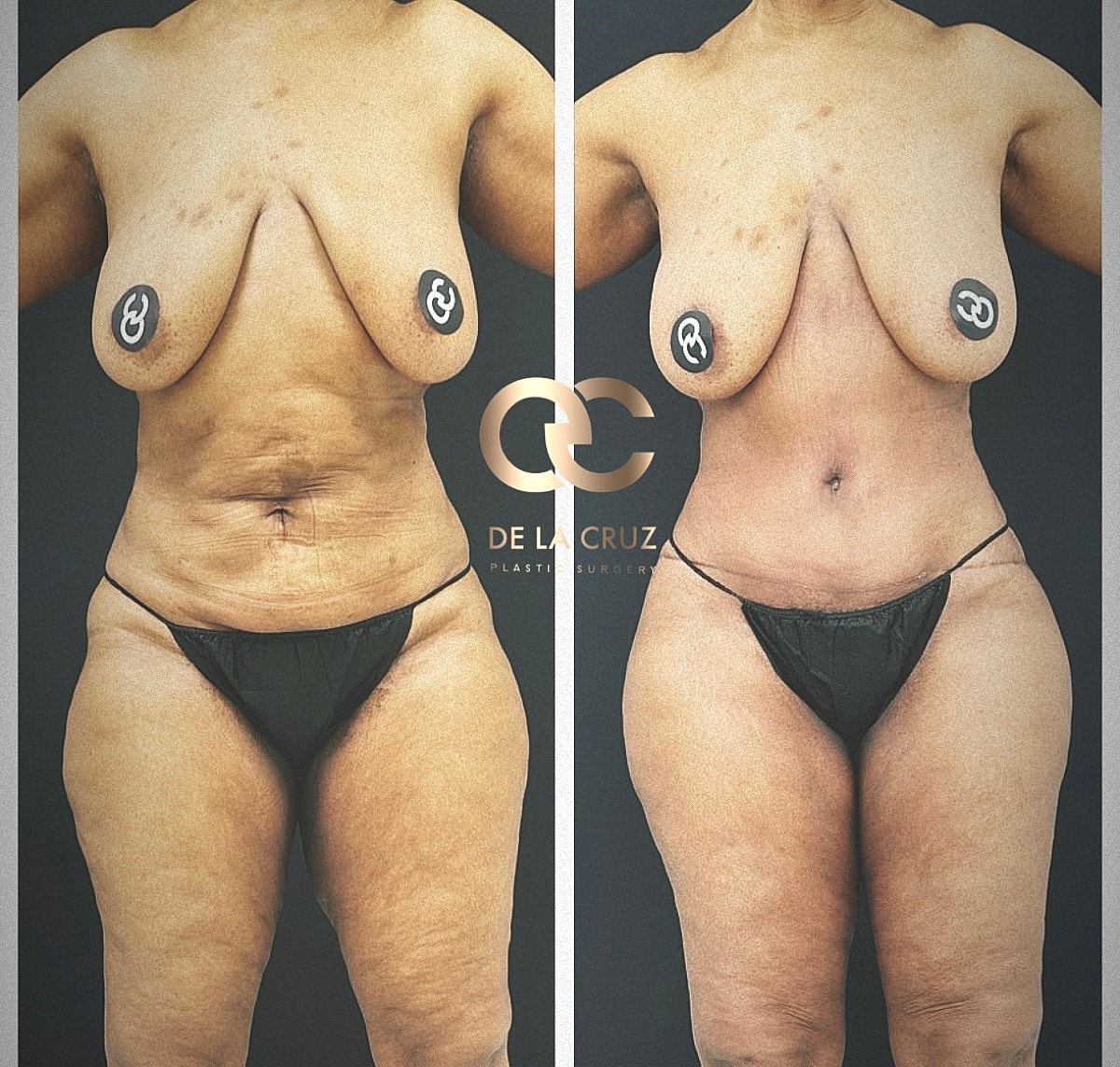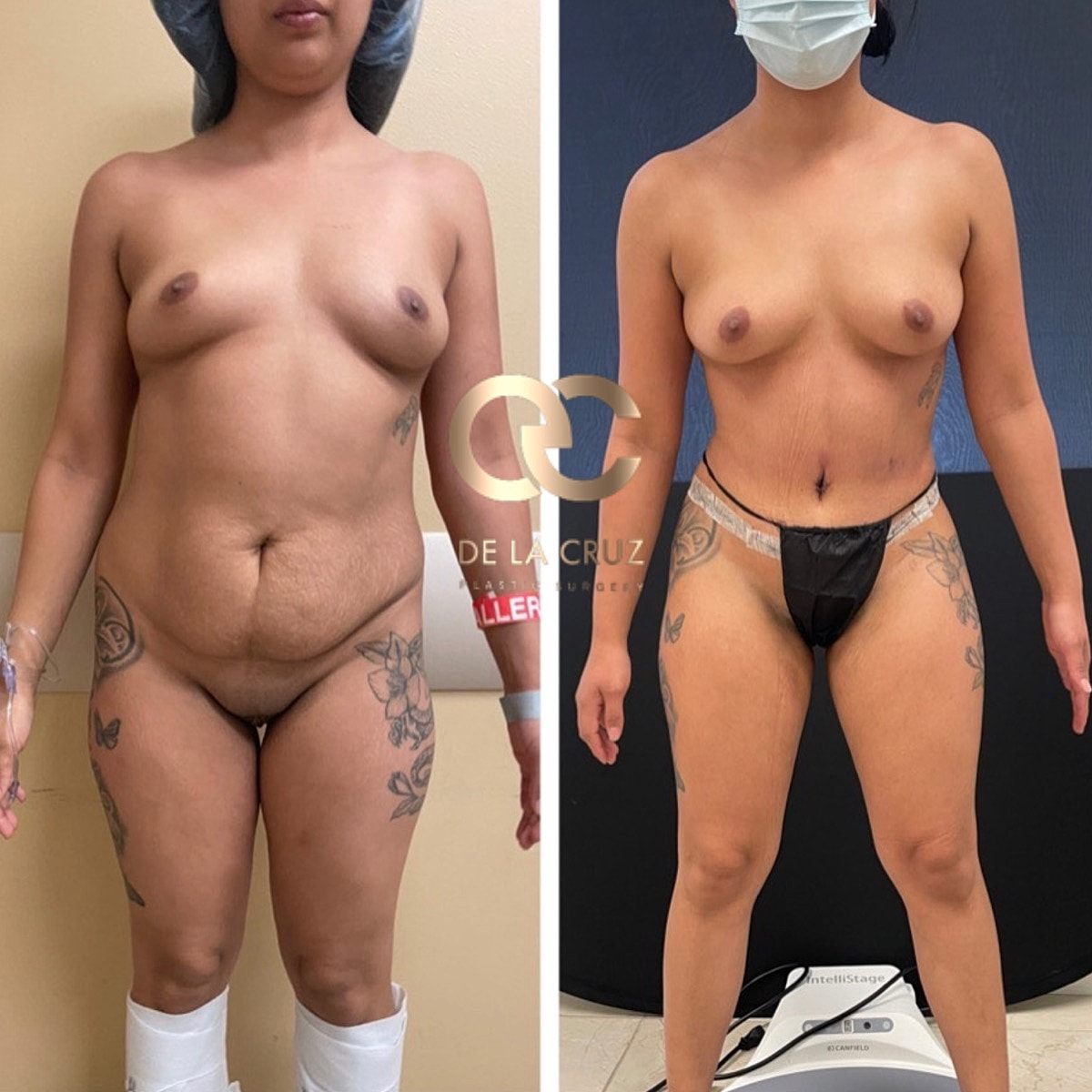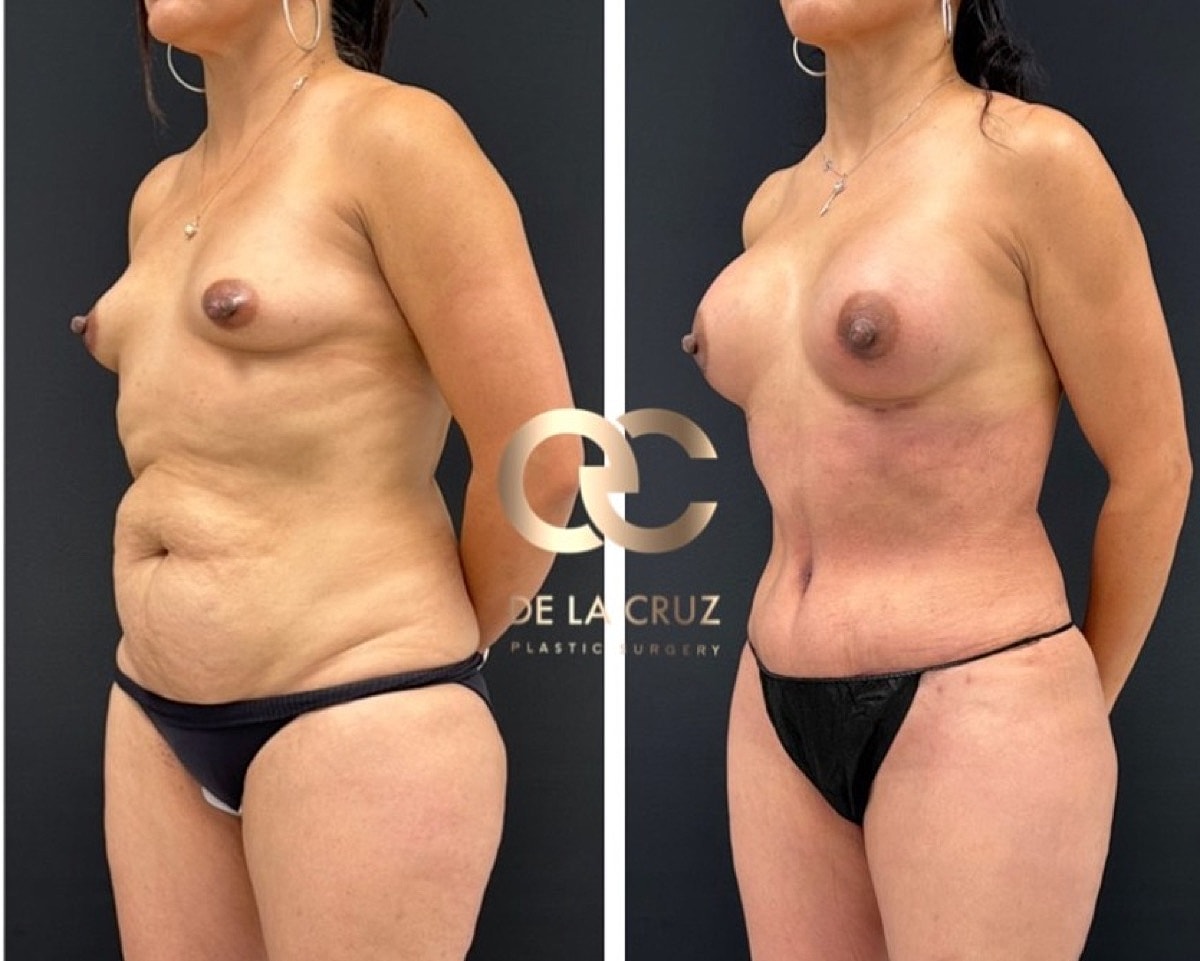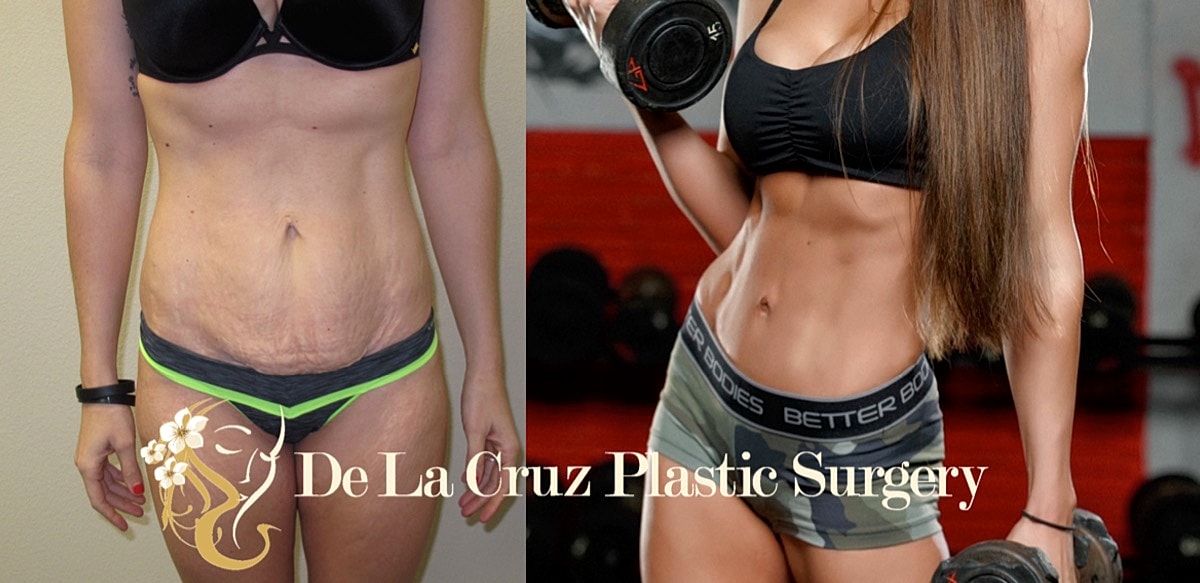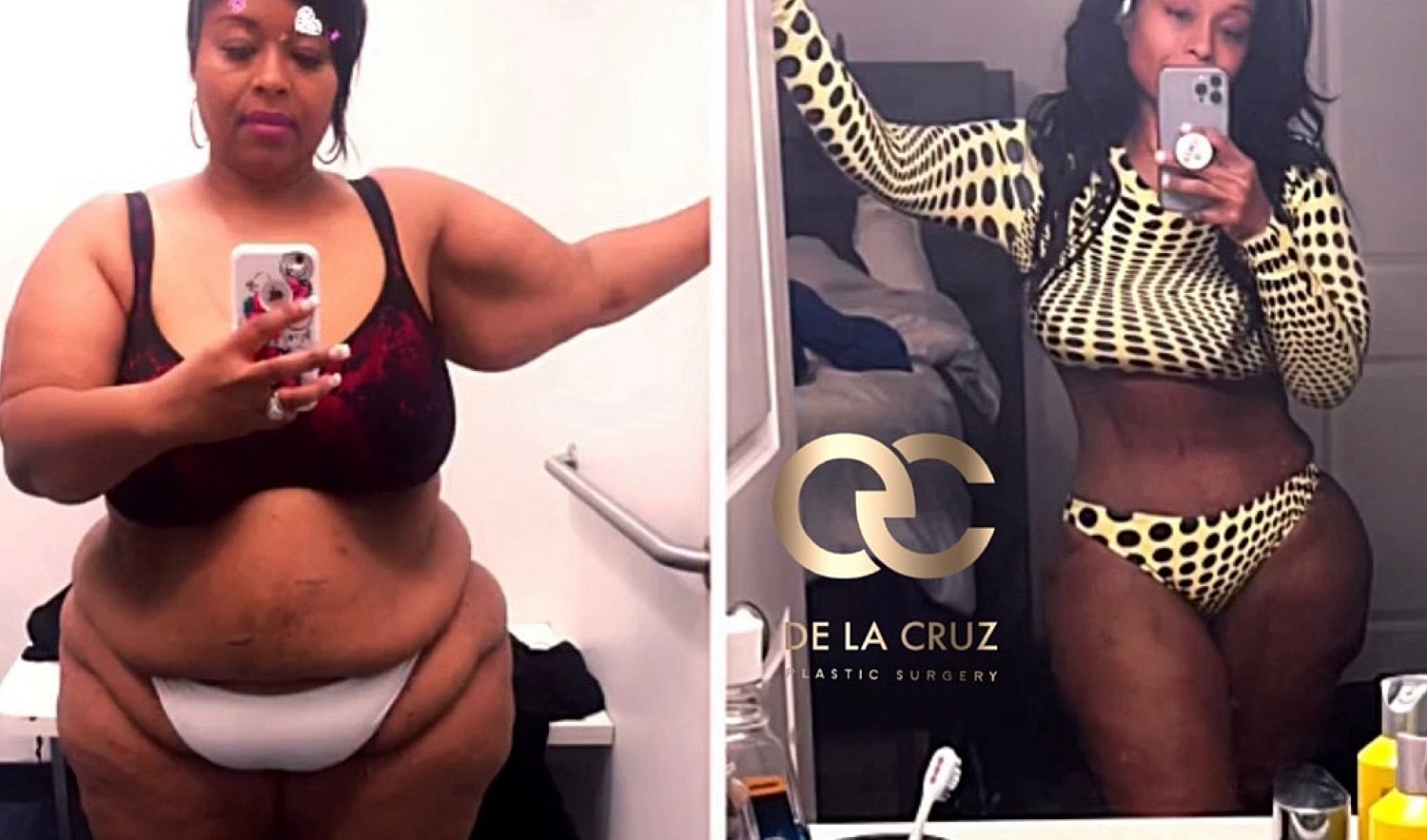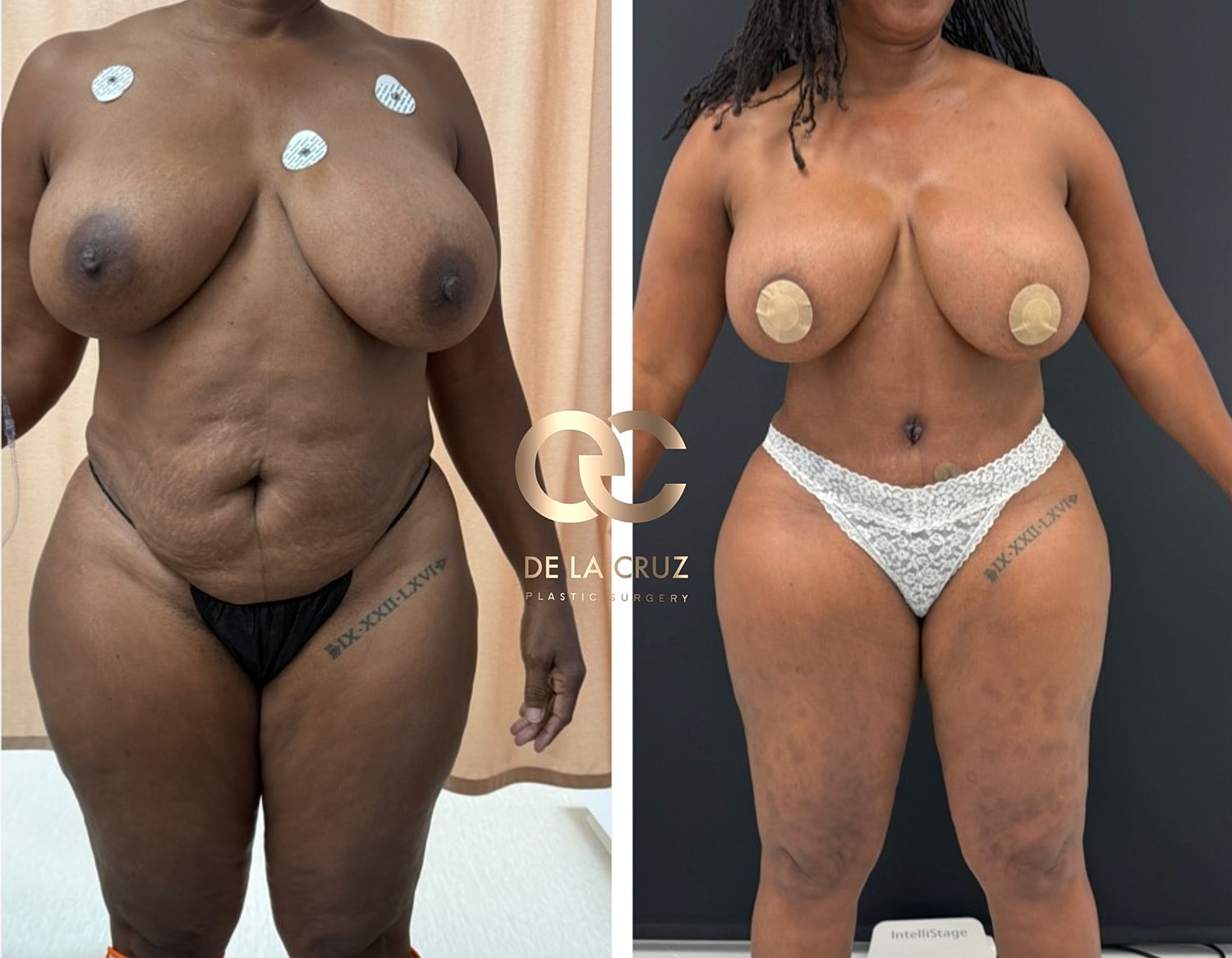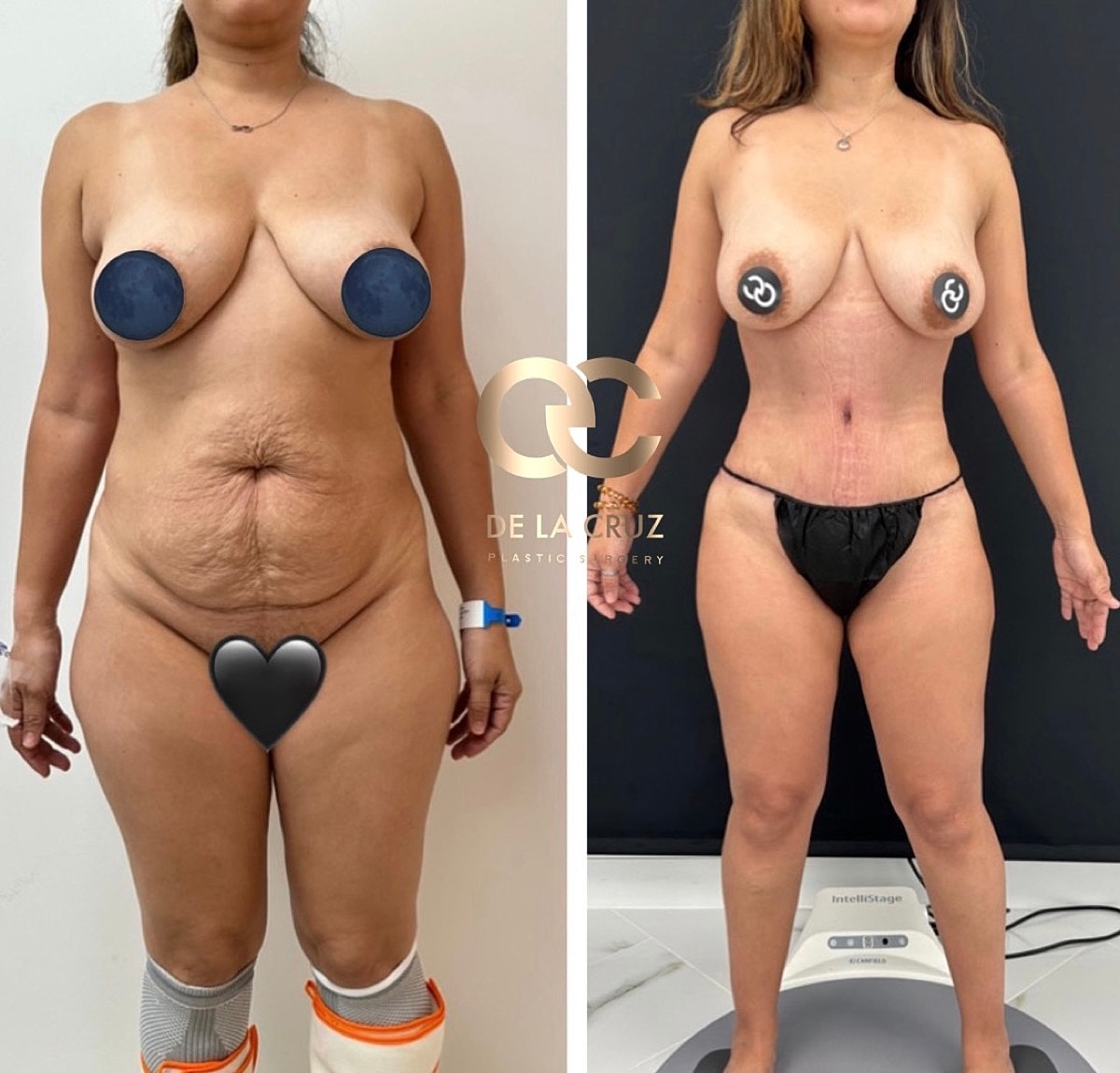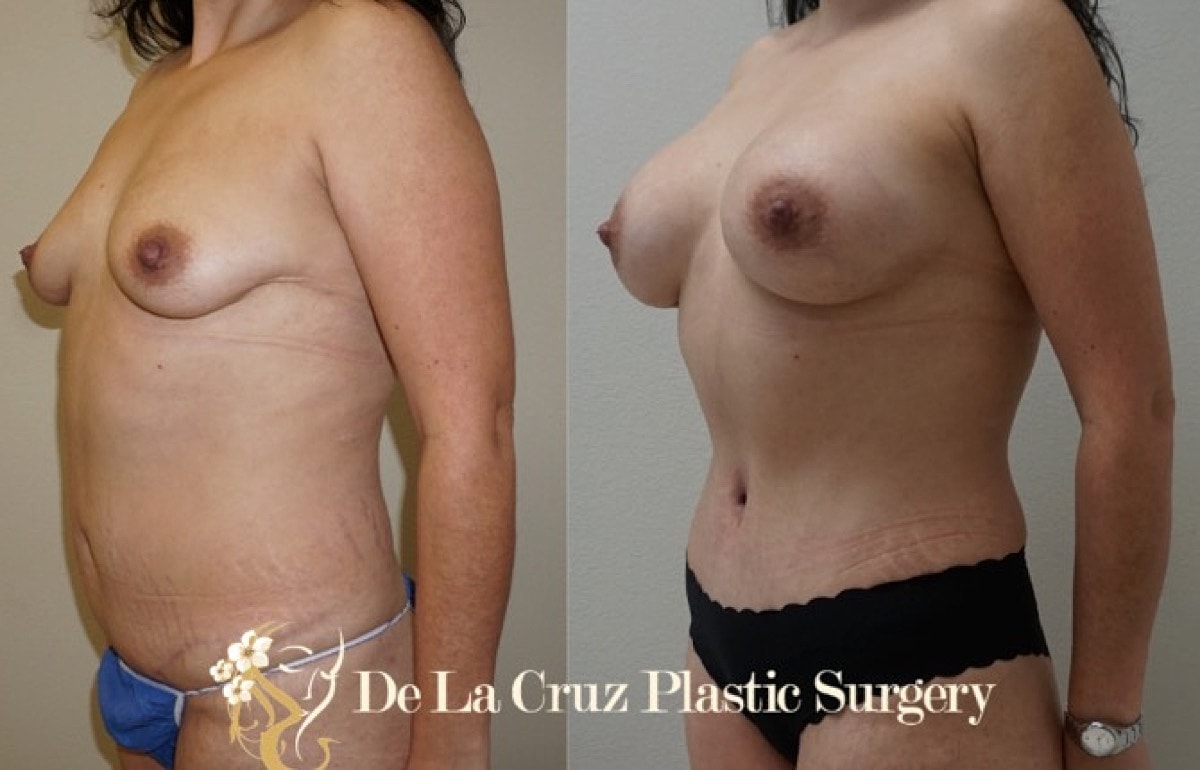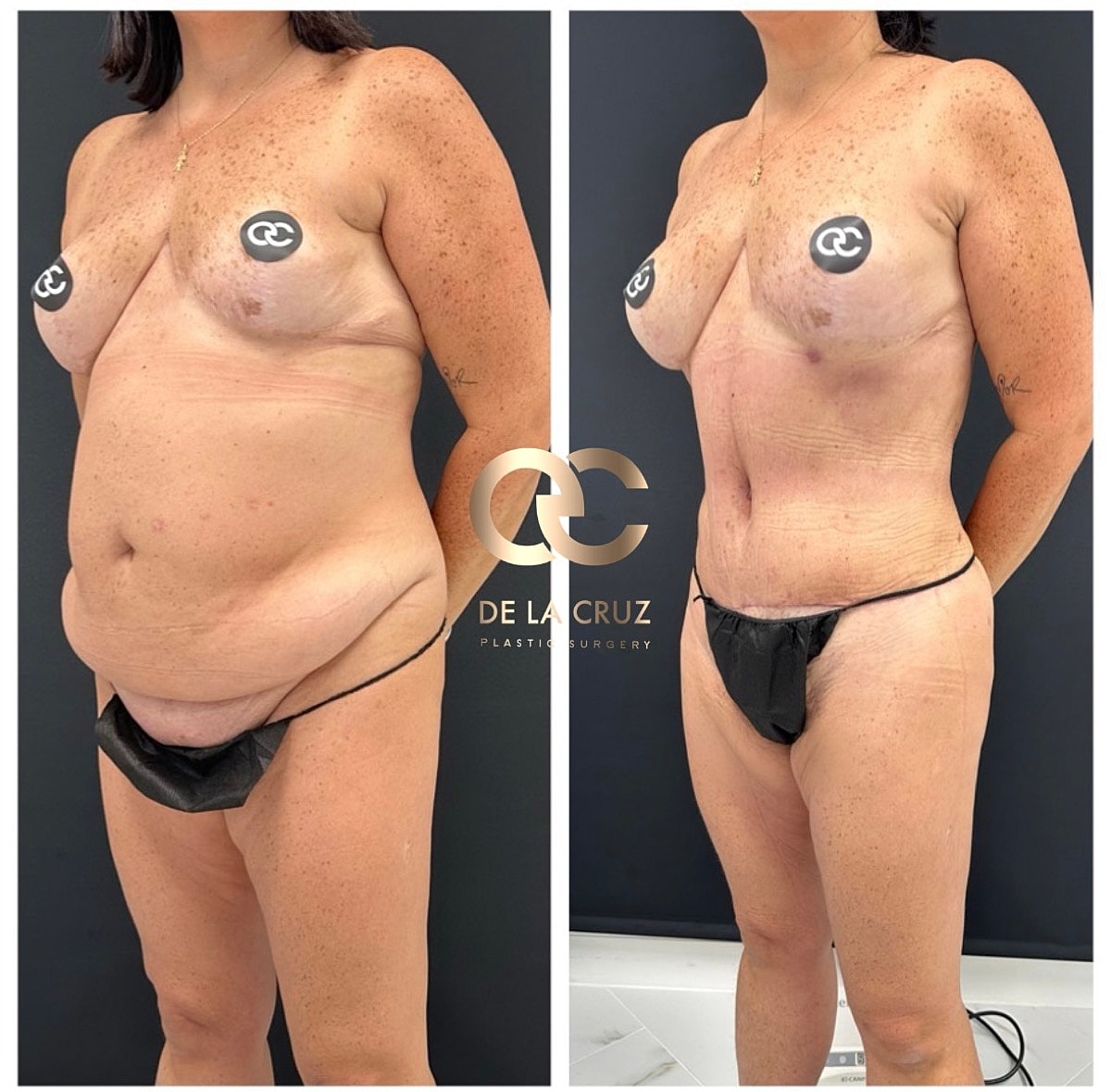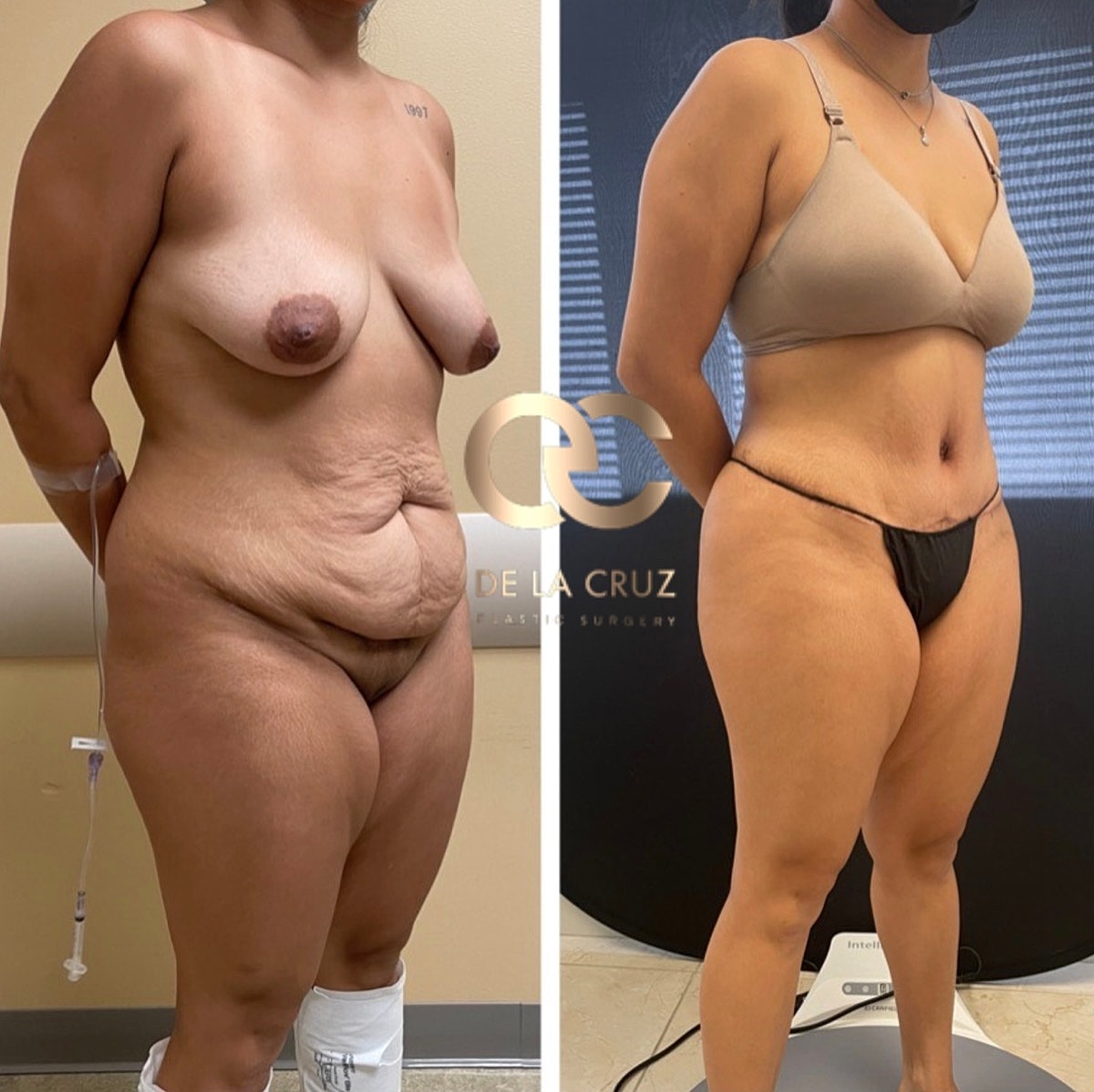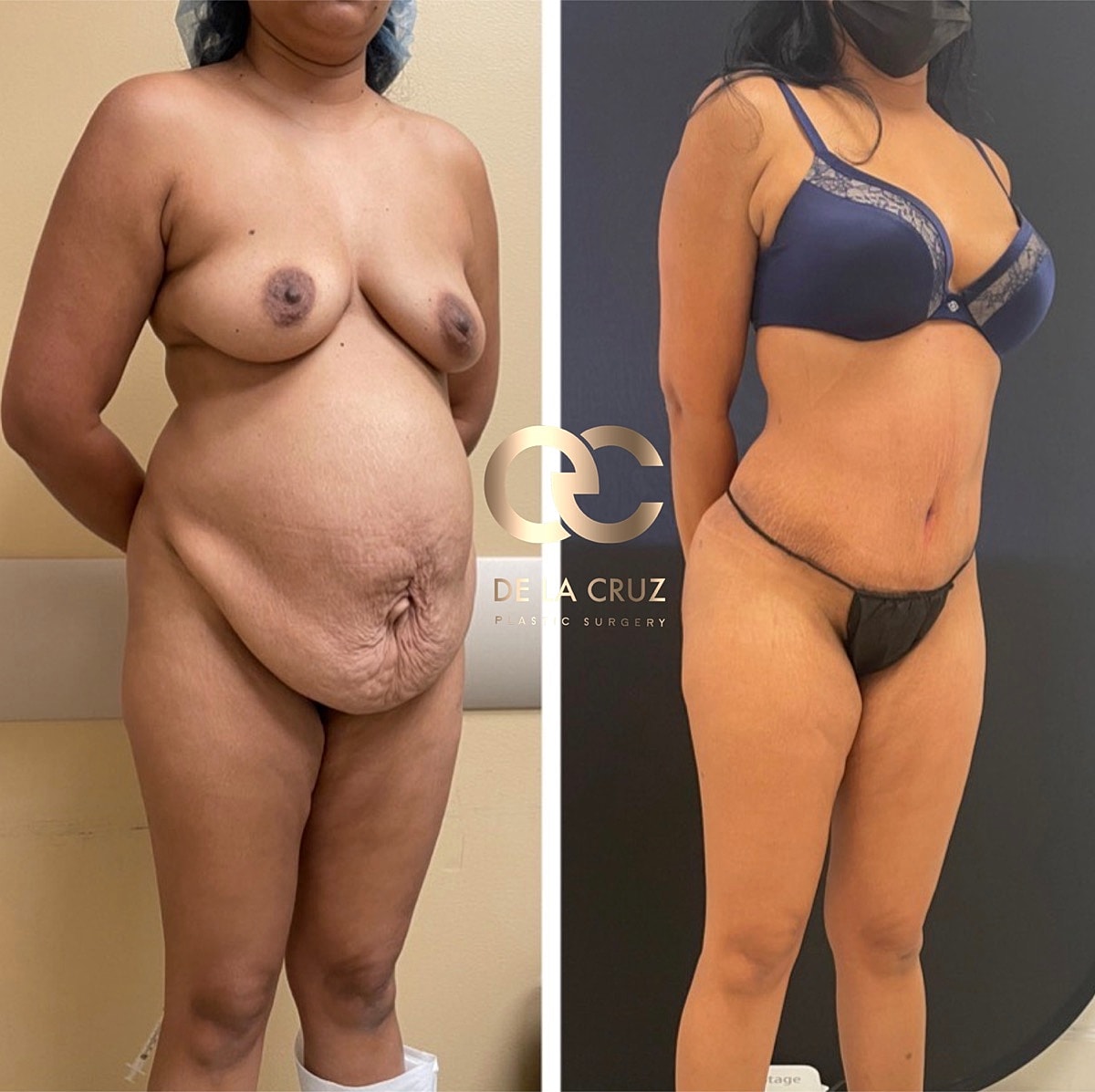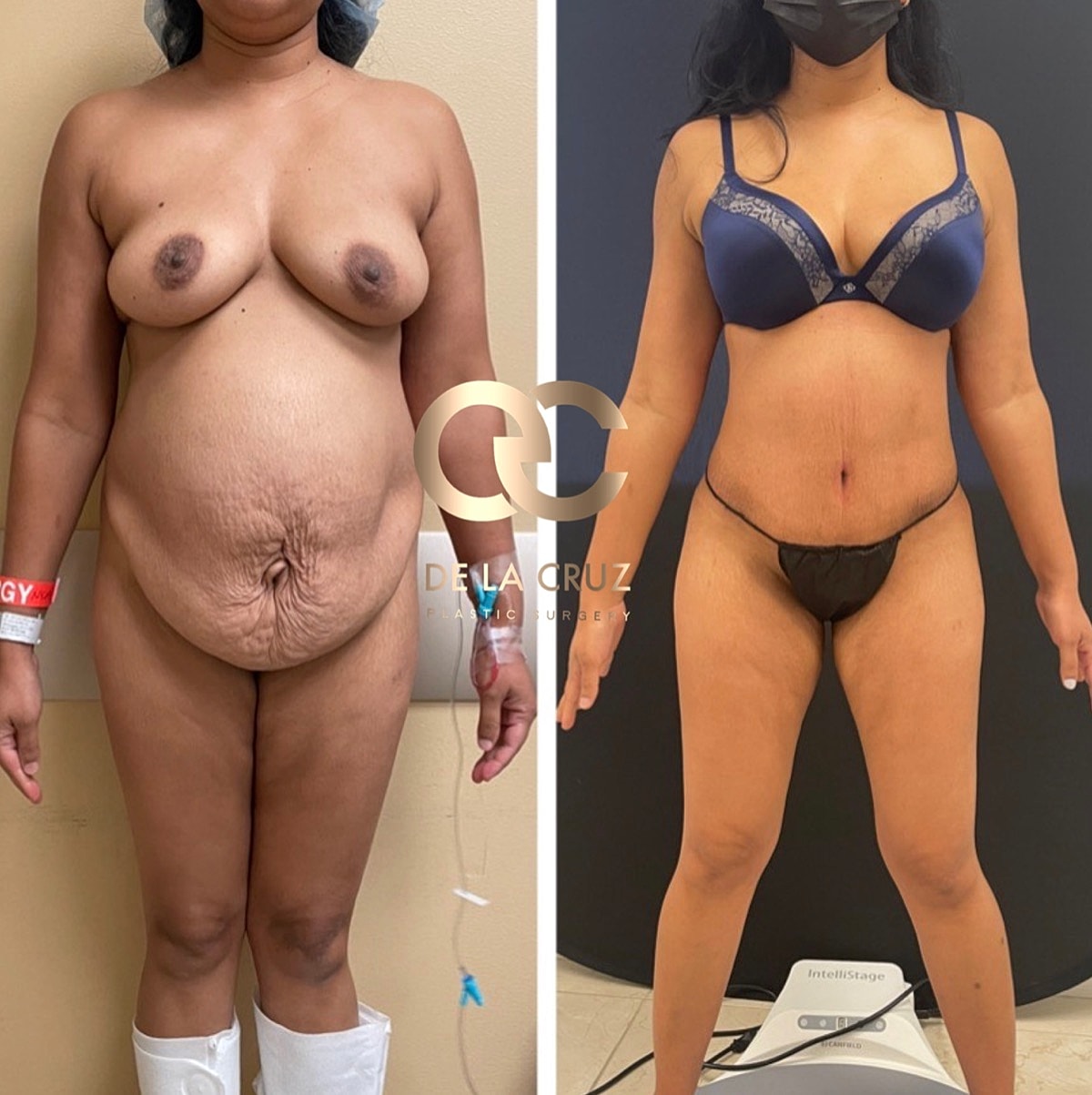
When Can You Exercise After a Tummy Tuck? Full Recovery Timeline (Houston Expert Guide)
Written by Dr. Emmanuel De La Cruz, MD Double Board-Certified Plastic Surgeon | Houston, Texas
Written by Dr. Emmanuel De La Cruz, MD Double Board-Certified Plastic Surgeon | Houston, Texas
The question every patient asks after surgery is:
👉 “When can I safely return to exercise after a tummy tuck?”
The answer is not just about time—it is about protecting your surgical repair and preserving your final result.
Unlike procedures that focus primarily on fat removal, a tummy tuck (abdominoplasty) involves skin excision, muscle tightening, and structural reshaping of the abdomen. If you’re deciding between procedures, understanding these differences in our guide on tummy tuck vs liposuction will clarify why recovery—and exercise restrictions—are significantly more strict after abdominoplasty.
Returning to exercise too early can lead to:
At De La Cruz Plastic Surgery, recovery protocols are carefully structured to balance healing, safety, and long-term aesthetic outcomes. If you're considering surgery, understanding the full recovery process is just one part of the decision—learning more about a tummy tuck in Houston can help you determine if this procedure is right for you.
1 of 19
A tummy tuck is a high-tension surgical repair.
During abdominoplasty:
👉 This creates tension across the incision and deeper layers.
Any premature strain—especially from core activation or upright posture—can compromise healing. This is why patients who ignore restrictions often experience prolonged swelling or complications, which we discuss further in our detailed tummy tuck recovery timeline.
Core principle:
Healing must be prioritized before activity progression.
Patients are typically slightly flexed at the waist to reduce tension on the incision. This positioning is critical in protecting the repair and minimizing stress on the wound.
At this stage, movement is encouraged for circulation—not fitness. Patients often notice persistent swelling during this period, which is a normal part of healing and further explained in our guide on tummy tuck swelling stages.

Although patients feel better at this stage, internal healing is still ongoing. This is where many patients make the mistake of doing too much too soon.
At approximately 8 weeks, the wound has reached about 80% of its tensile strength, allowing for cautious progression.
However, body contour is still evolving, and some patients may still experience firmness or irregularities, which can overlap with what is described in lumps and fibrosis after liposuction, especially in combined procedures.
Most patients can begin returning to structured workouts, but intensity should be increased gradually. This is also when patients start appreciating more refined contour results, similar to the transformation seen in mini tummy tuck vs full tummy tuck comparisons.
At this stage, healing is mature enough to tolerate full activity, and patients can return to their normal fitness routine.
Not all tummy tucks are the same.
With advanced techniques such as perforator-preserving abdominoplasty, blood supply to the skin is better maintained, which may support safer healing and reduce complications.
However, regardless of technique: 👉 Exercise progression must still follow a structured timeline.
👉 Trying to “test” your limits too early.
Even minimal overexertion can:
Patients who follow structured recovery protocols consistently achieve better aesthetic outcomes and smoother healing.
Avoid progressing activity if you notice:
About the Medical Reviewer Dr. Emmanuel De La Cruz is a double board-certified plastic surgeon specializing in advanced facial rejuvenation and body contouring procedures. 👉 [Learn more about Dr. Emmanuel De La Cruz]
Patients seeking abdominal contouring choose Emmanuel De La Cruz, MD for a combination of precision, artistry, and safety.
Advanced Technique
Artistic Approach
Safety-First Philosophy
Patients travel from across the U.S. and internationally for: 👉 Natural results 👉 Advanced techniques 👉 High-level expertise

Recovery timelines vary.
These recommendations:
👉 Always consult your surgeon before resuming exercise.
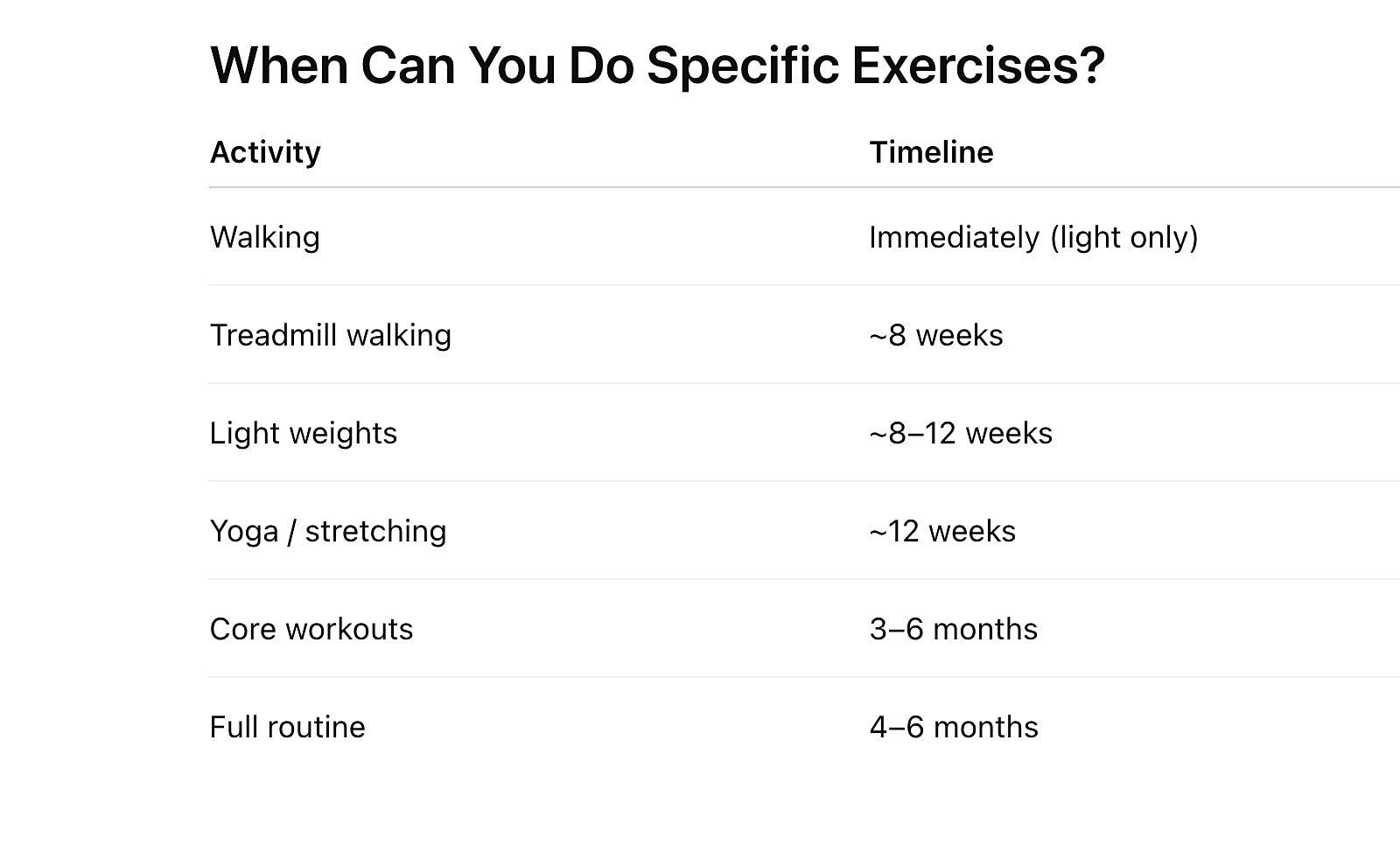
Light walking is encouraged immediately to promote circulation.
Most patients begin light exercise at 8–12 weeks and full workouts at 4–6 months.
Core exercises should be avoided for at least 3 months.
Yes. It can lead to wound separation, swelling, and delayed healing.
Light weights may begin around 8–12 weeks, depending on healing.
About the Author
Dr. Emmanuel De La Cruz, MD is a double-board-certified plastic surgeon in Houston, Texas, certified by both the American Board of Plastic Surgery and the American Board of Surgery. He specializes in advanced liposuction and body contouring procedures, including high-definition liposculpture, Brazilian Butt Lift (BBL), revision liposuction, and treatment of lipedema.
Dr. De La Cruz is internationally recognized for his expertise in high-definition liposuction and contour sculpting techniques, which play a critical role in achieving balanced, natural-looking results in procedures such as liposuction and Brazilian Butt Lift surgery. His work focuses on precise body contour sculpting to enhance overall body proportions.
He has lectured internationally on liposuction techniques, fat grafting, and contour irregularity correction, presenting at major scientific meetings including the American Society of Plastic Surgeons (ASPS), the Total Definer Meeting in Bogotá, Colombia, the InMode Symposium in Miami and Beverly Hills, and AestheticStanbul in Istanbul, Turkey, where he was invited to lecture by renowned plastic surgeon Dr. Foad Nahai.
Dr. De La Cruz has also contributed to the scientific literature on liposuction and body contouring. He is the author of “Lipoplasty in the Overweight Patient”, published in the peer-reviewed journal Clinics in Plastic Surgery.
Through his clinical work, research, and international lectures, Dr. De La Cruz focuses on advancing safe, precise, and refined techniques in liposuction, BBL surgery, and modern body contouring.