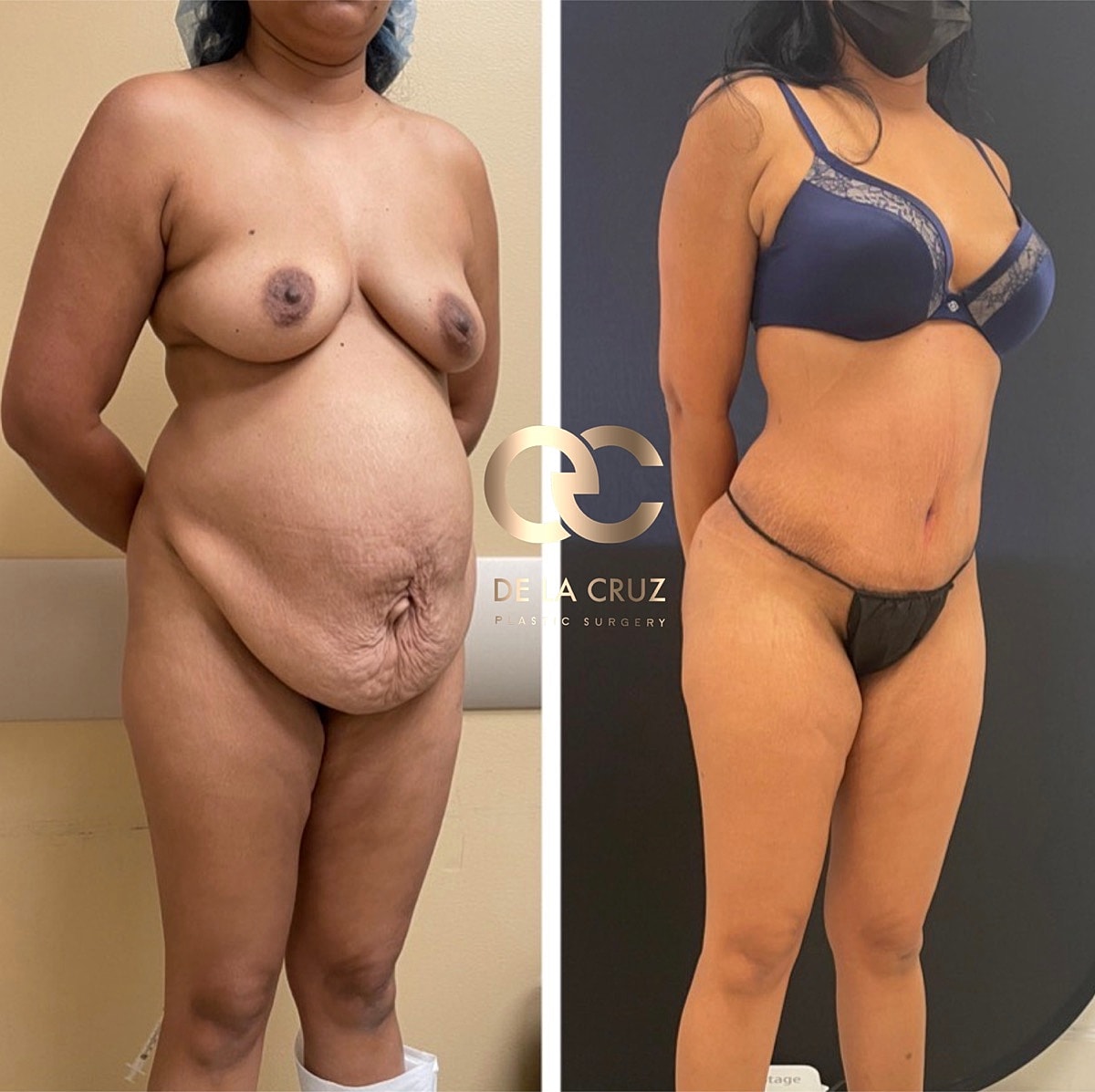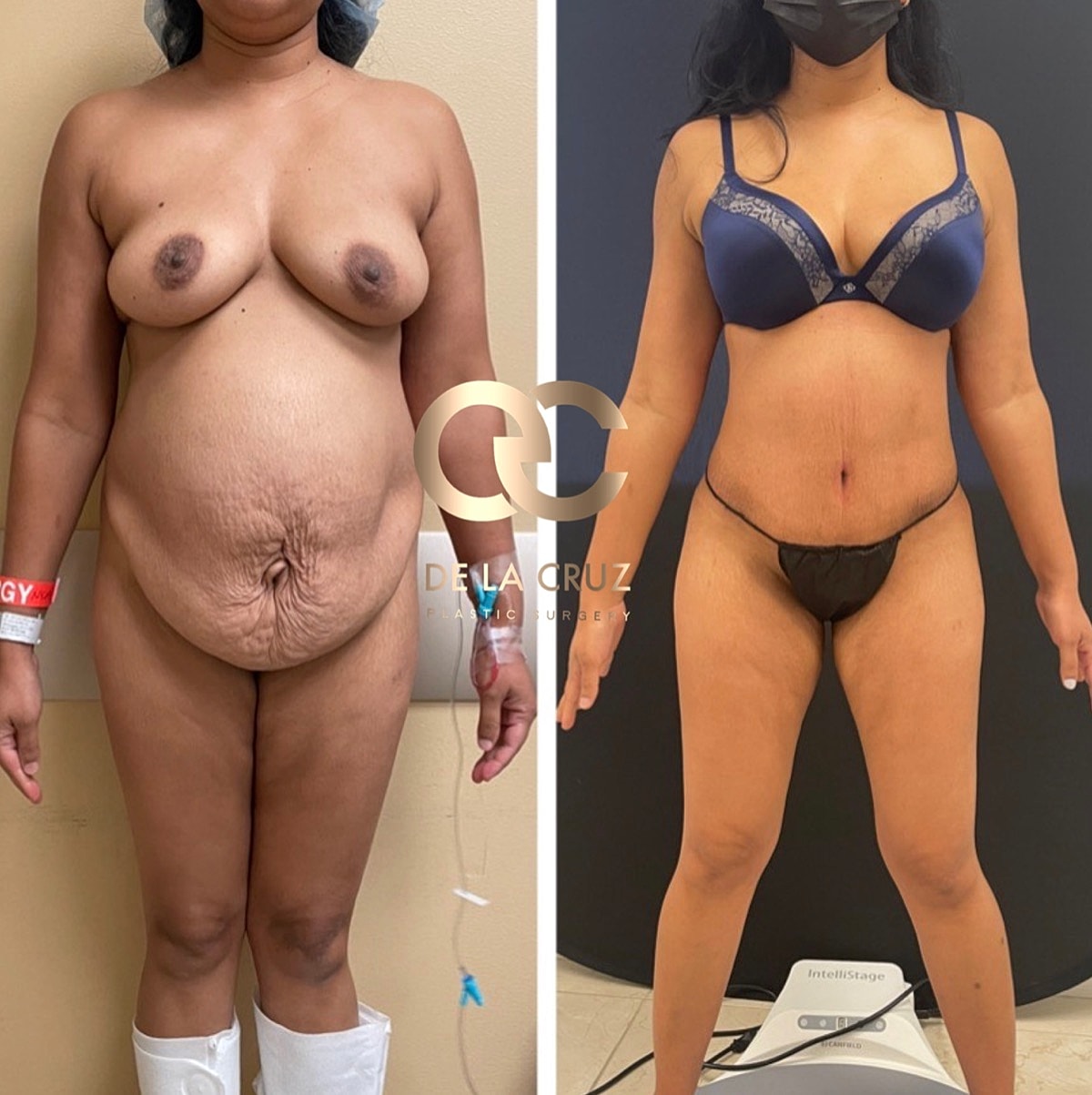
Tummy Tuck Recovery Timeline: Day-by-Day Healing Guide (Houston Expert)
Written by Dr. Emmanuel De La Cruz, MD Double Board-Certified Plastic Surgeon | Houston, Texas
Written by Dr. Emmanuel De La Cruz, MD Double Board-Certified Plastic Surgeon | Houston, Texas
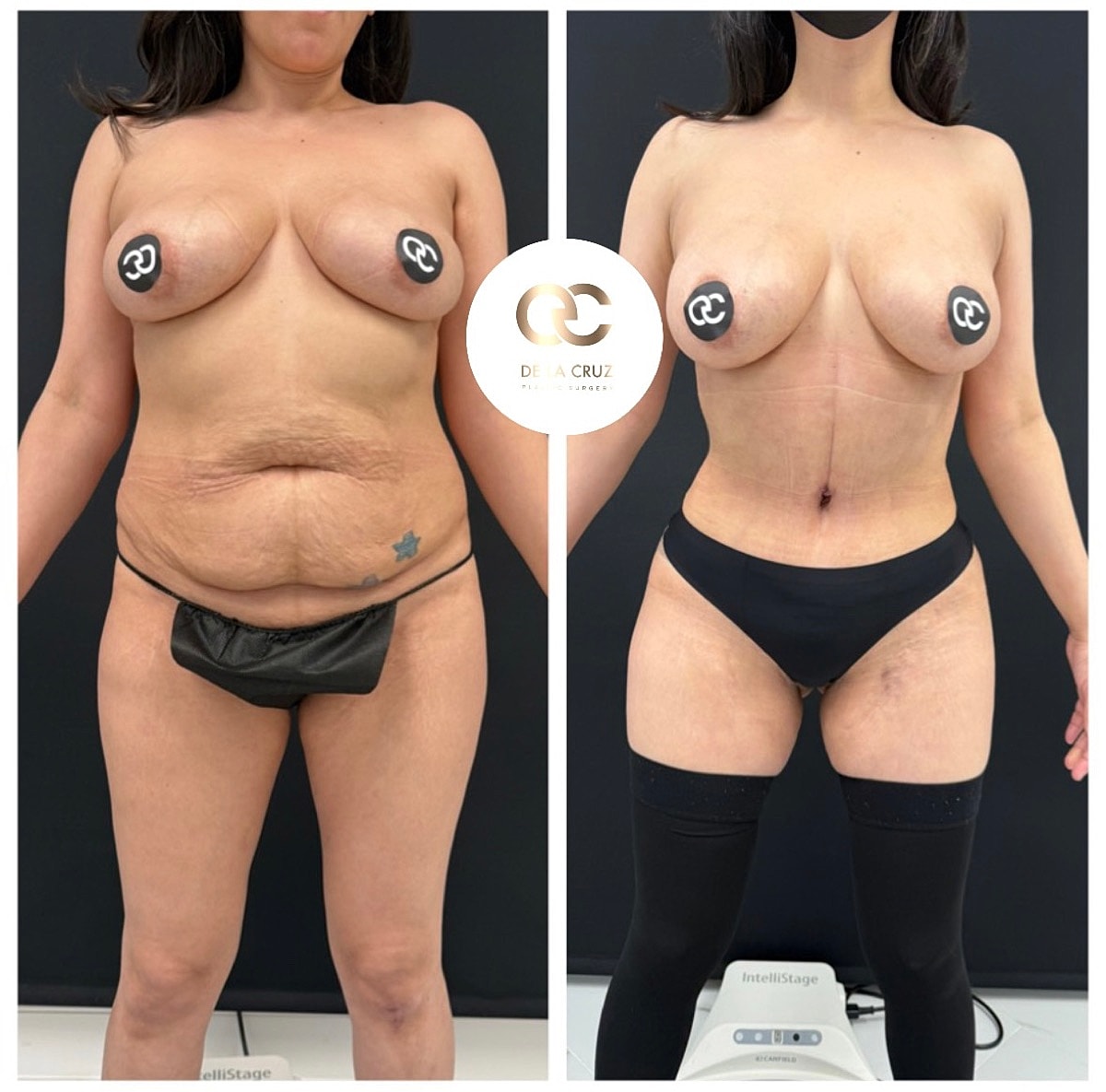
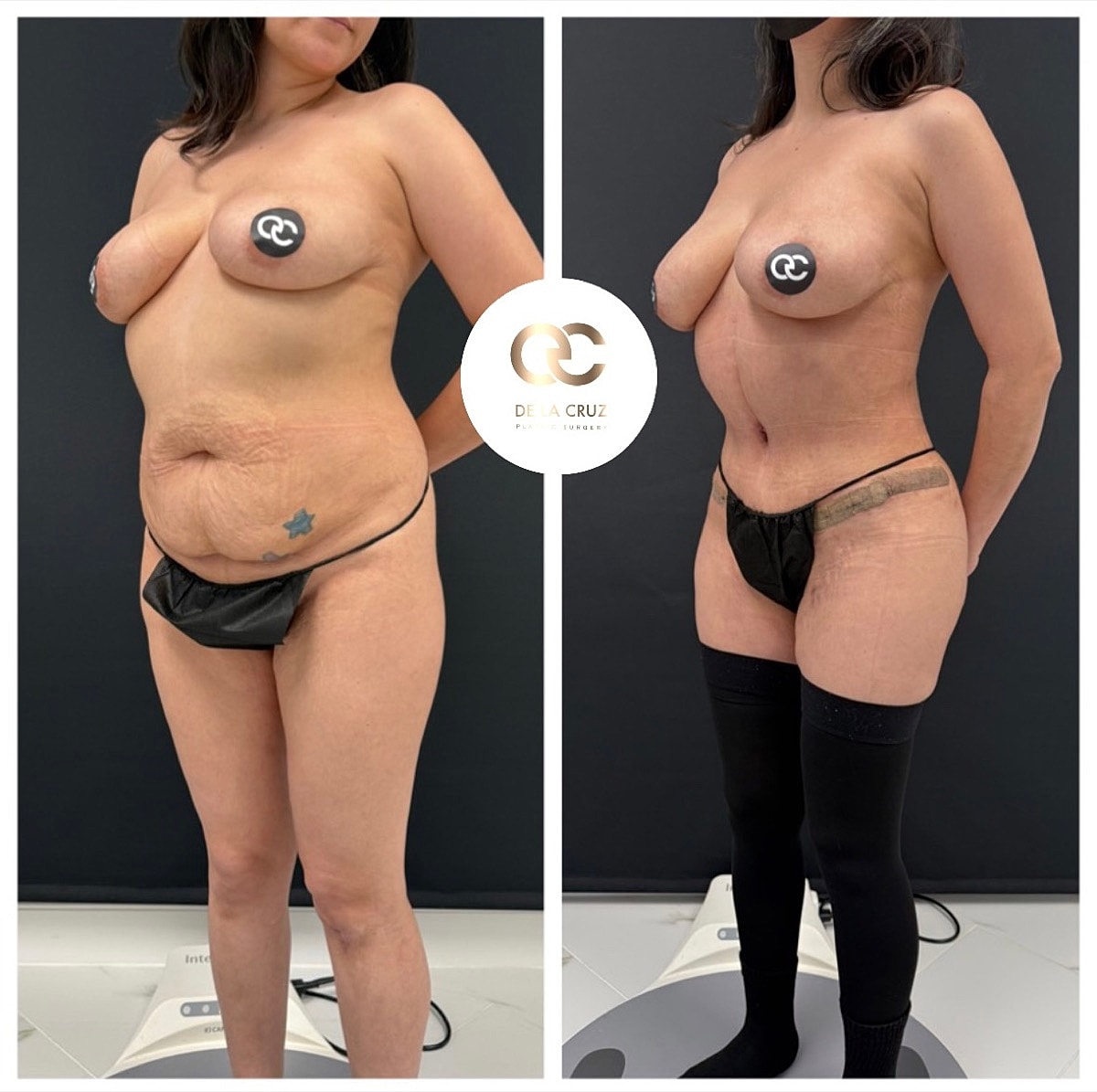
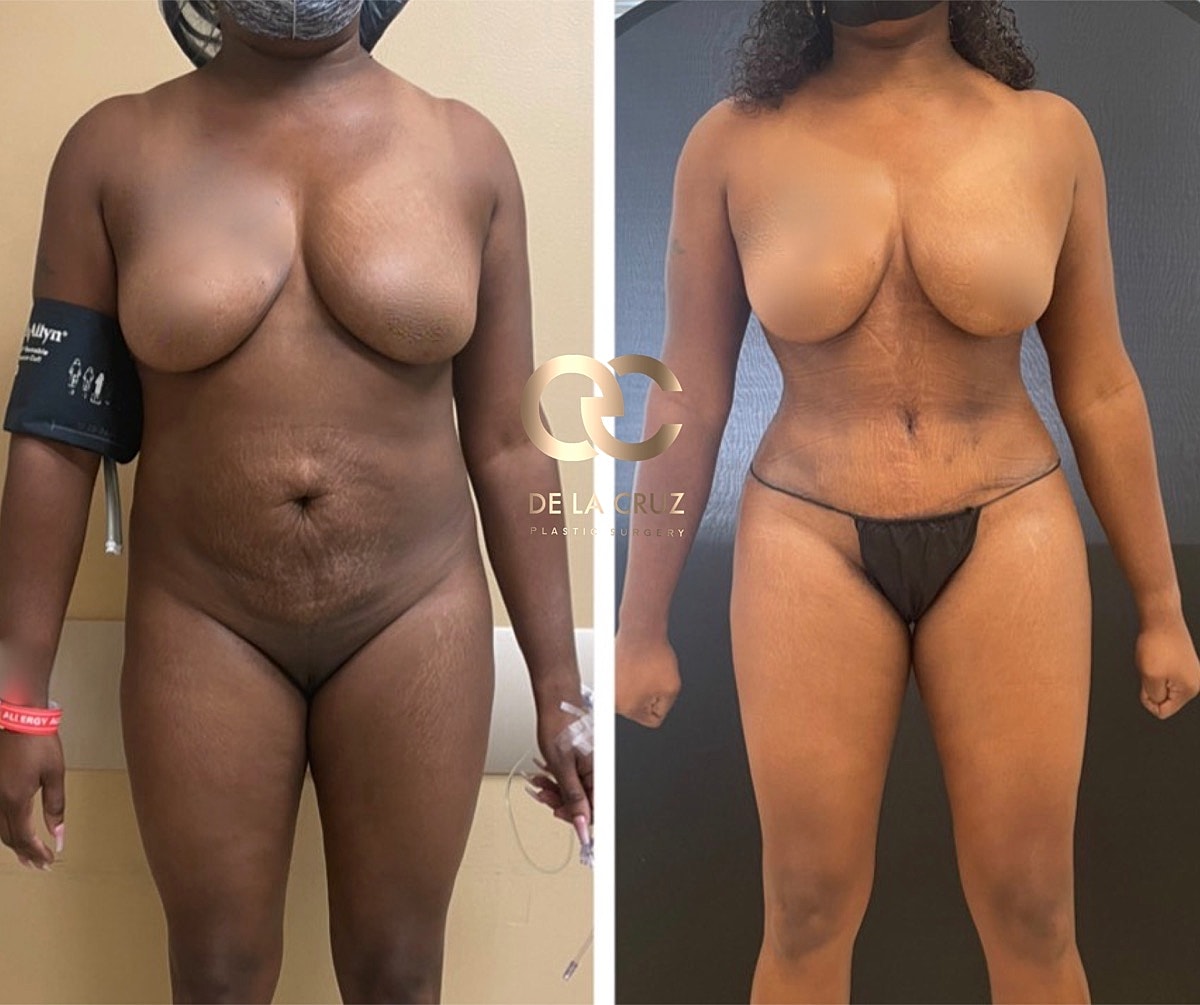
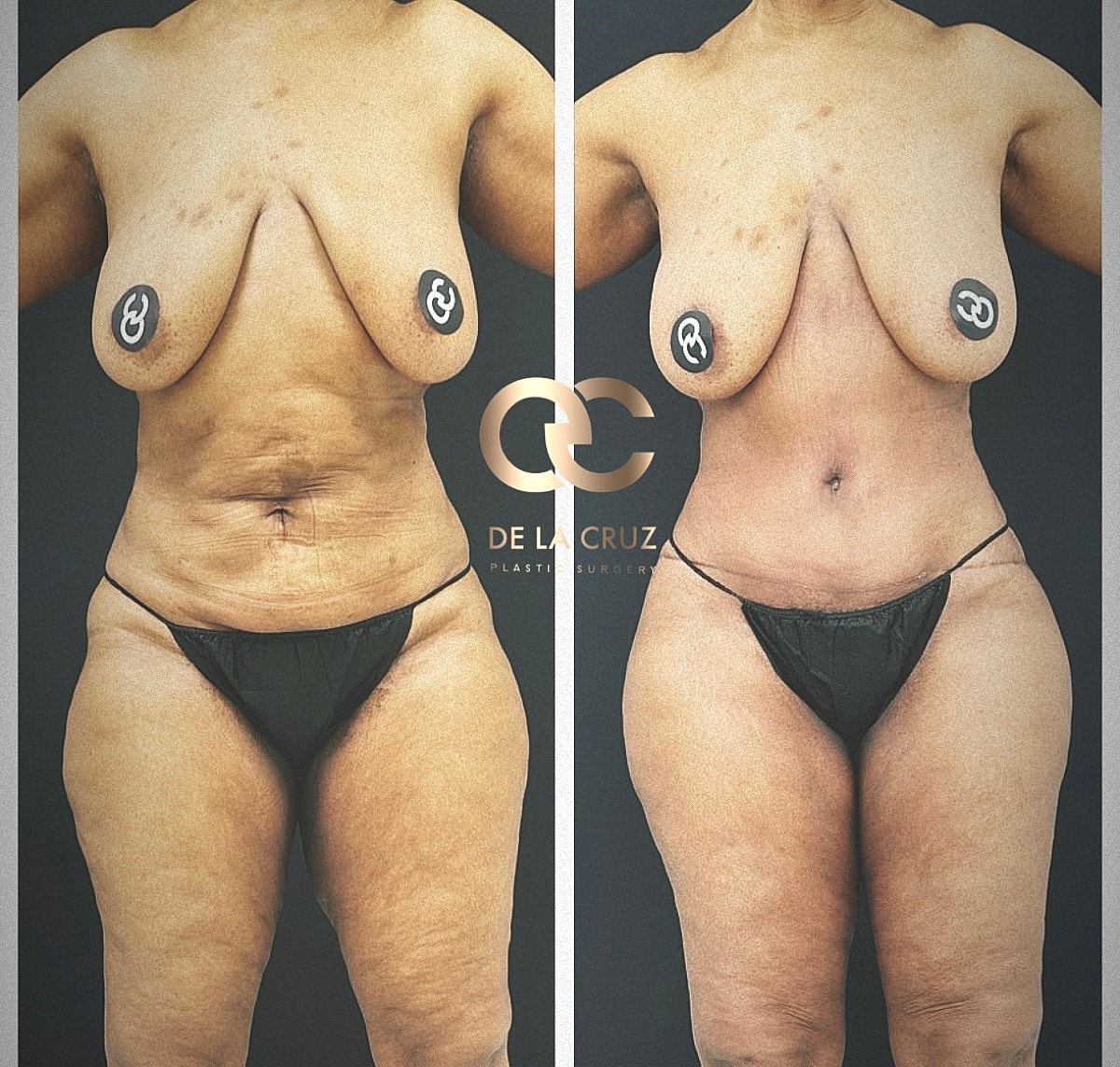
A tummy tuck (abdominoplasty) is one of the most transformative procedures in plastic surgery—but optimal results depend heavily on how you recover.
Understanding the tummy tuck recovery timeline allows patients to:
At De La Cruz Plastic Surgery in Houston, recovery protocols are designed with a safety-first, tension-reduction philosophy, which is critical for wound healing.
For patients researching the full procedure in more detail, our [Ultimate Tummy Tuck Guide] explains candidacy, surgical technique, and recovery, while our [Tummy Tuck in Houston] page outlines how abdominoplasty is customized based on anatomy, skin laxity, and muscle separation.
1 of 19
The most important concept in tummy tuck recovery is:
Minimize tension across the abdominal incision
Excess tension is the primary cause of:
Critical Recommendation
Patients are advised to:
✅ Sleep in a 45-degree upright position (beach chair position)
✅ Maintain this position for up to 2 months
This position:
If the abdomen also requires repair of stretched or separated abdominal muscles, this can further influence recovery posture and activity restrictions; see [muscle repair during tummy tuck] for a more detailed explanation.

What to expect:
Key priorities:
Positioning:
What to expect:
Drain Management
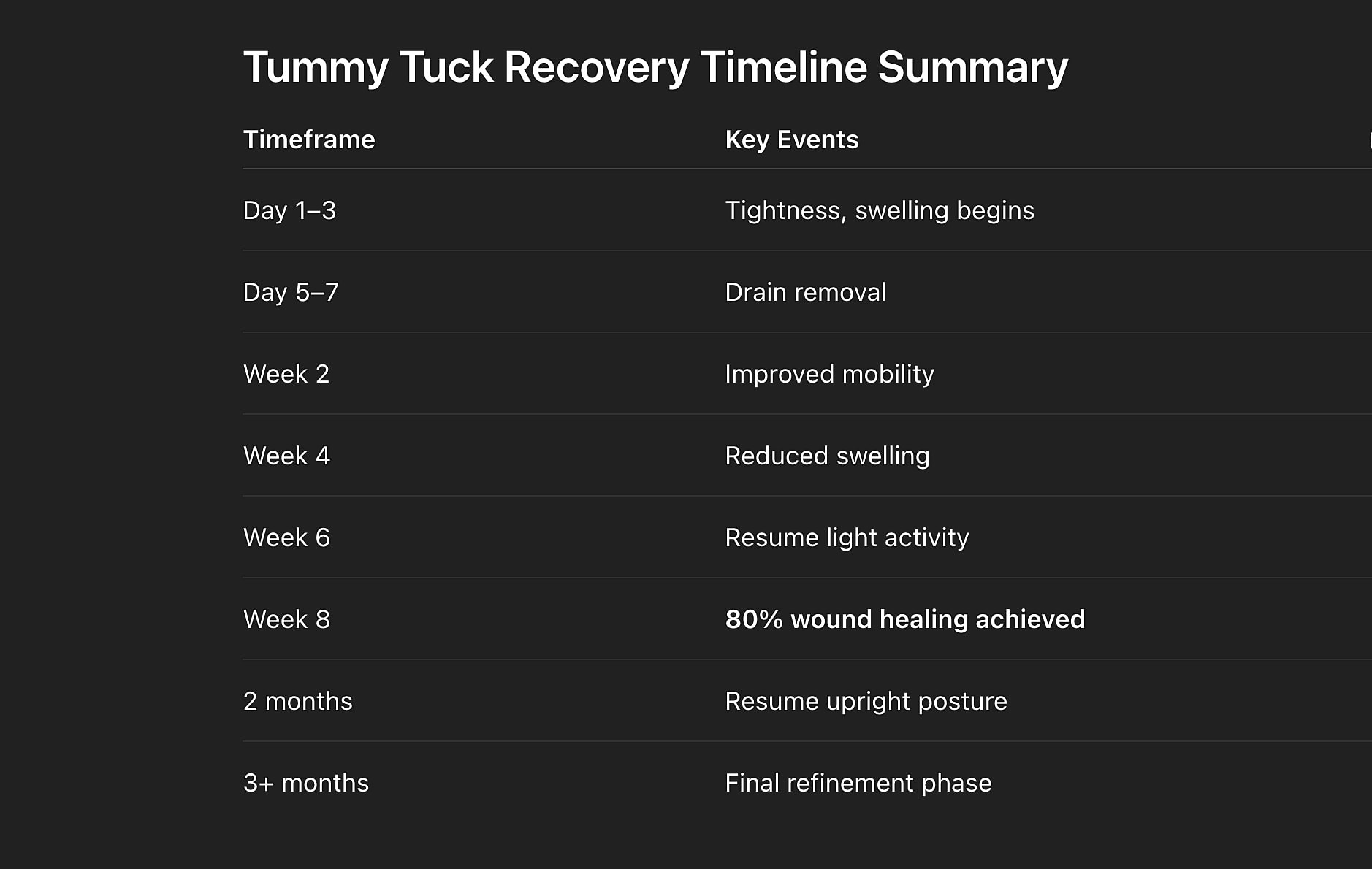
👉 Surgical drains are typically removed at 5–7 days
This depends on:
Why this matters:
Drains are typically removed 5–7 days after surgery, depending on output, and are used to reduce the risk of fluid collection; learn more in [Seroma After Tummy Tuck: Prevention and Treatment].


What to Expect
Activity Guidelines
Posture
What to expect:
Key focus:
Still critical: 👉 Avoid stretching the abdomen fully
Although the incision may be healing appropriately, persistent swelling often continues for weeks to months, which is why many patients also benefit from reading our [Tummy Tuck Swelling Timeline].
What to expect:
Activity:
Returning to movement too aggressively can increase tension, swelling, and discomfort, so patients should follow a structured progression like the one outlined in [When Can You Exercise After a Tummy Tuck?].
This is one of the most important phases.
Key Milestone
👉 By 8 weeks, approximately 80% of wound healing has occurred
Clinical significance:
At this stage:
✅ You may begin standing fully upright
✅ Tension across the incision is significantly reduced
✅ Risk of complications decreases substantially
Positioning Recommendation Ends

What to expect:
Long-term healing:
1. Maintain Proper Positioning
2. Avoid Tension
3. Follow Drain Care Instructions
4. Wear Compression Garments
Tummy tuck results are not determined only in the operating room.
They are defined by:
A structured recovery plan ensures:
If you are searching for:
Choosing a surgeon with advanced technique and a structured recovery protocol is essential for achieving optimal results.
A successful tummy tuck is not just about removing skin—it requires advanced technique, surgical precision, and a strong focus on safety.
Dr. Emmanuel De La Cruz combines innovation, artistry, and a safety-first philosophy to deliver natural, athletic results.
High-Definition Tummy Tuck (Lipo 360 Integration)
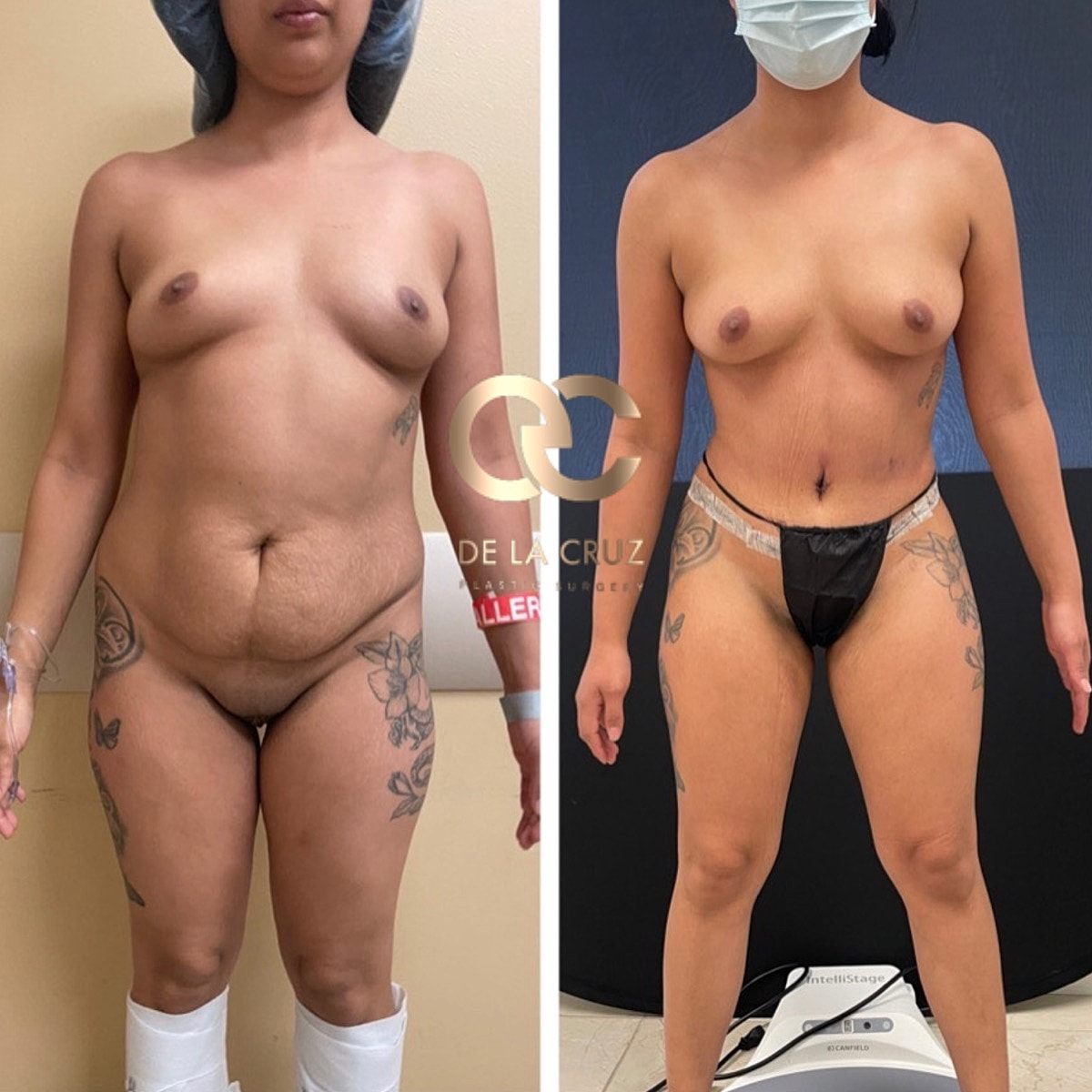
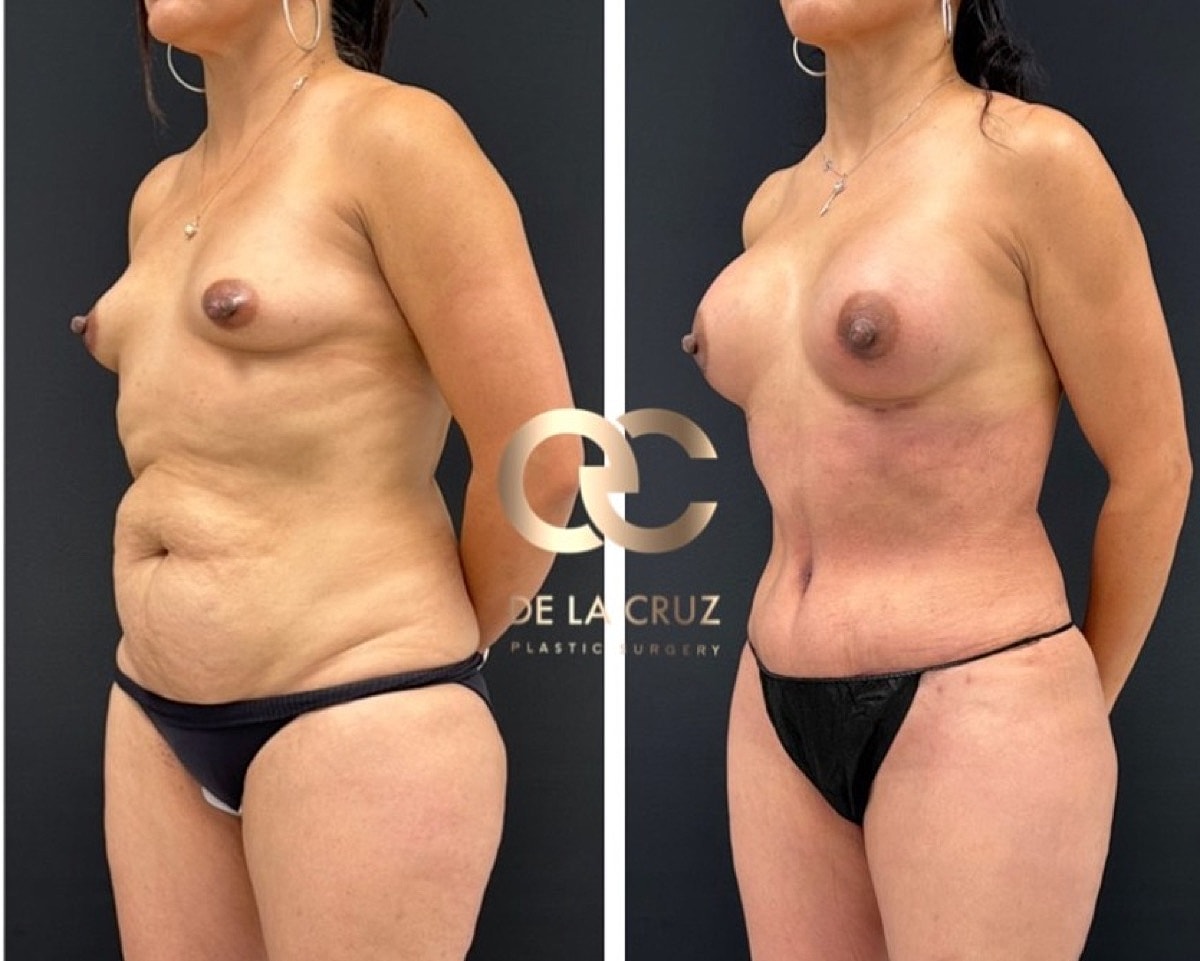
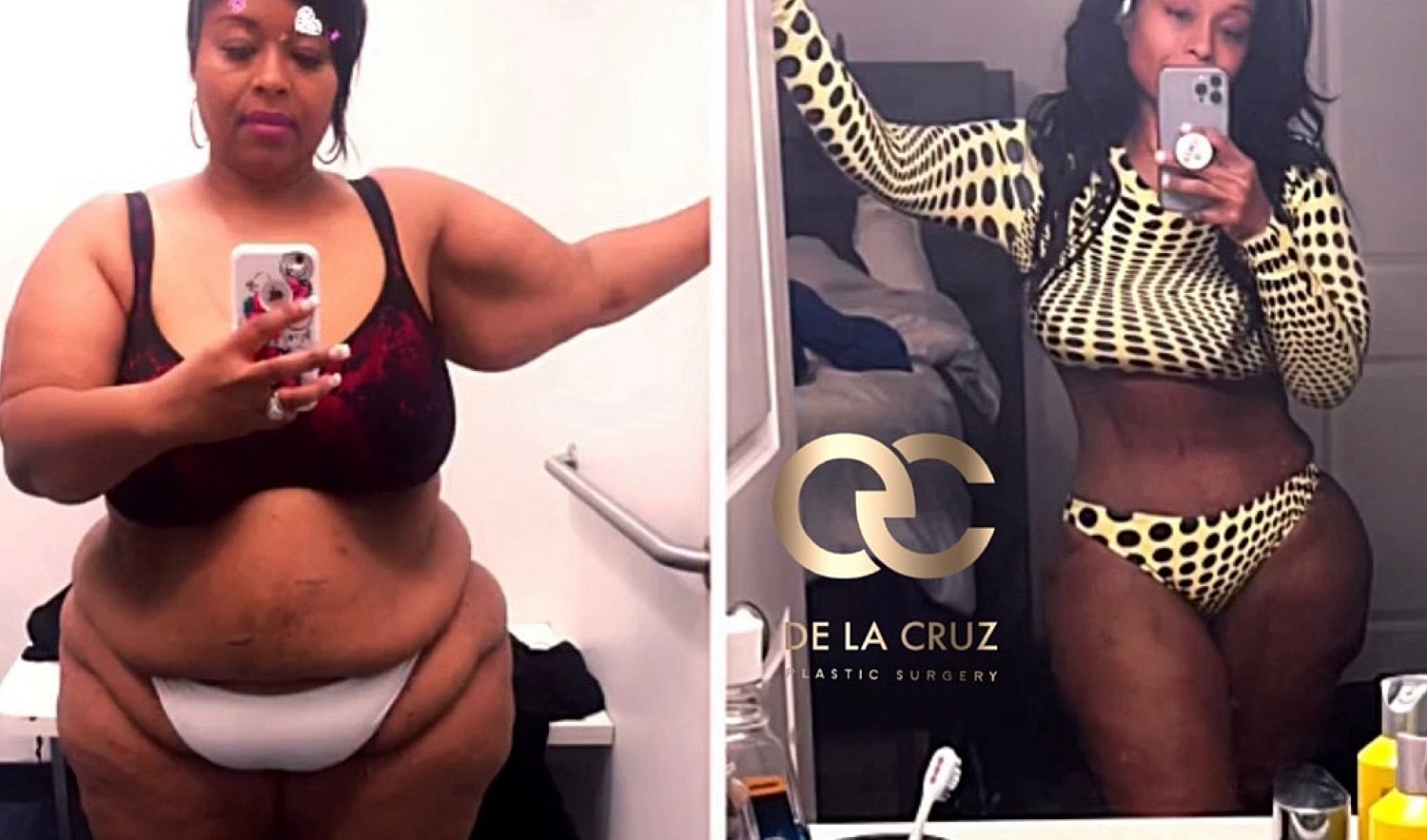
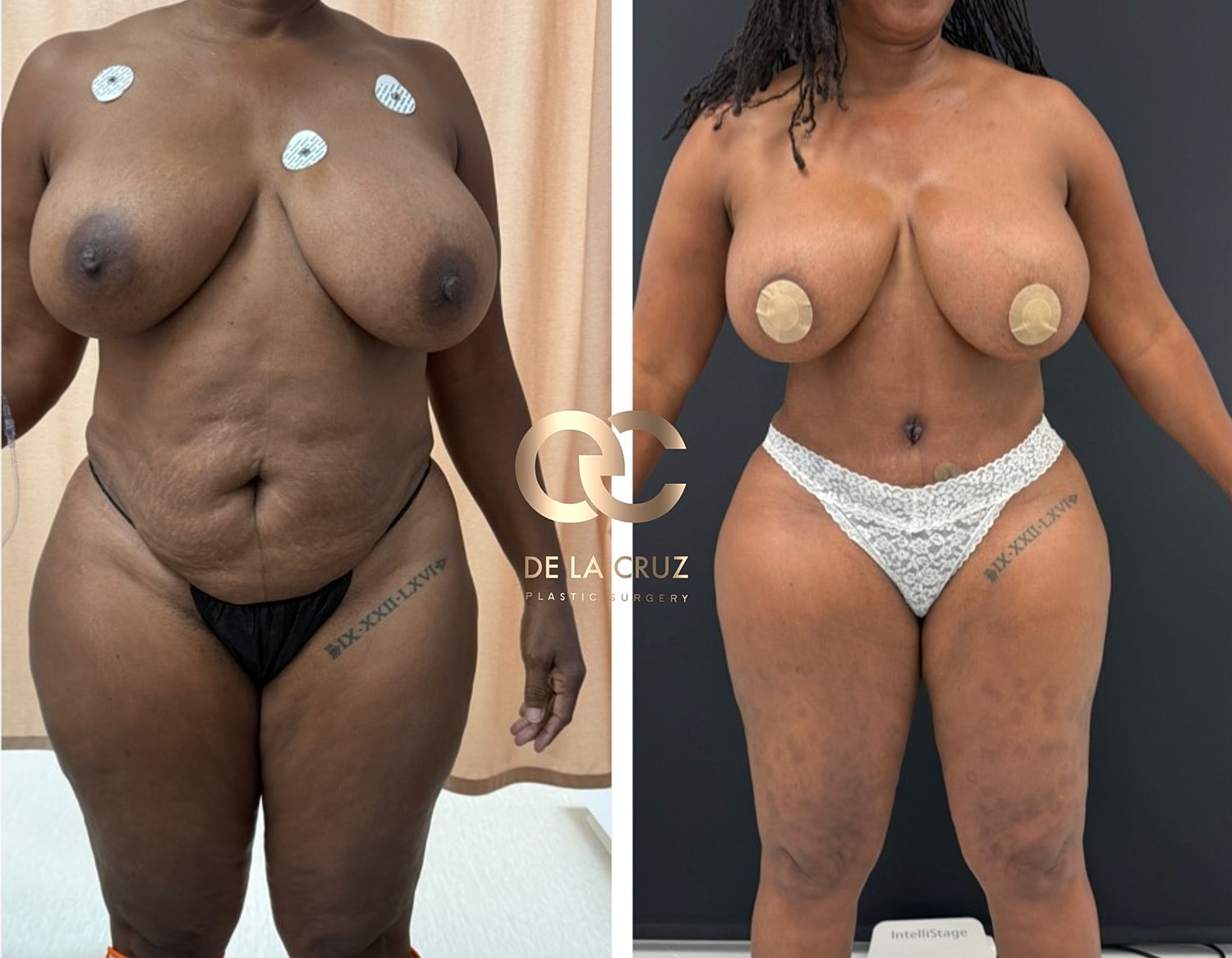
Dr. De La Cruz combines tummy tuck surgery with high-definition liposuction (Lipo 360) to sculpt the entire torso—not just flatten the abdomen.
👉 The result is a more defined waistline and athletic contour, not a “flat but boxy” appearance.
Natural Belly Button (Umbilical Reconstruction Expert)
A natural-looking belly button is critical to a beautiful result.
Dr. De La Cruz:
👉 Scars are strategically hidden, creating a natural, youthful appearance.
Perforator-Preserving Abdominoplasty (Advanced Safety Technique)
Dr. De La Cruz developed a technique that preserves key blood vessels (perforators) during surgery.
This allows:
Safety-First Philosophy
Every procedure is designed to minimize risk and optimize healing, including:
Where Surgery Meets Art
With a background in sculpture, Dr. De La Cruz approaches tummy tuck surgery with an artistic eye—focusing on proportion, contour, and natural results.
Trusted by Patients Across Houston and Beyond
Patients travel from across Texas, the United States, and internationally for:
Most patients recover from a tummy tuck over 6 to 8 weeks, with continued improvement over several months. Early healing occurs in the first few weeks, but by around 8 weeks, a significant portion of wound strength has returned, making complications like wound separation less likely. Final scar maturation and contour refinement can continue for 6–12 months.
The most challenging phase is typically the first 1–2 weeks, when patients experience tightness, swelling, and limited mobility. Maintaining a slightly bent posture and avoiding tension on the incision can feel restrictive, but this is critical to protect the surgical repair and optimize healing.
Surgical drains are usually removed 5 to 7 days after surgery, depending on fluid output. Drains help prevent fluid accumulation (seroma), which is one of the most common postoperative concerns after abdominoplasty.
Sleeping in a 45-degree upright or “beach chair” position reduces tension on the abdominal incision and muscle repair. This positioning helps:
Patients are typically advised to maintain this position for up to 6–8 weeks, especially during early healing.
Most patients can begin standing more upright around 4–6 weeks, but full extension is often safest closer to 6–8 weeks, once the incision has gained sufficient strength. Standing upright too early can place excessive tension on the wound and increase the risk of complications.
Initial healing occurs within the first few weeks, but by approximately 8 weeks, a substantial portion of the wound has healed and is stronger. However, complete healing—including scar maturation—can take several months to a year.
Swelling is most noticeable in the first 2–3 weeks, gradually improving over time. However, mild swelling can persist for several months, especially in the lower abdomen. Final results typically become more defined between 3 to 6 months.
Light walking is encouraged early to promote circulation, but more strenuous activity should be avoided initially. Most patients can begin light exercise around 4–6 weeks, with a gradual return to full activity after 6–8 weeks, depending on healing and surgeon guidance.
Standing fully upright too early can increase tension on the incision, which may lead to:
Maintaining a slightly flexed posture during early recovery helps protect the surgical repair.
Optimal healing after a tummy tuck involves:
Careful adherence to these guidelines significantly reduces complications and improves final results.
Most patients experience moderate discomfort rather than severe pain, particularly in the first week. Tightness from the muscle repair is common, but pain is typically well controlled with prescribed medications and improves steadily over time.
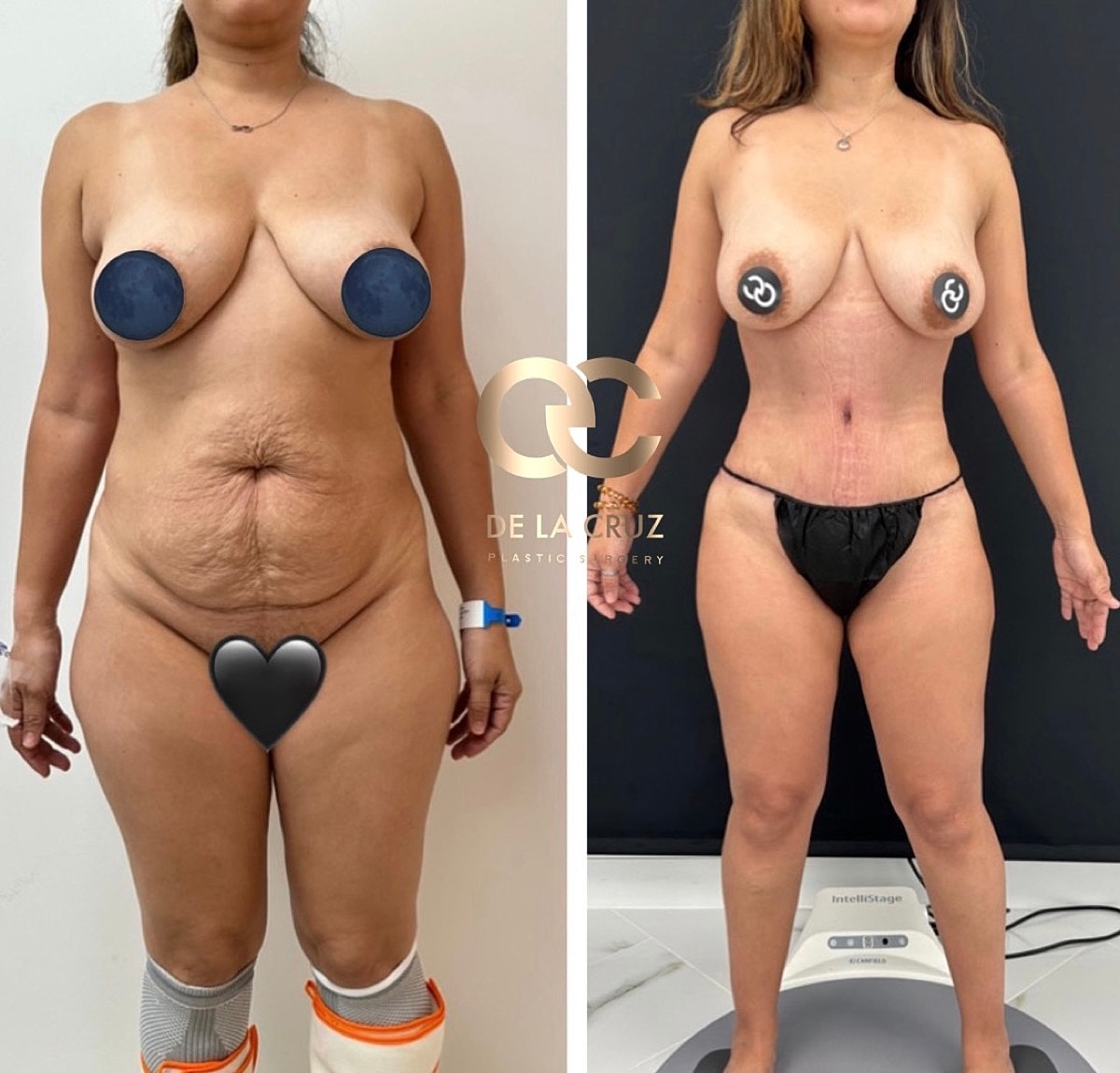
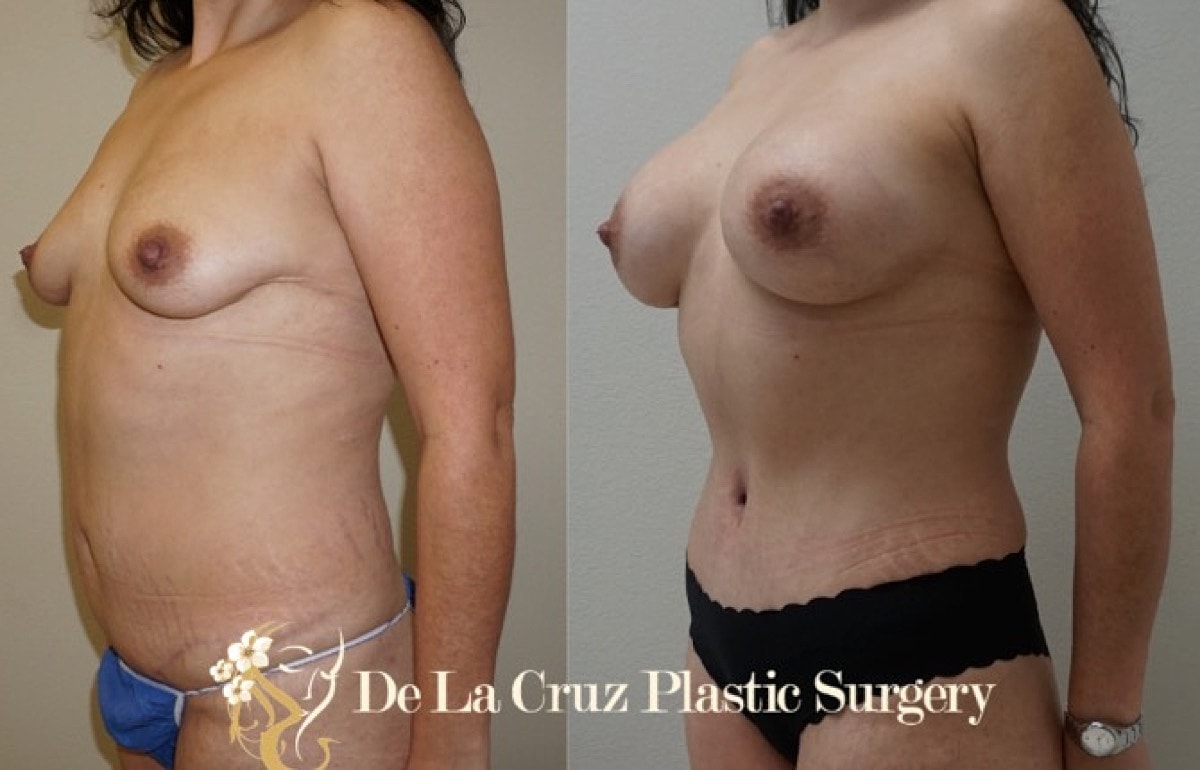
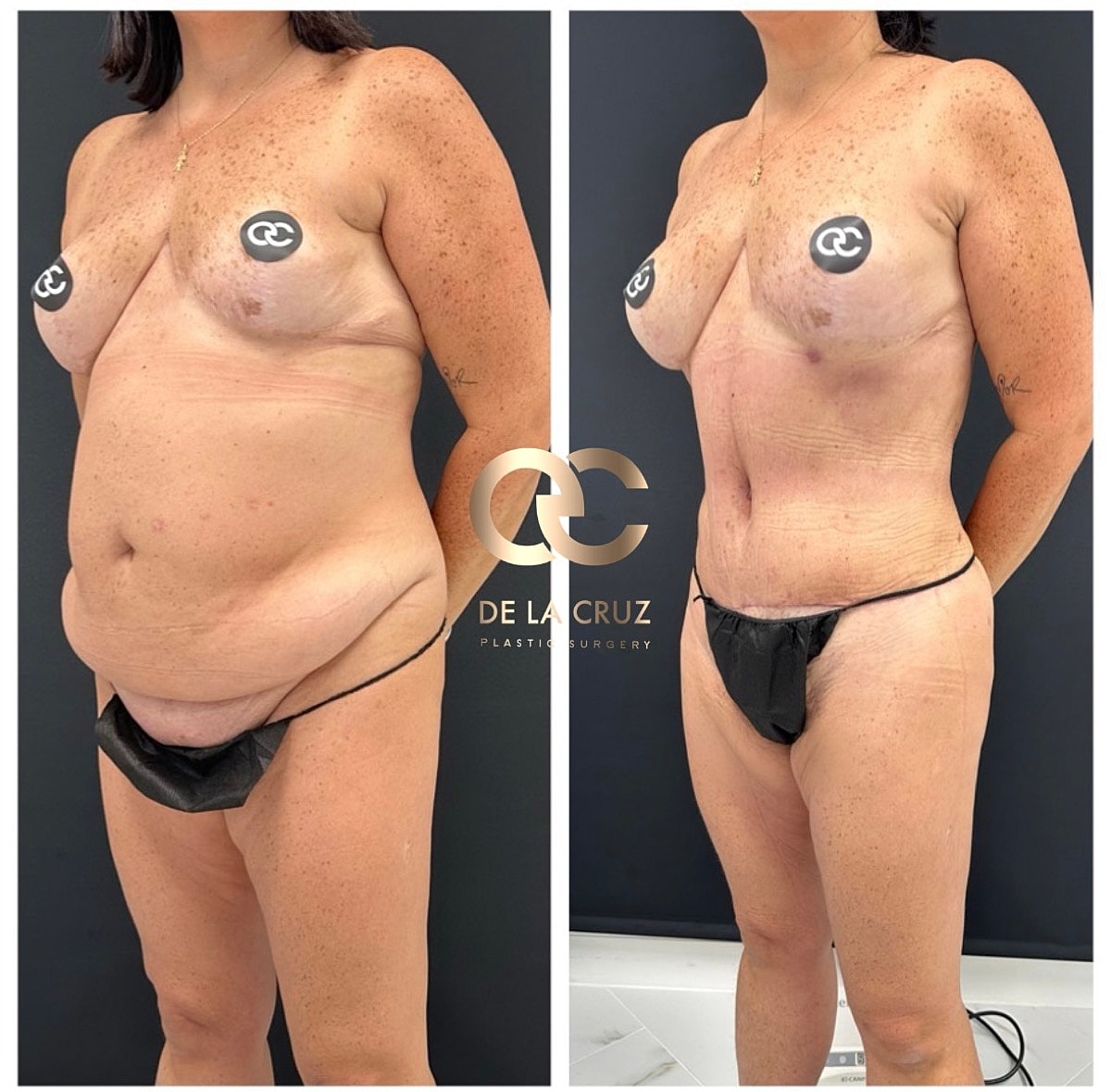
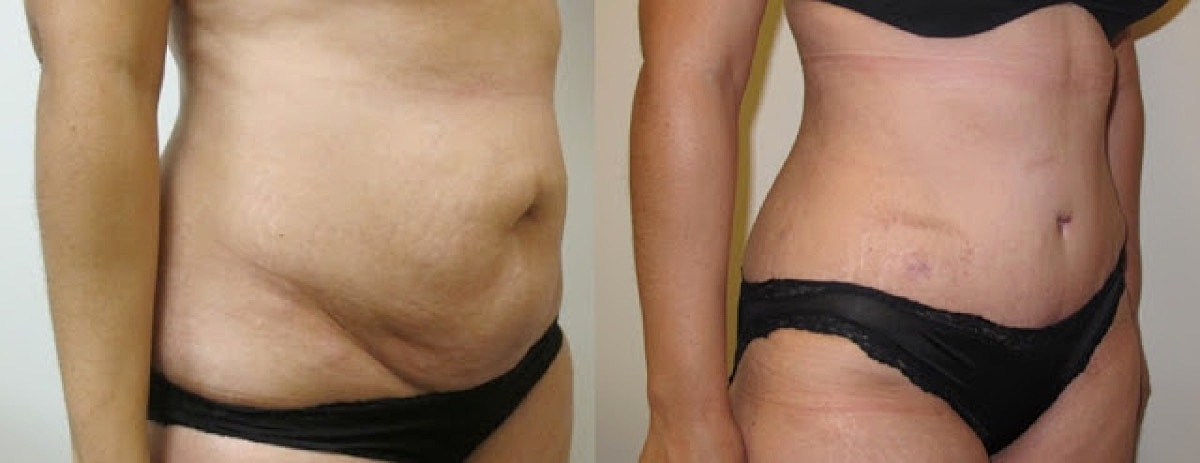
Early improvements are visible within a few weeks, but final results continue to refine over 3–6 months, with ongoing scar improvement up to 12 months or longer.