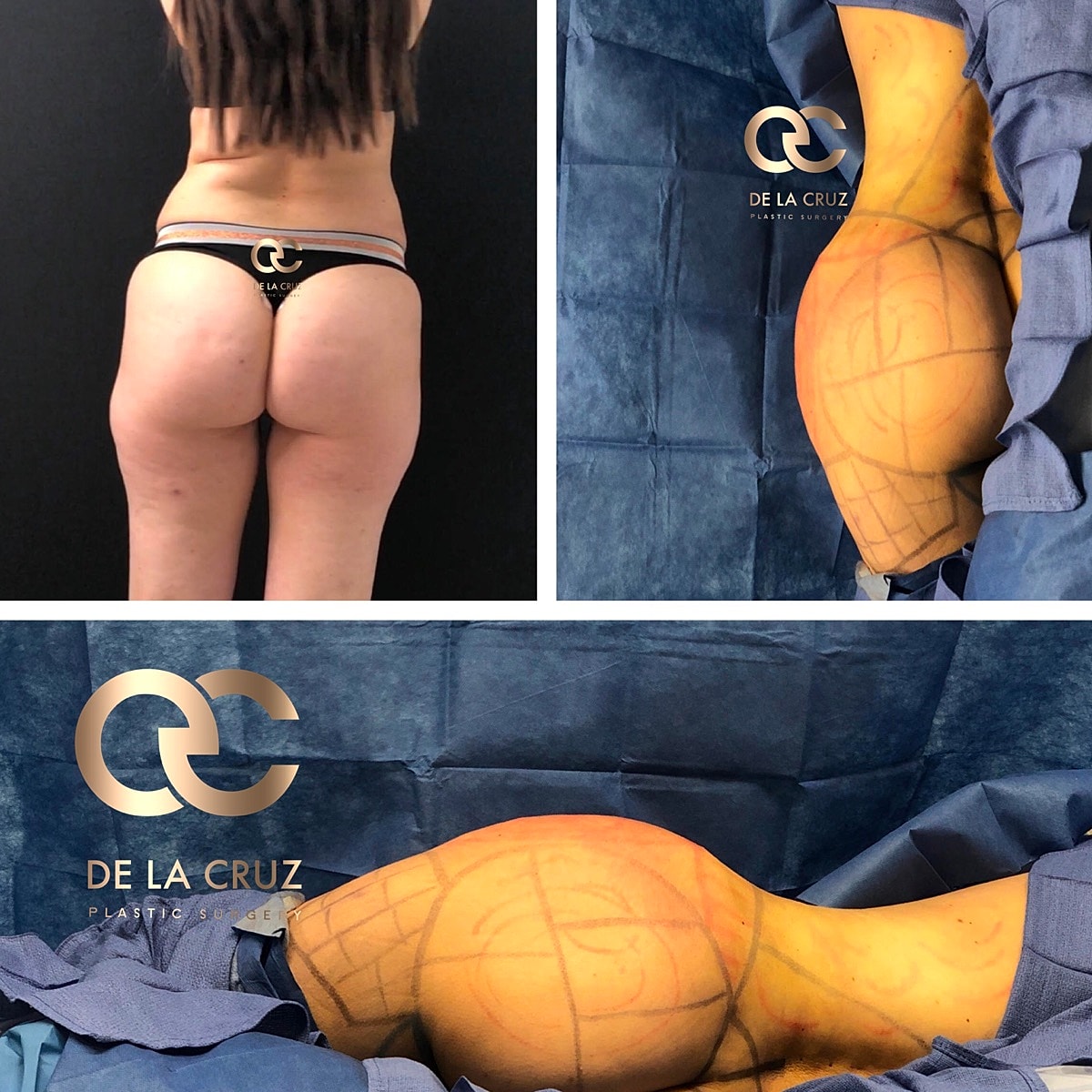
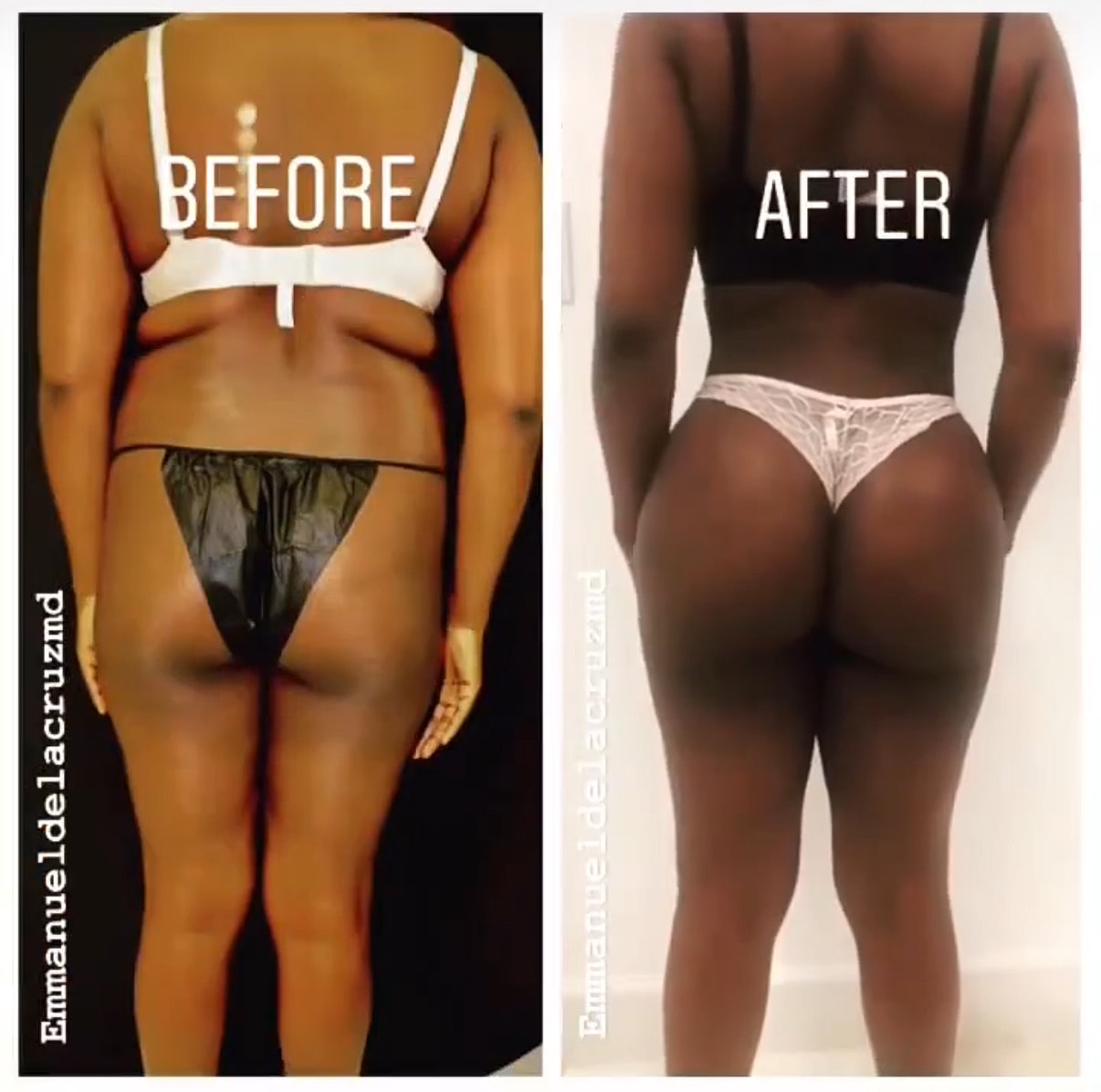
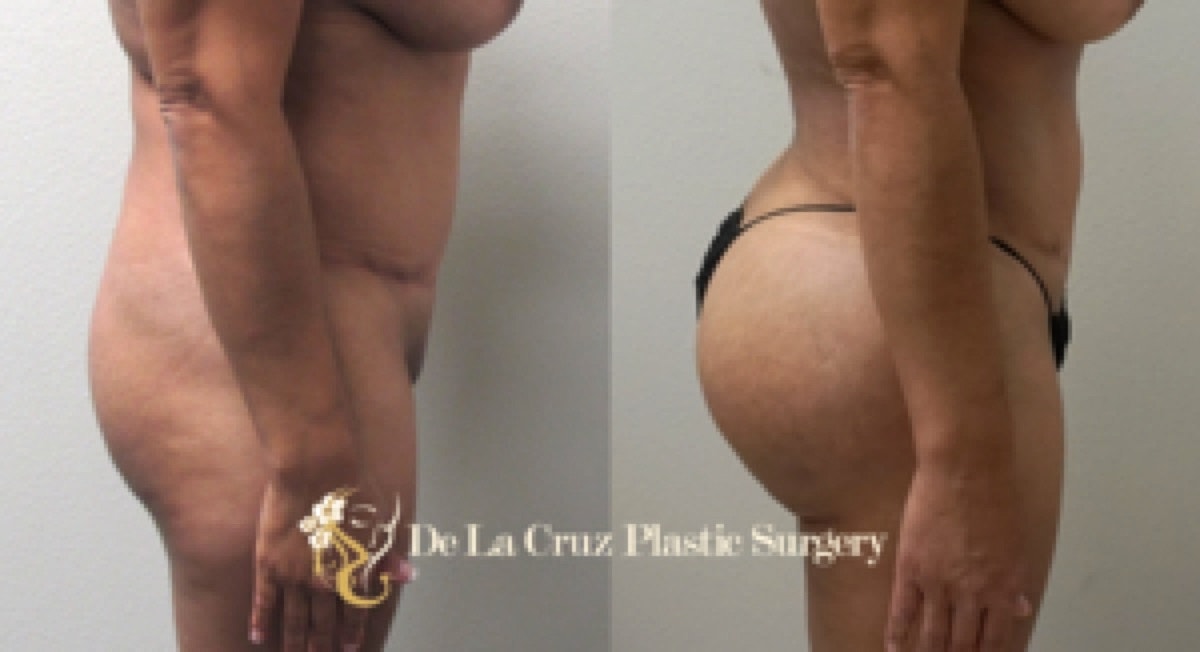
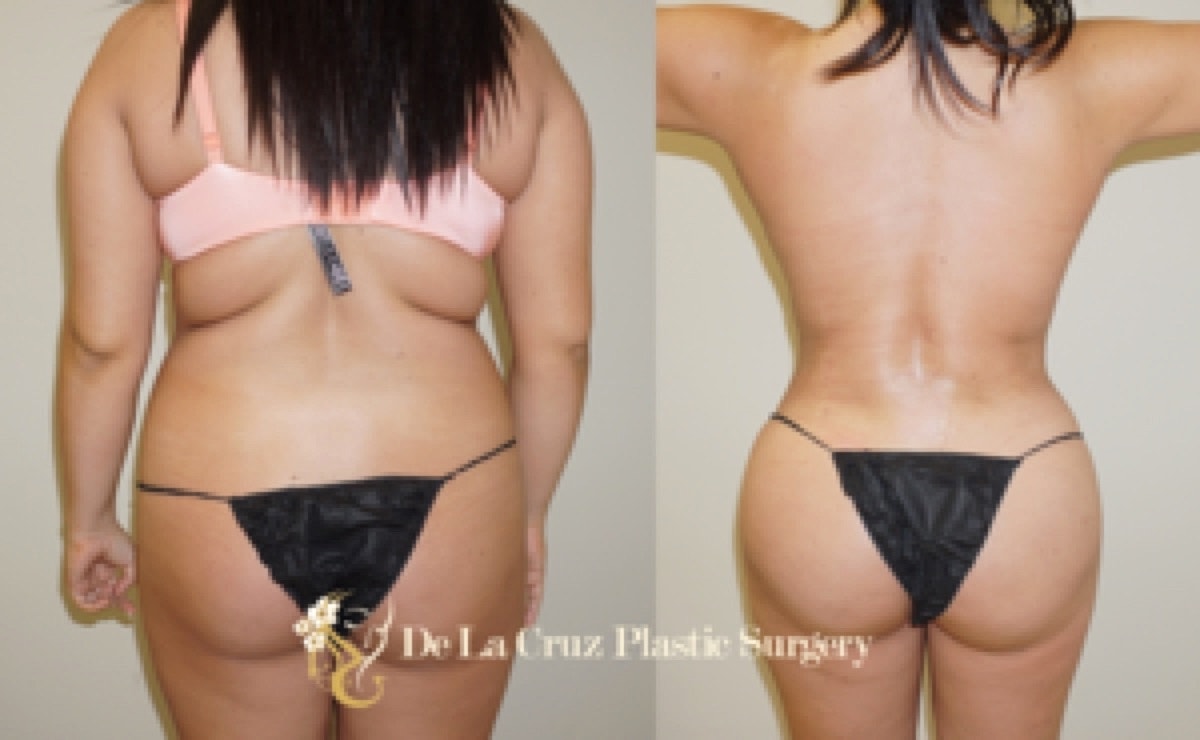
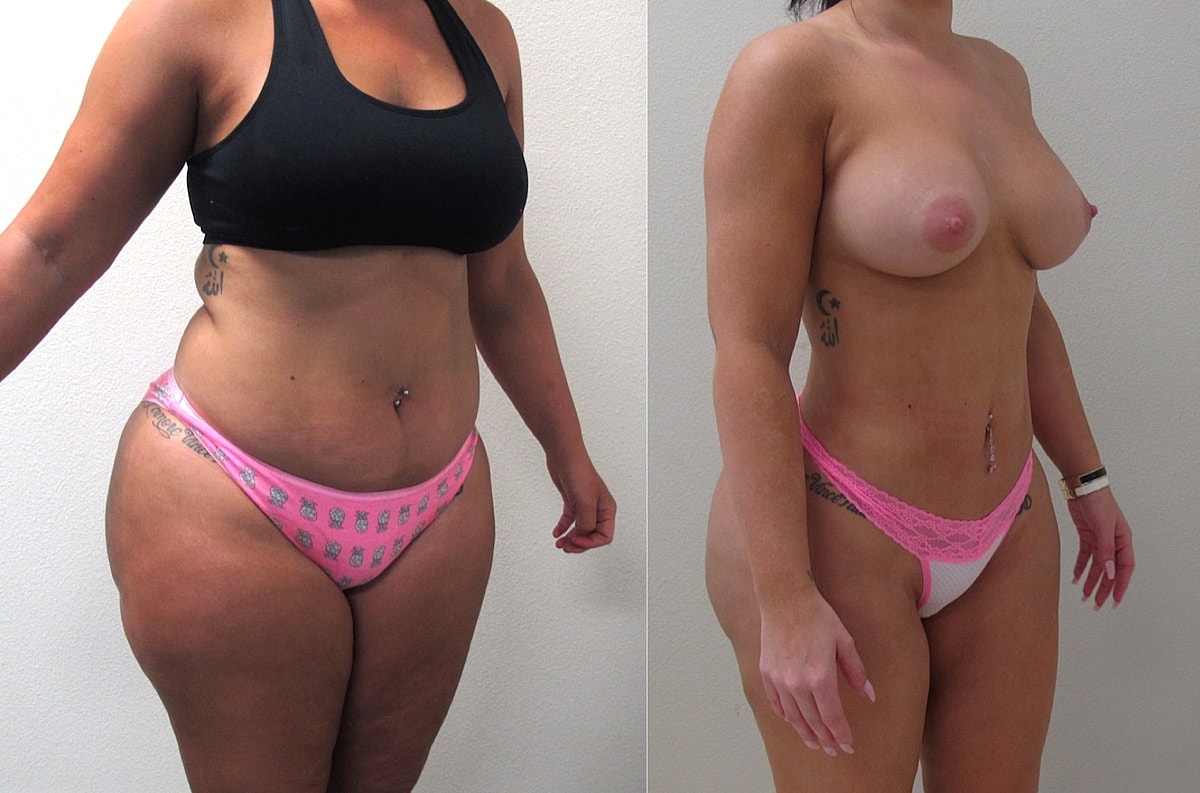
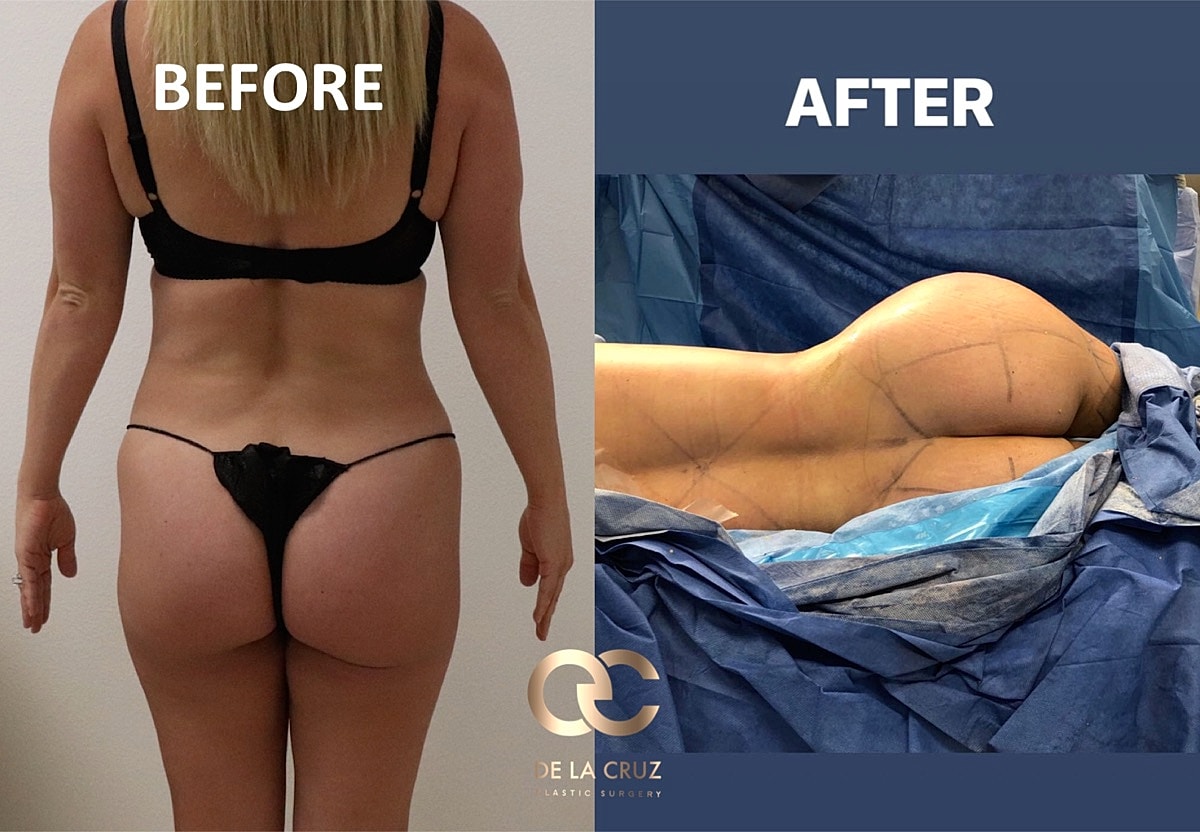
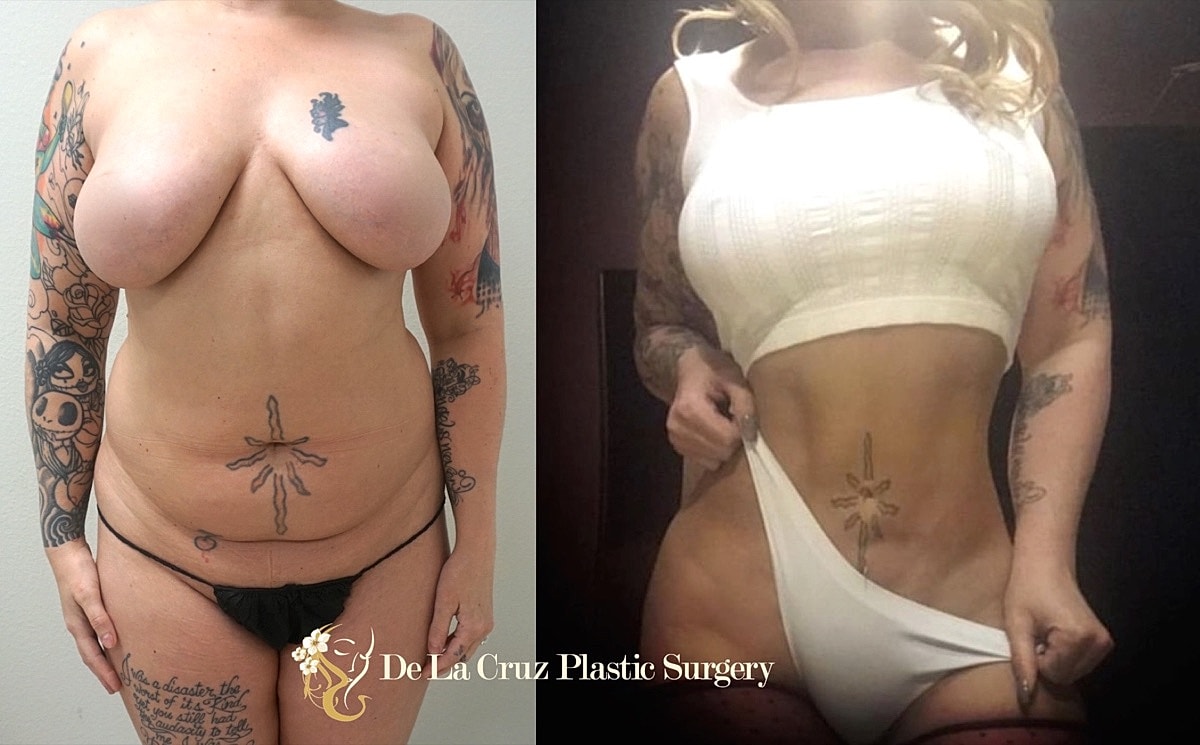
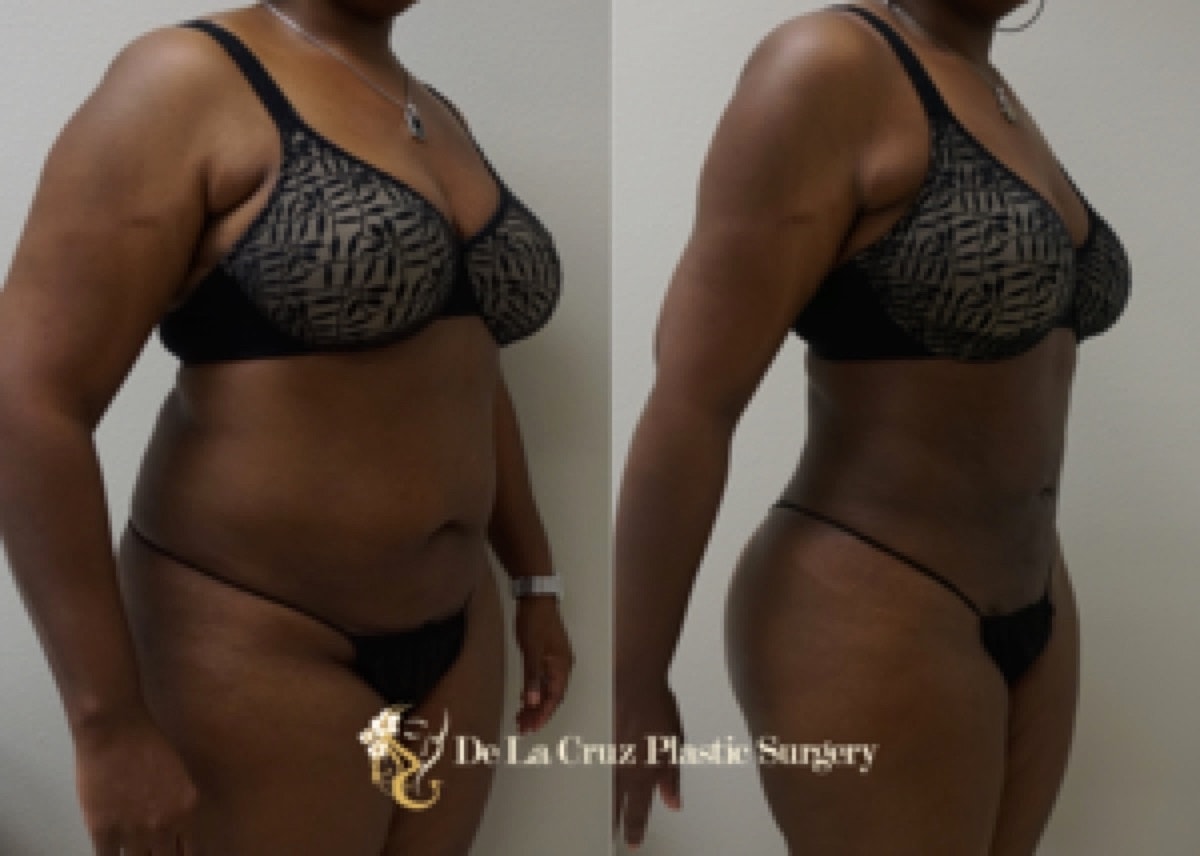
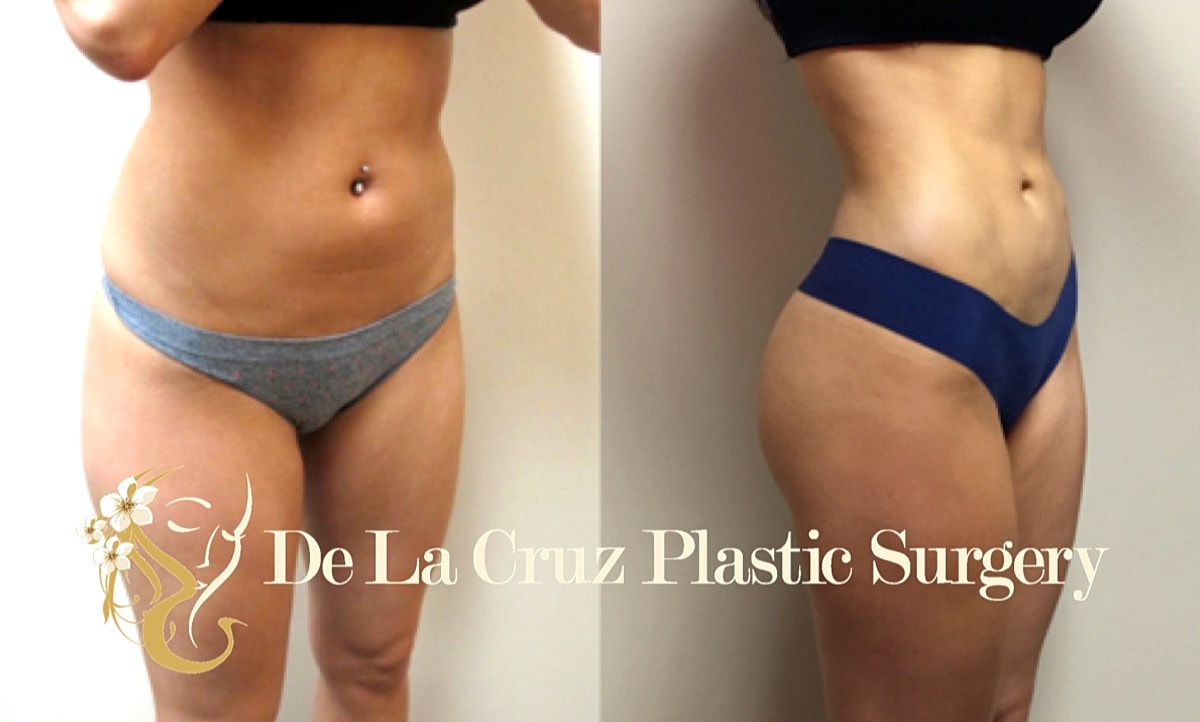
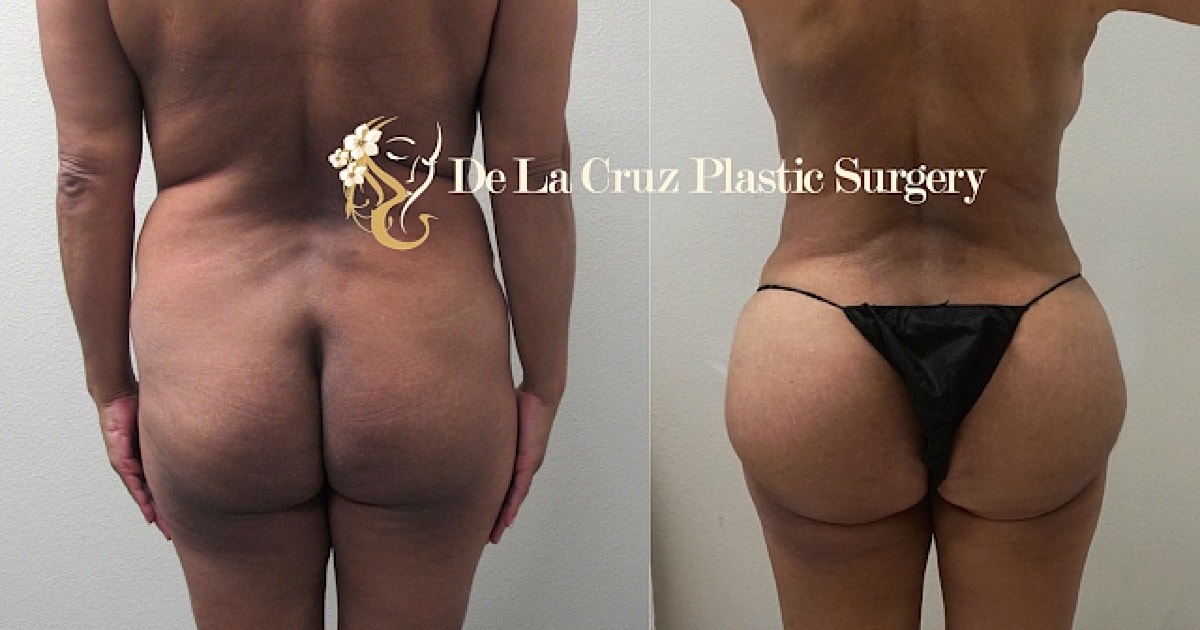
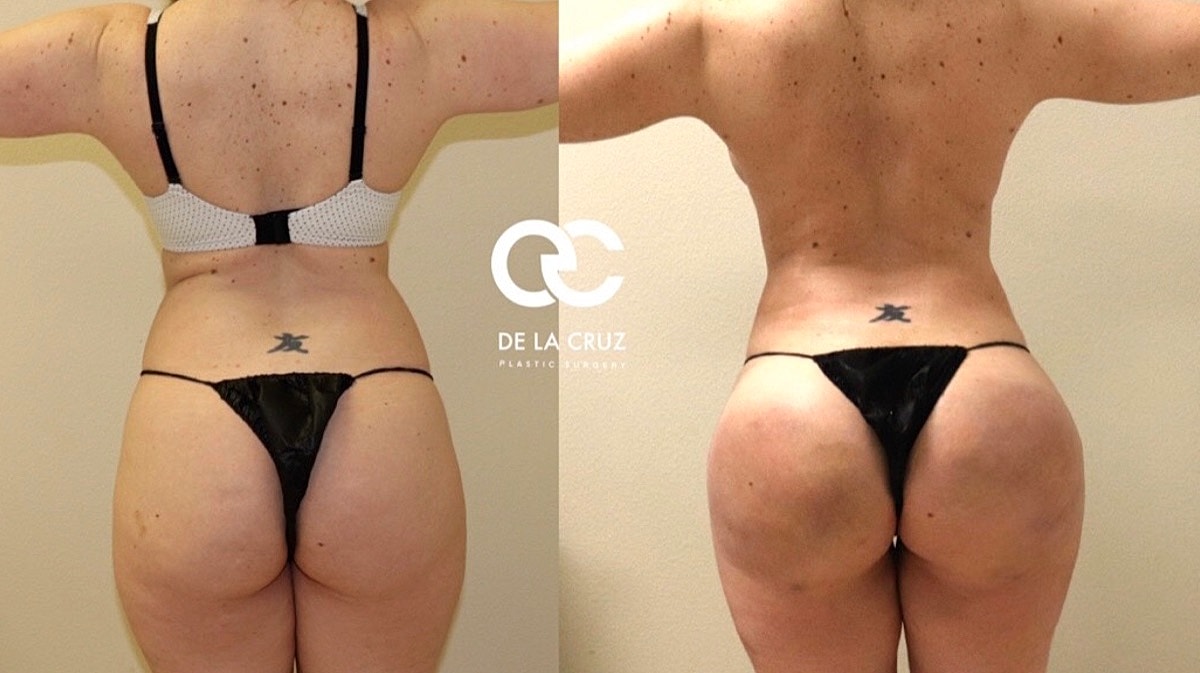
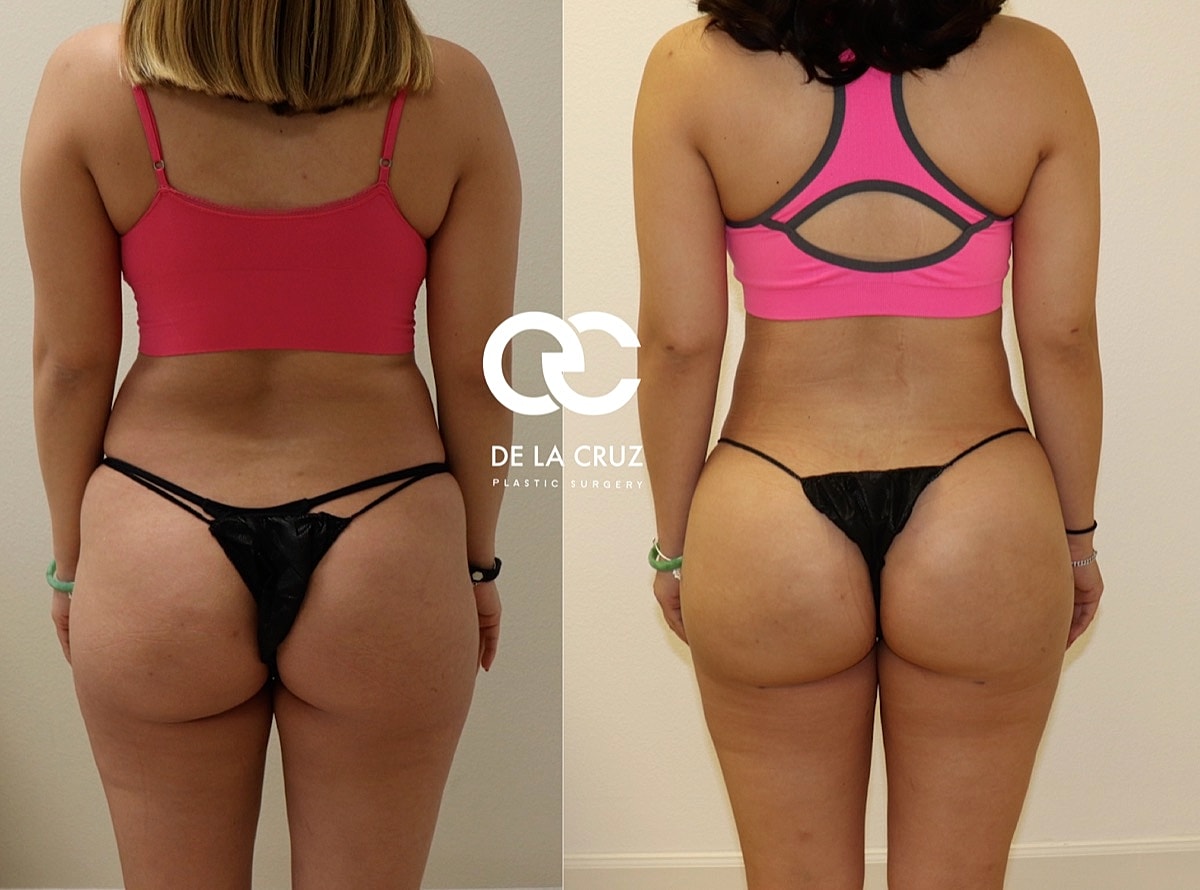
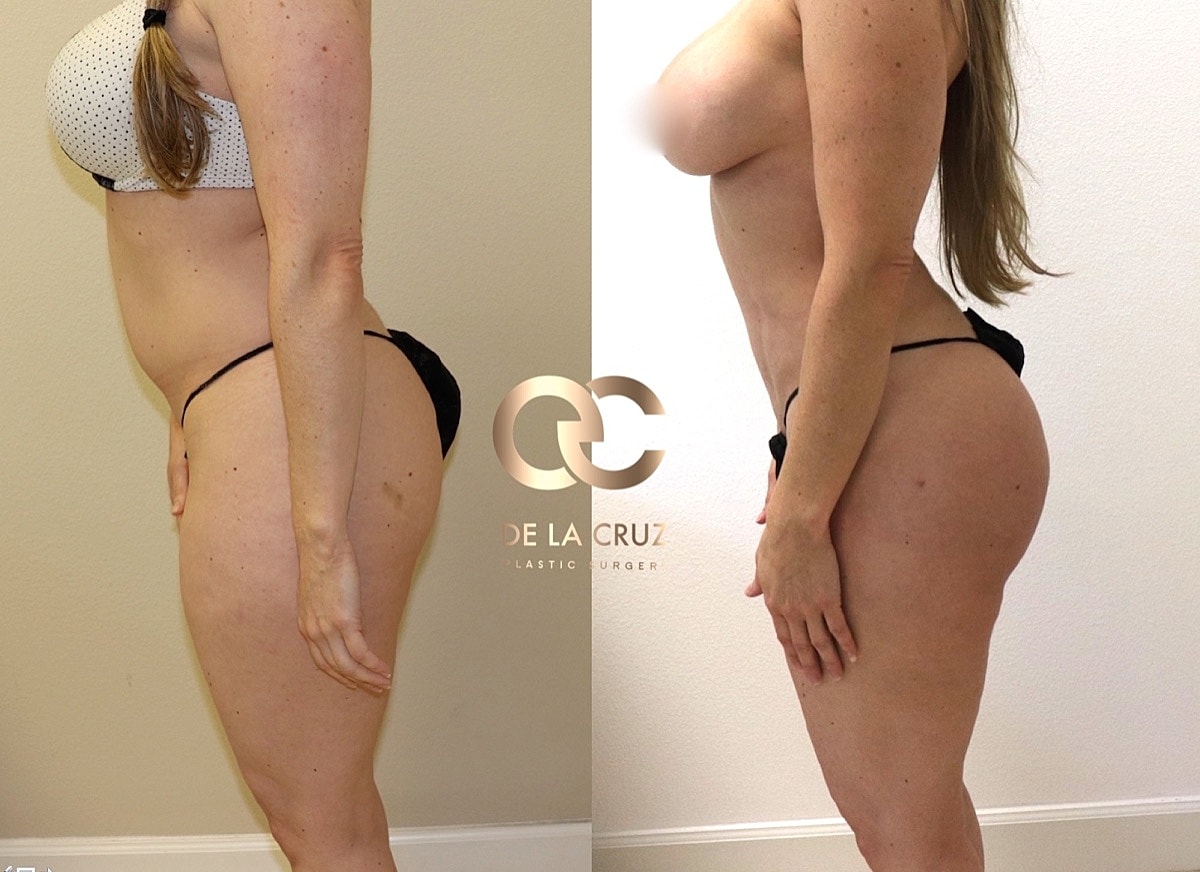
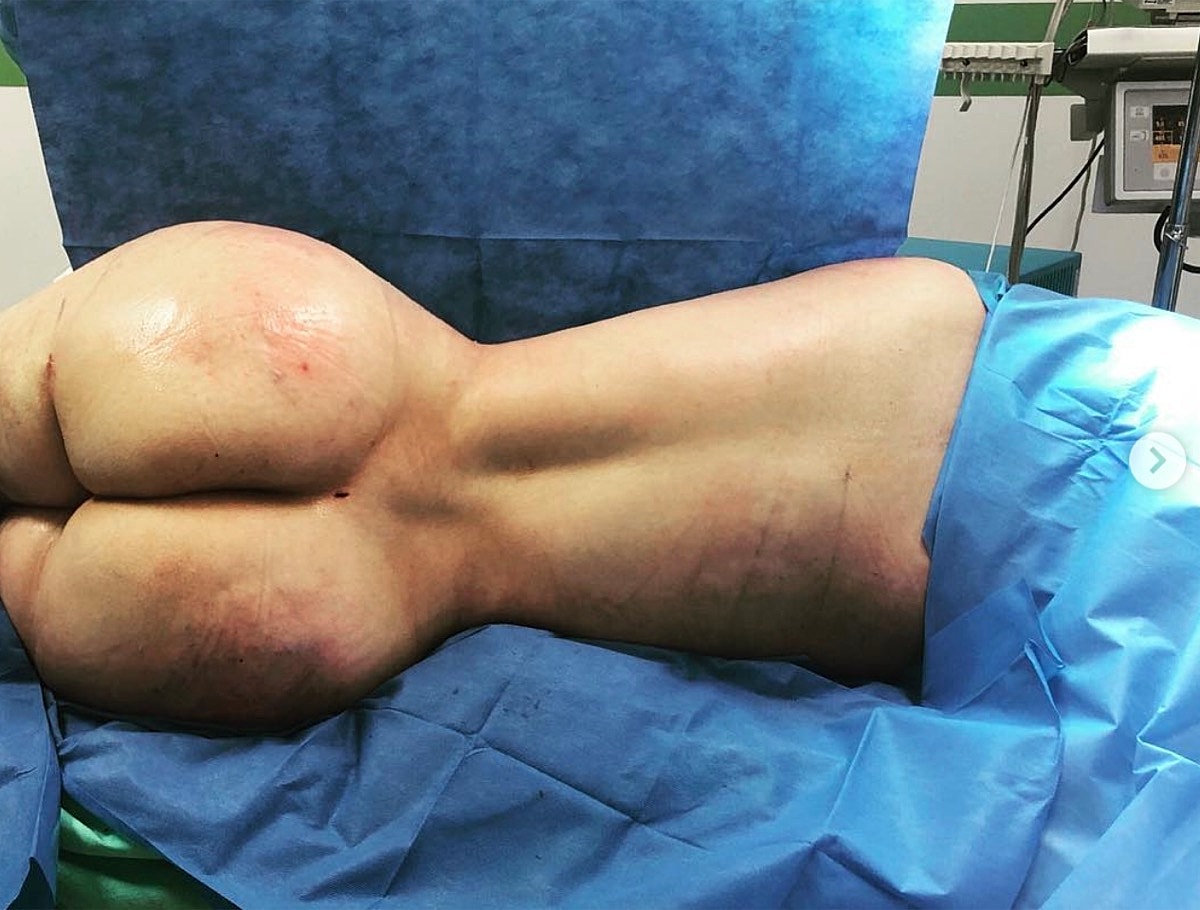
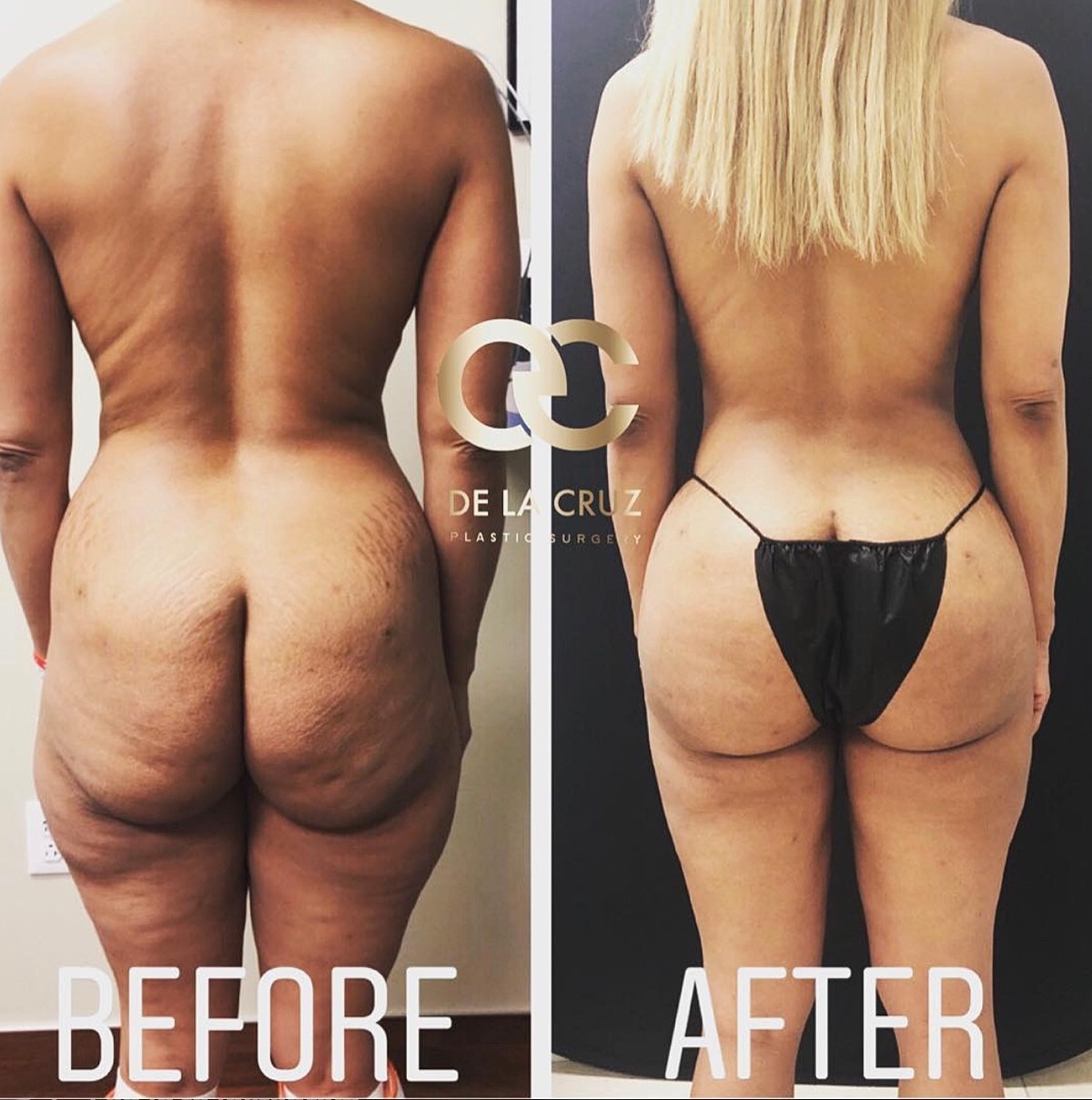
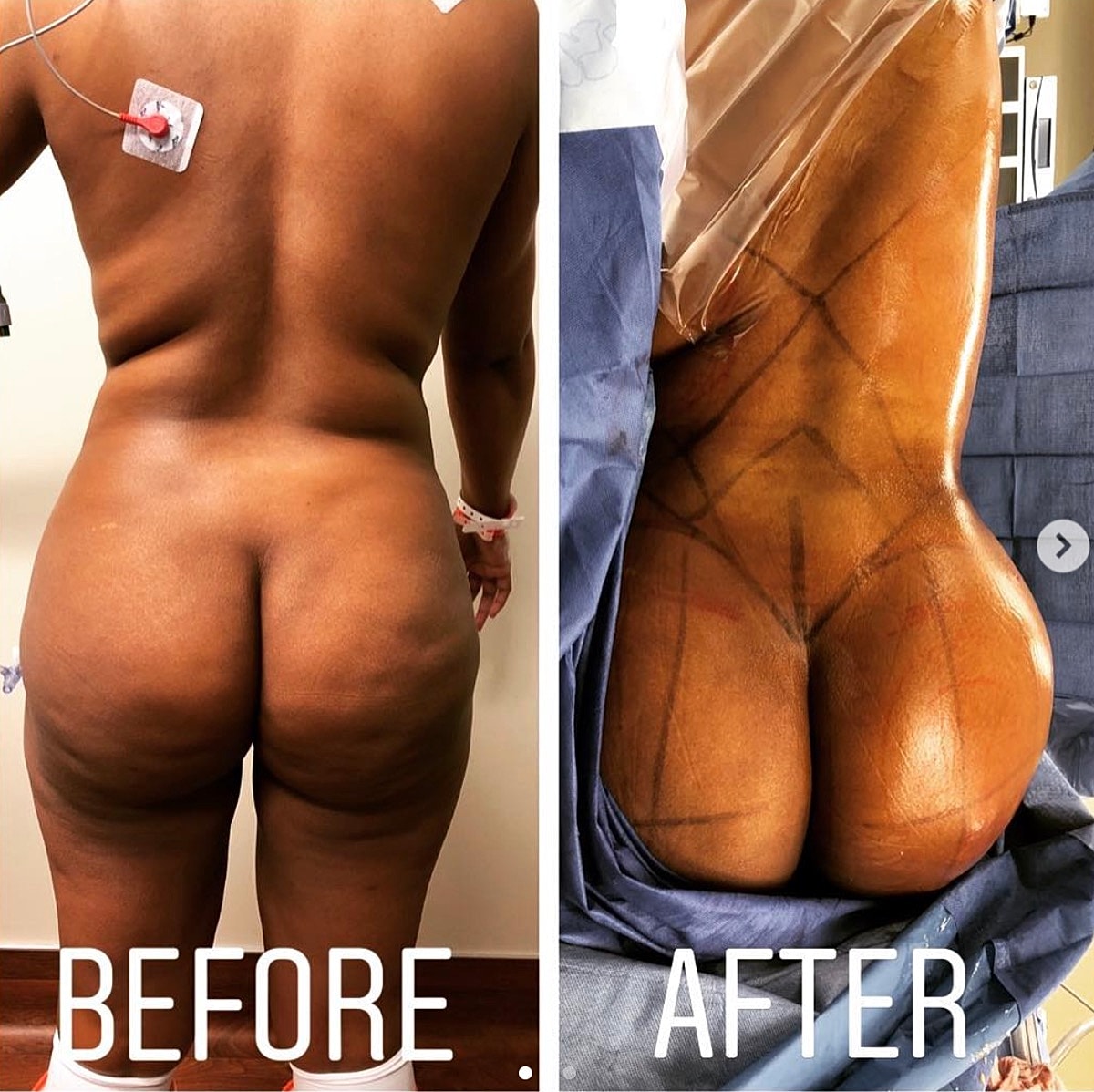
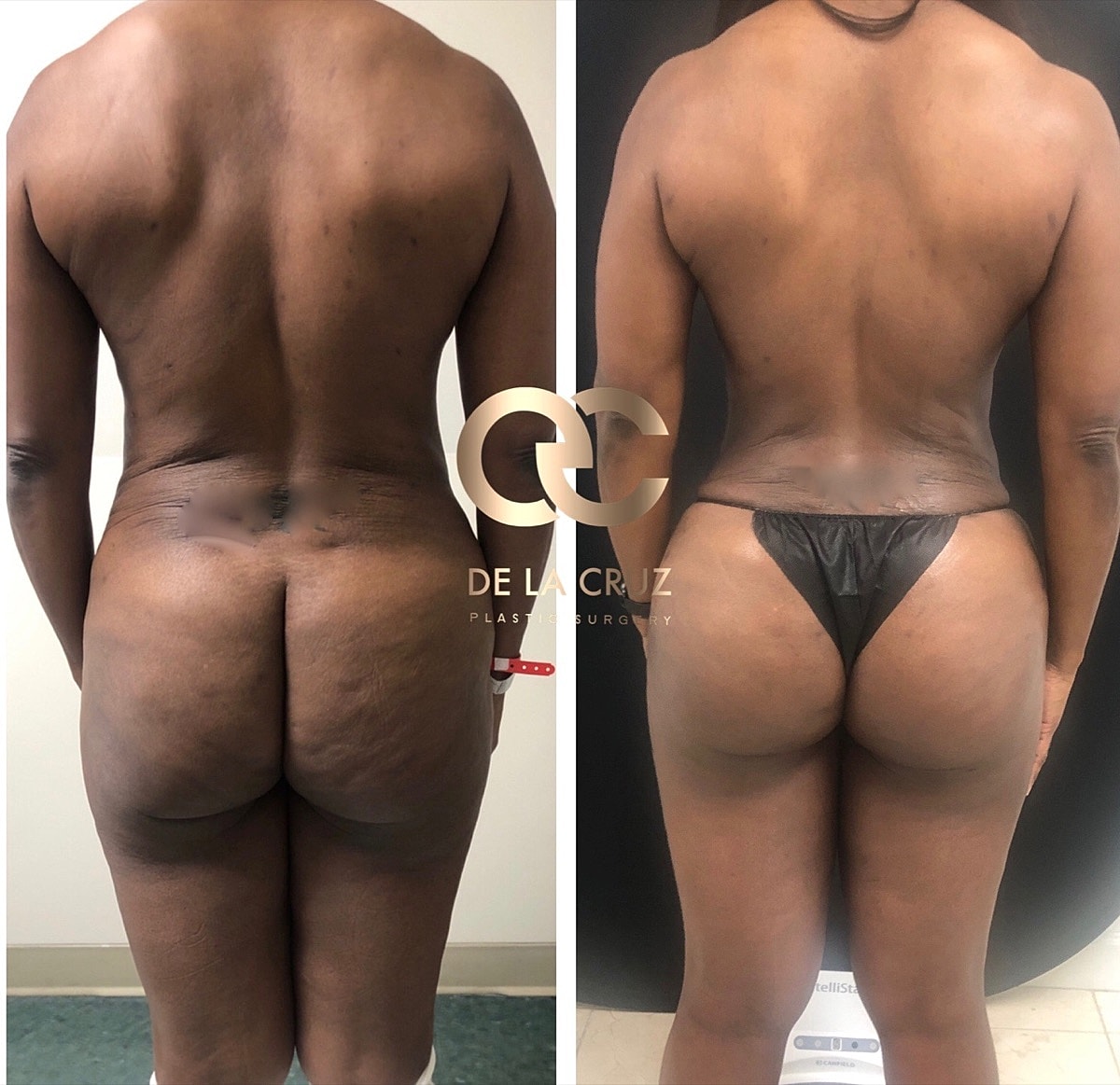
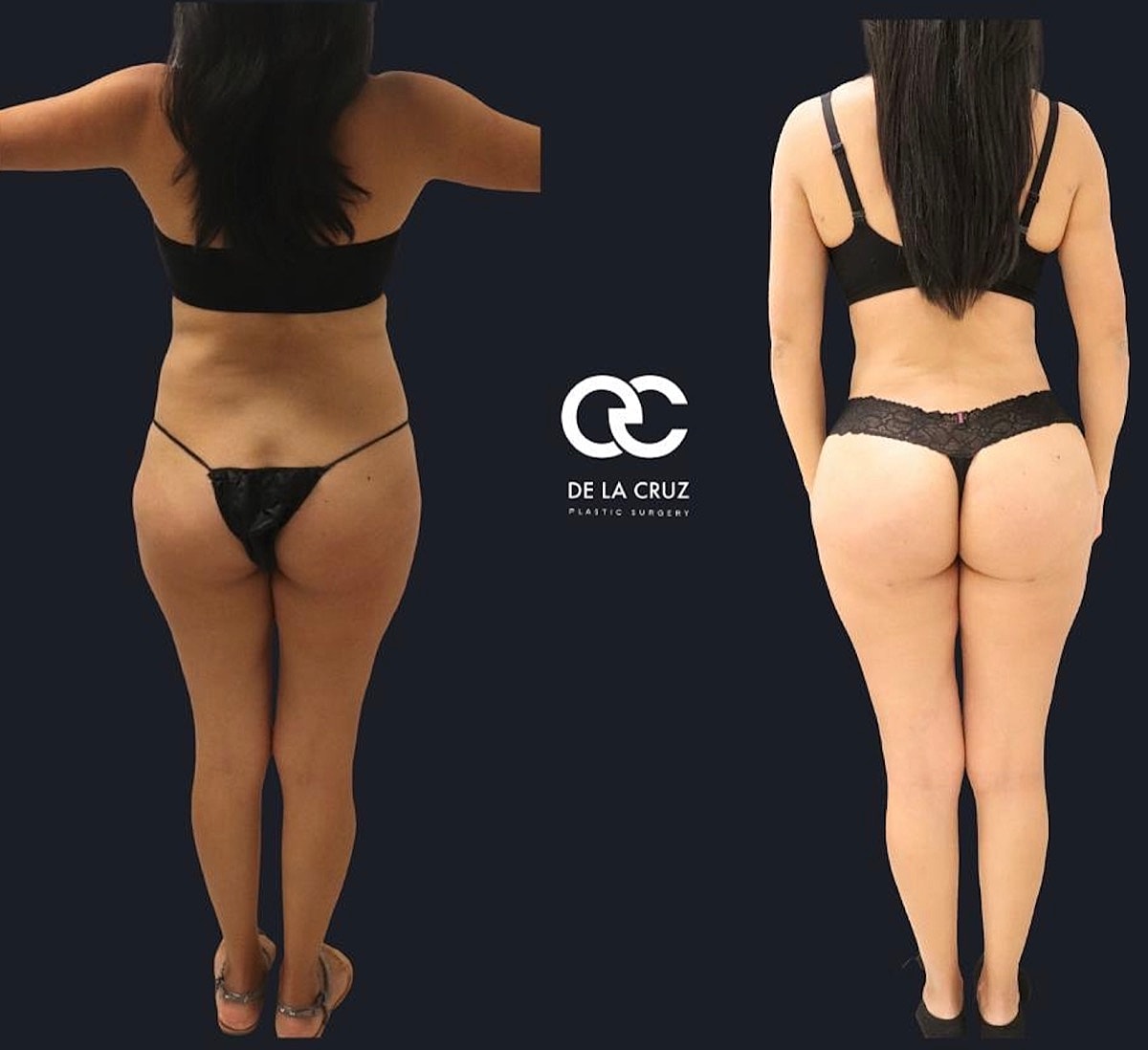
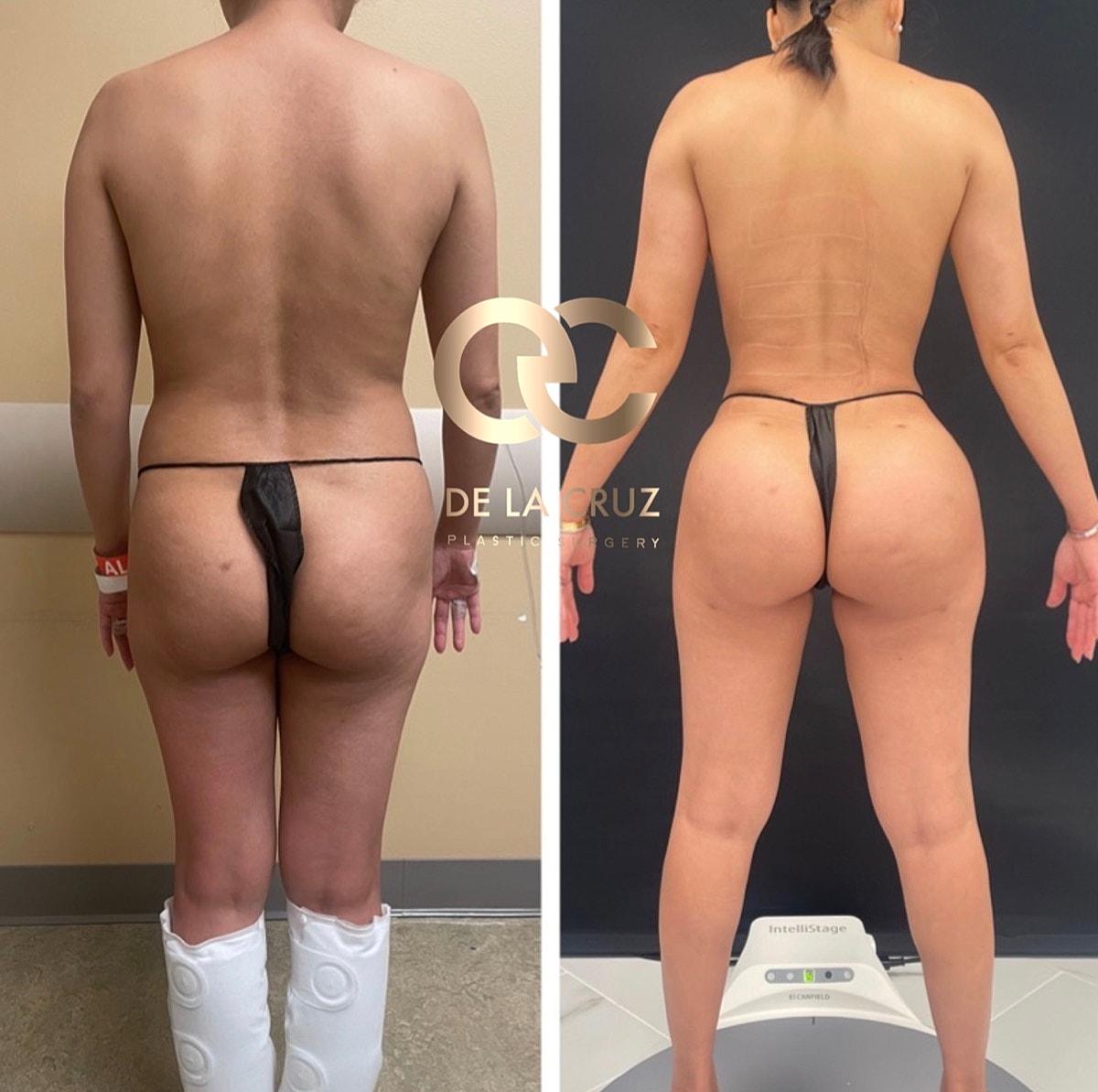
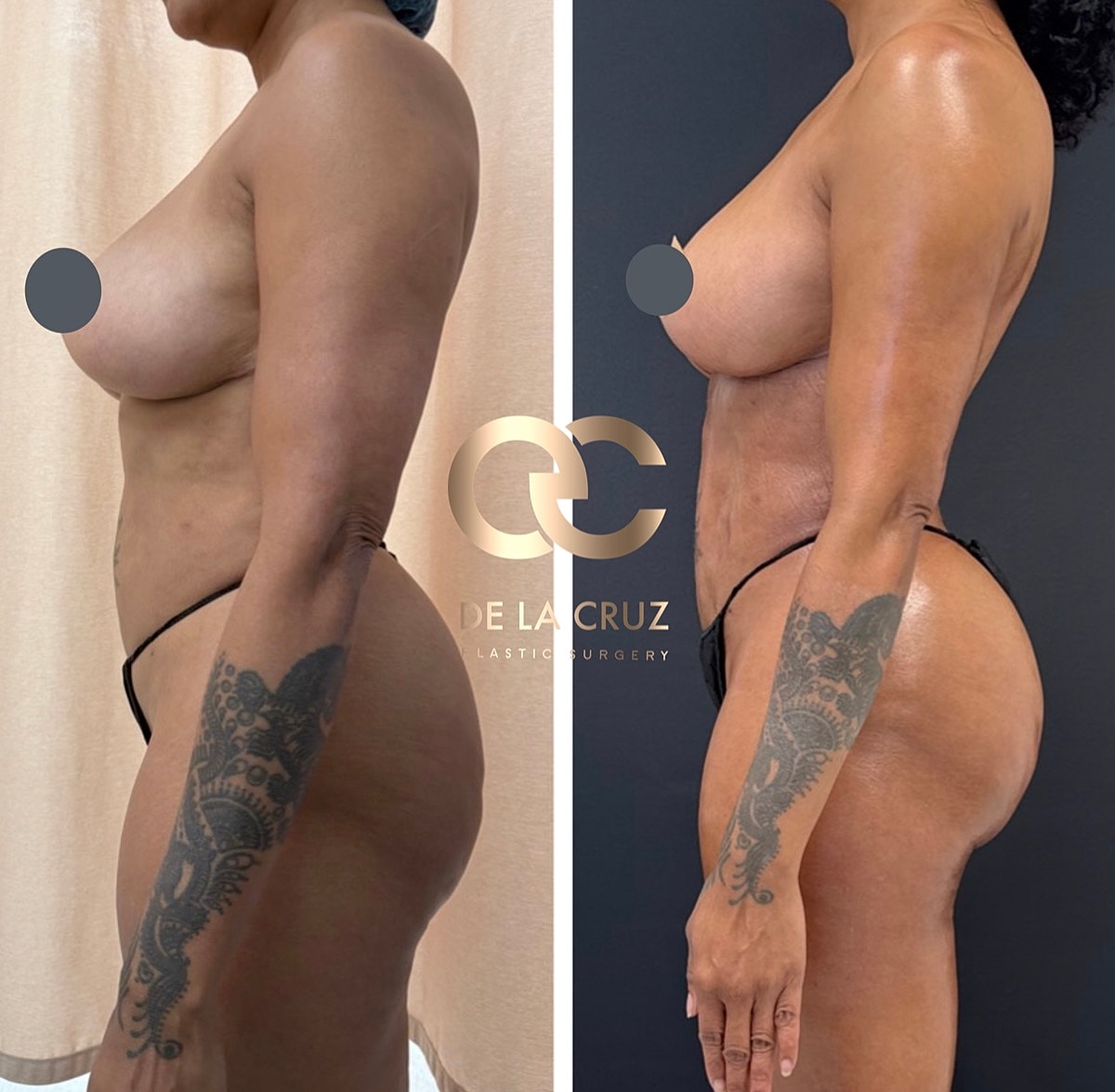
A good candidate for a Brazilian Butt Lift (BBL) is someone who has enough donor fat for transfer, is in good overall health, and has realistic expectations about the results. During a BBL, fat is removed through liposuction and transferred to the buttocks to improve shape and projection.
A Brazilian Butt Lift (BBL in Houston) is a body contouring procedure that enhances the shape and projection of the buttocks using a patient’s own fat. The procedure combines liposuction to harvest fat from areas such as the abdomen, flanks, back, or thighs, followed by careful fat transfer to the buttocks.
While many patients are interested in BBL surgery, not everyone is an ideal candidate. Determining candidacy requires evaluating body anatomy, available donor fat, overall health, and aesthetic goals. Patients considering a Brazilian Butt Lift should also understand the typical BBL recovery timeline and how swelling changes during the BBL swelling stages after surgery. They should also be aware of how much fat may be needed for the procedure.
A consultation with a qualified plastic surgeon is the best way to determine whether a Brazilian Butt Lift is appropriate.
1 of 24
Patients who are good candidates for a Houston Brazilian Butt Lift typically share several important characteristics.
1) Adequate Donor Fat
Because a BBL uses a patient’s own fat, there must be sufficient fat available in donor areas.
Common areas used for fat harvesting with liposuction in Houston include:
• abdomen • flanks (love handles) • lower back • thighs
Patients who are extremely lean may have limited fat available for transfer.
2) Desire for Improved Body Contour
BBL surgery is designed to enhance buttock shape, projection, and overall body proportions. Ideal candidates often want to improve the waist-to-hip ratio by combining liposuction with fat transfer.
The procedure focuses on balanced body contour, not simply increasing buttock size.
3) Good Overall Health
Candidates for BBL surgery should generally be in good health.
Important considerations include:
• absence of uncontrolled medical conditions
• ability to safely undergo anesthesia and surgery
• realistic expectations about recovery and results
A thorough medical evaluation helps ensure the procedure can be performed safely.
4) Stable Body Weight
Patients who maintain a relatively stable weight tend to achieve more predictable and long-lasting results.
Because the transferred fat behaves like normal fat cells, significant weight fluctuations can affect long-term results.
5) Non-Smokers or Willing to Stop Smoking
Smoking can impair healing and affect fat survival after transfer. For this reason, surgeons often recommend that patients stop smoking before and after surgery.
Not every patient is an ideal candidate for a Brazilian Butt Lift in Houston (BBL). Determining candidacy depends on several factors, including overall health, available donor fat, and the ability to safely undergo surgery and recovery.
Examples of individuals who may not be suitable candidates include patients who:
• Have very limited body fat available for transfer, making it difficult to harvest enough fat for grafting
• Have significant uncontrolled medical conditions that may increase surgical or anesthesia-related risks
• Are unable to follow postoperative recovery instructions, such as avoiding direct pressure on the buttocks during the early healing period
• Smoke cigarettes or use nicotine products, as nicotine can impair blood circulation, reduce fat survival after transfer, and increase the risk of complications during healing
• Have a history of biopolymer or other foreign injections in the buttocks, as these substances may harbor bacteria or cause chronic inflammation. Introducing additional fat grafting into these tissues may increase the risk of infection or other complications.
A thorough consultation with a qualified plastic surgeon is important to evaluate each patient’s anatomy, medical history, and goals in order to determine the safest and most appropriate treatment plan.

A Brazilian Butt Lift (BBL) can enhance body contour and improve the shape and projection of the buttocks. However, it is important for patients to have realistic expectations about both the procedure and the recovery process.
The goal of BBL surgery is to create natural-looking enhancement and balanced body proportions, rather than exaggerated or artificial results.
In some cases, achieving a perfectly smooth or dramatically projected buttock may not be possible due to individual anatomical factors. These may include:
• Dense fibrous septae or cellulite, which can cause dimpling and limit expansion of the buttock tissues
• Buttock ptosis (sagging), where the tissues have descended and may not fully lift with fat transfer alone
• Scar tissue from previous surgery or trauma, which can restrict tissue expansion
• History of biopolymer or other foreign injections, which can distort the natural anatomy and limit safe fat grafting
Because every patient’s anatomy is unique, the surgeon will develop a treatment plan focused on achieving the best possible contour improvement while maintaining safety and natural proportions.

There is no single universal BMI requirement for a Brazilian Butt Lift, but most plastic surgeons consider Body Mass Index (BMI) as one of several important factors when evaluating whether a patient is a safe candidate for surgery.
Typical BMI Range for BBL Candidates
In general:
• BMI 20–30 – Most commonly considered an ideal range for BBL surgery
• BMI 30–35 – Some patients may still be candidates depending on overall health and available donor fat
• BMI above 35 – Surgery may carry higher risks and some surgeons may recommend weight reduction before proceeding
BMI alone does not determine candidacy. Surgeons also evaluate body fat distribution, overall health, and surgical safety.
Patients with very low BMI may not have enough fat for transfer, while patients with very high BMI may face increased surgical risks. For this reason, surgeons often recommend maintaining a stable and healthy weight before undergoing body contouring procedures.
BMI can influence several important factors related to surgery:
Surgical Safety
Higher BMI levels may increase the risk of:
• anesthesia complications
• blood clots (deep vein thrombosis)
• wound healing issues
Because of these risks, careful patient selection is important.
Fat Availability for Transfer
Patients must have adequate donor fat for liposuction. Fat is commonly harvested from areas such as:
• abdomen • flanks • lower back • thighs
Patients with extremely low BMI may not have enough fat available for transfer.
During a consultation, the surgeon will perform a comprehensive evaluation to determine whether a Brazilian Butt Lift (BBL) is appropriate. Several important factors are assessed, including:
• Body fat distribution and availability of donor fat for transfer
• Skin quality and elasticity, which can influence contour and healing
• Overall health status and medical history to ensure surgical safety
• Aesthetic goals and desired buttock shape
This evaluation allows the surgeon to determine candidacy for BBL surgery and develop a personalized treatment plan designed to achieve balanced, natural-looking results while prioritizing patient safety.

Choosing the right surgeon is an important decision when considering liposuction surgery. Achieving refined, natural-looking body contour results requires advanced surgical expertise, meticulous technique, and an artistic understanding of body proportions.
Patients seeking liposuction in Houston often choose Dr. Emmanuel De La Cruz, a double-board-certified plastic surgeon certified by both the American Board of Plastic Surgery and the American Board of Surgery.
Key reasons patients choose Dr. De La Cruz include:
• Double-Board-Certified Plastic Surgeon with extensive surgical training and commitment to patient safety
• Internationally recognized for High-Definition Liposuction, including the Grand Master Total Definer Award, presented by Dr. Alfredo Hoyos, the pioneer of high-definition liposculpture
• International lecturer on liposuction techniques, presenting at major meetings including ASPS, the Total Definer Meeting in Bogotá, the InMode Symposium, and AestheticStanbul in Istanbul
• Published author on liposuction, including “Lipoplasty in the Overweight Patient” in the peer-reviewed journal Clinics in Plastic Surgery
• Expert in advanced liposuction technologies, including VASER ultrasound-assisted liposuction and power-assisted liposuction
At De La Cruz Plastic Surgery in Houston, liposuction is not simply about removing fat—it is about sculpting the body with precision to create balanced, natural-looking results.
Some lean patients may still be candidates if they have enough donor fat in areas such as the abdomen, flanks, or thighs. However, patients with very low body fat may not have enough fat for transfer.
Yes. Liposuction is an essential part of the Brazilian Butt Lift procedure because it provides the fat that is transferred into the buttocks.
Yes. Liposuction performed during a BBL often sculpts the waist, abdomen, and flanks, which can enhance the overall waist-to-hip ratio.
The amount of fat required varies depending on the patient’s anatomy and desired results. Many procedures involve harvesting several liters of fat during liposuction to obtain enough purified fat for transfer.
Smoking and nicotine use can significantly affect healing after a BBL. Nicotine constricts blood vessels and reduces blood flow to tissues, which can decrease the survival of transferred fat cells and increase the risk of complications. Patients are typically advised to stop smoking and avoid nicotine products before and after surgery.
Fat grafts rely on developing a new blood supply in order to survive. Nicotine can impair circulation and oxygen delivery to tissues, which may increase fat resorption, delayed healing, and infection risk.
Patients with a history of biopolymer or other foreign injections in the buttocks may not be ideal candidates for BBL surgery. These materials can cause chronic inflammation or harbor bacteria within the tissues.
Introducing fat grafting into an area containing biopolymers may increase the risk of infection, tissue reaction, or unpredictable contour changes. Careful evaluation by a qualified plastic surgeon is essential.
Yes. Many patients with mild to moderate cellulite can still be candidates for a Brazilian Butt Lift. However, cellulite is caused by fibrous septae within the skin, and BBL surgery may not completely eliminate dimpling.
Patients do not need to be overweight to undergo a BBL, but they should have adequate donor fat for transfer. Maintaining a stable and healthy body weight helps improve long-term results.
In some cases, patients who have had prior liposuction may still be candidates for a Brazilian Butt Lift. However, previous liposuction may reduce available donor fat or create scar tissue that can affect fat harvesting.
Age alone does not automatically disqualify a patient from BBL surgery. However, factors such as skin elasticity, tissue quality, and overall health may influence candidacy and expected results.
Skin elasticity can influence the final contour. Patients with significant buttock sagging (ptosis) or loose skin may require additional procedures to achieve optimal results.
Patients who have recently lost significant weight may still be candidates for BBL surgery. However, it is usually recommended that weight be stable for several months before undergoing body contouring procedures.
Patients who are very lean may not have sufficient fat available for transfer. In these cases, the surgeon may recommend alternative procedures or a more subtle enhancement. Often, the surgeon would recommend the patient to gain at least 10-15 lbs prior to surgery.
A consultation allows the surgeon to evaluate body anatomy, donor fat availability, medical history, and aesthetic goals. This assessment helps determine whether a Brazilian Butt Lift is appropriate and how the procedure can be safely customized.
About the Author
Dr. Emmanuel De La Cruz, MD is a double-board-certified plastic surgeon in Houston, Texas, certified by both the American Board of Plastic Surgery and the American Board of Surgery. He specializes in advanced liposuction and body contouring procedures, including high-definition liposculpture, Brazilian Butt Lift (BBL), revision liposuction, and treatment of lipedema.
Dr. De La Cruz is internationally recognized for his expertise in high-definition liposuction and contour sculpting techniques, which play a critical role in achieving balanced, natural-looking results in procedures such as liposuction and Brazilian Butt Lift surgery. His work focuses on precise body contour sculpting to enhance overall body proportions.
He has lectured internationally on liposuction techniques, fat grafting, and contour irregularity correction, presenting at major scientific meetings including the American Society of Plastic Surgeons (ASPS), the Total Definer Meeting in Cartagena, Colombia, the InMode Symposium in Miami and Beverly Hills, and AestheticStanbul in Istanbul, Turkey, where he was invited to lecture by renowned plastic surgeon Dr. Foad Nahai.
Dr. De La Cruz has also contributed to the scientific literature on liposuction and body contouring. He is the author of “Lipoplasty in the Overweight Patient”, published in the peer-reviewed journal Clinics in Plastic Surgery.
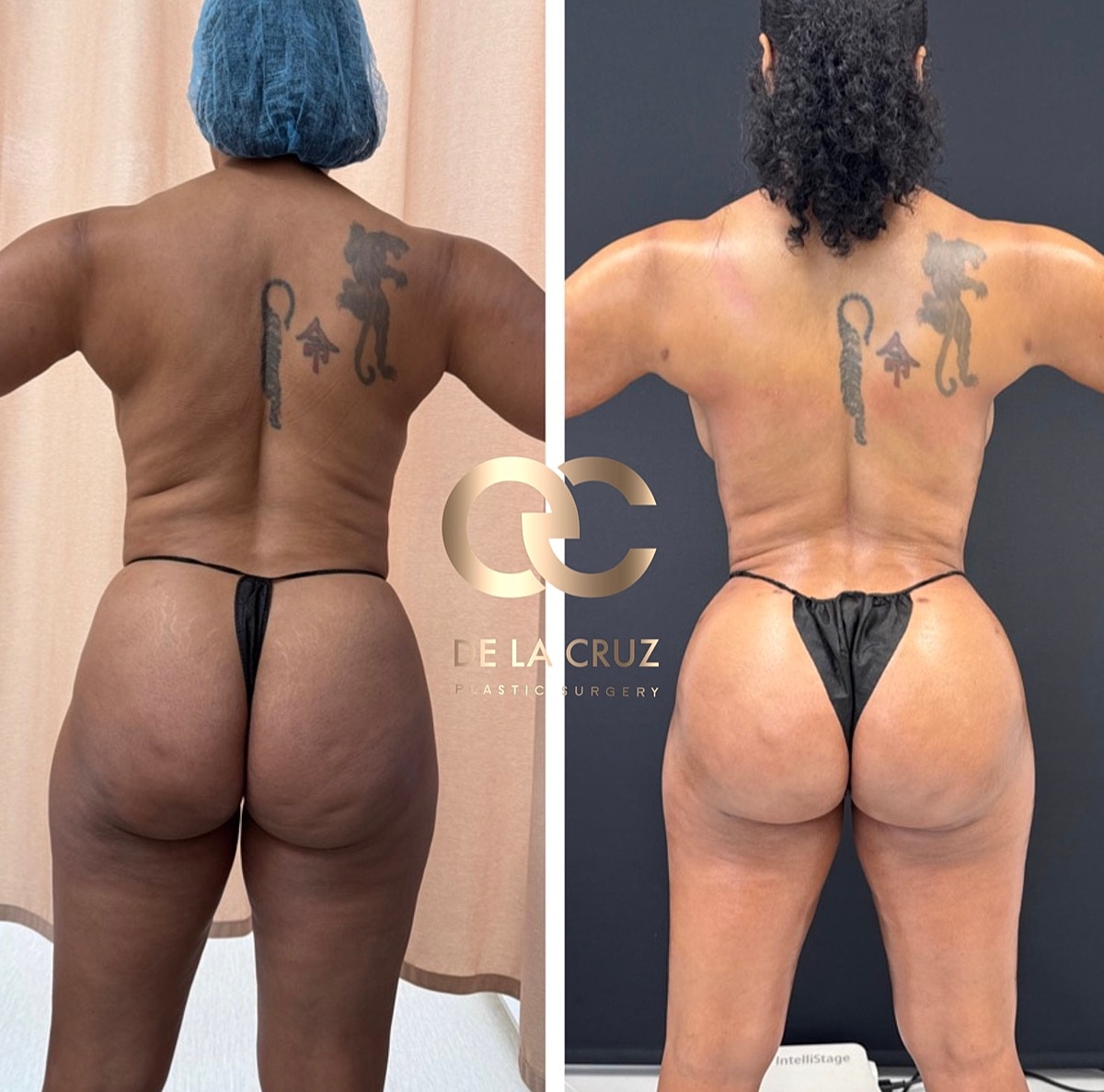
Through his clinical work, research, and international lectures, Dr. De La Cruz focuses on advancing safe, precise, and refined techniques in liposuction, BBL surgery, and modern body contouring.