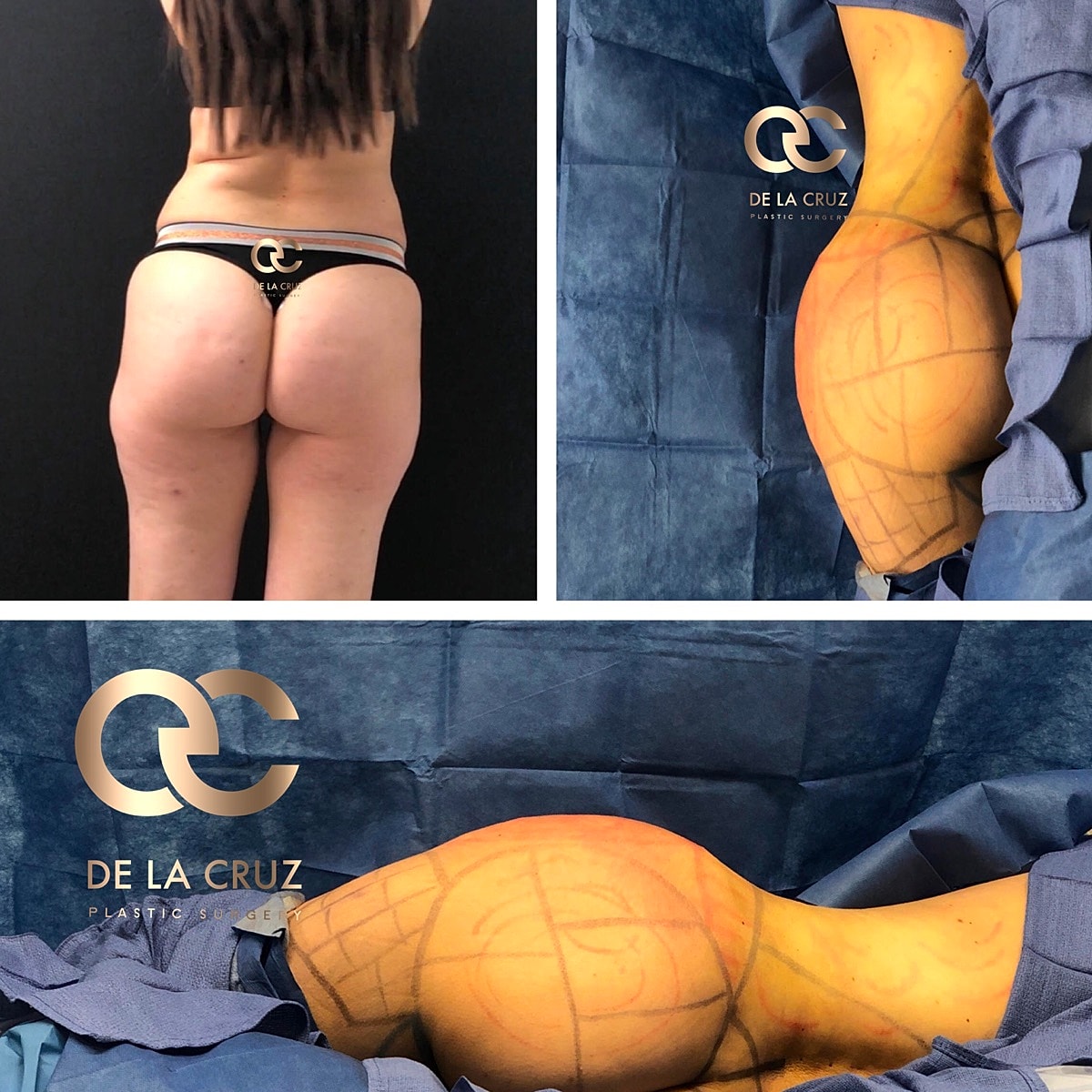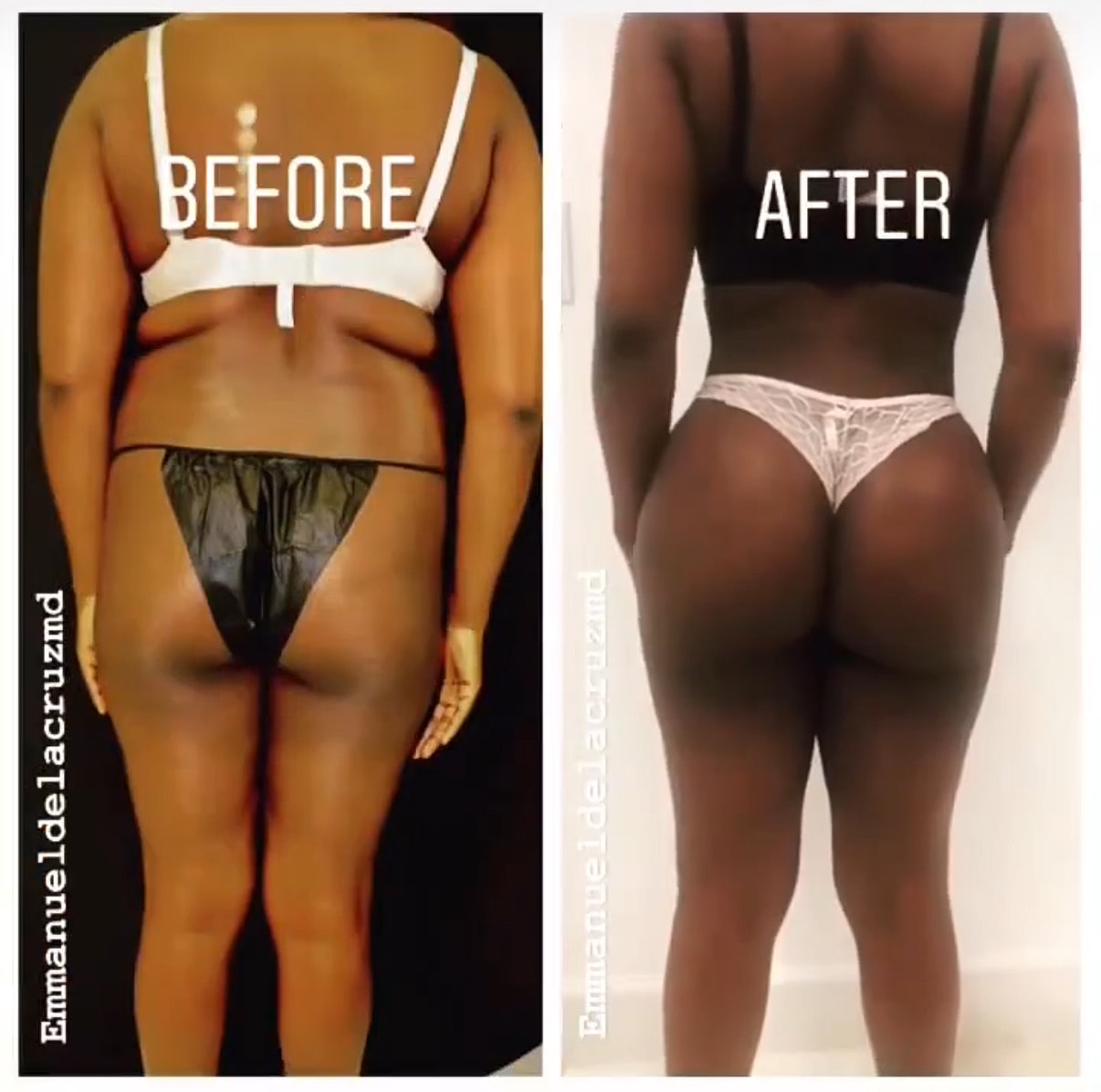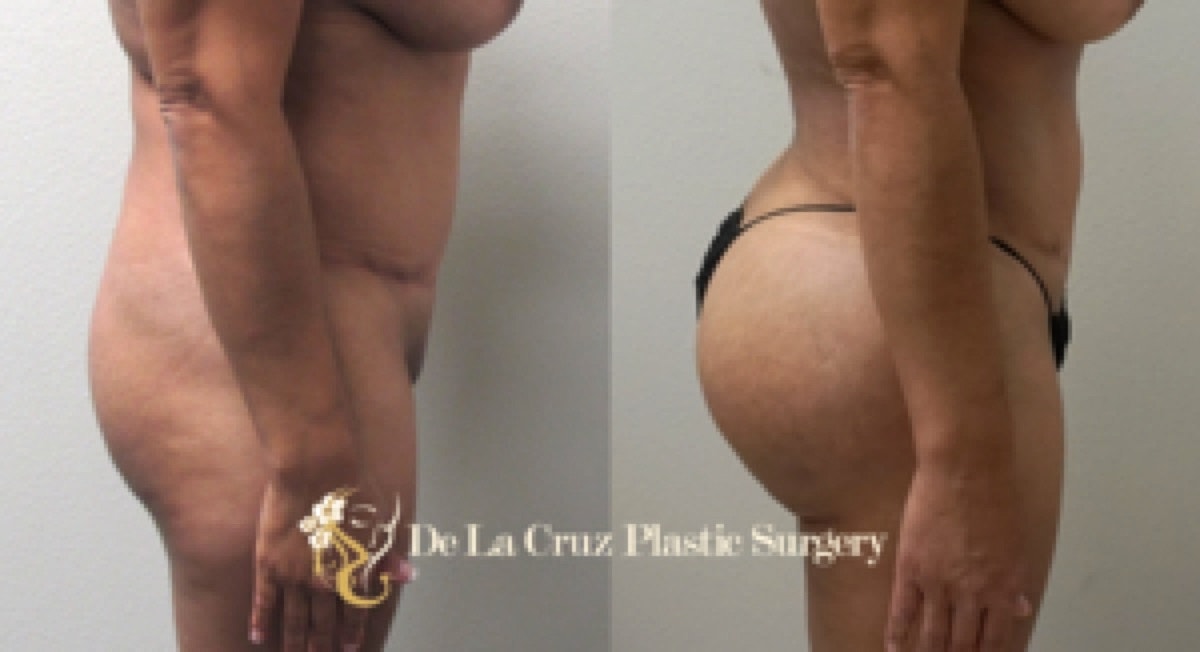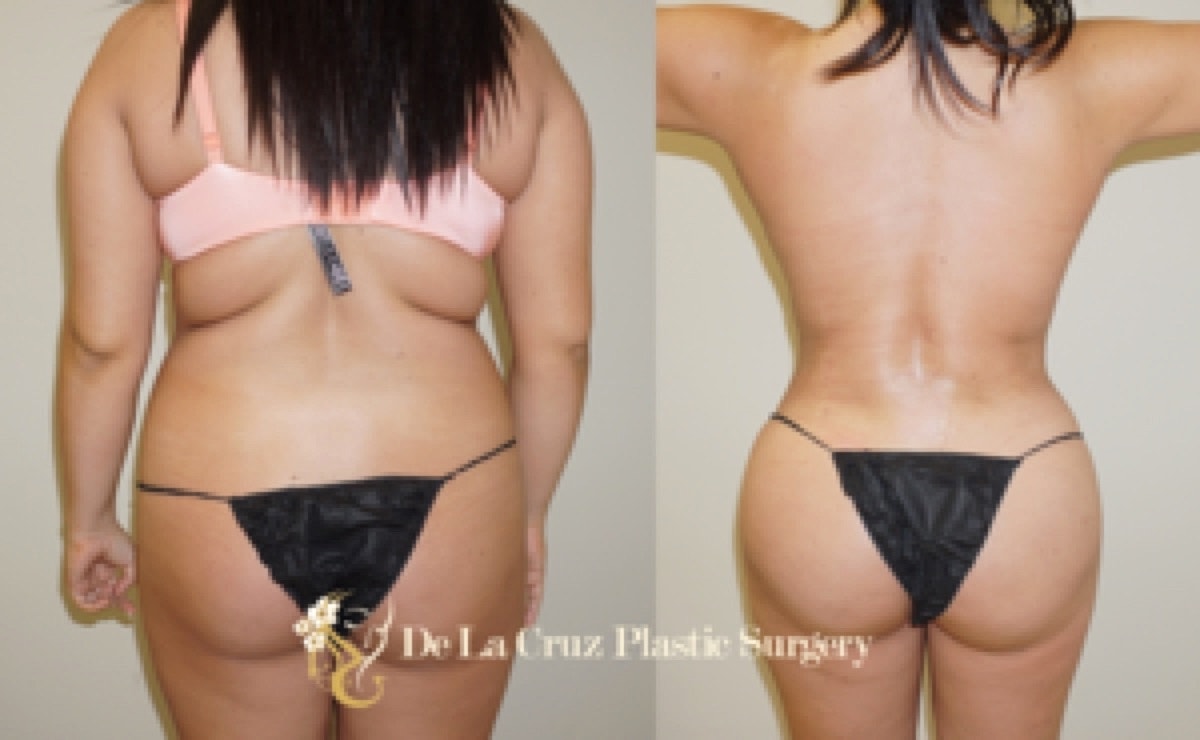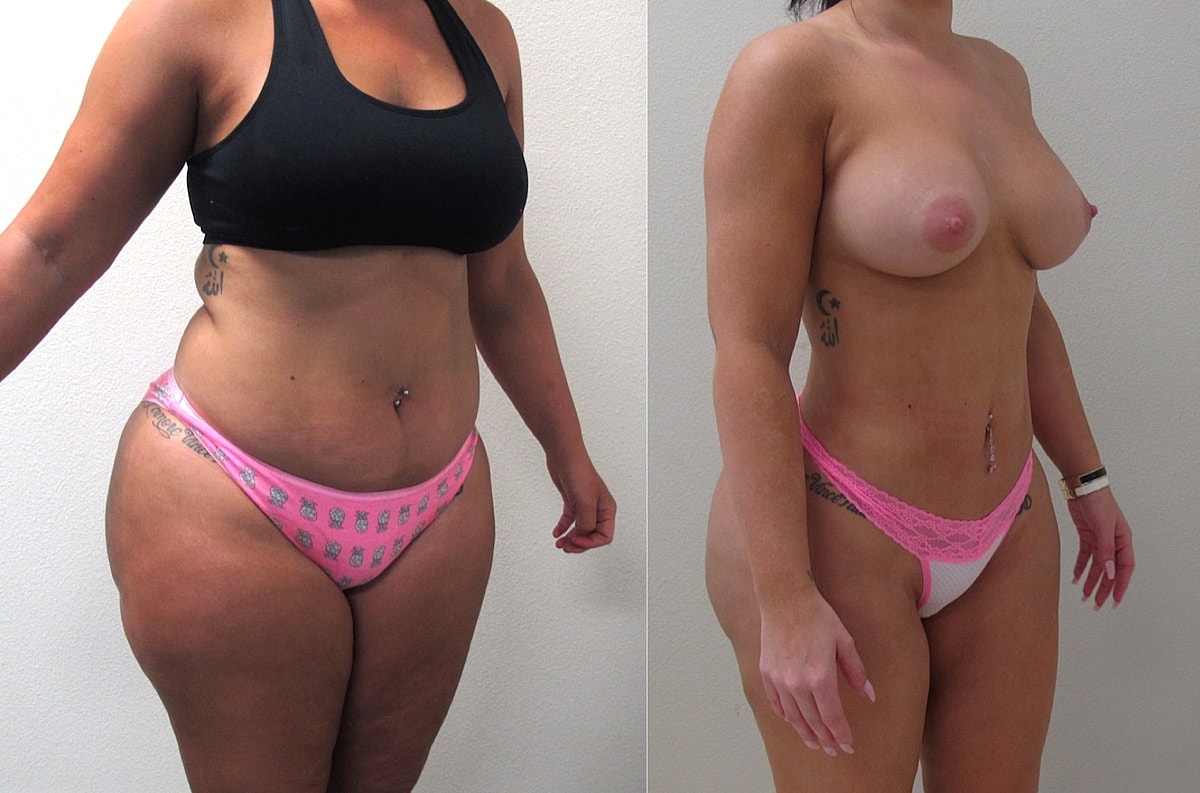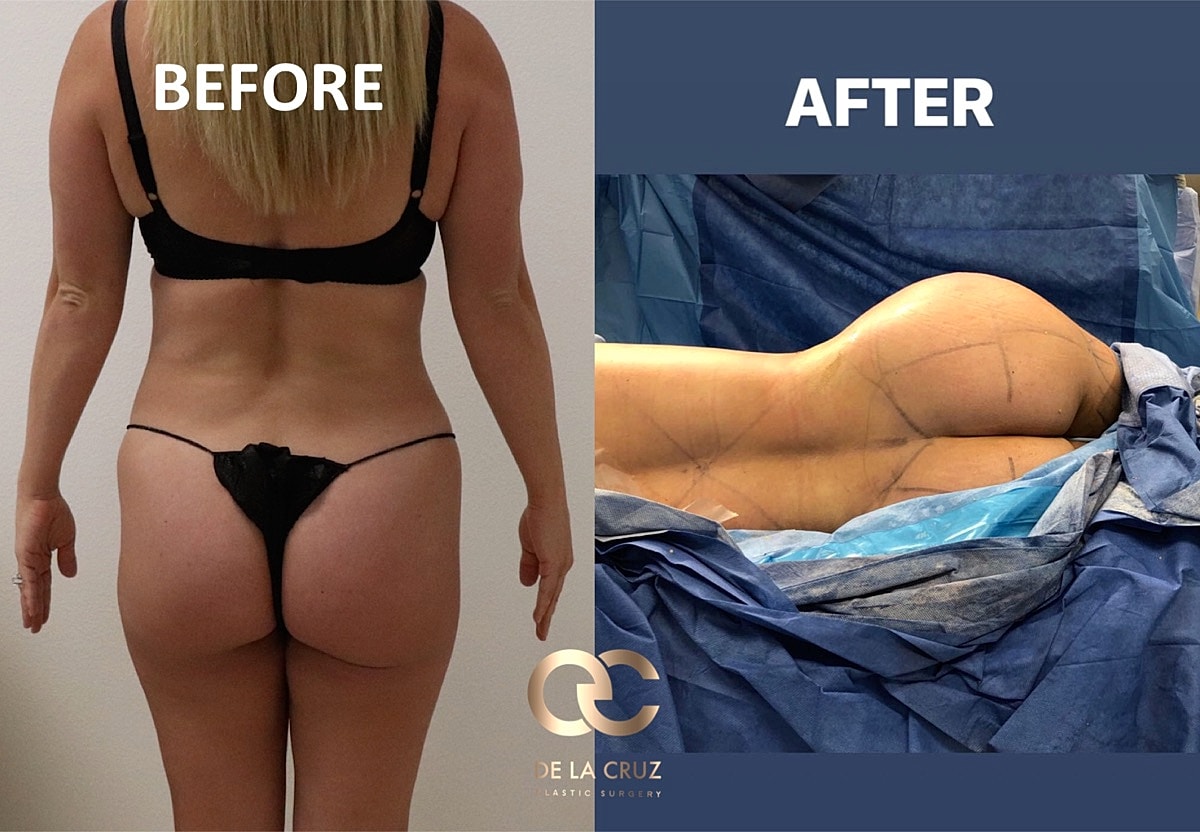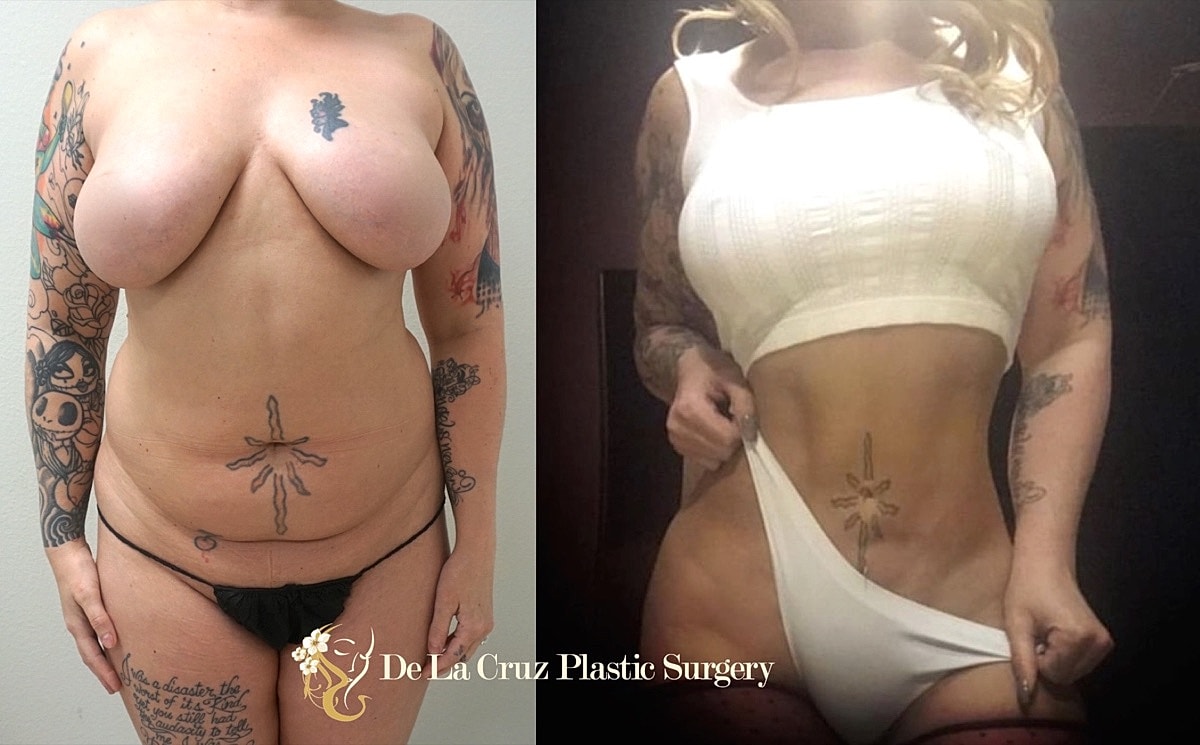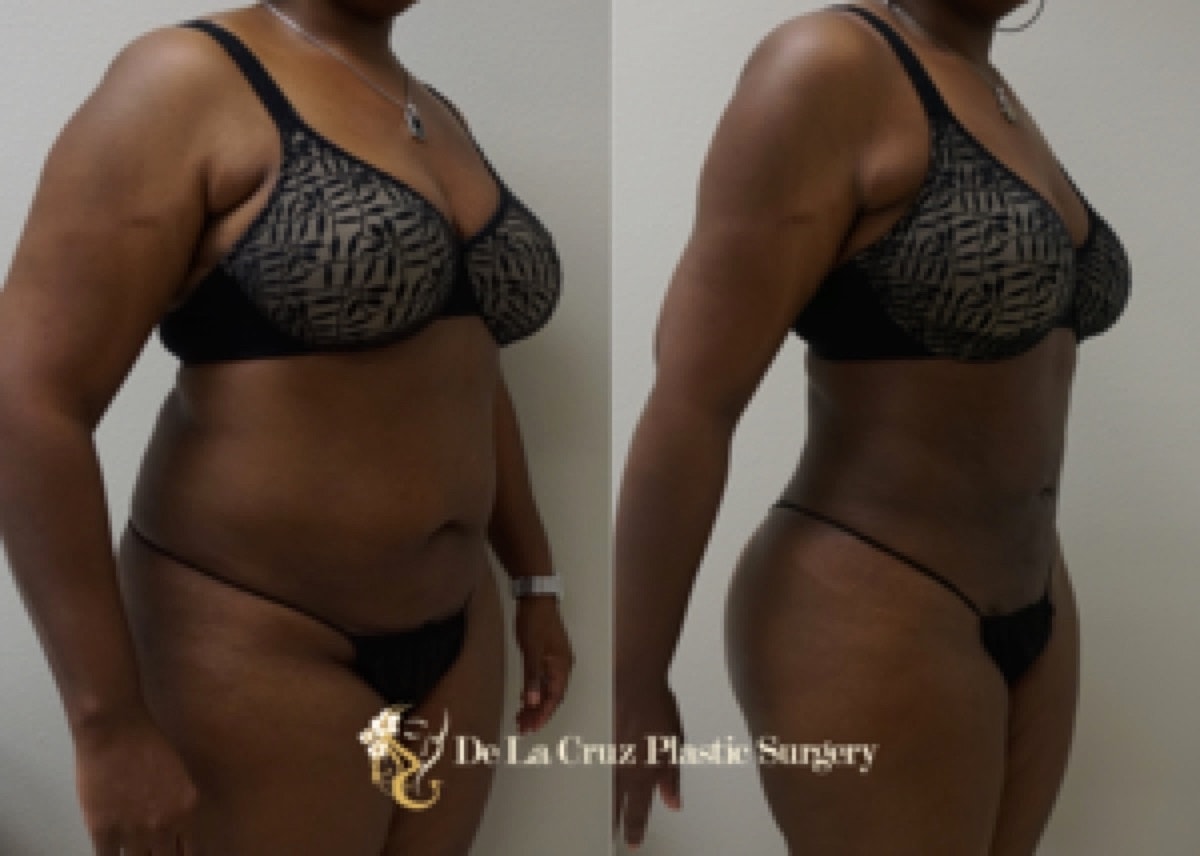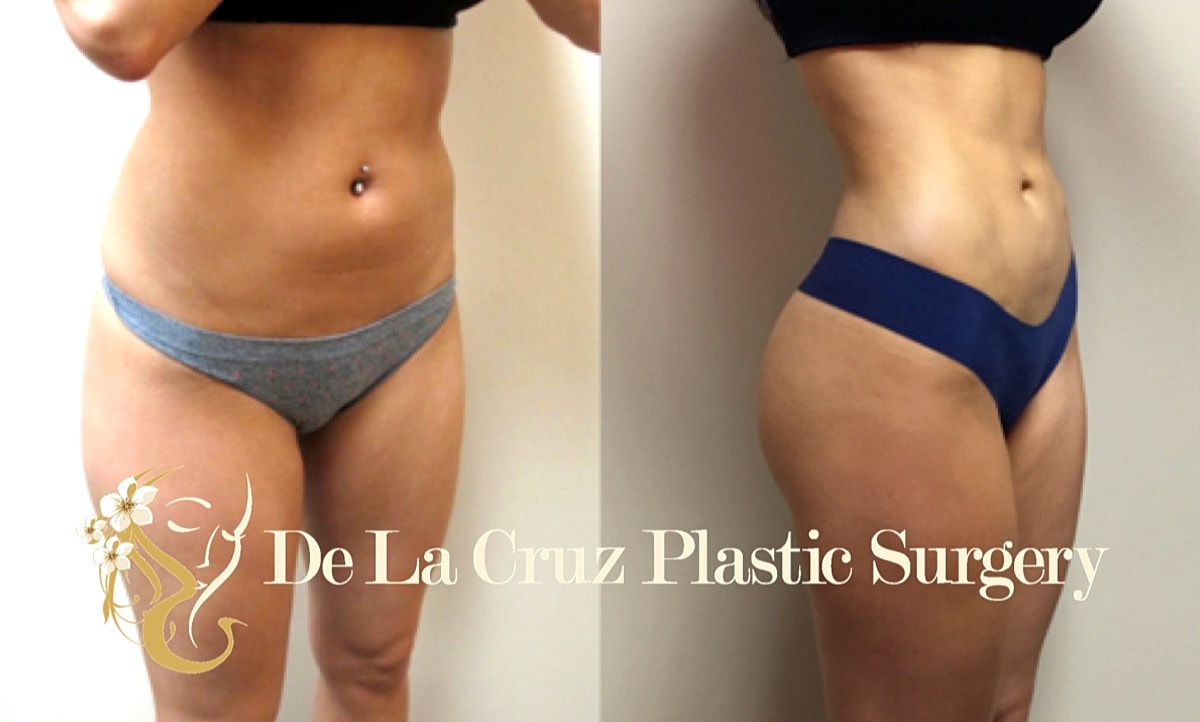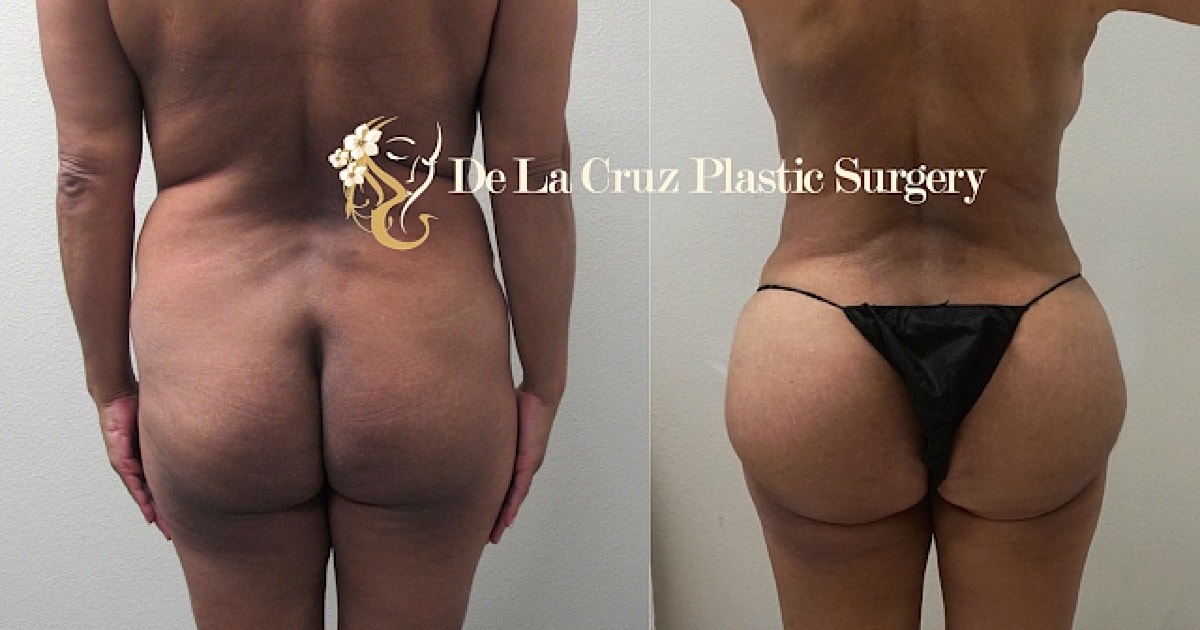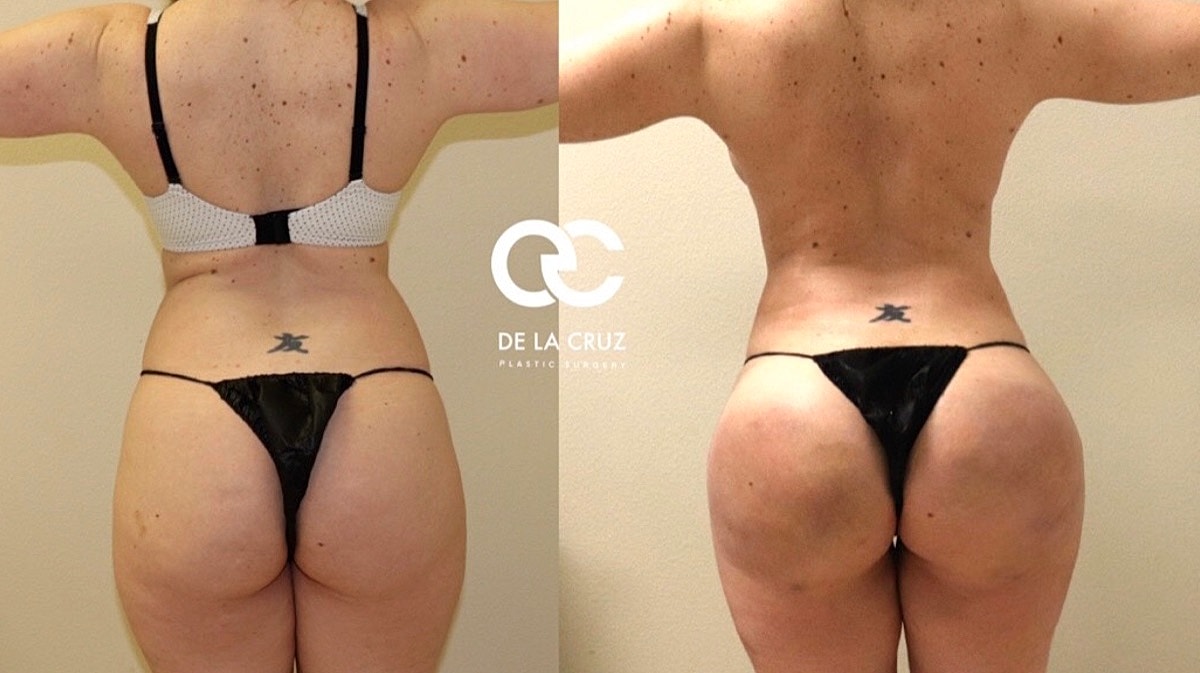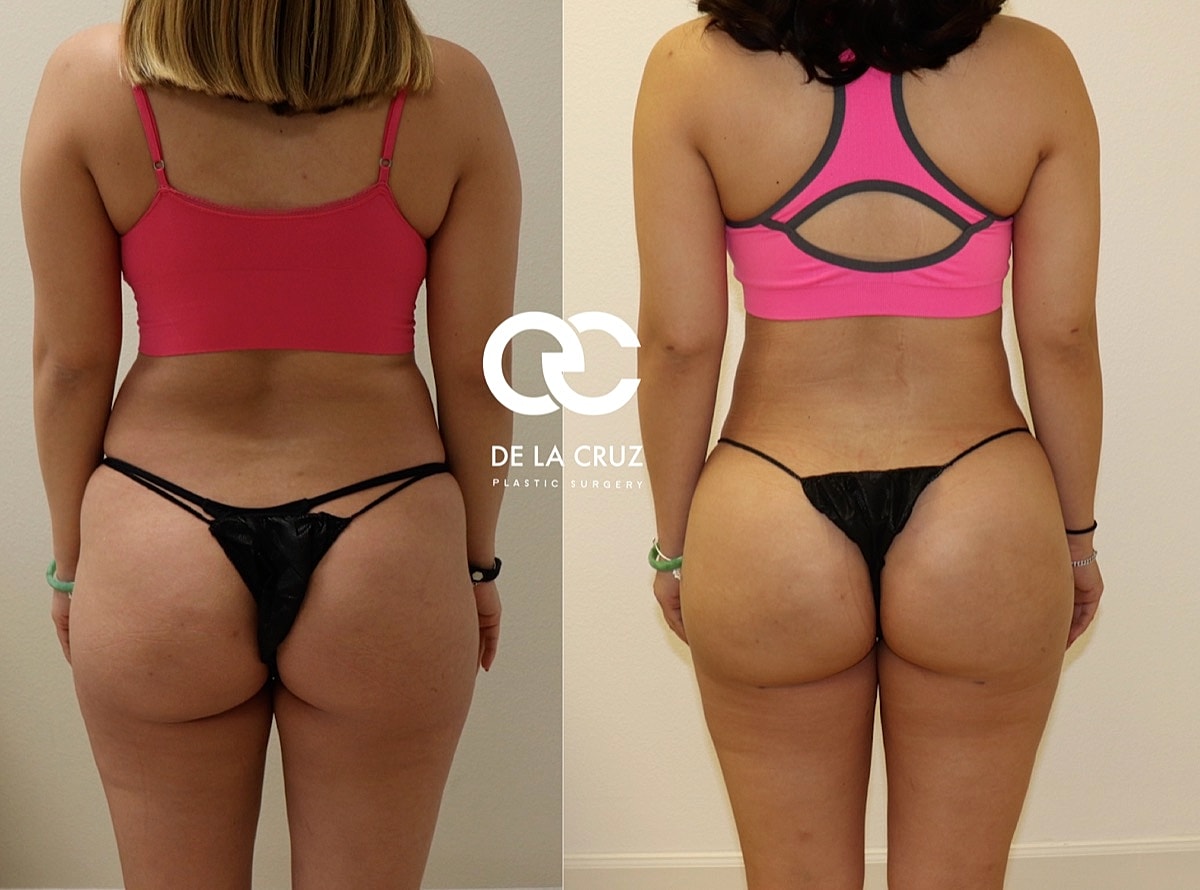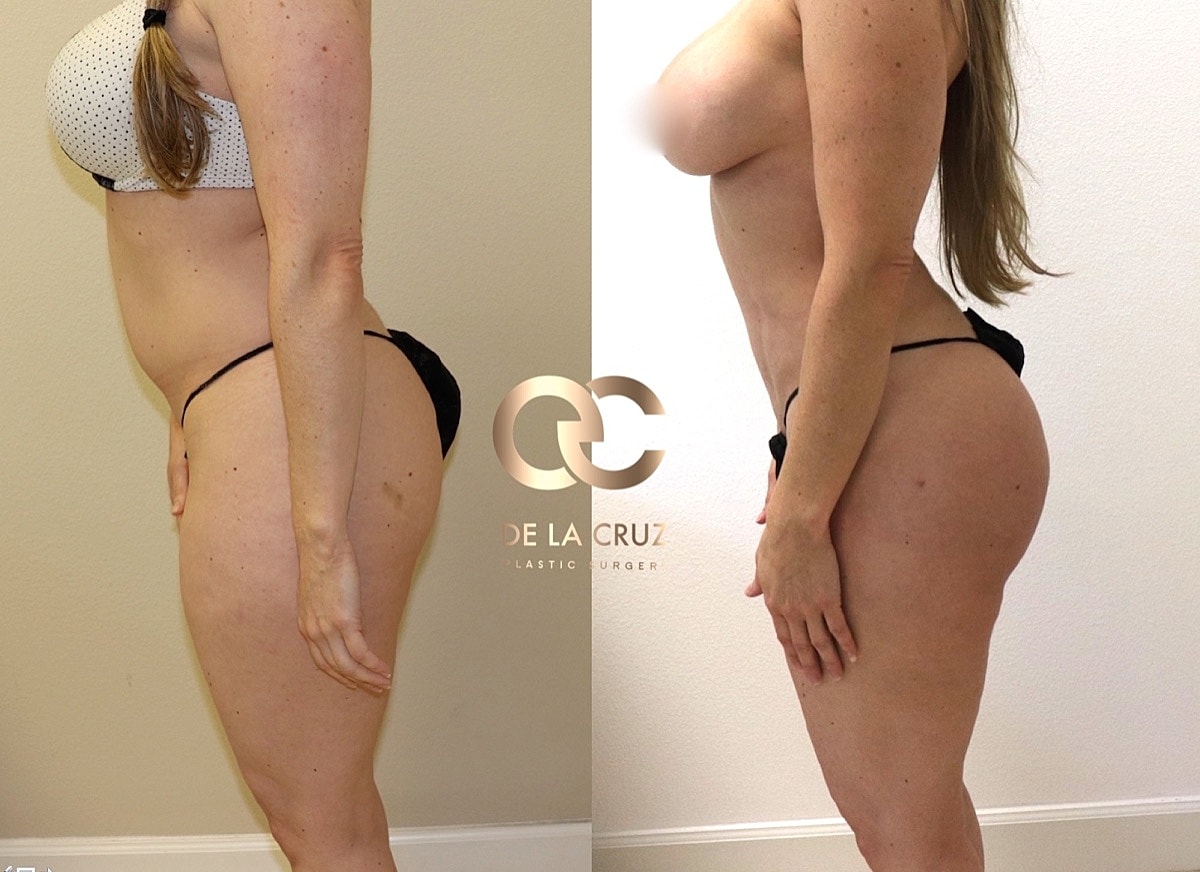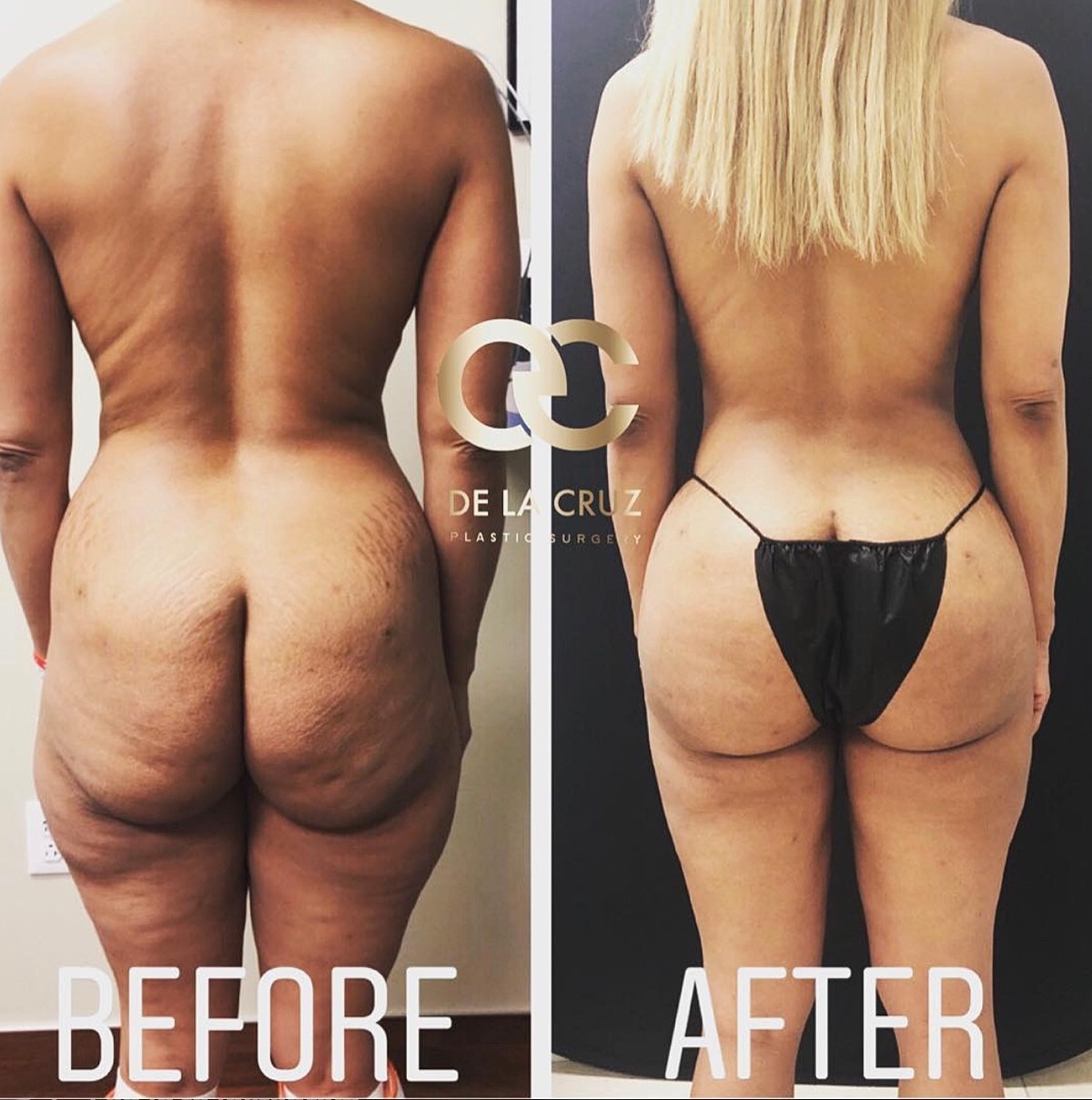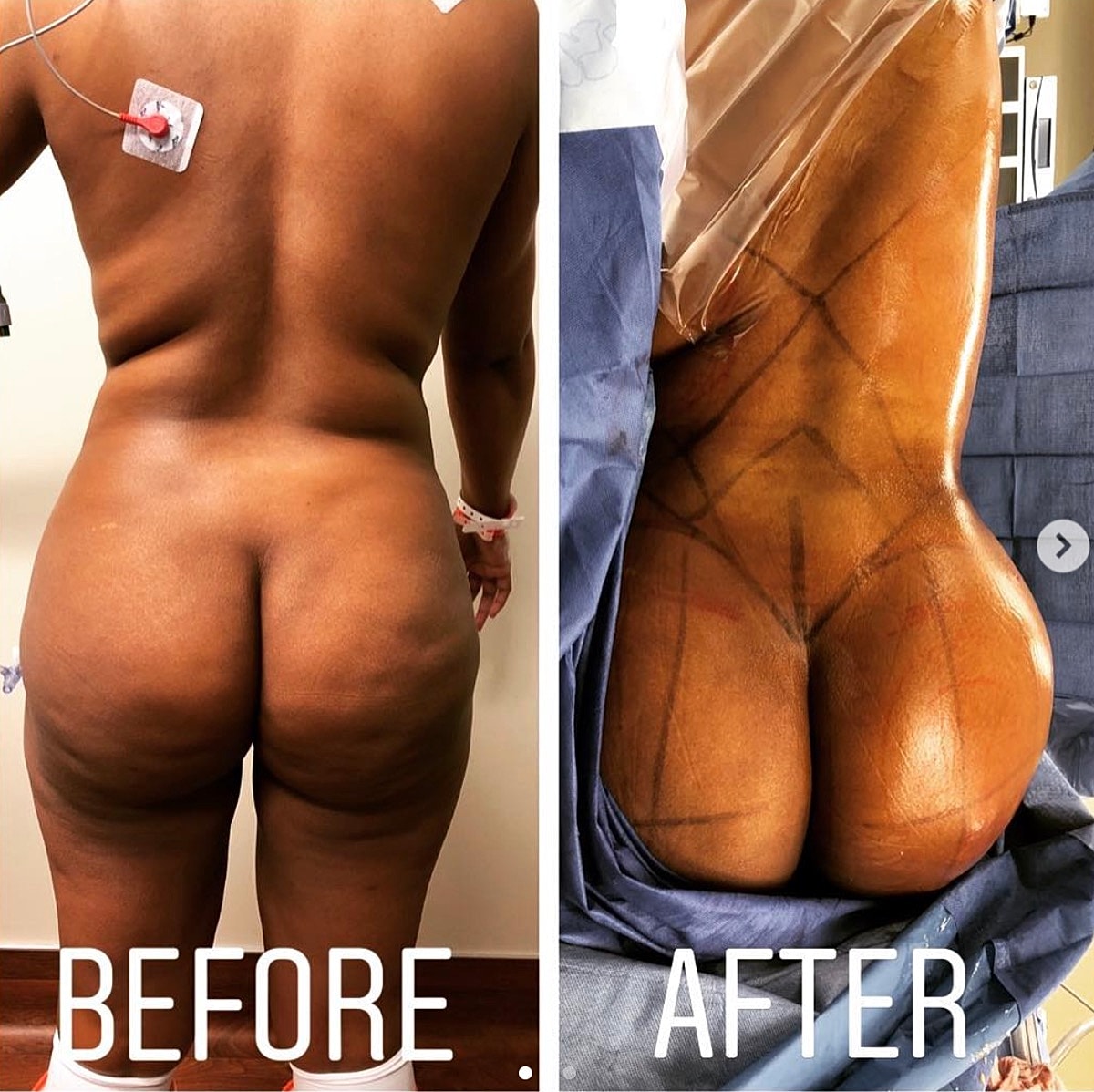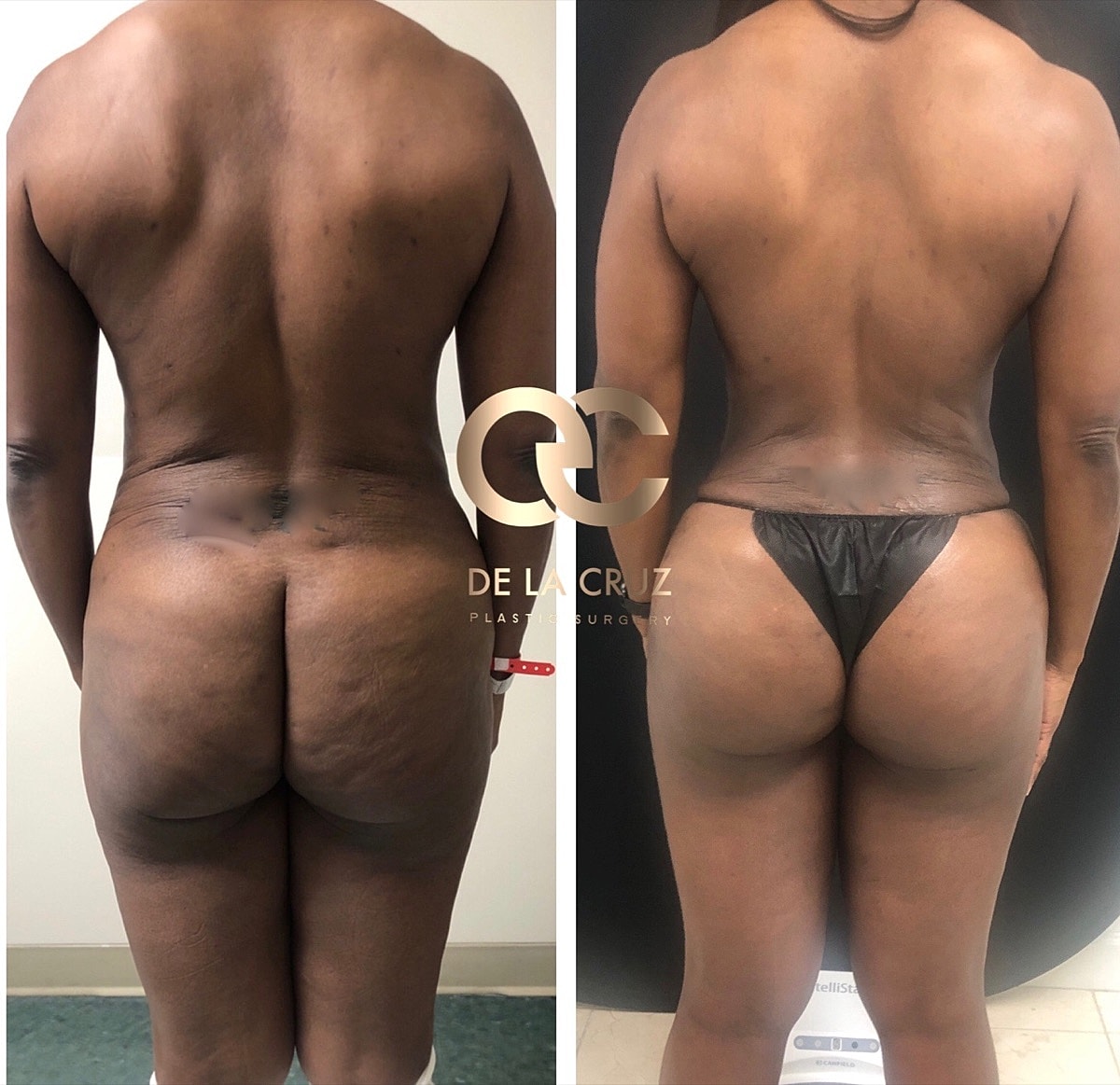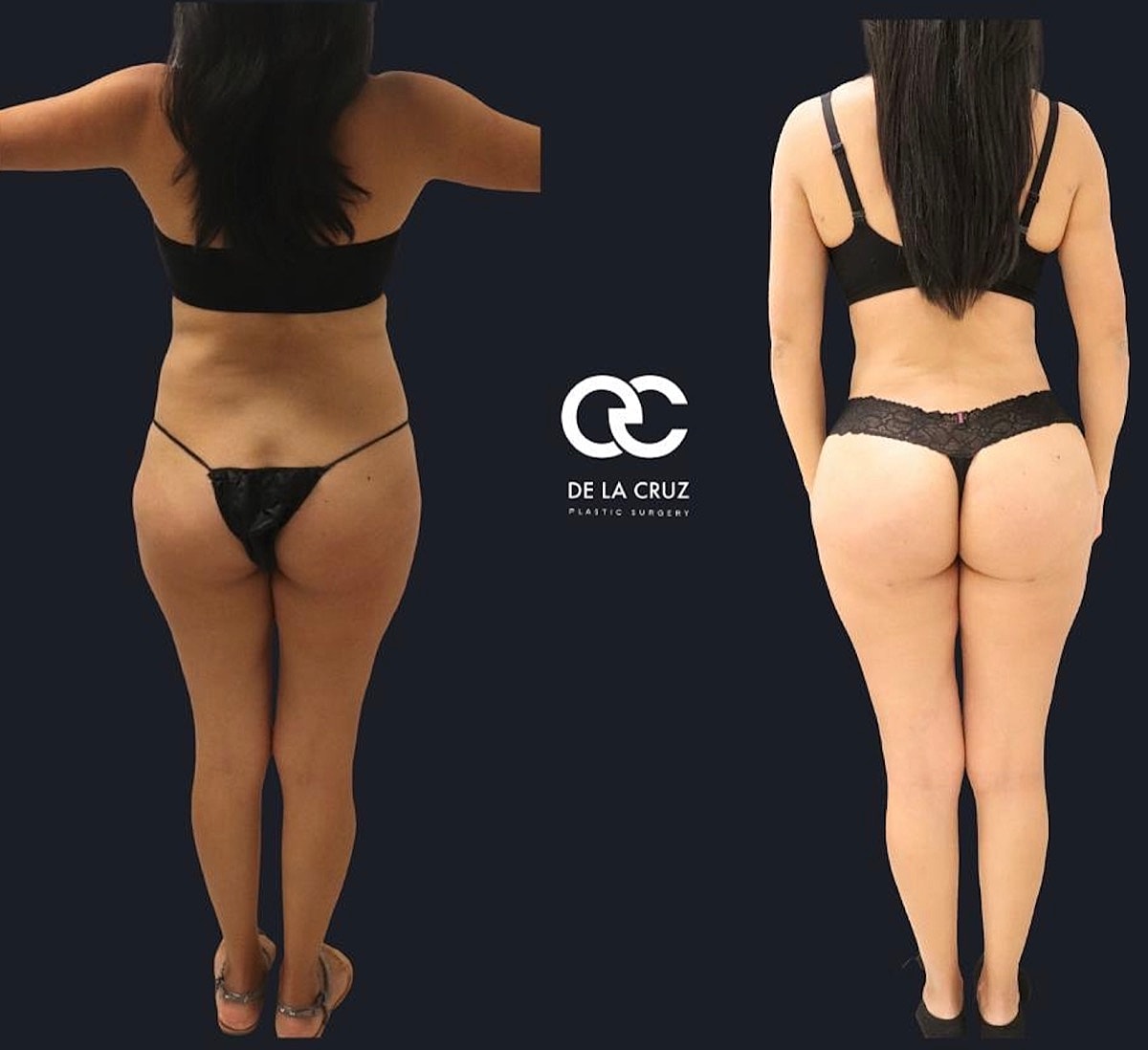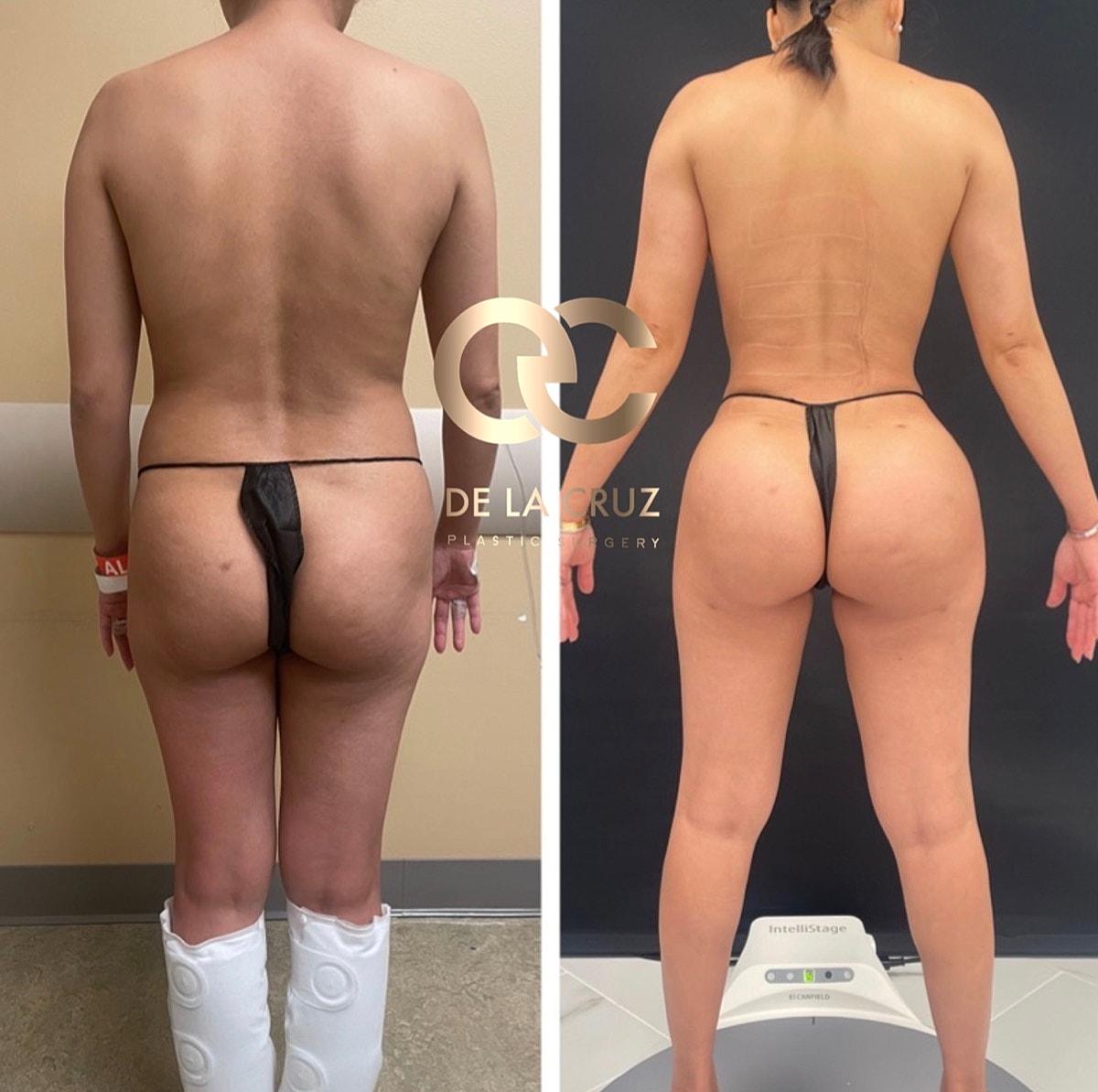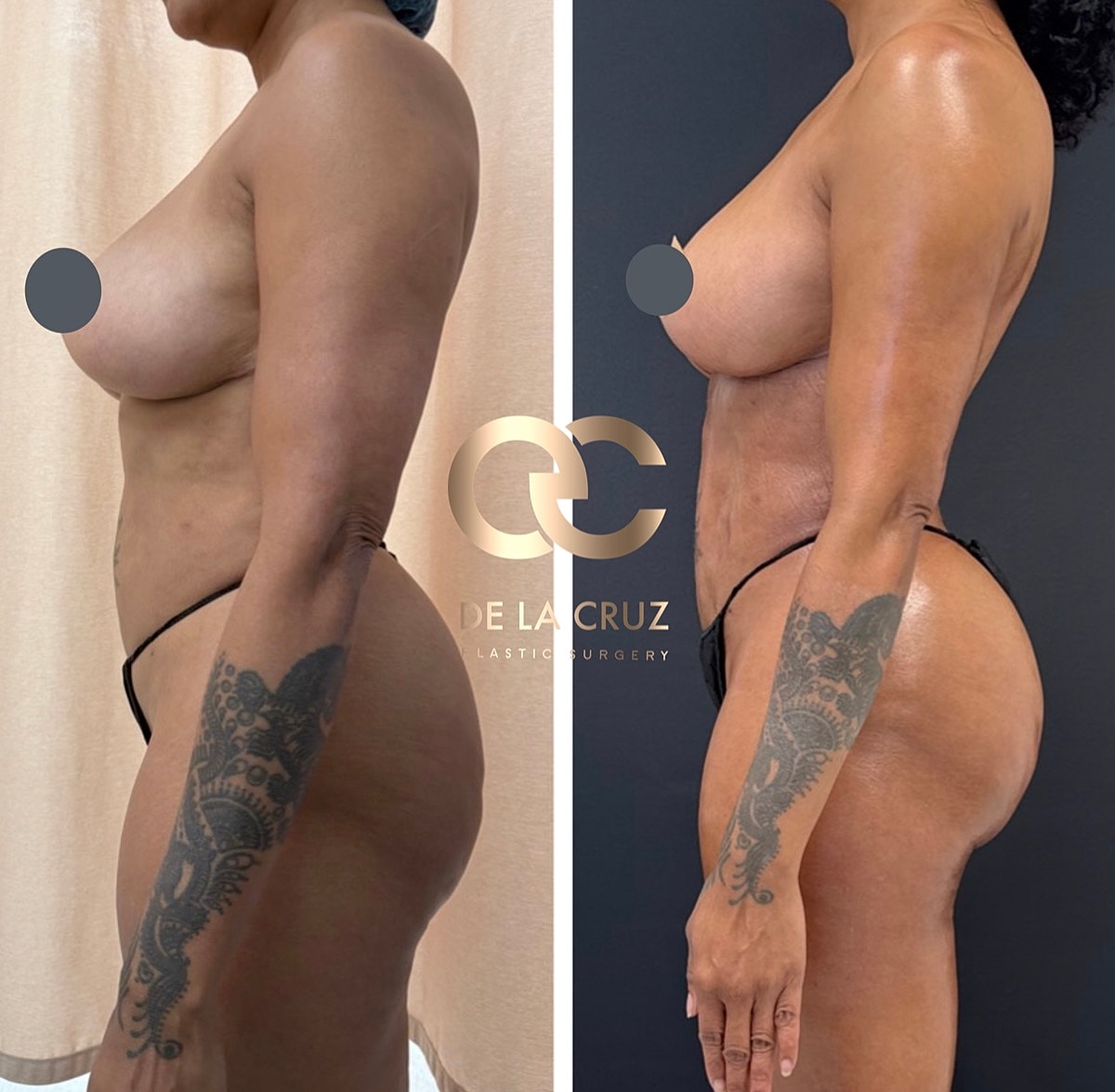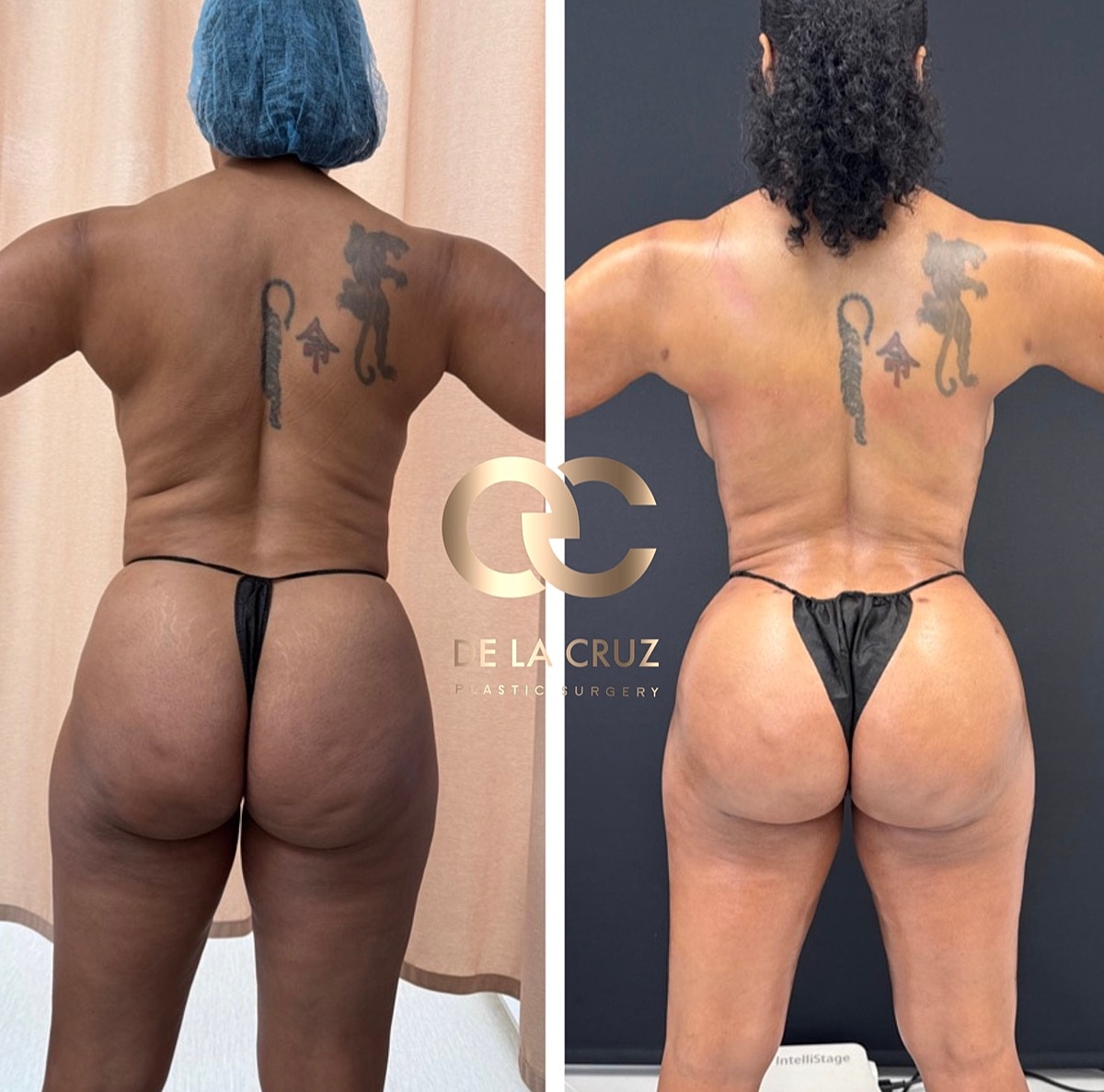
One of the most common questions patients ask when considering Brazilian Butt Lift (BBL surgery in Houston) is:
“How long will my BBL results last?”
A Brazilian Butt Lift enhances the shape and projection of the buttocks using fat grafting, where fat is removed from areas such as the abdomen, flanks, or back through liposuction and carefully injected into the buttocks.
Because the procedure uses your own living fat cells, the longevity of a BBL depends on how many of those transferred fat cells successfully survive and establish a blood supply after surgery.
When performed using proper surgical technique and followed by careful postoperative care, BBL results can be long-lasting and often permanent.
1 of 24
Fat transferred during a Brazilian Butt Lift behaves like fat in any other part of the body.
Once the fat cells develop a new blood supply in their new location, they become living tissue and can remain permanently.
However, not all transferred fat survives. During the healing process, a portion of the fat cells may be naturally reabsorbed by the body.
Most studies suggest that approximately:
60–80% of the transferred fat may survive long term.
The final results of a BBL usually become more stable after 3 to 6 months, when swelling resolves and surviving fat cells establish a stable blood supply.
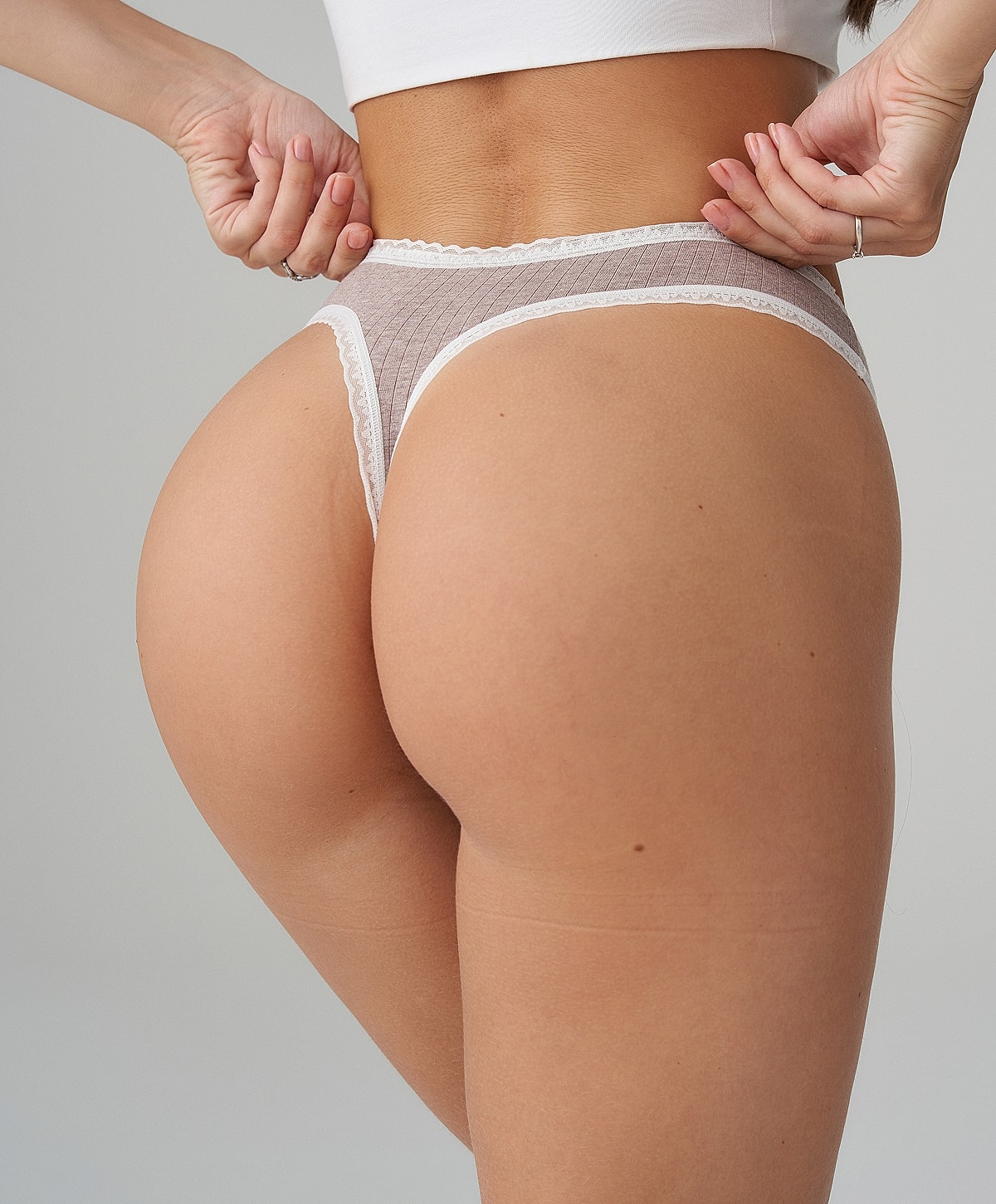
Most plastic surgeons explain that about 60% to 80% of the fat transferred during a Brazilian Butt Lift (BBL) may survive long term. However, this is a general estimate and can vary from patient to patient.
Studies show that fat survival rates can differ depending on surgical technique, how the fat is measured, and how long patients are followed after surgery. For example:
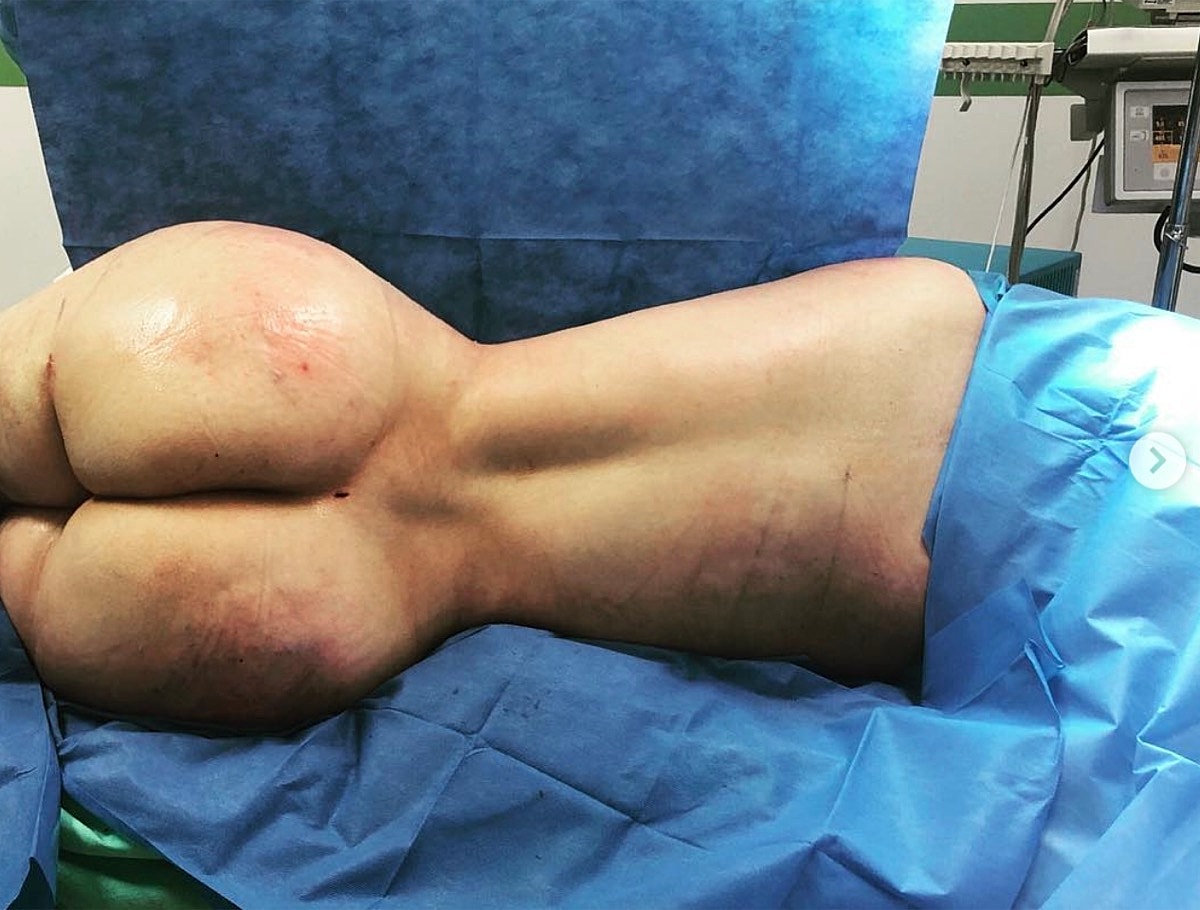
Immediately after a BBL, the buttocks often appear larger than the final result. This happens because:
As swelling decreases and the body heals, the buttocks settle into their final shape based on the fat that successfully survives.
Fat survival is influenced by several factors.
1. Blood supply in the recipient area
Transferred fat does not instantly have its own circulation. In the beginning, it relies on diffusion of oxygen and nutrients from surrounding tissue. If the grafted fat is placed in a way that allows revascularization, more of it is likely to survive. If too much fat is packed into one area, the center portion may not receive enough nourishment and may be resorbed.
2. Surgical technique
Retention is affected by how the fat is harvested, processed, and injected. The literature describes graft survival as being influenced by technical factors as well as patient-specific biology. In plain language, gentle harvesting, careful handling, and strategic placement in small amounts throughout the tissue are intended to improve take.
3. Pressure on the grafted fat
This is one of the most important concepts for patients. Direct pressure can reduce circulation in the area. The same basic principle is seen in pressure injuries: when tissue is compressed for prolonged periods, blood flow can be compromised. For BBL recovery, patients are commonly advised to avoid sitting directly on the grafted site for about 4 weeks, because protecting early circulation may help maximize fat survival.
4. Swelling versus true retained fat
Immediately after surgery, the area looks larger not only because of transferred fat, but also because of postoperative swelling and fluid shifts. As swelling decreases over weeks to months, the buttocks may look smaller. That does not automatically mean the procedure “failed.” It often means the temporary swelling is resolving and the final surviving fat is declaring itself. The literature and expert commentary note that fat-transfer results continue to settle over months.
5. Weight changes after surgery
Transferred fat behaves like living fat. If a patient loses significant weight after surgery, the buttocks can lose volume. If a patient gains weight, the buttocks may enlarge. This is one reason stable weight is important when discussing long-term maintenance of BBL results.

The portion that does not establish an adequate blood supply is typically reabsorbed by the body over time. This is why surgeons often slightly overcorrect volume at surgery, knowing some resorption is expected. The exact amount varies, which is why no ethical surgeon should promise that a specific percentage will survive in every case. Wide variation in published fat-graft survival data supports that caution.
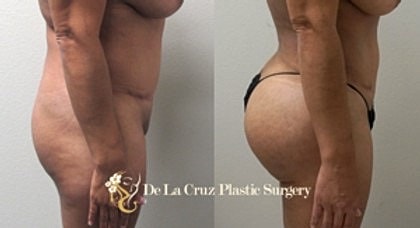
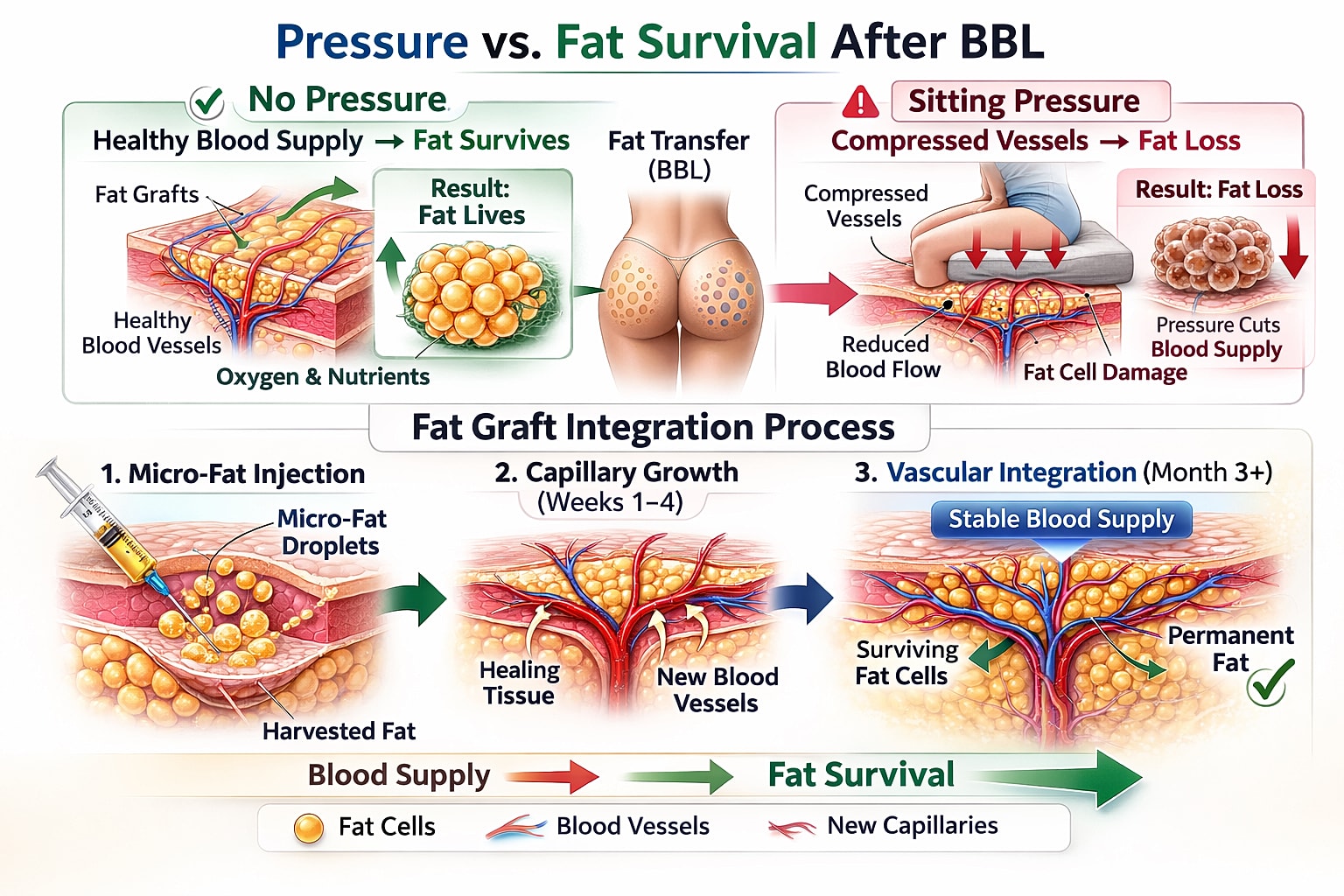
One of the most important postoperative instructions after a Brazilian Butt Lift is avoiding direct pressure on the buttocks during early healing.
Patients are typically advised to use a BBL pillow for approximately two months to help protect the newly transferred fat cells.
This precaution is recommended because pressure can compromise blood flow to the grafted fat, which may decrease the survival rate of the transferred fat cells.
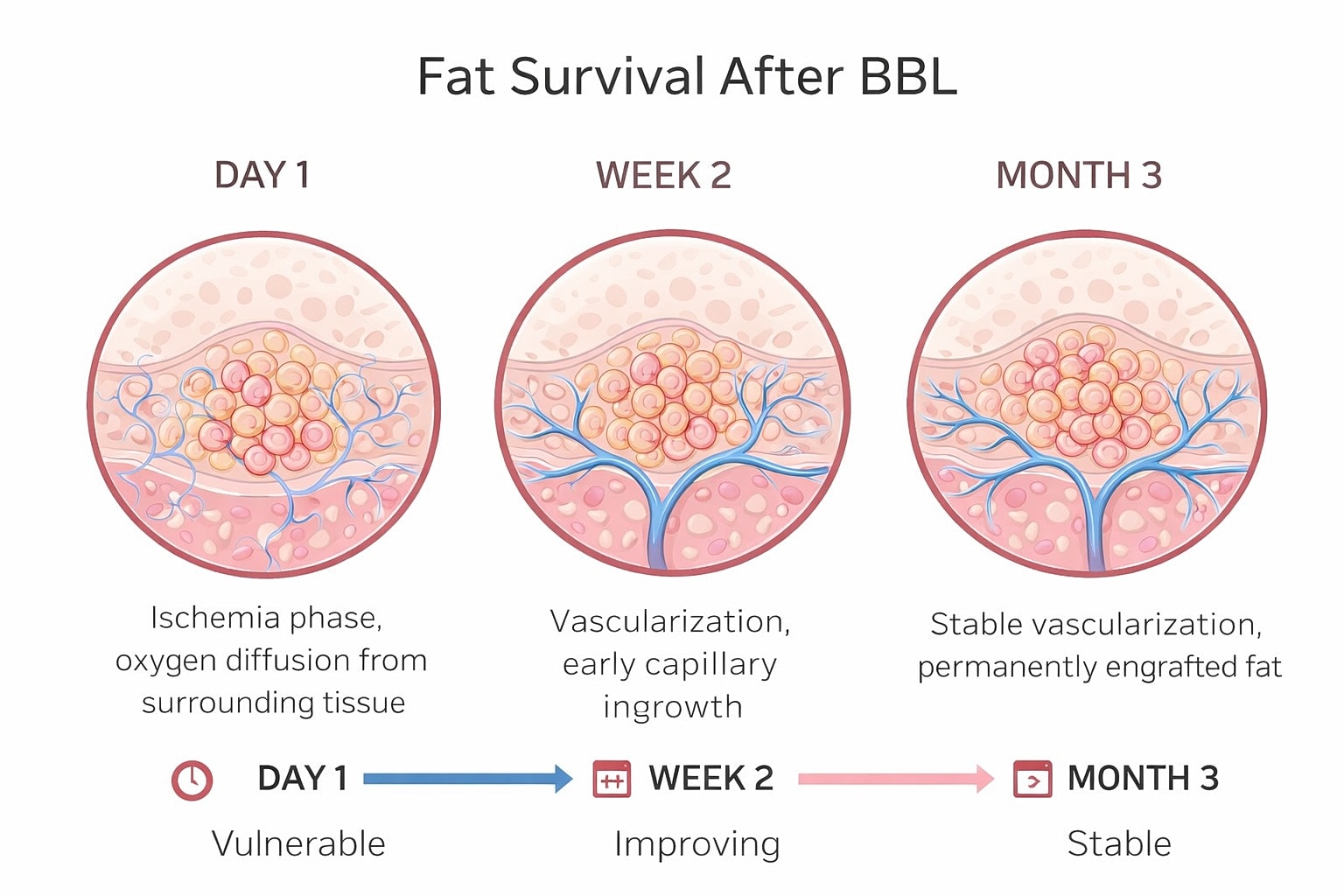
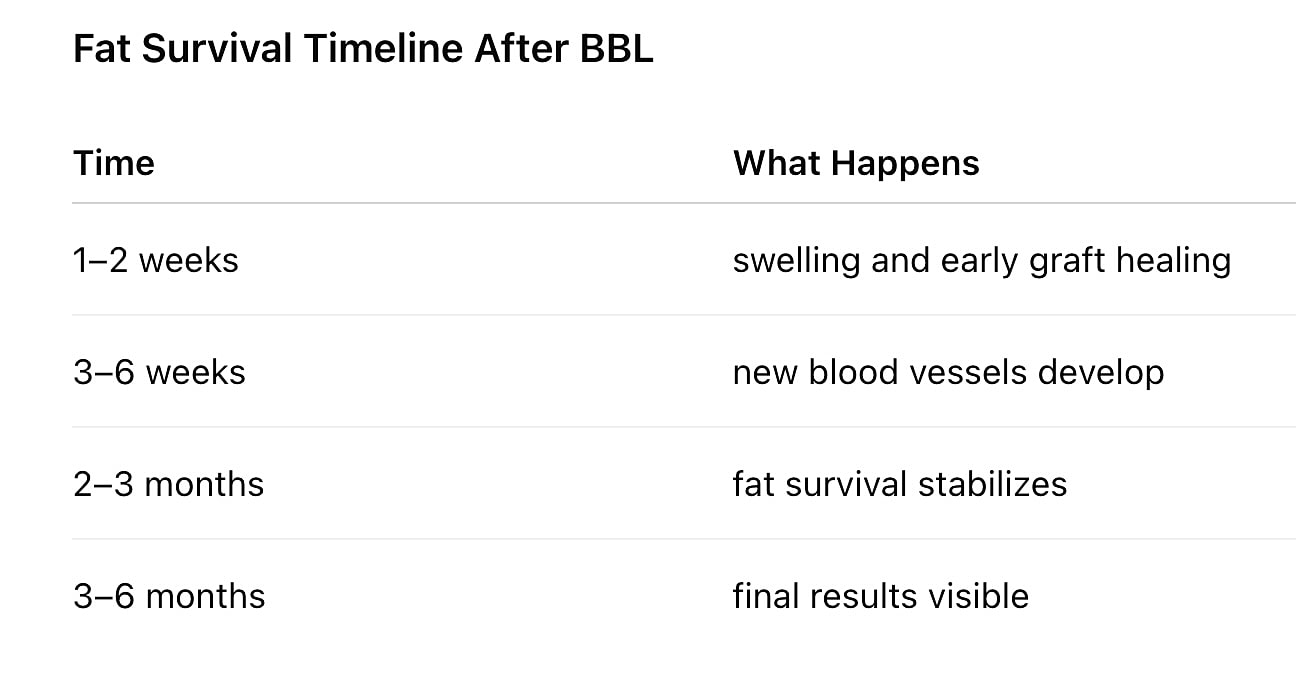
Understanding when fat survives after a Brazilian Butt Lift (BBL) helps patients understand the healing process and why postoperative care is so important. Fat graft survival occurs gradually as the transferred fat cells establish a new blood supply in the buttocks.
First 72 Hours: Fat Graft Ischemia Phase
During the first few days after surgery, the transferred fat cells are in their most delicate stage.
During this phase, sitting directly on the buttocks can compress small blood vessels, which may reduce circulation and decrease fat survival.
This is why surgeons recommend avoiding sitting or direct pressure on the buttocks during early recovery.
Weeks 2–4: Early Vascularization Phase
During the next few weeks, the body begins to integrate the transferred fat.
At this stage, some of the transferred fat may still be reabsorbed by the body. Protecting the grafted fat from excessive pressure can still help improve long-term retention.
Around 3 Months: Fat Stabilization Phase
By approximately three months after surgery, most of the surviving fat cells have developed a stable blood supply.
The fat that survives at this stage typically behaves like normal body fat and may increase or decrease in size with weight changes.

Fat grafting relies on a delicate healing process. After fat is transferred into the buttocks, the cells must develop a new blood supply from surrounding tissues in order to survive.
If excessive pressure is applied to the area during early healing, several things may occur:
• compression of small blood vessels
• decreased oxygen delivery to the fat cells
• reduced circulation in the grafted tissue
Without adequate blood supply, some fat cells may not survive, which can reduce the final volume of the BBL.
For this reason, minimizing pressure during the early recovery period is an important part of protecting fat graft viability.
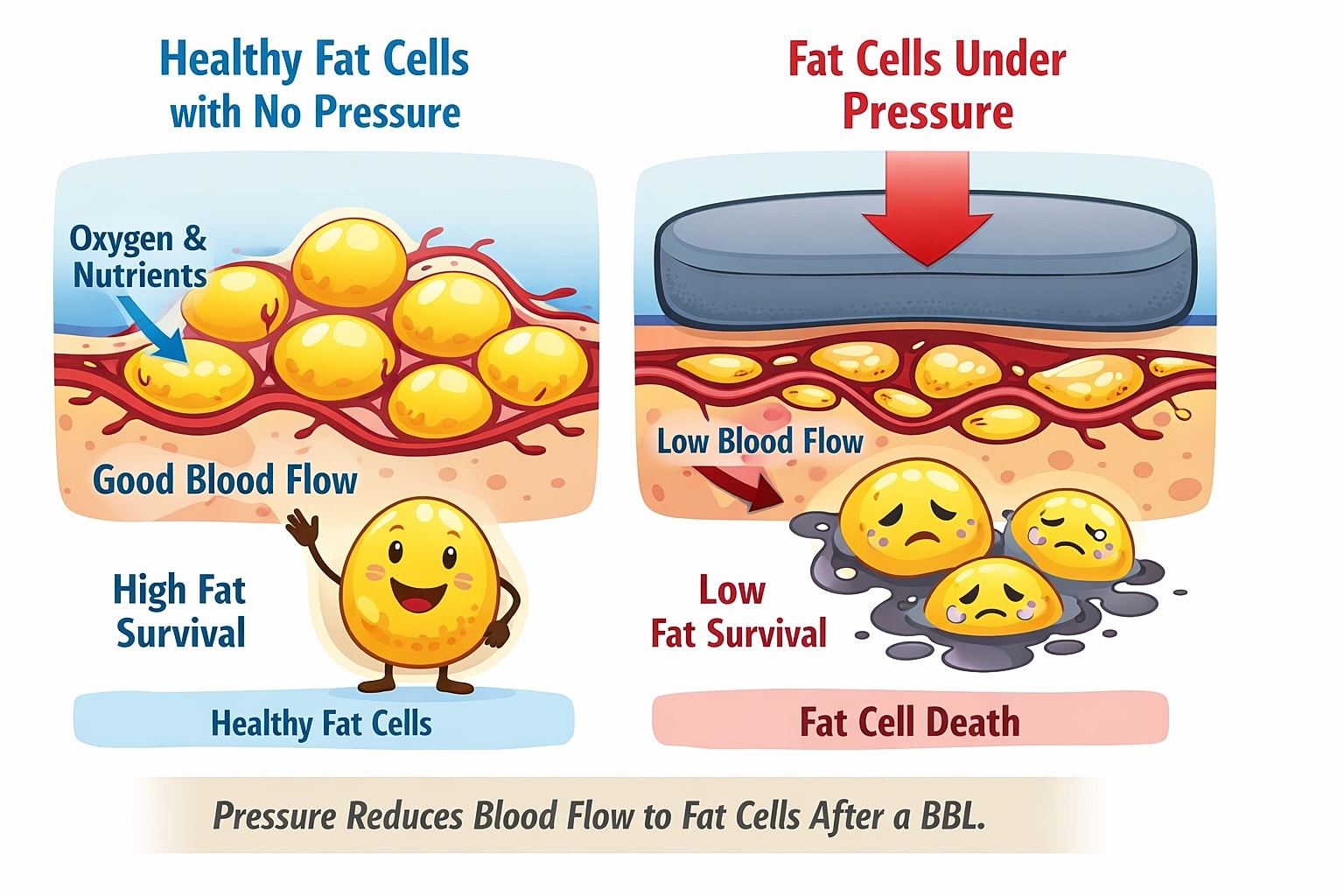
The concept of protecting fat grafts from pressure is similar to how pressure sores (bed sores) develop.
Pressure sores occur when constant pressure on the skin reduces blood flow to the tissue, causing tissue damage or breakdown.
Similarly, when excessive pressure is applied to freshly transferred fat cells after a BBL, the pressure may reduce circulation to the grafted tissue, making it harder for those fat cells to survive.
By reducing pressure during the early healing period, patients help give the transferred fat the best opportunity to integrate into the surrounding tissue and survive long term.
Several factors can influence the longevity of Brazilian Butt Lift results, including:
• surgical technique used during fat grafting
• the amount of fat transferred
• postoperative care and pressure avoidance
• individual healing patterns
• body weight changes after surgery
Maintaining a stable body weight after surgery is also important because fat cells can expand or shrink with weight changes.
Most surgeons recommend avoiding direct pressure on the buttocks for approximately:
6 to 8 weeks (about 2 months)
During this period, patients may sit using a BBL pillow, which shifts body weight toward the thighs rather than the buttocks.
This helps reduce pressure on the newly grafted fat and supports optimal fat survival during the critical healing phase.
After about two months, many patients are gradually able to resume normal sitting as the fat cells become more stable.
Patients can help maintain long-lasting Brazilian Butt Lift results by following postoperative instructions and maintaining a healthy lifestyle.
Important factors include:
• avoiding pressure on the buttocks during early healing
• using a BBL pillow during the first 6–8 weeks
• maintaining stable body weight
• following postoperative care instructions
When these guidelines are followed, BBL results can remain stable for many years.
Learn More About Brazilian Butt Lift
Patients researching Brazilian Butt Lift surgery may also wish to explore other topics related to the procedure, recovery, and results.
You can learn more by reading:
• Brazilian Butt Lift Houston (BBL)
Patients seeking liposuction in Houston often choose Dr. Emmanuel De La Cruz, a double-board-certified plastic surgeon certified by both the American Board of Plastic Surgery and the American Board of Surgery. He specializes in advanced body contouring and precision liposuction techniques designed to create refined, natural-appearing results.
Dr. De La Cruz is internationally recognized for his work in high-definition liposuction and contour sculpting. He has received the Grand Master Total Definer Award for Best High-Definition Liposuction Results, presented by Dr. Alfredo Hoyos, the pioneer of high-definition liposculpture.
He has also lectured internationally on liposuction and contour correction techniques, presenting at major scientific meetings including the American Society of Plastic Surgeons (ASPS), the Total Definer Meeting in Bogotá, the InMode Symposium in Miami and Beverly Hills, and AestheticStanbul in Istanbul, where he was invited by renowned plastic surgeon Dr. Foad Nahai.
Dr. De La Cruz has contributed to the scientific literature as the author of “Lipoplasty in the Overweight Patient,” published in the peer-reviewed journal Clinics in Plastic Surgery.
Through his combination of advanced surgical training, international teaching experience, and meticulous contour sculpting, Dr. De La Cruz focuses on delivering safe, precise, and natural-looking liposuction results.

In most Brazilian Butt Lift procedures, approximately 60–80% of the transferred fat cells survive long term. During the first few months after surgery, some of the injected fat may be naturally reabsorbed by the body as the tissue heals. The fat cells that successfully establish a new blood supply typically remain permanent living tissue and contribute to the long-term BBL result.
Fat graft survival depends on whether the transplanted fat cells are able to develop a new blood supply from surrounding tissues. During the healing process, some fat cells may not receive enough oxygen or nutrients and are naturally reabsorbed by the body. Surgeons often place slightly more fat during the procedure to account for this expected partial resorption.
Most fat survival stabilizes within 3 to 6 months after surgery. During this time, the transferred fat cells develop a new blood supply and integrate into the surrounding tissue. Once the fat cells have successfully established circulation, they behave like normal fat cells and can remain permanent.
Yes, excessive pressure on the buttocks during early recovery can affect fat survival. Sitting directly on the buttocks may compress the newly transferred fat and reduce blood flow to the grafted tissue. For this reason, many surgeons recommend using a BBL pillow and avoiding direct sitting pressure for approximately 6–8 weeks to help optimize fat graft survival.
Most fat resorption occurs during the first few months after surgery. Once the surviving fat cells have established a blood supply, they generally remain stable. However, significant weight loss can reduce the size of fat cells throughout the body, including the buttocks, which may affect the final volume of the BBL over time.
Yes. Because the transferred tissue is living fat, it can expand or shrink with weight changes. Maintaining a stable body weight after surgery helps preserve the long-term results of a Brazilian Butt Lift.
Several factors may help optimize fat graft survival, including:
• careful fat harvesting techniques • gentle fat processing • precise fat injection technique • avoiding excessive pressure on the grafted tissue after surgery • following postoperative instructions closely
These techniques help maximize the number of fat cells that successfully survive.
In some cases, patients may choose to undergo a secondary fat grafting procedure if additional volume enhancement is desired. This is sometimes referred to as BBL revision or touch-up fat grafting, and it can help further refine the contour of the buttocks.
Yes, a portion of the injected fat may be reabsorbed during the healing process, especially within the first 3 months after surgery. This is expected and occurs as the body removes fat cells that do not develop a new blood supply.
Yes. Because the transferred tissue is living fat, significant weight loss can cause the fat cells to shrink, which may reduce the size of the buttocks over time. Maintaining a stable weight helps preserve long-term BBL results.
Yes. Fat cells transferred during a BBL behave like fat cells elsewhere in the body. If a patient gains weight, those fat cells can enlarge, potentially increasing buttock volume.
Most swelling gradually improves during the first 6 to 8 weeks, but mild swelling can persist for several months. Final results are typically visible between 3 and 6 months as swelling resolves and fat survival stabilizes.
Patients can help maximize fat survival by:
• avoiding pressure on the buttocks during early recovery • using a BBL pillow when sitting • following postoperative instructions • maintaining stable body weight • avoiding smoking during healing
These measures support optimal blood supply to the transferred fat cells.
About the Author
Dr. Emmanuel De La Cruz, MD is a double-board-certified plastic surgeon in Houston, Texas, certified by both the American Board of Plastic Surgery and the American Board of Surgery. He specializes in advanced liposuction and body contouring procedures, including high-definition liposculpture, Brazilian Butt Lift (BBL), revision liposuction, and treatment of lipedema.
Dr. De La Cruz is internationally recognized for his expertise in high-definition liposuction and contour sculpting techniques, which play a critical role in achieving balanced, natural-looking results in procedures such as liposuction and Brazilian Butt Lift surgery. His work focuses on precise body contour sculpting to enhance overall body proportions.
He has lectured internationally on liposuction techniques, fat grafting, and contour irregularity correction, presenting at major scientific meetings including the American Society of Plastic Surgeons (ASPS), the Total Definer Meeting in Bogotá, Colombia, the InMode Symposium in Miami and Beverly Hills, and AestheticStanbul in Istanbul, Turkey, where he was invited to lecture by renowned plastic surgeon Dr. Foad Nahai.
Dr. De La Cruz has also contributed to the scientific literature on liposuction and body contouring. He is the author of “Lipoplasty in the Overweight Patient”, published in the peer-reviewed journal Clinics in Plastic Surgery.
Through his clinical work, research, and international lectures, Dr. De La Cruz focuses on advancing safe, precise, and refined techniques in liposuction, BBL surgery, and modern body contouring.