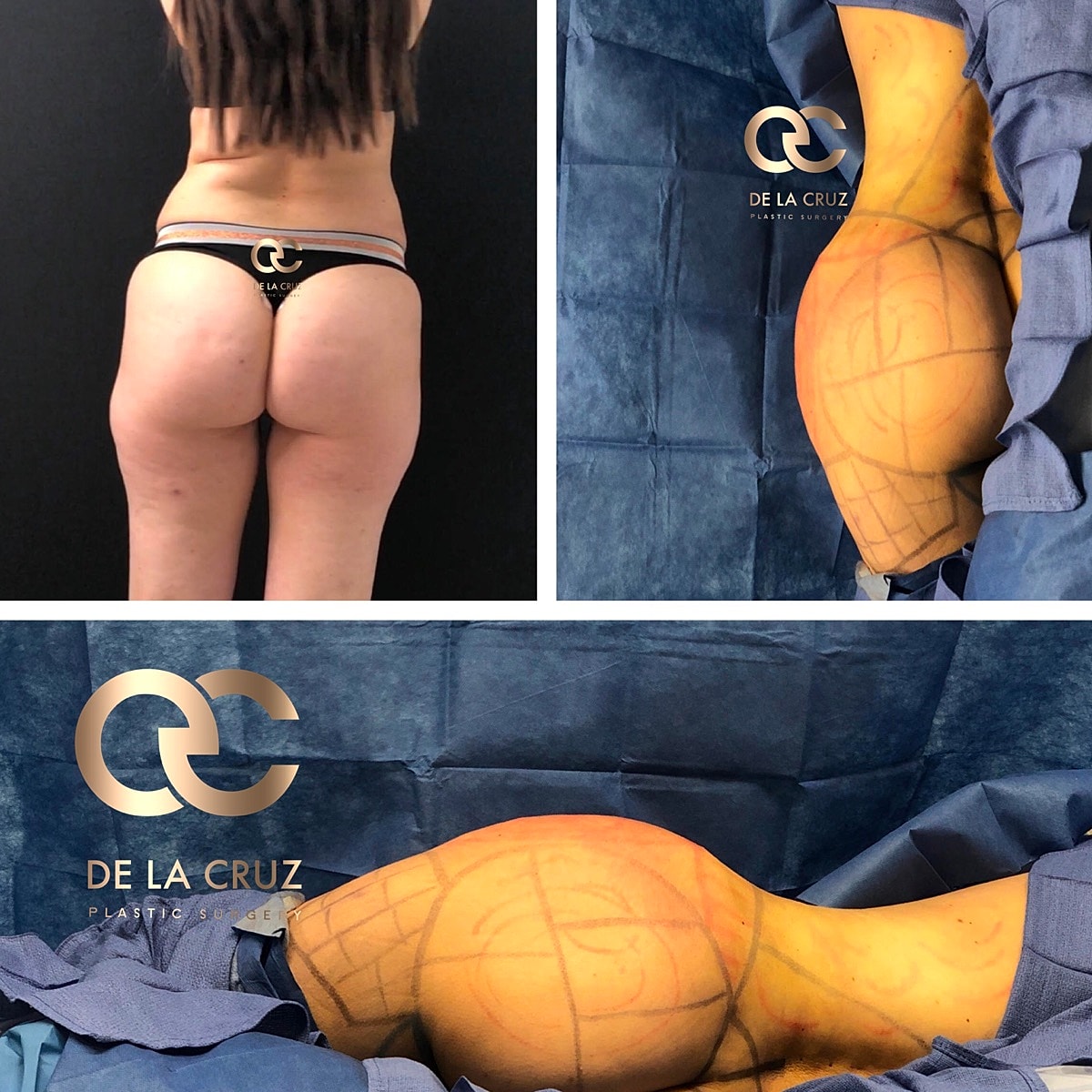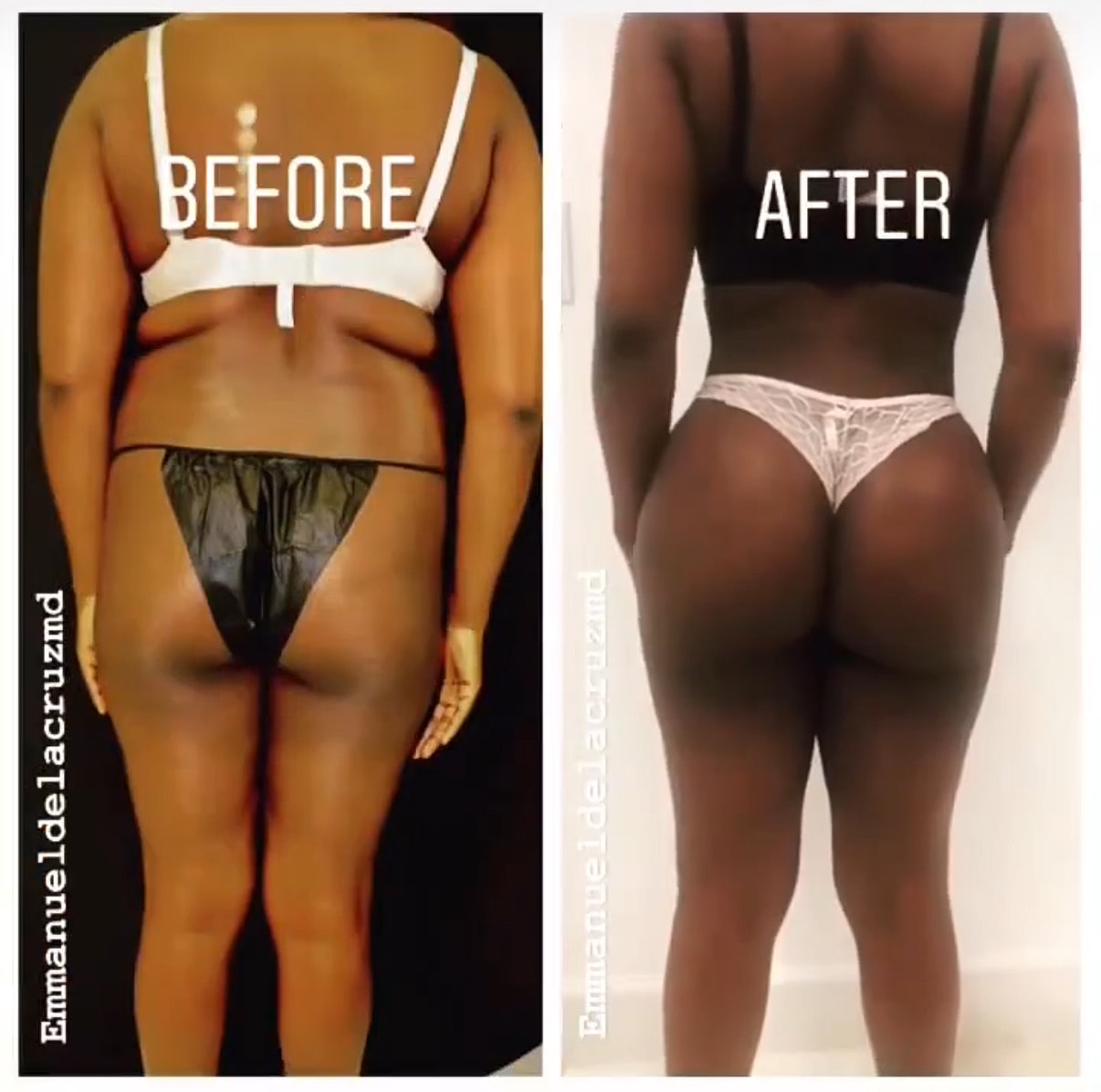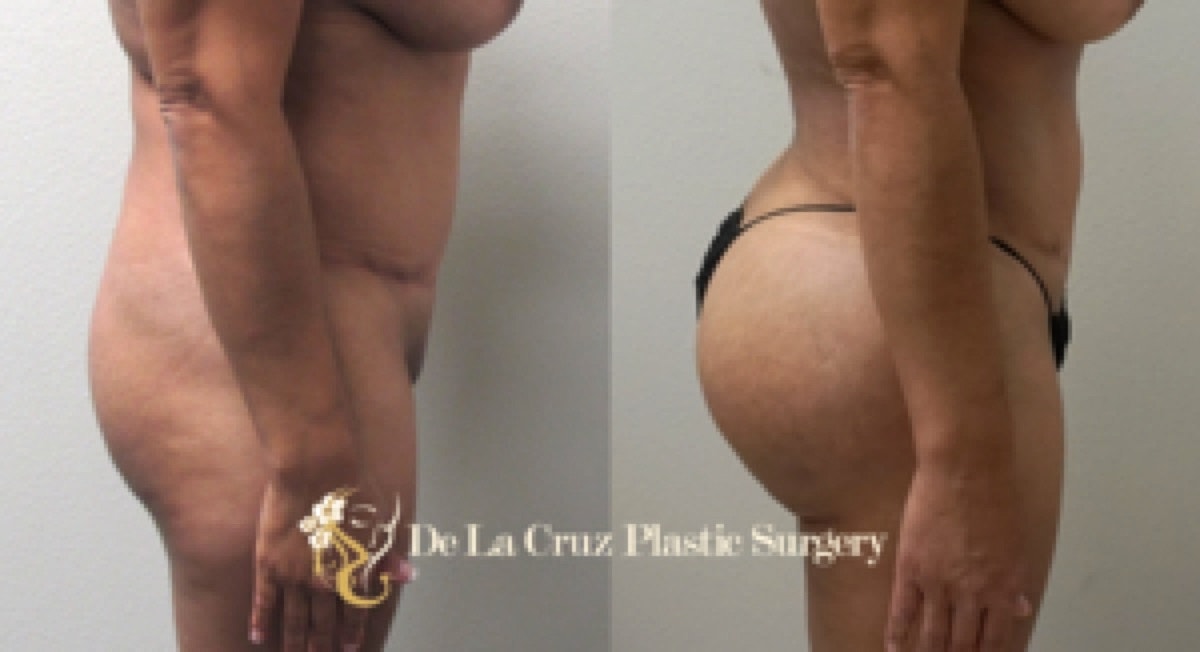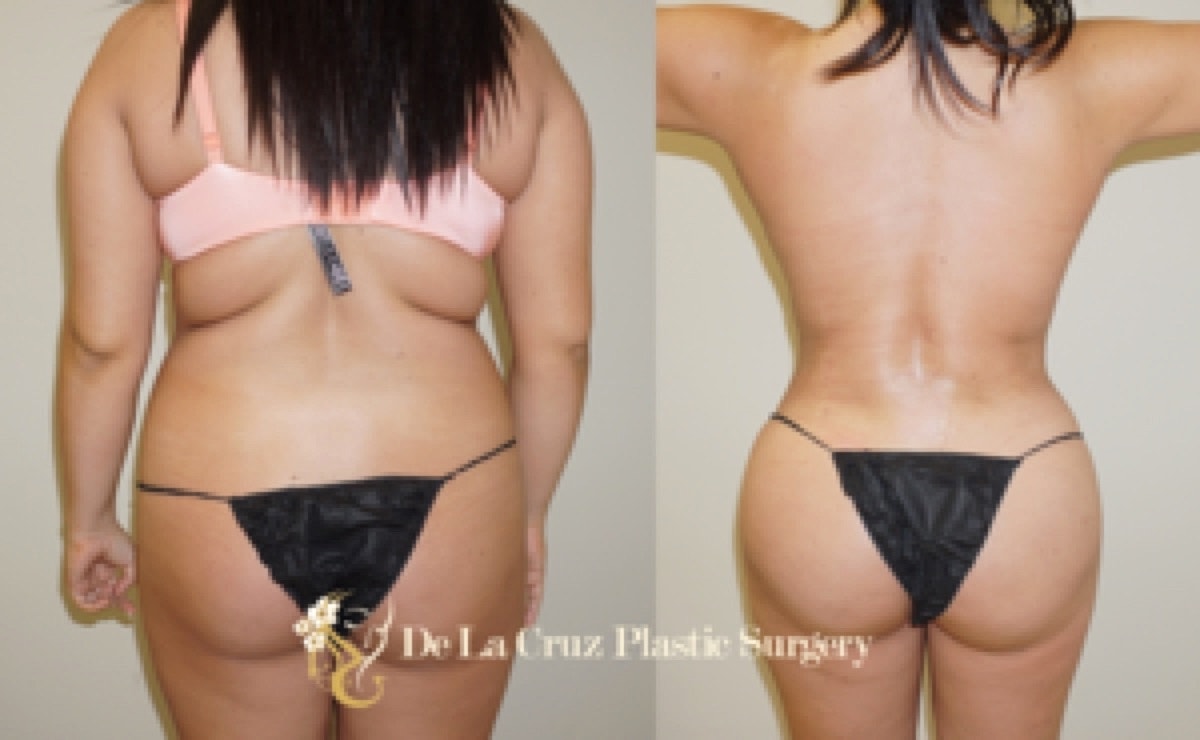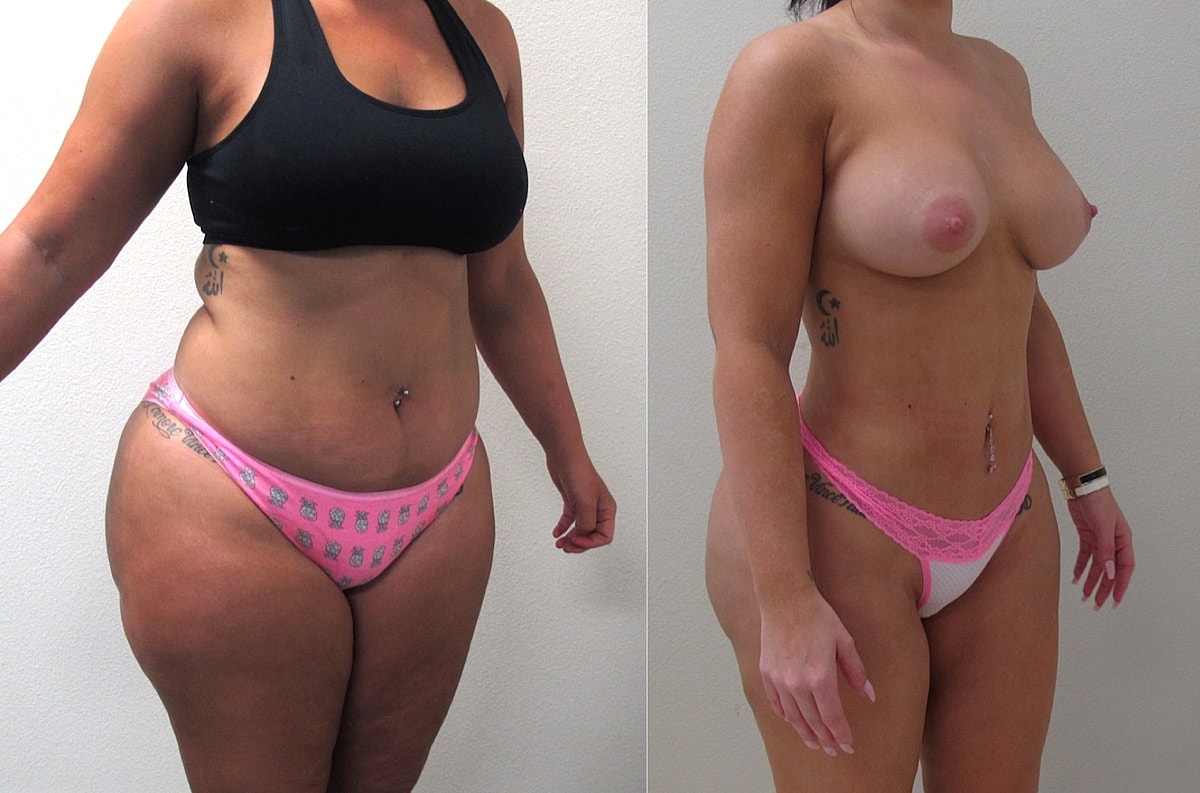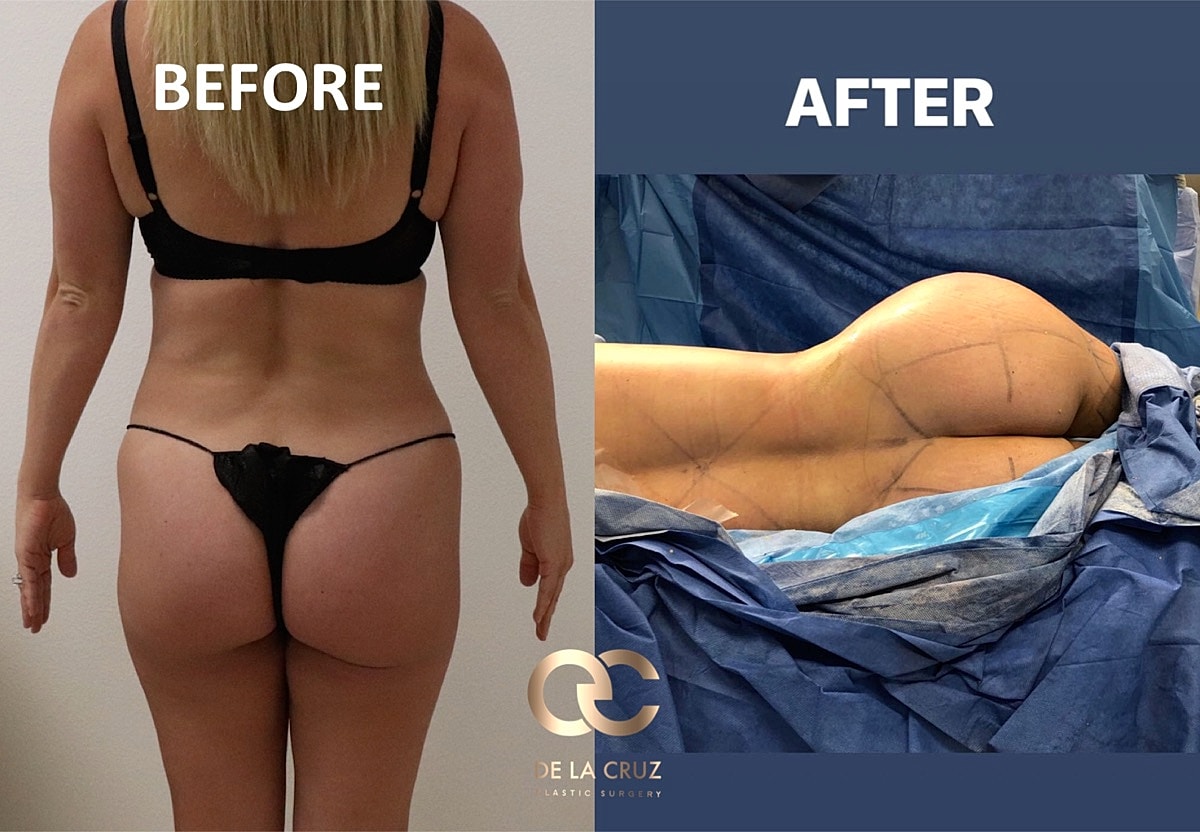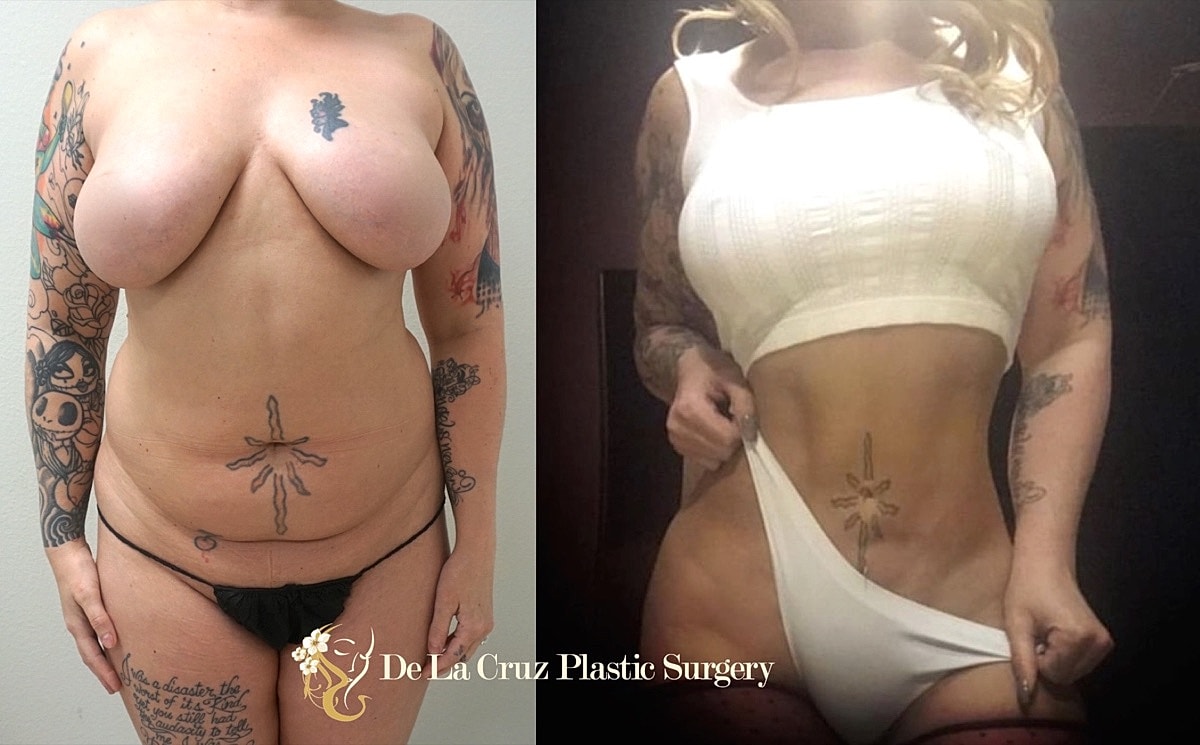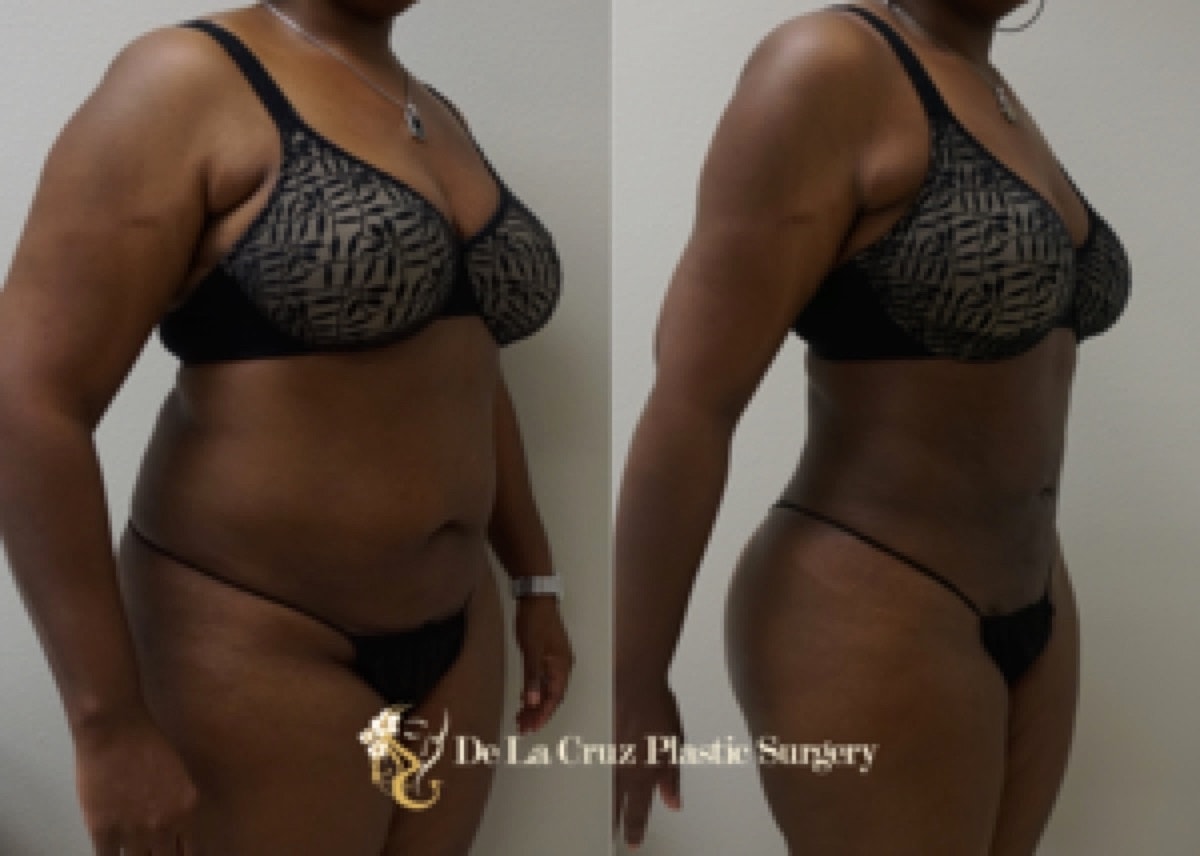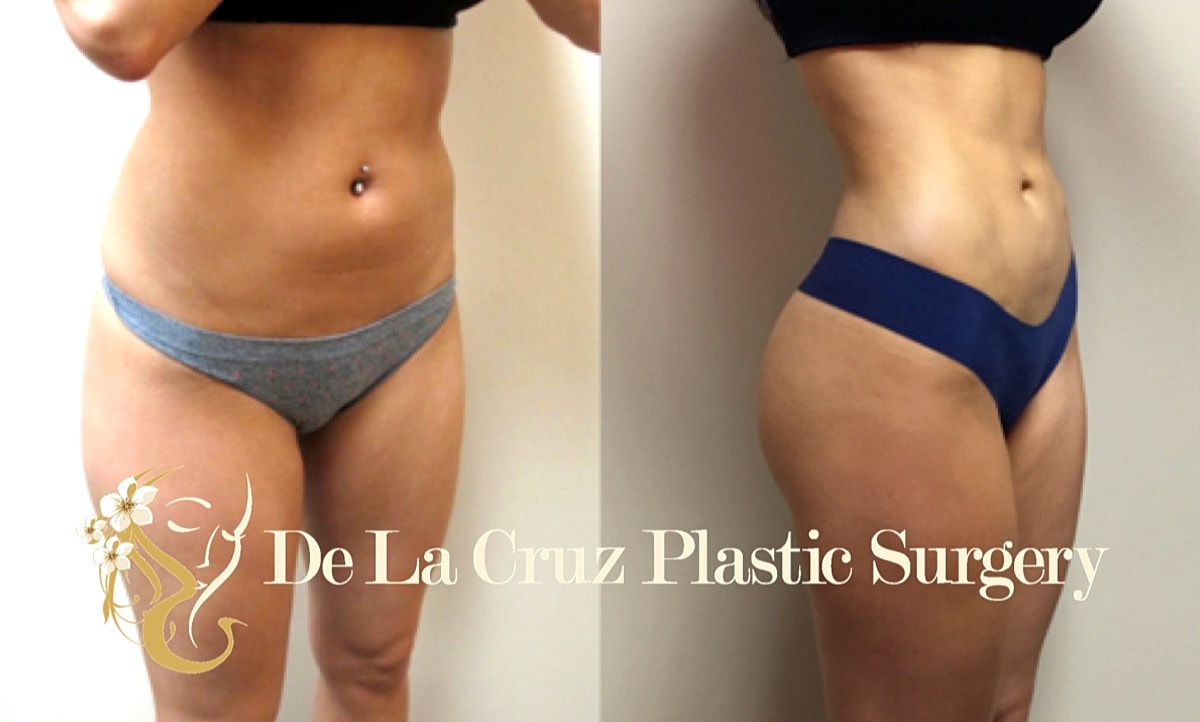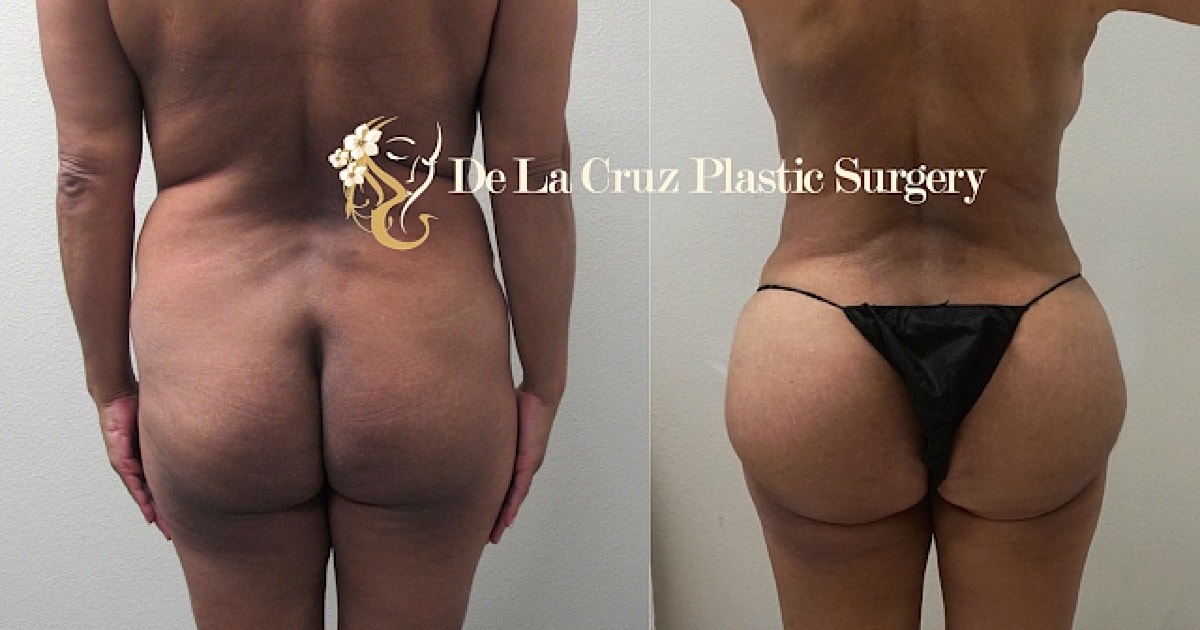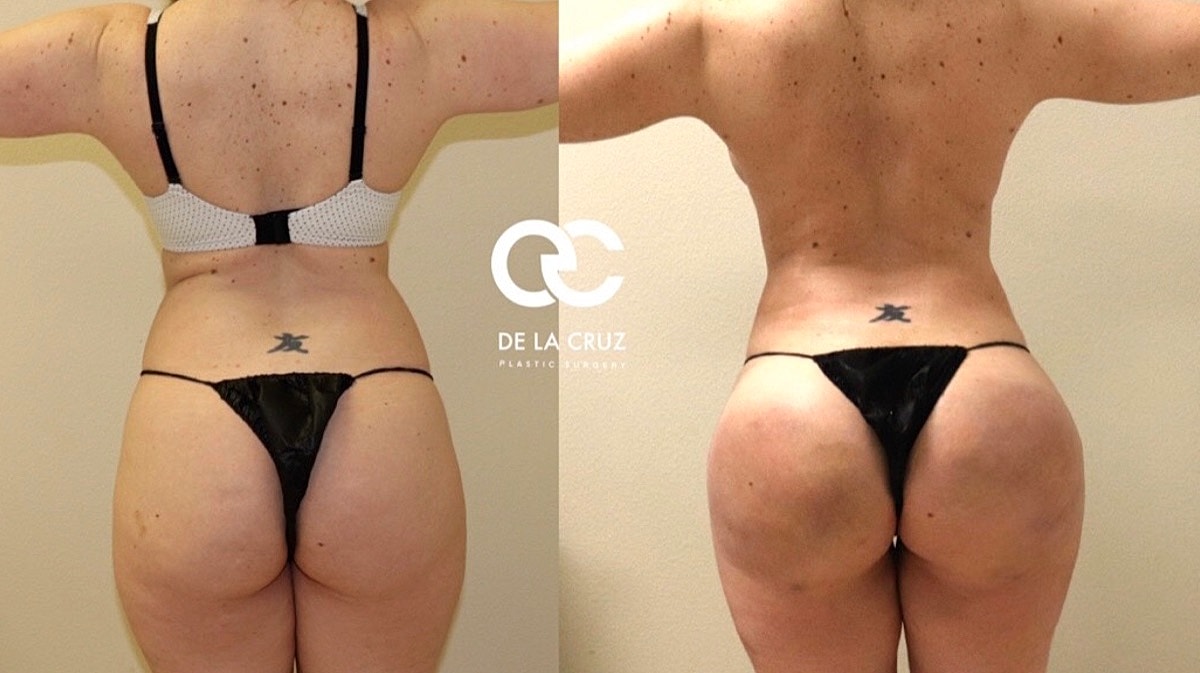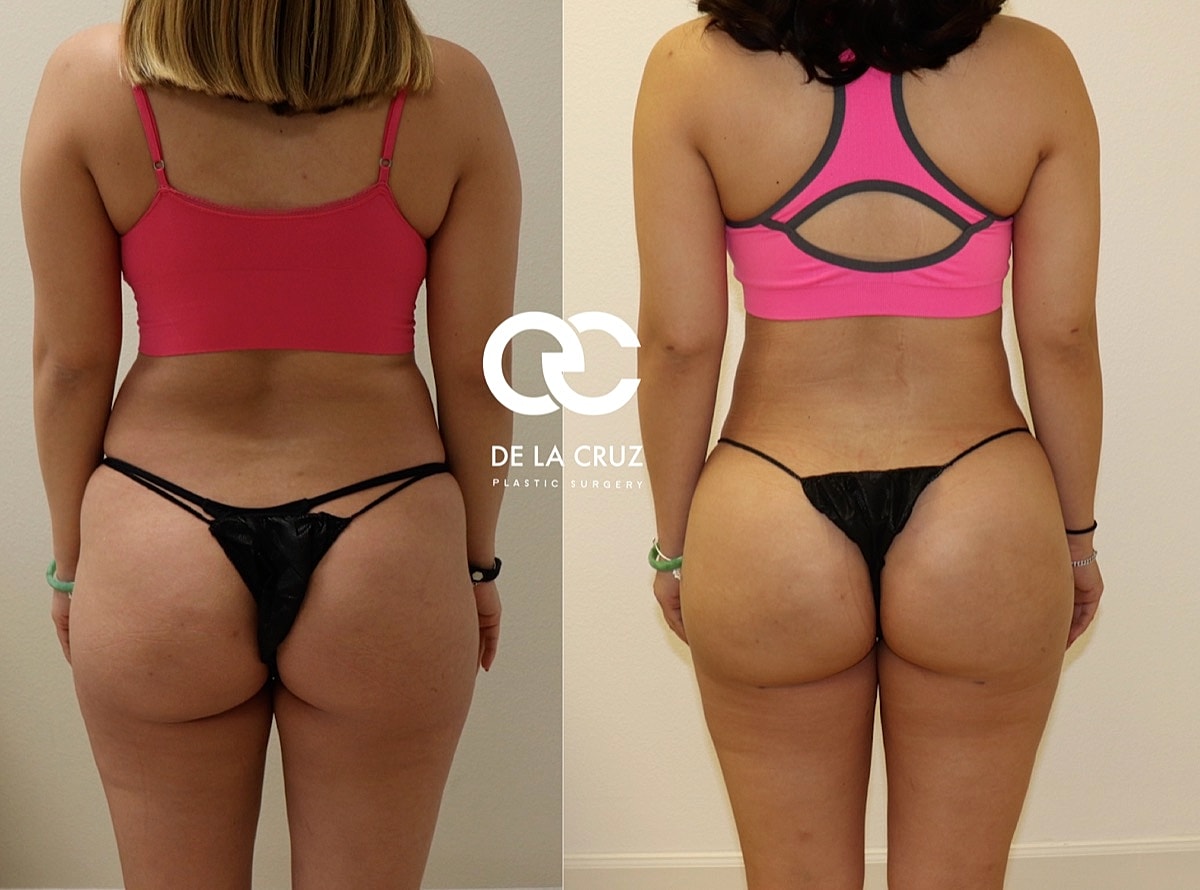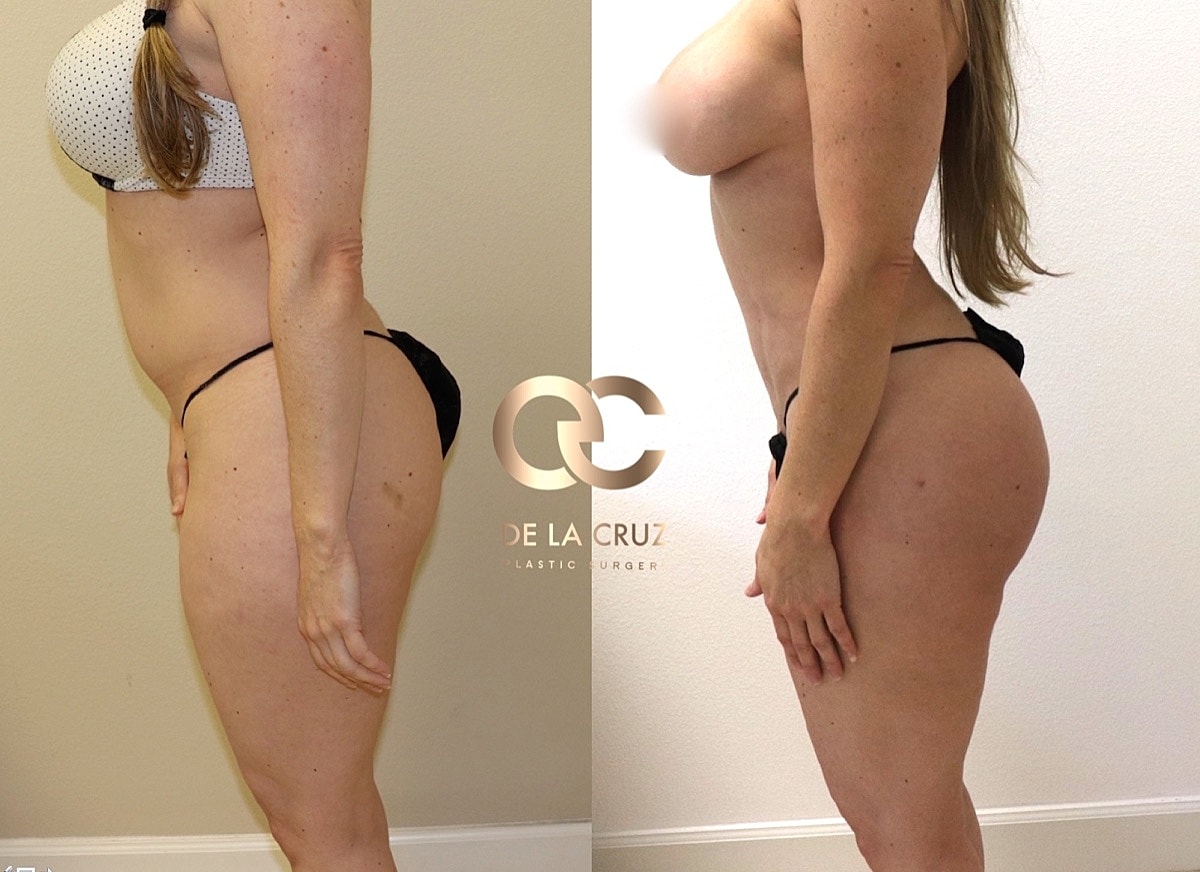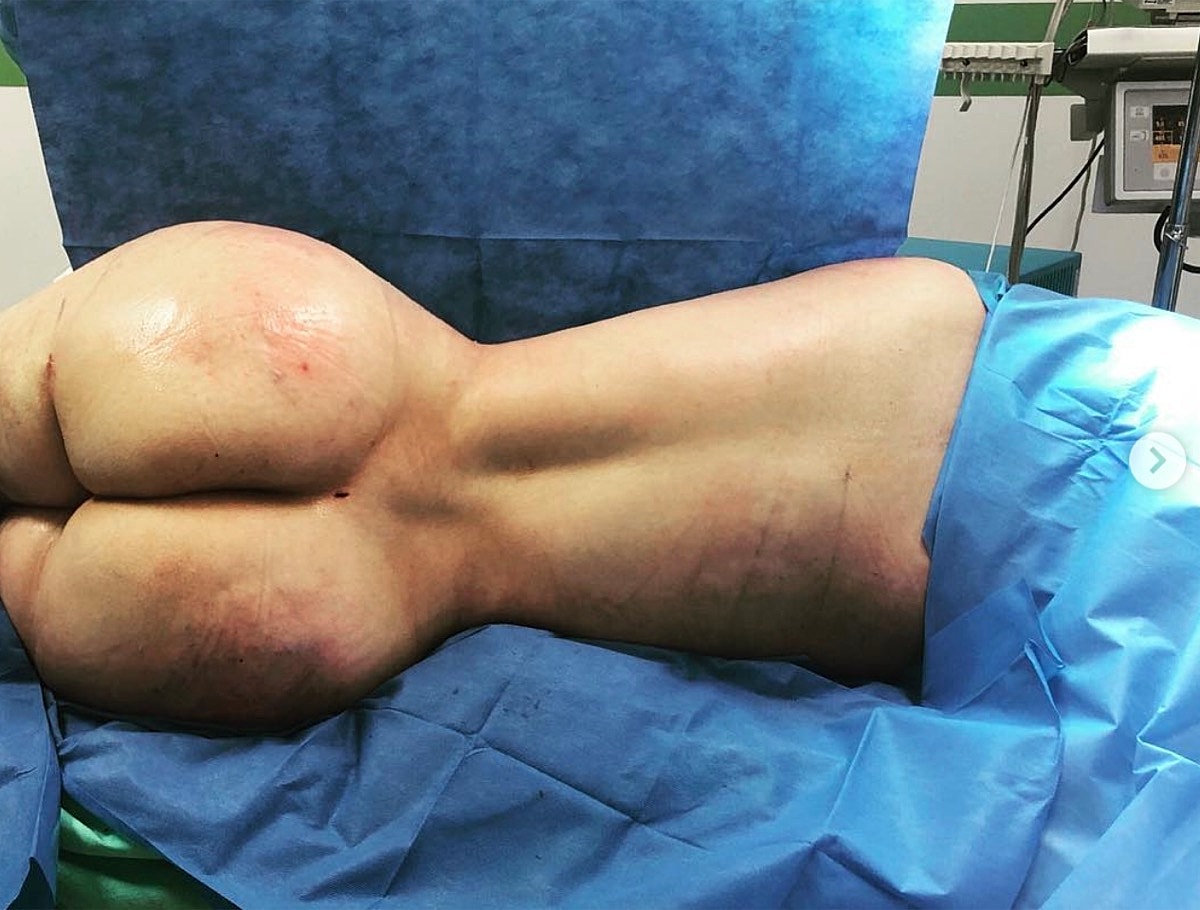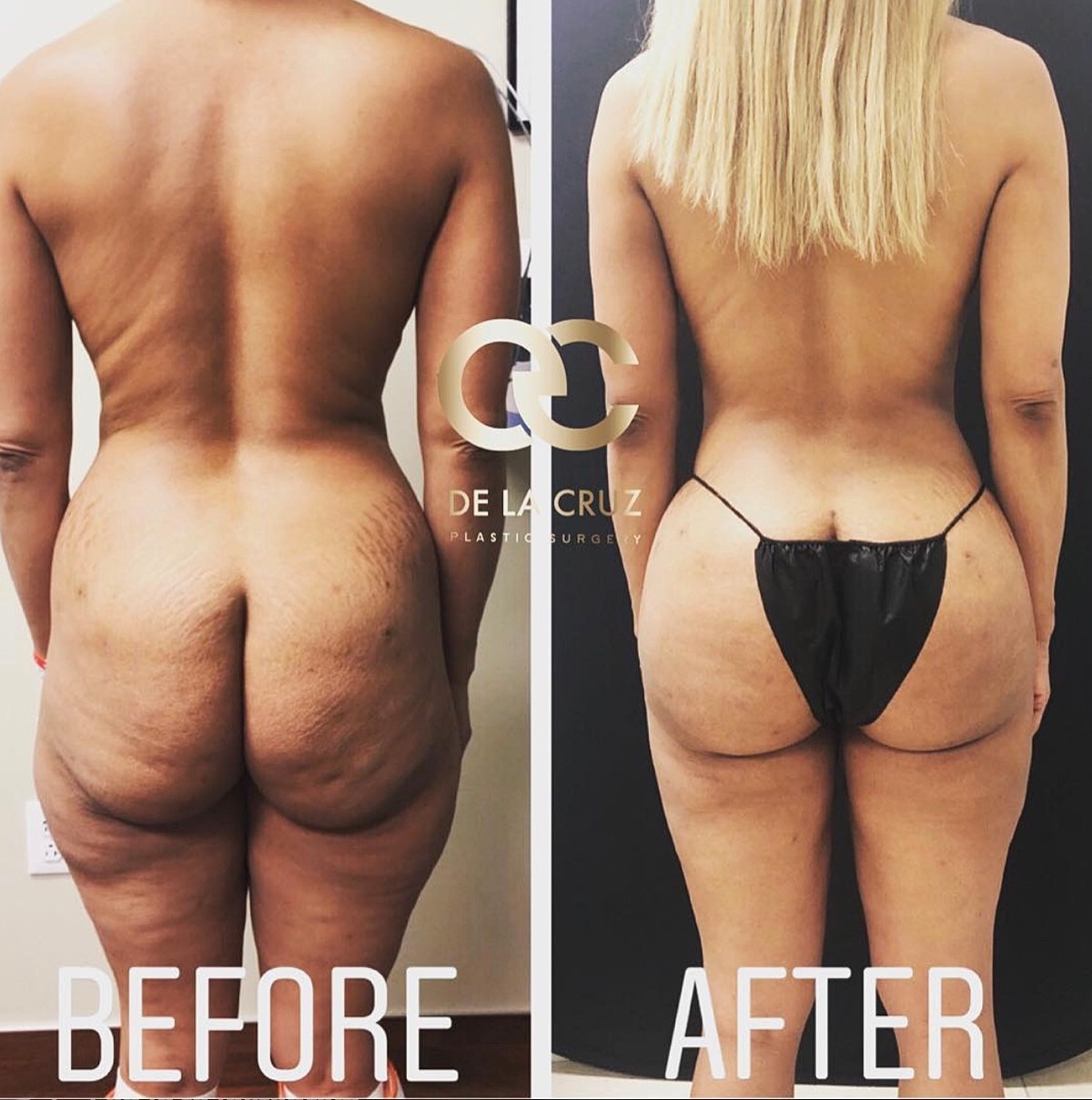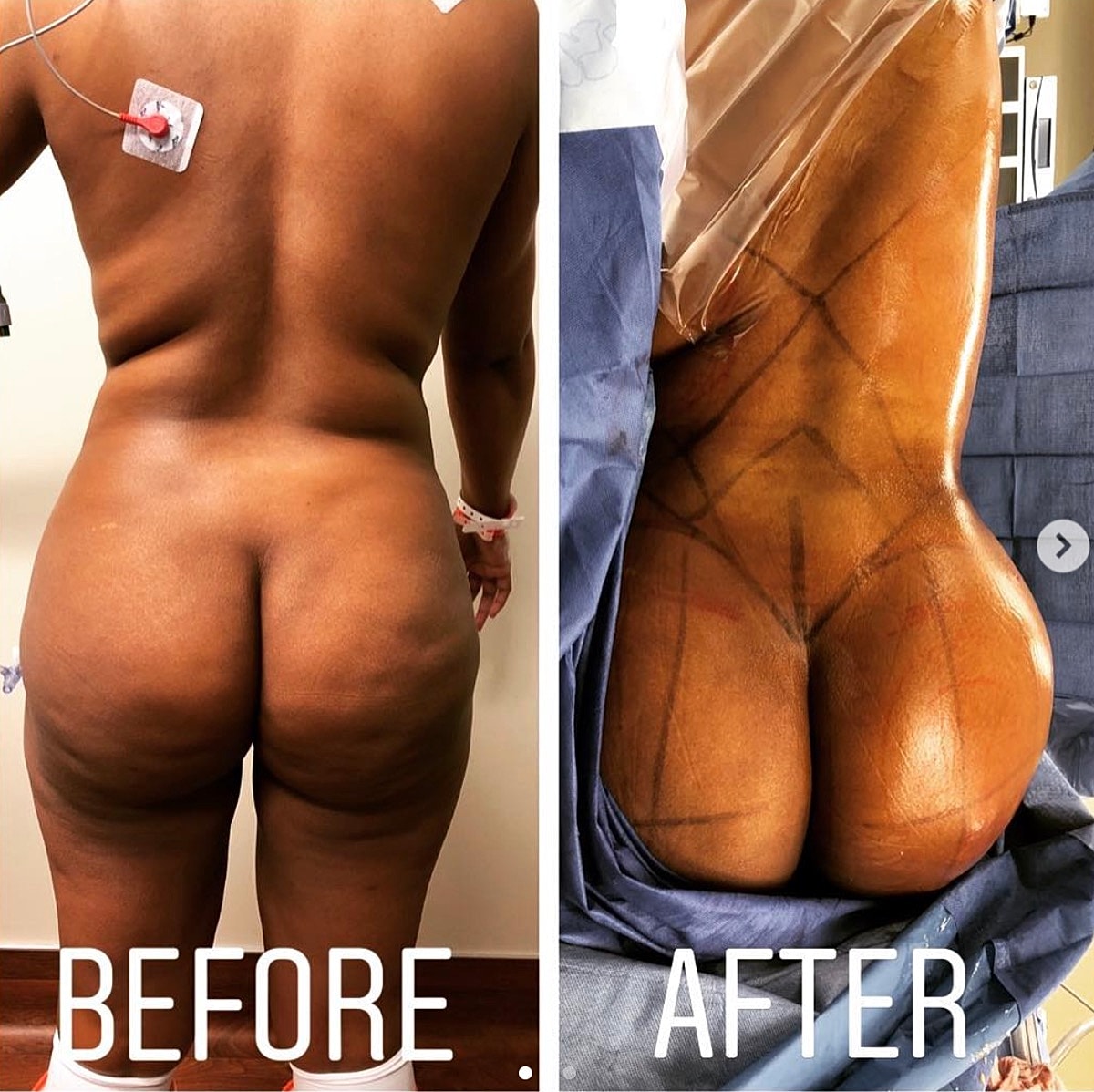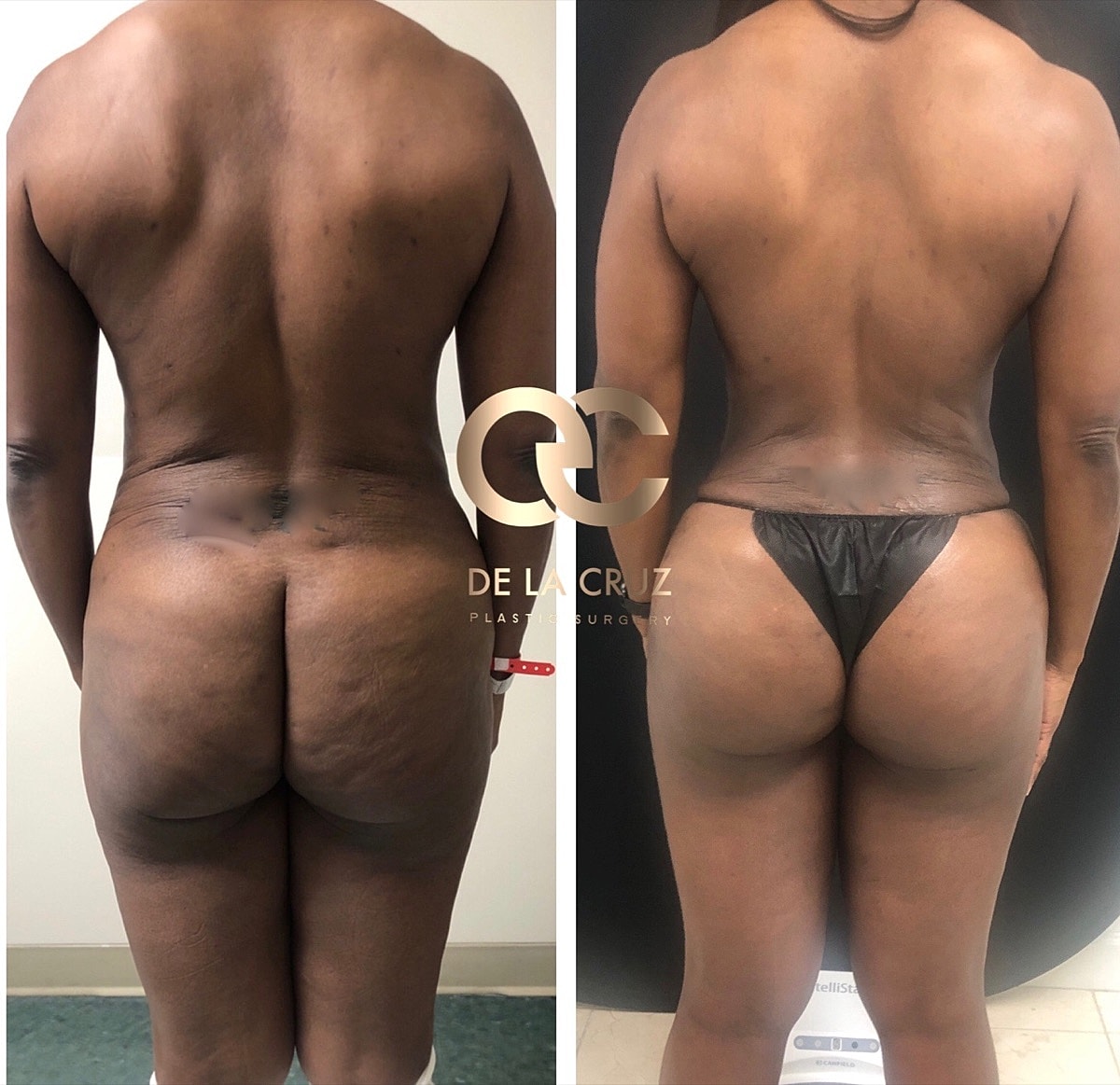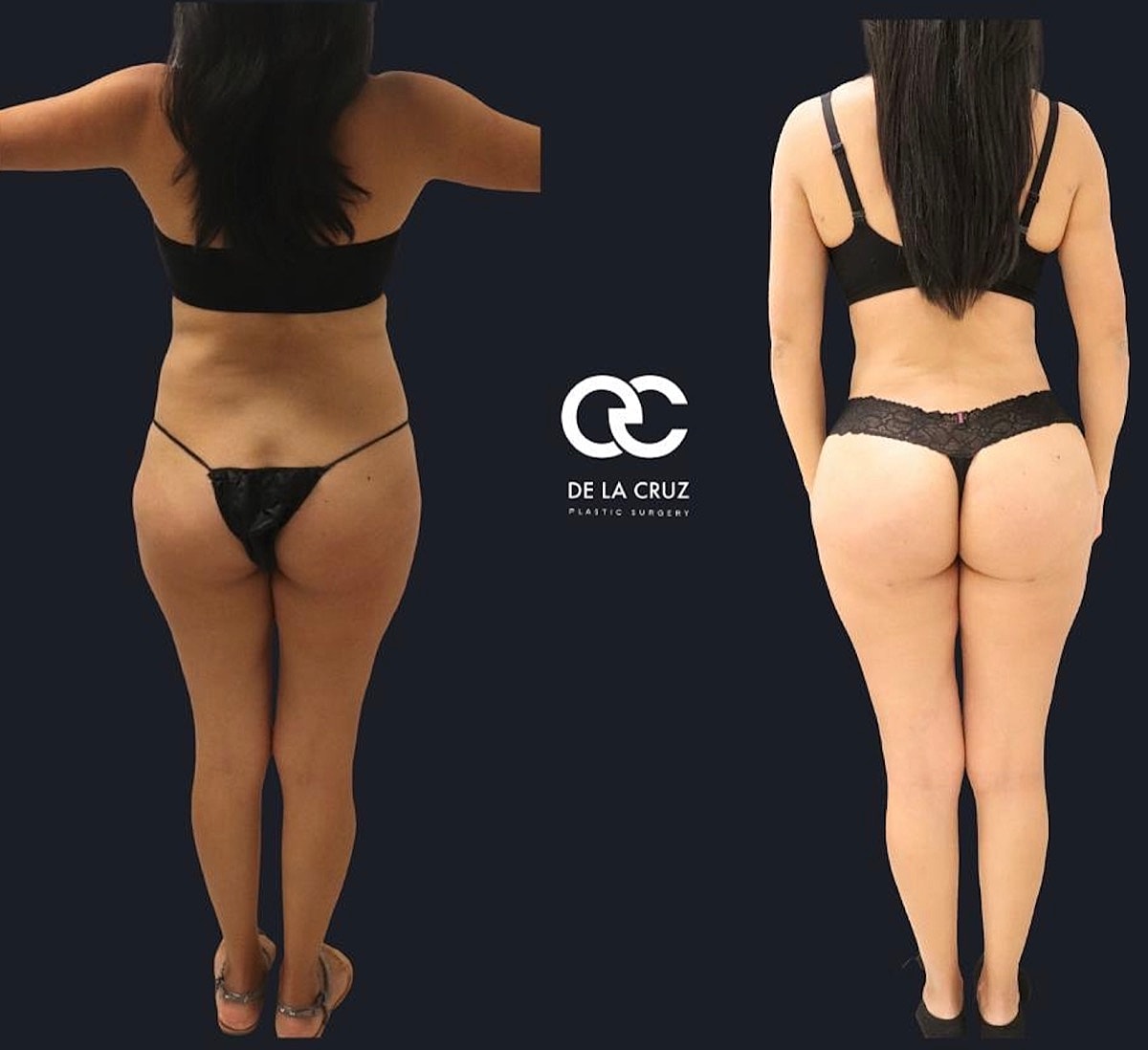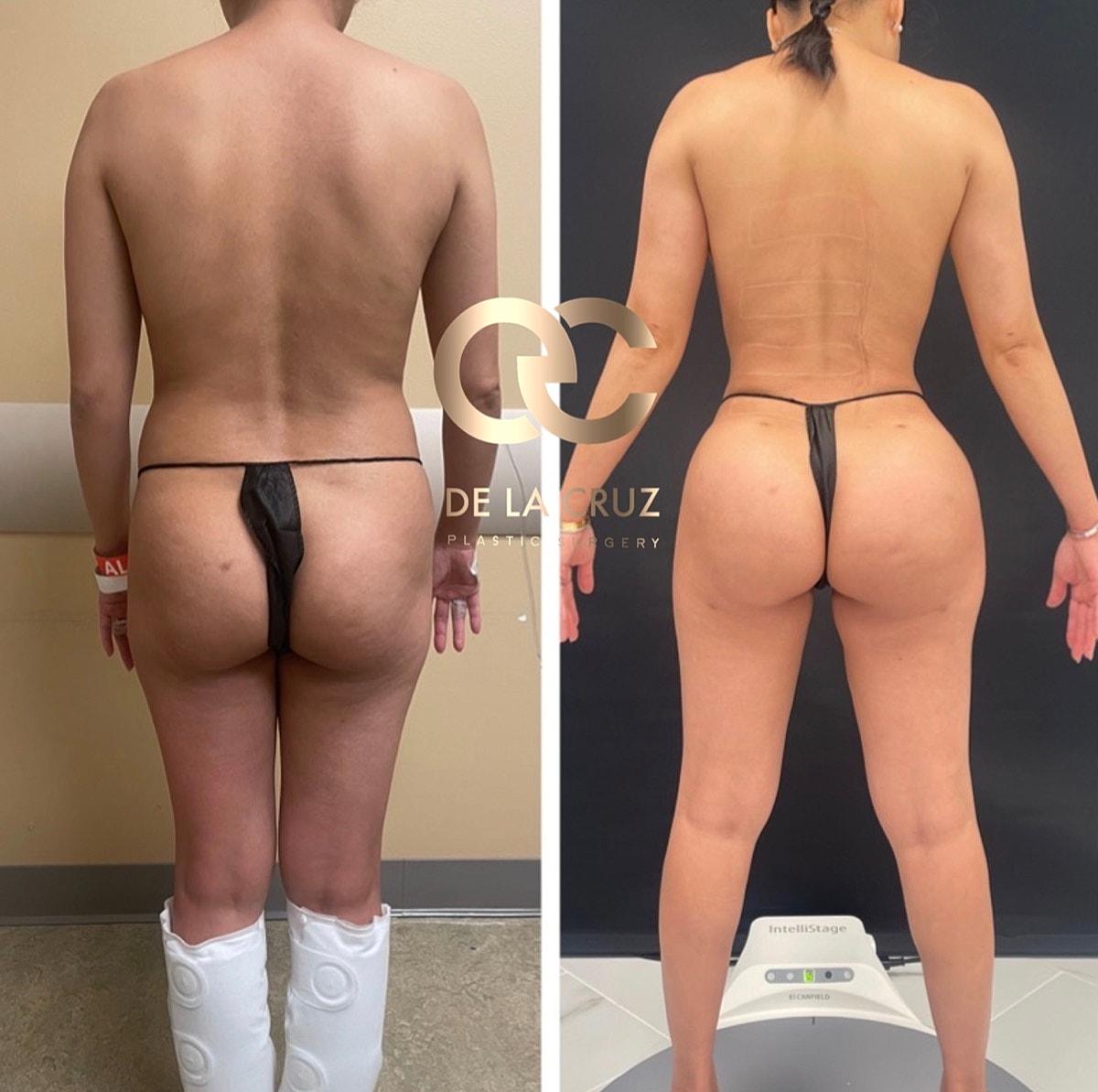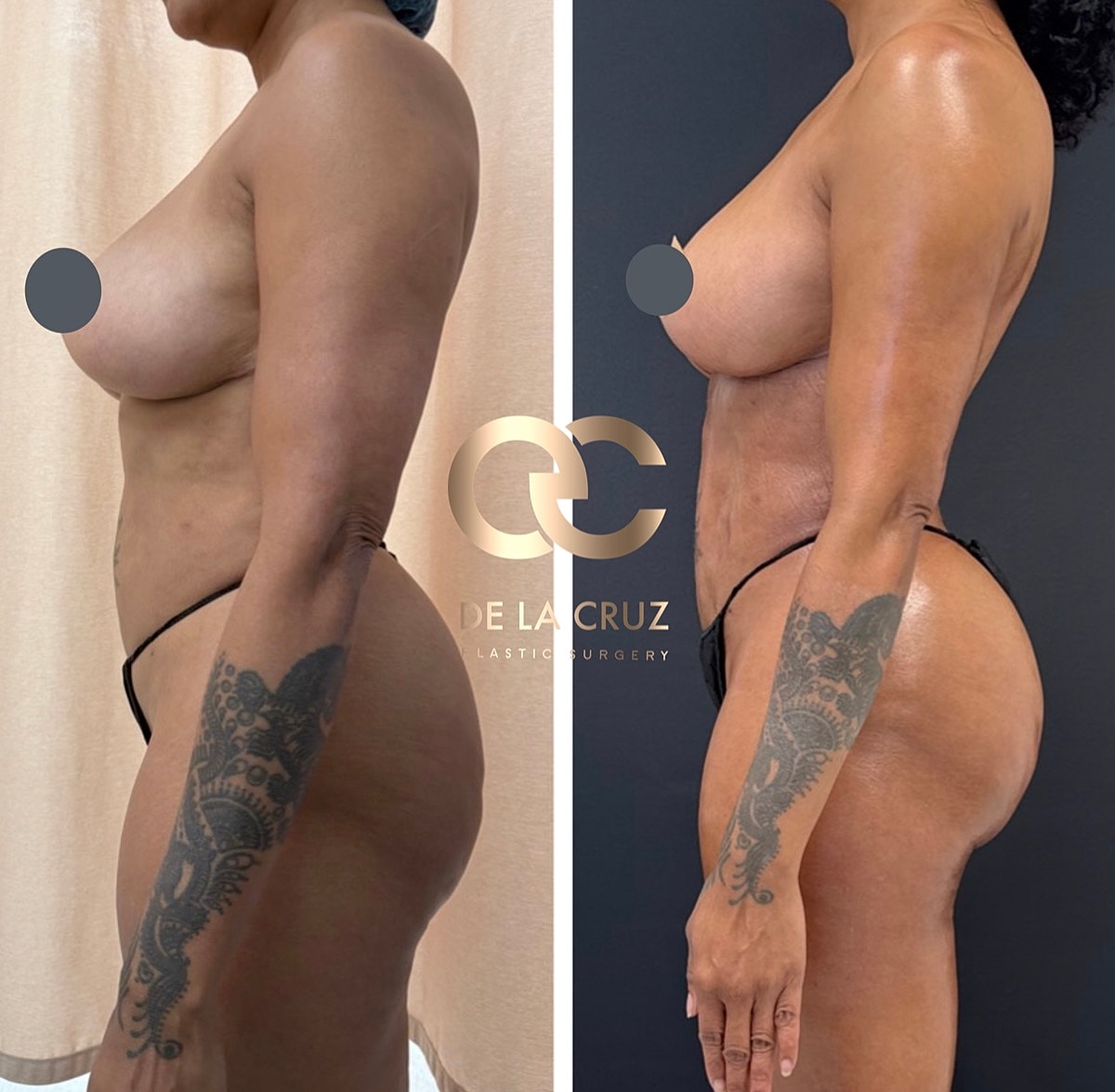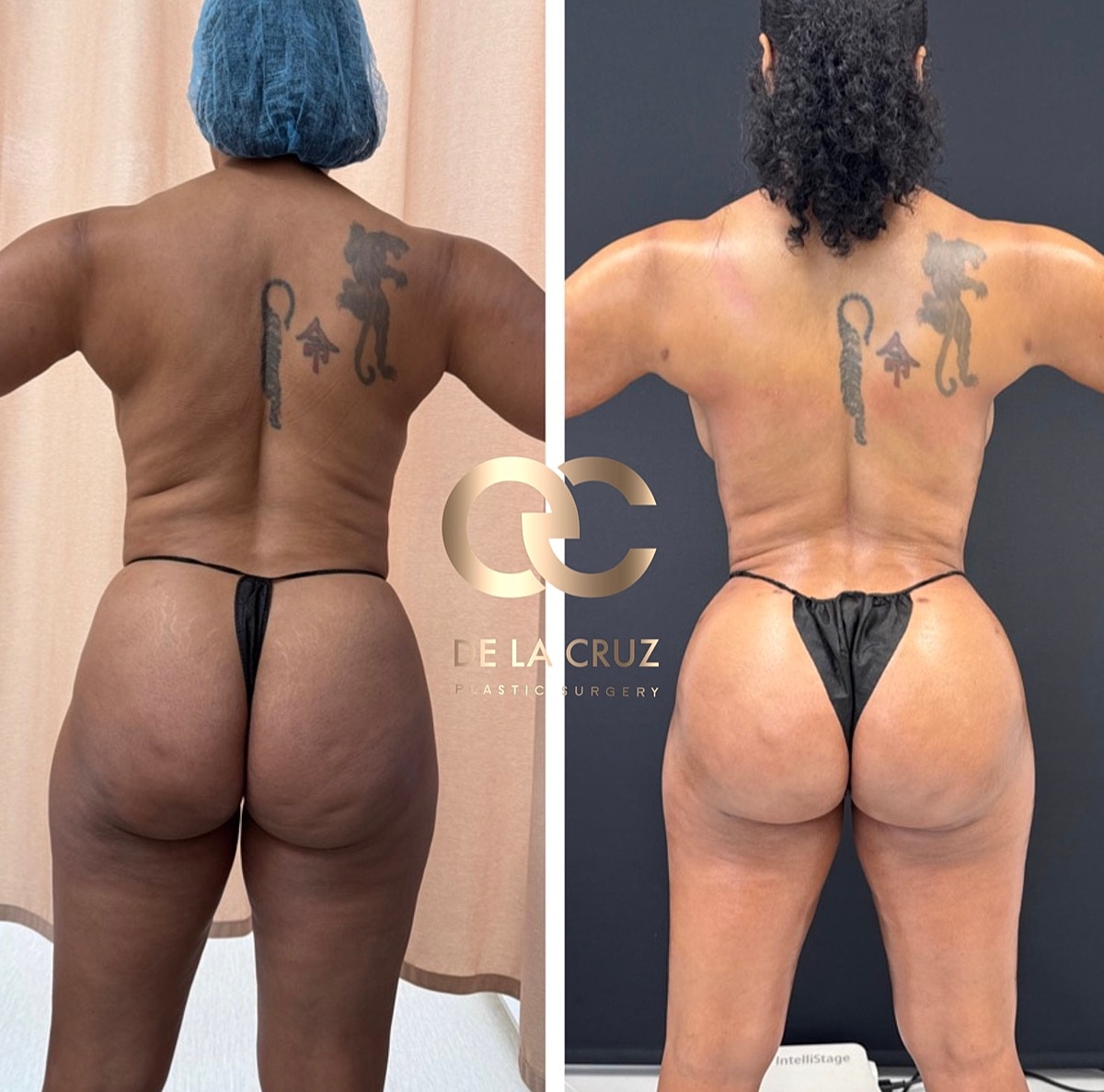
A Brazilian Butt Lift (BBL) is a body contouring procedure that enhances the shape and volume of the buttocks using a patient’s own fat. During the procedure, fat is removed through liposuction, purified, and carefully transferred to the buttocks to improve projection and contour.
When performed by an experienced, board-certified plastic surgeon, BBL surgery can produce natural-appearing results with the benefit of body contouring in areas where fat is removed.
However, like all surgical procedures, a Brazilian butt lift carries potential risks and complications. Understanding these risks and the importance of proper surgical technique helps patients make informed decisions when considering BBL surgery.
1 of 24
BBL surgery has received significant attention in recent years because of concerns related to fat embolism, a rare but serious complication.
In response, plastic surgery organizations have developed safety guidelines and recommendations to improve patient outcomes. These guidelines emphasize:
• proper fat injection techniques • avoiding deep muscle injections • the use of blunt cannulas • careful patient monitoring
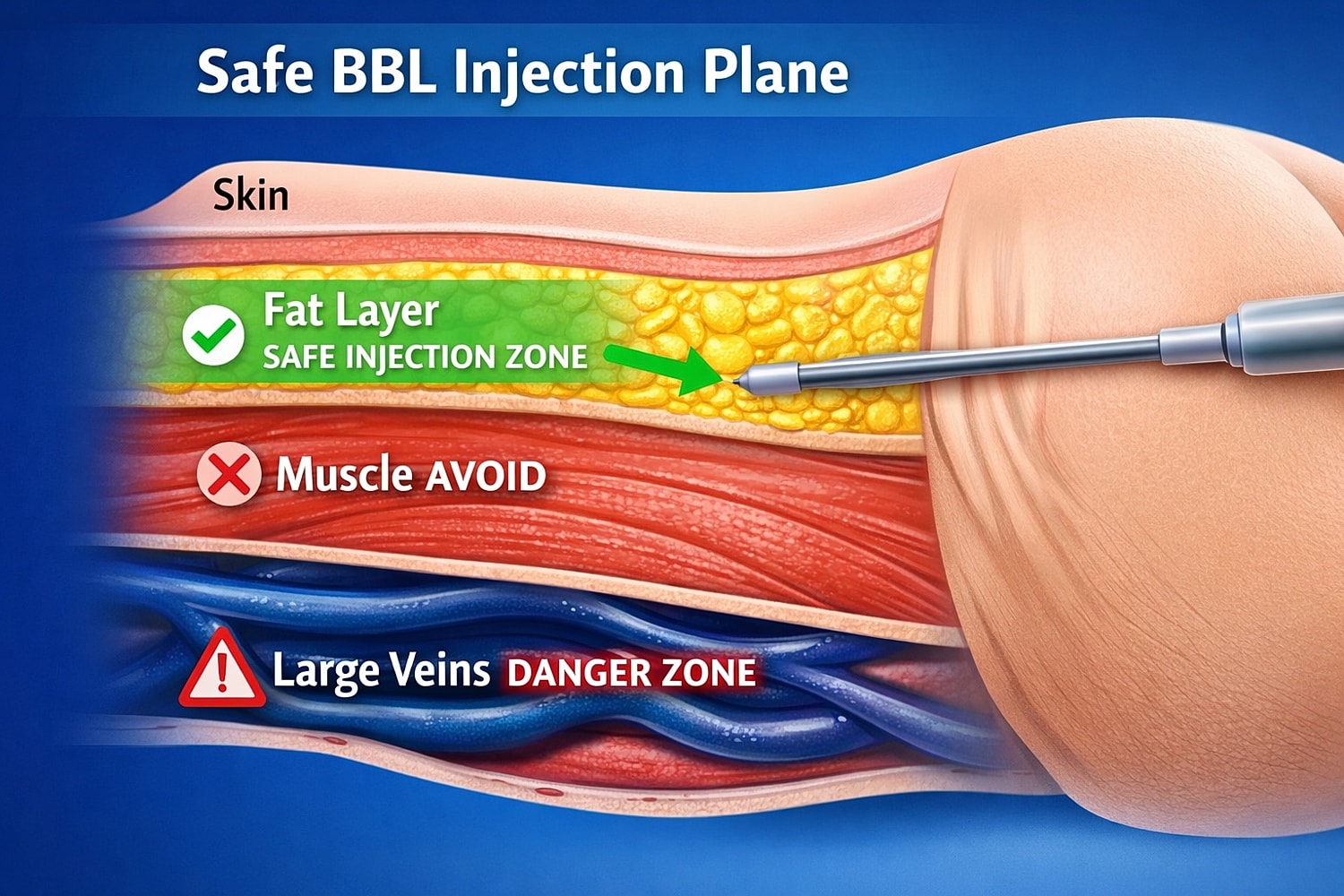
Today, many surgeons perform BBL using subcutaneous fat grafting techniques, which place fat in the layer above the muscle to improve safety.
When performed using modern techniques and proper patient selection, BBL surgery can be performed safely in appropriate candidates.
As with any surgical procedure, a Brazilian butt lift may involve potential risks.
Possible complications include:
• infection • bleeding • fat resorption (loss of some transferred fat) • asymmetry or contour irregularities • seroma (fluid collection) • hematoma (collection of blood) • changes in sensation
Most complications are uncommon and can often be managed when detected early.
One of the most discussed risks of BBL surgery is fat embolism.
Fat embolism occurs when fat enters the bloodstream and travels to the lungs or other organs. Although rare, it can be a serious complication.
Research and safety guidelines now emphasize that fat should be injected only in the subcutaneous layer above the muscle, not within or beneath the gluteal muscle.
Modern BBL safety recommendations emphasize:
• injecting fat in the subcutaneous plane
• using larger blunt cannulas
• avoiding deep muscle injections
• maintaining awareness of anatomical landmarks
These techniques have significantly improved the safety profile of BBL surgery.

While serious complications are uncommon, patients should be aware of other potential issues that may occur during recovery.
These may include:
Fat Resorption
Not all transferred fat survives after a BBL. A portion of the fat may be naturally reabsorbed by the body during healing. Surgeons typically account for this by transferring slightly more fat during the procedure.
Contour Irregularities
Uneven fat distribution or healing changes may occasionally lead to contour irregularities. In some cases, revision procedures may be performed to refine the results.
Fluid Collections
Fluid collections such as seromas or hematomas can occur after body contouring procedures. These may resolve on their own or require drainage.

Over the past decade, significant research has been conducted to improve Brazilian butt lift safety.
Professional organizations such as the American Society of Plastic Surgeons (ASPS) and other international plastic surgery societies have published safety recommendations to reduce complications.
Key improvements include:
• greater understanding of gluteal anatomy
• improved fat grafting techniques
• subcutaneous injection methods
• increased emphasis on surgeon training
These advances have contributed to safer outcomes when BBL surgery is performed by experienced plastic surgeons.
Patient safety is a central priority in Brazilian Butt Lift (BBL) surgery. Advances in surgical techniques and safety protocols have significantly improved outcomes when the procedure is performed by experienced plastic surgeons.
At De La Cruz Plastic Surgery, multiple strategies are used to reduce the risk of complications during and after surgery.
INFECTION PREVENTION
Preventing infection begins with strict surgical protocols and sterile technique.
Measures used to reduce infection risk include:
• Perioperative intravenous antibiotics administered at the time of surgery
• Antibiotic irrigation of the harvested fat to help reduce bacterial contamination before fat grafting
• Closed-system fat harvesting techniques to minimize exposure of the fat to the external environment
These steps help ensure that the transferred fat remains clean and viable before injection into the buttocks.
DEEP VENOUS THROMBOSIS (DVT) PREVENTION
Deep vein thrombosis (DVT), or blood clots in the legs, is a potential risk with any surgical procedure involving anesthesia and limited mobility.
To reduce this risk, several preventative strategies are used:
• Perioperative prophylaxis with low-molecular-weight heparin or heparin
• Sequential compression devices (SCDs) placed on the legs during surgery to promote blood circulation
• Postoperative oral anticoagulants, such as Xarelto (rivaroxaban) or Eliquis (apixaban) in selected patients
Studies have shown that appropriate anticoagulation protocols can significantly reduce the risk of DVT while maintaining a low risk of bleeding complications when used appropriately.
PREVENTION OF FAT EMBOLISM
Fat embolism is a rare but serious complication associated with Brazilian butt lift surgery. Modern safety guidelines emphasize techniques designed to minimize this risk.
Key safety principles include:
• Use of large blunt cannulas rather than sharp instruments
• Fat injection limited to the subcutaneous plane above the gluteal muscle
• Avoidance of intramuscular fat injection
• Performing fat grafting with the patient in the lateral decubitus position, which helps position deeper vessels away from the cannula
• Use of ultrasound guidance to visualize the cannula position during fat injection
These techniques allow surgeons to maintain awareness of the cannula location and ensure fat is placed safely within the intended tissue plane.

Researchers studying the South Florida cluster identified several contributing factors:
High-volume surgery centers (“surgery mills”)
Aggressive low-cost marketing
Variable physician training
Older surgical techniques
These issues led Miami to be described in medical literature as the “epicenter of BBL-associated mortality.”
South Florida has historically had the highest concentration of BBL-related deaths in the United States.
Key data:
Because of these concerns, the Florida Board of Medicine introduced strict rules, including:

The experience and training of the surgeon play a critical role in BBL safety and results.
BBL surgery requires:
• precise fat harvesting techniques
• careful fat processing
• controlled fat injection
• detailed understanding of anatomy
Choosing a board-certified plastic surgeon with experience in body contouring and fat grafting helps reduce the risk of complications and improves the likelihood of achieving natural-looking results.
Patients considering a Brazilian butt lift can help improve safety by taking several steps.
Important considerations include:
• choosing a board-certified plastic surgeon
• undergoing surgery in an accredited surgical facility
• following preoperative medical recommendations
• adhering to postoperative instructions during recovery
Proper patient selection and careful surgical planning are essential components of safe body contouring procedures.
Patients researching Brazilian butt lift surgery may also wish to learn more about related topics, including the procedure itself, recovery expectations, and cost considerations.
Explore our additional guides:
• Brazilian Butt Lift (BBL)
• Who is a Good Candidate for a BBL?
• BBL Cost Guide
• How Much Fat Is Needed for a BBL
• How Much Fat Survives after a BBL
These resources provide detailed information to help patients understand the full process of BBL surgery.
Choosing the right surgeon is one of the most important decisions when considering Brazilian Butt Lift (BBL) surgery. Achieving natural-looking results requires advanced expertise in liposuction, fat grafting, and body contour sculpting.
Patients seeking BBL in Houston often choose Dr. Emmanuel De La Cruz for his expertise in advanced body contouring and precision fat transfer techniques.
Key reasons patients trust Dr. De La Cruz include:
• Double Board-Certified Plastic Surgeon – Certified by both the American Board of Plastic Surgery and the American Board of Surgery.
• International Recognition in High-Definition Body Contouring – Recipient of the Grand Master Total Definer Award from Dr. Alfredo Hoyos for excellence in high-definition liposculpture.
• International Lecturer on Liposuction and Fat Grafting – Presented at major meetings including ASPS, Total Definer Meeting, InMode Symposium, and AestheticStanbul.
• Published Author on Liposuction Techniques – Author of “Lipoplasty in the Overweight Patient” published in the peer-reviewed journal Clinics in Plastic Surgery.
• Expert in Advanced Liposuction Technologies – Specializes in VASER liposuction and precision fat grafting, which are essential components of modern Brazilian butt lift surgery.
• Experience with Complex and Revision Body Contouring – Frequently treats patients with contour irregularities or prior liposuction results that require refinement.
• Commitment to Patient Safety – Emphasizes careful patient selection, modern surgical techniques, and structured postoperative monitoring.
At De La Cruz Plastic Surgery in Houston, Brazilian Butt Lift surgery focuses on refined body contour sculpting and natural-looking results, helping patients achieve improved body proportions and confidence

When performed by an experienced board-certified plastic surgeon using modern safety techniques, Brazilian Butt Lift surgery can be performed safely in appropriate patients. Advances in surgical techniques—particularly subcutaneous fat injection above the muscle—have significantly improved the safety of BBL procedures in recent years.
Brazilian Butt Lift surgery received attention in the medical community because of concerns related to fat embolism, a rare but serious complication in which fat enters the bloodstream.
Research into this complication has led to new safety recommendations, including improved injection techniques and better understanding of gluteal anatomy.
These changes have helped improve the safety of the procedure.
Fat embolism is a rare complication that may occur if fat enters large blood vessels and travels to the lungs or other organs.
Modern safety guidelines recommend:
• injecting fat only in the subcutaneous layer above the muscle • avoiding deep muscle injections • using large blunt cannulas • maintaining careful awareness of anatomy during fat grafting
These techniques significantly reduce the risk of fat embolism.
Several safety protocols are commonly used to improve outcomes in Brazilian Butt Lift surgery:
• using blunt cannulas for fat injection • injecting fat in the subcutaneous plane above the muscle • using ultrasound guidance during fat grafting • performing surgery in accredited surgical facilities • careful patient selection and surgical planning
These steps help minimize complications and improve safety.
Most complications after BBL surgery are uncommon but may include:
• infection • bleeding • fluid collections such as seroma • fat resorption • contour irregularities • asymmetry
Most of these issues can often be managed when detected early.
Patients can help improve safety by taking several steps:
• choosing a board-certified plastic surgeon • undergoing surgery in an accredited surgical facility • following preoperative medical recommendations • carefully following postoperative recovery instructions
Proper patient selection and surgical planning are important components of safe body contouring procedures.
Brazilian Butt Lift surgery requires expertise in liposuction, fat processing, and precise fat grafting techniques. Surgeons with extensive experience in body contouring procedures are better equipped to perform the procedure safely while achieving natural-looking results.
Yes. Research into BBL complications has led to significant improvements in surgical technique and safety guidelines. Modern recommendations emphasize subcutaneous fat injection, improved anatomical understanding, and enhanced surgical training, all of which have contributed to improved safety
Several factors have been discussed in the medical literature regarding complication rates in certain regions.
Some contributing factors that have been reported include:
• High-volume surgery centers, sometimes referred to as “surgery mills,” where surgeons perform multiple procedures per day under significant time pressure • Variable training backgrounds among providers, with some physicians performing cosmetic procedures outside of traditional plastic surgery training pathways • Aggressive marketing and medical tourism, which may attract patients seeking lower-cost procedures • Lack of standardized safety protocols in some facilities • Deep intramuscular fat injections, which earlier research linked to a higher risk of fat embolism
In response to these concerns, organizations such as the American Society of Plastic Surgeons (ASPS) and other international groups have developed updated safety guidelines that emphasize safer injection techniques and improved training.
Brazilian Butt Lift surgery requires expertise in liposuction, fat processing, and precise fat grafting techniques. Board-certified plastic surgeons undergo extensive training in surgical anatomy, body contouring, and patient safety.
Choosing a board-certified plastic surgeon who performs BBL surgery using modern safety techniques helps reduce risks and improves the likelihood of achieving natural-looking results.
Patients should also ensure that surgery is performed in a fully accredited surgical facility with appropriate monitoring and safety standards.
The Brazilian Butt Lift (BBL) has received significant attention regarding safety because of concerns related to fat embolism, a rare but serious complication that can occur when fat enters the bloodstream and travels to the lungs or heart. Earlier reports suggested that the risk of this complication was higher than that of many other cosmetic procedures.
However, research into these complications has led to major improvements in surgical technique and safety guidelines. Modern recommendations emphasize:
• injecting fat only in the subcutaneous layer above the muscle • avoiding intramuscular fat injections • using large blunt cannulas • maintaining careful awareness of anatomy • using ultrasound guidance during fat grafting
These changes have significantly improved the safety profile of the procedure.
When performed by an experienced board-certified plastic surgeon using modern safety protocols, a Brazilian Butt Lift can be performed safely in appropriately selected patients.
The Brazilian Butt Lift (BBL) has historically had one of the highest mortality rates among cosmetic procedures, primarily due to the risk of pulmonary fat embolism, a rare complication in which fat enters the bloodstream and travels to the lungs or heart.
Earlier studies estimated the mortality risk to be as high as 1 in 3,000 procedures, which prompted significant concern within the plastic surgery community.
However, extensive research and new safety guidelines have significantly improved the safety of BBL surgery. Modern estimates suggest the mortality rate has decreased to approximately 1 in 14,900 to 1 in 20,000 procedures when current safety protocols are followed.
These improvements are largely due to updated surgical techniques
About the Author
Dr. Emmanuel De La Cruz, MD is a double board-certified plastic surgeon in Houston, Texas, certified by both the American Board of Plastic Surgery and the American Board of Surgery. He specializes in advanced body contouring procedures, including liposuction, high-definition liposculpture, Brazilian Butt Lift (BBL), revision liposuction, and lipedema surgery.
Dr. De La Cruz is internationally recognized for his expertise in high-definition VASER liposuction and precision body contour sculpting, techniques that play a critical role in achieving balanced, natural-appearing results in procedures such as liposuction and Brazilian butt lift surgery. His surgical philosophy emphasizes meticulous contour sculpting, preservation of natural body proportions, and individualized surgical planning.
He has lectured internationally on liposuction techniques, fat grafting, and correction of contour irregularities, presenting at major scientific meetings including the American Society of Plastic Surgeons (ASPS), the Total Definer Meeting in Bogotá, Colombia, the InMode Symposium in Miami and Beverly Hills, and AestheticStanbul in Istanbul, Turkey, where he was invited to lecture by renowned plastic surgeon Dr. Foad Nahai.
Dr. De La Cruz has also contributed to the scientific literature on liposuction and body contouring. He is the author of “Lipoplasty in the Overweight Patient,” published in the peer-reviewed journal Clinics in Plastic Surgery.
Through his clinical work, research, and international lectures, Dr. De La Cruz remains focused on advancing safe, precise, and refined surgical techniques in liposuction, Brazilian butt lift surgery, and modern body contouring.