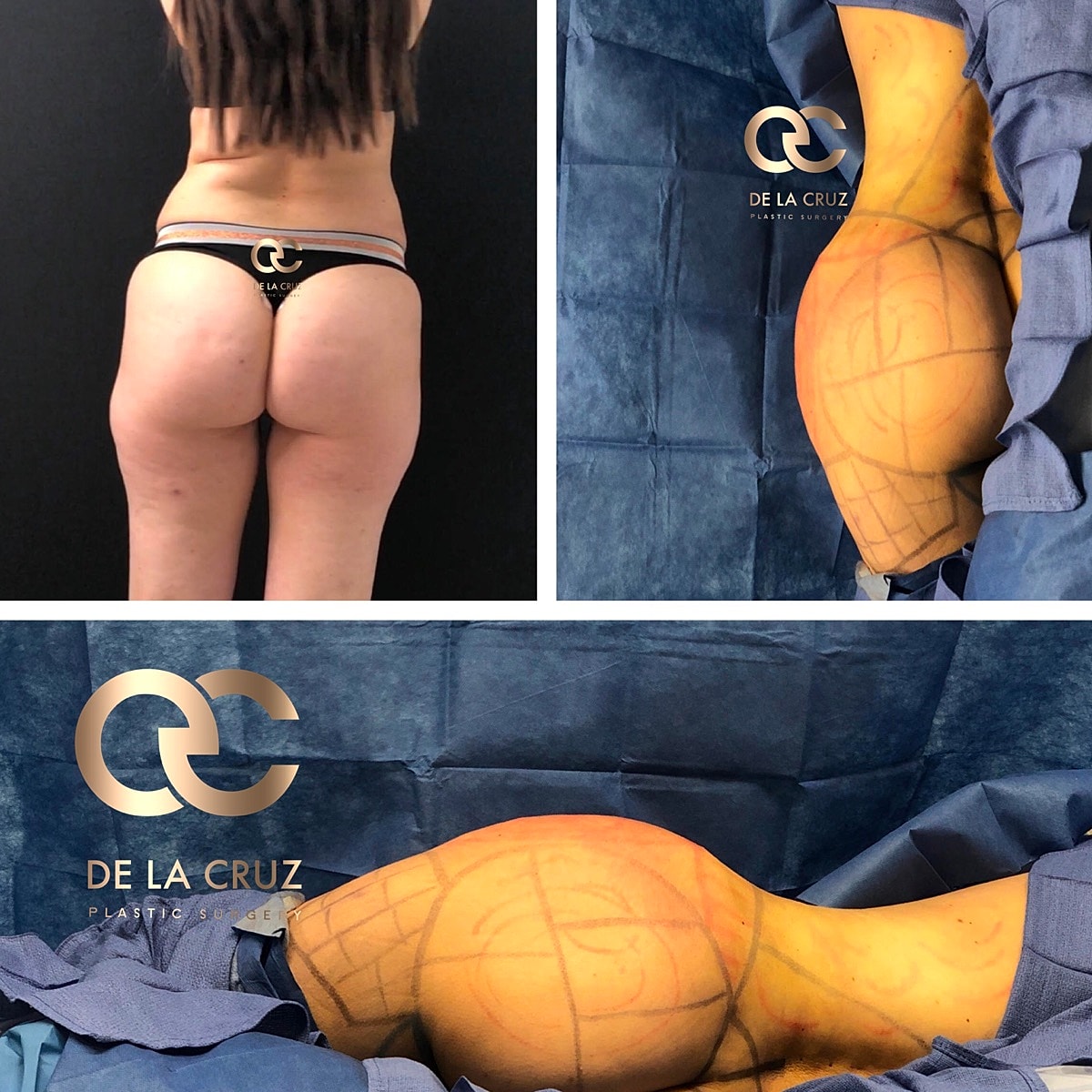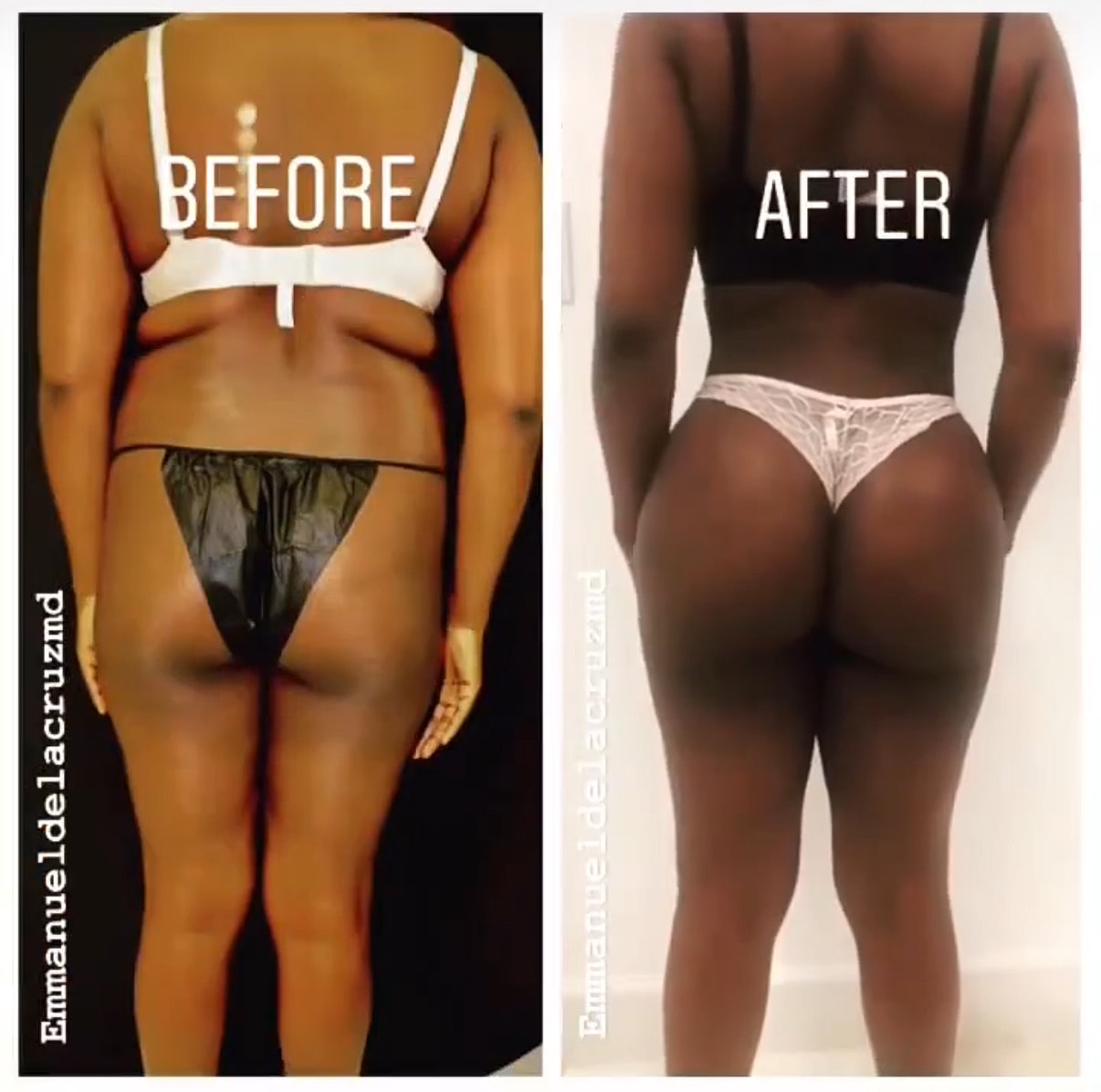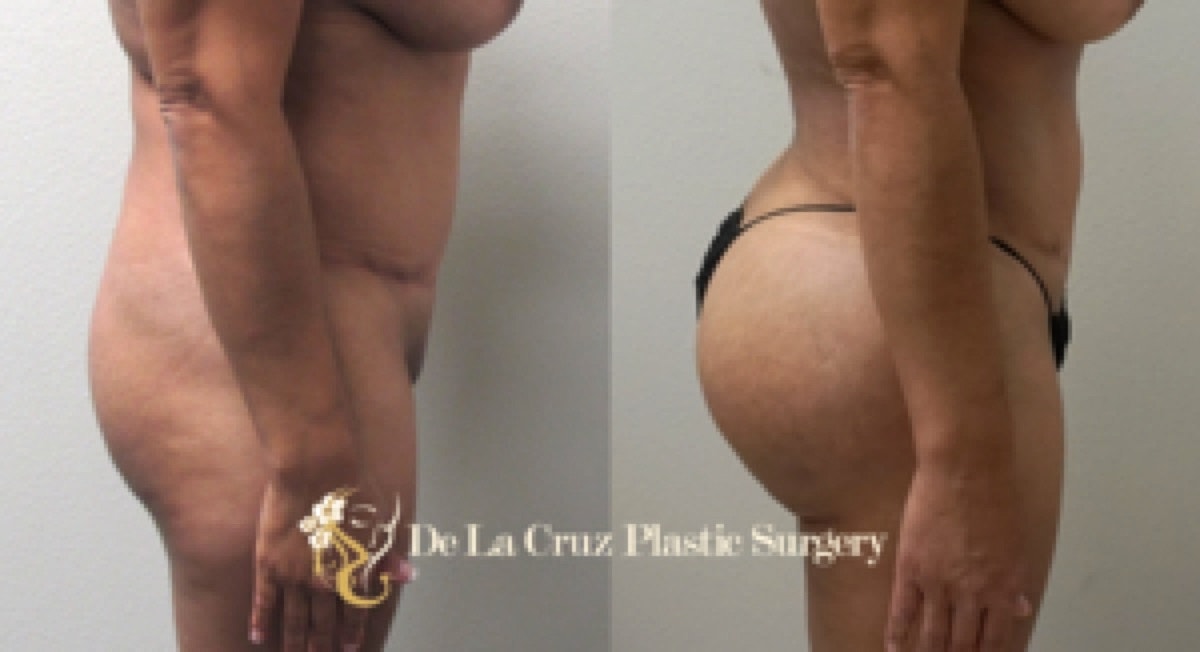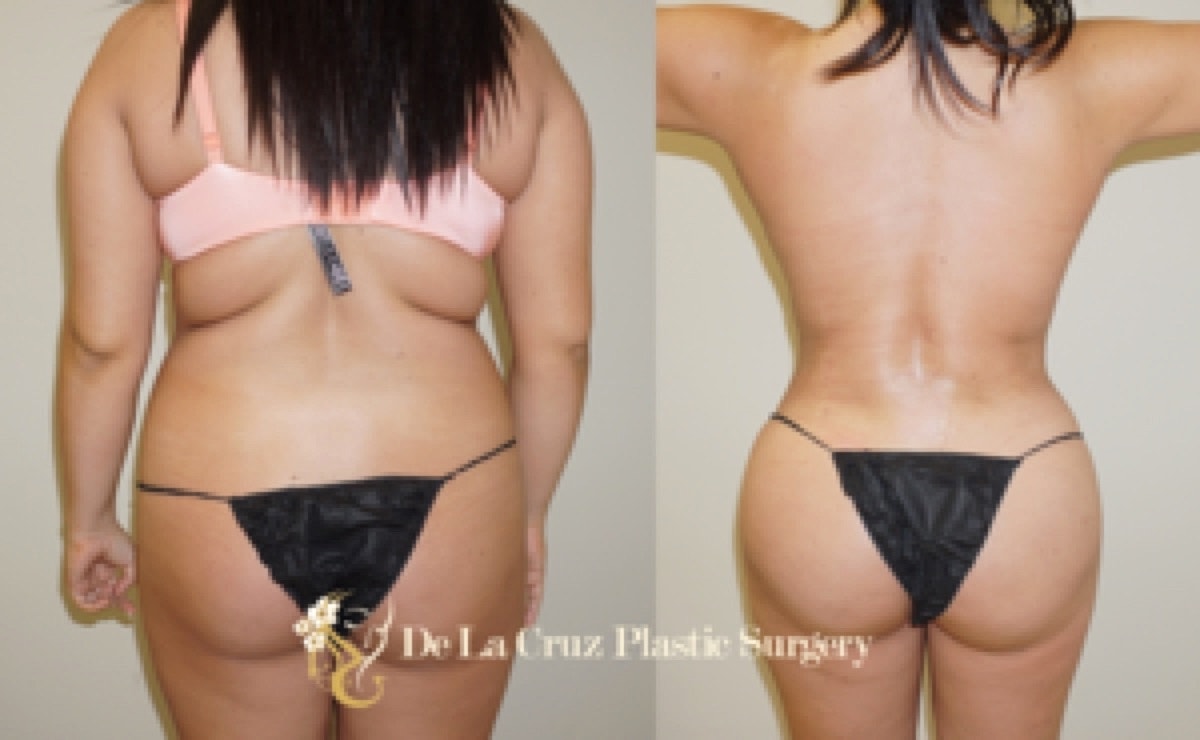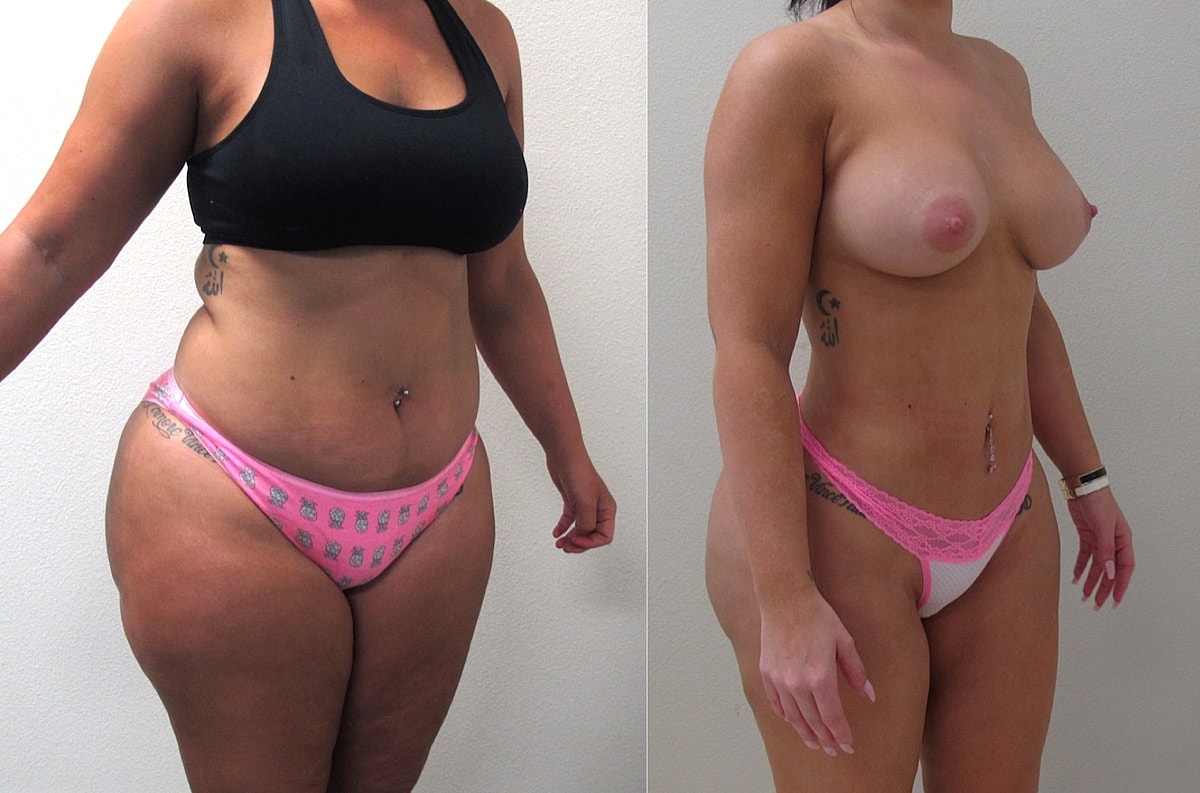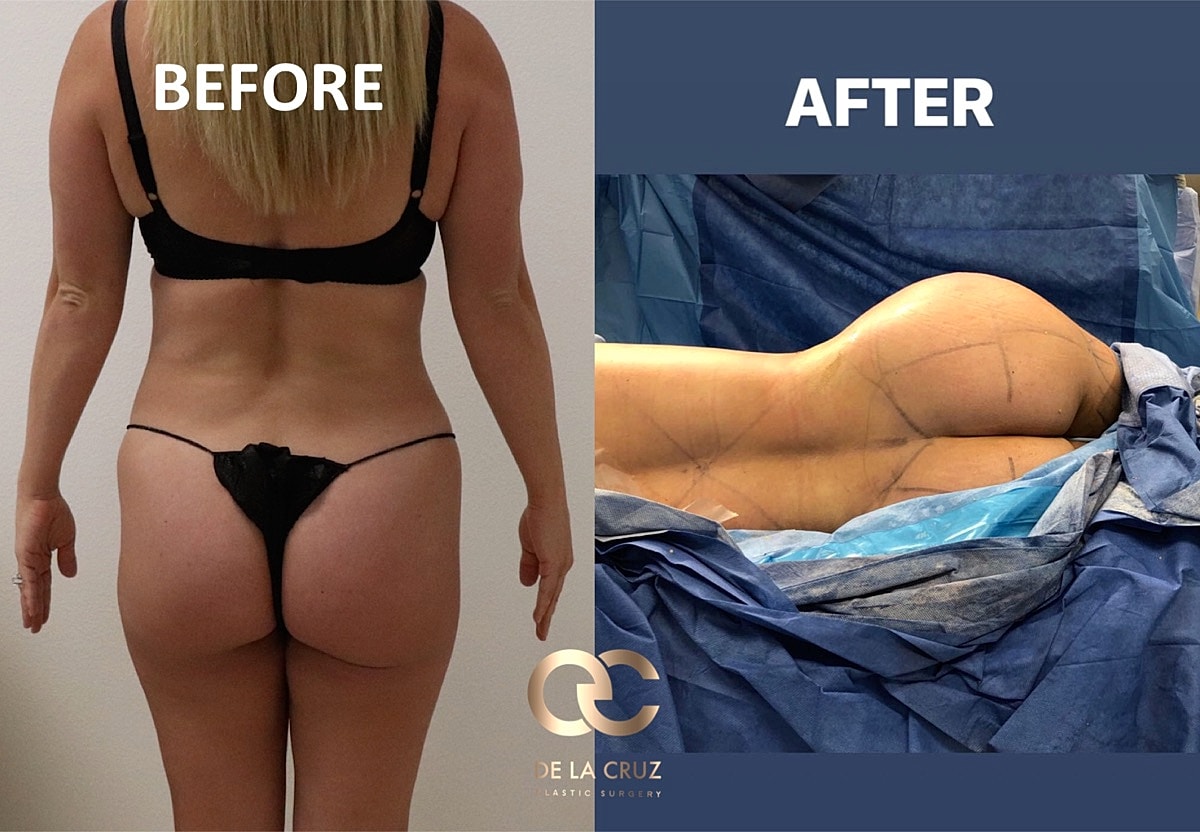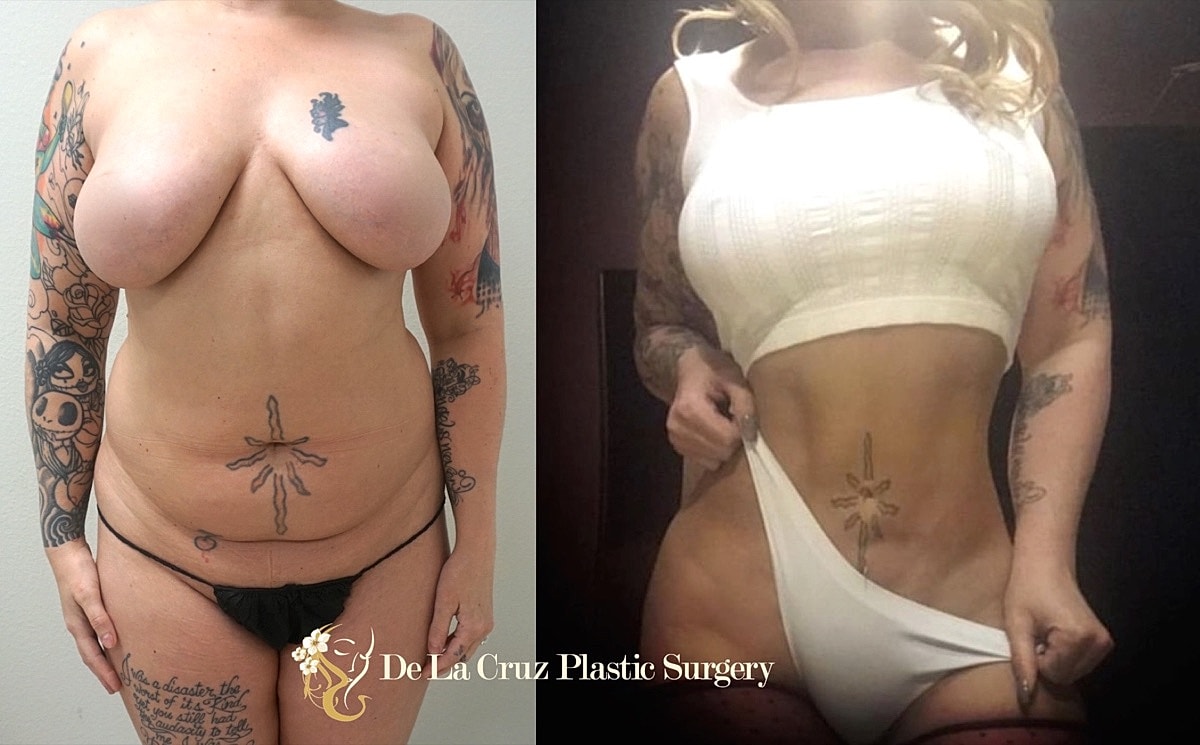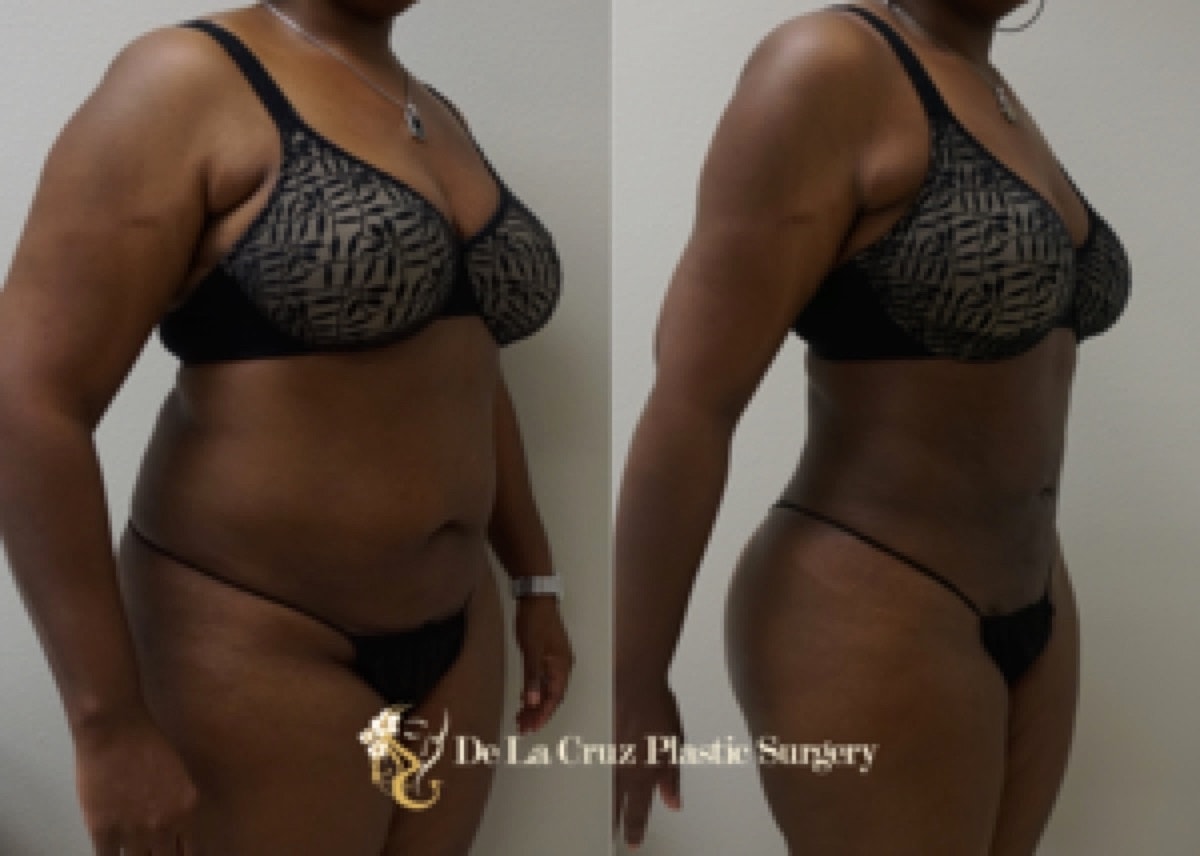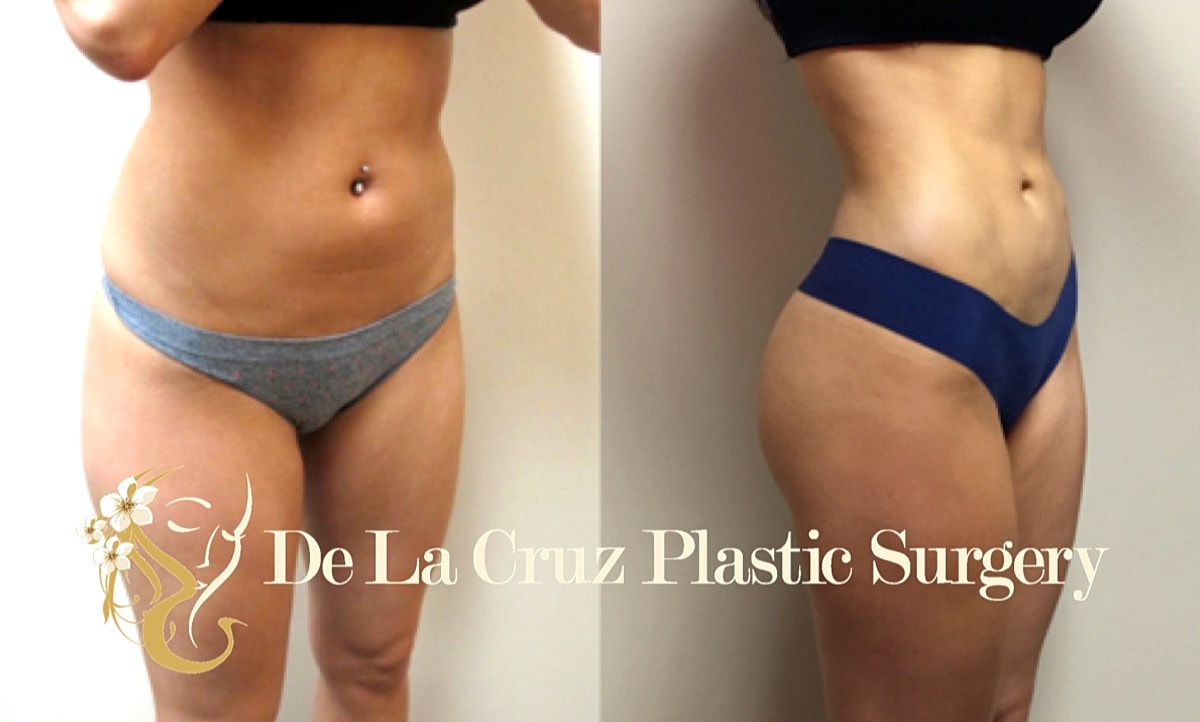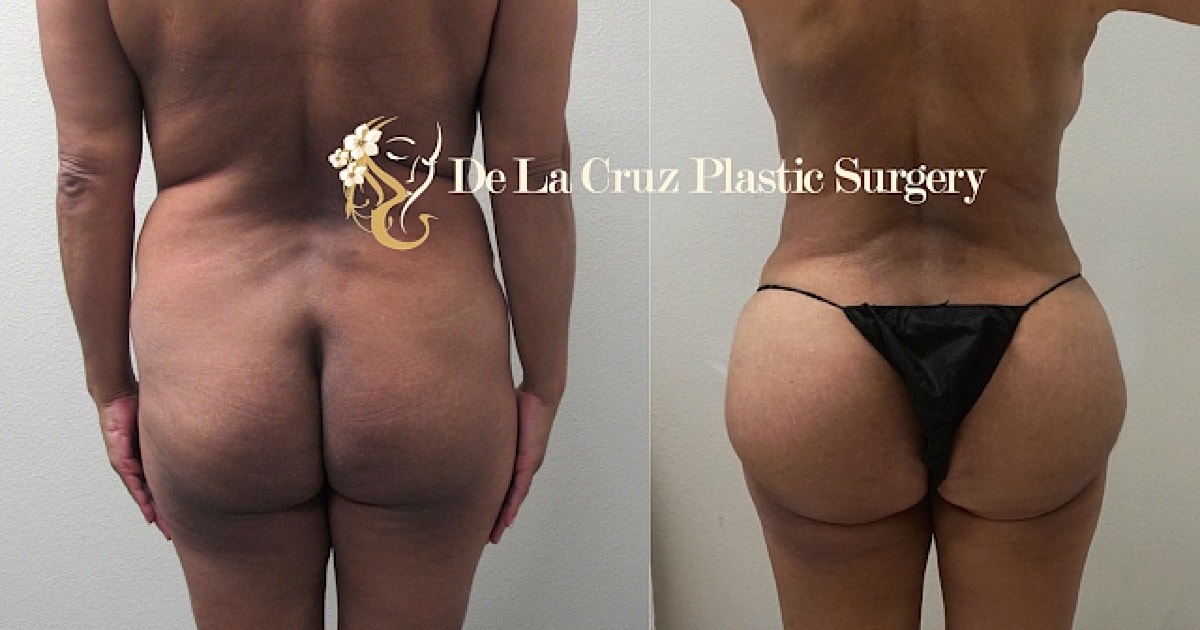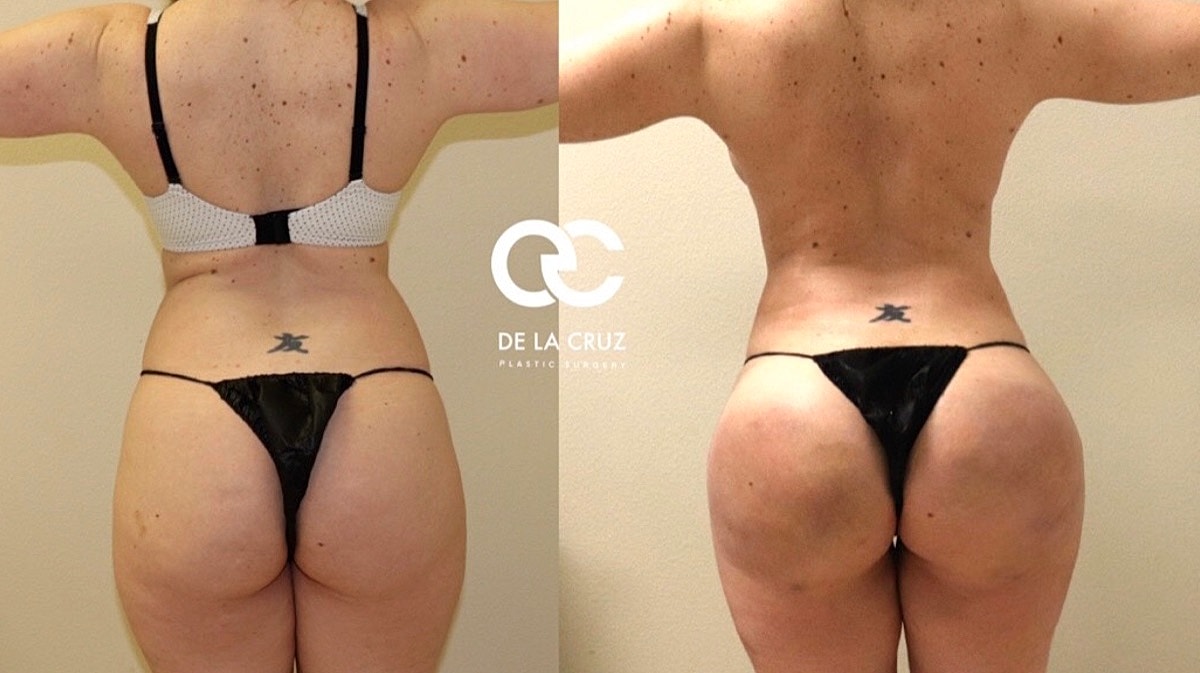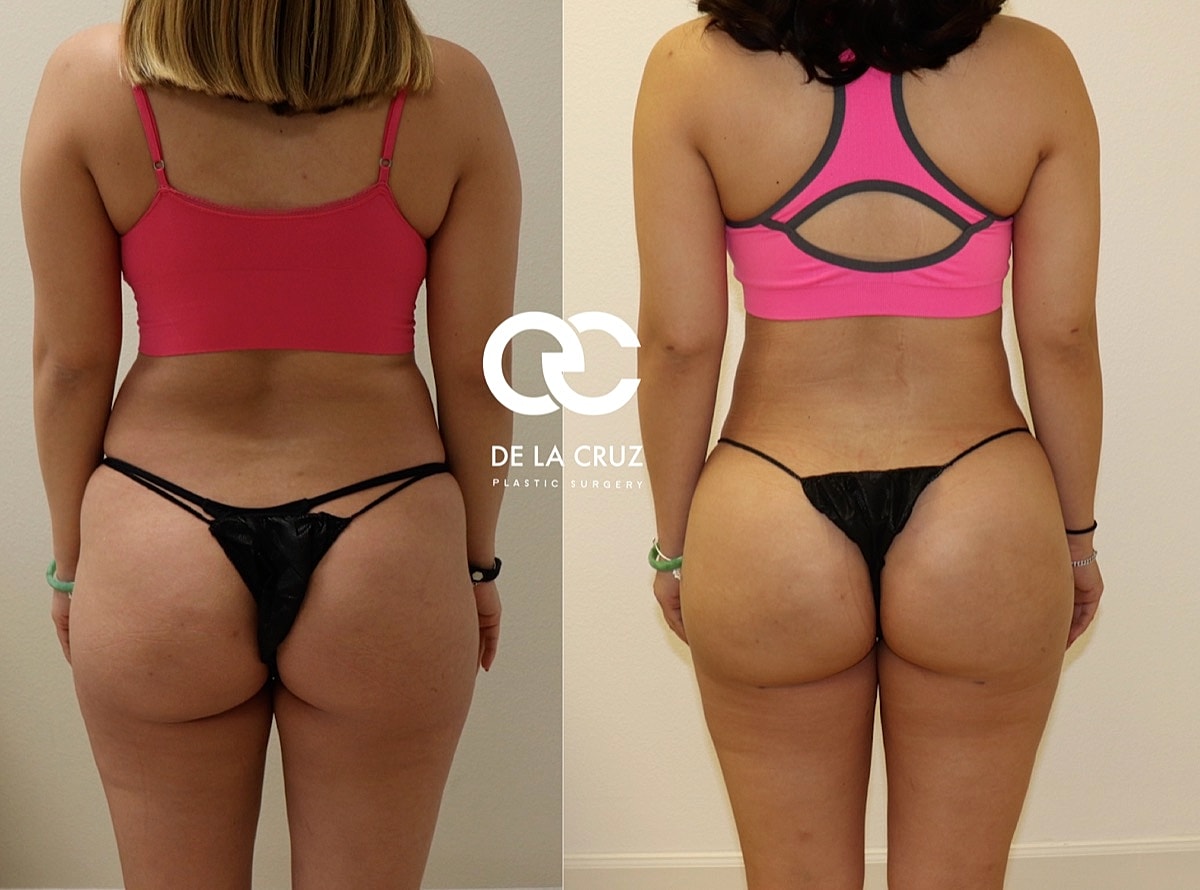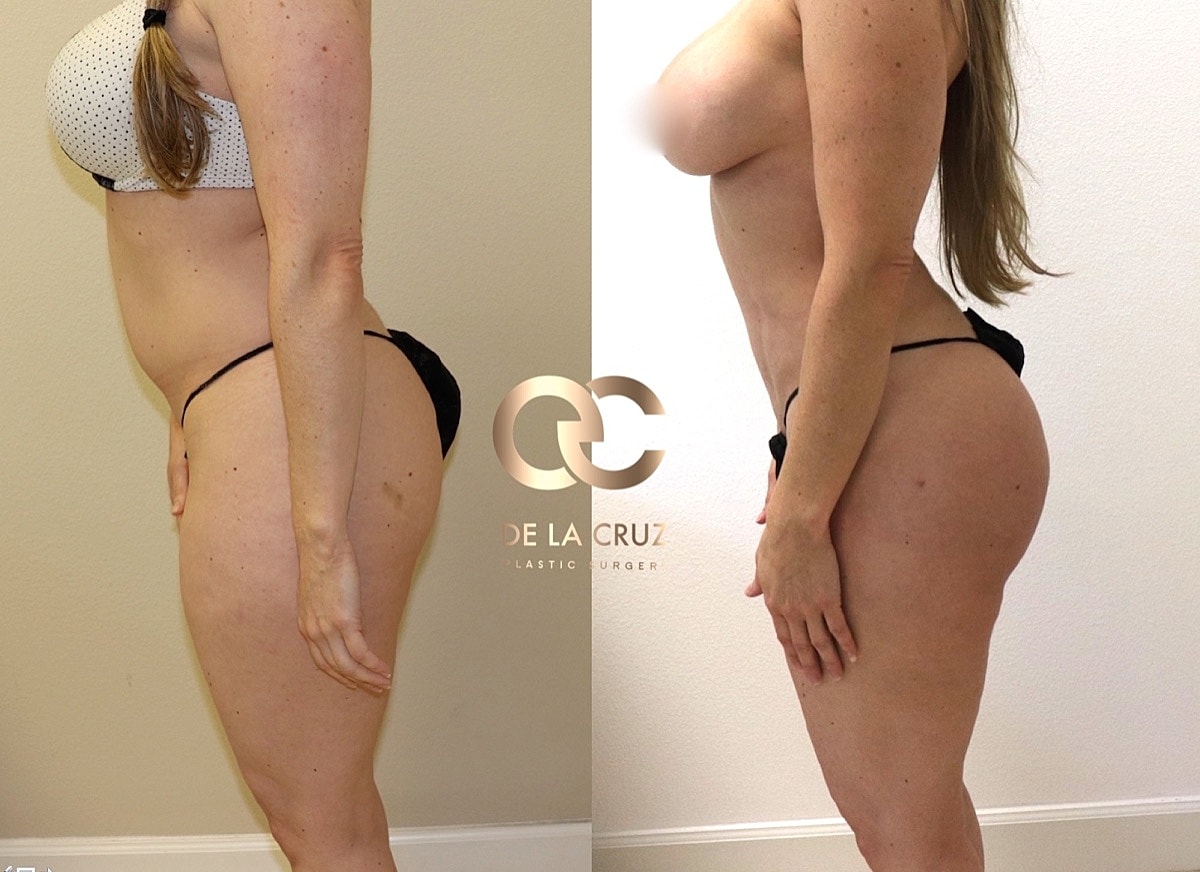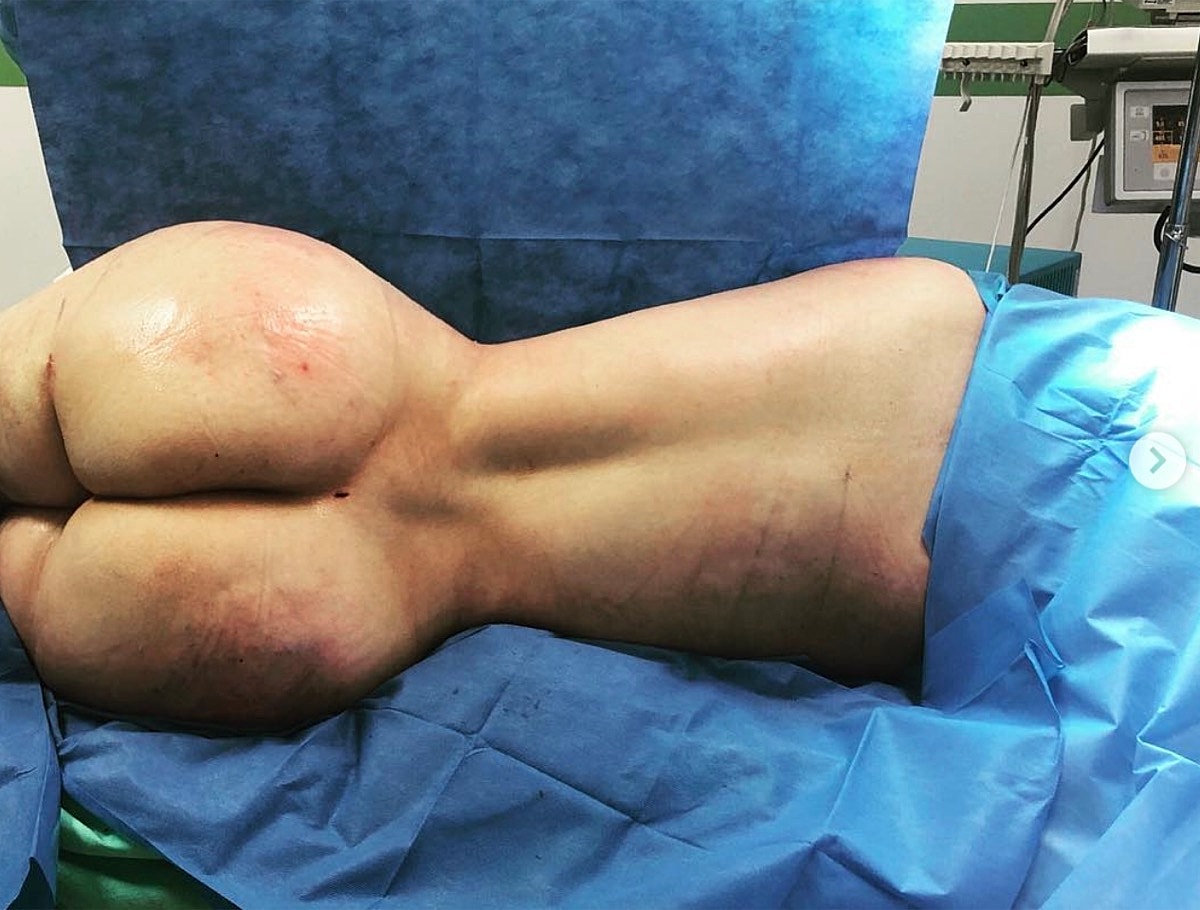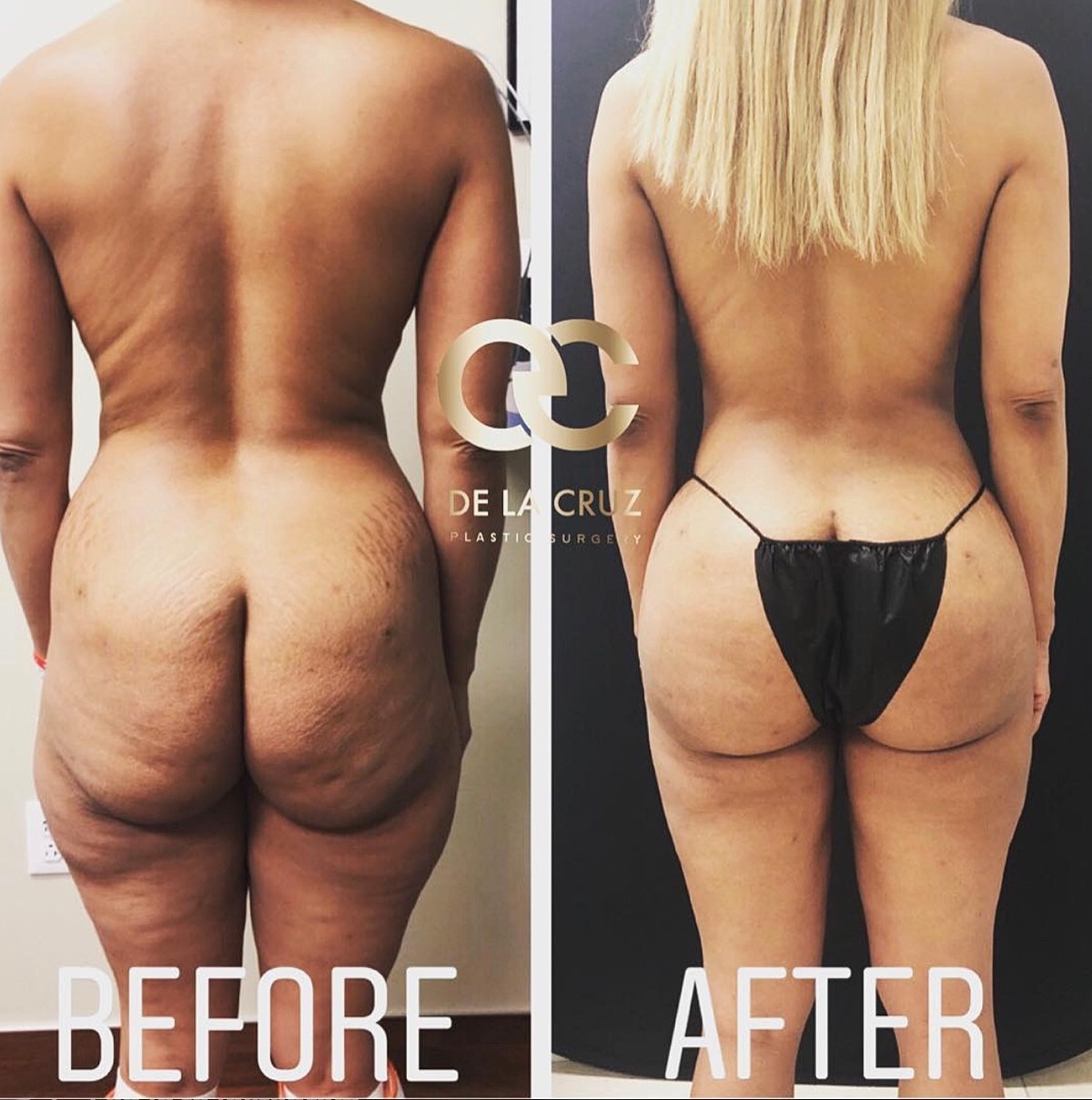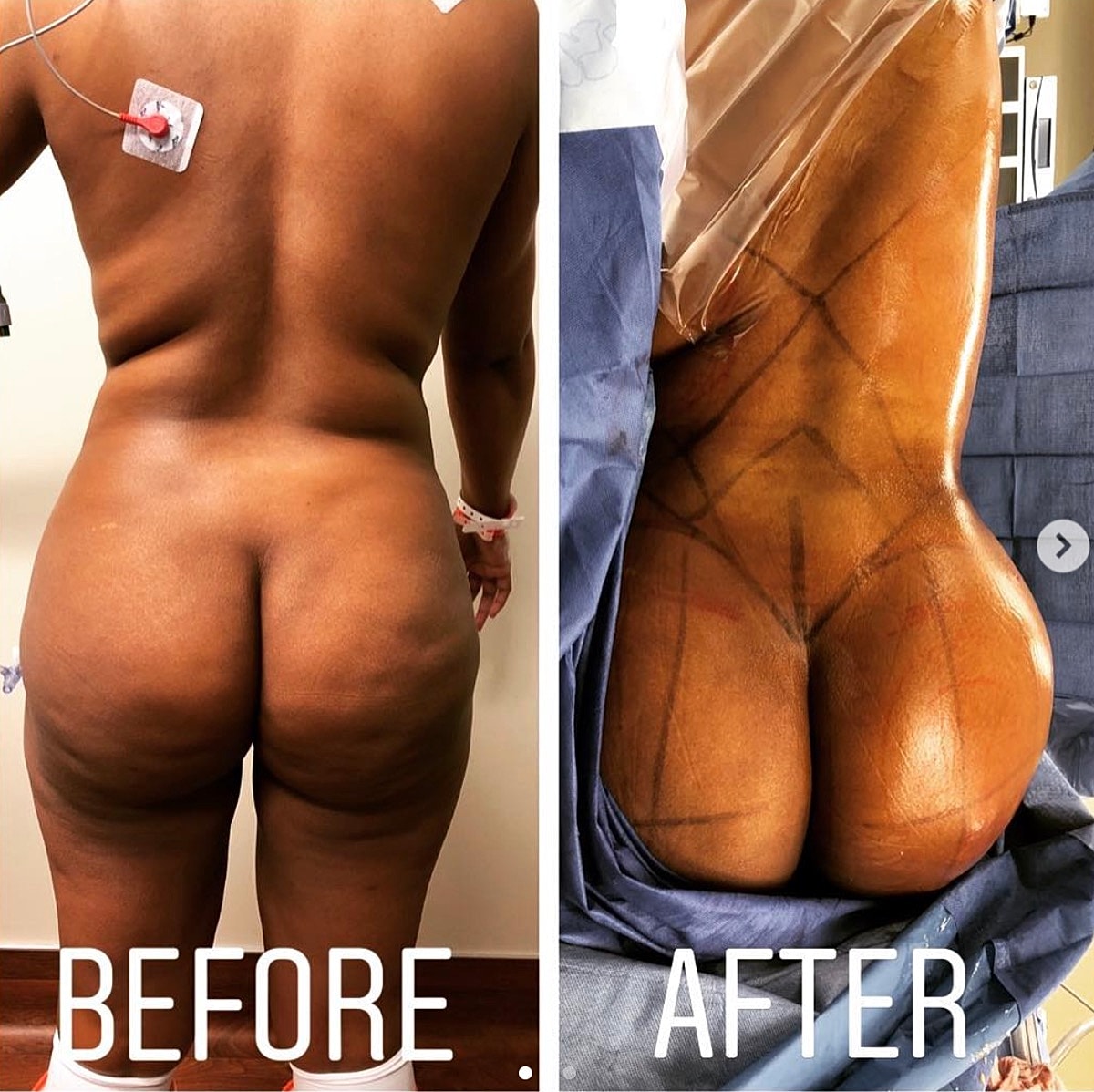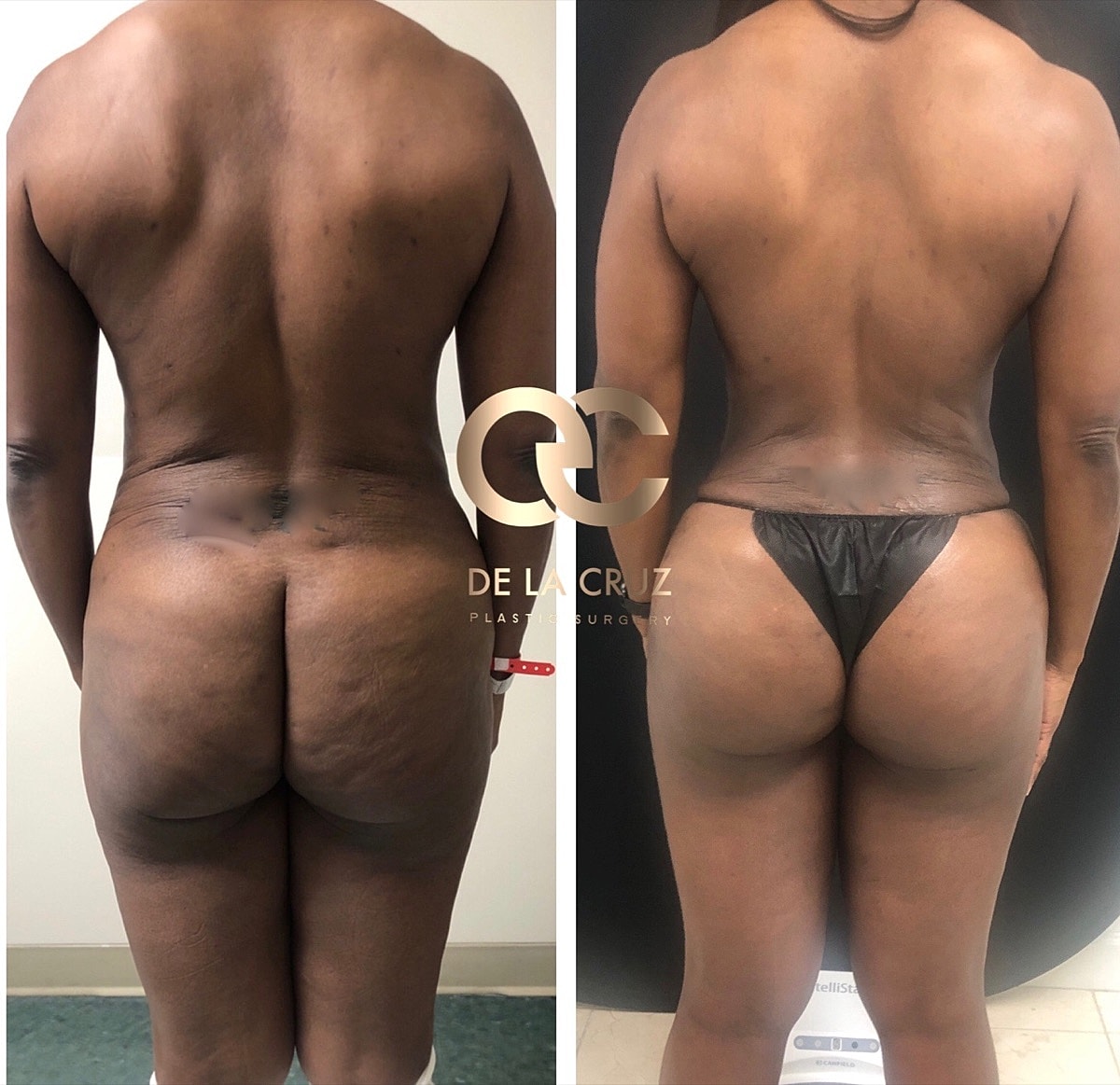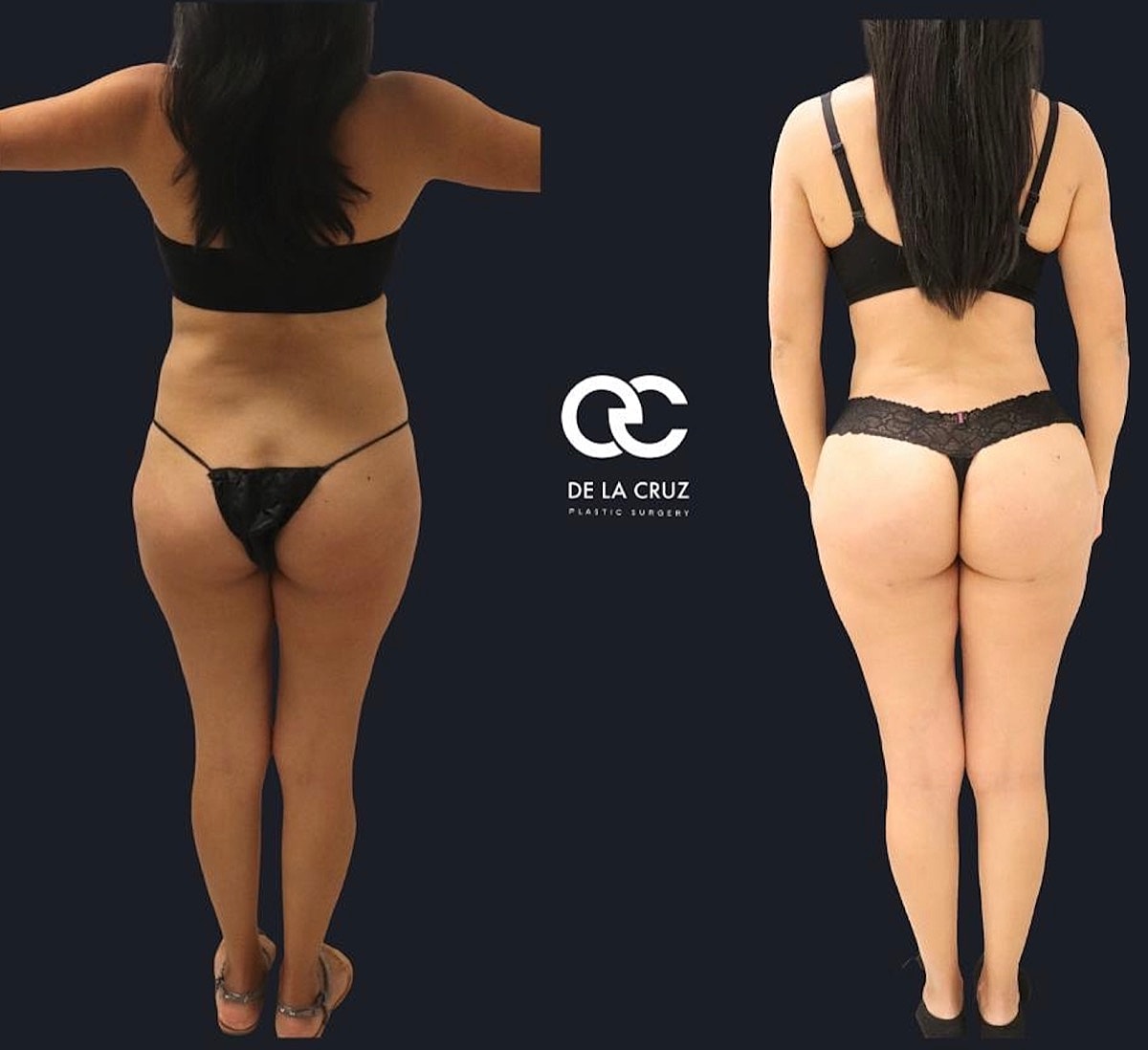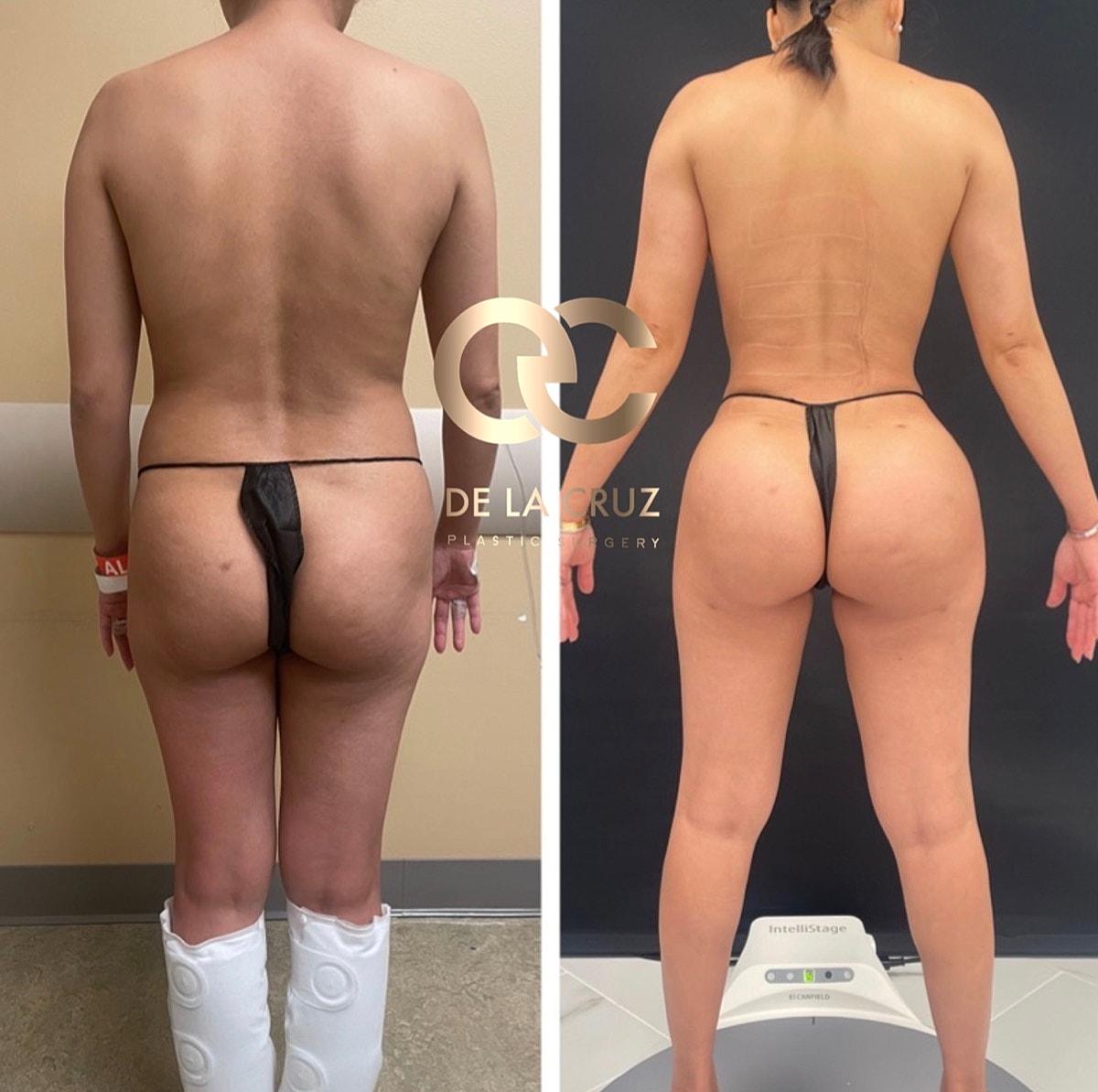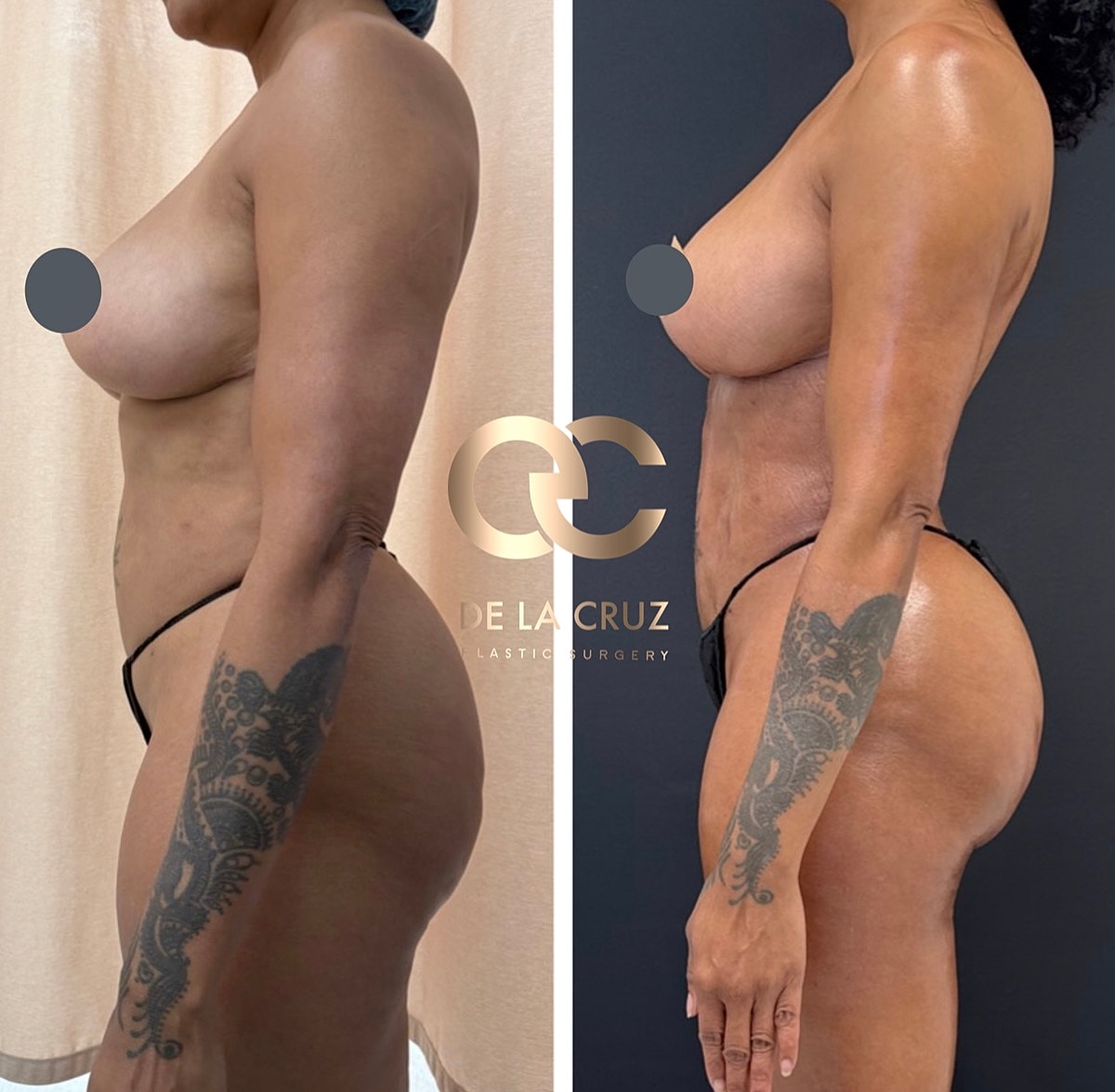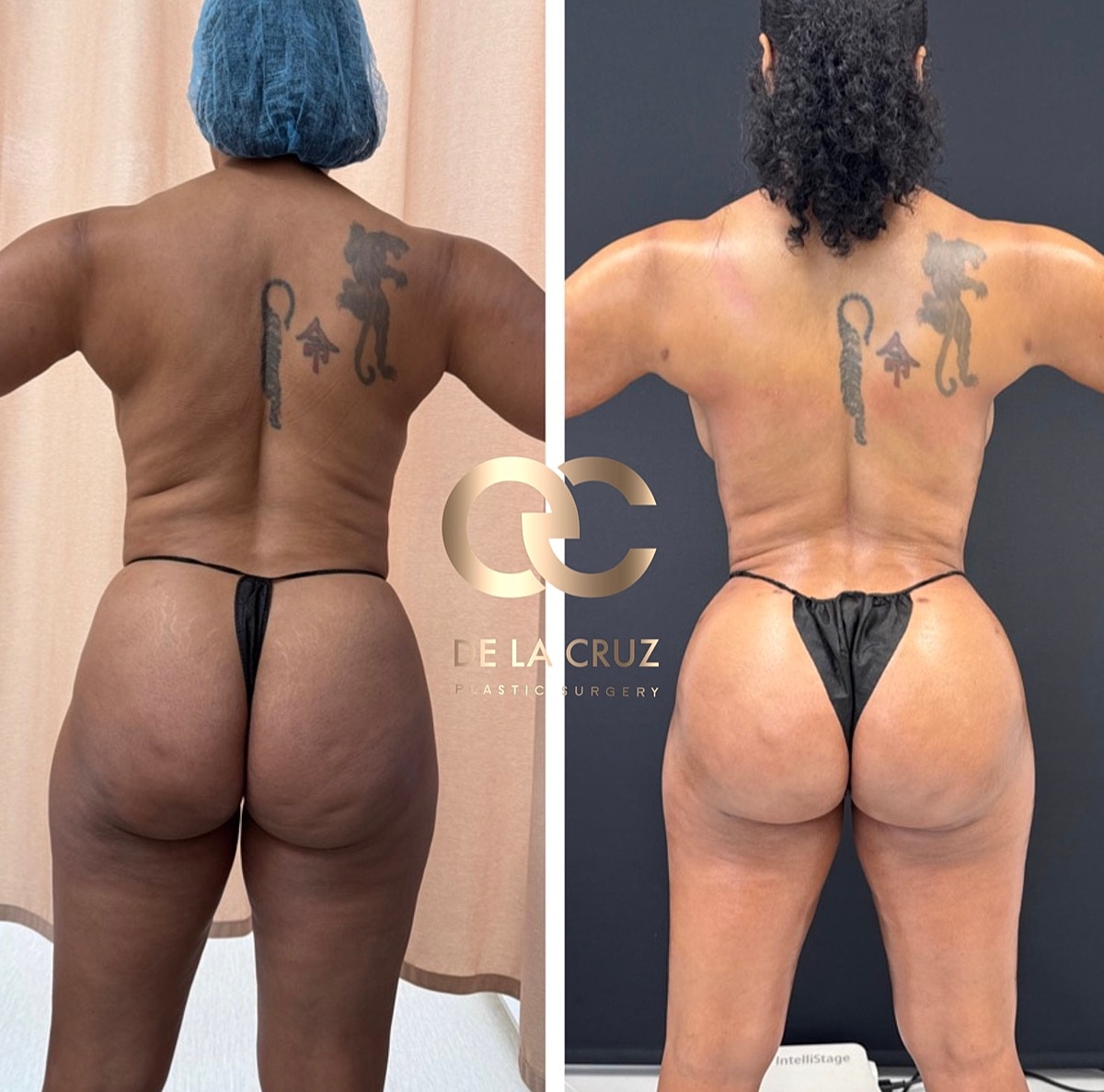
Swelling is a normal and expected part of healing after a Brazilian Butt Lift (BBL in Houston). Because the procedure combines liposuction and fat transfer, swelling can occur in both the liposuction areas and the buttocks. Understanding the typical BBL swelling stages helps patients know what to expect during recovery and when final results may become visible.
At De La Cruz Plastic Surgery in Houston, careful postoperative instructions and follow-up care help support healing and optimize results after BBL surgery.
1 of 24
Swelling after a Brazilian Butt Lift (BBL) is a normal part of the healing process. Immediately after surgery, some swelling occurs because the transferred fat may still contain small amounts of tumescent fluid used during liposuction. In addition, the body’s natural inflammatory response to surgery causes temporary swelling in the treated areas.
During a Brazilian Butt Lift:
• Liposuction removes fat from donor areas such as the abdomen, flanks, or thighs
• The harvested fat is purified and carefully transferred into the buttocks
• The body responds to the procedure with temporary inflammation and fluid accumulation
Because of these factors, both the liposuction areas and the buttocks may appear swollen during the early stages of recovery. This swelling is expected and gradually improves as the tissues heal and the transferred fat stabilizes.
Recovery varies from patient to patient, but most individuals experience similar stages of swelling after surgery.
Stage 1: Immediate Postoperative Swelling (First Week)
During the first week after surgery:
• swelling and bruising are most noticeable • the buttocks may appear larger due to postoperative swelling • liposuction areas may feel firm or tight
Compression garments are typically worn to help control swelling in the liposuction areas. Patients are also advised to avoid direct pressure on the buttocks during early healing.
Stage 2: Early Healing Phase (Weeks 2–4)
During the second through fourth week:
• swelling gradually begins to improve • bruising fades • liposuction areas may begin to soften
Many patients begin to see early improvements in body contour during this stage.
Stage 3: Contour Improvement (1–3 Months)
Between one and three months after surgery:
• a significant portion of swelling resolves • body contours become more defined • the buttocks begin to take on a more natural appearance
At this stage, the fat that has successfully developed a blood supply begins to stabilize.
Stage 4: Final Healing Phase (3–6 Months)
Between three and six months after surgery:
• most remaining swelling gradually resolves • transferred fat stabilizes • final body contour becomes more visible
By this time, patients typically see a more accurate representation of their long-term results.
The amount and duration of swelling can vary depending on several factors:
• the amount of liposuction performed
• the volume of fat transferred
• individual healing response
• adherence to postoperative instructions (are garments being worn?)
Following your surgeon’s recovery guidelines is essential for a smooth healing process.

Several strategies may help support recovery and minimize swelling:
• wear compression garments as directed
• avoid sitting directly on the buttocks during early recovery
• walk regularly to promote circulation
• stay well hydrated
• follow all postoperative instructions
These measures help support healing and protect the transferred fat cells.
Patients often notice an improvement in body contour immediately after surgery, but swelling can temporarily affect the final appearance.
Most patients begin to see their true BBL results between three and six months, once swelling has significantly improved and the transferred fat stabilizes.

Patients seeking liposuction in Houston often choose Dr. Emmanuel De La Cruz, a double-board-certified plastic surgeon certified by both the American Board of Plastic Surgery and the American Board of Surgery. He specializes in advanced body contouring and precision liposuction techniques designed to create refined, natural-appearing results.
Dr. De La Cruz is internationally recognized for his work in high-definition liposuction and contour sculpting. He has received the Grand Master Total Definer Award for Best High-Definition Liposuction Results, presented by Dr. Alfredo Hoyos, the pioneer of high-definition liposculpture.
He has also lectured internationally on liposuction and contour correction techniques, presenting at major scientific meetings including the American Society of Plastic Surgeons (ASPS), the Total Definer Meeting in Bogotá, the InMode Symposium in Miami and Beverly Hills, and AestheticStanbul in Istanbul, where he was invited by renowned plastic surgeon Dr. Foad Nahai.
Dr. De La Cruz has contributed to the scientific literature as the author of “Lipoplasty in the Overweight Patient,” published in the peer-reviewed journal Clinics in Plastic Surgery.
Through his combination of advanced surgical training, international teaching experience, and meticulous contour sculpting, Dr. De La Cruz focuses on delivering safe, precise, and natural-looking liposuction results.
Temporary swelling is normal and does not usually affect the final outcome. Following postoperative instructions helps support optimal healing.
Most swelling improves significantly within 4–8 weeks, though mild swelling may persist for several months.
Immediately after surgery, swelling and transferred fat both contribute to the initial size. The appearance gradually settles as swelling improves.
Temporary swelling is normal and does not usually affect the final outcome. Following postoperative instructions helps support optimal healing.
Swelling occurs in the donor areas because liposuction involves removing fat from areas such as the abdomen, flanks, back, or thighs. The body responds with temporary inflammation and fluid accumulation as the tissues heal.
Swelling typically peaks during the first week after surgery, especially within the first several days. After this period, swelling gradually improves over the following weeks.
Direct pressure on the buttocks during early recovery can increase swelling and may affect fat survival. Patients are typically advised to avoid sitting directly on the buttocks during the first few weeks after surgery.
Yes. Compression garments help reduce swelling in the liposuction areas by supporting tissues and improving circulation. However, compression is usually not applied directly to the buttocks to avoid pressure on the transferred fat.
Temporary swelling can sometimes make the buttocks appear slightly uneven during early recovery. As swelling improves and the fat stabilizes, the contour usually becomes more balanced.
Patients can help reduce swelling by:
• wearing compression garments as directed • walking regularly to promote circulation • staying hydrated • avoiding prolonged sitting on the buttocks • following all postoperative instructions
Yes. Swelling may fluctuate during the healing process, especially after activity or prolonged standing. This is a normal part of recovery and typically improves over time.
Most swelling is normal after surgery. However, patients should contact their surgeon if swelling is accompanied by severe pain, redness, fever, or sudden changes in the surgical area.
Swelling itself does not necessarily affect fat survival. However, proper postoperative care and avoiding pressure on the buttocks help support healthy fat graft healing.
In some cases, lymphatic drainage massage may help support fluid drainage and reduce swelling after liposuction. Patients should only undergo massage if recommended by their surgeon.
During a BBL, fat may be transferred to the hips as well as the buttocks to create a smoother and more balanced waist-to-hip contour. Temporary swelling in these areas is normal during early recovery.
About the Author
Dr. Emmanuel De La Cruz, MD is a double-board-certified plastic surgeon in Houston, Texas, certified by both the American Board of Plastic Surgery and the American Board of Surgery. He specializes in advanced liposuction and body contouring procedures, including high-definition liposculpture, Brazilian Butt Lift (BBL), revision liposuction, and treatment of lipedema.
Dr. De La Cruz is internationally recognized for his expertise in high-definition liposuction and contour sculpting techniques, which play a critical role in achieving balanced, natural-looking results in procedures such as liposuction and Brazilian Butt Lift surgery. His work focuses on precise body contour sculpting to enhance overall body proportions.
He has lectured internationally on liposuction techniques, fat grafting, and contour irregularity correction, presenting at major scientific meetings including the American Society of Plastic Surgeons (ASPS), the Total Definer Meeting in Bogotá, Colombia, the InMode Symposium in Miami and Beverly Hills, and AestheticStanbul in Istanbul, Turkey, where he was invited to lecture by renowned plastic surgeon Dr. Foad Nahai.
Dr. De La Cruz has also contributed to the scientific literature on liposuction and body contouring. He is the author of “Lipoplasty in the Overweight Patient”, published in the peer-reviewed journal Clinics in Plastic Surgery.
Through his clinical work, research, and international lectures, Dr. De La Cruz focuses on advancing safe, precise, and refined techniques in liposuction, BBL surgery, and modern body contouring.