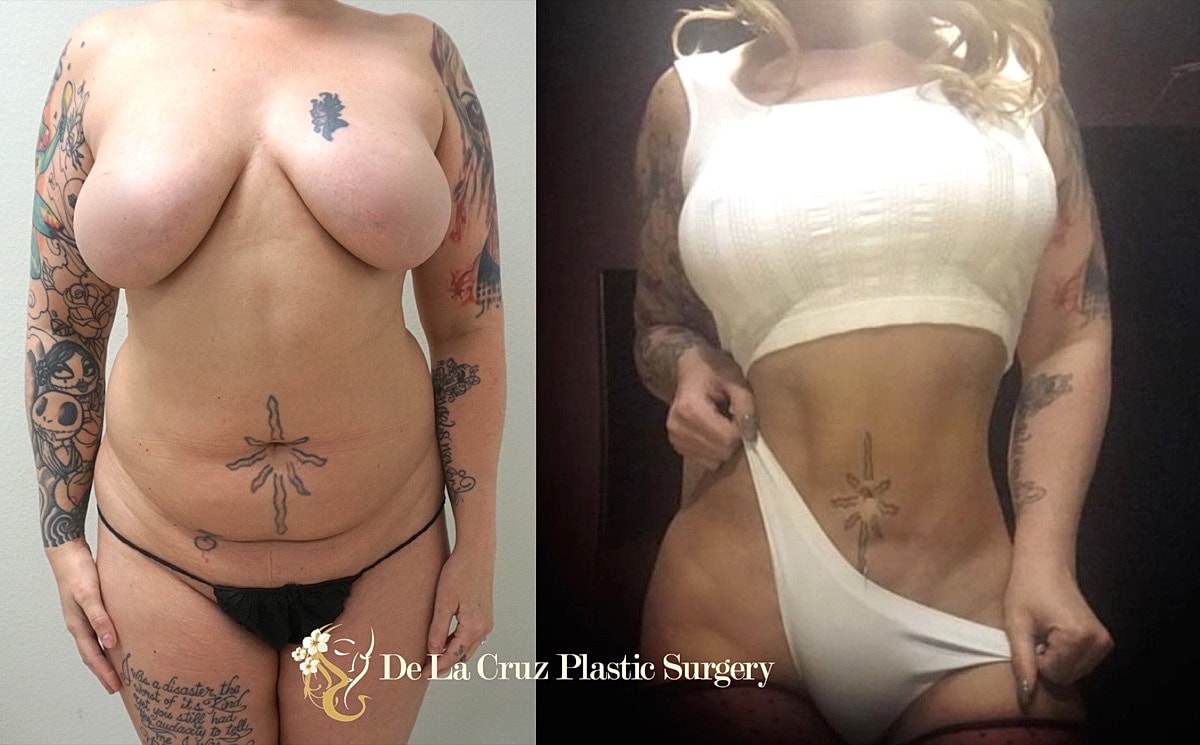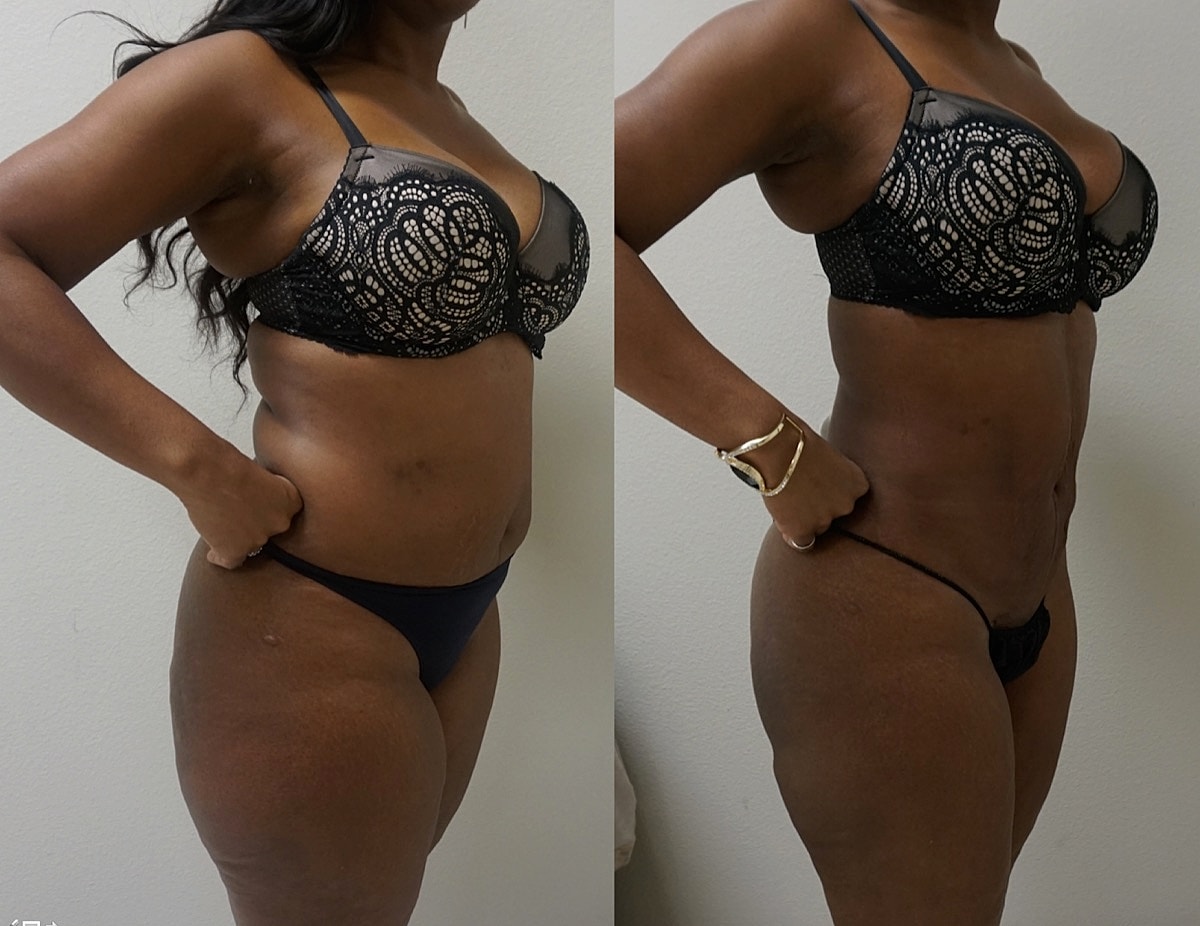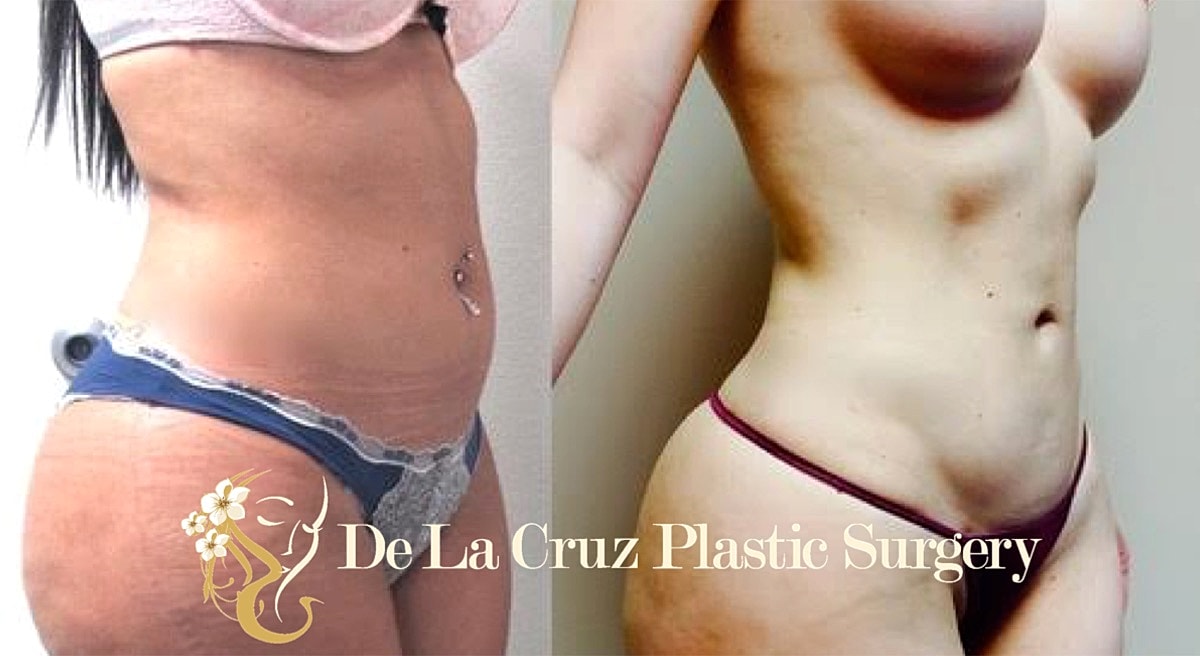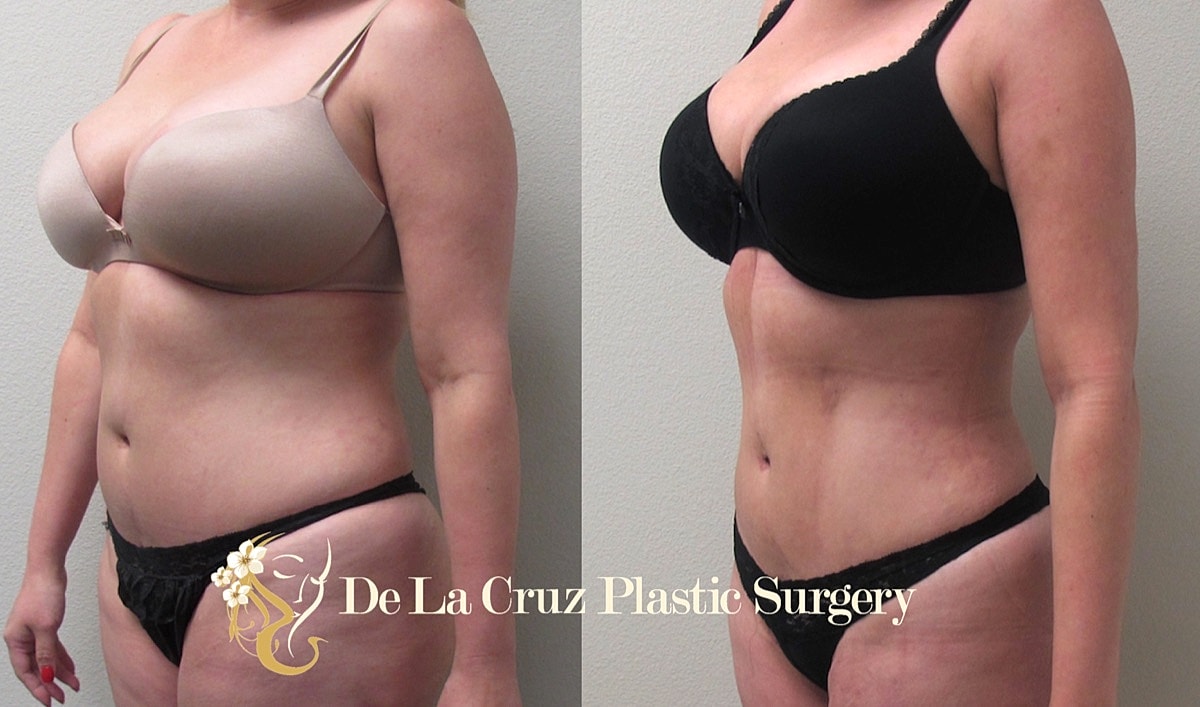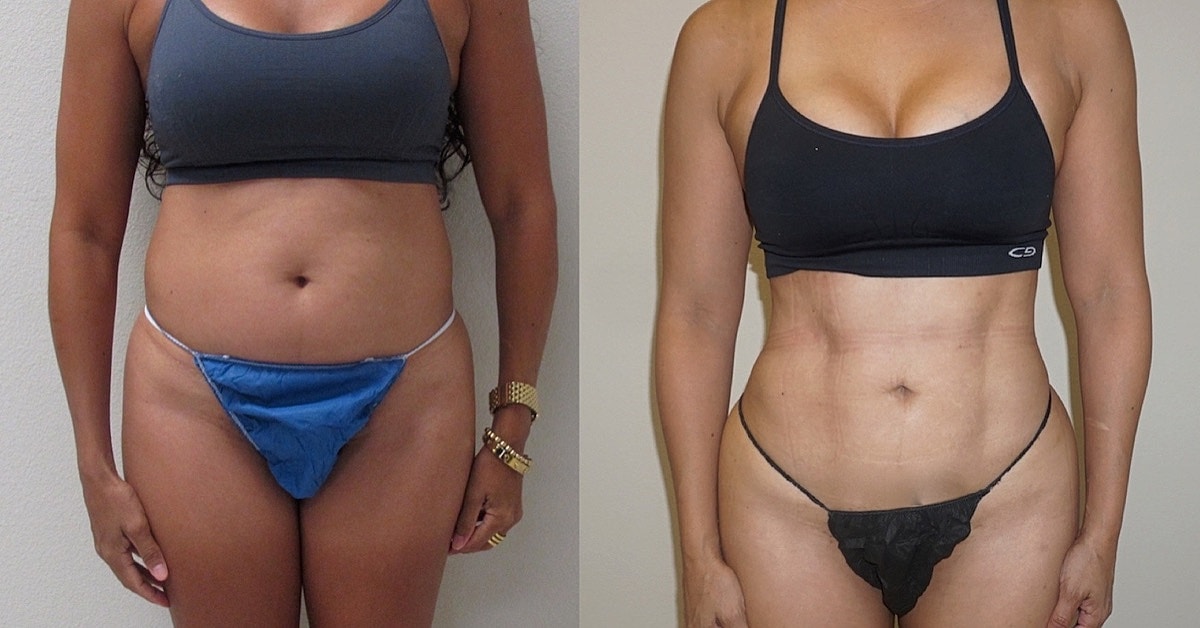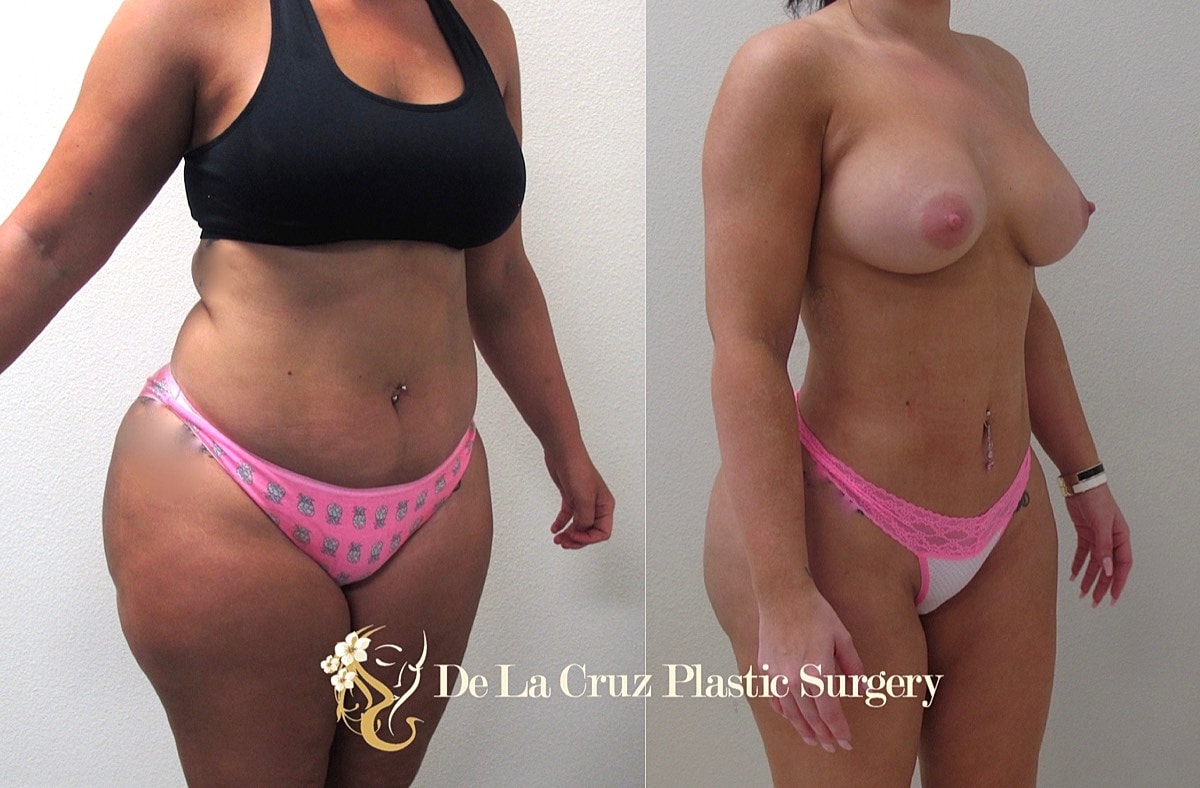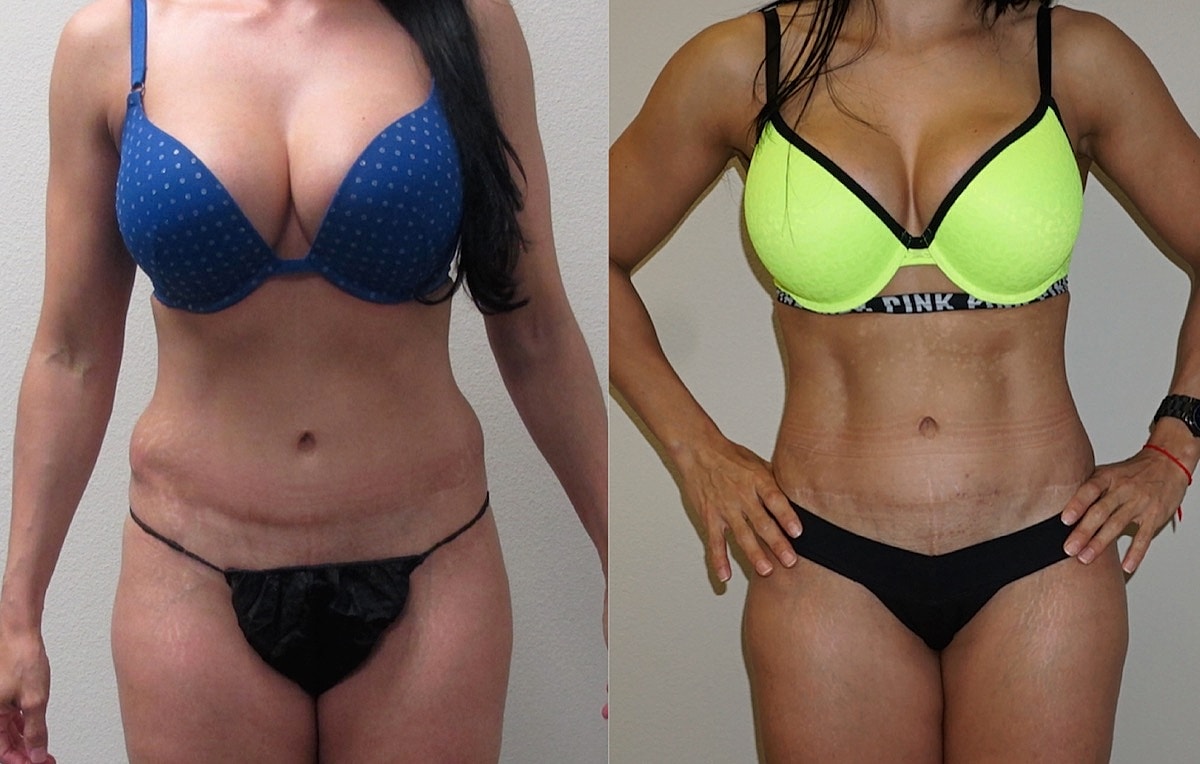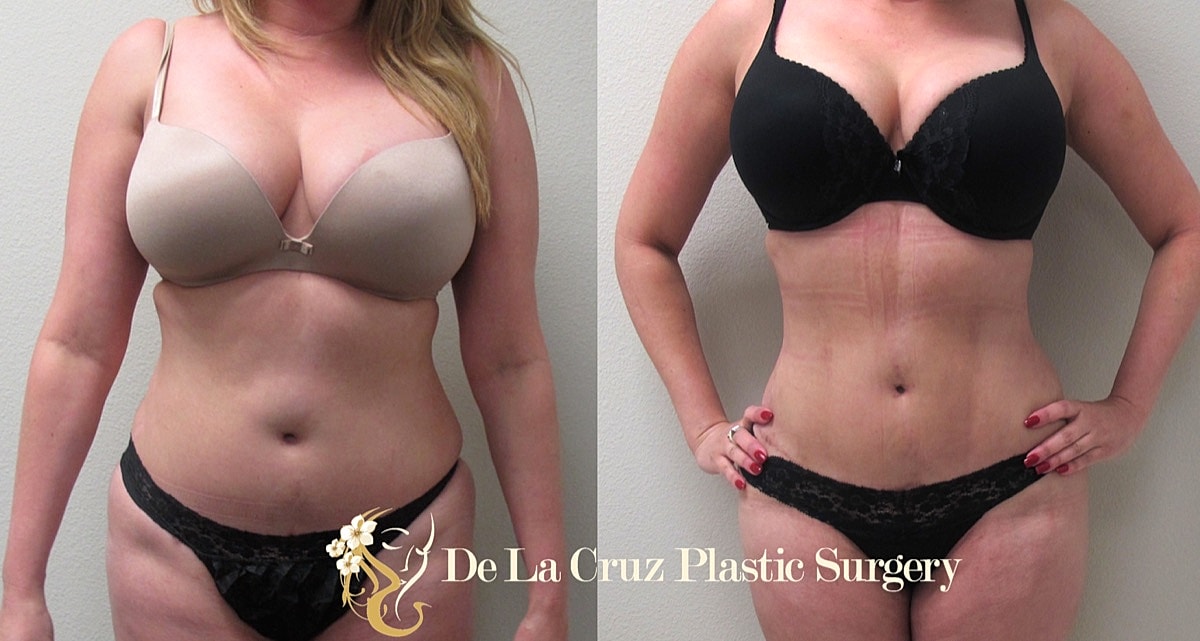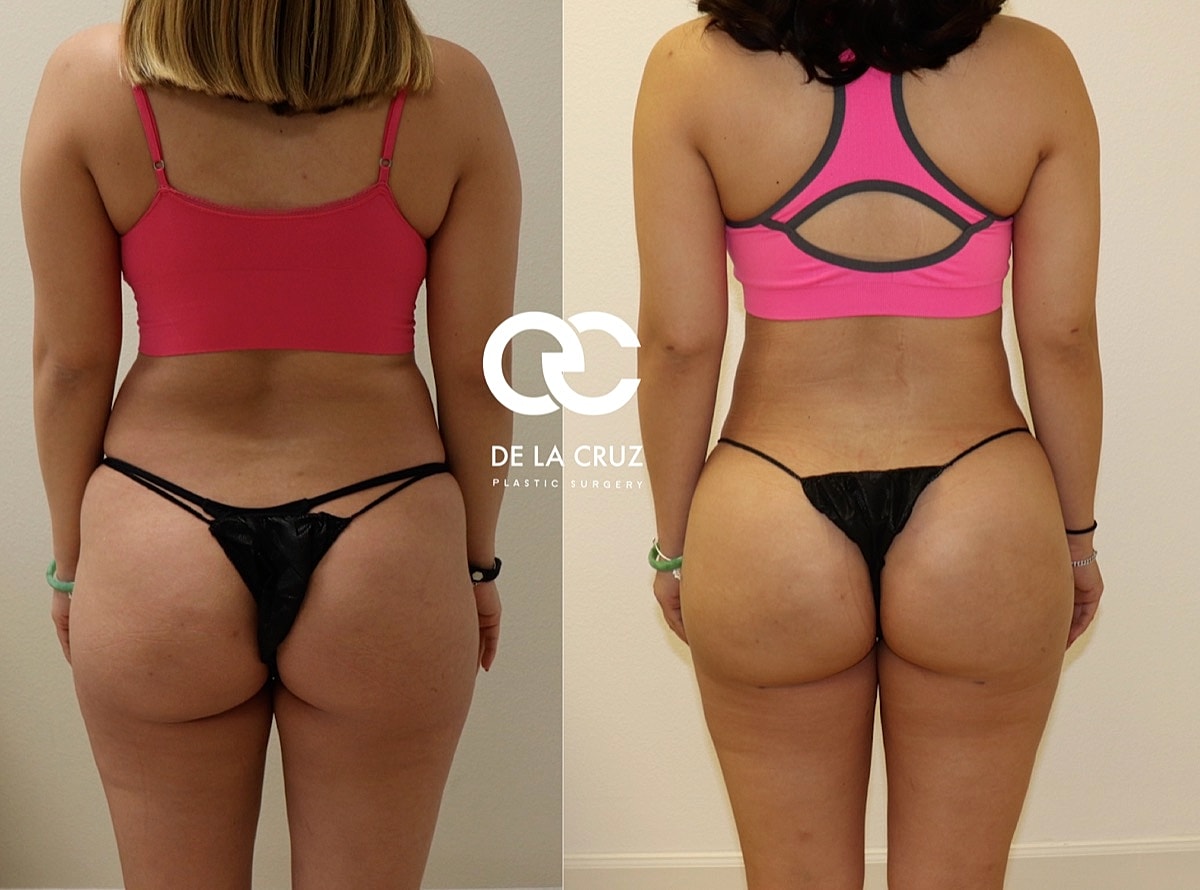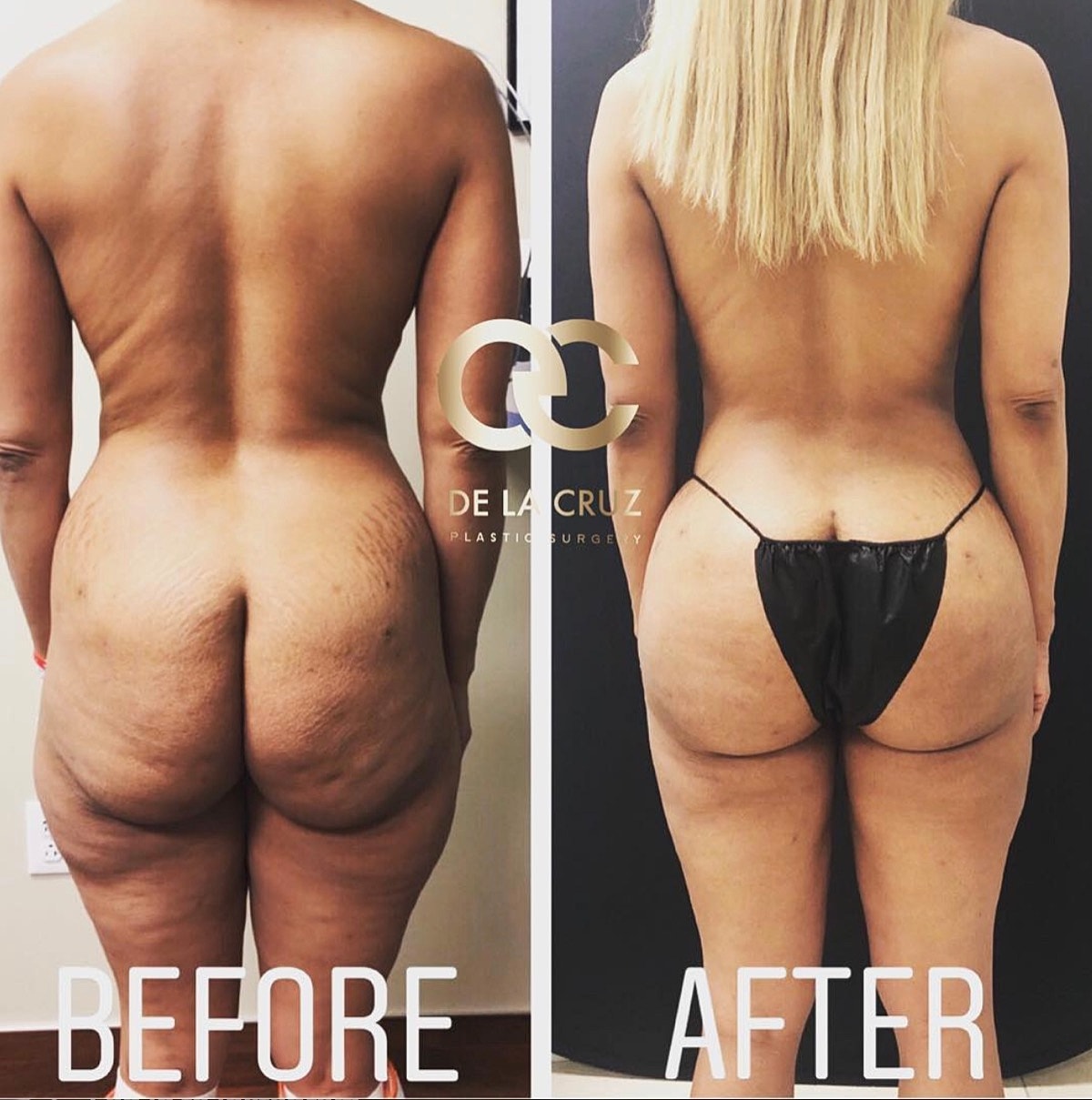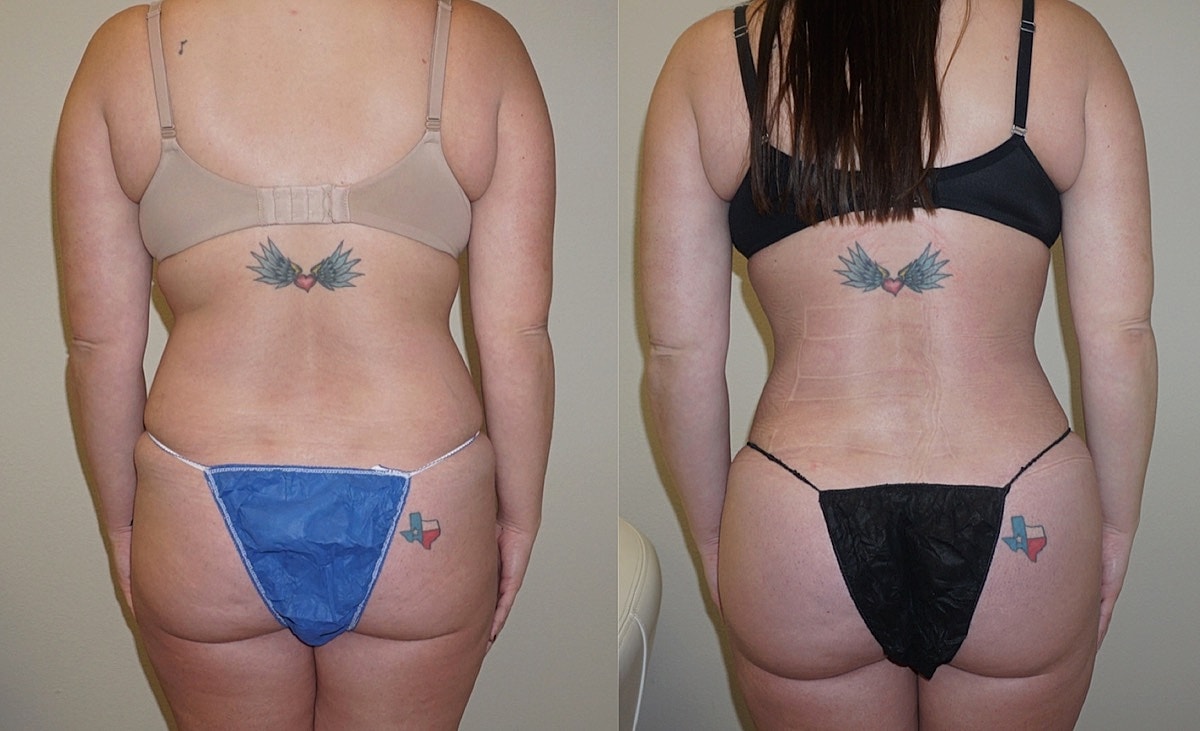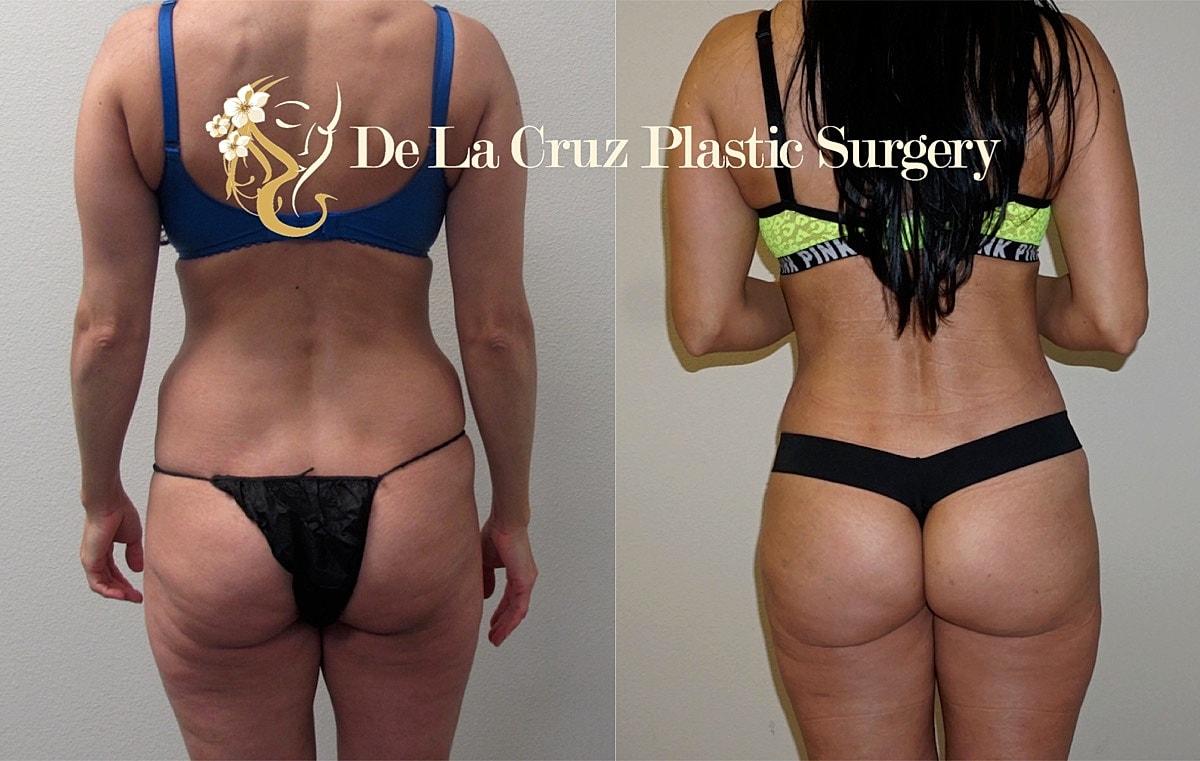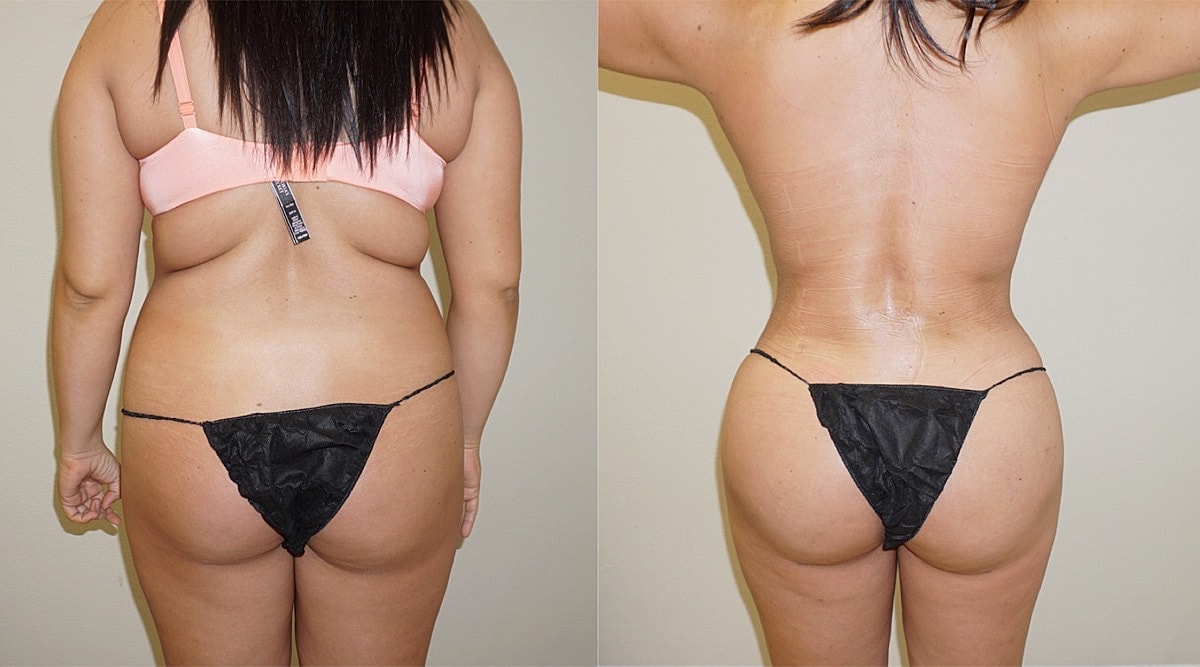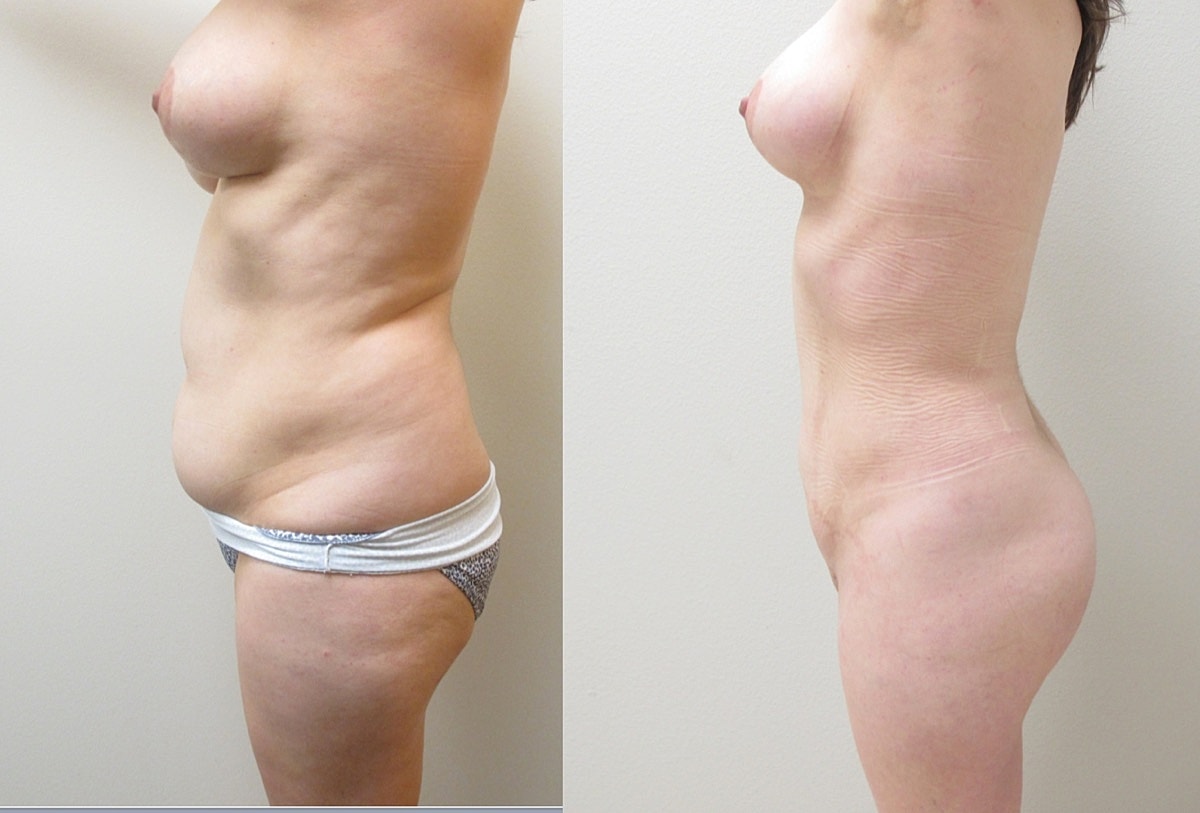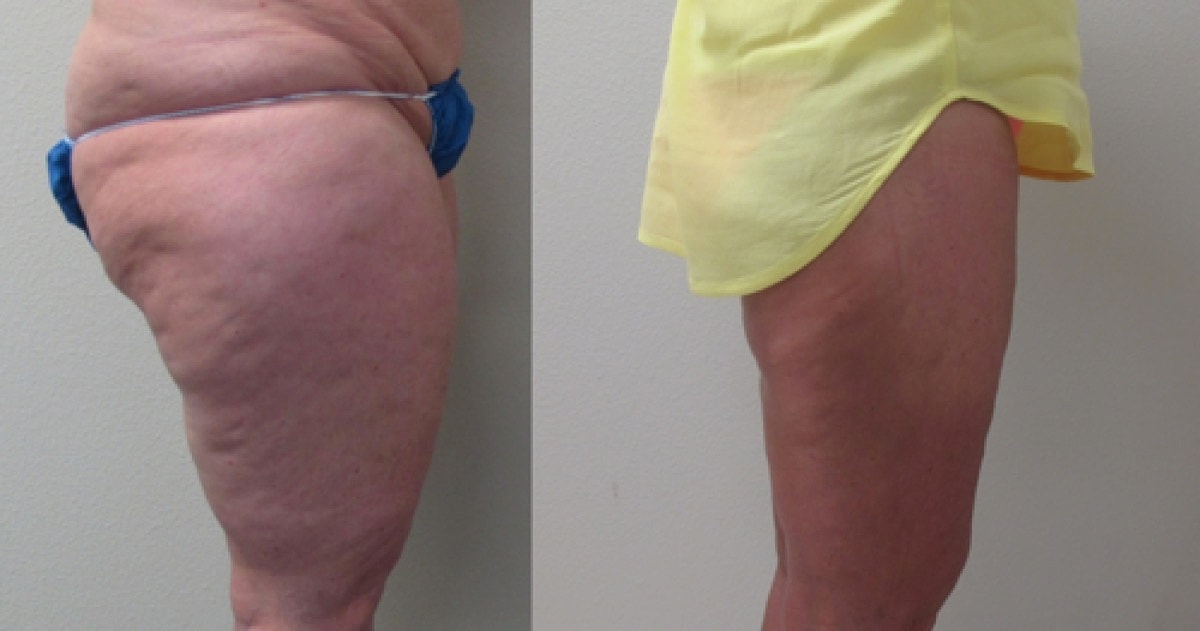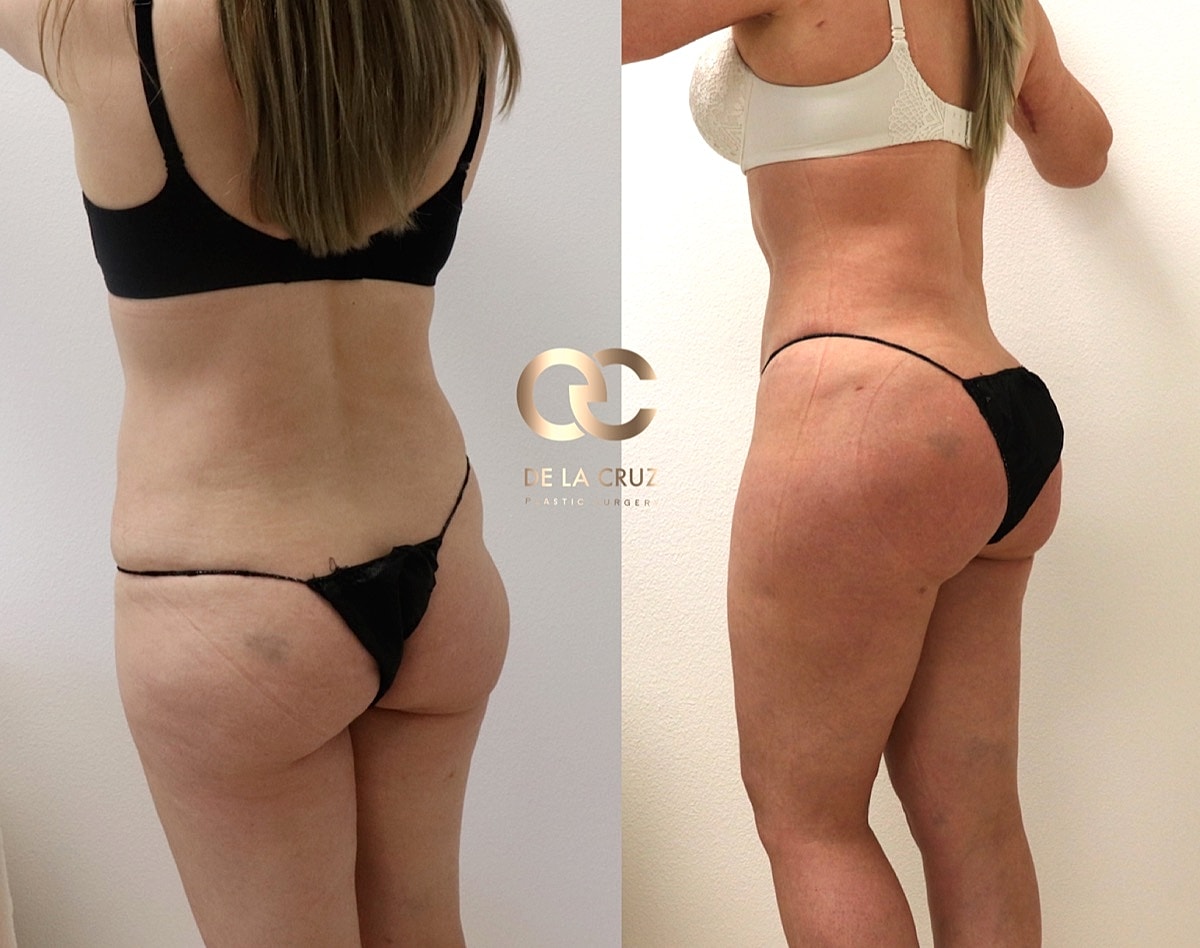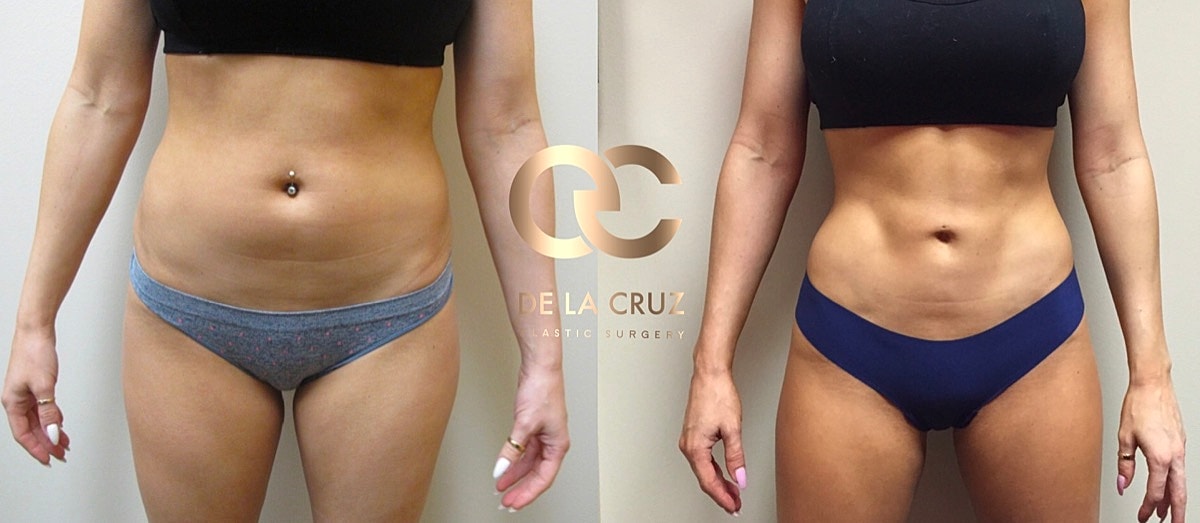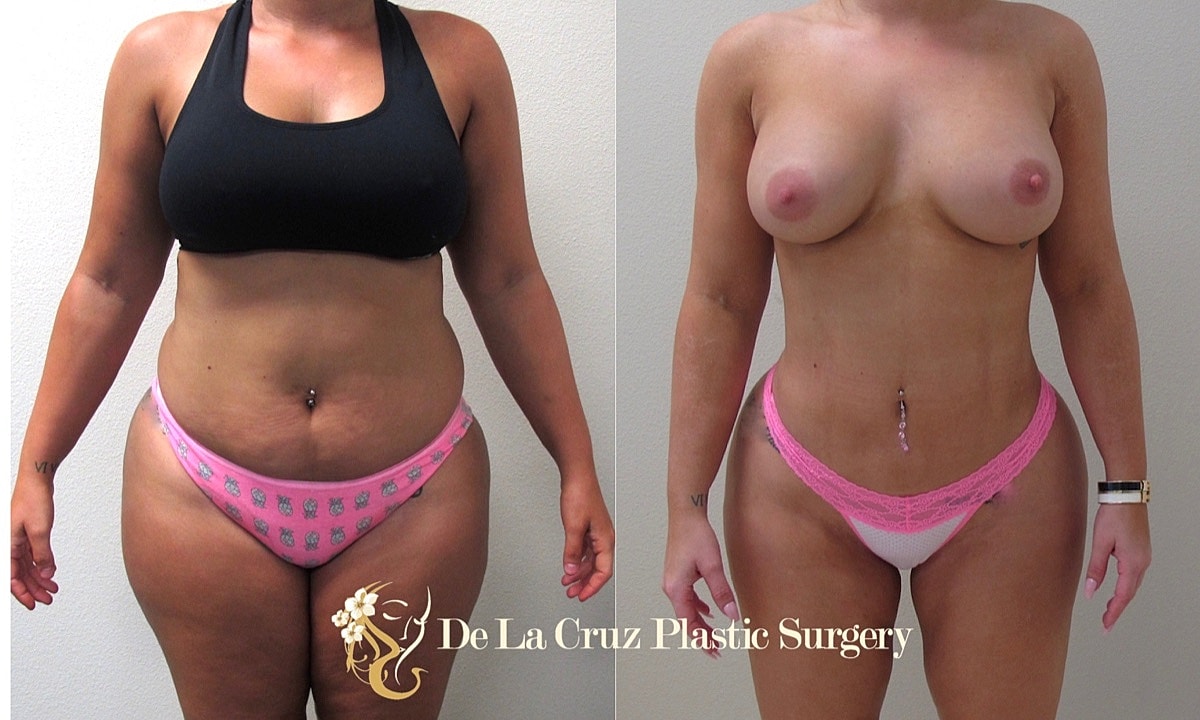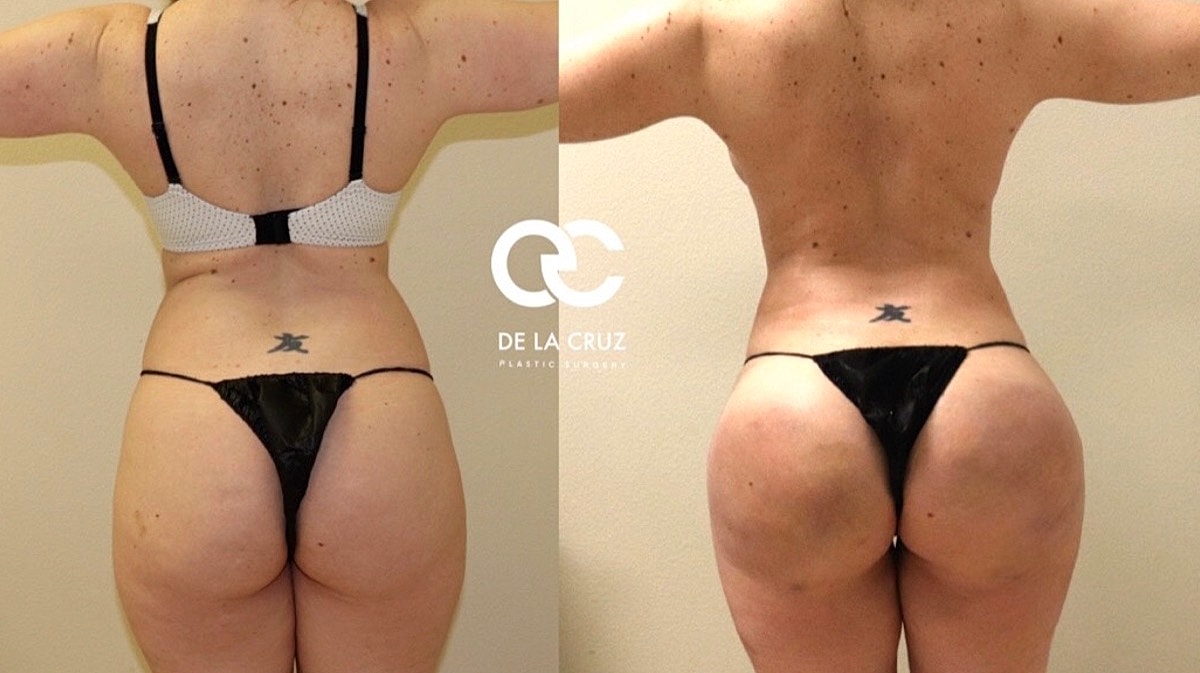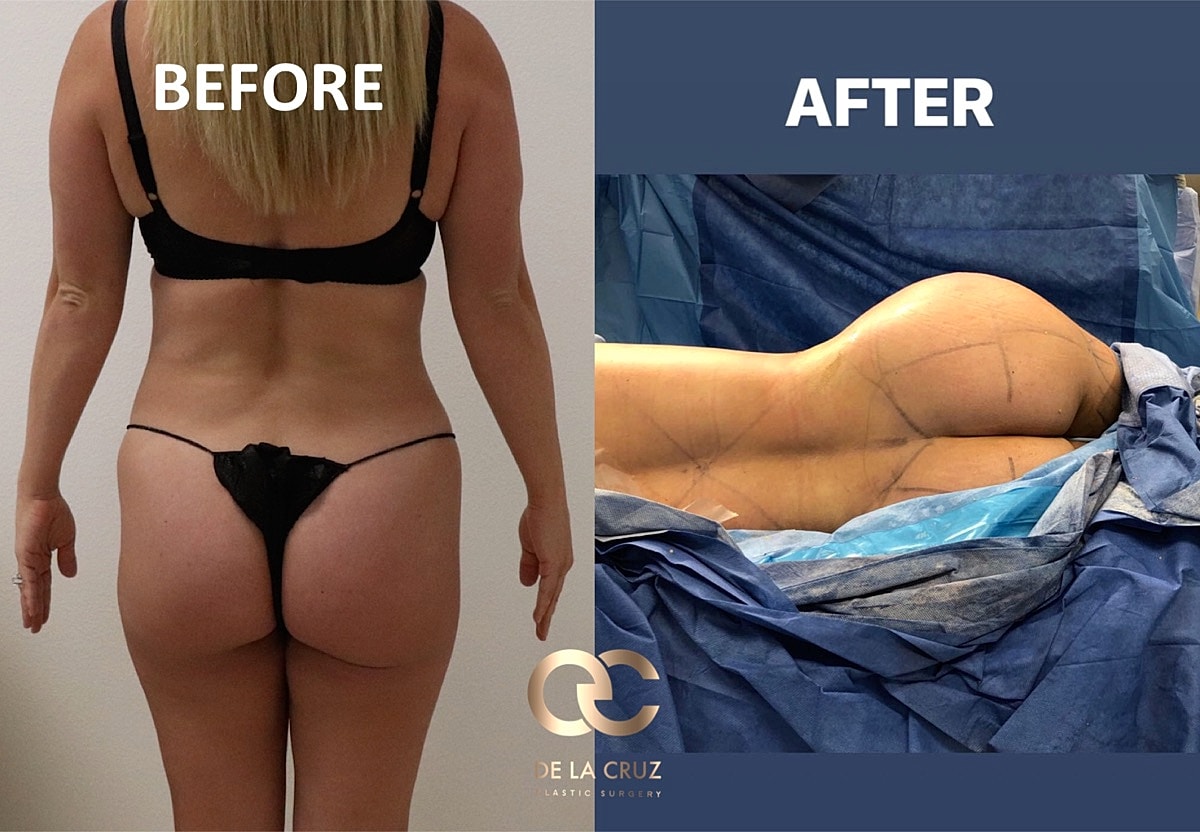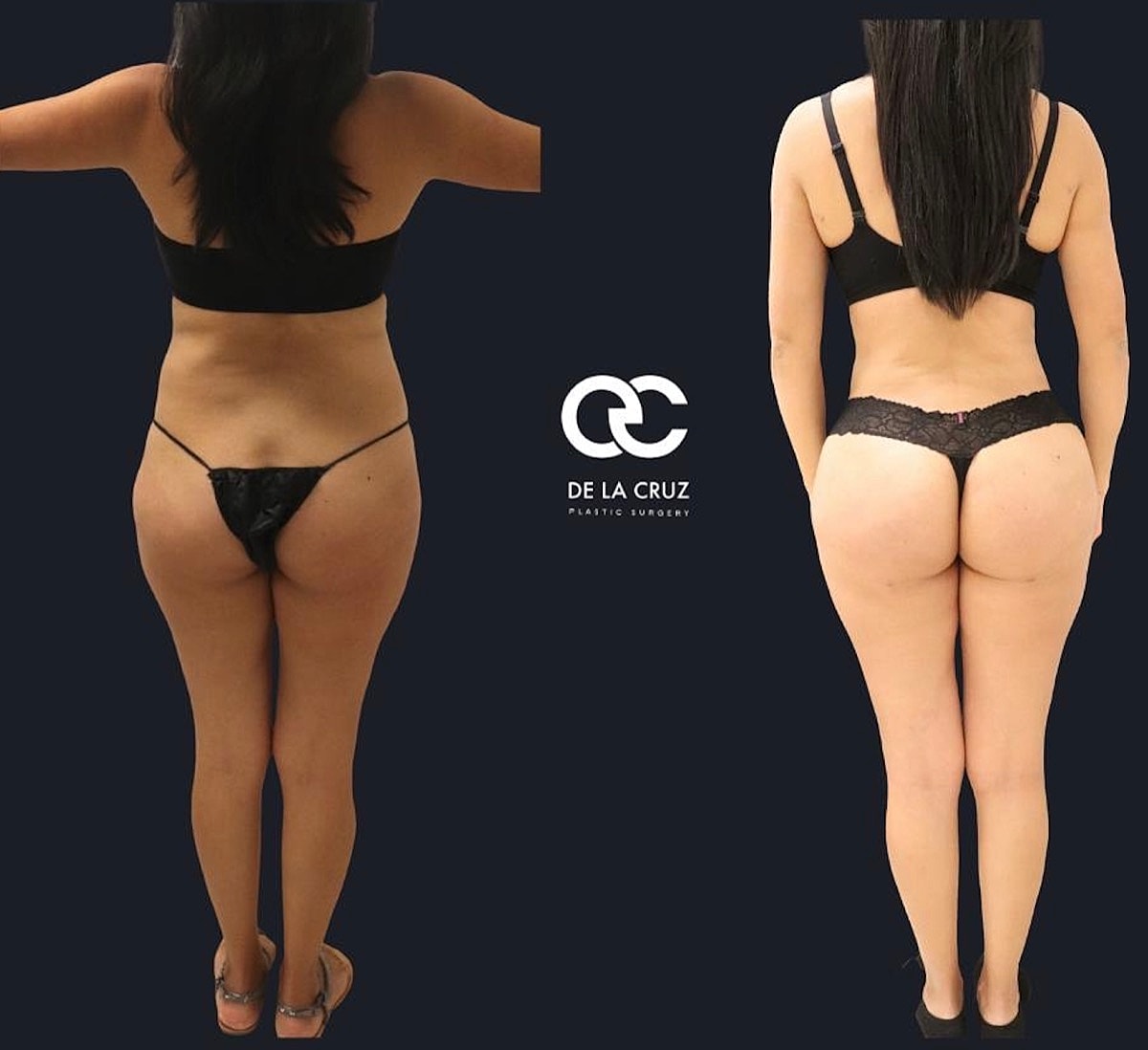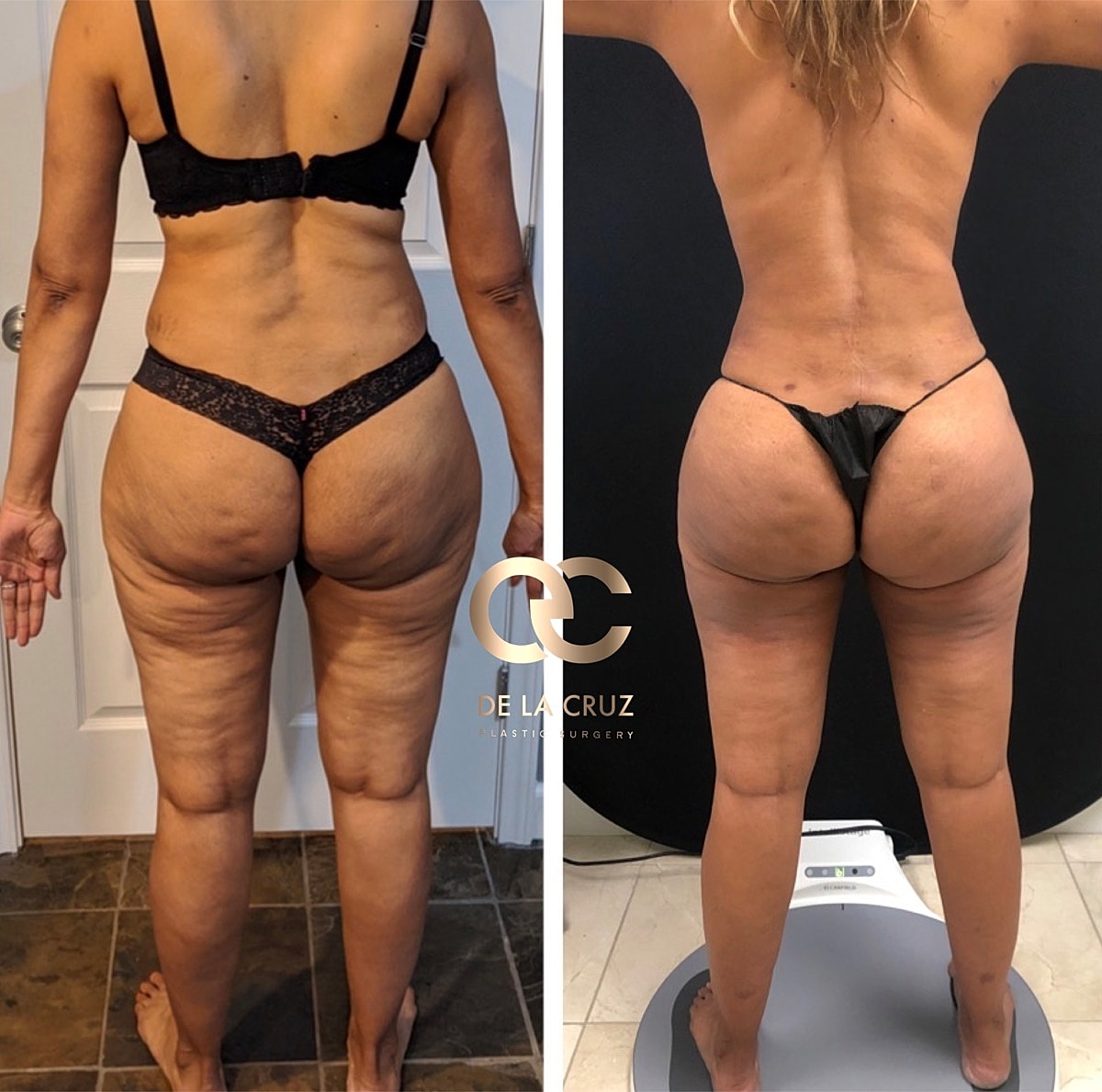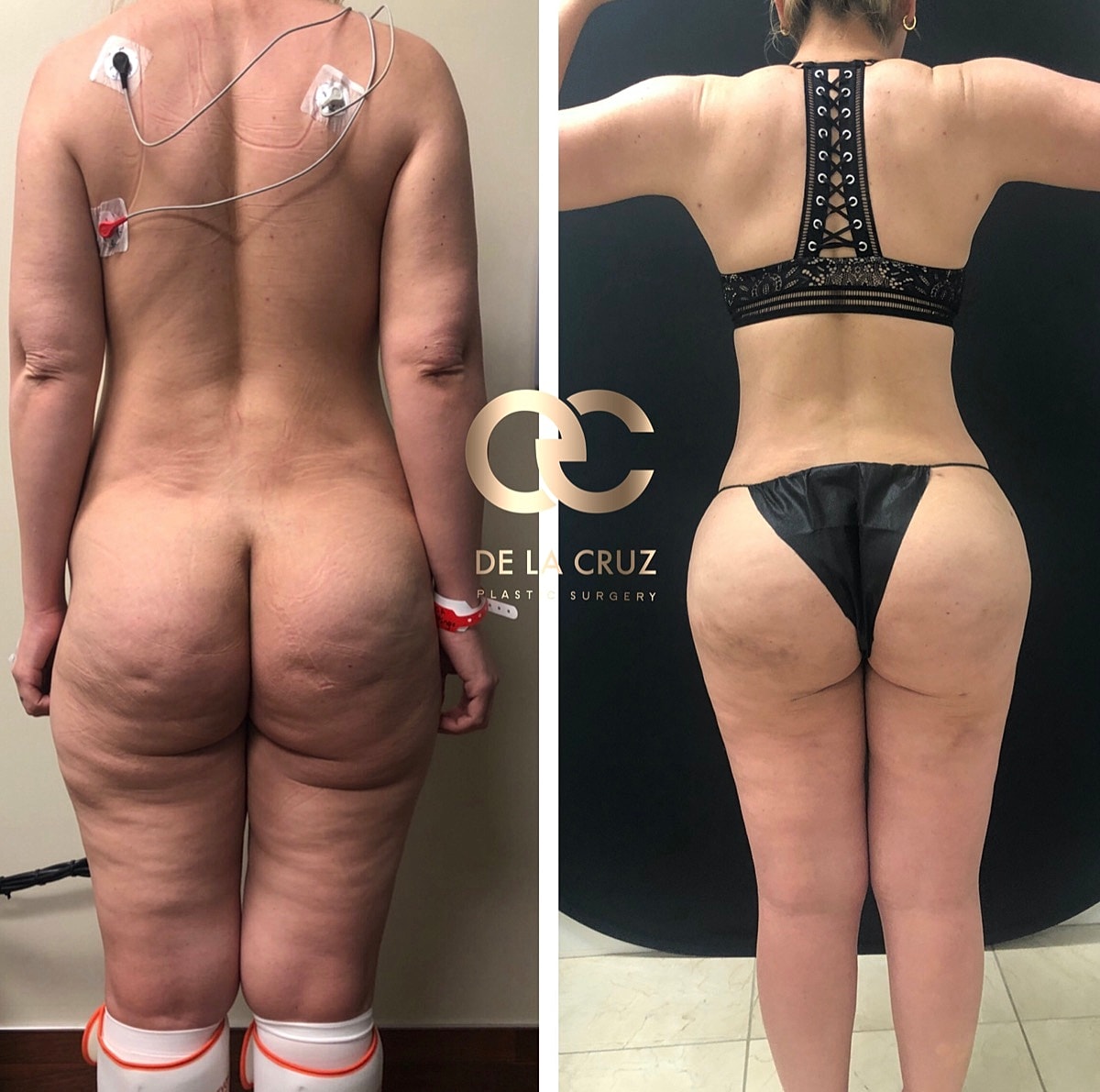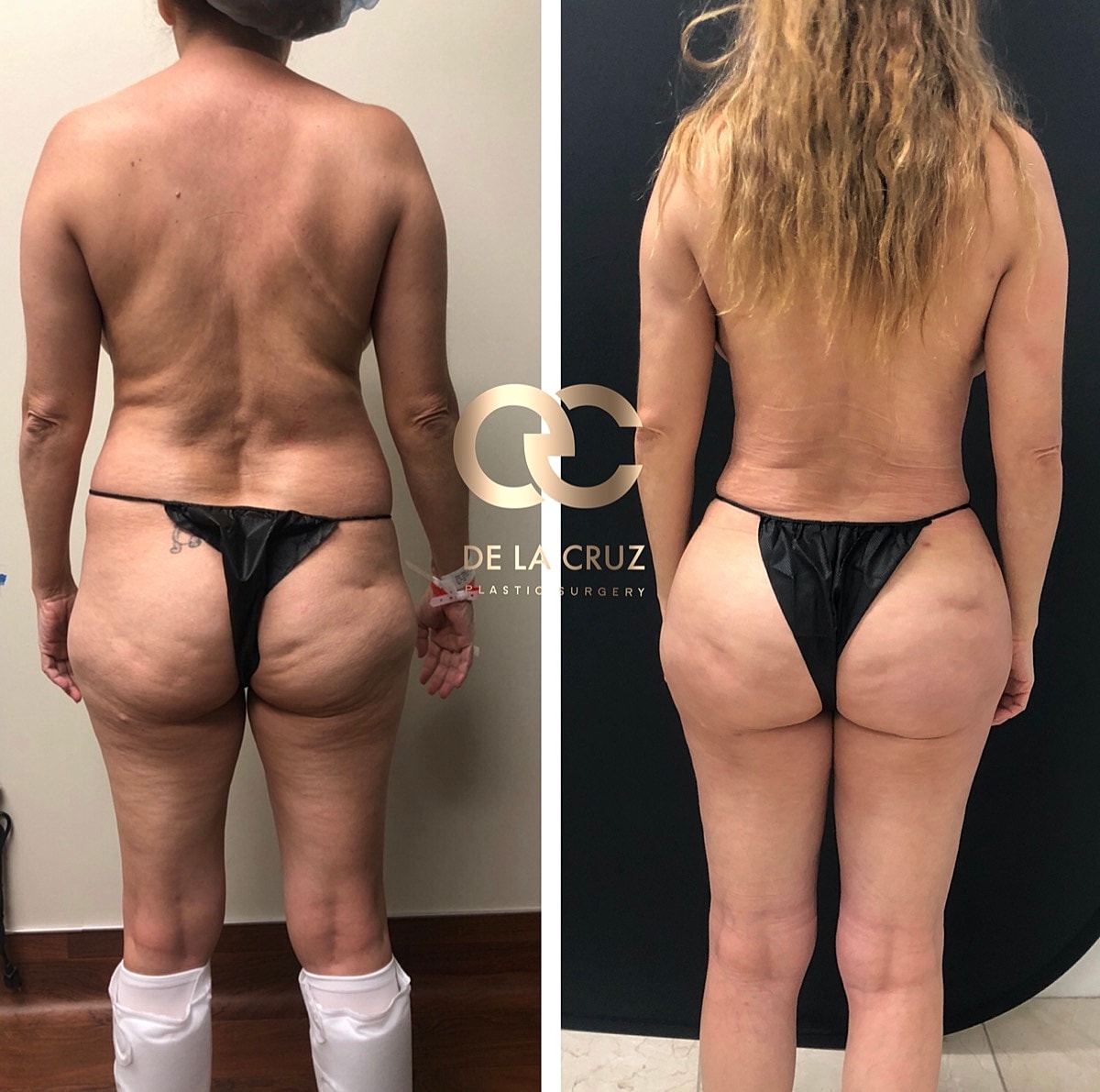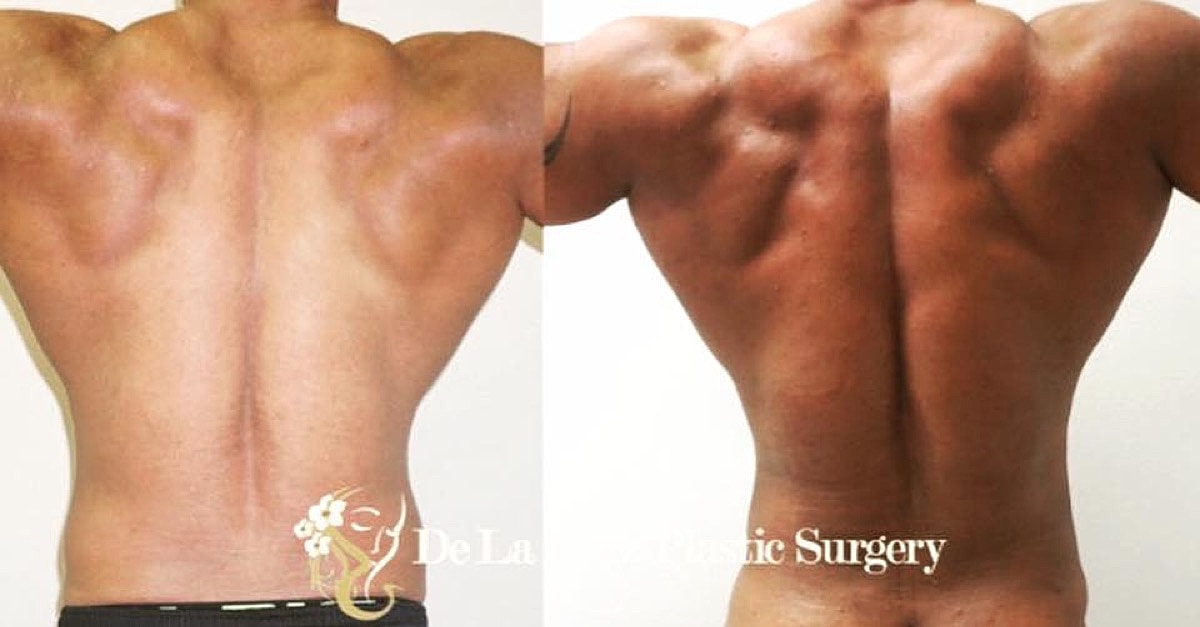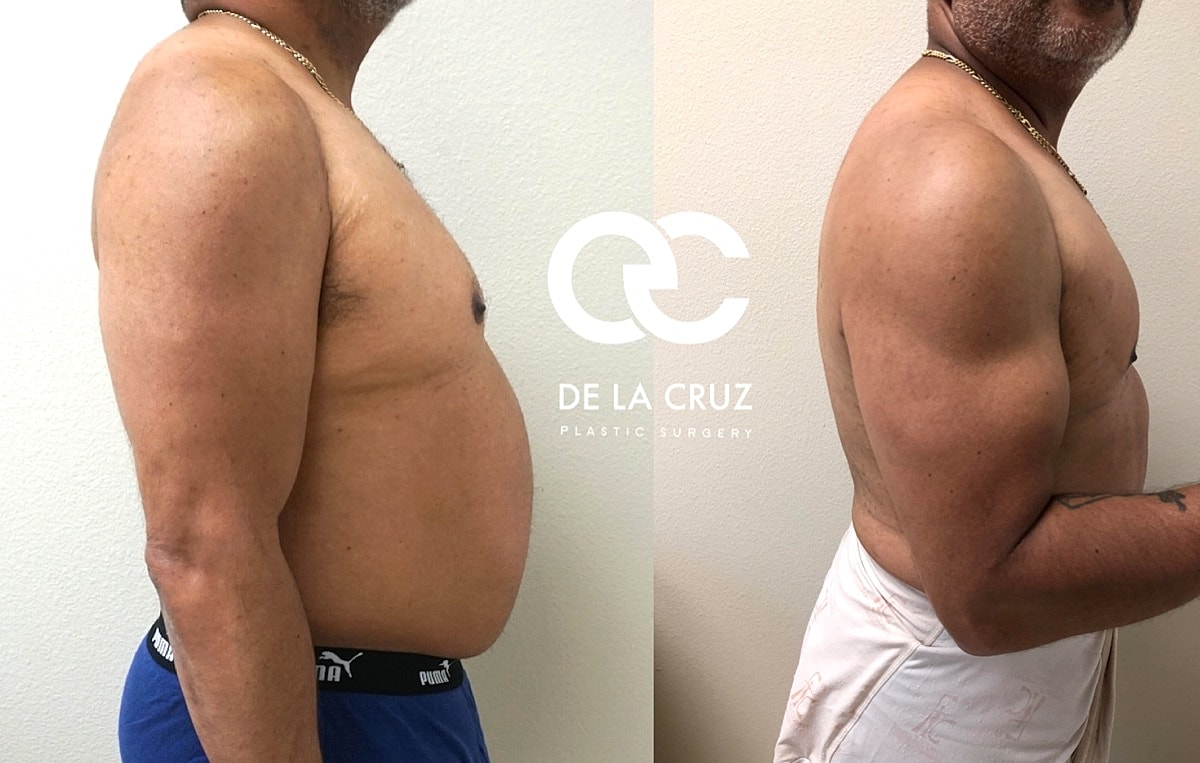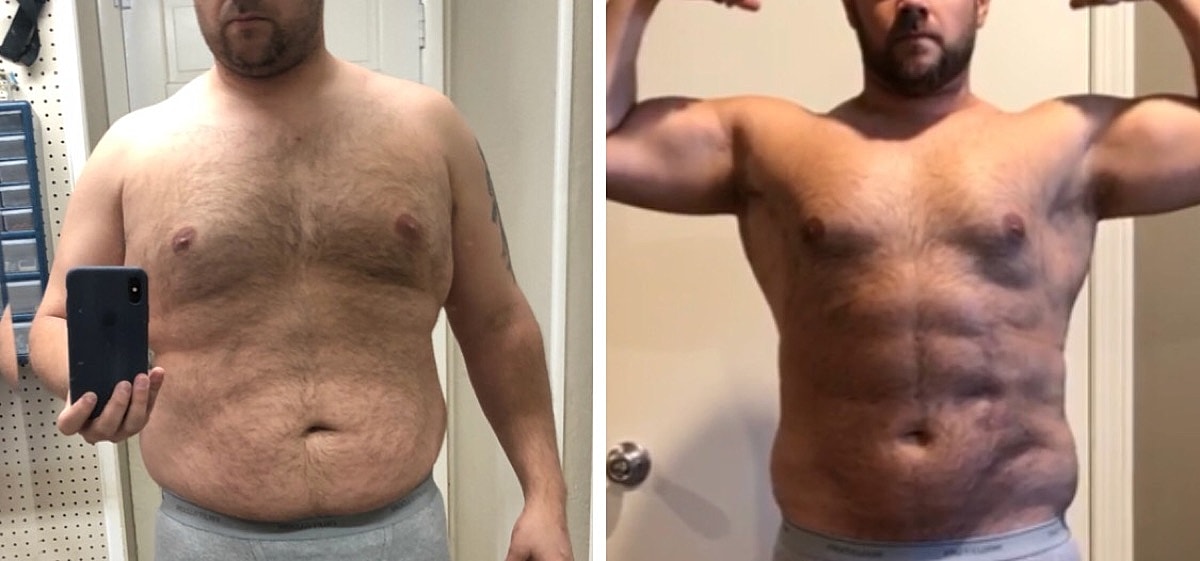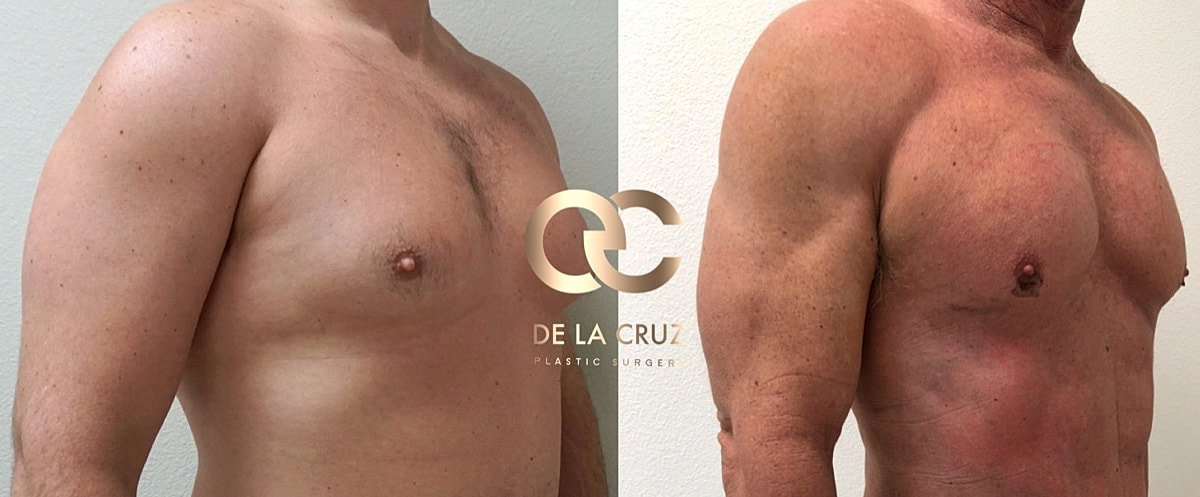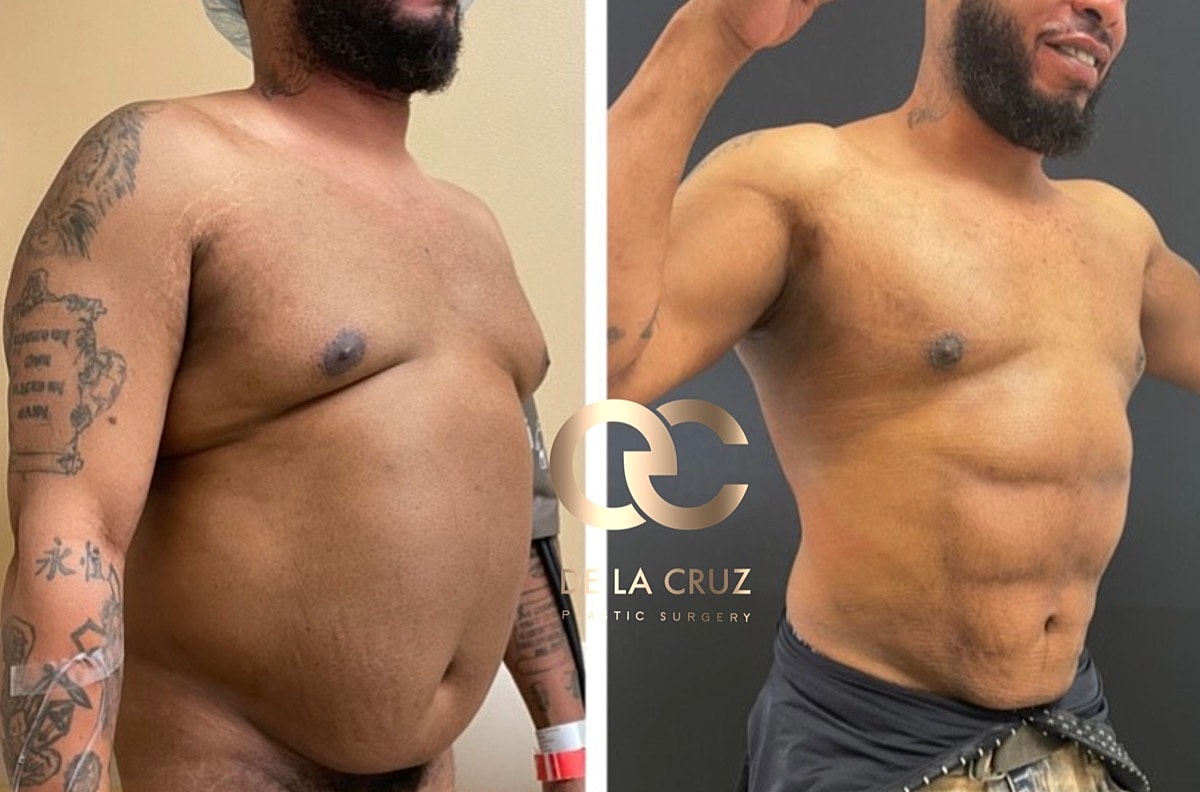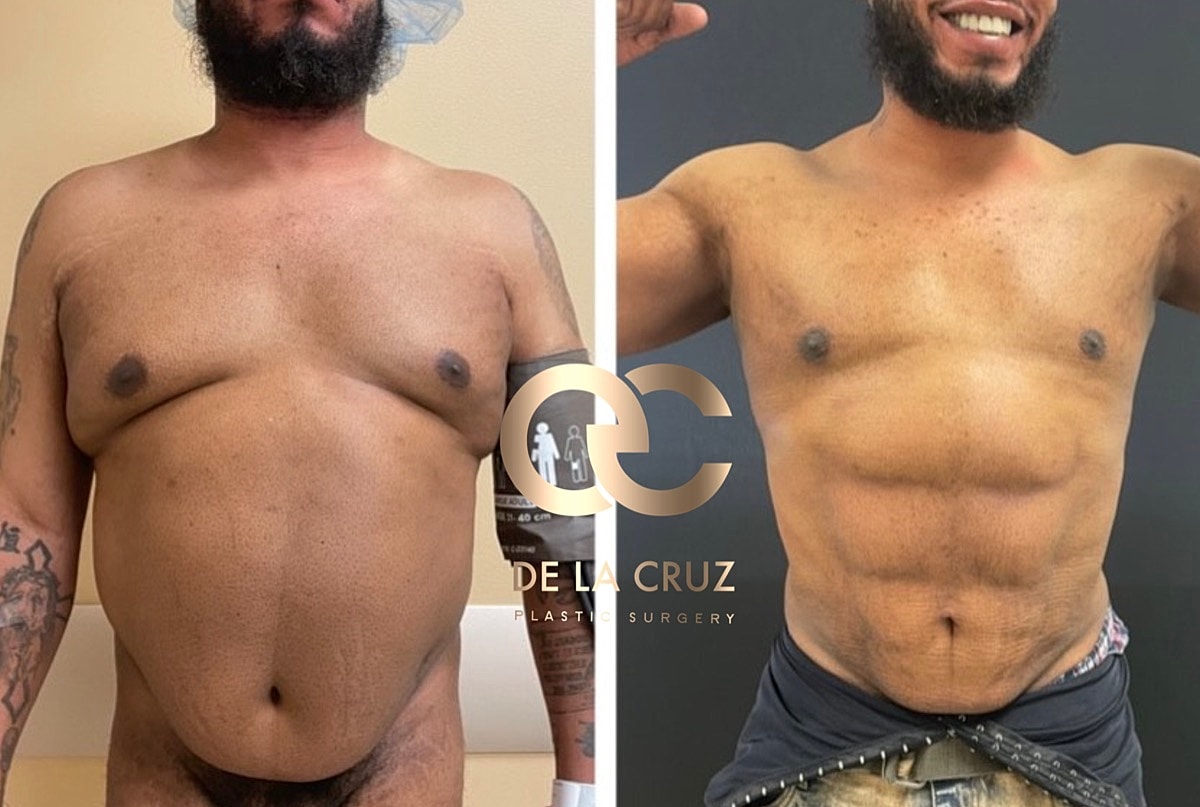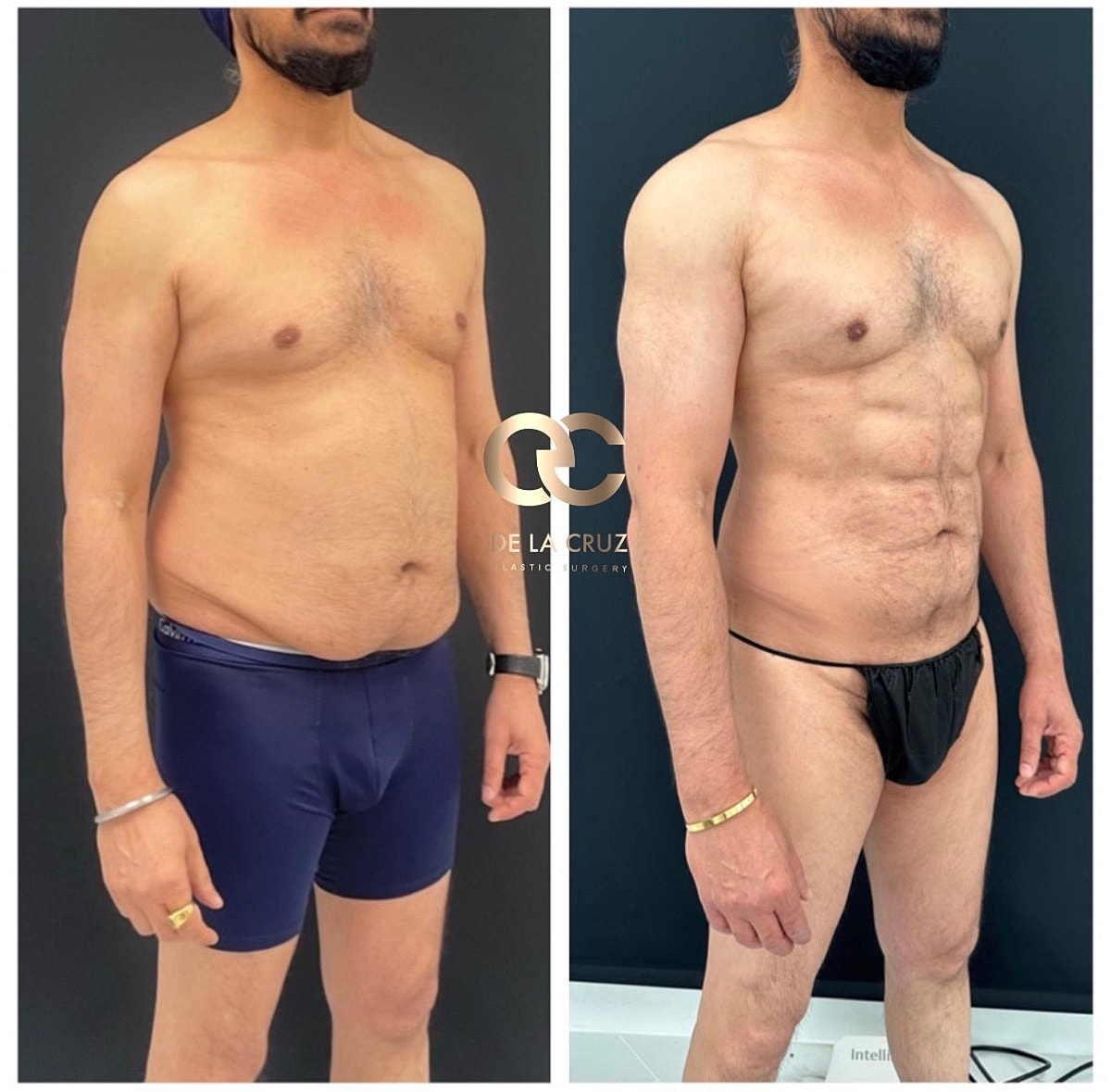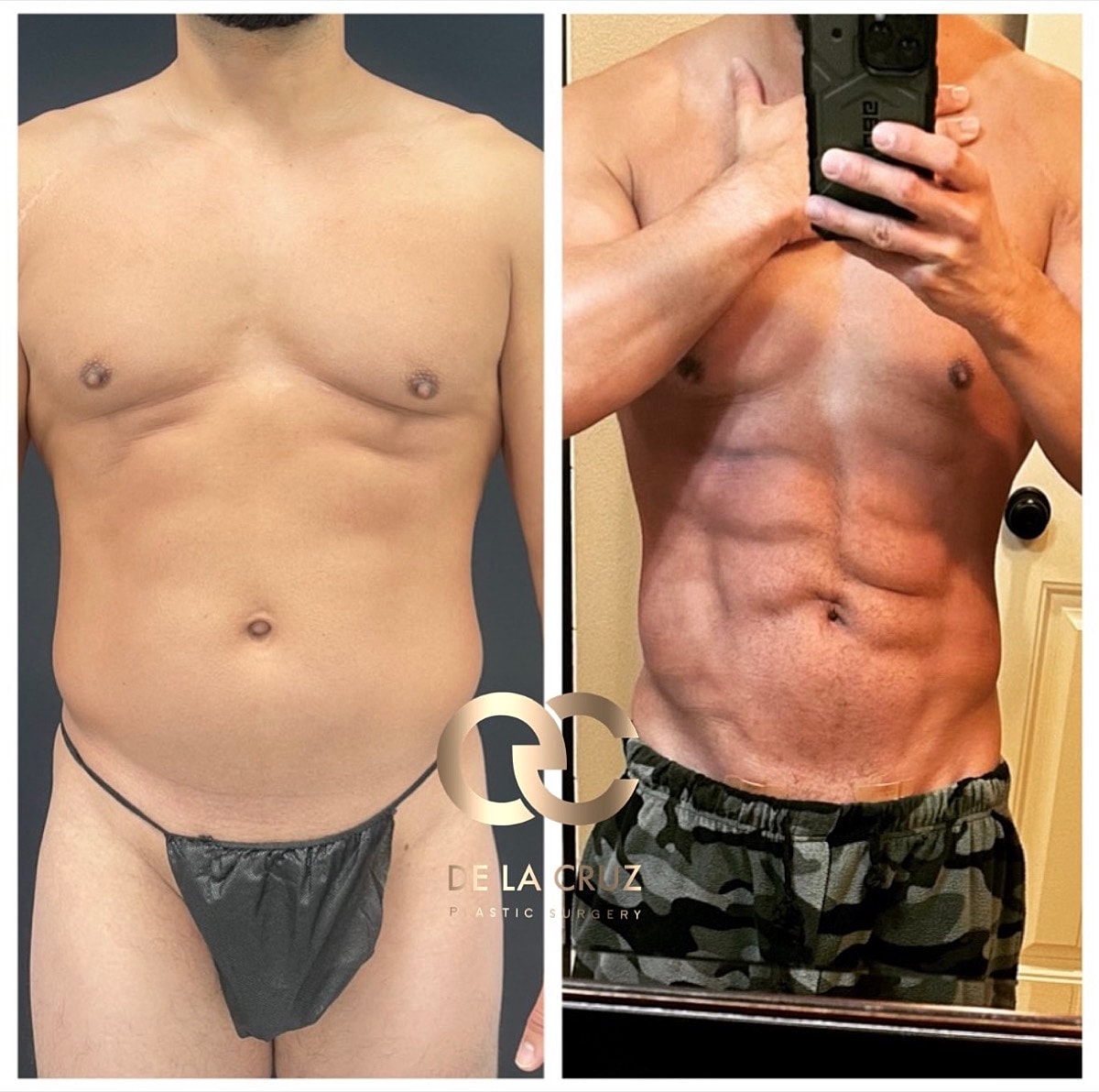
Liposuction is one of the most commonly performed cosmetic surgical procedures used to remove unwanted fat and improve body contour. Over time, surgical technology has evolved, leading to advanced techniques such as VASER liposuction, which differs from traditional liposuction in how fat is separated and removed from the body.
Understanding the differences between VASER liposuction and traditional liposuction can help patients better understand their treatment options and how modern technologies may influence surgical outcomes.
1 of 65
Traditional liposuction, also known as suction-assisted liposuction (SAL), is a surgical technique that removes fat through a small cannula connected to suction.
During the procedure:
Traditional liposuction can effectively remove fat from areas such as:
However, because the fat must be mechanically disrupted, the technique may require more physical manipulation of tissue compared with newer technologies.
VASER liposuction is a form of ultrasound-assisted liposuction that uses ultrasonic energy to break apart fat cells before removal.
VASER stands for:
Vibration Amplification of Sound Energy at Resonance
During the procedure:
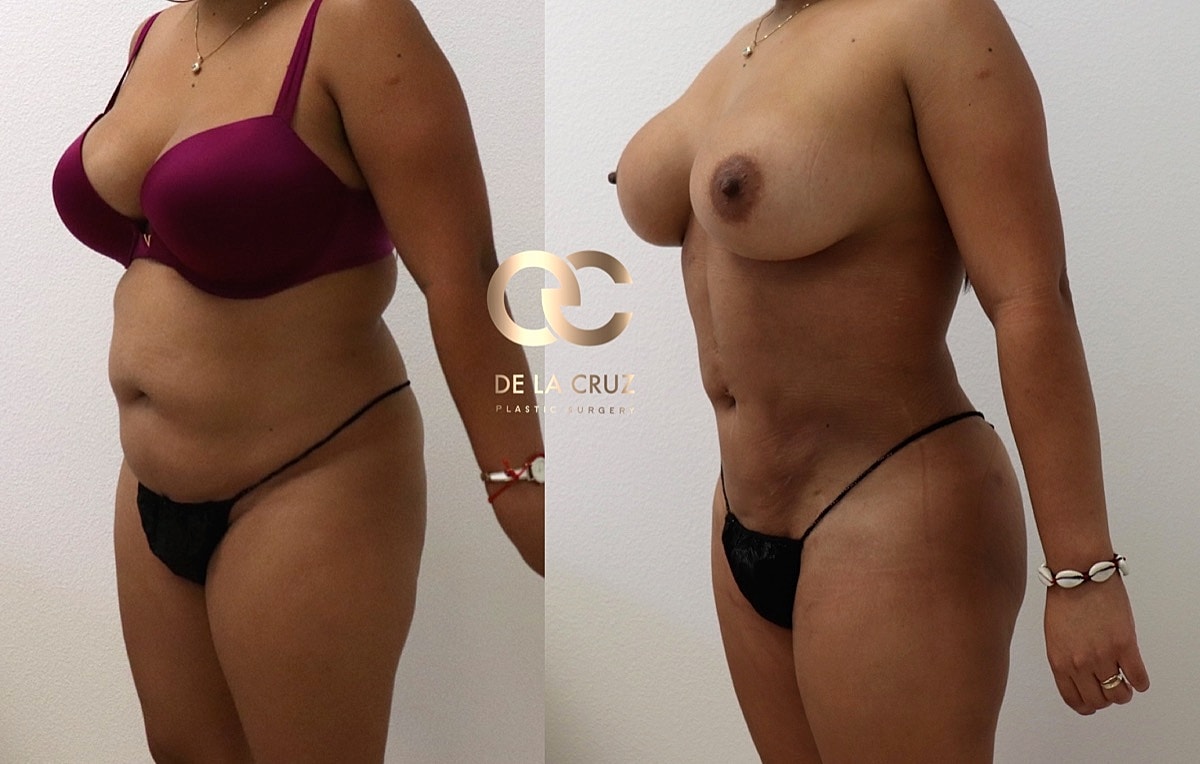
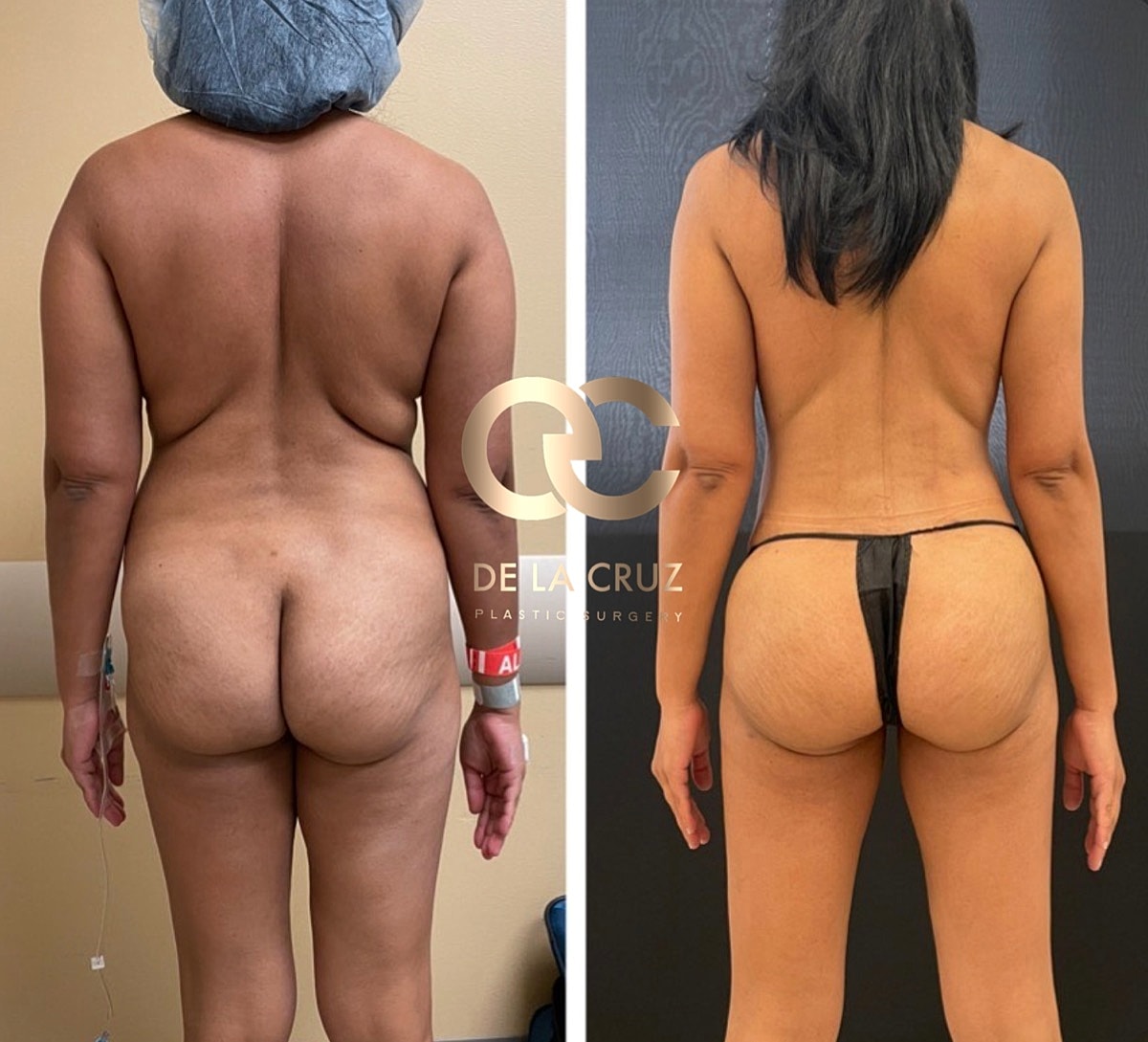
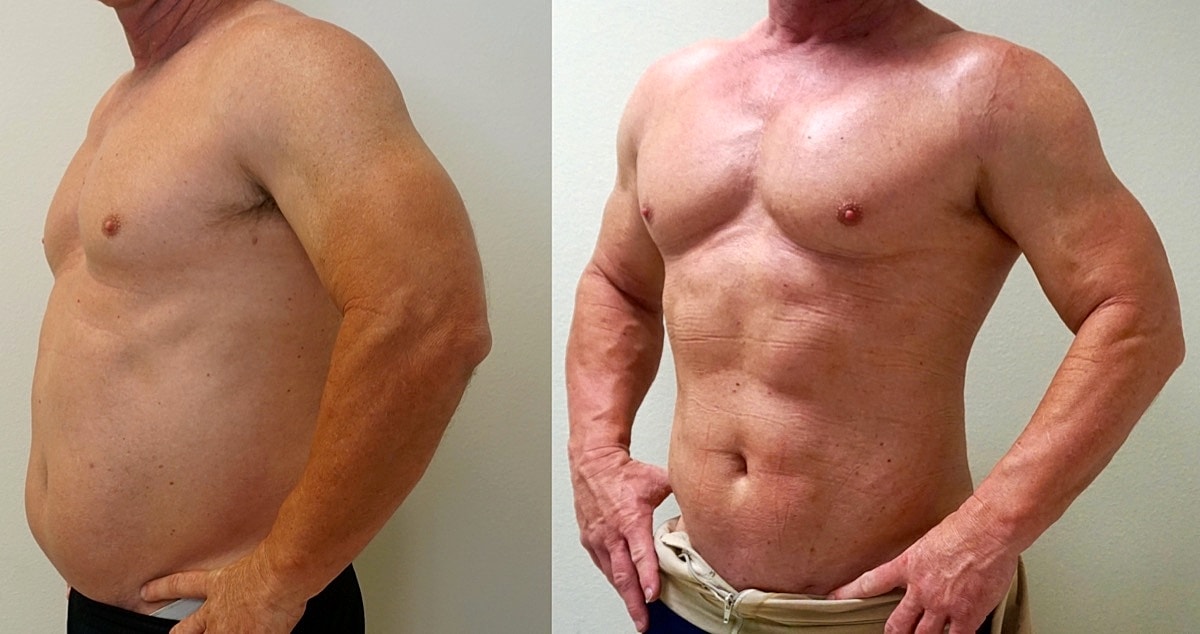
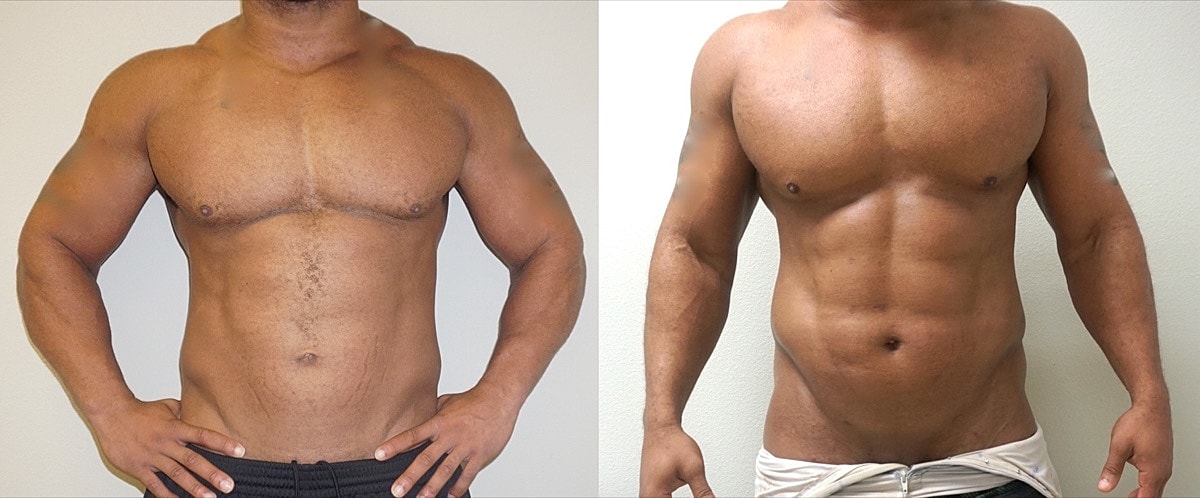
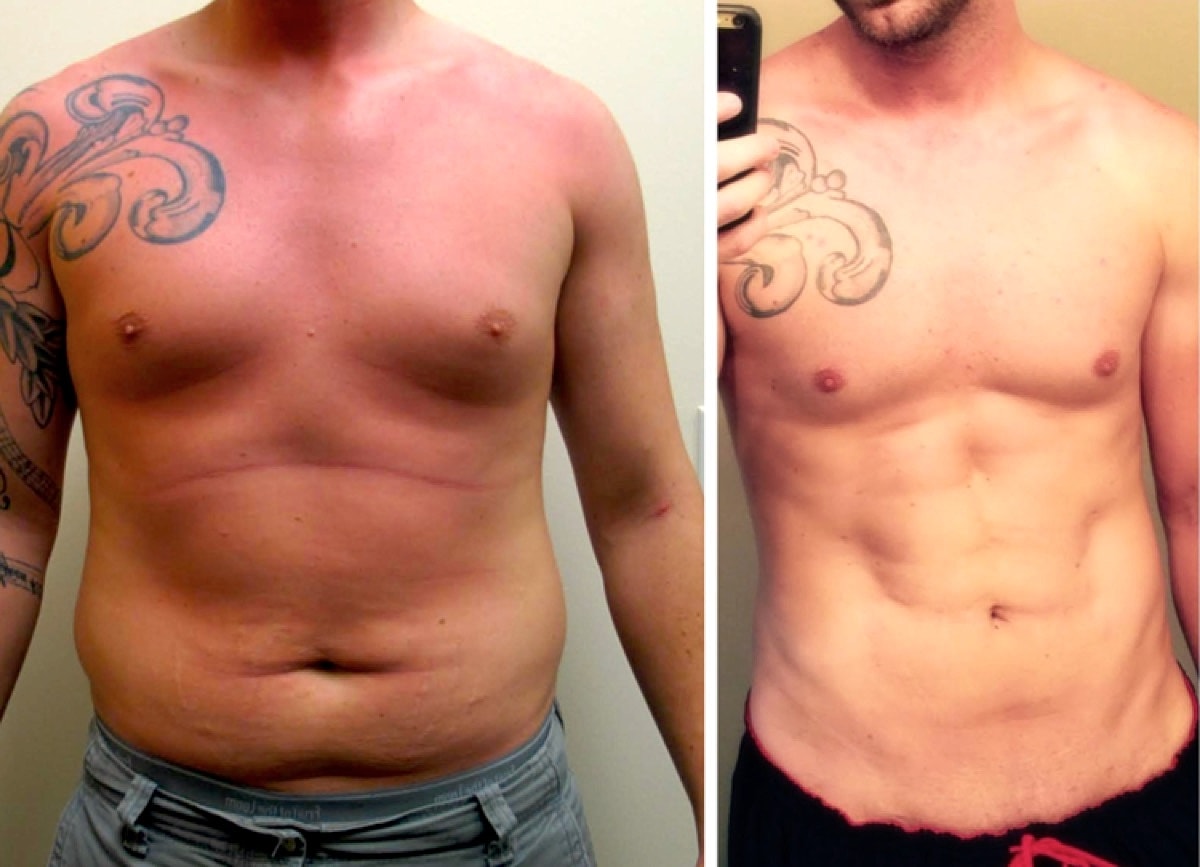
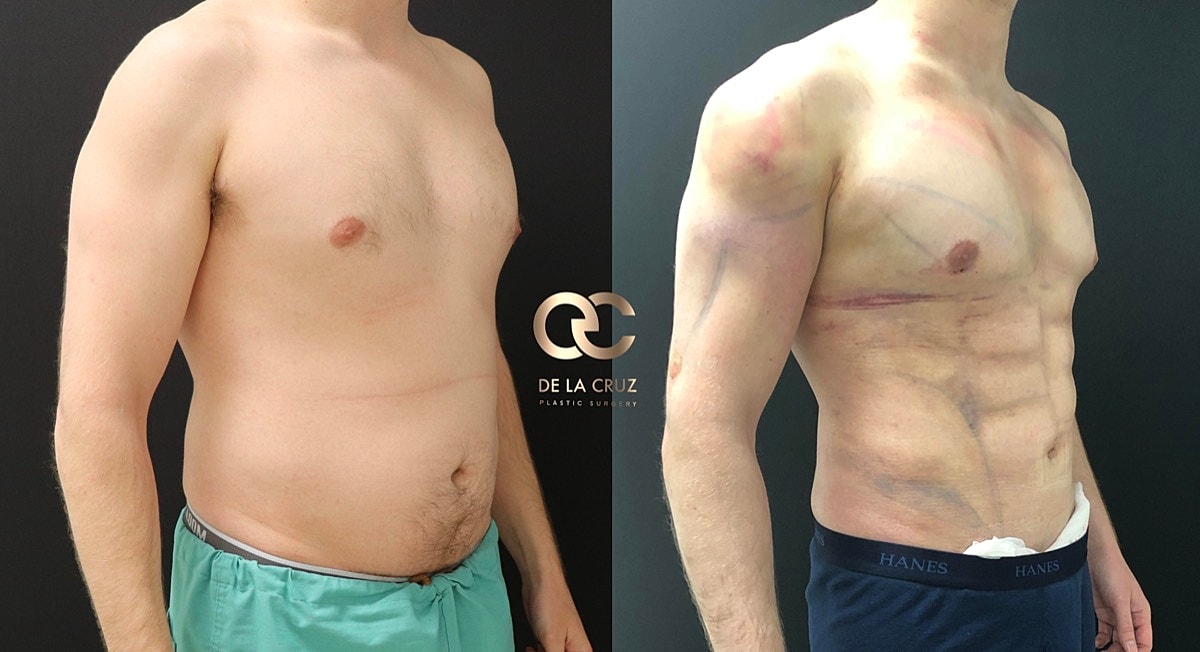
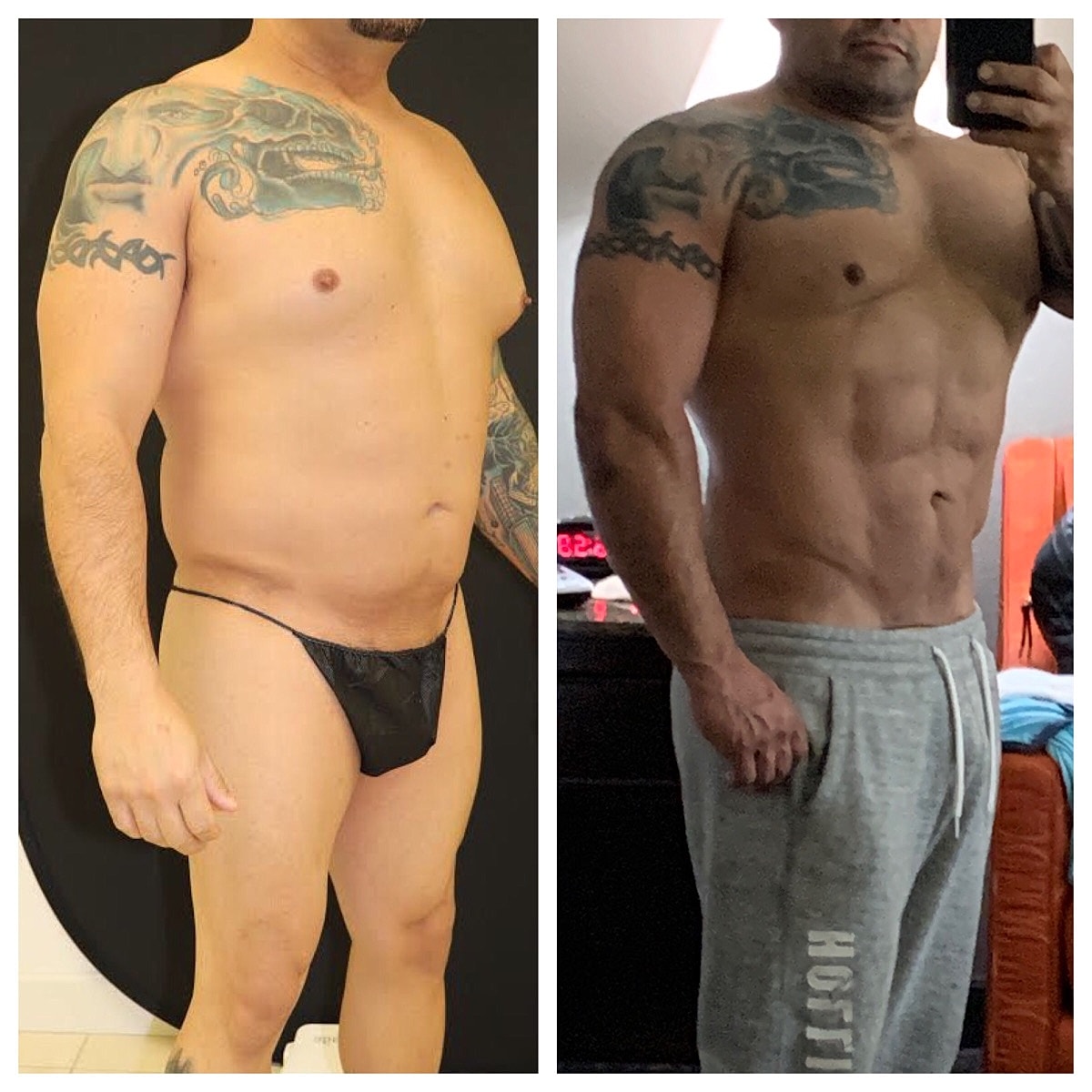
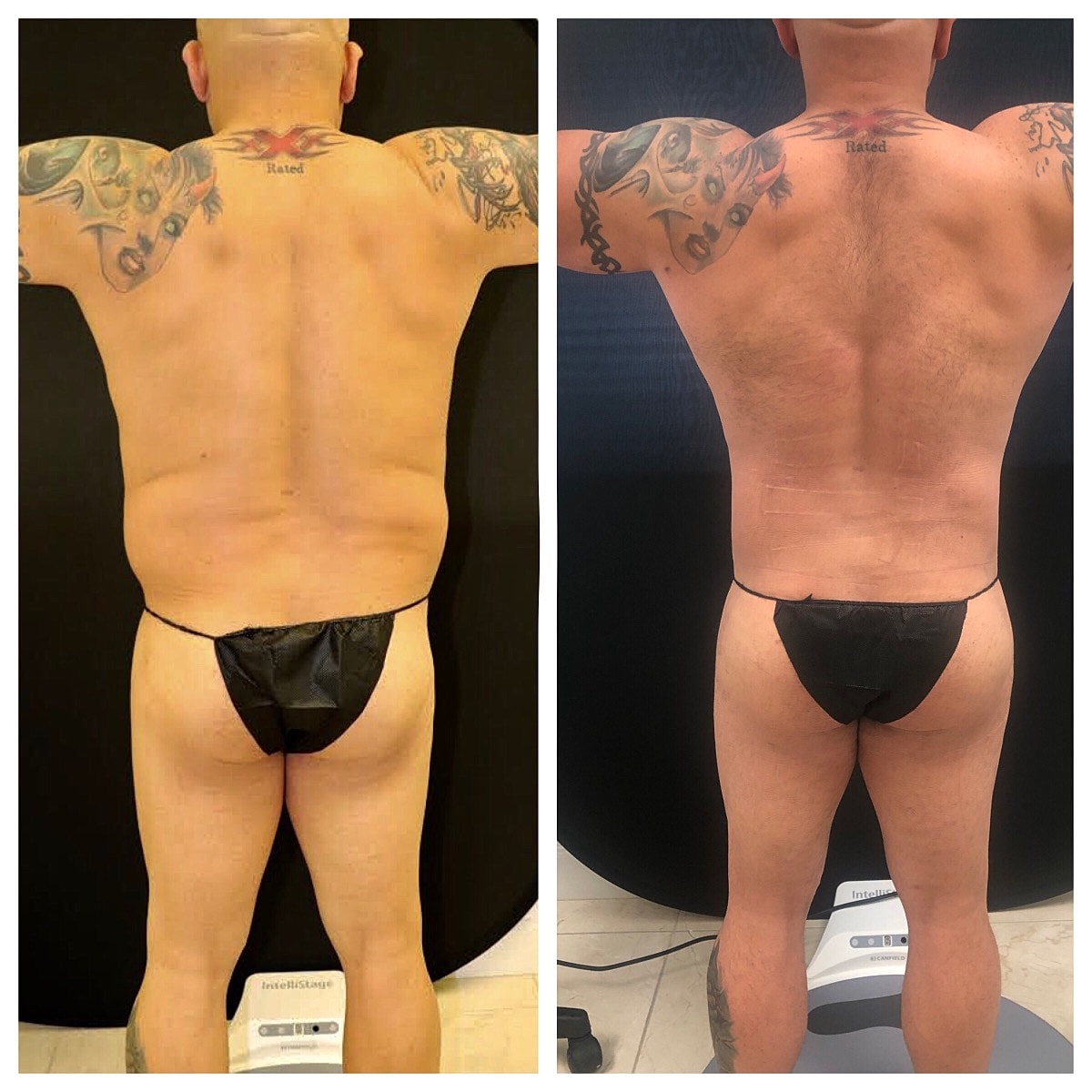
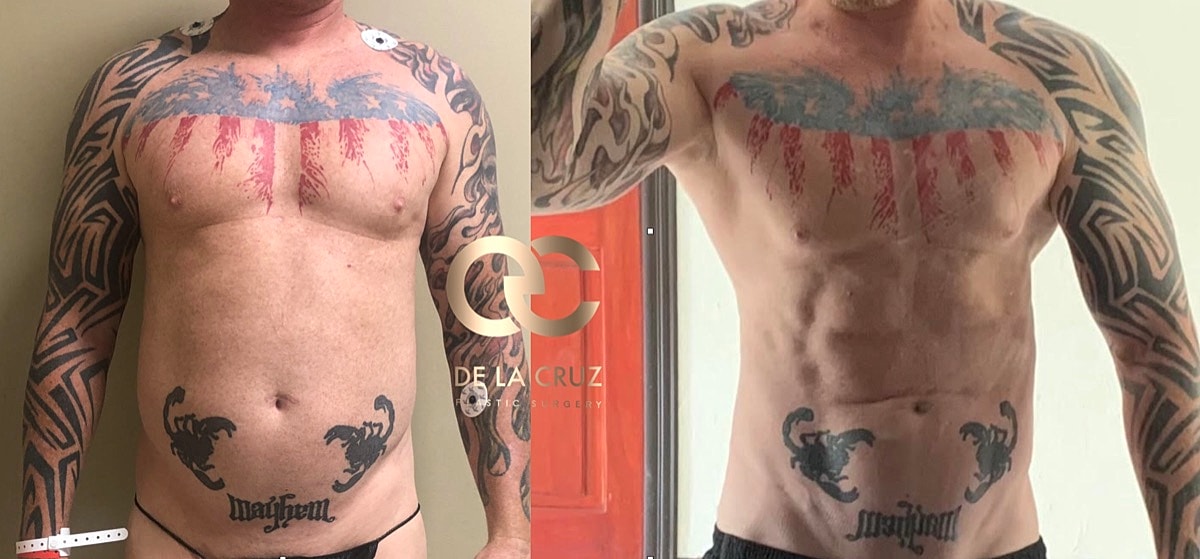
Because the fat is separated before removal, VASER liposuction can allow for more precise fat removal and contour sculpting.
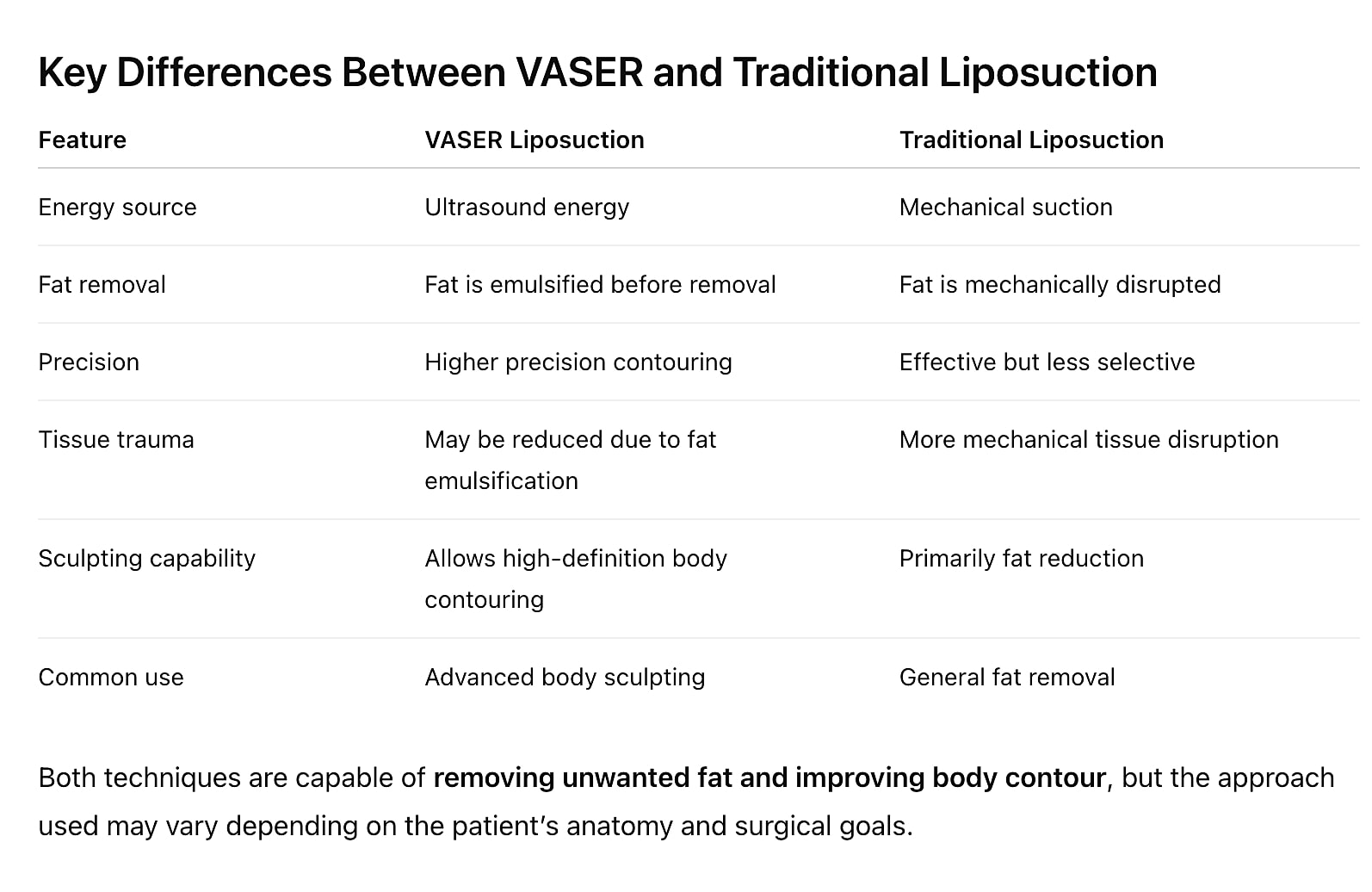
VASER liposuction utilizes ultrasound energy to emulsify fat before removal, which allows the surgeon to separate fat cells from surrounding tissues more selectively. Compared with traditional suction-assisted liposuction, several studies—including randomized clinical trials—have demonstrated that ultrasound-assisted liposuction techniques may be associated with reduced tissue trauma and improved contour outcomes.
Potential advantages of VASER liposuction include:
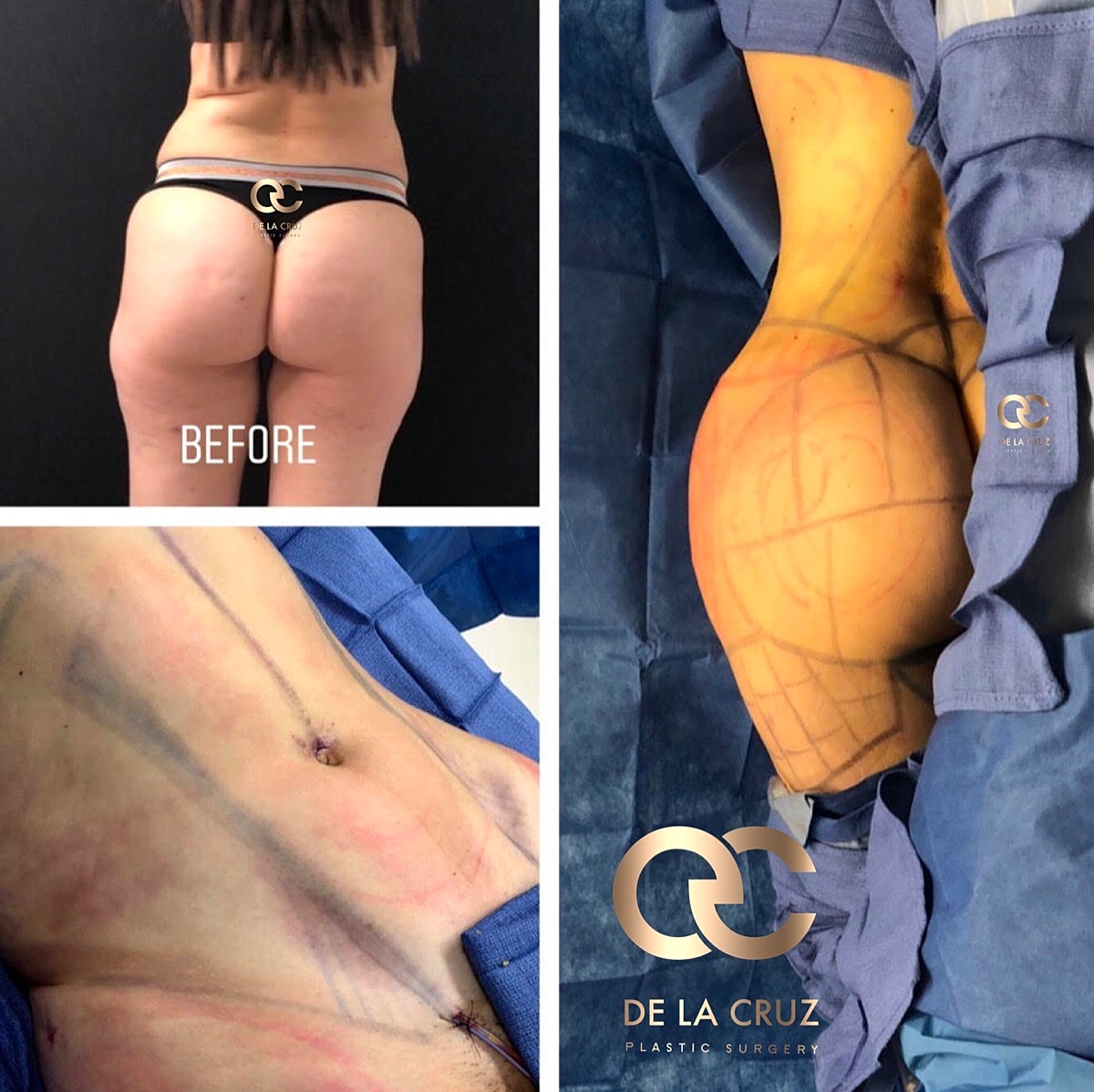
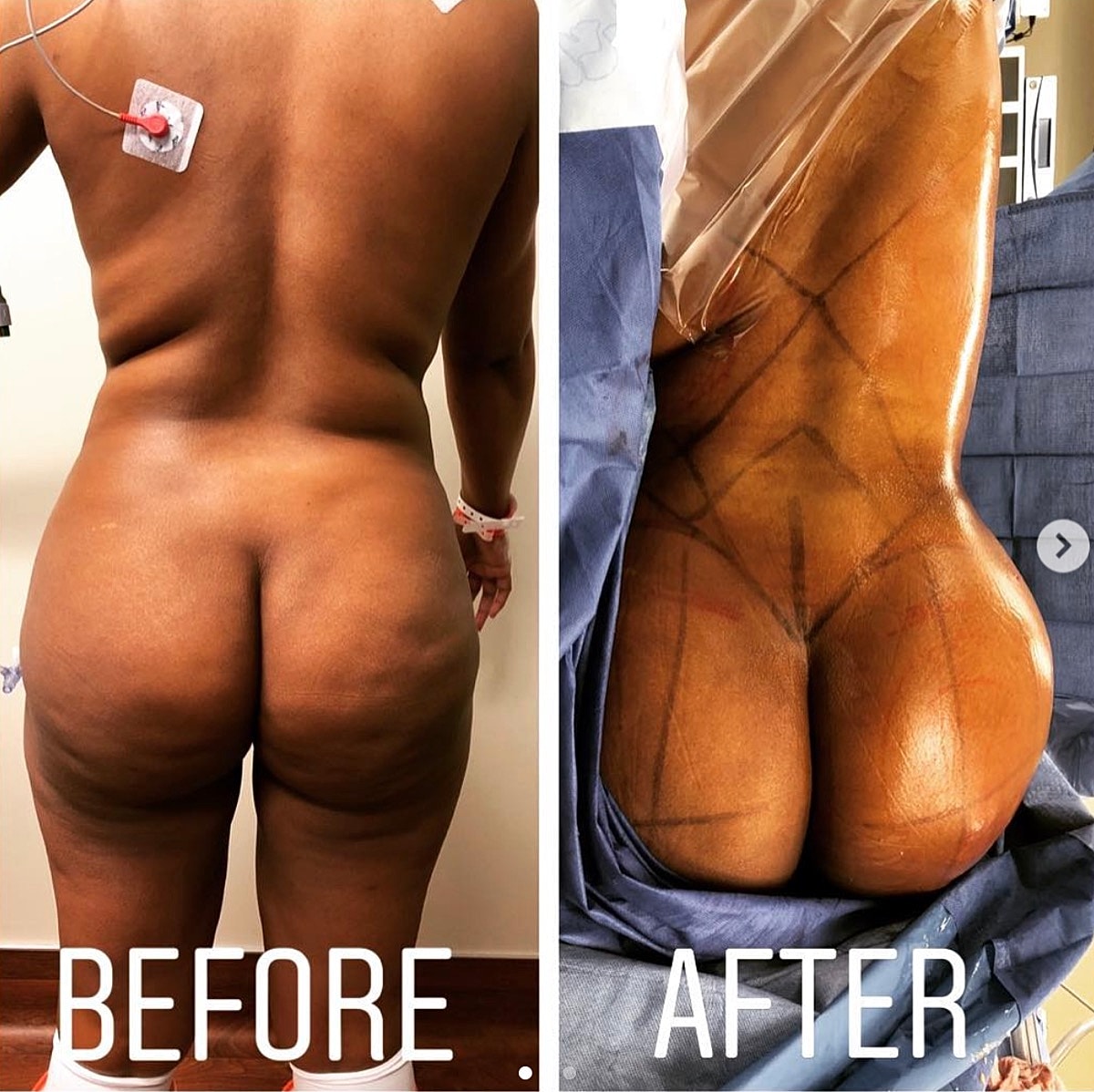
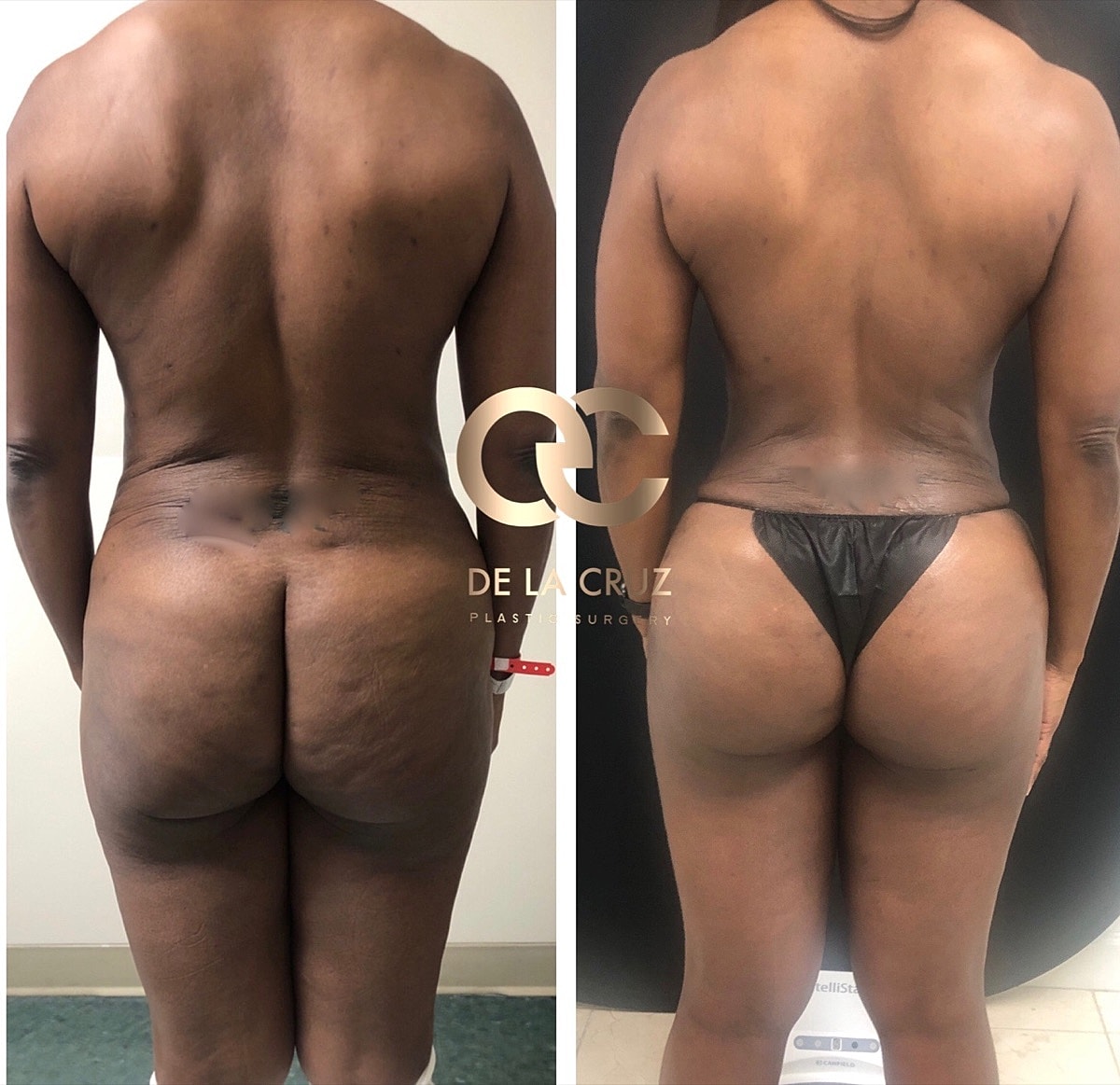
Because of these characteristics, VASER liposuction is often used for advanced body contouring procedures, including high-definition liposuction and revision liposuction cases where scar tissue or fibrotic fat may be present.
In these situations, ultrasound-assisted technology can help facilitate more controlled fat removal and smoother transitions between treated areas, which may contribute to improved aesthetic outcomes.
Recovery following liposuction depends on several factors, including the extent of fat removal, the areas treated, and the surgical technique used. While both procedures involve the removal of fat through small incisions, the method by which the fat is separated from surrounding tissues can influence postoperative recovery.
Because VASER liposuction uses ultrasound energy to emulsify fat before removal, the technique may result in less mechanical trauma to surrounding tissues compared with traditional suction-assisted liposuction. As a result, some studies and clinical experience suggest that patients undergoing VASER liposuction may experience:
Regardless of the technique used, most patients can expect some degree of swelling and bruising during the early stages of healing. Postoperative care typically includes the use of compression garments to support healing and reduce swelling.
Body contour improvements become gradually more visible as swelling resolves, and final liposuction results typically develop over several months as tissues continue to heal and contract.
While VASER liposuction offers several advantages, there are also some limitations compared with traditional liposuction techniques.
Potential disadvantages include:
For these reasons, VASER liposuction should be performed by surgeons who have specific training in ultrasound-assisted liposuction techniques and advanced body contouring procedures.

VASER liposuction may be particularly useful in situations where precision and contour sculpting are important.
Examples include:
Because the technology allows selective targeting of fat cells, it may facilitate more refined contour shaping.

Both techniques can be safe when performed by a qualified surgeon using appropriate surgical protocols. The safety of liposuction depends more on patient selection, surgical technique, and postoperative care than the specific technology used. VASER liposuction is less traumatic, and thus less bleeding and less pain associated with this liposuction procedure.
Yes. VASER liposuction primarily removes fat, but the ultrasound energy may contribute to some degree of tissue contraction (17% skin retraction.) In patients with significant skin laxity, additional skin-tightening procedures may be recommended.
Yes. Patient experiences less pain with the VASER Liposuction. Recovery experiences vary between individuals.
The amount of fat that can be safely removed during liposuction depends primarily on careful surgical planning, patient safety considerations, and overall fluid management, rather than the specific liposuction technology used.
However, VASER liposuction has been associated in some studies with reduced intraoperative bleeding and less tissue trauma compared with traditional suction-assisted liposuction. Because ultrasound energy helps emulsify fat before removal and may preserve surrounding structures, it can facilitate more efficient fat extraction in certain situations.
As a result, in appropriately selected patients and when performed using proper safety protocols, VASER liposuction may allow surgeons to remove larger volumes of fat more efficiently while maintaining careful attention to patient safety. Ultimately, the safe amount of fat removal is determined by individual patient factors, the areas treated, and adherence to established surgical safety guideline