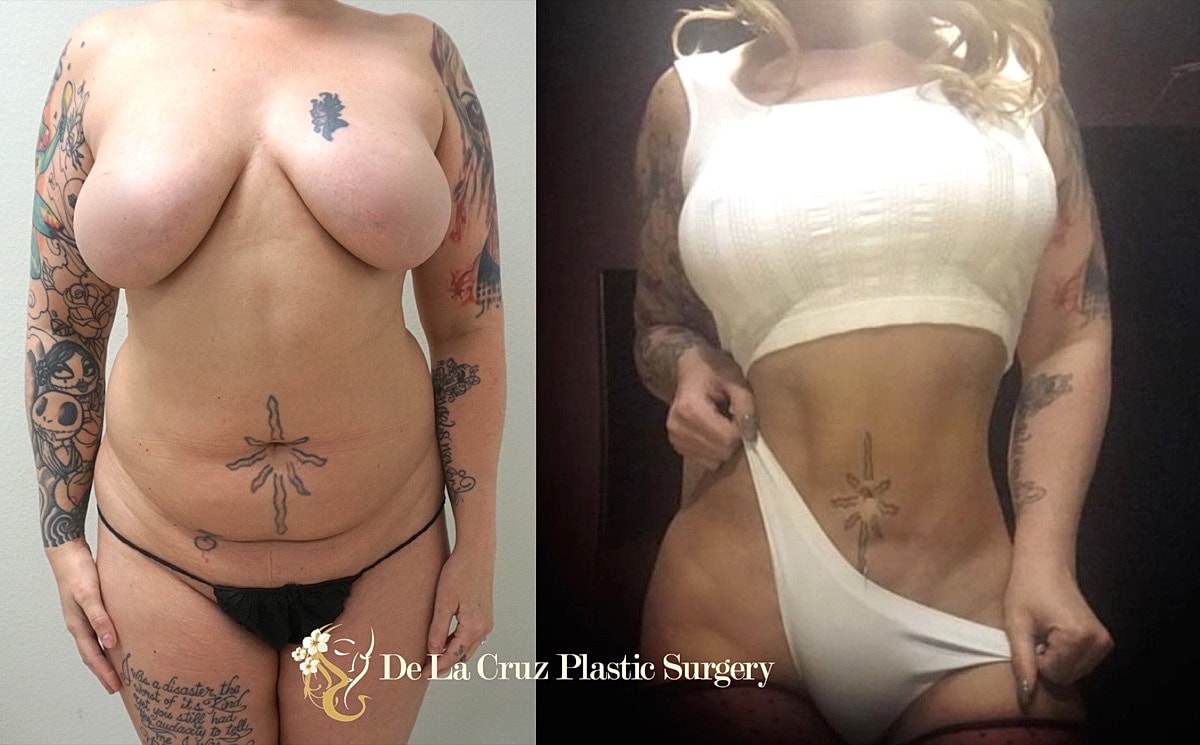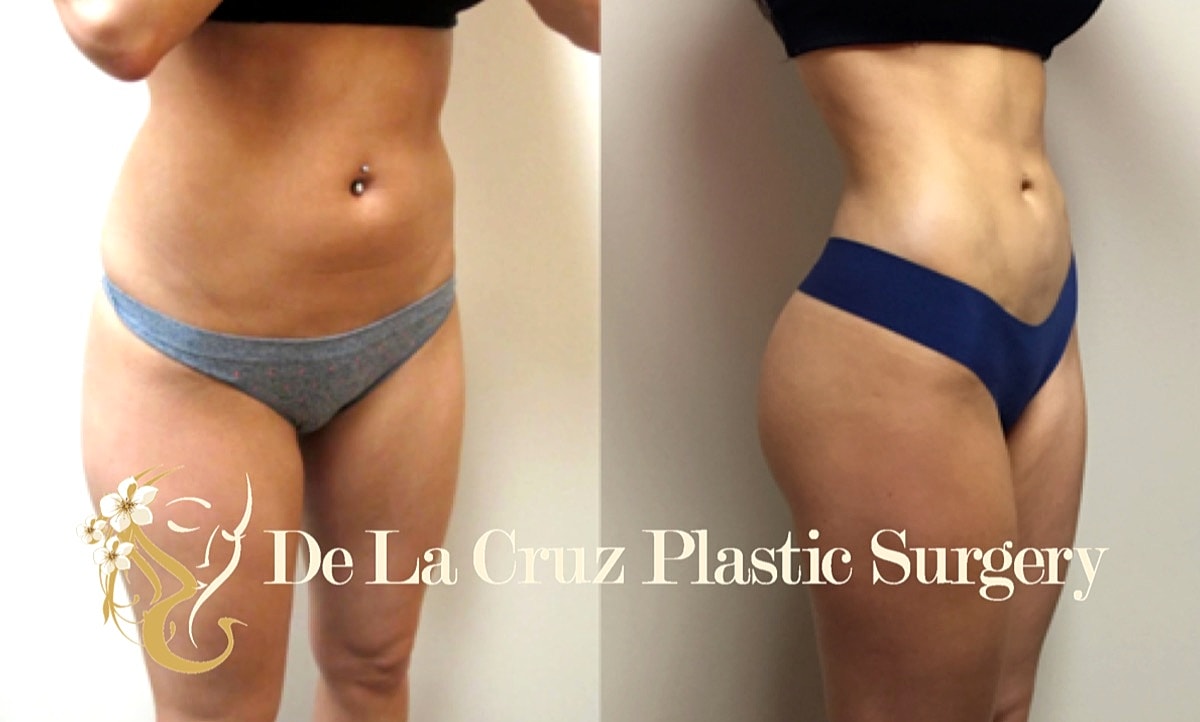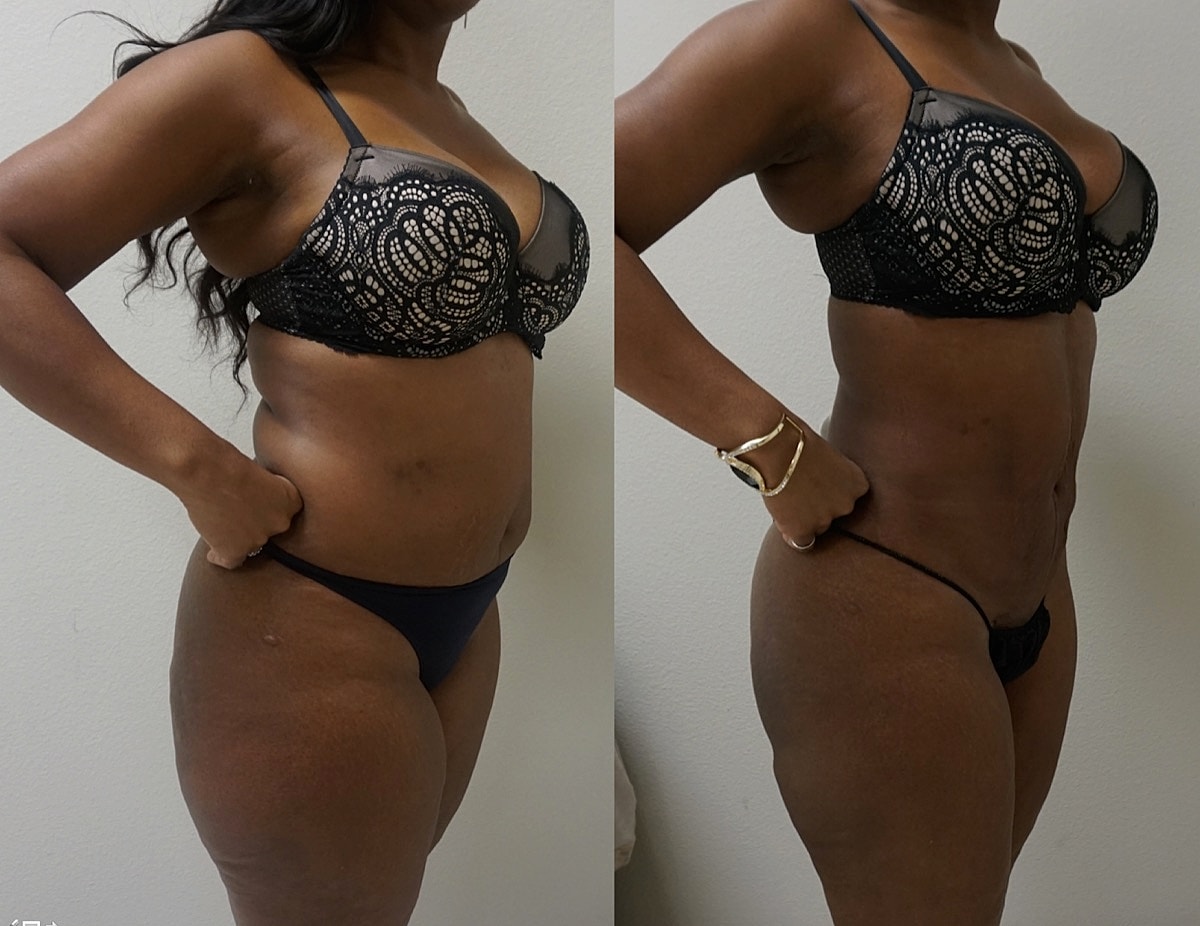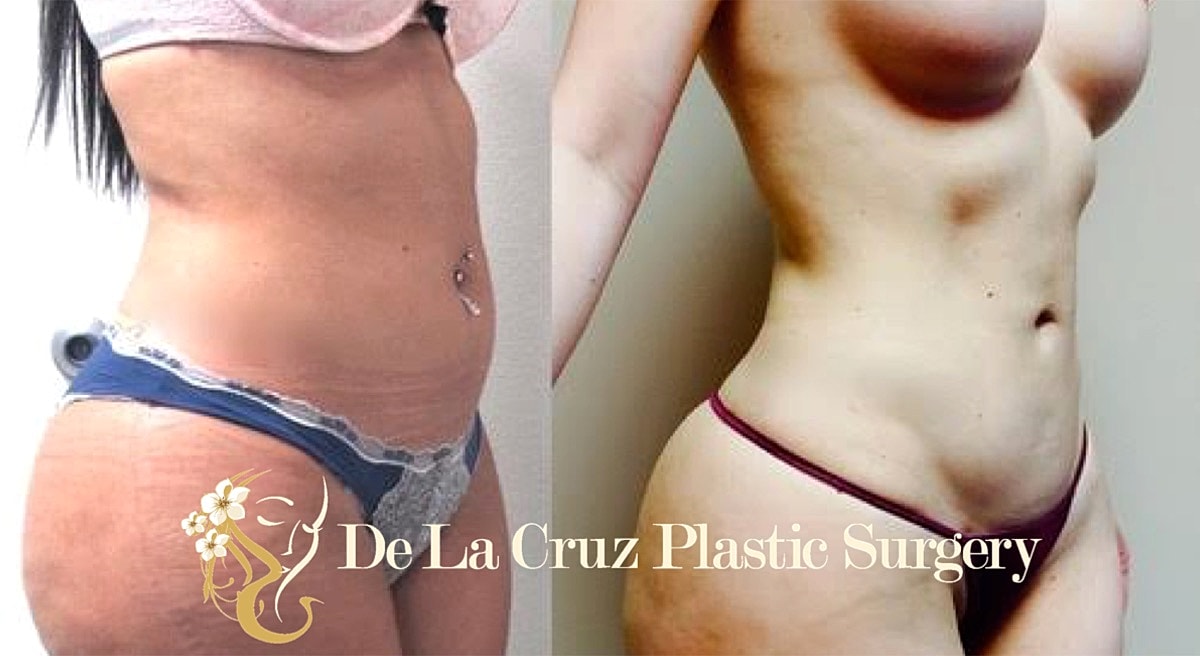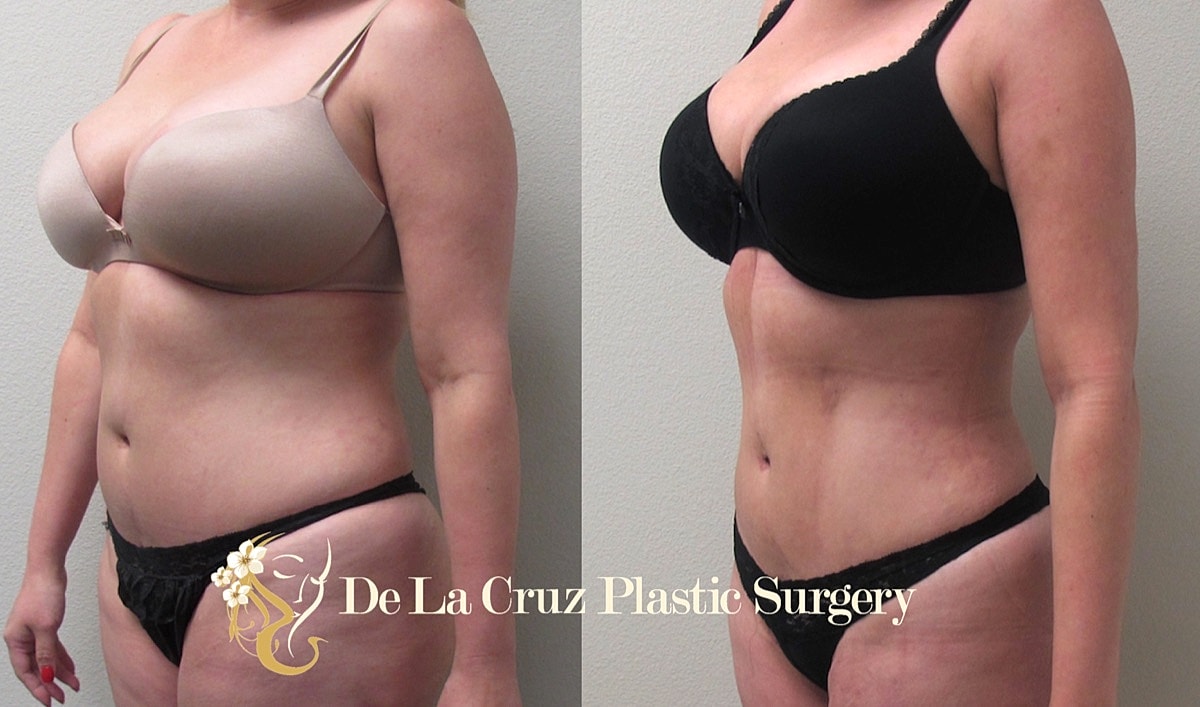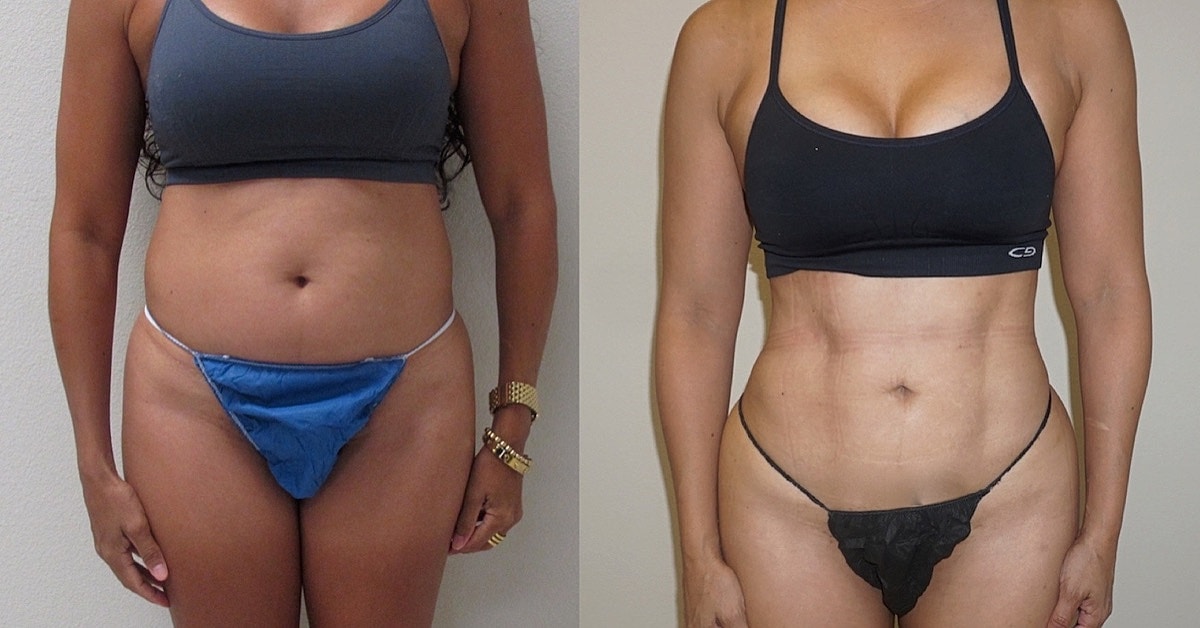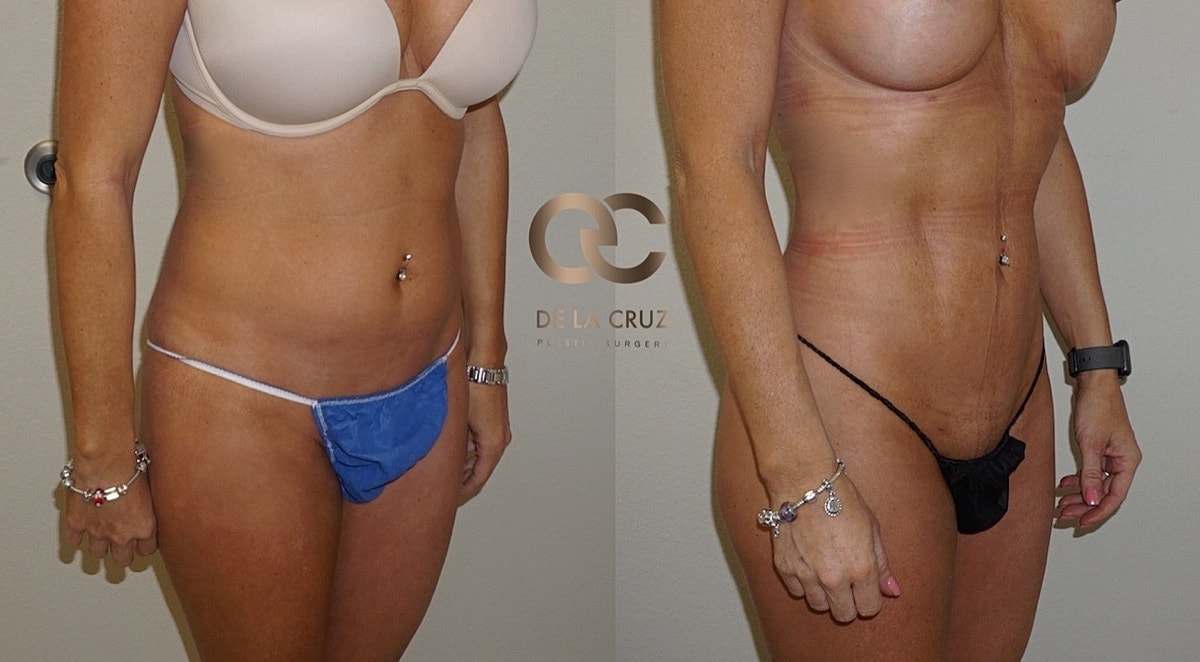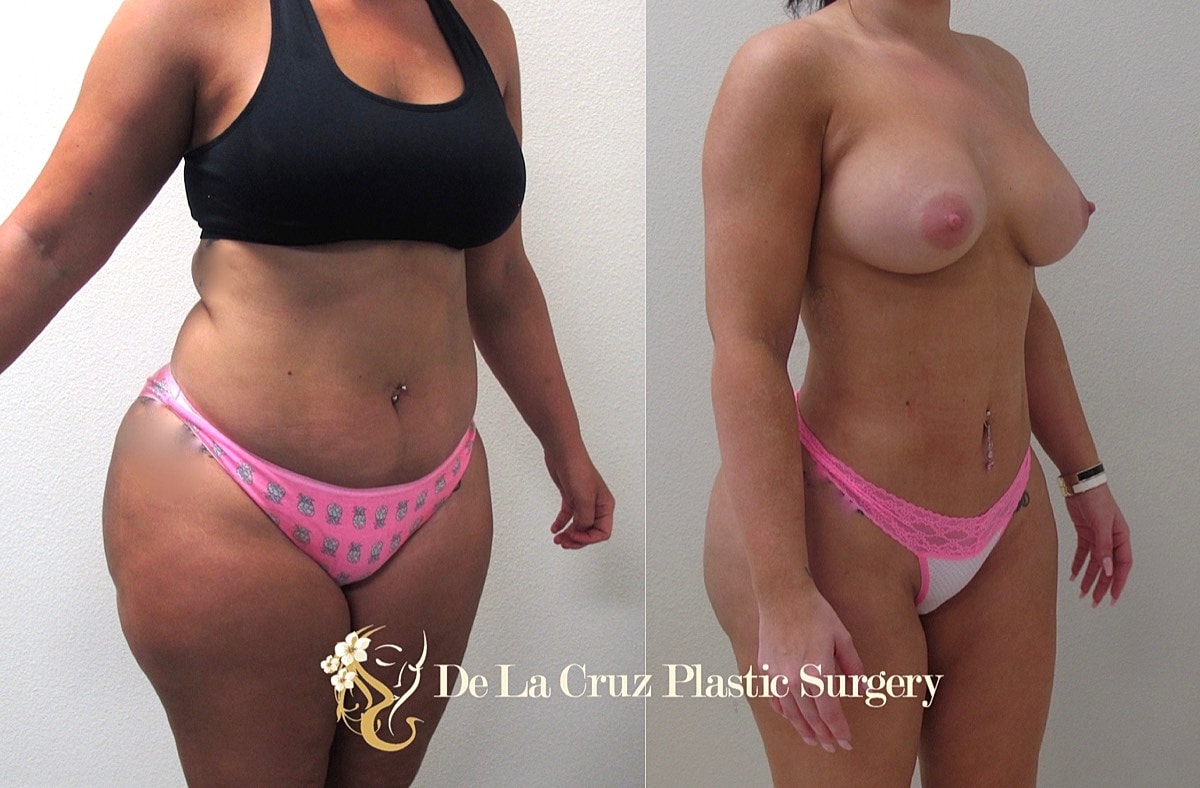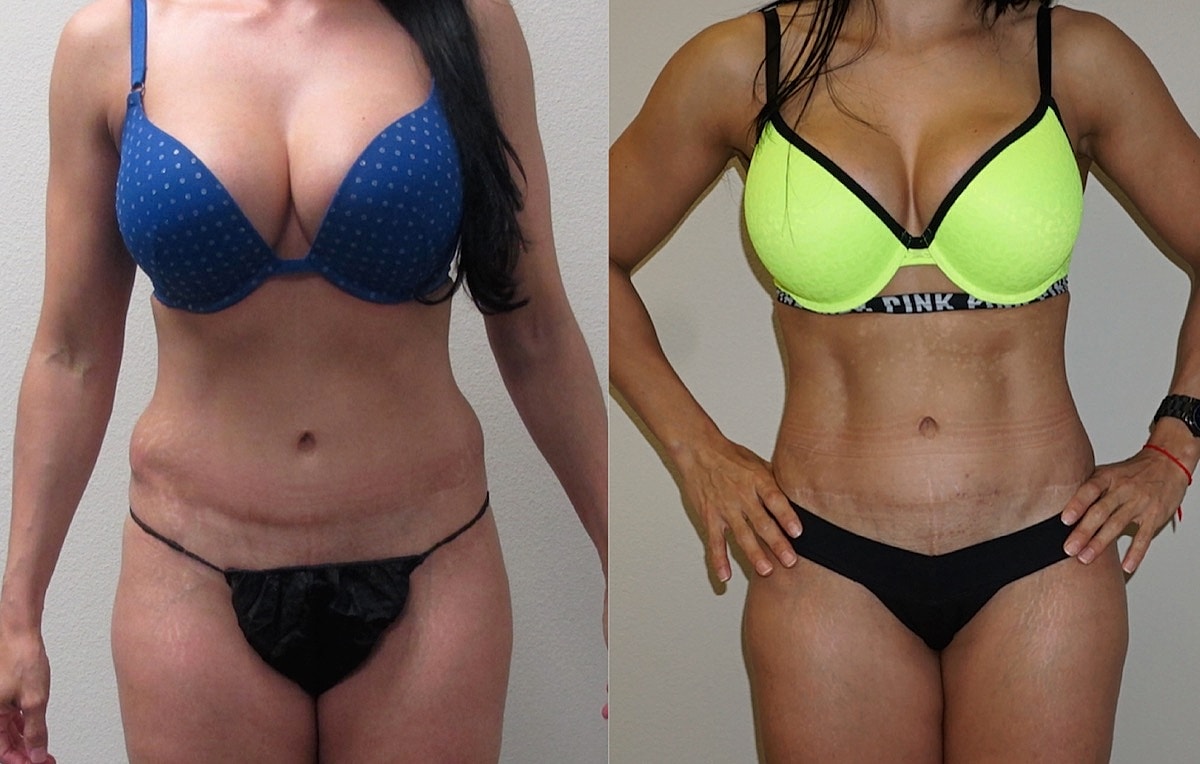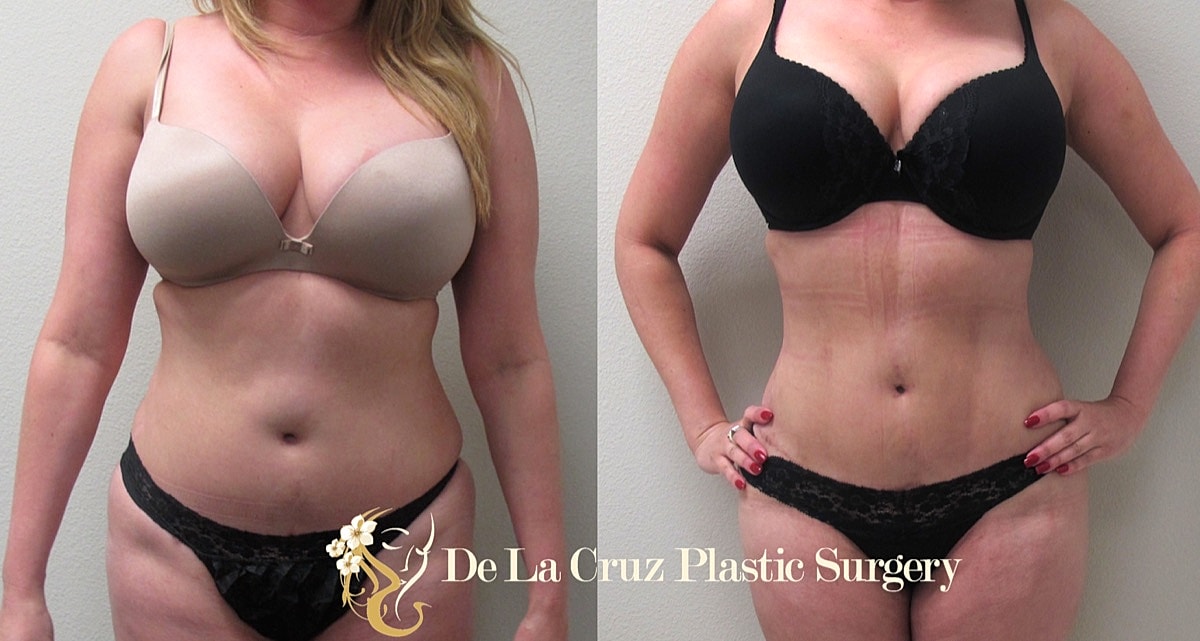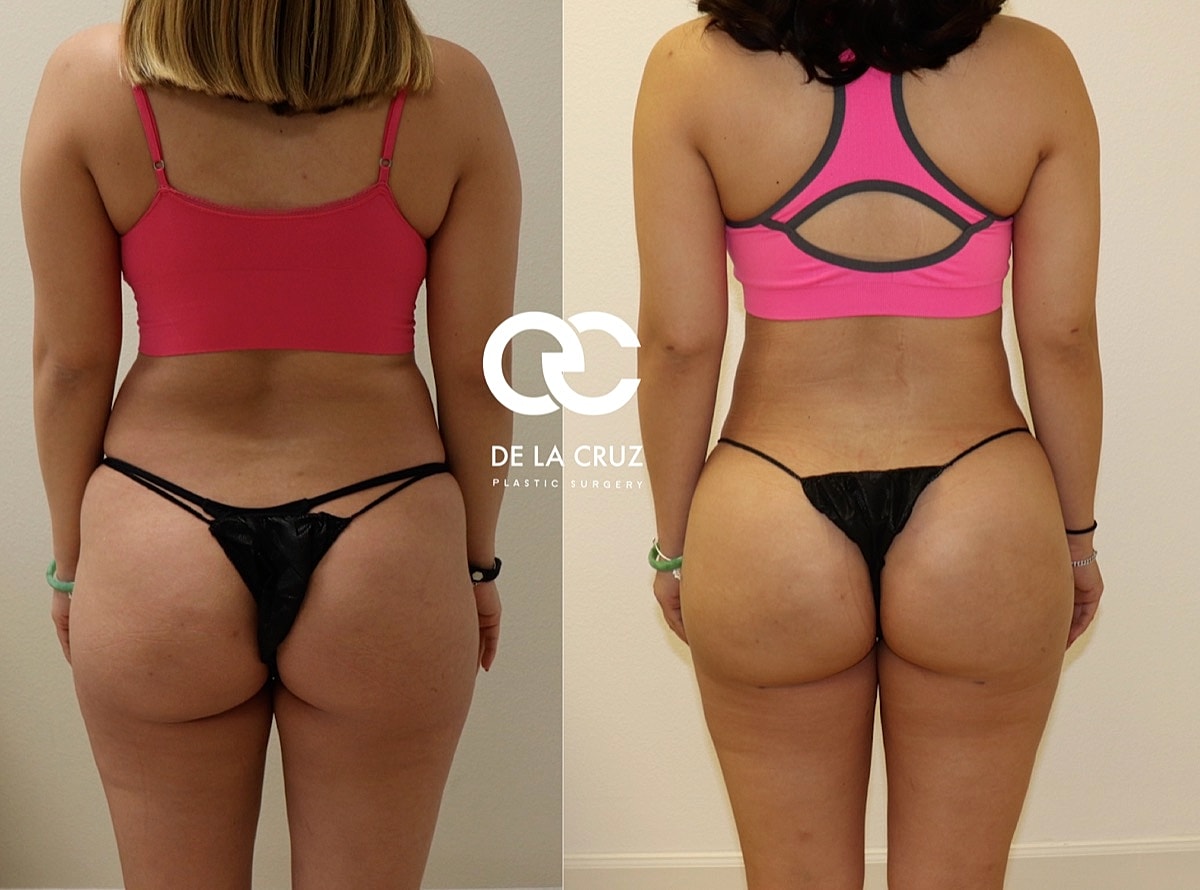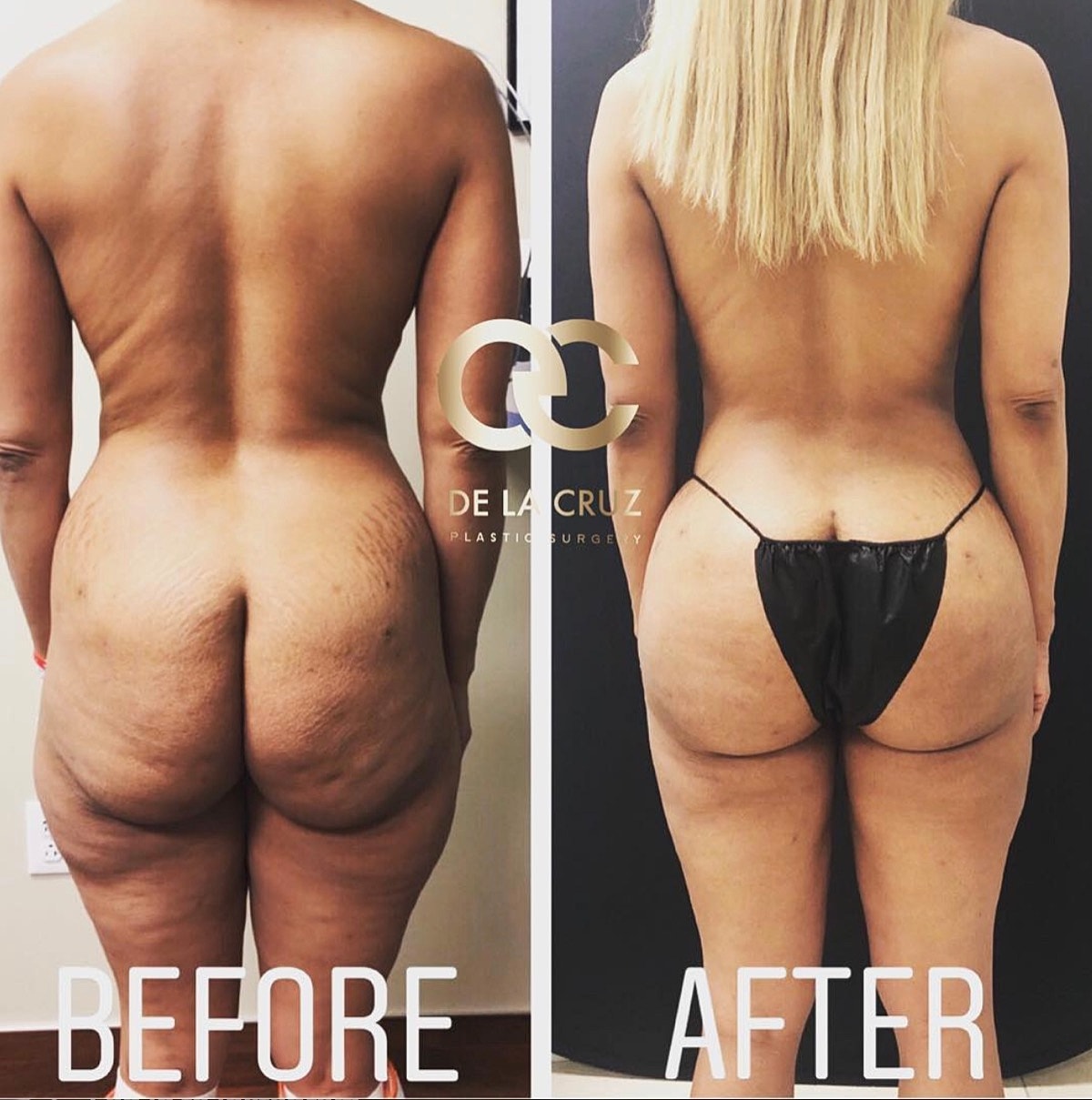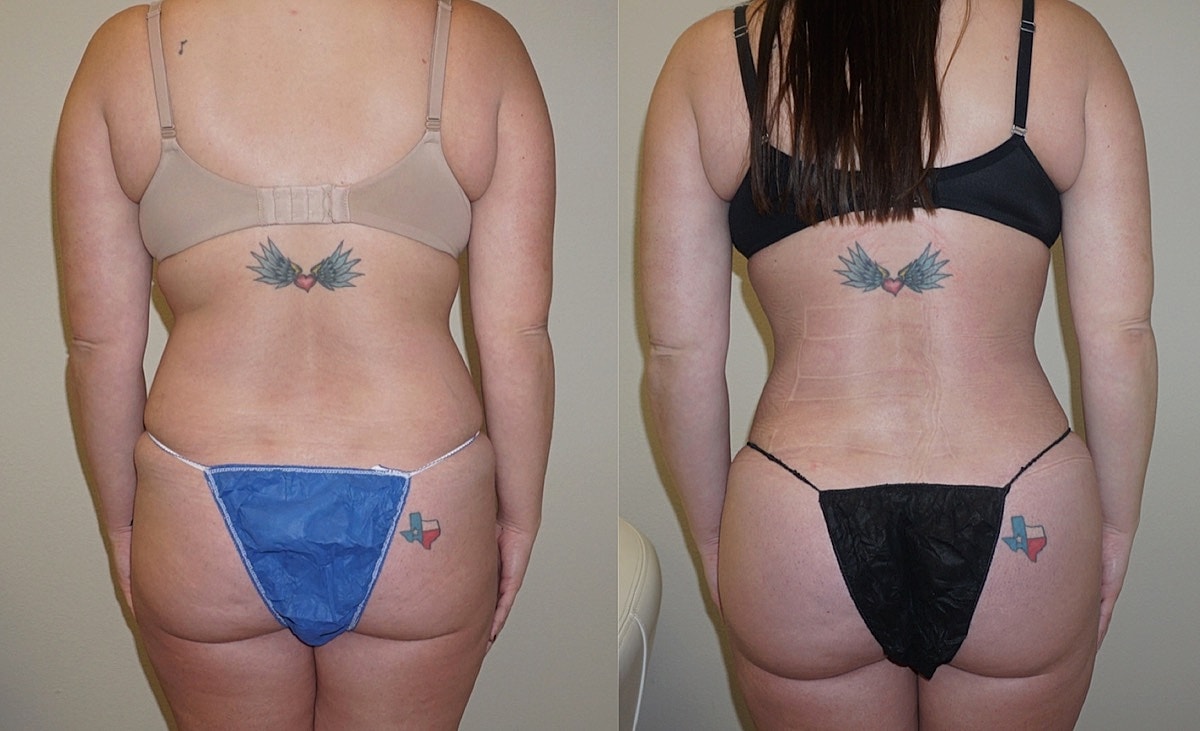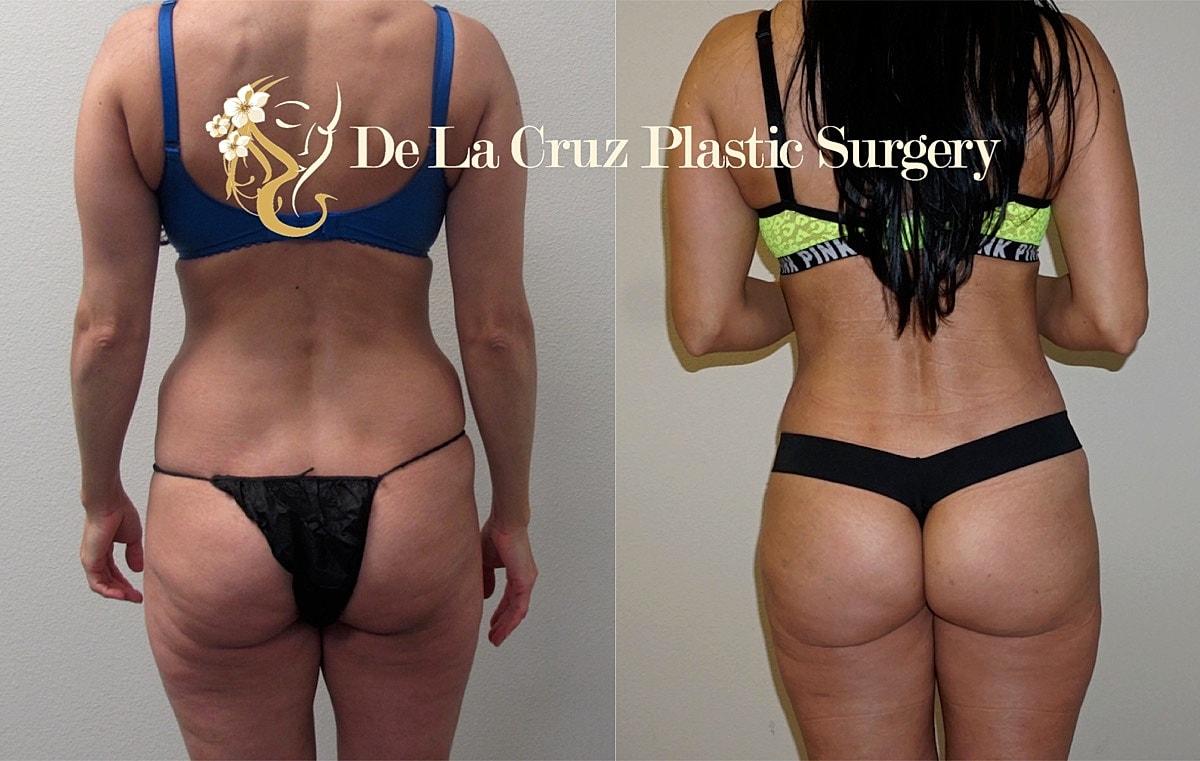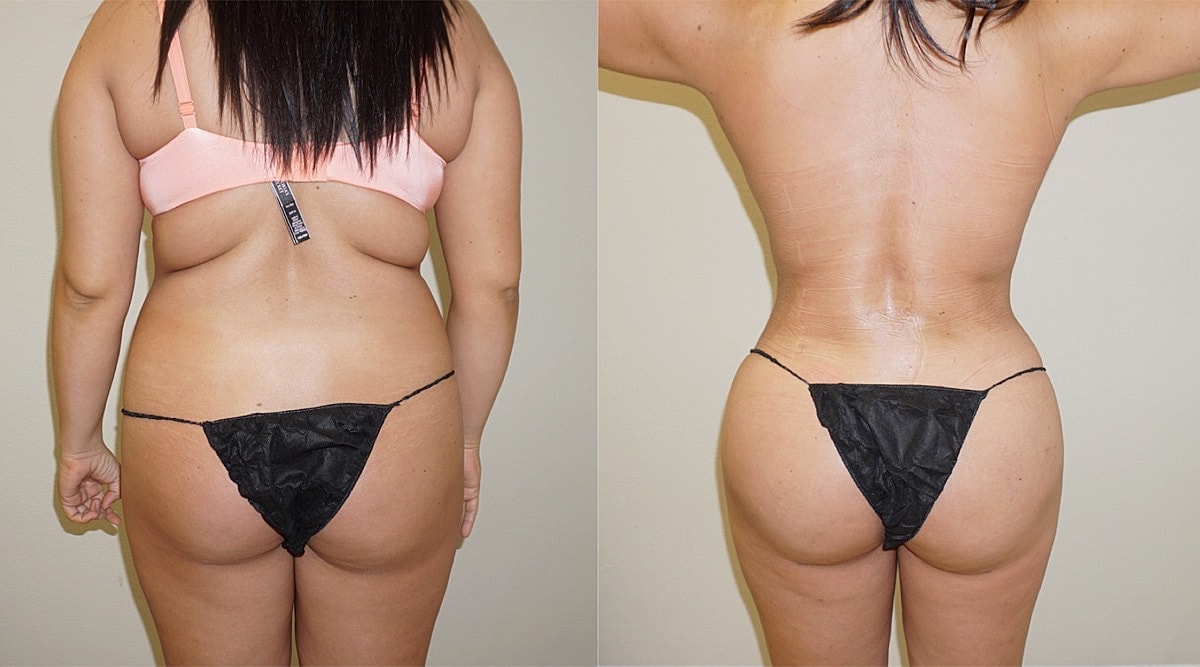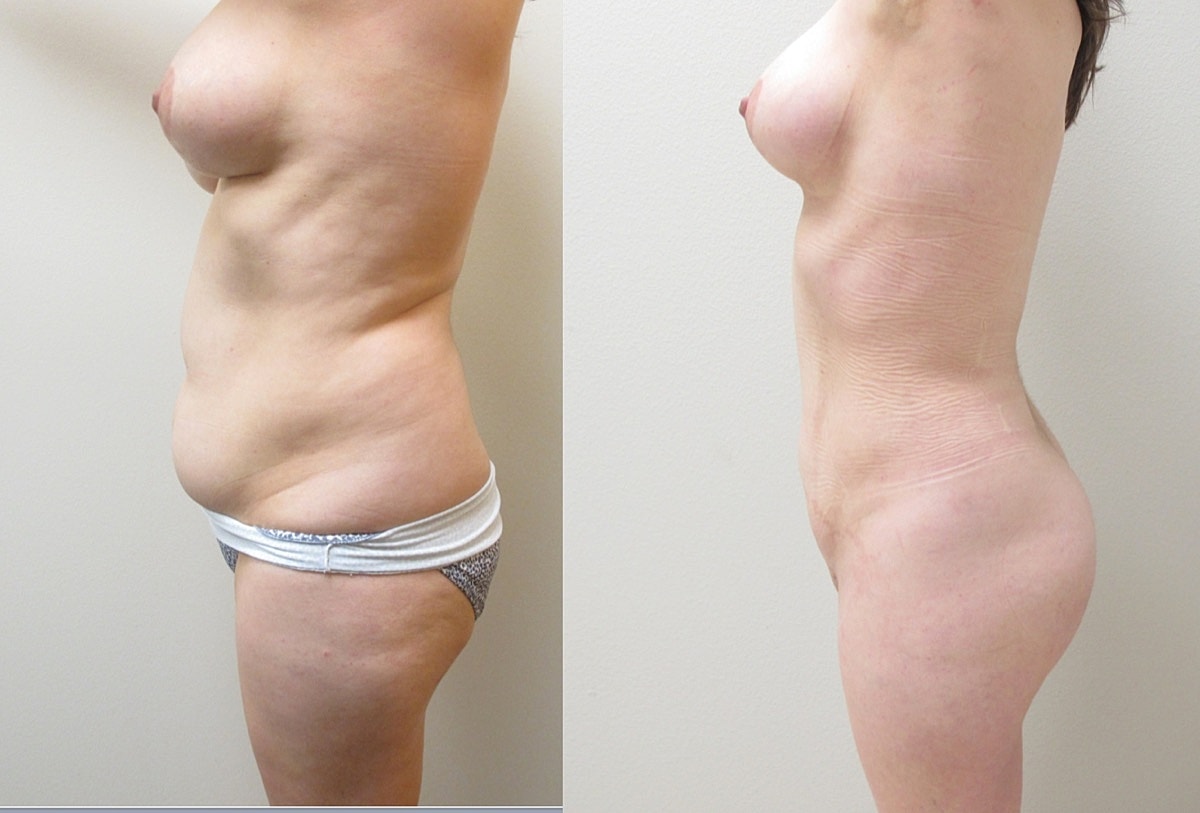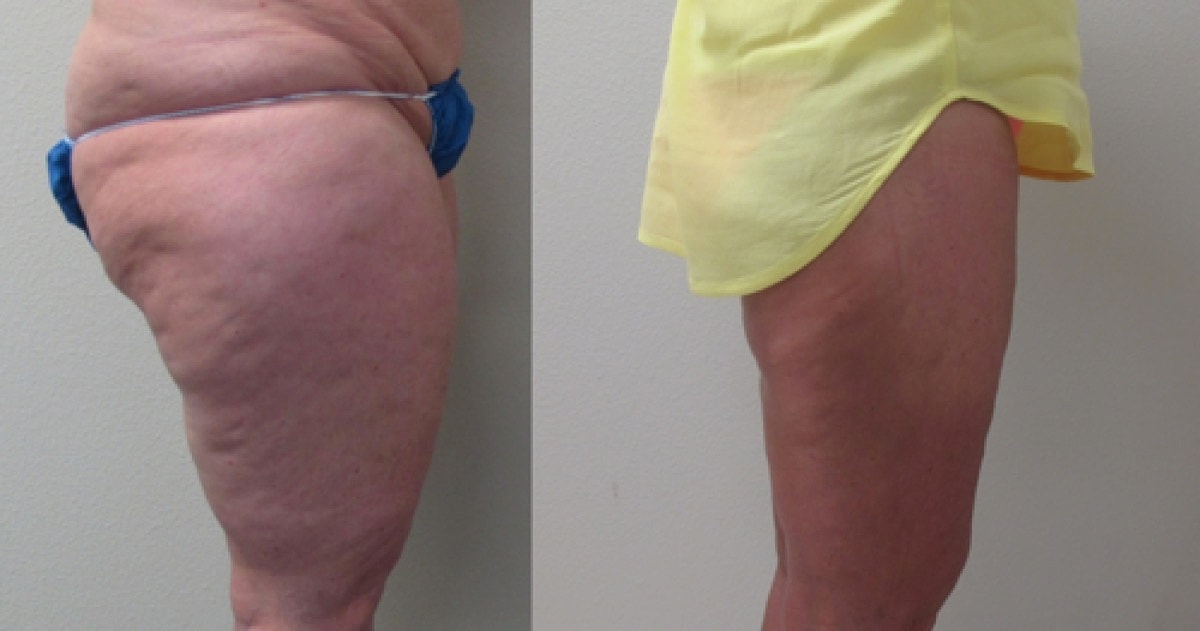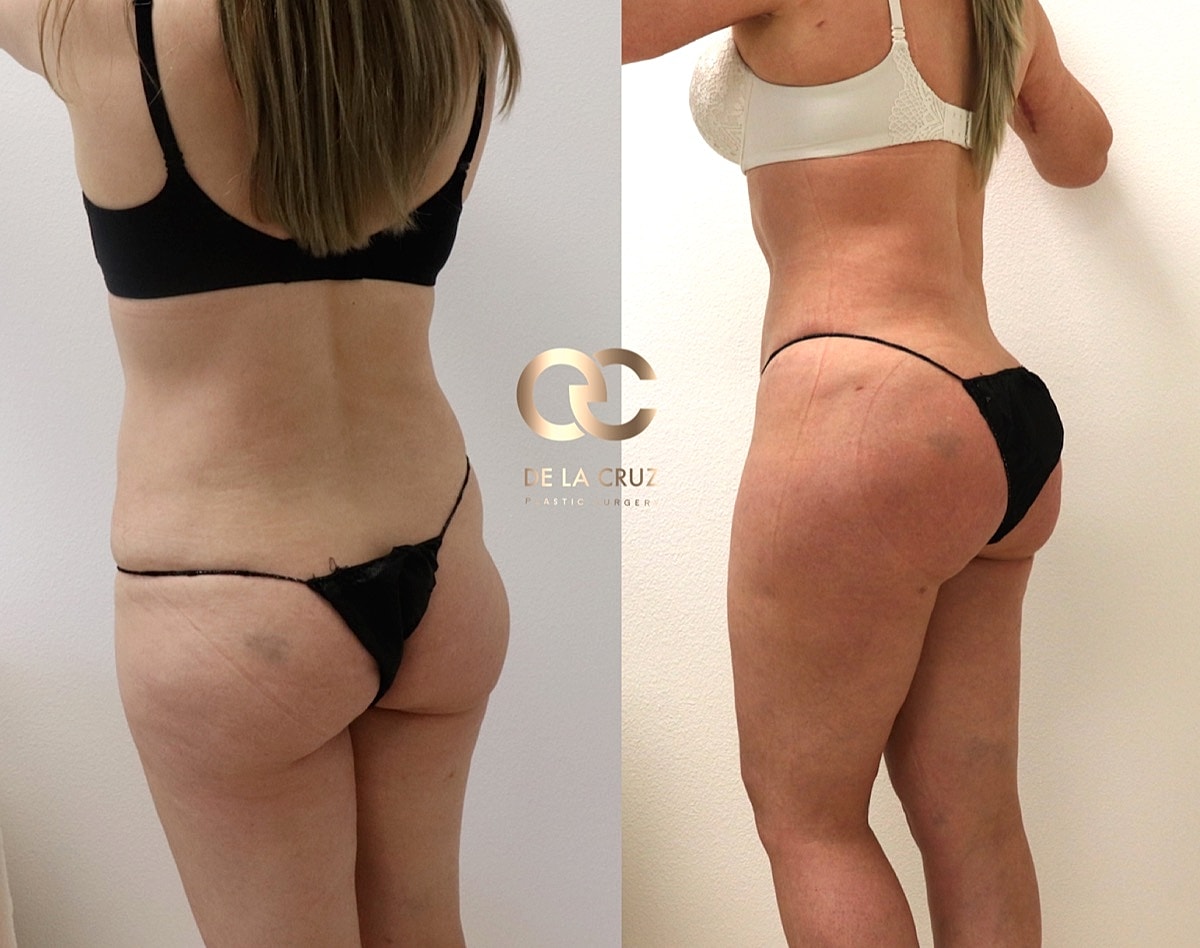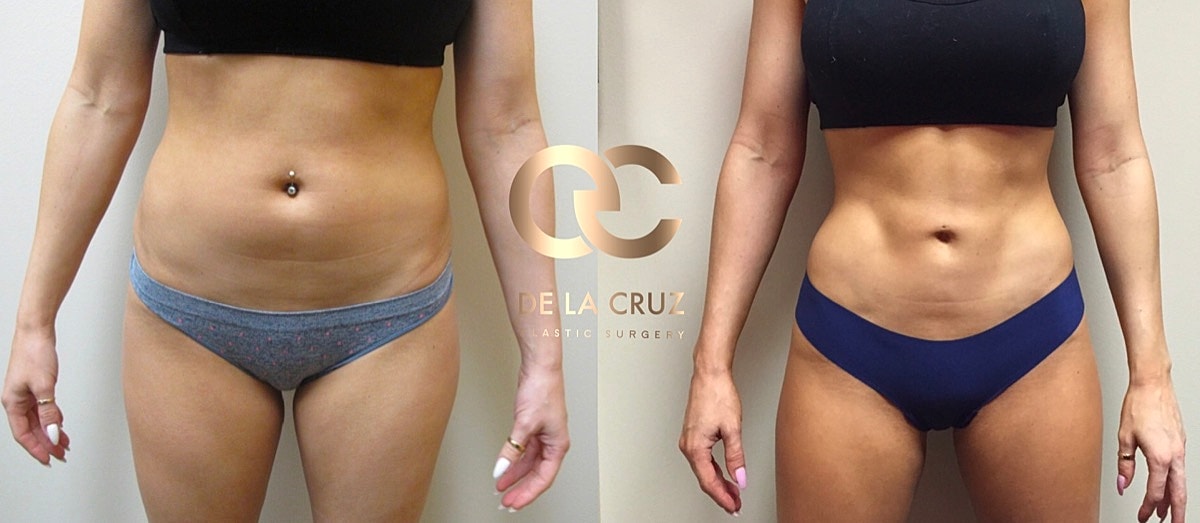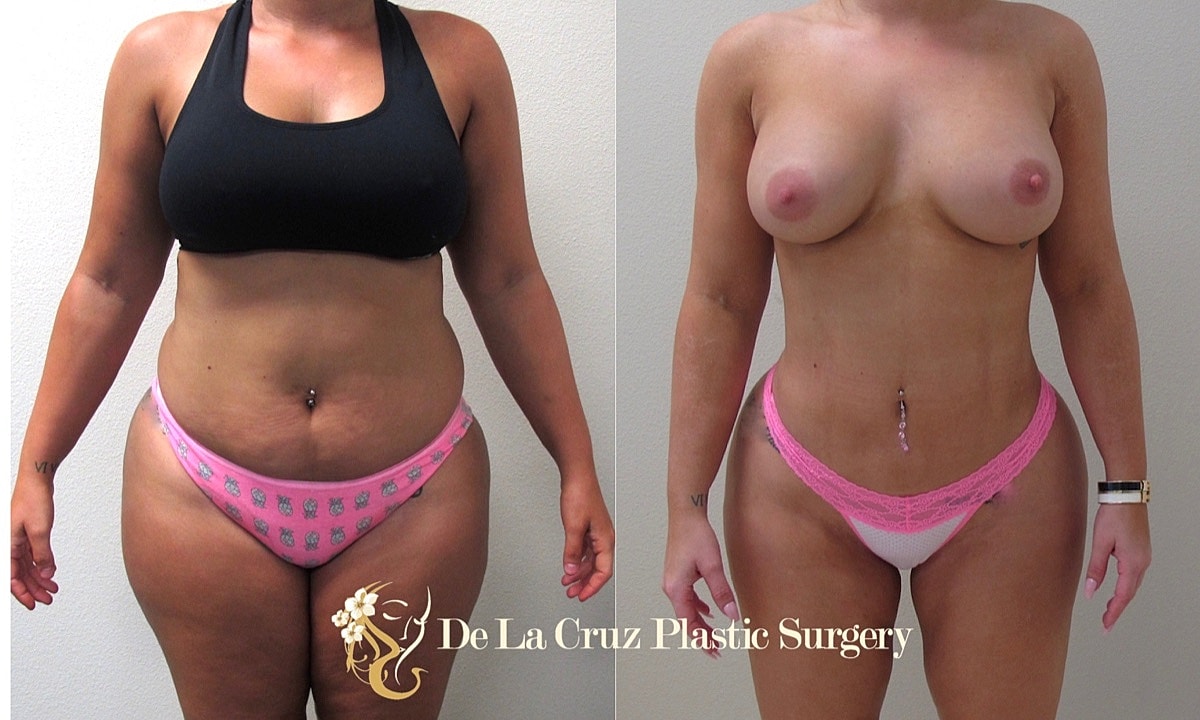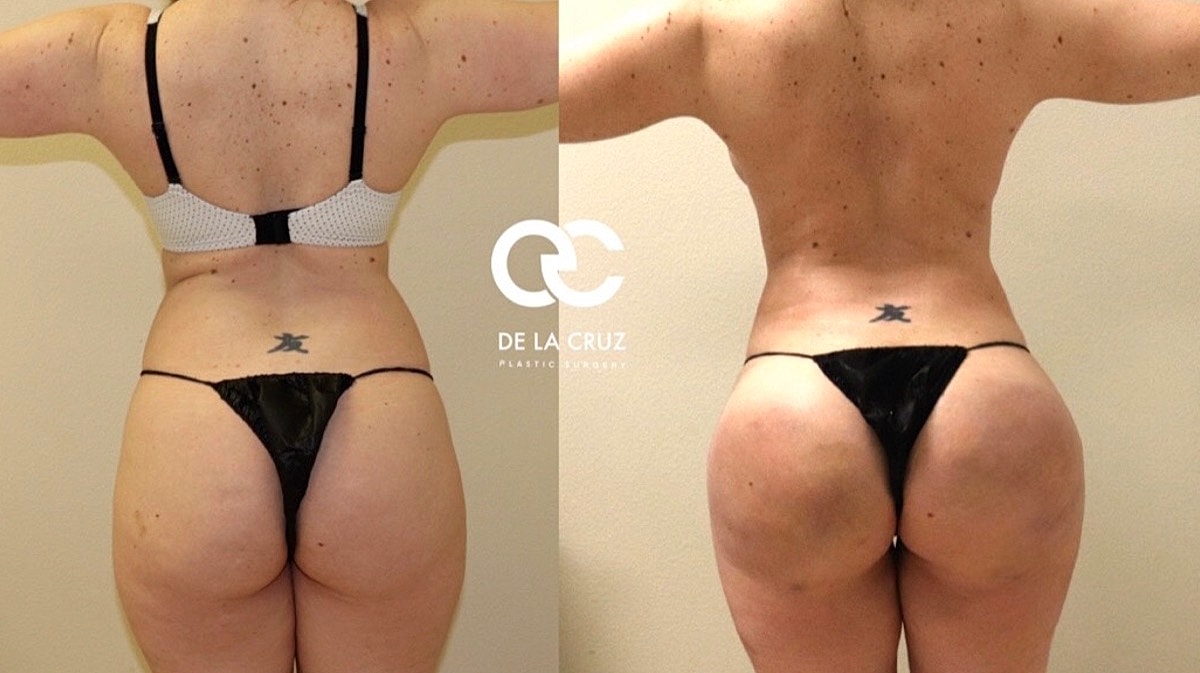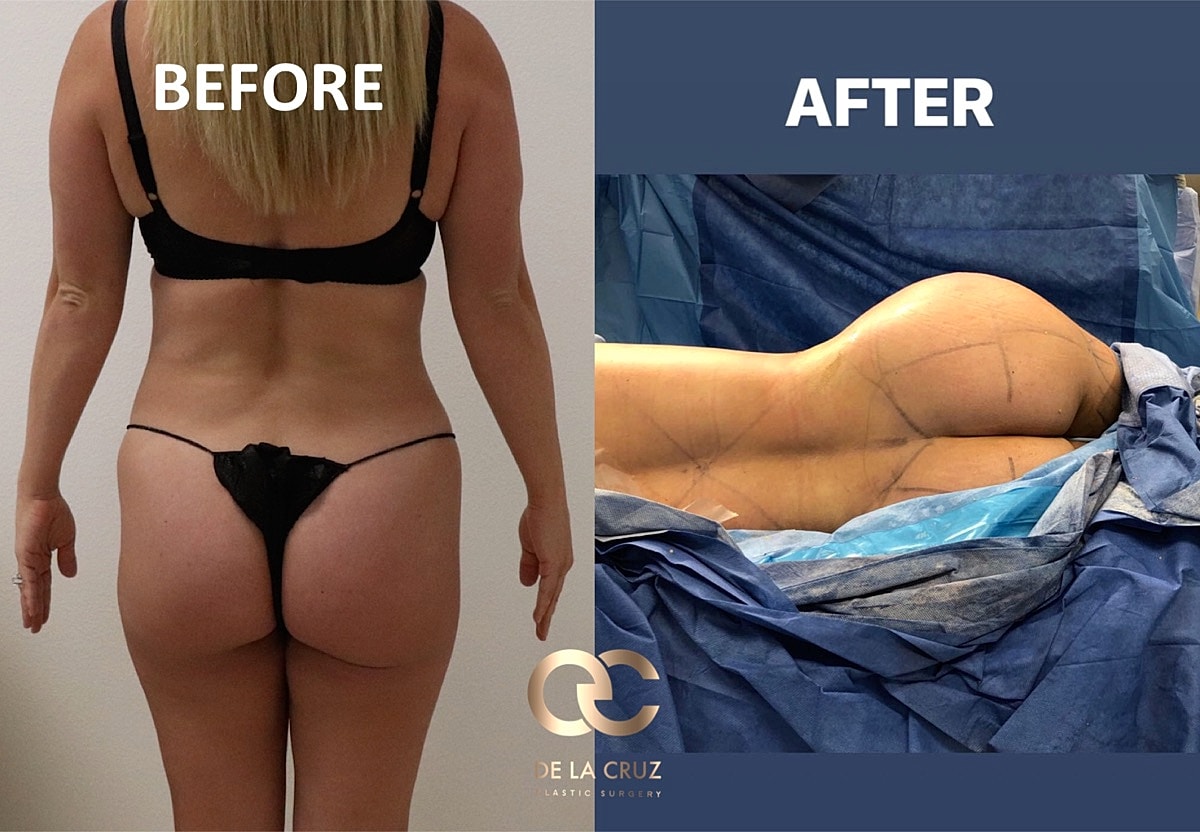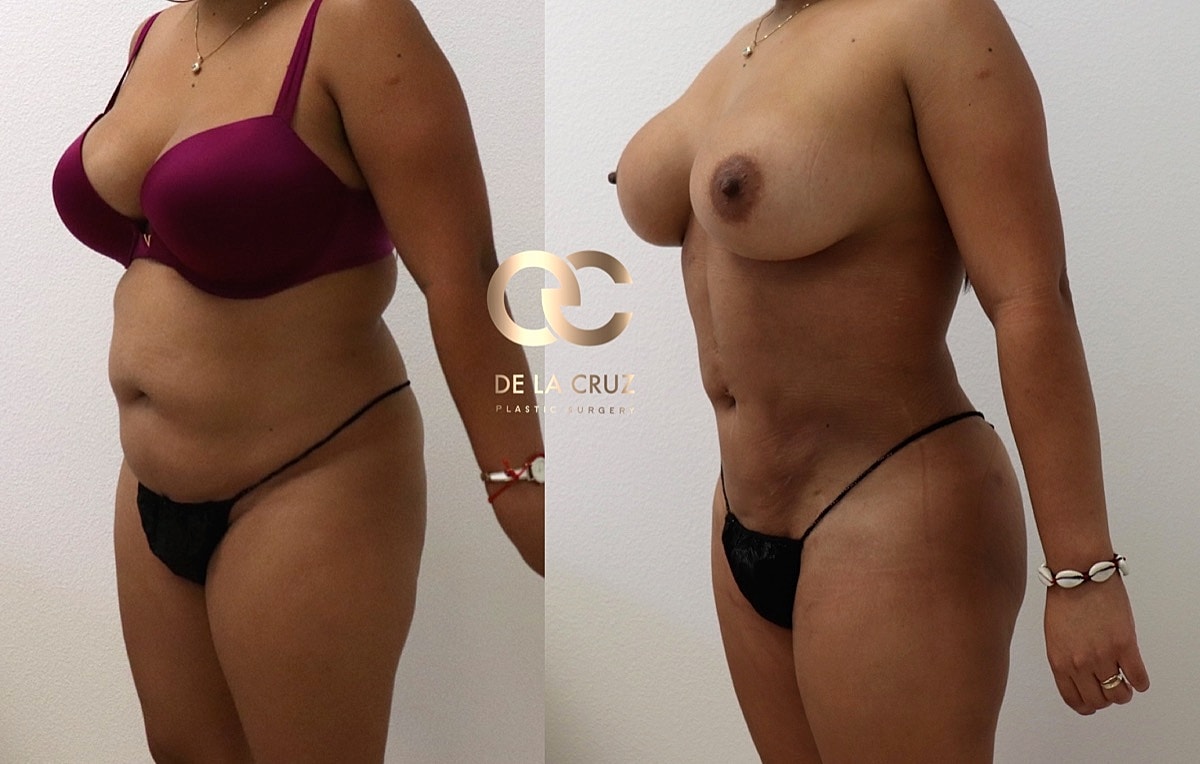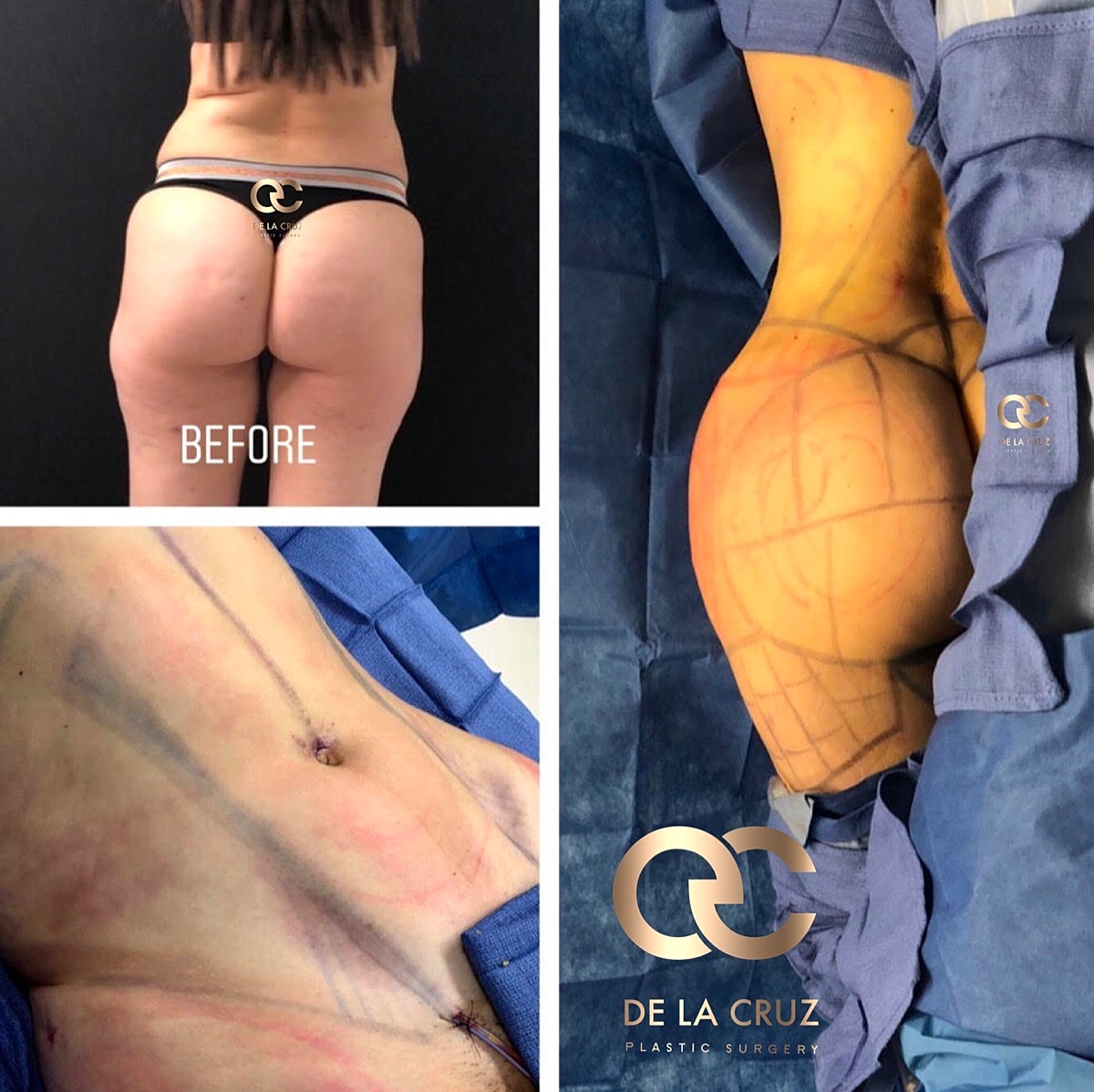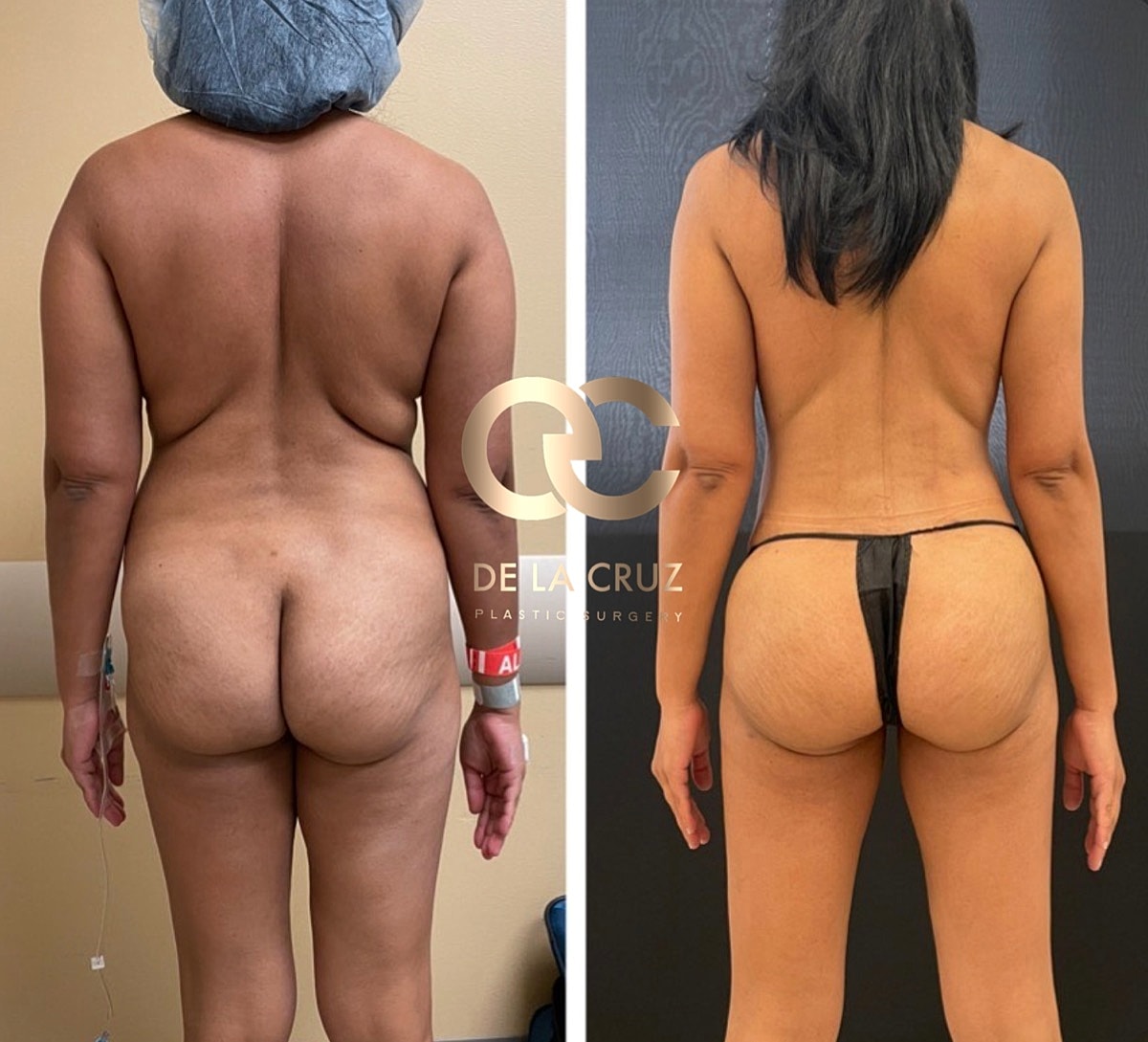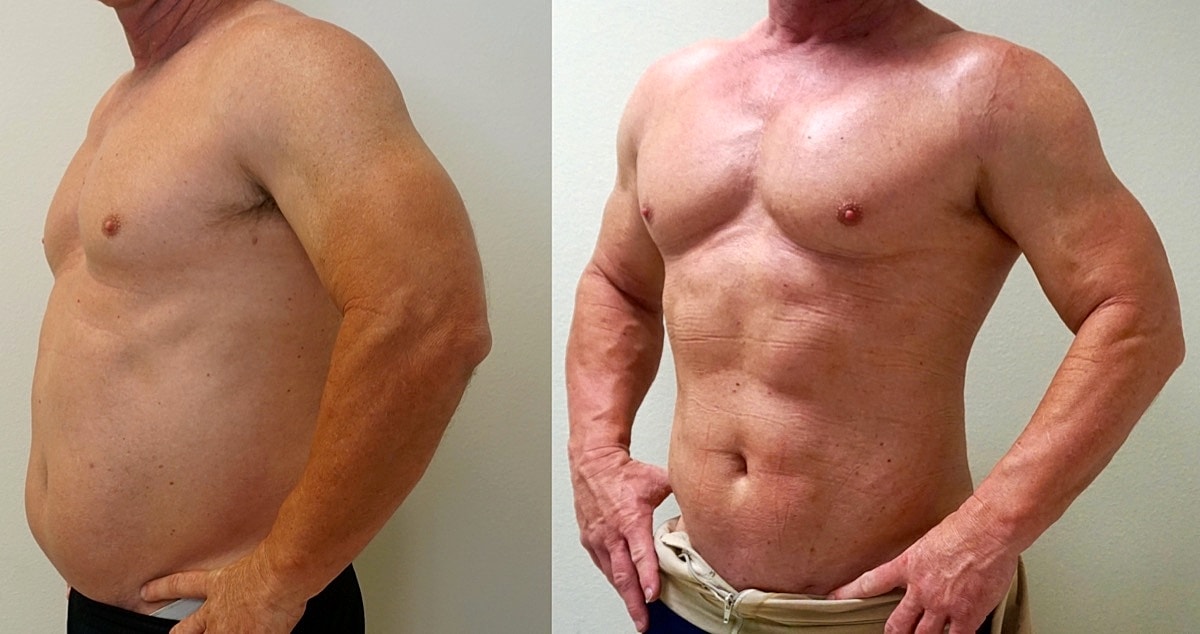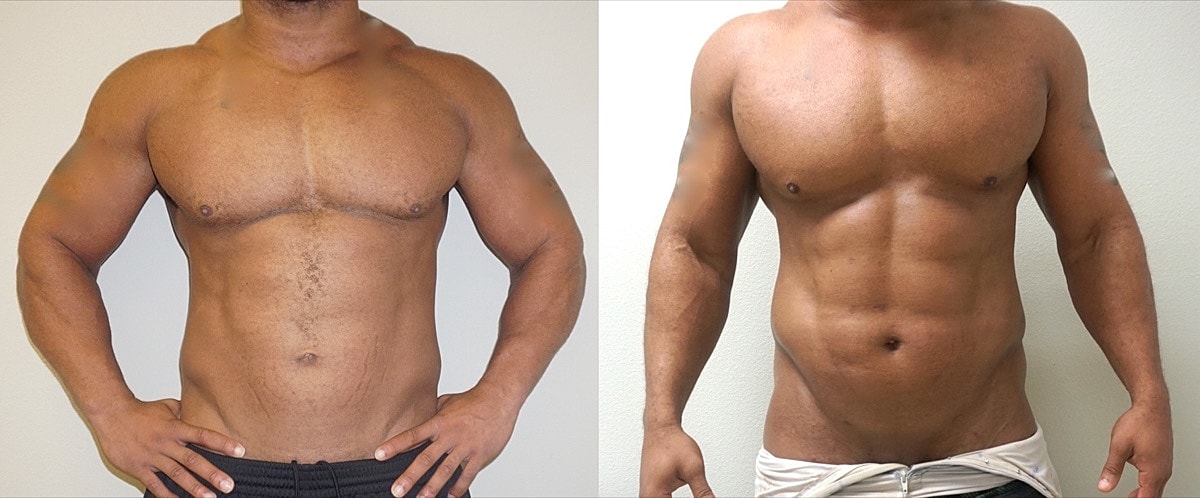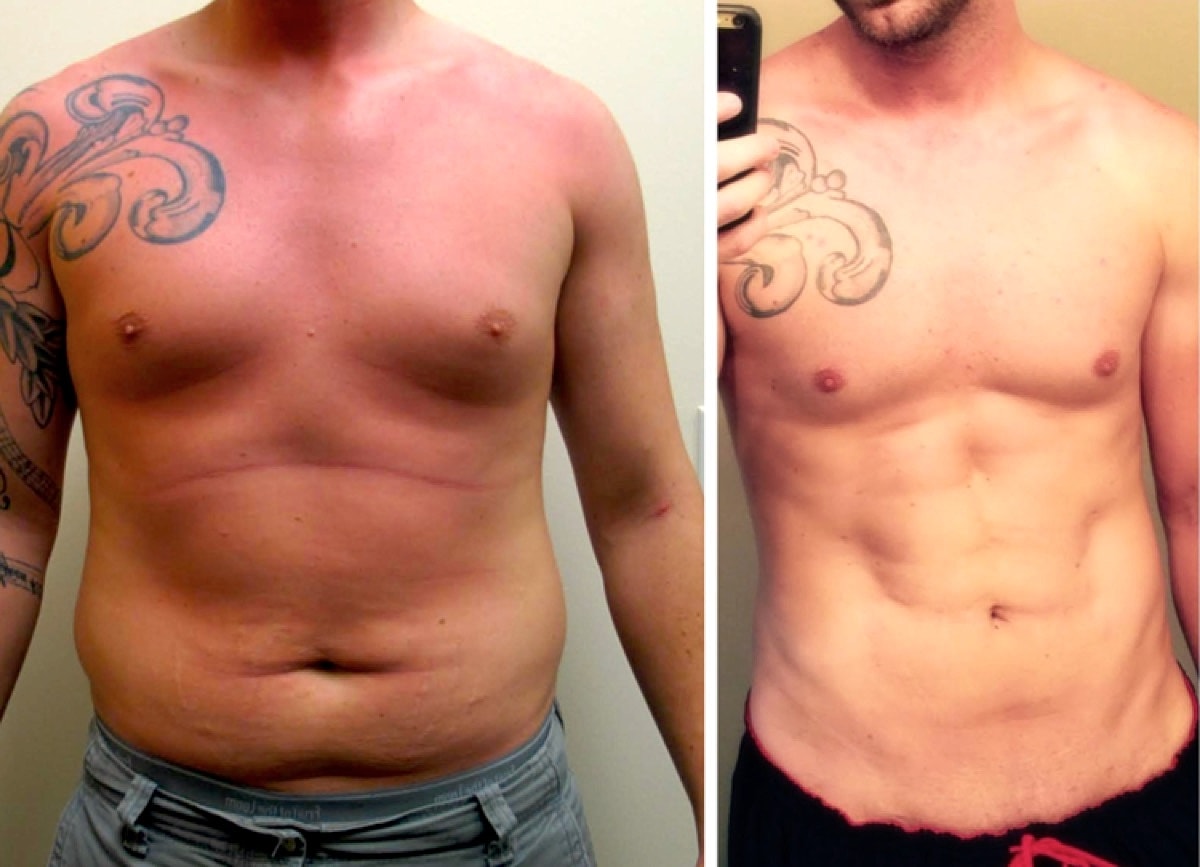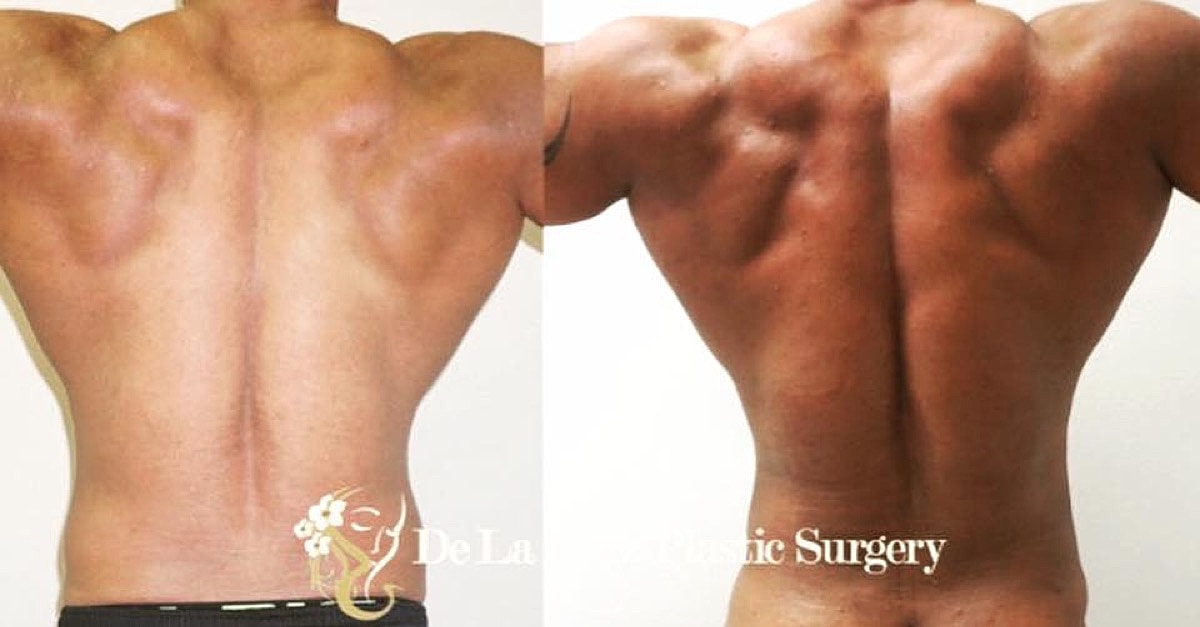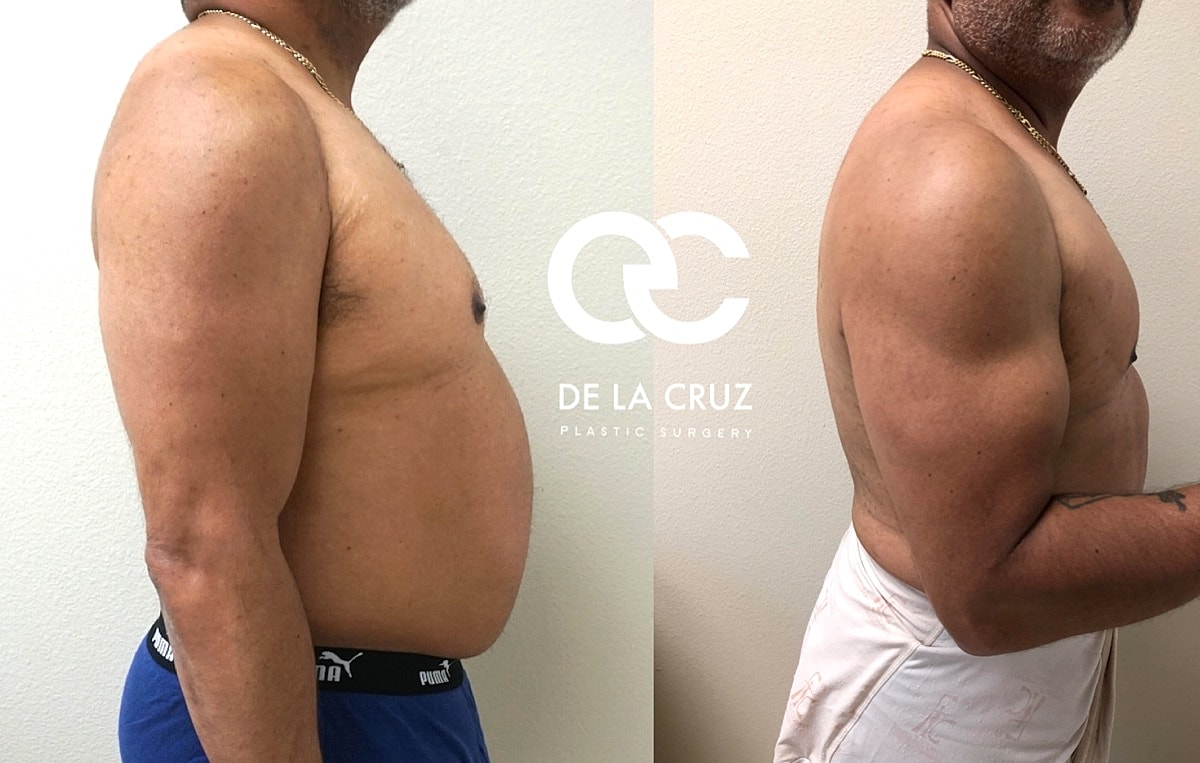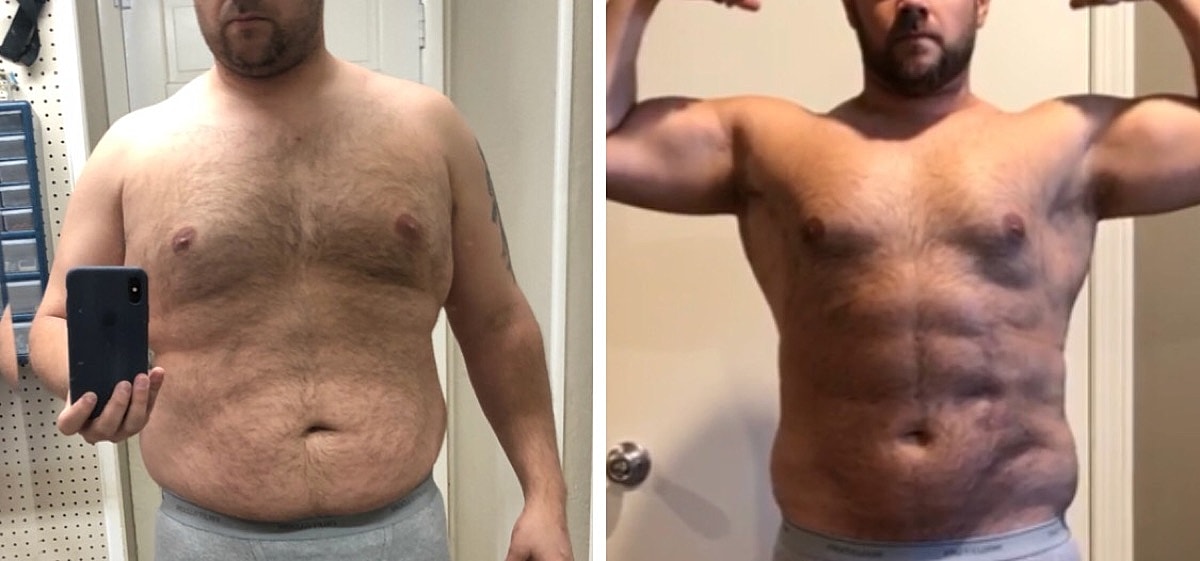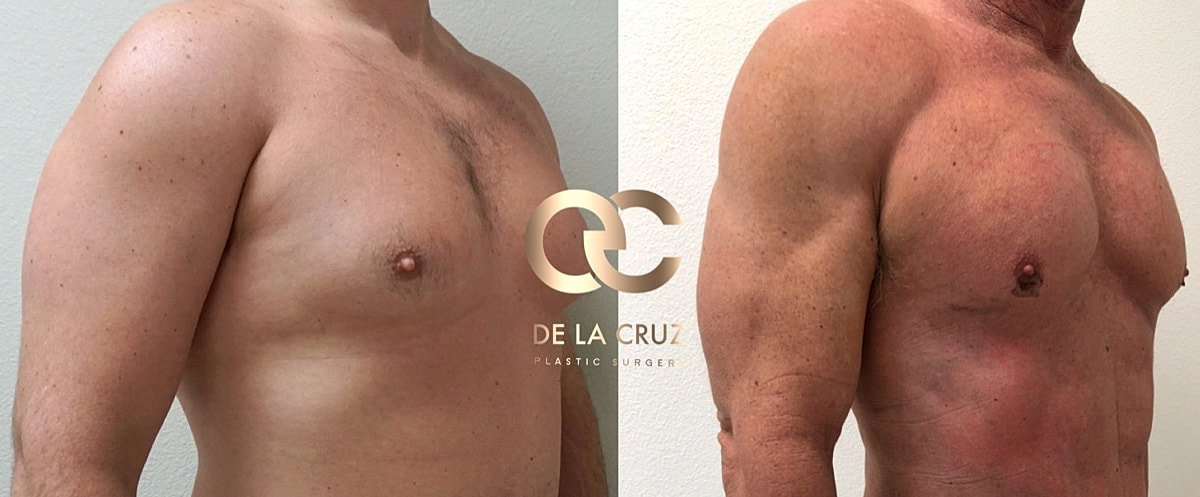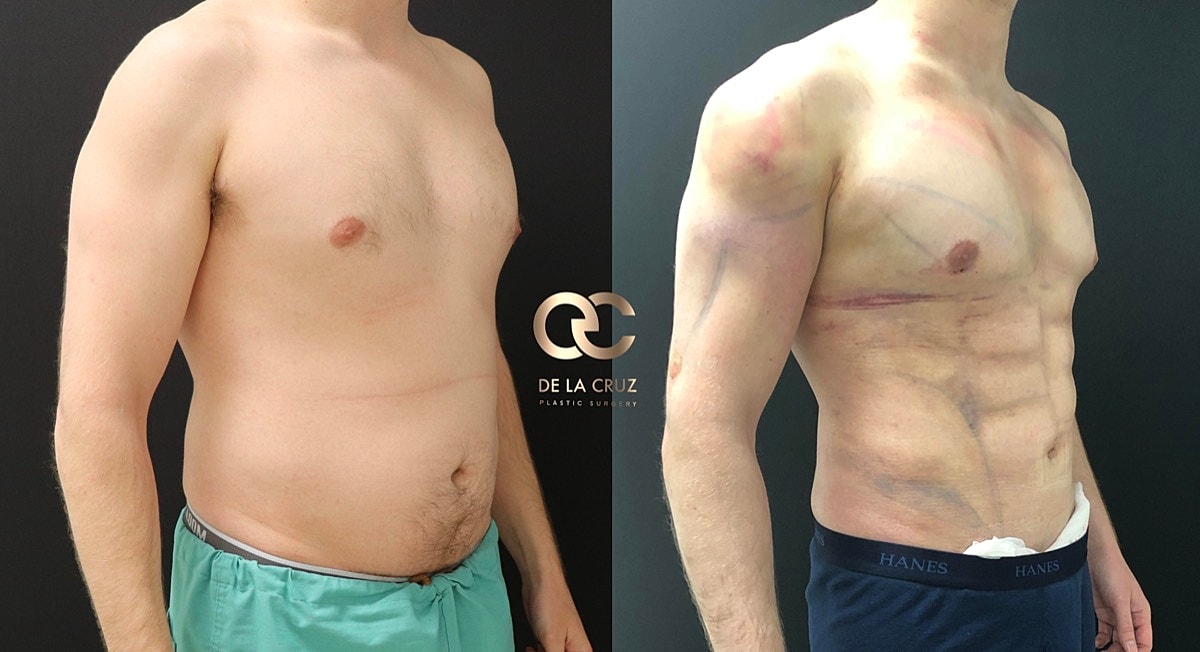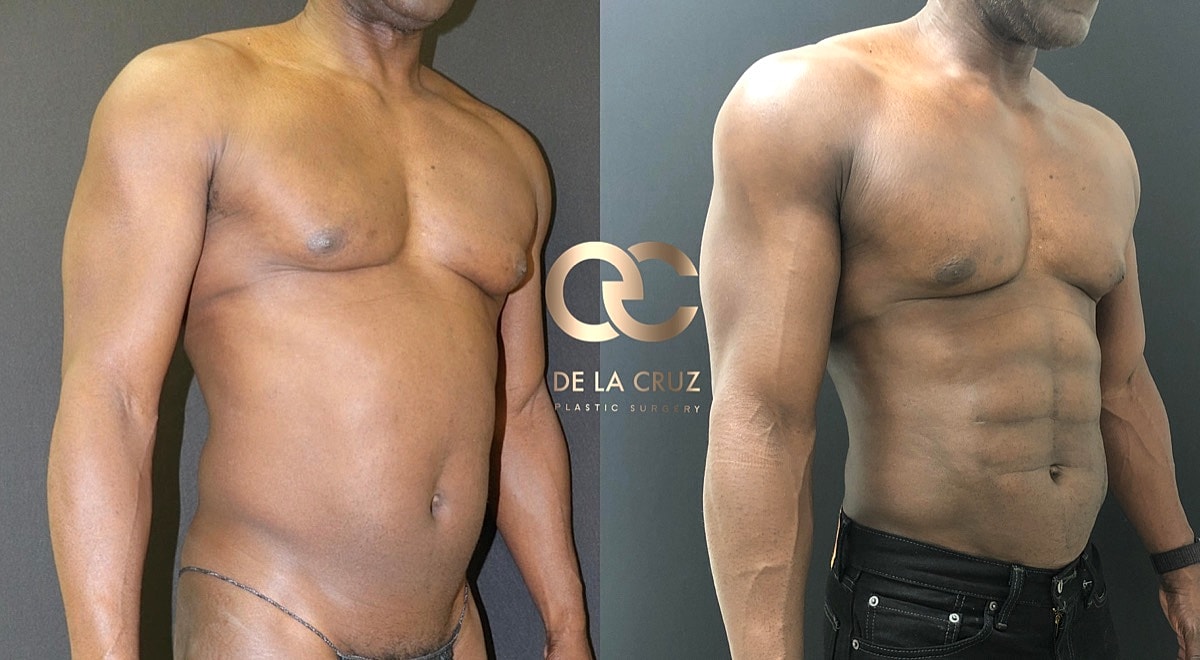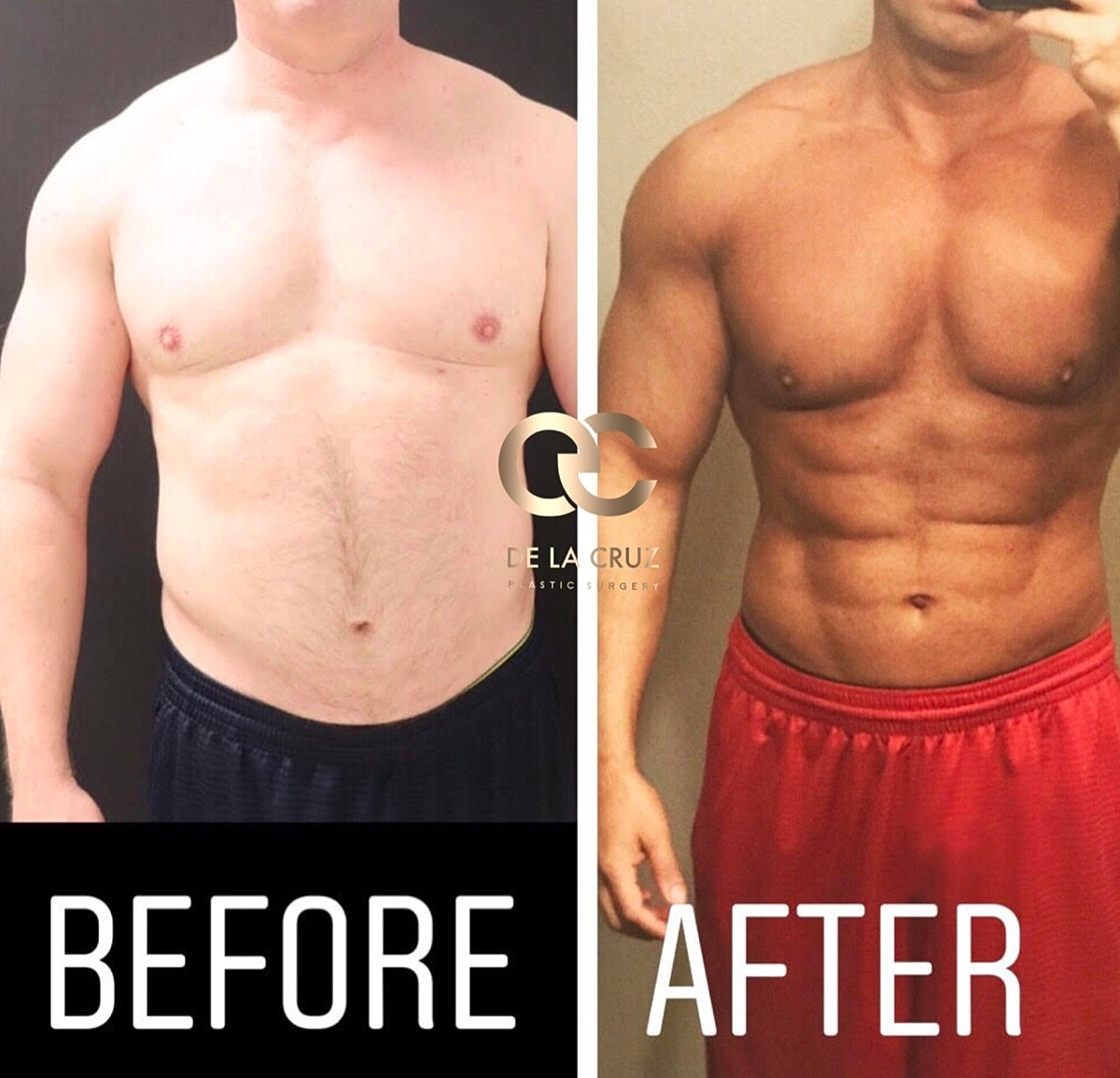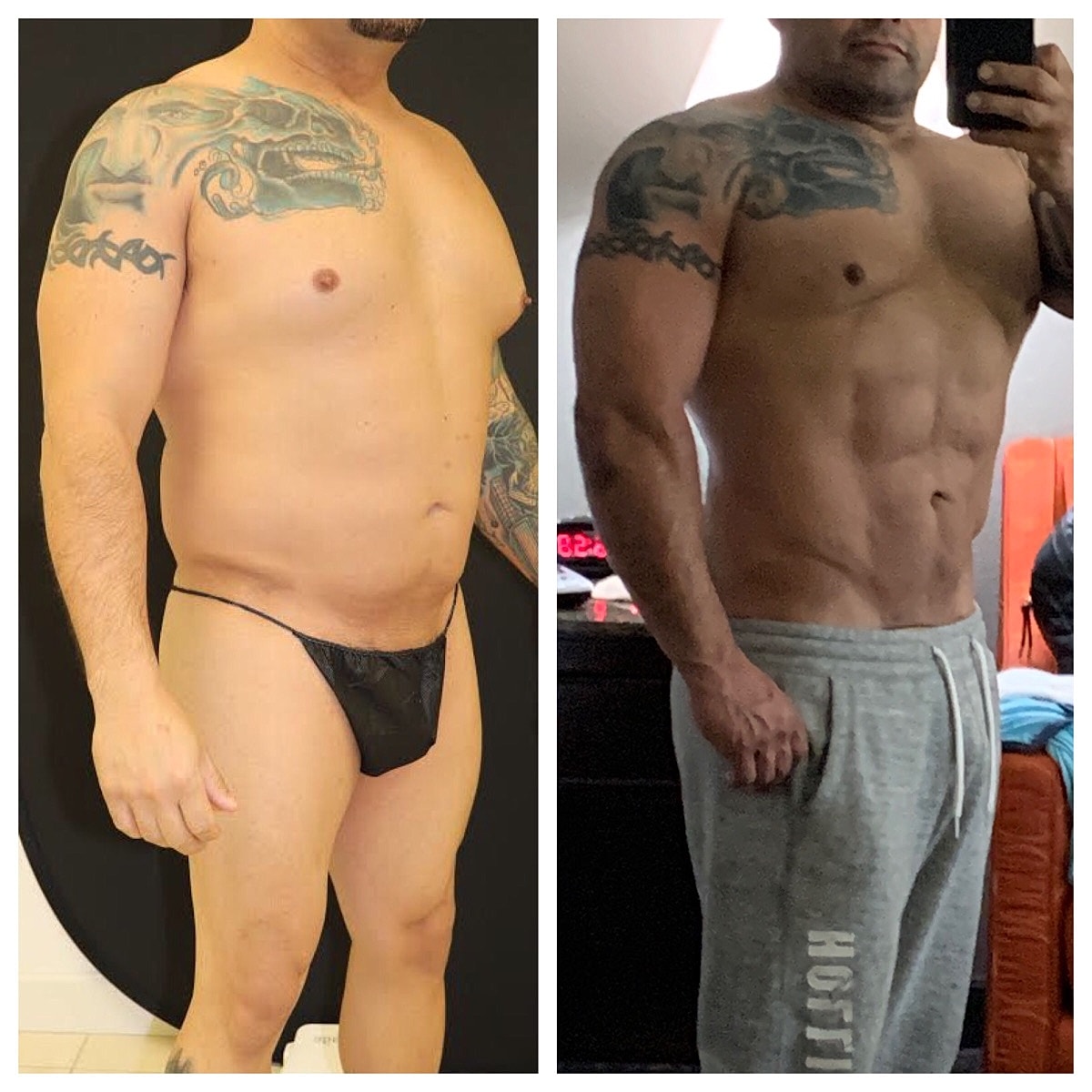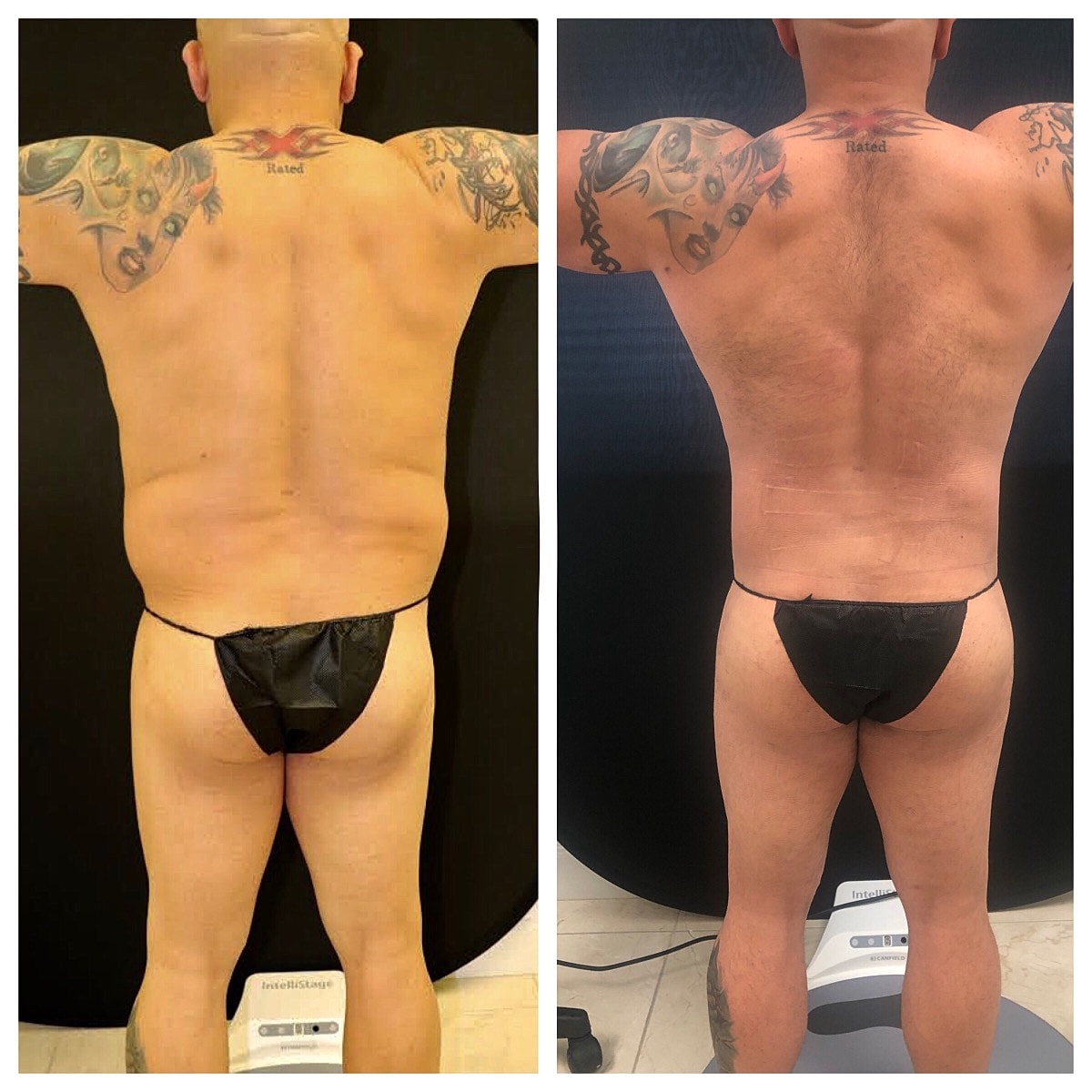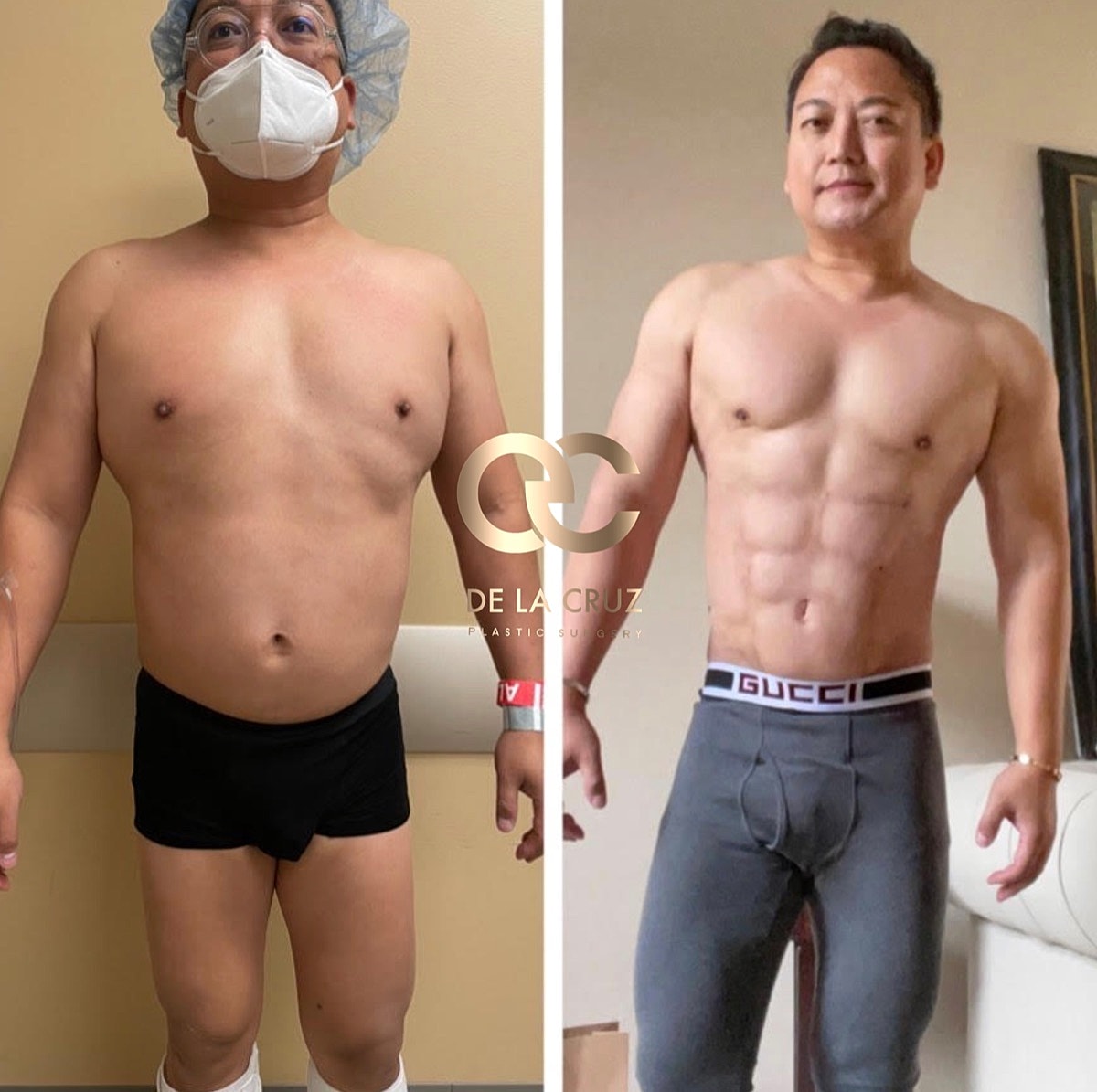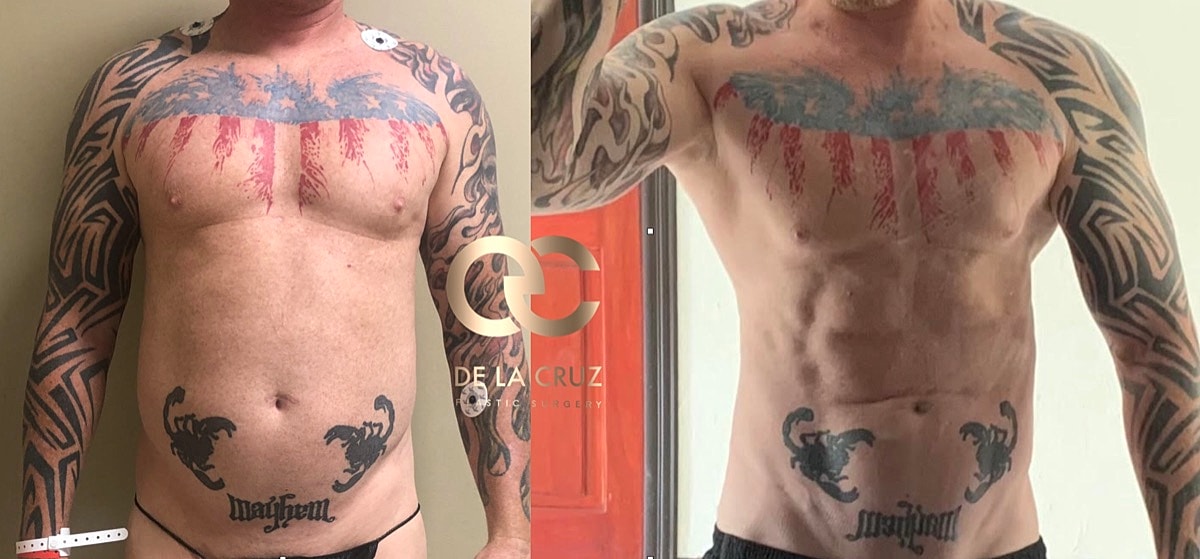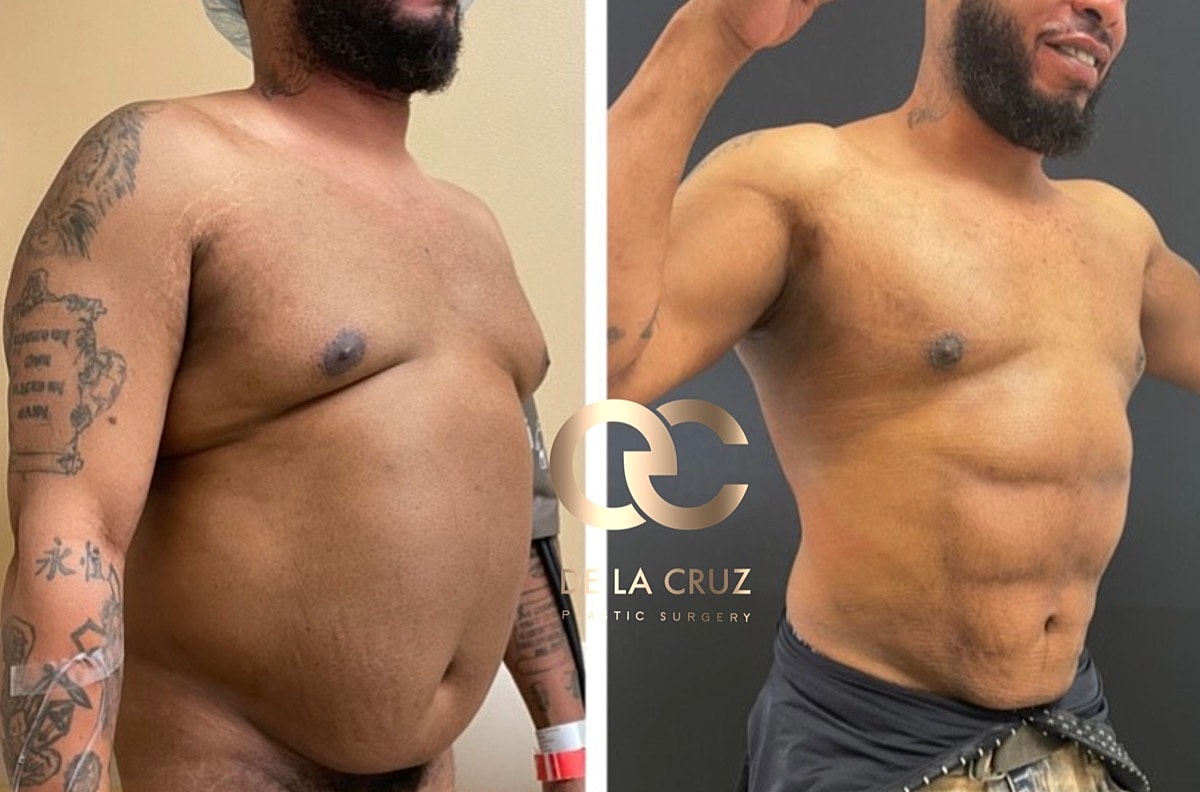
Body contouring treatments have evolved significantly over the past decade. Patients today often choose between traditional surgical liposuction and non-surgical fat reduction procedures such as CoolSculpting, radiofrequency devices, or injectable treatments.
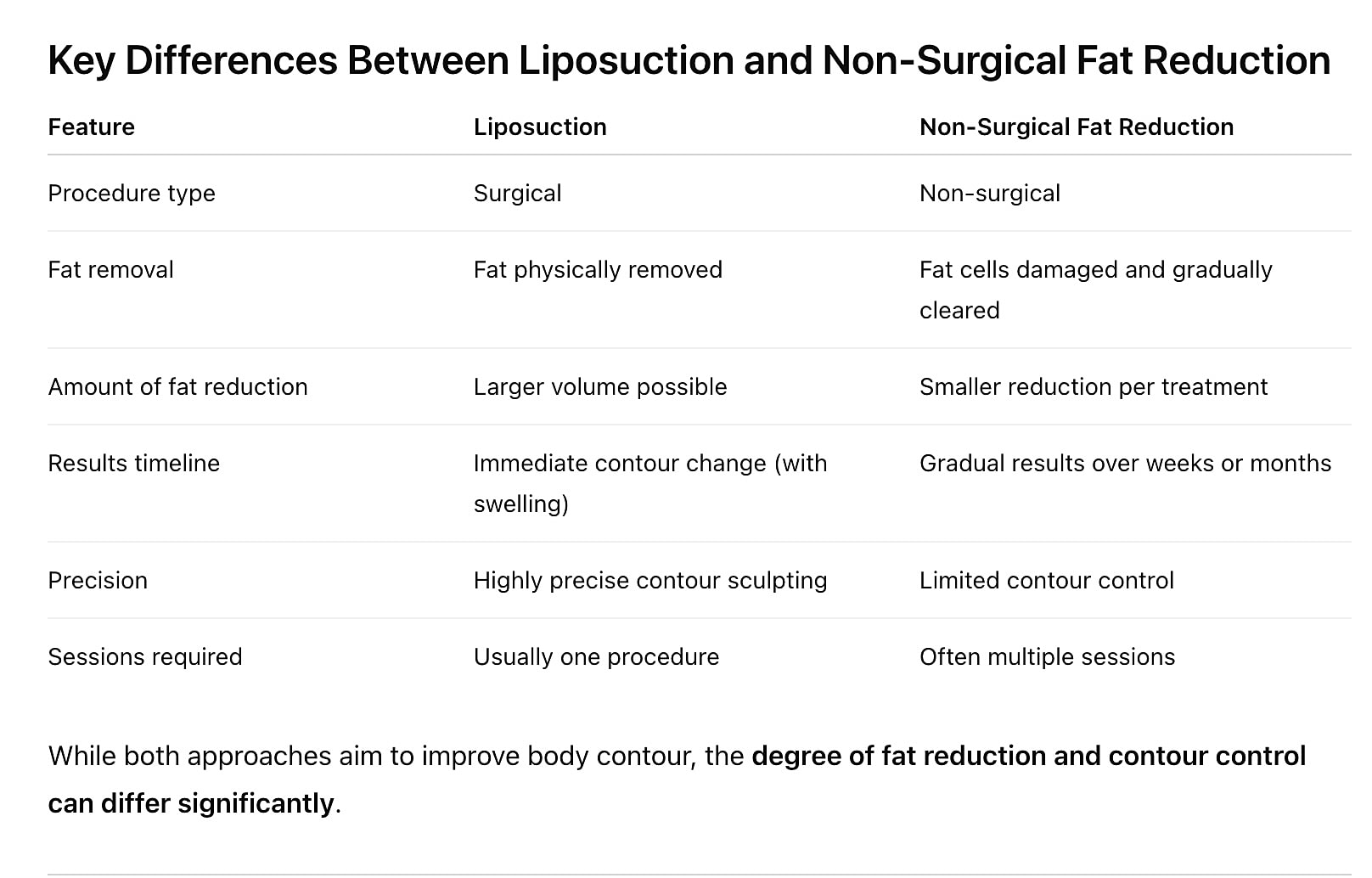
Both approaches aim to improve body contour by reducing unwanted fat deposits. However, they differ significantly in how fat is removed, the amount of fat reduction achieved, and the predictability of results.
Understanding these differences can help patients determine which treatment option may be most appropriate for their goals.
1 of 65
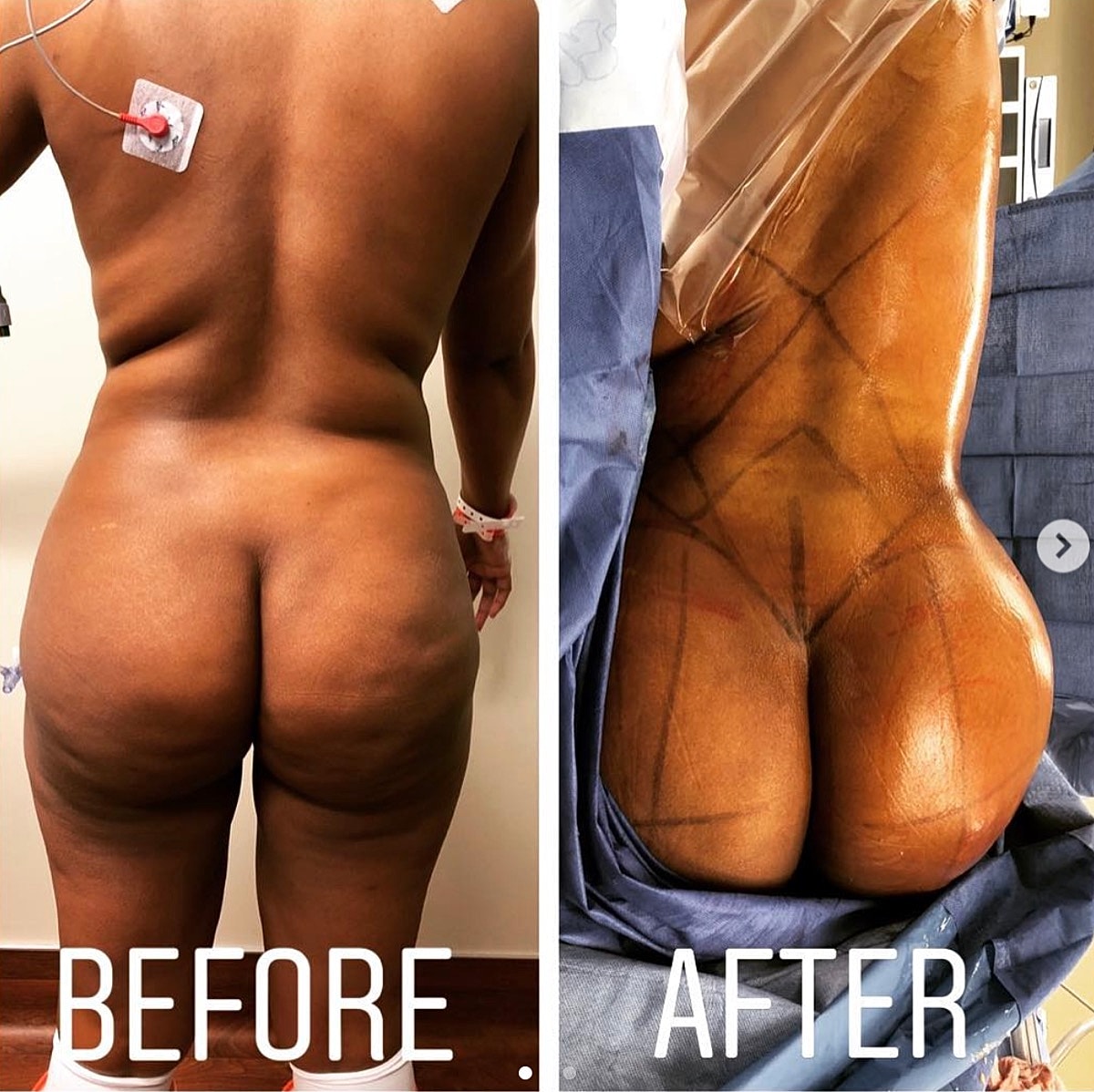
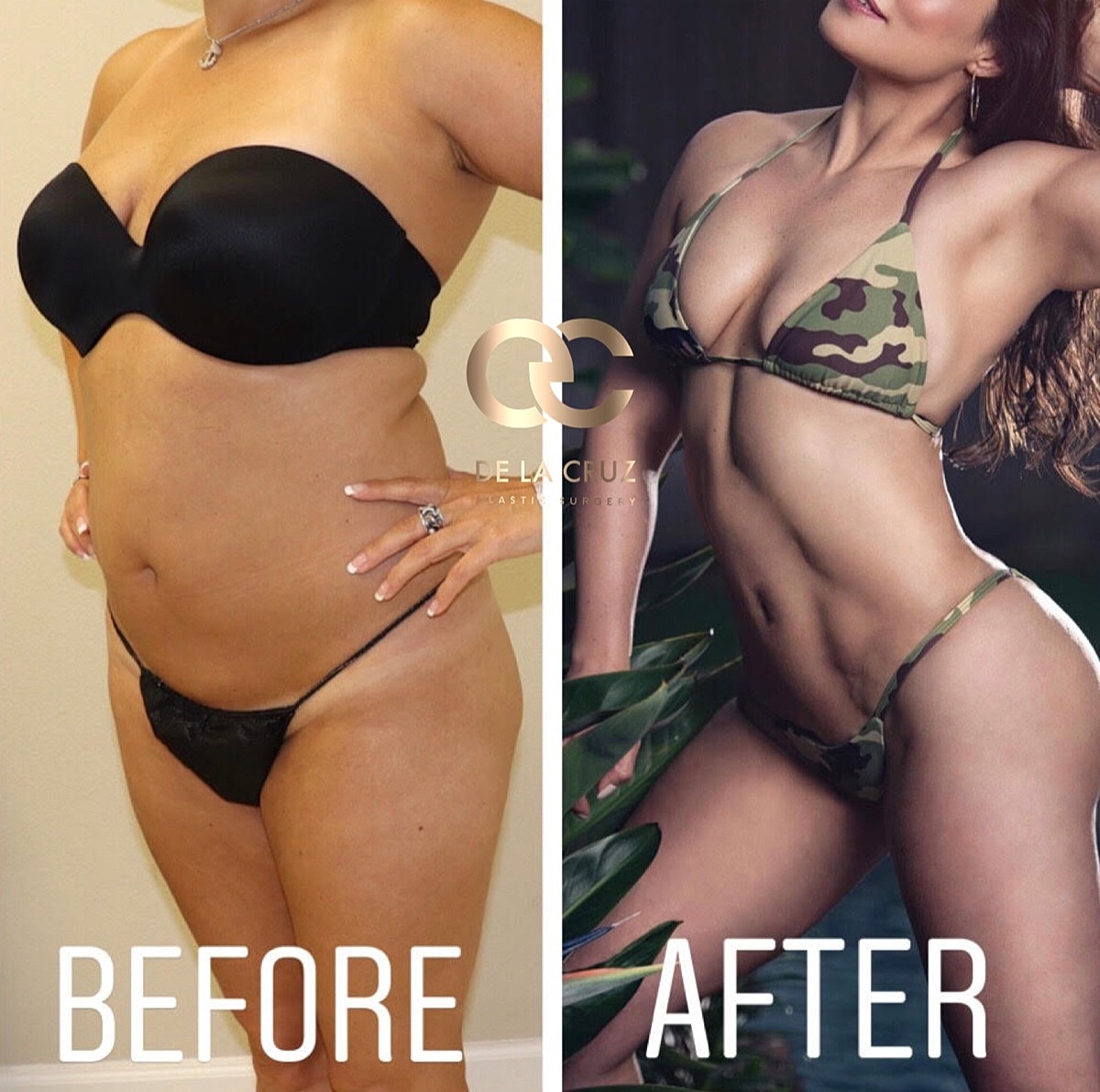
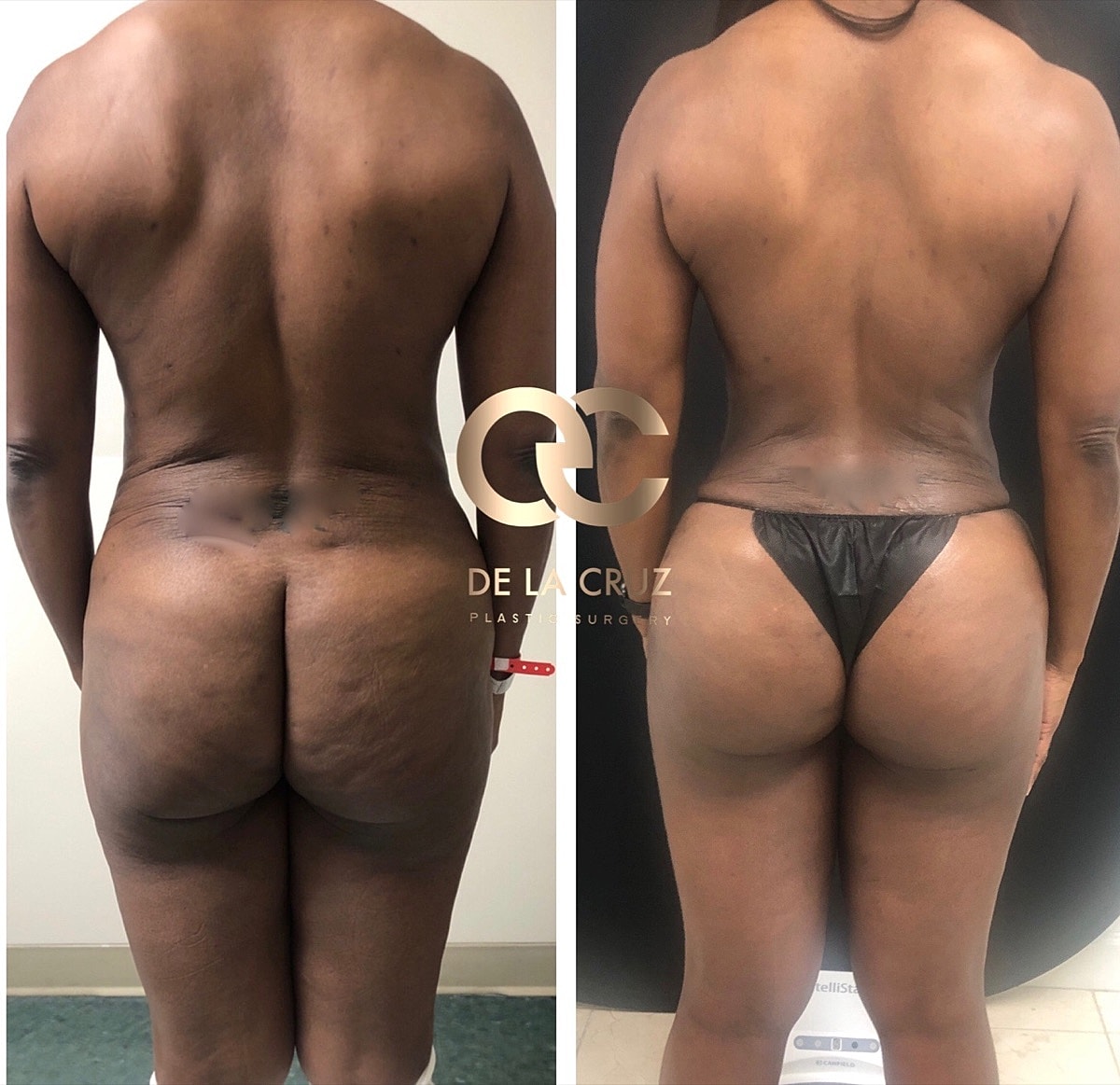
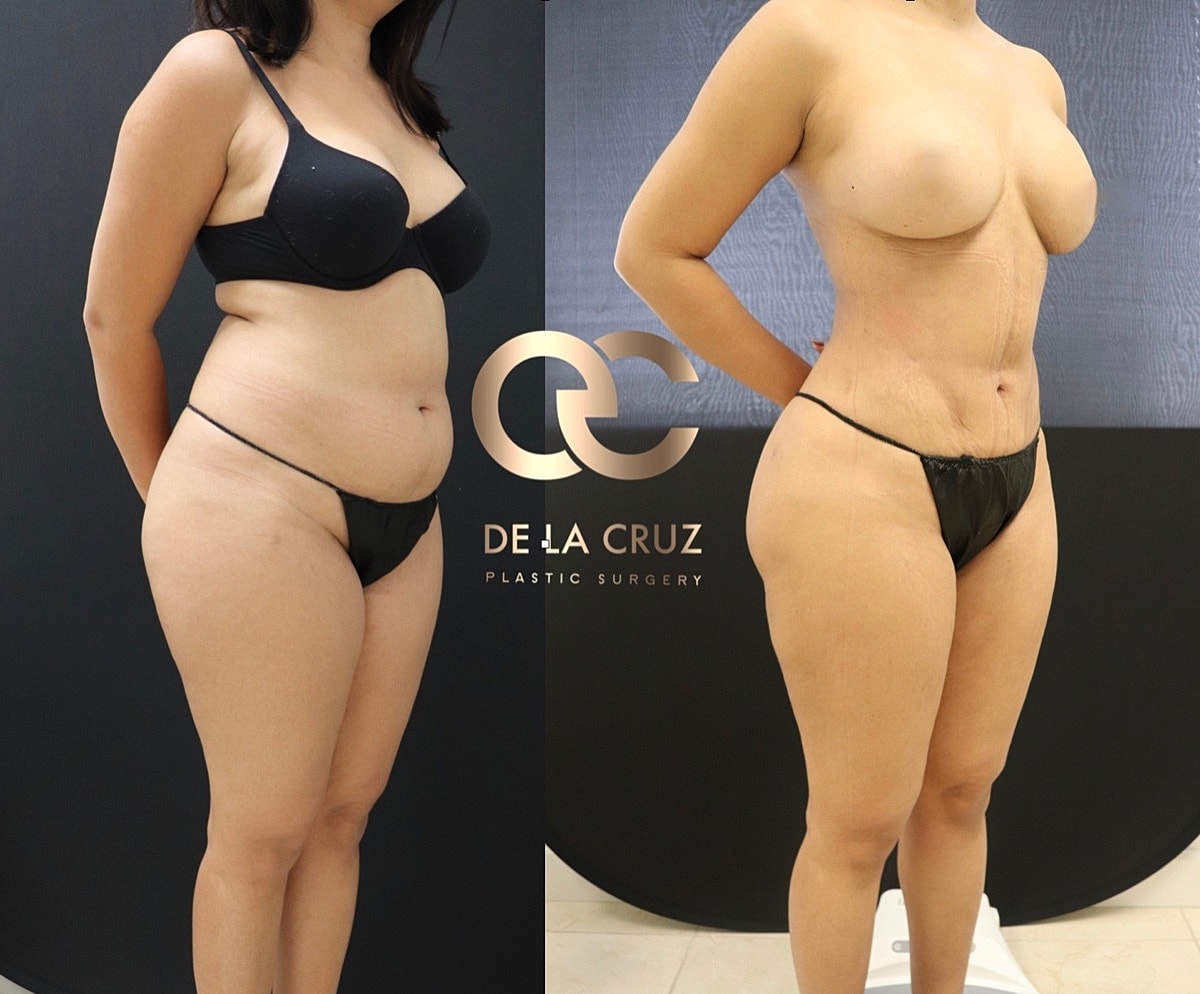
Liposuction is a surgical body contouring procedure designed to remove unwanted fat deposits through small incisions using specialized cannulas and suction.
Modern liposuction techniques may include technologies such as:
During the procedure, fat is physically removed from the body, which allows surgeons to precisely sculpt the treated areas.
Common areas treated with liposuction include:
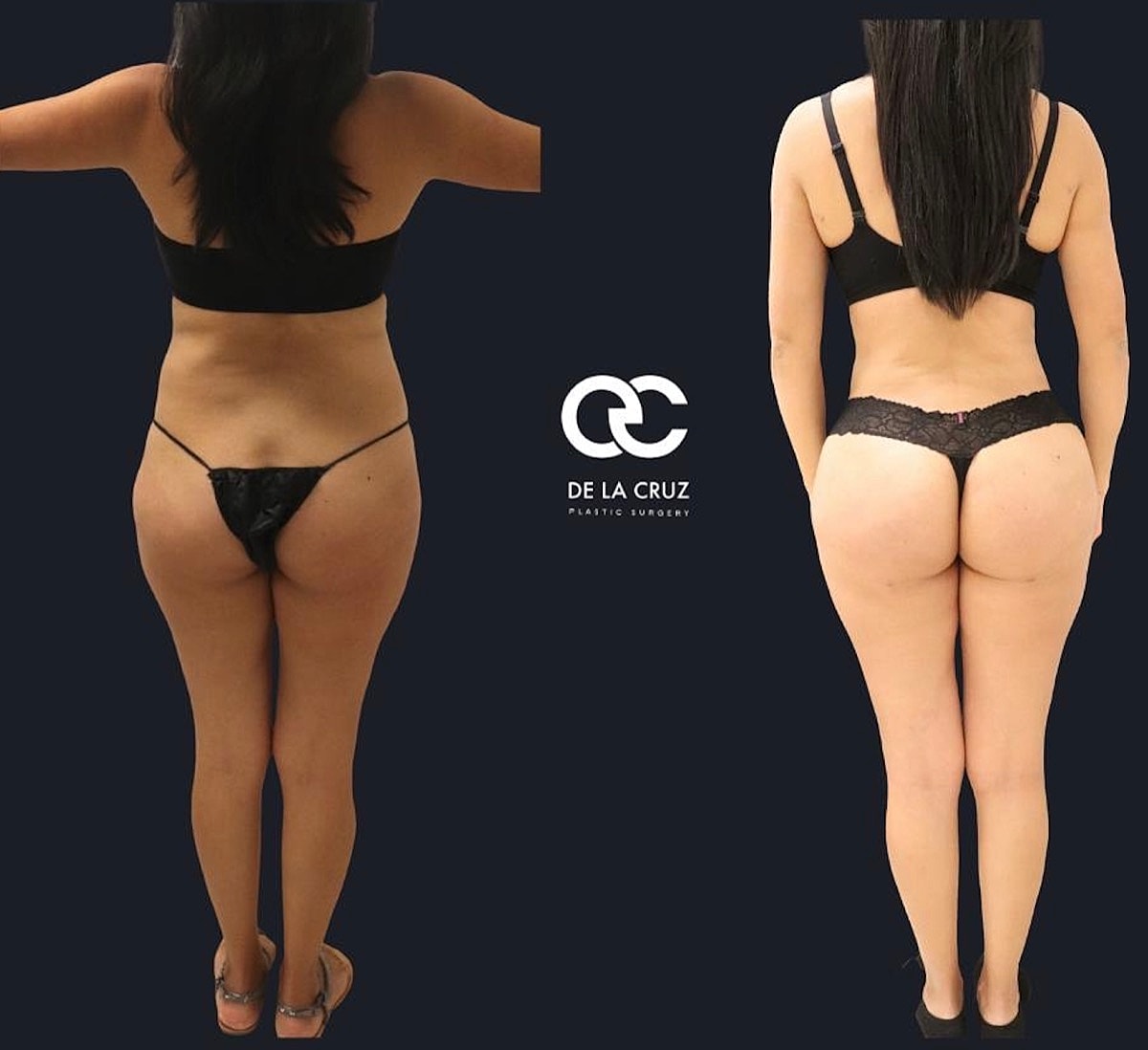
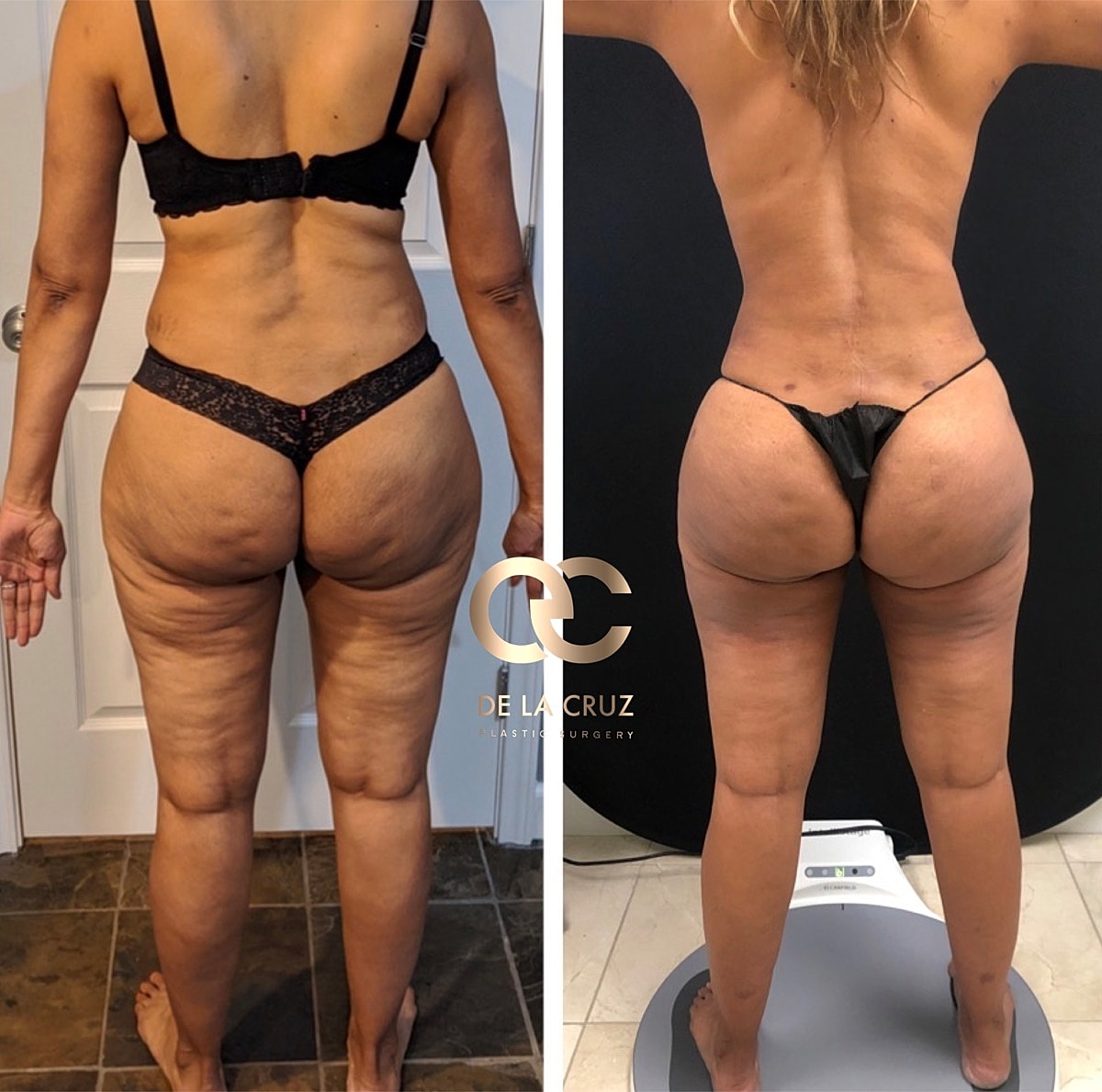
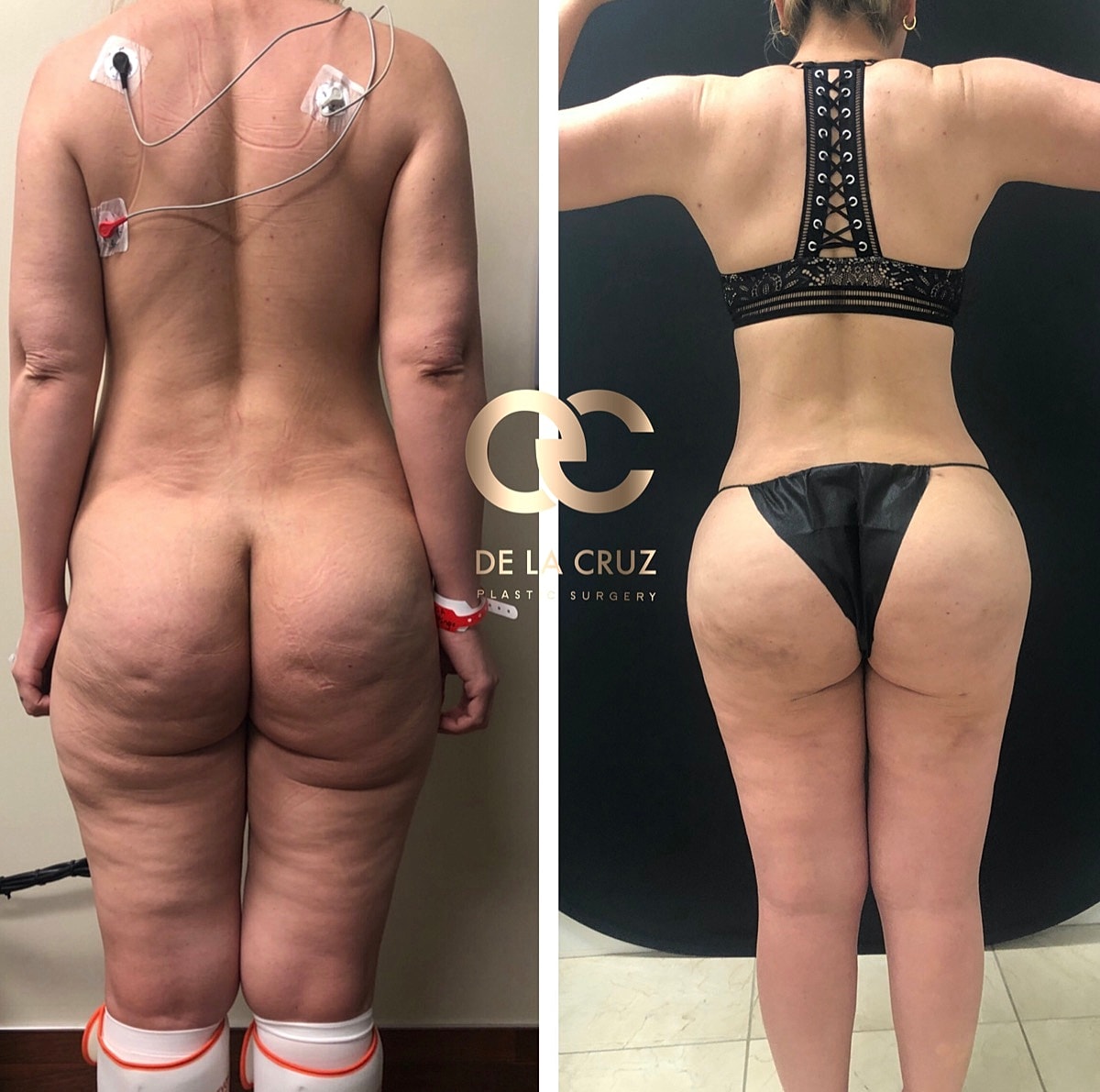
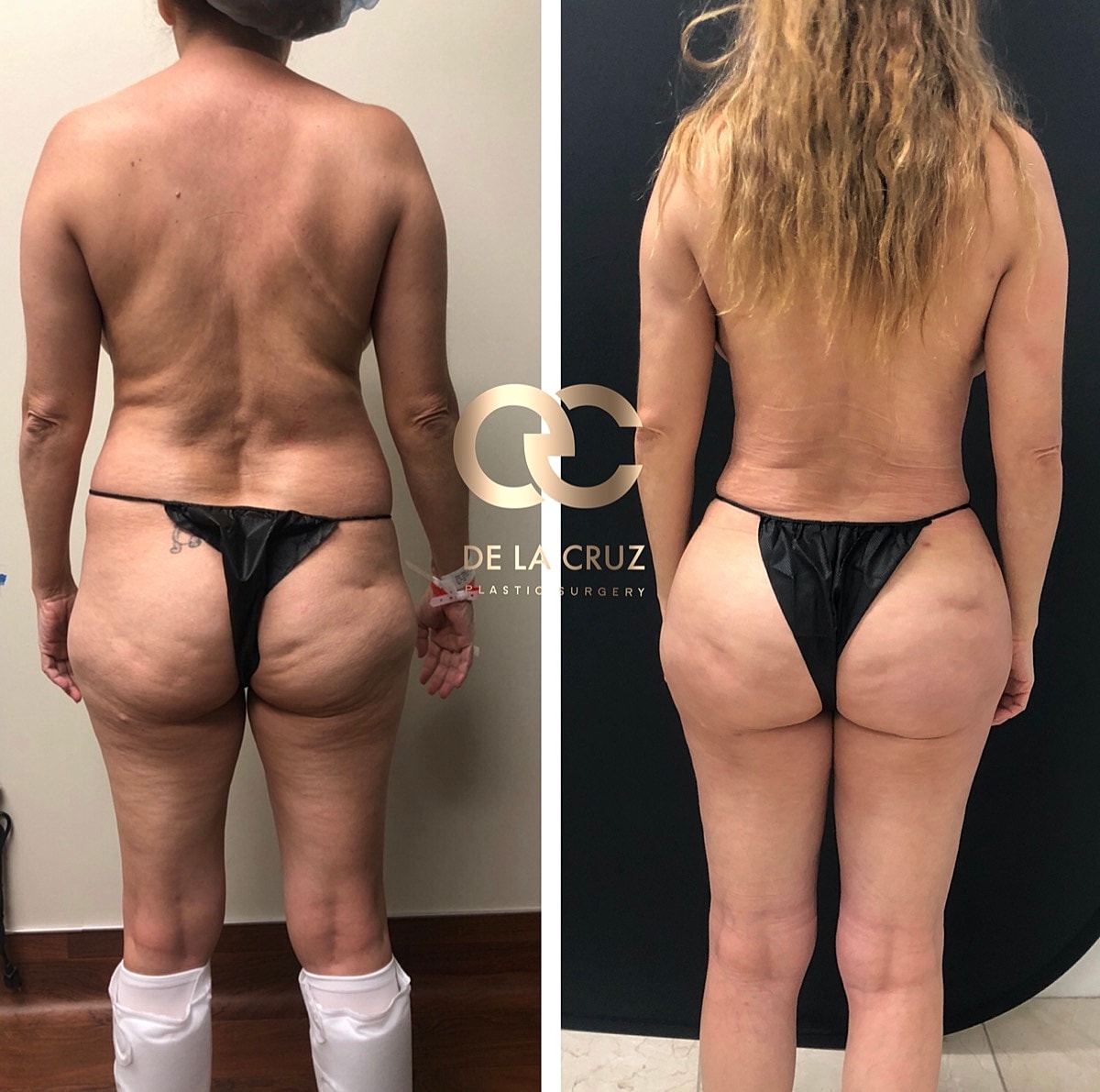
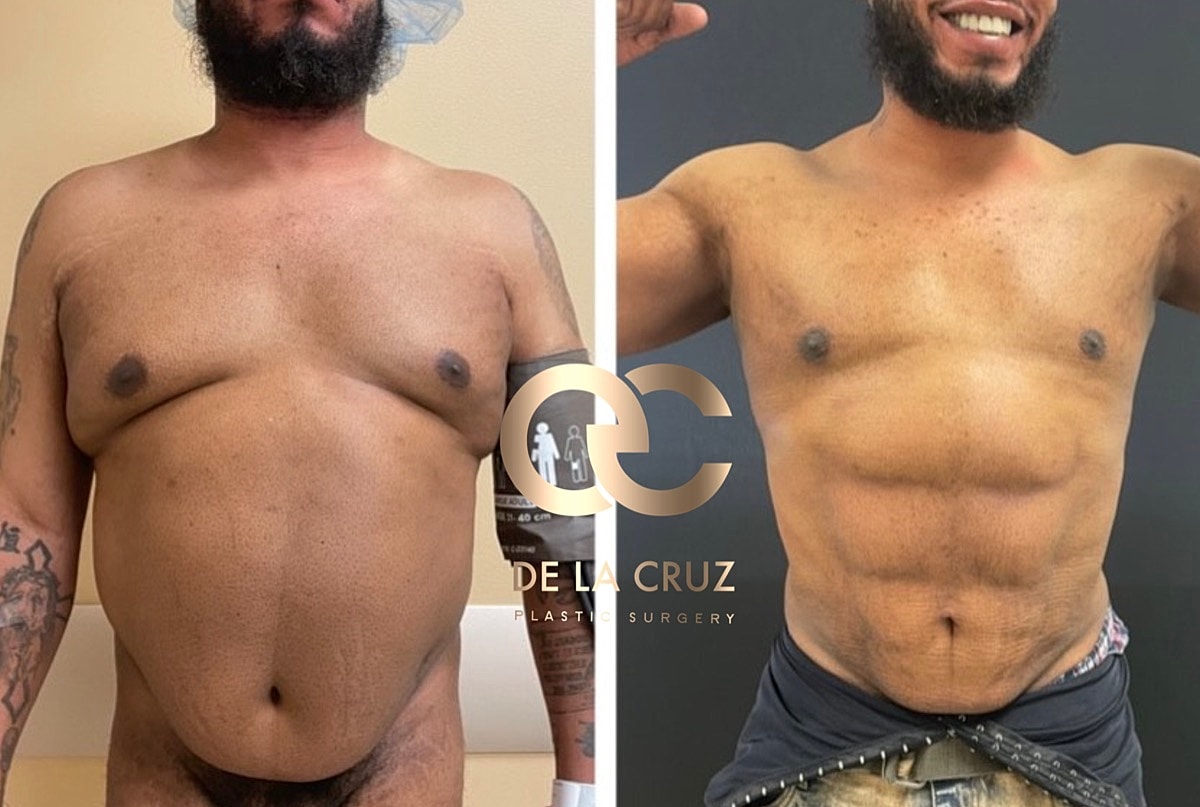
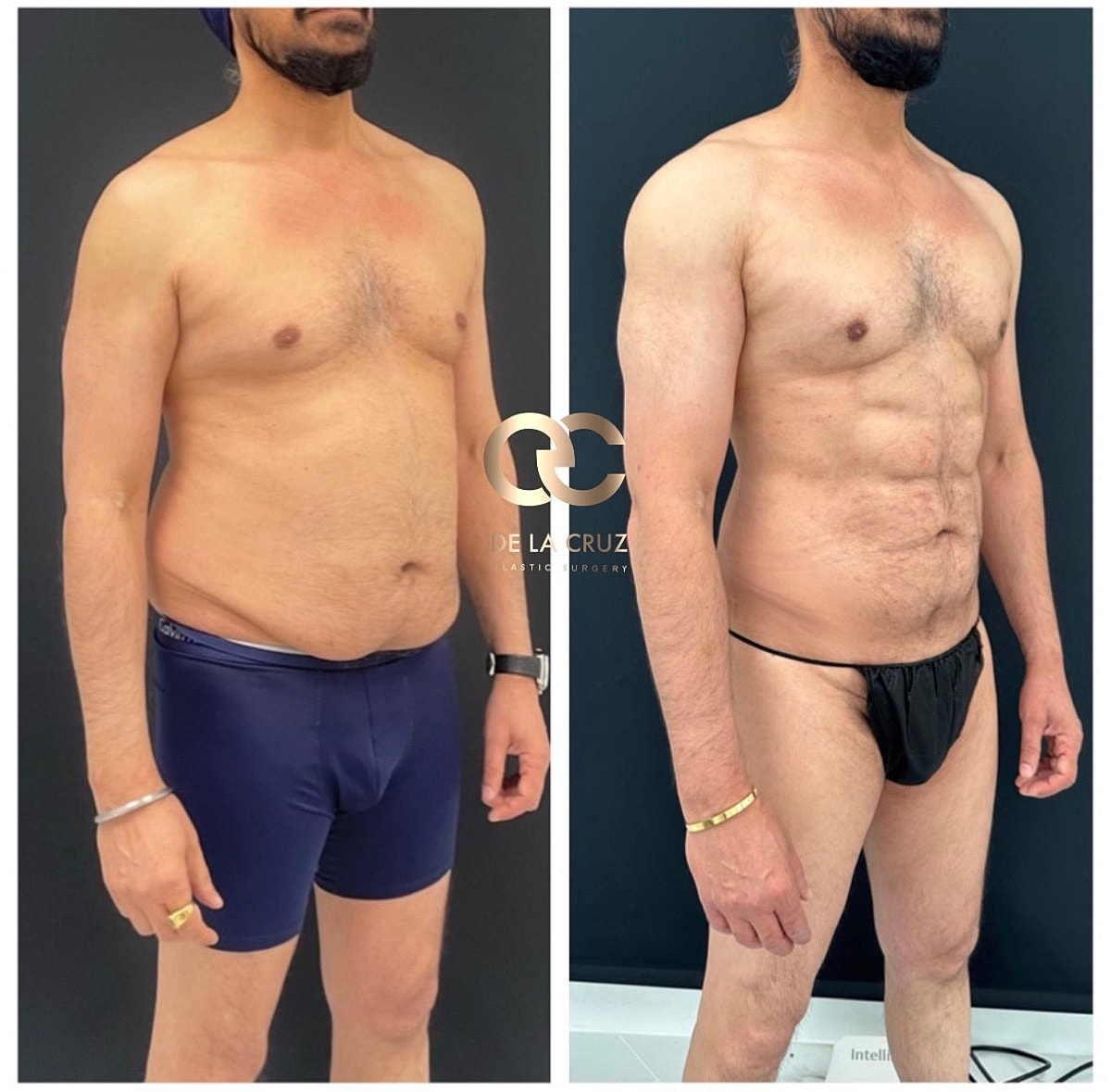
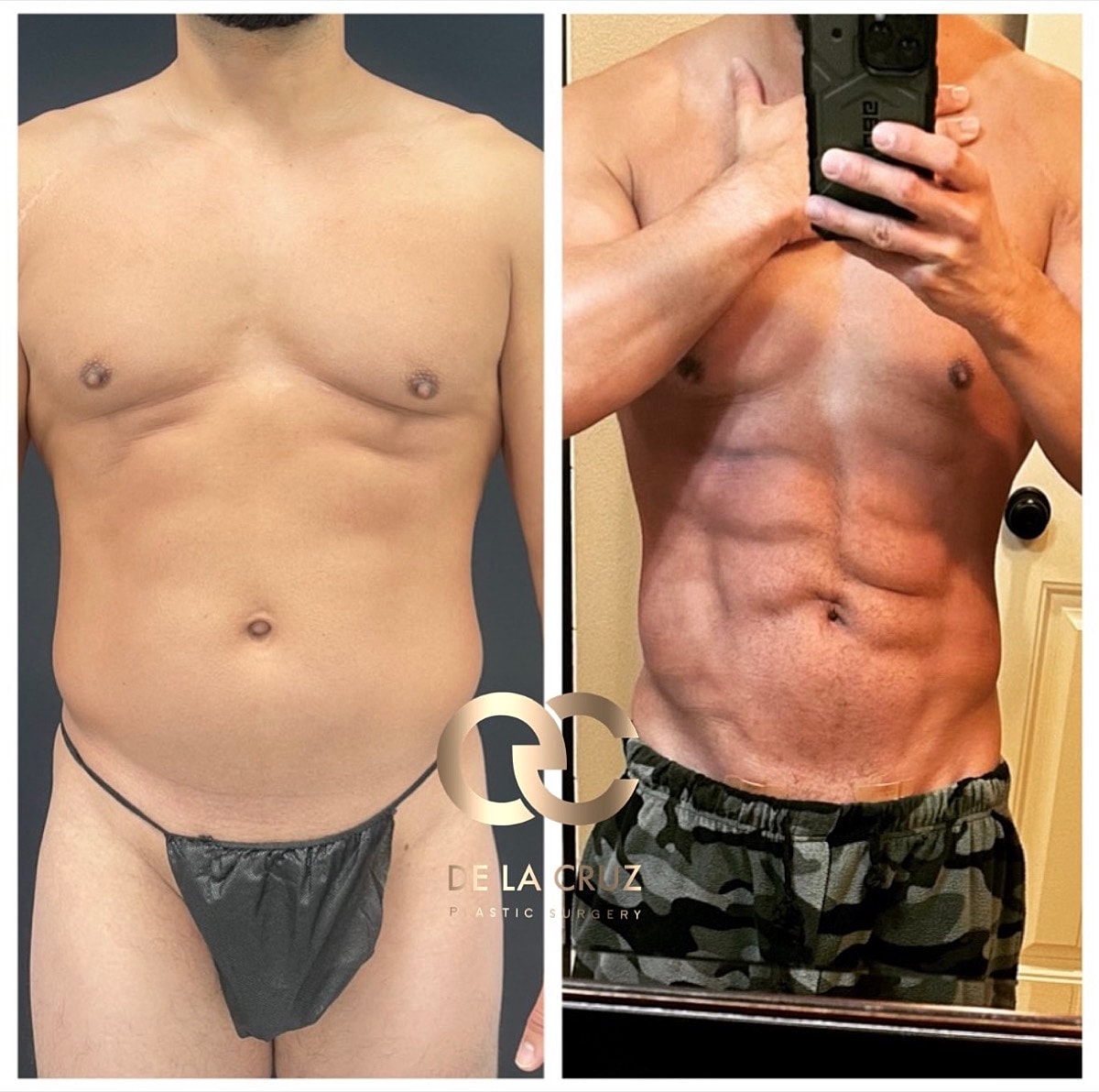
Because fat is permanently removed, liposuction can produce significant and predictable contour improvement.
Non-surgical fat reduction treatments attempt to reduce fat without surgery. These procedures typically rely on energy-based technologies or injectable medications to damage fat cells.
Examples of non-surgical fat reduction treatments include:
These treatments aim to damage fat cells, which the body gradually clears over several weeks or months.
Because the fat is not directly removed during treatment, the amount of reduction may be more gradual and less predictable.
Liposuction offers several advantages for patients seeking more substantial body contouring.
Potential benefits include:
Because liposuction physically removes fat, surgeons can reshape body contours more accurately than with non-surgical methods.

Non-surgical treatments may be appealing for patients who prefer to avoid surgery.
Potential advantages include:
These treatments are often used for patients seeking modest contour improvements in small areas.
While non-surgical treatments are widely marketed, they also have limitations.
Common limitations include:
In some cases, patients may pursue surgical correction if results are incomplete or uneven.
Clinical studies on cryolipolysis (CoolSculpting) show that most patients require multiple treatment sessions per area to achieve optimal results.
Research suggests:
Because each treatment reduces only a portion of fat in the targeted area, patients may require several sessions over a period of months to achieve their desired contour improvement.
In contrast, liposuction removes fat directly during the procedure, which allows for larger and more predictable fat reduction in a single treatment.

Although non-surgical treatments are generally safe, complications can occur.
One rare but well-recognized complication of cryolipolysis is paradoxical adipose hyperplasia (PAH), a condition in which the treated fat area enlarges instead of shrinking.
Patients with PAH may develop firm, enlarged fat deposits several months after treatment, which often require surgical correction with liposuction.
The choice between liposuction and non-surgical fat reduction depends on several factors, including:
Patients seeking more significant contour changes or precise sculpting may benefit from liposuction, while those seeking more modest improvements without surgery may consider non-surgical treatments.
A consultation with a qualified physician can help determine the most appropriate approach.
While non-surgical fat reduction treatments such as CoolSculpting may provide modest improvements in selected patients, there are many situations in which liposuction may be a more effective option for body contouring.
Liposuction allows surgeons to directly remove fat deposits and sculpt the treated areas, which can provide more predictable and significant contour improvements compared with non-surgical treatments.
Situations where liposuction may be preferred include:
Because liposuction physically removes fat from the body, it allows surgeons to achieve more precise contour sculpting and larger fat reduction compared with non-surgical technologies that rely on gradual fat cell destruction.
For patients seeking more substantial body contour improvements, liposuction may offer a more predictable and definitive solution.

Dr. Emmanuel De La Cruz is a double board-certified plastic and reconstructive surgeon with extensive experience in advanced body contouring procedures.
His practice focuses on precision liposuction techniques and individualized treatment planning to help patients achieve natural-appearing body contour improvements.
Patients considering body contouring procedures benefit from a comprehensive evaluation and discussion of available treatment options.
Related Body Contouring Resources
Patients researching liposuction and non-surgical fat reduction may also find the following resources helpful:

Liposuction generally allows for larger and more predictable fat reduction because fat is physically removed during the procedure.
Non-surgical treatments can reduce fat in selected patients, but the amount of fat reduction may be more modest compared with liposuction.
Many patients require multiple treatment sessions to achieve visible contour improvement.
Fat cells removed during liposuction are permanently removed, although maintaining results depends on lifestyle and weight stability.