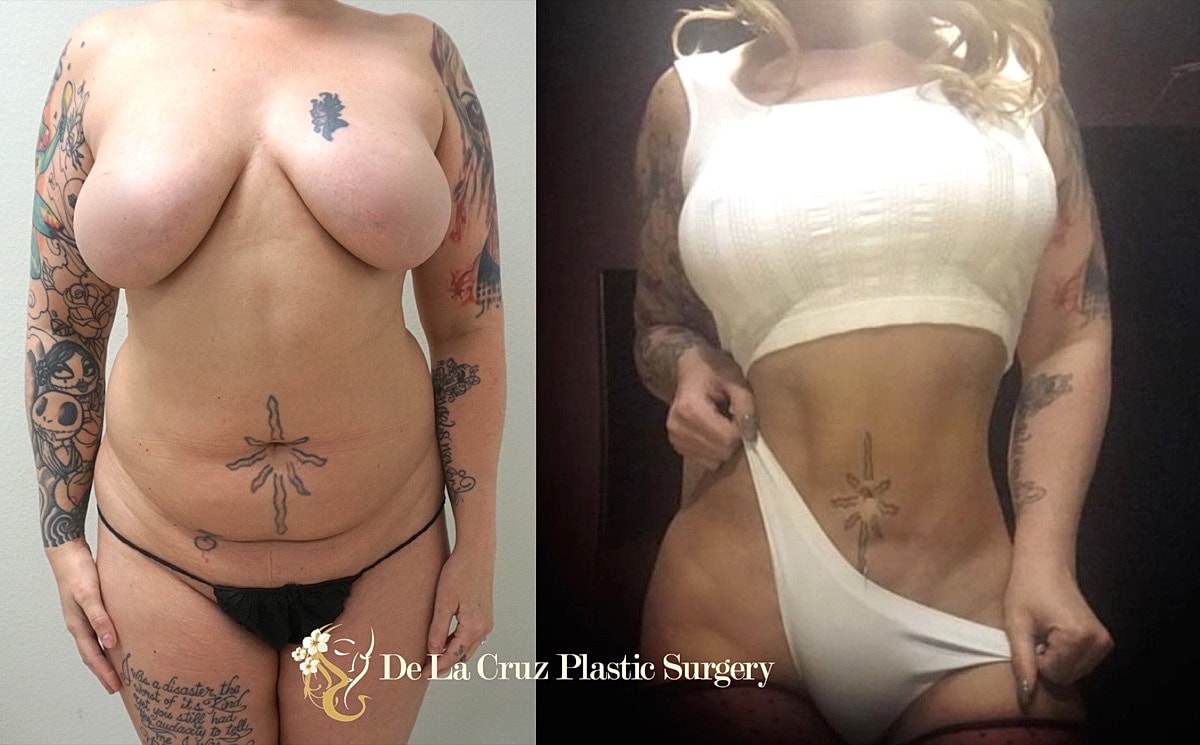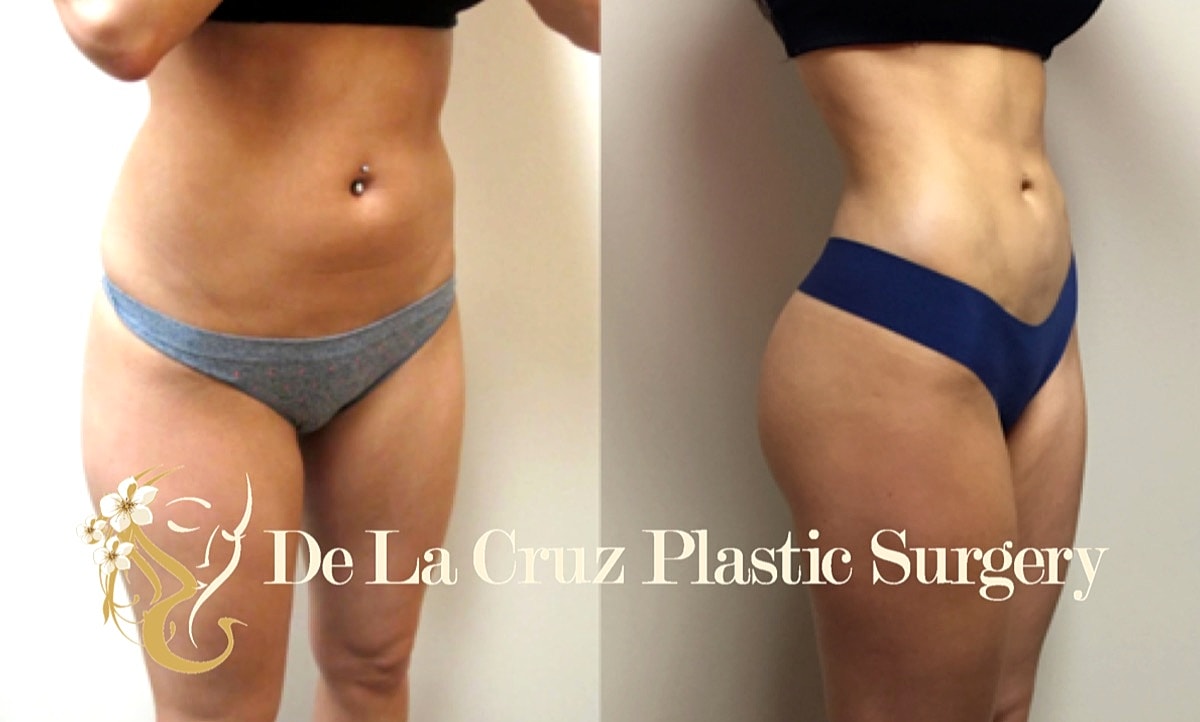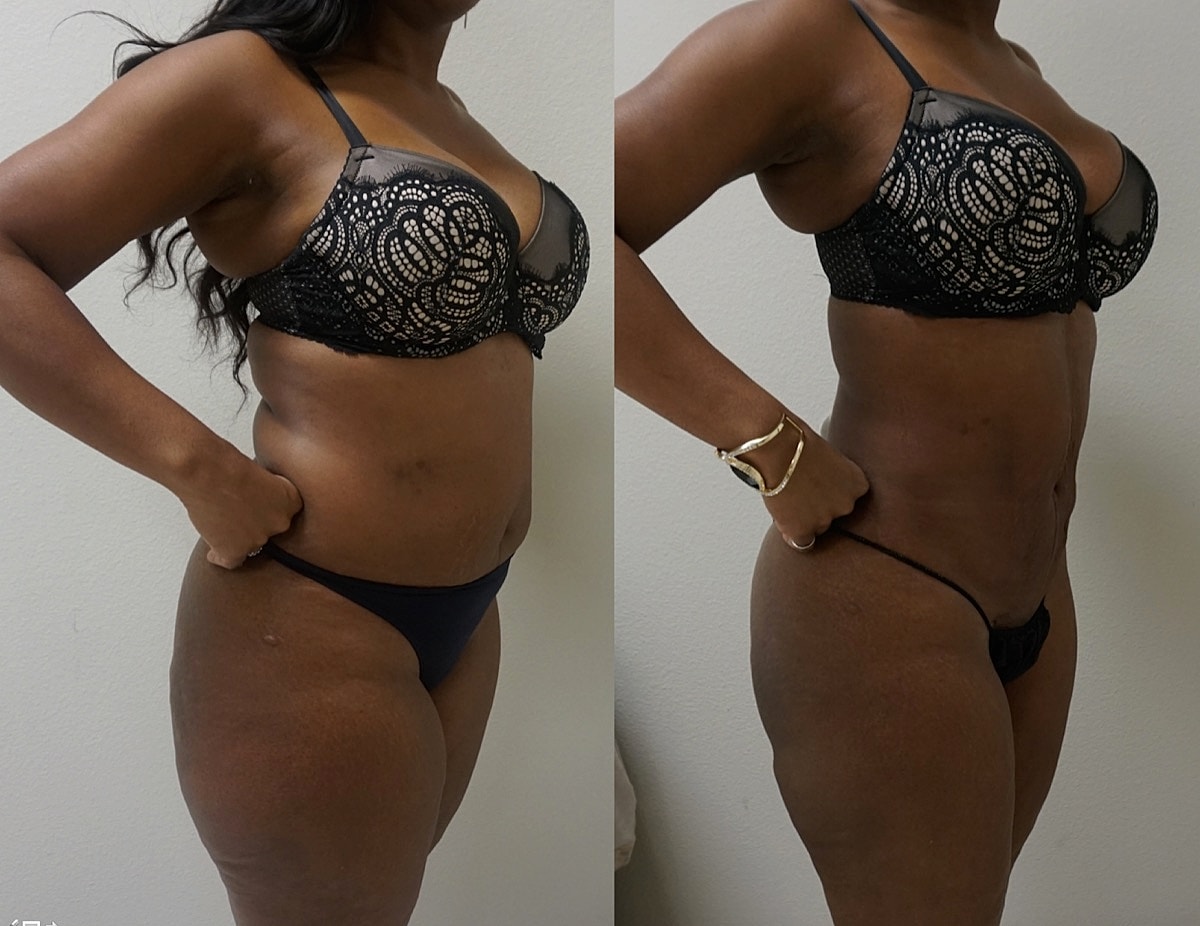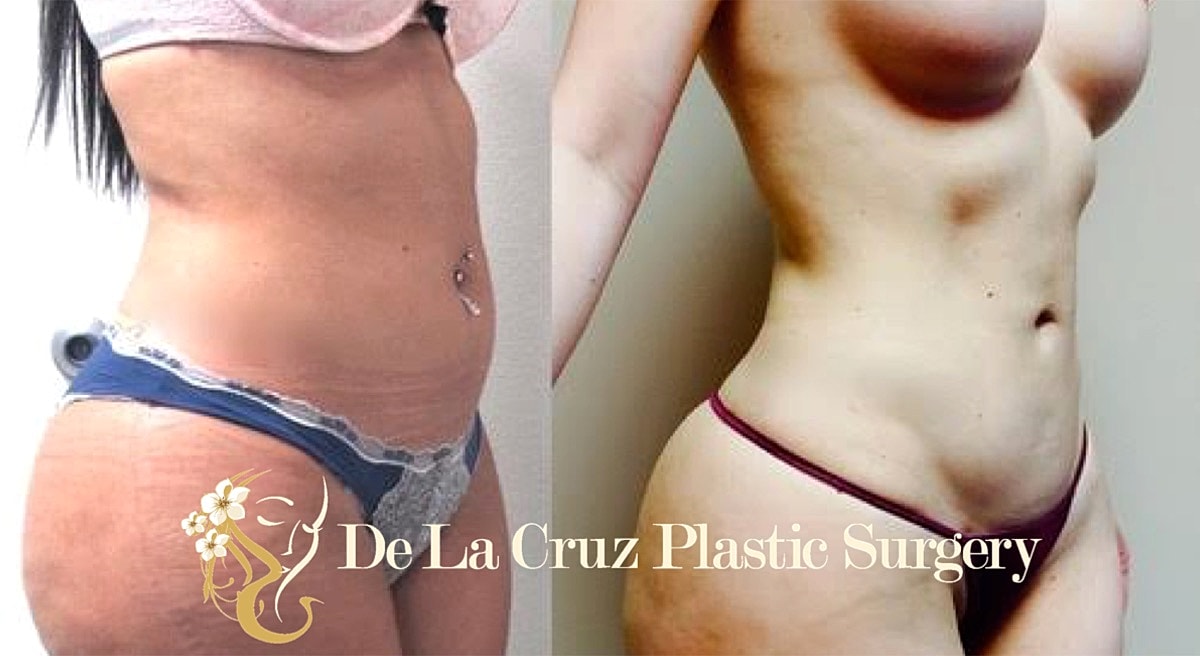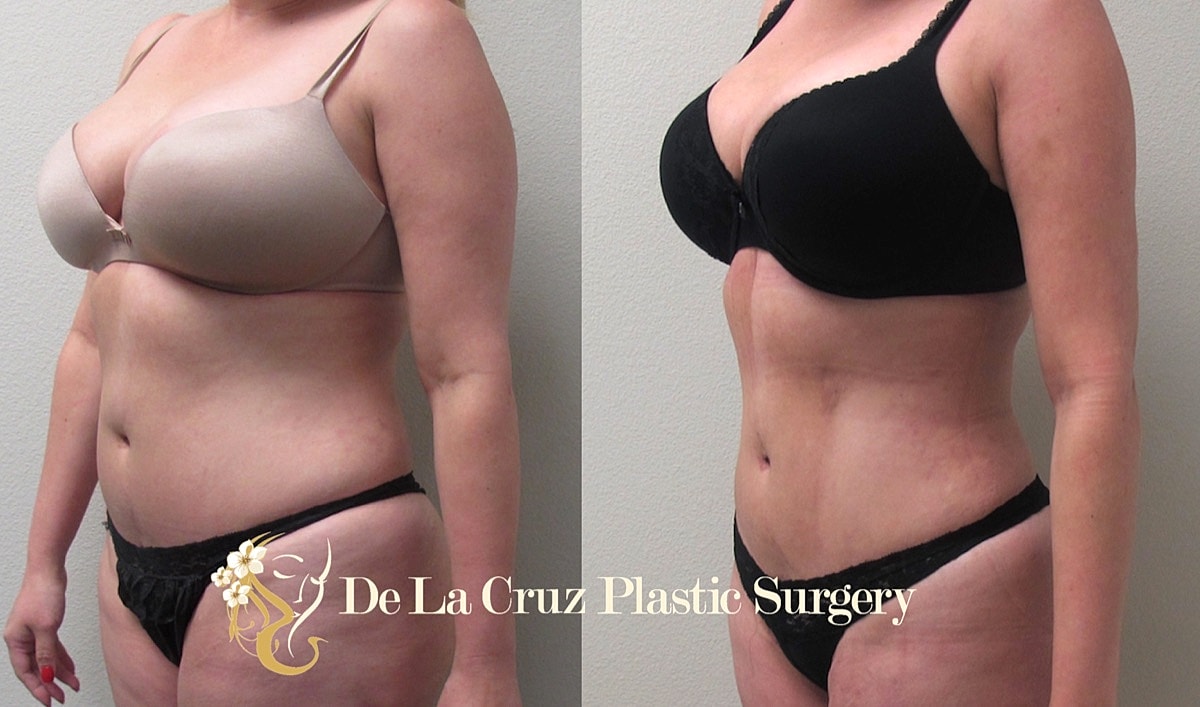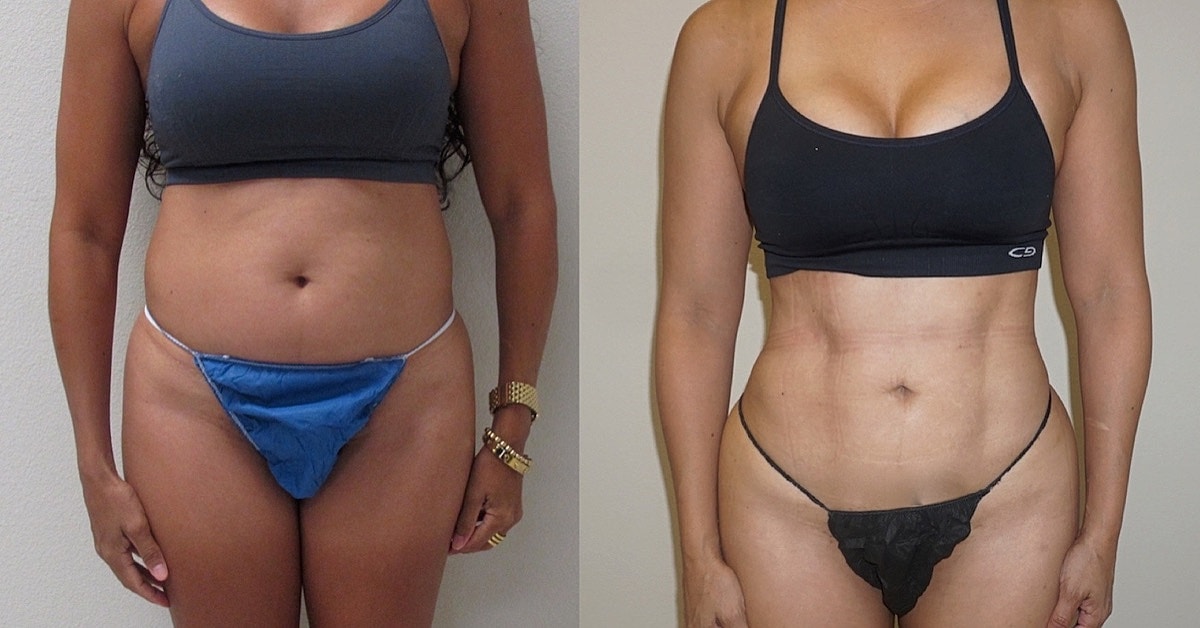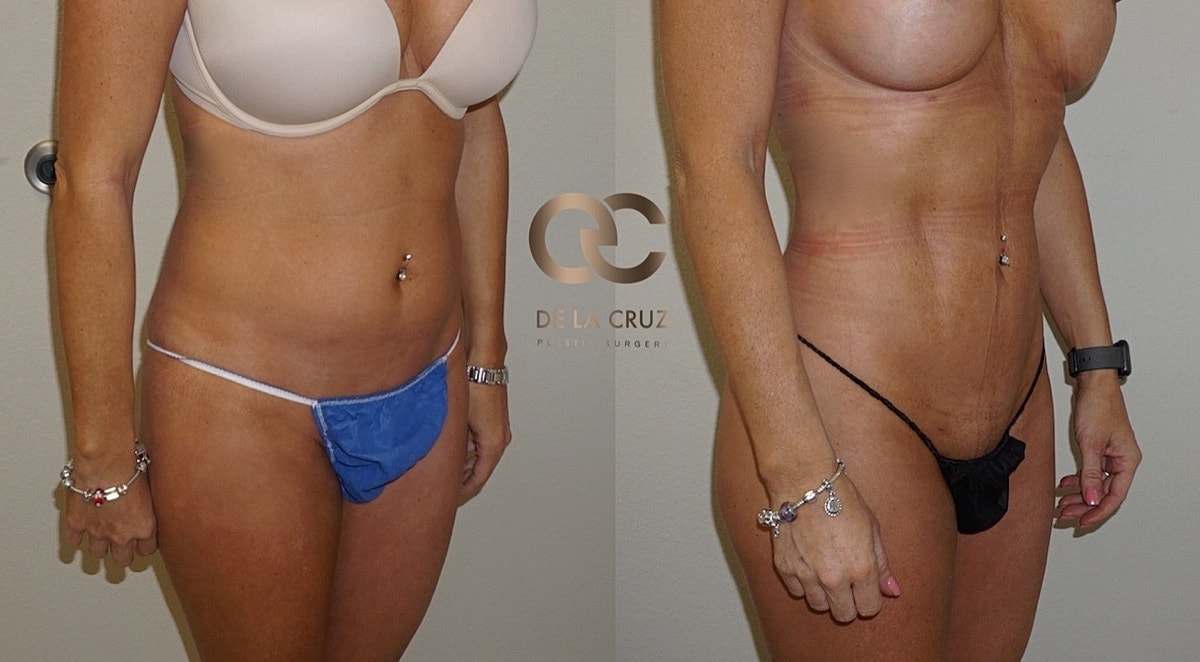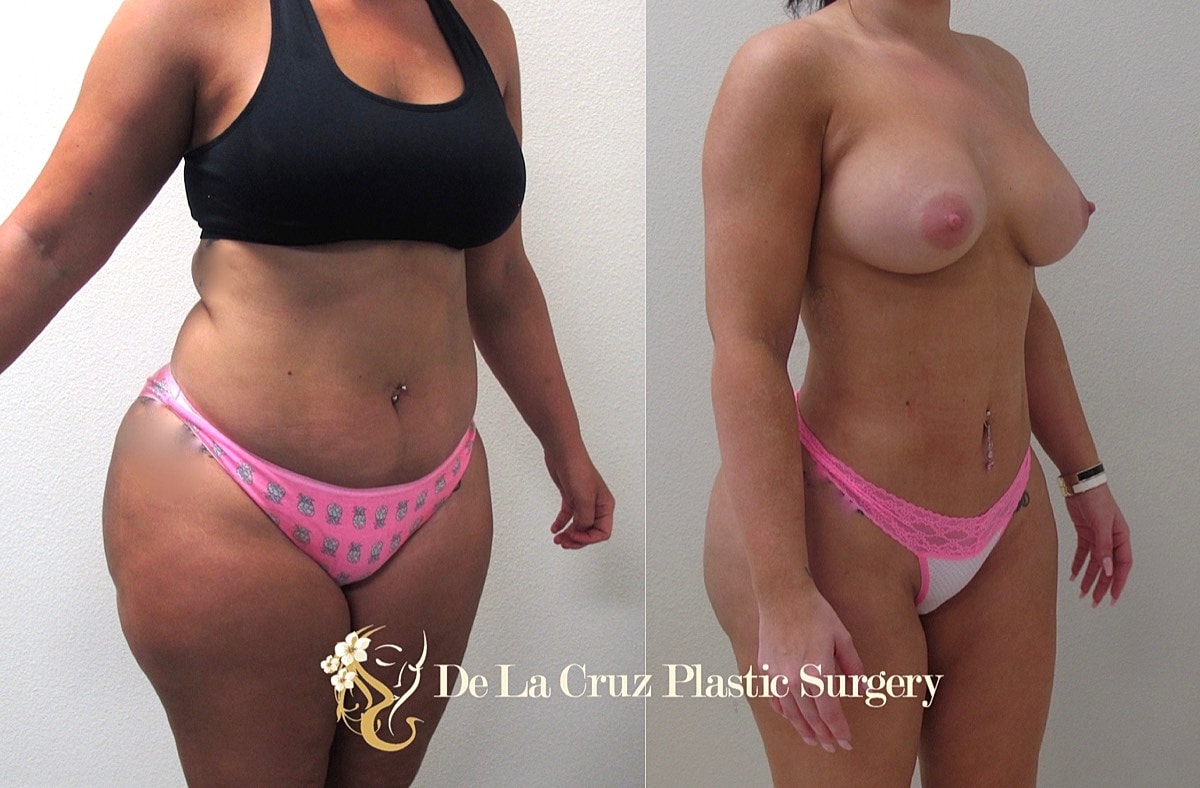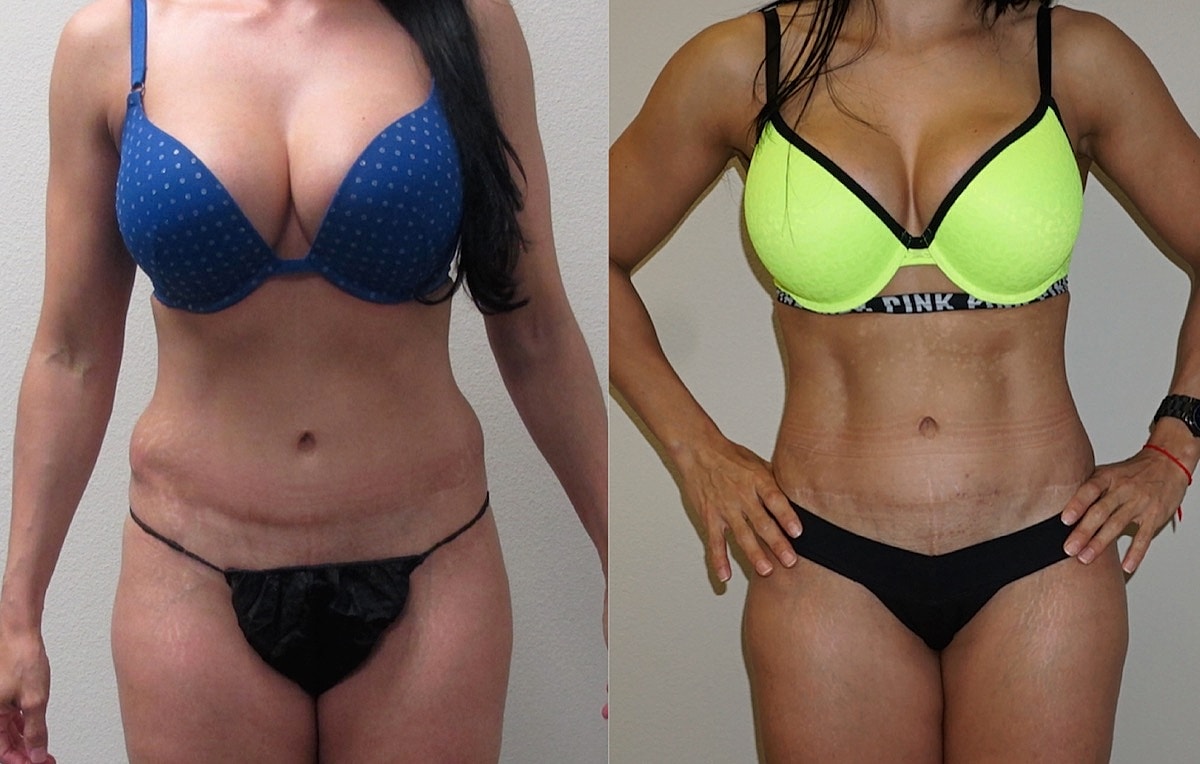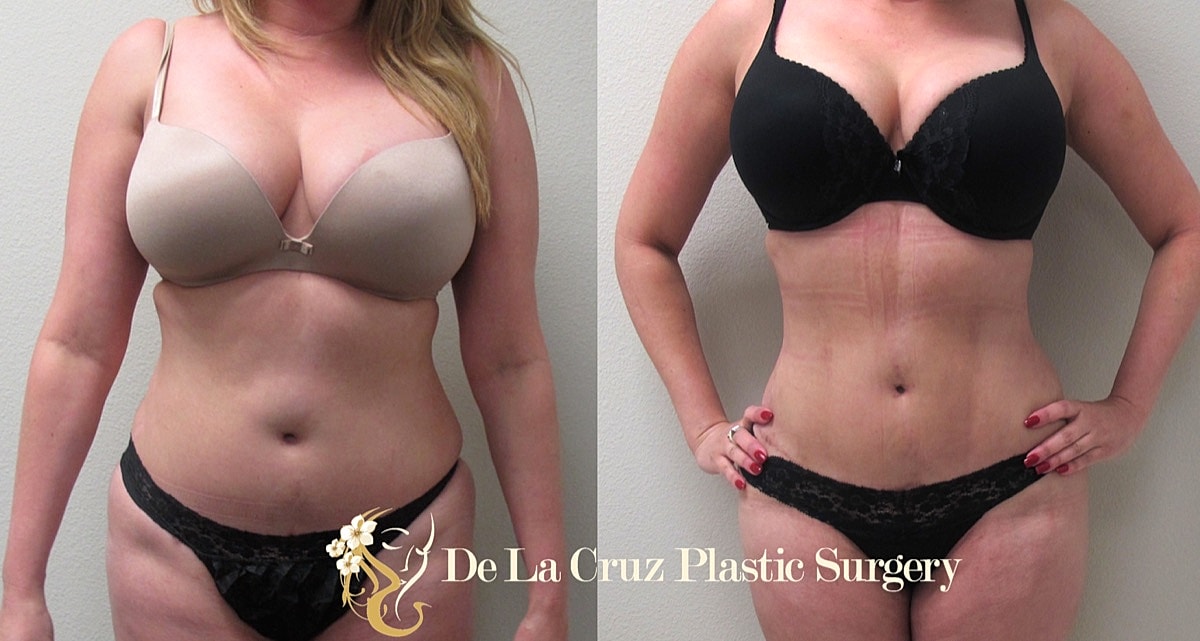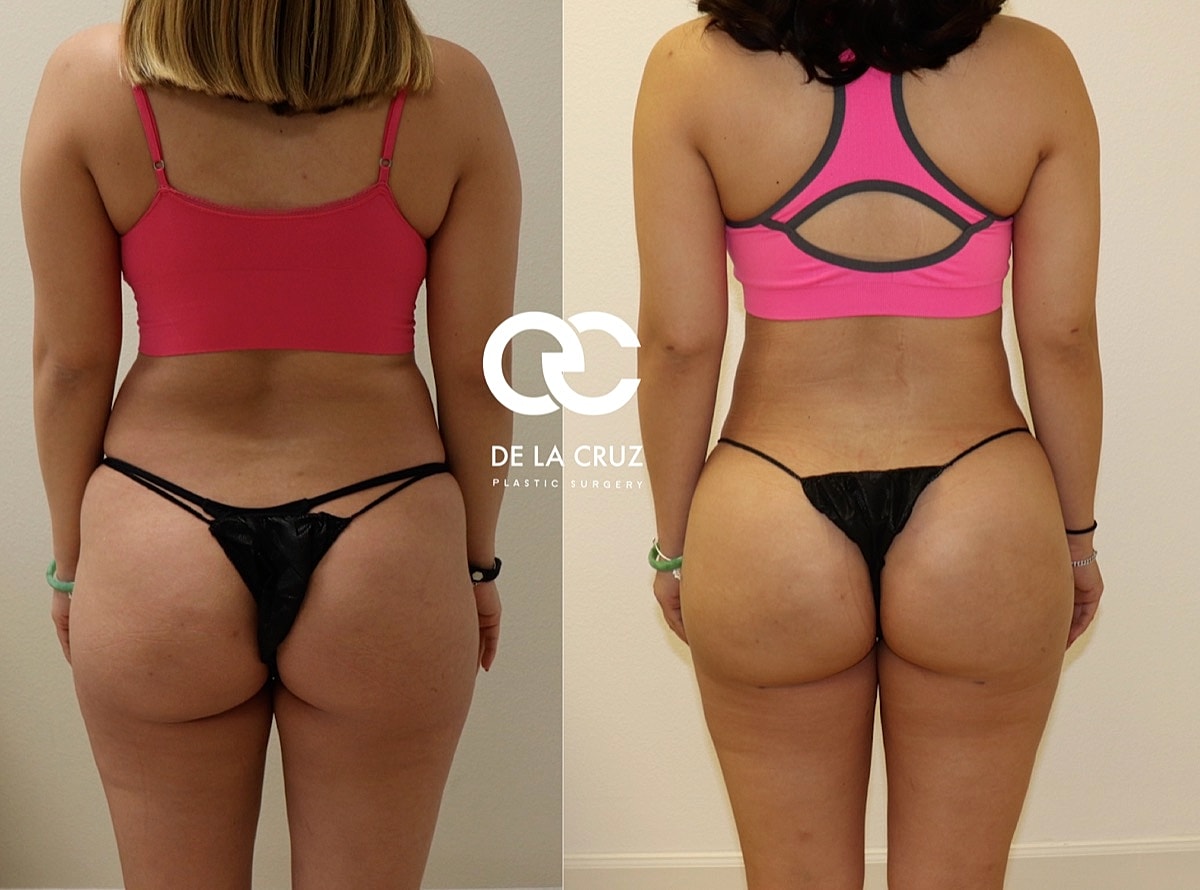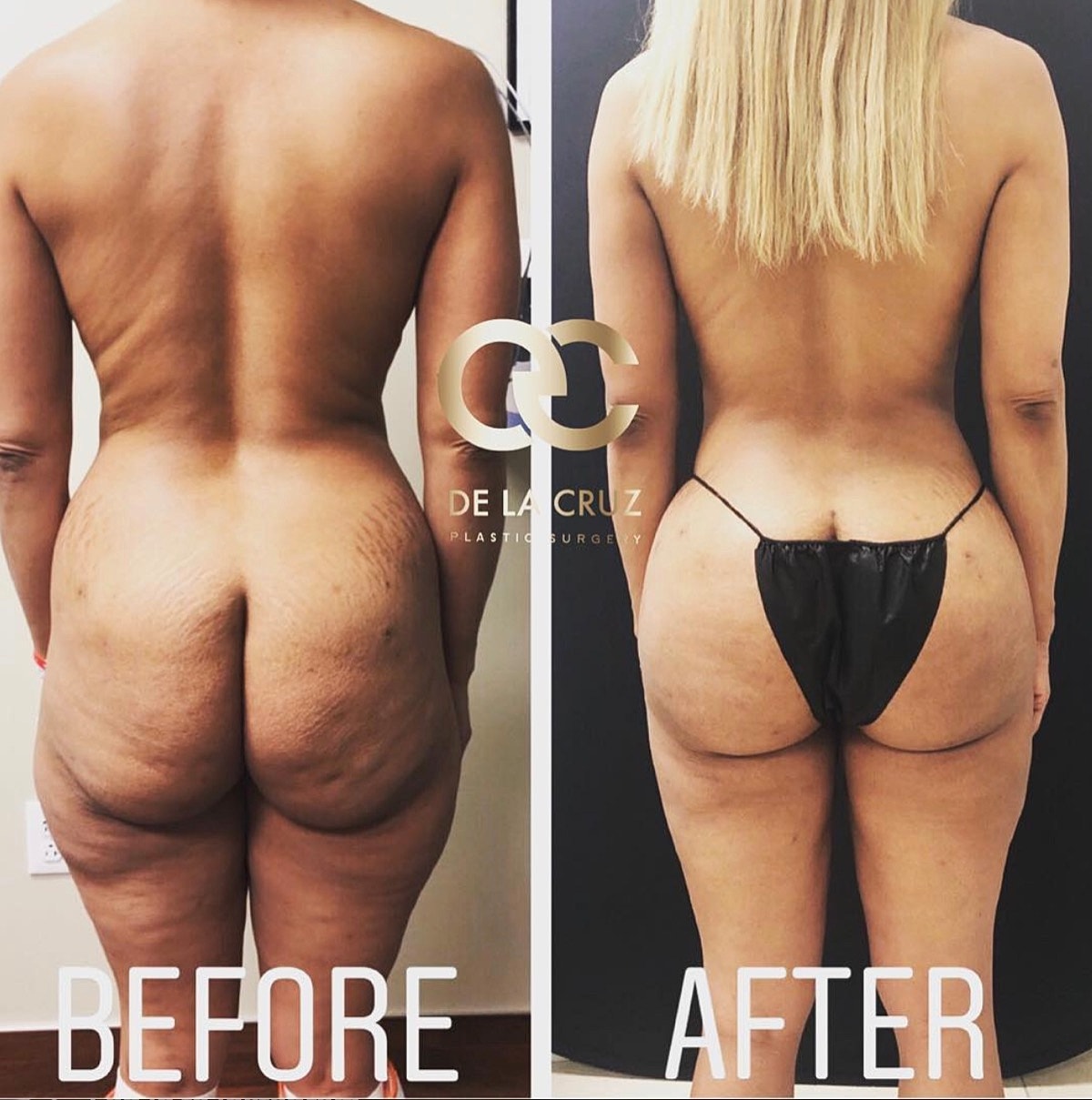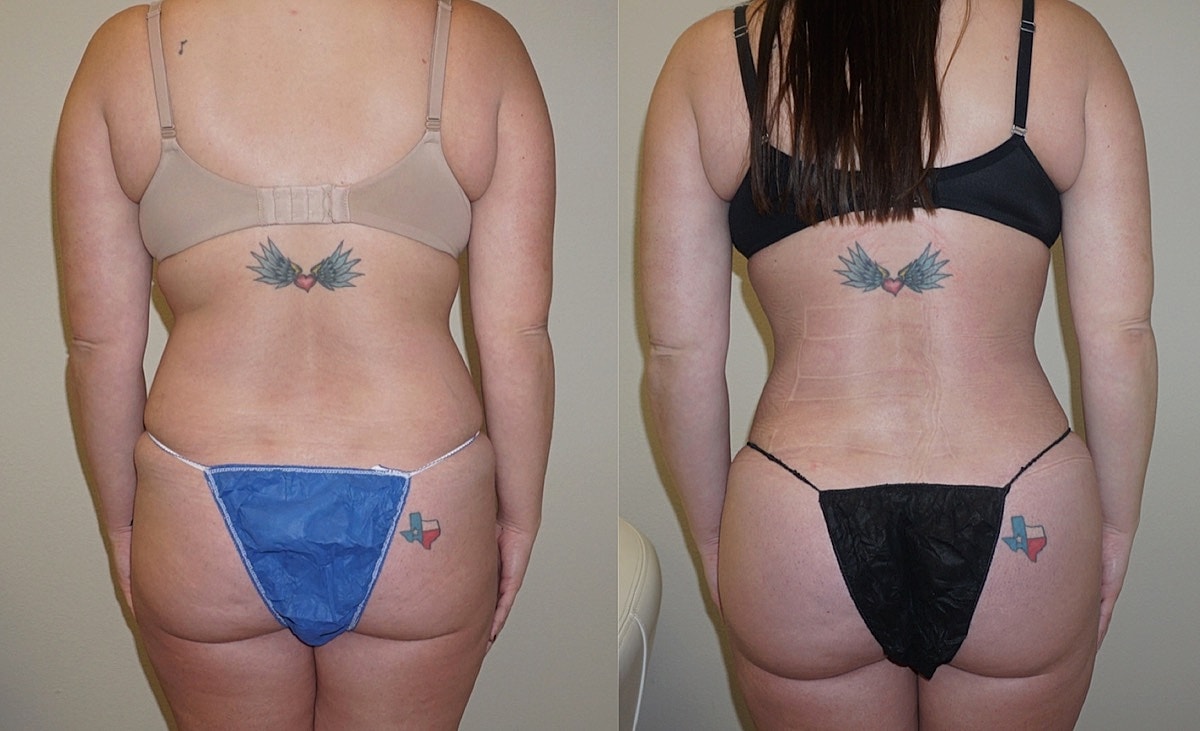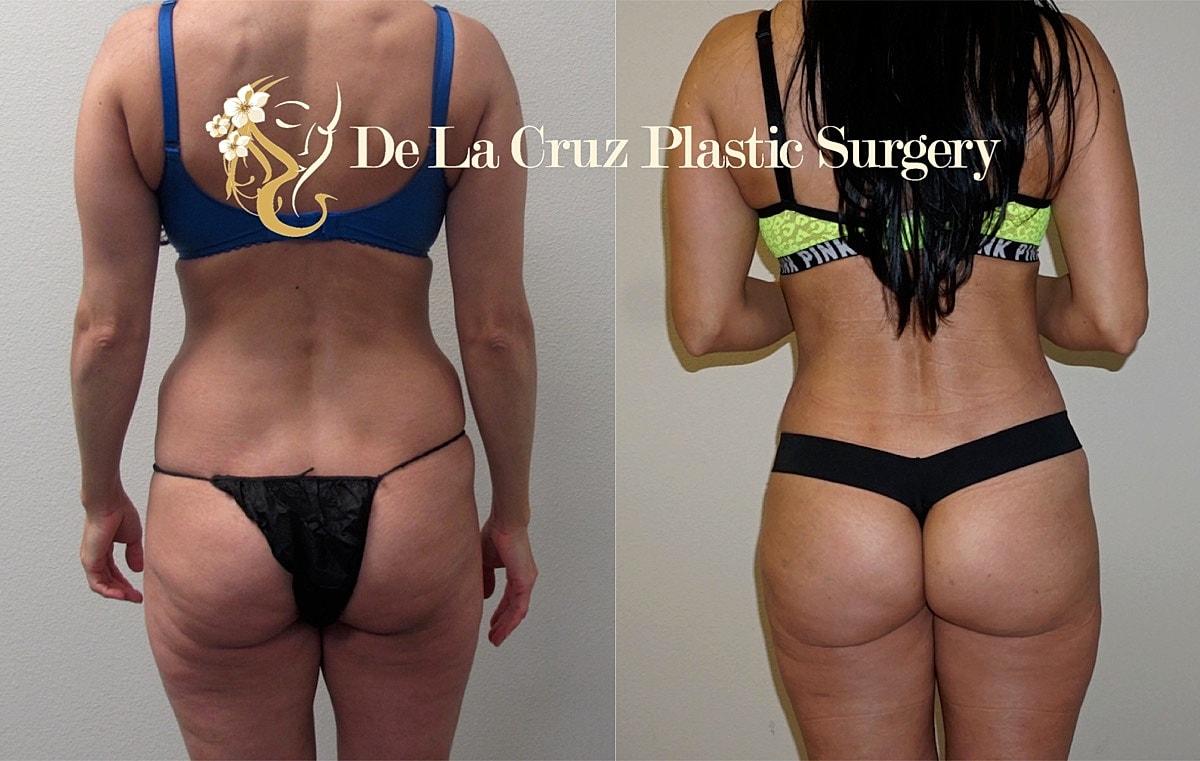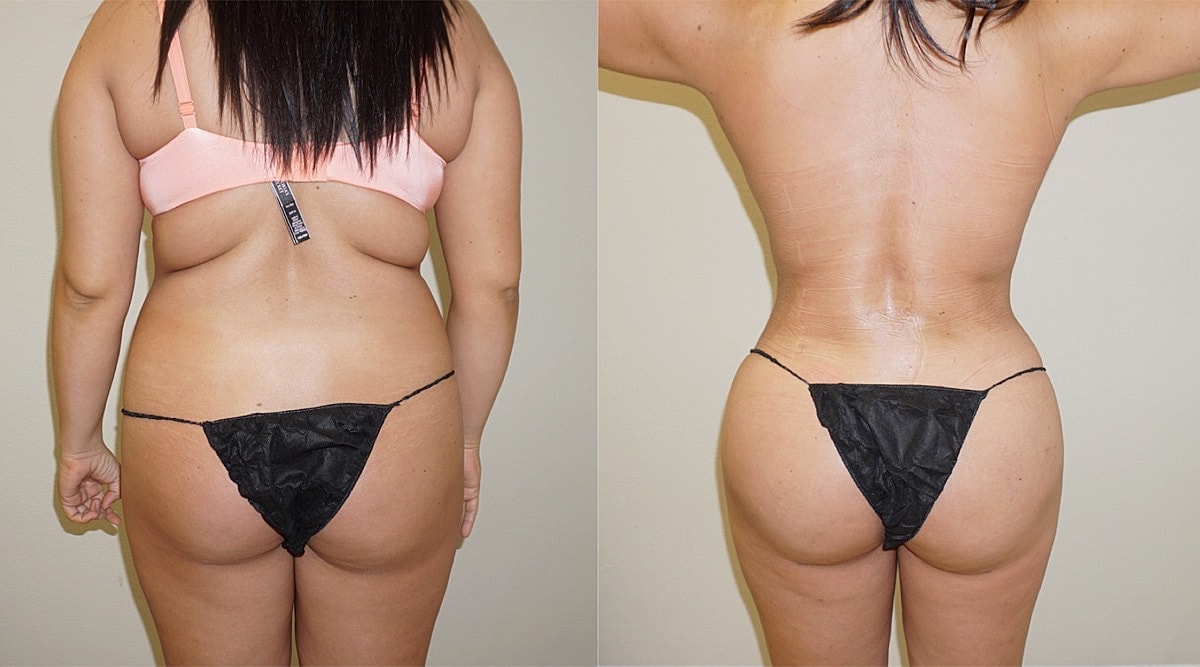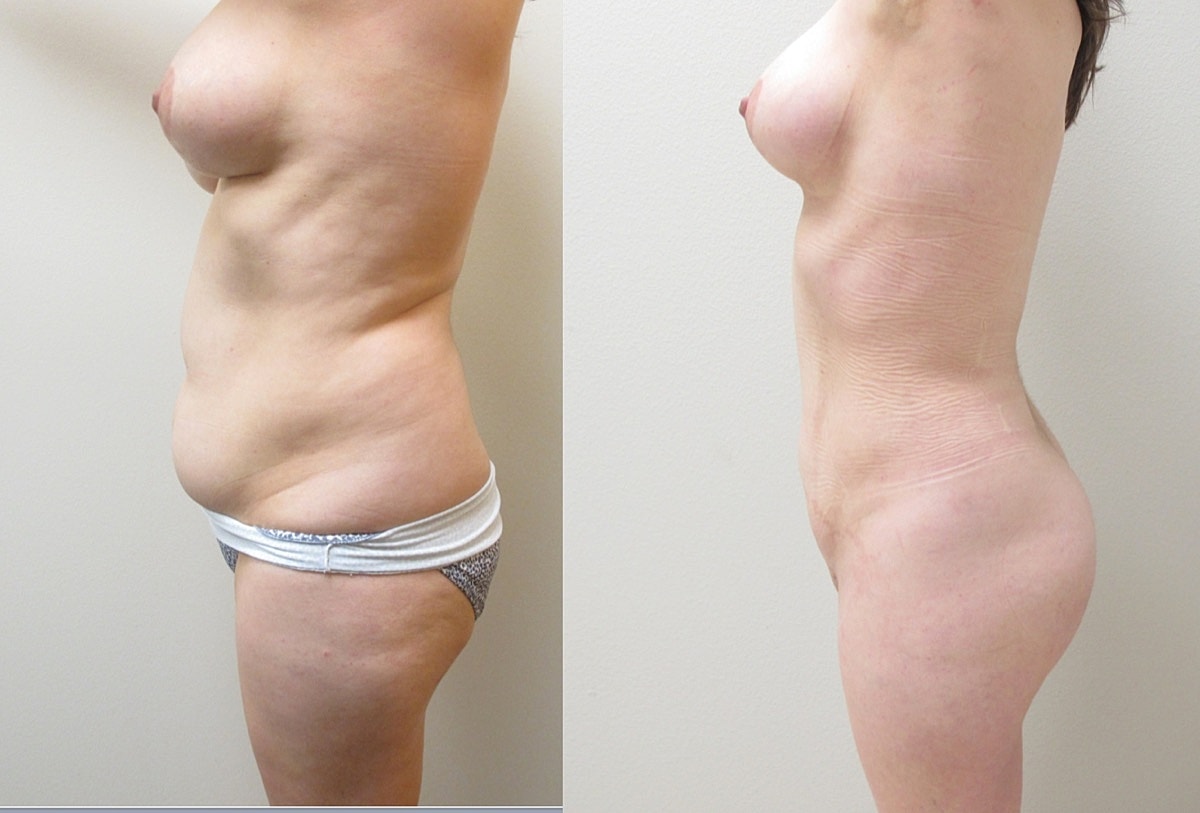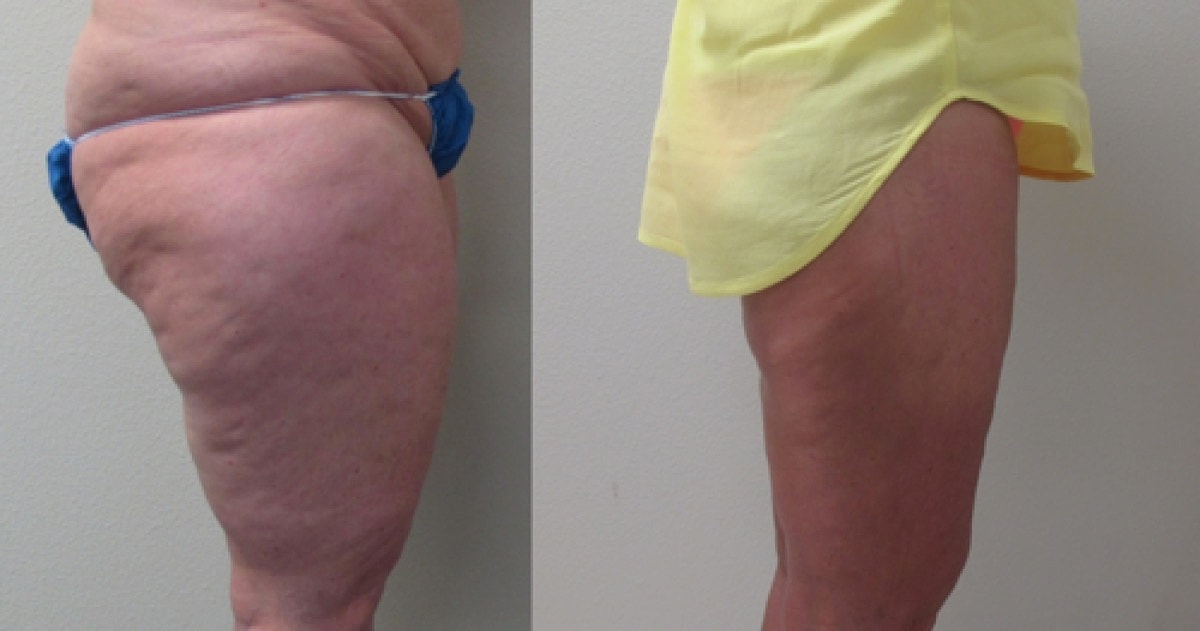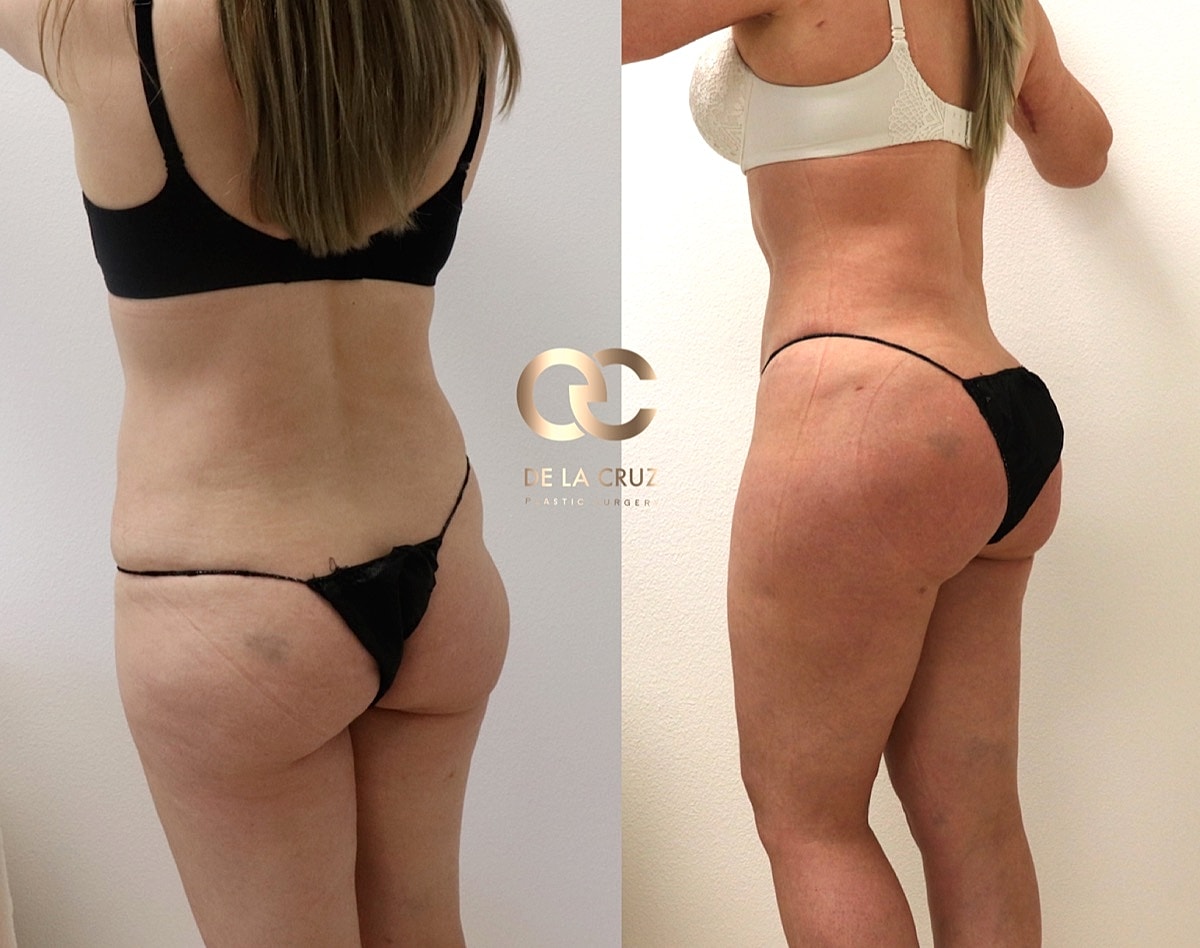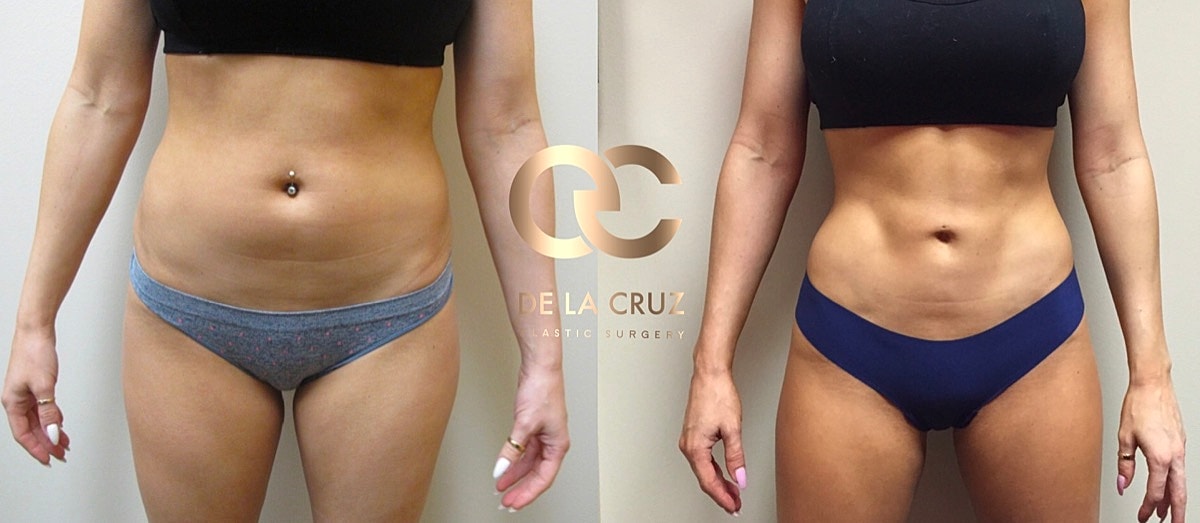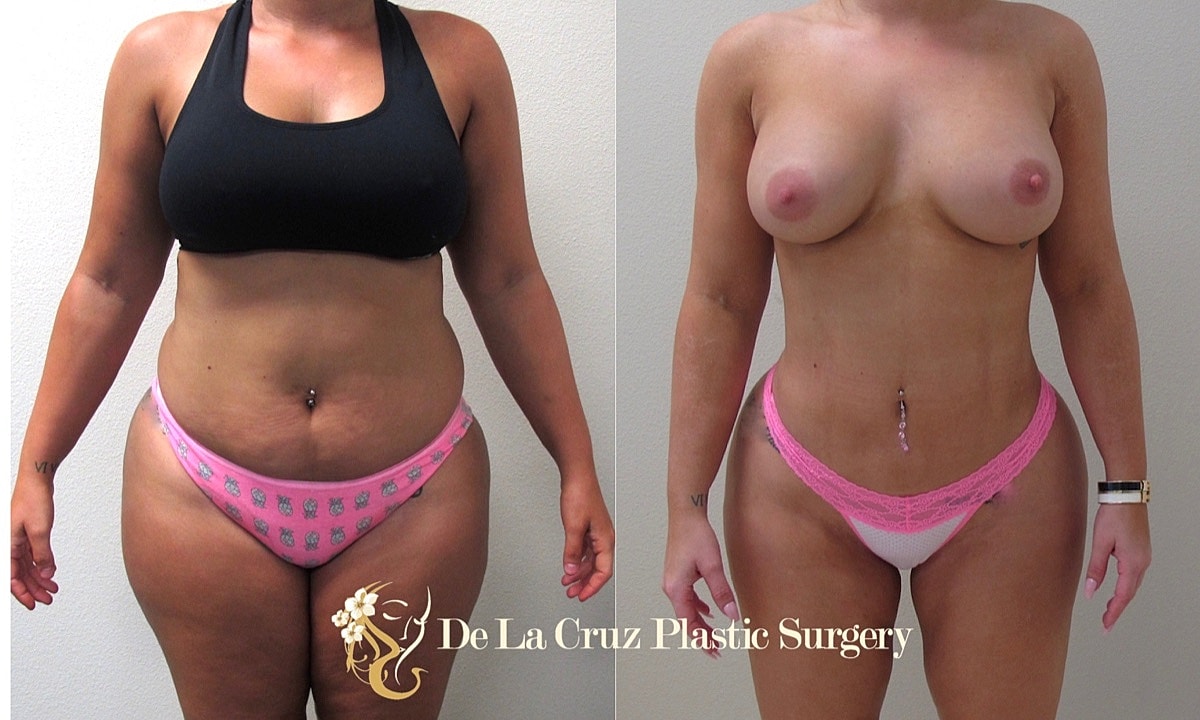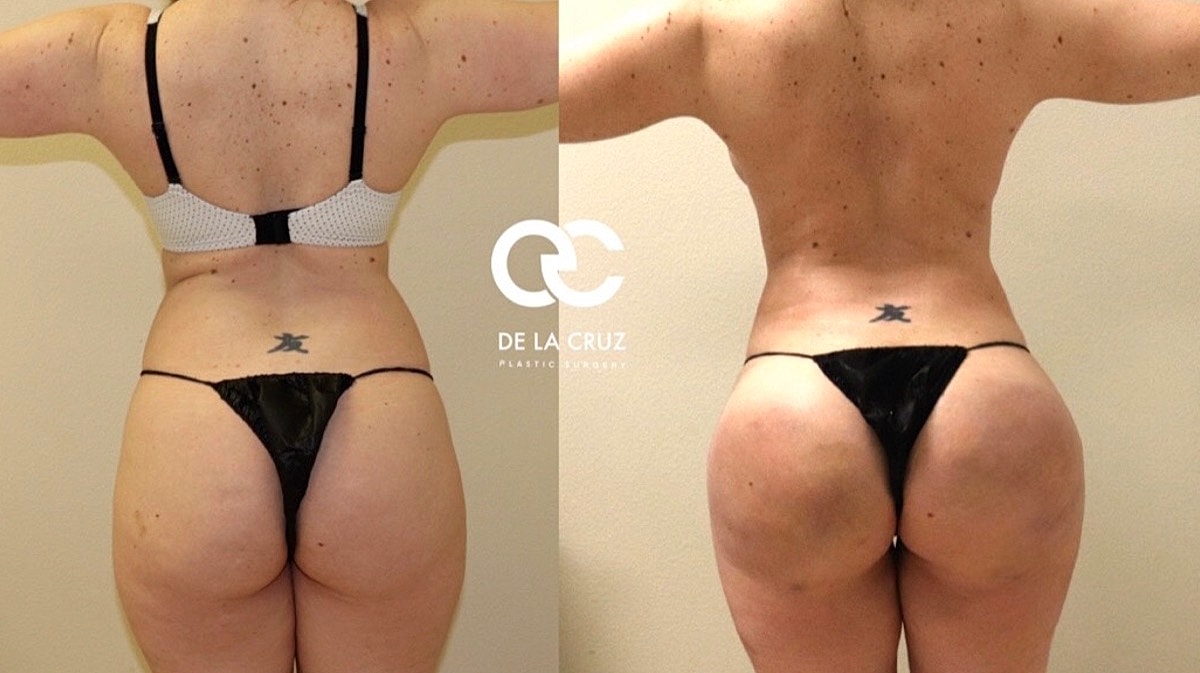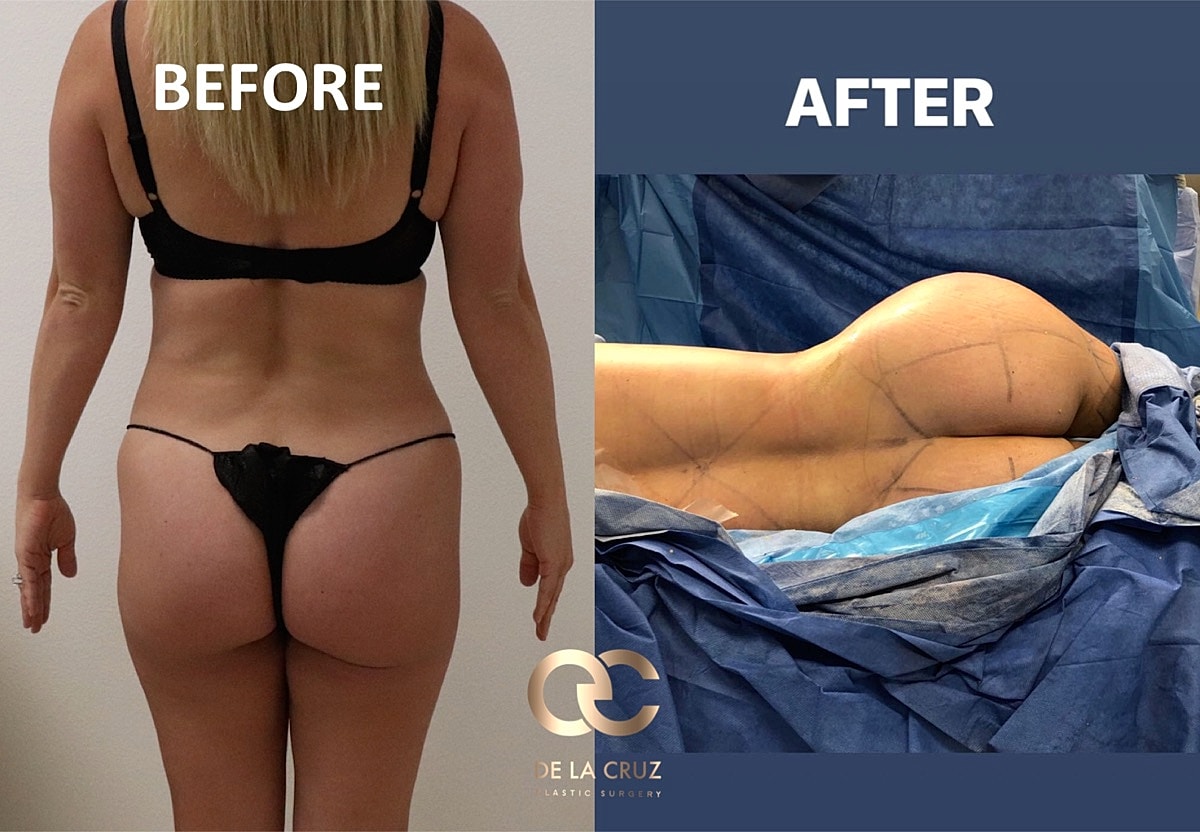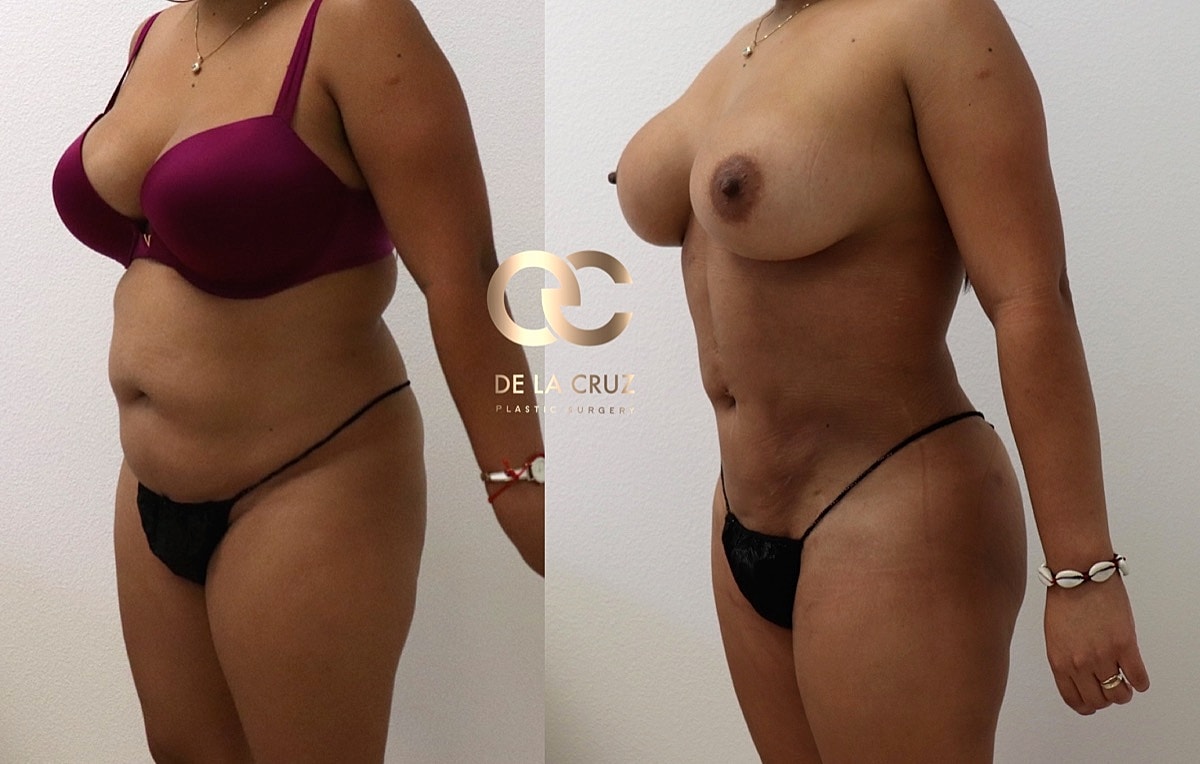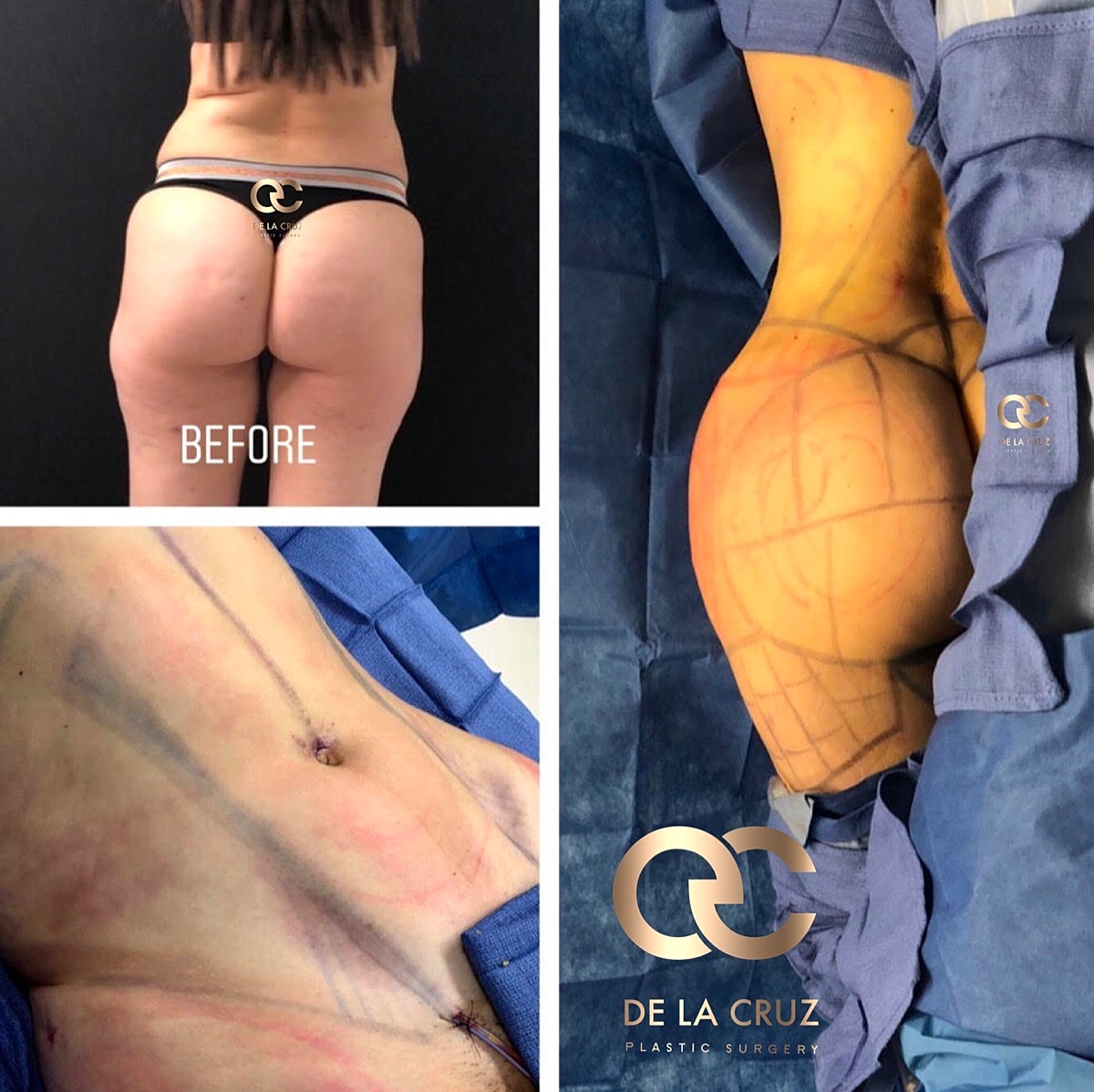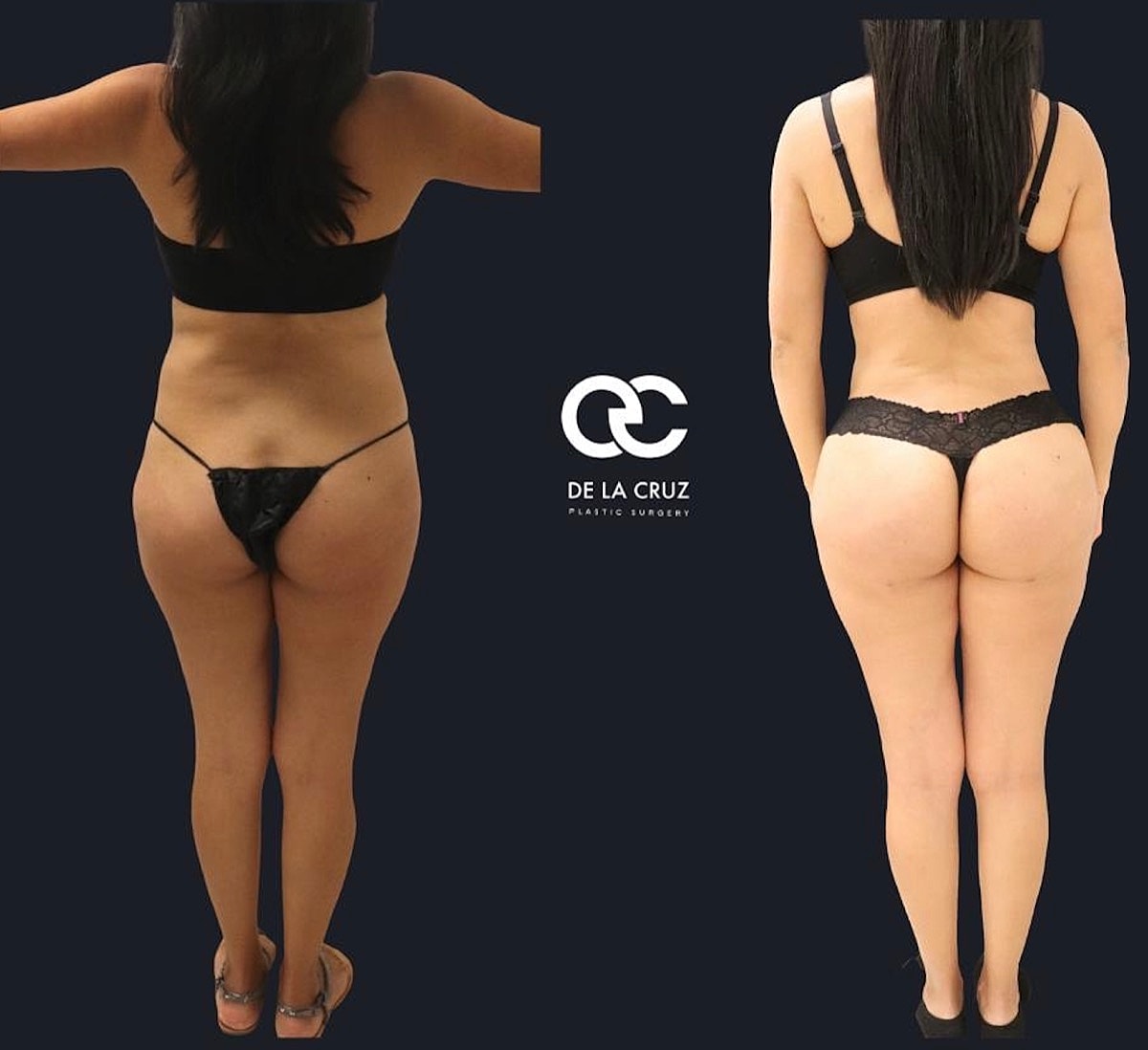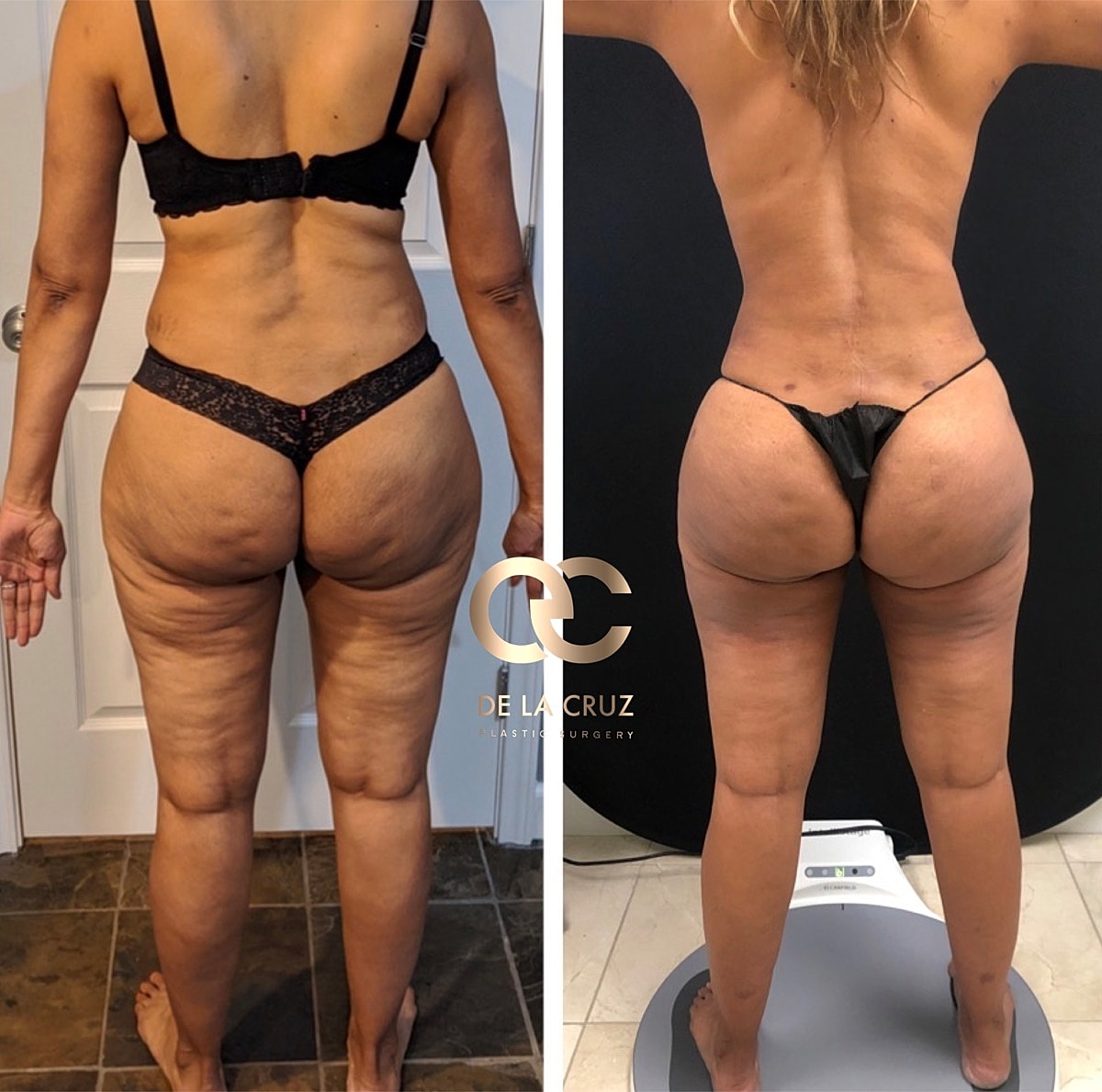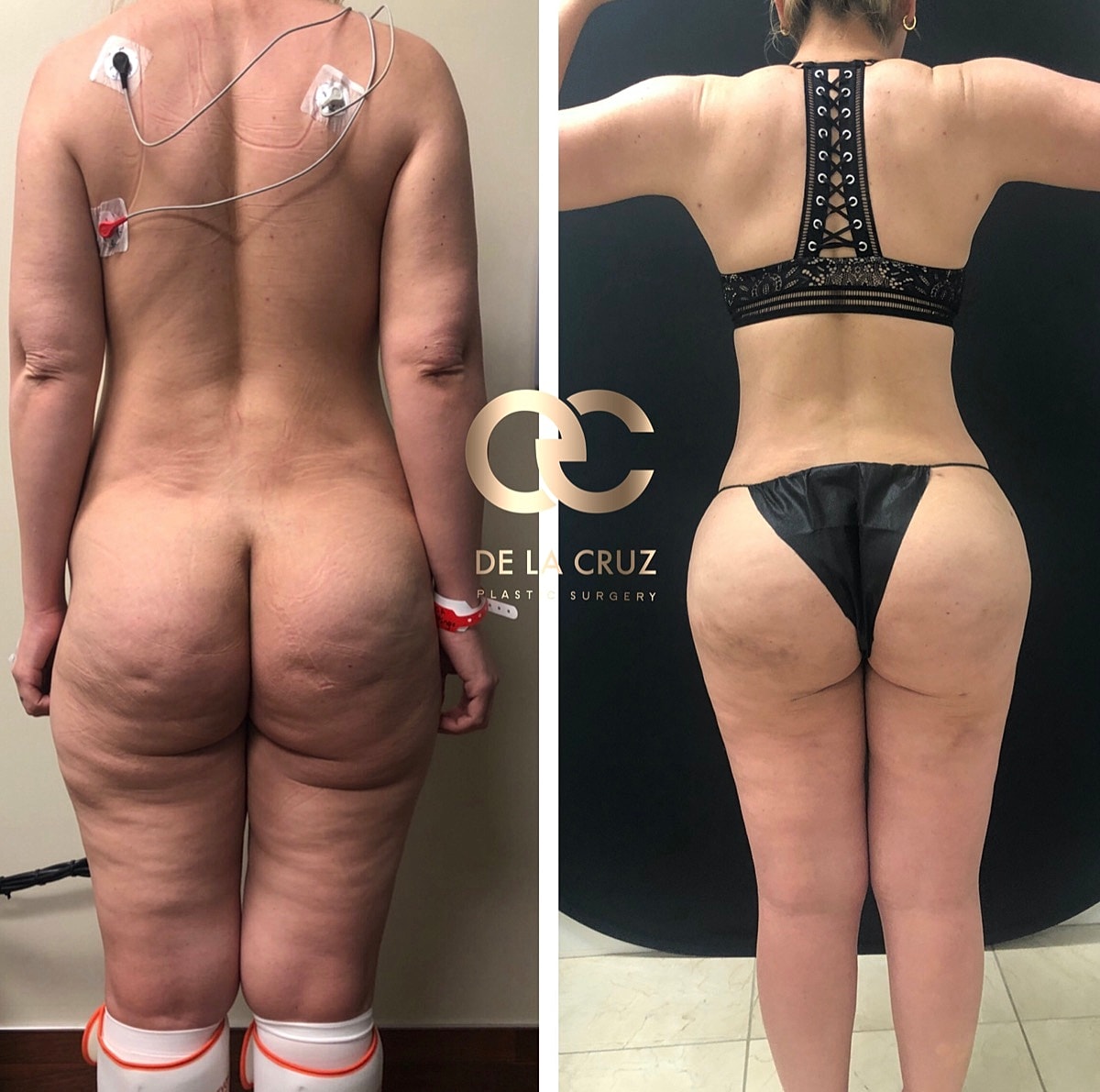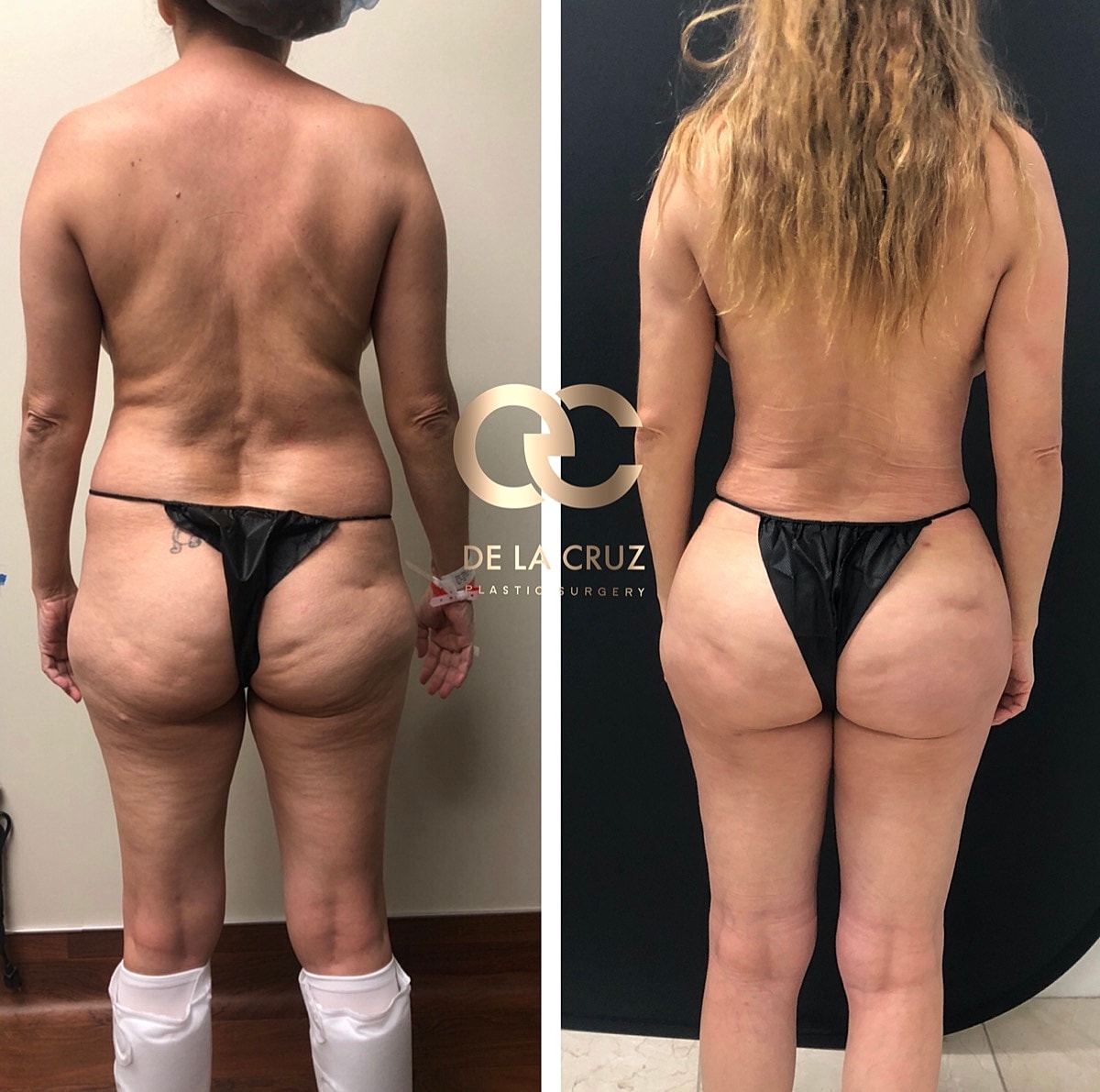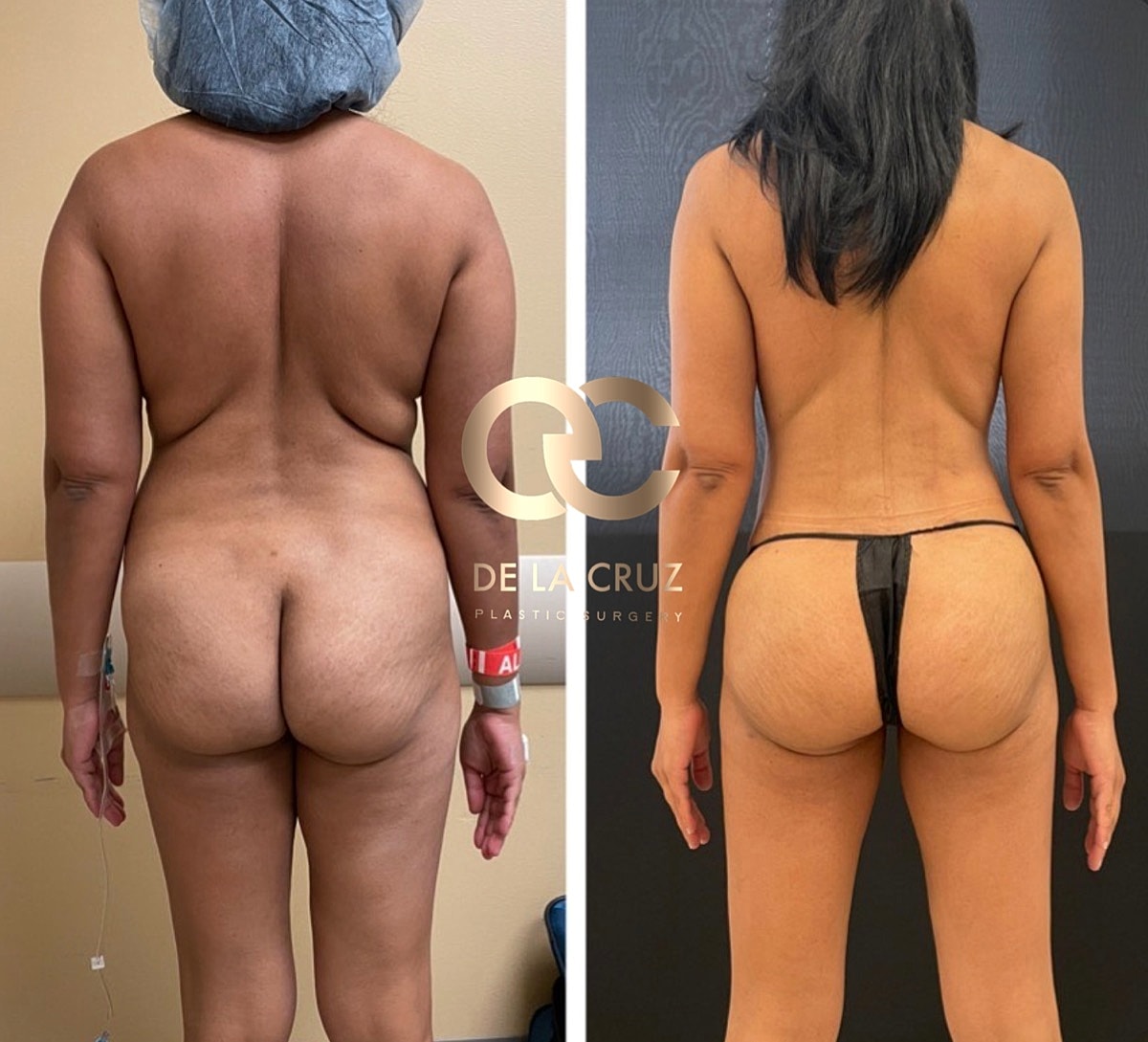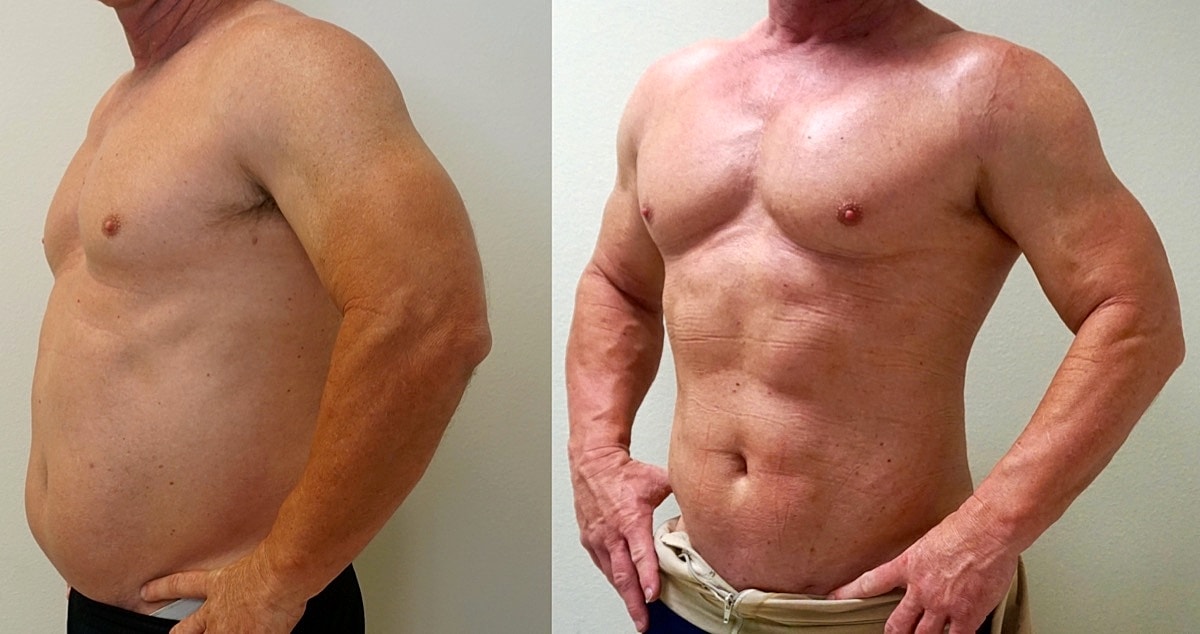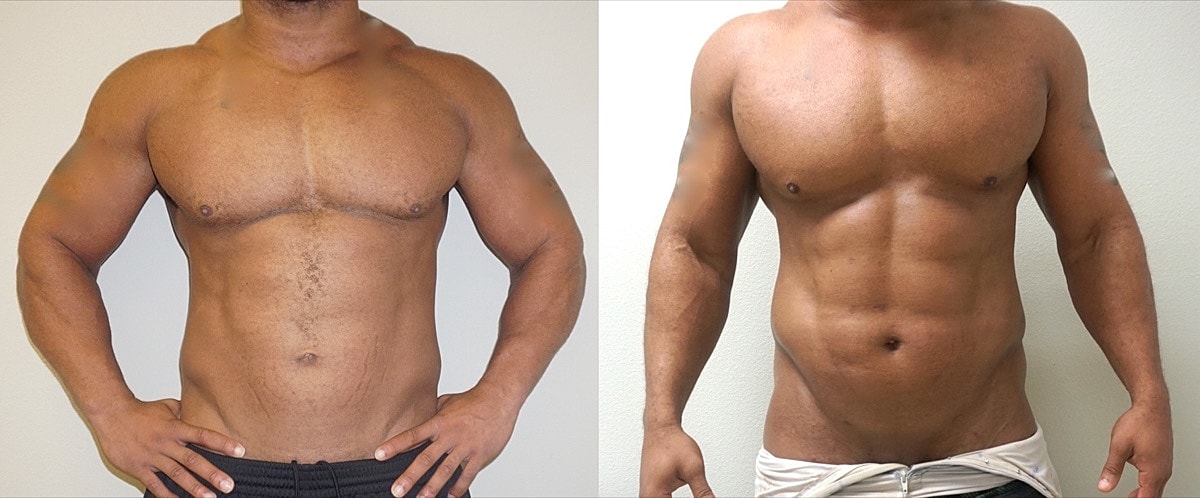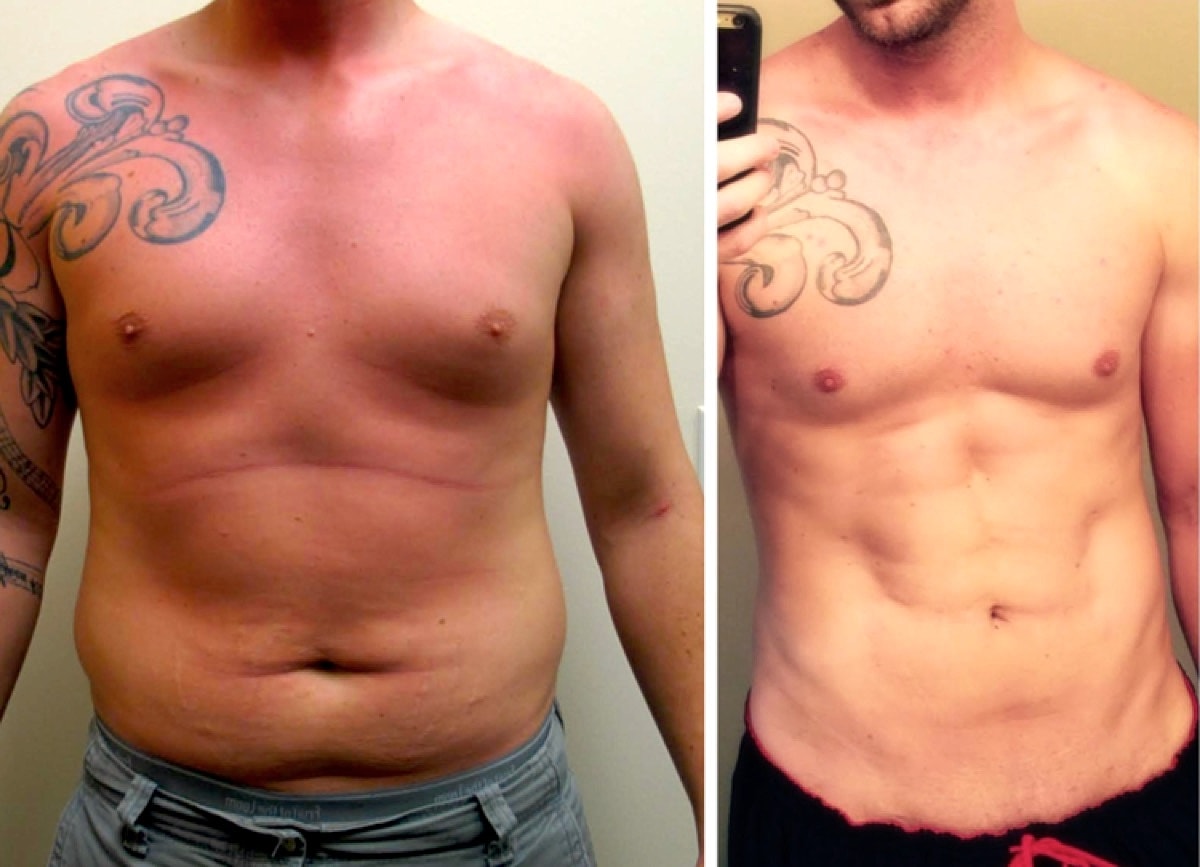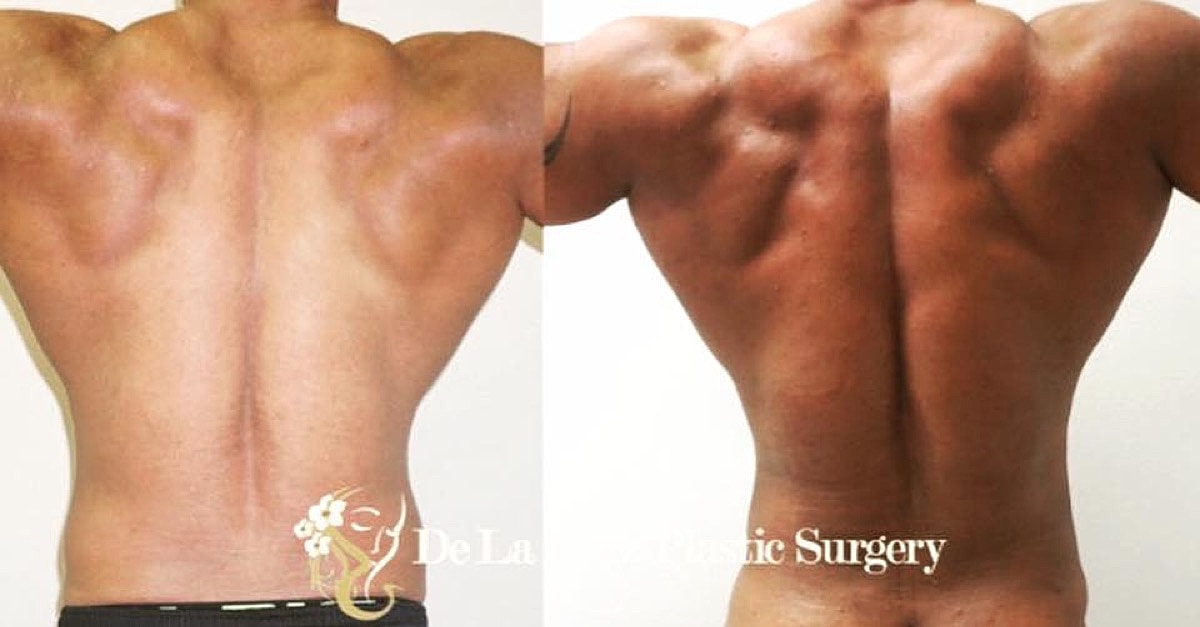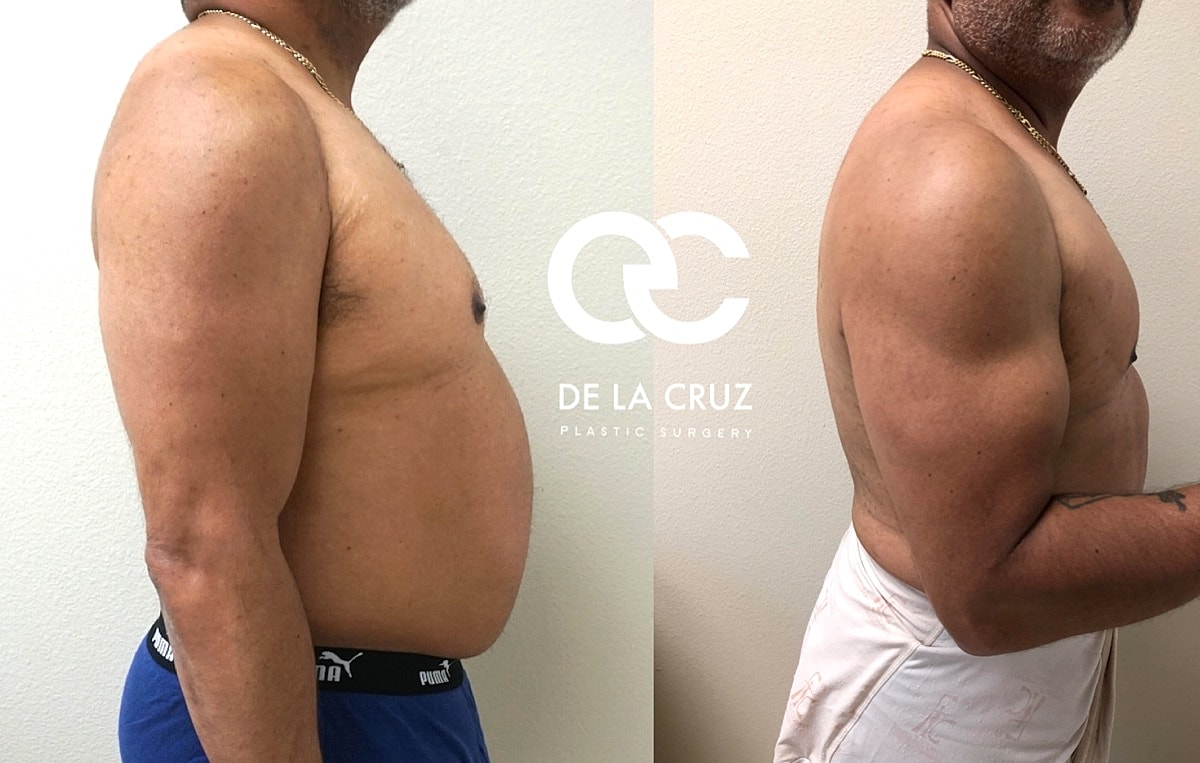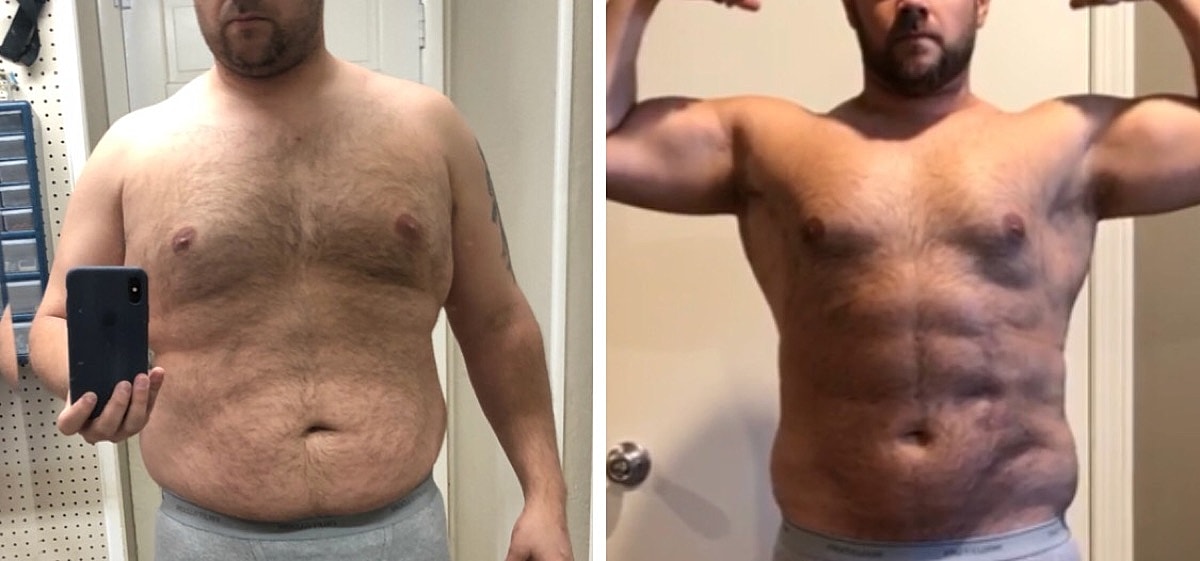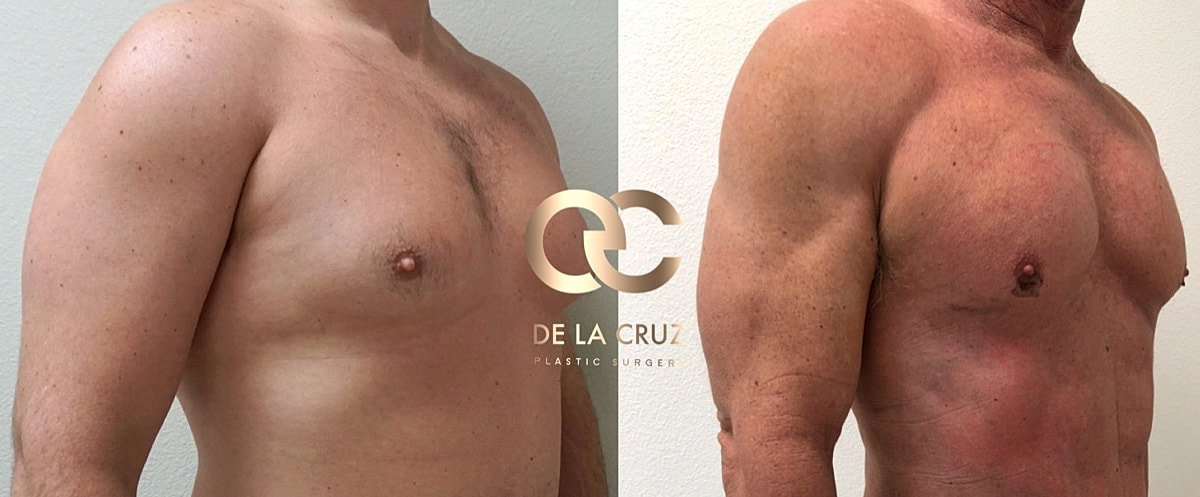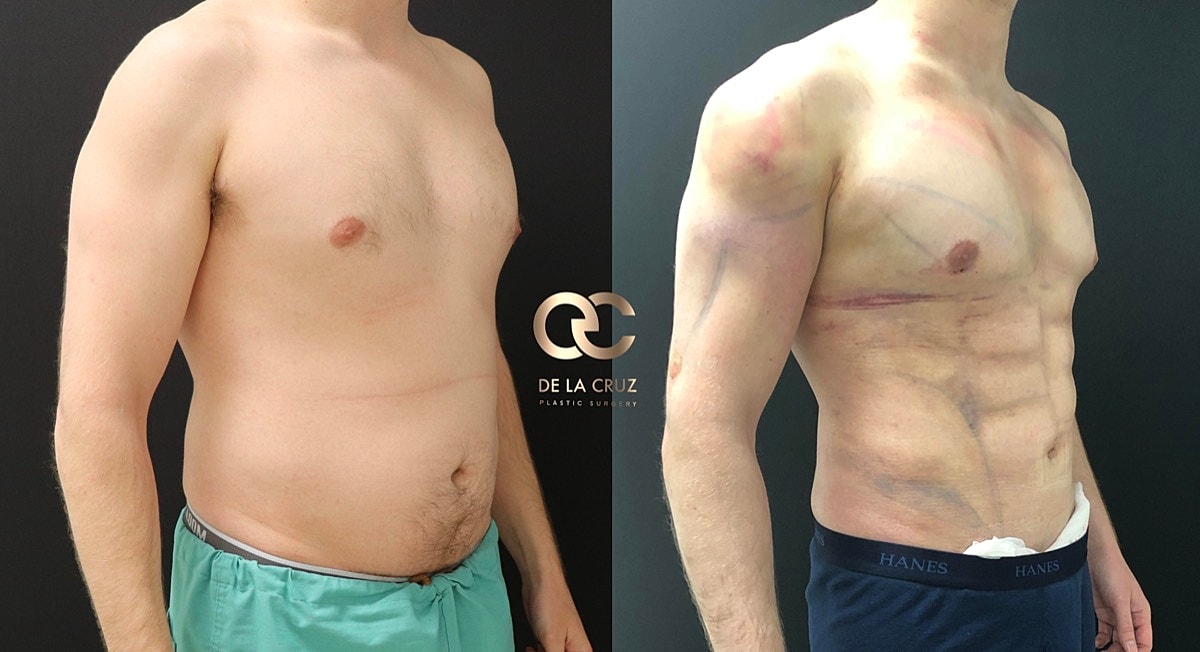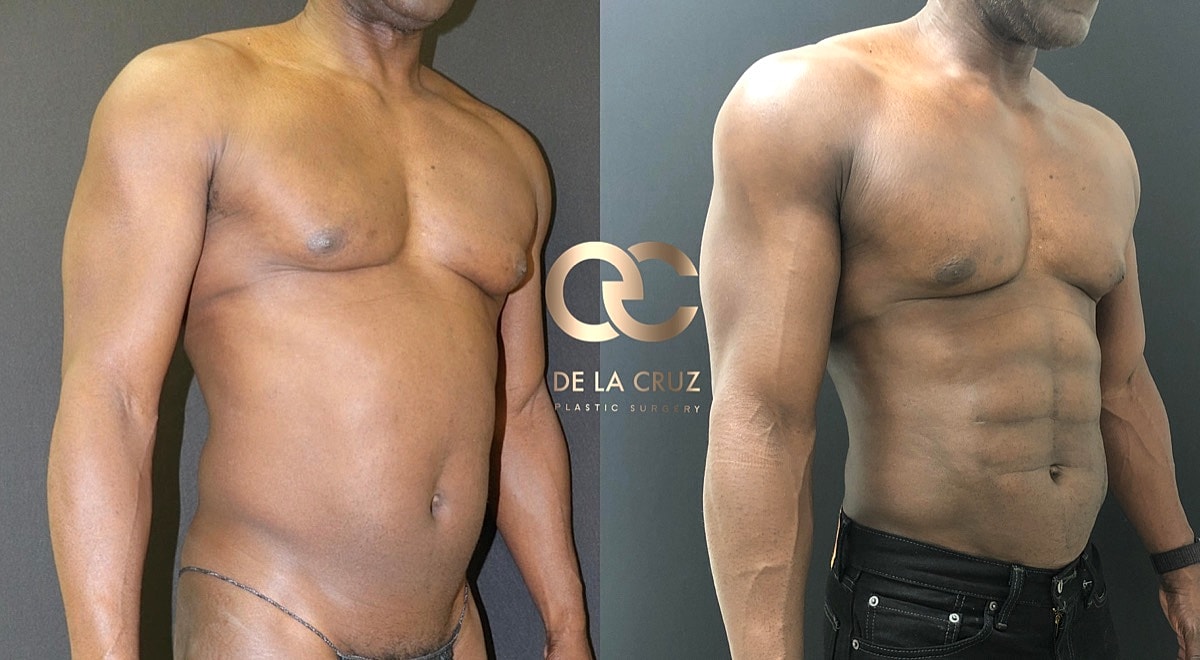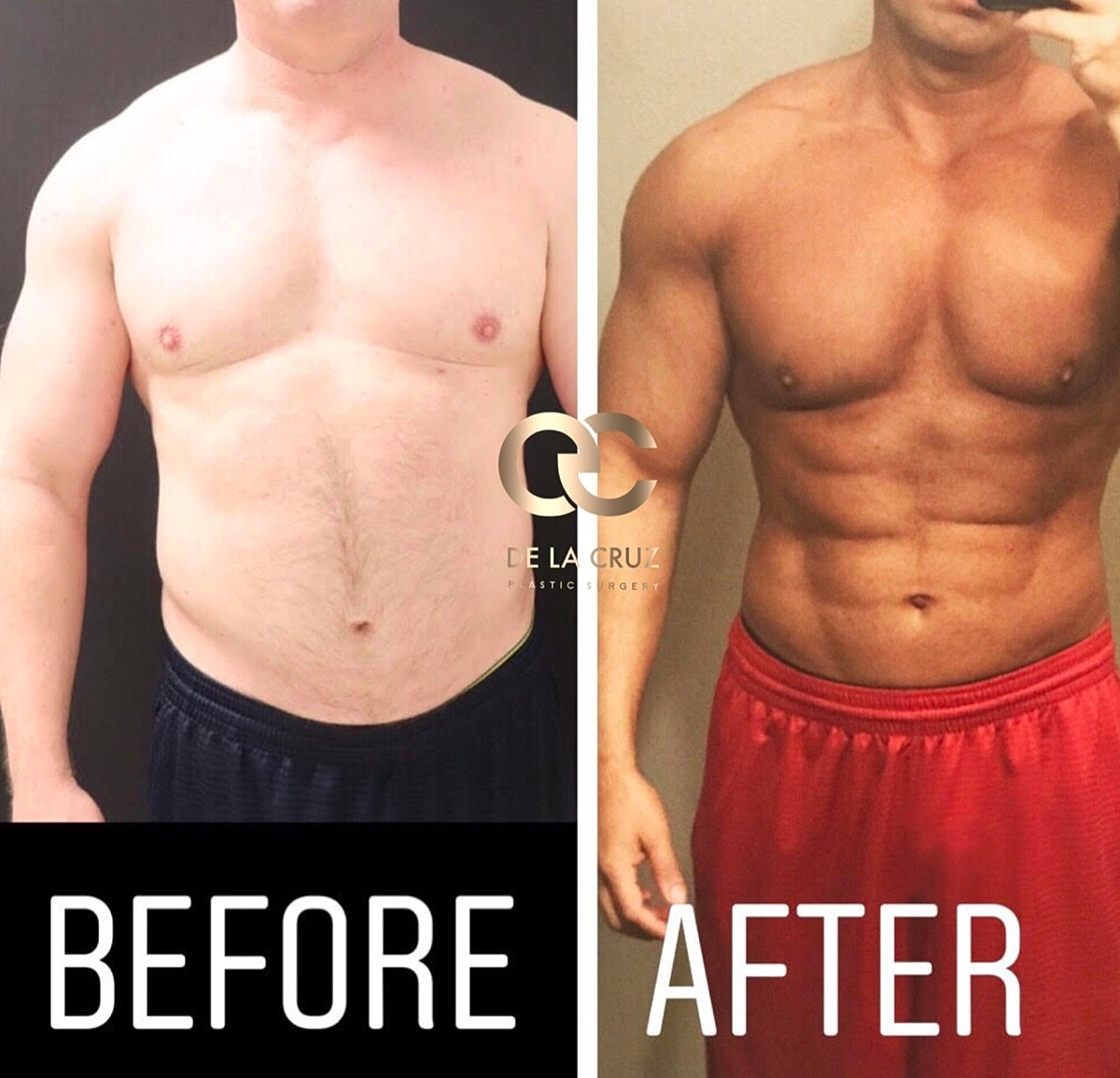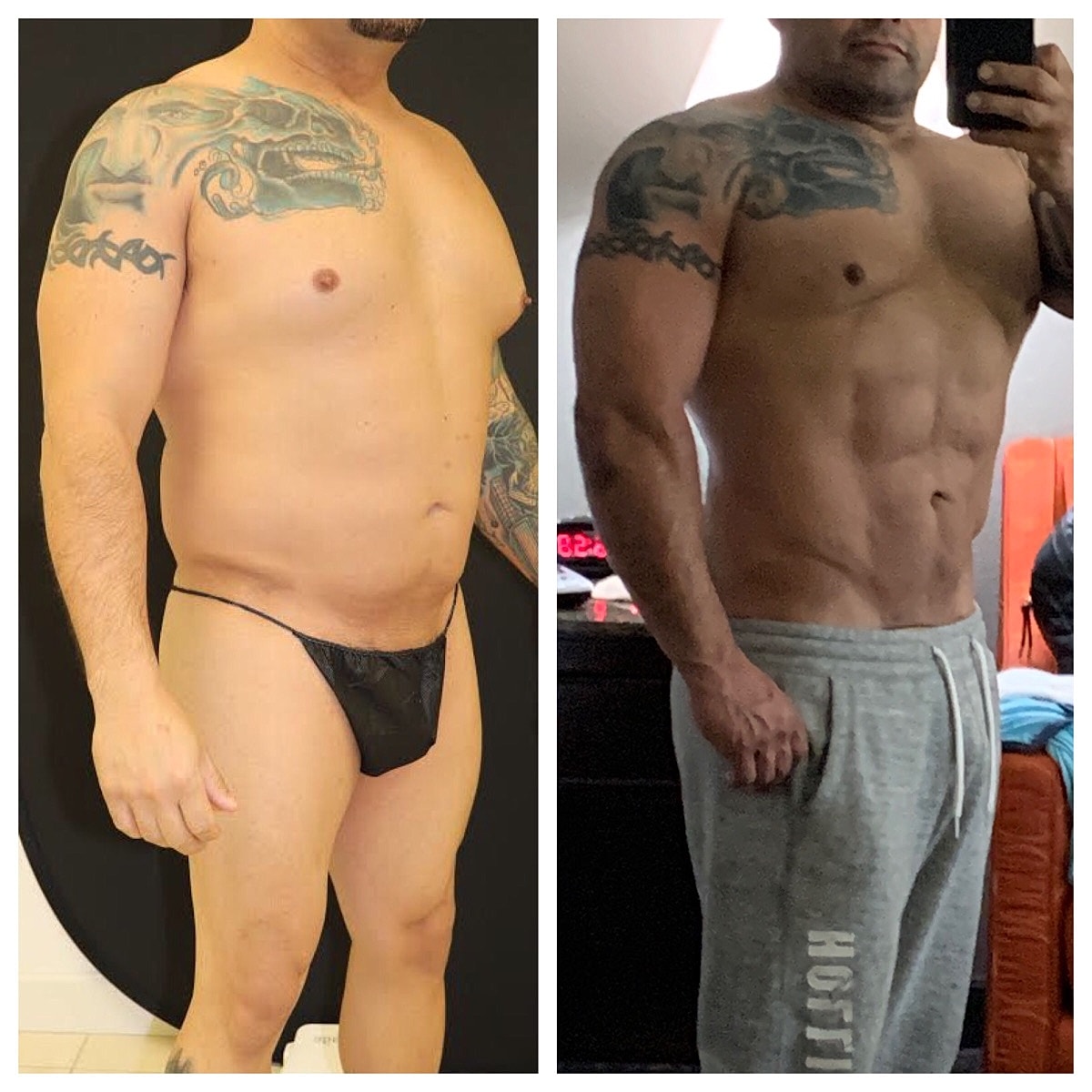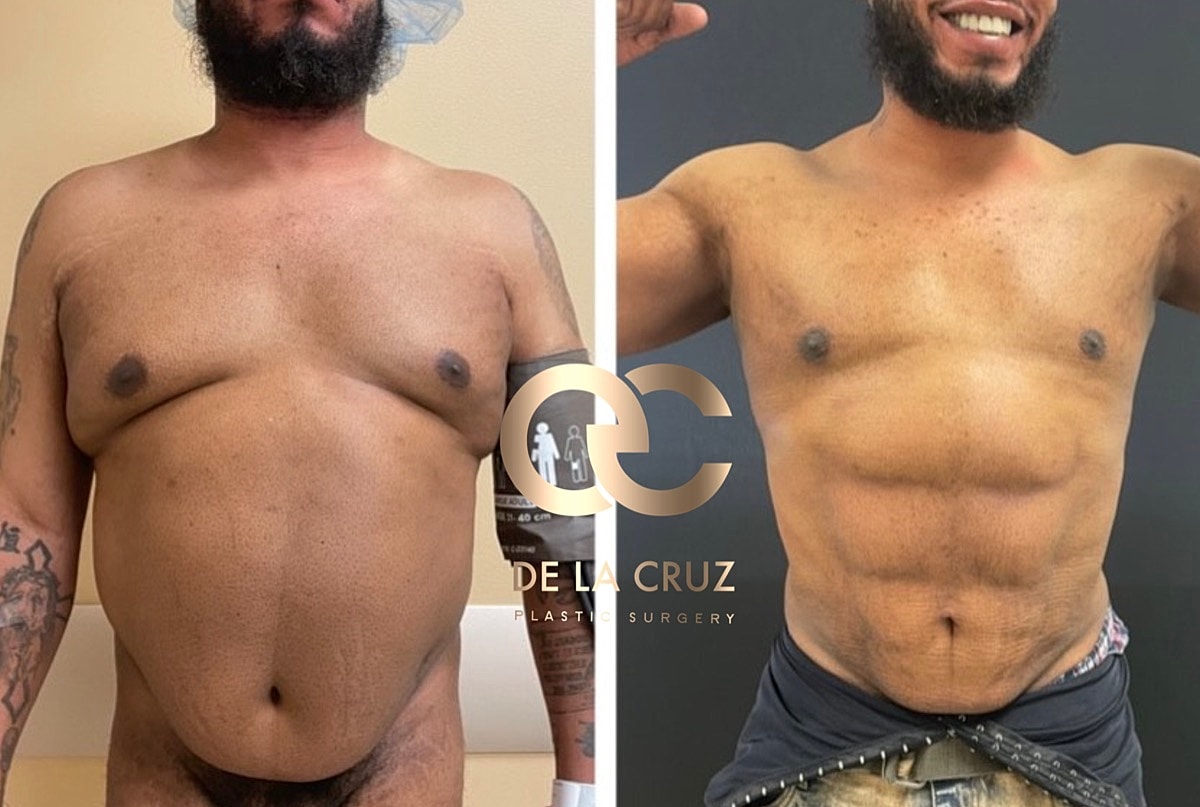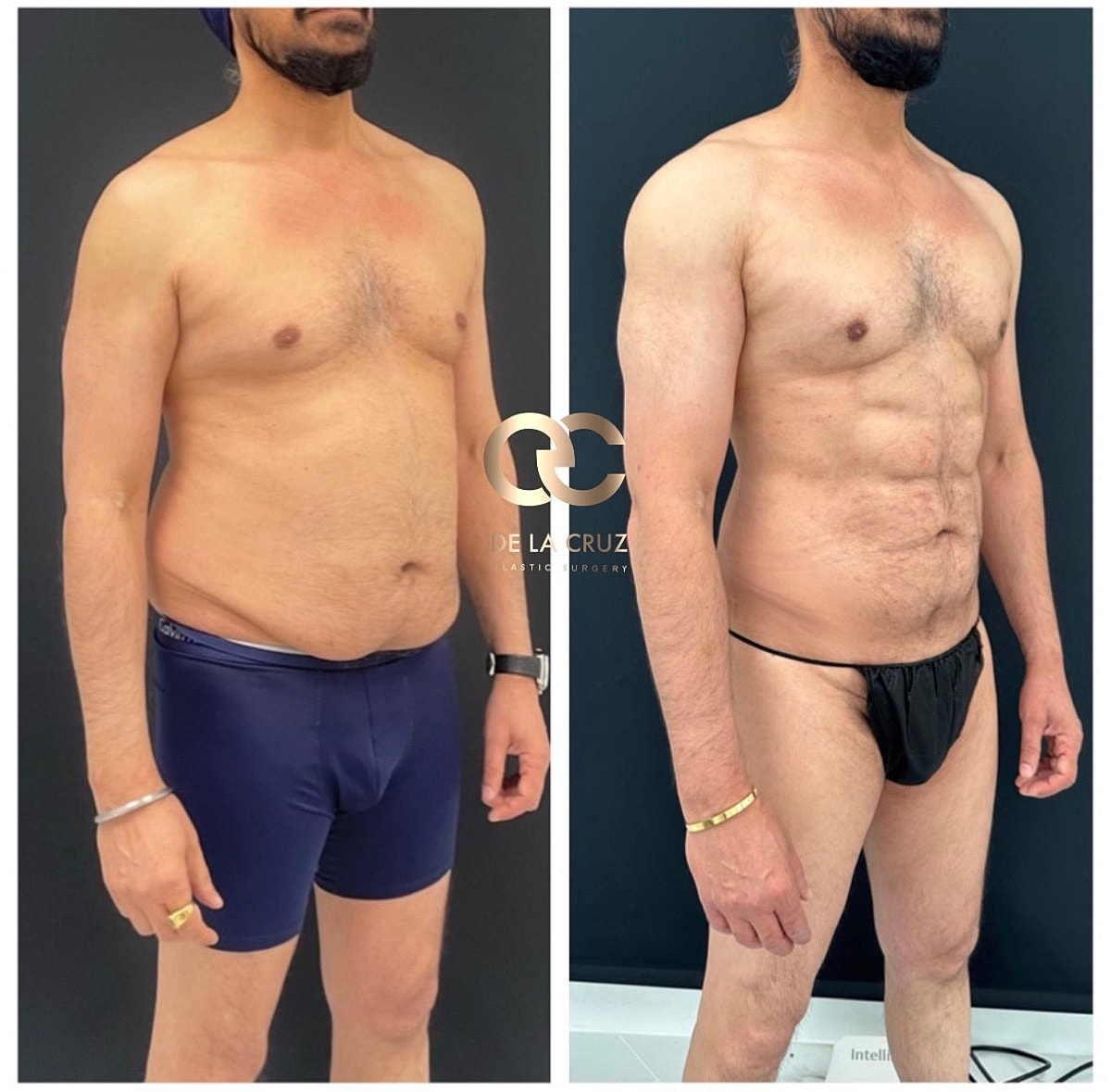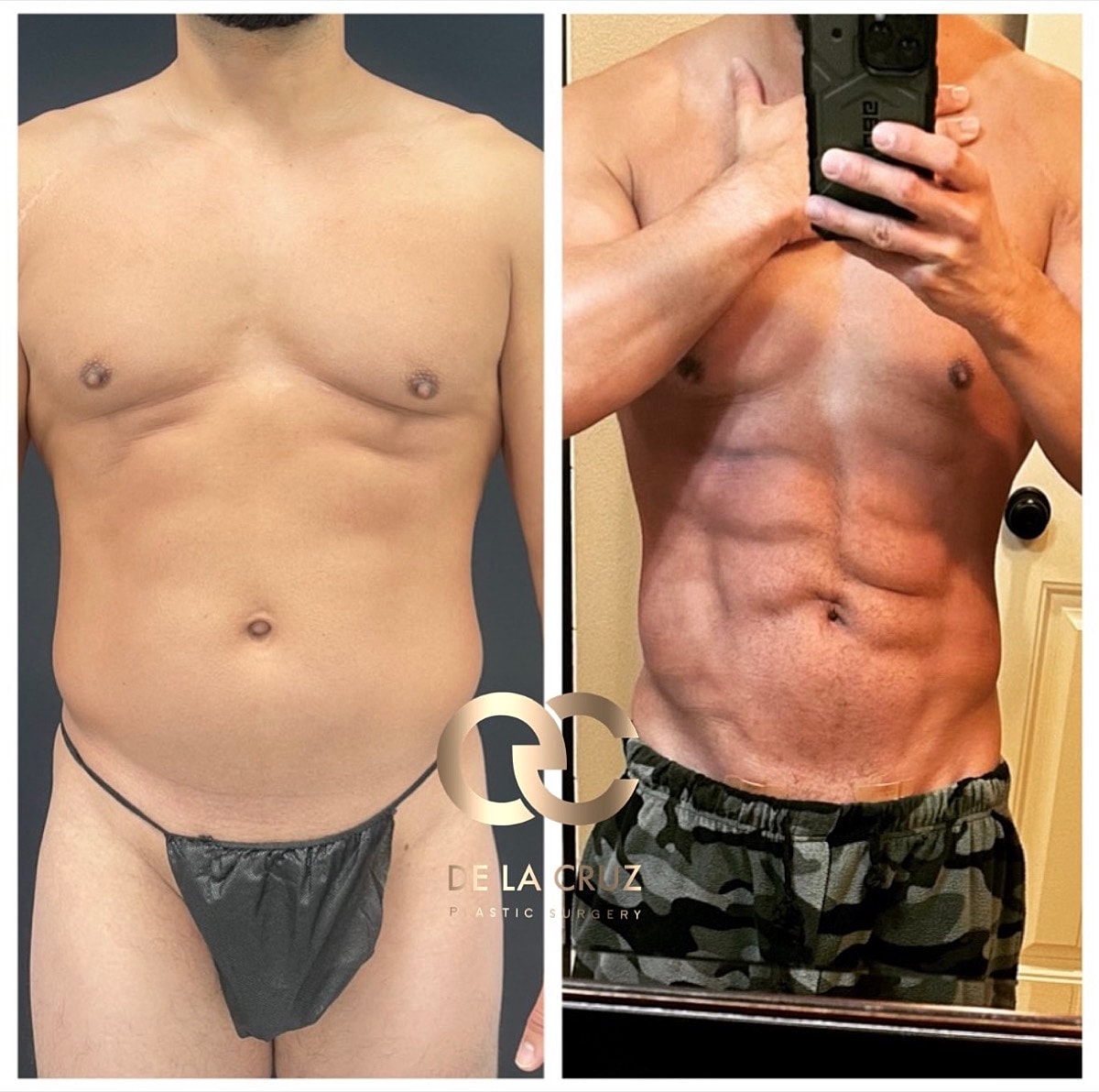
Liposuction is one of the most effective procedures for removing localized fat deposits and improving body contour. However, not every individual seeking body contouring is an ideal candidate for liposuction. The best results are achieved when the procedure is performed on patients whose anatomy, health status, and aesthetic goals align with what liposuction can safely and predictably accomplish.
At De La Cruz Plastic Surgery in Houston, every patient undergoes a comprehensive evaluation to determine whether liposuction is the most appropriate treatment option. Dr. Emmanuel De La Cruz, a double-board-certified plastic surgeon, carefully assesses body composition, skin quality, medical history, and aesthetic goals to develop a personalized treatment plan.
Understanding who is a good candidate for liposuction helps patients set realistic expectations and achieve the safest, most refined results.
1 of 65
Liposuction is designed to remove localized pockets of fat that are resistant to diet and exercise. It is a body contouring procedure rather than a weight-loss treatment.
Common areas treated with liposuction include:
• abdomen
• flanks (“love handles”)
• back and bra roll
• waist
• thighs
• hips
• arms
• chin and neck
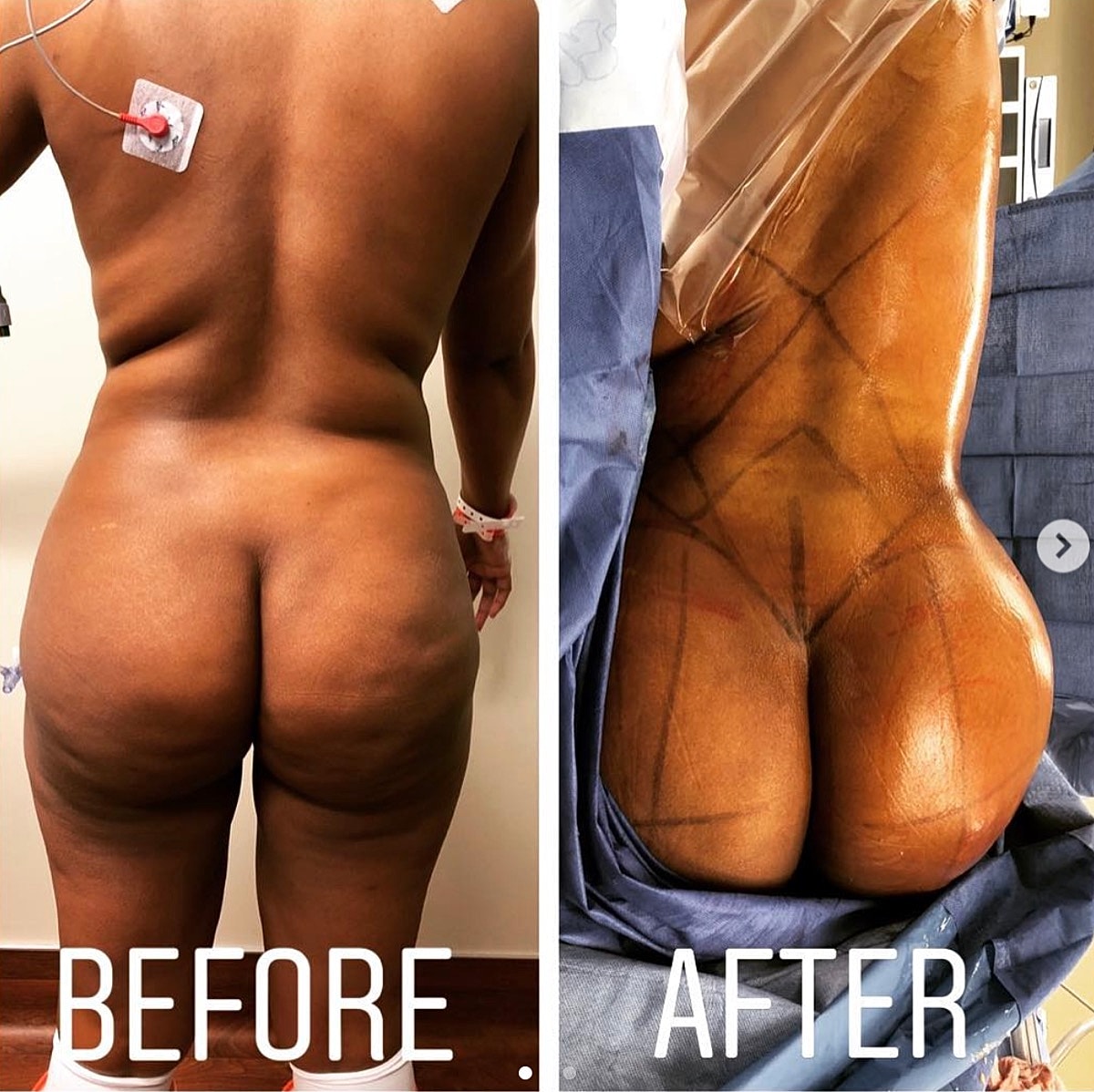
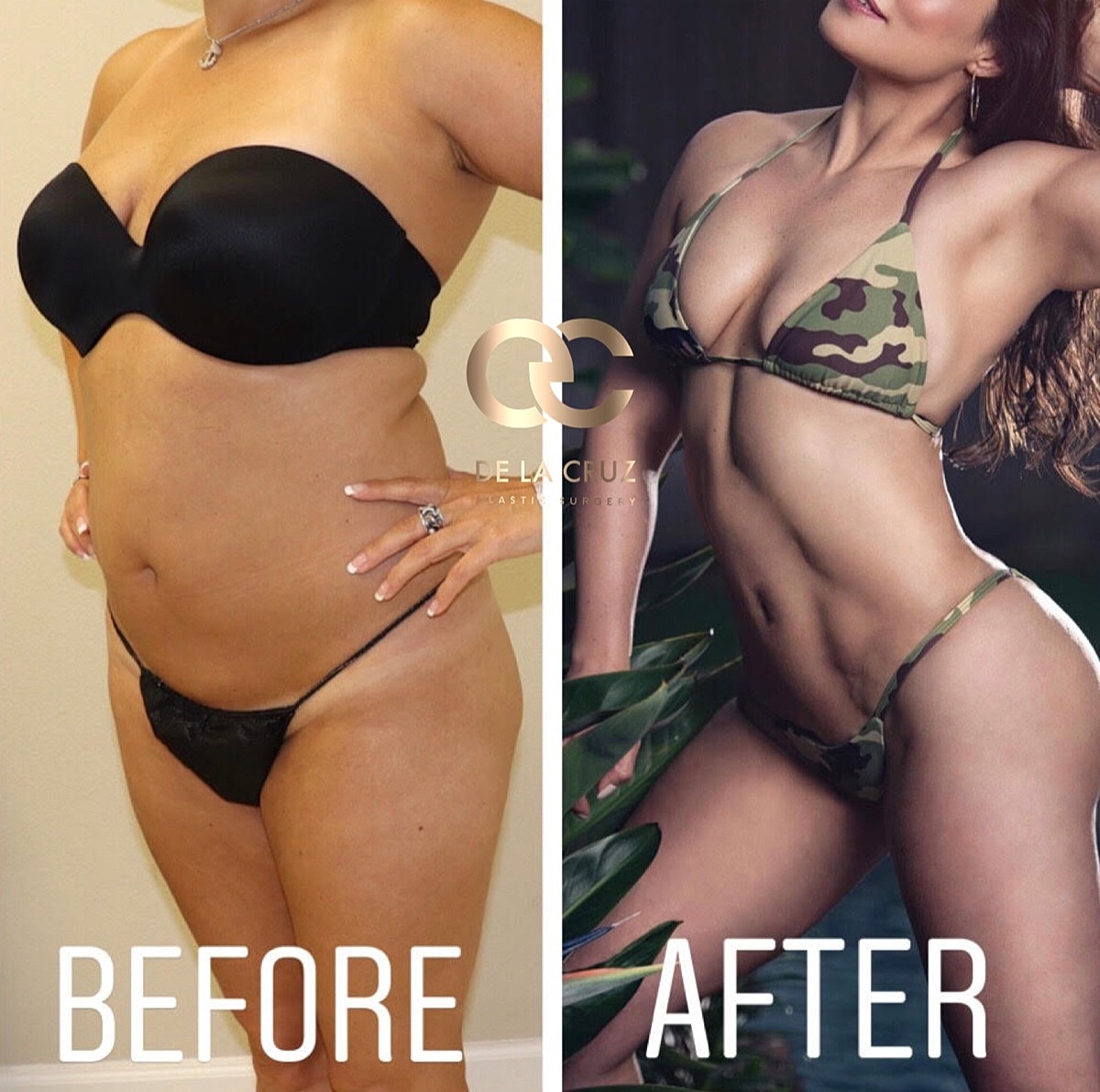
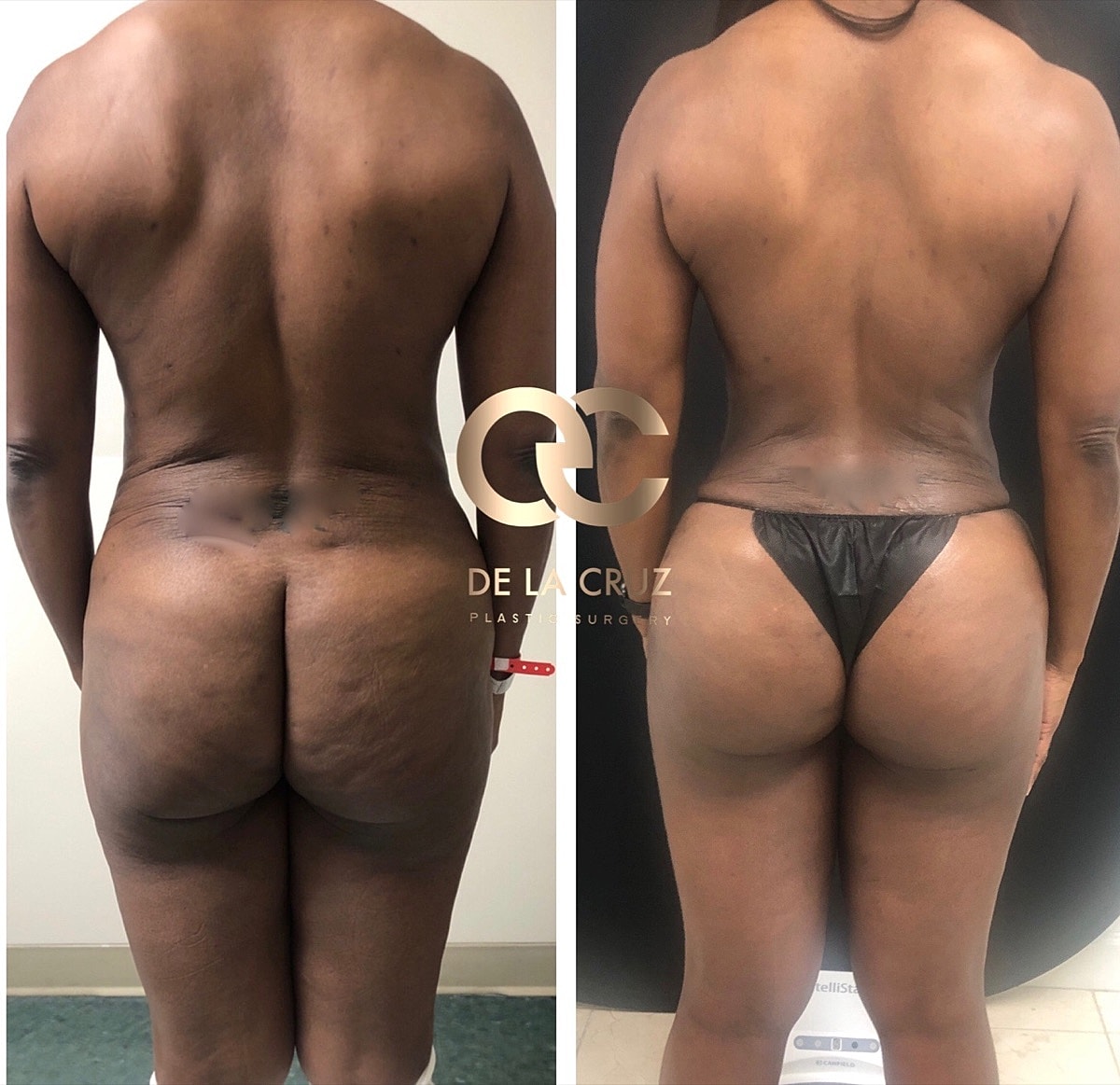
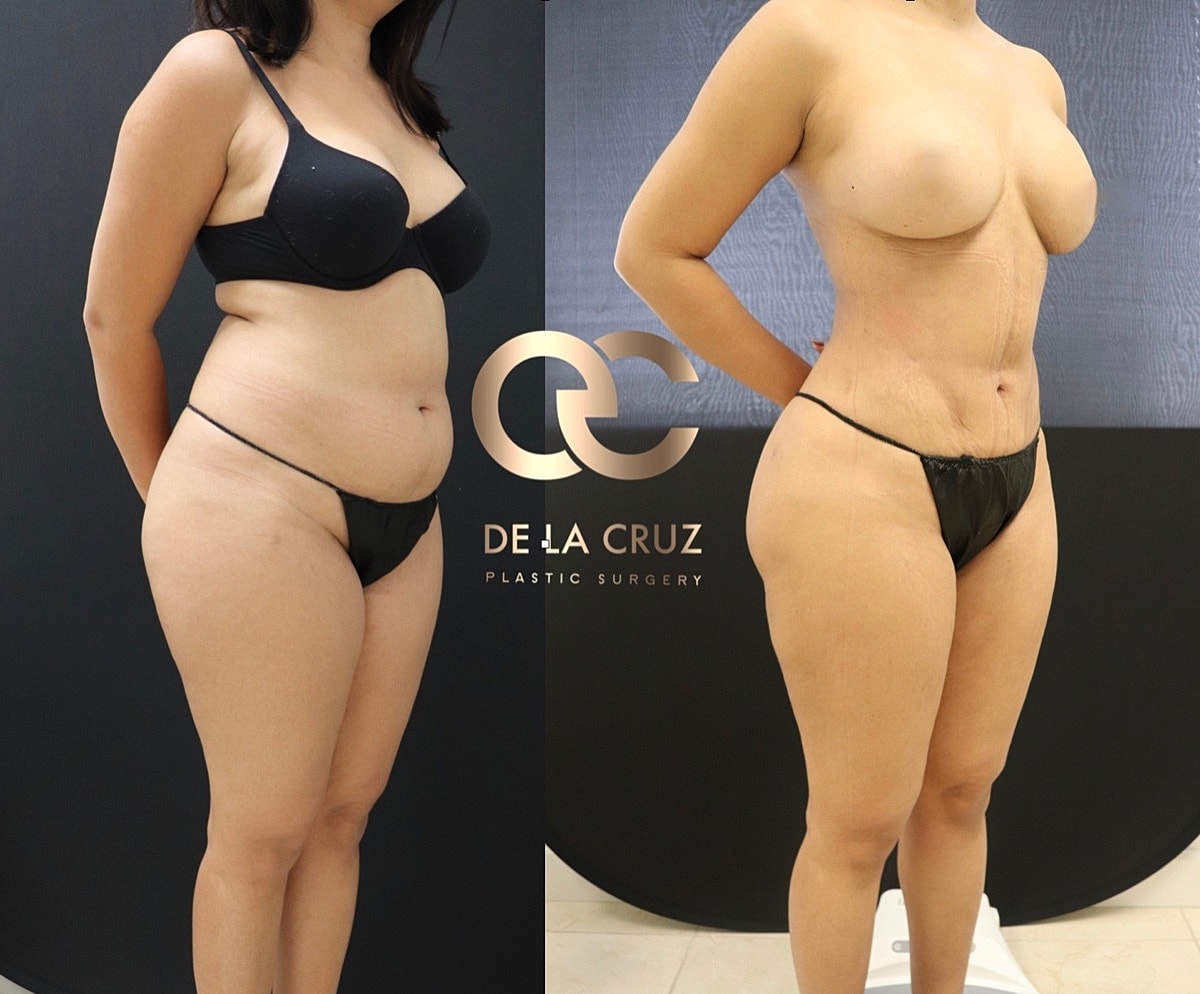
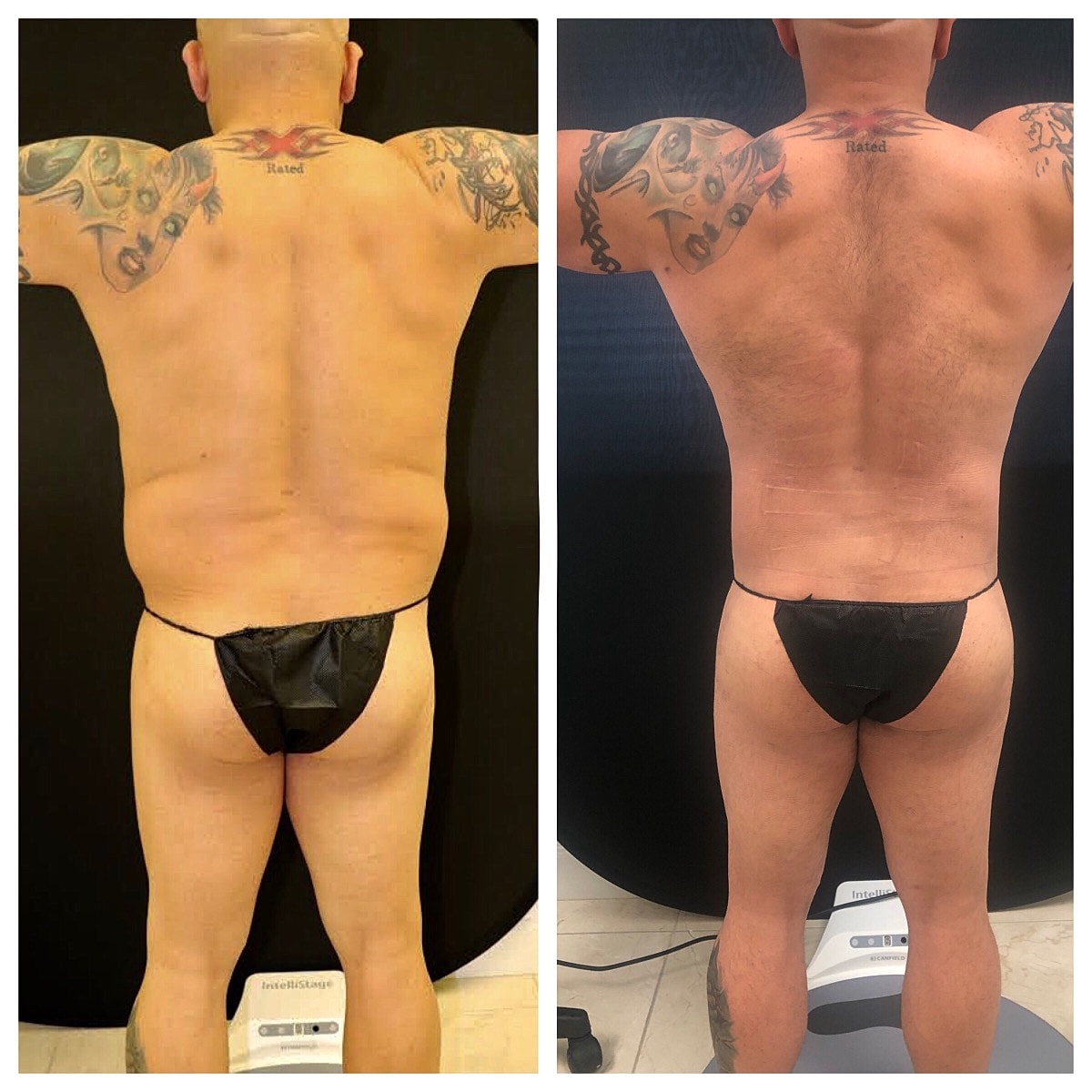
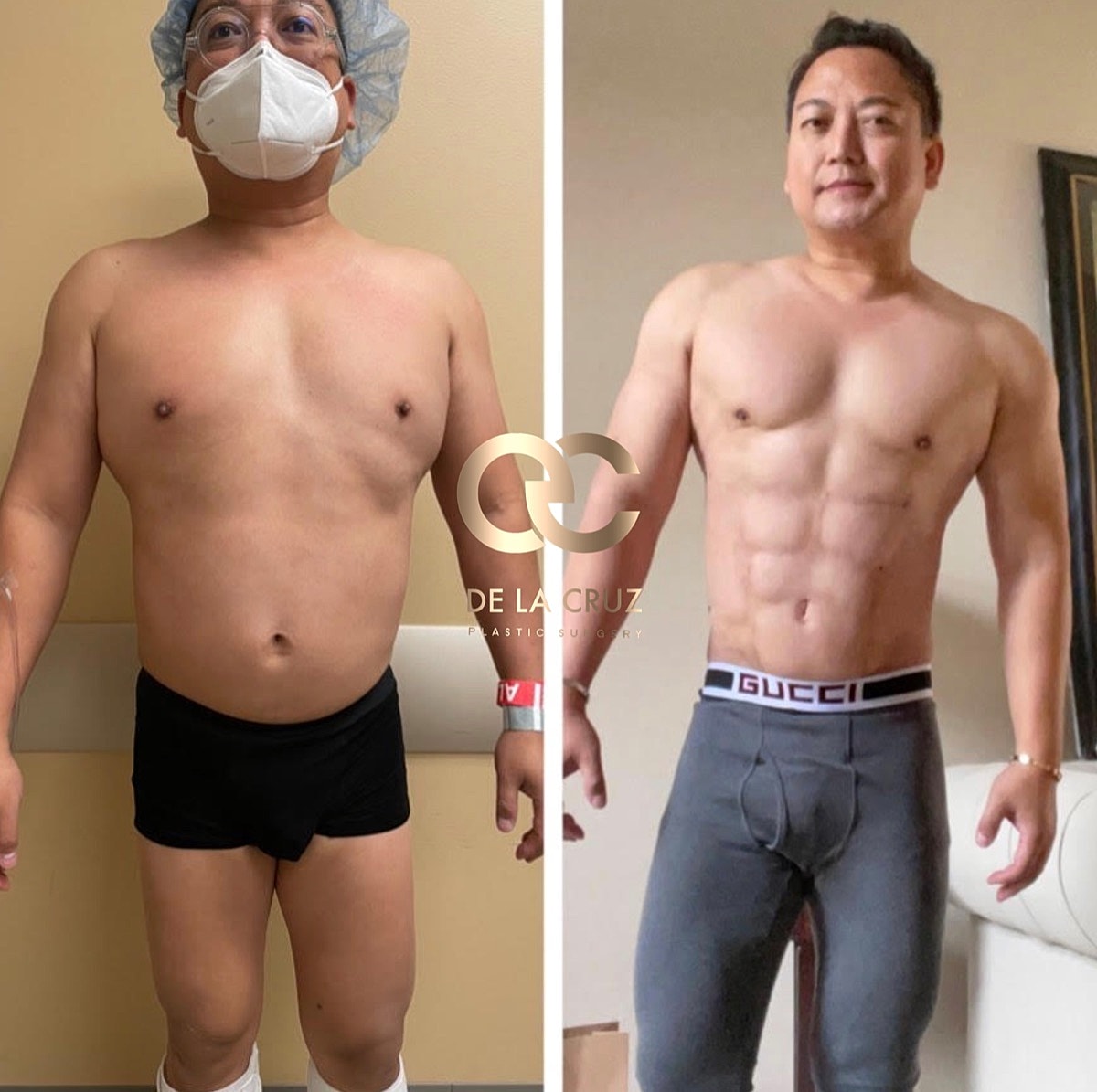
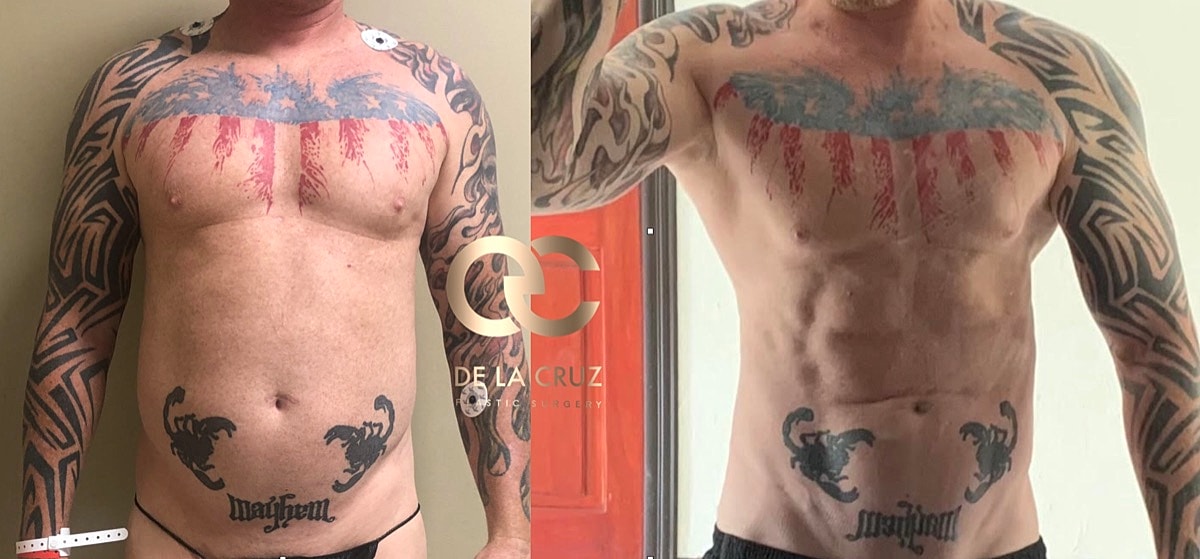
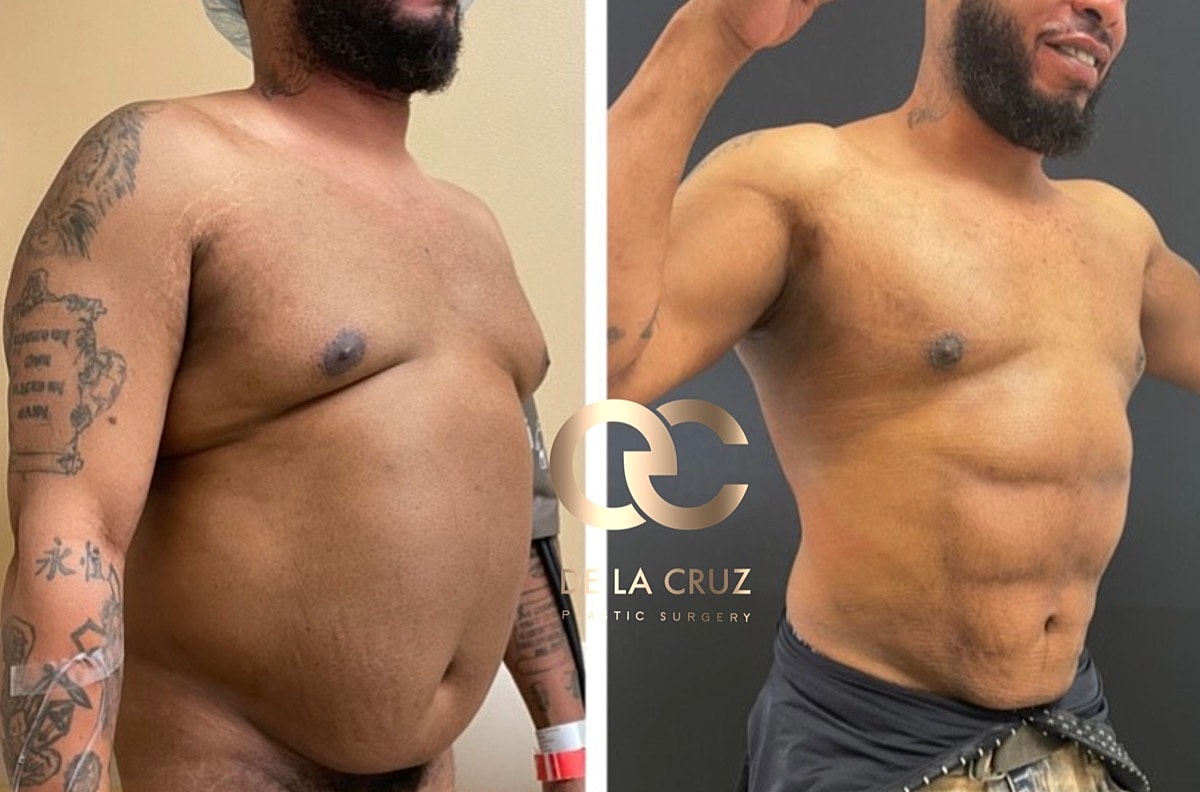
When performed by an experienced plastic surgeon, liposuction can improve body proportions and create smoother, more balanced contours.
The best candidates for liposuction generally share several important characteristics.
1. Localized Fat Deposits
Ideal candidates have specific areas of fat that persist despite a healthy lifestyle.
These fat deposits often occur in areas where genetics influence fat distribution, such as:
• lower abdomen • flanks • outer thighs • upper back • under the chin
Liposuction works best when it is used to refine body contours rather than reduce overall body weight.
2. Stable Body Weight
Patients who are near their ideal or stable body weight typically achieve the most predictable results.
Liposuction is not intended for significant weight reduction. Instead, it is designed to sculpt areas of stubborn fat that do not respond to diet and exercise.
Patients who maintain a stable weight after surgery tend to enjoy long-lasting results.
3. Good Skin Elasticity
Skin elasticity plays a major role in how the body adapts after fat removal.
Patients with good skin quality often experience smoother contour results, because the skin can contract and conform to the new body shape.
Factors that influence skin elasticity include:
• age • genetics • sun exposure • previous weight fluctuations • pregnancy
In cases where skin laxity is present, additional treatments such as skin tightening procedures or excisional surgery may be recommended.
4. Good Overall Health
Candidates for liposuction should generally be in good physical health.
A thorough medical evaluation helps ensure patients can safely undergo surgery and recover without complications.
Factors considered during evaluation include:
• medical history • medications • smoking status • cardiovascular health • metabolic conditions
Patients who are medically optimized before surgery tend to have smoother recoveries and safer outcomes.
5. Realistic Expectations
Successful cosmetic surgery begins with realistic expectations and clear goals.
Liposuction can significantly improve body contours, but it cannot:
• replace weight-loss strategies • treat obesity • eliminate cellulite • remove excess skin
During consultation, patients learn what liposuction can realistically achieve and how it fits into a broader body contouring plan.
Some individuals may benefit from alternative treatments or additional procedures rather than liposuction alone.
Examples include patients with:
• significant loose skin • severe obesity • certain untreated medical conditions • unrealistic expectations regarding results
In these situations, other procedures such as tummy tuck surgery, body contouring after weight loss, or non-surgical options may be more appropriate.

Although BMI alone does not determine candidacy, it can help guide treatment planning.
Patients with moderate amounts of excess fat and good skin elasticity often achieve the best outcomes.
For patients with higher BMI, liposuction may still be considered when performed carefully and with appropriate safety protocols. In some cases, liposuction may be used as part of a broader body contouring strategy.
Modern liposuction techniques have expanded the possibilities of body contouring.
At De La Cruz Plastic Surgery, advanced technologies may be used to enhance precision and improve contour results.
These techniques may include:
• VASER ultrasound-assisted liposuction
• power-assisted liposuction (PAL)
• energy-based skin tightening technologies
These technologies help surgeons sculpt fat more precisely while supporting smoother contour transitions.

Liposuction may also be used in specialized situations beyond cosmetic contouring.
These may include:
• treatment of lipedema
• revision of previous liposuction irregularities
• correction of fat distribution disorders
In these cases, liposuction can improve both appearance and patient comfort.
Liposuction outcomes depend heavily on the skill and experience of the surgeon performing the procedure.
Body contouring requires careful judgment regarding:
• how much fat can be safely removed
• how to maintain smooth transitions between treated areas
• how to preserve natural body proportions
Experienced plastic surgeons use meticulous technique and thoughtful surgical planning to minimize complications and achieve refined results.
Patients seeking liposuction in Houston often choose Dr. Emmanuel De La Cruz for his expertise in advanced body contouring.
Dr. De La Cruz is a double-board-certified plastic surgeon known for his work in high-definition liposuction and precision contour sculpting. His practice emphasizes careful patient evaluation, modern surgical technologies, and individualized treatment planning.
This approach allows patients to achieve natural-appearing results while prioritizing safety and long-term outcomes.
The ideal candidate for liposuction is a healthy individual who has localized fat deposits that are resistant to diet and exercise. These areas commonly include the abdomen, flanks, thighs, hips, arms, or chin. Candidates typically have stable body weight, good skin elasticity, and realistic expectations regarding the results of surgery.
Liposuction is designed to improve body contour and proportions rather than serve as a method for significant weight loss.
There is no single BMI requirement for liposuction, but many patients who achieve the most predictable results are near their ideal body weight.
Patients with higher BMI may still be candidates depending on:
• overall health • fat distribution • skin elasticity • surgical goals
A consultation with a qualified plastic surgeon helps determine whether liposuction can be performed safely.
Liposuction is not intended as a weight-loss procedure. Instead, it is designed to remove stubborn fat deposits that remain despite diet and exercise.
Patients seeking significant weight loss may benefit from lifestyle changes, medical weight management, or bariatric procedures before considering body contouring surgery.
Yes. Skin elasticity plays an important role in achieving smooth contour results after liposuction.
When fat is removed, the skin must contract to conform to the new body shape. Patients with good skin quality typically experience better skin retraction and smoother contour outcomes.
In some cases, additional procedures such as skin tightening treatments or excisional surgery may be recommended if significant skin laxity is present.
Liposuction alone is not designed to treat significant loose skin. Its primary purpose is fat removal and contour sculpting.
Patients with moderate skin laxity may benefit from energy-based skin tightening technologies, while those with severe loose skin may require procedures such as a tummy tuck or body lift.
Liposuction can be performed on many areas of the body where localized fat deposits are present.
Common treatment areas include:
• abdomen • waist and flanks • hips • thighs • back and bra roll • arms • chin and neck
Multiple areas can often be treated during the same procedure depending on the patient’s goals and surgical plan.
Yes. Liposuction is specifically designed to remove fat deposits that persist despite diet and exercise.
These areas are often influenced by genetics and may remain even in individuals who maintain a healthy lifestyle.
Liposuction can help refine body contours by removing these resistant fat pockets.
Determining candidacy for liposuction requires an individualized evaluation by a qualified plastic surgeon.
During a consultation, factors that are typically assessed include:
• body fat distribution • skin elasticity • overall health • medical history • aesthetic goals
This evaluation helps ensure that liposuction can be performed safely and that the procedure is likely to achieve the desired contour improvements.