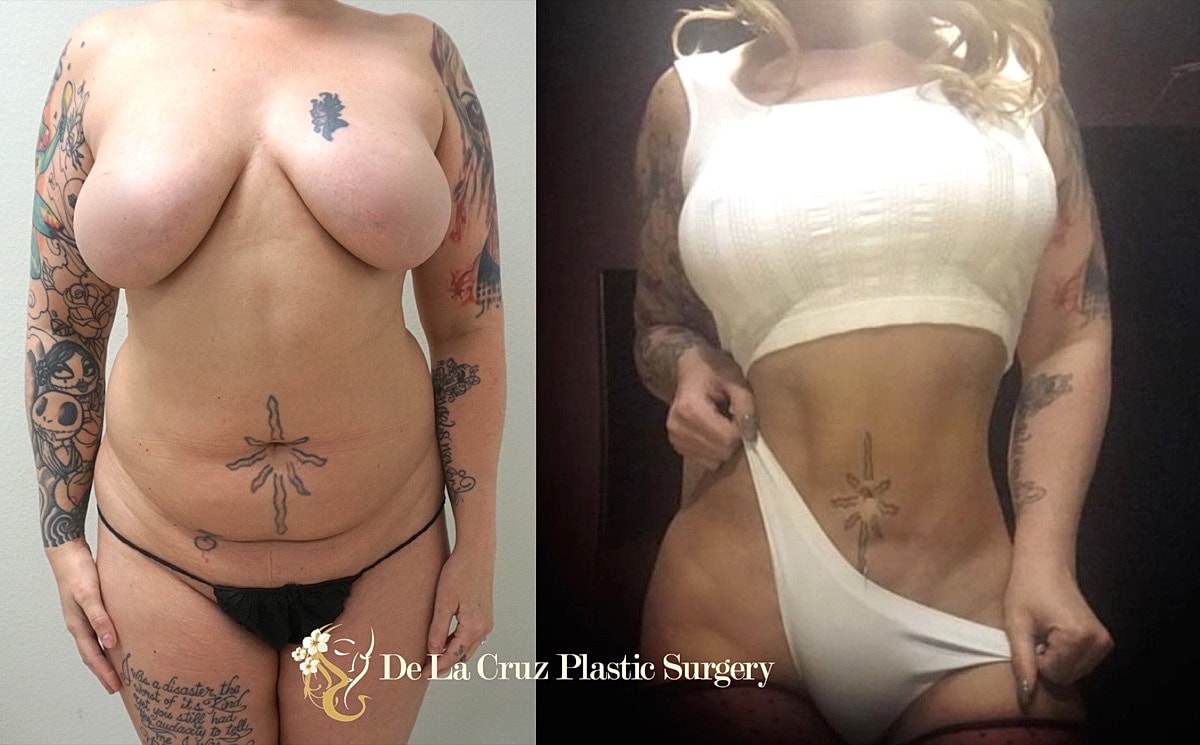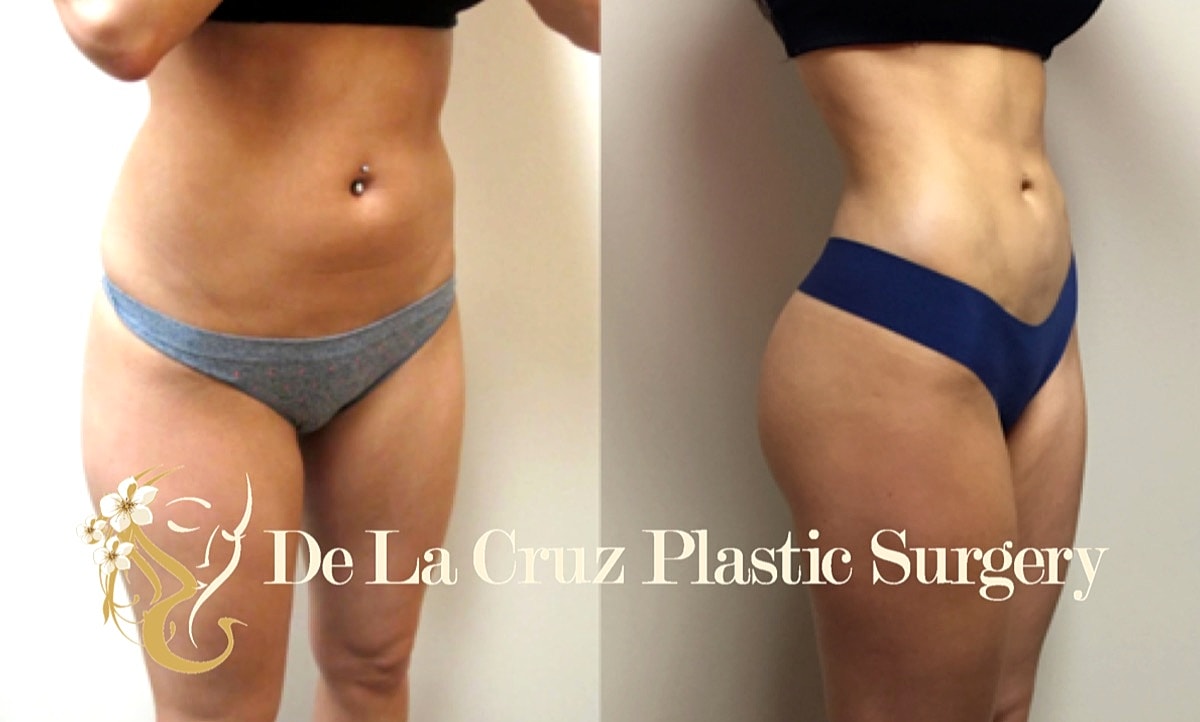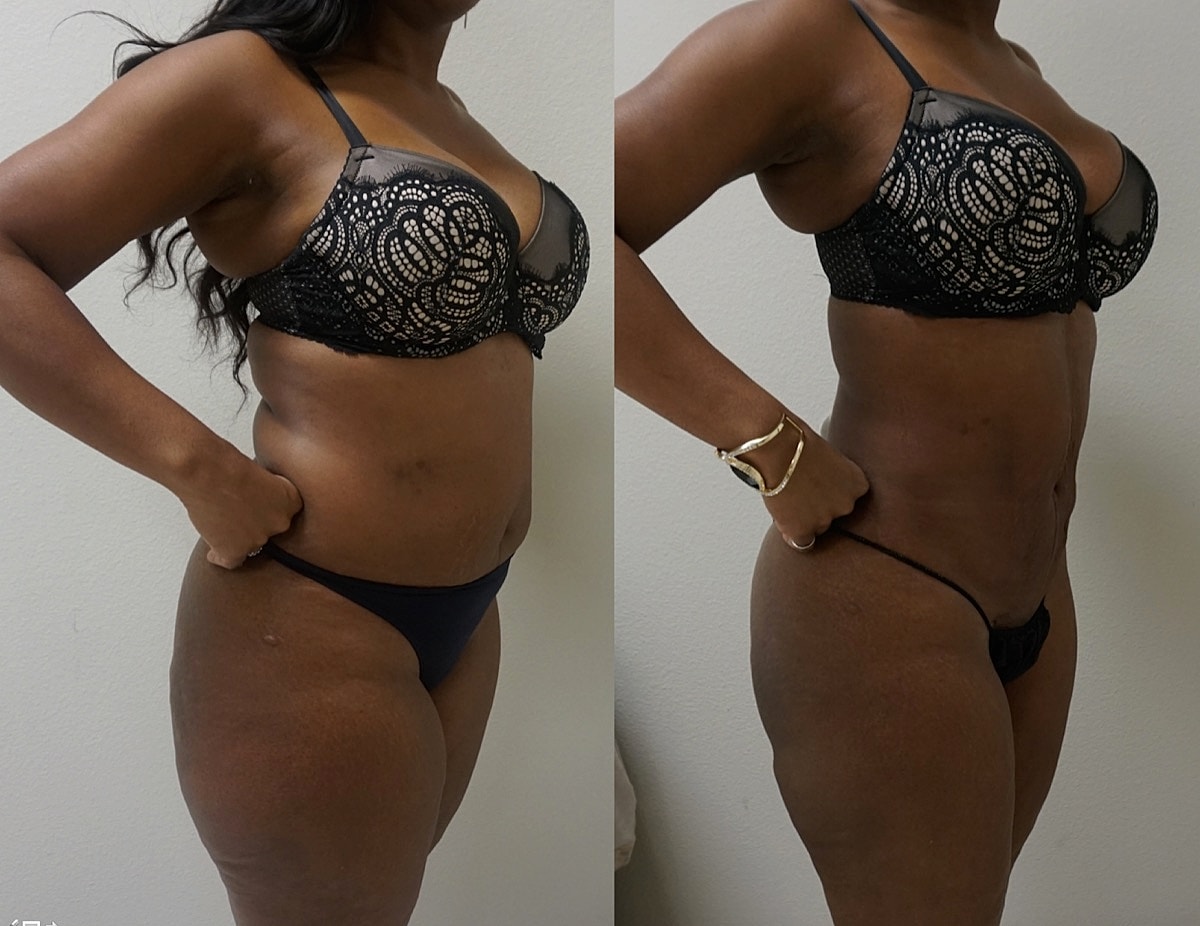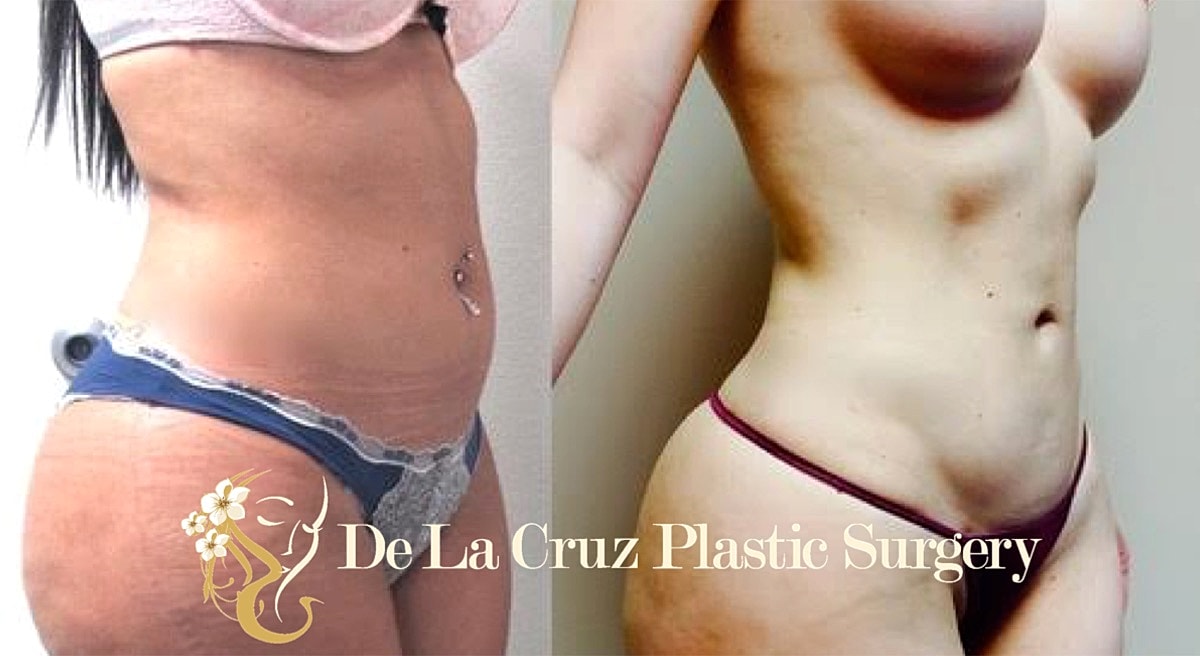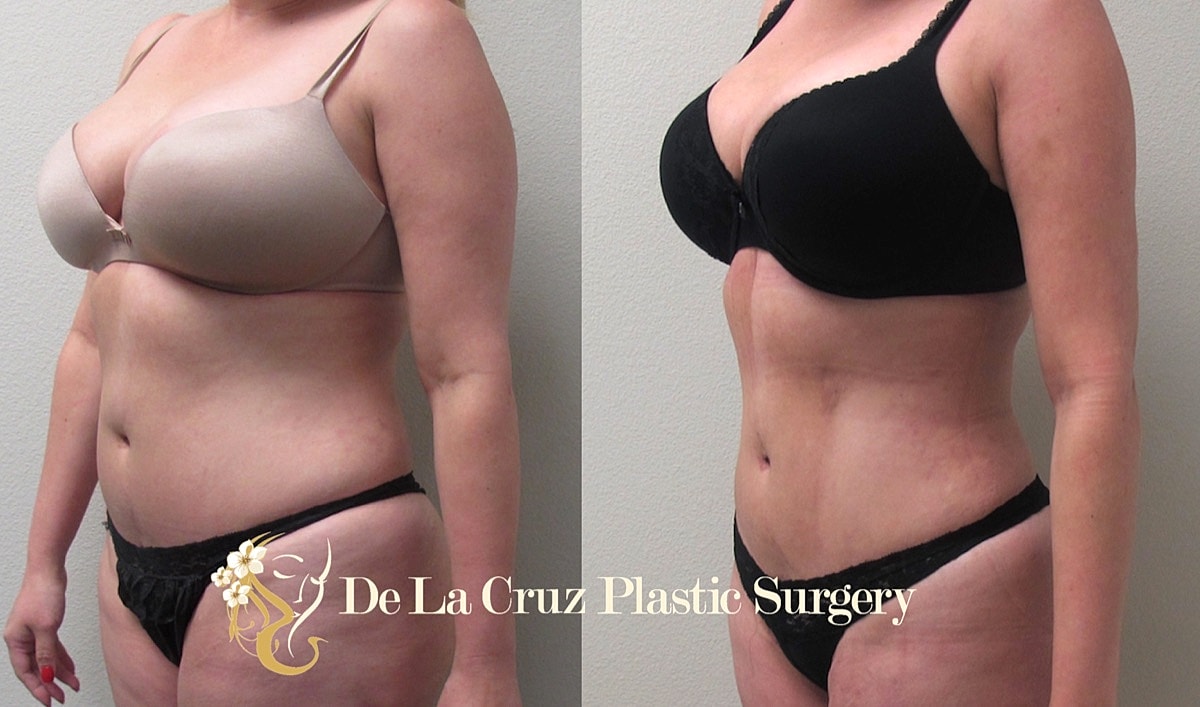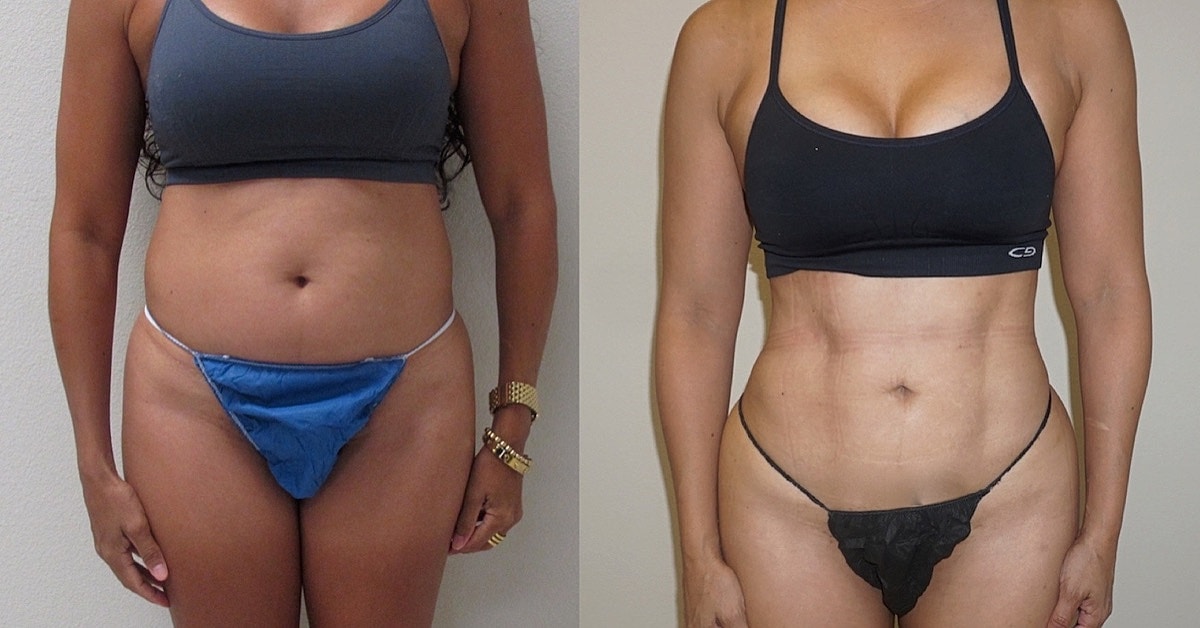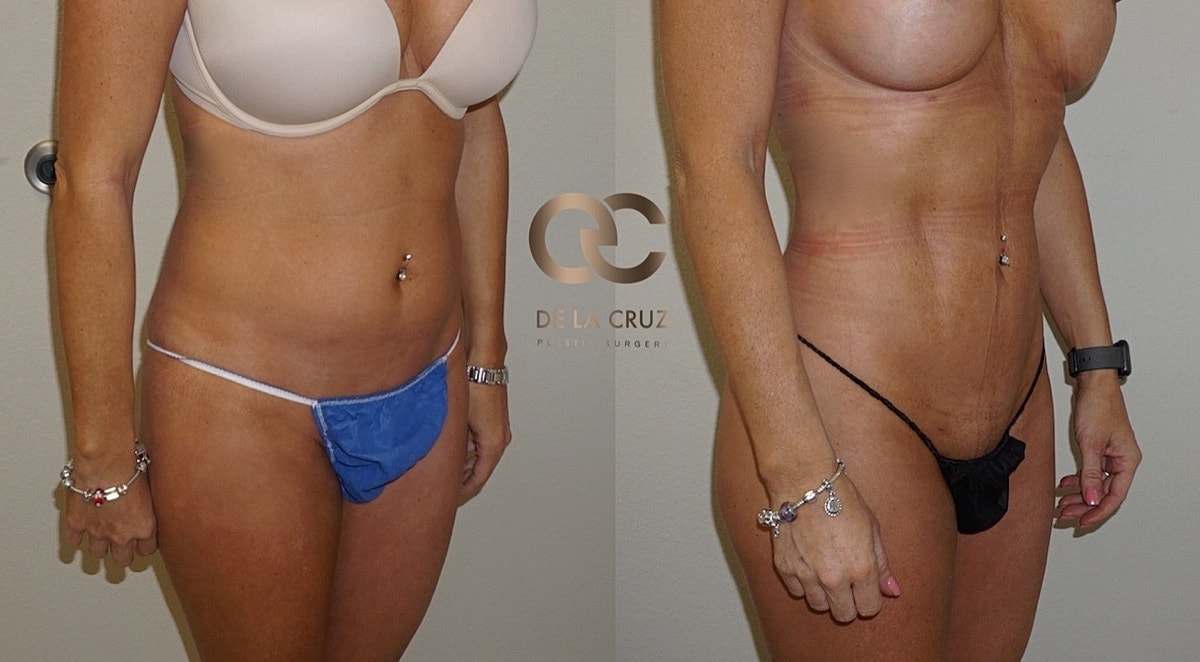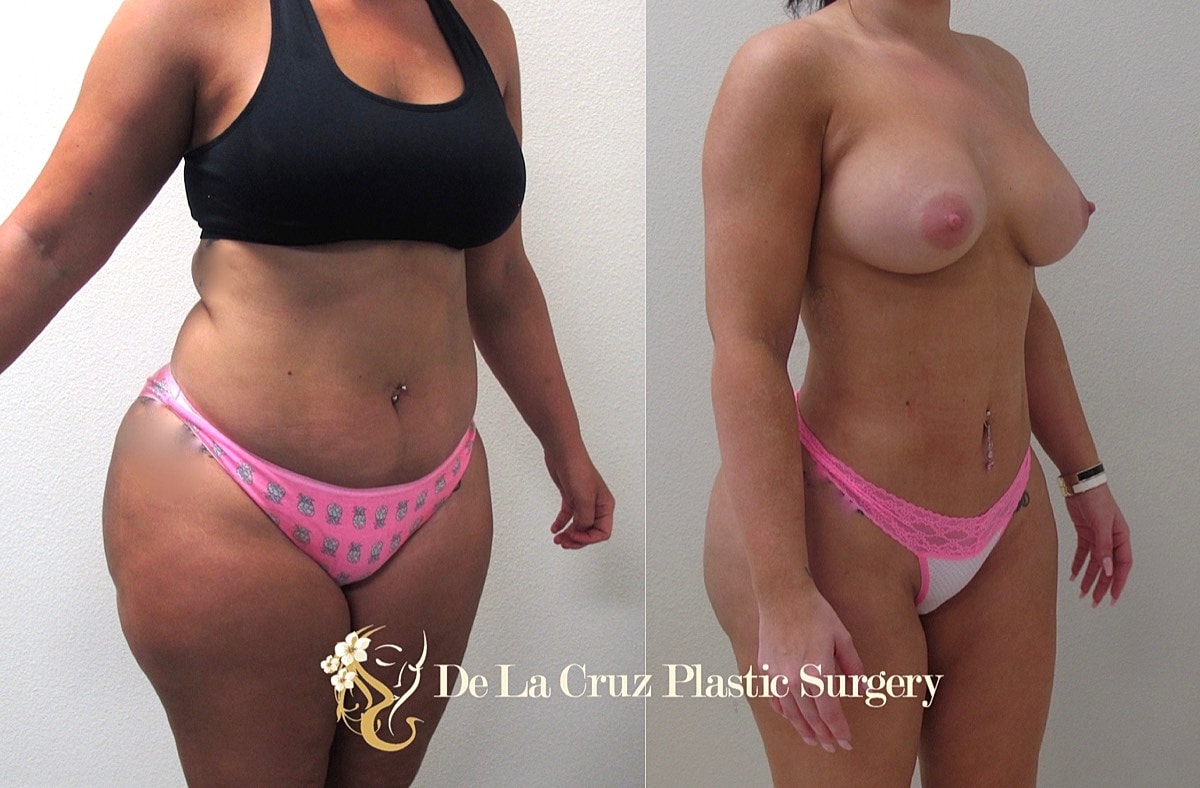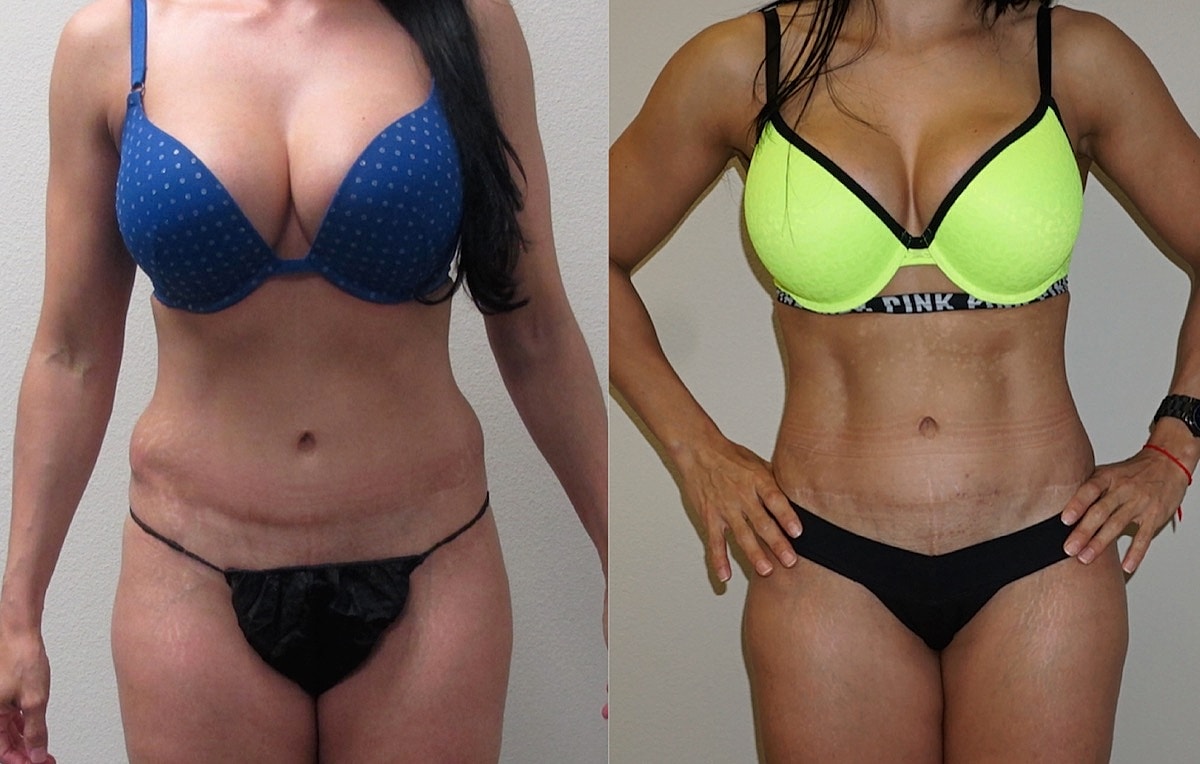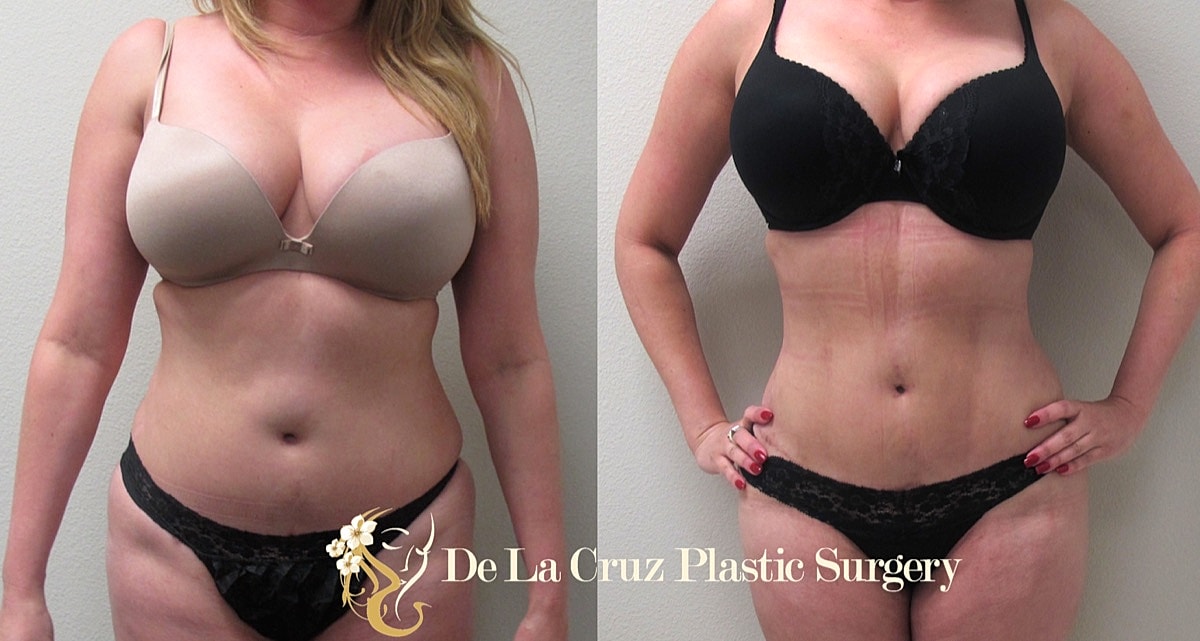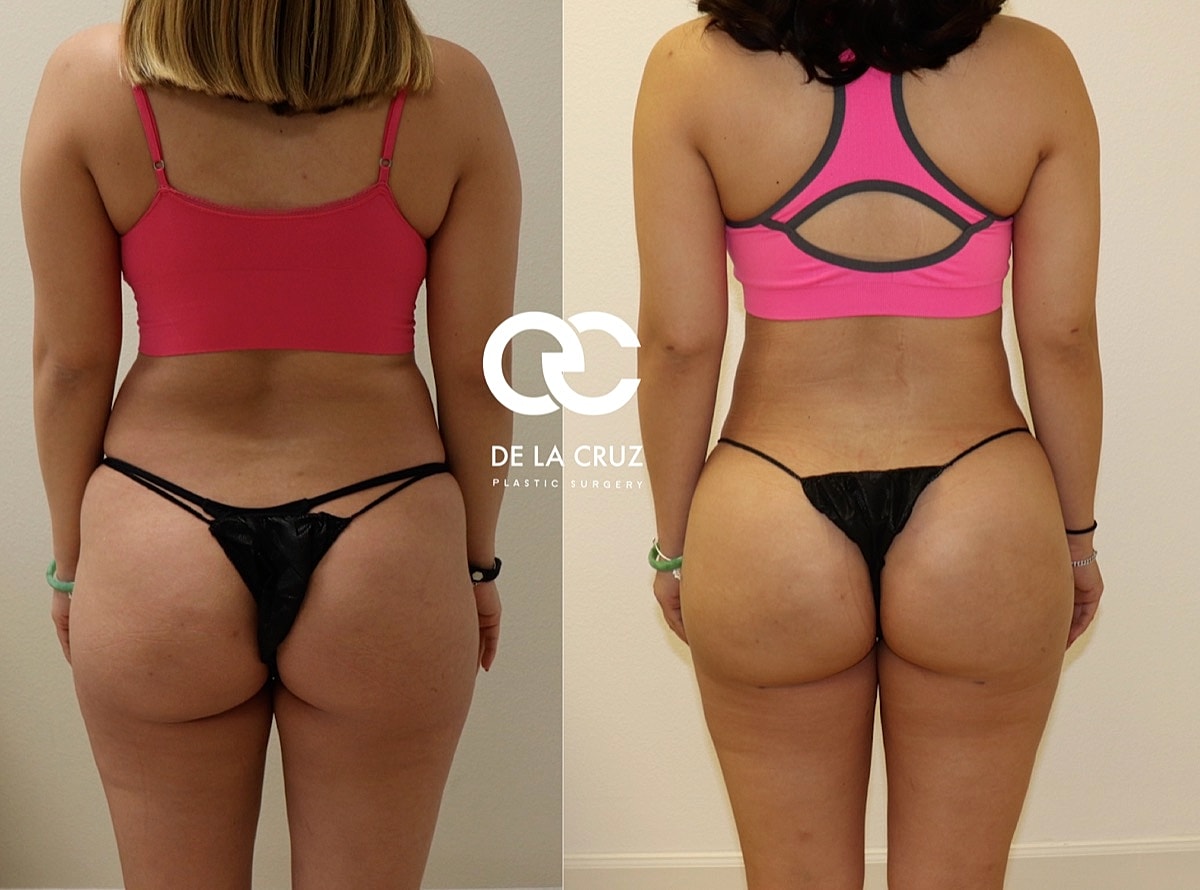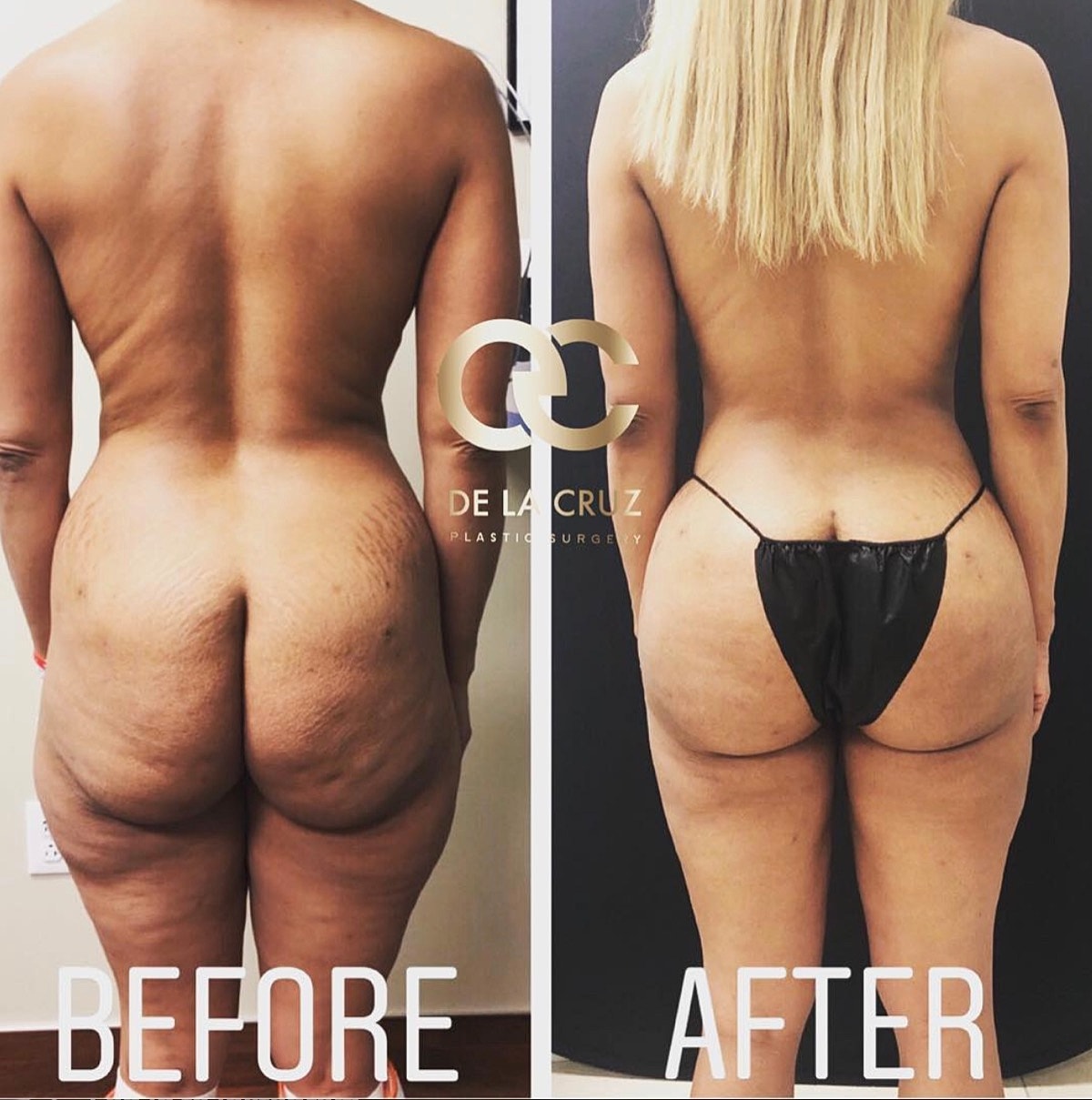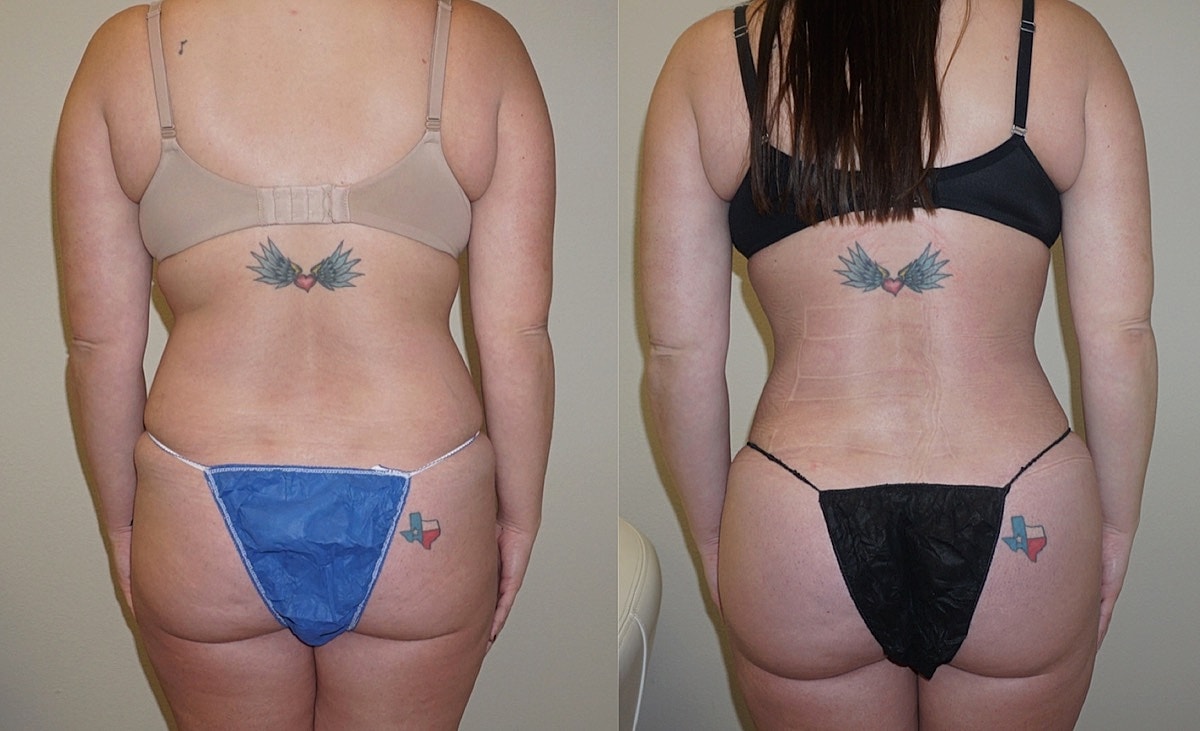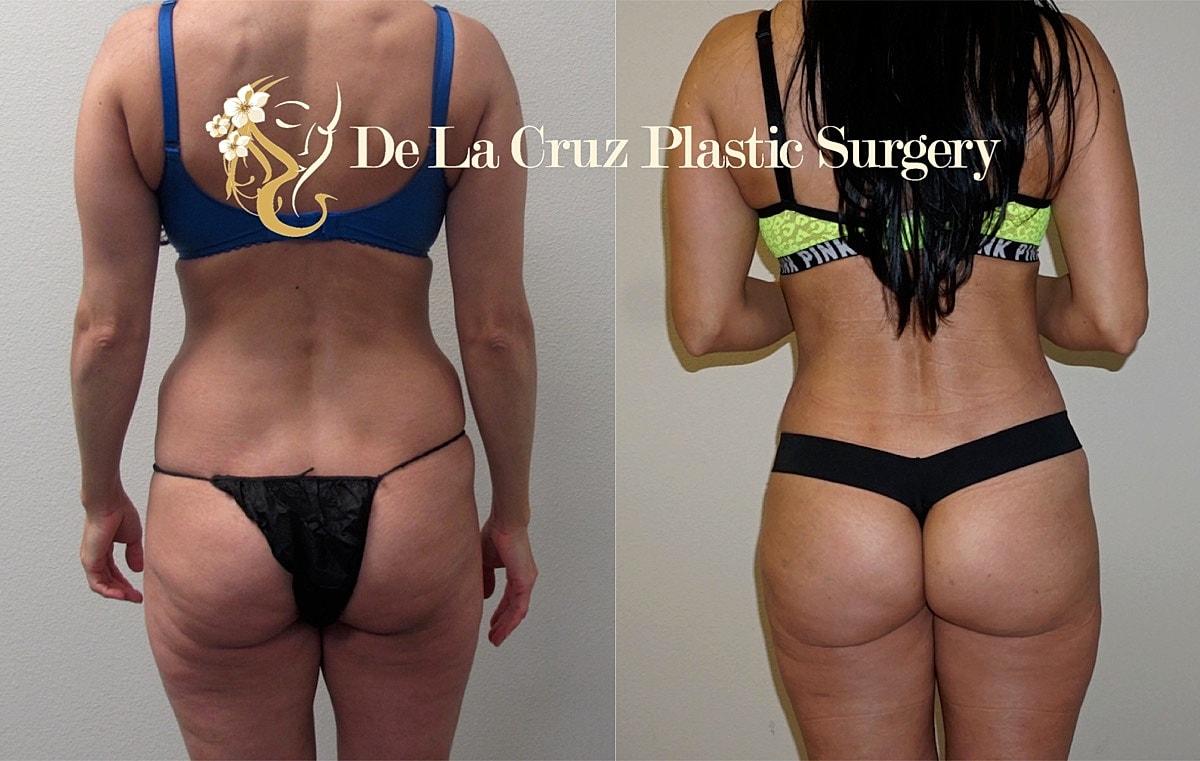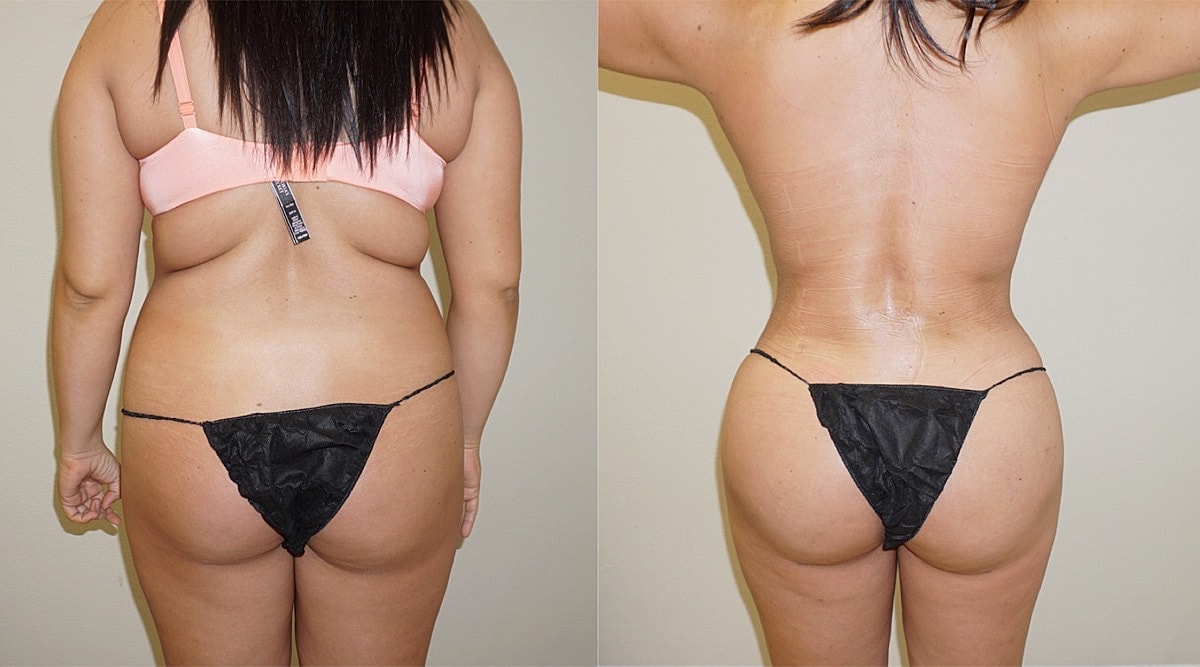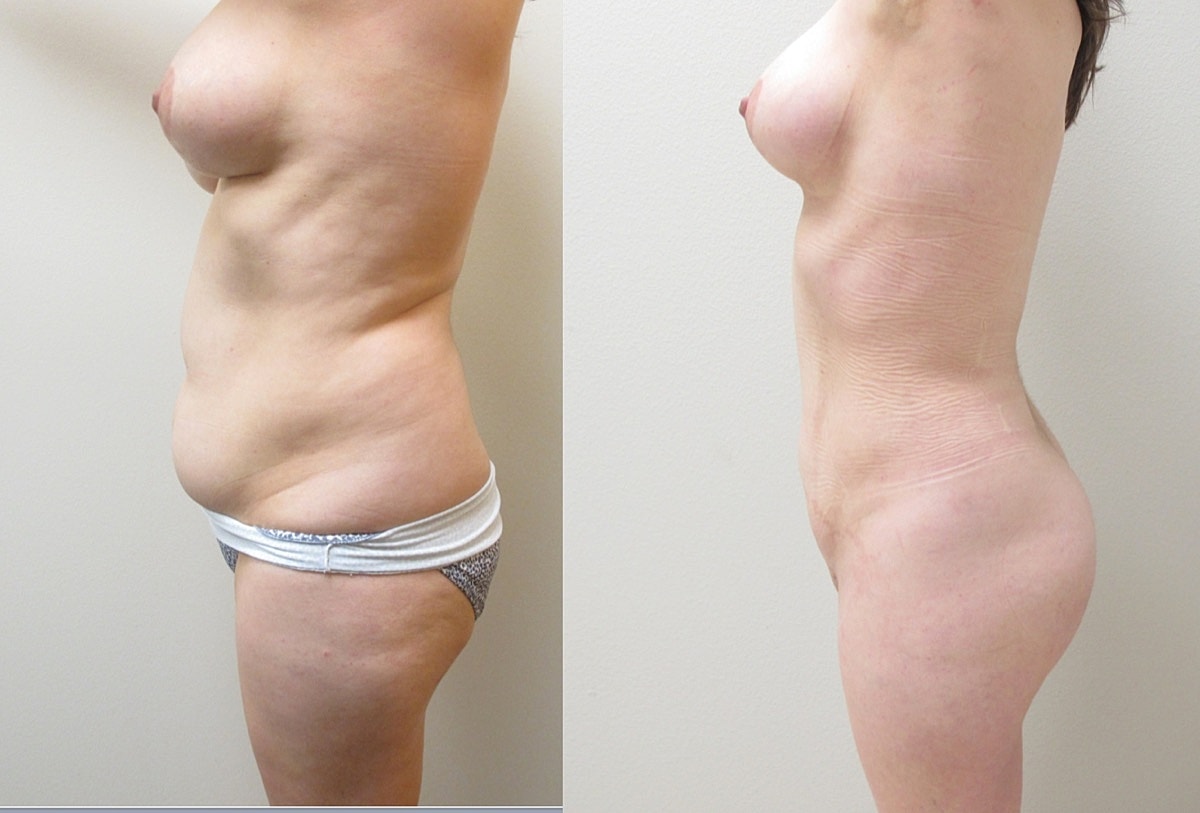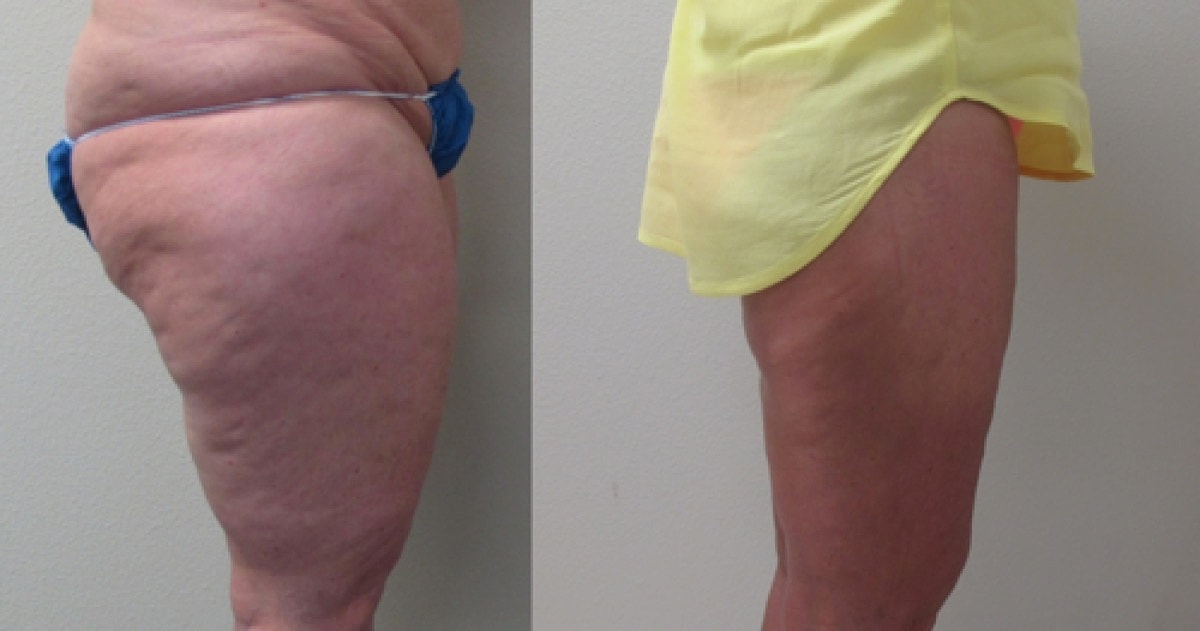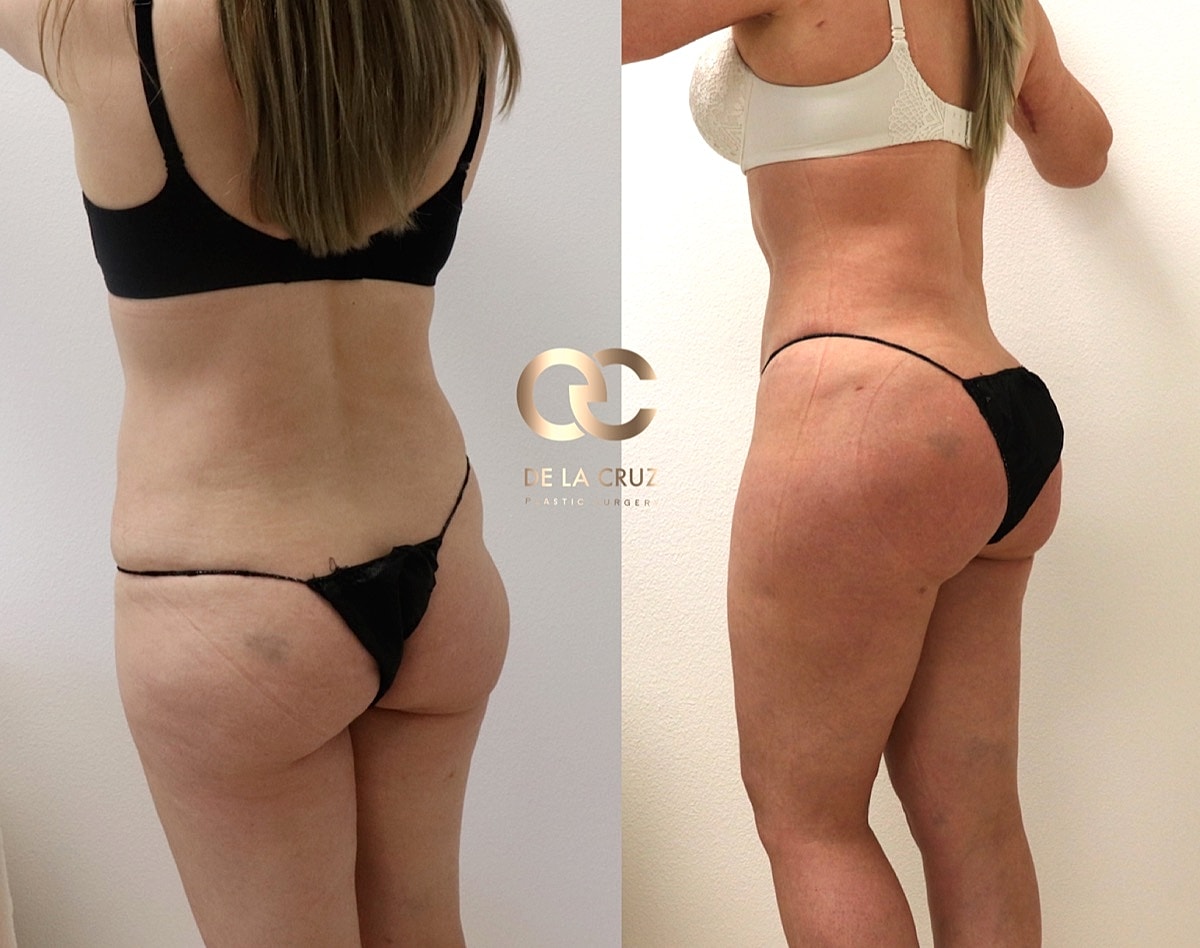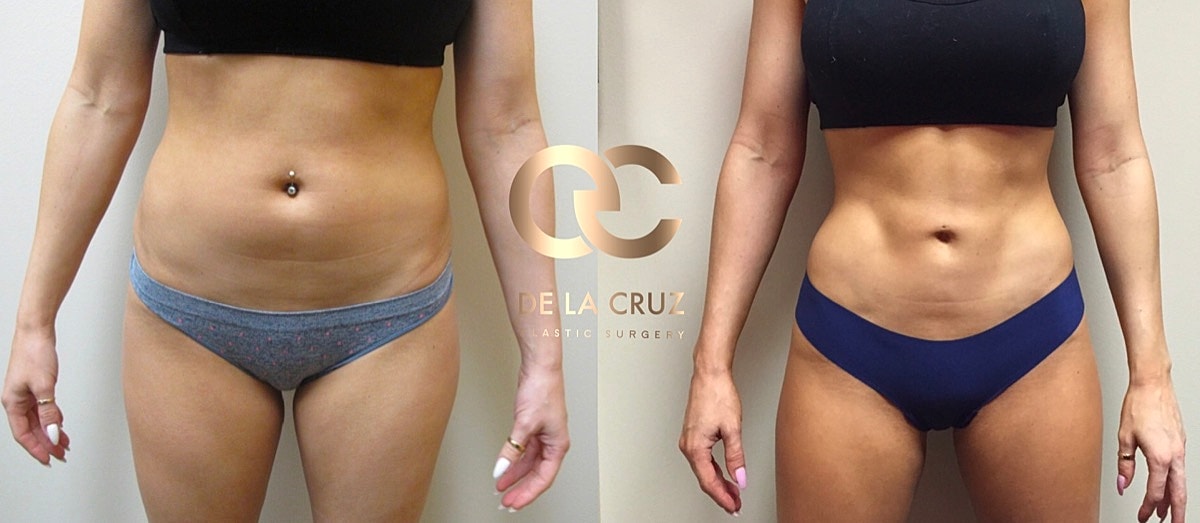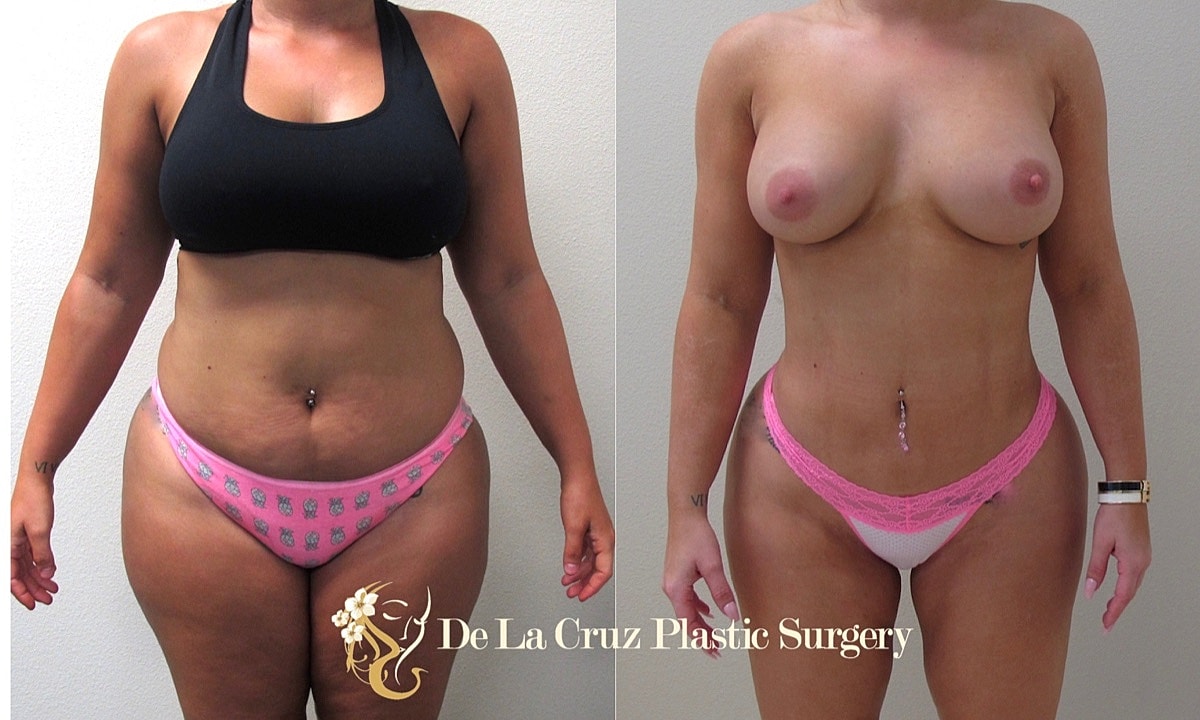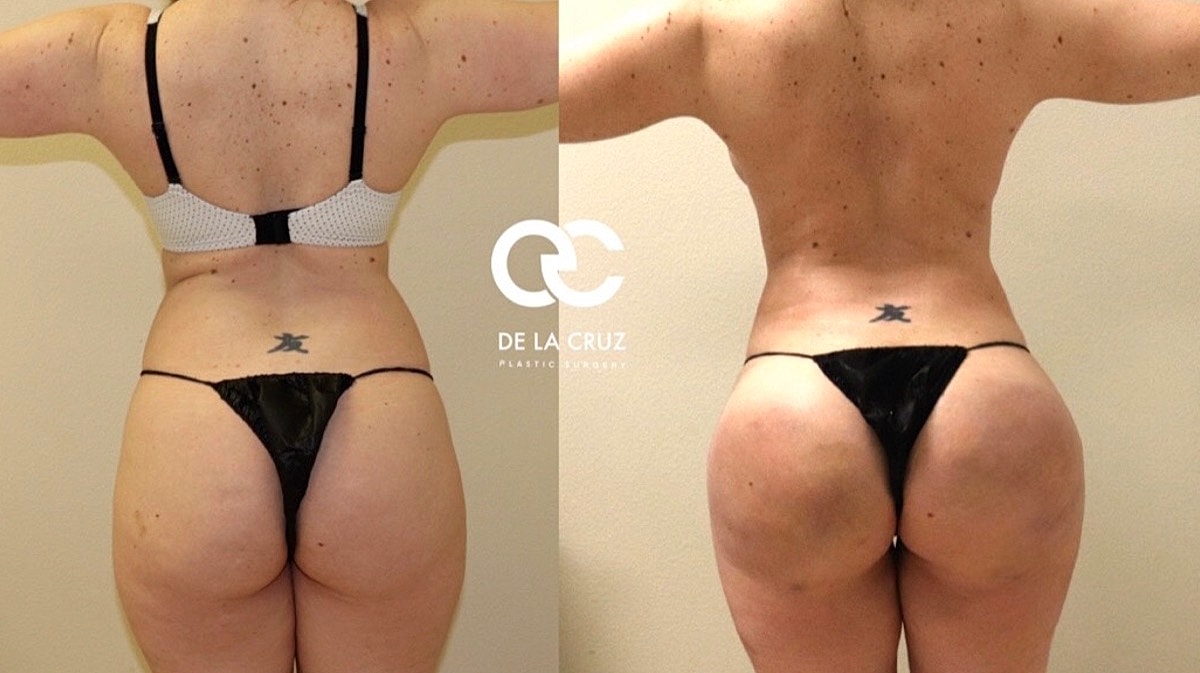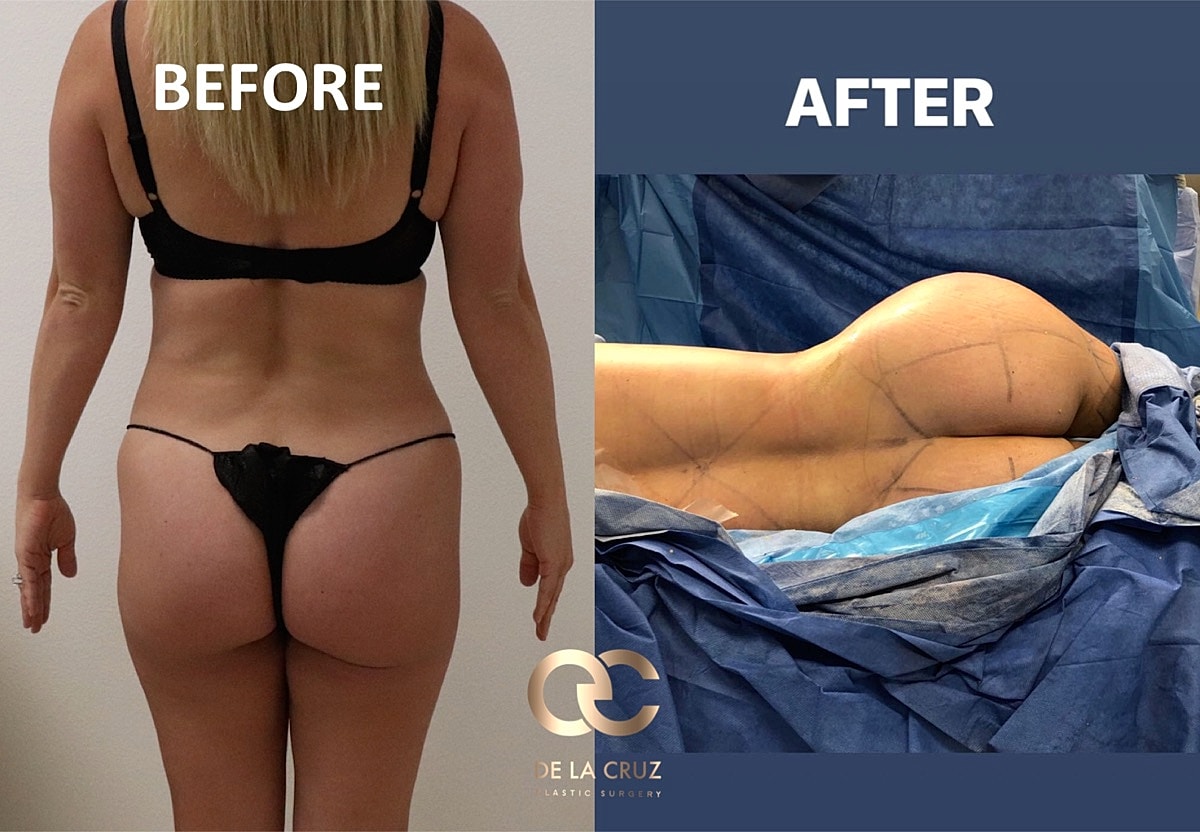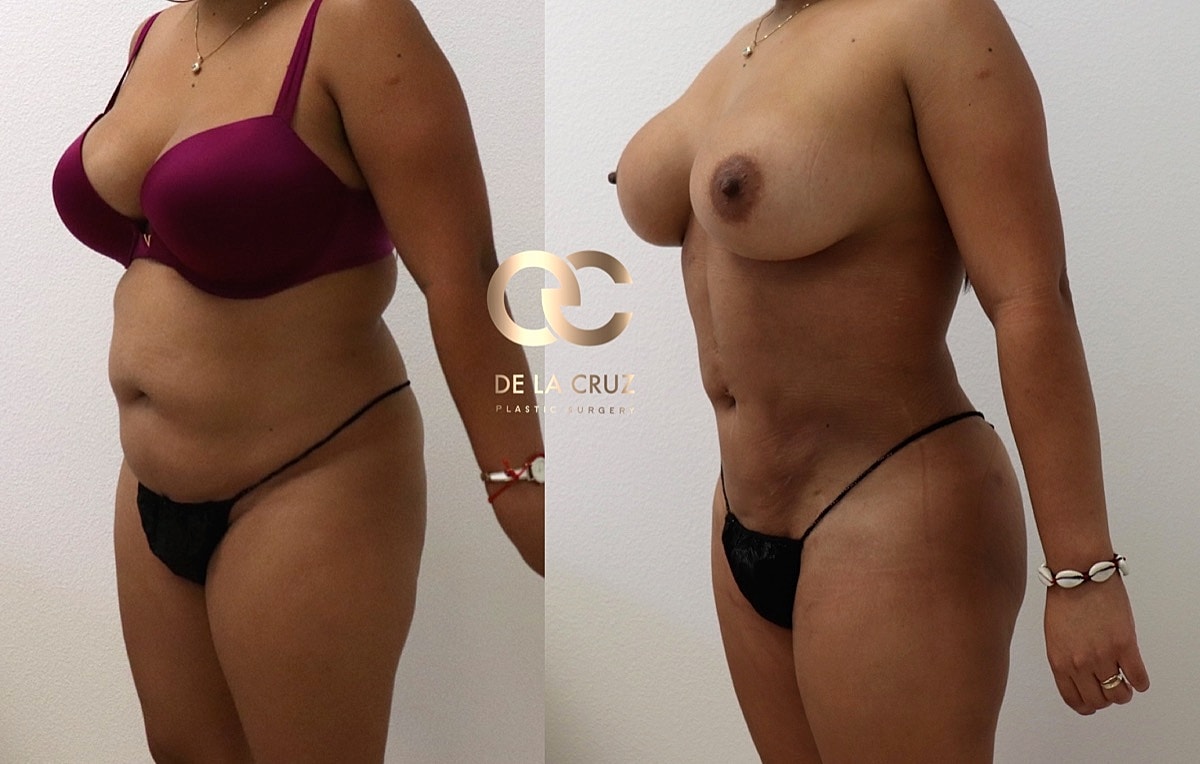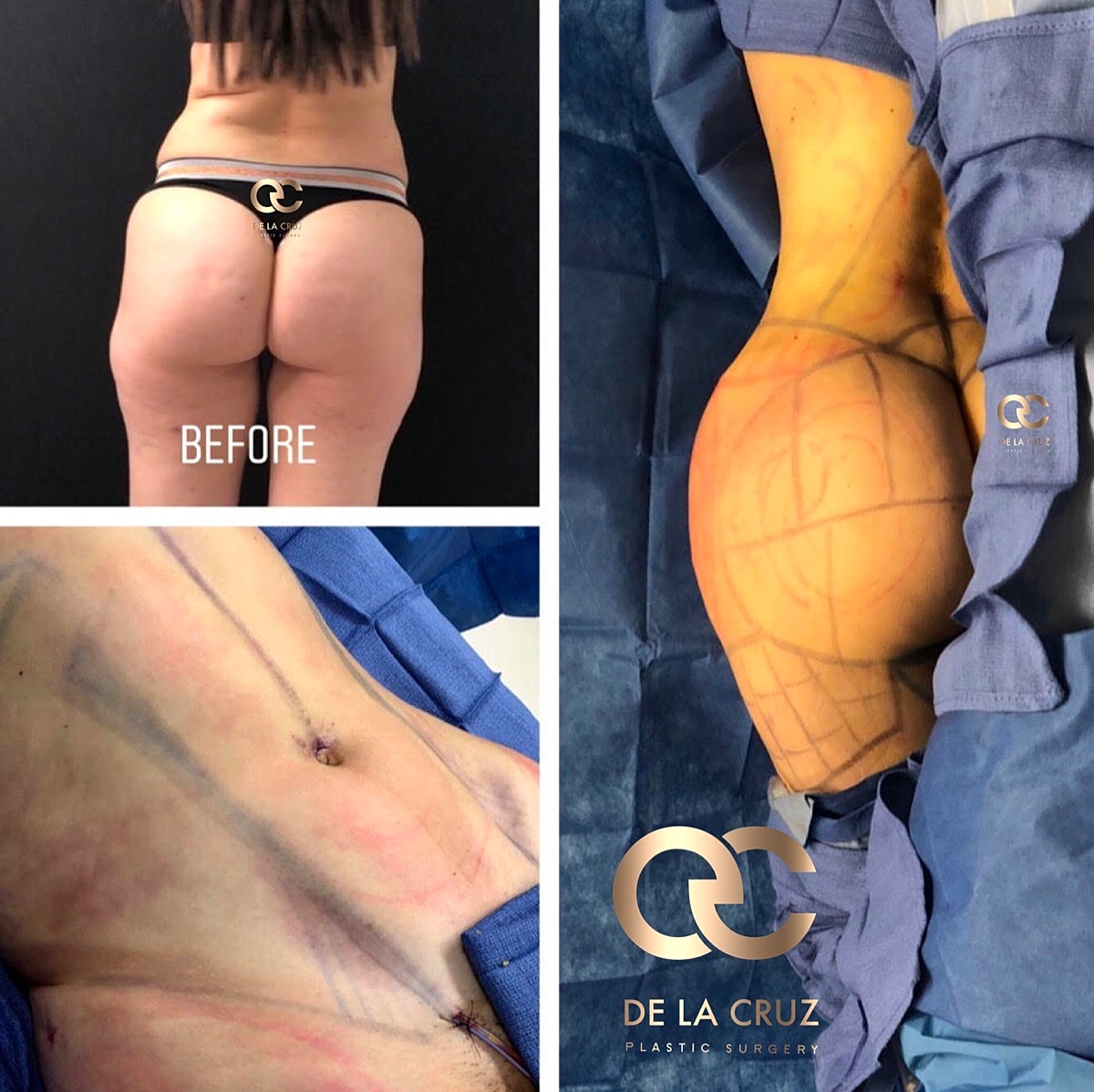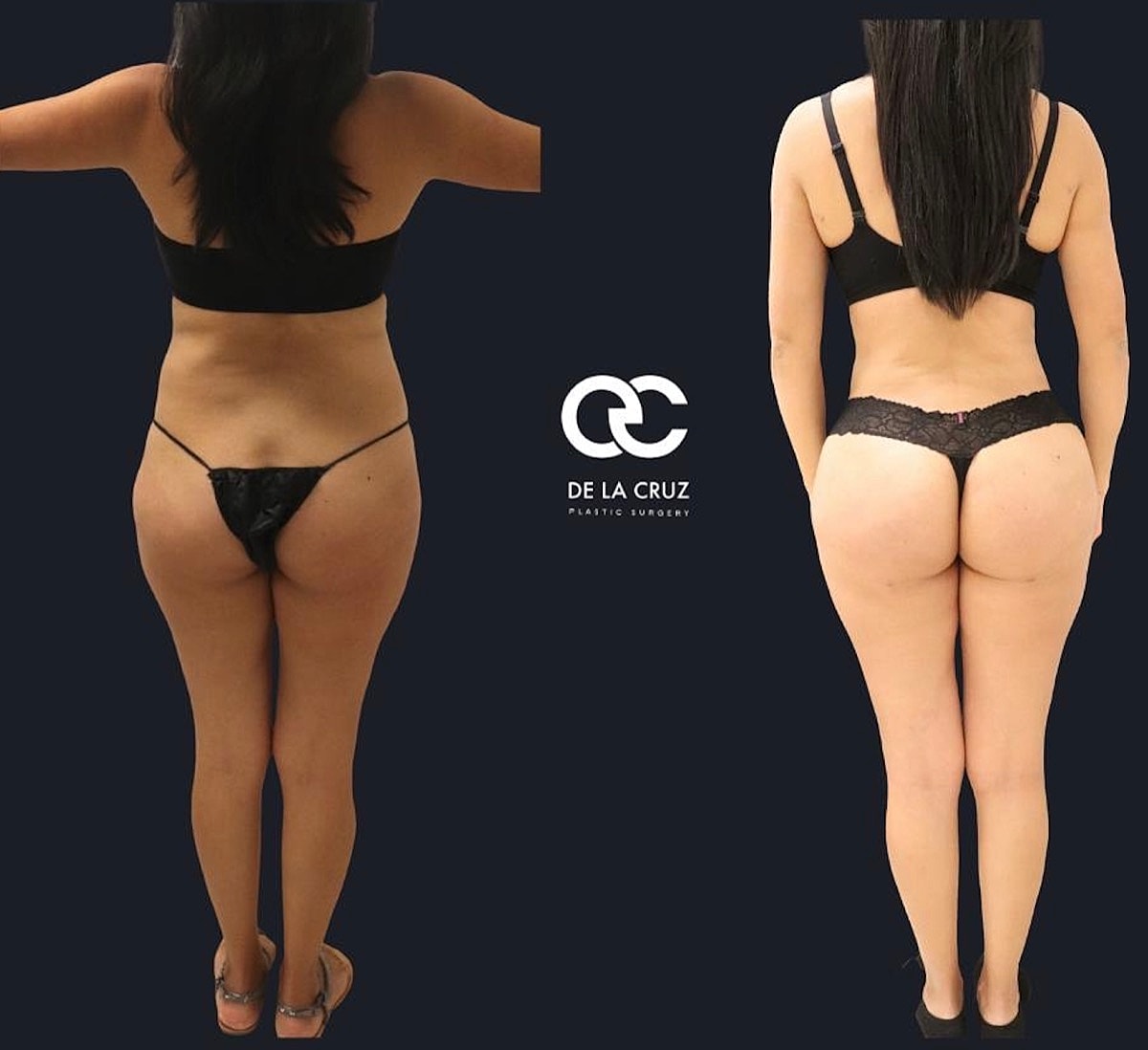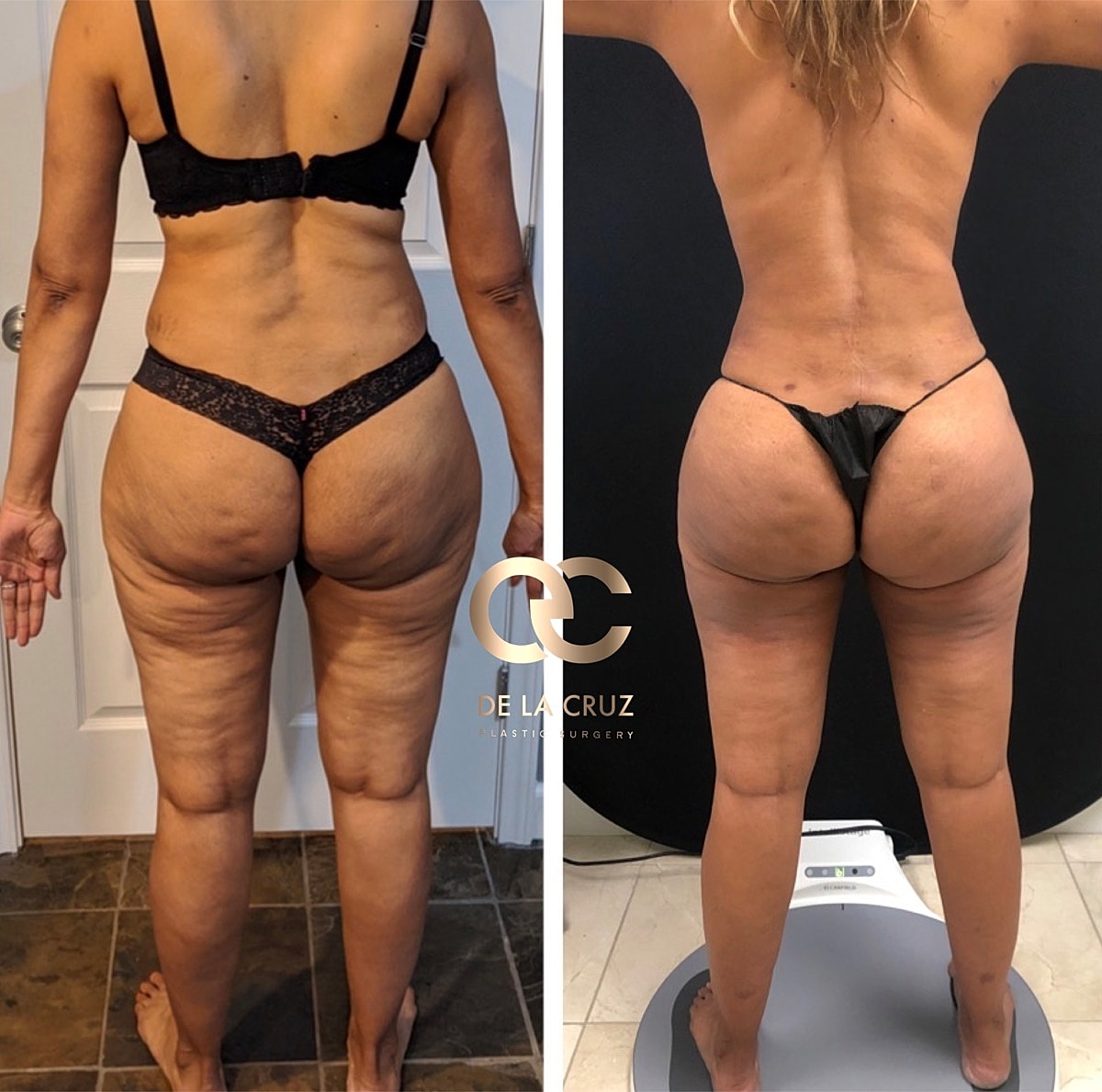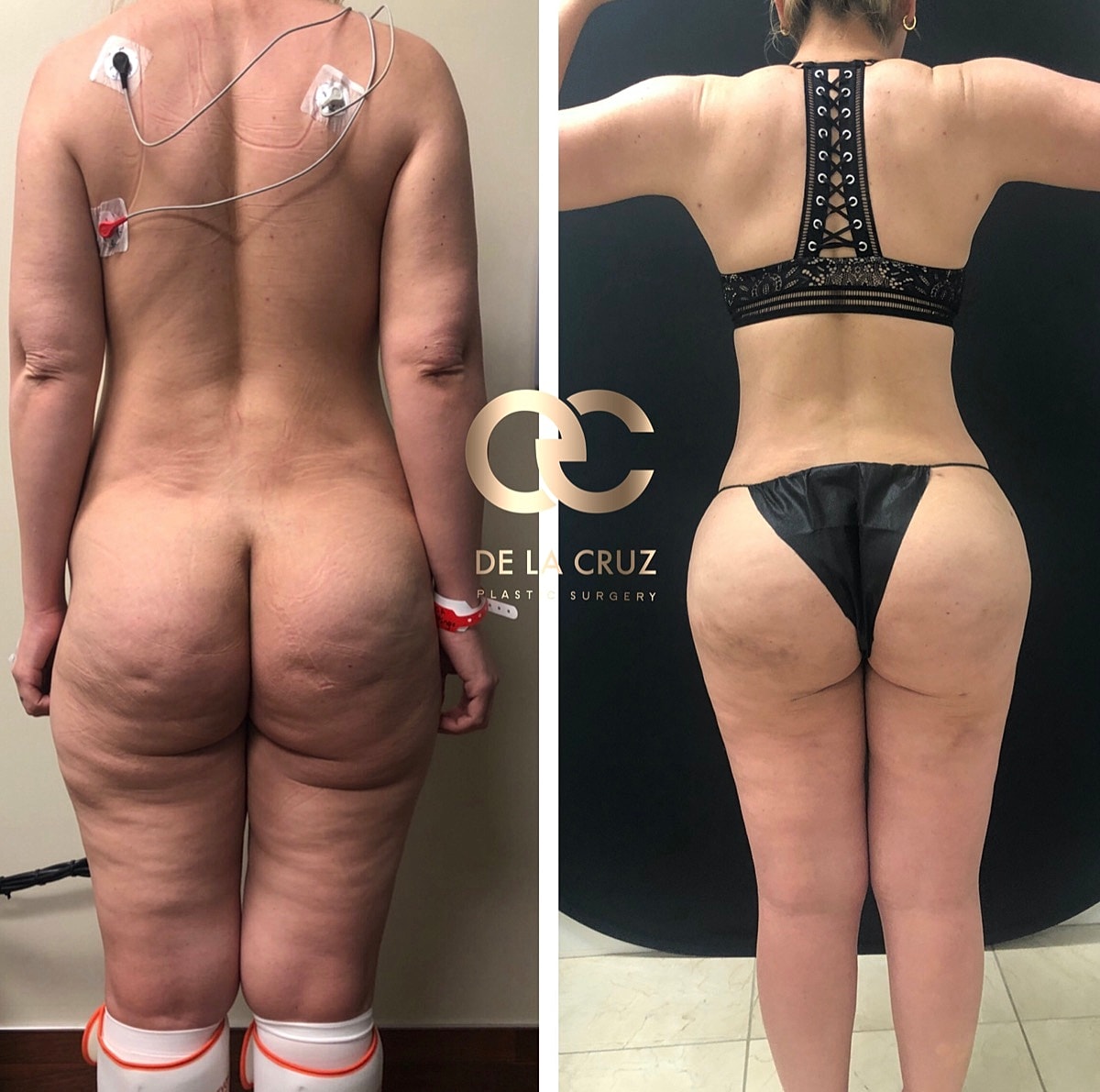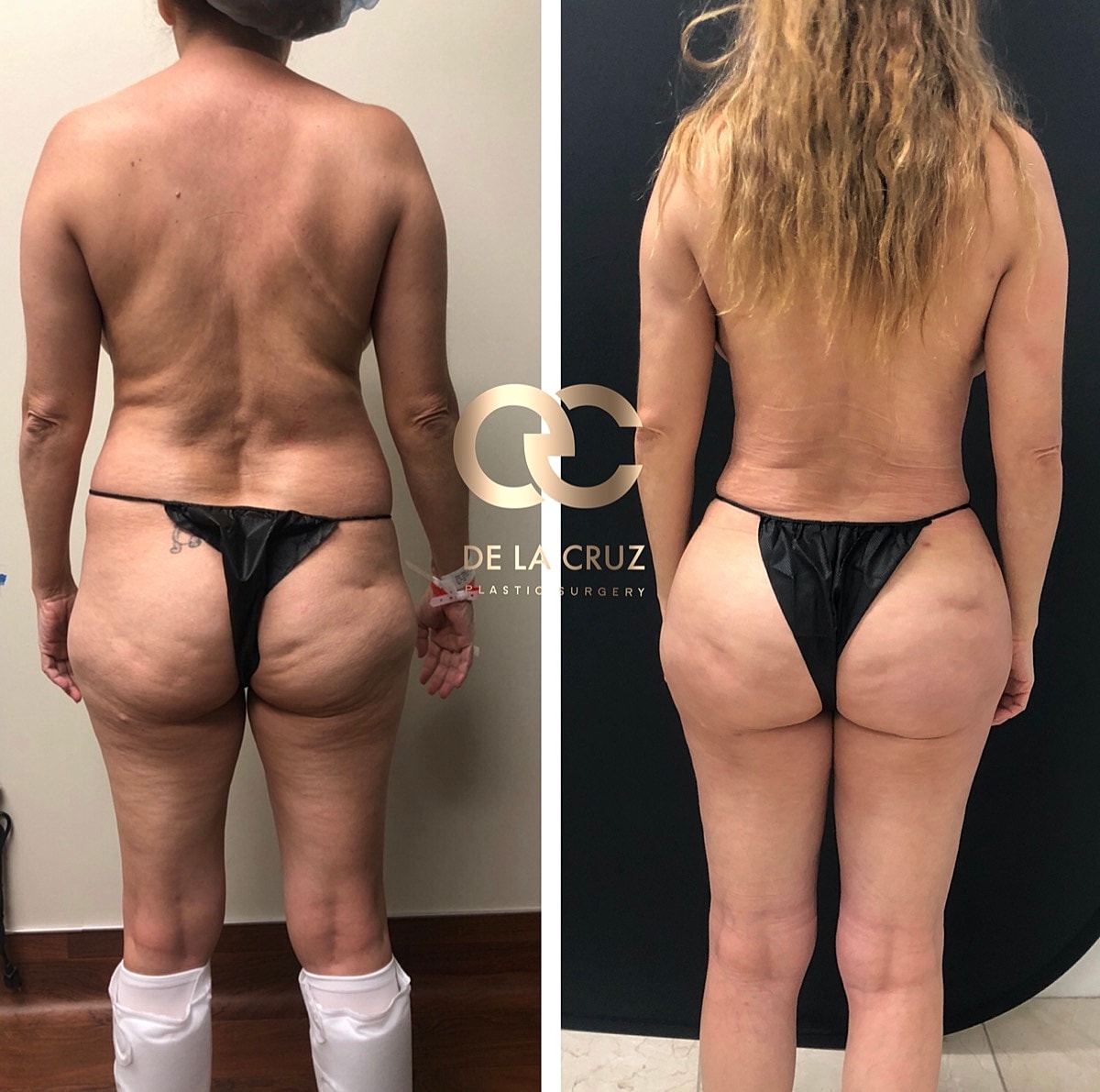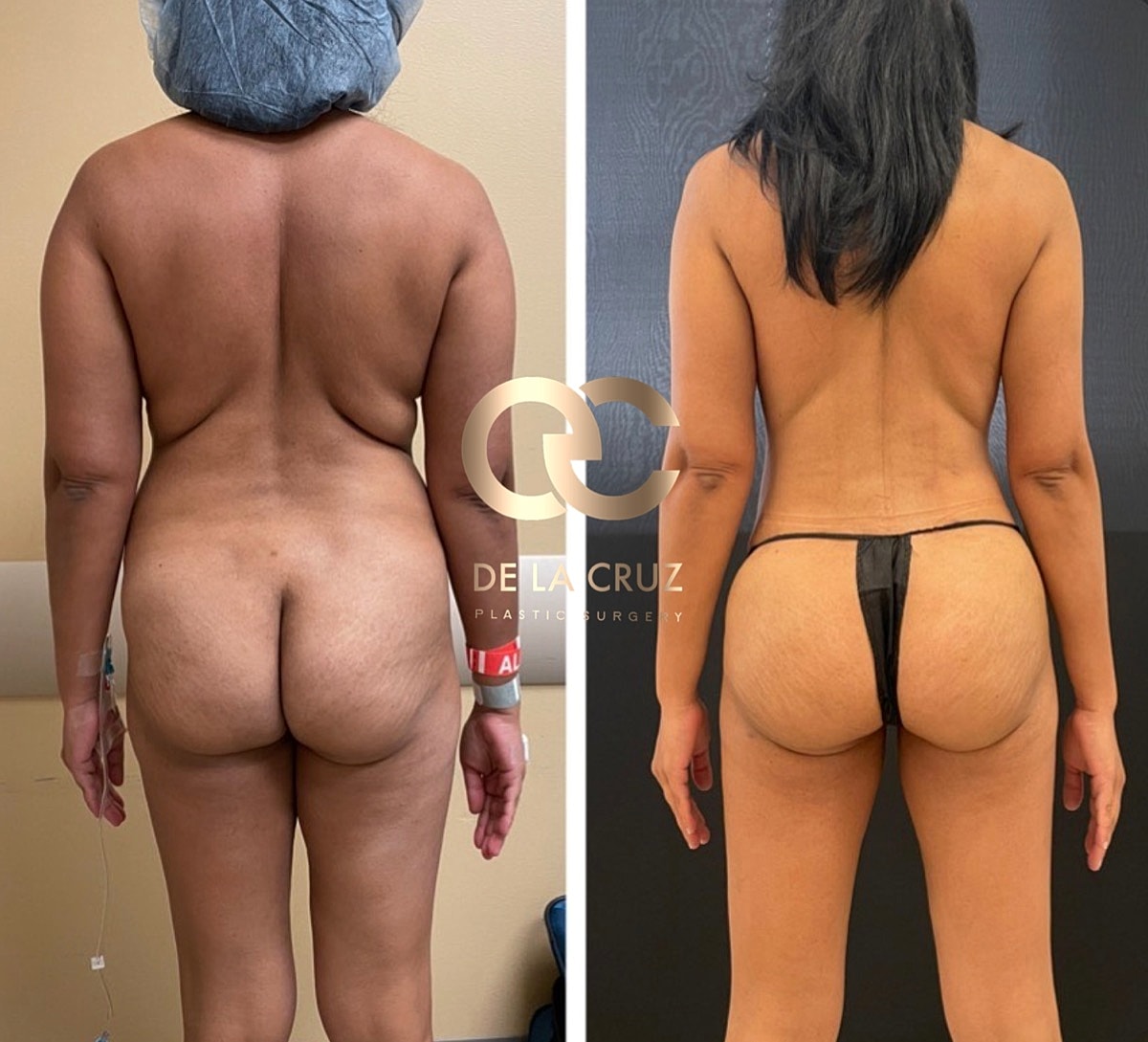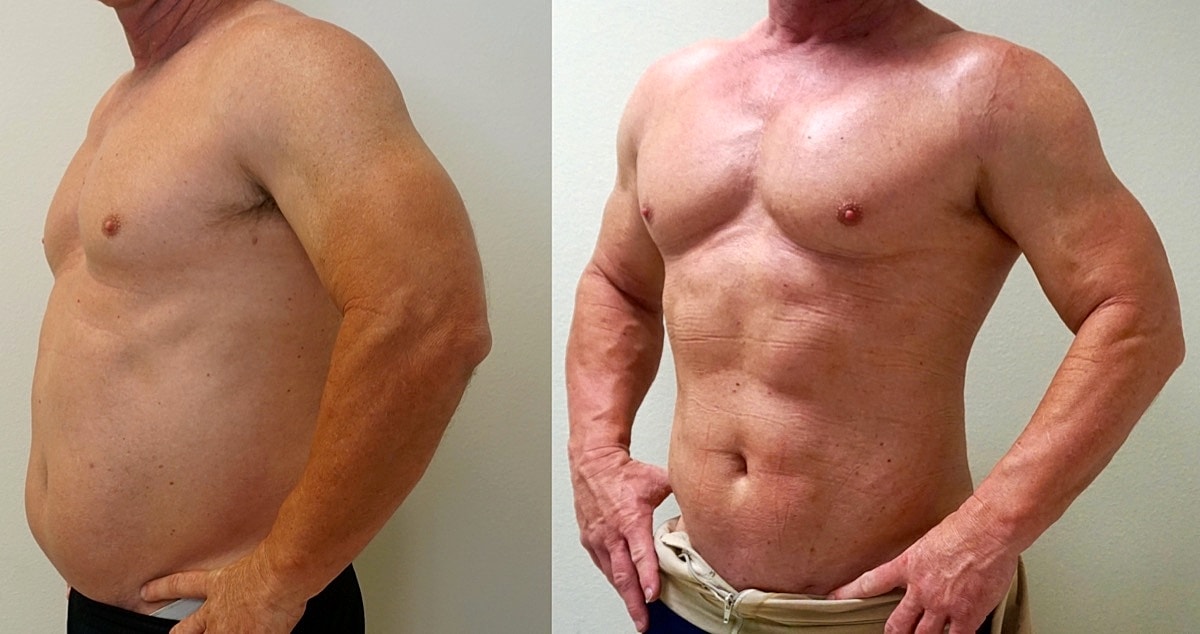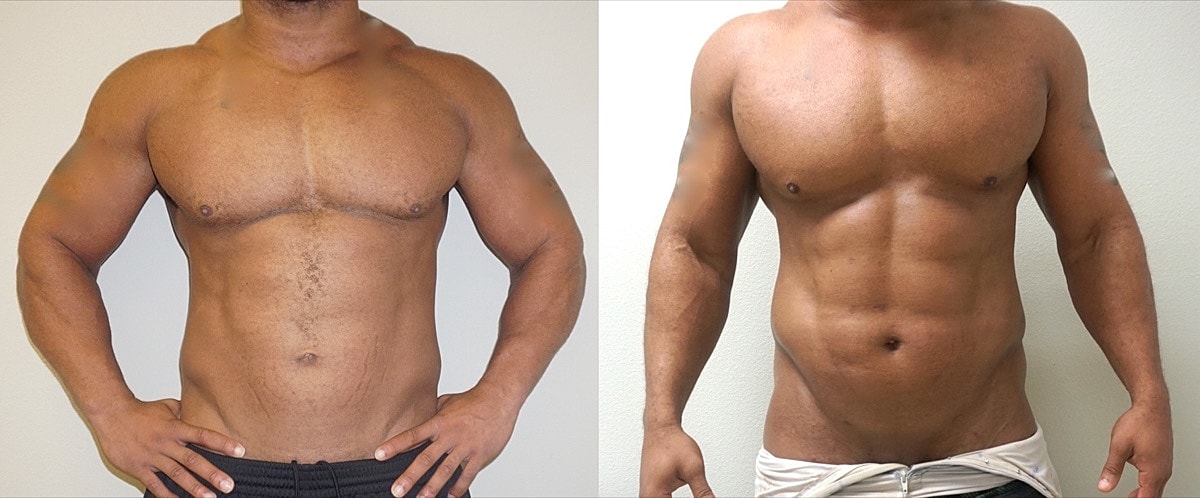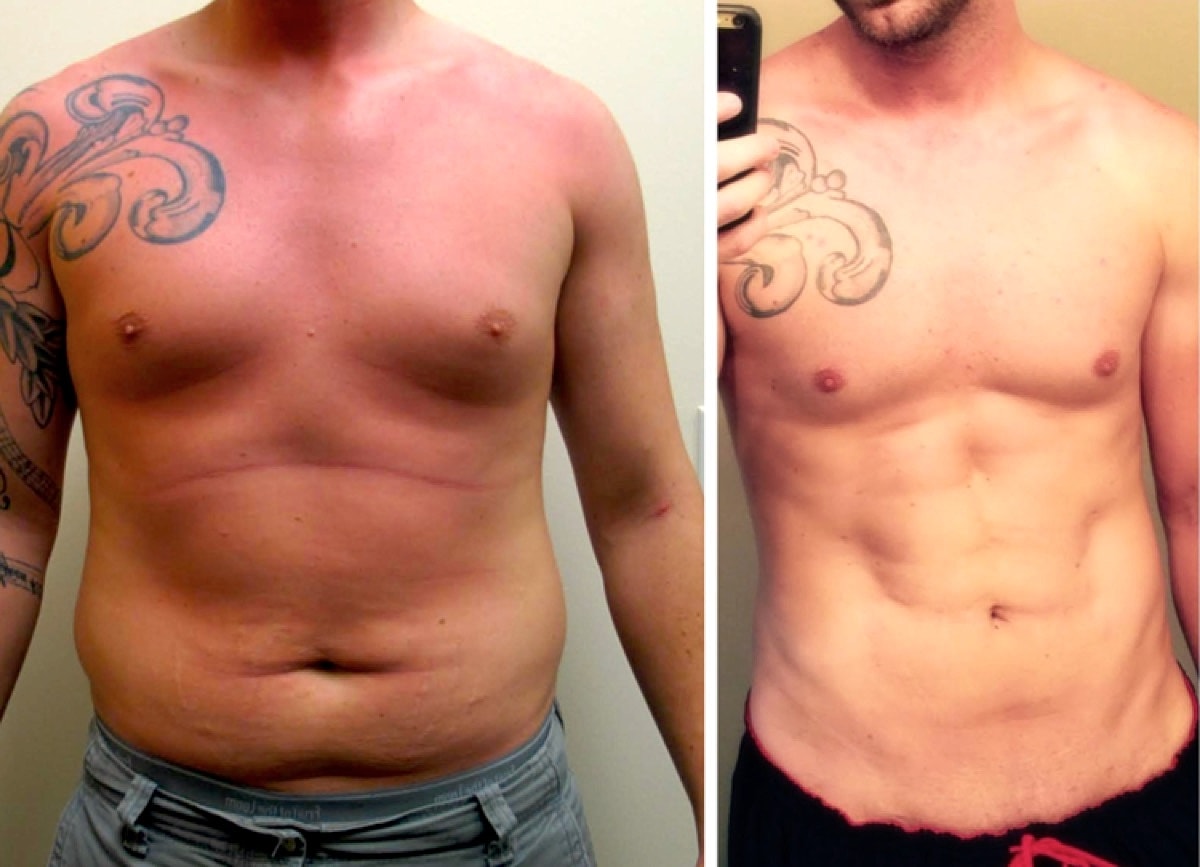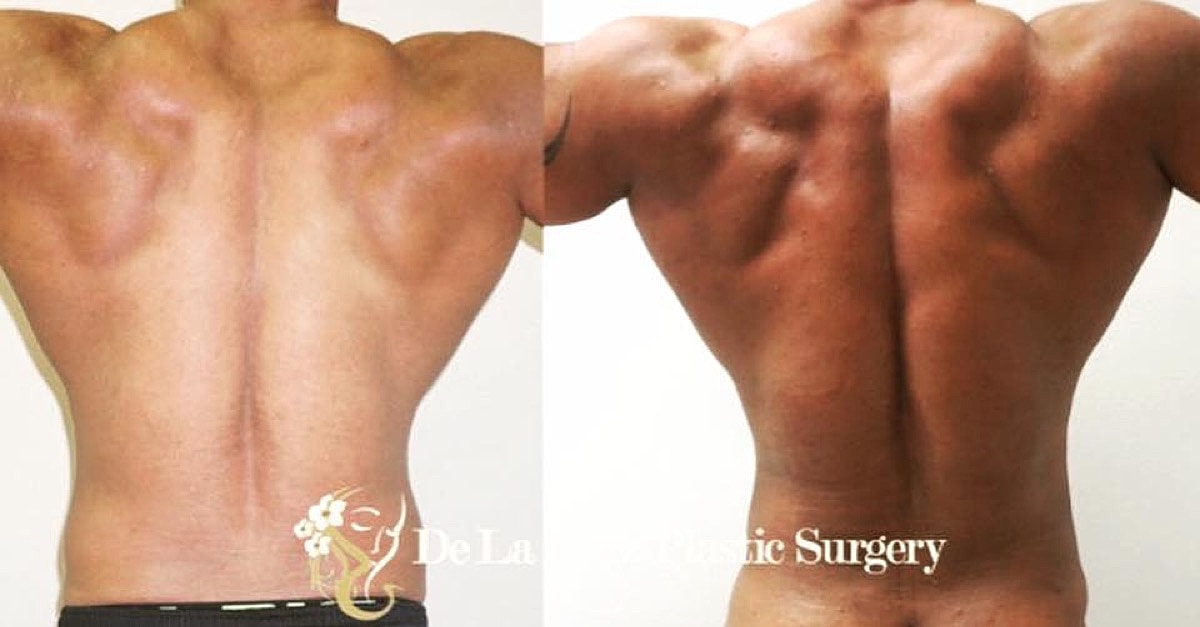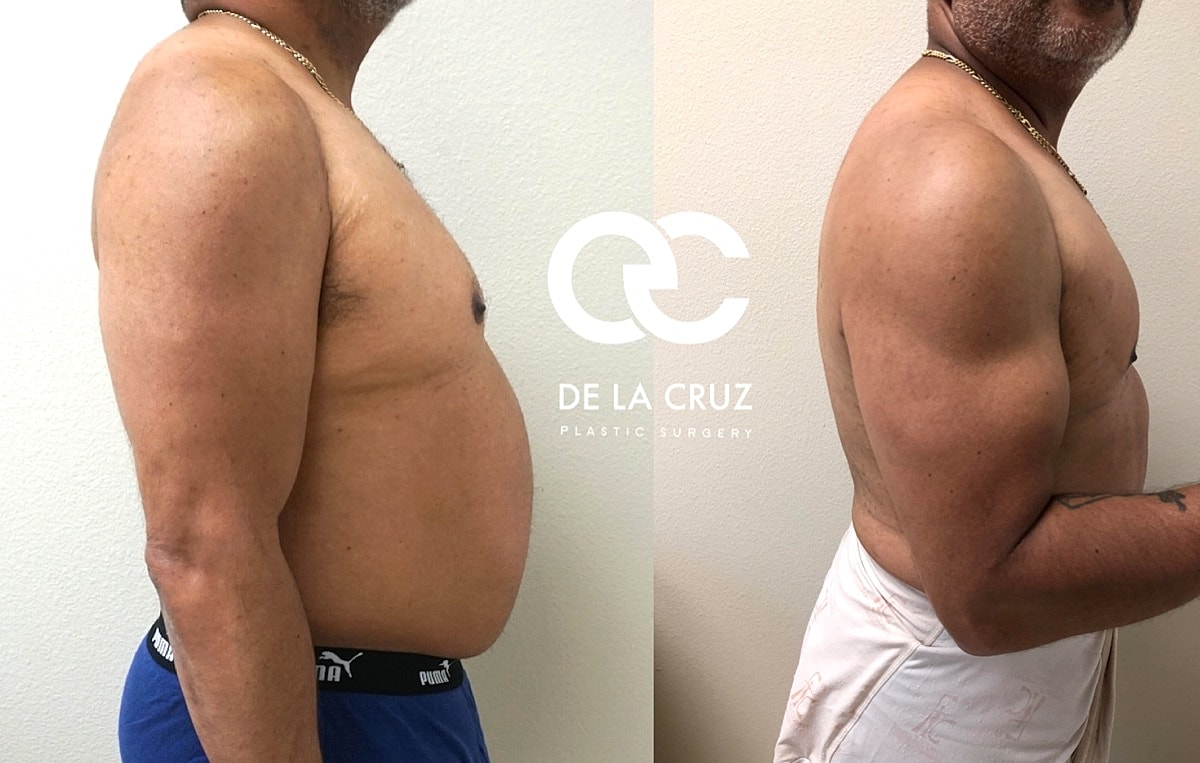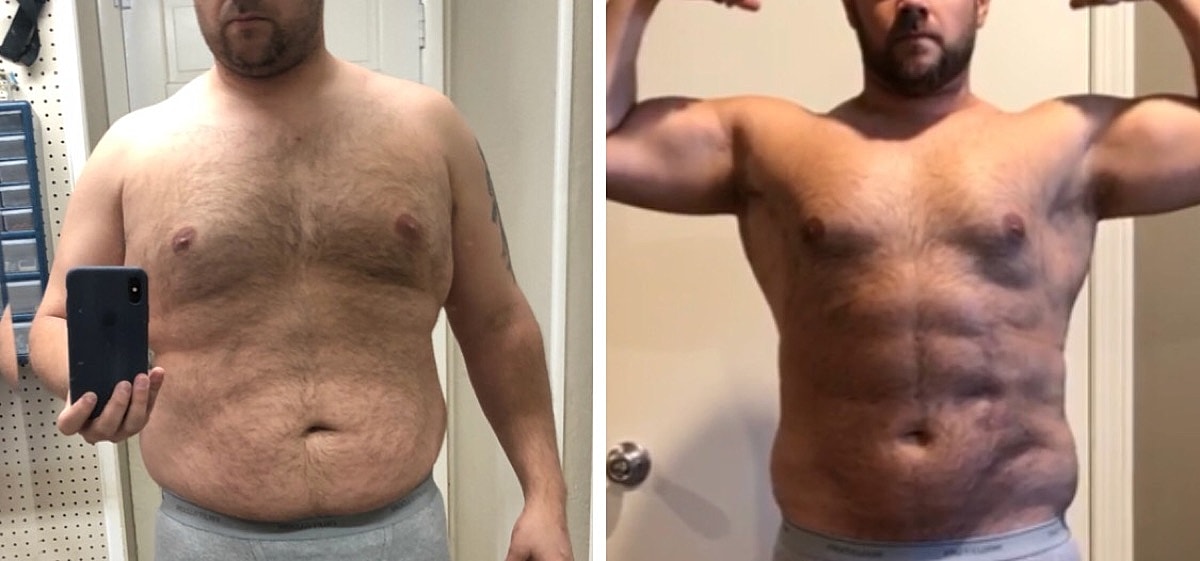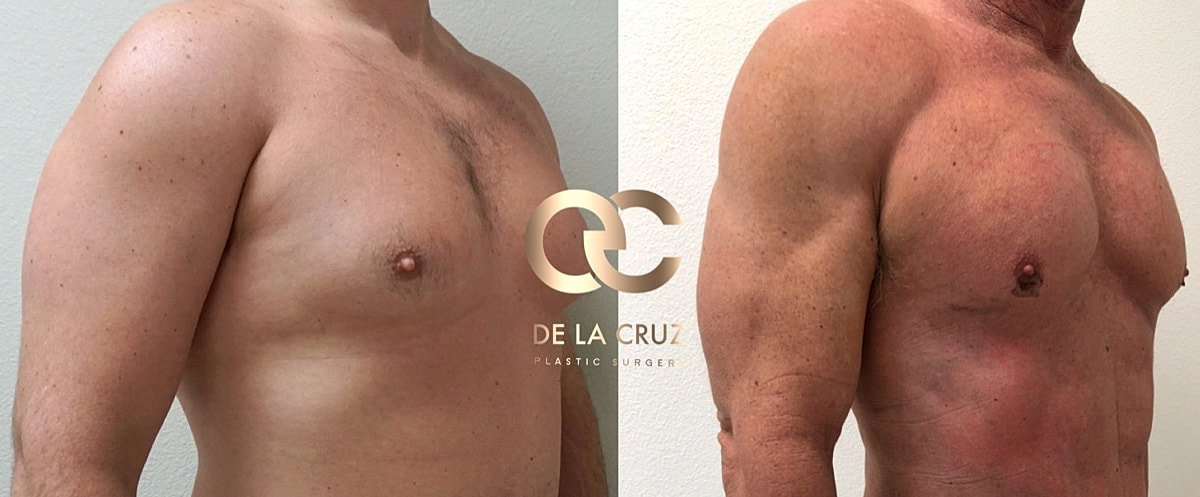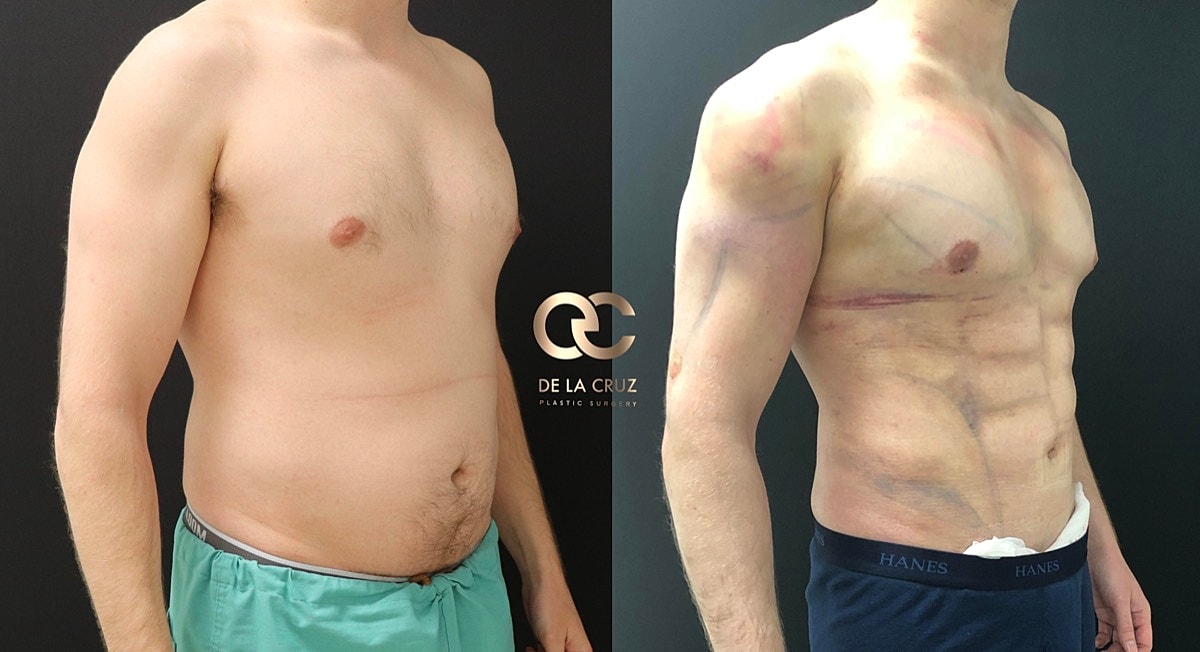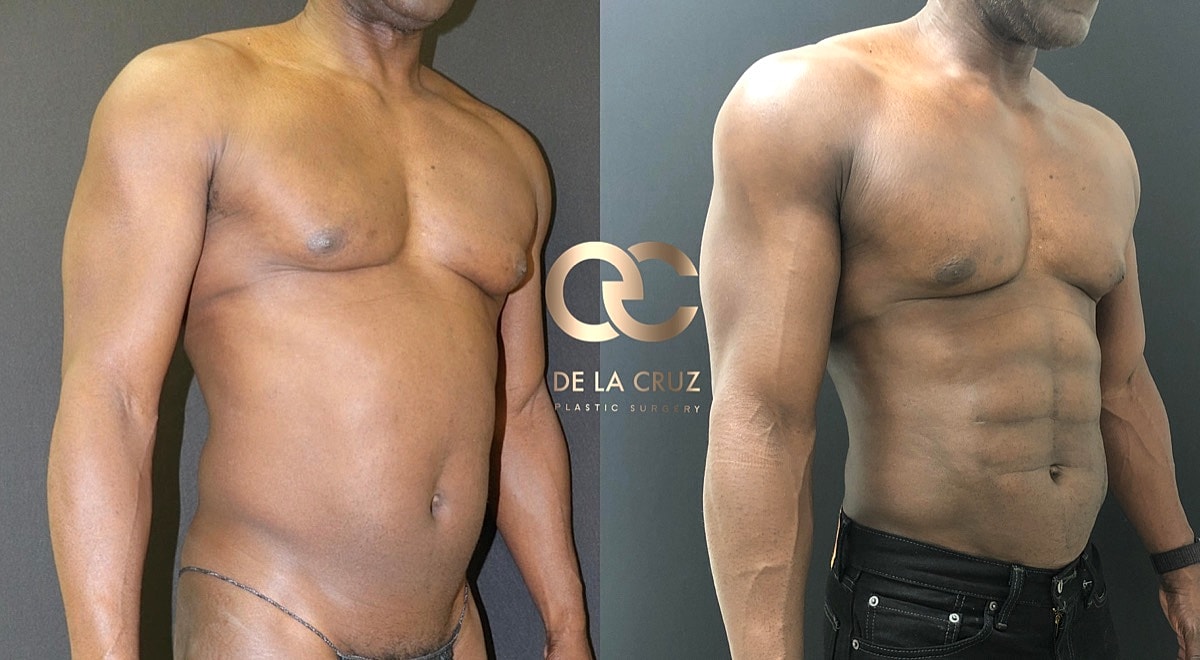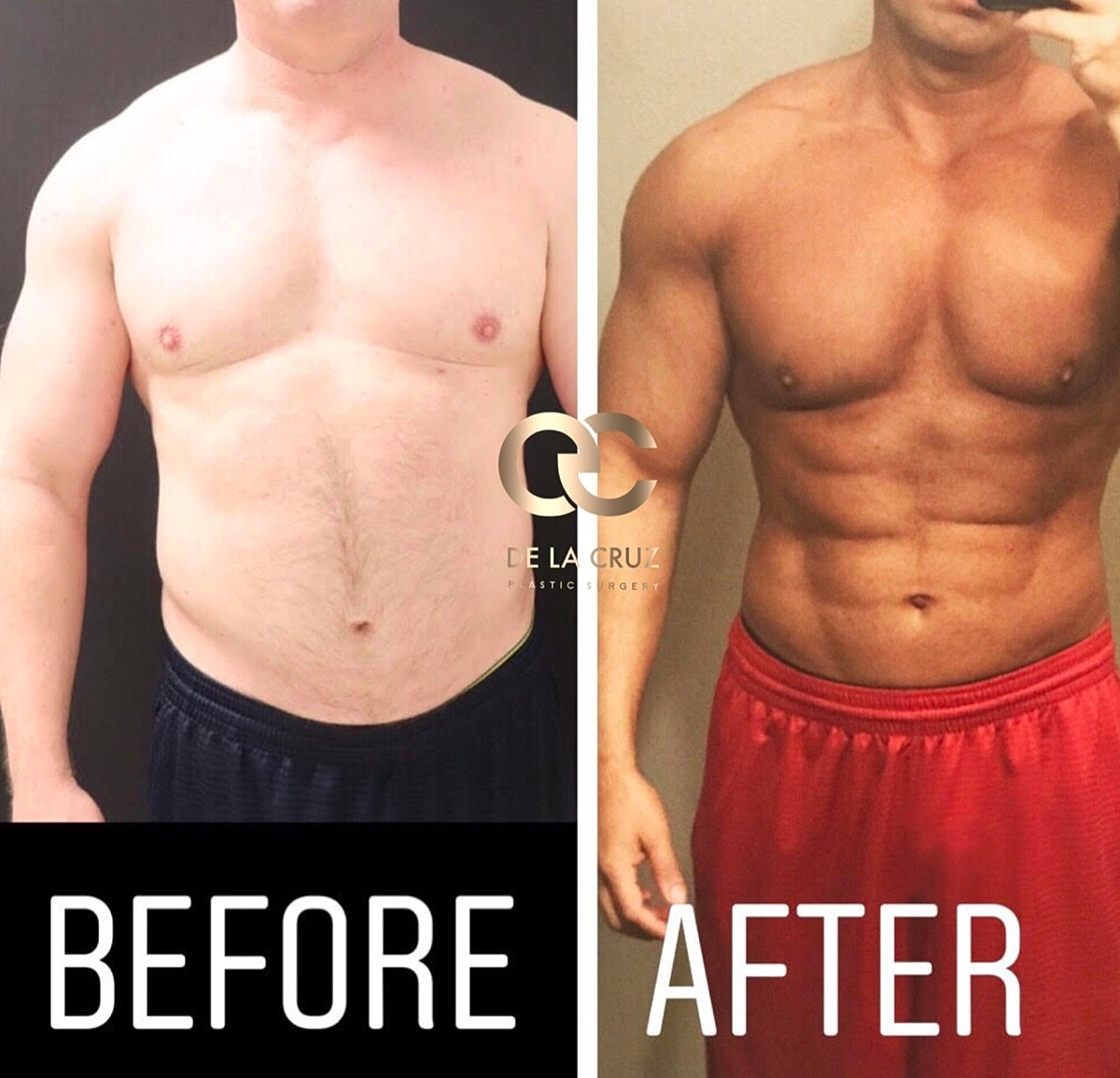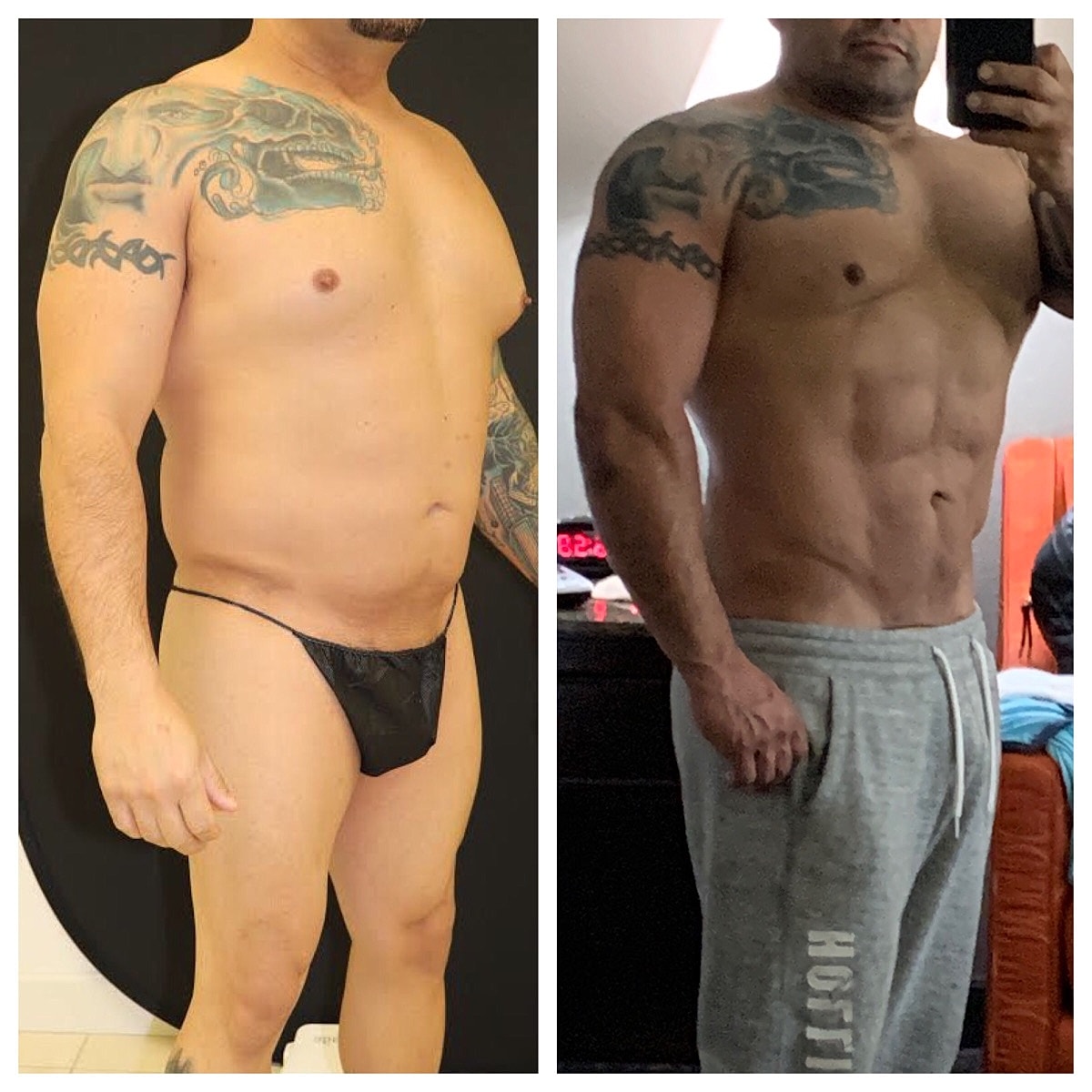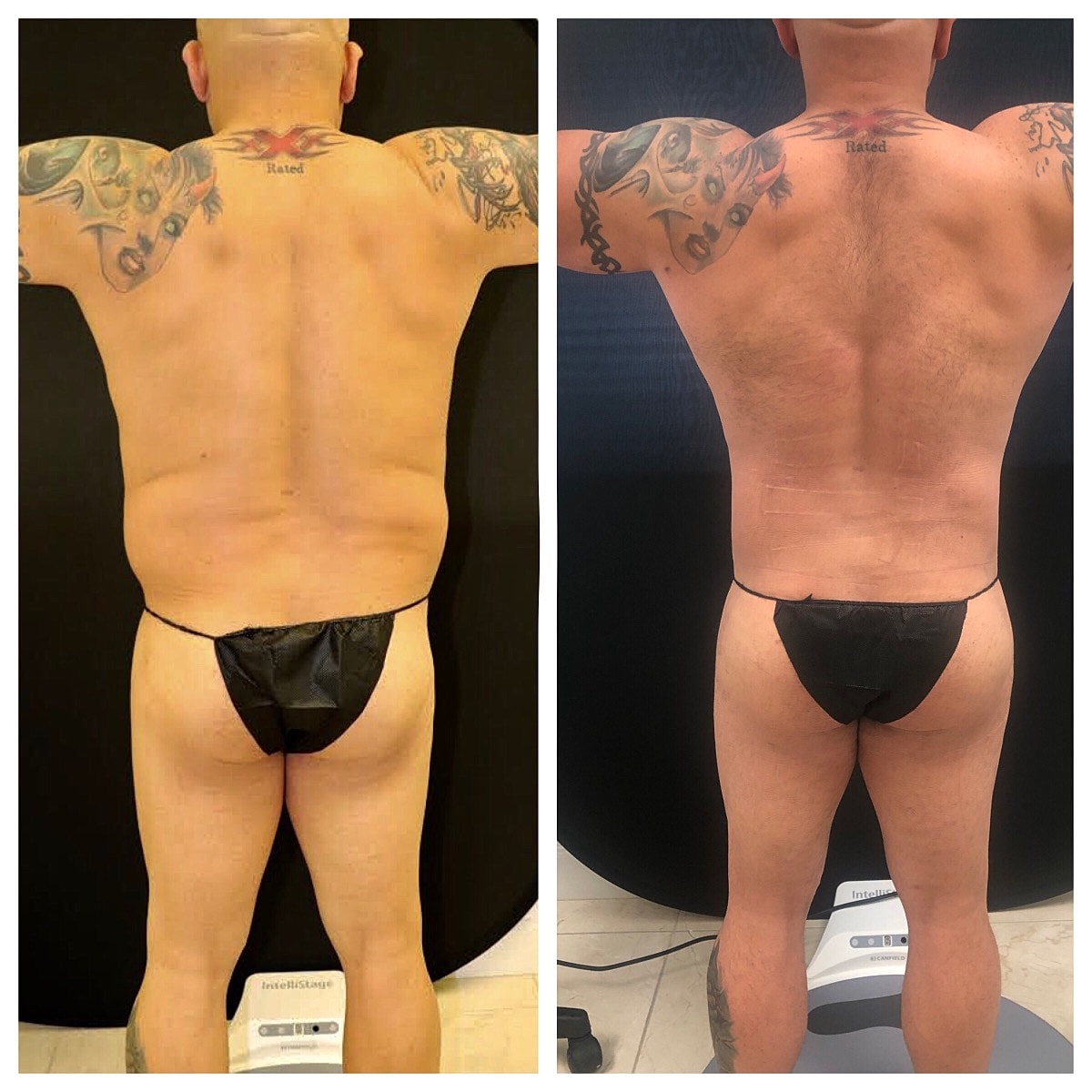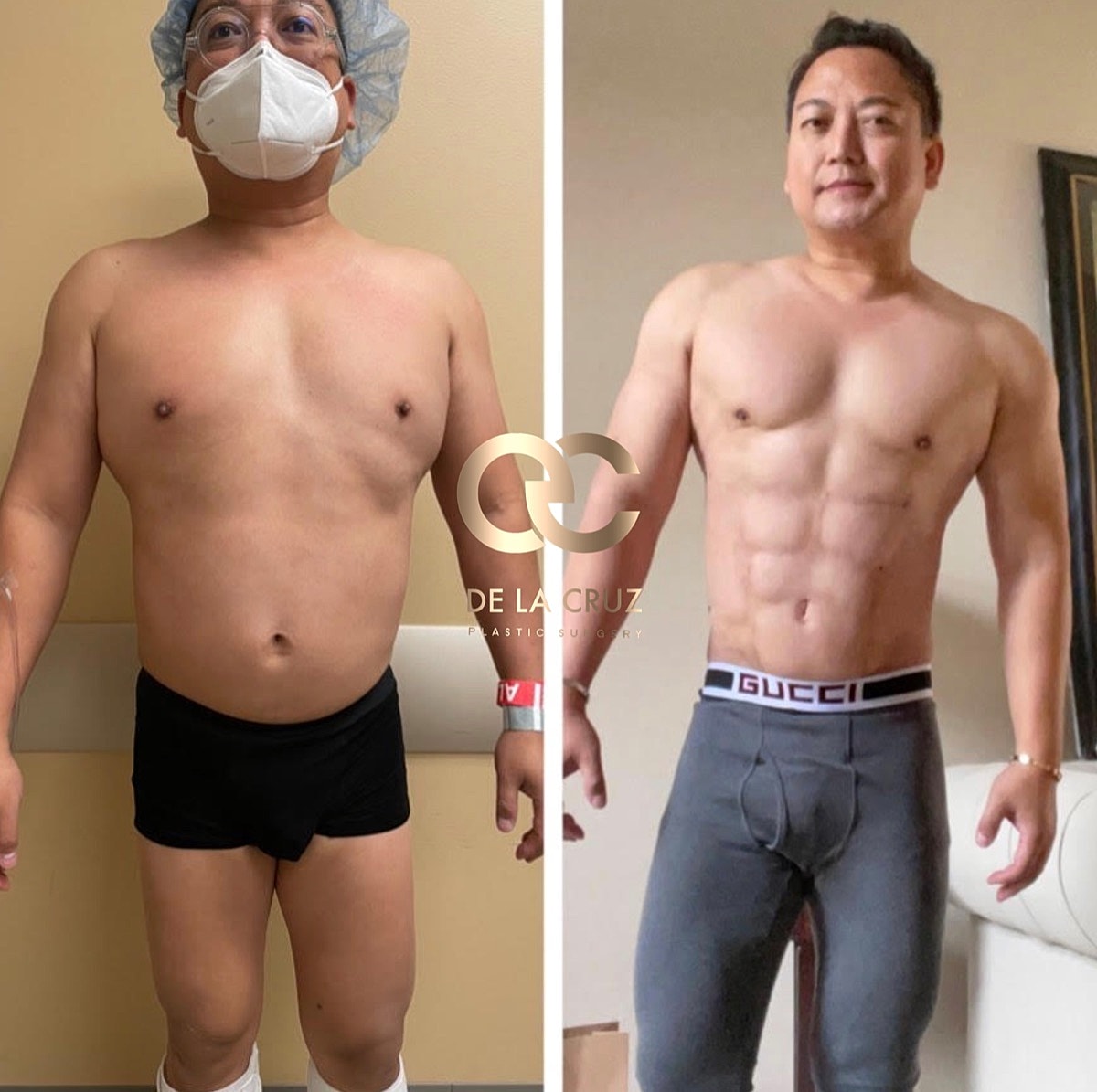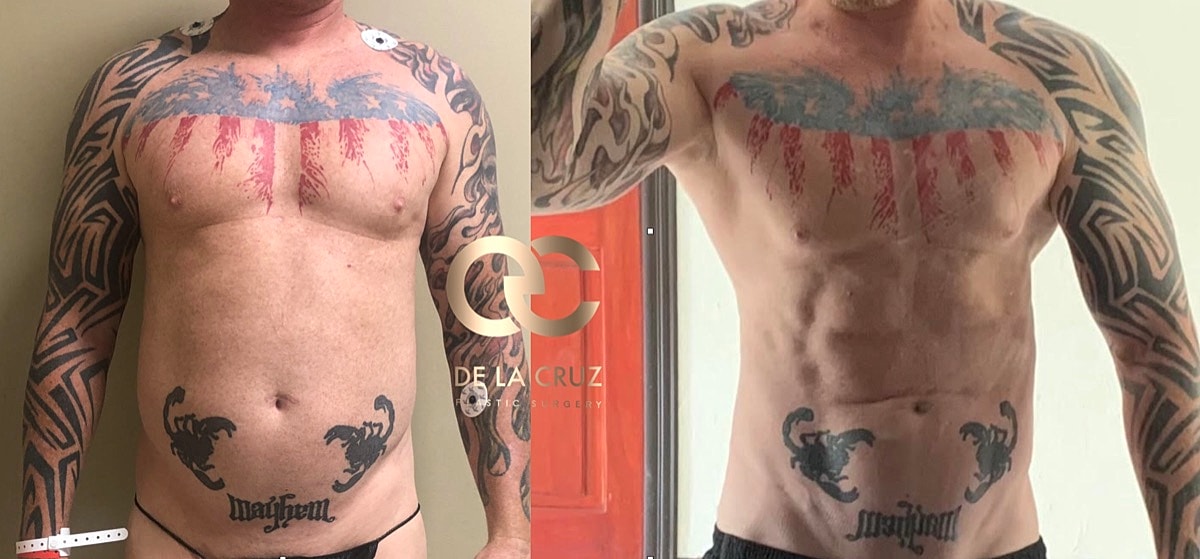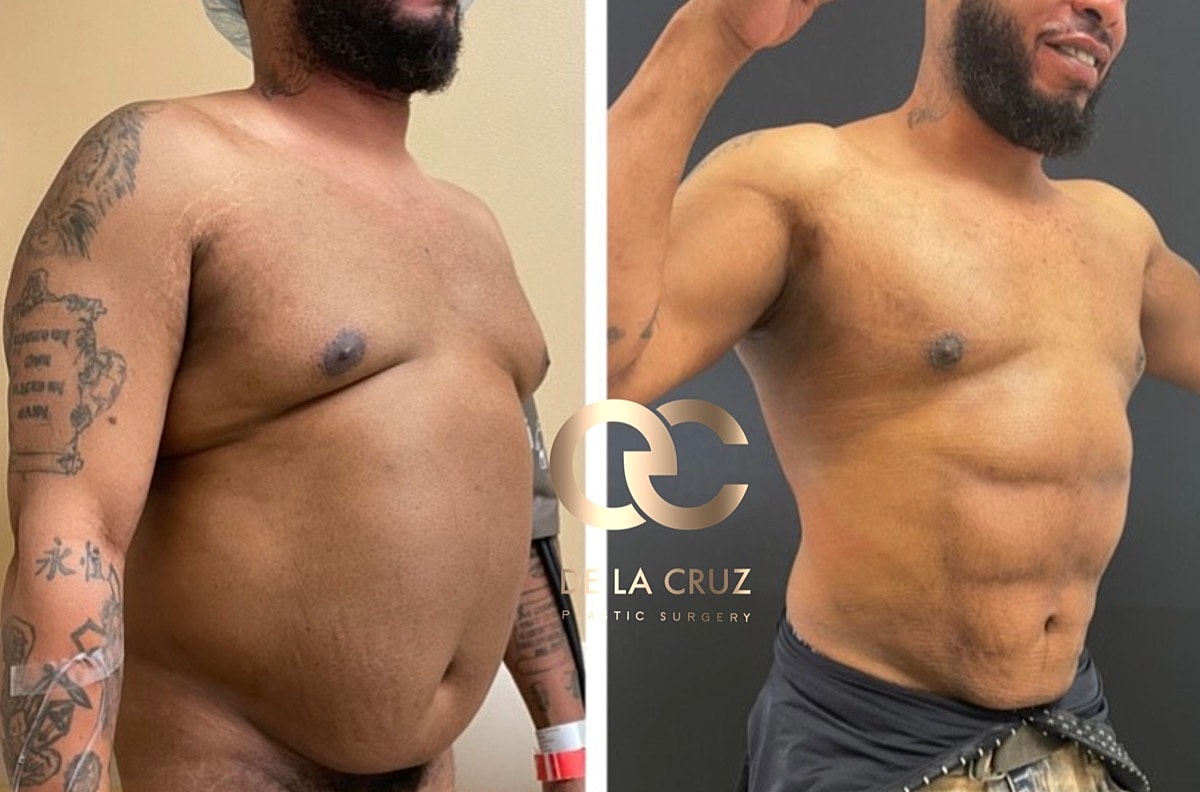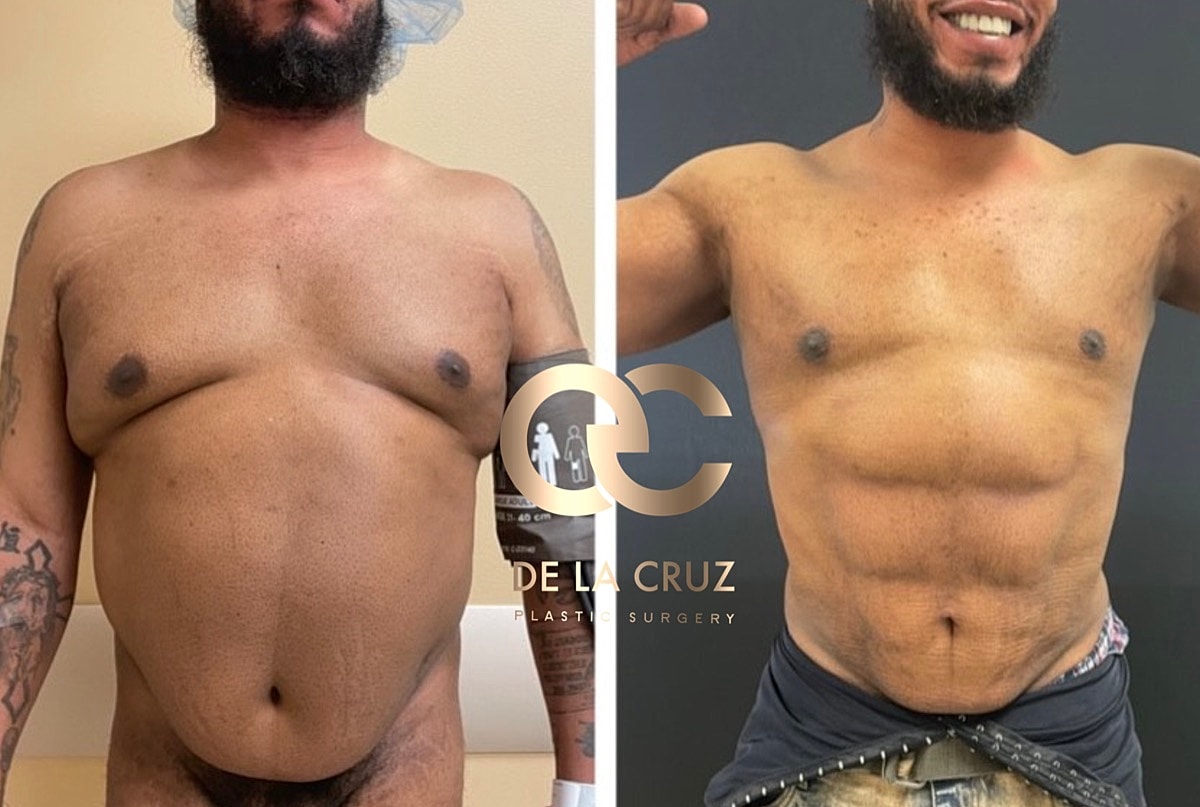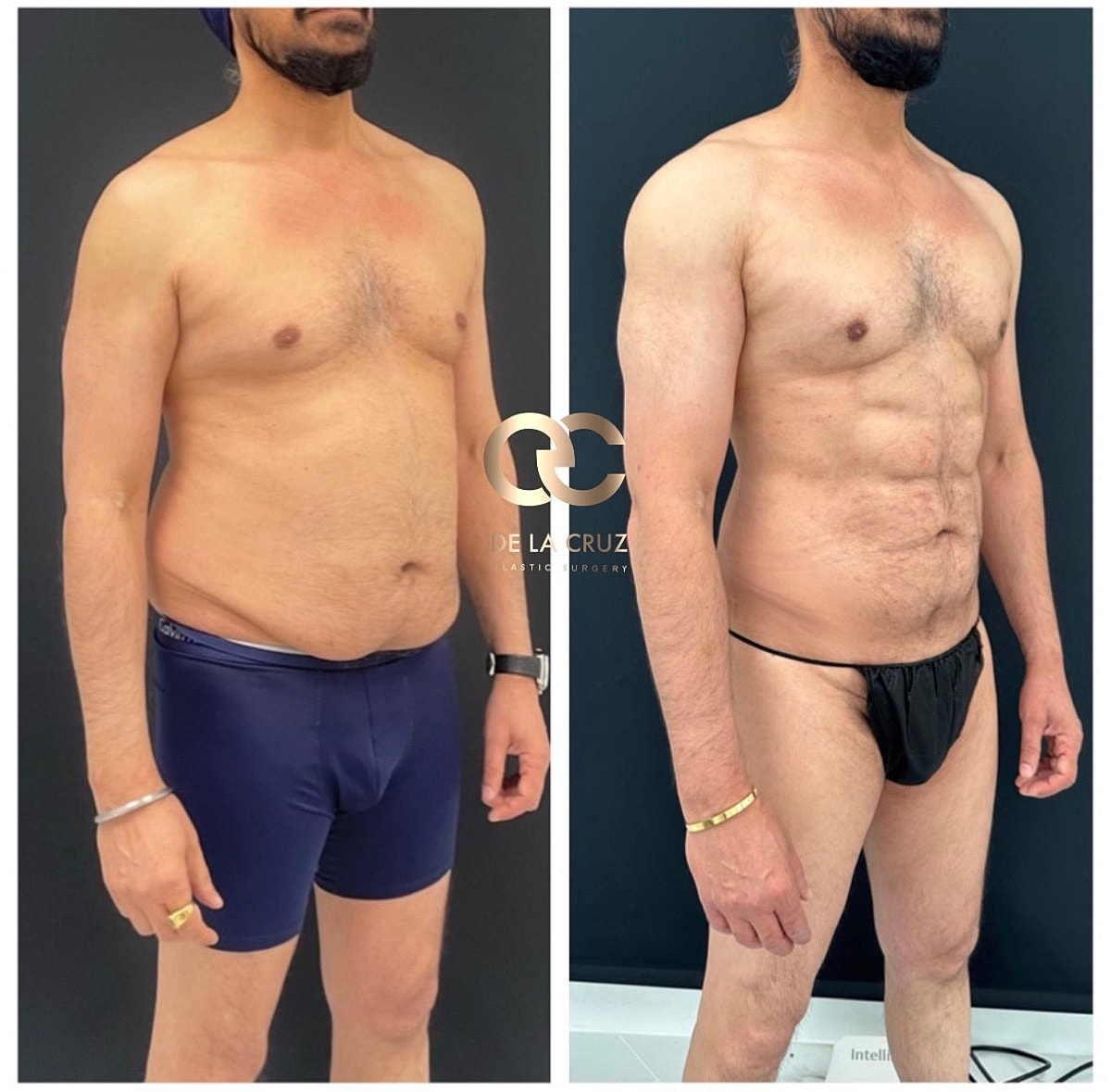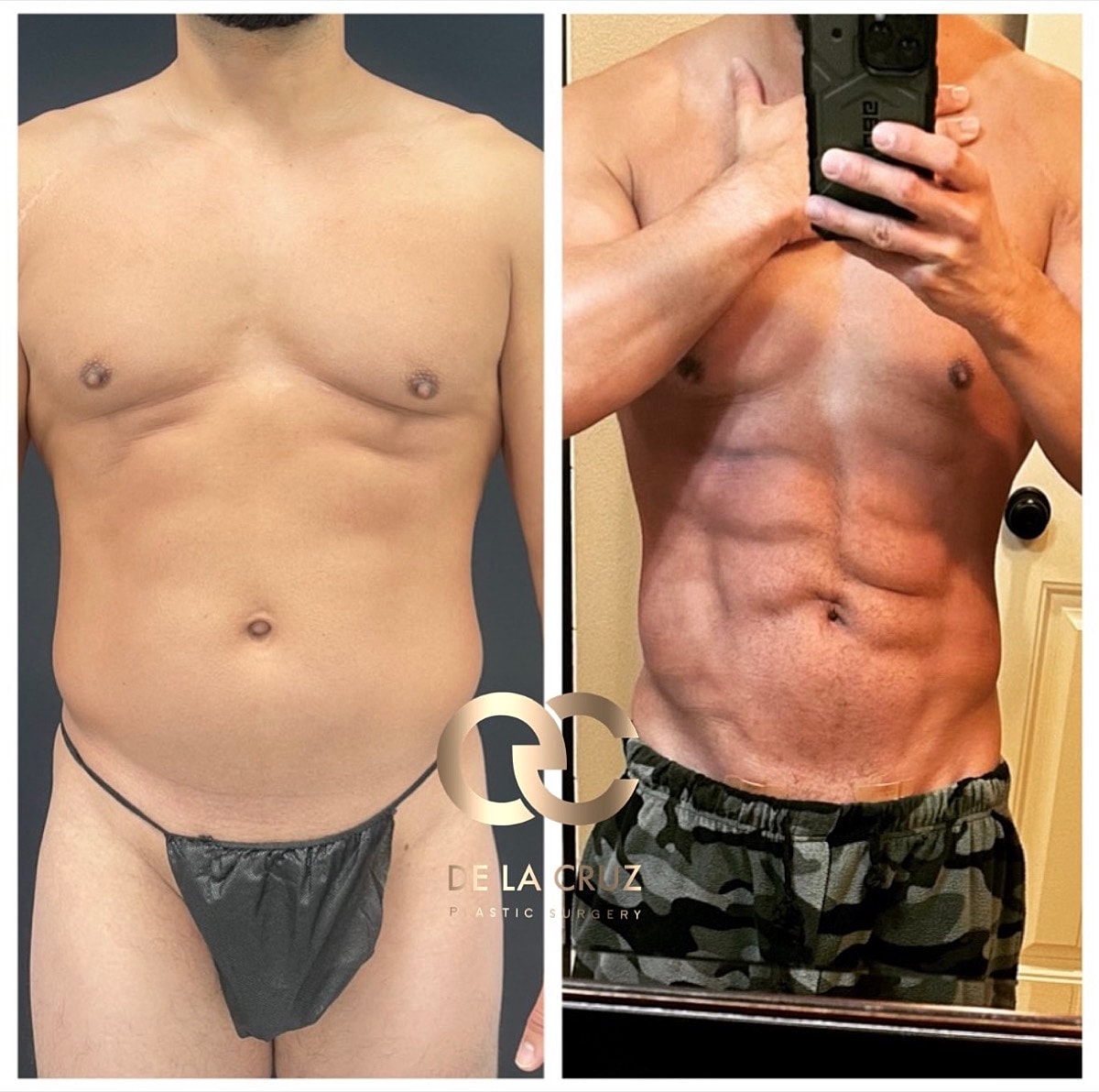
Swelling is a normal and expected part of the healing process after liposuction surgery. After fat is removed, the body responds with inflammation and fluid accumulation as the tissues begin to repair. Understanding the stages of swelling after liposuction helps patients know what to expect during recovery and how swelling gradually improves over time.
Although every patient heals differently, swelling typically improves gradually over several weeks to months as the tissues recover and the final body contour becomes visible.
1 of 65
During liposuction, fat cells are removed from beneath the skin using specialized instruments. This process creates small tunnels within the fatty tissue. As the body begins healing, fluid and inflammatory cells accumulate in the treated areas, which results in swelling.
Swelling may also be influenced by several factors:
• the number of areas treated
• the volume of fat removed
• individual healing response
• whether procedures such as high-definition liposuction or lipedema surgery were performed
Most swelling improves gradually, but some degree of swelling can persist for several months while the tissues remodel.
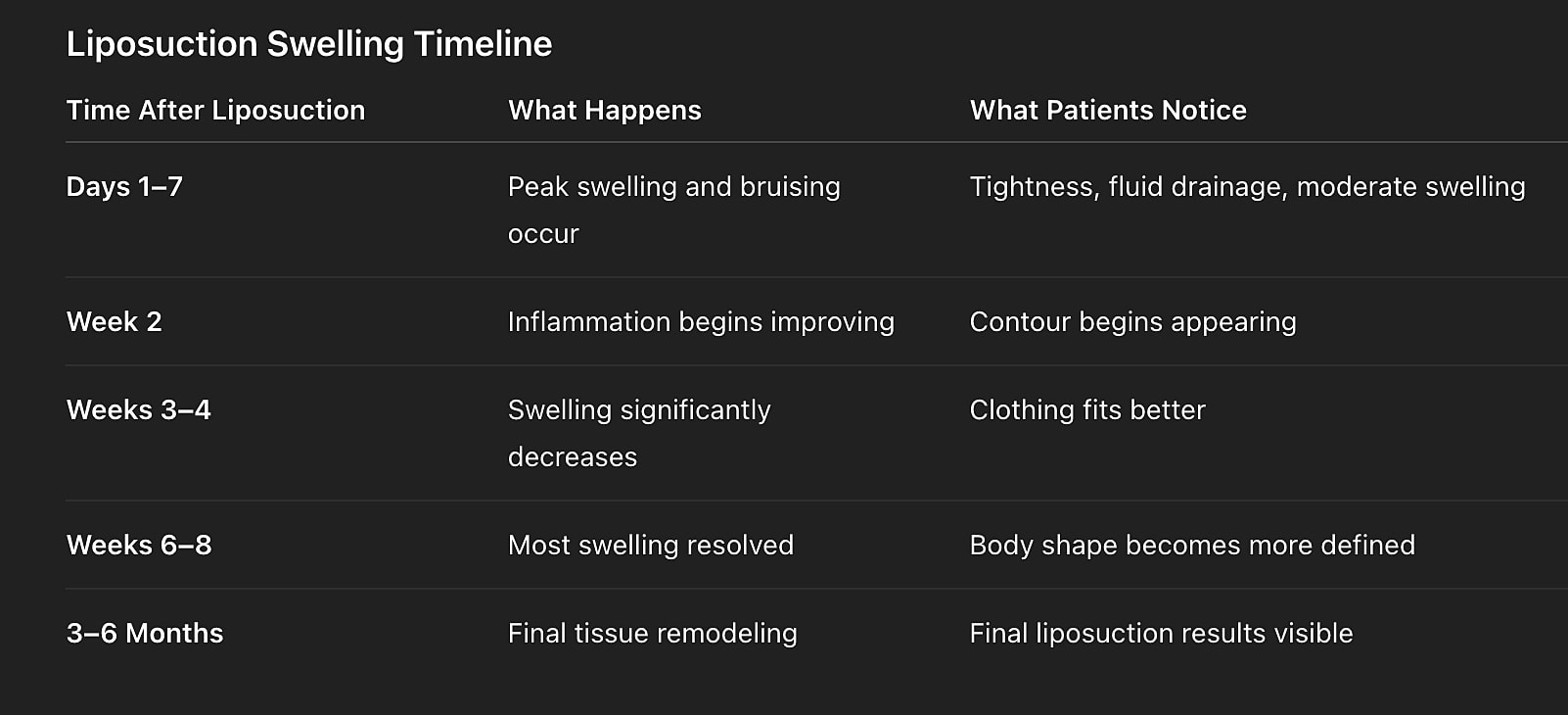
The first stage of swelling occurs immediately after surgery. During this period, the treated areas may feel firm, swollen, or slightly tender.
Common features of this stage include:
• noticeable swelling in the treated areas
• mild bruising
• temporary firmness beneath the skin
• fluid drainage from small incision sites
During this early stage of recovery, compression garments are typically worn to support healing and reduce swelling.
During the early healing phase, swelling remains present but gradually begins to decrease. Patients may notice that the treated areas still feel firm or slightly uneven as the body continues to heal.
Common changes during this stage include:
• gradual reduction in swelling
• improved comfort and mobility
• continued firmness in some areas
• early contour improvement
Although the body contour begins to improve, swelling may still obscure the final results during this stage.

As healing progresses, most of the swelling continues to resolve. The tissues begin to soften, and the treated areas become more defined.
Patients may notice:
• smoother body contours
• reduced firmness beneath the skin
• improved skin contraction
• more visible body contour changes
By this stage, a significant portion of swelling has typically improved, although mild swelling may still persist.
The final stage of healing involves gradual tissue remodeling and continued reduction in swelling. This process may take several months depending on the extent of surgery.
During this stage:
• swelling continues to improve • skin gradually tightens and adapts to the new contours • final body contour becomes more visible
Many patients see their final results between 6 and 9 months after liposuction.

Strategies to Help Reduce Swelling After Liposuction
Swelling is a normal part of healing after liposuction surgery, but several strategies may help reduce swelling and support recovery.
Common approaches include:
• Lymphatic massage therapy
• Foam corset garments
• Highly compressive garments
• Diuretic medications such as Lasix (furosemide)
• Short courses of anti-inflammatory medications or steroids
Each of these options may help improve fluid drainage, reduce inflammation, and support tissue healing during the recovery process.
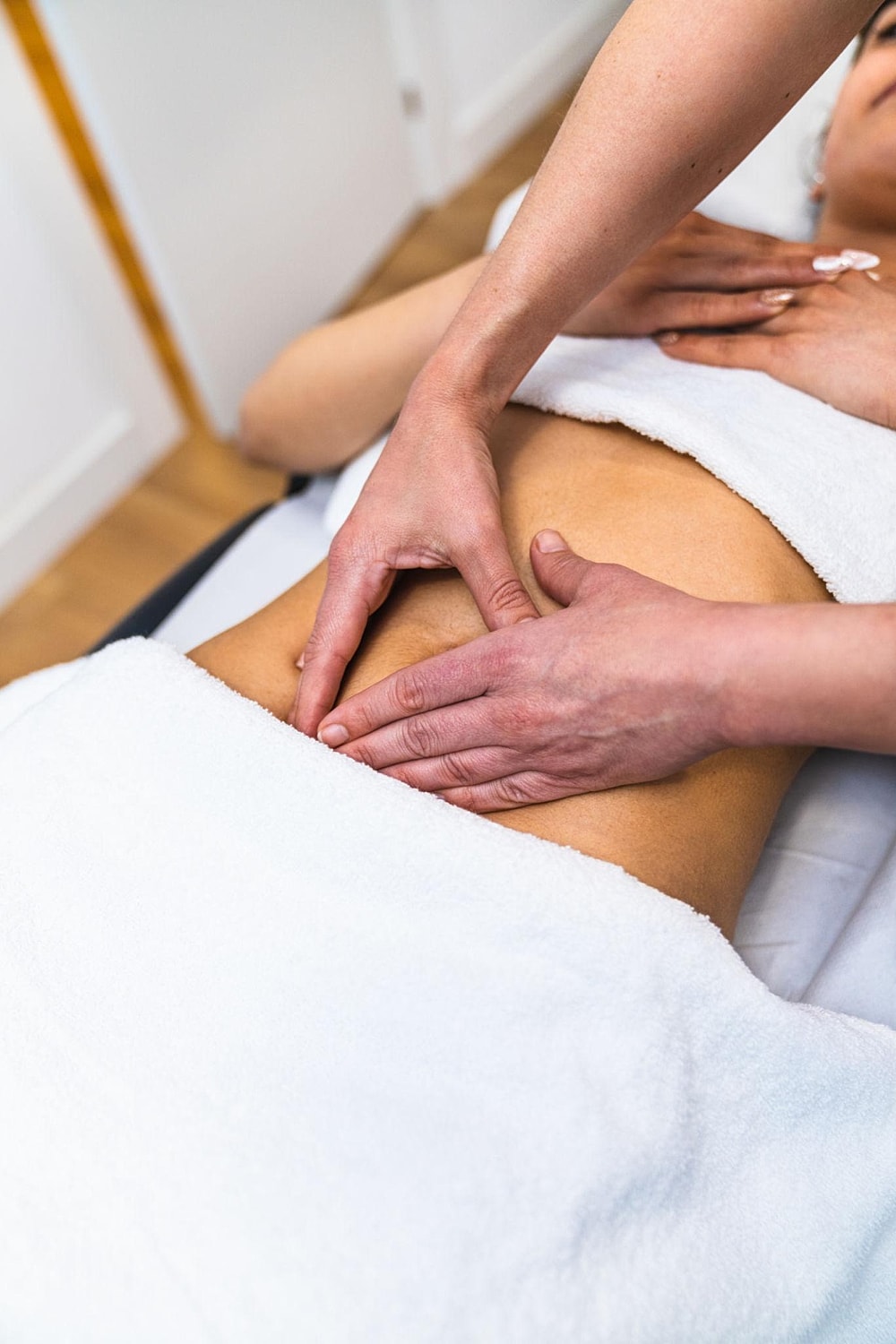
Lymphatic massage therapy after liposuction is commonly recommended to help reduce swelling and improve lymphatic drainage. This specialized massage technique helps move excess fluid away from the treated areas and supports the body’s natural healing process.
Potential benefits include:
• reduced swelling
• improved lymphatic circulation
• decreased risk of seroma formation
• softer tissue during healing
Many patients find that lymphatic massage therapy helps accelerate the recovery process.
Foam corsets or foam compression pads are frequently used after liposuction to help distribute pressure evenly beneath compression garments.
These foam supports may help:
• reduce swelling
• reduce the risk of contour irregularities
• prevent pressure points from garments
• improve overall contour smoothness and reduce contour irregularities
Foam corsets are particularly useful during the early stages of recovery.
Wearing highly compressive garments after liposuction is one of the most important aspects of postoperative care. Compression helps support the tissues as they heal and reduces fluid accumulation in the treated areas.
Benefits of compression garments include:
• reduced swelling
• improved skin retraction
• decreased risk of fluid collections
• enhanced contour shaping during healing
Many surgeons recommend wearing compression garments for several weeks to months depending on the procedure performed.

In select cases, physicians may prescribe diuretic medications such as Lasix (furosemide) to help reduce fluid retention after surgery. These medications increase urine production, allowing the body to remove excess fluid more efficiently.
Short courses of anti-inflammatory medications or corticosteroids may sometimes be used to reduce inflammation and swelling during the postoperative period. These medications are used selectively when appropriate.
Successful liposuction results depend not only on the surgical procedure itself but also on proper postoperative care during the healing phase. After liposuction, the body undergoes a natural recovery process that includes swelling, tissue remodeling, and gradual skin retraction. Careful postoperative management helps support this healing process and can improve the overall contour outcome.
At De La Cruz Plastic Surgery in Houston, postoperative care is an important part of every patient’s treatment plan. Dr. Emmanuel De La Cruz emphasizes structured recovery protocols designed to support healing and reduce swelling. These may include the use of compression garments, foam corset support, lymphatic massage therapy, and early mobilization to help promote circulation and fluid drainage.
Careful follow-up visits and patient education also play an essential role in monitoring recovery and addressing concerns as healing progresses. This comprehensive approach helps support safe recovery, smoother contour healing, and optimal aesthetic results after liposuction.

Although swelling is a normal part of recovery, patients should contact their surgeon if they experience:
• rapidly increasing swelling
• severe pain
• redness or warmth in the treated area
• signs of infection
Regular follow-up visits allow your surgeon to monitor healing and ensure that recovery progresses normally.
Selecting the right plastic surgeon is one of the most important decisions when considering liposuction. Patients choose Dr. Emmanuel De La Cruz because of his recognized expertise in advanced body contouring, his commitment to safety, and his international reputation in high-definition liposuction.
Key reasons patients trust Dr. De La Cruz include:
• Double-Board-Certified Plastic Surgeon – Certified by both the American Board of Plastic Surgery and the American Board of Surgery, reflecting extensive surgical training and adherence to the highest professional standards.
• Internationally Recognized Liposuction Expert – Known for his expertise in high-definition VASER liposuction and advanced body contouring techniques, attracting patients from across the United States and internationally.
• Award-Winning High-Definition Liposuction Surgeon – Recipient of the Grand Master Total Definer “Best Before-and-After High-Definition Liposuction” award, presented by Dr. Alfredo Hoyos, the inventor of High-Definition Liposuction.
• International Lecturer and Expert Panelist – Invited to present and participate as a faculty lecturer and expert panelist at major plastic surgery meetings, including conferences dedicated to advanced liposuction techniques.
• Published Plastic Surgery Author – Contributing author in the respected medical journal Clinics in Plastic Surgery, where he published research on liposuction techniques and patient safety.
• Humanitarian Surgeon with Global Impact – Honored with awards such as the St. Jude Children’s Research Hospital Helping Hands Award, the We Are One Humanitarian Award in Stockholm, and Congressional Recognition for international surgical mission work helping underserved patients.
• Expertise in Complex and Revision Liposuction – Advanced training and experience in revision liposuction and contour correction, procedures that require exceptional technical precision.
• Advanced Surgical Technology and Technique – Utilizes modern technologies including VASER ultrasound-assisted liposuction, power-assisted liposuction, and energy-based skin tightening devices to enhance contour results.
• Meticulous Artistic Contour Sculpting – Dr. De La Cruz approaches liposuction as both science and art, focusing on refined contour sculpting, balanced proportions, and natural-appearing results.
Learn More About Liposuction
Patients researching liposuction and body contouring often want to understand the full process, including the procedure itself, recovery, potential complications, and treatment options for concerns such as loose skin, lumps or fibrosis, and skin laxity after liposuction. You can learn more by exploring our detailed guides on liposuction, liposuction recovery, liposuction cost, loose skin after liposuction, swelling after liposuction, lumps and fibrosis after liposuction, and skin tightening after liposuction.
Swelling after liposuction is a normal part of healing and typically improves gradually over time. Most swelling improves within 6–8 weeks, but mild swelling may persist for several months. In many patients, final contour results are visible between 6 and 9 months after surgery as the tissues fully heal and adapt.
Swelling after liposuction generally occurs in four stages:
• Stage 1 (0–2 weeks): significant swelling and bruising immediately after surgery • Stage 2 (2–6 weeks): swelling begins to decrease as early healing occurs • Stage 3 (6–12 weeks): most swelling improves and contours become more visible • Stage 4 (3–9 months): gradual resolution of residual swelling and final contour refinement
Several strategies may help reduce swelling during recovery:
• lymphatic massage therapy • wearing foam corsets • highly compressive garments • early ambulation and light activity • following postoperative care instructions
These measures help improve fluid drainage and support the healing process.
Yes, swelling may appear worse later in the day or at night. This happens because fluid naturally accumulates in treated areas when the body is upright for long periods. Wearing compression garments and elevating treated areas when possible may help reduce evening swelling.
Although early improvements can be seen within the first few weeks, the final results of liposuction typically become visible between 6 and 9 months after surgery, once swelling has resolved and the tissues have fully healed.
Liposuction creates small tunnels beneath the skin as fat is removed. The body needs time to repair these tissues, reorganize collagen, and restore normal fluid balance. This healing process explains why swelling can persist for several months.
Yes. Temporary swelling may increase after exercise, prolonged standing, or high sodium intake during recovery. This is usually temporary and improves as healing continues.
In some cases, swelling may contribute to temporary lumps or firmness beneath the skin during healing. These areas often soften as swelling improves and tissues remodel over time.
Yes. Compression garments are one of the most important tools for reducing swelling after liposuction. They help limit fluid accumulation, support tissue healing, and improve skin retraction.
Patients should contact their surgeon if swelling is associated with:
• severe pain • increasing redness or warmth • sudden asymmetry • fever or signs of infection
These symptoms may require evaluation to rule out complications.