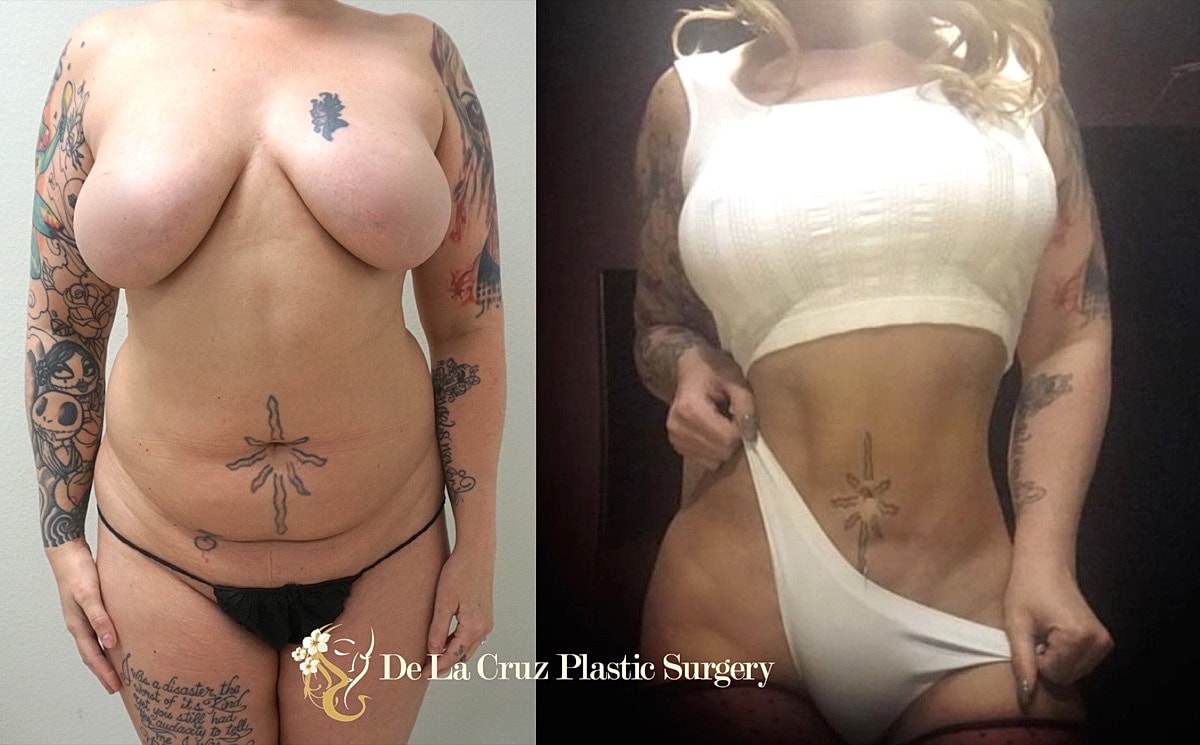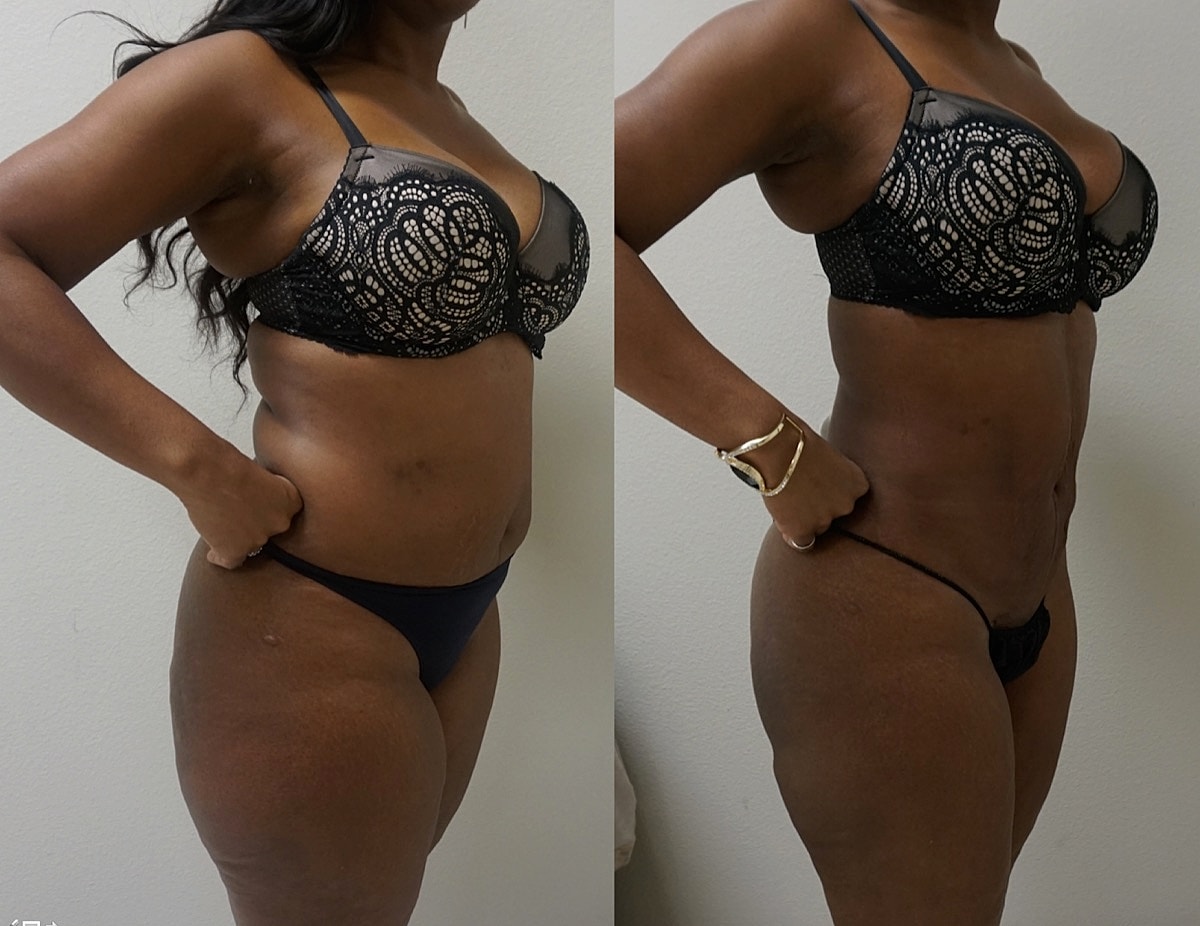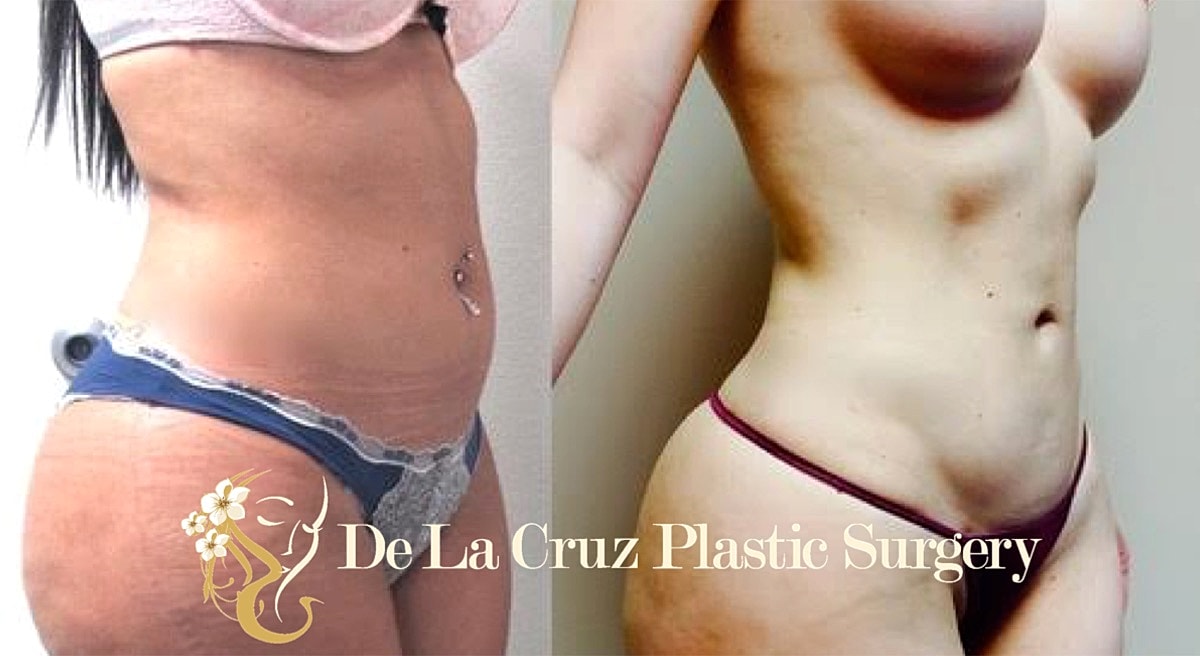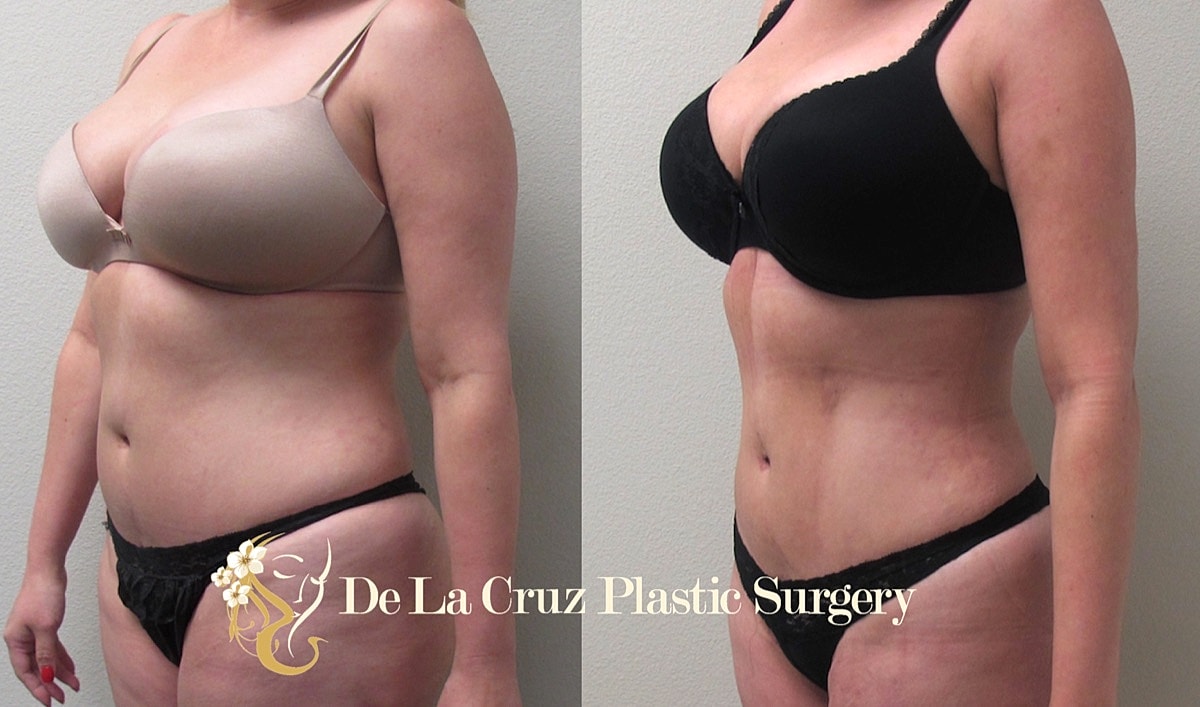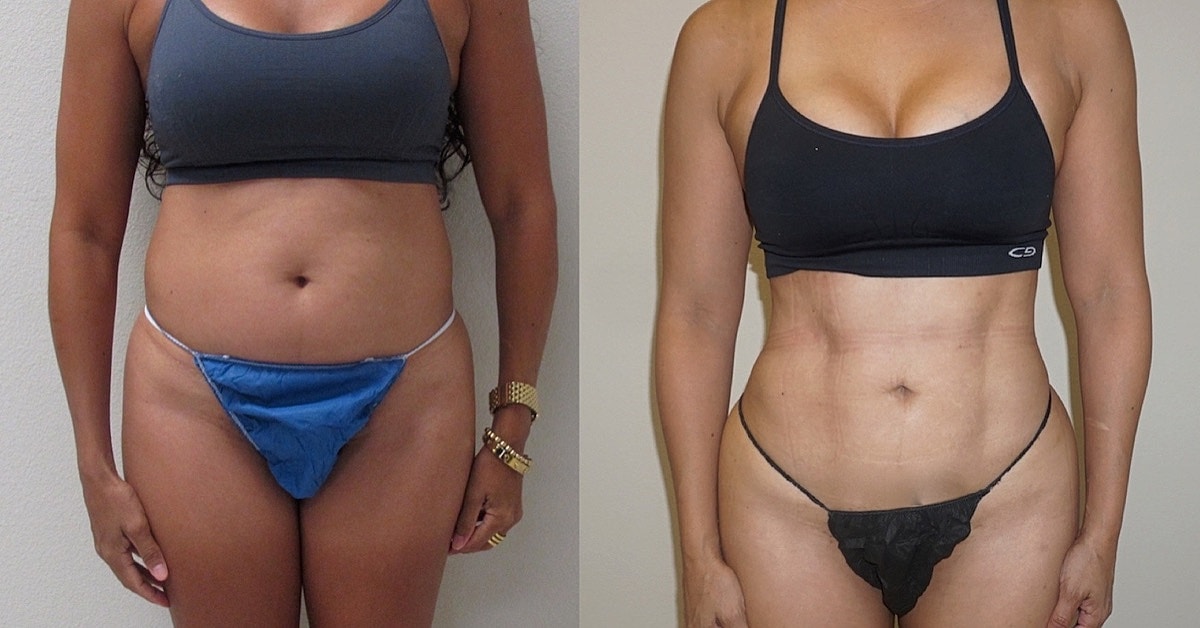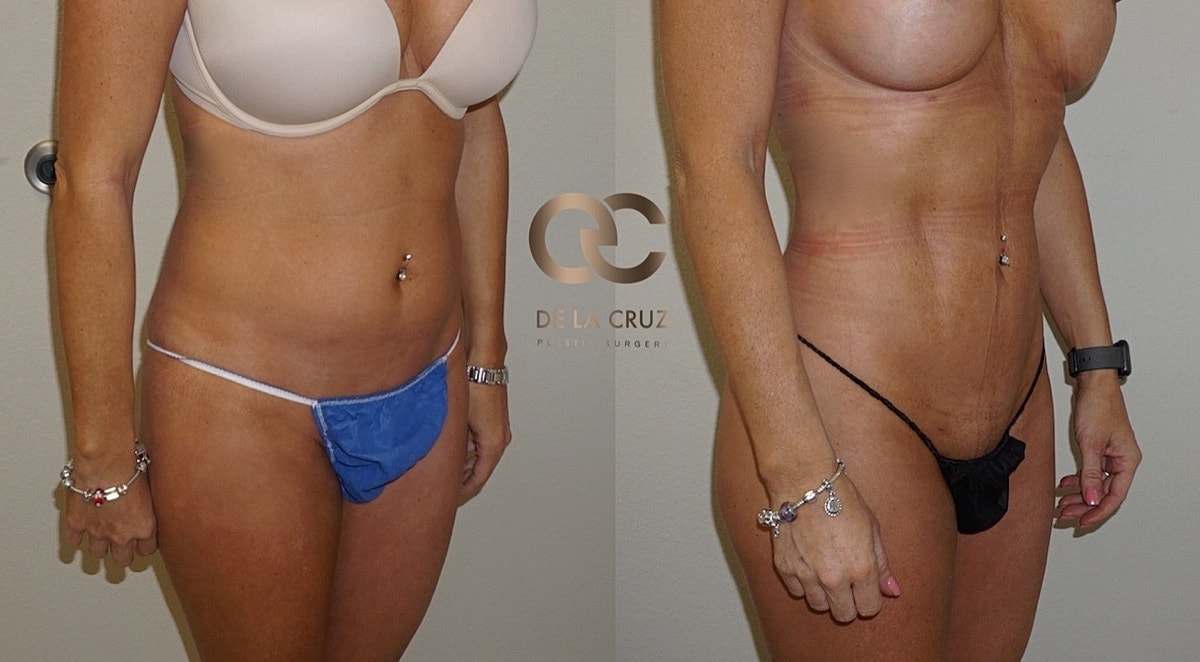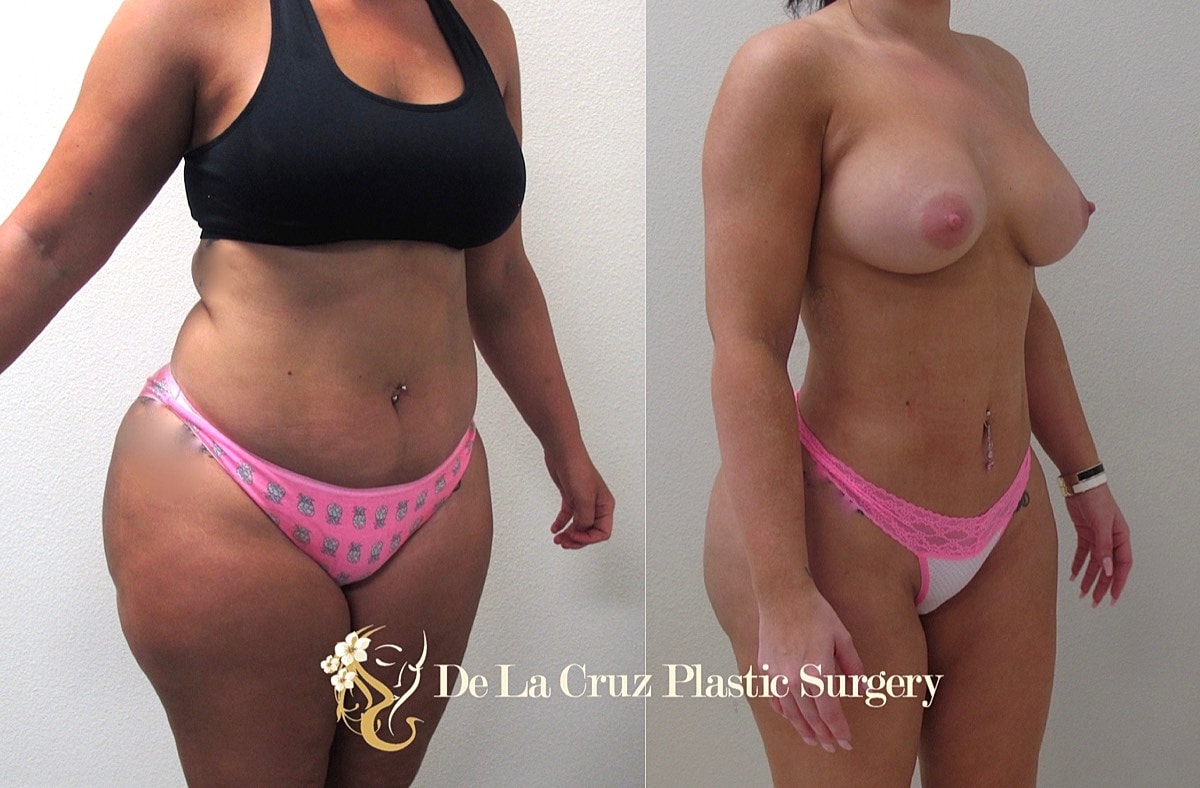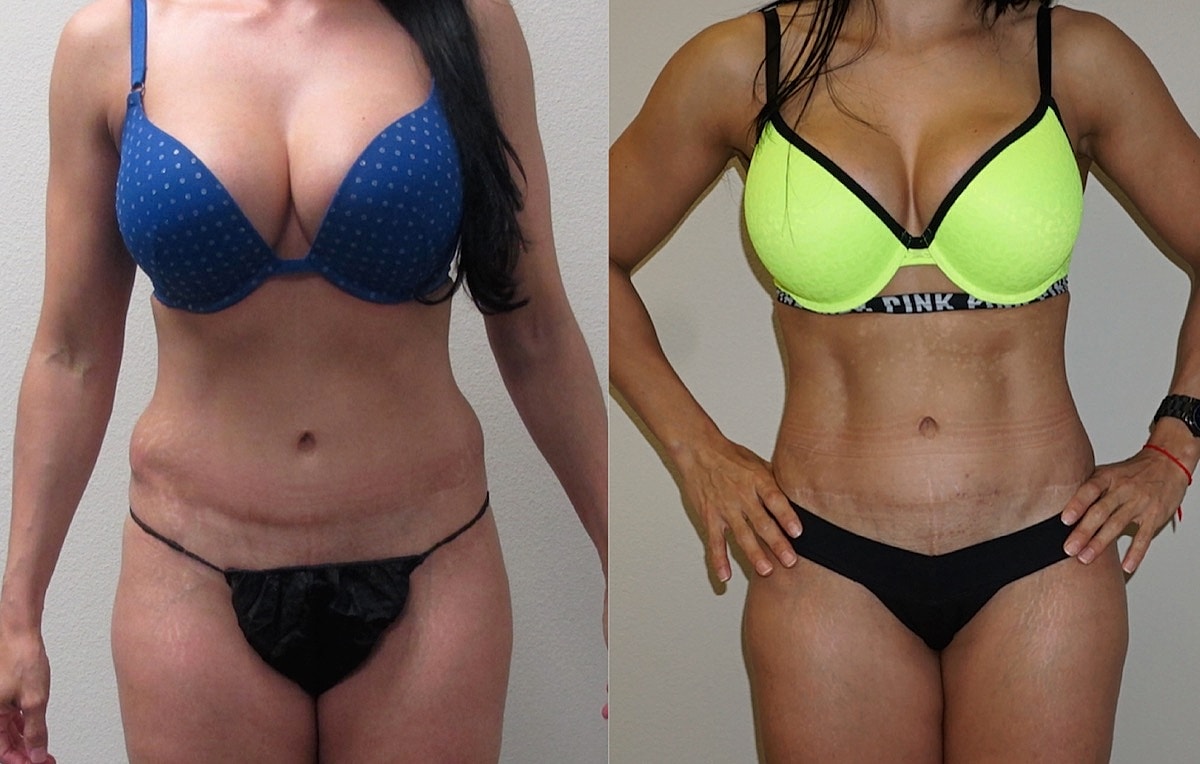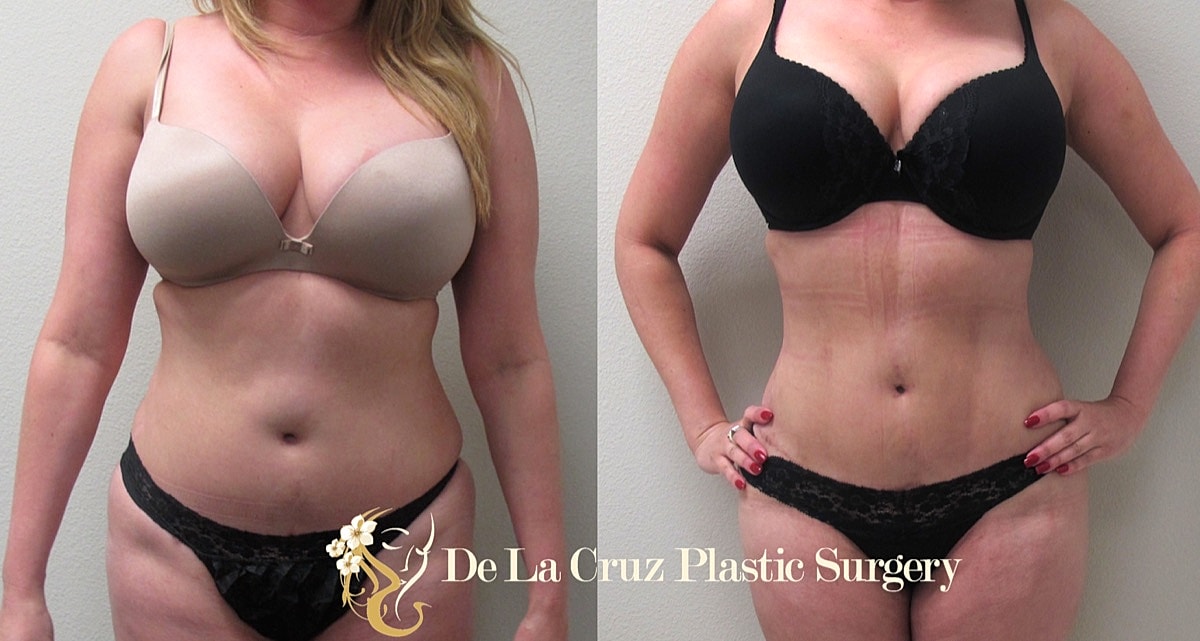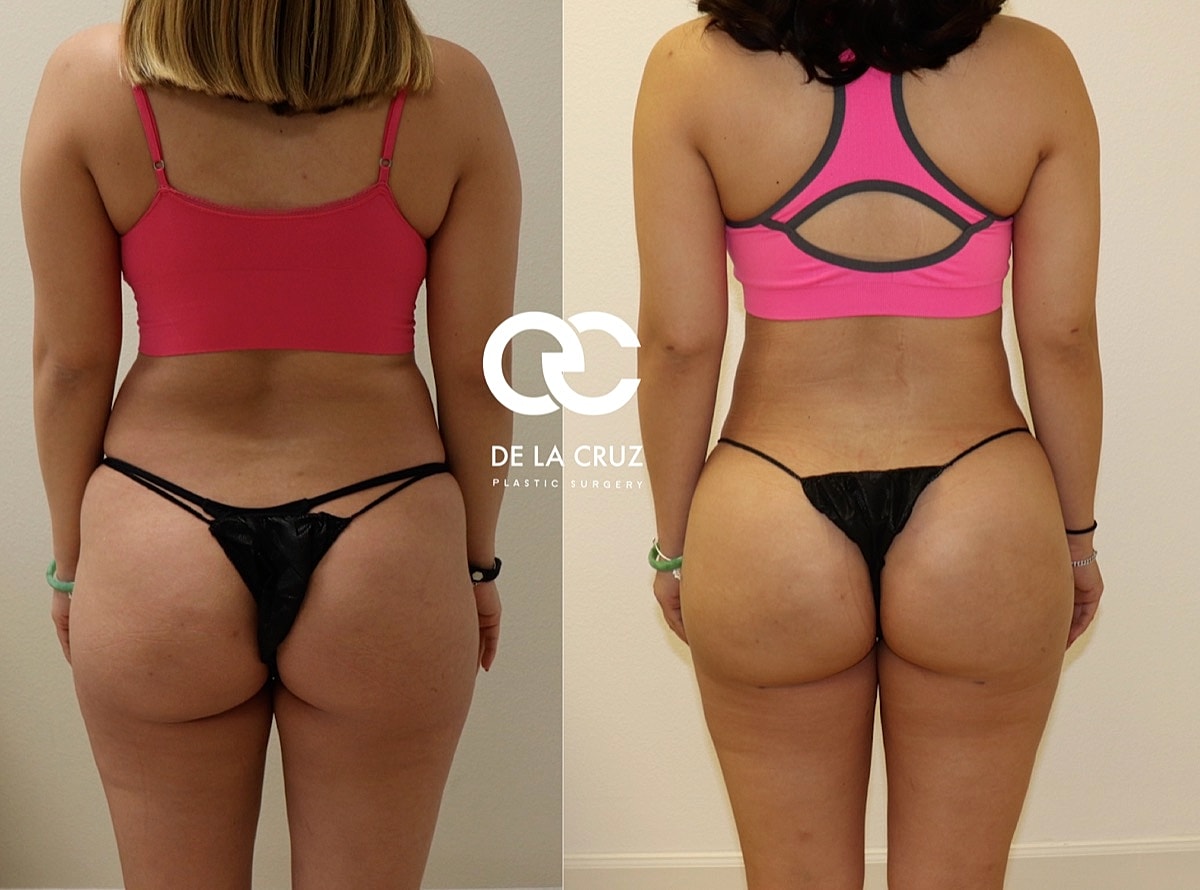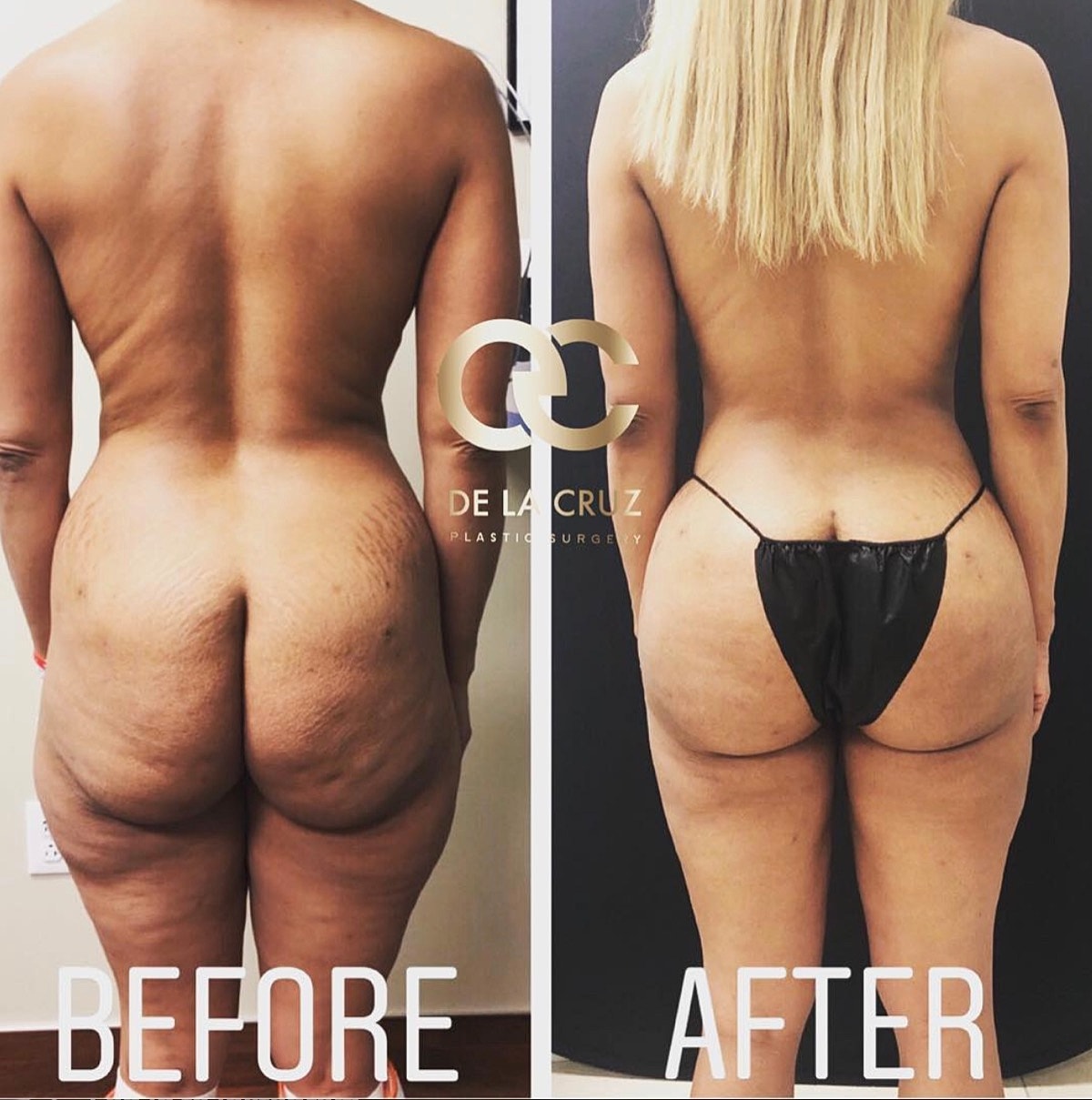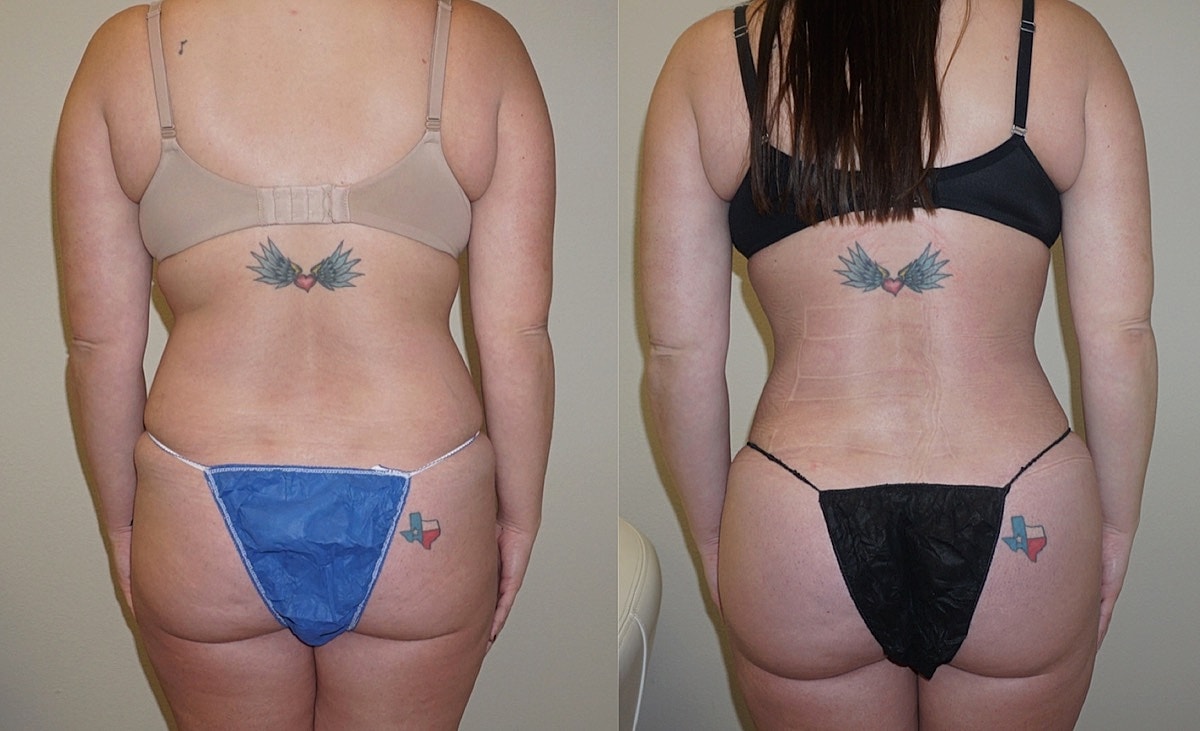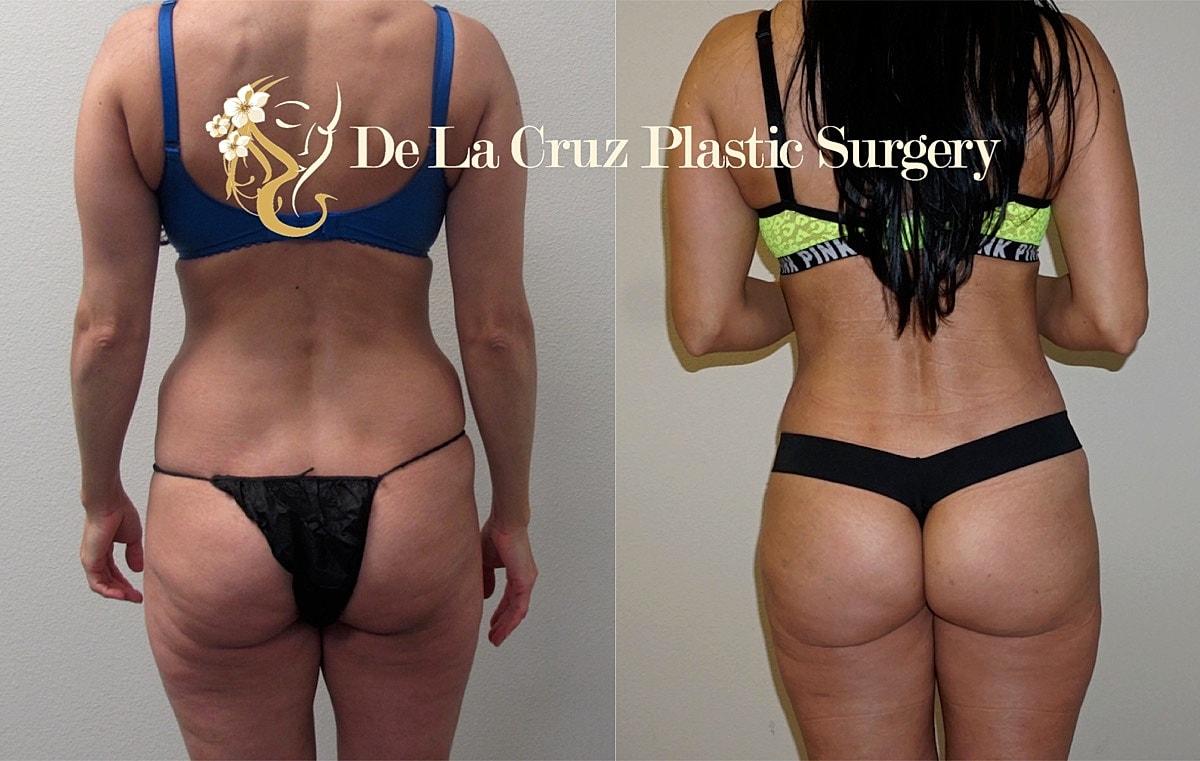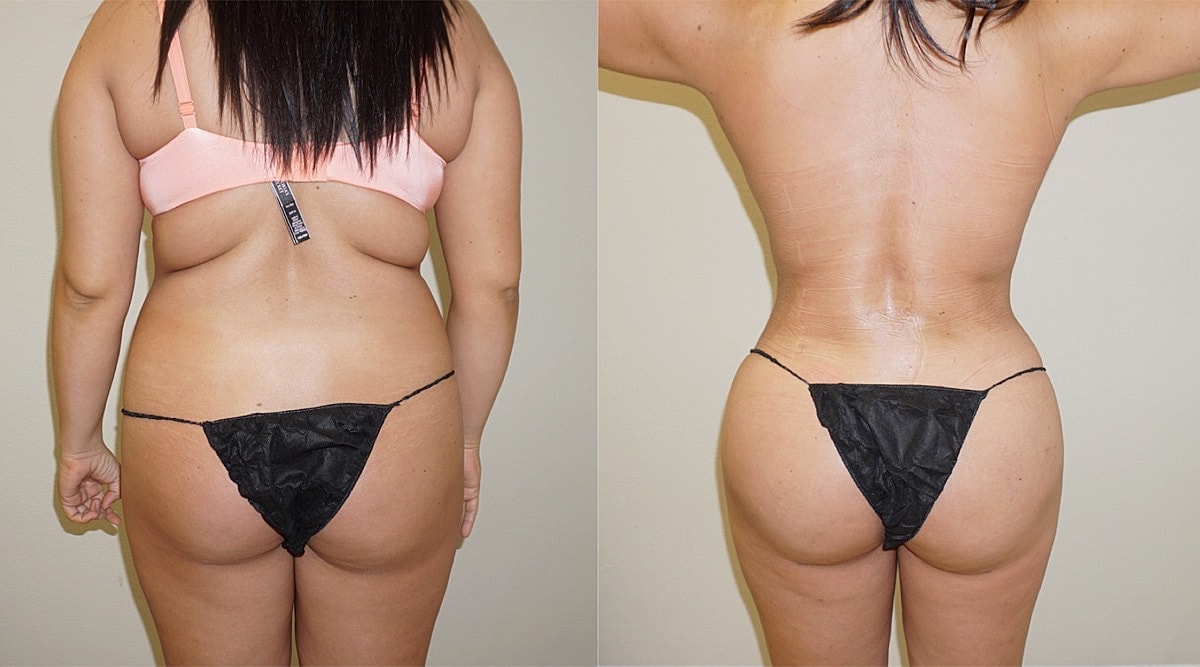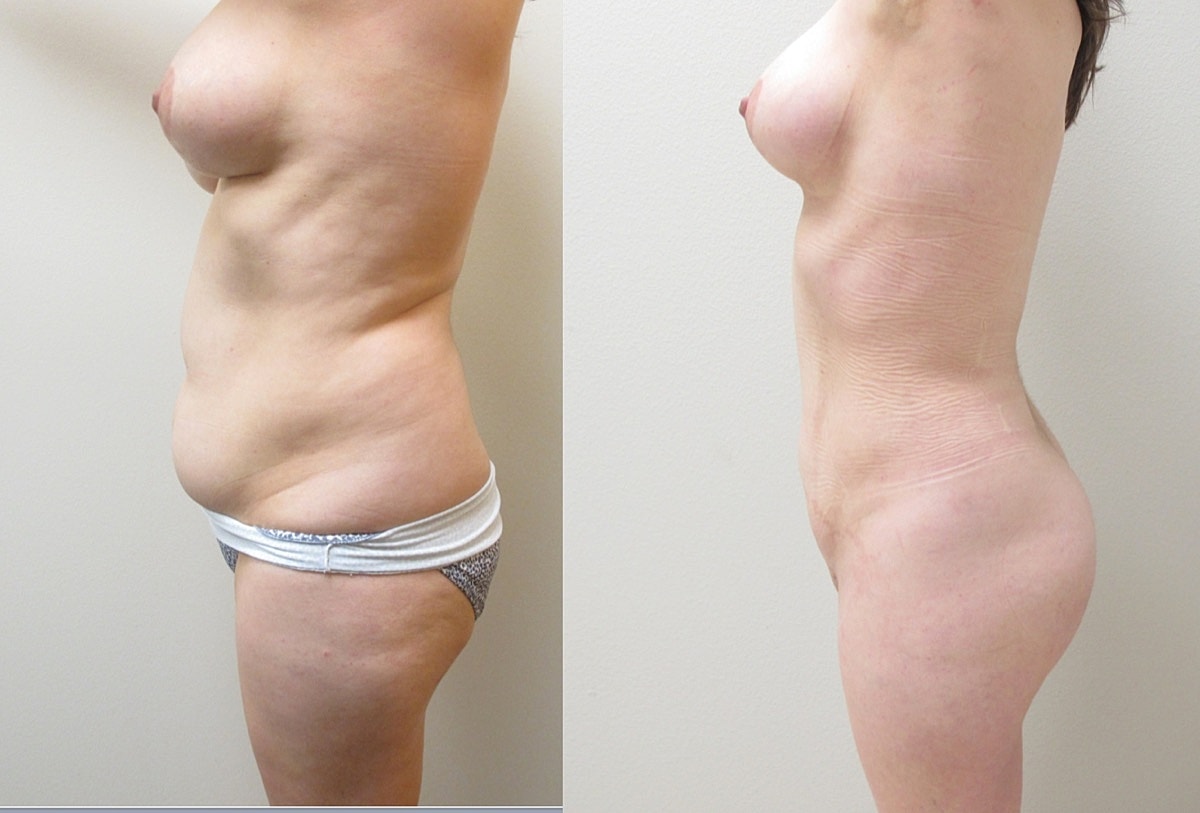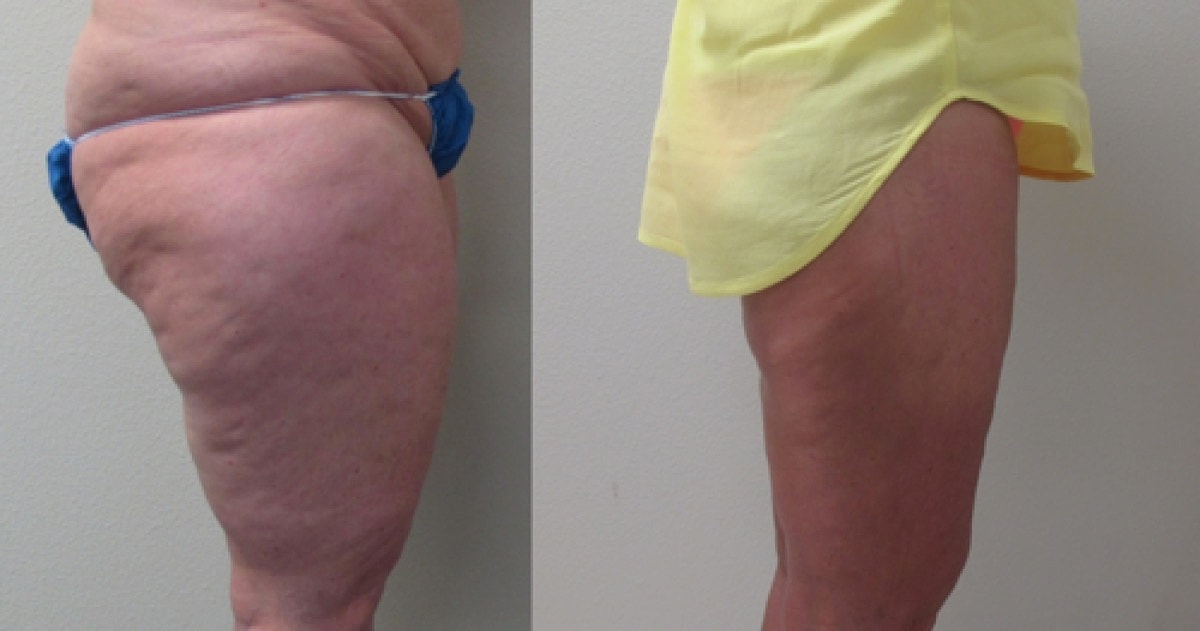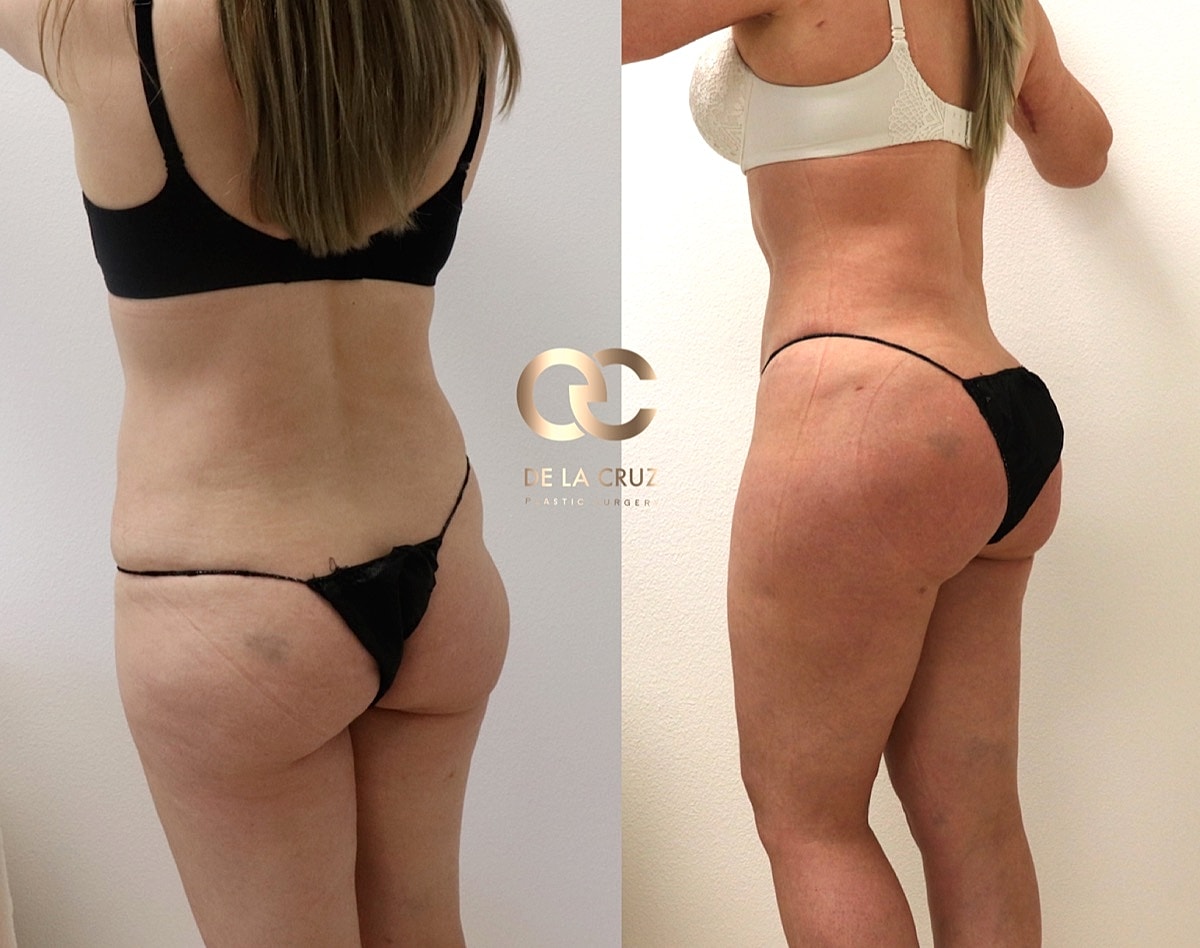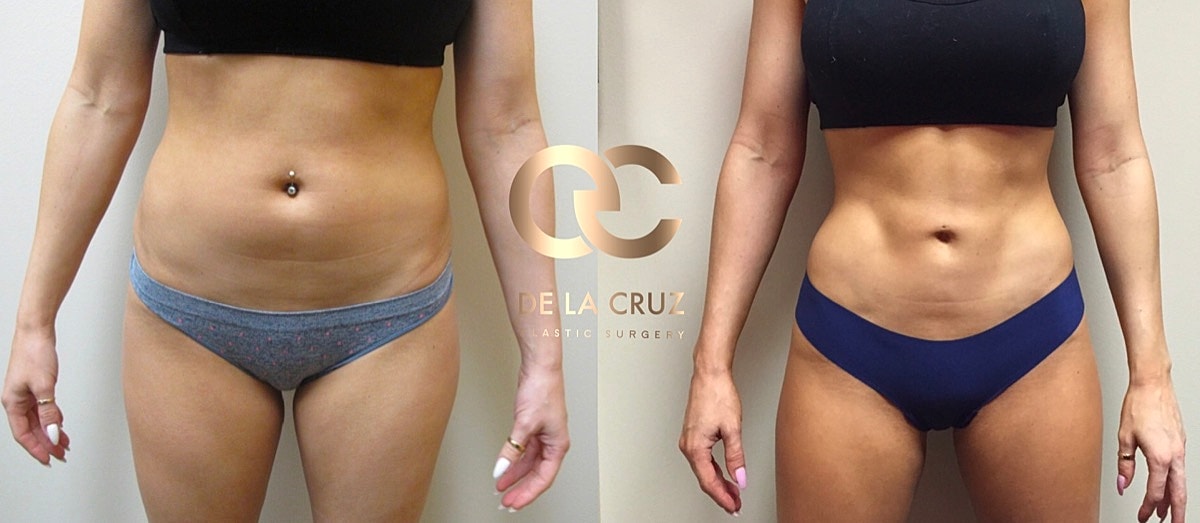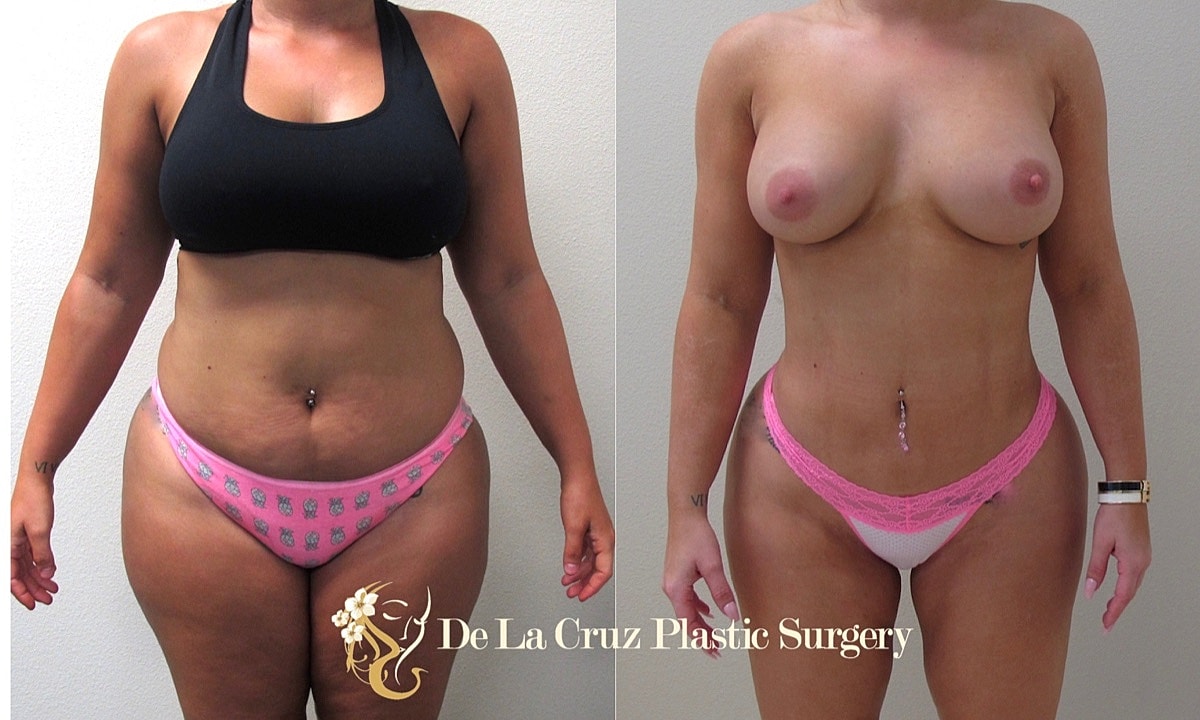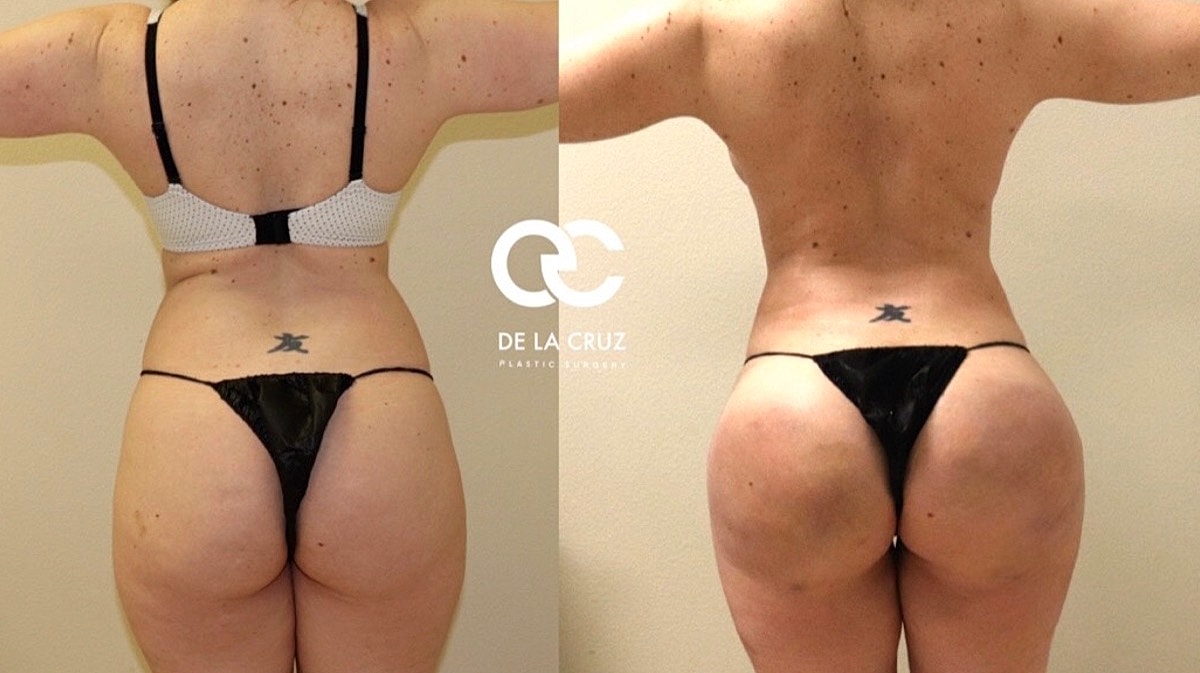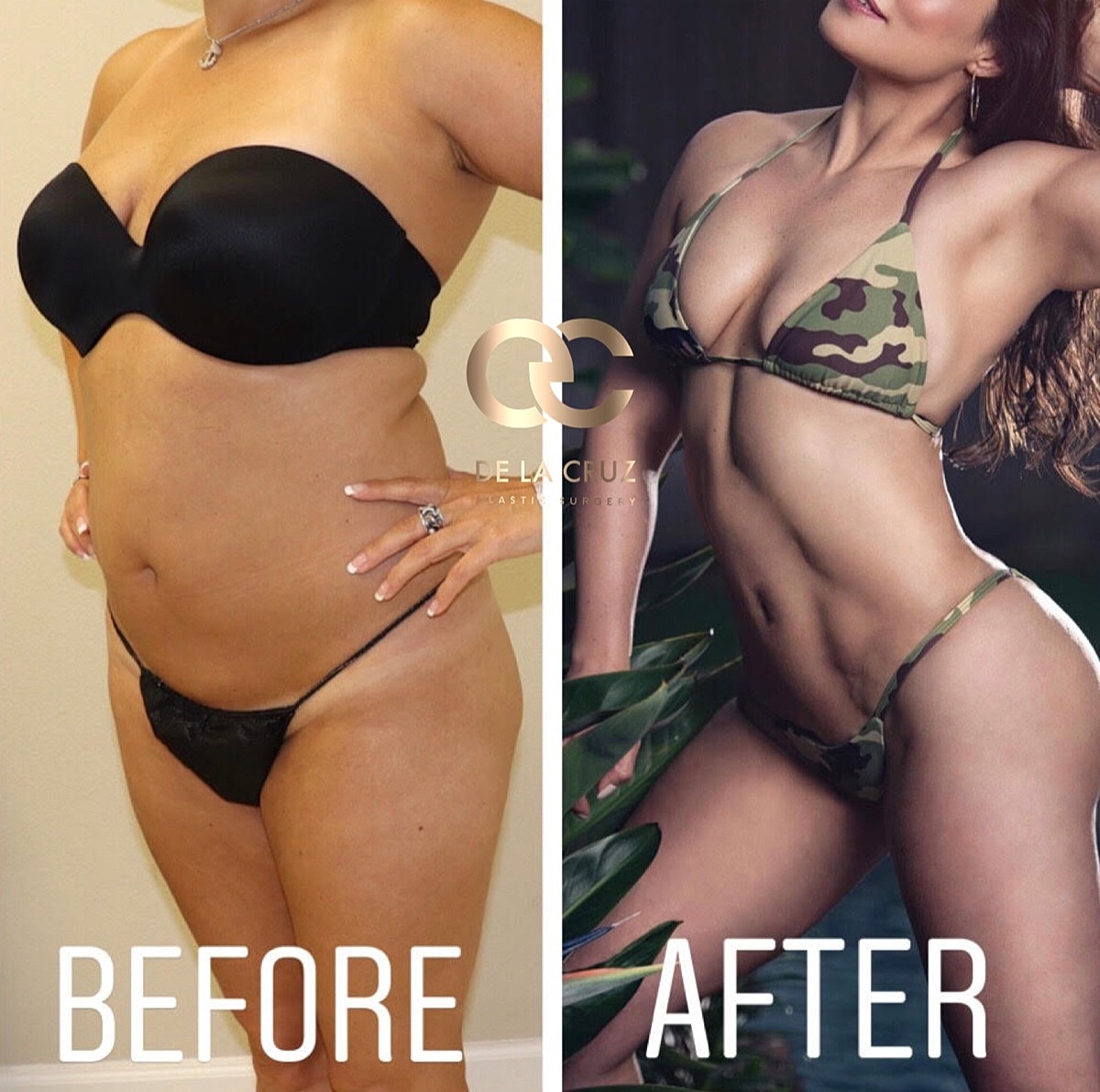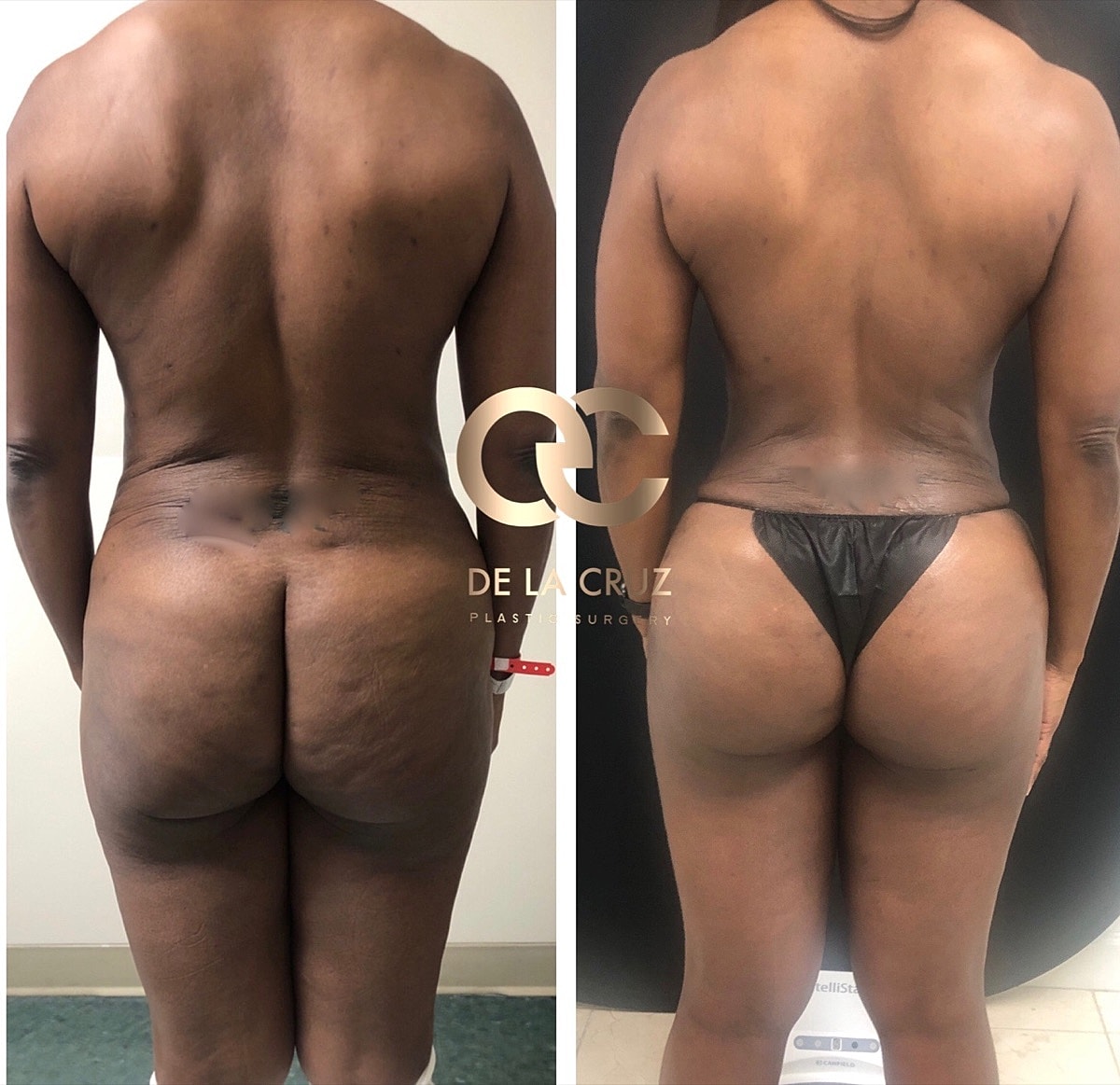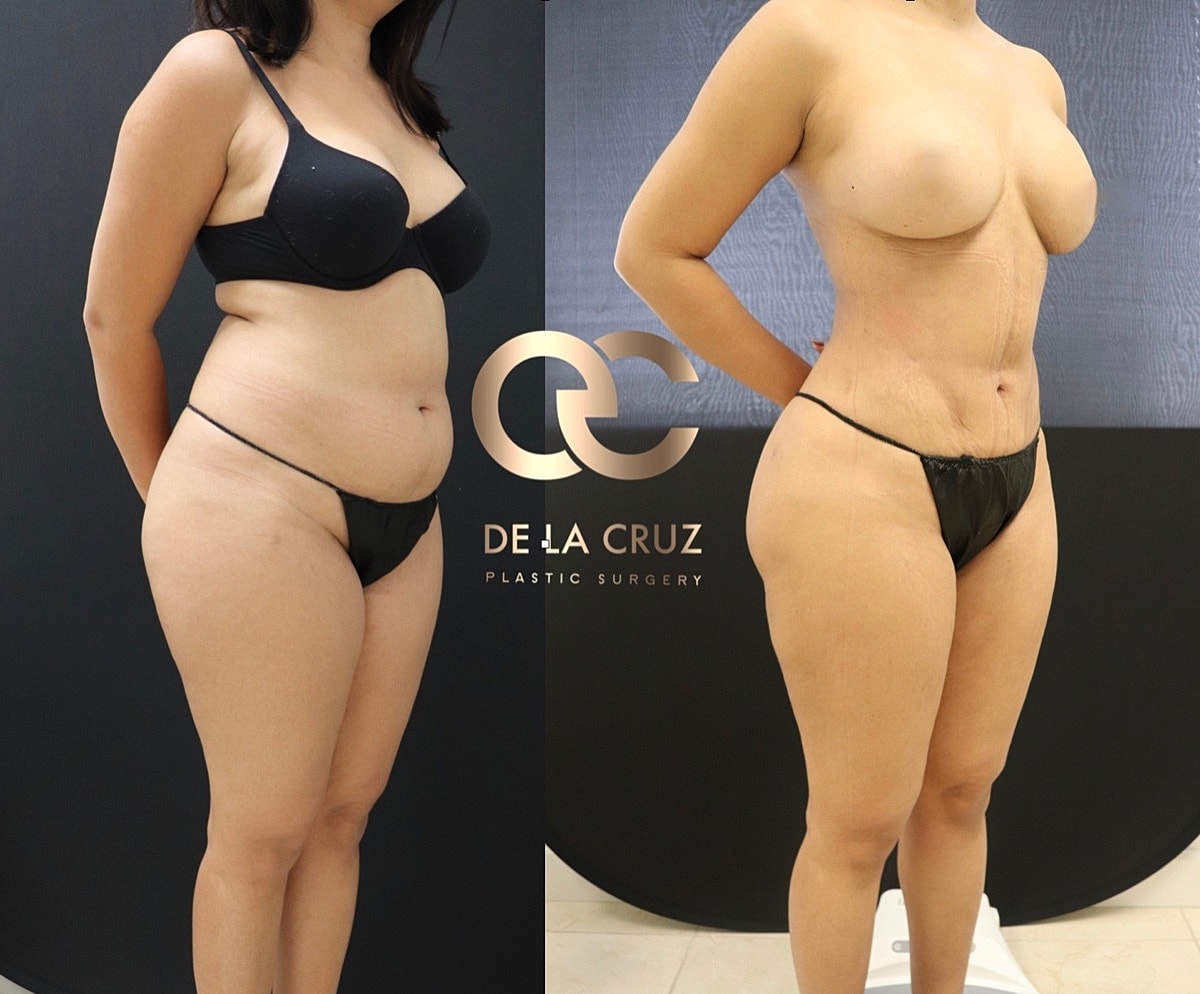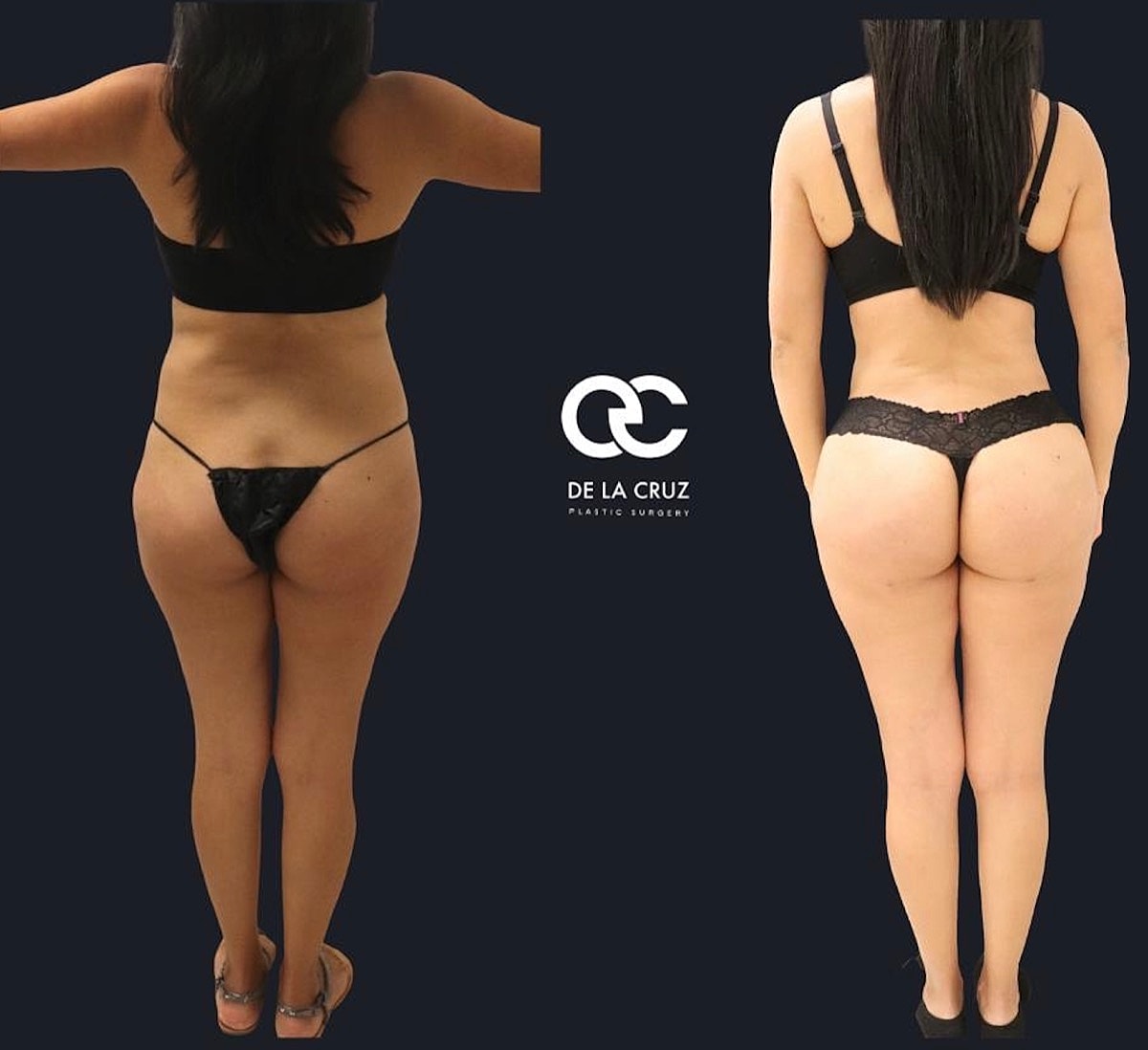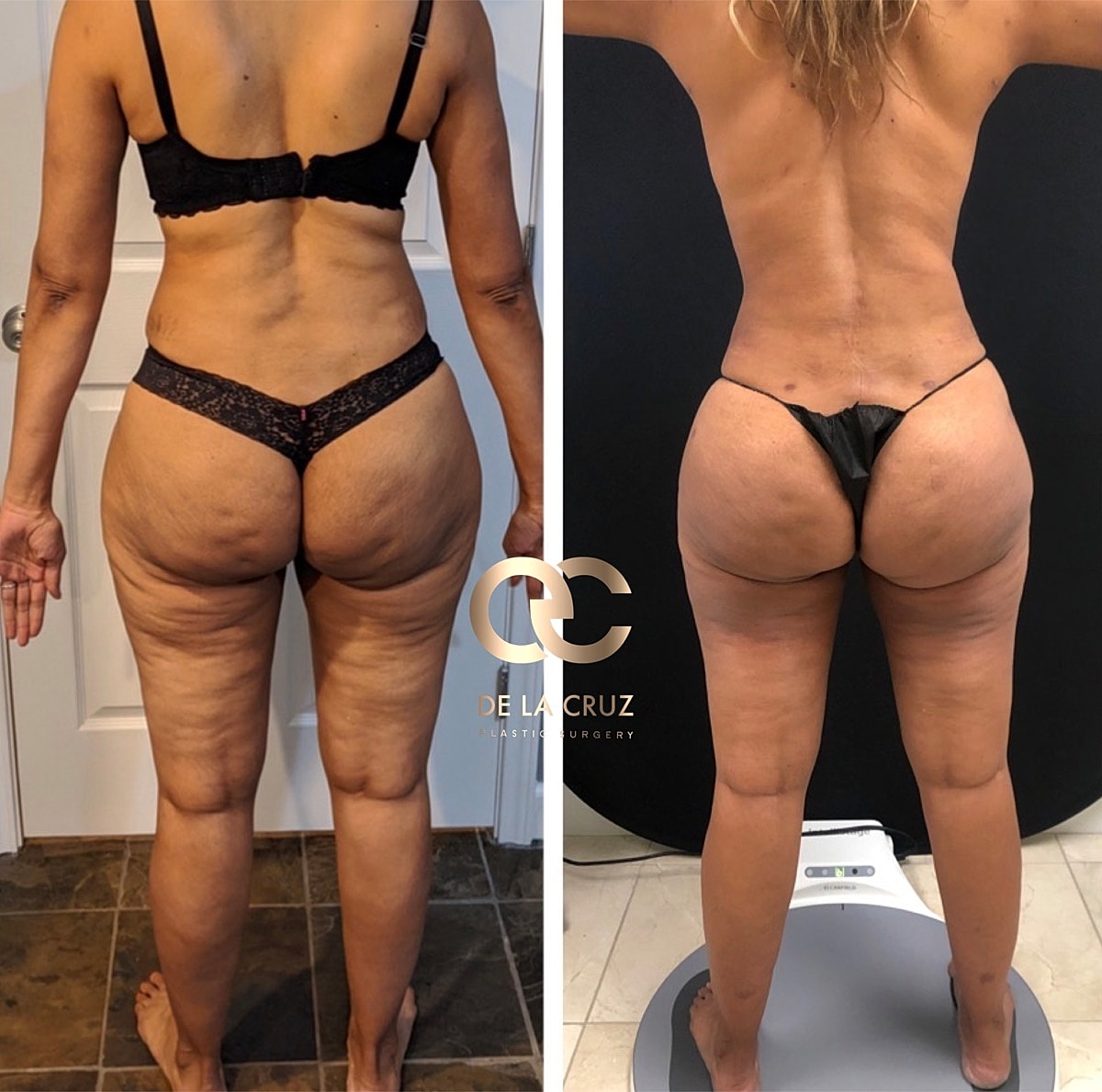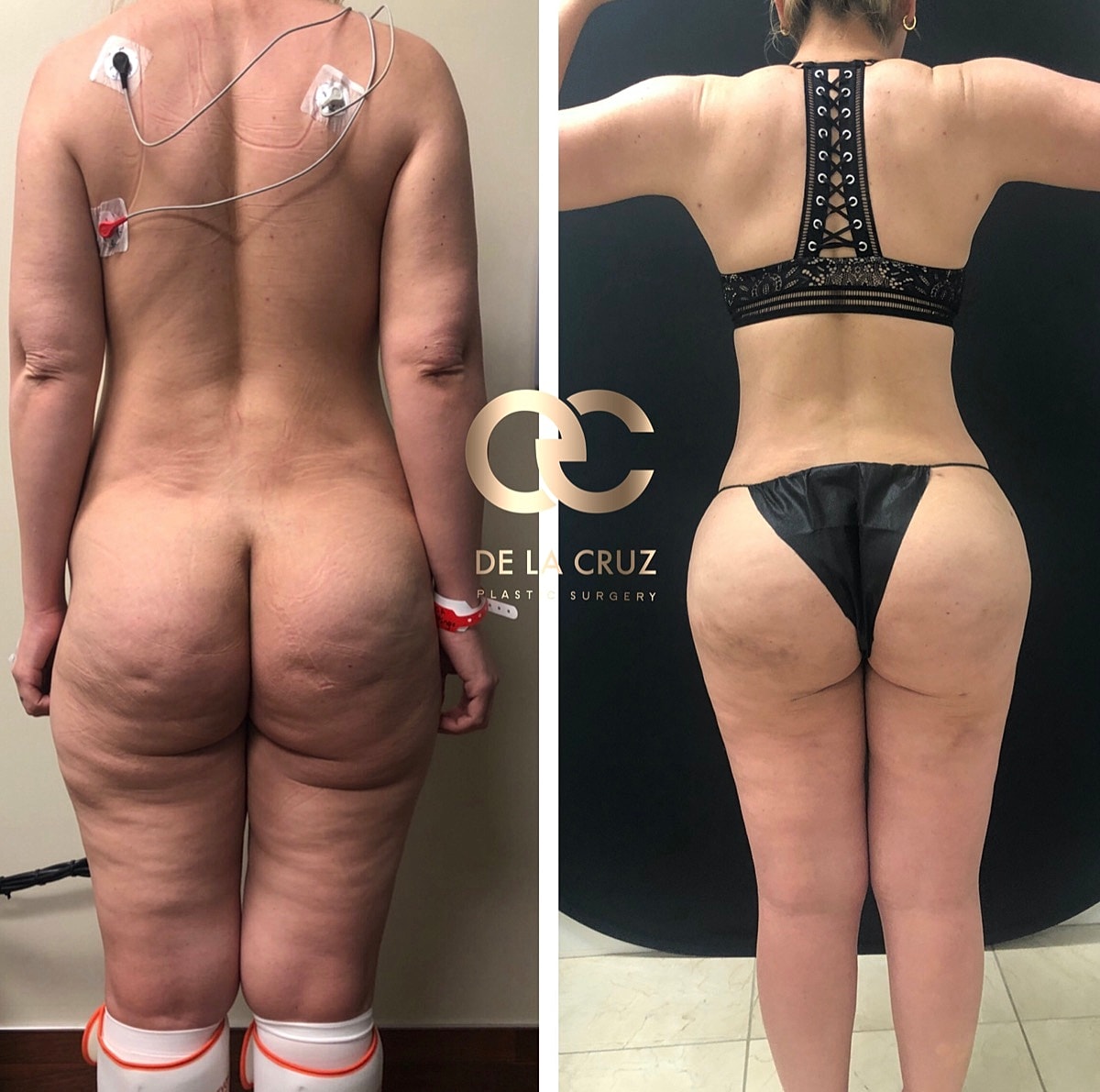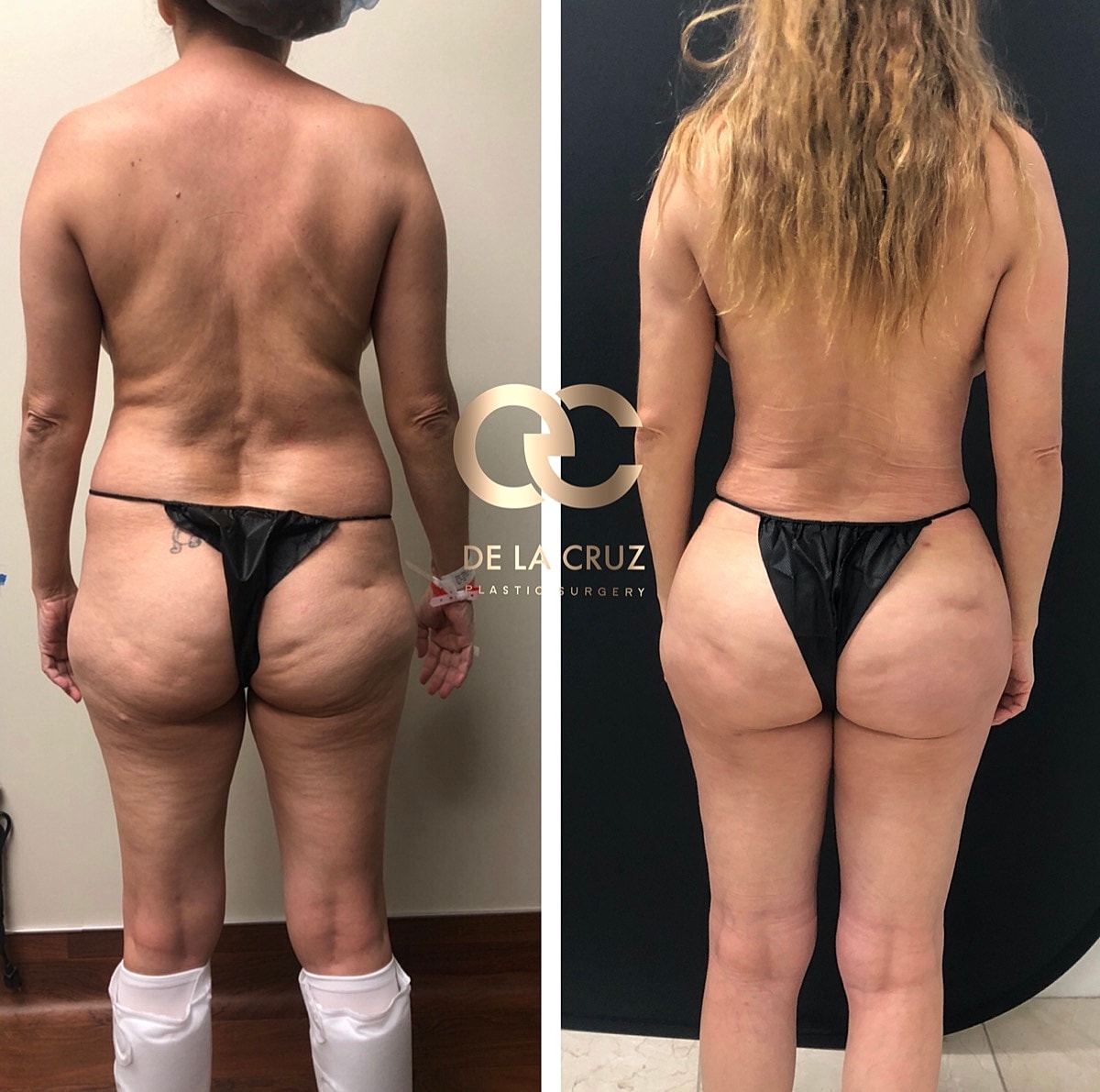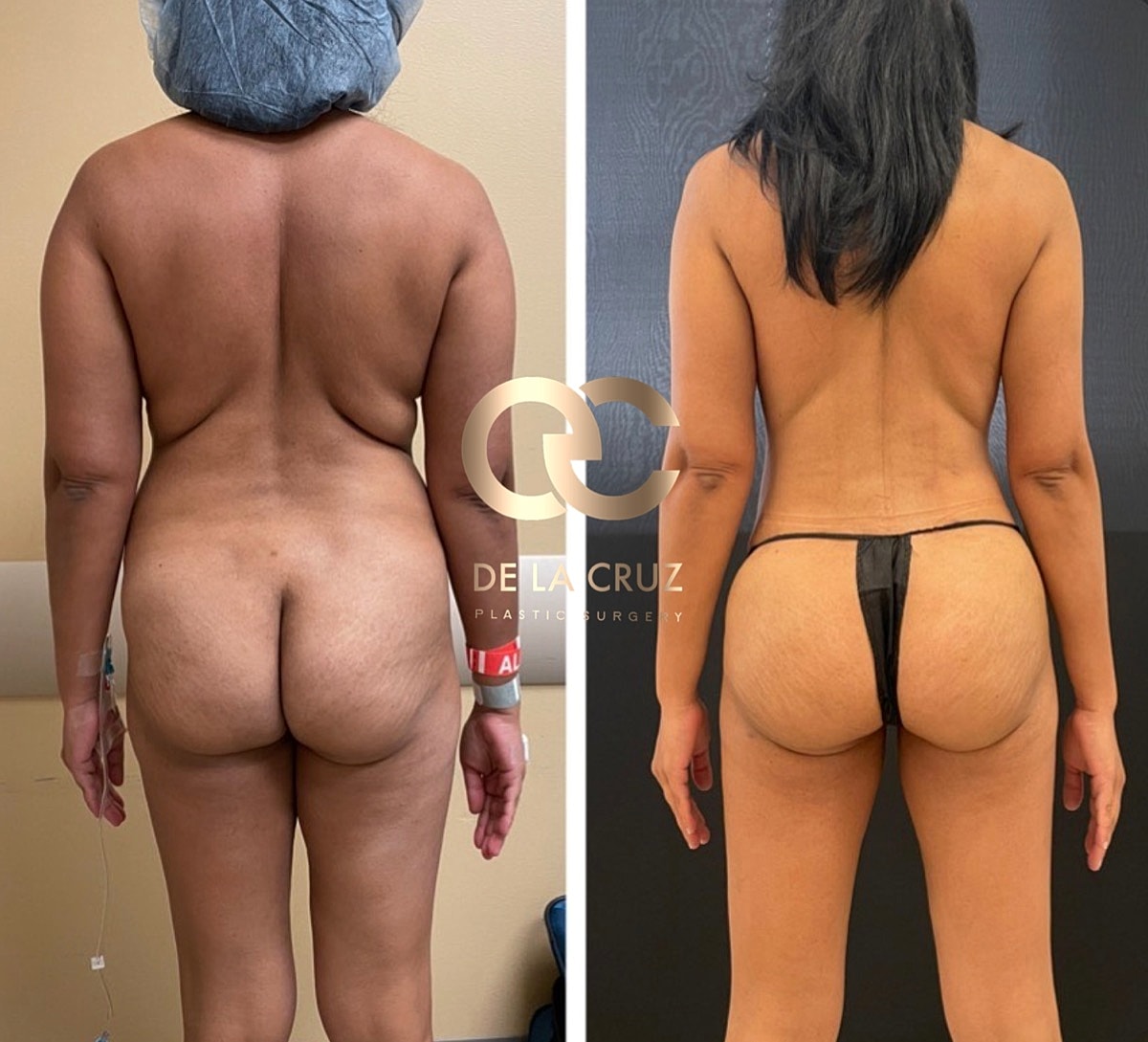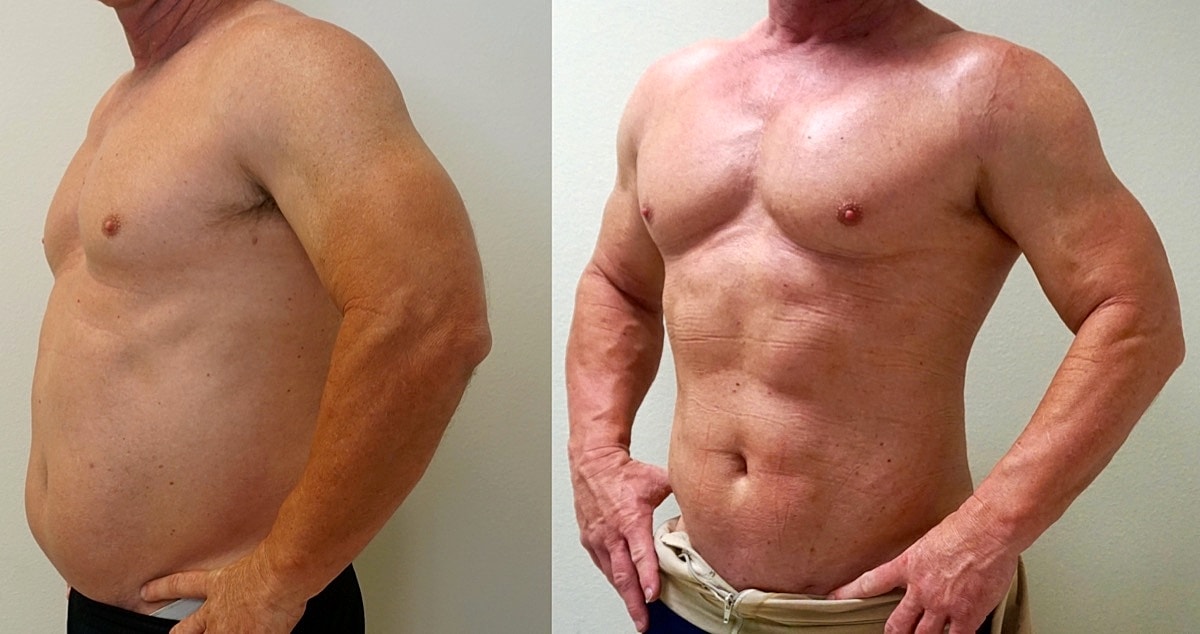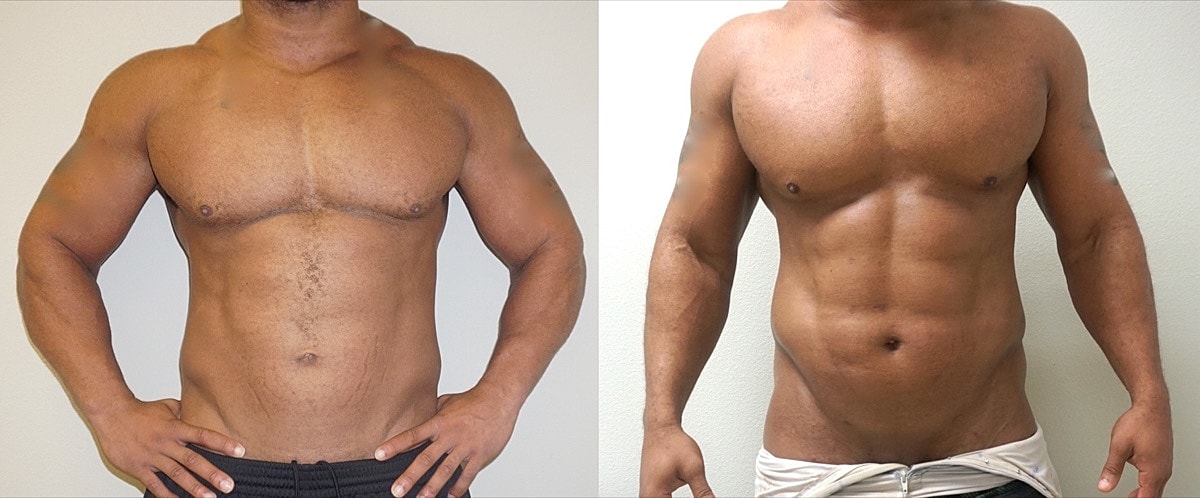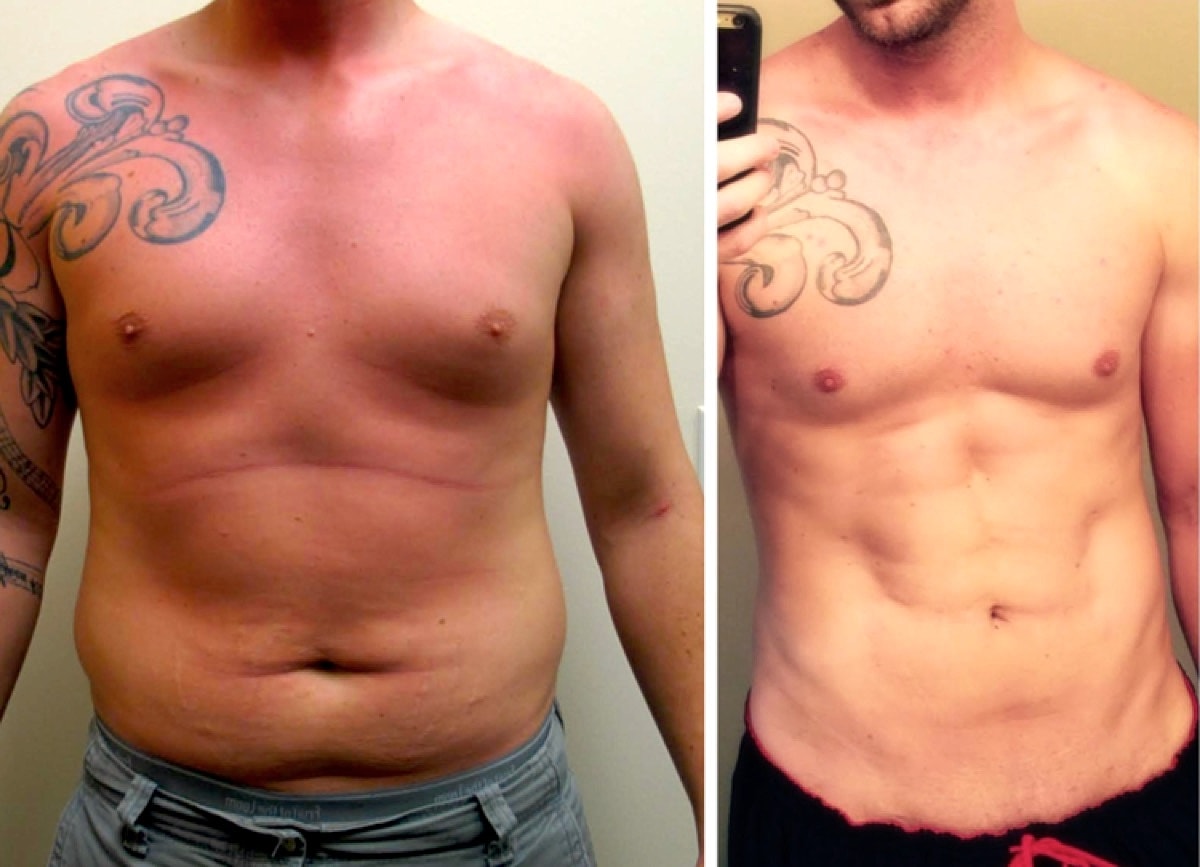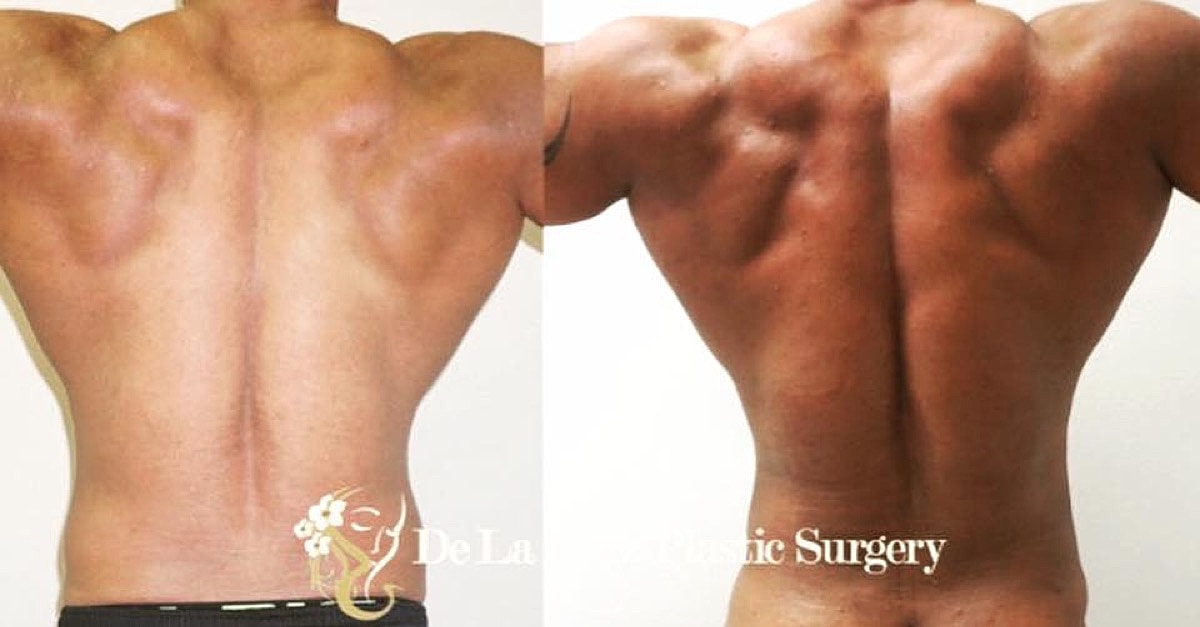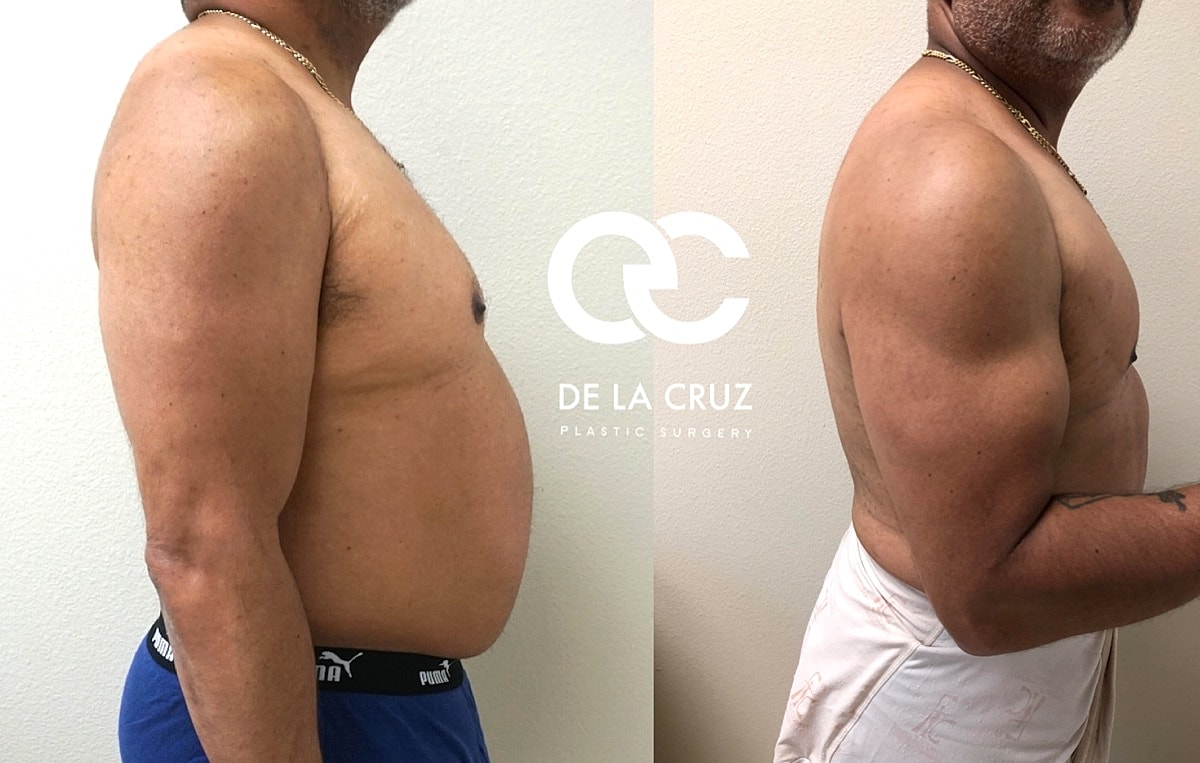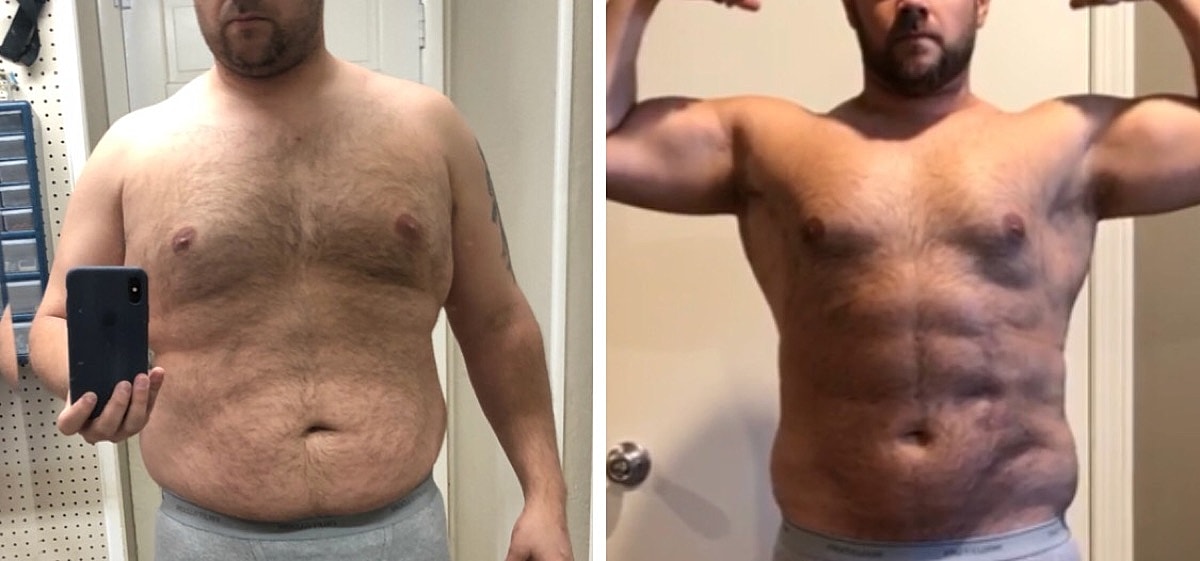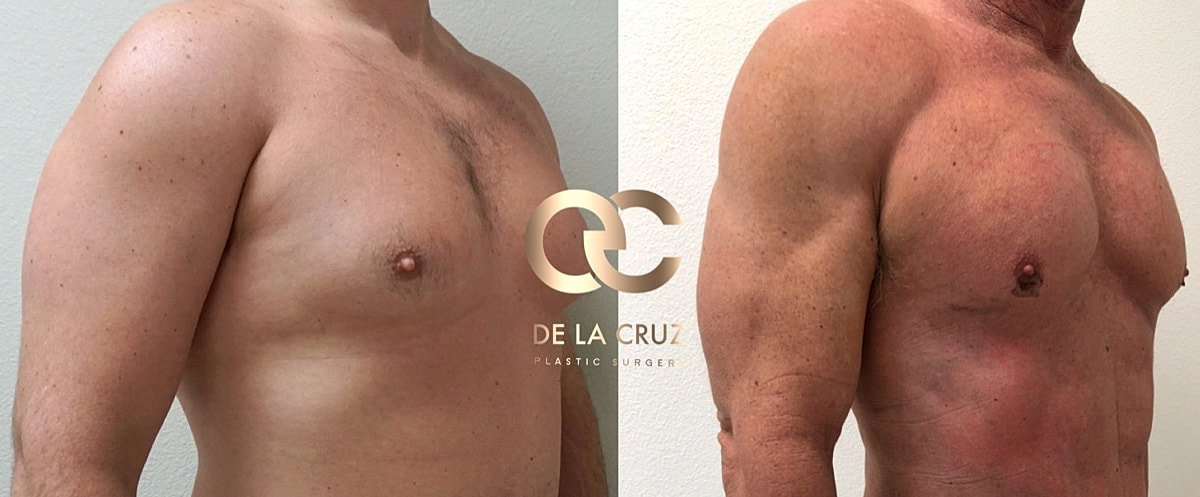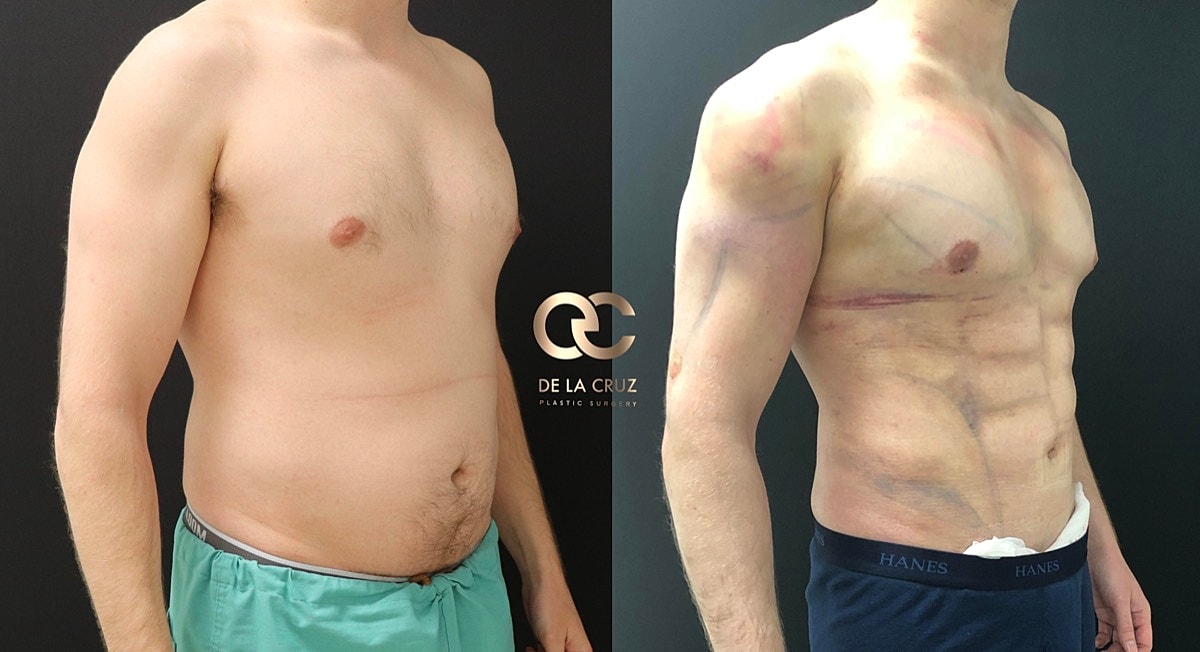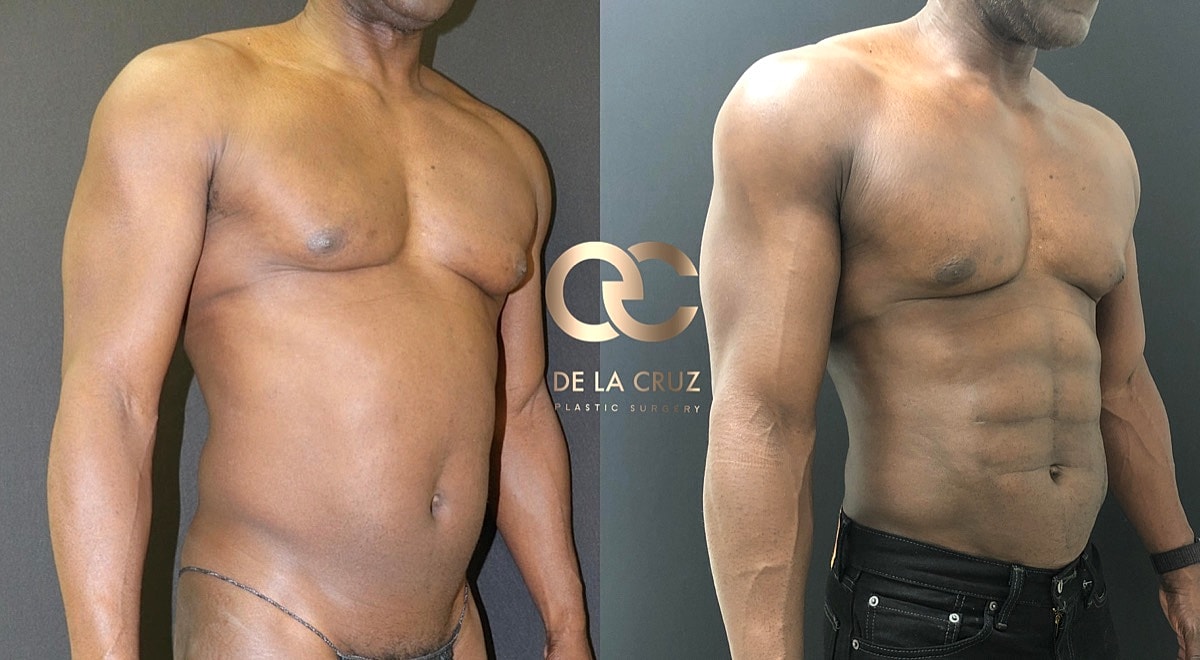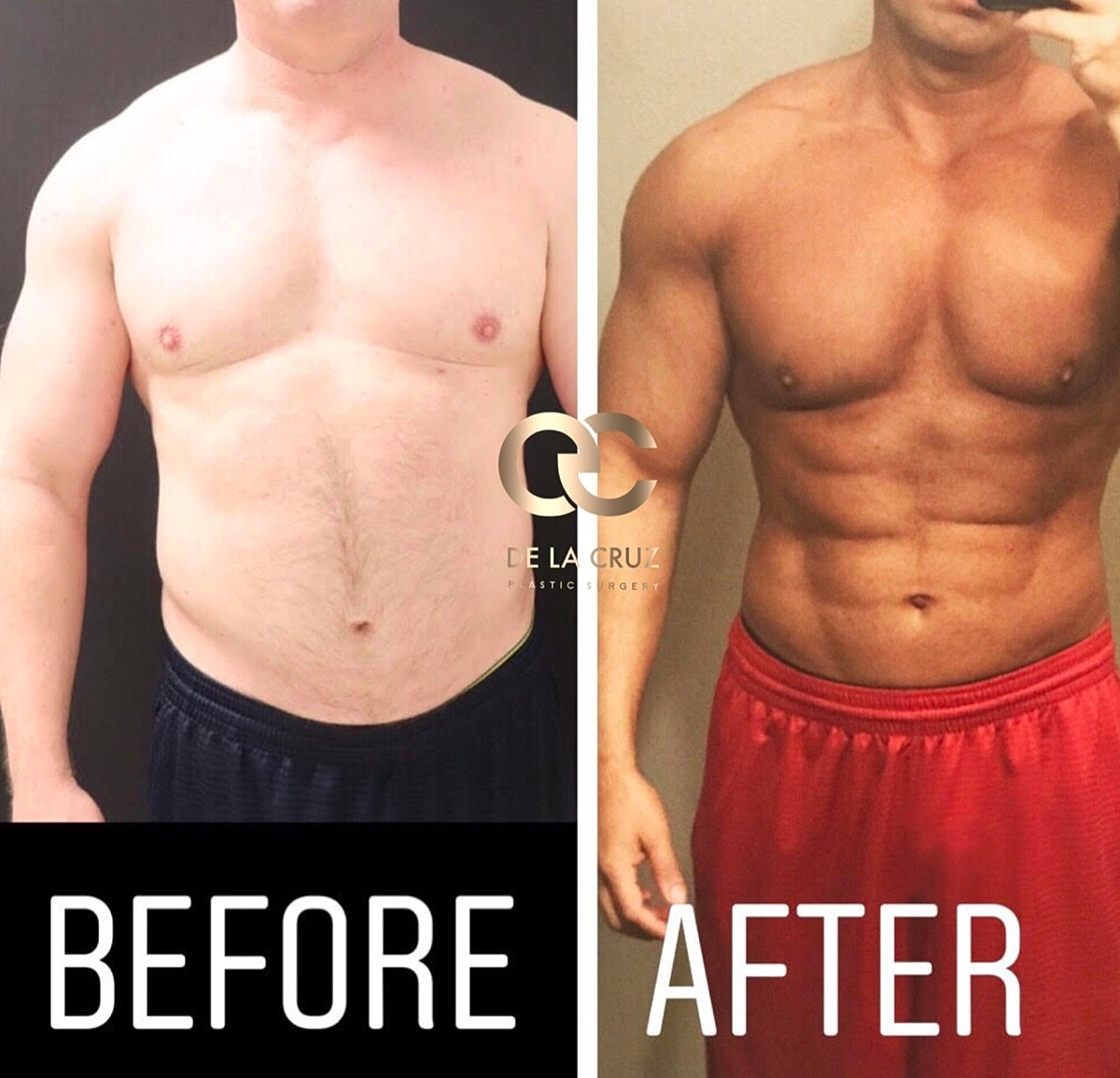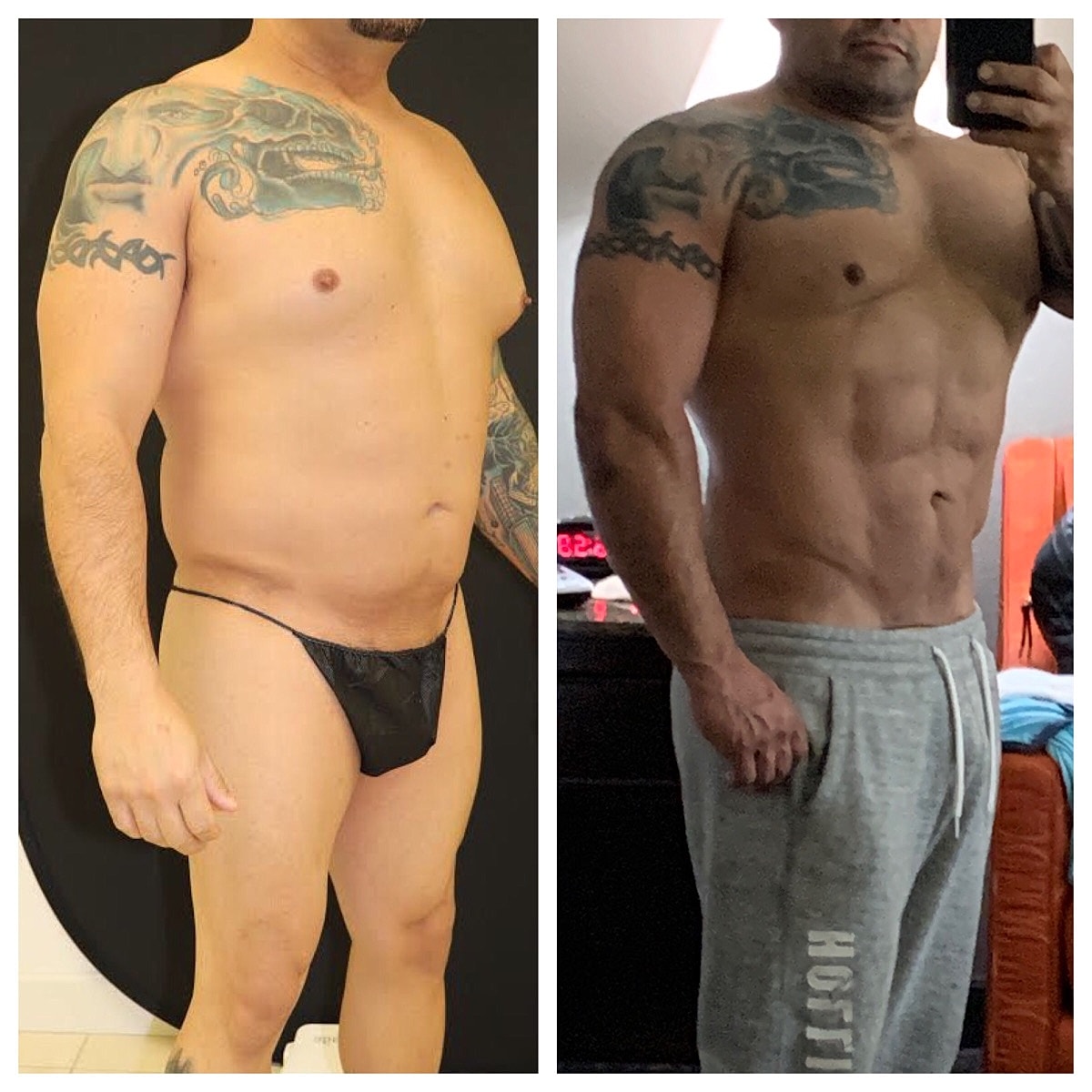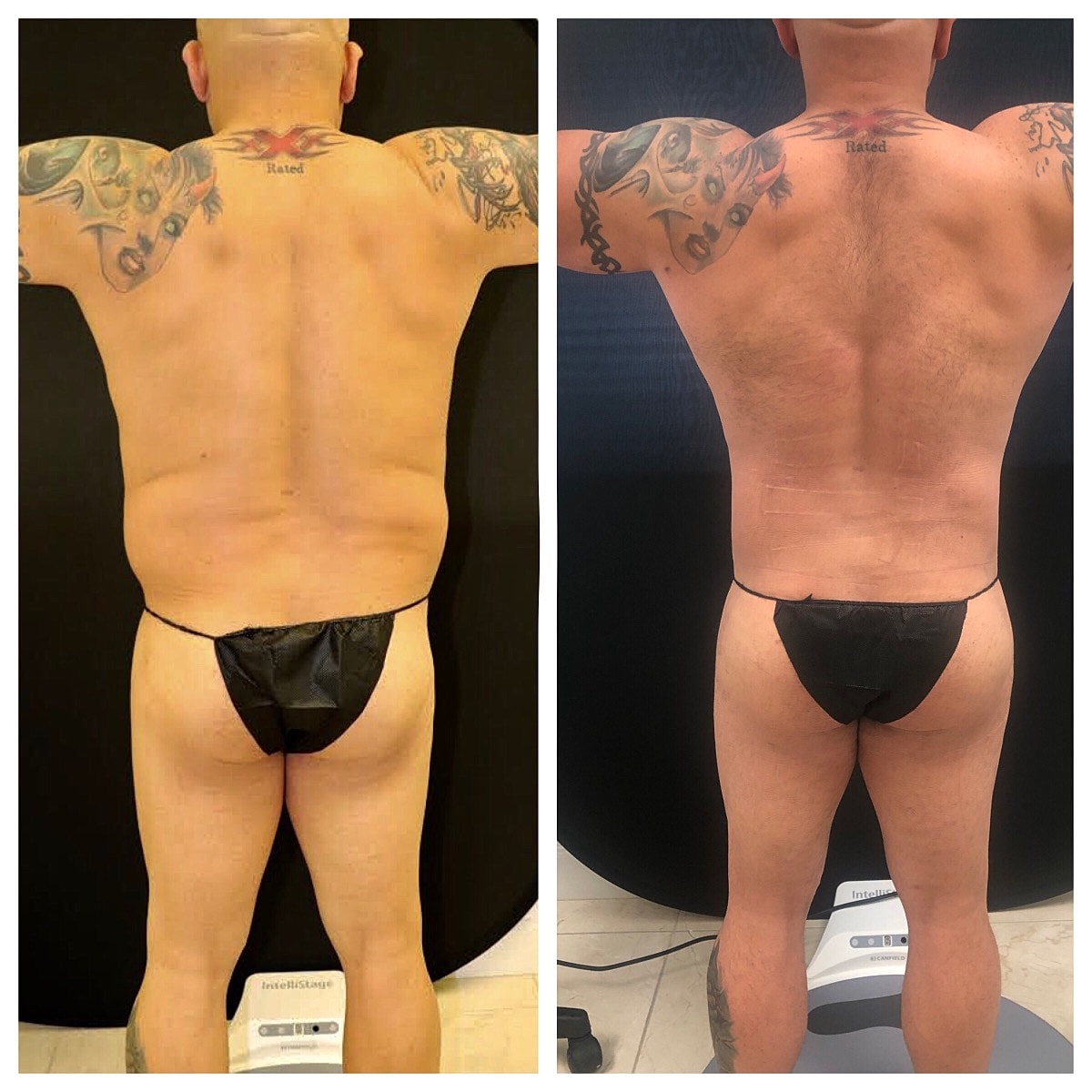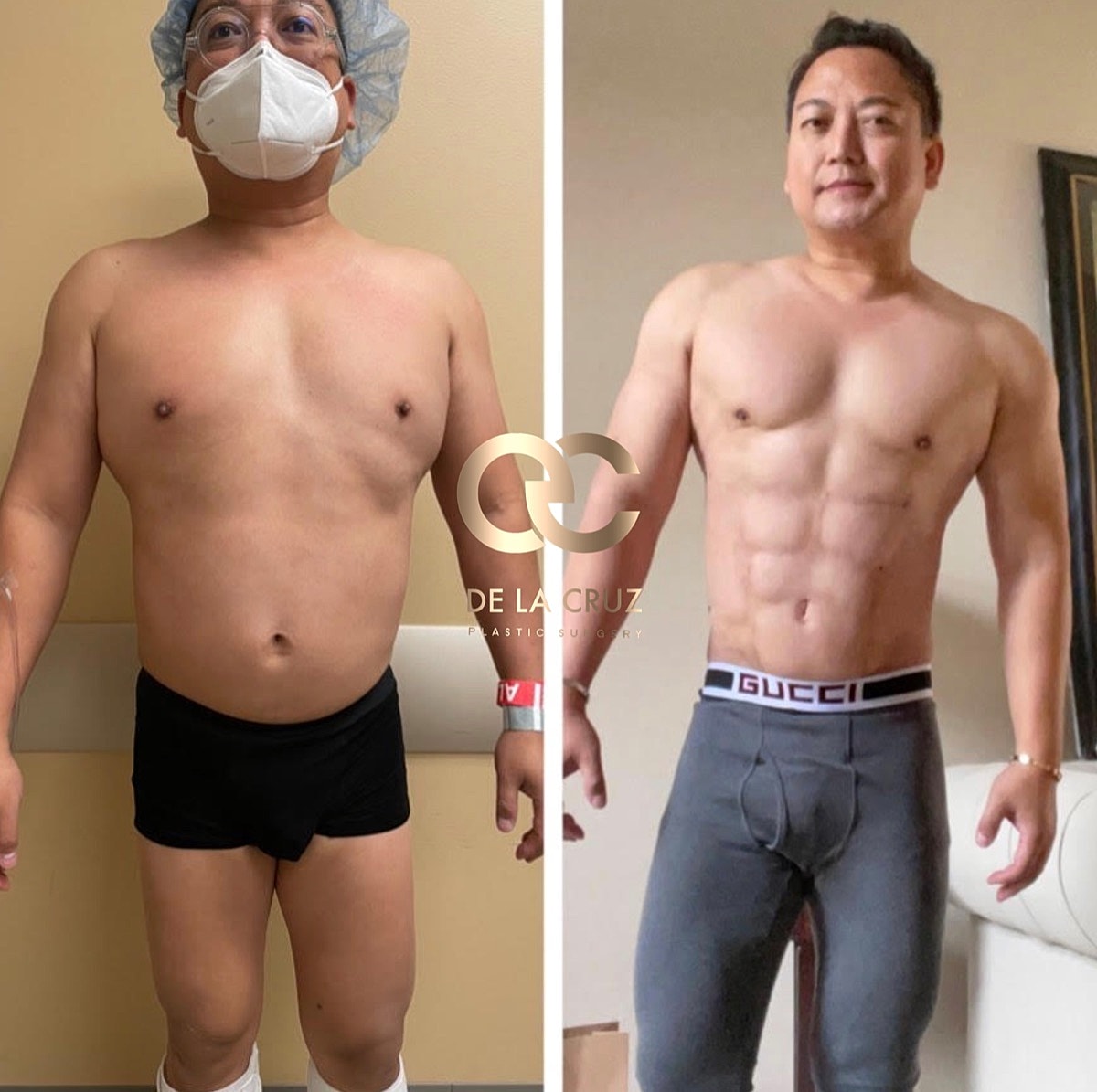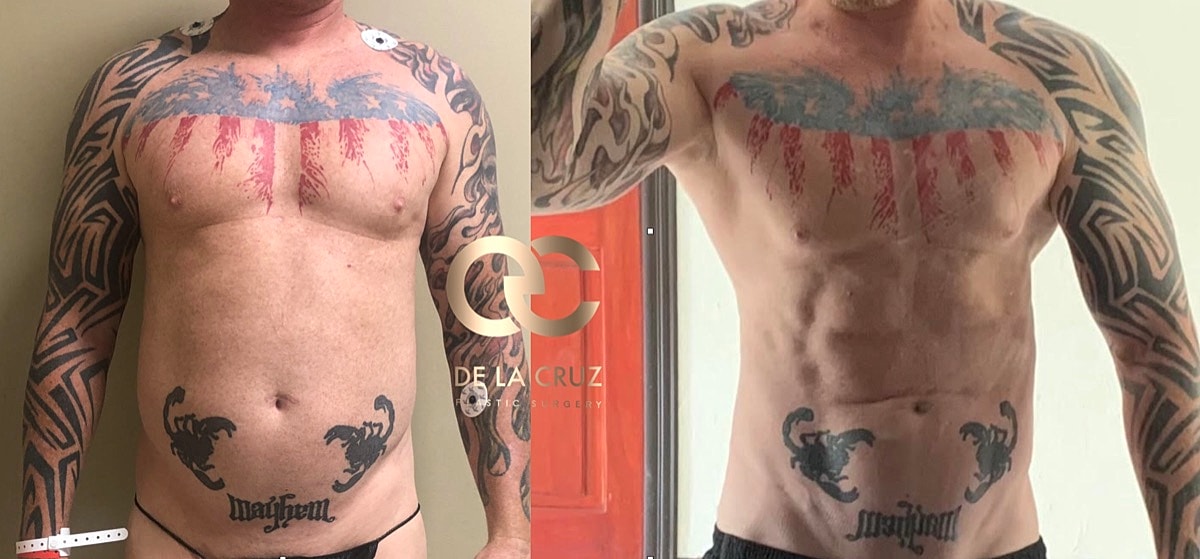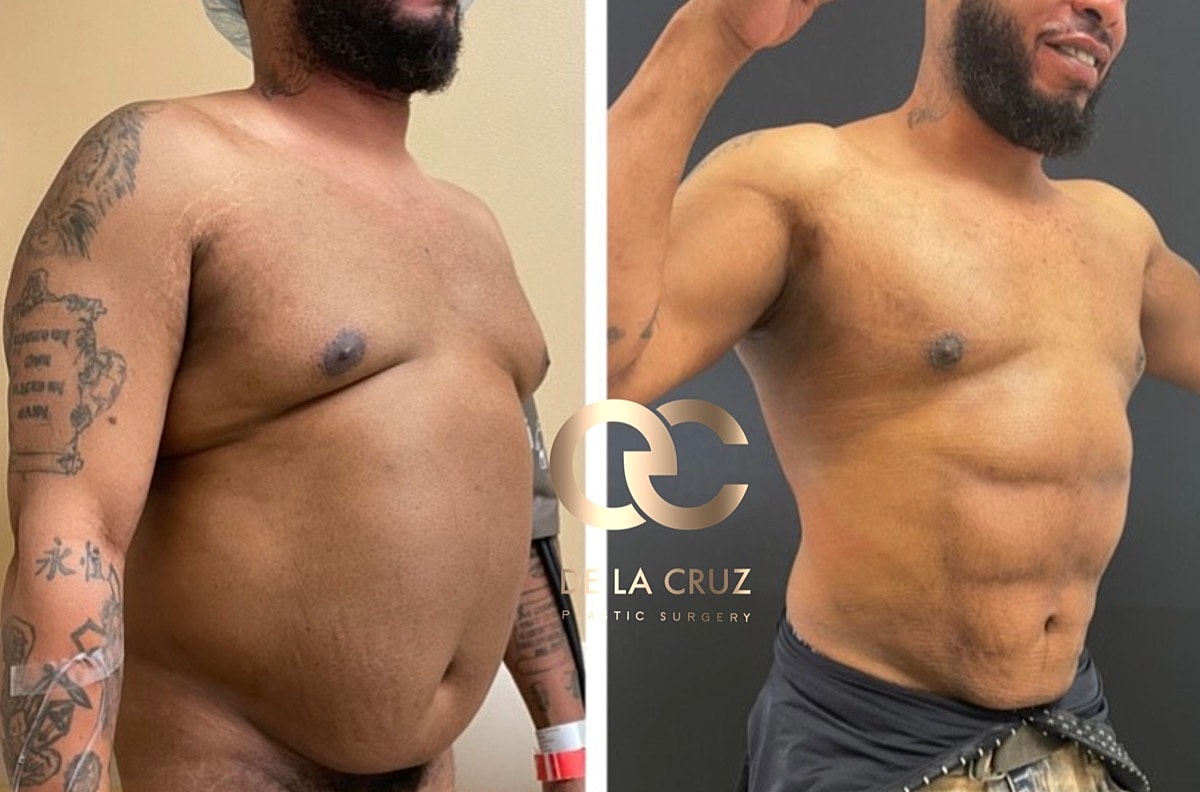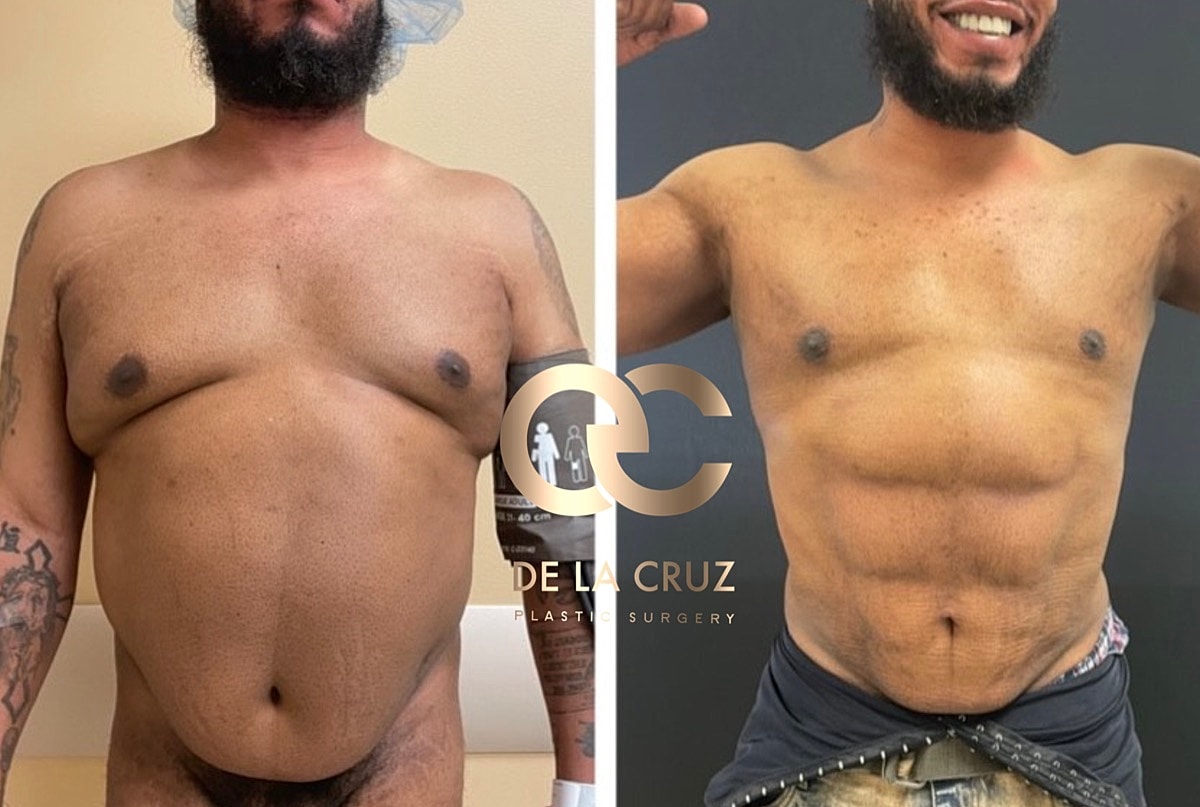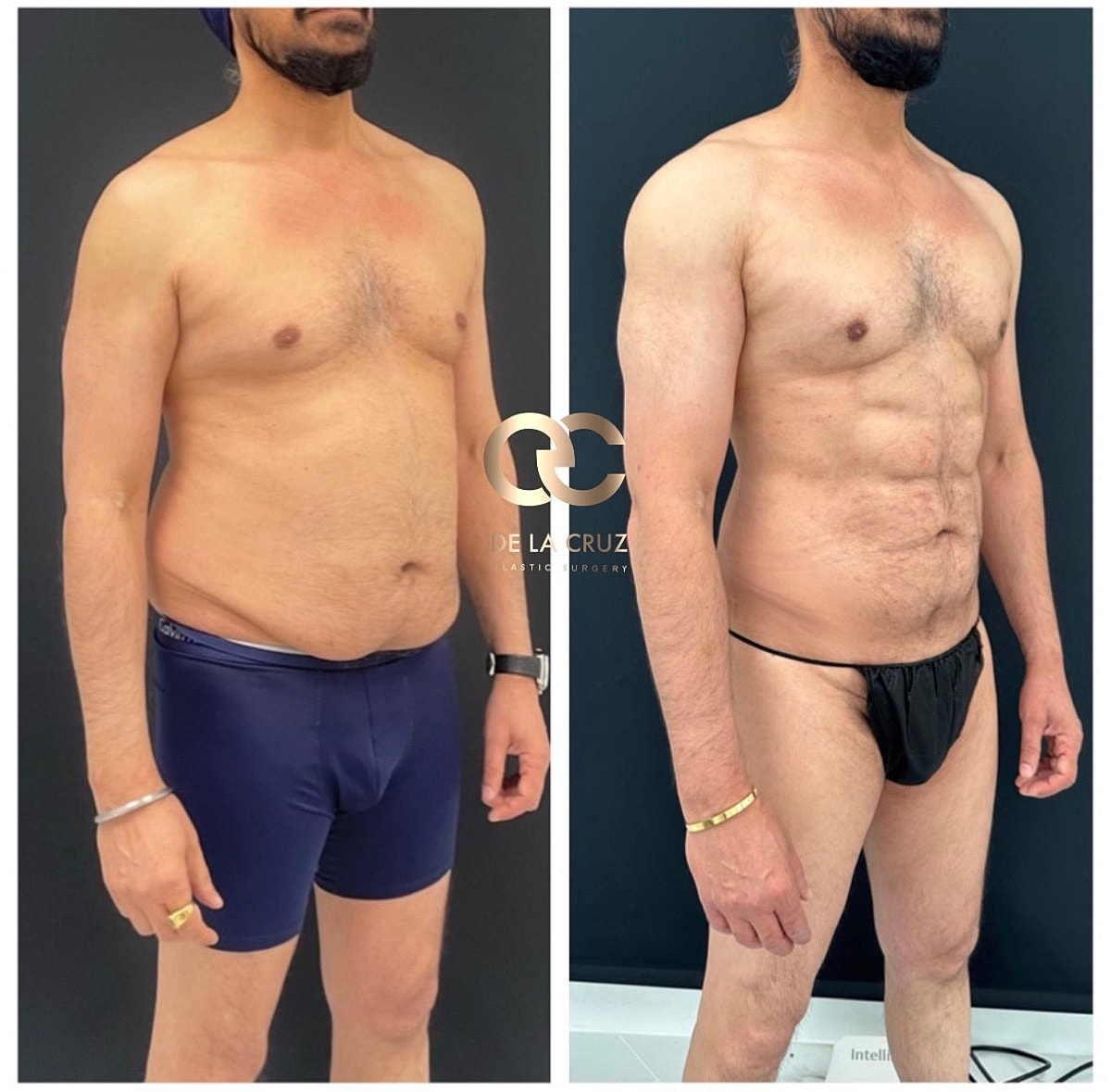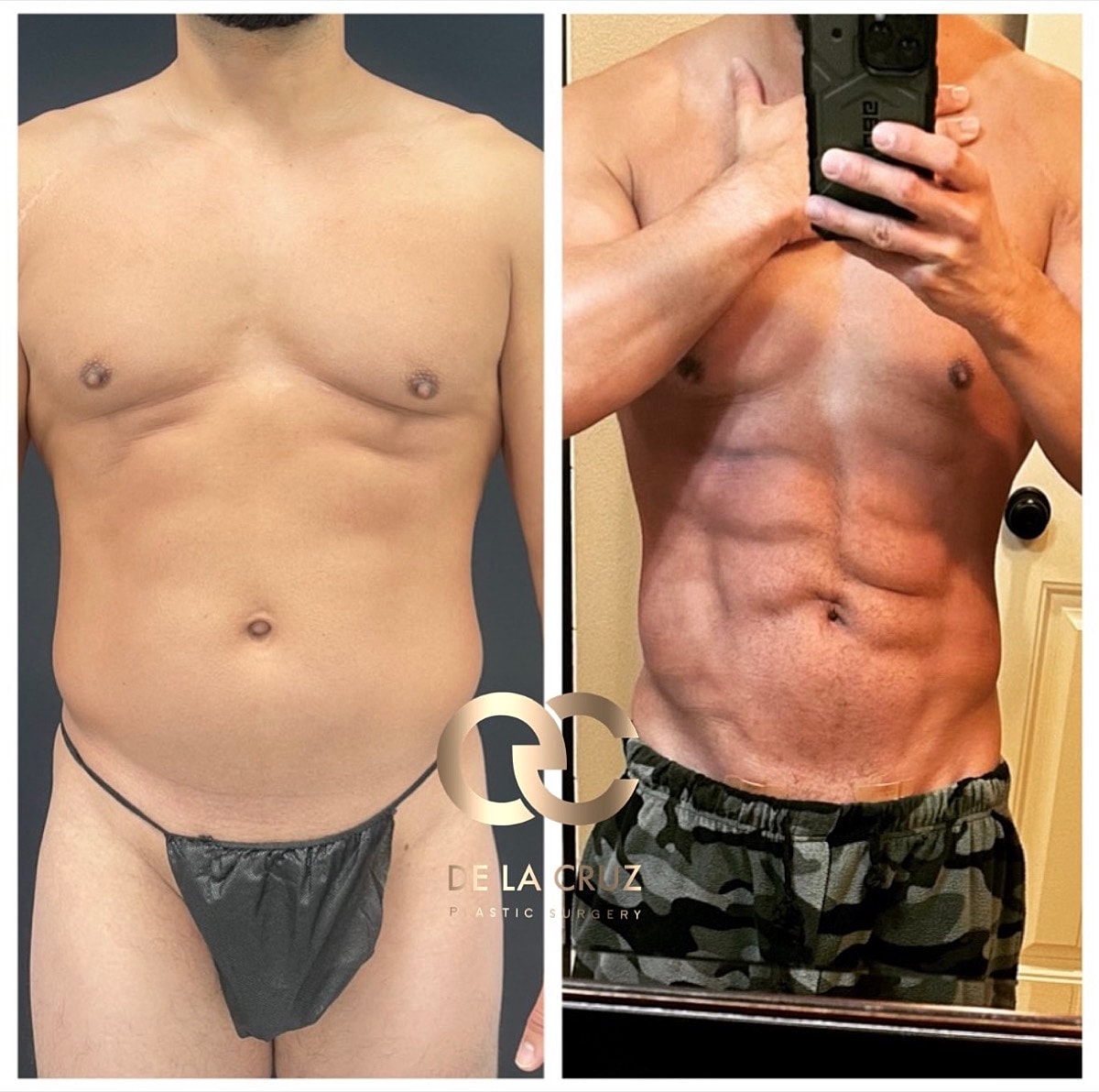
Liposuction is one of the most commonly performed cosmetic surgical procedures in the United States. When performed by an experienced board-certified plastic surgeon in an accredited surgical facility, liposuction is generally considered a safe and effective method of body contouring.
Over the past several decades, major advances in surgical technique, anesthesia, patient monitoring, and energy-assisted technologies have significantly improved safety and outcomes.
Modern liposuction safety protocols focus on several critical factors:
• careful patient selection • medical optimization before surgery • prevention of blood clots • minimizing blood loss • careful fluid management • use of advanced liposuction technologies • postoperative monitoring
Clinical research shows that large volume liposuction can be performed safely when surgeons follow evidence-based protocols and strict safety standards. Lipoplasty in The Overweight Pa…
At De La Cruz Plastic Surgery in Houston, patient safety is prioritized at every stage of treatment.
Liposuction is one of the most commonly performed cosmetic procedures. Learn more about liposuction in Houston and the techniques used for body contouring.
1 of 65
The foundation of safe liposuction begins with a thorough preoperative medical evaluation.
During consultation, patients are evaluated for:
• cardiovascular health • blood pressure control • diabetes or metabolic disorders • prior surgeries • body mass index (BMI) • medications that may affect bleeding or healing
Patients undergoing large volume liposuction may require additional medical clearance before surgery.
Cardiac Evaluation
Large volume liposuction involves significant physiologic changes including fluid shifts and hemodynamic changes. For this reason, cardiac evaluation may be recommended for certain patients to ensure that the heart can safely tolerate the procedure.
Patients with uncontrolled medical conditions may be advised to delay surgery until these conditions are properly managed.
One of the most important safety considerations in surgery is the prevention of deep vein thrombosis (DVT) and pulmonary embolism.
Several strategies are used to reduce this risk.
Risk Stratification
Patients are commonly evaluated using risk scoring systems such as the Caprini score, which helps surgeons determine the appropriate level of prophylaxis.
Mechanical Prophylaxis
Sequential compression devices are used during surgery to improve blood circulation in the legs.
Pharmacologic Prophylaxis
Most patients received low-molecular weight heparin during surgery and prescribed with oral anticoagulants, such as Xarelto or Eloquis, to be taken postoperatively.
Evidence-based protocols using these strategies significantly reduce thromboembolic complications.
Minimizing blood loss is a critical aspect of liposuction safety.
Several techniques have dramatically reduced surgical bleeding compared with early liposuction procedures.
Tumescent and Superwet Technique
The tumescent technique involves injecting a solution containing:
• saline or lactated Ringer’s solution • lidocaine • epinephrine • sodium bicarbonate
This solution provides several benefits:
• vasoconstriction to reduce bleeding • improved pain control • easier fat extraction
Studies have shown that the tumescent technique dramatically reduces blood loss compared with older techniques.
Tranexamic Acid (TXA)
Tranexamic acid is increasingly used in plastic surgery to reduce surgical bleeding.
Clinical studies show that TXA can:
• reduce intraoperative blood loss • decrease postoperative bruising • reduce hematoma formation
Many surgeons now incorporate TXA into their liposuction protocols for additional safety.
VASER Ultrasound-Assisted Liposuction
VASER liposuction uses ultrasound energy to break down fat cells before removal.
Benefits include:
• reduced bleeding • more precise fat removal • improved contour sculpting • easier fat extraction
Studies have demonstrated that ultrasonic liposuction technologies can significantly decrease blood loss during liposuction procedures. Lipoplasty in The Overweight Pa…

Modern body contouring procedures often combine multiple technologies to improve outcomes.
This approach is sometimes referred to as energy-assisted liposuction.
Power-Assisted Liposuction (PAL)
Power-assisted liposuction uses a rapidly vibrating cannula to help break up fibrous fat.
Advantages include:
• improved efficiency during fat removal • reduced surgeon fatigue • improved precision in fibrous areas
PAL allows surgeons to remove fat more smoothly and efficiently compared with manual liposuction alone.
Skin Tightening After Liposuction
Removing fat does not remove skin. Therefore, technologies that improve skin contraction can significantly enhance body contouring results.
Renuvion (Helium Plasma + RF)
Renuvion uses helium plasma combined with radiofrequency energy to deliver controlled heat beneath the skin.
This technology can:
• tighten the fibroseptal network • stimulate collagen production • improve skin contraction after liposuction
Quantum RF
Quantum RF is a bipolar radiofrequency system that delivers controlled thermal energy beneath the skin to stimulate collagen remodeling.
Benefits include:
• improved skin tightening • gradual collagen remodeling • enhanced body contouring results
Clinical studies demonstrate that energy-assisted devices can significantly improve soft-tissue contraction compared with liposuction alone.

Longer procedures, particularly large volume liposuction in Houston, require careful management of body temperature during surgery. Patients under anesthesia are more susceptible to perioperative hypothermia, which can occur when body heat is lost faster than it is produced.
Maintaining normal body temperature during surgery is important because hypothermia can increase the risk of surgical complications, including increased bleeding, impaired blood clotting, delayed wound healing, and prolonged recovery.
Several strategies are used to prevent hypothermia during surgery, including:
• Forced warm-air warming devices (such as Bair Hugger systems) • Warming blankets before and during surgery • Warmed intravenous fluids • Warmed tumescent infiltration solution used during liposuction • Maintaining appropriate operating room temperature
By maintaining normal body temperature throughout the procedure, surgeons can help:
• reduce surgical blood loss • improve blood clotting function • decrease the risk of surgical complications • support normal metabolism and tissue perfusion • promote a smoother and faster postoperative recovery
Careful temperature management is therefore an important part of modern liposuction safety protocols, particularly during longer body contouring procedures.

Large volume liposuction involves the infusion and removal of significant amounts of fluid, which can result in substantial physiologic fluid shifts during surgery. Careful monitoring and management of fluid balance are therefore essential to maintain cardiovascular stability and minimize the risk of complications.
During liposuction, tumescent or superwet infiltration solutions are infused into the targeted fat layers to facilitate fat removal and reduce bleeding. These solutions typically contain saline or lactated Ringer’s solution combined with dilute lidocaine and epinephrine. While these techniques significantly reduce blood loss, they also introduce a large volume of fluid into the body.
Because both intravenous fluids and infiltration fluids contribute to the patient’s total fluid load, surgeons must carefully monitor overall fluid balance throughout the procedure.
Important factors that are continuously monitored include:
• Intravenous (IV) fluids administered during surgery • Total volume of tumescent infiltration fluid infused into the tissues • Urine output during the procedure, which reflects kidney function and fluid balance • Total liposuction aspirate volume, which includes both fat and infiltrated fluid removed during liposuction
Clinical studies have shown that proper fluid management is essential during large volume liposuction because excessive fluid administration can lead to fluid overload, which may result in complications such as pulmonary edema, hemodynamic instability, or respiratory compromise.
For this reason, many surgeons use established guidelines for fluid resuscitation during liposuction procedures. Monitoring the balance between infiltrated fluids, intravenous fluids, liposuction aspirate, and urine output allows surgeons and anesthesiologists to maintain an appropriate physiologic equilibrium throughout the procedure.
In addition to intraoperative monitoring, patients undergoing large volume liposuction are often observed for approximately 23 hours after surgery in an accredited hospital or certified ambulatory surgical facility. This observation period allows physicians to continue monitoring vital signs, fluid balance, and urine output to ensure safe recovery.
Careful attention to fluid management is one of the key safety principles that allows large volume liposuction to be performed safely when appropriate protocols and monitoring are followed.
Preventing surgical site infection is an important component of liposuction safety protocols, particularly in procedures involving large-volume liposuction or fat transfer.
To reduce the risk of infection, perioperative antibiotic prophylaxis is commonly administered prior to surgery. Intravenous antibiotics are typically given within 30 minutes before the start of the procedure to ensure adequate tissue levels of the antibiotic during surgery. This practice is widely recommended in surgical guidelines and has been shown to significantly reduce the risk of postoperative infection.
In addition to antibiotic prophylaxis, several sterile techniques are used during liposuction and fat transfer procedures to minimize bacterial contamination.
These safety measures may include:
• strict sterile surgical technique • preparation of the surgical field using antiseptic skin solutions such as chlorhexidine • use of sterile instruments and tubing systems • minimizing unnecessary handling of harvested fat
When fat is harvested for autologous fat transfer procedures, such as Brazilian Butt Lift (BBL) or facial fat grafting, additional precautions may be taken to further reduce bacterial contamination.
Some surgeons incorporate antibiotic irrigation or antibiotic-containing solutions during fat processing. These solutions may help reduce bacterial contamination of harvested fat prior to reinjection.
Closed-System Fat Processing
Modern fat transfer techniques increasingly utilize closed sterile processing systems to maintain sterility throughout the procedure.
Closed systems provide several advantages:
• reduced exposure of harvested fat to the external environment • decreased risk of bacterial contamination • preservation of fat cell viability • improved safety during fat transfer procedures
By maintaining a sterile environment during fat harvesting, processing, and reinjection, surgeons can further reduce the risk of infection.
Infection Prevention in Liposuction and Fat Transfer
In addition to antibiotics and sterile processing techniques, several other strategies are used to minimize infection risk:
• careful patient selection and preoperative evaluation • sterile surgical preparation of the skin • perioperative antibiotic administration • careful handling and processing of harvested fat • postoperative wound care and monitoring
When these evidence-based protocols are followed, the overall risk of infection after liposuction or fat transfer remains low.

Large volume liposuction is commonly defined as the removal of more than 5 liters (5,000 cc) of total aspirate during a single surgical procedure. Total aspirate refers to the combined volume of fat and infiltrated fluid removed during liposuction.
Procedures involving larger volumes of fat removal can place greater physiologic demands on the body. During large volume liposuction, patients experience fluid shifts, changes in blood pressure, and alterations in circulation related to both the tumescent infiltration solution and the volume of aspirate removed. For this reason, additional safety measures and postoperative monitoring are recommended.
To enhance patient safety, individuals undergoing large volume liposuction are typically monitored for approximately 23 hours after surgery. This observation period allows the medical team to closely evaluate the patient’s recovery during the immediate postoperative phase.
Postoperative monitoring may occur in:
• Accredited hospitals • Certified ambulatory surgical centers equipped for overnight observation
During this observation period, physicians and nursing staff carefully assess several important physiologic parameters, including:
• Blood pressure and heart rate, which help detect early signs of bleeding or hemodynamic instability • Fluid balance, including the relationship between intravenous fluids administered and the volume of fluid removed during surgery • Urine output, which provides important information about kidney function and overall fluid status • Respiratory status and oxygenation • Pain control and early recovery progress
Monitoring these factors is particularly important following large volume liposuction because it allows the surgical team to detect and manage potential complications early. These may include fluid imbalance, bleeding, or other physiologic changes that can occur after significant fat removal.
The goal of the 23-hour observation period is to ensure that the patient remains medically stable, well hydrated, and recovering appropriately before discharge. Careful postoperative monitoring is an important part of modern liposuction safety protocols and helps ensure that large volume liposuction procedures are performed with the highest level of patient safety.
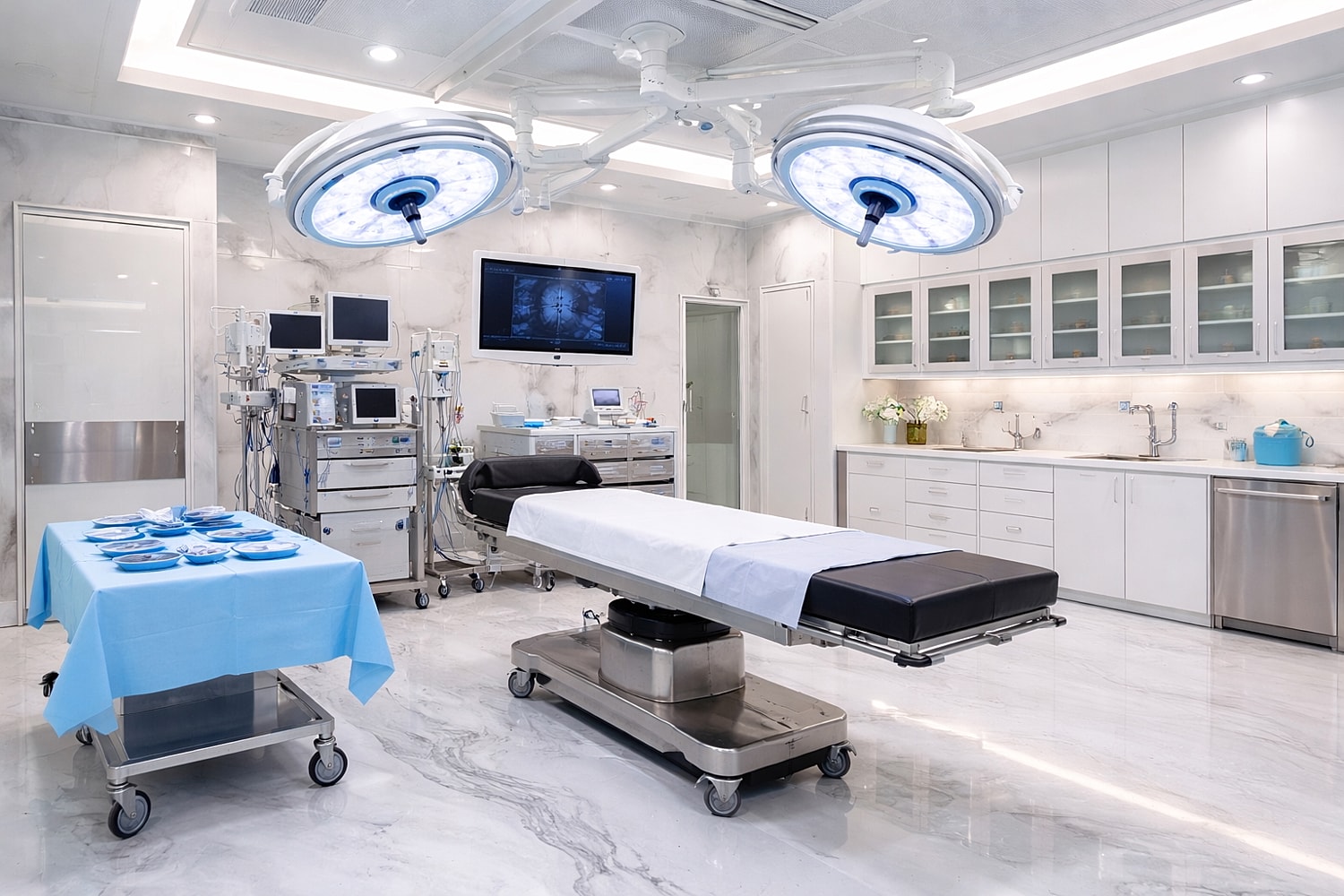
Liposuction should always be performed in accredited surgical facilities that adhere to rigorous standards designed to protect patient safety. Accreditation ensures that the surgical center meets nationally recognized requirements for equipment, staffing, anesthesia care, and emergency preparedness.
Accredited facilities undergo regular inspections and must comply with strict protocols related to patient monitoring, infection control, and surgical safety. These standards help ensure that patients receive care in an environment that is properly equipped to manage both routine procedures and unexpected medical events.
Key safety requirements in accredited surgical facilities include:
• Anesthesia safety protocols with qualified anesthesia providers and appropriate monitoring equipment • Emergency preparedness, including advanced resuscitation equipment and trained personnel • Experienced surgical and nursing staff trained in perioperative care • Strict sterile processing and infection-control protocols • Continuous patient monitoring during and after surgery
Performing liposuction in an accredited surgical facility is important because it ensures that the procedure is conducted in a controlled, medically supervised environment designed to maintain the highest standards of patient care.
These safeguards are particularly important for procedures such as large volume liposuction, where careful monitoring and access to trained medical personnel are essential to ensure safe recovery.
At De La Cruz Plastic Surgery, patient safety is the foundation of every procedure and is integrated into every stage of care—from preoperative evaluation to postoperative monitoring.
Emmanuel De La Cruz has published peer-reviewed research on large volume liposuction safety protocols, highlighting the importance of structured, evidence-based approaches to body contouring. His work emphasizes that optimal outcomes are achieved when surgical expertise is combined with careful medical planning and modern technology. Lipoplasty in The Overweight Pa…
Key safety principles include:
• Careful patient selection and medical optimization before surgery • Evidence-based surgical techniques designed to minimize bleeding and complications • Advanced liposuction technologies that improve precision and tissue preservation • Strict intraoperative monitoring and fluid management • Appropriate postoperative observation and recovery protocols
By combining these principles with meticulous surgical technique and accredited surgical facilities, the goal is to maximize patient safety while achieving smooth, natural-appearing body contour results.
Every treatment plan is individualized, recognizing that each patient’s anatomy, medical history, and aesthetic goals are unique. This patient-centered approach allows procedures to be performed safely while delivering refined and balanced cosmetic outcomes.
Related Liposuction Topics
To learn more about liposuction safety, recovery, and body contouring techniques, explore these resources:
• How Much Fat Can Be Removed with Liposuction
• Liposuction Recovery Timeline
• Uneven Liposuction Results
• Skin Tightening After Liposuction
• Lumps and Fibrosis After Liposuction

When performed by an experienced board-certified plastic surgeon in an accredited surgical facility, liposuction is generally considered safe. Modern techniques, careful patient selection, and evidence-based safety protocols have significantly improved the safety profile of this procedure.
When performed by an experienced board-certified plastic surgeon in an accredited surgical facility, liposuction is generally considered safe.
Large volume liposuction is typically defined as removing more than 5 liters (5,000 cc) of total aspirate during a single procedure. Total aspirate includes both the fat removed and the fluid that is suctioned during the procedure.
Because larger procedures place more physiologic stress on the body, additional safety protocols and postoperative monitoring are recommended.
Large volume liposuction can be performed safely when appropriate protocols and monitoring are followed.
Important safety factors include:
• careful patient selection • experienced board-certified plastic surgeons • accredited surgical facilities • careful fluid management • postoperative observation
Following these protocols helps reduce complications and improves overall safety.
Many surgeons recommend 23-hour observation to monitor recovery and ensure patient safety.
Modern liposuction techniques are designed to significantly reduce bleeding.
Methods used to minimize blood loss may include:
• Tumescent or superwet infiltration technique
• Ultrasound-assisted liposuction such as VASER
• Tranexamic acid (TXA) to reduce surgical bleeding
• Careful surgical technique
These advances have dramatically improved the safety of liposuction compared with earlier techniques.
Preventing blood clots, also known as deep vein thrombosis (DVT), is an important part of liposuction safety protocols. Several strategies are used to reduce this risk.
These may include:
• Preoperative risk assessment using scoring systems such as the Caprini score • Sequential compression devices placed on the legs during surgery to improve blood circulation • Early mobilization after surgery to encourage blood flow • Anticoagulant medications in selected patients at higher risk • Adequate hydration and postoperative monitoring
These evidence-based measures significantly reduce the risk of blood clots during and after surgery.
Although liposuction is generally considered safe, potential risks can include:
• infection • bleeding • fluid collections such as seroma • contour irregularities • temporary changes in sensation
Careful surgical planning and adherence to safety protocols help minimize these risks.
The safety and outcome of liposuction depend heavily on the training and experience of the surgeon.
Experienced plastic surgeons understand:
• how much fat can be safely removed • how to manage fluid balance • how to minimize bleeding • how to achieve smooth and natural body contours
Rather than focusing on removing the maximum amount of fat, experienced surgeons focus on achieving balanced, natural results while prioritizing patient safety.
Liposuction removes excess fat but does not remove excess skin. However, modern technologies can help improve skin tightening after fat removal.
These may include:
• Renuvion (helium plasma radiofrequency) • Quantum RF bipolar radiofrequency • Morpheus8 microneedling radiofrequency
These technologies stimulate collagen production and may improve skin retraction after liposuction.
There is no single number that applies to every patient. The amount of fat that can be safely removed during liposuction depends on several factors, including:
• the patient’s overall health • body mass index (BMI) • the number of areas being treated • the duration of surgery • the amount of fluid infused during the procedure • the surgeon’s experience and technique
In many surgical guidelines, large volume liposuction is defined as removing more than 5 liters of total aspirate during a single procedure. When volumes exceed this level, additional safety measures such as careful fluid management and postoperative observation are typically recommended.
Experienced surgeons focus not on removing the maximum amount of fat, but rather on achieving balanced body contouring while maintaining patient safety.
Some clinics advertise extremely large liposuction volumes such as 10 to 12 liters, often as a marketing strategy. While it is technically possible to remove larger amounts of fat in selected patients, these procedures require careful medical evaluation and strict safety protocols.
Removing larger volumes of fat can place additional stress on the body because of:
• fluid shifts • changes in blood pressure • longer operative times • increased physiologic demand during recovery
For this reason, responsible surgeons prioritize patient safety, careful monitoring, and natural body contour results rather than focusing solely on the amount of fat removed.
In many cases, optimal aesthetic outcomes may be achieved through staged procedures or a balanced contouring approach rather than removing excessive volumes in a single surgery.
Liposuction can be safely performed in either accredited hospitals or accredited ambulatory surgical centers, provided that the facility meets strict safety standards.
Accredited facilities must comply with rigorous requirements that include:
• qualified anesthesia providers • emergency equipment and protocols • trained surgical staff • sterile surgical environments • continuous patient monitoring
For large volume liposuction, some surgeons may recommend performing the procedure in a facility that allows overnight observation or hospital-level monitoring to ensure patient safety.
The most important factor is not whether the procedure is performed in a hospital or surgical center, but whether the facility is properly accredited and staffed by experienced medical professionals.