What Does a Facelift Fix?
Medically Reviewed by Dr. Emmanuel De La Cruz, MD Double Board-Certified Plastic Surgeon in Houston, Texas
Medically Reviewed by Dr. Emmanuel De La Cruz, MD Double Board-Certified Plastic Surgeon in Houston, Texas
A facelift (rhytidectomy) is one of the most powerful procedures in aesthetic surgery—but many patients misunderstand what it actually corrects.
The short answer:
👉 A facelift primarily fixes sagging, deep folds, and structural aging of the lower face and neck.
However, to truly understand the value of a facelift, it is important to break down exactly what it improves—and what it does not.
1 of 2
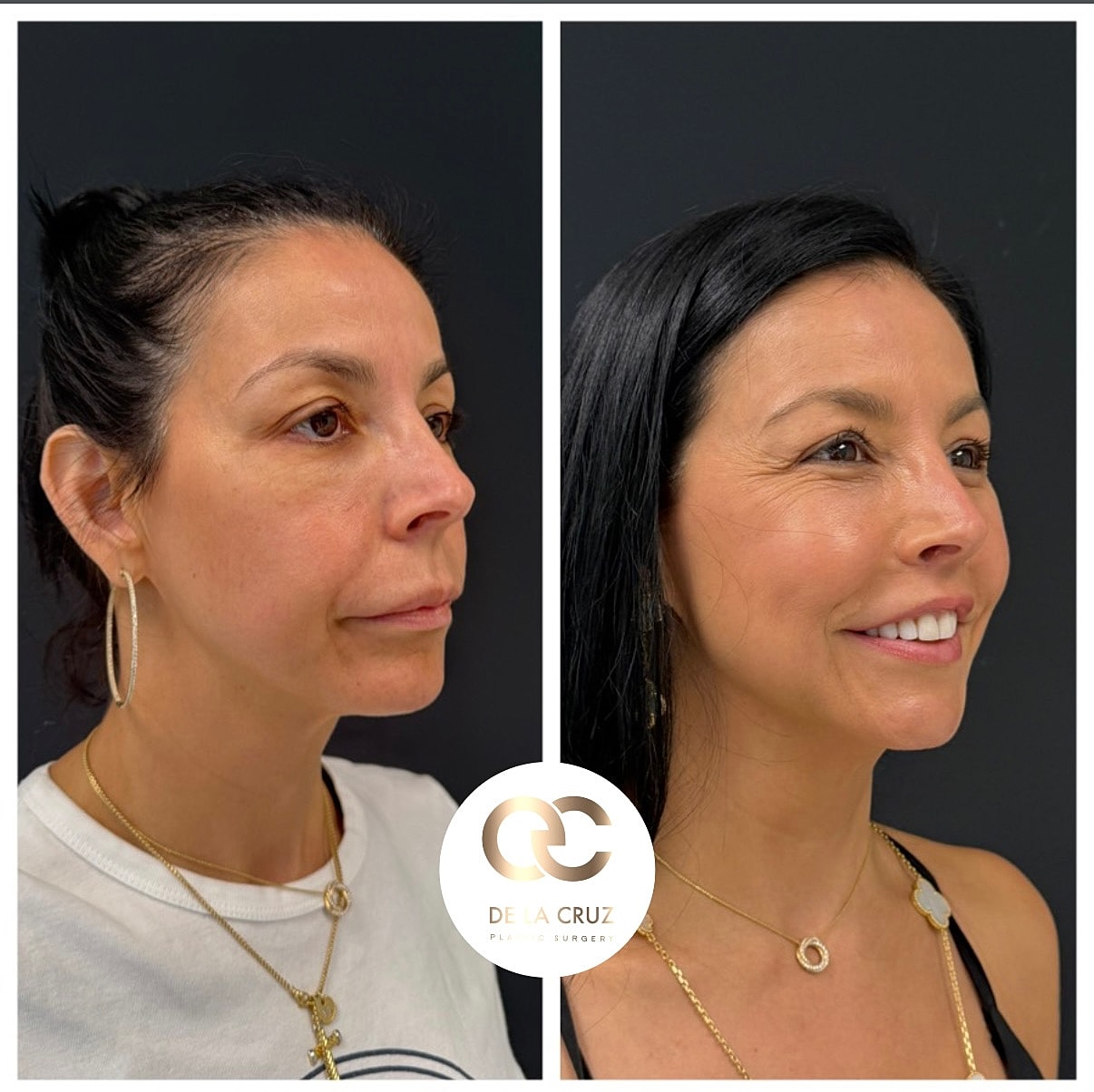
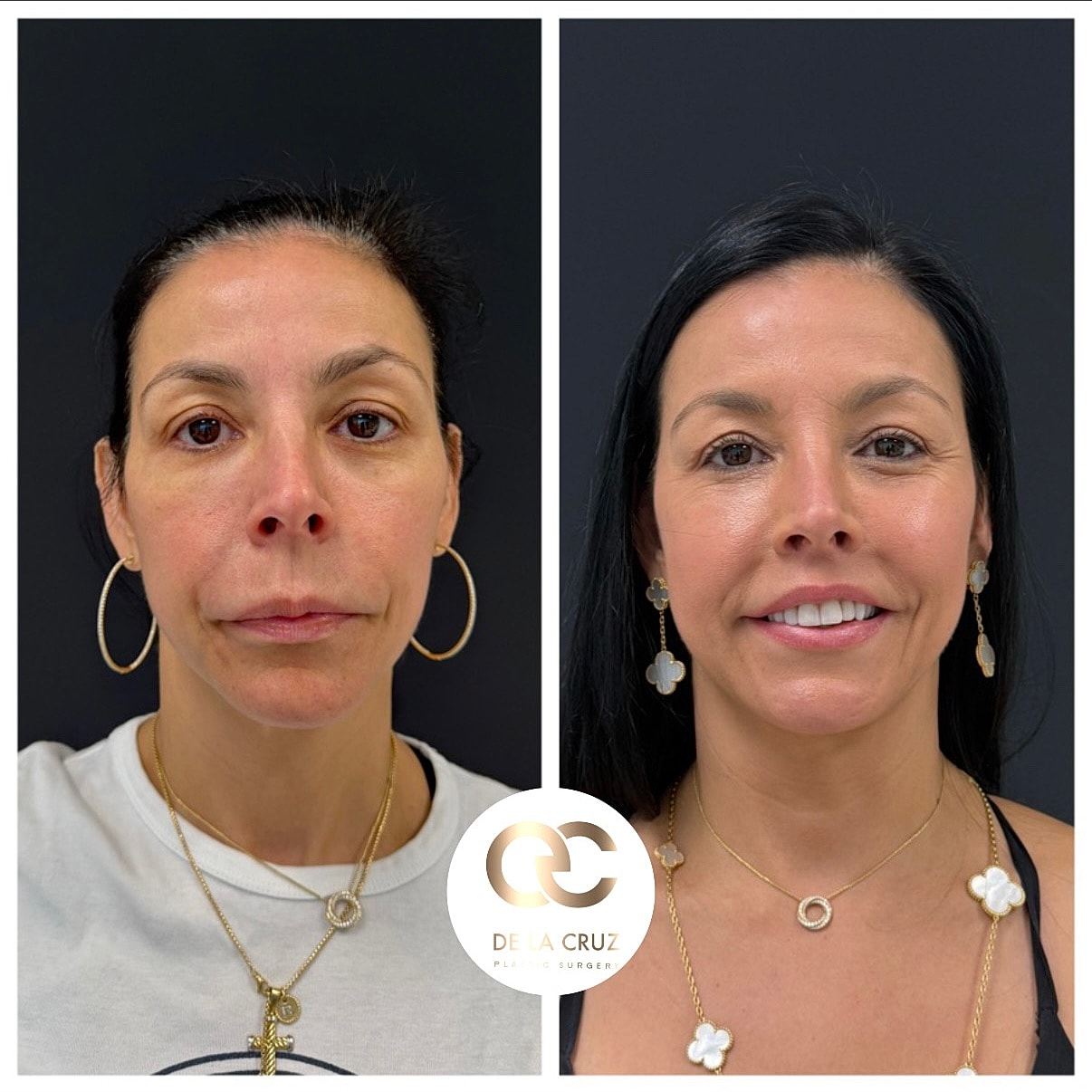
One of the most noticeable signs of aging is loose, sagging skin along the jawline and cheeks.
A facelift:
👉 This is why patients often say:
“I look like myself again—just younger.”

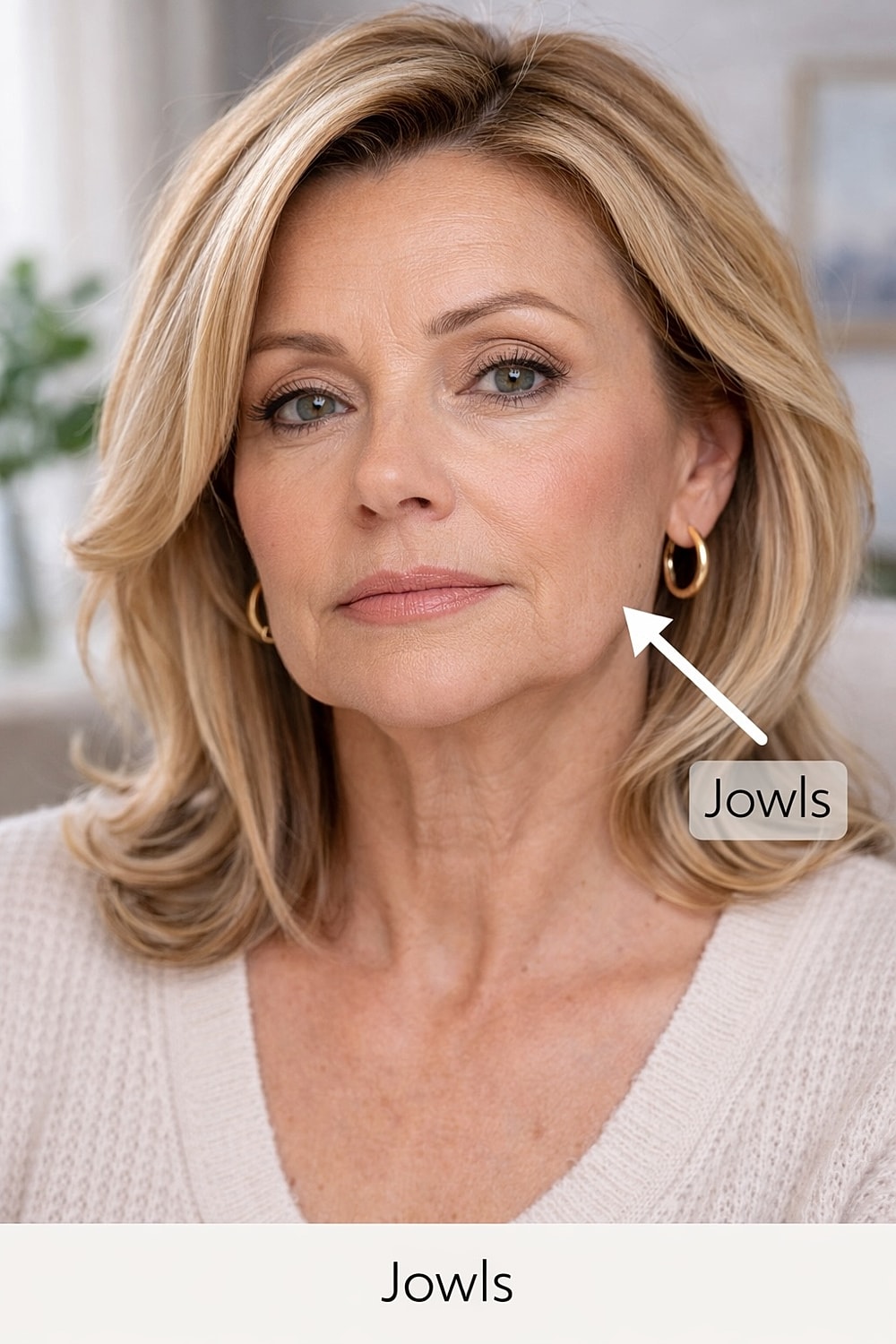
Jowls develop when:
A facelift corrects this by:
👉 This is one of the most dramatic improvements after surgery.
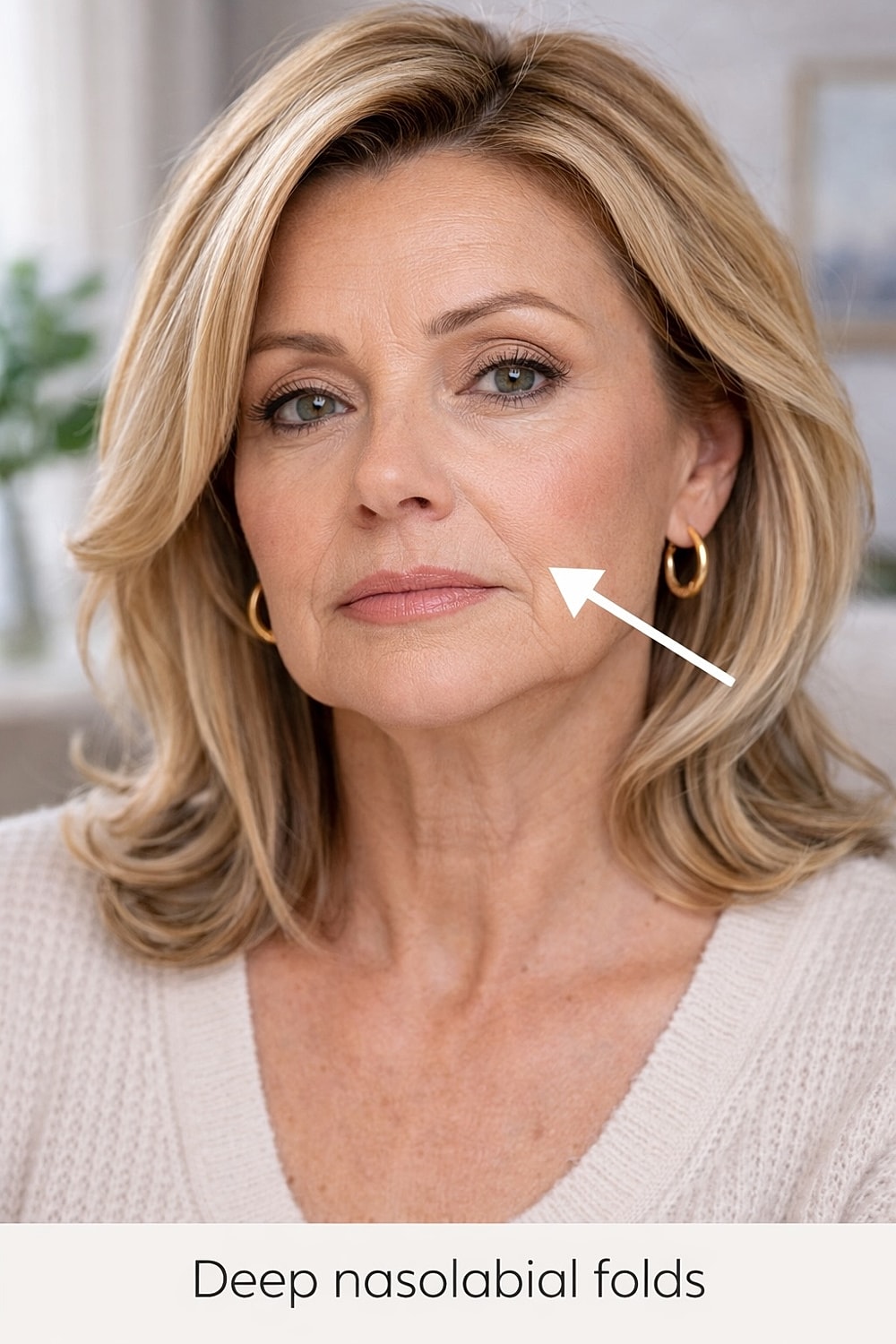
These folds run from the nose to the corners of the mouth.
A facelift improves them by:
Important:Facelifts soften these folds but may not eliminate them completely.

These lines create a tired or sad appearance.
A facelift:
👉 Result:A more refreshed, rested appearance.
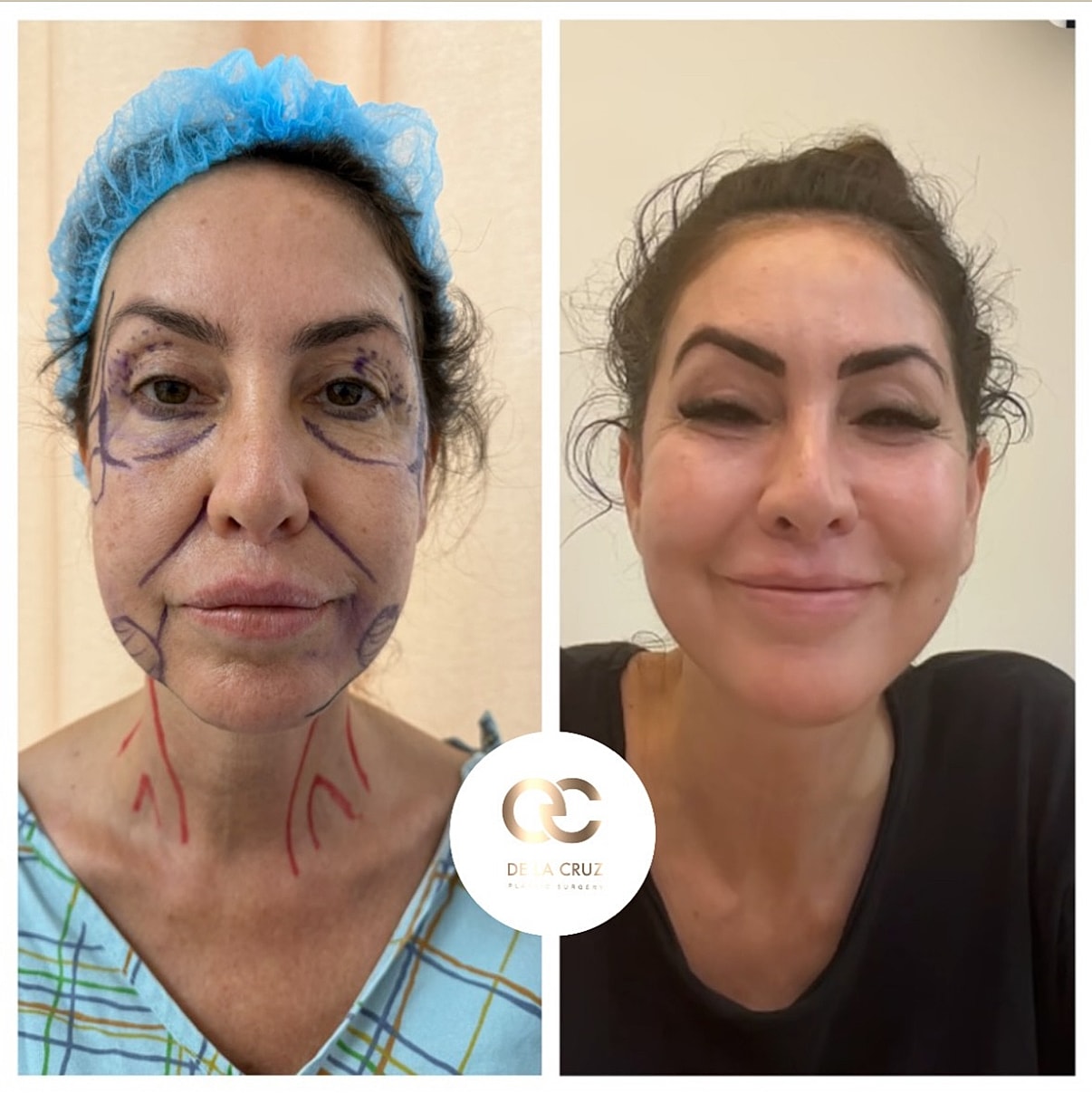
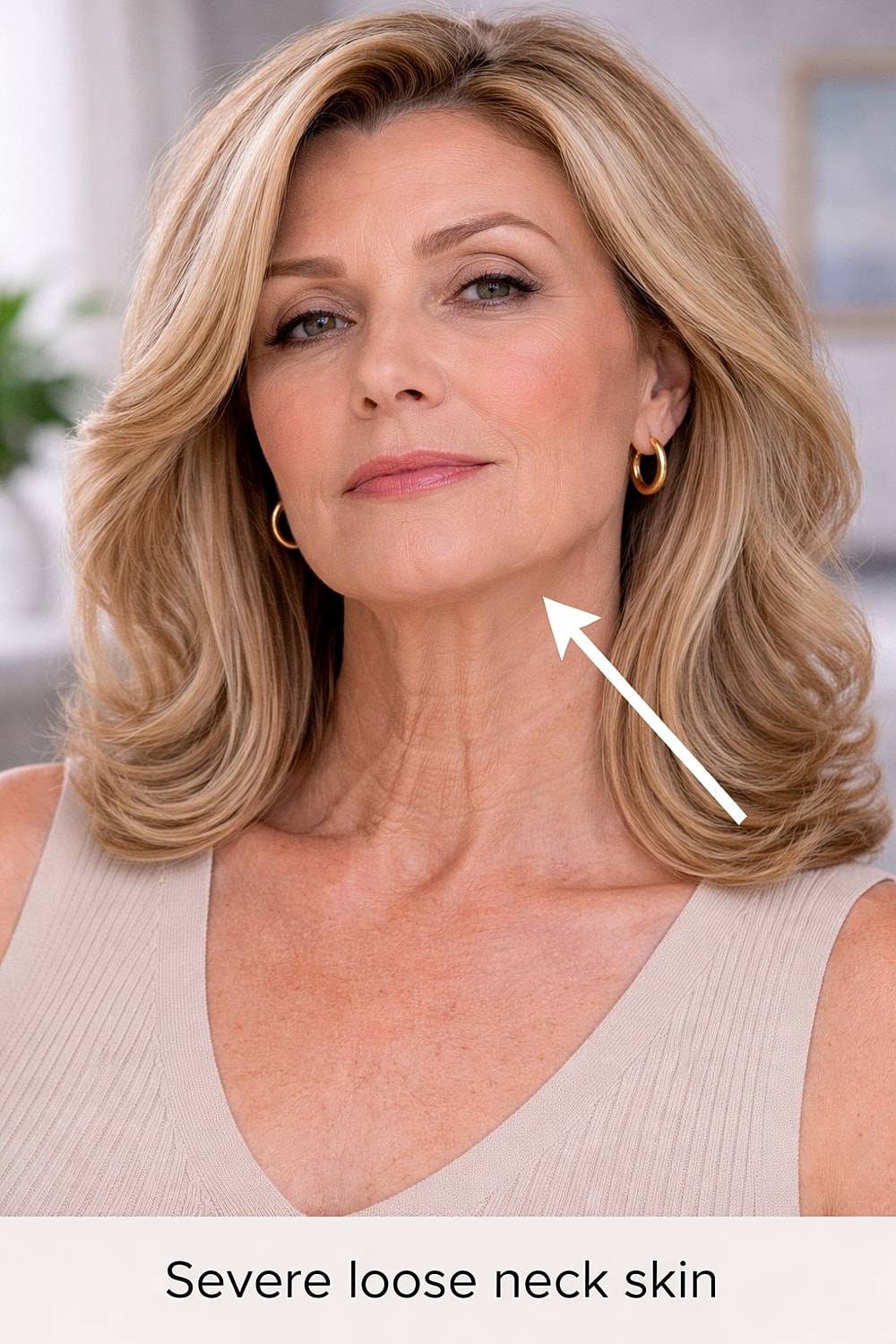
A facelift often includes a neck lift, addressing:
👉 This creates a clean, elegant neck contour.
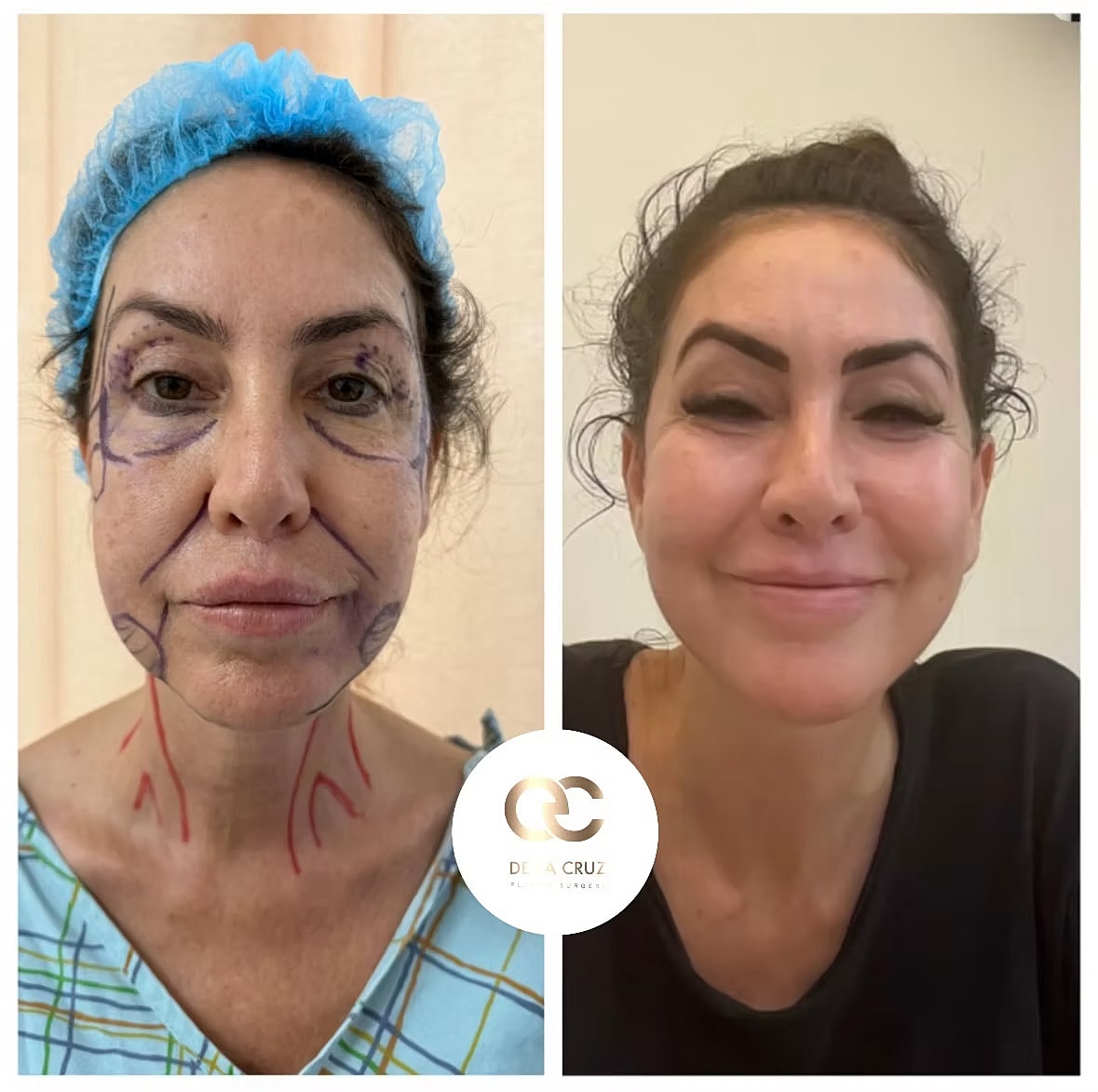
Aging is not just about wrinkles—it is about structural descent.
A facelift restores:
👉 This is why modern facelifts look natural:They reposition, not just tighten.
Understanding limitations is critical for realistic expectations.
A facelift does NOT directly fix:
1. Fine Wrinkles and Skin Texture
👉 Best treated with:
2. Volume Loss (Hollowing)
👉 Often requires:
3. Forehead and Brow Aging
👉 Requires:
4. Eyelid Aging
👉 Requires:
Many patients focus on the type of facelift:
But the reality is:
👉 Results depend more on execution than the label of the technique.
Key factors include:
Today’s best results come from:
👉 The goal:
A natural, refreshed version of yourself—not a different face.

A well-performed facelift can last:
However:
👉 The facelift resets the clock—it does not stop it.
You may be a good candidate if you have: