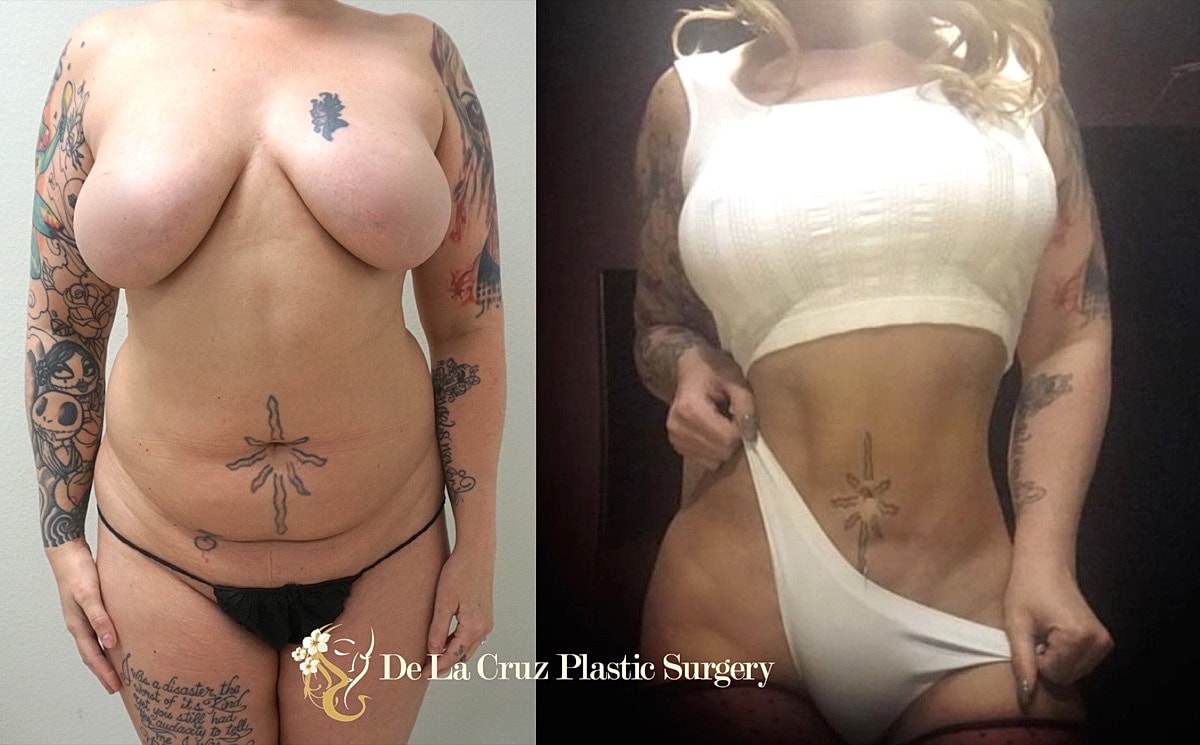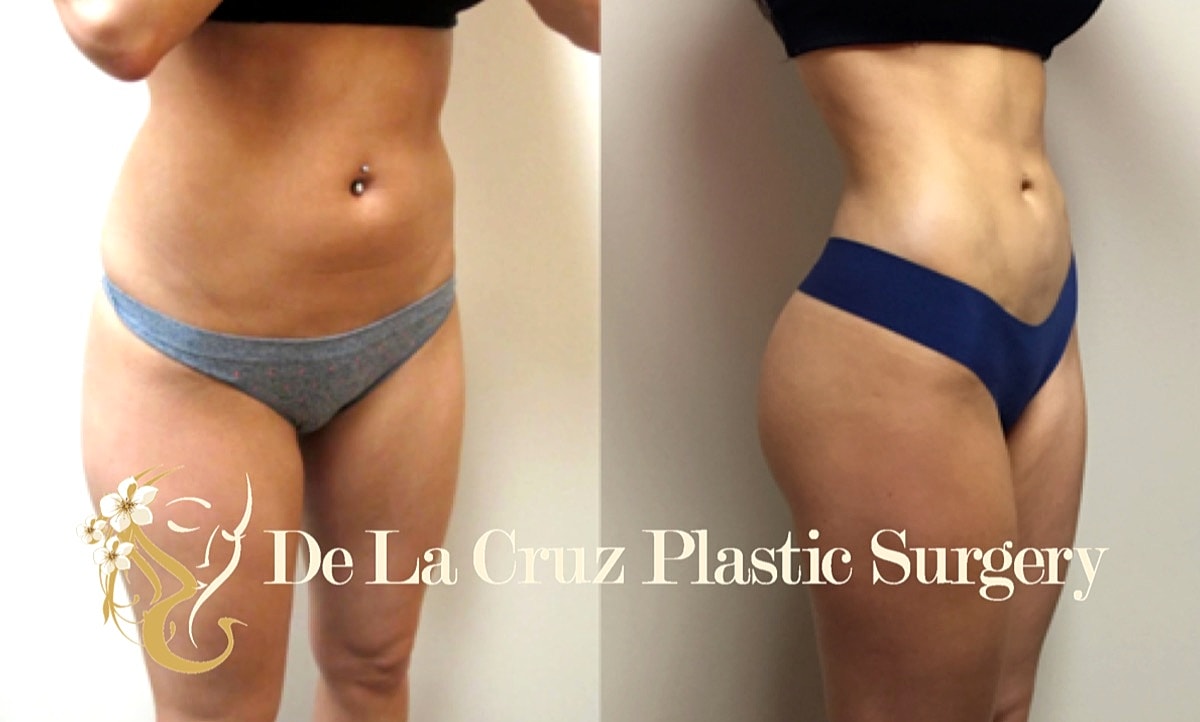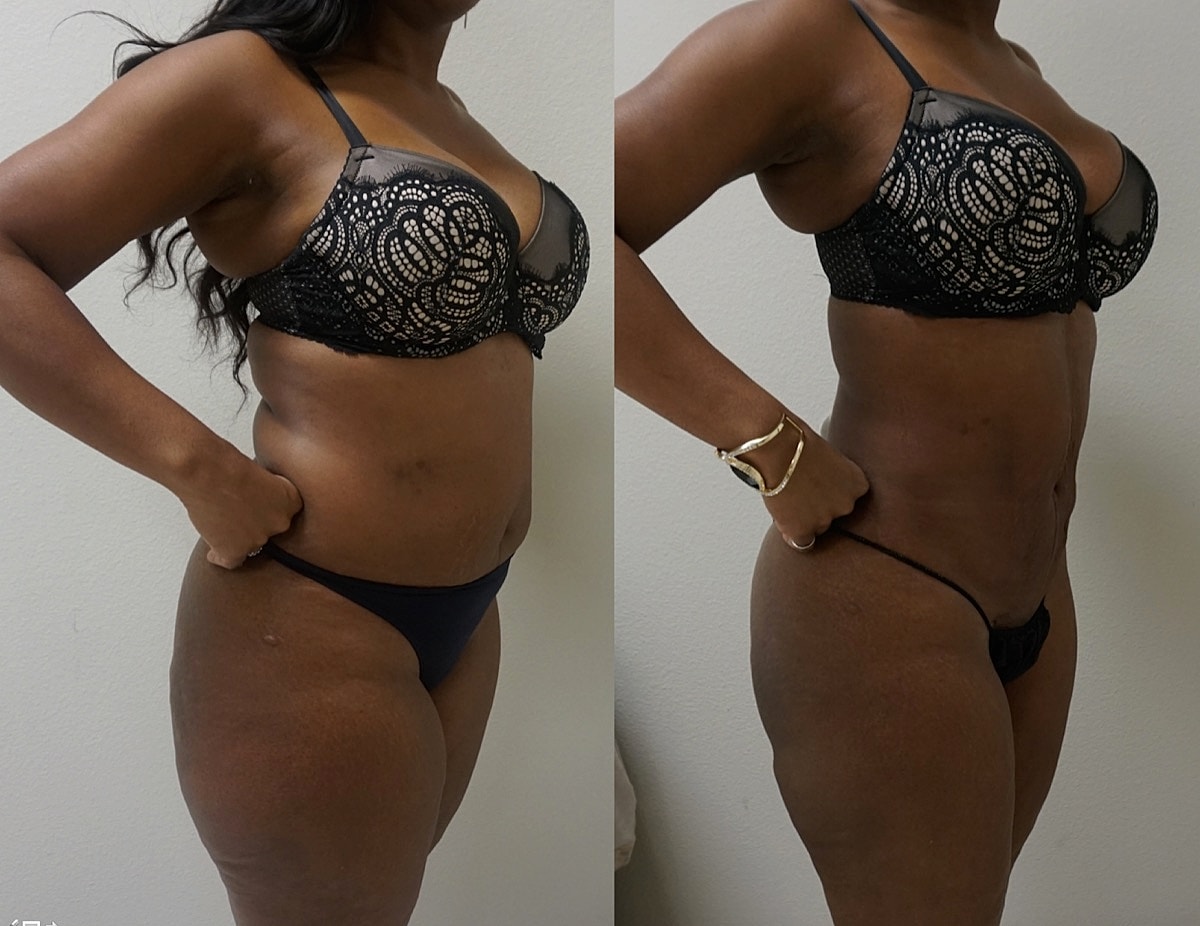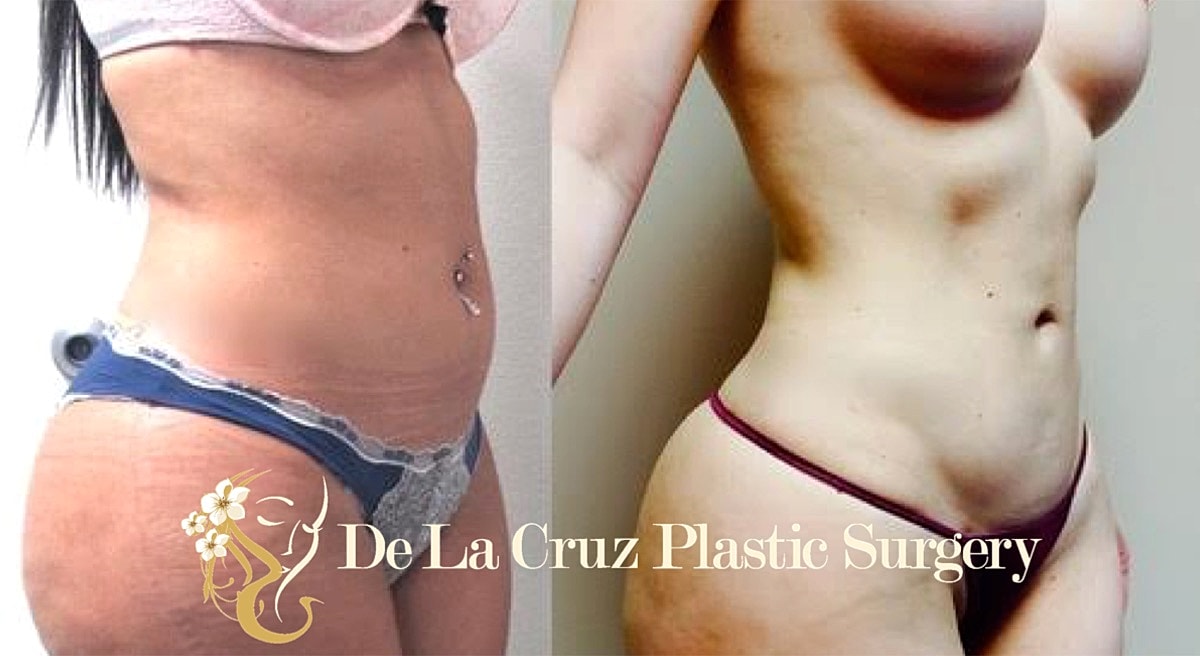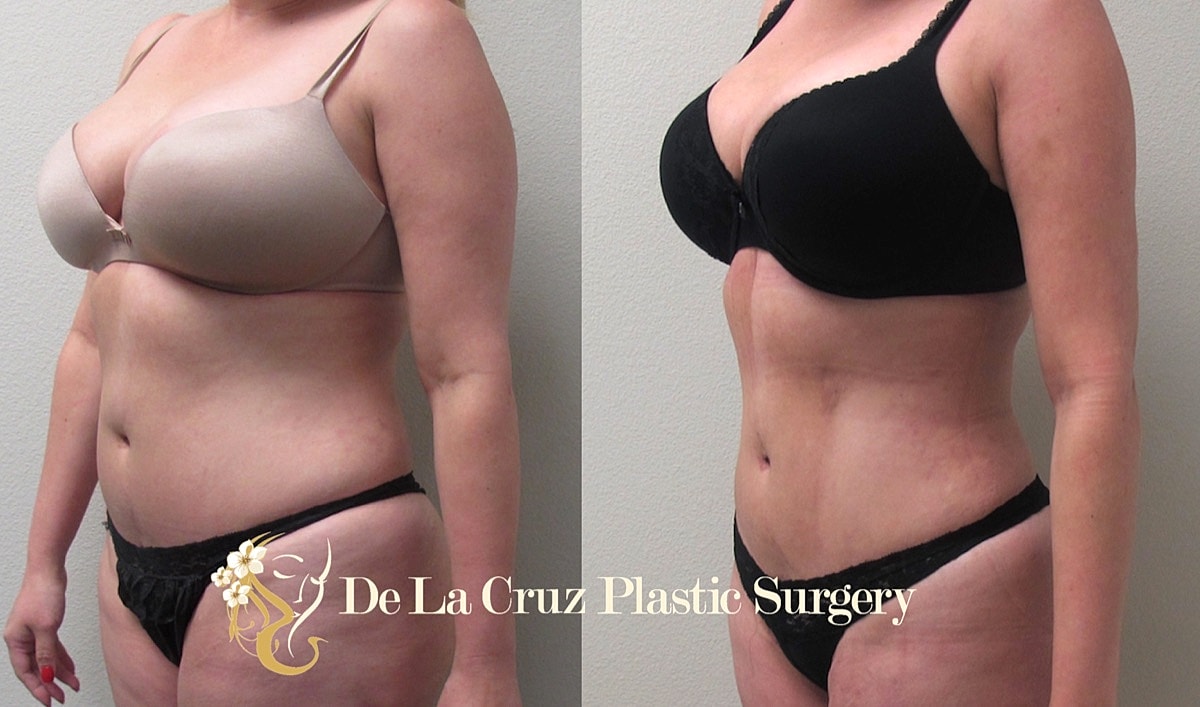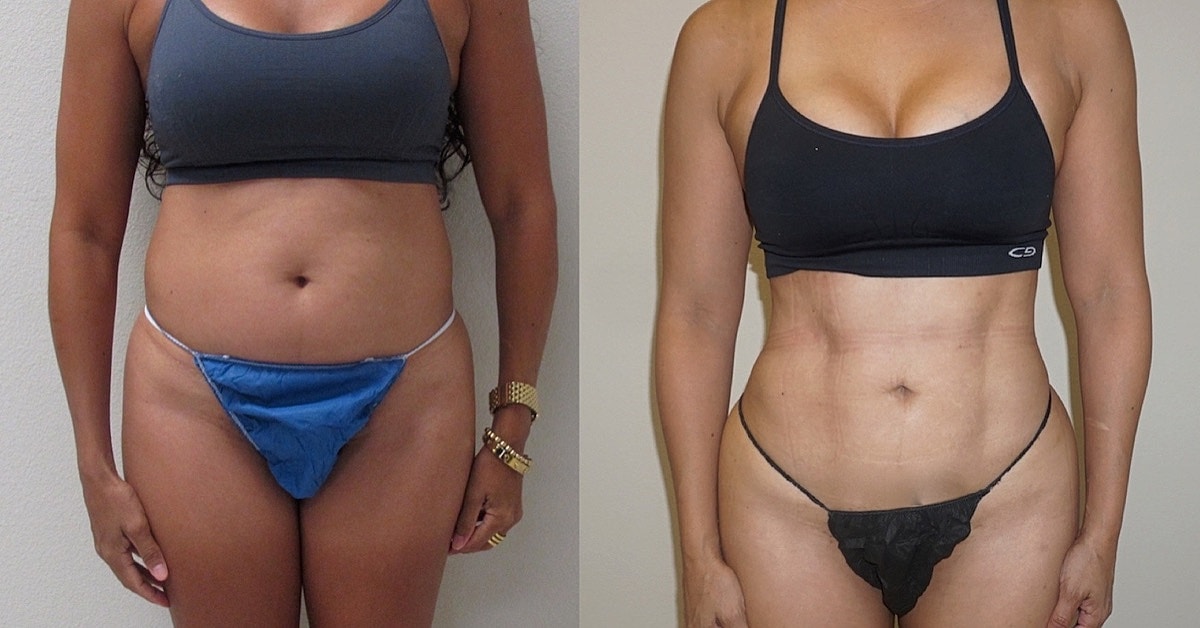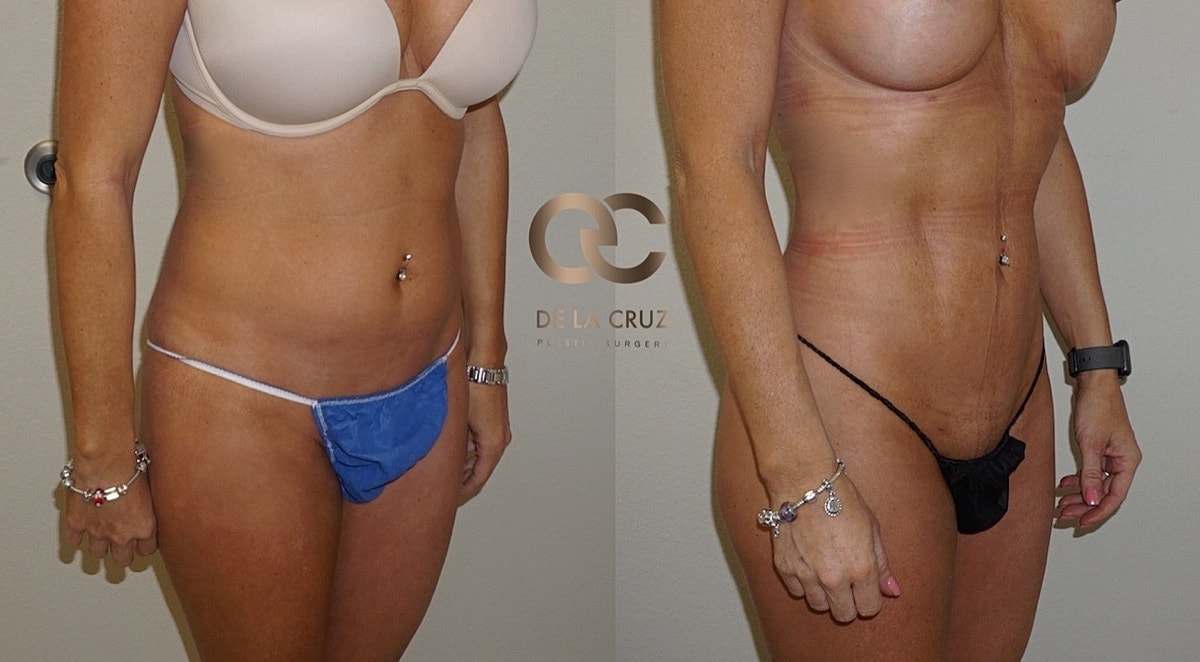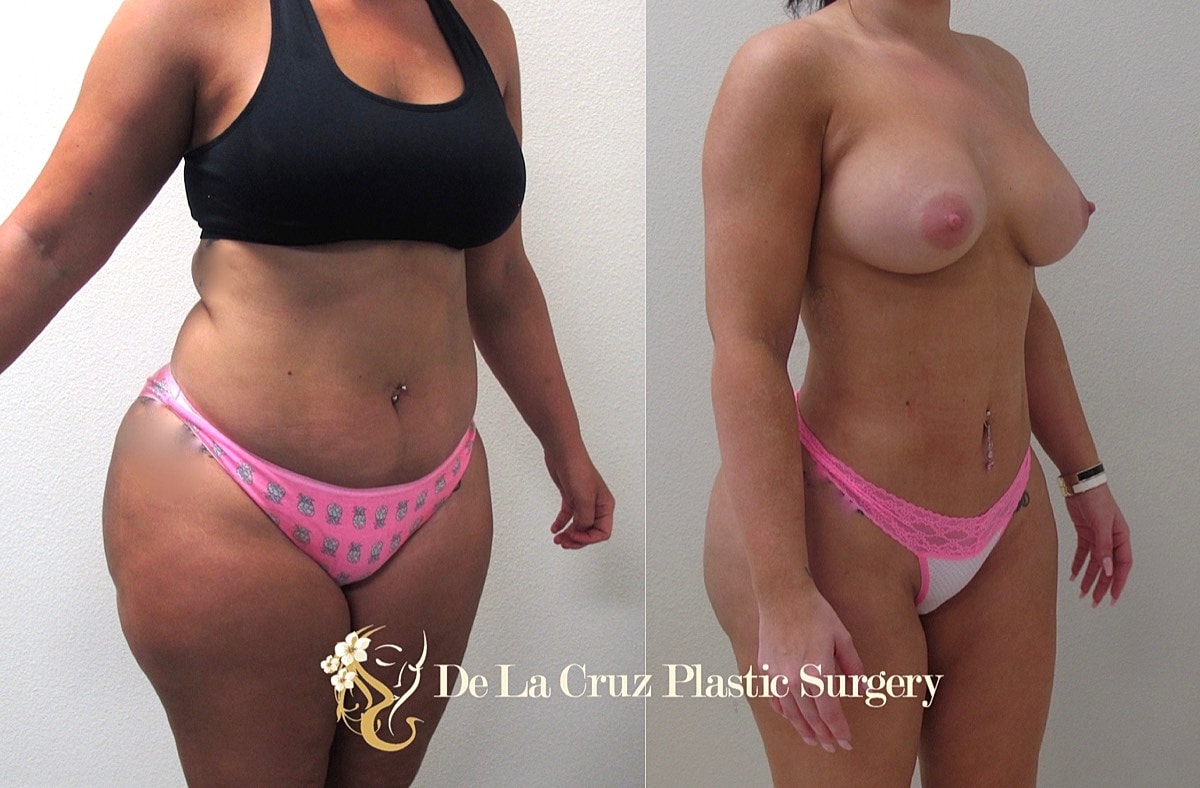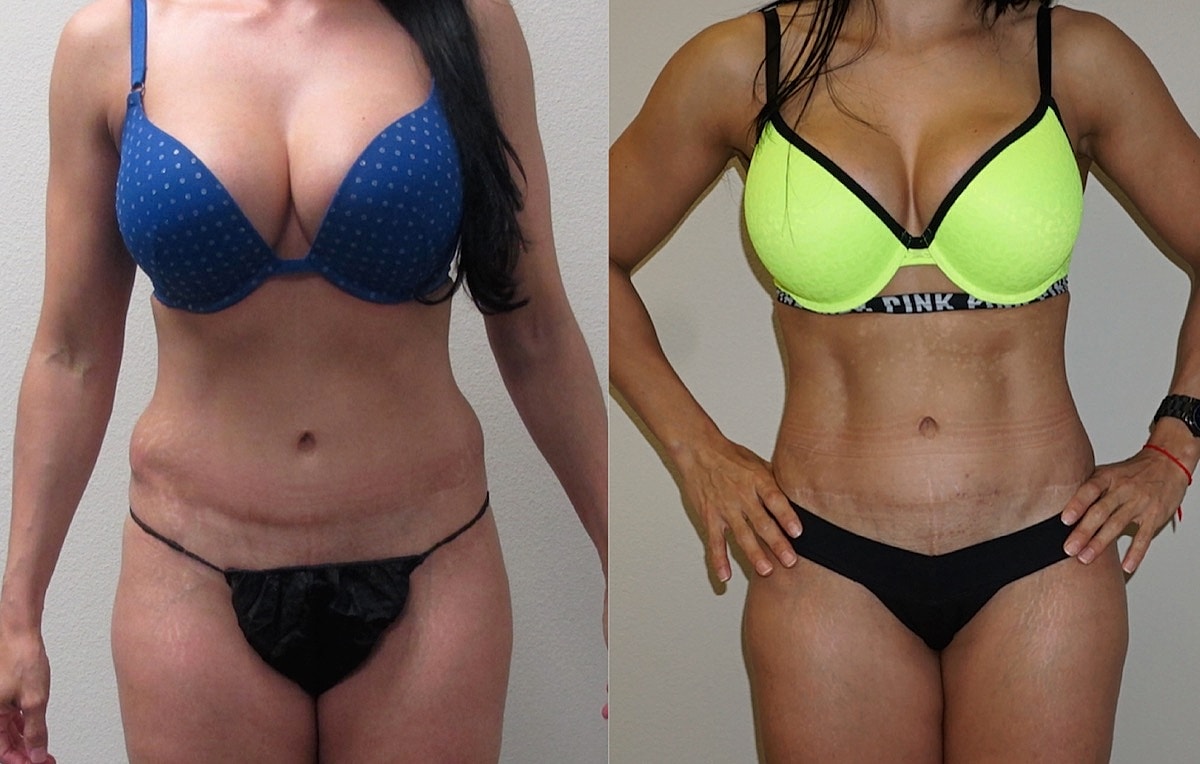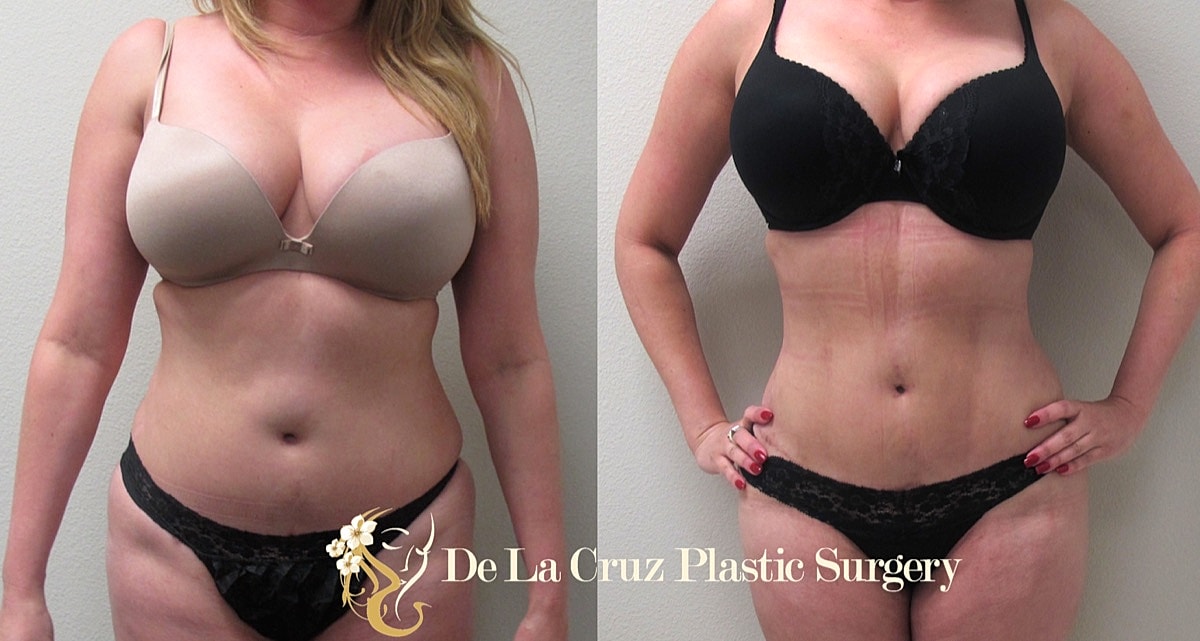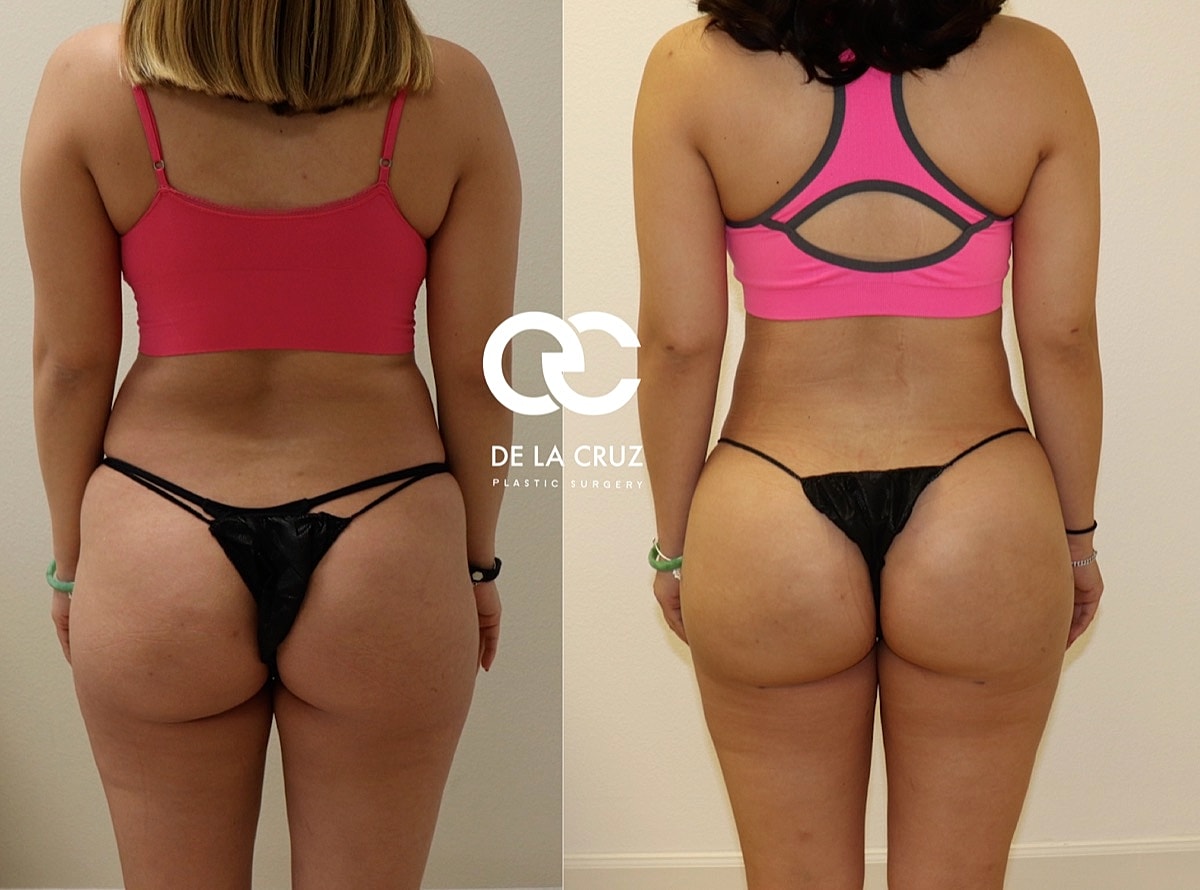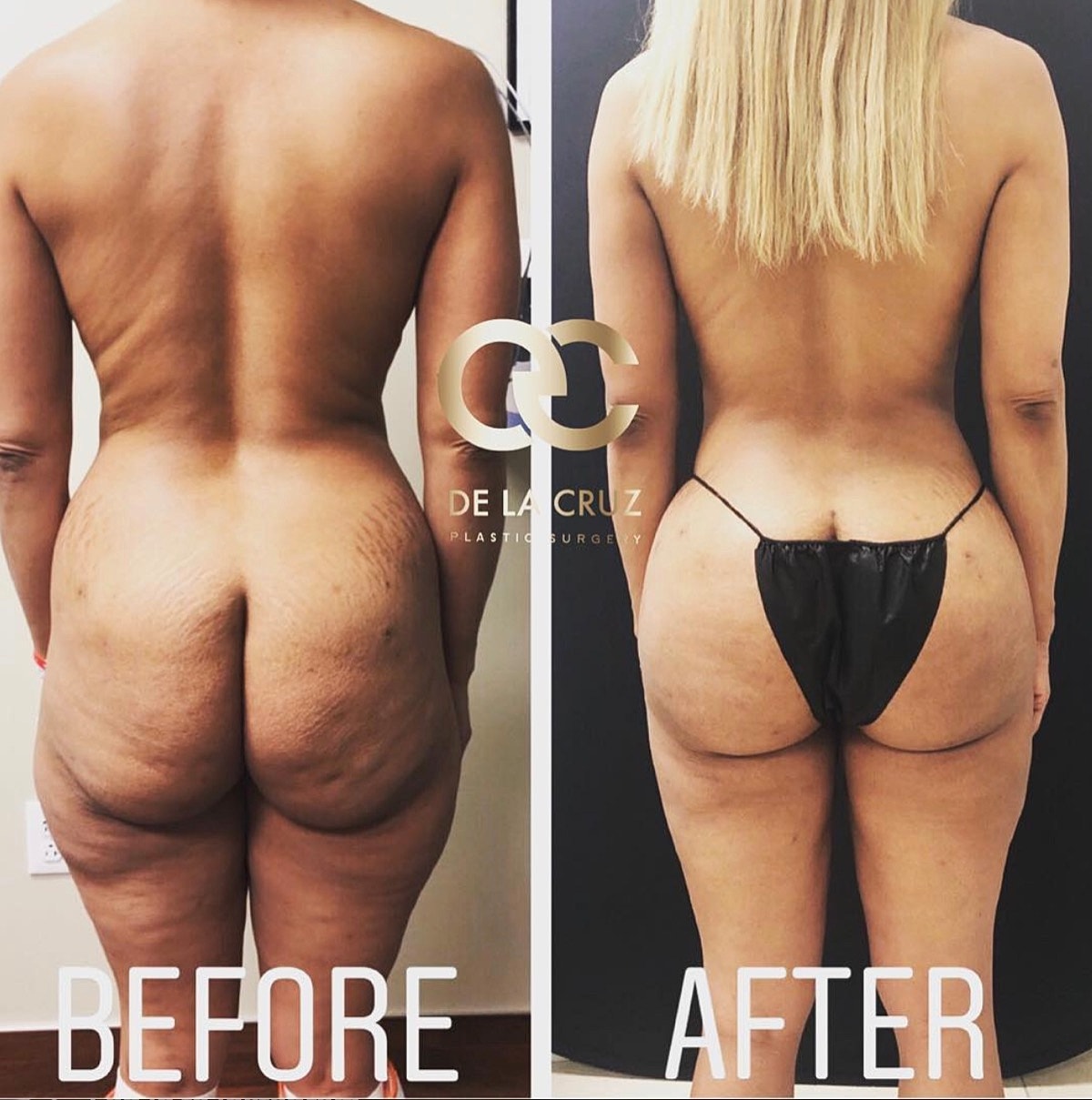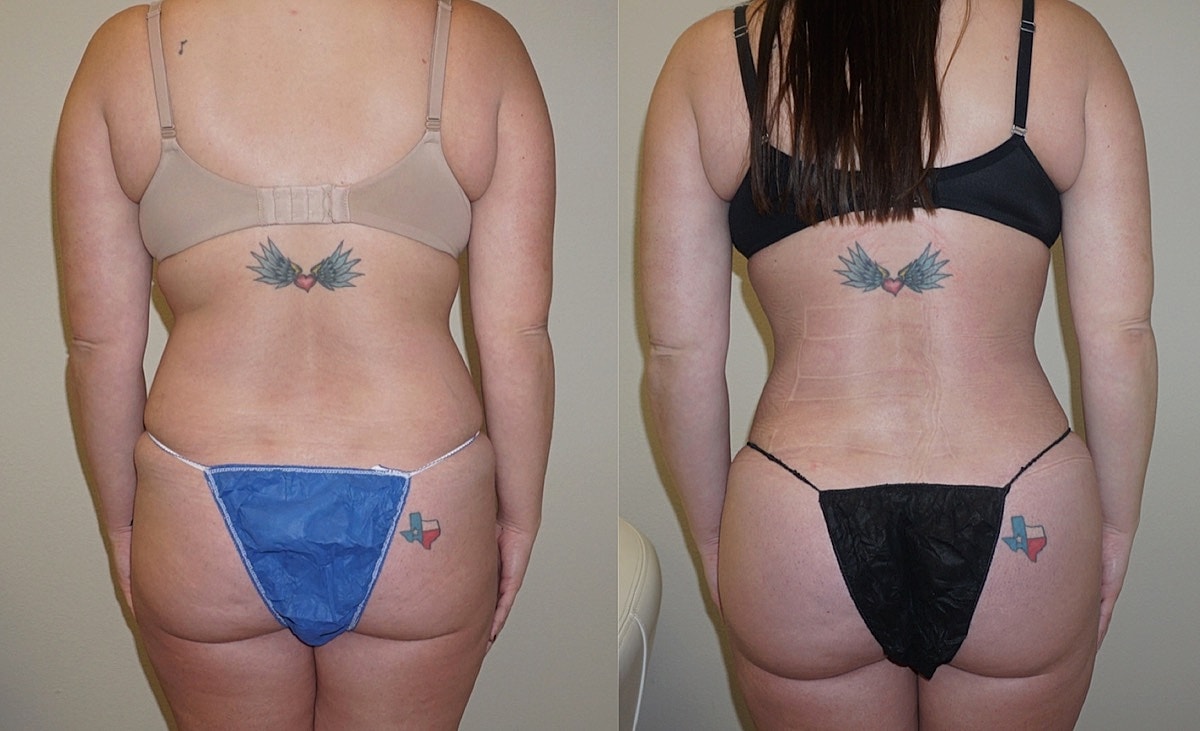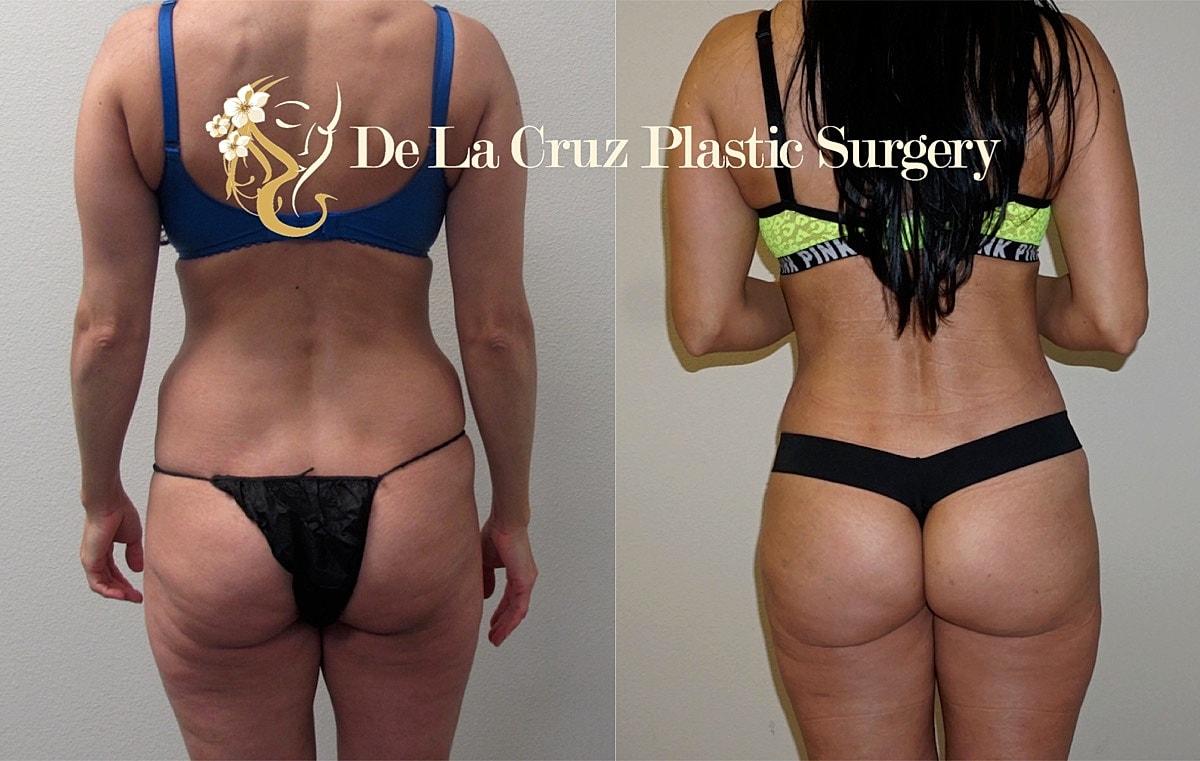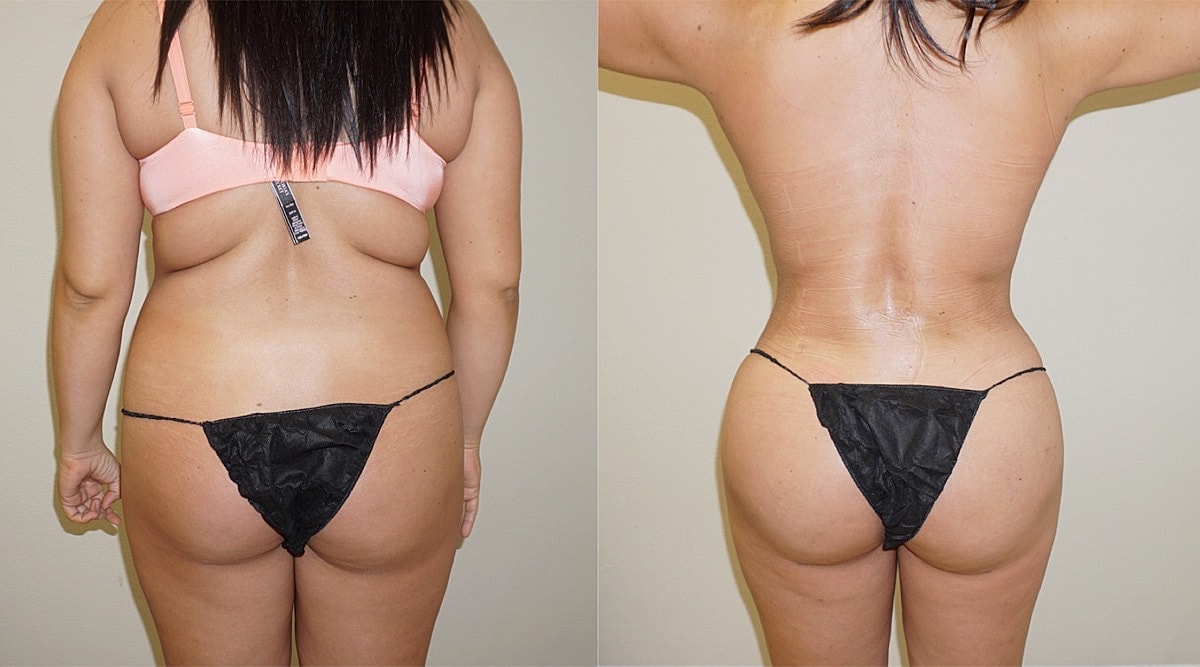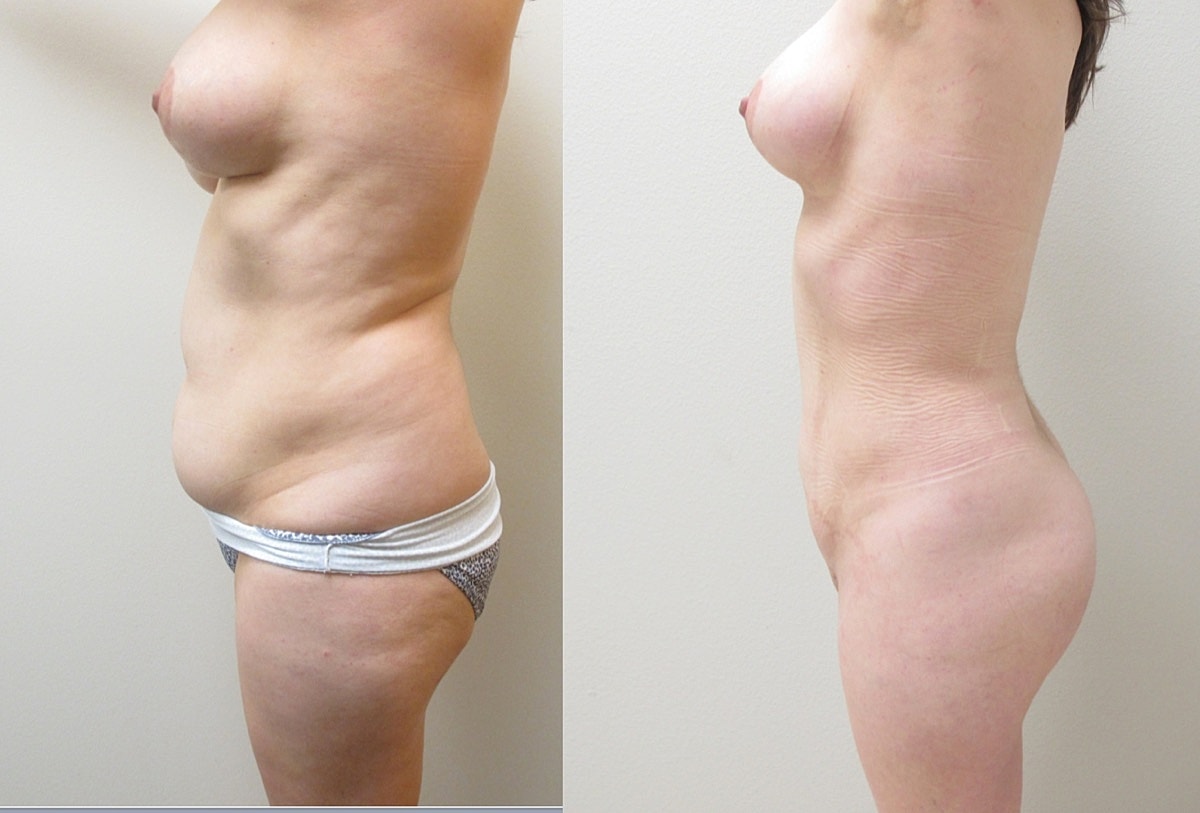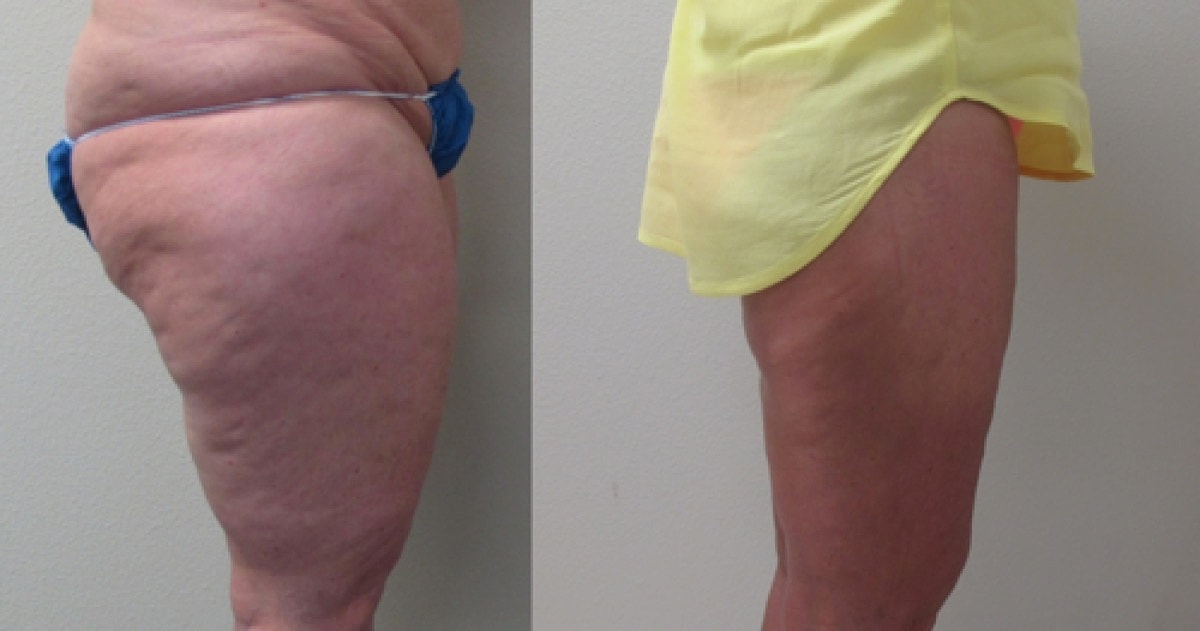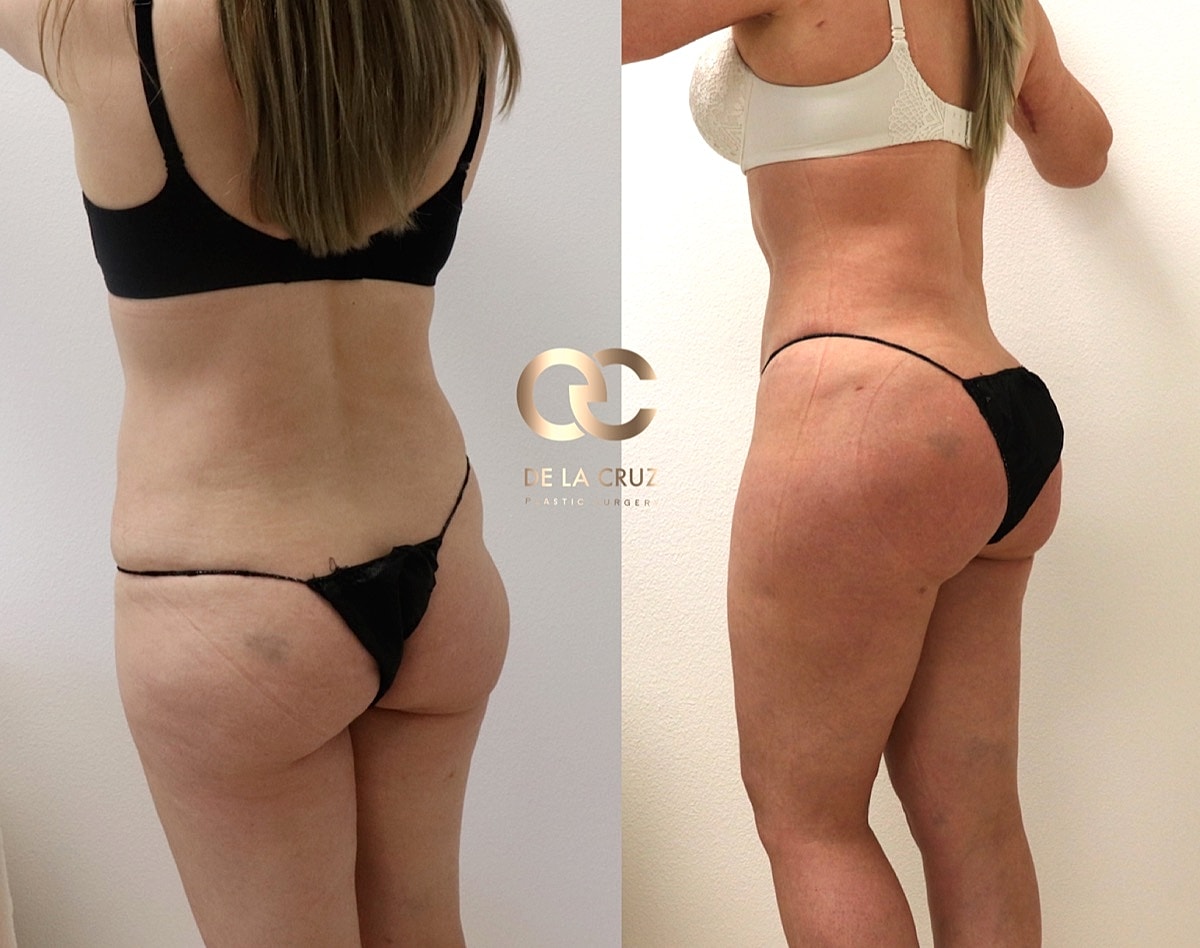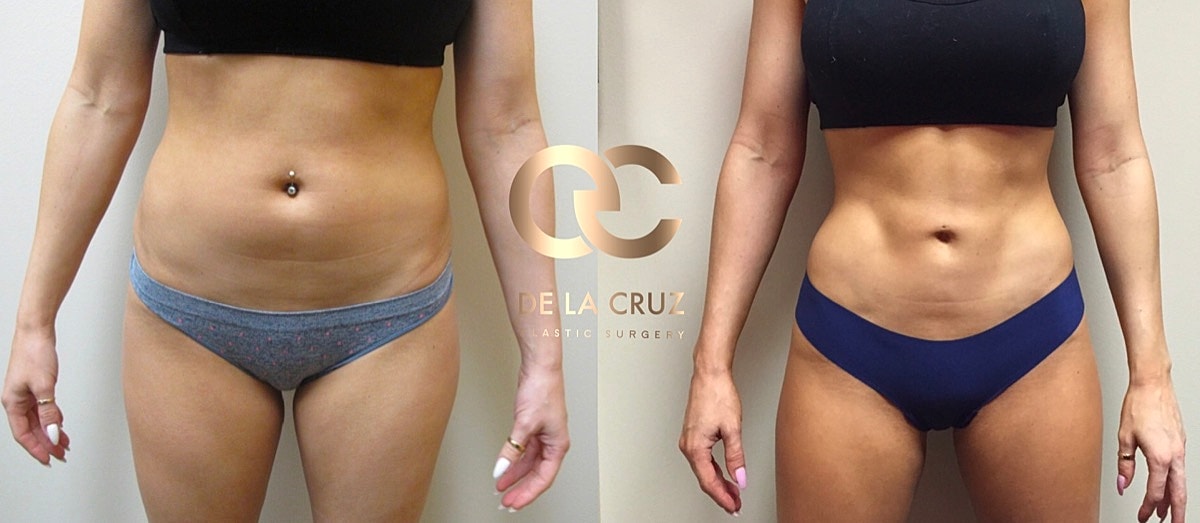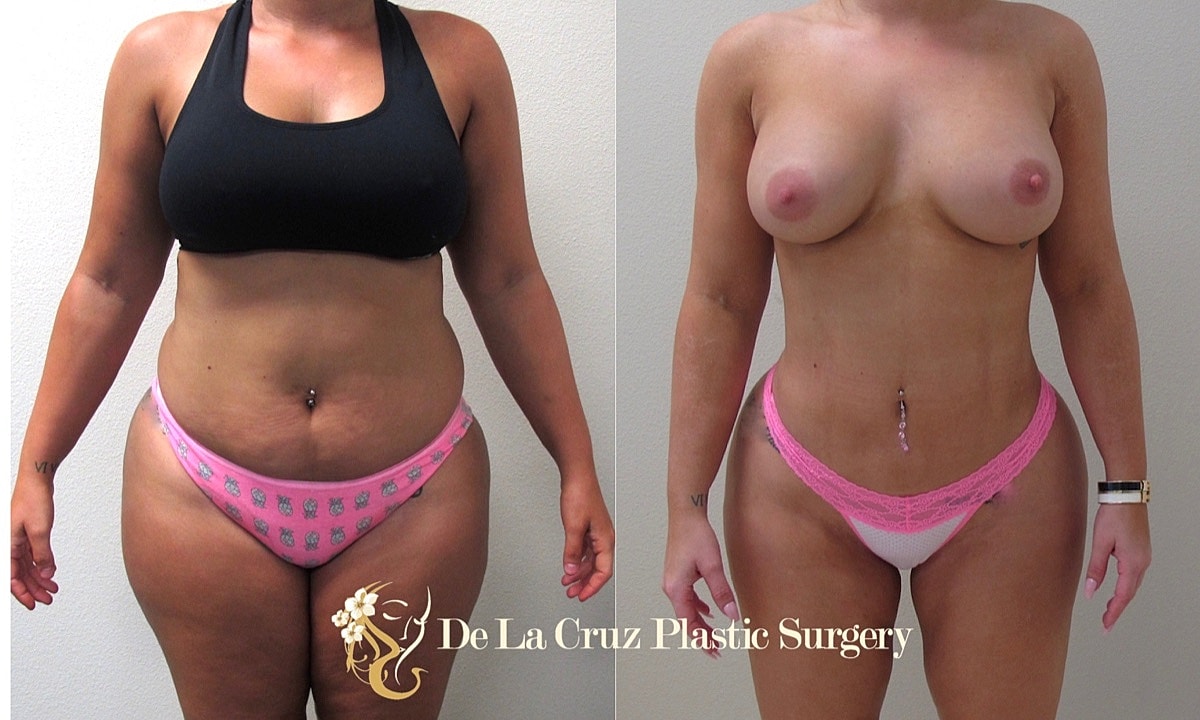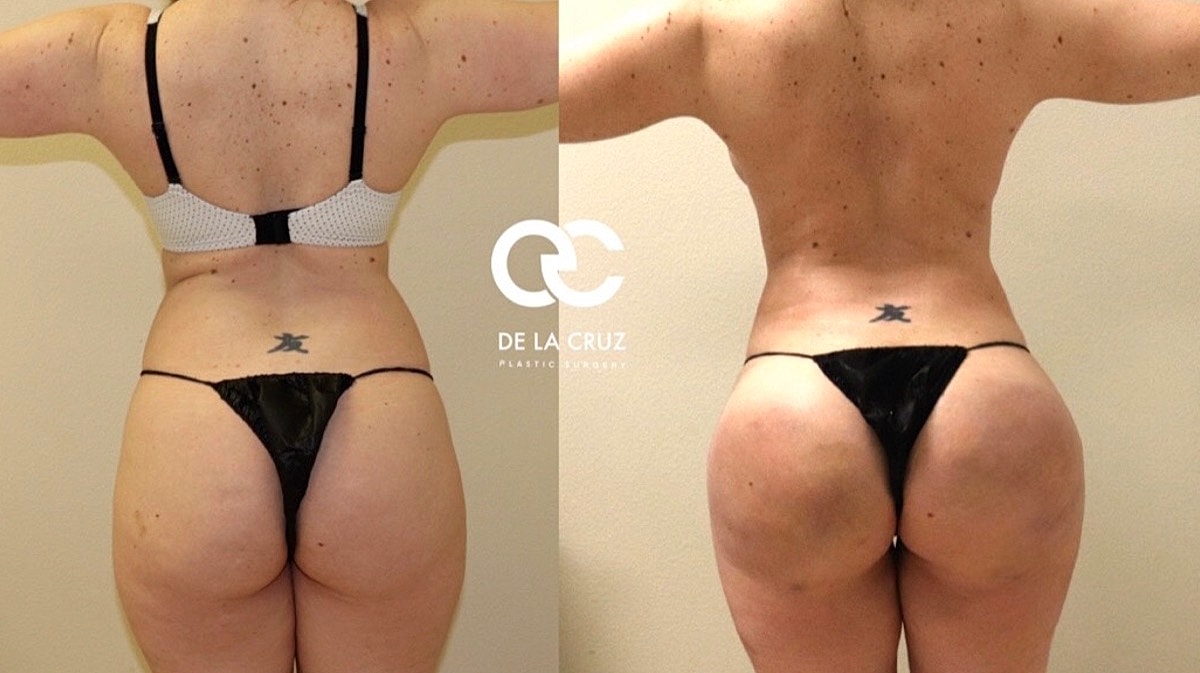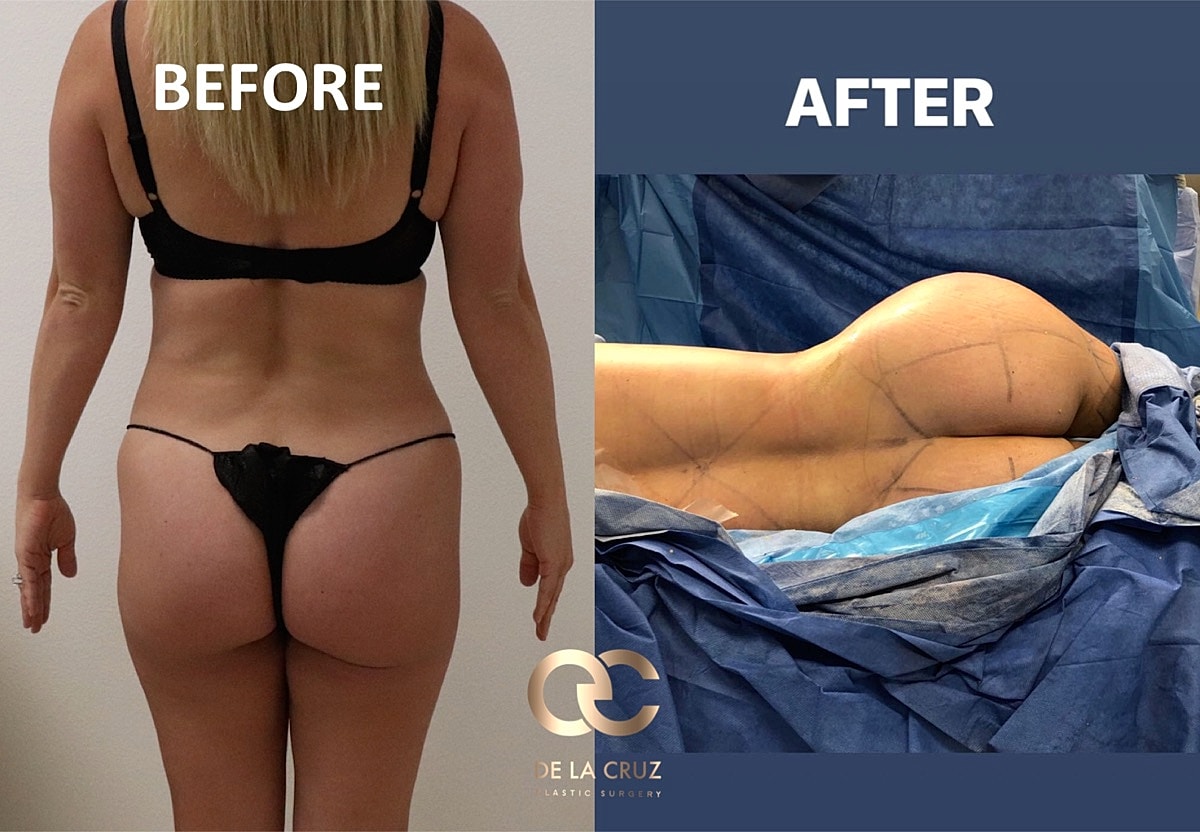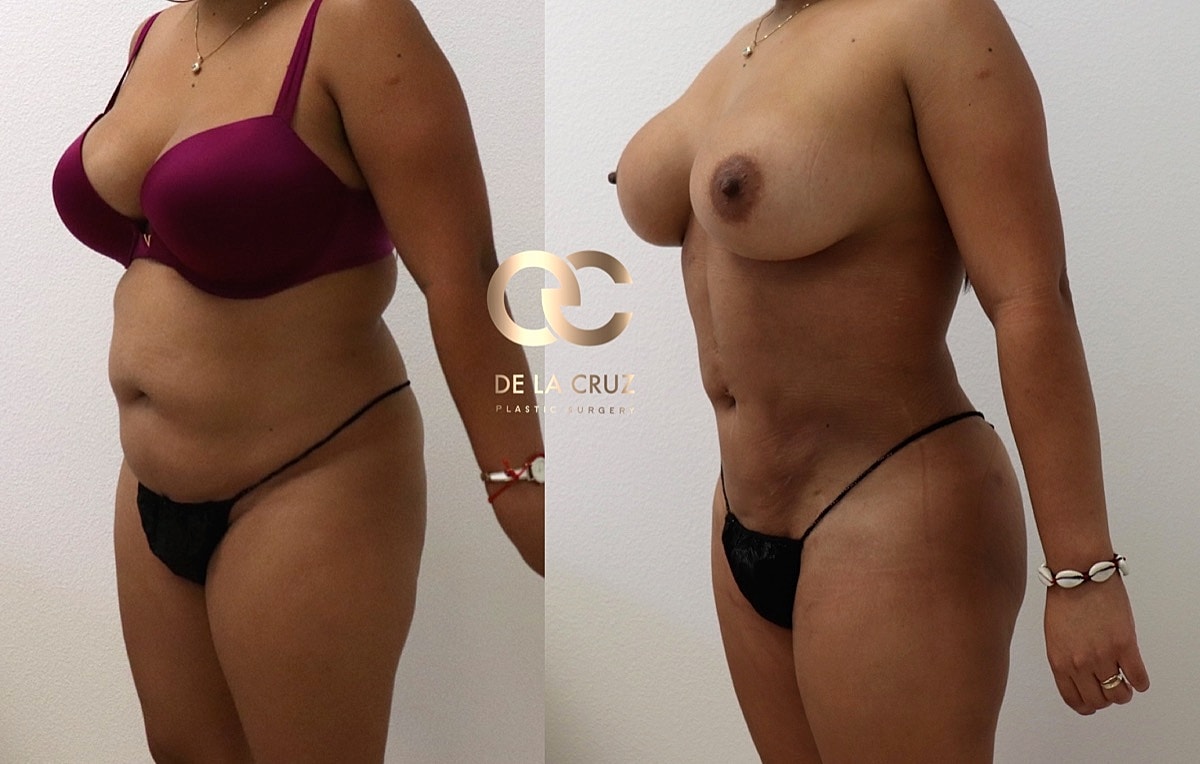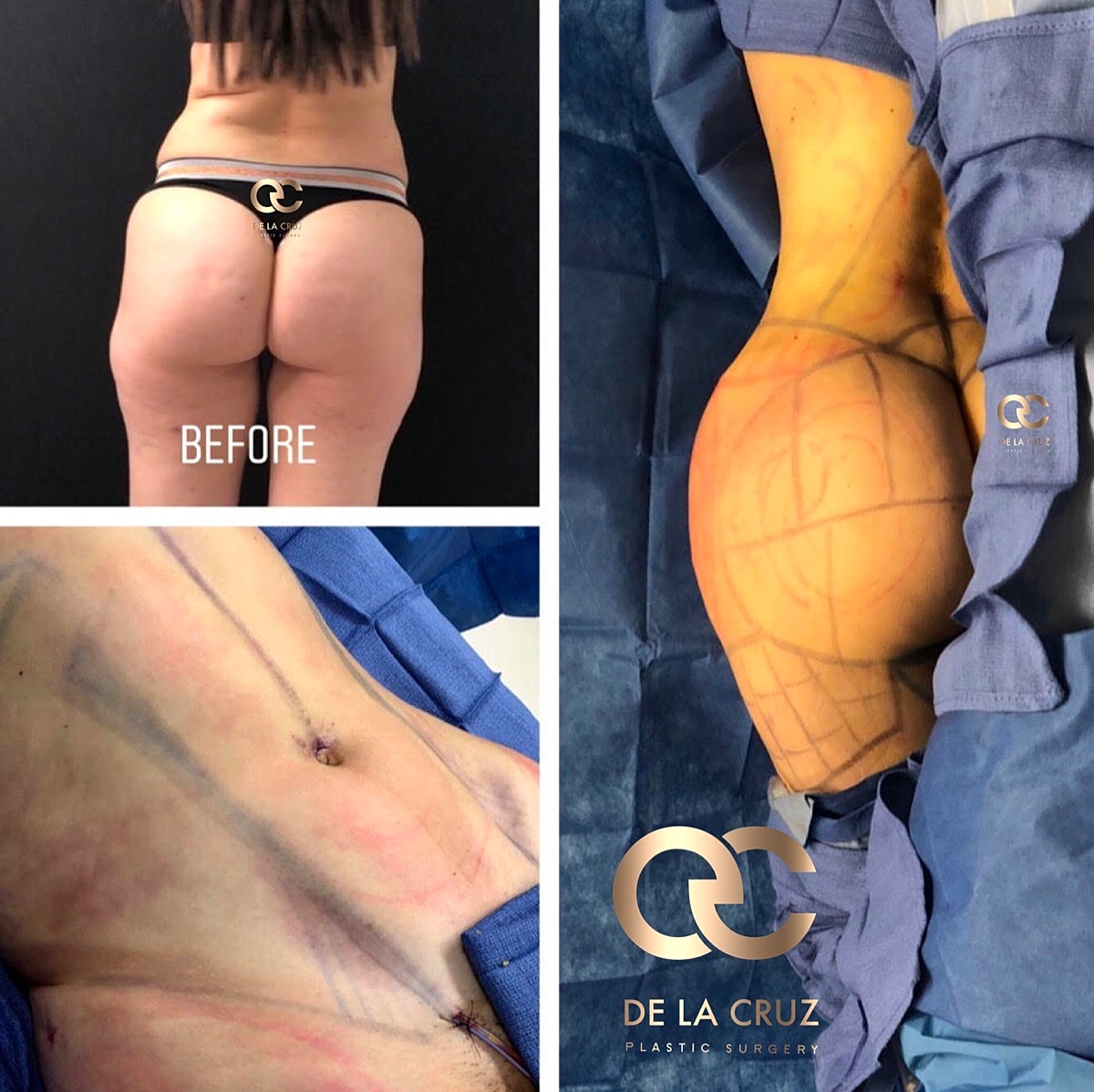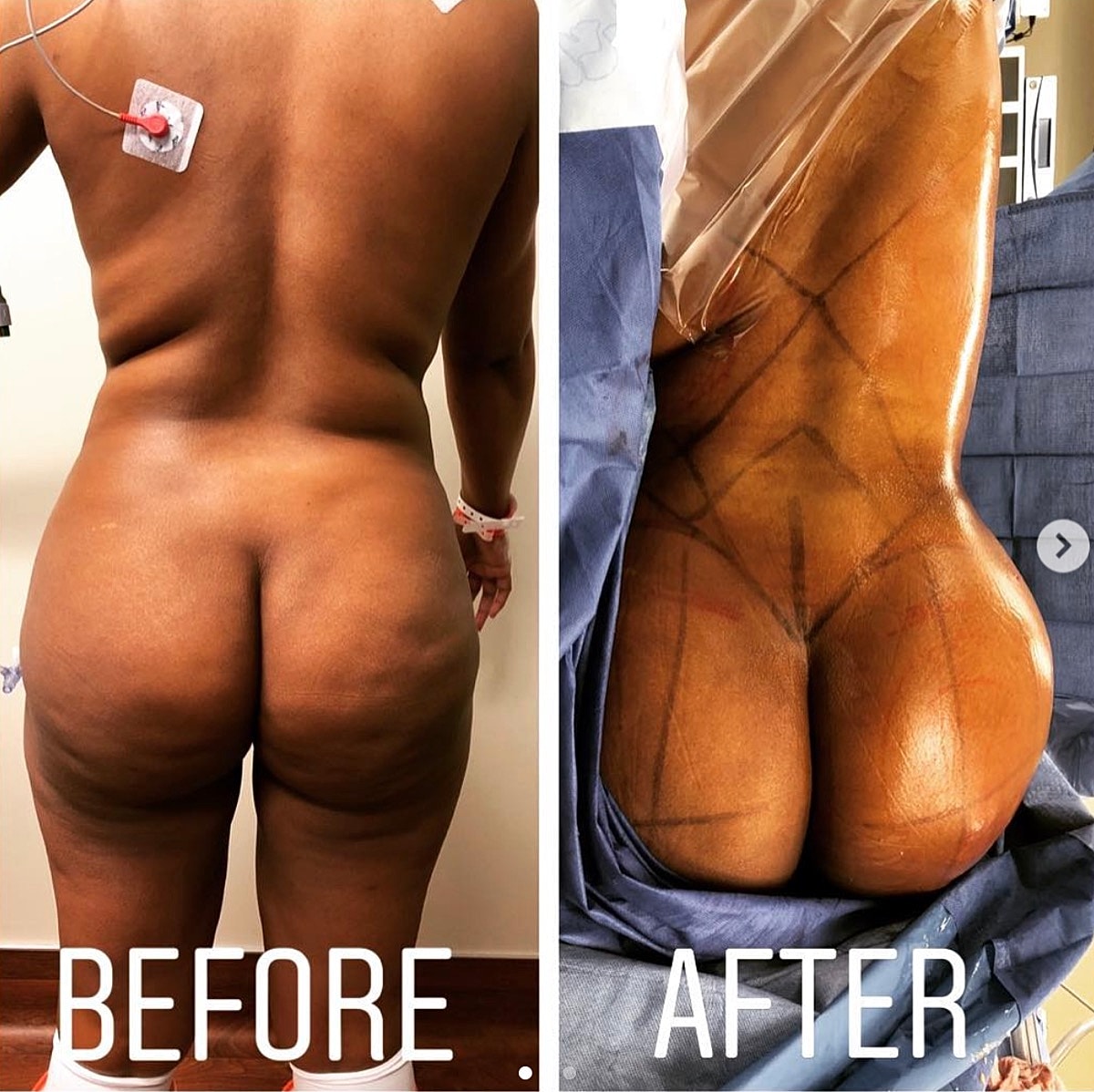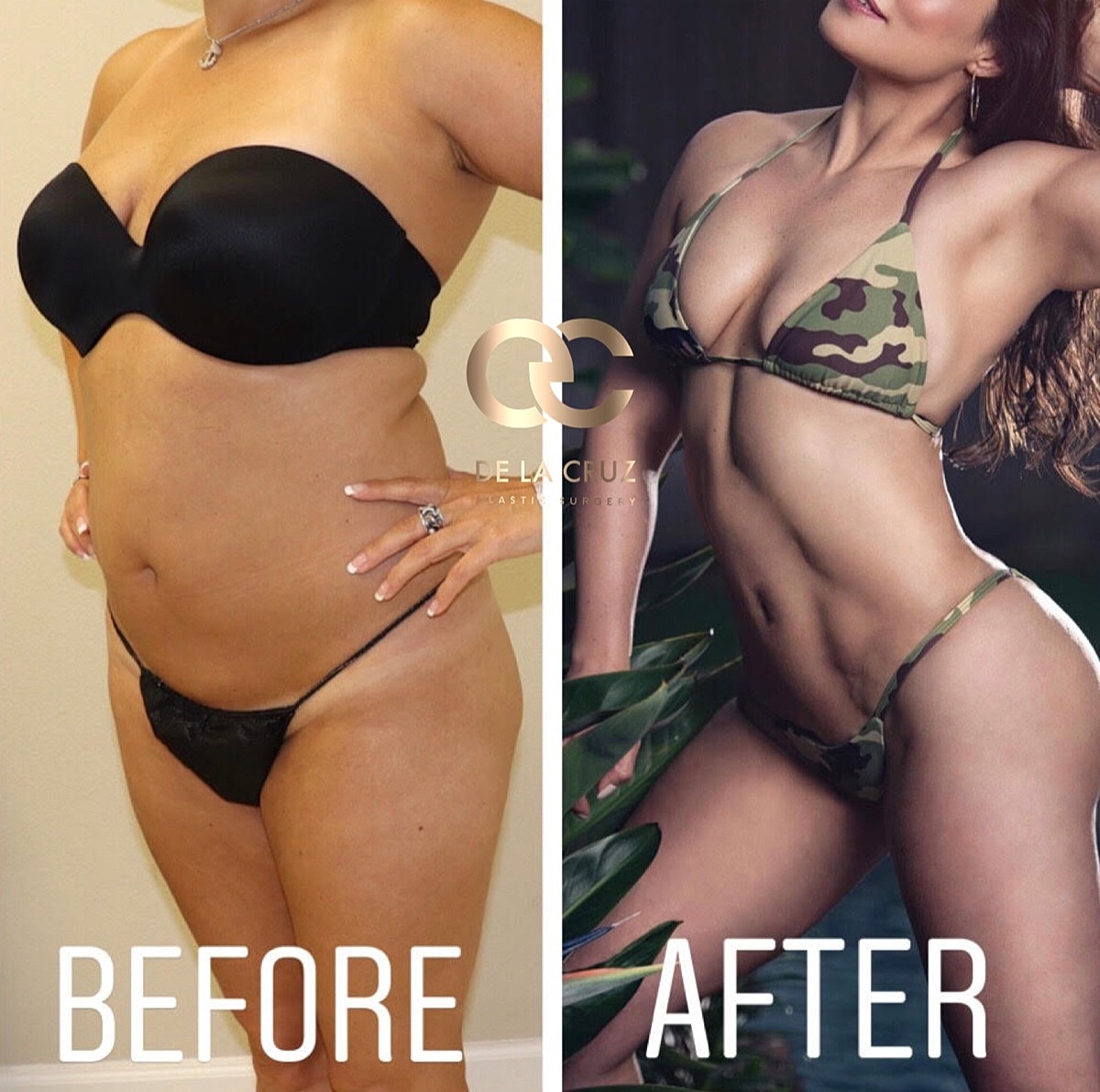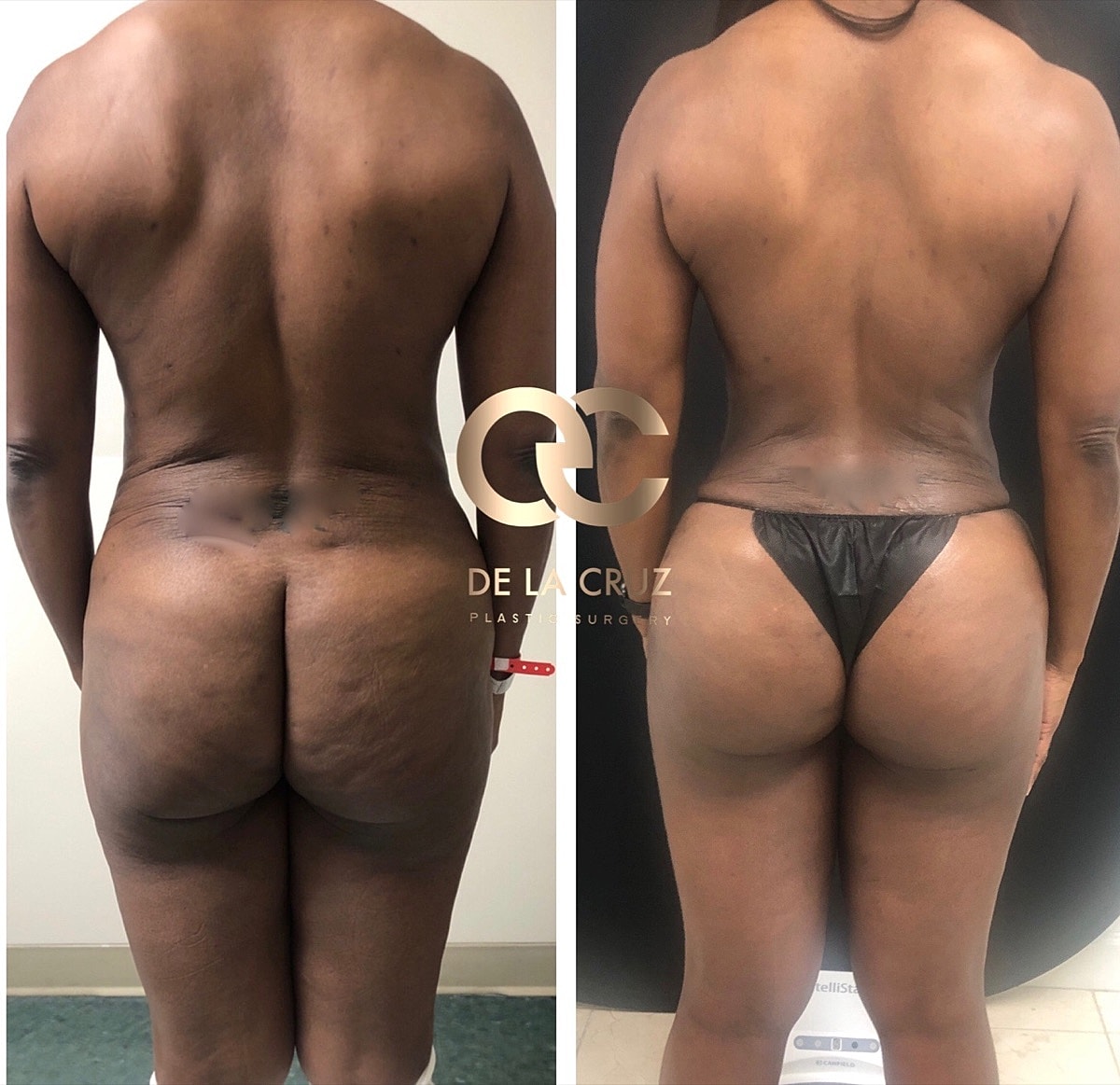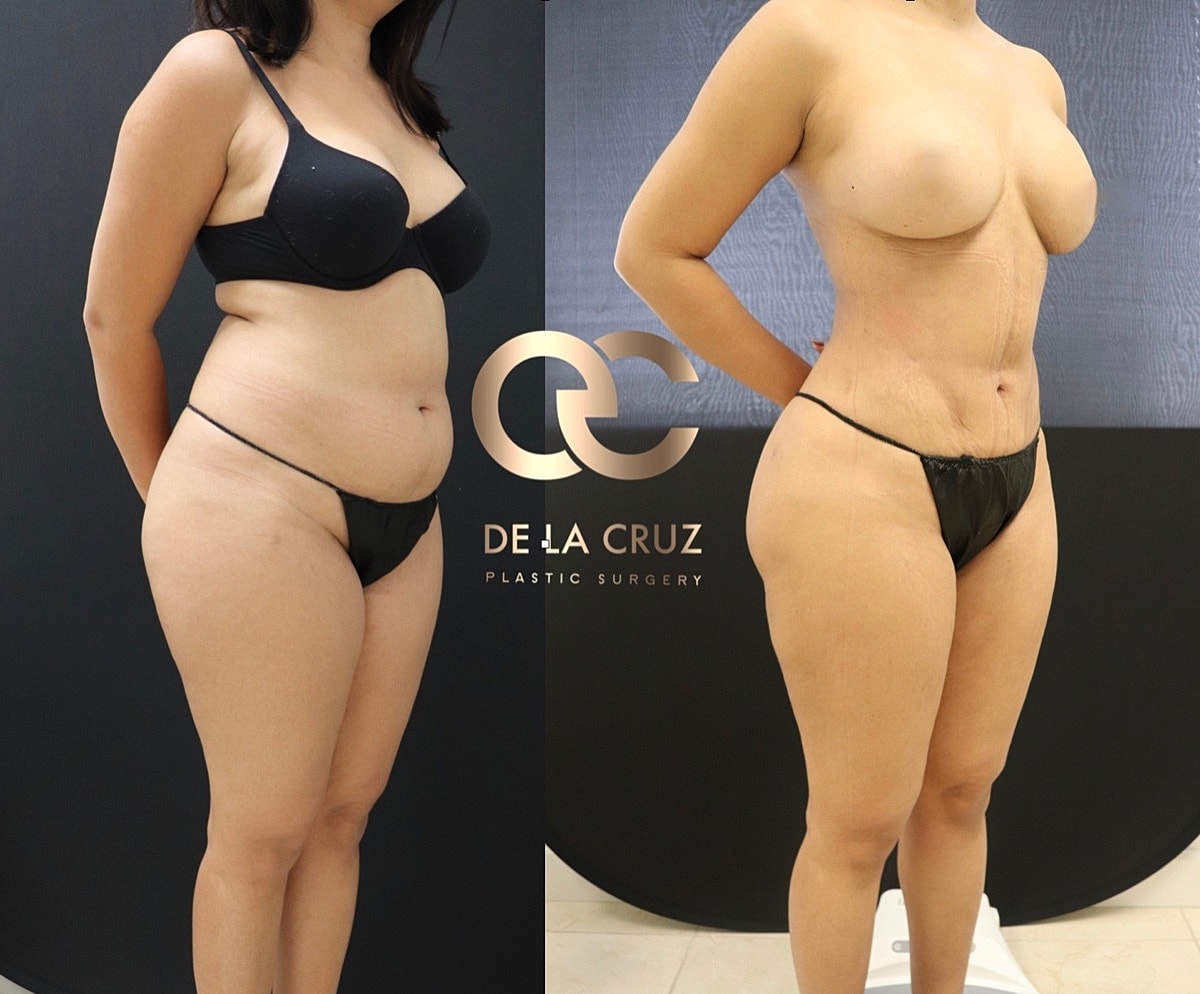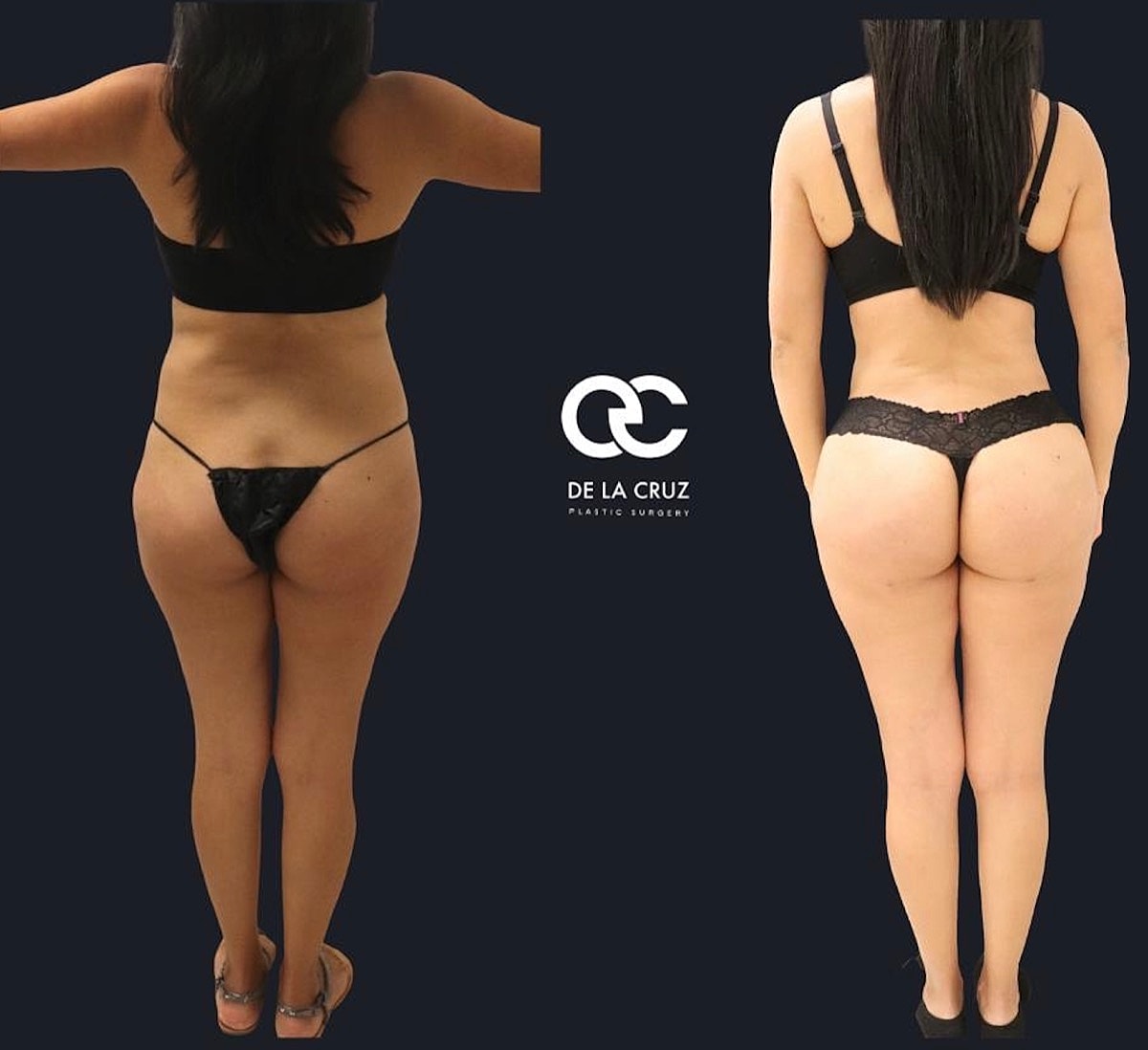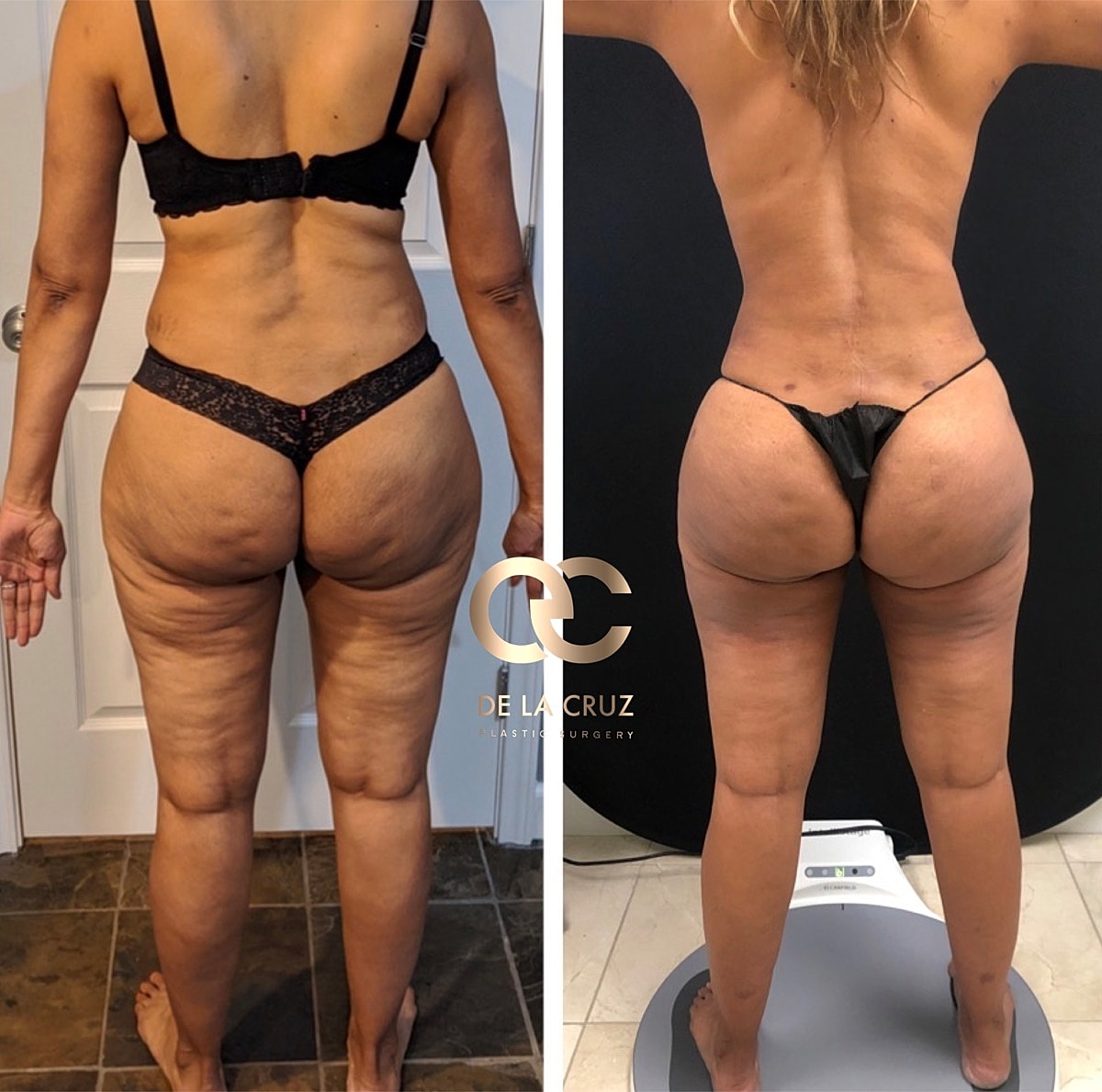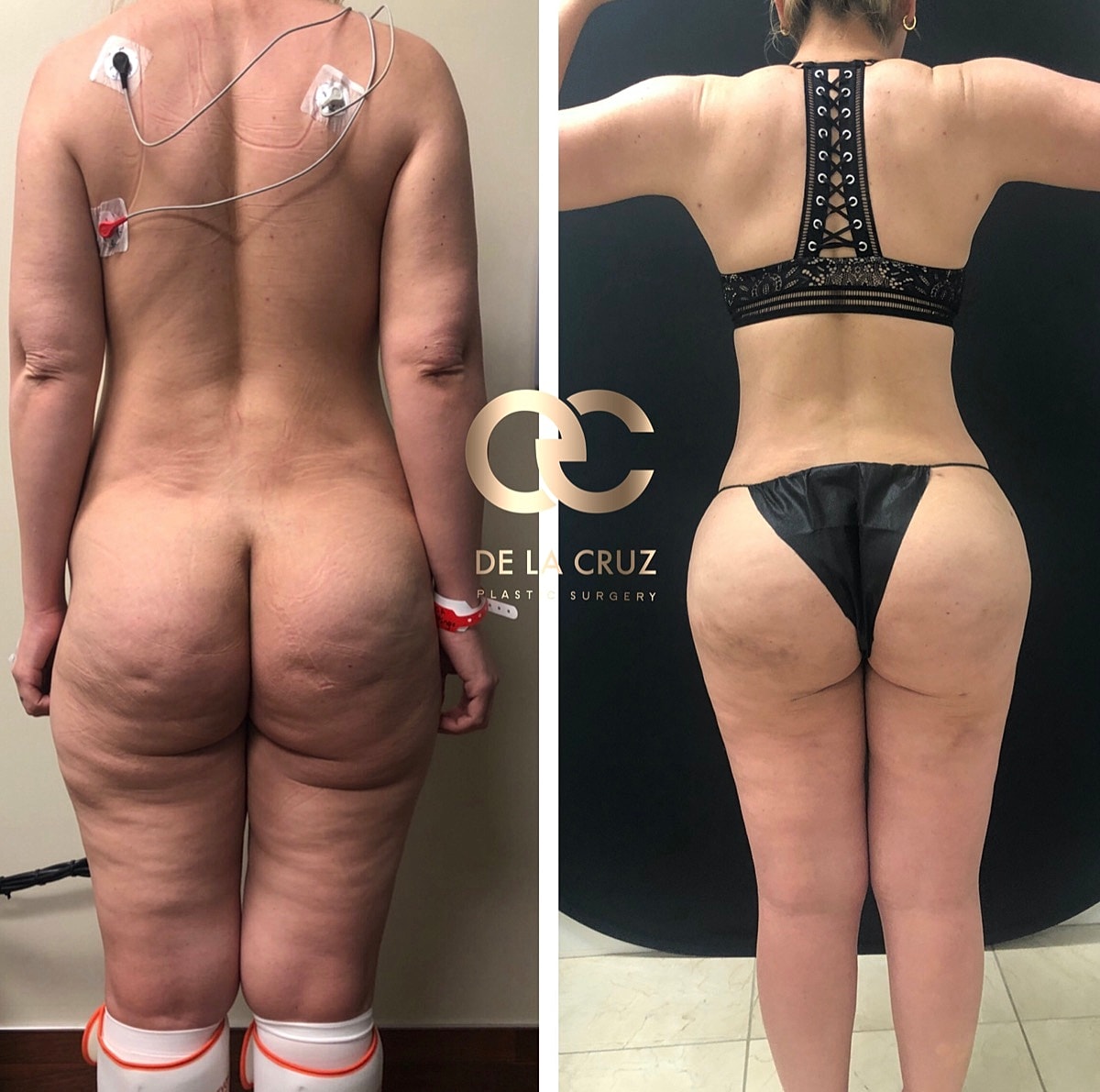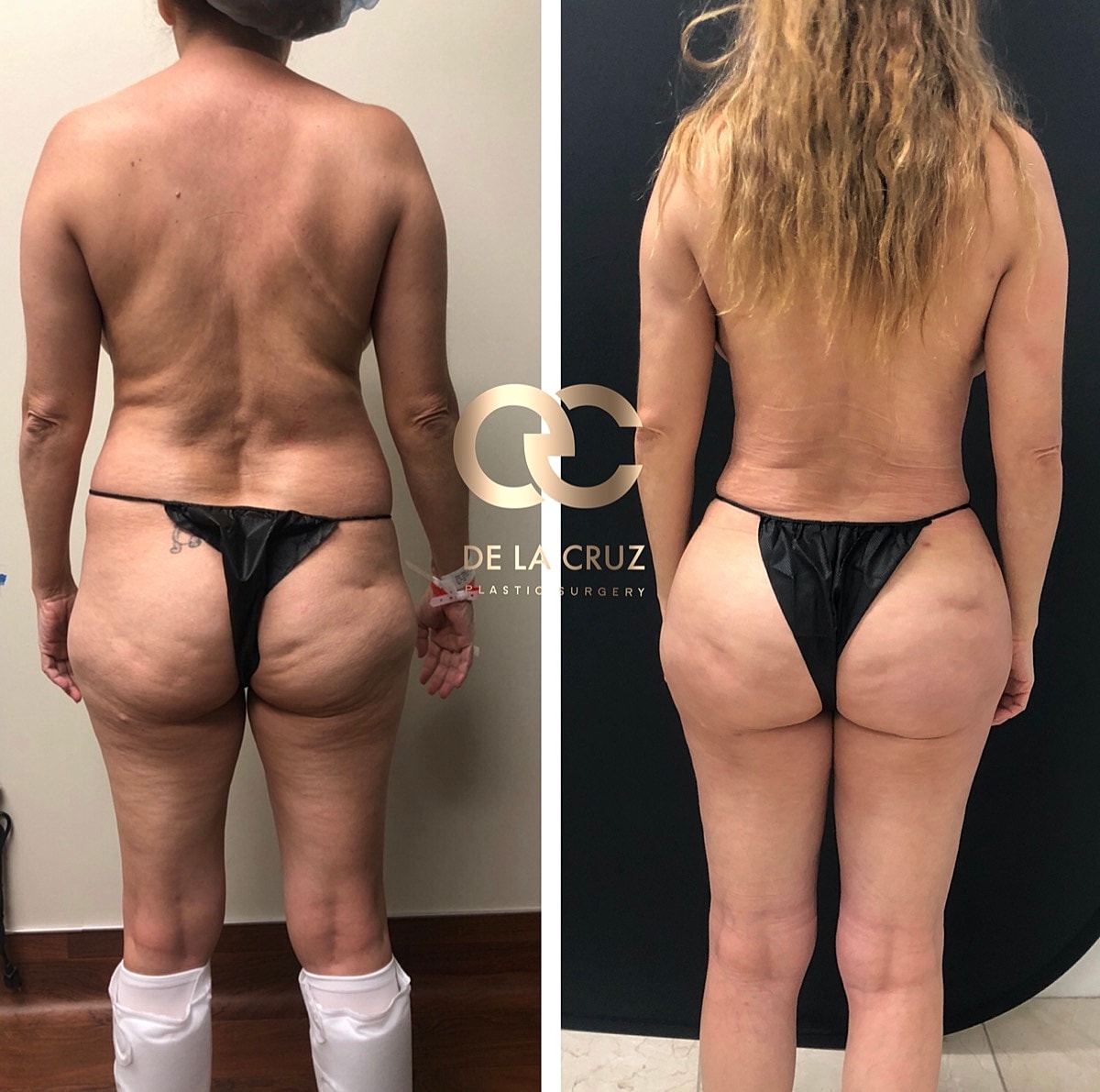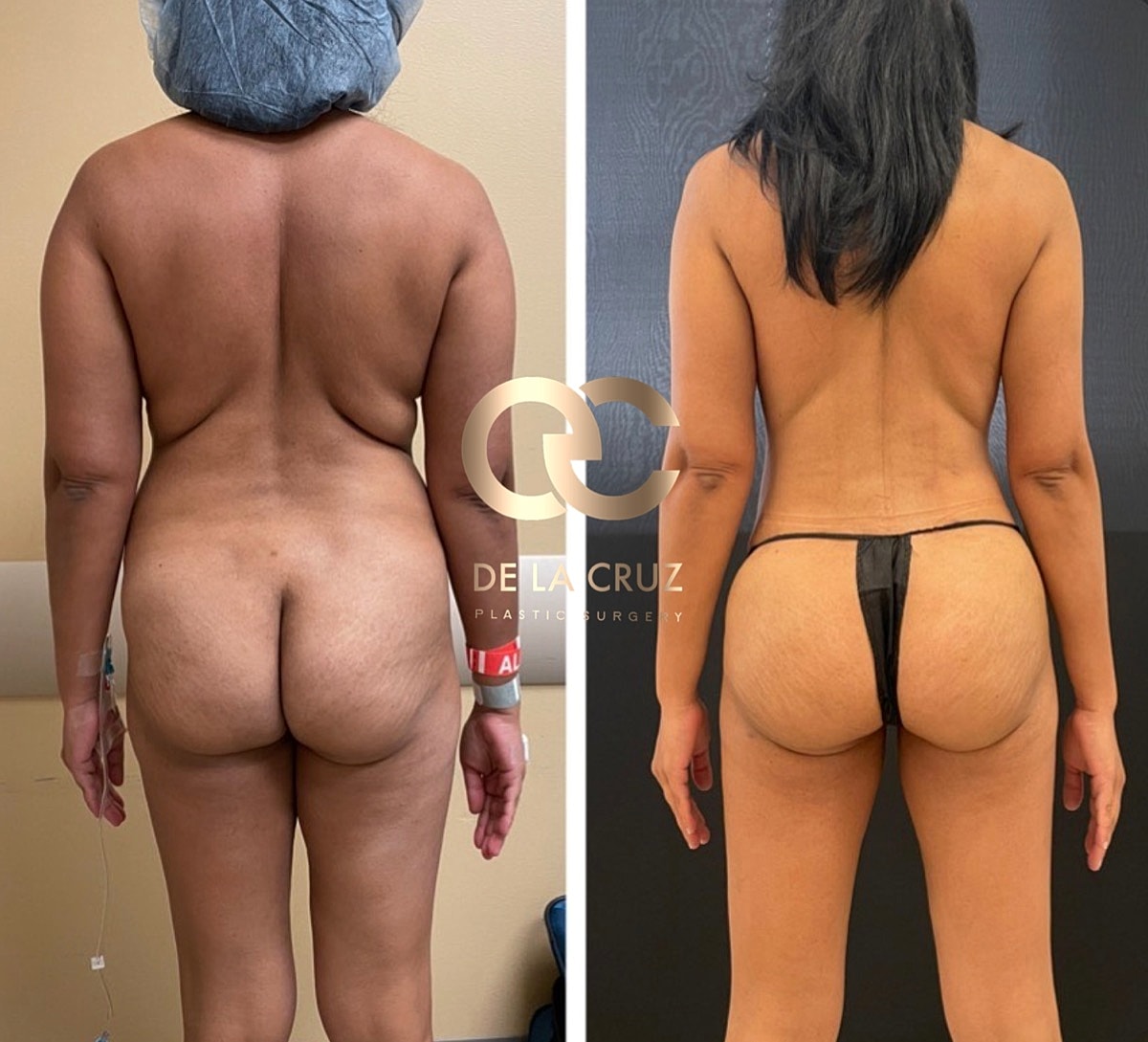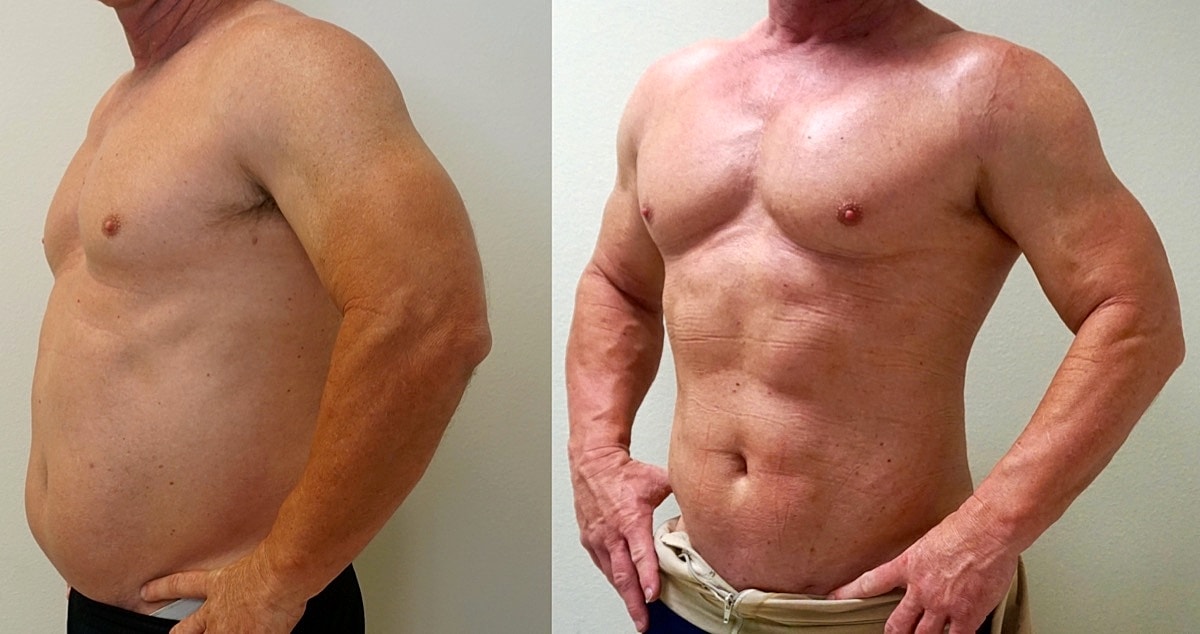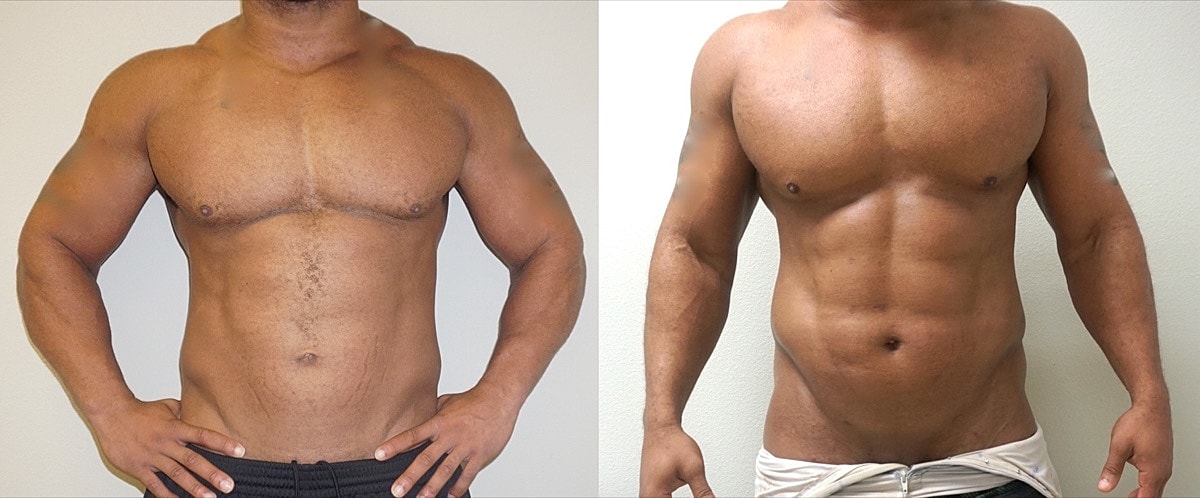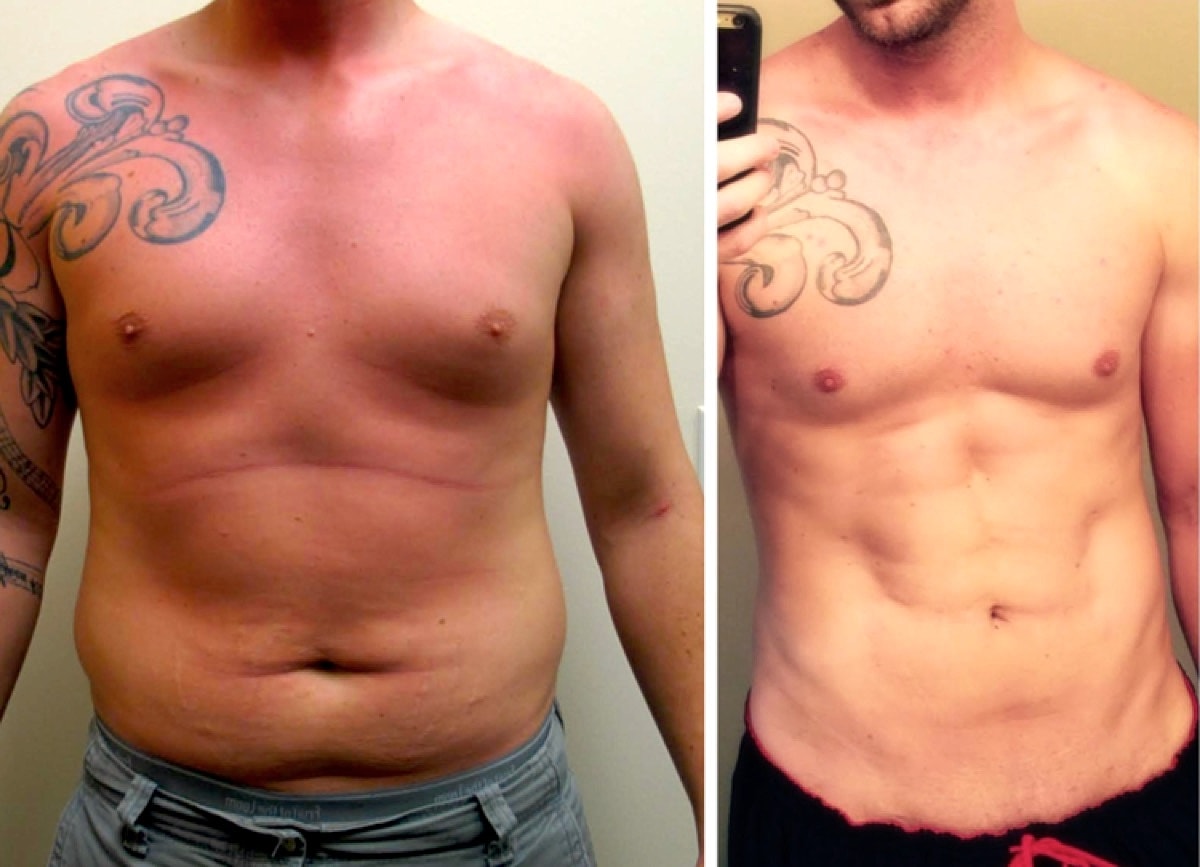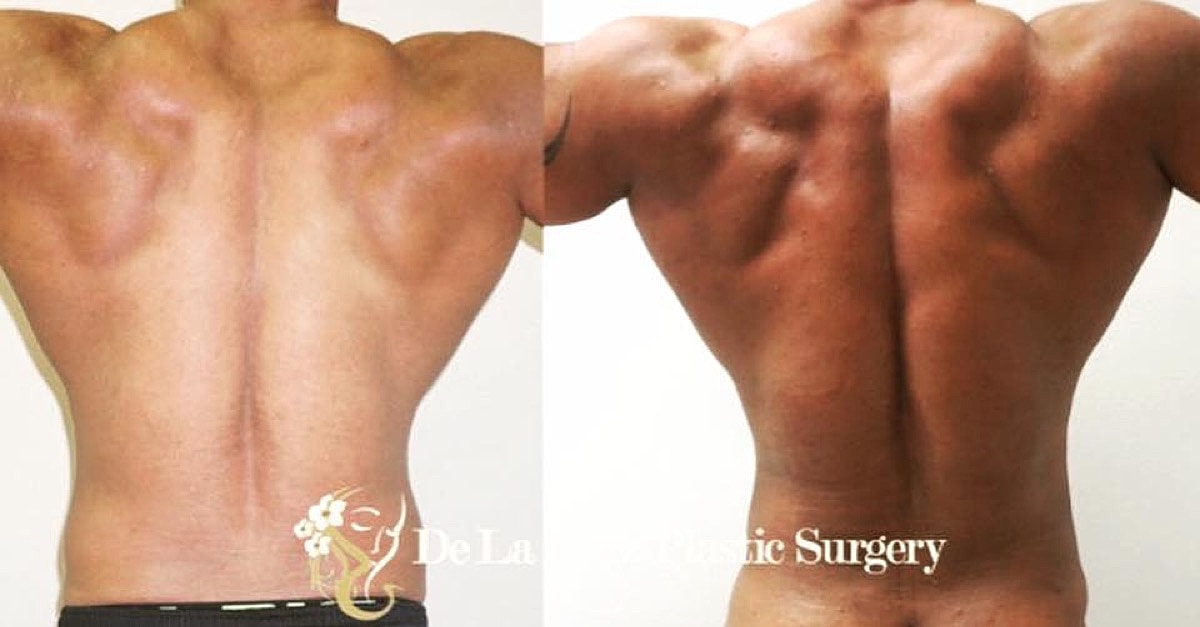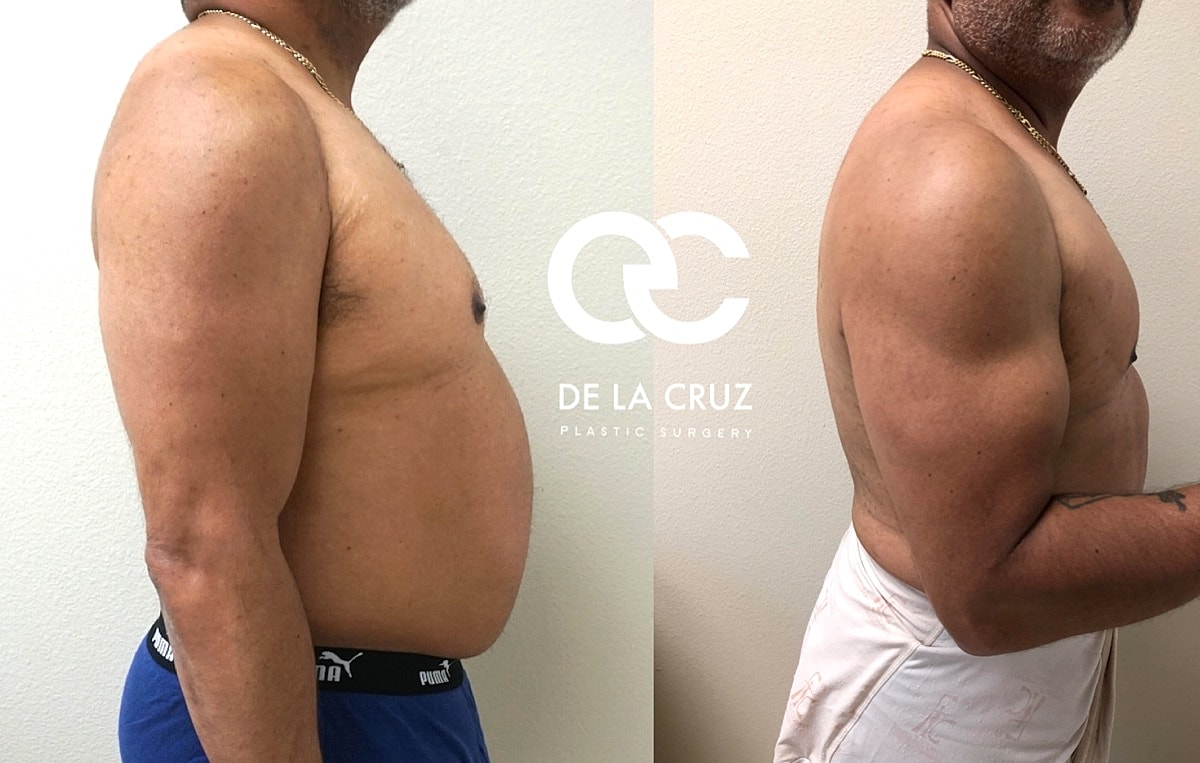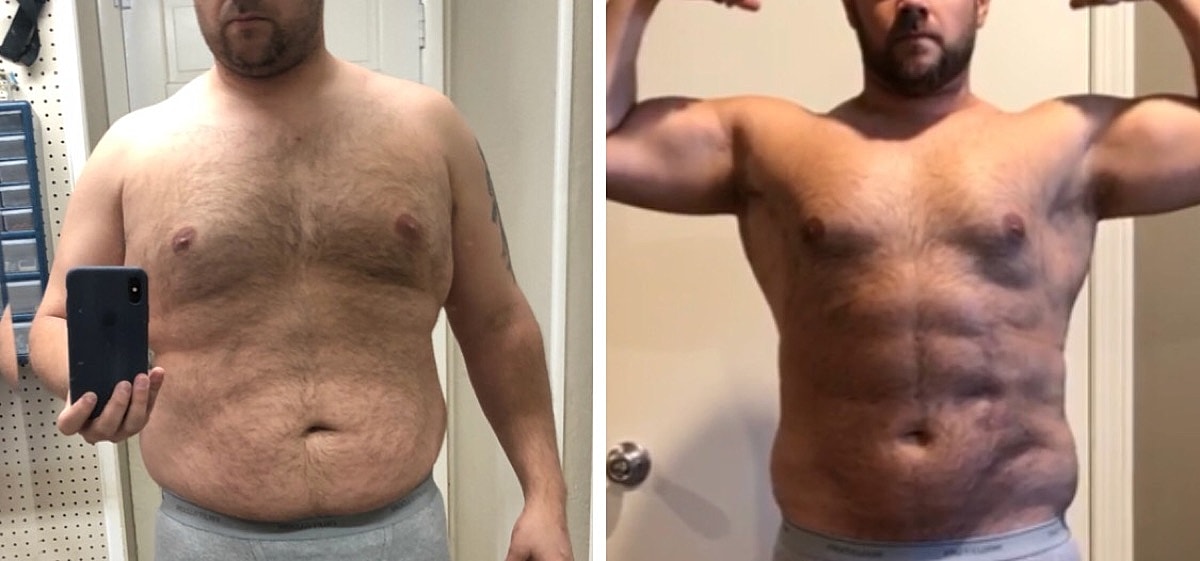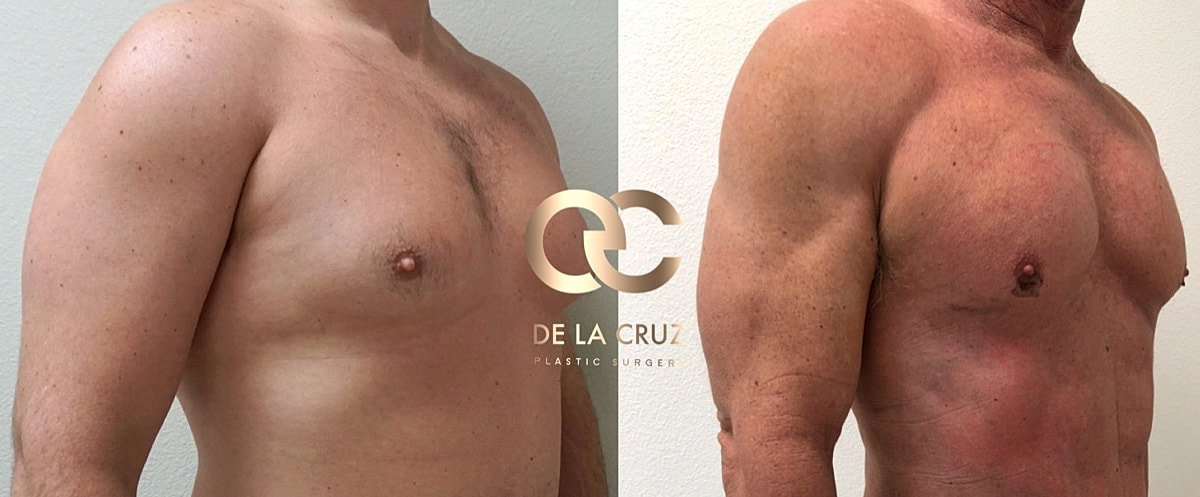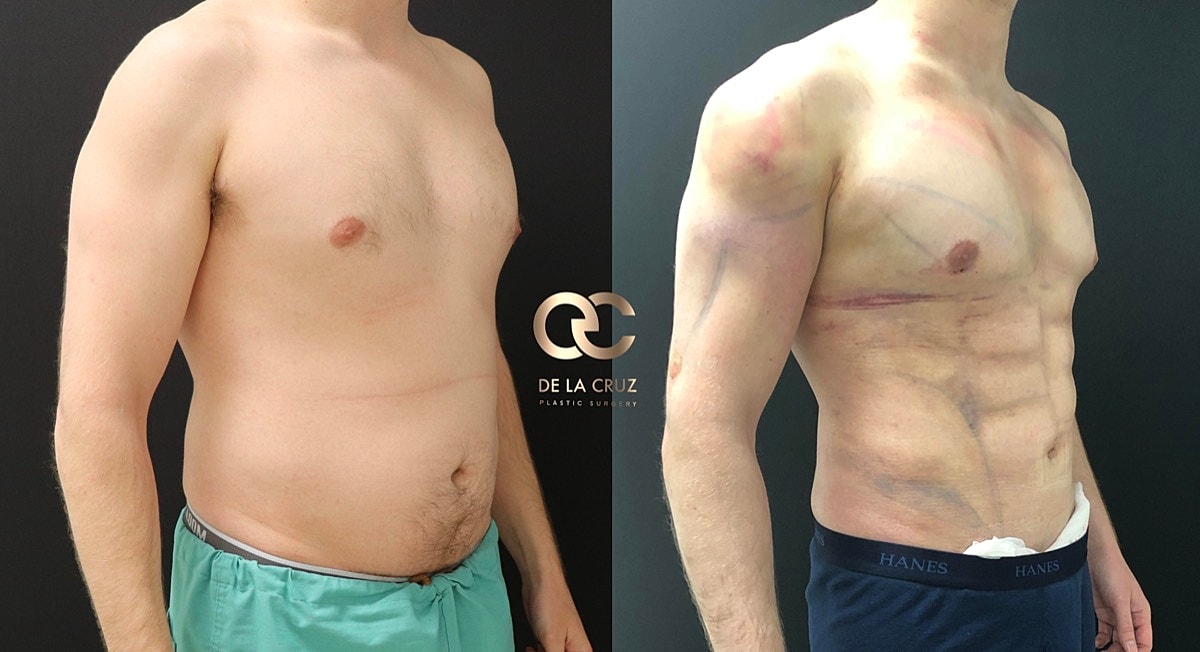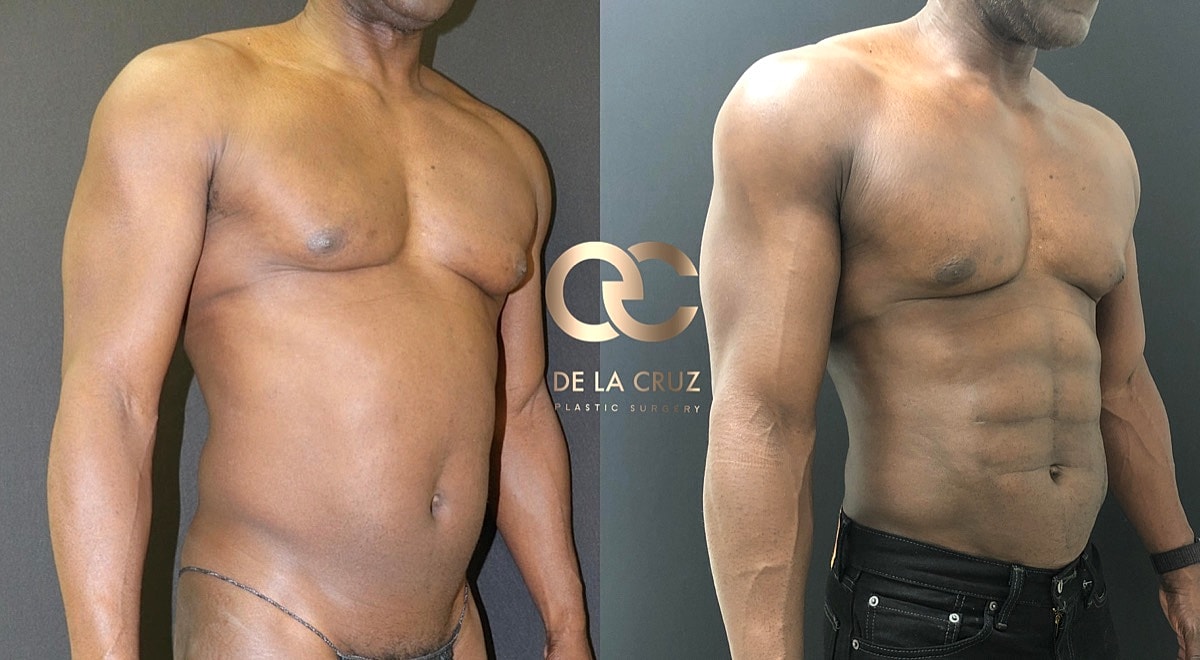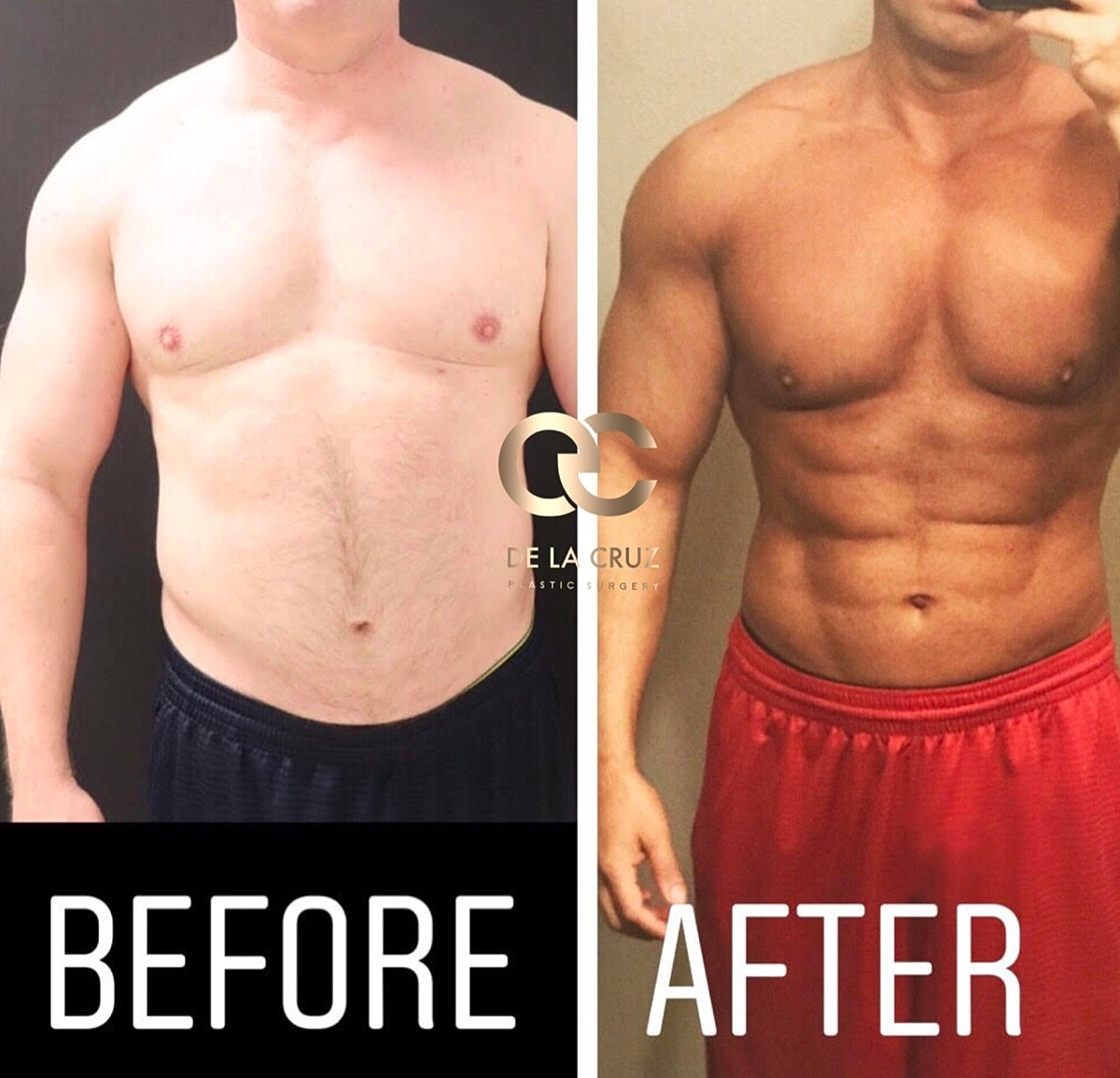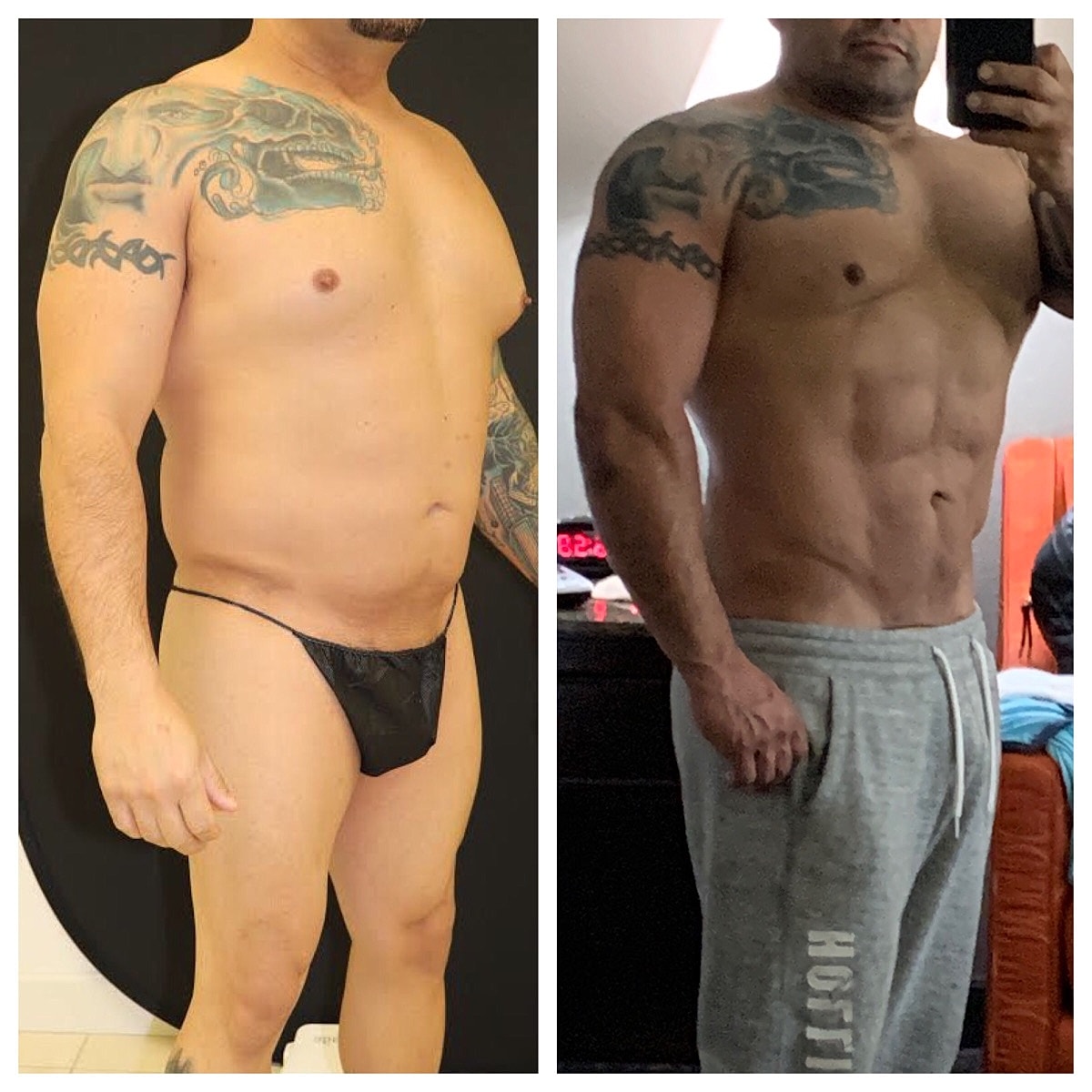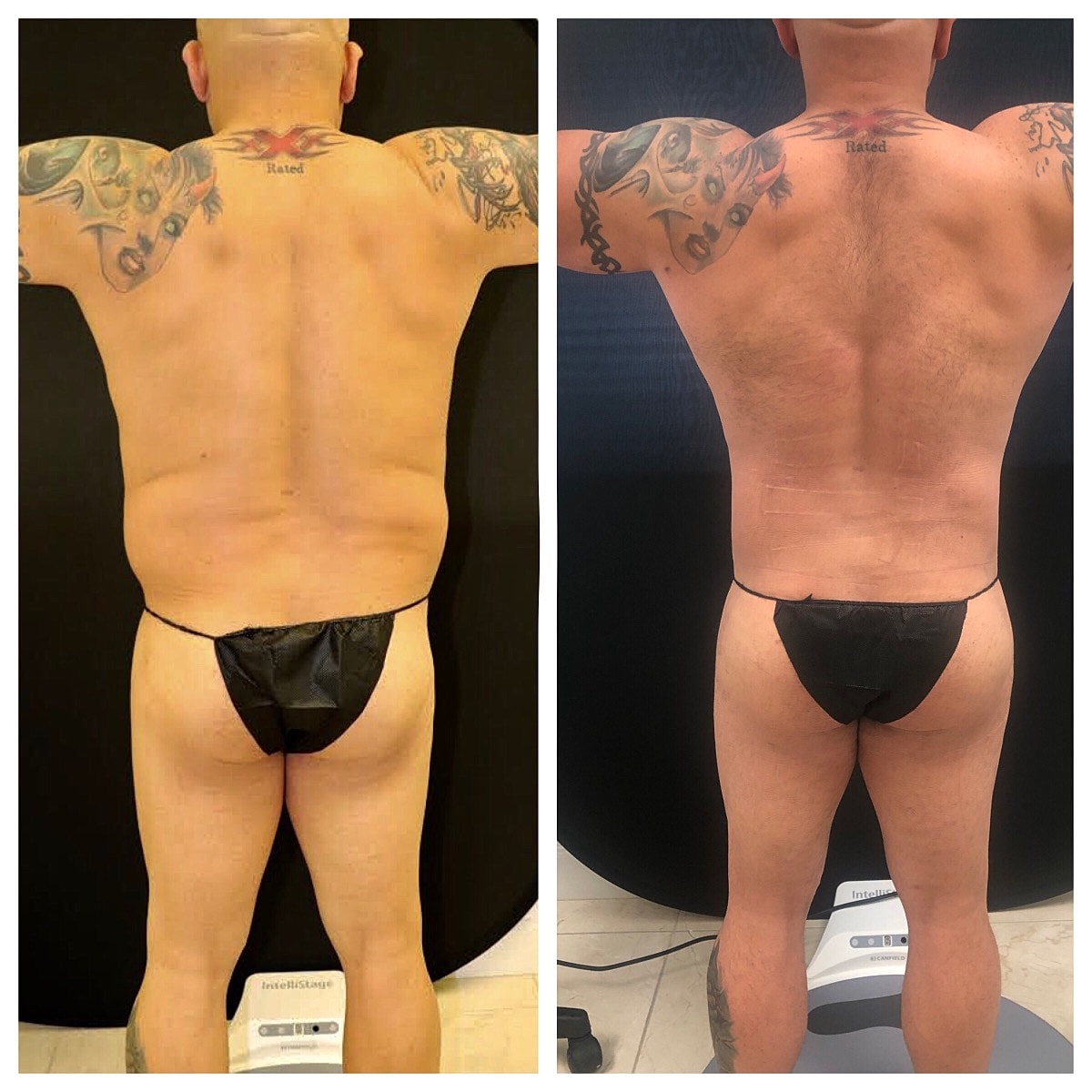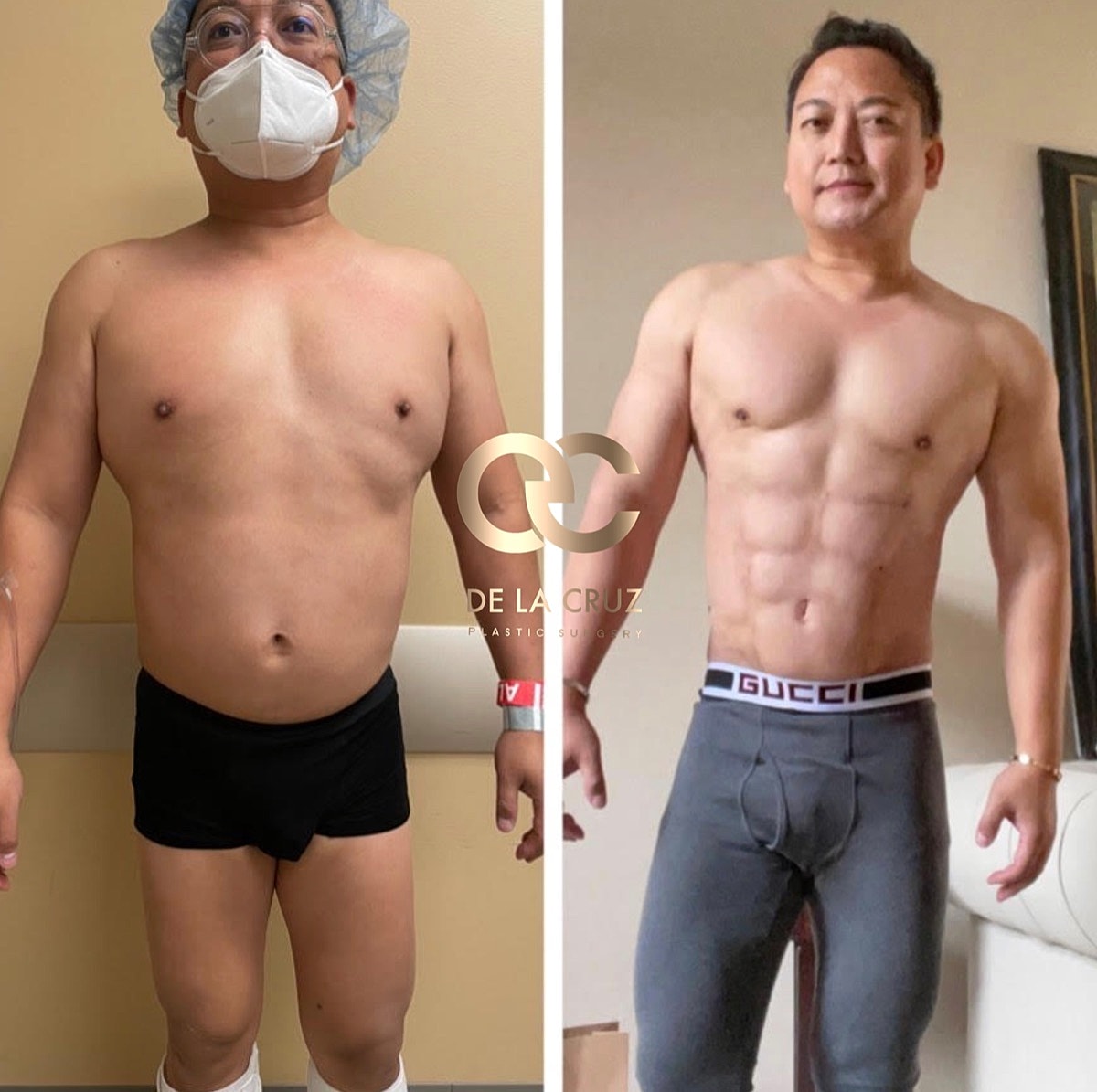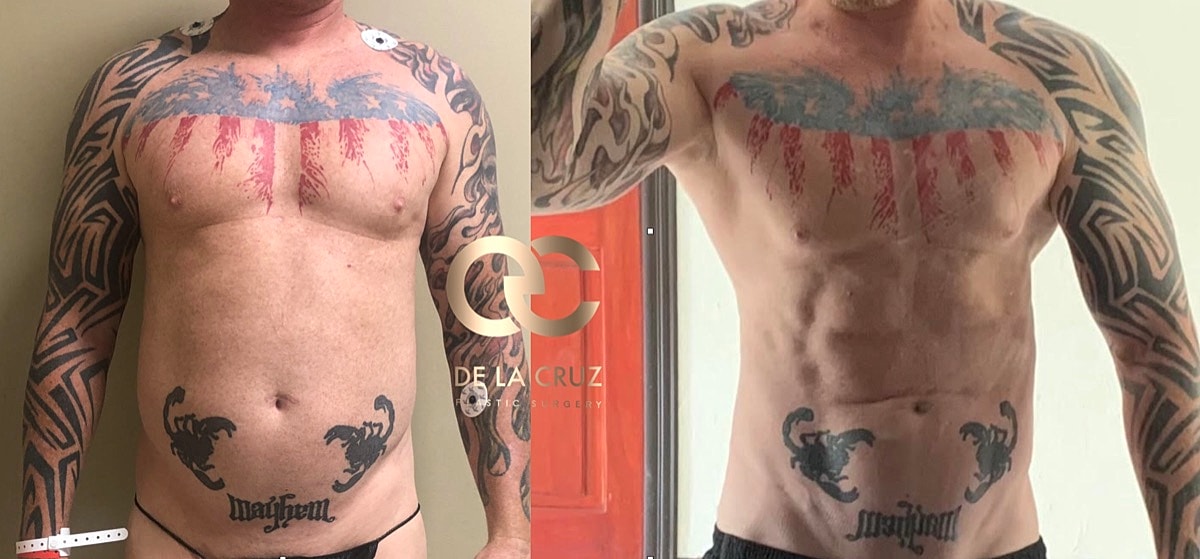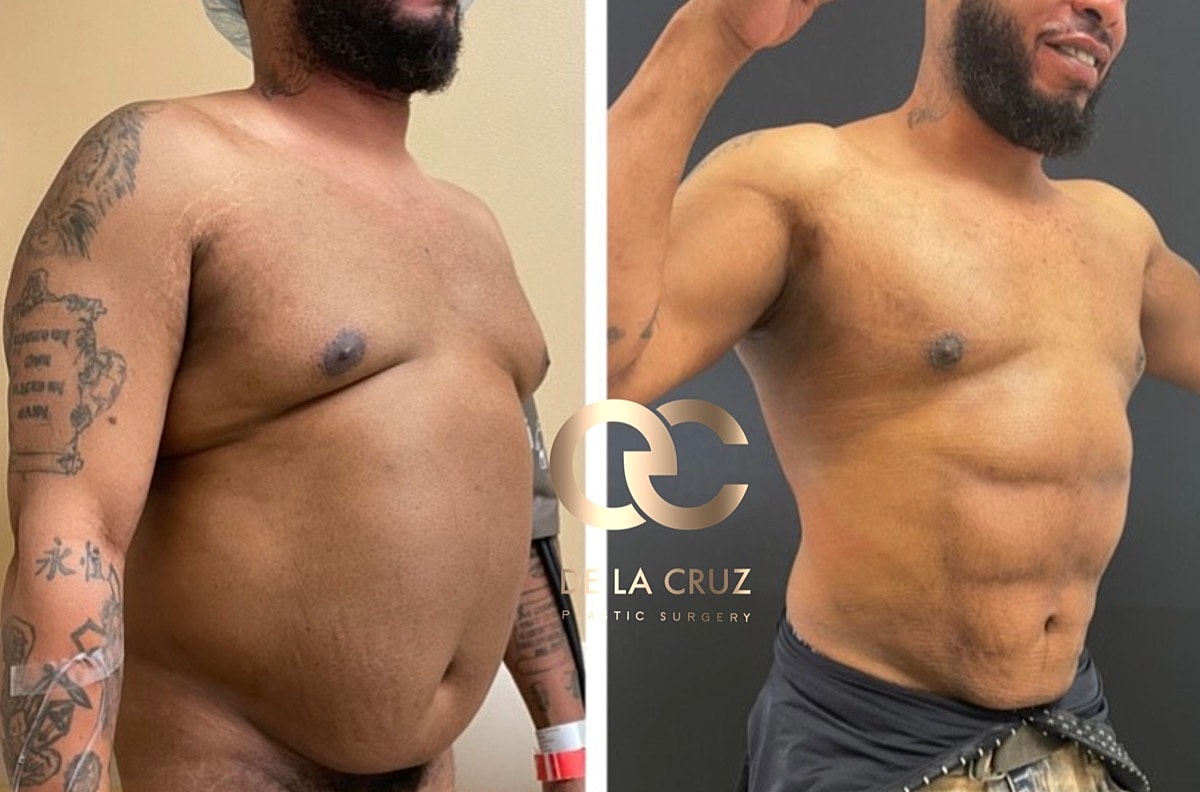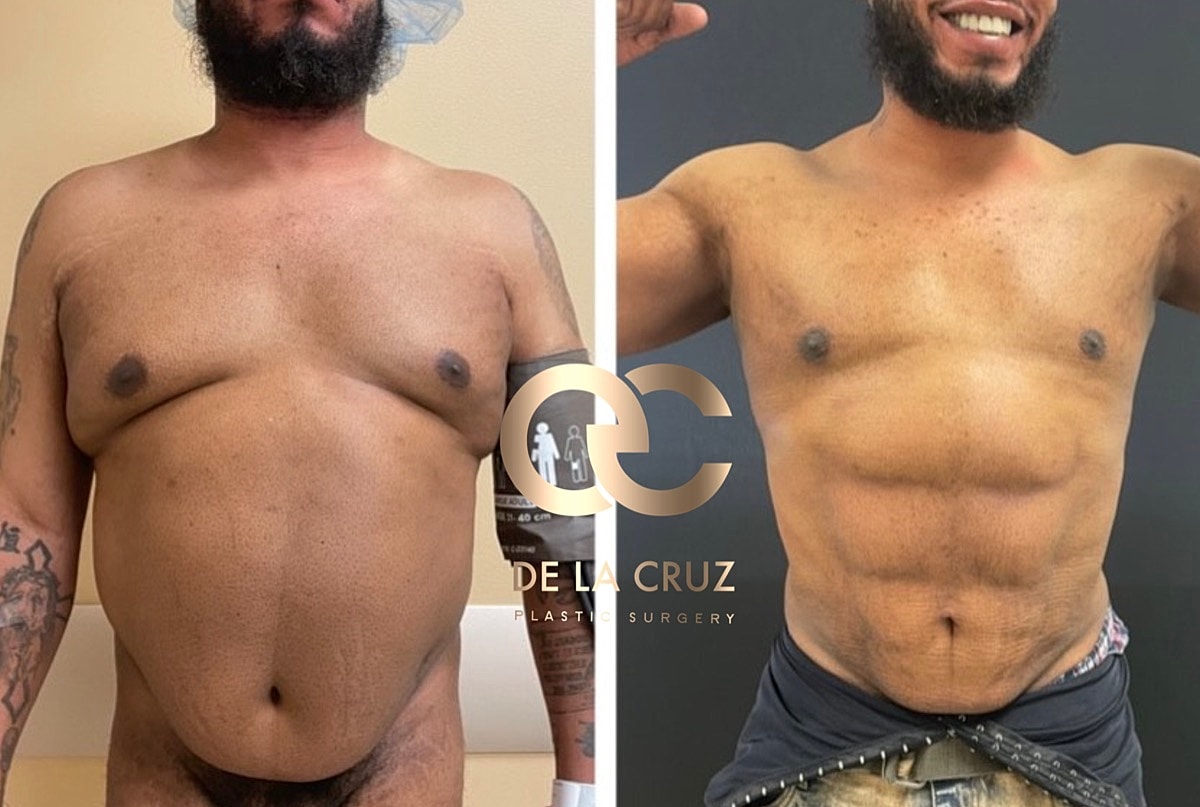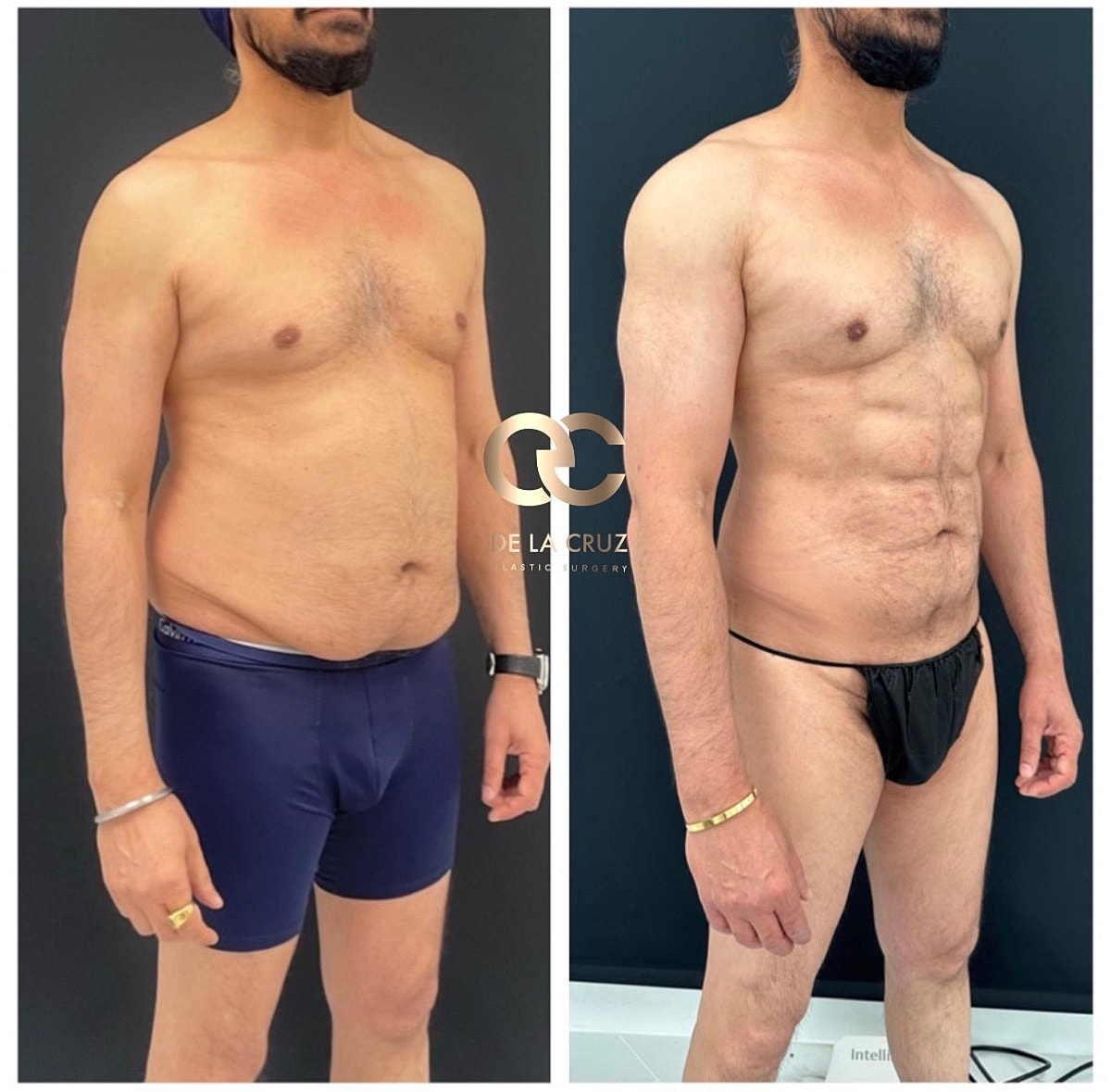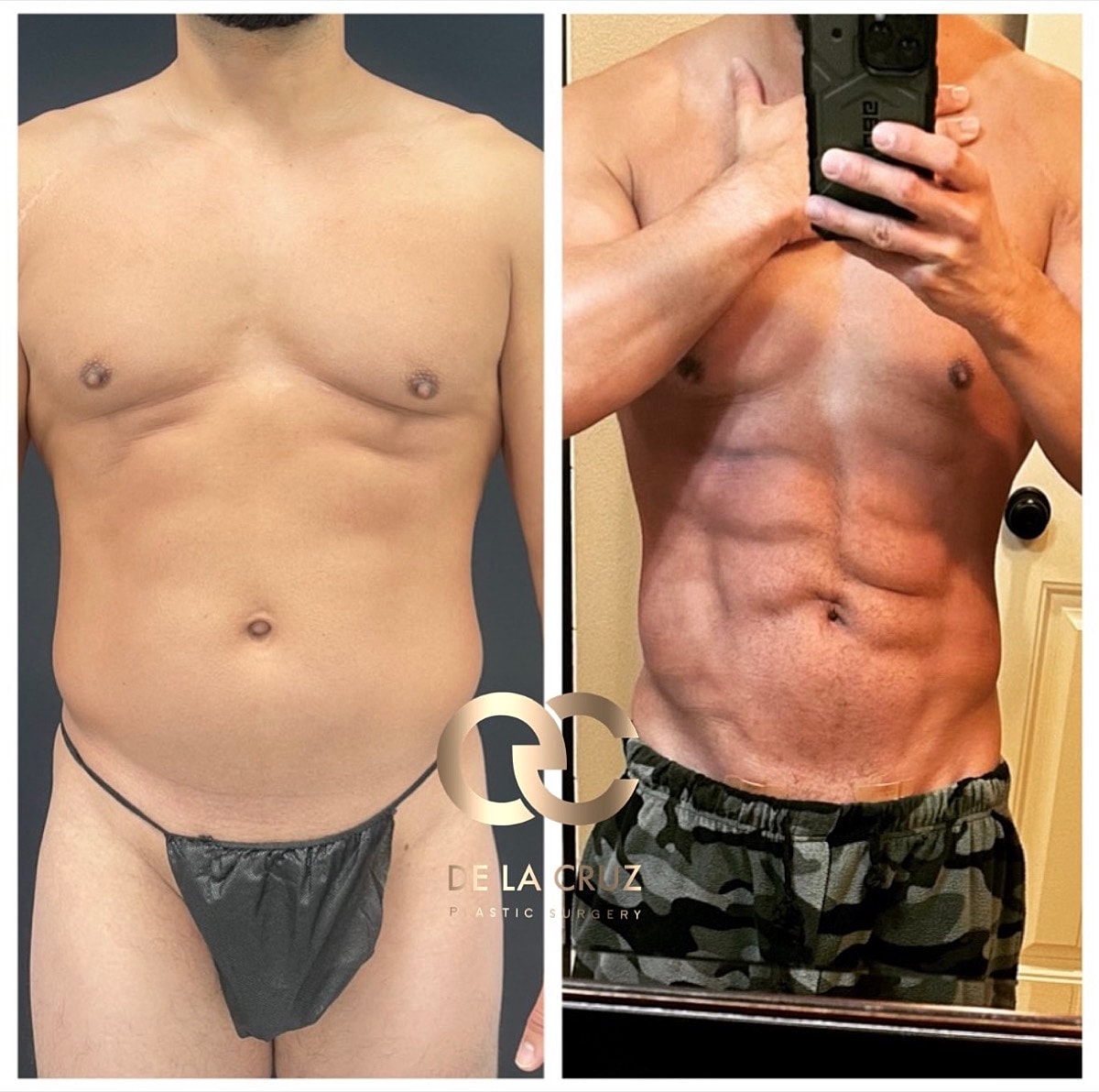
Liposuction is one of the most effective procedures for removing unwanted fat and improving body contour. However, one important factor that determines the final aesthetic result after liposuction is how well the skin retracts over the newly sculpted body shape.
While many patients have good natural skin elasticity, others may develop mild to moderate skin laxity after fat removal. Advanced technologies such as Renuvion (helium plasma energy) and Quantum RF (radiofrequency energy) can significantly improve skin tightening following liposuction, helping the skin conform smoothly to the underlying contour.
At De La Cruz Plastic Surgery in Houston, Dr. Emmanuel De La Cruz utilizes advanced energy-assisted technologies to enhance liposuction outcomes and promote improved skin retraction.
1 of 65
Liposuction removes excess fat to improve body contour, but it does not directly tighten the skin. After fat is removed, the skin must naturally contract and re-drape over the newly sculpted area. In many patients, this process occurs gradually as collagen fibers tighten during healing. However, some individuals may notice loose skin after liposuction, particularly if certain factors affect the skin’s ability to retract.
Understanding the causes of skin laxity can help patients choose the most appropriate treatment options and determine whether skin tightening technologies such as Quantum RF or Renuvion may be beneficial.
Reduced Skin Elasticity
Skin elasticity naturally decreases with age as collagen and elastin levels decline. When skin loses elasticity, it may not fully retract after fat is removed during liposuction.
Large Volume Fat Removal
Removing a significant amount of fat, such as in Large Volume Liposuction, can leave extra space beneath the skin, making it harder for the skin to contract completely.
Weight Fluctuations
Repeated weight gain and weight loss can stretch the skin and weaken its elastic fibers, reducing its ability to tighten after liposuction.
Pregnancy
Pregnancy can stretch the abdominal skin and tissues, which may lead to skin laxity after liposuction.
Genetics and Aging
Genetics and natural aging both influence skin quality. Some individuals naturally have skin that tightens better than others.
Sun Damage
Long-term sun exposure can damage collagen and elastin in the skin, reducing its ability to retract after fat removal.
How Skin Tightening Technology Helps
For patients with mild to moderate skin laxity, technologies such as Renuvion and Quantum RF can stimulate collagen production and improve skin contraction after liposuctio
Liposuction removes fat, but it does not directly tighten the skin. After fat is removed, the skin must naturally retract to fit the new contour.
Several factors affect how well skin tightens after liposuction:
• Age• Skin elasticity• Amount of fat removed• Pregnancy or weight fluctuations• Genetics• Smoking history• Sun damage to the skin
Patients with reduced skin elasticity may experience:
• Loose skin• Mild sagging• Wrinkling or creasing• Contour irregularities
Advanced energy-assisted skin tightening technologies can help stimulate collagen production and contract tissues to improve the final results.
Two of the most advanced technologies used with liposuction are:
• Renuvion (Helium Plasma Skin Tightening)
• Quantum RF (Radiofrequency Tissue Tightening)
Both technologies work by delivering controlled energy beneath the skin to stimulate collagen contraction and remodeling.
Renuvion (also called J-Plasma) is a minimally invasive technology that combines radiofrequency energy with helium gas to create a controlled plasma energy used to tighten tissue beneath the skin.
During the procedure, a small cannula is inserted under the skin. The device releases helium plasma energy, which rapidly heats and contracts collagen fibers, causing the skin to tighten.


Renuvion works through two main mechanisms:
1. Immediate collagen contractionThe plasma energy rapidly heats the connective tissue, causing immediate tightening of collagen fibers.
2. Long-term collagen remodelingThe energy stimulates new collagen production over several months, improving skin firmness and elasticity.
Studies and clinical reports show that helium plasma devices can produce significant tissue contraction and cosmetic improvement after liposuction.
• Immediate skin contraction with improvement of skin texture, such as seen in cellulite & stretch marks
• Precise energy delivery with minimal thermal spread
• Effective for moderate skin laxity
• Can treat multiple body areas
• Often performed at the same time as liposuction

Quantum RF is an advanced technology that uses controlled radiofrequency energy to heat the deeper layers of the skin, stimulating collagen production and tissue contraction.
The device delivers bipolar radiofrequency energy beneath the skin through specialized applicators, creating controlled heating that triggers the body’s natural healing response.
This process encourages:
• Collagen production
• Elastin remodeling
• Skin contraction
• Improved tissue firmness
Quantum RF produces skin tightening through thermal stimulation of the dermis and connective tissue.
This energy causes:
• Controlled heating of deep tissue layers
• Collagen contraction
• Long-term collagen remodeling
• Gradual improvement in skin tightness
The treatment can be used on the face, neck, and body, including areas treated with liposuction.
• Uniform radiofrequency energy distribution
• Effective stimulation of collagen and elastin
• Improved skin elasticity over time• Can treat delicate areas of the face and body
• Minimal downtime
Quantum RF is particularly beneficial for patients with mild to moderate skin laxity, especially for revision liposuction procedures and lipedema surgery.
The best technology depends on several factors:
• Skin elasticity
• Degree of skin laxity
• Body area being treated
• Amount of fat removed
• Patient goals
In many cases, experienced surgeons may combine multiple technologies to achieve optimal results.

Both Renuvion and Quantum RF are advanced technologies designed to improve skin tightening after liposuction by stimulating collagen contraction and remodeling. While both aim to enhance skin retraction and improve contour, they differ in the type of energy delivered, how the tissue responds, and the speed at which results develop.
Renuvion
Quantum RF
Summary
It is important to understand that energy-based skin tightening is not the same as skin removal surgery.
Patients with severe skin laxity may still require procedures such as:
• Tummy tuck (abdominoplasty)
• Arm lift (brachioplasty)
However, for patients with mild to moderate skin laxity, technologies like Renuvion or Quantum RF can significantly improve skin retraction.
Although some skin tightening occurs naturally after liposuction, certain strategies can help improve skin retraction and support smoother results during recovery.
Choose an Experienced Plastic Surgeon
Proper liposuction technique plays an important role in minimizing loose skin. Experienced surgeons carefully remove fat in a controlled and even manner, preserving the natural support structures of the skin to help it retract more effectively.
Use Advanced Skin Tightening Technologies
In patients with mild to moderate skin laxity, technologies such as Renuvion or Quantum RF may be used during liposuction to stimulate collagen production and enhance skin contraction.
Wear Compression Garments
Compression garments help reduce swelling and support the skin as it adapts to the new body contours. They also help improve skin retraction during the healing process.
Maintain a Stable Weight
Maintaining a stable weight after liposuction helps prevent additional stretching of the skin and supports long-term body contour results.
Follow Proper Postoperative Care
Following your surgeon’s postoperative instructions, including activity guidelines and recommended therapies, can help optimize healing and improve overall skin tightening.
At De La Cruz Plastic Surgery in Houston, Dr. Emmanuel De La Cruz carefully evaluates skin quality and body contour goals to determine whether liposuction alone or liposuction combined with advanced skin tightening technologies will provide the best outcome.

Recovery varies depending on the extent of liposuction and the treatment area.
Typical recovery timeline:
First week
• Swelling and mild bruising• Compression garment recommended
2–4 weeks
• Gradual improvement in swelling• Early skin tightening begins
3–6 months
• Collagen remodeling continues• Final skin tightening results become visible
Many patients notice improvement in skin firmness within several weeks.
While liposuction can effectively remove excess fat and improve body contour, it does not remove excess skin. In patients with significant skin laxity, liposuction alone may not provide optimal results. In these cases, a tummy tuck (abdominoplasty) may be recommended to achieve a smoother and firmer abdominal contour.
A tummy tuck removes excess skin and tightens the abdominal wall, which can be particularly beneficial for patients who have experienced pregnancy, major weight loss, or long-standing skin stretching. These factors can weaken the skin’s elasticity and the underlying abdominal muscles, making it difficult for the skin to retract after fat removal.
Patients who may benefit more from a tummy tuck rather than liposuction alone often include those with loose hanging abdominal skin, stretch marks below the belly button, or separation of the abdominal muscles (diastasis recti).
During consultation at De La Cruz Plastic Surgery in Houston, Dr. Emmanuel De La Cruz evaluates skin quality, abdominal muscle tone, and overall body contour to determine whether liposuction, liposuction combined with skin tightening technologies, or a tummy tuck will provide the most natural and balanced results.

Ideal candidates include patients who:
• Have mild to moderate skin laxity
• Want improved contour after liposuction
• Prefer minimally invasive treatment
• Have realistic expectations
Patients with severe skin laxity may benefit more from surgical skin removal procedures.
Skin tightening after liposuction requires a deep understanding of body contouring, tissue behavior, and energy-based technology.
Dr. Emmanuel De La Cruz is a double board-certified plastic surgeon in Houston known for his expertise in advanced liposuction and body sculpting procedures.
He has lectured internationally on body contouring techniques and has presented research and clinical experience at major plastic surgery meetings, including:
Dr. De La Cruz has also presented on Quantum RF technology for the correction of contour irregularities and skin tightening after liposuction, alongside renowned body-contouring pioneer Dr. Alfredo Hoyos.
His surgical philosophy focuses on achieving natural-looking results through meticulous contour refinement and advanced technology integration.
This approach emphasizes:
By combining VASER ultrasound-assisted liposuction, advanced radiofrequency skin tightening technologies such as Quantum RF and Renuvion, and precision liposculpture techniques, Dr. De La Cruz provides a comprehensive approach to body contouring.
This multimodal strategy allows patients to achieve smoother contours, improved skin tightening, and natural-looking results after liposuction.
Yes. In many patients, the skin naturally tightens after liposuction as collagen fibers contract during the healing process. However, the degree of tightening depends on factors such as skin elasticity, age, and the amount of fat removed.
Skin tightening occurs gradually. Most patients begin to notice improvement within 6 to 12 weeks, with continued tightening over 3 to 6 months as collagen remodeling occurs.
Treatments that may improve skin tightening include radiofrequency technologies such as Quantum RF and Renuvion, which stimulate collagen production and enhance skin contraction.
No. Skin tightening technologies are best for mild to moderate skin laxity. Patients with significant excess skin may require procedures such as a tummy tuck or body lift.
Ideal candidates typically have mild skin laxity, good skin elasticity, stable weight, and realistic expectations. Patients with significant loose skin may benefit more from surgical skin removal.
Skin tightening technologies may be used in areas such as the abdomen, arms, thighs, back, waist, and neck to improve skin firmness after liposuction.
Results are generally long-lasting, especially when patients maintain a stable weight and healthy lifestyle. Natural aging and weight changes can still affect skin elasticity over time.