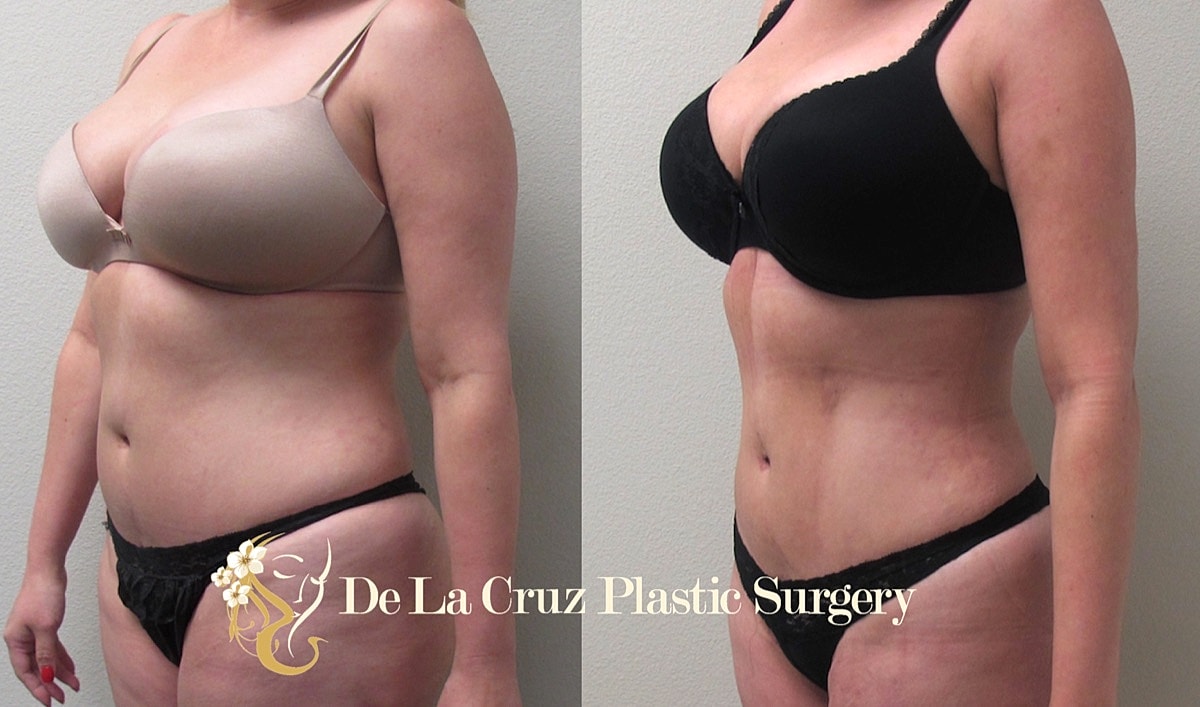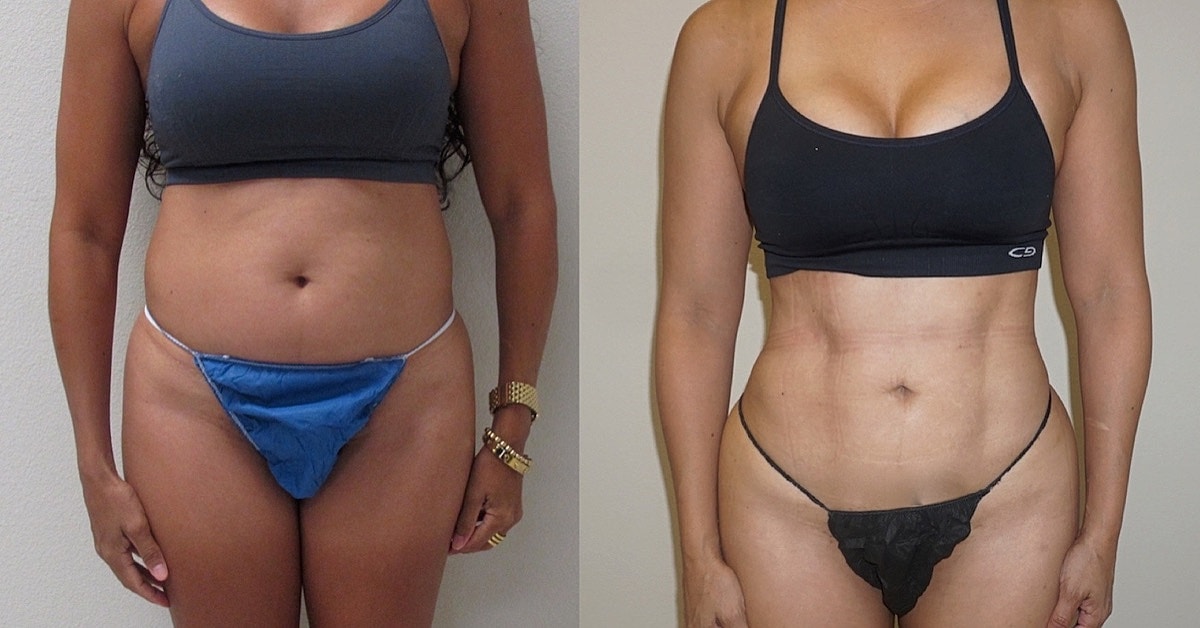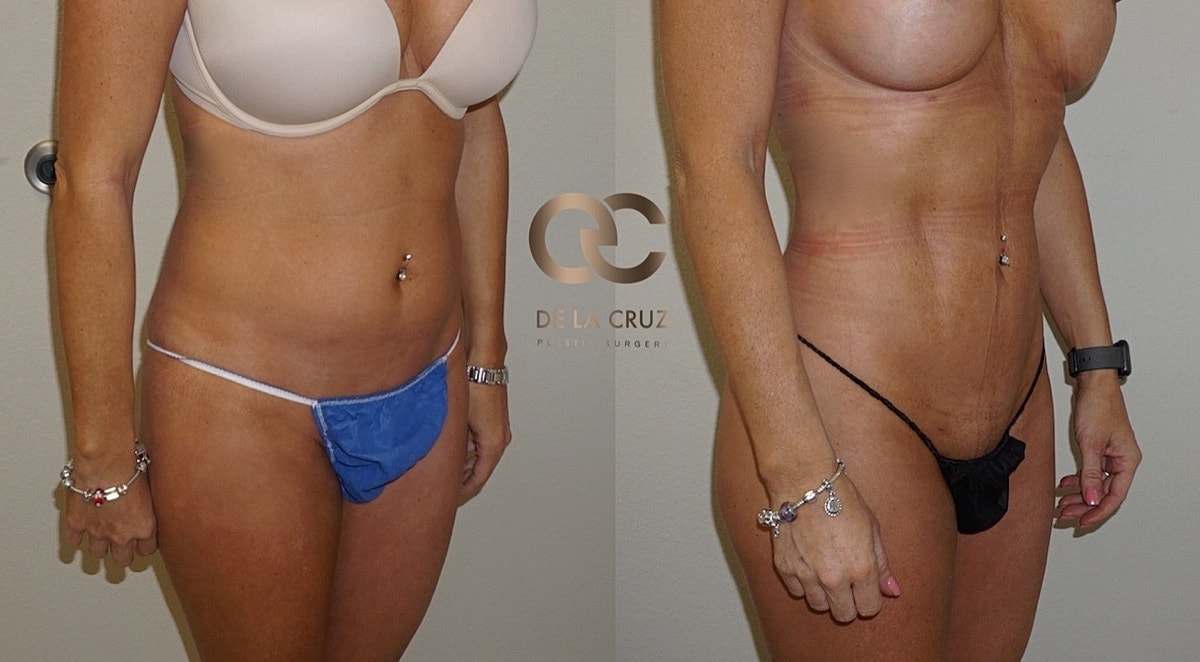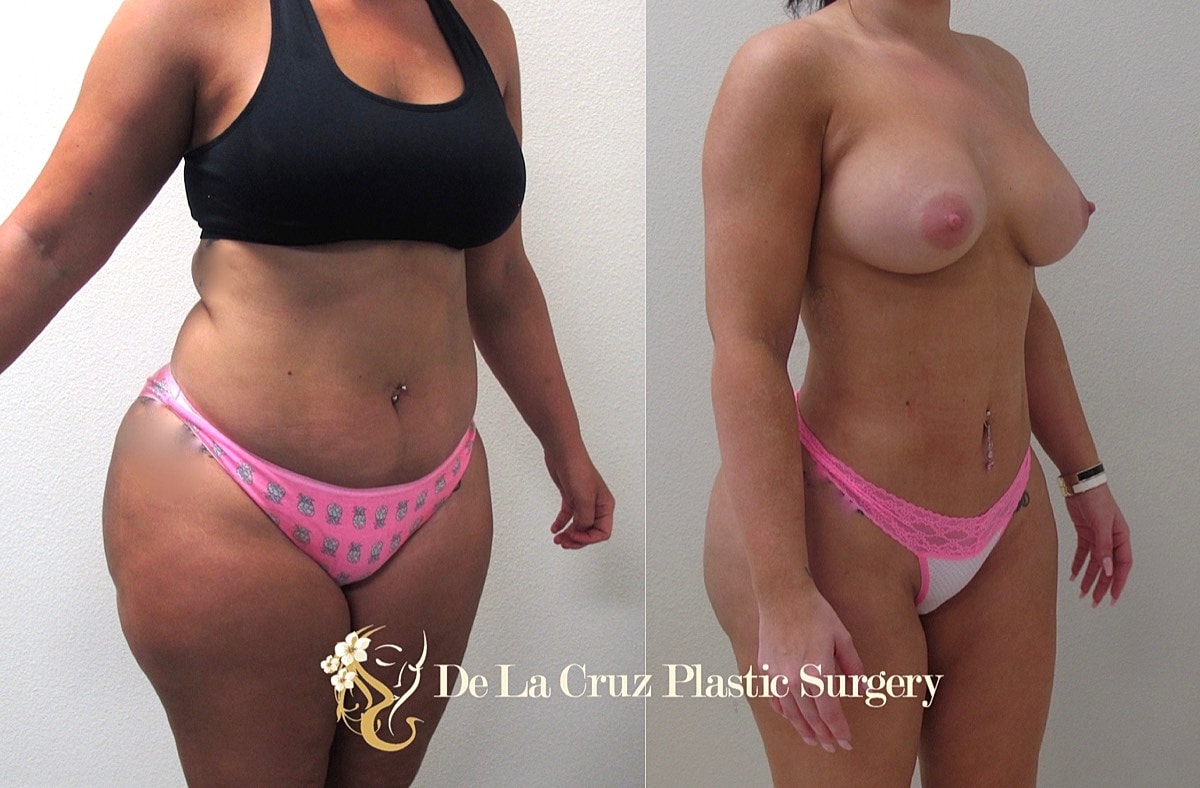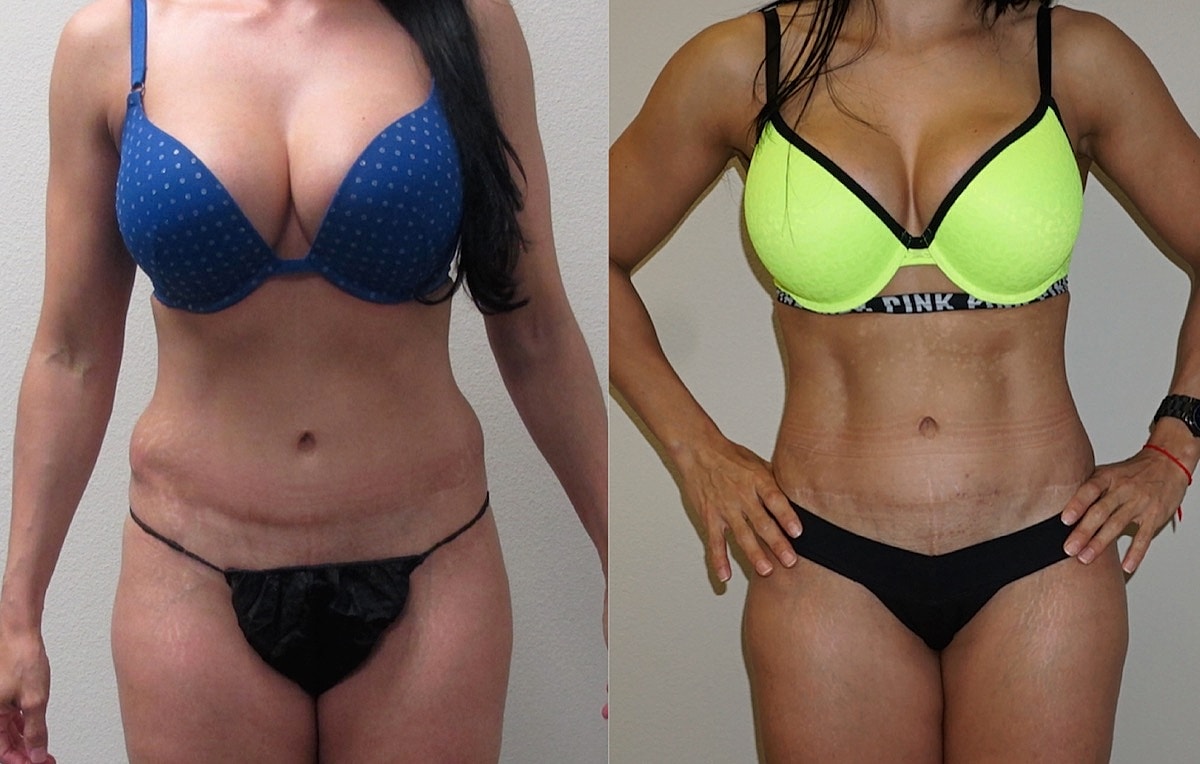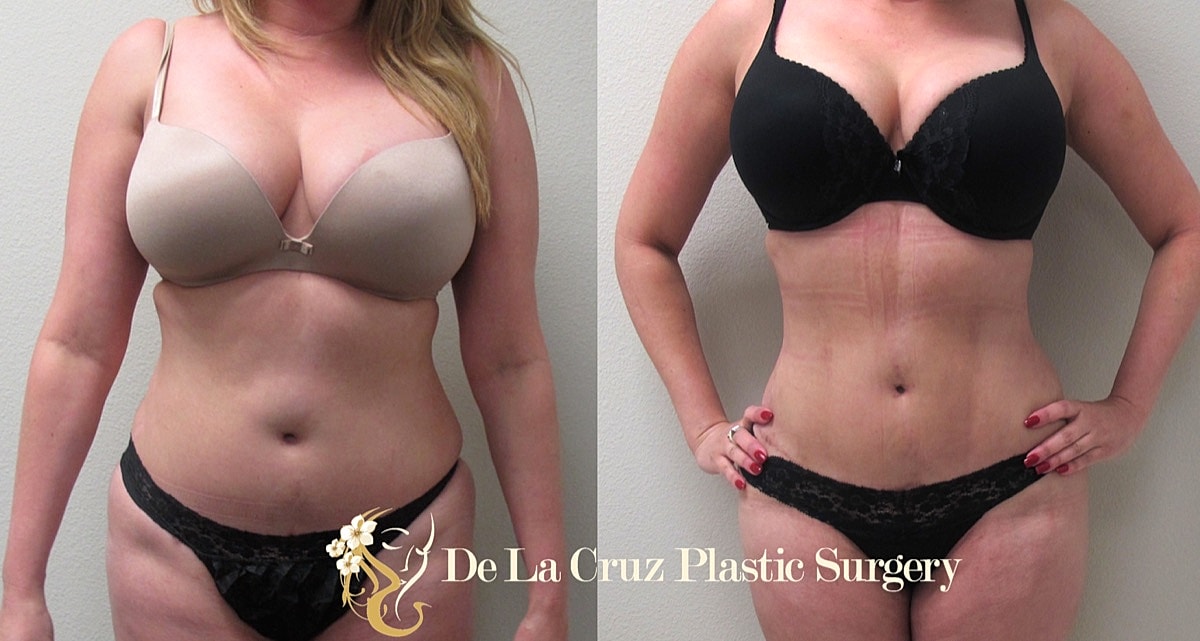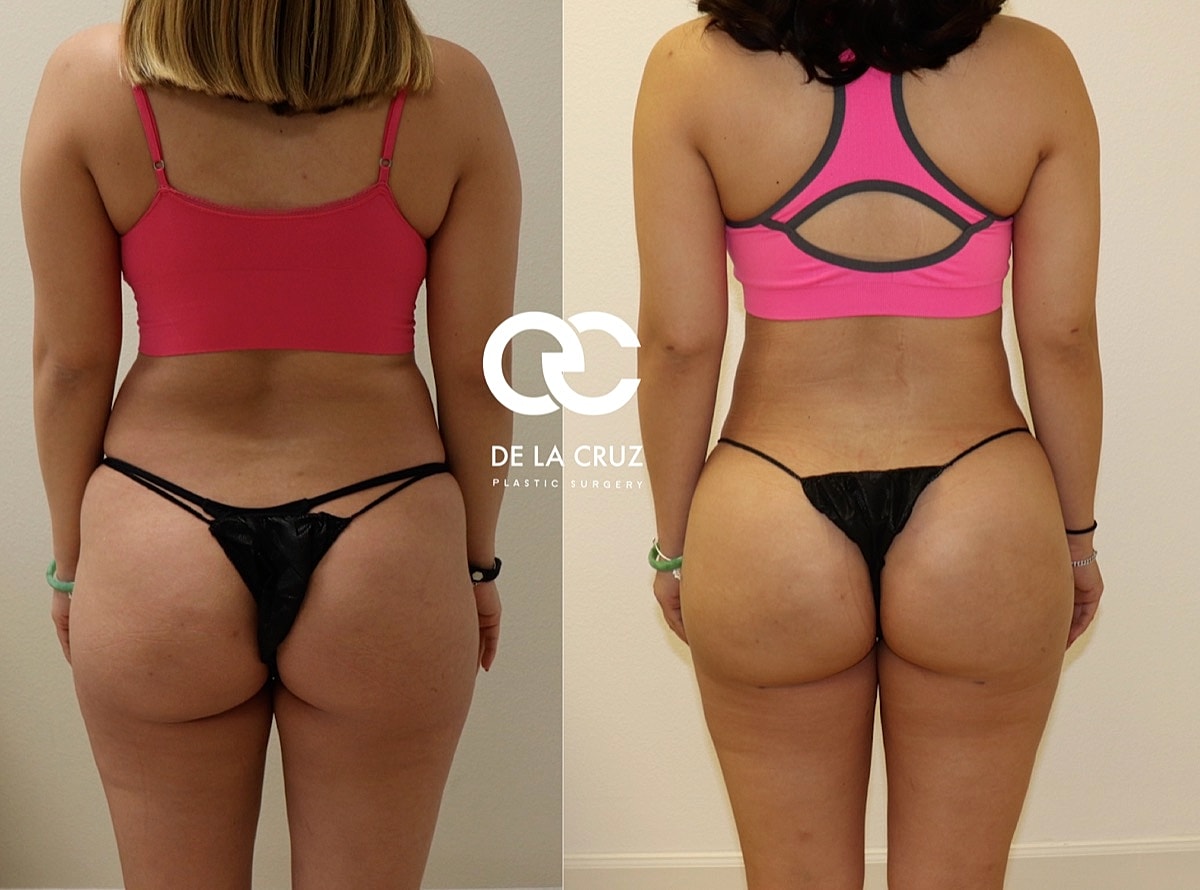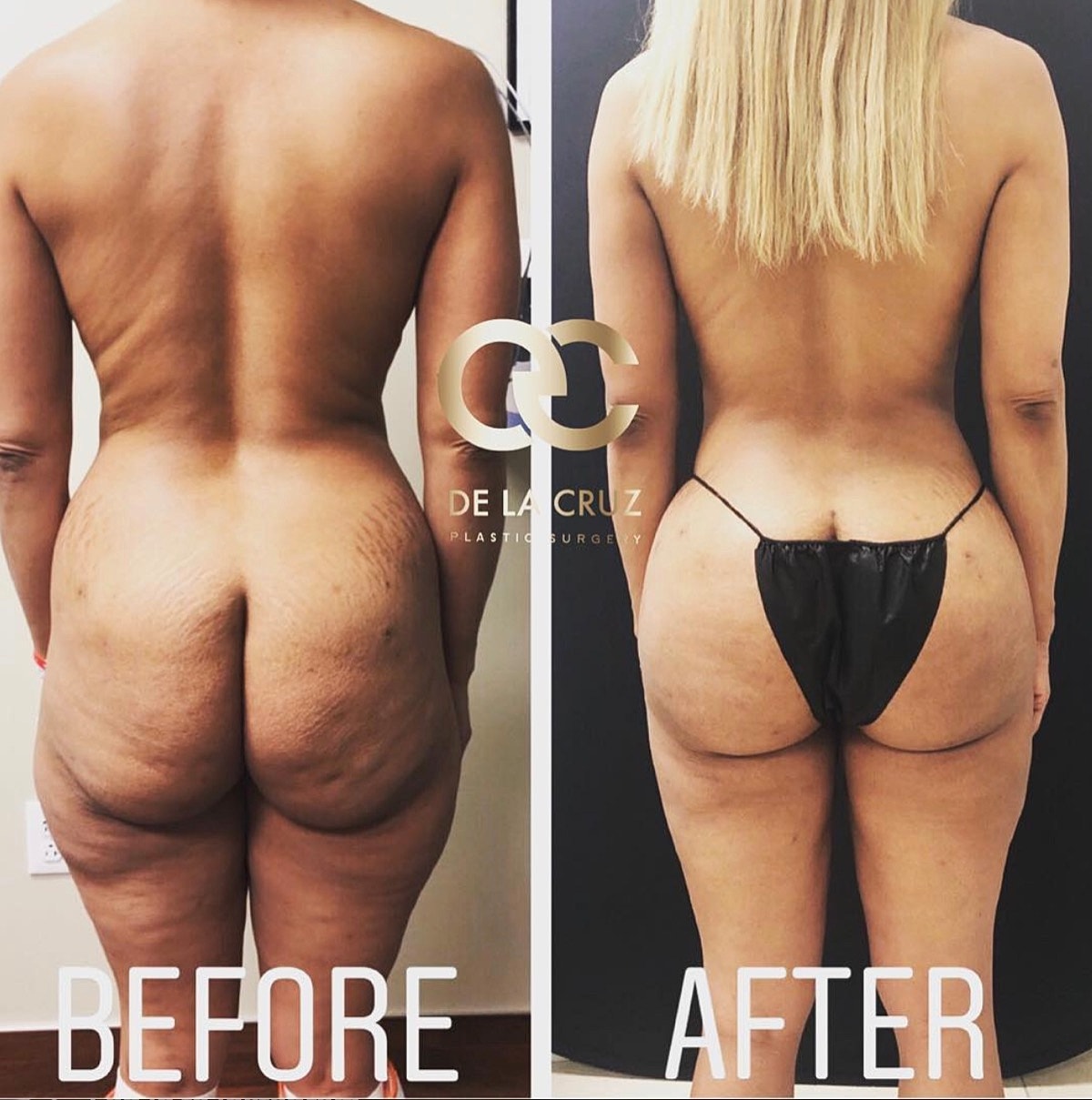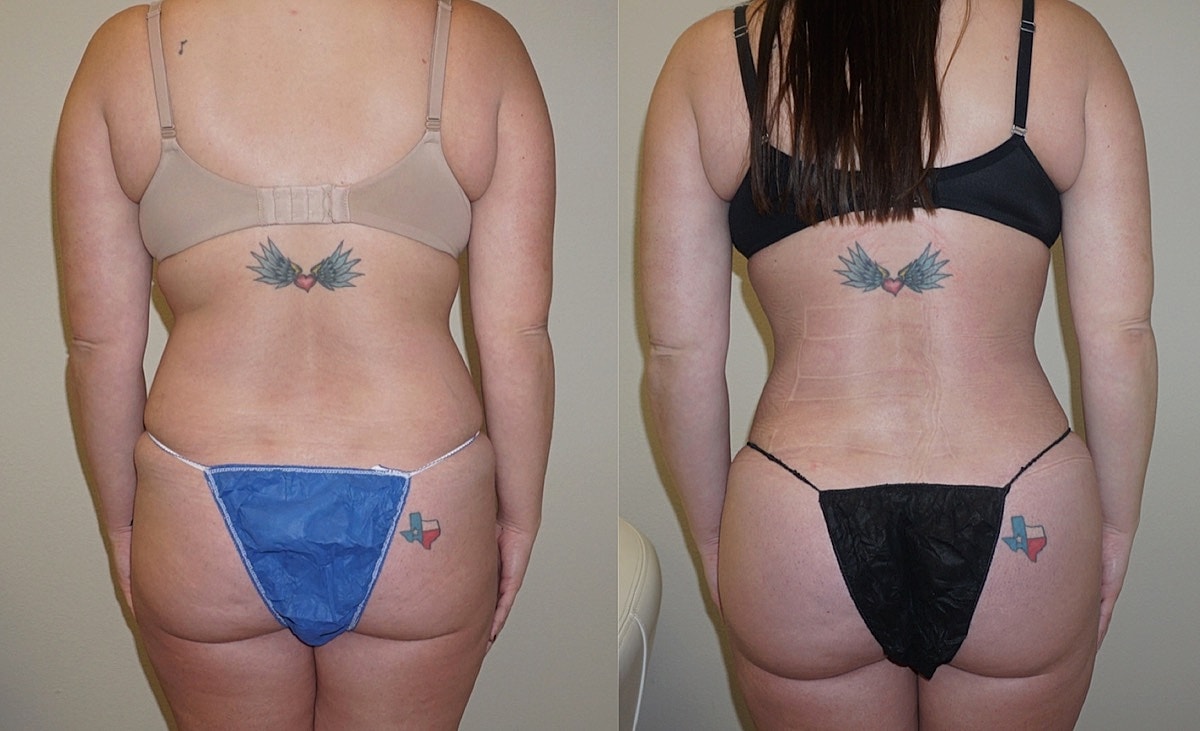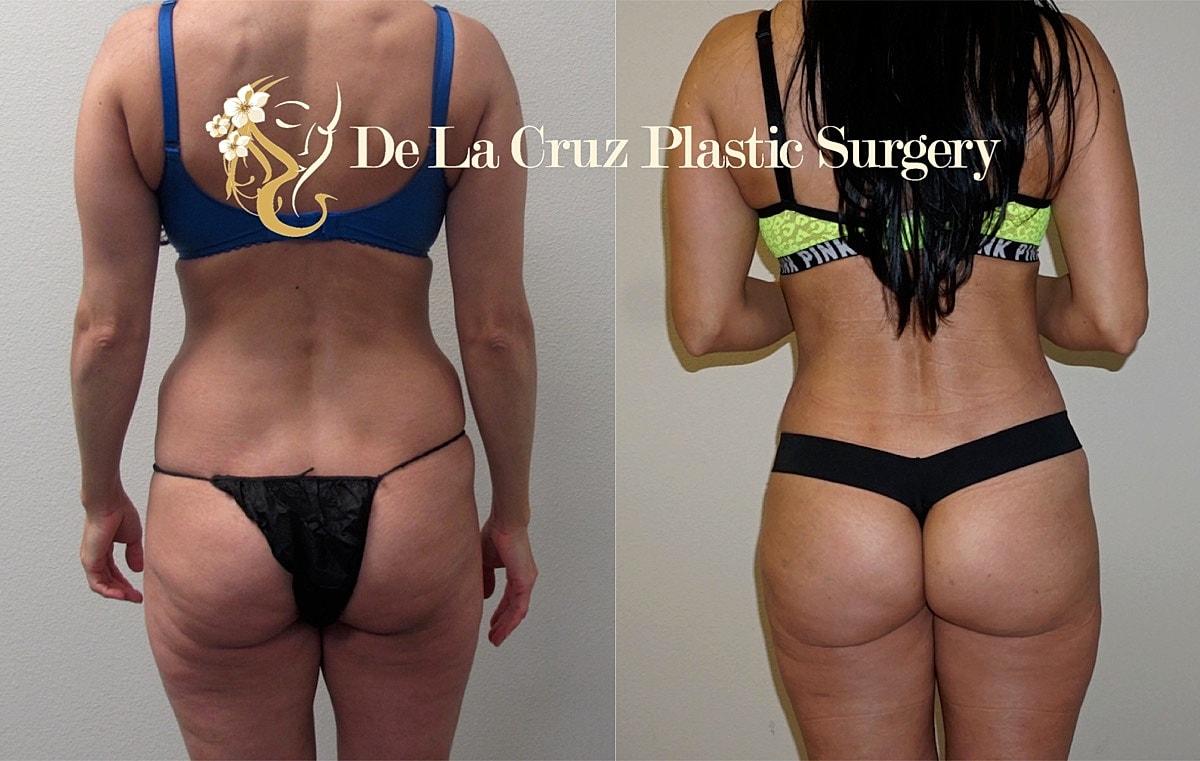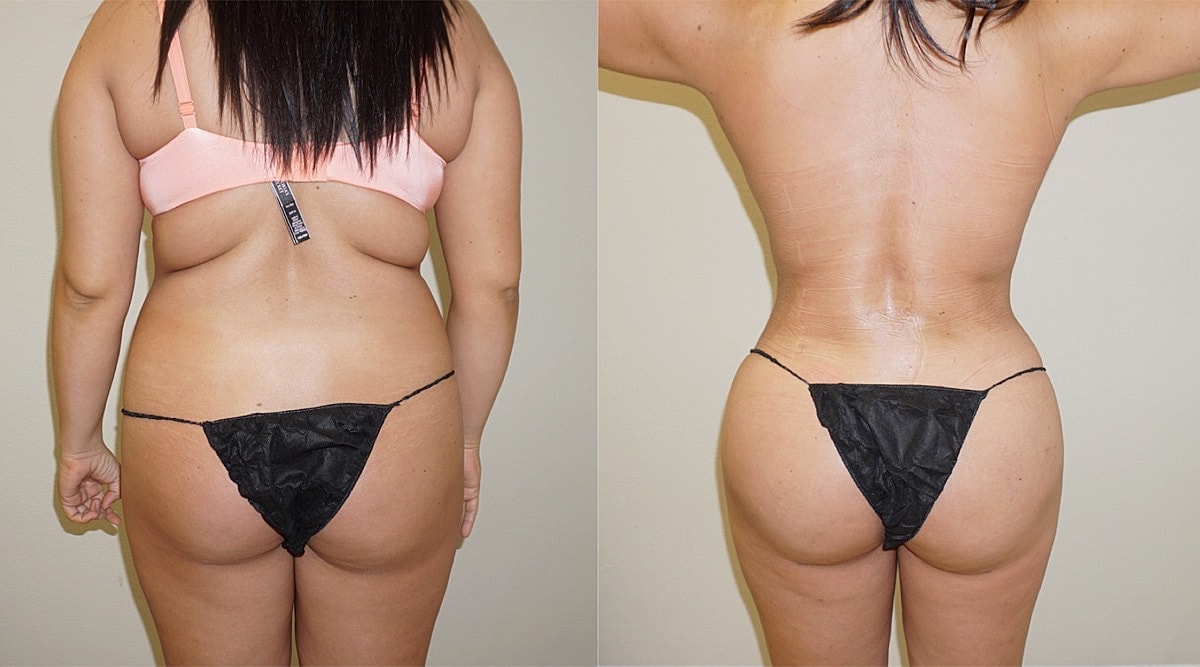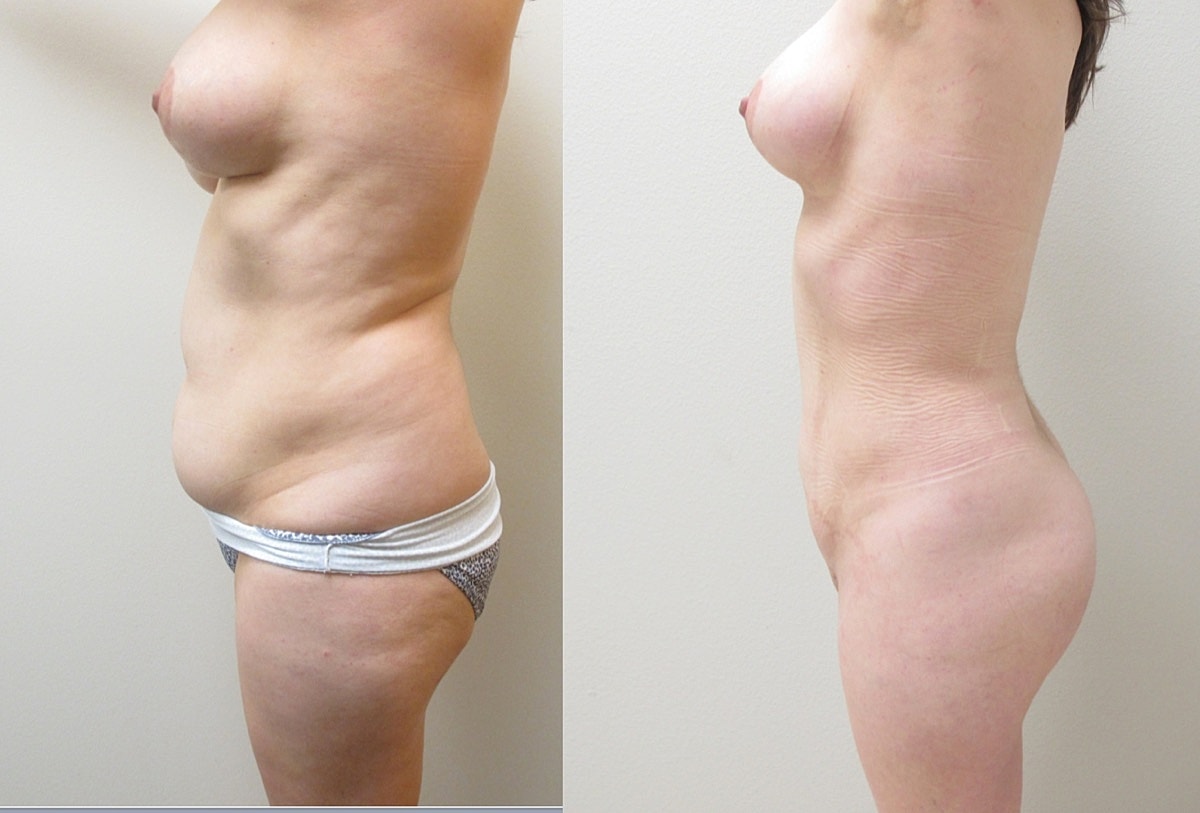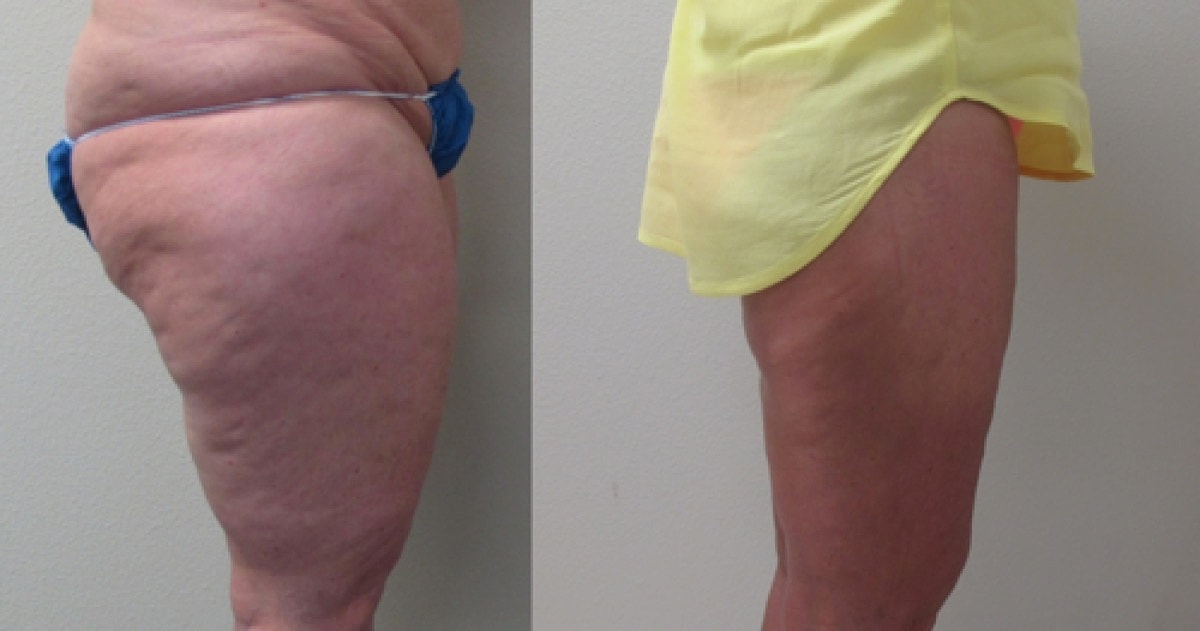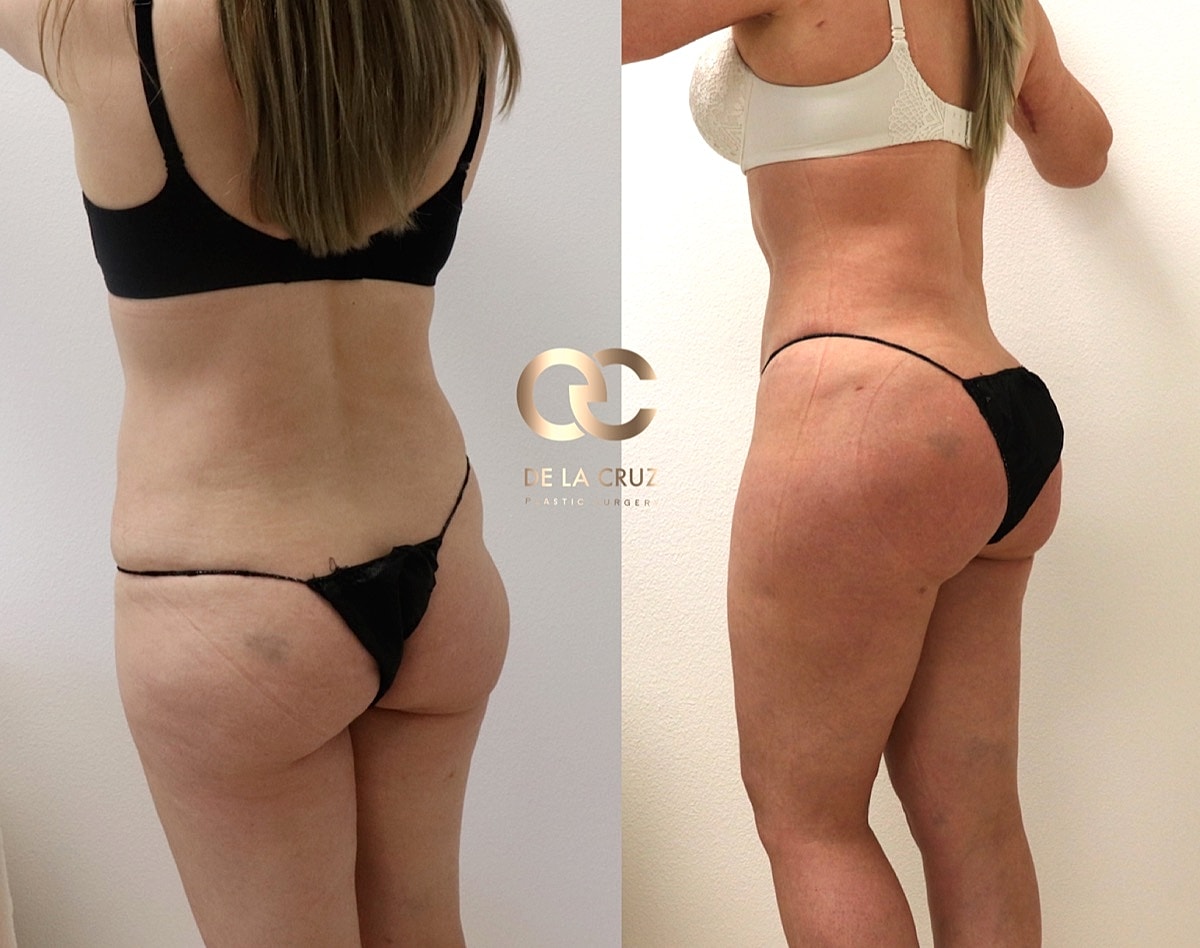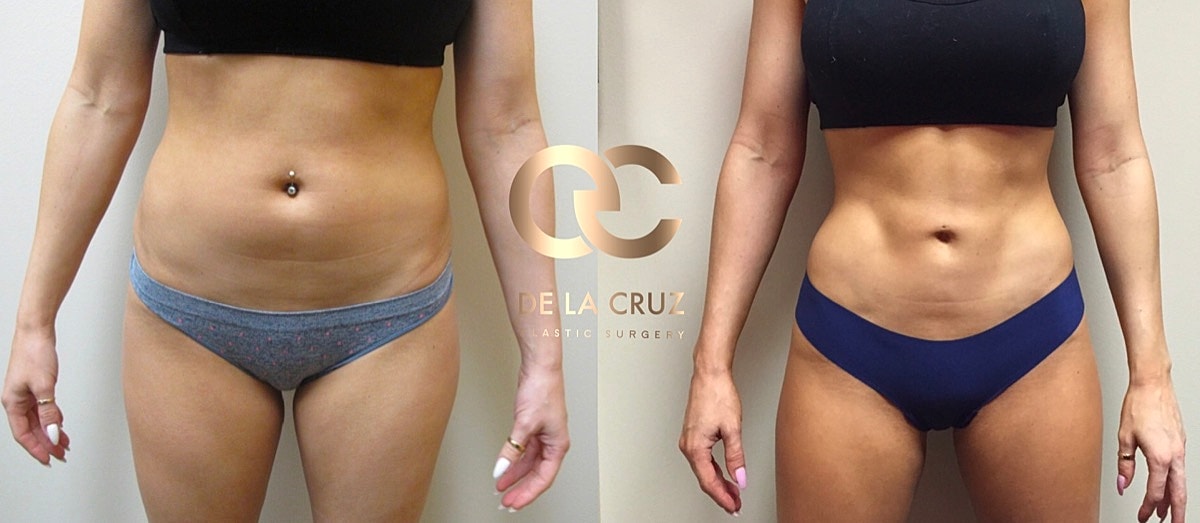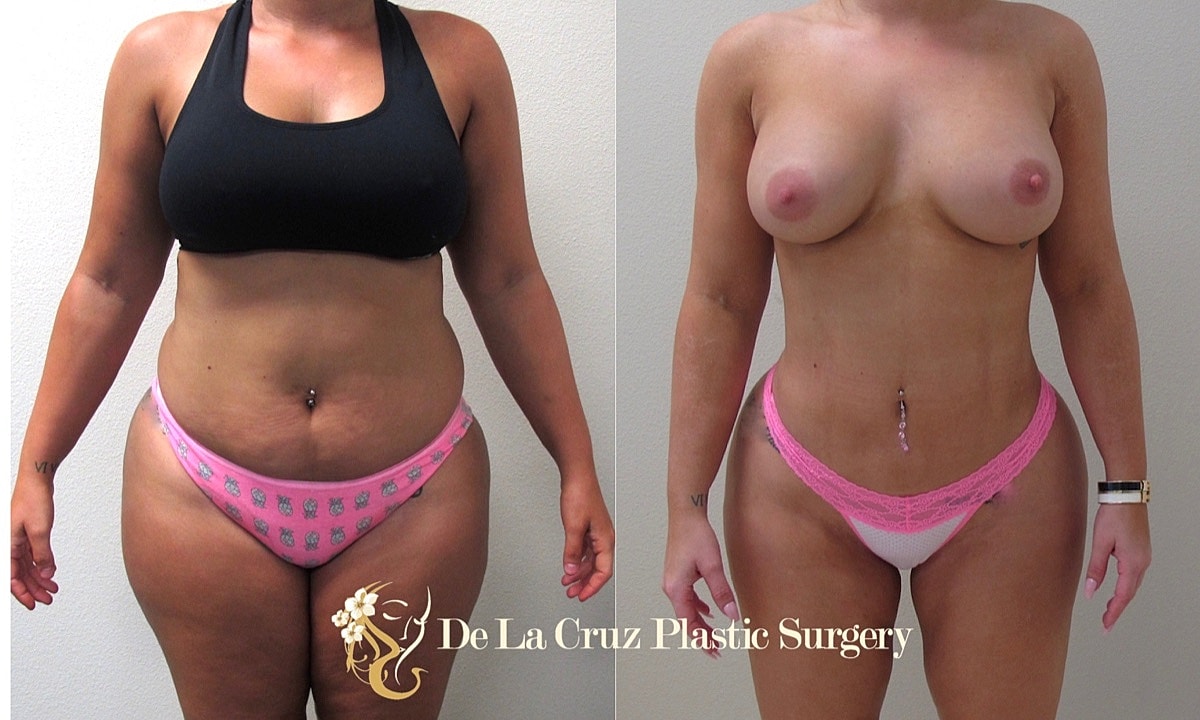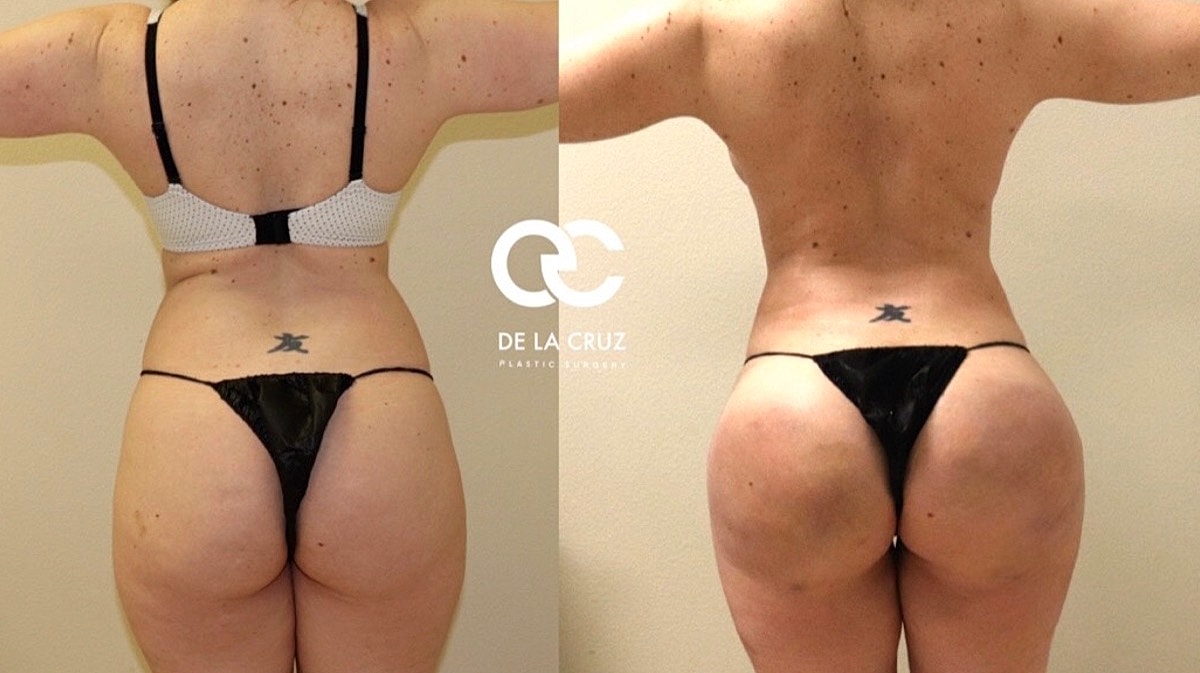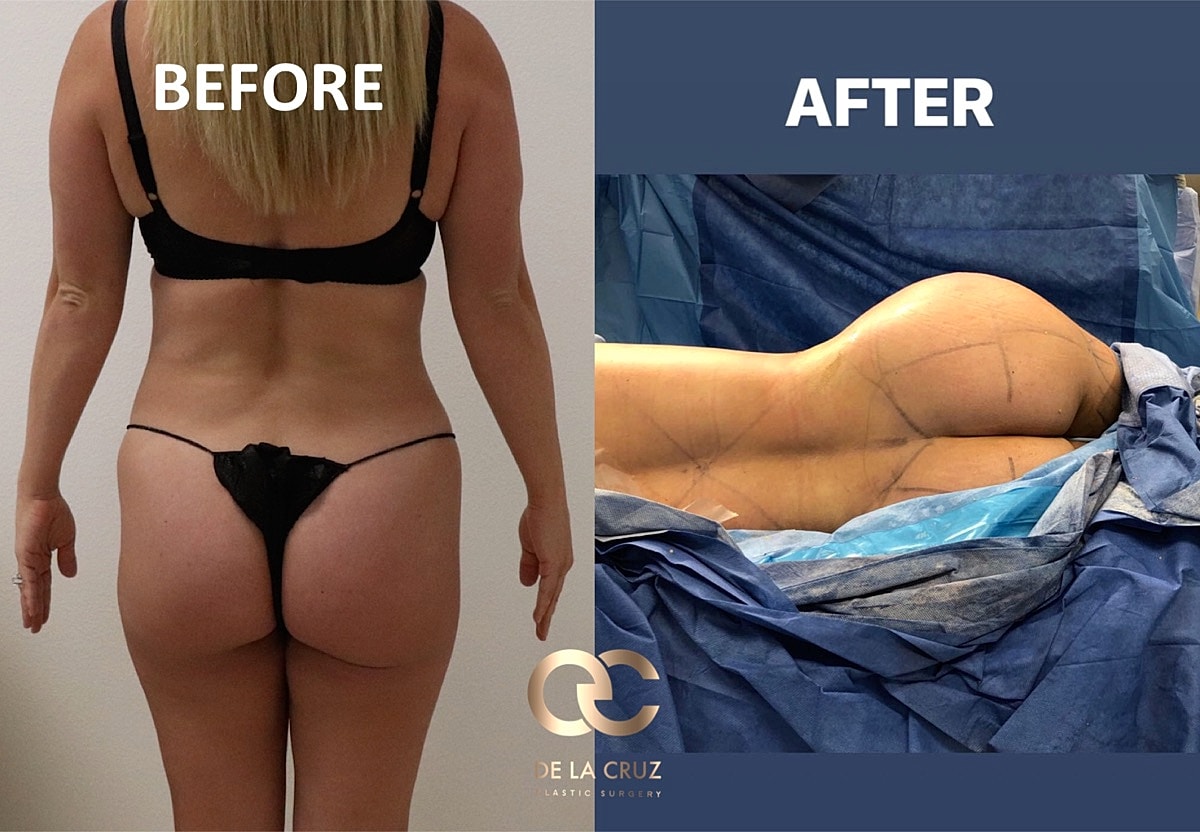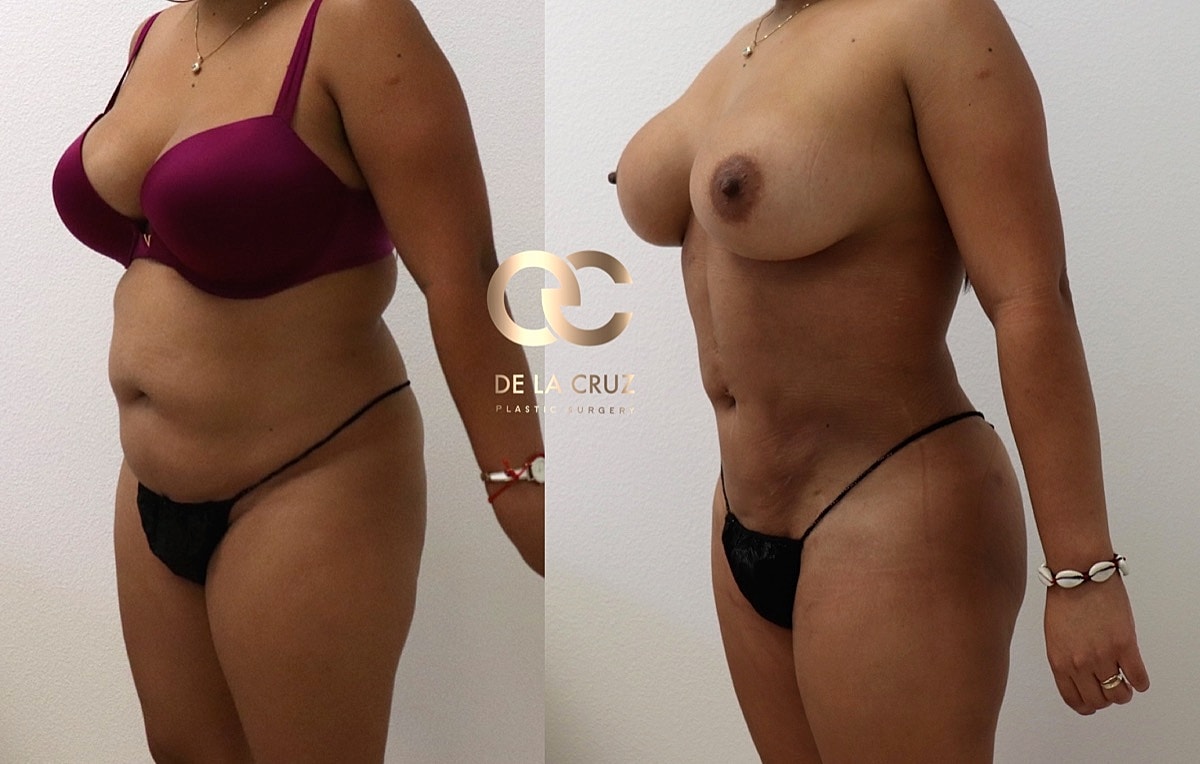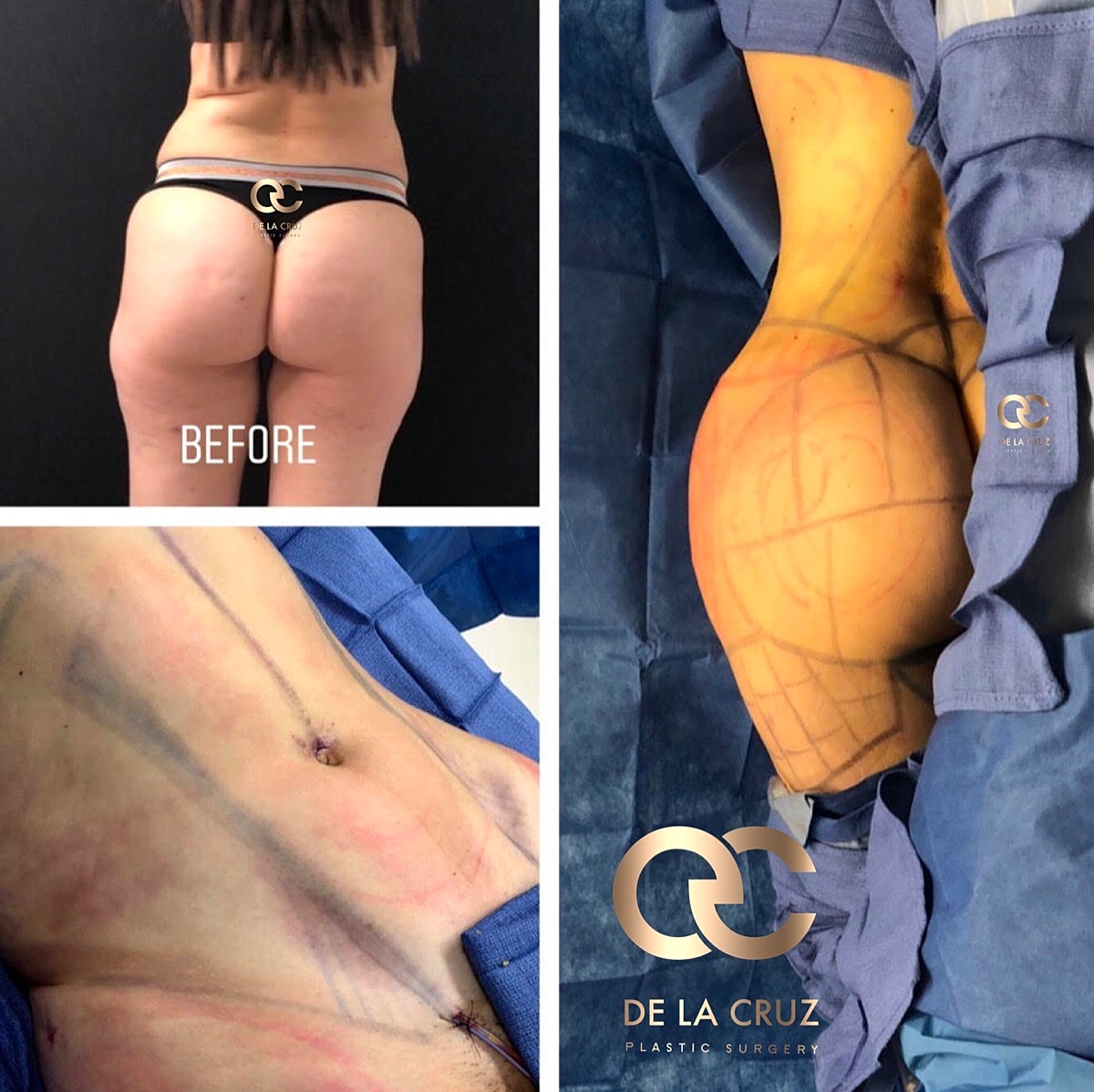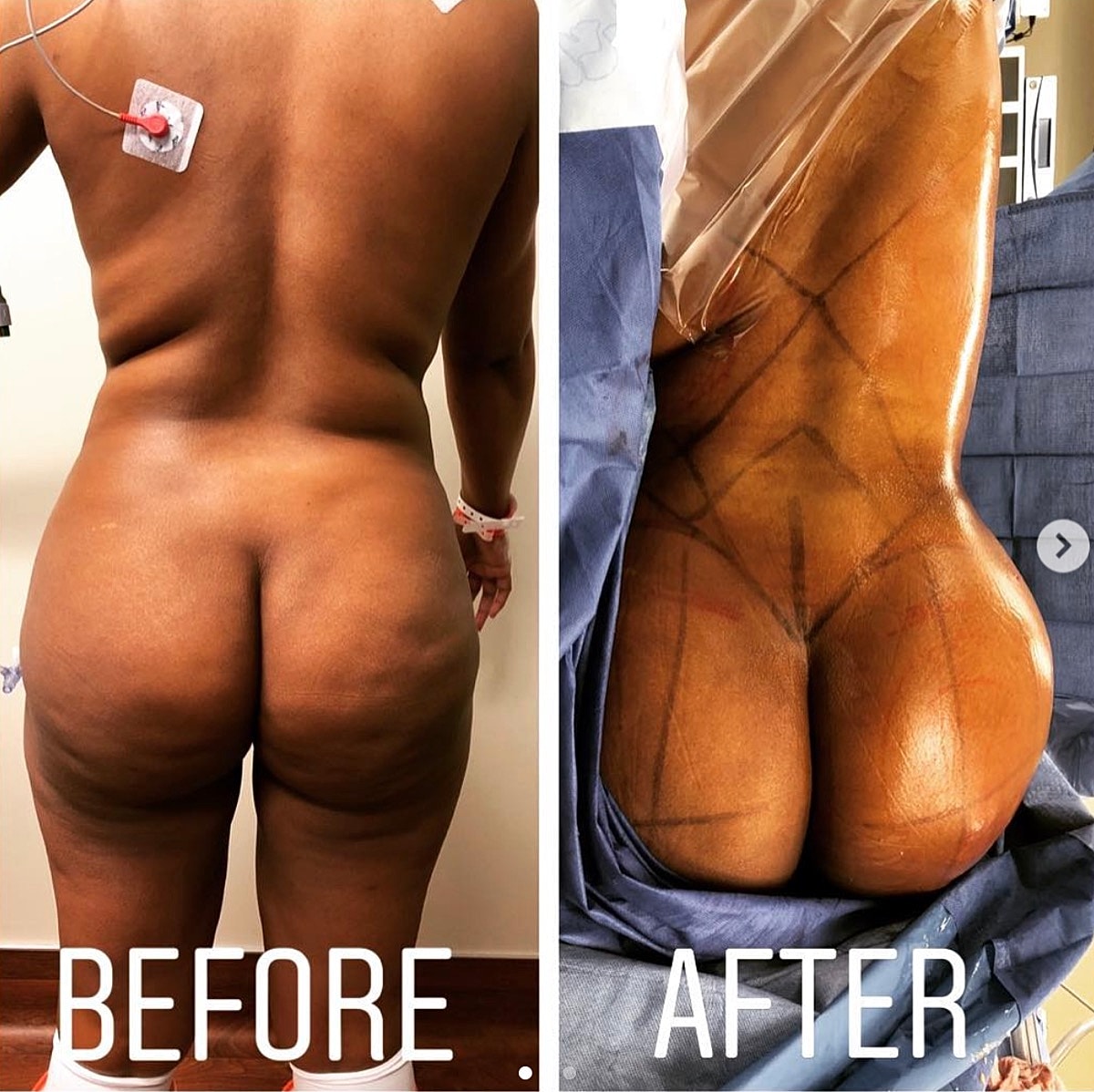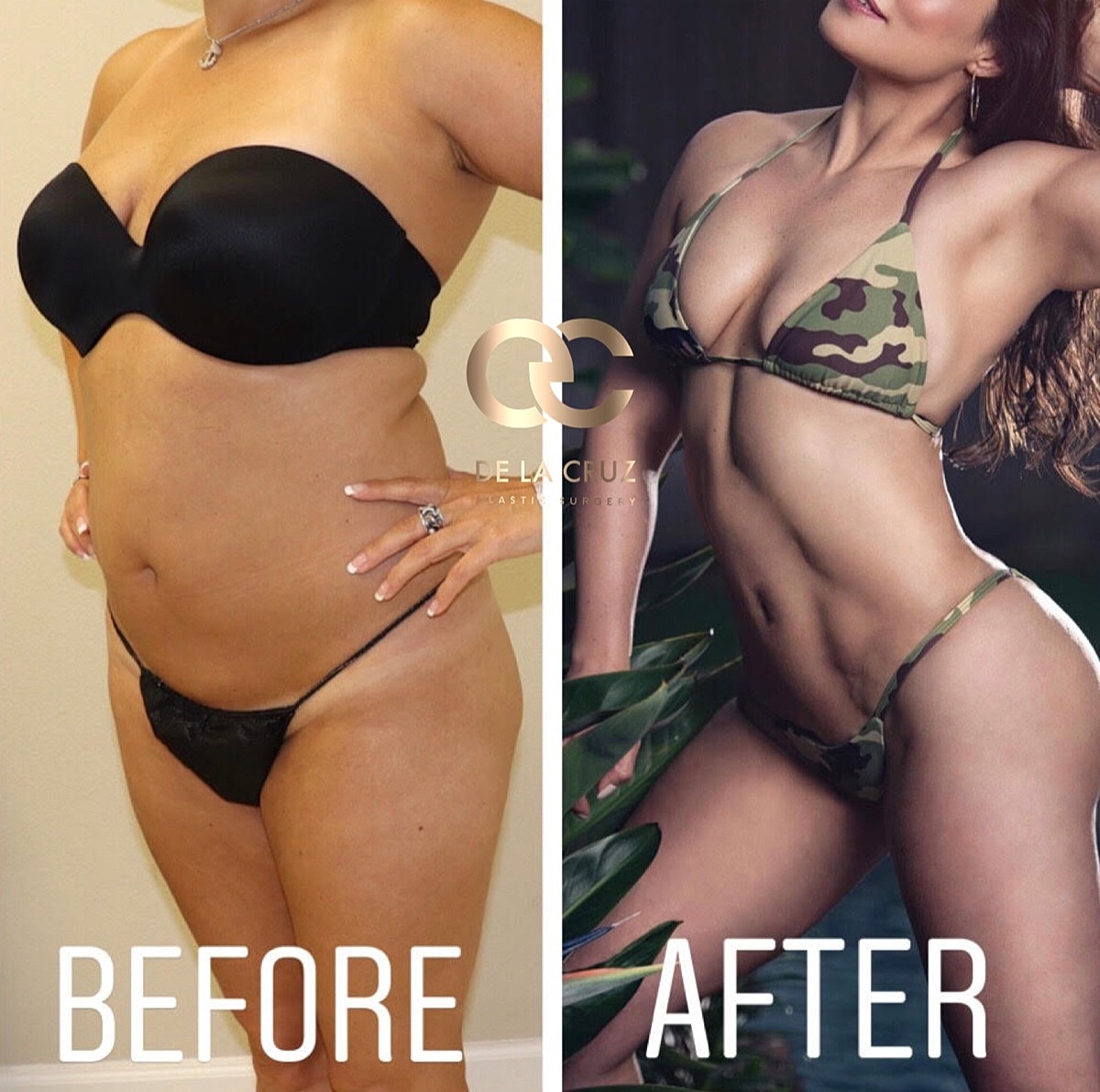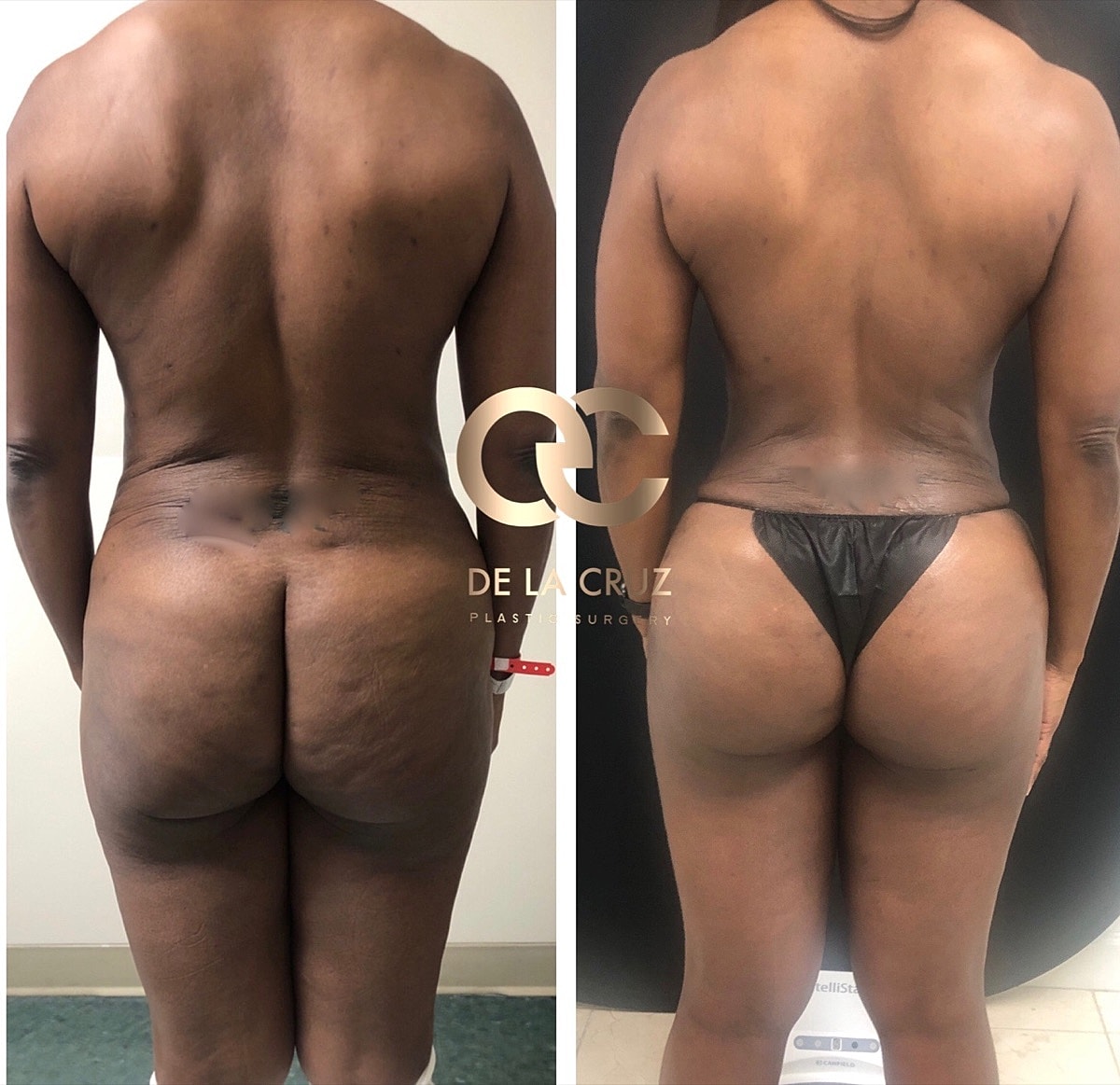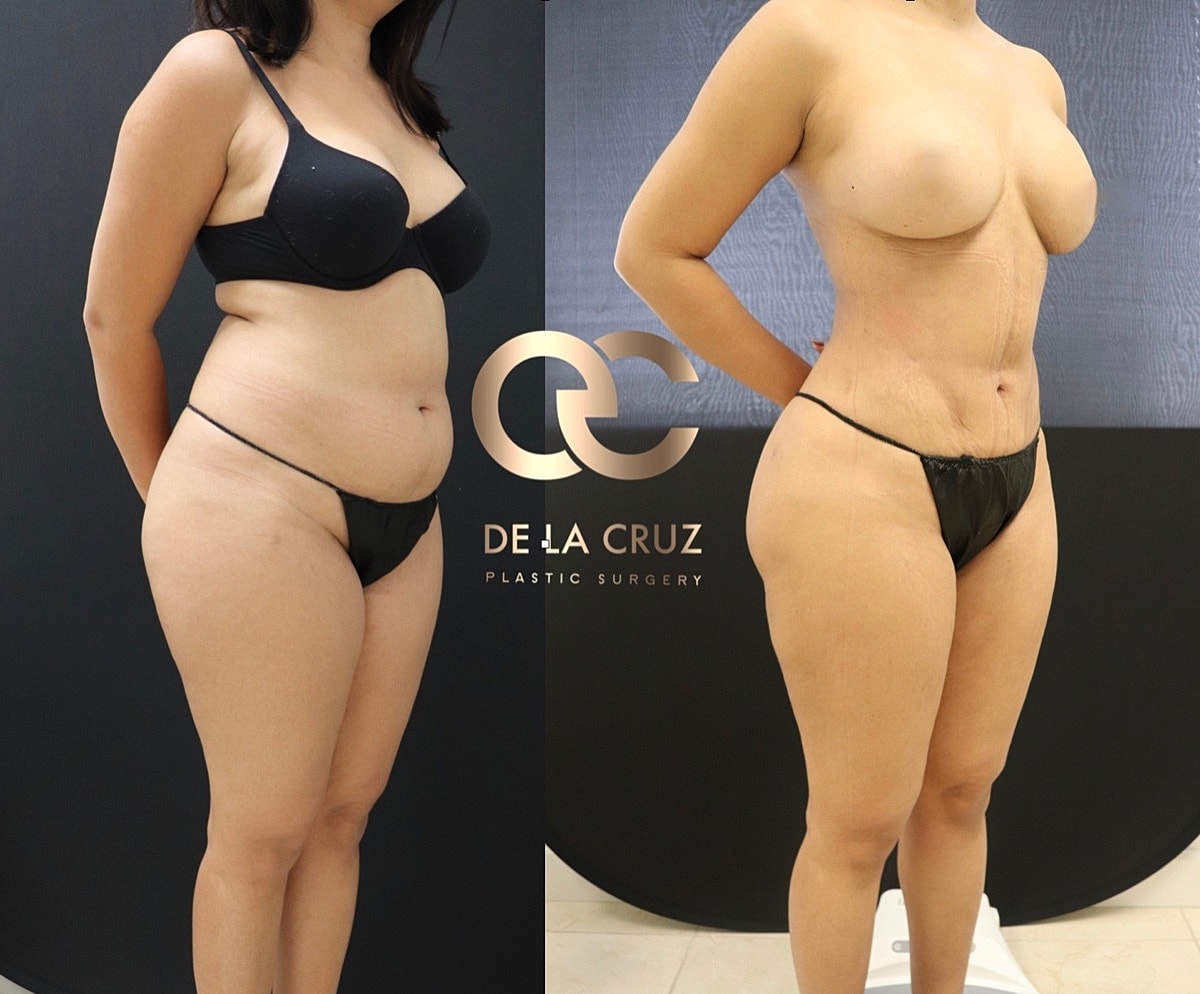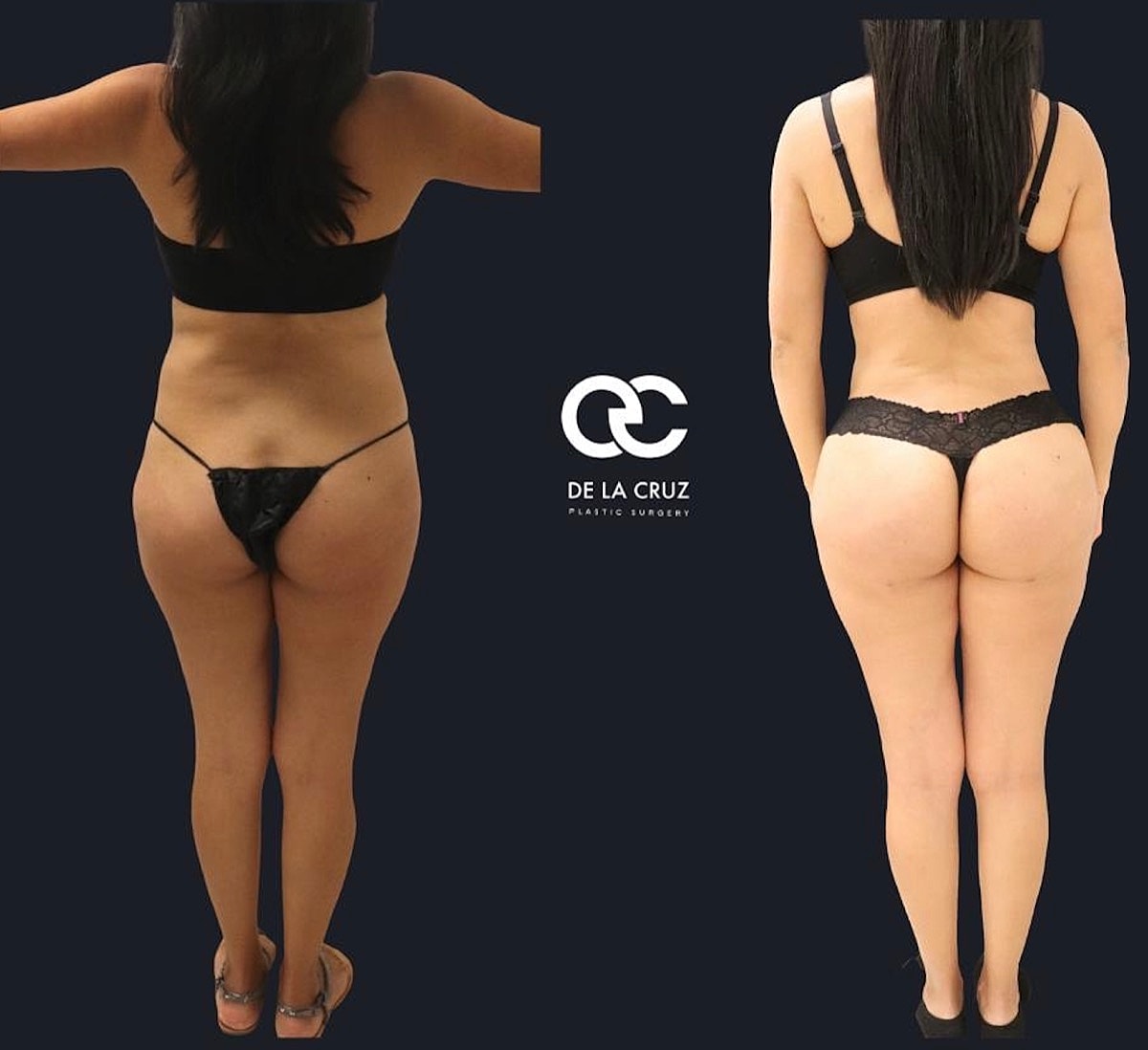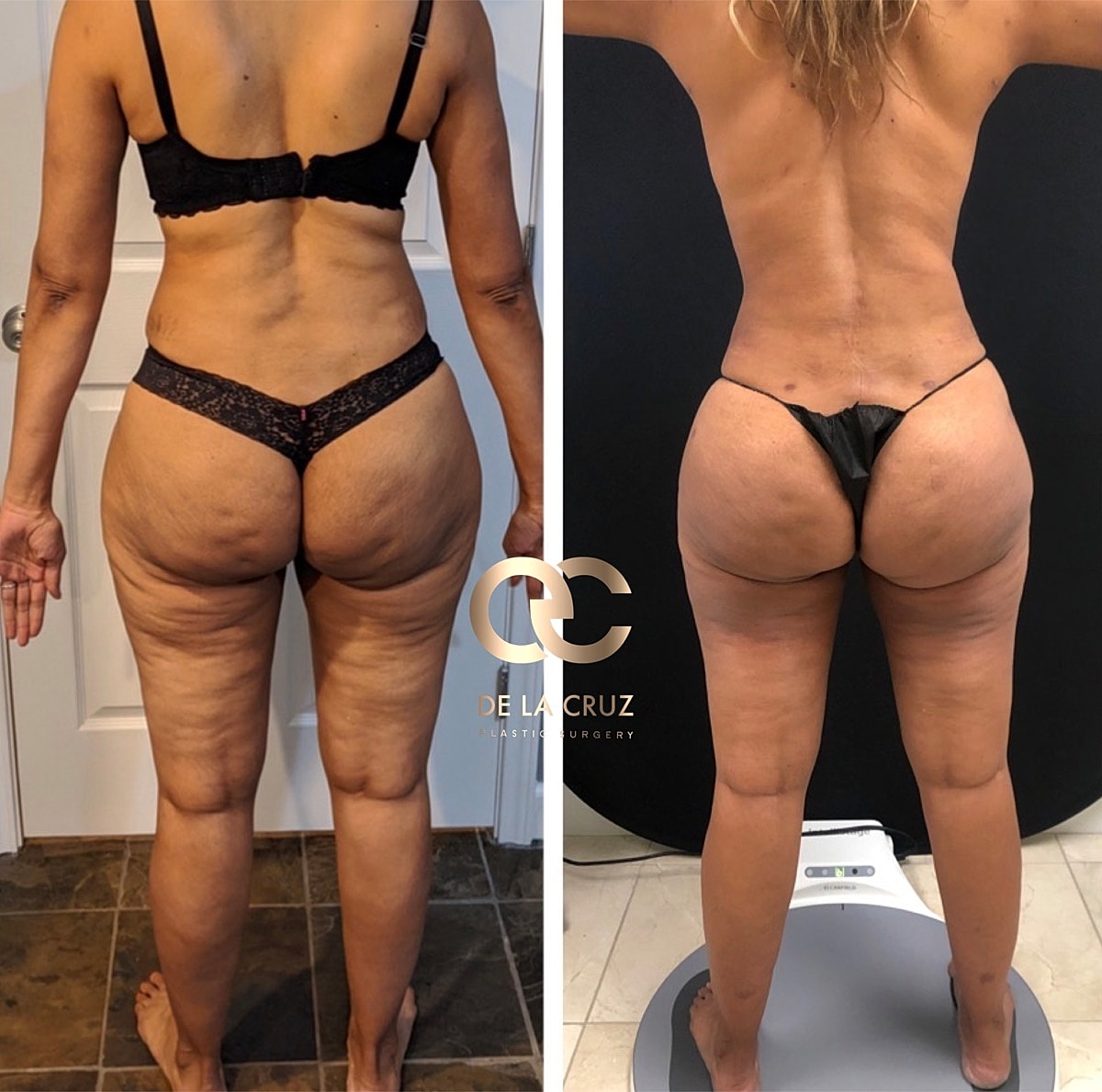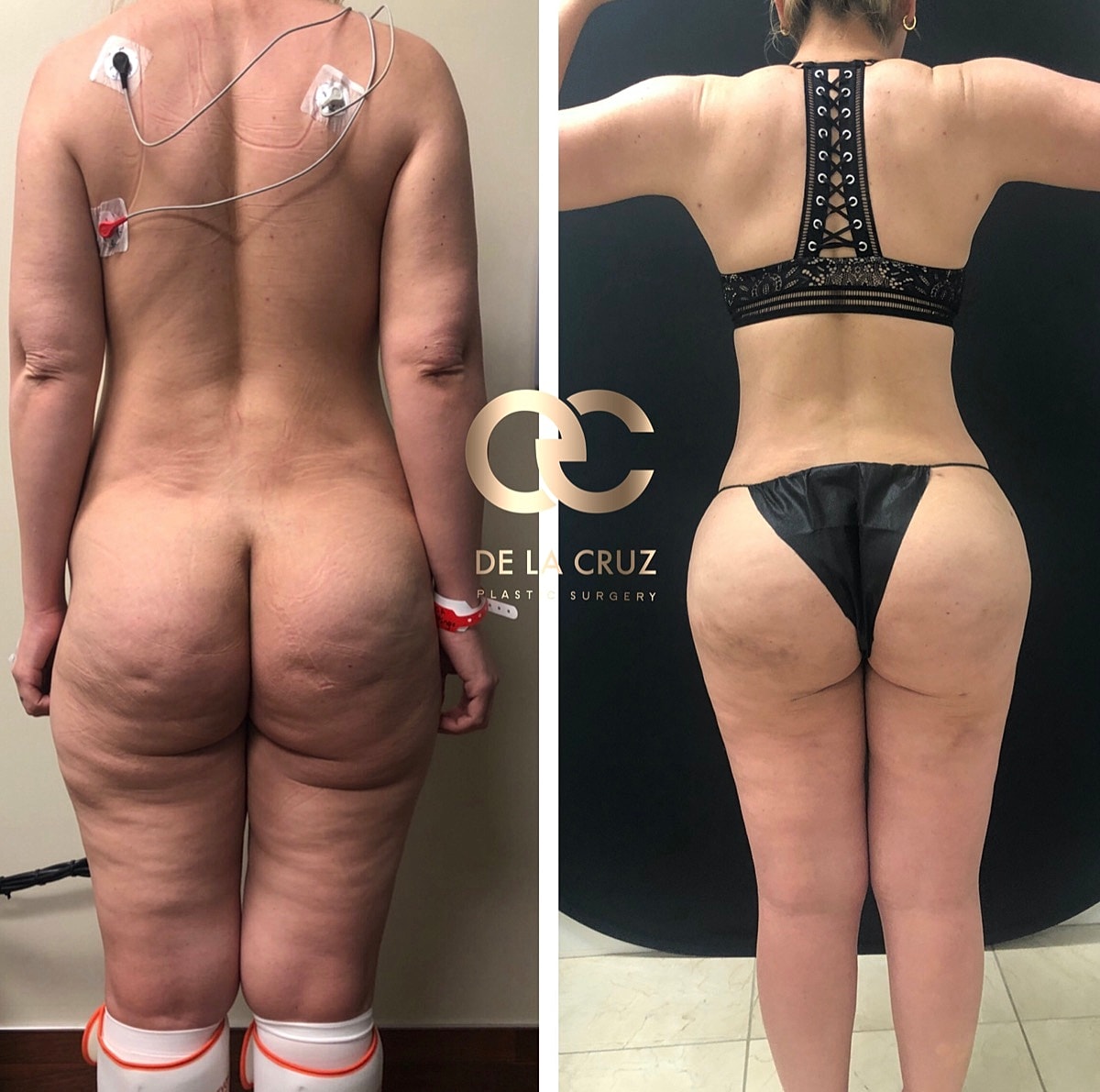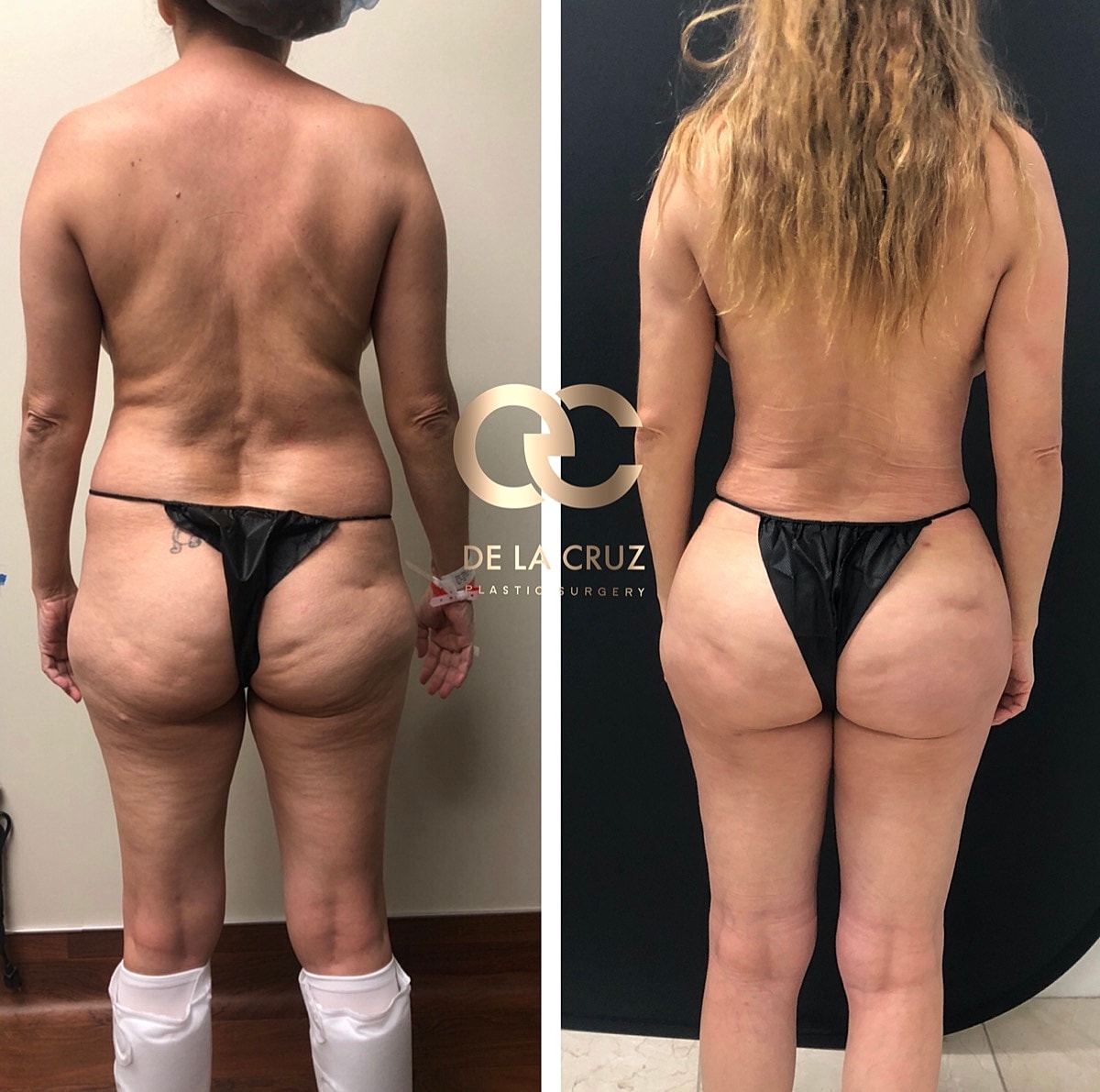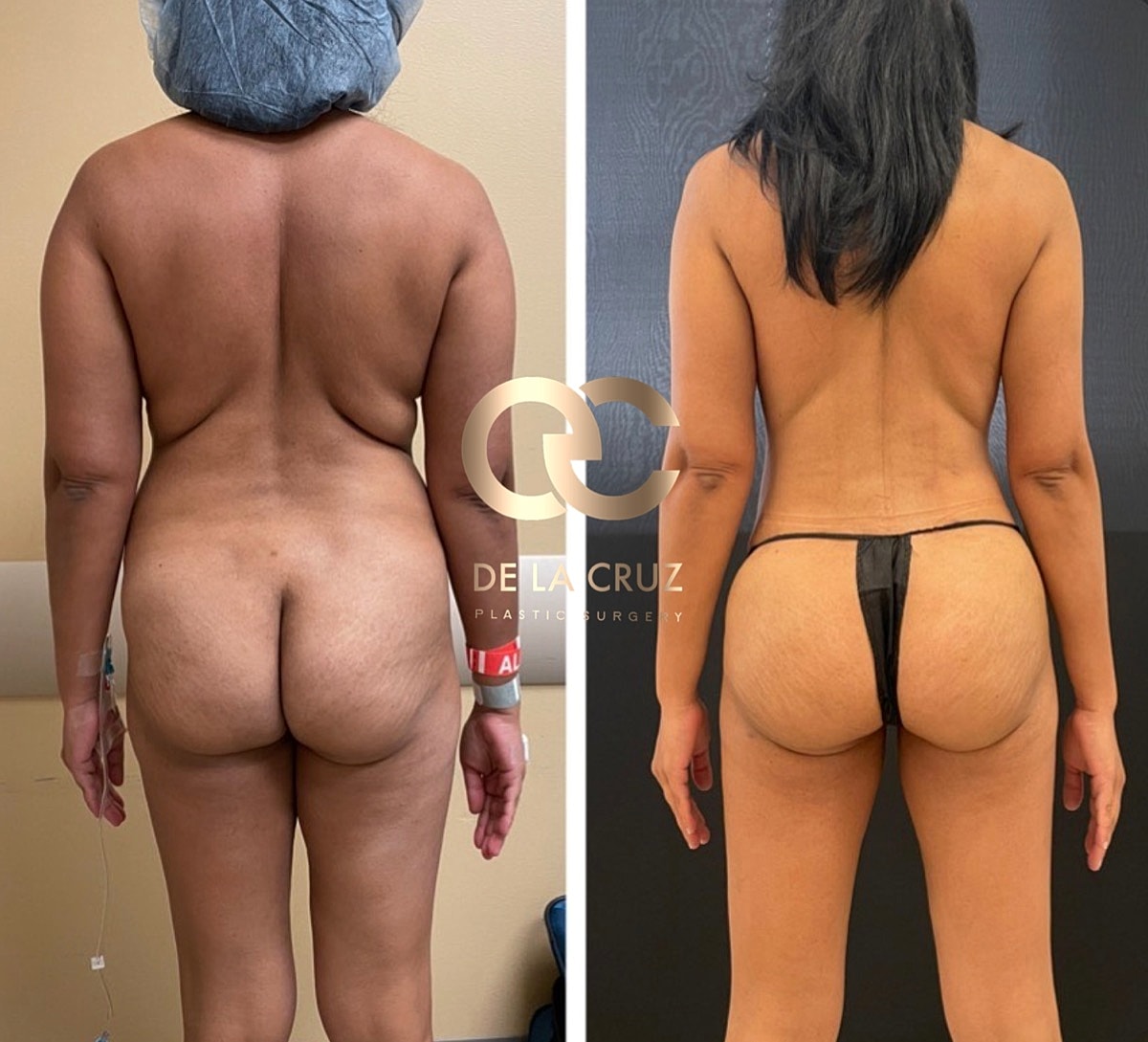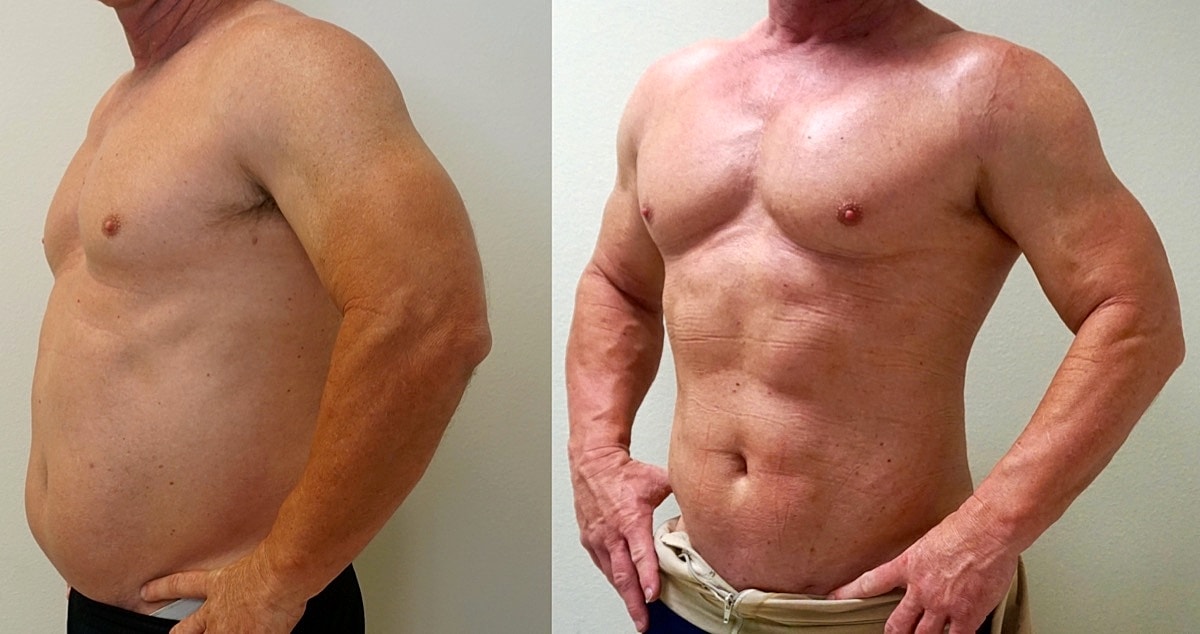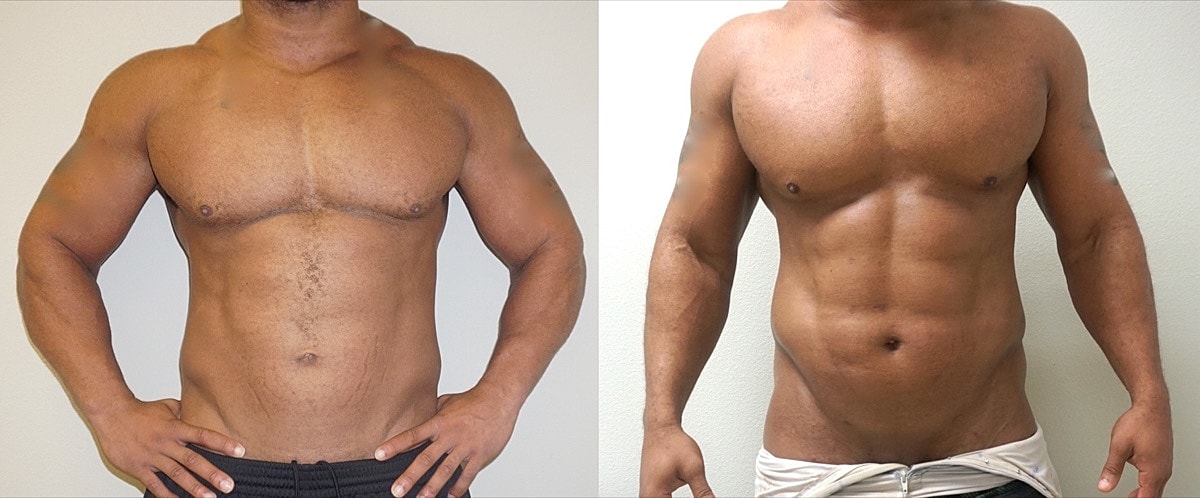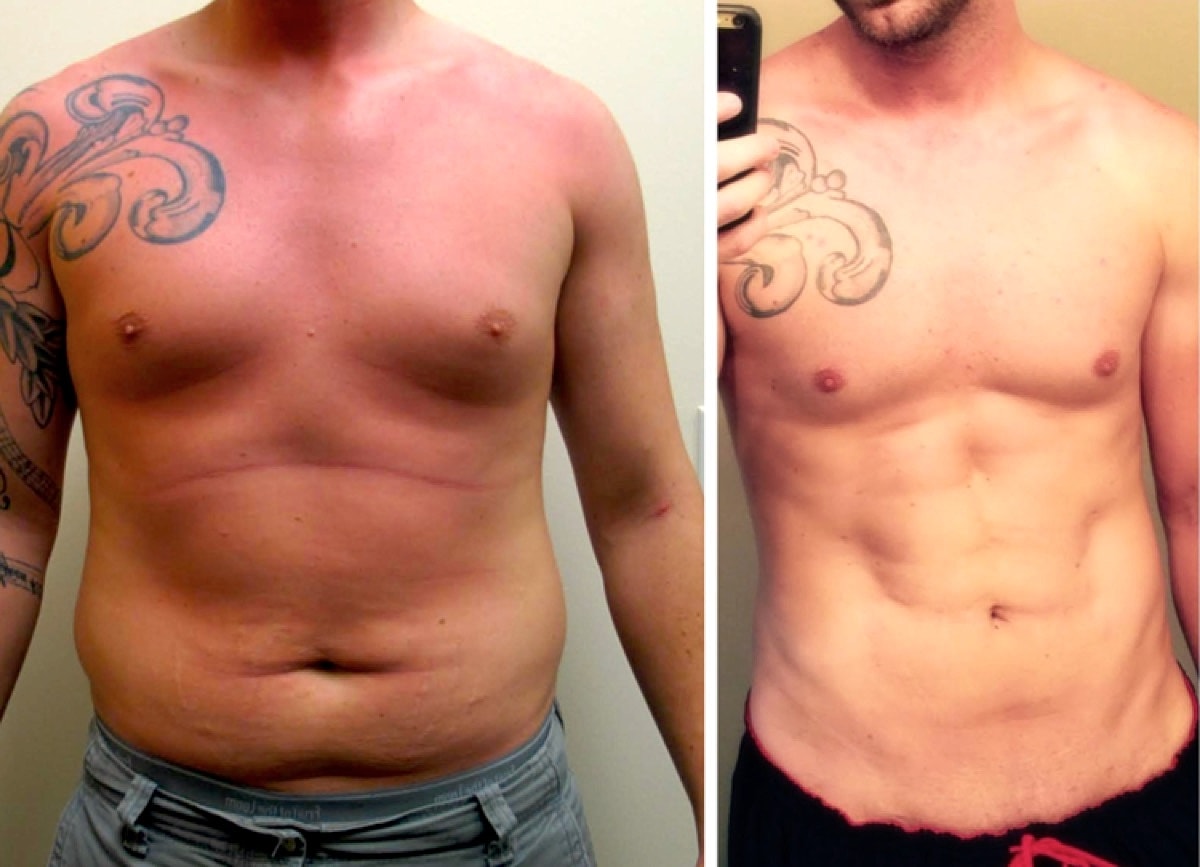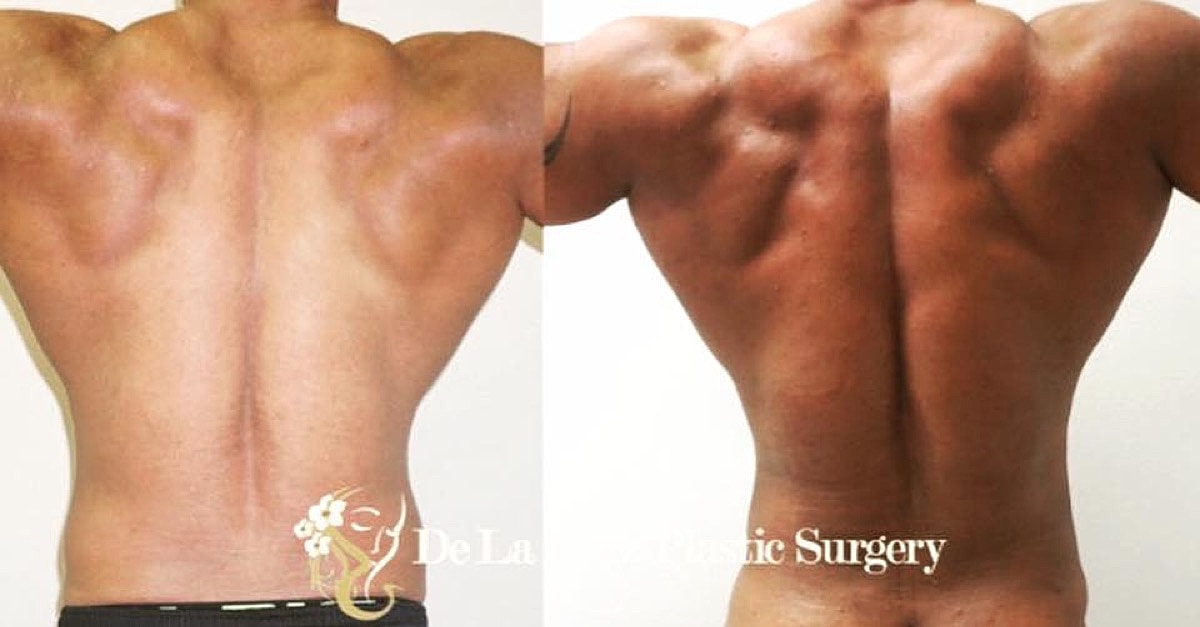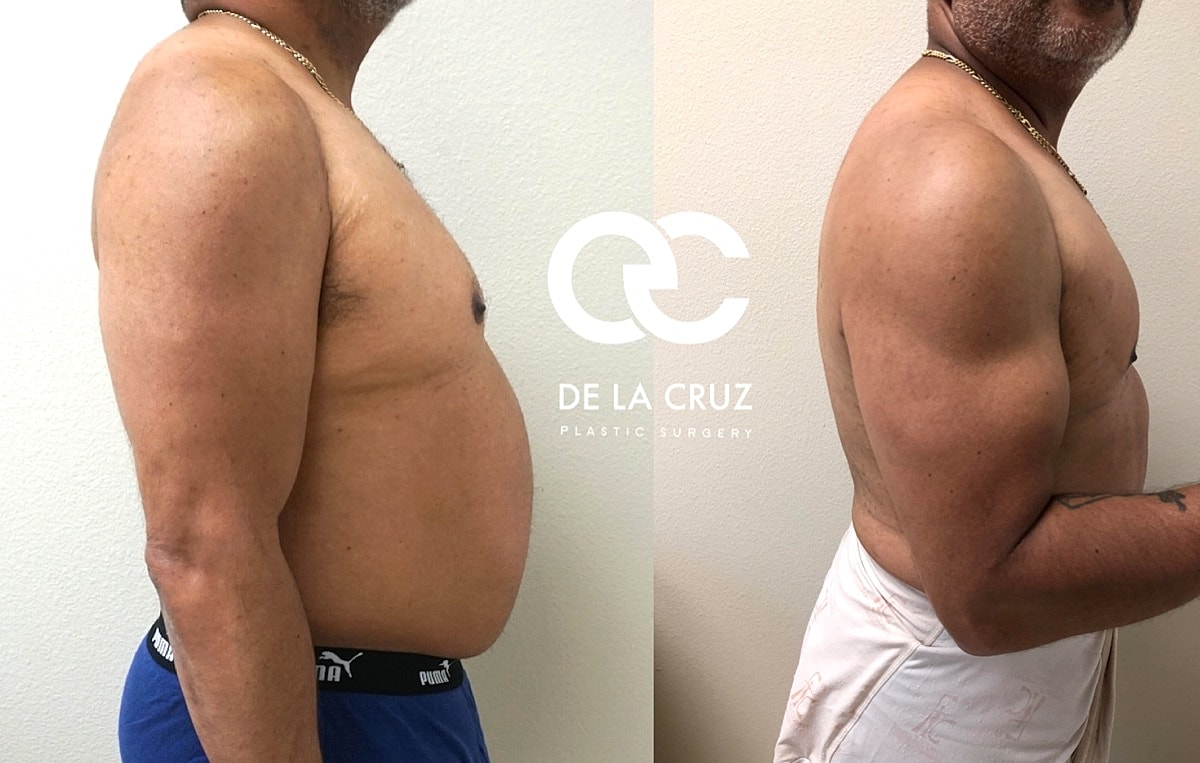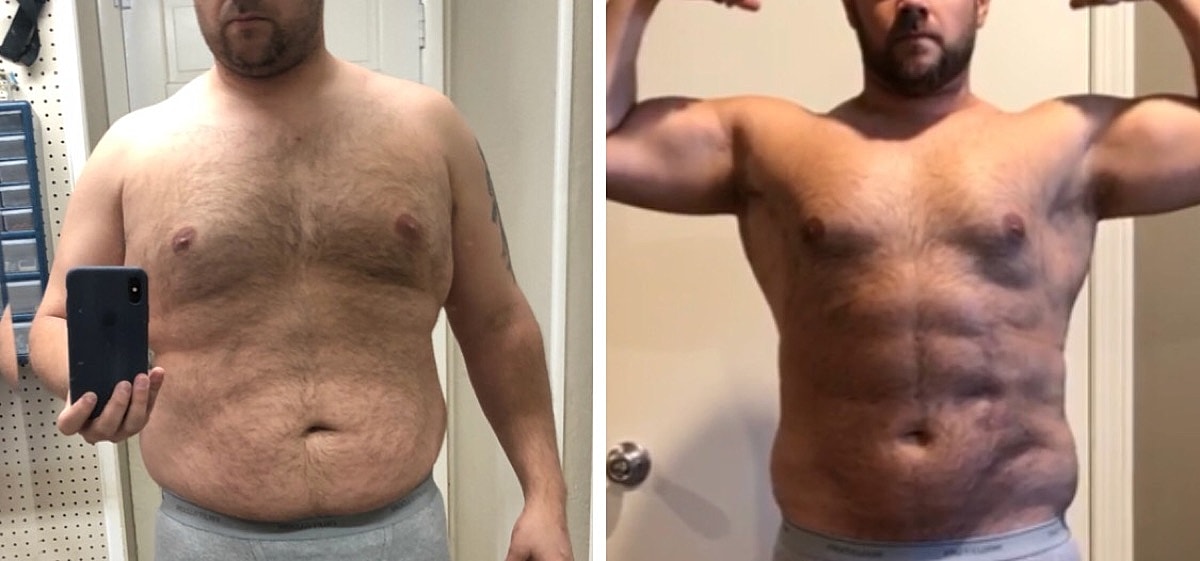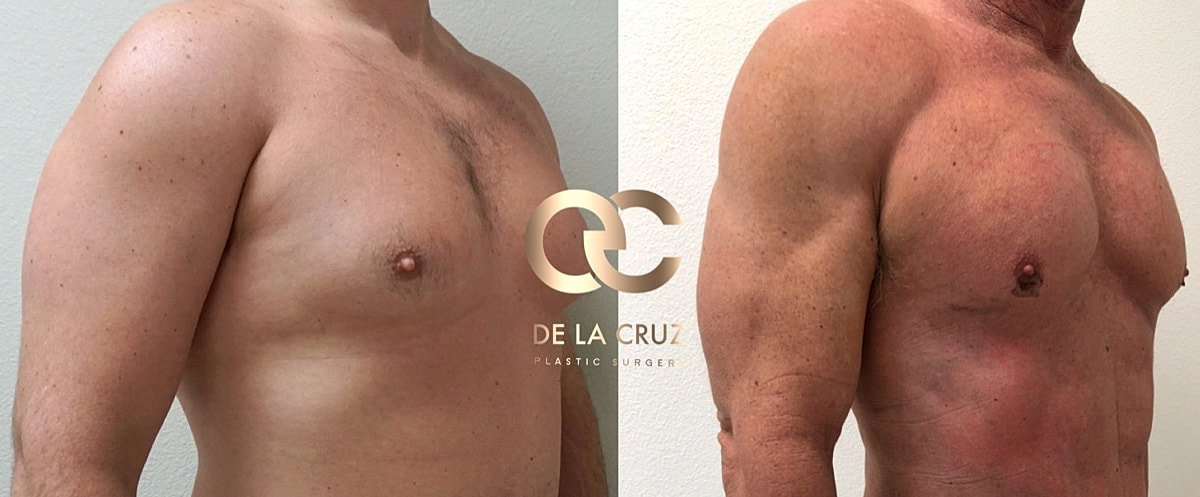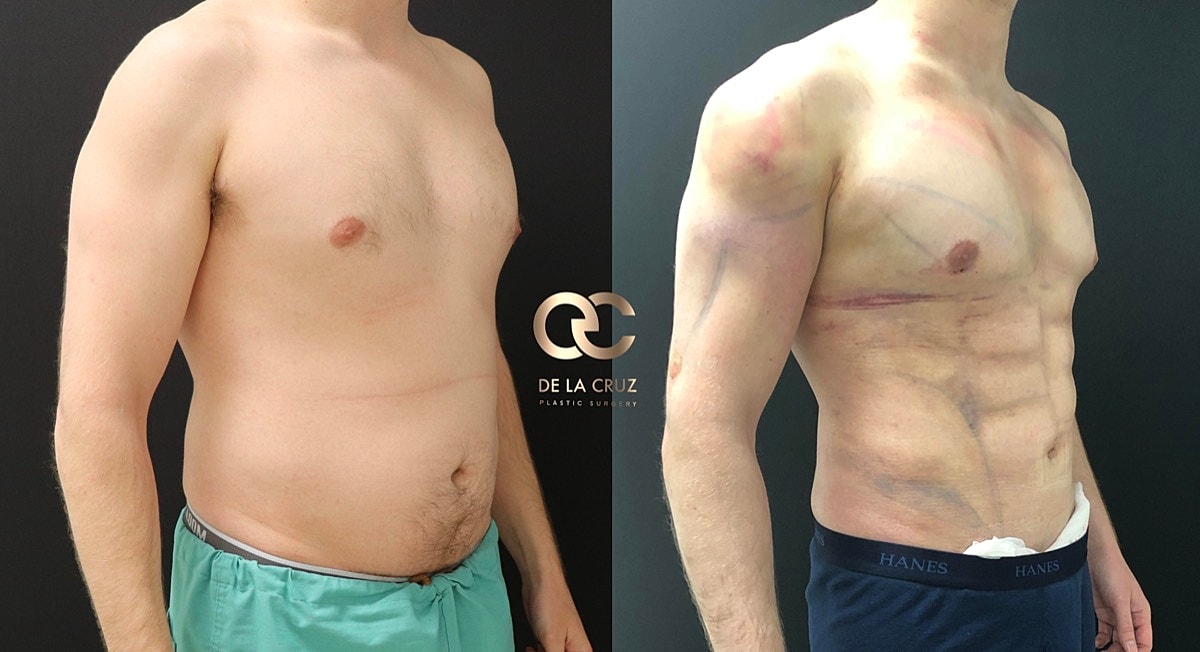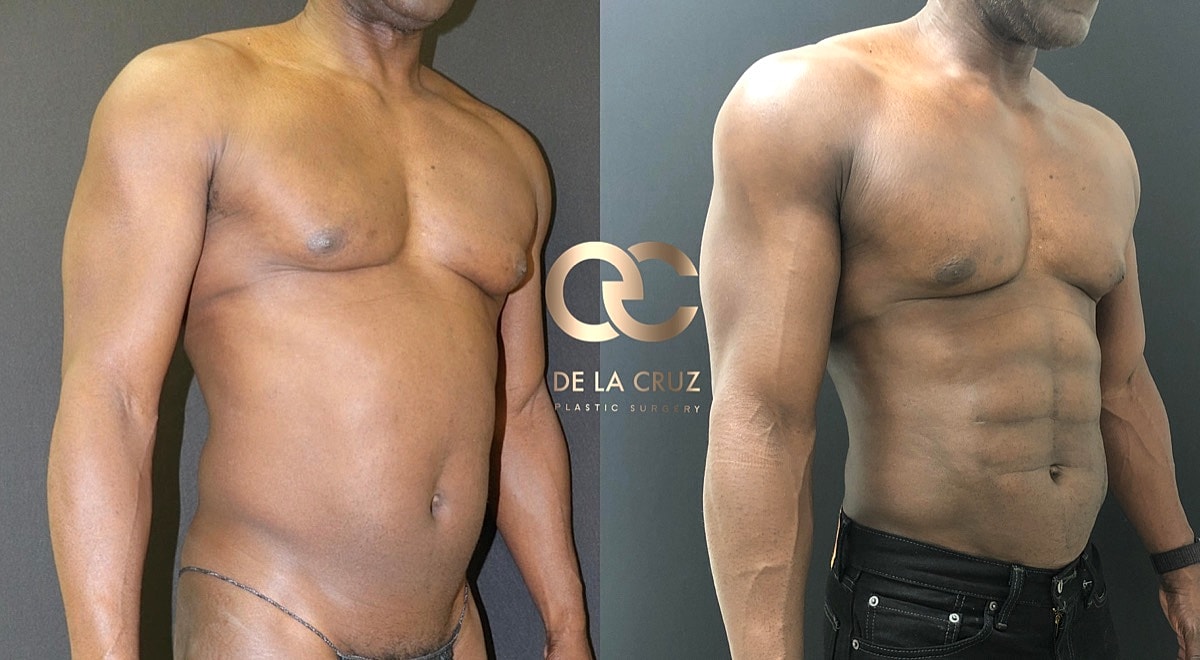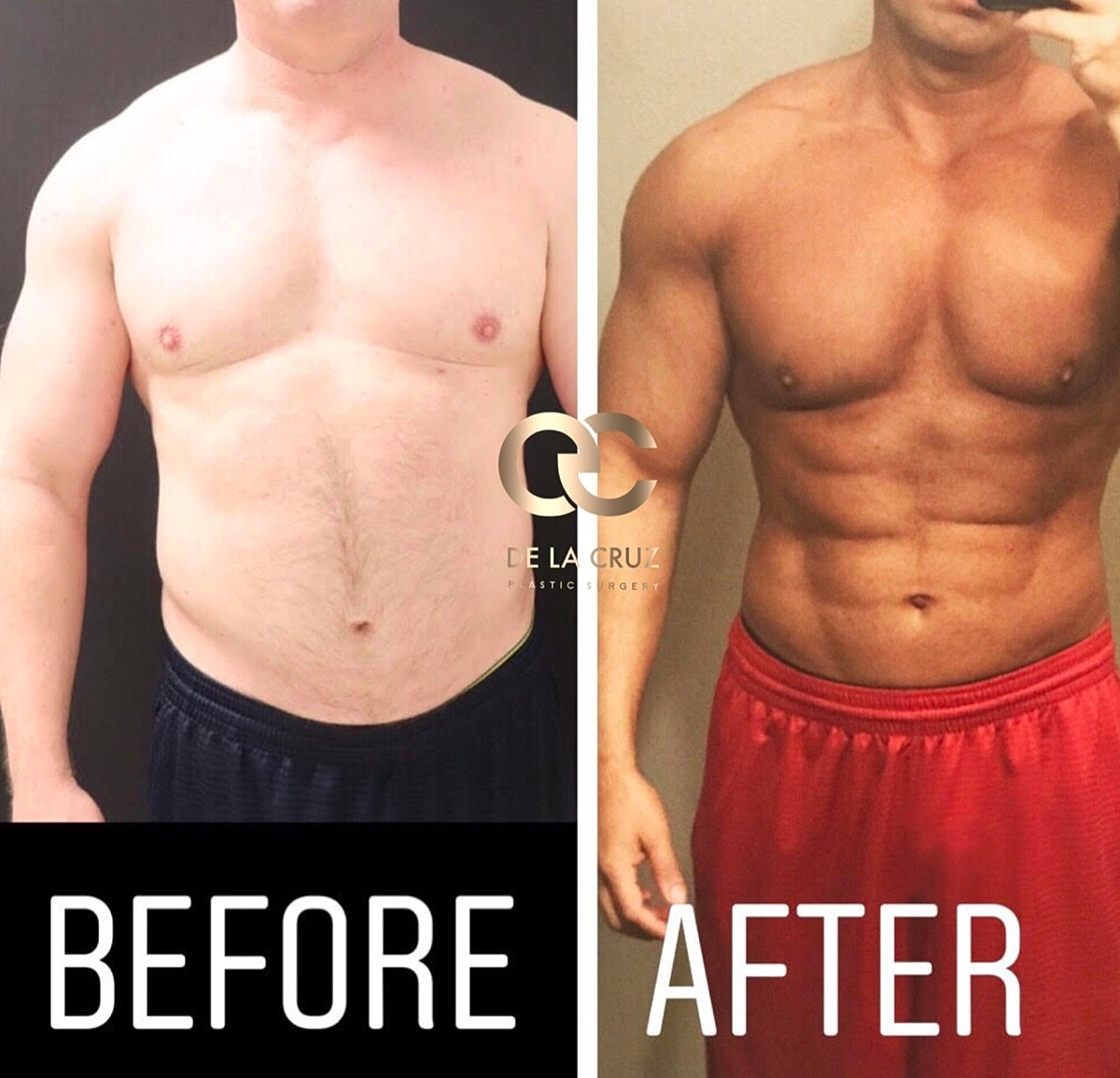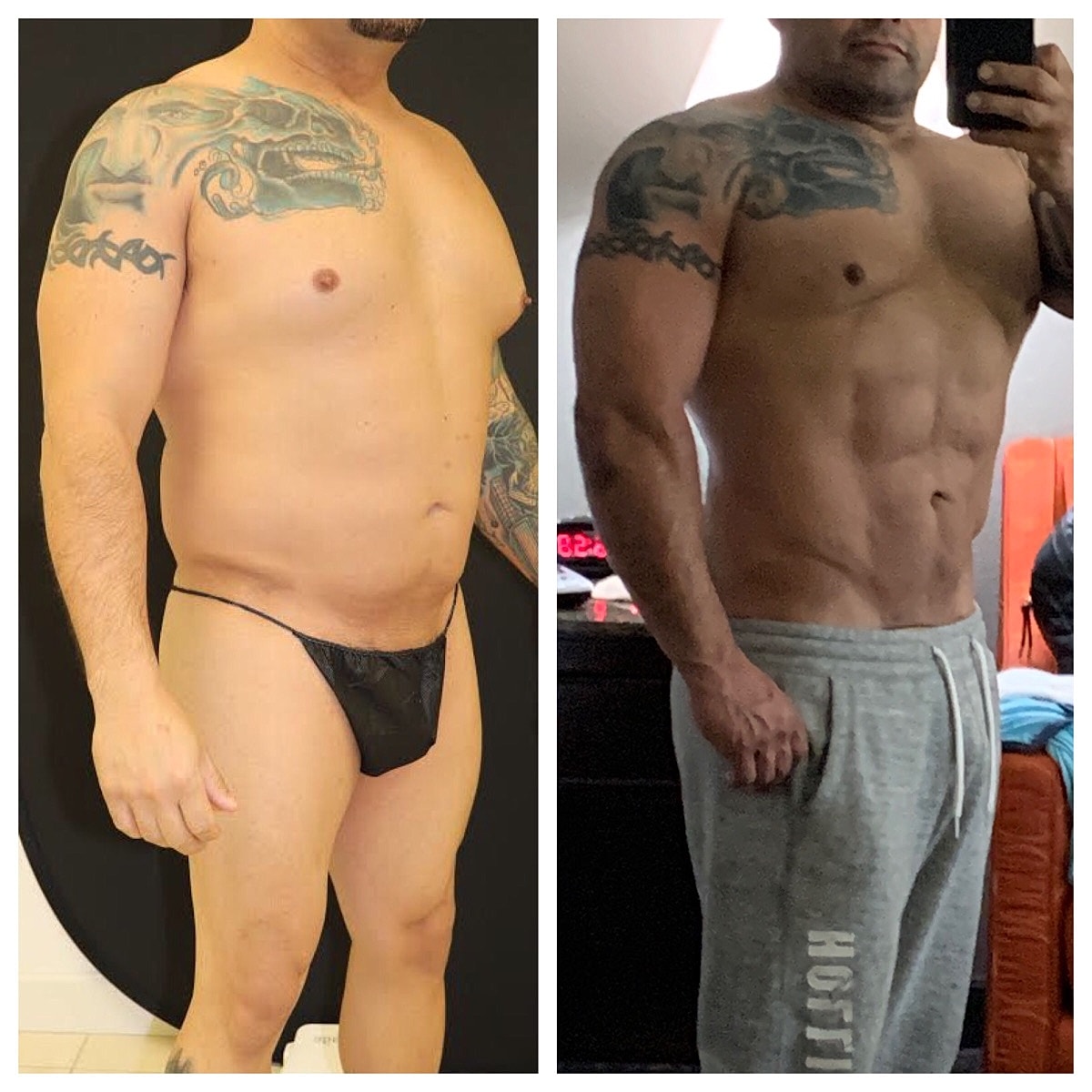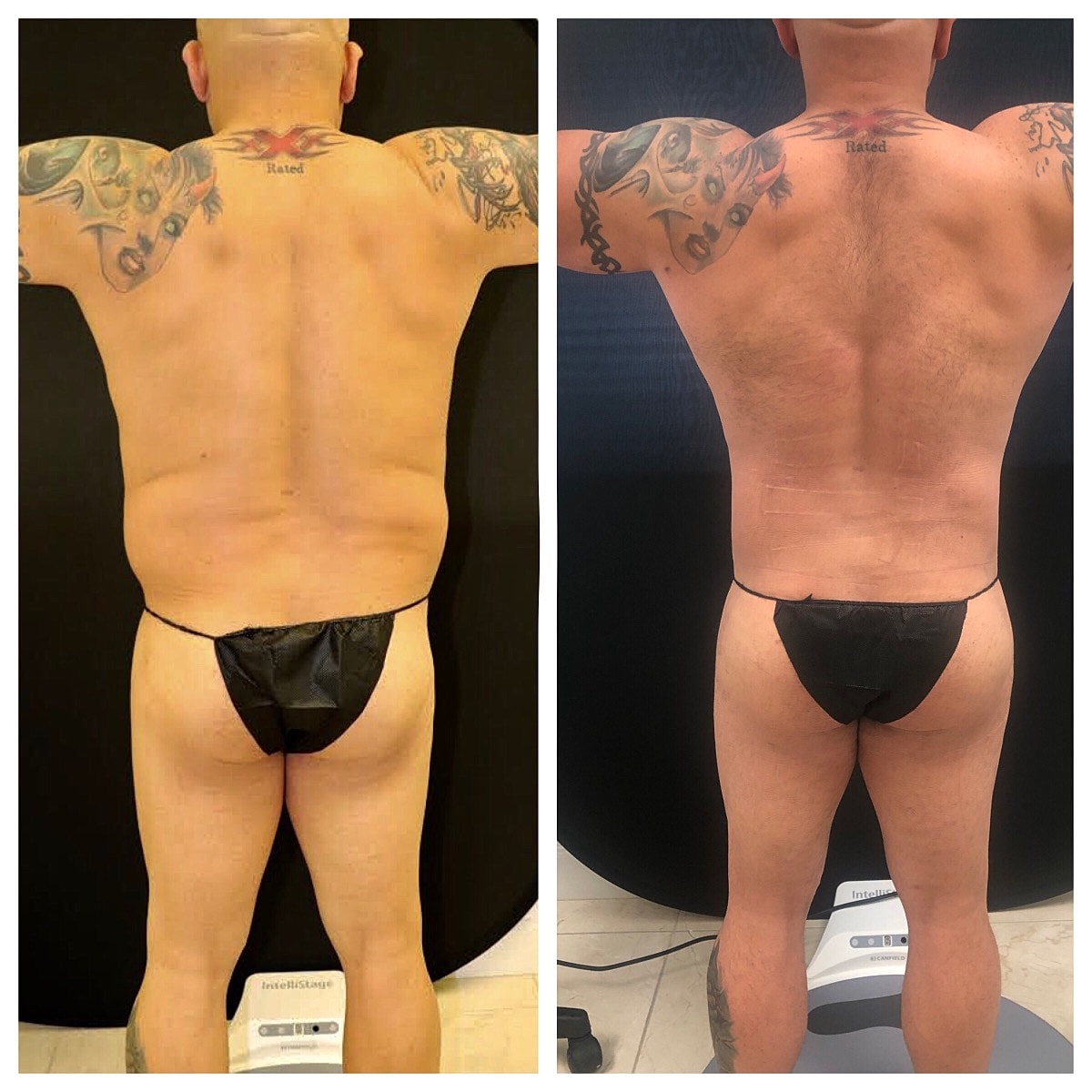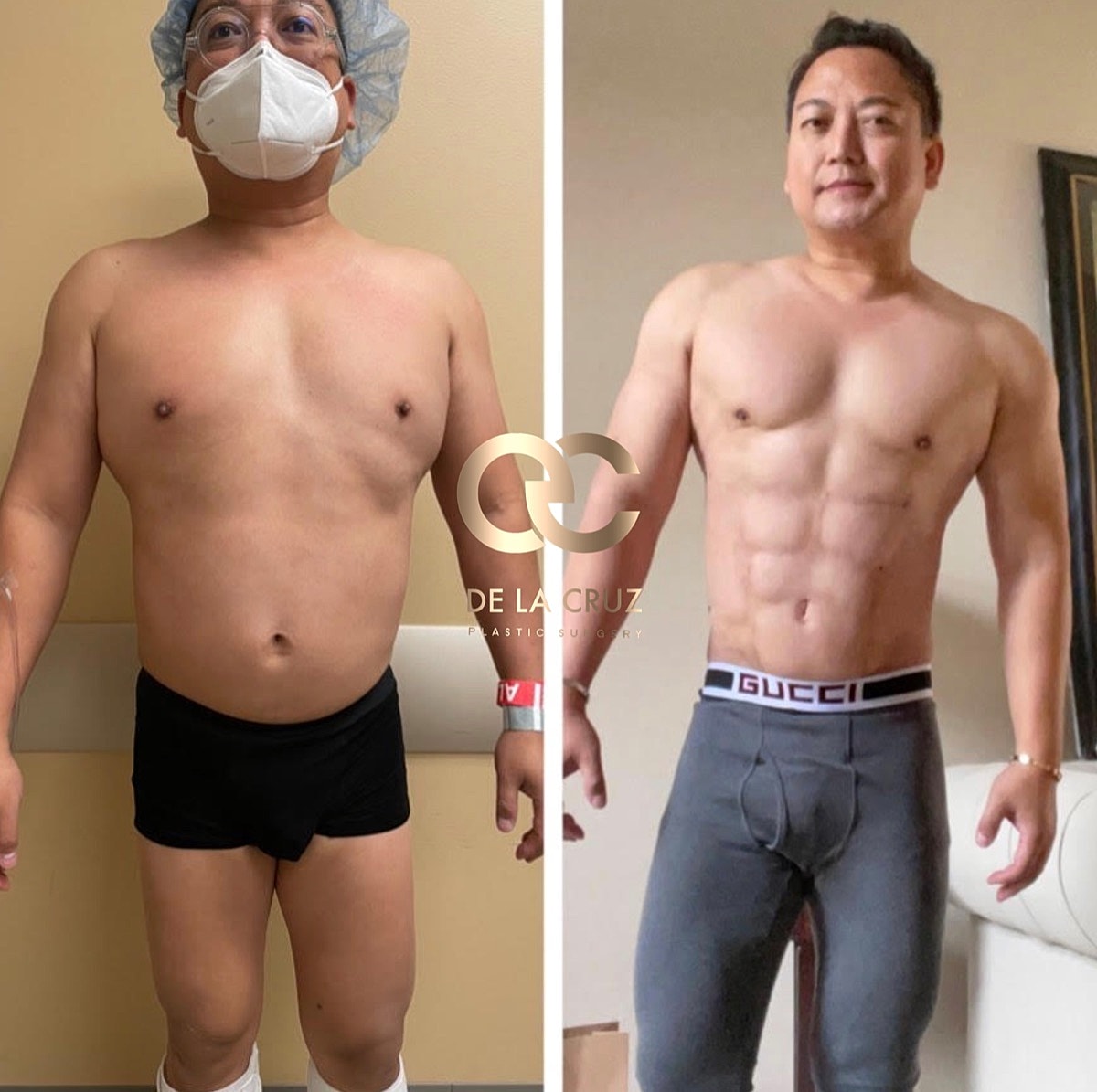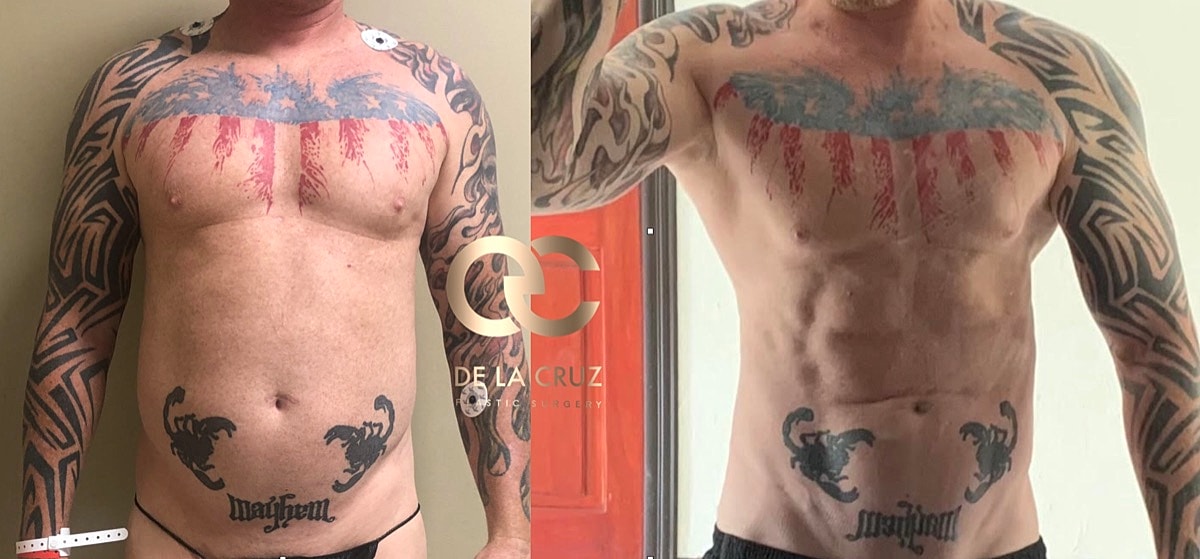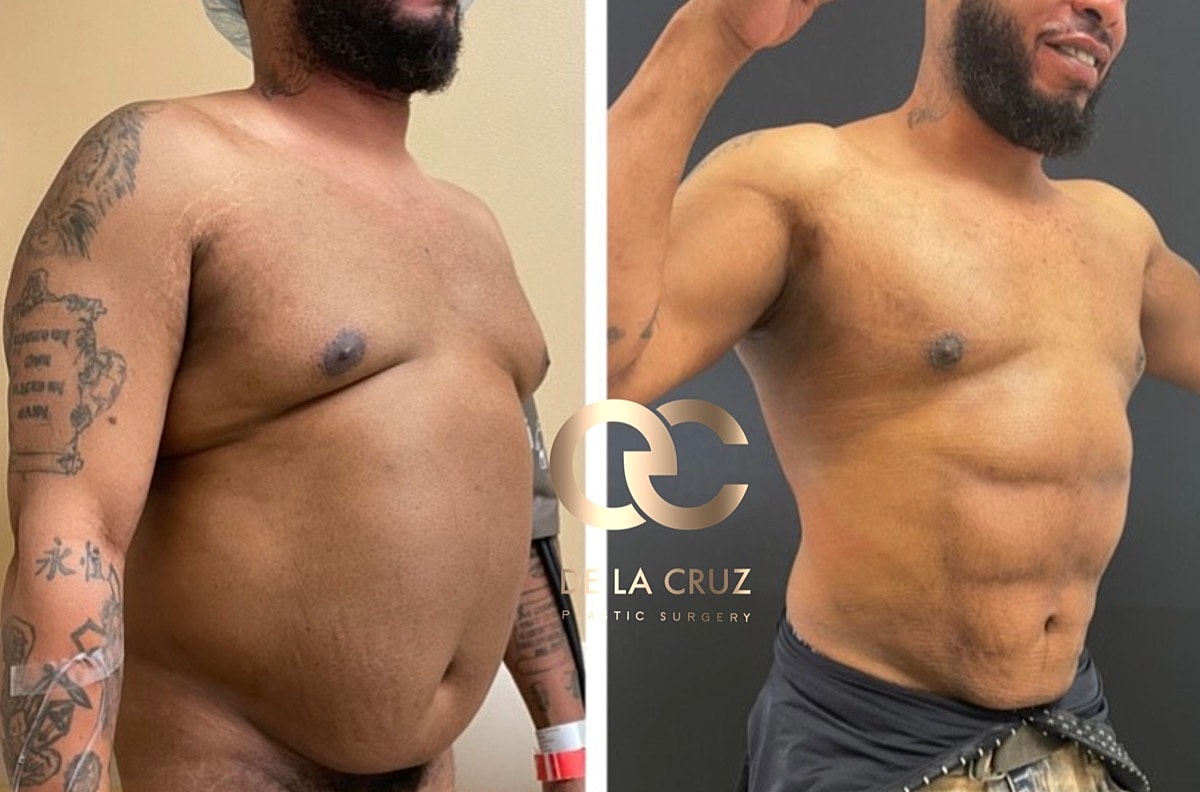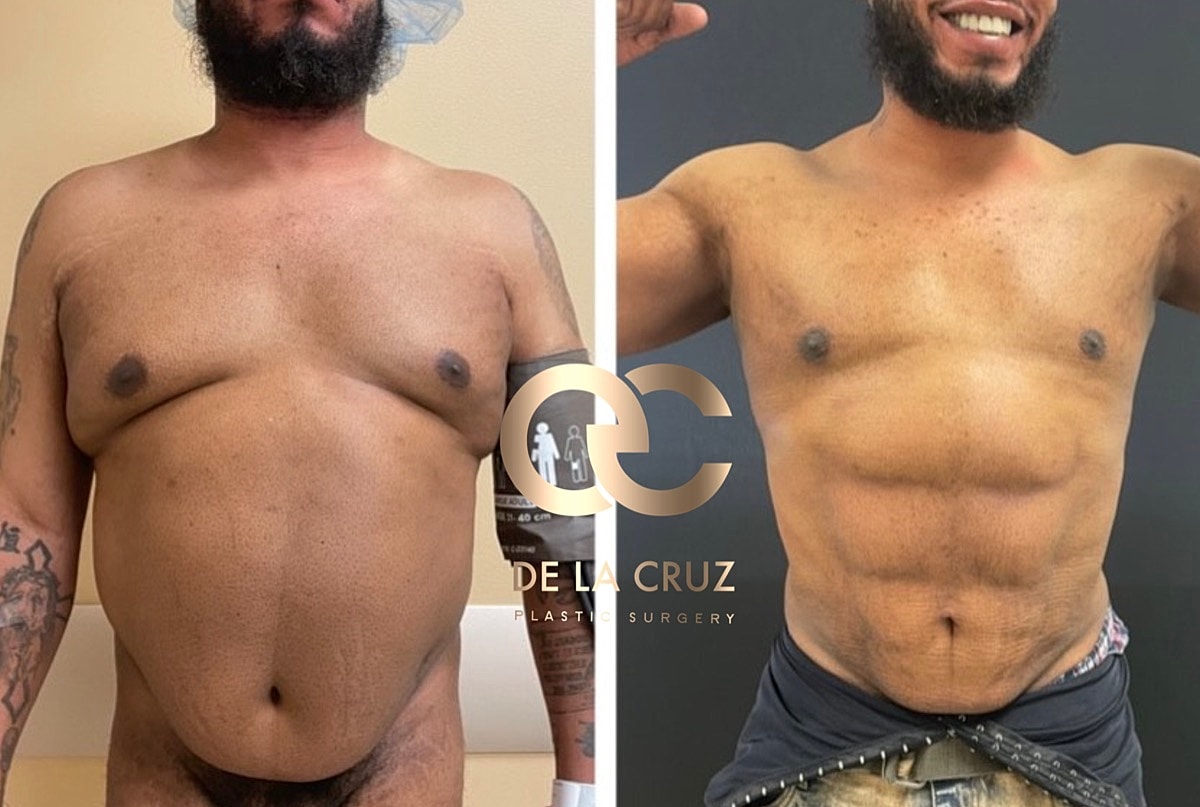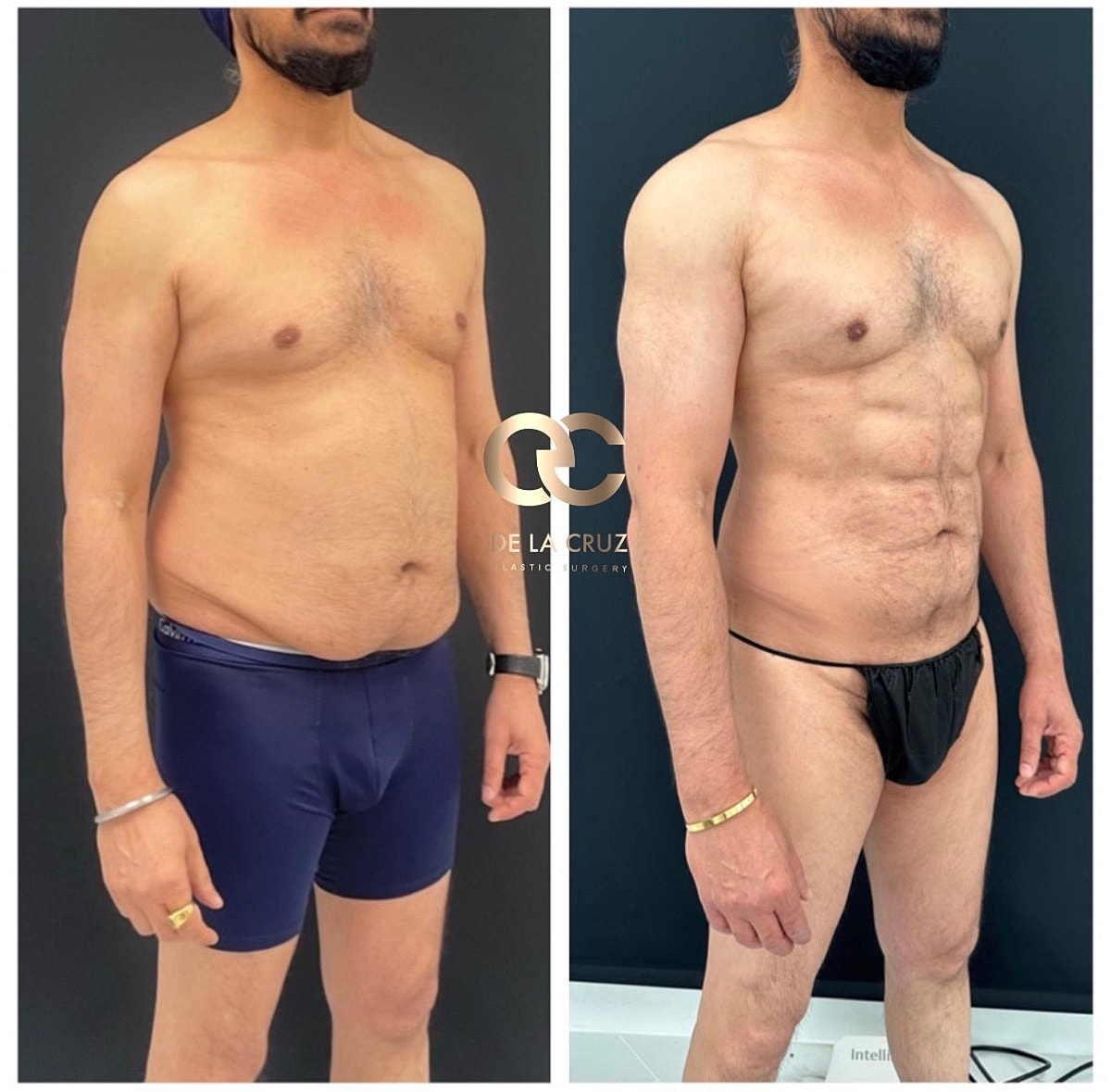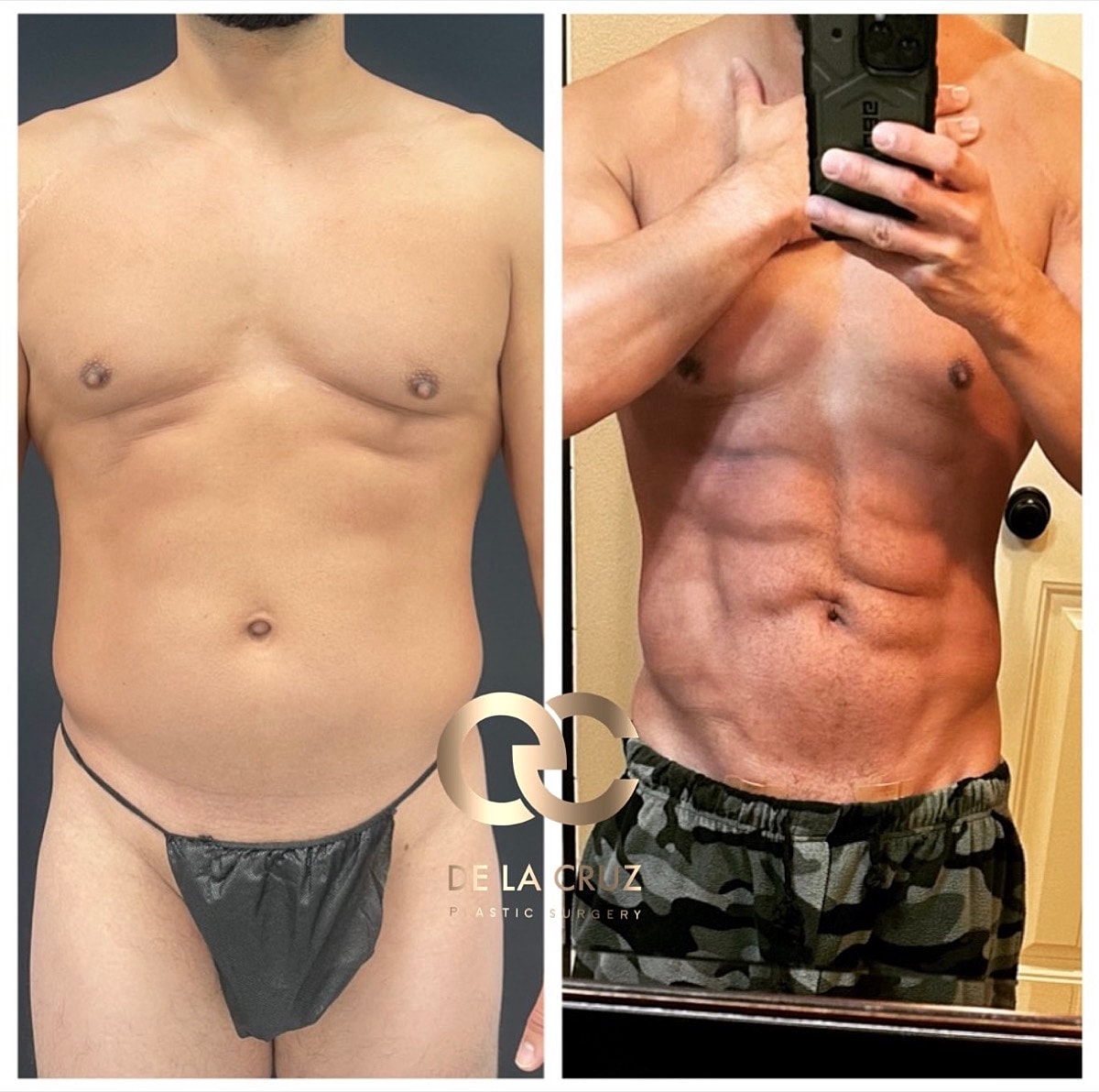
Liposuction is one of the most commonly performed cosmetic procedures in the United States and is widely recognized as an effective method for removing stubborn fat deposits and improving body contour. While the procedure itself plays an important role in achieving optimal results, the recovery process after liposuction is equally important.
Healing after liposuction occurs gradually as swelling subsides, tissues adapt to their new contours, and the skin begins to retract. Most patients experience mild to moderate swelling and bruising in the early stages of recovery, followed by progressive improvement over the following weeks and months.
At De La Cruz Plastic Surgery in Houston, Dr. Emmanuel De La Cruz emphasizes careful surgical technique, advanced body contouring technologies, and attentive postoperative care to help optimize recovery and support natural-looking results.
This guide provides an overview of the liposuction recovery process, including what patients can expect during healing and how different factors may influence recovery.
1 of 65
Recovery after liposuction occurs in stages. Although individual healing varies, most patients experience a predictable recovery timeline.
First Week After Liposuction
During the first week, patients may experience:
Compression garments are typically worn during this period to support the treated areas and reduce swelling.
Weeks Two to Four
During the following weeks:
Most patients can resume light activities and return to work depending on the extent of the procedure.
One to Three Months
As healing continues:
Three to Six Months
Final results become more apparent as:
Swelling is a normal part of the healing process after liposuction. The body responds to surgery by initiating an inflammatory response, which helps tissues repair and recover.
Swelling typically peaks during the first few days after surgery and gradually improves over the following weeks. In some cases, mild swelling may persist for several months as deeper tissues continue to heal.
Proper postoperative care, including compression garments and adherence to recovery instructions, can help support the healing process and reduce swelling.
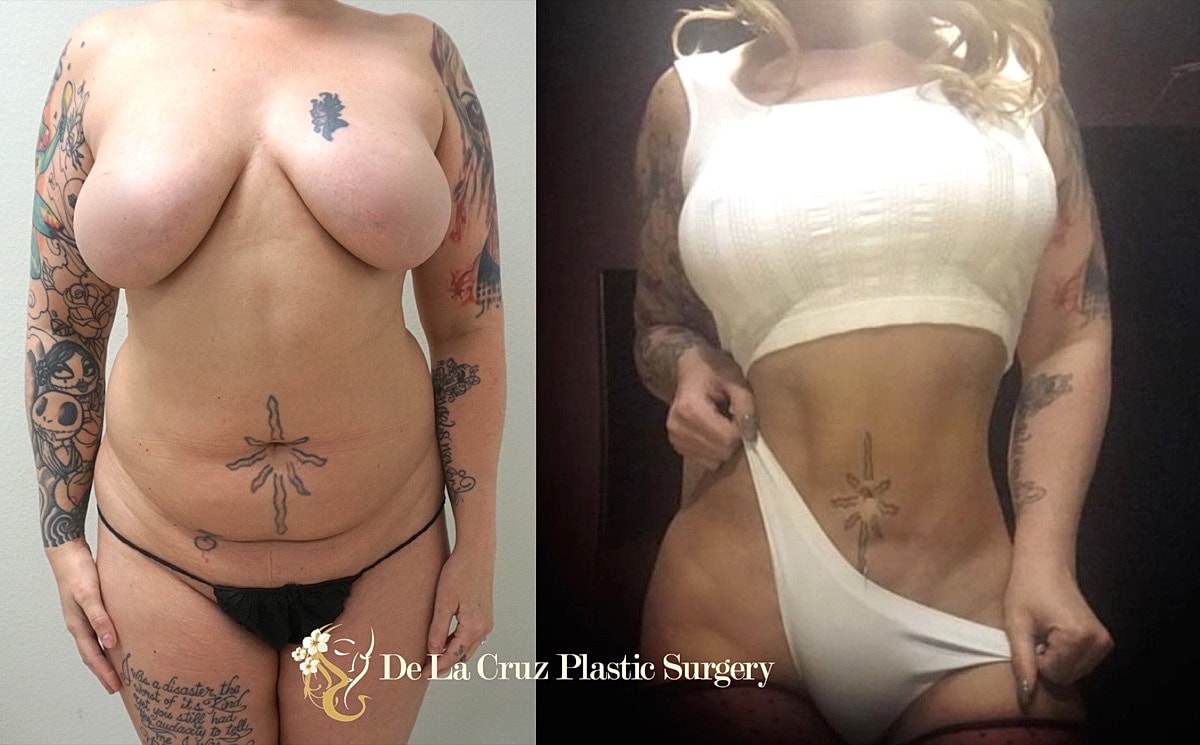
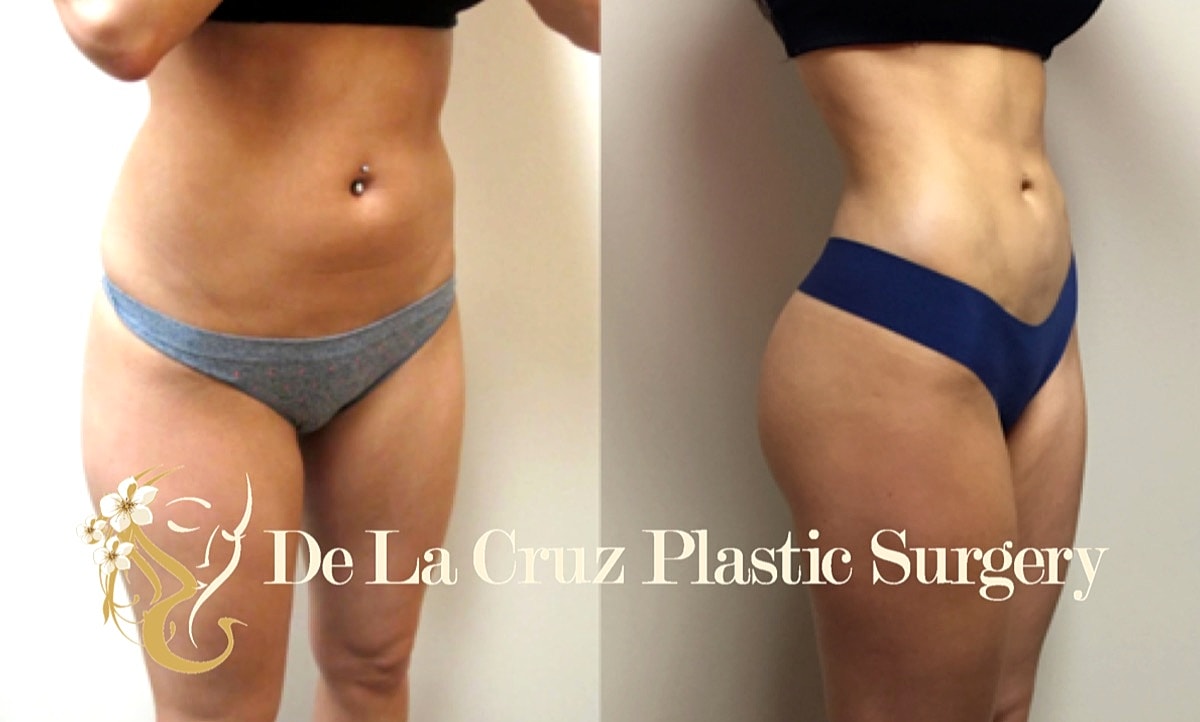
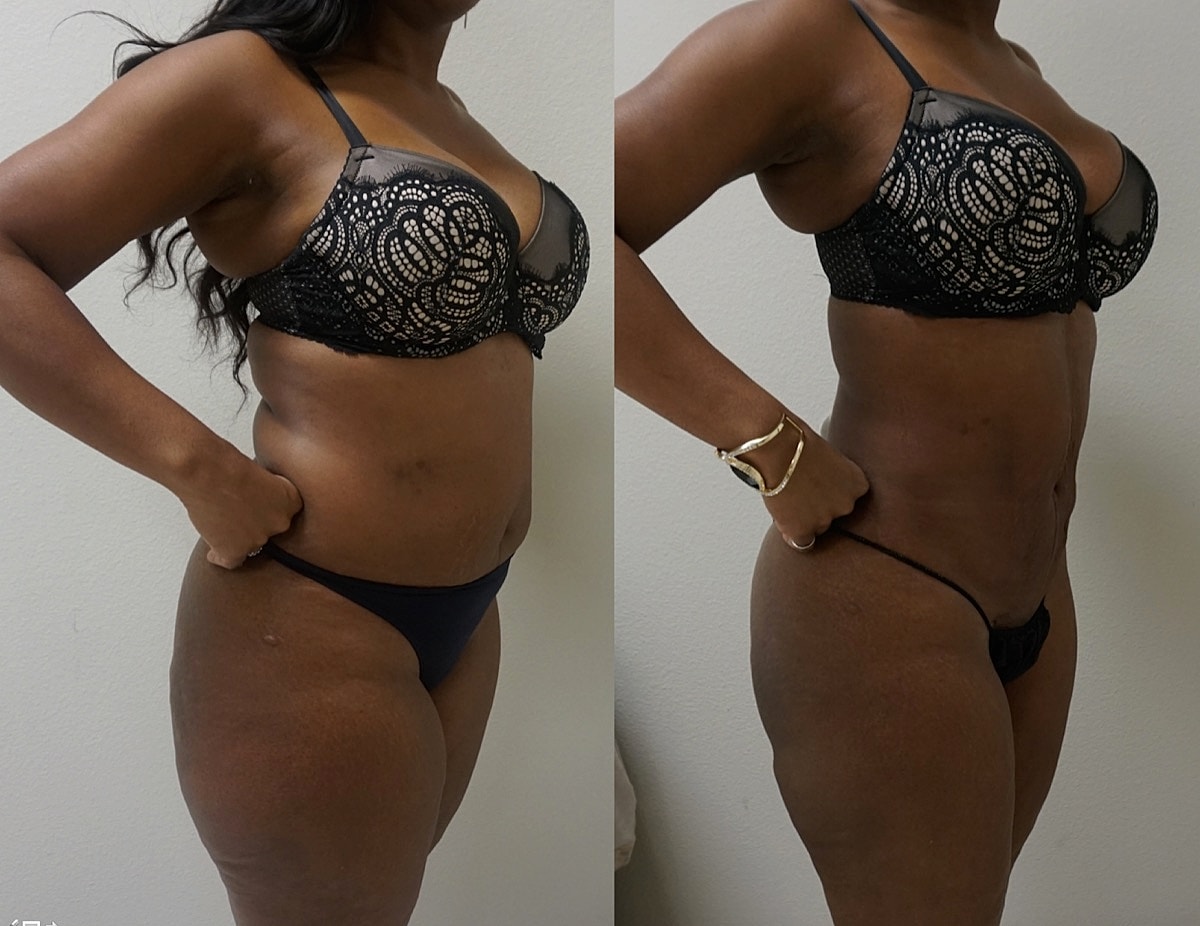
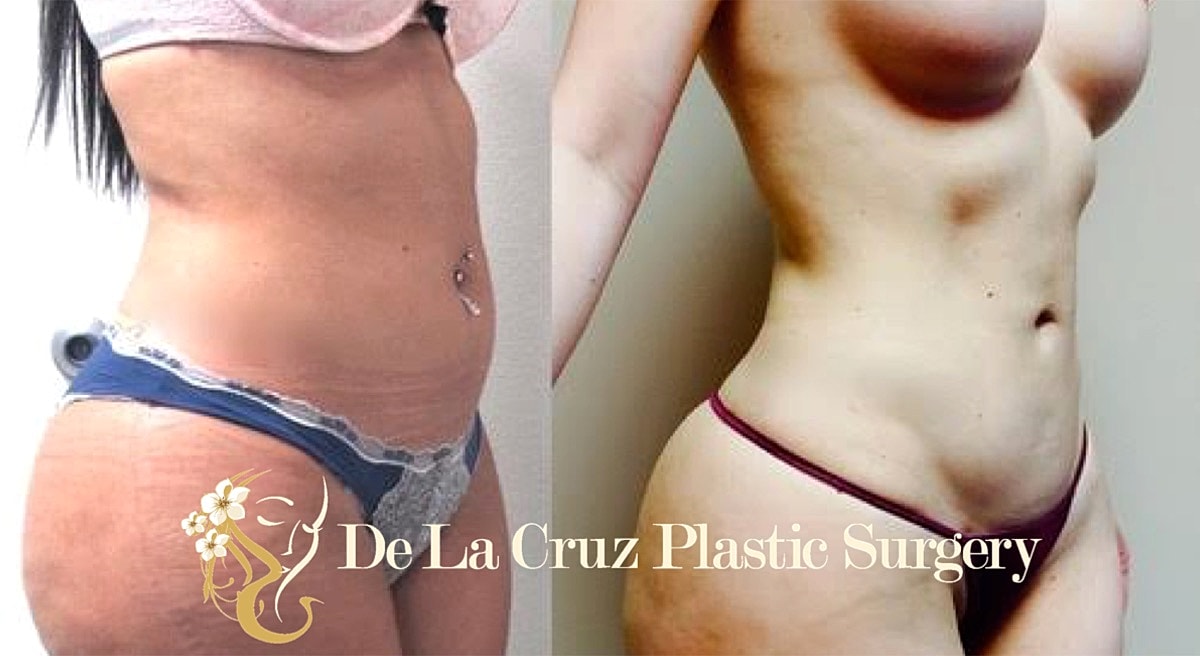
After liposuction removes excess fat, the skin gradually retracts and adapts to the new body contours. This tightening occurs as collagen and elastin fibers within the skin contract and reorganize during the healing process. In the early stages of recovery, swelling may temporarily mask this effect, but as swelling decreases over the following weeks, the skin begins to conform more closely to the underlying tissues.
The amount of skin tightening varies depending on factors such as skin elasticity, age, genetics, and the amount of fat removed. In patients with reduced skin elasticity, radiofrequency skin tightening technologies may be used during liposuction to stimulate collagen production and enhance skin contraction as healing progresses.
➡ Read more: Skin Tightening After Liposuction

Compression garments are an essential part of the recovery process after liposuction. These garments provide controlled, uniform pressure over the treated areas, helping support healing tissues while the body adapts to the new contours.
The benefits of compression garments include:
At De La Cruz Plastic Surgery, patients are typically instructed to wear compression garments for an extended period after surgery, often for several months, depending on the extent of the procedure. Continued compression helps control swelling and supports skin retraction as healing progresses.
In the early stages of recovery, foam corsets may also be used in combination with compression garments. Foam corsets help distribute pressure more evenly across the treated areas and are particularly useful after high-definition liposuction procedures. These corsets can help:
Following the recommended compression protocol is an important part of achieving smooth, well-defined body contours after liposuction.
Some patients may notice areas of firmness, nodularity, or small lumps during the recovery period after liposuction. These findings are commonly related to postoperative swelling, early scar tissue formation, or fibrosis, which can occur as part of the body’s normal healing response.
As the tissues recover, inflammation gradually decreases and the underlying tissues begin to soften. Over time, these areas typically improve as swelling resolves and scar tissue remodels, allowing the skin and soft tissues to conform more smoothly to the new contours.
In most cases, these temporary irregularities continue to improve over the following weeks to months. However, if contour irregularities persist or become more noticeable during recovery, further evaluation may be recommended to determine whether additional treatments or contour refinement may be beneficial.
➡ Read more: Fibrosis after Liposuction
Most patients experience a smooth recovery after liposuction, with temporary swelling, bruising, and mild discomfort during the early healing period. These symptoms gradually improve over time as the tissues recover and the body adapts to the new contours.
However, although uncommon, certain symptoms may indicate abnormal healing or a potential complication. Patients should contact their surgeon if they experience any concerning changes during recovery.
Possible warning signs may include:
While these complications are uncommon, early recognition and prompt evaluation are important to ensure proper treatment and recovery.
At De La Cruz Plastic Surgery, patients receive detailed postoperative instructions and scheduled follow-up visits to monitor healing and address any concerns. Patients are encouraged to contact the office if they notice any symptoms that seem unusual or concerning during their recovery.

Although liposuction is generally safe and effective, contour irregularities can occasionally occur during the healing process. Patients may notice areas that feel firm, slightly uneven, or asymmetrical as swelling resolves and the tissues recover.
Several factors can contribute to uneven areas after liposuction, including:
In many cases, these irregularities are temporary and improve as swelling decreases and the tissues soften over time. Following proper postoperative care, including compression garments and recommended therapies, can help support smoother healing.
If contour irregularities persist after the healing period, revision liposuction or additional contour refinement treatments may be considered to improve overall smoothness and symmetry.
➡ Read more: Uneven Liposuction Results
Liposuction is one of the most commonly performed cosmetic surgical procedures and is generally considered safe when performed by a qualified, board-certified plastic surgeon. Most patients experience only temporary side effects such as swelling, bruising, or mild discomfort during the recovery period.
However, as with any surgical procedure, liposuction carries potential risks and complications. These may include:
More serious complications are rare but may include issues such as fat embolism, deep vein thrombosis, or pulmonary complications.
At De La Cruz Plastic Surgery, careful patient selection, meticulous surgical technique, and close postoperative monitoring are used to help minimize the risk of complications and support a safe recovery.
Patients are encouraged to follow all postoperative instructions and attend follow-up visits to ensure proper healing.
➡ Read more: Liposuction Complications


Physical activity is gradually resumed after liposuction as healing progresses. Early movement is encouraged to promote circulation and support recovery, but strenuous activity should be avoided during the initial healing period.
At De La Cruz Plastic Surgery, exercise recommendations depend on the type of procedure performed:
Patients should gradually increase activity levels and follow their surgeon’s postoperative instructions to ensure a safe recovery and optimal contour results.
Recovery after liposuction can vary from patient to patient. Several factors may influence how quickly the body heals and how the final results develop.
These factors include:
Careful surgical planning and the use of advanced body contouring technologies may also play an important role in supporting smoother healing and optimizing final contour results.
Dr. Emmanuel De La Cruz is a double board-certified plastic surgeon in Houston specializing in advanced body contouring and liposuction procedures. His work focuses on achieving smooth, natural-looking body contours while maintaining balance and anatomical proportion.
Dr. De La Cruz’s expertise includes:
His surgical philosophy emphasizes:
By combining techniques such as VASER ultrasound-assisted liposuction and radiofrequency skin tightening technologies, Dr. De La Cruz utilizes a comprehensive approach designed to optimize both body contour results and the recovery process after surgery.

Most patients can return to light activities within 1 to 2 weeks after liposuction. Swelling and bruising gradually improve over several weeks, while the final results continue to refine over 3 to 6 months as the tissues heal and the skin adapts to the new contours.
Swelling is a normal part of healing after liposuction. Most swelling improves during the first 4 to 6 weeks, although mild residual swelling can persist for several months. Compression garments and proper postoperative care help reduce swelling and support healing.
Early contour improvements may be visible within the first few weeks, but final results typically become more apparent after 3 to 6 months once swelling has resolved and the tissues have fully healed.
Areas of firmness or small lumps can occur during recovery due to temporary swelling, scar tissue formation, or fibrosis. These changes usually improve gradually as the tissues soften and the healing process continues.
Yes. Compression garments are an important part of recovery. They help reduce swelling, support the skin as it retracts, improve contour smoothness, and decrease the risk of fluid accumulation.
Light activity is usually encouraged early during recovery. At De La Cruz Plastic Surgery, patients who undergo liposuction alone may typically begin light high-repetition exercise after about 2 weeks, while patients who undergo liposuction with BBL may need to wait about 8 weeks before resuming more strenuous exercise.
In many patients, the skin gradually tightens as collagen fibers contract during healing. The degree of skin tightening depends on factors such as skin elasticity, age, and the amount of fat removed. In some cases, radiofrequency skin tightening technologies may be used to enhance skin contraction.
While liposuction is generally safe and effective, minor contour irregularities can occasionally occur during healing. Many of these changes improve as swelling resolves. If irregularities persist after recovery, additional treatments such as revision liposuction or contour refinement may be considered.
Following your surgeon’s postoperative instructions is the most important factor for a smooth recovery. This typically includes wearing compression garments, limiting strenuous activity during early healing, and attending follow-up appointments to monitor progress.