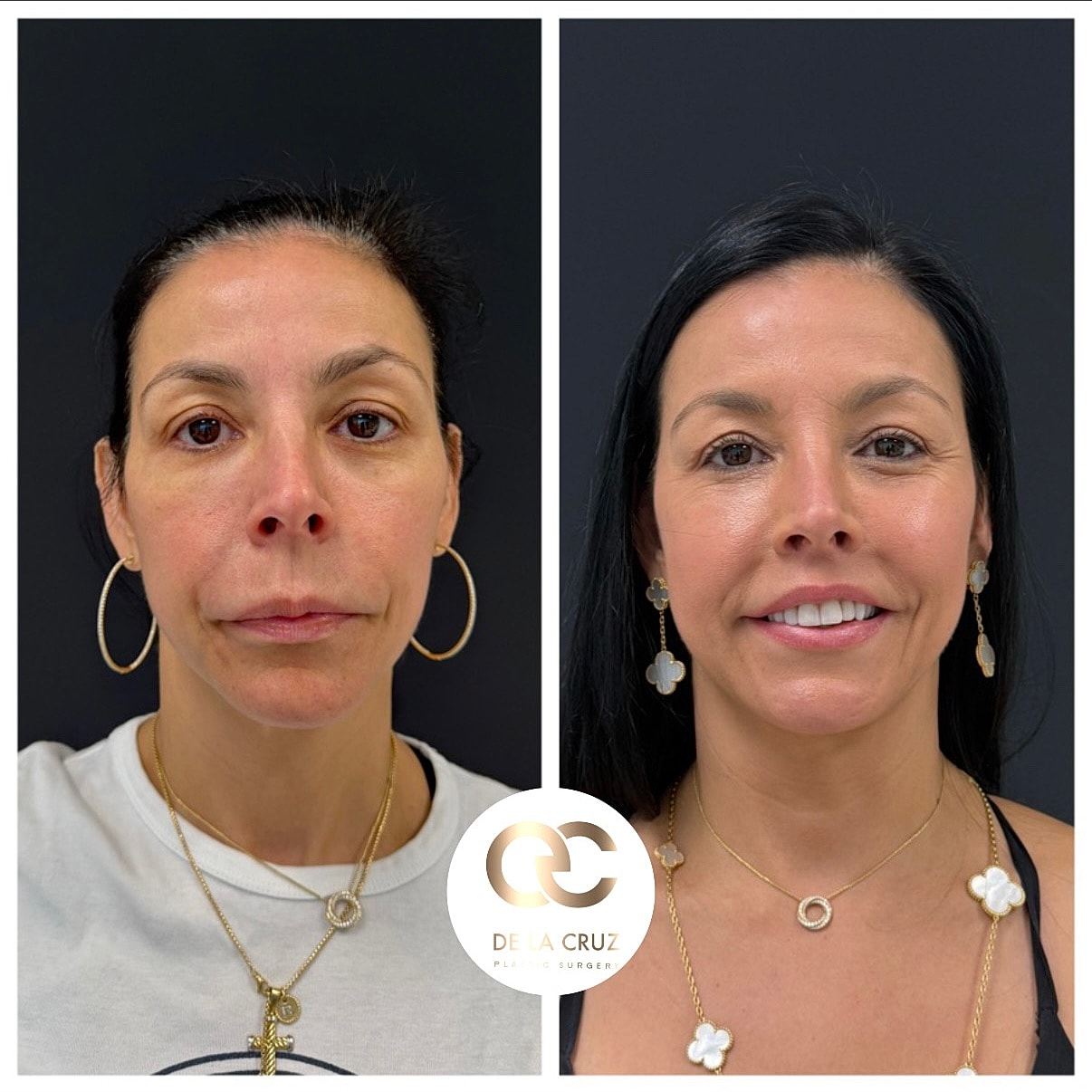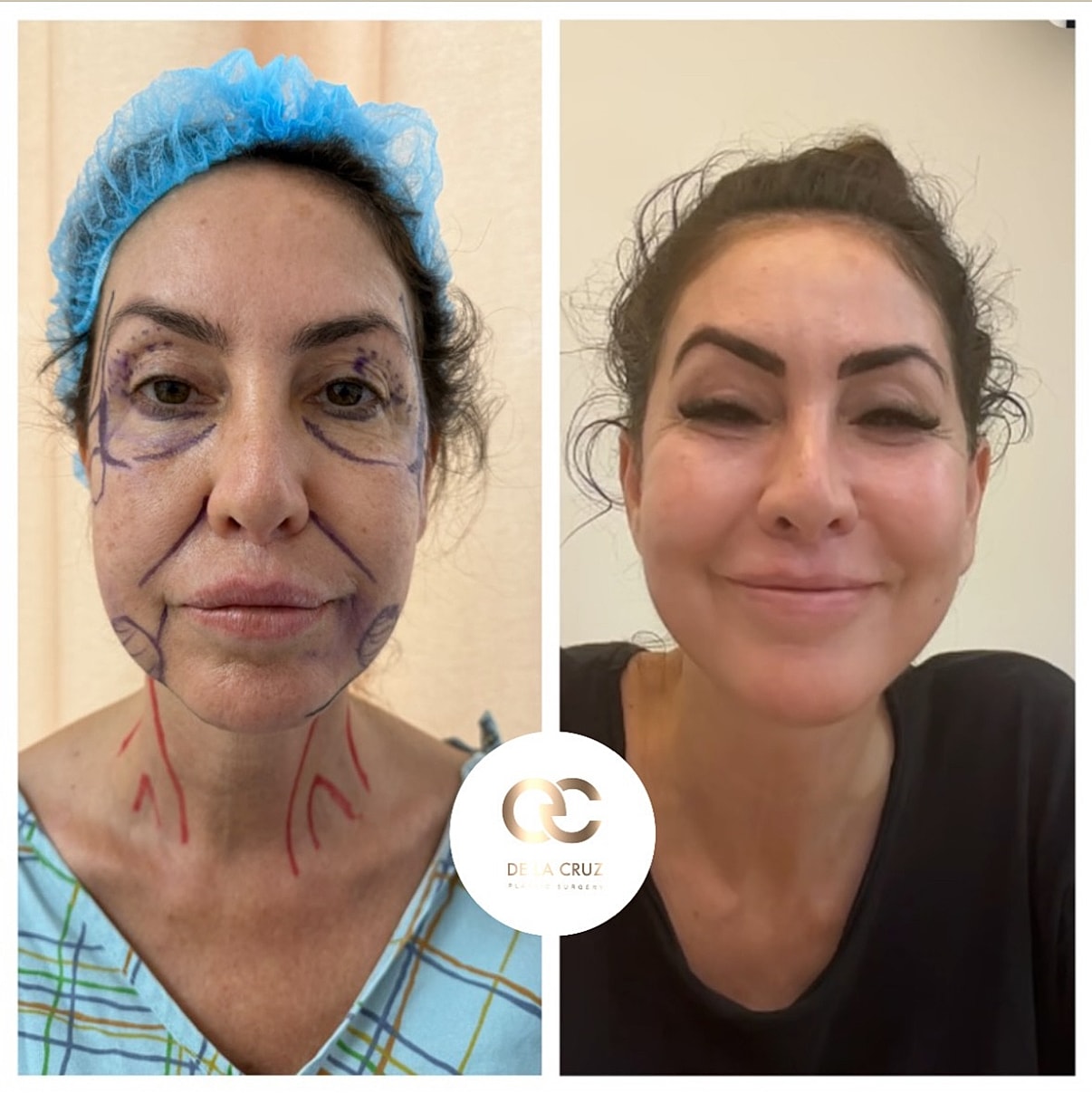
For patients considering a facelift in Houston, the question is not simply how long the results last—but how well those results endure over time.
Short Answer
A well-performed facelift typically lasts 10 to 15 years, with advanced techniques often maintaining structural improvements even longer.
More importantly, a facelift does not “fade.” It repositions the aging process itself, allowing the face to evolve from a more youthful baseline.
1 of 2
Facial aging is driven by:
A facelift restores these structural relationships.
After surgery, the face continues to age—but it does so from a repositioned, anatomically improved foundation.
👉 The result is not temporary change, but long-term recalibration of facial aging.
1. Surgical Technique: The Primary Determinant
The longevity of a facelift is fundamentally tied to what is being lifted—and how it is stabilized.
Advanced (Deep Plane / Structural Facelift)
Limited (Mini Facelift)
Contemporary evidence highlights that techniques emphasizing stable tissue repositioning and secure fixation are associated with more predictable long-term outcomes
2. Vector of Lift and Structural Support
Longevity is not only about depth—it is about direction and stability.
Advanced techniques rely on anchoring to stable anatomical structures, preserving both form and longevity.
3. Individual Aging Patterns
No two patients age identically.
Longevity is influenced by:
These variables determine how gracefully results evolve over time.
4. Comprehensive Facial Rejuvenation
Facelift longevity improves when the entire face is addressed.
Often combined with:
This creates harmonized rejuvenation, preventing early imbalance and enhancing durability.
0–3 Months
6–12 Months
5–10 Years
10–15+ Years

Deep Plane Facelift
Mini Facelift
👉 Patients seeking the best facelift results in Houston prioritize techniques that restore structure—not just skin tension.

Short-lived facelift results are most often associated with limited or superficial correction, including:
These limitations can result in:
Longevity is influenced not only by surgery, but by postoperative care:
The true objective of facelift surgery is not simply duration—it is timelessness.
Patients seeking a facelift in Houston choose Dr. De La Cruz for a singular reason:
👉 Consistently natural, structurally sound, and long-lasting results

Exceptional facelift results require more than technique—they require artistic judgment applied to anatomy.
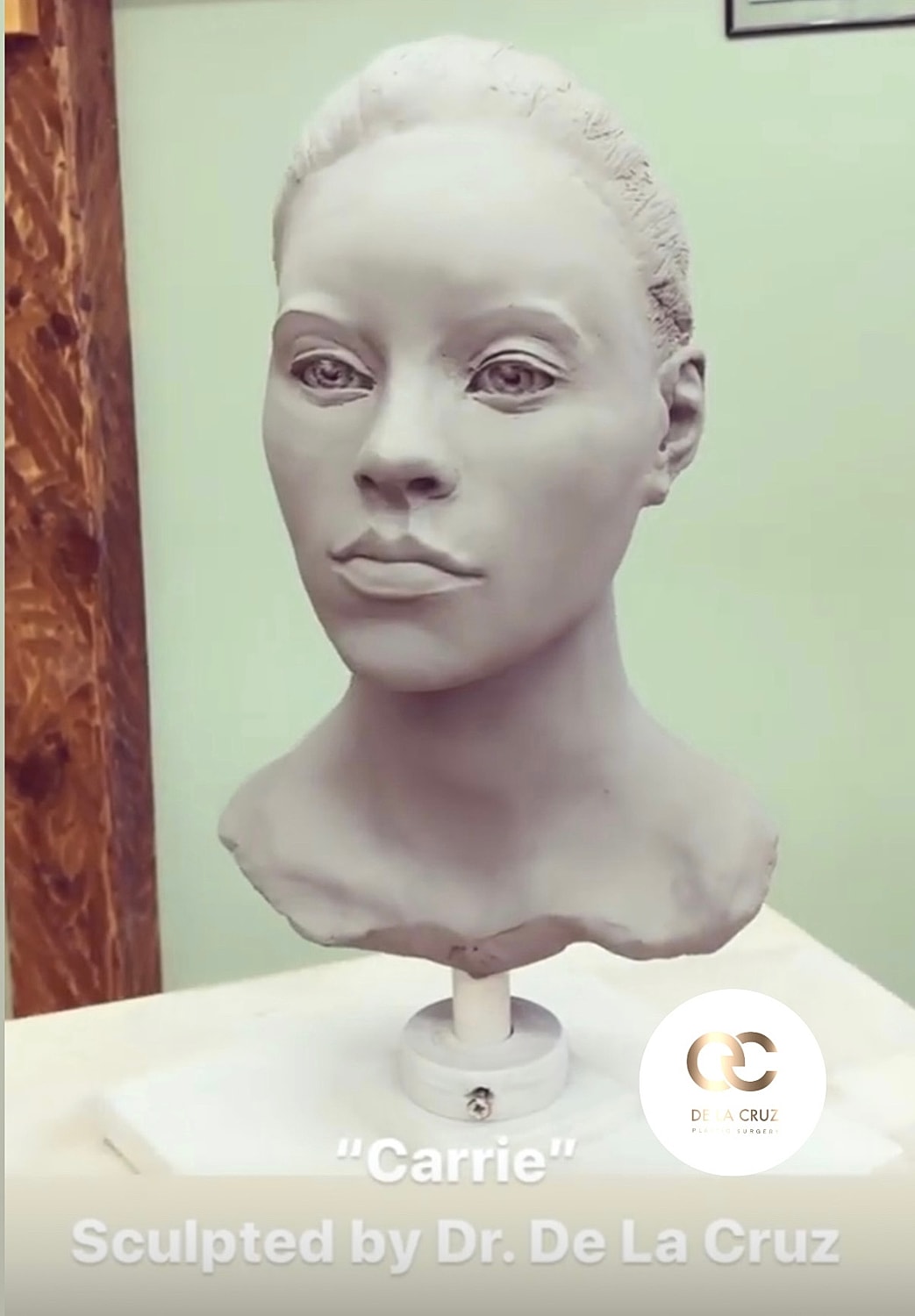
Dr. Emmanuel De La Cruz is not only a double board-certified plastic surgeon—he is also a classically trained sculptor, mentored by world-renowned French sculptor Philippe Faraut, and an accomplished portrait painter.
This background gives him a unique understanding of:
Facelift surgery is therefore approached as:
👉 The sculpting of living anatomy
Every contour and transition is refined with intention—so the result is not simply more youthful, but natural, balanced, and timeless.
The goal is not to change your face— but to restore it.
Most facelift results last 10 to 15 years, depending on the surgical technique, your anatomy, and how your face continues to age. Advanced techniques such as deep plane facelift often provide longer-lasting, more natural results.
No. A facelift does not stop aging. It repositions facial tissues, allowing you to age from a more youthful baseline. Patients typically continue to look younger than they would have without surgery.
Deep plane and structural facelifts generally last the longest because they reposition deeper layers of the face (SMAS and ligaments), rather than only tightening the skin.
A mini facelift typically lasts 5 to 7 years, as it addresses early aging with more limited correction compared to advanced techniques.
Some patients choose a revision facelift after 10–15 years, but many continue to look significantly younger long-term without additional surgery.
Shorter-lasting results are often due to:
Yes. Younger patients with better skin elasticity may experience longer-lasting results, while more advanced aging may require more comprehensive correction.
You can extend your results by:
Longevity is generally similar, but differences in skin thickness and aging patterns may influence how results evolve over time.
After 10 years, patients typically still look younger than they would have without surgery, although natural aging continues.