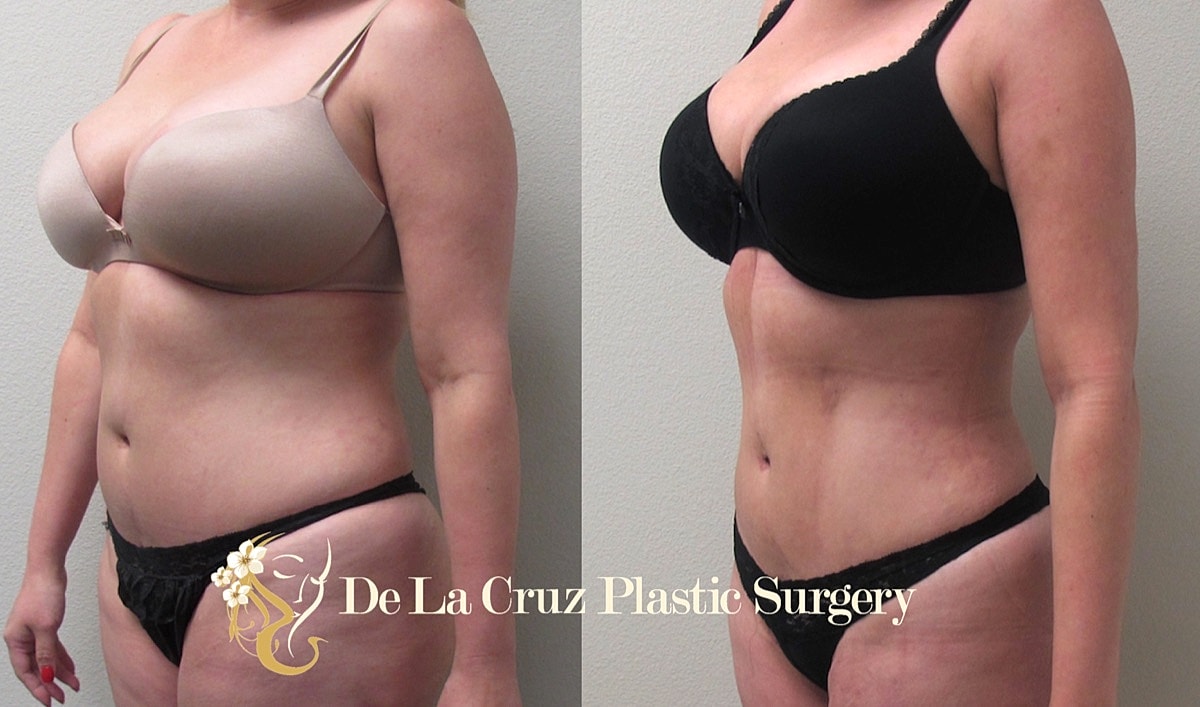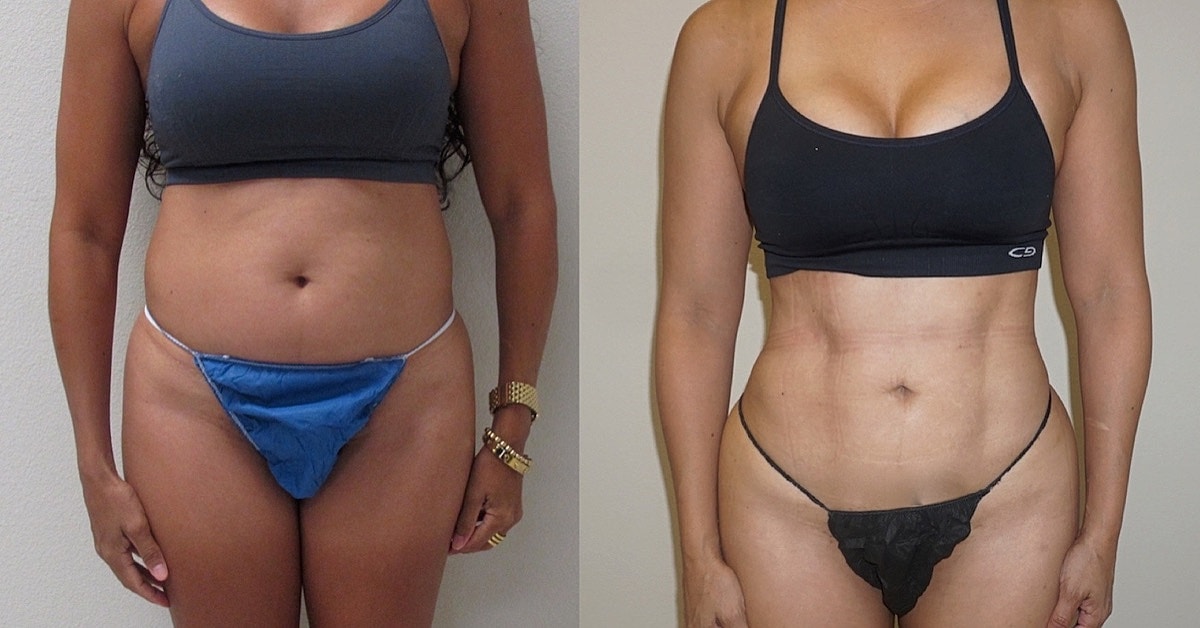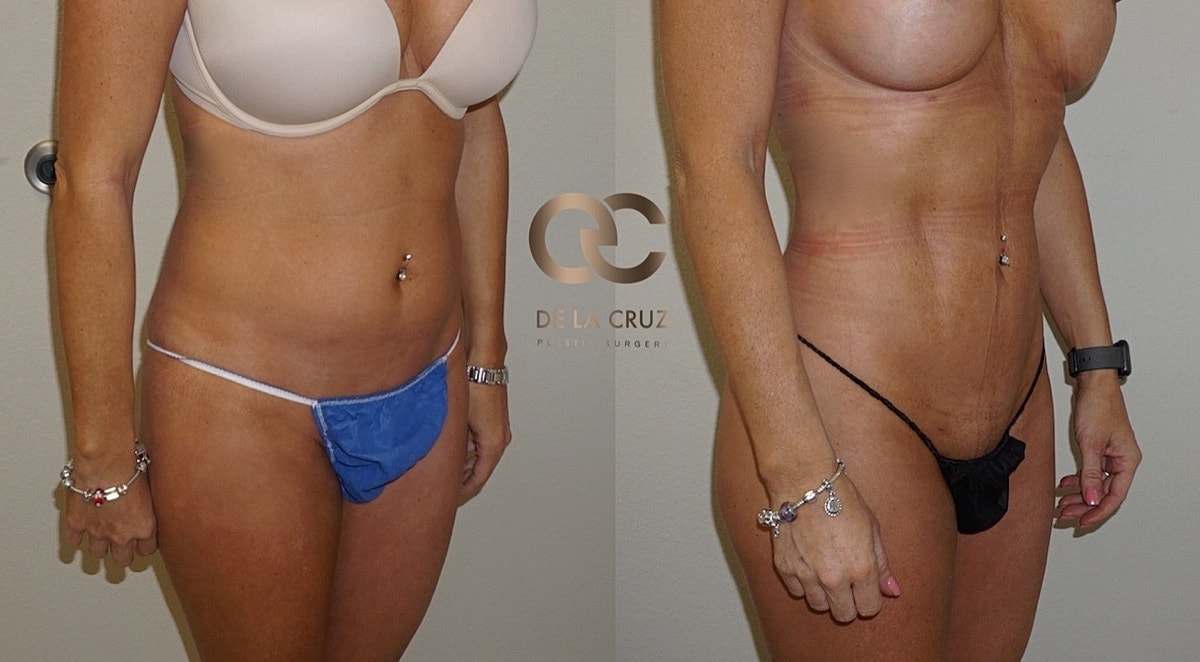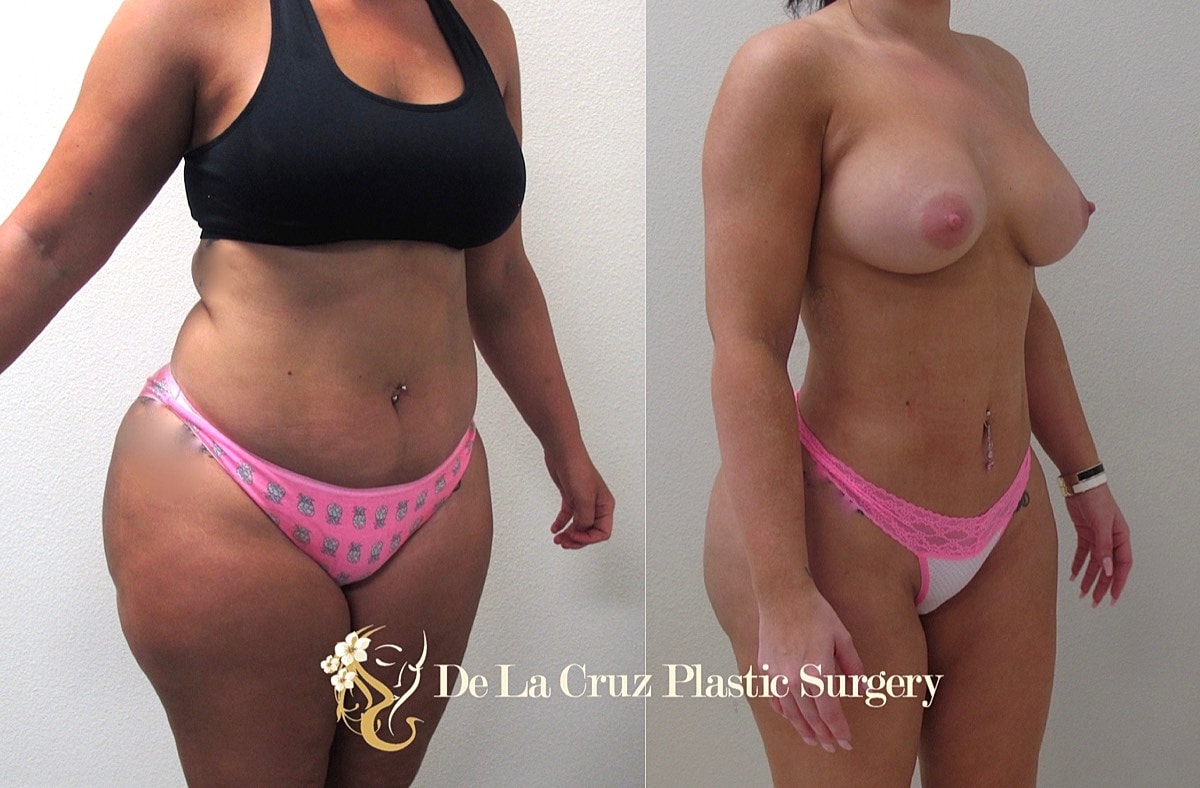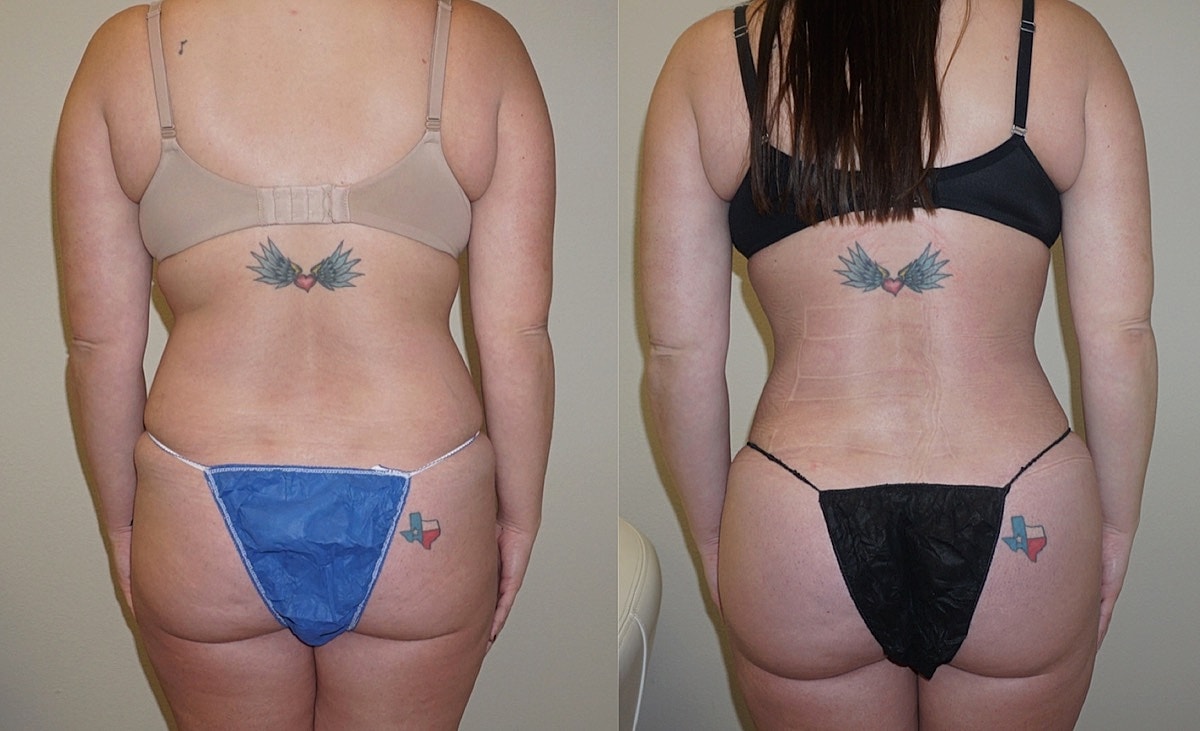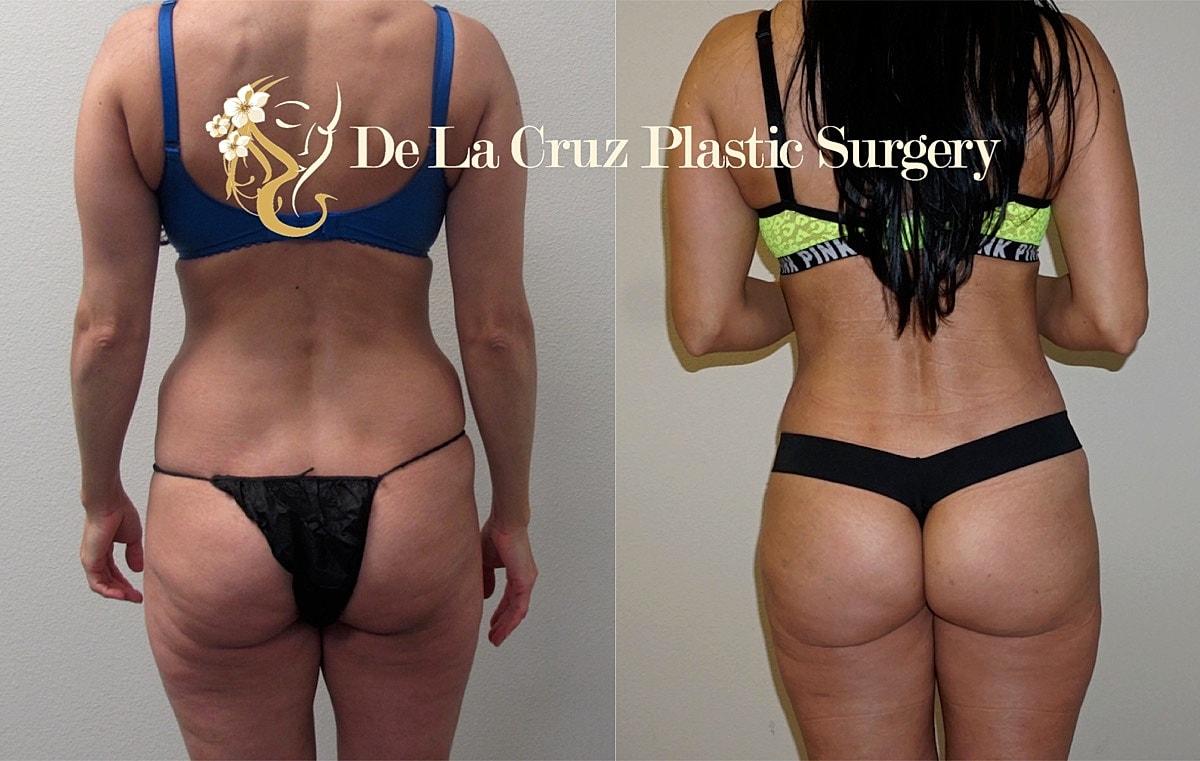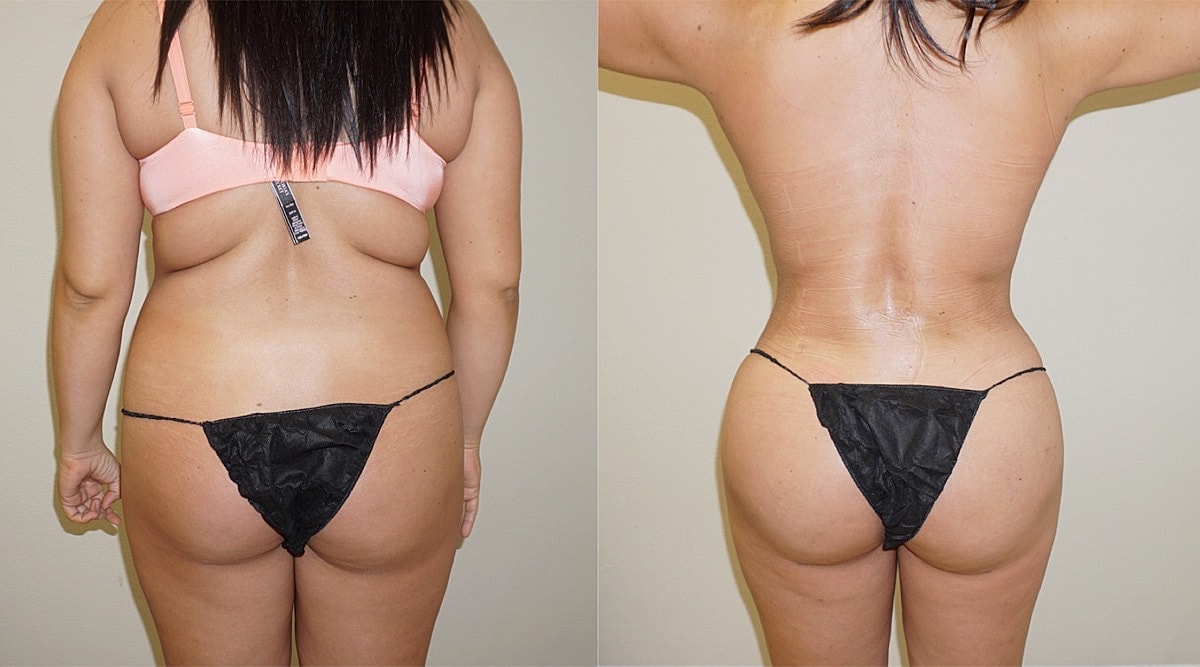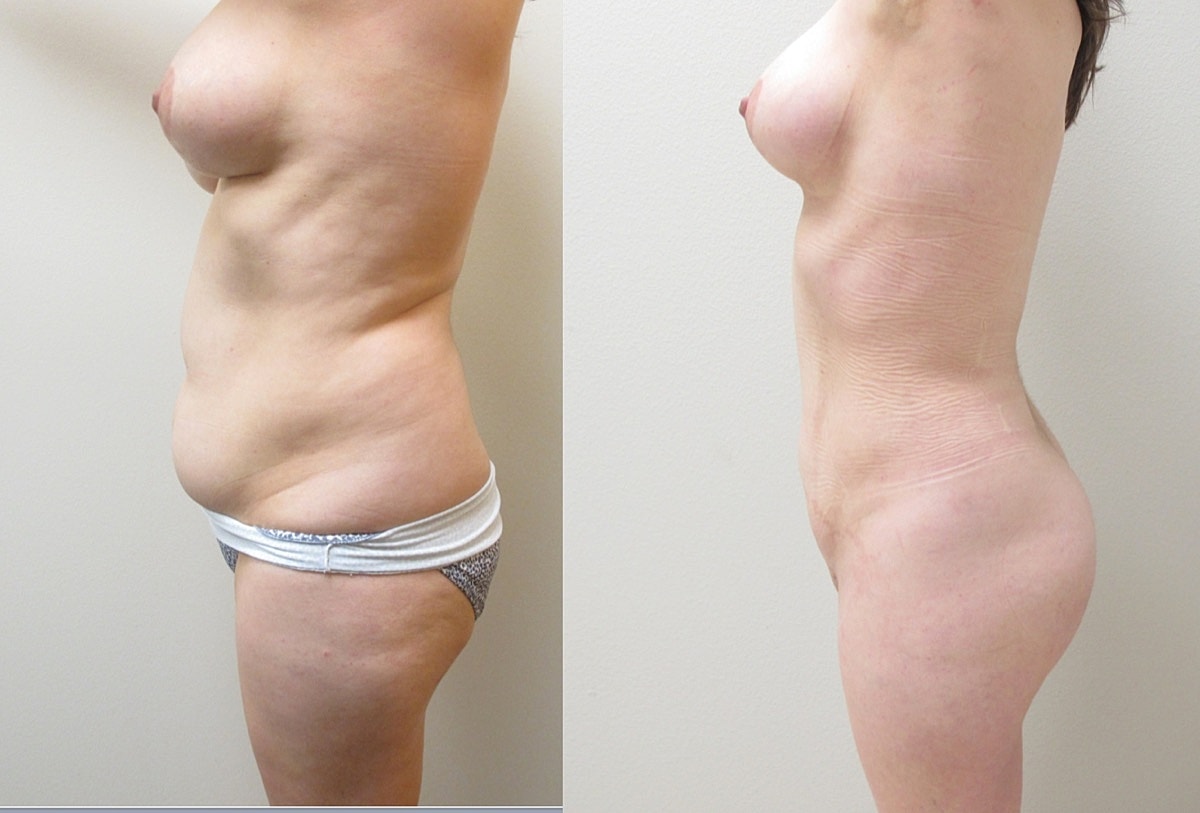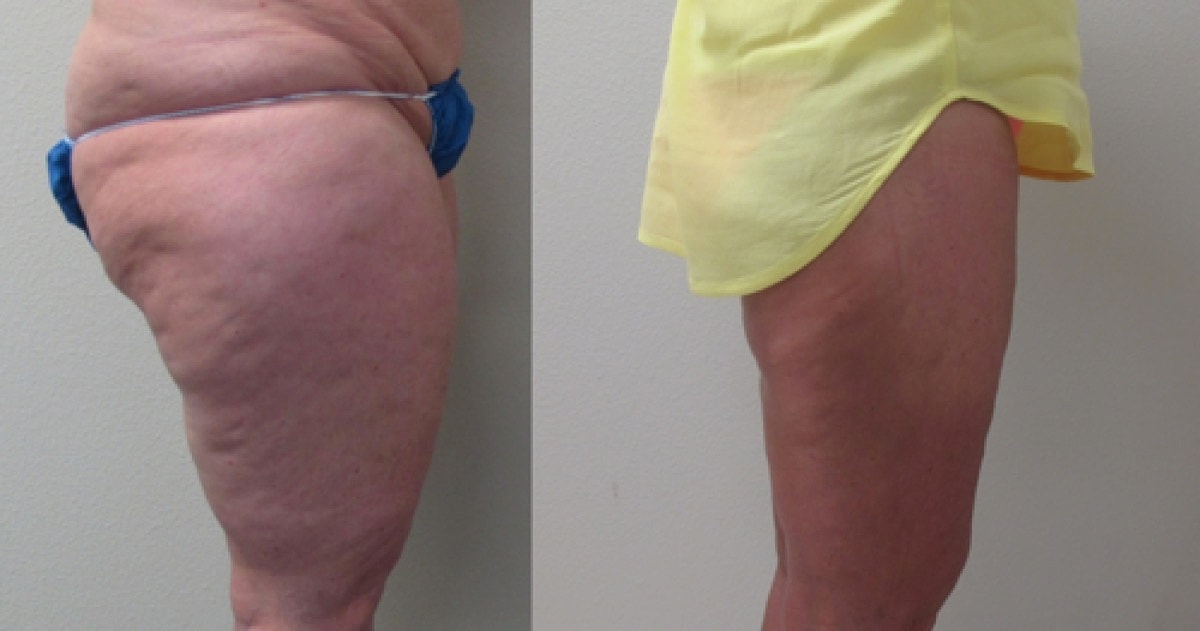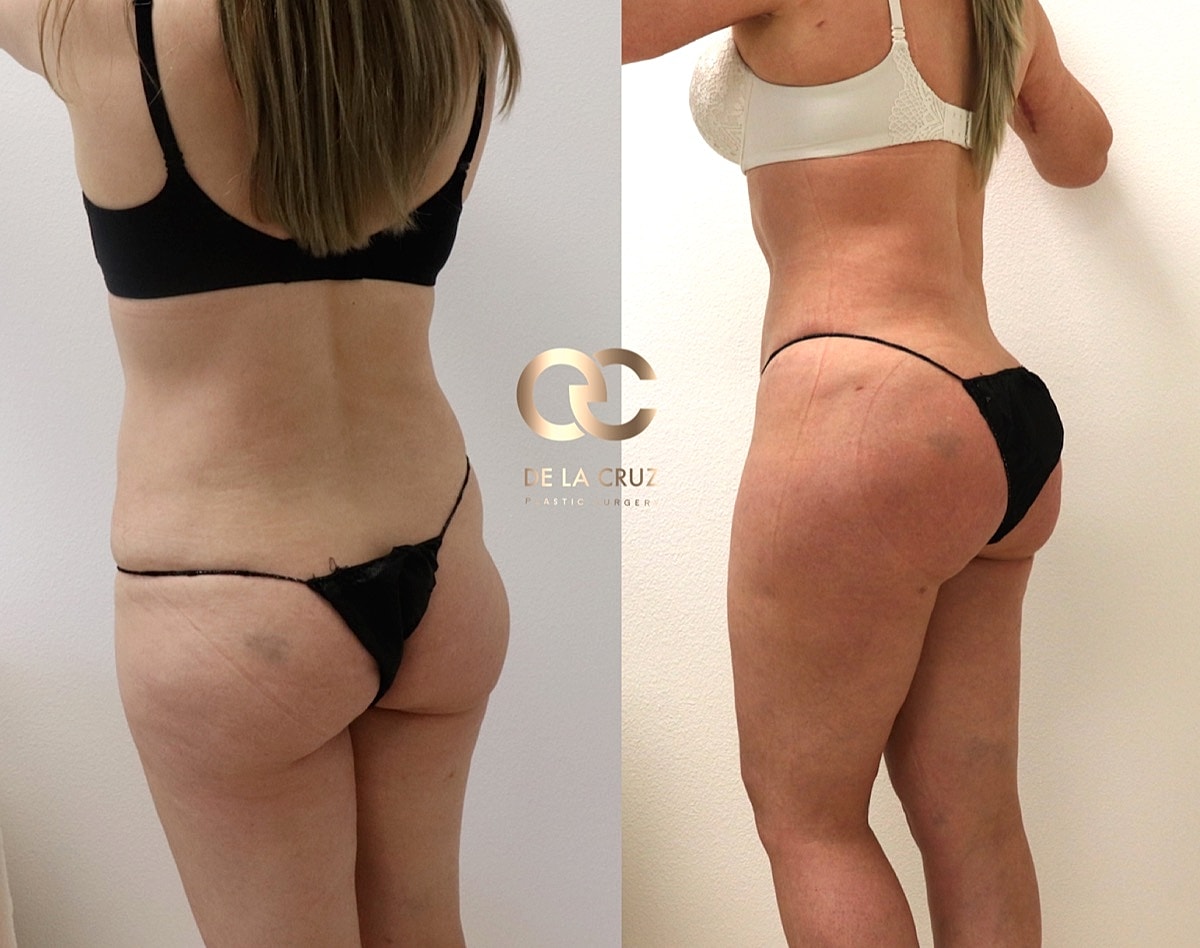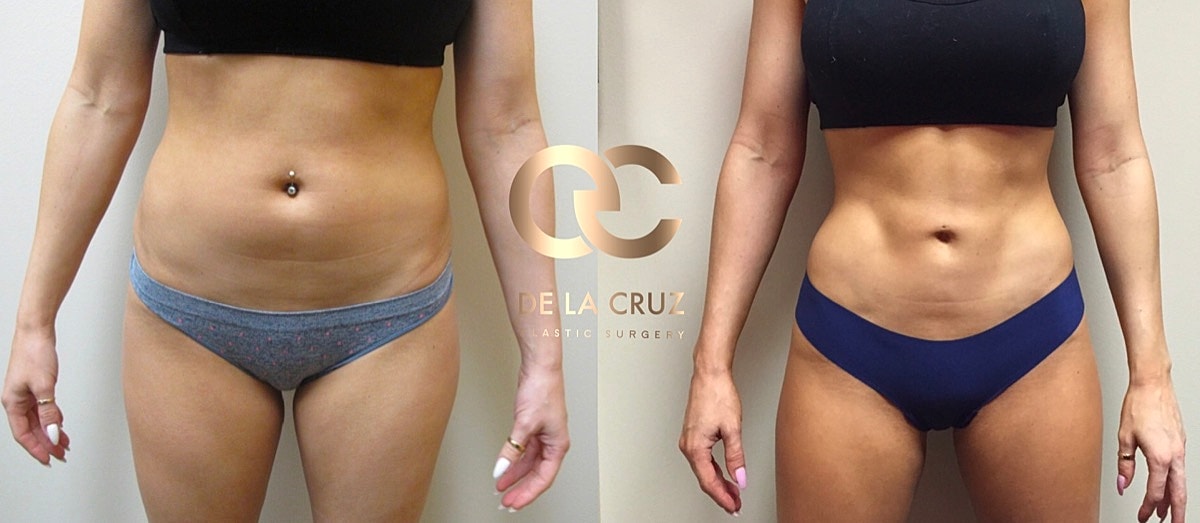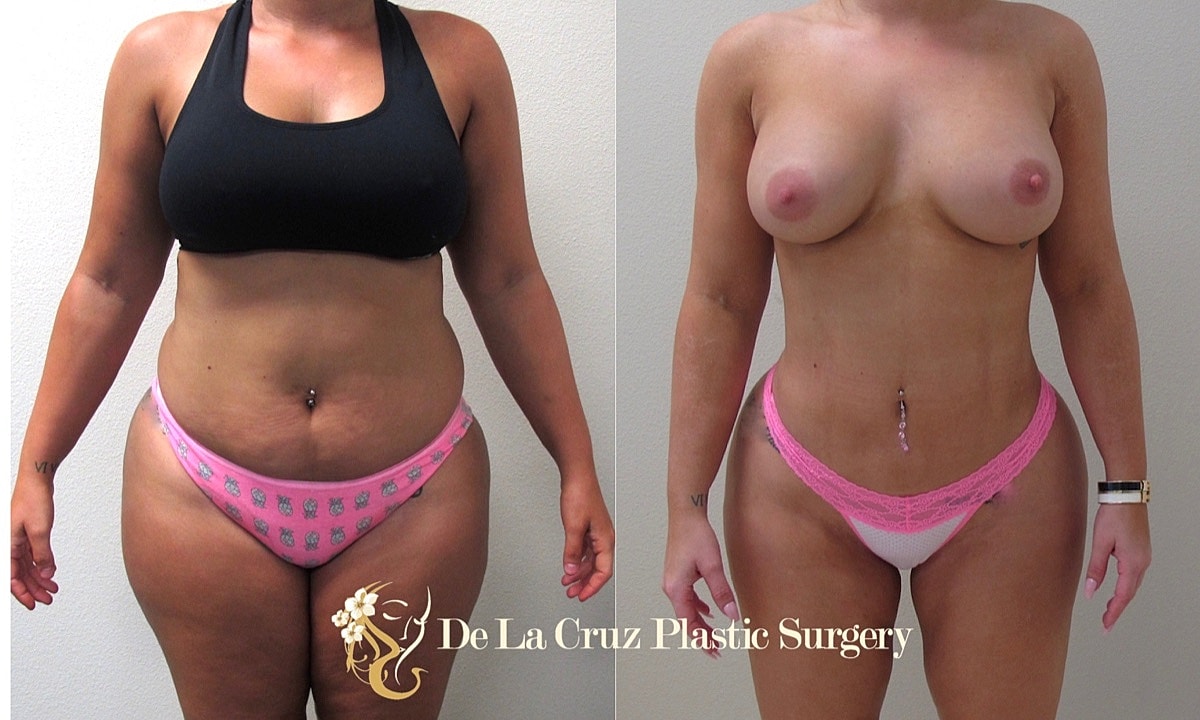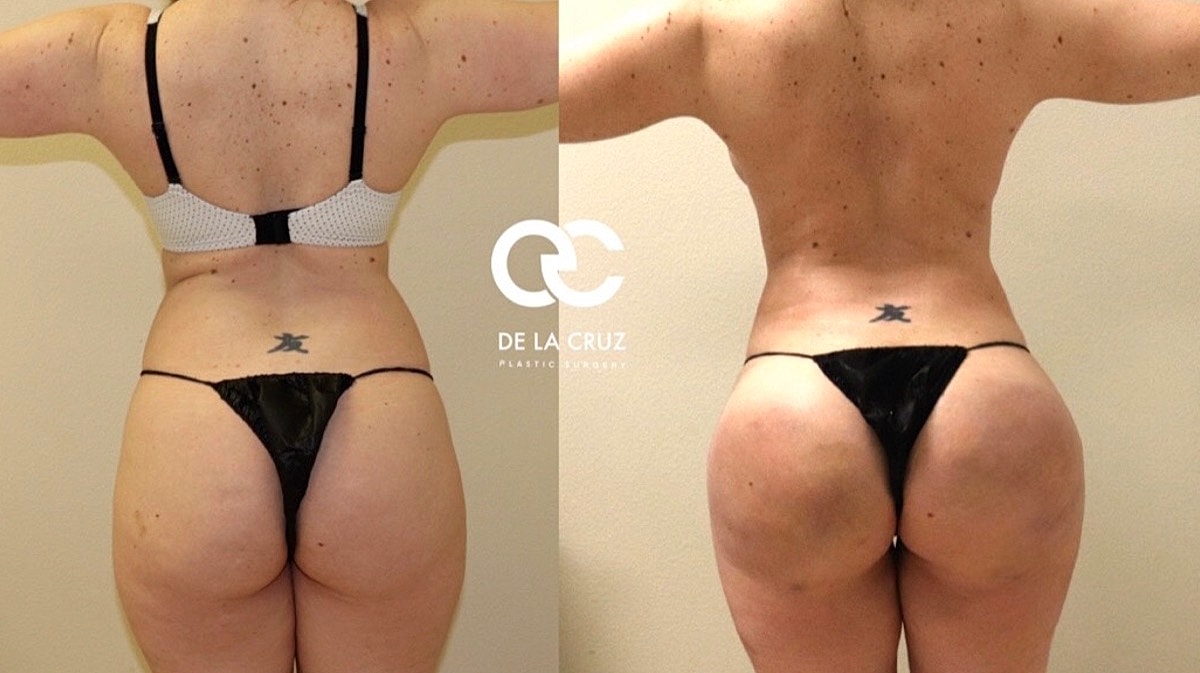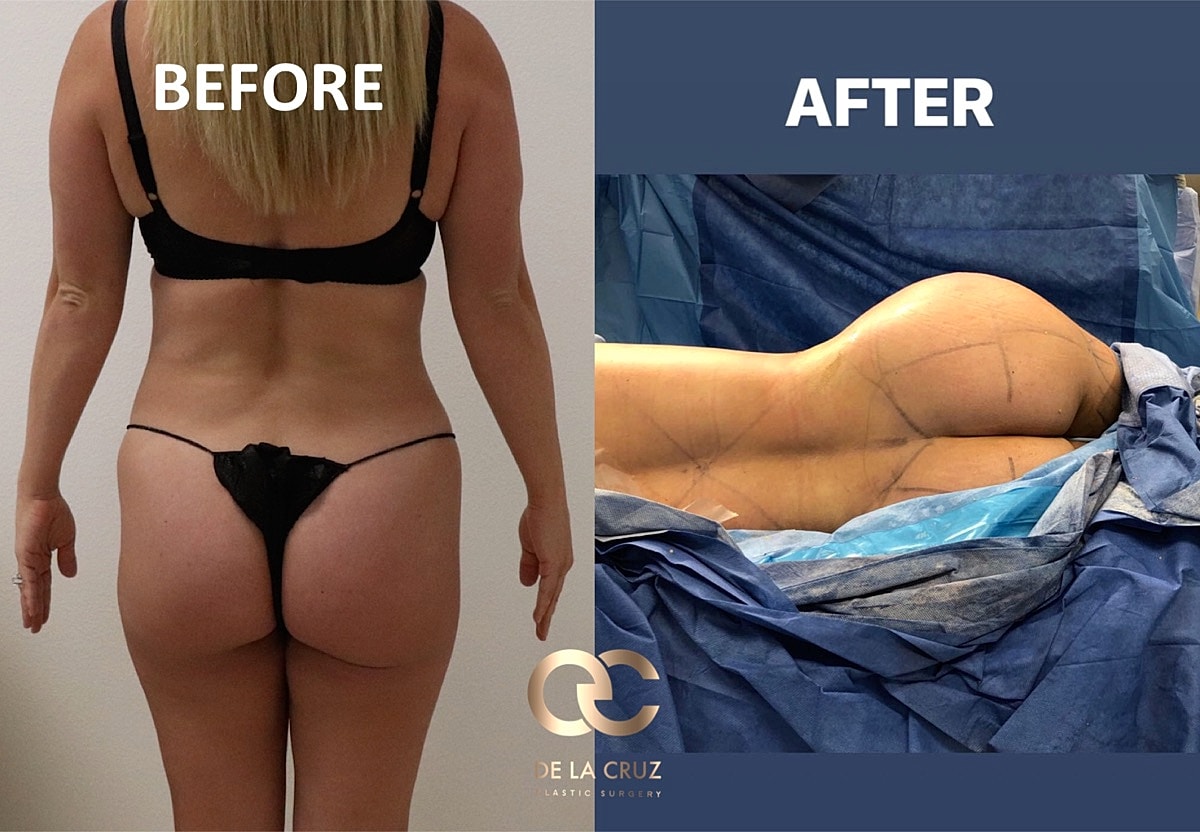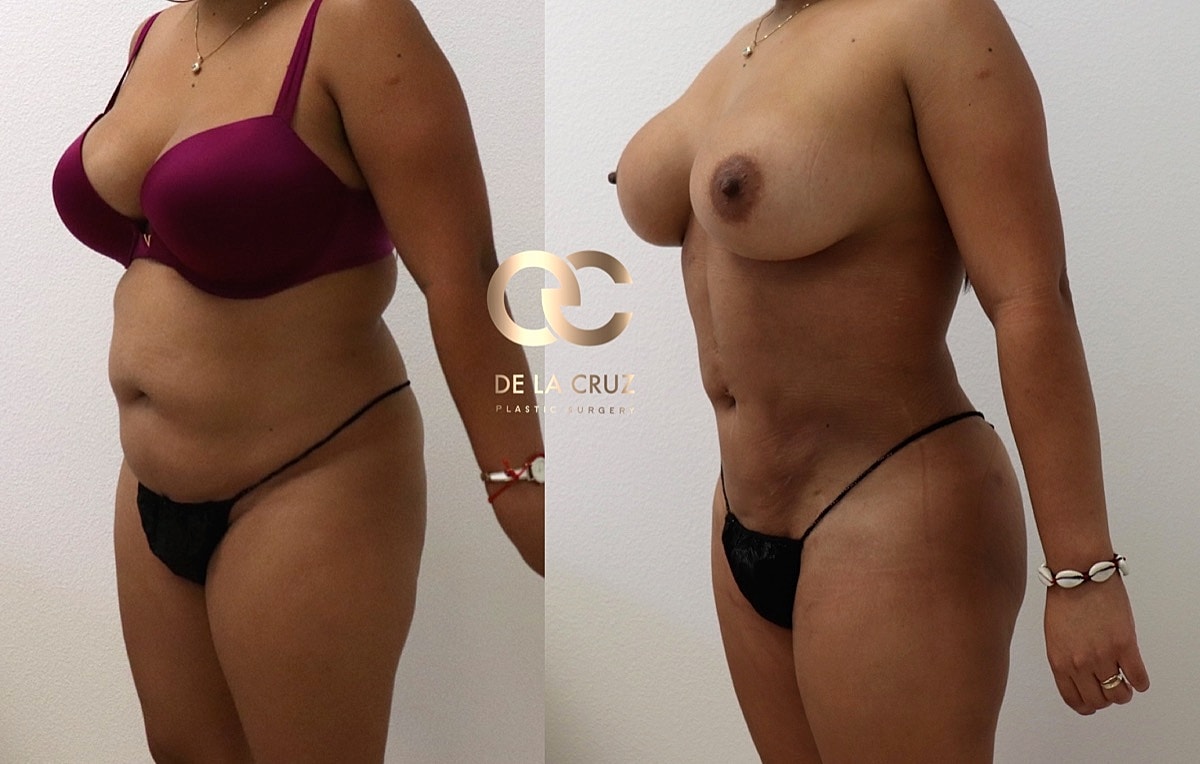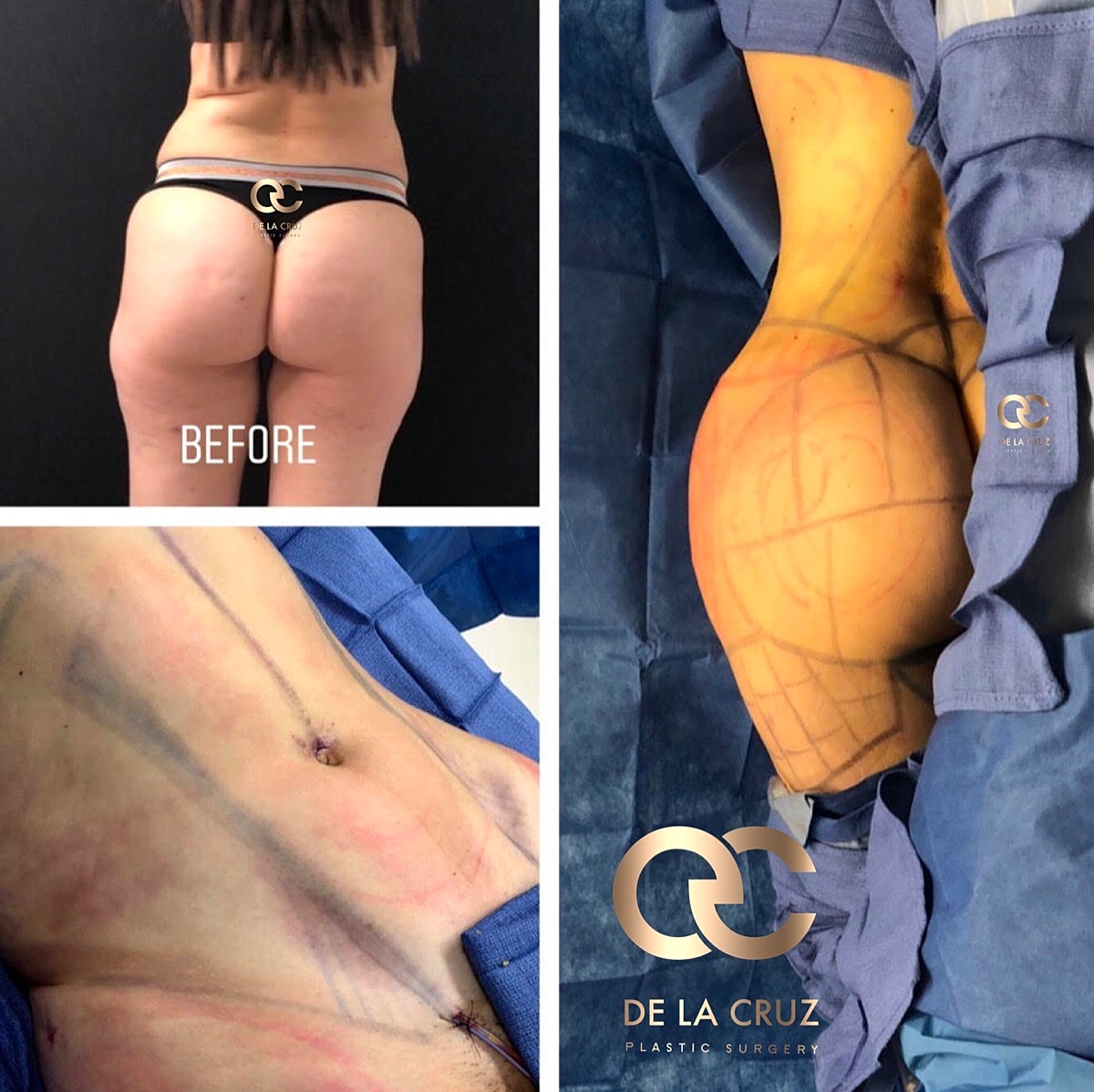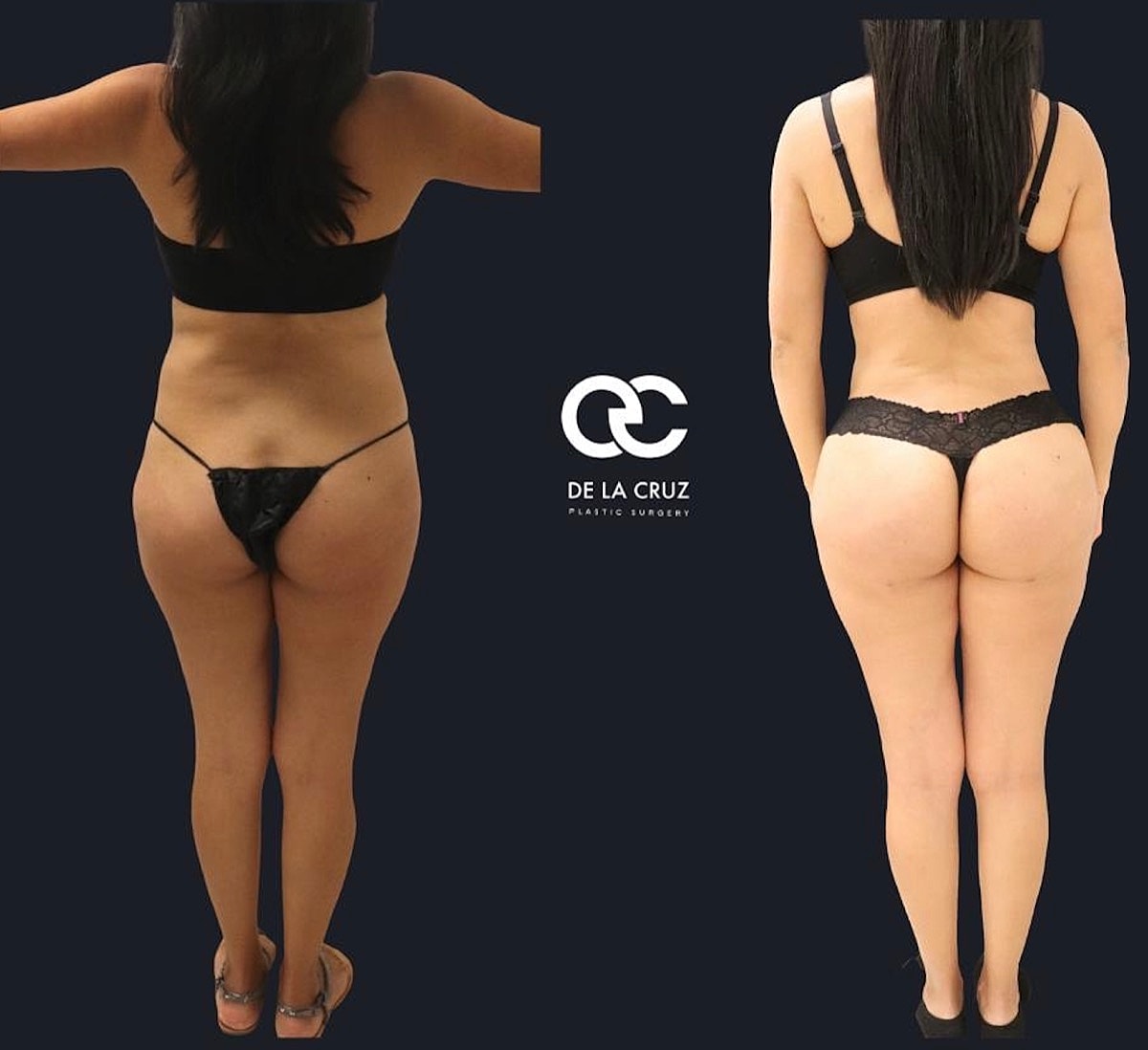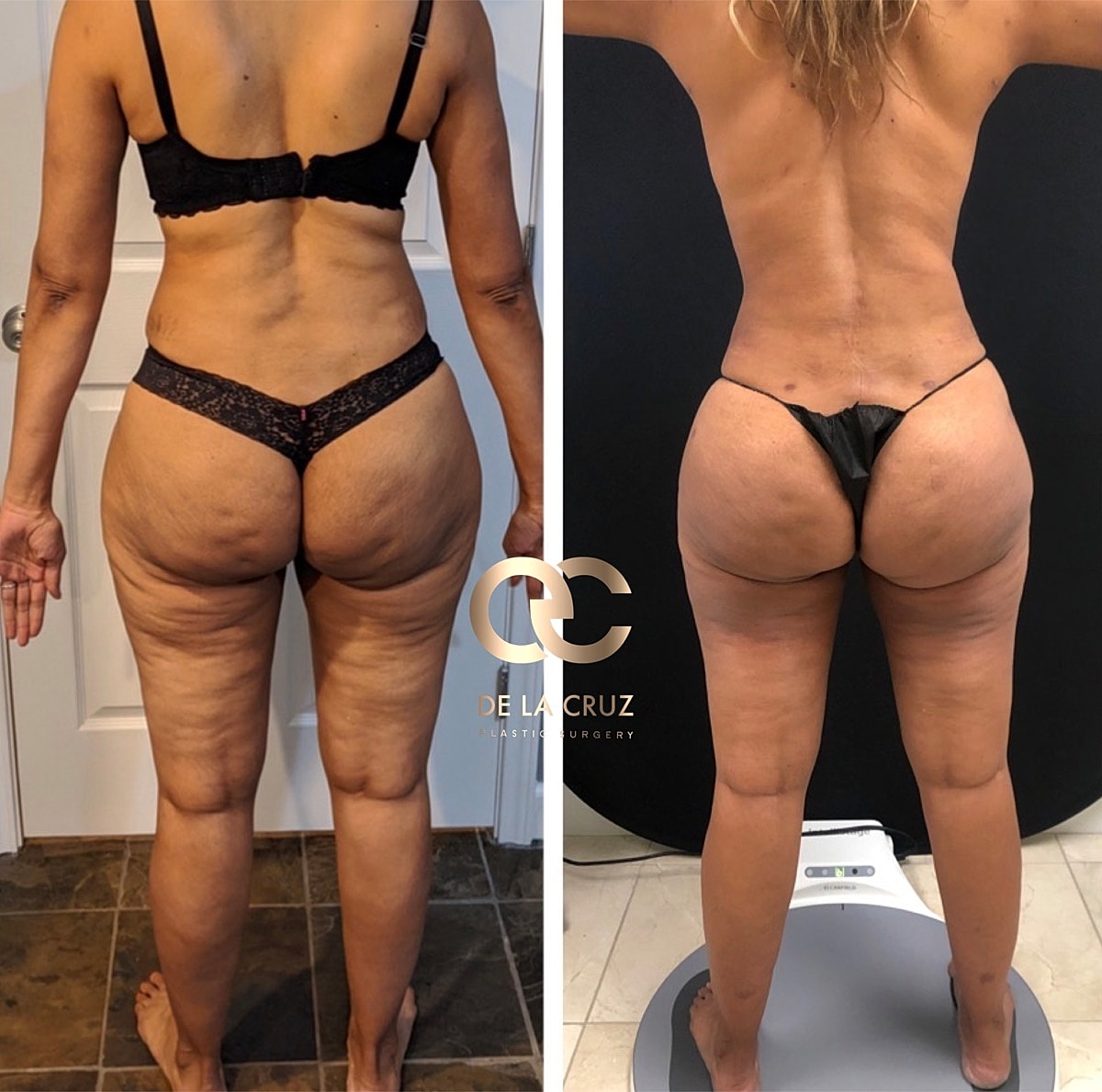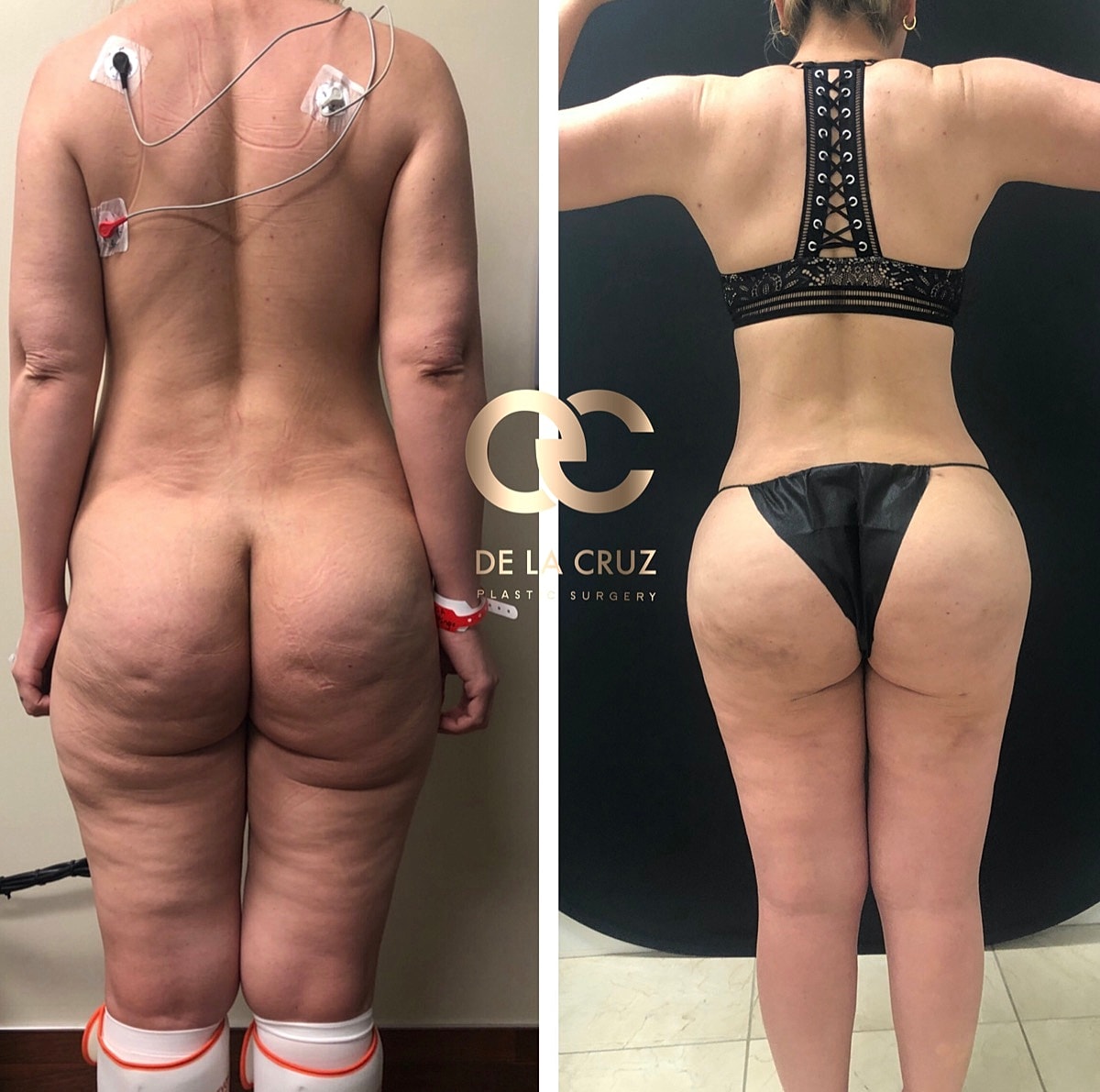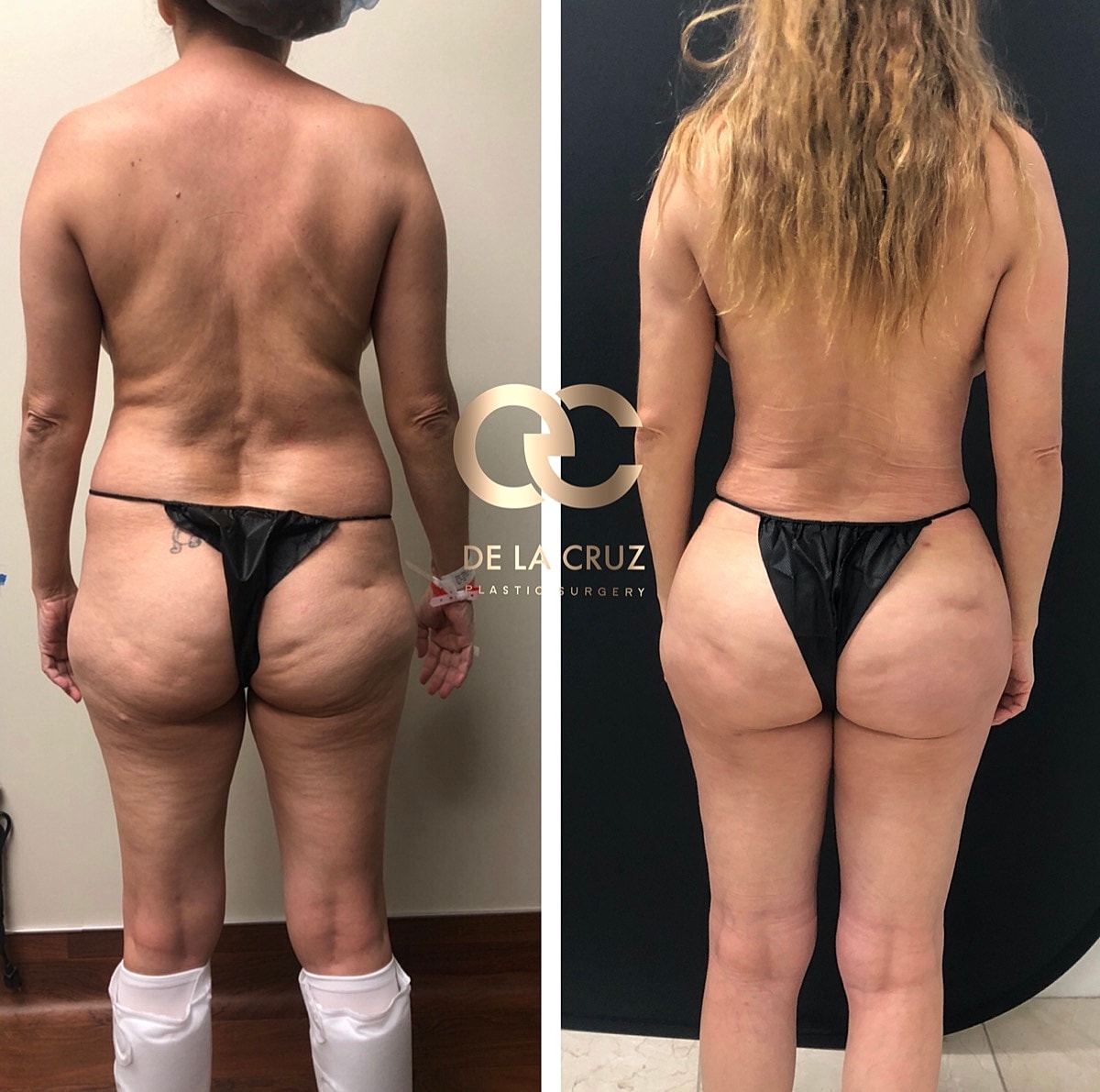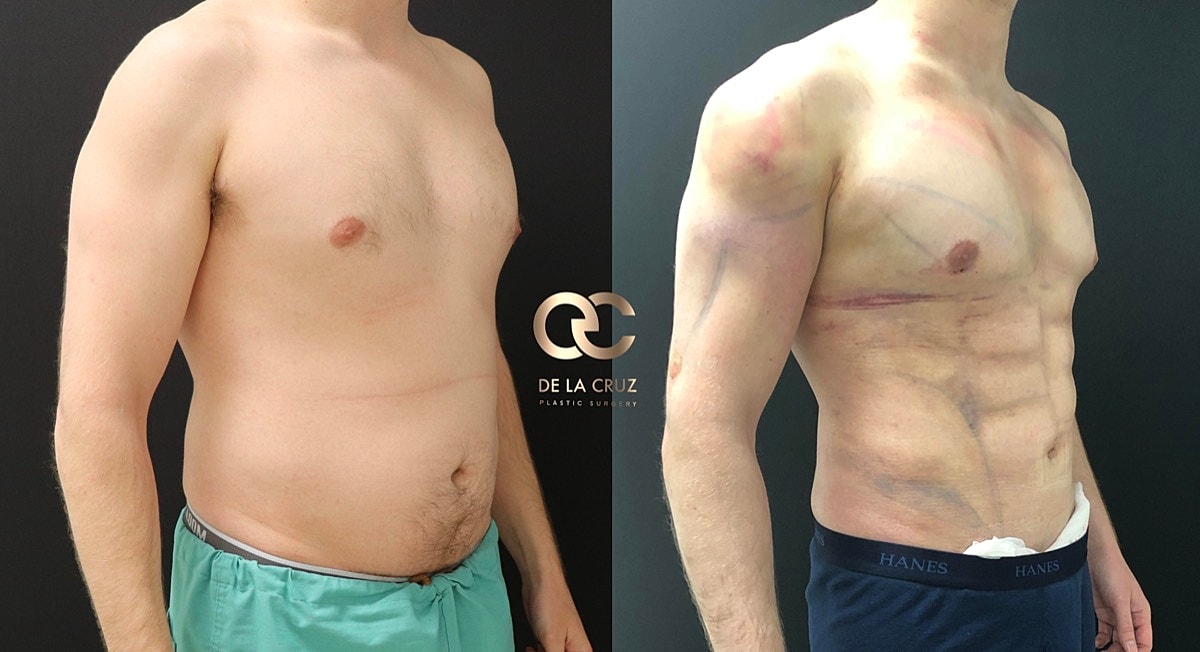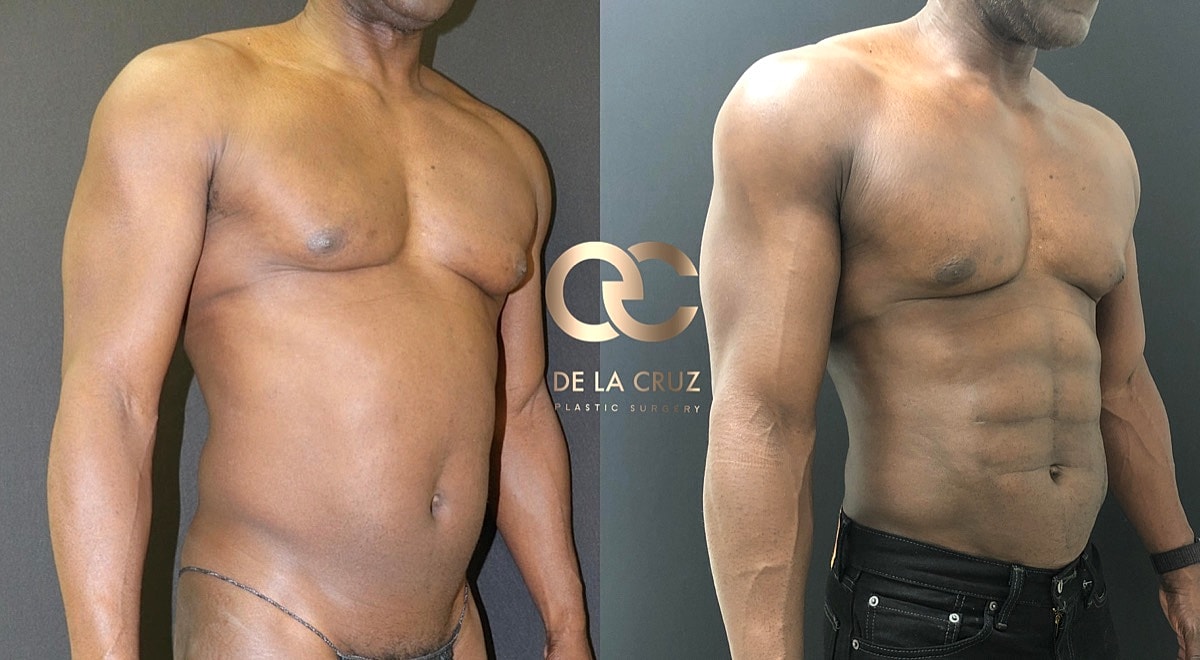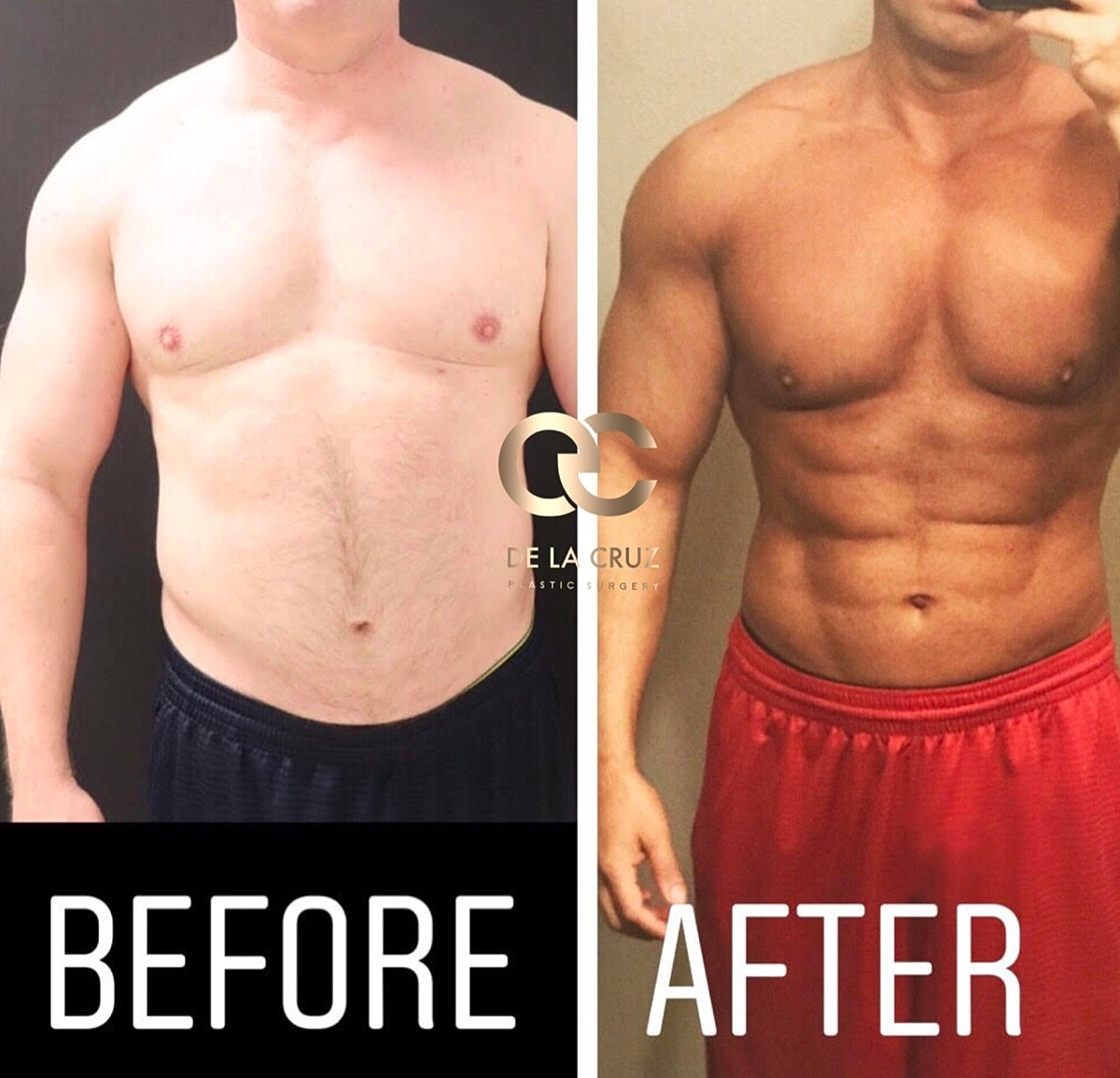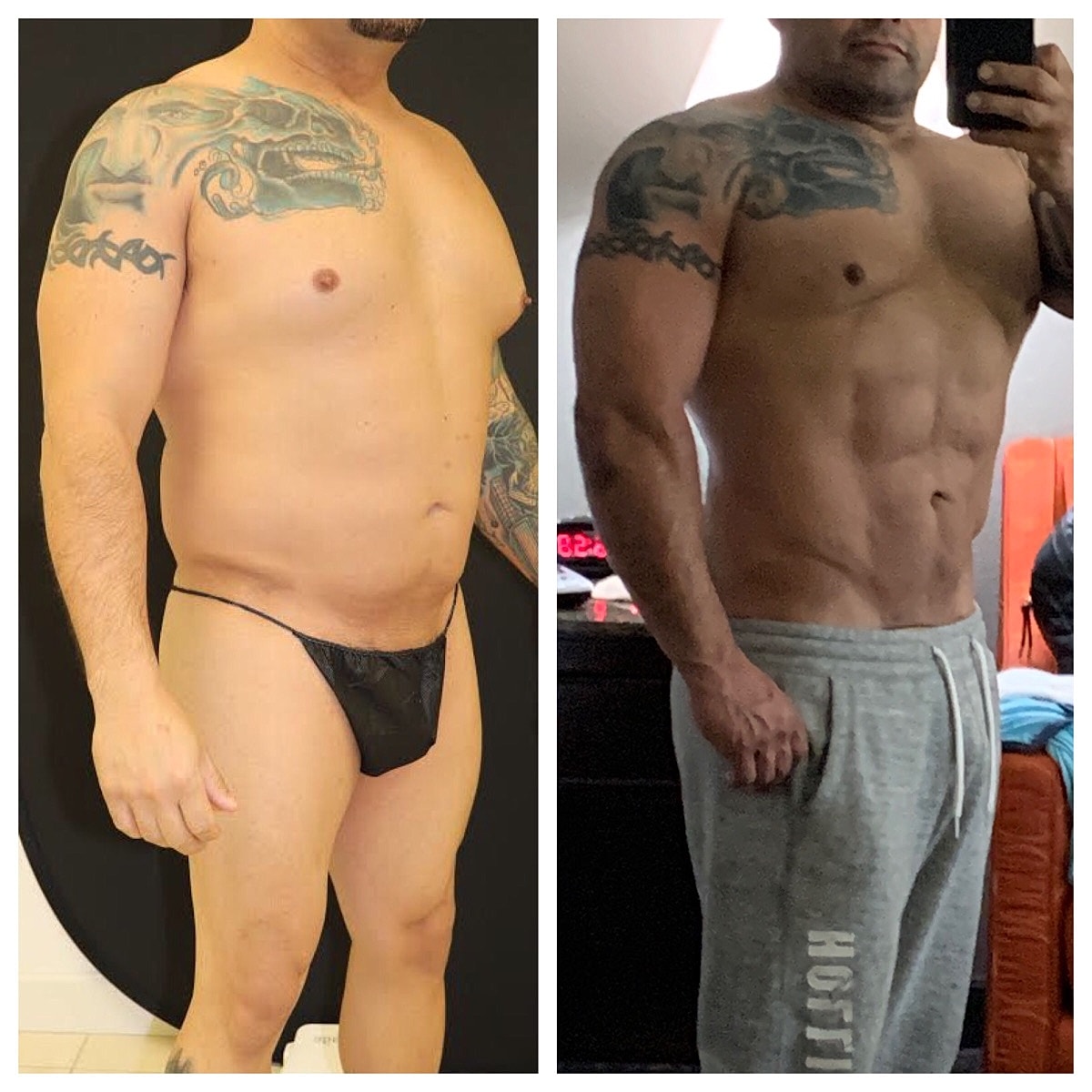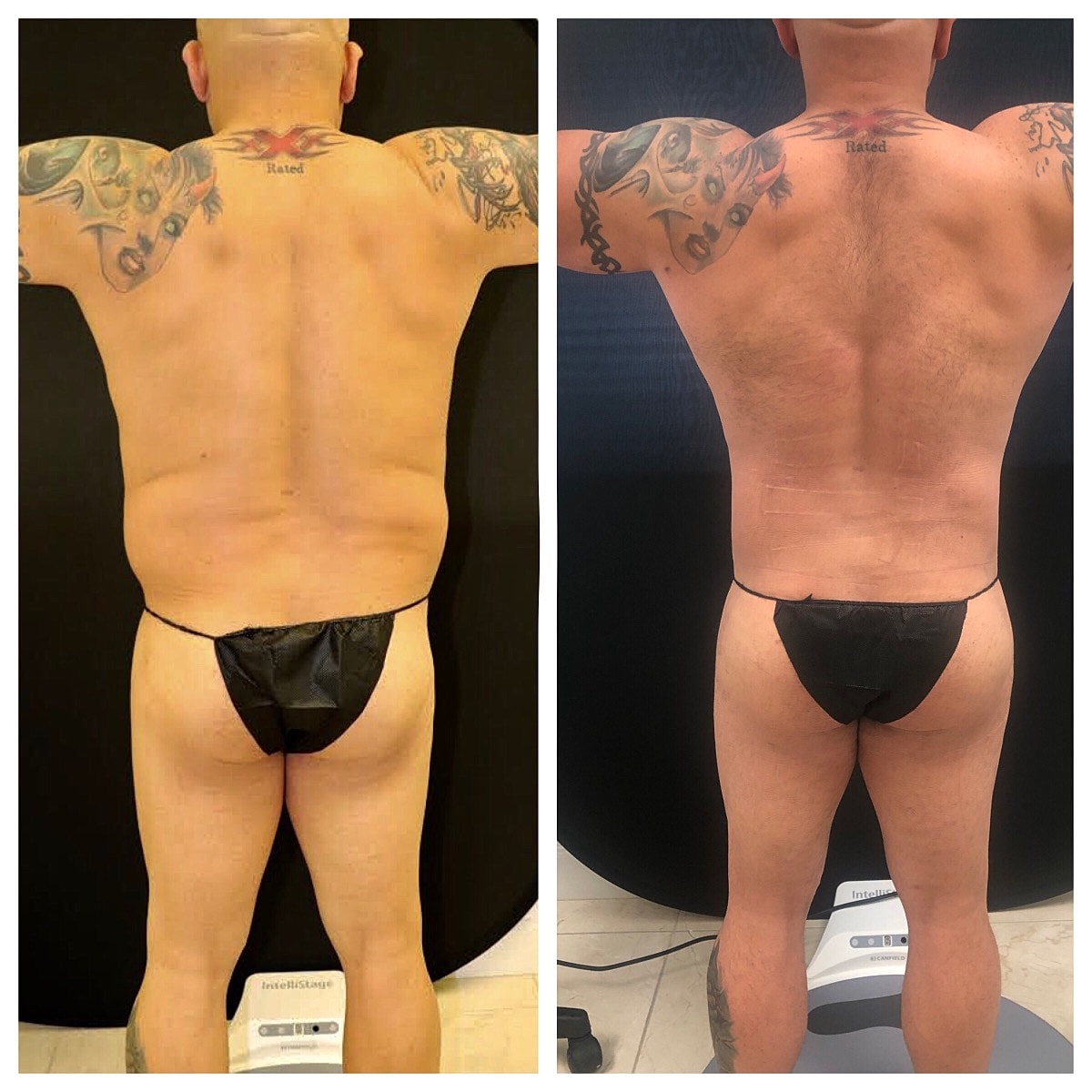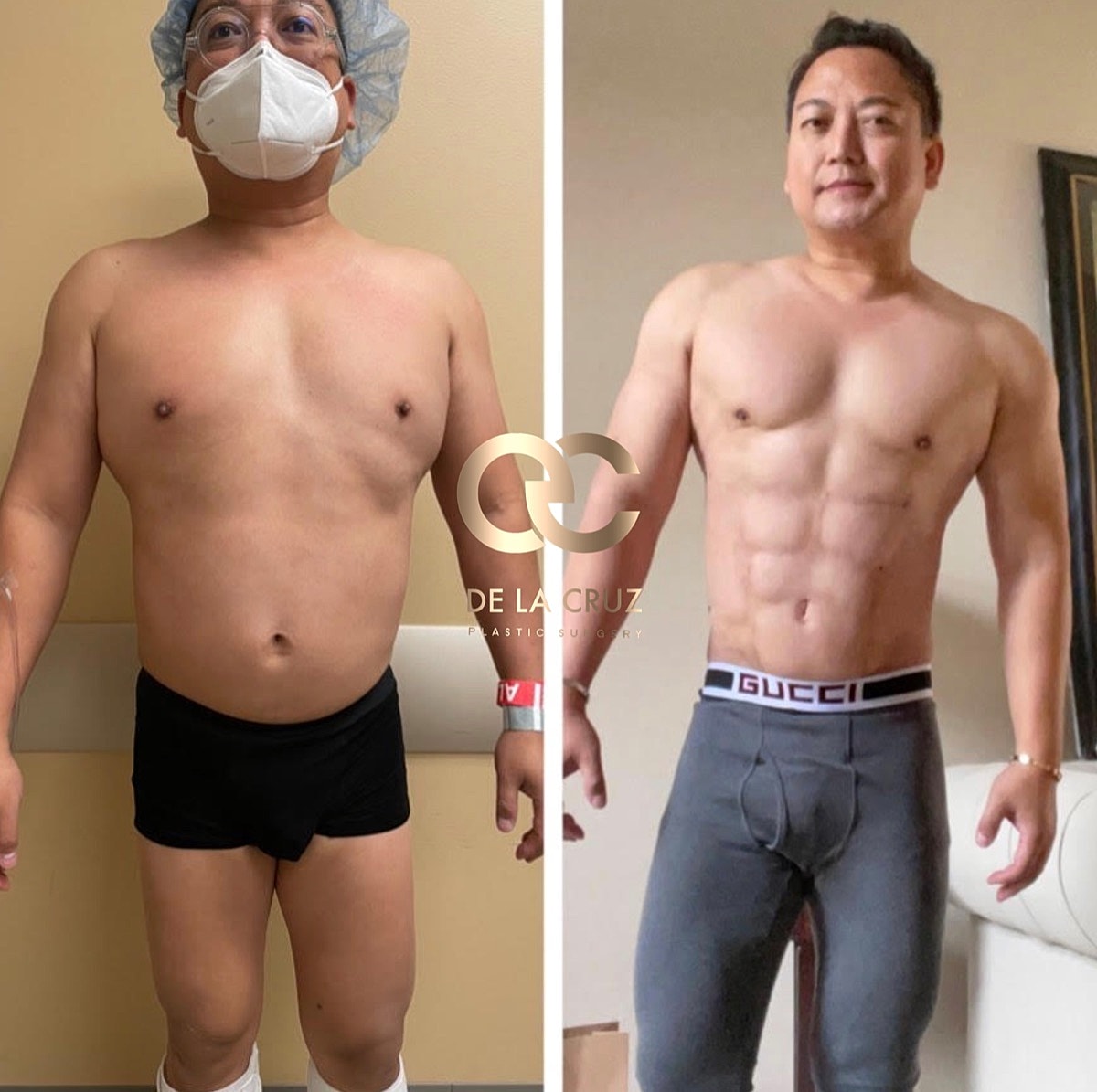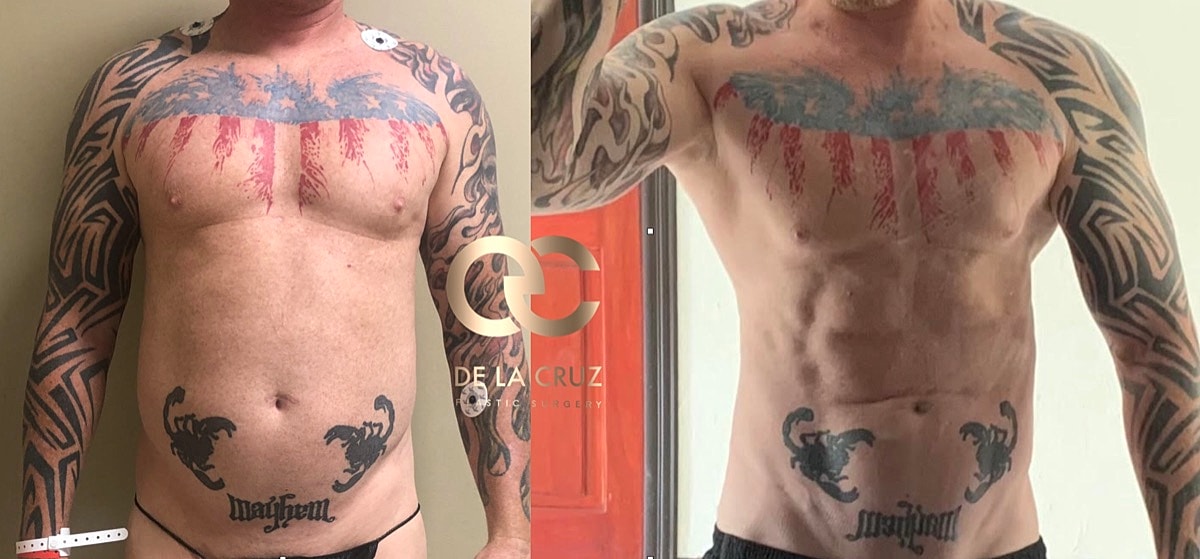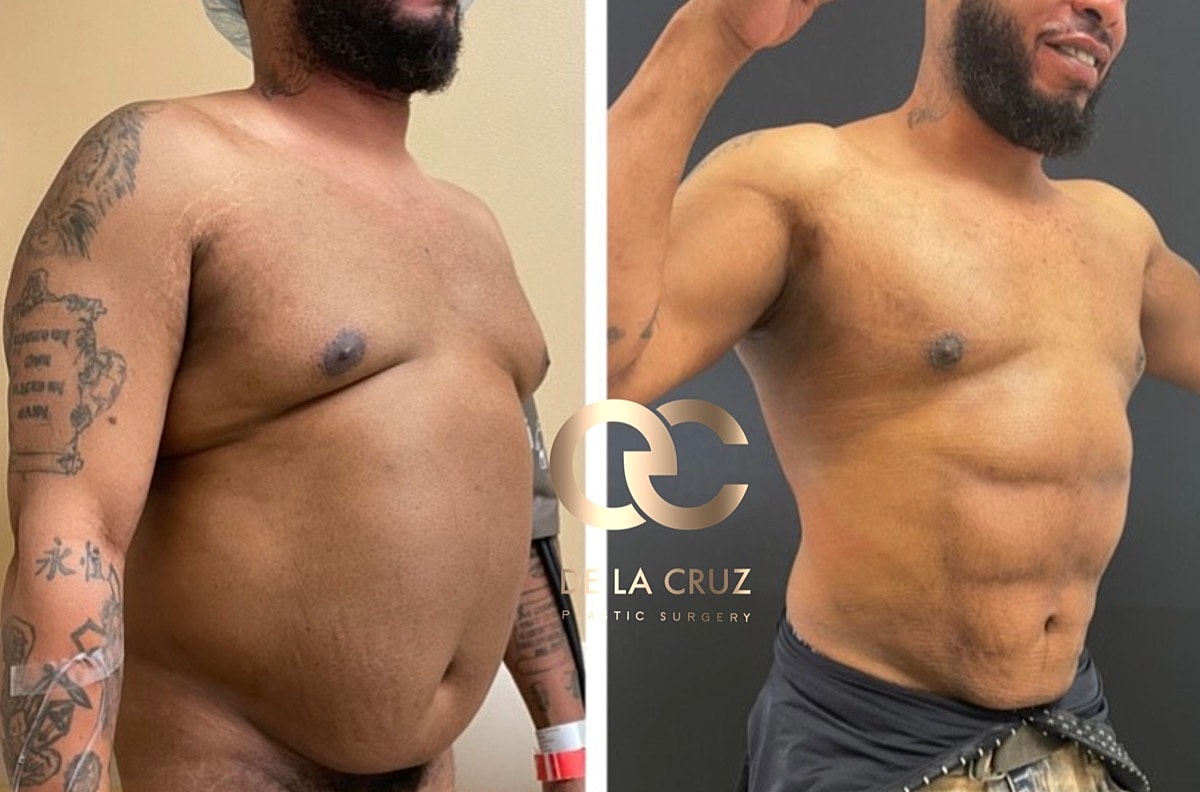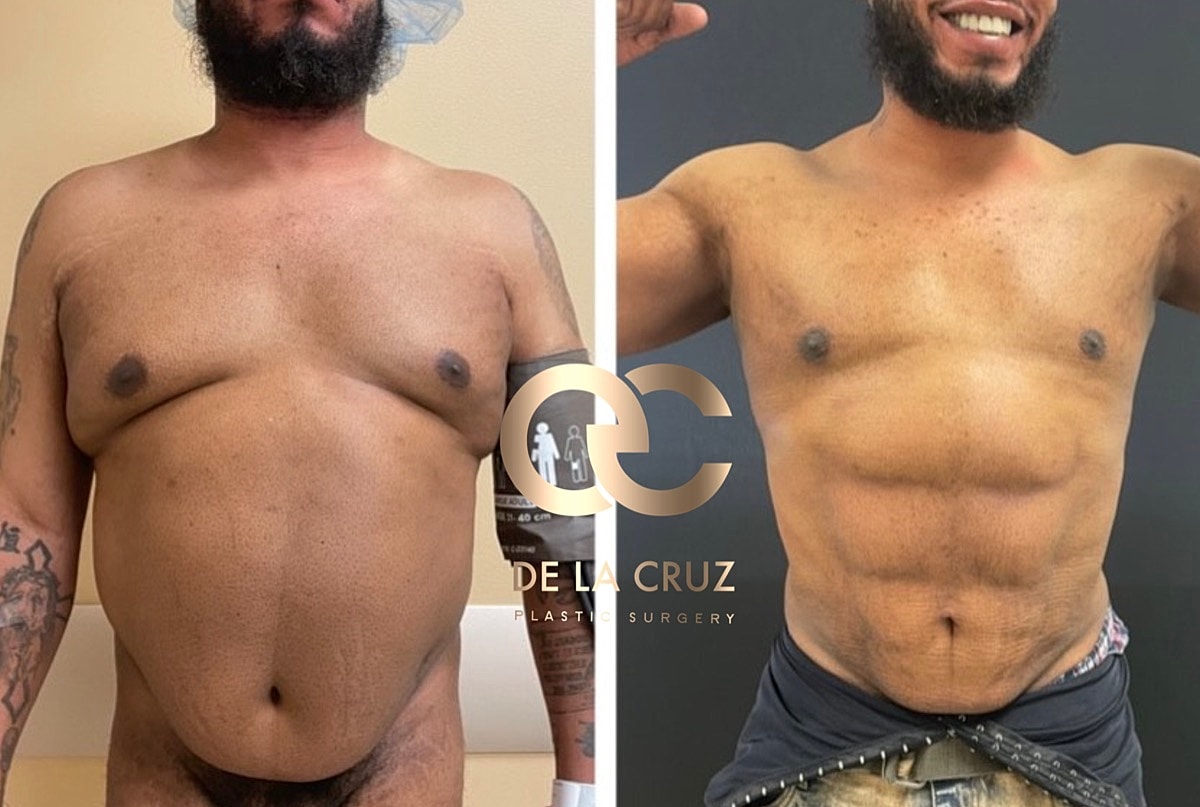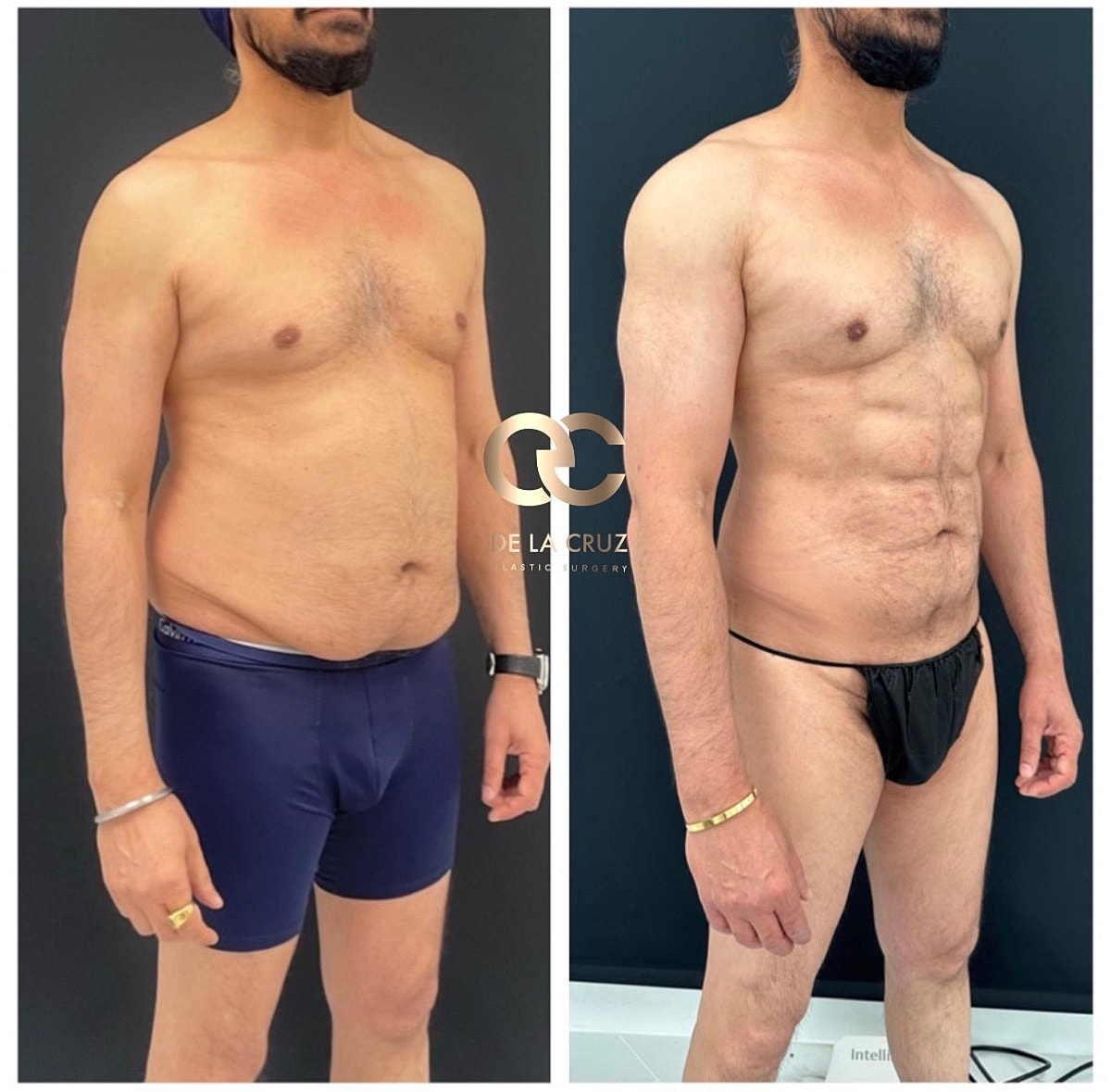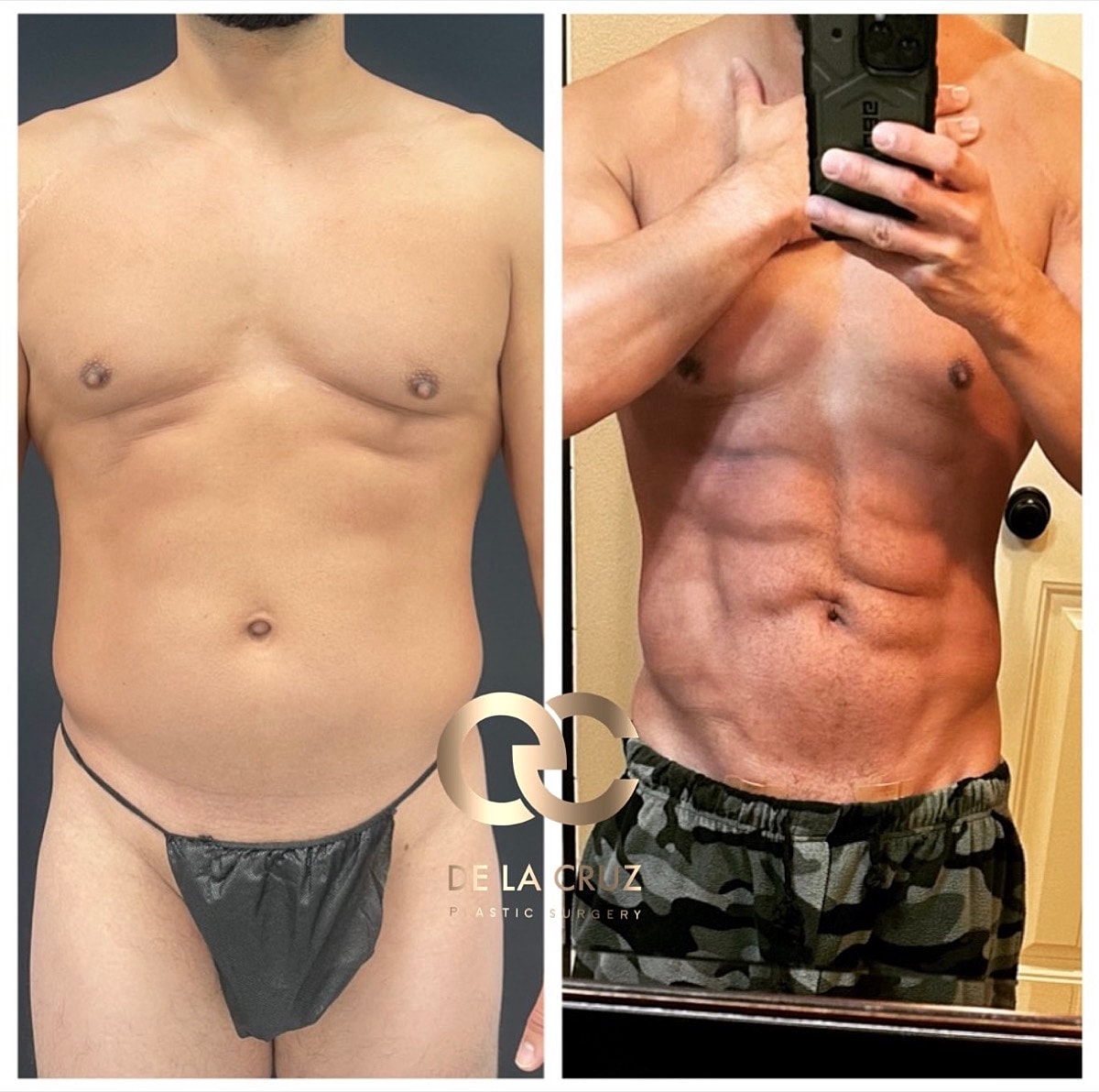
Recovery after liposuction is an important part of achieving optimal body contouring results. Modern techniques such as high definition liposuction, ultrasound-assisted liposuction (VASER), and power-assisted liposuction have improved precision and recovery, allowing many patients to return to normal activities relatively quickly.
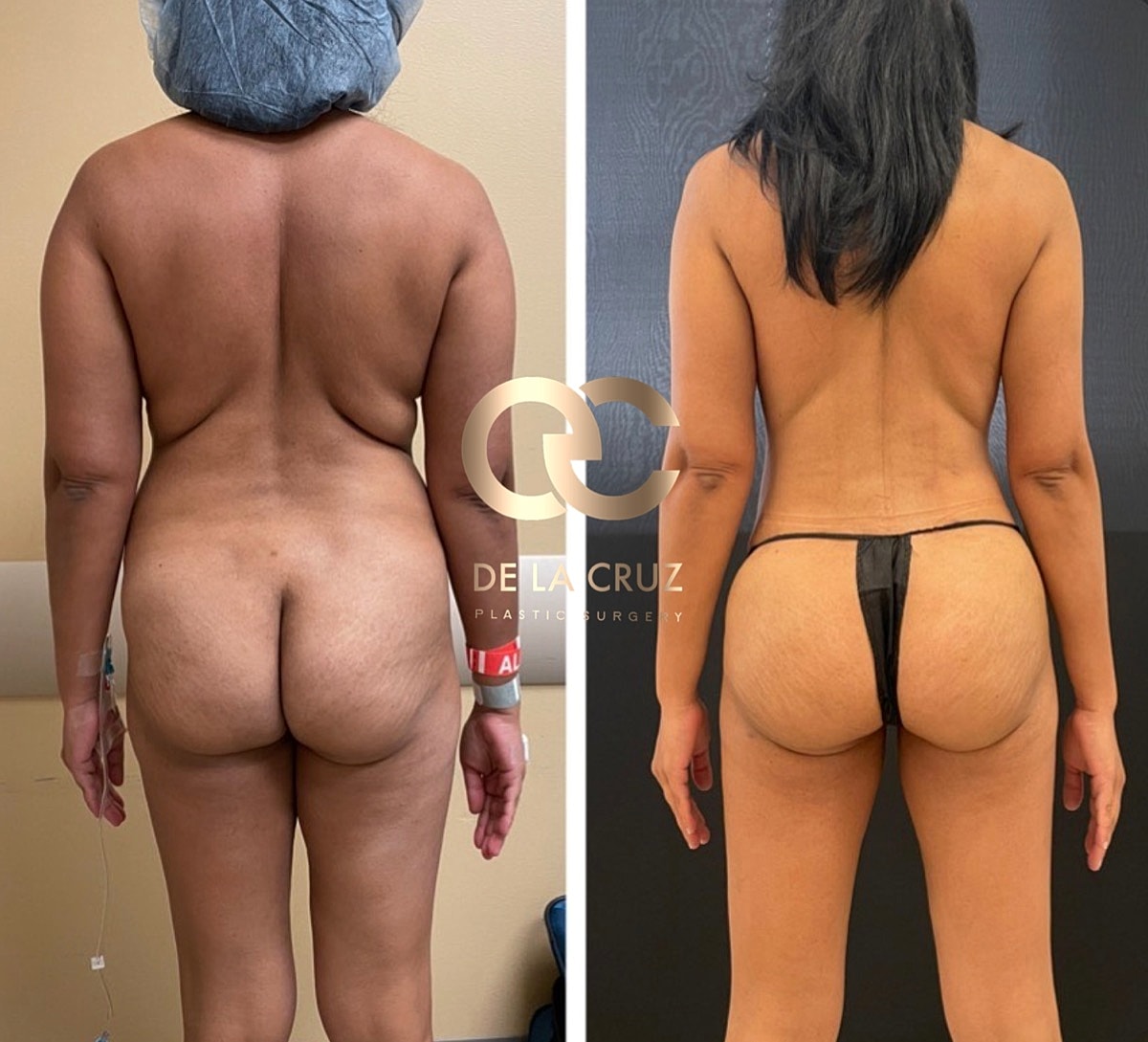
However, the healing process varies depending on several factors, including the areas treated, the amount of fat removed, and whether liposuction was performed as a standalone procedure or combined with other body contouring surgeries such as a Brazilian Butt Lift (BBL) or lipedema surgery.
Understanding the liposuction recovery timeline helps patients prepare for surgery and set realistic expectations for swelling, bruising, and the gradual development of final results.
At De La Cruz Plastic Surgery in Houston, careful surgical planning, advanced body contouring techniques, and detailed postoperative care help support a smoother recovery process and natural-looking outcomes.
1 of 65

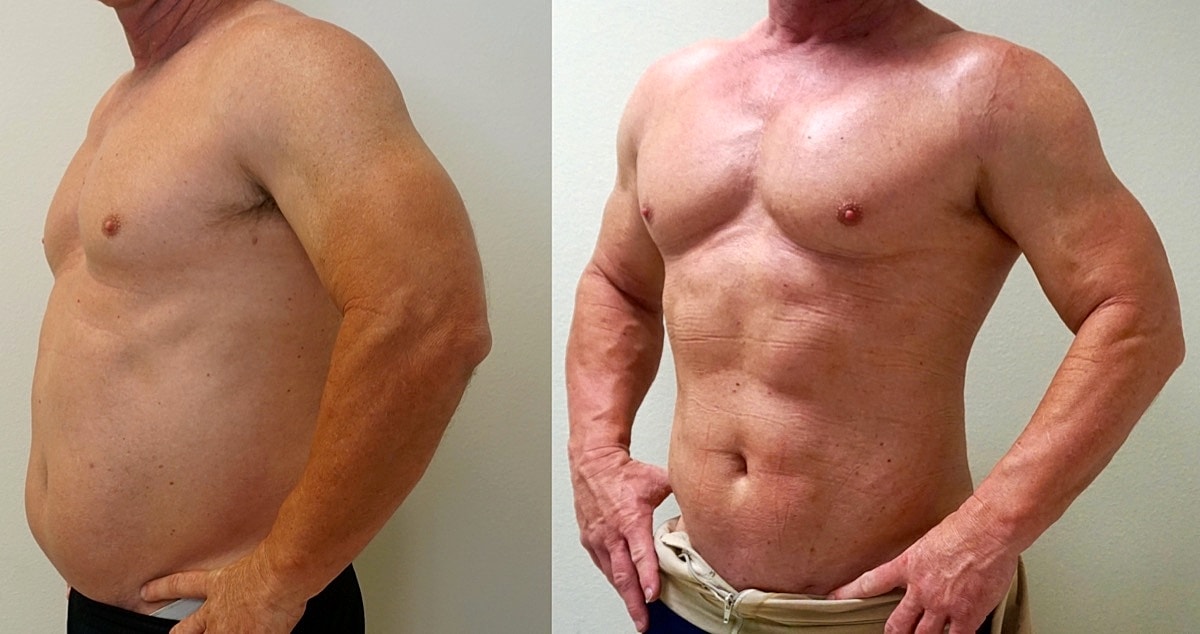
The recovery period after liposuction or high definition liposuction occurs gradually as swelling resolves and the body adapts to its new contours.
The timeline may differ depending on the procedure performed, particularly when liposuction is used for specialized treatments such as lipedema surgery, correction of Paradoxical Adipose Hyperplasia (PAH), or revision liposuction after a previous procedure.
First 24–48 Hours After Liposuction
During the first one to two days following liposuction surgery, patients may experience:
• swelling • bruising • mild soreness or muscle-like discomfort • temporary numbness in treated areas
Drainage of tumescent fluid from the small incision sites is common during this early stage of recovery. Light walking is typically encouraged to promote circulation and reduce the risk of complications.
First Week of Recovery
During the first week, swelling and bruising are usually most noticeable. Compression garments are worn to help reduce swelling, support healing tissues, and promote smoother body contours.
Many patients undergoing liposuction or high definition liposuction are able to return to light activities or non-strenuous work within several days, depending on the extent of the procedure.
Two to Three Weeks
As swelling begins to improve, patients often start noticing early contour improvements in the treated areas.
Patients who undergo revision liposuction or lipedema surgery may experience slightly longer recovery periods due to the complexity of these procedures and the amount of tissue treated.
Four to Six Weeks
By this stage, most patients can gradually return to normal physical activities and exercise, as recommended by their surgeon.
A significant portion of swelling typically resolves during this period, allowing body contours to become more visible.
Three to Six Months
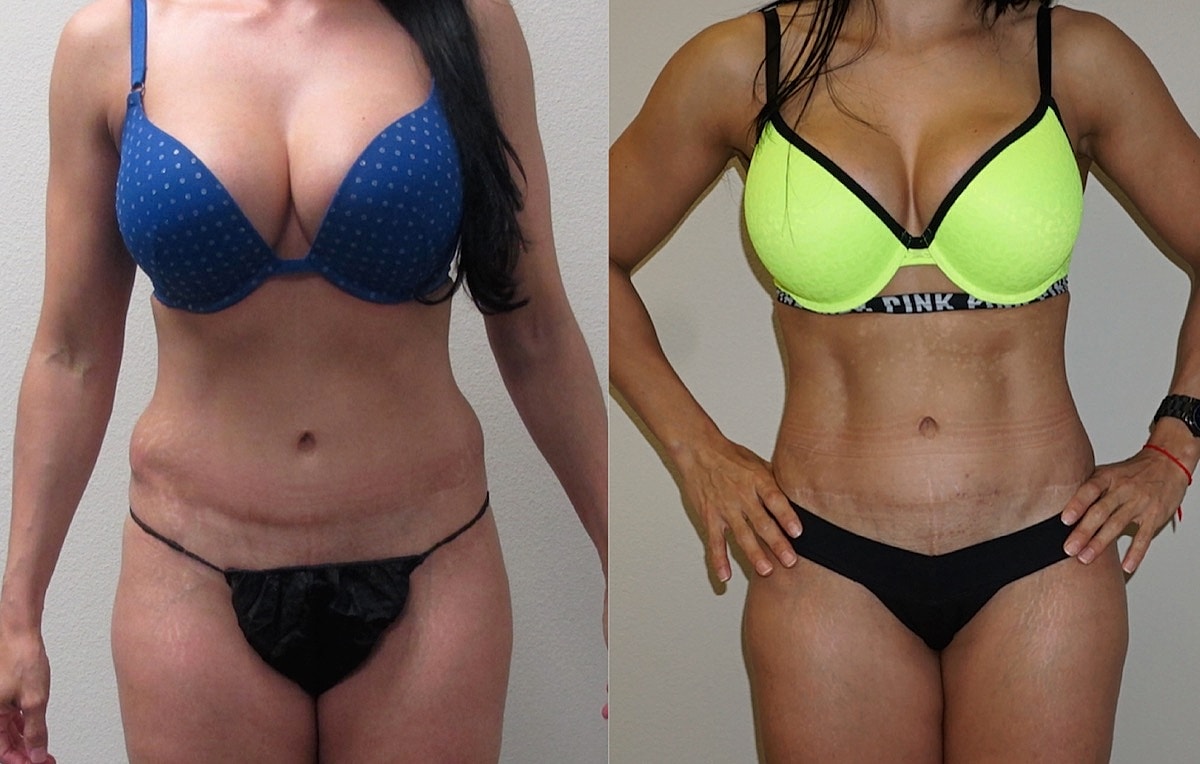
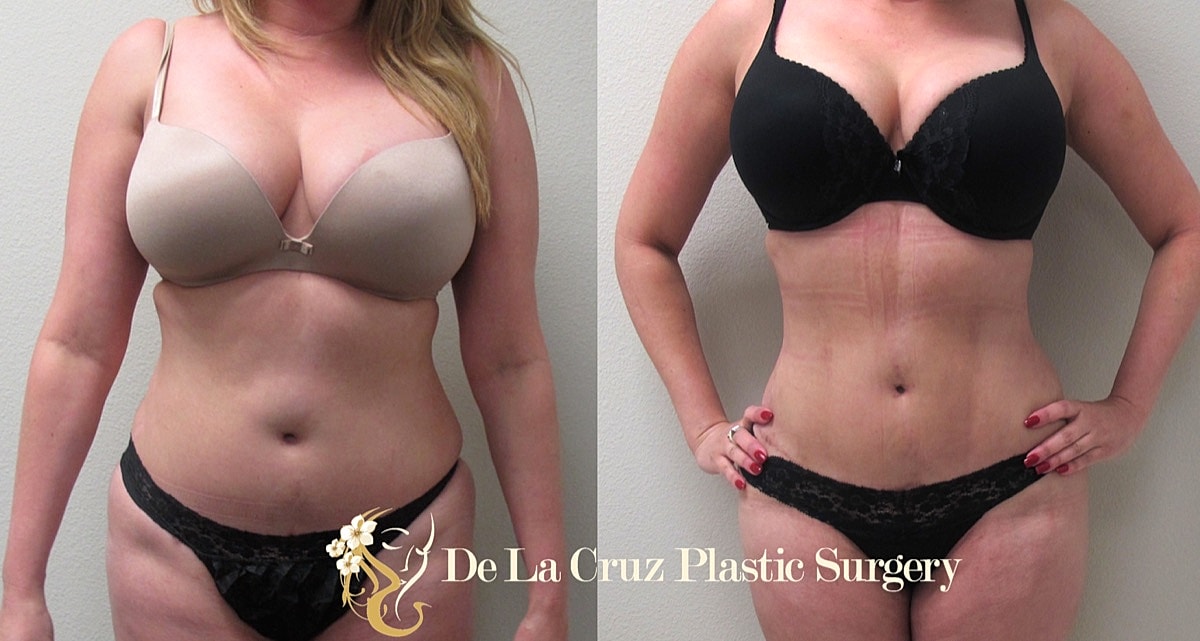
Final results continue to refine over several months as residual swelling resolves and tissues settle into their new shape.
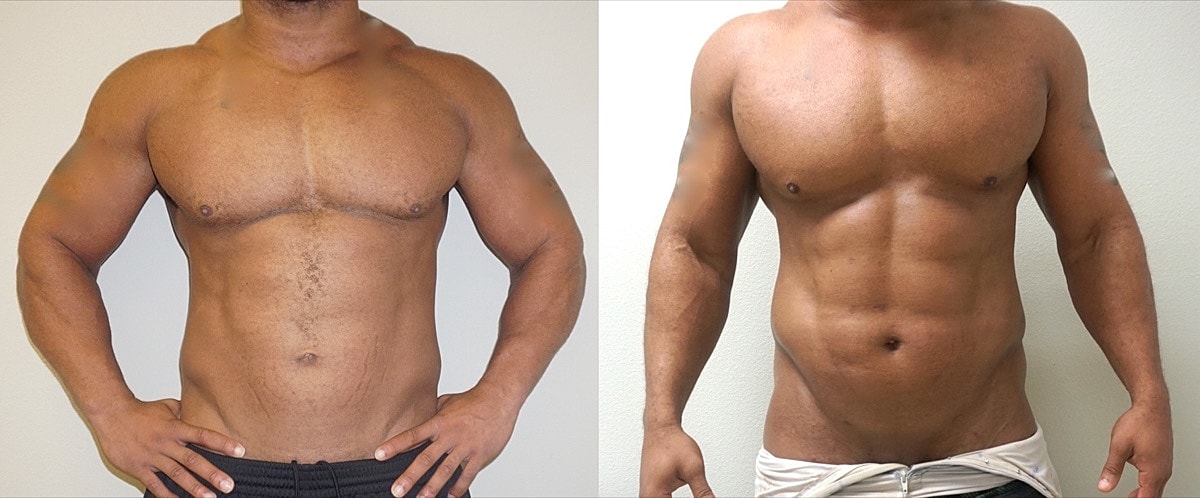
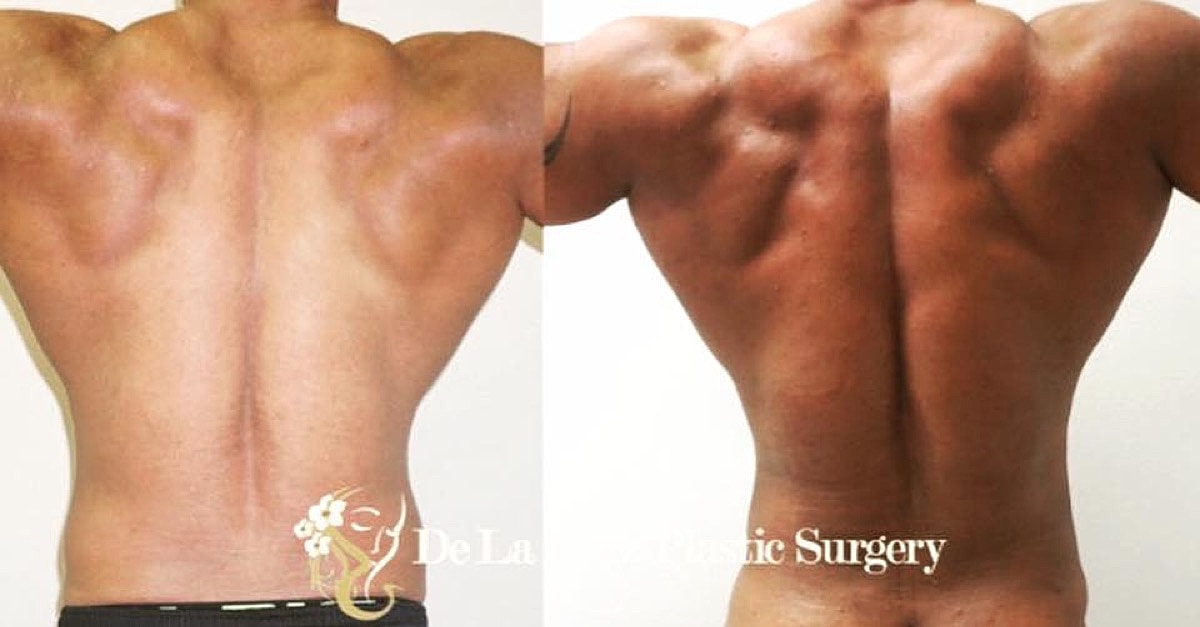
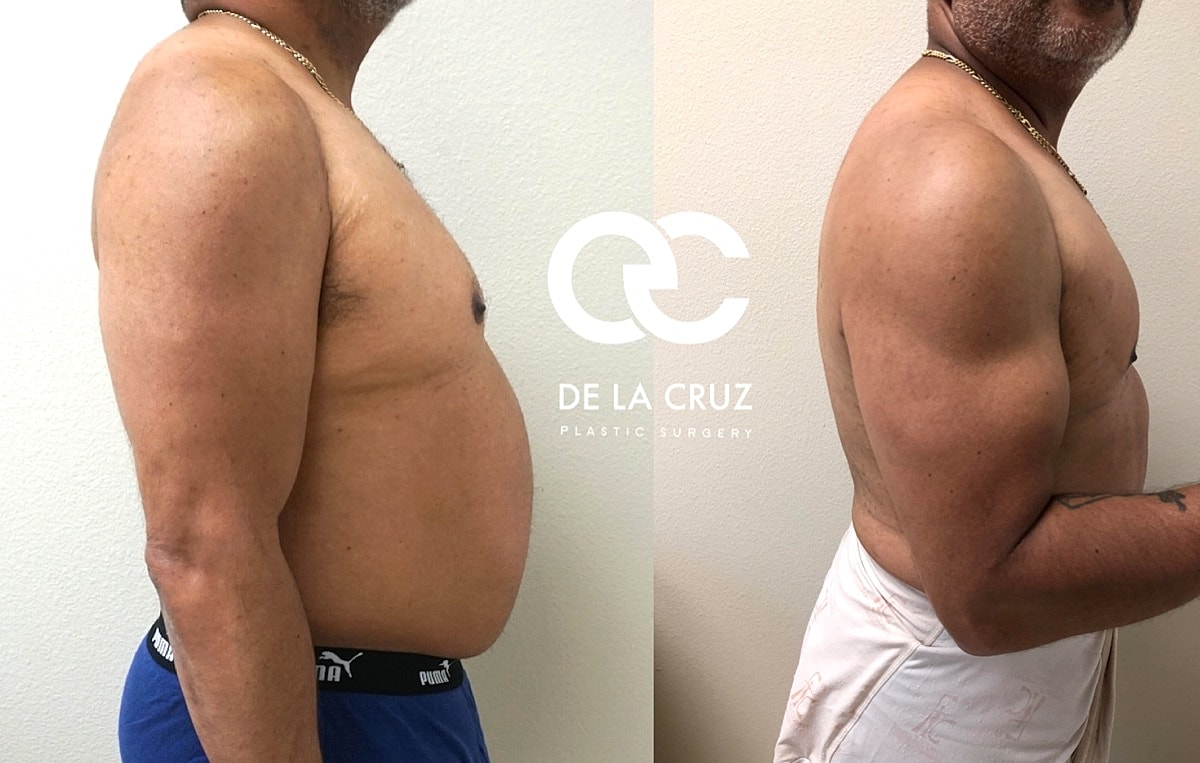
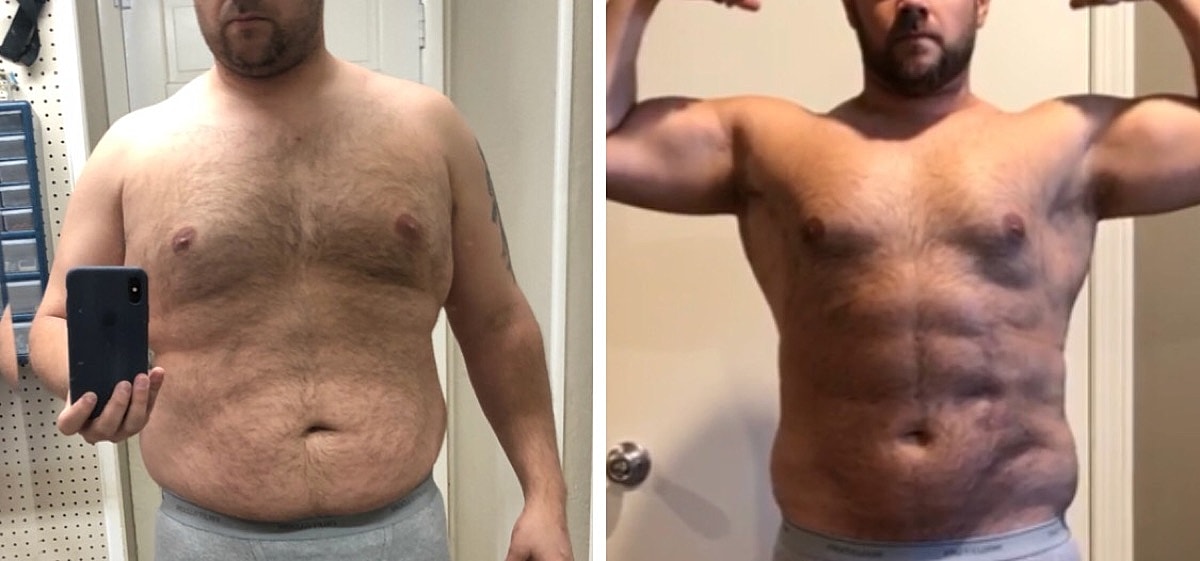
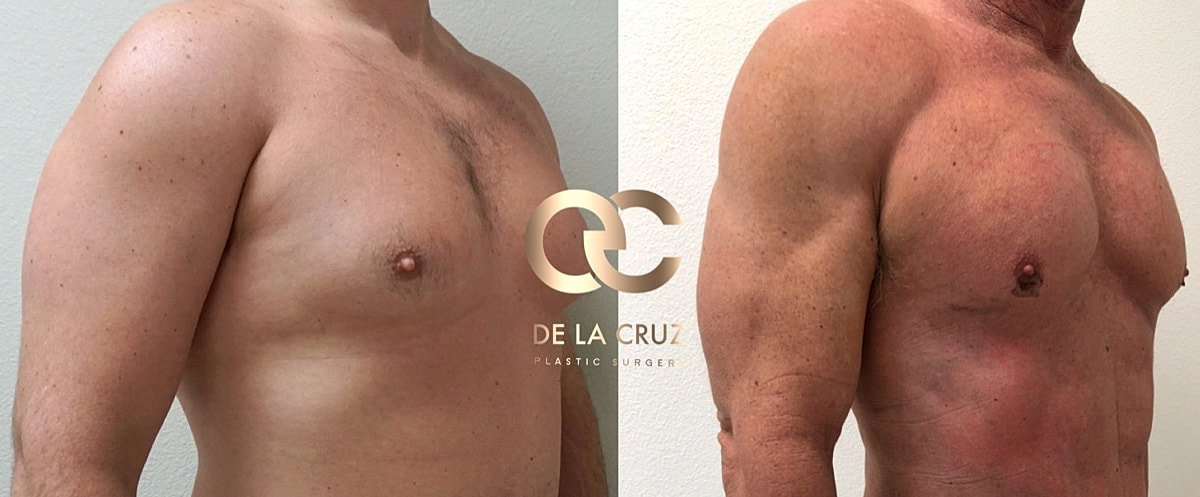
This gradual improvement is particularly important in procedures such as high definition liposuction, where detailed body sculpting becomes more visible as healing progresses.

Several factors influence how quickly patients recover from liposuction surgery, including:
• the number of areas treated
• the amount of fat removed
• whether the procedure involved high definition liposuction or traditional liposuction
• whether liposuction was performed for lipedema surgery or PAH correction
• individual healing patterns and overall health
Patients undergoing revision liposuction may require additional healing time due to scar tissue and altered anatomy from previous procedures.
Proper postoperative care plays an important role in improving recovery and optimizing body contouring results after liposuction.
Several supportive measures can help reduce swelling and improve healing, including:
• Lymphatic drainage massage therapy Postoperative lymphatic massage can help stimulate lymphatic circulation, reduce swelling, and assist the body in removing excess fluid that may accumulate after liposuction.
• Compression garments Wearing compression garments as recommended helps support healing tissues, reduce swelling, and promote smoother body contours during recovery.
• Foam corsets Compression foam inserts may be used during the early stages of recovery to help maintain even compression, minimize contour irregularities, and improve final sculpting results.
Patients undergoing revision liposuction may require additional healing time due to scar tissue formation and altered anatomy from prior procedures. In these cases, careful surgical planning and diligent postoperative care are especially important to support proper healing and optimal outcomes.
At De La Cruz Plastic Surgery in Houston, patients receive detailed postoperative guidance, including recommendations for compression therapy and lymphatic massage, to help support a smooth recovery and enhance final body contouring results.

Liposuction is often used in specialized surgical treatments beyond traditional cosmetic fat removal.
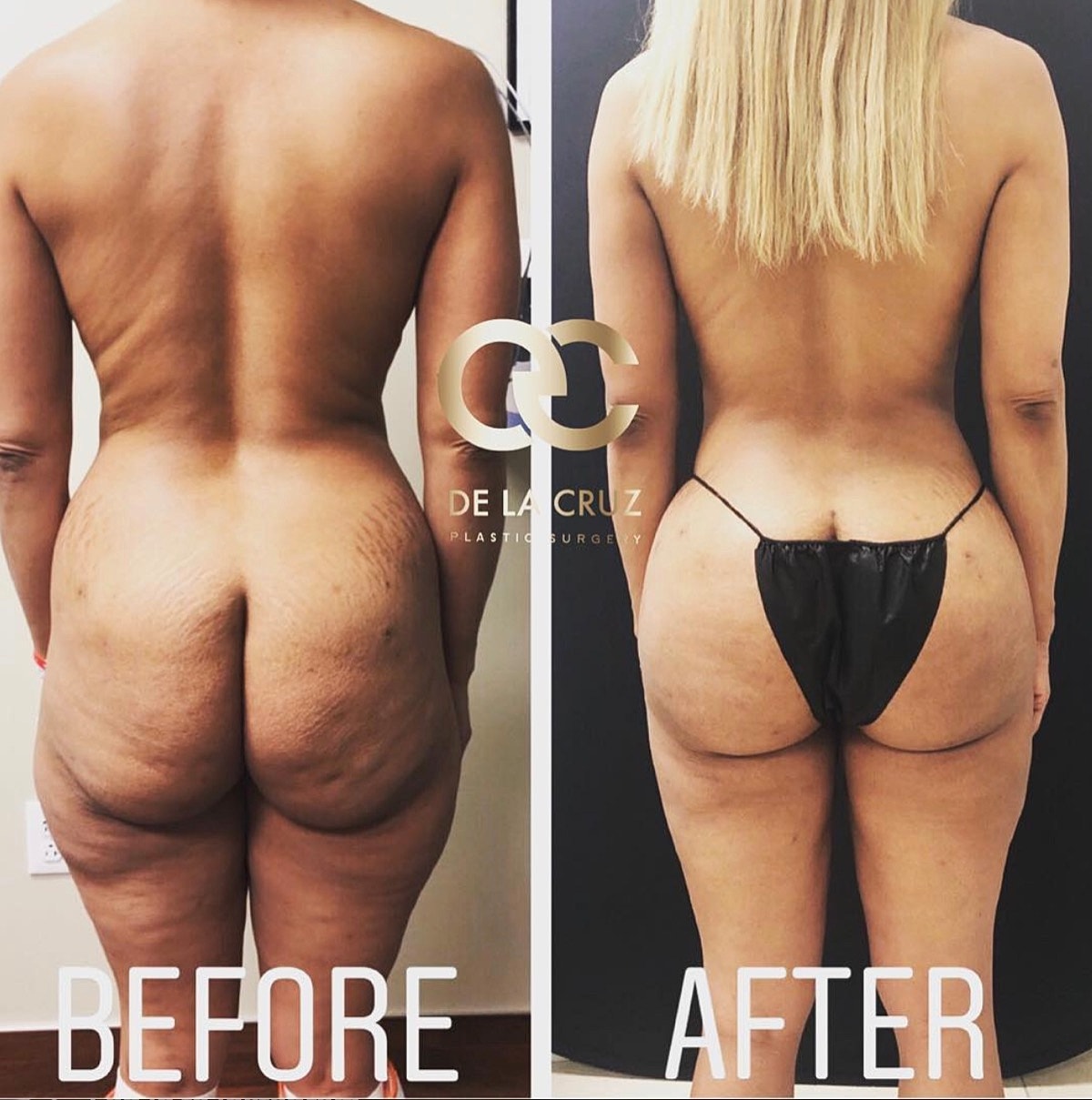
Patients undergoing lipedema surgery may require staged procedures and careful postoperative care because the goal is not only cosmetic improvement but also relief of symptoms related to abnormal fat distribution.
Revision liposuction may be performed to correct contour irregularities, asymmetry, or residual fat after previous liposuction procedures. Recovery may be slightly longer because of scar tissue from prior surgery.
In rare cases, liposuction may also be used to treat Paradoxical Adipose Hyperplasia (PAH), a condition most commonly associated with certain non-surgical fat reduction treatments. Surgical correction helps restore smoother body contours.
Brazilian Butt Lift (BBL)
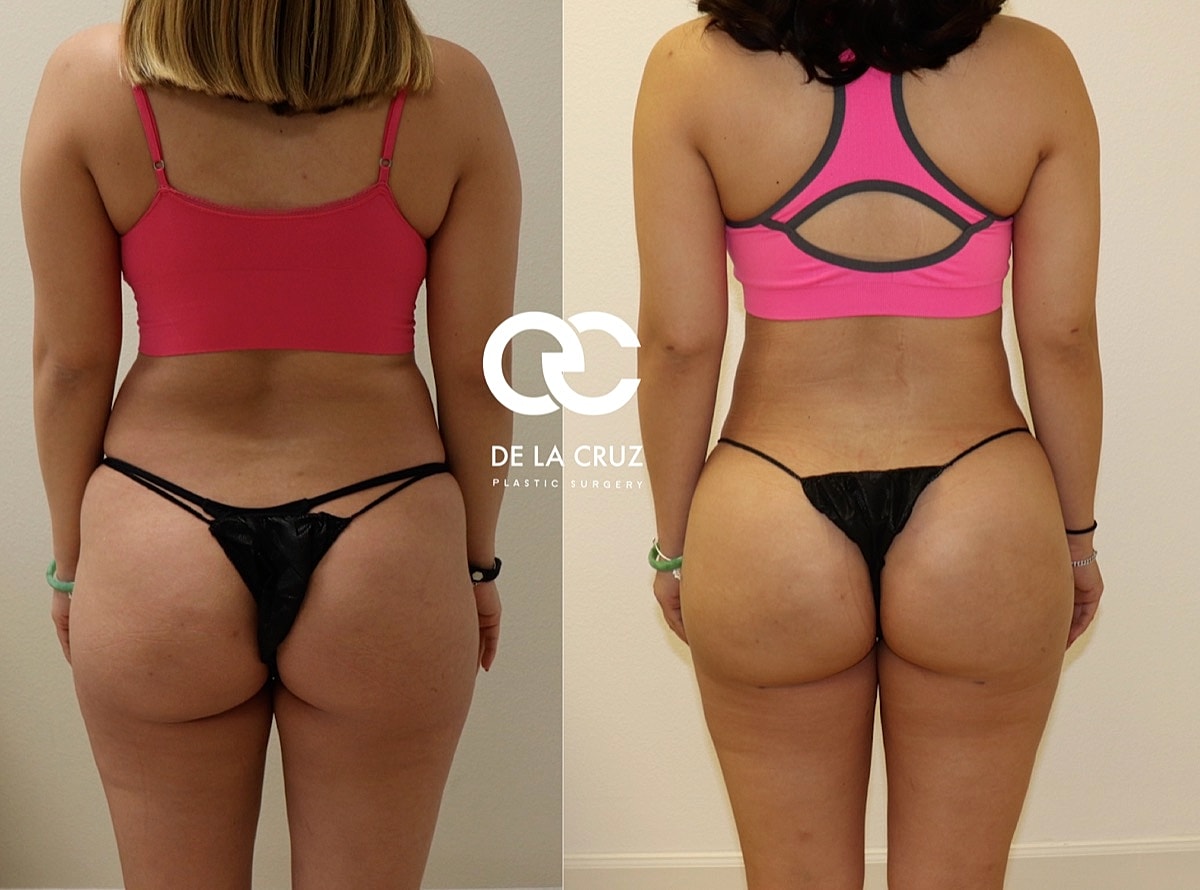
When liposuction is combined with a Brazilian Butt Lift, recovery involves both the healing of liposuction areas and protection of the transferred fat grafts.
Following postoperative instructions carefully can help support proper healing and reduce the risk of complications.
Important recovery guidelines typically include:
• wearing compression garments
• avoiding strenuous activity during early recovery
• maintaining hydration and a balanced diet
• attending scheduled follow-up visits
• lymphatic massage therapy
At De La Cruz Plastic Surgery in Houston, detailed postoperative care and close follow-up help ensure patients recover safely and achieve the best possible results from their body contouring procedure.

Highly compressive garments are an important part of recovery after liposuction and high-definition liposuction. After fat is removed, small spaces can remain beneath the skin where swelling or fluid may accumulate. Compression garments help support the tissues during healing and allow the skin to adapt to the newly sculpted contours.
Highly compressive garments provide several important benefits during liposuction recovery:
• Reduce swelling by limiting fluid accumulation in treated areas
• Lower the risk of seroma formation by minimizing the space where fluid can collect
• Improve body contour by helping the skin conform smoothly to the underlying tissues
• Support skin retraction, which may reduce the appearance of loose or excess skin as healing progresses
• Stabilize the treated areas while internal tissues heal and remodel
Many surgeons recommend wearing compression garments continuously during the early recovery period. Depending on the surgical protocol and extent of liposuction, patients may be advised to wear compression garments for 3 to 6 months to support optimal contouring result
Foam corsets (also called foam boards or foam inserts) are often used in combination with compression garments during the early stages of liposuction recovery. These foam supports are placed between the skin and the compression garment to help distribute pressure evenly across the treated areas.
Foam corsets provide several additional benefits:
• Help reduce swelling by improving even compression across the treated tissues
• Reduce the risk of garment-induced pressure sores by preventing localized pressure points
• Lower the risk of seroma and hematoma formation by minimizing spaces where fluid can accumulate
• Improve contour smoothing and help reduce contour irregularities
• Reduce fibrosis, which refers to firm scar tissue that may develop during healing
When used together, highly compressive garments and foam corsets help support smoother healing and improve the final sculpted appearance after liposuction. Proper postoperative care and consistent compression are important factors in achieving optimal body contouring results.
Swelling is a normal part of the healing process after liposuction. Most patients notice that the majority of swelling improves significantly during the first several weeks after surgery.
In many cases, most of the swelling subsides by around 6 to 8 weeks. However, mild residual swelling can persist for several months as the tissues continue to heal and adapt to their new contours. It is not unusual for subtle swelling to gradually resolve over 6 to 9 months, especially in areas where more extensive contouring or high-definition liposuction was performed.
Wearing highly compressive garments and using foam boards or foam corsets during the early recovery period can help reduce swelling, support the healing tissues, and improve final body contour results. These compression techniques help maintain even pressure across treated areas and assist the body in removing excess fluid during recovery.
Because healing varies from patient to patient, swelling may resolve at different rates depending on the number of areas treated, the amount of fat removed, and the individual’s healing response.
Recovery after liposuction typically takes about one week for most patients to return to work or resume light daily activities. The exact recovery time can vary depending on the number of areas treated, the amount of fat removed, and whether the procedure was combined with other surgeries such as high-definition liposuction, Brazilian Butt Lift (BBL), lipedema surgery, or revision liposuction. During the first week, patients may experience swelling, bruising, and mild soreness. Wearing compression garments, using foam boards or foam corsets, and undergoing lymphatic drainage massage therapy can help reduce swelling and support the healing process. While many patients feel comfortable returning to work within about a week, full recovery and final results continue to improve over several weeks to months as swelling gradually resolves and the body adapts to its new contours.
Compression garments play an important role in liposuction recovery. They help reduce swelling, support healing tissues, and promote smoother body contours as the skin adapts to the new shape.
Compression garments may be worn for several weeks after surgery to help optimize final results.
Lymphatic drainage massage therapy can play an important role in improving recovery after liposuction. This specialized massage technique helps stimulate the lymphatic system, allowing the body to remove excess fluid and inflammatory byproducts more efficiently during the healing process.
Postoperative lymphatic massage may help:
• accelerate healing and reduce swelling • lower the risk of seroma formation (fluid collections) • reduce contour irregularities during recovery • minimize the development of fibrosis or firm scar tissue
When combined with compression garments and foam corsets, lymphatic massage can support smoother healing and help optimize final body contouring results after liposuction.
Foam corsets (compression foam inserts) are commonly used during the early recovery period after liposuction and high-definition liposuction. These foam supports are placed beneath compression garments to help distribute pressure evenly across the treated areas.
Foam corsets provide several important benefits during liposuction recovery, including:
• Reducing swelling by helping maintain consistent compression across the treated tissues • Helping prevent garment-induced pressure sores by distributing pressure more evenly beneath compression garments • Reducing the risk of seroma and hematoma formation by limiting fluid accumulation in the surgical spaces • Improving contour smoothing and reducing contour irregularities as the skin adapts to the new body shape • Helping minimize fibrosis, which refers to firm scar tissue that can develop during healing
When used together with highly compressive garments and lymphatic drainage massage therapy, foam corsets can help support smoother healing and improve overall body contouring results after liposuction.
Light activity such as walking is encouraged soon after liposuction surgery to promote circulation and support recovery. However, the timing for returning to more structured exercise depends on the type of procedure performed and the areas treated.
For many male patients undergoing liposuction or high-definition liposuction, light gym activity may begin at approximately two weeks after surgery. Exercises during this early stage should focus on high-repetition, low-resistance movements to avoid excessive strain on healing tissues.
For female patients who undergo liposuction combined with a Brazilian Butt Lift (BBL), exercise is typically delayed longer to protect the newly transferred fat cells. In these cases, patients are generally advised to avoid strenuous exercise for about eight weeks to help improve the viability and survival of the transferred fat grafts.
Because recovery varies from patient to patient, it is important to follow your surgeon’s individualized recommendations before resuming exercise after liposuction or BBL surgery.
Compression garments play an essential role in recovery after liposuction and high-definition liposuction. These garments apply consistent pressure to the treated areas, helping support healing tissues as the body adjusts to its new contours.
Compression garments provide several important benefits during liposuction recovery, including:
• Reducing swelling by helping control fluid accumulation during the early stages of healing • Lowering the risk of seroma formation by minimizing the space where fluid can collect beneath the skin • Improving body contour by helping the skin conform more smoothly to the underlying sculpted tissues • Supporting skin retraction, which may help reduce the appearance of excess or loose skin as healing progresses
Compression also helps stabilize the treated areas while the body forms new internal tissue support during recovery.
Most surgeons recommend wearing compression garments for several weeks after liposuction, although some protocols may extend their use for 3 to 6 months to optimize contouring results and support continued skin tightening. The exact duration depends on the surgeon’s protocol, the extent of the procedure, and the patient’s individual healing response.
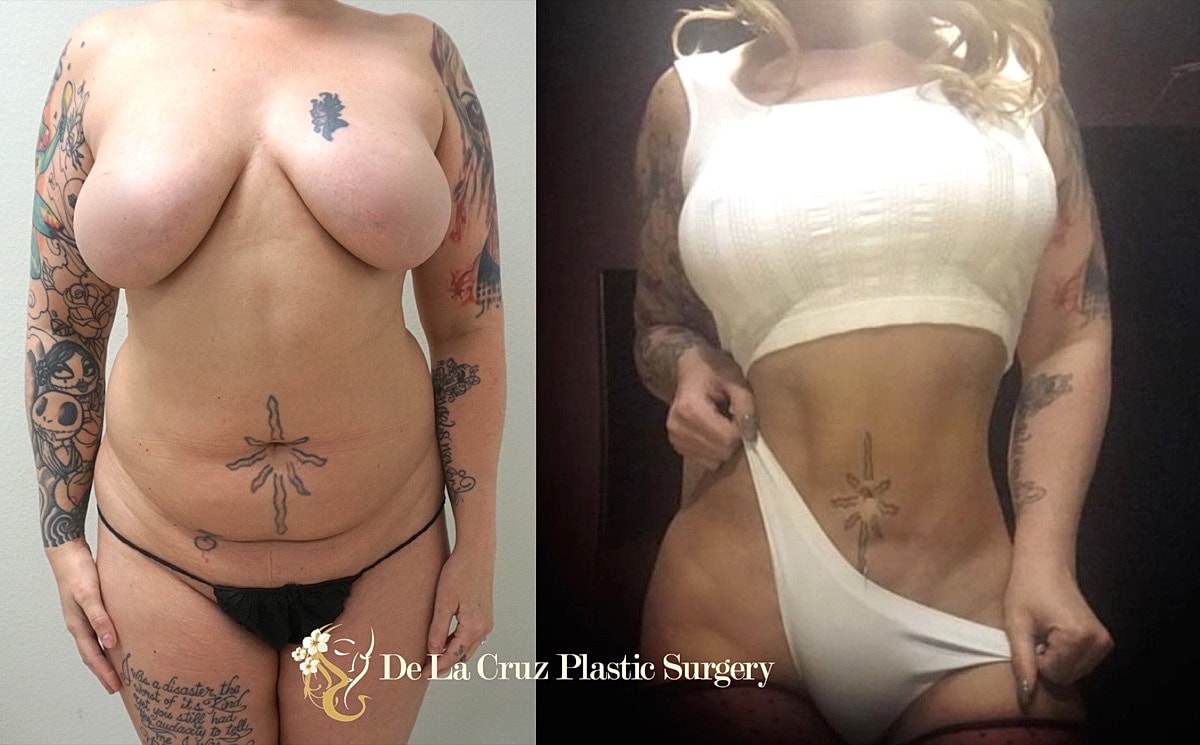
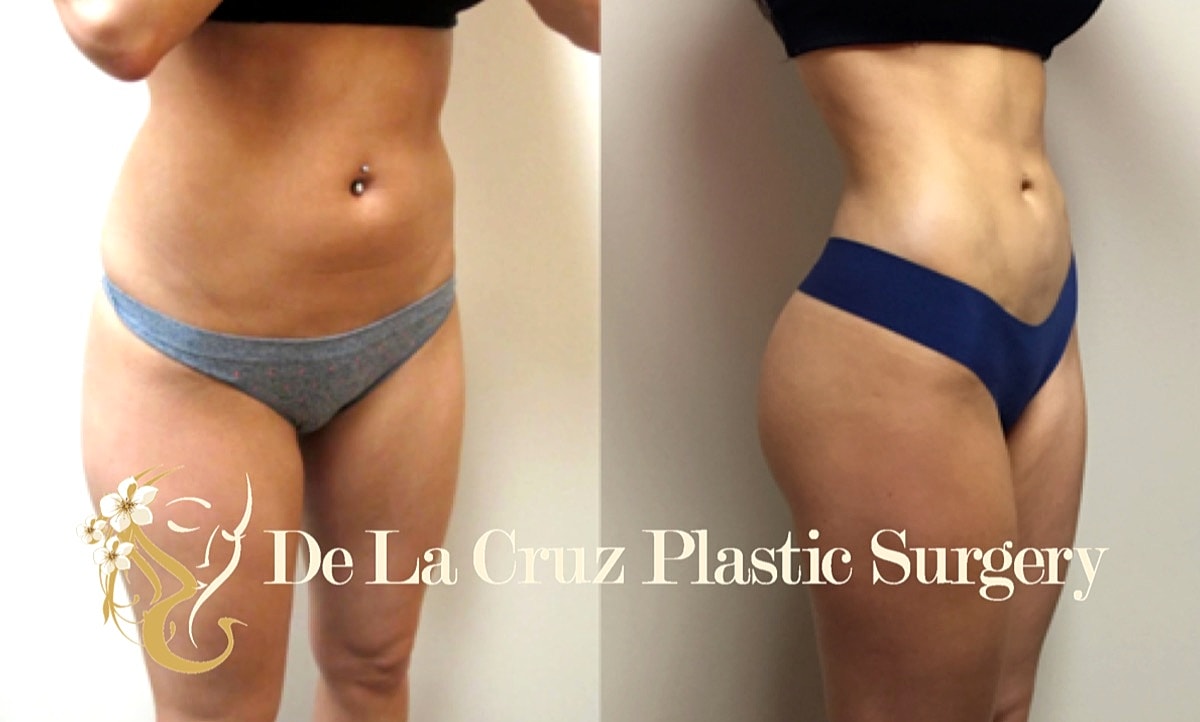
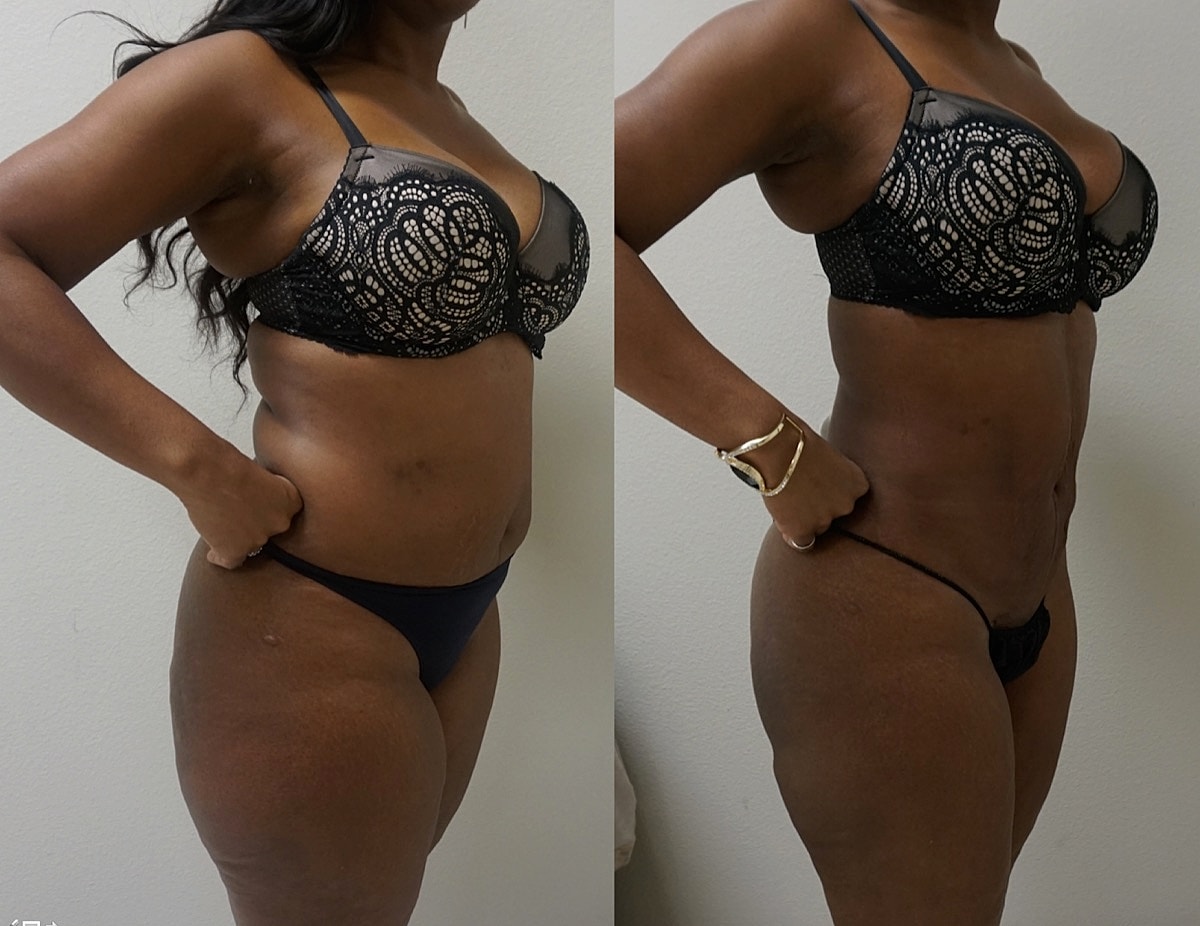
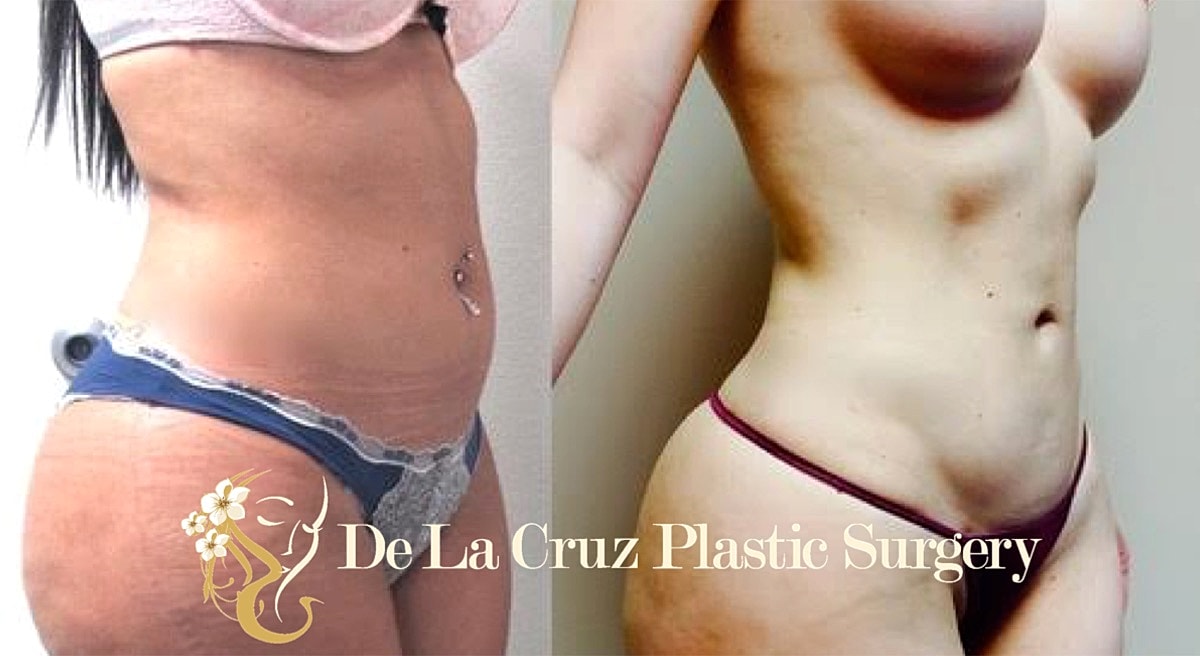
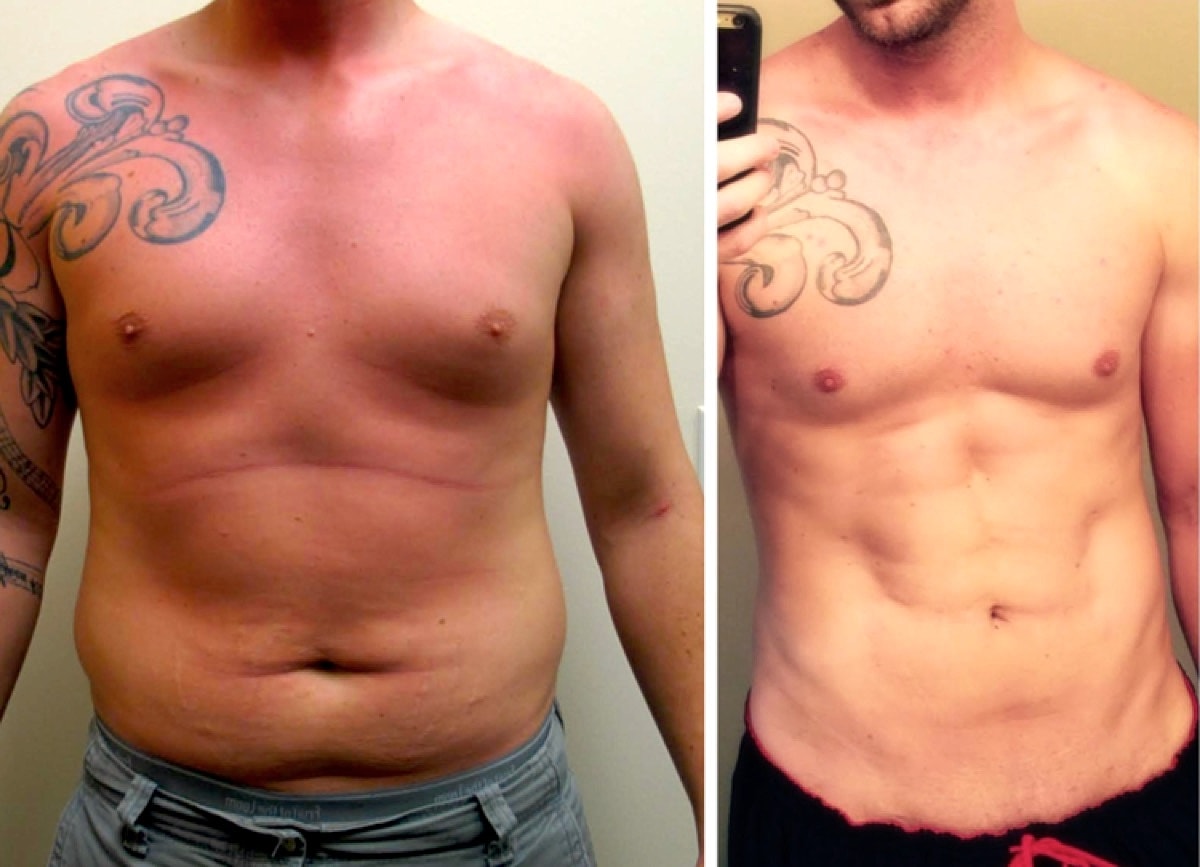
Although early improvements may be visible within several weeks, final liposuction results usually appear after three to six months as swelling resolves and tissues settle.
Procedures such as high-definition liposuction may continue to refine over time as muscle definition and body contours become more visible.