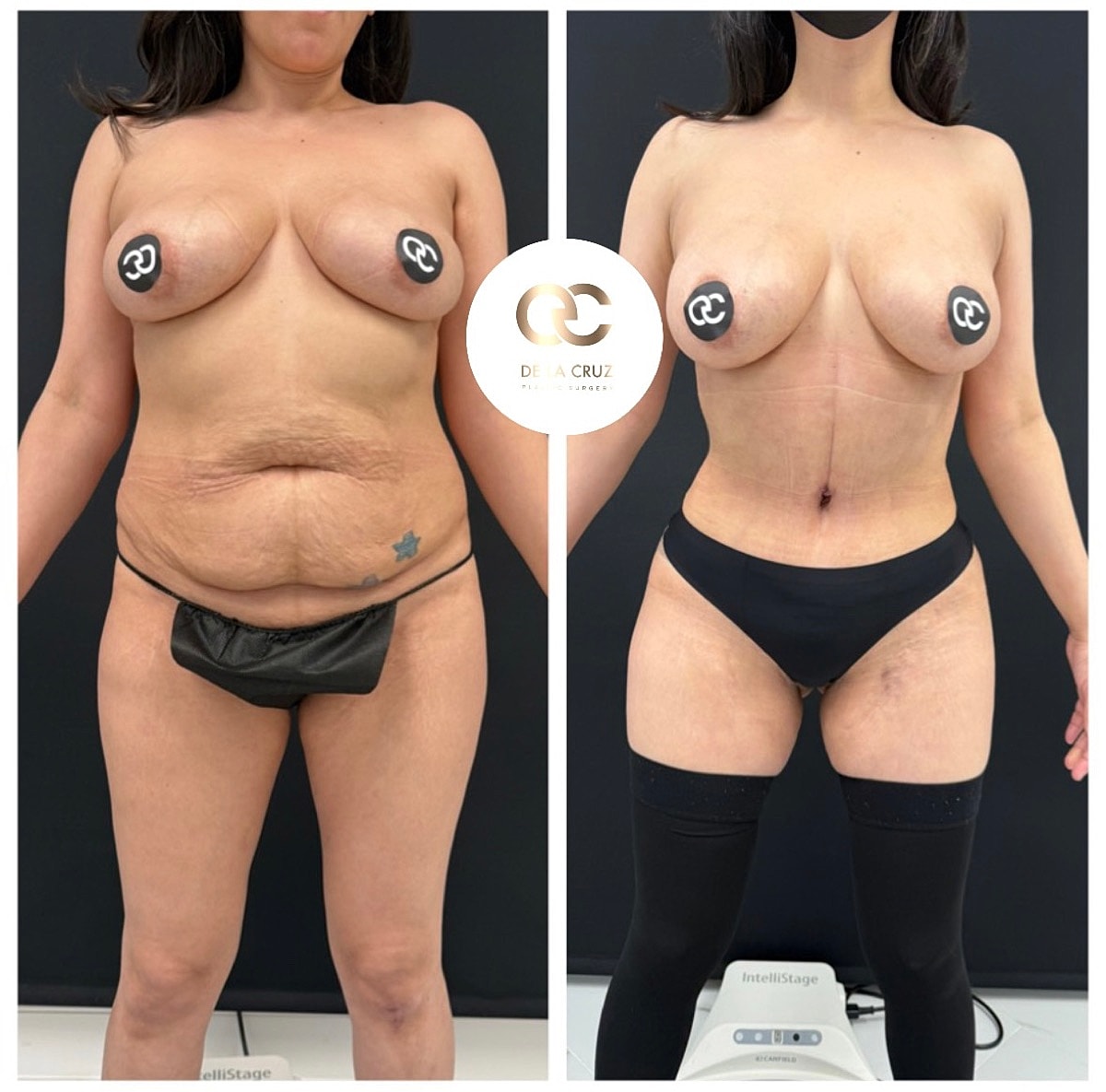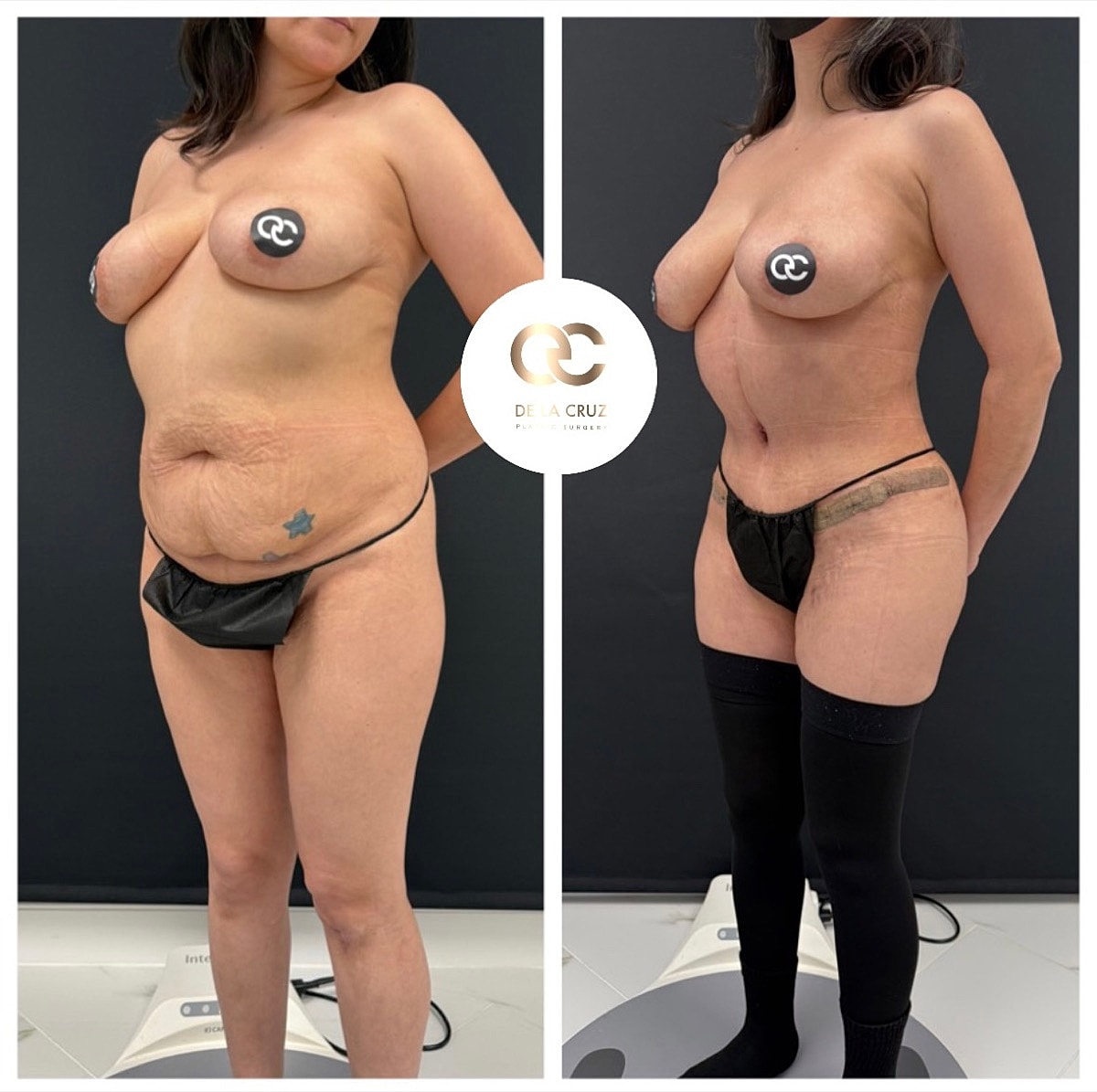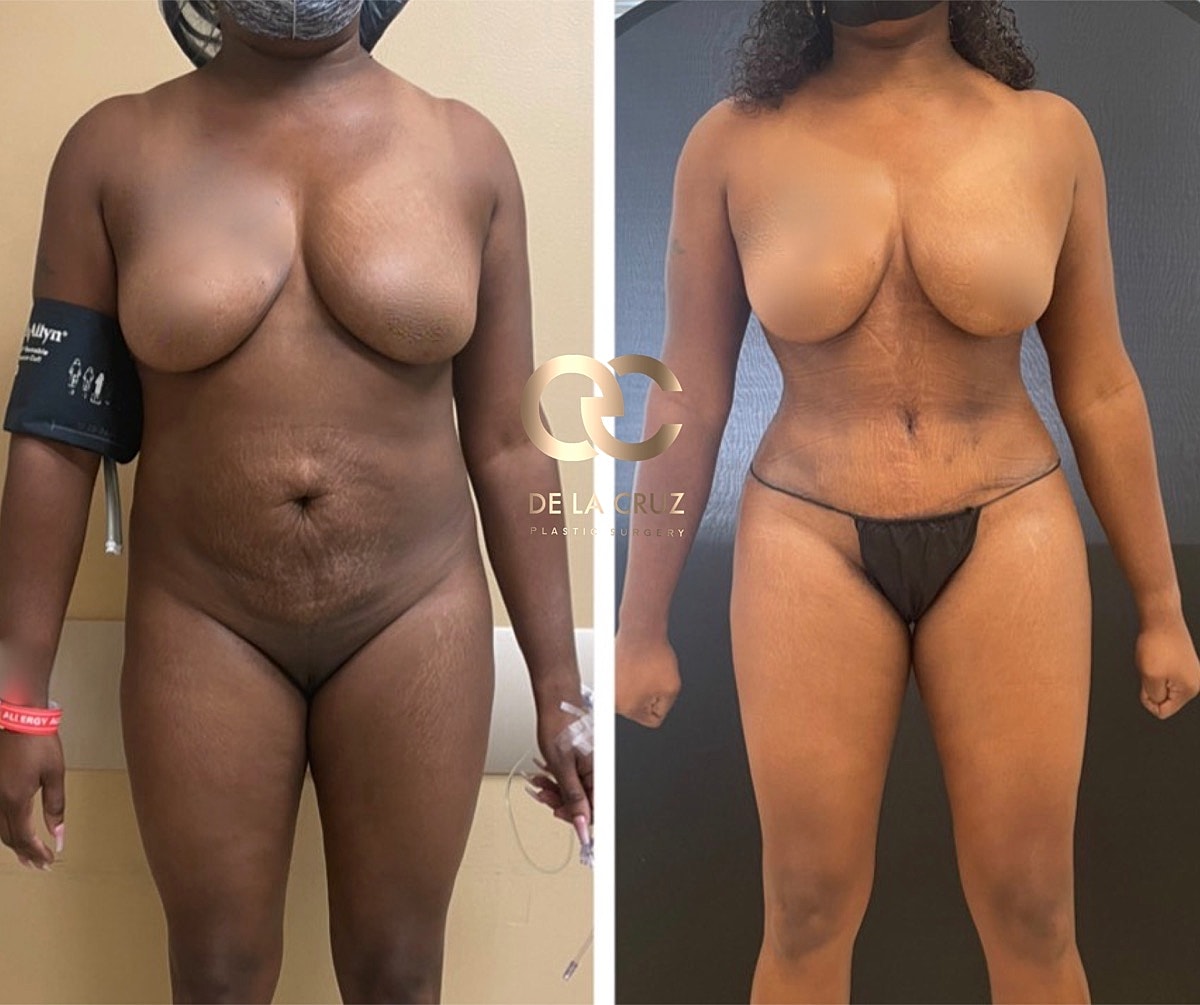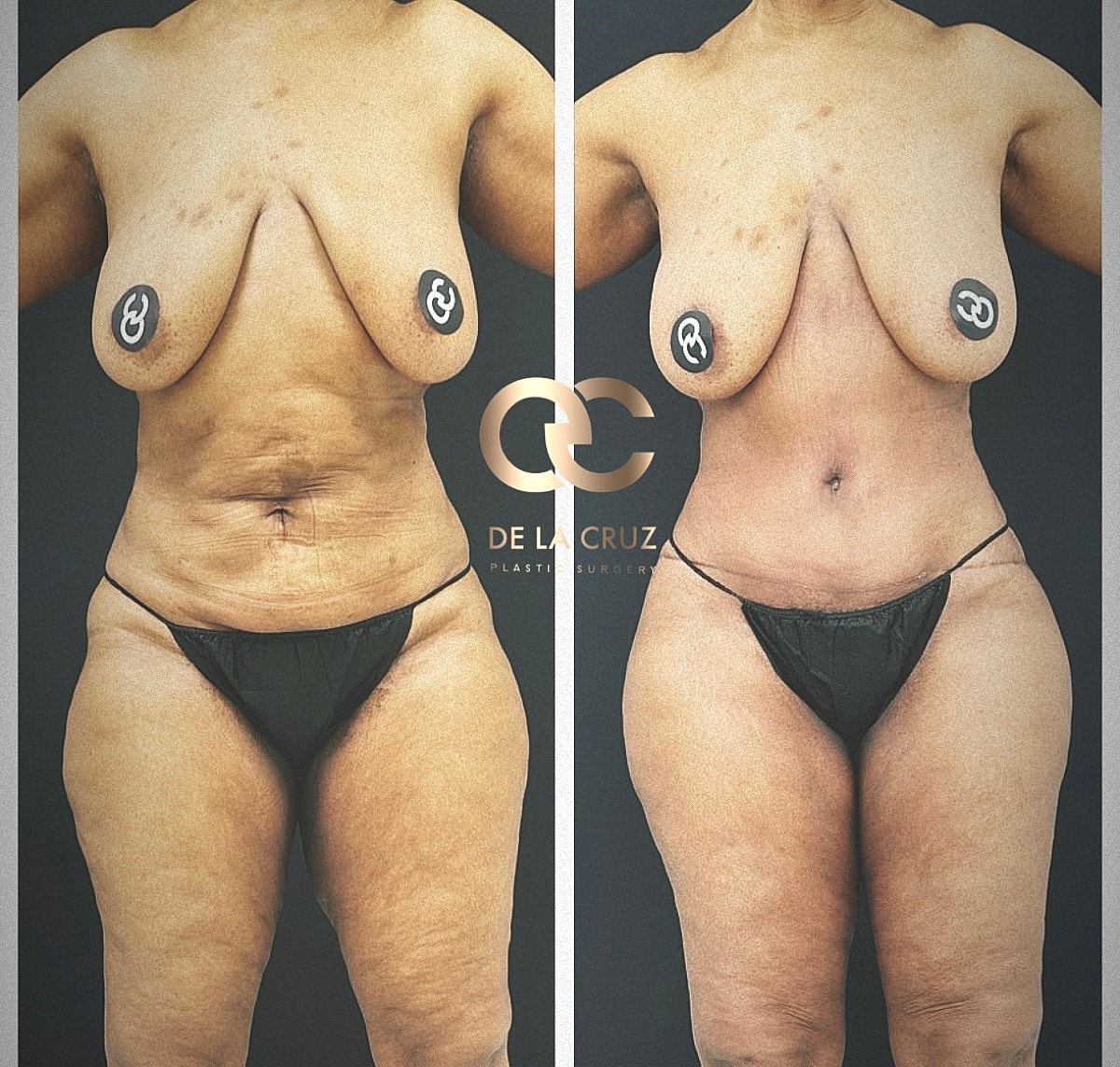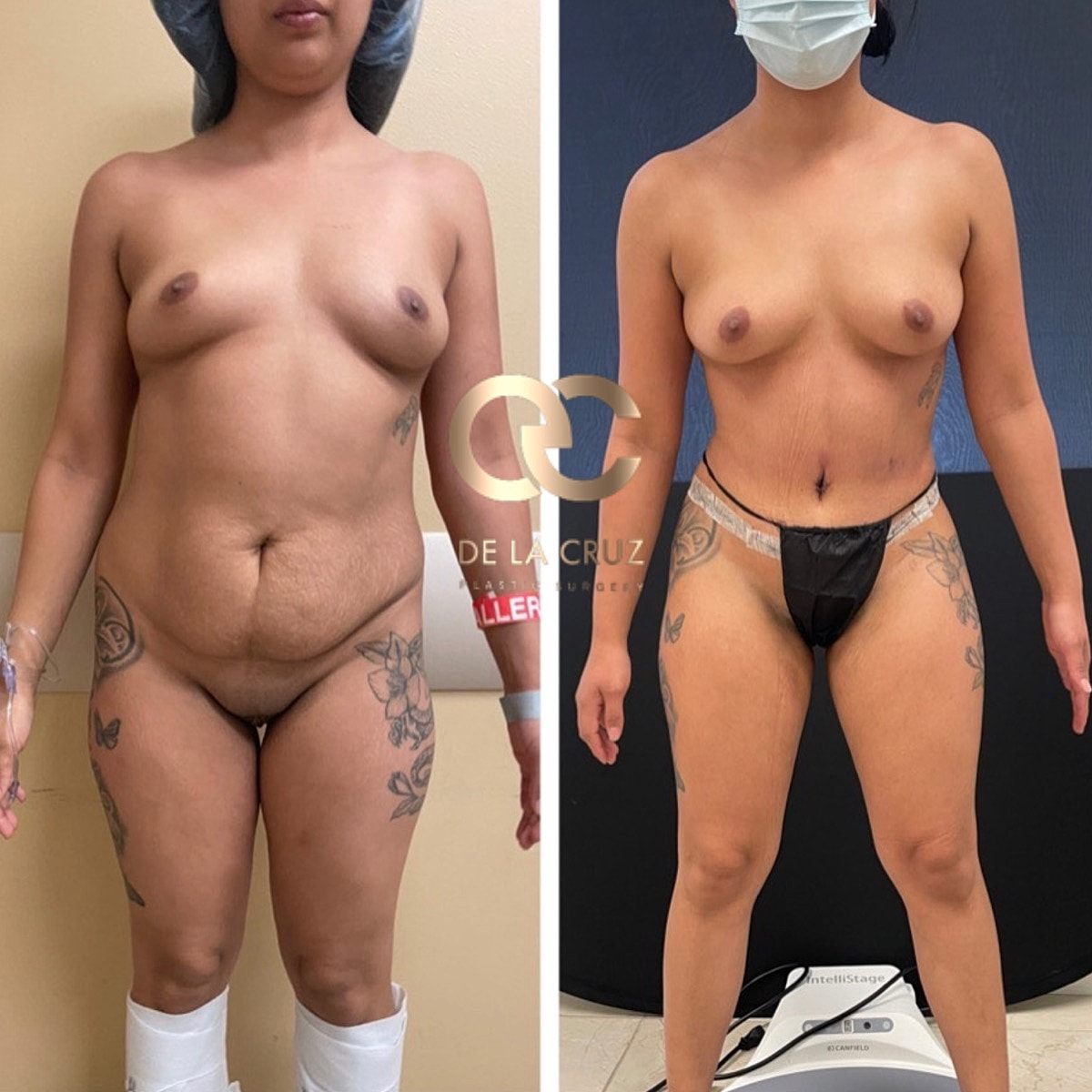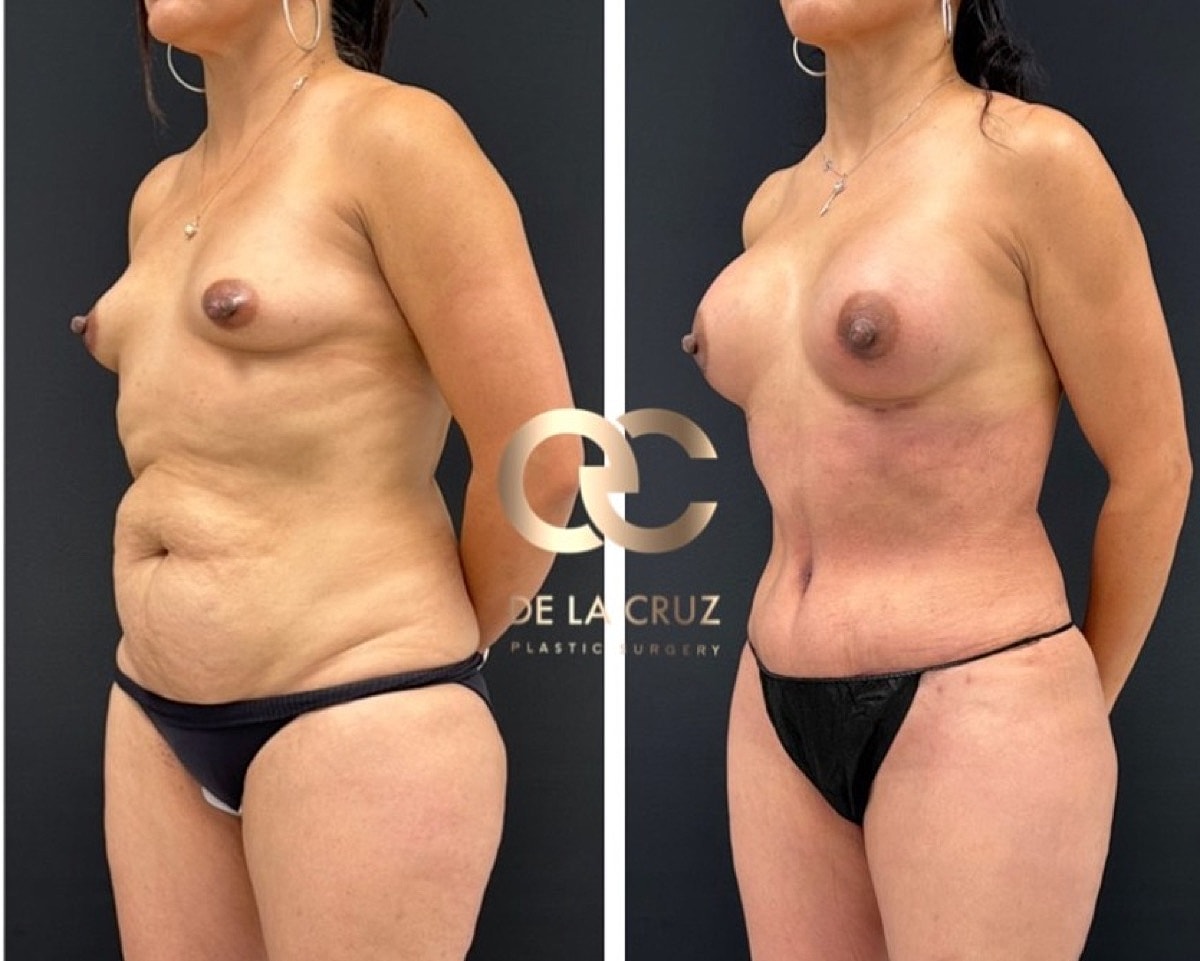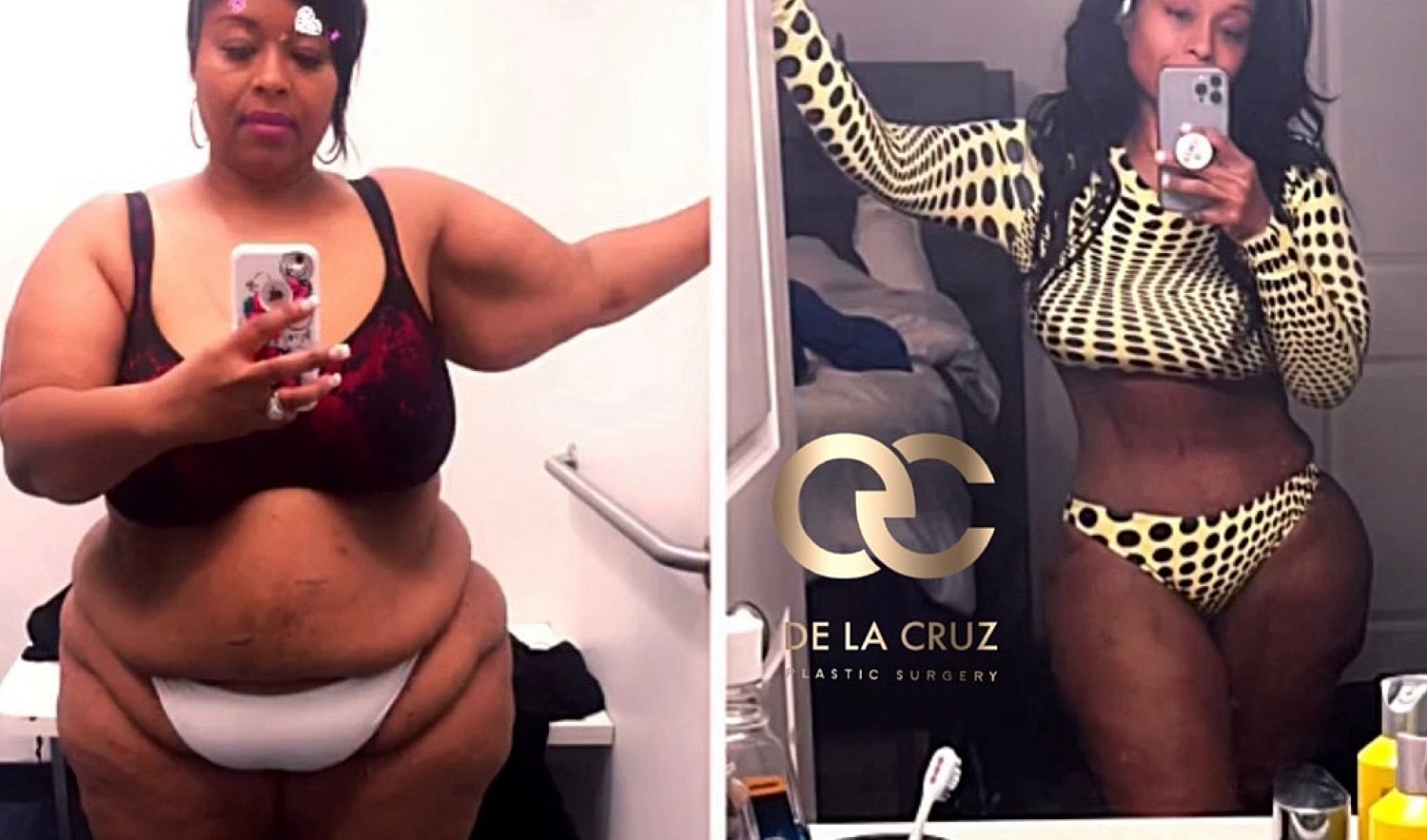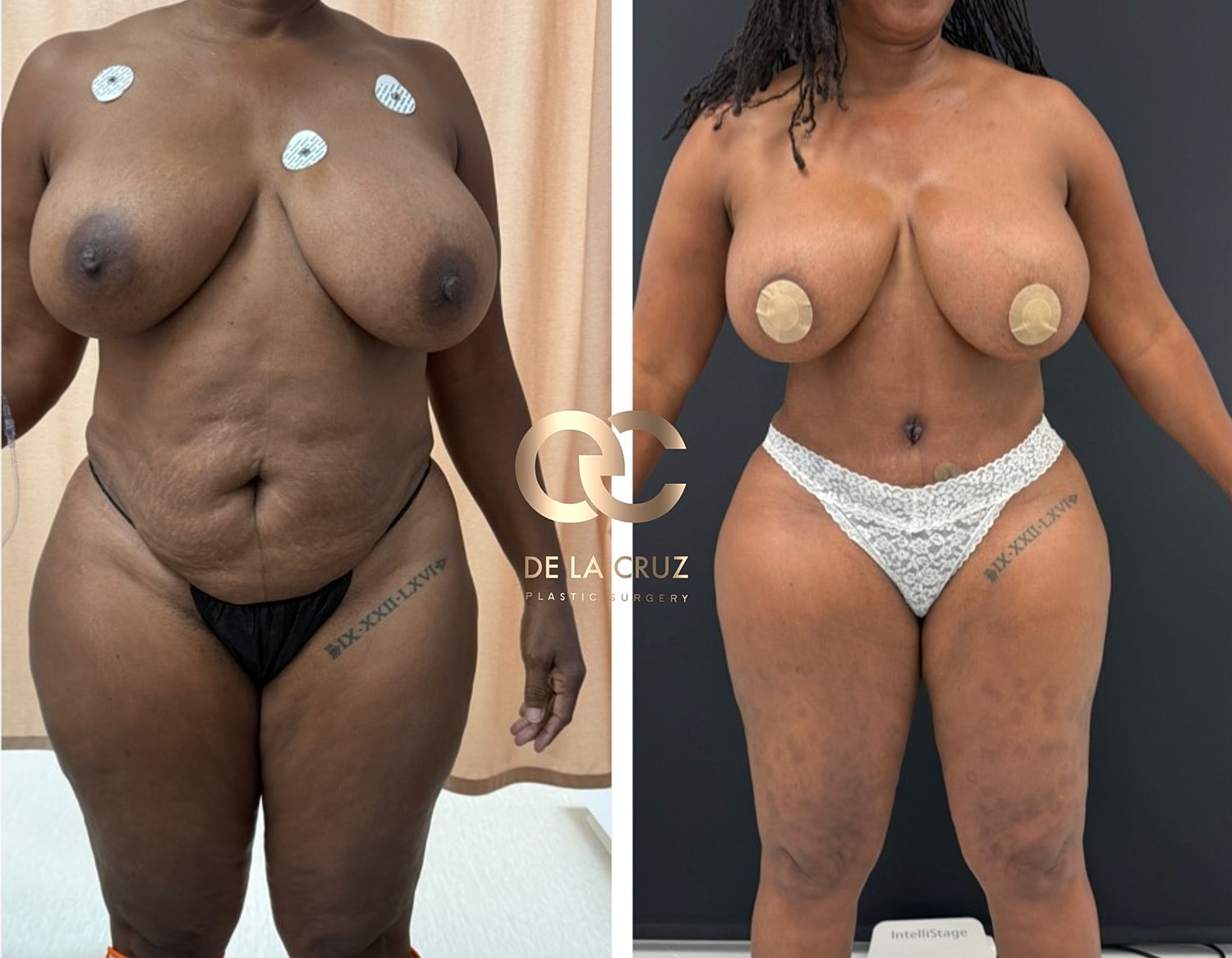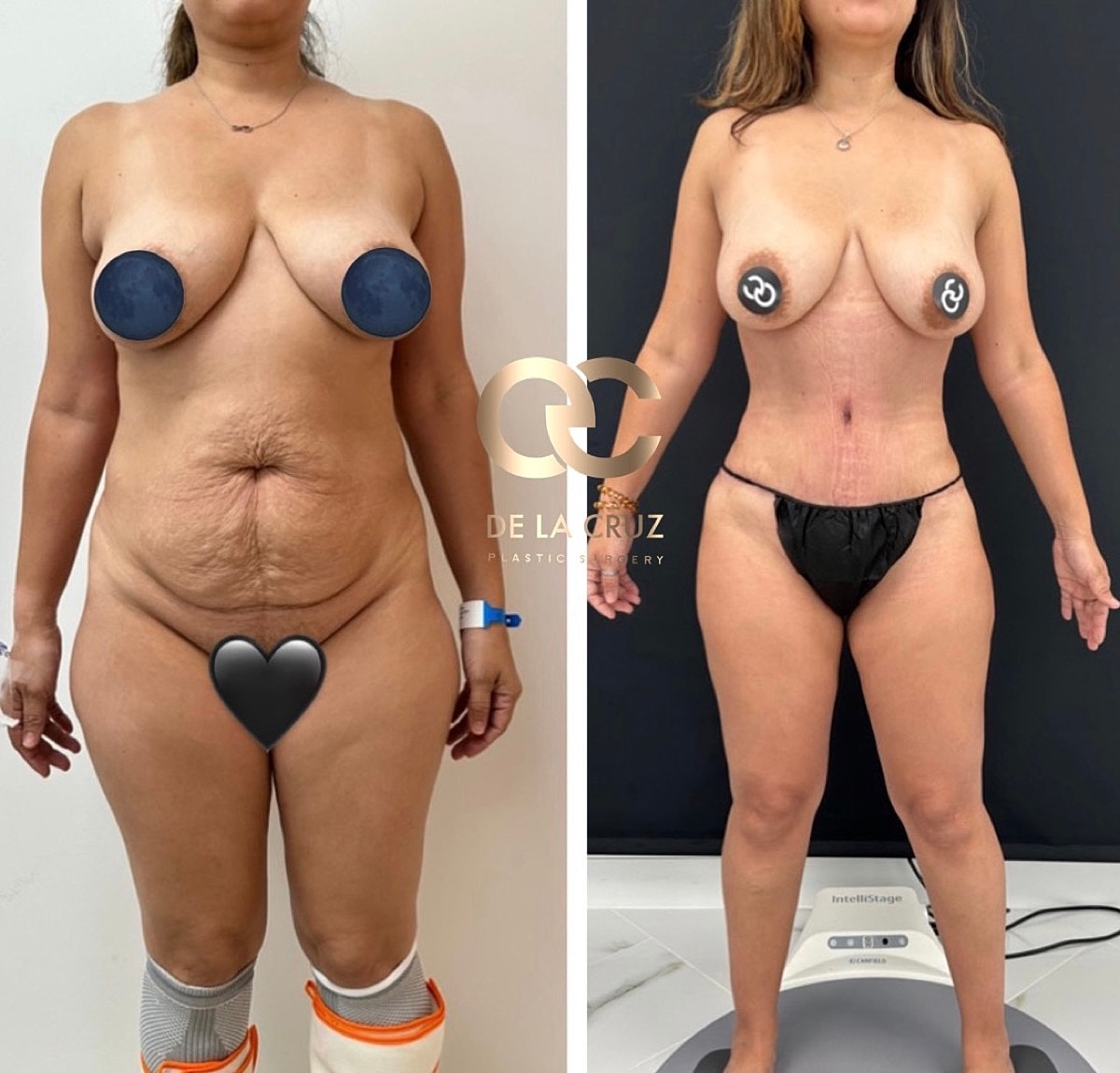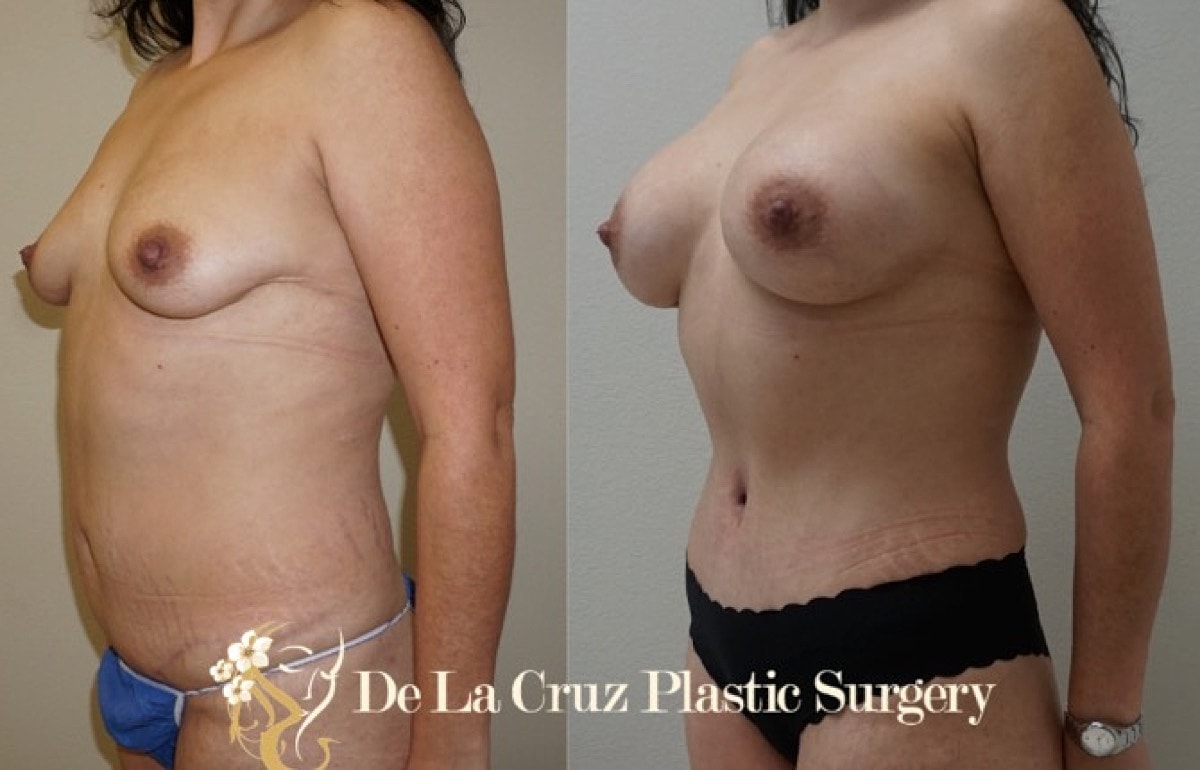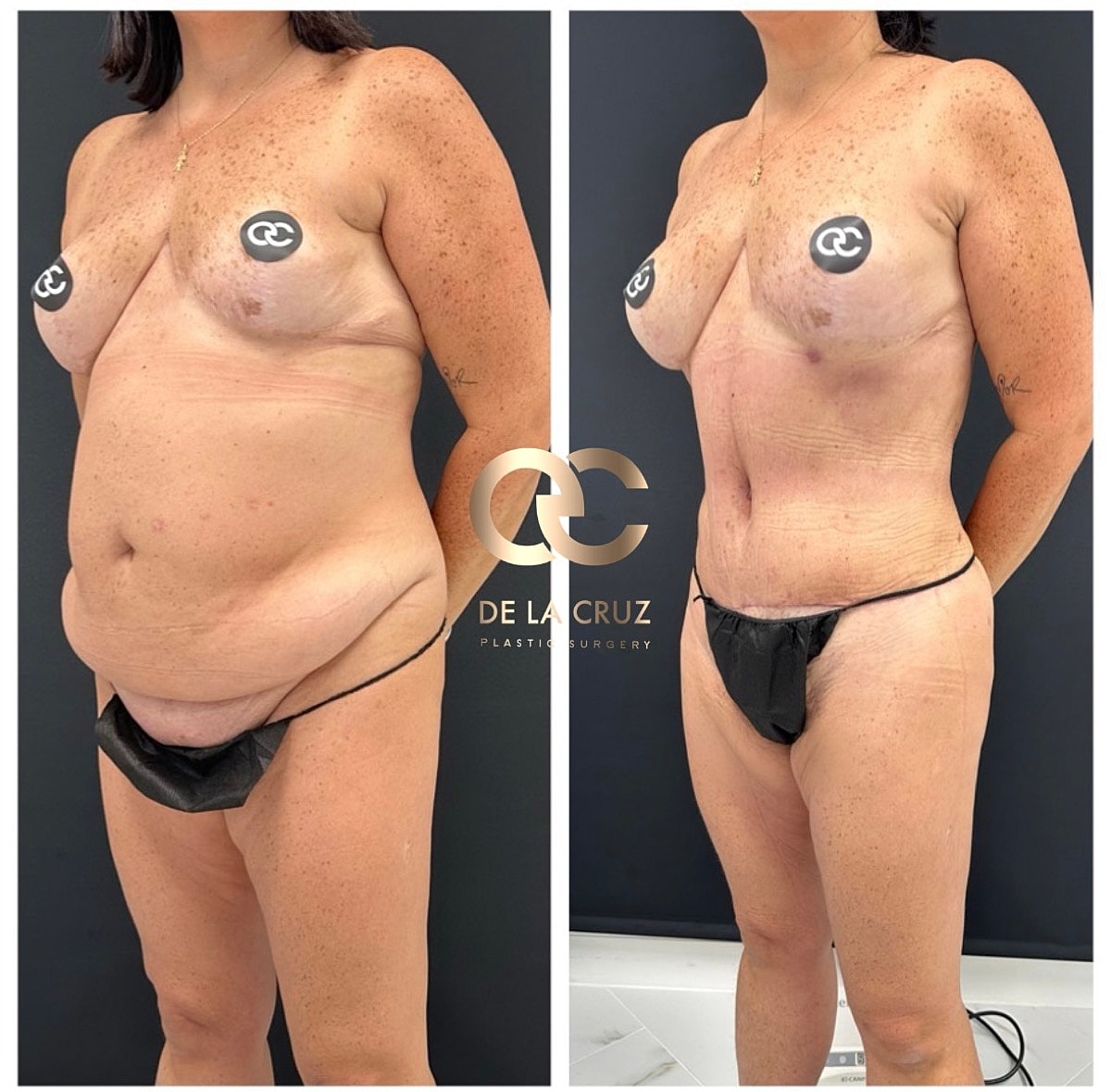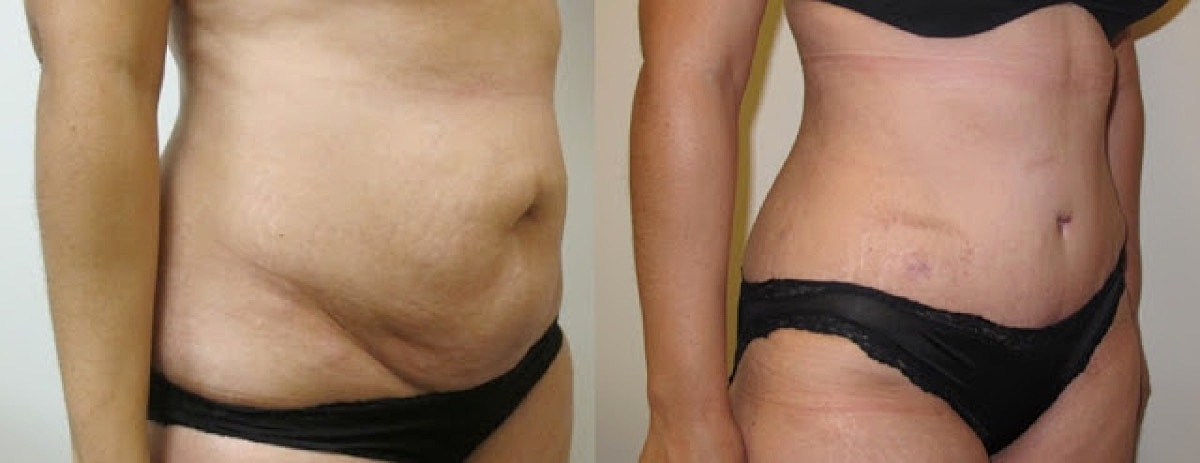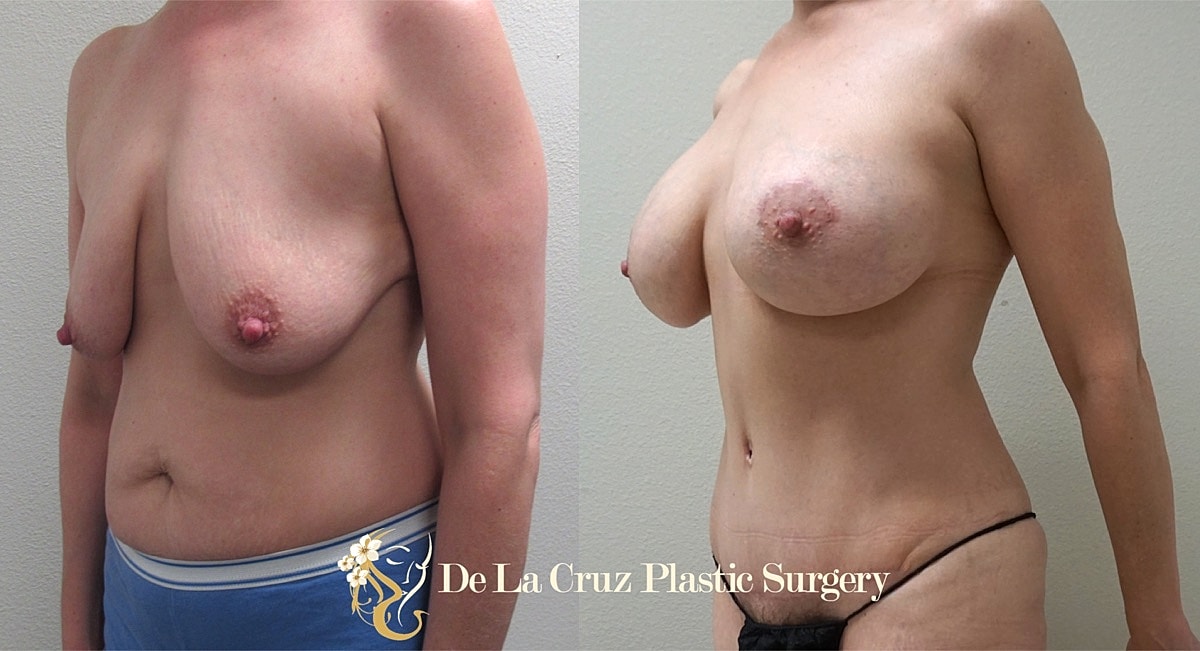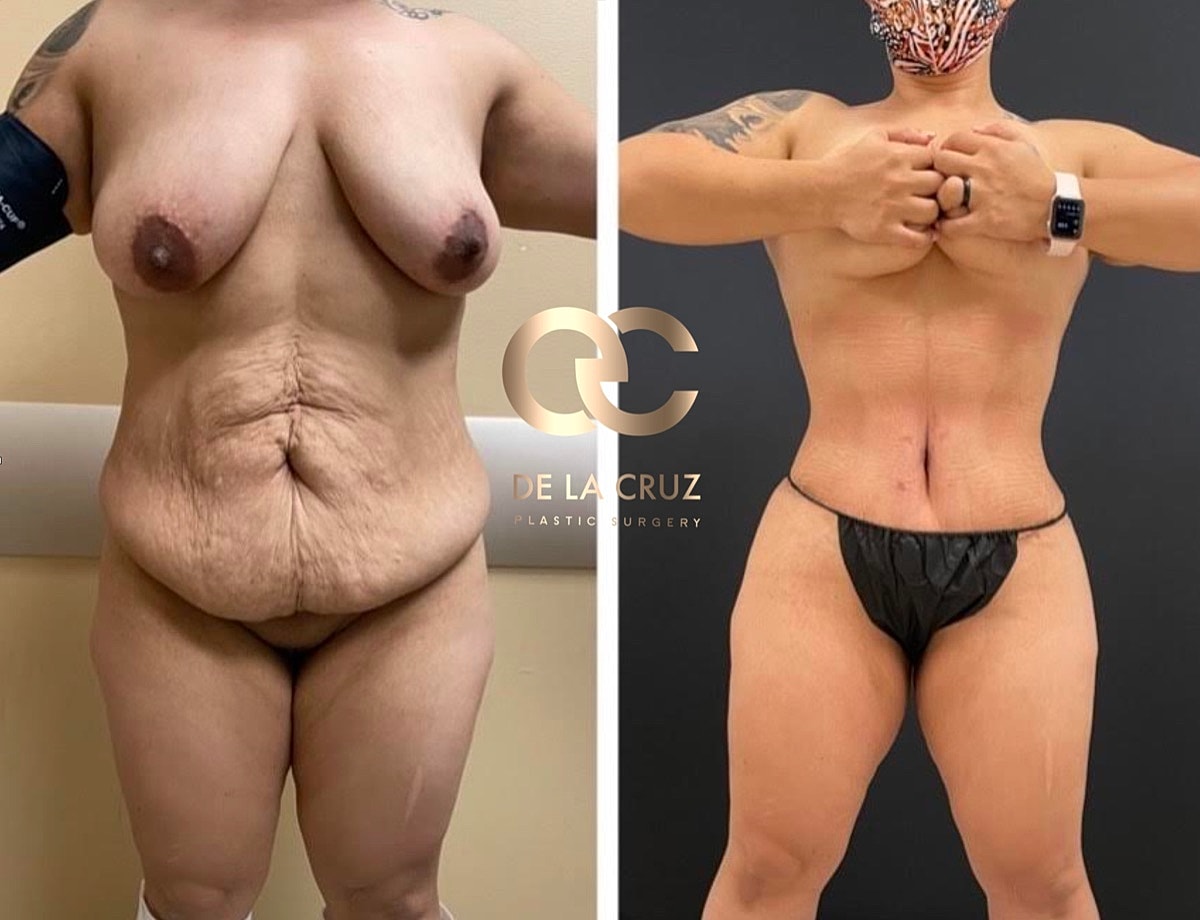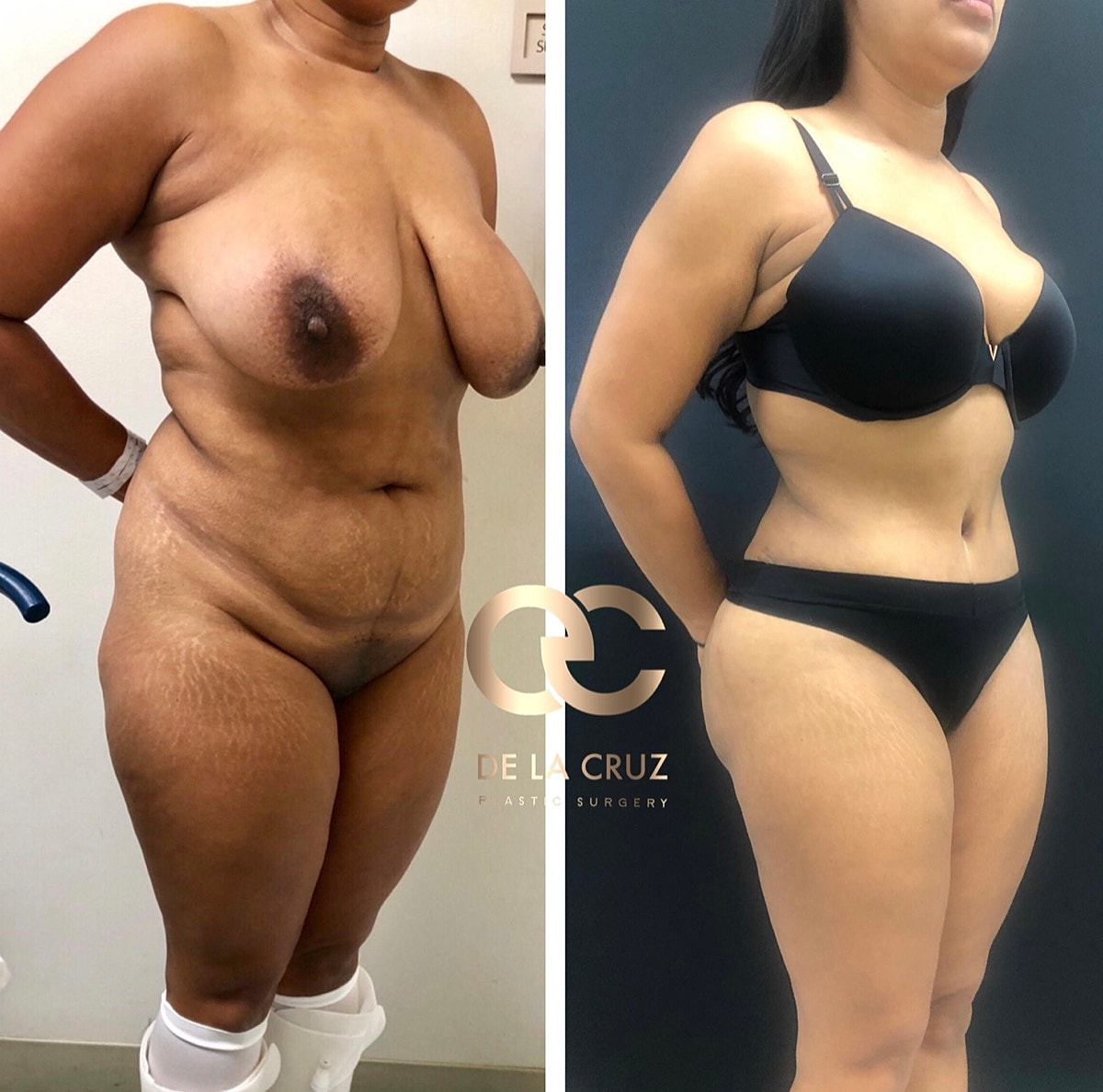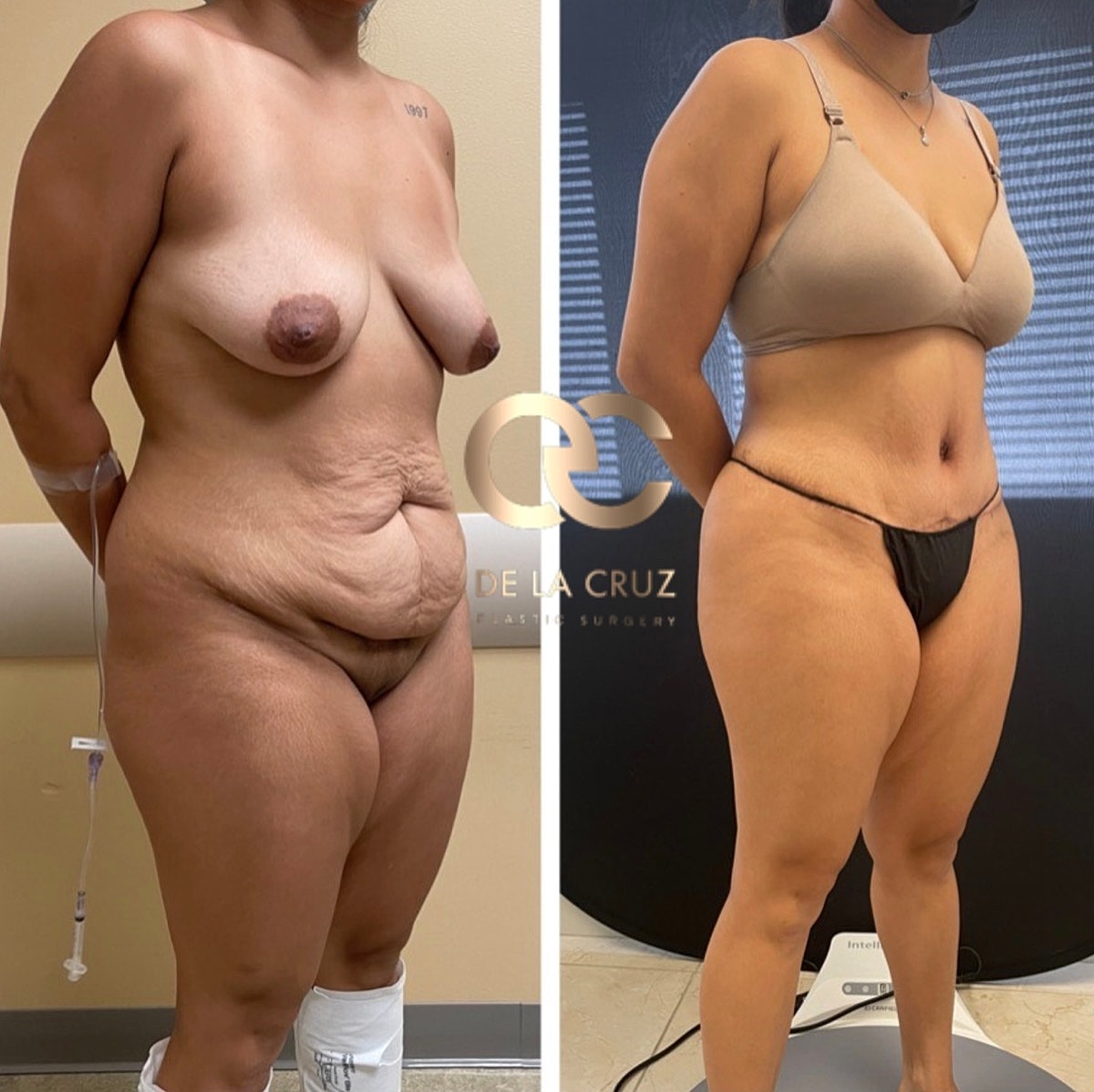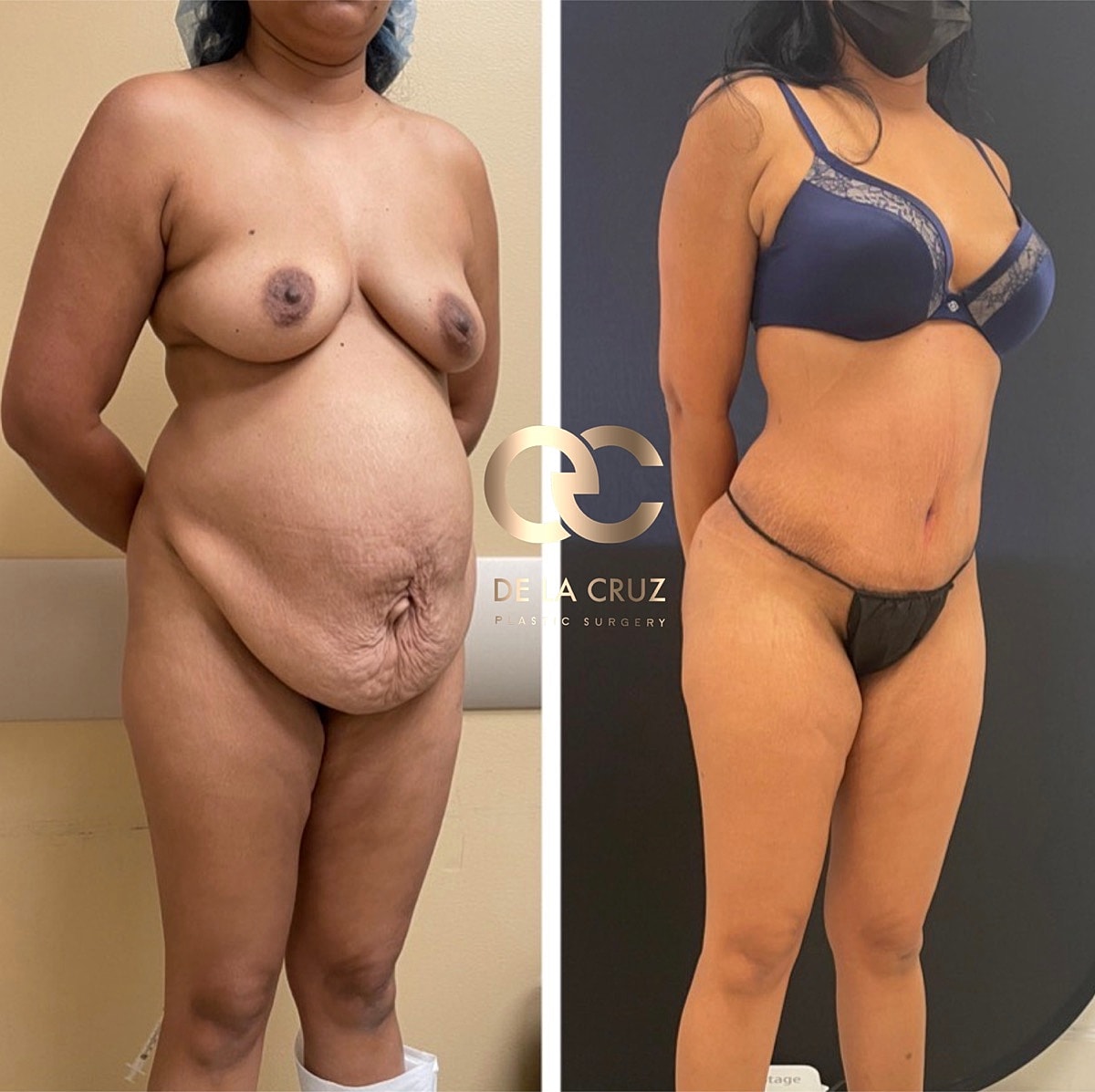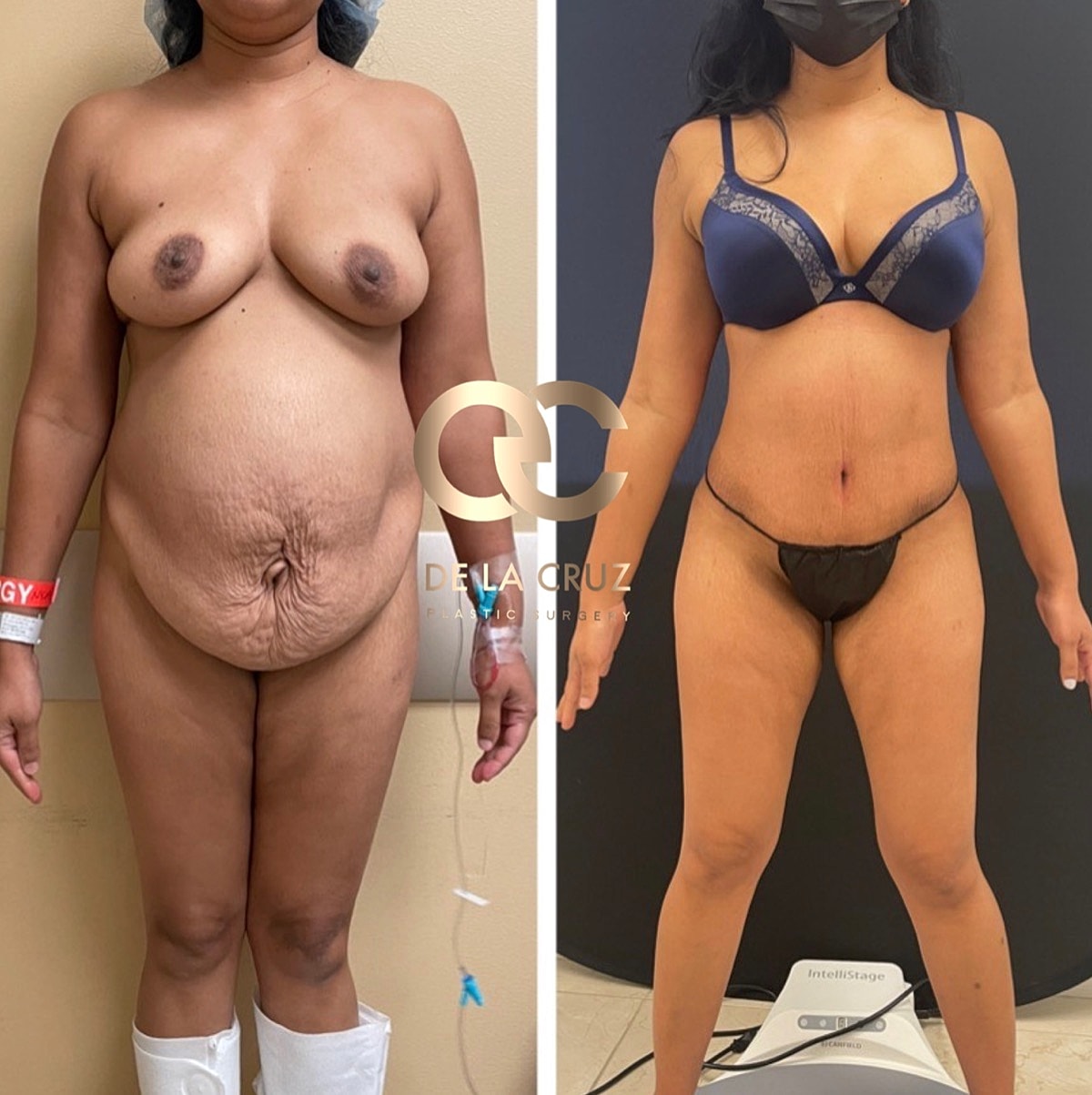
Loose skin after liposuction is a common concern for patients considering body contouring surgery. Liposuction removes excess fat from specific areas of the body, but it does not directly remove excess skin. The ability of the skin to tighten after liposuction depends on several factors, including skin elasticity, patient age, genetics, and the amount of fat removed.
In many patients, the skin naturally retracts over time as swelling improves and collagen remodeling occurs. However, some patients may experience skin laxity after liposuction, particularly if there was pre-existing loose skin before surgery.
Understanding the causes of loose skin can help patients determine the most appropriate treatment approach.
1 of 19
Loose skin after liposuction occurs when the skin cannot fully contract after fat is removed. Several factors influence how well the skin tightens after surgery.
Skin Elasticity
Skin elasticity is one of the most important factors. Younger patients or individuals with good collagen quality typically experience better skin retraction after liposuction.
Amount of Fat Removed
Procedures involving large-volume liposuction may create more space beneath the skin, which can increase the likelihood of skin laxity.
Pre-Existing Skin Laxity
Patients who already have loose skin before surgery may be more likely to experience persistent skin laxity after liposuction.
Age and Collagen Production
As people age, collagen production decreases, which can reduce the skin’s ability to tighten naturally after body contouring procedures.
Skin tightening after liposuction is a gradual process. Most patients begin to notice improvement as swelling resolves and tissues heal.
Typical timeline:
• First 4–6 weeks: swelling gradually improves • 2–3 months: early skin tightening begins • 6–9 months: collagen remodeling continues • 9–12 months: final contour and skin tightening results
During this time, wearing compression garments and following postoperative instructions can help support the healing process.
Several treatment options can help improve skin laxity after liposuction, depending on the severity of the skin looseness.
Skin Tightening Technologies
Modern technologies can stimulate collagen production and improve skin contraction.
Examples include:
• Quantum RF skin tightening
• Renuvion (J-Plasma) skin tightening
• radiofrequency-assisted skin tightening
These technologies can help improve mild to moderate skin laxity by delivering controlled thermal energy beneath the skin.

In some cases, revision liposuction combined with skin tightening technologies may help improve contour irregularities or mild skin laxity after a previous procedure.
Revision procedures often require advanced surgical experience due to scar tissue and altered anatomy from prior liposuction.
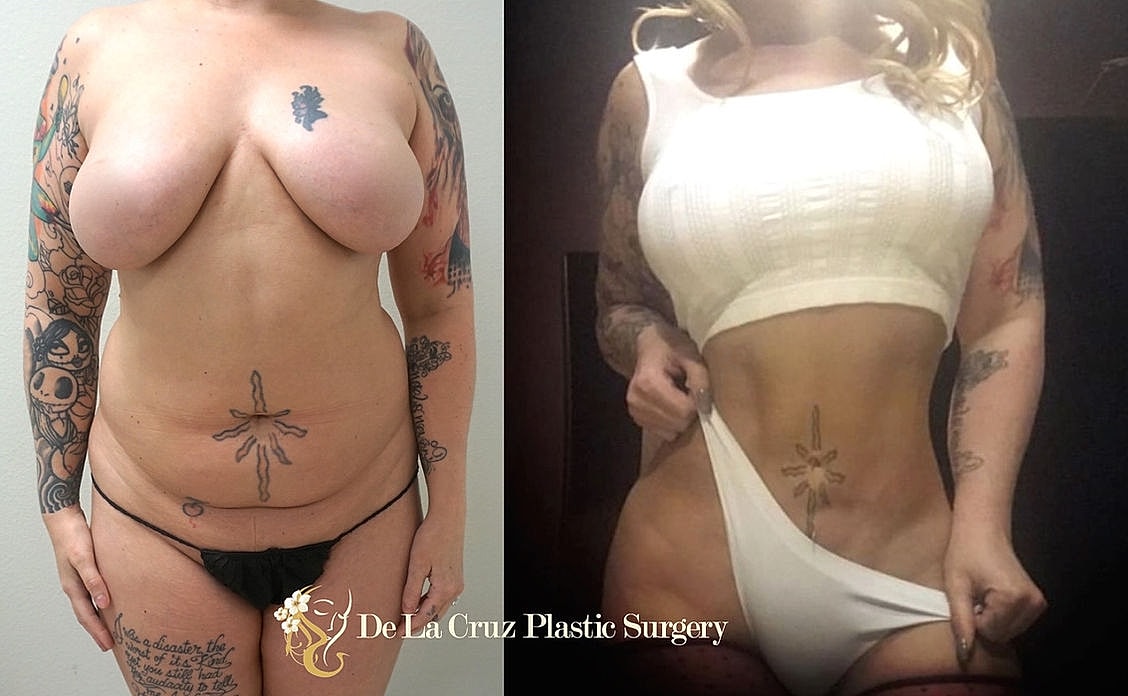
When skin laxity is more significant, surgical skin removal procedures may be recommended.
Examples include:
• tummy tuck (abdominoplasty) for abdominal skin laxity
• arm lift (brachioplasty) for loose skin of the arms
• thigh lift for excess thigh skin
These procedures remove excess skin and tighten underlying tissues to improve body contour.
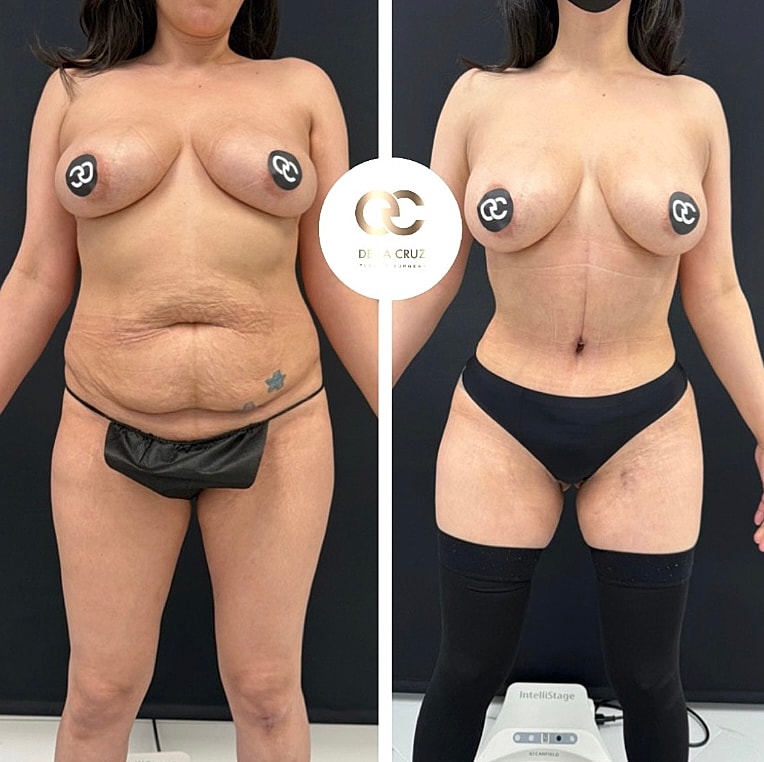
The ability of the skin to tighten after liposuction surgery varies from patient to patient. While many individuals experience natural skin retraction as swelling improves and collagen remodeling occurs, some patients may have a higher risk of developing loose skin after liposuction.
Several factors can influence the likelihood of skin laxity.
Reduced Skin Elasticity
Patients with reduced skin elasticity may experience less natural skin tightening after fat removal. Skin elasticity is influenced by factors such as age, genetics, sun exposure, and overall skin quality.
Large Volume Fat Removal
Procedures involving large-volume liposuction may increase the likelihood of loose skin because a greater amount of fat is removed from beneath the skin. When the skin has less structural support, it may take longer to retract.
Pre-Existing Skin Laxity
Patients who already have loose or stretched skin before surgery are more likely to experience persistent skin laxity after liposuction. This is often seen in patients who have experienced significant weight fluctuations or pregnancy.
Age-Related Changes in Collagen
As patients age, collagen production naturally decreases. Lower collagen levels can reduce the skin’s ability to contract after body contouring procedures.
History of Significant Weight Loss
Patients who have lost a large amount of weight may have excess skin that cannot fully tighten after liposuction alone. In these cases, skin tightening technologies or surgical skin removal procedures may be recommended.
Although some patients may be at higher risk for loose skin after liposuction, careful patient evaluation and surgical planning can help determine the most appropriate treatment approach. In certain cases,


Although skin laxity cannot always be completely prevented, several strategies can help improve skin tightening after surgery.
Important factors include:
• selecting appropriate candidates for liposuction • using advanced body contouring techniques such as VASER liposuction • combining liposuction with skin tightening technologies when needed • wearing compression garments and foam corsets during recovery • maintaining stable body weight after surgery
Careful surgical planning and proper postoperative care can help optimize skin contraction and improve final contour results.
Patients should allow adequate time for healing before considering additional procedures.
In most cases:
• early swelling improves within 6–8 weeks • skin tightening continues for 6–9 months
If loose skin persists after this period, additional treatments may be discussed during consultation.
After liposuction or body contouring procedures, some patients may experience mild to moderate skin laxity as the tissues heal and adapt to the new body contour. While many patients experience natural skin retraction over time, others may benefit from treatments designed to stimulate collagen production and improve skin tightening.
At De La Cruz Plastic Surgery in Houston, several advanced technologies are used to improve skin tightening after liposuction and help patients achieve smoother and more refined body contours.
Quantum RF Skin Tightening
Quantum RF is a modern radiofrequency technology designed to improve skin contraction and stimulate collagen remodeling. This technology delivers controlled radiofrequency energy beneath the skin, which heats the deeper tissues and encourages tightening during the healing process.
Potential benefits include:
• improved skin contraction after liposuction • stimulation of new collagen production • smoother body contour results • treatment of mild to moderate skin laxity
Quantum RF may be used in combination with liposuction procedures to enhance overall contouring results.
Renuvion (J-Plasma) Skin Tightening
Renuvion combines radiofrequency energy with helium plasma to deliver precise thermal energy beneath the skin. This technology can create immediate tissue contraction while also stimulating long-term collagen remodeling.

Dr. Emmanuel De La Cruz is a double board-certified plastic surgeon in Houston specializing in advanced body contouring procedures, including liposuction, high-definition liposuction, and complex revision body contouring.
He is actively involved in advancing modern liposuction techniques and has lectured internationally on liposuction and the correction of contour irregularities. Dr. De La Cruz has presented at major scientific meetings including:
• American Society of Plastic Surgeons (ASPS)
• Total Definer Meeting in Bogotá, Colombia
• InMode Symposium in Miami and Beverly Hills
He has also contributed to the scientific literature on liposuction, including publications addressing lipoplasty in overweight patients.
Dr. De La Cruz’s approach to body contouring focuses on several key principles:
• Precise contour sculpting to create smooth and natural-looking body proportions
• Use of advanced technologies such as VASER liposuction for improved fat removal and definition
• Integration of skin tightening technologies such as Quantum RF when appropriate
• Individualized surgical planning tailored to each patient’s anatomy and goals
• Emphasis on patient safety and natural aesthetic results
By combining advanced liposuction techniques with modern skin tightening technologies, Dr. De La Cruz provides a comprehensive approach to body contouring designed to improve body definition while maintaining balanced and natural contours.
Learn More About Liposuction
Patients researching liposuction and body contouring often want to understand the full process, including the procedure itself, recovery, potential complications, and treatment options for concerns such as loose skin, lumps or fibrosis, and skin laxity after liposuction. You can learn more by exploring our detailed guides on liposuction, liposuction recovery, liposuction cost, loose skin after liposuction, lumps and fibrosis after liposuction, and skin tightening after liposuction.
Liposuction removes fat but does not remove excess skin. Patients with good skin elasticity typically experience natural skin tightening after surgery.
Yes. In many patients, collagen remodeling allows the skin to gradually tighten over several months after liposuction.
Skin tightening can continue for 6–9 months after surgery, with final results often visible by 9–12 months.
Options may include:
• radiofrequency skin tightening technologies
• Renuvion or Quantum RF treatments
• surgical skin removal procedures
Patients may have a higher risk if they have:
• poor skin elasticity
• large amounts of fat removed
• significant weight loss
• pre-existing skin laxity