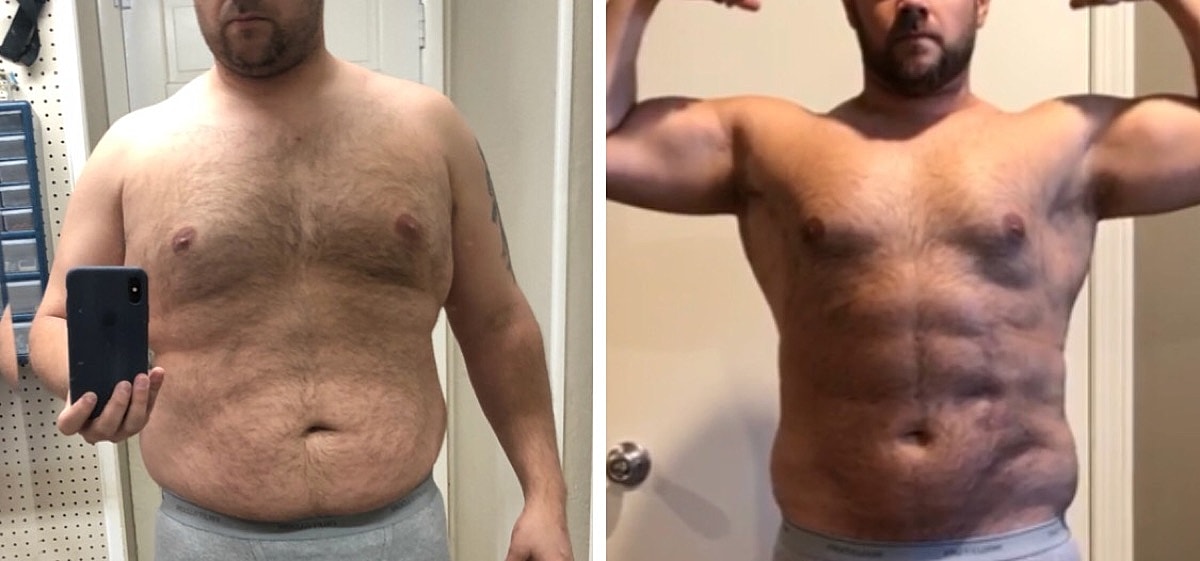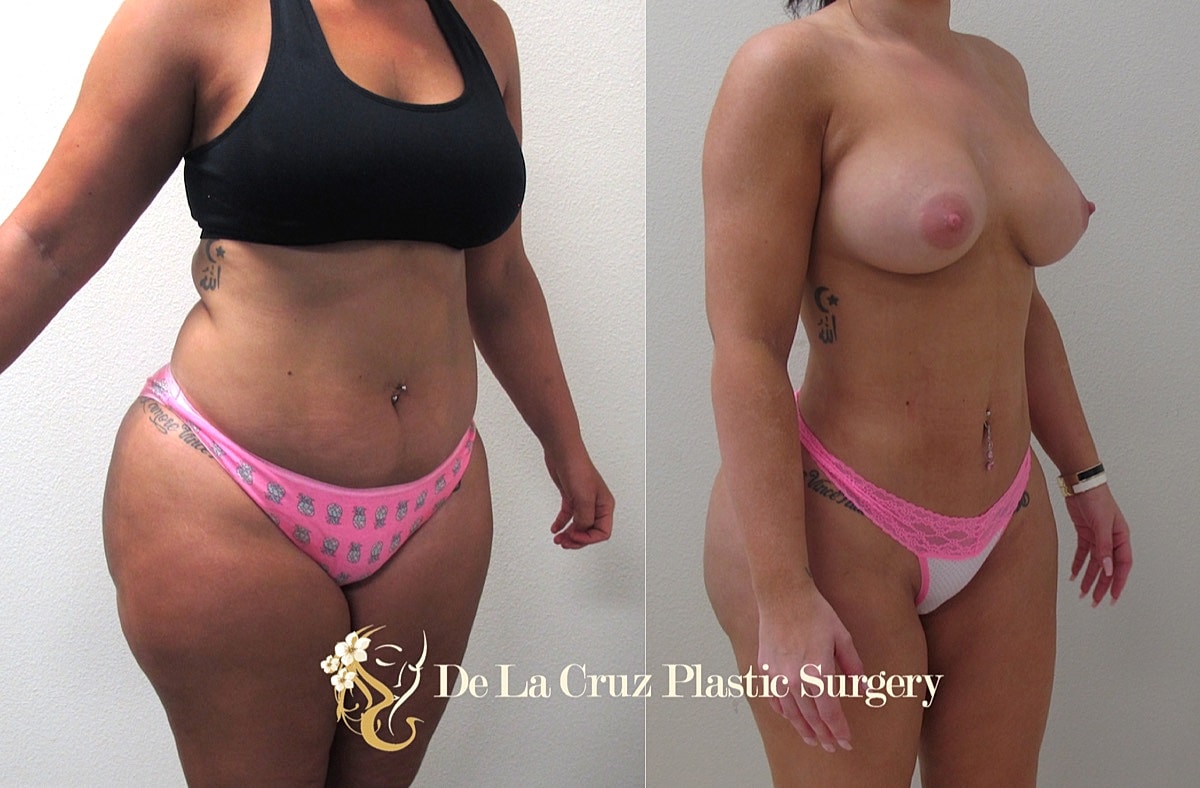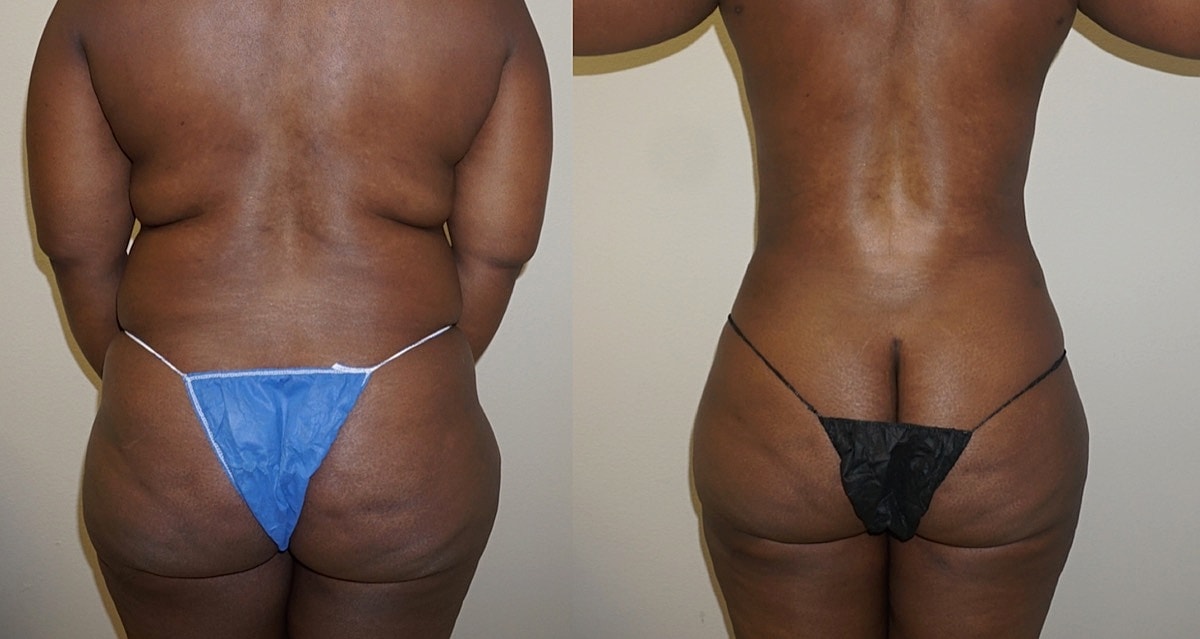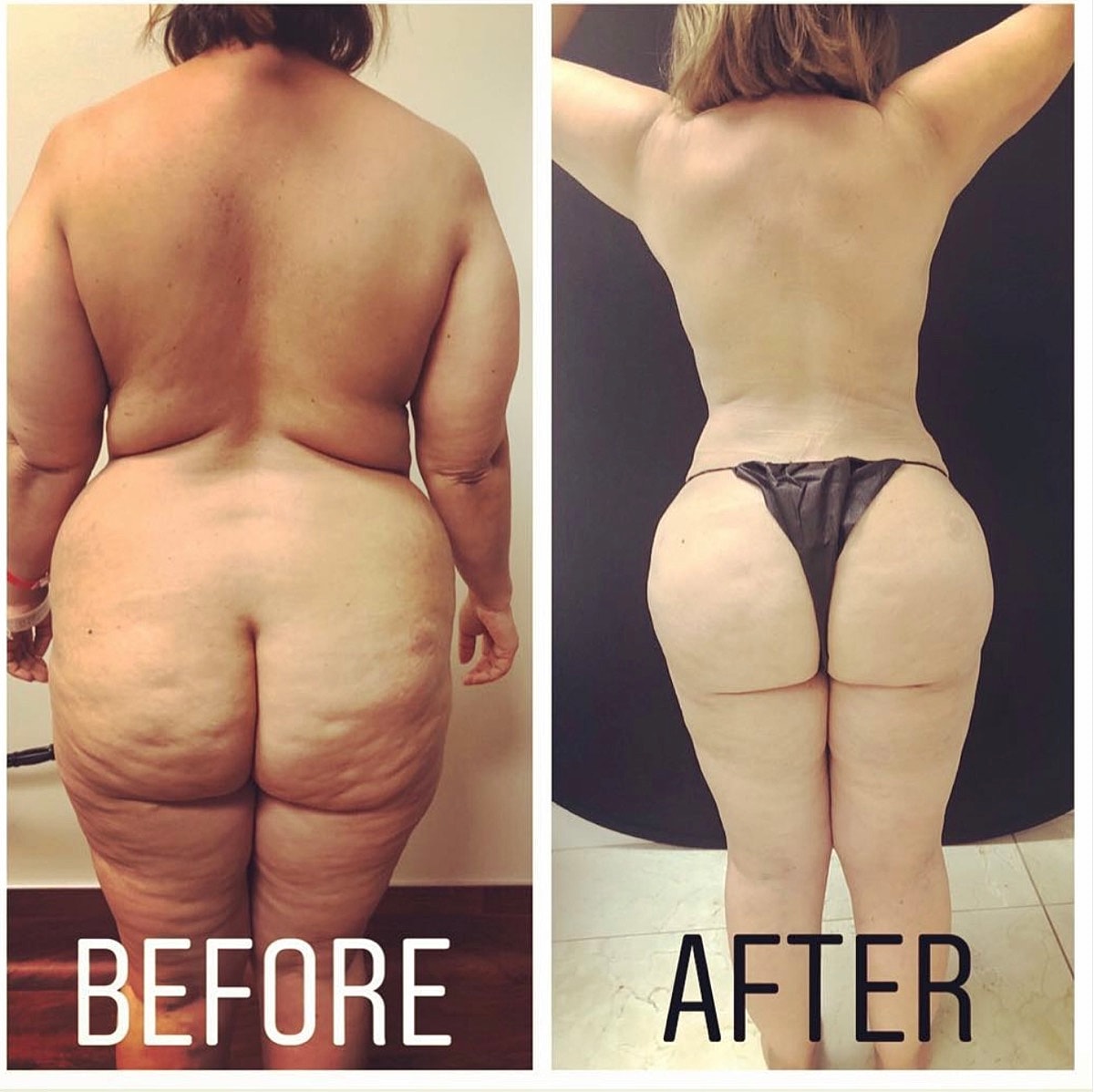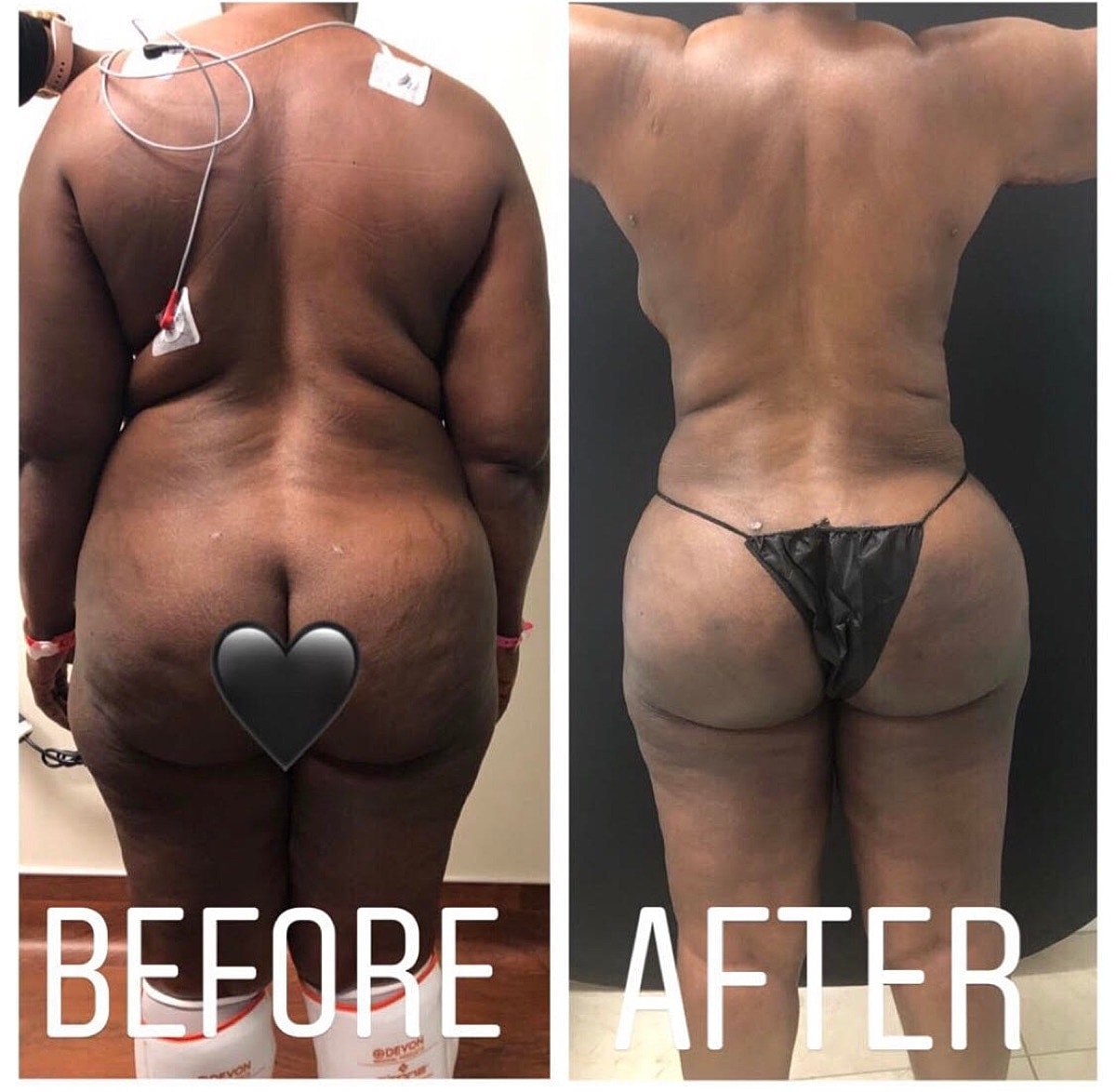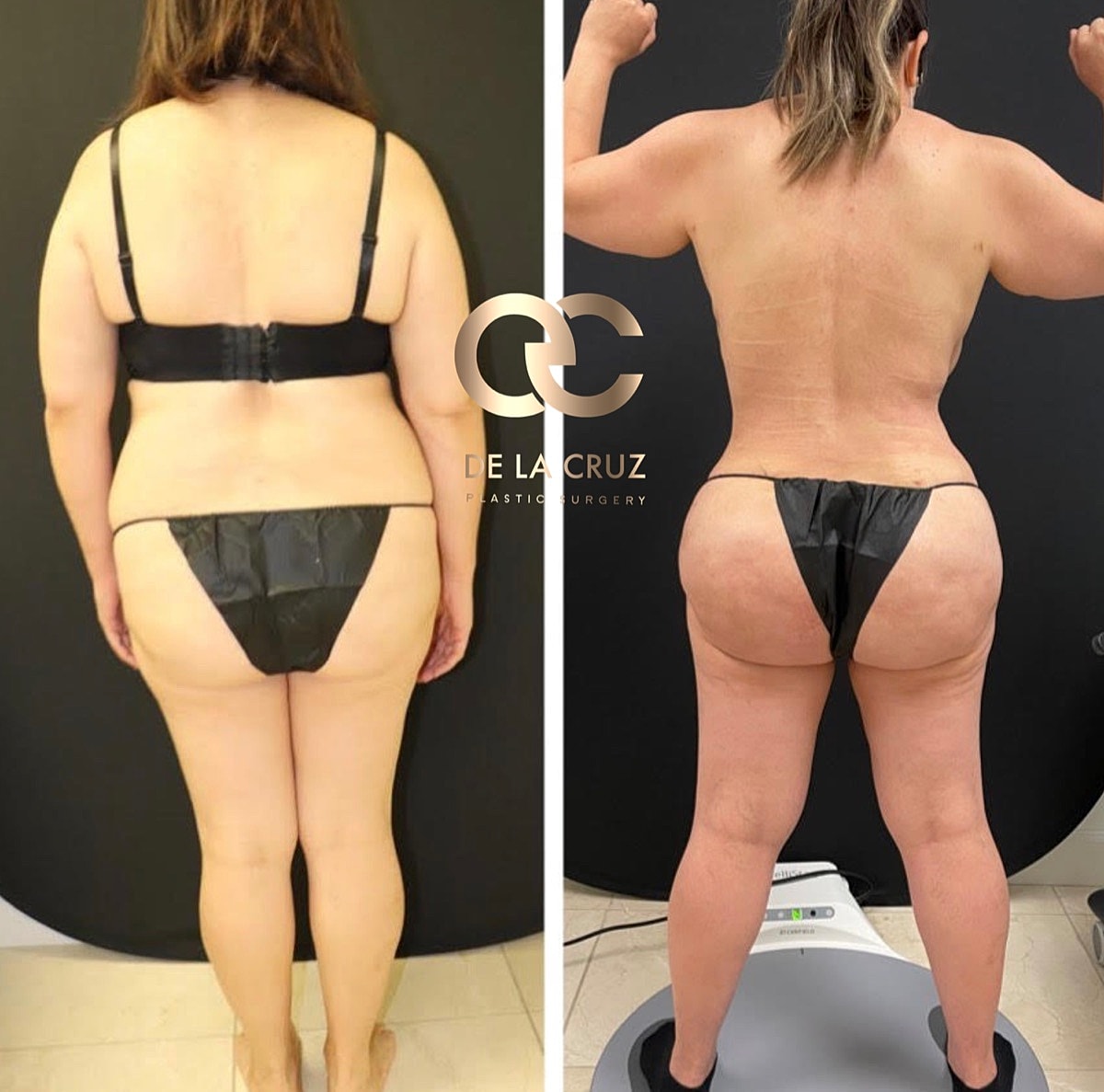
Paradoxical adipose hyperplasia (PAH) is a rare complication that can occur after cryolipolysis treatments such as CoolSculpting. Instead of reducing fat, the treated area may develop firm, enlarged fat deposits that gradually become more noticeable over time.
Rather than shrinking, the fat tissue undergoes paradoxical growth, resulting in a visible bulge or enlargement in the treated area.
PAH typically develops several months after treatment, and patients often notice that the treated area becomes:
Although PAH is uncommon, it has received increased attention in recent years due to the growing popularity of non-surgical fat reduction procedures.
1 of 6
The exact cause of PAH is not fully understood. Cryolipolysis works by cooling fat cells to induce cell death, which normally results in gradual fat reduction over several months.
In rare cases, however, the treated fat tissue may respond differently and instead develop abnormal enlargement of adipose tissue.
Research suggests that several factors may contribute, including:
PAH appears to occur more frequently in certain areas such as:
Cryolipolysis treatments such as CoolSculpting are designed to reduce localized fat deposits by freezing fat cells. While many patients undergo the procedure without complications, side effects and unexpected outcomes can occur.
Potential complications of cryolipolysis may include:
PAH is considered one of the most significant complications of cryolipolysis, because the treated fat tissue enlarges instead of shrinking.
Patients who notice persistent enlargement of the treated area several months after CoolSculpting should seek evaluation by a physician experienced in body contouring procedures.
Paradoxical adipose hyperplasia is considered a rare complication of cryolipolysis, but its true incidence may vary depending on the study.
Earlier reports estimated the risk at approximately 1 in 4,000 treatments, although more recent studies suggest the incidence may be higher.
Because PAH typically develops several months after treatment, the condition may not always be recognized immediately.
Patients should be aware that although cryolipolysis is marketed as a non-surgical fat reduction treatment, unexpected outcomes such as PAH may occur and may require surgical correction.
Patients with paradoxical adipose hyperplasia may notice the following changes several months after treatment:
Unlike normal post-treatment swelling, PAH does not gradually resolve and typically becomes more noticeable over time.
Diagnosis is usually based on clinical evaluation and patient history.
Physicians evaluate:
In many cases, the contour deformity corresponds to the shape of the cryolipolysis applicator used during treatment.
Imaging studies such as ultrasound or MRI may occasionally be used to evaluate the fat layer, but diagnosis is most commonly made based on physical examination.

Unlike temporary swelling or contour irregularities after non-surgical fat reduction, paradoxical adipose hyperplasia does not typically resolve on its own.
For most patients, surgical treatment is required to correct the contour deformity.
In many cases, surgical correction is required to restore normal body contour. Patients diagnosed with paradoxical adipose hyperplasia may benefit from revision liposuction procedures designed to remove abnormal fat deposits and smooth the treated area.
Learn more about PAH surgical correction on our Paradoxical Adipose Hyperplasia Treatment page
Liposuction is one of the most common treatments for paradoxical adipose hyperplasia. The goal of treatment is to remove the abnormal fat deposits and restore normal body contour.
Modern liposuction techniques can help remove the fibrotic adipose tissue associated with PAH and smooth the contour of the treated area.
Liposuction treatment may include:
These techniques allow surgeons to break up fibrotic fat tissue and remove the abnormal fat more precisely.
The adipose tissue involved in paradoxical adipose hyperplasia often becomes dense and fibrotic, making it resistant to non-surgical treatments.
As a result, additional cryolipolysis treatments typically do not improve the condition.
Liposuction is commonly used to treat PAH because it allows the surgeon to:
Advanced techniques such as VASER ultrasound-assisted liposuction may help emulsify fibrotic adipose tissue, allowing for more precise removal and improved contour correction.
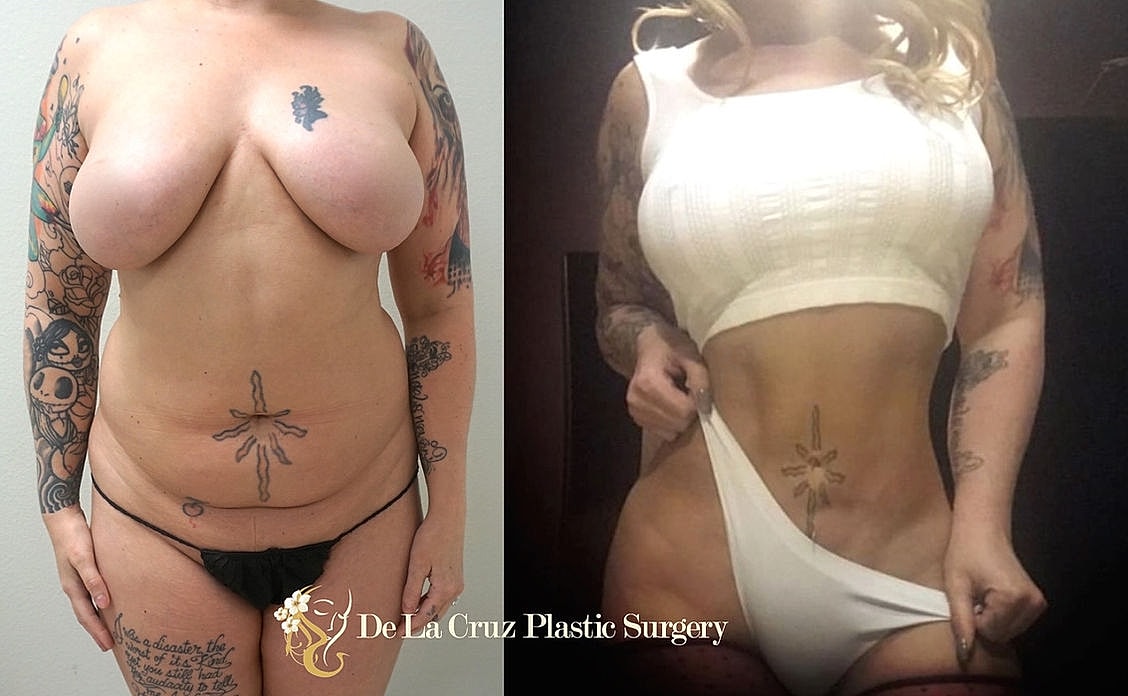

In some cases, PAH may create significant contour irregularities that require additional contouring procedures.
Treatment strategies may include:
The specific treatment plan depends on the severity of the deformity and the distribution of the abnormal adipose tissue.
Unlike normal fat deposits, the adipose tissue associated with PAH is often dense and fibrotic, making it resistant to non-surgical treatments.
Diet, exercise, or additional cryolipolysis treatments typically do not improve the condition.
For this reason, surgical correction with liposuction is often the most effective approach to restore a smoother body contour.
Although PAH is rare, patients considering cryolipolysis treatments should be aware of potential risks.
Before undergoing any body contouring procedure, patients should discuss:
Consulting with a qualified physician experienced in body contouring procedures can help ensure appropriate treatment selection.
Dr. Emmanuel De La Cruz is a double board-certified plastic and reconstructive surgeon with extensive experience in advanced liposuction and revision body contouring procedures.
His practice focuses on precision body contouring techniques, including the treatment of contour deformities resulting from prior procedures.
Patients with paradoxical adipose hyperplasia may benefit from a careful evaluation and individualized surgical planning designed to restore natural body contour and symmetry.

PAH is considered a rare complication of cryolipolysis, although reported rates vary depending on the study.
PAH typically develops 2 to 6 months after treatment, although it may occasionally appear later.
PAH generally does not resolve without treatment, and surgical correction is often required.
Liposuction is commonly used to treat PAH and can help remove the abnormal fat deposits and restore body contour.