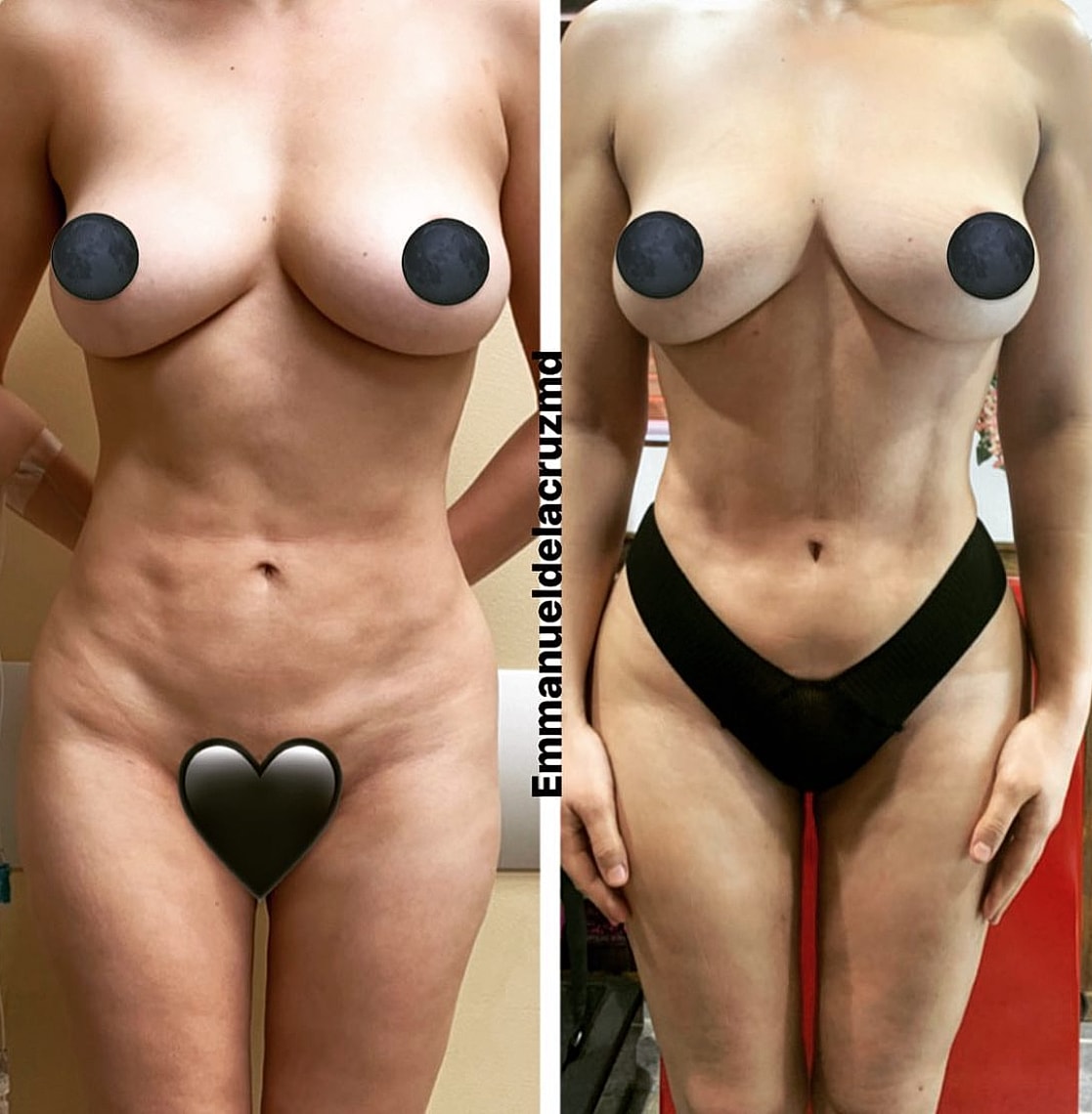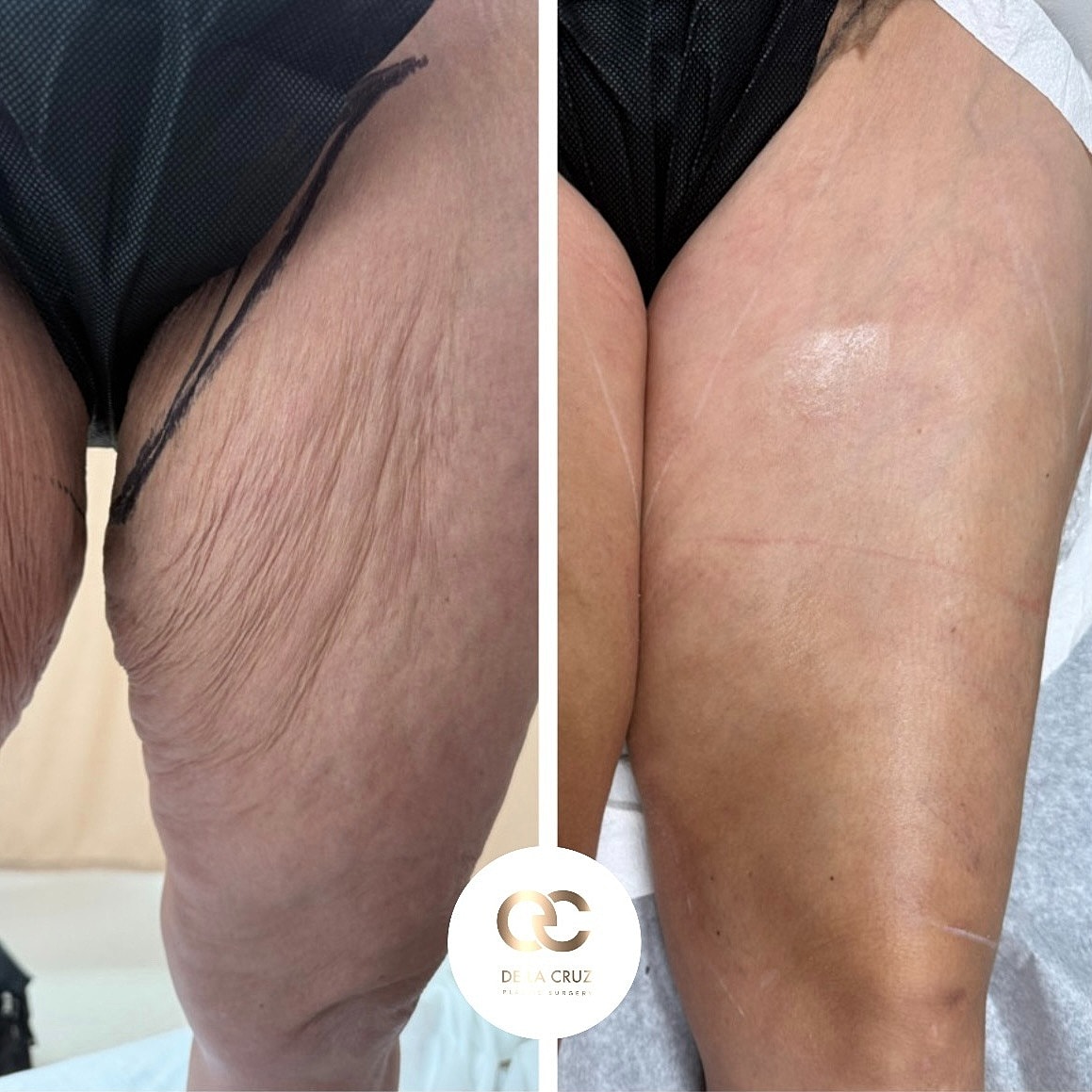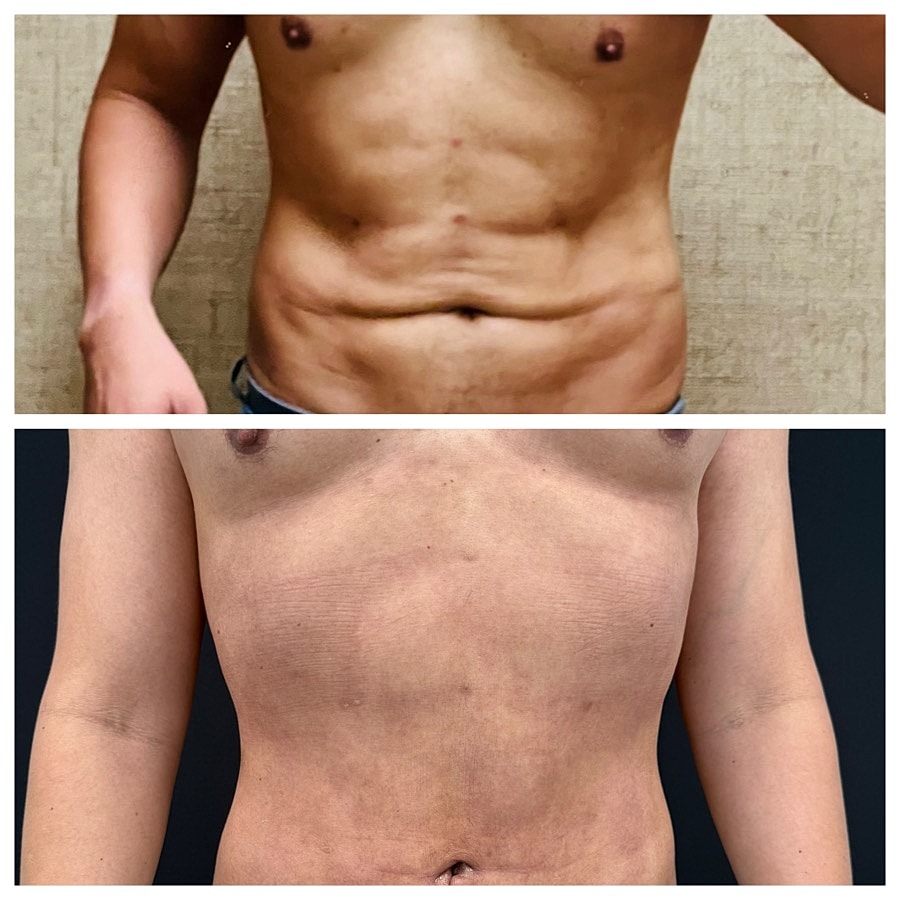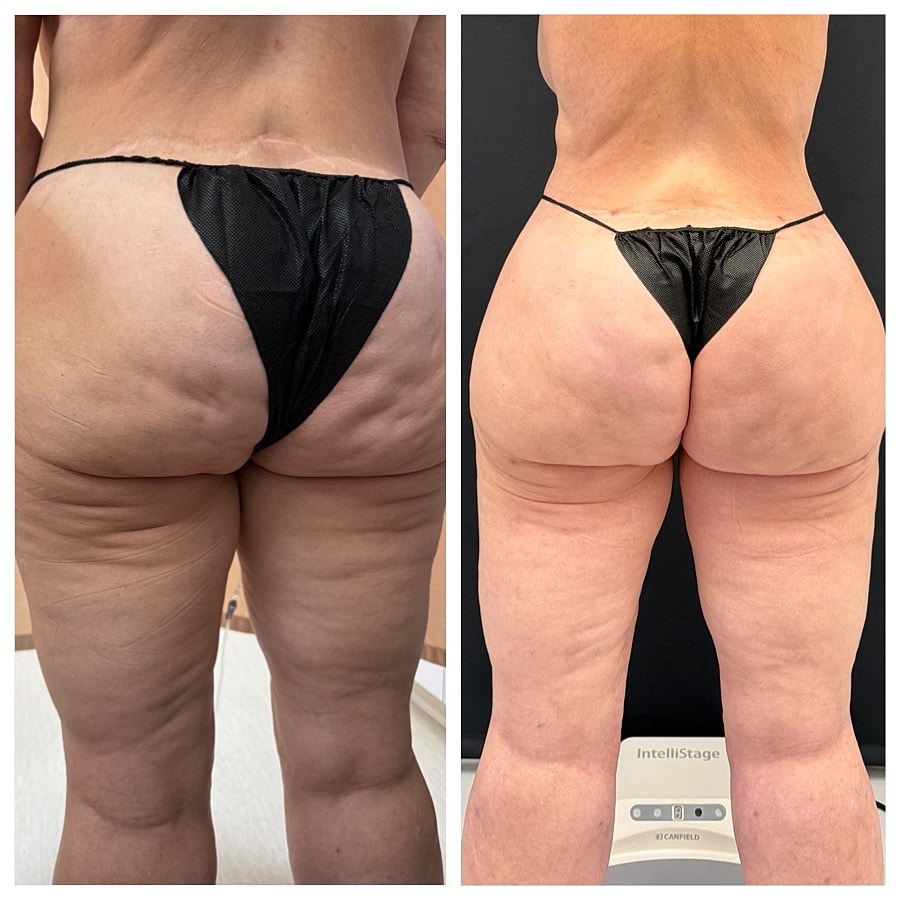
Seroma formation is a potential complication after liposuction and other surgical procedures. A seroma occurs when fluid collects beneath the skin in the space created during surgery. Although most seromas are mild and resolve with appropriate management, larger fluid collections may require medical treatment.
Understanding the causes, symptoms, prevention, and treatment of seromas can help patients recognize this condition and seek timely evaluation if needed.
1 of 5
A seroma is a pocket of clear fluid that accumulates beneath the skin after surgery. This fluid consists primarily of serum, the liquid portion of blood, and may develop when small blood vessels and lymphatic channels are disrupted during surgical procedures.
After liposuction, small spaces may temporarily exist within the treated fat layer. Fluid can occasionally accumulate in these spaces during the healing process. Some patients describe seromas as a fluid pocket or fluid wave beneath the skin after liposuction
Seromas may occur after many surgical procedures, including:
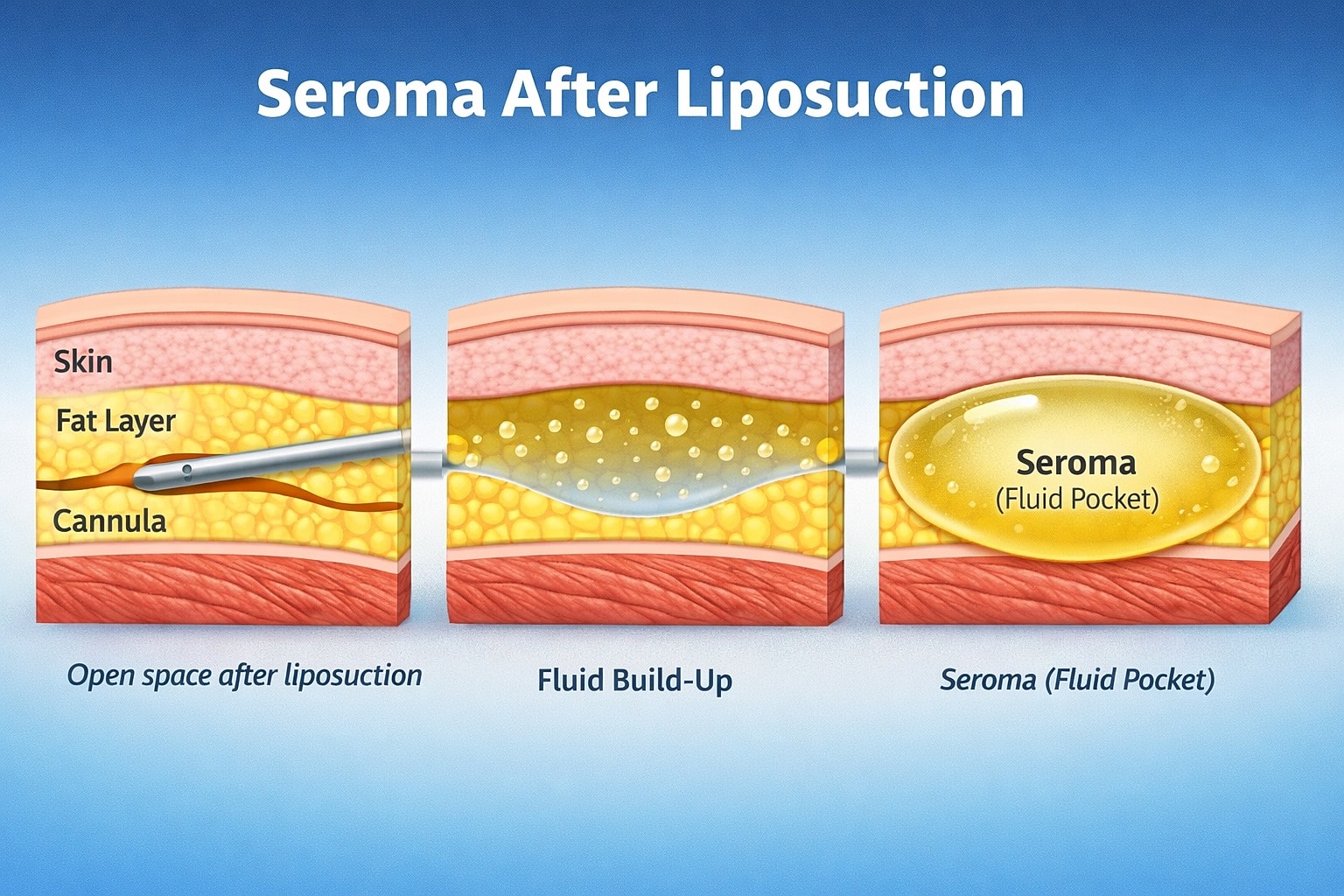
During liposuction, fat is removed through small cannulas inserted beneath the skin. Although modern techniques aim to minimize tissue trauma, disruption of lymphatic vessels and small blood vessels may allow fluid to accumulate during healing.
Several factors may increase the risk of seroma formation after liposuction:
In most cases, the body gradually reabsorbs small amounts of fluid as healing progresses.
Seromas most commonly develop during the early stages of postoperative healing, typically within the first 1 to 3 weeks after liposuction. As the body begins to heal, small spaces created during fat removal may temporarily fill with fluid produced by surrounding tissues.
In many cases, patients may begin to notice signs of a seroma approximately 5 to 10 days after surgery, although some fluid collections may appear slightly later as swelling evolves during recovery.
Common signs that may suggest a seroma include:
Because postoperative swelling is common after liposuction, it can sometimes be difficult for patients to distinguish normal swelling from a seroma. For this reason, patients who notice new or increasing swelling, persistent fluid pockets, or unusual contour changes should contact their surgeon for evaluation.
Early identification allows appropriate monitoring or treatment if necessary and helps support a smoother recovery after liposuction.
Seroma formation is considered an uncommon complication of liposuction, but it can occur during the postoperative healing process. Reported rates vary depending on the extent of surgery, treatment areas, and surgical technique used.
Published studies suggest that the incidence of seroma after liposuction is generally estimated to occur in approximately 1% to 5% of patients. The risk may be slightly higher in procedures involving:
In most cases, seromas are small and resolve with conservative management, such as observation, compression garments, or simple drainage if necessary.
Careful surgical technique, proper postoperative compression, and close follow-up can help reduce the likelihood of seroma formation and support smooth healing after liposuction.
Patients with a seroma may notice symptoms such as:
In some cases, the fluid collection may produce a sloshing or fluid movement sensation beneath the skin.
Seromas typically appear within the first few weeks after surgery, although they can occasionally develop later during the recovery process.

Diagnosis is usually based on a clinical examination.
During evaluation, your plastic surgeon would assess:
In certain situations (although not necessary), ultrasound imaging may be used to confirm the presence of fluid and determine the size of the collection.
The best diagnostic tool for seromas would be aspiration.

Plastic surgeons take several measures to reduce the risk of seroma formation.
Preventive strategies may include:
Compression garments play an important role in recovery because they help reduce swelling, support tissues, and limit fluid accumulation.
Patients are typically advised to wear compression garments for several months after liposuction as recommended by their surgeon.

The treatment of a seroma depends on its size and the patient’s symptoms.
Observation
Small seromas often resolve naturally as the body gradually reabsorbs the fluid over time. In these cases, careful monitoring may be sufficient.
Needle Aspiration
Larger fluid collections may require needle aspiration, a procedure in which the fluid is drained using a sterile needle and syringe.
In some cases, multiple aspirations may be necessary if fluid reaccumulates during the healing process.
Compression Therapy
Continued use of compression garments can help reduce further fluid accumulation and support tissue healing.
Drain Placement (Rare Cases)
In rare situations involving persistent or recurrent seromas, a temporary drain may be placed to allow continuous fluid removal until the space heals.
Patients should contact their surgeon if they notice:
Early evaluation allows physicians to determine whether simple observation or treatment is necessary.
Most seromas resolve successfully with appropriate monitoring and treatment. Early recognition and management help reduce the risk of prolonged swelling or contour irregularities.
With proper care and follow-up, most patients can continue their recovery without long-term complications.
Careful surgical technique, appropriate postoperative care, and patient follow-up are important factors in reducing complications such as seroma formation. Our seroma rate is less than 1% risk.
Dr. Emmanuel De La Cruz is a double board-certified plastic and reconstructive surgeon with extensive experience in advanced body contouring procedures. His practice emphasizes careful surgical planning, patient safety, and individualized postoperative care to support optimal recovery after liposuction.

Seroma formation is considered an uncommon complication, but it may occur in some patients during the healing process.
Yes. Small seromas often resolve naturally as the body gradually absorbs the fluid.
Needle aspiration is typically a quick and well-tolerated procedure performed in a clinical setting.
Most seromas resolve without long-term complications when properly managed.