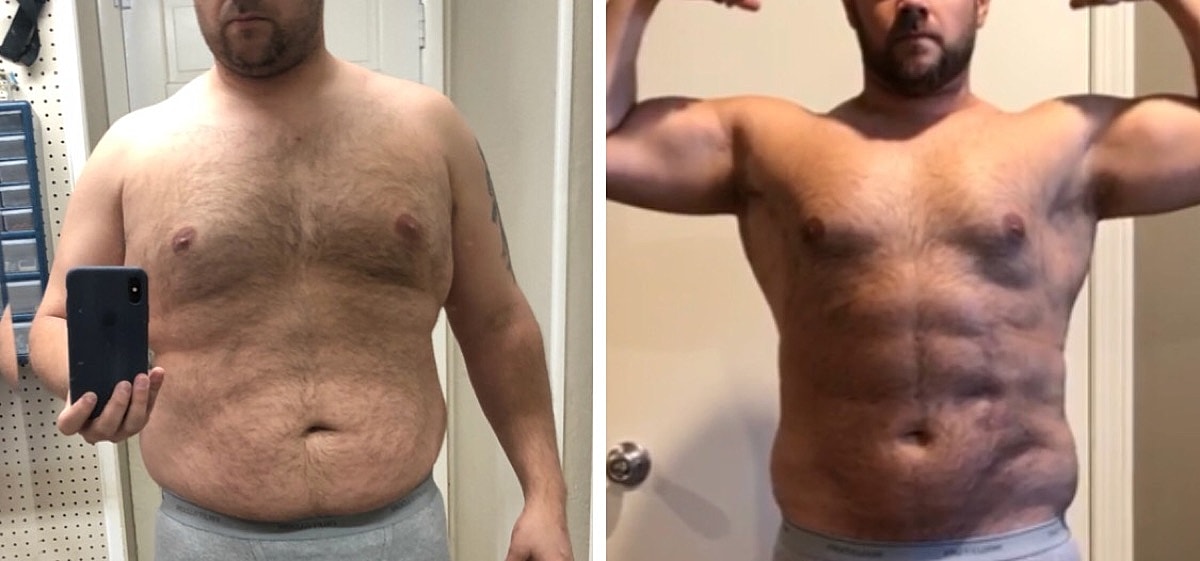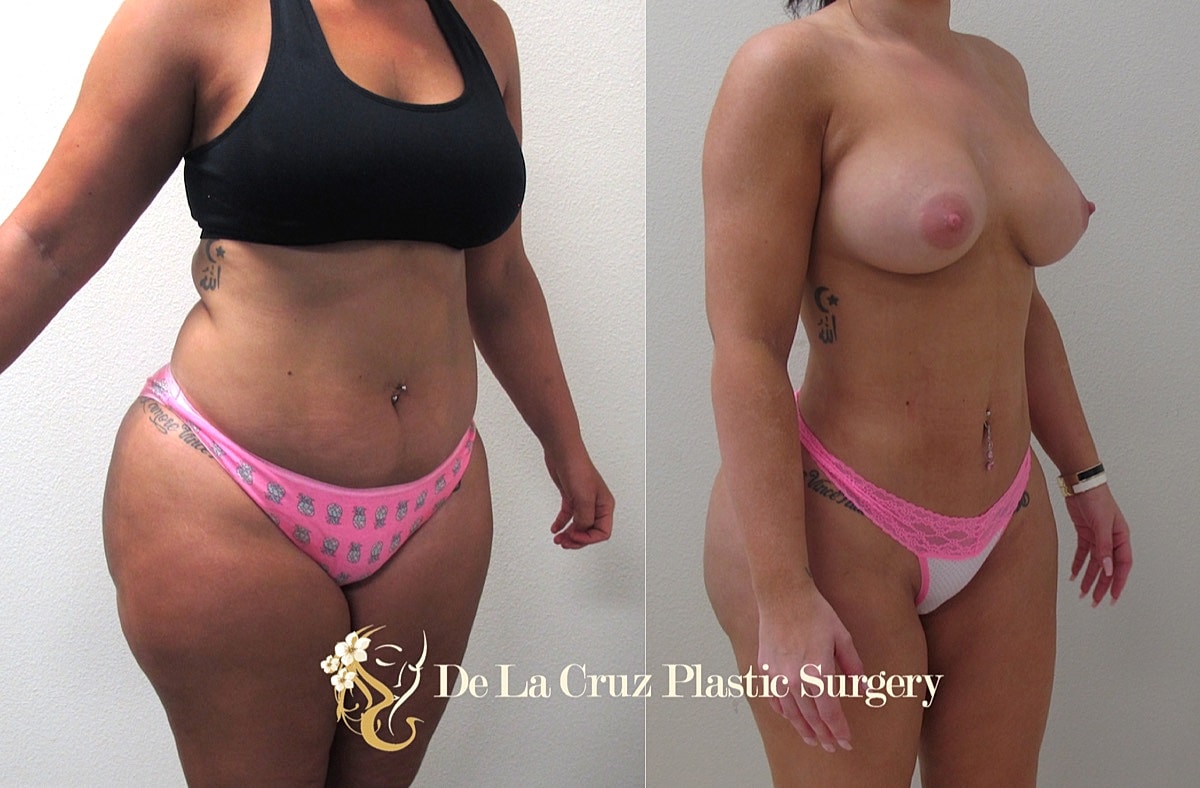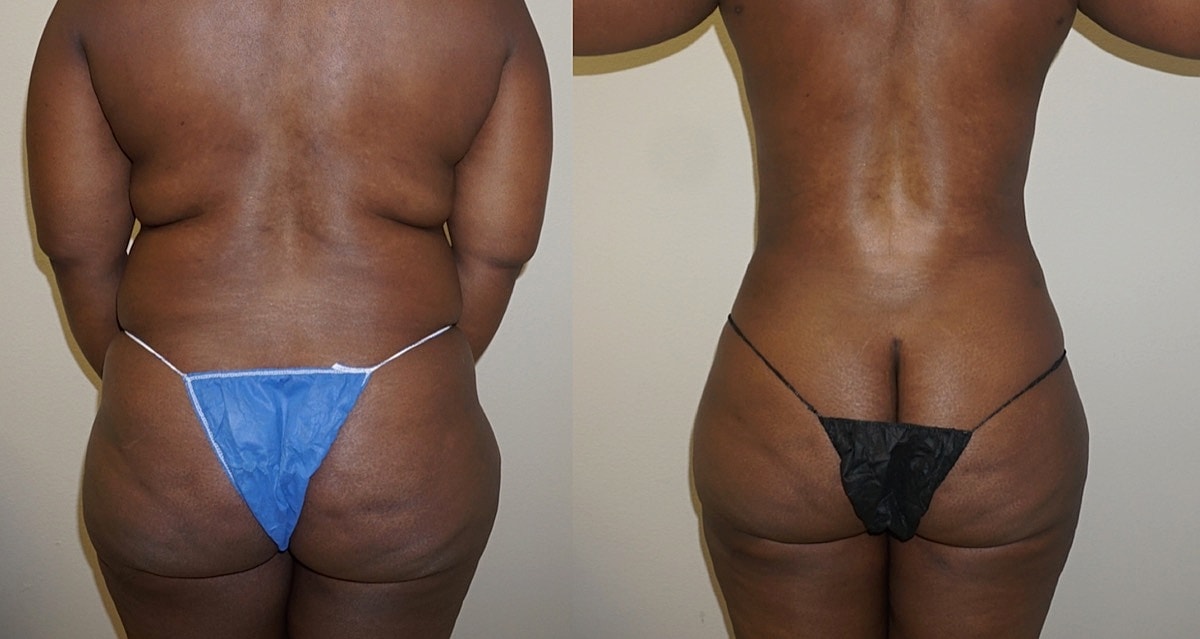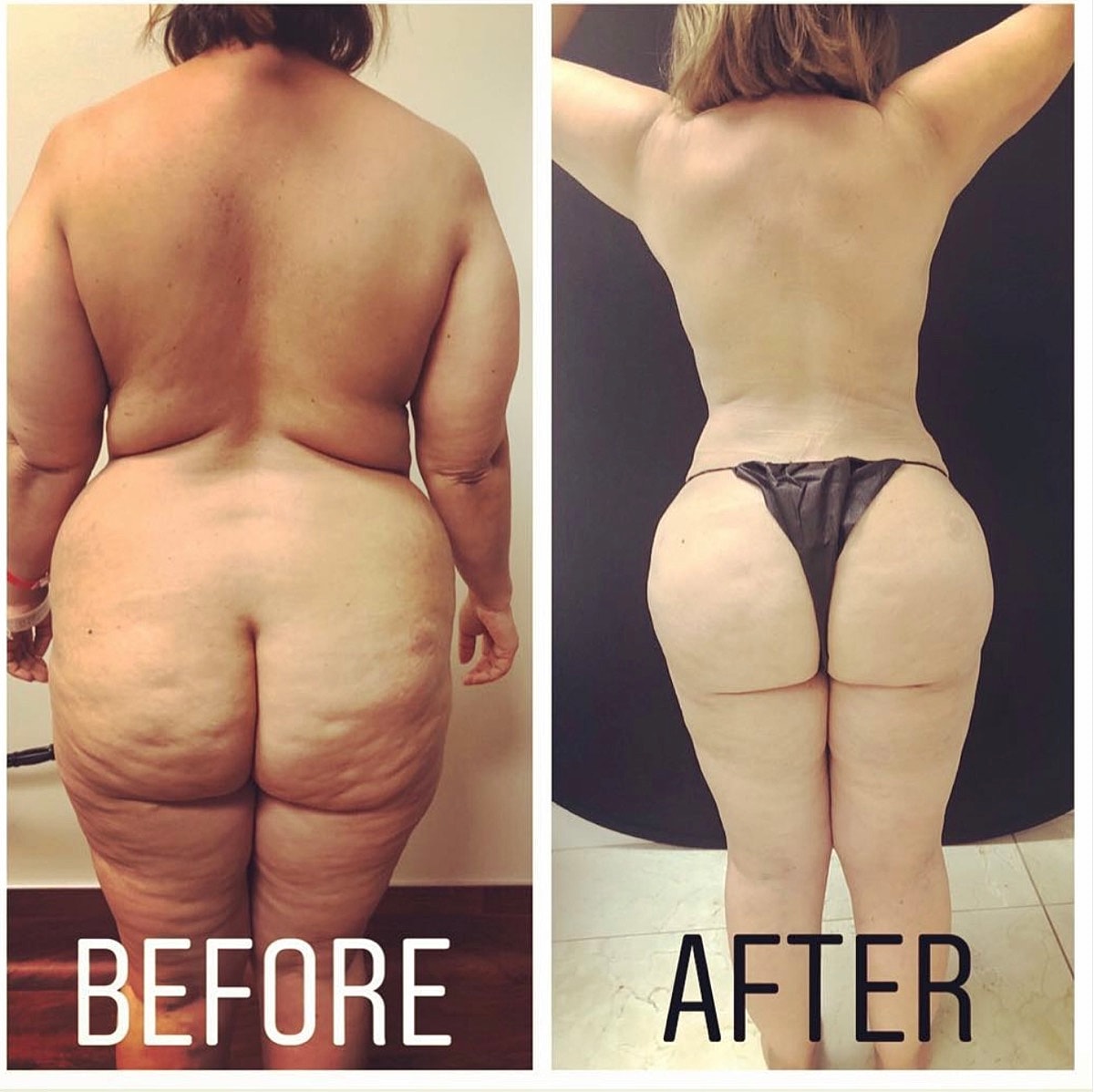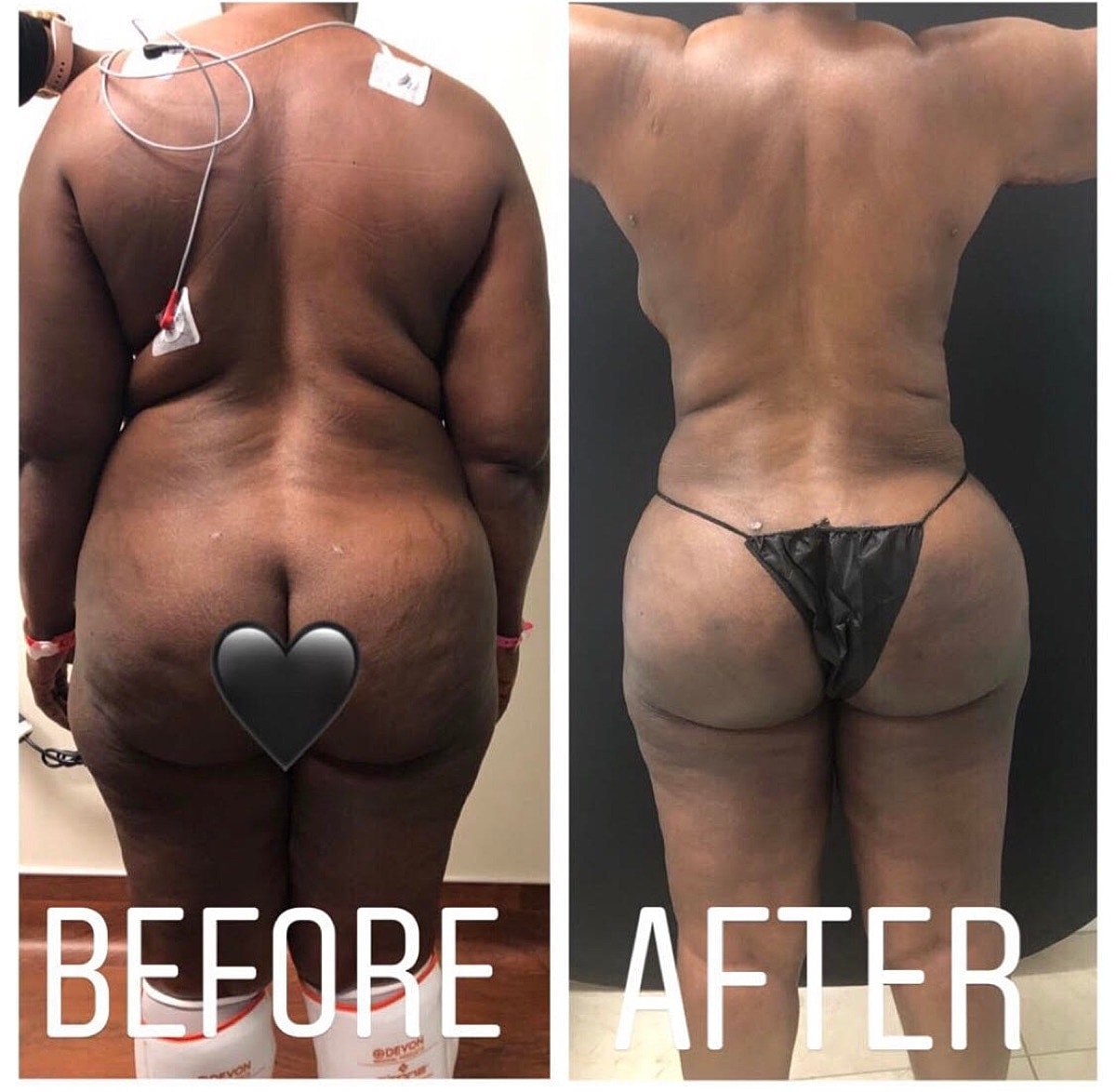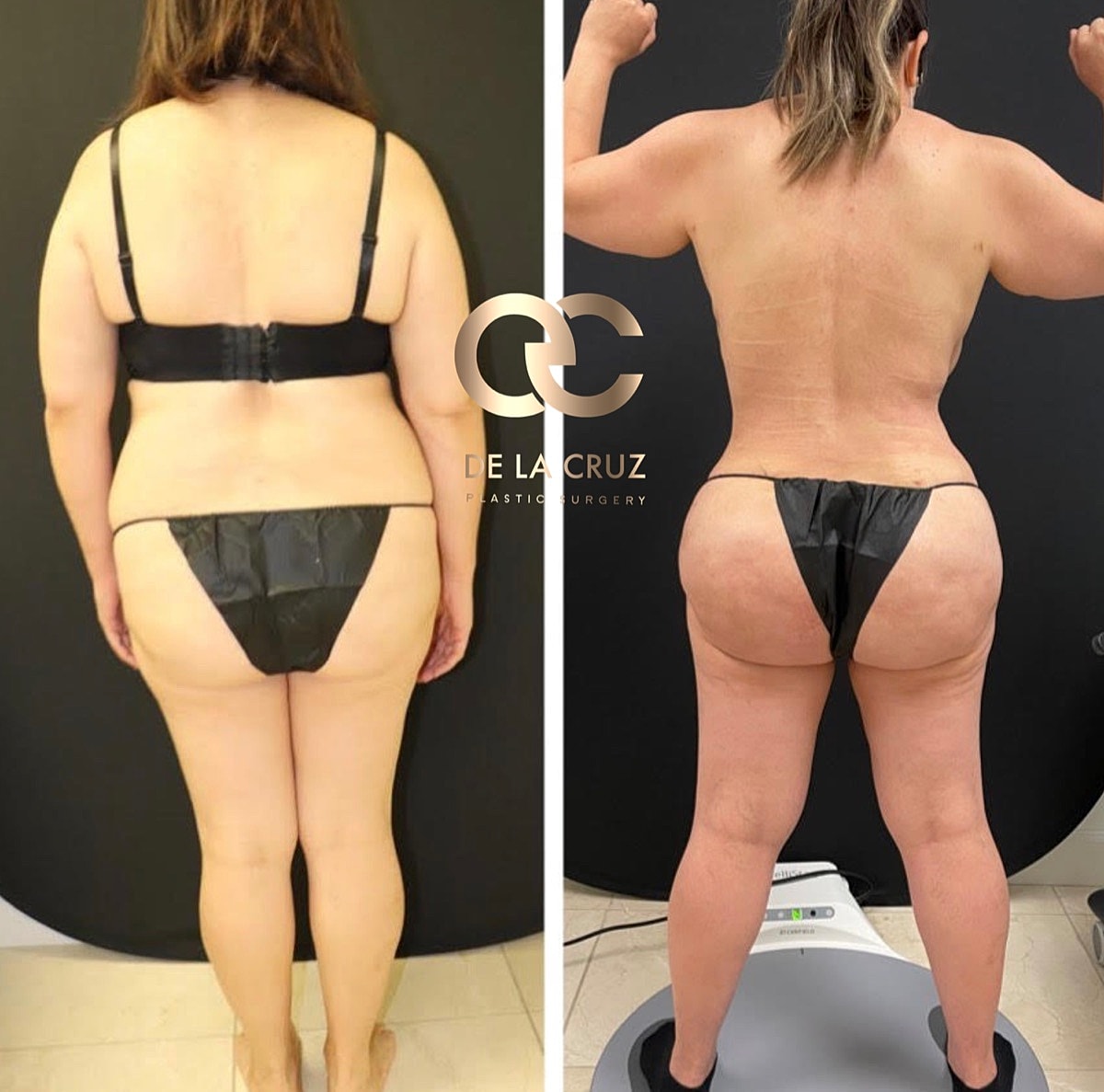
One of the most common questions patients ask before surgery is:
“How much fat can be removed with liposuction?”
Liposuction is one of the most commonly performed cosmetic procedures in the United States. While liposuction can remove significant amounts of fat, the procedure must always be performed within safe medical guidelines.
The amount of fat that can be removed depends on several factors including:
• The patient’s body size • The number of areas treated • The surgical technique used • The patient’s overall health • The experience of the surgeon
At De La Cruz Plastic Surgery in Houston, careful evaluation is performed to determine how much fat can be safely removed while achieving natural body contour results.
1 of 6
Large volume liposuction is typically defined as removing more than 5 liters (5,000 cc) of total aspirate during a single procedure.
Total aspirate refers to the combination of fat, fluid, and blood removed during liposuction.
Large volume liposuction is often performed when:
• Multiple body areas are treated • Patients have larger fat deposits • Extensive body contouring is desired
Because removing larger volumes of fat places greater physiologic stress on the body, additional safety precautions are required.
For many patients undergoing cosmetic body contouring, the amount of fat removed ranges from:
1 to 5 liters of total aspirate
However, some patients undergoing large volume liposuction may have more than 5 liters removed, depending on their anatomy and overall health.
The goal of liposuction is body contour improvement, not simply removing the largest possible amount of fat.
Removing excessive fat can increase the risk of complications and may lead to poor cosmetic outcomes.
Liposuction safety guidelines may vary depending on state regulations, the surgical facility, and the type of anesthesia used. Many states have adopted recommendations intended to reduce complications associated with large-volume liposuction.
New York
In New York, liposuction procedures performed in outpatient settings generally follow a guideline of approximately 5 liters (5,000 cc) of total aspirate during a single procedure.
When larger volumes are removed, additional monitoring and postoperative care may be required.
Florida
Florida has specific regulations governing liposuction performed in office-based surgical settings.
In many cases, liposuction performed under local anesthesia is limited to approximately 4 liters of total aspirate. When liposuction is combined with other procedures such as tummy tuck (abdominoplasty), the allowable liposuction volume may be significantly reduced to enhance patient safety.
Because regulations may vary depending on the facility and anesthesia used, surgeons must follow state guidelines and accepted safety standards.
Texas
In Texas, large volume liposuction is generally defined as removal of more than 5 liters (5,000 cc) of total aspirate.
When more than 5 liters of fat and fluid are removed, Texas regulations require that the patient be admitted for overnight observation.
This monitoring allows healthcare providers to assess:
• Blood pressure and vital signs • Fluid balance and hydration • Urine output • Signs of bleeding or complications
Observation typically occurs in:
• A hospital, or • A certified ambulatory surgical facility capable of overnight monitoring
This requirement helps ensure patient safety after large-volume liposuction procedures.

Large volume liposuction can produce dramatic improvements in body contour, but removing large amounts of fat also places physiologic stress on the body.
For this reason, safety protocols may include:
• Limiting aspirate volume in outpatient settings
• Monitoring fluid balance and blood pressure
• Providing IV hydration after surgery
• Requiring overnight observation for larger procedures
Experienced plastic surgeons focus on achieving natural body contour results while maintaining the highest level of patient safety.
Patients undergoing large volume liposuction should typically have 23-hour postoperative observation to ensure safe recovery.
Observation allows medical staff to monitor:
• Blood pressure and vital signs
• Fluid balance and hydration
• Urine output
• Signs of bleeding
• Overall recovery
During this period, patients may receive intravenous (IV) hydration to maintain appropriate fluid balance after significant fat removal.
This observation period is typically performed in:
• A hospital, or • A certified ambulatory surgical facility
Careful postoperative monitoring helps reduce risks related to fluid shifts, blood pressure changes, and postoperative complications.

Modern liposuction technologies can improve precision, safety, and contour quality, particularly when performing large volume liposuction involving multiple treatment areas. These advanced techniques allow surgeons to remove fat efficiently while minimizing trauma to surrounding tissues and improving postoperative skin retraction.
VASER Liposuction
VASER liposuction uses ultrasound energy to selectively break down fat cells before removal. This technology helps emulsify fat while preserving surrounding structures such as nerves and blood vessels.
Potential advantages of VASER liposuction include:
• Reduced bleeding due to selective fat emulsification
• More precise fat removal
• Improved body contour sculpting
• Reduced risk of contour irregularities
• Enhanced skin retraction in some patients
VASER technology is commonly used in large volume liposuction procedures because it allows for efficient fat removal while maintaining smoother contour transitions.
Power-Assisted Liposuction (PAL)
Power-assisted liposuction (PAL) uses a specialized vibrating cannula that moves rapidly back and forth. This mechanical motion allows the surgeon to remove fat more efficiently while maintaining precise control.
Benefits of PAL include:
• More efficient fat removal
• Reduced surgeon fatigue during large procedures
• Improved ability to treat fibrous fat areas
• Greater precision during body contouring
PAL is frequently used in large volume liposuction because it allows surgeons to remove fat more efficiently while maintaining consistent sculpting.
Energy-Based Skin Tightening Technologies
When larger amounts of fat are removed, some patients may benefit from adjunct skin tightening technologies to improve skin retraction and overall contour.
These technologies may include:
Renuvion (Helium Plasma + Radiofrequency)
Renuvion combines radiofrequency energy with helium plasma to deliver controlled thermal energy beneath the skin.
Potential benefits include:
• Tissue contraction • Stimulation of collagen production • Improved skin tightening after liposuction
Quantum RF
Quantum RF uses bipolar radiofrequency energy to heat the subdermal tissues in a controlled manner, stimulating collagen remodeling and skin contraction.
This technology may help improve:
• Skin laxity • Soft tissue tightening • Body contour refinement
Morpheus8 combines microneedling with radiofrequency energy to stimulate collagen production within the skin.
It is often used to improve:
• Skin texture • Mild to moderate skin laxity • Overall skin quality following body contouring procedures
In many cases, surgeons may combine VASER liposuction, power-assisted liposuction, and energy-based skin tightening technologies to optimize results during body contouring procedures.
These technologies can help:
• Improve surgical precision • Reduce trauma to surrounding tissues • Enhance skin retraction • Achieve smoother body contours
Careful surgical planning and appropriate technology selection are important for achieving natural-appearing and balanced body contour results.

Patients researching liposuction online may sometimes see advertisements claiming 10-liter or even 12-liter liposuction procedures, particularly in certain markets such as Miami. These claims can create confusion about what is considered safe or appropriate during liposuction surgery.
In reality, the amount of fat that can be removed safely during liposuction depends on several factors, including the patient’s body size, medical condition, the number of areas treated, and the surgical setting where the procedure is performed.
Differences in State Regulations
One reason some surgeons advertise very large volumes of fat removal is that state regulations governing liposuction can vary.
For example:
• Texas generally requires overnight monitoring when more than 5 liters of aspirate are removed, allowing medical staff to monitor vital signs, hydration status, and recovery.
• New York typically follows guidelines of approximately 5 liters of aspirate in outpatient settings, with additional monitoring required for larger procedures.
• Florida has regulations governing liposuction performed in office-based surgical settings, and in many cases procedures performed under local anesthesia may be limited to approximately 4 liters of aspirate.
Because regulations vary by state and by surgical facility, surgeons must follow state medical board rules and accredited facility safety standards.
While liposuction can remove significant amounts of fat and dramatically improve body contour, the most important factor is patient safety and surgical expertise.
Patients should choose a surgeon who focuses on:
• Careful patient evaluation • Safe surgical planning • Smooth contouring results • Proper postoperative monitoring
The best outcomes occur when safety, technique, and experience guide the surgical plan, rather than simply the total number of liters removed.
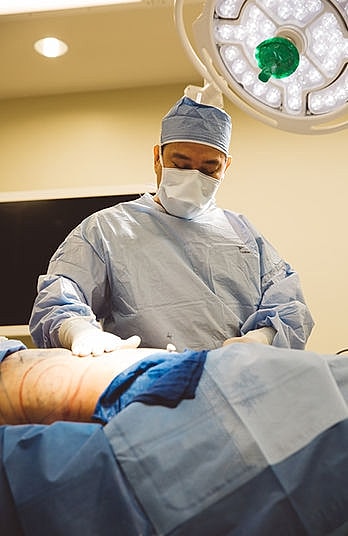
Large volume liposuction requires advanced surgical expertise, careful planning, and strict attention to patient safety. Dr. Emmanuel De La Cruz is a double board-certified plastic surgeon specializing in advanced body contouring procedures.
Dr. De La Cruz has published on lipoplasty in overweight patients in Clinics in Plastic Surgery, emphasizing safety considerations in large volume liposuction. He has also presented his work and techniques at international and national meetings, including TD Abs (Total Definer), the American Society of Plastic Surgeons (ASPS), and Aesthetic Istanbul.
At De La Cruz Plastic Surgery in Houston, modern technologies such as VASER liposuction, MicroAire power-assisted liposuction, and energy-based skin tightening devices including Renuvion, Quantum RF, and Morpheus8 may be used to improve precision, reduce bleeding, and enhance skin retraction.
Dr. De La Cruz focuses on balanced body sculpting rather than simply removing the maximum amount of fat, helping achieve smooth contours and natural-looking results while maintaining high safety standards, particularly in large-volume liposuction procedures.
The amount of fat that can be removed with liposuction varies depending on the patient’s anatomy, overall health, and surgical plan. In general, liposuction procedures may remove more than 5 liters of total aspirate in selected patients, which is considered large volume liposuction.
However, the safe amount of fat removal must always be determined on an individual basis. Factors such as the patient’s body size, the number of areas treated, and overall medical condition all influence how much fat can be safely removed.
At De La Cruz Plastic Surgery, patient safety is always the top priority. Careful patient evaluation, controlled fat removal, and appropriate postoperative monitoring are essential to achieve safe and natural-looking body contour results.
In carefully selected patients, experienced surgeons may remove more than 5 liters of fat, but these procedures require careful planning and postoperative monitoring.
Large volume liposuction may increase physiologic stress on the body, which is why careful patient selection and postoperative observation are important for safety.
No. Liposuction is designed to remove localized fat deposits and improve body contour, not serve as a weight-loss method.