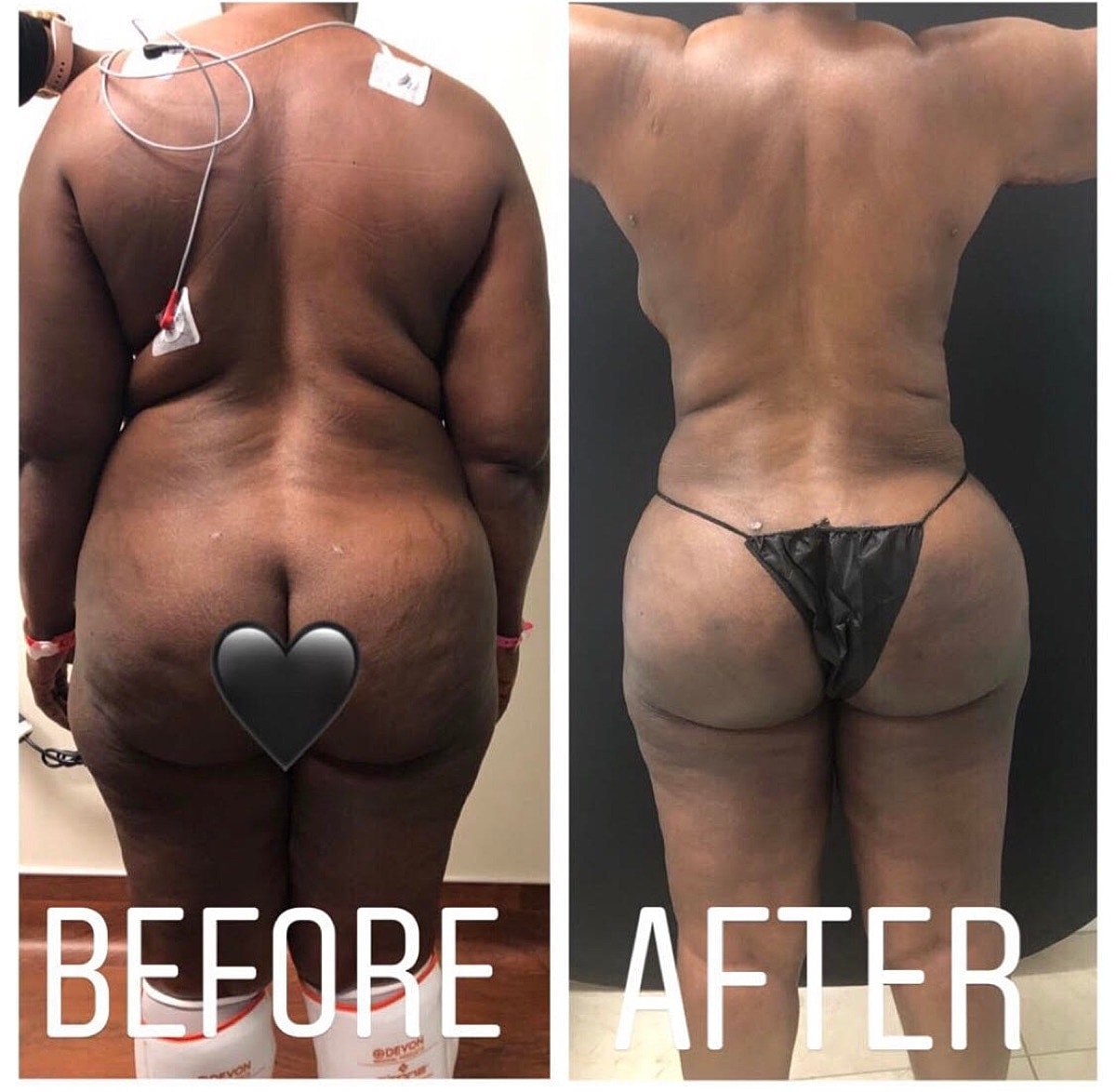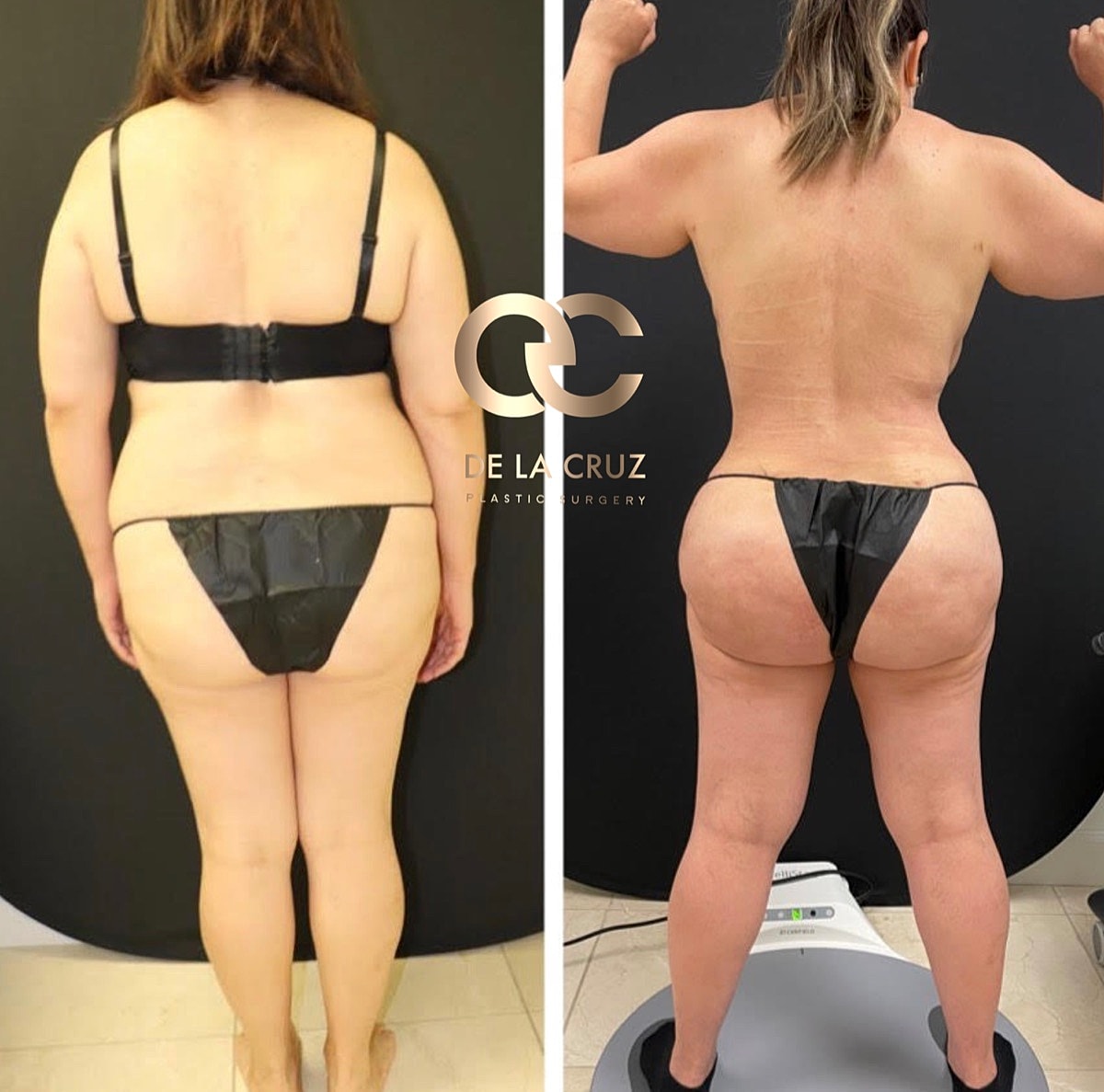
Not all fat deposits in the body are the same. While many patients seek liposuction for cosmetic body contouring, some individuals suffer from medical fat disorders that cause abnormal, painful, or disproportionate fat accumulation.
In certain conditions, liposuction can be used as a therapeutic treatment, helping relieve symptoms, improve mobility, and restore body proportion.
At De La Cruz Plastic Surgery in Houston, Dr. Emmanuel De La Cruz uses advanced liposuction techniques such as VASER ultrasound-assisted liposuction and power-assisted liposuction to treat selected fat disorders safely and effectively.
1 of 6
Fat disorders are medical conditions that cause abnormal growth, distribution, or inflammation of adipose tissue (fat). These conditions may result in:
• Disproportionate body contour • Pain or tenderness in fatty tissues • Swelling or heaviness • Difficulty with mobility • Psychological distress due to body disproportion
In some cases, liposuction can remove diseased or abnormal fat deposits, improving both physical symptoms and body contour.
Liposuction may be used not only for cosmetic body contouring but also for certain fat disorders involving abnormal fat accumulation or growth.
These conditions may include:
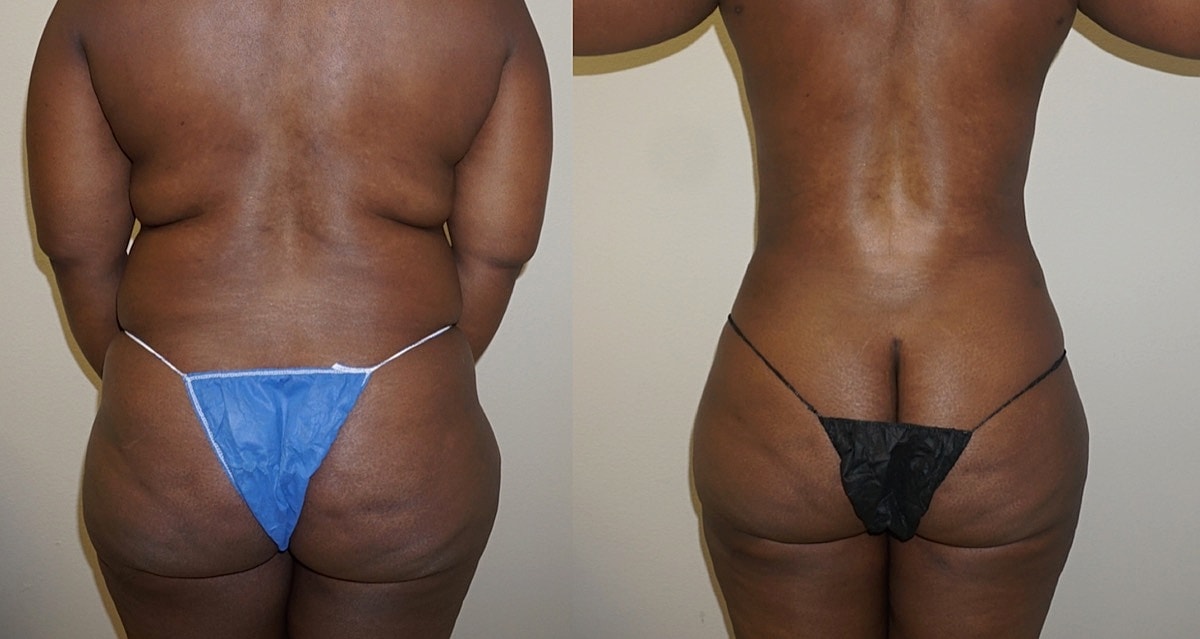
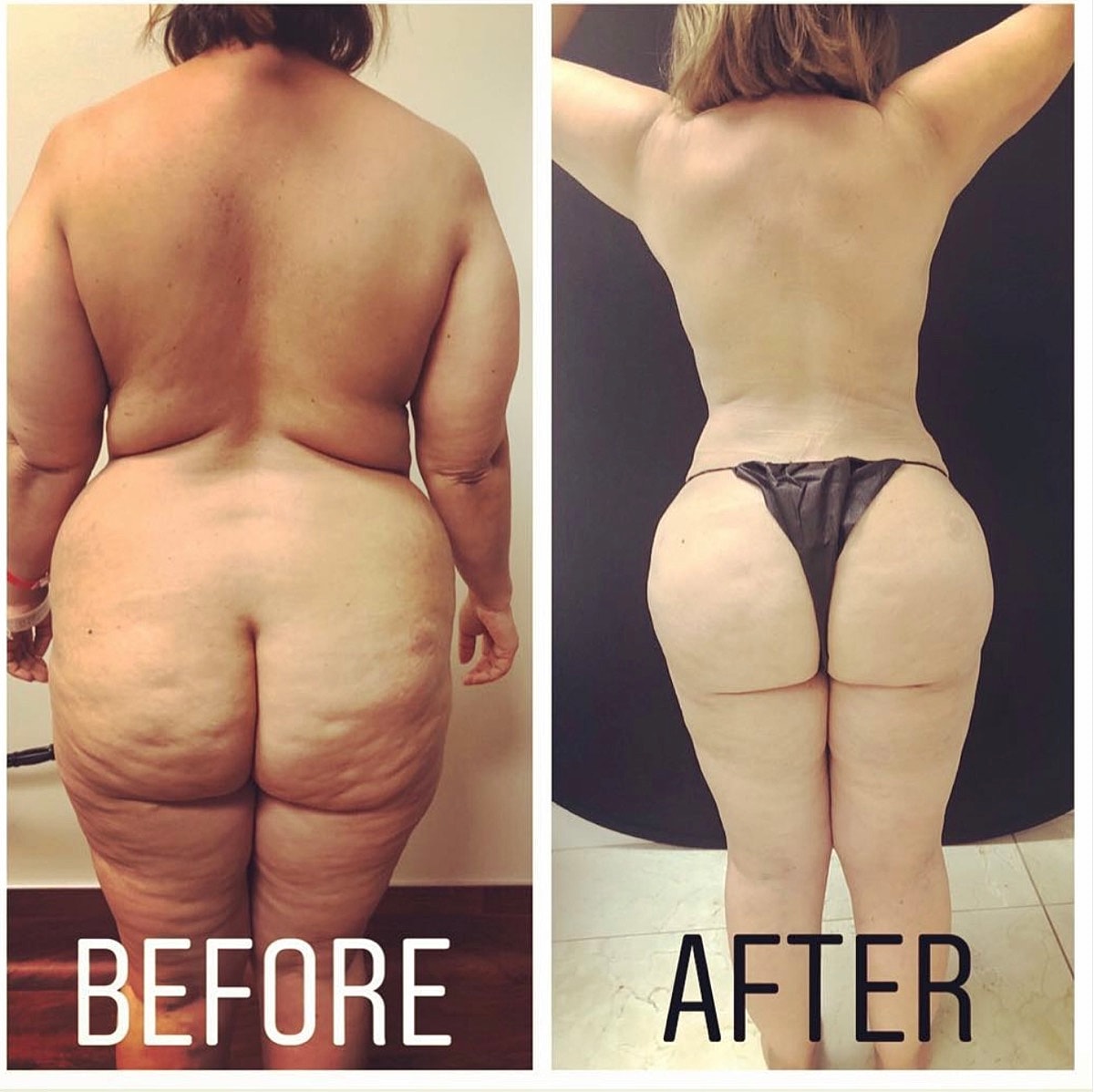
Lipedema is a chronic condition characterized by symmetrical abnormal fat accumulation, typically affecting the legs, hips, and sometimes arms.
Common symptoms include:
• Disproportionately large legs compared to the upper body • Fat that is painful or tender to touch • Easy bruising • Progressive enlargement of the lower body
Unlike regular fat, lipedema fat does not respond well to diet and exercise.
Specialized liposuction techniques may help:
• Reduce abnormal fat deposits • Improve limb contour • Decrease pain and pressure symptoms • Improve mobility
Liposuction for lipedema is considered a therapeutic procedure rather than purely cosmetic.

Dercum’s disease is a rare condition characterized by painful fatty tumors (lipomas) that develop throughout the body.
Patients often experience:
• Multiple painful lipomas
• Chronic fatigue
• Soft tissue tenderness
• Localized swelling
In selected cases, liposuction may help reduce the volume of painful fatty tissue, providing symptom relief and improving quality of life.

Multiple lipomatosis refers to the presence of numerous benign fatty tumors (lipomas) in different areas of the body.
These may cause:
• Visible lumps beneath the skin • Discomfort or pressure • Cosmetic concerns
When many lipomas are present, liposuction may be used to remove multiple fatty deposits through small incisions, reducing the need for numerous surgical excisions.

Madelung’s disease is a rare disorder characterized by symmetrical fat deposits, often around the:
• Neck • Shoulders • Upper arms • Upper back
These fat deposits can become very large and may lead to:
• Restricted neck movement • Difficulty with clothing fit • Cosmetic deformity
Liposuction may be used to debulk excess fatty tissue and restore body proportion.
Some patients develop localized areas of fat hypertrophy, which may occur after:
• Previous surgery
• Trauma
• Hormonal changes
• Genetics
When these areas are resistant to diet and exercise, liposuction can help reshape the affected region and restore natural body contours.
At De La Cruz Plastic Surgery, several advanced techniques may be used depending on the condition being treated.
These may include:
VASER Liposuction
Ultrasound energy helps gently break down fat cells, allowing for precise fat removal.
Benefits include:
• Improved precision • Reduced trauma to surrounding tissues • Smooth body contouring
Power-Assisted Liposuction (PAL)
Power-assisted liposuction uses specialized instruments that allow the surgeon to remove fat efficiently while maintaining control and precision.
This technique is often helpful when treating fibrous fat or large treatment areas.
Not every fat disorder can be treated with liposuction. A thorough medical evaluation is necessary.
Patients may be candidates if they:
• Have abnormal fat deposits causing symptoms • Have fat resistant to diet and exercise • Are in generally good health • Have realistic expectations about results
Each treatment plan is individualized based on the patient’s anatomy and condition.

Treating fat disorders with liposuction requires advanced surgical judgment and experience.
Unlike routine cosmetic liposuction, these conditions may involve:
• Fibrotic or inflamed fat tissue
• Large treatment areas
• Medical symptoms rather than purely cosmetic goals
Careful surgical planning helps maximize safety while achieving meaningful improvement.
Dr. Emmanuel De La Cruz is a double board-certified plastic surgeon specializing in advanced body contouring procedures.
At De La Cruz Plastic Surgery in Houston, patients benefit from:
• Extensive experience in liposuction and body contouring
• Advanced technologies such as VASER and power-assisted liposuction
• A focus on patient safety and individualized care
• Treatment performed in an accredited surgical facility
Every patient is evaluated carefully to determine the most appropriate treatment plan.
Liposuction may be used to treat certain conditions involving abnormal fat accumulation. These may include lipedema, paradoxical adipose hyperplasia (PAH), multiple lipomatosis, Dercum’s disease, Madelung’s disease, lipomas, and localized fat hypertrophy. Treatment depends on the patient’s symptoms, anatomy, and medical history.
While liposuction is commonly performed for cosmetic body contouring, it may also be used in selected cases to treat medical fat disorders. In conditions such as lipedema or paradoxical adipose hyperplasia, liposuction may help reduce abnormal fat deposits and improve symptoms.
Liposuction may help reduce the abnormal fat deposits associated with lipedema. Specialized techniques can remove diseased fat tissue and may help improve symptoms such as pain, heaviness, and limb enlargement.
Paradoxical adipose hyperplasia is a rare complication that can occur after cryolipolysis treatments such as CoolSculpting. Instead of shrinking, the treated fat area becomes enlarged and firm. Liposuction is often used to remove the abnormal fat tissue and restore normal contour.
Yes. In certain cases, liposuction may be used to remove benign fatty tumors called lipomas, particularly when multiple lipomas are present. However, some lipomas may still require direct surgical excision.
Liposuction removes abnormal fat cells, which may provide long-lasting improvement. However, some medical fat disorders are chronic conditions, and additional treatment or long-term management may be necessary.
When performed by an experienced board-certified plastic surgeon, liposuction is generally considered safe. Proper patient evaluation, careful surgical technique, and postoperative care help minimize risks.
Candidates may include patients who:
• Have abnormal or symptomatic fat deposits • Have fat that does not respond to diet or exercise • Are in generally good health • Have realistic expectations about surgery
A consultation is necessary to determine whether liposuction is appropriate.
Liposuction performed for medical fat disorders may involve larger treatment areas, fibrotic fat tissue, or symptom relief rather than purely cosmetic goals. These procedures often require careful surgical planning and specialized techniques.
Patients interested in evaluation for abnormal fat accumulation or fat disorders may schedule a consultation with Dr. Emmanuel De La Cruz at De La Cruz Plastic Surgery in Houston, where treatment plans are individualized based on each patient’s condition and goals.