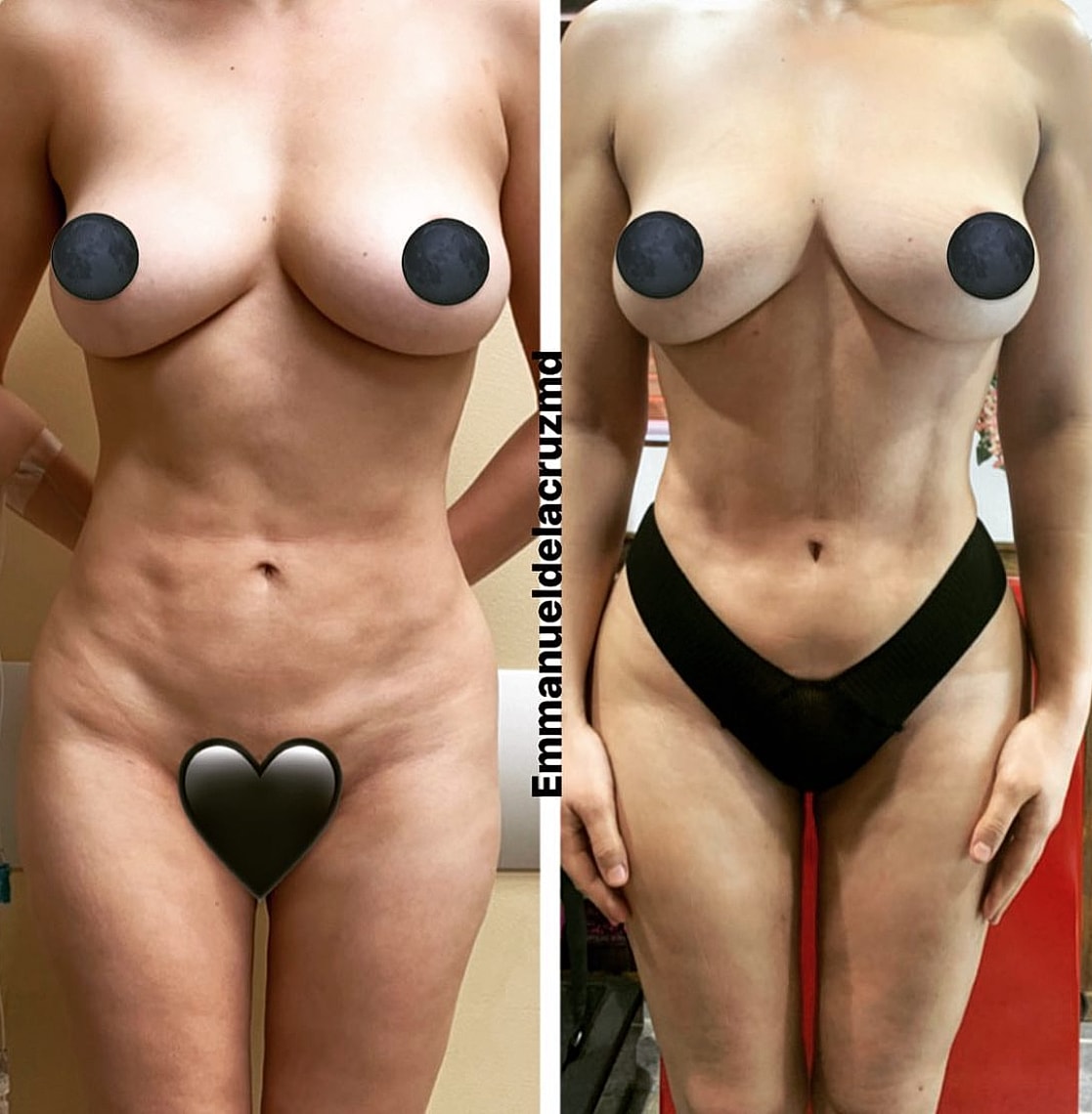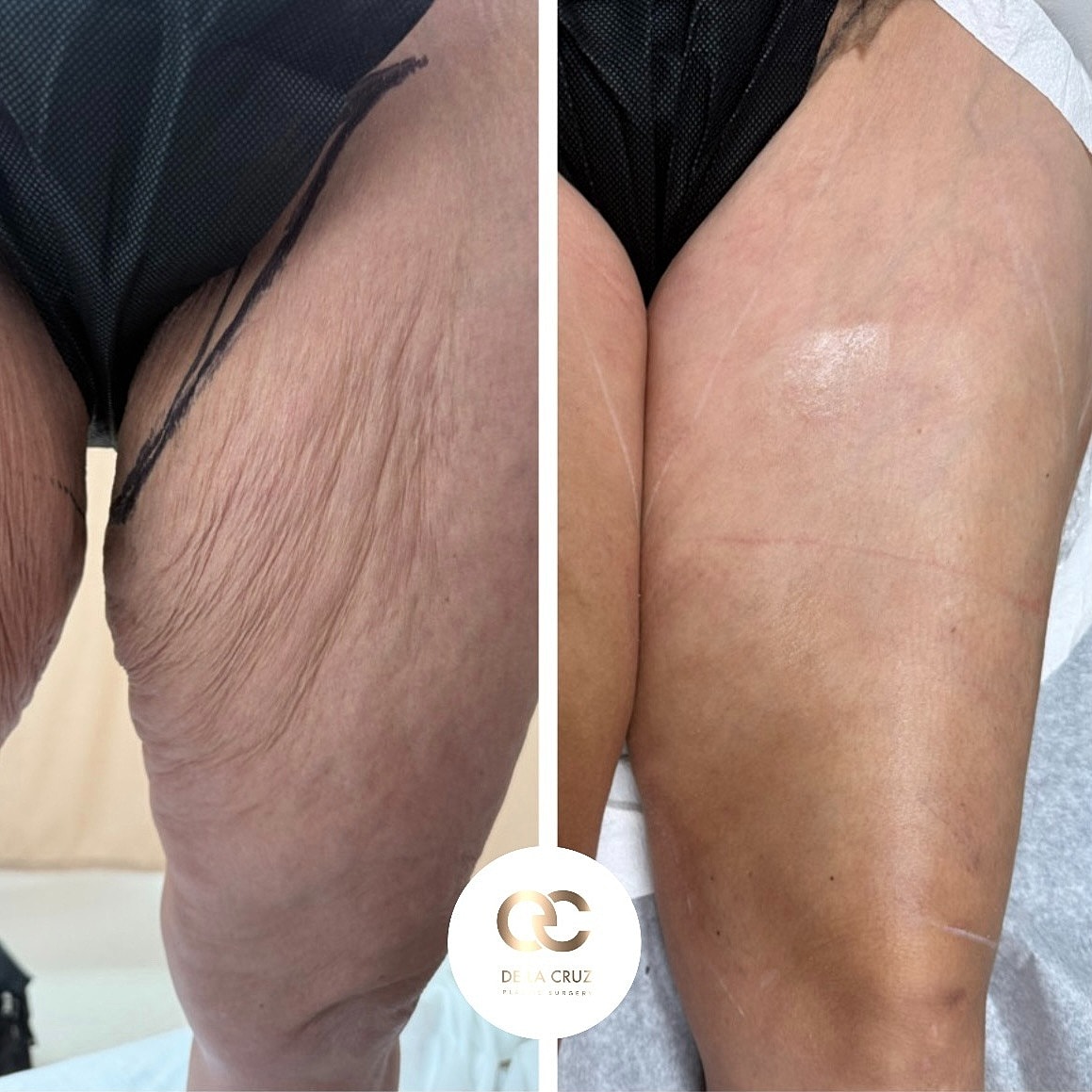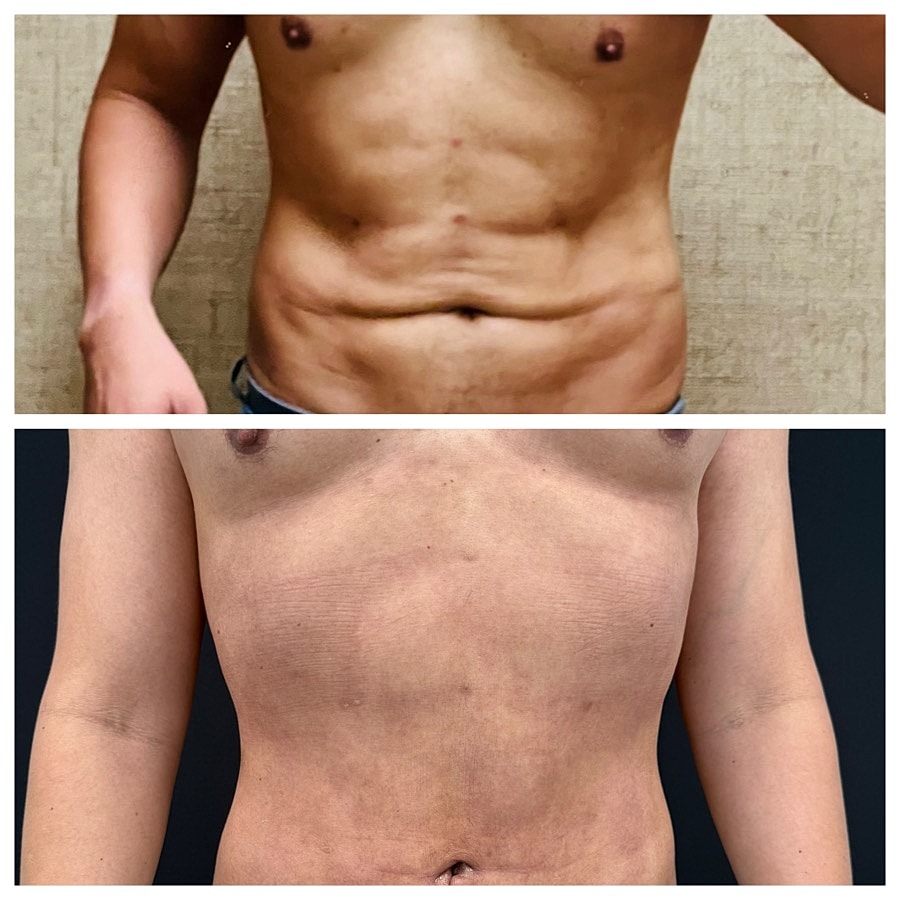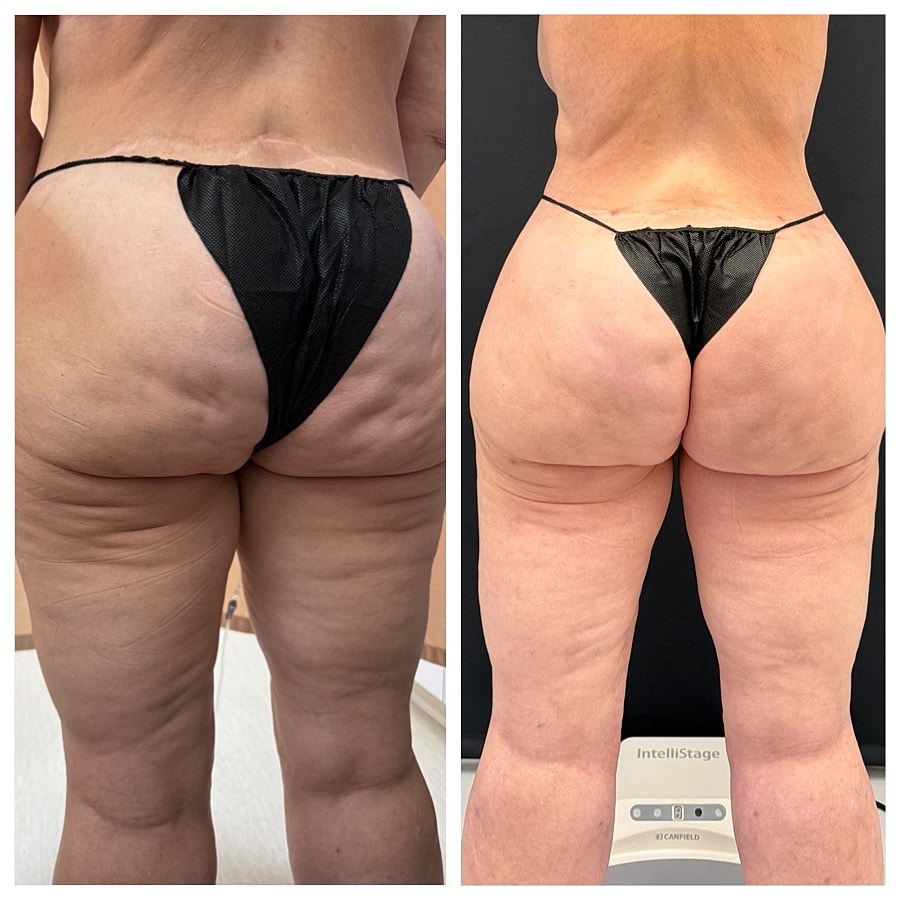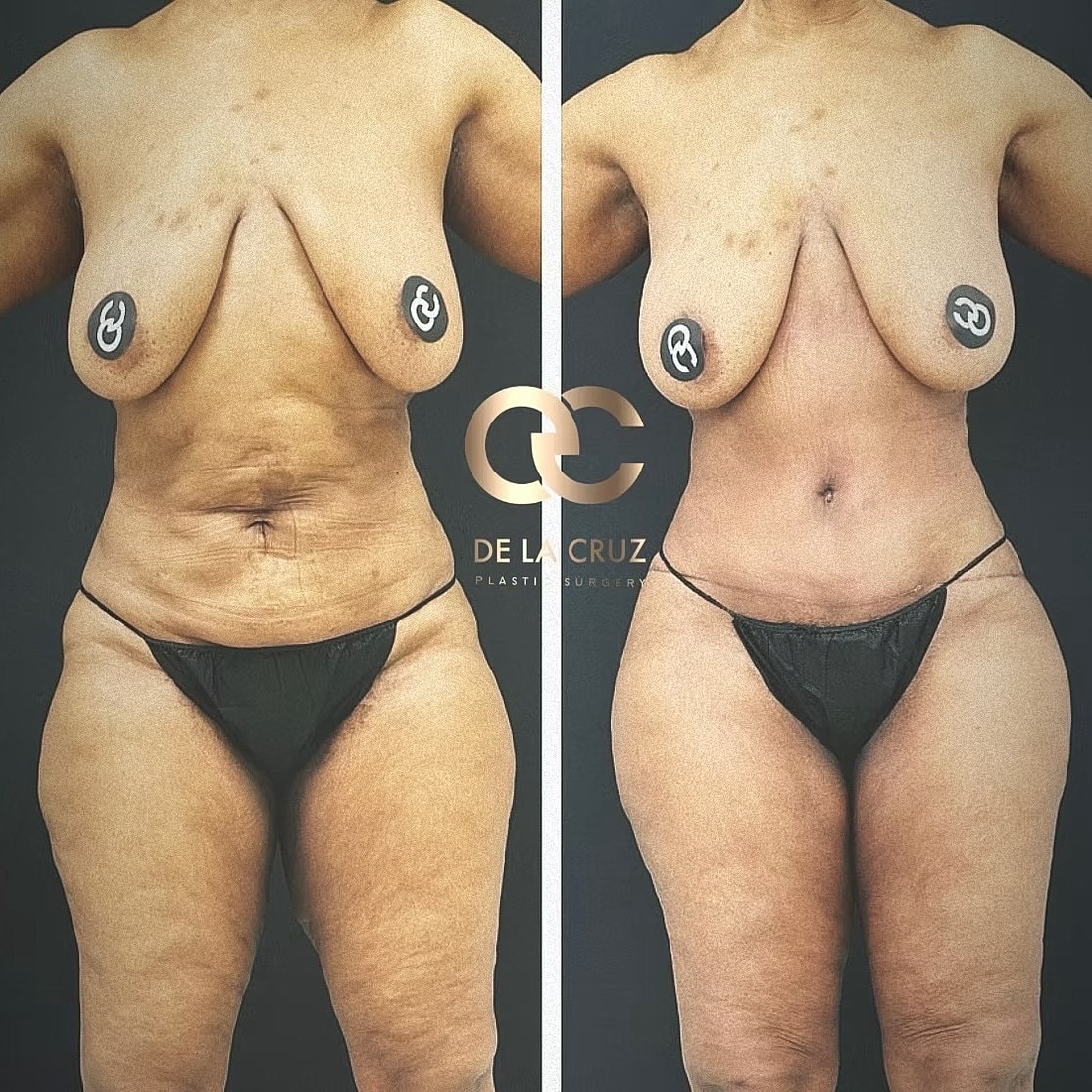
Liposuction is one of the most effective procedures for removing unwanted fat and improving body contour. When performed properly, it can create a smooth, natural silhouette. However, in some cases, patients may develop uneven or irregular results after liposuction, also known as contour deformities. These irregularities can range from mild surface waviness to more noticeable depressions or asymmetry.
Understanding why uneven liposuction in Houston results occur and how they can be treated is important for patients considering revision surgery or corrective treatments.
1 of 5
Uneven liposuction results refer to irregularities in the contour of the treated area after surgery. Instead of a smooth surface, the skin may appear:
These irregularities are often most noticeable in areas with thin skin such as the abdomen, flanks, thighs, and arms.
Several factors can contribute to uneven results after liposuction.
1. Over-Removal of Fat
One of the most common causes of contour irregularities is aggressive or uneven fat removal. When too much fat is removed in one area and less in surrounding areas, it can create indentations or depressions in the skin.
2. Poor Blending Between Areas
Liposuction requires careful blending between treated and untreated zones. If this transition is not smooth, patients may develop visible lines or step-offs where the treated area meets untreated fat.
3. Scar Tissue Formation (Fibrosis)
During healing, the body forms scar tissue beneath the skin. In some cases, excessive scar tissue or fibrosis can create firm nodules or uneven firmness, leading to irregular contours.
4. Skin Laxity
Patients with loose or thin skin may develop irregularities after fat removal because the skin cannot contract evenly. This is more common in:
5. Postoperative Healing Factors
Swelling, seromas, or improper compression garment use during recovery can also contribute to contour irregularities during the healing phase.
In many cases, early irregularities are related to postoperative swelling and may improve over time.
Typical timeline:
Because of this healing process, surgeons often recommend waiting 6–12 months before considering revision liposuction surgery.

Prevention begins with proper surgical technique and careful patient selection.
Key preventive strategies include:
These techniques help promote smooth, natural contours.
Fortunately, many contour irregularities can be improved with modern surgical and nonsurgical techniques.
Revision liposuction is often the most effective treatment for correcting uneven results. This procedure involves:
Revision procedures require significant experience because scar tissue from prior surgery can make the procedure more complex.

If depressions or indentations are present, surgeons may use fat grafting to restore volume.
Fat is harvested from another part of the body and injected into the depressed areas to:
Energy-based technologies can play an important role in improving mild contour irregularities after liposuction. Devices that deliver radiofrequency (Quantumr RF & Morpheus 8 ) or plasma-assisted energy (Renuvion) work by gently heating the deeper layers of tissue beneath the skin. This controlled thermal effect stimulates collagen remodeling and tissue contraction, which can lead to improved skin firmness and smoother surface contours over time.
When used appropriately, these technologies may help improve:
It is important to note that energy-based skin tightening is most effective for mild irregularities and early skin laxity. More significant contour deformities or depressions may require revision liposuction, scar tissue release, or fat grafting to restore a smooth and natural body contour.
In cases where scar tissue is tethering the skin downward, surgeons may perform subcision, a technique that releases fibrous scar bands beneath the skin.
This can improve:
Correcting uneven liposuction results is often more challenging than performing the original procedure. Revision surgery requires:
For this reason, patients should seek evaluation from an experienced board-certified plastic surgeon with expertise in body contouring and revision liposuction.

Patients should consult a plastic surgeon if they experience:
Early evaluation can help determine whether the issue is related to normal healing or a contour deformity that may require treatment.
Dr. Emmanuel De La Cruz is a double board-certified plastic surgeon in Houston who specializes in advanced body contouring procedures, including liposuction, high-definition liposuction, revision liposuction, and treatment of complex contour irregularities.
Dr. De La Cruz is actively involved in the advancement of modern liposuction techniques and has lectured internationally on liposuction and body contouring, including the correction of contour irregularities and complex revision cases. He has presented at major scientific meetings such as:
• American Society of Plastic Surgeons (ASPS) • Total Definer Meeting in Bogotá, Colombia • InMode Symposium in Miami and Beverly Hills
In addition to his clinical work, Dr. De La Cruz has contributed to the scientific literature on liposuction, including research on lipoplasty in overweight patients.
His approach to body contouring is guided by several key principles:
• Meticulous contour sculpting to achieve smooth, natural body proportions
• Use of advanced technologies such as VASER liposuction for precise fat removal
• Integration of modern skin tightening technologies such as Quantum RF when appropriate
• Expertise in treating complex cases including revision liposuction and contour irregularities
• Individualized surgical planning tailored to each patient’s anatomy and goals
By combining advanced surgical techniques with modern technology, Dr. De La Cruz provides a comprehensive approach to body contouring that prioritizes patient safety, precision, and natural-looking results.
Patients seeking liposuction in Houston often choose Dr. De La Cruz for his experience in advanced body contouring procedures and his commitment to achieving refined, balanced aesthetic outcomes.
Learn More About Liposuction
Patients researching liposuction and body contouring often want to understand the full process, including the procedure itself, recovery, potential complications, and treatment options for concerns such as loose skin, lumps or fibrosis, and skin laxity after liposuction. You can learn more by exploring our detailed guides on liposuction, liposuction recovery, liposuction cost, loose skin after liposuction, lumps and fibrosis after liposuction, and skin tightening after liposuction.
Uneven liposuction results can occur when fat is removed too aggressively or unevenly, leaving areas of the body with irregular fat thickness. Other causes may include scar tissue formation (fibrosis), poor blending between treated areas, skin laxity, or natural variations during healing. Proper surgical technique and experience are critical to achieving smooth, natural contours.
Some mild unevenness during the early recovery phase is normal because swelling and tissue inflammation can temporarily affect the contour of the treated area. In most cases, swelling gradually improves over 3–6 months, and the final results become visible around 6–12 months after surgery.
Minor irregularities related to swelling usually improve within several weeks to a few months. However, if contour deformities persist after six months, they may represent true uneven liposuction results that may require evaluation by a plastic surgeon.
Yes, many uneven liposuction results can be improved with revision liposuction or fat grafting procedures. Revision surgery can smooth irregular areas, redistribute remaining fat, or add fat to depressed areas to restore natural contours. Treatment options depend on the type and severity of the irregularity.
Signs of contour irregularities after liposuction may include:
If these changes persist after healing, a consultation with a plastic surgeon may help determine the appropriate treatment.
Energy-based skin tightening technologies such as radiofrequency (Quantum RF & Morpheus 8 ) or plasma-based devices (Renuvion) may help improve mild contour irregularities by stimulating collagen production and tightening the skin. However, more significant irregularities often require revision liposuction or fat grafting.
Most surgeons recommend waiting 6–12 months after the original liposuction procedure before performing revision surgery. This allows swelling to fully resolve and tissues to stabilize so that the surgeon can accurately evaluate the contour deformity.
Uneven liposuction results can often be minimized by:
These measures help promote smooth, balanced body contours.
Compression garments, such as the foam corset along with the highly compressive garment, help reduce swelling, support tissues during healing, and promote smoother contour formation after liposuction. Proper use of compression garments during recovery may help reduce the risk of irregularities and improve overall results.
If you notice persistent lumps, depressions, asymmetry, or contour irregularities that remain after swelling has resolved, it is advisable to consult a qualified plastic surgeon. Early evaluation can help determine whether the irregularity is part of normal healing or requires treatment.