1 of 5
Revision Liposuction Before & Afters
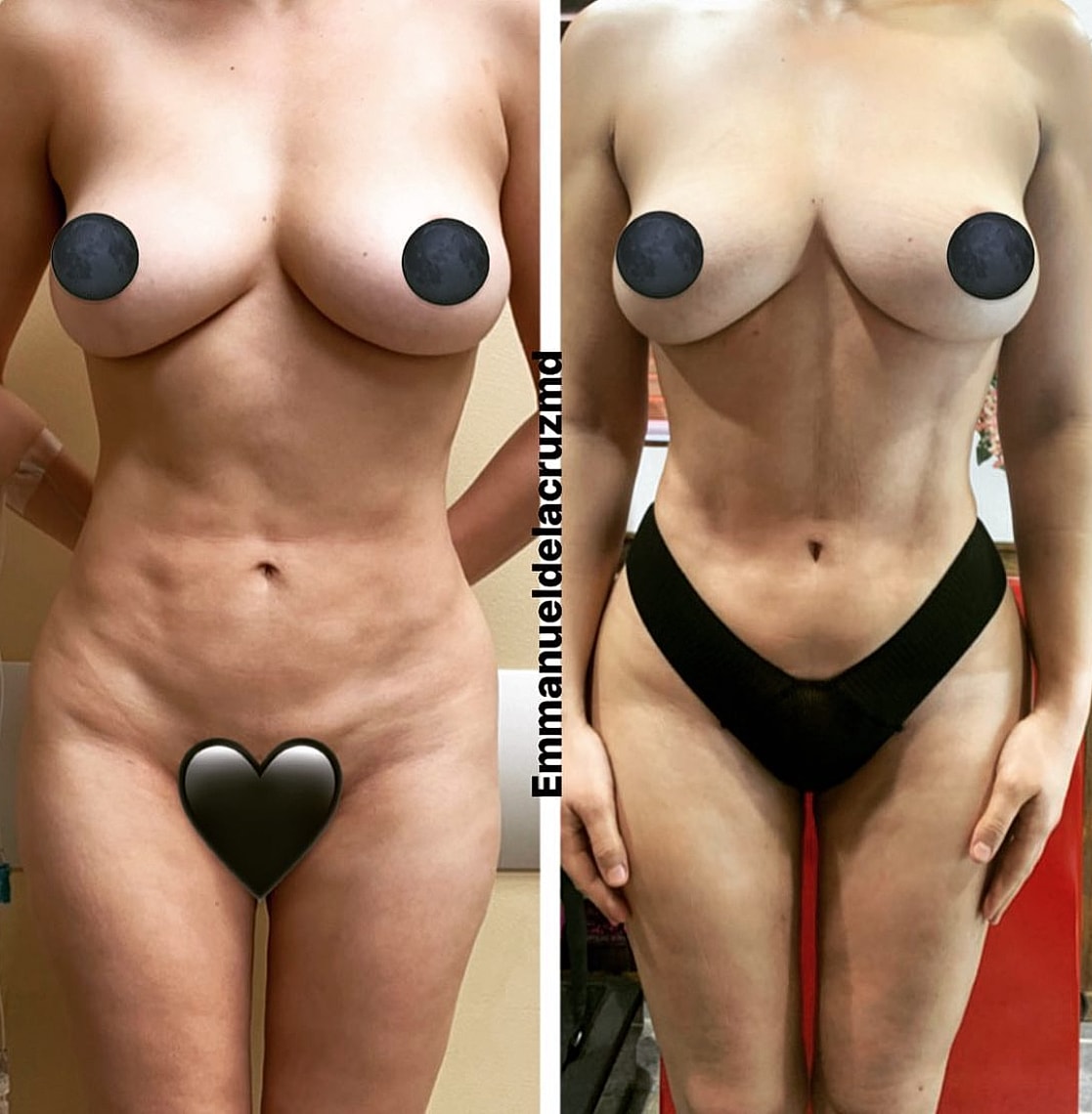
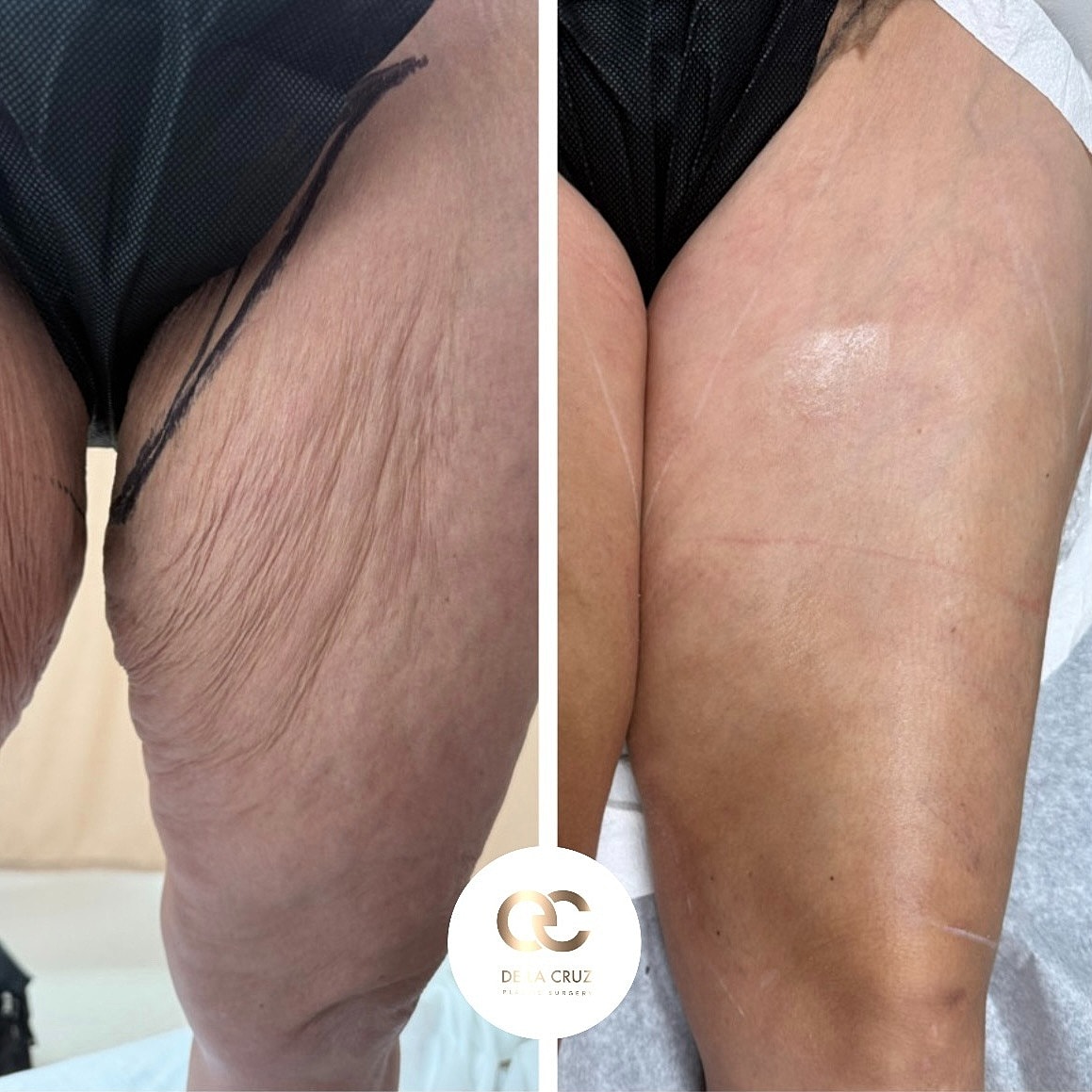
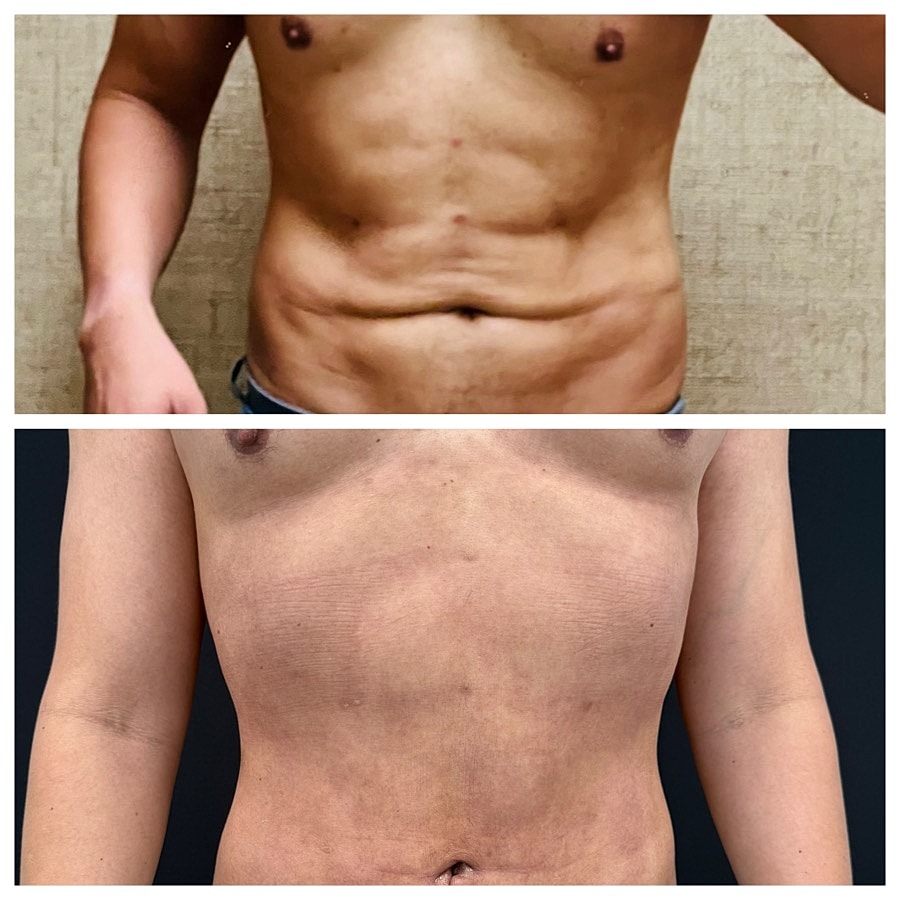
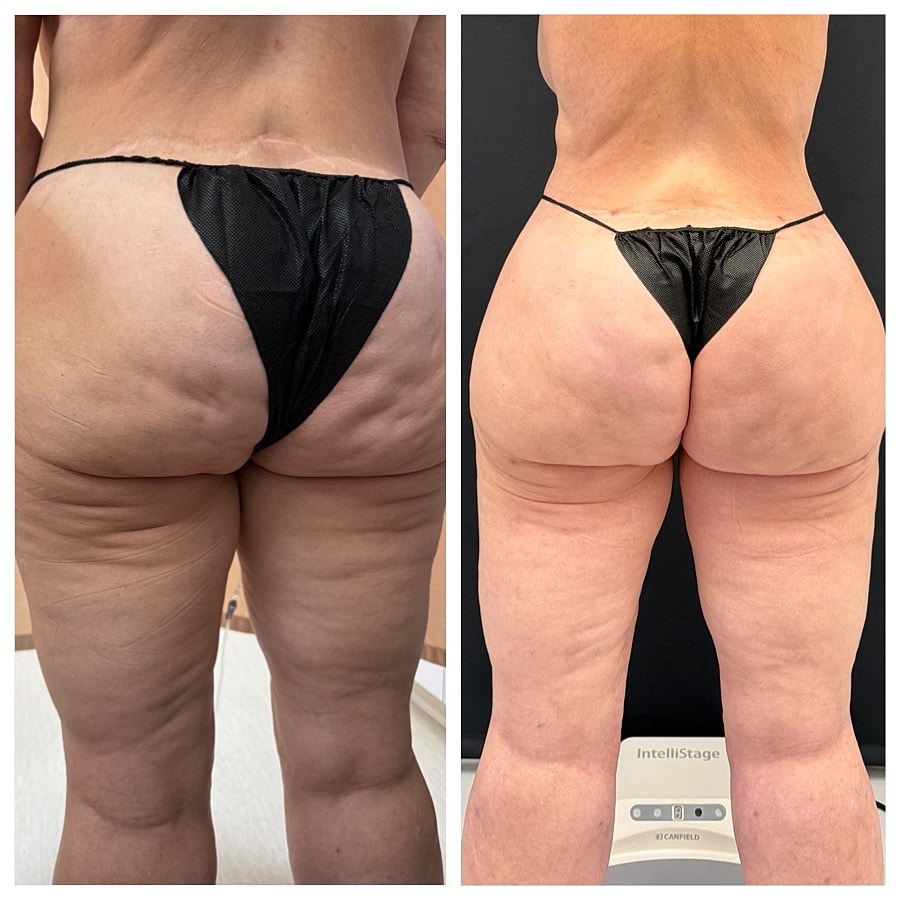
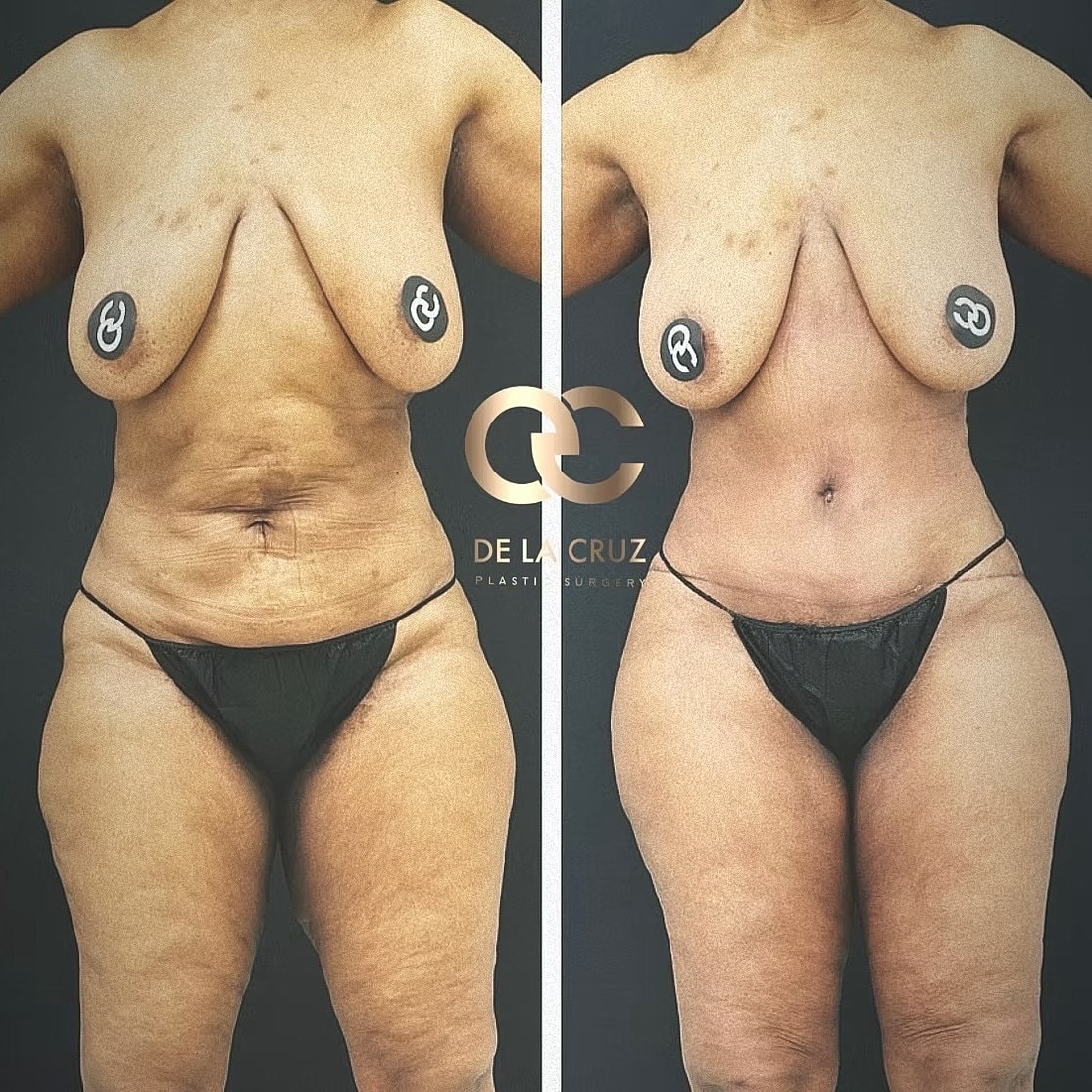
Many patients notice lumps after liposuction during the early stages of recovery. These lumps or firm areas beneath the skin are common and usually represent part of the normal healing process.
After liposuction, the body begins repairing tissues that were treated during surgery. This healing response can cause temporary swelling, firmness, and small lumps under the skin. In many cases, these areas gradually soften over time as swelling decreases and tissues remodel.
Patients may describe these changes as:
• hard lumps after liposuction
• firm areas after liposuction
• scar tissue after liposuction
• hard spots under the skin
Although these changes can feel concerning, most lumps improve gradually during the normal healing process.
1 of 5
Several factors can contribute to lumps or uneven areas after liposuction.
Postoperative Swelling
Swelling is one of the most common causes of lumps after liposuction surgery. During healing, fluid and inflammation can cause areas to feel firm or thick beneath the skin.
Fibrosis After Liposuction
Fibrosis after liposuction refers to the formation of scar tissue beneath the skin during healing. This scar tissue can cause areas that feel hard, tight, or uneven.
Fibrosis occurs as the body produces collagen to repair tissues after surgery. Mild fibrosis is common and often improves gradually as the tissues soften over time.
Scar Tissue Formation
As the body heals, scar tissue after liposuction can temporarily create firm areas beneath the skin. These areas may feel like small nodules or ridges.
Fluid Collections
Occasionally, fluid can accumulate beneath the skin after surgery. These collections, known as seromas, can create localized swelling or firmness in treated areas.
During the recovery process after liposuction, patients may notice areas that feel firm, swollen, or uneven beneath the skin. These changes are common during healing and are often caused by either postoperative swelling or fibrosis (scar tissue formation). Although they can feel similar, swelling and fibrosis have different characteristics and timelines.
Swelling After Liposuction
Swelling is a normal part of the body’s healing response after surgery. When fat is removed, the surrounding tissues temporarily retain fluid and become inflamed as the body repairs the treated areas.
Common features of swelling include:
• soft or spongy texture beneath the skin • diffuse swelling across larger areas • fluctuation throughout the day, often worse in the evening • gradual improvement over several weeks
Swelling typically improves with:
• compression garments • foam corsets or compression pads • lymphatic massage therapy • time as the body heals
Fibrosis After Liposuction
Fibrosis after liposuction refers to the formation of firm scar tissue beneath the skin during healing. As collagen is produced to repair tissues, areas of fibrosis may develop and feel hard, tight, or rope-like.
Characteristics of fibrosis may include:
• firm or hard lumps beneath the skin • localized areas of firmness rather than diffuse swelling • irregular or uneven texture of the skin surface • persistence beyond the early swelling phase
Fibrosis often develops several weeks after surgery and may gradually soften as healing progresses. Treatments such as lymphatic massage therapy, compression garments, foam corsets, and other postoperative therapies may help improve tissue remodeling and soften areas of fibrosis.
Why Proper Postoperative Care Is Important
Distinguishing between swelling and fibrosis is important because early management may help improve healing and contour results. Regular follow-up with your surgeon allows for monitoring of the recovery process and early treatment if fibrosis begins to develop.
Most patients experience gradual improvement over several months, as swelling resolves and tissues remodel during the healing process.
Most patients begin to notice hard lumps after liposuction within the first few weeks after surgery.
Typical healing timeline:
• Weeks 1–3: swelling and firmness are common
• Weeks 4–8: lumps begin to soften as healing progresses
• 2–3 months: fibrosis gradually improves
• 3–6 months: continued softening of scar tissue
• 6–9 months: final contour refinement
Because healing varies between patients, some areas may take longer to soften than others.
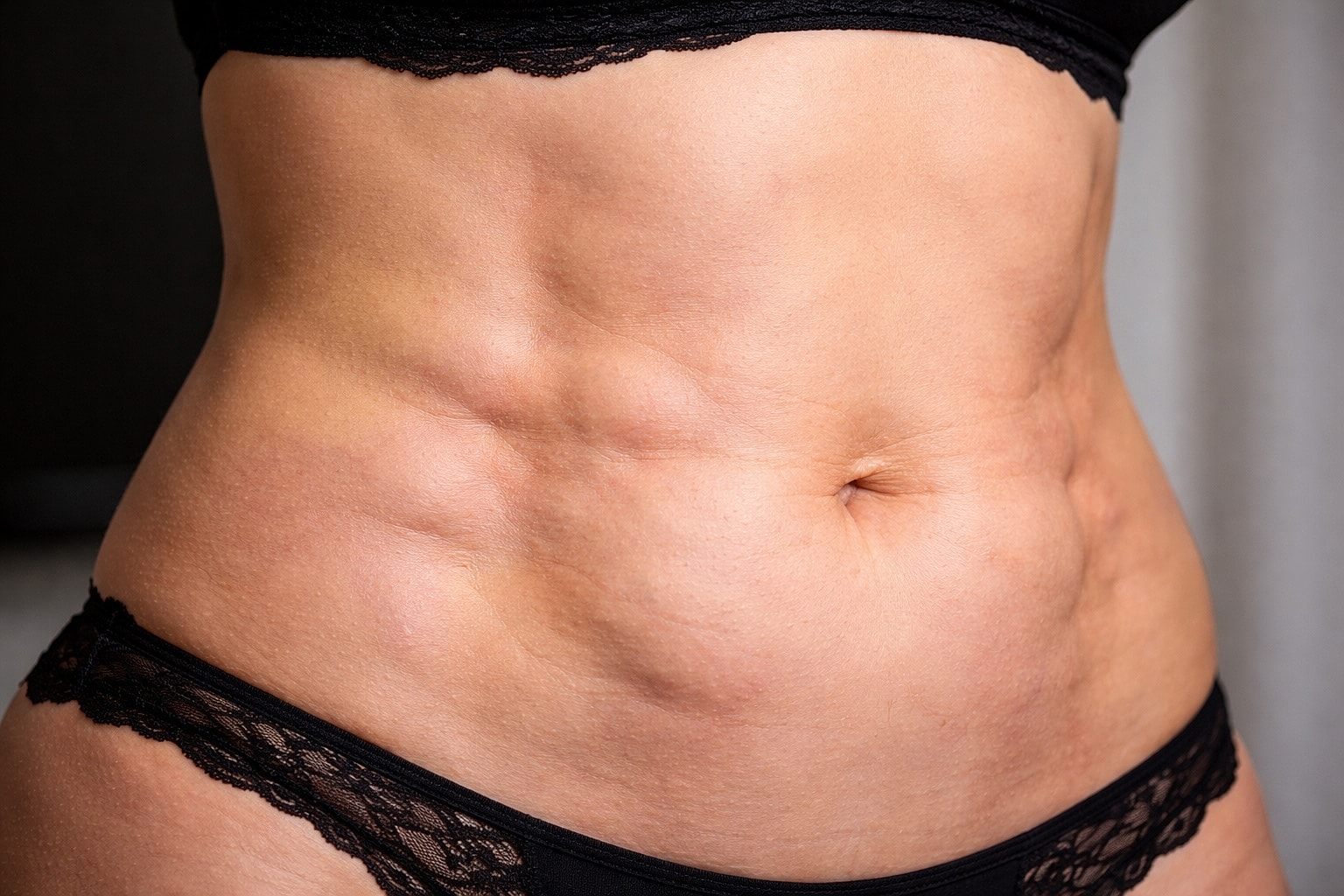
In many cases, lumps after liposuction improve naturally as the body heals. However, several treatments can help accelerate recovery and improve contour smoothness.
Lymphatic Massage After Liposuction
Lymphatic massage therapy is commonly recommended after liposuction to help reduce swelling and improve fluid drainage.
Lymphatic massage may help:
• reduce swelling • improve lymphatic circulation • soften fibrosis after liposuction • reduce fluid buildup • improve skin contour
Many patients notice that lumps soften faster with lymphatic massage therapy.

Wearing compression garments after liposuction helps support healing tissues and reduce swelling.
Benefits include:
• reduced swelling
• improved skin retraction
• reduced risk of seroma
• improved contour smoothing
Compression garments help minimize the formation of firm areas and scar tissue after liposuction.
Foam corsets are often used beneath compression garments to distribute pressure evenly across treated areas.
These may help:
• reduce swelling
• prevent garment pressure points
• improve contour smoothness
• reduce fibrosis formation
Foam compression is particularly helpful during the early stages of liposuction recovery.

Although lumps and fibrosis after liposuction are usually part of normal healing, patients should contact their surgeon if they experience:
• increasing swelling
• redness or warmth
• significant pain
• persistent fluid collections
These symptoms may require evaluation to rule out complications such as infection or seroma.
Several factors can help reduce the risk of fibrosis and hard lumps after liposuction.
Important strategies include:
• careful surgical technique
• proper use of compression garments
• lymphatic massage therapy during recovery
• gradual return to activity
• regular follow-up with the surgeon
These measures help support smooth healing and improve final body contour results.
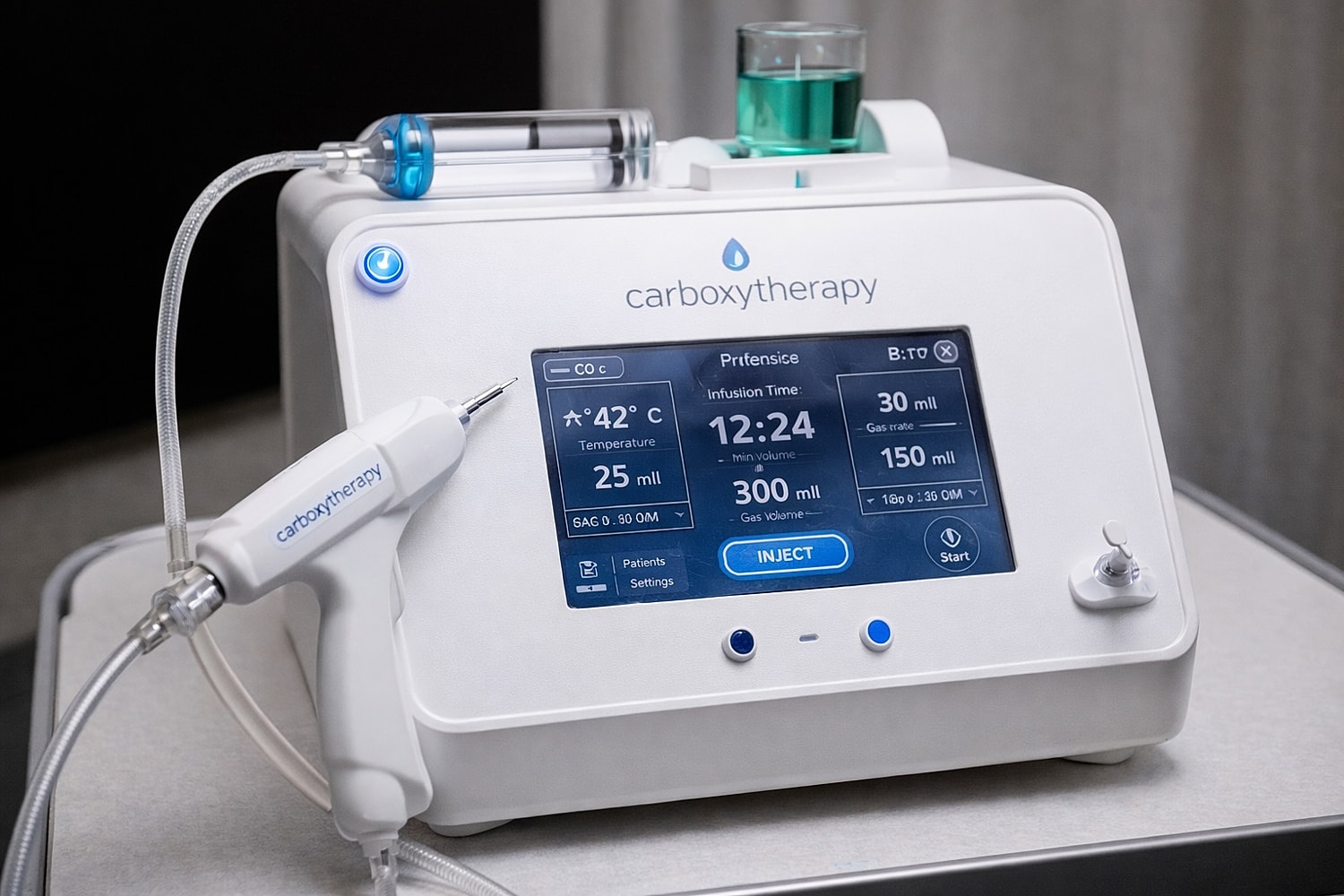
Carboxytherapy is a treatment that has been used in some aesthetic and medical practices to help improve fibrosis after liposuction. Fibrosis refers to the formation of firm scar tissue beneath the skin during the healing process, which can sometimes cause hard lumps, uneven areas, or tightness after liposuction.
Carboxytherapy involves the controlled injection of medical-grade carbon dioxide (CO₂) beneath the skin. The introduction of carbon dioxide may help improve local blood circulation and tissue oxygenation. Improved circulation can support the body’s natural healing response and may help soften areas of scar tissue or fibrosis.
Potential Benefits of Carboxytherapy
Carboxytherapy is sometimes used as an adjunct treatment during liposuction recovery and may help:
• improve blood flow in areas of fibrosis • support tissue remodeling during healing • soften firm scar tissue beneath the skin • improve skin texture in treated areas • enhance overall contour smoothness
How Carboxytherapy Works
When carbon dioxide is injected beneath the skin, the body temporarily increases blood flow to the treated area. This increase in circulation may stimulate metabolic activity within the tissue and encourage the remodeling of fibrotic scar tissue.
In some cases, carboxytherapy is combined with other postoperative treatments such as:
• lymphatic massage therapy • compression garments and foam corsets • radiofrequency skin tightening treatments
These treatments may work together to improve tissue healing and reduce lumps or fibrosis after liposuction.

Carboxytherapy may be considered for patients who develop persistent firmness or early fibrosis after liposuction. Treatment protocols may vary depending on the severity of the fibrosis and the stage of healing during recovery. Carboxytherapy has been found to be particularly helpful in treating fibrosis of the arms after liposuction, where scar tissue can sometimes cause firm or uneven areas beneath the skin.
As with any postoperative treatment, evaluation by the surgeon is important to determine the most appropriate approach for improving tissue healing, softening fibrosis, and optimizing overall contour results.
Most lumps after liposuction are temporary and improve gradually as the body heals. During the recovery process, swelling, inflammation, and the formation of early scar tissue can cause areas that feel firm, uneven, or lumpy beneath the skin. These changes are common and typically soften as the tissues remodel.
In many patients, these lumps represent postoperative swelling or mild fibrosis, which usually improves over time. As healing progresses, the body gradually reorganizes collagen and scar tissue, allowing the treated areas to become smoother.
Typical Healing Timeline
• First 4–8 weeks: swelling and firmness may be noticeable
• 2–3 months: early fibrosis begins to soften
• 3–6 months: continued improvement in contour and texture
• 6–9 months: final healing and contour refinement
Because tissue healing varies from patient to patient, some areas may take longer to soften than others.
When Lumps May Persist
In rare cases, persistent lumps after liposuction may occur if significant fibrosis develops or if there are contour irregularities related to uneven fat removal or healing changes.
When this occurs, treatment options may include:
• lymphatic massage therapy to improve tissue remodeling • compression garments and foam corsets to reduce swelling and fibrosis • energy-based skin tightening treatments • revision liposuction or fat grafting in select cases
Most patients experience gradual improvement with proper postoperative care, and permanent lumps are uncommon when the procedure is performed by an experienced plastic surgeon with careful surgical technique and appropriate postoperative management.
Dr. Emmanuel De La Cruz is a double board-certified plastic surgeon in Houston who specializes in advanced body contouring procedures, including liposuction, high-definition liposuction, revision liposuction, and treatment of complex contour irregularities.
Dr. De La Cruz is actively involved in the advancement of modern liposuction techniques and has lectured internationally on liposuction and body contouring, including the correction of contour irregularities and complex revision cases. He has presented at major scientific meetings such as:
• American Society of Plastic Surgeons (ASPS) • Total Definer Meeting in Bogotá, Colombia • InMode Symposium in Miami and Beverly Hills
In addition to his clinical work, Dr. De La Cruz has contributed to the scientific literature on liposuction, including research on lipoplasty in overweight patients.
His approach to body contouring is guided by several key principles:
• Meticulous contour sculpting to achieve smooth, natural body proportions
• Use of advanced technologies such as VASER liposuction for precise fat removal
• Integration of modern skin tightening technologies such as Quantum RF when appropriate
• Expertise in treating complex cases including revision liposuction and contour irregularities
• Individualized surgical planning tailored to each patient’s anatomy and goals
By combining advanced surgical techniques with modern technology, Dr. De La Cruz provides a comprehensive approach to body contouring that prioritizes patient safety, precision, and natural-looking results.
Patients seeking liposuction in Houston often choose Dr. De La Cruz for his experience in advanced body contouring procedures and his commitment to achieving refined, balanced aesthetic outcomes.
Learn More About Liposuction
Patients researching liposuction and body contouring often want to understand the full process, including the procedure itself, recovery, potential complications, and treatment options for concerns such as loose skin, lumps or fibrosis, and skin laxity after liposuction. You can learn more by exploring our detailed guides on liposuction, liposuction recovery, liposuction cost, loose skin after liposuction, lumps and fibrosis after liposuction, and skin tightening after liposuction.
Yes. Lumps after liposuction are common during early recovery and usually improve as swelling decreases and tissues soften.
Most lumps improve within 6–12 weeks, although complete softening may take 3–6 months.
Hard lumps may be caused by swelling, fibrosis, scar tissue, or fluid collections during healing.
Yes. Lymphatic massage therapy can help reduce swelling, improve circulation, and soften fibrosis.