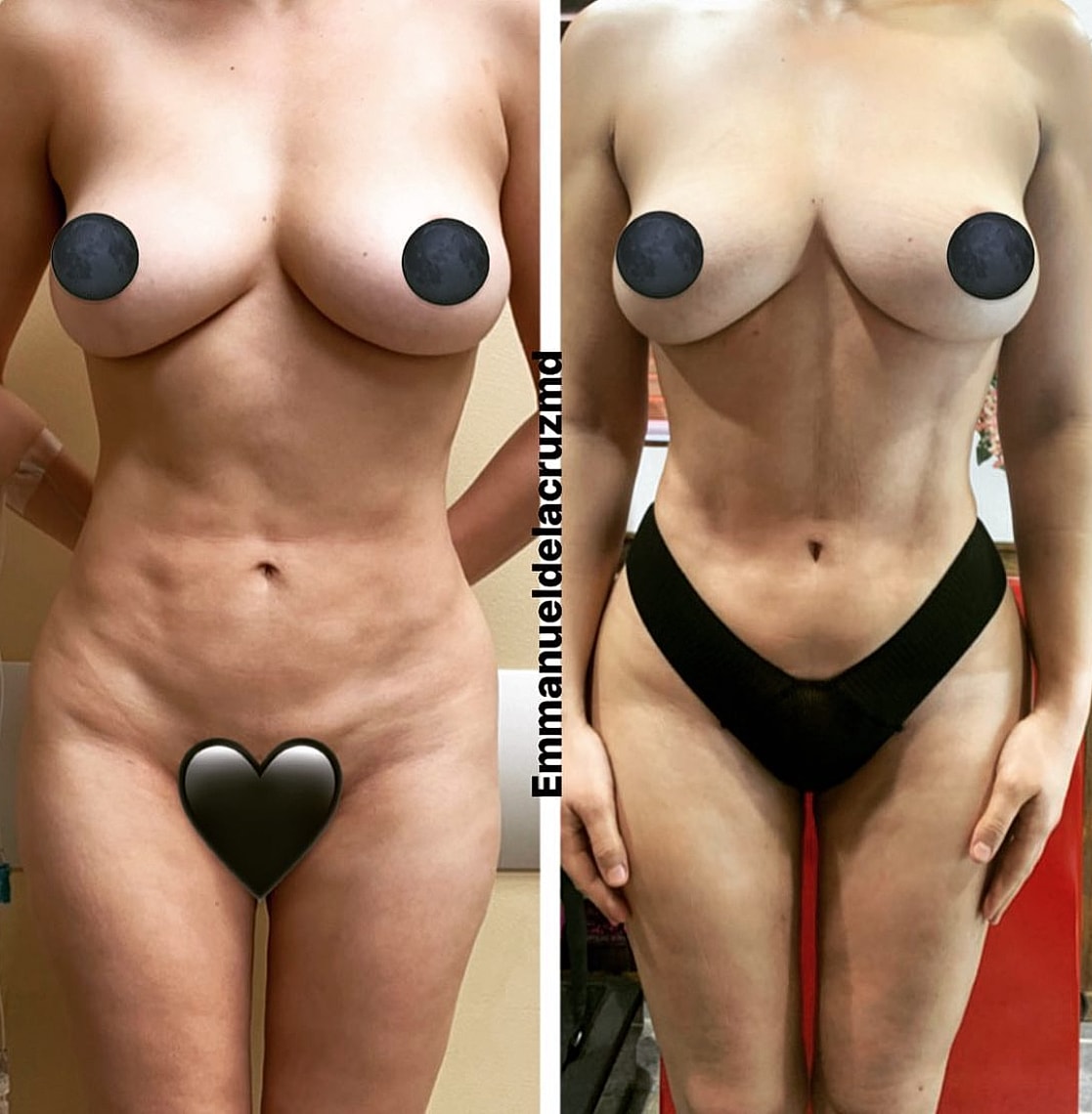
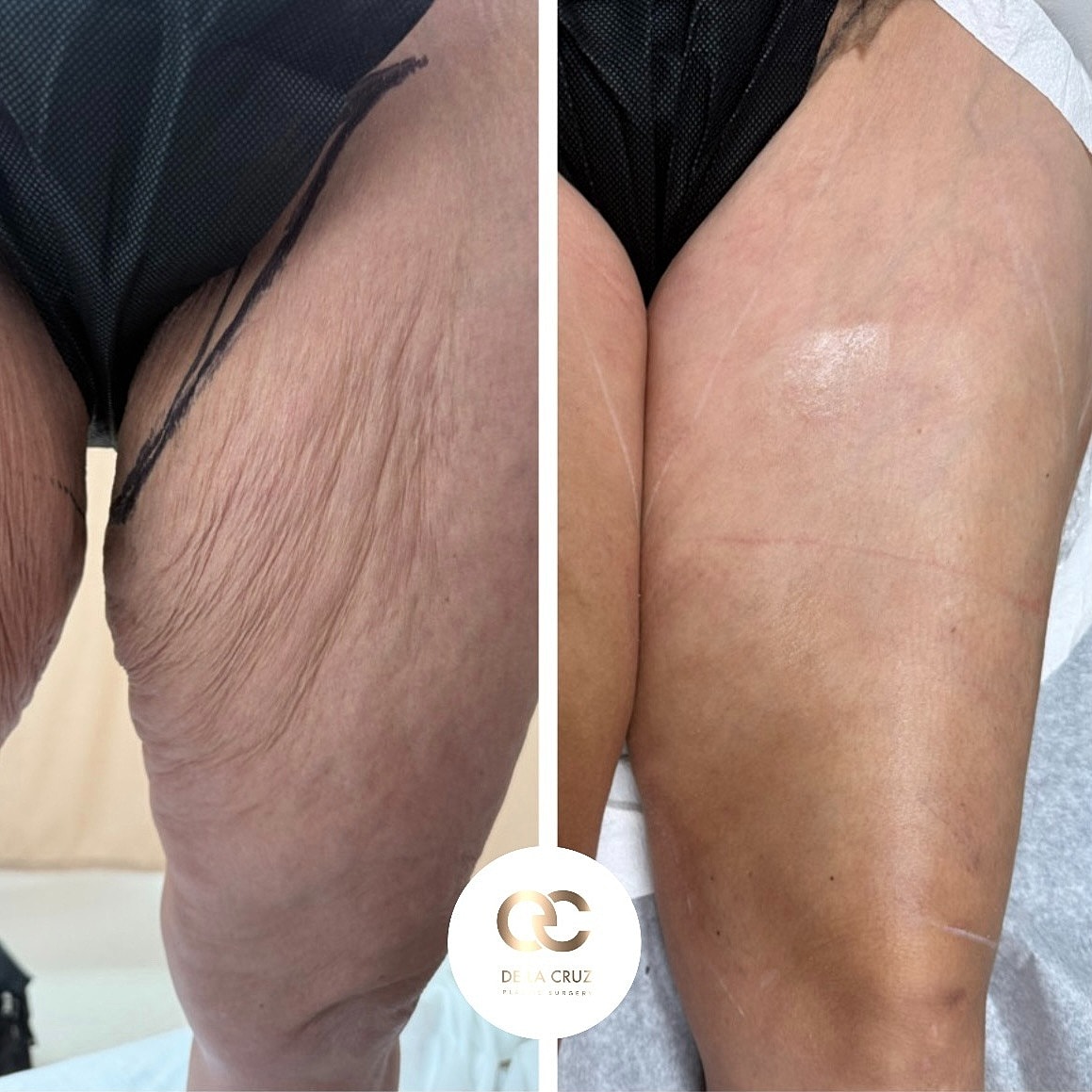
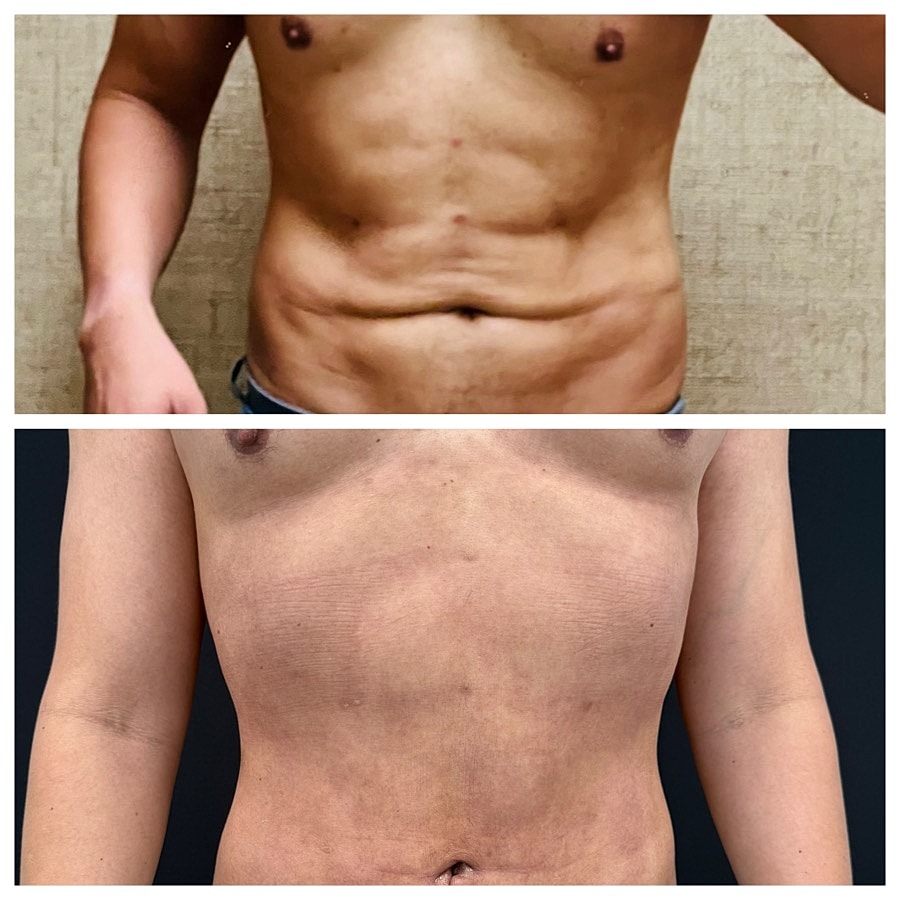
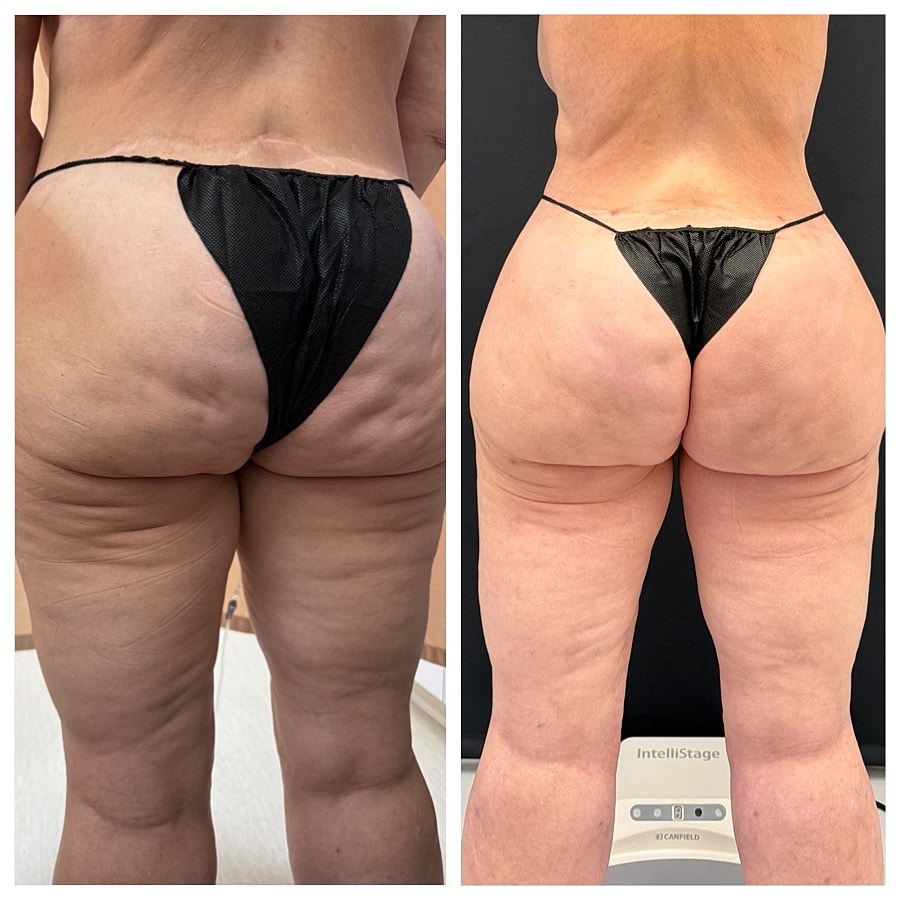
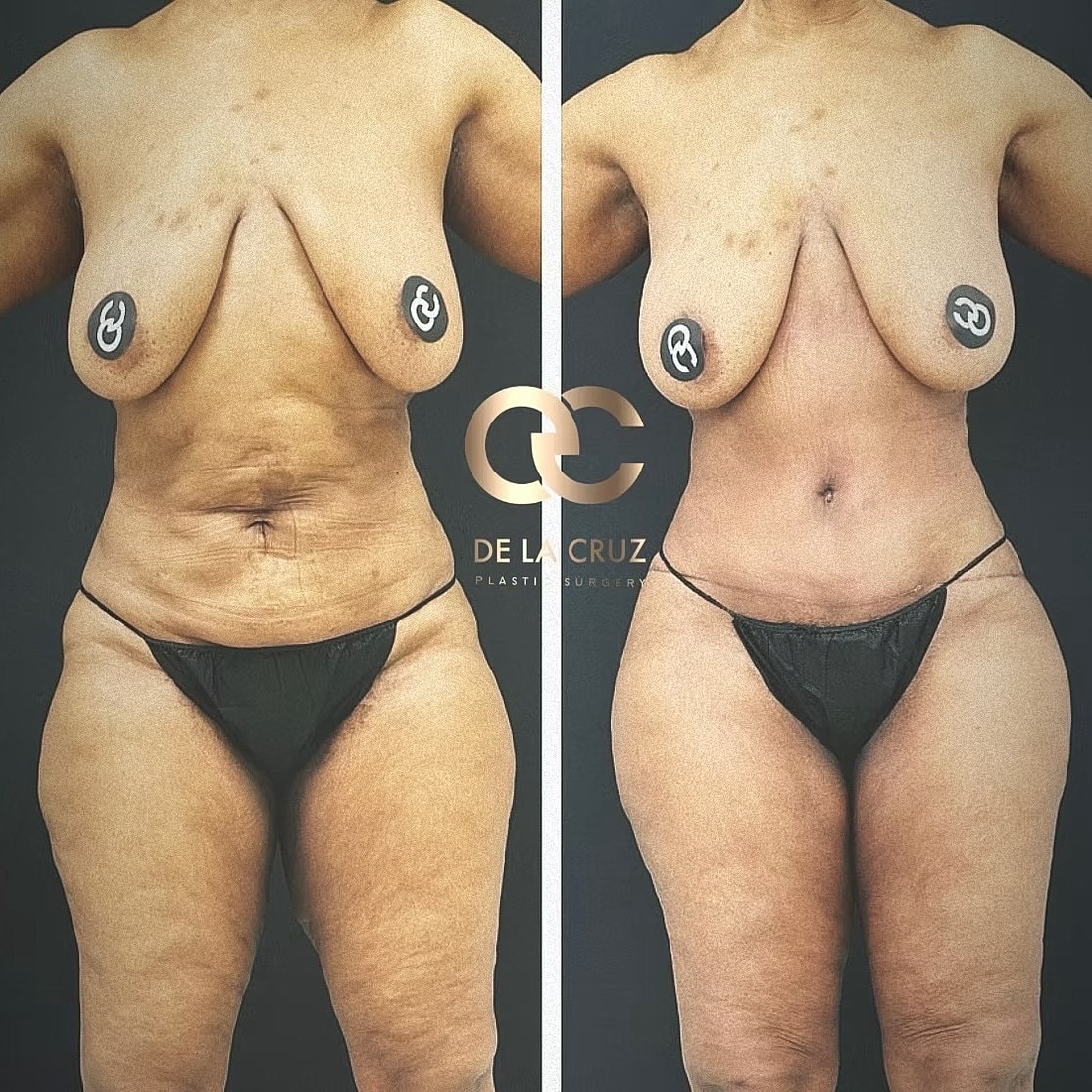
Revision liposuction is a specialized body contouring procedure designed to correct irregularities or unsatisfactory results from prior liposuction surgery. While liposuction is one of the most commonly performed cosmetic procedures, some patients may develop contour irregularities, asymmetry, residual fat deposits, or uneven skin after their initial treatment.
At De La Cruz Plastic Surgery, Dr. Emmanuel De La Cruz performs revision liposuction in Houston to restore smoother body contours and improve overall symmetry. Using advanced techniques such as VASER-assisted liposuction, micro-cannula contour refinement, and skin-tightening technologies, revision surgery can address areas of residual fat, scar tissue, or contour deformities created during previous procedures.
Because revision liposuction often involves fibrotic or scarred tissue, careful surgical planning and advanced contouring techniques are essential to achieve natural-looking results. Each treatment plan is customized to the patient’s anatomy and aesthetic goals, with the objective of restoring balanced, smooth body contours.

Revision liposuction is a specialized body contouring procedure designed to correct uneven liposuction results, contour irregularities, and unsatisfactory outcomes from previous liposuction surgery. While liposuction is one of the most commonly performed cosmetic procedures in the United States, some patients may develop asymmetry, residual fat deposits, dents, or irregular skin contours after their initial treatment.
At De La Cruz Plastic Surgery in Houston, double board-certified plastic surgeon Dr. Emmanuel De La Cruz specializes in revision liposuction and correction of liposuction irregularities. Using advanced technologies such as VASER ultrasound-assisted liposuction, micro-cannula contour refinement, and radiofrequency-based skin tightening technologies including Renuvion, Quantum RF, and Morpheus8, revision surgery can address residual fat, fibrotic scar tissue, and contour deformities created during previous procedures.
Because revision liposuction often involves scarred or fibrotic tissue, the procedure requires meticulous planning and advanced surgical techniques. Dr. De La Cruz employs a multimodal body contouring approach designed to release scar tissue, refine uneven areas, improve skin contraction, and restore smooth, natural body contours. Each treatment plan is carefully customized to the patient’s anatomy and previous surgical history.
The goal of revision liposuction in Houston is to restore balanced body contours and natural-appearing results, helping patients achieve smoother proportions and renewed confidence following corrective body contouring surgery.
Patients from Houston, Texas and across the United States frequently seek revision liposuction to correct uneven liposuction results and contour irregularities from prior procedures.
1 of 5
Although liposuction is one of the most commonly performed cosmetic procedures in the United States, some patients may develop liposuction irregularities or uneven liposuction results after surgery. These contour deformities may occur when fat removal is overly aggressive, unevenly blended, or affected by healing changes such as scar tissue formation or skin laxity.
Patients seeking revision liposuction in Houston commonly present with the following concerns:
Because these issues often involve scar tissue and altered anatomy from previous surgery, correction typically requires advanced revision liposuction techniques to restore smoother, more balanced body contours.
Although liposuction is generally safe and effective, some patients may feel disappointed when their results appear uneven or irregular. Patients sometimes describe these situations as “bad liposuction results” or “liposuction gone wrong.” These concerns may include dents, lumps, asymmetry, or persistent fat deposits that create an uneven body contour.
Fortunately, many of these problems can be improved with revision liposuction. Advanced techniques such as VASER liposuction, radiofrequency skin tightening, and precision contour refinement can help smooth irregularities, release scar tissue, and restore more natural body contours.
Patients seeking revision liposuction in Houston often ask whether uneven or unsatisfactory liposuction results can be corrected. In many cases, liposuction irregularities, dents, lumps, or asymmetry after liposuction can be significantly improved with advanced revision body contouring techniques. At De La Cruz Plastic Surgery, Dr. Emmanuel De La Cruz evaluates the underlying cause of the deformity—whether it is residual fat deposits, excessive fat removal, scar tissue, or poor skin contraction—and develops a personalized surgical strategy to restore smoother body contours. Using a multimodal approach that may include VASER liposuction, radiofrequency-assisted skin tightening, and precision contour refinement, revision surgery can effectively correct uneven liposuction results and restore natural body proportions.
Revision liposuction, also known as liposuction revision surgery or liposuction correction, is a specialized procedure designed to improve uneven liposuction results, contour irregularities, and unsatisfactory outcomes from previous liposuction procedures. Patients seeking revision liposuction in Houston often present with visible contour deformities following prior surgery.
Common concerns treated with revision liposuction include:
These liposuction irregularities may develop when fat removal is overly aggressive, insufficiently blended between treated zones, or affected by healing changes such as scar formation and tissue fibrosis.
Because revision liposuction must address tissue that has already undergone surgery, it requires greater precision, advanced technology, and careful surgical planning compared with primary liposuction. Surgeons experienced in correction of liposuction irregularities often use specialized techniques to release scar tissue, refine uneven areas, and restore smooth, natural body contours.

Even when liposuction is performed correctly, the healing process and individual anatomy can sometimes lead to irregular contour formation. In other cases, uneven results may occur due to inconsistent fat removal or inadequate blending between treated and untreated areas.
Common causes of liposuction irregularities include:
These irregularities may appear as dimples, waves, ridges, or contour asymmetry beneath the skin surface.
Successful revision surgery therefore requires techniques that can both refine fat distribution and improve skin contraction.

Correction of contour deformities after liposuction often requires more than one technique. At De La Cruz Plastic Surgery, revision liposuction frequently incorporates a multimodal body contouring approach designed to address the three primary causes of poor liposuction outcomes:
The multimodal strategy may combine:
By integrating these modalities, revision liposuction can restore smoother body contours while minimizing the risk of further irregularities.
One of the most important tools for revision liposuction is VASER ultrasound-assisted liposuction. This technology uses ultrasonic energy to emulsify fat and break up fibrotic tissue that often develops after previous surgery.
In revision cases, VASER liposuction can help:
Because scar tissue can make traditional liposuction more difficult, ultrasound-assisted techniques allow for more controlled fat removal and smoother contour correction.
In many revision cases, contour irregularities are accompanied by skin laxity. When fat is removed unevenly or excessively, the overlying skin may not retract evenly, making deformities more visible.
Technologies such as Renuvion helium plasma energy or Quantum RF radiofrequency tightening can deliver controlled thermal energy beneath the skin to stimulate collagen contraction and tissue remodeling.
Benefits of radiofrequency-assisted skin tightening include:
These technologies complement fat removal and help restore a more refined body contour.
Following revision liposuction, some patients may benefit from additional skin remodeling treatments such as Morpheus8 radiofrequency microneedling.
This technology delivers fractional radiofrequency energy into deeper layers of the skin to stimulate collagen production and improve skin quality.
Morpheus8 may help improve:
When incorporated into a multimodal strategy, this treatment can further enhance the final aesthetic outcome.

Because each patient’s anatomy and prior surgery are different, revision liposuction requires careful preoperative planning.
During consultation, several factors are evaluated:
Revision surgery focuses not simply on removing more fat, but rather on restoring balanced body contours and smooth transitions between anatomical zones.

Recovery following revision liposuction is generally similar to recovery after primary liposuction, although healing may take slightly longer because the procedure often involves fibrotic tissue, scar release, and correction of liposuction irregularities. Careful postoperative management is essential to optimize contour refinement and support smooth healing.
Day 1: Immediate Postoperative Care
Patients typically return home the same day after revision liposuction. A foam corset or compression foam dressing is applied immediately after surgery to support the treated areas and help reduce the risk of contour irregularities during the early healing phase. Compression garments are worn continuously to assist with swelling control and support tissue contraction.
Day 1–2: Lymphatic Massage Therapy Begins
Manual lymphatic drainage massage typically begins within 24 hours after surgery. Early lymphatic massage helps reduce postoperative swelling, promote fluid drainage, and minimize the risk of fibrosis or contour irregularities. These treatments may be performed regularly during the first few weeks of recovery.
Days 3–7: Early Healing Phase
During the first week, patients may experience mild swelling, bruising, and temporary soreness in the treated areas. Most patients are able to resume light daily activities during this period. Many patients undergoing revision liposuction in Houston can return to work after approximately one week, depending on the extent of the procedure.
Weeks 2–6: Gradual Improvement in Contour
Swelling continues to improve and the tissues begin to soften as healing progresses. Lymphatic massage therapy and compression support help optimize contour refinement and reduce the formation of scar tissue. Light exercise may gradually resume as directed by the surgeon.
2–3 Months: Visible Contour Refinement
As postoperative swelling resolves, improvements in body contour become more noticeable. Areas that previously had uneven liposuction results or contour irregularities begin to appear smoother and more balanced.
Up to 6 Months: Final Skin Retraction and Results
Compression garments are often recommended for an extended period following revision liposuction surgery because skin contraction and tissue remodeling can continue for several months. Many patients are advised to wear compression garments for up to six months, allowing the skin to fully retract and conform to the new body contours.
Final results gradually become visible as swelling resolves and collagen remodeling occurs, revealing smoother and more natural body contours.
Revision liposuction requires a high level of technical precision and advanced expertise in body contouring surgery. Dr. Emmanuel De La Cruz, a double board-certified Houston plastic surgeon, specializes in complex revision liposuction and correction of liposuction contour irregularities, including cases involving uneven liposuction results or previous unsatisfactory outcomes.
Dr. De La Cruz is internationally recognized for his work in advanced body contouring and has lectured on the correction of liposuction irregularities at major plastic surgery meetings, including the American Society of Plastic Surgeons (ASPS) and the Total Body Definer meeting in Bogotá, Colombia. He has also presented on Quantum RF technology for contour irregularity correction at the InMode Symposium in Miami and Beverly Hills, alongside renowned body-contouring pioneer Alfredo Hoyos.
His surgical philosophy focuses on restoring smooth, natural body contours while preserving anatomical balance and proportion. This approach emphasizes:
By combining VASER ultrasound-assisted liposuction, radiofrequency skin tightening technologies such as Quantum RF and Renuvion, and precision contouring techniques, Dr. De La Cruz employs a comprehensive approach to revision liposuction in Houston. This multimodal strategy allows even complex cases of uneven or previously botched liposuction to be corrected with improved contour harmony and natural-looking results.

Yes. Uneven liposuction results can often be corrected with revision liposuction surgery. Contour irregularities such as dents, asymmetry, residual fat deposits, or uneven skin surfaces may occur after liposuction if fat removal was excessive or insufficient in certain areas. Revision liposuction focuses on smoothing contour deformities and restoring balanced body proportions. Advanced technologies such as VASER liposuction, radiofrequency skin tightening, and precision contour refinement techniques may be used to improve the final aesthetic outcome
Liposuction irregularities may develop for several reasons, including uneven fat removal, aggressive superficial liposuction, poor blending between treated and untreated areas, or changes in skin elasticity during healing. In some patients, scar tissue may develop within the fat layer, creating firmness or lumpiness beneath the skin. Because these changes alter the underlying tissue structure, correction of liposuction irregularities often requires specialized revision techniques.
Most surgeons recommend waiting at least 6 to 12 months after the initial liposuction procedure before undergoing revision surgery. This allows swelling to resolve and scar tissue to stabilize so the final contour can be accurately evaluated. Performing revision surgery too early may increase the risk of further irregularities because the tissues are still healing.
Yes. Revision liposuction is generally more technically challenging than primary liposuction because the tissues may contain fibrosis and scar formation from the previous surgery. These changes can make fat removal more difficult and increase the need for advanced technologies such as ultrasound-assisted liposuction or radiofrequency-based tissue remodeling. For this reason, revision procedures are often best performed by surgeons with extensive experience in body contouring surgery.
Many cases of unsatisfactory or “botched” liposuction can be improved with revision surgery. Correction may involve removing residual fat deposits, releasing scar tissue, improving skin contraction, and restoring smooth contour transitions between anatomical areas. The degree of improvement depends on the severity of the deformity and the condition of the surrounding tissues.
Revision liposuction primarily focuses on improving body contour by redistributing or removing fat. However, in some patients skin laxity may contribute to visible irregularities. In these cases, technologies such as Renuvion, Quantum RF, or Morpheus8 radiofrequency treatments may be used alongside liposuction to stimulate collagen remodeling and improve skin tightening.
Recovery after revision liposuction is similar to recovery from traditional liposuction, although healing time may vary depending on the complexity of the correction. Most patients experience swelling and bruising for several weeks and can typically return to work within about one week. Final contour improvements gradually appear over several months as swelling resolves and tissues remodel.
The cost of revision liposuction varies depending on the size of the treatment area, the complexity of the correction, and the technologies used during surgery. Because revision procedures often involve advanced contour refinement and treatment of scar tissue, they may be more complex than primary liposuction procedures. A consultation and physical examination are necessary to determine the most appropriate treatment plan and provide an accurate cost estimate.