(832) 776-1134 Schedule a Consultation
Elegant model in black lace lingerie pose.

Liposuction Complications

Liposuction is one of the most commonly performed cosmetic surgical procedures in the United States and is generally considered safe when performed by a qualified, board-certified plastic surgeon. Modern techniques such as tumescent liposuction, ultrasound-assisted liposuction (VASER), and power-assisted liposuction have significantly improved both safety and results.

Is Liposuction Safe?

When performed by an experienced board-certified plastic surgeon using modern surgical techniques, liposuction is widely considered a safe and effective procedure for appropriately selected patients. Advances in surgical technology, improved understanding of anatomy, and strict safety guidelines have significantly enhanced the safety profile of liposuction over the years.

Patient safety begins with a thorough evaluation and careful surgical planning. Several important factors contribute to safe outcomes during liposuction surgery:

Comprehensive patient evaluation A detailed consultation and review of the patient’s medical history help determine whether liposuction is appropriate and identify any factors that could increase surgical risk.

Careful surgical planning Individualized planning allows the surgeon to determine the safest and most effective approach based on the patient’s anatomy, skin quality, and treatment goals.

Use of accredited surgical facilities and experienced anesthesia providers Performing liposuction in an accredited surgical center with qualified anesthesia professionals helps ensure proper monitoring and adherence to established safety standards.

Adherence to recommended safety guidelines Following established limits for tumescent lidocaine dosing and aspirate volume helps reduce the risk of complications during liposuction procedures.

Meticulous surgical technique and postoperative monitoring Careful surgical technique, combined with close monitoring after surgery and detailed postoperative instructions, supports proper healing and early identification of any concerns.

Although liposuction complications are uncommon, it is important for patients to understand that no surgical procedure is entirely risk-free. Choosing a qualified plastic surgeon, following preoperative and postoperative instructions, and maintaining open communication with the surgical team all contribute to safer outcomes and successful body contouring results.

Common Liposuction Complications

Most complications after liposuction are minor and temporary. These may include:

• swelling

• bruising

• temporary numbness

• mild contour irregularities during early healing

These effects typically improve over several weeks as swelling resolves and the tissues settle.

In some cases, more significant complications may occur.

Contour Irregularities After Liposuction

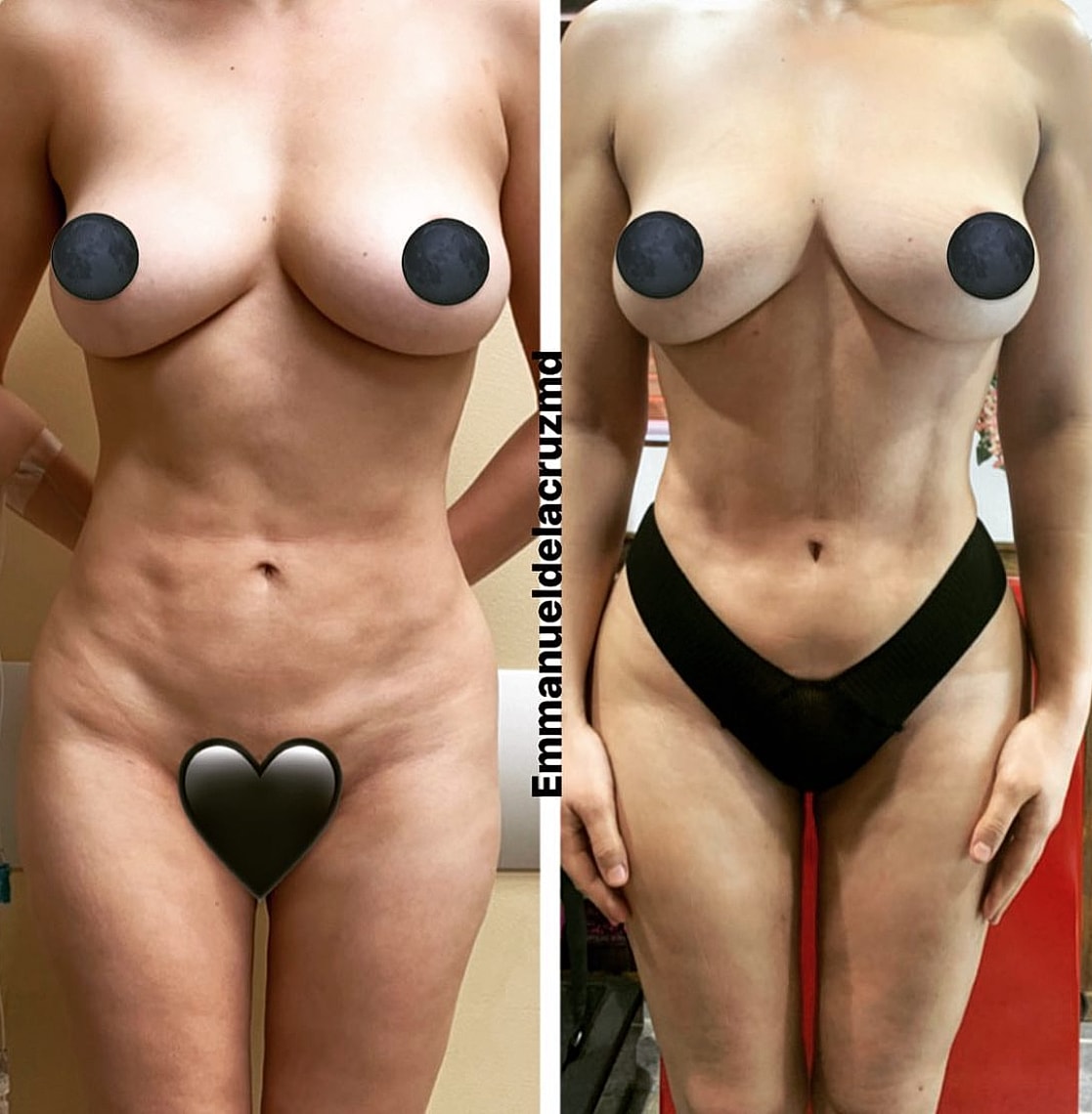
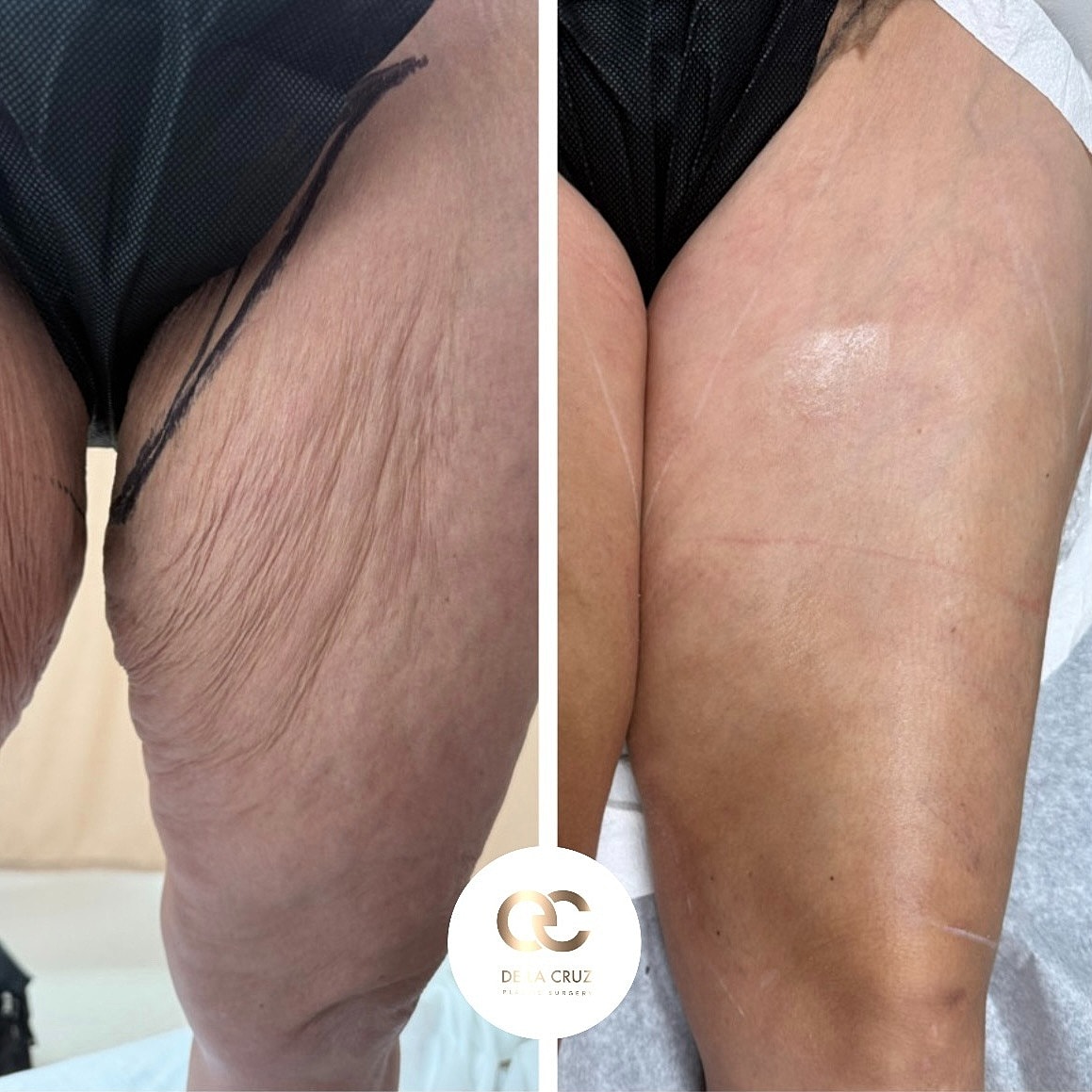
Contour irregularities are among the most commonly discussed concerns following liposuction. Although most patients achieve smooth and natural body contours after healing, irregularities can occasionally occur as tissues settle and swelling resolves.

Contour irregularities may appear as:

Uneven fat removal, resulting in areas that look slightly over- or under-treated

Depressions or indentations in the skin surface

Asymmetry between the right and left sides of the body

Residual fat deposits that remain in treated areas

Several factors can contribute to these contour changes, including skin elasticity, healing patterns, scar tissue formation, and the amount of fat removed during the procedure. In some patients, underlying conditions such as lipedema may also affect how fat is distributed and how the body heals after liposuction.

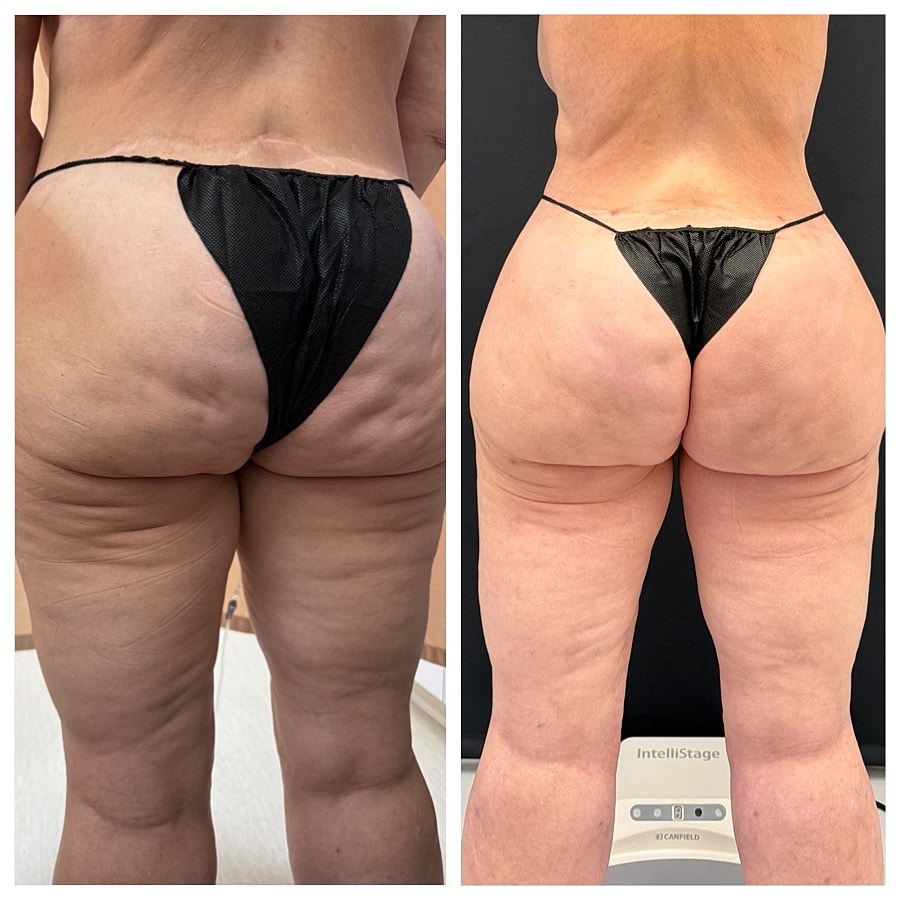
In certain cases, specialized procedures such as revision liposuction may be recommended to refine the results and improve overall body contour. Revision liposuction is designed to address contour irregularities, asymmetry, or areas of residual fat after a previous liposuction procedure.

For patients with conditions such as lipedema, advanced surgical techniques used in lipedema surgery may be required to remove diseased fat tissue and restore more balanced body proportions.

Rarely, contour deformities may also occur in association with conditions such as Paradoxical Adipose Hyperplasia (PAH), a complication most often linked to certain non-surgical fat reduction treatments.

At De La Cruz Plastic Surgery in Houston, careful surgical planning and advanced body contouring techniques are used to minimize the risk of contour irregularities while helping patients achieve smooth, natural-looking results.

Fluid Collections After Liposuction: Seroma and Hematoma

Fluid collections are among the possible liposuction complications that may occur during the healing process. These collections can develop in the treated area as the body responds to surgery and the creation of spaces beneath the skin where fat has been removed.

Two types of fluid collections that may occur after liposuction include seromas and hematomas.

Seroma

A seroma is a collection of clear, straw-colored fluid that accumulates beneath the skin in the area where liposuction was performed. This fluid is part of the body’s normal inflammatory response to surgery but may sometimes collect in larger amounts.

Patients with a seroma may notice:

• localized swelling • a feeling of fullness or fluid movement beneath the skin • mild discomfort or pressure in the treated area

Small seromas often resolve gradually as the body reabsorbs the fluid during the healing process. Wearing compression garments and following postoperative instructions can help reduce the risk of fluid accumulation.

If a seroma becomes larger or persists, it may require aspiration (drainage) by the surgeon to remove the fluid and allow the tissues to heal properly.

Hematoma

A hematoma is a collection of blood that forms within the surgical area due to bleeding beneath the skin. Hematomas are less common but can occur after many types of surgical procedures, including liposuction.

Symptoms of a hematoma may include:

• swelling or firmness in the treated area • bruising that continues to expand • increased discomfort or pressure

Small hematomas may resolve with time as the body gradually absorbs the blood. Larger hematomas may require drainage or additional treatment to prevent complications and promote proper healing.

Prevention and Management

Several measures help reduce the risk of fluid collections after liposuction, including:

• meticulous surgical technique

• careful control of bleeding during surgery

• proper use of compression garments

• Lymphatic massage therapy

At De La Cruz Plastic Surgery in Houston, patients receive detailed postoperative instructions and follow-up care to help ensure safe healing and early detection of any concerns. Prompt evaluation and treatment of fluid collections can help restore normal healing and maintain smooth, natural body contours.

De La Cruz Logo

Fat Embolism and Rare Surgical Risks

Fat embolism is a rare but serious complication that can occur when fat droplets enter the bloodstream and travel to the lungs or other organs. In very uncommon cases, these fat particles can interfere with normal circulation and oxygen exchange, potentially affecting the lungs, brain, or other vital organs.

Although fat embolism after liposuction is extremely uncommon, it highlights the importance of careful surgical planning and meticulous technique. Advances in modern liposuction technology, improved understanding of anatomy, and adherence to established safety guidelines have helped reduce the risk of this complication.

Several factors play an important role in minimizing risk, including:

Proper surgical technique Careful cannula placement, controlled fat removal, and respect for anatomical structures help reduce the risk of injury to blood vessels.

Appropriate patient selection A thorough preoperative evaluation ensures that patients are medically suitable candidates for liposuction and that the procedure is performed safely.

Careful intraoperative monitoring Experienced anesthesia providers and surgical teams continuously monitor vital signs and patient status during the procedure.

Experienced surgical care Choosing an experienced board-certified plastic surgeon with expertise in body contouring is one of the most important factors in maintaining patient safety.

Other Rare Liposuction Complications

While uncommon, other potential complications associated with liposuction may include:

Infection, which may require antibiotics or additional treatment in rare cases • Excessive bleeding, particularly in large procedures or in patients with certain medical conditions • Adverse reactions to medications or anesthesia, which are uncommon but possible with any surgical procedure

At De La Cruz Plastic Surgery in Houston, careful surgical planning, meticulous technique, and close postoperative monitoring are used to prioritize patient safety and minimize the risk of complications. Every procedure is approached with a thoughtful and individualized plan designed to support safe healing and natural-looking results.

Olive green bikini bottoms on a model

Paradoxical Adipose Hyperplasia (PAH)

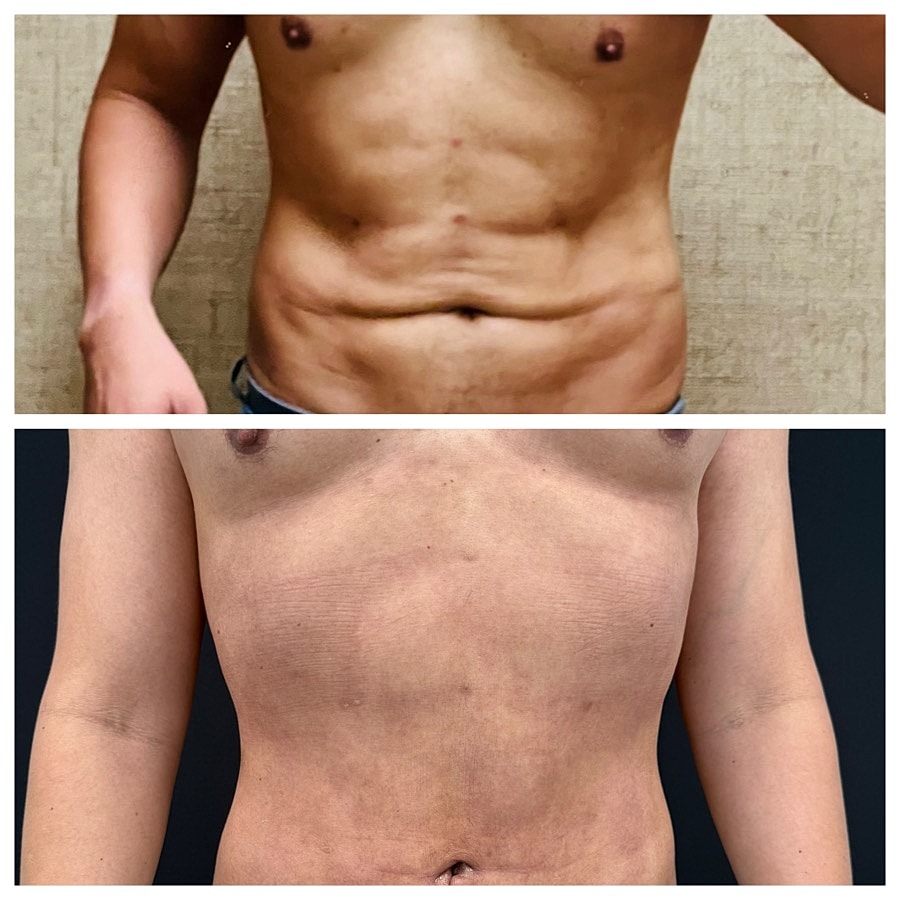
Paradoxical Adipose Hyperplasia (PAH) is a rare but well-documented complication most commonly associated with certain non-surgical fat reduction treatments, particularly cryolipolysis. Instead of reducing fat, the treated area may gradually enlarge, becoming firmer, thicker, and more prominent over time.

Although the exact cause of PAH is not fully understood, it appears to involve a paradoxical response of fat cells to cold exposure. Rather than undergoing fat cell destruction, the adipose tissue may become enlarged and fibrotic, leading to a visible bulge or contour deformity in the treated area.

Unlike temporary swelling or inflammation, PAH does not typically resolve on its own and may become more noticeable over several months.

Treatment of PAH

Treatment for PAH usually requires surgical correction to restore normal body contours. In many cases, this involves advanced body contouring techniques such as:

VASER ultrasound-assisted liposuction, which helps emulsify and remove dense or fibrotic fat tissue more precisely • energy-assisted skin tightening technologies, such as Quantum RF, which can help improve skin retraction and contour after fat removal • surgical excision in selected cases, when the affected tissue is particularly dense or fibrotic

Because PAH tissue can be more fibrous and resistant than normal fat, treatment often requires specialized experience in advanced liposuction techniques and body contouring.

At De La Cruz Plastic Surgery in Houston, a comprehensive evaluation is performed to determine the most appropriate approach for treating PAH and restoring smoother, more natural body contours.

Solid dark background with no features.

How Liposuction Complications Are Prevented?

Preventing liposuction complications begins with careful surgical planning, proper patient selection, and a strong commitment to patient safety. When liposuction is performed by a qualified board-certified plastic surgeon, the risk of complications can be significantly reduced through meticulous technique and comprehensive patient care.

Several important safety principles help minimize the risk of complications during and after liposuction surgery:

Careful patient selection A thorough consultation and medical evaluation help determine whether a patient is an appropriate candidate for liposuction. Factors such as overall health, skin quality, and realistic expectations are carefully assessed before surgery.

Procedures performed in accredited surgical facilities Liposuction should be performed in an accredited surgical center with experienced anesthesia providers and strict safety standards to ensure optimal patient care.

Appropriate surgical planning and volume management Careful planning helps determine the safest and most effective approach for each patient. When necessary, procedures may be staged to maintain safe surgical limits and reduce risks associated with large-volume liposuction.

Meticulous surgical technique Advanced liposuction techniques and careful attention to anatomical structures help promote smooth body contours while minimizing trauma to surrounding tissues.

Close postoperative monitoring and follow-up care After surgery, patients are closely monitored and given detailed postoperative instructions to support proper healing and identify any concerns early.

Modern advancements in liposuction technology and surgical techniques—including ultrasound-assisted and power-assisted liposuction—have also improved precision and safety. Combined with a detailed understanding of anatomy and thoughtful surgical planning, these advances help reduce the likelihood of complications and support optimal aesthetic outcomes.

At De La Cruz Plastic Surgery in Houston, every procedure is approached with careful planning and individualized care, with patient safety remaining the highest priority.

Treatment Options for Liposuction Complications

When liposuction complications occur, treatment depends on the specific concern, its severity, and the stage of healing. In many cases, early irregularities improve gradually as swelling subsides and tissues settle during the normal recovery process.

Management options may include:

Observation and conservative management Many minor irregularities or areas of swelling improve over time as healing progresses. Careful monitoring, compression garments, and supportive postoperative care are often sufficient during the early recovery phase.

Drainage of fluid collections If a seroma or hematoma develops after liposuction, drainage may be required to remove accumulated fluid or blood and allow the tissues to heal properly.

Scar management therapies Scar tissue formation may contribute to firmness or irregular contour in treated areas. Treatments such as massage, compression therapy, or other scar management strategies may help improve tissue quality during healing.

Fat grafting for contour correction In certain cases, small depressions or contour irregularities can be improved using fat grafting, which helps restore volume and create smoother transitions between treated areas.

Revision liposuction When persistent contour irregularities, asymmetry, or areas of residual fat remain after healing, revision liposuction may be recommended to refine the results and improve overall body contour.

Revision procedures are sometimes necessary to correct contour irregularities, asymmetry, or residual fat deposits following previous liposuction. Because prior surgery can create scar tissue and altered anatomy, revision liposuction often requires careful planning and advanced surgical expertise to achieve optimal results.

At De La Cruz Plastic Surgery in Houston, each patient is carefully evaluated to determine the most appropriate treatment approach, with the goal of restoring smooth, natural body contours while prioritizing patient safety.


When Revision Liposuction May Be Needed

In some cases, patients may consider revision liposuction to improve or refine the results of a previous liposuction procedure. While most patients achieve satisfying outcomes after their initial surgery, secondary procedures may be helpful when healing has completed and certain concerns remain.

Revision liposuction may be recommended when:

Contour irregularities persist after healing Small depressions, indentations, or uneven contours may sometimes remain after liposuction. Revision liposuction can help smooth these areas and restore more natural body contours.

Asymmetry is noticeable Differences between the right and left sides of the body may occur due to variations in fat removal or healing. Revision procedures can help improve symmetry and balance.

Residual fat remains in treated areas Some patients may still have localized fat deposits that were not fully addressed during the initial procedure. Revision liposuction can help further sculpt these areas to achieve a more refined result.

Prior liposuction results require refinement In certain cases, patients seek additional contouring to enhance definition or improve overall proportions after their original surgery.

De La Cruz Logo

Why Choose Dr. Emmanuel De La Cruz for Your Liposuction?

Double Board-Certified Plastic Surgeon Dr. Emmanuel De La Cruz is double board-certified and specializes in advanced body contouring procedures with a focus on safety, precision, and natural-looking results.

Expertise in Advanced Liposuction Techniques Dr. De La Cruz utilizes modern technologies such as ultrasound-assisted liposuction (VASER) and power-assisted liposuction to improve precision and achieve smoother, more refined body contours.

Artistic Approach to Body Sculpting Liposuction is not simply fat removal. Dr. De La Cruz approaches each procedure as a form of body sculpting, carefully shaping the body to enhance natural proportions and definition.

Personalized Surgical Planning Every patient undergoes a comprehensive consultation and individualized treatment plan tailored to their anatomy, skin quality, and aesthetic goals.

Safety-Focused Surgical Care Procedures are performed in an accredited surgical facility with experienced anesthesia providers and strict safety protocols to prioritize patient safety at every stage.

Experience with Complex and Revision Cases Dr. De La Cruz frequently treats patients requiring revision liposuction or correction of contour irregularities from prior procedures.

Commitment to Surgical Innovation and Education Through ongoing training and participation in national and international meetings in aesthetic surgery, Dr. De La Cruz remains engaged with the latest advancements in body contouring techniques.

Model in stylish white outfit posing creatively.
Solid black background image. No content visible.
Simple dark background with no visible elements.

Frequently Asked Questions (FAQ) About Liposuction Complications

Most patients recover from liposuction without significant problems, but some temporary side effects may occur during the healing process. The most common concerns include swelling, bruising, temporary numbness, and mild contour irregularities. In some cases, patients may develop fluid collections such as seromas or small areas of asymmetry that improve as healing progresses. Serious complications are uncommon when liposuction is performed by an experienced board-certified plastic surgeon using modern surgical techniques.

Liposuction is considered a generally safe cosmetic procedure when performed by a qualified plastic surgeon in an accredited surgical facility. While minor side effects are relatively common during the early recovery period, significant complications are rare.

The risk of complications can be minimized through careful patient selection, meticulous surgical technique, and proper postoperative care.

Contour irregularities refer to uneven areas of the skin surface that may appear after liposuction. These can include small depressions, indentations, asymmetry, or areas where residual fat remains.

Several factors may contribute to contour irregularities, including skin elasticity, healing patterns, scar tissue formation, and the amount of fat removed during surgery. In certain cases, revision liposuction or fat grafting may be recommended to improve the contour.

A seroma is a collection of clear fluid that can develop beneath the skin after surgery. It may cause swelling, fullness, or a fluid-like sensation in the treated area.

Small seromas often resolve on their own as the body reabsorbs the fluid. Larger or persistent seromas may require drainage by the surgeon to promote proper healing.

A hematoma is a collection of blood that forms within the surgical site. It may cause swelling, firmness, bruising, or discomfort in the treated area.

Small hematomas often resolve over time as the body gradually absorbs the blood. Larger hematomas may require medical evaluation or drainage to prevent complications.

Fat embolism is a rare but serious complication that occurs when fat particles enter the bloodstream and travel to the lungs or other organs. Although extremely uncommon, this complication highlights the importance of proper surgical technique and careful patient monitoring during liposuction.

Advances in modern liposuction techniques and strict safety protocols have helped reduce the risk of this complication.

Yes. Many liposuction complications can be improved with additional treatments depending on the specific concern. Options may include scar management therapies, drainage of fluid collections, fat grafting, or revision liposuction to refine the contour.

Patients seeking correction of previous liposuction results should consult with a plastic surgeon experienced in revision body contouring procedures.

Patients should contact their surgeon if they experience unusual symptoms after liposuction, such as:

• significant swelling or sudden enlargement of a treated area • severe pain or increasing redness • fever or signs of infection • persistent fluid accumulation

Prompt evaluation helps ensure that any concerns are addressed early and treated appropriately.