Rhinoplasty
Facial symmetry begins with the nose. Dr. De La Cruz combines the eye of a classical sculptor with the precision of Piezo ultrasonic technology to create a profile that is as functional as it is beautiful.

Facial symmetry begins with the nose. Dr. De La Cruz combines the eye of a classical sculptor with the precision of Piezo ultrasonic technology to create a profile that is as functional as it is beautiful.
Choosing a plastic surgeon for your nose job is a decision that requires the highest level of trust. Dr. Emmanuel De La Cruz is a double board-certified surgeon who specializes in preservation rhinoplasty, a technique that honors your unique nasal anatomy. By utilizing ultrasonic Piezo instruments, he can sculpt the nasal bones with microscopic accuracy, avoiding the trauma associated with traditional methods. Whether you seek cosmetic rhinoplasty for a more balanced profile or functional rhinoplasty to correct a deviated septum, our Houston surgery center provides the luxury and expertise necessary for a transformative outcome.

Reshapes the nasal dorsum, refines the nasal tip, and corrects breathing obstructions
Exclusive use of Piezo ultrasonic vibrations for precise, "no-break" bone sculpting
2–4 hours; performed under general anesthesia
Patients usually return to work in 7–10 days with significantly less bruising
Permanent structural changes that age naturally with your facial features
1 of 4

Rhinoplasty, or nose surgery, is one of the most common plastic surgery procedures performed today. It can reshape, reduce, or augment a person’s nose to achieve facial harmony and boost self-confidence. It may be performed as a reconstructive procedure to correct a birth defect or an injury, such as a broken nose.
Rhinoplasty may be performed for functional rather than cosmetic reasons as well. Combining nose reshaping with septoplasty or endoscopic sinus surgery can effectively treat certain breathing problems, such as those caused by a deviated septum.

Preservation rhinoplasty with piezo is a cutting-edge surgical technique used to reshape the nose while preserving its natural structures. This innovative approach combines the principles of preservation rhinoplasty, which aims to maintain the integrity of the nasal tissues, with the precision and control offered by piezoelectric instruments.
Preservation rhinoplasty focuses on preserving the nasal bones, cartilage, and soft tissues rather than extensively removing or altering them. By doing so, this technique aims to achieve a more natural-looking and long-lasting result while minimizing the risk of complications.
Piezoelectric instruments are specialized surgical tools that utilize ultrasonic vibrations to precisely cut and shape bone and cartilage. These instruments are particularly advantageous in delicate areas like the nasal bones and septum, as they allow for controlled and precise sculpting without causing damage to the surrounding tissues.
Preservation rhinoplasty with piezo offers several notable benefits over traditional rhinoplasty techniques:
It's important to note that preservation rhinoplasty with piezo is an advanced technique that requires the expertise and experience of a skilled rhinoplasty surgeon. Each patient's case is unique, and a comprehensive evaluation is necessary to determine the suitability of this technique for their specific needs and goals.
In summary, preservation rhinoplasty with piezo offers a cutting-edge approach to nose reshaping surgery, providing patients with a more natural-looking and long-lasting result while minimizing the risk of complications. This technique represents a significant advancement in the field of rhinoplasty, offering improved aesthetics and functional outcomes for individuals seeking nasal refinement.
Dr. De La Cruz’s goal with your rhinoplasty procedure is to plan the surgery with you, perform the planned procedure, take extra precaution during surgery, and most important of all is to be safe and yet achieve utmost optimal outcomes. The ultimate goal would be to tailor one’s nose so that it will be harmonious with your other facial features.

Rhinoplasty is usually an outpatient procedure performed under IV sedation or general anesthesia.
Surgeons use one of two techniques when performing nose surgery. In a closed rhinoplasty, incisions are made within the nostrils. In an open rhinoplasty, the incision is made across the columella, the tissue between the nostrils. With both methods, Dr. De La Cruz gently lifts the soft tissues covering the nose. He then sculpts the bone and cartilage to the desired shape. Any additional cartilage needed to augment the nose can often be taken from the septum.
If the patient has a deviated septum, Dr. De La Cruz will adjust the septum and the inner structures of the nose to improve breathing. Then the tissues are re-draped and stitched closed. If the patient desires nostril reshaping, this is done as the final stage of rhinoplasty.
If the patient has a deviated septum, Dr. De La Cruz will adjust the septum and the inner structures of the nose to improve breathing. Then, the tissues are re-draped and stitched closed. If the patient desires nostril reshaping, this is done as the final stage of rhinoplasty.
Rhinoplasty is an excellent procedure for achieving the following:
Refined Aesthetic Symmetry
The primary benefit of rhinoplasty surgery is the restoration of balance. By modifying the nasal skeleton, Dr. De La Cruz can address a drooping nasal tip, smooth a dorsal hump, or narrow the bridge to better complement your other facial features. This surgical technique is meticulously planned during your rhinoplasty consultation to ensure your nose's appearance looks natural and harmonious with your other features.
Improved Respiratory Function
For many rhinoplasty patients, the procedure is a necessity for health. Functional rhinoplasty addresses a nasal obstruction caused by a deviated septum or enlarged turbinates. By clearing the nasal passages and optimizing the nasal airway, Dr. De La Cruz can dramatically improve your quality of sleep, daily comfort, and athletic performance.
Minimized Trauma With Piezo Technology
Unlike traditional rhinoplasty techniques, the use of Piezo technology means the nasal structure is reshaped without the use of hammers or chisels. This results in far less damage to the nasal blood supply and soft nasal tissues, leading to a faster recovery and a more predictable nasal shape.
The best candidates for rhinoplasty:

For a short time after surgery, patients may experience puffiness, nose ache or a dull headache, some swelling and bruising, bleeding, or stuffiness. Most patients feel like themselves within two days and return to work in about a week.
The results of rhinoplasty become gradually apparent as the days pass after surgery and swelling recedes. Swelling may reappear from time to time in the first year after the procedure. It is typically more noticeable in the morning and fades during the day.
Contact lenses can be worn immediately, but glasses may need to be taped to your forehead or propped on your cheeks for up to seven weeks.
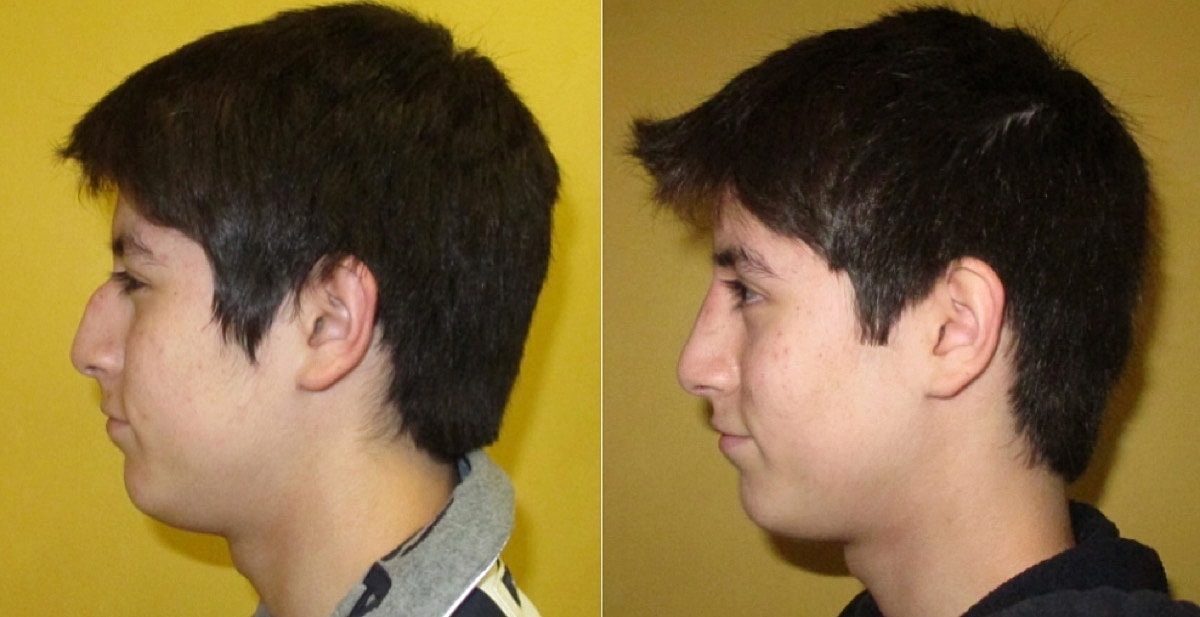
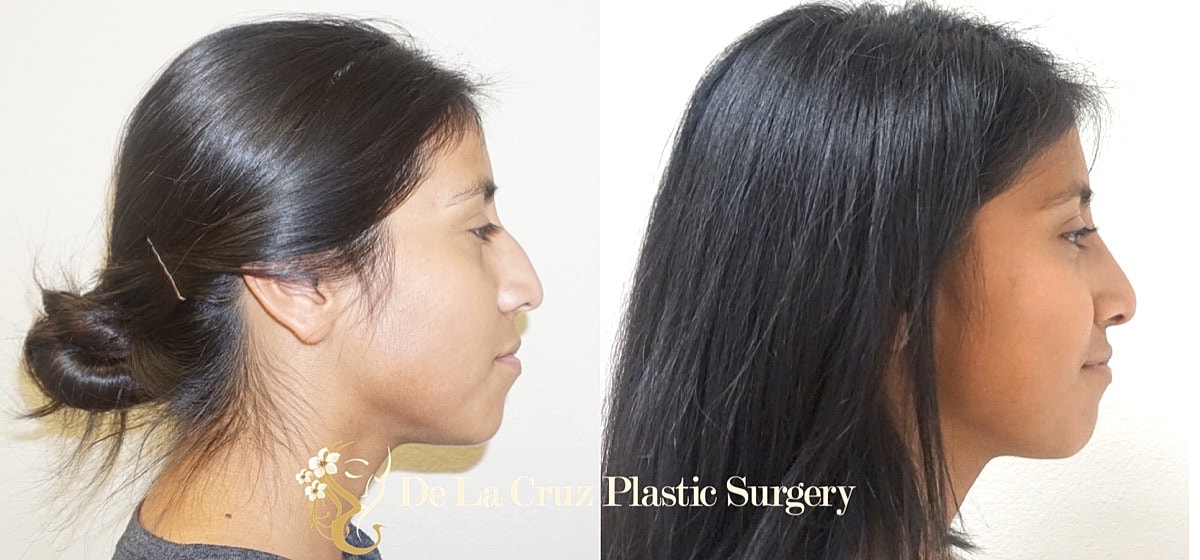
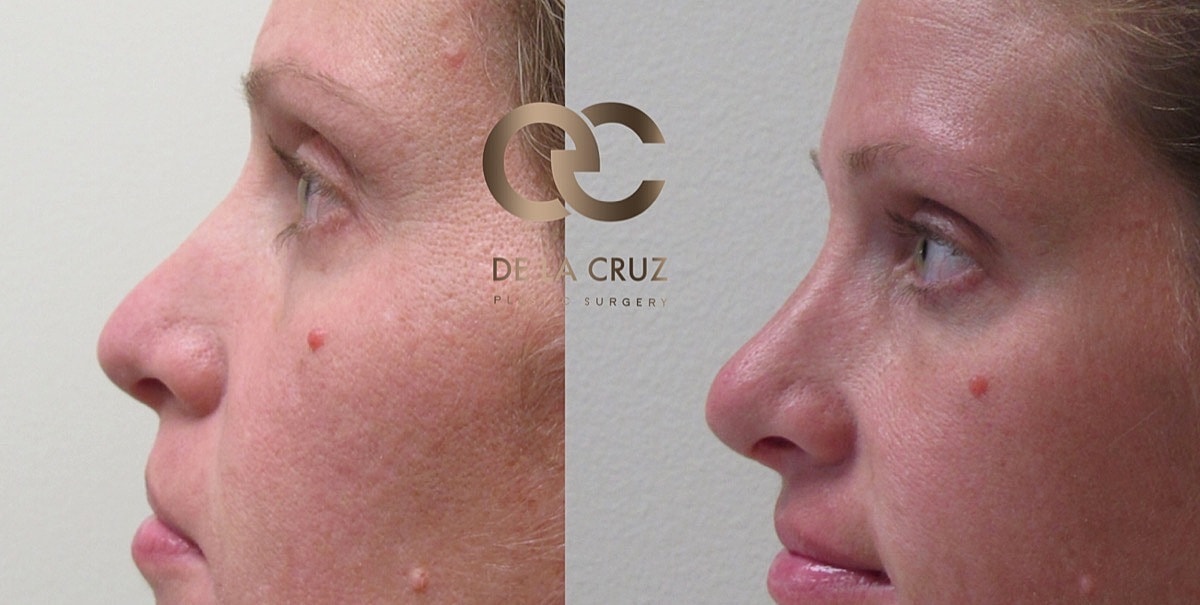
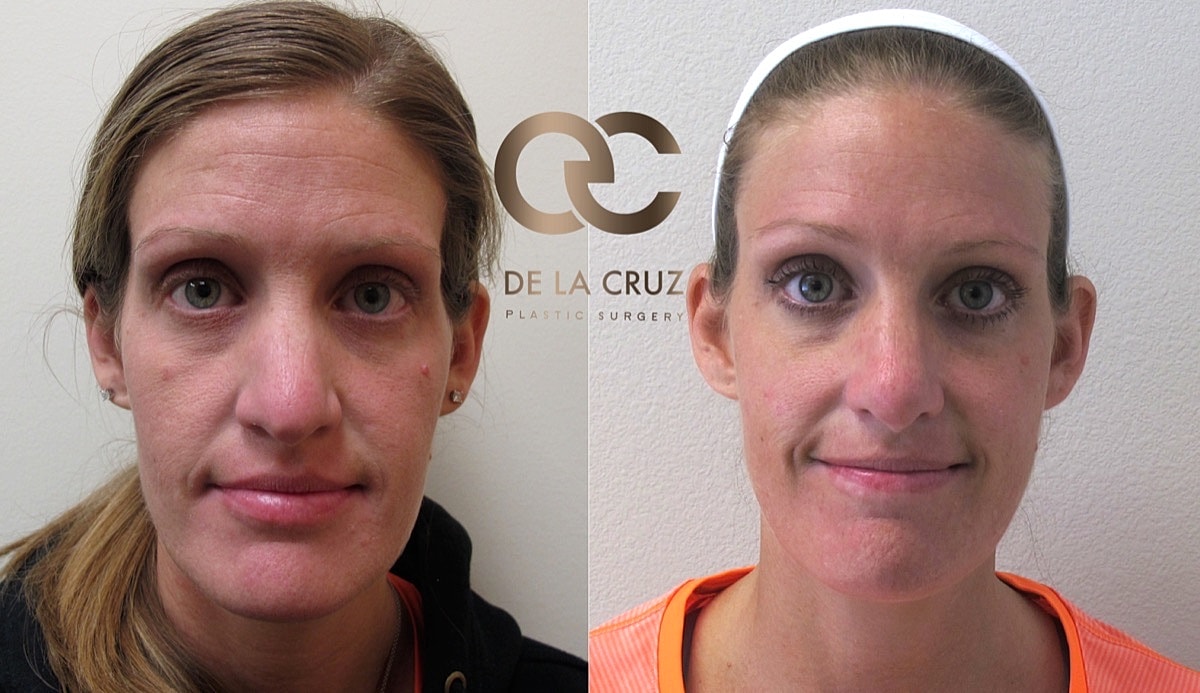
The results of your rhinoplasty procedure are a blend of immediate gratification and gradual refinement. While the structural changes to your nasal bones and nasal tip are visible the moment your splint is removed, the final tightening of the skin over the new nasal skeleton takes time. You can expect to see the most significant definition emerge within the first three months, though subtle refinement of the tip of the nose can continue for up to a year.
Because Dr. De La Cruz emphasizes preservation rhinoplasty, your results are built for longevity. By maintaining the integrity of the upper lateral cartilages and nasal innervation, he ensures that your nose remains strong and functional for decades. The goal is a result that doesn't just look better in a before-and-after photo, but one that enhances your natural beauty and confidence every time you look in the mirror.
When searching for the best rhinoplasty surgeons, experience and technology are the two most critical factors. Dr. De La Cruz is a leader in rhinoplasty in Houston, known for his ability to perform complex nasal reconstruction and ethnic rhinoplasty with cultural sensitivity and technical mastery. His use of Piezo technology places him in the top tier of facial plastic surgeons globally, offering a level of precision that reduces the risk of needing revision rhinoplasty. At our practice, every rhinoplasty consultation includes a comprehensive nasal analysis, ensuring your customized treatment plan delivers a life-changing aesthetic surgery experience.
» Schedule your Nose Reshaping/Rhinoplasty Consultation with Dr. De La Cruz today by calling 832.776.1134
Surprisingly, most patients report that the procedure is not overly painful. While you may feel a sense of stuffiness or pressure in the nasal cavity for the first few days, the discomfort is typically well-managed with prescribed pain medication. Because Piezo technology is so gentle on the nasal tissues, many patients find their rhinoplasty surgery much easier than expected.
In a closed rhinoplasty, all surgical incisions are hidden inside the nostrils. In an open rhinoplasty, a tiny incision is made on the columella. Dr. De La Cruz will determine which surgical technique is best for your nasal anatomy; however, the open approach is often preferred for complex nasal tip work or revision surgery.
Yes. This is known as revision rhinoplasty. It is a more complex surgical procedure that often requires cartilage grafts harvested from the nasal septum or even rib cartilage to restore the nasal structure. Dr. De La Cruz is highly skilled in these delicate secondary procedures.
While you will look great at the two-week mark, the very last of the swelling in the internal nose can take up to 12 months to fully resolve. Patience is key to seeing the crisp, high-definition details of your new nasal shape.